


Divine Indigo Expression Wall Art & Canvas Print
Divine Indigo Expression Wall Art & Canvas Print
Couldn't load pickup availability
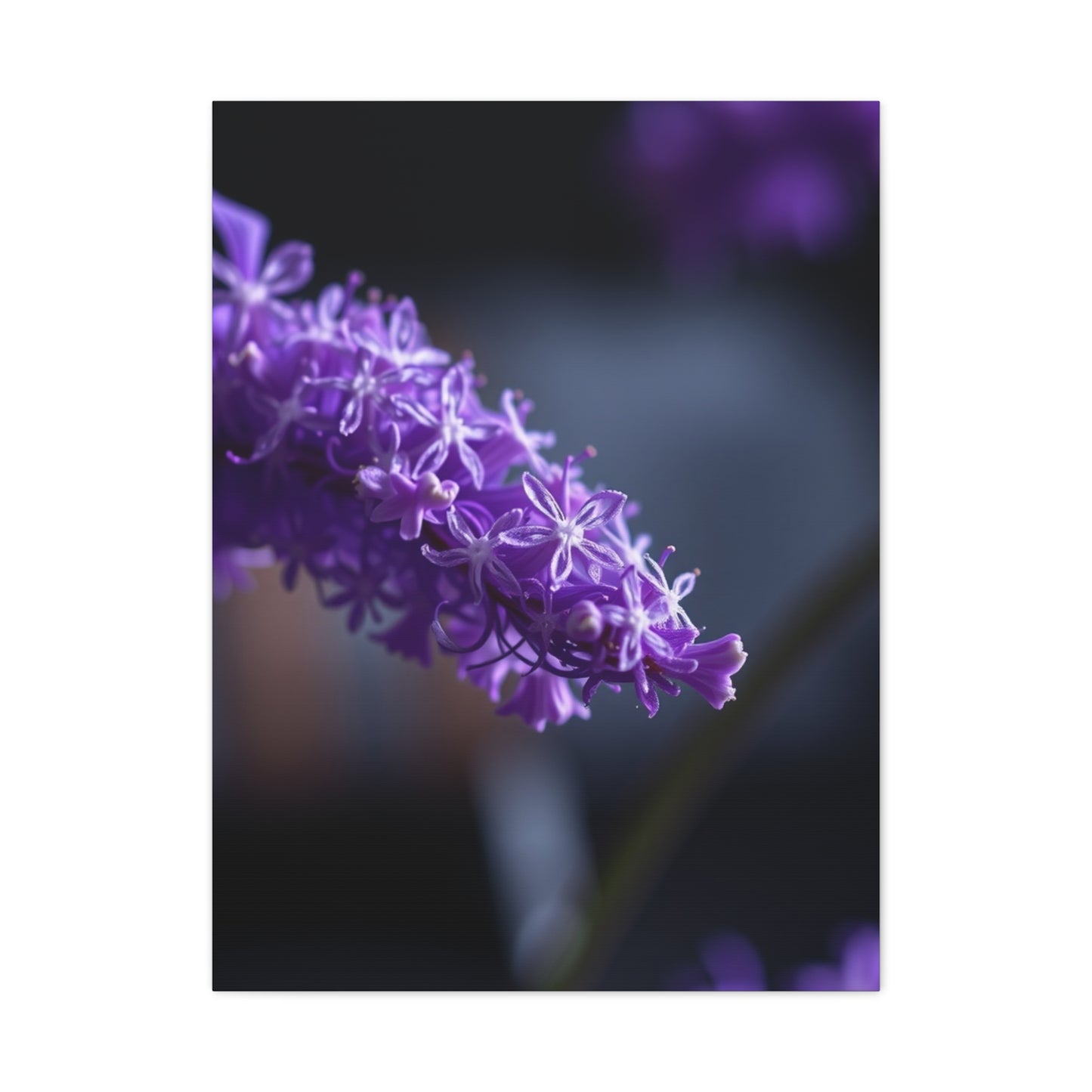
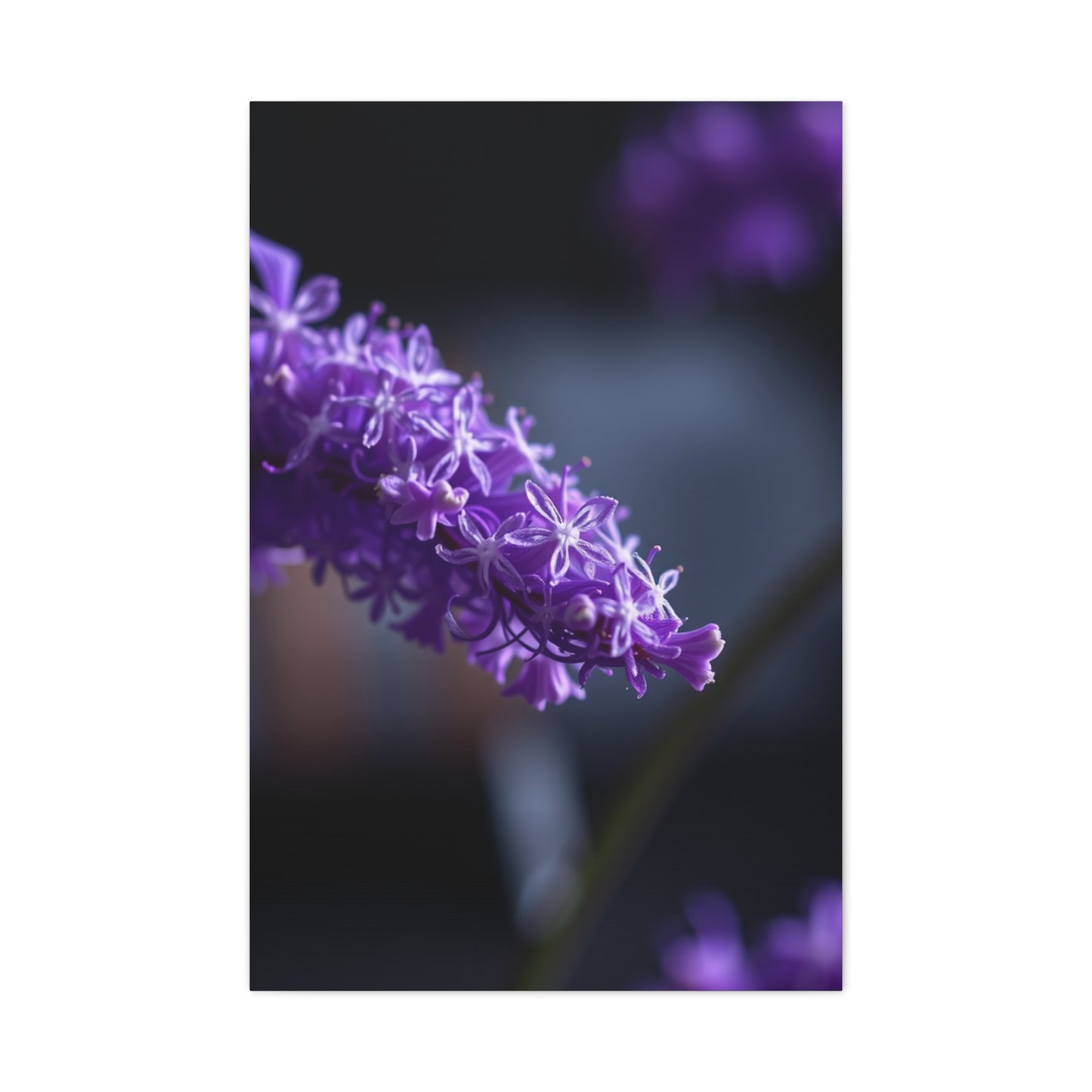
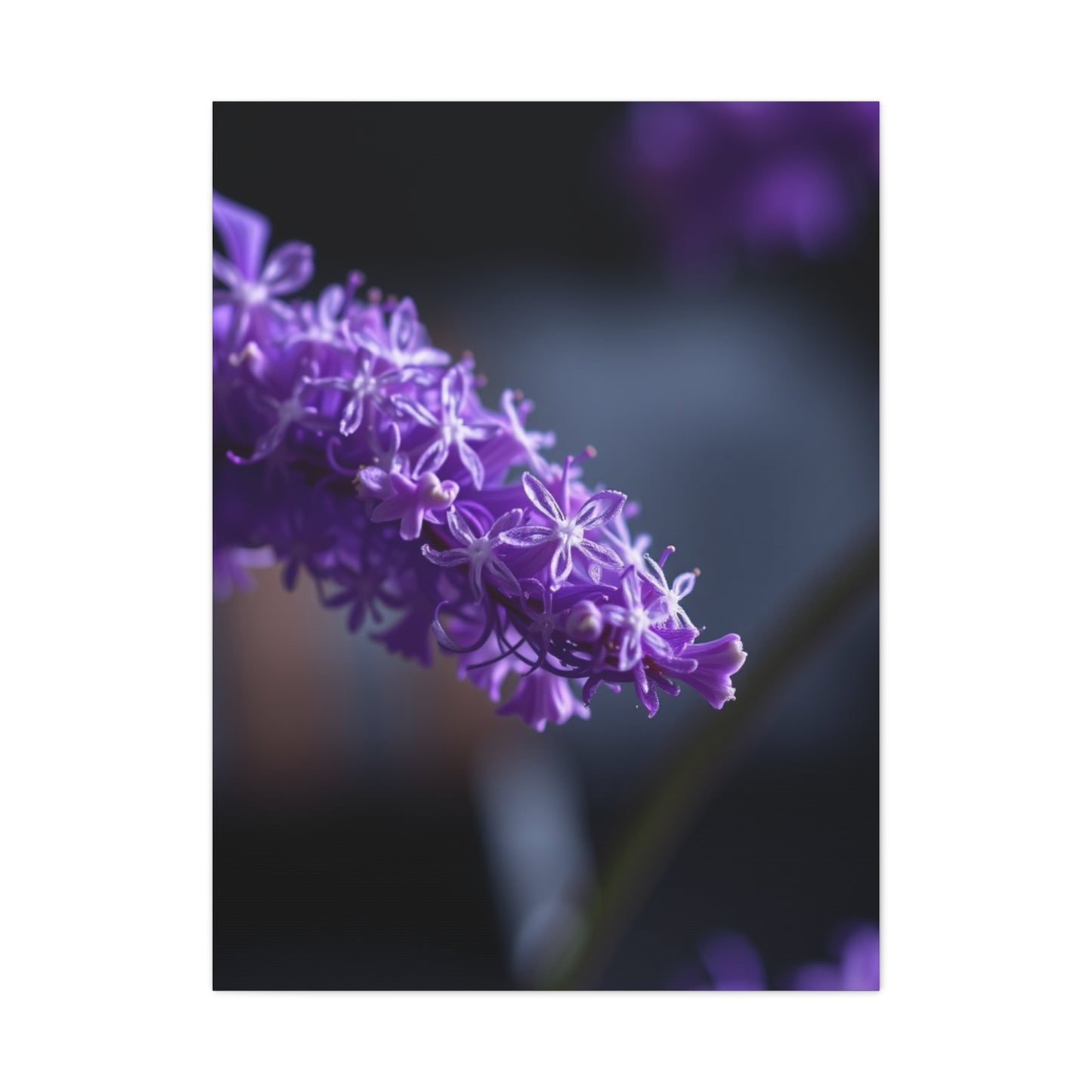
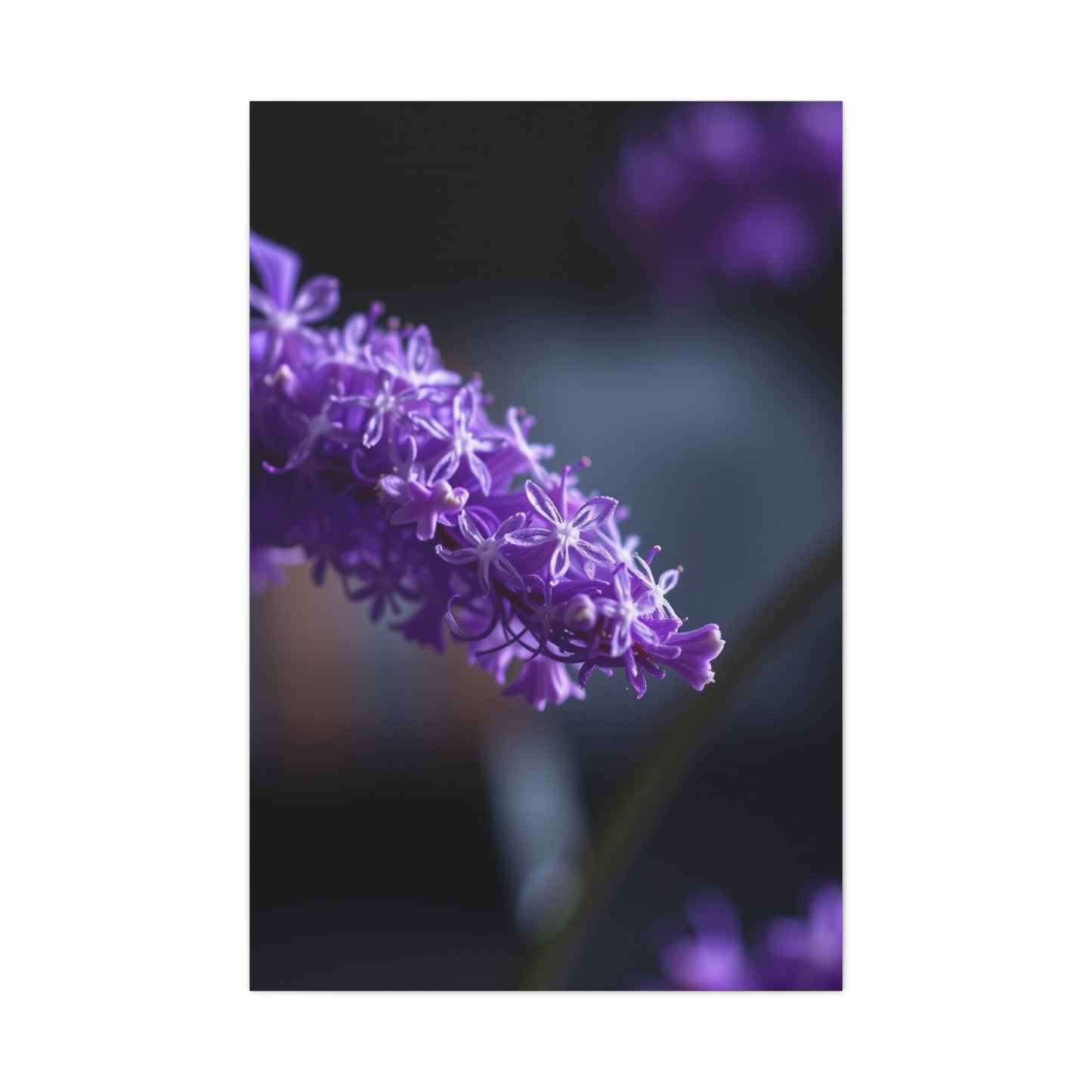
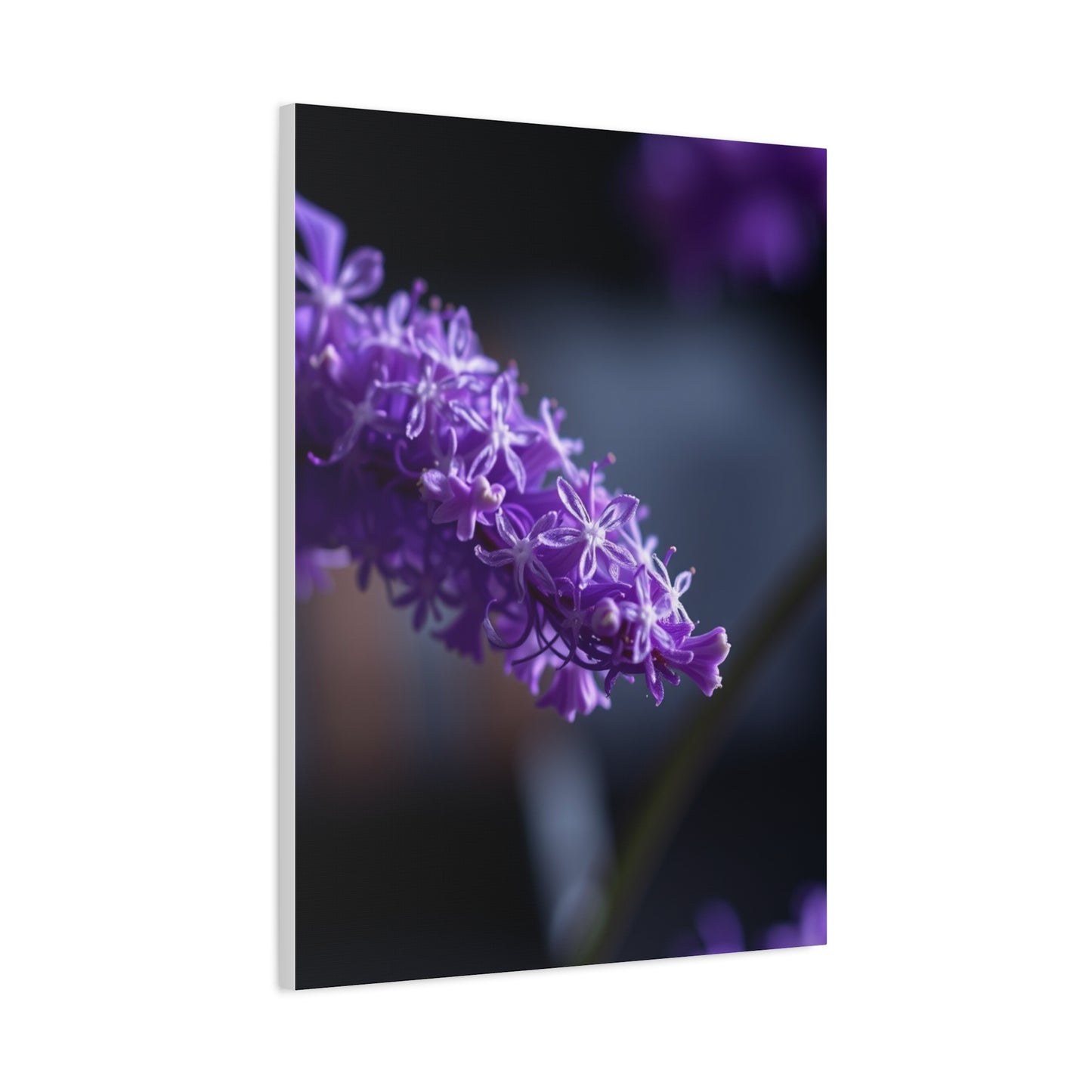
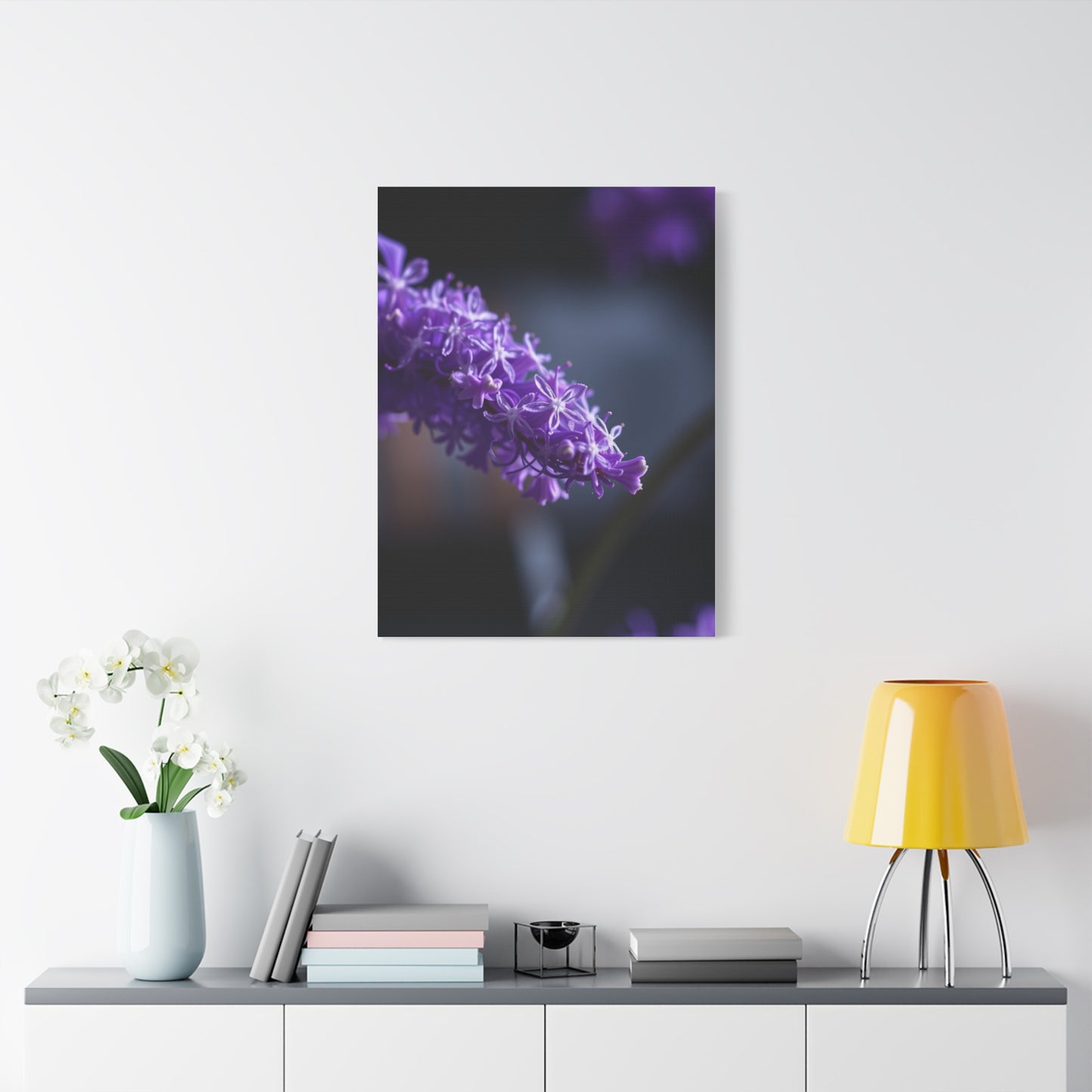
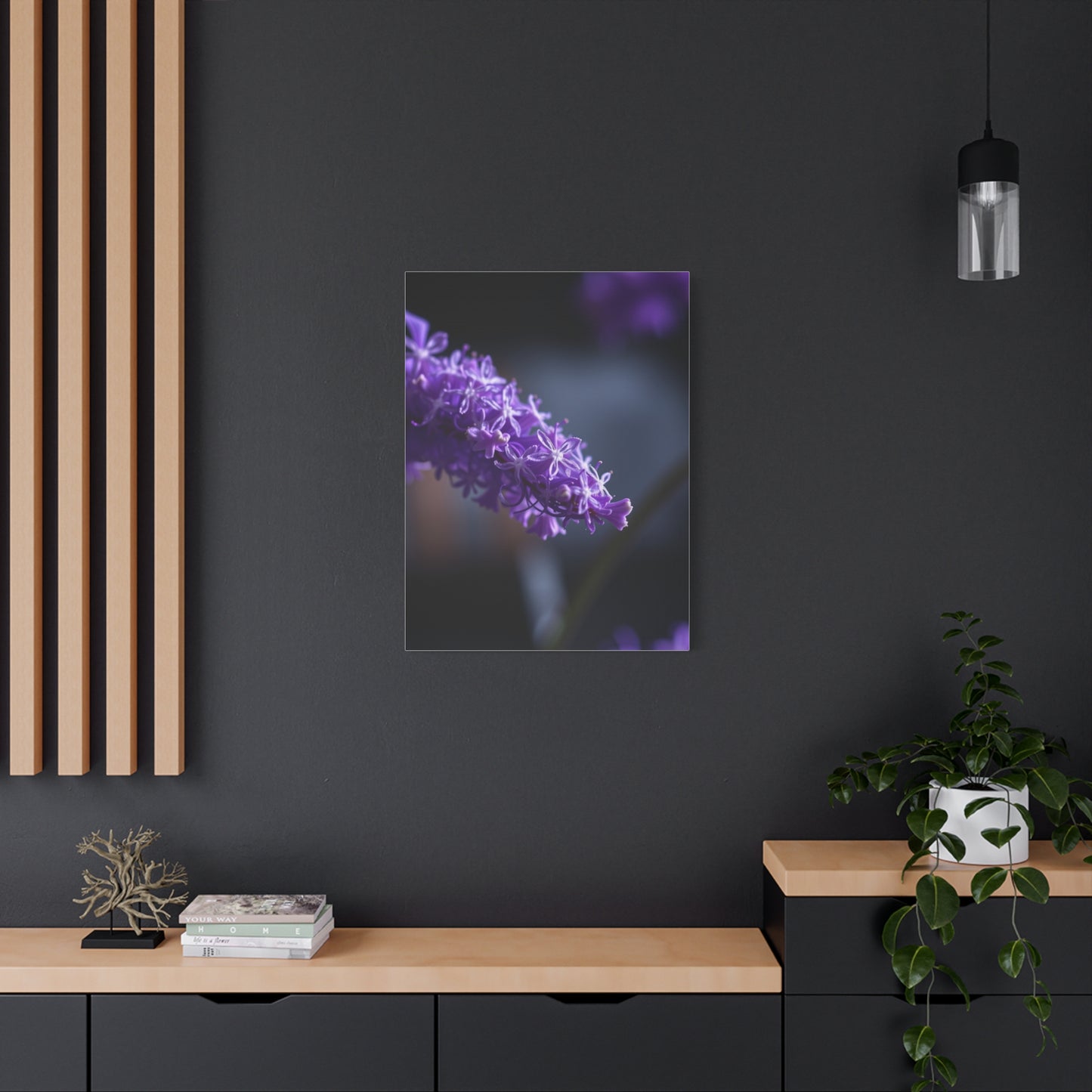
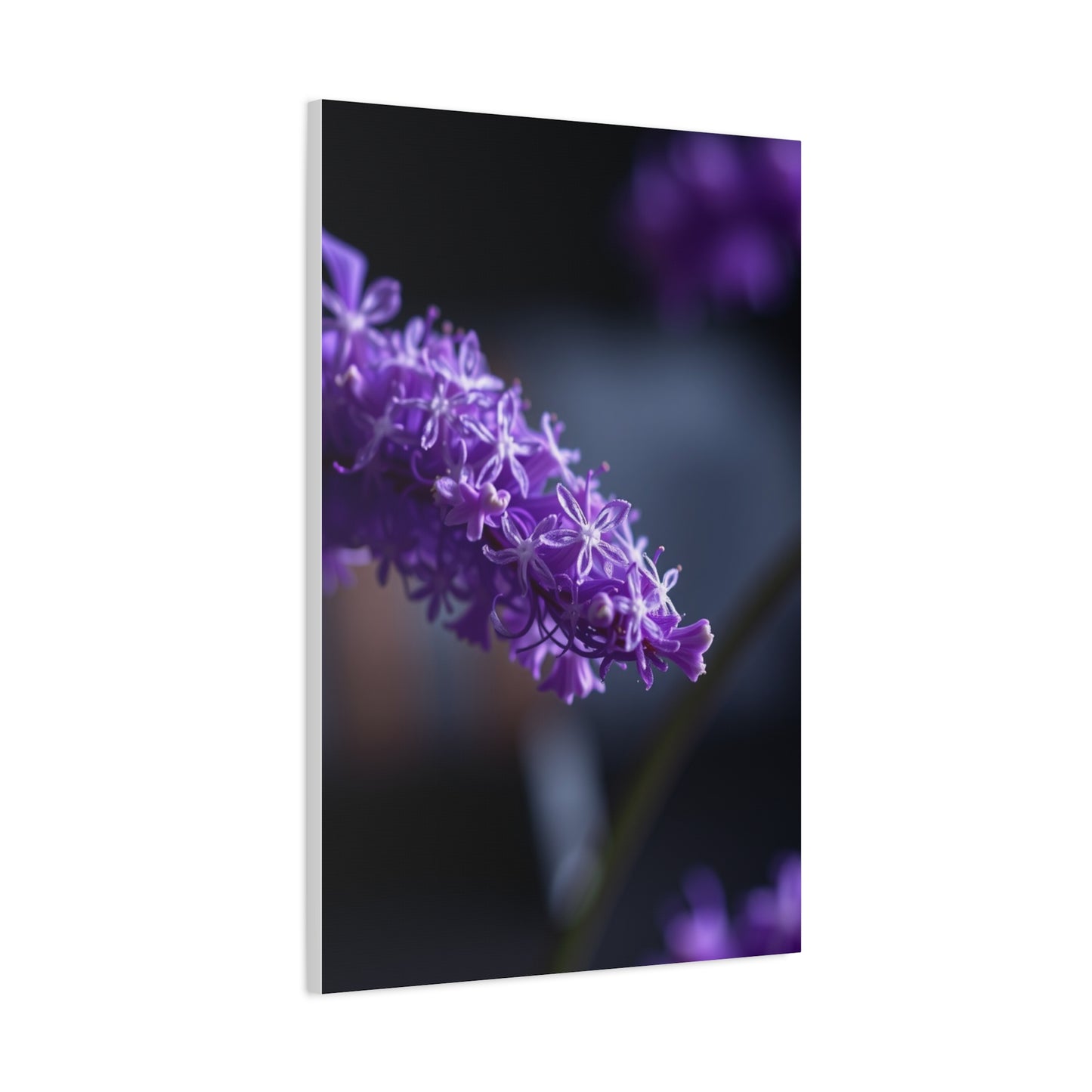
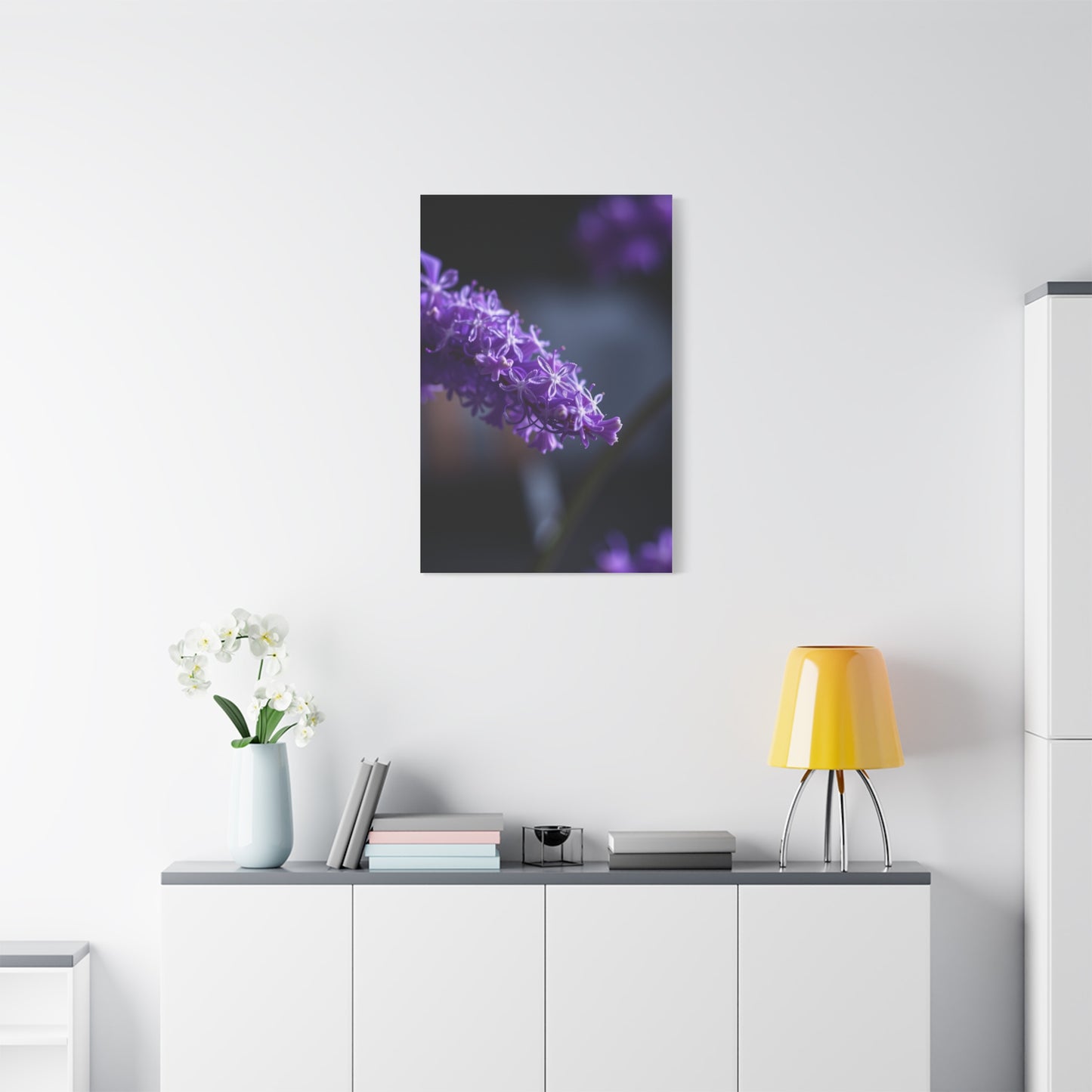
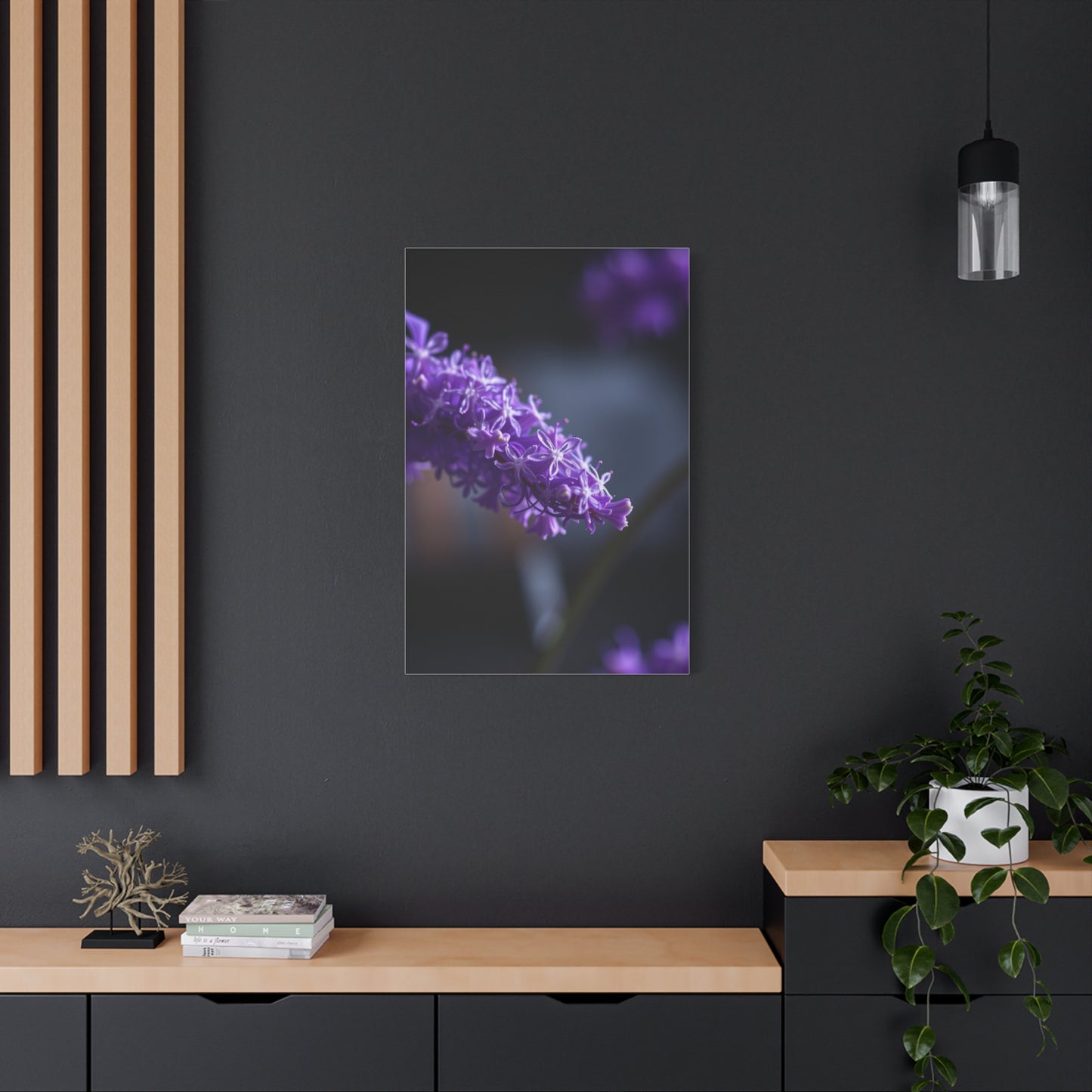
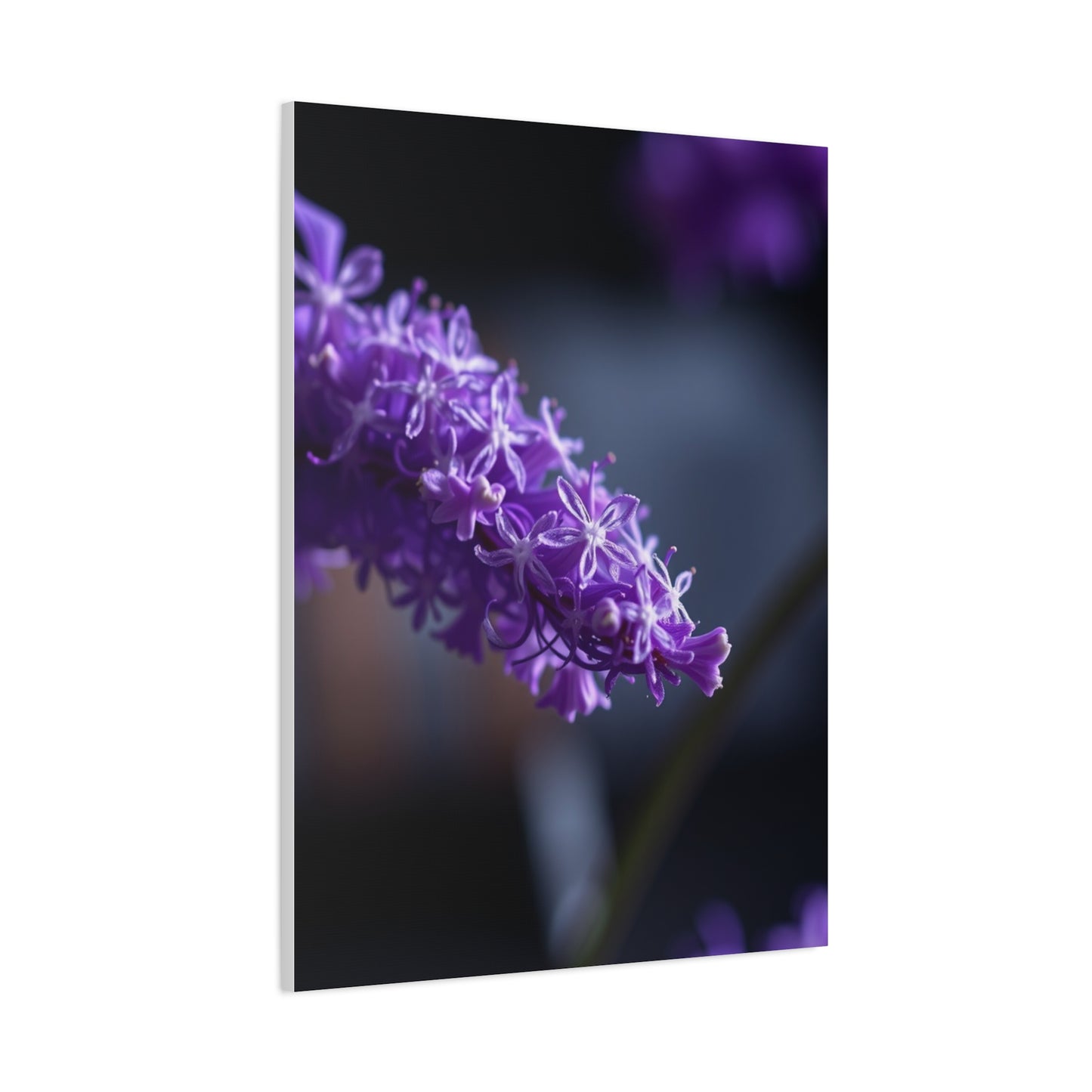
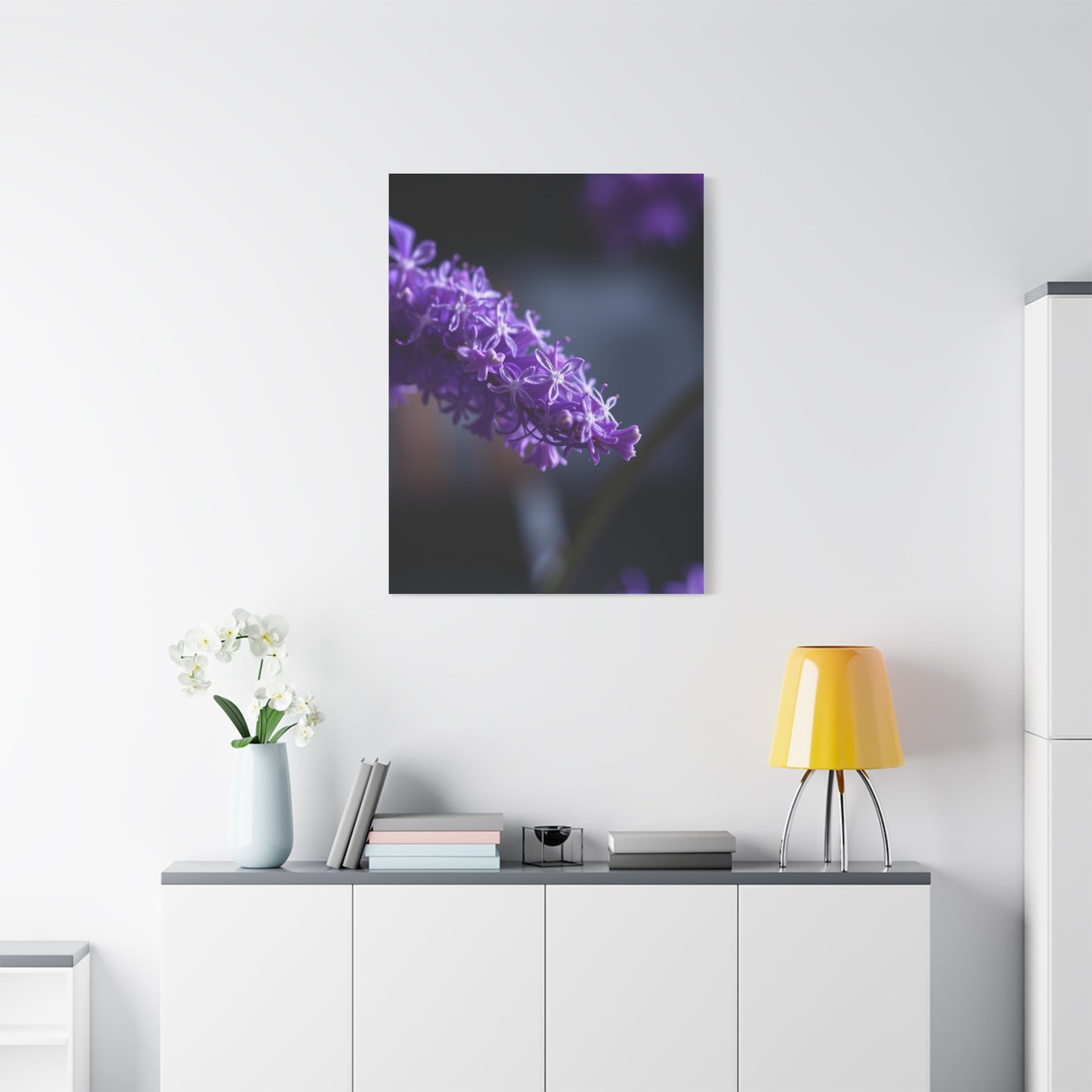
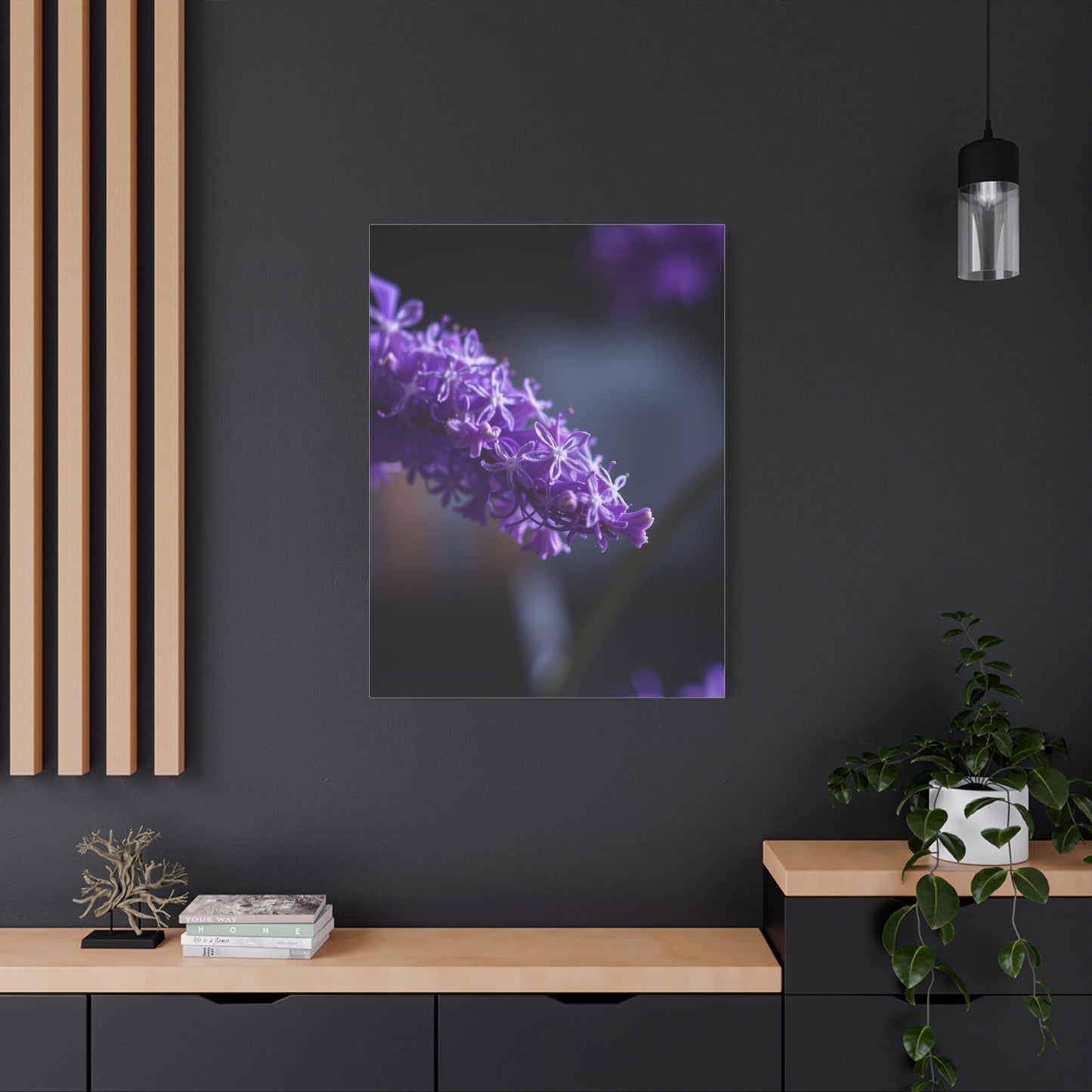
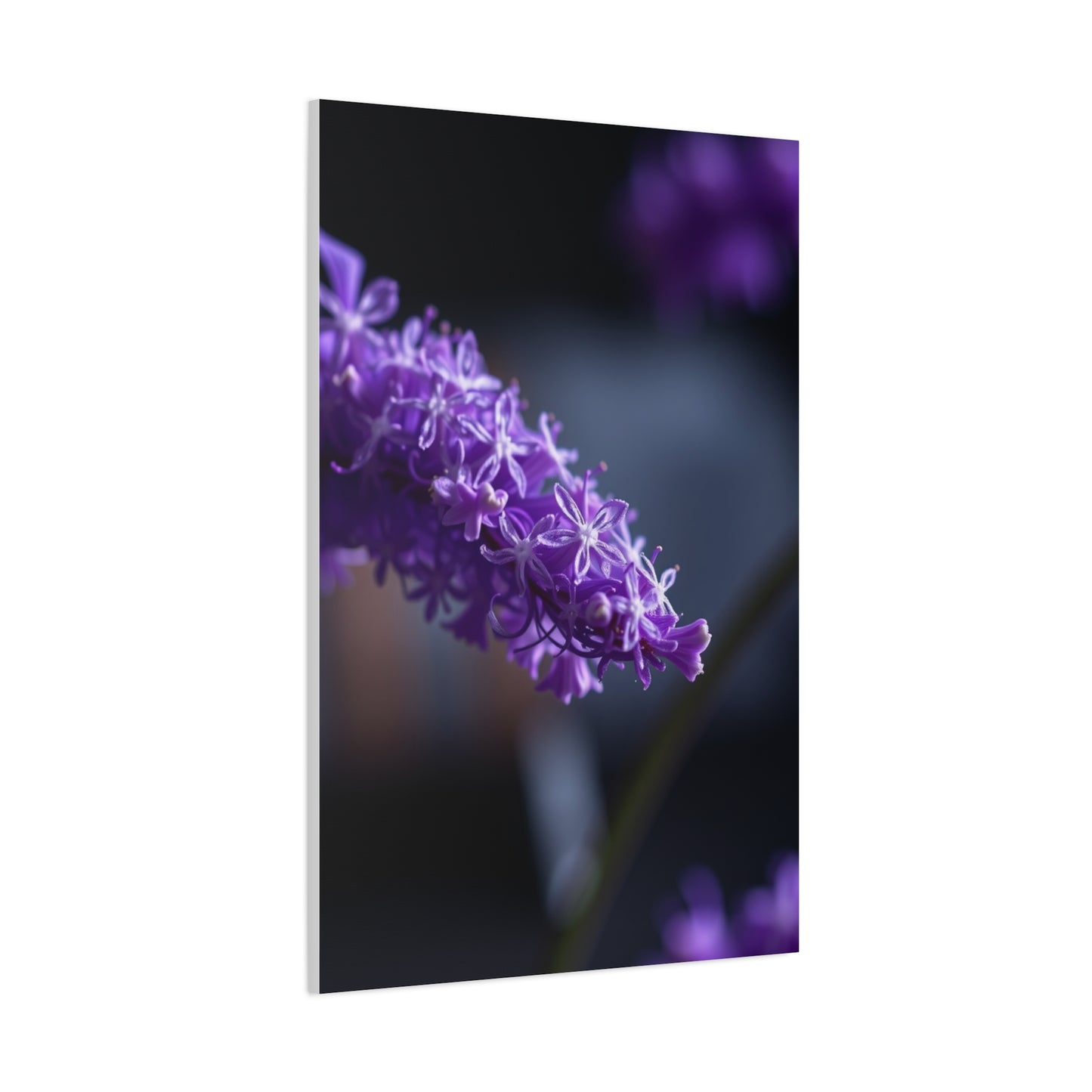
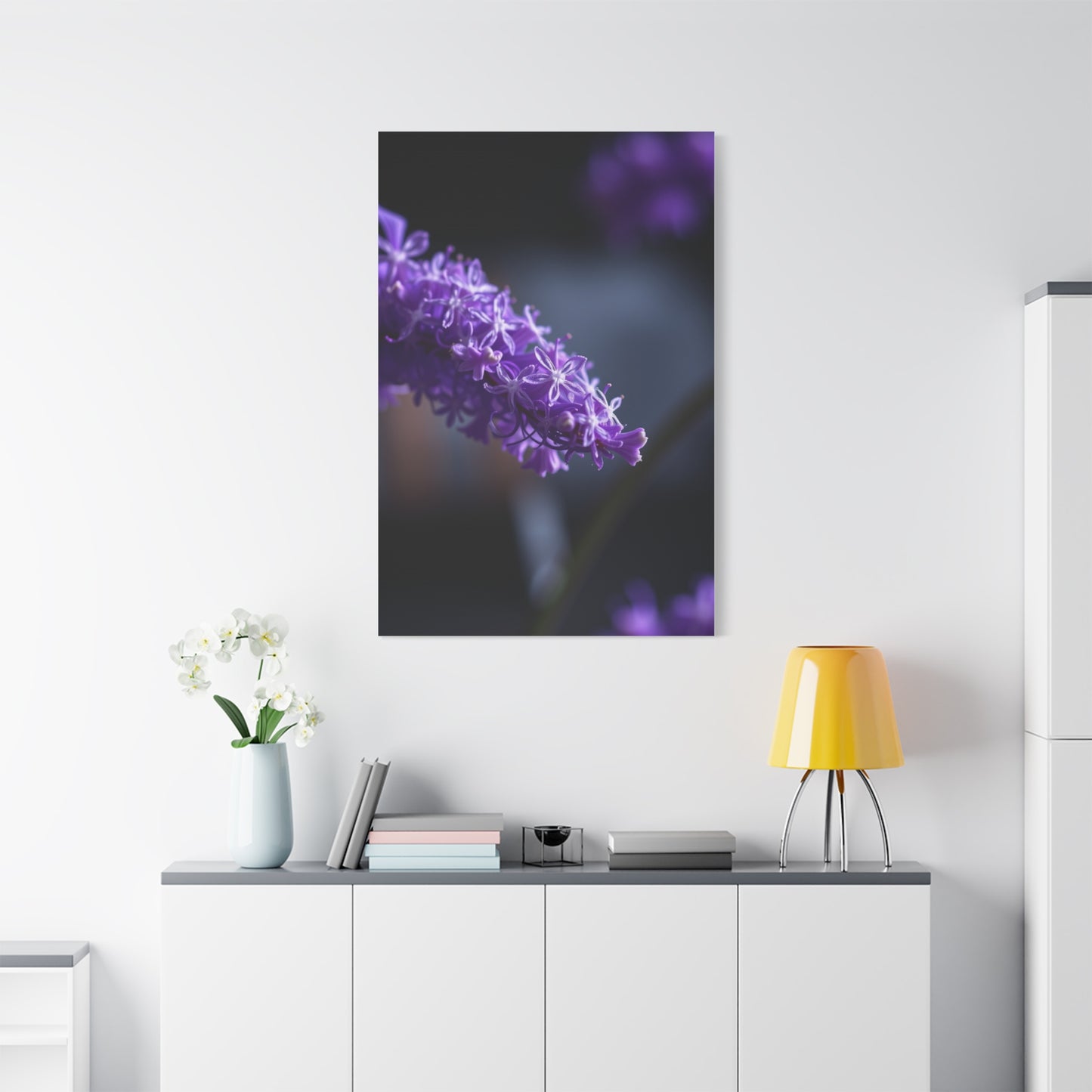
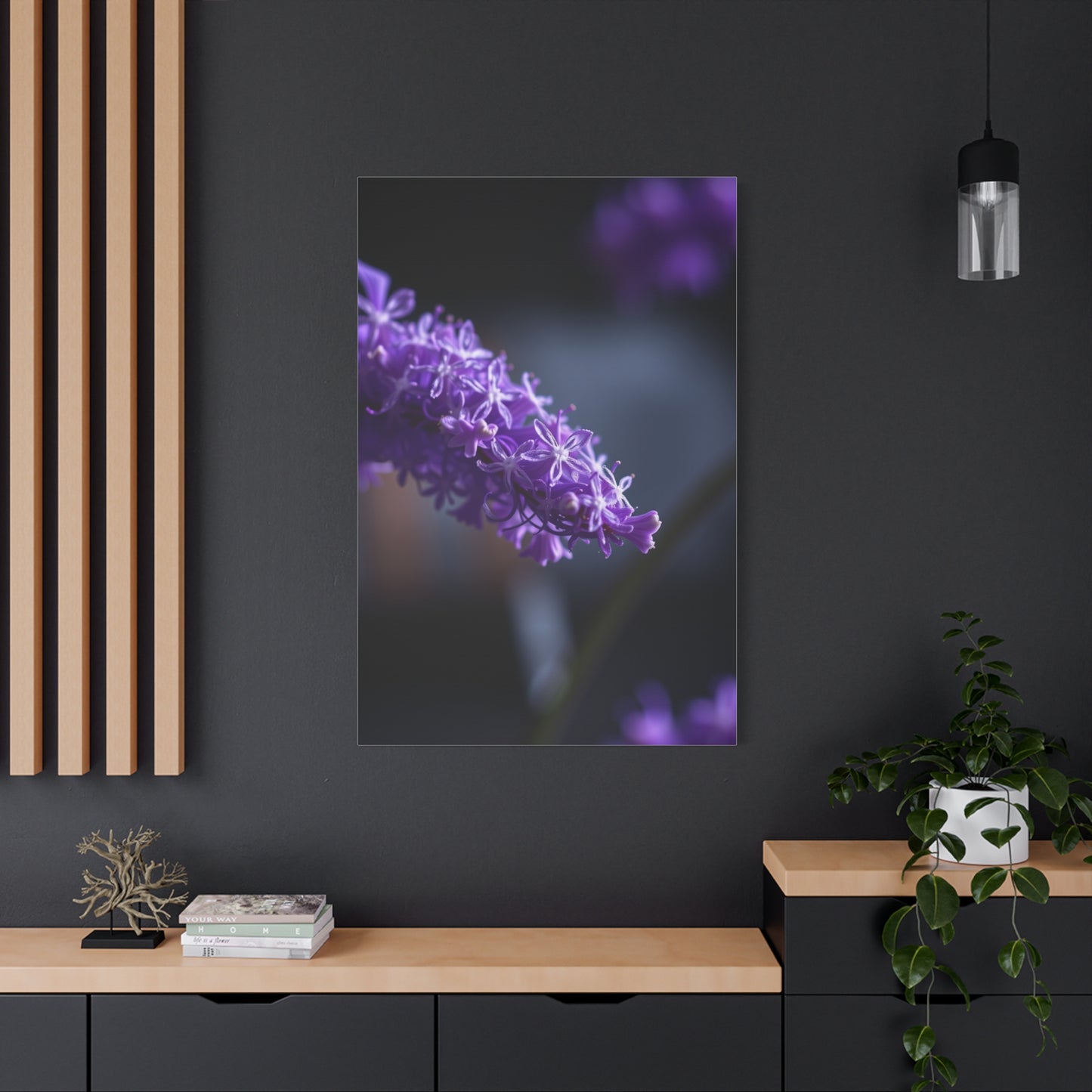
Divine Indigo Expression Wall art: Transforming Spaces with Deep Blue Canvas Art
The world of interior design has witnessed a remarkable transformation in recent years, with color playing an increasingly vital role in creating atmospheres that resonate with our deepest emotions and aesthetic sensibilities. Among the spectrum of hues available to modern decorators and art enthusiasts, indigo stands as a particularly compelling choice, offering a unique blend of sophistication, depth, and timeless appeal. This comprehensive exploration delves into the multifaceted world of divine indigo expression on canvas, examining how this rich, mysterious color can revolutionize living spaces, evoke powerful emotions, and serve as the cornerstone of contemporary interior design.
Indigo, positioned between blue and violet on the color spectrum, carries with it centuries of cultural significance and artistic tradition. From ancient dyes extracted from natural sources to modern pigments that capture its essence with unprecedented clarity, this color has maintained its position as a symbol of wisdom, intuition, and creative expression. When translated onto canvas as artistic expression, indigo becomes more than mere decoration; it transforms into a conversation piece, a mood setter, and a reflection of personal taste that speaks volumes about the inhabitant's appreciation for refined aesthetics.
The journey through divine indigo expression encompasses various artistic styles, from bold abstract compositions that command attention to subtle layered textures that reveal new dimensions with each viewing. This exploration will guide you through the intricate process of selecting, displaying, and appreciating indigo canvas art in various settings, from residential sanctuaries to professional workspaces, providing insights that will empower you to make informed decisions about incorporating this magnificent color into your environment.
Deep Hues: Divine Indigo Expression on Canvas
The profound nature of deep indigo hues on canvas creates an immediate visual impact that few other colors can match. This particular shade, reminiscent of twilight skies and mysterious ocean depths, possesses an inherent ability to draw viewers into its layered complexity. Artists working with deep indigo tones often discover that the color itself becomes a collaborator in the creative process, suggesting forms, evoking emotions, and establishing atmospheric conditions that transcend the physical boundaries of the canvas.
When examining deep indigo expression in contemporary art, one encounters a fascinating interplay between darkness and light, opacity and transparency. The color's natural depth allows artists to build complex compositions through layering techniques, where multiple applications of pigment create dimensional effects that change depending on lighting conditions and viewing angles. This dynamic quality makes deep indigo canvas art particularly suitable for spaces where natural light fluctuates throughout the day, as the artwork continuously reveals new aspects of its character.
The psychological impact of deep indigo cannot be overstated. Color psychology research indicates that darker blue tones promote feelings of stability, confidence, and intellectual clarity while simultaneously encouraging introspection and calm. These dual qualities make deep indigo expression ideal for environments where both productivity and relaxation are valued. The color's association with the night sky and infinite space also contributes to its ability to make rooms feel more expansive, even as it adds dramatic weight to wall surfaces.
Artists exploring deep indigo expression often incorporate various techniques to maximize the color's potential. Impasto applications create tactile surfaces that catch light in unexpected ways, while glazing techniques allow for translucent layers that seem to glow from within. Some contemporary artists combine indigo with metallic accents, introducing elements of gold, silver, or copper that create stunning contrasts and add luxurious dimensions to the overall composition. These technical approaches transform simple color application into sophisticated artistic statements that elevate any interior space.
The versatility of deep indigo extends to its compatibility with diverse artistic styles. Abstract expressionists use the color to create emotional landscapes that viewers can interpret personally, while minimalist artists employ it as a powerful statement of restraint and focus. Representational artists discover that indigo provides excellent foundations for atmospheric perspectives, particularly in seascapes, nocturnes, and studies of natural phenomena. This stylistic flexibility ensures that regardless of your aesthetic preferences, there exists a deep indigo expression that will resonate with your sensibilities.
Collecting deep indigo canvas art requires an understanding of how the color interacts with different mediums and substrates. Oil paintings in indigo tones develop rich, lustrous surfaces that age beautifully, deepening over time as the oils cure and develop their characteristic patina. Acrylic indigo works offer brilliant color saturation and contemporary finishes that maintain their vibrancy indefinitely. Mixed media approaches combine indigo with other materials such as textured papers, fabrics, or found objects, creating multi-dimensional works that engage viewers on multiple sensory levels.
The cultural significance of deep indigo adds another layer of meaning to canvas art featuring this color. Throughout history, indigo has been associated with royalty, spirituality, and artistic achievement. In various traditions, the color represents the third eye chakra, symbolizing intuition and higher consciousness. This rich symbolic heritage infuses deep indigo expression with subtle resonances that enhance its aesthetic appeal, making each piece not merely decorative but meaningful on deeper levels.
Moody Elegance: Indigo Wall Art for Modern Interiors
Modern interior design increasingly embraces moody color palettes that challenge traditional notions of brightness and airiness. Within this evolving aesthetic landscape, indigo wall art emerges as a quintessential element that embodies contemporary elegance while maintaining timeless appeal. The sophisticated moodiness of indigo creates atmospheric conditions within spaces, transforming ordinary rooms into curated environments that reflect intentional design choices and refined taste.
The concept of moody elegance in interior design represents a departure from the stark minimalism that dominated previous decades. Instead of relying solely on neutral tones and abundant white space, contemporary designers recognize the emotional and aesthetic value of deeper, more complex colors. Indigo wall art serves as an anchor point in these schemes, providing visual weight and emotional depth that lighter colors cannot achieve. This approach acknowledges that truly comfortable, personalized spaces need not be uniformly bright to feel welcoming and sophisticated.
Selecting indigo wall art for modern interiors requires careful consideration of scale, composition, and contextual relationships. Large-scale pieces make bold statements suitable for expansive walls in living rooms, dining areas, or entryways, where they immediately establish the room's character and set expectations for the overall design approach. Medium-sized works function beautifully in bedroom settings or home offices, providing visual interest without overwhelming more intimate spaces. Smaller indigo pieces work excellently in gallery wall arrangements, where they can be combined with complementary artworks to create dynamic visual narratives.
The interplay between indigo wall art and surrounding design elements creates opportunities for sophisticated color storytelling. Modern interiors often feature neutral backgrounds that allow indigo artwork to command attention without competition. Walls painted in soft grays, warm beiges, or even crisp whites provide perfect canvases for indigo expression, ensuring the artwork remains the focal point. Alternatively, some design approaches embrace tonal consistency, placing indigo art against walls painted in related but distinct shades, creating subtle color progressions that sophisticated viewers appreciate.
Lighting considerations become paramount when displaying indigo wall art in modern interiors. The color's depth and complexity respond dramatically to different lighting conditions, making proper illumination essential for maximizing visual impact. Directional track lighting or picture lights with adjustable color temperatures allow you to control how the artwork appears at different times of day. Warm lighting enhances indigo's red undertones, creating cozy, intimate atmospheres, while cooler lighting emphasizes its blue aspects, resulting in more crisp, contemporary presentations.
The textural qualities of indigo wall art contribute significantly to moody elegance in modern spaces. Contemporary artists working with indigo often employ mixed media techniques that add dimensional interest beyond pure color. Textured canvas surfaces, embedded materials, and layered applications create shadows and highlights that animate the artwork as viewers move through space. These textural elements prevent the moodiness from becoming oppressive, instead adding visual intrigue that rewards closer examination.
Furniture and accessory selections in rooms featuring indigo wall art should complement rather than compete with the artwork's presence. Modern furnishings in natural materials like wood, leather, and linen provide warm contrasts to indigo's coolness, creating balanced environments that feel both sophisticated and livable. Metallic accents in brass, copper, or gold introduce luminous elements that prevent spaces from feeling too dark, while also echoing any metallic details present in the artwork itself.
The psychological benefits of incorporating moody elegance through indigo wall art extend beyond mere aesthetics. These thoughtfully designed environments promote relaxation and contemplation, serving as respites from the overstimulation of modern life. The depth of indigo encourages slowing down and being present in the moment, qualities increasingly valued in our fast-paced world. This emotional resonance transforms houses into homes, creating spaces where inhabitants genuinely want to spend time.
Abstract Indigo: Divine Expression Canvas Prints
Abstract art in indigo tones represents one of the most dynamic and emotionally evocative forms of contemporary canvas expression. The non-representational nature of abstract composition allows indigo to function purely as emotional and aesthetic language, freed from the constraints of depicting recognizable subjects. This liberation enables artists to explore the color's full expressive potential, creating works that speak directly to viewers' intuitive and emotional centers rather than their rational minds.
The divine quality of abstract indigo expression emerges from its ability to suggest infinite possibilities without prescribing specific interpretations. Each viewer brings their own experiences, emotions, and associations to the encounter with abstract indigo art, resulting in deeply personal connections that vary from person to person. This subjective quality makes abstract indigo canvas prints particularly valuable for creating meaningful environments, as the artwork grows and evolves in significance alongside the viewer's own life journey.
Contemporary artists working in abstract indigo employ diverse techniques to achieve their expressive goals. Gestural approaches feature bold, sweeping brushstrokes that capture spontaneous energy and emotional intensity, with indigo pigment applied in dynamic patterns that suggest movement and force. Geometric abstractions use indigo within structured compositions of shapes and lines, creating intellectual puzzles that engage viewers' analytical faculties while still delivering emotional impact through color alone. Lyrical abstractions combine flowing forms with indigo's depth, producing dreamlike compositions that evoke meditation and contemplation.
The technical process of creating abstract indigo canvas prints involves sophisticated understanding of color theory, composition, and printing technologies. Original artworks are photographed or scanned at high resolutions, capturing every nuance of the artist's application. Advanced printing processes reproduce these subtleties on canvas substrates, maintaining the texture and depth of the original work. Quality canvas prints use archival inks that resist fading, ensuring the divine indigo expression remains vibrant for generations.
Layering techniques in abstract indigo work create visual complexity that rewards sustained viewing. Artists often begin with foundational layers of lighter blues or purples, gradually building toward deeper indigo tones through successive applications. This approach results in optical depth, where the eye perceives multiple levels of color simultaneously, creating richness that flat applications cannot achieve. Some artists incorporate transparent glazes between layers, allowing underlying colors to influence the final indigo tones in subtle but significant ways.
The relationship between negative space and indigo application in abstract compositions creates essential rhythms and breathing room within artworks. Even pieces dominated by indigo benefit from strategic areas where the canvas shows through or lighter colors provide contrast. These compositional choices prevent visual monotony and create pathways for the eye to travel through the piece, establishing viewing patterns that enhance overall aesthetic impact.
Abstract indigo canvas prints function exceptionally well in modern interiors because they complement rather than compete with architectural features and furnishings. Their non-representational nature makes them versatile across different design styles, from ultra-modern to transitional spaces. The color itself provides sufficient visual interest that elaborate compositional details become secondary, allowing abstract indigo art to integrate seamlessly into environments where simpler forms serve the overall design vision best.
The emotional vocabulary of abstract indigo expression encompasses a remarkable range, from serene and meditative to turbulent and energetic. Viewers responding to these works often report feelings of calm, introspection, and spiritual connection, though some abstract indigo pieces convey power, mystery, or dramatic intensity. This emotional versatility makes abstract indigo canvas prints suitable for various settings, from residential bedrooms requiring peaceful energy to corporate lobbies demanding impressive visual statements.
Statement Walls: Bold Indigo Artwork for Living Rooms
Living rooms serve as the heart of home environments, functioning as spaces for relaxation, entertainment, and family connection. Creating a statement wall with bold indigo artwork transforms these multipurpose spaces into distinctive environments that reflect personal style while providing visual anchors for the entire room. The strategic placement of commanding indigo pieces establishes immediate visual hierarchies, guiding attention and setting atmospheric tones that influence how inhabitants and guests experience the space.
The concept of statement walls gained prominence in interior design as homeowners sought ways to personalize spaces without undertaking complete renovations. Bold indigo artwork offers an ideal solution, providing dramatic impact through color and composition while remaining relatively easy to install and change as tastes evolve. Unlike painted accent walls, which require significant commitment and effort to alter, statement art can be repositioned, replaced, or supplemented as design preferences shift over time.
Selecting appropriate bold indigo artwork for living room statement walls requires consideration of multiple factors including scale, style, and contextual relationships with existing design elements. Oversized pieces measuring four feet or larger create maximum impact, especially in rooms with high ceilings or expansive wall surfaces. These substantial works command attention immediately upon entering the space, establishing the room's character definitively. For living rooms with more modest dimensions, groupings of medium-sized indigo pieces arranged intentionally can achieve similar statement effects while offering greater compositional flexibility.
The positioning of bold indigo artwork within living room spaces influences both aesthetic impact and functional flow. Placing significant pieces above sofas or console tables creates classic focal points that anchor seating arrangements and establish visual balance. Fireplace walls present natural opportunities for statement artwork, with indigo pieces providing sophisticated alternatives to traditional mirrors or landscape paintings. In open-concept spaces, strategically positioned indigo art can define distinct zones within larger areas, using visual weight to suggest boundaries without physical barriers.
Color coordination between bold indigo artwork and surrounding design elements requires thoughtful planning to achieve cohesive yet dynamic results. Monochromatic approaches use various shades of blue and indigo throughout the space, creating sophisticated, unified atmospheres where the statement art represents the deepest, richest manifestation of the overall color story. Complementary schemes introduce warm oranges, golds, or corals that contrast beautifully with indigo's coolness, creating vibrant, energetic environments. Analogous approaches combine indigo with neighboring colors like deep purple or teal, producing harmonious palettes with subtle variations.
The style of bold indigo artwork should align with the living room's overall design aesthetic while potentially introducing elements of surprise or contrast that prevent spaces from becoming too predictable. Contemporary living rooms with clean lines and minimalist furnishings pair naturally with abstract or geometric indigo works that echo the architecture's simplicity. Traditional spaces gain modern relevance through carefully chosen indigo pieces that respect classical composition while expressing themselves through contemporary color application. Eclectic interiors benefit from bold indigo artwork that bridges various style elements, providing unifying visual themes.
Lighting design becomes critically important when showcasing bold indigo artwork as statement walls. Proper illumination ensures the pieces receive adequate visibility to justify their prominent positions while enhancing rather than washing out the color's depth. Adjustable picture lights mounted directly above artworks provide focused illumination that can be customized for different times of day and occasions. Alternatively, recessed ceiling fixtures with adjustable heads offer unobtrusive lighting solutions that maintain clean, contemporary aesthetics while highlighting statement pieces effectively.
The psychological impact of bold indigo statement walls in living rooms extends beyond pure aesthetics to influence mood and behavior. The color's calming yet sophisticated nature creates environments conducive to both lively social interaction and quiet relaxation, making it ideal for multipurpose living spaces. Research in environmental psychology suggests that thoughtfully designed spaces with strong visual focal points reduce stress and increase feelings of control over one's environment, benefits that bold indigo statement walls deliver effectively.
Maintenance and long-term care of bold indigo artwork ensure statement walls maintain their impact over years of daily living. Canvas pieces should be positioned away from direct sunlight to prevent fading, though quality prints using archival inks resist deterioration better than traditional methods. Regular dusting with soft, dry cloths keeps surfaces clean without damaging delicate textures or finishes. For valuable original works, professional conservation framing with UV-protective glazing provides additional protection while enhancing presentation quality.
Contemporary Art: Divine Indigo Expression Ideas
Contemporary art encompasses an incredibly diverse range of styles, techniques, and conceptual approaches, yet certain themes and aesthetic qualities unite works under this broad category. Divine indigo expression within contemporary art represents a particular intersection of traditional color wisdom and modern artistic sensibilities, resulting in pieces that honor indigo's historical significance while exploring new possibilities for expression and meaning in current cultural contexts.
The philosophy underlying contemporary divine indigo expression often emphasizes process as much as final result. Many contemporary artists working with indigo document their creative journeys, sharing insights into how intuition guides color application and compositional choices. This transparency demystifies artistic creation while simultaneously highlighting the almost spiritual connection between artist, medium, and color that produces the most compelling works. Viewers gain appreciation not only for finished pieces but for the thoughtful, intentional processes that brought them into being.
Material exploration distinguishes much contemporary indigo expression from historical precedents. Where traditional artists worked primarily with oil or watercolor, contemporary creators embrace acrylic, mixed media, digital printing, and experimental substrates. Some artists incorporate indigo-dyed fabrics into mixed media compositions, referencing textile traditions while creating thoroughly modern works. Others use indigo pigments in unconventional ways, perhaps applying them with unconventional tools or combining them with unexpected materials like resin, metal leaf, or three-dimensional elements that extend beyond the canvas plane.
Conceptual frameworks in contemporary divine indigo expression often engage with themes of spirituality, consciousness, and human connection to natural and cosmic realms. The color's association with the third eye chakra and intuitive knowledge appears frequently in artist statements and critical interpretations. Some creators explicitly explore meditation and contemplative practices through indigo works, intending their art to serve as focal points for viewer introspection. Others investigate indigo's presence in nature, from deep ocean waters to twilight skies, using the color to express environmental concerns or celebrate natural beauty.
Scale experimentation represents another hallmark of contemporary indigo expression, with artists creating works ranging from intimate studies to monumental installations. Small-scale pieces invite close viewing and personal connection, their modesty contrasting with indigo's inherent power to create impactful experiences even in limited dimensions. Conversely, large-scale contemporary indigo works transform entire rooms or outdoor spaces, immersing viewers in color fields that alter perceptual experiences and emotional states. Both approaches offer valid paths toward divine expression, suitable for different contexts and intentions.
The intersection of traditional techniques and contemporary vision produces particularly compelling divine indigo expressions. Some artists master classical methods like Renaissance glazing or Japanese sumi-e ink techniques, then apply these skills toward thoroughly modern aesthetic goals. This fusion respects artistic heritage while refusing to be constrained by it, resulting in works that feel both timeless and urgently contemporary. The divine quality emerges from this balanced approach, which honors what came before while confidently asserting new visions.
Digital technologies expand possibilities for contemporary indigo expression in ways previous generations could not imagine. Artists create original digital paintings using tablets and styluses, achieving effects impossible with traditional media. Others photograph or scan hand-created elements, then manipulate them digitally before printing on canvas, creating hybrid works that exist between categories. Augmented reality applications allow viewers to experience indigo artworks that respond to their presence, changing as they move or incorporating interactive elements. These technological integrations represent natural evolutions of artistic practice rather than replacements for traditional methods.
The market for contemporary divine indigo expression reflects growing appreciation for this distinctive aesthetic approach. Emerging artists gain recognition through online platforms and social media, building audiences that appreciate their specific visions of indigo expression. Established artists command premium prices for significant works, with collectors recognizing the investment potential alongside aesthetic value. Limited edition prints make contemporary indigo expression accessible to broader audiences, democratizing access to museum-quality art while supporting artists financially.
Layered Textures: Indigo Tones on Wall Art
Textural complexity in indigo wall art creates visual richness that transcends pure color application, engaging viewers on multiple sensory levels simultaneously. Layered textures transform flat surfaces into dimensional experiences, with physical relief, varied finishes, and material contrasts creating artworks that change appearance depending on lighting conditions and viewing angles. This approach to indigo expression acknowledges that human visual perception responds powerfully to texture, seeking variety and complexity that rewards sustained attention.
Artists achieve layered textures in indigo wall art through numerous technical approaches, each offering distinct aesthetic qualities. Heavy impasto application using palette knives or specialized tools creates pronounced three-dimensional surfaces where paint stands out from the canvas in sculptural forms. These physical textures cast shadows and catch light, animating the artwork as viewers move through space or as natural light shifts throughout the day. The indigo pigment in impasto applications can appear to change color based on how light strikes raised and recessed areas, adding dynamic visual interest.
Collage techniques introduce literal textural layers into indigo wall art, with artists adhering papers, fabrics, or other materials onto canvas surfaces before or after paint application. Tissue papers in various indigo shades create translucent layers that build optical depth, while heavier papers or canvas fragments add substantial physical texture. Some artists incorporate indigo-dyed textiles, honoring fabric dyeing traditions while creating contemporary mixed media compositions. These material additions transform paintings into assemblages that exist between traditional categories, offering tactile appeal alongside visual impact.
Glazing represents a sophisticated approach to layering that creates textural effects through optical rather than physical means. Artists apply thin, transparent layers of indigo paint over previous applications, allowing underlying colors to show through and mix optically rather than physically. Multiple glazing layers build extraordinary depth, with the eye perceiving numerous color levels simultaneously. This technique produces luminous effects reminiscent of stained glass, where indigo seems to glow from within rather than merely sitting on the surface.
Textural contrasts within single indigo artworks create visual rhythms that guide viewer attention and establish compositional structure. Artists might combine smooth, flat areas with heavily textured sections, creating tension between approaches that energizes the overall work. Rough textures in darker indigo areas contrasted with smooth applications in lighter zones can suggest depth or atmospheric perspective. These deliberate variations prevent monotony while showcasing the artist's technical range and compositional sophistication.
The substrate itself contributes to textural qualities in indigo wall art, with artists selecting canvas weaves, wooden panels, or even metal surfaces based on desired effects. Coarse canvas weaves remain partially visible through paint applications, adding inherent texture that influences the final appearance. Smooth panels allow for refined surfaces where every brushstroke shows clearly. Some contemporary artists work on textured substrates they prepare themselves, applying gesso in patterns or building relief surfaces before any color application begins.
Natural materials incorporated into indigo wall art create organic textures that enhance the color's connections to earth and water. Sand mixed into paint adds grit and visual interest, evoking beaches or desert landscapes. Crushed shells or minerals create shimmer and unexpected color variations within indigo applications. Plant materials like dried flowers or leaves preserved in layers reference natural sources of indigo dye while adding literal organic presence to artworks. These material inclusions transform paintings into artifacts that engage multiple senses, even if viewers experience only visual and intellectual responses.
The preservation of layered textures in indigo wall art requires proper finishing and maintenance practices. Artists apply varnishes or sealants that protect textured surfaces without eliminating their dimensional qualities, choosing matte, satin, or gloss finishes based on desired effects. Some textures necessitate special framing considerations, with deep-set frames or float mounting allowing adequate clearance for pronounced surface relief. Collectors and curators implement cleaning protocols appropriate for textured works, avoiding techniques that might damage delicate surface elements while maintaining overall appearance.
Serene Spaces: Calming Indigo Canvas Prints
The creation of serene interior environments represents an increasingly valued goal in contemporary design, as people seek refuge from the overstimulation and constant demands of modern life. Calming indigo canvas prints serve as essential elements in achieving this tranquility, their deep blue tones and thoughtful compositions promoting psychological states conducive to relaxation, contemplation, and restoration. Understanding how indigo specifically contributes to peaceful atmospheres allows for intentional space design that supports mental and emotional wellbeing.
Color psychology research consistently demonstrates indigo's calming properties, linking the color to reduced heart rate, lowered blood pressure, and decreased feelings of anxiety. These physiological responses occur largely unconsciously, with viewers experiencing relaxation without necessarily understanding why. The specific wavelengths of light that create indigo perception trigger neurological responses that activate parasympathetic nervous system functions, promoting rest and digest states opposite to stress-induced fight or flight reactions. Incorporating calming indigo canvas prints thus offers evidence-based approaches to creating genuinely peaceful environments.
The compositions of indigo prints intended for serene spaces typically emphasize simplicity, balance, and gentle movement rather than dramatic contrasts or complex narratives. Abstract works featuring soft gradations between indigo shades create meditative focal points that encourage relaxed viewing without demanding intense engagement. Minimalist compositions with substantial negative space allow eyes to rest rather than constantly seeking new information. Gentle curves and flowing forms prove more calming than sharp angles or aggressive shapes, with artists selecting compositional elements that enhance rather than contradict indigo's inherent peacefulness.
Scale considerations influence how calming indigo canvas prints function within serene spaces. Moderately sized works create presence without overwhelming, establishing visual interest appropriate for quiet environments. Oversized pieces can promote serenity when their compositions remain simple and their colors gentle, enveloping viewers in calming color fields. Smaller prints work beautifully in intimate spaces or grouped arrangements, with multiple indigo pieces creating cohesive atmospheres through repetition and variation rather than single dramatic statements.
The placement of calming indigo canvas prints within serene spaces requires attention to sightlines and viewing contexts. Bedrooms benefit from indigo art positioned where it's visible from bed, providing peaceful imagery to contemplate before sleep and upon waking. Meditation rooms or quiet reading nooks gain focus through strategically placed indigo prints that serve as visual anchors during contemplative practices. Bathrooms transform into spa-like retreats with serene indigo art complementing water elements and natural materials.
Lighting in spaces featuring calming indigo canvas prints should support rather than undermine the desired peaceful atmosphere. Harsh overhead lighting can negate color's calming properties, while soft, diffused light enhances indigo's soothing qualities. Dimmable fixtures allow adjustment for different activities and times of day, maintaining appropriate ambiance. Natural light filtered through sheer curtains provides ideal illumination for indigo art during daytime hours, with the color responding beautifully to gentle, indirect sunlight.
Companion design elements in serene spaces should harmonize with calming indigo canvas prints to create unified, peaceful environments. Natural materials like wood, stone, and linen complement indigo's organic qualities while adding textural warmth. Furniture with soft curves and comfortable proportions supports physical relaxation that mirrors the psychological calm indigo promotes. Living plants introduce life and movement while maintaining the connection to nature that indigo's color references.
The long-term benefits of serene spaces featuring calming indigo canvas prints extend beyond immediate relaxation to influence overall quality of life. Regular exposure to peaceful environments reduces chronic stress, improves sleep quality, and enhances general wellbeing. These spaces become sanctuaries where inhabitants retreat to recharge, process emotions, and reconnect with themselves. The investment in creating such environments through thoughtful selection and placement of calming indigo art pays ongoing dividends in health and happiness.
Minimalist Interiors: Divine Indigo Wall Art
Minimalism as a design philosophy emphasizes reduction to essential elements, removing excess to reveal fundamental beauty and function. Within this austere aesthetic framework, every element must justify its presence through either utility or profound aesthetic impact. Divine indigo wall art excels in minimalist interiors precisely because the color's inherent depth and complexity allow single pieces to provide all the visual interest such spaces require, eliminating need for decorative clutter while maintaining emotional warmth and personality.
The relationship between indigo and minimalist design principles proves remarkably harmonious. Minimalism's focus on quality over quantity aligns perfectly with selecting significant indigo artworks rather than filling walls with numerous lesser pieces. The color's ability to convey sophistication and emotion without elaborate imagery matches minimalism's preference for simplicity and directness. Indigo's natural association with contemplation and depth resonates with minimalism's philosophical underpinnings, which often draw from Zen Buddhism and other traditions valuing simplicity and mindfulness.
Selecting divine indigo wall art for minimalist interiors requires discerning judgment about what constitutes truly essential aesthetic presence. Pieces should demonstrate exceptional quality in composition, color application, and overall execution, as they will receive intense scrutiny in environments free from distracting elements. Abstract works featuring subtle variations in indigo tones often prove ideal, providing visual interest through nuanced color relationships rather than complex imagery. The artwork's format should be clean and contemporary, with simple framing or even frameless mounting maintaining the minimalist aesthetic.
Scale relationships become critical in minimalist spaces, where divine indigo wall art often serves as the primary or sole decorative element on expansive, empty walls. The art must be substantial enough to hold the wall without appearing lost in space, yet not so large that it overwhelms the room's spare aesthetic. Achieving this balance requires careful measurement and visualization before installation, sometimes using mockups to ensure appropriate proportions. In minimalist interiors, an undersized piece appears apologetic while an oversized work defeats the philosophy's restraint.
Color coordination in minimalist interiors featuring divine indigo wall art typically relies on limited, carefully curated palettes. Pure white walls provide classic backgrounds that maximize indigo's visual impact through stark contrast. Soft grays or warm beiges offer gentler alternatives that maintain minimalism's clarity while adding subtle warmth. Some minimalist approaches embrace tonal consistency, using lighter indigo shades on walls to create sophisticated monochromatic schemes where the artwork represents the deepest expression of the overall color story.
The quality of materials in minimalist spaces featuring indigo wall art must be impeccable, as nothing exists to distract from imperfections. Canvas prints should use premium substrates with fine, even weaves and archival inks that maintain color accuracy. Original paintings require expert execution with flawless surfaces. Framing, if used, should be museum-quality with perfect joinery and finishes. These high standards ensure that every element present deserves its place and contributes to the overall excellence minimalist design demands.
Lighting design in minimalist interiors follows the same principles of quality and intentionality that govern all elements. Divine indigo wall art benefits from dedicated illumination that reveals the color's depth without creating glare or shadows. Adjustable LED picture lights with high color rendering indexes ensure accurate color perception and allow customization for different moods. Track lighting systems with minimalist profiles provide flexible options that maintain clean lines. Natural light should be controlled through simple window treatments that filter harsh sun while allowing gentle illumination.
The experiential quality of minimalist interiors featuring divine indigo wall art often surprises those accustomed to more decorated spaces. Rather than feeling empty or cold, well-executed minimalist rooms with significant indigo art create profound calm and clarity. The absence of visual clutter allows full appreciation of what remains, with the indigo artwork receiving undivided attention. This focused aesthetic experience proves deeply satisfying, offering respite from the overwhelming visual noise of contemporary life. Inhabitants often report feeling more centered and peaceful in these carefully edited environments.
Artistic Depth: Indigo Expression on Canvas
Artistic depth represents a quality that separates merely competent work from truly exceptional art, distinguishing pieces that engage viewers superficially from those that reward sustained attention with continually revealed complexities. Indigo expression on canvas possesses inherent advantages in creating artistic depth, as the color itself suggests layers, mysteries, and dimensions beyond surface appearance. Artists who master indigo's potential create works that function as portals into deeper aesthetic and emotional experiences.
The concept of depth in art encompasses multiple dimensions including visual depth through perspective and layering, intellectual depth through complex concepts and symbolism, and emotional depth through authentic expression of human experience. Indigo contributes to all these forms of depth simultaneously. Its value range from nearly black to pale periwinkle allows creation of atmospheric perspective within abstract compositions. Its cultural associations and symbolic meanings provide intellectual content. Its emotional resonance enables authentic expression that viewers recognize intuitively.
Technical mastery proves essential for achieving artistic depth in indigo canvas work. Artists must understand color theory comprehensively, knowing how indigo relates to other hues and how different indigo values interact. They need command of various application techniques from transparent glazes to opaque impasto, selecting appropriate methods for intended effects. Understanding how indigo behaves in different mediums, whether oil, acrylic, watercolor, or mixed media, allows artists to work with rather than against material properties. This technical foundation frees artists to focus on expression rather than fighting their materials.
Compositional sophistication elevates indigo canvas work from simple color application to art with genuine depth. Thoughtful placement of values creates visual movement through pieces, guiding viewer attention along intended pathways. Balance between active and restful areas prevents fatigue while maintaining engagement. Purposeful negative space functions as actively as painted areas, with the interplay between indigo and unpainted canvas creating compositional tension and resolution. These deliberate choices demonstrate artistic intelligence that viewers perceive even without conscious analysis.
The layering process in indigo expression literally creates depth while metaphorically suggesting conceptual complexity. Artists might begin with gestural underpainting, establishing energy and movement that remains visible in final works. Middle layers develop form and structure, building toward intended compositions. Final applications refine details and establish surface qualities. This archaeological approach means finished works contain history, with each layer contributing to final appearance while remaining partially hidden. Viewers sense these hidden elements even when unable to see them directly, responding to the richness layering creates.
Artistic depth in indigo canvas work often manifests through ambiguity rather than clarity, with pieces resisting singular interpretations and instead offering multiple valid readings. Abstract indigo compositions might suggest landscapes, seascapes, cosmic space, or pure emotional states simultaneously, with individual viewers emphasizing different aspects based on personal associations. This openness demonstrates confidence and sophistication, as artists trust their work to communicate without obvious narratives or heavy-handed symbolism. The resulting pieces grow with viewers, revealing new dimensions as personal contexts evolve.
The relationship between intention and intuition in creating artistically deep indigo work represents a delicate balance. Pure intention without intuition produces works that feel calculated and cold, lacking authentic expression. Pure intuition without intention results in chaotic pieces without coherent vision. Masterful artists integrate both, beginning with clear intentions about mood, concept, or aesthetic goals, then allowing intuitive responses to emerge during the creative process. This balanced approach produces indigo expression that feels both purposeful and spontaneous, achieving the artistic depth that makes work memorable.
Evaluating artistic depth when selecting indigo canvas art requires looking beyond initial impact to consider long-term engagement potential. Works with genuine depth continue revealing aspects after repeated viewings, never exhausting their interest. They provoke thought and emotion without prescribing specific responses. They demonstrate technical excellence that becomes more apparent with familiarity. These qualities distinguish pieces worthy of prominent placement and ongoing attention from merely decorative works that provide brief visual pleasure before fading into backgrounds.
Modern Statement: Divine Indigo Wall Décor
Modern statement décor represents a particular approach to interior design where individual elements make bold declarations about inhabitant taste, values, and aesthetic sensibilities. Divine indigo wall décor excels in this role, offering sophistication and visual impact without the obviousness of more conventional statement pieces. The color's inherent dignity and complexity ensure that even dramatic indigo installations maintain elegance, avoiding the vulgarity that sometimes plagues overtly attention-seeking design choices.
The philosophy underlying modern statement décor emphasizes authenticity and personal expression rather than following prescriptive design rules. Spaces should reflect who inhabits them, communicating genuine interests and aesthetic preferences. Divine indigo wall décor supports this goal by offering sufficient variety that everyone can find expressions resonating with their specific sensibilities. Whether drawn to minimal abstracts, complex mixed media, or anything between, options exist.
Conclusion:
The Divine Indigo Expression Wall Art stands as a celebration of serenity, sophistication, and spiritual depth—an artistic homage to the timeless beauty of the color blue in its most profound and expressive form. Through its rich hues and layered textures, this collection transforms ordinary walls into visual sanctuaries, evoking both emotional calm and intellectual curiosity. Indigo, historically regarded as a color of intuition, introspection, and mysticism, finds new life on canvas through these modern interpretations that balance elegance with emotional resonance. The result is a captivating fusion of color, form, and feeling that reshapes the way we perceive art in contemporary living spaces.
At the heart of this collection lies the power of indigo as a visual and emotional anchor. Unlike brighter shades of blue, indigo carries an aura of mystery—deep enough to invite reflection, yet vivid enough to enliven the room. The Divine Indigo Expression series leverages this balance, transforming interior environments into spaces of contemplation and beauty. Whether showcased in minimalist settings, luxurious interiors, or artistic studios, these artworks radiate calm strength. They invite viewers to pause, breathe, and connect with something beyond the surface—a quiet dialogue between color and consciousness that nurtures both creativity and peace.
The use of deep blue tones in this wall art transcends aesthetic appeal—it embodies a philosophy of living. Indigo represents depth and intuition, bridging the realms of the known and the unseen. In a world often dominated by overstimulation, these canvases provide visual stillness, grounding the senses in an atmosphere of balance and poise. The layered gradients and subtle textures create the illusion of movement within stillness—waves of emotion and light captured in an eternal moment. This interplay reflects the duality of human experience: dynamic yet peaceful, bold yet gentle, expressive yet composed.
In interior design, the impact of indigo is profound. Its versatility allows it to complement a vast range of palettes and materials, from natural woods and marble to metallic accents and minimalist whites. A single piece of Divine Indigo Expression Wall Art can redefine a space—adding depth to neutral tones or enhancing contrast within vibrant color schemes. In modern homes, it introduces sophistication and tranquility; in offices or creative studios, it fosters focus and inspiration. The art’s chromatic intensity commands attention without overwhelming, serving as both focal point and emotional anchor within a room.
Curating indigo artwork within a home or gallery requires sensitivity to light and context. Natural light accentuates the cooler undertones, producing a soft ethereal glow, while warm artificial lighting deepens the richness, creating an intimate ambiance. When displayed against lighter walls, the artwork emerges as a striking centerpiece, while darker backgrounds create harmony and subtlety. Grouping multiple indigo-themed canvases together can build a powerful narrative—each piece contributing to a unified yet evolving visual story of emotion and elegance.
Beyond the visual, Divine Indigo Expression Wall Art also speaks to emotional well-being. Studies in color psychology associate indigo with clarity, intuition, and spiritual awareness. Its presence within a room often promotes calm and mindfulness, making it ideal for spaces designed for rest or reflection. In bedrooms, it nurtures tranquility and restful sleep; in living rooms, it encourages conversation and warmth; in meditation areas, it supports inner balance. In this way, the collection transcends design—it becomes a tool for enhancing the emotional landscape of everyday life.
Artistically, indigo holds timeless relevance. From ancient dyes extracted from natural sources to modern pigments applied with digital precision, it has remained a symbol of luxury, mystery, and wisdom. The Divine Indigo Expression series continues this lineage, honoring tradition while embracing contemporary aesthetics. The works fuse minimalist abstraction with emotional expressiveness, ensuring that each canvas feels both ancient and modern—a reminder that beauty evolves, but its essence endures.
Ultimately, the Divine Indigo Expression Wall Art transforms more than just physical spaces—it redefines emotional environments. Each piece acts as a mirror for the mind and soul, encouraging viewers to slow down and reconnect with the subtleties of existence. In a world defined by speed, this art invites stillness. In an age of noise, it offers silence. Through its mesmerizing depth and radiant simplicity, it becomes a meditative experience—an intersection of art, emotion, and spiritual harmony.
In conclusion, this collection is not simply about decorating walls; it is about creating sanctuaries of emotion and thought. The deep blues of indigo embody the essence of human introspection and the eternal beauty of the unknown. Whether displayed in homes, galleries, or professional environments, Divine Indigo Expression Wall Art becomes a silent companion—one that inspires, calms, and transforms. It is a testament to the timeless power of color and creativity, reminding us that art’s greatest purpose is not merely to be seen but to be felt—to stir the soul, enrich the atmosphere, and awaken the imagination within all who encounter it.


