


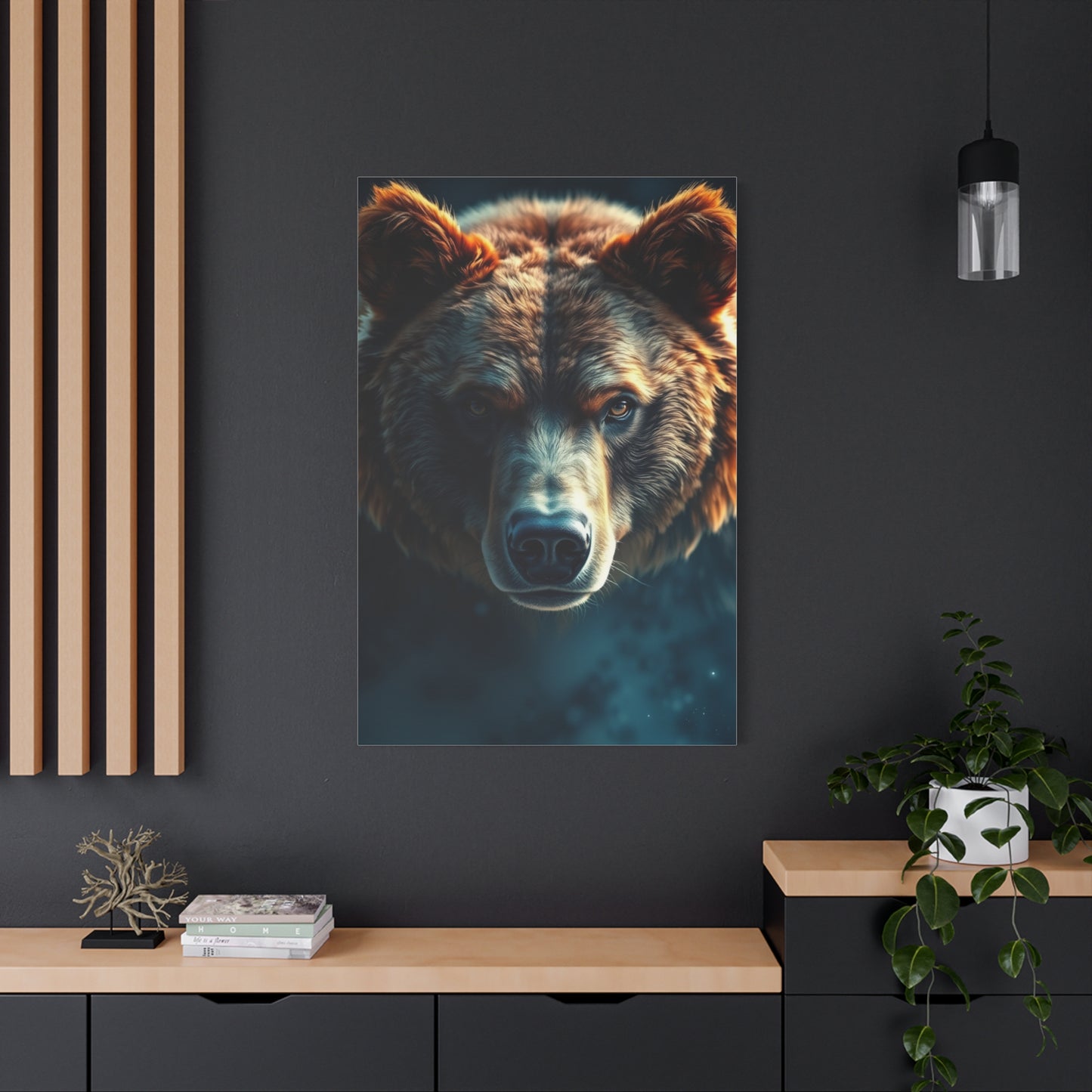
The Ultimate Guide to Enchanted Ursus Tableau Wall Art: Capturing the Power of Bears in Art
The world of interior design has witnessed a remarkable surge in the popularity of wildlife-themed artwork, particularly pieces that celebrate the magnificence of bears in their natural habitats. These powerful creatures have captivated human imagination for centuries, symbolizing strength, wisdom, and an unbreakable connection to the wilderness. When translated into canvas art, bears become more than mere decorative elements; they transform living spaces into sanctuaries that honor the untamed beauty of nature while providing a focal point that sparks conversation and contemplation.
Canvas prints featuring bears have emerged as a preferred choice for homeowners and interior designers seeking to infuse spaces with character and personality. Unlike traditional framed photographs or generic prints, bear canvas artwork offers a unique combination of texture, depth, and visual impact that can anchor an entire room's aesthetic. The appeal lies not only in the subject matter but also in the versatility of presentation styles, ranging from photorealistic portrayals to abstract interpretations that blend artistic creativity with natural imagery.
The growing demand for bear-themed canvas art reflects a broader cultural shift toward biophilic design principles, which emphasize the integration of natural elements into built environments. Research has consistently demonstrated that exposure to nature imagery, even in artistic form, can reduce stress levels, enhance mood, and improve overall wellbeing. Bears, as apex predators and symbols of wilderness, evoke particularly strong emotional responses, making them ideal subjects for artwork intended to create meaningful connections between indoor spaces and the natural world.
Contemporary canvas printing technology has revolutionized the way wildlife art reaches consumers, offering museum-quality reproductions that capture every nuance of color, texture, and detail. Advanced printing methods ensure that bear imagery maintains its visual impact across various sizes and formats, from intimate bedroom pieces to grand statement walls in living rooms or offices. The durability of modern canvas materials, combined with protective coatings that resist fading and moisture damage, means these artworks can maintain their beauty for decades with minimal maintenance.
Majestic Bears: Enchanted Ursus Canvas
The concept of enchanted bear canvas art represents a fascinating intersection between realism and fantasy, where the natural majesty of these creatures is enhanced through artistic interpretation. These pieces typically feature bears in settings that emphasize their mythical qualities, often incorporating elements of light, shadow, and atmospheric effects that create an almost otherworldly presence. The enchanted approach to bear portraiture doesn't diminish the authentic power of these animals; rather, it amplifies their symbolic significance and emotional resonance.
Artists who specialize in enchanted bear imagery often draw inspiration from folklore and mythology, where bears appear as shape-shifters, guardians, and wisdom keepers across diverse cultural traditions. By incorporating these narrative elements into canvas compositions, the artwork transcends simple wildlife documentation to become storytelling vessels that invite viewers into imagined realms. The visual language employed in these pieces might include ethereal lighting effects, mystical forest backgrounds, or subtle magical elements that suggest the bear's role as a bridge between human civilization and wild nature.
The color palettes selected for enchanted bear canvases tend toward rich, saturated tones that evoke specific moods and atmospheres. Deep forest greens, midnight blues, and warm amber highlights create environments that feel simultaneously familiar and fantastic. These color choices serve practical purposes in interior design as well, allowing the artwork to complement a wide range of décor styles from rustic cabin aesthetics to contemporary minimalist spaces. The depth achieved through layered color application gives the canvas a three-dimensional quality that draws the eye and holds attention.
Texture plays a crucial role in enchanted bear canvas presentations, with many artists and printers utilizing specialized techniques to create surface variations that mimic brushstrokes or natural materials. This tactile dimension adds significant value to the artwork, distinguishing it from flat photographic prints and creating visual interest that changes depending on viewing angle and lighting conditions. When light plays across a textured canvas surface, the bear subject seems to emerge from the background with enhanced dimensionality and presence.
The positioning and composition of bears within enchanted canvases often follows classical artistic principles while incorporating contemporary sensibilities. Many pieces feature bears in proud, contemplative poses that emphasize their nobility and strength without appearing aggressive or threatening. This careful balance makes the artwork suitable for peaceful environments like bedrooms and meditation spaces, where the goal is to inspire reflection rather than excitement. The bear becomes a guardian figure, a silent companion whose presence provides comfort and connection to something greater than everyday concerns.
Scale considerations for enchanted bear canvases vary depending on intended placement and room dimensions. Large-format pieces, measuring three feet or more in width, create dramatic focal points that can anchor entire walls and serve as conversation starters in social spaces. Smaller canvases, while more subtle, offer flexibility in arrangement, allowing for gallery wall configurations or placement in intimate settings where their details can be appreciated at closer range. The enchanted quality of the imagery actually benefits from both approaches, with large pieces providing immersive experiences and smaller works inviting closer inspection of artistic details.
Mystical Wildlife Wall Art for Living Rooms
Living rooms serve as the heart of the home, spaces where families gather and guests are entertained, making them ideal locations for statement artwork that reflects personal values and aesthetic preferences. Mystical wildlife wall art, particularly pieces featuring bears and other majestic creatures, transforms these social spaces into galleries that celebrate the natural world while providing endless visual interest. The selection of wildlife themes for living room décor speaks to a desire for authenticity and connection in an increasingly digital and disconnected world.
The mystical approach to wildlife art elevates nature imagery beyond simple documentation, infusing it with symbolic meaning and emotional depth that resonates on multiple levels. Bears depicted in mystical contexts might be shown beneath star-filled skies, emerging from morning mists, or positioned within ancient forest settings that suggest timeless presence. These contextual elements transform the artwork from mere decoration into narrative pieces that tell stories about wilderness, solitude, and the enduring relationship between humans and the natural world.
Color theory plays a fundamental role in selecting mystical wildlife art for living rooms, as the hues present in the artwork must harmonize with existing furnishings, wall colors, and overall design schemes. Cool-toned pieces featuring blues, purples, and silvers create calming, contemplative atmospheres ideal for spaces intended for relaxation and quiet conversation. Warm-toned artworks with oranges, reds, and golden browns generate energy and coziness, making living rooms feel more inviting and dynamic. The mystical elements in the artwork, such as glowing effects or atmospheric hazes, can introduce accent colors that tie together disparate elements in the room's design.
Proportion and scale present critical considerations when incorporating mystical wildlife wall art into living room environments. The general principle suggests that artwork should occupy approximately two-thirds to three-quarters of the available wall space above furniture pieces like sofas or credenzas, creating visual balance without overwhelming the space. However, mystical wildlife pieces often benefit from slightly more generous proportions due to their dramatic subject matter and atmospheric qualities, which require adequate size to convey their full impact. A bear emerging from enchanted forest mists needs sufficient canvas real estate to communicate both the animal's majesty and the mysterious environment.
Enchanted Ursus Wall Prints for Bedrooms
Bedroom spaces demand special consideration in artwork selection, as these intimate environments directly influence sleep quality, emotional wellbeing, and personal comfort. Enchanted bear wall prints offer unique advantages for bedroom décor, combining the calming presence of nature imagery with symbolic elements that promote feelings of safety, strength, and connection to something greater than daily concerns. The bedroom becomes more than a place for rest; it transforms into a personal retreat where the guardian-like qualities of bear imagery provide psychological comfort and aesthetic pleasure.
The specific qualities that make bear prints suitable for bedrooms relate to both aesthetic considerations and deeper psychological factors. Bears in hibernation represent rest and renewal, themes directly relevant to bedroom functions. Artistic depictions that capture bears in peaceful, contemplative poses rather than aggressive stances create atmospheres conducive to relaxation and sleep. The enchanted elements, such as soft glowing effects or dreamy atmospheric backgrounds, enhance these calming qualities by suggesting magical protection and the boundary between waking concerns and the dream world.
Color selection for bedroom bear prints requires careful attention to principles of color psychology and their effects on mood and sleep patterns. Cooler color palettes featuring blues, greens, and purples tend to promote relaxation and lower heart rate, making them ideal for spaces dedicated to rest. Warmer tones can work effectively when muted or balanced with cooler accent colors, preventing overstimulation while maintaining visual interest. The enchanted nature of the artwork allows for the incorporation of subtle luminous effects in colors like soft gold or pale moonlight silver, which add magical qualities without creating excessive visual stimulation that might interfere with sleep preparation.
Positioning enchanted bear wall prints in bedrooms follows different principles than in more public spaces, with emphasis on personal viewing pleasure rather than social display. Many people prefer placing statement artwork on walls visible from the bed, creating focal points for morning contemplation and evening reflection. However, some designers recommend positioning behind the headboard or on adjacent walls, allowing the artwork to influence the room's atmosphere without demanding constant attention. The enchanted qualities of the bear imagery work subtly in peripheral vision, providing subconscious comfort without becoming intrusive or distracting.
The size and scale of bedroom bear prints should balance visual impact with the intimate nature of the space. While grand statement pieces work beautifully in master suites with ample wall space, smaller bedrooms often benefit from more modestly proportioned artwork that doesn't overwhelm. Diptychs or triptychs featuring related bear imagery across multiple smaller canvases offer flexibility, allowing for arrangements that fill space effectively while maintaining breathing room. The enchanted theme can be carried consistently across multi-panel arrangements, creating narrative continuity or showing the same bear subject in different mystical settings.
Artistic Bear Tableau on Canvas
The artistic interpretation of bears through tableau compositions elevates wildlife imagery to fine art status, moving beyond simple representation to create complex visual narratives that engage viewers intellectually and emotionally. These carefully arranged scenes present bears not as isolated subjects but as integral components of broader environmental and thematic contexts. The tableau approach allows artists to explore relationships between bears and their habitats, seasonal cycles, or even abstract concepts like time, solitude, and the relationship between civilization and wilderness.
Traditional tableau compositions in art history typically feature multiple figures arranged to tell stories or convey moral lessons, and contemporary bear tableaux adapt these principles to wildlife subjects. A bear tableau might show family groups engaged in seasonal activities, solitary individuals contemplating landscapes, or bears interacting with other wildlife species in ways that suggest ecological relationships and natural hierarchies. These narrative elements give the artwork depth that simple portraits cannot achieve, providing viewers with entry points for interpretation and personal connection.
The artistic techniques employed in bear tableau canvases often combine multiple styles and approaches within single compositions, creating visual richness and complexity. Photorealistic rendering of the bear subject might be combined with impressionistic or abstract backgrounds, focusing attention on the animal while suggesting rather than detailing environmental context. This selective focus creates hierarchy within the composition and allows the artwork to adapt to various décor styles. The contrast between highly detailed bear imagery and looser, more interpretive surroundings also creates dynamic visual tension that holds viewer attention.
Color relationships within artistic bear tableaux require sophisticated understanding of color theory and emotional associations. Complementary color schemes create vibrant, energetic compositions that draw the eye and generate excitement, while analogous palettes produce harmony and calm. The bear subject might be rendered in naturalistic tones while surrounding elements employ more stylized or symbolic coloration, creating visual separation between subject and context. These intentional color choices guide viewer interpretation and emotional response, making the artwork more than decorative but actively engaging in communication.
Composition and perspective in bear tableaux follow established artistic principles while often subverting expectations to create memorable images. Traditional rules like the rule of thirds, golden ratio, and leading lines help create balanced, aesthetically pleasing arrangements, but the most compelling tableaux also incorporate elements of surprise or unconventional viewing angles. A bear viewed from an unexpected perspective or positioned in ways that challenge typical wildlife photography conventions creates cognitive interest that makes the artwork more memorable and discussion-worthy. These compositional choices distinguish artistic tableaux from documentary-style wildlife imagery.
Forest Majesty: Ursus Wall Art Collection
Developing a cohesive collection of bear wall art around the theme of forest majesty offers opportunities to create immersive environments that celebrate the grandeur of both subject and habitat. A thoughtfully curated collection moves beyond individual pieces to establish thematic continuity that can transform entire rooms or even homes into galleries honoring wilderness and the magnificent creatures that inhabit it. The collection approach allows for gradual acquisition over time, with each new addition enhancing and complementing existing pieces while developing an increasingly sophisticated visual narrative.
The concept of forest majesty as an organizing principle for bear art collections encompasses multiple dimensions including scale, power, ancient wisdom, and ecological significance. Artworks selected for such collections might emphasize the imposing physical presence of bears, their role as apex predators, or their symbolic status in human cultural consciousness. Forest settings provide context that reinforces these themes, showing bears within the cathedral-like spaces of old-growth forests, amongst towering conifers, or in clearings where shafts of light create dramatic natural spotlighting. These settings elevate both subject and environment to equal importance.
Color consistency across a forest majesty collection creates visual harmony while allowing for variation that prevents monotony. A cohesive palette might center on forest greens, earth browns, and stone grays, with each piece introducing these colors in different proportions or combinations. Seasonal variations offer opportunities for diversity within unity, with some pieces capturing spring's fresh greens and others showing autumn's golden warmth or winter's stark beauty. This approach allows the collection to tell a story about the cycle of the year and the bear's relationship to seasonal changes while maintaining recognizable thematic connections.
The arrangement of multiple bear artworks in a forest majesty collection requires consideration of spacing, alignment, and visual flow. Gallery wall configurations work beautifully for collections, allowing pieces of varying sizes to be composed into unified presentations that balance negative space with imagery. Alternatively, pieces can be distributed throughout a space, creating moments of discovery as one moves through the environment. Symmetrical arrangements convey formality and stability, while asymmetrical layouts feel more organic and naturalistic, perhaps more appropriate for wildlife subjects. The specific space and its function should guide these decisions.
Building a forest majesty collection over time allows collectors to develop increasingly refined aesthetic sensibilities and deeper connections with the artwork. Beginning with a single statement piece that establishes the collection's core theme, subsequent additions can explore variations, complementary perspectives, or expanded narratives. This gradual approach also distributes financial investment over time, making high-quality artwork more accessible. The evolving nature of the collection means the environment never feels static or complete, maintaining visual interest and providing ongoing opportunities for curation and refinement.
Whimsical Wildlife Wall Art Ideas
Whimsical approaches to wildlife wall art introduce playfulness and humor into nature-themed décor, creating lighter moods that contrast with the sometimes serious or majestic tone of traditional wildlife imagery. Bears lend themselves particularly well to whimsical treatment given their human-like qualities, varied expressions, and behaviors that translate easily into anthropomorphic or humorous contexts. Whimsical bear art can range from subtle humor in composition and expression to overtly fantastical scenarios where bears engage in human activities or appear in impossible contexts that delight rather than document.
The psychological benefits of whimsical art in living spaces differ from those of more serious wildlife imagery but are equally valuable, particularly in homes with children or in environments where stress relief and mood elevation are priorities. Playful bear imagery creates approachable entry points for wildlife appreciation among people who might find traditional wildlife art too intense or serious. A bear shown fishing with exaggerated concentration or a family of bears in an improbable pile creates smiles and positive associations with wildlife that can lead to deeper interest and conservation awareness. The educational value of wildlife art need not always be delivered through serious presentation.
Color palettes for whimsical wildlife art tend toward the bright, cheerful, and sometimes unexpected, abandoning strict naturalism in favor of emotional impact. A bear might be rendered in soft pastels that create gentle, nursery-appropriate imagery, or in bold primary colors that energize and excite. Background elements could employ rainbow gradients, polka dots, or other patterns that signal playfulness and imagination. These color choices make whimsical wildlife art particularly versatile for children's rooms, family spaces, or any environment where joy and lightheartedness are design priorities. The departure from realistic coloration liberates the artwork from documentary pretense, announcing its intention to delight rather than inform.
Layered Textures: Bear Tableau Canvas
The incorporation of layered textures in bear canvas artwork creates dimensional visual experiences that transcend flat graphic images, engaging viewers through tactile interest and sophisticated artistic technique. Texture layers might include actual physical elements through mixed media approaches, or they might be purely visual through digital painting techniques that simulate textures like fur, bark, moss, and weathered stone. These textural elements add realism and depth while creating surfaces that respond dynamically to changing light conditions throughout the day, making the artwork an ever-evolving presence in the space.
Physical texture creation techniques for canvas art include gel mediums, dimensional paints, and mixed media applications that build actual surface variations. An artist might apply thick paint to create bear fur texture, embed natural materials like bark or moss into backgrounds, or use stamping and scoring techniques to suggest wood grain or stone surfaces. These physical textures create shadows and highlights that shift as lighting changes, adding kinetic qualities to static images. The three-dimensional nature of heavily textured canvases makes them particularly engaging as art objects that reward close examination and touch, though protective display prevents actual touching in most contexts.
Digital texture simulation has reached sophisticated levels where printed canvases can convincingly replicate the appearance of various physical textures without actual dimensional variation. Advanced printing technologies can layer translucent inks that create depth illusions, or apply spot varnishes that alter surface reflectivity in specific areas. A bear's coat might receive treatment that makes it appear glossy while background elements remain matte, creating contrast that emphasizes the subject. These techniques allow for texture effects at scale and price points that would be impossible with entirely hand-crafted approaches, democratizing access to textured artwork.
The layering concept in bear tableau compositions extends beyond physical or simulated texture to include compositional depth where foreground, middle ground, and background elements create spatial recession and three-dimensionality. A bear in the immediate foreground with forest elements receding behind in progressively lighter values and softer focus mimics how human vision processes depth. This atmospheric perspective adds realism while creating visual journeys through the composition. Viewers' eyes travel through layers, discovering new details and relationships with each viewing, which sustains long-term interest and prevents the artwork from becoming visually stale.
Color layering techniques contribute significantly to textural richness in bear canvases, with transparent glazes and multiple color applications building complex surface qualities that single-layer coloring cannot achieve. The interplay of warm and cool tones in multiple layers creates vibration and life in areas like bear fur or forest backgrounds. Shadows gain complexity through layered darks rather than flat blacks. Highlights shimmer with multiple tonal values rather than simple white. This color sophistication distinguishes professional-quality artwork from amateur efforts, creating surfaces that feel alive and responsive rather than static and flat.
Rustic Wildlife Wall Art for Cozy Spaces
Rustic design aesthetics celebrate natural materials, handcrafted quality, and connections to heritage and tradition, making wildlife subjects like bears particularly appropriate and thematically consistent. Bear wall art in rustic contexts functions as more than decoration, serving as affirmation of values related to wilderness, self-reliance, and respect for nature that underpin rustic lifestyle choices. These pieces often incorporate or suggest weathered woods, natural fibers, earth tones, and artistic techniques that reference historical craftsmanship, creating environments that feel grounded, authentic, and timeless.
The color palettes dominating rustic wildlife art draw directly from natural materials and landscape elements, featuring warm browns, deep forest greens, stone grays, and the golden tones of aged wood and autumn grasses. These earth-toned foundations create immediate visual harmony with rustic interiors featuring exposed wood beams, stone fireplaces, and natural fiber textiles. Bear subjects rendered in these palettes feel integrated rather than imposed, as though they've emerged organically from the environment rather than being artificially placed. The color consistency across artwork, architecture, and furnishings creates cohesive spaces that feel wrapped in natural warmth.
Textural qualities become particularly important in rustic wildlife wall art, with surfaces often showing grain, weathering, or intentional aging effects that suggest history and handcraft. Canvas might be printed on materials that mimic burlap or barn wood, or mounted on reclaimed lumber that provides authentic rustic character. Some pieces incorporate actual natural materials like twigs, bark, or pressed leaves that add dimensional interest and literal natural presence. These textural choices align with rustic values of authenticity and connection to natural materials, distinguishing genuinely rustic art from pieces merely styled to suggest rusticity.
Majestic Ursus Painting Canvas
The painting tradition in wildlife art carries specific connotations of artistic legitimacy, handcraft, and individual creative vision that distinguish painted works from photographic or digitally created images. Canvas paintings of bears, whether created through traditional oil or acrylic techniques or digitally painted and printed, evoke this artistic heritage while offering the subject matter's inherent power and emotional resonance. The term majestic applied to bear paintings suggests not merely large size but qualities of nobility, power, and commanding presence that the best wildlife art achieves through skilled execution and artistic insight.
Traditional painting techniques offer unique qualities difficult to replicate through other media, including visible brushwork that adds energy and artistic personality to images. The directional quality of brush strokes can suggest fur texture, create movement, or guide viewer attention through compositions. Color mixing on canvas creates subtle transitions and unexpected hue combinations that digital processes struggle to match. These qualities make original paintings valuable as unique art objects while also creating visual characteristics that remain desirable even in printed reproductions. Understanding painting techniques helps consumers appreciate quality regardless of whether they're viewing originals or prints.
The color sophistication achievable through painting processes allows for nuanced atmospheric effects and emotional tonalities that define majestic bear artwork. Glazing techniques where transparent color layers build depth and luminosity create especially beautiful effects in depicting fur, forest dappled light, and atmospheric perspective. Impasto applications where thick paint creates actual dimensional texture add physical presence and tactile interest. These technical approaches demonstrate mastery that elevates wildlife painting from illustration to fine art, justifying its inclusion in serious collections and prominent display locations.
Compositional strategies in majestic bear paintings typically emphasize the subject's power and nobility through careful attention to pose, viewpoint, and environmental context. Bears shown in profile against sky often appear as monumental sculptures, their forms silhouetted with clarity that emphasizes physical strength. Frontal views create direct engagement between subject and viewer, leveraging the bear's intelligence and human-like qualities. Three-quarter views allow for complex shadow play and dimensional modeling that reveals form fully. The chosen viewpoint dramatically affects emotional tone and viewer response, making compositional decisions crucial to achieving majesty.
Wildlife Serenity: Enchanted Bear Wall Prints
The concept of serenity applied to wildlife imagery creates aesthetic and emotional qualities distinct from more dramatic or action-oriented wildlife art. Serene bear wall prints emphasize peaceful coexistence, quiet strength, and the contemplative aspects of bear behavior rather than predatory power or aggressive display. These qualities make serene bear prints particularly appropriate for spaces intended for rest, meditation, reflection, or stress reduction, where the artwork's calming influence contributes to overall environmental atmosphere and psychological wellbeing.
Visual techniques for creating serene wildlife imagery include soft focus, muted color palettes, horizontal compositions that suggest stability, and subjects shown in restful poses or calm activities. A bear resting beside a peaceful stream, sitting in quiet contemplation, or moving slowly through misty forest all convey serenity through both subject behavior and artistic treatment. The enchanted elements in these pieces might include ethereal light, subtle glowing effects, or dreamlike atmospheric qualities that enhance rather than disrupt the peaceful mood. The result is artwork that invites viewers to slow down, breathe deeply, and experience moments of calm.
Color psychology plays crucial roles in achieving serenity in wildlife prints, with research consistently showing that cool colors, muted saturation, and harmonious color relationships promote calm physiological responses. Blues and greens dominate serene wildlife palettes, often with gray, lavender, or soft brown accents that create cohesive, restful color schemes. Even when warmer colors appear, they're typically softened or desaturated to prevent visual stimulation that would counteract serene intentions. These carefully considered color choices make serene bear prints suitable for bedrooms, meditation spaces, healthcare environments, or any location where stress reduction represents a design priority.
The symbolic associations of bears with strength and protection take on different meanings in serene contexts, where these qualities suggest secure guardianship rather than potential threat. A calmly resting bear communicates that danger is absent, that vigilance has assessed the situation as safe, allowing viewers to relax their own alert responses. This symbolic reassurance operates largely unconsciously but contributes significantly to the emotional effectiveness of serene wildlife art. The presence of a calm, powerful creature suggests that the environment is safe enough for rest, triggering parallel relaxation responses in human viewers.
Compositional elements supporting serenity include generous negative space, balanced rather than dramatic arrangements, and avoidance of sharp diagonals or jagged forms that create visual tension. Horizontal lines suggest stability and rest, while gentle curves feel organic and soothing. The bear subject might be positioned off-center according to compositional rules like the rule of thirds, but the overall arrangement avoids extreme asymmetry that would create visual discomfort. These subtle compositional choices work beneath conscious awareness to shape emotional responses, making them powerful tools for creating genuinely serene artwork.
Statement Canvas: Bear Tableau Artwork
Statement artwork functions as conversation starters, room anchors, and expressions of personal identity that declare values and aesthetic sensibilities to visitors and residents alike. Bear tableau canvases designed as statement pieces embrace boldness in scale, subject treatment, or artistic interpretation, creating undeniable visual impact that commands attention and shapes how spaces are experienced and remembered. These pieces don't whisper or suggest but rather proclaim, making them suitable for confident design statements where artistic vision takes priority over subtle coordination.
The scale requirements for effective statement canvases typically push toward the oversized, with dimensions measuring four feet or more in at least one direction. This substantial physical presence ensures the artwork registers immediately upon entering a space, establishing itself as the primary visual focus around which other design elements arrange themselves. Large-scale bear tableaux can depict single subjects with monumental presence or complex scenes with multiple elements and narrative depth. Either approach justifies the substantial canvas real estate through subject significance and artistic execution quality that rewards extended viewing.
Color boldness distinguishes many statement bear canvases from more subdued decorative pieces, with saturated hues, high contrast, or unexpected color combinations creating immediate visual impact. A bear rendered in rich, deep tones against a vibrant sunset, or presented in nearly monochromatic schemes with strategic color punctuation, makes strong impressions that linger in memory. These color choices require confidence both from artists creating the work and homeowners displaying it, as timid execution or placement undermines the statement quality. Successful statement pieces own their boldness, making no apologies for demanding attention.
The artistic interpretation in statement bear tableaux often leans toward unique vision or distinctive style that sets the work apart from generic wildlife imagery. This might involve abstract elements integrated with realistic bear subjects, unusual perspectives or cropping that create fresh visual experiences, or conceptual approaches that layer symbolic meaning onto wildlife imagery. The goal is creating artwork that people remember specifically rather than blurring into general categories of wildlife décor. This distinctiveness makes statement pieces ideal for collectors building identifiable personal aesthetics or designers creating memorable signature spaces.
Compositional complexity in statement bear tableaux can include multiple focal points, layered narratives, or visual rhythms that guide viewer attention through extended exploration of the canvas. Rather than presenting single simple subjects, these pieces might show bears interacting with complex environments, multiple bears in dynamic relationships, or single subjects presented with such detail and surrounding context that viewing becomes an extended experience rather than quick glance. This complexity justifies both the substantial scale and the prominent placement typical of statement artwork, as the pieces reward the attention they command.
Artistic Nature-Inspired Ursus Wall Décor
The nature-inspired approach to bear wall décor bridges documentary realism and artistic interpretation, creating works that honor authentic wildlife while incorporating creative vision that elevates imagery beyond mere reproduction. This balance appeals to viewers who value both scientific accuracy and artistic beauty, offering décor that educates and inspires while satisfying aesthetic desires. The artistic elements might include enhanced color, simplified forms, atmospheric effects, or compositional choices that emphasize beauty and emotional impact alongside naturalistic representation.
The observational foundation of quality nature-inspired bear décor begins with genuine understanding of bear biology, ecology, and behavior. Artists who invest time studying bears in wild settings or through extensive photographic research create work that resonates with authenticity even when artistically interpreted. This knowledge manifests in accurate anatomical proportions, believable poses and expressions, and appropriate environmental contexts that reflect genuine habitat requirements. The artistic enhancements build upon rather than contradicting this realistic foundation, creating credible imagery that feels both truthful and beautiful.
Color interpretation in nature-inspired bear artwork allows for artistic expression within frameworks of natural possibility. While adhering generally to realistic color ranges, artists might intensify saturation, adjust values for compositional reasons, or selectively emphasize certain hues that support intended moods. A grizzly's brown coat might be enriched toward golden or deepened toward umber depending on lighting narrative. Forest backgrounds could shift toward blue-greens or yellow-greens to create different atmospheric effects. These adjustments respect natural color while exercising artistic prerogative that distinguishes fine art from documentary photography.
The compositional approach in artistic nature-inspired décor often simplifies or abstracts environmental elements while maintaining focus on the bear subject with higher detail and realism. This selective focus guides viewer attention while preventing visual confusion that could result from uniformly detailed compositions. The technique mimics how human vision actually works, with sharp focus in areas of attention and peripheral softness elsewhere. This psychologically natural presentation makes the artwork easy to view and emotionally accessible while demonstrating sophisticated artistic understanding of perception and attention.
The educational value of nature-inspired bear wall décor provides additional layers of significance beyond pure decoration. Accurate depiction of bear species, their habitats, and behaviors can spark curiosity and learning, particularly for children growing up with wildlife imagery in their homes. Adults also benefit from opportunities to learn about specific bear species, their conservation status, and ecological roles through artwork that combines beauty with information. This educational dimension adds ethical satisfaction to aesthetic pleasure, as consumers support both art and environmental awareness through their purchasing choices.
Enchanted Forest Bear Canvas Collection
Building a cohesive collection around the enchanted forest bear theme allows for creative exploration of this rich subject matter across multiple pieces, creating comprehensive visual narratives that transform spaces into immersive experiences. A well-curated collection develops thematic consistency through recurring motifs, related color palettes, and progressive exploration of the relationship between bears and mystical forest settings. This approach elevates individual canvases from standalone decorative items to components of larger artistic statements that deepen in meaning and impact as the collection grows.
The enchanted forest concept offers nearly limitless creative possibilities, with artists interpreting the theme through varying degrees of fantasy, different forest types and seasons, and diverse magical elements. Some pieces might present relatively realistic forest scenes with subtle enchanted lighting, while others embrace full fantasy with impossible trees, glowing plants, or otherworldly atmospheric effects. This range within a coherent theme provides collection-building opportunities that maintain interest across multiple purchases while developing increasingly sophisticated understanding of the theme's possibilities and the artist's vision.
Color coordination across an enchanted forest collection creates visual harmony that unifies pieces while allowing variation that prevents repetitive appearance. A collection might employ consistent magical element colors like ethereal blue light or golden glows across all pieces while varying background palette based on seasonal forest representations. Alternatively, each piece could explore different color moods while maintaining stylistic consistency through brushwork, composition, or magical element treatment. The specific coordination approach should balance unity with variety, ensuring pieces work individually and collectively.
The narrative potential of multi-piece enchanted forest collections enables storytelling across canvases that single works cannot achieve. A collection might follow a single bear character through different seasons or times of day, show various bear species in their respective enchanted habitats, or present progressive stages of a journey through mystical woodlands. These narrative threads give collectors frameworks for building their collections purposefully rather than arbitrarily, creating investments in ongoing stories that develop over time. The anticipation of next acquisitions and discovery of how they integrate with existing pieces adds excitement to the collecting experience.
Scale variations within collections provide flexibility in arrangement and accommodate different display contexts. A collection might include a large centerpiece canvas flanked by smaller supporting pieces, or consist entirely of uniformly sized works that create rhythmic repetition. Diptychs and triptychs offer structured multi-panel compositions while maintaining collection cohesion. Mixed scale collections allow for filling various wall spaces throughout homes, distributing the enchanted forest theme across multiple rooms while maintaining visual consistency that ties spaces together. This flexibility makes collections adaptable to changing living situations and evolving display preferences.
The investment approach to building enchanted forest collections involves balancing immediate purchases with long-term acquisition planning based on budget, available display space, and evolving artistic vision. Some collectors prefer acquiring complete sets initially, ensuring all pieces are available and cohesive. Others enjoy gradual accumulation that allows for financial spreading and the pleasure of anticipating and selecting each addition. Limited edition collections create urgency and potential value appreciation, though open editions offer more flexibility. Understanding personal collecting style and motivation helps determine the most satisfying acquisition approach.
Modern Wildlife Wall Prints for Living Rooms
Modern aesthetic principles applied to wildlife wall prints create sophisticated presentations suitable for contemporary living rooms where clean lines, minimal ornamentation, and carefully curated visual elements define successful design. Bears as subjects transition smoothly into modern contexts when artistic treatment emphasizes essential forms, uses restrained color palettes, and eliminates unnecessary detail that could conflict with minimalist sensibilities. These modern wildlife prints prove that nature subjects and contemporary design are not opposing forces but complementary elements that together create psychologically healthy, aesthetically refined living environments.
The design characteristics defining modern wildlife prints include generous negative space that allows subjects to breathe visually without competing background elements. A bear might be presented against solid neutral backgrounds or minimal atmospheric suggestions rather than detailed forest scenes. This reductive approach focuses attention completely on the subject while creating calm, uncluttered visual experiences appropriate for modern interiors where excess ornamentation is avoided. The negative space itself becomes active design element rather than mere absence, shaping how the bear subject is perceived and experienced.
Color theories guiding modern wildlife print selection emphasize restraint and intentionality, with monochromatic or limited palette approaches creating sophisticated presentations. Black and white bear imagery with subtle tonal variations demonstrates how much visual impact can be achieved without color. Alternatively, limited color schemes featuring bear subjects in realistic tones against single-hue backgrounds create striking presentations that complement modern interior palettes. When more colors appear, they're typically carefully coordinated rather than attempting full-spectrum representation, maintaining the edited, intentional quality characteristic of modern design.
Rustic Woodland Canvas Décor Ideas
Rustic woodland design aesthetics celebrate natural materials, handcrafted quality, and connections to forest environments and traditional lifestyles. Bear canvas décor within this context functions as both decoration and cultural statement, affirming values related to wilderness appreciation, self-reliance, and rejection of excessive modernization. The artwork choices appropriate for rustic woodland interiors emphasize authenticity, natural color palettes, recognizable wildlife subjects, and artistic treatments that suggest heritage and tradition rather than contemporary trends or experimental approaches.
The color foundations for rustic woodland canvas décor draw directly from forest and natural material palettes including deep greens, earth browns, stone grays, and the weathered tones of aged wood. These colors create immediate harmony with rustic architectural elements like exposed timbers, stone fireplaces, and natural wood furnishings. Bear subjects rendered in realistic natural coloring feel integrated into their environments rather than imposed as foreign elements. The overall effect should suggest that the artwork emerged organically from the woodland setting rather than being artificially introduced, creating seamless thematic consistency throughout spaces.
The textural qualities emphasized in rustic woodland décor often include rough, organic surface characteristics that reference natural materials and handcraft traditions. Canvas materials might be selected for visible weave patterns that suggest hand-woven textiles. Printing techniques might intentionally preserve or create texture that mimics brushwork or weathered surfaces. Mounting on reclaimed wood or using barnwood-style framing adds literal natural material presence. These textural choices align with rustic values of authenticity and connection to traditional crafts, distinguishing genuinely rustic work from pieces merely styled to suggest rusticity without material authenticity.
Abstract Nature: Ursus Tableau Wall Art Concepts
Abstract interpretations of bear imagery free artists from representational constraints, enabling pure exploration of form, color, texture, and emotion. These conceptual approaches transform recognizable subjects into vehicles for artistic expression emphasizing aesthetic experience over documentary accuracy. Abstract bear canvas art appeals to sophisticated collectors appreciating conceptual depth and artistic innovation while maintaining connections to natural subjects. Understanding various abstraction approaches helps in appreciating these challenging, rewarding artworks.
Expressive abstraction applies gestural, spontaneous mark-making to bear subjects. Bold brushstrokes, drips, and dynamic movements create energetic compositions where bears emerge from chaotic backgrounds. The emphasis falls on painting process and physical act of creation rather than refined finish. These pieces capture bears' energy and essence rather than literal appearance. The raw, unmediated quality appeals to collectors valuing authenticity and emotional directness over polished perfection.
Conclusion:
The Ultimate Guide to Enchanted Ursus Tableau Wall Art explores the compelling intersection of wildlife artistry, symbolism, and interior design, highlighting how bears—majestic, powerful, and deeply resonant creatures—can transform spaces through visual storytelling. Bears have long held cultural, spiritual, and ecological significance, representing strength, courage, introspection, and connection to nature. By capturing these magnificent animals in canvas or tableau form, artists convey not only the physical grandeur of the bear but also the deeper emotional and symbolic narratives associated with them. This guide has demonstrated how incorporating bear-themed wall art into living and working environments can enhance both aesthetic appeal and emotional resonance, offering spaces a sense of grandeur, balance, and contemplative energy.
At the core of Enchanted Ursus Tableau Wall Art is the power of storytelling through imagery. Each artwork tells a unique tale, whether depicting a solitary bear in a serene forest, a mother guiding her cubs, or a dynamic bear in mid-motion that embodies raw energy and instinct. The use of composition, perspective, lighting, and texture allows viewers to feel the presence of the bear, conveying movement, vitality, and a sense of awe. These visual narratives engage the observer, inviting them to connect emotionally and spiritually with the imagery, fostering a deeper appreciation for the majesty of wildlife and the artistry that brings it to life.
One of the most compelling aspects of bear-themed wall art is its versatility in interior design. Enchanted Ursus tableaux can complement a wide range of décor styles, from rustic cabins and naturalist interiors to contemporary and eclectic urban spaces. Realistic, detailed depictions of bears in their natural habitats evoke a sense of wilderness and grounding, making them ideal for creating a focal point in living rooms, studies, or offices. Meanwhile, abstract or stylized representations offer a modern, artistic interpretation, blending seamlessly with minimalist or avant-garde design schemes. This adaptability ensures that bear-themed art remains timeless, resonating across diverse aesthetic sensibilities while adding depth, character, and sophistication to any room.
Beyond its visual appeal, bear wall art carries profound symbolic and emotional significance. Bears are universally associated with strength, resilience, introspection, and protection. Incorporating their imagery into a home or workspace can evoke feelings of stability, courage, and mindfulness, reminding viewers of the power of presence, reflection, and adaptability in everyday life. Depictions of nurturing maternal bears, for example, convey warmth and care, while solitary or majestic bears in the wild can inspire contemplation and personal empowerment. This emotional resonance transforms bear-themed wall art into more than decoration; it becomes a source of inspiration, grounding, and narrative reflection within the space.
The artistry behind Enchanted Ursus tableaux further enhances their appeal. Skilled artists employ diverse techniques—ranging from photorealistic rendering and impressionistic brushwork to mixed-media or three-dimensional installations—to capture texture, movement, and the interplay of light and shadow. High-quality prints, metal or wood panels, and canvas surfaces provide depth and tactile richness, allowing the artwork to interact dynamically with natural or artificial lighting. This meticulous craftsmanship ensures that each piece engages viewers repeatedly, revealing new layers of detail, emotion, and narrative with each encounter.
Additionally, incorporating bear-themed art encourages personalization and storytelling within interior spaces. Each artwork allows individuals to express their connection to nature, personal values, or admiration for wildlife. Collectors may curate displays that reflect seasons, habitats, or specific bear species, integrating these pieces into gallery walls, focal installations, or thematic rooms. This approach fosters a sense of individuality and intentionality, creating interiors that are not only aesthetically compelling but also meaningful and reflective of the inhabitant’s relationship with the natural world.


