


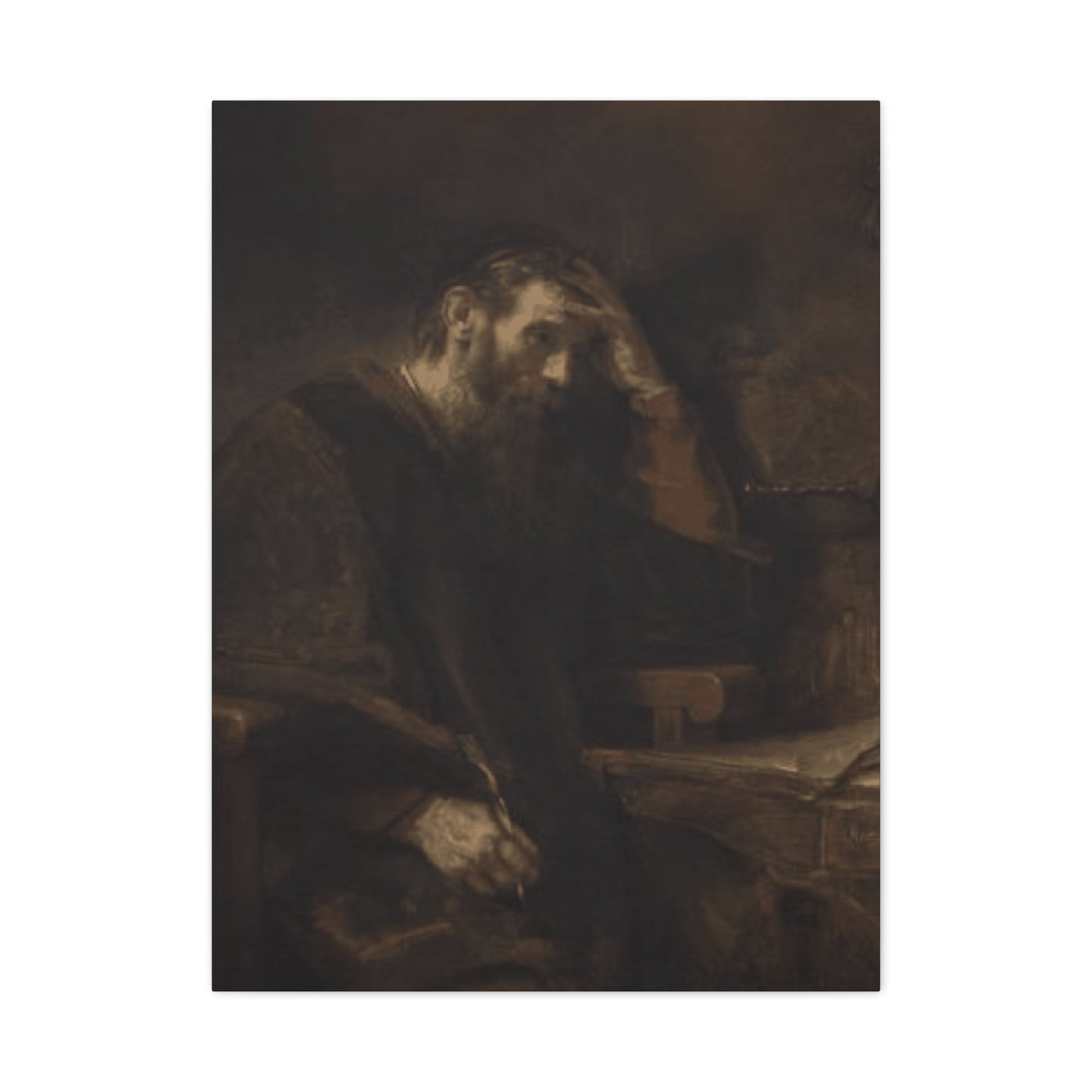
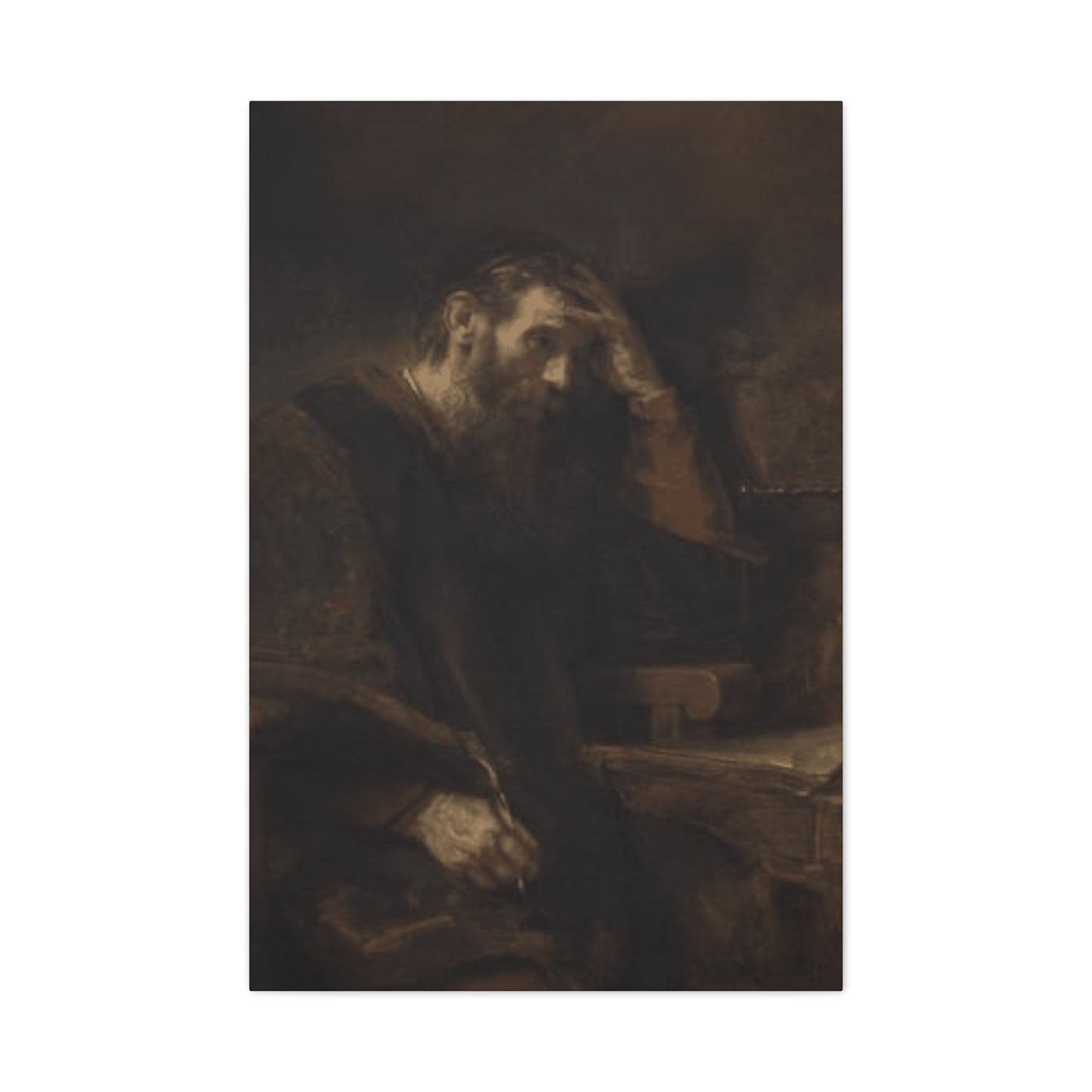
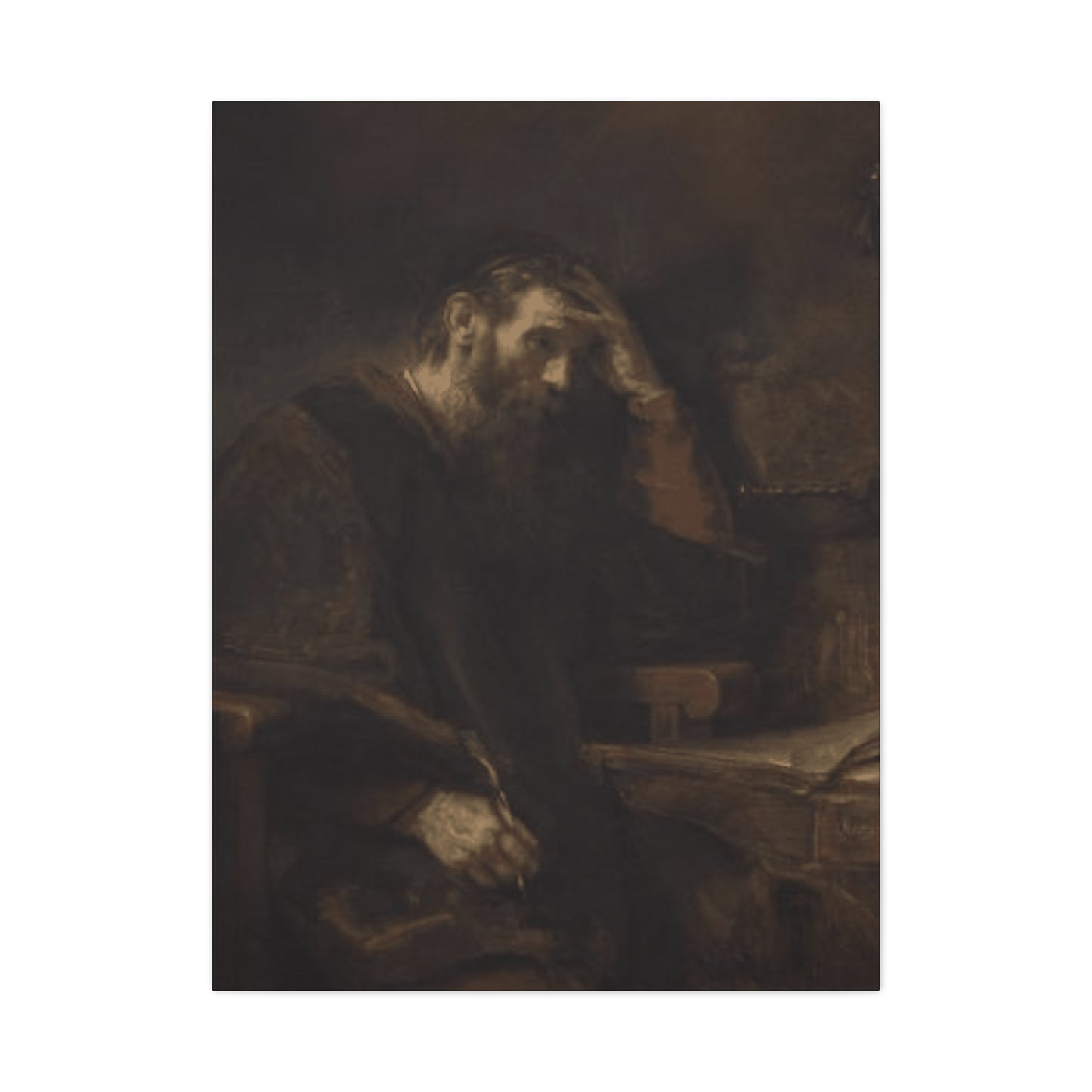
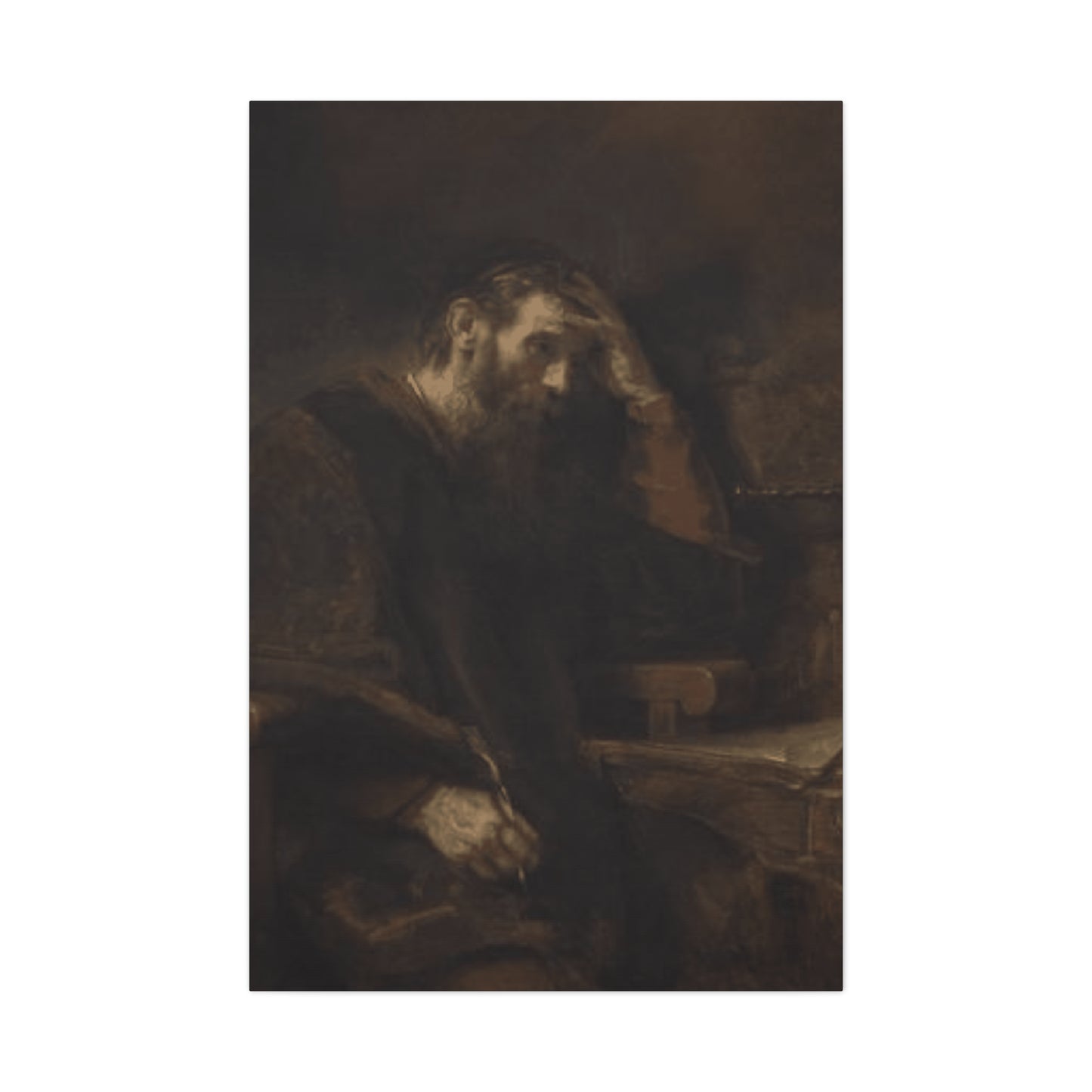
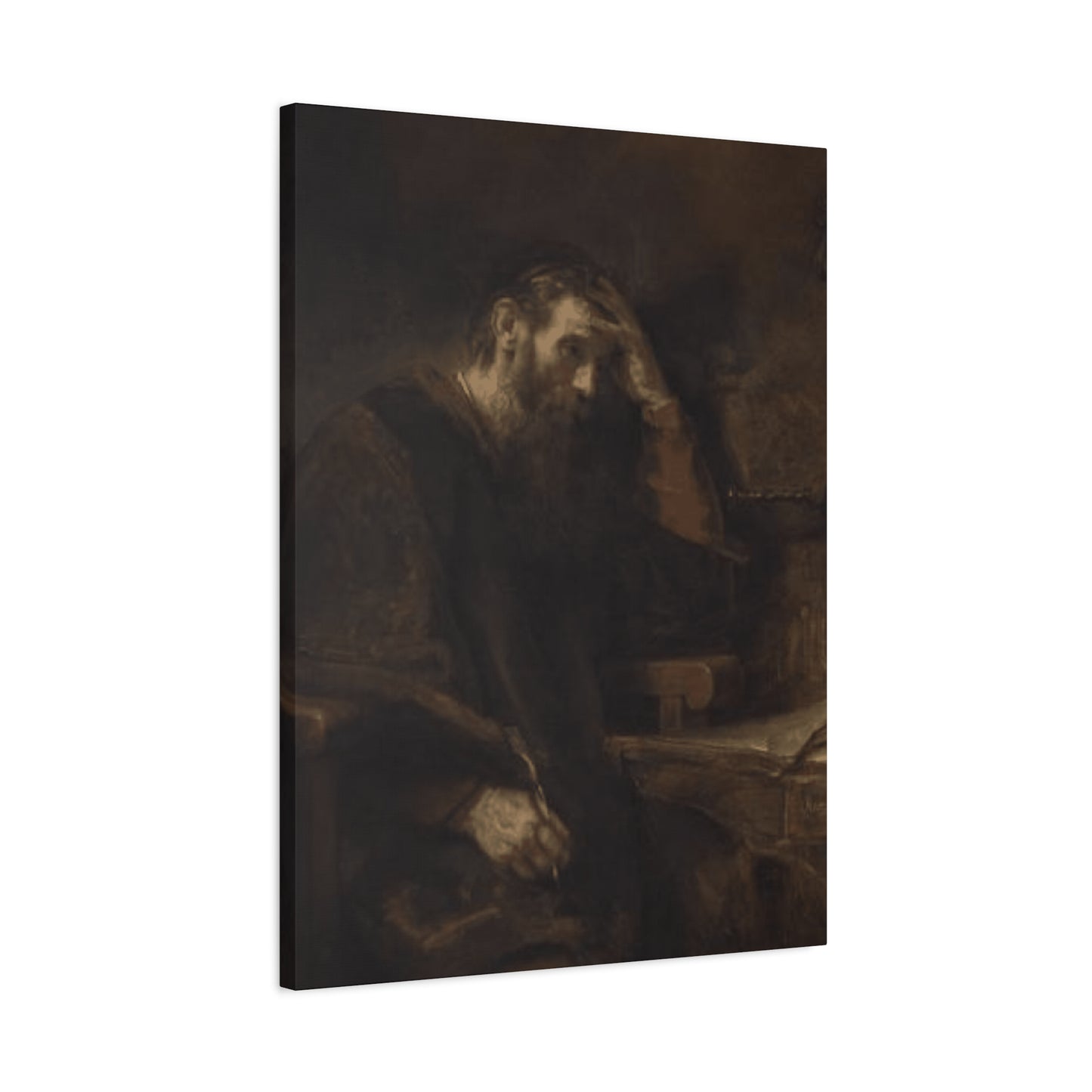
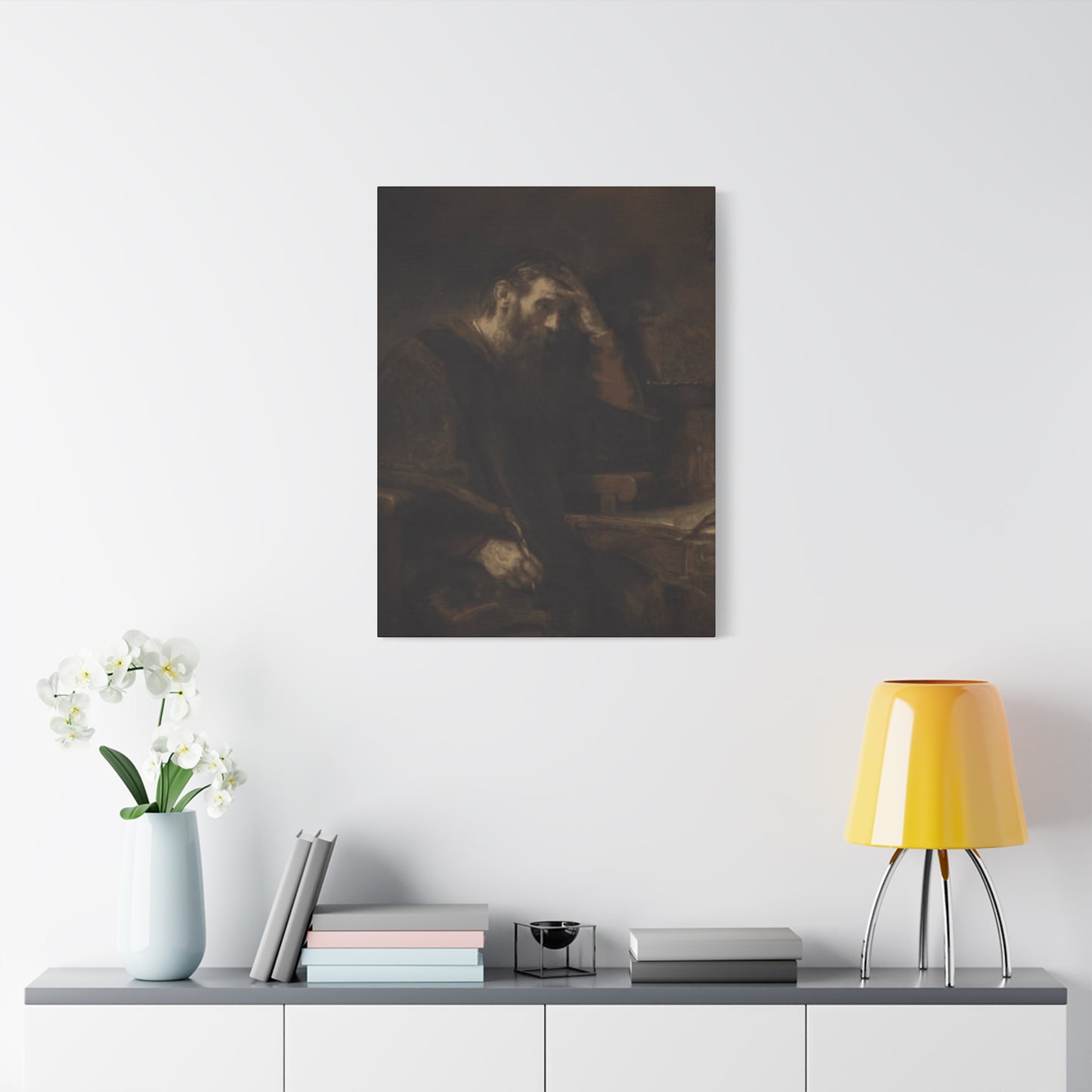
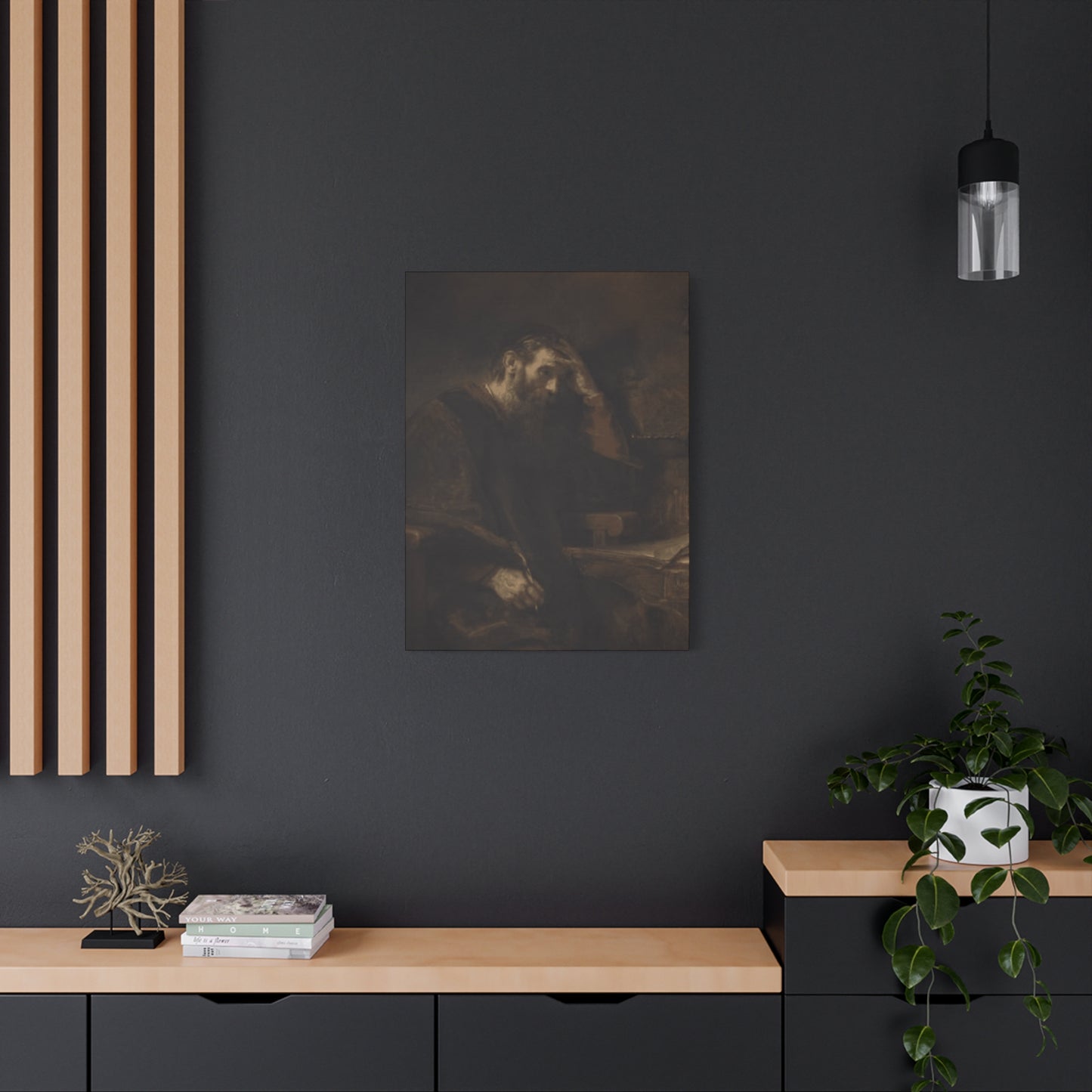
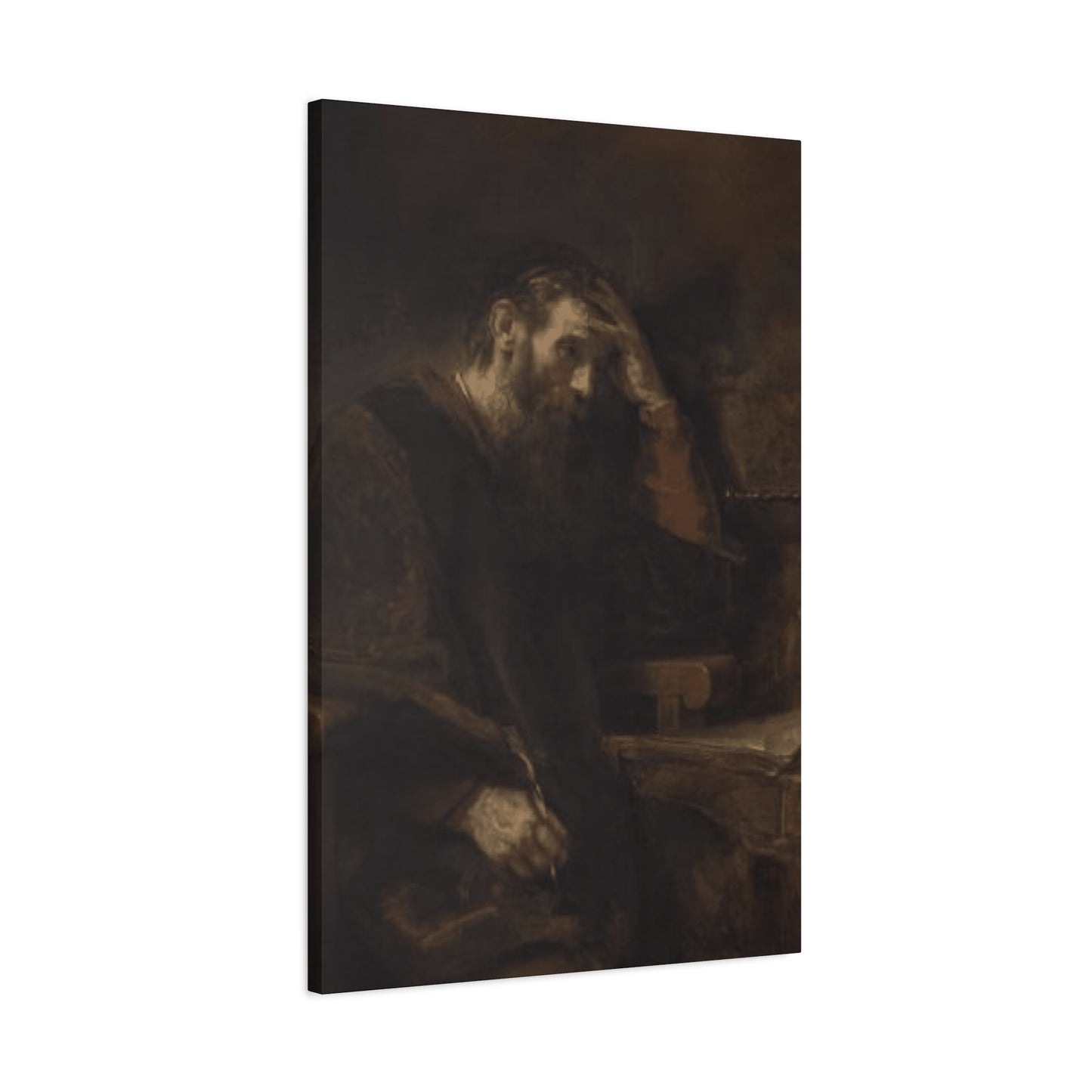
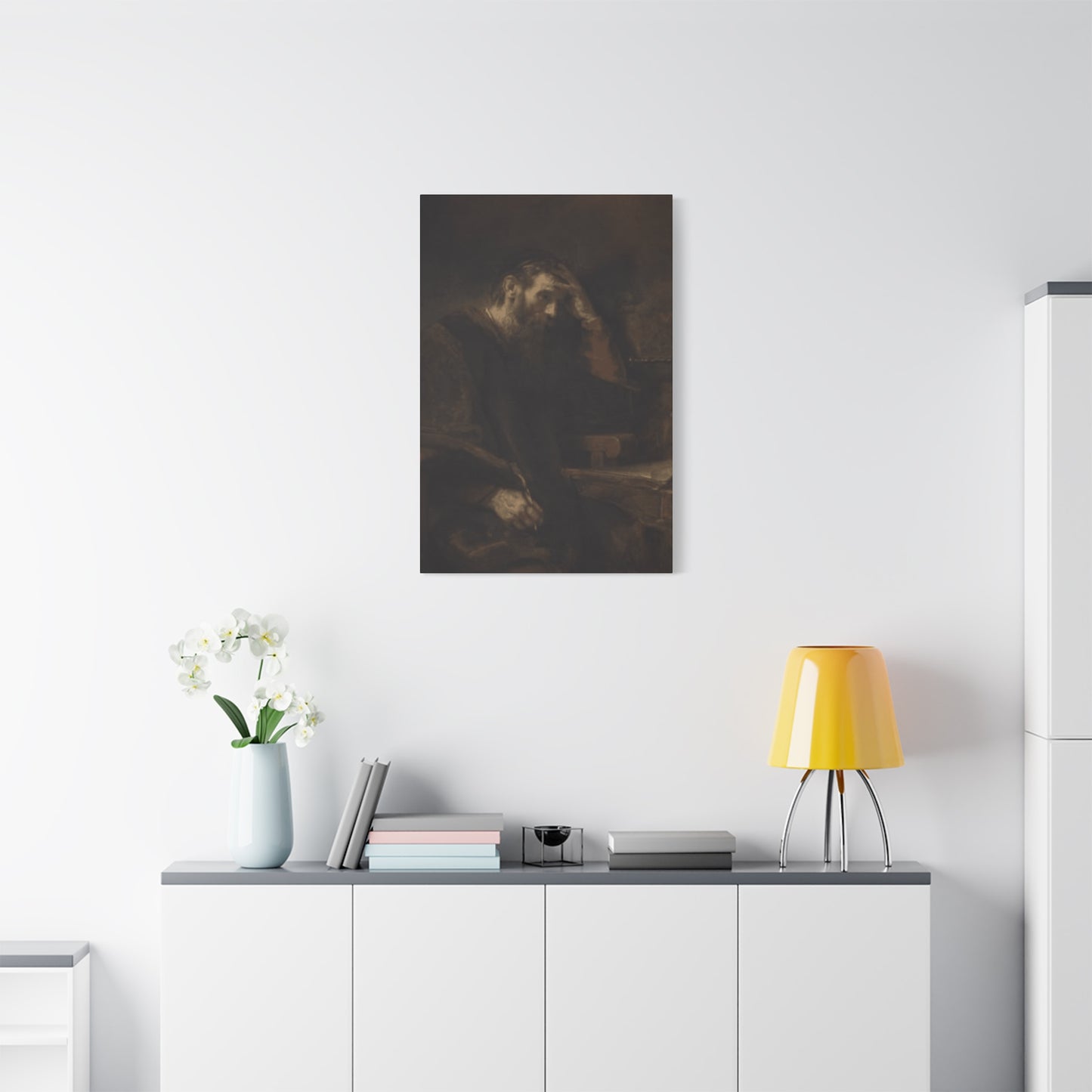
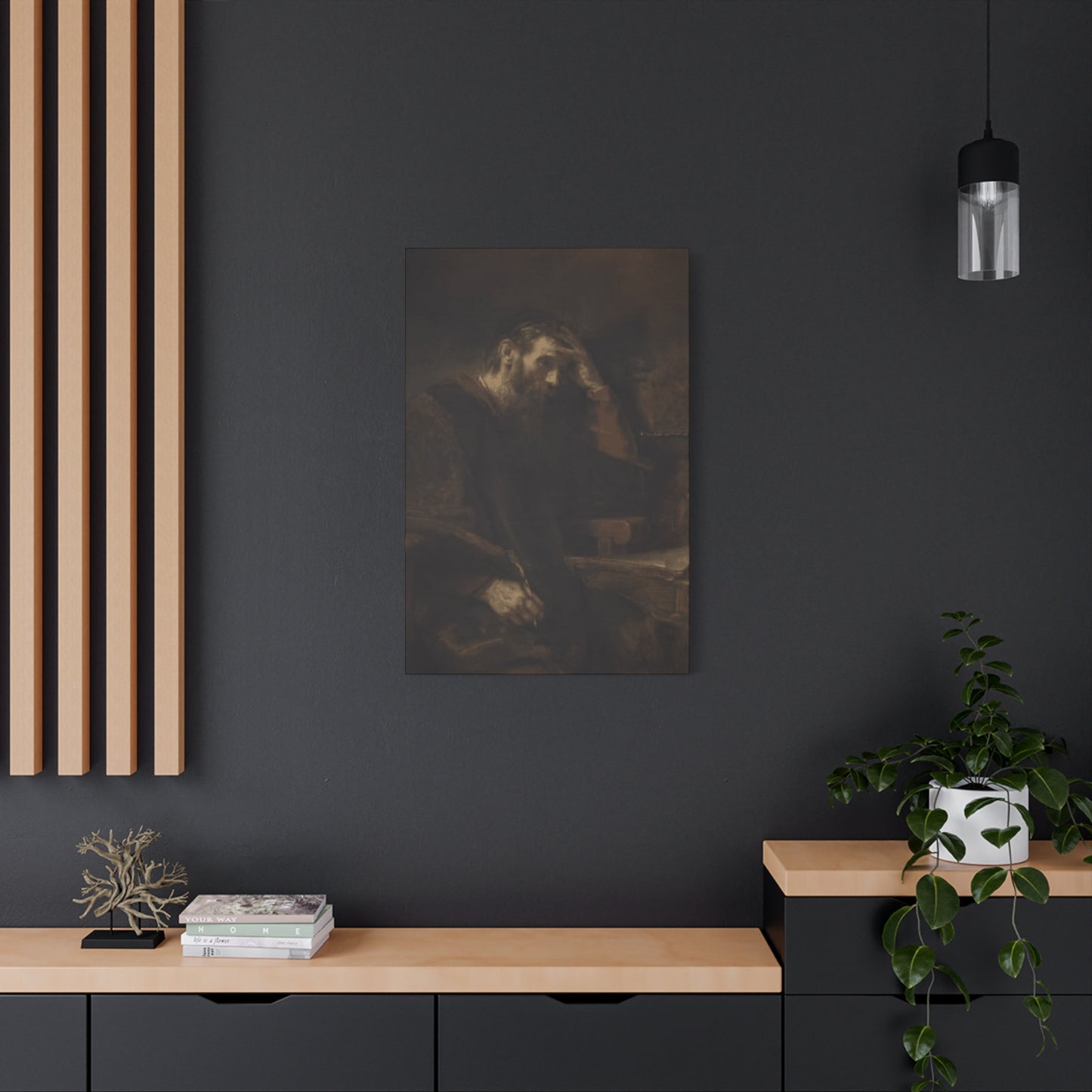
Artistic Depiction of Saint Paul Seated at His Work Table Wall art: A Historical Overview
Throughout centuries of human creativity, few subjects have captivated artists and believers alike as profoundly as the depiction of religious figures in visual form. Among these sacred representations, the portrayal of Saint Paul stands as a testament to the enduring power of faith, wisdom, and spiritual dedication. This comprehensive exploration delves into the rich tapestry of artistic interpretations that celebrate one of Christianity's most influential apostles, examining how his legacy continues to inspire contemporary homes, sacred spaces, and the hearts of believers worldwide.
Timeless Faith Captured on Canvas
The journey of translating spiritual devotion into visual artistry represents one of humanity's most profound creative endeavors. When examining religious artwork featuring Saint Paul, we encounter a remarkable fusion of historical authenticity, theological depth, and aesthetic excellence. These artistic creations serve multiple purposes beyond mere decoration, functioning as windows into biblical history, tools for contemplation, and expressions of unwavering faith that transcend temporal boundaries.
Artists throughout history have approached the challenge of depicting Saint Paul with reverence and meticulous attention to detail. The canvas becomes a sacred space where the apostle's transformative journey from persecutor to preacher materializes through careful brushwork, thoughtful composition, and symbolic elements that communicate layers of spiritual meaning. Each rendering captures different facets of his complex character, whether portraying him as a scholarly theologian, passionate evangelist, or humble servant of divine purpose.
The technical execution of these works demonstrates how traditional painting methods preserve the dignity and gravitas appropriate to religious subject matter. The careful layering of oil paints, the subtle gradations of light and shadow, and the deliberate color choices all contribute to creating images that command respect and invite deeper reflection. When reproduced as high-quality canvas prints, these masterworks retain their power to inspire, bringing centuries-old artistic traditions into contemporary living spaces.
The emotional resonance of such artwork extends beyond aesthetic appreciation. Viewers often report experiencing a sense of connection to the spiritual themes embodied in these depictions. The thoughtful portrayal of Saint Paul engaged in writing, prayer, or contemplation creates an atmosphere of sacred stillness that can transform ordinary rooms into spaces conducive to meditation and spiritual growth. This transformative quality represents the true value of religious art in domestic settings.
Modern reproduction techniques have democratized access to these spiritual treasures. Where once only wealthy patrons or religious institutions could commission or acquire original religious paintings, today's believers can incorporate museum-quality reproductions into their homes. Advanced printing technologies ensure that the subtle nuances of the original artwork, from delicate facial expressions to intricate background details, remain faithfully preserved in each reproduction.
The placement of such artwork within home environments creates focal points that naturally draw the eye and quiet the mind. Unlike secular decorative pieces, religious imagery featuring biblical figures carries inherent significance that elevates the atmosphere of any space. Family members and visitors alike find themselves paused in contemplation, perhaps reflecting on their own faith journeys or drawing inspiration from the apostle's example of dedication and transformation.
Biblical Inspiration for Home Décor
Integrating religious artwork into residential spaces represents a meaningful way to express faith while creating environments that nurture spiritual well-being. The selection of canvas prints featuring Saint Paul offers homeowners an opportunity to make intentional design choices that align with their deepest values and beliefs. Unlike transient decorating trends, biblical-themed artwork possesses enduring relevance that transcends changing fashions and continues to inspire across generations.
The versatility of religious canvas prints allows for thoughtful integration into various architectural styles and design schemes. Whether adorning the walls of traditional homes with classical interiors or providing striking contrast in contemporary minimalist spaces, depictions of Saint Paul adapt remarkably well to diverse aesthetic contexts. The key lies in recognizing that these pieces function on multiple levels simultaneously, serving both decorative and devotional purposes.
When considering the placement of biblical artwork, homeowners should reflect on the intended purpose of each space. Living areas benefit from larger, more dramatic compositions that can serve as conversation starters and communal focal points. These pieces naturally invite discussion about faith, history, and the ongoing relevance of biblical teachings in modern life. The presence of such imagery subtly shapes the character of family gatherings, infusing everyday moments with awareness of spiritual dimensions.
Private spaces like bedrooms and personal studies call for more intimate artistic selections. Smaller canvas prints depicting Saint Paul in moments of quiet reflection or scholarly pursuit create atmospheres conducive to prayer, meditation, and personal devotion. These private sanctuaries become refuges from the demands of daily life, spaces where believers can reconnect with their faith and find renewal through contemplation of sacred imagery.
The dining room presents another meaningful opportunity for displaying religious artwork. Images of Saint Paul can serve as visual reminders of gratitude and community, themes central to Christian practice. Family meals become occasions for recognizing divine providence, and the artwork contributes to establishing mealtime as a sacred ritual rather than merely a biological necessity. This intentional sanctification of domestic routines strengthens family bonds and deepens collective faith.
Hallways and transitional spaces also benefit from carefully selected religious imagery. These often-overlooked areas become pathways of blessing when adorned with depictions of biblical figures. Each passage through these spaces offers brief moments for spiritual reflection, transforming mundane movements through the home into opportunities for prayerful awareness. The cumulative effect of these repeated encounters with sacred imagery should not be underestimated.
Children's exposure to religious artwork from an early age helps establish visual literacy regarding biblical narratives and figures. Age-appropriate depictions of Saint Paul can spark curiosity about the apostle's life and teachings, providing natural opportunities for parents to share faith traditions and discuss Christian values. This visual catechesis complements formal religious education and helps young people develop personal connections to their spiritual heritage.
Saint Paul Writing in Tranquility
Among the most contemplative and powerful artistic representations are those depicting Saint Paul engaged in the act of writing. These images capture the apostle during what were perhaps his most historically consequential moments, as he composed the epistles that would shape Christian theology for millennia. The visual motif of Paul writing combines intellectual rigor with spiritual inspiration, presenting him as a vessel through which divine wisdom flows onto parchment.
Artists rendering this particular scene face the challenge of conveying both physical and spiritual dimensions simultaneously. The physical elements include the writing materials, the posture of concentration, the play of light across the work surface, and the environmental details that ground the scene in historical reality. The spiritual dimension emerges through more subtle means such as the quality of light illuminating the apostle, the expression on his face, and the overall atmosphere of sacred purpose pervading the composition.
The tranquility captured in these depictions serves multiple artistic and theological functions. On the practical level, it reflects the actual conditions required for the demanding intellectual and spiritual work of composing theological texts. Writing in the ancient world demanded intense focus, especially when the content involved articulating complex religious concepts for diverse audiences. The peaceful setting allows viewers to appreciate the contemplative nature of Paul's literary efforts.
Theologically, the tranquility represents the inner peace that comes from alignment with divine will. Despite his tumultuous life filled with persecution, imprisonment, and hardship, Paul's letters demonstrate remarkable serenity and confidence in God's purpose. Artists capturing this aspect help viewers understand that authentic faith produces inner calm even amid external chaos. This message resonates powerfully with contemporary believers facing their own challenges and uncertainties.
The writing implements themselves carry symbolic weight within these compositions. The quill or reed pen represents the instrument through which revelation becomes recorded, transforming ethereal inspiration into tangible text. The scroll or parchment symbolizes the enduring nature of scriptural truth, materials chosen specifically for their durability and ability to preserve messages across generations. Inkwells and blotters, though mundane objects, become sanctified through their use in producing sacred literature.
Background elements in these scenes often include books or scrolls, indicating Paul's scholarly nature and his thorough grounding in Jewish scripture and Greco-Roman learning. These details remind viewers that effective evangelization requires both spiritual inspiration and intellectual preparation. Paul's letters demonstrate sophisticated rhetorical skills, theological depth, and cultural awareness that came from years of study combined with divine calling. The visual inclusion of learning materials honors this integration of human effort and divine grace.
The lighting in such compositions deserves particular attention. Many artists employ dramatic illumination that seems to emanate from beyond the picture plane, suggesting the divine source of Paul's inspiration. This supernatural light often falls specifically on the apostle's face and hands, highlighting the human faculties through which God's message enters the world. The interplay between natural and supernatural light sources creates visual metaphors for the cooperation between human and divine in the production of scripture.
Viewers contemplating these images of Paul writing often report experiencing renewed appreciation for the written word as a vehicle for spiritual truth. In an era dominated by visual and audio media, these paintings remind us that careful, thoughtful writing remains a powerful means of communication. The apostle's example encourages believers to approach both the reading and writing of spiritual texts with appropriate reverence and attention.
Classic Religious Art for Sacred Spaces
Designated sacred spaces within homes and institutions require artwork that matches their elevated purpose. Classic religious art featuring Saint Paul brings appropriate gravitas and spiritual depth to prayer rooms, home chapels, pastoral offices, and church buildings. These environments benefit from imagery that has stood the test of time, proven its capacity to inspire devotion, and carries the weight of artistic and theological tradition.
The concept of sacred space extends beyond physical architecture to encompass the psychological and spiritual atmosphere created within particular environments. Religious artwork contributes significantly to establishing this atmosphere, serving as visual anchors that orient occupants toward contemplation and prayer. Images of Saint Paul naturally fulfill this function given his central role in Christian history and the universal recognition of his significance among believers.
Traditional artistic styles prove particularly effective in sacred contexts because they connect contemporary worshipers with historical continuity. When believers encounter depictions of Saint Paul rendered in classical techniques, they participate in a visual tradition stretching back centuries. This connection across time reinforces the timeless nature of faith itself, reminding viewers that they stand within an unbroken chain of believers extending from the apostolic age to the present day.
The formal qualities of classic religious art, including balanced composition, dignified subject treatment, and technical excellence, communicate respect for the sacred subject matter. These artistic choices implicitly argue that depicting biblical figures demands the artist's finest skills and most careful attention. Sloppy or irreverent artistic treatment would constitute a form of disrespect, while masterful execution honors both the subject and the viewer who approaches the work seeking spiritual nourishment.
Color symbolism plays an important role in traditional religious painting. Artists depicting Saint Paul typically incorporate colors carrying specific theological associations. Blues often represent heavenly realms and divine truth, reds signify martyrdom and sacrificial love, whites indicate purity and holiness, and golds suggest divine glory and the eternal realm. Viewers versed in this symbolic vocabulary encounter additional layers of meaning embedded within the visual composition.
The scale of artwork selected for sacred spaces requires careful consideration. Pieces intended for public worship spaces generally benefit from larger dimensions that allow visibility and impact even from a distance. Conversely, private devotional spaces may feel overwhelmed by oversized artwork, with more intimate scales promoting personal connection and contemplation. The key lies in matching the artwork's physical presence to the space's dimensions and intended use.
Framing and presentation methods significantly affect how religious artwork functions within sacred spaces. Traditional frames with ornate detailing complement classical artistic styles while adding visual richness appropriate to the dignified subject matter. The frame creates a boundary that separates the sacred image from surrounding elements, marking it as set apart for special contemplation. This visual separation reinforces the theological concept of holiness as being distinguished from the ordinary.
Multiple artworks featuring Saint Paul can be arranged to create narrative sequences or thematic groupings within larger sacred spaces. Such arrangements might trace the apostle's journey from his dramatic conversion through his missionary travels to his martyrdom. Alternatively, thematic groupings could focus on different aspects of his ministry such as preaching, writing, and suffering for faith. These curated collections provide rich visual resources for teaching and meditation.
Saint Paul's Wisdom on Canvas Prints
The theological profundity of Saint Paul's teachings finds appropriate expression through carefully crafted visual art. Canvas prints capturing the apostle's wisdom-filled moments offer viewers opportunities to engage with his spiritual insights through a different sensory modality. These works function as visual theology, translating complex doctrinal concepts into accessible imagery that speaks to both mind and heart.
Artistic depictions of Paul often emphasize his role as teacher and theologian through compositional choices and symbolic elements. Open books, scrolls, and writing implements appear frequently, identifying him as a man of letters whose pen shaped Christian understanding. The thoughtful positioning of these elements guides the viewer's interpretation, directing attention toward Paul's intellectual and spiritual authority as an interpreter of divine revelation.
The facial expressions captured in quality depictions of Saint Paul convey the depth of his contemplative nature. Artists skilled in portraiture recognize that the face serves as the primary vehicle for communicating interior states. The furrowed brow suggests intense concentration, the directed gaze indicates focused purpose, and the overall demeanor communicates the seriousness with which Paul approached his divine commission. These subtle details transform a simple portrait into a window onto the apostle's soul.
Background details in these compositions often reference Paul's biographical details or theological themes central to his teaching. Roman architectural elements might appear, reminding viewers of his citizenship and cultural context. Chains or prison bars sometimes feature in the composition, alluding to his multiple imprisonments endured for the sake of the gospel. Such symbolic inclusion enriches the narrative dimension of the artwork without overwhelming its contemplative character.
The wisdom associated with Saint Paul extends beyond intellectual understanding to encompass practical guidance for Christian living. His letters address real communities facing concrete challenges, offering advice that balances theological principle with pastoral sensitivity. Artistic representations that capture Paul's approachability and human warmth help viewers recognize that his wisdom remains relevant to their own struggles and questions. He becomes not merely a distant historical figure but a sympathetic guide.
Contemporary believers seeking guidance from Paul's wisdom can find inspiration through regular contemplation of his artistic representations. The practice of visual meditation, traditional in Christian spirituality, involves sustained attention to religious imagery combined with prayerful reflection. By spending time with canvas prints depicting the apostle, believers create space for his teachings to penetrate their consciousness in fresh ways, discovering new insights through the visual medium.
The accessibility of high-quality canvas prints democratizes access to artistic interpretations of Paul's wisdom. Where previous generations might have encountered such imagery only in churches or museums, contemporary believers can incorporate these visual resources into daily life. Morning routines might begin with a moment of contemplation before a canvas print, afternoon breaks could include brief visual meditation, and evening reflections might find focus through engagement with sacred imagery.
The durability of canvas as a medium ensures that these visual resources for spiritual growth can serve families across generations. Unlike paper prints that yellow and deteriorate, properly cared for canvas reproductions maintain their visual impact for decades. This longevity makes them worthy investments for those seeking to create lasting spiritual legacies within their homes, passing down not only material objects but also the devotional practices associated with them.
Faith and Devotion in Wall Art Form
The transformation of wall space into opportunities for expressing faith represents an intentional choice to prioritize spiritual values within domestic environments. Wall art featuring Saint Paul serves as a constant visual reminder of faith's centrality to personal and family identity. These artistic selections communicate to family members and visitors alike that the household operates according to principles rooted in Christian tradition and biblical teaching.
Devotional practice benefits significantly from the presence of religious imagery that focuses attention and inspires prayerful attitudes. When believers designate specific artwork as focal points for prayer, those images become associated with sacred activities. Over time, simply viewing the artwork triggers mental and emotional states conducive to devotion. This conditioning effect explains why religious communities throughout history have valued sacred art as a support for spiritual discipline.
The aesthetic qualities of wall art contribute to its devotional effectiveness. Beautiful depictions of Saint Paul honor both the subject and the viewer, reflecting the belief that God's truth deserves excellent artistic expression. When believers invest in quality reproductions rather than settling for cheap alternatives, they demonstrate that their faith merits thoughtful attention and appropriate resources. This principle applies equally whether selecting art for homes, offices, or institutional settings.
Seasonal devotional practices can incorporate themed artwork featuring Saint Paul, with different pieces displayed during liturgical seasons or commemorations associated with the apostle. The Feast of the Conversion of Saint Paul on January 25th provides an obvious occasion for highlighting artwork depicting his Damascus Road experience. The Feast of Saints Peter and Paul on June 29th offers another opportunity for special attention to Pauline imagery. These cyclical observances deepen engagement with the apostle's legacy.
Family devotions gain depth and focus when gathered before meaningful religious artwork. Parents leading children in prayer can use depictions of Saint Paul as visual aids for teaching about faith, courage, and dedication to God's calling. Questions about the imagery provide natural openings for discussing biblical stories and Christian values. The artwork thus functions as a catechetical tool supporting the transmission of faith across generations.
Personal prayer practices likewise benefit from the focusing effect of religious imagery. Individuals struggling with distraction during meditation find that fixing their gaze on a meaningful image helps center wandering thoughts. The visual representation of Saint Paul engaged in prayer or study provides a model for the believer's own devotional aspirations. Through repeated contemplation, the artwork becomes a trusted companion in the spiritual journey.
The placement of devotional wall art requires thoughtful consideration of lighting conditions. Natural light that changes throughout the day creates varying effects that can enhance the meditative experience. Morning light might illuminate the piece with fresh energy appropriate to beginning the day with prayer, while evening light creates softer, more contemplative atmospheres. Artificial lighting should be positioned to avoid glare while ensuring the artwork remains visible during nighttime devotions.
Multiple pieces featuring Saint Paul can be arranged to create a gallery wall that tells his story or explores different aspects of his ministry. Such arrangements provide visual variety while maintaining thematic coherence. The collection becomes a focal point for reflection on how diverse experiences and insights contribute to a holistic understanding of faith. This approach works particularly well in spaces dedicated to study or spiritual direction.
Spiritual Serenity for Modern Interiors
Contemporary interior design increasingly recognizes the psychological benefits of creating calm, harmonious living environments. The incorporation of religious artwork featuring Saint Paul contributes to this serenity while adding spiritual depth often lacking in purely secular design approaches. The contemplative nature of traditional religious imagery provides counterbalance to the frenetic pace and sensory overload characteristic of modern life.
Minimalist design philosophies that emphasize simplicity and intentionality align surprisingly well with religious artwork. A single, carefully chosen canvas print depicting Saint Paul can serve as the anchor point for an entire room's design. The artwork's spiritual significance ensures it never reads as mere decoration, while its aesthetic qualities complement clean lines and uncluttered spaces. This fusion of contemporary design sensibilities with traditional religious content creates environments that feel both current and timeless.
Color palettes drawn from religious artwork can inform broader interior design choices. The warm earth tones, deep blues, and rich reds common in depictions of Saint Paul translate well into textile selections, wall colors, and accent pieces. This cohesive approach to color creates visual harmony throughout the space while subtly reinforcing the spiritual themes introduced by the primary artwork. The result feels intentional and sophisticated rather than haphazard.
Natural materials popular in contemporary design, such as wood, stone, and linen, complement the timeless qualities of religious art. Canvas prints featuring Saint Paul mounted on natural wood frames create pleasing contrasts between ancient subject matter and organic materials. These pairings emphasize connections between faith and creation, reminding inhabitants that spiritual and material realms exist in relationship rather than opposition.
The trend toward biophilic design, which incorporates natural elements to enhance wellbeing, finds an interesting parallel in the incorporation of religious imagery. Just as plants and natural light promote physical and psychological health, sacred artwork nurtures spiritual wellness. Forward-thinking designers recognize that comprehensive approaches to healthy living environments must address the full range of human needs including the yearning for meaning and transcendence.
Open floor plans common in modern architecture present both challenges and opportunities for displaying religious artwork. The absence of defined room boundaries requires careful placement to ensure the artwork functions effectively. Canvas prints featuring Saint Paul might be positioned to serve as visual dividers that maintain openness while creating subtle zone distinctions. This approach preserves contemporary spatial flow while adding layers of meaning to different areas.
Technology integration represents another consideration in modern interiors. While flat screens and digital devices dominate many contemporary homes, the presence of traditional canvas artwork provides important visual relief. The unchanging nature of a painting contrasts with the constantly shifting imagery of screens, offering the eye and mind needed rest. This juxtaposition highlights the enduring versus the ephemeral, the timeless versus the trending.
Lighting design in modern interiors can dramatically enhance the impact of religious artwork. Track lighting, picture lights, or strategically placed lamps draw attention to canvas prints featuring Saint Paul while creating islands of warm illumination within larger spaces. This lighting strategy guides movement through space while highlighting what the inhabitants value most. The lit artwork becomes a beacon drawing occupants toward moments of reflection.
Saint Paul Seated in Deep Thought
The image of Saint Paul seated in contemplation represents one of the most powerful and recurring motifs in religious art. This compositional choice emphasizes the apostle's intellectual and spiritual depth, portraying him as a thinker who carefully considered the theological implications of Christ's life, death, and resurrection. The seated posture suggests stability, authority, and the leisure necessary for profound reflection.
Artists rendering Paul in thoughtful repose face the challenge of depicting interior states through external signs. The positioning of the body, the angle of the head, the placement of hands, and the direction of the gaze all contribute to communicating deep thought. Master artists achieve this through subtle details like the slight furrow of the brow, the relaxed but purposeful positioning of limbs, and the overall sense of focused attention directed inward rather than toward external stimuli.
The furniture depicted in these scenes carries its own symbolic weight. A simple wooden chair or bench suggests humility and the austere conditions of Paul's life, often spent in poverty and persecution. More substantial seating, when included, might reference his educated background and status as a Roman citizen. Regardless of the specific furnishing shown, the act of sitting communicates that the work of theological reflection deserves dedicated time and cannot be rushed.
Books and scrolls frequently appear in compositions showing Paul seated in thought, identifying him as a scholar grounded in textual study. His deep familiarity with Jewish scripture informed his understanding of Jesus as Messiah, while his knowledge of Greek philosophy equipped him to communicate with Gentile audiences. The visible presence of written materials honors the intellectual preparation underlying his missionary effectiveness and theological contributions.
The setting for these contemplative scenes varies among different artistic treatments. Some place Paul in sparse, cell-like environments suggesting imprisonment or monastic simplicity. Others position him in studies filled with books and writing materials. Still others show him outdoors, perhaps resting during travels. Each setting choice emphasizes different aspects of his life and ministry while maintaining focus on his capacity for deep reflection.
Lighting frequently plays a crucial role in these compositions, with illumination drawing attention to Paul's face and hands while allowing backgrounds to recede into shadow. This chiaroscuro technique creates dramatic visual impact while serving symbolic purposes. The light represents divine inspiration illuminating the apostle's understanding, enabling him to grasp truths that would remain hidden to unaided human reason.
The psychological impact of contemplating artwork showing Paul in deep thought can be profound. Viewers encountering such images in their own quiet moments may find themselves drawn into sympathetic reflection. The visual representation of someone engaged in serious contemplation serves as an invitation to pause one's own mental busyness and consider deeper questions. In this way, the artwork functions as a spiritual director, guiding believers toward more contemplative practices.
Historical accuracy in depicting Paul's era and circumstances varies among artists, with some prioritizing precise archaeological details while others take more imaginative approaches. Both strategies have merit. Historically precise depictions help viewers understand the material conditions of early Christianity, while more stylized treatments emphasize timeless spiritual themes. Quality artwork in either approach successfully communicates Paul's significance and invites meaningful engagement.
Historic Religious Painting Reimagined
The practice of reinterpreting classic religious paintings for contemporary audiences represents an important bridge between artistic tradition and modern accessibility. Historic depictions of Saint Paul have been reimagined through various reproduction methods, allowing these masterworks to reach audiences far beyond the museums and private collections housing the originals. This democratization of access serves the worthy goal of making spiritual resources available to all believers regardless of economic circumstances.
The transition from original paintings to contemporary reproductions involves sophisticated technical processes that preserve artistic integrity while adapting to new media. Digital imaging captures every nuance of the original artwork, including subtle color variations, texture, and brushwork details. Advanced printing technologies then reproduce these elements on canvas with remarkable fidelity. The resulting prints maintain visual qualities that honor the original artist's vision and technique.
Scholars debate the relationship between original artworks and reproductions, with some arguing that nothing can replace encountering the actual painting. While this perspective has merit, it overlooks the practical reality that most people will never travel to the museums housing major religious masterworks. Quality reproductions bring these treasures into homes and local churches, enabling regular engagement that transforms how believers relate to religious art. Frequent familiarity often produces deeper impact than rare museum visits.
The selection of which historic paintings to reproduce involves curatorial decisions that shape contemporary religious visual culture. Certain depictions of Saint Paul have achieved iconic status and circulate widely in reproduction, while others remain relatively unknown despite artistic merit. This pattern reflects market forces, denominational preferences, and the particular resonance of certain images with modern sensibilities. Understanding these dynamics helps viewers recognize that their exposure to religious art has been curated.
Contemporary artists continue creating new depictions of Saint Paul that engage with historic traditions while bringing fresh perspectives. These modern interpretations might incorporate updated artistic techniques, contemporary aesthetic sensibilities, or theological insights emphasized by current scholarship. The ongoing creation of new religious artwork ensures that the tradition remains vital rather than fossilized, responding to the needs and contexts of each generation.
The preservation of historic paintings depends partly on the existence of quality reproductions that allow originals to be stored in optimal conditions rather than subjected to damaging light and environmental factors. Museums increasingly restrict display times for vulnerable works, making reproductions essential for maintaining public access. In this sense, reproduction technologies serve conservation goals while democratizing access to humanity's artistic heritage.
Educational applications of reproduced religious artwork extend beyond private devotion. Churches use these images in religious education programs, helping students visualize biblical figures and narratives. The visual component enhances learning, particularly for people who process information better through images than text. Discussion of the artwork's symbolic elements, historical context, and theological themes creates rich opportunities for deepening understanding.
The economic accessibility of reproduced artwork removes barriers that once limited religious art to wealthy patrons. Working families can now afford museum-quality depictions of Saint Paul, enabling them to create spiritually nourishing home environments comparable to those historically enjoyed only by the affluent. This shift represents a form of economic justice, ensuring that beauty and spiritual resources are available to all rather than concentrated among the privileged.
Canvas Prints That Inspire Reflection
The specific medium of canvas reproduction offers particular advantages for religious artwork intended to inspire reflective engagement. Canvas possesses texture and depth that flat paper prints cannot match, creating visual interest that draws and holds attention. The material quality of canvas also conveys respect for the subject matter, suggesting that the image matters enough to warrant substantial presentation rather than disposable treatment.
The durability of canvas prints ensures they can serve as long-term companions in spiritual formation. Unlike paper that tears and fades, properly cared for canvas maintains its integrity across decades. This longevity makes canvas prints appropriate vessels for carrying forward the visual heritage of faith traditions. Items meant to support lifelong spiritual development require materials equal to that extended purpose.
The process of selecting canvas artwork depicting Saint Paul becomes itself an exercise in reflection. Prospective buyers must consider which artistic interpretation resonates most deeply with their understanding of the apostle and their own spiritual needs. This discernment process requires pausing to examine multiple options, reading about the original paintings' contexts, and attending to one's own interior responses. The selection process thus begins the reflective engagement that the artwork will continue facilitating.
Placement decisions for canvas prints likewise invite thoughtful consideration. Different locations within the home support different contemplative practices. A print positioned opposite the kitchen table becomes part of the family's daily rhythm, encountered during meals and informal gatherings. Artwork placed in a bedroom creates opportunities for morning and evening reflection. A canvas print in a home office might support brief meditative breaks during workdays. Each location shapes how the artwork functions in daily spiritual life.
The practice of visual meditation with canvas prints follows methods developed over centuries of Christian contemplative tradition. The practitioner begins by allowing the eyes to rest on the image, taking in the overall composition before noticing specific details. As attention deepens, the viewer begins engaging imaginatively with the scene, perhaps mentally placing themselves within the depicted environment or posing questions to the figure represented. This active engagement transforms passive viewing into prayer.
Lectio divina, the traditional practice of meditative scripture reading, finds a visual counterpart in sustained contemplation of religious imagery. Just as lectio divina involves slowly reading, meditating, praying, and contemplating sacred texts, visual meditation moves through similar stages with artwork. The canvas print becomes a visual text that reveals new insights through repeated, attentive engagement. Regular practice develops the capacity to see more deeply into both image and self.
Group contemplation of religious artwork provides opportunities for shared spiritual experience and communal discernment. Family members or faith communities gathered before a canvas print depicting Saint Paul can share their observations, interpretations, and personal responses. These conversations create bonds of spiritual intimacy while revealing the rich diversity of ways that individuals engage with the same image. The artwork becomes a catalyst for meaningful exchange.
Seasonal variation in how one relates to familiar religious artwork reflects the dynamic nature of spiritual life. An image of Saint Paul that speaks powerfully during seasons of questioning might recede in importance during periods of confidence and clarity. Conversely, familiar artwork can suddenly reveal new dimensions during times of transition or crisis. This changing relationship demonstrates that quality religious art possesses depths that unfold gradually across a lifetime of engagement.
Biblical Scholar at His Work Table
Depictions of Saint Paul at his work table present the apostle engaged in the demanding intellectual and spiritual labor that produced his epistles. These scenes honor the scholarly dimension of Paul's vocation, recognizing that effective evangelization required not only spiritual passion but also rigorous thinking and careful communication. The work table serves as the site where divine inspiration met human effort, producing texts that shaped Christian theology.
The arrangement of objects on Paul's work table provides artists opportunities to include symbolically significant details. Writing implements identify him as author and correspondent. Open scrolls suggest engagement with scripture and ongoing study. Finished letters ready for dispatch remind viewers that Paul's literary efforts had practical purposes, serving real communities facing concrete challenges. These mundane objects become charged with meaning through their association with the apostle's sacred work.
The posture of concentration displayed by Paul at his work table communicates the intensity required for his task. Translating spiritual insights into clear written communication demanded total focus. Artists capturing this concentration help viewers appreciate the human dimension of scriptural production. The epistles did not arrive fully formed from heaven but emerged through a person's dedicated intellectual and spiritual labor. This recognition deepens respect for both the texts and their human author.
Background details in these compositions sometimes include maps or travel documents, referencing Paul's extensive missionary journeys. These visual elements remind viewers that the letters emerged from lived experience with diverse communities across the Mediterranean world. Paul wrote not as an isolated theorist but as an engaged pastor addressing real situations. His writings possess authority partly because they were forged in the crucible of actual ministry.
The lighting of the work space receives careful attention from artists, with many showing lamplight or candles illuminating Paul's nighttime labors. This detail suggests dedication that extended beyond normal working hours, driven by urgent concern for the churches under his spiritual care. The single lamp's warm glow creates intimate atmosphere while symbolically representing the light of truth that Paul sought to spread through his writings.
Artistic depictions of Paul at his work table sometimes include symbols of his earlier life as a tentmaker, honoring his practice of supporting himself through manual labor rather than burdening his converts financially. This biographical detail, when referenced visually, emphasizes the apostle's humility and work ethic. Even while engaged in literary production, Paul remained connected to practical craftsmanship and physical labor.
The expression on Paul's face as he writes receives careful attention from skilled portrait artists. The furrowed brow suggests intense concentration and the weight of responsibility. Subtle indications of physical strain remind viewers that writing in the ancient world involved physical demands quite different from modern typing. The coordination of hand, eye, and mind required for producing clear manuscript text should not be underestimated.
Contemporary viewers contemplating images of Paul at his work table may find inspiration for their own professional and vocational efforts. The apostle's example demonstrates that ordinary activities like writing can become vehicles for sacred purpose when undertaken with dedication and proper intention. This sanctification of common labor resonates particularly with modern workers seeking to integrate faith with professional life.
Saint Paul's Legacy in Fine Art
The artistic legacy surrounding Saint Paul spans nearly two millennia, encompassing countless paintings, sculptures, illuminated manuscripts, and other visual representations. This extensive tradition reflects the apostle's foundational importance to Christian faith and the ongoing fascination with his dramatic conversion and subsequent ministry. Fine art featuring Paul has been produced in every major artistic period and style, from early Christian catacomb paintings through Renaissance masterworks to contemporary interpretations.
Early artistic depictions of Paul often paired him with Peter, emphasizing their joint importance as pillars of the early church. These compositions establish visual patterns that influenced later representations. Paul typically appears bearded, somewhat severe in expression, holding a book or scroll to indicate his literary contributions. These iconographic conventions became so established that believers across cultures and centuries could immediately identify the apostle through these visual markers.
Medieval manuscript illumination produced spectacular depictions of Paul's life and letters, with elaborately decorated initial letters beginning each epistle creating opportunities for miniature narrative scenes. These illuminations served both decorative and pedagogical functions, helping readers visualize the apostle and his circumstances. The painstaking craftsmanship invested in these works demonstrates the sacred regard in which Paul's writings were held.
Renaissance artists brought new naturalism and psychological depth to depictions of Saint Paul. Masters like Caravaggio, Rembrandt, and El Greco created powerful images emphasizing different aspects of the apostle's character and ministry. Caravaggio's dramatic use of light and shadow produced intensely emotional scenes. Rembrandt's intimate character studies revealed Paul's humanity and introspective nature. El Greco's elongated figures and mystical lighting conveyed spiritual ecstasy.
Baroque religious art continued exploring Paul's dramatic story with theatrical compositions that engaged viewers emotionally. The conversion on the Damascus Road provided particular inspiration, with artists depicting the moment of divine intervention through dramatic lighting, dynamic composition, and expressive figures. These works aimed to inspire devotion through immediate emotional impact, reflecting Counter-Reformation emphases on accessible religious experience.
Neoclassical artists approached Paul with more restrained dignity, creating composed, idealized images that emphasized his intellectual authority and moral stature. These cooler, more formal treatments reflected Enlightenment values while maintaining respect for religious subjects. The resulting works possess sculptural clarity and calm power, presenting Paul as an exemplar of reasoned faith and disciplined virtue.
Romantic period artists sometimes depicted Paul in more emotional, subjective terms, emphasizing individual spiritual experience and the sublime aspects of religious devotion. These works might show the apostle in ecstatic prayer, overwhelmed by divine presence, or suffering joyfully for faith. The Romantic sensibility valued authentic feeling and personal spiritual encounter, finding rich subject matter in Paul's passionate nature.
Modern and contemporary artists continue engaging with Paul's figure, often bringing new perspectives that challenge traditional representations. Some artists explore the psychological dimensions of his conversion experience. Others examine the political implications of his message. Still others create abstract or symbolic interpretations that distill essential qualities without narrative specificity. This ongoing artistic engagement demonstrates Paul's continuing relevance.
Sacred Imagery for Peaceful Homes
The intentional creation of peaceful home environments represents a significant goal for many contemporary families seeking respite from stressful modern life. Sacred imagery featuring Saint Paul contributes meaningfully to this peace-building project by introducing elements that transcend daily concerns and direct attention toward eternal truths. The presence of religious artwork subtly shapes the domestic atmosphere, creating spaces that nurture both psychological calm and spiritual depth.
The psychological effects of the visual environment on mood and wellbeing have been extensively documented. Cluttered, chaotic spaces often increase anxiety and restlessness, while thoughtfully curated surroundings can promote relaxation and mindfulness. Sacred imagery serves as a visual anchor, drawing the eye and the mind away from distractions toward contemplation and serenity. When a home features a well-placed image of Saint Paul—known for his teachings on faith, hope, and perseverance—it invites reflection on enduring values, inspiring a sense of purpose and inner peace.
Beyond individual impact, sacred art also influences the communal spirit within a household. It can foster a shared sense of identity and continuity, linking family members through common beliefs and traditions. This shared connection helps to build emotional resilience and a supportive environment. Whether displayed in a living room, study, or prayer corner, Saint Paul’s imagery can quietly remind inhabitants of grace, forgiveness, and the possibility of transformation even in challenging times.
The styles and mediums used for sacred imagery vary widely, offering many options to suit different tastes and decor styles. Traditional oil paintings or fresco reproductions bring classical warmth and timelessness, while modern digital prints or minimalist line drawings offer a subtle, contemporary approach that integrates seamlessly into modern interiors. Some prefer depictions that focus on Saint Paul’s evangelizing mission, capturing dynamic scenes that encourage action and courage. Others might favor contemplative portraits that emphasize his wisdom and spiritual depth.
Conclusion
The artistic depiction of Saint Paul seated at his work table stands as a profound symbol of devotion, intellect, and spiritual diligence that has resonated through centuries of religious art. This imagery not only immortalizes one of Christianity’s most influential figures but also provides a contemplative reflection on the intersection of faith, scholarship, and human perseverance. Through various artistic movements and historical contexts, portrayals of Saint Paul at his desk have evolved, enriching our understanding of both the apostle’s legacy and the artistic traditions that celebrate his life and work.
Central to these artworks is the representation of Saint Paul as a scholar and writer, often captured in moments of deep concentration as he composes his epistles. The work table, laden with scrolls, manuscripts, and writing instruments, symbolizes the intellectual rigor and theological importance of his writings, which form a cornerstone of Christian doctrine. This visual narrative highlights the apostle’s role not merely as a preacher but as a key architect of early Christian theology, whose words continue to influence believers worldwide.
The evolution of Saint Paul’s imagery—from the somber and symbolic medieval interpretations to the humanized and detailed Renaissance portrayals, and further into the dramatic and emotive Baroque representations—reflects broader changes in art and society. Renaissance artists emphasized anatomical accuracy and emotional depth, celebrating the human spirit alongside spiritual devotion. Baroque artists introduced dynamic lighting and movement to express the apostle’s passionate faith and the urgency of his mission. In modern times, reinterpretations may blend traditional symbolism with contemporary styles, inviting viewers to engage with Saint Paul’s story in new and meaningful ways.
These artistic depictions also hold cultural and theological significance. They bridge the temporal gap between ancient scriptural history and contemporary spirituality, reminding viewers of the enduring relevance of Saint Paul’s teachings. His seated posture, often contemplative and introspective, encourages personal reflection on faith, discipline, and the transformative power of dedication. By bringing these themes into homes, churches, and public spaces through wall art, the image of Saint Paul at his work table fosters a spiritual atmosphere conducive to meditation and learning.
From an interior design perspective, Saint Paul’s imagery adds both historical gravitas and aesthetic refinement to any space. Whether displayed in religious institutions, academic settings, or private residences, such art invites viewers into a dialogue with history and faith. The visual focus on the work table and writing process also celebrates the values of study, perseverance, and intellectual inquiry—qualities that transcend religious boundaries and resonate universally.
In conclusion, the artistic depiction of Saint Paul seated at his work table is more than an illustration; it is a timeless emblem of faith, intellect, and creative labor. Through its rich historical evolution and profound symbolism, this motif continues to inspire and engage audiences, connecting past wisdom with present-day reflection. Incorporating such artwork into your environment not only honors the legacy of Saint Paul but also enriches your space with a narrative of devotion, learning, and spiritual depth that transcends time.


