


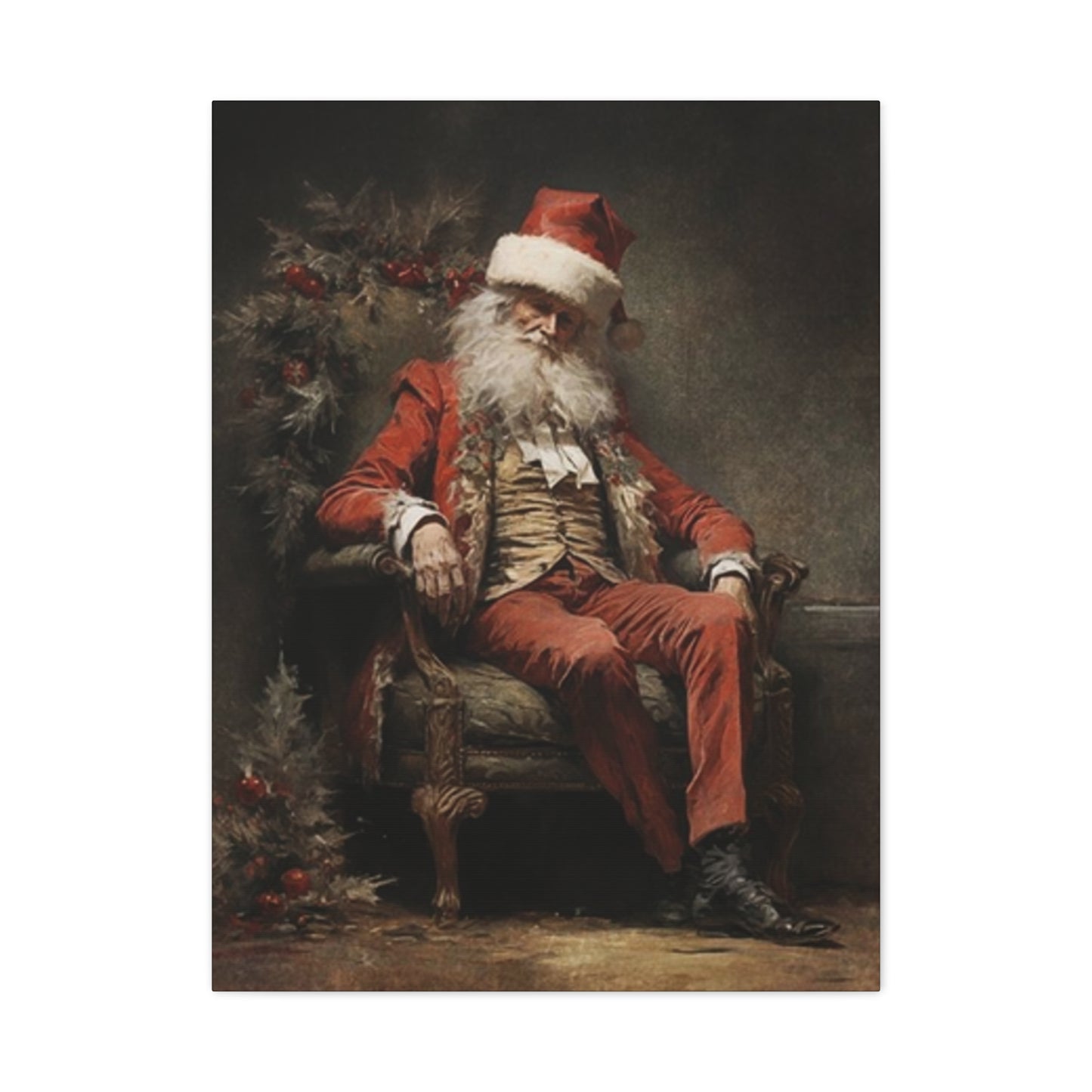
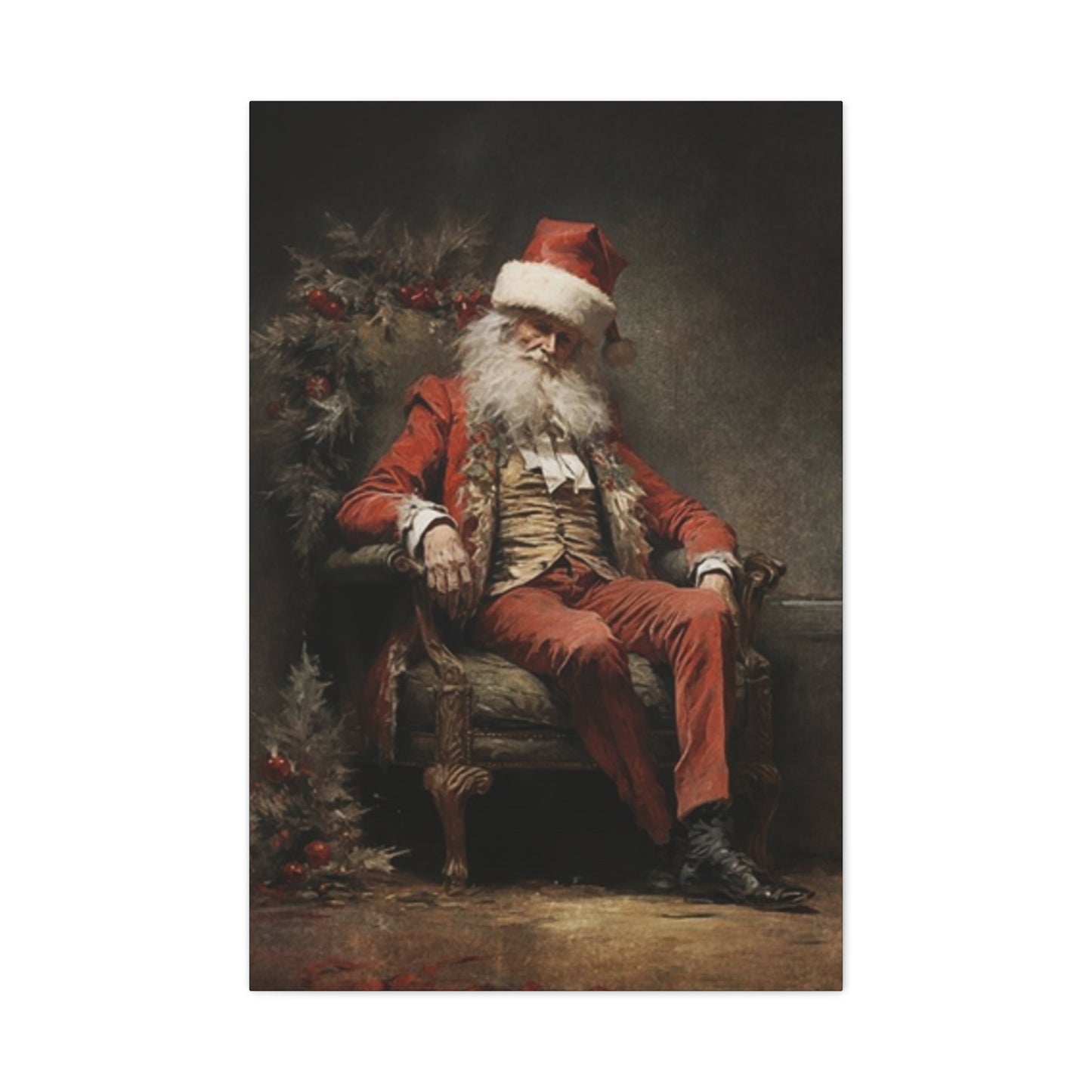
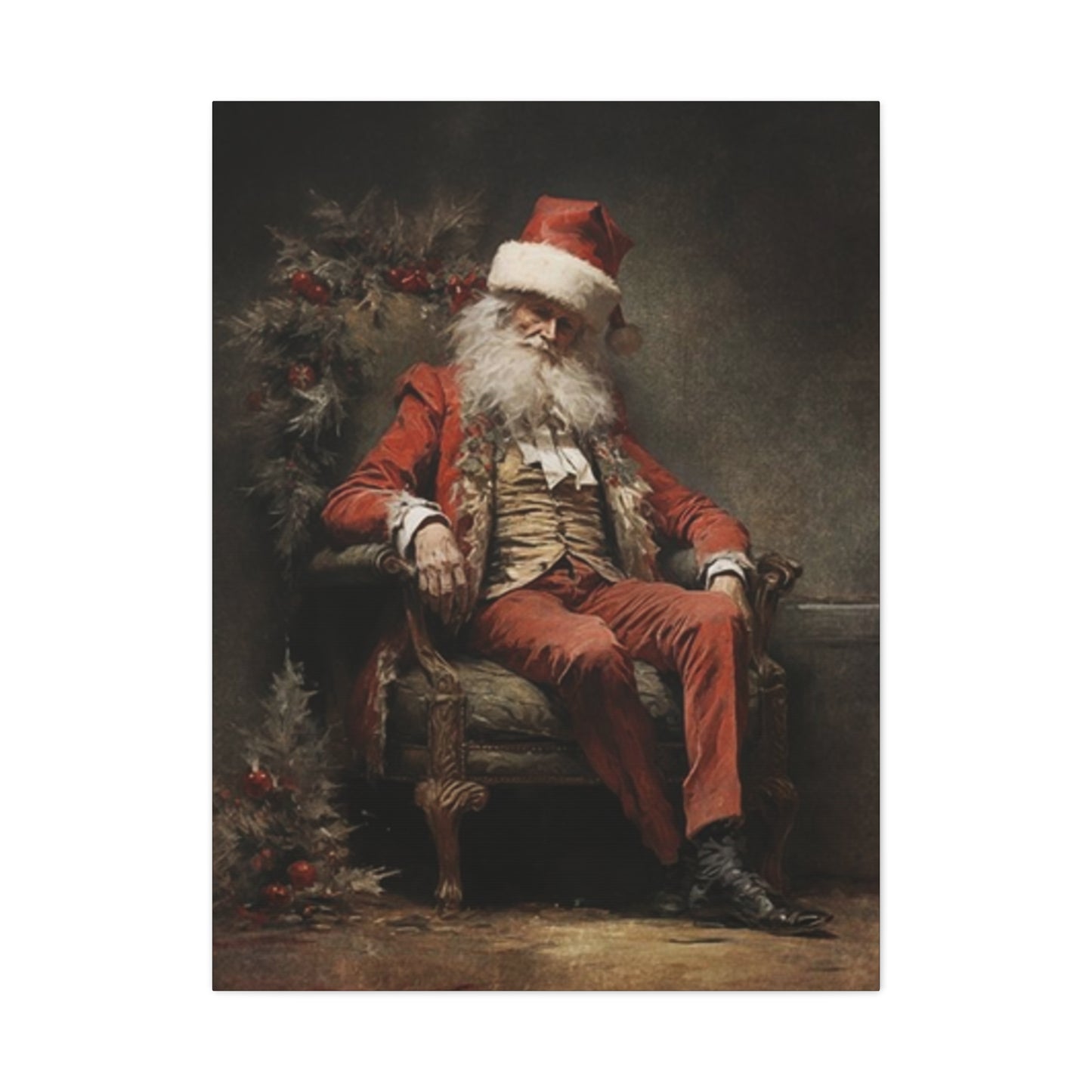
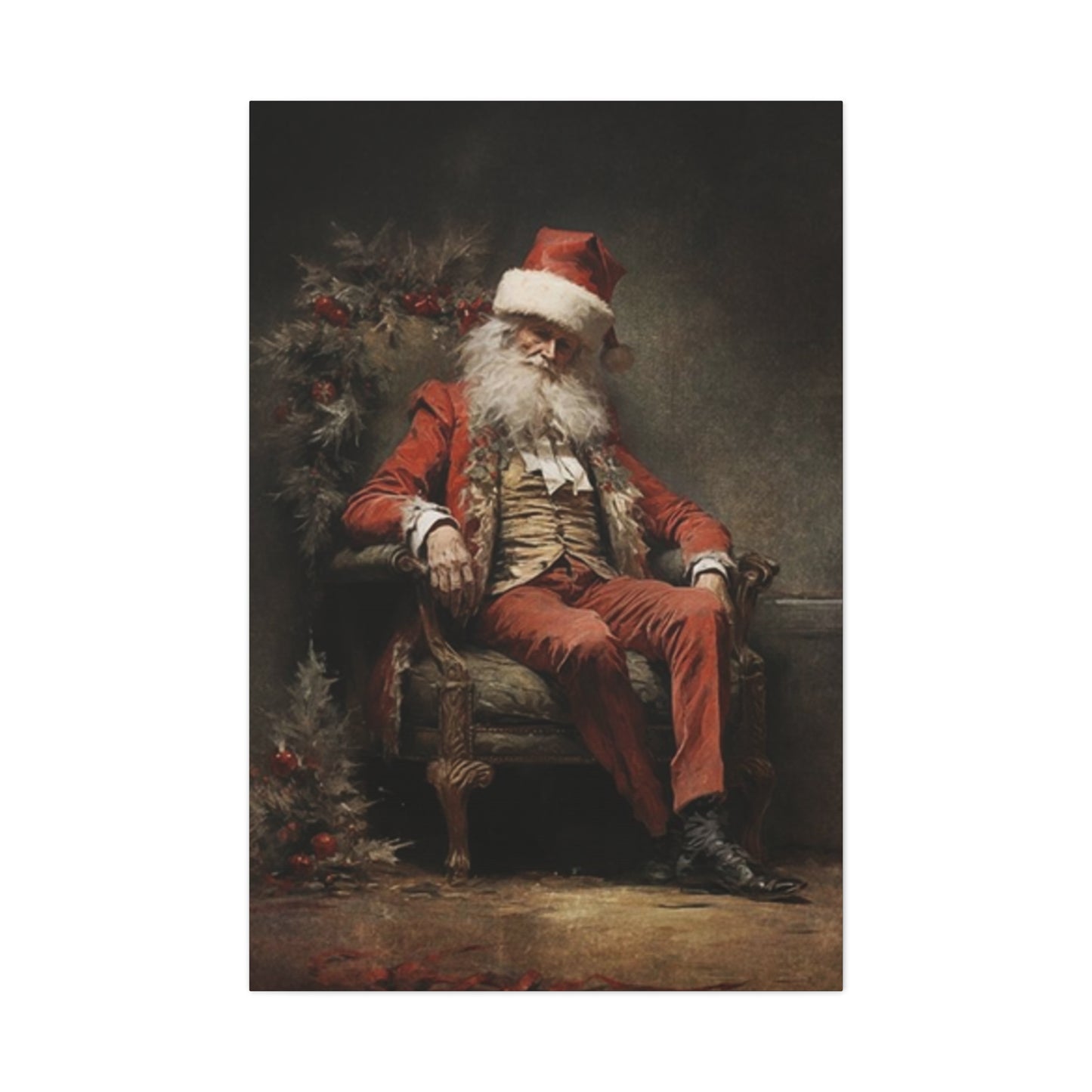
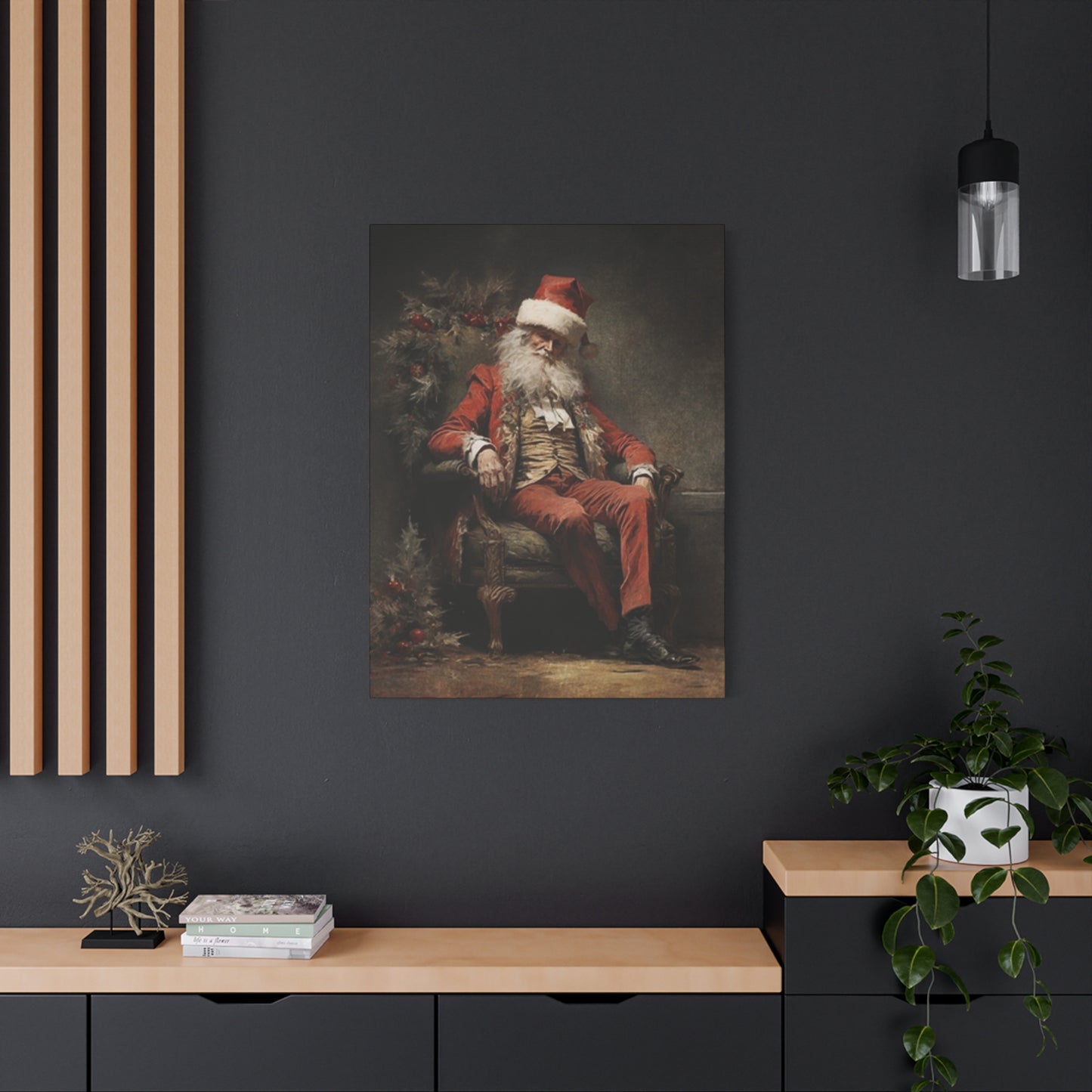
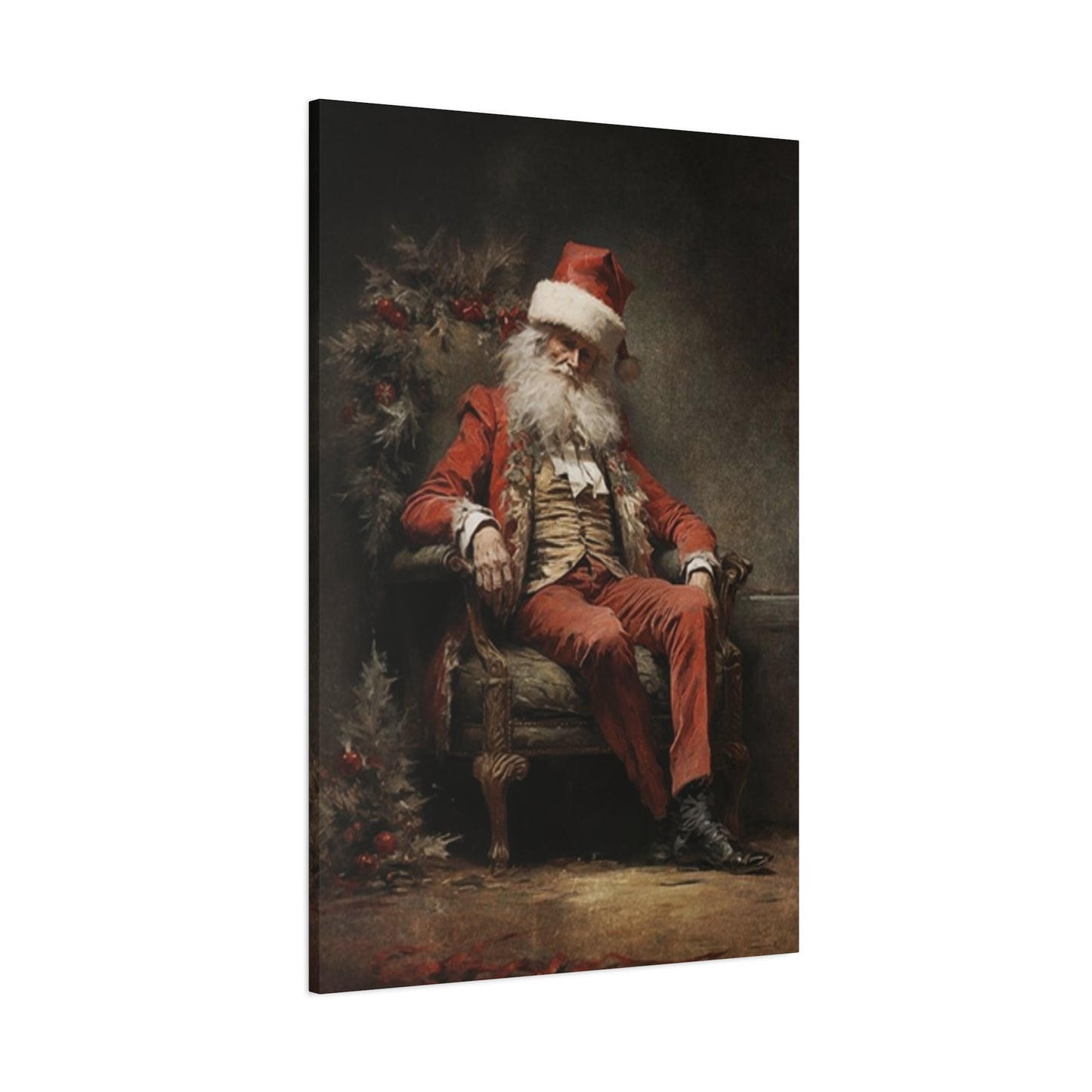
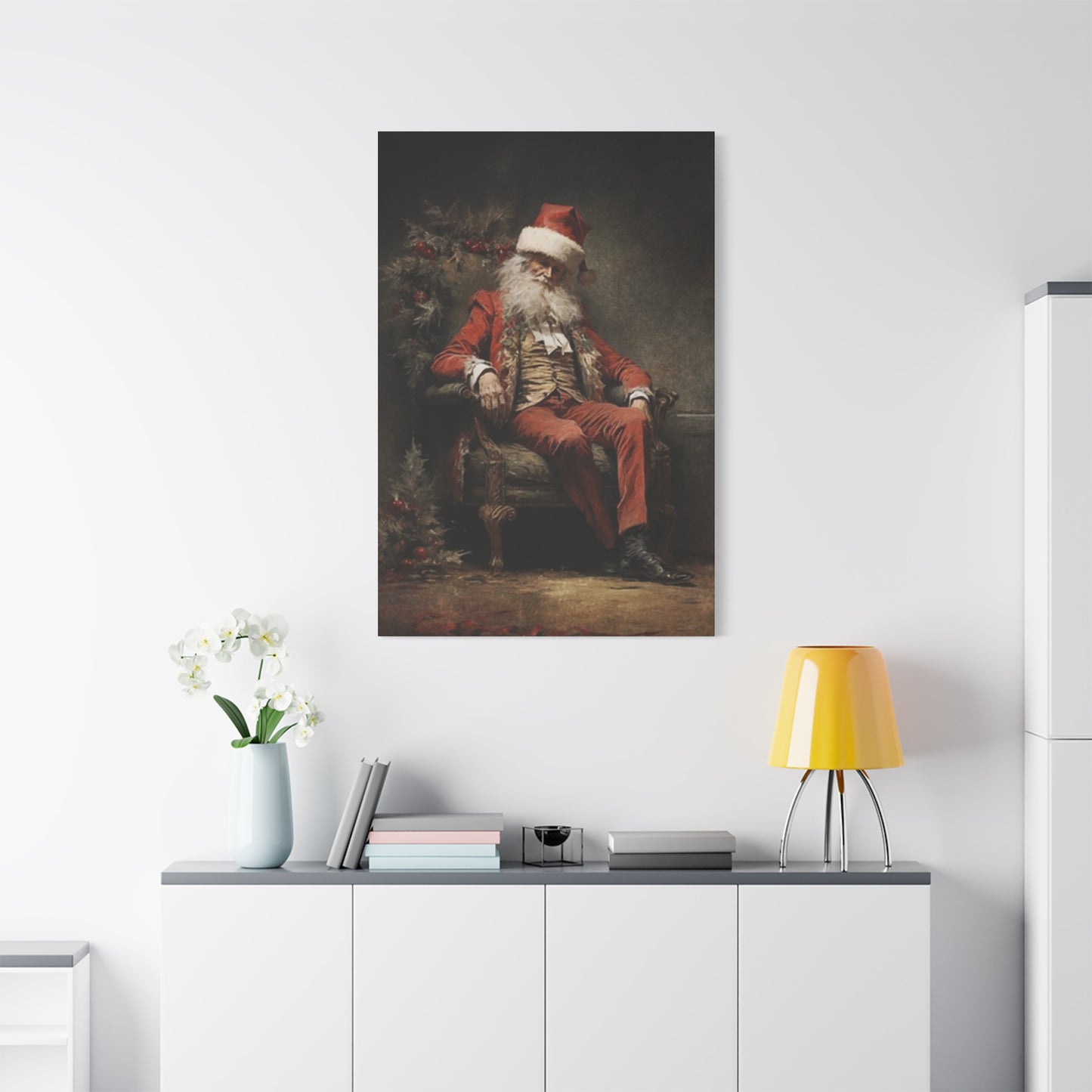
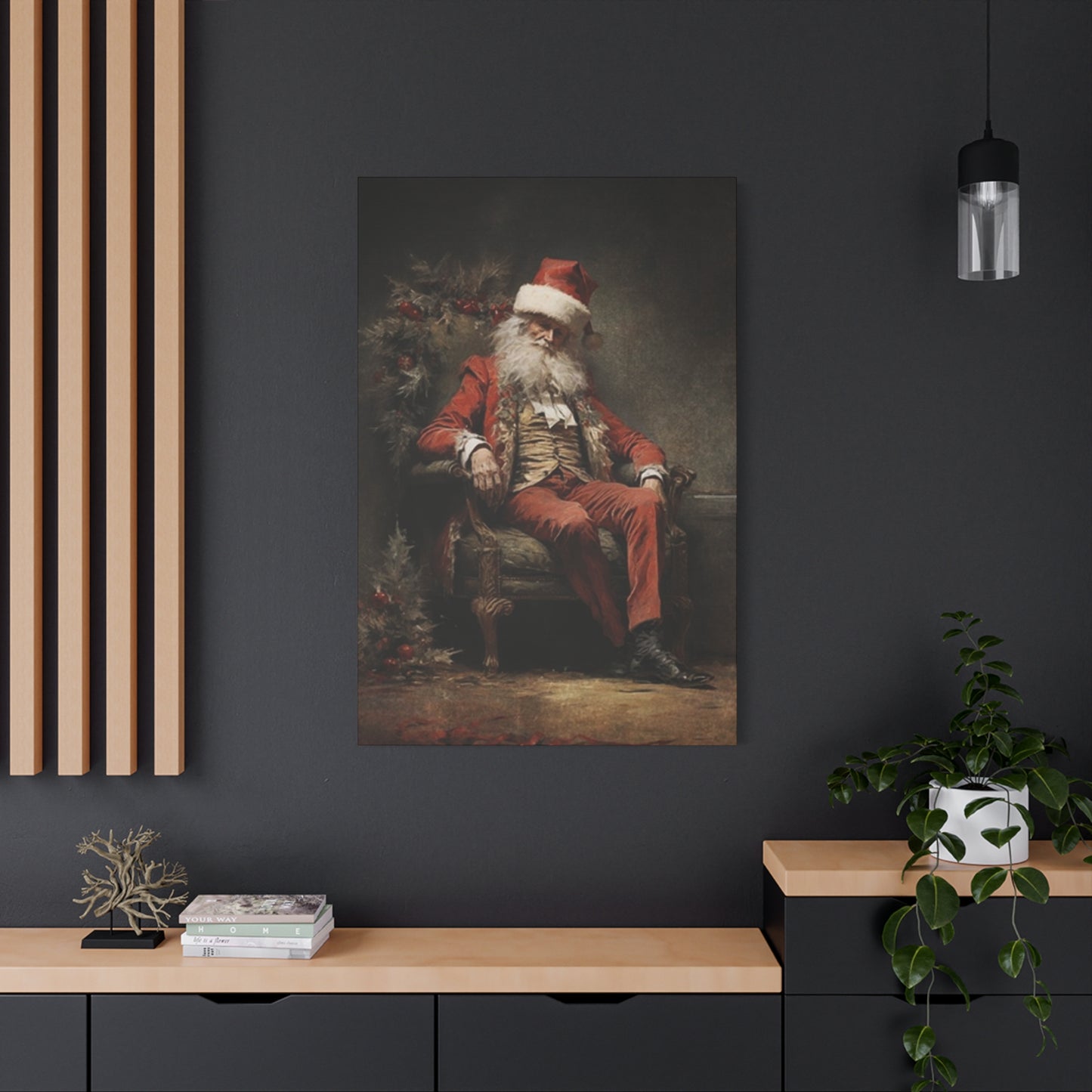
The Ultimate Guide to Santa Claus Portrait Wall Art: Transform Your Space with Festive Magic
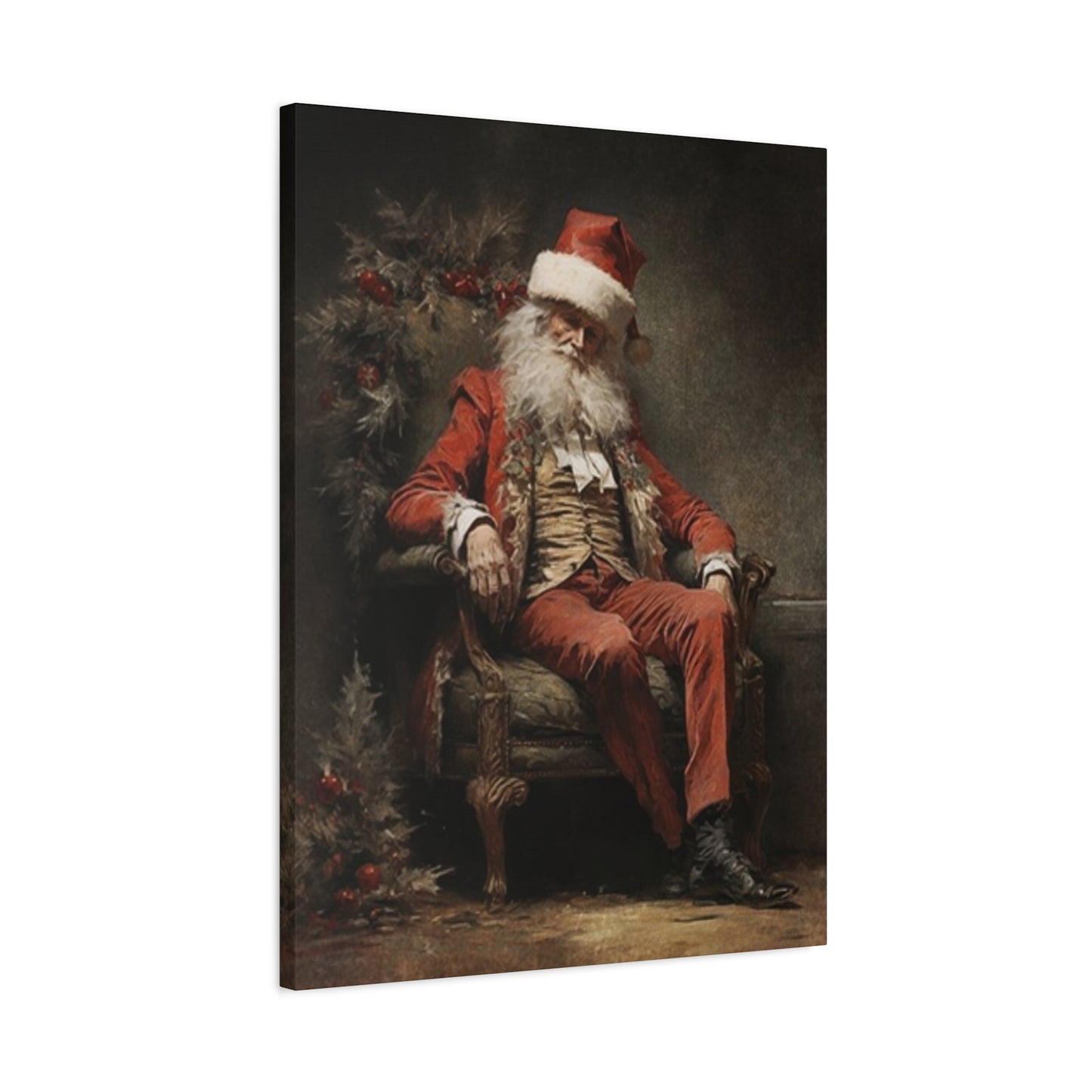
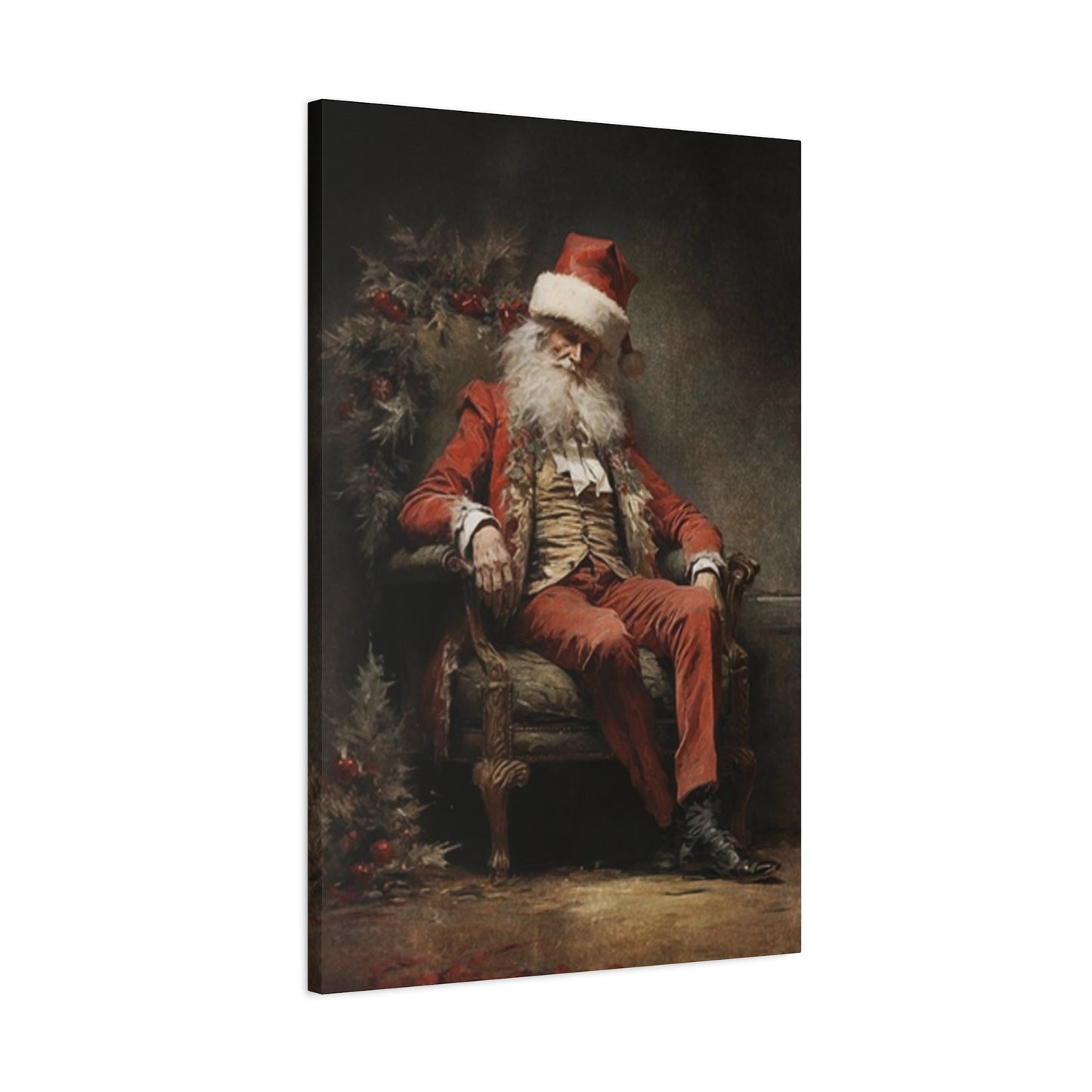
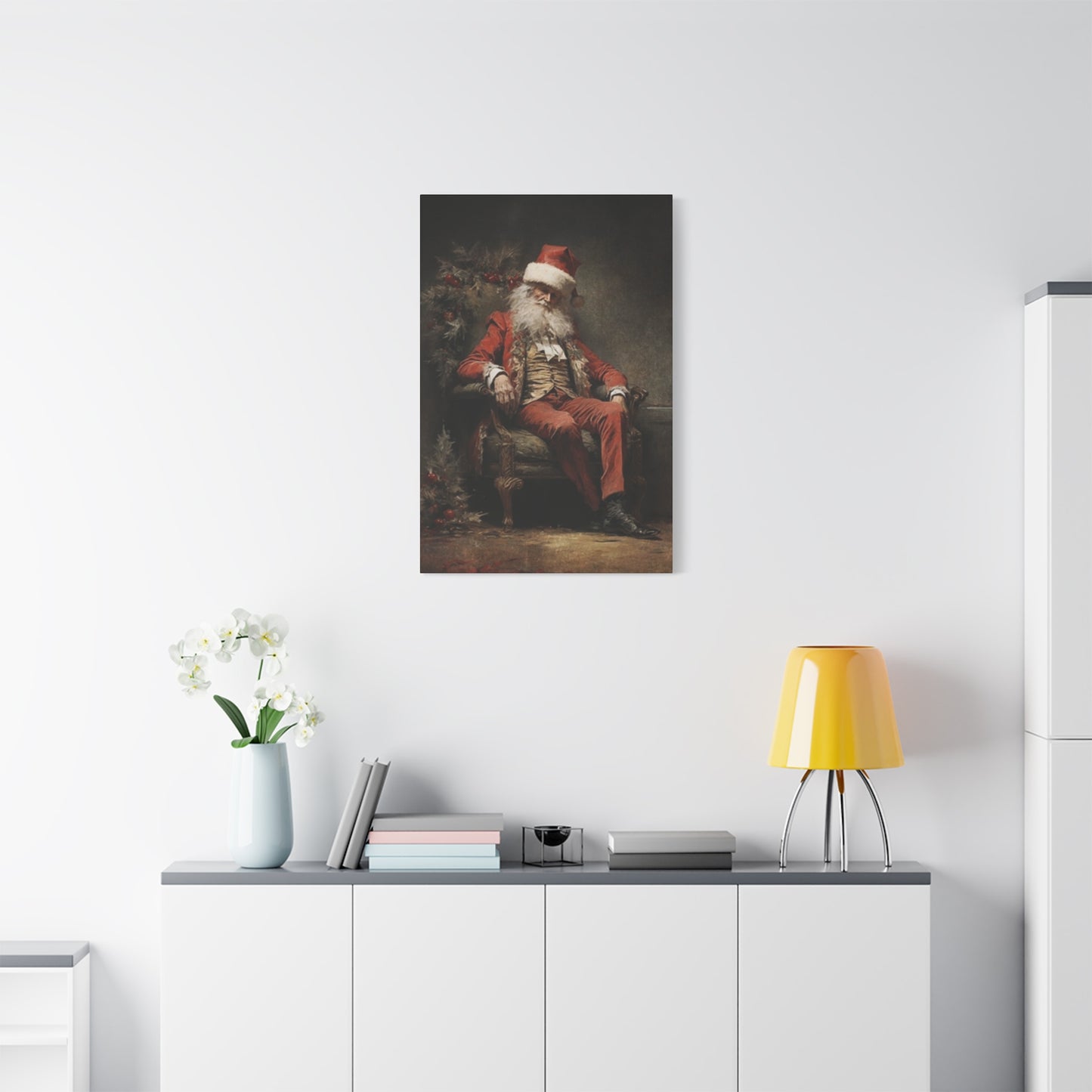
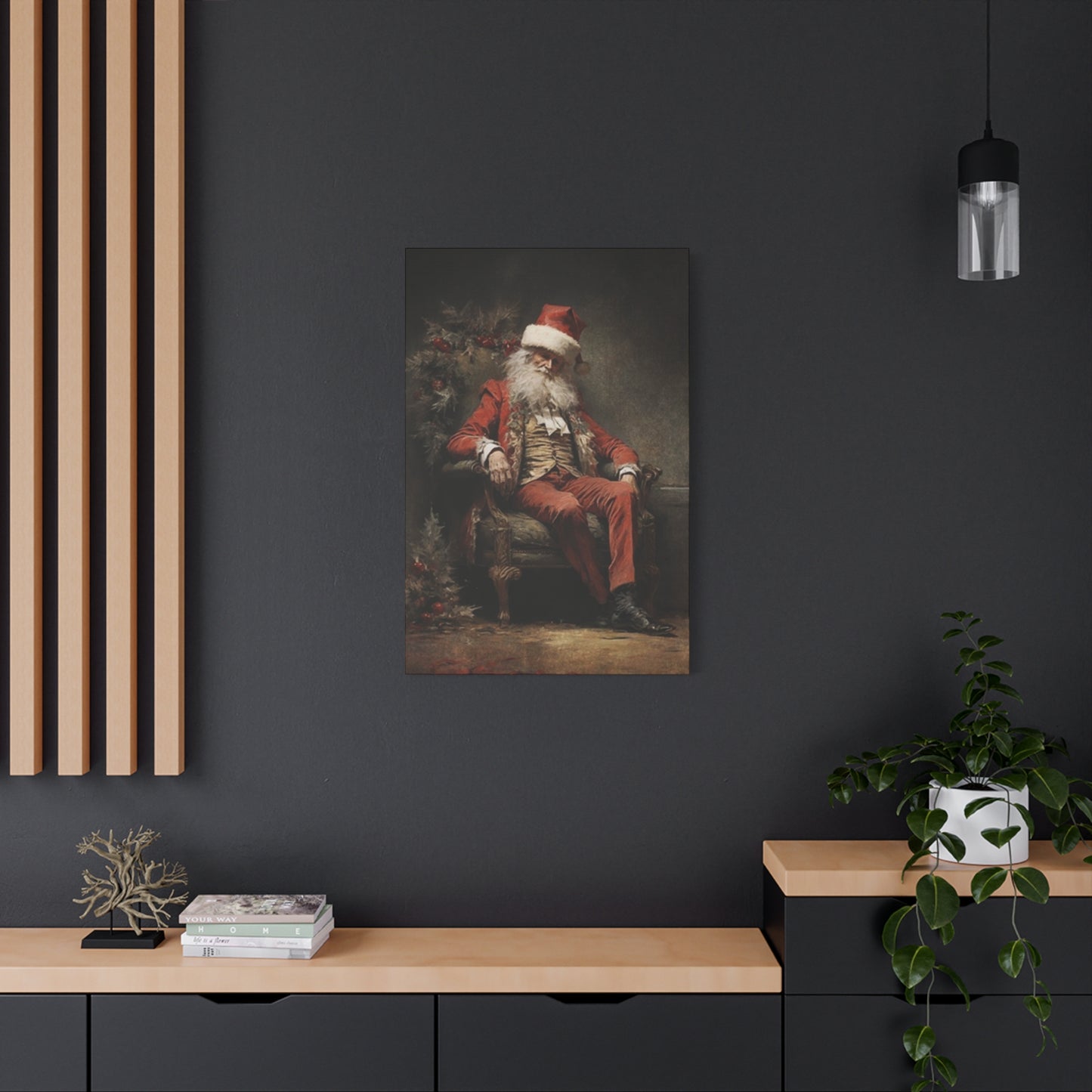
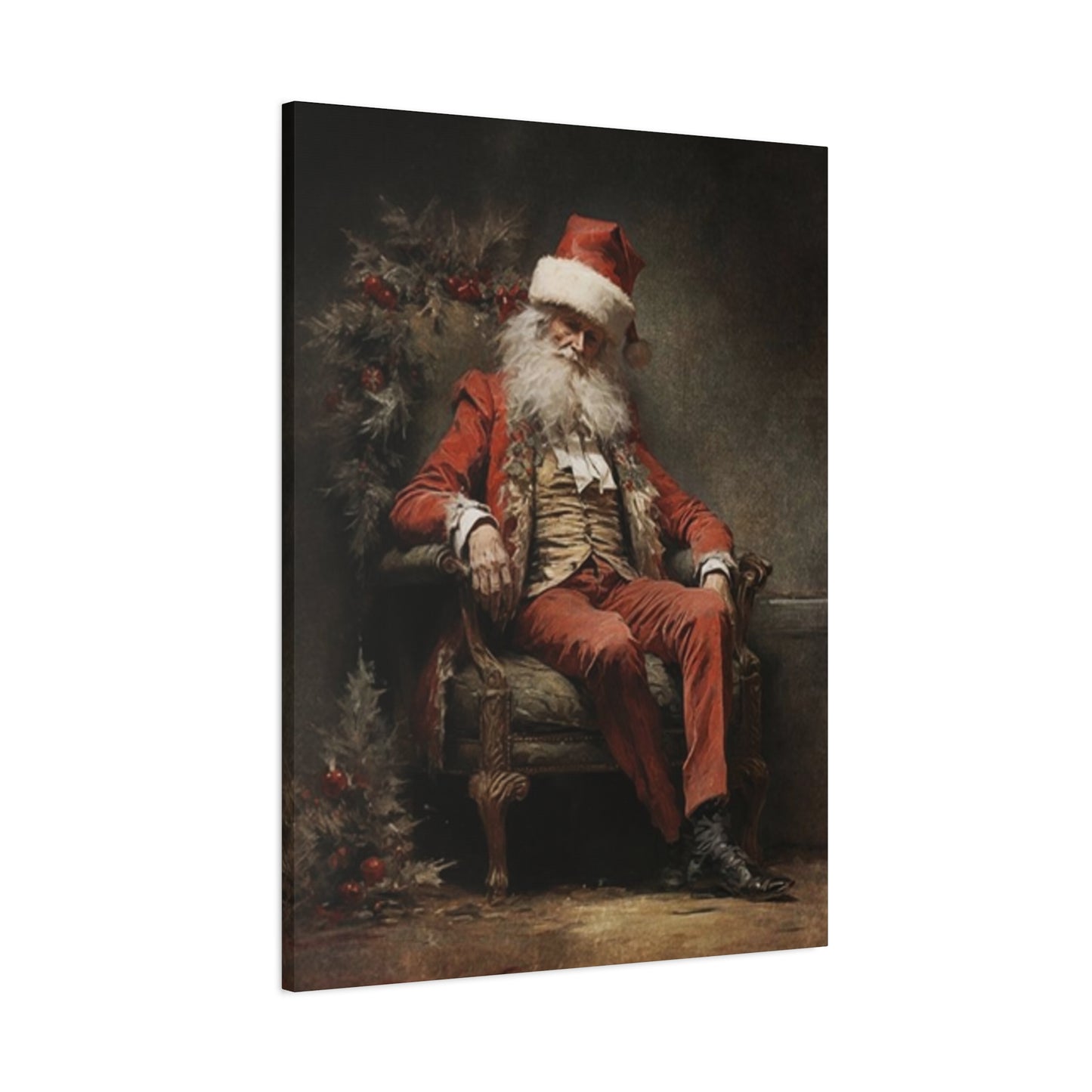
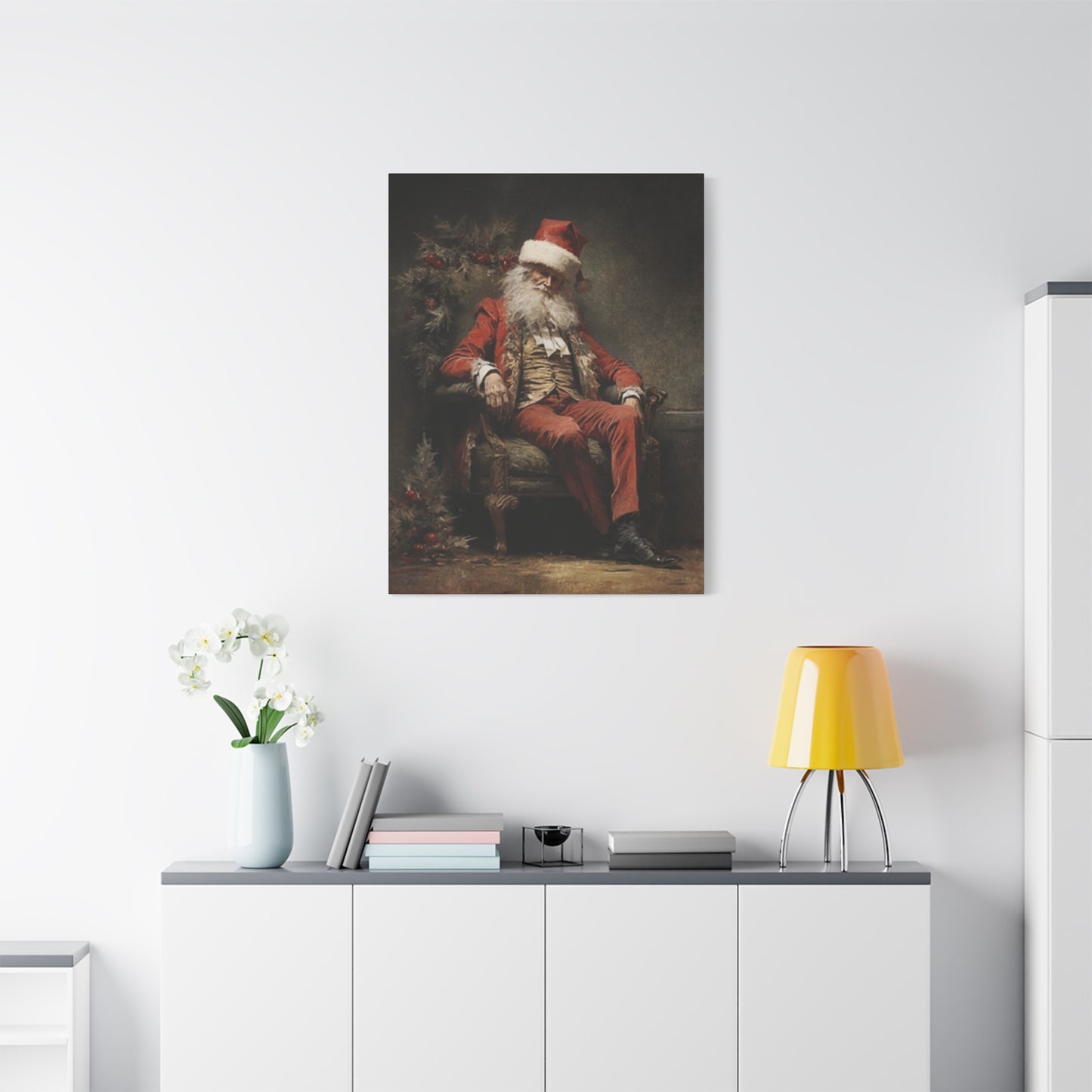
Santa Claus portrait wall art has emerged as a cherished element of seasonal décor, bringing warmth, nostalgia, and joy into homes during the holiday season and beyond. These captivating artworks immortalize the beloved image of Father Christmas in countless styles — from classic oil paintings that evoke vintage charm to modern digital illustrations that infuse a touch of whimsy and contemporary flair. Whether displayed in living rooms, entryways, or family gathering spaces, Santa Claus portrait canvas prints offer a timeless way to celebrate the magic of Christmas while creating a cozy, uplifting ambiance for all ages.
One of the key appeals of Santa portrait wall art lies in its emotional resonance. Each depiction — whether a jolly Santa with twinkling eyes, a serene Saint Nicholas reading a list, or a playful figure surrounded by gifts — tells a story of generosity, warmth, and wonder. These artworks connect viewers to cherished childhood memories and long-held traditions, reinforcing the season’s values of kindness, giving, and togetherness. For families, Santa portraits serve as joyful visual anchors that set the tone for holiday celebrations, sparking excitement and anticipation year after year.
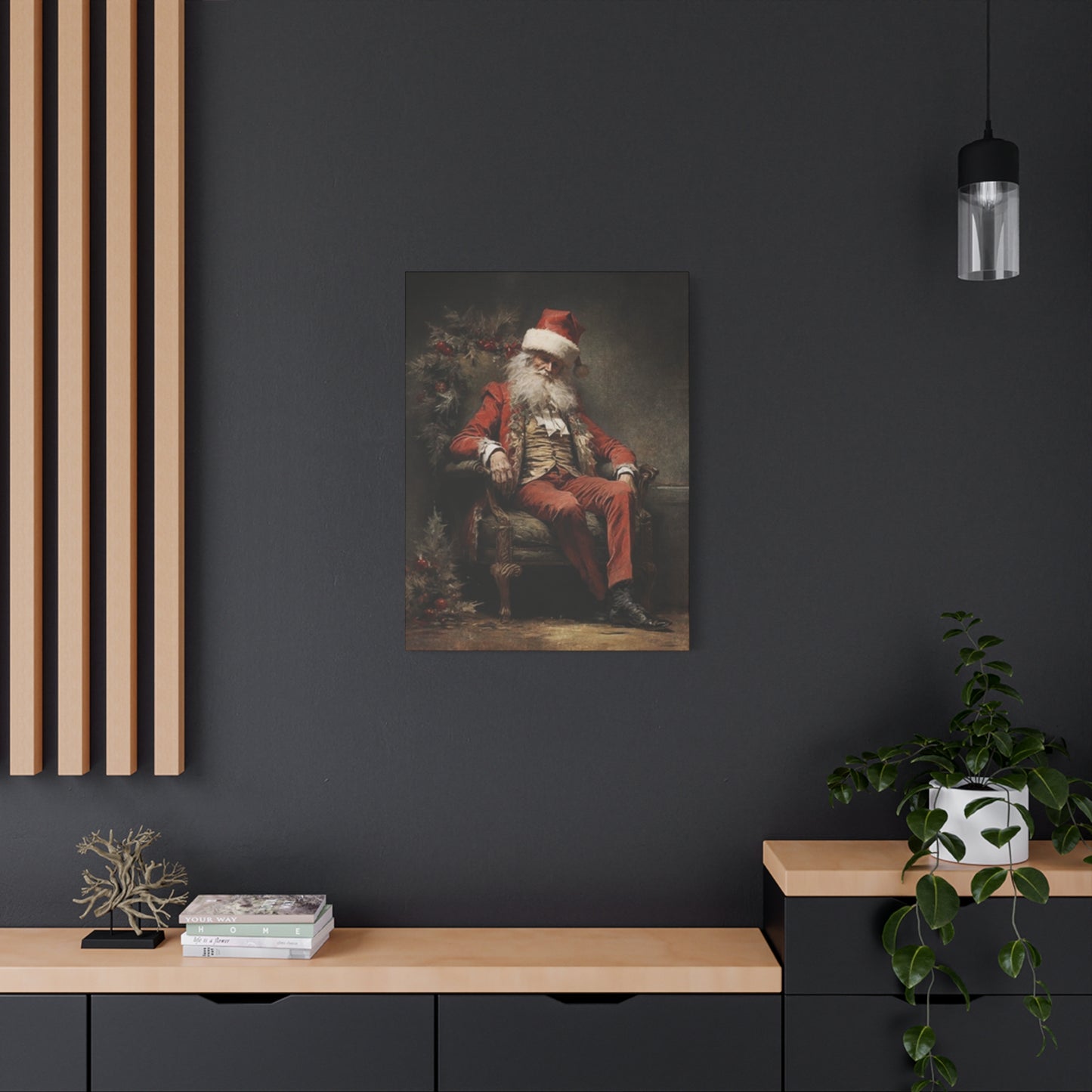
In interior design, Santa Claus wall art serves both aesthetic and thematic purposes. Traditional portrait styles, often featuring rich reds, golds, and deep greens, complement classic or rustic interiors filled with natural wood, plaid textiles, and warm lighting. Conversely, minimalist or digital interpretations of Santa suit modern and Scandinavian-inspired homes, where clean lines and neutral backdrops allow the vibrant imagery to stand out. Canvas prints with subtle textures or hand-painted finishes add depth and authenticity, enhancing their artistic value.
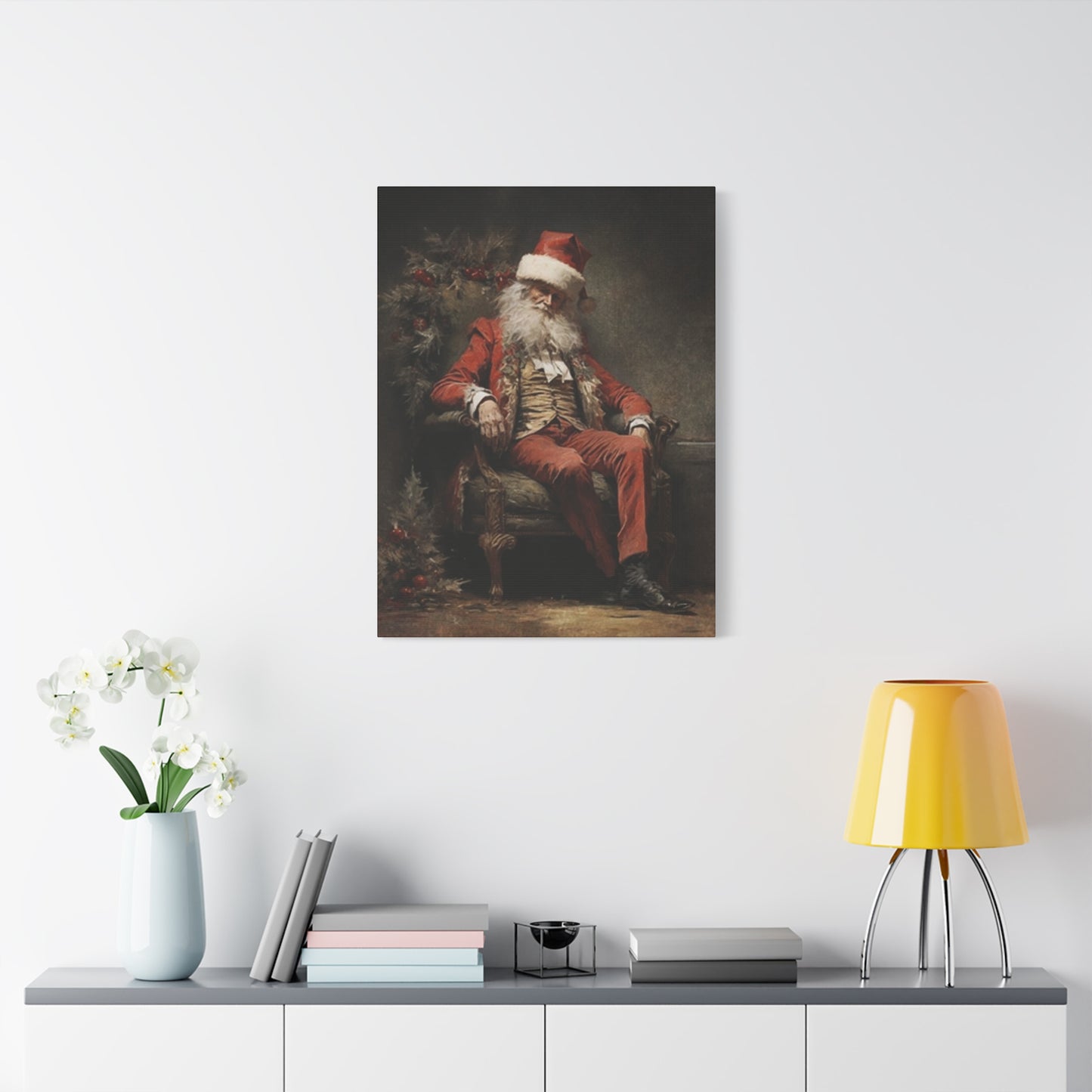
Placement also plays a crucial role in maximizing visual impact. A large Santa portrait above a mantel or sofa can instantly become a festive focal point, while smaller prints arranged in clusters can bring seasonal cheer to hallways or children’s rooms. Pairing these artworks with complementary décor — such as twinkling fairy lights, evergreen garlands, or gold-framed mirrors — enhances the sense of celebration and unity throughout the home.
Ultimately, Santa Claus portrait wall art is more than a decorative accent; it’s a visual embodiment of Christmas joy and spirit. By integrating these timeless pieces into your décor, you not only elevate the festive aesthetic of your space but also invite the heartwarming magic of the season into your home, creating memories that last long after the holidays have passed.
Understanding the Appeal of Santa Claus Portrait Canvas Art
The enduring popularity of Santa Claus portrait wall art canvas prints stems from their ability to evoke powerful emotions and cherished memories. These artistic representations of the beloved holiday figure transcend mere decoration, becoming conversation pieces that tell stories and create connections between generations. When you display a Santa Claus portrait in your home, you're not just hanging artwork on your wall; you're embracing a cultural icon that represents generosity, joy, wonder, and the magic of the holiday season.
The psychological impact of these portraits cannot be underestimated. Research in environmental psychology suggests that surrounding ourselves with imagery that evokes positive emotions can significantly improve our mood and overall well-being. Santa Claus portraits naturally trigger associations with childhood memories, family gatherings, gift-giving, and the excitement of Christmas morning. These associations create an immediate emotional response that can brighten even the darkest winter days.
Furthermore, Santa Claus portrait wall art canvas prints serve as visual anchors in interior design, drawing the eye and establishing a focal point in any room. The rich reds, deep greens, snowy whites, and golden accents typically found in these portraits complement traditional holiday color schemes while also working surprisingly well with year-round decor palettes. Many homeowners discover that a well-chosen Santa portrait can actually enhance their everyday living spaces, not just during the December holidays.
The artistic merit of these canvas prints has also evolved dramatically over the years. Contemporary artists bring fresh perspectives to the classic Santa Claus imagery, incorporating modern techniques, diverse cultural interpretations, and innovative compositional approaches. This artistic evolution ensures that there's a Santa Claus portrait style to match every aesthetic preference, from vintage Victorian charm to sleek contemporary minimalism.
Historical Evolution of Santa Claus Imagery in Art
To truly appreciate Santa Claus portrait wall art canvas prints, understanding the historical development of Santa imagery provides valuable context. The visual representation of Santa Claus has undergone remarkable transformations over centuries, influenced by various cultural traditions, artistic movements, and commercial interests. The modern image of Santa Claus that we recognize today is actually a composite creation drawn from multiple sources.
The earliest ancestors of Santa Claus can be traced to Saint Nicholas of Myra, a fourth-century Christian bishop known for his generosity and gift-giving. Medieval European art depicted Saint Nicholas as a stern religious figure in bishop's robes, quite different from the jolly character we know today. These early representations influenced the Dutch tradition of Sinterklaas, who wore red bishop's vestments and rode a white horse, elements that would eventually contribute to the modern Santa image.
The transformation of Santa Claus into his current form accelerated in the nineteenth century. Washington Irving's 1809 book about New York history mentioned a jolly Saint Nicholas flying over rooftops in a wagon, planting seeds for the airborne Santa concept. Clement Clarke Moore's 1823 poem "A Visit from Saint Nicholas" further refined the image, describing Santa as a plump, cheerful elf with a sleigh pulled by reindeer. This literary description became the blueprint for countless artistic interpretations.
The visual breakthrough came through the work of cartoonist Thomas Nast, whose illustrations for Harper's Weekly magazine between 1863 and 1886 established many iconic Santa elements. Nast depicted Santa in a red suit trimmed with white fur, gave him a workshop at the North Pole, showed him checking his list of naughty and nice children, and portrayed him as a rotund, bearded figure with a sack of toys. These illustrations became so influential that they essentially codified the American Santa Claus image.
The twentieth century saw further refinement of Santa's appearance through commercial advertising and popular media. Various beverage companies, department stores, and product manufacturers commissioned artists to create appealing Santa images for marketing campaigns. These commercial artistic endeavors standardized certain aspects of Santa's appearance while also encouraging creative variations. The result is a rich visual tradition that contemporary Santa Claus portrait wall art canvas prints draw upon, offering both classical representations and innovative reinterpretations.
Different Artistic Styles in Santa Claus Canvas Portraits
Santa Claus portrait wall art canvas prints encompass an extraordinary range of artistic styles, each offering unique aesthetic qualities and emotional resonances. Understanding these different approaches helps collectors and decorators make informed choices that align with their personal tastes and interior design goals. The diversity of styles ensures that everyone can find a Santa portrait that feels personally meaningful and visually appropriate for their space.
Traditional realism represents one of the most popular styles for Santa Claus canvas portraits. These paintings feature meticulous attention to detail, capturing every wrinkle in Santa's face, each strand of his snowy beard, and the rich texture of his velvet suit. Realistic Santa portraits often employ classical oil painting techniques, with dramatic lighting that emphasizes three-dimensionality and creates a sense of presence. These portraits can make Santa appear almost lifelike, as if he might step out of the canvas at any moment. The emotional impact of realistic Santa portraits tends toward nostalgia and reverence, making them ideal for traditional home settings.
Vintage and Victorian-style Santa portraits evoke the charm of bygone eras, often featuring Santa in antique clothing styles or surrounded by old-fashioned toys and decorations. These artistic interpretations frequently incorporate muted color palettes, sepia tones, or hand-tinted photograph aesthetics that create an immediate sense of history and heritage. Vintage Santa canvas prints appeal to collectors who appreciate antiques, historical preservation, and the romance of earlier periods. They work exceptionally well in homes decorated with traditional, cottage, or farmhouse styles.
Contemporary and modern Santa portraits break from tradition with bold artistic choices. These might include abstract representations where Santa is suggested through color and form rather than literal depiction, minimalist designs that reduce Santa to essential geometric shapes, or pop art interpretations that use bright, saturated colors and graphic techniques. Modern Santa canvas prints often incorporate unexpected elements, such as street art influences, digital manipulation effects, or surrealist touches. These innovative approaches appeal to younger collectors and those with contemporary interior design preferences.
Folk art and naive Santa portraits embrace a deliberately simplified, childlike aesthetic that emphasizes charm and whimsy over technical precision. These artworks often feature flat perspectives, simplified forms, bright primary colors, and playful compositions. The folk art approach to Santa portraiture connects to craft traditions and handmade aesthetics, creating warmth and accessibility. These portraits particularly resonate with people who value authenticity, craftsmanship, and the preservation of folk traditions.
Impressionistic Santa portraits capture the essence and feeling of the subject through loose brushwork, emphasis on light effects, and soft color blending. Rather than focusing on precise details, impressionistic approaches convey mood and atmosphere, creating dreamy, romantic interpretations of Santa Claus. These canvas prints work beautifully in settings where soft, gentle aesthetics are preferred, and they can create surprisingly sophisticated focal points in living rooms and bedrooms.
Choosing the Perfect Size for Your Canvas Print
Selecting the appropriate size for your Santa Claus portrait wall art canvas prints is crucial for achieving visual balance and maximum impact in your space. Size decisions should consider multiple factors including wall dimensions, room proportions, viewing distance, surrounding elements, and the intended role of the artwork in your overall design scheme. Understanding these considerations helps ensure your Santa portrait enhances rather than overwhelms or gets lost in your environment.
For small wall spaces measuring approximately two to four feet in width, canvas prints ranging from sixteen by twenty inches to twenty-four by thirty-six inches typically work best. These modest sizes are ideal for hallways, bathrooms, small bedrooms, or creating gallery walls where multiple pieces are displayed together. A small Santa portrait can create an intimate, personal focal point without demanding too much visual attention. These sizes also work well for renters or those who prefer subtle holiday touches rather than dominant Christmas themes.
Medium-sized wall spaces spanning four to eight feet can accommodate canvas prints ranging from thirty by forty inches to forty by sixty inches. These dimensions suit most living room walls, bedroom walls above dressers or nightstands, and dining room walls. Medium-sized Santa Claus portraits strike a balance between presence and proportion, making a clear decorative statement without dominating the entire room. This size range offers the most versatility for different placement options and design configurations.
Large wall spaces measuring eight to twelve feet or more call for substantial canvas prints starting at sixty by forty inches and extending to massive statement pieces measuring seventy-two by ninety-six inches or larger. These impressive Santa portraits work magnificently above fireplaces, on main living room feature walls, in spacious entryways, or in commercial settings like hotel lobbies or retail stores. Large-scale Santa canvas art creates dramatic impact and can anchor an entire room's design scheme. However, these sizes require careful consideration of viewing distance and surrounding decor to avoid overwhelming the space.
The rule of thirds provides helpful guidance for sizing decisions. Generally, your canvas print should occupy approximately two-thirds to three-quarters of the available wall space width to achieve pleasing proportions. For example, if you have a six-foot-wide wall section, a canvas print measuring approximately forty-eight to fifty-four inches wide would create harmonious balance. This guideline helps prevent the common mistakes of choosing artwork that's too small and gets visually lost or too large and appears cramped.
Vertical versus horizontal orientation also significantly impacts how a Santa Claus portrait functions in a space. Vertical portraits tend to draw the eye upward, making ceilings appear higher and creating a sense of elegance and formality. Horizontal orientations emphasize width, making spaces feel more expansive and relaxed. Traditional Santa portraits often work well in vertical formats, highlighting Santa's full figure, while scenic compositions showing Santa with his sleigh or in workshop settings may benefit from horizontal arrangements.
Color Palettes and Their Impact on Interior Design
The color composition of your Santa Claus portrait wall art canvas prints dramatically influences how these pieces interact with your existing decor and affect the overall atmosphere of your space. Understanding color theory and the emotional psychology of different color combinations enables more strategic selection of Santa portraits that complement your design vision while creating the desired mood and visual harmony.
Traditional Santa portraits predominantly feature the classic red, white, and green color scheme synonymous with Christmas celebrations. Red evokes energy, warmth, passion, and excitement, making it the perfect color for representing the joy and vitality of the holiday season. White provides crisp contrast, symbolizing purity, peace, and the snowy winter landscape. Green adds natural vitality and represents evergreen trees that symbolize eternal life. This tricolor combination creates immediate Christmas associations while also offering surprising versatility in interior design contexts. The key to successfully incorporating these bright, saturated colors into year-round decor lies in balancing them with neutral surrounding elements.
Rich jewel-tone Santa portraits feature deep burgundies, forest greens, sapphire blues, and antique golds that create sophisticated, elegant atmospheres. These more subdued variations of traditional Christmas colors work exceptionally well in formal living rooms, libraries, and dining rooms where a refined aesthetic is desired. Jewel-tone Santa canvas prints can remain displayed throughout the year without appearing seasonally inappropriate, as their luxurious color palette reads as timeless rather than specifically festive. These portraits pair beautifully with dark wood furniture, leather upholstery, and traditional decor elements.
Vintage-inspired color palettes incorporating sepia tones, faded reds, muted greens, and creamy off-whites create nostalgic, heritage-focused Santa portraits that blend seamlessly with farmhouse, cottage, and shabby chic interior styles. These subdued color schemes evoke aged photographs and antique Christmas cards, connecting viewers to historical traditions and simpler times. The softness of vintage color palettes makes these Santa portraits particularly suitable for bedrooms and cozy family spaces where relaxation and comfort are priorities.
Modern monochromatic or limited palette Santa portraits might feature unexpected color schemes like black and white, shades of blue, metallic silver and gold, or even unconventional choices like pink or purple. These artistic interpretations appeal to contemporary sensibilities and can create striking focal points in minimalist or eclectic spaces. A black and white Santa portrait, for example, offers sophistication and timelessness that transcends seasonal decorating, functioning as year-round art that happens to feature a beloved holiday figure. These alternative color approaches demonstrate how Santa imagery can be reimagined to suit diverse aesthetic preferences.
Warm versus cool color dominance in Santa portraits creates distinctly different emotional effects. Portraits emphasizing warm colors like reds, oranges, golds, and warm browns generate feelings of coziness, comfort, and intimacy, perfect for creating inviting gathering spaces. Santa portraits dominated by cool colors like blues, silvers, purples, and cool greens evoke winter's crispness, creating fresh, clean, serene atmospheres. Understanding your preference for warm or cool color environments helps guide your selection toward portraits that will genuinely enhance your emotional experience of your space.
Canvas Quality and Printing Techniques
The technical quality of Santa Claus portrait wall art canvas prints significantly affects their visual impact, longevity, and value. Understanding the materials, printing processes, and construction methods used to create these artworks enables informed purchasing decisions that ensure you receive products meeting your expectations for both aesthetic excellence and durability.
Canvas material quality forms the foundation of any superior wall art print. Premium Santa canvas prints utilize heavyweight cotton canvas, typically ranging from 350 to 450 grams per square meter, which provides substantial body and texture while resisting sagging and warping over time. High-quality cotton canvas offers a traditional, fine art appearance with slight natural texture that enhances the artistic character of the print. Polyester canvas represents a more affordable alternative that resists moisture better than cotton but may lack the premium feel and archival qualities that serious collectors prefer. Some manufacturers offer cotton-polyester blends that attempt to balance the advantages of both materials.
Printing technology dramatically impacts color accuracy, detail resolution, and image longevity. Giclée printing represents the gold standard for fine art reproduction, utilizing specialized inkjet printers that spray microscopic droplets of pigment-based inks onto canvas. This process achieves exceptional color accuracy, smooth gradations, and fine detail rendering that rivals original paintings. Giclée prints using archival inks can maintain their vibrancy for seventy-five to one hundred years or more under proper display conditions, making them suitable for heirloom-quality art collections. The term giclée has become synonymous with museum-quality reproduction prints.
Standard digital printing methods, while more affordable than giclée processes, can still produce attractive Santa portraits suitable for most decorative purposes. These prints typically use dye-based inks which offer brilliant, saturated colors but may fade more quickly than pigment-based alternatives, especially when exposed to direct sunlight. For Santa portraits displayed in locations with controlled lighting conditions, standard digital prints can provide excellent value, lasting many years while delivering satisfying visual results. Understanding your display environment helps determine whether premium archival printing justifies the additional investment.
Canvas stretching and mounting methods significantly affect the finished appearance and installation ease of your Santa portrait. Gallery-wrapped canvas prints feature the image continuing around the wooden stretcher frame edges, creating a finished, frameless look that appears polished and contemporary. This wrapping technique allows the artwork to be hung directly without additional framing, though some prefer adding frames for enhanced protection and formal presentation. The depth of the stretcher bars typically ranges from three-quarters of an inch to two inches, with deeper profiles creating more dramatic three-dimensional shadow effects on the wall.
Protective coatings applied to finished canvas prints serve multiple important functions. UV-resistant varnishes or laminates shield the printed image from light-induced fading, significantly extending the artwork's lifespan. Water-resistant coatings protect against moisture damage from humidity or accidental splashes. Anti-scratch coatings prevent surface damage during handling and cleaning. Matte finishes eliminate glare and reflections, ensuring optimal viewing from all angles, while semi-gloss or gloss finishes enhance color saturation and create jewel-like vibrancy. The coating choice impacts both the print's appearance and practical maintenance requirements.
Placement Strategies for Maximum Visual Impact
Strategic placement of Santa Claus portrait wall art canvas prints maximizes their decorative effect while ensuring they integrate harmoniously with your overall interior design. Thoughtful consideration of viewing angles, lighting conditions, surrounding elements, and spatial relationships transforms a simple decoration into a powerful design statement that enhances your living environment.
The living room represents perhaps the most popular location for displaying Santa portraits, as this central gathering space allows maximum viewing and enjoyment by family and guests. Above the sofa remains a classic placement choice, creating a natural focal point that draws the eye immediately upon entering the room. When positioning a Santa canvas print above seating furniture, maintain approximately six to eight inches of space between the furniture top and the artwork's bottom edge. This spacing prevents the visual disconnection that occurs when artwork floats too high while avoiding the cramped appearance of insufficient clearance. Center the portrait horizontally relative to the sofa or seating group rather than the entire wall for optimal visual balance.
Fireplace mantels provide another traditional and highly effective location for Santa portraits, as the mantel serves as a natural display shelf that draws attention and anchors the room. A large Santa canvas print hung above the mantel creates a commanding focal point that celebrates the hearth as the symbolic heart of home and hospitality. Consider the mantel's decorative items when sizing your canvas print, ensuring the artwork relates proportionally to both the fireplace opening and any accessories displayed on the mantel shelf. Some homeowners prefer seasonal flexibility, displaying their Santa portrait prominently during winter months while rotating in other artwork during warmer seasons.
Entryways and foyers benefit enormously from welcoming Santa portraits that greet visitors immediately upon arrival. A well-chosen Santa canvas print in your entry sets a warm, hospitable tone while providing an instant insight into your home's personality and values. Console tables or entry benches beneath the artwork create cohesive vignettes that feel intentionally designed. Ensure adequate lighting in entry spaces, as these areas often lack natural light. Installing picture lights or positioning accent lamps strategically enhances visibility and impact.
Dining room walls provide opportunities for creating festive atmospheres that enhance meal experiences and family gatherings. Santa portraits in dining spaces work particularly well when they reflect the room's formality level and color scheme. A sophisticated vintage Santa portrait might complement traditional dining furniture, while a whimsical folk art Santa could enhance casual, family-friendly dining areas. Consider the viewing experience of seated diners when determining hanging height, lowering artwork slightly compared to living room standards to ensure comfortable visibility from dining chairs.
Bedroom placement of Santa Claus portraits creates private, personal connections with the beloved figure, perfect for individuals who cherish childhood Christmas memories or simply love the character's symbolism. Children's rooms obviously represent natural locations for Santa artwork, fostering imagination and excitement about holiday traditions. Adult bedrooms can also benefit from carefully chosen Santa portraits that evoke comfort and nostalgia without appearing juvenile. Positioning Santa canvas prints where they're visible from the bed creates pleasant viewing opportunities during relaxation and reflection.
Hallways and stairway walls transform potentially overlooked transitional spaces into gallery-like experiences. A series of smaller Santa portraits arranged along a hallway creates visual interest and guides movement through the space. Stairway walls accommodate vertical arrangements of multiple canvases that draw the eye upward, making narrow spaces feel more expansive. Gallery wall configurations mixing Santa portraits with complementary winter scenes, holiday symbols, or family photographs create rich, layered visual narratives.
Commercial and public spaces including offices, retail stores, restaurants, and hotels increasingly embrace Santa canvas prints as elements that humanize environments and create memorable experiences. These installations often feature oversized prints that command attention in large-scale spaces, making design statements that reflect organizational values around hospitality, tradition, and celebration. Consider traffic flow patterns and sight lines when positioning artwork in commercial settings, ensuring maximum visibility for the greatest number of viewers.
Framing Options and Finishing Touches
While many Santa Claus portrait wall art canvas prints look stunning in their natural gallery-wrapped format, adding frames or complementary finishing touches can elevate these artworks further, providing additional protection, enhancing visual impact, and helping integrate the pieces more cohesively with surrounding decor. Understanding the various framing and presentation options enables customization that reflects your personal aesthetic while meeting practical needs.
Traditional wooden frames bring classic elegance and formal structure to Santa canvas prints. Rich wood tones including walnut, mahogany, cherry, and oak create warm, traditional presentations that complement vintage and realistic Santa portraits beautifully. These substantial frames add gravitas and importance to the artwork, signaling that the piece deserves serious attention as valuable art rather than casual decoration. Ornate carved frames with decorative corner details work particularly well with Victorian-style Santa portraits, while simpler wooden frames with clean lines suit folk art and country-style interpretations. Consider matching or coordinating your frame wood tone with other furniture finishes in the room for visual harmony.
Painted wooden frames offer versatility and customization opportunities that can bridge contemporary and traditional aesthetics. White or cream painted frames create fresh, clean presentations that work across multiple design styles, from coastal cottages to modern farmhouses. Black painted frames deliver sophisticated contrast and contemporary edge, making even traditional Santa imagery feel updated and current. Colored painted frames in hues like forest green, burgundy, navy, or even playful reds can pick up specific colors from within the canvas print, creating cohesive color relationships between artwork and frame.
Metallic frames including gold, silver, bronze, and copper finishes bring luxurious refinement to Santa portraits. Gold frames particularly suit traditional Santa imagery, echoing the precious metal's associations with treasure, value, and celebration. Antique gold finishes with subtle distressing create vintage charm, while bright polished gold delivers opulent glamour. Silver and pewter frames offer cooler alternatives that work beautifully with winter-themed Santa portraits featuring snowy scenes. Modern metallic frames with sleek, minimal profiles provide contemporary alternatives to ornate traditional options.
Floating frames create sophisticated presentations where the canvas appears to hover within the frame, suspended by a small gap between the artwork edge and frame inner edge. This contemporary framing approach adds dimensional depth and draws attention to the canvas's edges and texture. Floating frames work exceptionally well with gallery-wrapped canvases, showcasing the image continuation around the sides while providing subtle definition and protection. These frames typically feature simple, clean lines that don't compete with the artwork for attention.
Shadow box frames add significant dimensional depth by creating substantial space between the canvas and the protective glazing. These deep frames cast dramatic shadows on the wall and create museum-quality presentations that elevate canvas prints to fine art status. Shadow box framing particularly suits smaller Santa portraits that might otherwise get visually lost on large walls, as the dimensional presentation increases their visual weight and importance. The added depth also provides enhanced protection from environmental factors.
Frameless presentation with corner bumpers or edge guards represents the most minimal intervention, preserving the clean, contemporary aesthetic of gallery-wrapped canvas while providing basic protection for corners and edges. This approach works well for modern and contemporary Santa portraits where simplicity and directness are design priorities. The absence of framing allows complete focus on the artwork itself without any mediating elements, creating immediate, unfiltered visual connections.
Matting considerations apply primarily when Santa canvas prints are placed under glass within traditional frames. Mats create breathing room between the artwork and frame, preventing visual crowding while adding surface area that can incorporate complementary colors. Double matting with contrasting colors adds sophisticated layering, with the inner mat often picking up a color from within the artwork while the outer mat provides neutral grounding. Mat width should scale proportionally with frame and artwork size, with wider mats creating more formal, gallery-like presentations.
Seasonal Decorating versus Year-Round Display
The question of whether Santa Claus portrait wall art canvas prints should be displayed only during holiday seasons or enjoyed year-round represents a personal decision influenced by individual preferences, design philosophies, and practical considerations. Understanding the various approaches and their respective advantages helps you develop a display strategy that aligns with your lifestyle and aesthetic values.
Seasonal rotating display represents the traditional approach, where Santa portraits emerge from storage after Thanksgiving and reign prominently through Christmas, then return to storage for the remainder of the year. This cyclical presentation builds anticipation and preserves the special quality of Christmas imagery, preventing visual fatigue that might occur from constant exposure. Seasonal display allows your walls to reflect changing seasons and celebrations throughout the year, keeping your home's appearance fresh and dynamic. The ritual of hanging and unhinging Christmas artwork can itself become a cherished tradition that marks the passage of time and celebrates the year's rhythm.
Practical considerations support seasonal rotation as well. Storage during off-season months protects canvas prints from prolonged exposure to light, dust, and environmental factors, potentially extending their lifespan significantly. This preservation approach makes particular sense for valuable or sentimental pieces that you want to maintain in pristine condition for future generations. The storage requirement does necessitate adequate space and proper storage conditions including climate control, darkness, and protection from moisture and pests.
Year-round permanent display of Santa portraits represents an increasingly popular alternative, particularly for collectors who view these pieces as legitimate art rather than merely seasonal decorations. This approach recognizes that Santa Claus functions as a powerful cultural symbol extending beyond Christmas to represent broader values including generosity, kindness, wonder, and joy. Displaying Santa canvas prints throughout the year makes a statement about your personal values and the importance you place on maintaining childlike wonder and positive symbolism in daily life.
Certain Santa portrait styles lend themselves more naturally to permanent display than others. Sophisticated vintage portraits with muted colors and fine art aesthetics can function as year-round artwork that happens to feature Santa rather than obviously seasonal Christmas decorations. Black and white Santa portraits, artistic interpretations emphasizing craftsmanship over Christmas imagery, and portraits focusing on Santa's face with minimal holiday iconography all work effectively as permanent installations. Selecting Santa canvas prints with these characteristics enables year-round enjoyment without sacrificing aesthetic cohesion.
Compromise approaches balance seasonal and permanent display impulses through various strategies. The featured focal point rotation method maintains your Santa portrait as a prominent central display during winter months, then relocates it to a less prominent position during warmer seasons while hanging something else in the prime spot. This approach keeps the Santa portrait visible year-round for your personal enjoyment while adjusting its prominence based on seasonal appropriateness. Another strategy involves creating a dedicated gallery wall mixing Santa portraits with other meaningful artwork, where the Santa pieces form part of a larger collection that remains displayed permanently but doesn't overwhelm the space with Christmas imagery.
Room-specific considerations influence display duration decisions. Private spaces like bedrooms, home offices, and personal sitting rooms offer more flexibility for year-round Santa displays, as these areas reflect individual preferences rather than broad household consensus. Public spaces like living rooms and entryways where guests gather may warrant more seasonal sensitivity, though this consideration varies based on personal confidence and commitment to your decorating choices. There's something admirable about homeowners who embrace their authentic preferences regardless of others' potential judgments.
Lifestyle factors including family composition, religious observance intensity, and personal relationship with Christmas traditions naturally influence appropriate display duration. Families with young children often embrace extensive Christmas decorating that transforms homes into winter wonderlands for weeks, making seasonal display patterns feel natural. Individuals who observe religious aspects of Christmas may view Santa imagery as spiritual symbols warranting year-round presence. Others approach Christmas as a cultural celebration with natural temporal boundaries.
Creating Gallery Walls Featuring Santa Portraits
Gallery walls featuring Santa Claus portrait wall art canvas prints as central elements create visually rich, personalized displays that tell stories and showcase collections with sophistication and style. Successful gallery wall design requires careful planning, thoughtful curation, and strategic arrangement to achieve cohesive impact while maintaining visual interest and variety.
The foundational decision involves determining whether your gallery wall will focus exclusively on Santa portraits or integrate them within a broader collection of complementary imagery. A Santa-only gallery wall creates concentrated thematic impact, showcasing the diversity of artistic interpretations through multiple portraits in varied styles, sizes, and color palettes. This focused approach works beautifully in spaces dedicated to Christmas collecting or where you want to make an unambiguous statement about your love for Santa Claus traditions. Select portraits that share some unifying elements like color schemes or framing styles while varying in composition and artistic approach to prevent monotony.
Mixed-theme gallery walls incorporate Santa portraits alongside related but distinct imagery including winter landscapes, Christmas symbols like ornaments and trees, vintage holiday advertising, family photographs, and complementary quotes or typography. This inclusive approach creates richer visual narratives that explore broader themes of family, tradition, celebration, and seasonal beauty. The Santa portraits serve as anchoring focal points while supporting imagery provides context and variation. When mixing themes, maintain some consistent visual elements like color palette, frame style, or mat treatment to ensure cohesion despite subject diversity.
Size variation adds essential visual dynamism to gallery walls. Mixing large statement pieces with medium and small accents creates rhythm and prevents the static quality that results from uniform sizing. A common effective approach positions one or two larger Santa portraits as clear focal points, then surrounds them with smaller complementary pieces that support but don't compete with the primary artworks. The size contrast guides viewers' eyes around the display in deliberate patterns while accommodating different viewing distances and attention levels.
Symmetrical arrangements create formal, orderly gallery walls that project confidence and intentionality. A perfectly balanced symmetrical design might place a large Santa portrait centrally, flanked by matching pairs of smaller pieces in mirror arrangements. This approach suits traditional decor styles and spaces where calm, predictable visual experiences are desired. Symmetry reads as stable and authoritative, making it appropriate for formal living rooms, dining rooms, and professional environments. The precision required for symmetrical arrangements demands careful measurement and alignment, but the resulting visual harmony rewards the effort.
Asymmetrical organic arrangements embrace relaxed, eclectic energy that feels collected over time rather than installed all at once. These irregular layouts still require careful planning to achieve visual balance, ensuring that visual weight distributes relatively evenly across the display despite irregular positioning. Asymmetrical gallery walls accommodate evolution, allowing easy addition of new pieces without disrupting the entire composition. This flexible approach suits casual, bohemian, and eclectic design styles while appearing more personal and less formal than symmetrical arrangements.
Grid layouts impose strict organizational structure, arranging Santa portraits and complementary pieces in orderly rows and columns with consistent spacing between all items. This disciplined approach works beautifully with modern and contemporary interiors, bringing order to potentially chaotic collections. Grid arrangements can feature identical frame sizes and styles for maximum uniformity, or vary sizes while maintaining consistent spacing and alignment for slightly more relaxed character. The geometric precision of grid layouts creates sophisticated, gallery-like presentations.
Salon-style dense arrangements pack the wall with artwork, creating visually rich, maximalist displays reminiscent of nineteenth-century art galleries. These busy, energetic compositions leave minimal wall space visible, celebrating abundance and collecting passions. Salon-style gallery walls featuring Santa portraits communicate enthusiasm and dedication to the theme while providing endless visual discovery opportunities. This approach works particularly well in cozy, traditional spaces like libraries, studies, and sitting rooms where intimate scale supports detailed examination.
Template planning before installation prevents frustrating trial-and-error while damaging walls with unnecessary holes. Create full-size paper templates for each piece, then arrange them on the wall using painter's tape to visualize the composition before committing to any permanent installation. This preview process allows experimentation with different arrangements, spacing variations, and focal point decisions without consequences. Photograph various template arrangements to compare options and share with household members for consensus before finalizing your design. The planning investment saves time, reduces stress, and ensures superior results.
Color and frame coordination strategies significantly impact gallery wall cohesion. Matching all frames creates uniform structure that unifies diverse imagery, allowing the Santa portraits and other artwork to vary widely while frame consistency provides visual connection. Alternatively, coordinating frames within a limited palette of two or three complementary finishes creates subtle variety within controlled parameters. Some collectors embrace maximum frame diversity, celebrating eclecticism through deliberately mismatched presentations that work when unified by subject matter, color palette, or artistic style.
Spacing decisions affect whether your gallery wall reads as a single unified installation or a collection of individual pieces sharing wall space. Tight spacing of one to two inches between items creates strong cohesion, causing the entire display to function as a single visual unit. Wider spacing of three to six inches allows each piece more individual presence while maintaining relationships with neighbors. Consistent spacing throughout the gallery wall generally creates more polished, intentional appearances compared to varied spacing that can appear haphazard unless very skillfully executed.
Pairing Santa Canvas Prints with Complementary Decor
Successfully integrating Santa Claus portrait wall art canvas prints into comprehensive interior design schemes requires thoughtful coordination with furniture, textiles, accessories, and other decorative elements. Strategic pairing creates cohesive environments where every component supports and enhances the others, resulting in spaces that feel intentionally designed rather than randomly decorated.
Color coordination represents the most obvious and impactful approach to creating harmony between Santa canvas prints and surrounding decor. When your Santa portrait features traditional reds, greens, and whites, consider whether you want to embrace these colors boldly throughout the space or use them as controlled accents against neutral backgrounds. A bold approach might include red throw pillows on your sofa, green flannel blankets draped over chairs, and white ceramic accessories clustered on surfaces, creating a festive atmosphere that celebrates Christmas colors enthusiastically. The controlled accent approach might limit red and green to the Santa portrait itself plus a few small accent pieces, allowing the artwork to stand as the primary color statement against neutral walls and furnishings.
Texture layering adds dimensional richness that prevents spaces from feeling flat despite color coordination. Soft textiles including velvet pillows, faux fur throws, cable-knit blankets, and plush rugs introduce tactile warmth that complements the visual warmth of Santa portraits. These soft textures create inviting environments that beckon people to settle in and stay awhile, perfectly aligned with Santa's associations with comfort and hospitality. Natural textures like woven baskets, wooden bowls, and ceramic vessels add organic authenticity that grounds festive elements, preventing spaces from sliding into overwrought holiday kitsch.
Metallic accents including gold, silver, bronze, and copper create luminous sparkle that elevates Santa canvas prints beyond casual decoration into special occasion elegance. Gold candlesticks on a mantel beneath a Santa portrait pick up golden highlights in the painting while introducing flickering warmth through candlelight. Silver-framed mirrors and picture frames throughout the room create visual connections to winter's crystalline beauty. Bronze planters holding evergreen arrangements bridge seasonal greenery with timeless metallic beauty. These metallic touches add luxury and celebration while remaining appropriate for year-round display.
Furniture style and scale dramatically influence how Santa portraits integrate into overall room compositions. Traditional, ornately carved furniture in dark woods creates natural harmony with classical realistic Santa portraits, as both embrace historical aesthetics and craftsmanship values. Modern minimalist furniture with clean lines and light woods provides striking contrast with traditional Santa imagery, creating dynamic tension between contemporary context and nostalgic subject matter. This intentional contrast can be quite sophisticated when confidently executed. Scale matters as well; oversized furniture pieces in small rooms compete with wall art for attention, while appropriately sized furnishings leave adequate visual space for artwork to breathe and command attention.
Lighting design either enhances or undermines canvas print impact depending on execution quality. Picture lights mounted directly above Santa portraits eliminate shadows and dark corners while drawing focused attention to the artwork. Track lighting or recessed spotlights provide directional illumination that can be aimed precisely at canvas prints for dramatic highlighting. Table and floor lamps positioned strategically nearby create ambient illumination that gently bathes the artwork in flattering light. Avoid placing Santa portraits where windows or other light sources create glare and reflections that obscure the image, especially if the canvas has any glossy protective coating.
Conclusion
The Ultimate Guide to Santa Claus Portrait Wall Art: Transform Your Space with Festive Magic reminds us that art has the profound ability to evoke joy, nostalgia, and togetherness. Santa Claus portrait art is not merely seasonal décor — it is a timeless celebration of generosity, imagination, and the enduring magic that the holiday season brings to every home. These portraits, whether traditional or modern, realistic or whimsical, encapsulate the essence of Christmas spirit while serving as captivating design pieces that brighten interiors and uplift emotions year after year.
Santa Claus portrait wall art captures far more than a familiar face in red; it distills the warmth of memory and the light of anticipation. Each brushstroke or print reawakens the childlike wonder of snowy mornings, twinkling lights, and the excitement of giving and receiving. Artists across styles — from classical painters to contemporary digital creators — interpret Santa in ways that reflect both cultural heritage and personal emotion. Some depict him as the jovial, rosy-cheeked figure of folklore, while others explore minimalist, abstract, or nostalgic interpretations that blend old-world charm with modern sensibilities. Through these variations, Santa becomes a universal emblem of kindness and cheer, rendered in artistic forms that suit every taste and interior style.
In design terms, Santa Claus Portrait Wall Art acts as a focal point of holiday transformation. Its vibrant palette — reds, whites, golds, and forest greens — instantly warms spaces and energizes the atmosphere. When hung in living rooms, hallways, or entryways, such artwork signals festive spirit before any words are spoken. Framed canvases or prints above fireplaces evoke the cozy intimacy of classic Christmas gatherings, while modern line-art portraits offer understated elegance for minimalist interiors. The versatility of Santa-themed artwork ensures that it can complement both traditional holiday décor and contemporary aesthetics, uniting nostalgia with sophistication.
Lighting enhances this effect profoundly. Soft, ambient illumination or warm fairy lights can accentuate the artwork’s colors and textures, transforming a simple portrait into a luminous centerpiece. In dim evening light, the gentle gleam on Santa’s coat or twinkle in his eyes evokes not only visual warmth but emotional comfort — a feeling that reminds everyone of home, love, and the season’s magic.
Culturally, the Santa portrait has evolved into a symbol that transcends time and geography. Originating from centuries-old legends of Saint Nicholas and shaped by artistic interpretations from Europe to North America, his image has become one of the world’s most recognizable icons. Hanging a Santa portrait in one’s home connects personal celebration with this broader cultural lineage — an acknowledgment of shared joy and collective memory. Each artwork becomes both personal keepsake and communal tradition, bridging generations through its imagery and meaning.


