


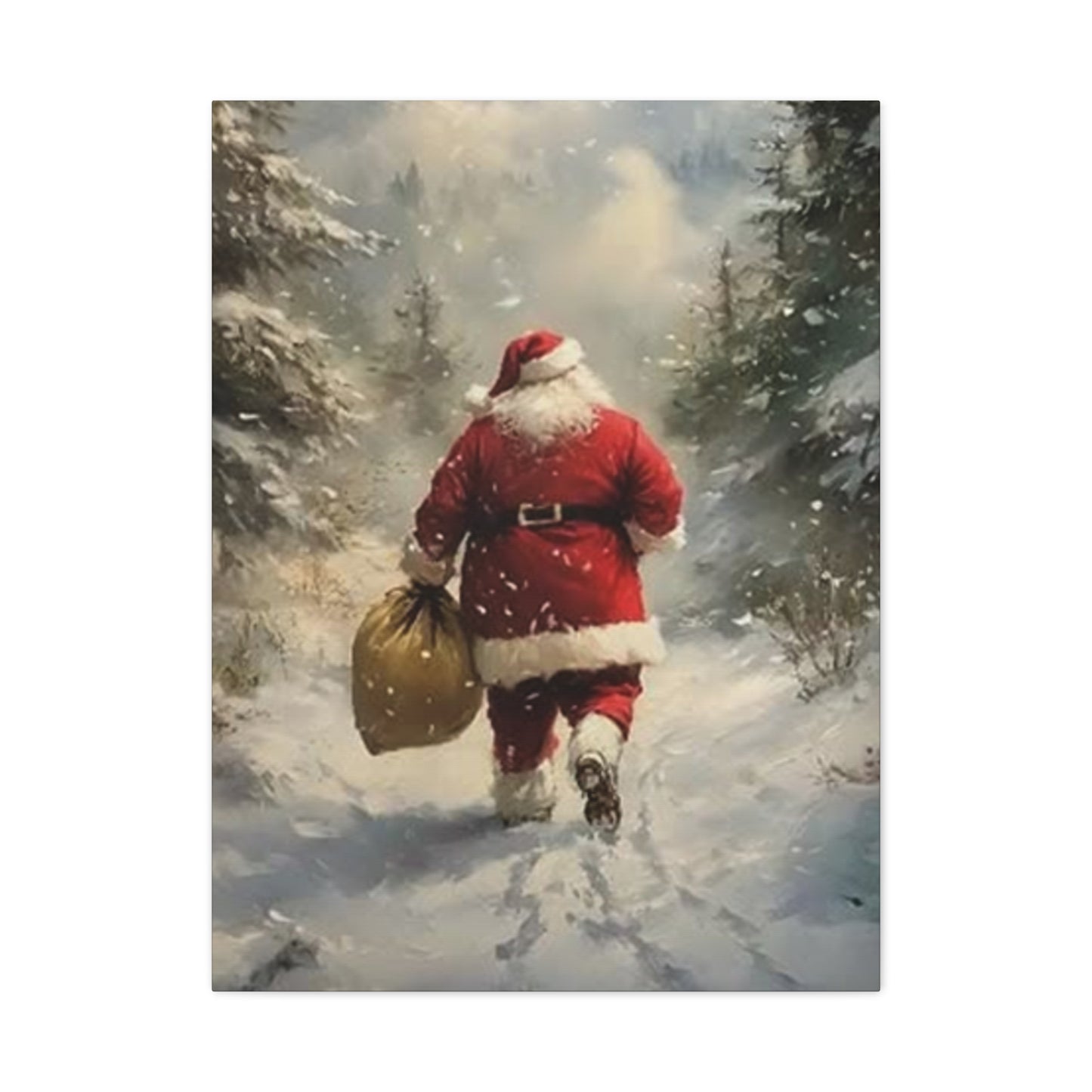
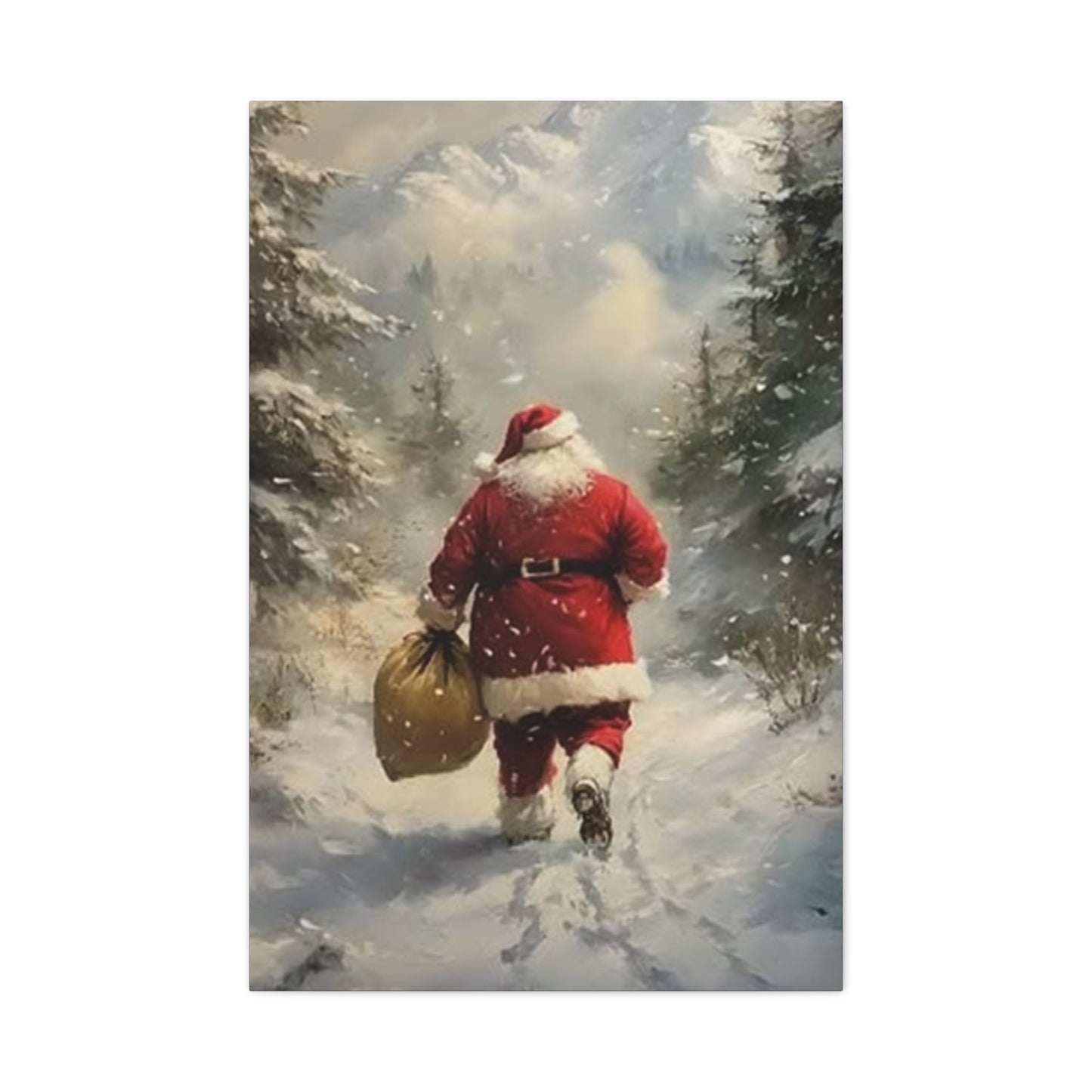
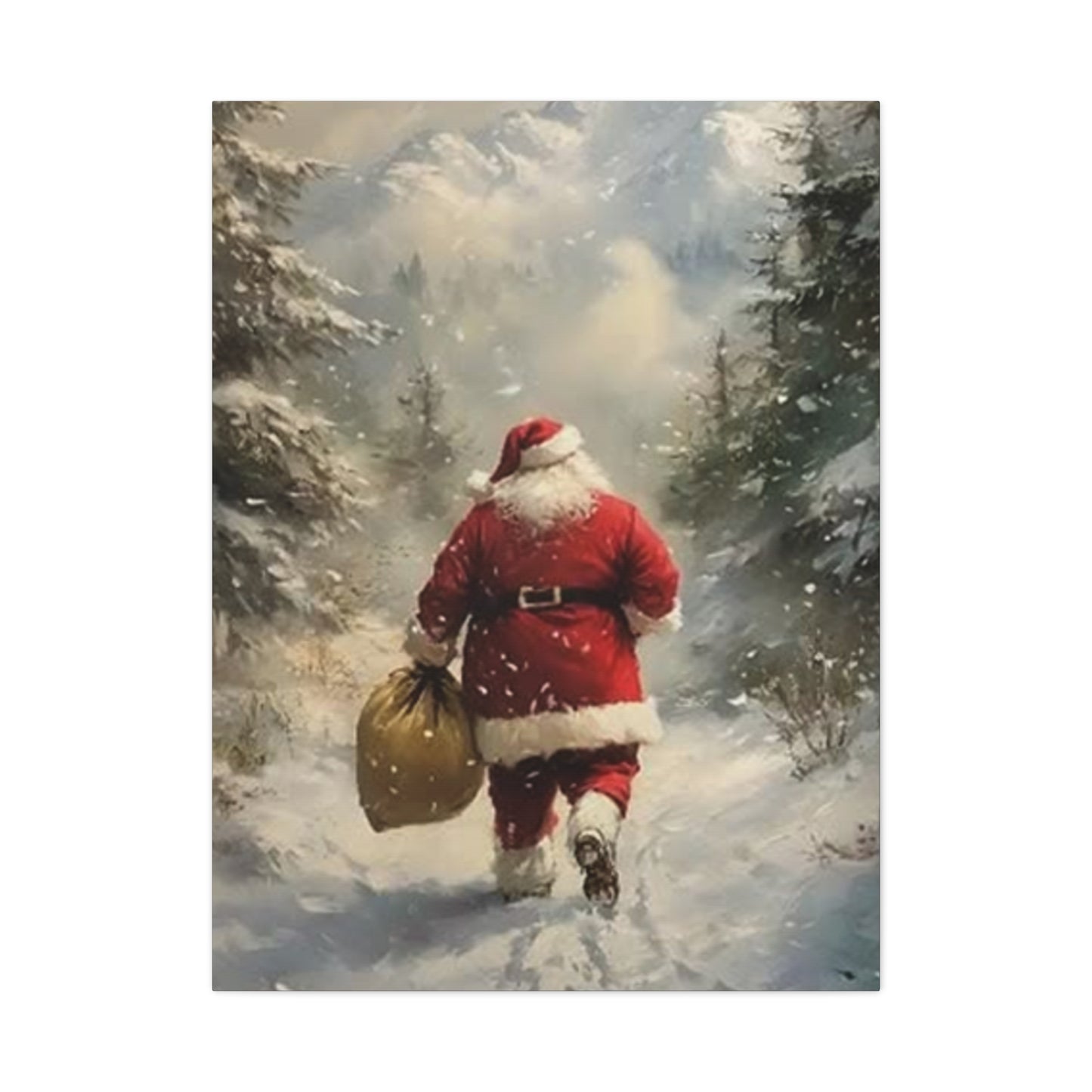
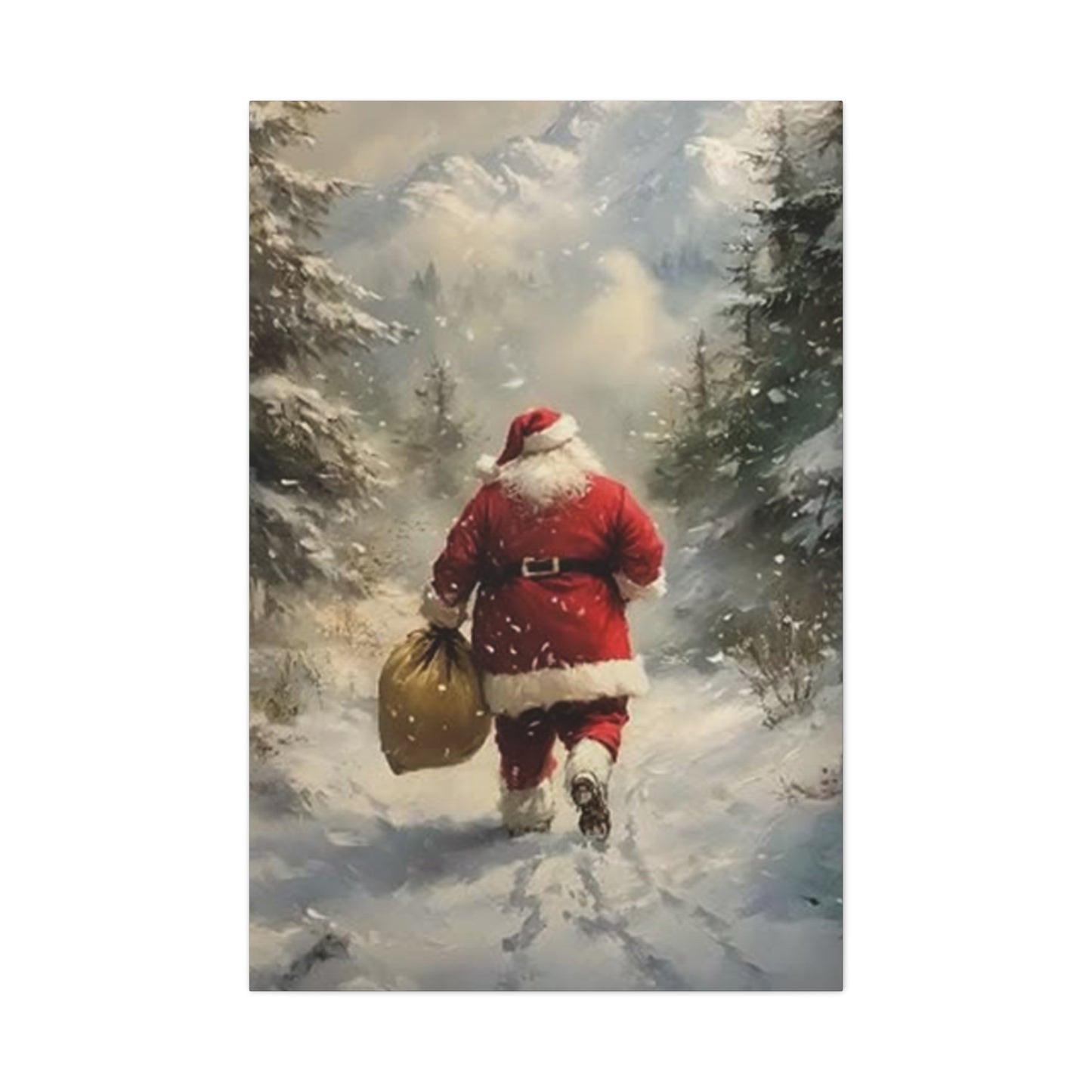
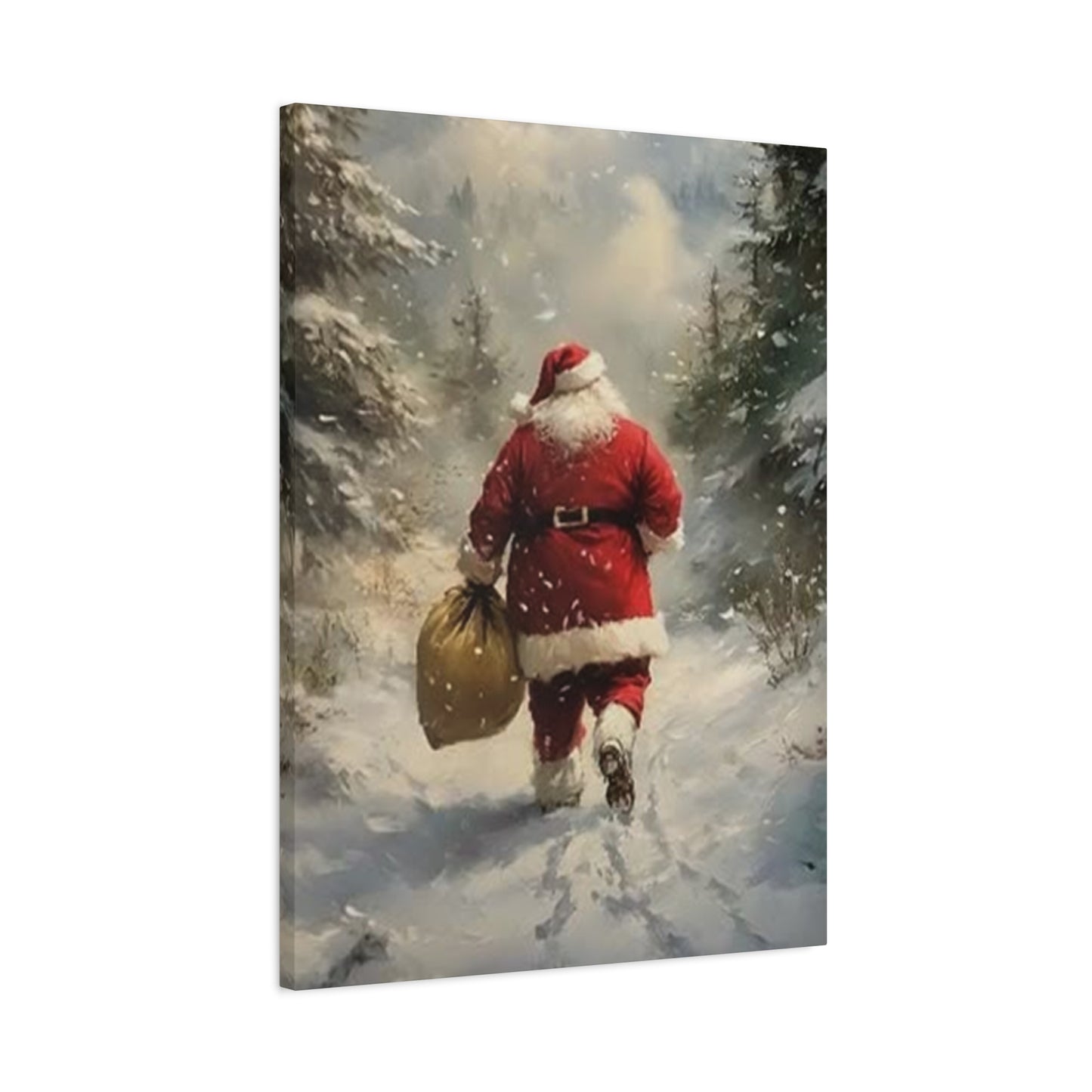
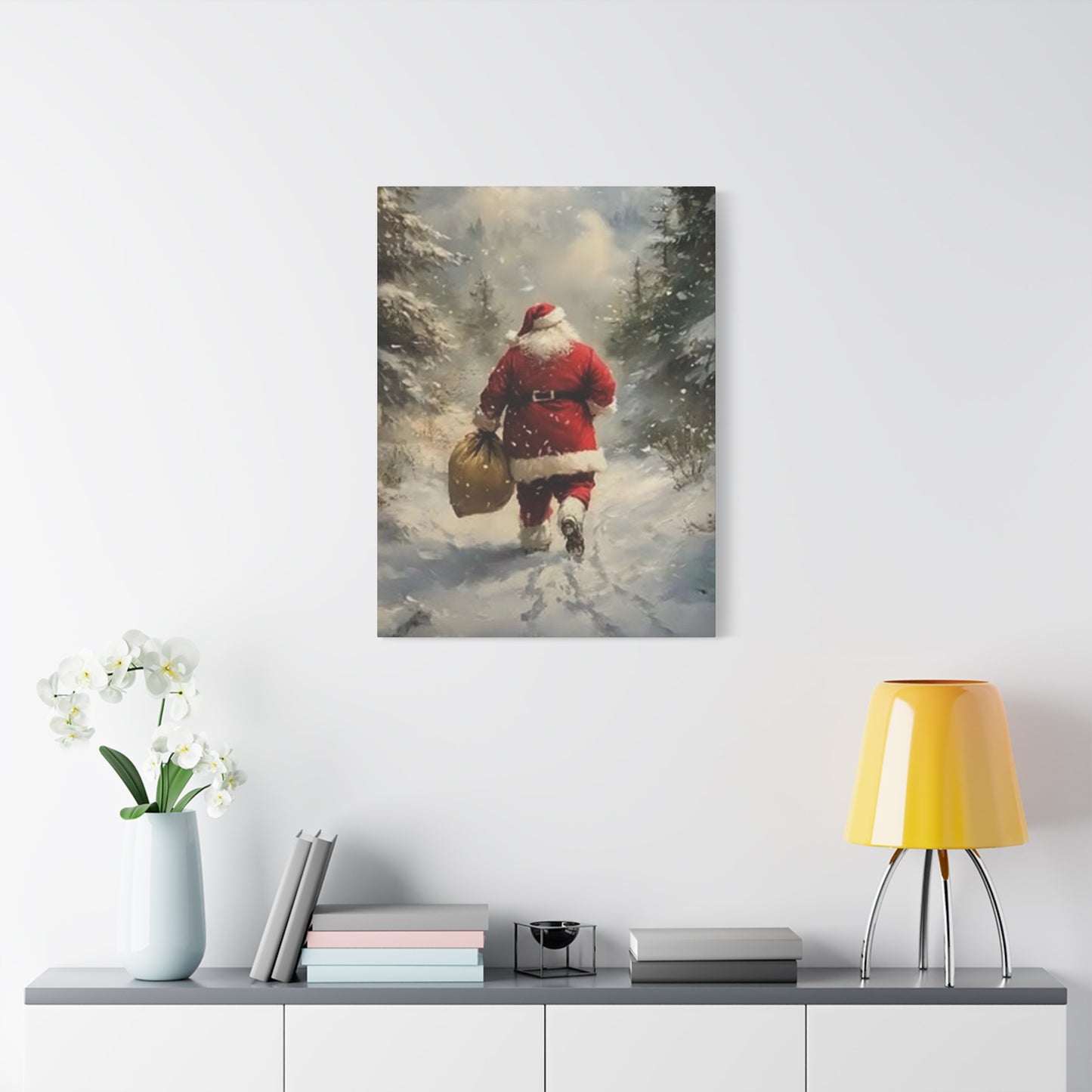
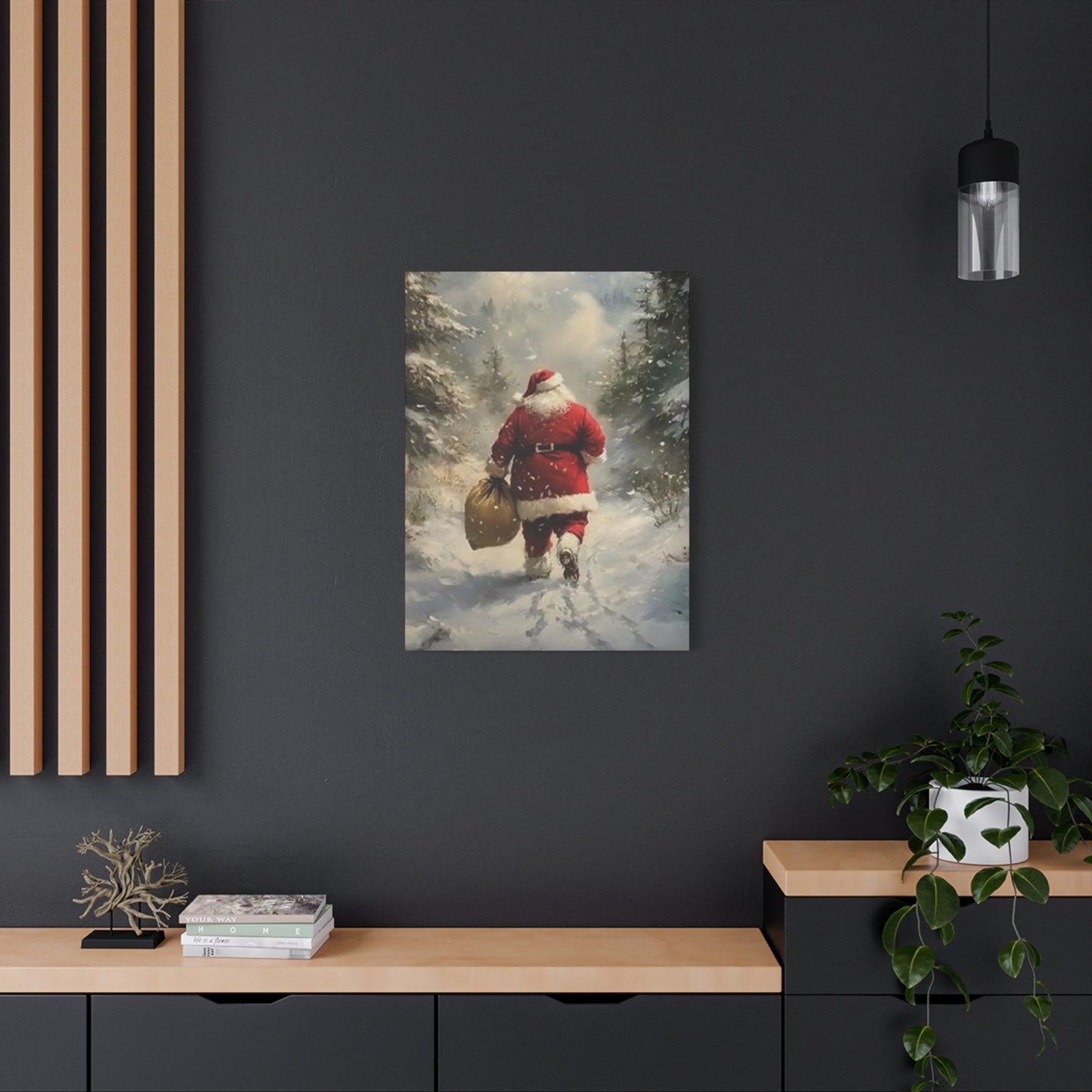
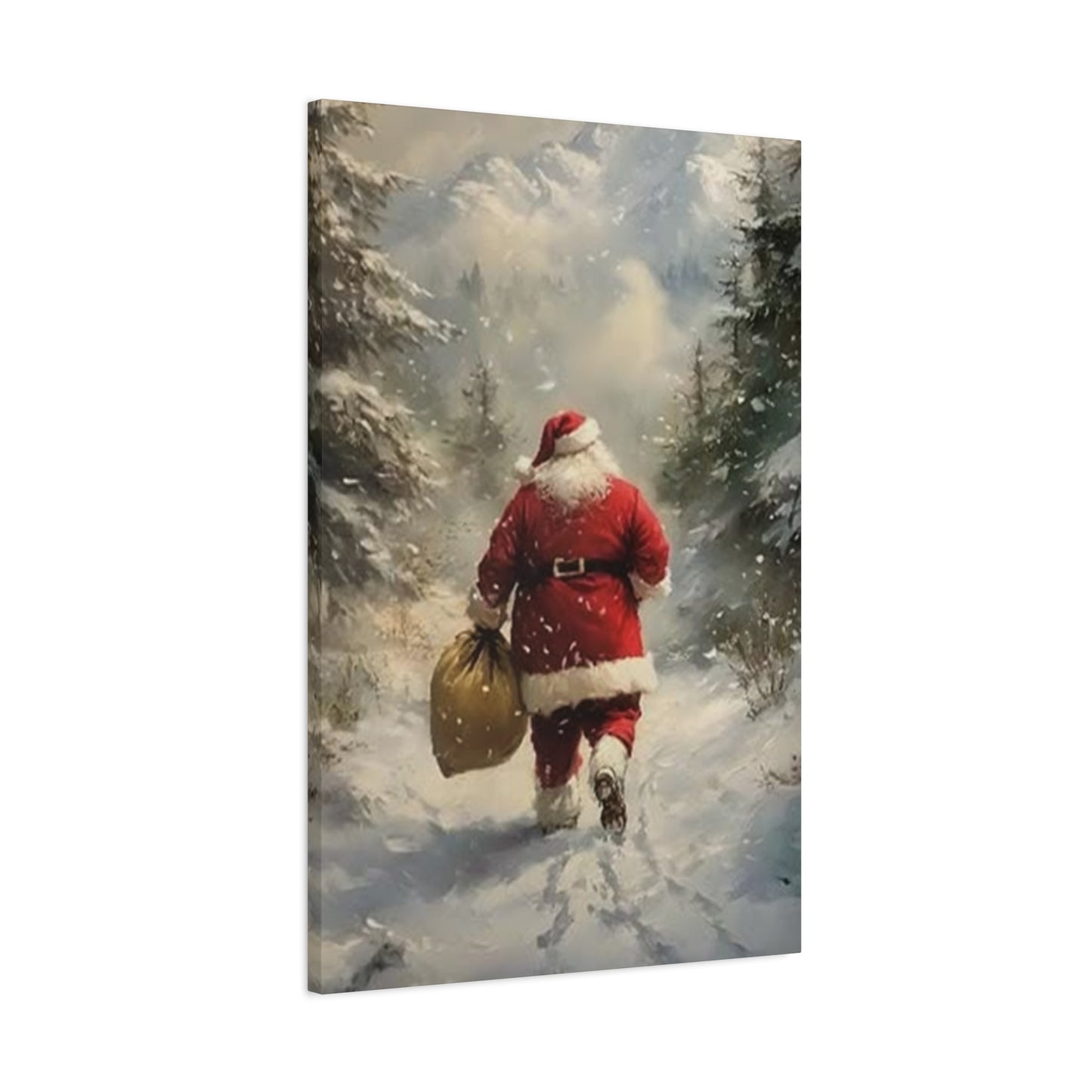
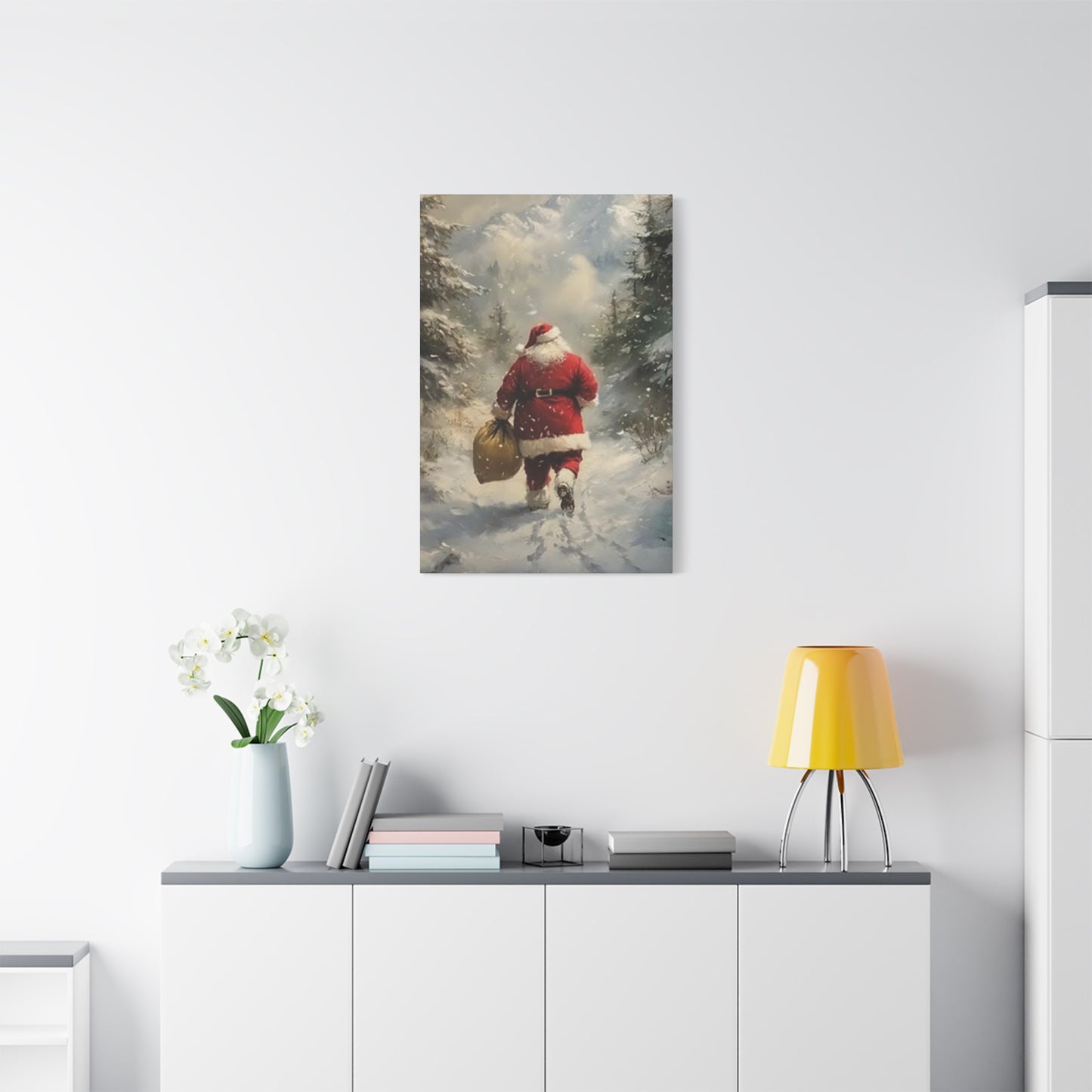
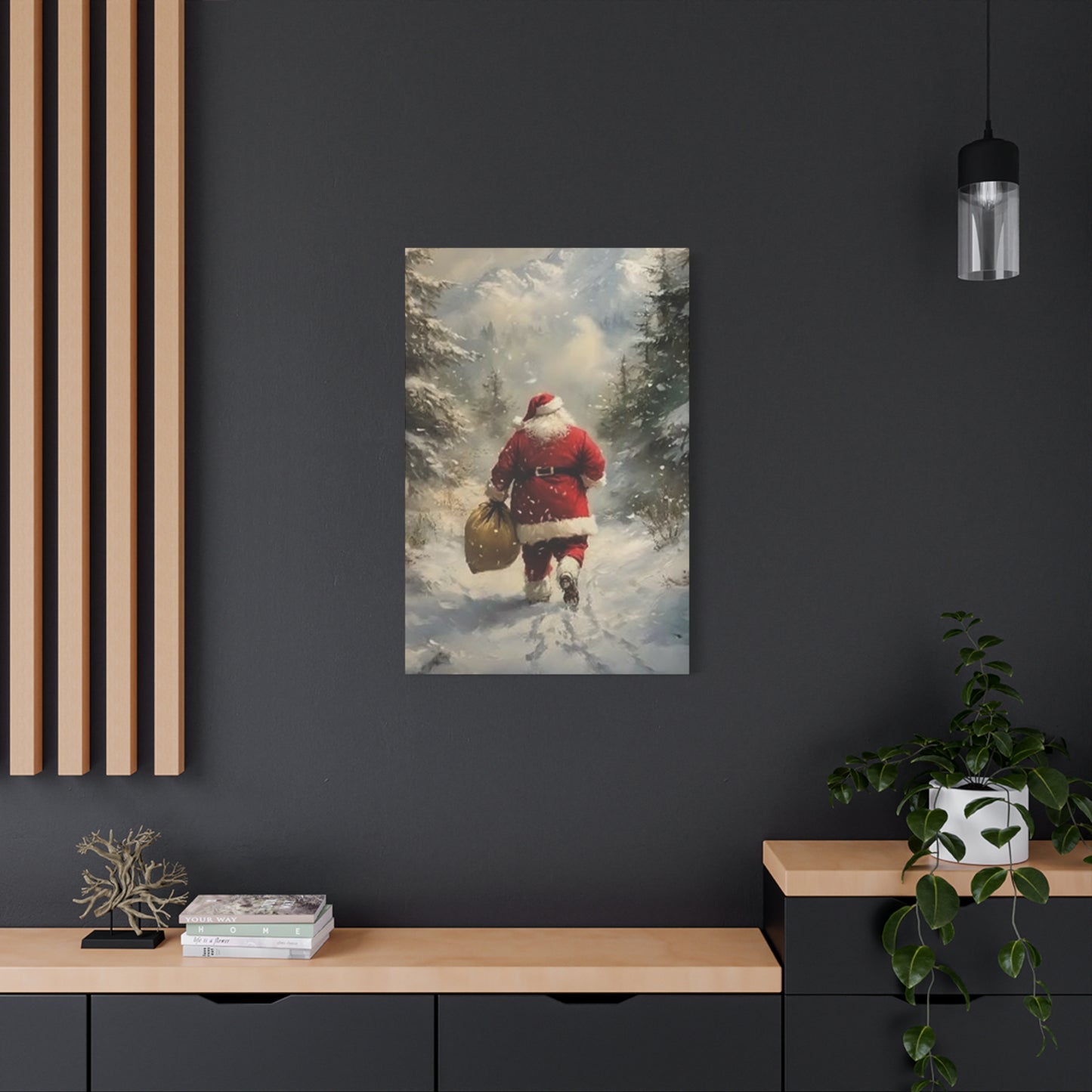
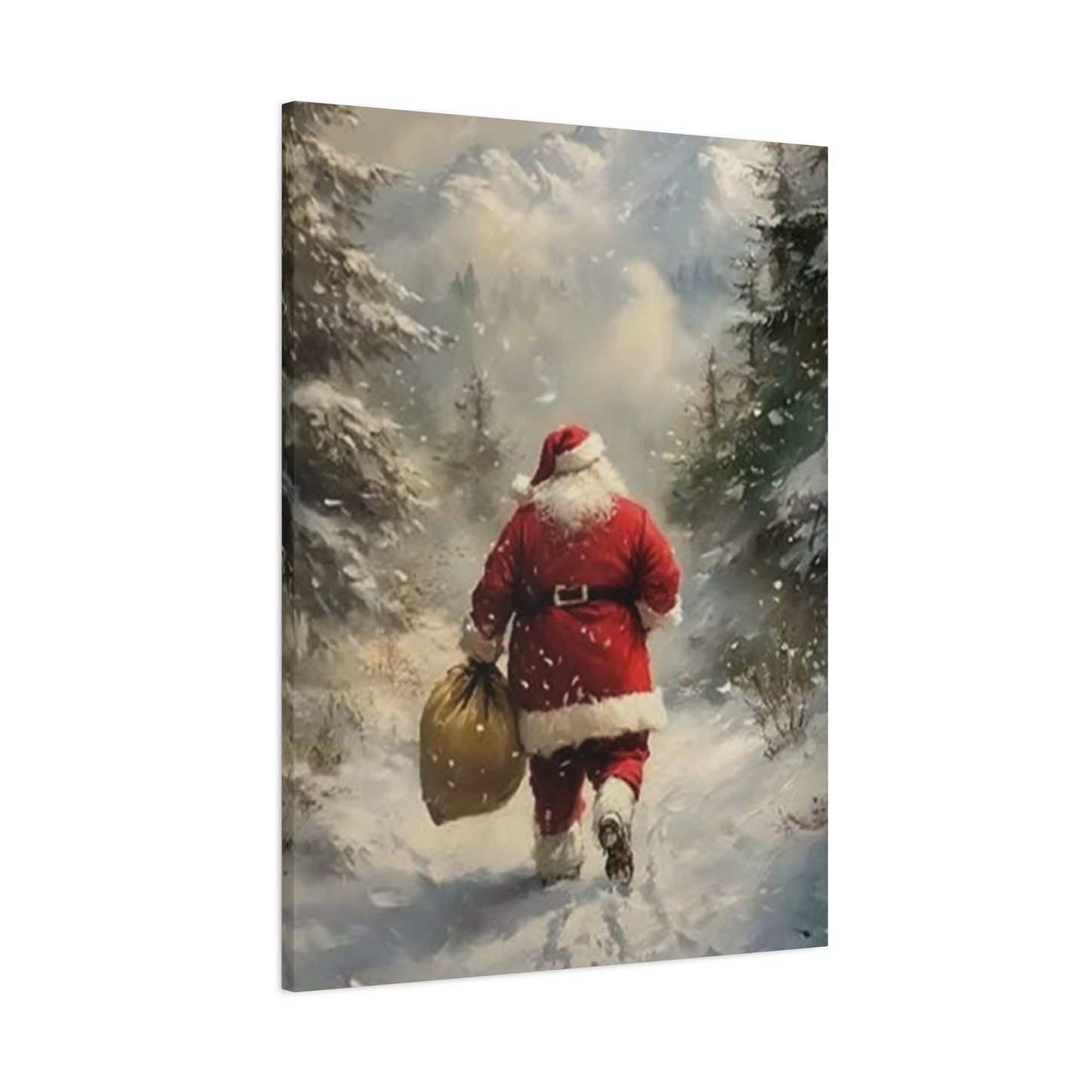
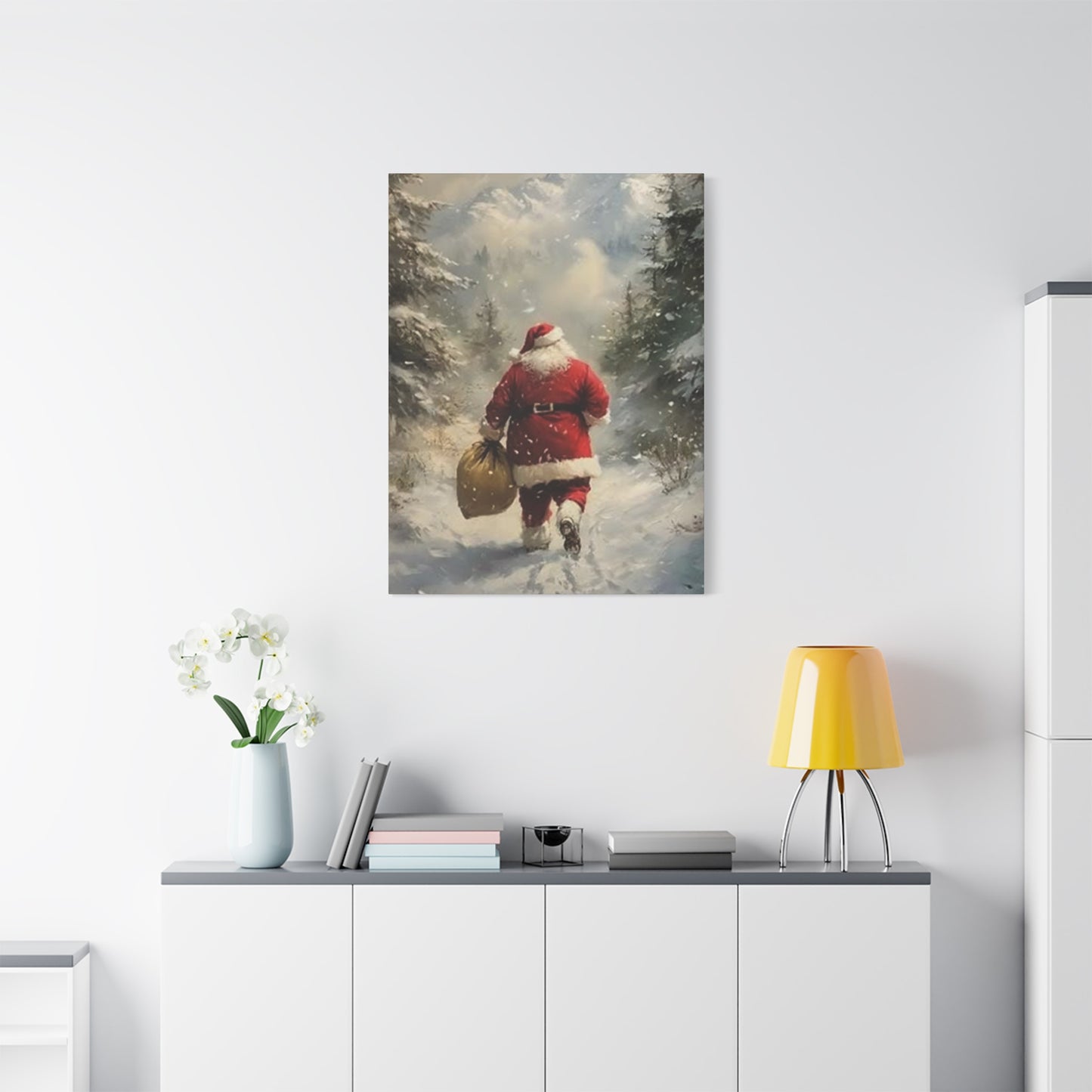
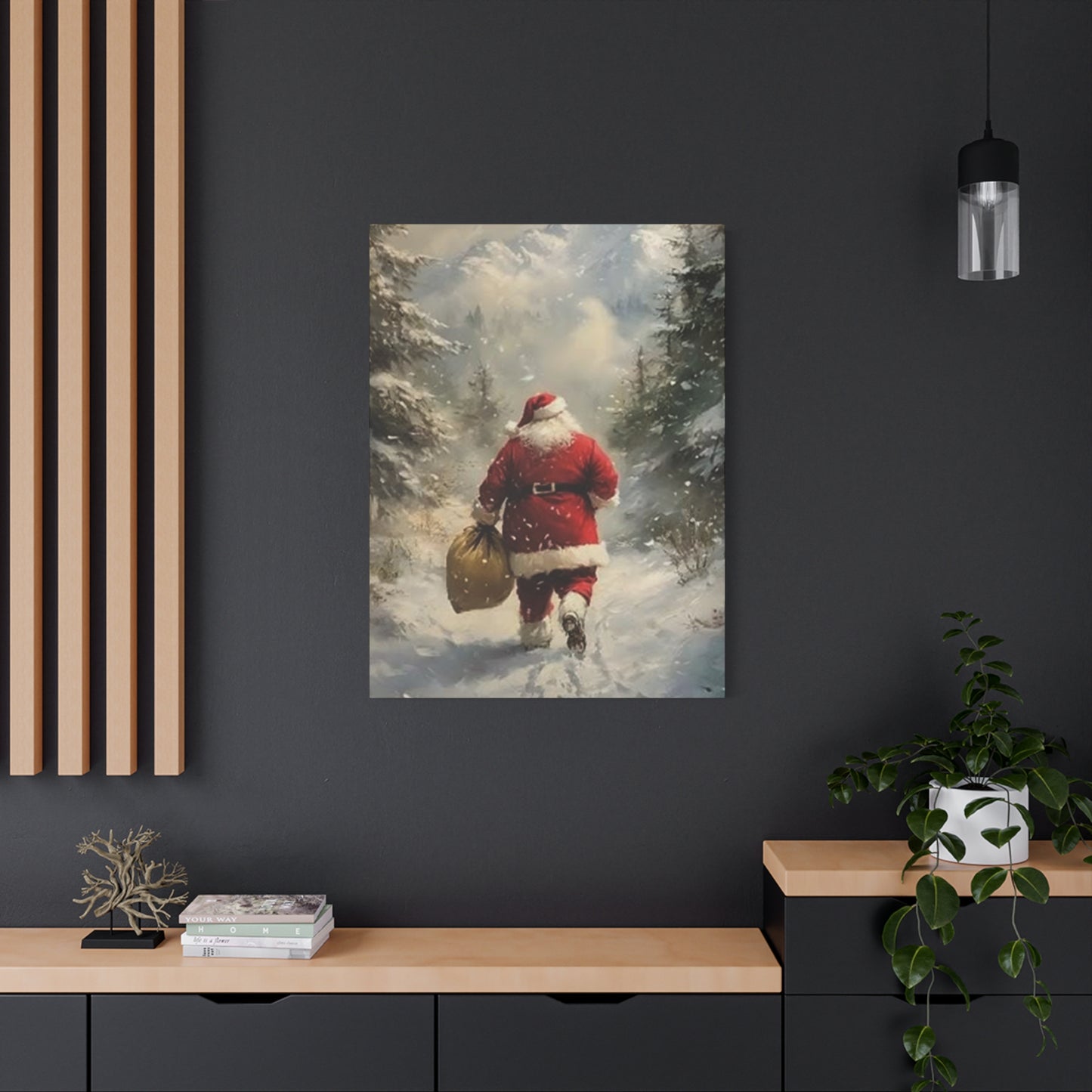
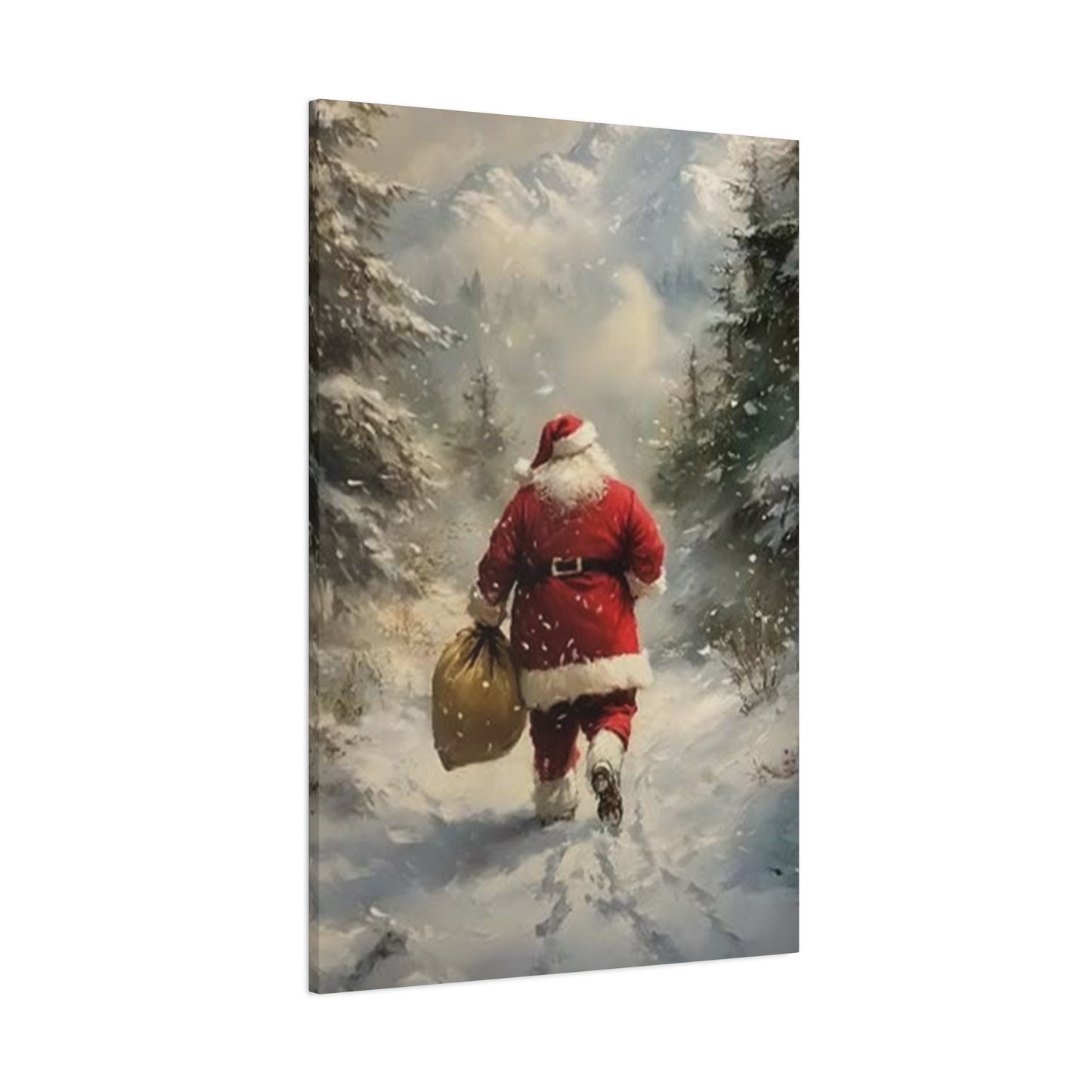
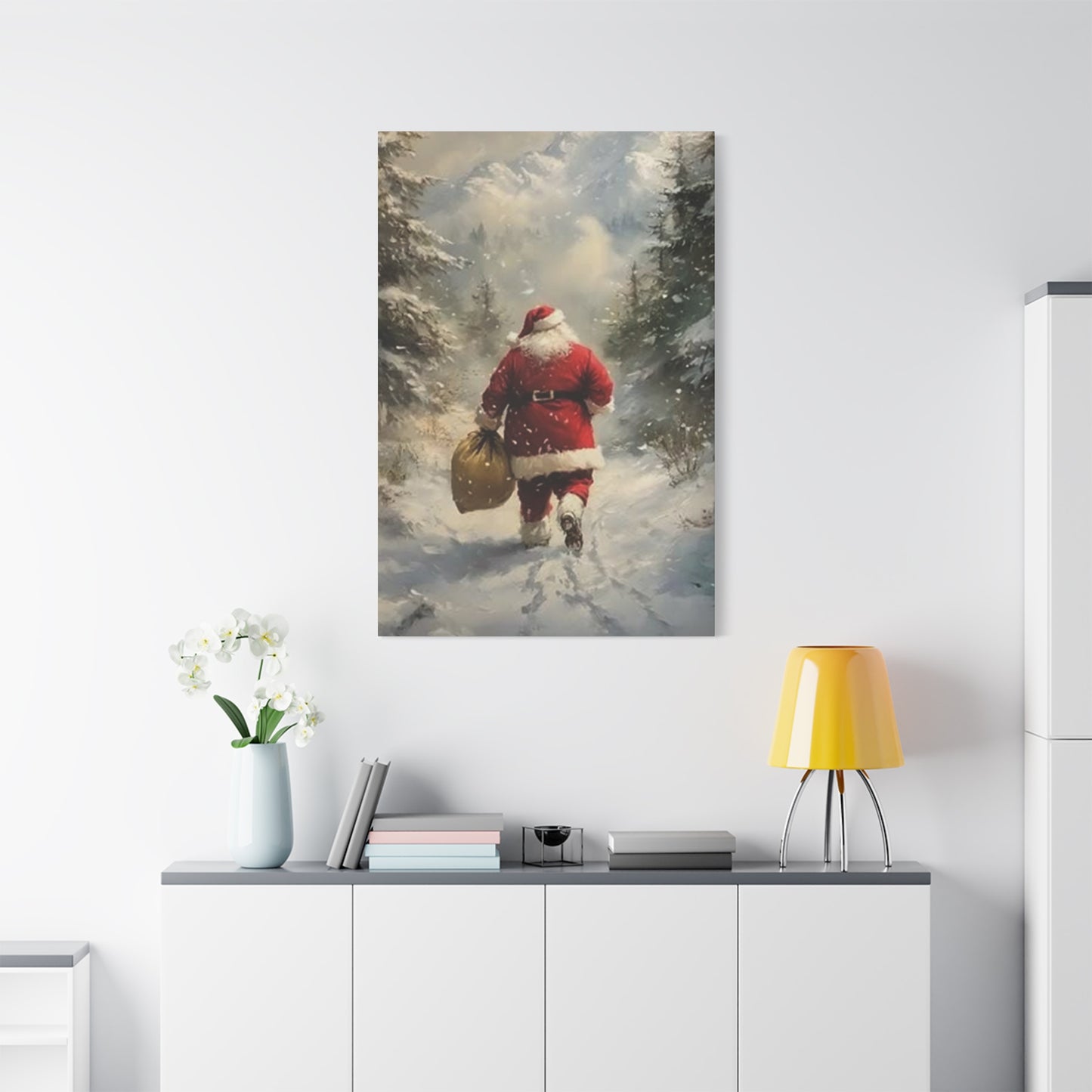
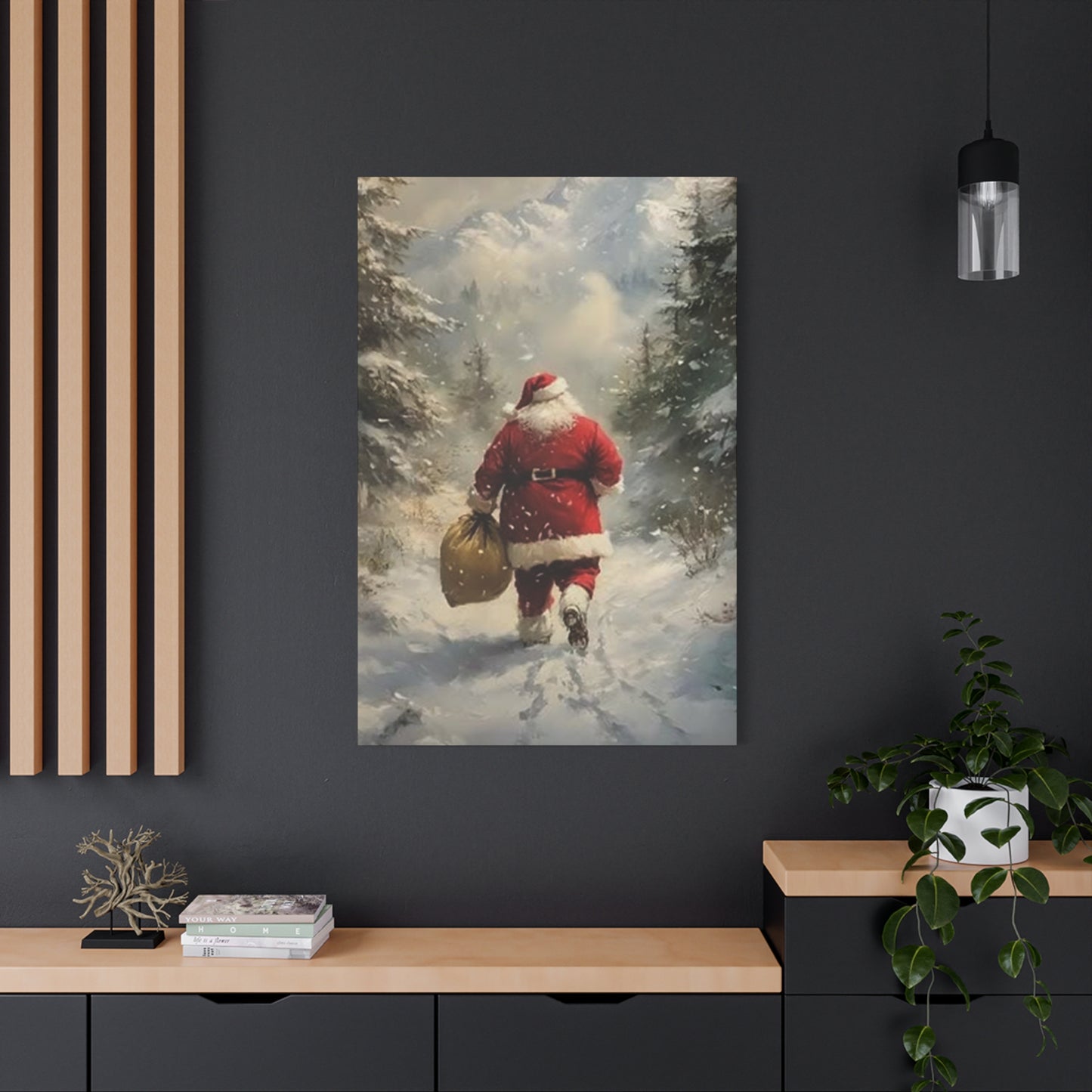
Capturing Holiday Magic: The Charm of Santa Claus Running in Snow Wall Art
The enchanting imagery of a jolly figure dashing through pristine white landscapes has captivated hearts for generations. When this timeless scene is transformed into stunning visual displays for home decoration, it creates an atmosphere of warmth, nostalgia, and celebration that resonates throughout the winter season. These artistic representations bring the essence of holiday wonder directly into living spaces, offering a perfect blend of traditional charm and contemporary design aesthetics.
Canvas prints featuring this beloved character in wintry settings have become increasingly popular among homeowners and interior designers alike. The combination of vibrant reds against pure white backgrounds, coupled with the dynamic energy of movement, creates visually striking pieces that serve as focal points in any room. Whether displayed in living rooms, hallways, bedrooms, or commercial spaces, these artworks evoke feelings of joy and anticipation that define the holiday spirit.
The appeal of such decorative pieces extends beyond their seasonal relevance. They represent cherished memories, childhood wonder, and the universal themes of generosity and kindness. Modern printing technologies have made it possible to reproduce these scenes with remarkable clarity and color accuracy, ensuring that every detail from snowflakes to fabric textures appears lifelike and engaging. The versatility of canvas as a medium adds depth and texture that flat prints cannot achieve, creating an almost three-dimensional quality that draws viewers into the scene.
For those seeking to transform their interiors into festive sanctuaries, understanding the various aspects of selecting, displaying, and maintaining these artistic pieces becomes essential. From choosing the right size and style to complement existing decor, to understanding the technical aspects of canvas quality and printing methods, there are numerous considerations that contribute to making an informed purchase decision. This comprehensive exploration delves into every facet of incorporating these magical winter scenes into your home environment.
Santa Running Through Snow
The dynamic imagery of a beloved figure racing through freshly fallen powder captures the urgency and excitement of holiday preparations. These artistic interpretations showcase movement and energy, depicting the legendary character in full stride as crystalline flakes swirl around him. The composition typically features rich contrasts between the vibrant traditional outfit and the pristine white surroundings, creating visual drama that immediately catches the eye.
Artists and photographers who create these pieces pay careful attention to the details that make the scene believable and engaging. The angle of the body leaning forward into the wind, the billowing of fabric, and the spray of powder kicked up by hurried footsteps all contribute to a sense of authentic motion. Some interpretations take a more realistic approach with careful attention to lighting and shadow, while others embrace a more stylized or whimsical aesthetic that emphasizes the magical nature of the subject.
The background elements in these compositions vary widely, offering options for different decorative preferences. Some feature dense forest settings with snow-laden evergreens framing the central figure, while others opt for open landscapes that emphasize the vastness of winter terrain. The sky might show gentle snowfall, dramatic storm clouds, or the soft glow of twilight, each creating a different mood and atmosphere. These choices affect not only the visual impact but also how the artwork integrates with surrounding interior elements.
When selecting a piece featuring this particular type of scene, consider the energy level you want to introduce into your space. The inherent dynamism of these images makes them excellent conversation starters and can inject vitality into areas that might otherwise feel static. They work particularly well in entryways where they can greet guests with immediate holiday cheer, or in family rooms where their playful energy complements the lively atmosphere of gatherings and celebrations.
Festive Winter Wall Art
Decorative pieces designed specifically for the colder months transform ordinary rooms into seasonal showcases. These artistic creations encompass a wide range of styles, subjects, and techniques, all unified by their ability to capture the unique beauty and atmosphere of wintertime. From realistic landscape photography to abstract interpretations of seasonal themes, the variety available ensures that every taste and interior design scheme can find suitable options.
The category includes not only character-focused pieces but also broader winter scenes featuring snow-covered villages, frost-touched forests, icy waterscapes, and cozy cabin settings. Many incorporate traditional holiday symbols such as wreaths, ornaments, candles, and festive garlands. The color palettes typically draw from the natural tones of winter including various shades of white and blue, but are often punctuated with warm accent colors like red, gold, and green that reference traditional holiday decorating schemes.
Material choices for these decorative pieces extend beyond canvas to include metal prints, wood panels, framed photographs, and mixed media creations. Each material brings its own aesthetic qualities and practical considerations. Canvas remains popular for its texture, depth, and ability to be stretched over various frame depths, creating artwork that appears to float off the wall. The fabric surface also reduces glare compared to glossy prints, making pieces easier to view from different angles and under various lighting conditions.
Sizing options range from small accent pieces that can be grouped in gallery walls to oversized statement pieces that dominate entire walls. The scale you choose should relate to both the wall space available and the viewing distance typical for that location. Larger rooms with ample viewing distance benefit from bigger pieces that maintain visual impact from across the space, while smaller intimate areas might be overwhelmed by oversized artwork and work better with smaller or medium-sized pieces.
Thematic coherence matters when incorporating multiple pieces into a space. While mixing different styles can create an eclectic and personalized look, maintaining some connecting elements helps the collection feel intentional rather than random. This might mean keeping to a consistent color palette, sticking with similar subject matter, or choosing pieces that share a common artistic style. For those who prefer variety, creating distinct groupings in different areas allows for diversity while maintaining visual organization within each space.
The placement of these decorative elements significantly affects their impact. Eye-level hanging remains the general guideline, typically placing the center of the artwork between 57 and 60 inches from the floor. However, this can be adjusted based on ceiling height, furniture arrangement, and the specific viewing context. Above furniture pieces like sofas or console tables, artwork should hang with its lower edge approximately 6 to 12 inches above the furniture surface, creating visual connection without crowding.
Holiday Cheer Captured on Canvas
The medium of canvas offers unique advantages for reproducing festive imagery. Unlike paper prints or digital displays, canvas provides texture and depth that adds an artistic quality to reproduced images. The weave of the fabric becomes part of the visual experience, creating subtle texture that catches light and adds interest when viewed up close. This quality makes canvas prints feel more substantial and artwork-like compared to flat photographic prints.
Modern canvas printing technology has achieved remarkable quality levels. High-resolution digital printing produces images with exceptional detail and color accuracy. The inks used in professional canvas printing are typically pigment-based rather than dye-based, offering superior fade resistance and longevity. Many manufacturers apply protective coatings to finished canvases, adding resistance to moisture, UV light, and physical damage while maintaining the natural texture of the fabric surface.
The process of creating a canvas print begins with image selection and preparation. High-quality source images with adequate resolution are essential for producing prints that look sharp at their intended size. Professional printing services typically require images of at least 150-300 DPI at the final print dimensions. Lower resolution images may appear acceptable when viewed on screens but reveal pixelation and lack of detail when enlarged to wall art sizes.
Canvas stretching techniques affect the final appearance and durability of the piece. Gallery wrap construction stretches the canvas around the edges of the wooden frame, eliminating the need for an additional outer frame. This creates a clean, contemporary look where the image continues around the sides of the canvas. The depth of the stretcher bars typically ranges from three-quarters of an inch to two inches or more, with deeper stretchers creating more dramatic shadow effects against the wall.
Alternative construction methods include museum wrapping where a border of solid color or image extension wraps the sides, and traditional framing where the canvas is stretched flat and mounted within a decorative frame. Each approach offers different aesthetic qualities and practical considerations. Gallery wraps provide a modern, streamlined look but may cut off portions of the image around the edges. Traditional framing protects the edges and can add a formal quality but requires more wall space and increases cost.
Quality canvas material comes in various weights and textures. Heavier canvas, typically measured in ounces per square yard, provides more durability and less transparency, preventing the stretcher bars from showing through the material. The texture options range from fine smooth weaves suitable for detailed images to coarser textures that add more pronounced fabric character. The choice depends on the style of the image and personal preference, with photographs often looking best on smoother canvas while paintings and illustrated designs can work beautifully on textured surfaces.
Color management throughout the printing process ensures the final product matches the intended appearance. Professional services use color-calibrated equipment and standardized color profiles to maintain consistency. However, differences between screen displays and physical prints are inevitable due to the different ways these mediums produce color. Screens emit light while prints reflect it, leading to variations particularly in brightness and color intensity. Requesting a proof print before committing to a large expensive piece can prevent disappointment.
The longevity of canvas prints depends on several factors including ink quality, canvas material, protective coatings, and display conditions. High-quality pigment-based inks can last decades without significant fading when displayed in appropriate conditions. Avoiding direct sunlight, maintaining stable temperature and humidity levels, and keeping artwork away from moisture sources all contribute to preservation. With proper care, a quality canvas print can remain vibrant and beautiful for generations, becoming a cherished part of family traditions and holiday celebrations.
Christmas Magic in Motion
The concept of capturing fleeting magical moments in permanent visual form holds particular appeal during the holiday season. These artistic interpretations strive to preserve the sense of wonder and enchantment that characterizes the most memorable seasonal experiences. Whether depicting the legendary figure in action, showcasing the dance of snowflakes in moonlight, or presenting the warm glow of holiday lights against dark winter nights, these pieces aim to bottleneck ephemeral beauty.
Movement representation in static visual art requires creative techniques and artistic skill. In photography, long exposures can blur moving elements while keeping static features sharp, creating a sense of motion through contrast. Snow falling through the frame during a longer exposure appears as delicate streaks rather than frozen flakes, suggesting the continuous nature of a snowfall. Light trails from moving sources create glowing paths that guide the eye through the composition.
Digital illustration and painting offer even more freedom in depicting motion. Artists can employ various techniques including motion blur, particle effects, flowing lines, and dynamic compositions that suggest movement through positioning and gesture. The direction of movement can be emphasized through elements like billowing fabric, flying snow, or bent vegetation that all point in the direction of travel. Anticipation and follow-through, principles borrowed from animation, help create the impression that the frozen moment is part of a larger sequence of motion.
The magical quality of these pieces often comes from the interplay of realistic and fantastical elements. A meticulously rendered snowy landscape provides a believable foundation that grounds the more whimsical aspects of the composition. This contrast between the ordinary and the extraordinary creates tension that engages viewers and invites them to suspend disbelief. Small details like the sparkle of magical dust, the impossible brightness of stars, or the knowing expression of forest animals that witness the scene contribute to the sense of enchantment.
Color plays a crucial role in establishing the magical atmosphere. While winter scenes naturally lean toward cool color palettes, the introduction of warm accent colors creates visual interest and emotional warmth. The glow of lantern light, the rosy cheeks of the central figure, or the golden starlight breaking through clouds provide points of warmth that prevent the composition from feeling cold or uninviting. This balance between cool and warm tones mirrors the contrast between the harsh winter environment and the warmth of holiday celebration.
Joyful Winter Canvas Prints
Prints featuring scenes of happiness and celebration during the coldest months resonate deeply with viewers seeking to brighten winter days. These cheerful compositions might feature playing children, festive gatherings, decorated homes, or the iconic figure bringing gifts and goodwill. The emotional tone remains decidedly positive, emphasizing the joys of the season rather than dwelling on the challenges that winter weather can bring.
The psychology of color in these joyful pieces leverages our learned associations with specific hues. Reds and greens immediately signal holiday festivities to most viewers in Western cultures, while gold and silver add elegance and celebration. Blues and whites reference the winter landscape but in their lighter tones suggest freshness and purity rather than cold and harshness. The specific shades chosen can shift the mood significantly, with saturated bright colors creating an energetic playful feel while softer pastels produce a gentler more nostalgic atmosphere.
Subject matter variety within this category ensures options for diverse preferences. Some people prefer character-focused pieces that feature recognizable figures in action, while others opt for broader scenes that might include multiple elements and activities. Still others choose more abstract or artistic interpretations that capture the essence of joy through color, form, and composition rather than literal representation. The common thread is the positive emotional quality that makes these pieces uplifting additions to living spaces.
The versatility of joyful winter imagery allows it to work in various room settings. In children's spaces, these pieces can spark imagination and create excitement about the season. In family rooms and common areas, they establish a welcoming festive atmosphere for gatherings and celebrations. Even in more formal spaces like dining rooms or home offices, carefully selected pieces can add seasonal interest without compromising sophistication, particularly when the artwork features refined execution and design.
Print quality variations exist across price points, and understanding these differences helps in making value-based decisions. Entry-level prints might use dye-based inks on lighter canvas, producing acceptable results for temporary or less critical applications. Mid-range options typically feature better ink quality, heavier canvas, and additional protective treatments, suitable for most residential applications where reasonable care will be taken. Premium prints use archival-quality materials throughout, from the canvas and inks to the stretcher bars and protective coatings, appropriate for situations where longevity and professional appearance are paramount.
Customization options allow buyers to tailor pieces to their specific needs and preferences. Many services offer choices in canvas size, stretcher depth, and wrap style. Some allow for image cropping or color adjustments to better match existing decor or personal preferences. More extensive customization might include adding text, combining multiple images, or creating entirely unique pieces from personal photographs. This flexibility means that even popular designs can be personalized to feel unique and specifically suited to individual spaces.
Santa Claus Adventure in Snow
Narrative-driven artwork depicting adventures through wintry landscapes appeals to our love of storytelling and our fascination with journeys and quests. These pieces often show the legendary character navigating challenging winter conditions, scaling snowy mountains, trudging through deep drifts, or making his way through blizzard conditions. The adventure element adds excitement and drama to the familiar iconography, creating more dynamic and engaging compositions.
The environmental challenges depicted in these scenes add stakes and interest to the narrative. Harsh weather conditions, difficult terrain, and the vast scale of the task ahead all contribute to making the journey feel consequential and worthy of the effort. Yet the expression and body language of the central figure typically convey determination, joy, and purpose rather than struggle or complaint. This combination acknowledges the difficulty while emphasizing the willing undertaking of the mission out of love and generosity.
Background elements in adventure-themed pieces often include landmarks and details that place the action in specific contexts. A village glowing in the distance suggests the destination and purpose of the journey. A clock tower showing late hour emphasizes the time pressure. Animals peeking from burrows or perched in trees add life to the scene and provide witnesses to the adventure. These supporting details enrich the narrative without crowding the composition or distracting from the central figure.
The adventure theme resonates particularly well with children and families, making these pieces ideal for spaces where young people spend time. The sense of mission and purpose can inspire discussions about perseverance, generosity, and the importance of following through on commitments. The challenging conditions overcome in the service of bringing joy to others provides a model of determined kindness that represents the best aspects of the seasonal spirit.
Artistic styles for adventure scenes range from realistic and detailed to highly stylized and simplified. Realistic approaches emphasize the actual physical challenges of winter travel, depicting accurate details of snow conditions, clothing, and environmental effects. Stylized versions might exaggerate proportions for dramatic effect, use bold graphic shapes, or employ limited color palettes that create a poster-like quality. Some artists blend approaches, rendering the main figure in careful detail while treating the background more loosely, focusing attention where it matters most.
The sense of scale in these compositions affects their emotional impact. Showing a small figure against a vast wintry landscape emphasizes the enormous task undertaken and can create feelings of awe at the dedication required. Conversely, featuring the character large in the frame with the environment visible but secondary emphasizes the personality and determination of the individual over the environmental challenges. Both approaches have merit and create different viewing experiences, appealing to different aesthetic preferences.
Whimsical Holiday Wall Décor
Playful and lighthearted decorative pieces embrace the fantastical elements of seasonal traditions without concern for strict realism. These whimsical creations might feature exaggerated proportions, impossible scenarios, anthropomorphized animals, or magical elements presented matter-of-factly. The priority is creating joy and delight rather than accurately representing reality, allowing artists greater creative freedom and resulting in highly distinctive and memorable pieces.
The appeal of whimsy lies partly in its permission to embrace childlike wonder without embarrassment. In a world that often demands seriousness and practical thinking, these pieces celebrate imagination and fantasy as valuable and worthwhile. They remind viewers that joy and playfulness have important places in life, particularly during seasons specifically devoted to celebration, togetherness, and the nurturing of hope and goodwill.
Character design in whimsical pieces often departs significantly from traditional representations. Proportions might be exaggerated with oversized heads and eyes creating an endearing effect, or elongated limbs suggesting graceful movement. Expressions tend toward the joyful and friendly, with rosy cheeks, twinkling eyes, and broad smiles conveying approachability and warmth. Clothing might feature impossible patterns or colors, and accessories could include fantastical elements that wouldn't exist in reality but perfectly suit the magical context.
Color use in whimsical art often breaks from naturalistic palettes in favor of more expressive choices. Skies might be pink or purple, snow could have blue or lavender shadows, and the traditional outfit might incorporate unexpected pattern elements or accessories. These creative color choices contribute to the overall sense that the scene exists in a magical realm where ordinary rules don't fully apply. The freedom from realistic color constraints allows for bolder, more eye-catching designs that work well as decorative focal points.
The background and environmental elements in whimsical pieces often include surprising or humorous details that reward close examination. Hidden woodland creatures, impossible architecture, personified inanimate objects, or visual jokes create a sense of discovery as viewers notice new elements upon repeated viewing. This layered approach to composition creates artwork that remains interesting over time rather than revealing everything in a single glance and then feeling static and unchanging.
Whimsical designs work particularly well in spaces intended for relaxation and enjoyment rather than formal entertaining or serious work. Children's bedrooms and playrooms are natural fits, but these pieces can also brighten family rooms, breakfast nooks, craft rooms, or any space where a sense of fun and creativity is welcome. In more formal spaces, whimsical pieces can serve as conversation starters and intentional contrasts to more serious surroundings, adding personality and preventing environments from feeling overly stiff or impersonal.
Snowy Santa Scenes for Homes
Residential interior design increasingly emphasizes personalization and the expression of individual taste and values through decorating choices. Seasonal decorations, once limited to temporary insertions of mass-produced items, now include quality pieces that homeowners proudly display year after year. These artistic snow scenes have evolved from simple holiday decoration into legitimate interior design elements that contribute to the overall aesthetic of living spaces.
The integration of seasonal artwork into year-round design schemes requires consideration of how the pieces relate to permanent elements. The colors in the artwork should complement or at least not clash with wall colors, furniture upholstery, and other decorative elements that remain constant throughout the year. This doesn't mean everything must match perfectly, but there should be some visual harmony that prevents the seasonal pieces from feeling jarringly out of place. Neutral wall colors provide the most flexibility, allowing seasonal artwork to pop without competing with busy backgrounds.
Scale appropriateness varies by room size and ceiling height. Rooms with high ceilings can accommodate taller pieces or vertically-oriented arrangements without feeling crowded. Low ceilings work better with horizontal orientations and smaller scale pieces that don't emphasize the limited vertical space. The amount of available wall space also matters, as overcrowding even a large wall with too many pieces creates a cluttered appearance rather than an intentional gallery feel. Leaving adequate negative space around artwork allows each piece to breathe and be appreciated individually.
Furniture arrangement affects optimal artwork placement. Pieces displayed above sofas or beds should relate in size to the furniture below, typically spanning half to three-quarters of the furniture width. Artwork hung above narrower pieces like console tables or dressers should be proportionally smaller to maintain balance. In areas without furniture below, consider the flow of traffic and sight lines to place artwork where it will be naturally encountered and easily viewed without obstruction.
Lighting design enhances the presentation of decorative pieces while contributing to overall room ambiance. Dedicated picture lighting focuses attention on artwork and ensures it remains visible and attractive even during evening hours when natural light is absent. This might include battery-operated or wired picture lights mounted to frames, track lighting directed at wall art, or strategically positioned floor and table lamps that wash light across wall surfaces. Dimmer switches provide flexibility to adjust lighting intensity based on activity and mood.
The psychological impact of displayed artwork shouldn't be underestimated. The images we surround ourselves with influence our mood and mindset, sometimes subtly but cumulatively significantly. Cheerful winter scenes featuring beloved characters and positive seasonal symbols contribute to a sense of contentment and celebration. During darker winter months when reduced daylight can affect mood, bright and uplifting artwork serves a practical purpose beyond pure decoration, helping to maintain positive outlook and emotional wellbeing.
Christmas Eve Wall Art Inspiration
The specific timeframe of the evening before the big celebration holds particular significance in holiday traditions. This liminal time, filled with anticipation and preparation, has inspired countless artistic interpretations. Visual artists capturing this moment often emphasize the quiet beauty of the late evening, the magic of darkness punctuated by warm light, and the sense of wonder about what the night might bring.
Nighttime scenes present unique artistic opportunities and challenges. The drama of light sources against dark backgrounds creates strong contrasts that can be visually striking. Moonlight on snow, the glow of windows in distant houses, lantern light, and starlight all provide different qualities of illumination that artists can use to create mood and direct attention. The predominance of darker values makes bright elements stand out dramatically, perfect for emphasizing important compositional elements.
The color palette of evening scenes tends toward deeper, richer tones than daytime winter imagery. Deep blues replace pale daytime skies, shadows become nearly black rather than subtle gray, and warm light sources glow more intensely against the surrounding darkness. This shift in value range creates images that feel more intimate and mysterious compared to the clarity and openness of daylight scenes. The emotional quality becomes more contemplative and expectant, suited to the anticipation associated with this particular evening.
Snow takes on different visual qualities in evening light. Under moonlight, it might appear cool and blue, almost luminescent against the darker surroundings. Near warm artificial light sources, snow glows golden or amber, creating cozy halos around windows and doorways. The texture of snow surfaces becomes more pronounced in angled light, with even slight undulations casting visible shadows that add interest to what might otherwise be featureless expanses of white.
The presence or suggestion of indoor activity visible through windows adds narrative depth to outdoor evening scenes. Glowing windows suggest warmth, safety, and family gatherings inside, contrasting with the cold exterior where the wandering figure works. This inside-outside dichotomy can represent the relationship between the recipient and giver of gifts, between those who wait and the one who travels to bring joy. The viewer naturally imagines the scenes unfolding inside those lit windows, creating stories within stories.
Star fields in clear winter skies provide opportunities for beauty and symbolism. A particularly bright star might reference traditional stories about celestial guidance, while shooting stars could represent wishes or magic in the air. The Milky Way arching across the sky adds grandeur and scale, reminding viewers of the vastness of the world that the traveling figure must cover. Some artists include subtle auroral displays, though these are geographically specific and may not resonate with all viewers.
Santa on the Move Canvas Prints
Motion and energy define this category of decorative prints that emphasize action and urgency. Unlike static portraits or peaceful scene-setting images, these dynamic compositions capture the perpetual movement required to accomplish the monumental task associated with the legendary figure. The artistic challenge lies in creating the impression of motion within a static medium, using various techniques to suggest speed, effort, and continuous forward progress.
Body language and gesture play crucial roles in conveying motion. The lean of the torso forward into movement, the positioning of legs mid-stride, the flow of fabric and loose items trailing behind all communicate that the figure is in motion rather than posed statically. Skilled artists pay attention to weight distribution and balance, ensuring the pose looks authentic and physically plausible rather than frozen in an awkward position. Reference to actual motion photography helps artists create convincing action poses.
Environmental interaction reinforces the sense of movement. Snow kicked up by footsteps, bent vegetation indicating recent passage, and trailing footprints all suggest the figure has been and continues to be in motion through the space. The direction these elements point creates visual vectors that guide the viewer's eye through the composition while reinforcing the direction and energy of movement. Careful placement of these elements contributes to compositional flow and prevents the eye from getting stuck in any single location.
Background treatment varies based on whether the focus is the moving figure or the space being traversed. Motion blur or softer focus in backgrounds emphasizes the speed of passage and keeps attention on the sharp central figure. Alternatively, maintaining detail throughout the scene suggests a more moderate pace where both the character and environment share importance. The choice depends on the specific narrative and emotional quality the artist wants to communicate.
Multiple-figure compositions can show the legendary character accompanied by helpers or creatures, all moving together toward a common goal. The coordination of movement among multiple subjects requires careful planning to create unity and avoid compositions that feel chaotic or confusing. Leading the eye from one figure to the next through positioning, gesture, and gaze direction helps create a cohesive group rather than a collection of unrelated elements competing for attention.
The format of the canvas can enhance the sense of motion. Horizontal panoramic formats naturally suggest lateral movement and journey, as the eye travels across the length of the canvas following the action. Vertical formats work for ascending or descending movement, perhaps climbing a rooftop or descending a chimney. Square formats require more careful composition to avoid static balance but can work well for circular or complex motion paths that don't follow simple left-right or up-down directions.
Framing and cropping decisions affect how viewers perceive motion in the image. Tight cropping that cuts off portions of the figure or environment can increase the sense of immediacy and suggest that the action extends beyond the frame boundaries. This approach makes viewers feel closer to the action and emphasizes that they are witnessing a brief moment from a longer continuous sequence. More spacious framing allows context and environment to play larger roles, showing where the action is taking place and providing more complete narrative information.
Festive Snowy Moments in Art
Capturing the perfect frozen instant from a larger scene of activity requires artistic skill and intuitive timing. These momentary captures preserve specific seconds that embody the essence of seasonal celebration and winter beauty. Unlike broadly composed scene-setting images, these focus on particular instants that might easily be missed in real-time but reveal something special when isolated and examined closely.
The decisive moment concept borrowed from photography applies equally to illustrated and painted works. Artists must identify which specific instant best communicates their intended message and emotional content. This might be the peak of a leap through a snowdrift, the exact second a snowflake lands on an outstretched mitten, or the instant when eye contact occurs between the subject and an observer. These carefully chosen moments resonate more deeply than generic representations of activities or situations.
Emotional authenticity in these captured moments comes from attention to genuine expression and natural body language. Forced or theatrical poses feel artificial and fail to connect with viewers on an authentic level. The best moments appear spontaneous and unposed, as if the artist happened upon the scene and documented it exactly as found. This quality of genuine experience rather than staged performance makes the difference between artwork that feels alive and engaging versus stiff and unconvincing.
Technical execution must match the significance of the moment being captured. Crucial details like facial expressions, hand gestures, and the interaction between elements need to be rendered with clarity and precision. Supporting elements can receive looser treatment, but anything central to understanding the moment requires careful attention. This selective focus mirrors how memory works, retaining clear impressions of important details while peripheral information remains hazier.
The storytelling potential of a single well-chosen moment can equal or exceed that of more complex narrative compositions. Viewers naturally construct stories around what they see, imagining what led to this moment and what might follow. By providing just enough information to spark imagination without over-explaining, artists invite participation from viewers who complete the narrative in their own minds. This engagement transforms passive viewing into active creative participation.
Series potential exists in capturing multiple moments from related situations or events. A set of pieces showing different instants from the same evening creates a sequential narrative when displayed together. Alternatively, different moments from similar activities in various locations suggest the scope and scale of the overall task. These related pieces work beautifully in groupings where their connections enhance each individual image while creating a larger composite statement.
Santa Claus in Winter Wonder
The transformation of ordinary winter landscapes into wonderlands of magic and possibility forms the backdrop for many artistic interpretations featuring the beloved character. These idealized environments go beyond mere accurate representation of winter conditions to create settings that feel special, magical, and somewhat removed from everyday reality. The term wonder captures both the beauty of the scenes and the sense of amazement they inspire in viewers.
Landscape composition in these wonderland scenes typically emphasizes beauty and harmony over harsh realism. Hills roll in graceful curves rather than appearing jagged and difficult. Trees arrange themselves in pleasing patterns rather than the random distribution of natural forests. Paths wind invitingly through the scene rather than disappearing into impenetrable drifts. These artistic liberties create environments that feel welcoming and magical rather than hostile or intimidating, supporting the overall positive message of the imagery.
Atmospheric effects contribute significantly to the wonderland quality of these scenes. Gentle snowfall creates a soft veil that adds depth and mystery while reducing harsh contrasts. Mist or fog in valleys suggests hidden areas beyond what is immediately visible, inviting imagination to fill in what lies beyond sight. Dramatic lighting with rays breaking through clouds or filtering through forest canopy adds theatrical beauty that elevates the scene beyond mundane reality.
Color enhancement beyond natural winter palettes helps establish the wonderland atmosphere. While maintaining plausibility, artists often intensify the blues of shadows, warm the golden tones of light sources, and enrich the greens of visible evergreen foliage. These adjustments create more vibrant and engaging images than strictly accurate color reproduction would produce. The goal is capturing the feeling and impression of winter beauty rather than documentary accuracy.
Scale and proportion manipulation can enhance the fantastical quality of wonderland scenes. Slightly exaggerating the size of snowflakes makes them more visible and beautiful. Enlarging trees and making them fuller than typical specimens creates more impressive forests. Adjusting the scale relationship between the central figure and the environment can emphasize either the vastness of the landscape or the capability of the character to handle any challenge it presents.
Wildlife presence adds life and interest to winter landscapes that might otherwise feel empty. Cardinals, blue jays, and other colorful birds provide splashes of color against white backgrounds. Deer, rabbits, squirrels, and other mammals suggest the thriving ecosystem beneath the snowy blanket. In magical wonderland interpretations, these animals might appear more aware and interactive than in nature, perhaps watching the passing figure with knowing expressions or even assisting in the work being done.
Holiday Joy Captured in Motion
The intersection of celebration and movement creates particularly dynamic and engaging artistic compositions. These pieces combine the positive emotional content of holiday joy with the visual interest of action and energy. The result is artwork that feels alive and exciting, immediately drawing attention and generating positive emotional responses from viewers who encounter them.
Expression and gesture convey joy through universal body language that transcends cultural boundaries. Genuine smiles that engage the whole face rather than just the mouth, animated hand gestures, energetic body positions, and open rather than closed or defensive postures all communicate happiness and celebration. Artists skilled in character work ensure these expressions appear authentic and engaging rather than forced or artificial, creating subjects that viewers want to look at and spend time with.
Supporting elements that suggest celebration reinforce the joyful theme. Decorations like garlands, ribbons, and ornaments might trail from the figure or flutter in the wind created by movement. Gifts or toys might be visible in bags or protruding from pockets, representing the generosity central to the season. Musical notes or other graphic elements could suggest singing or whistling, adding another layer of joyful expression beyond visual elements alone.
Color psychology plays a significant role in creating joyful emotional impact. Bright, saturated colors generally read as more joyful than muted or desaturated tones. Warm colors like red, orange, and yellow create energetic and happy feelings, while cool blues and purples can be used in supporting roles to create contrast without diminishing the overall warmth. The specific combinations and proportions of colors affect the precise emotional quality, with different palettes creating subtly different varieties of joyful feeling.
Composition techniques that create visual flow and rhythm contribute to the sense of joyful motion. Curved lines generally feel more joyful and energetic than straight lines or sharp angles. Diagonal orientations suggest more energy than horizontal or vertical alignments. Asymmetrical balance feels more dynamic and lively than perfect symmetry, which can appear more formal and static. These principles operate somewhat subconsciously but contribute measurably to the overall emotional impact of the piece.
Background elements that enhance rather than compete with the central action maintain focus while building a complete scene. Blurred or simplified backgrounds keep attention on the active figure while still providing environmental context. Strategic use of contrast, either through value, color, or detail level, ensures the eye naturally gravitates to the most important elements. Even in complex compositions with multiple points of interest, clear visual hierarchy guides viewers through the piece in a logical and satisfying sequence.
Snowy Christmas Canvas Prints
The specific combination of winter weather conditions with holiday celebration creates a subset of seasonal artwork with particular nostalgic appeal. These pieces capture the ideal conditions many associate with perfect celebrations, even if their personal experience doesn't match these idealized scenarios. The white landscape provides a clean, bright backdrop that symbolizes new beginnings and purity while creating perfect conditions for the atmospheric and visual effects that make these scenes so appealing.
Regional variations in snow conditions and their representation allow for diverse interpretations. Heavy wet snow creates different visual effects than light dry powder. Freshly fallen pristine snow presents differently than snow that has been present for days or weeks and shows signs of wind, melting, or traffic. Artists might choose specific conditions that match the mood and story they want to tell, with fresh snow suggesting recent weather changes while established snow implies ongoing winter conditions.
Temperature suggestions through visual cues help viewers understand the conditions depicted even without temperature readings. Bright sun on snow suggests cold but pleasant conditions, while gray overcast skies imply more bitter cold. Visible breath from characters indicates freezing temperatures. Icicles and heavily snow-laden branches suggest sustained cold rather than brief cold snaps. These details create more complete environmental pictures that help viewers imagine themselves in the scenes.
The practical challenges of winter weather add narrative interest and stakes to holiday-themed scenes. Difficult travel conditions emphasize the dedication required to complete important tasks. The need for warm clothing and the visible effects of cold add realism and relatability even in otherwise fantastical scenarios. Overcoming these challenges to accomplish goals of bringing joy demonstrates determination and care that resonates emotionally with viewers.
Contrast between indoor and outdoor conditions creates visual and emotional interest. Warm glowing interiors visible through windows appear even more inviting when contrasted with cold snowy exteriors. The legendary figure braving the elements to deliver joy becomes more admirable when viewers can imagine the warm comfortable option that was foregone in favor of service to others. This contrast supports central themes of sacrifice, generosity, and the importance of bringing joy to others even at personal cost.
Snow as a symbolic element carries meaning beyond its literal presence. White snow represents purity, new beginnings, and clean slates. The blanket of snow covering imperfections creates a transformed idealized world. The temporary nature of snow reminds us that special conditions and seasons pass, encouraging us to appreciate them while present. These symbolic dimensions add depth to scenes that might otherwise be only literally depicting weather conditions.
Conclusion
In conclusion, “Capturing Holiday Magic: The Charm of Santa Claus Running in Snow Wall Art” embodies the joyful spirit, nostalgic warmth, and enchanting wonder that define the holiday season. Santa Claus has always been a timeless symbol of generosity, joy, and festive magic, and when portrayed running through a snowy landscape, this imagery radiates a sense of movement, excitement, and childlike wonder. It’s more than just decoration—it’s a celebration of tradition and imagination brought to life through art.
The image of Santa running through snow immediately stirs emotion. It evokes familiar holiday memories: cozy nights by the fireplace, the anticipation of Christmas morning, and the sparkle of snowflakes on winter evenings. This type of wall art doesn’t just add beauty to a room; it creates an atmosphere of warmth, nostalgia, and holiday cheer. Whether displayed in a living room, hallway, entryway, or commercial space, the image serves as a visual reminder of the magic that defines the season.
From a design perspective, Santa-in-snow wall art is incredibly versatile and timeless. In classic holiday décor, it pairs beautifully with evergreen garlands, twinkling lights, and traditional red-and-white tones. In modern or minimalist spaces, it stands out as a striking focal point, adding color, energy, and character without overpowering the room. It can also blend into rustic or Scandinavian winter themes, complementing soft textures, neutral palettes, and natural materials.
What makes this particular style of wall art special is its storytelling power. Santa’s joyful stride across a snowy landscape captures a moment in motion—conveying excitement, generosity, and the timeless journey of bringing happiness to others. It’s an image that invites viewers to pause, smile, and reconnect with the simple pleasures of the holidays. For children, it sparks imagination; for adults, it stirs warm memories of their own holiday traditions.
Additionally, this kind of festive artwork offers seasonal versatility. It can serve as a centerpiece during Christmas gatherings, a cheerful accent for wintertime decorating, or a charming collectible piece that returns year after year. Its classic appeal ensures it never goes out of style, making it a meaningful addition to any home.


