


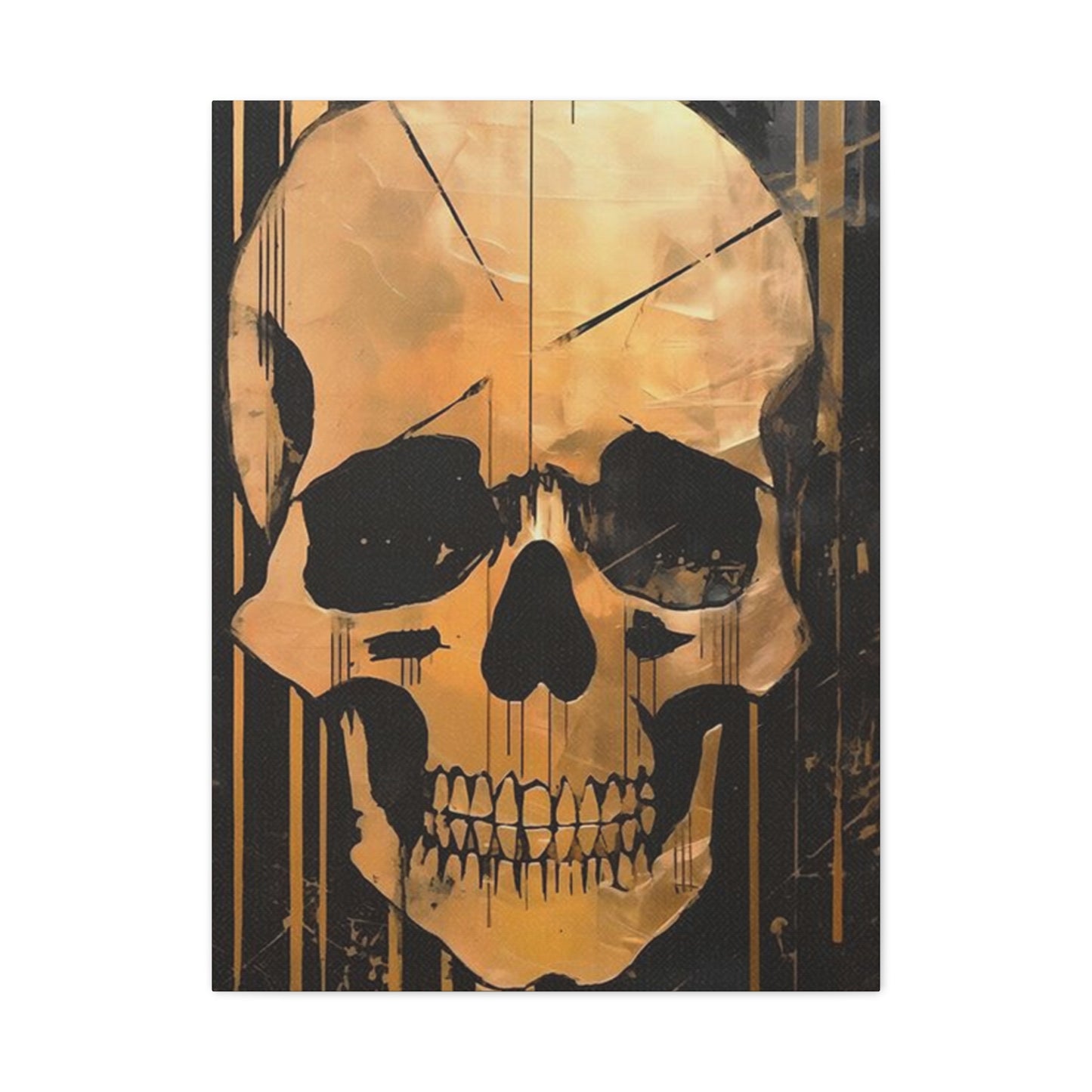
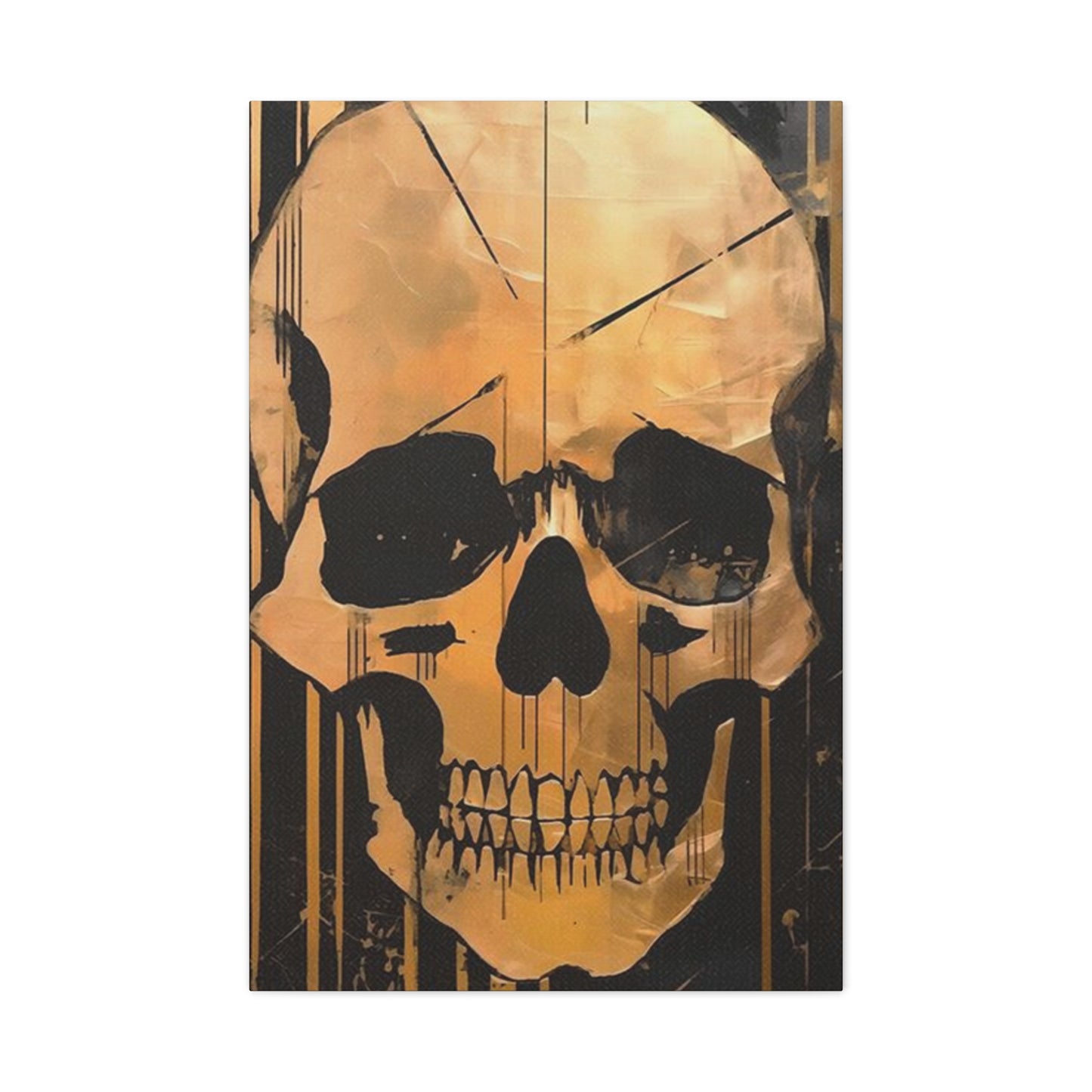
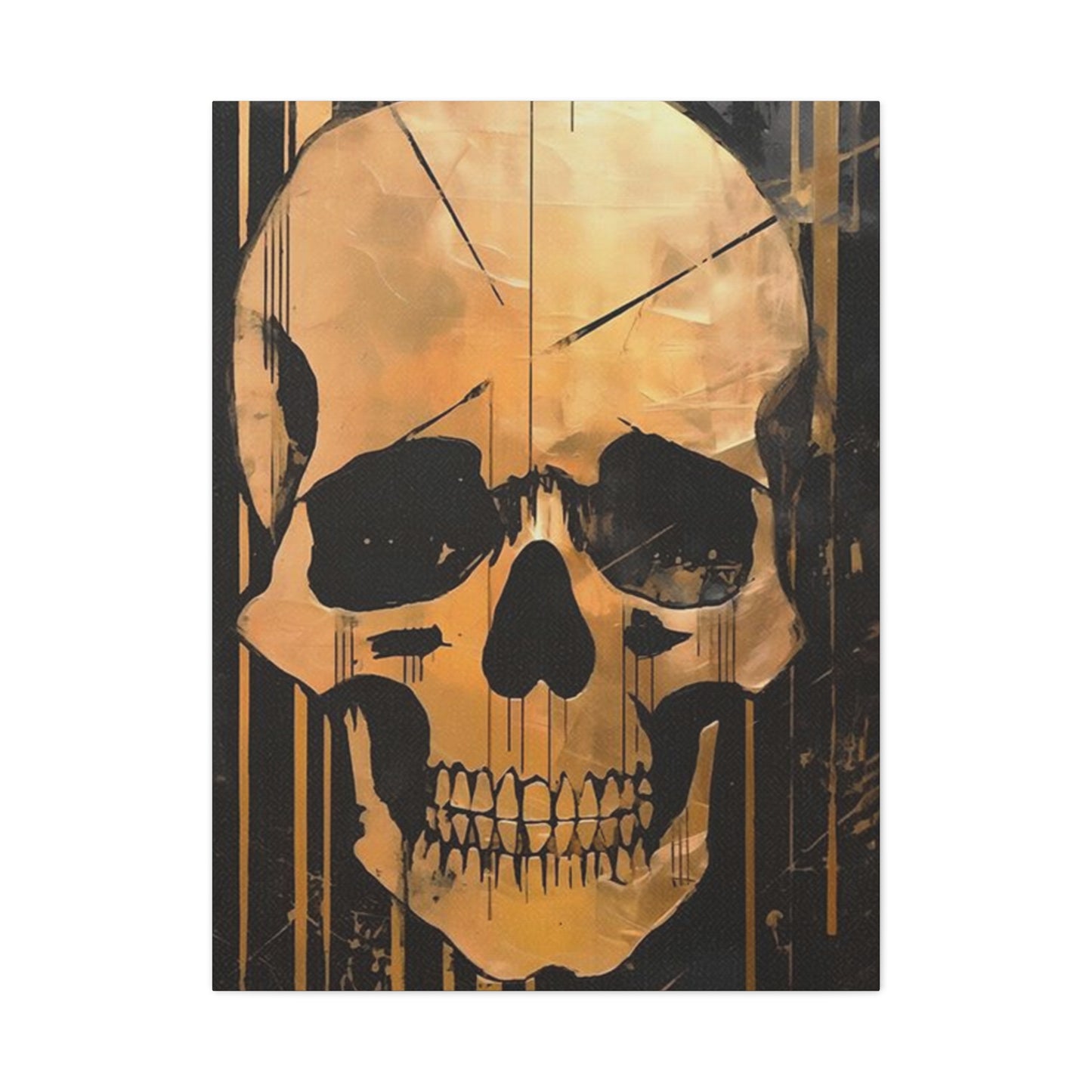
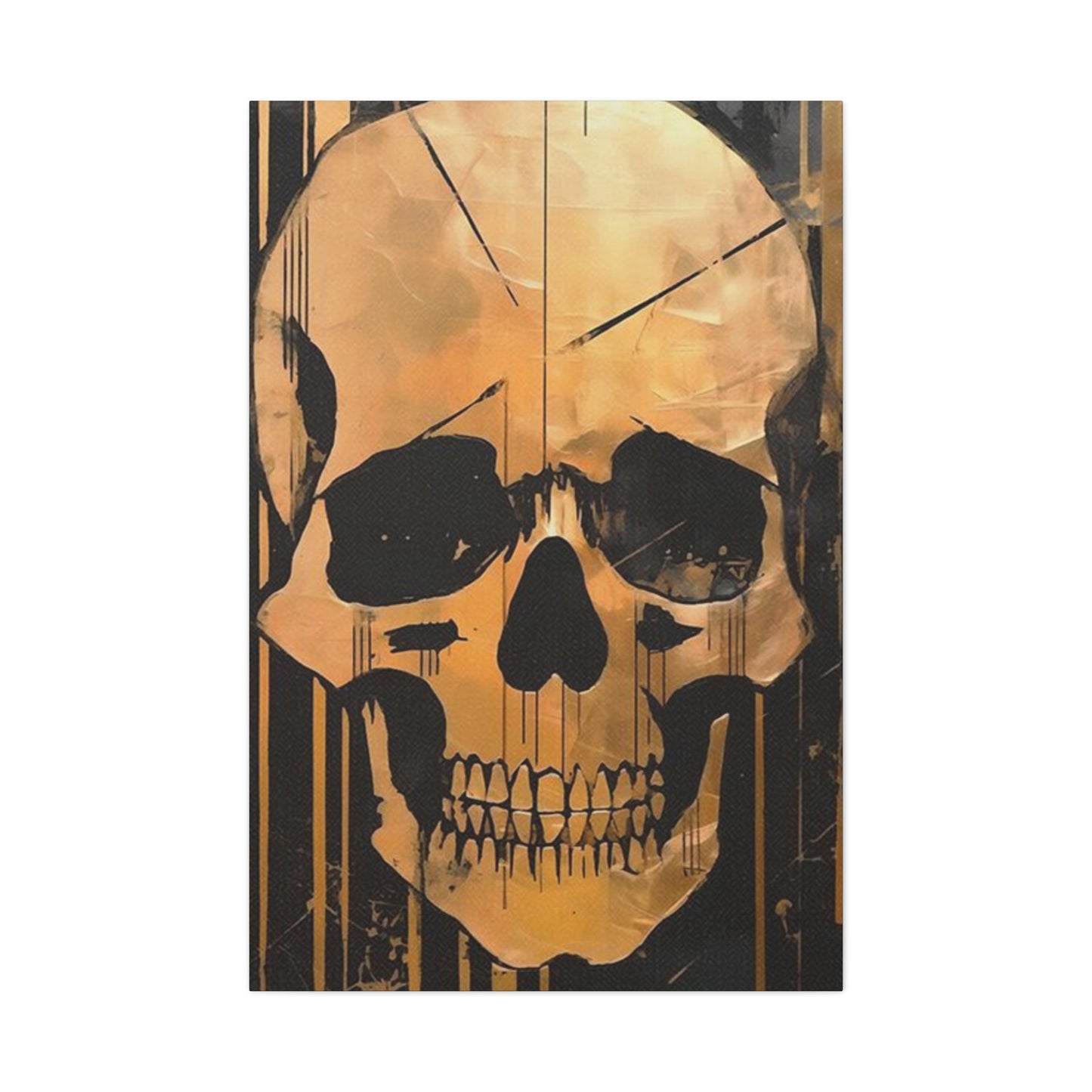
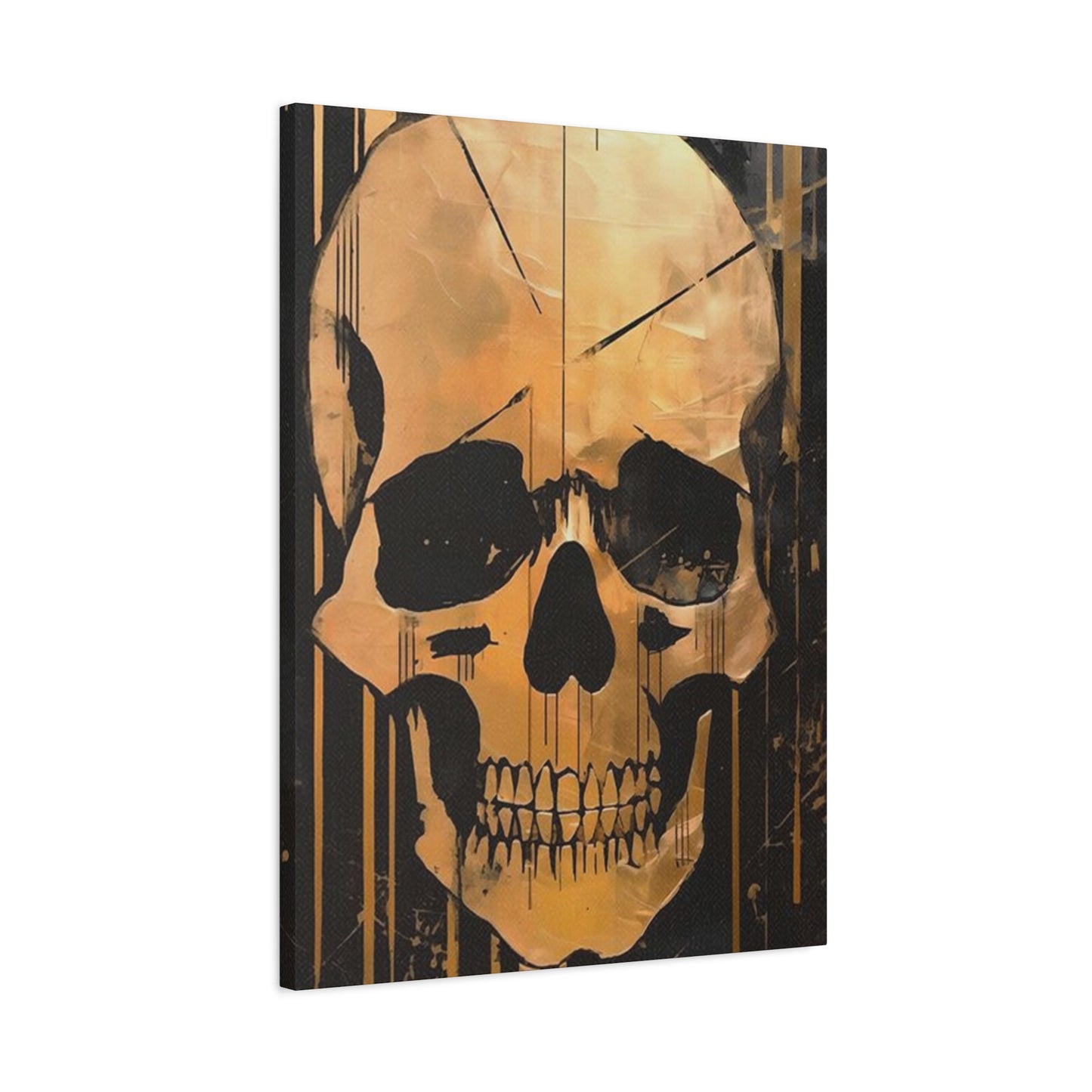
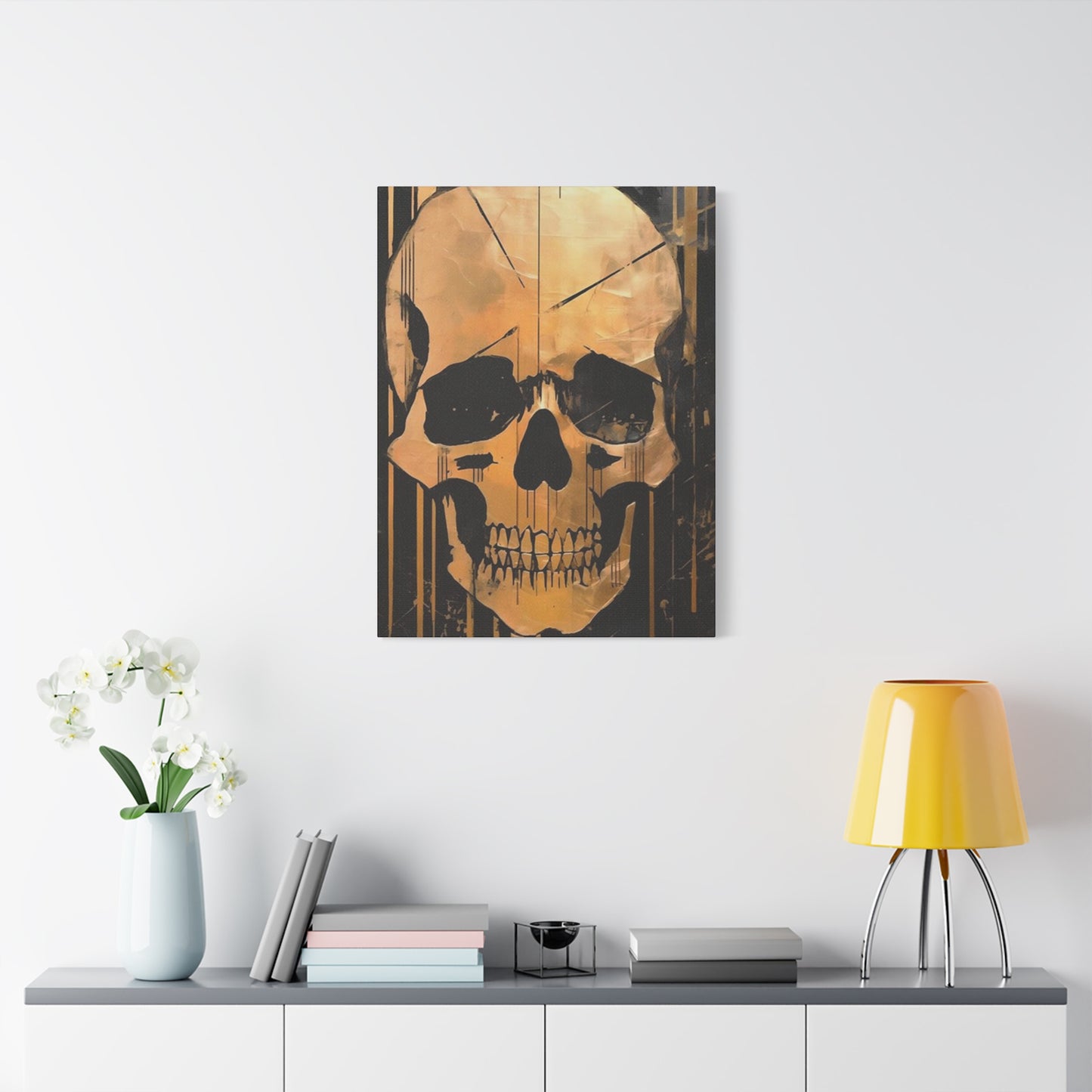
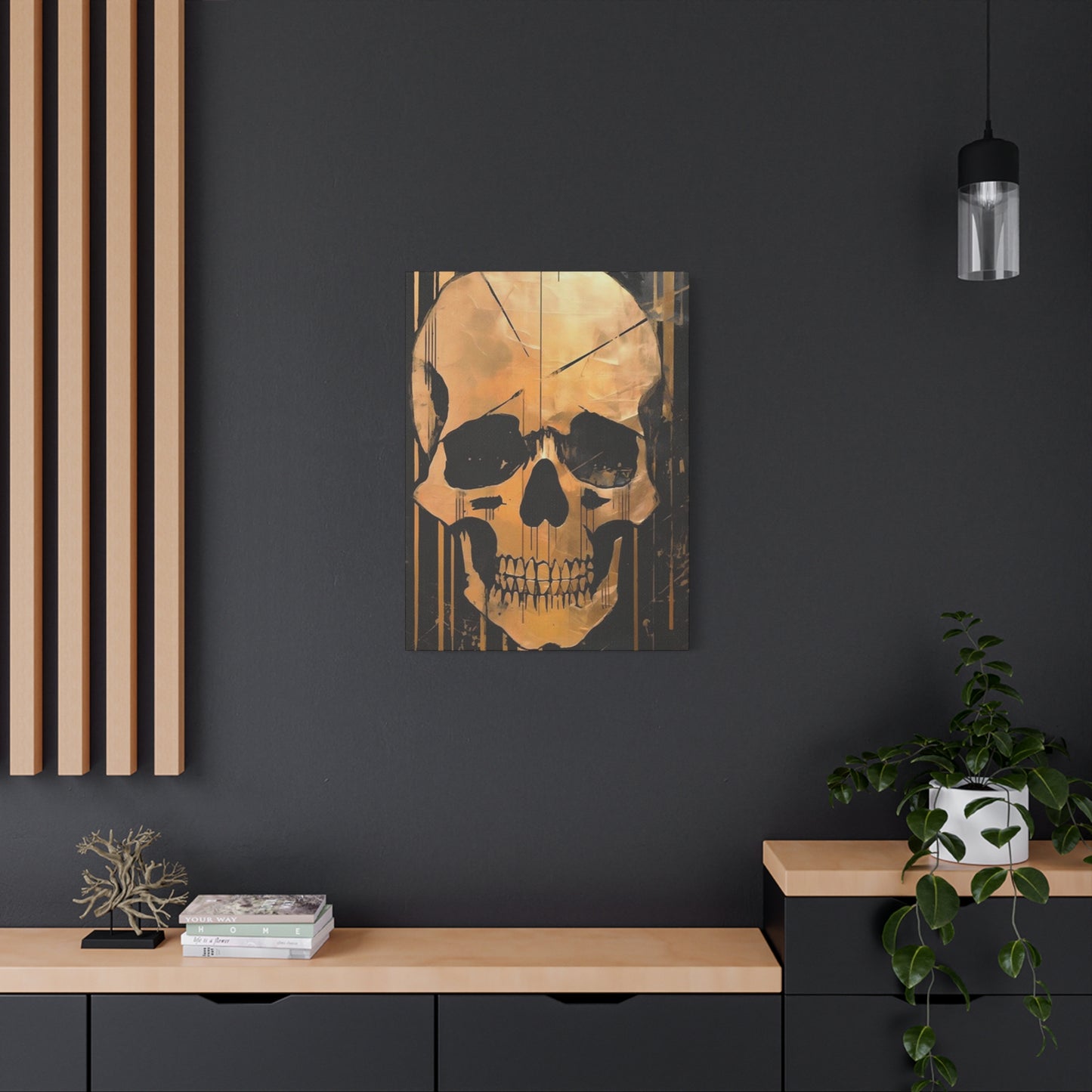
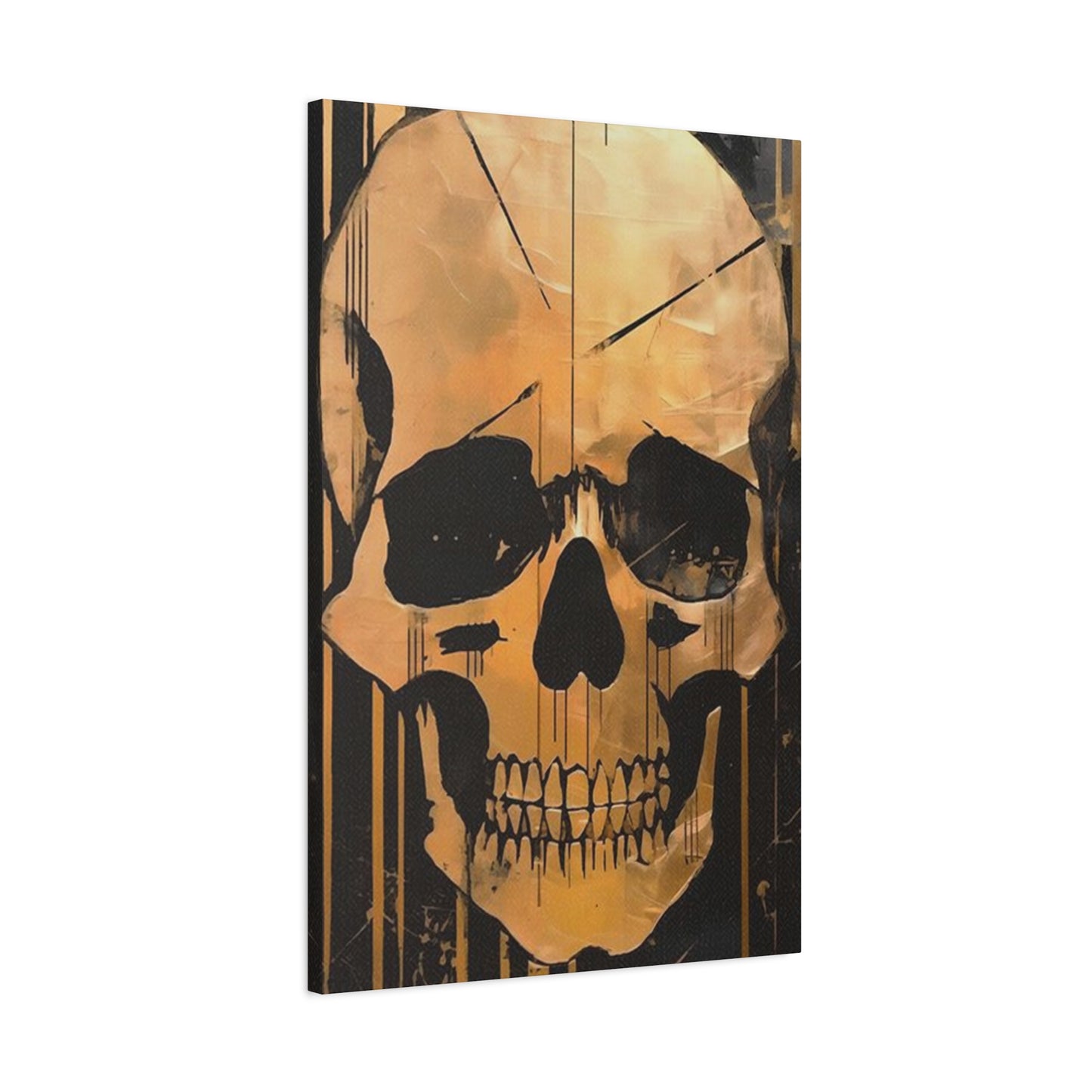
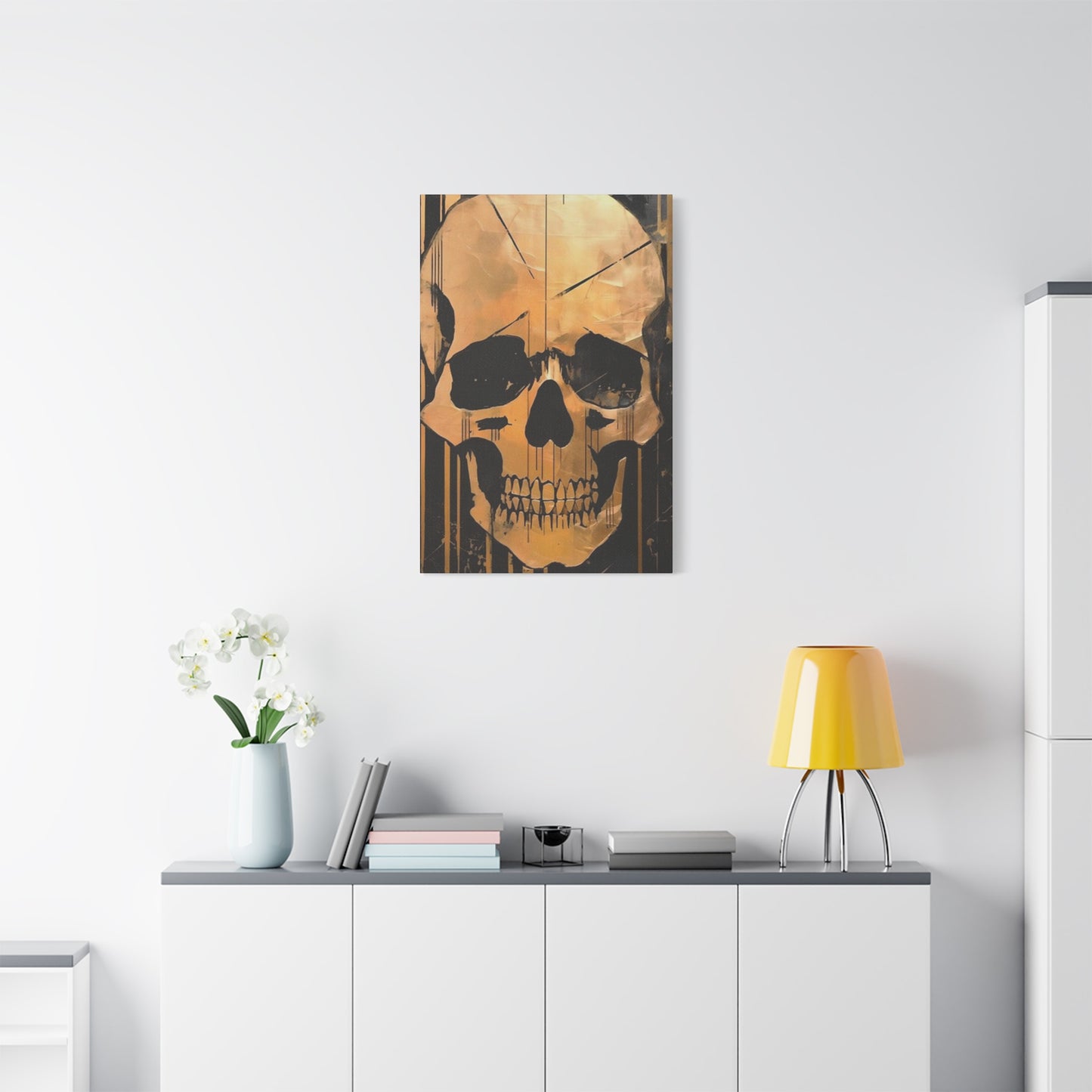
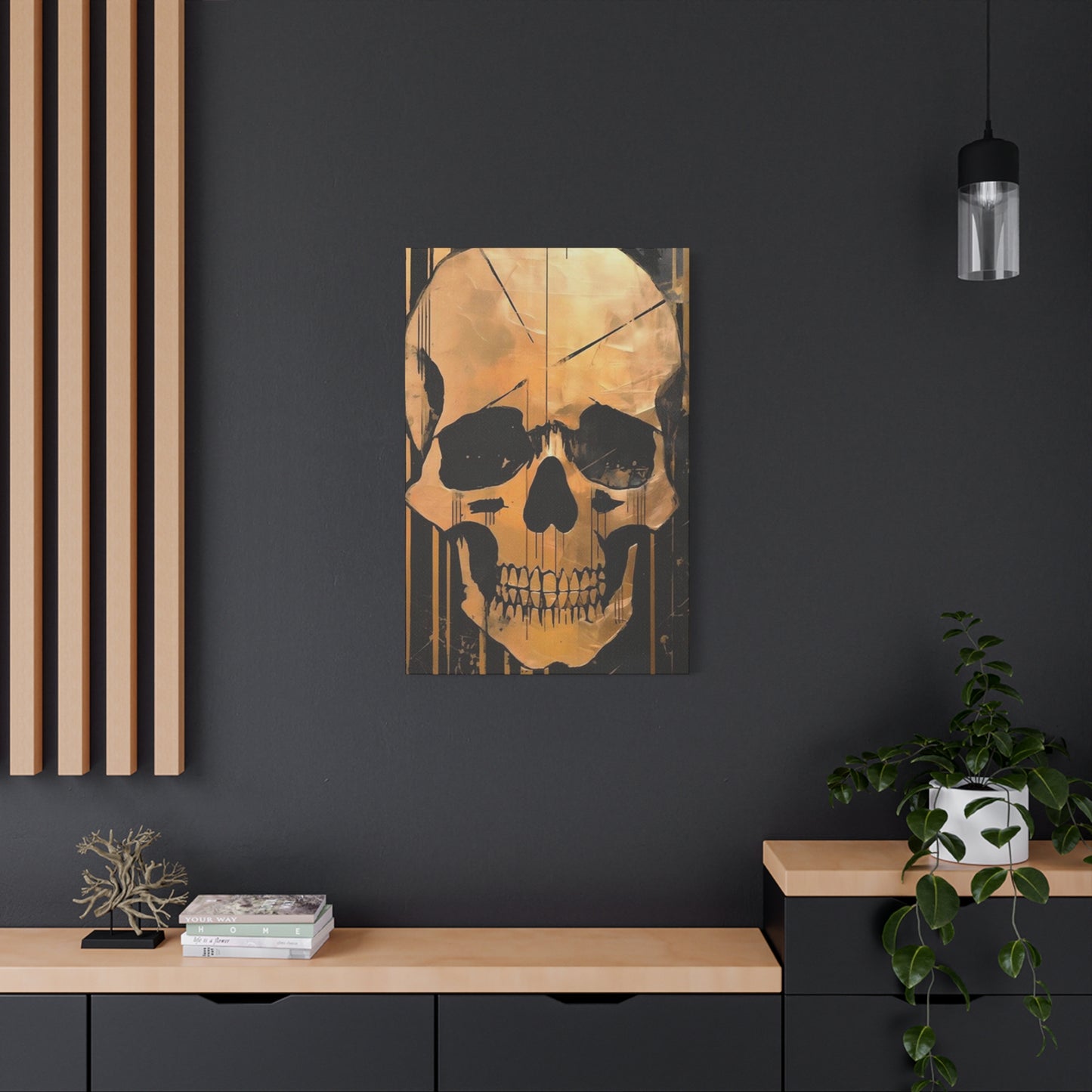
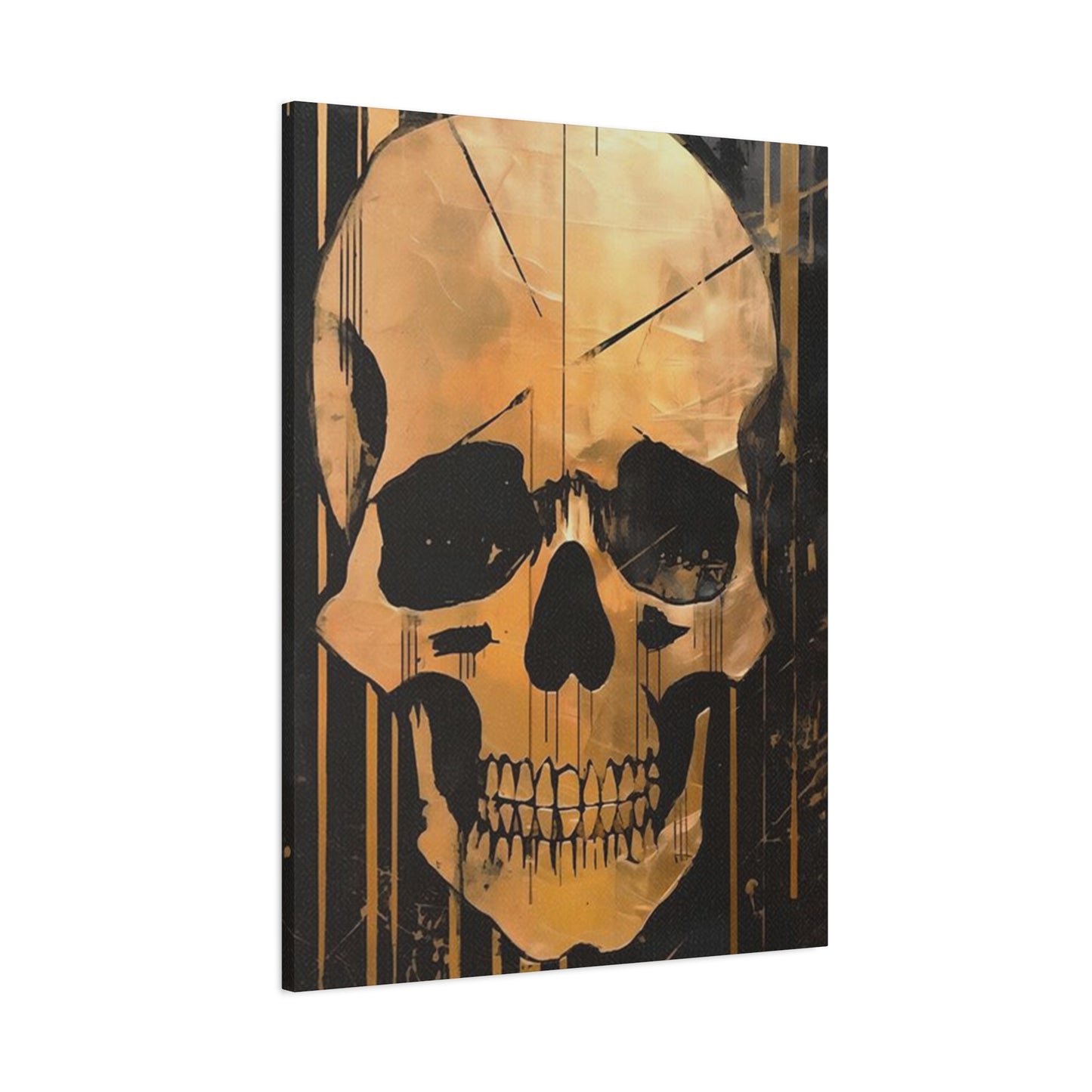
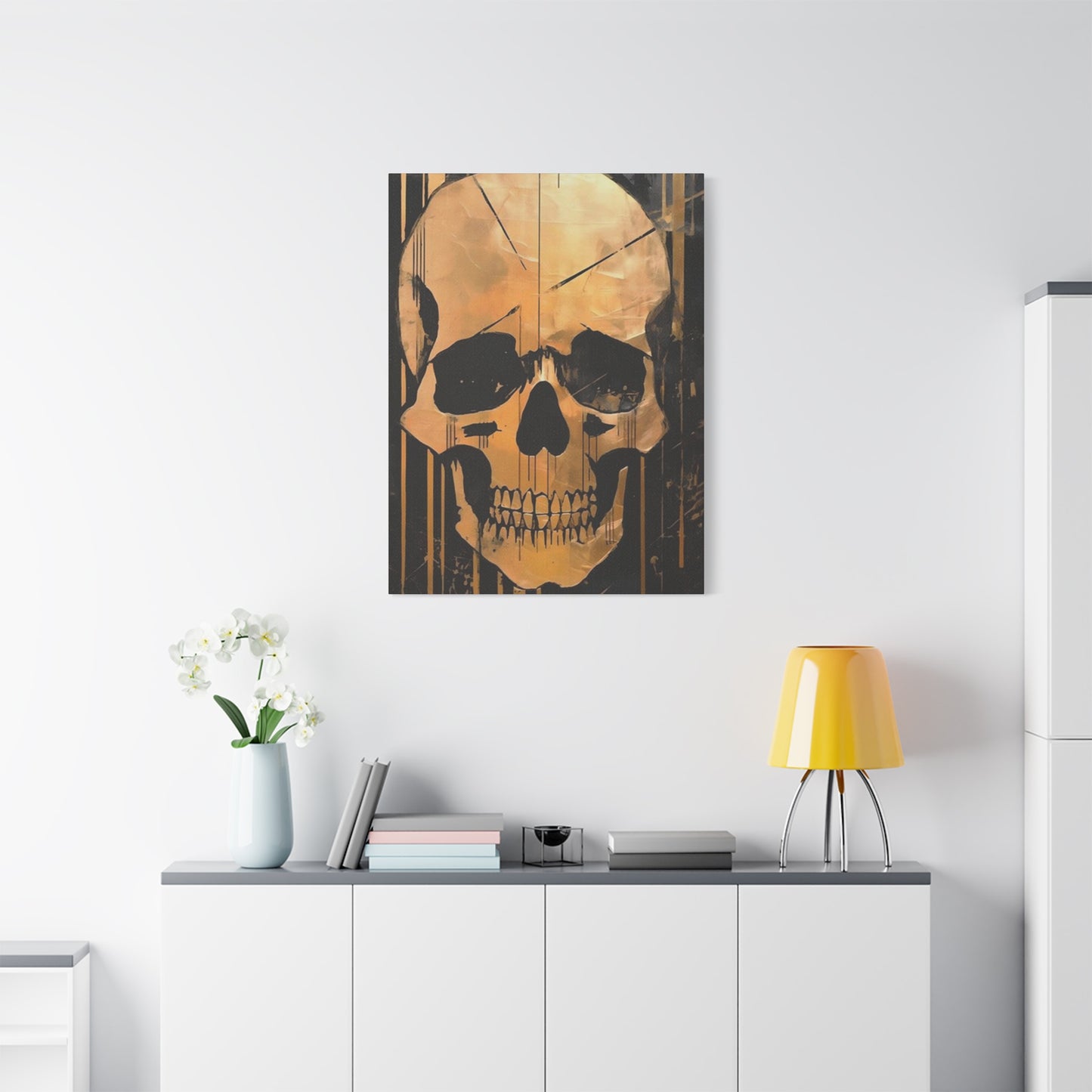
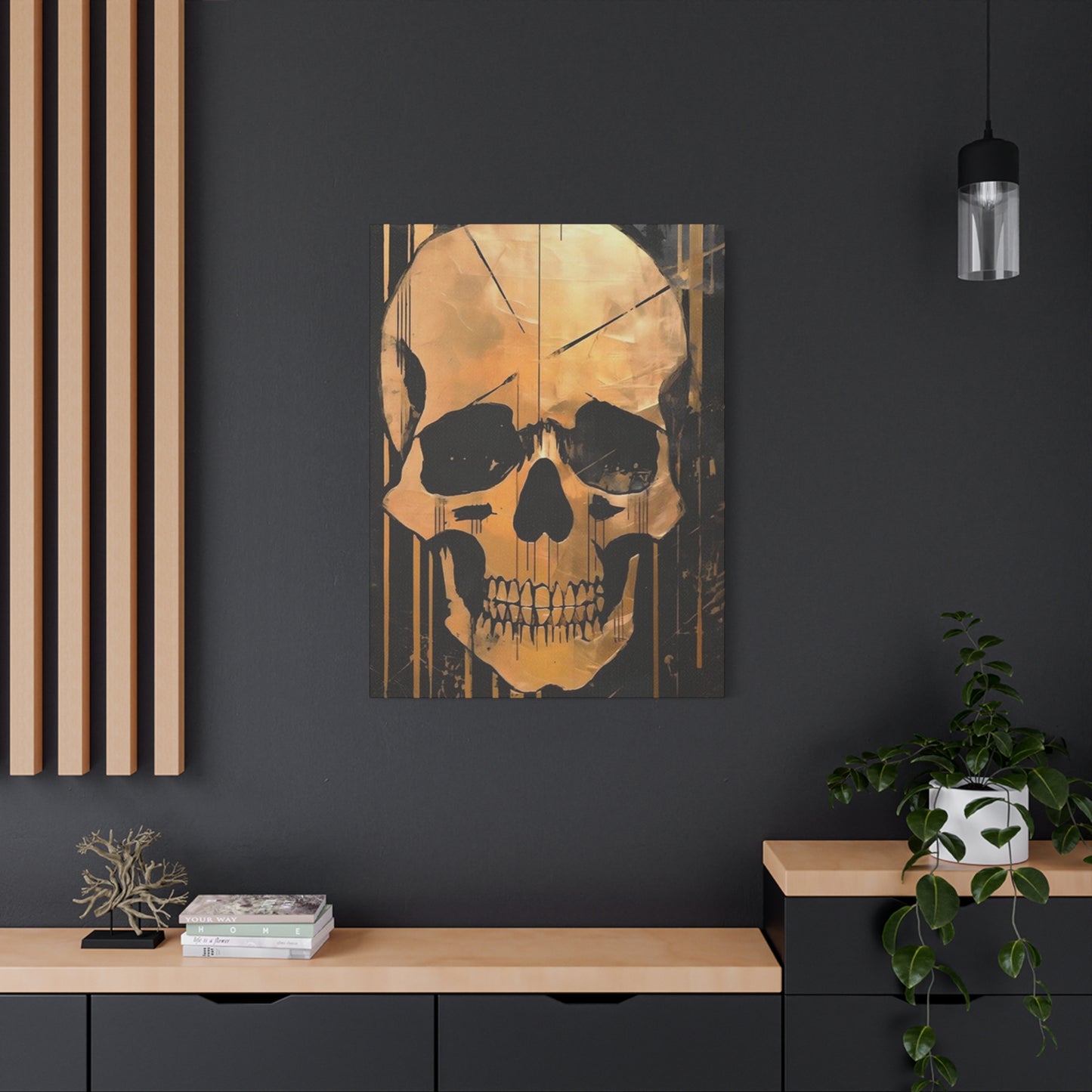
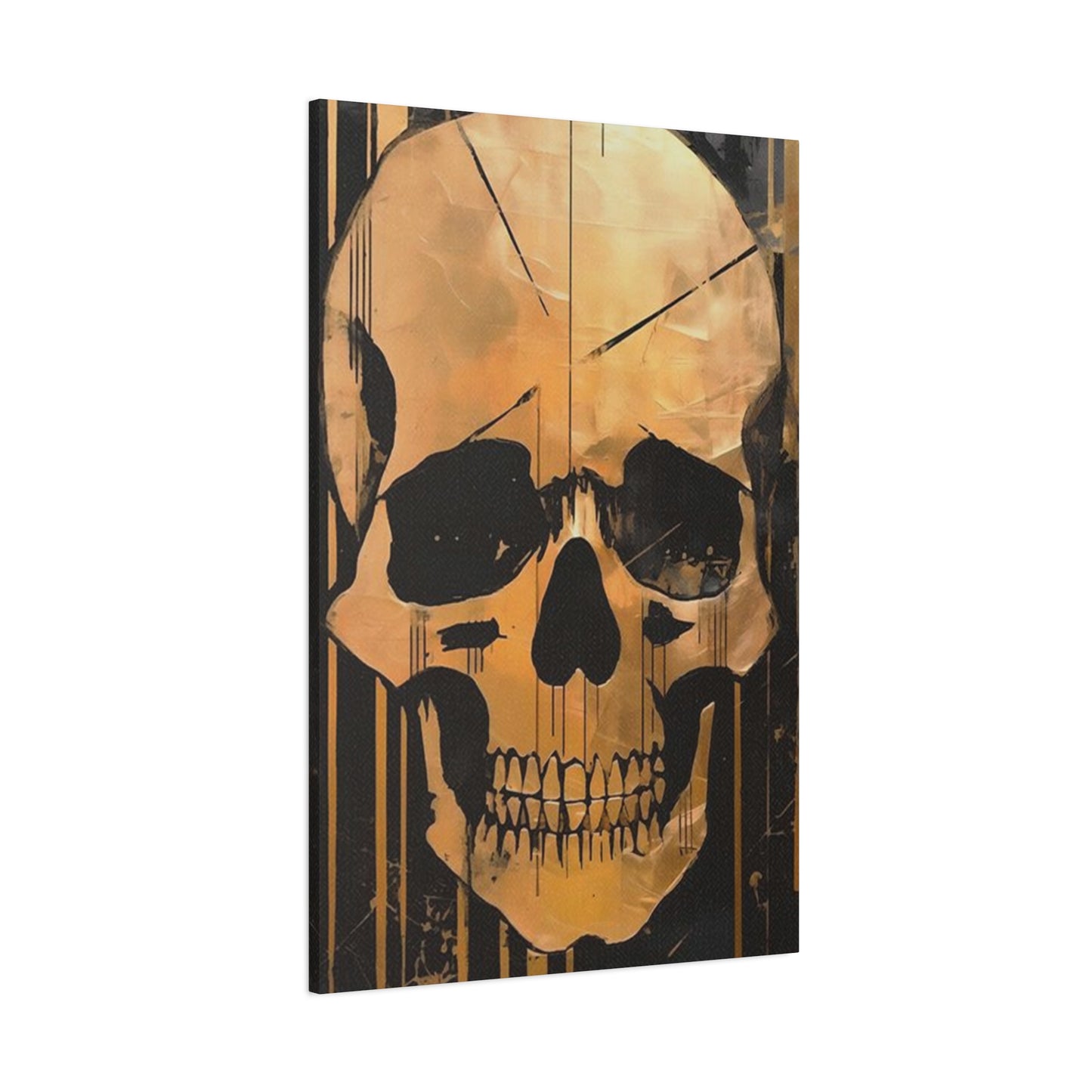
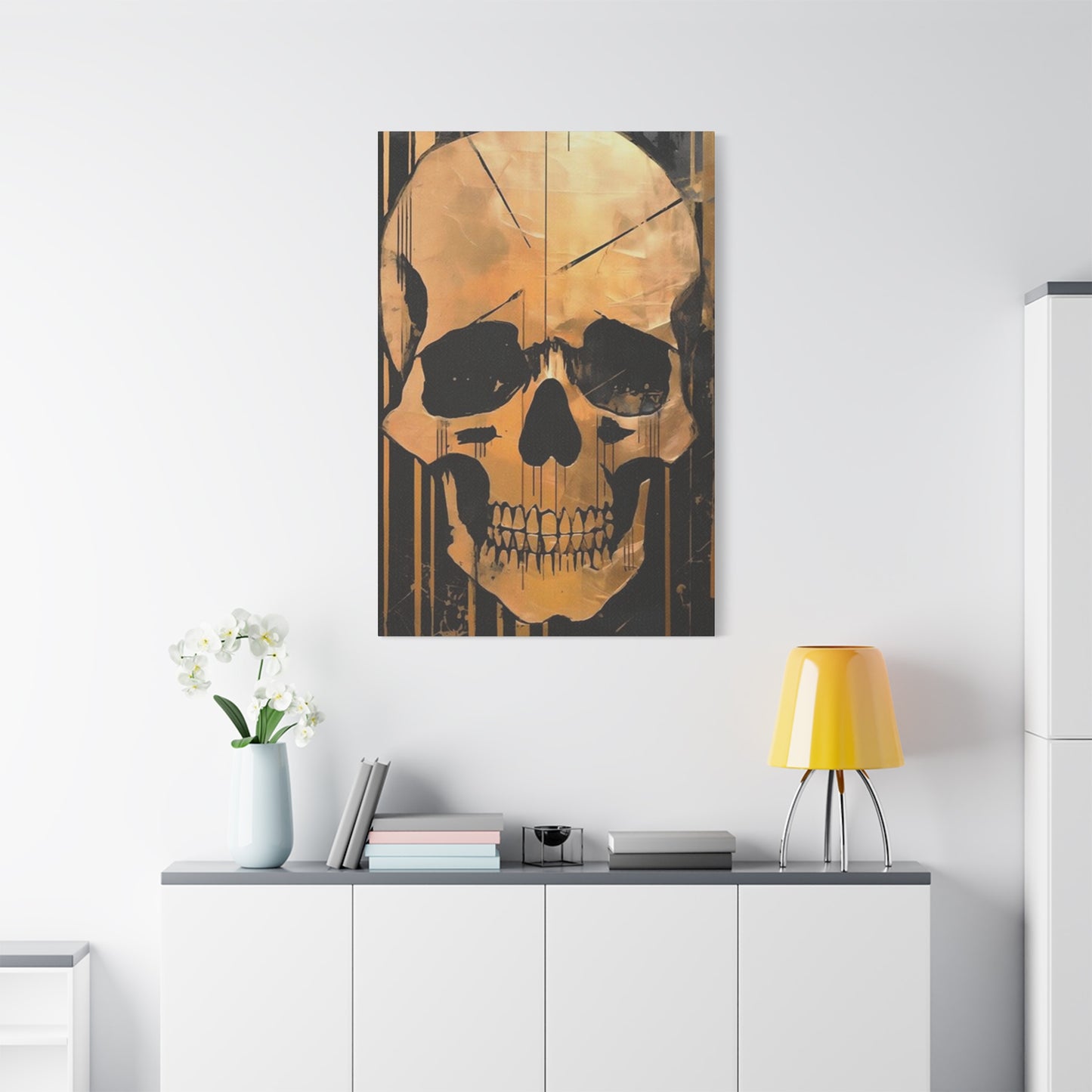
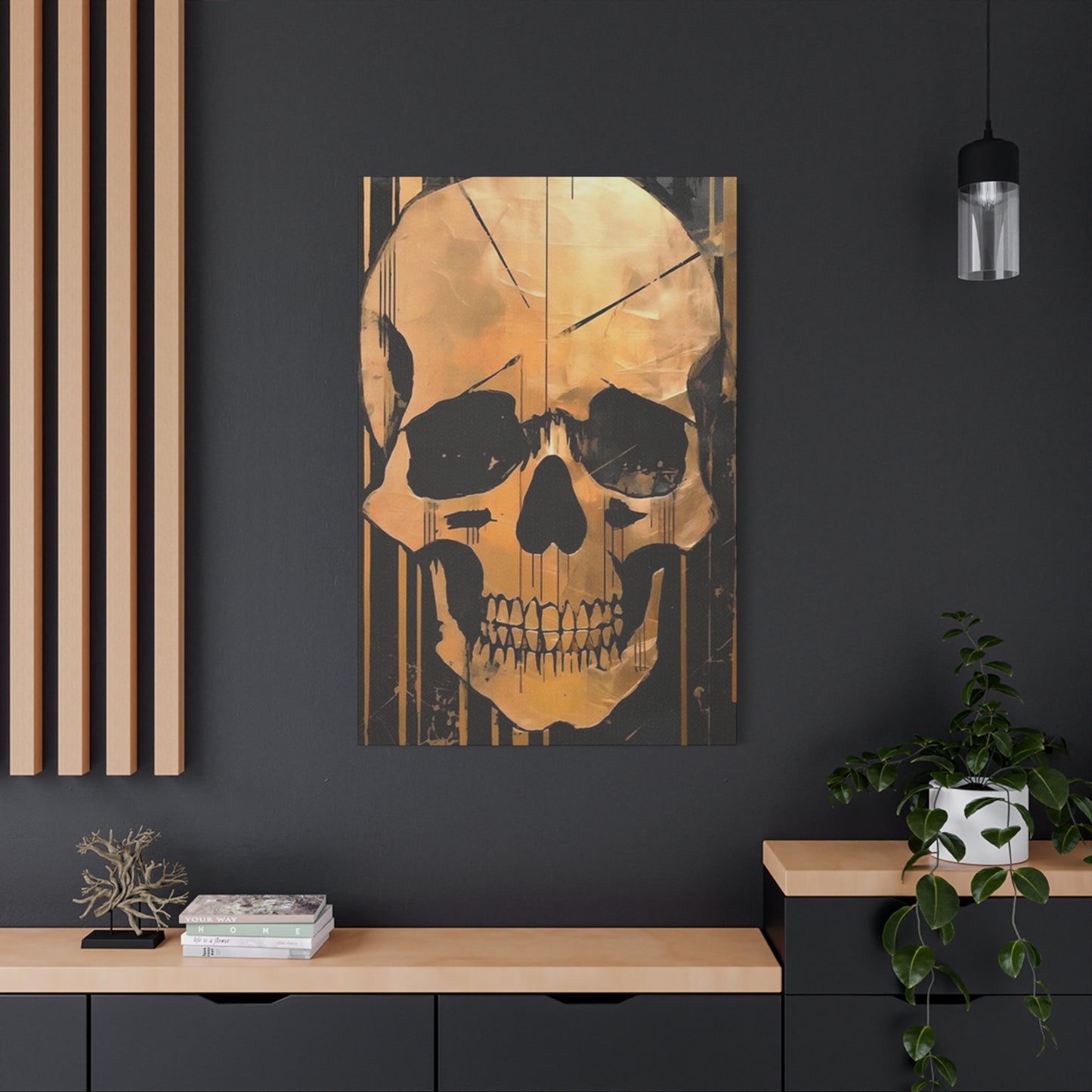
Scary Skulls Wall Art: Artistic Tribute to Gothic and Dark Aesthetics
The world of interior design has witnessed a remarkable transformation in recent years, with alternative aesthetics gaining unprecedented popularity among homeowners and decorators alike. Among these emerging trends, haunting skull wall art has carved out a distinctive niche, captivating those who seek to infuse their living spaces with elements of mystery, sophistication, and bold artistic expression. This comprehensive exploration delves into the multifaceted realm of skull-themed canvas prints, examining their historical significance, artistic merit, and transformative power in contemporary home décor.
The appeal of skull imagery transcends mere shock value or seasonal decoration. These powerful symbols have appeared throughout human history, representing everything from mortality and wisdom to rebellion and transformation. When translated into wall art, skulls become sophisticated design elements that challenge conventional aesthetics while offering depth and character to any space. Whether rendered in stark monochrome, enriched with Gothic flourishes, or presented through contemporary artistic interpretations, skull wall art serves as a compelling focal point that sparks conversation and reflects the personality of those who embrace its distinctive allure.
This extensive guide addresses every aspect of incorporating skull-themed artwork into your environment, from understanding the various artistic styles and symbolic meanings to selecting pieces that complement your existing décor and personal aesthetic preferences. We explore the psychological impact of these powerful images, the craftsmanship behind quality canvas prints, and the practical considerations that ensure your investment in dark art enhances your space for years to come.
Captivating Bone Imagery for Contemporary Walls
The contemporary fascination with skeletal imagery in home decoration represents a departure from traditional decorating norms, embracing instead a more authentic expression of individual taste and philosophical inclinations. Modern interpretations of bone-based artwork have evolved far beyond simple Halloween decorations, emerging as legitimate artistic expressions that command respect in galleries and sophisticated living spaces alike.
Today's artists approach cranium imagery with remarkable creativity, employing diverse techniques ranging from photorealistic renderings to abstract interpretations. Digital artists manipulate light and shadow to create three-dimensional effects that seem to lift the subject from the canvas, while traditional painters use layering techniques to build depth and texture. Mixed media approaches incorporate unexpected elements like metallic accents, textured surfaces, or even embedded objects that add tactile dimension to visual impact.
The versatility of skeletal motifs allows them to adapt to virtually any design philosophy. Minimalist interpretations feature clean lines and limited color palettes, appealing to those who appreciate understated elegance. Maximalist approaches layer multiple skulls with ornate patterns, florals, and intricate details, creating visually dense compositions that reward extended viewing. Contemporary artists also explore the intersection of traditional symbolism with modern concerns, creating pieces that comment on technology, environmental issues, or social dynamics through the lens of mortality imagery.
Material considerations play a crucial role in the final presentation of bone-themed artwork. High-quality canvas prints preserve the nuances of the original artwork, capturing subtle gradations in shading and texture that cheaper reproductions might lose. Gallery-wrapped canvases eliminate the need for framing, presenting a clean, modern aesthetic where the image extends around the edges of the stretcher bars. Alternative substrates like metal prints or acrylic face-mounting offer different visual qualities, with metal providing industrial edge and acrylic delivering luminous depth.
The psychological impact of displaying skeletal imagery deserves thoughtful consideration. These symbols carry profound weight across cultures, often representing the temporary nature of physical existence and the importance of living authentically. Rather than creating morbid or depressing atmospheres, thoughtfully selected and displayed skull art often inspires reflection, courage, and a deeper appreciation for life's fleeting beauty. The boldness required to display such imagery also signals confidence and individuality, qualities that resonate with visitors and create memorable impressions.
Lighting dramatically affects how bone-themed artwork presents in a space. Directional lighting can emphasize shadows and create dramatic effects, while ambient lighting offers a more subtle presence. Some collectors install adjustable lighting systems that allow them to modify the mood and emphasis of their displays throughout the day or for different occasions. Consider how natural light from windows interacts with your artwork at different times, as changing sunlight can reveal new details and alter the emotional tone of a piece significantly.
The scale of skeletal wall art influences its impact on a room's atmosphere. Large-scale pieces command attention and serve as undeniable focal points, anchoring a room's design around their powerful imagery. Medium-sized works offer flexibility, working well in groupings or as standalone accent pieces. Smaller skulls can be incorporated into gallery walls or used to add interest to overlooked spaces like hallways, bathrooms, or reading nooks. The key lies in proportional balance, ensuring the artwork neither overwhelms nor disappears within its surroundings.
Color theory applications in bone imagery expand far beyond traditional black and white renderings. While monochromatic approaches certainly have their place, contemporary artists explore the full spectrum, using unexpected color combinations to evoke specific emotions or complement particular design schemes. Warm tones like deep reds, oranges, and golds can create inviting yet edgy atmospheres, while cool blues, purples, and greens offer mysterious, ethereal qualities. Metallic accents in silver, gold, or copper add luxury and visual interest, catching light and creating dynamic displays that change throughout the day.
Shadowy Sophistication Captured on Fabric
The marriage of darkness and elegance creates a powerful aesthetic that resonates deeply with those who appreciate beauty in unconventional forms. This approach to artistic expression rejects the notion that sophistication must be light, airy, or traditionally pretty, instead embracing the profound beauty found in shadows, mystery, and the exploration of deeper themes.
Canvas as a medium offers unique advantages for expressing shadowy sophistication. The texture of quality canvas adds subtle dimension that enhances the play of light and dark within an image. When properly prepared and printed using archival inks, canvas preserves the rich blacks and subtle gradations essential to creating atmospheric depth. The slight give of canvas-wrapped stretcher bars also provides resilience, allowing pieces to withstand environmental fluctuations better than rigid substrates while maintaining their visual integrity.
The concept of dark elegance challenges viewers to reconsider their assumptions about beauty and décor. Rather than relying on conventional prettiness, these works draw power from contrast, atmosphere, and emotional resonance. A well-executed piece combining darkness with sophisticated elements like ornate frames, luxurious textures, or refined composition demonstrates that elegance need not be synonymous with lightness or conventional charm. This aesthetic appeals particularly to those who value depth over superficiality and authenticity over conformity.
Historical precedents for dark elegance appear throughout art history, from the chiaroscuro techniques of Baroque masters to the moody atmospheres of Romantic landscape painters. Contemporary artists working in this vein draw on these traditions while incorporating modern sensibilities and techniques. The result bridges classical artistic values with contemporary relevance, creating works that feel simultaneously timeless and current.
Curating a collection of shadowy elegant pieces requires careful attention to cohesion and variety. While maintaining a consistent mood and aesthetic sensibility, successful collections incorporate enough variation in composition, subject matter, and artistic approach to keep the display interesting and dynamic. This might mean combining photographic works with illustrated pieces, or mixing purely decorative compositions with more narrative or symbolic imagery. The key lies in finding the thread that connects pieces while allowing each to contribute its unique voice to the overall conversation.
The framing and presentation of dark elegant canvas pieces significantly impacts their effectiveness. While many canvas prints look stunning unframed, particularly when gallery-wrapped, the addition of carefully selected frames can enhance their sophistication. Deep-set shadow box frames create physical depth that complements the visual depth of the artwork. Ornate frames with antiqued finishes can emphasize historical or Gothic elements, while sleek modern frames maintain contemporary edge. The decision between framed and unframed presentation should consider both the artwork itself and the broader design context of the display space.
Textural contrasts in room design amplify the impact of shadowy elegant artwork. Positioning canvas prints against contrasting wall textures creates visual interest and emphasizes the artwork's presence. Smooth matte walls provide clean backdrops that allow the art to shine, while textured walls like exposed brick or wood paneling add complementary organic elements that enhance the overall aesthetic. The interplay between the canvas texture and surrounding surfaces creates a layered sensory experience that elevates the space beyond simple visual decoration.
Seasonal adaptations of dark elegant displays allow for refreshing your space without abandoning your core aesthetic. During autumn and winter, these pieces naturally complement the darker, cozier atmosphere that many people cultivate in their homes. In spring and summer, the same artwork takes on different character, providing cool visual contrast to bright natural light and offering respite from seasonal cheerfulness for those who prefer year-round depth in their surroundings. Strategic additions like fresh flowers, seasonal textiles, or adjusted lighting can shift the mood while maintaining aesthetic consistency.
Frightening Cranium Graphics for Interior Surfaces
The use of frightening cranium graphics in interior design represents a bold aesthetic choice that transforms living spaces into personal statements of individuality and fearlessness. These powerful images push beyond comfortable decoration, challenging both residents and visitors to confront themes of mortality, darkness, and the macabre in everyday environments.
The spectrum of frightening skull imagery ranges from subtly unsettling to overtly horrific, allowing decorators to calibrate the intensity of their displays according to personal preferences and practical considerations. Some pieces employ realistic renderings that emphasize anatomical detail, creating visceral responses through their accuracy and detail. Others take more stylized approaches, exaggerating features or incorporating supernatural elements like glowing eyes, spectral effects, or impossible perspectives that venture into nightmare territory.
Context significantly influences how frightening imagery functions within a space. A terrifying skull that might seem excessive in a formal dining room could be perfectly appropriate in a media room, home bar, or creative studio. Understanding the purpose and emotional tone of each space allows for strategic placement that maximizes impact while maintaining livability. Personal spaces like bedrooms or home offices offer more freedom for intense imagery, as these areas primarily serve individual preferences rather than accommodating diverse visitors.
The artistic techniques used to create frightening effects deserve appreciation beyond their shock value. Artists working in this genre demonstrate remarkable skill in manipulating lighting, proportion, and detail to generate emotional responses. Understanding concepts like the uncanny valley, where near-human features become disturbing, or how strategic obscuring of details allows viewers' imaginations to amplify fear, reveals the sophisticated psychological knowledge underlying effective horror art. This recognition elevates frightening skull graphics from mere shock tactics to legitimate artistic expression worthy of serious consideration.
Balancing frightening elements with other design aspects prevents spaces from becoming overwhelming or one-note. Even in heavily themed rooms, incorporating contrasting elements provides visual relief and prevents desensitization. This might involve alternating frightening pieces with more neutral skull art, incorporating natural elements like plants or wood, or using furniture and textiles that provide counterpoint to the intensity of the wall art. The goal is creating dynamic spaces that maintain their impact rather than numbing viewers through relentless intensity.
Cultural variations in skull imagery affect how frightening certain representations appear. Western horror traditions often emphasize decay, damage, and association with evil or danger. Latin American traditions, influenced by Day of the Dead celebrations, incorporate skulls in ways that acknowledge death while celebrating life, resulting in imagery that might seem cheerful rather than frightening despite featuring skeletal subjects. Asian artistic traditions bring their own interpretations, sometimes incorporating Buddhist concepts of impermanence or folkloric elements. Understanding these cultural contexts enriches appreciation and allows for more nuanced collection building.
The role of color in frightening skull graphics extends beyond simple aesthetics to psychological manipulation. Blood reds obviously evoke violence and danger, but their specific application matters enormously. Splattered effects suggest different narratives than pools or drips, while red used for atmospheric lighting or eye illumination creates supernatural rather than realistic horror. Sickly greens and yellows suggest decay and disease, tapping into biological aversion responses. Deep purples and blacks create oppressive atmospheres that rely on suggestion rather than explicit imagery. Strategic color choices allow artists to guide viewers toward specific emotional responses while maintaining visual sophistication.
Technical considerations for displaying frightening imagery include ensuring proper viewing distances and angles. Some pieces reveal their full impact only when viewed from specific positions, using perspective tricks or hidden details that emerge upon closer inspection. Others work best from a distance, where individual elements combine into coherent and disturbing wholes. When installing frightening skull graphics, consider how people will encounter them, whether you want to startle visitors who round corners or prefer pieces that gradually reveal their unsettling qualities as viewers approach and study them more carefully.
Mysterious Cranium Canvas Renditions
Gothic skull canvas prints represent a refined subset of skull art that combines historical aesthetic traditions with macabre subject matter. The Gothic style, with its emphasis on dramatic architecture, religious symbolism, ornate decoration, and exploration of darkness, provides perfect framework for skull imagery that transcends simple horror to achieve atmospheric depth and artistic sophistication.
Authentic Gothic aesthetics in skull art incorporate architectural elements like pointed arches, ribbed vaults, and flying buttresses, creating compositions that situate skulls within cathedral-like or ruined castle settings. These environmental contexts add narrative depth, suggesting stories of mortality within specific historical or fantastical contexts. The contrast between grand architectural ambitions and the leveling reality of death creates poignant commentary that purely decorative skull images cannot achieve.
Religious and mystical symbolism frequently appears in Gothic skull compositions, drawing on medieval traditions that used mortality imagery in devotional contexts. Skulls accompanied by crosses, hourglasses, candles, or books reference vanitas traditions that reminded viewers of life's transience and the importance of spiritual concerns over worldly pursuits. Contemporary artists working in Gothic traditions sometimes maintain these traditional symbols while imbuing them with new meanings relevant to modern viewers, creating works that function as bridges between historical artistic traditions and contemporary concerns.
Color palettes in Gothic skull prints typically emphasize deep, rich tones that evoke the atmospheric interiors of medieval cathedrals or the mysterious depths of ancient crypts. Deep burgundies, forest greens, midnight blues, and antique golds create sense of aged nobility and timeless elegance. These sophisticated color choices distinguish Gothic skull art from both stark minimalist approaches and vibrant contemporary interpretations, positioning these works within specific aesthetic traditions that appeal to those who appreciate historical depth and romantic atmosphere.
Ornamentation plays crucial roles in Gothic skull compositions, with artists incorporating intricate patterns, filigree details, and elaborate decorative elements that demonstrate technical skill while building visual complexity. These ornamental aspects might appear as embellishments on the skull itself, as in sugar skull traditions, or as surrounding decorative frameworks that present the skull as precious relic or sacred object. The tension between the stark reality of skeletal mortality and the elaborate celebration through ornamentation creates rich visual and conceptual interest.
Gothic skull art appeals particularly to those who identify with Gothic subcultures or simply appreciate the aesthetic's romantic melancholy and embrace of darkness. These pieces allow for personal expression that connects with broader cultural movements while maintaining individual voice. For many collectors, Gothic skull prints represent more than decoration, serving as expressions of philosophical outlook, spiritual perspectives, or affiliations with particular artistic and cultural traditions that value depth, authenticity, and willingness to confront uncomfortable truths.
Incorporating Gothic skull prints into broader interior design schemes requires attention to complementary elements that reinforce the aesthetic. Victorian-era furniture with dark wood and ornate carving provides appropriate context, while velvet textiles in jewel tones add luxury and texture. Candlelight or warm ambient lighting enhances the mysterious atmosphere, and accessories like antique books, vintage scientific instruments, or religious artifacts build cohesive environments where Gothic skull art feels naturally integrated rather than arbitrarily placed.
The revival of Gothic aesthetics in contemporary culture reflects deeper cultural trends toward embracing complexity, valuing historical connection, and rejecting superficial optimism in favor of more nuanced emotional landscapes. Gothic skull canvas prints participate in this broader movement, offering visual anchors for spaces that prioritize authenticity and depth over conventional cheerfulness. For those who find beauty in shadows and meaning in contemplation of mortality, these works provide daily reminders of values and perspectives that might otherwise get lost in the rush of modern life.
Unsettling Skeletal Representations in Visual Expression
Eerie skull portraits in art occupy a unique position between traditional portraiture and pure abstraction, using the universal symbol of the human skull to create haunting images that simultaneously represent specific characters and universal mortality. These works challenge viewers to see personality, emotion, and narrative in subjects stripped of the superficial markers we typically use to identify and understand individuals.
The portrait tradition in Western art emphasizes capturing not just physical likeness but essential character and inner life of subjects. Skull portraits subvert this tradition by presenting subjects at the moment when individual identity dissolves into universal human experience. Yet skilled artists working in this genre find ways to maintain individuality even in skeletal form, through positioning, adornment, context, or subtle variations in skull structure that suggest age, gender, or personality traits the subject possessed in life.
Emotional resonance in eerie skull portraits stems from the tension between recognition and alienation. Viewers see themselves reflected in these images, confronting their own mortality through depersonalized yet deeply personal imagery. The best skull portraits balance this tension perfectly, neither allowing viewers to completely distance themselves through abstraction nor overwhelming them with excessive personalization that might limit broader identification. This delicate balance creates powerful emotional experiences that linger long after initial viewing.
Technical execution distinguishes compelling skull portraits from decorative skull images. Artists must demonstrate deep understanding of anatomy, capturing accurate proportions and structural relationships that register as authentically human even in skeletal form. Lighting becomes especially critical, with strategic shadowing defining form and creating atmosphere while maintaining sufficient clarity for viewers to read the image. Surface treatment, whether emphasizing smooth bone or suggesting texture through cracking, weathering, or decoration, adds character and visual interest while contributing to the overall mood.
Narrative elements in eerie skull portraits invite viewers to construct stories around the images. Environmental details, props, clothing remnants, or symbolic objects provide clues about who the skull once was, how they died, or what their life represented. Some artists create series of related skull portraits that tell broader stories or explore themes through variations, while others produce standalone pieces that contain complete narratives within single compositions. The degree of narrative specificity varies according to artistic intent, with some works offering detailed stories and others maintaining ambiguity that allows multiple interpretations.
The use of skull portraits in interior spaces creates focal points that demand attention and consideration. Unlike purely decorative elements that blend into backgrounds, these pieces assert presence and require acknowledgment. This quality makes them excellent choices for spaces where you want to make strong statements about identity, values, or aesthetic preferences. However, it also means thoughtful placement becomes essential, as these commanding images can dominate spaces if not carefully integrated into broader design schemes.
Collecting eerie skull portraits allows for building relationships with individual pieces over time. The best examples reveal new details and inspire different reflections upon repeated viewing, rewarding the attention of collectors who live with them daily. Some viewers report that particular skull portraits become almost companion-like presences in their spaces, serving as reminders of important values or philosophical perspectives during challenging times. This deeper relationship between artwork and viewer transcends simple decoration, moving into territory where art genuinely enriches and influences daily life.
Contemporary interpretations of skull portraiture incorporate diverse influences from street art, digital manipulation, mixed media experimentation, and global artistic traditions. This diversity ensures that collectors can find skull portraits that align with personal aesthetic preferences while participating in this powerful artistic tradition. Whether drawn to photographic realism, painterly abstraction, graphic design approaches, or hybrid techniques, options exist within the skull portrait genre to satisfy virtually any taste while maintaining the core appeal of this distinctive art form.
Mysterious Surface Decoration for Daring Environments
Spooky wall décor for bold spaces represents a commitment to creating environments that reject safe, conventional aesthetics in favor of atmospheric intensity and personal expression. These spaces serve as refuges from the blandness of mainstream design, offering residents and visitors experiences that engage imagination and emotion rather than merely providing functional backgrounds for daily activities.
The psychology of bold space design recognizes that environments profoundly affect mood, creativity, and sense of self. Surrounding yourself with imagery and aesthetics that genuinely resonate, even if unconventional, creates more authentic and satisfying living experiences than forcing conformity to design trends that feel alien to personal sensibilities. For those drawn to darker aesthetics, spooky décor doesn't create negative atmospheres but rather provides honest reflection of interior landscapes and genuine aesthetic preferences.
Cohesion in boldly decorated spaces requires careful curation despite apparent chaos or intensity. Successful spaces maintain underlying unity through consistent color stories, recurring themes or motifs, or complementary artistic styles that create conversation among pieces rather than cacophony. This doesn't mean monotonous uniformity, as variety and contrast remain essential for visual interest, but rather thoughtful selection that builds toward intentional overall effects rather than random accumulation of individually appealing items.
Layering creates depth in spooky décor, with multiple elements at different scales and positions building rich, immersive environments. Wall art serves as primary focus, but surrounding elements like textiles, lighting, furniture choices, and decorative objects contribute to unified atmospheres. Three-dimensional elements like sculptures, specimens under glass, or hanging installations add physical depth that pure wall art cannot achieve alone. Even scent, sound, and temperature contribute to total environmental experiences, with considerations like subtle incense, curated music, or strategic climate control enhancing atmospheric effects.
Flexibility within bold design schemes prevents spaces from becoming stale or oppressive over time. Modular approaches that allow for rotating displays, seasonal adjustments, or mood-based reconfigurations maintain freshness and prevent habituation. Some collectors maintain larger inventories of spooky décor than they display simultaneously, rotating pieces quarterly or seasonally to keep their spaces dynamic and interesting. This approach also protects against the diminishing returns that can occur when living with extremely intense imagery constantly, allowing pieces to regain impact through periodic absence.
Social considerations influence spooky décor decisions for those who regularly host visitors or share spaces with others who might not fully embrace bold aesthetics. Compromises might involve concentrating intense displays in personal spaces while maintaining more accessible aesthetics in common areas, or creating zoned environments where different rooms offer different intensities. Communication with partners or roommates about aesthetic boundaries and preferences prevents conflicts while still allowing personal expression. Some decorators report that initial visitor surprise often gives way to appreciation as guests spend time in thoughtfully designed spaces that demonstrate genuine aesthetic vision rather than haphazard edginess.
The relationship between architecture and spooky décor deserves attention, as different architectural styles provide varying levels of natural support for bold aesthetics. Historic buildings with original details like crown molding, fireplaces, or built-in shelving often accommodate dark décor beautifully, providing elegant contrast or complementary gravitas. Modern open-concept spaces require different approaches, using décor to create definition and character in potentially bland environments. Industrial lofts with exposed brick, ductwork, and concrete provide ideal canvases for spooky aesthetics, while suburban tract homes might require more creative interventions to achieve similar effects.
Investment in quality spooky décor pays dividends in longevity and satisfaction. Cheap mass-produced items might initially seem appealing for their low cost and availability, but they rarely provide lasting value or genuine aesthetic satisfaction. Quality pieces from talented artists, skilled craftspeople, or reputable publishers maintain their appeal over years or decades, actually appreciating in both monetary and personal value. Building collections slowly with intention and quality standards creates more satisfying results than rapid accumulation of mediocre items, even if the process requires patience and restraint.
Bone Form Shadows in Alternative Artistic Expression
Skull silhouettes in dark art distill skeletal imagery to essential forms, using contrast between light and shadow to create powerful graphics that emphasize shape and negative space. This reductive approach strips away detail and texture, focusing viewer attention on composition, proportion, and the iconic recognition of skull forms that transcend cultural boundaries and communicate instantly.
The power of silhouette lies in its universality and clarity. By eliminating details that might anchor images in specific times, places, or contexts, silhouette skull art achieves timeless quality that remains effective across changing tastes and trends. The stark contrast inherent in silhouette work creates bold visual impact that reads clearly from distance while inviting closer inspection that reveals subtleties in edge quality, texture, or incorporated details that emerge from careful viewing.
Compositional considerations become paramount in silhouette skull art, as artists cannot rely on internal detail or color variation to create interest. Positioning, scale relationships, negative space manipulation, and interaction between multiple silhouetted elements must carry entire artistic weight. Successful silhouette compositions demonstrate sophisticated understanding of graphic design principles, using balance, rhythm, and visual flow to guide viewer attention and create satisfying complete images from seemingly simple elements.
Technical execution in silhouette art requires precision and confidence. Clean edges and consistent fills characterize professional work, while intentional edge treatment through textural variation or selective softening adds sophistication. Digital tools enable perfect execution of silhouette concepts, while traditional media like paper cutting or screen printing offer unique qualities that digital approaches cannot fully replicate. The choice between media affects final aesthetic, with handmade approaches carrying charm and individuality while digital production ensures consistency and enables complex layering or color manipulation.
Silhouette skull art adapts beautifully to various scales and applications, from small accent pieces to room-dominating murals. The graphic clarity of silhouette work ensures readability regardless of size, while the simplicity of form makes reproduction and adaptation straightforward. This versatility contributes to the popularity of silhouette approaches in commercial applications, though the best examples transcend mere commercial graphics to achieve genuine artistic merit through thoughtful composition and execution.
Color applications in silhouette work, while seemingly simple, offer surprising range for experimentation and effect. Classic black on white provides maximum contrast and timeless appeal, while reversing to white on black creates different mood despite identical forms. Colored backgrounds behind black silhouettes allow for customization that coordinates with specific design schemes, while colored silhouettes against neutral backgrounds offer different effects. Metallic silhouettes, whether through metallic prints or actual metal cutouts, add luxury and light-catching qualities that animate otherwise static forms.
Contextual elements surrounding or incorporating silhouetted skulls expand narrative possibilities and add complexity to compositions. Environmental silhouettes like trees, buildings, or landscape features situate skulls in specific settings that suggest stories or themes. Additional objects like weapons, flowers, animals, or symbolic items contribute meaning and visual interest. Text integration, whether as labels, quotes, or abstract letterforms, merges graphic design with fine art traditions, creating pieces that function as both visual art and communication design.
The minimalist appeal of skull silhouettes aligns with contemporary design trends favoring clean lines and uncluttered aesthetics. These pieces integrate seamlessly into modern interiors where busy, detailed artwork might feel excessive, providing visual interest and personality without overwhelming spaces. The boldness of silhouette contrast prevents these pieces from disappearing into minimalist environments, ensuring they maintain presence and impact even within restrained design schemes that might dilute more subtle artwork.
October Festival Influenced Fabric Reproductions
Halloween inspired canvas prints celebrate the most openly skull-friendly holiday in Western culture, embracing the playful, spooky, and theatrical aspects of October traditions. While some skull art maintains serious or philosophical tones, Halloween inspired pieces often incorporate whimsy, humor, and festive energy that make them accessible and entertaining while still delivering visual impact.
The seasonal nature of Halloween inspiration creates interesting questions for year-round display. Some collectors embrace these pieces only during autumn months, rotating in Halloween themed skull art as part of broader seasonal decorating traditions. Others argue that the best Halloween inspired skull art transcends seasonal limitation, with quality execution and genuine artistic merit justifying permanent display for those who connect with the aesthetic regardless of calendar date. The decision depends on personal preference and whether specific pieces read primarily as seasonal decoration or as legitimate art that happens to draw on Halloween themes.
Iconic Halloween imagery combines readily with skull motifs, creating rich visual vocabularies that communicate instantly. Jack-o-lanterns, black cats, witches, haunted houses, and autumn foliage appear alongside skulls in compositions that build atmospheric October scenes. These combinations create narrative contexts that pure skull imagery lacks, suggesting stories and scenarios that engage viewer imagination. The challenge lies in executing these combinations with enough sophistication to avoid appearing juvenile or trite, maintaining adult appeal while embracing festive Halloween spirit.
Color palettes in Halloween inspired skull canvas prints typically emphasize orange, black, and purple, the unofficial color scheme of the holiday. However, contemporary artists expand beyond these expected hues, incorporating deep greens, blood reds, metallic silvers and golds, or even unexpected bright pinks and teals that subvert traditional Halloween aesthetics while maintaining recognizable holiday connections. The balance between traditional and innovative color use determines whether pieces read as conventional seasonal decoration or as fresh takes on familiar themes.
Humor in Halloween skull art ranges from subtle visual puns to obvious comedy, with different approaches appealing to different sensibilities. Clever compositions that reveal jokes upon careful viewing reward attentive audiences without alienating those who prefer straightforward presentation. Over-the-top comedy approaches embrace absurdity and cartoonish excess, creating pieces that function primarily as entertainment rather than serious artistic statements. The spectrum between these extremes offers options for collectors seeking various balances between humor and aesthetic seriousness.
Vintage Halloween aesthetics inspire contemporary skull art that references early twentieth century Halloween imagery, when the holiday emphasized mystery and genuine scariness over the candy-focused children's celebration it largely became. These vintage inspired pieces often incorporate antiqued color palettes, period-appropriate typography, and nostalgic imagery that appeals to collectors who appreciate historical design and want connections to Halloween traditions that predate contemporary commercialization. The slightly faded, aged quality of vintage inspired work also integrates beautifully into shabby chic or farmhouse décor styles that might resist more aggressive contemporary skull art.
Children's presence in households affects decisions about Halloween skull art display. While some skull imagery proves too intense for young children, Halloween themed pieces often strike acceptable balances, presenting skulls in contexts that feel playful and appropriate rather than genuinely frightening. Many parents who enjoy darker aesthetics find Halloween inspired skull art provides compromise that allows personal expression while remaining suitable for family environments. As children age, transitioning to more sophisticated skull art becomes natural progression that can involve young people in curation decisions and aesthetic education.
The commercialization of Halloween creates abundant cheap skull décor that floods markets annually, but discriminating collectors can find genuinely artistic pieces that elevate beyond disposable seasonal decoration. Original artwork, limited edition prints from respected artists, and high quality reproductions justify premium prices through superior execution, materials, and lasting appeal. Investment in quality Halloween inspired skull art builds collections that provide annual pleasure and potentially appreciate rather than degrading into obvious seasonal kitsch that requires replacement after few seasons.
Enigmatic Craniums for Alternative Home Aesthetics
Mysterious skulls for Gothic interiors serve as perfect marriage of subject matter and design philosophy, with skull imagery's inherent darkness and symbolic weight complementing Gothic aesthetics' embrace of shadow, history, and romantic melancholy. These pieces don't merely decorate Gothic spaces but actively contribute to the atmospheric totality that defines successful Gothic interior design.
Gothic interior design draws inspiration from medieval architecture, Victorian decorative arts, and broader cultural movements that value historical connection, craftsmanship, and aesthetic complexity over modern minimalism. Within these contexts, skull imagery functions as memento mori, reminding inhabitants of mortality's reality while creating visually striking focal points that anchor rooms' dark romantic atmospheres. The best mysterious skull pieces for Gothic interiors balance macabre subject matter with artistic sophistication that elevates them beyond shock value into realm of genuine artistic merit.
Layering mysterious atmospheres requires attention to multiple sensory and visual dimensions. Skull artwork provides visual focus, but supporting elements like strategic lighting, carefully selected furniture, appropriate textiles, and complementary decorative objects build complete environments where mystery pervades rather than being confined to artwork alone. Candlelight or warm ambient lighting with strategic shadows creates dramatically different effect than bright overhead illumination, transforming both skulls and surrounding spaces into mysterious territories that invite exploration and contemplation.
The role of patina and aging in Gothic skull art contributes significantly to mysterious qualities. Artificially aged effects, distressed finishes, and intentional imperfections suggest histories and backstories that pristine modern pieces cannot convey. This appreciation for age and imperfection aligns with broader Gothic valuation of history and skepticism toward unblemished perfection. Contemporary artists working in Gothic traditions often incorporate aging techniques that make new works feel connected to longer artistic and cultural traditions, creating instant patina that new, obviously modern pieces lack.
Scale dramatically affects mystery generation, with oversized skull pieces creating overwhelming presences that dominate spaces and psyches, while smaller mysterious skulls create intimate encounters that reward close attention. Gallery walls combining multiple mysterious skull pieces at various scales create complex visual narratives, with relationships between pieces adding layers of meaning and mystery that isolated works cannot achieve. Thoughtful curation that considers how pieces interact visually and thematically builds richer experiences than random accumulation of individually appealing images.
Mysterious skull art for Gothic interiors often incorporates symbolic elements that add interpretive layers beyond surface imagery. Roses suggest beauty's fragility and love's connection to mortality, hourglasses reference time's passage, books represent knowledge's persistence beyond individual lives, and keys or locks suggest secrets and hidden knowledge. These traditional symbolic vocabularies resonate with Gothic sensibilities while allowing for personal interpretation and meaning making that creates deeper connections between viewers and artwork.
The gender dynamics of Gothic skull collection deserve acknowledgment, as Gothic aesthetics appeal across gender boundaries while sometimes being stereotyped as primarily feminine interest. Male collectors often embrace Gothic skull art as acceptable expression of aesthetic interests that might otherwise face social criticism, while female collectors sometimes report that Gothic interests feel dismissed as phases rather than legitimate aesthetic commitments. Quality Gothic skull art transcends gender associations, appealing to anyone who responds to the aesthetic regardless of demographic categories, though awareness of these dynamics helps collectors navigate social responses to their decoration choices.
Investment in complete Gothic interior visions rather than piecemeal accumulation creates more satisfying results, though building comprehensive collections requires time and resources. Starting with key anchor pieces like significant mysterious skull artwork establishes aesthetic direction, with subsequent additions selected to complement and enhance initial choices. This intentional building process prevents collections from feeling random or incoherent, instead creating environments where every element contributes to unified mysterious Gothic atmosphere that feels considered and complete.
Shadowy and Striking Cranium Visual Works
Dark and dramatic skull artwork pushes aesthetic intensity to extremes, creating pieces that refuse to be ignored or dismissed as mere background decoration. These works demand attention and emotional response, whether fascination, discomfort, admiration, or complex combinations of reactions that resist simple categorization. For collectors seeking maximum impact and uncompromising artistic vision, dark dramatic skull art provides ultimate expression.
The technical execution of dark dramatic pieces requires mastery of multiple artistic skills. Lighting becomes perhaps the most critical element, with chiaroscuro techniques creating stark contrasts between illuminated and shadowed areas that build three-dimensional form and dramatic tension. Color manipulation, even in predominantly dark pieces, uses subtle variations to prevent muddy flatness while maintaining overall dark unity. Compositional drama through dynamic angles, unexpected crops, or tension-building spatial relationships elevates subject matter beyond static presentation into actively engaging visual experiences.
Emotional manipulation in dark dramatic skull art demonstrates sophisticated understanding of human psychology and response patterns. Artists use established techniques like placing subjects at eye level for direct confrontation, angling skulls upward to create threatening or dominant relationships with viewers, or positioning elements to guide eye movement through deliberate sequences that build narrative or emotional arcs. Understanding these manipulations doesn't diminish their effectiveness but rather deepens appreciation for craft and intention behind successful dramatic works.
The line between dramatic impact and melodramatic excess varies according to viewer sensibility and artistic context. What reads as powerfully dramatic to sympathetic viewers might appear overwrought to skeptics, while safe, understated approaches that avoid excess risk creating forgettable work that fails to justify its existence. The best dark dramatic skull art walks this line confidently, committing fully to dramatic vision while maintaining enough control and sophistication to avoid tipping into unintentional comedy or adolescent excess that undermines serious intent.
Dark dramatic skull artwork particularly suits specific environments where intensity serves functional or emotional purposes. Home theaters, gaming rooms, music studios, and creative workspaces benefit from dramatic skull art that energizes and inspires rather than creating inappropriate atmospheres. These pieces work less effectively in spaces intended for relaxation like bedrooms or areas requiring diplomatic neutrality like home offices used for client meetings. Strategic placement ensures dramatic skull art enhances appropriate spaces while avoiding conflicts with practical requirements or emotional needs specific rooms must serve.
Conclusion
Scary skulls wall art transcends its initial shock value to become an evocative artistic statement—a profound exploration of life, death, and the beauty found within darkness. What once symbolized fear and mortality has evolved into a striking visual language that celebrates the gothic aesthetic and humanity’s fascination with the macabre. In the modern world of interior design, skull-themed artwork has become synonymous with individuality, rebellion, and depth, inviting both contemplation and admiration. When thoughtfully curated, these pieces not only transform spaces but also challenge the conventional definitions of beauty, turning darkness into an art form that feels both haunting and elegant.
At its core, skull art is a mirror to human experience. Artists who work with the motif of the skull often aim to expose the fragile line between life and death, permanence and decay. Whether inspired by historical memento mori, the haunting allure of Gothic culture, or the vibrant energy of contemporary tattoo art, skull imagery invites reflection rather than mere fear. The textures, shadows, and intricate detailing in these artworks evoke a kind of quiet reverence—an acknowledgment that beauty can exist even in the somber and mysterious. Far from being grim, skull wall art becomes a reminder of resilience and transformation, echoing the natural cycles of life that underpin all existence.
In terms of interior design, scary skull wall art allows homeowners to express bold character and depth. When paired with dark, moody color schemes—like deep charcoal, obsidian, or crimson—it anchors a room with powerful visual drama. Metallic accents such as silver, copper, or gold can elevate the gothic mood, reflecting light in ways that create contrast and intrigue. A large-scale skull painting or digital print can serve as a commanding centerpiece in a minimalist space, balancing simplicity with expressive energy. Alternatively, smaller pieces grouped into a gallery wall can infuse subtle mystery into modern or industrial interiors. The adaptability of skull-themed art ensures it resonates across a variety of styles, from contemporary lofts to vintage-inspired studies.
Cultural interpretations also add profound depth to skull imagery. Across history, skulls have represented not only mortality but wisdom, protection, and transcendence. In Day of the Dead (Día de los Muertos) traditions, colorful skulls—known as calaveras—symbolize love, remembrance, and celebration rather than fear. Gothic skull art, on the other hand, often embraces the tension between darkness and beauty, creating a poetic duality that continues to inspire artists, musicians, and designers alike. Integrating such cultural perspectives into one’s home décor adds authenticity and storytelling, transforming mere decoration into symbolic expression.
Lighting plays an essential role in heightening the atmospheric effect of skull art. Dim, warm lighting can amplify a sense of mystery, while cool-toned spotlights emphasize the crisp lines and textures of bone-inspired designs. Shadows can enhance the three-dimensional quality of the artwork, making it feel alive and dynamic. Consider pairing skull art with materials that echo its mood—distressed wood, wrought iron, and dark leather—to create cohesive visual harmony. Even in minimalist spaces, a single well-lit skull print can evoke intensity and curiosity without overwhelming the room.
What truly sets skull art apart is its psychological depth. It appeals to those who appreciate not only the aesthetic of darkness but the philosophy behind it. It invites reflection on impermanence, courage, and individuality. To display a skull artwork is to embrace one’s complexity—acknowledging both beauty and decay, strength and fragility. It becomes a declaration of identity, a subtle rebellion against superficial design trends that often shy away from deeper meaning. This makes scary skull wall art an exceptional choice for those who want their spaces to resonate with intellect, mystery, and emotional resonance.
Ultimately, scary skulls wall art is not about morbidity—it’s about transformation. It takes the symbols of death and fear and reimagines them as emblems of artistry and human curiosity. It challenges us to find beauty in what is often hidden, to celebrate shadows as much as light. Whether your space embraces gothic grandeur or modern minimalism, skull-inspired art can bring a bold and unforgettable energy that transcends time and trend. It reminds us that darkness, when approached with creativity and reverence, can be just as illuminating as light. In the end, skull wall art becomes more than décor—it becomes a reflection of courage, artistry, and the enduring power of the human imagination.


