


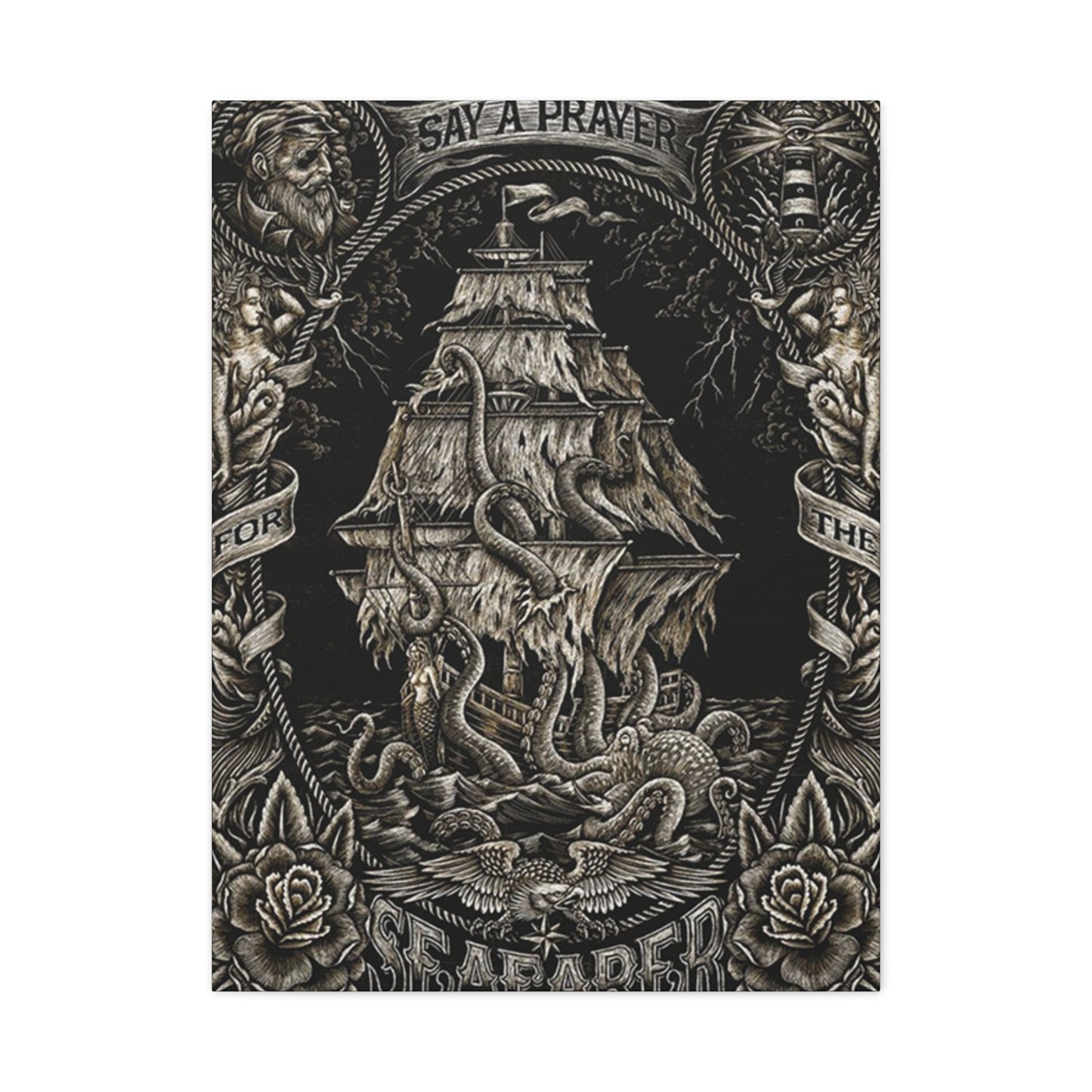
Bring the Ocean Glow Home: Ship in Sea Sunset Wall Art
The allure of the ocean at dusk has captivated artists and admirers for centuries. When a vessel silhouetted against a blazing horizon meets the gentle rhythm of waves, something magical happens on canvas. This timeless combination of maritime elements and golden hour illumination creates visual poetry that resonates deeply with those seeking to infuse their homes with serenity, adventure, and natural beauty. The marriage of nautical themes with the warmth of sunset hues offers more than mere decoration. It provides a window to distant shores, a reminder of journeys both taken and imagined, and a daily invitation to pause and appreciate the simple magnificence of nature's most breathtaking moments.
Modern interior spaces increasingly reflect our longing for connection with the natural world. As urban environments expand and our lives become more digitally centered, the desire to bring elements of earth, sky, and sea into our personal sanctuaries grows stronger. Wall art featuring ships sailing through sunset-painted waters serves this need beautifully, offering both aesthetic appeal and emotional resonance. These pieces work across various design philosophies, from traditional to contemporary, rustic to refined. The universal appeal of watching day transition to night over endless water transcends cultural boundaries and personal taste differences, making such artwork a versatile choice for anyone looking to enhance their environment with meaningful visual elements.
The psychological impact of incorporating ocean scenes into living spaces cannot be overstated. Research consistently shows that images of water promote feelings of calmness, reduce stress levels, and encourage contemplative thinking. When combined with the warm, optimistic tones of sunset, these effects amplify. The golden, amber, and coral hues associated with dusk naturally create welcoming atmospheres, making rooms feel more intimate and inviting. For those who have experienced the profound peace of watching the sun descend toward the sea, these artworks serve as tangible reminders of those cherished moments, bringing a piece of that tranquility home.
Golden Hour at Sea: Stunning Ship Wall Art Ideas
The golden hour, that magical period shortly after sunrise or before sunset when daylight takes on a distinctly warm quality, provides photographers and painters with their most spectacular lighting conditions. When captured in maritime art, this phenomenon transforms ordinary seascapes into extraordinary visual experiences. The way sunlight interacts with water during these fleeting moments creates layers of color and texture that cannot be replicated at any other time of day. Ships positioned within these scenes become more than vessels; they evolve into symbols of human aspiration, adventure, and the timeless relationship between mankind and the sea.
Selecting wall art that captures golden hour at sea requires attention to several aesthetic elements. The quality of light representation matters tremendously. Superior artwork will showcase the subtle gradations of color that occur as the sun approaches the horizon, from pale yellows and peaches near the sun itself to deeper oranges, purples, and eventually blues as the eye moves across the sky. The reflection of this spectacular light show on the water's surface should demonstrate similar complexity, with wave patterns catching and scattering the illumination in realistic or artistically interpreted ways. The ship within the composition serves as an anchor point, providing scale and narrative focus while the surrounding light and color create atmosphere and emotion.
Different artistic styles bring unique qualities to golden hour maritime scenes. Photorealistic representations appeal to those who appreciate technical precision and want to feel as though they are looking through a window at an actual moment in time. These pieces often showcase incredible detail in the ship's rigging, the water's texture, and the sky's color variations. Impressionistic approaches, conversely, emphasize the feeling and atmosphere of the moment rather than exact replication. Bold brushstrokes, heightened colors, and simplified forms can convey the emotional impact of the scene with particular power. Abstract interpretations push further into subjective territory, using the basic elements of ship, water, and sunset as starting points for explorations of color, form, and composition that may bear little resemblance to reality yet still evoke strong responses.
The size of golden hour ship artwork significantly impacts its effectiveness in a space. Large-scale pieces create immersive experiences, particularly when positioned as focal points in living rooms, master bedrooms, or open-concept spaces. These substantial works command attention and can set the tone for an entire room's atmosphere. Medium-sized pieces offer flexibility, working beautifully above furniture, in hallways, or as part of gallery wall arrangements. Even smaller artworks depicting golden hour maritime scenes can make powerful statements when positioned thoughtfully, particularly in more intimate spaces like reading nooks, home offices, or guest bedrooms. The key lies in ensuring the artwork's scale feels appropriate to both the wall space and the room's proportions.
The Magic of Sunset in Nautical Wall Decor
Sunset holds a special place in human consciousness, representing endings, transitions, hope, and renewal. When incorporated into nautical wall decor, these symbolic meanings merge with the maritime realm's own rich associations with adventure, freedom, mystery, and the sublime power of nature. This combination creates artwork that operates on multiple levels simultaneously, serving as both beautiful decoration and meaningful personal statement. The magic lies not just in the visual appeal but in the emotional resonance these pieces generate, connecting viewers to universal human experiences of wonder, longing, and appreciation for natural beauty.
The historical relationship between maritime culture and sunset imagery runs deep. Sailors have watched countless sunsets from ship decks, using the sun's position to navigate and marking the end of another day at sea. These daily rituals created rich associations between seafaring life and the visual spectacle of dusk. Maritime artists have long recognized this connection, creating works that capture not just the physical appearance of sunset at sea but also the emotional experience of witnessing it from a vessel. This tradition continues today, with contemporary artists and photographers building on centuries of maritime sunset imagery while bringing fresh perspectives and techniques to the genre.
Different types of ships bring varied associations and aesthetic qualities to sunset nautical art. Sailing vessels, with their romantic silhouettes and connection to seafaring's golden age, create particularly evocative sunset compositions. The interplay between canvas sails catching the last light and the darkening hull creates dramatic contrasts that emphasize the scene's transitional nature. Tall ships with multiple masts and complex rigging offer intricate visual interest against simplified, glowing backgrounds. Smaller sailboats or yachts provide more contemporary, accessible representations that many viewers find personally relatable. Even historic vessels like galleons or clipper ships transport viewers to different eras, adding historical dimension to the timeless sunset experience.
Modern vessels offer their own distinct appeal in sunset compositions. Sleek yachts represent luxury and leisure, perfect for spaces designed to evoke vacation mindsets or aspirational lifestyles. Fishing boats connect to working maritime traditions and coastal living, bringing authenticity and earthiness to decor schemes. Container ships and tankers, while less romantic, can create powerful silhouettes that emphasize scale and human industry against nature's daily display. The choice of vessel type allows homeowners to align their wall art with personal values, memories, or aspirations, whether those lean toward adventure, tranquility, tradition, or modernity.
Bringing Depth With Ship-in-Sea Sunset Prints
Canvas prints offer particular advantages for maritime sunset imagery. The texture of canvas adds subtle dimensionality that enhances the perception of depth, making skies feel more atmospheric and water more tangible. Unlike smooth paper prints or photographs behind glass, canvas absorbs and diffuses light in ways that create softer, more natural appearances. This quality proves especially beneficial for sunset scenes, where the goal often involves creating immersive, dreamlike atmospheres rather than clinical precision. Gallery-wrapped canvas, where the image continues around the edges of the stretcher frame, allows for frameless display that gives artwork a contemporary, floating appearance while maximizing the visible portion of the image.
The physical presence of canvas prints contributes significantly to their impact. Quality canvas stretched over solid wooden frames creates artwork with substance and weight, commanding attention in ways that paper prints or posters cannot match. This tangible quality signals permanence and value, making the pieces feel like genuine investments in home environment rather than temporary decorations. For those seeking to create sophisticated, thoughtfully designed spaces, this distinction matters considerably. Canvas also offers durability advantages, resisting tears, maintaining color vibrancy when properly displayed away from direct sunlight, and aging gracefully with minimal care required.
Layering techniques in canvas prints can create extraordinary depth in maritime sunset scenes. Multi-panel or triptych formats allow the image to spread across several connected canvases, with subtle spacing between panels adding literal dimensional depth. This approach works spectacularly with horizontal sunset compositions, where the eye naturally travels across the image from one side to the other. Five-panel arrangements, with a large central canvas flanked by smaller pieces on either side, create focal emphasis while still providing expansive coverage. These multi-panel presentations transform wall art into architectural elements that can define entire walls or even entire rooms.
Artistic techniques employed in creating ship sunset prints significantly affect their visual depth. Works that demonstrate strong understanding of atmospheric perspective, where distant elements appear hazier and less saturated than foreground elements, create convincing illusions of three-dimensional space on two-dimensional surfaces. Proper scale relationships between ship, water, and sky reinforce realistic depth perception. Skillful handling of light and shadow adds volume to forms, making ships appear solid and three-dimensional rather than flat cutouts. Water rendered with attention to how light, reflection, and wave patterns change with distance draws the eye progressively deeper into the scene. Sky treatments that show natural color gradation from horizon to zenith create vertical depth that balances the horizontal expanse of sea.
Romantic and Calm: Sunset Ship Wall Art for Bedrooms
Bedrooms serve as personal sanctuaries where the demands of daily life recede and individuals reconnect with rest, intimacy, and self. The artwork chosen for these private spaces profoundly influences their emotional tone and functional success. Sunset ship wall art brings qualities particularly suited to bedroom environments, combining visual beauty with psychological benefits that support the room's purposes. The inherent romance of ships sailing through golden light speaks to dreams of adventure and escape, while the calming influence of water and the peaceful associations of dusk promote relaxation and tranquility essential for quality rest.
The romantic qualities of maritime sunset imagery operate on several levels. The classic symbolism of ships as vehicles for journeys and new horizons aligns beautifully with the shared journey of couples, making such artwork meaningful in master bedrooms. The warm, glowing quality of sunset light creates intimate, cozy atmospheres that feel both nurturing and special. The vast, open expanse of sea represents freedom and possibility, offering psychological breathing room in spaces that are often physically modest. The ephemeral nature of sunset, a fleeting moment of extraordinary beauty that must be appreciated in the present, mirrors the importance of cherishing everyday moments in relationships and personal life.
Color psychology supports the use of warm sunset tones in bedroom environments. While cooler blues and greens are often recommended for sleep spaces due to their calming properties, the warm oranges, corals, and golds of sunset offer their own benefits when balanced appropriately. These hues create welcoming, positive emotional responses and can help combat the cold, impersonal feeling that overly cool color schemes sometimes produce. The key lies in balance, sunset ship art naturally contains both warm and cool elements, with golden skies offset by blue waters and shadowed ship forms. This inherent color balance makes such artwork self-regulating, providing warmth without overwhelming the space with stimulating hot colors.
Positioning sunset ship artwork in bedrooms requires thoughtful consideration of viewing angles and lighting conditions. The wall opposite the bed typically offers the primary viewing position, as this is what occupants see upon waking and before sleeping. Placing maritime sunset art here creates bookend moments of beauty that frame each day. The wall above the headboard, while not visible from the bed itself, becomes a focal point when entering the room and can be appreciated from other angles. This position works particularly well for larger pieces that might overwhelm if placed directly in the main line of sight. Walls adjacent to the bed offer opportunities for more intimate viewing from reclining positions and can accommodate smaller pieces or multi-panel arrangements.
Warm Tones and Ocean Waves in One Canvas
The combination of warm sunset colors and the cool, fluid nature of ocean waves creates visual and emotional tension that makes maritime sunset art perpetually engaging. This marriage of opposing elements, warm and cool, static sky and moving water, ephemeral light and timeless sea, generates dynamic equilibrium that the eye finds endlessly interesting. Superior artwork in this genre demonstrates mastery of both elements, rendering sunset's warmth with conviction while capturing water's essential fluidity and power. The result transforms canvas into windows that seem to open onto moments where all of nature's beauty conspires in spectacular display.
Understanding ocean wave dynamics enhances appreciation for how they are represented in sunset maritime art. Waves are not uniform undulations but complex, variable phenomena influenced by wind, current, depth, tide, and countless other factors. Near shore, waves break and foam, creating white caps and turbulent water. In open ocean, swells roll in long, regular patterns, their surfaces reflecting sky colors while their forms create rhythmic visual patterns. The way sunset light interacts with these different wave conditions provides artists with rich material. Smooth swells become mirrors that multiply and elongate the sun's reflection, creating golden paths across the water. Choppy seas scatter light in multiple directions, generating sparkles and highlights that add energy and movement to compositions. Breaking waves catch light on their curling faces while casting shadows in their troughs, creating dramatic contrast and emphasizing water's power.
Artistic rendering techniques for ocean waves vary widely across different styles and movements. Realistic approaches aim to capture the precise appearance of water under specific lighting and weather conditions, paying careful attention to color, transparency, form, and the optical effects of light passing through, reflecting off, and being absorbed by seawater. These technically demanding representations require deep understanding of both water physics and painting techniques. Impressionistic interpretations prioritize the feeling and movement of water over literal accuracy, using loose brushwork and heightened colors to convey energy and emotion. These pieces often capture something essential about the ocean experience that purely realistic renderings may miss. Abstract approaches reduce water to its most fundamental visual elements, shape, color, pattern, and texture, creating works that evoke oceanic feelings without depicting recognizable forms.
Sailing into the Sunset: A Timeless Wall Art Theme
The image of a ship sailing into the sunset ranks among the most enduring and universally recognized artistic motifs. This theme appears across cultures, time periods, and artistic movements, testament to its fundamental appeal and rich symbolic content. Its timelessness stems from the way it crystallizes multiple human preoccupations in a single image, the sea as mystery and adventure, the ship as human endeavor and courage, the sunset as life's journey and inevitable transitions. These layers of meaning allow the theme to resonate personally with diverse viewers while maintaining immediate visual appeal that works regardless of symbolic interpretation.
Historical context enriches understanding of sailing into sunset imagery. During the age of sail, ships literally carried people toward new lives, new lands, and new possibilities. Sunsets marked the end of another day at sea, days that might number hundreds before land appeared again. For those watching from shore, a ship sailing into the setting sun meant farewell to loved ones with uncertain reunion. These powerful associations gave the motif emotional weight that transcended mere visual beauty. Romantic era artists particularly embraced the theme, using it to explore ideas about humanity's relationship with nature, the sublime, and the infinite. Their works established visual and emotional templates that continue to influence how we interpret such imagery today.
The symbolism of sailing into sunset varies based on context and viewer perspective. For some, it represents fulfillment and success, a journey completed as day draws to peaceful close. For others, it signifies new beginnings, sailing toward unknown horizons with optimism and courage. The theme can carry melancholic undertones, reflecting on passage of time, loss, or the poignant beauty of endings. Conversely, it may express pure escapist fantasy, embodying desires to leave daily concerns behind and sail toward freedom. This symbolic flexibility allows the same basic image to serve different emotional and psychological needs for different viewers or even for the same viewer at different life stages.
Contemporary interpretations of sailing into sunset themes bring fresh perspectives to the classic motif. Modern photography captures the scene with technical precision impossible in earlier eras, rendering every detail of rigging, every nuance of light, with crystalline clarity. Digital art and photo manipulation allow creation of surreal or fantastical versions that maintain the theme's essence while pushing into imaginative territory. Minimalist approaches reduce the composition to its most essential elements, perhaps just a simple sail silhouette against a gradient sky, creating pieces that feel both ancient and thoroughly modern. Mixed media works might combine painted sunset skies with photographic ship elements or incorporate actual nautical materials into the artwork itself, adding conceptual layers to visual ones.
Perfect Pair: Nautical Decor and Sunset Art Prints
Nautical decor themes enjoy enduring popularity due to their association with vacation mindsets, coastal living, and the refreshing qualities of seaside environments. When combined thoughtfully with sunset art prints, these themes reach new levels of sophistication and emotional depth. While nautical decor can sometimes feel overly literal or themed if not handled carefully, the addition of sunset maritime artwork provides organic focal points that elevate the entire aesthetic. The warm tones of sunset prints balance the cool blues and whites typical of nautical schemes, creating more complex, layered environments that feel intentionally designed rather than simply decorated.
Color coordination between nautical decor elements and sunset ship prints requires understanding of how to create cohesion without monotony. Traditional nautical palettes center on navy blue and white with red or gold accents, directly inspired by maritime flags and naval uniforms. Sunset ship art naturally incorporates these colors while adding warmth through oranges, corals, and golden yellows. This expanded palette allows for richer, more varied interior schemes that maintain nautical identity without feeling constrained by limited color options. Accessories, textiles, and accent pieces can pick up sunset tones from the artwork, creating visual threads that tie the room together. Conversely, the artwork's cooler elements can echo primary nautical colors, ensuring the piece feels integrated rather than simply added.
Thematic elements common in nautical decor complement sunset ship artwork beautifully. Rope details, whether in picture frame construction, decorative knots, or curtain tiebacks, reinforce maritime connections while adding textural interest. Weathered wood, driftwood accents, and pieces with distressed finishes echo the natural materials and aged patinas associated with seafaring life, creating material harmony with canvas prints mounted on wooden frames. Metallic elements in brass, bronze, or antique gold finishes connect to both ship fittings and the golden tones of sunset. Anchor motifs, compass roses, and nautical charts layer additional maritime symbolism into spaces while supporting the navigational and journey themes inherent in sailing ship imagery.
Furniture selections for nautical-themed spaces work harmoniously with sunset maritime art when chosen with attention to color, material, and form. Natural fiber upholstery in linen, cotton, or even sailcloth creates textural connections to nautical traditions while providing neutral backgrounds that allow sunset-colored artwork to command attention. Navy or teal upholstery creates bold statements that echo ocean colors while contrasting beautifully with warm sunset tones. Wooden furniture in natural finishes or painted in classic nautical whites and creams provides versatile foundations that adapt to various levels of coastal theme intensity. Wicker and rattan pieces evoke relaxed, resort-style environments particularly appropriate when paired with sunset imagery's vacation associations.
Bringing Ocean Sunsets Home with Ship Canvas Prints
The desire to capture and preserve beautiful moments drives much of our relationship with art and photography. Ocean sunsets represent peak experiences for many people, moments of profound beauty that seem to crystallize life's better qualities. Bringing these moments home through ship canvas prints serves multiple psychological and aesthetic functions. These pieces become portals to cherished memories of actual sunsets witnessed during vacations or significant life events. They serve as surrogate experiences for those who may live far from coasts, providing daily connection to oceanic environments. Most fundamentally, they function as environmental enhancers that improve daily quality of life through their beauty and the positive emotions they generate.
Selecting canvas prints that authentically capture ocean sunset experiences requires discriminating evaluation. The quality of light representation matters tremendously. Sunsets are defined by their extraordinary light, and artwork that renders it with skill and sensitivity will always prove more satisfying than pieces where the sunset feels generic or unrealistic. Look for subtle color gradations, proper relative brightnesses, and convincing atmospheric effects. The water should demonstrate understanding of how ocean surfaces behave and appear under sunset lighting. Ships need to be rendered with appropriate detail and accuracy, their forms and proportions believable even when appearing in silhouette. Overall composition should guide the eye naturally through the image while creating balanced, harmonious arrangements.
Size selection for ocean sunset canvas prints depends on intended display location and desired impact. Living rooms and open concept spaces can accommodate large statement pieces that become room-defining elements. These substantial works, often measuring five or six feet wide or even larger, create immersive experiences that transport viewers mentally to the seashore. Dining rooms benefit from moderately sized pieces that provide visual interest without overwhelming tables and food presentations. Bedrooms work well with medium to large prints that create focal points without feeling oppressive. Hallways, bathrooms, and smaller spaces succeed with more modest sizes that provide beauty without demanding excessive wall space. The general principle involves ensuring the artwork feels substantial enough to register as important but not so large it overwhelms its setting.
Canvas print quality varies significantly based on materials, printing technology, and construction methods. Premium canvas made from cotton or linen blends accepts ink beautifully and ages gracefully, maintaining appearance for decades when properly cared for. Polyester canvas costs less but may not render colors with the same richness or maintain quality as long. Printing resolution matters tremendously, high-DPI printing preserves fine detail and smooth color gradations essential for convincing sunset skies and textured water. The stretcher frame, the wooden frame over which canvas is stretched, should be substantial enough to maintain canvas tension without warping. Gallery wrap construction, where the image continues around the canvas edges, creates more finished, professional appearances than canvas that shows only white edges.
Why Sunset Ship Art Fits Every Interior Style
The remarkable versatility of sunset ship art stems from its combination of timeless subject matter and wide stylistic range. While the basic elements remain constant, ship, water, sunset sky, the ways these elements are interpreted, rendered, and composed vary enormously. This variation allows maritime sunset artwork to adapt convincingly to virtually any interior design philosophy. From traditional to ultramodern, rustic to refined, minimalist to maximalist, appropriate sunset ship pieces exist to complement and enhance each aesthetic approach. Understanding how to match artwork style to interior design creates cohesive, intentional spaces where every element works in harmony.
Traditional interior styles characterized by rich woods, classic furniture forms, and refined details pair beautifully with realistic maritime sunset paintings or prints that demonstrate classical composition and painting techniques. Works rendered in oils with careful attention to realistic detail, proper perspective, and naturalistic color feel at home in these settings, respecting the craftsmanship and permanence that traditional design values. Ornate gold or carved wooden frames enhance the formal quality, connecting the artwork to the room's other traditional elements. Subject matter featuring historic sailing vessels like tall ships, schooners, or clipper ships reinforces period feeling while the sunset element provides warmth and life.
Contemporary and modern interiors benefit from sunset ship art that demonstrates clean lines, bold compositions, and sometimes abstracted or minimalist approaches. Photographs with high clarity and contrast create striking statements against the neutral backgrounds common in modern spaces. Paintings that reduce the scene to essential elements, a simple sail form against gradient sky, appeal to minimalist sensibilities while maintaining the theme's emotional resonance. Frameless gallery-wrapped canvas or sleek metal frames in black, silver, or white maintain contemporary aesthetics. Even highly stylized or abstract interpretations that capture the feeling of maritime sunset through color and form rather than literal representation can work beautifully, proving that modern spaces need not forgo this classic theme.
Coastal and beach house styles represent obvious homes for sunset ship artwork, where the theme feels completely natural and integrated. These relaxed, vacation-inspired interiors embrace nautical elements enthusiastically, making maritime sunset pieces feel like perfect expressions of the overall aesthetic. Light, airy color palettes dominated by whites, soft blues, and sandy neutrals provide ideal backgrounds for sunset's warm tones to shine. Natural materials like weathered wood, rattan, and linen echo beachside environments and complement canvas textures. The casual, comfortable atmosphere of coastal design aligns perfectly with the peaceful, contemplative mood that sunset imagery promotes. Here, the artwork reinforces rather than introduces the nautical theme, deepening the coastal ambiance.
Rustic and farmhouse interiors might seem unlikely candidates for maritime artwork, yet sunset ship pieces can work surprisingly well in these settings when chosen thoughtfully. The key lies in selecting works that emphasize natural, organic qualities over sleek refinement. Paintings with visible brushwork, textured surfaces, and earthy color palettes fit rustic sensibilities. Weathered or distressed frames in reclaimed wood connect the artwork to the room's material palette. The ship becomes less about maritime romance and more about human relationship with nature and elements, themes entirely compatible with rustic philosophy. The warm sunset tones harmonize beautifully with the woods, stones, and earth tones typical of rustic spaces, while the presence of water provides refreshing visual relief from predominantly earthbound materials.
Ocean Serenity: Ship and Sunset Wall Art Ideas
The concept of serenity, that quality of peaceful calm and tranquility, lies at the heart of why many people choose maritime sunset imagery for their homes. In our accelerated modern world filled with constant stimulation and demands on attention, spaces that promote serenity become increasingly valuable. Ship and sunset wall art contributes to serene environments through multiple mechanisms, visual beauty that rewards observation, symbolic associations with peace and nature, color palettes that psychologically promote calm, and imagery that invites contemplation rather than active engagement. Creating truly serene spaces requires understanding how artwork interacts with other design elements to generate cumulative atmospheric effects.
Compositional elements that promote serenity in maritime sunset art include balanced, harmonious arrangements without jarring or chaotic qualities. Horizon lines positioned according to classical proportions create inherent stability. Ships centered or placed according to golden ratio principles feel naturally right, requiring no mental adjustment or reconciliation. Smooth, gradual transitions between color zones in skies and water encourage visual flow rather than abrupt jumps that could feel disturbing. Calm or gently rolling seas communicate peace more directly than storm-tossed waters, though even dramatic seascapes can promote serenity if compositionally balanced and suggesting nature's power rather than immediate danger.
Color selections dramatically impact how serene maritime sunset artwork feels. Soft, muted tones create gentle, soothing impressions while intense, saturated colors generate energy and excitement that may work against serenity. Pastels in peach, coral, lavender, and soft blue convey sunset without overwhelming intensity. Deeper but desaturated tones in rose, mauve, teal, and sage provide visual interest and sophistication while maintaining calm. Even when sunset naturally suggests vibrant oranges and reds, artistic interpretation can soften these hues for viewers seeking maximum tranquility. The balance between warm and cool colors matters as well, too much warmth might feel energizing rather than peaceful, while excessive coolness could become sterile rather than serene.
Subject matter choices influence how peaceful maritime sunset art appears. Solitary vessels suggest quiet contemplation and create opportunities for viewers to mentally board the ship and sail into peaceful solitude. Multiple boats imply human activity and connection but can still feel serene if arranged harmoniously and not suggesting conflict or competition. The type of vessel matters, sailboats with their dependence on natural wind power feel inherently more peaceful than motorized craft suggesting speed and noise. Traditional sailing ships connect to slower-paced historical periods that many find restful to contemplate. The ship's activity level also affects serenity, vessels actively sailing with full canvas feel more dynamic, while anchored boats or those with furled sails communicate rest and stillness.
Large Canvas Sunset Prints That Light Up a Room
Scale transforms artwork from decoration into architectural feature, from pleasant accent to commanding presence that defines and transforms space. Large canvas sunset prints featuring ships possess unique abilities to alter room atmosphics dramatically. Their substantial physical presence demands attention and creates focal points around which entire design schemes can be built. The immersive quality of viewing a sunset seascape at significant scale approaches the experience of looking through a window at actual scenes, particularly when the artwork is well-executed and properly sized for its space. Understanding how to select, position, and integrate large-scale maritime sunset art ensures these impressive pieces achieve their full potential.
Defining what constitutes large scale depends somewhat on room dimensions, but generally pieces exceeding four feet in any dimension enter territory where size becomes a defining characteristic. Truly large works might measure six to eight feet wide or span entire walls through multi-panel installations. At these dimensions, the artwork stops being something you glance at and becomes something you experience. The sunset sky extends across significant portions of your visual field. The ship grows to sizes that allow appreciation of details like rigging, deck structures, and weathering. Water textures and wave patterns can be rendered with enough specificity that surfaces feel almost tangible. This level of detail and presence creates engagement that smaller pieces, however beautiful, cannot match.
Selecting large sunset ship canvases requires careful attention to image quality and resolution. Artwork that looks sharp and detailed at modest sizes may reveal limitations when scaled dramatically. For photographic prints, high-resolution source images are essential, anything less will show pixelation, softness, or lack of fine detail when printed large. Paintings intended for large-scale reproduction should have sufficient detail and complexity to remain interesting when viewed from close range while also working compositionally when seen from across the room. Some images that succeed small actually improve when enlarged, gaining impact and presence they lacked at modest dimensions. Others that seem impressive in small previews disappoint when blown up, revealing compositional weaknesses or technical limitations the smaller size had disguised.
Positioning large canvas sunset prints requires consideration of viewing distance and angle. Oversized pieces need adequate space for proper viewing, placing them in small rooms where viewers cannot step back sufficiently may result in the artwork feeling overwhelming or impossible to appreciate as a unified composition. Long walls in living rooms, dining rooms, or hallways often provide ideal locations where the art can be viewed from appropriate distances. Above large furniture pieces like sofas or beds, substantial artwork creates balanced, proportional relationships rather than appearing awkwardly small. In rooms with high ceilings, large vertical or square compositions help fill vertical space that horizontal pieces would leave uncomfortably empty. Multi-story spaces, particularly those with open staircases or loft areas, offer opportunities for truly monumental installations visible from multiple levels.
Add Warm Glow to Your Space with Sunset Ship Art
The transformative power of warm-toned artwork to modify interior atmospheres represents one of design's most accessible and effective tools. Rooms that feel cold, stark, or unwelcoming can be dramatically improved through strategic addition of warm-colored pieces. Sunset ship art excels in this role, bringing organic warmth derived from one of nature's most universally beloved phenomena. Unlike arbitrary injections of warm color through paint or accessories, the warmth in sunset imagery feels justified and natural, nobody questions why the sky glows orange and gold because everyone understands that is what sunsets do. This naturalness allows the warmth to work its atmospheric magic without feeling forced or thematically inconsistent.
Understanding color temperature and its psychological effects provides foundation for using sunset ship art to warm spaces effectively. Colors toward the red end of the spectrum, reds, oranges, yellows, and their variations, are perceived as warm and tend to feel advancing, making surfaces appear closer. Cool colors, blues, greens, violets, feel receding and create impressions of space and distance. Warm colors psychologically associate with fire, sun, and warmth itself, triggering responses that can make rooms feel physically warmer than their actual temperature. They also tend to feel energizing and welcoming, promoting social interaction and comfortable lingering. Sunset imagery naturally contains abundant warm tones while also incorporating cool blues and purples that provide necessary balance, preventing the warmth from becoming excessive or overwhelming.
Spaces that benefit most from warm glows introduced through sunset ship artwork include north-facing rooms that receive limited direct sunlight and can feel perpetually cool and gray. The permanent golden hour captured in sunset prints compensates for absence of actual warm sunlight, creating psychological warmth even when natural light remains neutral or cool. Large open spaces with lots of glass or hard surfaces can feel cold and impersonal despite abundance of natural light, here warm-toned artwork provides visual and emotional warmth that humanizes modern architecture. Rooms decorated primarily in cool colors, grays, blues, whites, sometimes need warm accents to prevent feeling sterile or uninviting, sunset ship art serves this balancing function while introducing natural imagery that softens hard-edged contemporary schemes.
Strategic placement of sunset ship art maximizes its warming effect. Positioning pieces where they are frequently seen ensures regular visual contact that allows the color influence to accumulate psychologically. Living room focal walls, the first walls seen when entering rooms, or positions directly in common sight lines work particularly well. In bedrooms, placement opposite beds means the warm sunset imagery bookends each day, providing warm, optimistic views upon waking and before sleeping. Dining areas benefit from warm art that enhances appetite and promotes convivial atmosphere. Even hallways and transition spaces can be warmed and made more welcoming with appropriately scaled sunset maritime pieces.
Sailing Away: Wall Art That Tells a Story
Narrative art, pieces that seem to tell stories or suggest events beyond the moment depicted, engages viewers differently than purely aesthetic or decorative work. Maritime sunset scenes featuring ships possess inherent narrative potential. Ships are vehicles for journeys, sunset marks day's end and suggests transition, the combination prompts questions and speculation. Where is the ship going? Where has it been? Who sails aboard? What adventures or challenges lie ahead? This narrative invitation transforms passive viewing into active imaginative engagement, making such artwork particularly compelling for extended living with rather than merely decorating with.
Different compositional choices affect what stories sunset ship art suggests. A solitary vessel sailing toward the horizon implies journey, departure, or exploration. If the ship appears distant and small within the composition, the emphasis falls on vastness, solitude, and perhaps vulnerability of human efforts against immense nature. A larger, closer ship suggests greater focus on the vessel itself, the craftsmanship, the people aboard, and the immediate experience of seafaring. Multiple vessels in a composition introduce relationship possibilities, are they sailing together as convoy or fleet? Racing competitively? Passing as strangers on separate journeys? The spatial relationships and directions of movement that composition suggests influence narrative interpretation.
The ship's physical condition and appearance contribute narrative information. Well-maintained vessels with fresh paint, properly trimmed sails, and orderly appearance suggest successful ventures, competent seamanship, and ongoing viability. Weather-beaten ships showing wear, patched sails, or salt staining imply long service, hard voyages, and accumulated experience. Historic sailing vessels automatically invoke their era's stories, age of exploration, naval warfare, merchant trading, or immigration. Modern sailboats suggest leisure, sport, or contemporary cruising lifestyles. The specific vessel type carries associations that inform narrative interpretation, fishing boats imply working maritime lives, luxury yachts suggest wealth and recreation, traditional wooden boats connect to simpler times or deliberate rejections of modernity.
Environmental storytelling through sunset conditions and sea state adds narrative layers. Calm seas with mirror-smooth water suggest peaceful passage, favorable conditions, and perhaps journey's successful near-completion. Moderately rough seas with visible waves indicate active sailing, attention and skill required, and the dynamic nature of seafaring life. Dramatic conditions with large swells or breaking waves, even in sunset's beautiful light, suggest adventure, challenge, and perhaps danger overcome or yet to be met. Cloud formations and their relationship to sunset light can indicate weather transitions, clearing storms, or approaching systems, adding temporal dimension to the narrative moment captured.
Personal interpretation and viewer projection significantly shape what stories maritime sunset art tells. The same piece may suggest vastly different narratives to different viewers based on their experiences, aspirations, and emotional states. Someone dreaming of retirement escape may see the ship sailing toward freedom and simplified living. A person grieving loss might interpret the sunset-sailing image as metaphor for life's journey ending or departed loved ones sailing beyond reach. An adventure seeker projects exciting voyages into unknown territories. A businessperson might see metaphors for career navigation through changing conditions. This interpretive flexibility means narrative maritime sunset art serves diverse psychological and emotional needs, functioning like mirrors that reflect viewers' inner landscapes while providing beautiful external images to contemplate.
Why Sunset Ship Scenes Are Perfect Statement Pieces
Statement pieces in interior design serve as bold focal points that establish room identity, communicate personal style, and create memorable impressions. They command attention without overwhelming, possess sufficient visual interest to reward extended viewing, and demonstrate quality or uniqueness that sets them apart from ordinary decorative elements. Sunset ship scenes possess inherent qualities that make them excel as statement pieces across diverse interior contexts. Their combination of universal appeal and personal meaningfulness allows them to make strong statements while remaining accessible rather than alienating or overly esoteric.
The visual drama inherent in well-executed sunset maritime art provides immediate impact essential for statement pieces. The spectacular color of sunset skies creates strong first impressions that draw eyes and prompt closer inspection. The romantic silhouette of sailing vessel against blazing horizon presents instantly recognizable yet eternally compelling imagery. The interplay of warm glowing sky, reflective water, and solid ship form creates compositional dynamism that prevents the eye from settling or losing interest. Even viewers with no particular connection to nautical themes or sunset appreciation typically recognize and respond to these scenes' beauty, making them broadly effective rather than narrowly appealing.
The size and scale at which sunset ship art can be effectively produced supports its statement piece potential. The horizontal nature of maritime sunset scenes lends itself to substantial wide formats that fill large wall spaces commanding attention through physical presence alone. Multi-panel installations can span entire walls, transforming the artwork into architectural feature that defines the space. Even smaller pieces, when artistically powerful and thoughtfully positioned, can serve as statement pieces through visual intensity rather than physical size. The flexibility to work at various scales while maintaining impact allows sunset ship scenes to make statements in rooms of different dimensions and proportions.
Quality indicators separate true statement pieces from mere large decorations. Exceptional technical execution, whether in photography, painting, or printing, ensures the piece earns attention through merit rather than just size or subject matter. Superior composition that demonstrates understanding of visual principles creates harmonious yet dynamic arrangements that feel both natural and artistically intentional. Authentic artistic vision, evidence that the piece represents genuine creative expression rather than calculated commercial production, gives statement art the intangible quality of authenticity viewers respond to instinctively. Investment in proper presentation through appropriate framing, mounting, and display reinforces quality perception and shows the artwork receives the respect its statement piece status deserves.
Creating a Relaxing Vibe with Ocean Sunset Decor
The pursuit of relaxation within home environments represents response to modern life's increasing demands and stresses. Creating spaces that actively promote relaxation requires understanding of how environmental factors affect human psychology and physiology. Ocean sunset decor contributes to relaxing vibes through multiple mechanisms, visual beauty that pleases without demanding analysis, associations with vacation and leisure, colors that psychologically calm, and imagery that naturally encourages slower breathing and contemplative mindsets. Maximizing these relaxation benefits requires thoughtful integration of sunset maritime art into broader design schemes specifically calibrated for stress reduction and peaceful living.
Color psychology provides foundation for understanding how ocean sunset decor promotes relaxation. Blue, the primary color of water and significant component of evening skies, psychologically associates with calmness, stability, and serenity. Research shows blue environments can actually lower heart rate and blood pressure, creating measurable physiological relaxation. The warm tones in sunset, oranges, corals, golds, when balanced properly, create welcoming rather than stimulating effects, particularly in softer, less saturated versions. This natural combination of calming blues and welcoming warm tones in single cohesive images provides color balance that many find optimally relaxing, avoiding the coldness of purely blue schemes or the potential overstimulation of predominantly warm palettes.
Nature imagery broadly promotes relaxation through evolutionary factors that remain relevant despite modern lifestyles. Humans evolved in natural environments, and our brains remain calibrated to find certain natural scenes particularly appealing and restful. Water features prominently among these preferred landscapes, possibly because water access was crucial for survival throughout evolutionary history. Sunset sky conditions, with their warm light and signal of day ending and rest approaching, may trigger deep biological responses encouraging winding down. Ocean sunset decor essentially provides concentrated doses of imagery our brains are predisposed to find relaxing, working with rather than against our neurology to promote calm.
The process of viewing and engaging with ocean sunset imagery can itself become relaxation practice. Taking even brief moments to pause and really look at sunset ship artwork, noting colors, considering composition, allowing imagination to transport consciousness to the depicted scene, provides miniature mindfulness exercises throughout the day. These small breaks interrupt stress cycles and provide mental reset opportunities. Over time, the artwork becomes associated with these peaceful moments, eventually triggering relaxation responses merely through its presence, even when not actively viewed. This conditioning effect means relaxation benefits of ocean sunset decor actually increase with extended exposure rather than diminishing through familiarity.
Conclusion
In conclusion, ship-in-sea sunset wall art is far more than a decorative accent—it is an immersive experience that brings the breathtaking glow of the ocean into your living space. A single artwork can capture the serene beauty of the horizon, the golden hues of the setting sun, and the graceful silhouette of a ship, all in one mesmerizing composition. By bringing this imagery into your home, you infuse your environment with a unique blend of warmth, tranquility, and timeless elegance that only the sea at sunset can offer.
The sunset over the ocean has a universal appeal. It is a scene that evokes peace, reflection, and hope—a moment in which the day transitions gently into night, carrying with it a feeling of calm. When this scene is immortalized in wall art, it allows that fleeting moment of beauty to live on permanently in your home. Whether it’s a bold, vivid painting or a soft, minimalist print, a ship sailing through a golden sunset becomes a daily reminder of life’s quieter, more meaningful moments.
Sunset nautical art also has the power to elevate the atmosphere of any room. In a living room, it can act as a warm focal point that draws people in. In a bedroom, it can create a sense of serenity and intimacy. In a hallway or office, it can set a tone of quiet inspiration. The blend of warm sunset colors—amber, orange, coral, and soft blue—adds depth and warmth to your interior, making any space feel more welcoming and emotionally connected. This type of artwork has the rare ability to both soothe and inspire.
Another reason ship-in-sea sunset art is so special lies in its symbolic meaning. A ship illuminated by a sunset represents more than just a scenic moment—it tells a story. It speaks of journeys completed and new horizons ahead. It reflects strength, exploration, and the beauty of endings that lead to new beginnings. Hanging such artwork in your home is not just about embracing visual beauty; it is also about inviting a narrative of adventure, peace, and possibility into your everyday life.


