


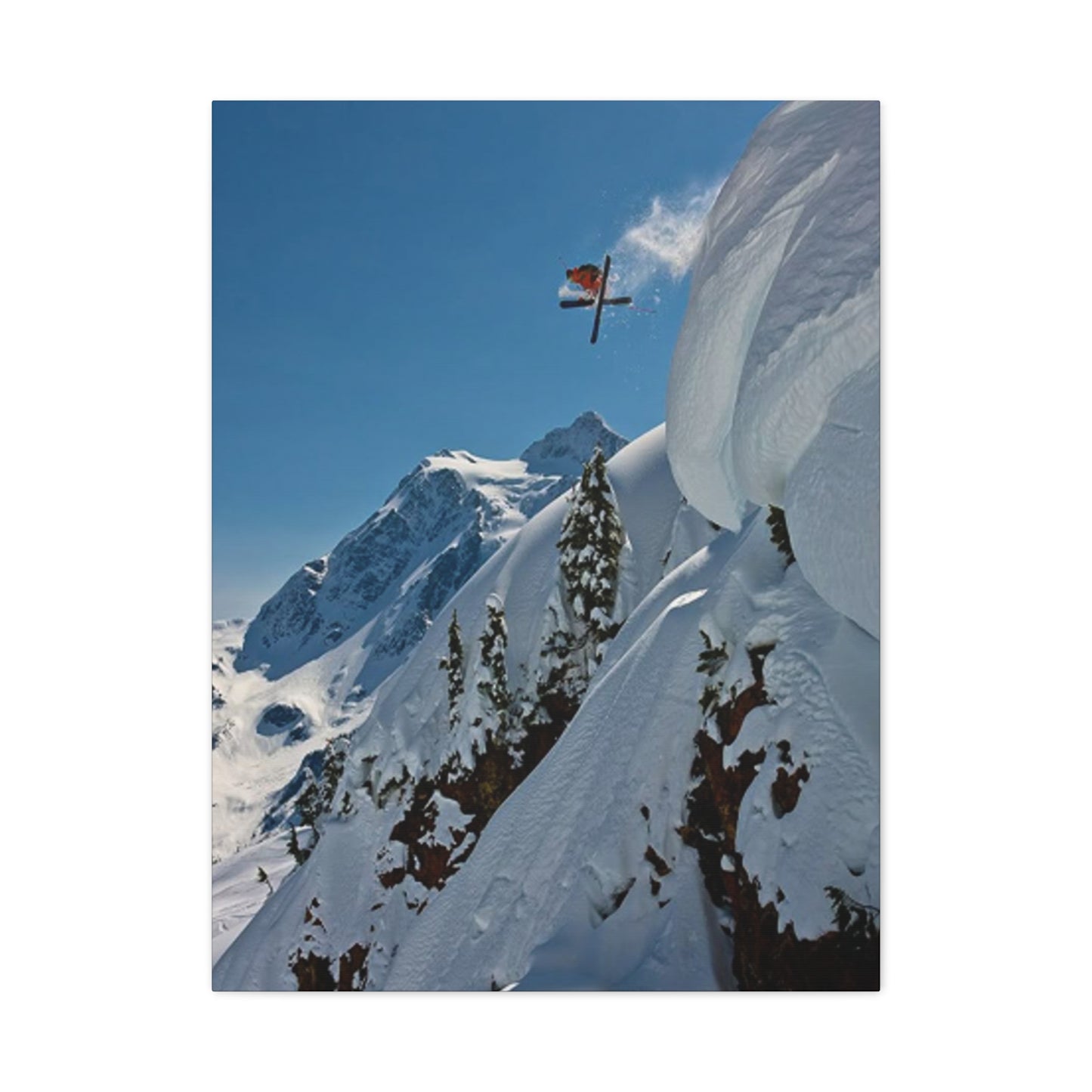
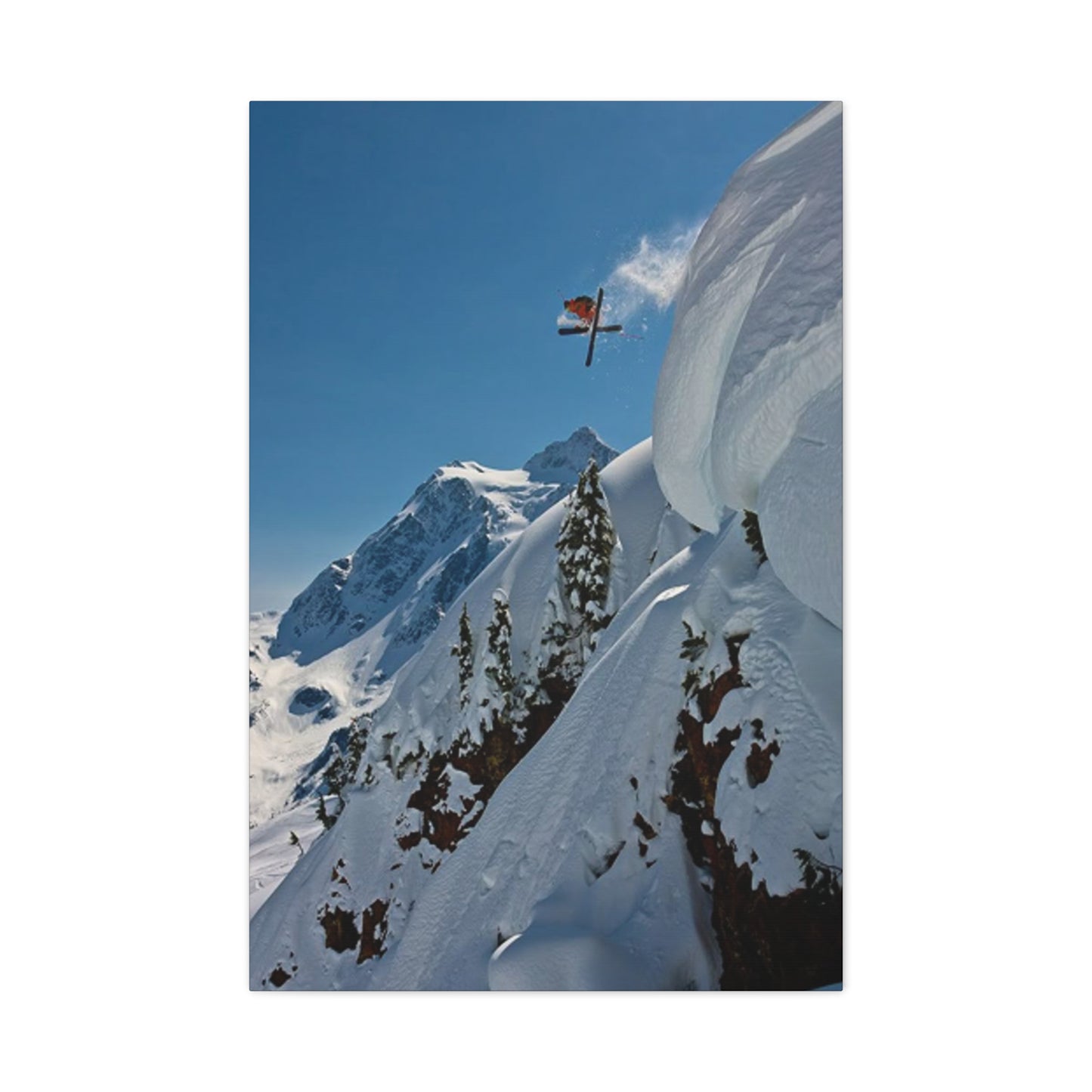
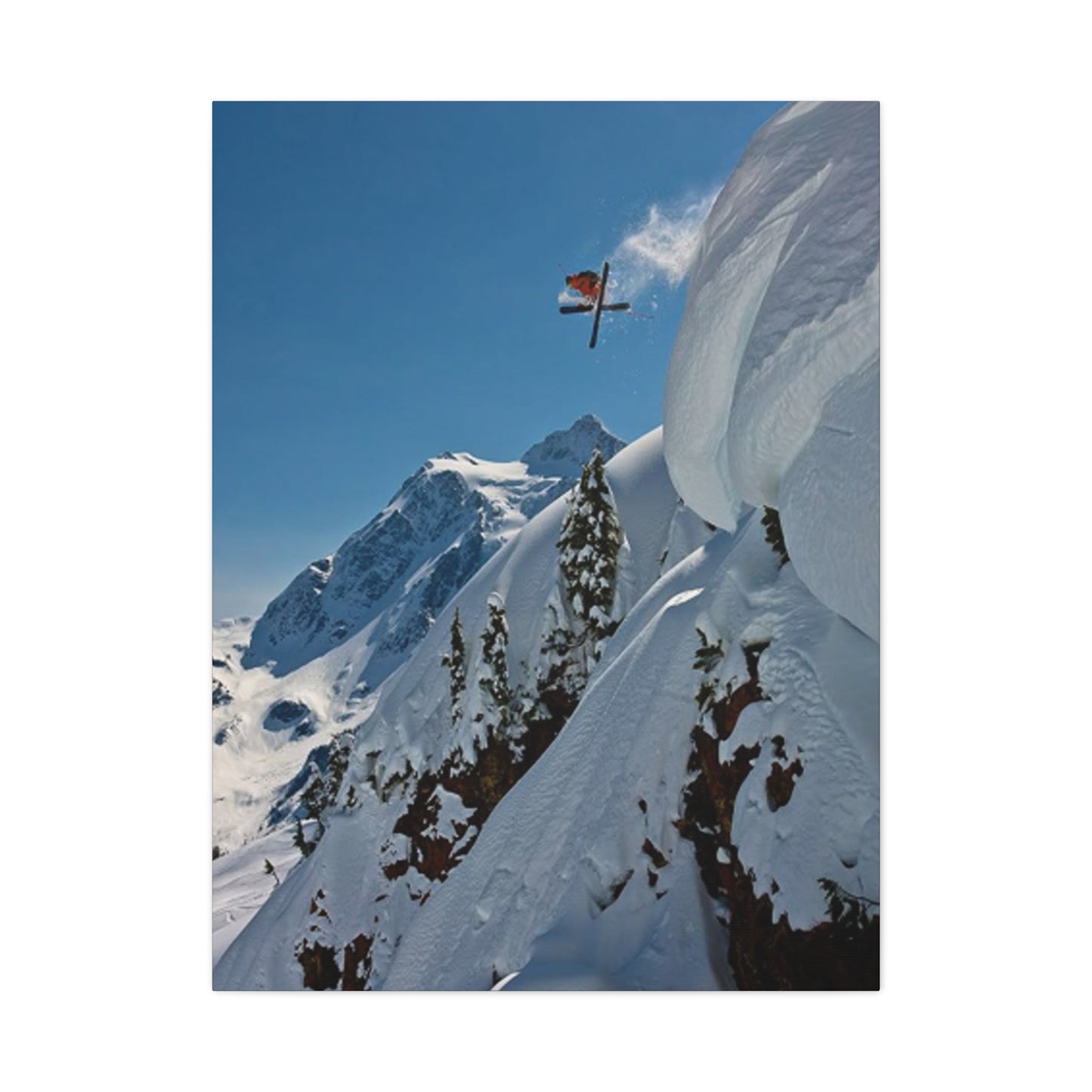
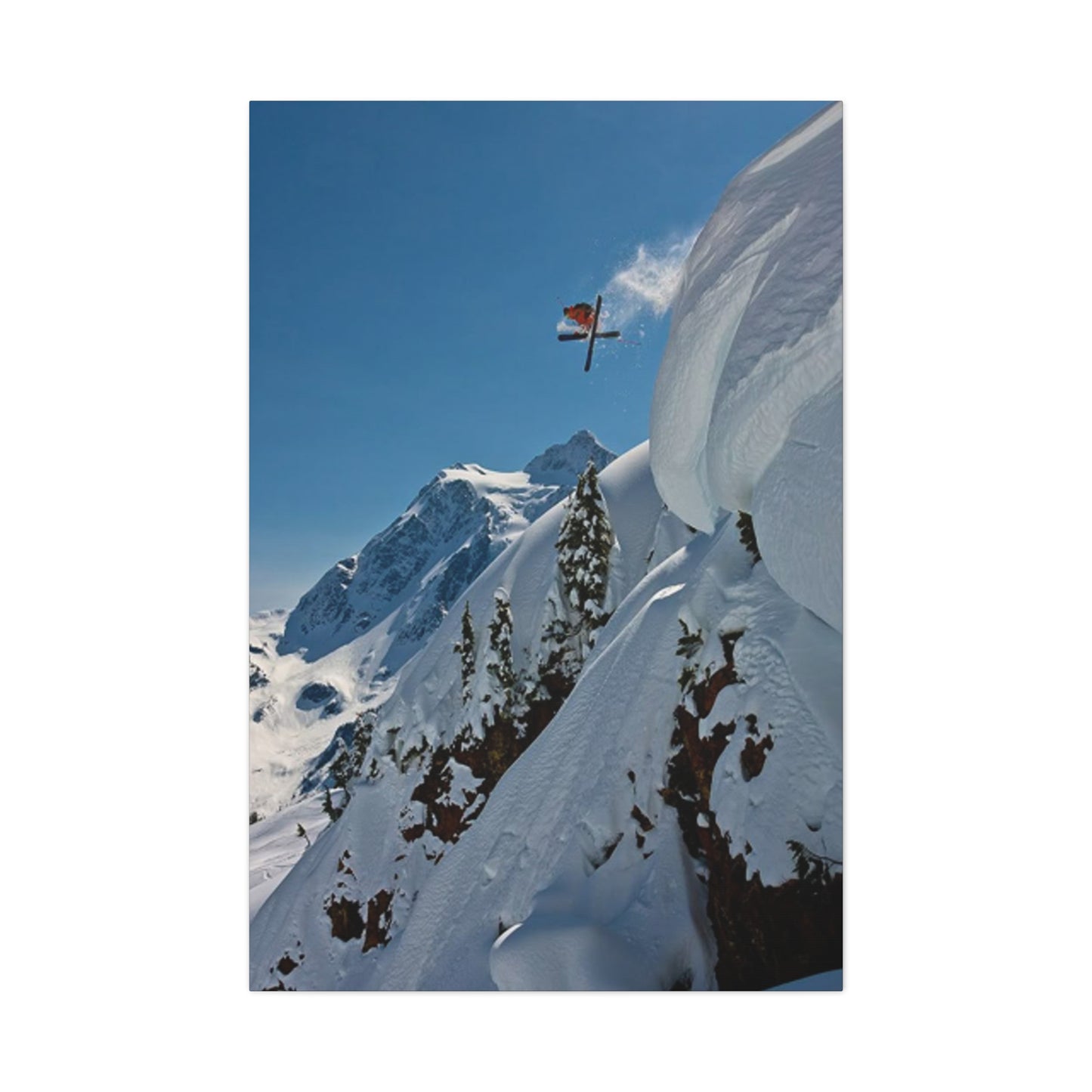
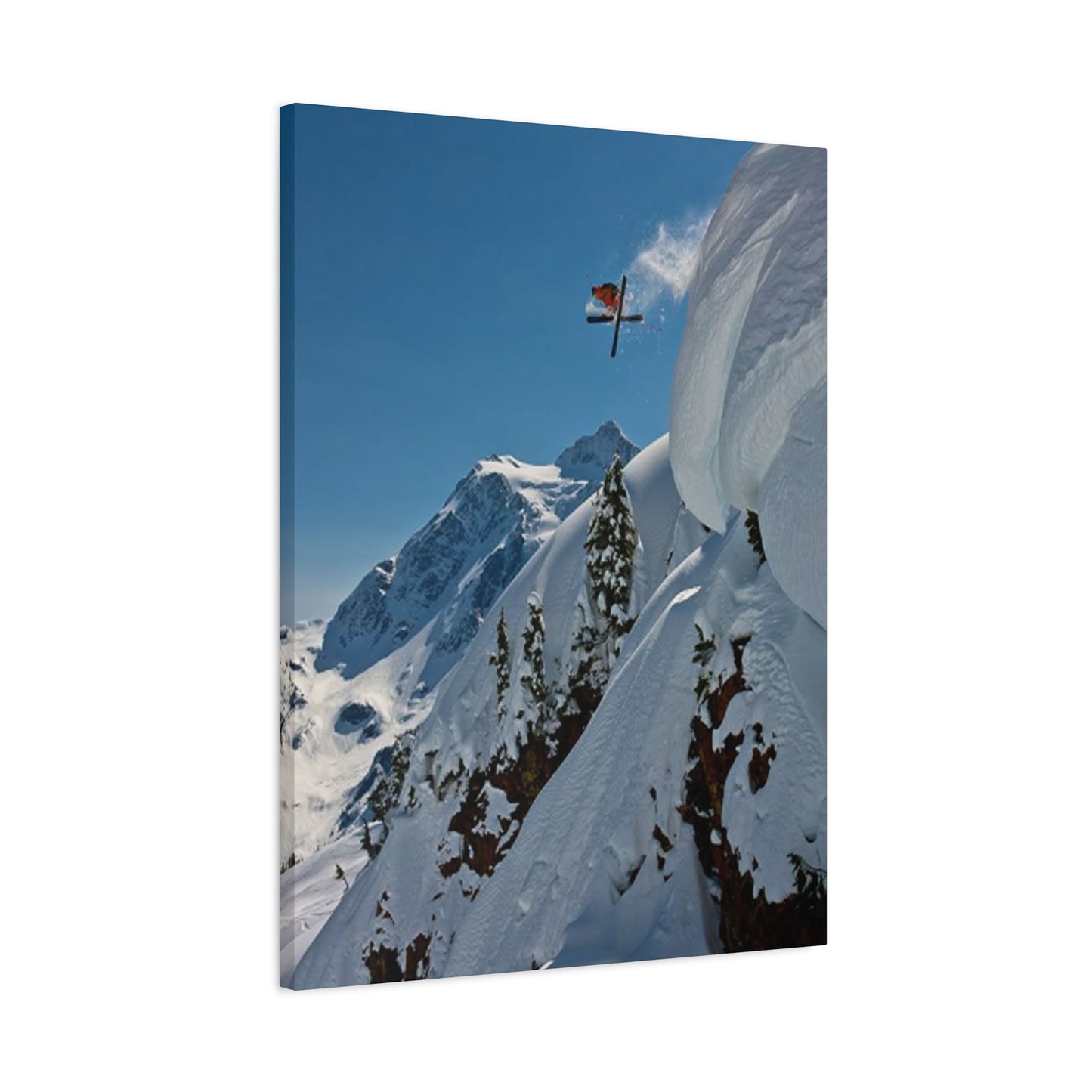
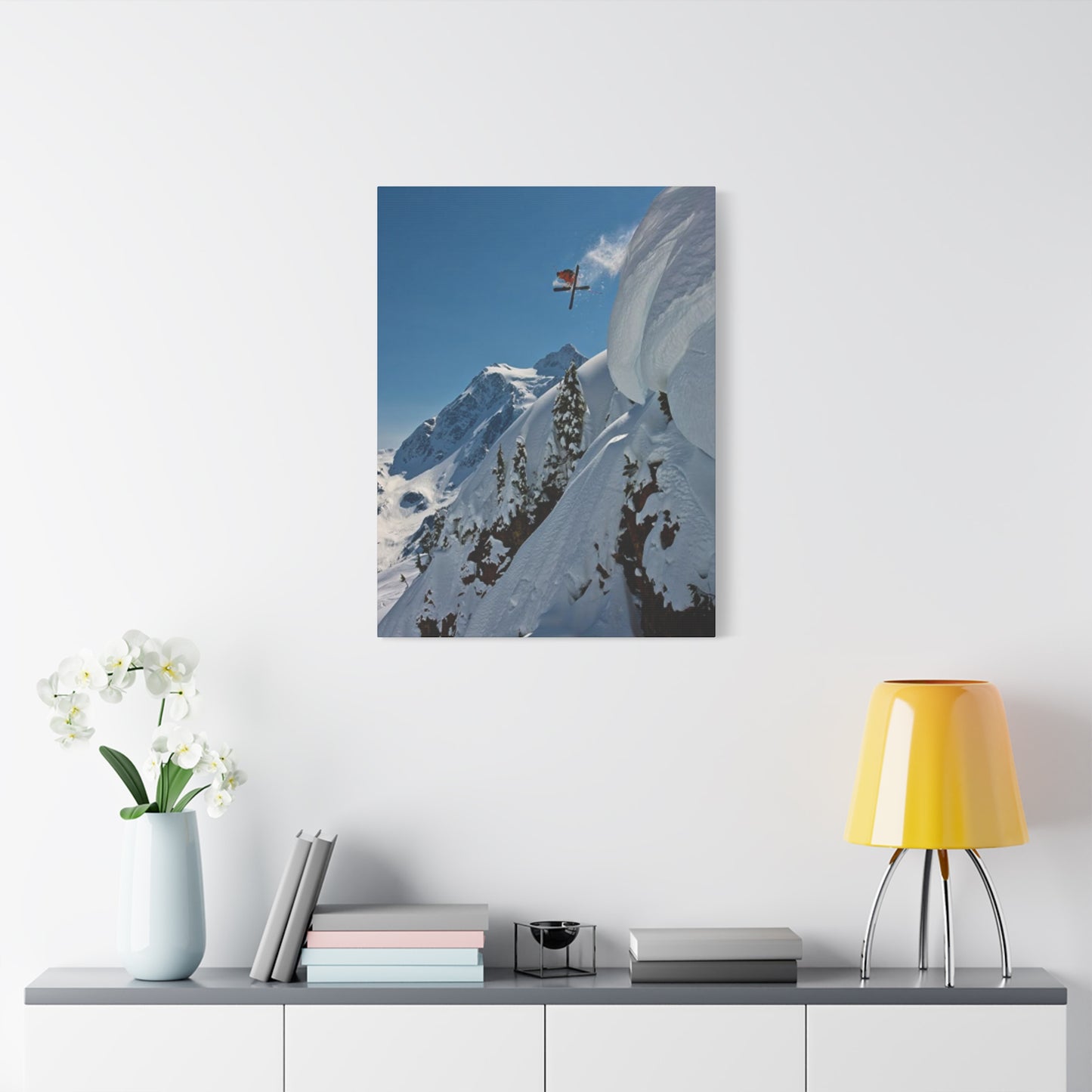
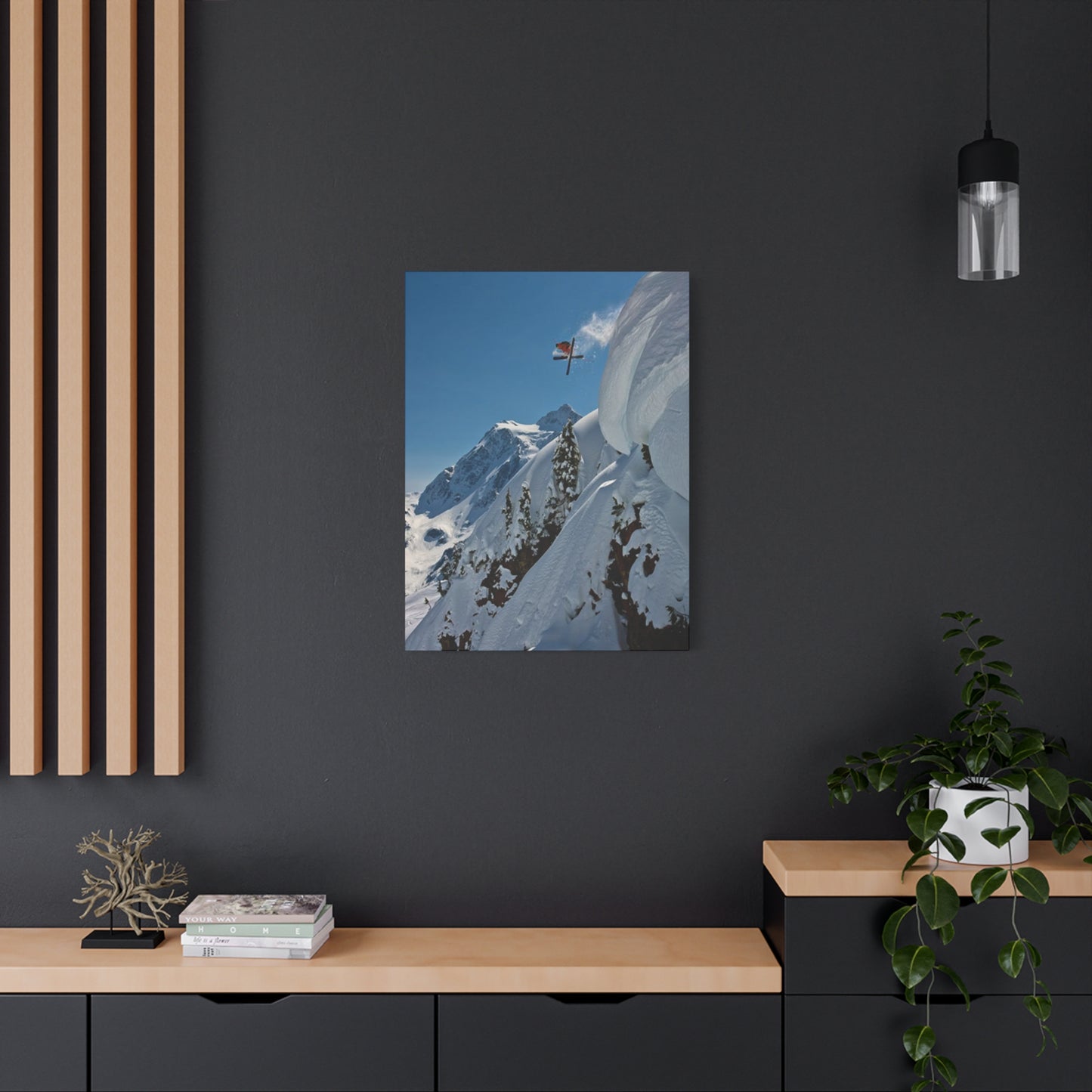
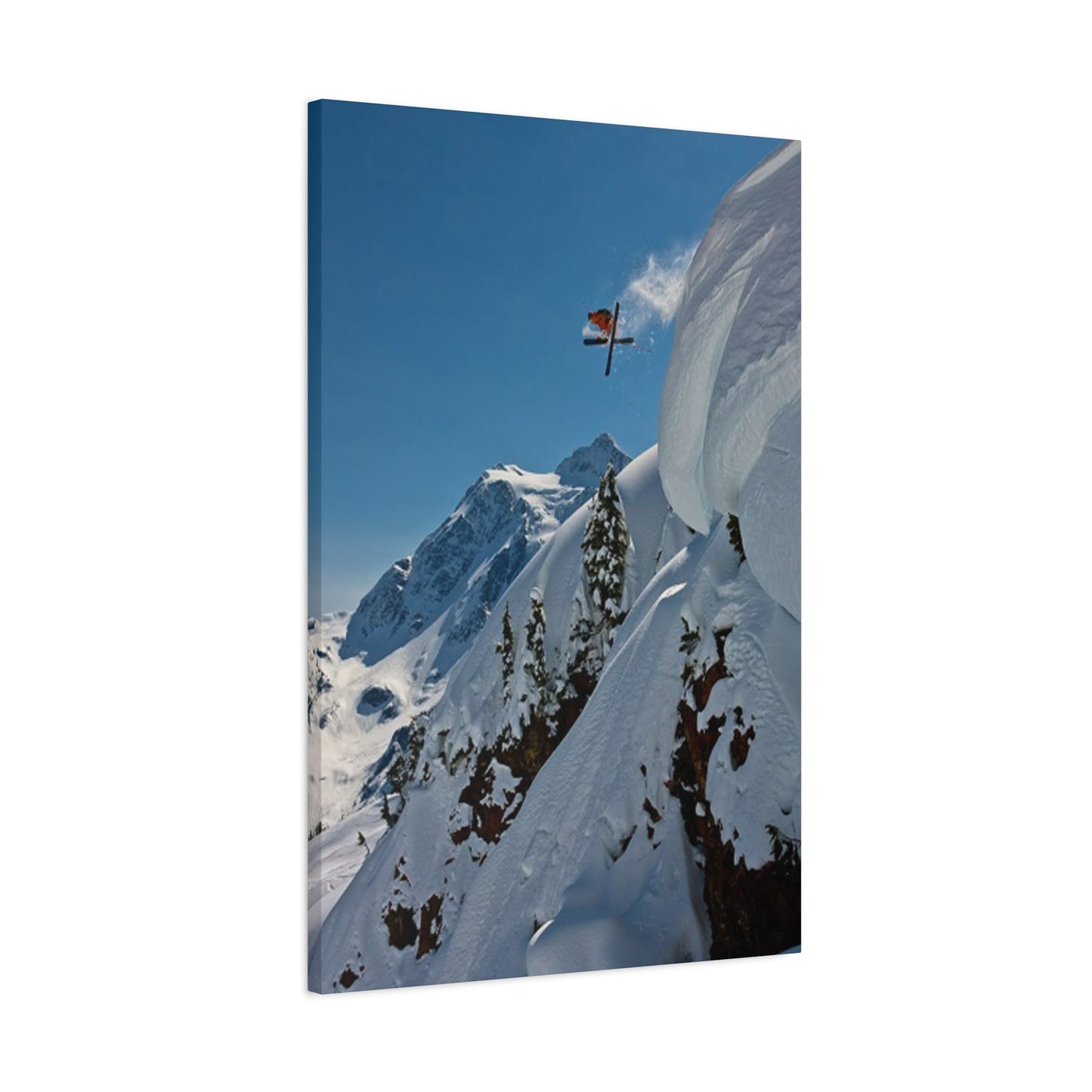
Ski Jumping From Snow Mountain Wall Art: Capturing Winter Sports Excellence Through Visual Expression
The world of winter sports has long captivated audiences with its combination of athleticism, courage, and breathtaking natural settings. Among these sports, ski jumping stands out as one of the most visually striking and dramatic, making it an exceptional subject for wall art. When artists capture the precise moment a ski jumper launches from a snow-covered mountain, they freeze in time a perfect blend of human achievement and natural beauty. This type of wall art has gained tremendous popularity among sports enthusiasts, winter sport lovers, and interior design aficionados who appreciate the dynamic energy and aesthetic appeal such pieces bring to living spaces.
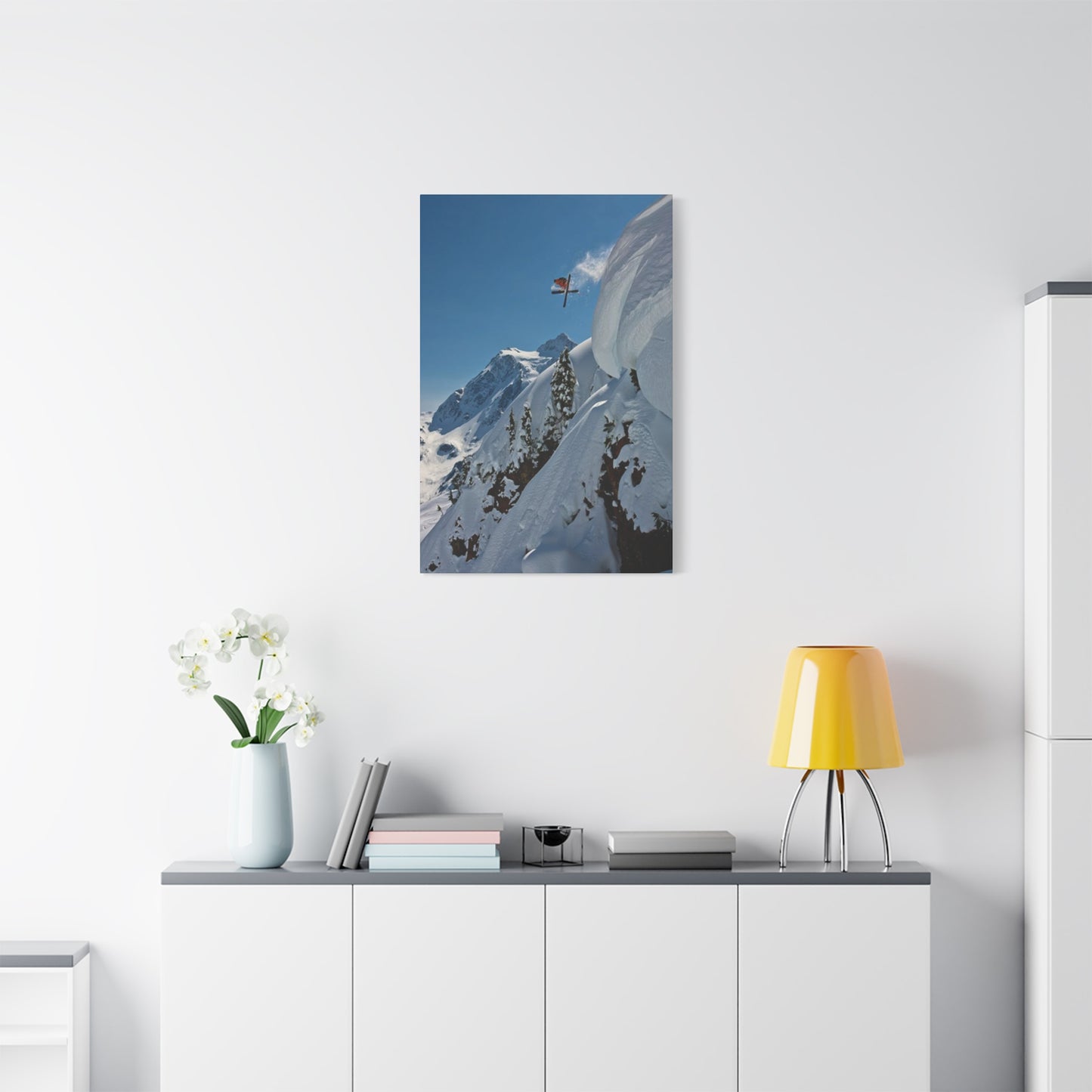
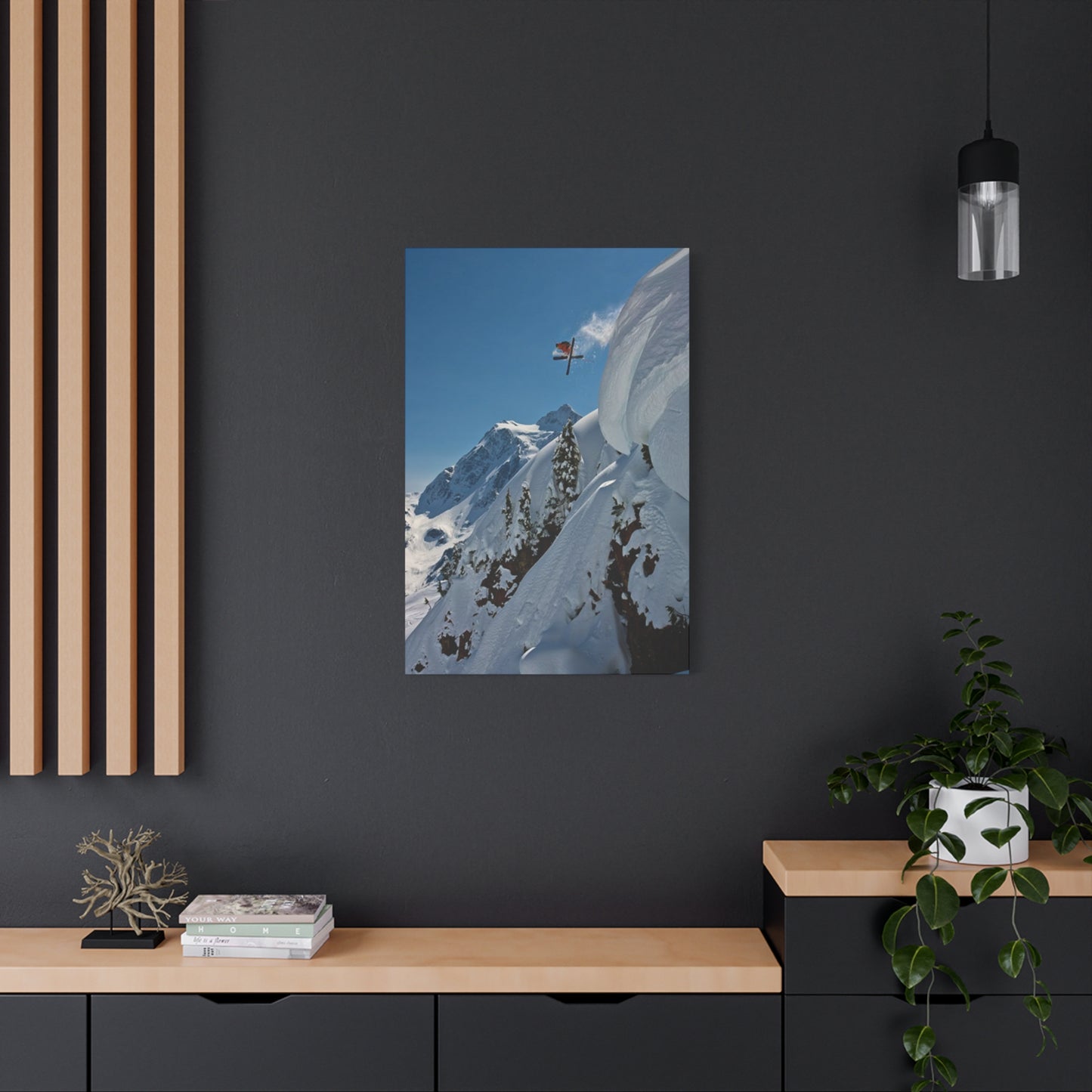
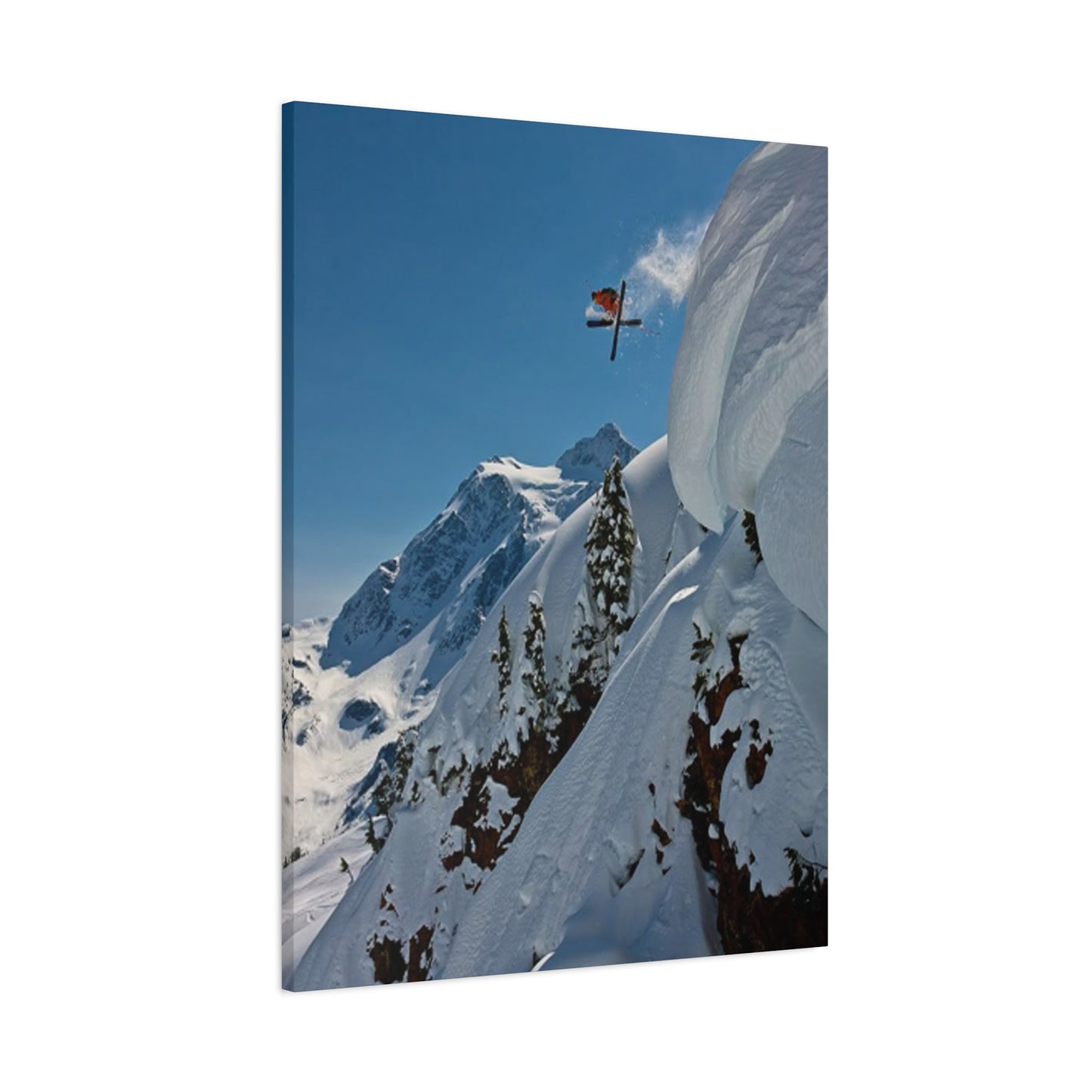
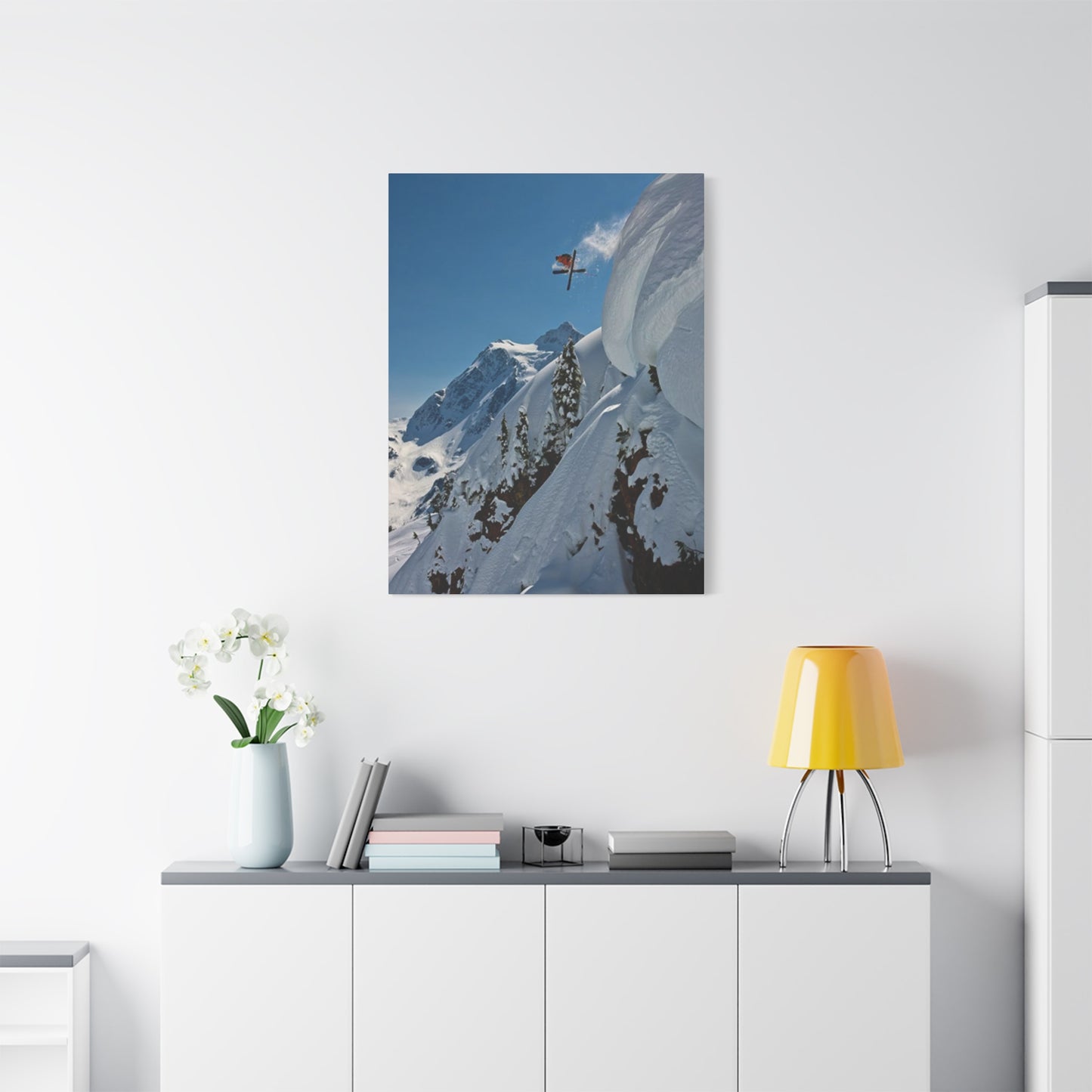
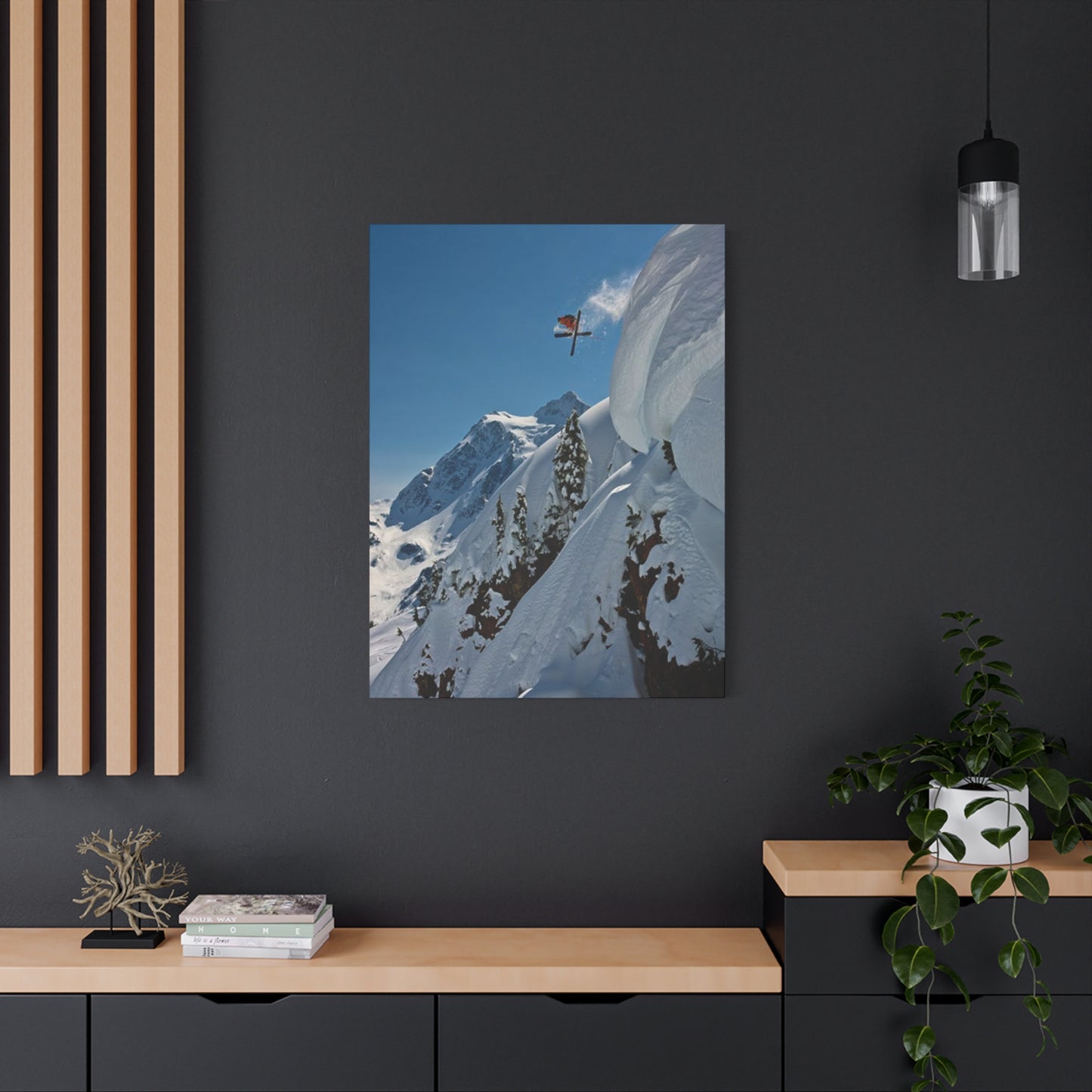
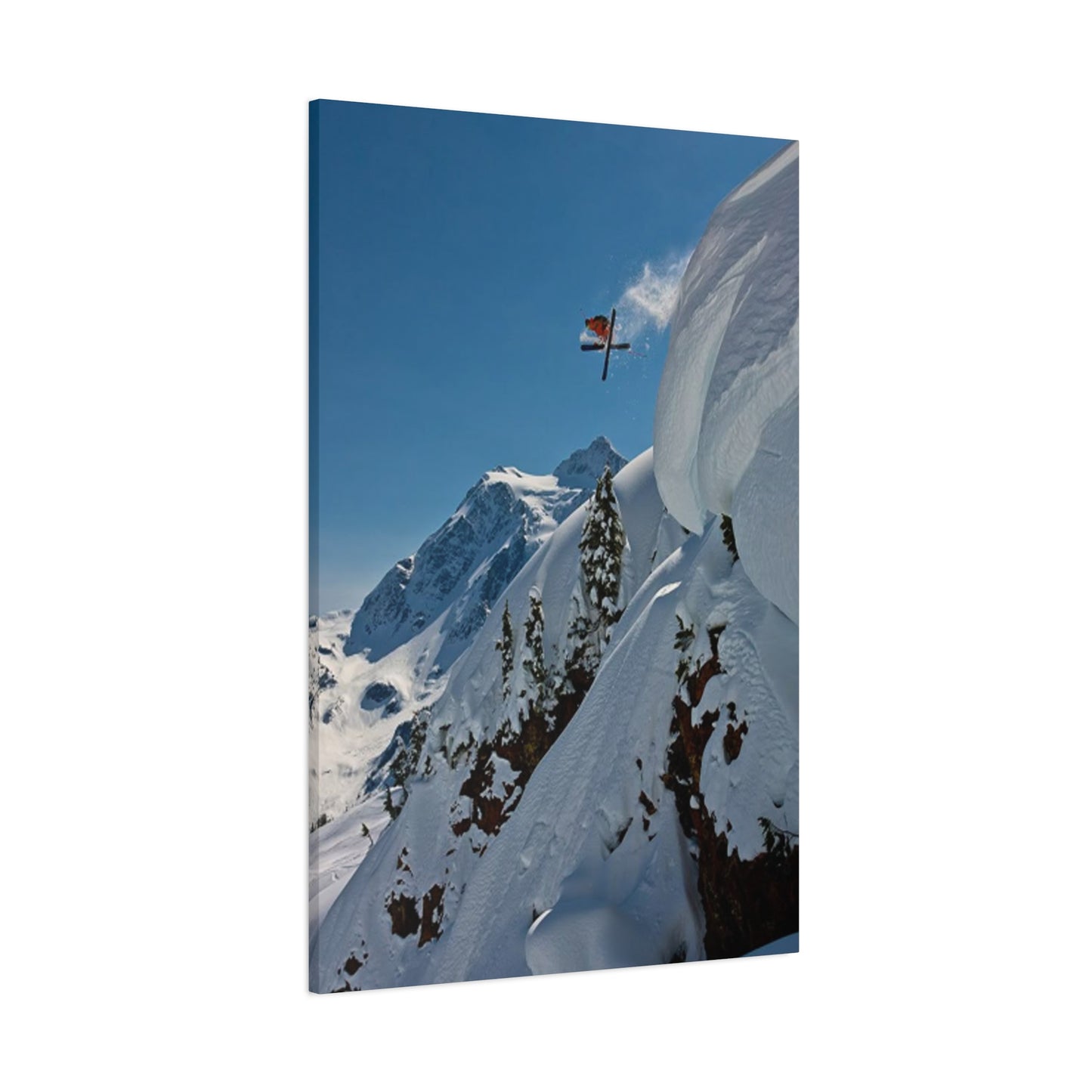
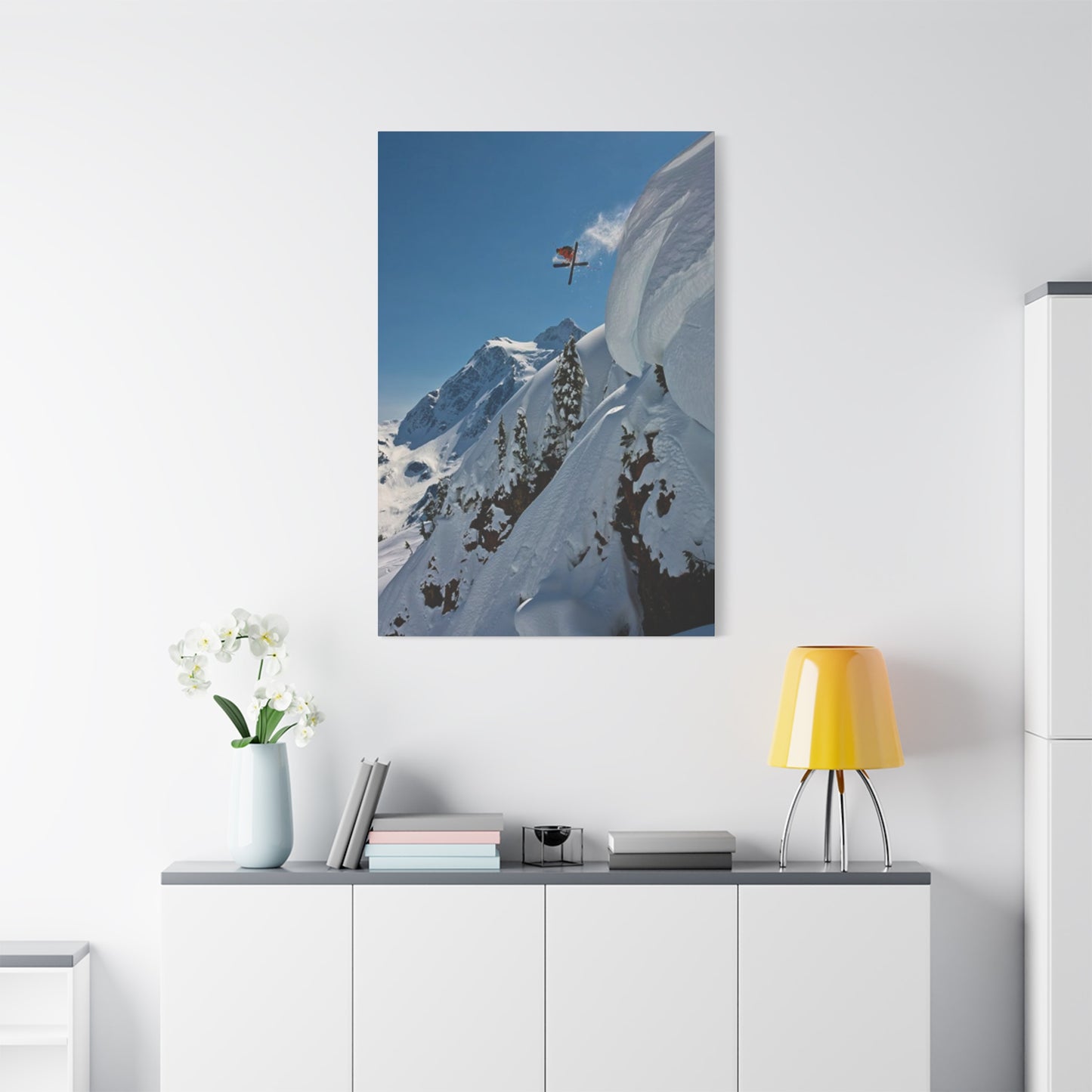
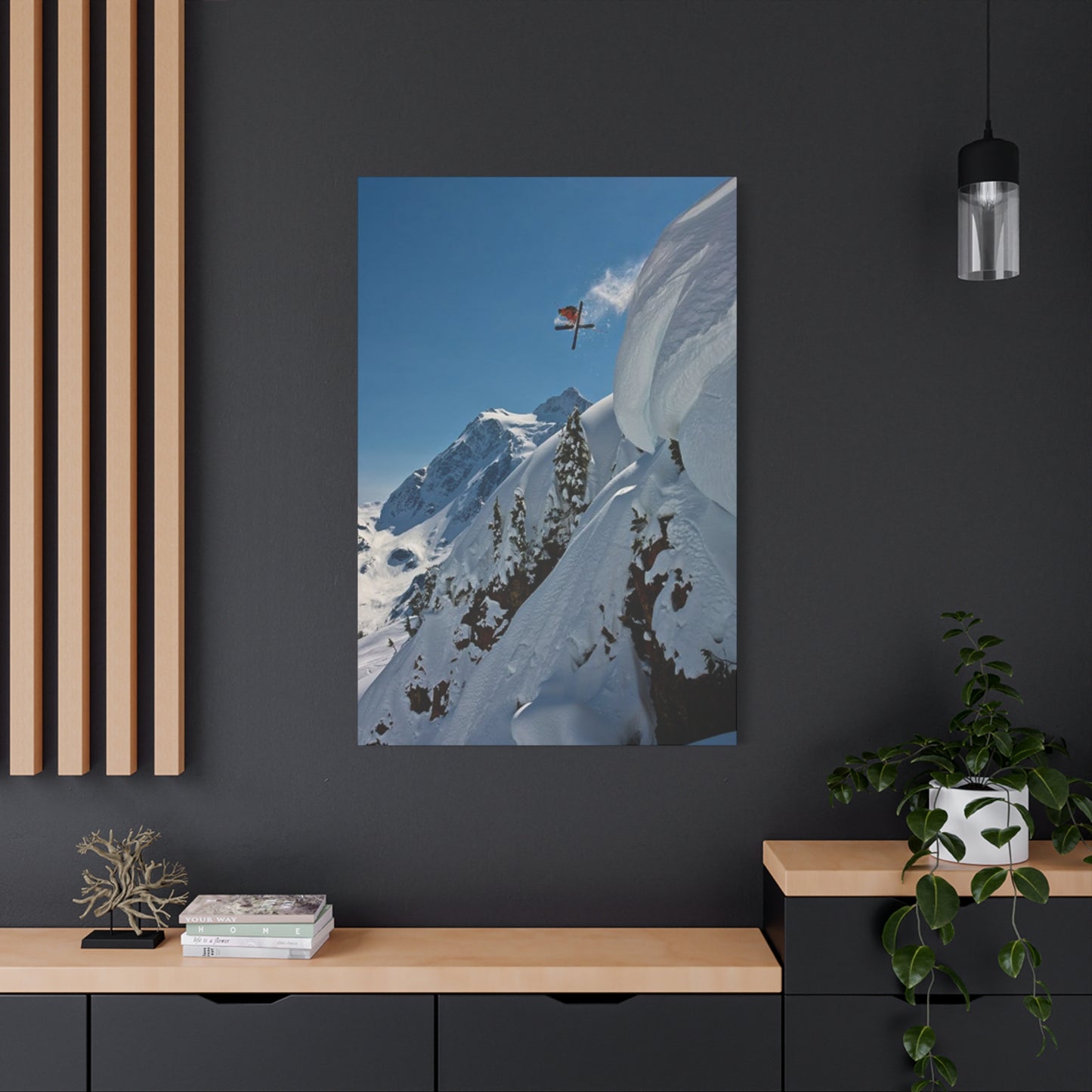
Ski jumping from snow mountain wall art encompasses various artistic interpretations, from photographic prints capturing real athletes in competition to abstract representations emphasizing motion and energy. The visual impact of these pieces stems from multiple elements working in harmony. The contrast between the small human figure and the vast mountain landscape creates a sense of scale that reminds viewers of nature's grandeur. The angle of the jumper's body, typically leaning forward in aerodynamic perfection, adds a sense of movement and direction to the composition. The pristine white snow provides a clean backdrop that makes the subject stand out while evoking feelings of purity and winter serenity.
The color palette in ski jumping wall art typically features cool tones dominated by whites, blues, and grays, occasionally punctuated by the bright colors of athletic gear. This color scheme makes such artwork particularly versatile for modern interior design, complementing both minimalist spaces and more traditionally decorated rooms. The horizontal lines of snow-covered slopes and the vertical trajectory of the jumper create compositional tension that draws the eye and maintains visual interest. For homeowners seeking to add personality to their spaces while maintaining a sophisticated aesthetic, ski jumping wall art offers an ideal solution.
Significance of Ski Jumping in Visual Culture
Ski jumping has a rich history dating back to the 19th century in Norway, where it developed as both a practical means of navigation and a competitive sport. The visual documentation of ski jumping began with early photography, capturing pioneering athletes who pushed the boundaries of what was possible on skis. These historical images now serve as inspiration for contemporary wall art, offering a nostalgic glimpse into the evolution of the sport. Artists who create ski jumping wall art often draw upon this historical legacy, incorporating vintage aesthetics or paying homage to famous jumps and legendary athletes.
The sport's inclusion in the first Winter Olympics in 1924 elevated its status and increased public interest in ski jumping imagery. As the sport evolved, so did the technology for capturing it. Early black and white photographs gave way to color film, and eventually to high-speed digital photography capable of freezing split-second moments with stunning clarity. Each technological advancement expanded the possibilities for creating compelling wall art. Modern ski jumping wall art benefits from decades of visual tradition, with artists able to reference iconic moments, legendary venues, and the aesthetic evolution of the sport itself.
Beyond competitive skiing, ski jumping represents human ambition and the desire to overcome fear. This symbolic dimension adds depth to wall art featuring the subject. When viewers look at a ski jumper suspended in air above a mountain landscape, they're not just seeing a sports photograph but witnessing a metaphor for taking leaps of faith, pursuing excellence, and embracing challenges. This layered meaning makes ski jumping wall art particularly resonant for those who value personal growth, adventure, and pushing beyond comfort zones. The historical weight of the sport combined with its ongoing evolution ensures that such artwork remains relevant and meaningful across generations.
Photography Techniques That Make Ski Jumping Wall Art Exceptional
Creating outstanding ski jumping wall art requires specialized photography skills and equipment. Photographers must position themselves to capture the optimal angle, often working in challenging mountain conditions with cold temperatures, changing light, and difficult terrain. The best ski jumping photographs balance technical excellence with artistic vision, resulting in images worthy of display as wall art. Timing is critical, as the photographer must anticipate the jumper's trajectory and capture the moment when body position, background elements, and lighting conditions align perfectly.
High-speed shutter settings are essential for freezing the action without motion blur, particularly important when photographing a ski jumper traveling at speeds exceeding 90 kilometers per hour. However, some artistic interpretations intentionally incorporate slight motion blur to emphasize speed and movement, creating a different aesthetic effect. The choice of lens also significantly impacts the final image, with telephoto lenses compressing the background and isolating the subject, while wide-angle lenses emphasize the expansive mountain environment surrounding the jumper. Each approach creates distinct visual effects suitable for different decorative contexts.
Lighting presents another crucial consideration in ski jumping photography. The bright reflective quality of snow can create exposure challenges, requiring photographers to carefully balance highlights and shadows. Golden hour photography, when the sun sits low on the horizon, bathes snow-covered mountains in warm light that contrasts beautifully with cool shadows, adding dimension and drama to the scene. Overcast conditions create diffused lighting that eliminates harsh shadows and produces even tones across the image. Some of the most striking ski jumping wall art comes from photographers who master these varied lighting conditions, producing images that transcend simple sports documentation to become true art pieces.
Material Choices for Displaying Ski Jumping Wall Art
The physical medium chosen for displaying ski jumping wall art significantly affects its visual impact and longevity. Canvas prints remain among the most popular options, offering a textured surface that adds depth and an artistic quality to photographic images. The fabric substrate of canvas creates a painterly effect that softens digital images slightly, making them feel more like traditional artwork. Canvas wraps, where the image extends around the frame edges, create a modern gallery aesthetic that works well with contemporary ski jumping imagery. The durability of canvas makes it suitable for various environments, though it performs best away from direct sunlight and high humidity.
Metal prints represent a modern alternative that produces stunning results with ski jumping photography. The image is infused directly into a specially coated aluminum surface, creating extraordinary clarity, vibrant colors, and a luminous quality particularly effective with snow scenes. The reflective properties of metal enhance the bright whites of snow while maintaining detail in darker areas. Metal prints are extremely durable, resistant to fading, and easy to clean, making them ideal for high-traffic areas or spaces with environmental challenges. The sleek, frameless presentation of metal prints complements modern and minimalist interiors perfectly.
Acrylic glass prints offer another premium option for displaying ski jumping wall art. These pieces sandwich the image between a clear acrylic face and a backing material, creating exceptional depth and a glossy, high-end appearance. Light passes through the acrylic, illuminating the image from within and producing colors that appear more saturated and brilliant than other printing methods. The three-dimensional quality of acrylic prints makes them particularly effective for ski jumping images, as the depth enhancement emphasizes the dimensional space between jumper and mountain. Traditional framed prints with matting remain popular for those preferring classic presentation styles, with frame selection allowing customization to match specific decor styles.
Considerations for Maximum Impact
Selecting the appropriate size for ski jumping wall art dramatically affects its visual impact within a space. Large-scale pieces create focal points that command attention and set the tone for entire rooms. A wall-spanning ski jumping image can transform a bland space into a dynamic environment that celebrates winter sports and mountain landscapes. When sizing wall art, interior designers typically recommend that pieces occupy between two-thirds to three-quarters of the available wall space to maintain proper proportion. However, the dramatic nature of ski jumping imagery sometimes benefits from even larger presentations that create immersive visual experiences.
Medium-sized ski jumping wall art works well in series or gallery wall arrangements, where multiple related images tell a broader story about the sport, the mountain environment, or the progression of a jump sequence. Displaying three to five coordinated pieces showing different moments in a ski jump creates narrative flow and visual interest that single images cannot achieve. This approach allows for creative arrangements that adapt to various wall configurations while maintaining thematic cohesion. The spacing between pieces should typically equal about half the width of the smallest piece to create visual unity without overcrowding.
Smaller ski jumping prints serve as accent pieces that add personality to spaces without overwhelming other design elements. These work particularly well in groupings with other winter sports imagery, mountain landscapes, or travel photography. Personal spaces like home offices, bedrooms, or reading nooks benefit from smaller ski jumping wall art that inspires without dominating. When selecting size, consider viewing distance as well. Large pieces need adequate space for viewers to step back and appreciate the full composition, while smaller pieces can be viewed effectively from closer distances. The subject matter of ski jumping, with its inherent drama and motion, generally benefits from larger presentations that allow viewers to feel immersed in the scene.
Color Schemes and Interior Design Integration
Integrating ski jumping from snow mountain wall art into existing interior design requires thoughtful consideration of color relationships. The predominantly cool color palette of such imagery, featuring whites, blues, and grays, naturally complements contemporary design schemes emphasizing neutral tones. These pieces create visual cohesion in spaces decorated with whites, grays, black, and natural wood tones. The cool colors also provide a refreshing contrast in warmer environments, preventing spaces dominated by beiges, browns, and warm neutrals from feeling too heavy or monotonous.
The accent colors present in ski jumping wall art, typically the bright hues of athletic apparel and equipment, offer opportunities for creating color connections throughout a room. A ski jumper wearing red can echo red accent pillows, throws, or decorative objects, creating a unified color scheme that ties the room together. Similarly, the deep blues often present in sky backgrounds or athletic wear can connect with navy furnishings, area rugs, or window treatments. This technique of pulling accent colors from wall art into other design elements creates professional-looking interiors with intentional, cohesive aesthetics.
Monochromatic or black and white ski jumping wall art provides maximum versatility, adapting to virtually any color scheme or design style. Stripping away color focuses attention on form, composition, and the inherent drama of the subject matter. Black and white treatments often emphasize texture, making the snow's varied surfaces more apparent and creating stronger tonal contrasts. This approach suits both modern minimalist spaces and more traditional environments, proving that ski jumping wall art transcends specific design trends. The timeless quality of black and white imagery ensures that such pieces remain stylistically relevant even as interior design trends evolve.
Placement Strategies for Different Living Spaces
The living room represents the most common location for displaying ski jumping wall art, as this space typically offers the largest wall areas and serves as the primary gathering place for families and guests. Above a sofa provides an ideal location, with the bottom edge of the artwork positioned approximately six to twelve inches above the furniture. This placement creates a visual anchor for the seating area while maintaining comfortable viewing angles for seated guests. Alternatively, a large ski jumping piece can occupy an entire wall opposite the main seating area, creating a dramatic focal point visible upon entering the room.
Home offices and study spaces benefit tremendously from motivational imagery like ski jumping wall art. The themes of courage, precision, and athletic achievement inherent in such imagery create an inspiring environment conducive to focused work and ambitious thinking. Placing ski jumping wall art behind a desk or on a wall visible from the primary work position provides visual interest during breaks while reinforcing positive associations with challenge and accomplishment. The dynamic energy of ski jumping imagery helps combat the stagnation that can occur in work-focused environments, introducing movement and vitality to spaces dedicated to stationary activities.
Bedrooms offer opportunities for more personal expressions through ski jumping wall art selections. Above the bed remains the traditional and most impactful placement option, though some prefer positioning artwork on walls visible from the bed, creating something pleasant to view while resting. The calming cool tones of snow mountain imagery make ski jumping wall art particularly suitable for bedrooms, as these colors promote relaxation and sleep. For children's or teenagers' rooms, especially those involved in winter sports, ski jumping wall art serves both decorative and inspirational purposes, celebrating their athletic interests while personalizing their space.
Sports Imagery in Interior Spaces
Incorporating ski jumping wall art into living spaces engages psychological principles that affect mood, motivation, and spatial perception. Sports imagery, particularly depicting individual athletic achievement like ski jumping, subconsciously communicates messages about determination, skill, and overcoming obstacles. These associations influence the emotional tone of spaces, making them feel more dynamic and goal-oriented. For individuals who value personal achievement or enjoy winter sports, such imagery creates environments that reflect and reinforce core aspects of their identity.
The vast mountain landscapes typically featured in ski jumping wall art contribute to perceptions of spaciousness, particularly valuable in smaller rooms or urban apartments with limited square footage. The distant horizons and expansive skies create visual depth that makes walls seem to recede, psychologically expanding the perceived size of the space. This effect proves especially pronounced with large-format ski jumping wall art, where the scale of the image enhances the illusion of expanded space. The predominantly light colors of snow-covered mountains further contribute to feelings of openness and airiness.
Movement captured in ski jumping imagery introduces dynamic energy to static spaces. Humans naturally respond to visual cues of motion, and even static images depicting movement activate neural pathways associated with action and energy. This makes ski jumping wall art particularly effective in spaces where motivation and vitality are desired, such as home gyms, offices, or creative studios. The directional movement of the ski jumper also subtly influences how viewers' eyes move through the space, creating visual flow that can be strategically employed to guide attention toward or away from specific architectural or design features.
Seasonal Versatility of Winter Sports Wall Art
Despite its clear winter sports theme, ski jumping wall art demonstrates surprising seasonal versatility in home decoration. The clean, crisp aesthetic of snow mountain imagery provides a cooling visual element during warmer months, offering psychological respite from summer heat. The association with winter creates a refreshing contrast to outdoor temperatures, making spaces feel cooler and more comfortable. This counterintuitive quality makes ski jumping wall art a year-round decorative element rather than seasonal decoration that requires rotation.
The timeless nature of mountain landscapes transcends seasonal specificity. While clearly depicting winter conditions, the mountain forms themselves remain constant across seasons, providing a connection to nature that remains relevant regardless of the calendar. This distinguishes ski jumping wall art from more obviously seasonal decorations like images of fall foliage or spring flowers, which can feel out of place during different times of year. The enduring presence of mountains across all seasons gives ski jumping imagery a permanent quality suitable for fixed wall art installations.
For those who do prefer seasonal decoration rotation, ski jumping wall art naturally anchors winter displays while serving as the foundation around which other seasonal elements can be arranged. During winter months, such artwork can be complemented with cozy textiles, pine cone arrangements, and other winter decorations that enhance the cold-weather theme. During other seasons, the ski jumping wall art can stand alone, its winter theme becoming a subtle background element rather than the dominant seasonal statement. This flexibility makes ski jumping wall art a practical investment that provides decorative value throughout the year.
Custom and Personalized Ski Jumping Wall Art Options
The growing market for personalized home decor has expanded options for custom ski jumping wall art that reflects individual experiences and preferences. Athletes and winter sports enthusiasts can commission artwork featuring their own ski jumping experiences, transforming personal photographs into professional wall art. This approach creates deeply meaningful pieces that celebrate personal achievements while maintaining the aesthetic qualities that make ski jumping imagery appealing. Local print shops and online services now offer accessible options for transforming amateur photographs into gallery-quality wall art through professional color correction, cropping, and printing on premium materials.
Digital artists and illustrators offer another avenue for personalized ski jumping wall art, creating custom illustrations based on photographs or concepts provided by clients. These artistic interpretations can range from realistic digital paintings to stylized vector graphics, abstract representations, or mixed media compositions. The artistic processing transforms documentary photography into unique art pieces that reflect both the subject matter and the artist's creative vision. This approach appeals to those seeking one-of-a-kind pieces that stand apart from commercially available prints.
Personalization extends beyond subject matter to include text elements, color adjustments, and compositional modifications. Adding motivational quotes, family names, significant dates, or location information transforms generic ski jumping wall art into personalized keepsakes. Some services allow customers to adjust color saturation, convert images to black and white, or apply artistic filters that align with specific interior design schemes. These customization options ensure that ski jumping wall art perfectly matches individual aesthetic preferences and decor requirements while maintaining the visual impact that makes such imagery compelling.
Environmental and Sustainability Considerations
As environmental consciousness grows among consumers, the production methods and materials used in ski jumping wall art have come under increasing scrutiny. Eco-conscious buyers seek products manufactured using sustainable practices, from the sourcing of raw materials to production processes and shipping methods. Canvas used in wall art prints can be sourced from organic cotton or bamboo fibers, offering renewable alternatives to conventional materials. The stretcher bars that support canvas wraps are available in sustainably harvested wood certified by forestry management organizations, ensuring that decorative purchases don't contribute to deforestation.
Printing processes represent another area where environmental impact varies significantly. Traditional printing methods sometimes use solvent-based inks containing volatile organic compounds that release harmful emissions. Eco-friendly alternatives include water-based inks, latex inks, and UV-curable inks that minimize environmental impact while producing excellent color quality and longevity. Some manufacturers have achieved carbon-neutral certification for their production facilities, offsetting emissions through renewable energy use and carbon credit programs. For environmentally conscious consumers, researching the production methods of ski jumping wall art suppliers ensures that decorative choices align with sustainability values.
The longevity of wall art also contributes to its environmental profile. High-quality ski jumping prints produced using archival materials and fade-resistant inks remain vibrant for decades, avoiding the waste associated with frequently replacing inferior products. Choosing durable materials like metal or acrylic, while potentially requiring more energy to produce initially, results in products that maintain their appearance indefinitely, eliminating replacement needs. This long-term perspective on environmental impact encourages investment in quality ski jumping wall art that serves as a permanent home decoration rather than disposable decor that contributes to landfill waste.
The Role of Ski Jumping Wall Art in Creating Theme Rooms
Dedicated theme rooms have become increasingly popular among homeowners with space for specialized entertainment or hobby areas. A mountain lodge theme, alpine retreat aesthetic, or winter sports room benefits enormously from strategically selected ski jumping wall art. Such pieces establish the theme immediately upon entering the space while providing authentic visual connections to actual winter sports environments. When combined with complementary elements like wood beam accents, stone features, and rustic furnishings, ski jumping wall art anchors the thematic design and provides a focal point around which other decorative decisions can be organized.
Sports enthusiast rooms, whether celebrating winter sports specifically or athletics more broadly, gain authenticity and visual interest from ski jumping wall art. These spaces often combine memorabilia, equipment displays, and sports imagery to create environments that honor athletic achievement and sporting culture. Ski jumping wall art contributes dynamic visual elements that prevent such rooms from feeling static or museum-like. The action captured in ski jumping imagery maintains the energy and excitement of sports competition, making the space feel alive and engaging rather than simply archival.
Home theaters and entertainment rooms represent another excellent context for ski jumping wall art. The dramatic, cinematic quality of well-composed ski jumping photography complements the entertainment focus of these spaces. Large-format pieces create visual impact similar to movie posters while offering more sophisticated aesthetics. The cool color palette of ski jumping imagery doesn't compete visually with screen content when displays are in use, while providing compelling visual interest when the room is used for conversation or casual gathering. This dual functionality makes ski jumping wall art particularly practical for multipurpose entertainment spaces.
Geographic and Cultural Connections Through Ski Jumping Imagery
Ski jumping wall art often features identifiable mountain locations, creating opportunities to celebrate geographic connections and travel memories. Pieces depicting famous ski jumping venues like Holmenkollen in Norway, Innsbruck in Austria, or Lake Placid in the United States allow enthusiasts to display their appreciation for specific locations. For those who have visited these sites, the wall art serves as a permanent reminder of travel experiences, creating daily connections to meaningful places. The geographic specificity adds layers of personal meaning beyond the general aesthetic appeal of the imagery.
Regional cultural identities strongly associated with winter sports find expression through ski jumping wall art. Scandinavian countries, Alpine regions of Central Europe, and mountainous areas of North America have deep historical and cultural connections to ski jumping. Displaying such imagery honors these cultural traditions while allowing individuals to express heritage connections or affinity for these regions. The sport's strong association with particular places gives ski jumping wall art cultural significance that transcends its decorative function, making it a statement about values, interests, and cultural appreciation.
For immigrants or expatriates from winter sports regions, ski jumping wall art provides visual connections to homelands and cultural backgrounds. These pieces serve as cultural touchstones that maintain connections to origins while creating conversation opportunities to share traditions with others. The universal appeal of mountain landscapes and athletic achievement makes ski jumping imagery accessible to diverse audiences while retaining specific cultural meanings for those with personal connections to the sport. This dual quality of universal appeal and specific cultural significance contributes to the enduring popularity of ski jumping wall art across varied populations.
Lighting Techniques That Enhance Ski Jumping Wall Art
Proper lighting dramatically affects how ski jumping wall art appears and impacts the surrounding space. Natural lighting considerations begin with sun exposure, as direct sunlight can cause fading over time, particularly with canvas and paper prints. Positioning ski jumping wall art on walls that receive indirect natural light provides illumination without the damaging effects of direct sun exposure. North-facing walls in the Northern Hemisphere receive consistent indirect light throughout the day, making them ideal for displaying valuable or fade-sensitive artwork. UV-protective glazing or coatings offer additional protection for particularly valuable or vulnerable pieces.
Artificial lighting provides opportunities to dramatically enhance ski jumping wall art through strategic placement and selection of light fixtures. Picture lights mounted directly above artwork create focused illumination that draws attention while preventing glare when properly angled. Track lighting systems offer flexibility, allowing adjustment of direction and intensity to achieve optimal lighting effects. LED picture lights provide energy-efficient illumination while generating minimal heat that could potentially damage artwork over time. The color temperature of bulbs affects how artwork appears, with cooler temperatures emphasizing the blue tones in snow and sky, while warmer temperatures can add golden hues that alter the intended color palette.
Accent lighting creates dramatic effects by washing walls with light that highlights ski jumping wall art while creating ambient illumination for the entire space. Uplights positioned on the floor can graze walls, creating shadows and highlights that add dimension to the space and draw attention upward toward wall art. Recessed ceiling lights with adjustable trim allow precise direction of light onto specific artwork locations. Some collectors install lighting control systems that allow adjustment of intensity and focus, creating different moods and emphasizing different artworks depending on the time of day or occasion. These sophisticated lighting approaches transform ski jumping wall art from static decoration into dynamic visual elements that change character with lighting conditions.
Investment Value and Collectibility of Ski Jumping Art
Limited edition ski jumping prints and original artwork by recognized photographers or artists can appreciate in value over time, making them both decorative and financial investments. The art market for sports photography has grown substantially, with collectors seeking iconic images capturing significant moments or embodying the essence of particular sports. Ski jumping imagery by established sports photographers, particularly pieces documenting historic competitions or legendary athletes, enters this collectible category. Factors affecting investment potential include the artist's reputation, the edition size, the historical significance of the subject, and the overall quality and impact of the image.
Signed and numbered limited editions provide authenticity and scarcity that contribute to long-term value retention. When photographers or artists limit production to specific quantities and personally sign each piece, they create collectible items distinct from open-edition prints available indefinitely. Certificate of authenticity documentation should accompany limited edition pieces, providing provenance that establishes legitimacy and maintains value through ownership changes. Collectors serious about investment potential should seek pieces from recognized artists in the sports photography field, focusing on works that demonstrate exceptional technical quality and artistic vision beyond simple documentation.
The condition and preservation of ski jumping wall art directly affects long-term value. Proper framing with archival materials, UV-protective glazing, and acid-free matting prevents deterioration that diminishes both aesthetic appeal and market value. Climate-controlled environments minimize risks from humidity fluctuations and temperature extremes that can damage various print media. Insurance documentation and professional appraisals establish value for significant pieces while protecting financial investment. While most ski jumping wall art serves primarily decorative purposes, awareness of factors affecting collectibility and value allows informed decisions about purchases and care that maximize both enjoyment and potential return on investment.
Digital and Technological Innovations in Ski Jumping Wall Art
Technological advances continue expanding possibilities for creating and displaying ski jumping wall art. High-resolution digital sensors capture images with extraordinary detail, allowing production of extremely large prints without quality degradation. Modern cameras with advanced autofocus systems and rapid burst modes increase the likelihood of capturing the perfect moment during the brief seconds of a ski jump. Drone photography introduces entirely new perspectives, capturing aerial views previously impossible and providing unique angles that show ski jumpers from above, beside, or even leading them down the slope.
Post-processing software enables photographers and artists to enhance ski jumping images in ways that would have been impossible with traditional darkroom techniques. Selective color adjustments can emphasize the cold blues of shadows while maintaining accurate snow tones. Digital compositing allows combination of multiple exposures to achieve perfect balance between bright snow and darker elements. Artistic filters and effects transform photographic images into painterly works, sketches, or abstract interpretations that push creative boundaries. These digital tools democratize artistic creation, allowing talented individuals without traditional art training to produce compelling ski jumping wall art.
Emerging display technologies promise to further revolutionize how ski jumping wall art is experienced in homes. Digital art frames with high-resolution displays allow rotation of multiple images, enabling collectors to display entire portfolios of ski jumping imagery rather than selecting single pieces. Some advanced systems incorporate ambient light sensors that automatically adjust image brightness for optimal viewing under varying light conditions. Future developments may include augmented reality integration where physical prints trigger digital content when viewed through smartphones or AR glasses, adding layers of information, animation, or related content to static images. These technological innovations ensure that ski jumping wall art remains a dynamic and evolving form of home decoration.
The Relationship Between Ski Jumping Wall Art and Athletic Inspiration
Athletes and fitness enthusiasts often surround themselves with imagery depicting peak athletic performance as motivation for their own training and competition. Ski jumping wall art serves this inspirational function particularly well, as the sport demands extraordinary physical conditioning, mental fortitude, and technical precision. The visible courage required to launch oneself from a ski jump creates powerful associations with facing fears and pushing beyond perceived limitations. For athletes in any discipline, such imagery provides daily reminders of what dedication and training can achieve.
The specific physical demands of ski jumping, requiring leg strength, core stability, precision timing, and body awareness, make the sport relatable to athletes across disciplines. The preparation visible in a ski jumper's posture and positioning demonstrates the importance of technique and form, principles applicable to virtually all athletic endeavors. The mental component of ski jumping, requiring absolute focus and confidence to execute jumps successfully, resonates with athletes who understand the psychological dimensions of competition. Displaying ski jumping wall art in home gyms, training spaces, or personal areas creates environmental cues that reinforce commitment to athletic goals.
Beyond individual motivation, ski jumping wall art in shared spaces communicates values about active lifestyles and appreciation for athletic achievement. Families who prioritize fitness and outdoor activities use such imagery to reinforce these values throughout the home environment. Children growing up surrounded by positive athletic imagery develop different associations with sports and physical activity than those in environments without such visual cues. The aspirational quality of ski jumping wall art, showing humans accomplishing remarkable feats through dedication and skill, plants seeds of possibility that can influence life choices and personal development. This deeper impact beyond mere decoration makes ski jumping wall art a meaningful element of intentionally designed living environments.
Maintenance and Care for Long-Lasting Display Quality
Proper maintenance ensures that ski jumping wall art retains its visual impact and quality for years or decades. Canvas prints require minimal maintenance but benefit from occasional gentle dusting with soft brushes or microfiber cloths to prevent dust accumulation in the textured surface. Avoid using water or cleaning solutions directly on canvas, as moisture can damage the fabric and cause colors to run. If canvas becomes soiled, professional art cleaning services provide safe restoration without risking damage. Periodic inspection for signs of sagging or warping allows early intervention before problems become serious, with re-stretching services available to restore proper tension to canvas that has loosened over time.
Metal and acrylic prints require different care approaches suited to their smooth, hard surfaces. These materials tolerate gentle cleaning with slightly damp microfiber cloths, making them more maintenance-friendly than canvas or paper options. For metal prints, occasional application of metal polish designed for aluminum can restore luster to surfaces that have dulled over time. Acrylic prints should be cleaned with solutions specifically formulated for acrylic or plastic to avoid chemical reactions that could cloud or damage the surface. Both materials resist fading better than traditional prints, but avoiding prolonged direct sunlight exposure nonetheless extends their lifespan and maintains color vibrancy.
Framed ski jumping prints behind glass require attention to both the frame and the glazing. Wood frames benefit from occasional treatment with appropriate wood care products that prevent drying and cracking. Glass or acrylic glazing can be cleaned with standard glass cleaners, though microfiber cloths prevent scratching better than paper towels. Checking the back of framed pieces ensures that dust seals remain intact, preventing dust intrusion that can settle on the artwork itself. Storage of extra or rotated pieces requires careful wrapping in acid-free tissue or protective coverings, kept in climate-controlled areas away from moisture, temperature extremes, and direct light exposure. These maintenance practices preserve both the aesthetic qualities and the monetary value of ski jumping wall art collections.
Combining Ski Jumping Wall Art With Other Decorative Elements
Successfully integrating ski jumping wall art into cohesive room designs requires thoughtful consideration of complementary decorative elements. Textile selections including throw pillows, blankets, and curtains can echo colors present in the artwork, creating visual connections that unify the space. For ski jumping imagery featuring blue skies, incorporating blue accent textiles ties rooms together aesthetically. Similarly, the white of snow-covered mountains can be reinforced through white or cream-colored fabrics that lighten and brighten spaces. Texture contrasts between smooth ski jumping prints and cozy textiles like cable knit throws or faux fur pillows add dimensional interest.
Furniture selection influences how well ski jumping wall art integrates with overall room design. Modern, minimalist furniture with clean lines and simple silhouettes complements the often stark, dramatic compositions of ski jumping photography. The association between winter sports and Scandinavian countries makes Nordic-inspired furniture particularly appropriate alongside ski jumping wall art. Light woods, simple forms, and functional designs characteristic of Scandinavian style create cohesive environments when paired with winter mountain imagery. For more traditional spaces, rustic furniture with weathered finishes and natural materials bridges the gap between mountain outdoor settings and indoor comfort.
Decorative accessories provide opportunities to reinforce themes without overwhelming spaces. Vintage ski equipment, mountain-themed books, winter landscape photography in smaller formats, and natural elements like pine cones or river stones create thematic consistency. However, restraint prevents theme rooms from becoming caricatures. Select accessories should feel authentic rather than contrived, chosen for genuine aesthetic or personal value rather than simply fitting the theme. The ski jumping wall art itself should remain the primary visual statement, with accessories supporting rather than competing for attention. This layered approach to decoration creates sophisticated, intentional spaces that feel personally meaningful rather than generically themed.
Aspects of Ski Jumping Wall Art
Beyond its decorative and inspirational functions, ski jumping wall art can serve educational purposes, particularly in homes with children or in educational settings. Detailed images of ski jumping technique provide visual references for understanding the physics and biomechanics involved in the sport. The aerodynamic position adopted by ski jumpers, the V-shape of skis that generates lift, and the precise body angles that maximize distance all become visible in quality ski jumping photography. Parents or educators can use these images as springboards for discussions about physics concepts including gravity, air resistance, lift, and trajectory.
Geographic education flows naturally from ski jumping wall art depicting specific locations. Famous ski jumping venues around the world provide entry points for exploring different countries, cultures, and mountain ranges. Learning about the locations featured in wall art creates personal connections that make geography more engaging and memorable than abstract map study. The seasonal and climate conditions necessary for ski jumping introduce discussions about weather patterns, elevation effects on climate, and the distribution of mountain ranges globally. This geographic awareness developed through engagement with ski jumping imagery contributes to broader understanding of world geography and environmental diversity.
The historical dimension of ski jumping offers educational opportunities regarding sports history, equipment evolution, and changing athletic techniques. Vintage ski jumping imagery shows dramatically different equipment, jumping techniques, and safety standards compared to modern competition, illustrating how sports evolve over time. The development of ski jumping from practical mountain navigation to Olympic sport parallels broader narratives about industrialization, leisure time, and the commercialization of athletics. For those interested in sports history or cultural studies, ski jumping wall art becomes more than decoration, serving as visual artifacts that prompt deeper investigation into fascinating historical developments.
Architectural Considerations for Large-Format Ski Jumping Displays
Installing large-format ski jumping wall art requires attention to architectural factors beyond simple aesthetic considerations. Wall construction determines what hanging systems are appropriate and how much weight walls can safely support. Drywall requires anchors or mounting into studs for secure installation, particularly for heavy framed pieces or large metal prints. Concrete or brick walls offer greater weight capacity but require specialized drilling equipment and masonry anchors. Professional installation services provide expertise in weight distribution and appropriate hanging systems for various wall types and artwork formats.
Ceiling height influences the optimal size and placement of ski jumping wall art. Standard eight-foot ceilings limit vertical display space, favoring horizontal compositions or smaller pieces. Higher ceilings in contemporary homes accommodate larger artworks, including floor-to-ceiling installations that create dramatic impact. The relationship between artwork height and viewing angles affects how much of the image remains visible from typical viewing positions. Art positioned too high forces viewers to crane necks uncomfortably, while pieces hung too low fail to achieve their full visual impact. The traditional guideline suggests positioning artwork so the center sits at approximately 57 to 60 inches from the floor, approximating average eye height.
Architectural features like fireplaces, built-in shelving, or prominent windows influence ski jumping wall art placement. These features can compete with artwork for visual attention or create opportunities for complementary arrangements. Positioning ski jumping wall art above a fireplace creates a natural focal point but requires consideration of heat and soot that might damage certain materials. Bay windows or large picture windows can flank ski jumping wall art in symmetrical arrangements that balance natural views with artistic representations of mountain landscapes. Alcoves and recessed areas offer opportunities for specially sized pieces that fit architectural spaces precisely, creating custom installations that appear designed specifically for the home.
Regional Availability and Sourcing of Quality Ski Jumping Wall Art
Finding quality ski jumping wall art requires knowledge of various sourcing options, each offering different advantages regarding selection, price, and customization. Online marketplaces provide vast selections from artists and photographers worldwide, allowing comparison shopping and access to specialized creators focusing specifically on winter sports imagery. These platforms often include customer reviews and rating systems that help assess quality and reliability before purchasing. However, the inability to view physical products before purchase requires careful attention to seller policies regarding returns and satisfaction guarantees.
Local art galleries and print shops offer the advantage of viewing physical samples before purchasing, ensuring that colors, materials, and overall quality meet expectations. Supporting local artists and businesses appeals to those who prioritize community economic development and personal relationships with creators. Custom framing services available through local providers enable precise matching to existing decor and architectural features. The higher prices sometimes associated with local galleries reflect overhead costs and personalized service that online retailers cannot match. For those valuing personal interaction and supporting local creative communities, these premium costs represent worthy investments.
Specialized sports art dealers and websites focusing specifically on athletic imagery provide curated selections of ski jumping wall art, often featuring work by established sports photographers with recognized reputations. These specialists offer expertise in the subject matter that general art retailers lack, providing knowledgeable assistance in selecting pieces appropriate for specific spaces and design goals. Limited edition releases and exclusive works often appear through specialized dealers before becoming widely available. The trade-off for specialized selection and expertise typically involves higher prices compared to
Conclusion
In conclusion, ski jumping from snow mountain wall art is a powerful visual celebration of winter sports excellence that brings the thrill, precision, and grace of this dynamic sport into any space. Through stunning imagery and artistic expression, such wall art captures the breathtaking moments of flight, the icy landscapes, and the sheer athleticism involved in ski jumping, making it an inspiring addition to homes, sports facilities, or commercial spaces. This type of art not only honors the sport itself but also invites viewers to appreciate the dedication, courage, and skill that define ski jumpers at the pinnacle of winter athletics.
One of the most compelling qualities of ski jumping wall art is its ability to convey motion and emotion simultaneously. The athletes soaring through the air, framed by crisp snowy mountains and clear skies, create a sense of weightlessness and freedom that is both exhilarating and calming. These images capture split-second moments that embody human ambition and the harmonious relationship between sport and nature. The dynamic compositions and vivid details draw viewers in, allowing them to experience the adrenaline and serenity that coexist in ski jumping.
Moreover, ski jumping art serves as a symbol of excellence and perseverance. The sport demands years of training, mental fortitude, and physical conditioning, and these qualities are reflected in the intensity and focus captured by the artwork. Displaying such art can inspire athletes and fans alike, reminding them of the rewards of hard work and the beauty of pushing one’s limits. It celebrates not only the athletes but also the spirit of winter sports communities around the world.
From a design perspective, ski jumping wall art complements a variety of interiors, especially those themed around sports, adventure, or nature. The cool tones of snow and sky often dominate the color palette, creating a calming yet invigorating atmosphere. Whether featured as a large canvas print in a living room, a focal piece in a sports lounge, or decoration in ski lodges and training centers, this art adds sophistication and excitement. Its versatility also allows it to blend seamlessly with modern, rustic, or minimalist décor styles.
Technological advancements in printing have enhanced the quality and realism of ski jumping wall art. High-resolution prints on canvas or metal ensure that every detail—the aerodynamic posture of the jumper, the texture of the snow, the expanse of the mountain range—is vividly rendered. This attention to detail elevates the artwork from mere decoration to an immersive visual experience that captures the spirit of winter sports.
Ultimately, ski jumping from snow mountain wall art does more than adorn walls; it tells a story of human achievement, natural beauty, and the thrill of sport. It invites viewers to reflect on the dedication behind each jump and the breathtaking environment that hosts such feats. For enthusiasts and art lovers alike, it offers a compelling way to celebrate winter sports culture and inspire a sense of awe and motivation.In summary, incorporating ski jumping wall art into your space transforms it into a tribute to athletic excellence and the majestic winter landscape. It captures the essence of ski jumping in a way that resonates emotionally and visually, making it a timeless and captivating addition to any collection or décor.


