


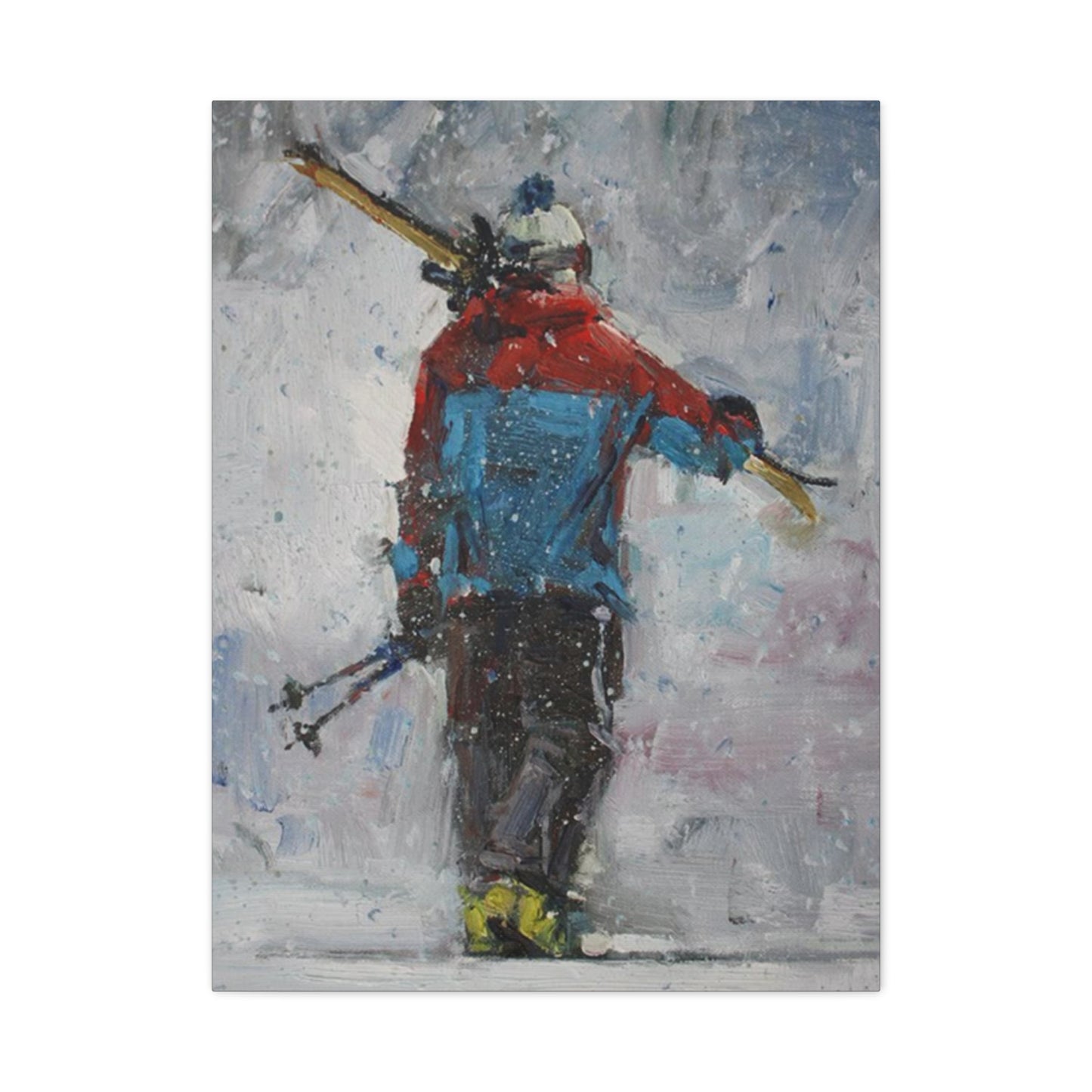
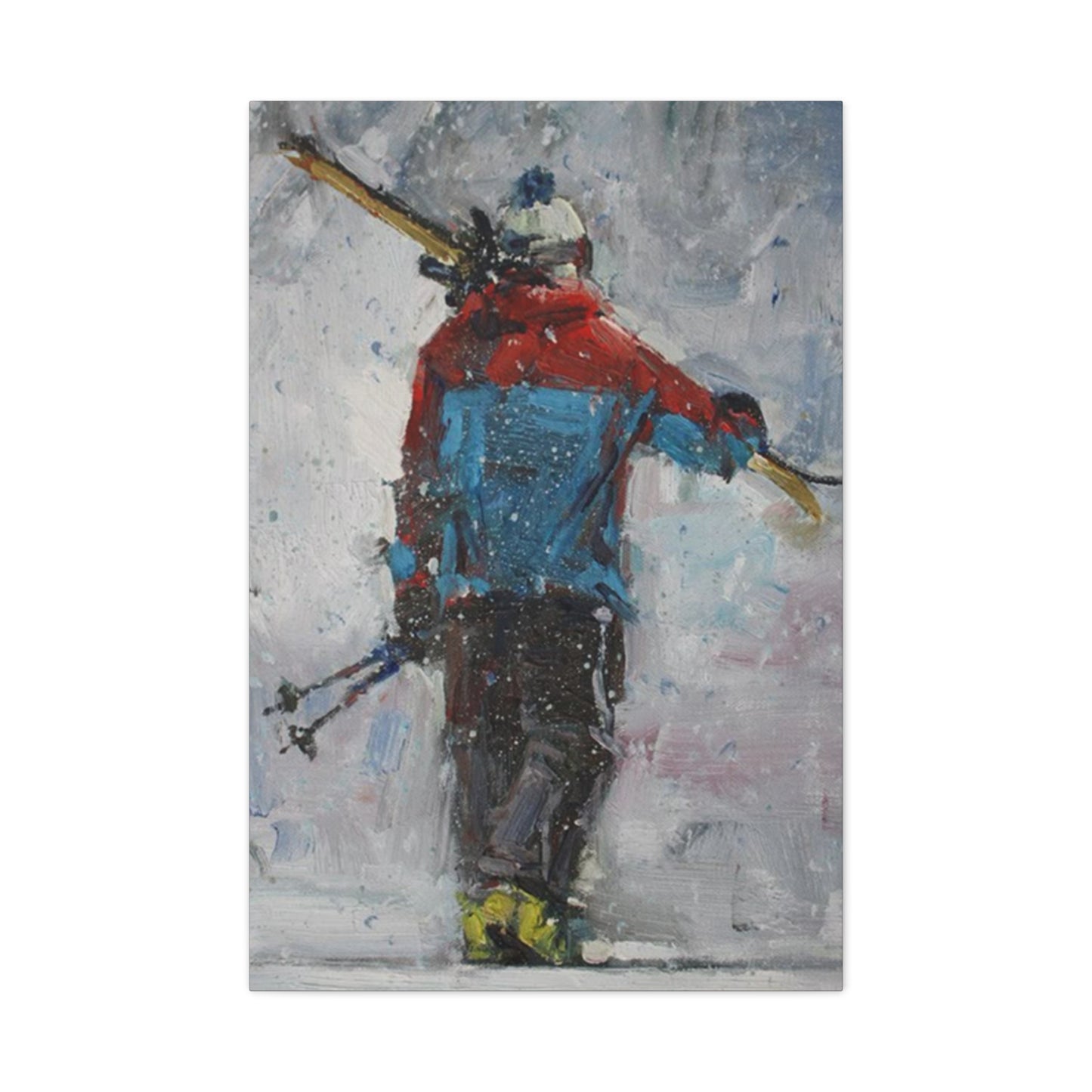
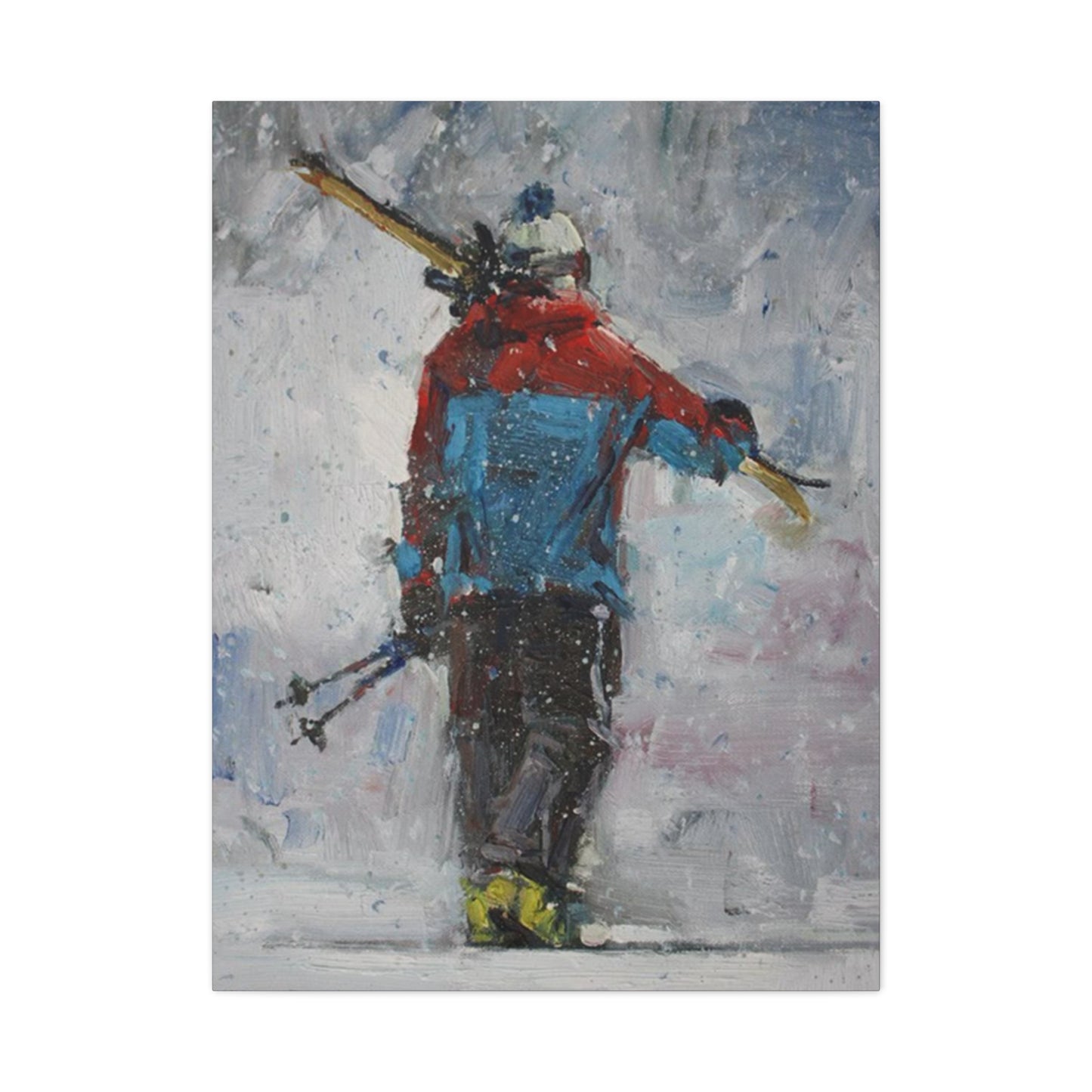
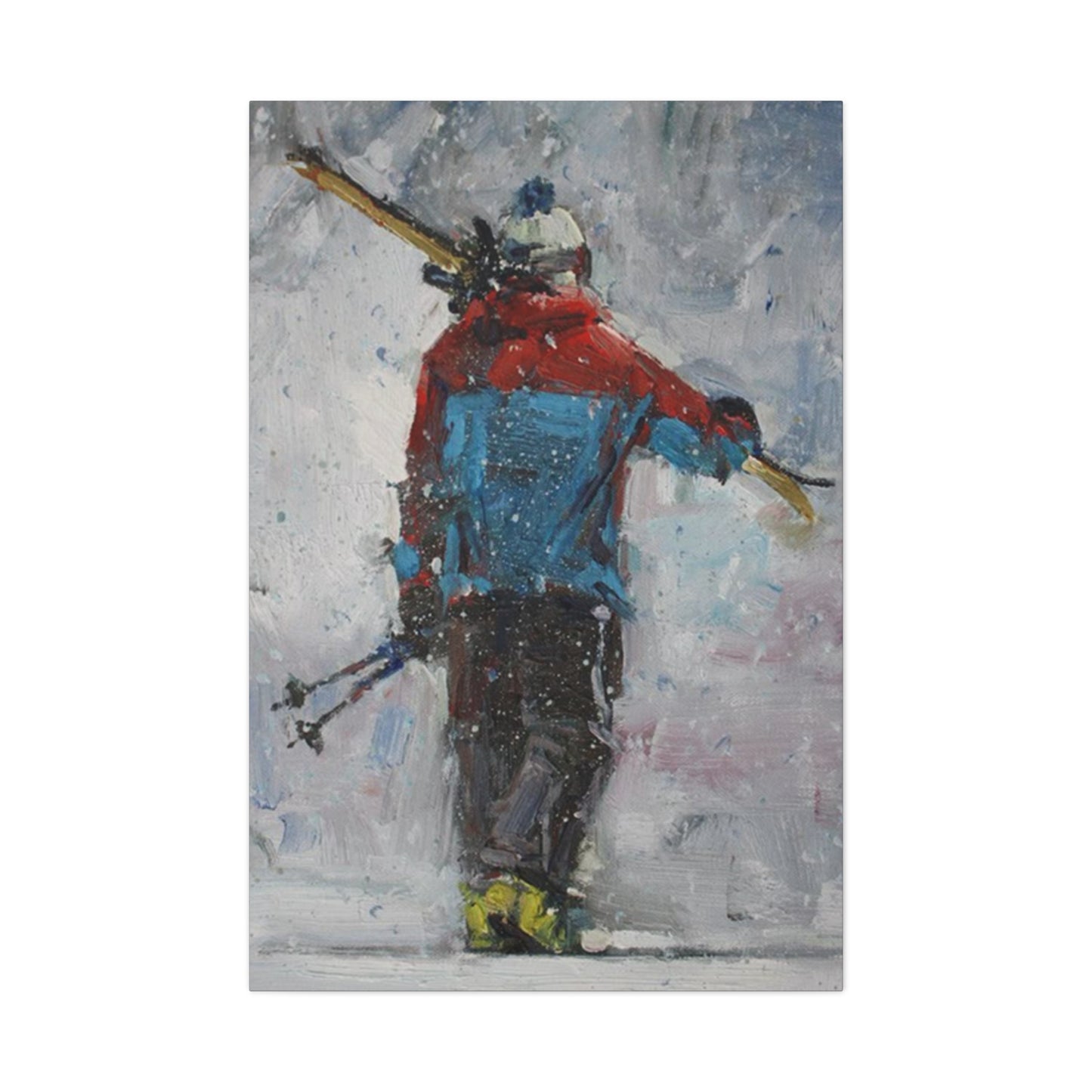
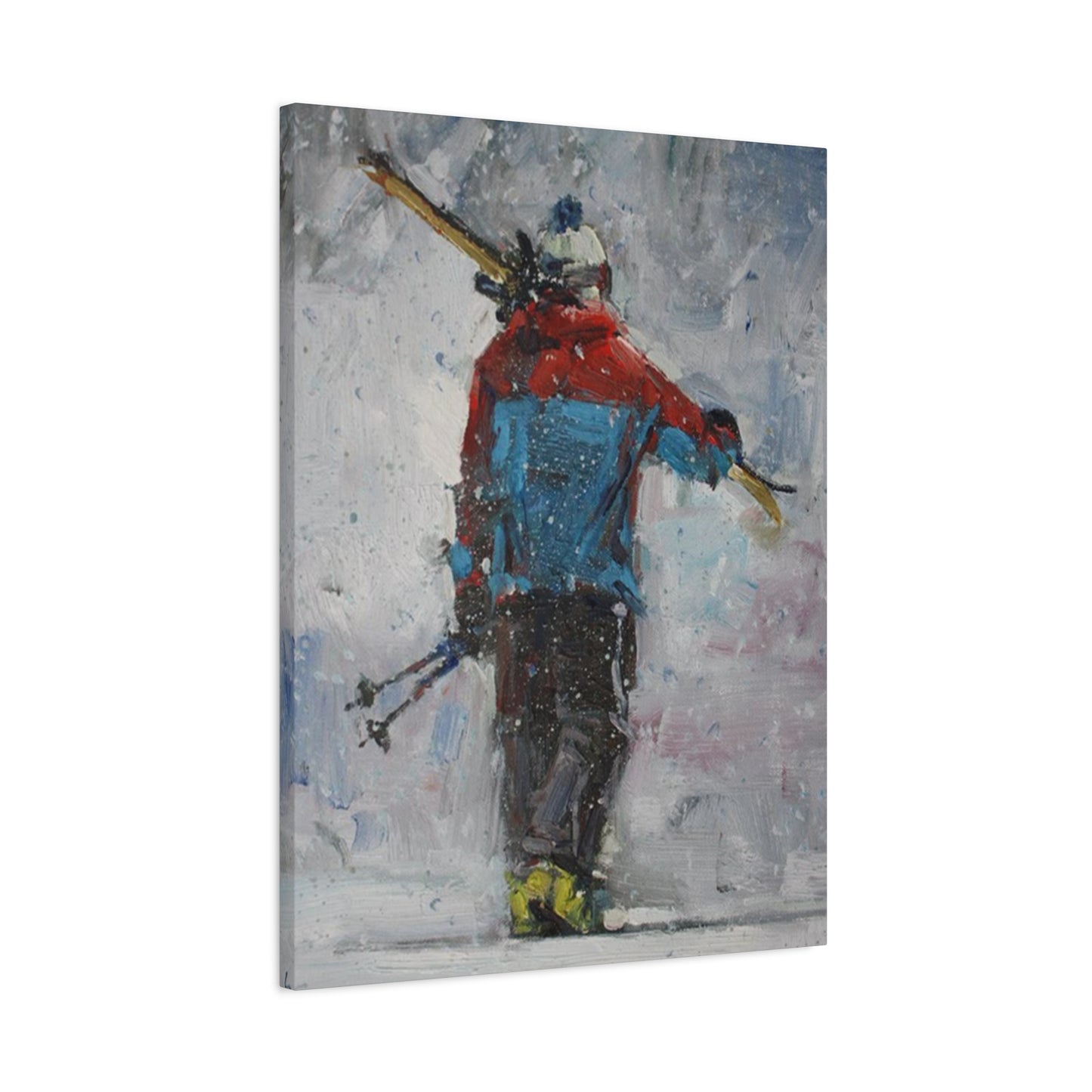
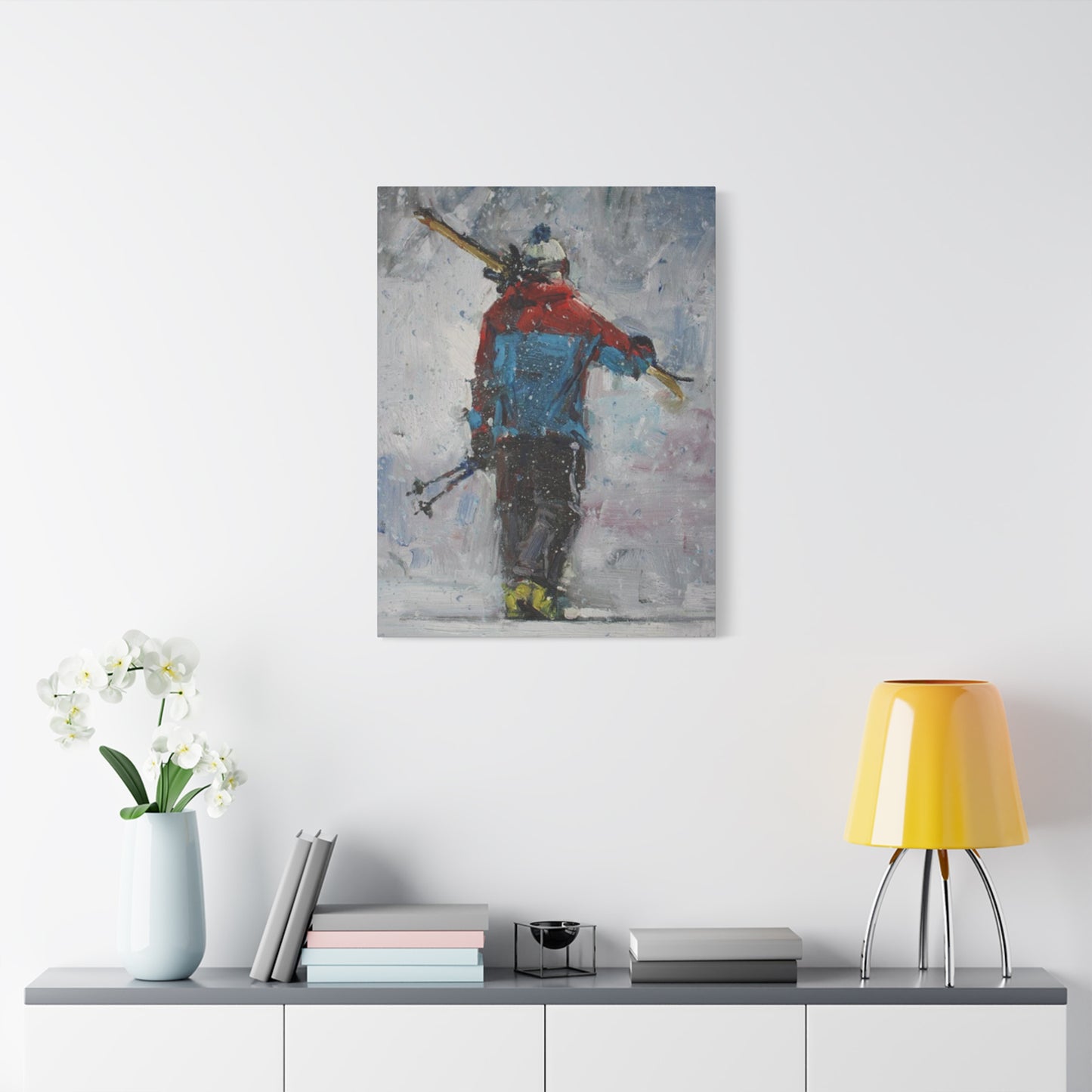
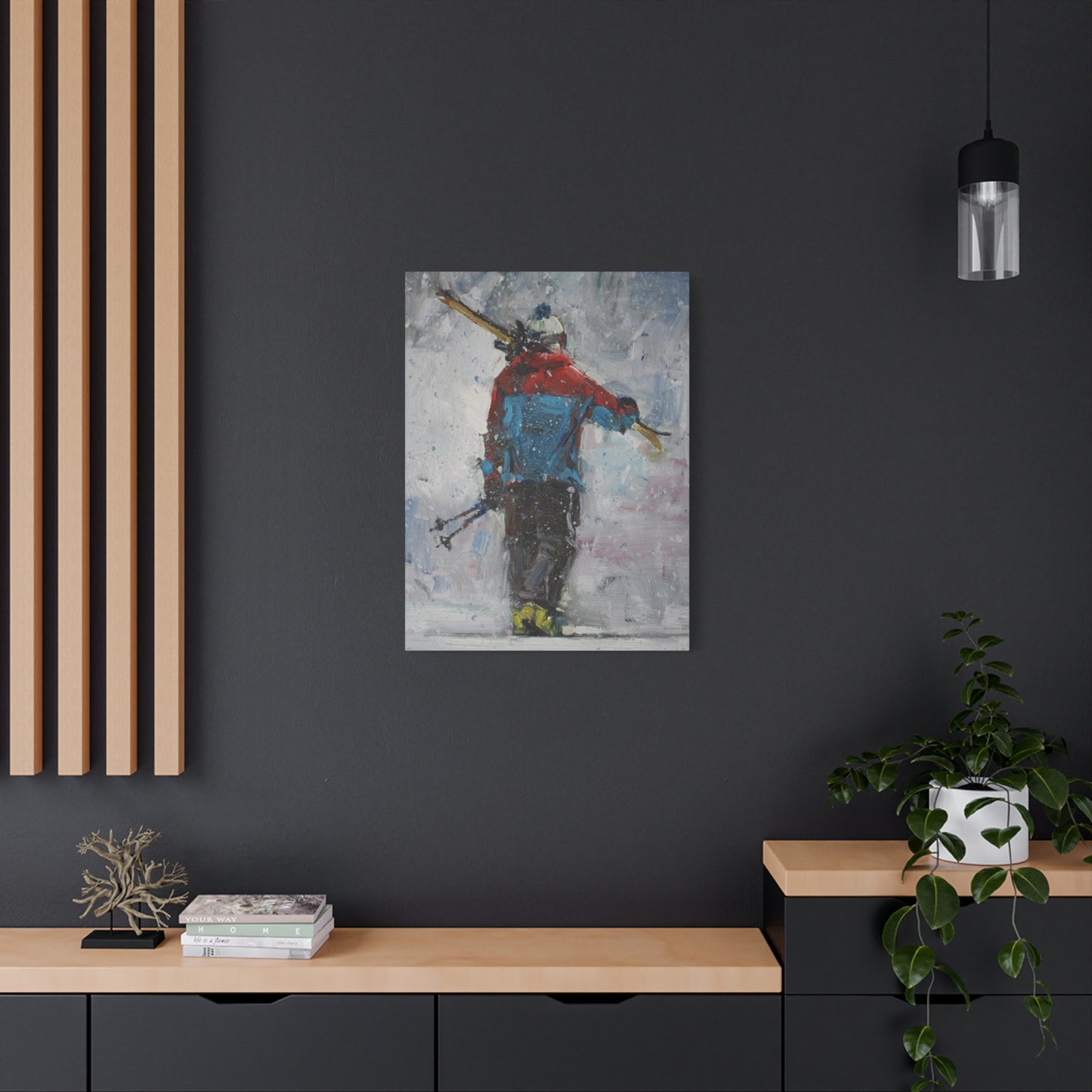
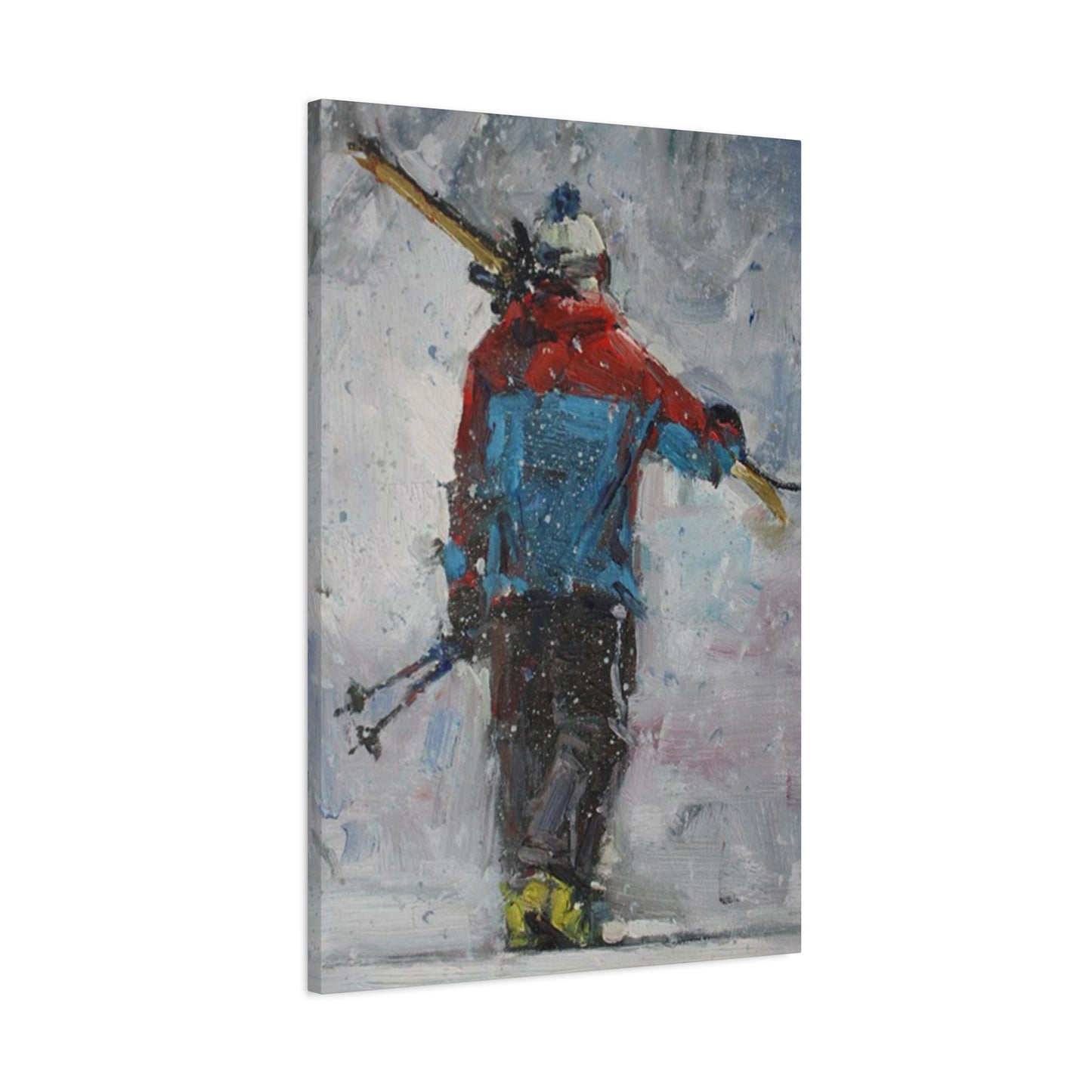
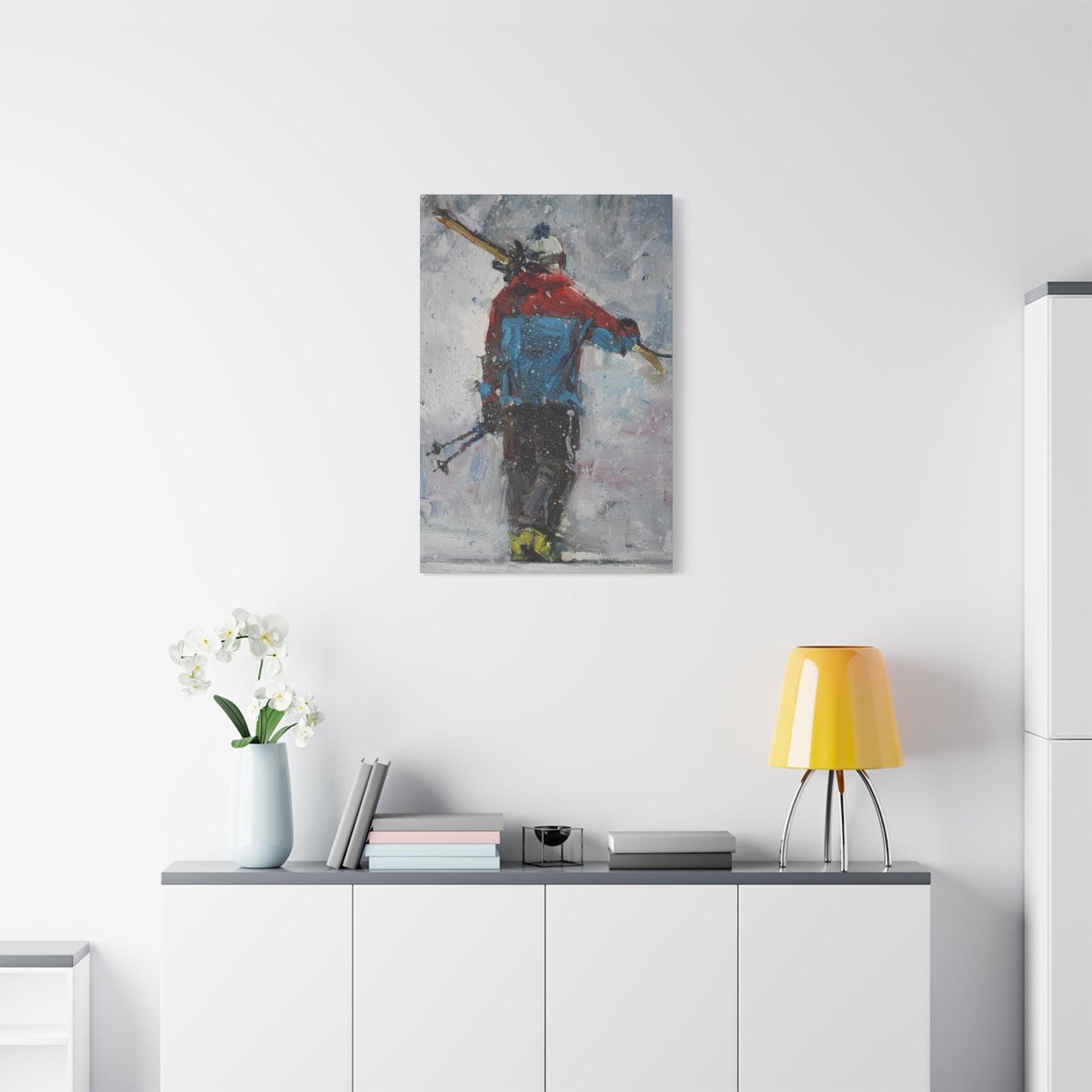
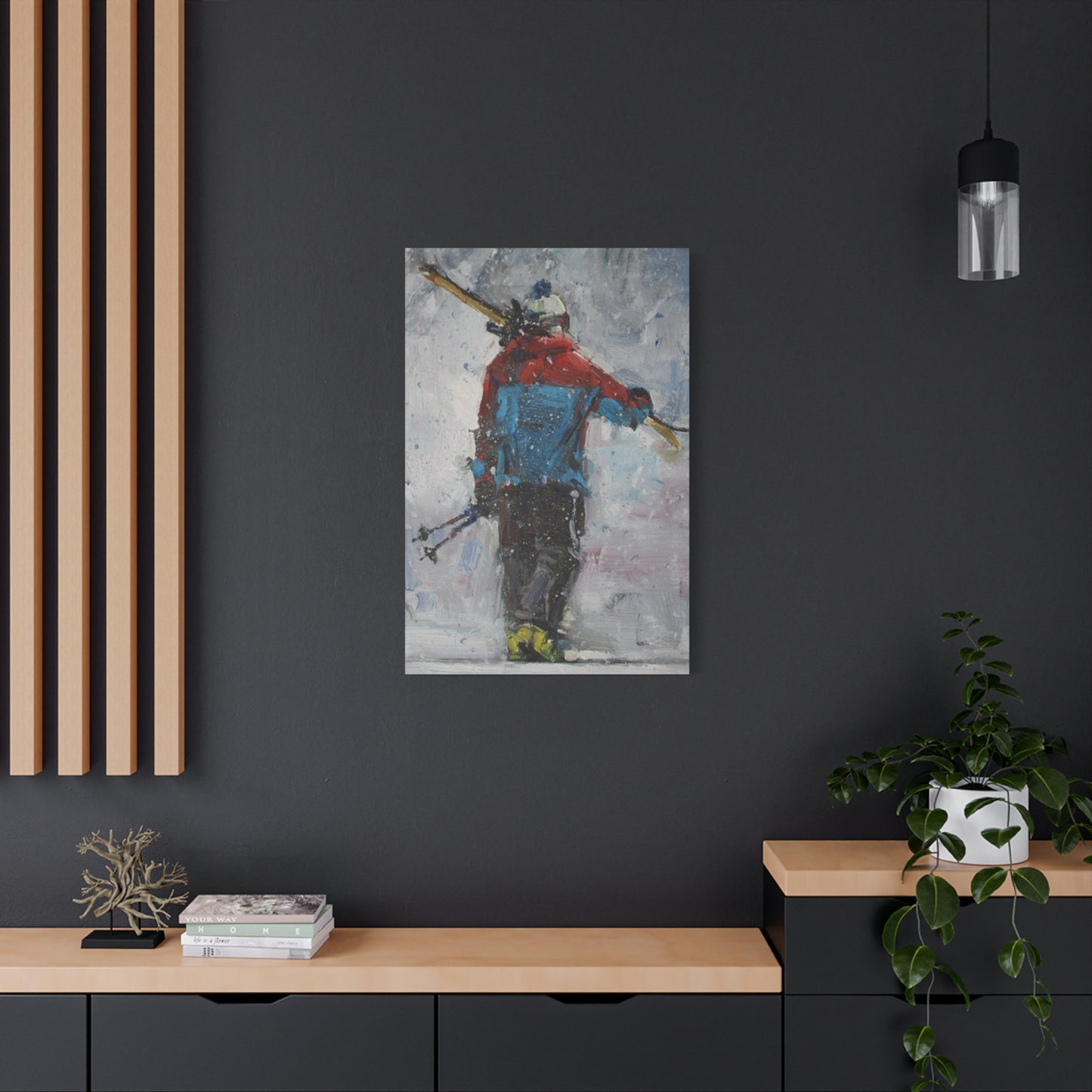
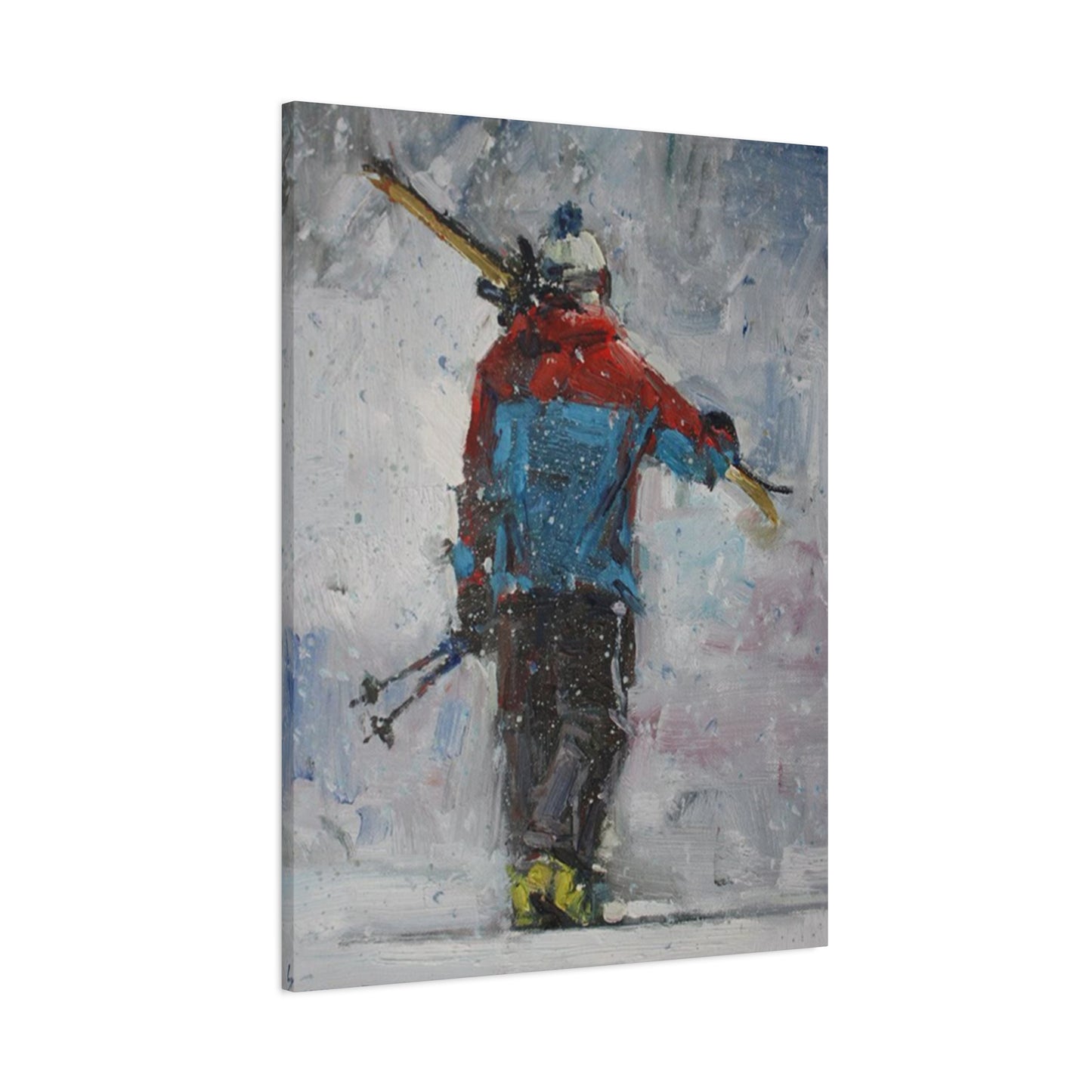
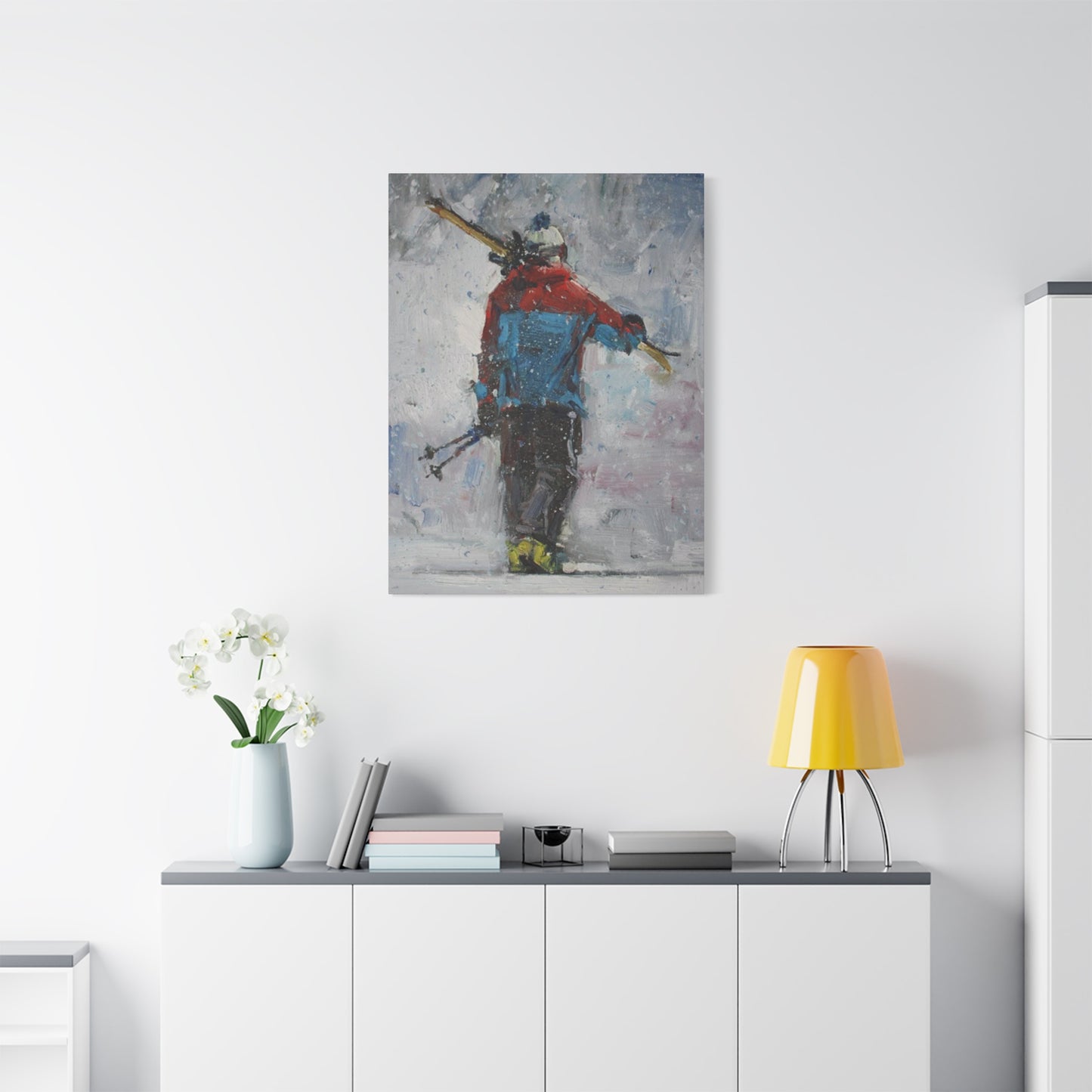
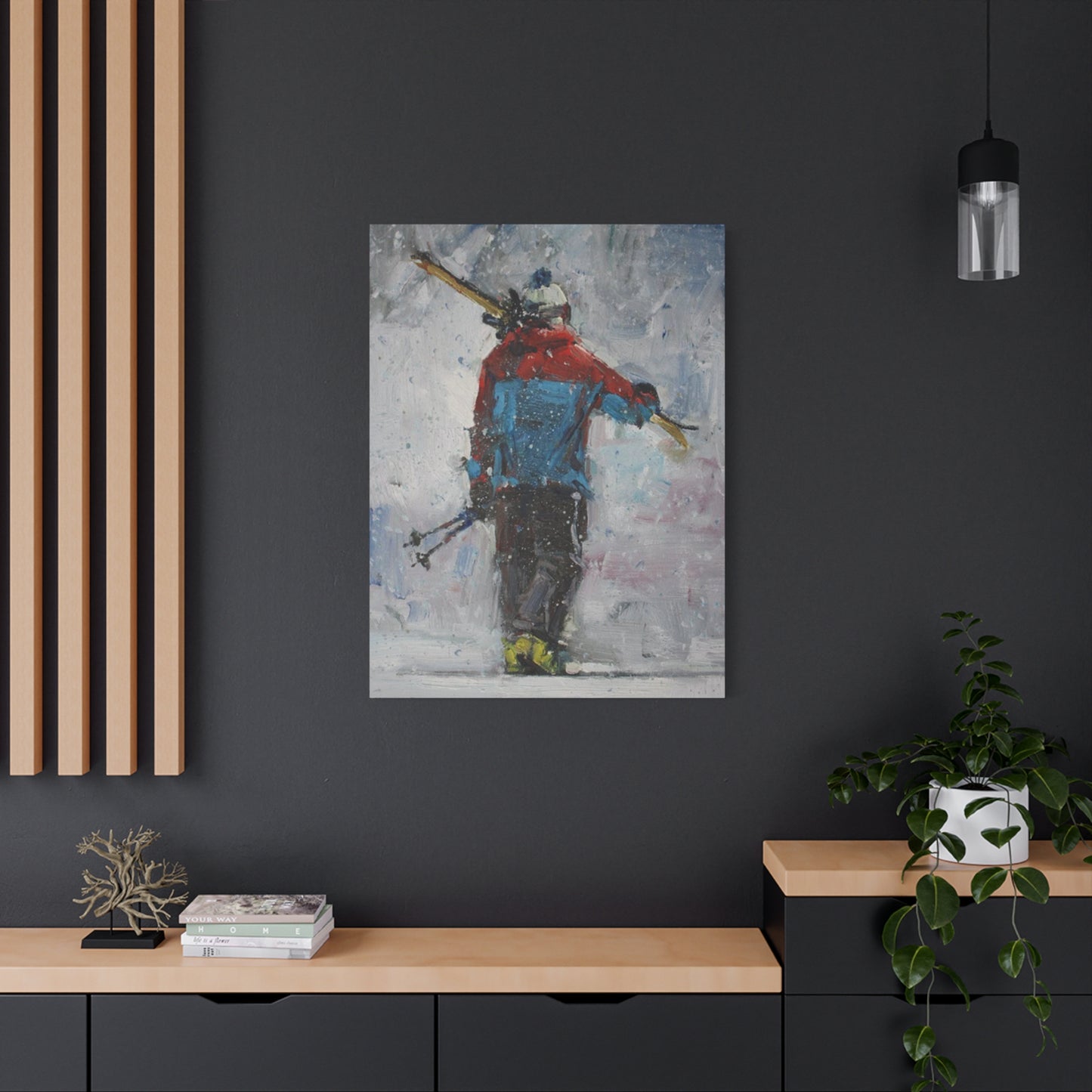
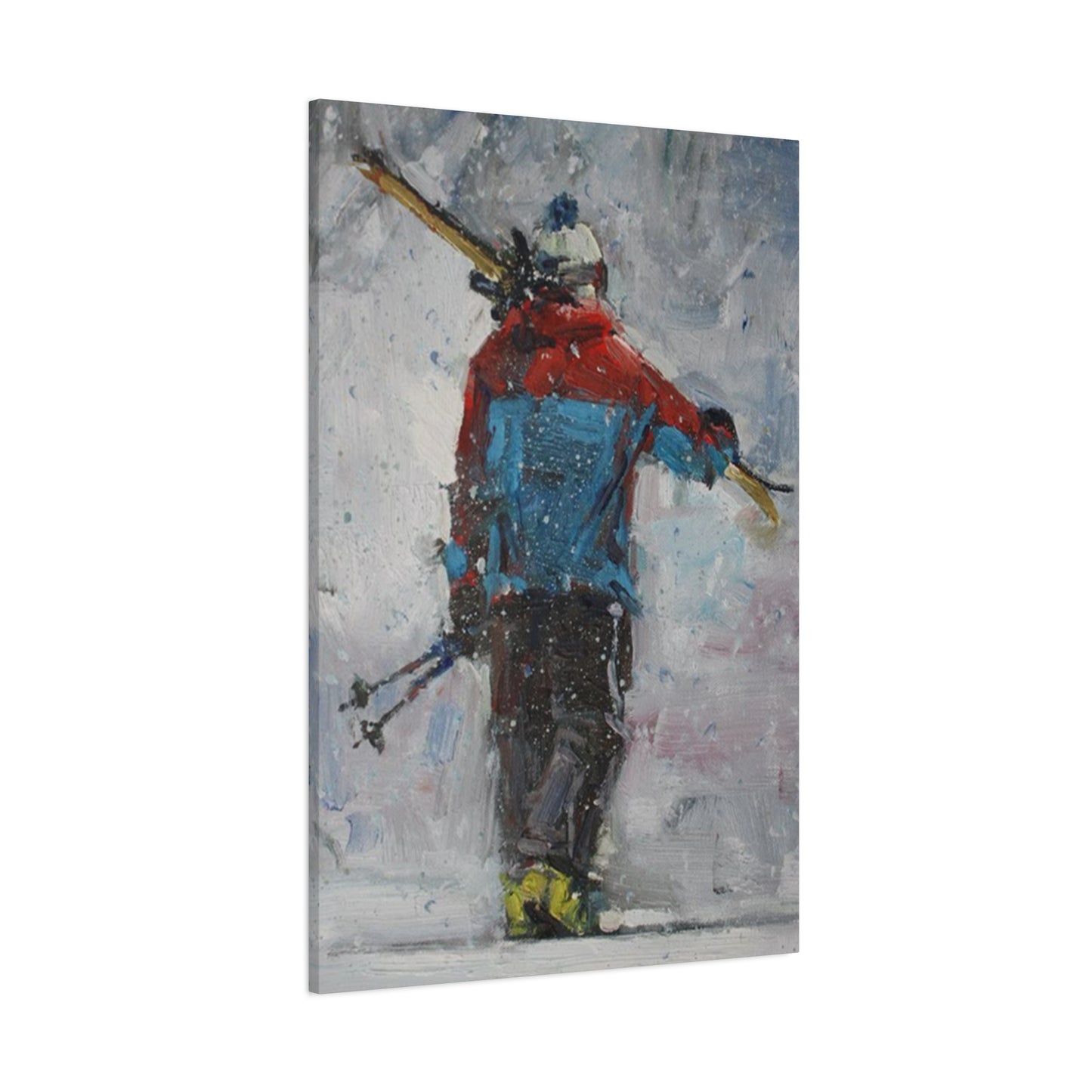
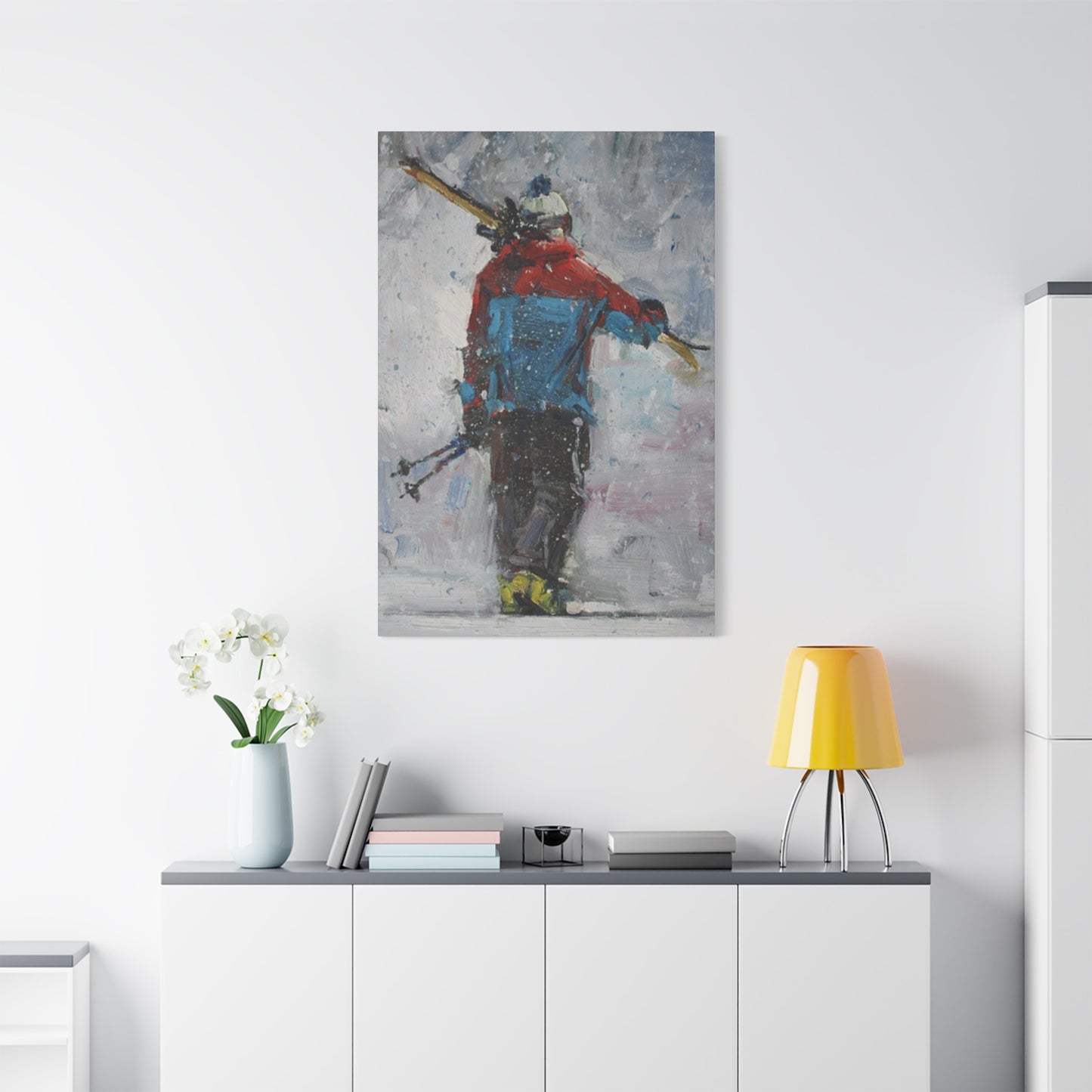
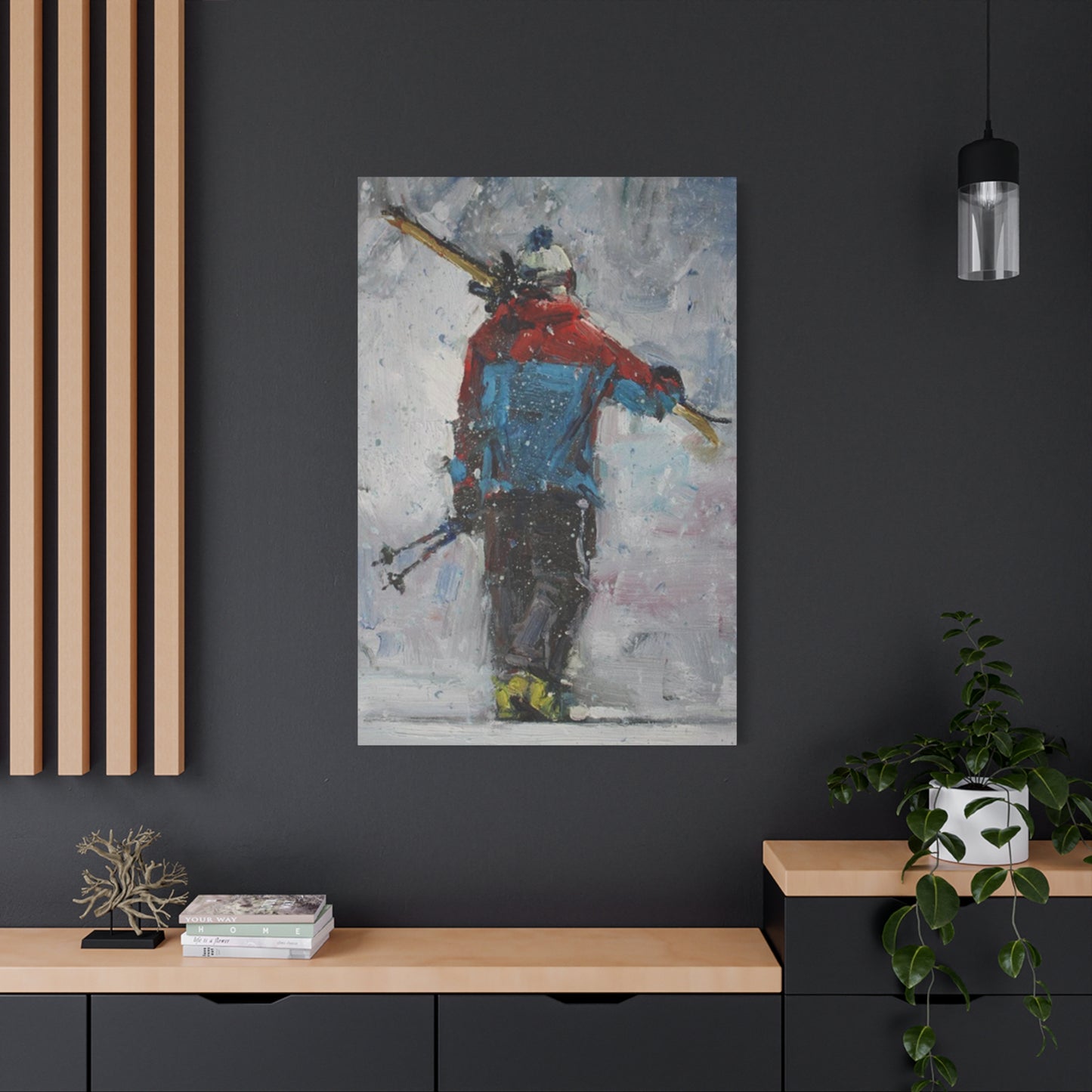
Elevate Your Living Space with Skier and Ski Board Wall Art Designs
The world of interior design has witnessed a remarkable surge in the popularity of sports-themed artwork, particularly pieces featuring winter athletes and mountain landscapes. Decorative pieces showcasing skiers with ski boards have become increasingly sought after by homeowners, design enthusiasts, and winter sports lovers alike. These artistic representations bring an element of adventure, energy, and natural beauty into residential and commercial spaces, creating focal points that spark conversation and inspire wanderlust.
Wall decorations depicting skiing scenes offer more than mere aesthetic appeal. They embody the spirit of outdoor adventure, athletic prowess, and the breathtaking majesty of snow-covered mountain ranges. Whether you are an avid skier who spends every winter weekend on the slopes or simply someone who appreciates the artistic merit of action sports imagery, incorporating these pieces into your living environment can dramatically transform the atmosphere of any room.
The versatility of skier wall art extends across various design styles, from rustic mountain lodge aesthetics to contemporary minimalist spaces. These pieces serve as excellent additions to living rooms, home offices, recreational areas, bedrooms, and even commercial establishments such as ski resorts, sports bars, and adventure tourism offices. The dynamic nature of skiing imagery captures movement, freedom, and the exhilarating experience of gliding down pristine mountain slopes.
Skiing Imagery in Artistic Expression
The representation of skiing in visual arts dates back several centuries, with early depictions found in Scandinavian cave paintings and ancient manuscripts. However, the modern appreciation for skiing artwork gained momentum during the late nineteenth and early twentieth centuries when winter sports became increasingly popular among European aristocracy and later the general public.
Vintage skiing posters from the 1920s through the 1960s have become highly collectible items, featuring bold typography, vibrant colors, and stylized illustrations of skiers navigating mountain terrain. These classic designs from renowned ski resorts in the Alps, Rockies, and other mountain ranges helped establish skiing as a glamorous and aspirational activity. The artistic style of these vintage pieces continues to influence contemporary wall art designs.
During the mid-twentieth century, photography emerged as a powerful medium for capturing the dynamism of skiing. Photographers began documenting professional skiers and recreational enthusiasts in action, freezing moments of athletic grace and mountain beauty. These photographic works evolved from purely documentary purposes to recognized art forms, with skilled photographers manipulating lighting, angles, and composition to create visually stunning images.
The late twentieth and early twenty-first centuries witnessed an explosion of diversity in skiing artwork. Digital art, mixed media pieces, abstract interpretations, and various painting styles have expanded the possibilities for representing skiing themes. Contemporary artists experiment with different techniques, materials, and conceptual approaches, ensuring that skiing artwork remains fresh, relevant, and appealing to new generations of collectors and decorators.
Design Styles and Artistic Approaches in Skiing Wall Decorations
The realm of skier wall art encompasses an impressive array of artistic styles, each offering distinct visual characteristics and emotional impacts. Photographic prints represent one of the most popular categories, capturing authentic moments of skiers in action against stunning mountain backdrops. These pieces range from dramatic action shots frozen at peak moments to serene landscape compositions featuring small figures traversing vast snowy expanses.
Abstract interpretations of skiing themes provide opportunities for more conceptual and emotional representations. Artists working in abstract styles might use bold color fields, geometric shapes, and fluid lines to convey the sensation of speed, the rhythm of turns, or the interaction between athlete and environment. These pieces often appeal to collectors seeking artwork that suggests skiing themes without literal representation.
Vintage-inspired designs continue to captivate audiences with their nostalgic charm and retro aesthetic qualities. These pieces often feature stylized illustrations, limited color palettes reminiscent of screen printing techniques, and typography characteristic of mid-century advertising. The nostalgic appeal of vintage skiing artwork makes it particularly suitable for creating warm, inviting atmospheres in homes and businesses.
Contemporary minimalist approaches strip skiing imagery down to essential elements, focusing on clean lines, simplified forms, and restrained color schemes. These pieces work exceptionally well in modern interiors where visual clarity and sophisticated simplicity take precedence. Minimalist skiing artwork might feature silhouettes, monochromatic compositions, or highly selective use of detail to create striking visual statements.
Mixed media artworks combine multiple materials and techniques to create textured, layered pieces with dimensional qualities. Artists might incorporate actual skiing equipment fragments, topographic maps, vintage lift tickets, or other ephemera into their compositions. These pieces offer tactile interest and narrative depth that purely two-dimensional artworks cannot provide.
Material Choices for Skiing Themed Wall Decorations
The selection of materials significantly impacts both the aesthetic qualities and durability of skiing wall art. Canvas prints remain among the most popular choices, offering excellent color reproduction, texture that adds visual interest, and a professional gallery appearance. High-quality canvas materials paired with archival inks ensure longevity and resistance to fading, making them suitable for prominent display locations.
Metal prints have gained considerable popularity in recent years, particularly for modern and industrial interior styles. The printing process infuses inks directly into specially coated aluminum sheets, creating vibrant colors, exceptional detail, and a unique luminous quality. Metal prints offer superior durability, resistance to moisture and scratches, and a contemporary aesthetic that complements minimalist and modern design schemes.
Wood-mounted prints and artwork printed directly on wood surfaces appeal to those seeking rustic, natural, or organic design elements. The visible grain and texture of wood add warmth and character to skiing imagery, making these pieces particularly suitable for mountain lodge decor, cabin interiors, and spaces emphasizing natural materials. Different wood species offer varied color tones and grain patterns.
Acrylic prints create stunning visual effects through their glossy, glass-like surfaces and dimensional depth. The printing process positions the image between clear acrylic layers, producing exceptional color saturation and a floating appearance when mounted with standoffs. Acrylic prints work beautifully in contemporary settings and locations where dramatic visual impact is desired.
Framed paper prints allow for traditional presentation styles with extensive customization options. The choice of frame materials, colors, finishes, and matting creates opportunities to harmonize artwork with existing decor or create intentional contrasts. Archival-quality paper and professional framing ensure preservation of the artwork for generations.
Lighting Techniques to Enhance Skiing Wall Art
Proper illumination dramatically affects how skiing artwork appears and the atmosphere it creates within spaces. Natural lighting from windows provides the most authentic color rendering but requires consideration of direct sunlight exposure which can cause fading over time. Positioning artwork perpendicular to windows rather than opposite them minimizes glare while allowing ambient natural light to illuminate pieces.
Picture lighting fixtures mounted directly above or beside artworks provide focused illumination that highlights pieces while creating dramatic effects. LED picture lights offer energy efficiency and minimal heat generation, protecting artwork from thermal damage while providing adjustable brightness levels. The directed nature of picture lighting creates professional gallery-quality presentation.
Track lighting systems allow flexible positioning of multiple light sources that can be adjusted to illuminate various artworks or modified as collection arrangements change. This versatility makes track lighting particularly valuable for collectors who periodically rotate displayed pieces or adjust gallery wall configurations. Modern LED track systems offer extensive control over color temperature and intensity.
Recessed ceiling lighting provides ambient illumination that can be directed toward wall art through adjustable fixtures or strategic placement. While not as focused as picture lighting, properly positioned recessed lights create even illumination across artwork surfaces without the visual presence of exposed fixtures. This approach maintains clean, minimalist aesthetics.
Backlighting creates dramatic effects particularly effective with certain types of artwork mounted on metal, acrylic, or other materials that allow light transmission or reflection. Backlighting separates artwork visually from walls, creating floating appearances and emphasizing dimensional qualities. This technique works especially well in contemporary and modern interior designs.
Creating Gallery Walls with Skiing Themes
Gallery wall design requires careful planning to achieve cohesive yet dynamic arrangements that showcase multiple artworks effectively. Skiing-themed gallery walls might combine vintage posters, contemporary photographs, abstract pieces, and complementary mountain landscapes, creating visual narratives about winter sports and alpine environments. Successful gallery walls balance variety with unity through consistent elements.
Symmetrical gallery arrangements feature identical spacing, aligned edges, and balanced compositions that create orderly, traditional presentations. Grid patterns with uniform spacing between equal-sized pieces exemplify symmetrical approaches. These arrangements suit formal spaces and complement traditional interior styles, projecting organization and intentionality.
Asymmetrical gallery configurations embrace varied spacing, mixed sizes, and organic arrangements that feel more casual and contemporary. These layouts require careful planning to achieve visual balance despite irregular patterns. Asymmetrical arrangements often feel more dynamic and personal, suiting eclectic, contemporary, and bohemian interior styles.
Color coordination across gallery wall pieces creates visual harmony despite potentially diverse artistic styles and subjects. Selecting skiing artworks that share dominant colors or complementary color relationships helps unify collections. Alternatively, monochromatic approaches using only black and white pieces eliminate color as a variable, allowing focus on composition and subject matter.
Frame consistency provides another strategy for unifying diverse artworks within gallery walls. Using identical frame styles, colors, and materials across all pieces creates cohesion even when artwork styles vary significantly. Conversely, varied frames can work when artworks themselves share strong stylistic or thematic similarities.
Thematic progression arranges gallery wall pieces to tell visual stories or represent journeys. A skiing-themed gallery might progress from preparation images through action shots to après-ski scenes, or might represent different ski locations, techniques, or historical periods. These narrative arrangements reward extended viewing and create conversation opportunities.
Seasonal Rotation and Display Flexibility
Seasonal artwork rotation keeps interior spaces feeling fresh and responsive to changing outdoor conditions. Skiing wall art naturally suits winter display when its themes align with current weather and activities. However, year-round display remains perfectly appropriate for dedicated skiing enthusiasts or in mountain region homes where skiing culture remains relevant throughout the year.
Storage solutions for rotated artwork protect pieces during off-display periods. Proper storage requires protection from moisture, temperature extremes, direct sunlight, and physical damage. Canvas and paper works should be wrapped in acid-free materials, while framed pieces benefit from protective corners and vertical storage positions that prevent warping.
Interchangeable display systems facilitate easy artwork swaps without wall damage or extensive rehinging efforts. Rail hanging systems, picture ledges, and specialized hanging hardware allow piece changes while maintaining consistent positioning. These systems particularly benefit those who enjoy frequent decorative updates or maintain extensive art collections.
Complementary seasonal pairings ensure skiing artwork relates appropriately to other decorative elements. Winter displays might combine skiing art with cozy textiles, warm lighting, and cool color schemes, while retaining skiing pieces during warmer months might involve adjusting surrounding decor toward lighter, brighter elements that prevent seasonal disconnection.
Skiing Wall Art for Commercial Spaces
Ski resort lodges, hotels, and rental properties naturally incorporate skiing artwork as essential components of branded environments that immerse guests in mountain culture. These commercial applications often feature local mountain imagery, historical resort photographs, and pieces celebrating regional skiing traditions. Large-scale installations create memorable impressions and reinforce venue identities.
Sports bars and recreational venues use skiing artwork to establish athletic, adventurous atmospheres that appeal to active clientele. These spaces might feature action-packed imagery, vintage skiing memorabilia, or collections representing various winter sports. The decorative choices communicate values of adventure, fitness, and outdoor lifestyle appreciation.
Corporate offices and professional spaces increasingly recognize the value of distinctive artwork in creating memorable environments and expressing company cultures. Businesses related to outdoor industries, travel, sports equipment, or lifestyle brands might incorporate skiing art that aligns with their missions and appeals to their target audiences. These installations humanize corporate environments and provide conversation starters.
Retail environments selling skiing equipment, outdoor gear, or mountain lifestyle products use skiing artwork as both decoration and subtle marketing tool. These displays reinforce product contexts, inspire purchase motivations, and create immersive shopping experiences. Artwork selections often highlight the aspirational lifestyle elements associated with skiing rather than purely technical aspects.
Healthcare and wellness facilities increasingly incorporate nature and sports imagery based on research suggesting such visuals reduce stress and promote positive mindsets. Skiing artwork in these contexts provides uplifting, energizing imagery while avoiding the clinical sterility of purely neutral decor. Careful selection ensures images inspire without causing anxiety in patients with injury concerns.
Children and Youth Rooms Skiing Decorations
Skiing artwork designed for children's spaces often embraces playful, colorful, and imaginative approaches that capture youthful energy and enthusiasm. Cartoon-style skiers, bright color palettes, and simplified compositions appeal to younger viewers while introducing them to winter sports themes. These pieces can inspire athletic interest and appreciation for outdoor activities.
Educational opportunities arise from skiing artwork in children's rooms through pieces that incorporate maps, equipment illustrations, or representations of skiing history and techniques. Decorative choices that combine visual appeal with learning potential serve dual purposes, making rooms both attractive and enriching environments. Such pieces might spark conversations about geography, physics, or cultural traditions.
Growth accommodation considerations ensure children's room decor can evolve as occupants mature. Selecting skiing artwork with relatively sophisticated design qualities allows pieces to remain appropriate through various developmental stages. Alternatively, planning for eventual artwork updates acknowledges that youthful tastes change and provides flexibility for future modifications.
Safety considerations in children's spaces require secure mounting hardware, shatterproof materials when appropriate, and positioning that prevents accidental contact during active play. Wall-mounted pieces should be firmly anchored, and hanging hardware should support weights well beyond actual artwork masses to ensure stability.
Personal connection development occurs when children participate in artwork selection processes, choosing pieces featuring their favorite skiing styles, locations, or colors. This involvement creates ownership feelings and helps children view their rooms as personal spaces reflecting their identities and interests. Family skiing photographs mounted as artwork carry particular significance.
Custom and Personalized Skiing Wall Art Options
Custom photography commissions allow skiing enthusiasts to transform personal photographs into professional-quality wall art. Images from memorable skiing trips, family vacations, or significant athletic achievements become treasured decorative pieces with deep personal meaning. Professional printing services optimize image quality and offer various material and size options.
Digital illustration commissions create unique artistic interpretations of personal skiing experiences or imagined scenes. Working with illustrators allows specification of exact compositions, styles, color schemes, and details, resulting in truly one-of-a-kind pieces. These custom works might incorporate personal elements such as family members, specific locations, or meaningful details.
Text incorporation adds personalization through favorite quotes, memorable dates, location names, or personal mantras. Typography-focused designs might combine skiing imagery with inspirational words or phrases that hold particular significance. These hybrid text-image pieces serve both decorative and motivational functions.
Equipment integration pieces incorporate actual skiing gear such as vintage skis, bindings, poles, or lift tickets into artistic compositions. These assemblages create dimensional mixed-media works with authentic material connections to skiing history and personal experiences. Antique or retired equipment finds new purpose as decorative art.
Family portrait adaptations transform family photographs into artistic representations through various techniques including painting effects, graphic design treatments, or stylization filters. These personalized pieces celebrate family skiing traditions while serving as distinctive decorative elements that extend beyond standard vacation snapshots.
Cultural Representation and Diversity in Skiing Art
Gender representation in skiing artwork historically skewed heavily toward male subjects, though contemporary pieces increasingly feature female skiers and mixed-gender groups. Balanced representation acknowledges skiing's universal appeal and the significant presence of women in all skiing disciplines from recreational to professional levels.
Age diversity ranging from children learning to elderly enthusiasts maintains skills reflects skiing's accessibility across life stages. Artwork depicting various age groups celebrates skiing as lifelong activity and creates representation opportunities for viewers across demographic spectrums. Family-oriented pieces showing multigenerational participation particularly resonate with many collectors.
Cultural and ethnic diversity in skiing imagery acknowledges that winter sports extend globally beyond historically dominant European and North American populations. Representation of diverse participants in skiing artwork challenges stereotypes and creates inclusive visual narratives. This expanded representation particularly matters for introducing skiing to communities with limited historical participation.
Adaptive skiing representation showcasing athletes with disabilities celebrates inclusive participation and athletic achievement regardless of physical limitations. These powerful images inspire broader audiences while documenting important dimensions of skiing culture. Adaptive skiing artwork carries particular significance for spaces serving diverse populations or organizations promoting accessibility.
Economic diversity in skiing representations acknowledges that skiing extends beyond elite resort experiences to include accessible local hills, budget-conscious trips, and community programs making skiing available across economic strata. Varied setting representations from modest local areas to luxury destinations create more comprehensive skiing narratives.
Skiing Equipment as Artistic Subject Matter
Vintage equipment displays transform retired skis, boots, bindings, and poles into decorative objects celebrating skiing heritage. Wooden skis from early eras possess particular aesthetic appeal with their elegant shapes, natural materials, and often colorful graphics. Mounted on walls or incorporated into furniture pieces, vintage equipment bridges functional history and contemporary decoration.
Equipment evolution documentation through artistic representations or curated collections illustrates technological advancement and design changes across skiing history. Comparative displays showing equipment from various decades educate viewers about innovation while creating visually interesting arrangements. These historical perspectives appeal particularly to enthusiasts appreciating skiing's technical development.
Technical diagrams and patent drawings of skiing equipment offer unique artistic subjects combining technical precision with historical documentation. These specialized pieces appeal to those appreciating intersection of engineering, design, and winter sports. Vintage patent illustrations possess particular aesthetic qualities with their precise line work and technical annotations.
Abstract equipment representations distill skiing gear to essential forms and shapes, creating minimalist compositions that suggest rather than literally depict equipment. These pieces work particularly well in contemporary settings where simplified visual statements align with broader design principles. Color blocking and geometric arrangements of equipment shapes create dynamic modern artworks.
Equipment detail macro photography focuses on specific components, textures, and materials of skiing gear. Close-up images revealing binding mechanisms, ski base patterns, boot buckle details, or weathered equipment surfaces create unexpectedly beautiful compositions. These detail-oriented pieces appeal to those appreciating subtle beauty in functional objects.
Action Photography Techniques in Skiing Wall Art
Stop-motion freezing captures peak action moments with crystal clarity, preserving instants of athletic achievement that human eyes cannot fully process in real-time. High shutter speeds freeze snow spray, suspended jumps, and dynamic body positions. These images emphasize athleticism, technique, and the precise moments that define skiing excellence.
Motion blur techniques intentionally capture movement through slower shutter speeds that create flowing, dynamic impressions of speed and fluidity. Strategic blur in skier movements or background elements while maintaining some sharp focus areas creates sophisticated compositions suggesting motion without sacrificing all visual clarity. These artistic choices emphasize sensation over documentation.
Panning photography follows moving skiers with camera motion matching subject speed, maintaining skier sharpness while blurring backgrounds. This technique creates strong impressions of velocity and direction while maintaining subject focus. The streaked backgrounds emphasize forward motion and environmental context flowing past the athlete.
Aerial perspective photography from drones, helicopters, or mountain vantage points provides unique viewing angles impossible from ground level. Overhead views reveal skiing patterns in fresh snow, showcase terrain features, and create abstract compositions through unusual perspectives. These bird's-eye viewpoints offer fresh interpretations of familiar subjects.
Long exposure night skiing imagery captures light trails from headlamps and illuminated slopes, creating ethereal, otherworldly representations of nighttime skiing. The flowing light trails against dark mountain backgrounds create striking visual contrasts and transform skiing into luminous artistic subjects. These specialized images offer distinctive alternatives to conventional daylight skiing photography.
Composition Elements Specific to Mountain Environments
Snow texture representation significantly impacts skiing artwork aesthetics and atmospheric qualities. Fresh powder creates soft, pristine surfaces with subtle shadows and highlights. Groomed corduroy patterns introduce geometric regularity contrasting with natural landscape irregularity. Tracked and carved snow reveals skiing history and activity across slopes.
Mountain peak formations provide dramatic backdrops and establish scale relationships between human figures and vast natural environments. Recognizable peak profiles connect artworks to specific locations while unnamed mountains suggest universal alpine experiences. The interplay between skiers and peaks creates powerful compositional relationships.
Weather condition variations dramatically alter skiing imagery moods and characteristics. Bright sunshine creates sharp shadows and vibrant colors. Overcast conditions produce even, soft lighting emphasizing forms rather than dramatic contrasts. Storm conditions with blowing snow create atmospheric, moody imagery suggesting challenge and adventure.
Tree and forest elements frame compositions, add depth layers, and connect skiing to broader mountain ecosystems. Skiing through forest areas creates intimate, enclosed feelings contrasting with open alpine bowl expansiveness. Trees provide scale references, compositional anchors, and seasonal markers through bare branches or snow-laden boughs.
Shadow and light interplay across snow surfaces creates constantly changing visual dynamics throughout skiing days. Long shadows during sunrise and sunset create dramatic effects and warm color temperatures. Midday overhead light emphasizes texture and reduces shadows. Backlit snow creates luminous, glowing qualities particularly effective in artistic representations.
Narrative Storytelling Through Skiing Artwork
Journey progression imagery presents skiing as process rather than isolated moments, showing preparation, travel, ascent, descent, and conclusion phases. Multi-image series or single compositions incorporating multiple story stages create narrative depth. These storytelling approaches emphasize skiing as comprehensive experience rather than purely athletic performance.
Relationship documentation captures social dimensions of skiing through images of friends, families, or romantic partners sharing experiences. These human-centered pieces emphasize connection, shared adventure, and relationships strengthened through common interests. The emotional warmth of relationship-focused skiing imagery differentiates it from purely athletic or landscape-oriented works.
Challenge and achievement themes present skiing as testing ground for personal development, courage, and skill building. Images capturing difficult terrain, weather challenges, or athletic progression tell stories of overcoming obstacles and pushing boundaries. These narrative elements inspire viewers while documenting meaningful personal journeys.
Seasonal cycle representations connect skiing to broader natural rhythms and time passage. Images showing same locations across seasons, first and last ski days, or skiing's place within annual cycles create temporal narratives. These pieces acknowledge skiing's temporary nature within longer environmental cycles.
Cultural tradition documentation preserves and celebrates skiing practices, rituals, and customs specific to communities or regions. Images of ski patrol traditions, racing customs, local hill culture, or family skiing rituals record meaningful human activities. These cultural documentaries serve both artistic and anthropological functions.
Color Theory Applications in Skiing Artwork Selection
Complementary color schemes using opposite color wheel positions create vibrant, energetic compositions with strong visual impact. Orange-suited skiers against blue sky and snow exemplify complementary relationships common in skiing imagery. These high-contrast pairings command attention and project excitement.
Analogous color harmonies use adjacent color wheel positions for related, harmonious color relationships. Blue-to-purple-to-violet ski sunset imagery or orange-to-red-to-pink alpine glow photography demonstrates analogous approaches. These schemes feel cohesive and natural while maintaining visual interest through subtle variations.
Triadic color relationships space three colors equidistantly around color wheels, creating balanced yet vibrant schemes. Red, yellow, and blue elements within skiing compositions exemplify triadic approaches. These schemes offer color variety while maintaining structural balance and intentional color planning.
Monochromatic variations explore single hues across different saturations and values. Blue-based skiing artwork might range from pale icy tints through medium sky blues to deep navy shadows. Monochromatic approaches create sophisticated, unified aesthetics emphasizing tonal relationships over color variety.
Accent color strategies use predominantly neutral or single-color compositions with strategic bright color placements drawing attention to focal points. Largely black-and-white imagery with single red jacket or yellow ski graphic demonstrates accent approaches. These strategic color uses guide viewer attention while maintaining overall restraint.
Framing and Presentation Styles for Skiing Artwork
Gallery wrap canvas extends printed images around frame edges, eliminating need for separate framing while creating finished, three-dimensional objects. This presentation style offers clean, contemporary aesthetics particularly suited to modern interiors. Gallery wraps work best with images containing non-critical border content that can wrap without loss of important compositional elements.
Float mounting suspends artwork between clear acrylic or glass layers, creating dimensional separation from walls. This sophisticated presentation technique particularly suits contemporary spaces and special pieces deserving distinctive treatment. The floating appearance adds perceived value and draws attention to mounting technique itself.
Traditional matting and framing provides classic presentation particularly appropriate for photographic prints and vintage posters. Mat selection influences perceived artwork scale and creates visual breathing room between images and frames. Multiple mat layers add dimensional interest while frame choices dramatically impact overall aesthetic from ornate traditional to sleek contemporary options.
Shadow box framing accommodates dimensional objects and mixed media pieces incorporating physical skiing artifacts. These deep frames allow inclusion of memorabilia such as lift tickets, badges, equipment fragments, or other tangible skiing memories alongside images. Shadow boxes transform flat artworks into three-dimensional displays.
Standoff mounting uses metal spacers separating artwork from walls, creating shadows and dimensional effects. This contemporary presentation particularly suits acrylic and metal prints in modern settings. The floating appearance adds sophistication and emphasizes artwork as special object rather than mere wall decoration.
Skiing Art in Open Concept Living Spaces
Sight line considerations across open floor plans require coordinating artwork visible from multiple rooms and viewing angles. Skiing pieces serving as focal points in open spaces should read effectively from various distances and angles. Size, color impact, and compositional clarity become particularly important in these multifunctional viewing scenarios.
Scale relationships between artwork and expansive spaces require larger pieces than closed individual rooms might demand. Open concept areas risk artwork appearing insignificant if undersized relative to available wall space and room volumes. Oversized statement pieces or multiple coordinated works create appropriate visual weight in grand open spaces.
Thematic continuity across visible areas creates coherent design narratives throughout open floor plans. Skiing artwork in living areas might coordinate with mountain landscape photography in dining spaces or winter scenes in kitchen areas. Related themes prevent visual disconnection while allowing variety across distinct functional zones.
Color coordination strategies ensure skiing artwork harmonizes with broader open space color schemes affecting multiple functional areas. Dominant artwork colors should relate intentionally to furnishings, accent colors, and finishes visible throughout interconnected spaces. Cohesive color planning prevents individual pieces from appearing isolated or clashing with distant but visible elements.
Architectural feature integration positions skiing artwork in relationship to structural elements like fireplaces, staircases, or exposed beams. These architectural anchors provide natural locations for significant artwork installations that enhance rather than compete with interesting structural features. Coordination between artwork and architecture creates unified spatial experiences.
Emerging Trends in Skiing Wall Art
Drone photography perspectives continue gaining popularity as aerial imaging technology becomes more accessible. These unique viewpoints provide fresh interpretations of skiing through overhead angles revealing patterns, terrain features, and environmental contexts invisible from ground level. The abstract qualities of aerial skiing photography appeal to contemporary design sensibilities.
Sustainable and eco-conscious artwork reflects growing environmental awareness among consumers. Pieces highlighting pristine mountain environments, celebrating conservation, or produced through environmentally responsible methods resonate with values-driven collectors. Climate change themes and wilderness preservation messages increasingly appear in skiing artwork.
Diversity and inclusion representation grows as skiing industries and communities become more demographically varied. Contemporary skiing artwork increasingly features diverse participants regarding gender, ethnicity, age, and ability. This representational shift acknowledges skiing's expanding accessibility and challenges historical demographic limitations.
Mixed media experimentations combine photography, painting, digital manipulation, and physical elements in increasingly creative ways. Artists push beyond single-medium constraints to create unique hybrid works. These experimental pieces attract collectors seeking distinctive, innovative artworks differentiating their collections from common commercial offerings.
Minimalist graphic design approaches strip skiing imagery to essential elements using bold shapes, limited color palettes, and simplified forms. This design trend aligns with broader minimalist interior movements emphasizing clarity and restraint. Clean, graphic skiing artwork integrates seamlessly into contemporary minimalist spaces while maintaining visual impact through strong design rather than detail complexity.
Skiing Art as Investment Opportunity
Original artwork appreciation potential depends on artist reputation development, piece rarity, artistic quality, and market demand evolution. Works by established photographers or artists with gallery representation offer greatest appreciation potential though requiring significant initial investment. Emerging artist works provide more affordable entry points with uncertain but potentially substantial future value increases.
Limited edition value dynamics recognize that scarcity generally increases worth over time as edition numbers sell out. Early purchases from limited editions typically prove wisest from investment perspectives as prices often increase after partial or complete sellouts. Edition size, artist reputation, and image quality all influence limited edition investment potential.
Documentation importance for investment purposes requires maintaining purchase receipts, certificates of authenticity, edition numbers, artist signatures, and condition records. Professional appraisals establish baseline values and should be updated periodically. This documentation proves essential for insurance claims, estate planning, or eventual sales.
Market research before investment purchases involves studying recent sales of comparable works, following artist career developments, and understanding broader art market trends. Auction results, gallery price listings, and specialist publications provide market intelligence guiding informed acquisition decisions. Investment-motivated collecting requires more diligent research than purely aesthetic collecting.
Authentication concerns particularly affect vintage skiing posters and works by deceased artists where forgeries may circulate. Purchasing through reputable galleries, directly from living artists, or obtaining expert authentication opinions protects against fraudulent works. Authentication documentation significantly affects resale values and marketability.
Skiing Wall Art in Vacation Properties and Second Homes
Location-specific artwork celebrating local mountains, resorts, or skiing traditions creates strong sense of place in vacation properties. These geographically relevant pieces help define property character while celebrating surrounding environments. Guests immediately understand property locations and area recreational opportunities through thoughtfully selected local skiing imagery.
Durability considerations for properties with tenant turnover or seasonal vacancy favor robust materials and secure mounting. Canvas, metal, and acrylic prints withstand environmental fluctuations better than paper works. Extra-secure hanging hardware prevents damage during property inspections or maintenance. These practical concerns balance aesthetic desires with property management realities.
Renter appeal enhancement through professional artwork improves property marketability and justifies premium rental rates. Well-decorated vacation rentals photograph better in listings and receive superior reviews from guests appreciating aesthetic details. Skiing artwork particularly appeals in mountain resort markets where winter sports attract primary visitor demographics.
Seasonal relevance concerns whether skiing-specific artwork suits year-round vacation properties or should rotate with seasons. Properties used exclusively during ski seasons naturally feature skiing art without concerns about off-season appropriateness. Year-round properties might benefit from more general mountain landscapes or rotating seasonal displays.
Insurance and security considerations for vacation properties often unoccupied for extended periods suggest avoiding extremely valuable original artworks. High-quality reproductions provide aesthetic benefits without risk exposure associated with valuable originals in sometimes vulnerable properties. This practical approach balances decoration desires with risk management.
Photography Versus Painting in Skiing Wall Art
Photographic realism captures authentic moments and environments with documentary precision. Photography excels at freezing actual skiing action, showcasing real mountain beauty, and providing windows into genuine experiences. The indexical nature of photography connects viewers to actual moments that occurred before cameras rather than imagined scenes.
Painting interpretations offer artistic freedom beyond photographic documentation, allowing idealized compositions, imaginative color choices, and stylistic expressions impossible through pure photography. Painters synthesize observations, memories, and creative visions into unique artistic statements. The obvious human hand in paintings creates different viewer relationships than mechanically captured photographs.
Artistic legitimacy debates historically privileged painting over photography though contemporary art discourse grants both equal standing as legitimate artistic media. Each medium possesses unique strengths and limitations. Selection between photography and painting should depend on aesthetic preferences, intended decorative effects, and personal connections to specific works rather than hierarchical medium valuations.
Technical skill demonstrations differ between media, with painting showcasing manual dexterity, color mixing knowledge, and mark-making control while photography demonstrates compositional eye, timing mastery, and technical equipment understanding. Both require substantial skill for excellence though the specific competencies differ significantly.
Price point accessibility generally favors photographic prints over paintings, particularly for large sizes. Photography reproduction costs scale efficiently while paintings require individual creation time regardless of size. Original paintings command premium prices reflecting creation time investments while photography offers broader price ranges from affordable prints to expensive limited editions or vintage works.
Digital Art and NFT Skiing Collections
Digital creation possibilities free artists from physical media constraints, enabling effects, animations, and manipulations impossible through traditional methods. Digital artists create skiing imagery incorporating fantastical elements, impossible perspectives, or stylizations achievable only through digital tools. This creative freedom produces highly distinctive contemporary works.
NFT authentication provides digital artwork provenance and ownership verification through blockchain technology. Non-fungible tokens establish digital artwork as unique, collectible items despite infinite reproducibility of digital files. This technological development creates new collecting possibilities for digital skiing art alongside traditional physical works.
Display technology requirements mean digital artwork needs screens for viewing, introducing ongoing costs and technical considerations. High-quality digital displays representing artwork faithfully require significant investment and eventual replacement. Physical artwork's independence from technological systems offers permanence advantages over digital works requiring display infrastructure.
Environmental considerations of digital artwork present complex trade-offs. Digital works eliminate physical material production impacts but require electronic devices with manufacturing footprints and ongoing energy consumption. NFT blockchain verification consumes substantial energy, raising environmental concerns among conscious collectors. Neither digital nor physical approaches clearly wins environmental comparisons.
Market acceptance variations show digital skiing art and NFTs gaining traction among younger, technologically fluent collectors while traditional collectors often prefer physical works. This generational division may diminish as digital natives mature into primary collecting demographics. Current market reflects transitional period between predominantly physical art world and emerging hybrid digital-physical landscape.
Incorporating Skiing Art into Home Office Spaces
Motivational impact of skiing imagery in work environments can boost productivity, reduce stress, and maintain connection to outdoor activities during work hours. Views of mountain adventure provide mental breaks from work tasks and remind workers of life balance beyond professional obligations. This psychological benefit justifies skiing art inclusion in home offices.
Video call backgrounds increasingly matter in remote work contexts where professional appearances during virtual meetings carry significance. Skiing artwork positioned behind desk areas contributes to interesting, personable backgrounds suggesting active lifestyles and outdoor interests. These background elements facilitate small talk and help establish rapport with colleagues and clients.
Distraction concerns require balancing motivational and aesthetic benefits against potential attention diversion from work tasks. Overly busy or action-packed imagery might prove more distracting than calming landscape-oriented skiing scenes. Strategic positioning places artwork in peripheral vision rather than directly within primary viewing zones during focused work.
Professional appearance considerations influence artwork style and subject matter selections for home offices serving client-facing functions. Elegant, sophisticated skiing artwork enhances professional impressions while maintaining personality. Extremely casual or sport-specific imagery might undermine professional positioning depending on industry norms and client expectations.
Personal satisfaction derived from surrounding oneself with meaningful imagery during work hours significantly impacts daily experience quality. Since substantial time occurs in home offices, creating environments that feel personally meaningful rather than purely functional improves overall wellbeing and work satisfaction. Skiing artwork transforms utilitarian work spaces into personally expressive environments.
Sourcing and Acquiring Skiing Wall Art
Online marketplaces offer enormous selection spanning commercial reproductions to original artworks from international sellers. Platforms specializing in wall art provide filtering tools helping buyers locate specific styles, sizes, colors, and price points. The convenience and selection breadth of online purchasing must be balanced against inability to view physical pieces before commitment.
Local galleries provide opportunities for physical artwork examination before purchase while supporting community arts infrastructure. Gallery staff offer expertise guiding selections and can facilitate artist introductions. The personalized service and supporting local businesses benefits offset potentially higher prices versus online mass-market retailers.
Direct artist relationships accessed through studio visits, art fairs, or online portfolios eliminate intermediary costs while establishing personal connections with creators. Commissioning custom works or purchasing directly from artists ensures maximum artist compensation and allows discussing artistic processes. These relationships enrich collecting experiences beyond mere transactions.
Estate sales and auctions occasionally offer vintage skiing posters, photography, and other works at potentially advantageous prices. However, condition assessment becomes critical and authentication concerns arise with valuable vintage pieces. Expertise or professional consultation helps navigate these alternative acquisition channels successfully.
Art print services transform personal photographs into professional wall art through various printing and mounting options. These services democratize custom artwork creation, allowing anyone with quality skiing photographs to produce gallery-worthy pieces. This approach creates deeply personal artwork impossible to acquire through traditional channels.
Conservation and Restoration of Vintage Skiing Art
Condition assessment by conservation professionals identifies existing damage, degradation risks, and appropriate preservation interventions. Expert evaluation proves particularly important for valuable vintage posters or historically significant pieces where improper treatment could destroy value. Professional conservators possess specialized knowledge preventing well-intentioned but damaging amateur restoration attempts.
Cleaning techniques vary dramatically based on artwork media, age, and condition. Gentle surface cleaning might involve specialized erasers, brushes, or carefully applied solutions. Deep cleaning or stain removal requires conservation expertise preventing further damage. Aggressive cleaning easily causes irreversible harm, making professional assistance worthwhile for valuable pieces.
Repair and stabilization addresses tears, creases, losses, and structural weaknesses through specialized techniques including Japanese tissue repairs, fills matching original materials, and reinforcement of fragile areas. Conservation repairs aim for reversibility allowing future intervention using improved future techniques. This philosophy contrasts with permanent repairs potentially complicating future treatment.
Environmental control protections preserve restored works through proper framing with UV-filtering glazing, acid-free materials throughout mounting systems, and display in stable temperature and humidity conditions away from direct light. These preventive measures often prove more valuable than reactive restoration, preventing damage before it occurs.
Documentation before and after restoration creates permanent records of artwork conditions and interventions performed. Detailed photography and written descriptions preserve knowledge about artwork histories and treatment choices. This documentation proves valuable for future conservation needs, sales transactions, or insurance purposes.
Skiing Art in Multi-Generational Homes
Age-appropriate imagery selections ensure artwork resonates across household generations from children to elderly residents. Pieces avoiding extreme action or frightening elements appeal more universally while maintaining skiing themes. Family-oriented imagery showing multigenerational participation creates particular relevance for diverse-age households.
Accessible positioning accounts for varying heights and mobility levels across age groups. Lower placements suit children's viewing while avoiding heights requiring step stools accommodates elderly residents with limited mobility. These universal design considerations make artwork accessible to all household members.
Shared memory creation through artwork representing family skiing traditions builds common reference points across generations. Images from annual family ski trips or depicting locations with family significance become visual anchors for shared stories and memories. These pieces facilitate intergenerational connection through common experiences and references.
Educational opportunities for younger generations arise from skiing artwork prompting questions and discussions about winter sports, mountain environments, geography, and family history. These teaching moments transform passive decoration into active learning prompts. Historical skiing imagery particularly facilitates conversations about technological and cultural changes across generations.
Rotation strategies allow different generations to influence displayed artwork selections, ensuring all household members see personal tastes represented. This inclusive approach prevents any single generation dominating aesthetic decisions while teaching compromise and consideration. Scheduled rotation systems democratize display opportunities fairly across household members.
Conclusion:
Throughout this extensive exploration of skiing wall art, we have examined the multifaceted dimensions of this popular decorative genre that continues captivating homeowners, collectors, and design enthusiasts worldwide. The appeal of artwork featuring skiers with ski boards extends far beyond simple aesthetic appreciation, encompassing deep psychological connections to outdoor adventure, athletic achievement, natural beauty, and personal identity expression.
These artistic pieces serve as windows into mountain environments for those unable to visit slopes regularly, maintaining connections to beloved activities during off-seasons and between skiing opportunities. For aspiring skiers, such artwork visualizes goals and reinforces commitments to new challenges. The motivational power of skiing imagery should not be underestimated, as these pieces continuously broadcast messages about active lifestyles, adventure seeking, and appreciation for natural landscapes.
The remarkable versatility of skiing wall art allows successful integration across virtually any interior design style from rustic mountain lodges to sleek urban apartments. This adaptability stems from the diverse artistic approaches available, spanning photographic realism to abstract interpretation, vintage nostalgia to cutting-edge contemporary design. Material choices further expand possibilities, with canvas, metal, acrylic, wood, and traditional framing each offering distinct aesthetic qualities suitable for different environments and preferences.
Quality considerations remain paramount when selecting skiing artwork, as superior materials, printing techniques, and craftsmanship ensure pieces retain visual appeal across decades rather than degrading within years. While budget constraints influence purchasing decisions, viewing artwork acquisition as long-term investment in environmental quality and daily satisfaction justifies thoughtful selection of well-made pieces over disposable decorative items requiring frequent replacement.
The personalization opportunities within skiing wall art prove particularly compelling, allowing transformation of personal photographs into professional displays, commissioning custom works reflecting specific visions, or selecting pieces resonating with individual skiing experiences and aspirations. These personalized approaches create artwork carrying meanings extending beyond mere decoration into realms of memory preservation and identity expression.
Environmental and sustainability considerations increasingly influence purchasing decisions as conscious consumers seek artwork produced through responsible practices using eco-friendly materials. Supporting local artists reduces transportation impacts while strengthening creative communities. The longevity focus inherent in quality artwork acquisition aligns with sustainability principles by reducing consumption frequency compared to disposable decoration approaches.
Technology continues reshaping skiing artwork possibilities through advances in printing methods, digital creation tools, display technologies, and even blockchain authentication for digital works. These developments expand options while maintaining space for traditional media and techniques. The coexistence of classical and contemporary approaches enriches the overall landscape of available skiing artwork.
The social and communicative functions of skiing wall art deserve recognition alongside purely aesthetic considerations. Decorative choices inevitably communicate information about occupants to visitors and household members, with skiing artwork broadcasting messages about outdoor appreciation, athletic interests, and specific lifestyle values. These visual statements contribute to authentic self-expression through environmental curation.
Commercial applications of skiing artwork extend impact beyond residential spaces into hospitality, retail, corporate, and healthcare environments. These professional installations serve branding functions, create memorable experiences, establish atmospheric qualities, and contribute to overall spatial functionality. The versatility of skiing themes allows appropriate adaptation across diverse commercial contexts.
Educational and cultural dimensions emerge through skiing artwork representing historical equipment evolution, documenting diverse participation, celebrating regional traditions, and preserving memories of skiing's development across decades and centuries. These pieces serve archival functions while remaining aesthetically engaging, making them particularly valuable for educational institutions, museums, and cultural organizations.
The therapeutic and psychological benefits of skiing artwork manifest through stress reduction, motivation enhancement, memory preservation, and mood elevation. Surrounding oneself with imagery representing positive experiences, natural beauty, and meaningful activities contributes measurably to wellbeing and satisfaction with living environments. These benefits justify artwork investment from wellness perspectives independent of purely aesthetic considerations.
Family and relationship dimensions of skiing artwork emerge when pieces represent shared experiences, document family traditions, or celebrate relationships strengthened through common outdoor interests. These emotionally significant works transcend conventional decoration, becoming treasured possessions carrying deep personal meanings passed potentially across generations as family heirlooms.
Looking toward the future, skiing wall art seems certain to maintain appeal while evolving alongside technological advances, changing design trends, and shifting cultural values. The fundamental human connections to mountain environments, athletic achievement, and outdoor adventure remain constant even as specific artistic expressions evolve. New generations discover skiing and seek ways to incorporate these passions into living spaces, ensuring continued demand for quality skiing artwork.


