


Under the Moonlight: The Timeless Beauty of Night With Moon Wall Art
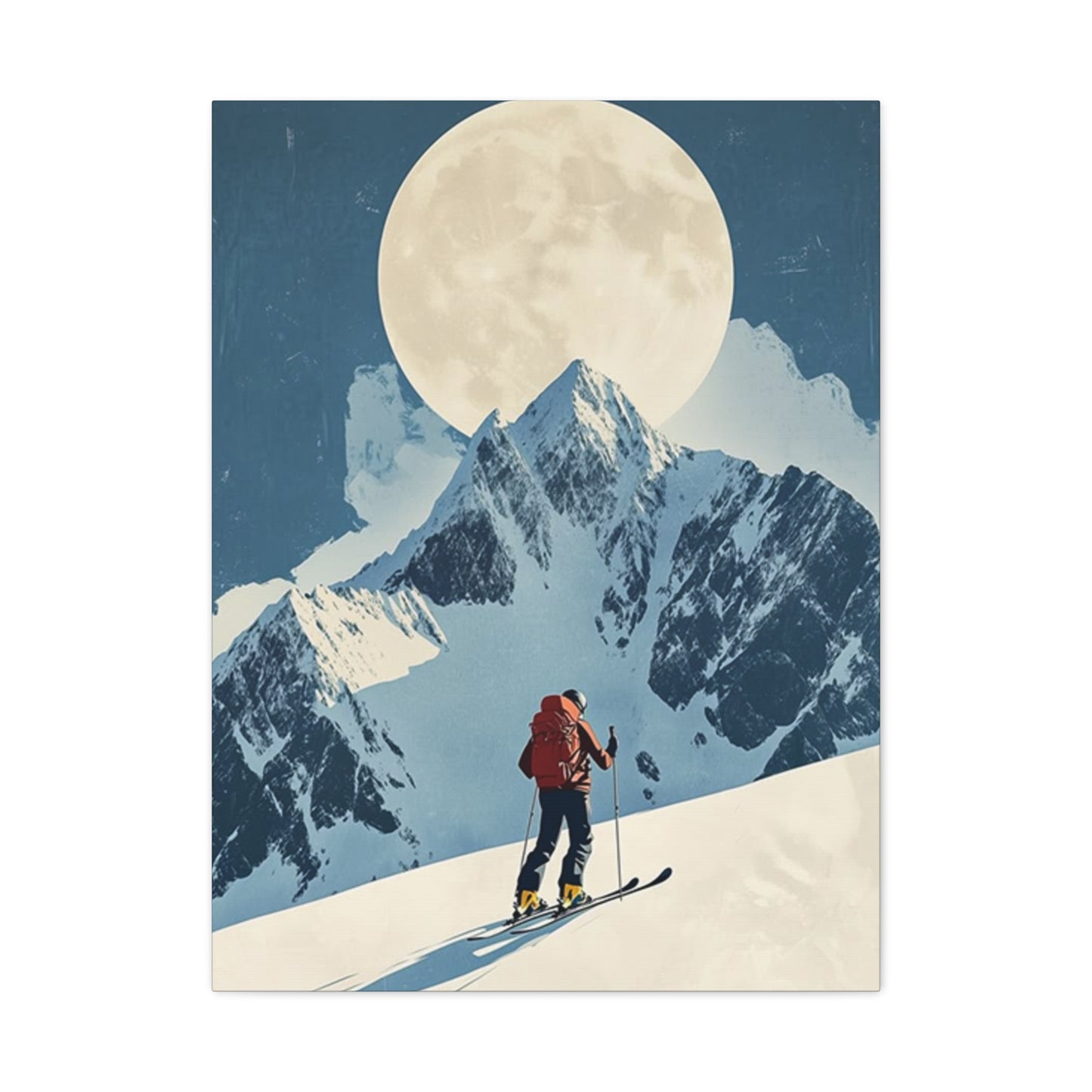
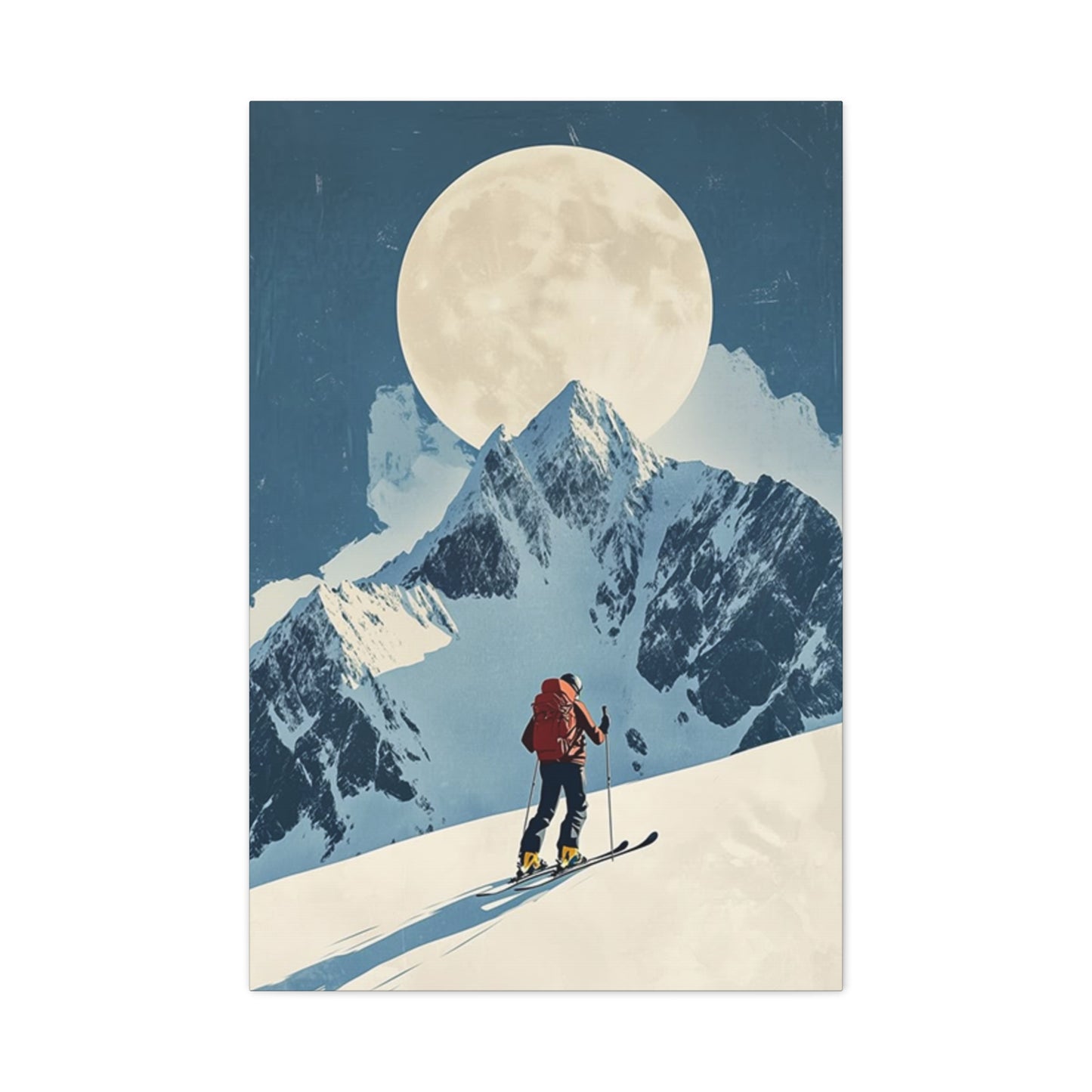
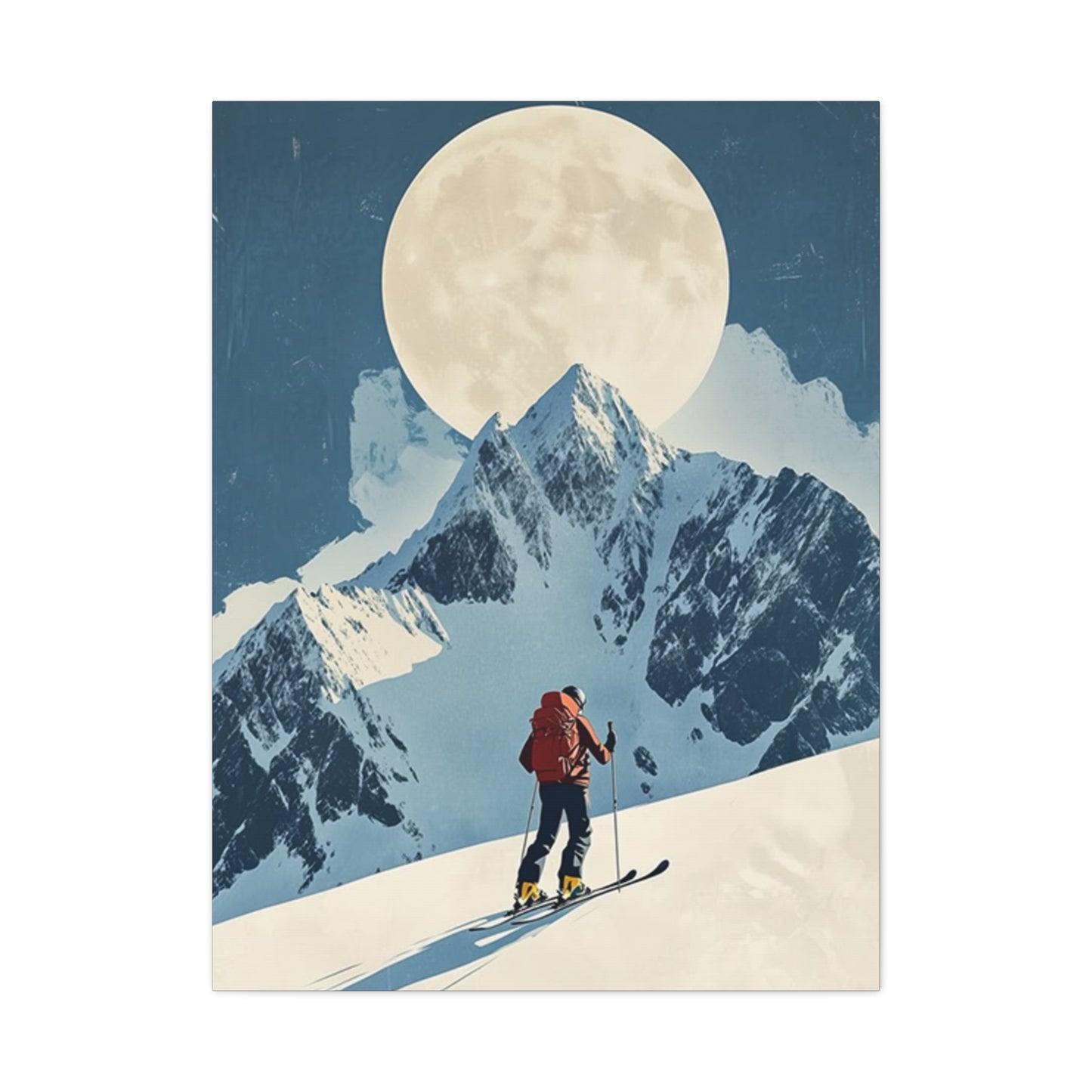
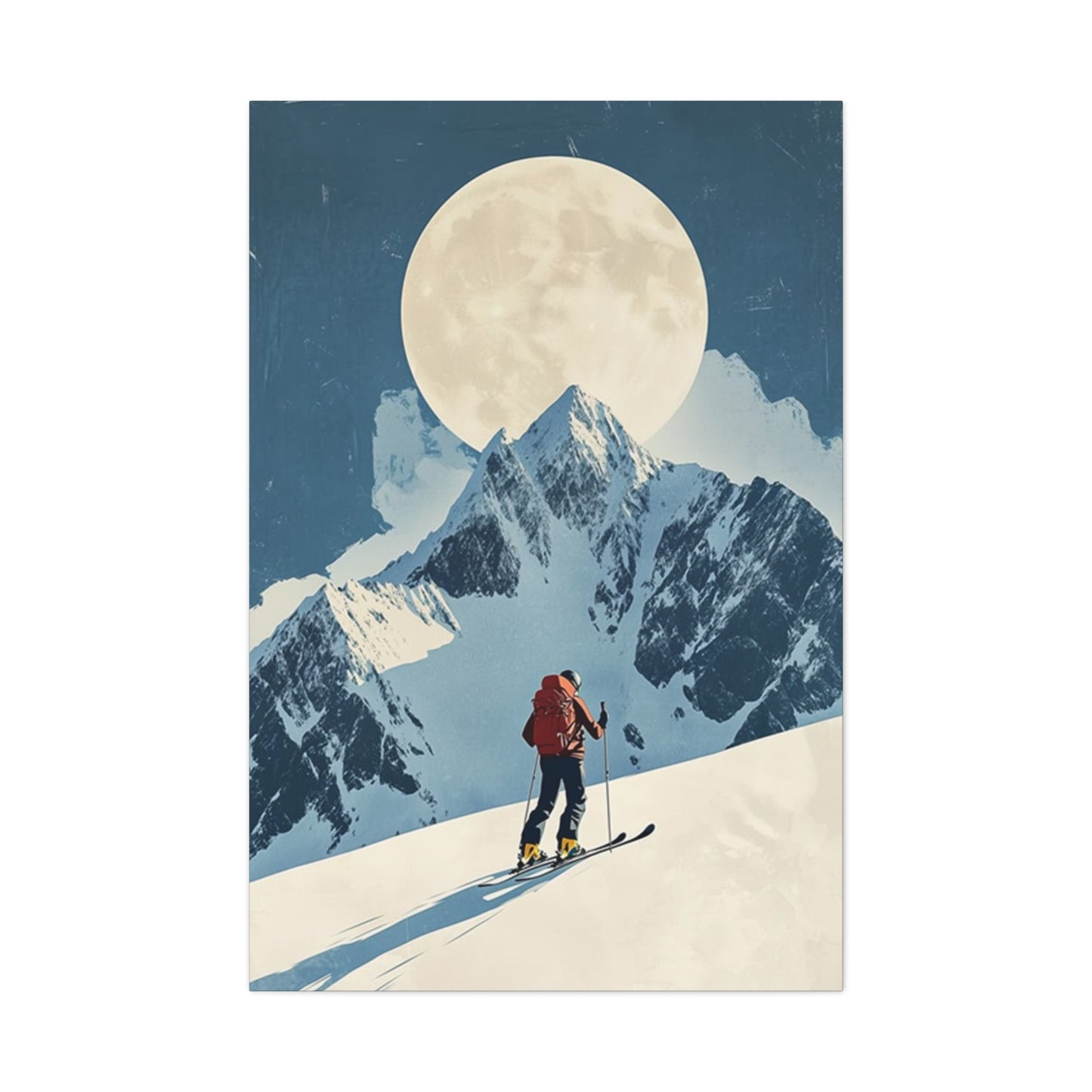
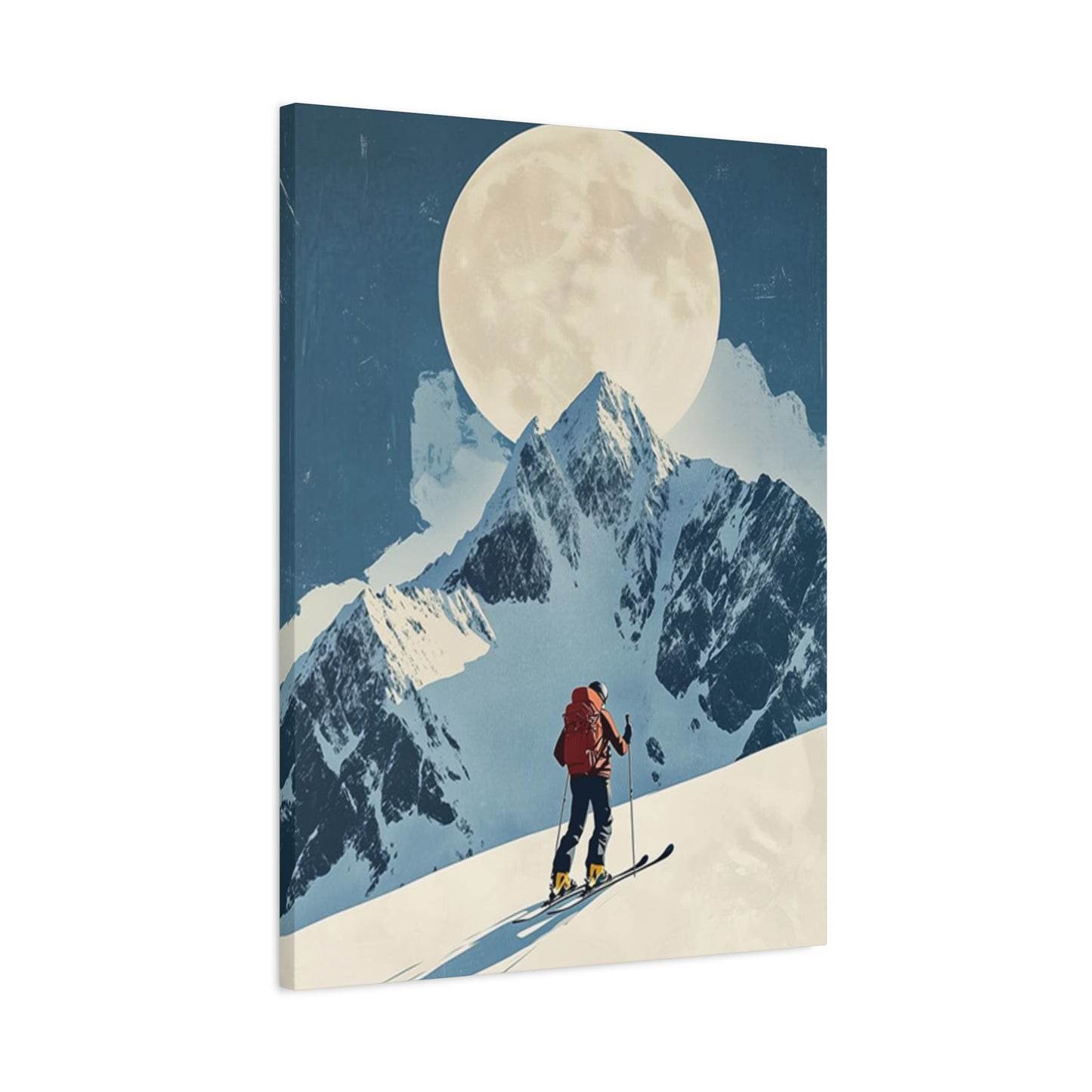
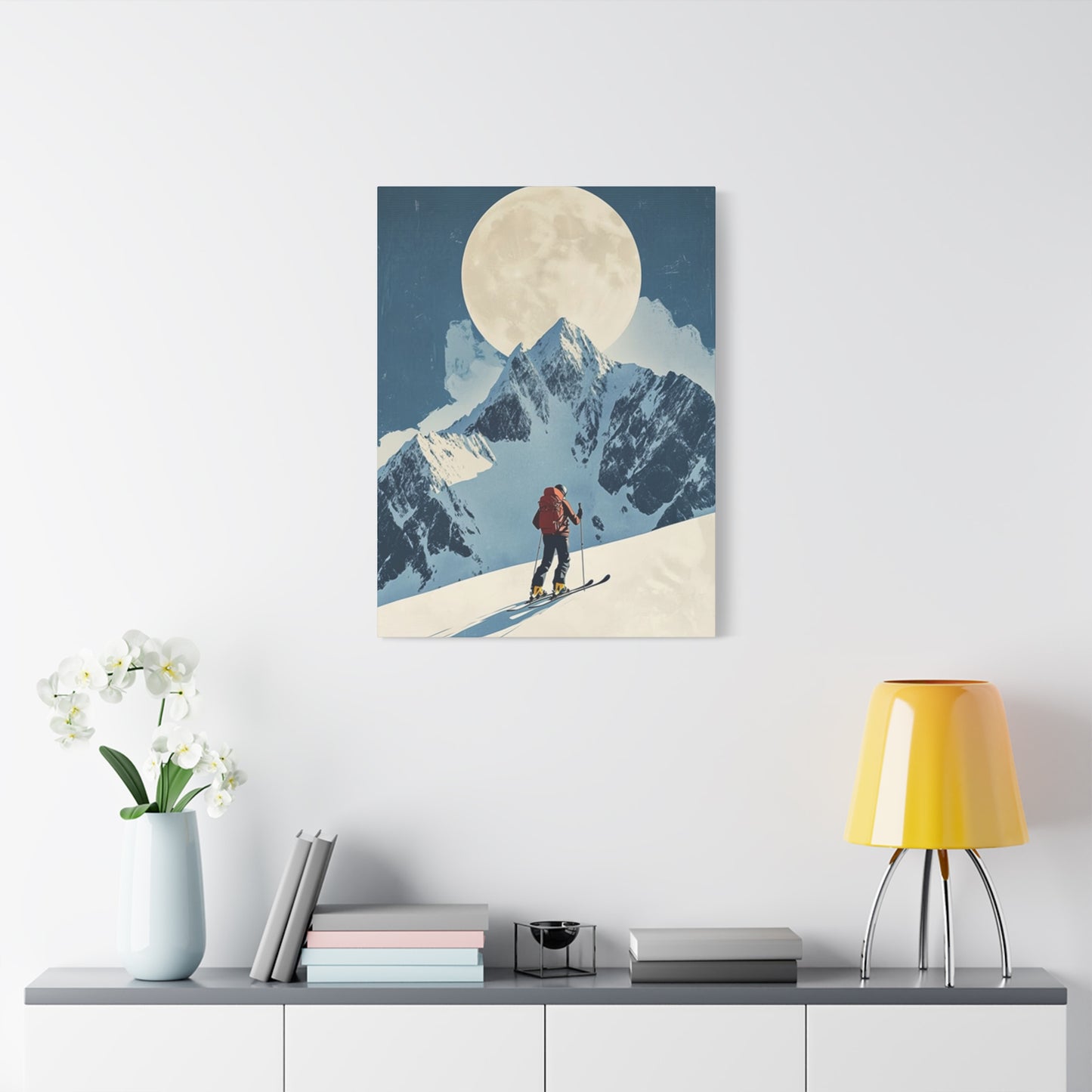
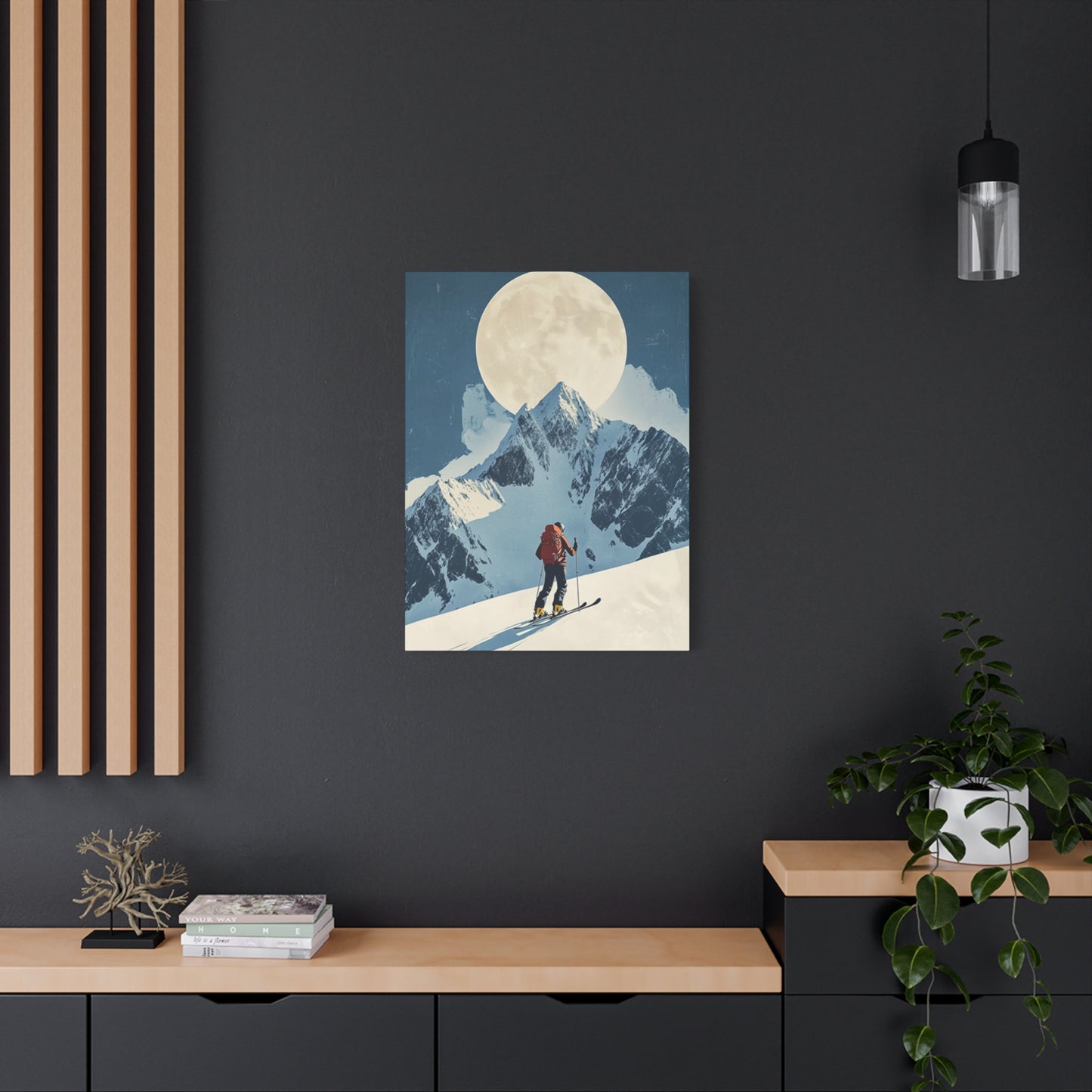
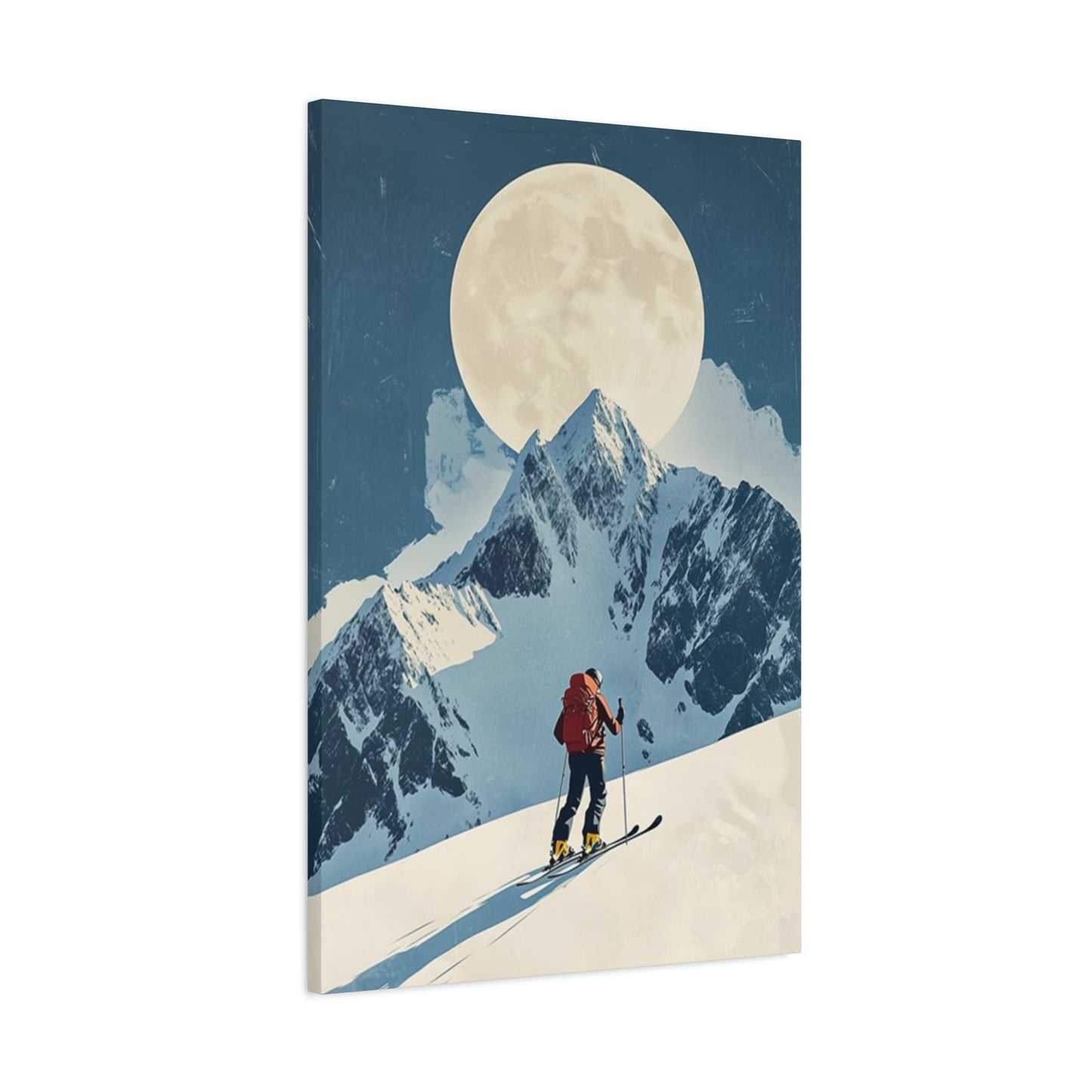
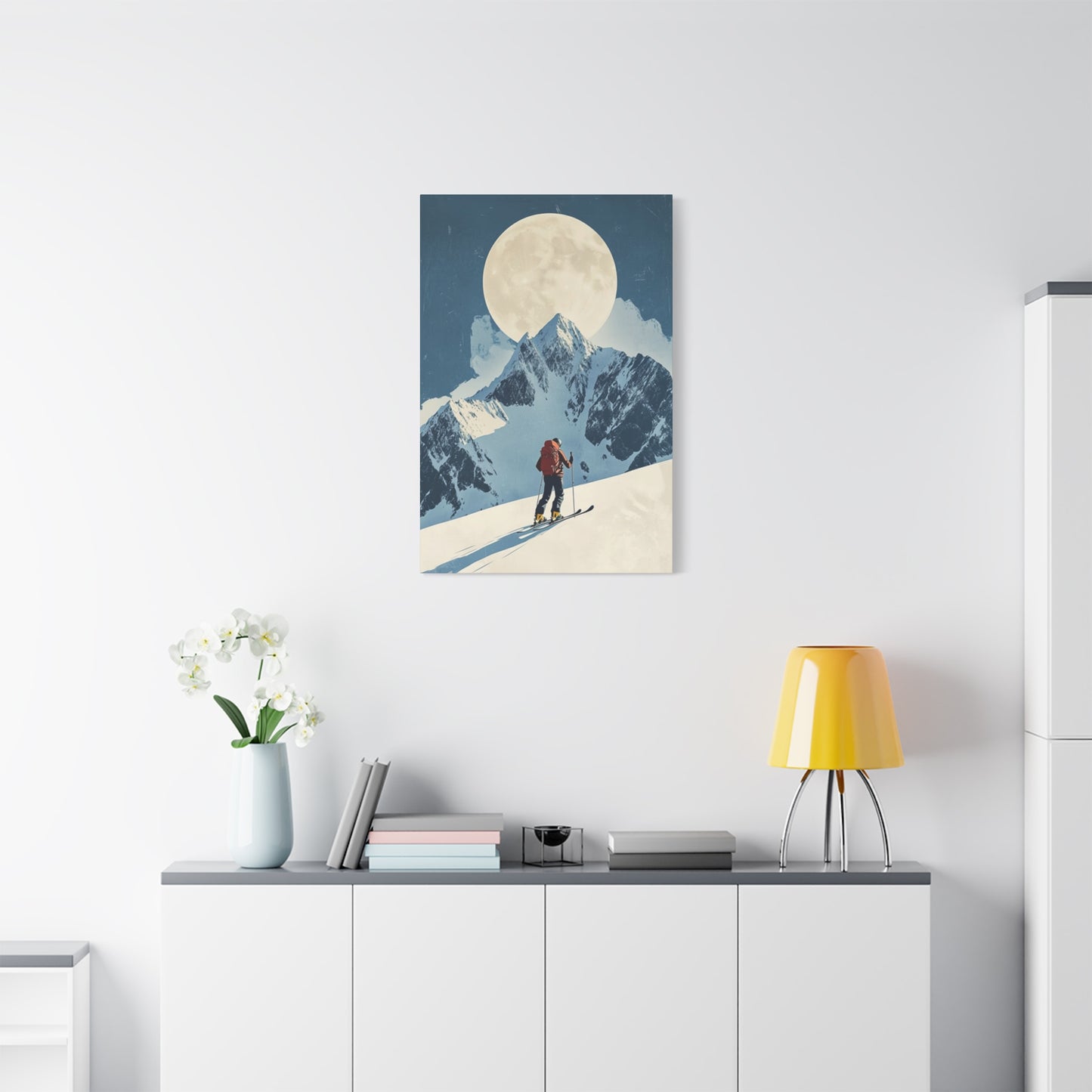
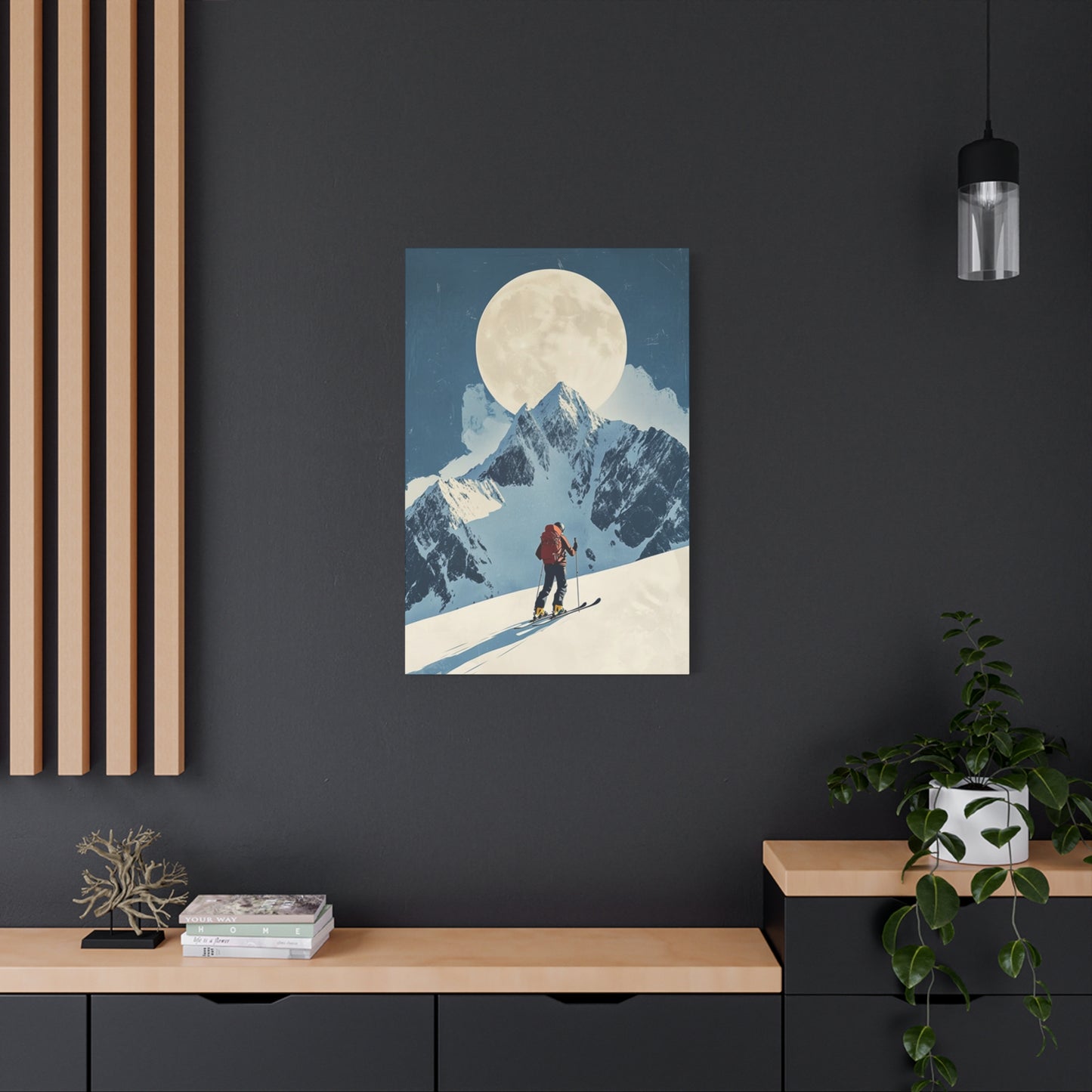
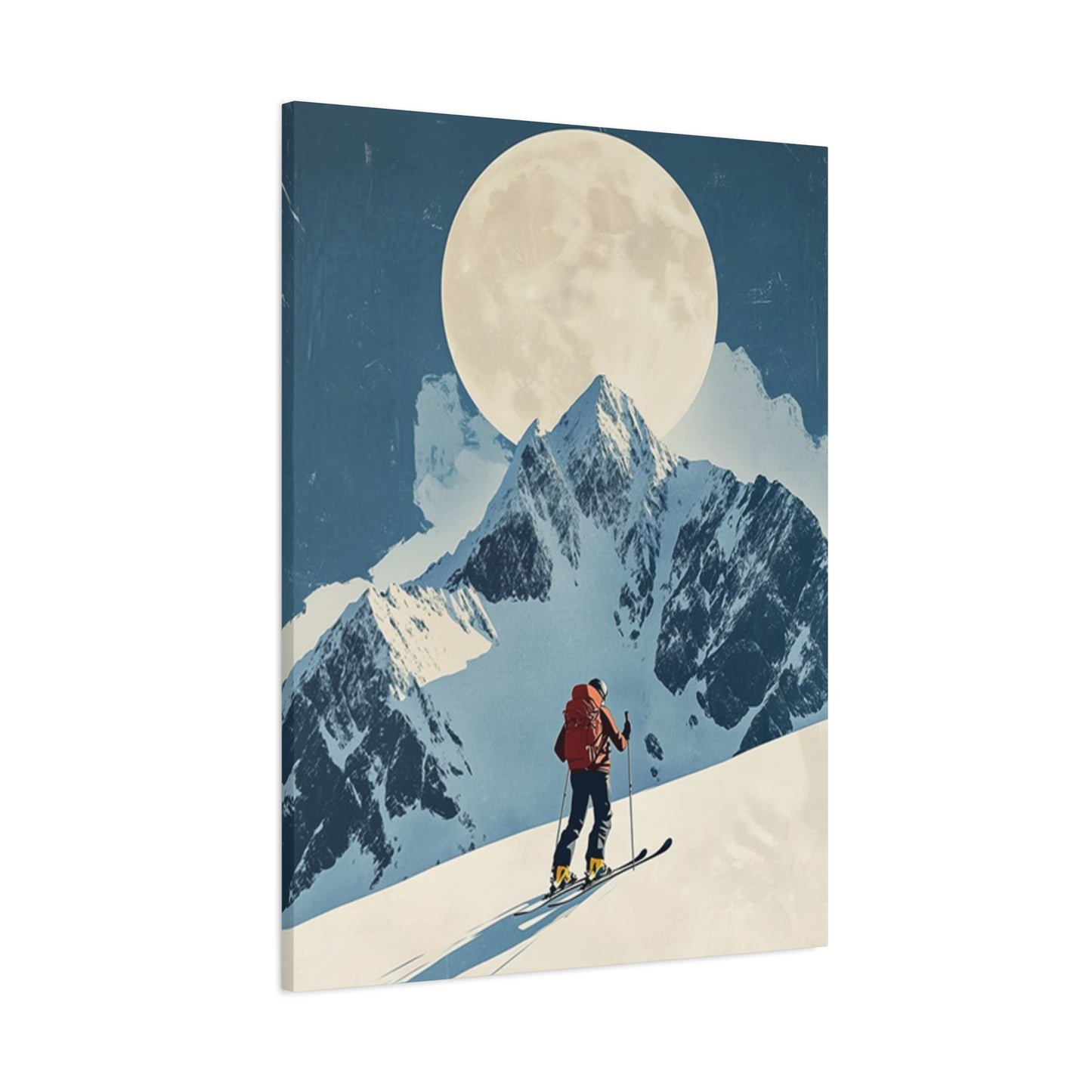
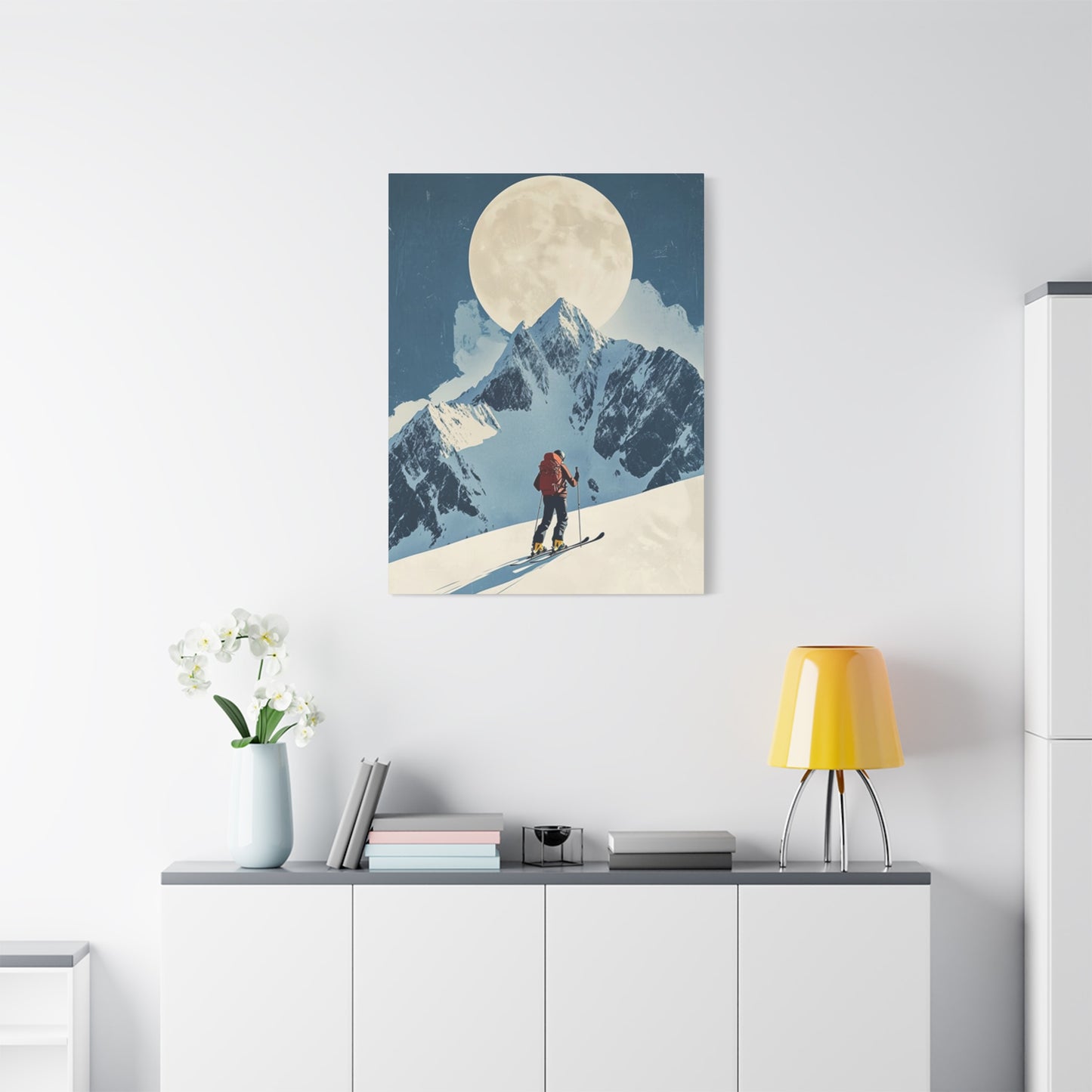
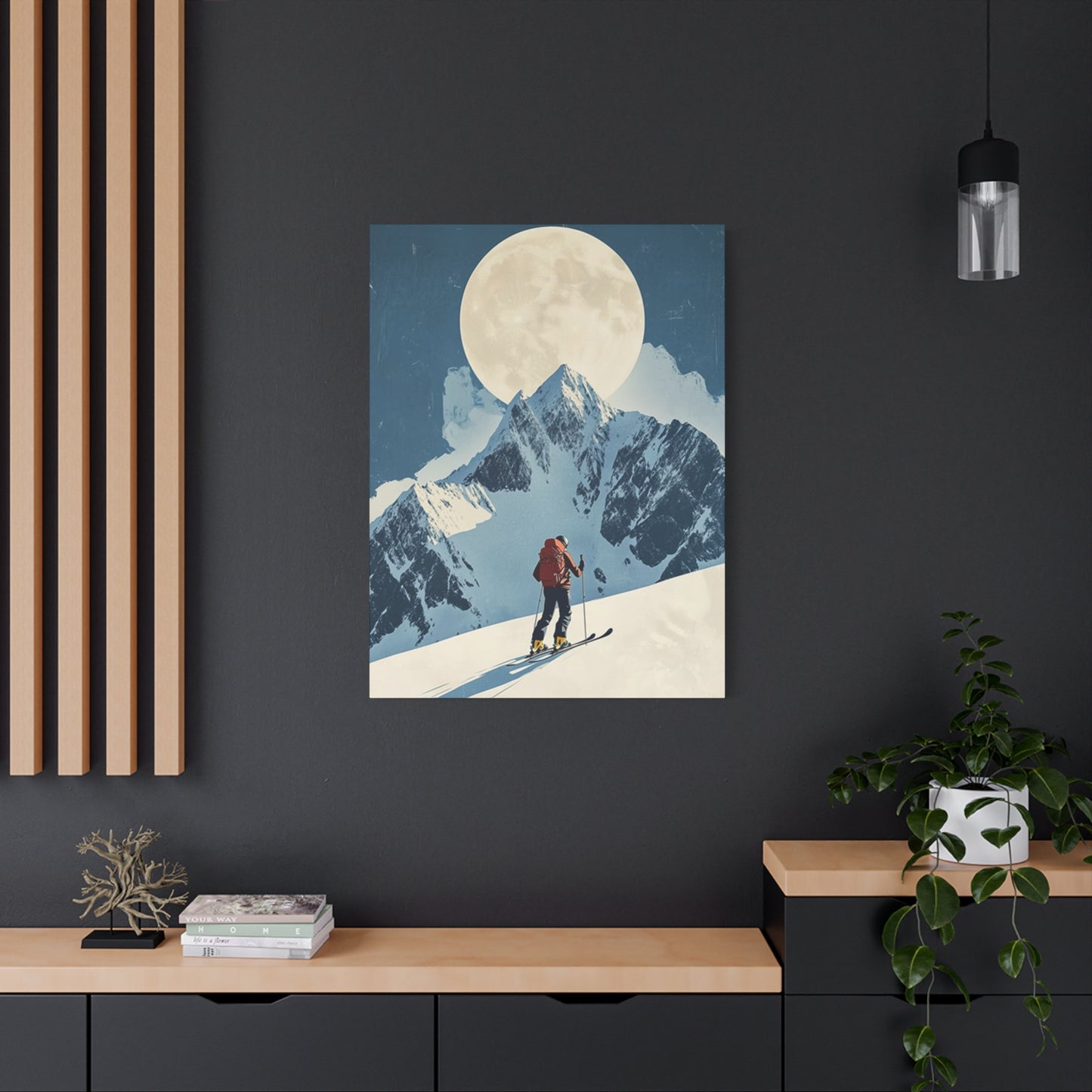
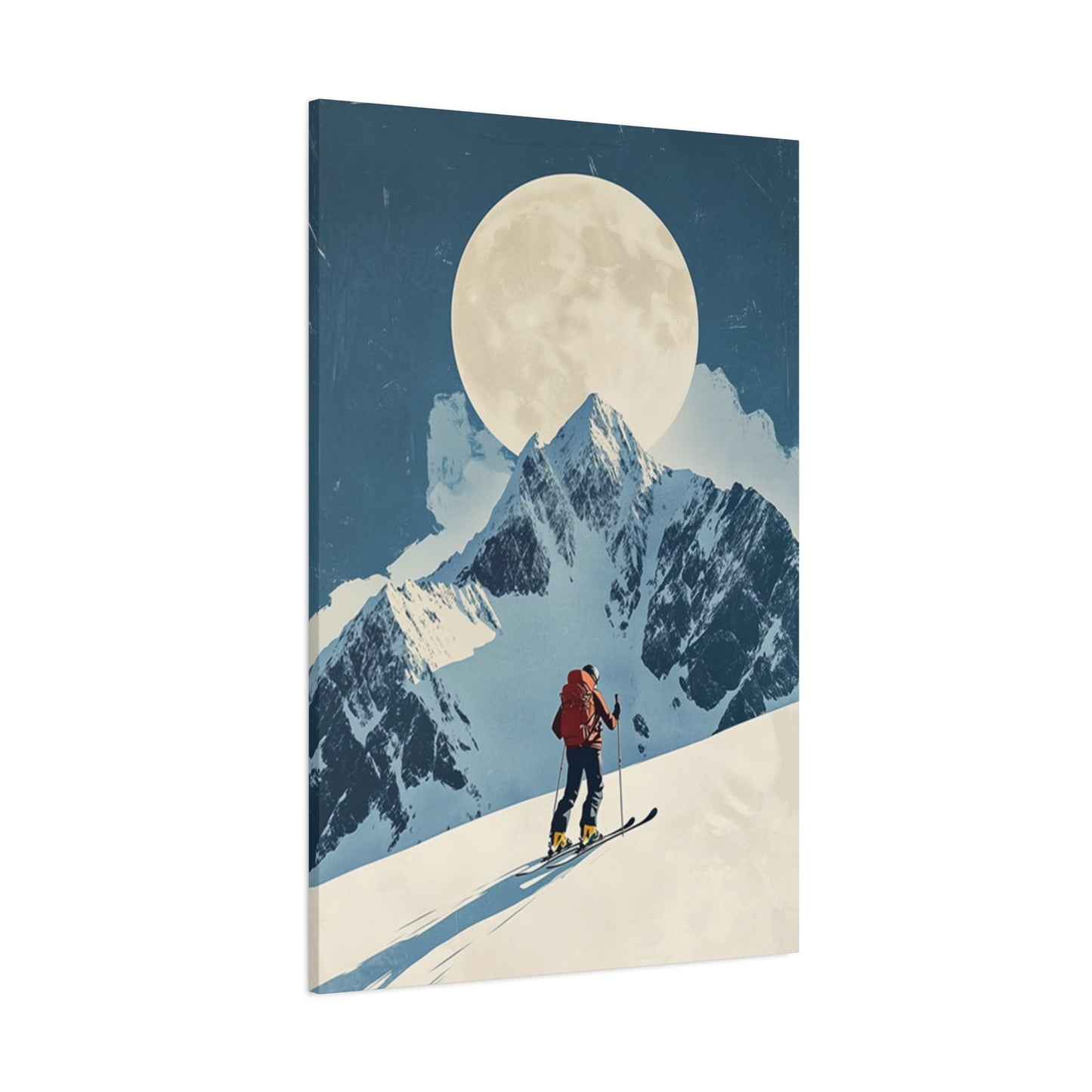
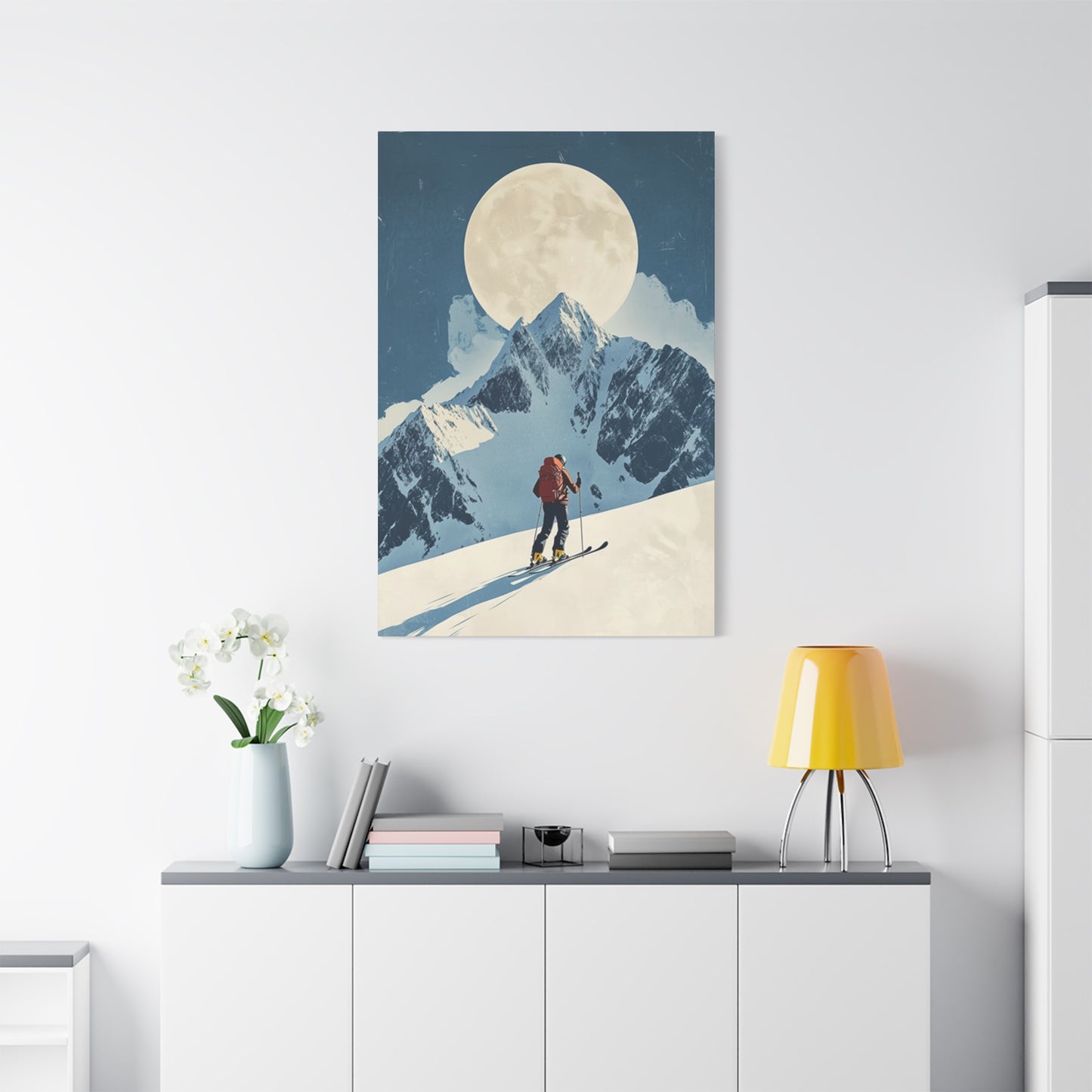
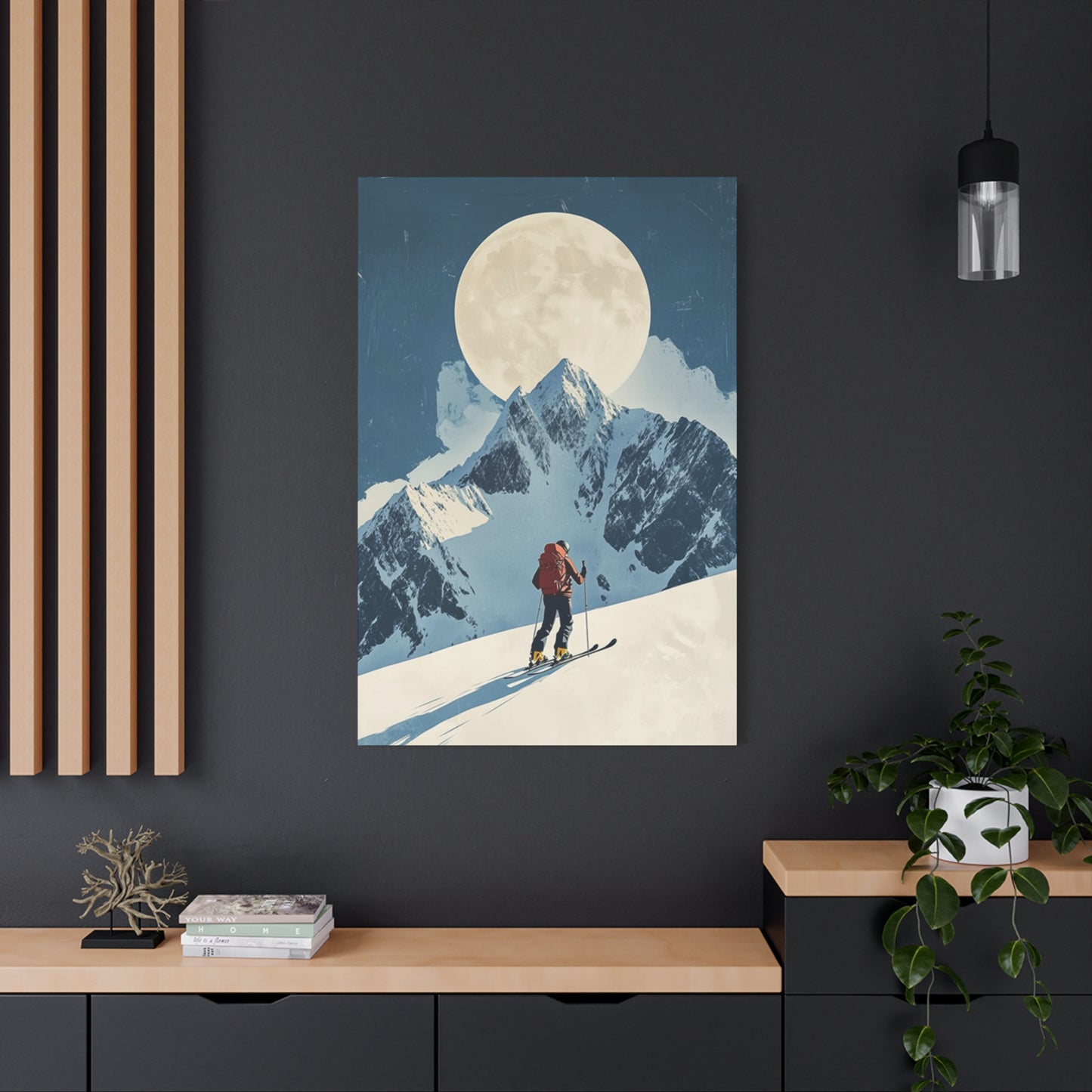
Nighttime skiing scenes illuminated by moonlight represent one of the most mesmerizing subjects in contemporary wall decoration. These artistic pieces capture the serene beauty of winter sports under celestial illumination, creating a sense of adventure and tranquility simultaneously. The combination of snow-covered slopes, lunar brightness, and solitary skiers creates imagery that resonates deeply with outdoor enthusiasts and art collectors alike.
The visual impact of such artwork stems from the natural contrast between the dark night sky and the pristine white snow reflecting moonlight. This dramatic interplay of light and shadow produces compositions that are both peaceful and exhilarating. Artists who specialize in this genre understand how to balance these elements to create pieces that draw viewers into the scene, making them feel as though they're standing at the mountain's peak themselves.
When selecting such decorative pieces for your home or office, you're not just choosing artwork but embracing a lifestyle that celebrates outdoor adventure, natural beauty, and the magic of winter nights. These images serve as daily reminders of memorable mountain experiences or inspire future adventures on the slopes. The emotional connection people develop with these pieces often runs deep, as they tap into universal feelings of freedom, solitude, and connection with nature.
The popularity of nocturnal skiing imagery has grown significantly over recent years, partly due to the increasing accessibility of night skiing at resorts worldwide. More people are experiencing the unique sensation of carving through snow under starlight, creating personal memories that they wish to commemorate through art. This trend has encouraged artists to explore various interpretations of the theme, from photorealistic representations to abstract impressions.
Seasonal Versatility of Winter Sports Décor
One concern people sometimes express about winter-themed artwork is whether it will feel appropriate year-round or become uncomfortable during warmer months. Interestingly, high-quality skiing imagery often transcends seasonal limitations when executed with artistic sophistication. The key lies in the emotional and aesthetic qualities the piece emphasizes rather than purely representational aspects.
Nocturnal skiing scenes particularly avoid seasonal dissonance because the nighttime setting creates emotional distance from immediate physical experience. During summer, viewing such artwork doesn't trigger the same visceral cold response that a bright daytime snow scene might. Instead, the cooling color palette can actually provide psychological refreshment in hot weather, similar to how thinking about cool environments provides some relief from heat.
The adventurous and aspirational qualities of skiing imagery remain appealing regardless of season. The artwork speaks to values like courage, skill, and connection with nature that aren't limited to winter months. Viewers who identify with these values find the imagery perpetually relevant, making it suitable for year-round display.
From a design perspective, the color schemes typical of moonlit skiing artwork—blues, grays, silvers, and whites—function as neutral palette elements that coordinate with various seasonal décor changes. These colors complement rather than clash with spring pastels, summer brights, autumn earth tones, and winter jewel tones, providing decorative continuity throughout the year.
Photographic versus Illustrated Skiing Art
Both photographic and illustrated approaches to skiing artwork offer distinct advantages and aesthetic qualities. Understanding these differences helps you select pieces that align with your preferences and decorating goals. Neither approach is inherently superior; rather, they serve different purposes and appeal to different sensibilities.
Photographic skiing images offer a sense of authenticity and immediacy that illustrated pieces typically cannot match. When viewers know they're seeing a captured moment rather than an imagined scene, it creates a different form of engagement. The knowledge that someone actually experienced that exact lighting, that specific mountain, and that particular moment adds a layer of significance to the image.
Photographs excel at capturing subtle atmospheric effects, light qualities, and textural details that would require extraordinary skill to replicate through traditional artistic media. The granular texture of snow, the subtle gradations of moonlight, and the complex interplay of shadows emerge naturally in photographic work. For viewers who prioritize realism and connection to actual experiences, photography provides unmatched satisfaction.
Illustrated and painted skiing scenes offer different strengths, particularly regarding emotional expression and stylistic interpretation. Artists can emphasize certain elements, simplify or exaggerate forms, and manipulate color relationships in ways that create stronger emotional impacts than straight photography. The visible evidence of the artist's hand—brushstrokes, stylistic choices, and interpretive decisions—adds a human element that some viewers find more engaging than photographic objectivity.
Illustrated work also provides greater flexibility in creating idealized compositions. Artists can combine elements from multiple scenes, adjust proportions for dramatic effect, and create lighting scenarios that might never occur simultaneously in nature. This creative freedom allows for artwork that captures the essence or feeling of skiing experiences rather than specific documented moments.
Cultural Significance of Skiing in Different Regions
Skiing carries different cultural meanings and associations depending on geographic and cultural contexts. Understanding these variations enriches appreciation for skiing artwork and helps explain why certain stylistic approaches resonate more strongly in particular markets or communities. The activity's cultural significance influences how people respond to its artistic representation.
In Alpine regions of Europe, skiing represents deeply rooted cultural heritage extending back centuries. Traditional ski competitions, folk art depicting skiing activities, and the integration of skiing into community identity all contribute to how residents of these areas perceive skiing imagery. Artwork that acknowledges these historical and cultural dimensions often resonates more powerfully with viewers from Alpine backgrounds.
North American ski culture developed differently, emphasizing recreation, adventure, and connection with wilderness rather than traditional heritage. Skiing artwork popular in North American markets often reflects these values, depicting solitary figures in vast landscapes or highlighting the adventurous aspects of backcountry skiing. The cultural emphasis on individual achievement and nature exploration shapes aesthetic preferences.
In Asian markets where winter sports have gained popularity more recently, skiing often represents modernity, international lifestyle, and aspirational recreation. Artwork appealing to these markets sometimes emphasizes the sophisticated, cosmopolitan aspects of ski culture rather than rustic or adventurous elements. The aesthetic preferences reflect these differing cultural associations.
Scandinavian ski culture blends practical tradition with modern recreation, reflected in artwork that often combines functional simplicity with natural beauty. The minimalist aesthetic common in Scandinavian design influences how skiing scenes are composed and presented, favoring clean lines, reduced color palettes, and emphasis on the relationship between human activity and natural environment.
Creating Gallery Walls with Winter Adventure Themes
Building a cohesive gallery wall around skiing and winter adventure themes allows for creative expression while maintaining visual unity. This approach provides flexibility to incorporate various styles, sizes, and perspectives while ensuring the overall arrangement feels intentional and harmonious rather than haphazard.
Start by selecting an anchor piece—typically the largest or most visually striking image—that establishes the theme and color palette for the entire arrangement. For skiing-focused gallery walls, this might be a dramatic nighttime scene with prominent moon illumination that captures attention and sets the emotional tone for surrounding pieces.
Supporting pieces should relate to the anchor image through shared elements while introducing variation. This might include different times of night, various skiing activities, close-up details of equipment or snow textures, or complementary subjects like mountain wildlife or alpine landscapes without human presence. The goal is creating conversation between pieces while maintaining thematic unity.
Color consistency proves crucial for successful gallery walls. Even when including diverse images, maintaining a cohesive color story prevents the arrangement from appearing chaotic. For moonlit skiing themes, this means emphasizing cool blue-gray tones throughout while allowing for variations in saturation and value. Occasional warm accents can appear across multiple pieces, creating visual rhythm.
Spatial arrangement requires careful planning to achieve balance. Avoid clustering all large pieces on one side or placing all dark images in one area. Instead, distribute visual weight evenly across the gallery wall while allowing for asymmetrical arrangements that feel organic rather than rigidly structured. Mock up arrangements on the floor or use paper templates on the wall before committing to final placement.
Lighting Strategies for Optimal Artwork Display
Proper illumination dramatically affects how skiing artwork appears and functions within your space. Lighting can enhance the atmospheric qualities of moonlit scenes, reveal subtle details, and create ambiance that complements the imagery's emotional content. Conversely, poor lighting can flatten images, create glare, or distort colors.
Natural daylight provides ideal illumination for most artwork but varies significantly throughout the day and across seasons. Position skiing pieces on walls that receive indirect natural light rather than direct sunlight, which can cause glare on protective glazing and potentially fade colors over time. North-facing walls in the northern hemisphere receive consistent, gentle light ideal for displaying art.
Dedicated picture lights mounted above or below artwork provide focused illumination that can dramatically enhance nighttime skiing scenes. LED picture lights offer energy efficiency and don't generate heat that might damage artwork. Position these lights to illuminate the piece evenly without creating hot spots or glare on reflective surfaces.
Track lighting and adjustable spotlights provide flexibility for highlighting specific pieces or creating different moods through lighting adjustments. When illuminating skiing artwork, aim for lighting that mimics the directionality of moonlight within the image, creating harmony between depicted and actual light sources. This subtle coordination enhances the immersive quality of the artwork.
Ambient room lighting significantly impacts artwork perception. Warm-toned ambient light can shift the cool color palette of nighttime skiing scenes, while cool-toned ambient light enhances the authentic nocturnal atmosphere. Consider using dimmable fixtures that allow you to adjust lighting intensity based on time of day, activity, and desired atmosphere.
Textural Elements in Winter Landscape Art
Texture plays a crucial role in effective skiing artwork, adding visual interest and tactile appeal even in two-dimensional pieces. Artists employ various techniques to suggest the physical qualities of snow, the smooth surface of skis, the rough texture of mountain rock, and the intangible quality of crisp night air.
In painted works, artists create textural interest through brushwork techniques, impasto application, and surface manipulation. Thick paint application can suggest the three-dimensional quality of accumulated snow, while smooth blending techniques might represent the polished surface of groomed runs. The contrast between textural approaches within a single piece adds visual complexity and sustains viewer interest.
Photographic works capture actual textures present in the scene, from the granular sparkle of fresh snow to the weathered surfaces of ski equipment. Skilled photographers emphasize these textural elements through lighting choices, lens selection, and post-processing decisions. Close examination of high-quality skiing photographs reveals extraordinary detail that engages viewers and rewards sustained attention.
Mixed media approaches combine materials to create actual physical texture on the artwork surface. Techniques might include collage elements, embedded materials, or layered applications that build dimensionality. These approaches work particularly well for contemporary interpretations of skiing themes where the goal includes challenging traditional representational approaches.
The perception of texture extends beyond the artwork surface to the depicted subjects themselves. Skilled artists suggest textural qualities through visual cues rather than literal representation—the way light catches on ice, the soft quality of falling snow, or the aerodynamic smoothness of modern ski equipment. This implied texture engages viewers' tactile memory, creating multisensory engagement with purely visual artwork.
Environmental Storytelling Through Mountain Imagery
Compelling skiing artwork often tells stories that extend beyond the immediate action depicted. Environmental details, compositional choices, and atmospheric elements combine to suggest narratives about the relationship between humans and nature, the passage of time, or the inner experience of the skier.
Weather conditions visible in the artwork contribute significantly to storytelling. Clear, moonlit skies suggest peaceful, controlled experiences while atmospheric disturbances like blowing snow or obscured visibility introduce elements of challenge and uncertainty. These environmental details influence how viewers interpret the emotional content and implied narrative of the piece.
The positioning of the skier within the landscape communicates important narrative information. A small figure dwarfed by massive mountains emphasizes human vulnerability and nature's power, while a prominently positioned skier suggests confidence and mastery. The direction of travel—descending into valleys or climbing toward peaks—carries metaphorical weight that adds depth to the composition.
Evidence of human presence beyond the primary subject enriches narrative complexity. Distant ski resort lights might suggest civilization's proximity or the safety net it provides, while their absence emphasizes wilderness solitude. Tracks in the snow tell stories of previous passage, suggesting either companionship or isolation depending on their number and freshness.
Temporal markers including moon phase, star positions, and light quality suggest specific moments within the night's progression. Dawn's approach or evening's darkness creates different atmospheric qualities and implies different chapters in a skiing adventure. These subtle temporal indicators add layers of meaning that thoughtful viewers can unpack and interpret.
Investment Potential of Quality Winter Sports Art
While most people acquire skiing artwork primarily for aesthetic enjoyment, understanding the factors that contribute to art's long-term value provides additional perspective on purchase decisions. Quality pieces can appreciate over time, making them both decorative choices and potential financial assets.
Artist reputation significantly influences investment potential. Emerging artists with distinctive styles and growing recognition often represent opportunities to acquire work that may increase substantially in value. Established artists with proven track records command higher initial prices but offer more predictable value retention. Research artists' exhibition history, critical reception, and market performance when considering investment potential.
Limited edition prints generally hold value better than open edition reproductions. When artists limit print runs and properly document editions with certificates of authenticity, each piece maintains scarcity value. The edition size matters; smaller editions typically appreciate more than larger runs. Prints signed and numbered by artists command premiums over unsigned reproductions.
Condition preservation proves crucial for maintaining and increasing value. Proper framing with conservation-grade materials, appropriate display location avoiding direct sunlight, and climate-controlled environments all protect artwork from deterioration. Documentation of provenance, including purchase receipts and authentication certificates, should be maintained with the artwork.
Subject matter trends influence market demand. While skiing artwork has maintained consistent appeal over decades, specific stylistic approaches or thematic emphases may fluctuate in popularity. Pieces that capture universal themes—human relationship with nature, adventure, solitude—tend to maintain broader appeal than highly specific or trendy interpretations.
Regional Variations in Skiing Art Styles
Geographic origin influences skiing artwork in subtle but significant ways. Artists shaped by specific mountain regions infuse their work with characteristics reflecting those landscapes' unique qualities. Recognizing these regional variations helps you select pieces that resonate with your own experiences or aesthetic preferences.
Alpine-inspired artwork often features dramatic vertical relief, distinctive architectural elements like traditional chalets, and attention to the cultural aspects of mountain life. The artistic traditions of Alpine regions emphasize the relationship between communities and their mountain environments, reflected in compositions that might include villages, churches, or other cultural markers alongside skiing activities.
North American Rocky Mountain imagery typically showcases vast wilderness expanses with emphasis on untamed nature and adventure. The artistic tradition influenced by the American West's romantic depictions carries into skiing artwork, with compositions emphasizing individual freedom, exploration, and the sublime qualities of nature. Scale and grandeur often receive more emphasis than intimate details.
Scandinavian interpretations frequently reflect minimalist aesthetic principles with simplified forms, limited color palettes, and emphasis on light's behavior in northern latitudes. The particular quality of polar light and the cultural values of simplicity and functionality influence how Scandinavian artists approach skiing subjects.
Japanese artists have developed distinctive approaches to winter sports imagery influenced by traditional artistic principles including asymmetry, suggestion rather than explicit depiction, and appreciation for empty space. Contemporary Japanese skiing art often synthesizes traditional aesthetic values with modern subject matter, creating unique hybrid styles.
Emotional Resonance of Solitary Figure Compositions
The presence of a lone skier in vast landscapes creates powerful emotional responses rooted in universal human experiences. This compositional choice taps into complex feelings about independence, vulnerability, achievement, and our relationship with nature that resonate across cultural boundaries.
Solitude depicted in skiing artwork doesn't necessarily convey loneliness; instead, it often suggests self-sufficiency, contemplation, and the value of individual experience. In our increasingly connected world, images of solitary adventure represent qualities many people feel they've lost or never fully experienced. The artwork becomes aspirational, depicting an idealized relationship with nature and self.
The scale relationship between human figure and environment plays crucial psychological roles. When artists render the skier small within expansive landscapes, it evokes feelings of humility and awe before nature's grandeur. This visual humbling can be strangely comforting, putting personal concerns into perspective and reconnecting viewers with something larger than themselves.
Conversely, when the skier appears more prominent within the composition, it suggests mastery, confidence, and human capability. This approach celebrates achievement and skill while still acknowledging the environment's power. The balance between these approaches reflects different artistic intentions and appeals to different viewer sensibilities.
The direction of the skier's gaze or body orientation influences emotional interpretation. Figures looking toward distant horizons suggest forward movement, optimism, and future-orientation, while those pausing to look back or around introduce contemplative elements. Artists manipulate these subtle cues to guide viewers toward specific emotional responses.
Technical Photography Considerations for Night Skiing
Creating compelling photographic artwork of nighttime skiing requires overcoming significant technical challenges. Understanding these considerations helps you appreciate the skill involved in excellent skiing photography and explains quality differences between various pieces available in the marketplace.
Exposure management represents the primary technical challenge. Moonlit scenes contain extreme contrast between dark areas and moon-illuminated snow, often exceeding cameras' dynamic range capability. Photographers must choose whether to expose for highlights, shadows, or attempt to balance both through techniques like exposure bracketing and high dynamic range processing.
Shutter speed selection involves balancing motion capture against light gathering. Faster shutter speeds freeze action crisply but require higher ISO settings or wider apertures that may introduce noise or reduce depth of field. Slower speeds allow more light gathering but risk motion blur. Skilled photographers use these technical limitations creatively, sometimes embracing motion blur for artistic effect.
Focusing in low light proves challenging, particularly when photographing moving subjects. Autofocus systems struggle in darkness, requiring photographers to use manual focus, focus peaking features, or pre-focus techniques. The depth of field must be carefully managed to ensure adequate sharpness while maintaining the isolation that makes subjects pop from backgrounds.
Color balance in moonlight requires careful attention. Moonlight is actually reflected sunlight, but our eyes perceive it differently, and cameras record it with a blue color cast that may require adjustment. Photographers must decide whether to render scenes as cameras naturally record them or adjust white balance to match how humans perceive the scene.
Integrating Mountain Art with Various Design Styles
Skiing artwork's versatility allows integration with diverse interior design approaches. Understanding how different design styles accommodate mountain imagery helps you select pieces that enhance rather than clash with your existing décor.
Modern minimalist interiors particularly suit stark, simplified skiing compositions with limited color palettes and clean lines. Monochromatic or near-monochromatic pieces featuring strong geometric elements and minimal detail complement the uncluttered aesthetic. Frameless mounting or simple metal frames maintain the clean visual lines essential to minimalist design.
Traditional spaces accommodate skiing artwork through careful framing and subject matter selection. Classic wooden frames with mat borders integrate mountain scenes into traditionally decorated rooms. Imagery that includes rustic elements like traditional ski lodges or vintage equipment styles may feel more at home in traditional settings than ultra-contemporary compositions.
Industrial design schemes with exposed materials, metal accents, and urban edges can incorporate skiing artwork through unexpected contrast. The natural subject matter provides relief from hard industrial elements while the dramatic lighting in nighttime scenes echoes the bold contrasts typical of industrial aesthetics. Metal prints particularly suit this design approach.
Scandinavian-inspired interiors naturally accommodate skiing imagery given the cultural association between Scandinavian countries and winter sports. The light color palettes, natural materials, and clean lines characteristic of Scandinavian design harmonize beautifully with well-chosen skiing artwork. The key is maintaining the overall sense of lightness and space that defines the style.
Rustic lodge or cabin décor obviously pairs well with skiing artwork, but the challenge lies in avoiding cliché. Select pieces with artistic sophistication rather than purely decorative or commercial imagery. Consider unexpected interpretations or contemporary artistic approaches that respect the rustic setting while introducing fresh perspectives.
Conservation and Preservation of Skiing Artwork
Protecting your investment requires understanding proper conservation practices. Environmental factors, handling procedures, and maintenance routines all impact artwork longevity. Following conservation best practices ensures skiing artwork remains vibrant and intact for decades.
Ultraviolet light represents the most significant threat to artwork longevity, causing fading, discoloration, and material degradation over time. Even indirect sunlight contains UV radiation that damages artwork. Use UV-filtering glazing when framing, position artwork away from windows, or install UV-filtering window films. LED lighting produces minimal UV radiation compared to incandescent or fluorescent sources.
Temperature and humidity fluctuations stress artwork materials, causing expansion and contraction that leads to warping, cracking, or separation. Maintain consistent environmental conditions ideally between 65-75 degrees Fahrenheit and 40-50 percent relative humidity. Avoid hanging artwork near heating vents, air conditioners, fireplaces, or exterior walls where temperature fluctuations are most pronounced.
Proper framing using archival materials protects artwork from environmental contamination and physical damage. Acid-free mats prevent discoloration, while backing boards protect against impacts and moisture. Sealed frames with dust covers prevent particulate accumulation. For valuable pieces, professional framing using conservation standards justifies the additional expense.
Regular but gentle maintenance keeps artwork looking its best. Dust frames carefully with soft cloths, avoiding contact with the artwork surface. For glazed pieces, clean glass or acrylic with appropriate cleaners applied to the cloth rather than sprayed directly on the surface. Never attempt to clean artwork surfaces themselves without professional guidance.
The Role of Adventure Imagery in Personal Motivation
Beyond decoration, skiing artwork can serve as powerful motivational tool, visually representing goals, values, and aspirations. Understanding this functional dimension helps you select pieces that actively contribute to your well-being and personal development rather than merely occupying wall space.
Psychological research on goal visualization suggests that regularly viewing images representing desired activities or achievements reinforces motivation and increases the likelihood of pursuing those goals. Skiing artwork in your home or office serves as a constant reminder of activities you value, adventures you plan to undertake, or skills you're developing.
The aspirational quality of well-executed adventure imagery inspires viewers to push beyond comfort zones. When you encounter images of skiers navigating challenging terrain or experiencing profound natural beauty, it awakens your own adventurous spirit. This subtle but persistent influence can gradually shift your mindset toward greater risk-taking and exploration.
For individuals currently unable to participate in skiing due to physical limitations, location, or life circumstances, such artwork maintains connection to the activity and the feelings it generates. This connection supports mental health by keeping positive associations alive and providing hope for future participation. The artwork becomes a bridge between present reality and future possibility.
The presence of adventure imagery communicates values to others in your space, whether family members, friends, or professional colleagues. It signals that you prioritize outdoor activity, physical challenge, and connection with nature. This communication can strengthen identity and attract like-minded individuals into your life.
Emerging Trends in Winter Sports Artwork
The skiing artwork market continues evolving as new technologies, artistic movements, and cultural shifts influence what artists create and collectors seek. Staying informed about emerging trends helps you make selections that feel contemporary and fresh.
Digital art and NFT markets have introduced new possibilities for skiing imagery, though the long-term stability of these markets remains uncertain. Digital artists create works impossible in traditional media, including animated scenes, interactive elements, and works that change based on viewer input or external data. These experimental approaches appeal particularly to younger collectors comfortable with digital ownership.
Sustainability themes increasingly appear in winter sports artwork as environmental concerns gain prominence. Artists incorporate messaging about climate change impacts on winter sports, celebrate human-powered skiing over resort-based activities, or use eco-friendly materials and processes. These works appeal to environmentally conscious collectors seeking alignment between their values and their purchases.
Diversity representation in skiing imagery has expanded beyond the traditionally narrow demographic typically shown. More artists depict skiers of various ages, genders, and ethnic backgrounds, better reflecting actual participation diversity. This trend responds to market demand and social consciousness about representation in visual culture.
Abstract and interpretive approaches to skiing themes have gained popularity alongside traditional representational works. Artists experiment with conveying the feeling and energy of skiing through non-literal means, using color, form, and composition to evoke sensations rather than depict specific scenes. These approaches appeal to collectors seeking unique pieces that function as art objects rather than documentation.
Building Collections Around Mountain Themes
Developing a cohesive art collection centered on mountain and skiing themes provides focus and direction while allowing for diverse artistic expressions. Strategic collection-building results in greater overall impact than random acquisitions, creating unified aesthetic statements throughout your spaces.
Define your collection parameters based on personal interests and aesthetic preferences. You might focus on a specific geographic region, historical period, artistic medium, or stylistic approach. Alternatively, you might collect work by a particular artist or group of related artists. Clear parameters prevent scattered acquisitions while leaving room for unexpected discoveries that genuinely enhance the collection.
Budget allocation requires realistic planning that balances acquiring quality pieces with maintaining financial prudence. Many successful collectors follow the principle of buying the best work they can afford rather than accumulating numerous lesser pieces. A single exceptional skiing photograph or painting typically provides more satisfaction and holds value better than multiple mediocre works.
Documentation practices become increasingly important as collections grow. Maintain records including purchase dates, prices, provenance information, artist details, and condition reports. Photography of each piece and storage of certificates of authenticity protects your investment and simplifies insurance claims if necessary. Digital organization systems make this information easily accessible and searchable.
Display rotation keeps collections fresh and allows you to enjoy more pieces than wall space permits simultaneously. Store artworks properly when not displayed, using acid-free materials and climate-controlled conditions. Rotation also reduces light exposure for any single piece, supporting long-term preservation. Some collectors rotate seasonally, displaying skiing artwork prominently during winter months.
Narrative Sequences in Multi-Panel Skiing Art
Multi-panel or diptych and triptych formats allow artists to develop narrative sequences that single images cannot achieve. These formats expand possibilities for storytelling, temporal progression, and thematic exploration while creating distinctive visual impact.
Sequential panels can depict progression through space, showing a skier's journey from mountain peak to valley floor. This narrative approach invites viewers to follow the journey visually, creating engagement that extends beyond initial viewing. The sequential format naturally suggests passage of time and movement through environment, core elements of skiing experience.
Alternatively, panels might show simultaneous views from different perspectives, creating a more comprehensive understanding of a single moment. One panel might show the skier from distance emphasizing landscape scale, while another zooms to capture expression and physical detail. This cubist-inspired approach provides dimensional understanding impossible in single images.
Thematic variations across panels explore different aspects of skiing experience while maintaining visual cohesion. Panels might depict different lighting conditions from the same location, showing how environment transforms from dusk through deep night to dawn. Or they might contrast different skiing styles, terrains, or seasons while using consistent compositional and stylistic elements.
The spaces between panels function as important compositional elements, creating visual rhythm and suggesting connections viewers must complete mentally. This participatory aspect engages viewers more actively than unified single images. The breaks also provide resting points for the eye, preventing visual overwhelm in large-scale works.
Cultural Appropriation Considerations in Mountain Imagery
As awareness of cultural appropriation issues has grown, thoughtful collectors and artists consider how skiing imagery intersects with indigenous cultures and the representation of sacred landscapes. These considerations don't prohibit appreciation of mountain environments but encourage respectful, informed approaches.
Many mountain regions worldwide hold profound spiritual significance for indigenous peoples whose ancestral territories include these landscapes. When selecting or creating skiing artwork depicting specific mountains, research whether those peaks hold cultural significance and how they're traditionally regarded. This knowledge informs respectful engagement with the imagery.
The representation of skiing as primarily European or North American activity overlooks rich histories of indigenous snow travel and the appropriation of traditional knowledge by modern skiing culture. Some contemporary artists deliberately highlight these forgotten histories, creating work that challenges conventional narratives about skiing's origins and development.
Naming and labeling considerations matter when artwork depicts specific mountains. Using indigenous place names when appropriate honors original relationships with these landscapes. Some artists include bilingual titles or explanatory materials that acknowledge indigenous connections to depicted territories.
Avoid imagery that incorporates indigenous symbols, designs, or spiritual elements purely for aesthetic effect without understanding their meanings or implications. This particularly applies to mixed media work or pieces attempting to connect skiing with indigenous cultures. When in doubt, consult knowledgeable sources and prioritize respecting cultural boundaries over artistic vision.
Architectural Integration of Large-Scale Mountain Art
Large-scale skiing artwork functions almost as architectural elements, significantly impacting spatial perception and atmosphere. Strategic integration with architectural features maximizes impact while maintaining harmony with the built environment.
Stairwell walls provide excellent opportunities for vertical skiing compositions that complement the ascending or descending movement of stairs. The natural upward or downward progression of stairways parallels mountain slopes, creating intuitive connections between architecture and imagery. Large-scale vertical pieces in these spaces make bold statements visible from multiple floor levels.
Double-height spaces in contemporary homes demand artwork scaled to match architectural ambitions. Skiing scenes with strong vertical elements prevent these pieces from appearing lost in expansive wall areas. The key is ensuring adequate visual weight through size, contrast, or compelling subject matter that commands attention despite competing with architectural drama.
Open floor plans benefit from artwork that helps define different zones without requiring physical barriers. A substantial skiing piece above a seating area establishes that space's identity while maintaining visual connection with adjacent areas. The artwork becomes an organizing principle around which furniture arrangements and traffic patterns naturally develop.
Architectural features like exposed beams, columns, or distinctive wall treatments should inform artwork selection and placement. Skiing pieces can complement these elements by echoing their lines, colors, or spatial relationships. Alternatively, artwork can provide contrast that highlights both architectural and artistic elements through juxtaposition.
Outdoor living spaces including covered patios and screened porches increasingly incorporate weather-resistant artwork. Skiing imagery in these liminal spaces between interior and exterior creates interesting dialogue about indoor comfort and outdoor adventure. Specialized materials designed for outdoor display protect artwork while extending decorating possibilities.
The Influence of Cinematic Aesthetics on Skiing Art
Contemporary skiing artwork increasingly reflects influences from cinema, particularly the dramatic lighting, dynamic compositions, and narrative implications characteristic of film. Understanding these cinematic influences helps contextualize current trends in mountain sports imagery.
Cinematographers working on skiing films have developed distinctive visual languages that translate effectively to still imagery. The use of dramatic backlighting, long lenses compressing perspective, and strategic framing that emphasizes speed and danger all originated in film but now appear regularly in photographic and painted skiing art.
Aerial photography and drone cinematography have revolutionized perspectives available to skiing artists. Previously impossible angles showing skiers from directly above or tracking alongside at speed create fresh visual experiences. These perspectives challenge viewers' expectations and provide new ways of experiencing familiar subjects.
Color grading techniques borrowed from cinema influence how contemporary artists process skiing photographs and approach painted color palettes. The teal and orange color schemes popular in action films appear frequently in skiing imagery, creating visual drama and contemporary appeal. These stylistic choices connect skiing artwork with broader visual culture trends.
Narrative suggestion, crucial in cinema, increasingly appears in still skiing imagery through compositional choices that imply what happened before and what might occur next. Rather than simply depicting beautiful scenes, contemporary skiing artwork often suggests stories, creating engagement beyond pure aesthetic appreciation.
Seasonal Light Variations in Mountain Photography
Light quality varies dramatically across seasons in mountain environments, offering photographers and painters diverse aesthetic possibilities. Understanding these variations helps explain stylistic differences in skiing artwork and informs selection based on preferred atmospheric qualities.
Winter light particularly in high latitudes produces unique qualities due to low sun angles and atmospheric conditions. Even during daylight hours, winter light can create the long shadows and warm-cool contrasts typically associated with golden hours in other seasons. These conditions produce dramatic skiing imagery with strong dimensional modeling.
The extended twilight periods at high latitudes provide photographers with prolonged opportunities for capturing the transition between day and night. These liminal periods when moon and sun coexist in the sky create magical lighting scenarios perfect for skiing imagery. The combination of warm sunset colors with cool moonlight produces complex color harmonies.
Atmospheric clarity varies seasonally in mountain regions, affecting how distant features appear and how light behaves. Clear winter days provide exceptional visibility with crisp details visible for miles, while other conditions create softness and atmospheric perspective that enhance depth perception. Both conditions offer artistic opportunities suited to different aesthetic goals.
Snow surface qualities change throughout the ski season, affecting how light interacts with the environment. Fresh powder's matte surface absorbs light differently than spring corn snow's crystalline structure. These variations create diverse visual textures that skilled artists exploit to create specific atmospheric effects and emotional tones.
Economic Impacts of Winter Sports Tourism on Art Markets
The relationship between skiing tourism and regional art markets creates interesting economic dynamics that influence artwork availability, styles, and pricing. Understanding these market forces provides context for collecting decisions and value assessments.
Ski resort communities typically develop robust art markets catering to affluent seasonal residents and tourists seeking mementos of mountain experiences. These markets influence local artists' subject matter choices, with skiing and mountain scenes naturally dominating gallery offerings. The concentration of skiing artwork in these markets provides collectors with exceptional selection but sometimes leads to market saturation.
Real estate development in ski resort areas drives demand for large-scale artwork appropriate for vacation homes and luxury developments. Developers and interior designers purchase skiing artwork in bulk, creating professional market demand beyond individual collectors. This commercial demand influences which artists receive exposure and which styles gain prominence.
The seasonal nature of ski resort economies affects art market dynamics, with galleries experiencing dramatic sales variations between winter high season and summer doldrums. Some galleries shift focus seasonally, while others maintain year-round skiing imagery offerings. These patterns influence pricing strategies and artist relationships with galleries.
International collectors visiting ski resorts create global markets for regional artists specializing in skiing imagery. A photographer based in the Rockies might find collectors throughout Asia, Europe, and South America through resort gallery exposure. This international reach elevates successful skiing artists beyond purely regional significance.
Digital Display Technology for Rotating Art Collections
Emerging digital display technologies offer alternatives to traditional static artwork, allowing collectors to rotate through extensive image libraries without physical storage and handling. These technologies present both opportunities and limitations worth considering.
High-resolution digital displays can convincingly reproduce photographic skiing imagery when properly calibrated and appropriately sized. Modern screens achieve color accuracy and resolution sufficient to satisfy many viewers, particularly when displaying photographs rather than paintings where brushwork and surface texture contribute significantly to aesthetic experience.
Digital frames designed specifically for art display differ significantly from televisions or computer monitors. These devices often feature anti-glare screens, ambient light sensors for automatic brightness adjustment, and power-saving features allowing perpetual display. Some include motion sensors that activate the display only when viewers are present.
Subscription services provide access to vast libraries of curated artwork including extensive skiing imagery. These services rotate images automatically on customized schedules, ensuring fresh content without requiring active management. The curatorial aspect helps overcome decision paralysis when facing unlimited options.
Limitations include the inability to reproduce texture, scale limitations compared to large physical artwork, and the conspicuously electronic nature of displays. Despite technological advances, digital displays still broadcast their artificial nature in ways that affect how viewers psychologically engage with displayed images. They work best as supplements to rather than replacements for physical artwork.
Authenticity Verification in Art Purchasing
As skiing artwork values increase, authentication becomes increasingly important for protecting collectors from fraud and ensuring purchase legitimacy. Understanding authentication practices helps you buy confidently and maintain collection value.
Certificates of authenticity provided by artists, galleries, or publishers document artwork details including creation date, edition information, and artist signatures. These documents should accompany artwork purchases and be maintained with the pieces throughout ownership. Digital certificates using blockchain technology are emerging as secure alternatives to traditional paper documentation.
Artist signatures and edition numbering provide primary authentication evidence for prints and some photographic works. Learn to recognize authentic signatures versus reproductions or forgeries, noting that printed signatures hold less authentication value than hand signatures in pencil or pen. Edition numbers should be verified against known print run information.
Provenance documentation tracing ownership history adds authentication confidence and often increases value. Bills of sale, gallery receipts, exhibition catalogs, and prior appraisals all contribute to provenance documentation. When purchasing significant pieces, request whatever provenance information exists and maintain careful records of your own ownership.
Professional appraisals serve multiple purposes including authentication verification, value assessment for insurance, and documentation for estate planning. Qualified appraisers have expertise in specific artistic genres and access to resources including artist databases, auction records, and authentication specialists. Appraisals should be updated periodically as market values change.
Mindfulness and Contemplative Practices with Art
Artwork depicting skiing and mountains can support mindfulness and contemplative practices, providing focal points for meditation and objects for sustained contemplative viewing. These practices deepen relationships with artwork while supporting mental wellbeing.
Contemplative viewing involves sustained, non-judgmental attention to artwork, noticing details, color relationships, compositional elements, and emotional responses as they arise. This practice develops observational skills while calming mental chatter. Spending five to ten minutes in contemplative viewing of skiing imagery can produce meditative benefits similar to other mindfulness practices.
Using artwork as meditation objects provides visual anchors for attention, particularly helpful for individuals who struggle with purely abstract meditation techniques. The mind can rest on specific elements—the curve of a ski track through snow, the gradual transition from light to shadow, the texture of moonlit slopes—returning gently when attention wanders.
Visualization practices can incorporate skiing artwork, with viewers imagining themselves within the depicted scene. This mental rehearsal technique used by competitive skiers can be adapted for meditative purposes, imagining the physical sensations, emotional states, and environmental qualities suggested by the imagery.
Journaling in response to artwork creates dialogues between visual and verbal expression, helping articulate feelings and thoughts triggered by imagery. Regular practice develops deeper understanding of your responses to art and can reveal patterns in what attracts you and why, informing future collecting decisions.
Installation Best Practices for Heavy Artwork
Large skiing artwork requires proper installation to ensure safety and optimal display. Understanding installation best practices protects both artwork and walls while ensuring secure mounting.Wall structure assessment determines appropriate hanging hardware. Drywall alone cannot support heavy pieces without anchoring to studs or using specialized hardware like toggle bolts or wall anchors rated for appropriate weight. For very heavy pieces, installing additional blocking between studs provides secure mounting points.
Professional installation services provide expertise and insurance coverage that justify costs for valuable or heavy artwork. Installers have specialized equipment including stud finders, levels, and hanging systems designed for secure mounting. They understand weight distribution principles and can assess whether walls can safely support proposed installations.
Hanging systems including rail systems and cable hangers provide flexibility for repositioning artwork without creating additional wall holes. These systems work particularly well in spaces where you anticipate occasional rearrangement. Professional-grade systems support substantial weight while maintaining clean appearances.
Earthquake and security considerations apply in some regions and situations. Earthquake-prone areas require additional securing measures including bumpers, cables, or specialized hanging hardware that prevents pieces from shifting or falling during seismic events. High-value pieces may warrant security mounting that prevents easy removal.
Conclusion:
Skiing at night with moon wall art represents far more than simple decorative choices for mountain enthusiasts. These pieces function as portals to natural beauty, triggers for emotional responses, symbols of personal values, and focal points for contemplation. The genre's continued popularity reflects deep human connections to wilderness, adventure, and the sublime beauty of natural landscapes under celestial illumination.
The diversity within this artistic category ensures options for every aesthetic preference, from photographic documentation to abstract interpretation, from intimate small works to commanding large installations. Whether you're drawn to the technical excellence of night photography, the expressive qualities of painted interpretations, or the contemporary appeal of digital art, skiing imagery offers compelling options that enhance living spaces while nourishing the spirit.
As climate change threatens winter environments and the skiing lifestyle they support, artwork depicting these scenes gains additional poignancy. These pieces become not just celebrations of current recreational opportunities but also documentation of threatened environments and ways of life. This dimension adds urgency and meaning to collecting and displaying skiing artwork.
The relationship between viewer and artwork evolves over time, with pieces revealing new qualities through sustained acquaintance. Initial attraction based on surface beauty deepens into appreciation for compositional sophistication, technical mastery, or emotional resonance. This developing relationship justifies thoughtful selection and investment in quality pieces that will sustain interest across years and decades.
Ultimately, the decision to incorporate moonlit skiing imagery into your environment reflects values, aspirations, and aesthetic sensibilities that define your identity. These pieces communicate who you are and what matters to you, making them among the most personal choices in home decoration. Whether you're an avid skier cherishing memories of mountain adventures or someone who appreciates the visual beauty of winter landscapes, these artworks offer daily enrichment and inspiration.
The market for skiing artwork continues evolving with new artists emerging, established artists developing their practices, and collectors discovering the genre's appeal. This vitality ensures fresh options and prevents stagnation, making ongoing exploration rewarding for both new and experienced collectors. Galleries, online platforms, and artist studios offer countless opportunities to discover pieces that speak to your individual sensibilities.
When selecting artwork for your space, trust your instincts while remaining open to unexpected discoveries. The pieces that capture your attention despite initial surprise or confusion sometimes prove most rewarding over time. Allow yourself to sit with uncertainty, returning to view pieces multiple times before making decisions. The perfect artwork often reveals itself through this patient, mindful selection process.
Consider how each piece will function within your daily life beyond its aesthetic qualities. Will it inspire morning motivation as you prepare for work? Provide peaceful contemplation during evening relaxation? Stimulate conversation with guests? These functional considerations ensure artwork contributes positively to daily experience rather than simply occupying wall space.


