


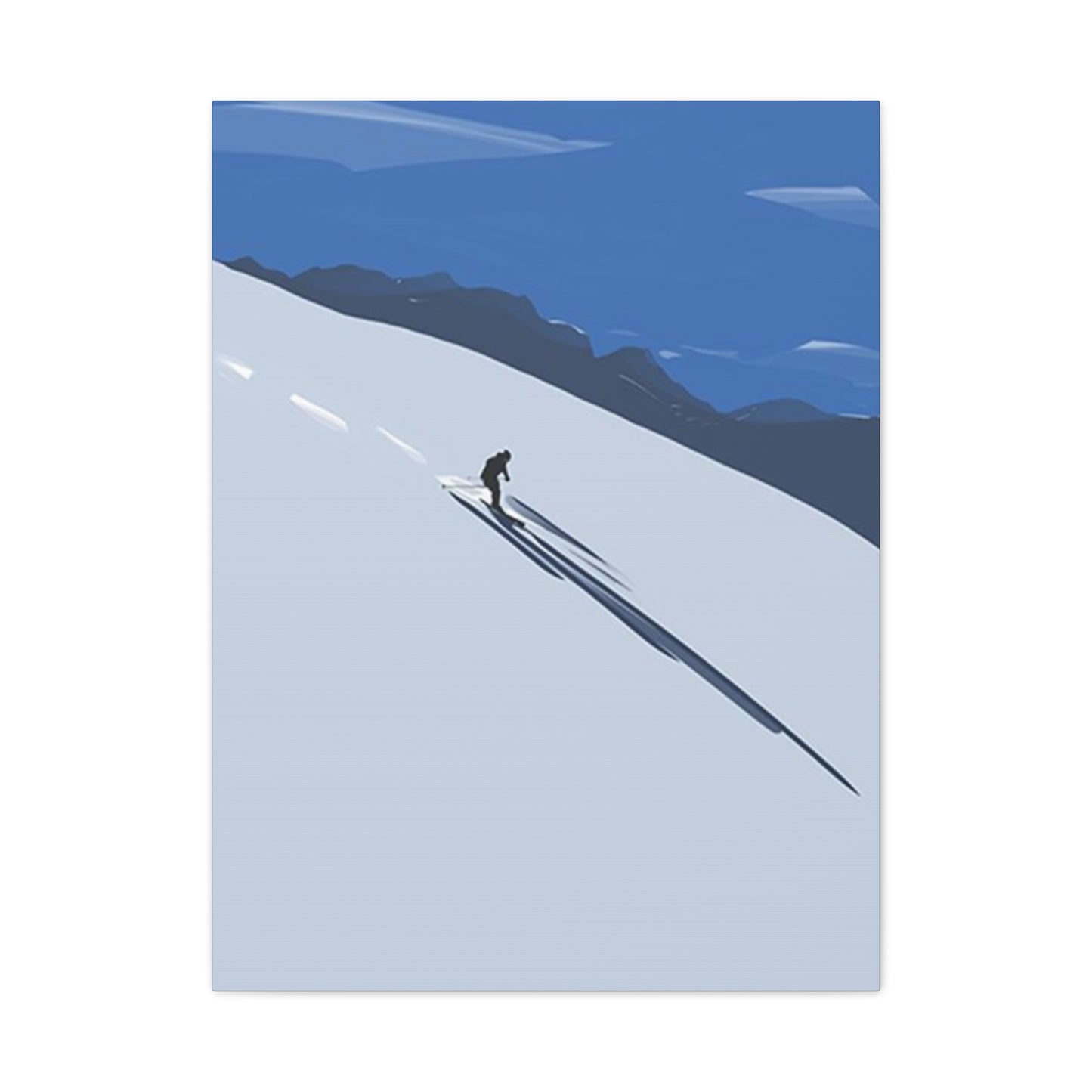
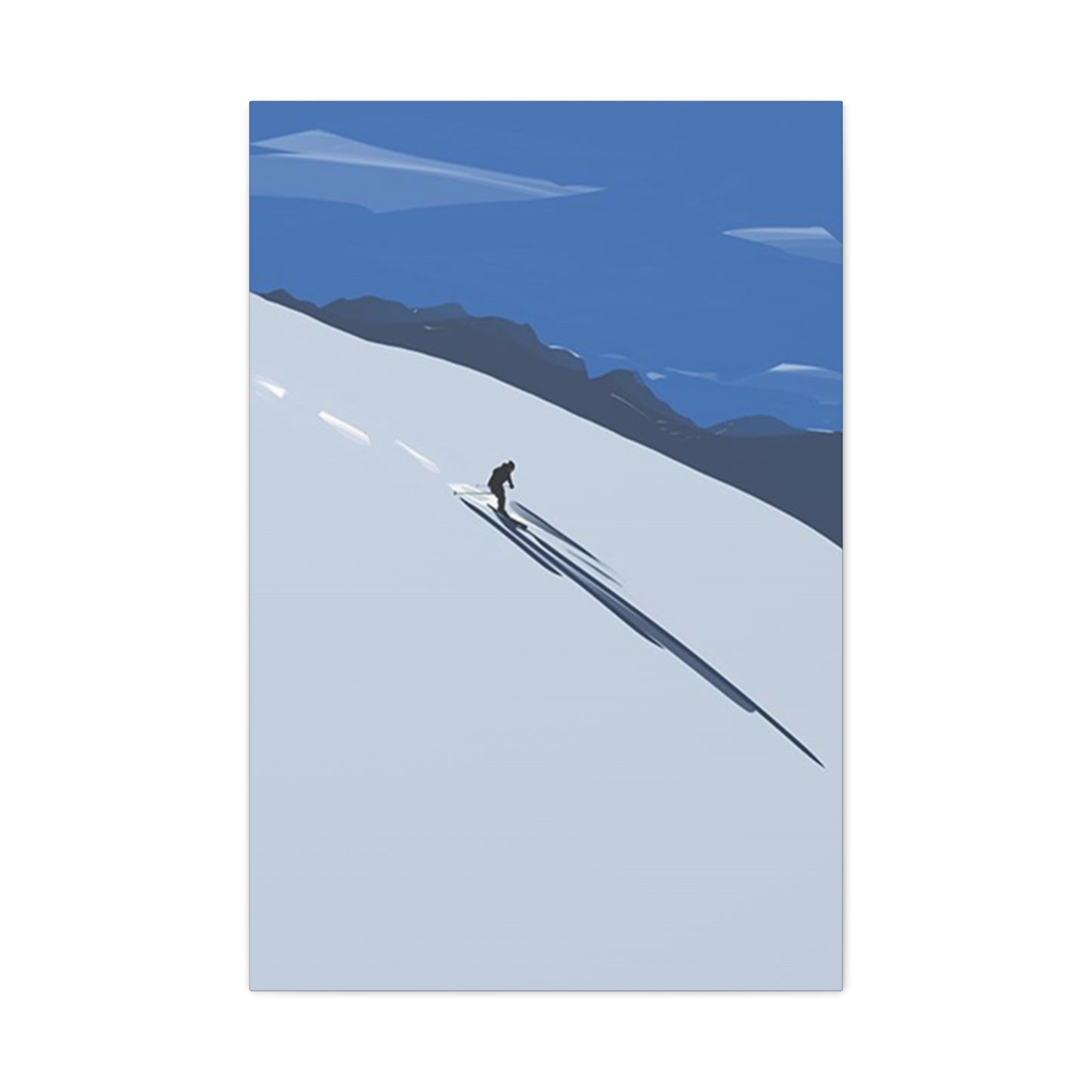
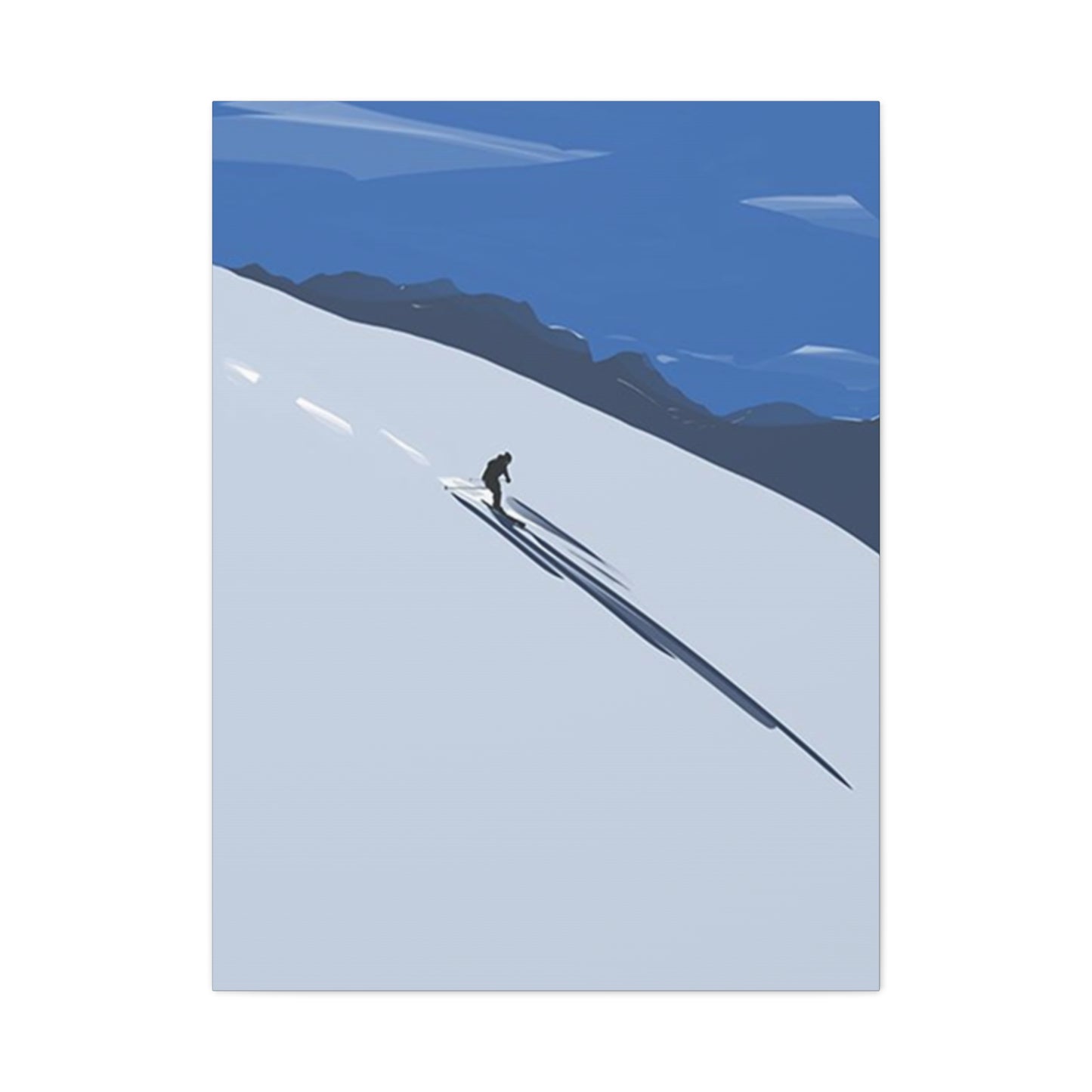
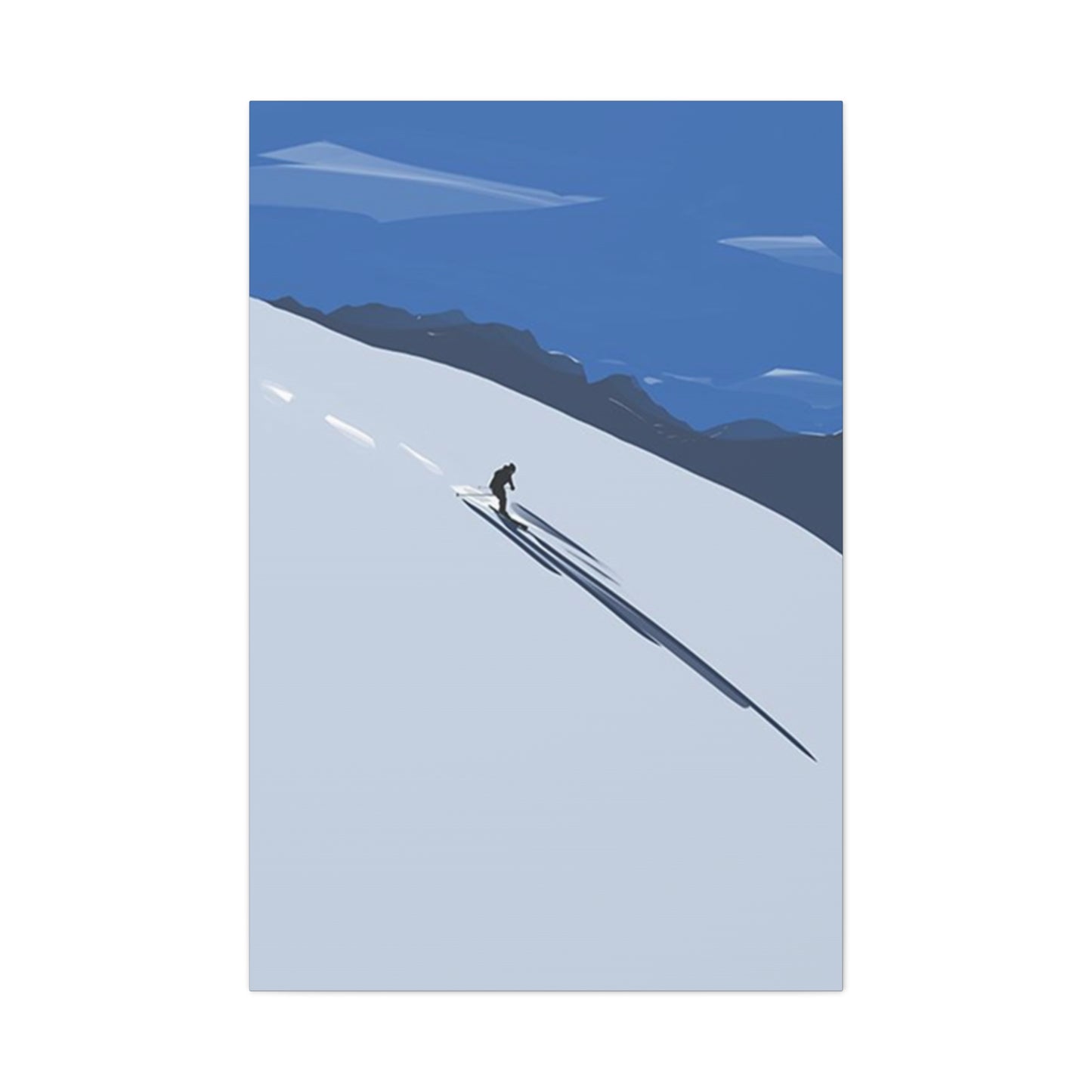
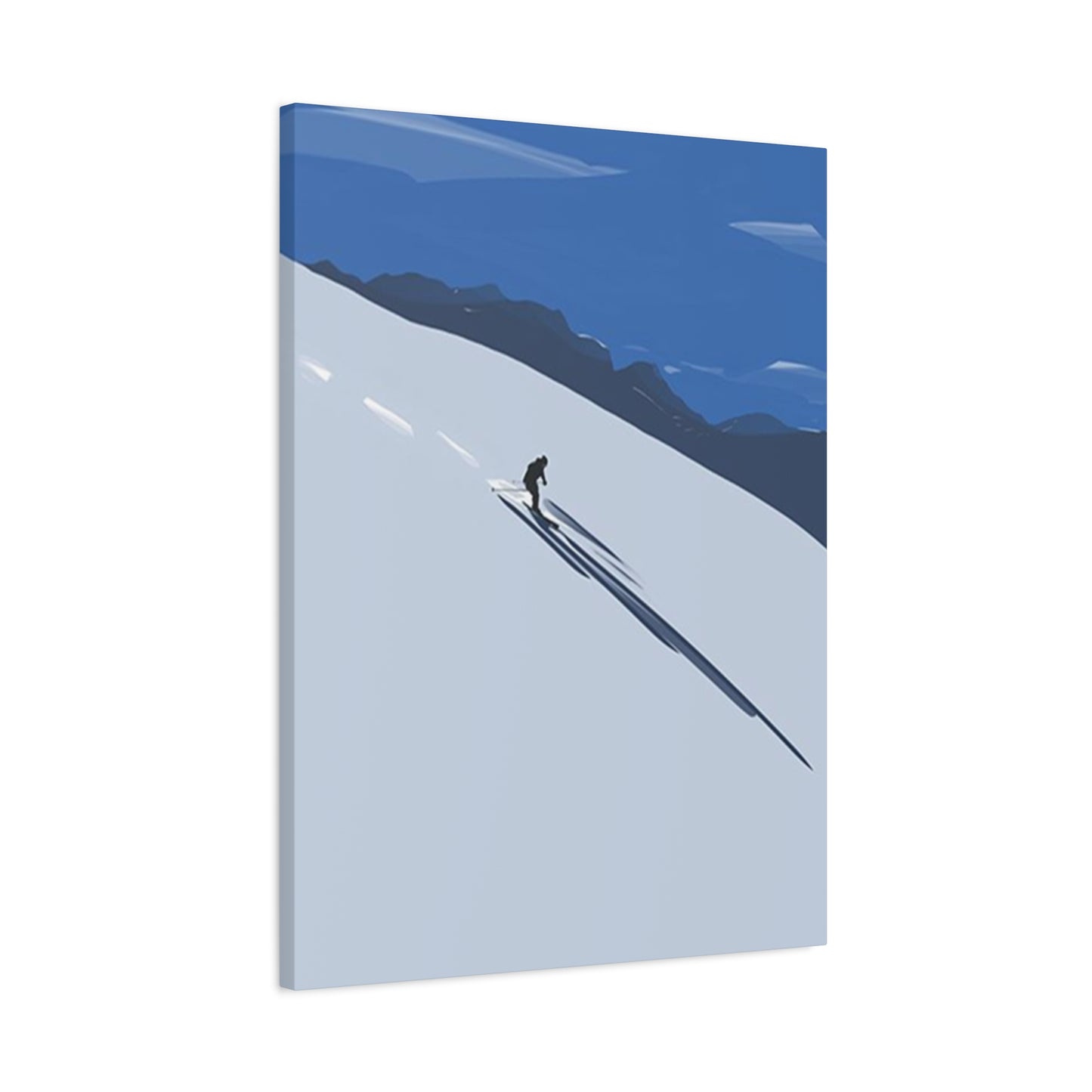
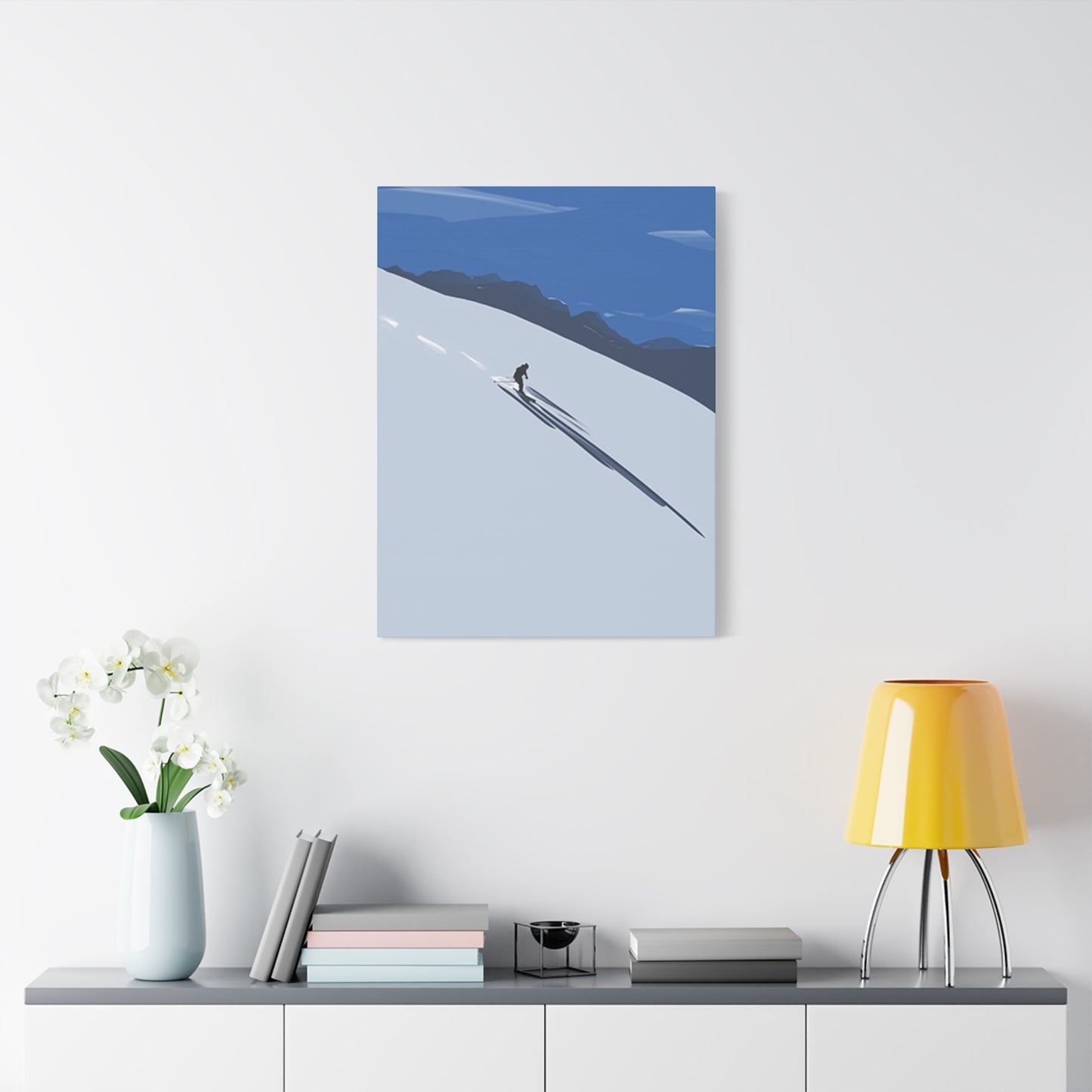
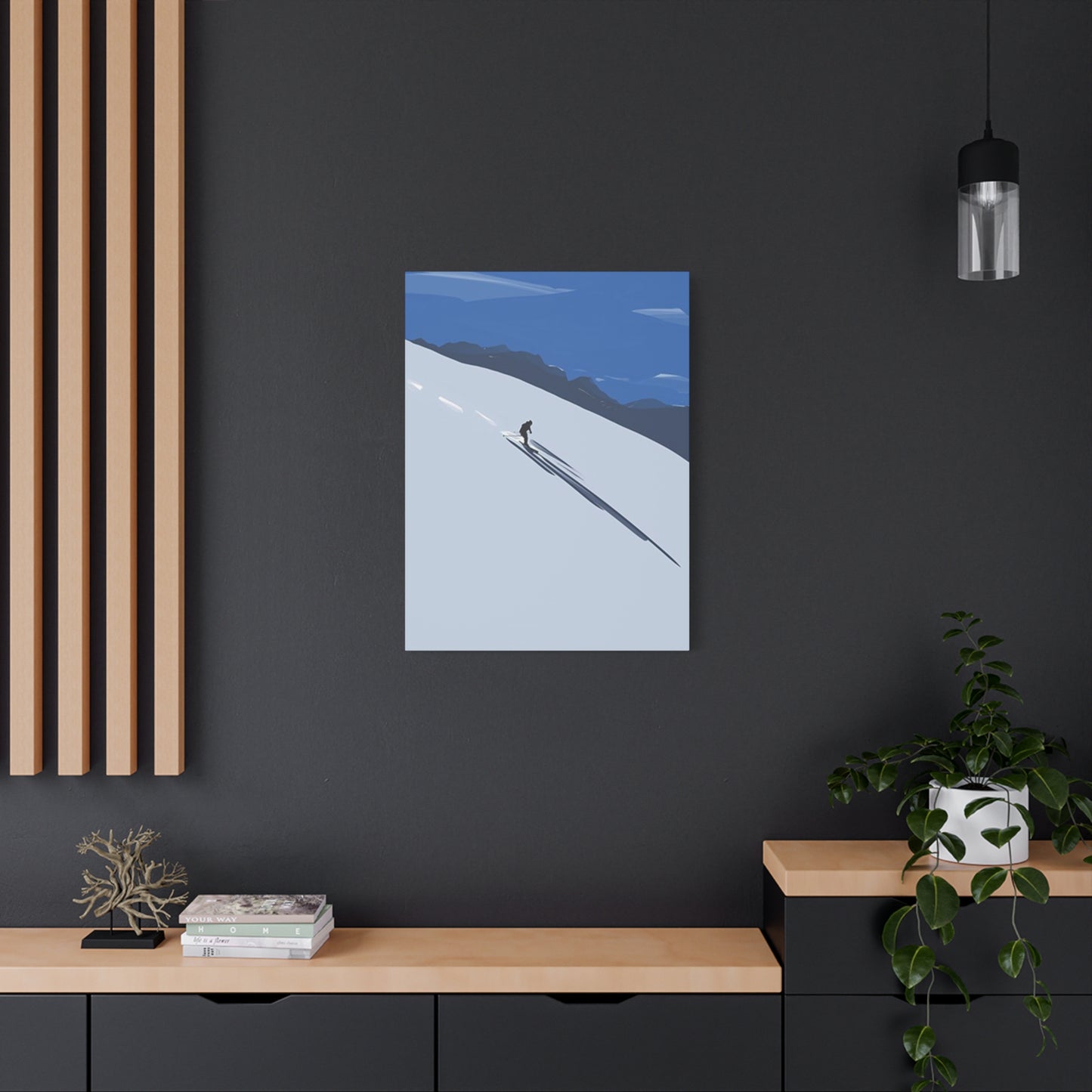
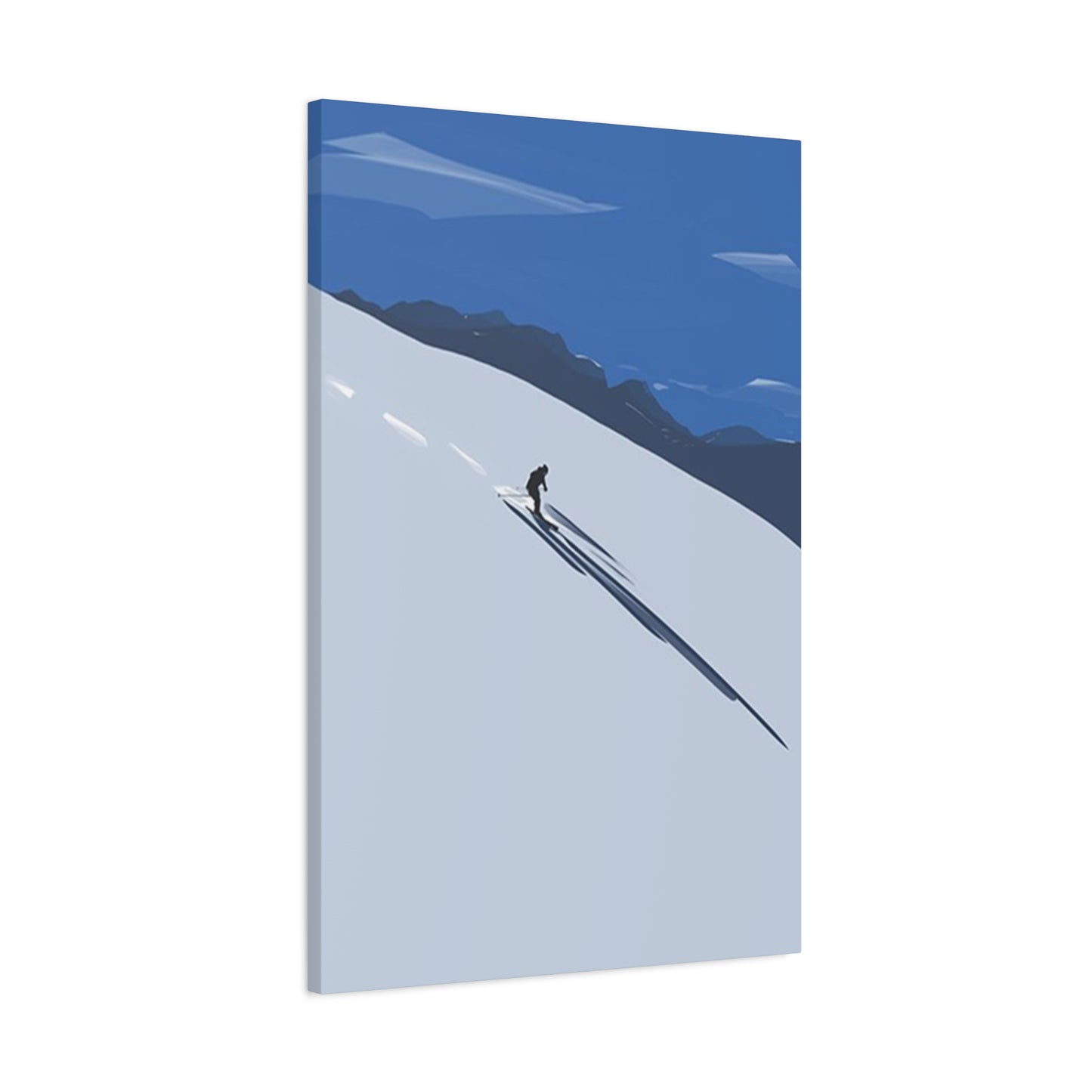
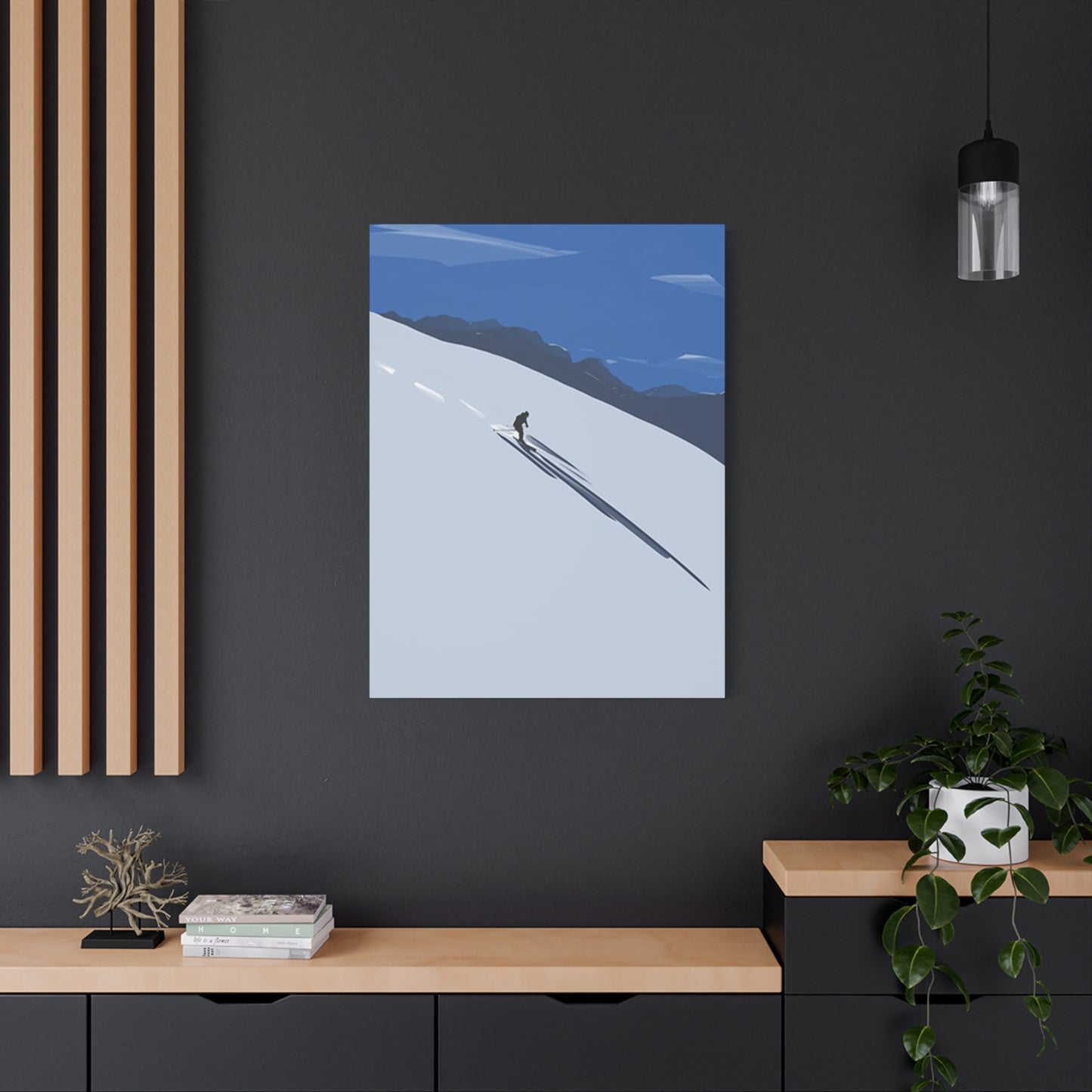
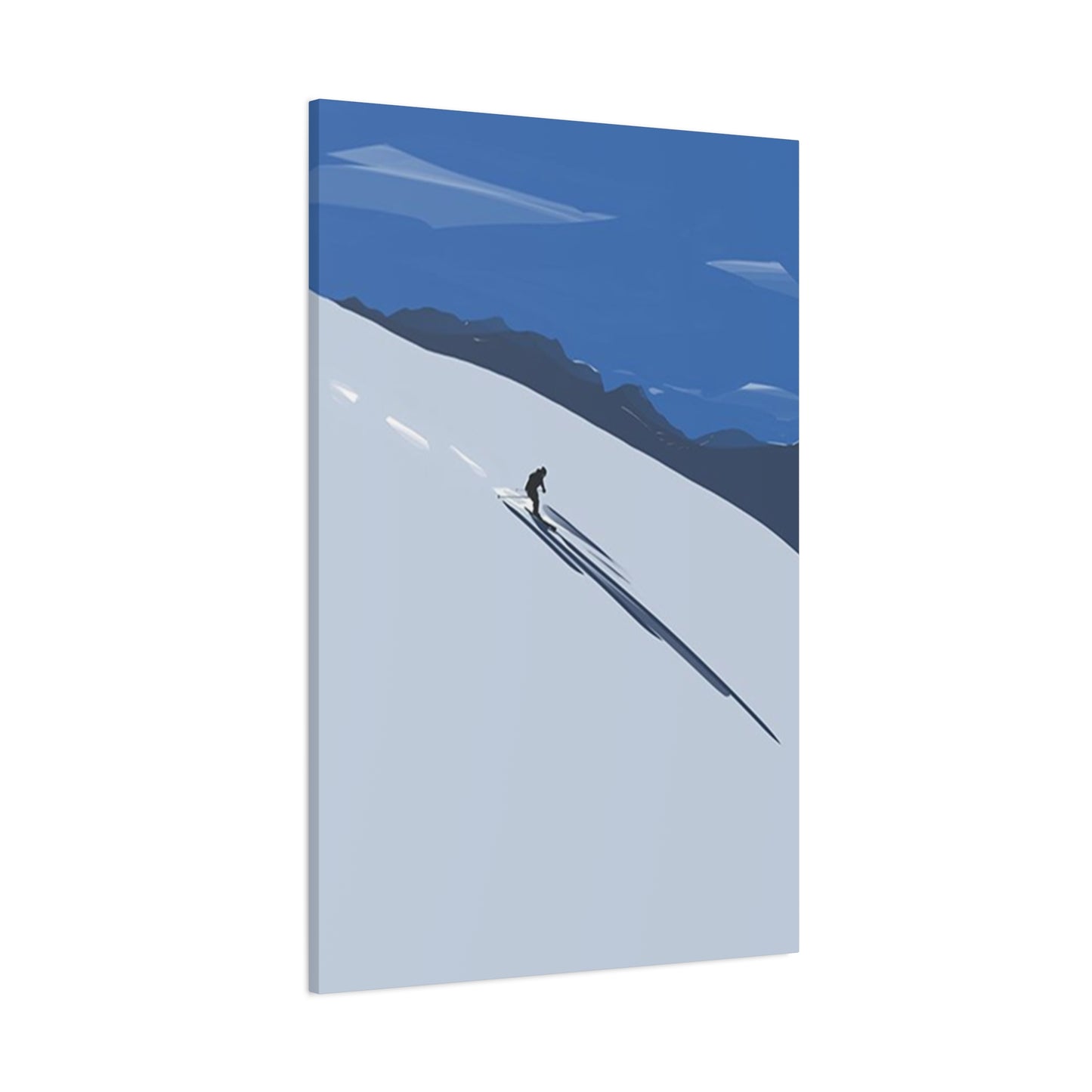
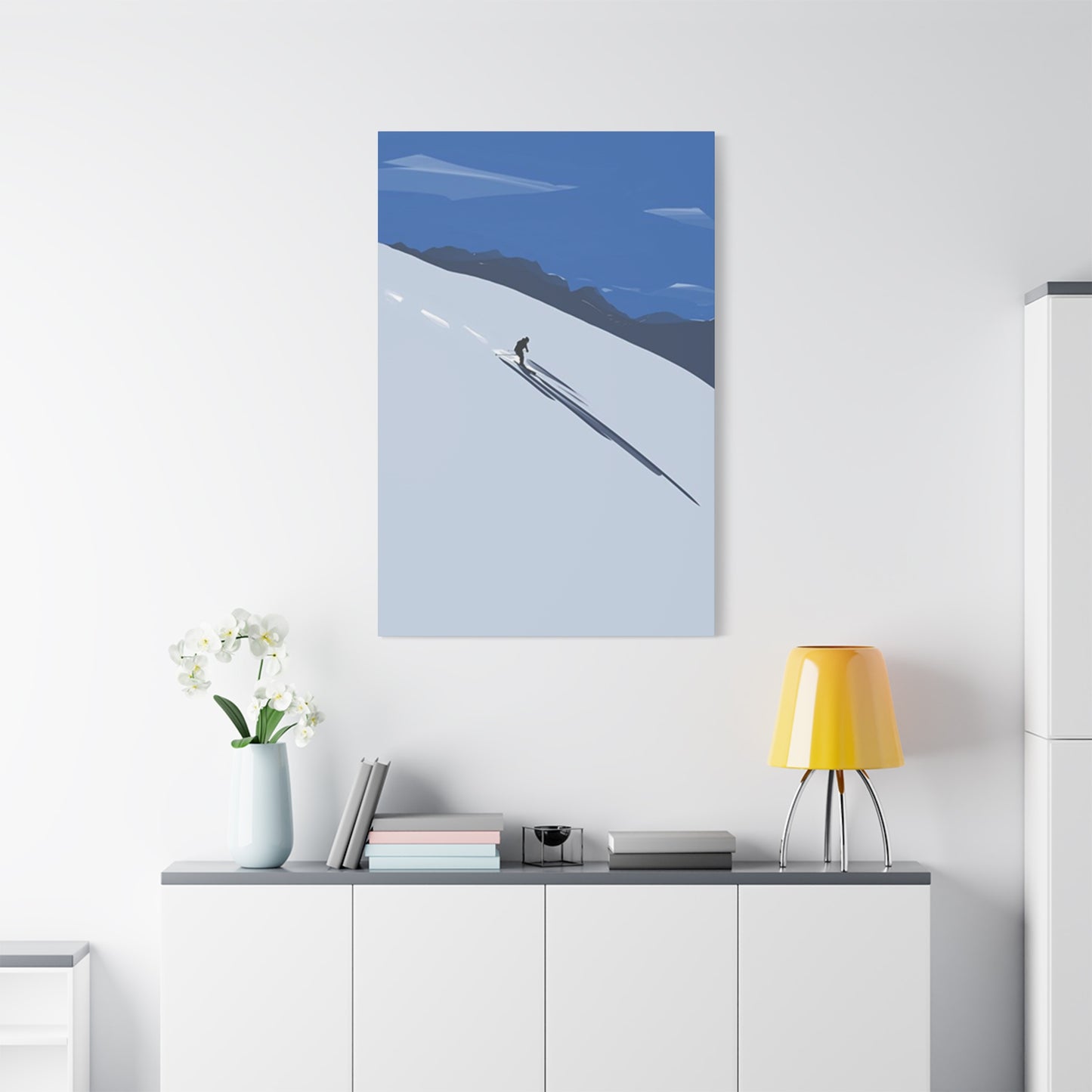
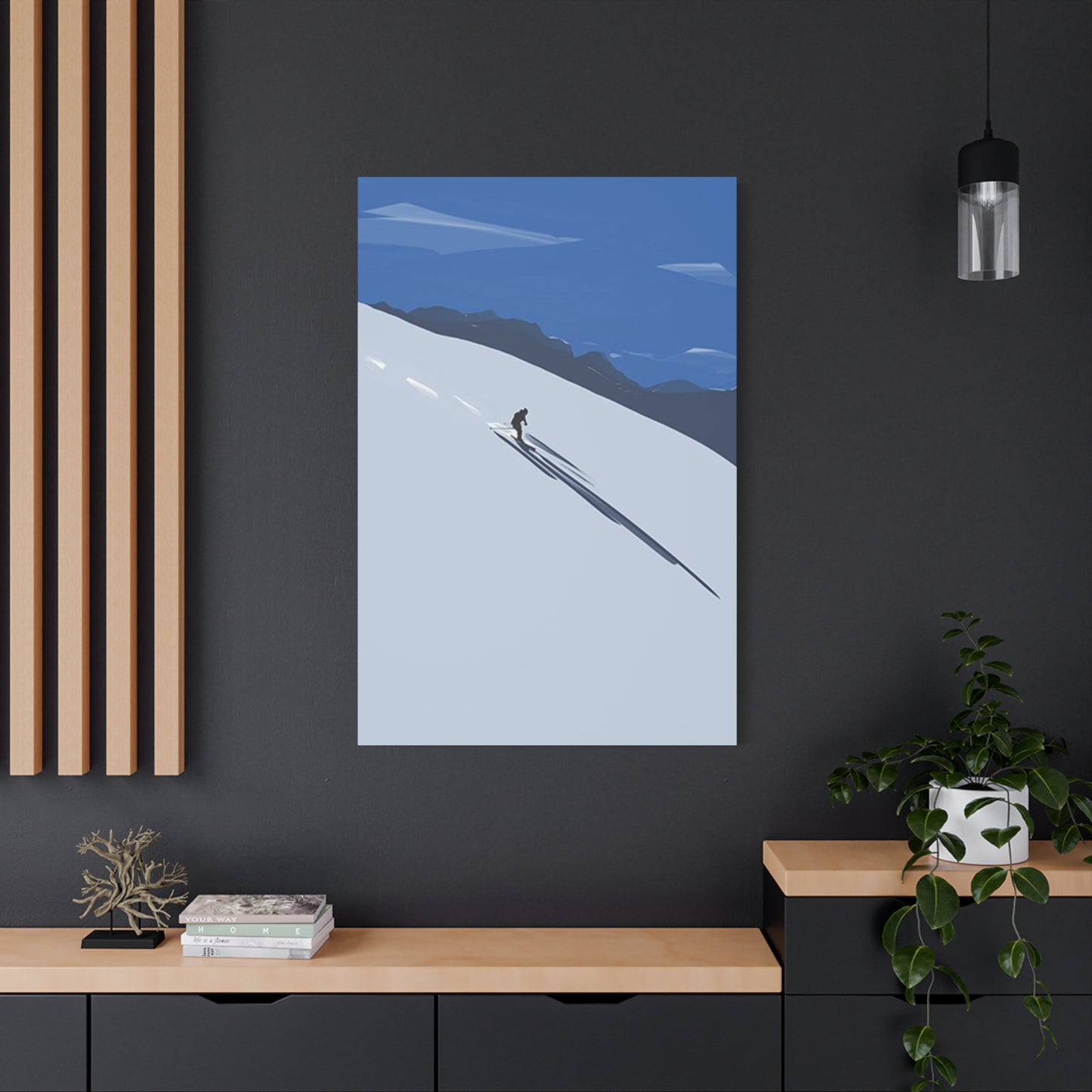
Capturing Alpine Adventures: The Artistic Expression of Skiing in Dense Snow Wall Art
The world of interior design has witnessed a remarkable surge in the popularity of action sports imagery, particularly those showcasing winter athletics against dramatic natural backdrops. Among these captivating visual themes, skiing in dense snow wall art has emerged as a powerful decorative choice that brings the excitement and beauty of mountain adventures into living spaces. This artistic genre combines the raw energy of downhill skiing with the pristine elegance of heavy snowfall, creating pieces that resonate with outdoor enthusiasts and art lovers alike.
The appeal of skiing in dense snow wall art extends far beyond simple decoration. These pieces capture moments of pure exhilaration, frozen in time against nature's winter canvas. When powder flies and skiers carve through untouched slopes, photographers and artists seize these fleeting instances to create imagery that speaks to the human spirit's desire for adventure and connection with the natural world. The dense snow element adds texture, dimension, and drama to compositions, transforming ordinary skiing photographs into extraordinary visual narratives.
Modern consumers seek more than just pretty pictures for their walls. They desire meaningful artwork that reflects their passions, experiences, and aspirations. Skiing in dense snow wall art fulfills this need by offering a window into the mountain lifestyle, allowing viewers to vicariously experience the rush of alpine descent and the serenity of snow-covered peaks. Whether displayed in homes, offices, or commercial spaces, these artworks serve as daily reminders of outdoor adventures and the beauty found in challenging oneself against nature's elements.
The Evolution of Winter Sports Imagery in Home Decoration
Winter sports photography has undergone a dramatic transformation since the early days of skiing documentation. Initially, skiing imagery served primarily documentary purposes, recording athletic achievements and mountain exploration. Early photographers struggled with heavy equipment, limited film sensitivity, and harsh weather conditions to capture these alpine moments. The resulting images, though historically valuable, lacked the artistic sophistication and visual impact that contemporary audiences expect from decorative wall art.
As photographic technology advanced throughout the twentieth century, artists gained greater freedom to experiment with composition, timing, and perspective. The introduction of faster film speeds, improved lens technology, and more portable camera equipment revolutionized how skiing could be captured. Photographers began positioning themselves in previously impossible locations, using techniques that transformed functional sports documentation into compelling artistic statements. The dense snow element became not just an environmental factor but a crucial compositional tool that added depth, motion, and emotional resonance to images.
The digital revolution of the late twentieth and early twenty-first centuries fundamentally altered the landscape of skiing photography. Digital sensors, advanced autofocus systems, and sophisticated editing software empowered artists to capture and refine images with unprecedented precision. High-speed continuous shooting modes allowed photographers to capture perfect moments during rapid descents through powder. Post-processing techniques enhanced the visual drama of dense snow, bringing out texture details and atmospheric qualities that film photographers could only dream of achieving.
Contemporary skiing in dense snow wall art represents the culmination of these technological and artistic advancements. Today's pieces showcase not only technical excellence but also creative vision that elevates skiing imagery to fine art status. Artists employ various techniques including long exposures to blur motion, strategic lighting to highlight snow particles, and careful composition to create visual narratives that engage viewers emotionally. The market has responded enthusiastically, with collectors and decorators recognizing the unique aesthetic value these pieces bring to interior spaces.
The cultural significance of winter sports has also elevated the status of skiing imagery. As skiing has evolved from an elite European pastime to a globally accessible sport, the visual language associated with it has become universally understood. Dense snow, in particular, carries connotations of pristine wilderness, challenging conditions, and the pure joy of powder skiing that resonates across cultural boundaries. This universal appeal makes skiing in dense snow wall art suitable for diverse settings and audiences, from mountain lodges to urban apartments, from adventure seekers to art collectors.
Visual Composition Techniques in Snow-Laden Skiing Artwork
Creating compelling skiing in dense snow wall art requires masterful understanding of visual composition principles. The interaction between subject, environment, and atmospheric conditions demands careful consideration of multiple elements working in concert. Successful pieces balance the dynamic energy of the skier with the overwhelming presence of snow, creating tension and harmony simultaneously. Artists must consider how dense snowfall affects visibility, contrast, and the overall mood of the composition while maintaining clear focal points that guide viewer attention.
The rule of thirds remains foundational in skiing photography composition, but dense snow conditions introduce unique challenges and opportunities. Positioning the skier off-center creates visual interest while allowing the snow environment to occupy significant compositional space. The dense snow itself can serve as a natural framing device, with snow-laden trees or atmospheric perspective creating depth and context. Leading lines formed by ski tracks, terrain features, or even the trajectory of flying snow particles draw viewers' eyes through the composition, creating movement and narrative flow within static images.
Contrast management becomes particularly crucial when working with predominantly white environments. Dense snow can easily overwhelm compositions, reducing them to formless expanses of brightness. Skilled photographers combat this by seeking moments when backlighting, side lighting, or dramatic weather creates sufficient tonal variation. The skier's clothing becomes a critical compositional element, providing color and contrast that anchor the viewer's attention. Equipment choices, from skis to helmets, contribute additional visual interest and help define the human element within the expansive snowscape.
Depth perception in dense snow conditions requires deliberate compositional strategies. Atmospheric perspective, where distant elements appear hazier and less distinct, helps establish spatial relationships. Incorporating foreground elements such as snow-covered branches or rocky outcroppings creates layered compositions with enhanced three-dimensionality. The density of falling or flying snow can be used to create zones within the image, with varying levels of visibility suggesting distance and atmosphere. These techniques transform flat two-dimensional prints into immersive visual experiences that draw viewers into the alpine environment.
Motion capture techniques add another dimension to skiing in dense snow wall art. Fast shutter speeds freeze individual snowflakes and spray patterns, revealing details invisible to the naked eye. This approach creates sharp, crisp images that emphasize athletic precision and the physical properties of powder snow. Alternatively, slower shutter speeds introduce controlled motion blur, suggesting speed and fluidity while maintaining key areas of sharpness. Panning techniques follow the skier's motion, keeping them relatively sharp while blurring the background and snow particles into streaks of movement. Each approach creates distinctly different emotional impacts and aesthetic qualities.
The interplay between positive and negative space takes on special significance in snow-dominated compositions. Dense snow can function as negative space, providing visual rest areas that balance busier compositional elements. However, textured snow patterns, wind-sculpted formations, and varied lighting can transform what might otherwise be empty space into engaging visual content. Artists must decide how much detail to retain in snow-dominated areas, balancing minimalist aesthetics with the desire to showcase the environment's complexity. This decision fundamentally affects whether pieces feel stark and dramatic or rich and detailed.
Framing and Presentation Strategies for Mountain Art
Framing choices profoundly influence how skiing in dense snow wall art integrates with interior spaces and communicates artistic intent. Traditional framing with matting and glass creates classic, refined presentations suitable for formal settings. Wide white or cream mats provide visual breathing room around dramatic skiing imagery, preventing compositions from feeling cramped or overwhelming. The mat creates a transitional zone between artwork and frame, then between frame and wall, establishing clear visual hierarchy. Glass or acrylic glazing protects prints while adding subtle depth through the slight separation it creates between image surface and viewer.
Frame style selection should complement both the artwork's aesthetic and the surrounding interior design. Sleek black frames create modern, sophisticated presentations that allow imagery to dominate viewer attention. The crisp contrast between black framing and white snow creates definitive boundaries that emphasize compositional elements. Natural wood frames introduce organic warmth, particularly appropriate for rustic or mountain-themed interiors. Light woods suggest Scandinavian simplicity and brightness, while darker woods convey traditional elegance and gravitas. Metal frames in silver, brushed aluminum, or bronze finishes align with contemporary design sensibilities, their clean lines suiting minimalist skiing compositions.
Frameless presentations offer alternative approaches with distinct visual characteristics. Gallery wrapping, where canvas extends around stretcher bar sides, creates finished edges that eliminate framing needs entirely. This approach produces casual, accessible presentations that work beautifully in relaxed residential or commercial settings. The continuation of the image around edges adds dimensional interest, though some compositional information may be lost on the sides. Float mounting techniques suspend prints within frames with visible borders, creating shadow gaps that add depth and emphasize artwork as precious objects worthy of special presentation.
Specialty framing techniques enhance thematic appropriateness for skiing wall art. Shadow box framing creates deep spaces that can incorporate three-dimensional elements alongside printed images. Vintage ski equipment, lift tickets, or small memorabilia pieces can accompany skiing photographs, creating narrative-rich displays that personalize artwork. Reclaimed wood frames constructed from old barn boards or weathered fence posts reinforce mountain-lifestyle aesthetics while supporting sustainable design practices. Custom frame profiles can reference ski equipment shapes or mountain silhouettes, creating subtle thematic continuity between frame and content.
Grouping multiple skiing in dense snow wall art pieces creates gallery wall arrangements with impressive visual impact. Symmetrical grids of same-sized pieces produce ordered, cohesive displays suitable for formal spaces. Asymmetrical arrangements with varied sizes create dynamic, organic layouts that feel spontaneous and personal. Thematic groupings might trace a single ski run through sequential images, document different snow conditions, or showcase various skiing disciplines. The spacing between pieces, their alignment relationships, and their individual frames all contribute to overall gallery wall success, requiring careful planning to achieve balanced, harmonious results.
Lighting design critically affects how framed skiing art appears and performs within spaces. Picture lights mounted above or below frames provide dedicated illumination that highlights artwork while creating ambient room lighting. Track lighting offers flexibility, allowing precise aiming and adjustment as needs change. Natural light considerations include avoiding direct sun exposure that could fade prints while positioning pieces to benefit from indirect daylight that reveals detail and enhances colors. The interplay between lighting and glazing choices determines whether frames produce glare or allow clear viewing across various angles and times of day.
Interior Design Integration and Spatial Considerations
Successfully incorporating skiing in dense snow wall art into interior spaces requires thoughtful consideration of multiple factors. Scale relationships between artwork and architectural elements establish visual balance and prevent pieces from appearing lost or overwhelming. Large statement pieces anchor spaces, serving as focal points around which other design elements organize. In spacious rooms with tall ceilings, oversized skiing prints create drama and presence proportional to architectural scale. Conversely, smaller spaces benefit from more modestly sized pieces that provide visual interest without dominating limited square footage.
Placement height significantly affects artwork accessibility and impact. The conventional wisdom of hanging pieces with centers at average eye level applies generally, but contextual factors may suggest variations. Above furniture such as sofas or consoles, artwork should maintain appropriate vertical relationships, typically positioned several inches above furniture tops. In dining areas, pieces mounted lower allow comfortable viewing by seated diners. Stairwell installations can follow ascending angles, creating dynamic progressions that complement architectural movement through vertical space. High-traffic areas benefit from careful placement that prevents artwork from feeling vulnerable to contact or obstruction.
Color coordination between skiing wall art and surrounding interior design creates harmonious environments. The predominantly white and blue tones common in snow imagery complement various color schemes, from cool Nordic palettes to warmer rustic approaches. Accent colors from skier clothing can inform accessory choices, pillow selections, or decorative object hues, creating subtle visual echoes throughout spaces. Alternatively, contrasting approaches use warm wall colors to offset cool skiing imagery, creating dynamic tension that energizes rooms. Understanding color relationships ensures artwork enhances rather than conflicts with overall design visions.
Thematic consistency throughout spaces reinforces design narratives and creates cohesive environments. Mountain-themed rooms incorporating skiing wall art benefit from complementary elements such as wood furniture, stone features, and natural fiber textiles. However, skiing imagery also works beautifully in unexpected contexts, bringing outdoor energy into urban settings or adding adventure spirit to contemporary minimalist spaces. The key lies in intentional selection and placement that acknowledges contextual relationships while maintaining clear design vision. Artwork should feel purposeful rather than arbitrary, contributing to overall spatial narratives.
Functional considerations influence optimal placement of skiing in dense snow wall art. High-moisture environments such as bathrooms require appropriate print protection and framing to prevent damage. Direct sunlight exposure necessitates UV-protective measures to preserve image quality over time. High-traffic areas benefit from durable framing and secure mounting that withstands occasional impacts. Safety concerns in homes with young children might dictate mounting heights and frame types. Balancing aesthetic ideals with practical realities ensures artwork remains beautiful and intact throughout its display life.
Creating visual flow between rooms through strategic artwork placement enhances overall home design coherence. A theme of skiing in dense snow wall art might begin with a large statement piece in the main living area, continue with smaller complementary images in hallways, and conclude with intimate pieces in private spaces. This progression creates narrative continuity that guides visitors through homes while maintaining individual room identities. The consistent thematic thread unifies diverse spaces without requiring repetitive or monotonous design approaches, allowing variation within overall coherence.
Photography Techniques for Capturing Alpine Action
Professional skiing in dense snow wall art begins with masterful field photography that captures decisive moments under challenging conditions. Equipment selection proves crucial, as mountain environments demand gear capable of withstanding extreme cold, moisture, and physical demands. Professional-grade camera bodies with weather sealing protect sensitive electronics from snow and humidity. Fast continuous shooting modes capture rapid action sequences, ensuring photographers secure perfect moments during brief skiing passes. Backup equipment provides insurance against mechanical failures in remote locations where replacement access proves impossible.
Lens selection balances various photographic priorities. Wide-angle lenses capture environmental context, showcasing skiers within expansive mountain landscapes while emphasizing the scale and grandeur of alpine settings. These perspectives create dramatic compositions where human figures appear small against vast snowscapes, emphasizing the relationship between athlete and environment. Telephoto lenses compress perspective and isolate skiers against cleaner backgrounds, eliminating distracting elements while creating intimate perspectives on athletic performance. Zoom lenses offer versatility, allowing photographers to adapt quickly to changing situations without lens changes in harsh conditions.
Autofocus systems face unique challenges when tracking subjects through dense snowfall. Falling snow can confuse autofocus sensors, causing systems to focus on near particles rather than distant skiers. Modern predictive autofocus with customizable tracking parameters helps overcome these difficulties, maintaining focus on moving subjects despite environmental interference. Back-button focusing techniques give photographers greater control over focus timing and recomposition opportunities. Manual focus becomes necessary in some extreme conditions, requiring skill and practice to track moving subjects through viewfinders while managing camera settings.
Exposure management in snow-dominated scenes requires understanding how camera metering systems interpret brightness. Snow's high reflectivity can fool automatic metering into underexposure, rendering white snow as middle gray. Exposure compensation of positive one to two stops counters this tendency, preserving snow's brightness while maintaining highlight detail. Histogram monitoring ensures proper exposure across the tonal range, with careful attention to highlight clipping that would render snow as featureless white. Bracketing exposures provides insurance, capturing slightly underexposed and overexposed versions alongside base exposures for maximum post-processing flexibility.
Timing and positioning separate good skiing photography from great wall art. Photographers must anticipate skier trajectories and choose vantage points offering optimal compositional opportunities. Positioning below skiers looking upward emphasizes athletic power and creates dramatic silhouettes against sky. Side angles showcase technique and style while allowing clear views of flying snow spray. Close positioning with wide lenses creates immersive perspectives that place viewers within the action. Each position offers distinct aesthetic qualities, requiring photographers to envision final compositions while reacting to dynamic situations.
Dealing with dense snow conditions demands specialized techniques and mental flexibility. Heavy snowfall reduces visibility and available light, necessitating higher ISO settings and wider apertures. Protecting equipment from snow accumulation requires vigilance, with regular lens cleaning and weather covers preventing moisture intrusion. Dense snow creates unique atmospheric effects, with light scattering producing soft, diffused illumination. Photographers can leverage these conditions for artistic effect, creating dreamy, ethereal imagery where skiers emerge from misty snowfall like apparitions. The challenges of working in dense snow ultimately create distinctive visual characteristics that define this artistic genre.
Post-Processing Workflows for Snow Photography Excellence
Digital post-processing transforms raw skiing captures into polished skiing in dense snow wall art. Import workflows organize files systematically, allowing efficient management of large shooting sessions. Metadata application including keywords, location data, and content descriptions facilitates future searching and organization. Initial culling eliminates technical failures and weak compositions, narrowing focus to promising candidates. Rating systems help identify exceptional frames deserving detailed processing attention. This organizational foundation enables efficient workflow progression from capture through final output.
Global adjustments establish overall image character before detailed refinements. White balance correction ensures neutral snow rendering while allowing creative interpretation. Exposure adjustments fine-tune overall brightness based on histogram analysis and artistic vision. Contrast adjustments separate tonal zones, adding depth and dimension to potentially flat snow scenes. Highlights and shadows controls recover detail in bright snow and dark equipment or clothing, maximizing tonal range. Clarity and texture adjustments enhance mid-tone details, revealing snow structure and athlete positioning with greater definition.
Color grading decisions fundamentally affect final aesthetic. Naturalistic approaches maintain accurate color representation, preserving the authentic appearance of conditions as experienced. Stylized grading creates distinct visual signatures, with options ranging from vibrant saturation increases to muted, desaturated palettes. Split toning applies different colors to highlights and shadows, adding subtle sophistication to tonal transitions. Color harmonization ensures consistent palettes across series of images, particularly important for gallery wall displays. Each grading choice communicates different moods and aligns with particular interior design sensibilities.
Local adjustments provide precision control over specific compositional areas. Graduated filters adjust sky tones independently from foreground snow, managing difficult dynamic range situations. Radial filters can brighten or darken specific zones, directing viewer attention toward primary subjects. Brush adjustments allow completely custom control, dodging and burning specific elements as needed. These localized interventions create sophisticated lighting effects, enhance depth perception, and ensure optimal viewing experiences where every compositional element receives appropriate treatment.
Sharpening techniques reveal fine details that enhance print quality. Capture sharpening compensates for slight softness introduced during digital capture. Creative sharpening emphasizes important elements such as skier definition or snow texture. Output sharpening prepares images specifically for their final presentation medium and size, accounting for viewing distance and material characteristics. Careful sharpening application avoids artifacts and haloing while maximizing perceived resolution and clarity. Noise reduction balances detail preservation against the removal of unwanted grain, particularly important for high ISO captures made in low light conditions.
Advanced techniques including focus stacking, exposure blending, and perspective corrections address specific technical challenges. Focus stacking combines multiple exposures with different focus points, achieving impossible depth of field in single exposures. Exposure blending merges multiple exposures of the same scene, capturing full dynamic range from bright snow to dark shadows. Perspective corrections address lens distortion and compositional alignment, ensuring straight horizons and properly proportioned elements. These sophisticated techniques require additional shooting planning but enable image quality impossible through single exposures.
Emerging Trends in Winter Sports Wall Art
Contemporary trends in skiing in dense snow wall art reflect evolving aesthetic preferences and technological capabilities. Drone photography has revolutionized skiing imagery by enabling previously impossible aerial perspectives. Overhead views showcase ski track patterns in fresh powder, creating abstract compositions where skiing becomes secondary to the beautiful curves and lines carved through snow. These aerial perspectives emphasize the relationship between human movement and landscape, transforming individual skiing moments into broader commentaries on human interaction with natural environments. The unique viewpoints drone technology provides continue expanding creative possibilities for skiing wall art.
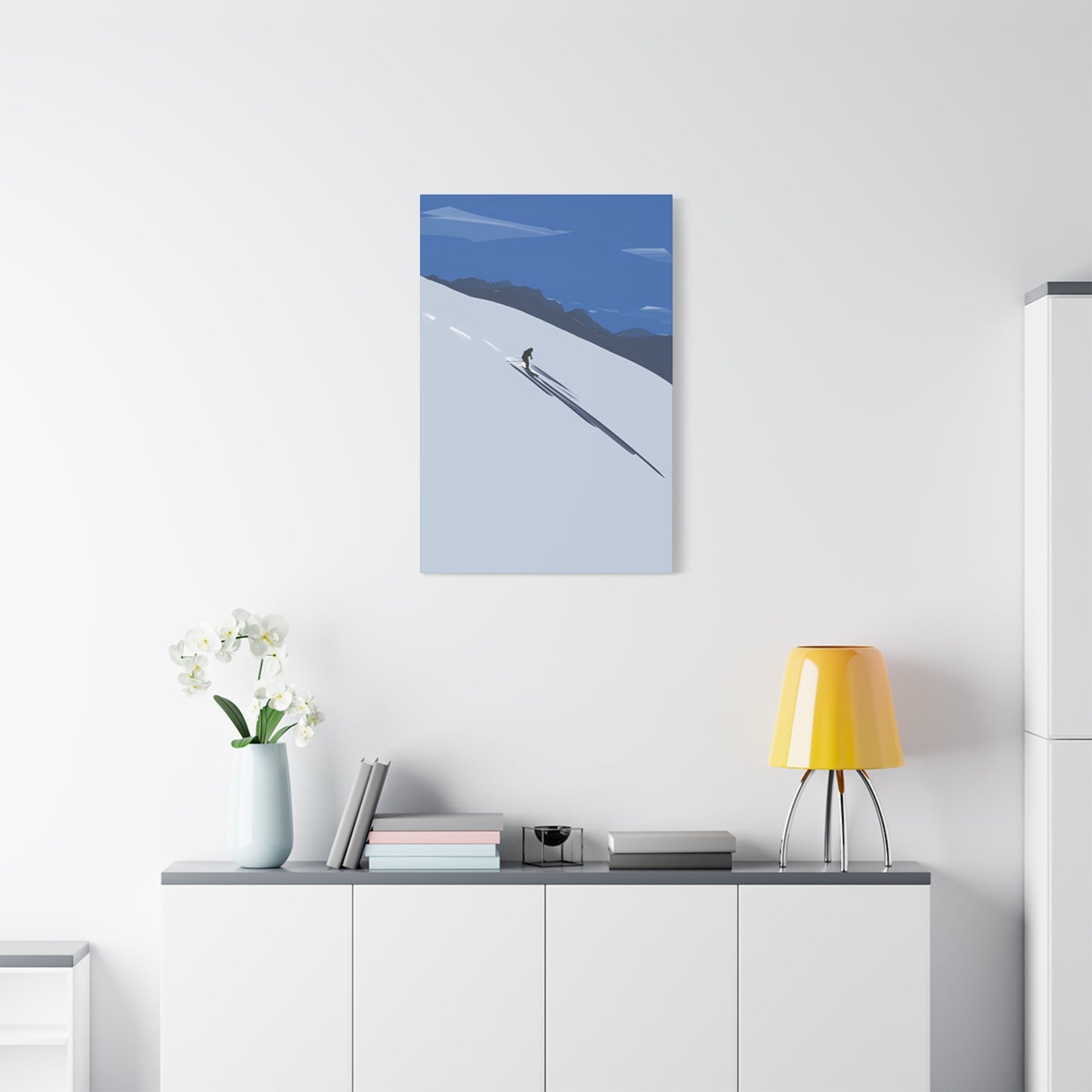
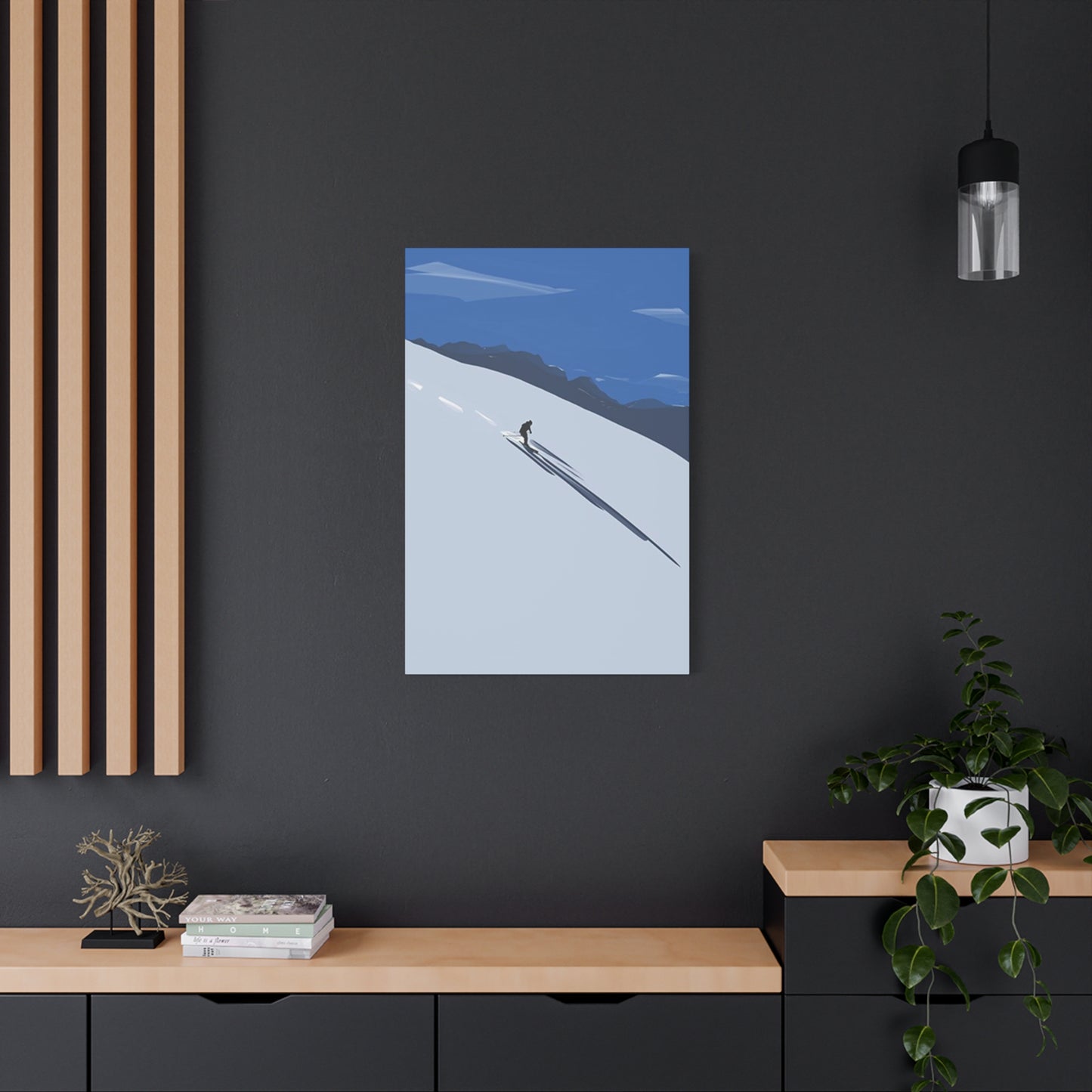
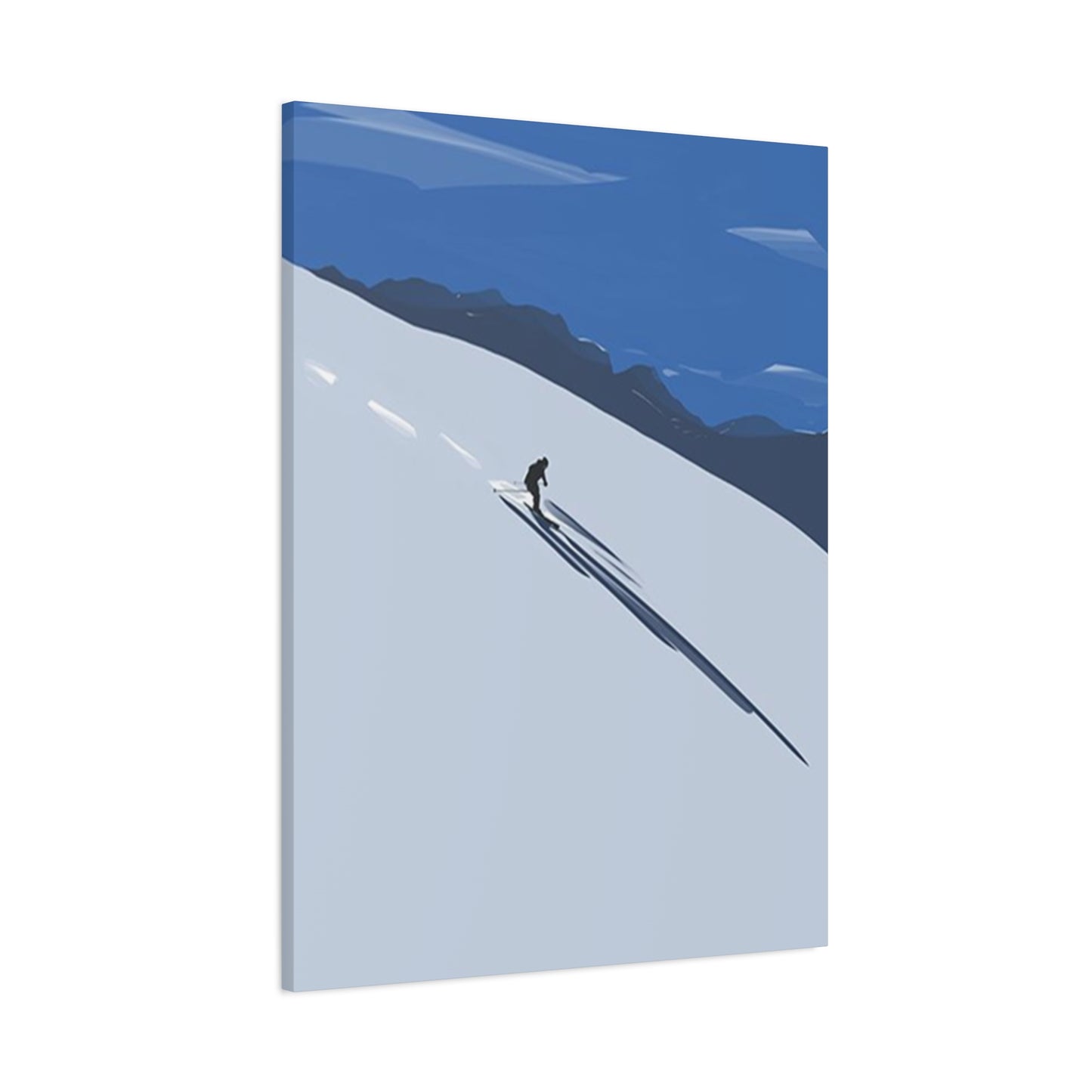
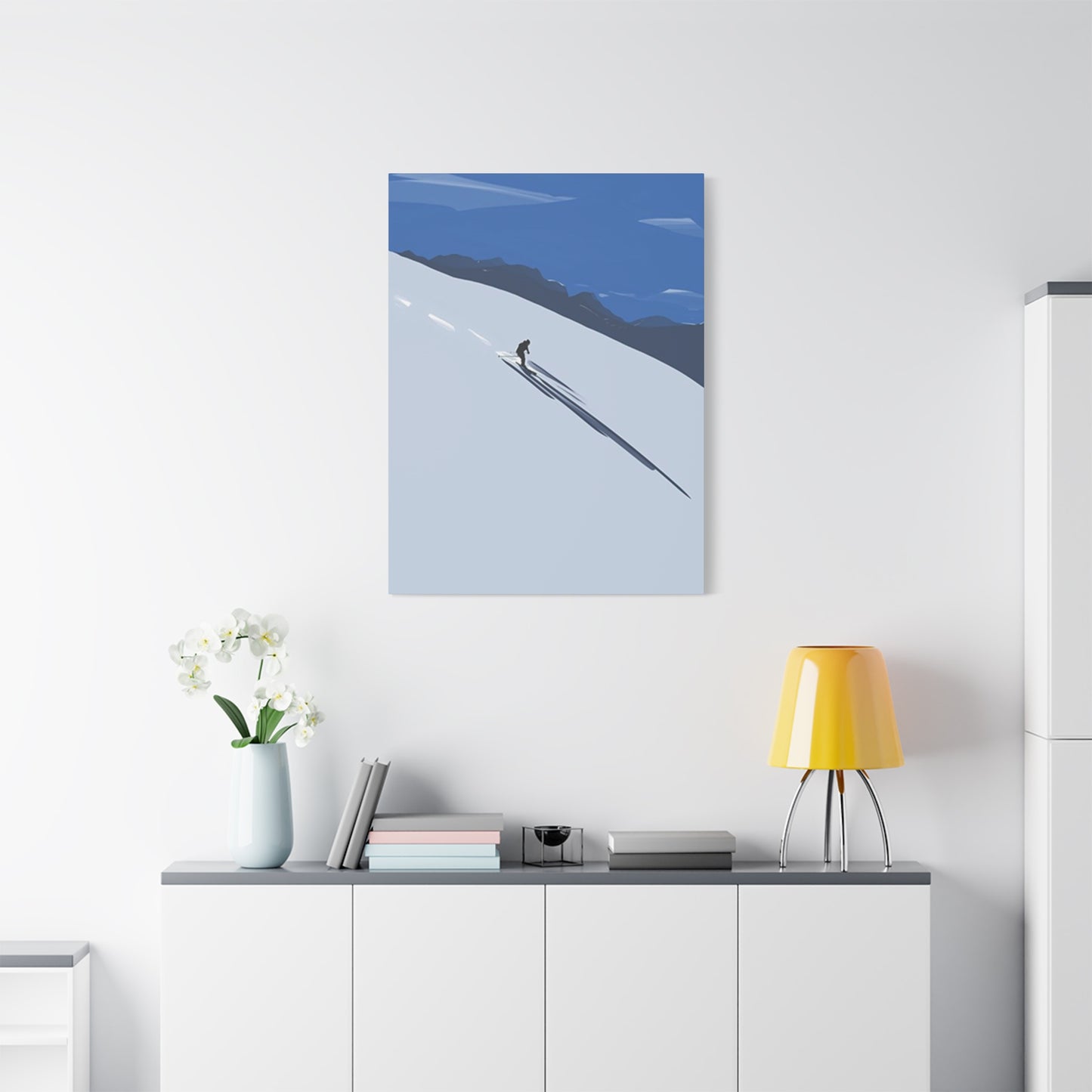
Minimalist aesthetics influence skiing wall art through simplified compositions and reduced color palettes. Rather than busy, detail-packed images, contemporary minimalist skiing art features isolated subjects against expansive negative space. A single skier might appear small within vast snowfields, emphasizing solitude and contemplation over action and excitement. Desaturated color processing creates subtle, sophisticated pieces that integrate seamlessly with contemporary interior design. These approaches appeal to collectors seeking skiing imagery that functions as fine art rather than obvious sports photography, bridging the gap between action sports and high art markets.
Action camera perspectives bring viewers directly into skiing experiences through first-person viewpoints. Helmet-mounted cameras capture what skiers themselves see, creating immersive imagery that places viewers on skis rather than observing from outside. Ski tip perspectives show terrain rushing beneath, emphasizing speed and the skier's relationship to snow surface. These intimate viewpoints create visceral connections to skiing experiences, offering alternatives to traditional third-person perspectives. While initially associated with amateur video footage, high-resolution stills from action cameras increasingly appear as legitimate wall art appealing to enthusiasts wanting personally relatable perspectives.
Composite imagery and digital manipulation expand creative possibilities beyond single-moment captures. Focus stacking creates impossible depth of field where both near and distant elements appear sharp. Exposure blending captures full dynamic range from bright snow to dark shadows in single compositions. More adventurous artists create surreal composites incorporating multiple skiers, impossible lighting conditions, or fantastical elements. While some purists resist digital manipulation, others embrace these tools as legitimate creative extensions enabling visions impossible through straight photography. The skiing wall art market increasingly accommodates both traditional and digitally enhanced approaches.
Vintage and retro aesthetics resurface periodically as designers and collectors develop nostalgia for historical periods. Vintage skiing posters from early twentieth-century European resorts influence contemporary artwork through their bold colors and simplified forms. Retro film photography aesthetics including grain, light leaks, and imperfect colors create nostalgic feels that contrast with digital perfection. Some contemporary photographers deliberately use vintage equipment or apply editing techniques that simulate historical processes. These retro approaches appeal to collectors seeking distinctive aesthetics that stand apart from ubiquitous contemporary digital imagery.
Environmental and conservation themes increasingly inform skiing wall art's conceptual foundations. Artists use skiing imagery to raise awareness about climate change impacts on winter sports and mountain ecosystems. Juxtaposing abundant snow conditions with data about declining snowpack levels creates powerful messages. Some artists donate proceeds from skiing art sales to conservation organizations, adding ethical dimensions to collecting. As environmental consciousness grows, skiing wall art increasingly functions as both decoration and statement about values and commitments to preserving winter environments for future generations.
Geographic Diversity in Skiing Imagery and Cultural Variations
Skiing in dense snow wall art reflects diverse geographic regions, each offering distinctive visual characteristics. European Alps imagery showcases dramatic peaks, ancient mountain villages, and sophisticated resort development. The cultural history embedded in Alpine skiing creates romantic associations with the sport's origins and evolution. Swiss, French, Austrian, and Italian mountain landscapes each possess unique aesthetic qualities that knowledgeable viewers recognize. Alpine skiing art often incorporates architectural elements including classic chalets, historic mountain huts, and impressive lift infrastructure that shape these legendary landscapes.
North American skiing imagery emphasizes vast wilderness and frontier spirit distinct from European aesthetics. Rocky Mountain landscapes feature massive vertical relief, expansive bowls, and extensive backcountry terrain. Cascade Range volcanism creates distinctive profiles that immediately identify specific locations. Eastern ranges including New England's White Mountains and Appalachians offer different scales and forest densities. Pacific Coast ranges benefit from maritime snow conditions producing distinctive powder qualities. These geographic variations create rich visual diversity, with collectors often seeking imagery representing their local regions or dream destinations.
Japanese skiing art captures unique aesthetic sensibilities reflecting cultural traditions. Hokkaido's famous powder snow creates distinctive light, fluffy conditions unlike anywhere else globally. Traditional Japanese aesthetic principles including wabi-sabi and ma influence compositional approaches, creating skiing imagery that feels distinctly different from Western counterparts. The integration of traditional elements including onsens, temples, and distinctive architecture adds cultural layers unavailable elsewhere. Growing international awareness of Japanese skiing has increased demand for imagery capturing these unique environments and experiences.
Scandinavian skiing traditions provide another distinct geographic aesthetic. Norwegian mountains' proximity to oceans creates dramatic landscapes where skiing occurs within view of fjords and coastlines. Swedish and Finnish terrain tends toward gentler slopes and extensive forests, creating different visual characteristics than high alpine environments. Northern latitude light conditions including extended twilights and potential northern lights add unique atmospheric qualities. Scandinavian design sensibilities emphasizing minimalism and natural materials influence how skiing imagery from these regions is captured and presented.
Southern Hemisphere skiing locations offer exotic appeal to Northern Hemisphere audiences. Chilean and Argentine Andes provide dramatic volcanic landscapes and unique seasonal timing when Northern Hemisphere resorts are closed. New Zealand's Southern Alps combine impressive peaks with island geography, creating distinctive settings. Australian skiing, while less dramatic in scale, represents unique regional character. These Southern Hemisphere locations appeal to adventurous collectors seeking imagery that stands apart from familiar Northern Hemisphere scenes.
Emerging skiing destinations continue expanding geographic diversity in wall art. Central Asian ranges including the Tian Shan and Altai Mountains represent frontier regions where skiing development meets ancient cultures. Caucasus Mountains straddling Europe and Asia offer dramatic terrain and developing skiing infrastructure. Even unexpected regions including Middle Eastern ranges and North African mountains occasionally support skiing, creating novelty appeal. These emerging locations attract photographers and artists documenting skiing's global spread and the universal human attraction to sliding on snow.
The Role of Weather and Light in Creating Mood
Weather conditions fundamentally shape skiing in dense snow wall art's emotional character. Bluebird days with brilliant sunshine and cloudless skies create exuberant, joyful imagery celebrating perfect mountain conditions. Strong sunlight creates crisp shadows and vibrant color saturation that energize compositions. These ideal conditions feel accessible and inviting, suggesting skiing as pleasant recreation rather than extreme challenge. However, the abundance of similar bluebird imagery can make individual pieces feel generic unless photographers employ distinctive compositional approaches or capture unique moments.
Storm skiing imagery conveys entirely different emotional qualities. Heavy snowfall reduces visibility, creating atmospheric conditions where skiers emerge from and disappear into swirling snow. These conditions suggest adventure, challenge, and the raw power of mountain weather. The dense snow becomes the dominant compositional element, transforming environments into abstract spaces where form dissolves into atmosphere. Storm imagery appeals to hardcore enthusiasts who cherish powder days regardless of visibility, while also creating mysterious, moody aesthetics that function as fine art beyond sports documentation.
Overcast conditions provide diffused lighting that reduces harsh shadows while maintaining adequate visibility. This soft light reveals snow texture details and subtle tonal variations that harsh sunlight might overwhelm. Overcast skiing imagery often feels contemplative and serious, focusing attention on athletic performance and snow interaction rather than environmental grandeur. The muted color palettes and reduced contrast create sophisticated, subtle pieces that integrate easily with minimalist interior design approaches. These conditions also eliminate squinting skiers and harsh facial shadows, producing cleaner athlete portraits.
Dramatic weather transitions create spectacular lighting opportunities. Sunbreaks during storms produce shafts of light illuminating specific areas while surrounding environments remain dim. These spotlight effects naturally direct viewer attention while adding theatrical drama. Approaching or retreating weather systems create dynamic skies with complex cloud formations that add visual interest to backgrounds. The interplay between clearing and storming conditions produces constantly changing light that creates unique moments lasting only seconds, rewarding patient photographers positioned to capture these fleeting opportunities.
Time of day profoundly influences skiing imagery's mood and aesthetic qualities. Golden hour lighting during morning and evening casts warm hues across snow, creating romantic, picturesque scenes. The low sun angle produces long shadows that add dimension and drama while emphasizing terrain contours. Midday light creates neutral, documentary qualities suitable for technical skiing photography but sometimes lacking emotional resonance. However, midday overhead light eliminates shadows under helmet brims and goggles, clearly revealing faces when skier identity matters. Blue hour twilight creates moody, contemplative atmospheres where skiing occurs against darkening skies, suggesting dedication and passion that extend beyond comfortable conditions.
Backlighting and rim lighting techniques create distinctive visual signatures. Positioning subjects between camera and sun creates silhouettes that emphasize form while eliminating distracting details. Light shining through flying snow spray creates luminous haloes that add magical qualities to action moments. These techniques require precise positioning and exposure management but produce striking results that immediately capture attention. The dramatic contrast between bright rim-lit edges and darker central forms creates graphic, poster-like qualities that work particularly well for large-format prints.
Building Collections and Curating Personal Galleries
Developing meaningful collections of skiing in dense snow wall art requires thoughtful curation beyond impulsive purchases. Collection themes provide coherence while allowing focused acquisition strategies. Geographic themes might concentrate on specific mountain ranges or skiing regions, documenting diverse locations through comprehensive visual records. Seasonal themes could trace conditions from early season through spring skiing, showing how environments transform throughout winter. Discipline themes might showcase various skiing styles including alpine, backcountry, freestyle, and ski mountaineering. These organizing principles transform random accumulations into cohesive collections with narrative structures and intellectual frameworks.
Quality over quantity principles apply particularly to skiing wall art collecting. A few exceptional pieces create stronger visual impact and demonstrate better taste than walls crowded with mediocre images. Focusing acquisition budgets on fewer, higher-quality works builds more valuable collections over time. This approach also prevents visual overload where too much skiing imagery becomes repetitive and loses impact. Strategic restraint allows individual pieces room to breathe while maintaining each work's ability to command attention and appreciation. Collections developed through patient, selective acquisition often prove more satisfying than rapidly assembled groupings.
Artist discovery and relationship building enrich collecting experiences beyond mere acquisitions. Researching photographers and artists behind appealing work reveals creative visions and technical approaches that deepen appreciation. Following artists through social media, websites, and exhibitions provides early access to new work and limited editions. Personal relationships with artists add stories and context that enhance emotional connections to owned pieces. Some collectors commission custom work depicting specific locations or conditions, creating unique pieces unavailable elsewhere. These personal connections transform collecting from anonymous transactions into meaningful relationships with creative communities.
Investment considerations influence collecting strategies for some enthusiasts. Limited edition prints maintain scarcity that preserves and potentially increases value over time. Works by established photographers with strong reputations offer more reliable value retention than emerging unknown artists, though the latter may offer greater appreciation potential if careers develop successfully. Proper documentation including certificates of authenticity, edition numbers, and artist signatures supports future resale or insurance claims. However, most skiing wall art collectors prioritize personal enjoyment over investment returns, viewing any appreciation as welcome bonus rather than primary motivation.
Display rotation keeps collections feeling fresh while accommodating more works than available wall space allows. Seasonal rotations might feature different pieces throughout the year, preventing visual fatigue while maintaining interest in owned works. Rotating displays allow collectors to enjoy entire collections over time rather than relegating some pieces to permanent storage. This approach also enables periodic re-evaluation of collection direction, identifying pieces that no longer resonate and might be sold or donated. The rotation process itself becomes an enjoyable ritual that maintains active engagement with collections.
Documentation and cataloging practices preserve collection information and assist future management. Photographing pieces with their frames and in installed locations creates visual records useful for insurance purposes. Recording acquisition details including dates, sources, prices, and artist information maintains provenance. Digital databases organize collection information systematically, enabling quick reference and analysis. These records prove valuable when considering insurance coverage, estate planning, or potential sales. The documentation process also encourages reflection on collection development and future acquisition priorities.
Custom Commissions and Personalized Artwork
Custom commissioned skiing in dense snow wall art offers opportunities for truly personalized pieces reflecting individual experiences and preferences. Working directly with photographers or artists enables communication about specific vision, locations, and compositional preferences. Clients might commission pieces featuring themselves or family members skiing, creating personal documentation with artistic presentation quality exceeding typical vacation snapshots. These custom works become cherished family heirlooms documenting specific moments and relationships, their value extending far beyond mere decoration into deeply personal territory.
Location-specific commissions capture meaningful places with emotional significance. Regular visitors to particular resorts might commission works featuring recognizable runs, landmarks, or vistas. Locals commission pieces showcasing home mountains throughout various conditions and seasons. These location-specific works ground collections in authentic personal experiences rather than generic skiing imagery. They serve as visual love letters to special places, celebrating the relationships between people and landscapes that define their outdoor identities.
Style and aesthetic direction can be specified in commissions, ensuring final works match intended spaces and personal preferences. Clients might request specific color palettes coordinating with room design, compositional approaches suiting available wall space, or processing styles matching taste preferences. Some commission traditional photographic approaches while others seek digitally enhanced or manipulated results. Clear communication about expectations and artistic freedom boundaries ensures satisfactory outcomes where both client vision and artist creativity receive appropriate balance and respect.
Scale considerations factor prominently in commission planning. Custom works can be sized specifically for intended locations, maximizing visual impact within available space. Extremely large commissions create museum-quality statement pieces impossible through standard retail channels. Unusual aspect ratios suit specific architectural features including narrow vertical spaces or expansive horizontal walls. Discussing size requirements early in commission processes ensures final works integrate perfectly with their intended environments.
Exclusive rights and reproduction limitations affect commission agreements and pricing. Some clients seek complete exclusivity, preventing artists from reproducing commissioned works for other sales. This exclusivity commands premium pricing but ensures truly unique ownership. Other arrangements allow artists to retain reproduction rights while granting clients first use or limited exclusivity periods. These negotiations balance client desires for uniqueness against artists' needs to maximize creative output value. Clear contractual agreements prevent later disputes while establishing mutual understanding.
Multi-panel works and triptychs create ambitious commissioned projects with exceptional visual impact. A single skiing moment might be captured across multiple panels, creating panoramic presentations that dominate entire walls. Sequential panels might trace a run's progression or show condition changes throughout a day. These complex installations require careful planning including panel spacing, alignment, and coordinated framing. When successfully executed, multi-panel commissioned works become signature pieces that define spaces while showcasing both subject matter passion and sophisticated design sensibility.
Marketing and Distribution Channels for Skiing Art
Traditional gallery representation remains an important distribution channel for skiing in dense snow wall art, particularly for established photographers seeking fine art market positioning. Galleries provide professional presentation, curatorial credibility, and access to serious collectors. The gallery environment elevates skiing imagery beyond sports memorabilia into legitimate fine art deserving significant investment. However, gallery representation involves commissions typically ranging from forty to sixty percent of sales prices, significantly affecting artist revenues. Exclusivity requirements may limit artists' ability to sell through other channels within specific geographic areas.
Online marketplaces democratize access to skiing wall art while allowing artists to retain larger sales percentages. Direct-to-consumer websites give photographers complete control over presentation, pricing, and customer relationships. Print-on-demand services eliminate inventory costs and fulfillment complexities, allowing artists to focus on creative work. Social media platforms serve as powerful marketing tools, building artist followings and driving sales through engaging content and community building. However, standing out in crowded online markets requires sophisticated digital marketing expertise beyond traditional artistic skills.
Outdoor retail partnerships connect skiing wall art with target audiences through natural brand alignment. Ski shops, outdoor equipment retailers, and mountain lifestyle boutiques provide physical retail presence where skiing enthusiasts already shop. These partnerships offer wholesale opportunities, though at reduced margins compared with direct sales. The environments benefit both retailers, who gain unique inventory differentiation, and artists, who access qualified audiences. Consignment arrangements minimize retailer risk while providing artists retail presence without upfront wholesale commitments.
Ski resort partnerships create ideal selling environments where emotional connections to skiing run strongest. Resort lodges, base area buildings, and mountain restaurants display and sell skiing wall art to audiences actively engaged in the sport. On-mountain galleries become tourist destinations and après-ski activities. Limited edition pieces featuring specific resorts appeal to visitors wanting meaningful souvenirs beyond typical resort merchandise. These partnerships benefit from captured audiences in buying moods while surrounding themselves with the activities artwork depicts.
Art festivals and outdoor industry trade shows provide concentrated selling opportunities and professional networking. Events like outdoor retailer shows connect artists with wholesale buyers, gallery representatives, and licensing opportunities. Juried art festivals in mountain communities attract both serious collectors and tourist buyers. These events require significant preparation and investment but offer exposure impossible through isolated studio work. The face-to-face interactions build relationships and provide immediate customer feedback that informs future creative and business decisions.
Licensing opportunities generate revenue from existing imagery through various applications. Calendar publishers, magazine editors, advertising agencies, and product manufacturers seek compelling skiing imagery. Licensing agreements allow multiple simultaneous uses of single images, maximizing revenue per photograph. However, licenses must be carefully structured to protect image value and prevent unwanted associations. Some photographers resist commercial licensing to maintain fine art positioning, while others embrace diverse revenue streams that support continued creative work. Each artist must evaluate licensing opportunities against personal brand strategies and financial objectives.
The Intersection of Skiing Art and Adventure Tourism
Skiing in dense snow wall art's popularity parallels growth in adventure tourism and experiential travel. Modern consumers increasingly prioritize experiences over possessions, seeking meaningful activities and memories. Skiing trips represent significant investments of time, money, and physical effort, creating powerful memories that participants want to preserve and celebrate. Wall art documenting these adventures serves as permanent reminders of transformative experiences, keeping mountain memories alive during daily life far from slopes. This connection between skiing art and adventure tourism strengthens both industries as they feed each other synergistically.
Photography tours and workshops combine skiing with artistic education, appealing to enthusiasts seeking skill development alongside recreation. Professional photographers lead groups to prime locations, teaching technical skills while facilitating access to dramatic skiing action. Participants return home with improved photography skills and potentially saleable imagery of their own. These educational tourism experiences add value beyond typical ski vacations while creating communities of practitioners who continue engaging with skiing photography long after trips conclude. The workshops also serve as marketing for instructors whose teaching implicitly promotes their own artwork and artistic approaches.
Mountain photography festivals celebrate skiing imagery while attracting tourism to host communities during traditionally slower shoulder seasons. Film festivals, still photography exhibitions, and artist lectures draw enthusiasts who might not otherwise visit. These events create cultural destinations beyond pure skiing, broadening communities' tourism appeal. Local businesses benefit from event-driven traffic while artists gain exposure and sales opportunities. The festivals build communities around mountain photography, strengthening cultural appreciation for both skiing and the art documenting it.
Social media's visual nature has amplified skiing imagery's reach and influence. Instagram and similar platforms reward compelling skiing photography with engagement and followers. This exposure inspires travel as viewers seek to visit depicted locations and recreate photographed experiences. User-generated content creates vast collections of skiing imagery from diverse perspectives and skill levels. While challenging professional photographers through increased competition, social media also expands skiing art's cultural presence and normalizes hanging such imagery in homes. The platforms democratize both creation and consumption, fundamentally reshaping skiing photography's cultural role.
Destination marketing organizations increasingly use compelling skiing imagery to promote mountain regions. Tourism boards commission professional photography showcasing local terrain, conditions, and experiences. This professional imagery appears in advertisements, websites, and promotional materials distributed globally. The most successful images achieve iconic status, becoming synonymous with specific destinations. Photographers whose work achieves this recognition benefit from increased demand while destinations benefit from powerful visual marketing. This symbiotic relationship demonstrates skiing wall art's commercial value beyond residential decoration markets.
Experiential retail concepts bring skiing art into immersive shopping environments. Flagship stores for outdoor brands create gallery-quality installations that inspire customers while showcasing products. Interactive displays might combine skiing imagery with weather data from depicted locations or social media feeds from featured athletes. These environments blend retail, gallery, and museum concepts, creating destinations where shopping becomes cultural experience. The approach recognizes that modern consumers seek meaning and engagement beyond transactional purchasing, using skiing wall art to deliver desired experiences.
Conclusion
Skiing in dense snow wall art represents far more than simple decoration or sports memorabilia. This distinctive artistic genre captures the intersection of human athletic achievement and natural winter beauty, creating powerful visual narratives that resonate across diverse audiences. From the technical challenges of photographing fast-moving subjects in harsh mountain conditions to the sophisticated printing and framing techniques that transform digital captures into museum-quality presentations, every aspect of creating skiing wall art demands expertise, creativity, and dedication to excellence.
The emotional and psychological impacts of displaying skiing imagery in living and working spaces extend beyond surface-level aesthetics. These pieces connect viewers to outdoor experiences and natural environments, providing daily inspiration and mental restoration in increasingly urbanized lives. For active skiers, the artwork serves as cherished documentation of personal adventures and passionate pursuits. For those who have never skied, the imagery offers windows into exciting worlds of mountain sports and alpine exploration, stimulating imagination and perhaps inspiring future outdoor engagement.
The evolution of skiing wall art from simple documentation to sophisticated fine art mirrors broader cultural shifts in how we value outdoor recreation, artistic expression, and our relationships with natural environments. Contemporary pieces employ cutting-edge photographic techniques, thoughtful compositional strategies, and advanced post-processing workflows that elevate skiing imagery to levels of technical excellence and artistic sophistication matching any fine art genre. The dense snow element specifically adds textural richness, atmospheric depth, and dynamic energy that transforms ordinary skiing photographs into extraordinary visual experiences.
As climate change threatens winter sports and mountain ecosystems, skiing in dense snow wall art takes on additional significance as documentation of conditions and experiences that may become increasingly rare. The imagery celebrates abundant natural snow, pristine mountain environments, and the pure joy of powder skiing while implicitly advocating for the environmental protection necessary to preserve these experiences. This conservation dimension adds depth and urgency to what might otherwise seem purely recreational subject matter, connecting personal spaces to global environmental conversations through visual reminders of what we stand to lose.
The diverse applications of skiing wall art across residential, commercial, educational, and institutional settings demonstrate its versatility and broad appeal. Whether adorning mountain lodge walls, inspiring athletes in training facilities, educating students about mountain safety, or bringing outdoor energy into urban apartments, skiing imagery proves adaptable to countless contexts while maintaining its essential character and emotional power. This flexibility ensures continued relevance across changing design trends and evolving cultural priorities.
The business and economic dimensions of skiing wall art support creative professionals while serving growing markets of enthusiasts and collectors. Photographers, printers, framers, galleries, and retailers participate in complex ecosystems that transform artistic vision into tangible products serving both aesthetic and commercial purposes. Understanding these systems helps consumers make informed purchasing decisions while appreciating the value chains supporting artists and craftspeople. The emergence of sustainable production practices and conservation partnerships demonstrates how commercial art markets can align with environmental values and support causes beyond pure profit.
Looking forward, skiing in dense snow wall art seems positioned for continued growth and evolution. Advancing technologies including improved camera sensors, innovative printing methods, and emerging display systems will expand creative possibilities while maintaining connections to fundamental artistic principles. The growing global skiing community ensures expanding audiences for skiing imagery even as climate challenges threaten the sport itself. This tension between growth and environmental threat will likely shape skiing wall art's cultural meaning and market dynamics in coming decades.


