


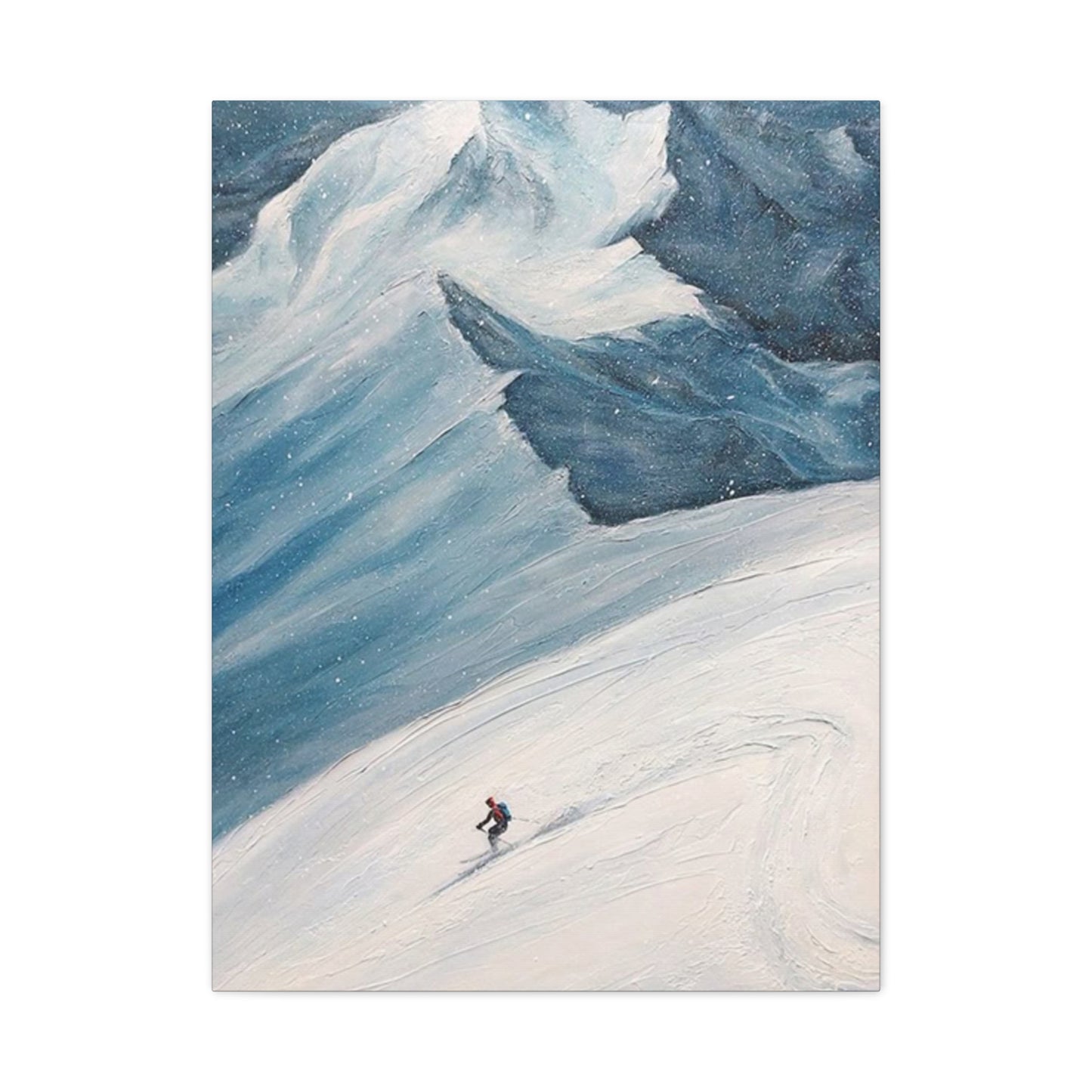
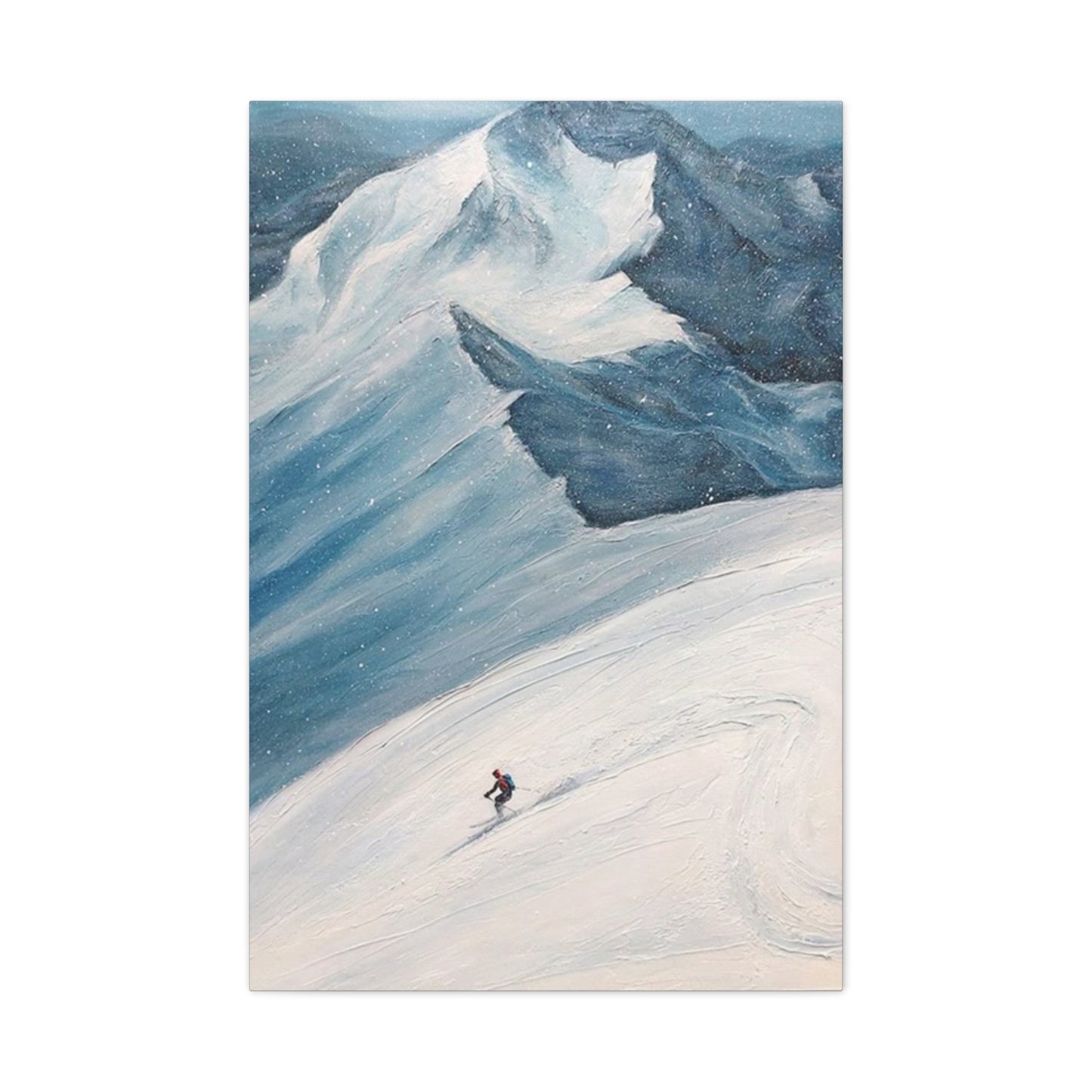
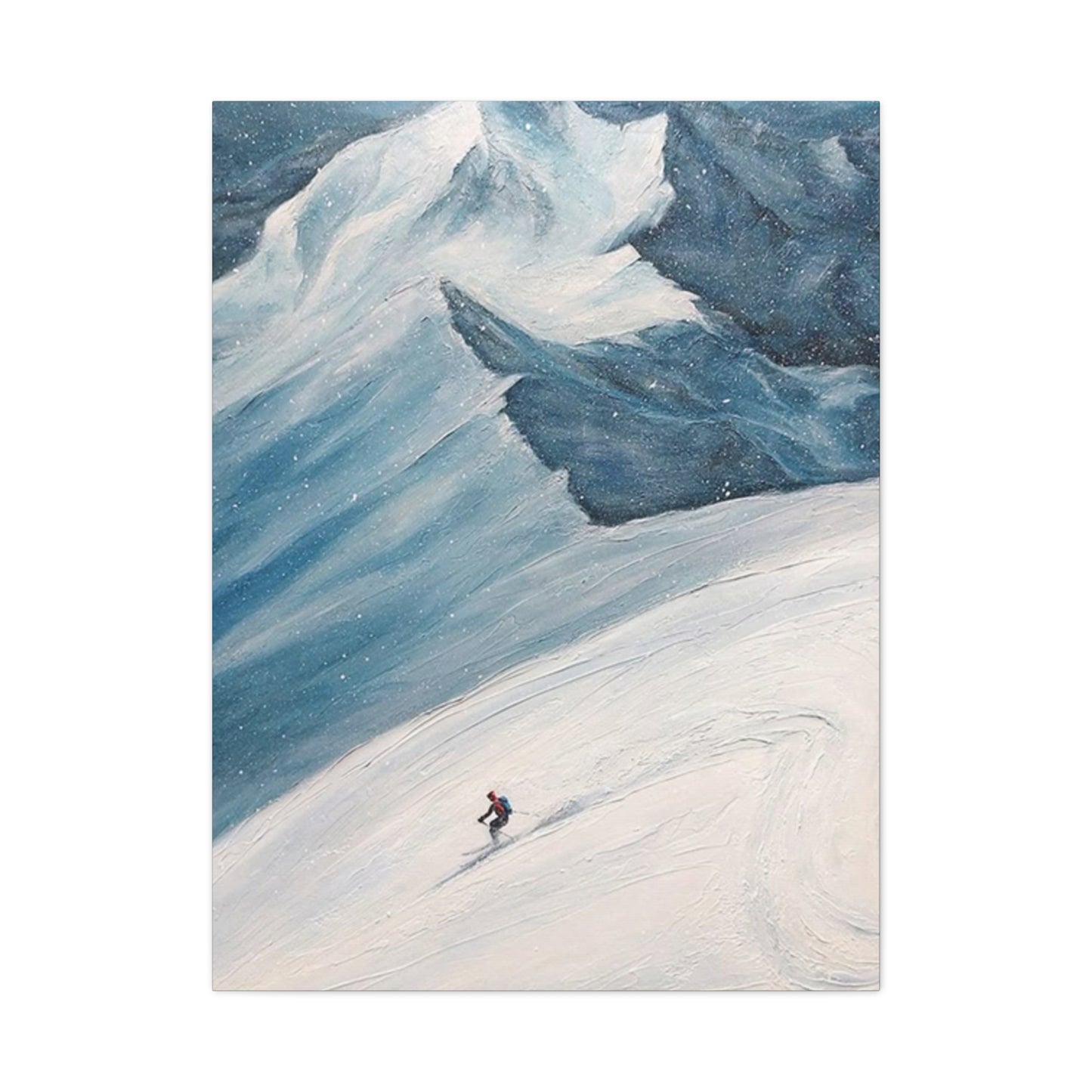
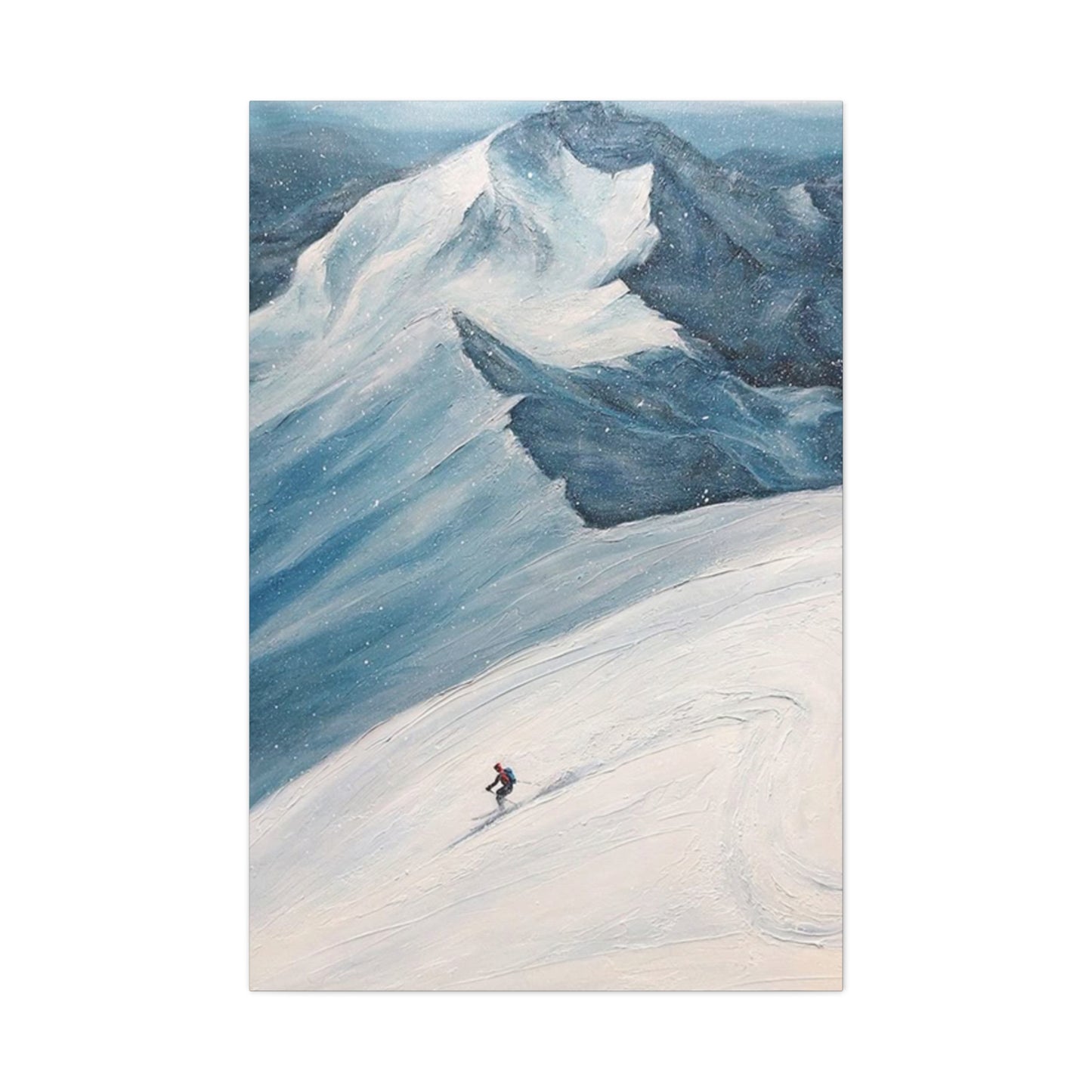
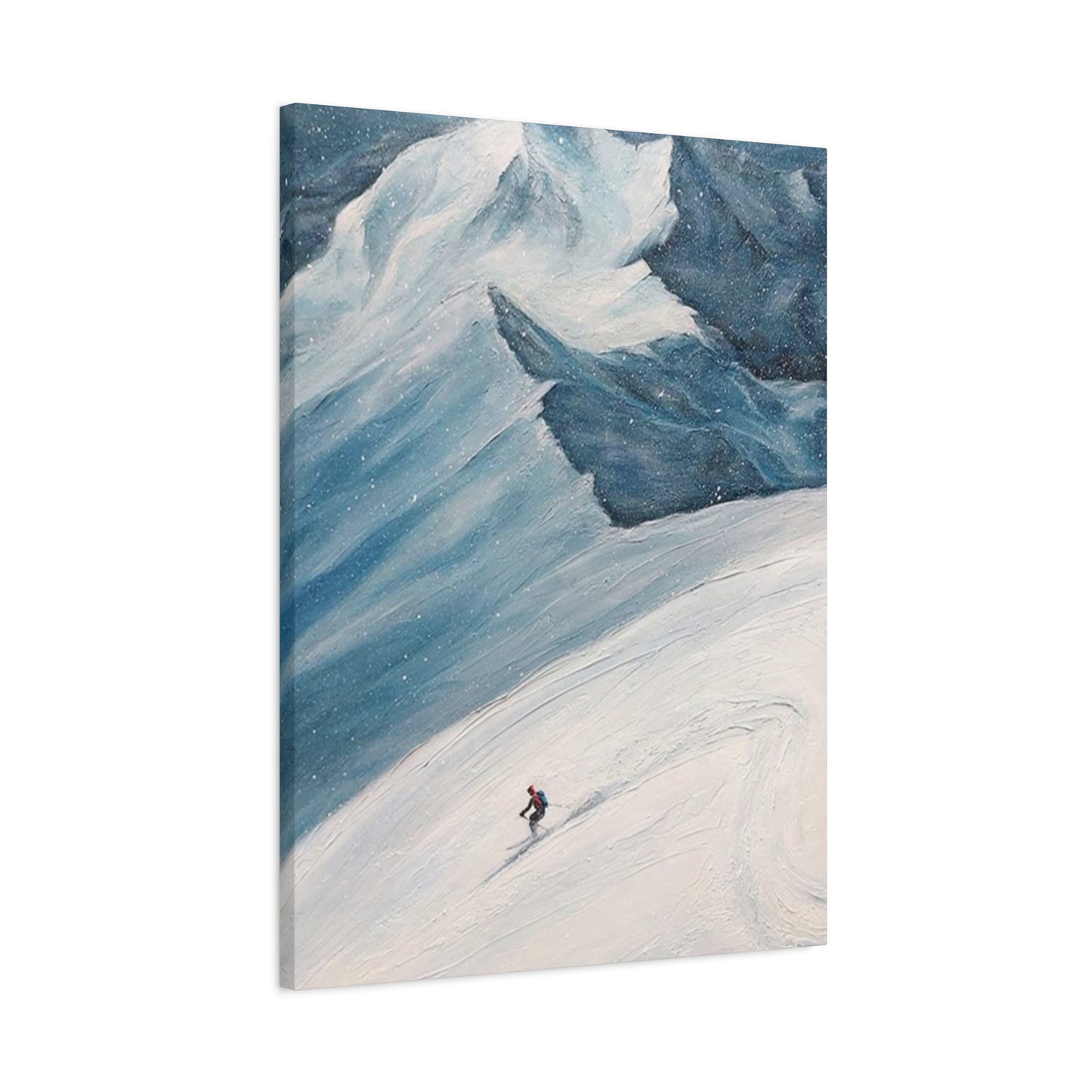
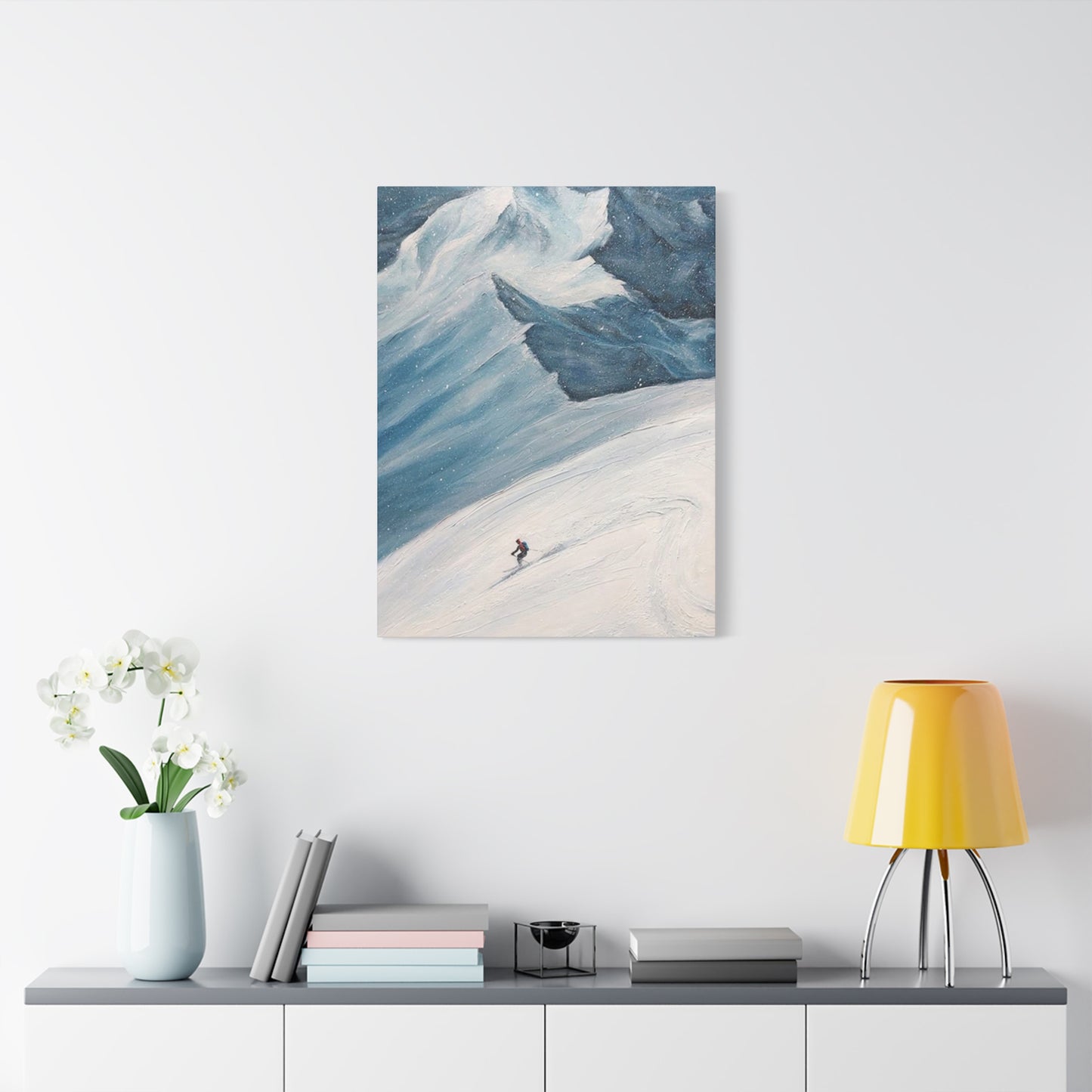
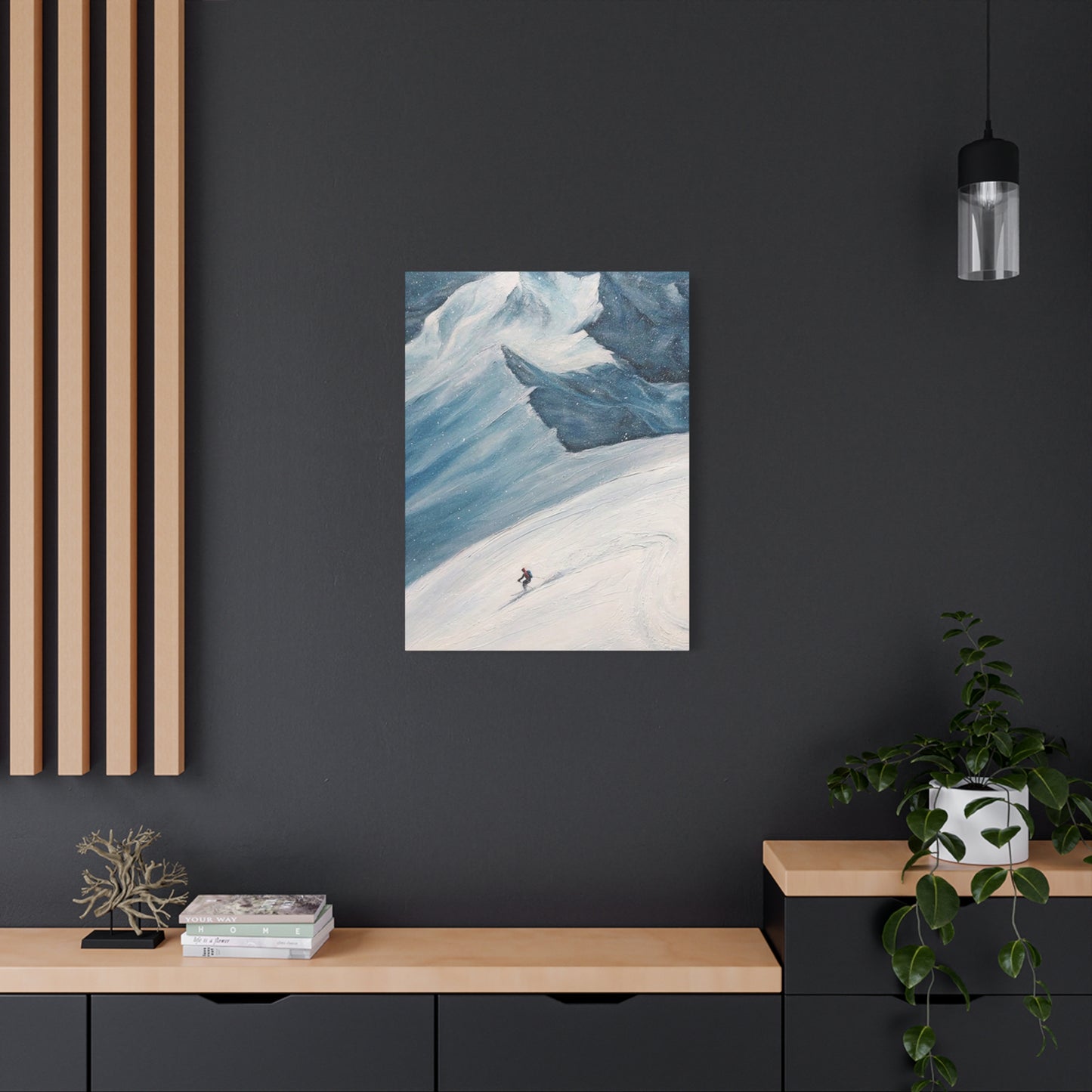
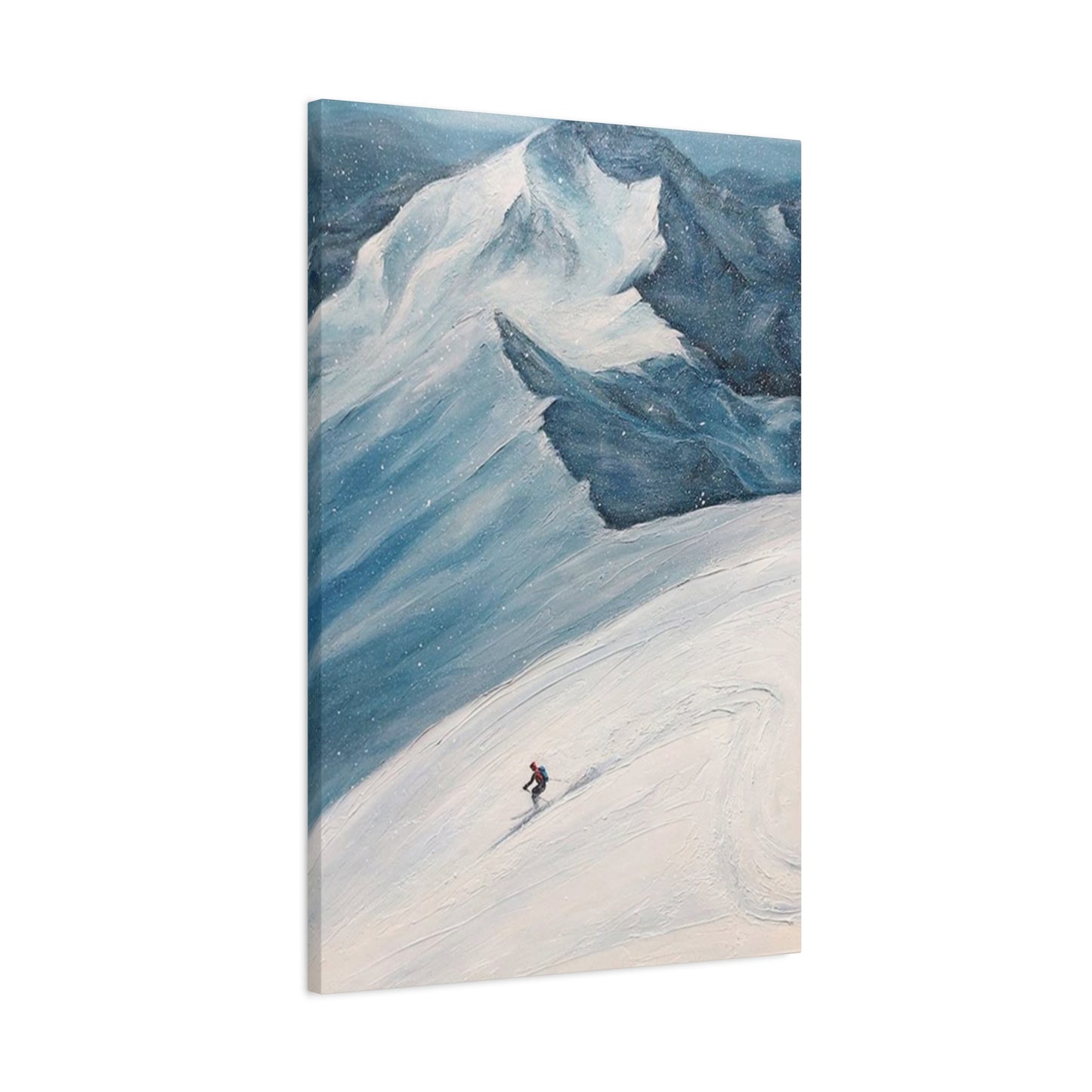
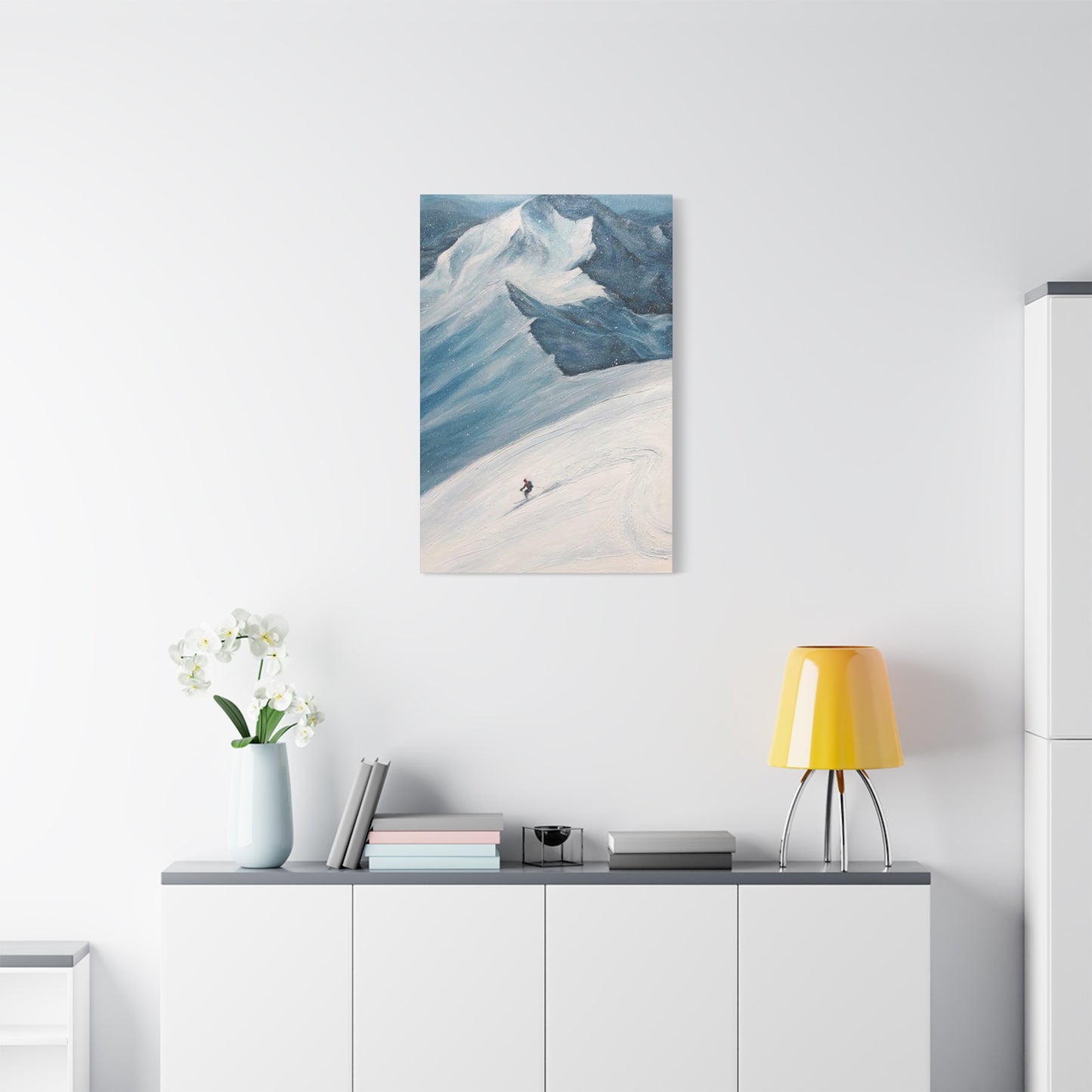
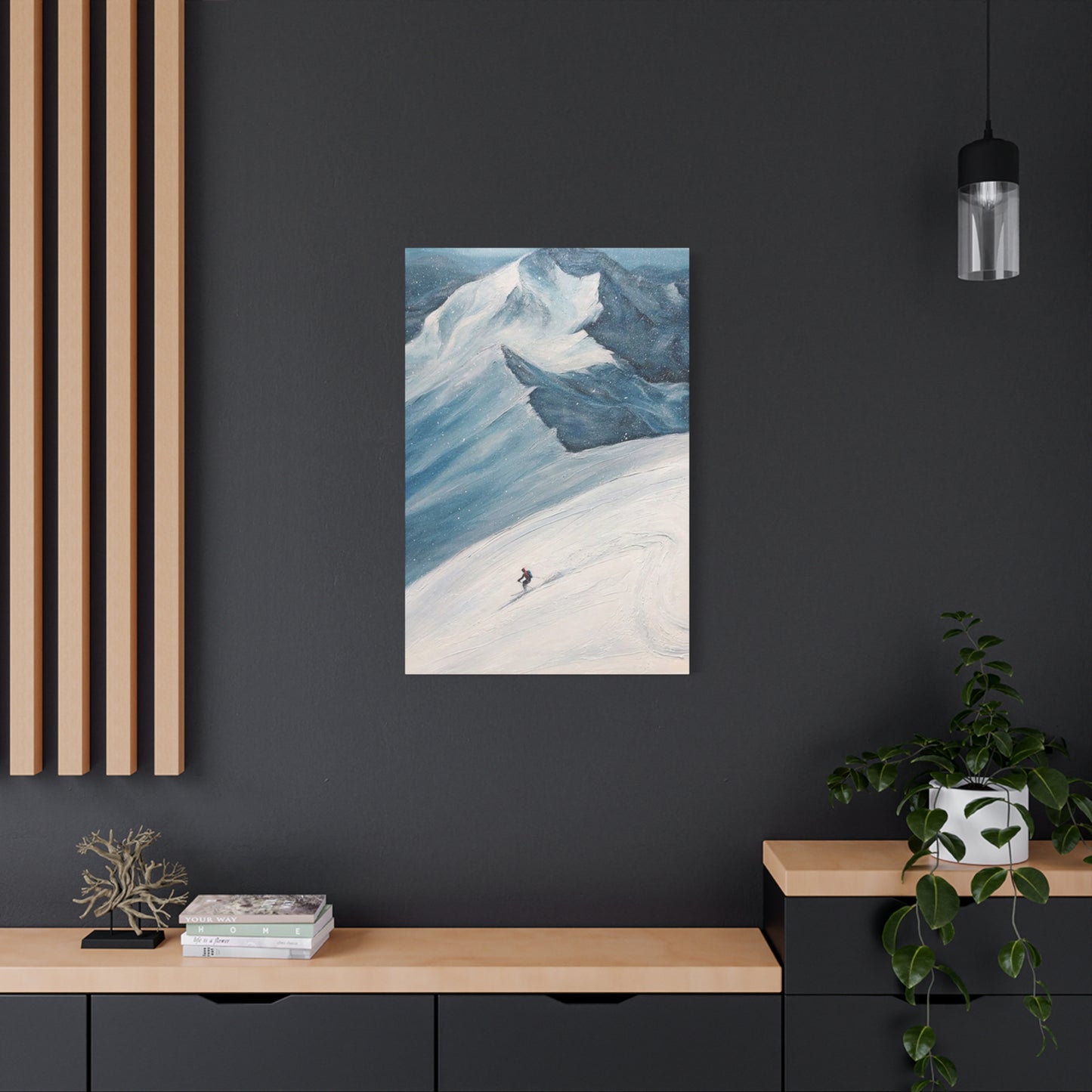
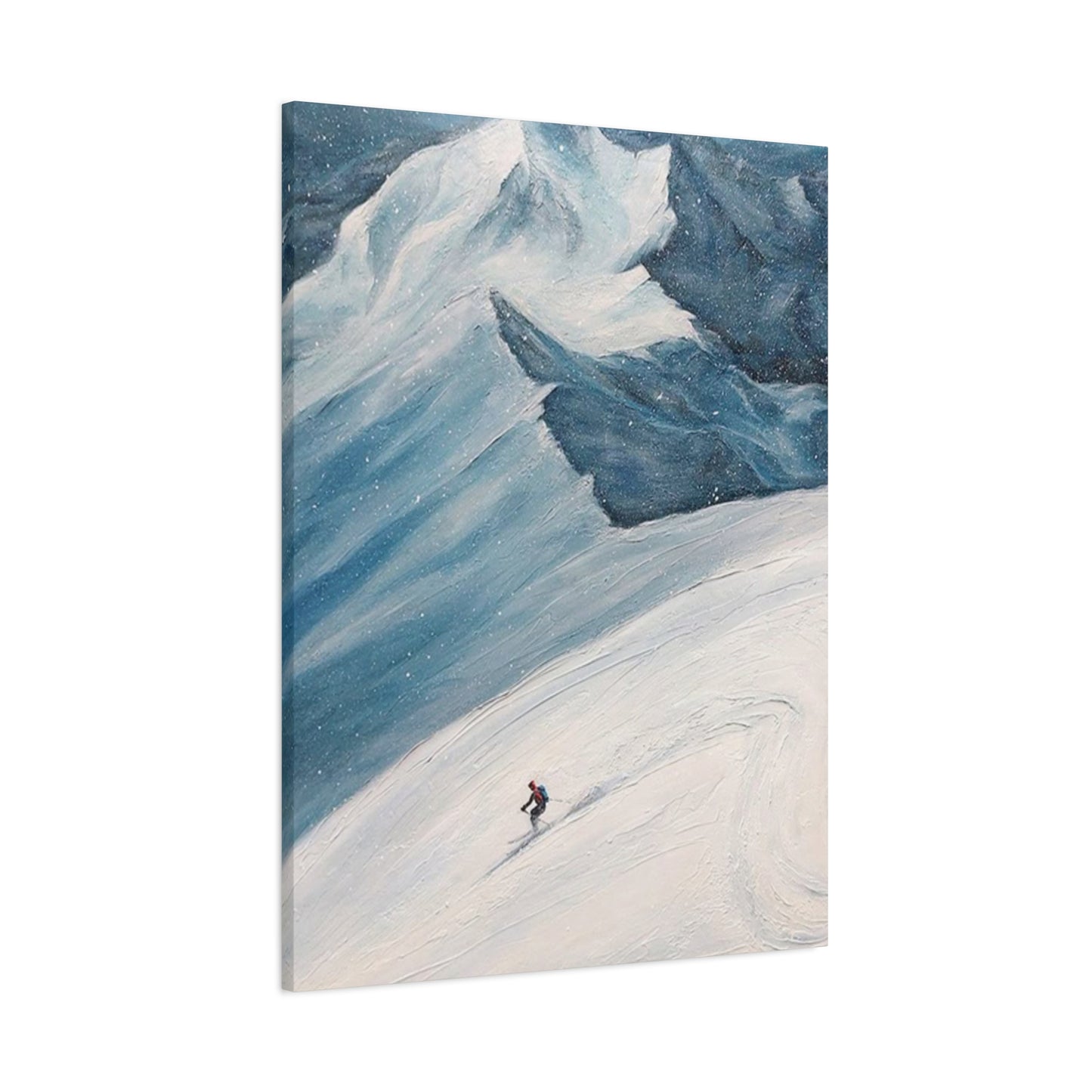
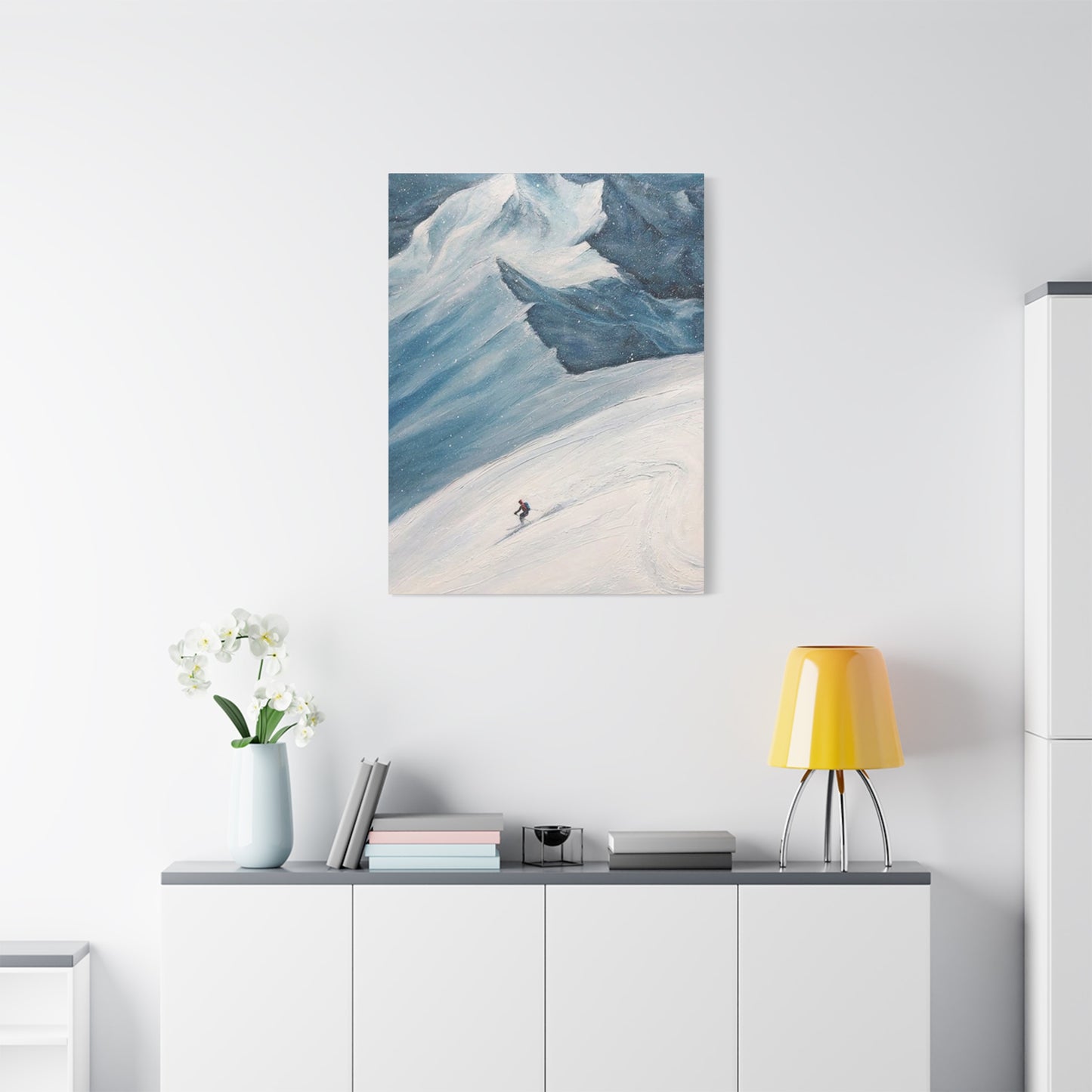
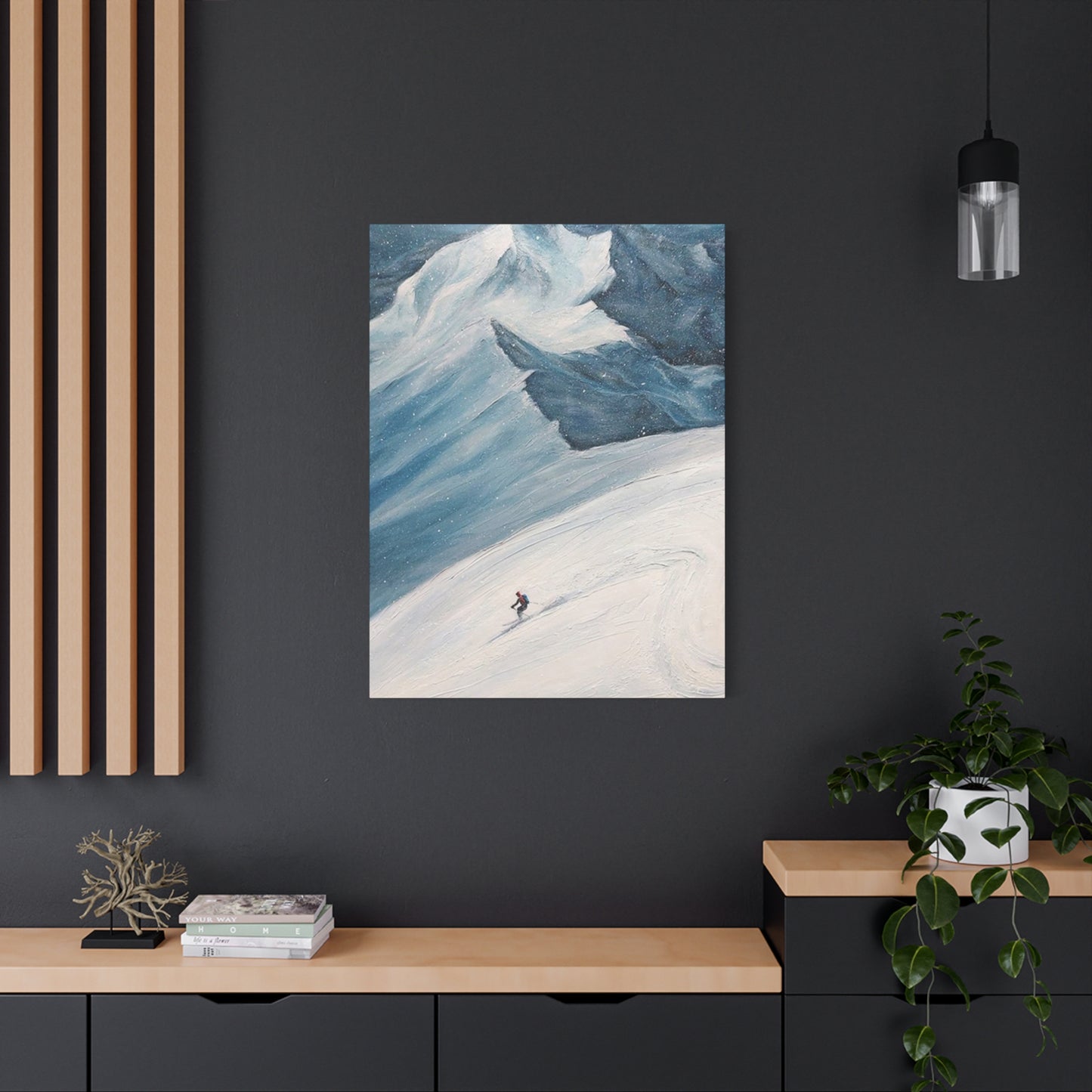
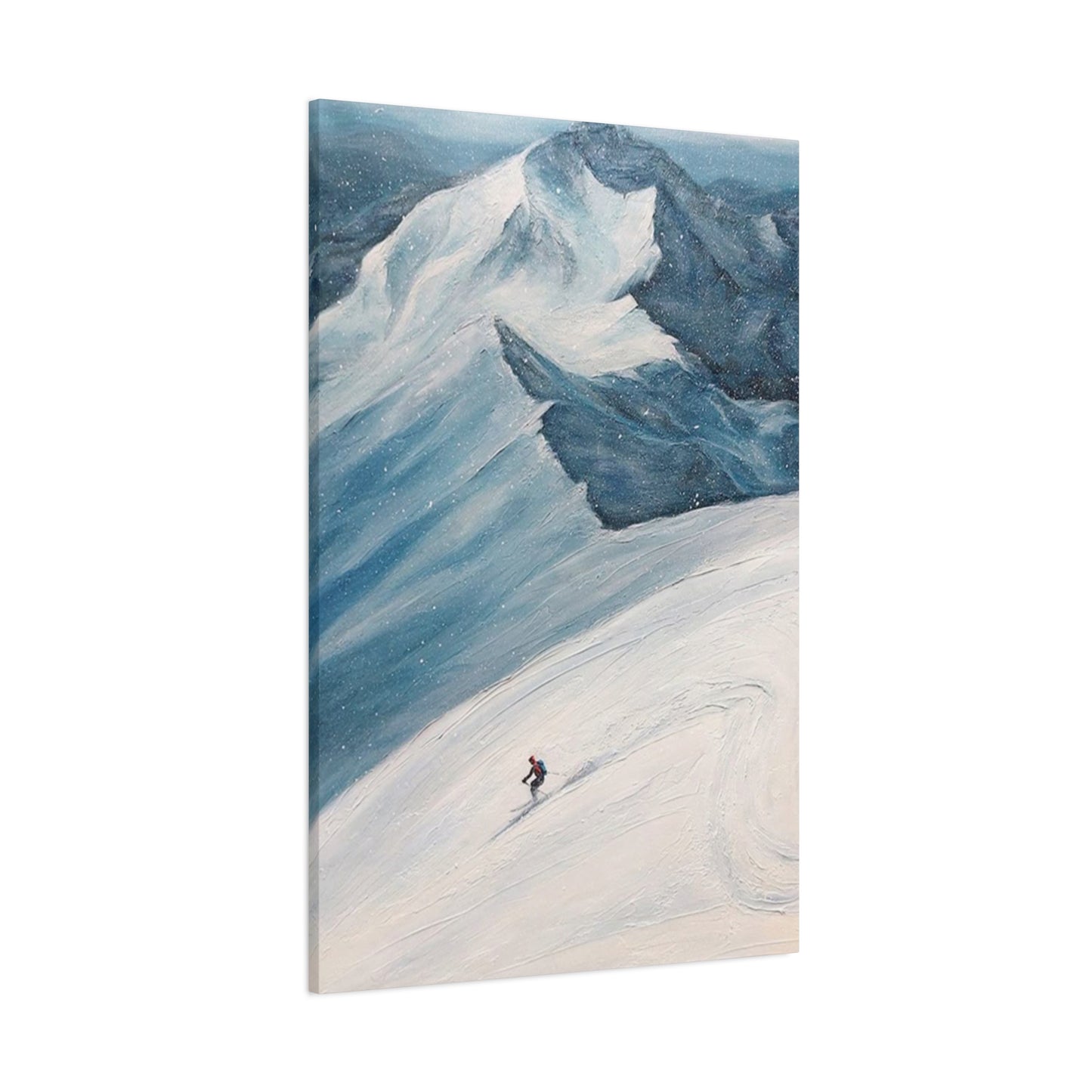
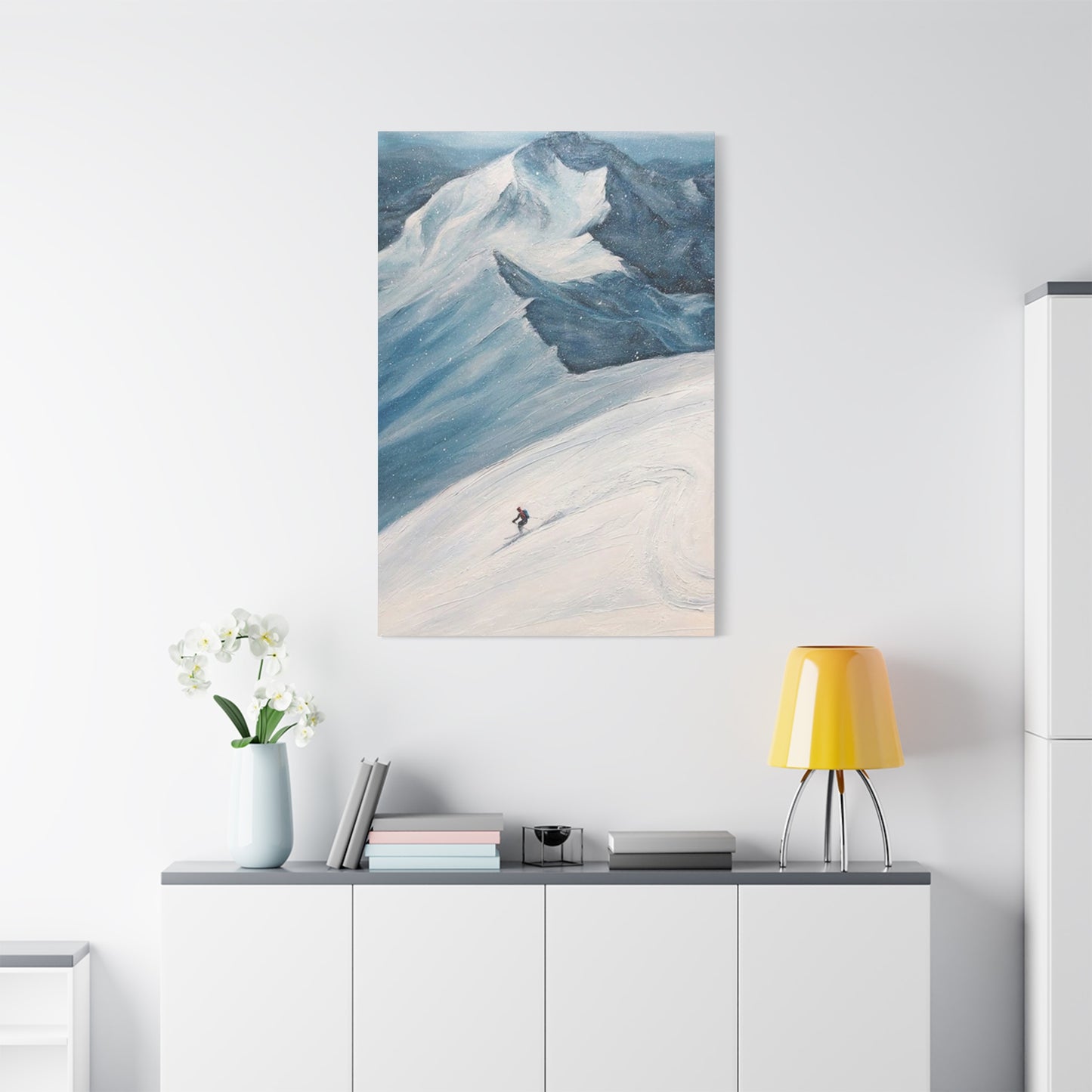
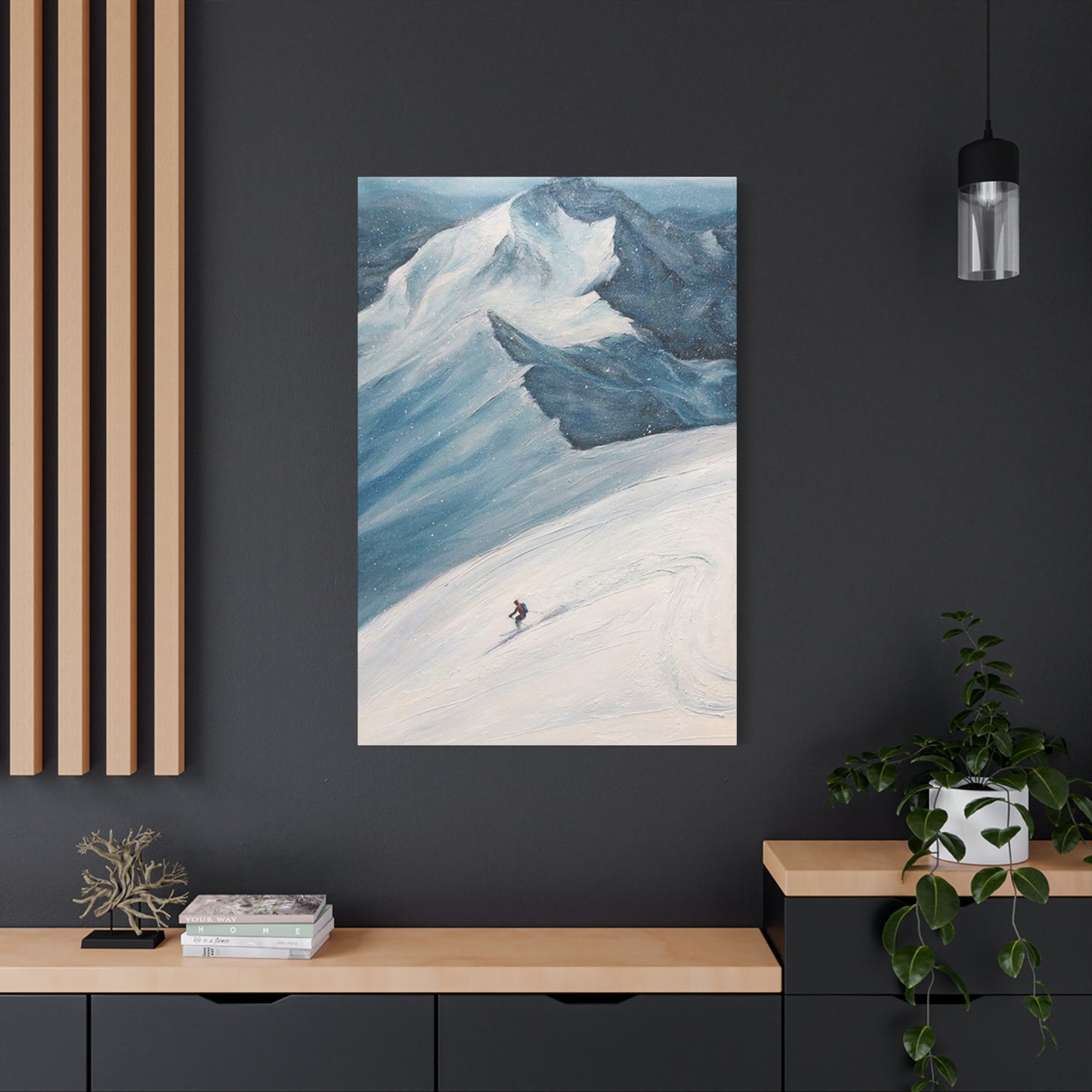
Incorporating Skiing in Snowy Mountain Wall Art into Your Cabin or Lodge Decor
The history of descending snow-covered slopes represents one of humanity's most exhilarating pursuits, combining athletic excellence with the raw power of nature. When we examine the origins of this winter activity, we discover that inhabitants of Scandinavian regions developed early techniques for traversing frozen terrain as early as the 2nd century. Archaeological evidence suggests that ancient people used wooden implements attached to their feet to navigate through deep powder and challenging mountain passages. This practical necessity eventually evolved into a recreational pursuit that captivated people across the globe, transforming isolated mountain communities into thriving winter destinations.
The artistic representation of snowy mountain adventures has similarly evolved throughout human history. From traditional oil paintings to contemporary digital artwork, mountain scenes have inspired creators for centuries. The intersection of athletic pursuits and visual expression became particularly prominent during the twentieth century when modern tourism and photography changed how we perceive and document winter landscapes. Today, wall art depicting these scenes serves as a window into both the physical challenge and the aesthetic majesty of alpine environments. Homeowners, businesses, and public spaces increasingly feature artwork that captures the essence of mountain descent experiences, transforming ordinary walls into galleries that celebrate human achievement and natural splendor.
The growing popularity of wall decorations featuring snowy mountain themes reflects a broader cultural appreciation for outdoor adventures and wilderness preservation. People who have never personally experienced the thrill of navigating powdered slopes can still connect with these scenes through visual representation. Conversely, experienced enthusiasts often display such artwork as a reminder of cherished memories and as motivation for future expeditions. This dual appeal explains why mountain-themed wall art has become increasingly prevalent in homes, offices, lodges, and recreational facilities worldwide.
Understanding Alpine Terrain and Mountain Characteristics
Alpine mountains present distinctive environmental challenges that shape the experience of winter sports enthusiasts. These towering geological formations typically reach elevations where weather patterns become severe and atmospheric conditions create unique situations for athletes. The vertical relief of mountains creates varied terrain, from gentle rolling slopes suitable for beginners to precipitous runs that demand advanced technical skill. Understanding these different categories helps both athletes and viewers of mountain artwork appreciate the complexity inherent in alpine environments.
High-altitude mountains experience dramatic seasonal transformations that affect snow conditions throughout winter months. Early season snow often has different crystalline structures compared to mid-winter precipitation or spring conditions. These variations significantly impact the texture, stability, and responsiveness of snow surfaces that athletes navigate. Artists who depict winter landscapes carefully consider how seasonal timing affects color palettes, lighting conditions, and atmospheric effects. A piece showing fresh powder possesses distinctly different visual characteristics compared to artwork depicting consolidated spring snow or wind-sculpted ridge systems.
The geographic distribution of major alpine regions creates distinct regional characteristics that influence both actual winter sports experiences and their artistic depiction. Mountain ranges in the Alps, Rocky Mountains, Himalayas, and other locations present unique combinations of altitude, latitude, precipitation patterns, and geological composition. These regional differences create recognizable artistic themes that appeal to viewers with connections to specific locations. Artwork celebrating particular mountain ranges often incorporates regional color palettes, distinctive peak formations, and characteristic weather patterns that make them instantly recognizable to knowledgeable viewers.
Slope orientation significantly influences snow quality, safety conditions, and the visual characteristics that artists capture in their work. South-facing slopes in the Northern Hemisphere typically receive more direct sunlight, affecting how quickly snow deteriorates and transforming afternoon conditions. North-facing slopes maintain more consistent snow conditions but often remain in shadow, creating specific lighting challenges for both athletes and artists. The interplay between slope aspect and sunlight creates dynamic visual opportunities that sophisticated artwork exploits to convey atmospheric conditions and environmental mood.
Destination Characteristics and International Mountain Regions
The Alps represent the most famous and historically significant mountain range for winter sports globally. Spanning across multiple European nations including Switzerland, Austria, France, and Italy, the Alps offer extraordinary vertical relief and extensive infrastructure supporting recreational pursuits. The region's mountains include peaks exceeding 14,000 feet, providing varied terrain for athletes of all ability levels. Alpine villages nestled among these peaks have developed strong cultural traditions around winter activities, and artwork celebrating Alpine themes remains exceptionally popular worldwide. The distinctive jagged peak formations and dramatic topography of the Alps create instantly recognizable visual elements that artists frequently incorporate into their compositions.
The Rocky Mountains stretching across North America present significantly different geographic and climatic characteristics compared to European alpine regions. Located at lower latitudes but extending to similar elevations, Rocky Mountain peaks feature drier snow conditions and more variable weather patterns. The region encompasses multiple distinct mountain ranges across the western United States and western Canada, each offering unique characteristics. Artwork depicting Rocky Mountain winter scenes often emphasizes the scale and majesty of these formations, using color palettes that reflect the region's specific atmospheric conditions and geological composition.
The Himalayas represent the world's highest mountain range, though the extreme altitude and weather conditions limit recreational winter sports participation compared to other major ranges. However, artwork featuring Himalayan peaks remains deeply popular, often combining mountaineering and winter adventure themes. The cultural significance of these mountains in Asian traditions influences artistic representations, sometimes blending Western recreational sport imagery with Eastern artistic traditions and spiritual elements. The breathtaking scale of Himalayan peaks creates dramatic compositions that artists use to convey human achievement against overwhelming natural forces.
Japanese Alps, despite their lower elevation compared to other major ranges, offer distinctive characteristics that appeal to artists and athletes alike. The combination of substantial elevation with humid continental climate patterns creates unique snow conditions and atmospheric effects. Artwork featuring Japanese Alpine scenes often incorporates traditional artistic elements alongside contemporary winter sport imagery. These pieces appeal to audiences interested in both Asian cultural traditions and contemporary outdoor recreation.
Oceanic mountain ranges including those in New Zealand present dramatically different environmental contexts compared to continental alpine regions. The Southern Hemisphere location, maritime climate influence, and distinctive geological composition create unique visual characteristics. Snow seasons operate on reversed calendars compared to Northern Hemisphere mountains, providing year-round opportunities for viewing artwork featuring winter scenes across global destinations. New Zealand's dramatic topography and distinctive flora create compositions that stand out visually from more traditional Alpine representations.
Snow Conditions and Seasonal Variations
Fresh powder snow represents the most celebrated and sought-after surface condition for winter sports enthusiasts. This unconsolidated snow falls as individual crystals that maintain relatively pristine structure upon accumulation. The light and airy nature of powder creates distinctive visual characteristics in artwork, often depicted through bright whites and subtle shadow variations that convey the snow's delicate crystalline structure. Artists capturing powder conditions often emphasize the sense of freedom and weightlessness that athletes experience navigating through this material. The ephemeral nature of powder conditions adds urgency and excitement to both the athletic experience and artistic representations of it.
Consolidated or packed snow develops as accumulated layers compress under their own weight and undergo freeze-thaw cycles. This denser snow surface provides reliable footing and allows athletes to carve precise turns with significant edge angles. Artwork depicting packed snow conditions typically shows more defined shadows and stark contrast compared to powder scenes, reflecting the firmer surface's ability to create crisp demarcation lines. The color palette often shifts toward grays and blues as the snow reflects different wavelengths of light after compression. Experienced viewers recognize these artistic choices as indicators of the technical demands and movement styles required for different surface conditions.
Spring snow represents a transitional condition that develops as warming temperatures initiate surface melting and refreezing cycles. This creates a crusty exterior layer over softer underlying snow, requiring specialized techniques to navigate successfully. Artwork depicting spring conditions often incorporates warmer color palettes and captures the play of light reflecting off crystalline ice surfaces. The seasonal progression evident in such artwork helps viewers understand the temporal dimension of winter sports, appreciating how conditions evolve throughout the season.
Icy surfaces develop when wind erosion, surface melting, or compression processes create hard, slick snow layers. While challenging and potentially dangerous, icy conditions produce distinctive visual characteristics that artists exploit. The reflective quality of ice creates opportunities for dramatic lighting effects, and the sharp definition of terrain features becomes more pronounced on hardpack. Artwork showing icy conditions often conveys a sense of technical challenge and heightened focus required to navigate such demanding surfaces safely.
The transition between seasons creates distinctive environmental conditions that artists find particularly compelling. Autumn snow on still-green trees creates striking visual contrasts. Winter transitions from early to mid-season alter the quality and quantity of available snow. Spring transitions bring warming temperatures, longer days, and atmospheric effects that transform mountain appearances. End-of-season conditions present unique lighting situations as the sun angle changes dramatically. Artwork capturing these transitional moments helps viewers appreciate the dynamic nature of alpine environments throughout extended winter seasons.
Equipment and Technical Gear Evolution
Early descending slope equipment represented primitive adaptations of tools used for terrestrial travel. Wooden planks attached to feet with leather straps provided minimal control and substantial weight. These basic implements nonetheless allowed people to traverse steep terrain more efficiently than without equipment, establishing the foundational principle that specialized gear dramatically enhances mountain navigation capabilities. Artistic depictions of historical equipment often appear in museum exhibitions or period-piece artwork, helping viewers understand the evolution of recreation technology.
Nineteenth and early twentieth century advancements introduced metal edge construction that dramatically improved equipment performance. These metal components provided better purchase on harder snow surfaces and prevented skids that plagued earlier wooden equipment. Binding systems evolved to secure feet more reliably while still allowing emergency release. Pole designs transitioned from basic walking sticks to specialized implements optimized for balance and movement coordination. Artwork from this era often showcases the technological enthusiasm of the period, depicting equipment with almost artistic emphasis that celebrates engineering innovation.
Mid-twentieth century developments introduced revolutionary materials and construction techniques. Laminated wood cores combined with metal edges and modern binding systems created equipment that performed dramatically better than previous generations. Plastic base materials replaced traditional wood bases, improving durability and snow surface interaction. These innovations made equipment more accessible to broader populations and contributed to the dramatic expansion of recreational participation worldwide. Contemporary artwork often features equipment from this transformational period, reflecting nostalgia for classic designs while acknowledging their performance limitations compared to modern technology.
Modern equipment incorporates composite materials, computer-aided design, and engineering principles drawn from aerospace and automotive industries. Sophisticated binding systems integrate safety mechanisms with performance optimization. Base materials undergo complex treatment processes to optimize their interaction with snow across temperature ranges. Edge construction involves specialized alloys designed to maintain sharpness while withstanding enormous stress loads. Artwork depicting contemporary equipment often emphasizes the sophisticated engineering evident in modern designs, sometimes featuring close-up details that showcase material composition and manufacturing excellence.
Equipment specialized for different snow conditions and athlete preferences demonstrates the technical sophistication of contemporary design. Some equipment emphasizes float in deep powder, others optimize edge grip on hardpack surfaces, while specialized designs serve intermediate conditions. Equipment dimensions, flex characteristics, and construction materials all vary to match specific performance requirements. Artists exploring this diversity sometimes create compositions featuring multiple equipment types, illustrating how athletes adapt their technical resources to environmental conditions. Such artwork helps viewers understand the equipment's functional role rather than treating it merely as a prop within scenic compositions.
Athletic Skill Development and Progression Pathways
Beginner athletes must first develop fundamental balance and movement coordination that allows comfortable progression down gentle slopes. These initial lessons emphasize safety, terrain awareness, and basic speed control. Beginner slopes feature minimal gradient, minimal obstacle exposure, and typically groomed conditions that present the most forgiving environment possible. Artwork depicting beginner scenes often emphasizes the joy and excitement of initial experiences, sometimes incorporating family groupings or instructional configurations that convey the social and educational aspects of learning. Such compositions appeal to viewers remembering their own learning experiences or contemplating future participation.
Intermediate athletes build upon fundamental skills by developing edge control precision, varied terrain navigation, and moderate speed management. These athletes progressively tackle steeper slopes, encounter mogul fields and tree-lined corridors, and begin exploring varied snow conditions. The confidence evident in intermediate-level movement patterns appears quite distinct from beginner hesitation, and artists capture this progression through body positioning, speed lines, and compositional choices that convey increased mastery. Artwork featuring intermediate athletes often emphasizes technical skill and environmental engagement, appealing to viewers who recognize the substantial capabilities these athletes have developed.
Advanced athletes possess sophisticated body control, instantaneous terrain reading ability, and technical proficiency across all snow conditions and terrain types. These experts navigate extreme steepness, avalanche terrain, and cliff features with calculated risk management. The movement patterns evident in advanced performance appear almost effortless to untrained observers, though they actually represent the culmination of extensive practice and refined proprioceptive awareness. Artwork depicting advanced athletes often emphasizes the harmony between athlete and environment, sometimes using dynamic compositions that convey the high-speed athletic performance. Such pieces appeal particularly to experienced athletes who recognize the technical excellence represented.
Expert terrain specialists and professional athletes push performance boundaries through innovative techniques, extreme location selection, and perpetual skill refinement. These athletes frequently appear in media documentation of accomplishments in particularly challenging or dangerous terrain. Professional athletes serve as inspiration for recreational enthusiasts and provide subject matter for artistic representation that celebrates human achievement. Artwork featuring professional athletes often incorporates dramatic environmental elements, emphasizing both human capability and nature's awesome power.
Progression pathways between these skill levels typically require months or years of consistent practice and environmental exposure. Each advancement builds upon previously developed capabilities while introducing new technical challenges and environmental complexities. Artwork showing progression sequences helps viewers appreciate the temporal dimension of skill development, understanding that athletic excellence emerges through dedication rather than innate ability alone. Such compositions appeal to people contemplating their own progression journeys or celebrating achievements to date.
Composition Techniques in Mountain-Themed Visual Art
Perspective representation critically influences how artwork conveys scale, distance, and the viewer's relationship to depicted scenes. Linear perspective techniques create the illusion of depth by directing sight lines toward vanishing points that suggest distance. Mountain scenes employing strong linear perspective often position viewers at a vantage point looking toward distant peaks, creating a sense of infinite landscape extending beyond the composition's boundaries. Alternatively, artists might use steep perspective angles that position viewers high above terrain, emphasizing the dramatic scale of mountainous topography. These compositional choices dramatically influence emotional responses and help establish the artwork's fundamental tone.
Atmospheric perspective techniques use color, value, and detail clarity variations to create the illusion of distance. Distant mountains appear cooler in temperature, lighter in value, and less detailed compared to foreground elements. This approach reflects how atmospheric conditions scatter light wavelengths across landscape expanses. Artists skillfully manipulate these atmospheric effects to create compelling depth illusion and to establish mood. Mountain scenes employing strong atmospheric perspective feel expansive and awe-inspiring, while those minimizing atmospheric effects create a sense of immediacy and intimacy with nearby landscape features.
Framing devices help artists direct viewer attention and establish compositional boundaries. Natural frames created by surrounding landscape elements, architectural structures, or vegetation help concentrate focus on central subjects. Trees flanking composition edges, rock formations creating archways, or architectural elements establishing visual boundaries all serve this function. Mountain artwork frequently employs such framing to emphasize particular peaks, specific athletic subjects, or crucial landscape features. Sophisticated framing choices reveal artistic intentionality and help compositions communicate their intended messages more effectively than they might otherwise.
Color palette selection fundamentally influences artwork emotional tone and communicates environmental information. Cool color dominance creates serene, crystalline, or austere impressions, while warm color inclusion suggests atmospheric depth or thematic warmth. Time-of-day representation dramatically affects color choices, from warm early morning light through neutral midday illumination to dramatic sunset hues. Seasonal variations also influence palette decisions, as different times of year present distinctly different atmospheric colors. Artists carefully considering color relationships create compositions that feel authentic while simultaneously evoking specific emotional responses aligned with artistic intent.
Dynamic composition strategies emphasize movement and energy through diagonal lines, cascading compositional elements, and flowing shapes that create visual momentum. Such compositions feel energetic and exciting, perfect for conveying athletic motion or environmental drama. Conversely, static compositions emphasizing horizontal and vertical elements create stability and contemplation. Most effective mountain artwork balances dynamic and static elements, creating visual interest while maintaining compositional coherence. The interplay between movement lines and stable elements helps establish rhythm and visual pacing that guide viewer attention through the composition.
Light and Shadow in Mountain Landscape Art
Natural light sources fundamentally determine shadow patterns, color appearances, and overall visual character in mountain environments. Direct sunlight creates stark shadows with well-defined edges, high contrast relationships, and brilliant illuminated surfaces. Diffused light from overcast skies produces minimal shadow definition, lower overall contrast, and more moderate color saturation. Artists carefully consider light source location and character when establishing mood and communicating time of day or weather conditions. Accurate light representation adds credibility to compositions while simultaneously serving emotional and narrative functions.
Golden hour lighting appearing near sunrise and sunset produces warm color temperatures and dramatic shadow angles that create visually compelling environments. The low sun angle creates elongated shadows that emphasize topographic features and create dynamic lighting patterns. Artists frequently capture golden hour conditions because the inherent visual drama and emotional resonance these lighting conditions provide. Compositions featuring golden hour light feel special and momentous, conveying the preciousness of such temporal windows in outdoor recreation.
Midday sunlight creates harsh shadows and high contrast relationships that can appear dramatic or stark depending on composition approach. Mountainous topography under midday light reveals detailed terrain features while simultaneously presenting challenging lighting for accurate color representation. Artists depicting midday conditions often emphasize clarity, technical detail, and stark beauty rather than atmospheric warmth or moodiness. Such compositions feel clear and energetic, capturing the intensity of high mountain midday conditions.
Twilight conditions surrounding sunrise and sunset offer intermediate lighting situations with distinctive atmospheric characteristics. The extended duration of twilight at high latitudes creates extended periods of beautiful light quality. Twilight lighting often incorporates color combinations that don't appear during other times of day, creating unique atmospheric effects that artists exploit to create distinctive visual character. Compositions capturing twilight conditions frequently feel contemplative or awe-inspiring, emphasizing the sublime qualities of mountain environments.
Artificial light interaction with snow surfaces creates distinctive lighting situations particularly relevant in compositions depicting evening or night-time athletic activity. Artificial illumination from slope lighting systems creates specific shadow patterns and color temperatures distinct from natural light. Artists exploring evening recreation sometimes emphasize the contrast between artificial warmth and cold night sky, or explore how artificial light transforms familiar daytime landscapes into unfamiliar evening environments. Such compositions appeal to viewers who have experienced evening or night skiing under artificial light conditions.
Weather Phenomena and Atmospheric Effects
Falling precipitation dramatically transforms mountain environments through accumulation, visibility reduction, and atmospheric effects. Fresh snowfall creates soft diffuse lighting as suspended crystals scatter light randomly. Compositions depicting active snowfall often emphasize reduced visibility and atmospheric mystery, using limited color palettes and soft value transitions. The visual effect of active snowfall creates an immediate sense of motion and environmental engagement, helping viewers feel present in the depicted scene. Artwork capturing falling snow often emphasizes the delicate beauty of crystalline precipitation against landscape backdrops.
Fog and mist develop when moisture-laden air cools below dew point temperature, creating suspended water droplets that limit visibility. Mountain fog often occurs when air masses interact with cool mountain peaks, creating distinctive atmospheric conditions. Artwork depicting fog emphasizes environmental mystery and reduced visual clarity, using limited color palettes and atmospheric effects. Foggy compositions often feel contemplative or somewhat foreboding, depending on accompanying imagery and color choices. The visual interplay between revealed landscape features and fog-obscured distant elements creates interesting compositional dynamics.
Wind phenomena significantly influence snow deposition patterns, creating corniced ridgelines and sastrugi formations that change terrain characteristics. Wind-sculpted snow produces distinctive visual forms that appear quite different from undisturbed fallen snow. Artwork depicting wind effects often emphasizes the dynamic forces shaping landscape topography, using compositional strategies that suggest movement and environmental power. Strong wind conditions visible in artistic depictions communicate challenging environmental conditions to viewers.
Cloud formations and their interactions with mountain topography create dramatic visual effects particularly compelling in artistic representation. Clouds surrounding peaks, valleys filled with fog layers, or lenticular formations caused by air flow around peaks all provide striking visual elements. Artists incorporating cloud formations create atmospheric depth and suggest scale relationships through cloud positioning relative to terrain features. Such compositions often feel grand and awe-inspiring, emphasizing the sublime qualities of mountain environments.
Atmospheric optical phenomena including halos, light refractions, and rainbow formations create rare but visually striking conditions particularly significant in high mountain environments. Aurora displays occurring at high latitudes offer distinctive color and movement effects that artists find compelling. These atmospheric phenomena add extraordinary visual interest to compositions while remaining scientifically accurate. Artwork capturing such phenomena appeals to viewers who appreciate rare natural displays and scientific accuracy.
Cultural and Historical Significance of Mountain Activities
Mountain descent sports emerged from practical necessities in cultures inhabiting steep, snow-covered terrain. Scandinavian populations developed the techniques to traverse mountainous regions for hunting, trade, and seasonal migrations. Over centuries, these practical skills evolved into recreational pursuits celebrated for their own sake rather than as transportation necessity. Historical artwork documenting this evolution helps viewers understand how recreation emerges from cultural practices and environmental adaptation. Traditional representations of mountain activities reflect their cultural significance in communities where such pursuits developed and remained central to cultural identity.
Alpine regions across Europe developed strong cultural traditions celebrating winter sports through festivals, competitions, and communal celebrations. These cultural expressions of mountain recreation appear in historical documents, photographs, and contemporary artwork that references traditional practices. Modern artwork sometimes incorporates traditional elements alongside contemporary imagery, creating visual dialogues between historical and current cultural expressions. Such hybrid compositions appeal to viewers interested in cultural heritage while simultaneously engaging with contemporary practice.
Olympic competitions and international sporting events dramatically expanded global awareness of mountain descent sports throughout the twentieth century. These competitive contexts elevated athletic excellence and technological innovation while simultaneously transforming mountains into entertainment venues and economic resources. Artistic representations of competitive events often emphasize athletic drama, technical mastery, and international participation. Such compositions celebrate human achievement and the competitive spirit these events embody.
Indigenous cultures across multiple continents developed deep relationships with mountain environments that predated recreational sport emergence. Many contemporary communities maintain cultural practices and spiritual beliefs centered on mountain reverence. Some modern artwork respectfully incorporates indigenous perspectives on mountains, creating compositions that honor cultural heritage while engaging contemporary recreation themes. Such artistic approaches demonstrate cultural sensitivity and broaden artistic dialogue beyond purely recreational or technical considerations.
Modern recreational culture surrounding mountain sports has created distinctive communities, values, and lifestyle practices that shape contemporary identity and values. Mountain communities across the globe have developed tourism-based economies where artistic representations of local mountains serve economic and cultural functions. Local artists often create work celebrating regional mountains, appealing to both local populations and visiting tourists. These community-centered artistic practices help preserve cultural distinctiveness while creating economic opportunities for artistic production and distribution.
Environmental Conservation and Mountain Ecosystem Protection
Mountain ecosystems possess distinctive characteristics making them particularly vulnerable to environmental disruption. Climate change disproportionately affects mountain regions, with warming temperatures accelerating glacier recession and shortening snow seasons. These environmental transformations directly impact both recreational opportunities and ecosystem health. Artwork addressing environmental themes often incorporates visual references to these transformations, sometimes showing before-and-after comparisons or depicting environmental stress. Such environmentally conscious artwork helps raise awareness of climate challenges while celebrating mountains' enduring majesty and advocating for their protection.
Avalanche terrain introduces distinctive environmental challenges and hazards within mountain communities. Understanding avalanche dynamics, recognizing dangerous terrain, and implementing mitigation strategies protects both athletes and mountain communities. Artwork depicting avalanche-terrain emphasizes environmental forces and human vulnerability, sometimes conveying cautionary messages about environmental respect. Such compositions help viewers appreciate the genuine hazards mountainous environments present while celebrating the courage and skill required to navigate them safely.
Water resources originating in mountain regions supply substantial human populations across multiple continents. Snow accumulation and glacier storage represents critical water resource for downstream communities. Climate-driven changes to water resources threaten human populations far removed from mountain regions themselves. Artwork highlighting water resources and their mountain origins helps communicate interconnectedness between mountain environments and distant human communities. Such compositions serve both aesthetic and educational functions, raising awareness while celebrating natural systems' majesty.
Vegetation patterns in mountain regions reflect distinctive ecological pressures and altitude-related transitions. Alpine meadows below treeline, subalpine forests, and bare alpine tundra create visually distinctive landscape zones. Artwork depicting these ecological transitions helps viewers understand altitude-related environmental changes while celebrating the distinctive character each zone possesses. Seasonal changes in vegetation appear dramatically in mountain environments, with rapid transformations as seasons progress. Such seasonal transitions provide compelling artistic subjects celebrating nature's dynamism.
Wildlife populations inhabiting mountain regions face distinctive pressures from human recreation and climate change. Mountain-dwelling species adapted to specific altitude ranges and seasonal patterns face disruption as environmental conditions shift. Artwork incorporating wildlife elements helps raise awareness of animal populations inhabiting mountains and their environmental needs. Such compositions celebrate biodiversity while communicating conservation messages in accessible, emotionally resonant formats.
Winter Recreation Accessibility and Inclusivity
Specialized equipment adaptations enable participation by athletes with physical disabilities, expanding recreational opportunities beyond traditionally able-bodied practitioners. Sit-skiing devices, monoskis, and other adaptive equipment allow athletes to experience mountain recreation despite physical limitations. Artwork depicting adaptive athletes celebrates inclusivity while normalizing diverse participation modes. Such compositions challenge traditional assumptions about recreation and demonstrate how innovation expands human capability and experience access.
Youth participation programs introduce younger generations to mountain recreation, creating cultural continuity and building future practitioner populations. Instructional programs, youth competitions, and family-oriented services make mountains accessible to diverse age groups. Artwork depicting family participation, instructional settings, or youth competitions emphasizes recreation's social and developmental dimensions beyond individual athletic achievement. Such compositions help viewers consider recreation's role in education, family bonding, and personal development.
Gender equity in mountain recreation has expanded dramatically as cultural barriers diminished and athletic women gained recognition equivalent to their male counterparts. Women competitors now dominate certain competitive disciplines and achieve recognition for extreme accomplishments. Artwork celebrating female athletes helps normalize women's presence in previously male-dominated recreational spheres. Such compositions serve both artistic and social functions, celebrating athletic excellence while advancing gender equity through visual representation.
Economic accessibility challenges remain significant barriers for many populations seeking mountain recreation participation. Equipment costs, travel expenses, and facility access fees limit participation to affluent populations in many regions. Some contemporary artwork addresses economic justice themes within mountain recreation contexts, using visual representation to raise awareness of participation barriers. Community-based recreation programs and public facility access help address these barriers, with artwork sometimes celebrating these inclusive initiatives.
Urban populations increasingly participate in mountain recreation despite geographic distance from mountainous terrain, traveling substantial distances to access mountains during vacation periods. Travel-based recreation creates substantial tourism economics while simultaneously introducing environmental pressures in popular mountain regions. Artwork celebrating mountain beauty and recreational opportunities sometimes simultaneously raises awareness of sustainable tourism and environmental protection needs. Such complex compositions engage viewers with multiple dimensions of contemporary mountain recreation.
Professional Athlete Journeys and Career Trajectories
Professional athletes pursuing mountain descent sports careers follow distinctive pathways reflecting competitive structures and commercial opportunities. Career development typically begins with youth competition participation and progresses through increasingly competitive levels. Sponsorship relationships, media coverage, and commercial opportunities create career possibilities that didn't exist for previous generations. Artwork depicting professional athletes often emphasizes achievement and excellence, sometimes incorporating sponsorship elements and commercial contexts. Such compositions reflect contemporary professional sport realities where commercial and athletic dimensions intertwine.
Extreme athletic achievements within professional contexts push performance boundaries through terrain selection, technical innovation, and risk acceptance. Athletes accomplish feats that seem impossible to observers, establishing new performance standards through courage and skill. Artistic documentation of extreme achievements celebrates human capability while acknowledging the risks involved. Such compositions often feel awe-inspiring and momentous, capturing achievements that represent genuine frontiers of human performance.
Media careers and entertainment opportunities for professional athletes expand beyond on-mountain performance to include film production, photography, commentary, and promotional activities. Many contemporary professional athletes maintain substantial media presence through social media and digital content creation. Artwork depicting media dimensions of professional careers acknowledges how contemporary athlete careers extend beyond competition results to encompass broader entertainment and commercial activities.
Injury challenges and career limitations affect many professional athletes, requiring adaptation, retirement planning, or career redirects. Physical trauma, chronic injuries, and aging impose real constraints on career longevity. Some artistic work addresses athlete vulnerability and resilience, depicting the challenges practitioners face despite exceptional capabilities. Such compositions humanize professional athletes while celebrating their resilience and determination.
Legacy considerations influence how contemporary athletes approach career decisions and participate in sport evolution. Many professional athletes become mentors, instructors, or advocates for future generations. Community involvement and environmental stewardship represent additional dimensions of professional athlete identities beyond performance achievement. Artwork depicting athlete mentorship and community leadership acknowledges these multifaceted professional contributions.
Social and Community Dimensions of Mountain Recreation
Community formation around shared recreation interests creates social cohesion and cultural identity distinct from broader mainstream society. Mountain recreation communities develop distinctive values, communication patterns, and social hierarchies. Artwork depicting community gatherings, group participation, or social cohesion within recreation contexts celebrates these communities' social dimensions. Such compositions emphasize belonging and shared passion, resonating with community members while conveying community importance to outside observers.
Intergenerational transmission of recreational skills and values helps maintain cultural continuity across generations. Parents introducing children to mountain recreation pass along not just technical skills but also values around environmental engagement and personal achievement. Family-oriented artwork celebrating intergenerational participation emphasizes recreation's social and cultural functions beyond individual achievement. Such compositions resonate emotionally with viewers contemplating their own families and recreational heritage.
Friendship formation and relationship development within recreation communities create meaningful social bonds. Shared challenge experiences and environmental engagement facilitate connection formation between individuals. Artwork capturing camaraderie and friendship helps viewers recognize recreation's social and emotional dimensions. Such compositions celebrate human connection while emphasizing recreation's role in facilitating meaningful relationships.
Commercial and social hierarchies within recreation communities create status differentiations reflecting geographic accessibility, economic resources, and skill levels. Popular mountains attract diverse populations creating complex social dynamics. Artwork depicting community diversity or social interaction patterns acknowledges these hierarchical realities. Such compositions help viewers consider recreation's social complexity beyond romanticized celebration.
Community stewardship and environmental advocacy often emerge from recreation communities' relationships with mountain environments. Long-term recreational users develop investments in environmental preservation and sustainable practices. Artwork celebrating community environmental stewardship acknowledges recreation's potential to motivate conservation commitment. Such compositions serve both artistic and advocacy functions, celebrating environmental protection motivation.
Artistic Style Categories and Aesthetic Approaches
Photorealism represents an extreme approach emphasizing technical virtuosity and precise detail reproduction. Photorealistic artwork demonstrates exceptional observational skill and technical mastery comparable to high-quality photography. Such works appeal to viewers appreciating technical excellence and meticulous detail accuracy. The precision evident in photorealistic mountain art creates immersive viewing experiences that engage viewers through stunning accurate depiction. Viewers often experience photorealistic artwork with expressions of amazement regarding the technical achievement evident in precise detail reproduction.
Impressionistic approaches emphasize emotional resonance and atmospheric effects rather than precise detail accuracy. Loose brushwork and color emphasis create mood and movement while diminishing literal accuracy. Impressionistic mountain artwork often captures environmental feeling through expressive technique rather than architectural precision. Such works appeal to viewers valuing emotional engagement over technical accuracy. The freedom evident in impressionistic approaches allows artists to convey subjective experiences and personal responses to mountain environments more directly than technique-focused approaches.
Abstract and non-representational approaches remove literal imagery reference while maintaining connection to mountain themes through color, form, and conceptual frameworks. Abstract mountain art communicates essential environmental qualities through purely formal elements. Such works require more interpretive engagement from viewers compared to representational approaches. The openness of abstract artwork enables diverse viewer interpretations and personal associations. Contemporary audiences increasingly appreciate abstract approaches to environmental themes, valuing the conceptual and emotional dimensions abstract art emphasizes.
Contemporary digital art approaches incorporate modern technology into artistic creation and presentation. Digital paintings, three-dimensional renderings, and interactive installations represent expanding artistic possibilities. Digital media enable rapid iteration and experimentation impossible with traditional media. Digital mountain artwork often emphasizes technical innovation alongside aesthetic merit. Contemporary audiences increasingly appreciate digital approaches to art creation, recognizing technology's transformative effect on artistic possibilities.
Mixed media approaches combine multiple artistic materials and techniques into unified compositions. Canvas combined with textured materials, paint combined with photography, and traditional media combined with digital elements create layered complexity. Mixed media mountain art often explores thematic dimensions through deliberate material juxtaposition. Such approaches appeal to viewers appreciating material exploration and conceptual depth. Contemporary artistic practice increasingly embraces mixed media approaches valuing material diversity and technical experimentation.
Inspirational and Motivational Dimensions
Mountain artwork frequently serves motivational functions inspiring viewers toward personal achievement and self-improvement. The athletic accomplishment evident in mountain sports imagery communicates human capability and determination. Viewers contemplating artwork depicting mountain challenges often experience inspiration and motivation for pursuing their own goals and aspirations. This motivational function explains artwork's popularity in fitness facilities and personal training environments where motivation directly supports goal achievement. The psychological benefits of inspiring imagery extend to various contexts where humans need encouragement for difficult pursuits.
Resilience and perseverance themes embedded in mountain imagery resonate with viewers facing personal challenges. Mountains symbolize significant obstacles requiring determination, skill development, and psychological fortitude to overcome. Artwork depicting challenging terrain or difficult conditions communicates messages about perseverance and challenge overcome. The metaphorical power of mountain imagery helps viewers process their own challenges and contemplate resilience requirements. Such artwork provides psychological support and perspective helpful during difficult personal periods.
Achievement celebration represents another significant dimension of mountain artwork emotional function. The sense of accomplishment evident in athletic performance or environmental triumph within artwork helps viewers celebrate their own achievements. Personal recognition of goals reached and capabilities developed emerges through connection with artwork depicting similar achievement. This celebratory function explains artwork's popularity in personal spaces where achievement reminders support confidence and self-esteem.
Personal connection and memory engagement occur when viewers recognize specific locations within artwork or remember personal experiences in depicted environments. Photographs or artwork showing familiar mountains trigger emotional responses and memory activation. Such personalized connections create profound artwork meaning exceeding purely aesthetic appreciation. Artwork displaying personal significance often becomes cherished possessions maintaining emotional importance throughout life.
Aspirational dimensions emerge when artwork depicts experiences or locations beyond current viewer capabilities or experience. Future travel plans, desired skill development, or environmental bucket list items inspire artwork acquisition. Aspiration-focused artwork maintains psychological engagement through representation of desired futures. The hope and possibility artwork communicates makes such pieces valuable beyond immediate aesthetic satisfaction.
Environmental and Climate Change Messaging
Visual documentation of glacier recession and snow loss communicates climate change impacts effectively. Before-and-after imagery compares historical photographic records with contemporary conditions, demonstrating dramatic changes. Time-lapse imagery compressed into video format communicates temporal changes impossible to perceive through individual images. Artwork addressing climate change through glacier imagery raises awareness while creating powerful emotional responses. Such artwork serves both artistic and advocacy functions, translating abstract climate data into emotionally resonant visual formats.
Seasonal transformation artwork depicting how mountain environments change across years communicates gradual climate shifts. Earlier spring conditions, extended fall seasons, and altered precipitation patterns appear in comparative imagery. Artists documenting seasonal changes help viewers understand that climate transformation involves temporal shifts beyond temperature measurement. Such artwork creates accessible climate communication reaching audiences skeptical of abstract data presentations.
Vegetation line shifts and ecosystem transformation appear visually in artwork depicting altered mountain environment characteristics. Plant species distributions respond to temperature and precipitation changes, creating observable vegetation pattern shifts. Artwork highlighting vegetation changes communicates ecosystem disruption through visually accessible transformation documentation. Such pieces help viewers understand that climate change consequences extend far beyond temperature metrics to encompass complete ecosystem reorganization.
Wildlife adaptation and species migration appear in artwork depicting animal responses to environmental changes. Species historically absent from particular elevations now appear as warming temperatures alter habitat suitability. Migration pattern shifts and population redistributions communicate climate impacts on living systems. Artwork incorporating wildlife transformation helps audiences understand interconnected climate change consequences affecting all organisms including humans.
Hope and solution orientation in environmental artwork offers alternatives to despair and paralysis. Artwork depicting renewable energy infrastructure, sustainable recreation practices, and conservation accomplishments communicates possibility. Positive environmental messaging helps viewers feel agency and possibility despite climate challenges. Such artwork balances realism regarding environmental crisis with hope regarding human capability for addressing challenges.
Personal Connection and Biographical Elements
Artist backgrounds and personal histories shape artistic vision and thematic focus. Artists with personal mountain recreation experience often create work reflecting intimate environmental knowledge and passionate connection. Autobiographical elements appearing in artwork help viewers understand artistic motivation and perspective. Mountain-themed artwork created by experienced athletes often incorporates technical accuracy and authentic emotional understanding exceeding purely observational approaches. Personal artist connection to mountain themes typically translates into artwork depth and authenticity viewers recognize and appreciate.
Family heritage and cultural traditions influence artistic approaches to mountain themes. Artists from mountain communities often create work celebrating regional character and cultural significance. Intergenerational artistic traditions sometimes transmit approaches and thematic interests across artist generations. Family-influenced artwork often incorporates regional distinctiveness and cultural specificity creating artistically rich work. Such heritage-influenced artwork maintains cultural continuity while engaging contemporary artistic practice.
Personal transformation experiences influence how artists approach mountain themes. Significant personal events, recovery processes, or life transitions sometimes inspire artistic exploration of mountain symbolism. Artists processing personal experience through creative expression often create work containing emotional depth and authentic meaning. Transformation-focused artwork helps viewers recognize art's potential for personal processing and psychological benefit.
Community involvement and collaborative artistic projects create artwork reflecting collective experience and shared vision. Community-based artwork creation strengthens social bonds while creating meaningful artistic products. Collaborative projects sometimes document community history and shared environmental relationships. Such collective artwork strengthens community identity and celebrates shared experiences.
Individual artistic vision and unique perspective distinguish exceptional artwork from formulaic production. Artists approaching mountain themes with distinctive vision create work standing out from commercial reproduction. Personal artistic voice evident in technical choices and thematic emphasis creates artistically significant work. Viewers recognize and appreciate authentic artistic vision distinguishing exceptional work from derivative commercial products.
Framing and Display Considerations
Framing material selection influences overall artwork appearance and visual impact substantially. Mat color, frame material, and glass type all affect how artwork appears within display context. Professional framing expertise ensures optimal presentation maximizing artistic merit. Artwork framing represents significant investment with substantial impact on display success. Careful framing selection enhances artwork value and longevity while optimizing visual presentation.
Lighting conditions critically affect artwork appearance and viewing experience quality. Direct illumination reveals surface detail and color accuracy, while harsh lighting creates glare and reflection. Proper lighting positioning emphasizes artwork visual qualities while minimizing viewing difficulties. Professional lighting installation ensures optimal viewing conditions throughout display duration. Artwork viewing experience improves dramatically through thoughtful lighting consideration.
Wall surface preparation and installation method affect artwork stability and longevity. Proper hanging hardware ensures secure display preventing accidental falls. Environmental conditions including humidity, temperature, and air quality influence artwork preservation. Archive-quality materials protect artwork from deterioration and maintain visual appearance. Professional installation practices ensure both immediate display success and long-term preservation.
Scale relationships between artwork and display space significantly influence visual impact. Large-scale artwork dominates spaces and creates immersive experiences, while modest-scale artwork integrates within existing environments. Display space dimensions, ceiling height, and furniture arrangement influence optimal artwork sizing. Thoughtful scale selection ensures artwork enhances rather than overwhelms display spaces.
Grouping and arrangement strategies create visual interest and compositional dynamics. Single prominent artwork serves different functions compared to grouped arrangements creating gallery effects. Symmetrical arrangements create formal atmosphere while asymmetrical arrangements feel contemporary. Thoughtful arrangement planning transforms wall display into intentional artistic presentation reflecting curator awareness and aesthetic sensibility.
Seasonal Display Variations and Holiday Applications
Winter season display naturally aligns with snowy mountain imagery creating thematic coherence between decoration and seasonal context. Holiday gift-giving traditions often include artwork selections reflecting recipient interests and personality. Mountain-themed artwork frequently appears in holiday gift lists for outdoor recreation enthusiasts. Seasonal display changes incorporating mountain artwork help refresh living spaces while maintaining thematic consistency. Winter-focused displays celebrate seasonal beauty and outdoor recreation opportunities.
Spring season transitions often include artwork featuring transitional environmental conditions or early season mountain recreation. Spring mountain imagery emphasizes renewal and revitalization resonating with seasonal themes. The increasing daylight and warming temperatures prominent in spring seasonal consciousness align with spring mountain scenes. Spring displays shift from winter darkness emphasis toward emerging environmental vitality.
Summer season displays sometimes feature high-altitude mountain peaks emphasizing accessibility and pleasant environmental conditions. Summer recreation imagery celebrates optimal conditions for mountain exploration and environmental engagement. The longer daylight hours and pleasant weather prominent in summer consciousness inspire enthusiasm for mountain recreation. Summer displays emphasize activity and outdoor engagement aligning with seasonal recreation patterns.
Fall season displays emphasize transitional conditions and approaching winter transitions. Fall colors appearing in lower elevations provide visual interest supplementing snow-featured higher elevations. The shorter daylight hours and temperature drops evident in fall displays prepare viewers psychologically for approaching winter. Fall displays acknowledge seasonal transitions and changing recreation conditions.
Holiday-specific displays incorporating mountain imagery appear in commercial and residential contexts. Christmas displays frequently feature snow-covered mountains evoking holiday snow traditions and festive atmosphere. Holiday gift sets sometimes include mountain-themed artwork selected for seasonal appropriateness. Holiday display incorporation of mountain imagery celebrates winter season traditions and recreational opportunities.
Conclusion:
The multifaceted dimensions of skiing in snowy mountain wall art demonstrate how recreational sports, environmental appreciation, and artistic expression converge within contemporary culture. Throughout this extensive exploration, we have examined technical aspects of winter sports, environmental characteristics of alpine regions, artistic approaches to mountain representation, and the diverse applications of mountain-themed artwork across residential, commercial, and institutional contexts. This comprehensive examination reveals that mountain artwork extends far beyond decorative function to serve psychological, educational, motivational, and cultural purposes simultaneously.
Mountain-themed wall art represents sophisticated artistic practice requiring technical skill, aesthetic sensibility, and conceptual depth. Artists creating compelling mountain artwork must understand both environmental conditions and artistic principles governing effective visual communication. The intersection of technical accuracy and artistic expression creates opportunities for artwork that simultaneously delights through beauty and informs through authentic environmental representation. Contemporary artists continue to innovate within this domain, exploring new media, conceptual approaches, and thematic developments maintaining the vitality and relevance of mountain-themed artistic practice.
The recreational practices depicted in mountain artwork connect diverse populations across geographic boundaries and cultural differences. Skiing and other alpine pursuits attract participants from multiple continents and cultures, creating international communities sharing common passion and environmental engagement. Artwork celebrating these shared recreational pursuits reinforces community identity while inviting broader audiences into appreciation of mountain sports' significance and appeal. The universality of mountain recreation combined with distinctive regional variations enables artwork to maintain both specific appeal to community members and broader accessibility to wider audiences.
Environmental significance underlying mountain imagery acquires increasing importance as climate change impacts accelerate. Mountain ecosystems face mounting pressures from warming temperatures, altered precipitation patterns, and ecosystem disruption. Artwork documenting environmental conditions and emphasizing conservation needs contributes to broader climate communication and environmental advocacy. Artists embracing environmental themes through mountain imagery help raise awareness while creating visually powerful works maintaining artistic integrity. The combination of artistic excellence and environmental consciousness creates artwork with lasting significance beyond immediate aesthetic merit.


