


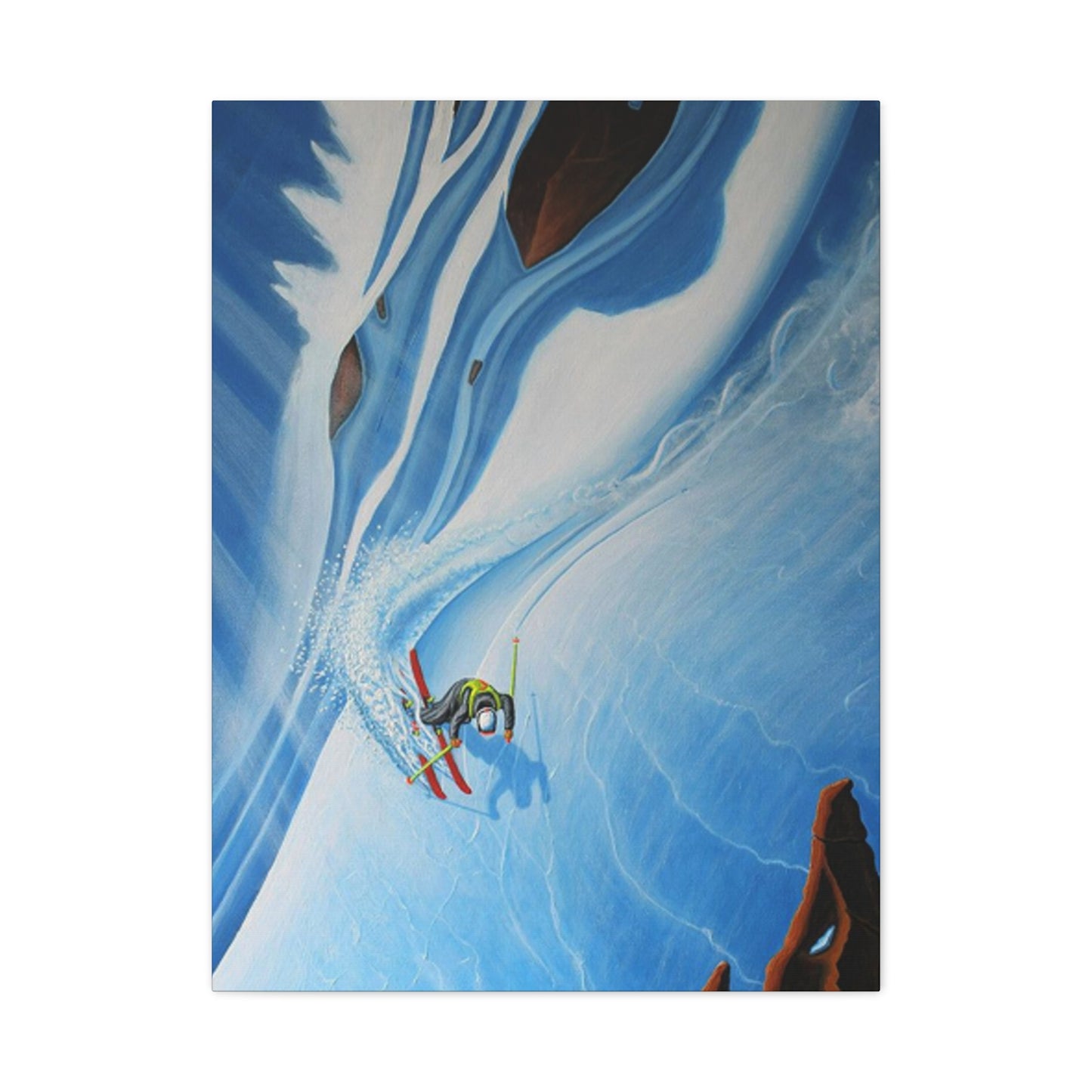
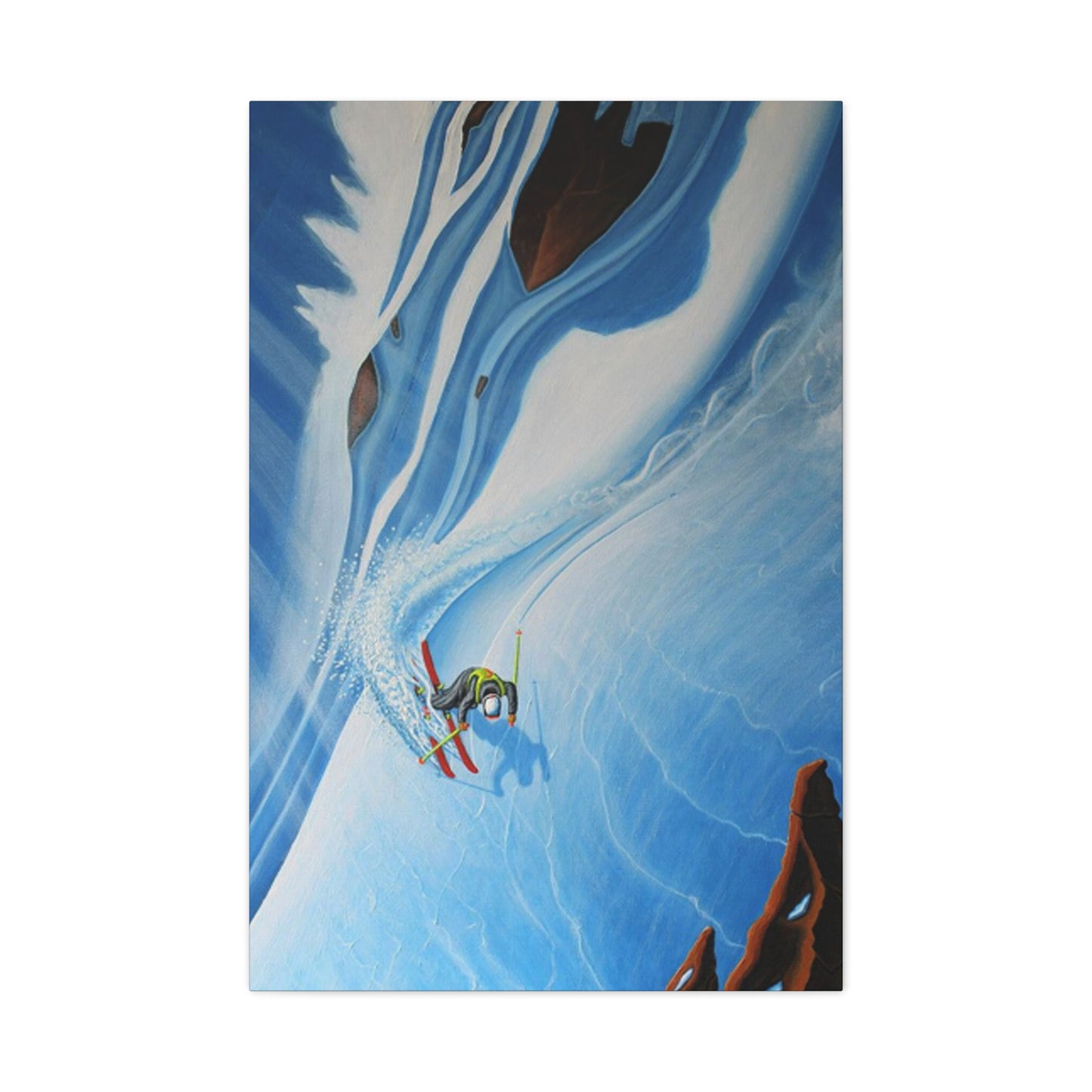
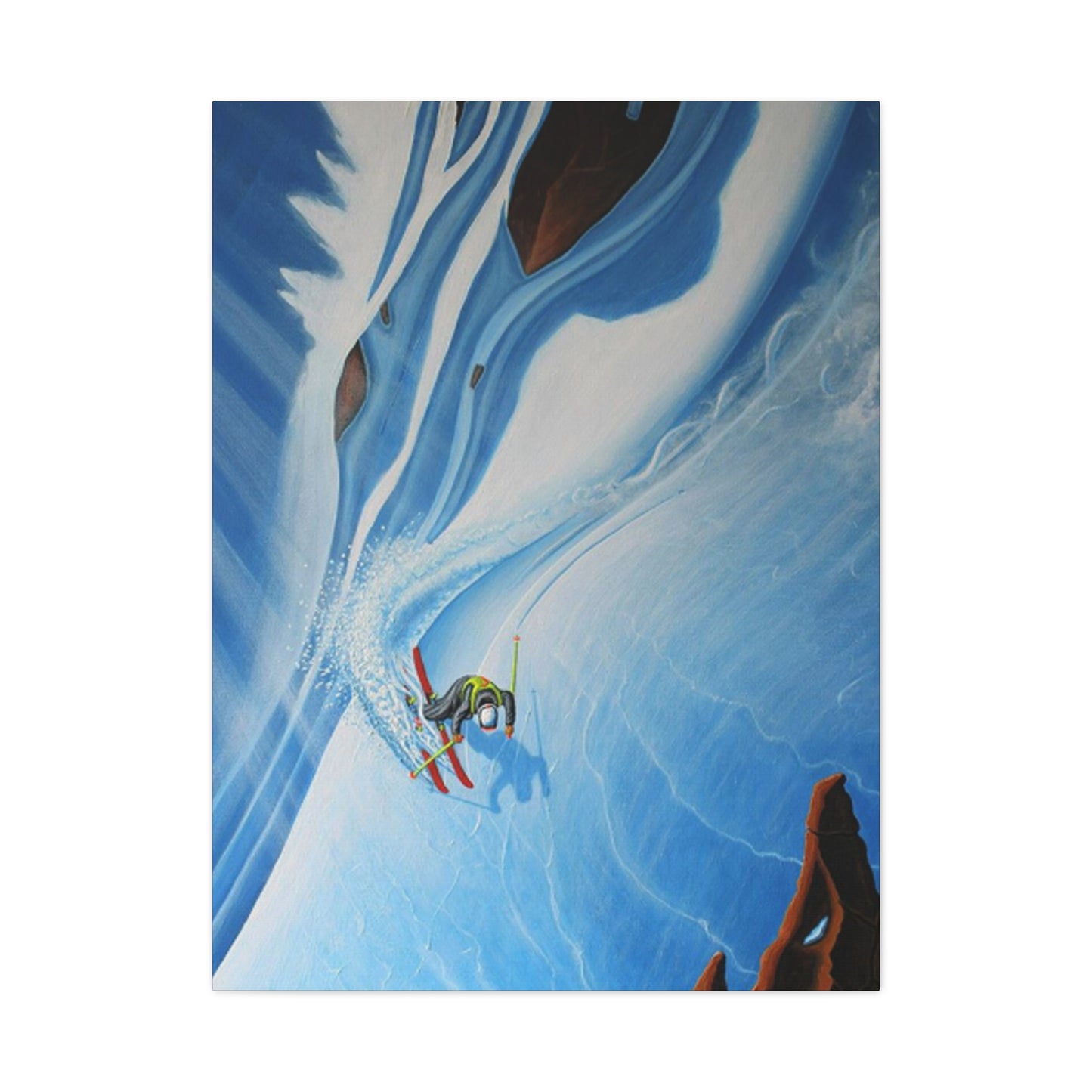
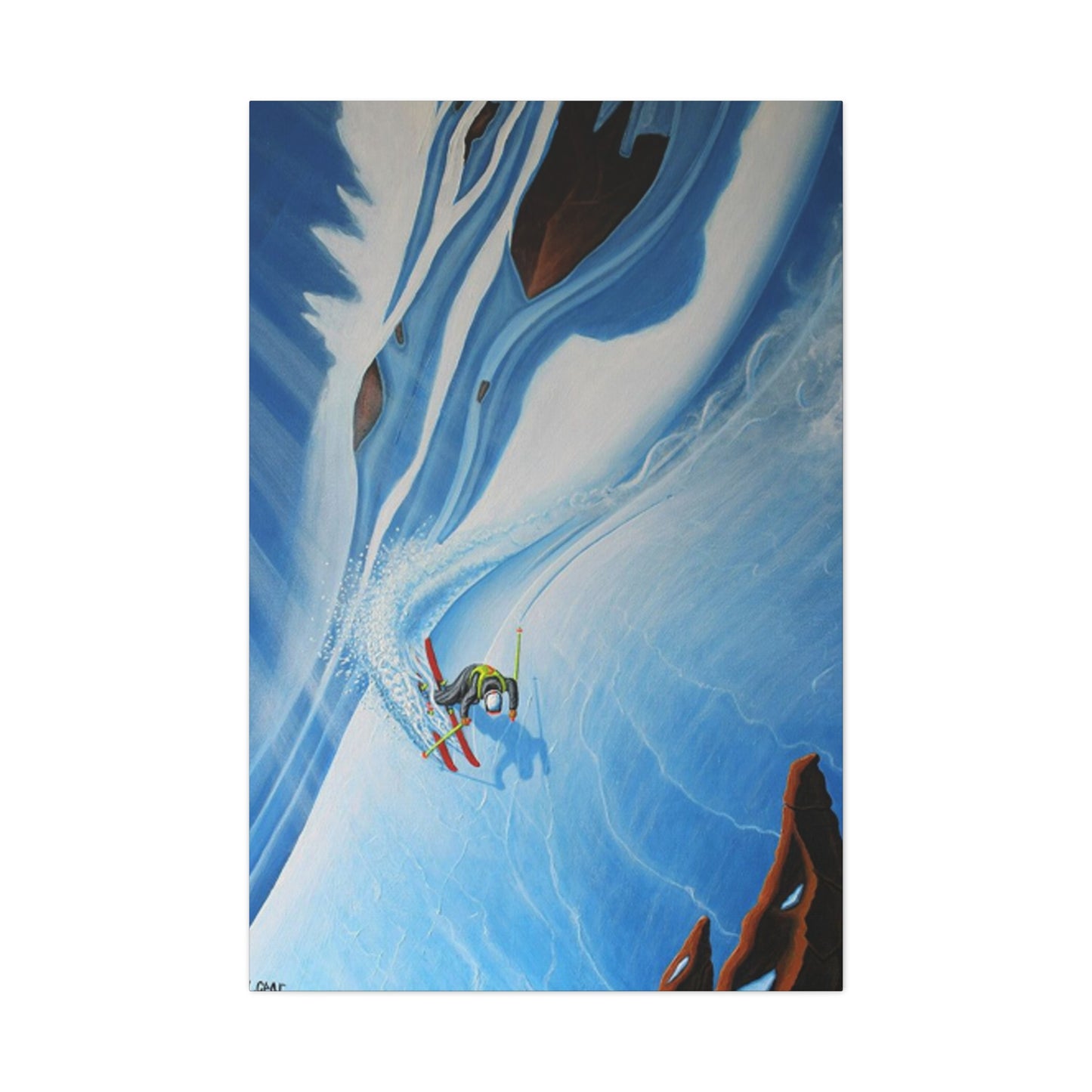
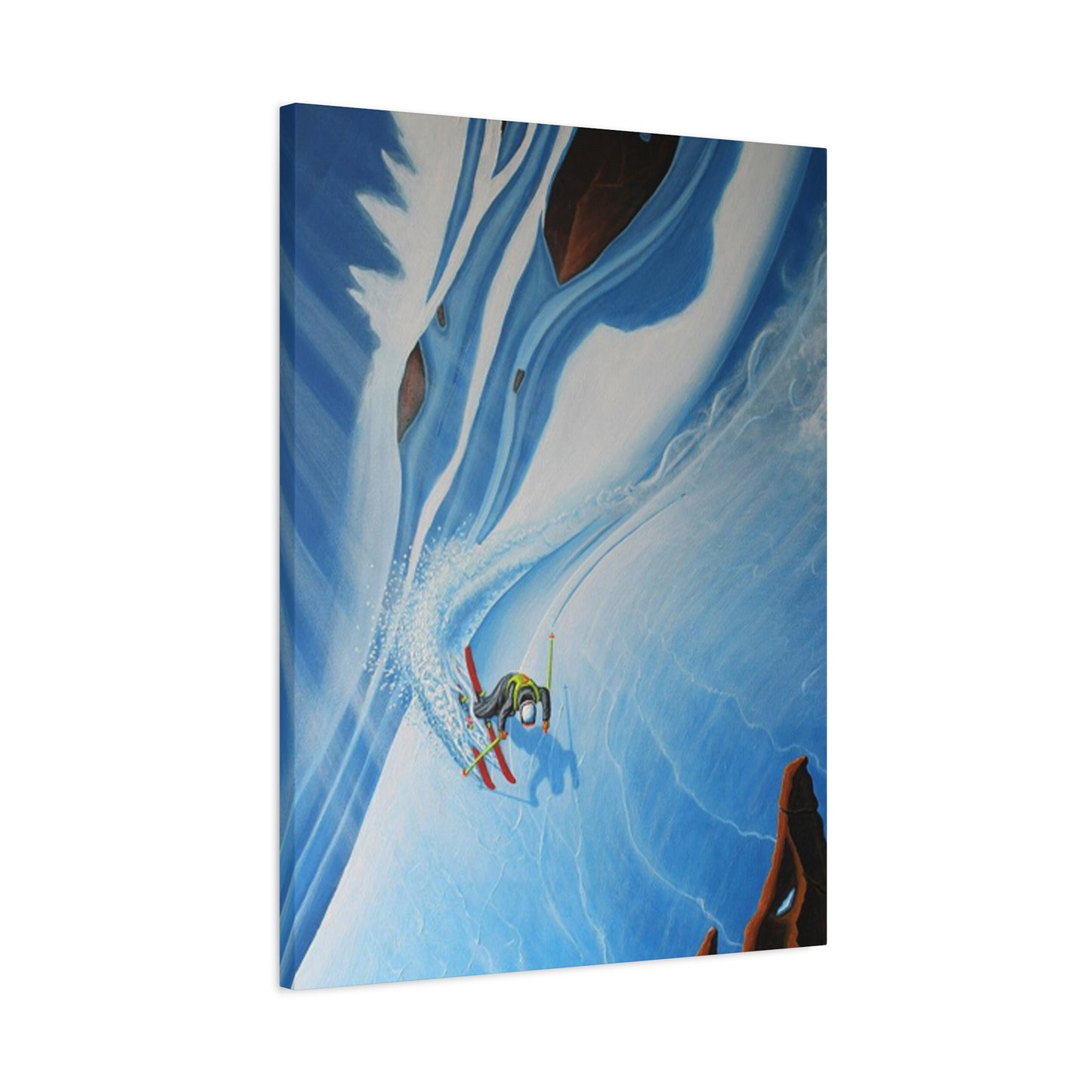
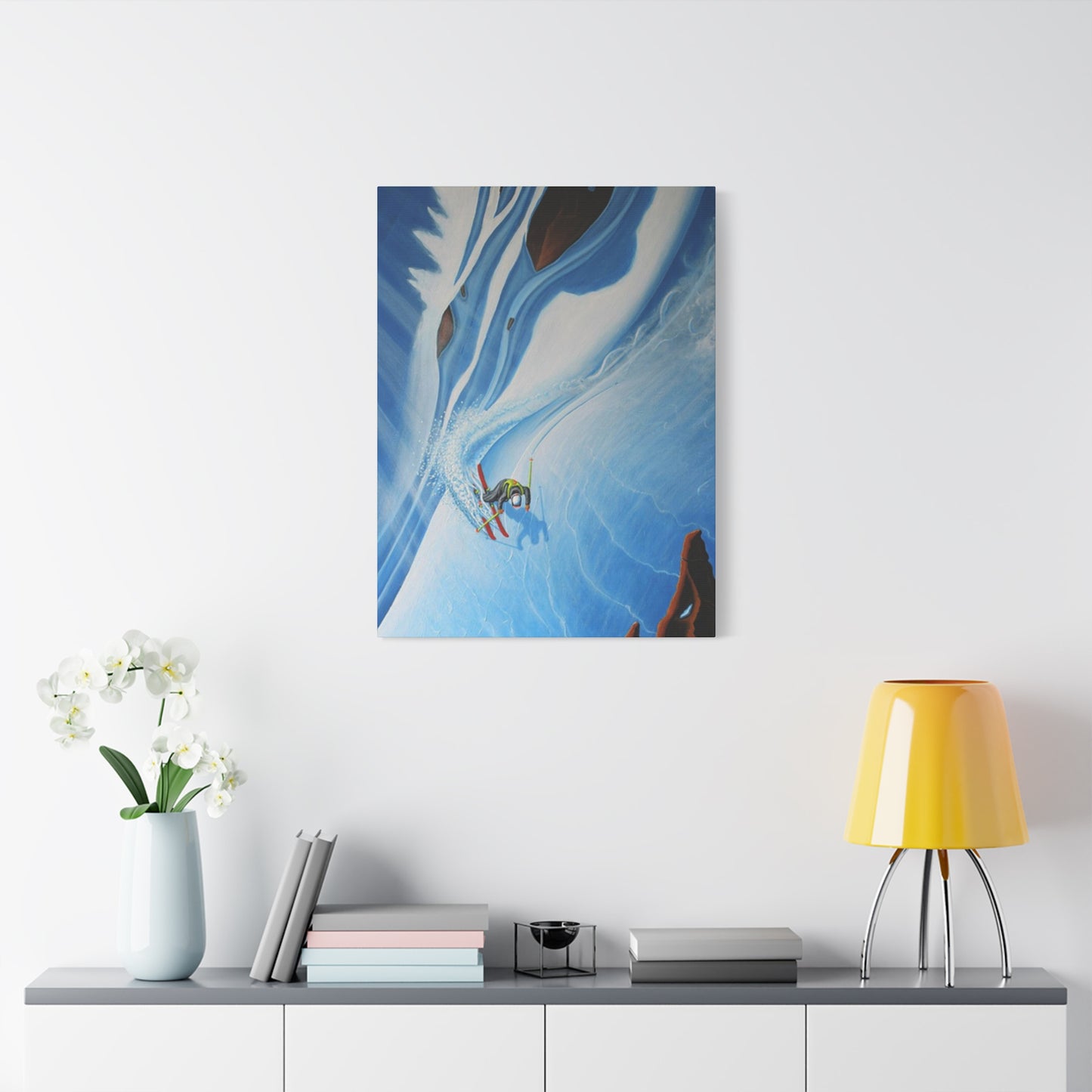
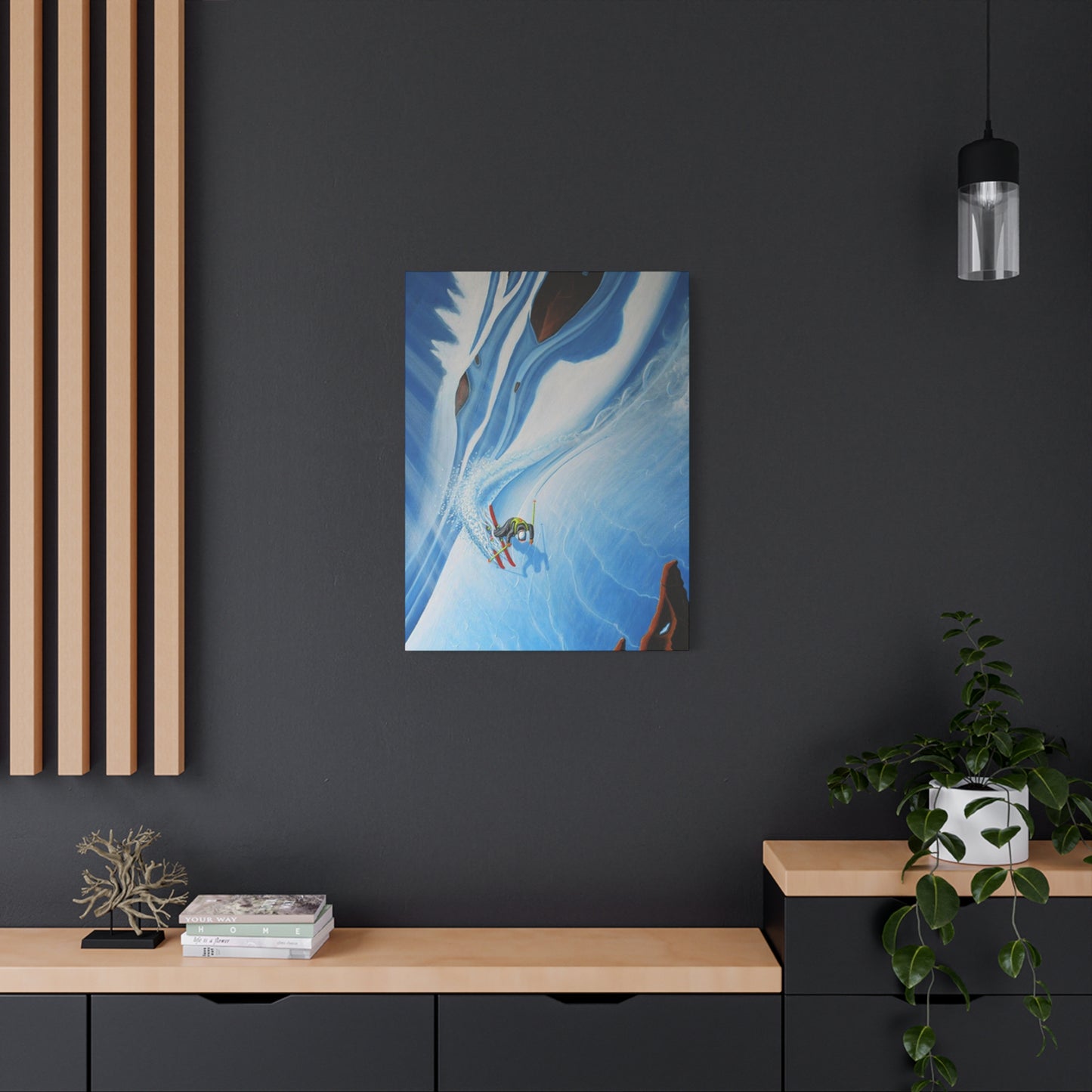
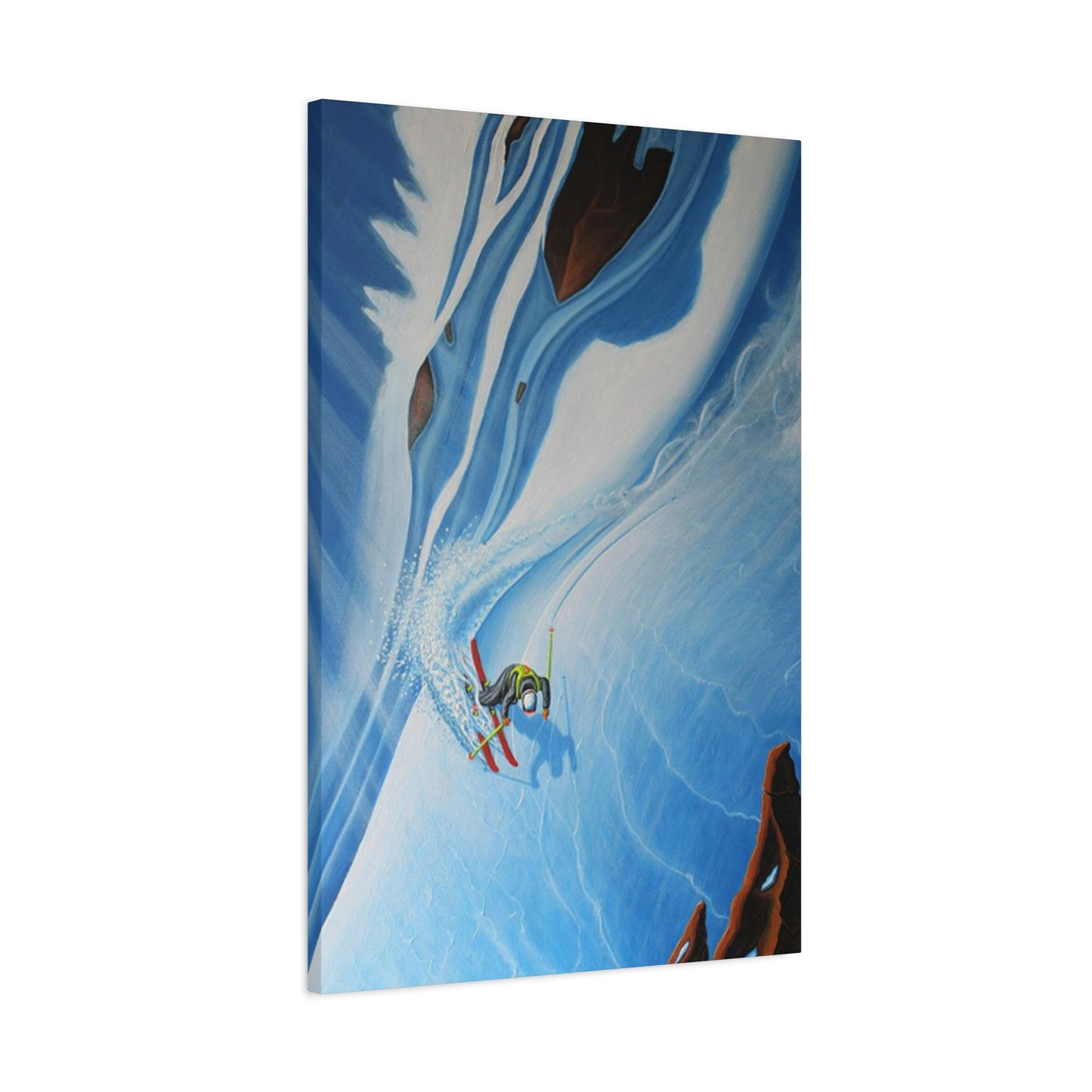
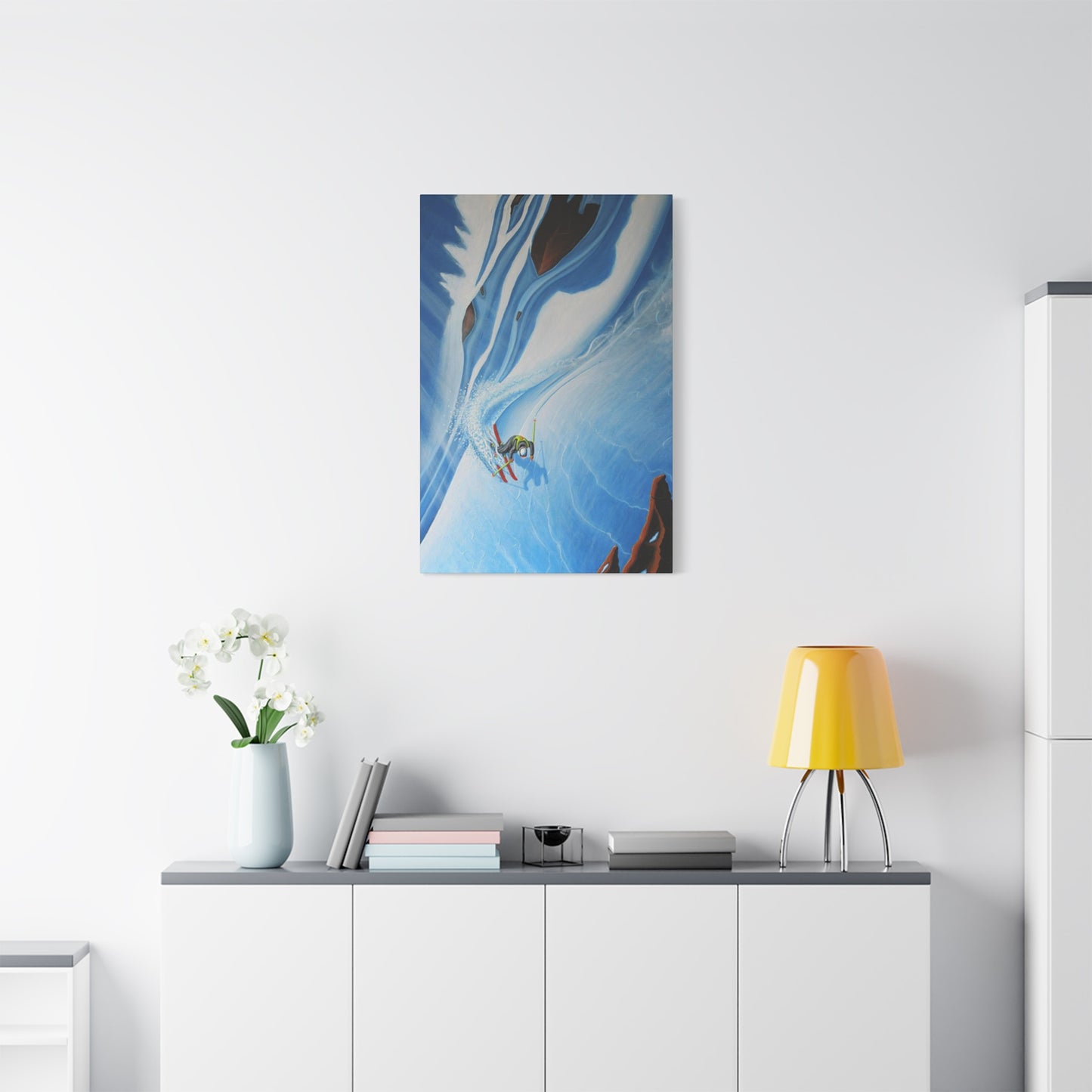
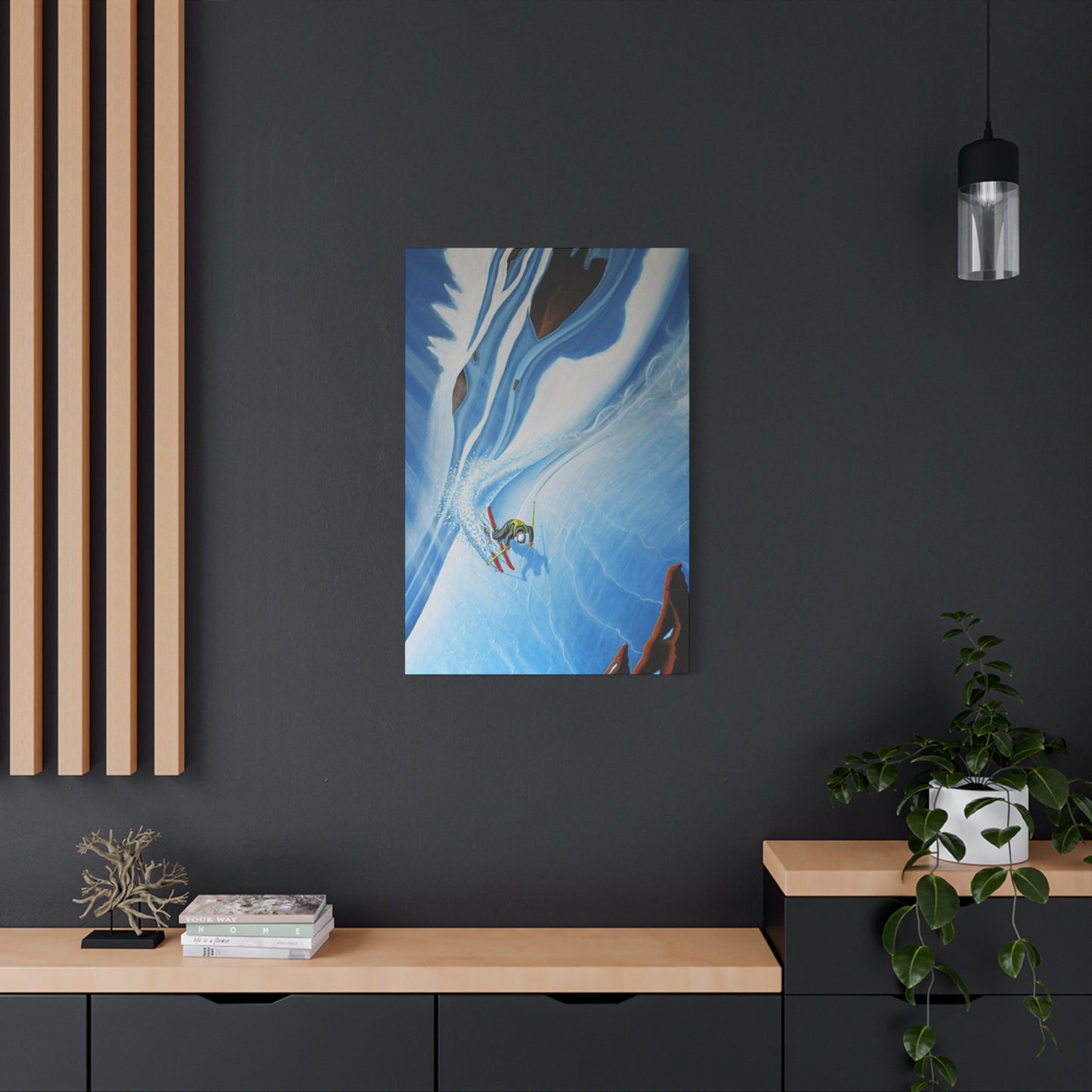
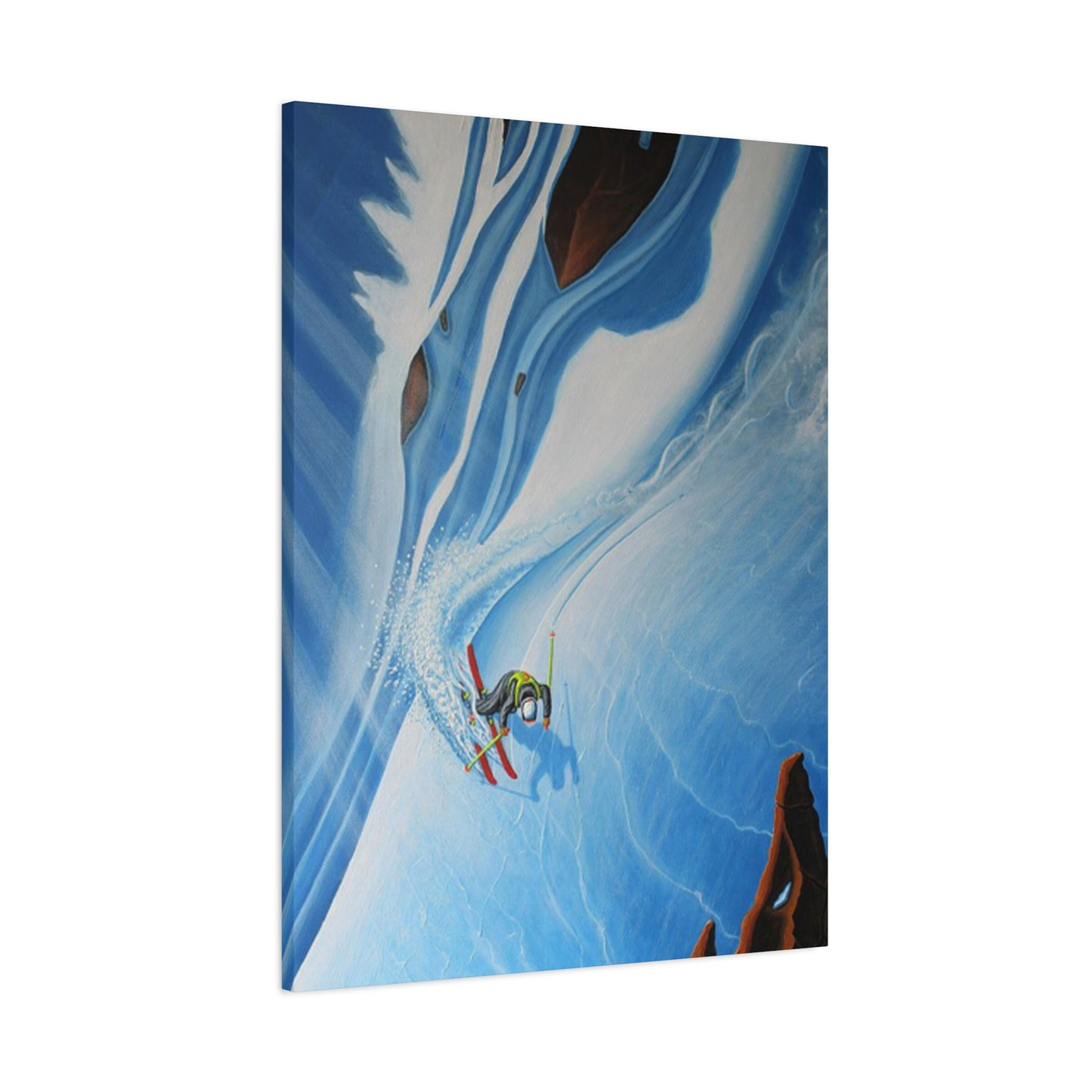
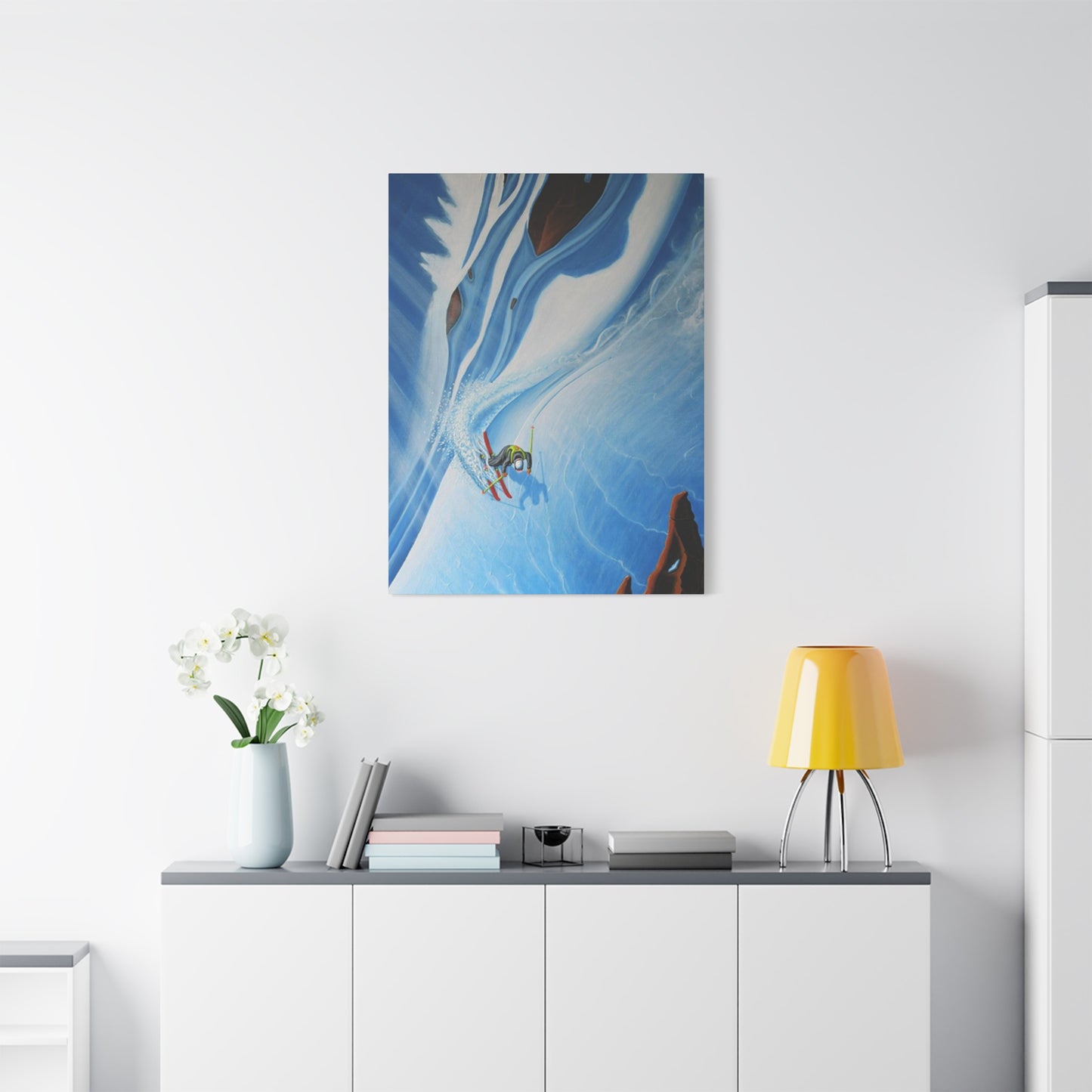
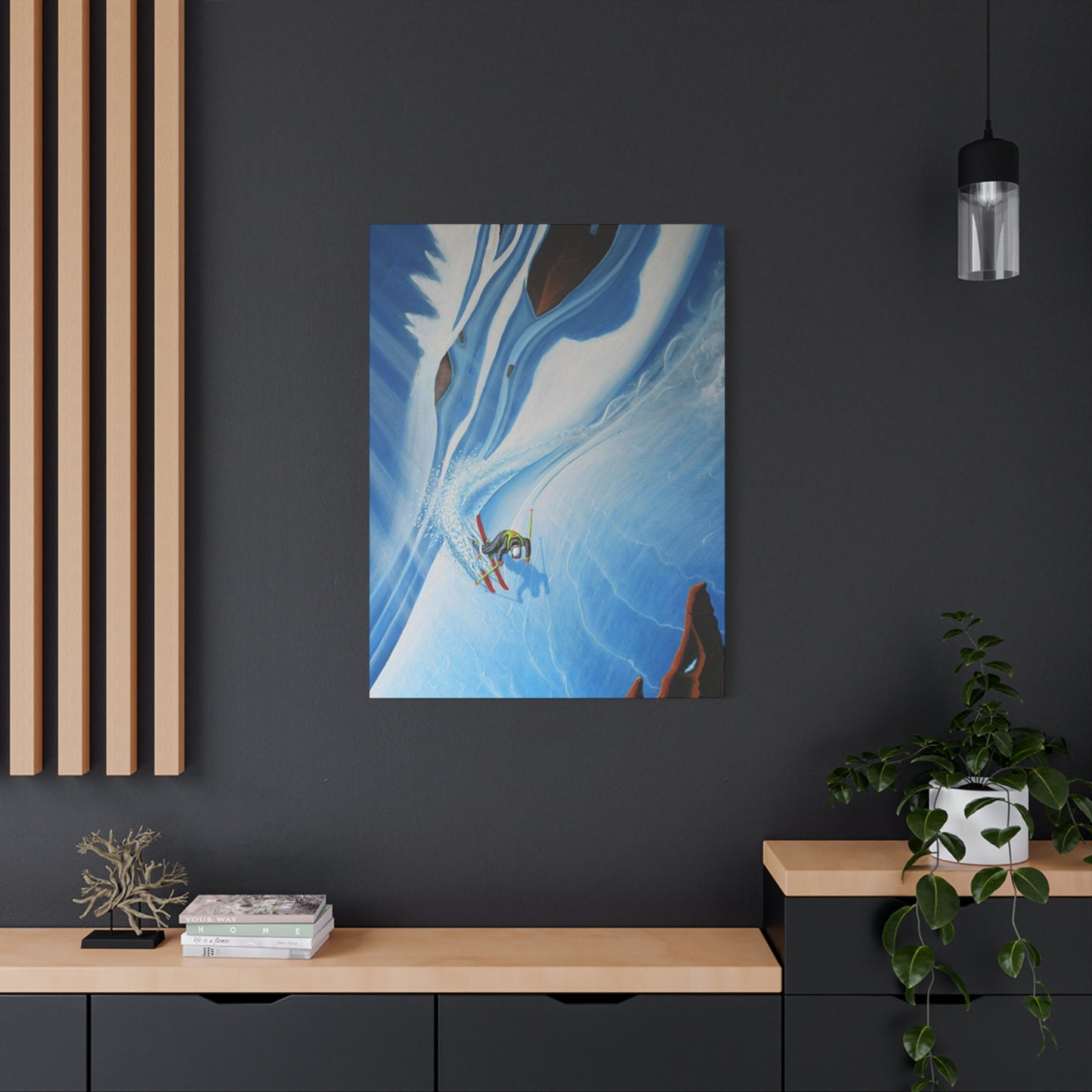
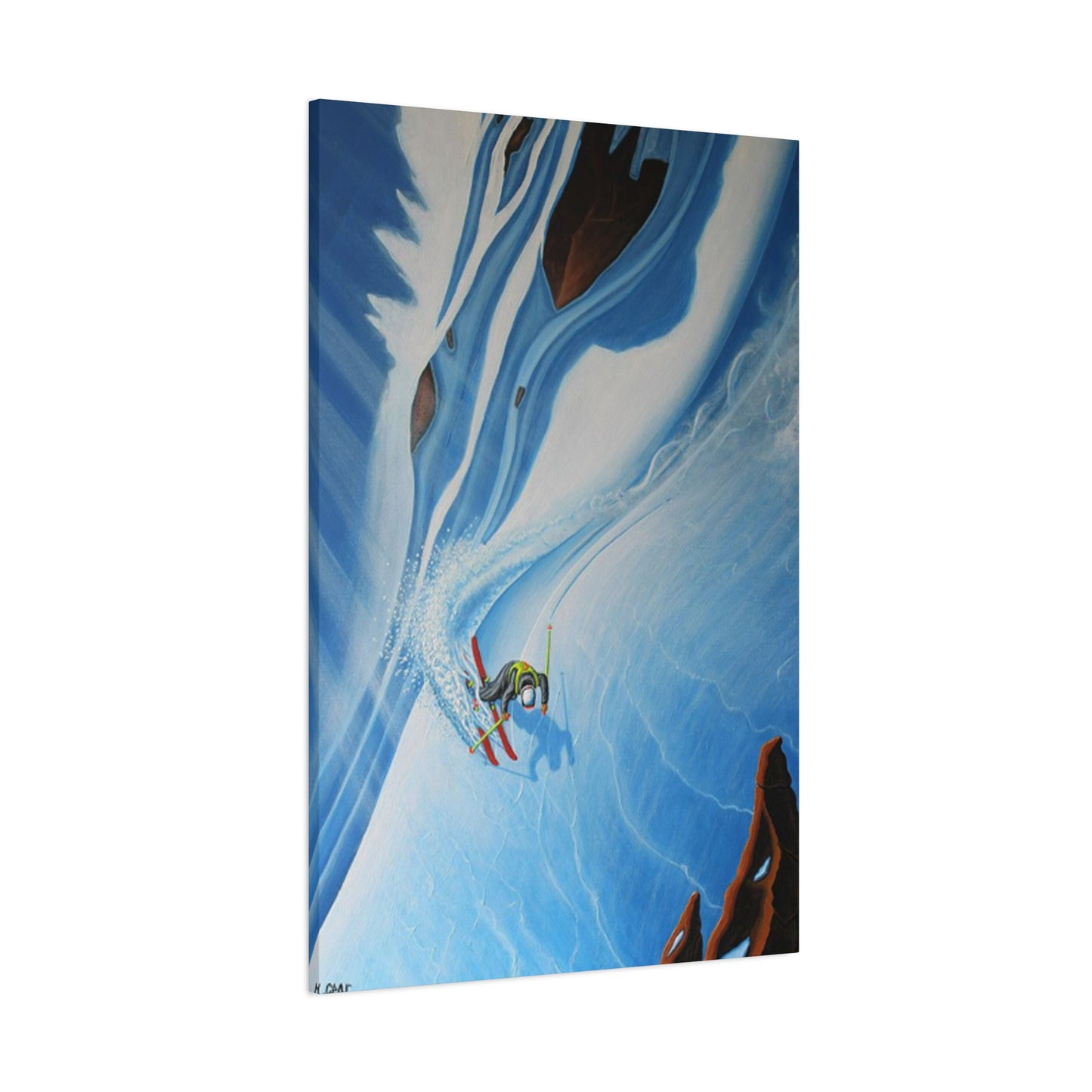
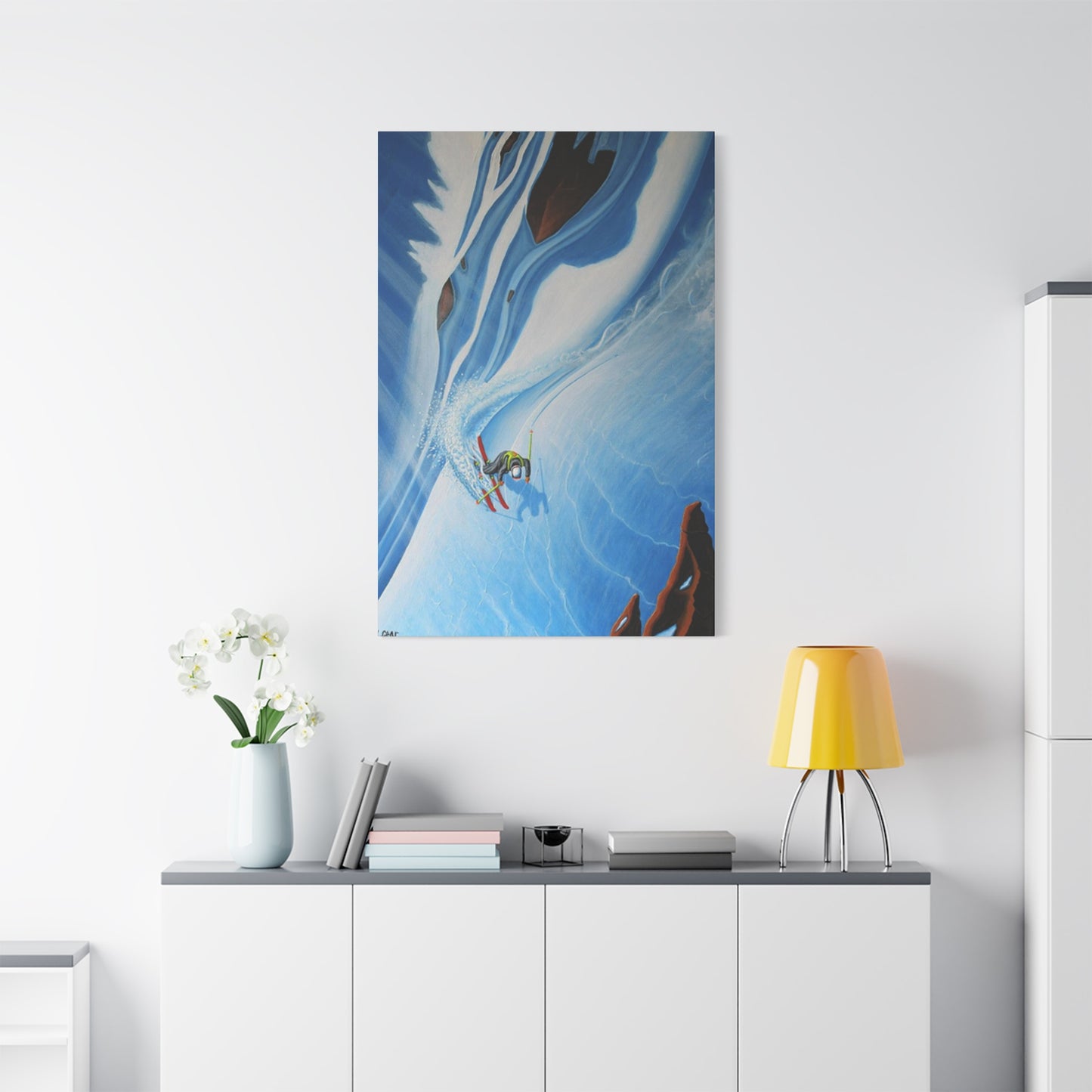
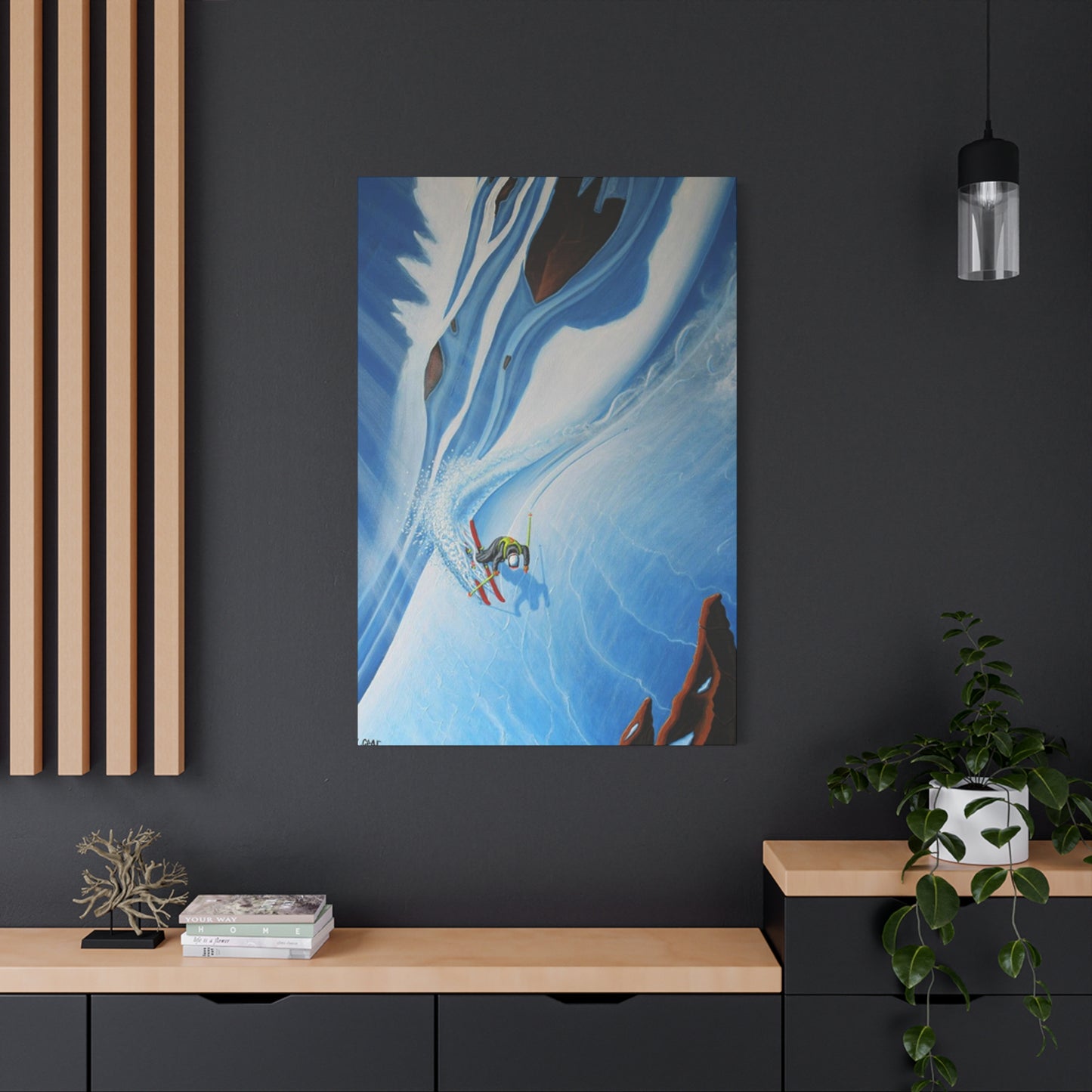
Capturing Mountain Majesty: Skiing in Snowy Rocks Wall Art for Modern Interiors
The world of interior design has witnessed a remarkable evolution in recent years, with nature-inspired artwork taking center stage in homes, offices, and commercial spaces. Among the most captivating genres that have emerged is skiing in snowy rocks wall art, a category that seamlessly blends athletic dynamism with breathtaking natural landscapes. This art form captures the essence of winter sports enthusiasts carving through pristine mountain terrain, creating visual narratives that resonate with adventure seekers and nature lovers alike.
Wall art featuring skiing scenes against snowy rock formations offers more than mere decoration. It represents a lifestyle, an aspiration, and a connection to the untamed beauty of alpine environments. These pieces transform ordinary walls into windows that look out onto majestic peaks, powdery slopes, and the exhilarating freedom that comes with gliding down mountainsides. The interplay of white snow against dark rock faces creates natural contrast that artists have learned to harness, producing works that command attention without overwhelming a space.
The popularity of this art style stems from its universal appeal. Whether someone has spent years perfecting their parallel turns on double black diamond runs or has never strapped on skis, the imagery speaks to something primal within us. It evokes feelings of adventure, challenge, triumph, and the awe-inspiring power of nature. Mountains covered in snow have captivated human imagination for millennia, and when combined with the graceful athleticism of skiing, the result is visual poetry that translates beautifully to wall art.
Compositional Elements That Define Quality Skiing Wall Art
Creating compelling skiing in snowy rocks wall art requires careful attention to composition, perspective, and the relationship between subject and environment. The most effective pieces balance multiple elements to create cohesive visual narratives that hold viewer attention without becoming chaotic or confusing. Understanding these compositional principles helps both artists creating the work and collectors selecting pieces for their spaces.
The rule of thirds applies powerfully to skiing imagery. Positioning the skier or main action along imaginary lines that divide the frame into thirds creates natural balance and visual interest. Placing the horizon line either in the upper or lower third of the composition, rather than dead center, typically produces more dynamic results. When the skier occupies one intersection point of these thirds lines while a prominent rock formation occupies another, the image gains structural integrity that feels satisfying to the viewer's eye.
Leading lines represent another crucial compositional tool in skiing in snowy rocks wall art. The natural lines created by ski tracks in fresh snow, the contours of mountain ridges, or the trajectory of the skier's descent all guide the viewer's eye through the image. Effective artists use these lines deliberately to create visual journeys that explore the entire composition rather than focusing on a single point. The tension between horizontal lines of distant ridges and the diagonal or curved lines of ski tracks creates dynamic interplay that prevents static feeling.
Scale relationships between skier and environment determine much of the emotional impact in these artworks. A tiny figure dwarfed by massive rock walls emphasizes the grandeur of nature and can evoke feelings of awe, humility, or adventurous ambition. Conversely, a larger skier in the foreground with mountains beyond creates more intimate connection with the athlete while still showcasing the environment. Both approaches work effectively, but they communicate different messages and suit different spaces.
Color grading and tonal range separate exceptional skiing in snowy rocks wall art from mediocre attempts. The best pieces maintain rich detail in both the brightest snow highlights and the deepest rock shadows. This requires careful exposure and post-processing work to ensure that snow doesn't blow out to pure white lacking texture, while shadows retain enough detail to reveal rock structure and depth. The interplay between cool blue tones in shadowed snow and warm golden tones during sunrise or sunset creates visual richness that engages prolonged viewing.
Material Choices and Printing Technologies
The physical medium through which skiing in snowy rocks wall art manifests significantly impacts its visual effect and longevity. Modern consumers face an array of options ranging from traditional canvas prints to metal panels, acrylic mounting, and fine art paper. Each material brings distinct characteristics that suit different aesthetic preferences and practical requirements.
Canvas remains the most popular choice for skiing wall art due to its classic artistic associations and versatile presentation options. Gallery-wrapped canvas, where the image extends around the edges of a stretcher frame, creates a finished appearance that doesn't require additional framing. The slight texture of canvas lends organic quality that complements natural subject matter like mountains and snow. High-quality canvas prints using archival inks can maintain color accuracy and resist fading for decades when properly cared for.
Metal prints have gained substantial popularity for skiing in snowy rocks wall art because of their contemporary aesthetic and impressive durability. The dye-sublimation process infuses colors directly into specially coated aluminum panels, creating images with exceptional sharpness and vibrant colors. The reflective quality of metal surfaces adds luminosity to snow and ice, while the material's smooth finish emphasizes clean, modern design. Metal prints work particularly well in commercial spaces or contemporary homes where their sleek appearance complements the overall design language.
Acrylic face-mounting involves bonding a photograph to acrylic sheets, creating depth and a glass-like finish that intensifies colors and creates a striking three-dimensional effect. When light hits acrylic-mounted skiing in snowy rocks wall art, it seems to glow from within, adding drama and presence. This premium presentation format suits high-end residential installations and corporate environments where making a strong visual statement matters. The weight and expense of acrylic mounting make it best suited for centerpiece artworks rather than multi-piece installations.
Fine art paper prints appeal to collectors and purists who value traditional photography and printmaking. Various paper types including cotton rag, baryta, and textured watercolor papers each impart unique qualities to skiing imagery. These prints typically require matting and framing behind glass, creating formal presentations that suit traditional decors. The archival quality of museum-grade papers and inks ensures that properly displayed fine art prints can last for generations, making them genuine heirloom pieces.
Framing and Display Considerations
How skiing in snowy rocks wall art gets framed and displayed dramatically influences its impact within a space. The frame serves multiple functions beyond merely protecting and mounting the artwork. It defines boundaries, creates visual weight, mediates the relationship between image and surroundings, and signals the importance placed on the piece.
For skiing imagery with significant white content, frame color selection requires careful consideration. Black frames create stark contrast that emphasizes the artwork and creates formal, gallery-like presentation. The strong border keeps attention focused inward on the image content. White or light neutral frames offer softer transitions between artwork and wall, working well in bright, airy spaces where harsh contrast might feel too heavy. Natural wood frames bring organic warmth that complements the natural subject matter, creating harmonious connections between content and presentation.
Frame width and profile affect how artwork relates to its surroundings. Thin, minimalist frames recede from notice, allowing the image to dominate with minimal distraction. This approach suits contemporary interiors and works particularly well with larger pieces where substantial frame molding might become overwhelming. Wider frames with more elaborate profiles create traditional presentations that work in classical or transitional interiors. The additional visual weight can help smaller pieces command appropriate attention in larger rooms.
Floating frames and shadow boxes add dimensional interest to skiing in snowy rocks wall art. These presentation styles create visible space between the artwork and frame, generating subtle shadows that emphasize the piece as a three-dimensional object rather than flat imagery. The effect adds sophistication and can make relatively affordable prints appear more valuable and considered. This approach particularly suits minimalist and contemporary spaces where clean lines and spatial relationships matter.
Multi-panel arrangements allow skiing in snowy rocks wall art to make grander statements. Diptychs, triptychs, or larger panel arrangements let artists tell more complex visual stories or create panoramic mountain vistas that would be impractical as single pieces. Staggered or offset arrangements add architectural interest to walls and can help fill larger spaces without requiring prohibitively large individual pieces. Proper spacing between panels typically ranges from two to six inches depending on panel size and wall dimensions.
Seasonal Versatility and Year-Round Appeal
One question that frequently arises regarding skiing in snowy rocks wall art concerns its seasonal appropriateness. Some homeowners worry that winter sports imagery might feel out of place during warmer months. This concern, while understandable, typically proves unfounded when the artwork is well chosen and properly displayed.
Quality skiing in snowy rocks wall art transcends specific seasonal associations through its emphasis on enduring natural beauty and human achievement. Mountains exist year-round, and while their appearance changes with seasons, their fundamental majesty remains constant. Well-composed skiing imagery focuses as much on dramatic landscapes and atmospheric conditions as on the specific activity, giving pieces broader relevance beyond winter sports enthusiasts.
The cooling visual effect of snow and ice imagery provides pleasant psychological contrast during hot summer months. When temperatures soar, glancing at artwork featuring pristine white slopes and crisp mountain air offers mental relief similar to that provided by air conditioning for physical comfort. Interior designers often deliberately incorporate cool-toned artwork into spaces that receive significant summer sun exposure to create perceptual temperature balance.
For vacation homes and mountain properties, skiing in snowy rocks wall art serves dual purposes by reflecting both the location's character and the activities that draw owners to the area. These pieces create continuity across seasons, maintaining connection to the mountain environment even when snow has melted. They also serve as year-round reminders of winter adventures past and future, sustaining enthusiasm during off-season months.
Rooms dedicated to fitness, recreation, or hobbies particularly benefit from skiing wall art regardless of season. Home gyms, equipment rooms, mudrooms, and game spaces naturally accommodate sports imagery without seasonal concerns. These settings embrace the aspirational and motivational qualities of athletic imagery throughout the entire year, with skiing in snowy rocks wall art inspiring physical activity and outdoor pursuits during all seasons.
Selecting Appropriate Scale for Different Spaces
Determining proper size for skiing in snowy rocks wall art requires balancing multiple factors including room dimensions, viewing distances, furniture placement, and desired visual impact. Undersized artwork disappears into spaces without making intended impressions, while oversized pieces can overwhelm rooms and create uncomfortable visual pressure.
The general principle suggests that artwork width should occupy between one-half and three-quarters of the furniture width it hangs above. For a sofa measuring seventy-two inches wide, appropriate skiing wall art would span roughly thirty-six to fifty-four inches. This proportion creates visual harmony between furniture and artwork without either element dominating. When artwork hangs on a wall without furniture below, the calculation becomes more complex and depends on overall wall size and surrounding elements.
Viewing distance significantly impacts appropriate artwork scale. Pieces intended for viewing from across large rooms can successfully incorporate more detail and complexity than artwork positioned where close examination is inevitable. Skiing in snowy rocks wall art featuring expansive mountain vistas works beautifully as large-scale pieces because the subject matter naturally suits grand presentation. The sense of epic scale reinforces the inherent grandeur of mountain environments.
Vertical versus horizontal orientation affects how skiing wall art relates to spaces. Horizontal pieces emphasize width and can make walls feel broader, working well above sofas, beds, and console tables. Vertical pieces draw eyes upward, emphasizing ceiling height and working effectively in narrow wall spaces like those flanking windows or doors. Panoramic skiing imagery in ultra-wide horizontal formats creates dramatic focal points that command attention in large rooms with substantial wall space.
Multiple smaller pieces arranged as gallery walls offer alternatives to single large artworks. Collections of skiing in snowy rocks wall art in various sizes can tell richer stories through diverse perspectives, locations, or conditions. Gallery walls work particularly well in casual spaces and allow for evolution over time as new pieces join the collection. Maintaining consistent framing style or color palette helps unify arrangements that might otherwise feel chaotic.
Color Palette Integration With Interior Design Schemes
Successfully incorporating skiing in snowy rocks wall art into existing interior design requires attention to color relationships between the artwork and its surroundings. While great art should stand on its own merit, thoughtful color coordination enhances overall aesthetic coherence and allows pieces to feel like intentional design elements rather than afterthoughts.
Monochromatic and neutral interior schemes provide ideal backdrops for skiing wall art. The whites, grays, and blacks present in most skiing imagery naturally harmonize with neutral palettes without competing for attention. In predominantly white or light gray rooms, skiing in snowy rocks wall art can introduce subtle tonal variation and textural interest while maintaining overall color discipline. The cool undertones common in both snow photography and contemporary neutral paint colors create inherent compatibility.
Navy blue and deep charcoal interiors create dramatic settings that make whites and lighter tones in skiing imagery pop with particular intensity. This high-contrast approach suits bold design sensibilities and works especially well in spaces seeking sophisticated masculine energy. The dark walls recede while the bright snow captures attention, creating focal points that anchor rooms visually. This approach requires confidence and commitment but produces striking results when executed well.
Warm earth-tone interiors might initially seem incompatible with skiing in snowy rocks wall art, but thoughtful selection can bridge the gap. Pieces that capture golden hour light on snow, featuring warm sunrise or sunset tones, provide transition colors that connect cool snow imagery with warm surroundings. Including skiing artwork that shows exposed rock, weathered wood elements, or autumn alpine meadow undertones in the background can also create warmer color bridges.
Accent colors in furniture, textiles, or accessories can draw from skiing wall art to create intentional color stories throughout spaces. If artwork features a skier in a red jacket against white snow, repeating red in throw pillows, vases, or other accessories creates visual connections that make the artwork feel integrated rather than isolated. This approach requires restraint to avoid heavy-handed coordination, but subtle color echoing creates sophisticated cohesion.
Subject Matter Variations Within the Genre
Skiing in snowy rocks wall art encompasses considerable variety beyond the basic concept of skiers on slopes. Understanding different approaches and sub-genres within this category helps collectors select pieces that best match their preferences and purposes.
Action-focused imagery emphasizes dynamic movement and athletic performance. These pieces typically feature skiers mid-turn, launching off natural features, or navigating challenging terrain with spray of powder snow surrounding them. The energy in such images appeals to athletes and adventure enthusiasts while creating visual excitement. Close-up perspectives that capture intensity and concentration on skiers' faces add human drama to natural spectacle.
Landscape-dominant compositions treat skiers as small elements within grand mountain environments. Tiny figures add scale and narrative interest to otherwise pure landscape photography. This approach emphasizes the magnificence of nature and creates contemplative rather than exciting energy. Such pieces work well in spaces seeking sophisticated, meditative qualities and appeal to viewers who prioritize natural beauty over sporting action.
Backcountry and wilderness skiing imagery showcases untamed mountain environments far from resort infrastructure. The absence of visible lifts, grooming, or crowds creates impressions of solitude, adventure, and connection with pristine nature. This sub-genre particularly appeals to those drawn to wilderness experiences and can communicate values around environmental consciousness and authentic outdoor experience.
Vintage and retro-styled skiing in snowy rocks wall art draws on nostalgia for earlier eras of mountain sports. Whether authentic historical photographs or contemporary work styled to evoke past decades, these pieces appeal to collectors interested in skiing heritage and design history. The simplified graphics and bold colors common in vintage ski posters create distinctive aesthetic that works beautifully in modern interiors seeking character and personality.
Abstract and artistic interpretations move beyond straightforward representation to explore skiing and mountains through creative lenses. Impressionistic approaches, unusual color grading, multiple exposures, and experimental techniques create artwork that functions as much through aesthetic beauty as documentary accuracy. These pieces appeal to art collectors and viewers prioritizing creativity and unique vision over realistic depiction.
Cultural Significance of Mountain Sports Art
The enduring popularity of skiing in snowy rocks wall art reflects deeper cultural meanings that extend beyond aesthetic preferences. Mountains occupy special places in human consciousness across cultures, representing challenge, achievement, spiritual elevation, and the sublime power of nature. Skiing imagery taps into these ancient associations while adding modern elements of sport, leisure, and human mastery over environment.
Mountain climbing and skiing have long served as metaphors for personal growth, ambition, and overcoming obstacles. The visual language of skiing in snowy rocks wall art communicates these metaphorical dimensions even to viewers with no personal skiing experience. Ascending to summit levels, navigating dangerous descents, and emerging triumphant from challenges resonate with universal human experiences. Displaying such imagery can serve as daily reminder of personal values around perseverance, courage, and achievement.
The democratization of mountain access through ski resorts and modern transportation has transformed alpine environments from remote wilderness to recreational destinations. Skiing in snowy rocks wall art reflects and celebrates this cultural shift while maintaining reverence for mountain majesty. The artwork acknowledges both the accessibility of mountain experiences and their continuing capacity to inspire awe, striking balance between conquest and respect.
Environmental consciousness and mountain conservation have become increasingly important themes in contemporary culture. Skiing in snowy rocks wall art can express values around wilderness preservation and environmental stewardship, particularly when featuring backcountry settings or emphasizing natural beauty over resort development. For environmentally conscious collectors, such artwork serves as both aesthetic enhancement and value statement.
The social dimensions of skiing culture also factor into the appeal of this art genre. Skiing represents leisure time, vacation experiences, and social bonds formed on mountains with family and friends. Displaying skiing in snowy rocks wall art can commemorate specific trips, celebrate ongoing traditions, or express aspiration for future adventures. These personal narratives imbue artwork with significance beyond its visual qualities.
Photography Techniques That Capture Snow and Rock
Creating exceptional skiing in snowy rocks wall art requires mastering specific photography techniques that address the unique challenges of mountain environments. Snow's high reflectivity, extreme brightness ranges, and monochromatic nature all present technical obstacles that separate amateur snapshots from professional-quality imagery.
Exposure compensation becomes critical when photographing snow-covered landscapes because camera light meters tend to underexpose bright scenes, rendering white snow as middle gray. Professional photographers typically overexpose by one to two stops compared to meter readings, ensuring snow appears appropriately white while retaining texture and detail. This adjustment requires experience and often bracket shooting multiple exposures to ensure at least one captures the desired brightness range.
Time of day dramatically affects snow and rock photography. The blue hour before sunrise and after sunset bathes mountains in cool, even light that creates serene, ethereal moods. Golden hour during early morning and late afternoon produces warm, directional light that emphasizes texture, creates long shadows, and adds dimensionality to terrain. Midday light, while often harsh, can work for skiing in snowy rocks wall art when seeking bright, energetic feeling or when clouds diffuse direct sunlight.
Polarizing filters help manage reflections from snow and enhance contrast between white slopes and blue skies. By reducing glare and deepening sky tones, polarizers make skiing imagery more visually striking. These filters also help protect expensive lenses from blowing snow and moisture common in mountain environments. The effect cannot be replicated in post-processing, making polarizers essential tools for serious mountain photographers.
Fast shutter speeds freeze action in skiing photography, capturing crisp details of athletes, flying snow, and dynamic moments. Speeds of one-thousandth of a second or faster typically prove necessary to eliminate motion blur when photographing skiers moving at high speeds. This requirement demands either bright lighting conditions or high ISO settings, with modern camera sensors performing remarkably well even at elevated ISO values.
Composition in skiing photography often benefits from including foreground elements that create depth and lead viewer eyes into scenes. Snow-covered boulders, evergreen trees, or terrain features in the near field establish layered compositions that emphasize the three-dimensional nature of mountain environments. This approach prevents flat-looking images and helps viewers mentally place themselves within the scene.
Digital Art and Graphic Design Approaches
While photography dominates skiing in snowy rocks wall art, digital illustration and graphic design offer creative alternatives that can produce equally compelling pieces. These approaches allow artists complete control over every element while enabling styles impossible to achieve through photography alone.
Vector illustration techniques create clean, graphic skiing imagery reminiscent of vintage travel posters. Artists construct scenes using geometric shapes and simplified forms, reducing complex mountain environments to essential elements. This approach produces artwork with timeless quality and bold visual impact. The scalability of vector art means pieces can be reproduced at any size without quality loss, practical advantage for wall art applications.
Digital painting combines photography and hand-painted elements, allowing artists to enhance realism or stylize images according to creative vision. Skiers might be photographed then placed in digitally painted mountain environments, or photographs might serve as references for entirely painted compositions. This hybrid approach offers flexibility while maintaining painterly qualities that distinguish artwork from straight photography.
Texture overlay techniques add artistic character to skiing photographs. Applying canvas textures, vintage paper effects, or abstract patterns over base images creates unique aesthetic that bridges photography and fine art. These treatments can make contemporary images feel vintage or add tactile quality to digital work. Used with restraint, texture overlays enhance rather than obscure underlying imagery.
Color grading and stylization push skiing in snowy rocks wall art into creative territories. Extreme contrast adjustments, selective colorization, duotone effects, and color channel manipulations all offer paths toward distinctive visual styles. These techniques work particularly well when creating series of related pieces where consistent treatment unifies multiple images.
Three-dimensional rendering and computer-generated imagery represents the cutting edge of skiing wall art creation. Artists can construct entirely synthetic mountain environments with impossible perspectives, perfect lighting, and ideal conditions. While typically requiring extensive technical skill and computing power, three-dimensional approaches enable visions that no camera could capture, appealing to collectors seeking truly unique pieces.
Adventure Photography Icons and Their Mountain Work
Certain photographers have become legendary for their skiing and mountain imagery, elevating skiing in snowy rocks wall art to fine art status. Understanding their contributions provides context for evaluating contemporary work and reveals the evolution of mountain photography as an artistic discipline.
Warren Miller pioneered skiing cinematography and still photography, documenting the sport across six decades. His films and photographs captured skiing's evolution from niche pastime to mainstream recreation while showcasing spectacular mountain locations worldwide. Miller's work emphasized fun, adventure, and the camaraderie of skiing culture. His influence extends beyond technical achievement to shaping how entire generations envision the skiing experience.
The photographers working for outdoor publications elevated mountain sports imagery through technical innovation and artistic vision. Their work regularly appears in printed form in specialized magazines, making skiing in snowy rocks wall art accessible to broad audiences. These professionals combine deep understanding of skiing and mountaineering with photographic expertise, positioning themselves in dangerous locations to capture unique perspectives.
Fine art photographers approach skiing and mountain imagery with different intentions than documentary or editorial shooters. They prioritize aesthetic expression and conceptual depth over clear communication of athletic action or location documentation. Their work often explores themes of solitude, human relationship with nature, or the abstract beauty of mountain forms. These pieces occupy gallery walls and private collections as legitimate art objects commanding serious consideration.
Social media has democratized mountain photography, with countless skilled amateurs now producing skiing imagery that rivals professional work in technical quality. Platforms dedicated to sharing outdoor photography have created communities where creators exchange knowledge, critique work, and inspire each other. This democratization means more skiing in snowy rocks wall art than ever before, though sorting exceptional work from mediocre requires developing educated eye.
The commercial market for mountain photography has expanded alongside the outdoor industry's growth. Equipment manufacturers, resort marketing departments, and adventure travel companies all require extensive visual content featuring skiing in dramatic mountain settings. This demand supports professional photographers while ensuring steady stream of new skiing in snowy rocks wall art entering circulation.
Creating Personal Collections With Thematic Coherence
Building a thoughtful collection of skiing in snowy rocks wall art requires more than acquiring individual pieces that appeal in isolation. Developing thematic coherence creates greater cumulative impact and allows collections to tell richer visual stories than unrelated works provide.
Geographic focus offers one approach to collection building. Amassing skiing imagery from a specific mountain range, region, or even single resort creates documentary collections that capture the distinctive character of places. Such collections hold particular meaning for people with deep connections to specific locations and can document personal histories of experiences across years or decades.
Seasonal and weather variations provide another organizational theme. Collections might include pieces showing the same location across different seasons, lighting conditions, or weather events. The progression from winter storms to sunny spring conditions, or the dramatic differences between powder days and bluebird skies, reveals the dynamic nature of mountain environments. Such collections emphasize change and the diverse experiences mountains offer.
Technical skill progression represents a more personal collection theme. Athletes might document their skiing journey through imagery that starts with beginner terrain and progresses to more advanced descents. Each piece marks achievement milestones and maintains motivation for continued improvement. This approach creates highly personal collections that function as visual autobiographies of athletic development.
Artistic style and medium can unify collections through consistent aesthetic approaches. Collectors might focus exclusively on black and white photography, vintage poster reproductions, abstract interpretations, or any other defined category. This approach creates strong visual coherence and allows collectors to develop expertise within specific niches. The resulting collections demonstrate educated taste and intentional curation rather than haphazard accumulation.
Color palette coordination creates subtle unity across diverse skiing wall art. Selecting pieces that share dominant colors, even if subjects and styles vary, produces harmonious collections that work together decoratively. This approach offers flexibility in content while maintaining overall aesthetic discipline. The coordination can be quite loose, with various pieces simply avoiding color conflicts rather than matching precisely.
Installation and Hanging Techniques for Impact
The physical installation of skiing in snowy rocks wall art significantly affects its visual impact and longevity. Proper hanging techniques ensure artwork appears level, secure, and positioned for optimal viewing while protecting both pieces and walls from damage.
Standard hanging height places artwork center points at approximately fifty-seven to sixty inches from the floor, corresponding to average adult eye level. This guideline works well in most residential contexts but may require adjustment in spaces with unusually high or low ceilings, or when artwork hangs above substantial furniture. When hanging skiing wall art above a sofa, maintaining six to twelve inches of space between furniture top and frame bottom typically produces good proportion.
Multiple-piece arrangements require careful planning to achieve balanced layouts. Creating paper templates matching artwork dimensions and arranging them on walls with removable tape allows experimentation without damaging surfaces. This approach helps determine optimal spacing and configuration before committing to permanent installation. Digital planning tools and smartphone apps can also simulate different arrangements, though physical templates provide more accurate sense of scale.
Hardware selection depends on artwork weight and wall type. Standard drywall can support lightweight pieces using basic picture hangers, while heavier skiing in snowy rocks wall art requires more substantial support. Wall anchors, toggle bolts, or mounting into wall studs provide security for large or heavy pieces. French cleats offer excellent stability for substantial artworks while allowing easy removal and repositioning.
Lighting design enhances skiing wall art dramatically when executed thoughtfully. Picture lights mounted directly on frames provide focused illumination that emphasizes artwork while creating gallery-quality presentation. Track lighting or adjustable spotlights offer flexibility to highlight multiple pieces while allowing adjustments as collections evolve. Natural light from windows can beautifully illuminate skiing in snowy rocks wall art but requires consideration of fading potential from ultraviolet exposure.
Protection from environmental factors extends artwork lifespan significantly. Direct sunlight causes fading over time, particularly in prints using dye-based inks rather than pigment-based alternatives. Positioning skiing wall art away from windows receiving intense sun, or using ultraviolet-filtering glass in frames, preserves color accuracy for decades. Humidity control matters especially for paper-based works, with moderate humidity levels preventing warping and mold growth.
Gallery walls combining skiing in snowy rocks wall art with other elements require special planning to achieve cohesive appearance. Maintaining consistent spacing between all pieces, typically two to four inches, creates orderly presentation even when mixing different sizes and orientations. Aligning edges or centers of disparate pieces helps establish visual structure that prevents chaotic appearance. Starting with the largest or most important piece and building around it often produces more successful arrangements than trying to plan entire layouts simultaneously.
Seasonal Rotation and Collection Management
Collectors with extensive skiing in snowy rocks wall art may choose to rotate pieces seasonally or periodically, keeping displays fresh and protecting artwork from prolonged light exposure. This practice allows enjoying larger collections within limited display space while preserving pieces for future enjoyment.
Storage of rotated artwork requires protection from physical damage, humidity fluctuations, and pest access. Archival quality boxes or portfolios lined with acid-free tissue paper provide safe environments for works on paper. Framed pieces should be wrapped in bubble wrap or foam padding and stored upright rather than flat to prevent pressure damage. Climate-controlled storage spaces maintain stable temperature and humidity that preserve artwork condition during storage periods.
Documentation of collections helps track individual pieces, their provenance, condition, and display history. Photographing each artwork and maintaining digital or physical records prevents confusion in larger collections. This practice also serves insurance purposes and helps family members understand collection significance and value should anything happen to the original collector.
Rotation schedules might align with actual seasons, displaying skiing in snowy rocks wall art most prominently during winter months when snow sports are actively practiced. Alternatively, some collectors prefer counter-seasonal rotation, using snowy imagery during summer as cooling visual contrast. The optimal approach depends on personal preference and how literally one interprets seasonal appropriateness of winter sports imagery.
Professional conservation and cleaning maintain skiing wall art in optimal condition. Dust accumulation on frames and under glass requires periodic gentle cleaning using appropriate materials. Professional conservators can address more serious issues like fading, staining, or physical damage. Regular inspection catches developing problems before they become severe, preserving artwork value and appearance.
Regional Mountain Styles and Geographic Characteristics
Different mountain ranges worldwide present distinct characteristics that influence the appearance of skiing in snowy rocks wall art. Understanding these geographic differences helps collectors select pieces that align with their aesthetic preferences or personal connections to specific regions.
The European Alps feature dramatic vertical relief with iconic sharp peaks and massive rock faces. Alpine skiing imagery often showcases extreme terrain, exposed ridges, and the distinctive architecture of traditional mountain villages. The relatively compact geography means ski areas often include visible evidence of human presence including lifts, buildings, and groomed slopes. The rock formations display characteristic gray limestone and granite that contrast sharply with snow cover.
The Rocky Mountains of North America stretch across vast distances encompassing diverse environments. Colorado skiing imagery might feature above-treeline bowls and wide-open faces, while regions further north show denser forests and more gradual terrain. The volcanic peaks of the Cascade Range present yet another distinctive appearance. The scale of American mountains often appears more expansive in photographs than European counterparts, with enormous skiable acreages and long vertical descents.
Japanese mountains present unique aesthetic with heavy snowfall creating deep powder conditions and distinctive snow formations on trees. The volcanic geology produces different rock colors and formations than granite ranges. Cultural elements in Japanese skiing imagery including architecture, signage, and clothing styles give these works distinctive character. The combination of abundant snow and lower elevations than many famous ranges creates unique visual environments.
Scandinavian skiing environments feature gentler topography with rounded mountains shaped by ancient glaciation. The northern latitudes create distinctive light quality with long twilight periods and occasional northern lights. Birch forests and open tundra provide different botanical context than evergreen forests common in other regions. The minimalist aesthetic often associated with Nordic design cultures extends to skiing imagery from these areas.
Southern Hemisphere skiing destinations offer intriguing alternatives with seasons reversed from northern counterparts. The Andes provide spectacular high-altitude terrain with distinctive rock formations and vegetation. Skiing imagery from New Zealand showcases dramatic scenery with mountains rising directly from sea level. These locations offer skiing in snowy rocks wall art with different visual character and the novelty factor of winter sports during northern summer months.
Emerging Artists and Contemporary Trends
The skiing in snowy rocks wall art genre continues evolving as new artists bring fresh perspectives and contemporary sensibilities to mountain sports imagery. Understanding current trends helps collectors identify emerging talents and anticipate future directions in the genre.
Drone photography has revolutionized mountain sports imagery by providing perspectives previously available only from helicopters. The accessibility of high-quality drones allows photographers to capture overhead views, track skiing action from above, and reveal patterns in terrain and snow that ground-level photography cannot show. These unique vantage points create skiing in snowy rocks wall art with striking contemporary character that immediately appears modern and innovative.
Social media platforms focused on outdoor recreation have created new pathways for artists to build followings and sell work directly to consumers. Photographers can now develop audiences numbering in the hundreds of thousands without traditional gallery representation or magazine publication. This democratization allows more diverse voices and perspectives to reach audiences, enriching the overall genre with broader representation.
Female athletes and photographers receive increasing visibility after decades of male dominance in mountain sports imagery. Contemporary skiing in snowy rocks wall art increasingly features women skiers and reflects female perspectives on mountain experiences. This shift enriches the genre by expanding beyond narrow traditional representations and connecting with broader audiences.
Environmental and conservation themes appear more frequently in contemporary mountain photography. Artists document changing glaciers, showcase wilderness areas requiring protection, or create work explicitly addressing climate change impacts. This evolution reflects growing environmental consciousness and positions skiing in snowy rocks wall art within broader cultural conversations about sustainability and nature conservation.
Minimalist aesthetic approaches strip mountain imagery to essential elements, often using negative space, simplified compositions, and reduced color palettes. This contemporary sensibility aligns with modern interior design trends favoring clean lines and uncluttered spaces. The approach creates skiing in snowy rocks wall art that feels meditative and sophisticated rather than busy or overwhelming.
Mixed media experimentation combines photography with painting, digital effects, textural elements, and three-dimensional components. These hybrid works blur boundaries between photography and fine art, creating pieces with distinctive character that stands apart from traditional mountain sports photography. The approach appeals to collectors seeking unique statement pieces rather than conventional imagery.
Social Media Influence on Mountain Art Popularity
Digital platforms have dramatically reshaped how skiing in snowy rocks wall art reaches audiences, influences culture, and functions commercially.Visual-first platforms centered on photography and lifestyle content have created unprecedented exposure for mountain imagery. Photographers can build massive followings by consistently sharing skiing content, with successful accounts reaching hundreds of thousands or millions of viewers. This visibility creates opportunities to sell prints and license images that didn't exist before these platforms emerged.
Hashtag culture and algorithms determine which skiing imagery gains widespread attention. Understanding platform dynamics helps artists optimize content for maximum reach, though the precise factors determining algorithmic success remain partially mysterious and constantly evolving. Viral success on social platforms can launch previously unknown photographers to prominence seemingly overnight.
Influencer marketing represents a growing revenue stream for mountain photographers as brands pay for access to engaged audiences. Product placement in skiing imagery, sponsored content, and brand partnerships provide income that supports artistic work while raising questions about authenticity and commercial influence on creative decisions.
Community building through social media allows photographers to develop direct relationships with audiences rather than relying on galleries, publications, or other intermediaries. This connection provides feedback, inspiration, and loyal customer bases for skiing in snowy rocks wall art sales. The sense of personal connection between artists and followers creates stronger emotional bonds than traditional commercial relationships.
Copyright and attribution challenges arise as skiing imagery spreads across platforms often without proper credit or compensation for creators. Unauthorized use of photographs for commercial purposes or failure to credit original photographers represents ongoing problems that digital platforms have struggled to address effectively. Watermarking and reverse image search tools provide some protection but remain imperfect solutions.
Standards and expectations for mountain photography have evolved in response to social media culture. The constant stream of spectacular imagery may have raised audience expectations while potentially diminishing appreciation for any individual image. Photographers face pressure to continuously produce novel content that stands out within crowded visual landscapes, potentially encouraging risky behavior or environmental impact in pursuit of unique shots.
Architectural Integration in Mountain Modern Design
Mountain modern architectural style has emerged as dominant aesthetic for high-end mountain homes, with skiing in snowy rocks wall art functioning as essential element within this design language.The mountain modern aesthetic emphasizes natural materials including wood, stone, and metal combined with contemporary clean lines and generous windows that frame mountain views. Skiing wall art within these spaces must complement rather than compete with actual landscapes visible through expansive glazing. The artwork serves as visual continuation of exterior environment, maintaining thematic consistency throughout interior spaces.
Scale requirements in mountain modern homes often exceed typical residential proportions. Soaring ceilings and oversized rooms demand appropriately large skiing in snowy rocks wall art to avoid pieces appearing lost or insignificant. Multi-panel installations or single pieces measuring six to ten feet or larger provide adequate presence within grand spaces. The substantial scale creates dramatic impact befitting the architectural ambition of these homes.
Material selections for skiing wall art should harmonize with the natural materials prominent in mountain modern interiors. Metal prints complement steel beams and contemporary fixtures, while canvas prints resonate with organic textures of wood and stone. The choice depends on whether emphasizing contemporary or natural elements within specific spaces. Some installations benefit from mixing different materials to create textural interest.
Color coordination between skiing wall art and interior finishes creates cohesive environments. The neutral palettes common in mountain modern design, featuring whites, grays, natural wood tones, and black accents, naturally harmonize with snow and rock imagery. Strategic introduction of color through artwork can enliven otherwise monochromatic spaces while maintaining overall aesthetic discipline.
Lighting design assumes particular importance in showcasing skiing in snowy rocks wall art within mountain modern homes. Track systems, recessed spots, and picture lights must be integrated during construction or renovation rather than added afterwards. The high ceilings common in these homes may require specialized lighting solutions to properly illuminate artwork without creating glare or hot spots.
Indoor-outdoor connections central to mountain modern design influence optimal placement of skiing wall art. Positioning pieces to be visible from exterior decks and patios extends their impact beyond interior spaces. Conversely, viewing artwork from inside while looking toward mountain views creates layered visual experiences that enrich both elements. The strategic relationship between artwork and actual landscapes requires thoughtful planning during space design.
Conclusion
Skiing in snowy rocks wall art represents far more than simple decoration for walls. This artistic genre captures the magnificent intersection between human achievement and natural grandeur, preserving moments of athletic grace against backdrops of geological majesty that took millions of years to form. From vintage poster art that helped establish ski tourism in the early twentieth century to cutting-edge digital photography pushing boundaries of technical excellence, the evolution of skiing wall art mirrors broader cultural shifts in how we relate to mountains, sports, and visual media.
The enduring appeal of skiing imagery speaks to fundamental human responses to mountains as places of challenge, beauty, and transformation. Whether rendered in bold graphic simplicity or captured through sophisticated photographic equipment, these works transport viewers beyond their immediate surroundings to alpine environments where physical and mental limits are tested. The psychological benefits of this visual transportation extend from residential spaces where mountain art provides daily inspiration to commercial and therapeutic settings where carefully selected imagery supports wellbeing and performance.
For collectors and enthusiasts, skiing in snowy rocks wall art offers remarkable diversity within a coherent aesthetic framework. The range encompasses vintage nostalgia and contemporary innovation, intimate action details and vast landscape panoramas, affordable reproductions and investment-worthy limited editions. Building meaningful collections requires balancing personal aesthetic preferences with practical considerations around scale, display contexts, and long-term care. The most successful collections tell cohesive stories while maintaining flexibility to evolve as tastes develop and new work emerges.
Technical excellence in skiing wall art production demands mastery of specialized skills from capturing images in challenging mountain environments to reproducing them through printing processes that preserve subtle tonal gradations and crisp details. Understanding these technical dimensions helps collectors evaluate quality and make informed decisions, while appreciation for the artistic vision guiding technical execution elevates this genre beyond mere craft to legitimate fine art worthy of serious critical attention.
The commercial ecosystem surrounding skiing in snowy rocks wall art supports professional photographers, supports resort marketing, enhances retail environments, and contributes to interior design across residential and commercial applications. This economic dimension ensures continued production of high-quality work while raising questions about commercial pressures on artistic integrity and environmental impacts of seeking ever more spectacular imagery. Conscientious artists and collectors navigate these tensions by prioritizing sustainable practices and supporting work that balances aesthetic achievement with ethical considerations.
Looking toward the future, skiing in snowy rocks wall art stands positioned to benefit from technological innovations in display, production, and distribution while facing challenges from changing mountain environments and evolving cultural values. The fundamental human attractions to mountains and movement that drive this genre's appeal seem unlikely to diminish, suggesting that skiing imagery will continue captivating audiences even as specific forms and technologies evolve.
Ultimately, the value of skiing in snowy rocks wall art extends beyond market prices or decorative functions to encompass emotional connections, preserved memories, and aspirational visions that enrich daily life. These works remind us of experiences that matter, places we love, achievements we've accomplished, and adventures still waiting. They bring outdoor world into indoor spaces, maintaining connections to nature and activity even during periods when actual mountain time proves impossible. In serving these functions, skiing in snowy rocks wall art justifies its place not merely on walls but in the broader cultural landscape where art, sport, nature, and human aspiration continuously intersect and inspire.
The choice to incorporate skiing imagery into living or working spaces represents more than aesthetic preference. It signals values around adventure, appreciation for natural beauty, respect for athletic achievement, and desire to maintain connection with mountain environments that have captivated human imagination throughout history. Whether a single carefully selected piece or an extensive collection built over decades, skiing in snowy rocks wall art transforms spaces while reflecting and reinforcing the identities and aspirations of those who choose to live with these powerful images. As mountains continue shaping human consciousness and skiing continues providing access to alpine experiences, the artistic documentation of these intersections will retain cultural relevance and emotional power for generations to come.


