


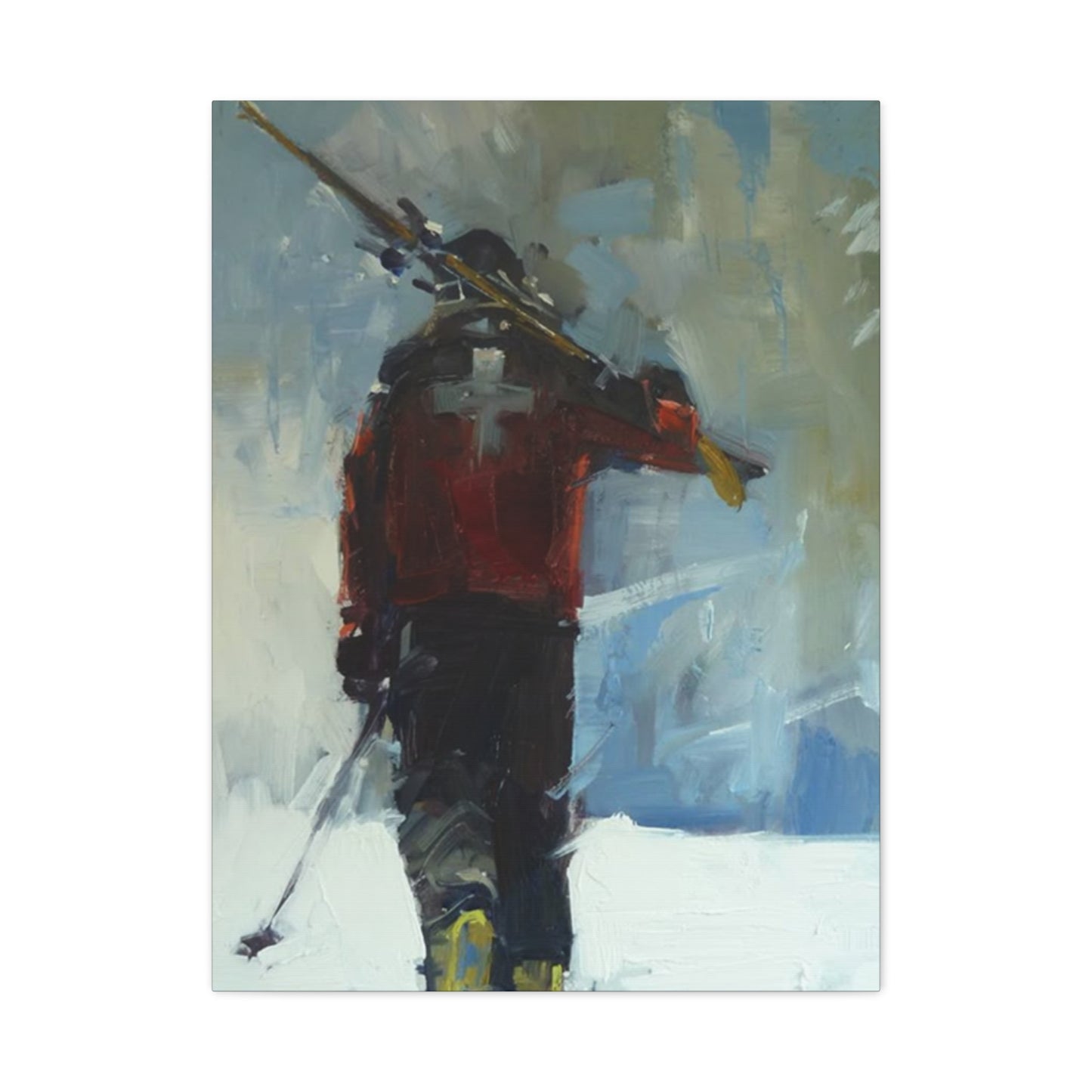
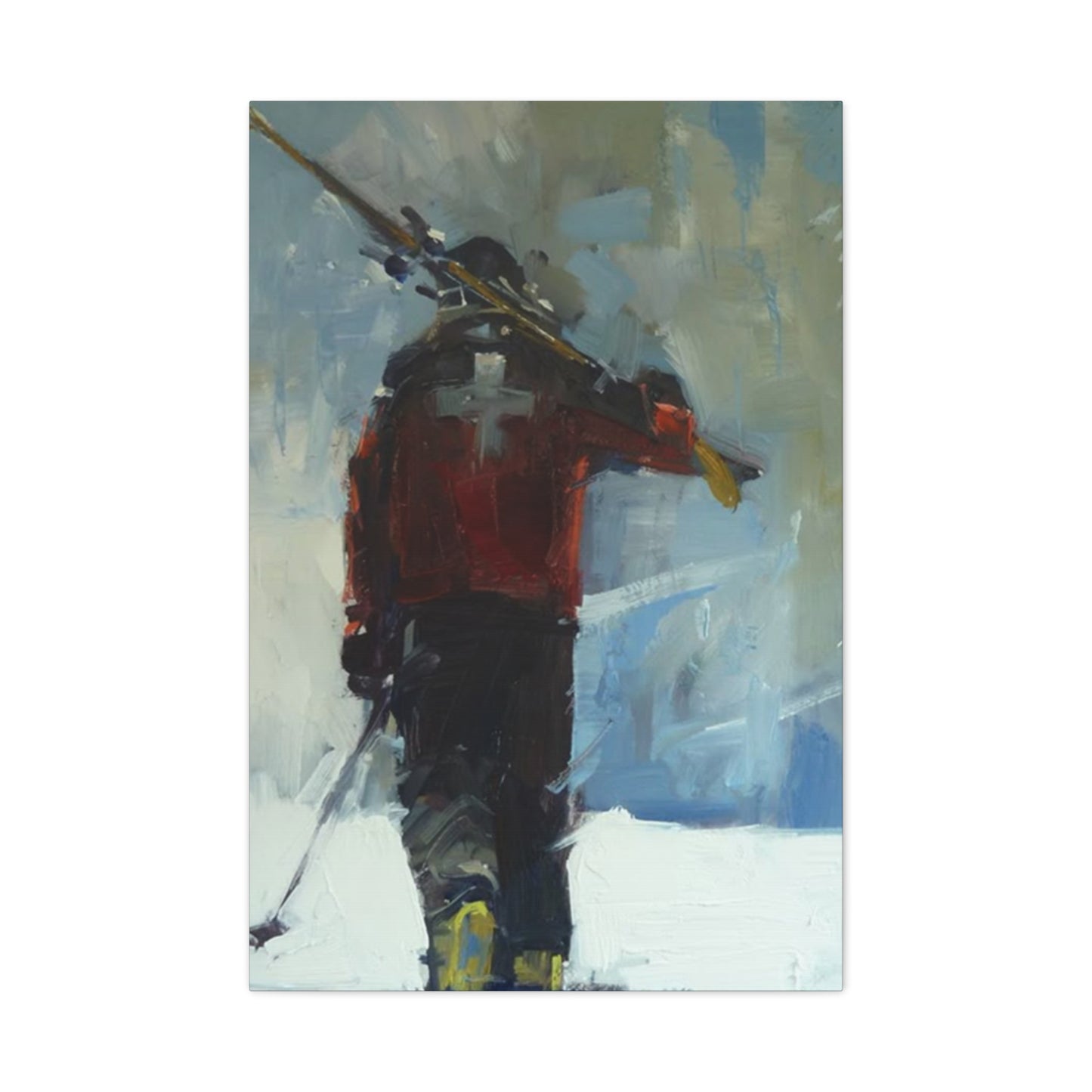
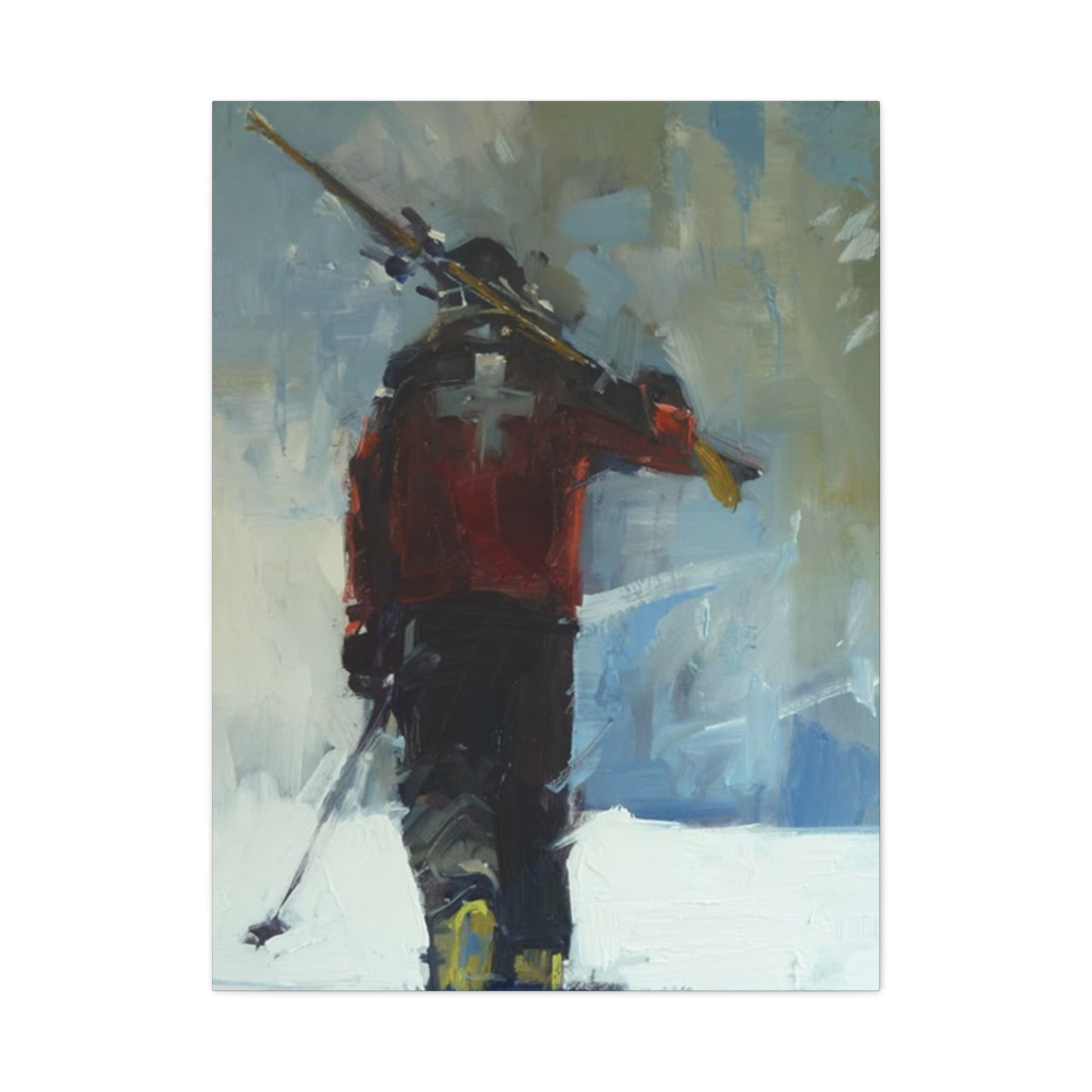
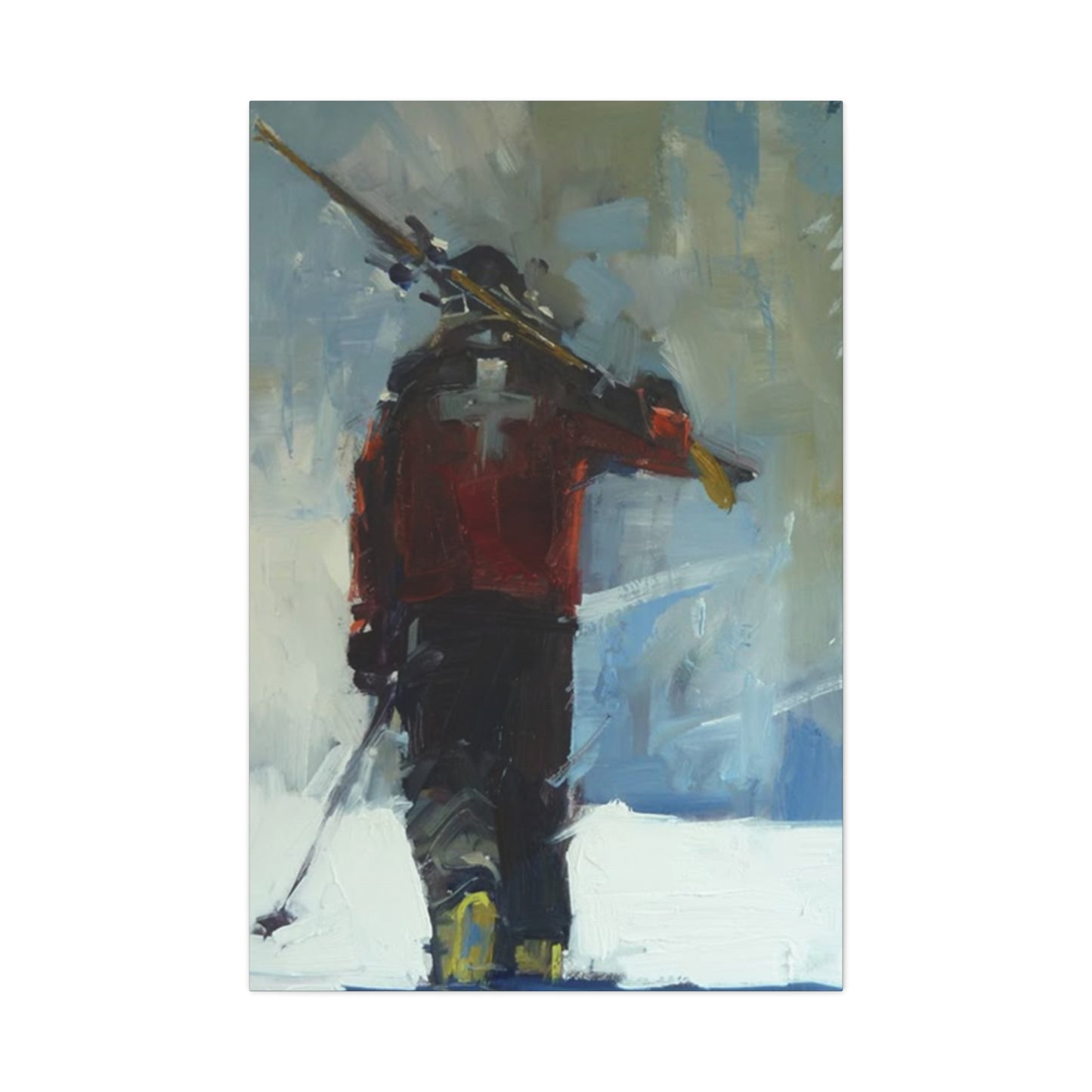
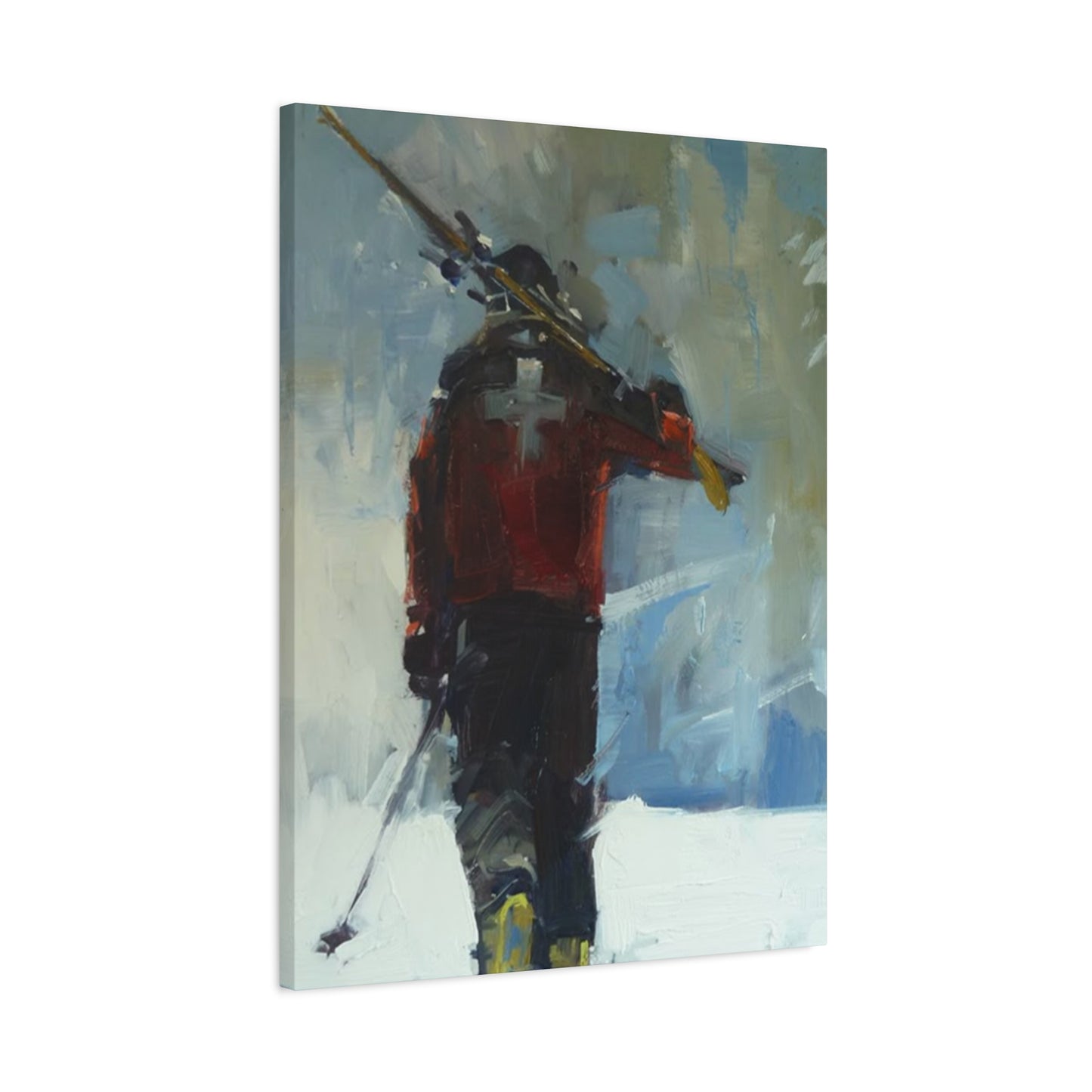
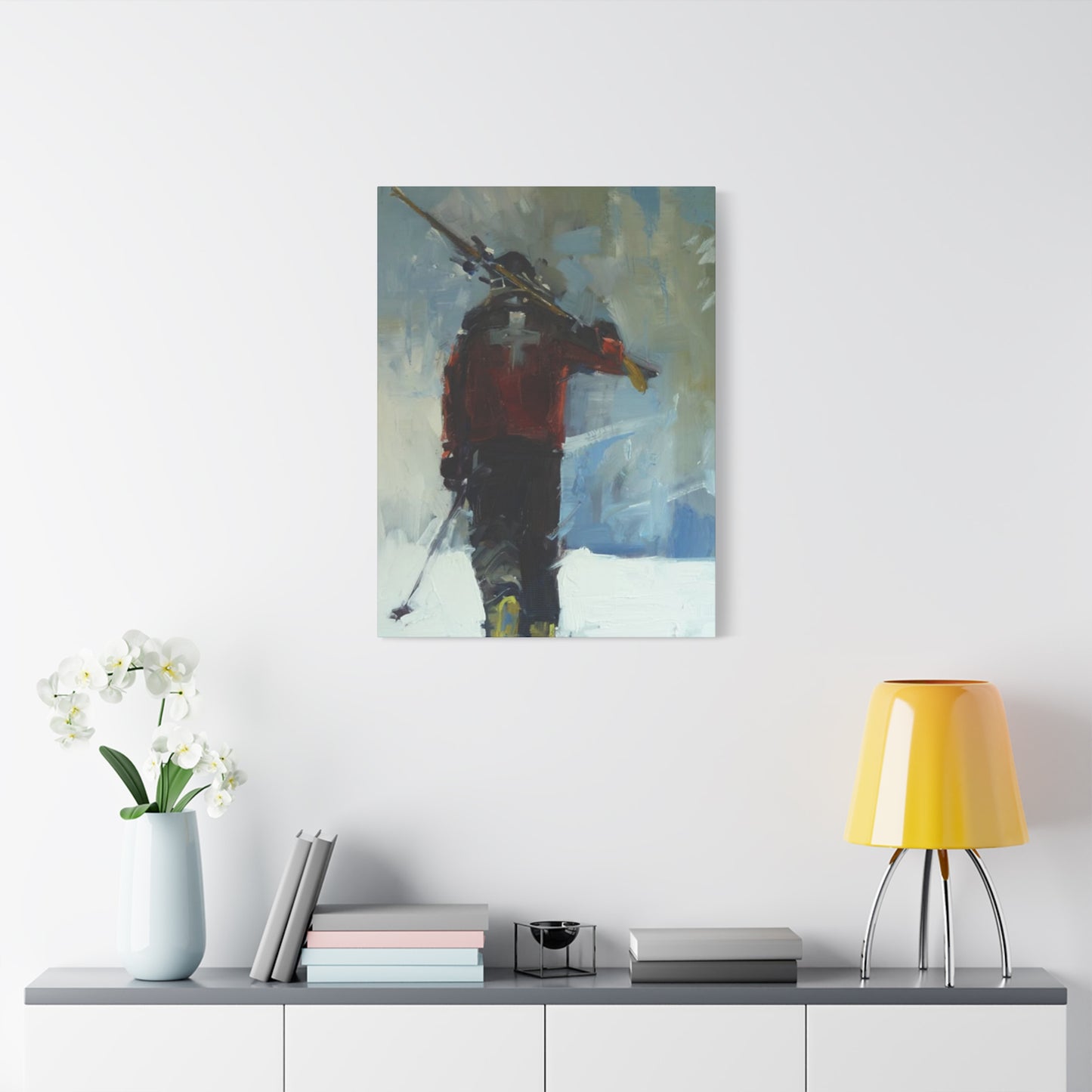
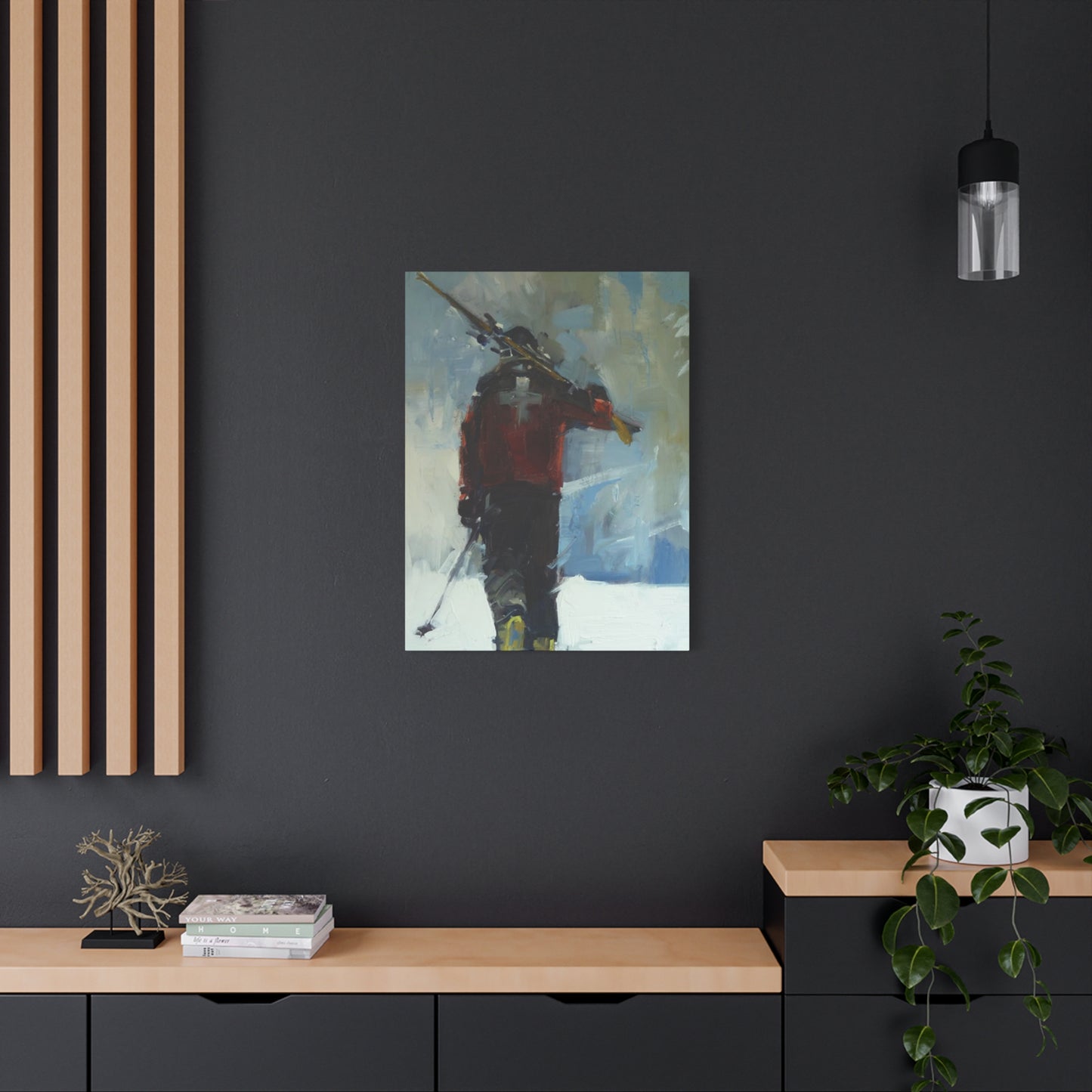
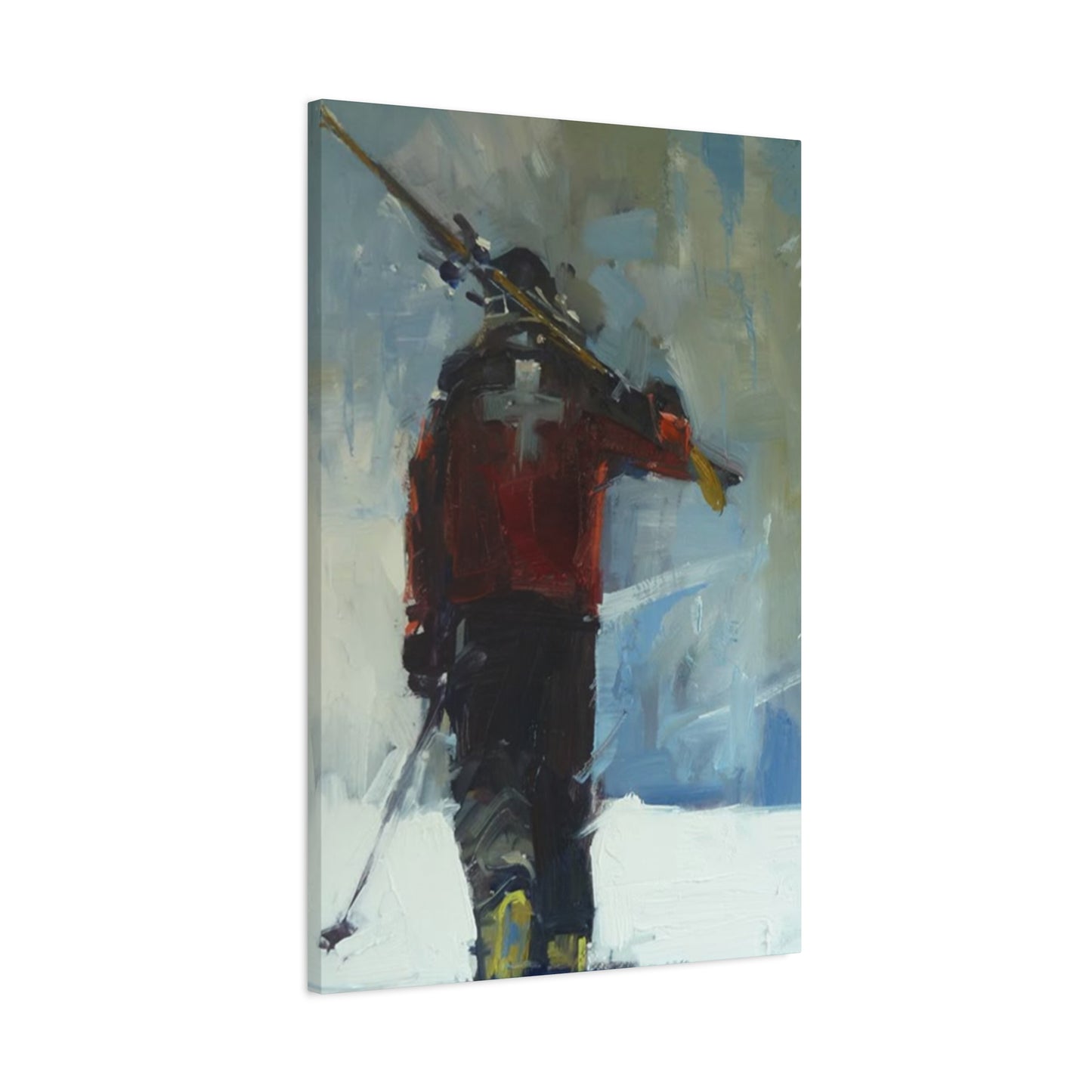
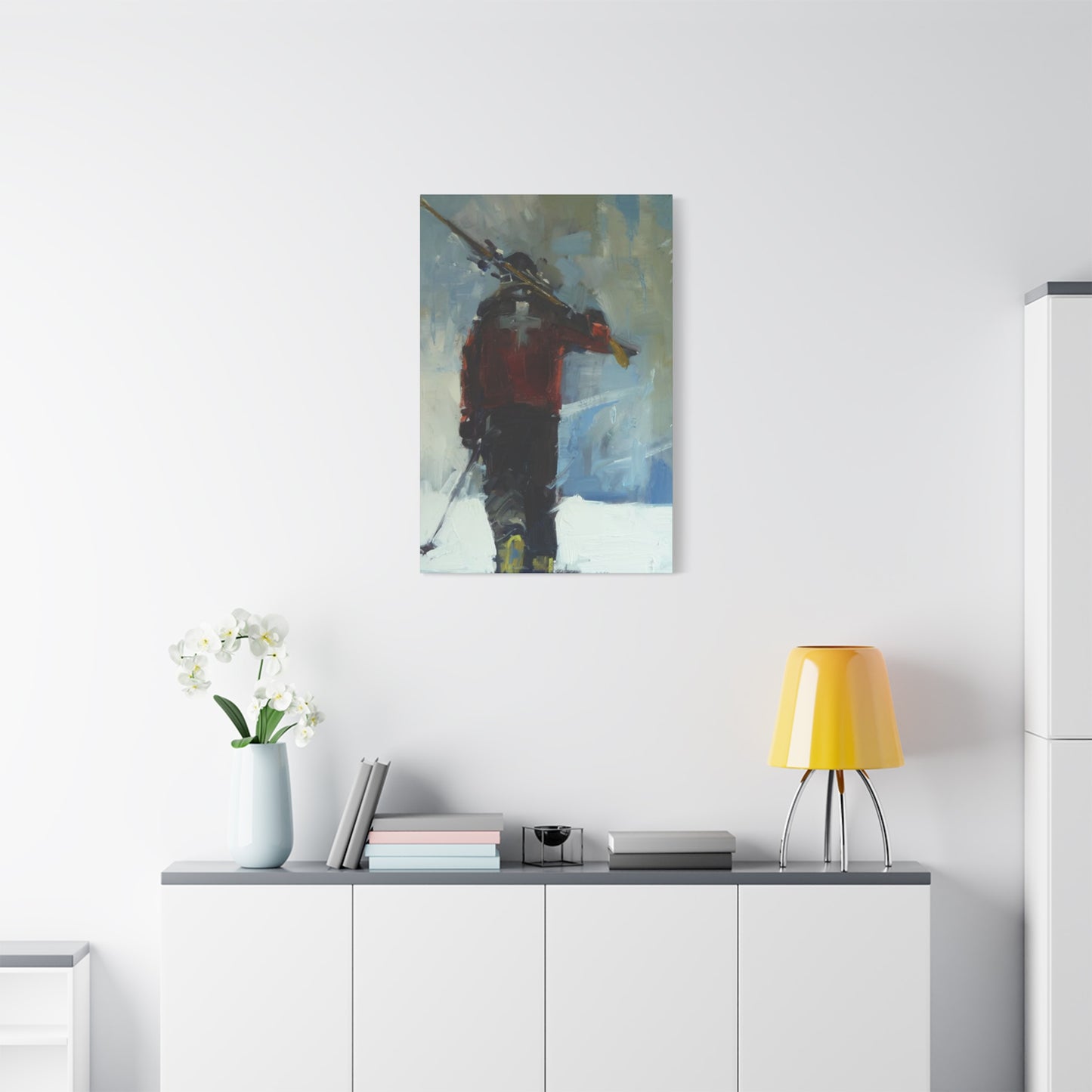
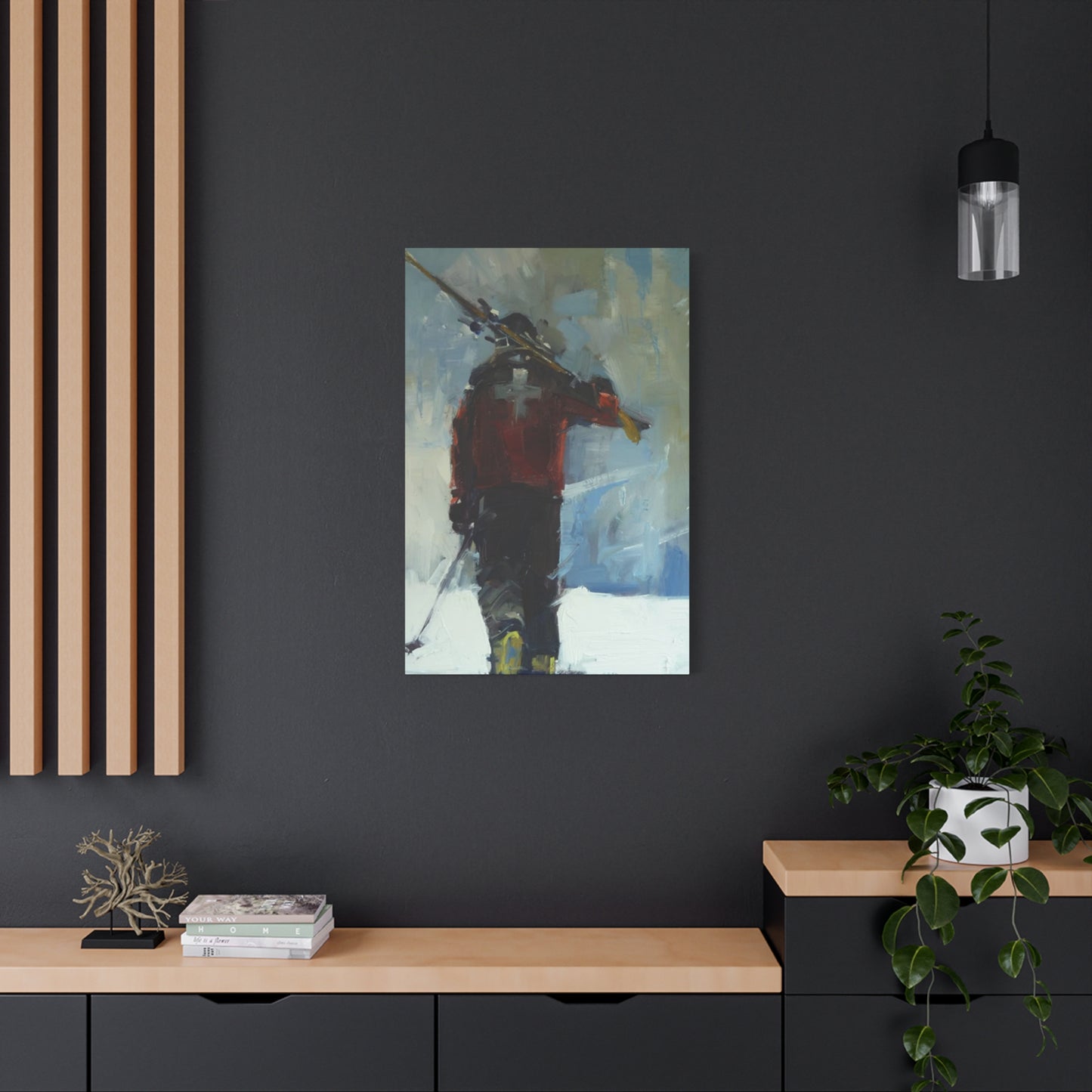
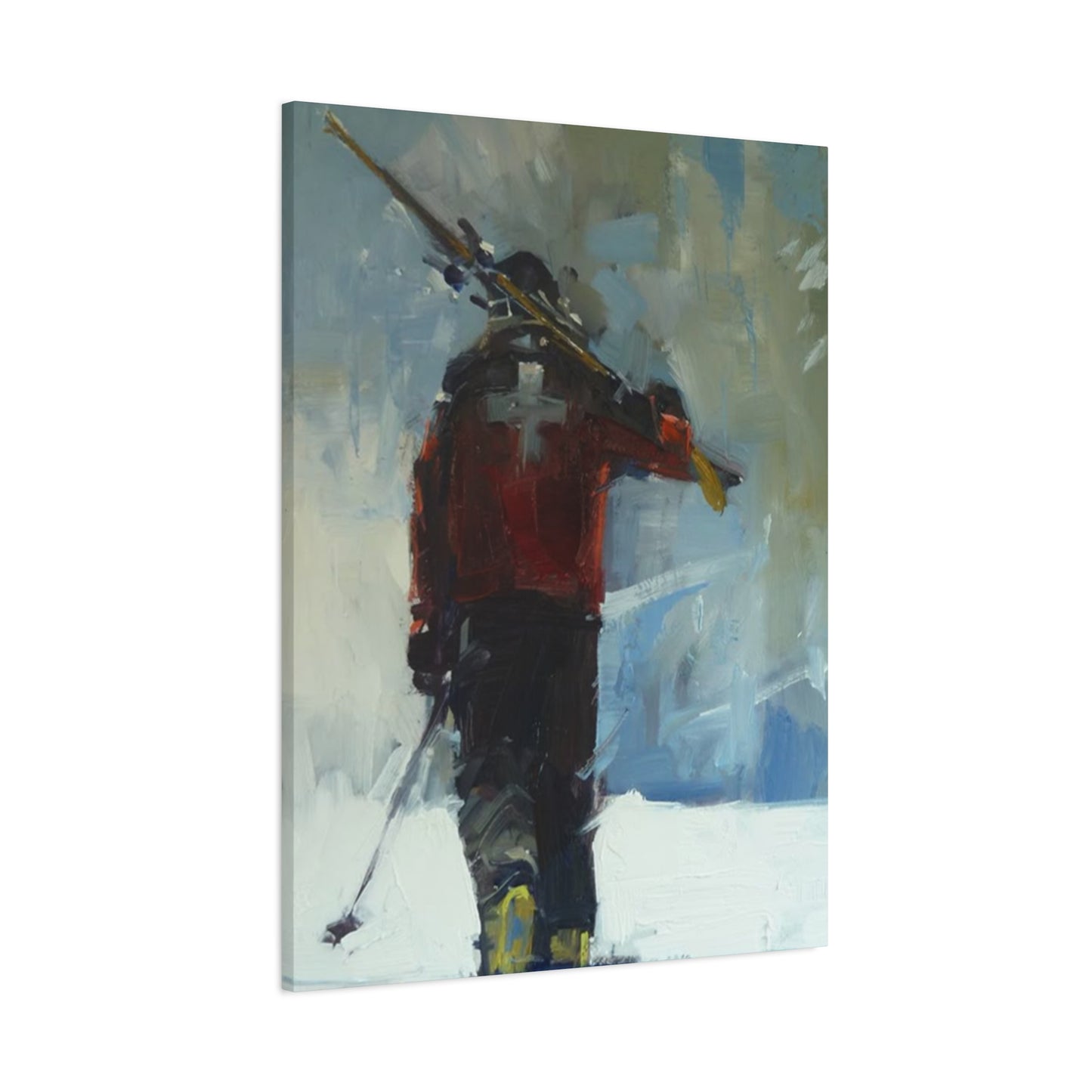
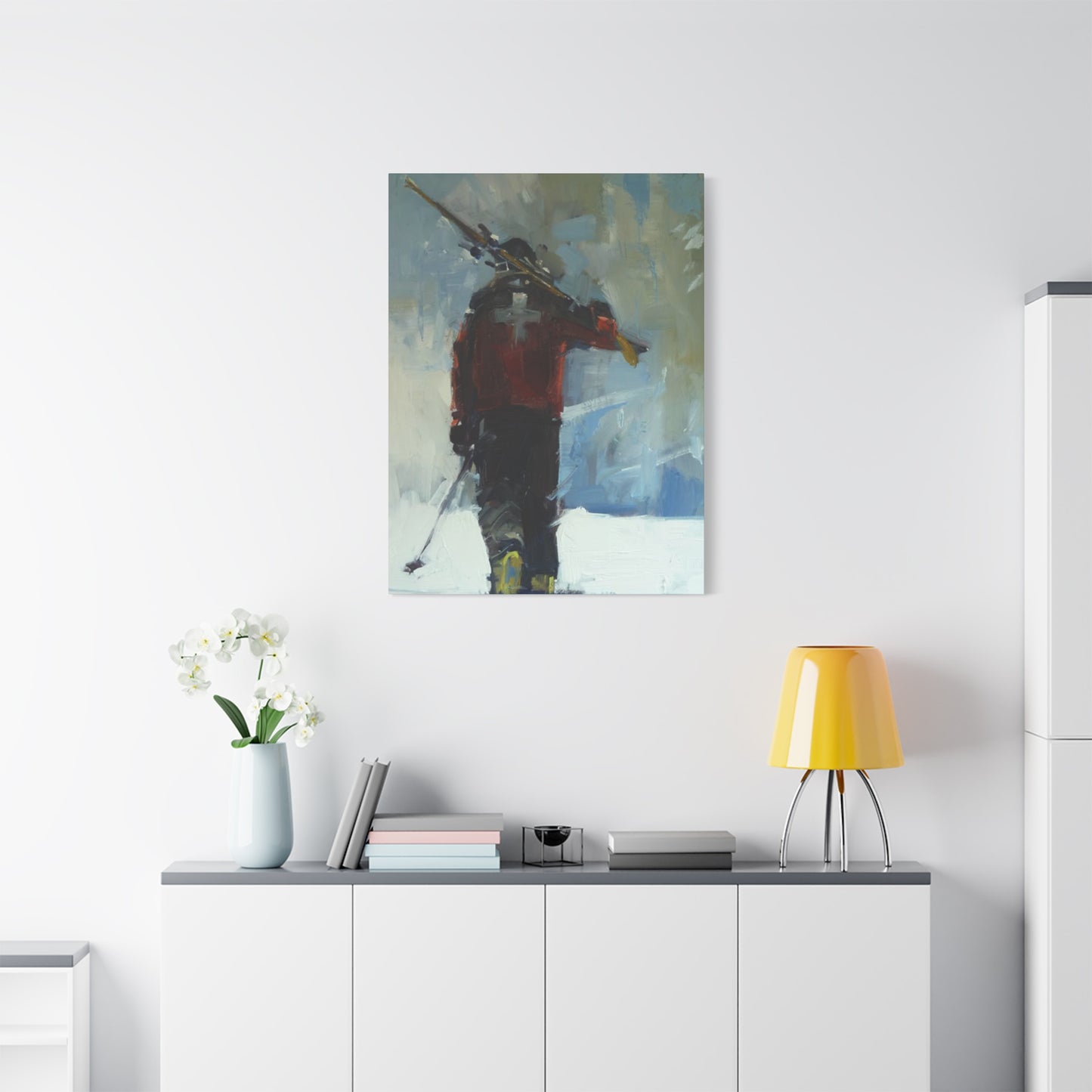
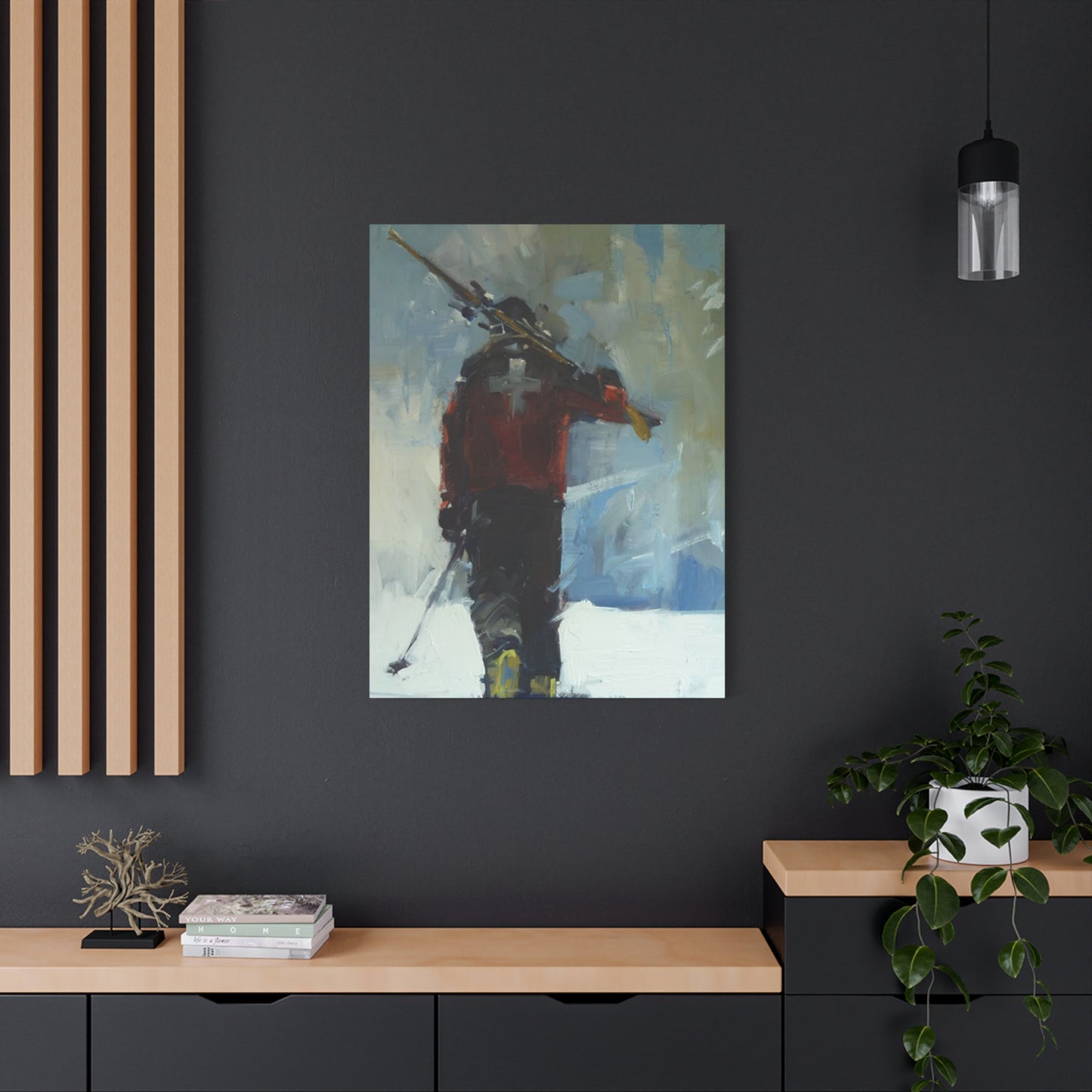
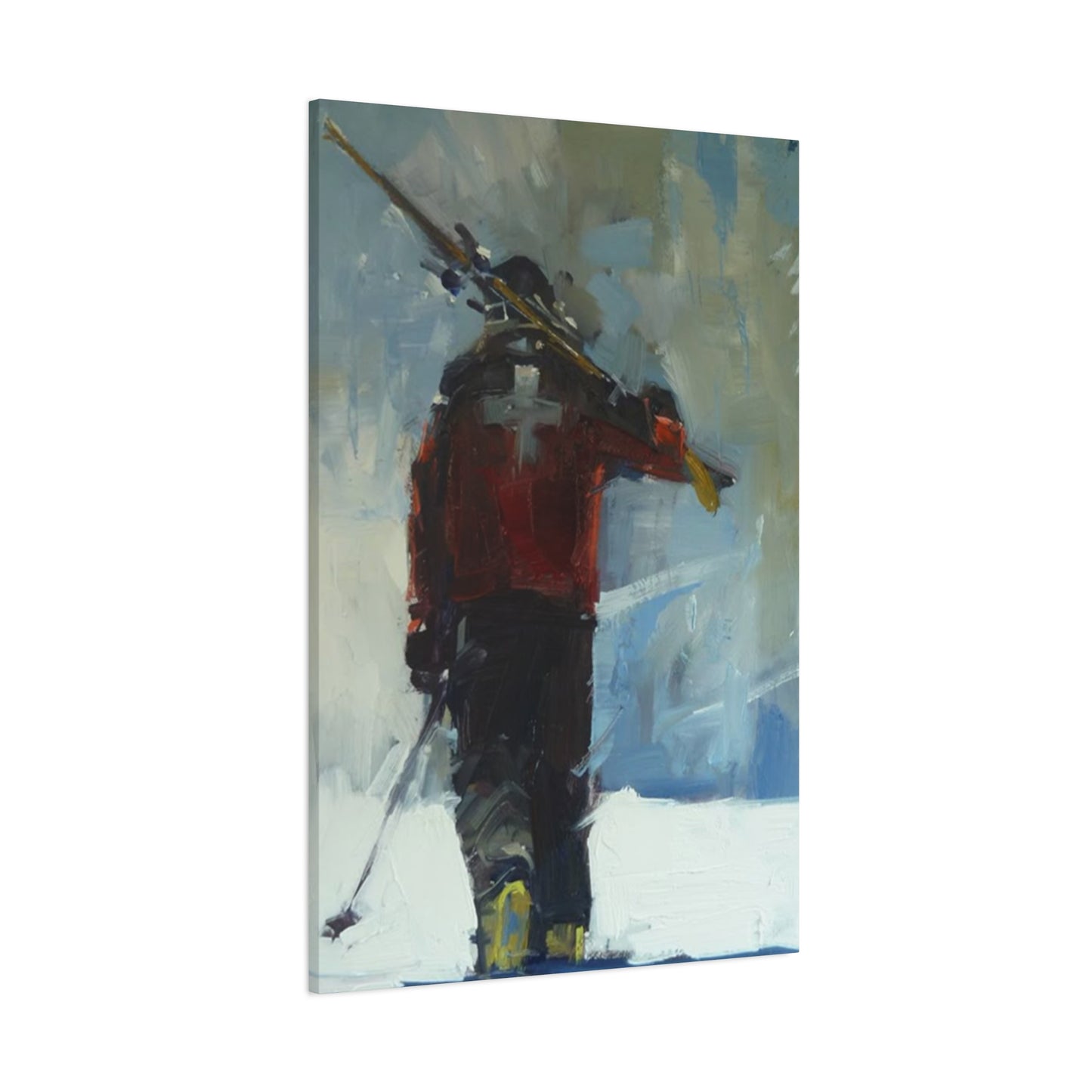
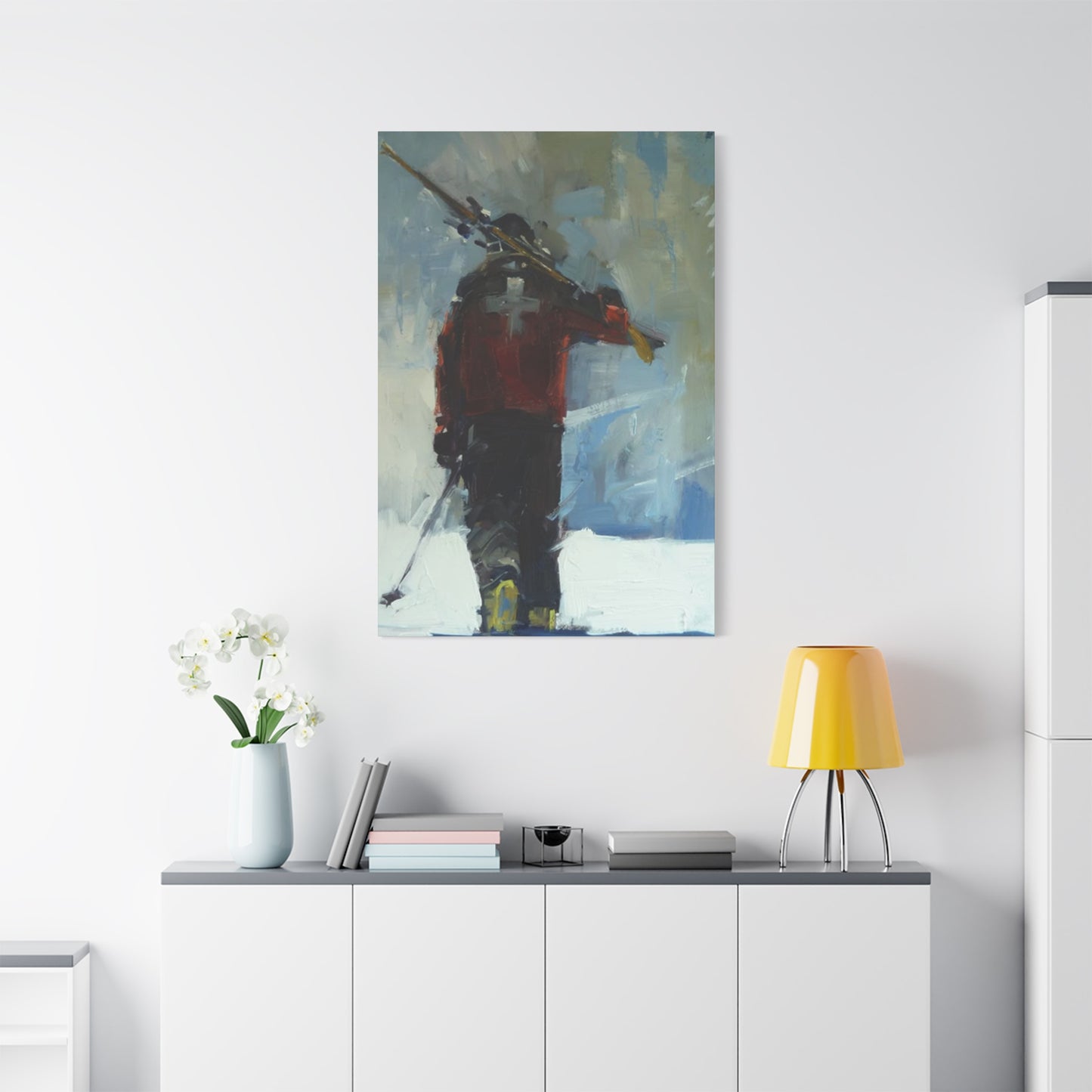
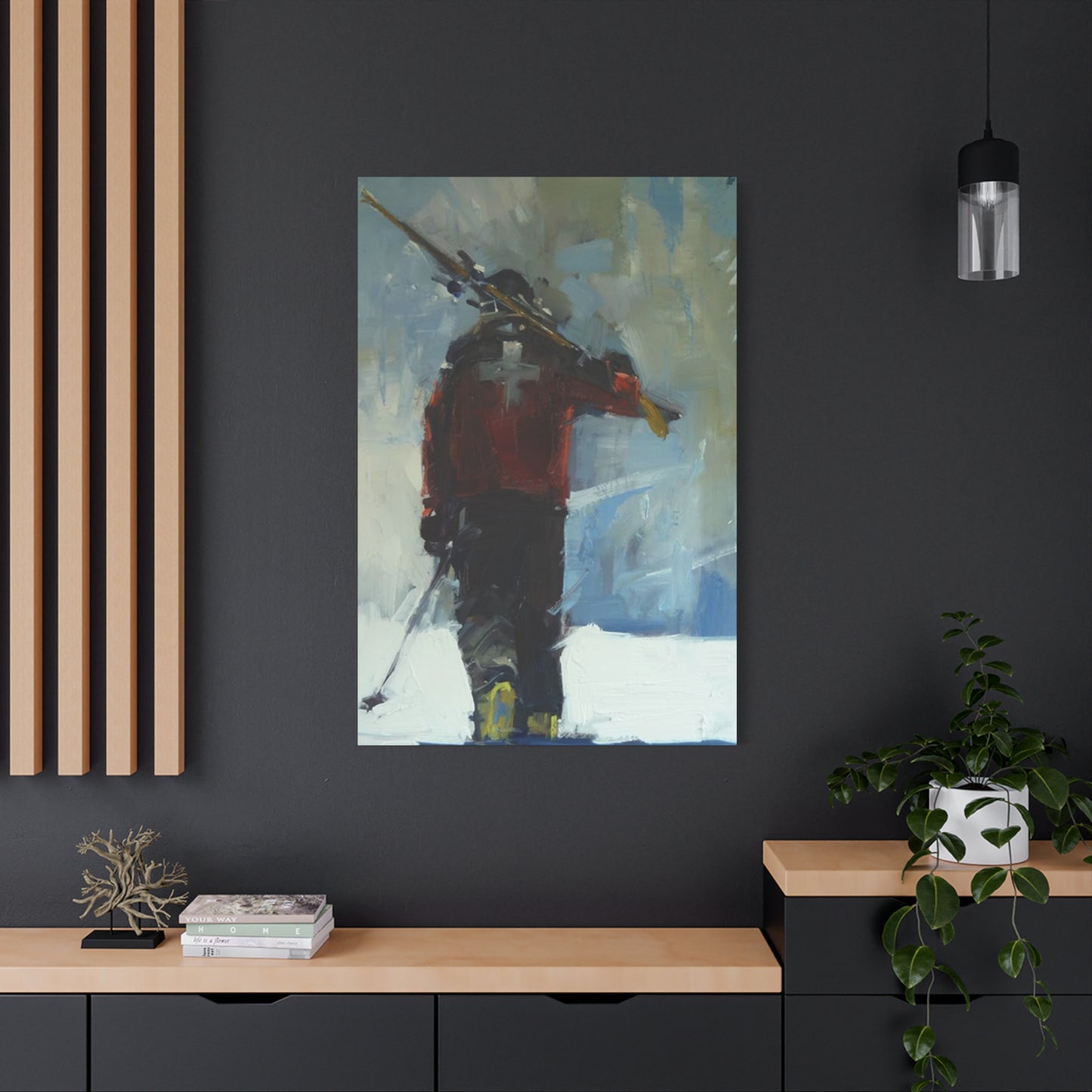
Choosing the Perfect Skiing Man with Skis Wall Art for Your Living Room or Cabin
The world of skiing wall art represents a fascinating intersection between athletic passion and interior design excellence. When you bring skiing-themed canvas prints into your living space, you're not merely hanging decorative pieces on walls. You're inviting the exhilarating spirit of mountain adventures, the pristine beauty of snow-covered peaks, and the dynamic energy of alpine sports directly into your everyday environment. These artistic representations capture moments of pure freedom, athletic prowess, and the breathtaking landscapes that make skiing one of the most visually stunning sports on earth.
Skiing wall art has evolved tremendously over the past few decades, transitioning from simple vintage posters to sophisticated canvas prints that showcase remarkable detail and artistic vision. Modern printing technologies have revolutionized how we can display our passion for winter sports, allowing for reproduction quality that rivals original paintings. The texture of canvas material adds depth and authenticity to these pieces, creating visual interest that flat paper prints simply cannot match. When light hits a properly mounted canvas print, the subtle variations in surface texture create dynamic shadows and highlights that bring the image to life in ways that change throughout the day as lighting conditions shift.
The emotional connection that skiing enthusiasts feel toward mountain environments runs deep, often stemming from childhood memories, family traditions, or transformative experiences on the slopes. Skiing wall art serves as a daily reminder of these powerful connections, functioning as visual anchors that transport viewers mentally to their favorite mountain destinations. Whether depicting a solitary skier carving through fresh powder, a dramatic mountain sunset over alpine peaks, or vintage ski resort imagery from bygone eras, these pieces resonate on multiple levels with those who understand the unique culture surrounding winter sports.
Canvas prints featuring skiing imagery work exceptionally well in various interior design contexts because they bring natural elements indoors while maintaining a sense of adventure and vitality. The color palettes commonly found in skiing artwork typically include crisp whites, deep blues, and warm sunset tones that complement a wide range of decorating schemes. These pieces can serve as statement focal points in minimalist spaces or integrate seamlessly into more eclectic environments filled with diverse decorative elements. The versatility of skiing wall art makes it suitable for homes, offices, ski lodges, fitness facilities, and any space where the spirit of mountain adventure feels appropriate and inspiring.
Choosing the Perfect Skiing Canvas Print for Your Space
Selecting skiing wall art that truly enhances your environment requires thoughtful consideration of multiple factors beyond simple visual appeal. The size of the canvas print must be proportional to the wall space available and the scale of surrounding furniture and architectural elements. A common mistake in art selection involves choosing pieces that are too small for their intended location, resulting in displays that feel insignificant or lost within the larger room context. Skiing canvas prints make bold statements when properly sized, commanding attention and establishing visual hierarchy within a space. A general guideline suggests that wall art should occupy roughly two-thirds to three-quarters of the width of the furniture piece below it, though this rule can be flexibly interpreted based on specific room characteristics and personal preferences.
Color coordination between skiing wall art and existing room elements creates visual harmony that makes spaces feel cohesive and intentionally designed. While exact color matching isn't necessary and can actually result in overly coordinated spaces that lack visual interest, identifying complementary or analogous color relationships between artwork and furnishings helps tie disparate elements together. Skiing imagery naturally incorporates blues and whites that evoke snow and sky, but many pieces also feature warm tones in sunrise or sunset scenes, earth tones in forested slopes, or vibrant accent colors in skiers' clothing. These varied color options make it relatively straightforward to find skiing wall art that works with existing color schemes while potentially introducing new accent colors that refresh a space.
The style and mood of skiing canvas prints vary dramatically, from vintage-inspired designs with nostalgic appeal to ultra-modern abstract interpretations of mountain sports. Traditional or classic interior design schemes often pair beautifully with vintage skiing posters or sepia-toned historical photography that reference skiing's elegant past. Contemporary minimalist spaces typically showcase best with clean, uncluttered skiing imagery that emphasizes strong composition and limited color palettes. Rustic or cabin-style environments can accommodate busier, more detailed skiing scenes that include landscape elements, wildlife, or multiple figures. Understanding the existing design language of your space helps narrow the vast selection of available skiing wall art to options that will feel authentic and appropriate rather than jarring or out of place.
Subject matter within skiing imagery deserves careful consideration as different scenes evoke distinct emotional responses and convey different aspects of skiing culture. Action shots of skiers mid-turn or launching off jumps communicate energy, athleticism, and excitement, making them excellent choices for motivation-focused spaces like home gyms or offices where dynamic energy feels appropriate. Peaceful mountain landscape scenes with solitary skiers or distant figures emphasize tranquility, solitude, and the meditative aspects of being in natural mountain environments. These contemplative pieces work beautifully in bedrooms, reading nooks, or other spaces designed for relaxation and reflection. Vintage ski resort imagery carries nostalgic charm and historical interest, appealing to those who appreciate skiing's cultural heritage and evolution as both sport and social phenomenon.
Understanding Canvas Print Quality and Construction Methods
The quality of skiing wall art depends heavily on the materials and production processes used in creating the finished canvas print. Not all canvas products are created equal, and understanding the distinctions between quality levels helps ensure you invest in artwork that will maintain its visual appeal for many years. Premium canvas prints begin with high-grade cotton or cotton-polyester blend fabrics that provide superior texture, durability, and color receptivity compared to purely synthetic materials. The weave density of canvas fabric affects both the tactile quality of the finished piece and how well it accepts and displays printed inks. Tighter weaves generally produce sharper image reproduction with finer detail, while more open weaves create a more pronounced textured appearance that emphasizes the handcrafted qualities of canvas artwork.
Printing technology significantly impacts the final quality of skiing canvas prints, with giclée printing representing the gold standard for fine art reproduction. This sophisticated printing method employs specialized archival-quality inks and high-resolution printers capable of reproducing subtle color gradations and fine details with exceptional accuracy. Giclée prints can accurately render millions of distinct colors, allowing for faithful reproduction of photographic skiing imagery or painted artwork with minimal color shift or loss of detail. The archival inks used in quality giclée printing resist fading from light exposure and environmental factors far better than standard inks, ensuring that your skiing wall art maintains its original vibrancy and visual impact for decades rather than years.
Canvas stretching and mounting techniques affect both the appearance and longevity of finished skiing wall art pieces. Quality canvas prints are stretched over solid wood frames constructed from kiln-dried lumber that resists warping and maintains dimensional stability across varying humidity levels. The stretching process must be executed with precise tension, tight enough to eliminate wrinkles and sagging but not so tight that it distorts the printed image or risks tearing the canvas fabric. Gallery wrap construction, where the printed image extends around the sides of the wooden frame, creates a finished appearance that eliminates the need for additional framing while giving the piece a substantial, three-dimensional presence on the wall. This mounting style has become increasingly popular for skiing canvas prints as it emphasizes the casual, approachable nature of canvas art while showcasing the full image without interruption from frame borders.
Protective coatings applied to finished canvas prints provide crucial defense against environmental damage, dust accumulation, and moisture exposure. Quality protective sprays or lamination create a barrier that makes canvas surfaces more resistant to accidental touches, minor moisture exposure, and atmospheric pollutants that can gradually degrade unprotected artwork. These protective treatments are particularly important for skiing wall art displayed in high-traffic areas, homes with children or pets, or environments like ski lodges where temperature and humidity fluctuations are common. When properly protected, canvas prints can be gently cleaned with slightly damp cloths, making maintenance straightforward and ensuring that your skiing artwork continues looking fresh and vibrant with minimal effort.
Exploring Different Styles of Skiing Wall Art
Photographic skiing wall art captures the authentic reality of mountain sports with stunning clarity and detail that illustrated artwork cannot match. Modern skiing photography ranges from carefully composed landscape shots that place tiny human figures against vast mountain backdrops to intimate close-ups that reveal the spray of powder snow and intense concentration on athletes' faces. Action photography requires exceptional technical skill, as photographers must anticipate fast-moving subjects while managing challenging lighting conditions inherent in snowy mountain environments. The best skiing photography balances technical excellence with artistic vision, creating images that function both as accurate documentation and compelling visual art. These photographic canvas prints appeal particularly to skiing purists who appreciate authentic representation and want artwork that genuinely captures what being on the mountain feels like.
Abstract and artistic interpretations of skiing themes offer creative alternatives to straightforward photographic representation, appealing to those who prefer suggestion over literal depiction. Artists working in abstract styles distill skiing experiences into essential visual elements like flowing lines suggesting movement, color fields evoking mountain atmospheres, or fragmented compositions that capture the dynamic, fragmented nature of rapid descent down mountain slopes. These abstract skiing pieces can coordinate easily with modern and contemporary interior design schemes where realistic imagery might feel incongruous. The interpretive nature of abstract skiing art also invites personal reflection and imagination, allowing viewers to project their own skiing memories and emotions onto artwork that provides a framework rather than dictating specific meaning.
Vintage and retro skiing posters represent a beloved category of skiing wall art that celebrates the sport's historical development and cultural evolution. Original vintage ski posters have become highly collectible, with rare examples commanding substantial prices at auction. Fortunately, high-quality reproductions make these historical designs accessible to anyone who appreciates their distinctive aesthetic and nostalgic charm. Vintage skiing imagery typically features bold, simplified graphics, limited color palettes, and stylized figures that reflect the design sensibilities of their era. These pieces work exceptionally well in spaces that embrace retro or eclectic decorating styles, and they appeal to skiing enthusiasts interested in the sport's cultural history and evolution from elite European pastime to mainstream recreational activity.
Illustrative and painted skiing artwork occupies middle ground between photographic realism and abstract interpretation, offering artistic flexibility while maintaining recognizable skiing subject matter. Watercolor skiing scenes can convey the ethereal beauty of misty mountain mornings or the soft light of alpine sunsets with atmospheric effects that photography cannot always capture. Bold, graphic illustration styles bring energy and dynamism to skiing imagery through exaggerated perspectives, saturated colors, and simplified forms that emphasize essential elements while eliminating distracting details. Oil painting reproductions or original works in traditional media carry prestige and artistic gravitas that appeals to collectors who value fine art credentials. The variety within illustrative skiing wall art means options exist for virtually any aesthetic preference or decorating context.
Creating Gallery Walls with Skiing Canvas Prints
Gallery wall arrangements offer opportunities to display multiple skiing canvas prints in cohesive compositions that create visual impact exceeding what individual pieces could achieve. Successful gallery walls balance several competing considerations including visual unity, individual piece visibility, spacing consistency, and overall compositional harmony. Planning gallery arrangements before putting any holes in walls prevents frustrating trial-and-error hanging sessions and ensures professional-looking results. Begin by laying out all pieces on the floor in various arrangements, photographing promising configurations for comparison and reference. Alternatively, trace each canvas onto paper and use painter's tape to position paper templates on the wall, allowing you to visualize arrangements without commitment.
Symmetrical gallery wall arrangements create orderly, formal compositions appropriate for traditional decorating schemes and spaces where calm, predictable visual rhythms feel desirable. These arrangements might feature identical skiing canvases in matching frames arranged in perfect grids, or pairs of complementary pieces positioned symmetrically around central focal points. Symmetry conveys intentionality and careful curation, suggesting that artwork has been thoughtfully selected and deliberately positioned. The formality of symmetrical arrangements can help ground eclectic spaces that include diverse furniture styles and decorative elements, providing visual structure that prevents rooms from feeling chaotic or disorganized.
Asymmetrical gallery walls embrace more organic, intuitive arrangements that feel contemporary and relaxed while still maintaining overall compositional balance. These arrangements might include skiing canvases of various sizes positioned to create interesting negative spaces and unexpected visual relationships. Asymmetrical compositions require careful attention to visual weight distribution, ensuring that larger or visually heavier pieces are balanced by appropriate counterweights elsewhere in the arrangement. The apparent spontaneity of asymmetrical gallery walls belies the careful planning required to make them successful, as poor execution results in compositions that feel accidentally haphazard rather than intentionally casual.
Thematic coherence helps unify diverse skiing canvas prints within gallery wall arrangements, creating conceptual connections that transcend mere visual similarity. You might group vintage skiing posters from various Alpine resorts to create historical surveys of mid-century winter tourism, or collect action photography from different skiing disciplines to showcase the sport's variety. Color-based groupings create unity through consistent palette relationships even when individual images depict unrelated subjects. Black and white skiing photography forms natural groupings that emphasize form, composition, and tonal relationships without the potential distraction of competing color schemes. Whatever unifying principle you choose, clearly defined conceptual frameworks make gallery walls feel intentional and curated rather than arbitrary collections of disparate images.
Incorporating Skiing Wall Art into Various Interior Design Styles
Modern minimalist interiors require skiing wall art that respects the "less is more" philosophy central to this aesthetic approach. Clean, uncluttered skiing imagery with strong compositional elements and limited color palettes works best in minimalist contexts. A single large-scale canvas featuring a solitary skier against an expansive snow field exemplifies the restraint and spatial awareness that minimalism celebrates. Avoid busy, detailed skiing scenes with multiple subjects, complex backgrounds, or numerous colors that would conflict with minimalist principles. The framing and presentation of skiing wall art in minimalist spaces should maintain the same disciplined simplicity, with gallery wrap canvases or extremely simple frames in neutral tones ensuring that presentation methods don't compete with the artwork itself.
Rustic and cabin-style interiors naturally accommodate skiing wall art, as both celebrate mountain environments and outdoor recreational activities. These spaces can embrace busier, more detailed skiing imagery that might overwhelm more refined decorating schemes. Vintage skiing equipment, mountain landscape photography, and action shots depicting rugged backcountry skiing all feel authentically at home in rustic environments filled with natural wood, stone, and leather. The casual, unpretentious nature of cabin-style spaces means skiing wall art can be displayed with less concern for perfect placement or sophisticated framing, embracing instead a collected-over-time aesthetic that suggests genuine passion rather than calculated design.
Contemporary interiors balanced between sleek modernism and livable warmth provide excellent contexts for diverse skiing wall art options. These spaces can accommodate both photographic realism and artistic interpretation, traditional subjects and innovative treatments. The key to successfully incorporating skiing canvas prints into contemporary settings involves maintaining awareness of overall visual balance and ensuring that artwork selections reinforce rather than contradict the space's established aesthetic character. Contemporary rooms with predominantly neutral color schemes benefit from skiing artwork that introduces controlled color accents, while more colorful contemporary spaces might feature skiing imagery in blacks, whites, and grays that provide visual respite and tonal variety.
Traditional and transitional decorating styles characterized by classic furniture silhouettes, symmetrical arrangements, and refined finishes require careful skiing wall art selection to maintain stylistic consistency. Vintage skiing posters with their elegant graphics and historical pedigree fit naturally into traditional contexts, as do landscape-oriented skiing photographs that emphasize natural beauty over athletic action. Framing becomes particularly important in traditional spaces, where gallery wrap canvases might feel too casual. Consider instead having skiing canvas prints mounted in substantial wood frames with classic profiles and finish colors that coordinate with existing furniture and millwork. The formality of traditional interiors suggests more careful, symmetrical artwork placement compared to the relaxed arrangements appropriate for casual spaces.
Skiing Wall Art for Different Room Applications
Living rooms serve as natural showcases for skiing wall art, as these central gathering spaces accommodate larger-scale pieces and receive maximum visibility from household members and guests. A substantial skiing canvas print above the sofa creates an immediate focal point that establishes room character and provides conversational interest. The living room context allows for more ambitious artistic statements than might be appropriate in private spaces, making it ideal for dramatic action photography, bold abstract interpretations, or museum-quality reproductions of significant skiing artwork. Consider the viewing distance in living rooms when selecting image complexity and scale, ensuring that artwork remains visually engaging from typical seating positions while also rewarding closer examination.
Bedroom skiing wall art should promote relaxation and positive emotional states conducive to restful sleep, suggesting more peaceful, contemplative imagery rather than adrenaline-pumping action shots. Mountain landscape photography featuring serene winter scenes, distant skiers in vast snowfields, or sunset alpine vistas works beautifully in bedroom contexts. The personal nature of bedrooms allows for more individualized artistic choices reflecting specific ski memories, favorite destinations, or aspirational locations. Positioning skiing canvas prints where they're visible from the bed creates opportunities for positive visualization and mental preparation for future skiing adventures, though avoid placing artwork on walls that would require uncomfortable viewing angles from lying positions.
Home offices benefit from skiing wall art that provides visual interest during video calls while reinforcing personal identity and interests in professional contexts. Background artwork visible during video conferences should be professional in character, avoiding potentially controversial content while still expressing personality. Skiing imagery generally reads as active, outdoorsy, and achievement-oriented, qualities that translate well in professional settings. Consider whether your skiing wall art will regularly appear in video backgrounds and select pieces accordingly, ensuring artwork enhances rather than distracts from your professional presence. The motivational qualities of skiing imagery featuring challenges being overcome or goals being achieved make such pieces particularly appropriate for work environments.
Fitness and recreation rooms naturally pair with skiing wall art, as both celebrate athletic pursuits and active lifestyles. Dynamic action photography featuring skiers in mid-turn, launching off jumps, or carving through powder reinforces motivation during workouts and maintains mental focus on fitness goals. These spaces can accommodate edgier, more aggressive skiing imagery than might suit other rooms, embracing the intensity and physicality of serious athletic training. Multiple smaller skiing canvases arranged gallery-style creates visual interest across large walls typical in basement or garage conversion fitness spaces, while also allowing for future expansion as collections grow.
Customization Options for Personalized Skiing Wall Art
Custom skiing canvas prints allow you to transform personal skiing photographs into professional-quality wall art that holds unique meaning and emotional significance. Services specializing in custom canvas printing can convert digital images from your own skiing adventures into gallery-worthy displays celebrating your favorite runs, most memorable trips, or proudest athletic achievements. The quality of custom canvas prints depends heavily on source image resolution, with higher megapixel counts supporting larger print sizes without visible pixelation. As a general guideline, images intended for significant enlargement should be captured at maximum camera resolution and minimal digital zoom, as blown-up low-resolution images or heavily cropped photos often display poorly when enlarged.
Photo selection for custom skiing wall art requires consideration of composition, lighting, and emotional impact beyond simply choosing favorite skiing memories. Images with strong compositional elements including clear focal points, leading lines, and balanced visual weight translate better to wall art than cluttered scenes lacking clear subjects. Lighting quality dramatically affects how images appear when printed and displayed, with well-exposed photographs featuring good contrast and color saturation producing far superior results than underexposed or washed-out images. While photo editing software can correct some exposure and color issues, starting with well-captured source material yields the best final results. Consider having multiple candidate images professionally evaluated before committing to custom printing, as experienced print technicians can identify potential issues and recommend which images will produce the most satisfying canvas prints.
Text customization adds personalization that transforms skiing canvas prints into commemorative pieces celebrating specific achievements or memories. Adding destination names, dates, elevation statistics, or personal messages converts generic skiing imagery into documented milestones that tell specific stories. Text should be sized and positioned to enhance rather than dominate images, complementing visual content without overwhelming it. Font selection matters significantly, with clean, readable typefaces generally working better for skiing wall art than overly decorative or trendy fonts that may not age well visually. Color choices for text elements should provide adequate contrast for readability while coordinating with overall image color schemes.
Collage-style custom skiing canvas prints combine multiple images into single compositions that document entire trips, compare skiing across different locations or time periods, or showcase family members' parallel skiing journeys. These multi-image designs require careful attention to layout, sizing, and spacing to prevent compositions from feeling cluttered or disorganized. Consistent editing treatments across included images help unify diverse photographs into coherent presentations, whether through shared black-and-white conversion, uniform color grading, or consistent framing approaches. Collage designs work particularly well for commemorating milestone events like annual family ski trips, sabbatical skiing journeys, or progression documentation showing skill development over time.
Budgeting for Quality Skiing Wall Art
Skiing canvas print pricing varies dramatically based on size, production quality, printing technology, and source, requiring careful evaluation to ensure you receive value appropriate to expenditure. Budget-friendly options exist through mass-market retailers and online print services offering machine-produced prints using standard inks and materials, with prices often starting below fifty dollars for smaller pieces. These economical options suit temporary displays, rental properties, or situations where artwork may be subject to damage or frequent replacement. However, lowest-price prints typically sacrifice quality in material selection, printing technology, and construction methods, potentially resulting in disappointing visual appearance and abbreviated lifespan.
Mid-range skiing canvas prints representing the sweet spot for most purchasers balance quality and affordability through selective upgrades in critical areas. Prints in this category typically employ better canvas materials, archival-quality inks with improved fade resistance, and more careful attention to color accuracy and detail reproduction. Stretching and mounting quality improves at mid-range price points, with solid wood frames replacing cheaper alternatives and more precise construction preventing common issues like corner warping or canvas sagging. Spending in the mid-range typically yields skiing wall art that maintains visual appeal for years or decades with proper care, justifying the incremental cost increase over budget options.
Premium and fine art skiing canvas prints represent significant investments but deliver exceptional quality through superior materials, advanced printing technologies, and often include artist or photographer involvement ensuring faithful reproduction of original works. These high-end pieces employ archival materials throughout, from premium canvas fabrics through museum-quality inks to conservation-grade protective coatings. Limited edition prints with artist signatures or certificates of authenticity carry additional value for collectors beyond pure aesthetic appeal. While premium skiing wall art requires substantial financial commitment, these pieces function as legitimate art investments that maintain or potentially increase value over time, particularly for works by recognized photographers or artists.
Cost-saving strategies allow budget-conscious buyers to acquire quality skiing wall art without compromising on essentials. Purchasing during promotional periods when retailers offer percentage discounts or free shipping can significantly reduce effective prices without sacrificing quality. Buying directly from photographers or artists eliminates middleman markups, often providing better prices while ensuring creators receive fair compensation. Starting collections with smaller pieces or single statement works rather than attempting immediate large-scale displays allows for quality investment within constrained budgets, with collections expanding over time as resources permit. Prioritizing quality for most visible or important pieces while accepting more economical options for secondary spaces represents another balanced approach that maximizes visual impact within realistic financial constraints.
The Role of Skiing Wall Art in Creating Themed Spaces
Dedicated ski-themed rooms or spaces within homes allow skiing enthusiasts to fully embrace their passion through comprehensive decorating schemes where skiing wall art plays a central coordinating role. These themed environments might include home bars styled as ski lodge lounges, basement recreation rooms celebrating mountain culture, or mudrooms designed as gear storage and preparation areas with appropriate atmospheric decoration. Skiing canvas prints in themed spaces can be more numerous and boldly displayed than might be appropriate in general living areas, creating immersive environments that transport occupants mentally to mountain destinations. The concentration of skiing imagery, equipment displays, vintage gear, and related memorabilia creates spaces that feel like personal shrines to mountain sports, providing retreat areas where passion and identity can be fully expressed.
Color scheme development for ski-themed spaces often draws directly from mountain environment palettes represented in skiing wall art. Cool blues and whites echo snow and sky, creating crisp, clean atmospheres reminiscent of winter mountain days. Deep forest greens reference alpine vegetation, adding natural warmth that prevents spaces from feeling too cold or sterile. Rich wood tones in flooring, furniture, and architectural elements connect to ski lodge aesthetics while providing visual warmth that balances cooler accent colors. Skiing canvas prints featuring sunset or sunrise mountain scenes introduce warm oranges, pinks, and golds that can be echoed in accent pillows, throws, or decorative accessories, adding cozy elements that make themed spaces feel inviting rather than museum-like.
Authentic vintage skiing equipment displayed alongside skiing wall art enhances themed space authenticity and provides three-dimensional interest that purely two-dimensional artwork cannot achieve. Antique wooden skis, vintage ski poles, leather boots, and historical bindings mounted on walls create sculptural elements that complement canvas prints while adding textural variety. These equipment displays provide conversational interest and historical context, documenting skiing's technological evolution from simple wooden planks to sophisticated modern gear. The combination of vintage equipment and period-appropriate skiing posters or photography creates cohesive historical narratives within themed spaces, educating viewers about skiing's development while celebrating its cultural heritage.
Lighting design in ski-themed spaces should showcase skiing wall art effectively while creating overall ambiance appropriate to the space's function. Track lighting or picture lights directed specifically at canvas prints ensure artwork receives adequate illumination for full visual impact even when ambient lighting is dimmed for atmosphere. Adjustable lighting allows for versatility, supporting both bright illumination for active socializing and subdued lighting for relaxed conversation or media viewing. Incorporating natural materials like wood and stone into themed spaces creates textural richness that prevents spaces from feeling flat or one-dimensional, while these natural elements also reference the mountain environments depicted in skiing canvas prints.
Exploring Regional Skiing Art Styles and Traditions
European alpine skiing art carries distinctive characteristics reflecting centuries of mountain culture and the sport's origins in Alpine regions. Early skiing imagery from Switzerland, Austria, France, and Italy emphasizes the glamour and sophistication associated with exclusive mountain resorts frequented by international elite. Art Nouveau and Art Deco influences dominate vintage European skiing posters, featuring elegant figures in fashionable clothing against stylized mountain backdrops. These historic European pieces communicate skiing as aspirational lifestyle and cultural phenomenon rather than merely athletic pursuit. Contemporary European skiing photography often emphasizes aesthetic beauty and technical perfection, with carefully composed images that balance action with artistic sensibility.
North American skiing art reflects the continent's distinct skiing culture, which emphasizes accessibility, adventure, and the pioneering spirit of developing new skiing territories. Western American skiing imagery frequently incorporates dramatic Rocky Mountain landscapes, celebrating vast wilderness and the frontier mentality of skiing in remote backcountry areas. Eastern skiing art often references the sport's historical development in regions like New England and the cultural institutions surrounding established resorts. Canadian skiing imagery showcases the country's exceptional terrain diversity, from coastal British Columbia mountains to prairie-adjacent hills to eastern Laurentian highlands. The democratic nature of North American skiing culture appears in artwork celebrating diverse participants and emphasizing participation over exclusivity.
Scandinavian skiing traditions produce distinctive artistic approaches rooted in utilitarian skiing heritage predating recreational sport development. Nordic skiing imagery emphasizes cross-country travel through forested landscapes, solitary figures moving through pristine wilderness, and the meditative, endurance-focused aspects of skiing as transportation and survival skill rather than leisure activity. The minimalist aesthetic sensibilities characteristic of Scandinavian design influence regional skiing art, favoring clean compositions, limited color palettes, and emphasis on negative space and natural light. This restrained approach contrasts with the more dramatic, action-focused skiing imagery common in Alpine regions or Western North America, offering alternative visual languages for expressing skiing experiences.
Asian skiing art represents emerging traditions as winter sports gain prominence in countries like Japan, South Korea, and China. Japanese skiing imagery often incorporates artistic traditions from woodblock printing, calligraphy, and nature-focused aesthetics, creating distinctive fusion styles that blend skiing subjects with cultural visual languages. The exceptional snow quality and unique mountain topography of Japanese skiing destinations inspire photography emphasizing powder skiing in forested terrain quite different from the alpine bowls and wide-open spaces featured in Western skiing imagery. As skiing continues expanding globally, regional artistic interpretations diversify the visual vocabulary of skiing wall art, offering fresh perspectives beyond traditional European and North American approaches.
Skiing Wall Art in Commercial and Public Spaces
Ski resort lodges, restaurants, and commercial spaces naturally incorporate skiing wall art to reinforce brand identity and create atmospheres aligned with mountain sports culture. Large-scale canvas prints in resort common areas celebrate the local mountain environment, showcase historical resort development, or feature action photography that excites guests about terrain possibilities. Commercial skiing artwork often emphasizes brand-specific imagery including recognizable local landmarks, signature runs, or resort-affiliated athletes and events. The scale of commercial skiing wall art typically exceeds residential applications, with massive prints spanning entire walls creating immersive visual experiences that reinforce sense of place and connection to specific mountain destinations.
Retail environments selling skiing equipment, apparel, or mountain lifestyle products employ skiing canvas prints to establish credibility and create experiential shopping environments. Well-chosen skiing artwork communicates expertise, passion, and authentic connection to skiing culture, building customer trust and differentiation from generic sporting goods retailers. Rotating seasonal artwork keeps commercial spaces feeling fresh and responsive to current conditions, with action photography from recent powder days or local events creating timely relevance. The investment in quality skiing wall art signals commitment to mountain culture beyond mere commercial opportunism, resonating with customers who value authenticity and shared passion.
Corporate offices can incorporate skiing wall art to communicate company values or interests in ways that distinguish workplace environments from generic corporate spaces. Technology companies, outdoor industry businesses, and organizations with mountain region presence might display skiing canvas prints that reference local culture, celebrate outdoor recreation, or communicate organizational values around challenge, achievement, and natural environment connection. In corporate contexts, skiing artwork should maintain professional appearance while expressing personality, typically favoring landscape-oriented pieces or artistic interpretations over extreme action shots that might feel too casual for business settings. The presence of distinctive, thoughtfully selected artwork in offices contributes to positive workplace culture and helps attract and retain employees who share relevant interests and values.
Combining Skiing Art with Other Mountain Activity Imagery
Multi-sport mountain activity displays broaden appeal beyond skiing-specific audiences by celebrating diverse ways people engage with mountain environments. Combining skiing canvas prints with artwork depicting hiking, climbing, mountain biking, or trail running creates comprehensive mountain lifestyle representations appealing to outdoor enthusiasts with varied interests. These mixed-activity displays prevent spaces from feeling too narrowly focused while acknowledging that many skiing enthusiasts pursue multiple mountain sports across seasons. Visual consistency in style, color treatment, or framing helps unify diverse subject matter into cohesive collections, ensuring that varied activities read as related themes rather than random assortment.
Seasonal progression displays document how mountain environments and recreational opportunities transform throughout the year, with skiing imagery representing winter alongside spring wildflower hikes, summer peak ascents, and autumn foliage tours. These four-season displays celebrate the year-round appeal of mountain regions while preventing any single activity from dominating. Photography from identical or similar vantage points across different seasons creates particularly effective seasonal progressions, allowing viewers to track familiar landscapes through transformation cycles. The visual variety in seasonal displays prevents viewer fatigue while the conceptual unity of repeated locations or related perspectives maintains compositional coherence.
Family multi-generational displays might combine skiing wall art depicting parents or grandparents with images of younger family members pursuing different mountain activities, visually documenting family tradition evolution while honoring changing interests and abilities. These personalized displays carry deep emotional resonance, celebrating family bonds through shared mountain experiences while respecting individual paths and preferences. Custom canvas prints featuring family photographs transformed into professional-quality wall art work particularly well for these personal displays, though privacy considerations might suggest limiting such intimate family imagery to private spaces rather than areas visible to casual guests.
Destination-focused displays center on specific mountain locations rather than particular activities, incorporating skiing along with other imagery from beloved regions. A display honoring Colorado's San Juan Mountains might include skiing photography alongside wildflower meadows, autumn aspen groves, mining heritage sites, and summit vistas, creating comprehensive location portraits. These place-based collections appeal to those with strong attachments to particular regions, whether through residence, regular visitation, or aspirational interest. Destination displays can incorporate maps, topographic prints, or geographic text elements that provide context and enhance the educational aspects of artwork collections.
Building Skiing Art Collections Over Time
Beginning skiing art collections with clear criteria for inclusion helps maintain coherence as collections grow, preventing random accumulation of unrelated pieces. Your selection criteria might emphasize particular geographic regions, specific artistic styles, certain color palettes, or thematic focuses like vintage resort posters or extreme backcountry skiing. Establishing these parameters doesn't mean rigid adherence that prevents acquiring pieces falling outside defined boundaries, but rather provides decision-making frameworks that promote intentional curation rather than impulsive purchasing. Collections built around clear concepts typically display more powerfully than random assortments, as conceptual relationships between pieces create viewing experiences exceeding the sum of individual artworks.
Gradual collection development allows for quality prioritization and prevents hasty decisions driven by time pressure or artificial urgency. Beginning with a single statement piece for the most prominent location in your home establishes the collection's character and provides a reference point for evaluating potential additions. Subsequent acquisitions can relate to the foundational piece through complementary colors, similar styles, or thematic connections, building collections where new additions feel cohesive with existing works. Patient collecting often yields superior results compared to rapidly assembling complete displays, as time allows for discovering exactly right pieces rather than settling for adequate placeholders.
Documentation of growing skiing art collections enhances enjoyment and provides practical benefits for insurance, resale, or estate planning purposes. Maintain records including purchase dates, sellers, prices paid, artist or photographer information, edition sizes for limited prints, and any certificates of authenticity or appraisals. Photograph collections periodically both to document items for insurance claims should loss or damage occur and to track display evolution over time. Digital organization systems storing images and documentation make information easily accessible when needed while preserving physical documents from loss. For significant collections with meaningful financial value, professional appraisals provide authoritative valuations supporting insurance coverage or estate planning.
Collection refinement through strategic deaccessioning keeps displays feeling current and prevents spaces from becoming cluttered as tastes evolve or new acquisitions displace earlier pieces. Selling or donating skiing artwork that no longer resonates allows for quality upgrading within stable or growing collection sizes. Secondary markets for skiing wall art include online platforms, consignment with galleries or frame shops, or direct sale to individuals discovered through skiing community connections. Rotation strategies where only portions of collections display at any time maximizes variety and prevents viewer fatigue, keeping homes feeling fresh as different works appear and disappear from walls. Storage solutions for rotated artwork must protect pieces from damage while keeping them accessible for periodic rotation.
The Intersection of Skiing Art and Interior Design Trends
Current interior design trends emphasizing natural materials, organic forms, and biophilic principles align naturally with skiing wall art celebrating mountain environments. The contemporary movement toward bringing natural elements indoors through materials, colors, and imagery finds perfect expression in canvas prints featuring mountain landscapes and outdoor recreation. Skiing artwork displaying snow-covered peaks, forested slopes, and expansive skies satisfies biophilic design principles by providing visual nature connections that research suggests improve wellbeing, reduce stress, and enhance cognitive function. The trend toward natural materials like wood, stone, and organic textiles in furnishings creates ideal contexts for skiing canvas prints, as complementary natural materials framework reinforce the environmental themes in mountain imagery.
Maximalist design trends embracing bold patterns, saturated colors, and abundant decoration provide opportunities for skiing wall art to participate in layered, visually rich environments. In maximalist contexts, skiing canvas prints need not dominate as sole focal points but can instead join diverse elements in creating intentionally busy, stimulating spaces. Vintage skiing posters with their bold graphics and saturated colors integrate particularly well into maximalist schemes, adding period-appropriate elements to eclectic displays mixing eras and styles. The key to successfully incorporating skiing artwork into maximalist design involves ensuring pieces genuinely contribute to overall aesthetic rather than creating visual chaos through thoughtless addition of unrelated elements.
Skiing Wall Art as Investment and Collectible
Limited edition skiing prints from recognized photographers or artists carry potential investment value beyond mere decorative function, appealing to those viewing artwork purchases through financial as well as aesthetic lenses. Edition sizes, artist reputation, subject significance, and print quality all influence investment potential, with smaller editions, established artists, iconic images, and superior production quality generally commanding higher prices and better long-term value retention. Numbered prints accompanied by certificates of authenticity document edition placement and verify legitimacy, important factors in resale value. Artist signatures either on print surfaces or certificates add value and appeal to collectors who prize direct artist involvement in finished pieces.
The skiing art market remains relatively niche compared to broader fine art markets, meaning that dramatic appreciation is unlikely for most pieces but strong emotional appeal often justifies acquisition costs regardless of investment returns. Market analysis of skiing photography and artwork suggests that pieces documenting historically significant moments, depicting iconic locations, or featuring recognized athletes may appreciate modestly over time, particularly if purchased early in artists' careers before widespread recognition drives up prices. The investment thesis for skiing wall art centers more on acquiring quality pieces at fair prices that maintain value rather than expecting dramatic appreciation generating significant financial returns.
Condition preservation critically affects long-term value retention for skiing canvas prints, making proper care and storage essential for those viewing artwork as investment. Maintaining original packaging, certificates, documentation, and avoiding alterations preserves provenance and condition that serious collectors demand. Professional framing using archival materials, climate-controlled storage, and protection from light exposure, handling, and environmental contaminants maintains optimal condition supporting resale value. For particularly valuable skiing artwork, professional conservation assessment and treatment addresses any condition issues before they compromise value or worsen beyond repair. Insurance appropriate to current market value protects against catastrophic loss from theft, fire, water damage, or other perils.
Authentication concerns require attention when acquiring potentially valuable skiing wall art, particularly vintage pieces or limited editions from secondary markets. Provenance documentation tracing ownership history, expert authentication opinions, and verification of stated edition numbers help confirm legitimacy and support asking prices. Reproduction vintage posters clearly disclosed as such offer legitimate decorative options at accessible prices, but representations as original printings when actually reproductions constitute fraud requiring vigilance. Purchasing directly from artists, established galleries, or reputable dealers with return privileges and authenticity guarantees provides best protection against unknowingly acquiring misrepresented pieces. Knowledge development through research, museum visits, and collector community participation builds expertise supporting confident collecting decisions.
Digital Display Options for Skiing Imagery
Digital photo frames and displays offer alternatives to traditional canvas prints, providing flexibility for regularly changing skiing imagery without physical artwork storage requirements. High-resolution digital displays can showcase extensive personal skiing photography libraries, rotating through images automatically and providing effectively unlimited variety. Smart home integration allows for remote image selection, automatic seasonal rotation, or displays responding to current weather conditions by showing imagery matching outside temperatures or snowfall. Digital displays avoid the fading concerns inherent in light-exposed traditional prints, as screen images don't degrade with viewing time. However, digital displays require electrical power, generate electronic waste at end of life, and may feel less authentic or substantial than physical canvas prints to those who value traditional artwork characteristics.
The choice between physical canvas prints and digital displays involves trade-offs across multiple dimensions including authenticity, flexibility, environmental impact, and aesthetic preference. Physical canvas prints provide tactile presence and material authenticity that digital screens cannot replicate, with visible canvas texture and dimensional mounting creating artwork that feels substantial and real. Digital displays excel in flexibility and variety, easily accommodating desires for regular change without physical handling, storage, or wall damage from repeated hanging and removal. Environmental considerations yield mixed conclusions, as physical prints avoid electronic waste but require manufacturing inputs and shipping, while digital frames eliminate physical production but consume electricity and eventually become electronic waste requiring responsible disposal or recycling.
Virtual reality and augmented reality technologies offer emerging possibilities for experiencing skiing imagery in immersive formats transcending traditional two-dimensional displays. VR environments could place viewers inside skiing scenes, creating experiential engagement exceeding what wall-mounted artwork provides. AR applications might overlay skiing imagery onto physical walls via smartphone or tablet screens, allowing users to preview how potential artwork acquisitions would appear in specific locations before purchase commitment. These technologies remain early in adoption but point toward future possibilities where skiing wall art extends beyond physical objects into digital and hybrid experiences blending physical and virtual elements.
Conclusion
The world of skiing wall art and canvas prints offers remarkable opportunities to bring mountain passion and natural beauty into everyday living spaces. Throughout this comprehensive exploration, we've discovered how skiing imagery serves purposes far beyond simple decoration, functioning as emotional anchors that connect us to cherished memories, as sources of daily inspiration that motivate continued athletic pursuits, and as artistic expressions that elevate interior environments while celebrating the distinctive culture surrounding winter sports.
The evolution of skiing wall art from early promotional posters to contemporary canvas prints reflects broader changes in both printing technology and skiing culture itself. Modern production methods deliver museum-quality reproductions that capture every detail of mountain landscapes and athletic action, while diverse artistic styles ensure options exist for virtually any aesthetic preference or decorating context. Whether you're drawn to vintage nostalgia, photographic realism, or abstract artistic interpretation, the skiing wall art market provides choices that resonate with personal taste and complement existing interior design schemes.
Quality considerations prove essential when investing in skiing canvas prints, as superior materials, printing technologies, and construction methods dramatically affect both immediate visual impact and long-term durability. Understanding the differences between budget, mid-range, and premium options allows for informed purchasing decisions that balance quality aspirations with financial realities. Proper care and maintenance extend the lifespan of skiing wall art, protecting these investments while ensuring continued enjoyment for years or decades. The attention given to placement, lighting, and environmental conditions demonstrates respect for artwork while maximizing its positive impact on living spaces.
The versatility of skiing canvas prints makes them suitable for diverse applications across residential, commercial, educational, and institutional contexts. Living rooms, bedrooms, offices, fitness spaces, ski lodges, retail environments, and public facilities all benefit from thoughtfully selected skiing imagery that enhances atmospheres while communicating values and interests. The psychological benefits of mountain imagery including stress reduction, mood enhancement, and nature connection justify skiing wall art on wellbeing grounds beyond purely aesthetic considerations. These pieces transform spaces while positively influencing the emotional states and mental processes of those who inhabit them.
Building skiing art collections over time allows for thoughtful curation that results in coherent displays reflecting personal passion and aesthetic sensibility. Starting with clear selection criteria, acquiring pieces gradually, maintaining proper documentation, and refining collections through strategic deaccessioning creates displays that evolve meaningfully rather than accumulating randomly. The potential investment value of limited edition prints from recognized artists adds financial dimensions to collecting, though emotional satisfaction typically provides primary motivation for most skiing wall art enthusiasts regardless of monetary appreciation.


