


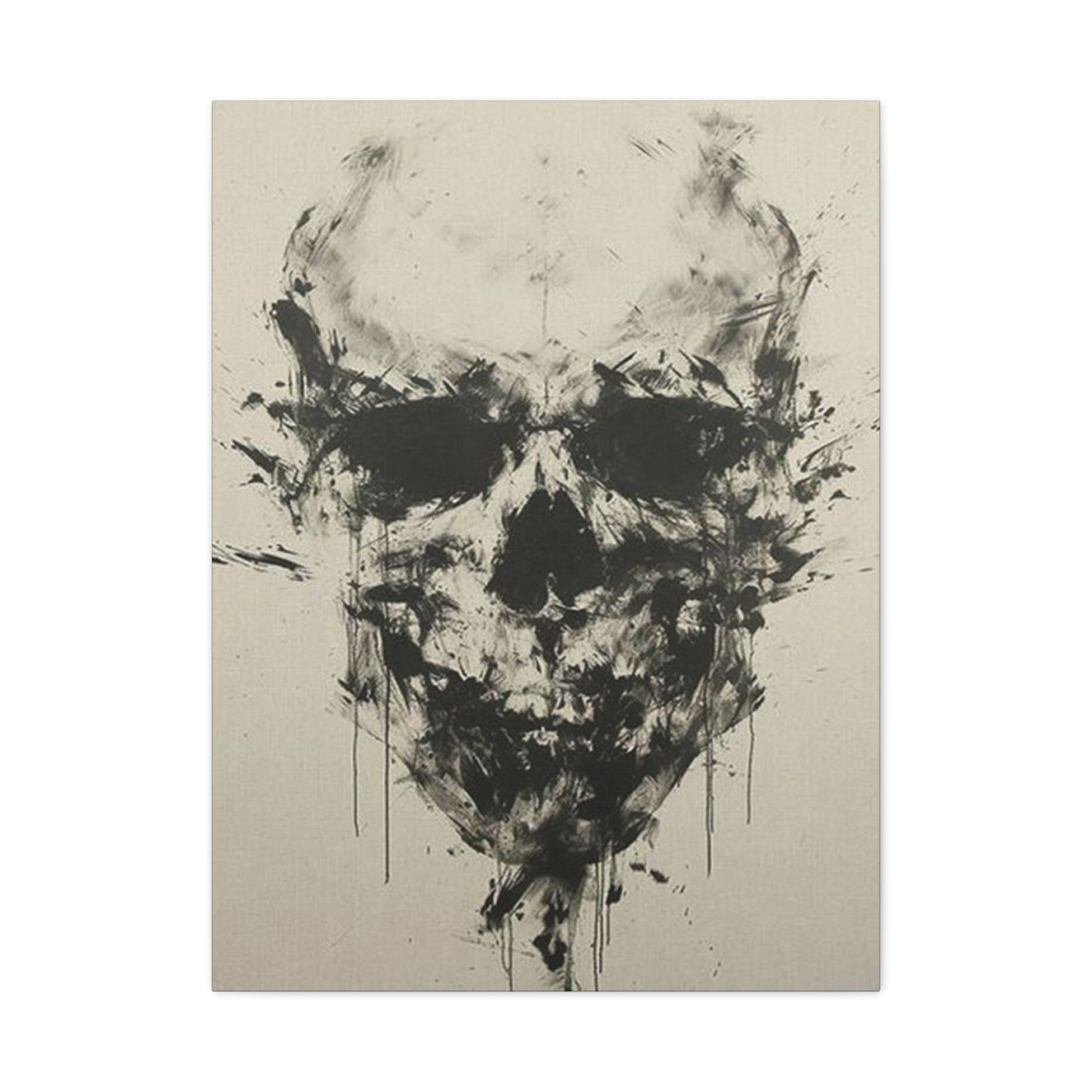
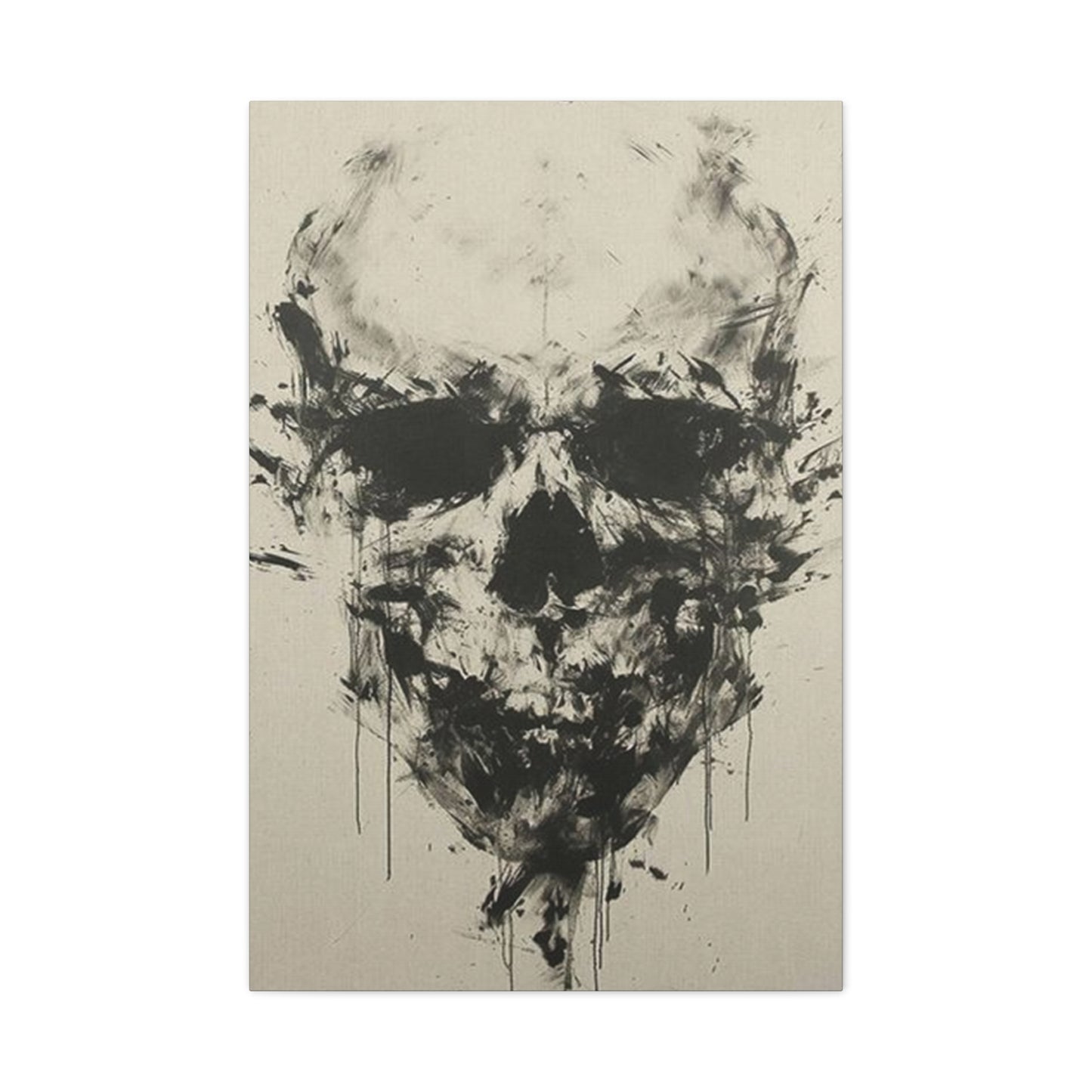
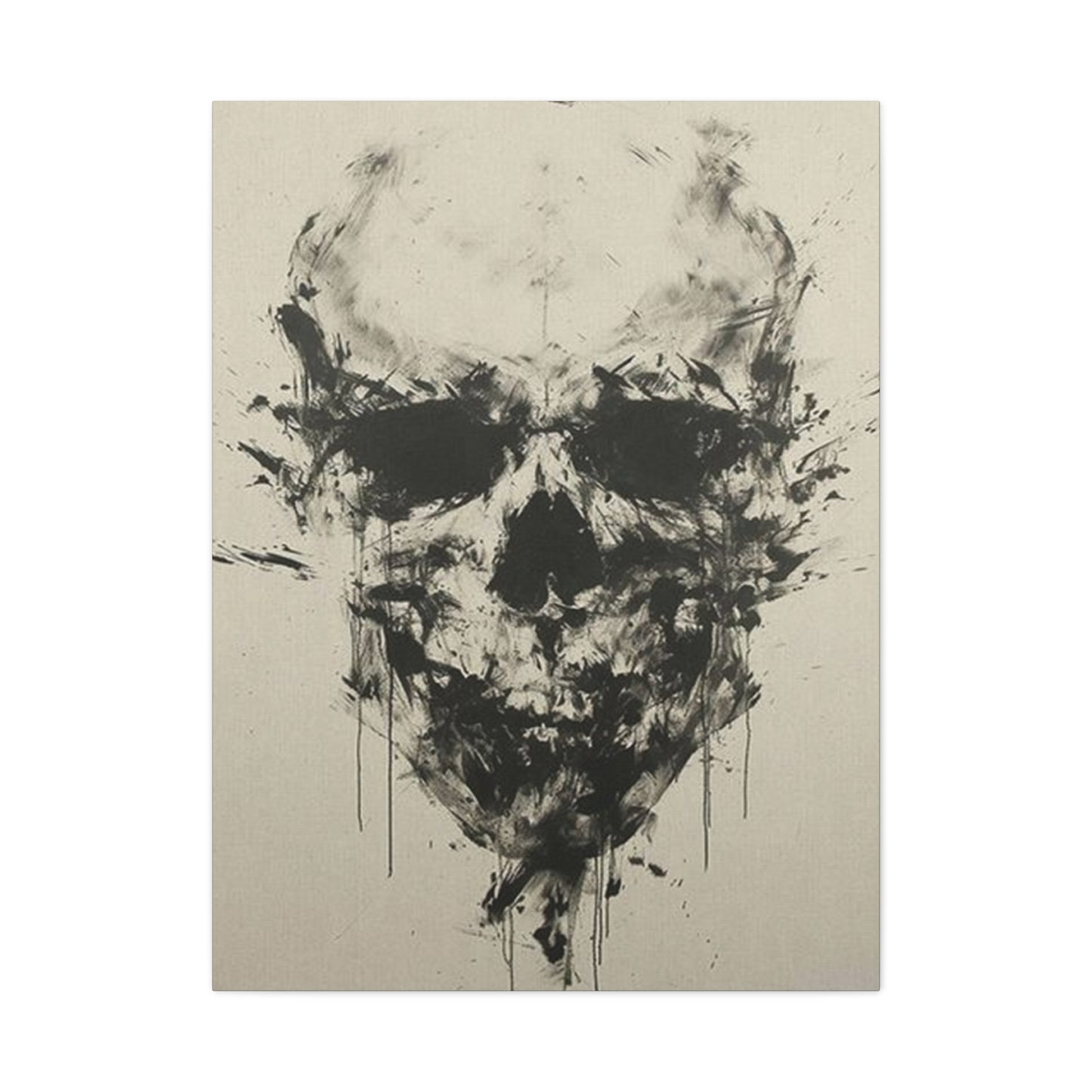
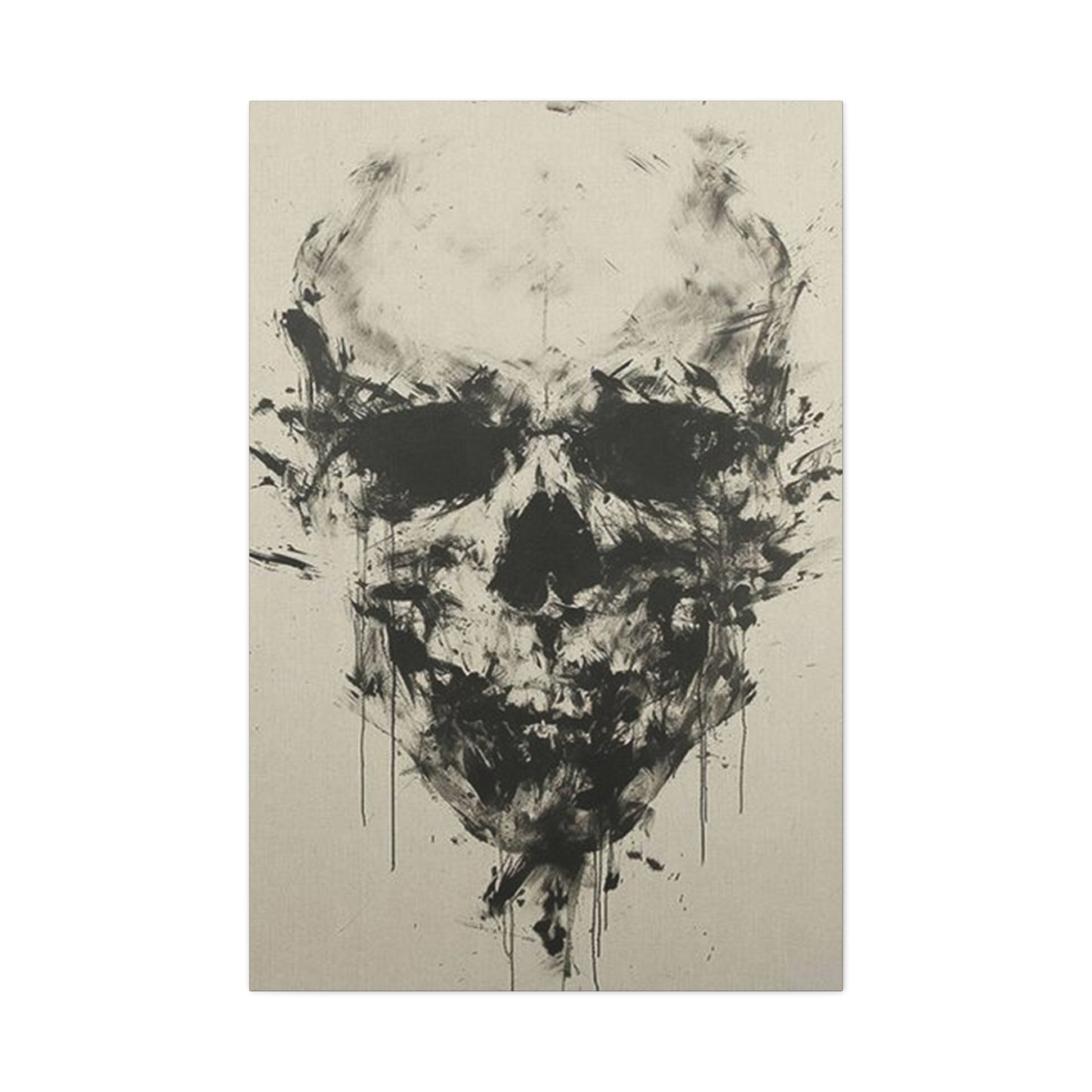
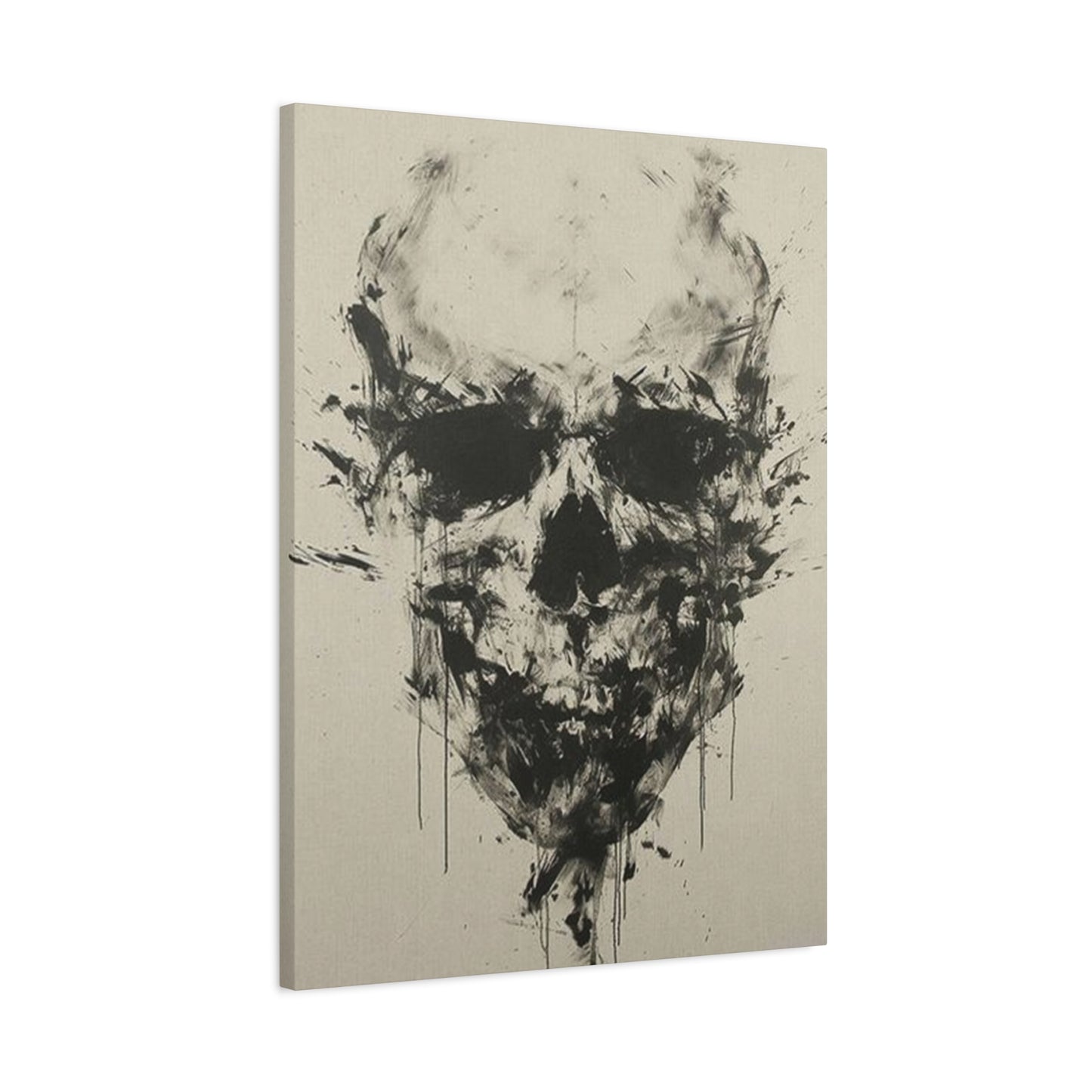
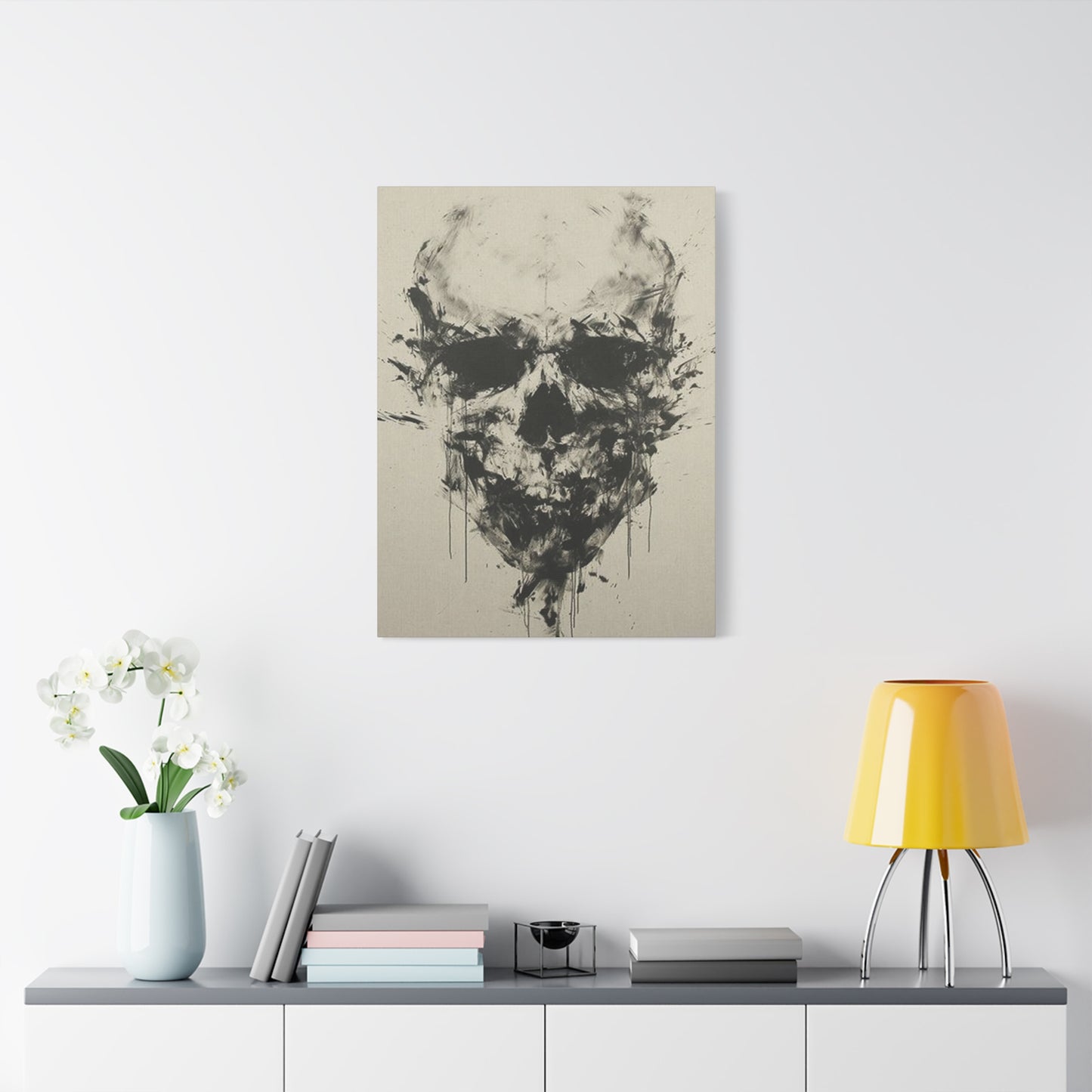
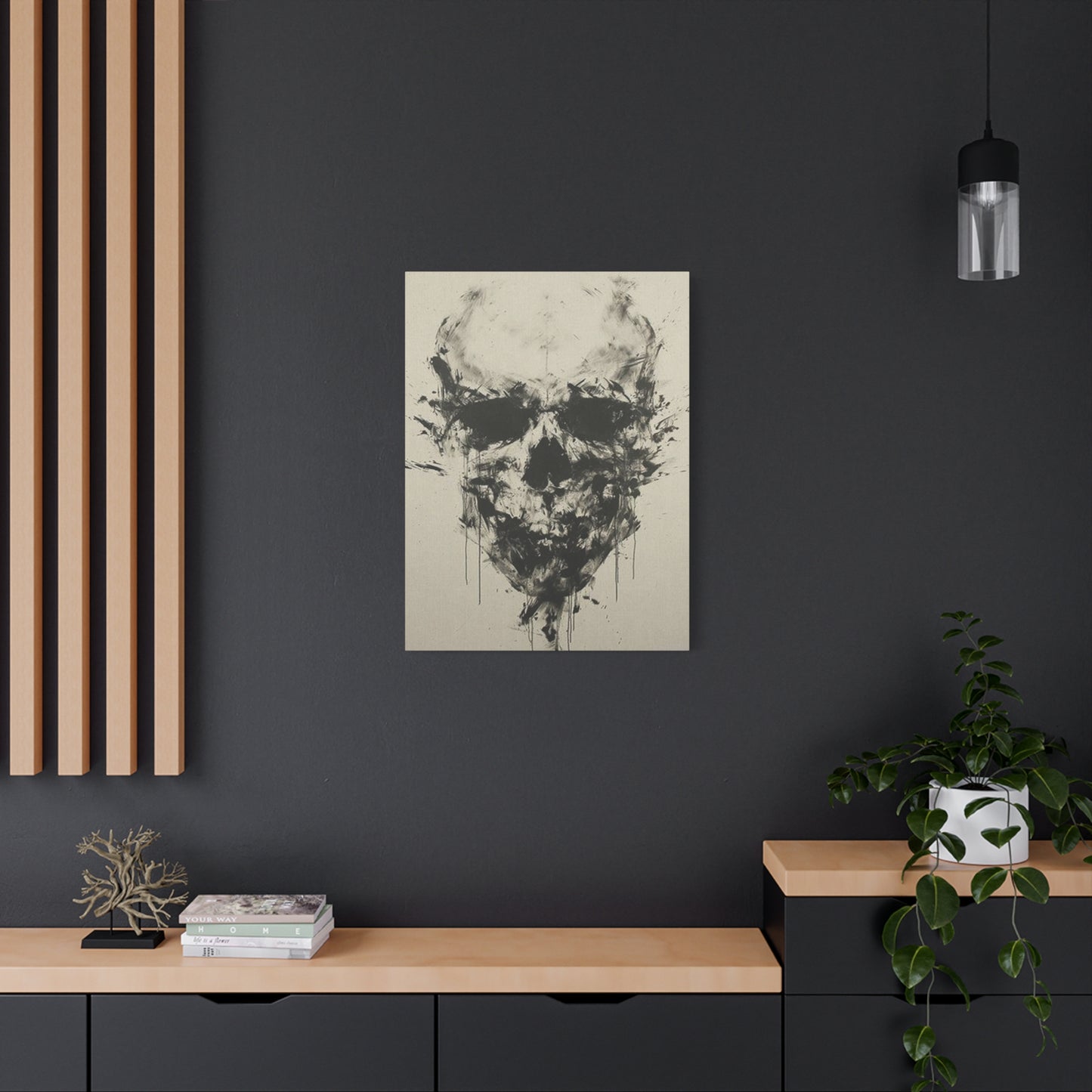
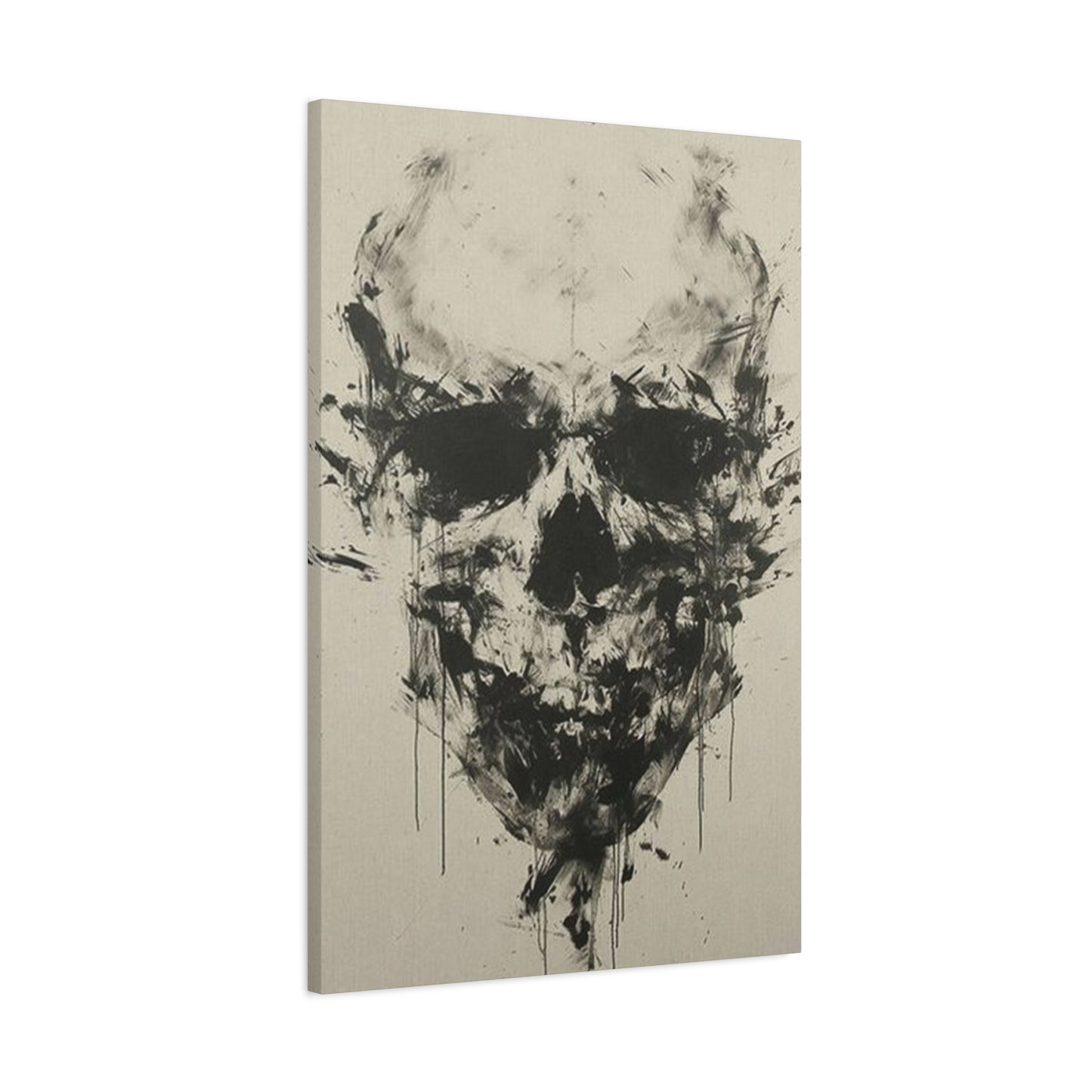
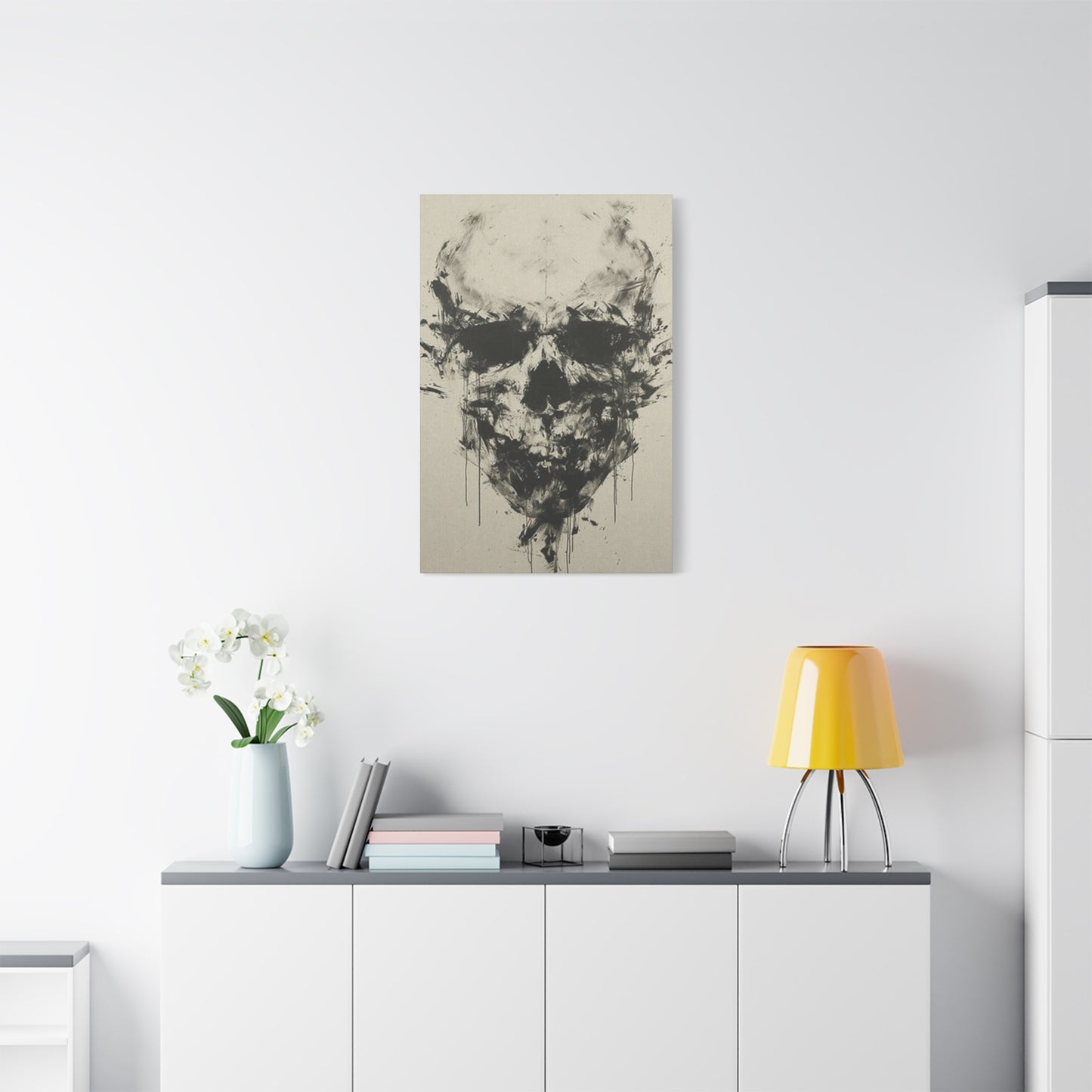
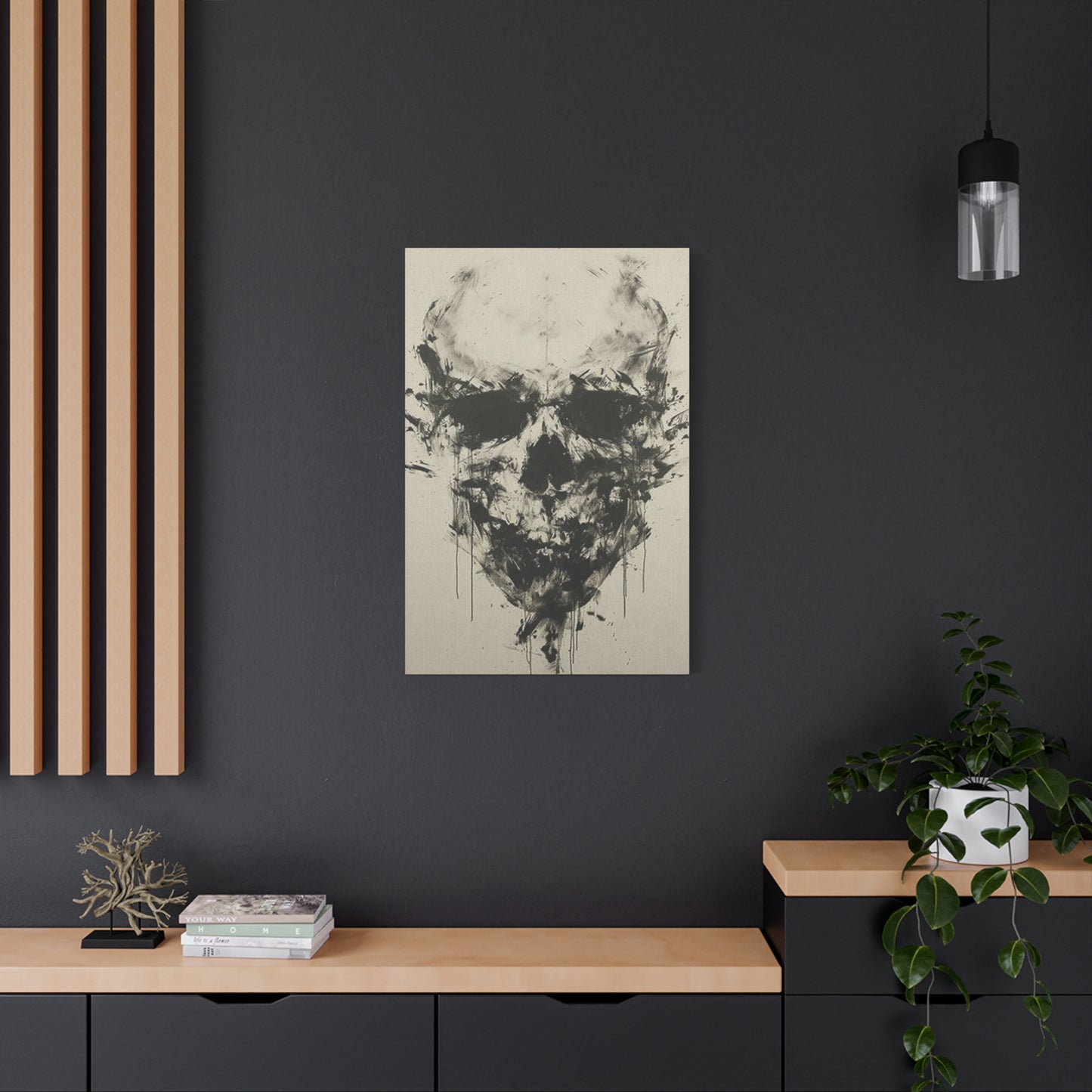
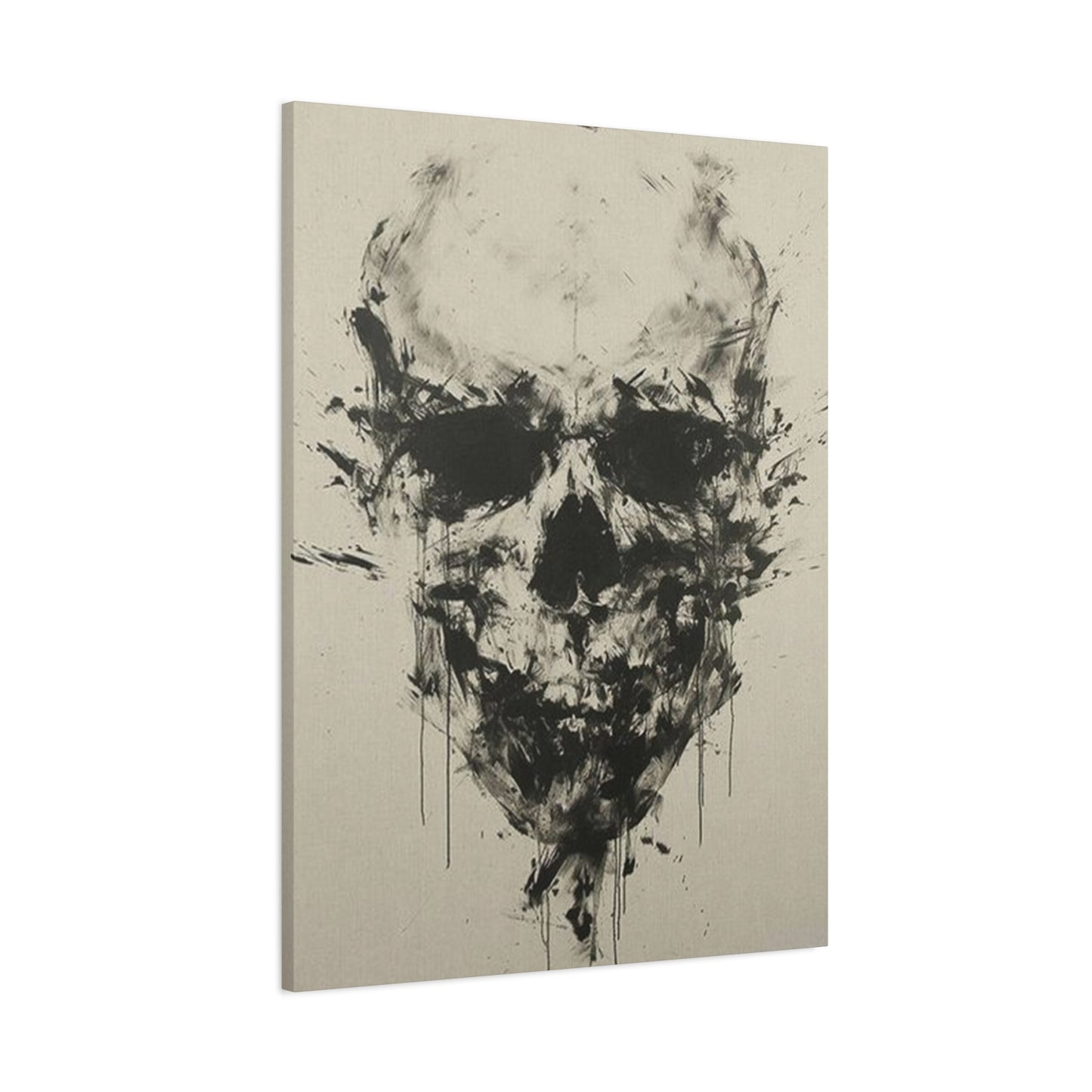
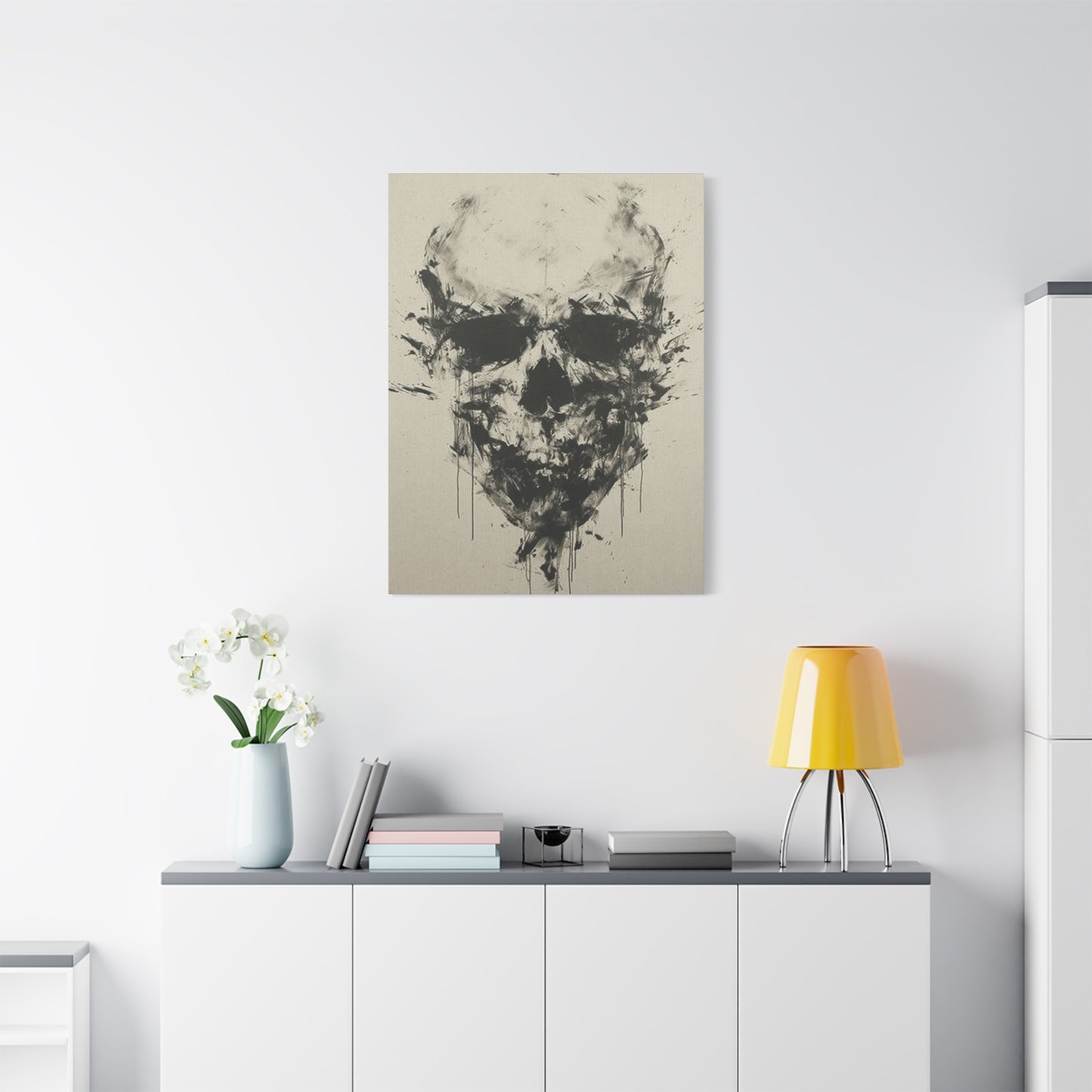
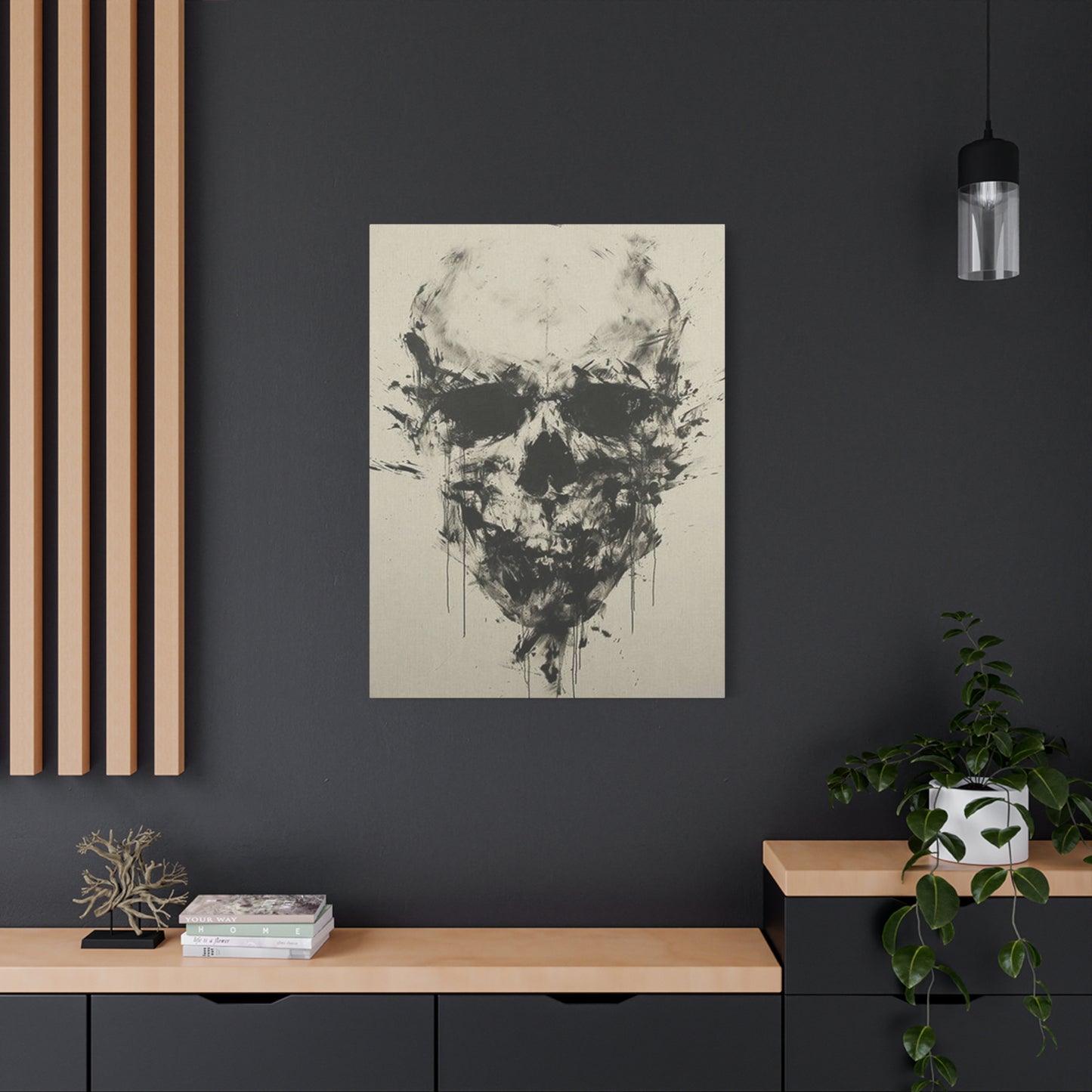
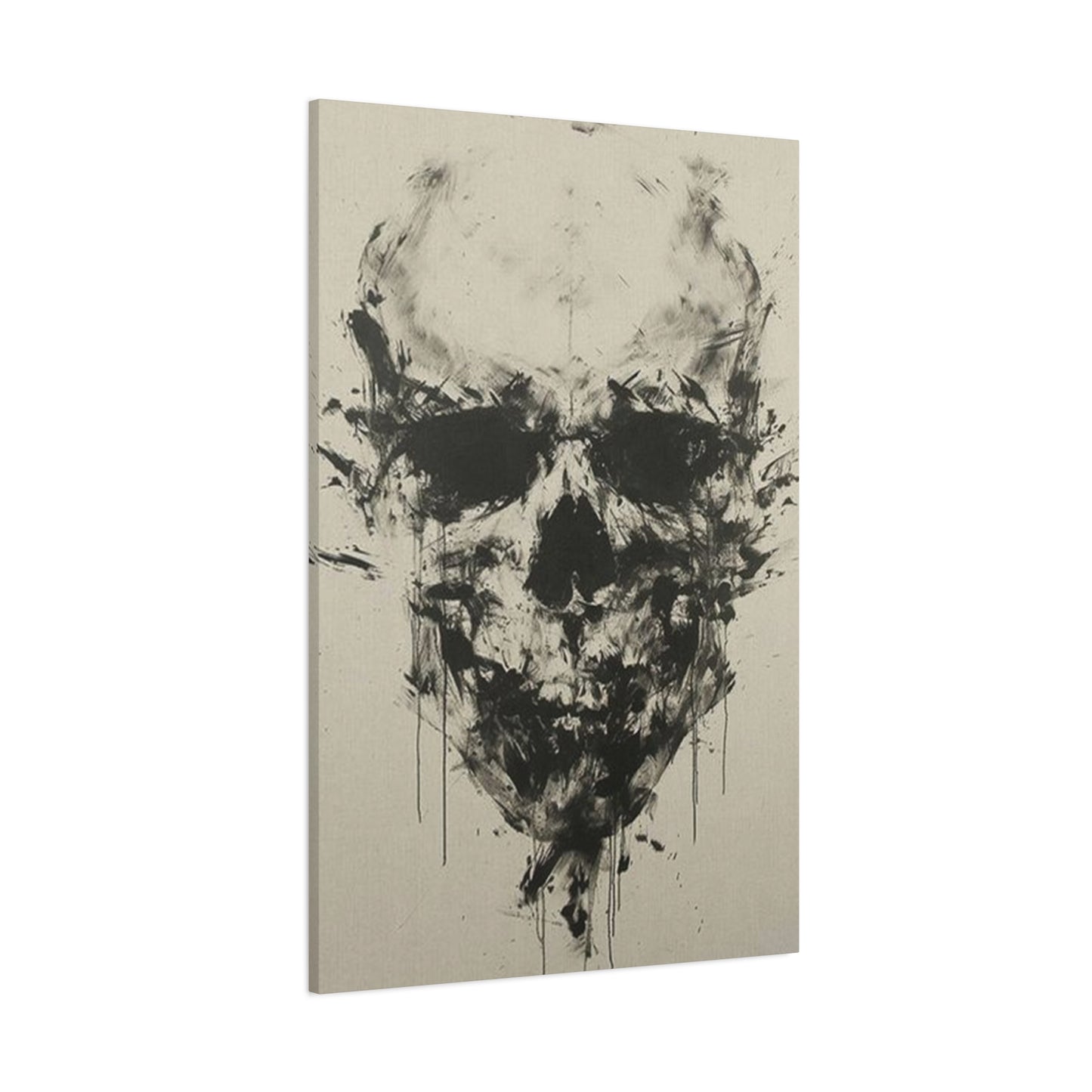
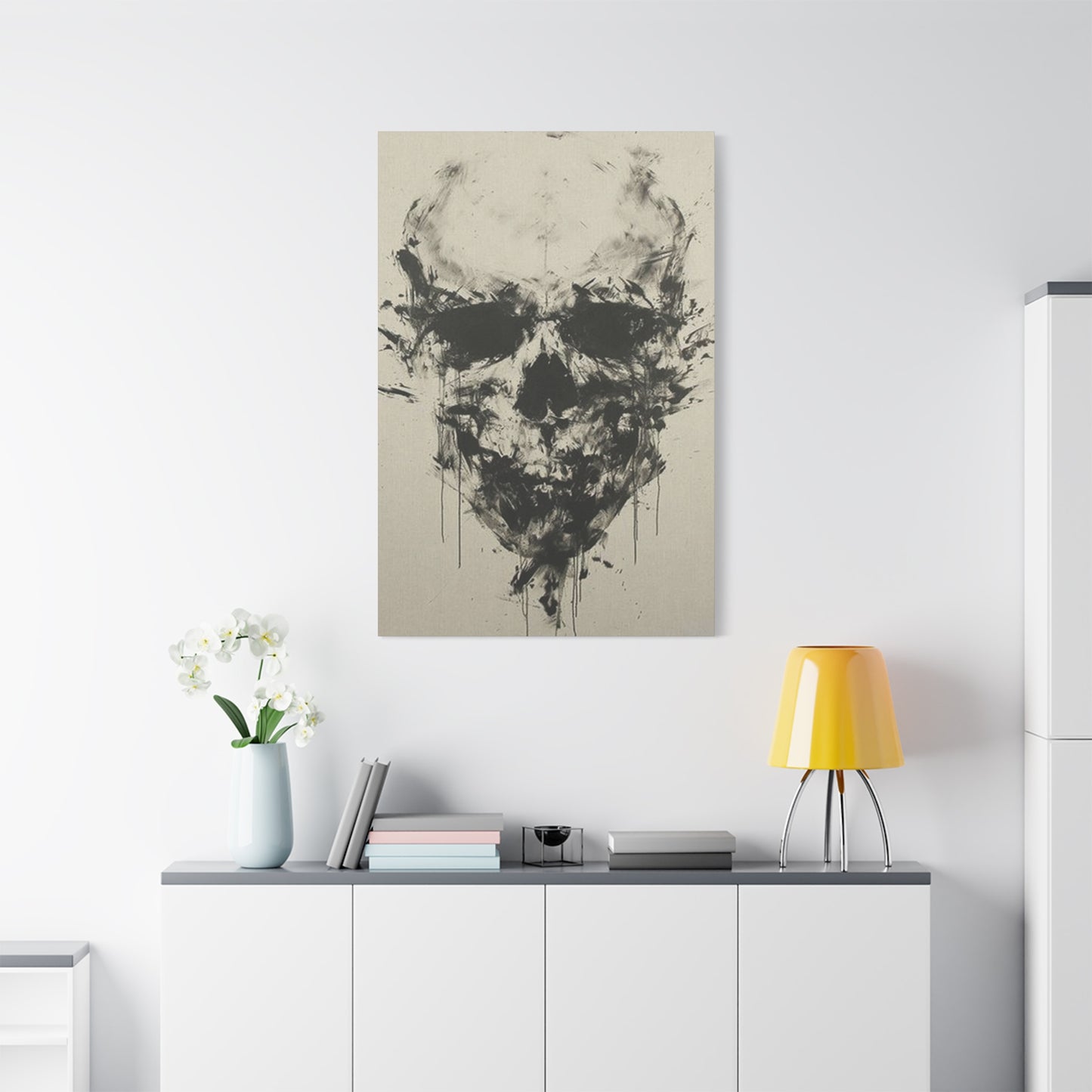
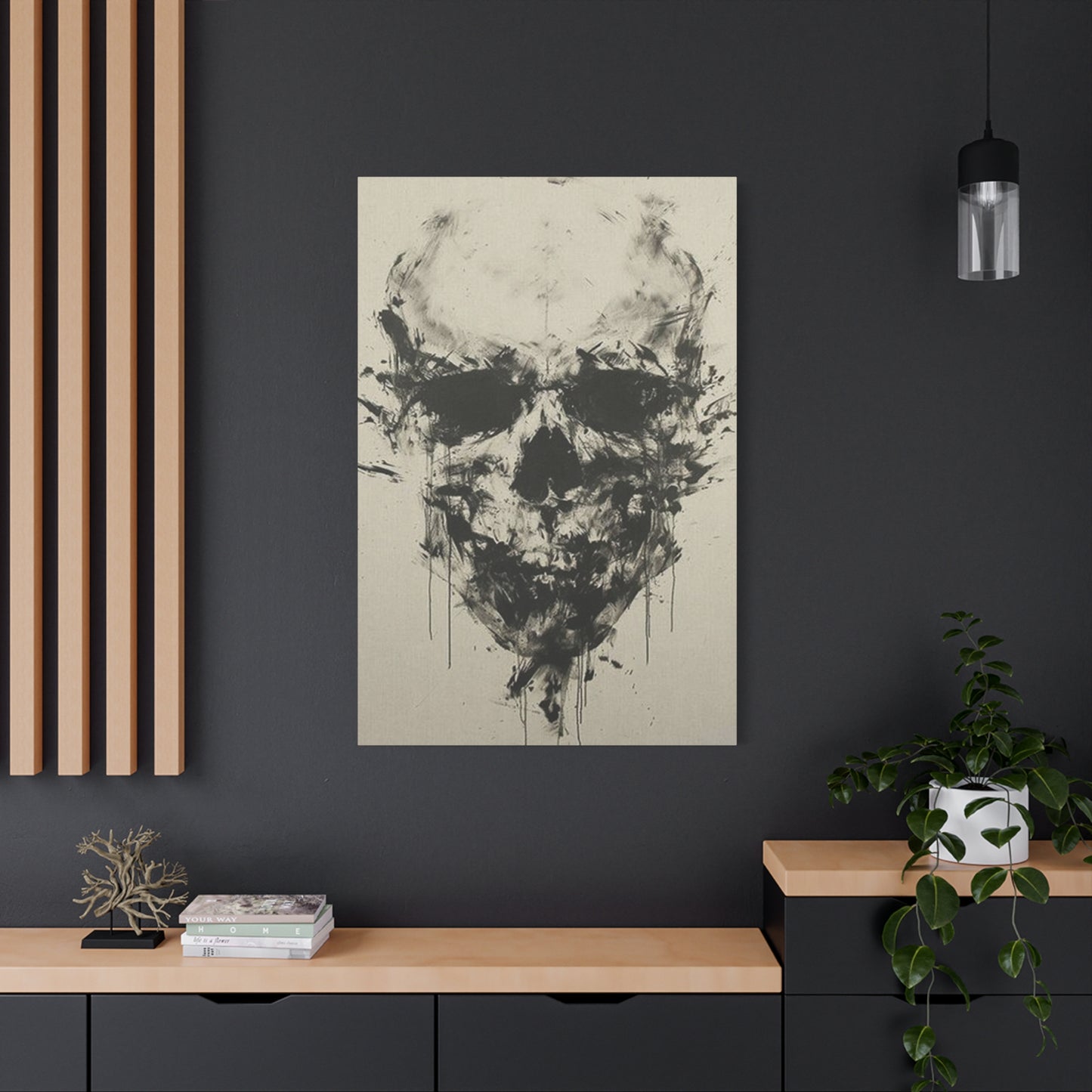
Striking Charcoal Skull drawing Wall art Imagery: Elevating Contemporary Interior Design
Charcoal skull imagery has emerged as one of the most captivating forms of artistic expression in contemporary interior design. This distinctive art form combines the raw, textural qualities of charcoal medium with the timeless symbolism of skull motifs, creating powerful visual statements that resonate with modern aesthetics. The monochromatic nature of this art style offers versatility and sophistication, making it an ideal choice for those seeking to infuse their living spaces with character and depth.
The appeal of charcoal-rendered skull imagery extends beyond mere decoration. These pieces serve as conversation starters, philosophical reflections, and artistic focal points that challenge conventional notions of beauty and mortality. The medium itself brings an organic, earthy quality that connects viewers to the fundamental nature of artistic creation, while the subject matter explores themes of impermanence, strength, and the human condition.
In recent years, interior designers and art enthusiasts have increasingly recognized the potential of this art form to bridge the gap between classical technique and contemporary sensibility. The stark contrasts, subtle gradations, and textural richness achievable through charcoal work create visual experiences that photograph cannot fully capture, demanding in-person engagement and contemplation.
The Contemporary Appeal of Skull Imagery in Charcoal Medium
Modern interior spaces increasingly embrace bold artistic choices that reflect personal philosophy and aesthetic courage. Charcoal-rendered skull imagery perfectly embodies this shift toward meaningful, conversation-worthy decoration. Unlike mass-produced prints or generic landscapes, these pieces command attention while maintaining an air of sophistication that prevents them from overwhelming a space.
The contemporary home has evolved beyond simple comfort into a canvas for self-expression. Today's homeowners seek art that reflects their intellectual curiosity and willingness to engage with deeper themes. Skull imagery executed in charcoal medium satisfies this desire by offering visual complexity alongside symbolic depth. The monochromatic palette ensures these pieces integrate seamlessly with various design schemes while maintaining their distinctive presence.
One significant advantage of this art style lies in its timeless quality. While trends come and go, the combination of classical drawing techniques with archetypal imagery ensures lasting relevance. A well-executed charcoal skull piece remains compelling decades after its creation, making it a worthwhile investment for collectors and decorators alike. The medium's permanence when properly preserved further enhances its value as a long-term design element.
The textural dimension of charcoal work adds tactile interest to wall displays. Even from across a room, viewers can perceive the physical manipulation of the medium, the artist's hand evident in every stroke and smudge. This human element creates an emotional connection often absent in digitally produced artwork. The slight irregularities and organic variations inherent to charcoal technique prevent the sterile perfection that can make some contemporary art feel cold or impersonal.
Dimensional Quality Through Charcoal Rendering Techniques
The unique properties of charcoal as an artistic medium enable creators to achieve remarkable dimensional effects in skull imagery. Unlike paint or digital media, charcoal allows for seamless transitions between the deepest blacks and subtle mid-tones, creating the illusion of three-dimensional form on two-dimensional surfaces. This capability proves particularly valuable when rendering the complex anatomical structures of skulls, where accurate depth perception separates compelling artwork from flat illustration.
Master artists exploit charcoal's versatility through varied application techniques. Dense pressure creates rich, velvety blacks that anchor compositions and define primary forms. Lighter touches produce delicate grays that model curved surfaces and suggest atmospheric perspective. The medium can be blended with fingertips, stumps, or cloths to achieve gradual tonal transitions, or it can be applied in bold strokes that retain visible texture and directional energy.
The subtractive technique, where artists remove charcoal from already-darkened surfaces using erasers or kneaded rubber, introduces highlights and reflected light that enhance dimensional illusion. This method proves especially effective for depicting the smooth, reflective surfaces of bone, where light plays across complex contours. Strategic highlight placement guides viewer attention while reinforcing the sculptural quality of the subject.
Charcoal's responsiveness to varied paper textures adds another layer of dimensional complexity. Rough papers catch charcoal particles in their peaks while leaving valleys lighter, creating inherent texture that suggests material substance. Smooth papers allow for more controlled, refined passages that can depict polished bone surfaces with photographic precision. Skilled artists often combine papers of different textures within single compositions to enhance visual interest and material variety.
The layering capability of charcoal enables artists to build complexity gradually, establishing foundational tones before refining details. This approach mirrors sculptural processes, where artists rough out general forms before addressing specifics. Multiple charcoal layers create optical depth as semi-transparent passages allow underlying tones to influence surface appearance, producing richness impossible through single-layer application.
Fixative application between layers prevents smudging while allowing additional work, enabling complex buildup of darks and lights. This technical consideration becomes crucial in skull renderings where extreme value contrasts define form. The darkest recesses of eye sockets and nasal cavities require multiple charcoal applications to achieve true black, while brightest highlights may involve complete charcoal removal combined with white chalk or pastel accents.
Premium Skull Imagery in Charcoal for Dramatic Interiors
Selecting the right charcoal skull artwork for interior spaces requires consideration of both artistic merit and design compatibility. The most effective pieces balance technical excellence with emotional resonance, demonstrating mastery of the medium while communicating clear conceptual intentions. Premium examples exhibit several distinguishing characteristics that separate exceptional work from merely competent execution.
Anatomical accuracy forms the foundation of compelling skull imagery. While artistic license permits stylization and interpretation, viewers instinctively recognize correct underlying structure. Premium pieces demonstrate thorough understanding of cranial anatomy, including proper proportion relationships between calvaria and facial regions, accurate tooth configuration, and convincing depiction of bone surface textures. This knowledge base allows artists to introduce deliberate distortions for effect while maintaining essential believability.
Dynamic composition elevates skull imagery beyond clinical illustration. Exceptional pieces employ thoughtful positioning, dramatic lighting scenarios, and engaging viewpoints that invite extended viewing. Rather than centered, straightforward presentations, premium work often features unusual angles, cropped framing, or multiple skull arrangements that create visual tension and narrative suggestion. These compositional choices transform static subject matter into dynamic visual experiences.
Tonal range mastery separates superior charcoal work from amateur attempts. Premium pieces demonstrate command of the complete value spectrum, from absolute blacks through delicate high-key passages. Smooth gradations appear where appropriate, while strategic areas retain visible mark-making that energizes surfaces. The relationship between light and shadow follows logical lighting scenarios, creating cohesive spatial illusions rather than arbitrary dark and light placement.
Surface quality and finish contribute significantly to perceived value. Well-executed charcoal work shows consistent handling across the entire composition, with deliberate variation in technique supporting artistic intent rather than revealing skill inconsistencies. Edges receive appropriate attention, whether softened through careful blending or preserved as crisp transitions. Background treatment complements rather than competes with primary subject matter, providing context without distraction.
Scale appropriateness affects both artistic impact and interior design application. Premium skull imagery intended for residential display typically ranges from modest sizes suitable for gallery wall inclusion to substantial statement pieces spanning several feet. The most effective dimensions balance visual presence with architectural scale, ensuring artwork commands attention without overwhelming its environment. Oversized pieces require sufficient wall space and viewing distance to appreciate properly, while smaller works benefit from strategic placement and appropriate framing.
Limited edition prints of exceptional original charcoal skull drawings offer accessibility without sacrificing quality. High-resolution reproduction technologies now capture subtle tonal variations and surface textures with remarkable fidelity, making professional-grade imagery available at various price points. Collectors should seek prints produced on archival papers using lightfast inks or toners, ensuring longevity comparable to original media.
Mastering Tonal Gradation in Skull Renderings
The technical execution of smooth tonal transitions represents one of the most challenging and rewarding aspects of charcoal skull rendering. Unlike subjects with uniform surfaces or simple forms, skulls present complex three-dimensional structures with multiple planes, curves, and cavities requiring sophisticated value control. Mastery of gradation techniques enables artists to create convincing illusions of form while maintaining the medium's characteristic expressive quality.
Understanding light behavior on bone surfaces provides essential foundation for effective gradation. Bone possesses moderate reflectivity with subtle surface variations that scatter light in complex patterns. Smooth cranial expanses exhibit gradual value transitions as curved surfaces turn away from light sources. Bony prominences like cheekbones and brow ridges catch direct illumination, creating localized highlights. Deeply recessed areas such as eye sockets and nasal openings fall into shadow with varying degrees of darkness depending on ambient light conditions.
The blending technique forms the cornerstone of smooth gradation work. Artists apply charcoal in overlapping strokes, then manipulate the particles with blending tools to eliminate discrete marks. Fingertips offer sensitive control and warmth that slightly liquefies charcoal binders, promoting adhesion. Tortillons and stumps provide precision for smaller areas, while soft cloths handle large passages efficiently. Each tool produces characteristic effects that experienced artists exploit strategically.
Pressure modulation during application allows direct gradation control without extensive blending. Light, grazing strokes deposit minimal charcoal, creating subtle tones. Increased pressure forces more particles into paper texture, yielding darker values. By gradually adjusting pressure while maintaining consistent stroke direction, artists achieve smooth transitions in single passes. This direct approach retains more visible texture and gestural quality than heavily blended work, appealing to those preferring expressive handling.
The layering approach builds gradations through multiple semi-transparent applications rather than single dense passes. Initial light layers establish general value patterns. Subsequent layers darken specific regions while leaving others unchanged. This method provides exceptional control and allows corrections through selective removal. The optical mixing of multiple layers creates luminous quality distinct from single-layer applications, as light penetrates slightly before reflecting back through charcoal particles.
Cross-hatching offers an alternative gradation strategy emphasizing visible mark-making. Artists apply parallel stroke sets at varying densities and directions, creating perceived value changes through line concentration rather than continuous tone. Looser hatching produces lighter effects, while dense layering approaches solid tone. This technique celebrates drawing's linear nature while demonstrating exceptional technical control. In skull renderings, directional hatching can reinforce surface curves and structural rhythms.
Creating Theatrical Presence with Skull-Themed Wall Displays
The strategic incorporation of charcoal skull imagery into residential or commercial spaces can generate powerful theatrical effects that elevate entire environments. Unlike passive decoration, thoughtfully placed skull artwork creates focal points that command attention, establish mood, and provide psychological anchor points within rooms. Achieving optimal dramatic impact requires careful consideration of artistic content, display context, and supporting design elements.
Scale manipulation offers primary leverage for creating dramatic presence. Oversized skull imagery—pieces measuring four feet or larger—immediately dominate visual fields and establish authoritative tones. Such substantial works function as architectural elements rather than mere decoration, fundamentally altering spatial perception and establishing clear hierarchies within design schemes. The psychological impact of confronting life-sized or larger-than-life skull imagery creates memorable experiences that distinguish spaces from conventional interiors.
Strategic lighting dramatically enhances skull artwork's emotional impact. Picture lights mounted directly above pieces create focused illumination that draws attention while casting subtle shadows that enhance three-dimensionality. Track lighting allows precise beam direction, enabling dramatic uplighting or cross-lighting scenarios that emphasize texture and create moody atmospheres. During evening hours, proper artwork illumination can make pieces glow against darkened walls, creating almost theatrical staging effects.
Color temperature selection in artwork lighting influences mood substantially. Warm lighting (2700-3000K) creates intimate, contemplative atmospheres suitable for private spaces like studies or bedrooms. Neutral white (3500-4000K) provides accurate value perception without color casting, ideal for appreciating tonal subtleties in charcoal work. Cool lighting (5000K+) generates clinical, edgy effects appropriate for contemporary or industrial design contexts. Dimming capability allows mood adjustment to suit occasions and times of day.
Background wall color interacts significantly with charcoal skull imagery. Dark walls—deep grays, blacks, or rich earth tones—create high drama by minimizing value contrast between artwork and surroundings, allowing skull forms to emerge mysteriously from shadows. This approach suits gothic, masculine, or dramatic design schemes. Light walls provide maximum contrast, making artwork pop forward visually while maintaining brightness and spaciousness. Mid-tone walls offer compromise positions, providing sufficient contrast without extreme effects.
Isolation versus clustering strategies produce different dramatic effects. Single substantial pieces installed with generous surrounding space achieve monumental presence and focused contemplation. Gallery wall arrangements clustering multiple skull images create immersive environments and thematic emphasis through repetition. Mixed galleries incorporating skull imagery alongside complementary subjects provide visual variety while maintaining cohesive tones. The chosen approach should reflect both available space and desired psychological impact.
Presentation Solutions for Charcoal Skull Artwork
Proper presentation through appropriate mounting and display methods protects artwork while enhancing its visual impact. Charcoal's delicate, powdery nature demands careful handling and protective measures that preserve surface integrity for decades. Thoughtful framing choices also contribute significantly to how artwork integrates with surrounding design schemes, either emphasizing its presence or allowing seamless environmental blending.
Material selection for frames should prioritize both protective function and aesthetic compatibility. Wood frames offer traditional warmth and substantial presence, with darker finishes complementing charcoal's monochromatic nature. Natural wood tones introduce organic elements that soften skull imagery's harder edges. Metal frames provide contemporary sleekness and industrial edge, particularly in matte black or brushed steel finishes. The minimal profiles popular in modern design prevent framing from competing with artwork while providing necessary protection.
Glazing selection critically impacts both protection and viewing experience. Standard glass provides basic protection against dust and physical contact but offers no UV filtering. Museum glass with anti-reflective coatings and UV protection represents the premium choice, virtually disappearing under most lighting conditions while preventing light-induced fading. Acrylic glazing offers lightweight shatter resistance valuable in high-traffic areas or spaces accessible to children, though it scratches more easily than glass and generates static that can attract charcoal particles if artwork lacks adequate fixative.
Matting strategies influence perceived value and visual impact. Wide mats—three to four inches—create breathing room and formal presentation suitable for traditional or gallery-style displays. Narrow mats or direct-to-frame placement emphasizes contemporary sensibility and maximizes visible artwork area. Mat color selection typically favors neutral tones that don't compete with monochromatic charcoal work, with white, cream, gray, and black remaining perennial choices. Some designers select mats matching wall colors to create seamless integration, while others choose contrasting tones for definition.
Floating presentations, where artwork appears suspended within frames rather than covered by mats, showcase full sheet edges and emphasize drawing's handmade quality. This approach particularly suits deckle-edged or hand-torn papers that possess aesthetic appeal beyond image areas. Floating typically requires deeper frames—shadow boxes—that accommodate artwork thickness plus mounting depth. The resulting three-dimensional quality adds presence and emphasizes artwork as physical object rather than mere image.
Conservation mounting techniques protect valuable charcoal work from acidic damage over time. Acid-free mats, backing boards, and mounting materials prevent chemical migration that causes paper deterioration and foxing. Hinging methods using conservation-grade linen tape allow artwork to respond naturally to humidity changes without buckling or tearing. These archival approaches ensure artwork survives for generations without degradation.
Evolution from Initial Sketch to Finished Display Piece
The creative journey transforming rough conceptual sketches into polished charcoal skull artwork suitable for prominent display involves multiple stages, each requiring distinct skills and aesthetic decisions. Understanding this progression enhances appreciation for finished pieces while informing collectors about artistic processes underlying their acquisitions. The path from conception to installation demonstrates how technical proficiency combines with creative vision to produce compelling results.
Initial concept development begins with research and inspiration gathering. Artists study anatomical references, examining actual skulls or high-quality photographs to understand structural details. Historical art references inform compositional approaches and stylistic directions. Contemporary influences from photography, cinema, and graphic design contribute fresh perspectives. This research phase establishes knowledge foundations that inform subsequent creative decisions.
Preliminary sketching explores compositional possibilities through quick studies investigating various angles, lighting scenarios, and arrangements. These rough explorations—often executed in pencil or vine charcoal—test ideas rapidly without commitment to finished execution. Artists generate multiple variants, selecting the most promising for development. This stage values quantity and exploration over refinement, encouraging experimentation and creative risk-taking.
Value studies translate promising compositions into tonal designs that preview finished effects. Small-scale renderings establish lighting patterns, identify key value relationships, and resolve design problems before investing in final pieces. These studies often employ limited value ranges—perhaps five distinct tones—that simplify complex subjects into essential patterns. Successful value studies provide roadmaps guiding subsequent detailed execution.
Surface preparation ensures optimal working conditions. Artists select papers based on desired finish characteristics, with tooth texture, color, and weight all influencing results. Some creators tone papers with wash applications, establishing mid-tone bases that allow working both darker and lighter. Paper stretching or mounting prevents buckling under heavy charcoal application. These preparatory steps, though invisible in finished work, significantly impact execution quality.
Under-drawing establishes accurate proportions and placement before introducing tonal development. Light preliminary lines map major forms and guide subsequent work without creating marks that remain visible in finished pieces. Some artists transfer refined sketches using graphite transfer paper, ensuring accuracy while minimizing working time. This structural foundation prevents compositional errors that prove difficult to correct in later stages.
Initial tone blocking establishes general value patterns across compositions. Artists work broadly, defining shadow masses and leaving highlight areas untouched. This stage emphasizes large relationships over details, building essential structure upon which refinements rest. Blocking proceeds from dark to light, gradually raising overall value keys while preserving darkest accents. This methodical approach prevents premature detail focus that can compromise overall unity.
Progressive refinement adds detail incrementally, gradually increasing precision and surface complexity. Artists work from general to specific, subdividing large forms into smaller components. Secondary forms emerge within primary masses. Surface textures develop through varied mark-making. Edges receive attention, with artists sharpening some while softening others. This patient elaboration transforms rough studies into polished presentations.
Monochromatic Sophistication in Skull Compositions
The inherent monochrome nature of charcoal medium aligns perfectly with skull subject matter, creating harmonious marriages of technique and concept that demonstrate sophisticated artistic sensibility. Working within restricted value ranges demands exceptional skill while producing refined results that celebrate subtlety and nuance. The absence of color forces attention toward formal elements—form, composition, texture, value relationship—that form fundamental bases of visual art.
The elimination of color simplifies decision-making while intensifying remaining choices' importance. Without chromatic considerations, artists focus entirely on value accuracy and tonal orchestration. This concentration often produces more cohesive results than color work, as fewer variables require management. The monochrome limitation becomes liberation, freeing creative energy for deeper exploration of light, form, and spatial relationships.
Charcoal's characteristic velvety blacks provide anchor points that establish maximum darkness against which all other values measure. These rich darks possess unique quality distinct from black paint or ink—a soft, light-absorbing depth that creates visual gravity within compositions. Strategic placement of these deepest tones directs attention while establishing value scales that inform all lighter passages.
Mid-tone management determines monochrome work's success or failure. The broad range between pure white and absolute black contains countless subtle variations that describe form, suggest atmosphere, and create mood. Skilled artists orchestrate these intermediate values with musical sensitivity, creating rhythms and progressions that guide viewer perception through compositions. Smooth transitions suggest gentle forms and tranquil moods. Abrupt value changes introduce tension and dynamism.
The relationship between figure and ground—skull imagery versus background—operates according to gestalt principles that govern visual perception. High contrast between subject and surroundings creates clear separation and emphatic presence. Reduced contrast produces ambiguous spatial relationships where skulls emerge gradually from backgrounds, creating mysterious, atmospheric effects. Some artists exploit this ambiguity deliberately, allowing forms to dissolve partially into surroundings while remaining recognizable.
Pattern and texture within monochrome restrictions acquire heightened significance. Surface variations created through varied mark-making, tool selection, or paper texture provide visual interest that compensates for color absence. Some areas might display smooth, blended finish suggesting polished bone. Others retain visible strokes revealing process and gesture. Contrasting textures create visual excitement and prevent monotonous uniformity.
Integrating Skull Imagery into Residential Environments
Successfully incorporating charcoal skull artwork into living spaces requires balancing bold artistic statements with livability and aesthetic harmony. While skull imagery commands attention, thoughtful integration prevents overwhelming environments or creating uncomfortable atmospheres. Strategic placement, supporting design elements, and contextual consideration enable these powerful pieces to enhance rather than dominate residential settings.
Living room integration typically positions skull artwork as conversation-starting focal points above seating areas or fireplaces. These social spaces accommodate bold artistic choices as household members and guests gather prepared for visual stimulation and discussion. Substantial pieces gain sufficient viewing distance in larger living areas, allowing proper appreciation without overwhelming proximity. The public nature of living spaces makes them ideal venues for statement pieces that reflect homeowner personality and aesthetic courage.
Dining area placement creates contemplative environments that encourage philosophical discussion during meals. Skull imagery's memento mori associations remind diners to savor experiences and company—themes appropriate to communal dining. Positioning artwork at seated eye level ensures comfortable viewing during extended meals. The formal nature of dining rooms accommodates sophisticated artistic choices that might feel too intense in more casual spaces.
Home office and study settings benefit from skull imagery's thought-provoking qualities. These private work environments suit contemplative art that rewards extended attention during breaks from tasks. The symbolic associations with knowledge, mortality, and human endeavor complement intellectual pursuits. Smaller-scale pieces work effectively in compact office spaces without creating distraction, while larger works suit spacious studies with adequate wall expanses.
Bedroom placement requires careful consideration given rooms' intimate, restful purposes. While some individuals find skull imagery comforting in its philosophical depth, others may find it unsuitable for sleep environments. When incorporated, bedroom skull art often occupies walls opposite beds, visible upon waking but not directly confronting sleepers. Lighter, more ethereal renderings suit bedrooms better than stark, dramatic pieces that might disturb rest.
Entryway positioning creates immediate impact, establishing home character as visitors enter. This strategic location announces homeowner aesthetic sensibility and sets tones for interior experiences. Console tables beneath skull artwork create functional focal points while maintaining openness necessary in circulation spaces. Entryway pieces often trend smaller than living area works, providing interest without obstructing movement or overwhelming compact spaces.
Gallery wall integration allows skull imagery to coexist with complementary subjects, creating curated collections that tell visual stories. Mixing skull pieces with botanical studies, abstract works, or landscape imagery prevents thematic monotony while maintaining cohesive tones through consistent media or framing. Varied piece sizes within galleries create rhythm and prevent rigid formality. This approach suits eclectic design schemes valuing personal curation over matching sets.
Dark Romanticism and Skull Artwork Aesthetics
The gothic aesthetic tradition finds natural expression through charcoal skull imagery, as both share thematic preoccupations with mortality, mystery, and beauty in darkness. This artistic lineage extends from medieval memento mori traditions through romantic era fascination with ruins and decay, connecting contemporary skull art to centuries of philosophical artistic exploration. Understanding these historical connections enriches appreciation while informing effective integration into design schemes embracing darker romantic sensibilities.
Gothic design principles emphasize dramatic contrast, rich textures, ornate detail, and emotional intensity—qualities readily achievable through charcoal skull artwork. The medium's capability for deep blacks and subtle grays mirrors gothic architecture's play between shadow-filled interiors and light streaming through stained glass. Skull subject matter engages directly with gothic preoccupation with mortality and transcendence, creating thematic coherence between art and environmental design.
Color palette coordination enhances gothic presentations. Deep burgundies, forest greens, midnight blues, and rich purples provide chromatic context for monochrome skull artwork without competing for attention. These saturated hues create enveloping atmospheres that complement skull imagery's introspective qualities. Metallic accents in aged brass, wrought iron, or tarnished silver introduce reflective elements that contrast charcoal's matte surfaces while maintaining period-appropriate material vocabulary.
Furniture selection in gothic-influenced spaces tends toward substantial pieces with ornate carving, dark finishes, and historical references. Victorian-era styles, neo-gothic reproductions, or contemporary designs referencing historical forms provide appropriate context for skull artwork. The visual weight and decorative richness of such furniture creates environments where bold artistic choices feel integrated rather than jarring. Upholstery in velvets, brocades, or leather introduces tactile luxury that balances skull imagery's starker presentations.
Textile layering through curtains, throws, and pillows softens gothic spaces while introducing pattern and texture. Heavy draperies frame windows and artwork alike, creating theatrical staging. Tapestries or decorative fabrics with damask patterns, floral motifs, or heraldic designs provide ornate backgrounds against which simpler skull artwork stands in relief. This contrast between decorative abundance and artistic simplicity creates dynamic tension characteristic of successful gothic design.
Lighting design in gothic spaces emphasizes atmosphere over illumination efficiency. Chandeliers with candle-style bulbs, wall sconces with flame-shaped lights, and table lamps with ornate bases create pools of warm light that leave shadows intact. This chiaroscuro approach mirrors charcoal artwork's value contrasts while creating mysterious, romantic ambiance. Dimmer controls allow mood adjustment, transforming spaces from functional brightness to intimate darkness.
Architectural elements like exposed beams, stone features, arched doorways, or coffered ceilings reinforce gothic character while providing context for skull artwork. These substantial features possess visual weight that balances bold artistic choices, preventing artwork from appearing disconnected from environments. In spaces lacking architectural gothic features, applied elements like wainscoting, crown molding, or faux finishing can suggest period character.
Harmonizing Skull Artwork with Simplified Design Schemes
The apparent contradiction between bold skull imagery and restrained minimalist aesthetics resolves through thoughtful integration that respects both elements' essential qualities. Contemporary minimalism's emphasis on intentionality, negative space, and carefully curated objects creates ideal contexts for meaningful artwork that rewards contemplation. Charcoal skull pieces satisfy minimalist preferences for monochrome palettes, essential forms, and content substance over superficial decoration.
Minimalist spatial composition relies heavily on negative space—empty areas that allow featured elements to breathe and command full attention. Skull artwork benefits tremendously from this approach, as generous surrounding emptiness amplifies individual pieces' impact. Rather than competing with abundant decoration, single skull pieces occupy prominent positions where their formal and conceptual qualities receive undivided focus. This isolation elevates art from decoration to meaningful environmental anchor.
The monochrome nature of charcoal work aligns perfectly with minimalist color preferences. Many minimalist spaces employ neutral palettes—whites, grays, blacks, natural wood tones—that create calm, uncluttered atmospheres. Charcoal skull art integrates seamlessly into these schemes, providing visual interest without chromatic disruption. The black-and-white tonality reinforces rather than contradicts minimalist restraint, demonstrating how limited palettes need not mean visual poverty.
Material honesty—celebrating materials' inherent qualities rather than disguising them—forms core minimalist principle that charcoal work exemplifies. The medium's organic nature, visible texture, and direct application process align with minimalist preferences for authenticity and transparency. Unlike heavily manipulated digital imagery or complex layered paintings, charcoal drawings reveal their making clearly. This process transparency appeals to minimalist sensibilities valuing truth in materials.
Furniture selection in minimalist spaces tends toward clean-lined pieces with essential forms and quality construction. Simple sofas, unadorned tables, and functional storage provide practical necessities without visual excess. These restrained furnishings create perfect backdrops for skull artwork, which supplies emotional content and symbolic depth that minimalist furniture deliberately avoids. The contrast between functional simplicity and artistic complexity creates balanced environments offering both calm and stimulation.
Clutter elimination central to minimalist practice ensures that retained objects possess genuine significance. Within this curatorial approach, artwork selection becomes particularly meaningful. Choosing skull imagery demonstrates deliberate engagement with weighty themes rather than default pretty landscapes or abstract color fields. This intentionality aligns with minimalist philosophy emphasizing conscious decision-making and rejection of unconscious consumption patterns.
Lighting in minimalist spaces often emphasizes natural illumination supplemented by simple artificial sources. Large windows, light walls, and strategic mirrors maximize daylight penetration. This bright, even illumination showcases charcoal work's tonal subtleties and textural qualities effectively. Minimalist lighting fixtures—simple pendants, recessed cans, or architect lamps—provide focused illumination without decorative distraction, allowing artwork to remain visual focus.
Optimal Materials for Displaying Charcoal Creations
Preserving charcoal artwork's delicate surfaces while presenting them effectively requires understanding material properties and selection criteria. The powdery, unstable nature of unfixed or lightly fixed charcoal demands protective measures that maintain visibility while preventing smudging, moisture damage, and light-induced fading. Material choices affect not only preservation but also viewing quality and aesthetic presentation.
Glass selection significantly impacts both protection and viewing experience. Standard window glass provides basic barrier protection against dust and physical contact while remaining economically accessible. However, its reflectivity creates viewing challenges under certain lighting conditions, and it offers no ultraviolet protection. Conservation glass incorporates UV-filtering properties that block harmful wavelengths causing paper degradation and charcoal fading. This protection proves essential for valuable artwork intended for long-term display.
Museum glass represents the premium glazing choice, combining UV protection with anti-reflective coatings that virtually eliminate surface reflections. This optical clarity allows direct artwork engagement regardless of lighting conditions or viewing angles. The invisibility of properly installed museum glass creates illusion of unprotected artwork while providing maximum protection. The significant cost premium reflects sophisticated coating technologies and superior optical properties.
Acrylic alternatives to glass offer advantages in specific situations. Acrylic weighs substantially less than glass, reducing frame load and shipping costs. Its shatter resistance enhances safety in households with children or in earthquake-prone regions. Modern conservation-grade acrylics include UV filtration comparable to glass equivalents. However, acrylic scratches more easily than glass, requires specialized cleaning approaches, and generates static electricity that can attract charcoal particles if artwork lacks adequate fixative protection.
Spacer insertion between artwork and glazing prevents direct contact that could smudge charcoal or create condensation issues. These thin strips—typically constructed from matboard, plastic, or metal—create air gaps that allow atmospheric circulation while maintaining protective separation. Standard mat windows automatically provide spacing, but floating presentations require dedicated spacers installed along frame perimeters. Adequate spacing depth prevents charcoal contact even if artwork buckles slightly due to humidity fluctuations.
Backing board selection influences structural support and long-term preservation. Acid-free foam core provides lightweight rigidity suitable for smaller works, though its susceptibility to denting limits application in high-traffic areas. Corrugated plastic boards combine light weight with greater puncture resistance. Solid matboards offer traditional support with excellent dimensional stability. Museum boards—rag-based products with neutral pH—represent conservation standard, ensuring chemical stability that prevents artwork deterioration.
Mounting adhesive choices range from permanent to fully reversible, with conservation practice strongly favoring reversible methods that permit future treatment without artwork damage. Linen hinging tape—narrow strips of pH-neutral fabric with archival adhesive—attaches artwork corners or edges to backing boards while allowing movement in response to humidity changes. This flexibility prevents stress-induced tearing or buckling. Permanent mounting using dry-mount tissue or spray adhesives provides secure attachment but precludes future conservation work and risks artwork damage during application.
Sealant application around frame perimeters prevents atmospheric pollutants, excessive moisture, and pest infiltration. Framers' tape creates airtight seals between frame backs and backing boards, essentially creating sealed environments protecting artwork. This encapsulation particularly benefits pieces displayed in challenging environments—coastal areas with salt air, urban locations with pollution, or climate-controlled spaces where humidity varies seasonally.
Artist Preferences for Charcoal in Skull Rendering
The sustained popularity of charcoal among artists depicting skull imagery stems from numerous practical, aesthetic, and philosophical considerations. Understanding these professional perspectives illuminates why charcoal remains preferred despite modern alternatives and explains the distinctive qualities discerning collectors recognize in charcoal skull work. Artist testimonials and working practices reveal deep appreciation for the medium's unique characteristics.
The immediacy of charcoal application appeals to artists valuing direct, spontaneous mark-making. Unlike painting's preparation rituals or digital art's equipment requirements, charcoal demands minimal setup—paper, charcoal stick, and perhaps eraser suffice for complete works. This simplicity lowers barriers between artistic impulse and physical execution, allowing rapid translation of vision into concrete form. The reduced technical friction enables sustained creative flow and experimentation without procedural interruption.
The tactile nature of charcoal connects artists physically with their work. Fingers manipulate marks directly, feeling paper texture and controlling pressure through embodied awareness. This haptic feedback creates intimate relationship with developing artwork impossible through brush intermediaries or digital styluses. Many artists describe meditative quality in charcoal work, where physical engagement quiets mental chatter and enables intuitive decision-making.
Economic accessibility makes charcoal attractive for emerging artists building skills without significant financial investment. Quality charcoal costs substantially less than paint or specialized equipment. Paper represents the primary expense, with student-grade options available for practice work and archival sheets reserved for finished pieces. This affordability enables extensive experimentation and artistic development regardless of economic circumstances.
The forgiving nature of charcoal encourages artistic risk-taking and exploration. Mistakes easily disappear through erasing or overworking. Unsatisfactory passages can be lightened, redirected, or completely reworked without starting fresh. This flexibility reduces performance anxiety and perfectionism that paralyze some artists, fostering experimental approaches that advance technical development and creative discovery.
Charcoal's expressive range from precise detail to bold gesture accommodates diverse artistic temperaments. Meticulous artists achieve photographic precision through controlled application and careful blending. Gestural artists exploit charcoal's capacity for rapid, energetic marks that capture essential forms without fussy detail. This versatility means artists need not limit expression to medium capabilities—charcoal adapts to artistic vision rather than constraining it.
Large-Format Skull Imagery for Architectural Impact
Oversized charcoal skull drawings transform from mere artwork into architectural elements that fundamentally alter spatial experience and psychological atmosphere. These substantial pieces—often measuring four feet or larger—command attention with physical presence impossible for smaller works regardless of quality. Creating and displaying large-format skull imagery requires specialized considerations distinct from standard-scale practice.
The technical challenges of large-format charcoal work demand advanced skill and physical stamina. Artists must maintain consistent quality across extensive surfaces while managing physical demands of reaching all areas. Arm and shoulder engagement replaces wrist movements typical in smaller work, requiring adjusted techniques and tools. Extended execution times test focus and artistic vision maintenance. These challenges mean large-format pieces represent significant accomplishments demonstrating exceptional artistic capability.
Material considerations scale with artwork dimensions. Large paper sheets cost substantially more than standard sizes and require specialized storage and handling. Heavyweight papers become necessary to prevent buckling under extensive charcoal application. Some artists work on mounted canvas or primed surfaces that provide stability impossible in paper alone. Charcoal consumption increases dramatically, with artists stockpiling substantial quantities of preferred brands and types.
Working surface arrangement requires dedicated studio space accommodating large sheets during execution. Artists employ various strategies—large tilted easels, wall-mounted boards, or floor work—each presenting distinct advantages and challenges. Adequate viewing distance becomes crucial for assessing overall effects and maintaining proportional accuracy. Many artists photograph work-in-progress using cameras as surrogate distant viewing when studio limitations prevent physical distance.
Compositional strategies shift at larger scales, with approaches successful in small formats sometimes failing when expanded. Artists must balance detail density with viewing distance—excessive detail becomes mud when viewed from across rooms, while insufficient detail reads as empty or unfinished. The relationship between subject scale and paper size affects impact, with life-sized or larger-than-life skulls creating psychological intensity distinct from diminutive presentations.
Transportation and shipping challenges multiply with large artwork. Standard packaging becomes inadequate; custom crating often proves necessary for protection. Shipping costs escalate dramatically with dimension increases. Some artists fold or roll large paper works, though this risks cracking or permanent creasing. These logistical complications affect pricing and market accessibility for large-format pieces.
Installation requirements demand careful planning and often professional assistance. Heavy frames exceed casual hanging capabilities, requiring structural mounting into wall studs or specialized hanging systems. Ceiling height and available wall space limit placement options. Adequate viewing distance becomes crucial—pieces visible across large rooms may overwhelm in smaller spaces. These practical considerations affect which collectors can successfully display large-format work.
Personalized Skull Imagery for Individual Expression
Custom commissioning of charcoal skull artwork enables collectors to obtain unique pieces reflecting personal aesthetics, meaningful symbolism, and specific display requirements. This personalized approach transforms artwork from commodity into collaboration, resulting in pieces carrying special significance beyond aesthetic appreciation. Understanding commissioning processes and possibilities helps prospective clients navigate custom creation successfully.
The initial consultation establishes artistic direction and mutual understanding. Clients articulate vision, preferences, and intended display context. Artists share portfolio examples, discuss technical possibilities, and assess project feasibility. This dialogue identifies potential mismatches before commitments, preventing disappointments. Clear communication about expectations, timelines, and budget parameters establishes foundation for successful collaboration.
Concept development explores compositional approaches, stylistic treatment, and symbolic content. Clients might request specific skull types—human versus animal—or particular viewing angles. Some desire photorealistic precision while others prefer expressive interpretation. Additional elements like flowers, text, architectural features, or abstract patterns can be incorporated. Artists typically produce preliminary sketches exploring options, allowing client feedback before final execution begins.
Personal symbolism integration transforms generic skull imagery into meaningful personal statements. Birth dates, names, or significant phrases can be subtly incorporated. Favorite flowers, cultural symbols, or meaningful objects can accompany primary skull forms. Family connections might find expression through multiple skulls representing loved ones. These personal touches create artwork resonating on intimate levels impossible in generic commercial pieces.
Size customization ensures artwork fits specific display contexts perfectly. Clients provide wall measurements, ceiling heights, and surrounding furniture dimensions. Artists recommend optimal sizes considering viewing distances and architectural scale. Custom sizing prevents compromise—too-large pieces overwhelming spaces or too-small works disappearing against expansive walls. This precision maximizes artwork's effectiveness within intended environments.
Technical specifications accommodate client preferences and display conditions. Paper color selection—bright white, cream, gray, or black—establishes value key and overall mood. Surface texture choice affects mark visibility and final appearance. Framing preferences influence paper dimensions and edge treatments. Discussion of fixative use balances surface protection against potential value shifts and texture changes.
Contemplative Dimensions of Skull Representations
Beyond aesthetic appeal, charcoal skull artwork functions as visual philosophy inviting contemplation of existence, mortality, and meaning. This intellectual dimension distinguishes skull imagery from purely decorative subjects, offering viewers conceptual engagement alongside visual pleasure. Understanding these deeper layers enhances appreciation and informs thoughtful display contexts that honor artwork's philosophical potential.
The vanitas tradition in Western art employed skull symbolism to communicate life's transience and worldly pursuits' ultimate futility. Still life paintings juxtaposed luxury objects—jewels, flowers, instruments—with skulls reminding viewers that death equalizes all regardless of earthly achievements. Contemporary skull artwork continues this tradition updated for secular audiences. Rather than religious moral instruction, modern vanitas imagery prompts existential reflection on how we choose to spend limited time.
The democratizing aspect of mortality provides philosophical foundation for skull imagery's universal appeal. Regardless of wealth, status, beauty, or accomplishment, all share identical fate. Skulls represent this fundamental equality, stripping away superficial distinctions to reveal essential sameness. This leveling perspective can be liberating, reducing anxieties about status competition and material accumulation. Skull artwork becomes visual reminder to focus on what truly matters—relationships, experiences, personal growth—rather than ephemeral concerns.
Paradoxically, mortality awareness can enhance rather than diminish life appreciation. Psychological research demonstrates that properly contextualized death reminders increase gratitude, presence, and meaning-making. Living with skull imagery might function as ongoing gentle reminder to savor experiences, express love openly, and pursue authentic goals. The memento mori becomes not morbid dwelling but life-affirming philosophy encouraging full engagement with limited time.
The stripping away of identity to essential form provides metaphor for personal authenticity. Living skulls carry individual identities through unique facial features, expressions, and bodily contexts. Death removes these particularities, revealing underlying structure common to all. This reduction suggests questioning which aspects of identity are truly essential versus socially constructed. Skull imagery invites contemplation of authentic self beneath social roles, professional identities, and physical appearances.
Value Orchestration in Skull Compositions
The sophisticated manipulation of tonal relationships forms the technical foundation enabling charcoal skull artwork's visual power. Understanding how value contrast, gradation, and distribution create form, mood, and emphasis reveals the artistic intelligence underlying successful pieces. These technical considerations transform skull rendering from mere copying to genuine artistic creation requiring aesthetic judgment and visual expertise.
The establishment of value structure begins with identifying light sources and their characteristics. Direct lighting creates strong contrasts with defined shadows. Diffuse lighting produces softer transitions and reduced value ranges. Multiple light sources introduce complex shadow patterns and secondary highlights. Artists must decide these lighting scenarios deliberately, as they fundamentally determine final appearance and emotional tone. Dramatic single-source lighting creates theatrical intensity, while gentle ambient light suggests contemplative calm.
Shadow shapes carry as much compositional importance as illuminated forms. Skilled artists design shadows intentionally, recognizing them as positive design elements rather than mere absence of light. Shadow edges—whether sharp or soft—control viewer attention and suggest material qualities. Cast shadows extend forms into surrounding space, creating compositional rhythms and spatial depth. Core shadows—the darkest areas on form surfaces opposite light sources—anchor value structures and establish maximum darkness against which all other values register.
Curated Collections Featuring Skull Elements
Creating personal gallery wall arrangements that incorporate charcoal skull artwork alongside complementary pieces requires curatorial judgment balancing thematic coherence, visual variety, and design cohesion. These custom collections transform walls into carefully composed exhibitions reflecting owner personalities and aesthetic sophistication. Understanding effective gallery wall principles enables successful DIY installations rivaling professional design.
Theme selection provides a conceptual framework unifying diverse pieces. Collections might explore mortality and impermanence through various symbolic subjects—skulls, wilted flowers, hourglasses, ruins. Alternatively, formal themes emphasizing monochrome aesthetics or drawing media create visual coherence despite varied subjects. Some collectors pursue anti-themes, deliberately contrasting disparate subjects to create tension and surprise. The chosen approach should reflect personal aesthetic philosophy and comfort with visual complexity.
Conclusion
Striking charcoal skull drawing wall art imagery has become a compelling and bold choice for elevating contemporary interior design. Combining the raw intensity of charcoal as a medium with the symbolic power of the skull, this art form invites viewers into a space that is both thought-provoking and visually impactful. Whether featured as a central statement piece or part of a curated gallery wall, charcoal skull art transforms interiors by adding depth, texture, and a touch of edgy sophistication.
One of the most powerful aspects of charcoal as an artistic medium is its ability to convey dramatic contrasts and intricate details through shades of black, white, and gray. Charcoal skull drawings leverage this capacity to capture the complex contours and textures of the human skull with remarkable realism or expressive abstraction. The interplay of light and shadow, the subtle gradations of tone, and the bold strokes typical of charcoal work create a dynamic visual experience that draws viewers in and holds their attention.
The skull itself is a potent symbol rich with cultural and philosophical meanings, ranging from mortality and the passage of time to rebirth and transformation. In contemporary interior design, incorporating skull imagery challenges traditional notions of beauty and invites reflection on life’s transient nature. This duality—between the macabre and the profound—makes skull art uniquely suited to spaces that seek to evoke introspection and a sense of modern edge.
Charcoal skull wall art is incredibly versatile in terms of style and application. Some artists opt for hyper-realistic depictions that highlight anatomical precision and minute details, while others explore abstract, stylized, or surreal interpretations that push creative boundaries. This variety allows homeowners and designers to select pieces that align perfectly with their aesthetic preferences—whether that’s a minimalist monochrome space, an industrial loft, or an eclectic mix of contemporary and vintage elements.
When integrating striking charcoal skull art into interior design, the artwork’s scale and placement are critical considerations. Large-scale charcoal skull drawings can serve as dramatic focal points, commanding attention in living rooms, bedrooms, or office spaces. In contrast, smaller works can add subtle intrigue when grouped in collections or paired with complementary artworks. Thoughtful placement near good lighting—natural or accent—can further enhance the textures and depth of the charcoal medium.
Additionally, complementary décor elements can elevate the overall impact of charcoal skull wall art. Materials like metal, concrete, leather, and dark woods echo the artwork’s edgy aesthetic and contribute to a cohesive interior vibe. Incorporating minimalist furniture and clean lines ensures that the focus remains on the art, while touches of greenery or softer textures can balance the intensity and introduce warmth to the space.


