


Artistic Expression Through Skull Flora and Fauna Wall art: The Ultimate Guide to Nature-Inspired Decorative Art
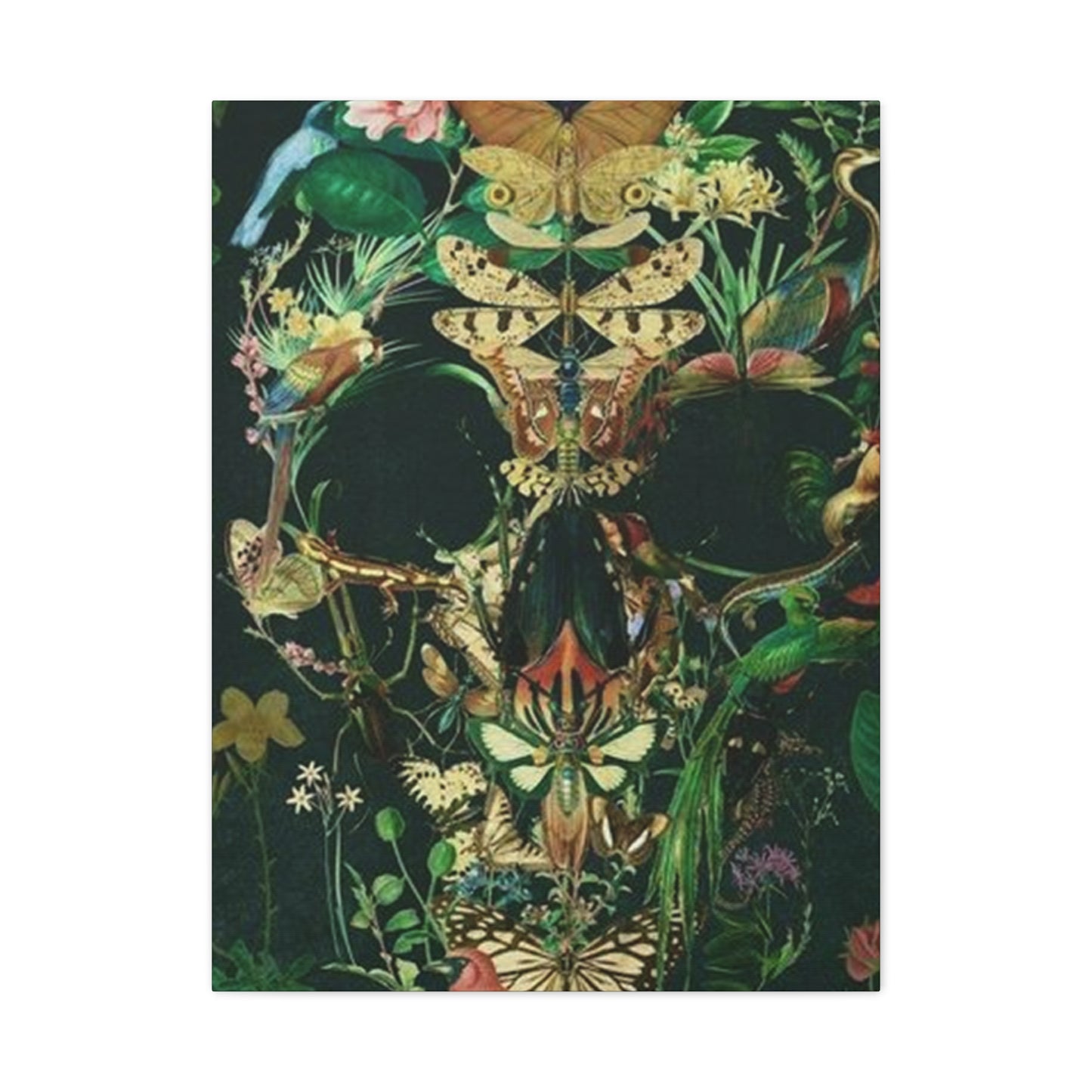
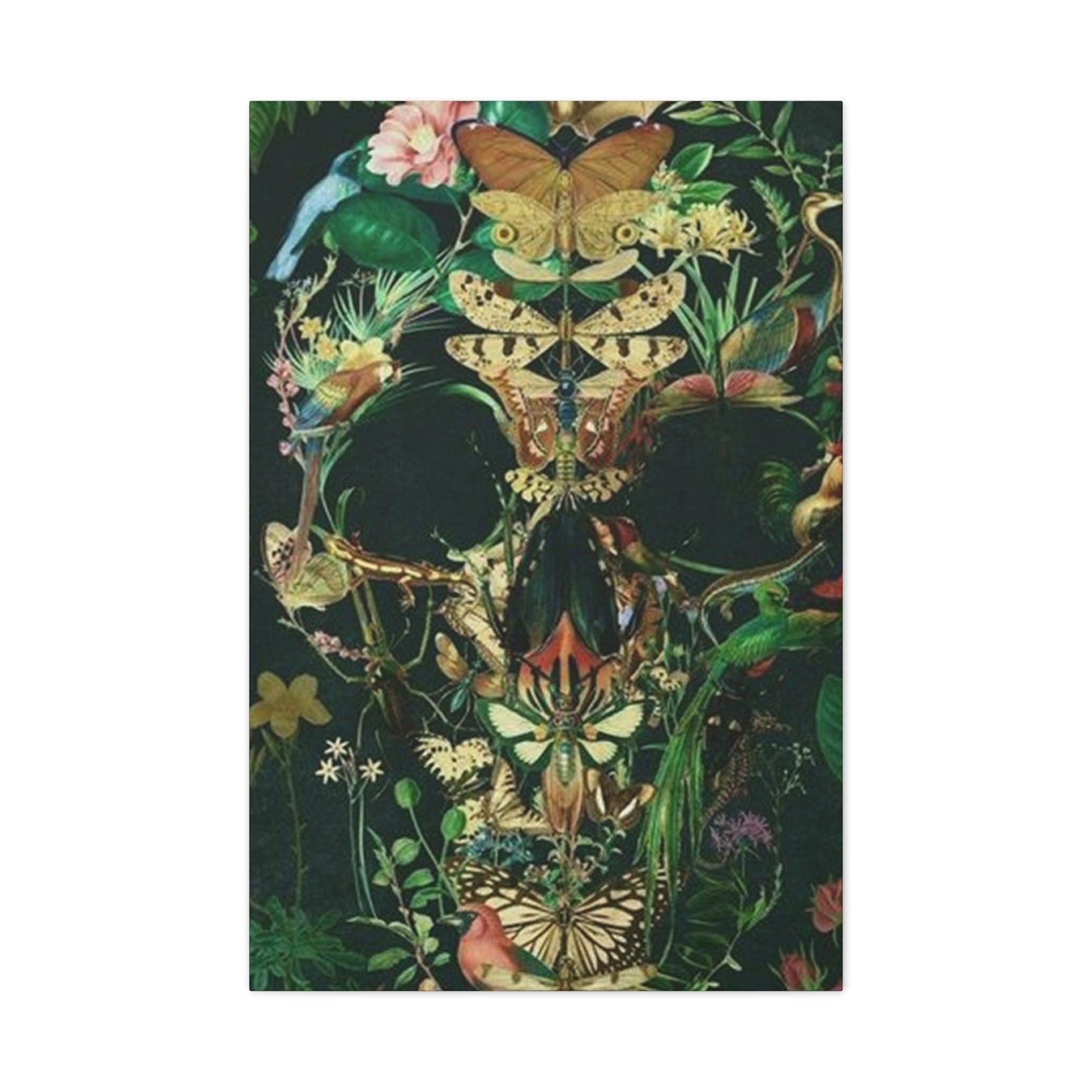
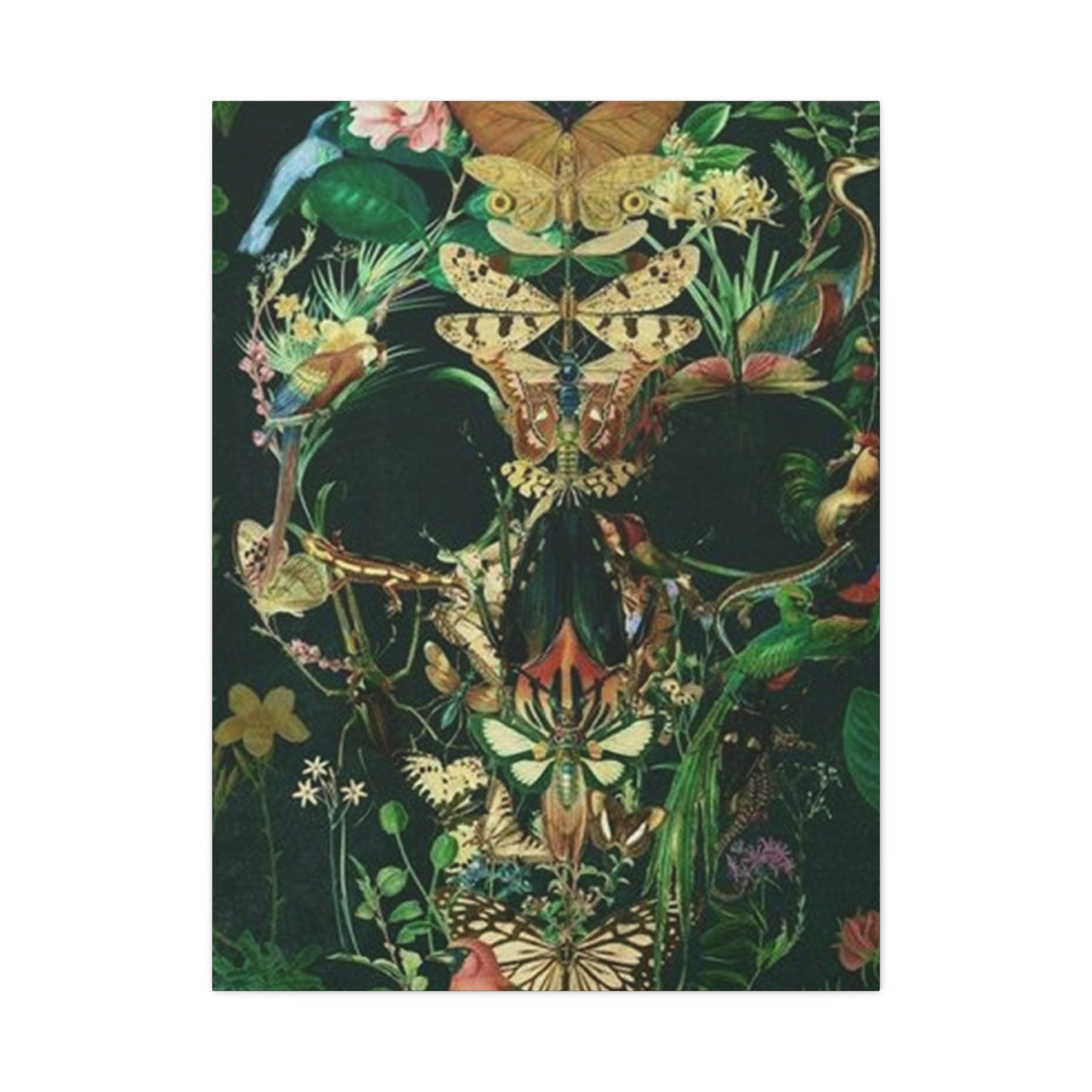
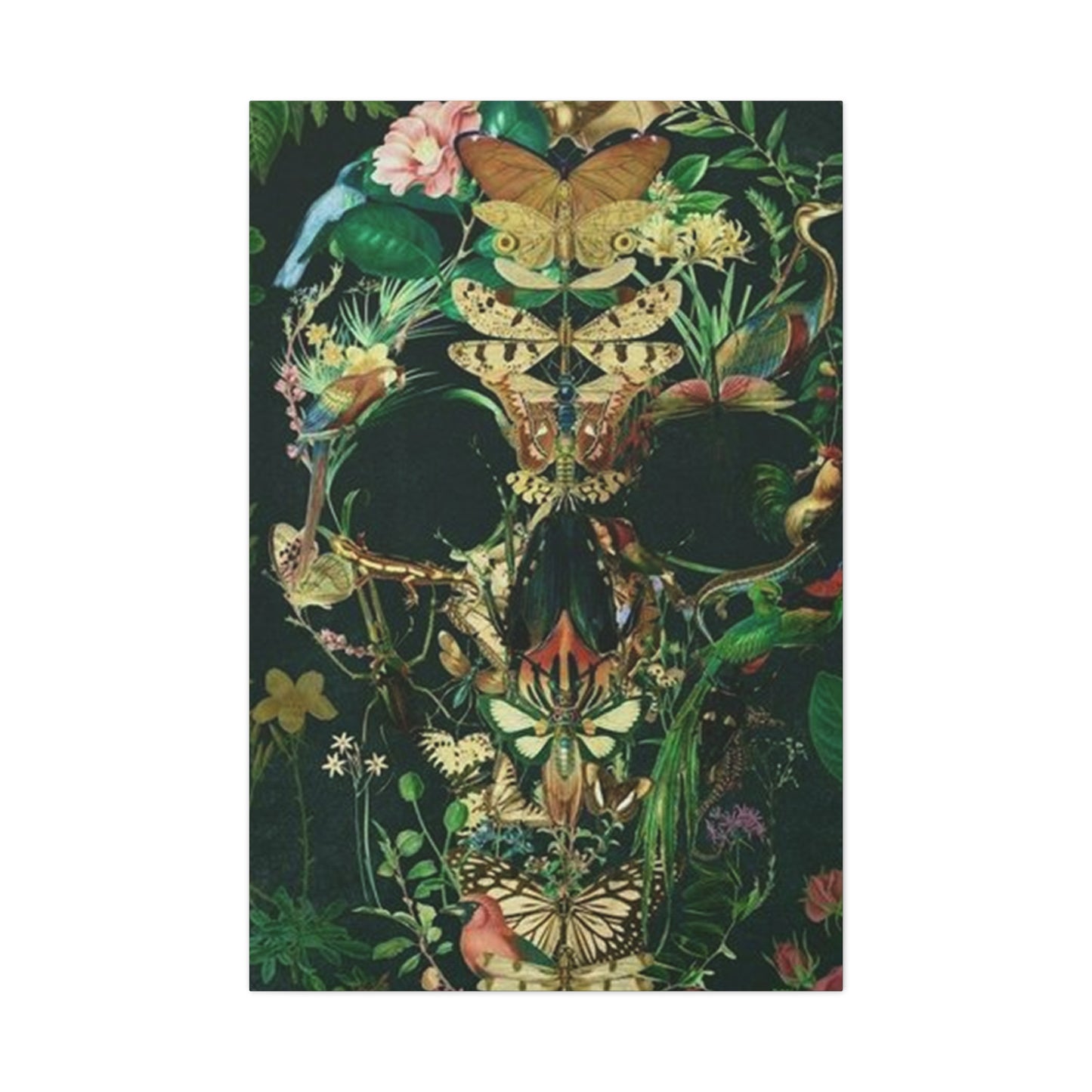
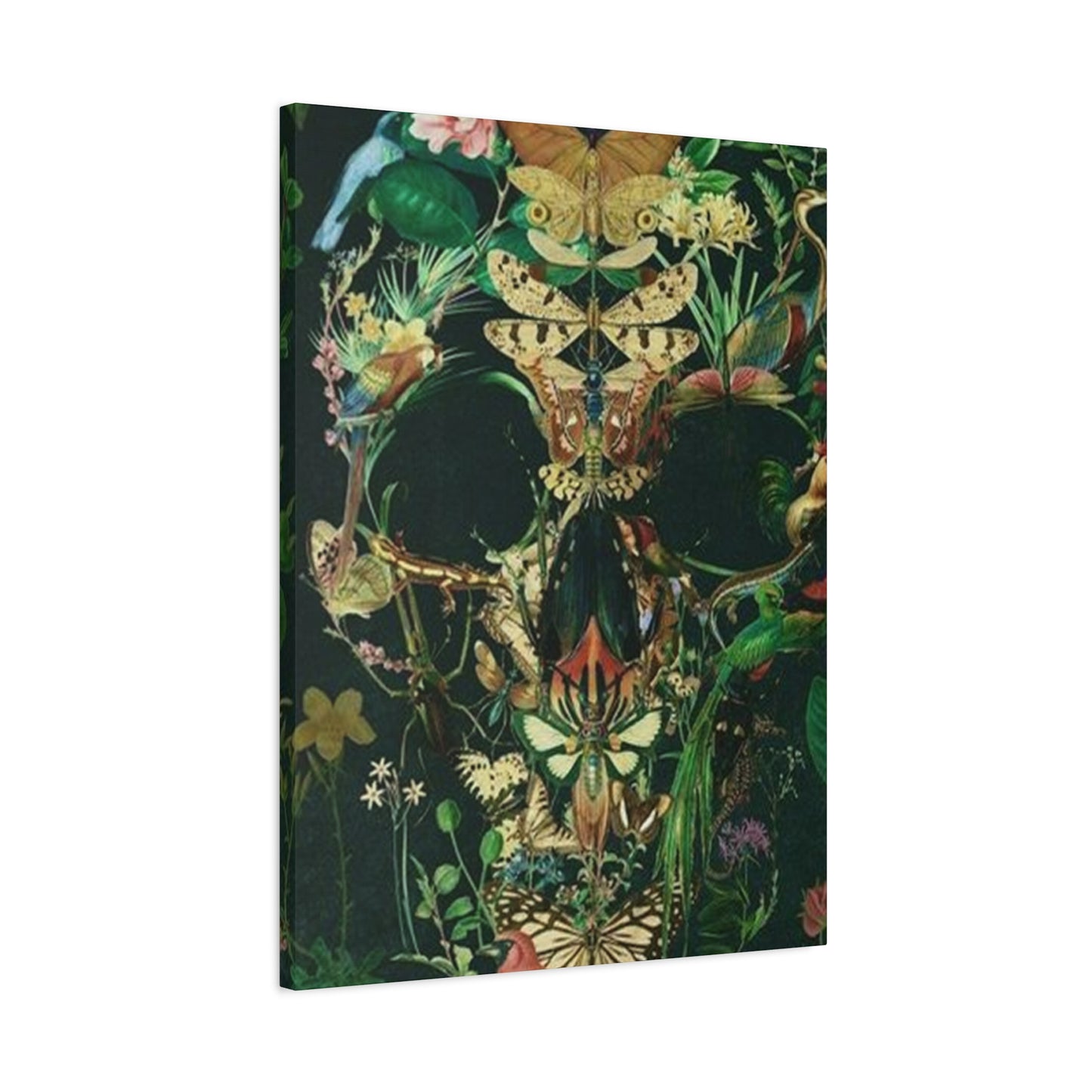
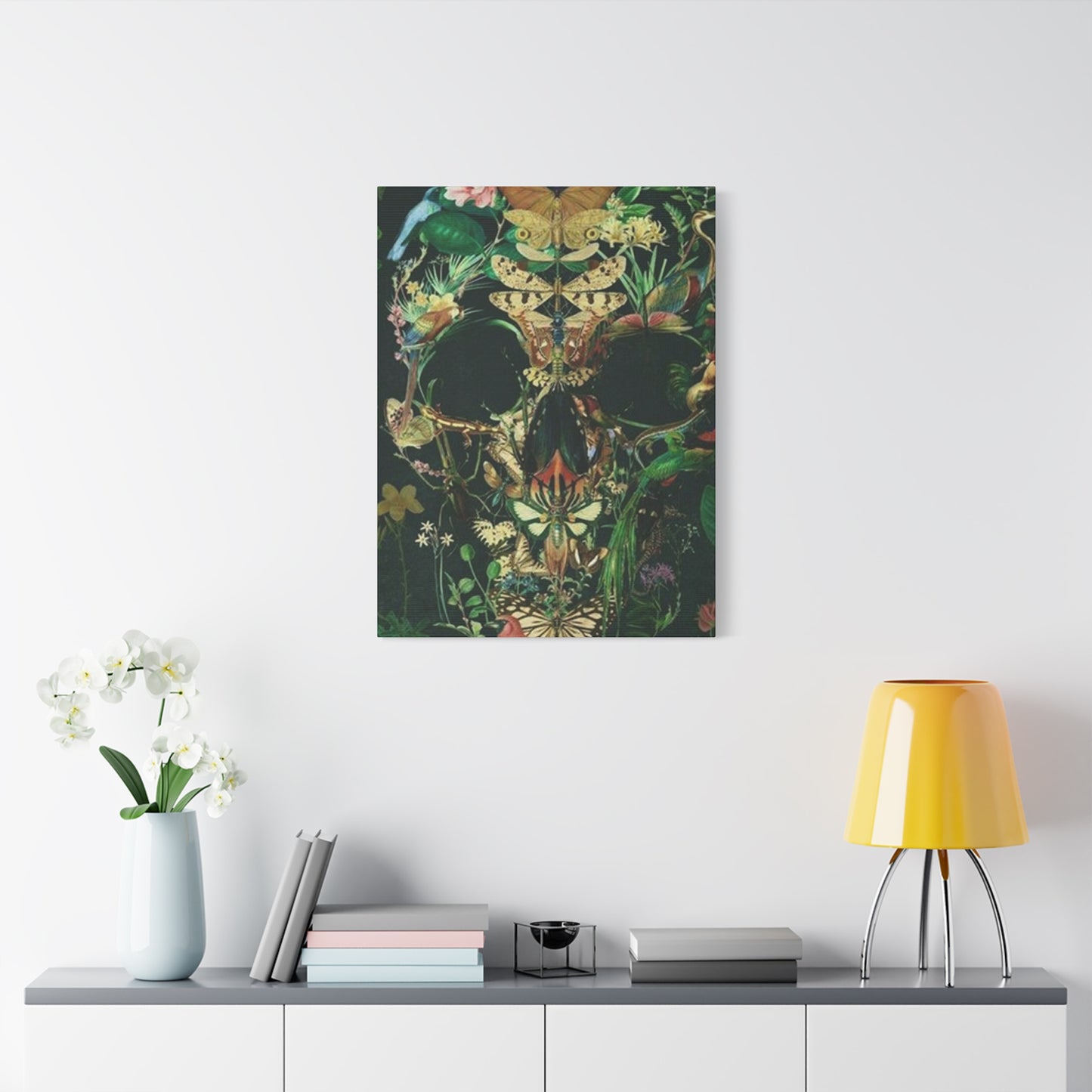
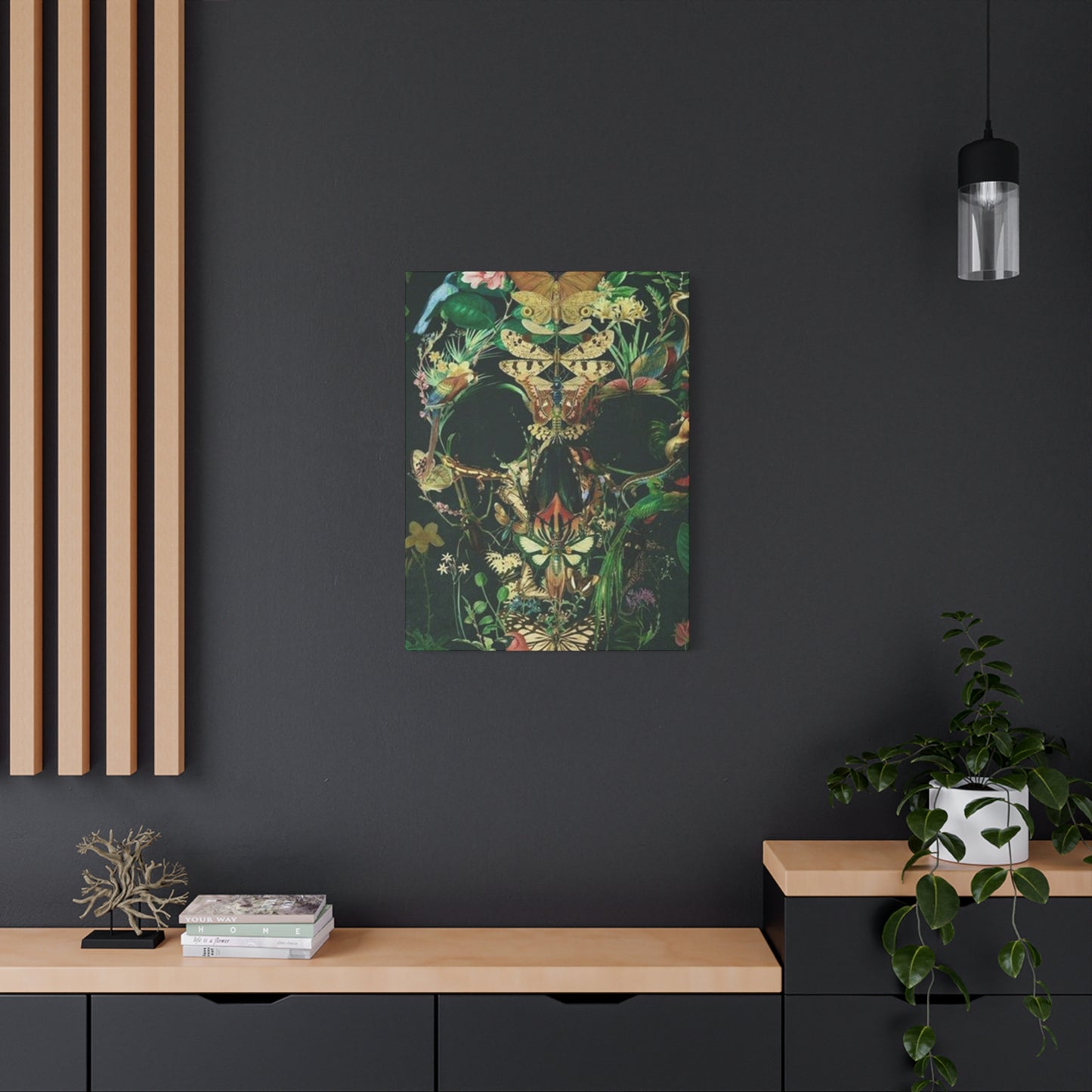
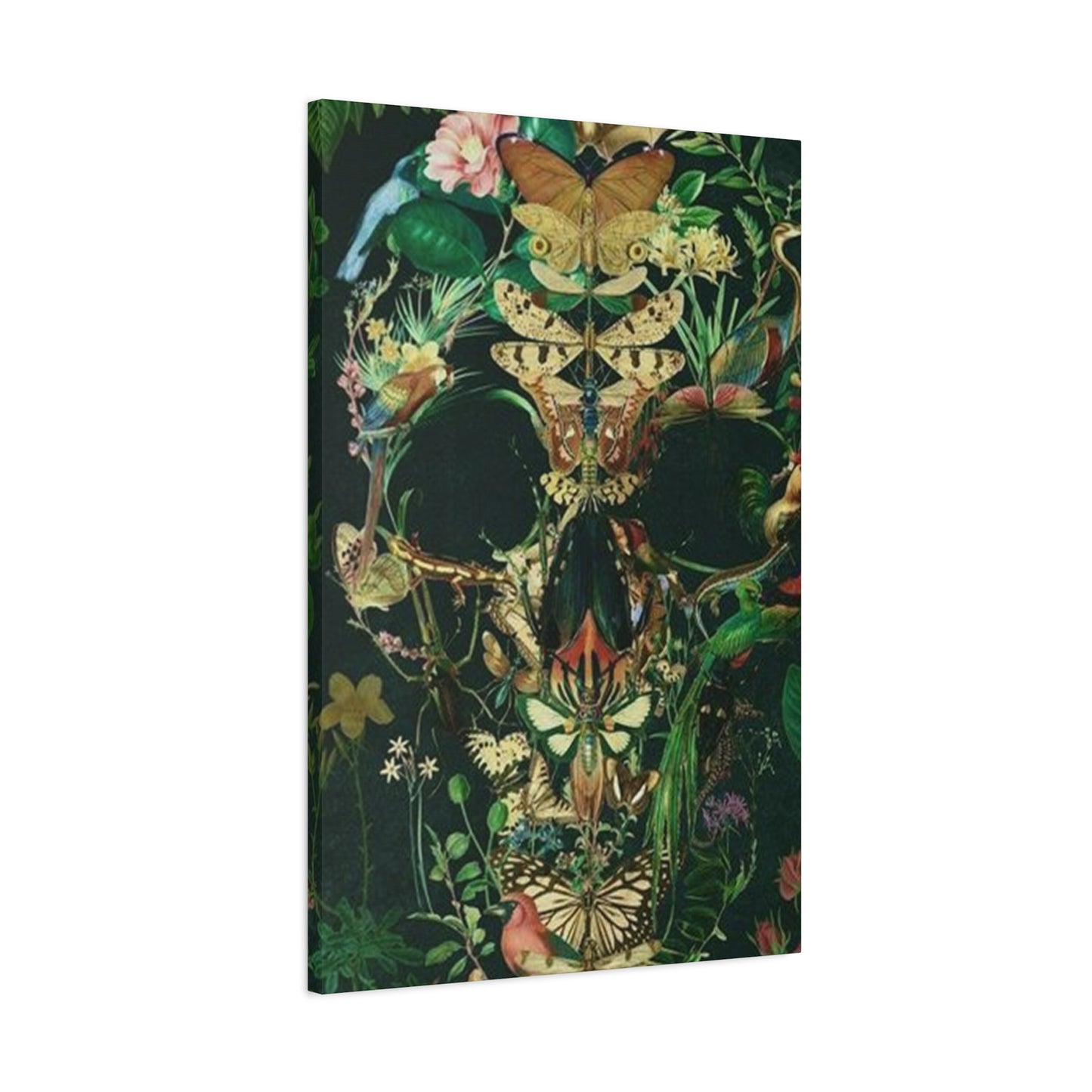
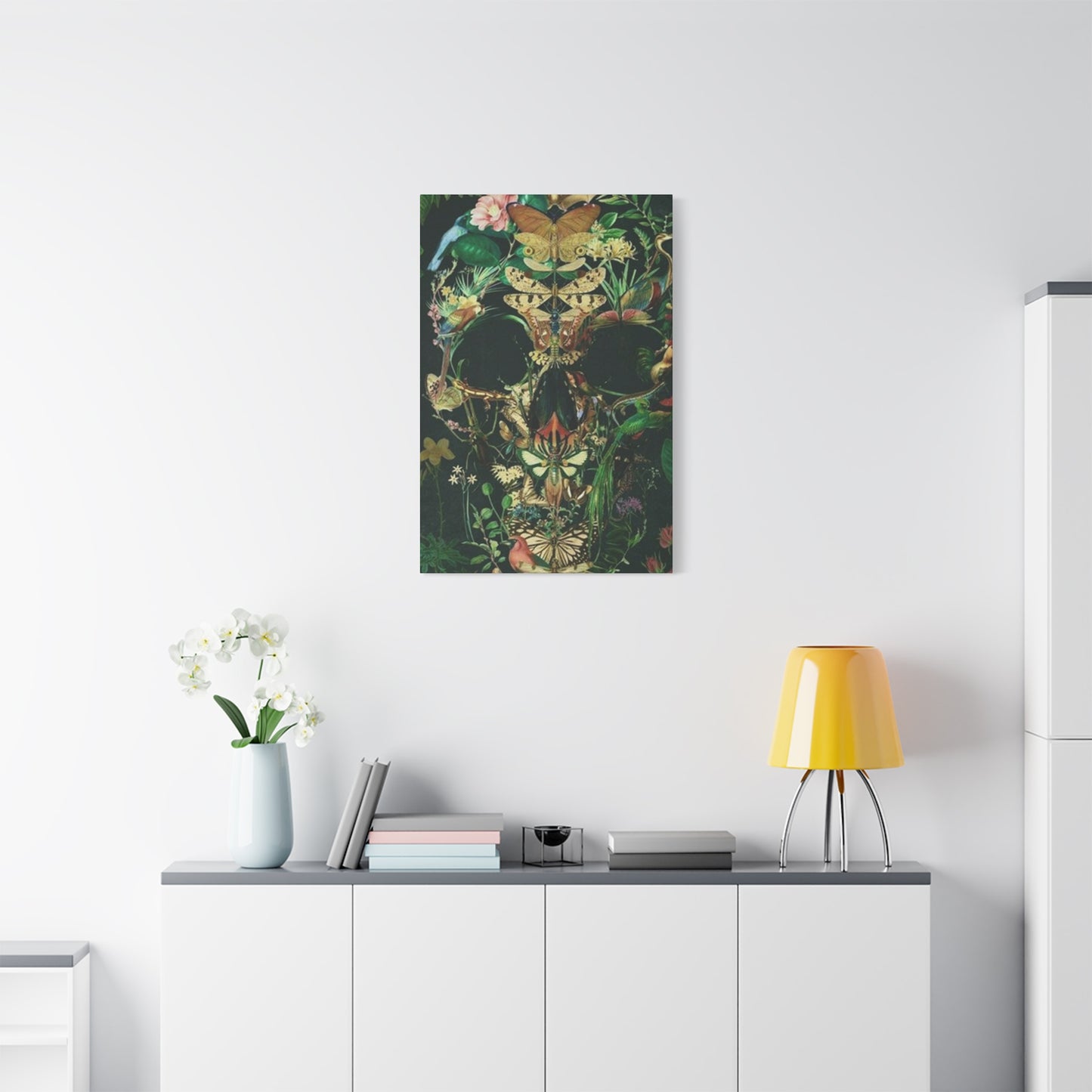
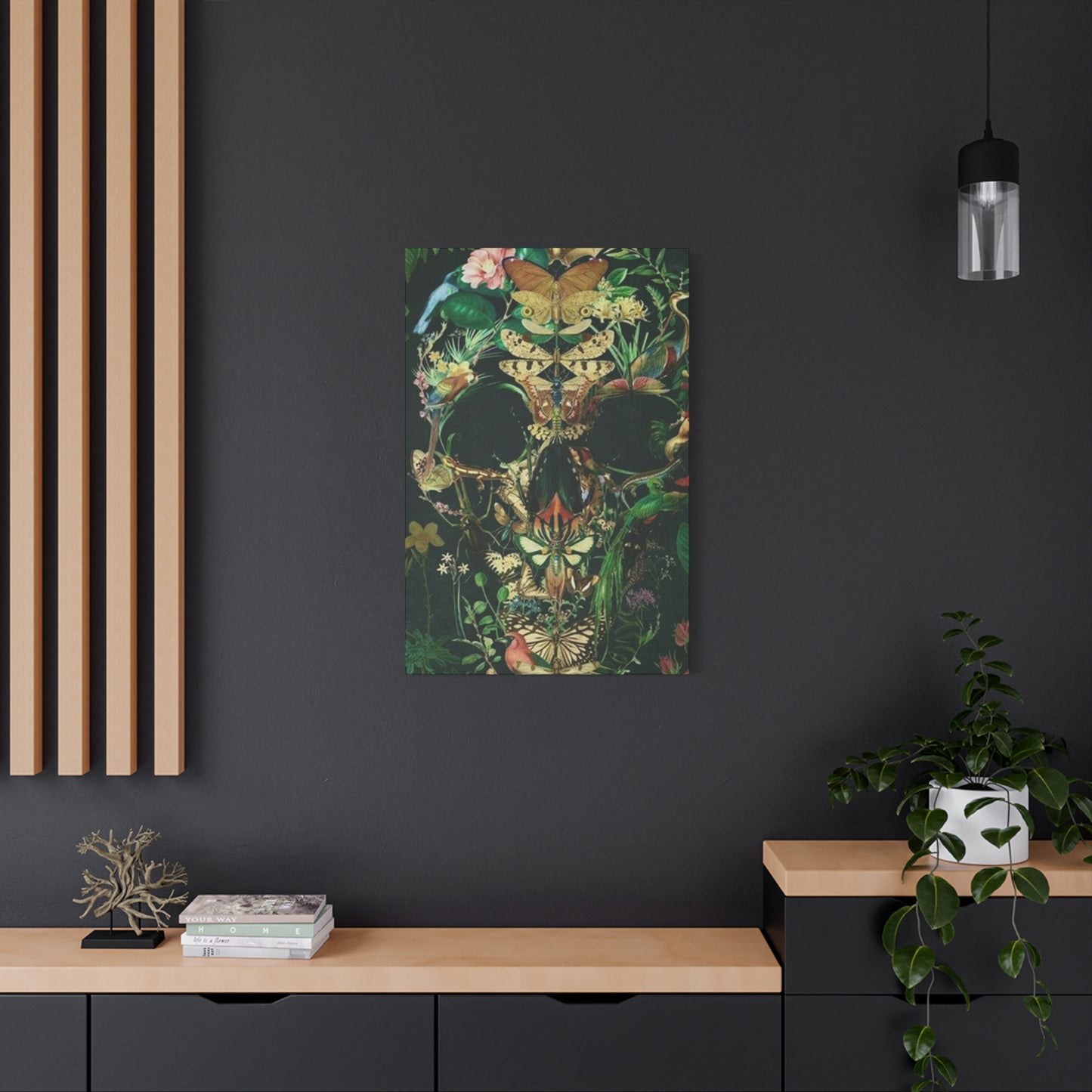
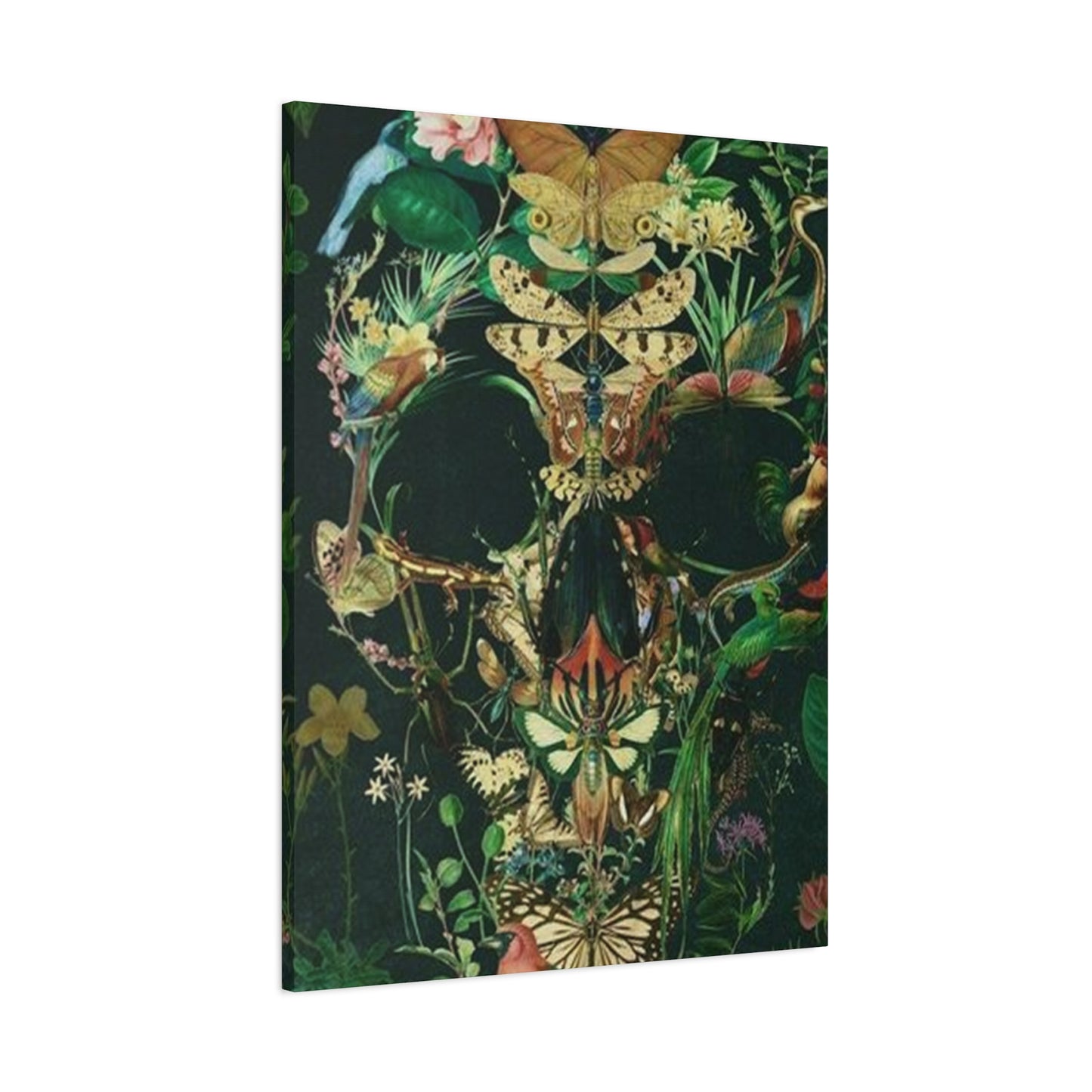
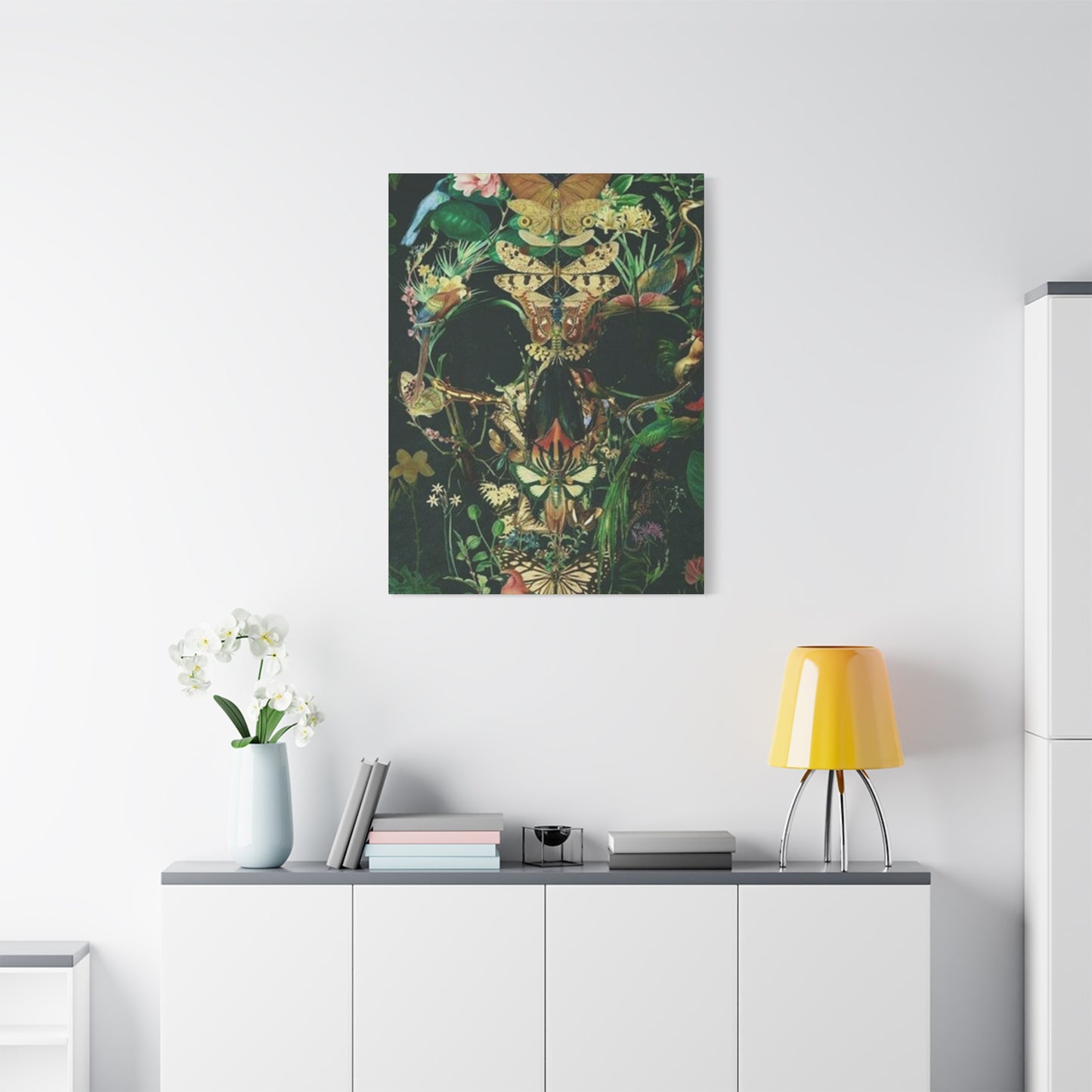
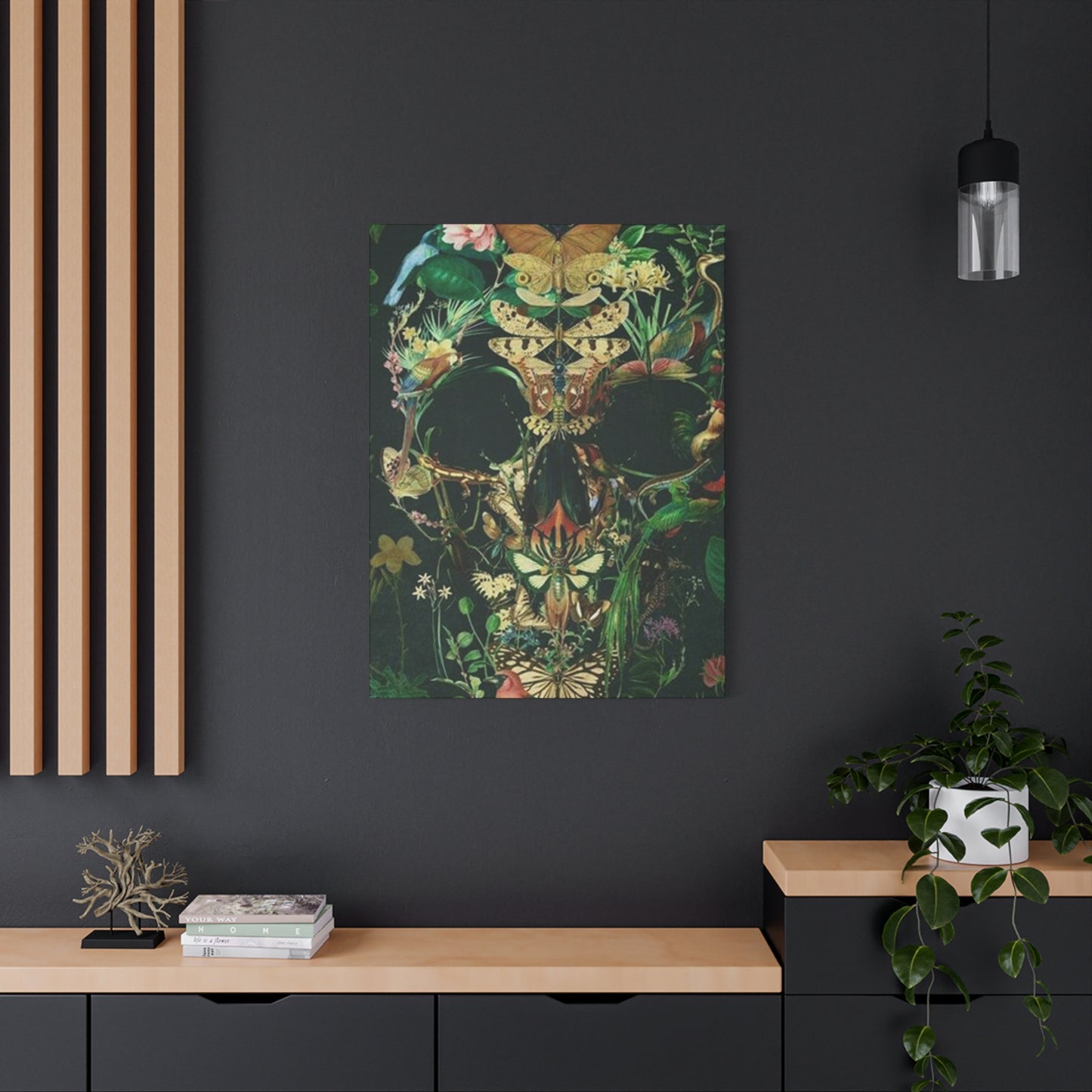
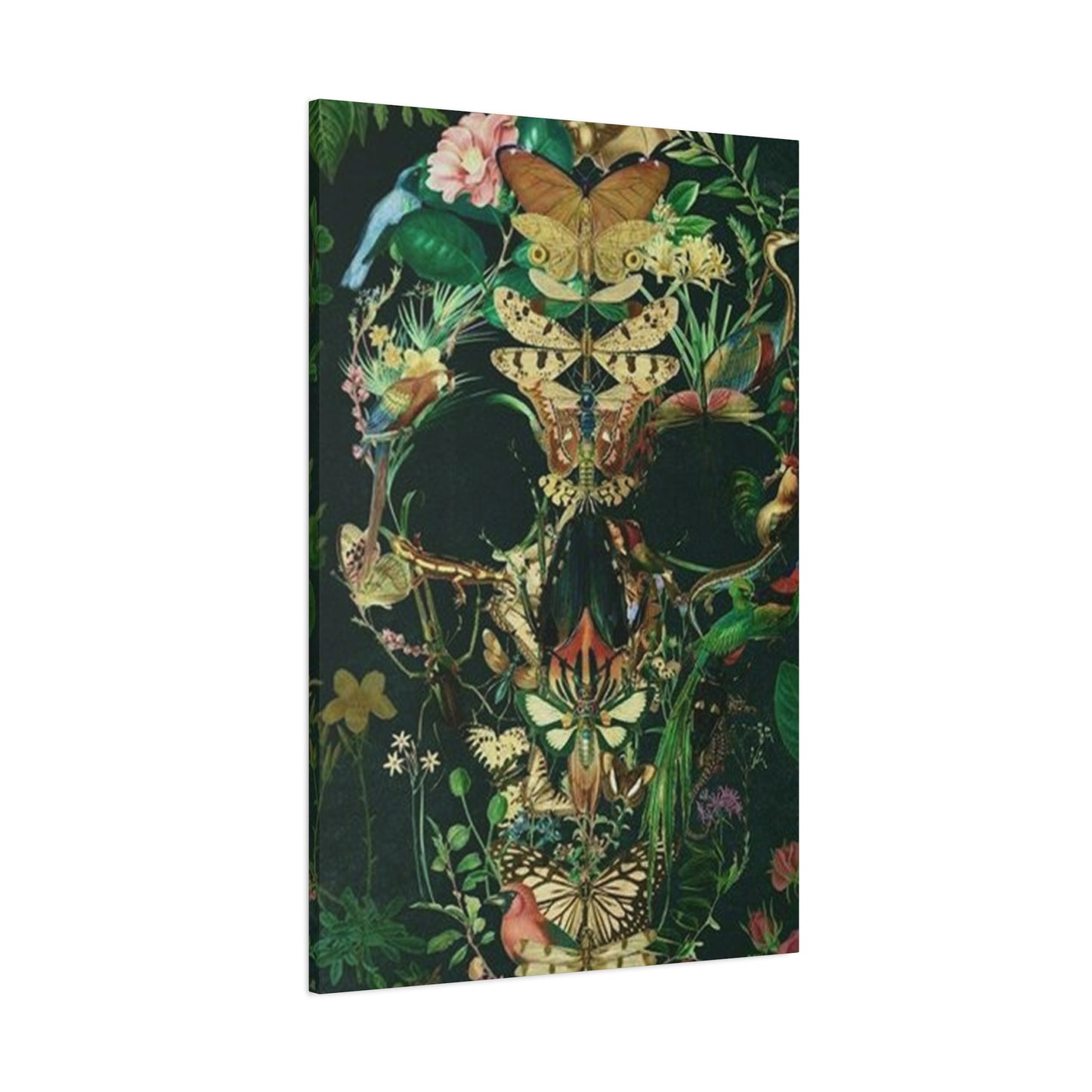
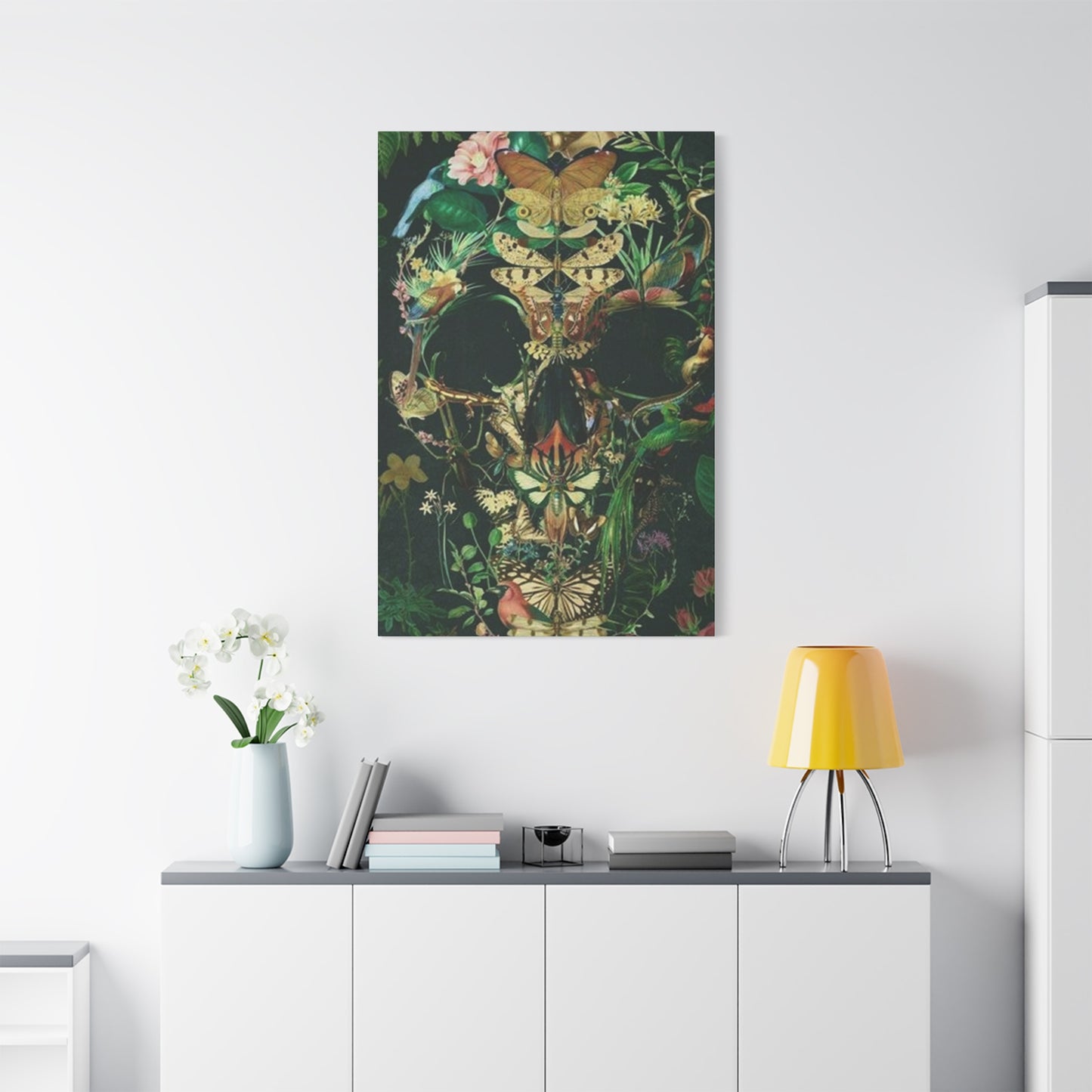
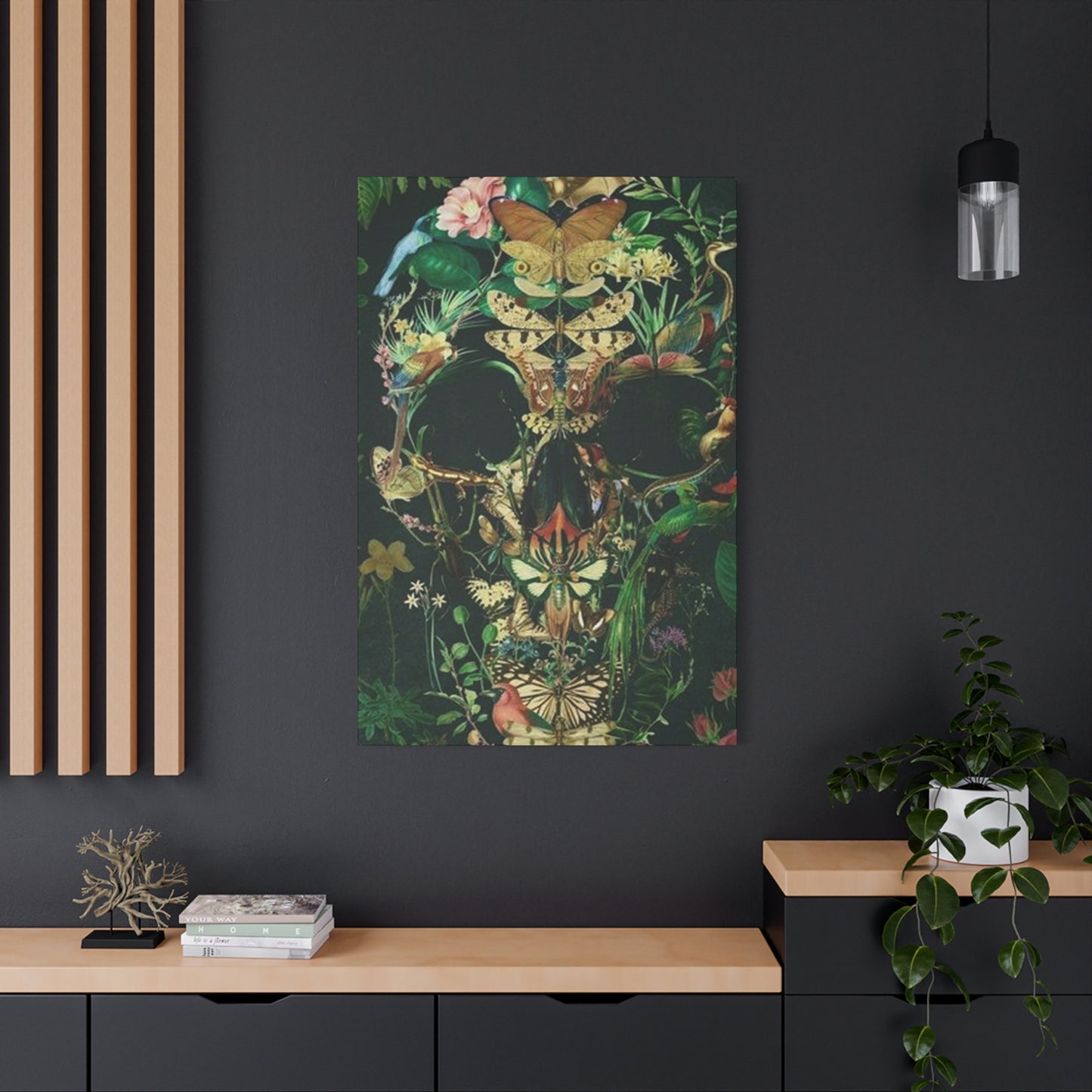
The realm of contemporary artistic expression has witnessed a remarkable evolution, particularly in the domain of decorative wall installations that merge nature-inspired elements with symbolism. Skull flora and fauna canvas prints represent a distinctive category of modern art that captures the imagination of collectors, interior designers, and aesthetic enthusiasts worldwide. These captivating pieces blend the aesthetic complexity of natural elements with the profound symbolism embodied in skeletal imagery, creating visual narratives that resonate across diverse cultural contexts and personal interpretations.
The phenomenon of skull-themed artwork has transcended its traditional associations to become a mainstream design element in contemporary interiors. When combined with flora and fauna motifs, these prints acquire additional dimensions of meaning and aesthetic appeal. The integration of botanical elements, wildlife imagery, and skeletal structures creates compositions that are simultaneously thought-provoking and visually stunning. This unique artistic approach appeals to individuals seeking to express their individuality while maintaining a sophisticated and culturally aware perspective on death, nature, and the interconnectedness of all living organisms.
Canvas prints featuring skull flora and fauna designs have emerged as preferred choices among those who wish to incorporate meaningful artwork into their living spaces. Unlike traditional framed prints, canvas presentations offer a contemporary feel that complements various interior design schemes ranging from bohemian and eclectic to minimalist and industrial aesthetics. The texture and depth achieved through canvas printing creates a tactile quality that engages viewers on multiple sensory levels, making these artworks more than mere decorative accessories. The three-dimensional presence of stretched canvas enhances the visual impact significantly.
The popularity of these artistic pieces reflects broader cultural shifts in how society perceives mortality, environmentalism, and artistic expression. Rather than viewing death as a taboo subject, contemporary art enthusiasts increasingly embrace symbolic representations that acknowledge life's transient nature while celebrating the beauty inherent in natural cycles. Skull flora and fauna prints serve as visual reminders of humanity's connection to the broader ecosystem and our shared mortality, creating spaces that encourage reflection and contemplation. These artworks transform personal spaces into galleries of meaning.
Contemporary collectors appreciate the versatility that skull flora and fauna canvas prints offer for diverse interior environments. Whether displayed in residential homes, commercial spaces, or creative studios, these artworks communicate personal aesthetic preferences and philosophical worldviews. The accessibility of diverse designs at various price points democratizes art collecting, enabling individuals across socioeconomic backgrounds to invest in meaningful artwork. The widespread availability ensures that virtually any aesthetic preference can be accommodated through careful selection among countless available designs and variations.
Understanding the Symbolism Behind Botanical Skull Imagery
The intersection of botanical imagery and skull symbolism creates a rich tapestry of meaning that has resonated throughout human history across numerous cultures and artistic traditions. In traditional Mexican art, particularly in Day of the Dead celebrations, flower-adorned skulls represent a celebration of life and the remembrance of those who have passed. This cultural tradition has evolved and influenced contemporary art practices globally, inspiring artists to explore similar themes of mortality, renewal, and the cyclical nature of existence. The respect for these cultural practices demonstrates how ancient traditions continue shaping modern artistic expressions.
The incorporation of flowering plants, vines, and botanical elements around skeletal structures serves multiple symbolic functions within artistic compositions. Flowers traditionally represent beauty, transience, and the ephemeral nature of life, while skulls symbolize mortality and the finite nature of human existence. When combined, these elements create a powerful visual meditation on the duality of life and death, beauty and decay, and the perpetual cycle of renewal that characterizes the natural world. This juxtaposition creates an artistic statement that is simultaneously sobering and uplifting, encouraging viewers to contemplate their own relationship with mortality and the environment. The symbolic interplay generates emotional complexity that resonates across varied interpretive frameworks.
Different botanical elements carry their own symbolic weight within these compositions. Roses, perhaps the most recognizable flower in Western artistic traditions, symbolize love, passion, and romance, but also carry associations with thorns and the pain that accompanies beauty. Roses adorning a skull create a striking contrast between delicate beauty and hard reality, suggesting that even in death, there exists an inherent beauty worthy of celebration and artistic representation. Other flowers such as marigolds, which hold significant cultural importance in Mexican traditions, lilies, which represent purity and rebirth, and peonies, which symbolize prosperity and honor, each bring their own layers of meaning to these compositions. Understanding these distinct symbolic meanings enriches appreciation of artistic choices.
The vines, leaves, and tendrils that often accompany floral elements in skull flora and fauna artwork add organic movement and life-like qualities to otherwise static skeletal structures. These botanical additions suggest growth, vitality, and the continuous processes of nature that occur around and within all living organisms. The intertwining of vegetation and bone creates visual narratives that suggest the reabsorption of organic matter into the earth, representing the cyclical return of all matter to nature. This artistic representation aligns with ecological awareness and environmental consciousness that characterizes contemporary thought. The flowing movement of botanical elements contrasts beautifully with geometric skull structure.
Succulents and desert plants frequently appear in contemporary skull flora and fauna artwork, representing survival in harsh environments and resilience through adversity. The thick, waxy leaves and geometric forms of succulents create visual interest through textural and shape contrasts with skull structures. The slow growth and water retention capabilities of succulents metaphorically suggest endurance and adaptation to challenging conditions. These desert plants carry contemporary relevance for environmentally conscious artists exploring themes of climate change, drought, and environmental resilience. The inclusion of these hardy plants suggests strength coexisting with delicacy.
Wildflowers introduce spontaneity and natural authenticity to skull compositions, suggesting uncontrolled natural growth rather than cultivated formality. The varied colors, sizes, and forms of wildflower assortments create visual dynamism while maintaining organic authenticity. Wildflower imagery appeals particularly to those valuing nature's unpredictability and self-determined growth processes. These compositions suggest beauty emerging through natural processes without human intervention or control. The inclusion of wildflowers creates accessible, naturalistic artwork that feels connected to actual outdoor experiences.
The color palette employed in skull flora and fauna canvas prints further enhances their symbolic power and emotional impact. Vibrant, saturated colors in botanical elements create striking contrast against neutral skull tones, making the artworks visually dynamic and attention-grabbing. Conversely, muted and subdued color schemes create more contemplative and somber visual experiences that encourage deeper reflection. The strategic use of color serves not only aesthetic purposes but also influences emotional responses and interpretive possibilities available to viewers. Careful color selection determines whether compositions feel celebratory, melancholic, energetic, or contemplative.
The Evolution of Skull Art in Contemporary Culture
Skull imagery has undergone a profound transformation in contemporary culture, evolving from associations primarily with danger, piracy, and mortality into a multifaceted symbol embraced across numerous artistic and cultural contexts. This evolution reflects changing attitudes toward spirituality, environmentalism, and the human condition. The emergence of skull imagery in mainstream fashion, home décor, and fine art demonstrates how symbols traditionally relegated to subcultures or countercultural movements have become normalized and celebrated within broader society. This cultural acceptance represents significant shift in collective consciousness regarding mortality and artistic expression.
The history of skull imagery extends far beyond contemporary times, with origins in ancient civilizations, religious art, and cultural practices across diverse geographical regions. Medieval European art frequently incorporated skull imagery as a memento mori reminder of human mortality and the futility of worldly pursuits. These artistic traditions emphasized spiritual preparation and detachment from material concerns. Indigenous cultures throughout the Americas incorporated skeletal imagery into spiritual and ceremonial art, viewing these representations as connections between the physical and spiritual realms. As globalization and cultural exchange accelerated, these diverse traditions influenced one another, creating hybrid artistic forms that borrowed elements from multiple cultural contexts.
The counterculture movements of the twentieth century, particularly punk and rock aesthetics, adopted skull imagery as symbols of rebellion against mainstream society. Motorcycle culture, tattooing traditions, and alternative music scenes incorporated skull motifs as badges of nonconformity and expressions of individualism. Rather than viewing this cultural association negatively, contemporary artists and designers have recontextualized skull imagery, elevating it from subcultural signifier to legitimate artistic subject worthy of serious aesthetic consideration. This process of rehabilitation and recontextualization has transformed skulls into symbols that can simultaneously reference rebellion, mortality, beauty, and ecological awareness. The subcultural association lends edginess to contemporary artistic interpretations.
The integration of skull imagery with natural elements represents a further evolution in this artistic journey. By combining skeletal structures with flora and fauna, contemporary artists have created a new visual language that speaks to contemporary environmental concerns, spiritual awakening, and the desire to create meaningful artistic expressions that transcend conventional boundaries. This fusion reflects the postmodern artistic approach of combining seemingly disparate elements to create new meanings and challenge viewers' preconceptions about what constitutes appropriate artistic subjects. The synthesis generates novel meanings unavailable through either element independently.
The democratization of art through technological advancement has accelerated the evolution of skull art in contemporary culture. Digital design tools, printing technologies, and online platforms have enabled artists from diverse backgrounds to share their work globally, resulting in exponential expansion of stylistic variations and thematic approaches to skull-themed artwork. This accessibility has transformed skull imagery from exclusive fine art province to accessible home décor element available to diverse socioeconomic groups, further normalizing and mainstreaming these previously marginal artistic forms. The technological revolution has fundamentally transformed how art functions within society.
Contemporary skull flora and fauna artwork increasingly incorporates social commentary and political messaging addressing contemporary concerns. Artists utilize skull imagery combined with nature elements to address climate change, species extinction, pollution, and environmental destruction. These socially engaged artworks function simultaneously as aesthetic objects and vehicles for activism, encouraging viewers to develop consciousness regarding environmental responsibility. The blending of visual beauty with environmental messaging creates powerful advocacy pieces that engage both emotions and intellect. These contemporary applications demonstrate how traditional artistic forms continue evolving to address current challenges.
The spiritual dimensions of contemporary skull artwork reflect interest in transcendent experiences and meaningful existence exploring life's deeper questions. Many contemporary practitioners view skull imagery as representing spiritual awakening rather than morbid fixation on death. These spiritually inflected interpretations draw from various religious and spiritual traditions, creating syncretic approaches that blend multiple worldviews. The accessibility of diverse spiritual influences through global communication enables creation of artwork that respectfully incorporates multiple traditions while maintaining artistic integrity. Spiritual dimensions attract viewers seeking meaningful aesthetic experiences.
Aesthetic Advantages of Canvas Material for Wall Installations
The selection of appropriate materials for displaying artwork significantly impacts both aesthetic qualities and longevity of artistic presentations. Canvas has emerged as a preferred medium for contemporary art reproduction and original artwork, offering numerous advantages that make it ideal for skull flora and fauna artistic compositions. Understanding the aesthetic and practical benefits of canvas materials enables consumers to make informed decisions when selecting wall art that aligns with their decorative aspirations and environmental considerations. Canvas advantages encompass both visual and practical dimensions important for long-term satisfaction.
Canvas possesses inherent texture that distinguishes it from smooth paper or plastic surfaces, creating visual depth and tactile qualities that enhance viewer engagement. The woven structure of canvas produces subtle variations in light reflection as viewing angles change, creating dynamic visual experiences that evolve throughout the day as ambient lighting conditions shift. This dynamic quality elevates canvas presentations beyond static images, transforming them into living artworks that interact with their surrounding environments. Skull flora and fauna designs particularly benefit from this textural quality, as the detailed botanical elements and intricate skull designs become more visually engaging when rendered on canvas substrates. The texture invites closer examination and repeated viewing.
The three-dimensional presence created by stretched canvas mounted on wooden frames provides significant visual presence within interior spaces. Unlike flat prints that blend into walls, canvas installations project forward into rooms, commanding attention and establishing focal points within carefully curated interior environments. This dimensional quality becomes particularly important in larger rooms or spaces with multiple competing visual elements. A well-positioned skull flora and fauna canvas print can anchor an entire room's aesthetic composition, establishing color schemes and emotional tones that influence the overall atmosphere of the space. The projection into rooms creates physical presence beyond typical artwork.
Canvas materials offer superior color reproduction capabilities compared to numerous alternative display media. High-quality printing processes applied to properly prepared canvas surfaces produce vibrant, accurate color rendering that faithfully represents original artistic designs. The texture of canvas interacts with ink in ways that enhance color saturation and create subtle variations in tone that increase visual interest. For skull flora and fauna artwork, where botanical elements often feature rich colors and intricate gradations, canvas presentation ensures that these artistic qualities receive appropriate visual emphasis. The color depth achievable through canvas printing rivals traditional fine art mediums.
The interaction between canvas fibers and printed inks creates unique visual qualities unavailable through alternative materials. As light passes through and reflects off canvas fibers, ink colors appear more naturalistic and sophisticated compared to the sometimes artificial appearance of smooth surfaces. The fiber structure disperses light rays slightly, creating optical blending effects that enhance color gradations and transitions. This optical phenomenon contributes to canvas artwork appearing more refined and gallery-quality compared to flat print alternatives. The interaction between materials and inks represents fundamental advantage inherent to canvas presentations.
Durability represents another significant advantage of canvas-based artwork presentations. Quality canvas materials resist fading, deterioration, and environmental damage significantly better than paper or fabric alternatives. With proper care and positioning away from direct sunlight, canvas prints maintain their appearance for decades, providing lasting value and long-term aesthetic enjoyment. This durability makes canvas presentations sound financial investments for those seeking artistic additions to their interiors that will retain visual appeal over extended timeframes. The protective qualities of canvas also make these artworks suitable for various interior environments, including moisture-prone spaces where paper-based alternatives might deteriorate. Long-term preservation protects financial investment.
Canvas materials withstand environmental stressors including humidity fluctuations, temperature variations, and air pollutants better than alternative materials. The relatively stable construction of canvas resists warping, buckling, or discoloration resulting from environmental changes. This stability proves particularly valuable in kitchens, bathrooms, or other spaces experiencing humidity variations or temperature fluctuations. The resilience of canvas materials ensures that investments remain visually appealing regardless of environmental challenges. This robustness makes canvas ideal for diverse spatial applications where other materials might deteriorate prematurely.
The versatility of canvas dimensions and configuration options enables artists and consumers to create customized presentations suited to specific spaces and aesthetic requirements. Canvas prints can be produced in virtually any dimensions, allowing for adaptation to unusual wall configurations, large feature walls, or multi-panel arrangements that create dramatic visual impact. Skull flora and fauna designs can span across multiple canvas panels, creating panoramic compositions or series-based presentations that transform entire wall surfaces into immersive artistic installations. This flexibility makes canvas an adaptable medium for diverse interior design applications. Custom sizing accommodates any space imaginable.
Canvas accepts various finishing treatments that enhance aesthetic qualities and provide protection. Matte finishes create sophisticated, gallery-quality appearances suggesting fine art legitimacy. Glossy finishes increase color saturation and create dramatic reflective properties. Satin finishes balance matte and glossy characteristics, offering moderate sheen without excessive reflection. UV-protective coatings shield artwork from fading caused by sunlight exposure. These finishing options enable customization that extends beyond basic design selection, allowing consumers to optimize aesthetic and protective properties. Treatment options enable personalization beyond standard offerings.
Varieties of Flora and Fauna Elements in Skull Art Compositions
Skull flora and fauna canvas prints incorporate an extraordinarily diverse range of botanical and zoological elements that create visual richness and thematic complexity. Understanding the different types of flora and fauna commonly featured in these compositions enables viewers to select artworks that resonate with their personal aesthetic preferences and emotional responses. The variety of available designs ensures that virtually any interior style preference can be accommodated through careful selection of appropriate compositions. The diversity reflects contemporary artists' expanded creative possibilities and willingness to experiment.
Floral elements represent the most frequently incorporated natural components in skull art compositions. Roses appear in countless variations, from delicate watercolor renderings to bold graphic representations. Roses convey romantic sentiments while their thorns suggest danger and complexity, creating visual narratives that acknowledge beauty coexisting with pain. Tulips, with their elegant, sculptural forms, appear in some compositions, suggesting grace and refinement. Orchids, with their exotic and unusual structures, create a sense of luxury and sophistication. Succulents and desert flora introduce contemporary botanical interests into traditional memento mori themes. Wildflowers create rustic, organic feeling compositions that emphasize natural authenticity and environmental connection. Each floral choice influences the overall aesthetic and emotional impact of the artwork. The diversity of available flowers ensures broad design possibilities.
Fauna elements incorporated into skull designs add layers of symbolic meaning and visual interest beyond mere decorative enhancement. Birds, particularly ravens, crows, and owls, frequently appear in these compositions, symbolizing mystery, wisdom, and often serving as cultural messengers between living and spiritual realms. These intelligent creatures carry significant symbolic weight across numerous cultural traditions. Butterflies represent transformation, rebirth, and the ephemeral nature of life, making them symbolically appropriate companions to skeletal imagery. Insects such as beetles, dragonflies, and moths add intricate detail and natural authenticity to compositions. Larger fauna elements including deer, foxes, and wolves bring wild nature imagery into domestic interior spaces, creating connections between civilized interiors and untamed wilderness. Aquatic elements such as fish, octopi, and other sea creatures introduce exotic and somewhat unsettling visual contrasts that challenge viewer expectations and create memorable artistic impact.
The combinations of specific flora and fauna create entirely different thematic emphasis and aesthetic qualities within finished compositions. A skull surrounded by roses and butterflies creates a romantic, delicate aesthetic that celebrates life's fleeting beauty and love's transformative power. Conversely, a skull surrounded by thorned vines, ravens, and predatory animals creates darker, more gothic atmosphere appropriate for those seeking to embrace mortality's more confrontational aspects. Compositions featuring desert flora alongside reptiles and scorpions evoke primal, dangerous wilderness settings suggesting nature's untamed aspects. Compositions incorporating tropical flowers alongside exotic birds create lush, verdant atmospheres that celebrate biodiversity and natural abundance. The seemingly unlimited combinations of botanical and zoological elements ensure tremendous variety in available designs and themes.
Predatory animals including wolves, eagles, and big cats frequently appear alongside skull imagery, introducing themes of danger, power, and nature's ruthless cycles. The inclusion of predators creates visually striking contrasts between natural predation and human mortality, suggesting universal vulnerability within natural systems. These powerful animals symbolize strength, dominance, and primal forces that supersede human civilization and control. The tension created by combining predatory animals with mortality symbolism generates psychological complexity and emotional depth. These compositions appeal to those unafraid of confronting harsh natural realities and philosophical implications of human vulnerability.
Water elements frequently appear in skull flora and fauna compositions, often portrayed as waves, droplets, or flowing streams that suggest continuous movement and cyclical renewal. Water symbolizes emotional depth, spiritual cleansing, and the fluidity of life and death transitions. Integration of water elements creates dynamic compositions that suggest growth, change, and the continuous processes that characterize natural systems. The flowing movement of water contrasts beautifully with static skeletal structures, creating visual interest through opposing qualities. Water imagery introduces spiritual dimensions suggesting purification and rebirth.
The incorporation of minerals, crystals, and geological elements in some compositions adds earthiness and represents the fundamental elements from which all life emerges and to which all matter eventually returns. Crystals and stones suggest permanence and geological timescales that dwarf human existence. These earth elements ground compositions in material reality while suggesting transcendent spiritual dimensions. The combination of geological elements with organic forms creates artistic statements about matter's fundamental nature and the processes transforming all substances over time. These sophisticated compositions appeal to those interested in geological processes and material philosophy.
The scale and proportion relationships between skulls and surrounding flora and fauna elements significantly influence overall composition aesthetics and symbolic emphasis. Some designs feature prominently sized skulls with delicate, secondary flora and fauna elements, emphasizing mortality and finality as primary themes. Other compositions minimize skull size while enlarging botanical and zoological elements, suggesting that nature and life endure beyond individual mortality and that human existence represents merely one component within broader natural systems. Still other designs create balance between skeletal and natural elements, representing harmony between death and life, suggesting complementary rather than oppositional relationships. These compositional choices enable artists to express specific philosophical positions regarding humanity's relationship with nature and mortality. Proportional relationships communicate distinct messages.
Design Aesthetics and Artistic Styles in Skull Flora and Fauna Prints
The artistic styles applied to skull flora and fauna compositions encompass an impressive spectrum ranging from photorealistic renderings to highly stylized graphic interpretations. This stylistic diversity ensures that artists can apply personal aesthetic preferences while creating pieces that resonate with viewers possessing various artistic sensibilities. Understanding different artistic approaches enables informed selection of designs that genuinely reflect personal taste rather than succumbing to trends or external pressures. Style selection dramatically influences both aesthetic experience and emotional responses.
Watercolor and acrylic aesthetic treatments create soft, flowing visual qualities that emphasize organic nature of natural elements. Watercolor approaches often feature gradient color transitions and translucent qualities that suggest fluidity and impermanence. These styles work particularly well for compositions emphasizing beauty, spirituality, and the ephemeral qualities of life. The delicate quality of watercolor renderings contrasts effectively with the hard reality of skeletal structures, creating visual tension that engages viewers emotionally. Artists working in watercolor traditions frequently employ washes of color that bleed into one another, creating impressionistic effects that feel spontaneous and emotionally immediate. The soft qualities suggest emotional vulnerability and accessibility.
Graphic design and digital art styles create bold, clean compositions featuring defined color areas and precise linework. These approaches often employ limited color palettes with strategic color choices that create striking visual impact. Graphic styles work effectively for contemporary interior environments, particularly those featuring minimalist or industrial aesthetics. Digital art approaches frequently incorporate geometric patterns, symmetrical compositions, and mathematical precision that appeals to those seeking order and visual clarity. Many contemporary graphic designers combine traditional artistic elements with modern geometric forms, creating hybrid styles that honor classical artistic traditions while embracing contemporary sensibilities. The precision suggests control and intentional artistic decision-making.
Photorealistic approaches render detailed botanical and zoological elements alongside skulls with remarkable precision and accuracy. These highly detailed compositions often require extended viewing periods to fully appreciate the intricate work involved in their creation. Photorealistic styles appeal to those seeking maximum visual information and appreciate the technical skill demonstrated through careful observation and meticulous rendering. Some photorealistic approaches incorporate selective color, where portions of compositions remain in monochrome while specific elements receive vivid color treatment, creating dynamic visual emphasis and directing viewer attention. The technical virtuosity demonstrates artistic dedication and skill.
Surrealist and fantastical artistic treatments reimagine skulls, plants, and animals in impossible combinations and scale relationships that challenge conventional reality. These imaginative approaches might feature oversized flowers merging with skull structures, impossible animal proportions, or dreamlike atmospheric conditions. Surrealist styles appeal to those seeking artistic expressions that transcend literal representation and engage imagination and creative interpretation. These approaches often incorporate symbolic meaning and psychological depth, encouraging viewers to develop personal interpretations of artistic narratives. The fantastical elements introduce wonder and imaginative engagement.
Ink and pen illustration styles create detailed compositions emphasizing line work and traditional illustration techniques. Fine line work enables creation of intricate detail and technical complexity rivaling photorealistic approaches while maintaining artistic distinctiveness associated with illustration traditions. These approaches often emphasize architectural or structural clarity while maintaining organic fluidity in natural elements. Ink illustration styles appeal to those appreciating traditional artistic techniques and the personal connection evident in hand-drawn artistry. The visible hand of the artist becomes part of the artwork's appeal and authenticity.
Mixed media approaches combine multiple artistic techniques within single compositions, incorporating collage elements, texture variation, and dimensional effects that create complex, layered visual experiences. These technically sophisticated approaches demonstrate exceptional artistic skill and create artworks that remain visually engaging across extended viewing periods. Some mixed media compositions incorporate actual botanical elements, creating three-dimensional quality that extends beyond traditional flat artwork. The layering suggests complexity and depth extending beyond surface aesthetics. Mixed media work rewards patient, extended observation.
Tribal and indigenous artistic traditions inform many skull flora and fauna compositions, particularly those emphasizing cultural heritage and spiritual significance. These approaches often incorporate traditional pattern work, ceremonial symbolism, and aesthetic sensibilities developed across generations. Designs drawing from indigenous traditions honor cultural practices while enabling broader audiences to appreciate and engage with these meaningful artistic expressions. The integration of indigenous artistic approaches with contemporary skull imagery creates powerful statements about cultural continuity and respect for traditional knowledge systems. These culturally informed designs celebrate heritage and tradition.
Contemporary abstract approaches distill skull imagery and natural elements into essential forms and colors, emphasizing artistic interpretation over representational accuracy. Abstract styles challenge viewers to develop personal meanings and interpretations while appreciating formal artistic qualities including composition, color relationships, and form. These intellectually engaging approaches appeal to conceptually oriented viewers comfortable with ambiguous meaning and open interpretation. Abstract work requires active viewer participation in meaning-making processes. The open-endedness invites multiple interpretations.
Contemporary Interior Design Applications and Placement Strategies
Successful integration of skull flora and fauna canvas prints into interior environments requires thoughtful consideration of placement strategies, spatial relationships, and overall design coherence. Understanding how these distinctive artworks interact with various interior styles enables homeowners and designers to create cohesive, aesthetically pleasing environments that express personal identity while maintaining visual harmony. Strategic placement transforms skull flora and fauna prints from decorative afterthoughts into intentional focal points that anchor room aesthetics and establish emotional atmospheres. Deliberate placement multiplies artwork impact significantly.
The bohemian interior aesthetic represents perhaps the most natural home for skull flora and fauna artwork. Bohemian design embraces eclecticism, cultural diversity, and artistic expression, creating environments where visually complex and symbolically layered skull prints fit seamlessly. Bohemian spaces often feature diverse artwork collections displayed in gallery-wall arrangements, and skull flora and fauna prints complement these arrangements effectively. Pairing these prints with other nature-inspired art, vintage textiles, and globally sourced decorative objects creates cohesive bohemian environments that celebrate cultural diversity and individual expression. Bohemian contexts welcome unconventional artistic choices.
Industrial and contemporary aesthetic environments benefit from strategic incorporation of skull flora and fauna artwork that provides organic counterpoint to hard architectural elements. Exposed brick walls, concrete surfaces, and steel fixtures dominate industrial interiors, creating visually harsh environments that benefit from softening through carefully selected organic imagery. Skull flora and fauna prints featuring intricate botanical elements introduce visual warmth and natural beauty into these austere spaces, creating appealing contrast and visual complexity. The juxtaposition of hard industrial materials with soft, organic artwork creates compelling visual narratives about humanity's relationship with nature within constructed environments. Industrial spaces gain humanity through nature imagery.
Minimalist interior design approaches might initially seem incompatible with complex skull flora and fauna imagery, yet thoughtfully selected prints can enhance minimalist spaces by serving as singular focal points within carefully curated environments. In minimalist contexts, artwork selections become particularly significant, and a singular, powerful skull flora and fauna print displayed prominently on a blank wall creates greater visual impact than multiple artworks distributed throughout space. The negative space surrounding the artwork becomes integral to composition, and the interplay between blank walls and concentrated visual interest creates sophisticated aesthetic tension. Minimalist applications emphasize deliberate selection and purposeful placement.
Eclectic interior styles actively embrace visual complexity and diverse artistic influences, making skull flora and fauna prints ideal components of eclectic schemes. Eclectic design combines unexpected elements in visually sophisticated ways, and skull prints featuring botanical elements fit naturally within these experimental compositions. Eclectic interiors often combine multiple art styles, periods, and cultural traditions, and skull flora and fauna artwork bridges diverse influences effectively. The diverse approaches and variations available in skull flora and fauna prints enable seamless integration into virtually any eclectic composition. Eclectic contexts celebrate artistic diversity.
Modern farmhouse aesthetic environments combine rustic charm with contemporary sensibilities, and skull flora and fauna artwork featuring earthy tones and botanical elements integrates effectively. These spaces balance nostalgic elements with modern functionality, and nature-inspired artwork connects to agricultural heritage while maintaining contemporary relevance. Farmhouse applications typically feature neutral color palettes with accent colors, and carefully selected skull flora and fauna prints enhance these schemes without overwhelming spaces. Modern farmhouse contexts welcome artwork celebrating nature while maintaining clean, organized aesthetic. Farmhouse charm benefits from nature appreciation.
Gallery walls and multi-artwork arrangements frequently feature skull flora and fauna prints as primary compositional elements. These arrangements benefit from including complementary prints featuring consistent color palettes or thematic connections while maintaining sufficient visual variety to prevent monotony. Arranging multiple skull flora and fauna prints together creates powerful visual statements about death, beauty, and nature's role in human consciousness. The cumulative impact of multiple related artworks creates immersive experiences more impactful than singular installations. Gallery arrangements transform walls into personal museums.
Bedroom applications benefit from skull flora and fauna artwork that creates contemplative, somewhat introspective atmospheres appropriate for private spaces where individuals retreat for rest and reflection. Softer color palettes and compositions emphasizing beauty and botanical elements work particularly well for bedrooms, creating peaceful environments that encourage relaxation rather than visual agitation. Positioning artwork within direct sight lines from beds enables extended contemplation during moments of wakefulness, making bedrooms ideal locations for symbolically complex artworks that reward extended viewing. Bedroom artwork should feel soothing rather than stimulating.
Living room and entertainment spaces accommodate bolder, larger skull flora and fauna prints that establish visual focal points and anchor entire room designs. Large-scale installations above seating areas, fireplaces, or prominent wall surfaces command attention and generate conversation among visitors. Living room applications benefit from compositions that feel welcoming to diverse guests while expressing homeowner personality and aesthetics. The visibility of living room artworks to visitors makes these spaces important for personal expression and identity communication. Living rooms become personal galleries expressing resident values.
Home office applications increasingly incorporate skull flora and fauna artwork that creates productive, inspiring atmospheres while maintaining professional appropriateness. These workspace applications benefit from compositions that encourage creative thinking and motivate sustained effort without creating visual distraction. Many professionals working in creative industries particularly appreciate skull flora and fauna artwork that demonstrates artistic sophistication and encourages contemplative thinking about human existence and natural cycles. Home office implementations establish environments that balance productivity with meaningful reflection. Workspace art should inspire rather than distract.
Kitchen and dining spaces benefit from skull flora and fauna artwork that creates inviting atmospheres while celebrating food's connection to natural cycles. Many contemporary kitchen designs incorporate botanical and nature-inspired imagery, and skull flora and fauna prints featuring food-related flora including flowering herbs and fruiting plants create thematic coherence. Dining spaces particularly benefit from artwork encouraging reflection on food sourcing, agricultural practices, and interconnections between human consumption and natural systems. Kitchen applications often employ vibrant colors that complement culinary aesthetics. Dining spaces gain meaning through consciousness of food sources.
Bathroom applications typically benefit from smaller-scale artwork featuring spa-like or peaceful aesthetics. Bathroom environments increasingly incorporate nature-inspired design elements, and skull flora and fauna artwork featuring aquatic fauna or water-themed botanical elements creates thematic coherence. The moisture-resistant properties of canvas printing make these artworks ideal for bathroom applications where paper alternatives might deteriorate. Bathroom spaces transformed into personal sanctuaries benefit from meditative artwork encouraging relaxation. Bathroom art should feel rejuvenating.
Entryway and hallway applications benefit from skull flora and fauna artwork that creates welcoming first impressions while establishing overall home aesthetic. Strategic placement in entry spaces allows artworks to establish color themes and design sensibilities that influence visitor perceptions of entire homes. Hallway applications similarly benefit from artwork that guides visual flow through spaces while expressing homeowner personality. Entryways become curated gallery experiences introducing visitors to personal aesthetic vision. Entry artwork communicates homeowner values and aesthetic sensibilities.
Emotional Impact of Design Palettes
The color selections employed in skull flora and fauna canvas prints profoundly influence both aesthetic appeal and emotional responses generated by artworks. Understanding color psychology enables informed selection of prints that create desired emotional atmospheres and influence viewer experiences in intentional ways. Different color combinations produce dramatically different psychological effects, making color selection as important as compositional elements when evaluating artistic impact. Color represents fundamental communicative tool in visual art.
Bold, saturated colors create dynamic, energetic visual experiences that immediately capture attention and generate emotional arousal. Vibrant reds in floral elements convey passion, intensity, and dramatic emotional states. Bright yellows and oranges suggest warmth, vitality, and optimistic energy. Deep purples convey mystery, spirituality, and psychological depth. These high-saturation color palettes work effectively for individuals seeking artwork that energizes spaces and expresses exuberant personality. Bold color combinations create visually demanding artworks that dominate viewing experiences and command attention. These intense palettes suit particular interior contexts but might overwhelm spaces already featuring significant visual stimulation. Bold palettes communicate confidence and emotional intensity.
Muted, desaturated colors create contemplative, peaceful visual experiences that encourage extended reflection and emotional depth. Dusty roses, soft greens, and subdued browns suggest tradition, wisdom, and introspective contemplation. These softer palettes work effectively in spaces designed for relaxation and intellectual engagement. Muted color approaches demonstrate restraint and sophistication, appealing to those preferring subtle visual statements over bold aesthetic assertions. The reduced visual intensity of desaturated colors enables extended viewing without visual fatigue or emotional overstimulation. Softer palettes communicate thoughtfulness and restraint.
Monochromatic and grayscale approaches to skull flora and fauna artwork create elegant, timeless visual statements that emphasize structural relationships and compositional elements while minimizing distraction from color variation. Black and white renderings convey sophistication, seriousness, and classical artistic traditions. These monochromatic approaches work effectively in formal interior contexts and create gallery-quality aesthetic that suggests fine art legitimacy. The stark contrast in monochromatic compositions creates clear visual hierarchy and focuses attention on compositional elements. Monochromatic approaches convey serious artistic intent.
Sepia and warm brown tones create nostalgic, vintage atmospheres suggesting connection to historical artistic traditions and traditional preservation techniques. These warm earth tones convey stability, grounding, and connection to natural environments. Sepia-toned artwork works effectively in eclectic, bohemian, or vintage-inspired interiors where these historical associations enhance overall aesthetic coherence. The warm quality creates welcoming, familiar atmospheres while maintaining artistic sophistication. Warm earth tones communicate connection to history and tradition.
Warm color palettes dominated by reds, oranges, yellows, and warm earth tones create inviting, comfortable atmospheres that feel welcoming and psychologically warming. These palettes connect to natural elements including fire, earth, and sun, creating associations with security and comfort. Warm colored skull flora and fauna prints introduce these positive psychological associations into interior spaces, creating environments that feel hospitable despite the mortality symbolism inherent in skull imagery. Warm colors pair effectively with earthy, natural interior materials and create cohesive aesthetic environments. Warmth communicates hospitality despite mortality themes.
Cool color palettes featuring blues, greens, purples, and cool earth tones create calm, contemplative atmospheres that feel spacious and psychologically cooling. Blues and teals suggest water, sky, and vast natural spaces, creating associations with tranquility and expansiveness. Cool colored skull flora and fauna prints introduce these peaceful associations into interior environments. These color palettes work effectively for bedrooms, meditation spaces, and contemplative interior applications. The association between cool colors and nature creates visual harmony when combined with botanical imagery. Cool palettes communicate peace and expansiveness.
Jewel tones including deep emeralds, sapphires, and amethyst purples create luxurious, sophisticated atmospheres suggesting wealth and refinement. These rich, saturated colors inspire awe and respect while creating intimate, sophisticated visual experiences. Jewel-toned skull flora and fauna artwork works effectively in formal, elegant interior contexts. The depth of jewel tones suggests complexity and psychological richness. Jewel tones communicate luxury and sophistication.
Conclusion
In conclusion, skull flora and fauna wall art represents far more than a simple decorative element—it embodies a powerful fusion of symbolism, natural beauty, and human creativity. Throughout this guide, we have explored how this unique art form bridges the gap between life and death, strength and fragility, and tradition and modernity. By integrating natural elements such as flowers, plants, birds, and animals into skeletal imagery, artists create works that are not only visually stunning but also deeply meaningful. This duality resonates with many, making skull-inspired nature art an increasingly popular choice in interior design, personal collections, and cultural spaces.
One of the most compelling aspects of this artistic expression lies in its symbolic depth. Skulls, long associated with mortality, are reimagined through the vibrant energy of flora and fauna. The blooming flowers often signify rebirth, resilience, and beauty, while the incorporation of animals reflects harmony with the natural world. This contrast between decay and life is what makes the artwork emotionally powerful. Rather than evoking fear or darkness, it invites reflection on the cyclical nature of existence, reminding viewers that endings often bring new beginnings.
Equally important is the aesthetic versatility of skull flora and fauna wall art. It can seamlessly adapt to different interior styles, from modern minimalism to rustic bohemian, gothic, or even contemporary chic. The intricate patterns, bold contrasts, and natural color palettes make these pieces statement features in living rooms, studios, offices, and galleries. Whether presented as a large canvas, a framed print, or a textured mural, this form of art has the ability to transform an ordinary wall into a storytelling space—one that inspires curiosity and admiration.
This art form also highlights the growing trend of nature-inspired design. In a fast-paced, technology-driven world, people crave a stronger connection to nature and meaning in their surroundings. Skull flora and fauna wall art embodies that connection. It doesn’t just decorate a room; it creates an emotional atmosphere. It encourages contemplation, celebrates biodiversity, and reinforces the idea that humans and nature are inherently intertwined. For many, this is more than art—it’s a visual philosophy.
Furthermore, the diversity of materials and techniques available today allows artists and collectors to experiment with different textures, sizes, and finishes. Traditional ink and paint can be combined with digital art, engraving, embroidery, or 3D printing. This versatility enables both seasoned artists and beginners to express their creativity in unique ways. It also allows collectors to find or commission pieces that align perfectly with their personal style and the ambiance of their space.
Ethical and sustainable practices also play an increasingly important role in this art movement. Many modern creators are mindful of using eco-friendly materials, recycled canvases, or natural pigments. This not only enhances the authenticity of the artwork but also reflects a commitment to environmental responsibility. For buyers, choosing nature-inspired art crafted with sustainable methods becomes a meaningful way to support both creativity and the planet.
Another defining characteristic of skull flora and fauna wall art is its cultural significance. From ancient traditions honoring life cycles to contemporary reinterpretations of memento mori, these works often carry stories that transcend time and geography. They can express personal identity, celebrate heritage, or simply serve as a reminder of the delicate balance between life and death. This emotional and symbolic richness is what makes these pieces timeless and universally appealing.
For anyone looking to incorporate this art style into their spaces, the key is to approach it with intention and understanding. Consider the mood you want to create, the color palette that best reflects your personality, and the placement that allows the piece to stand out. When chosen thoughtfully, a skull flora and fauna artwork can become a powerful focal point that sparks conversation, inspires creativity, and adds depth to your interior.
Ultimately, skull flora and fauna wall art is more than a decorative trend—it’s an artistic language. It speaks of transformation, connection, beauty, and meaning. Whether you are an artist exploring new ways to express your vision or a collector seeking to enhance your space, this genre offers limitless possibilities. It invites us to reflect on our relationship with nature, embrace the complexity of existence, and celebrate the coexistence of strength and delicacy.
As interest in nature-inspired design continues to grow, these artworks will remain a symbol of artistic innovation and emotional resonance, enriching spaces and souls alike. By blending the eternal symbolism of the skull with the vibrant energy of flora and fauna, this art form creates a bridge between the natural world and human imagination—an expression that endures, inspires, and evolves.


