


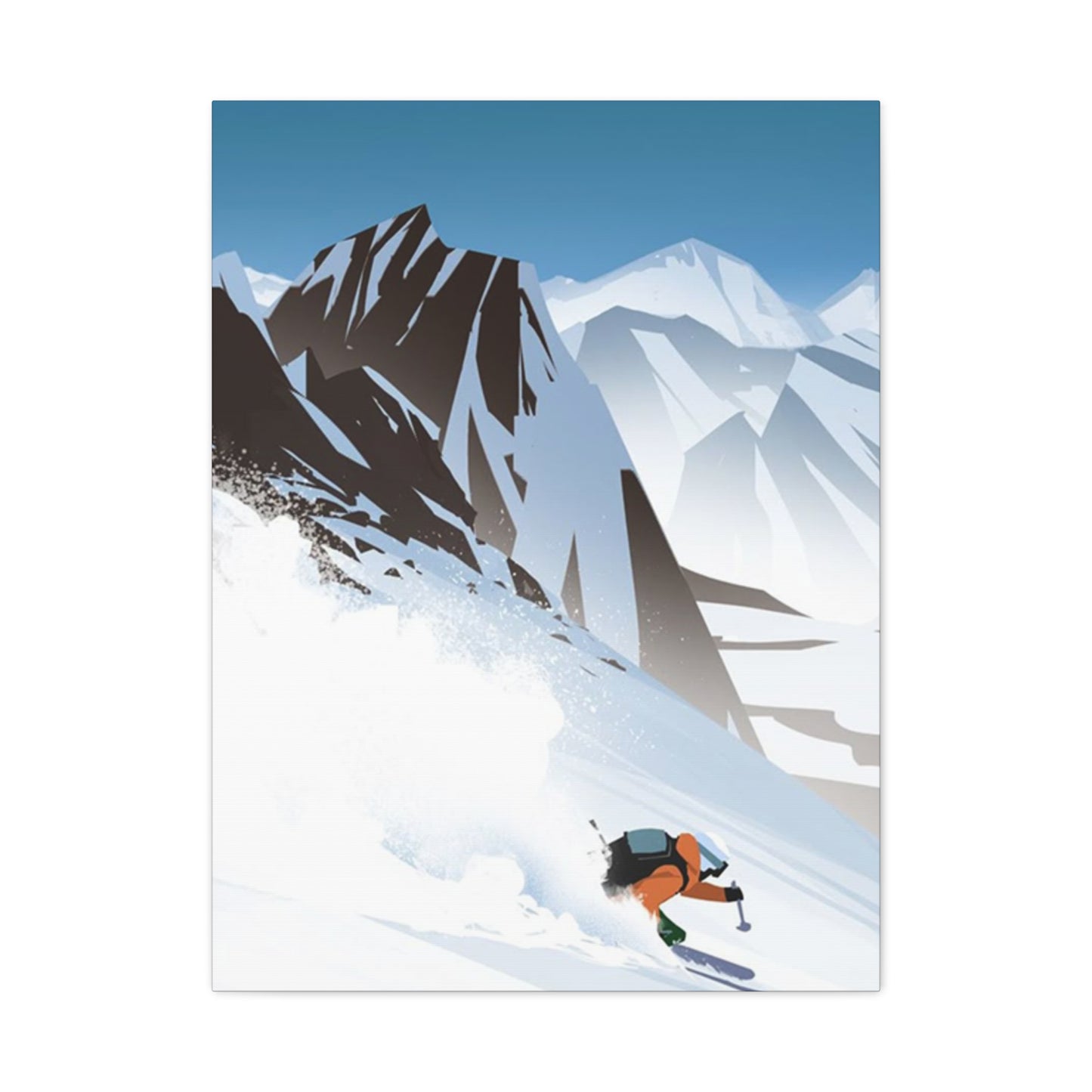
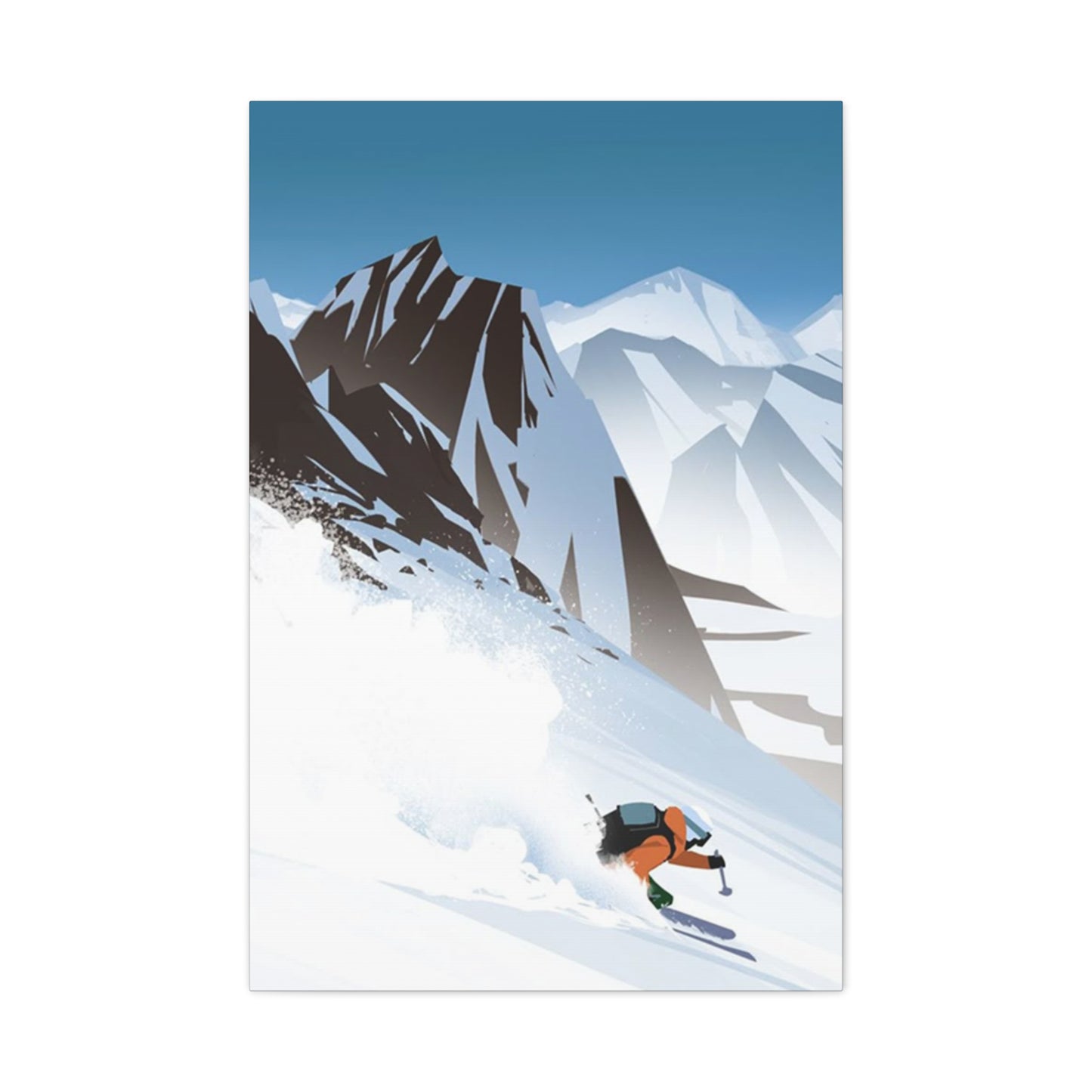
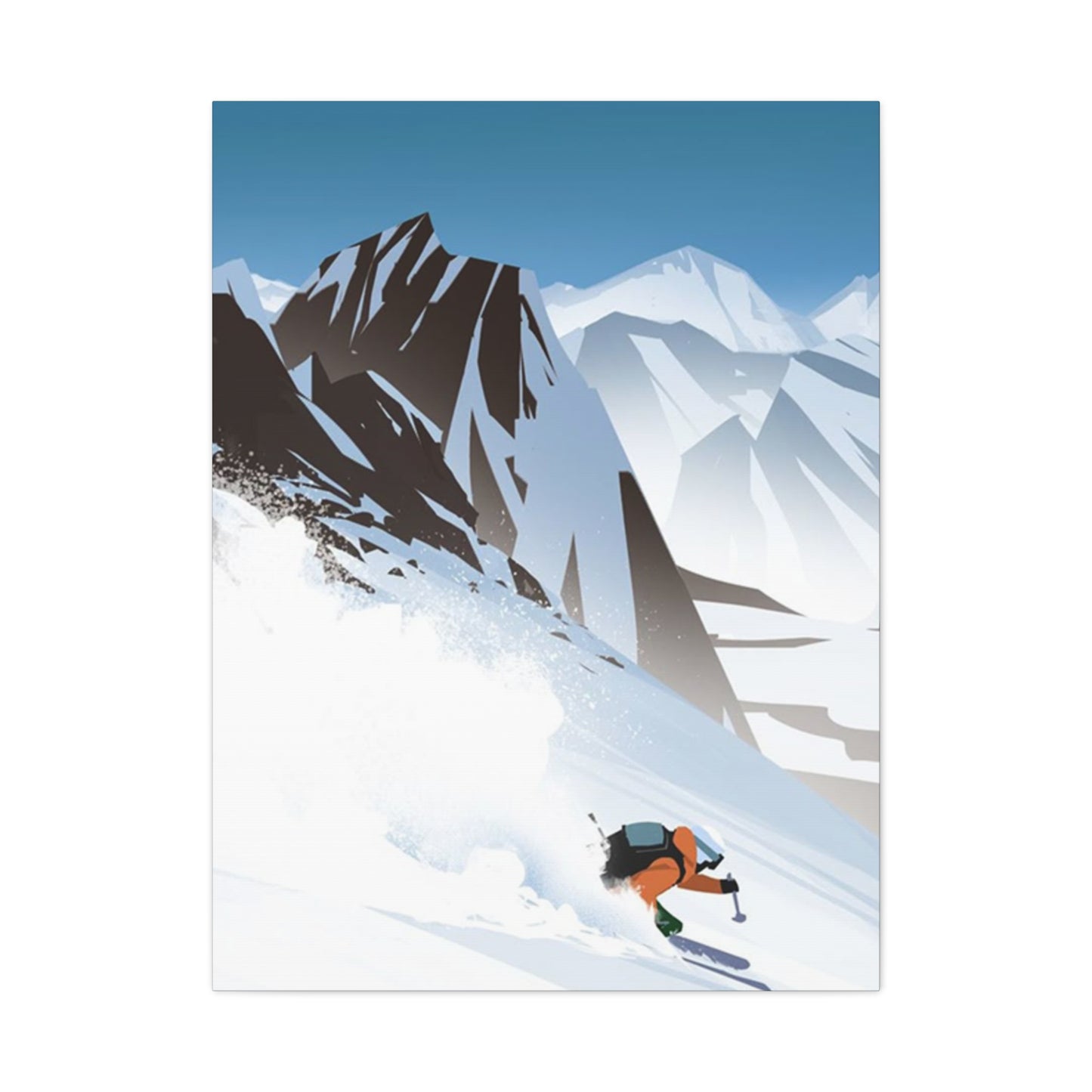
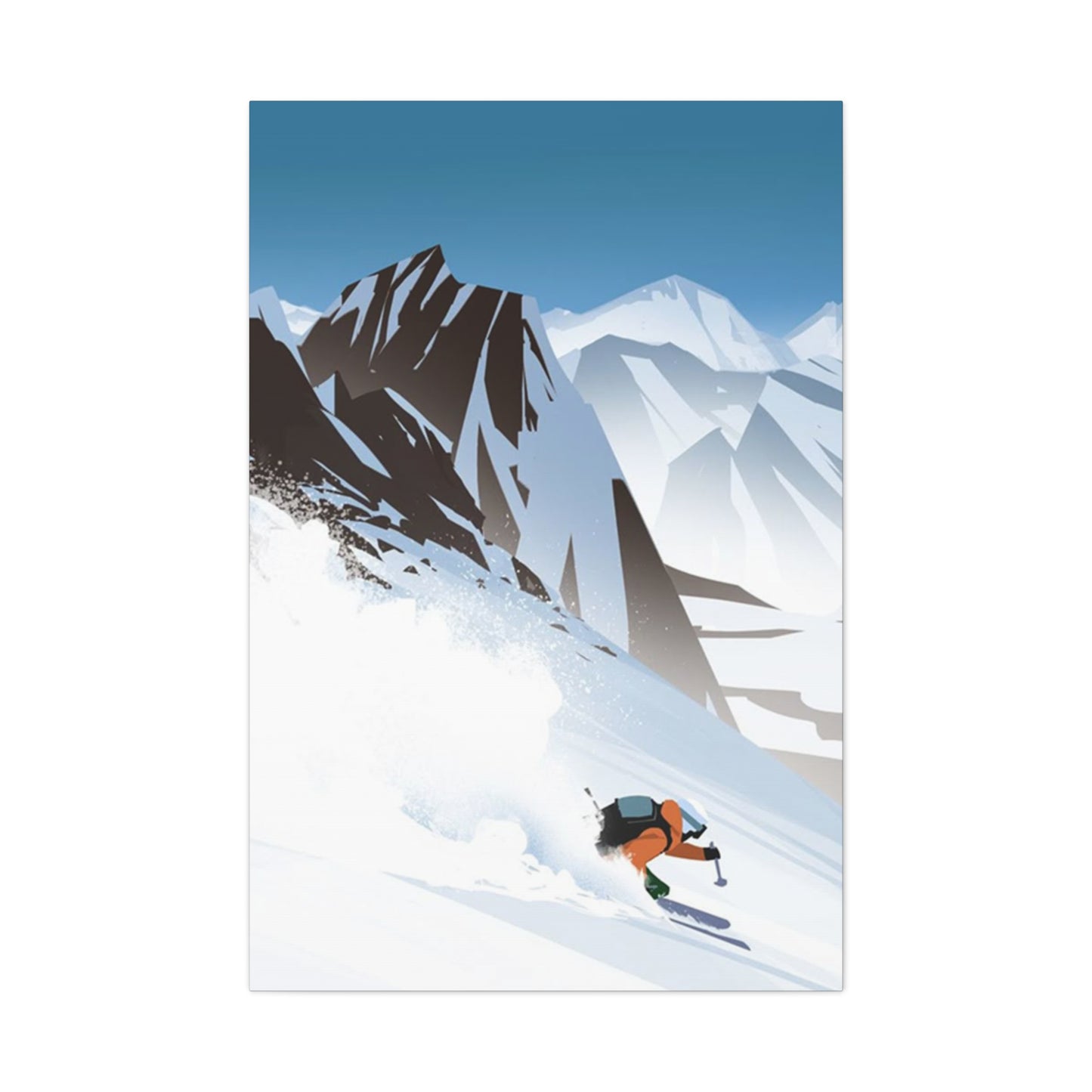
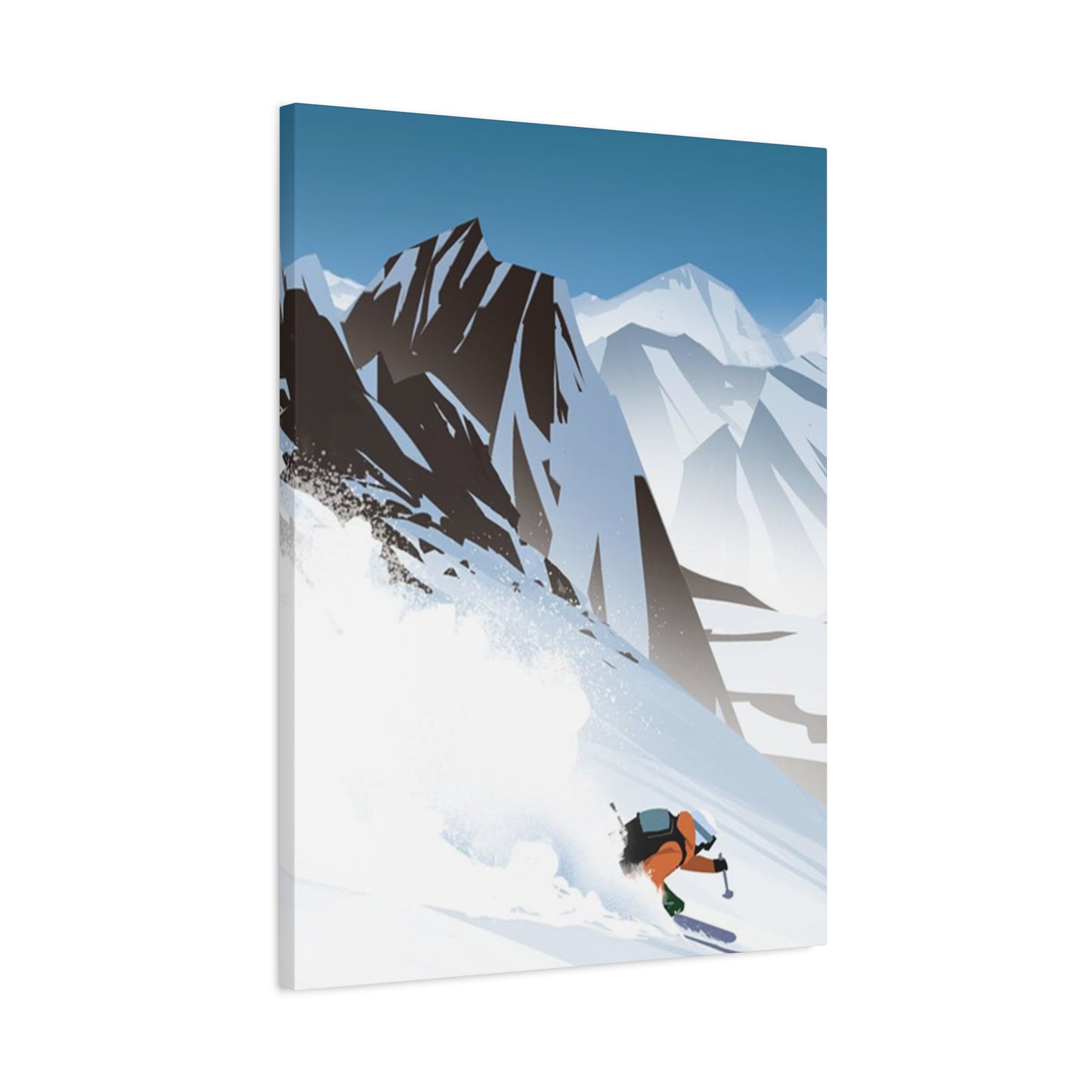
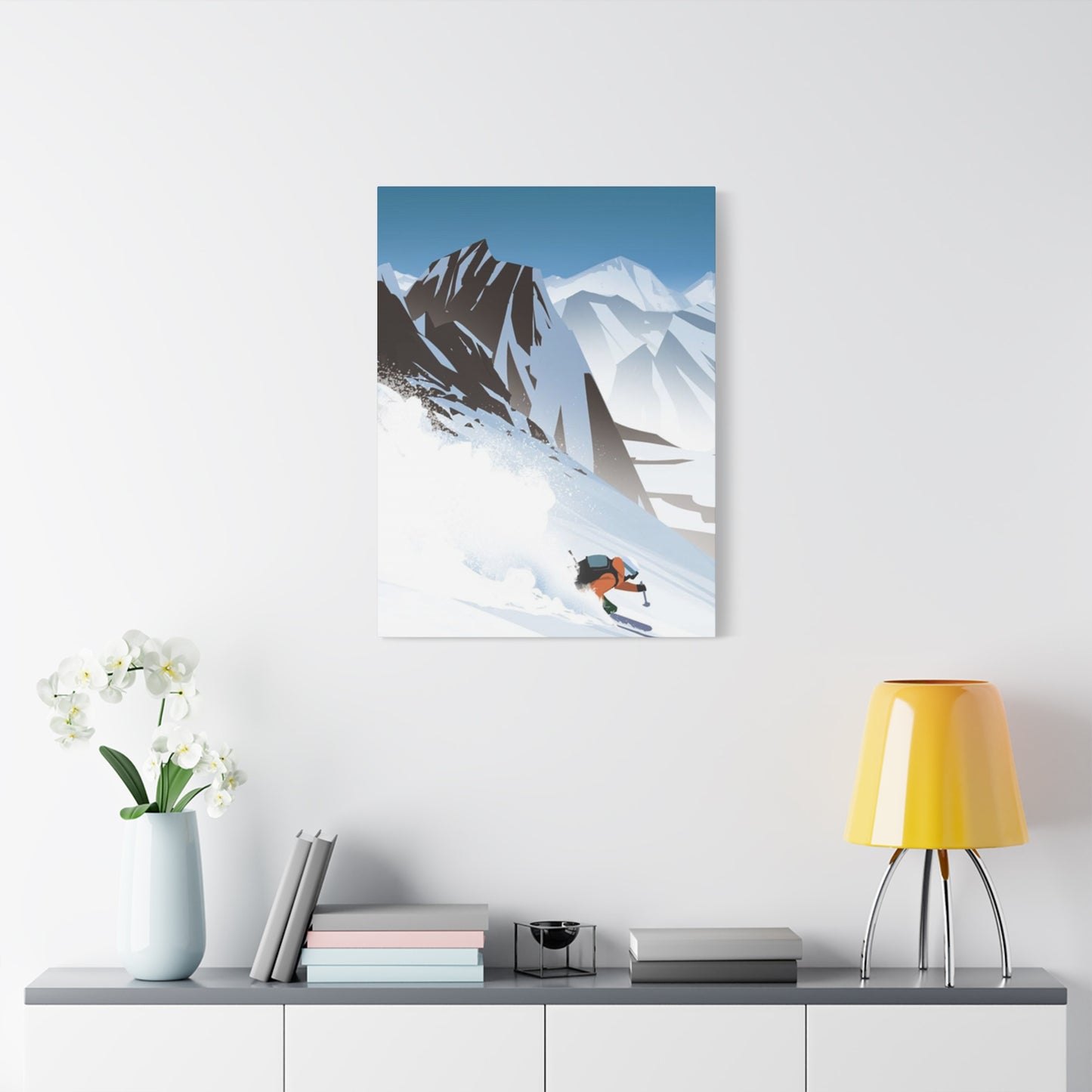
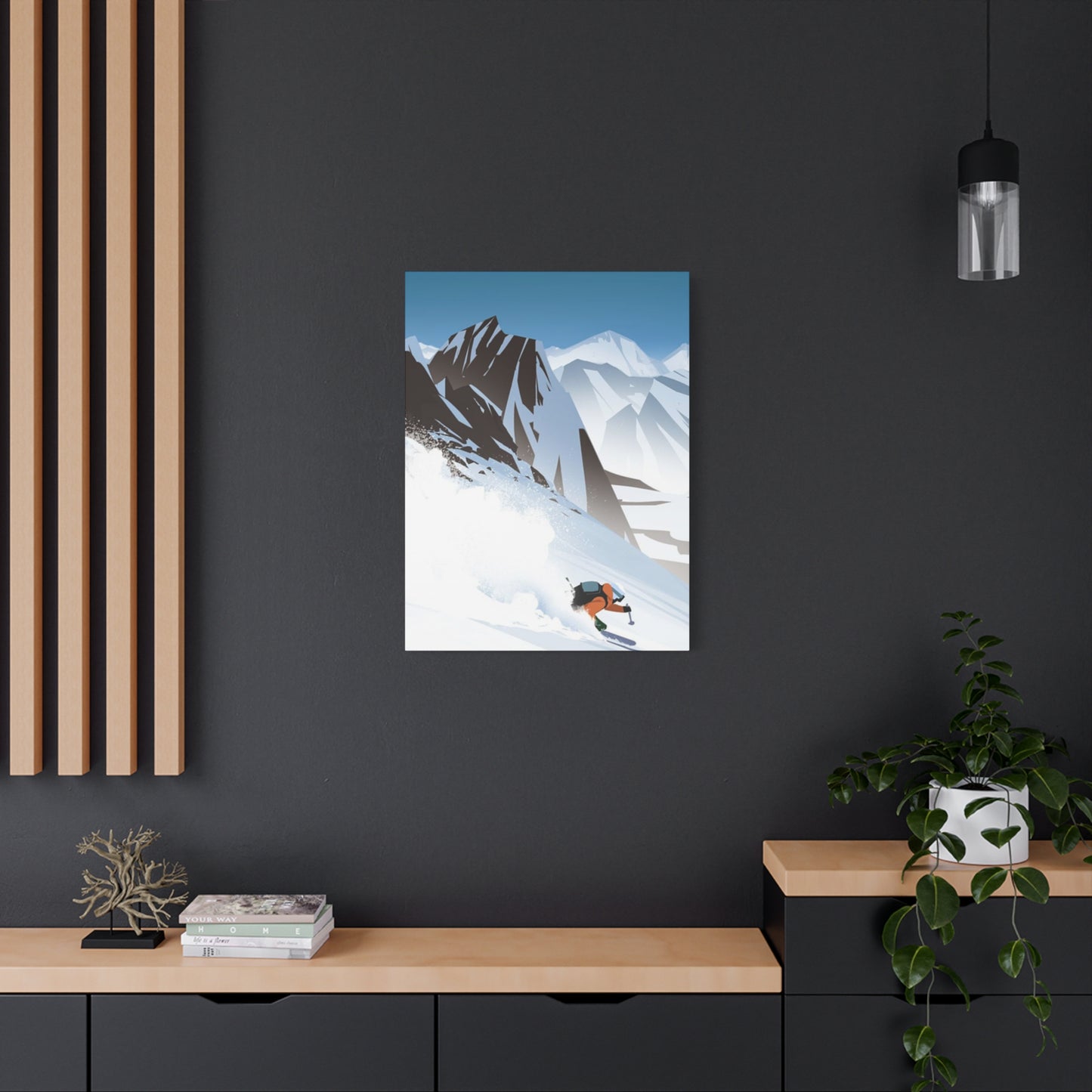
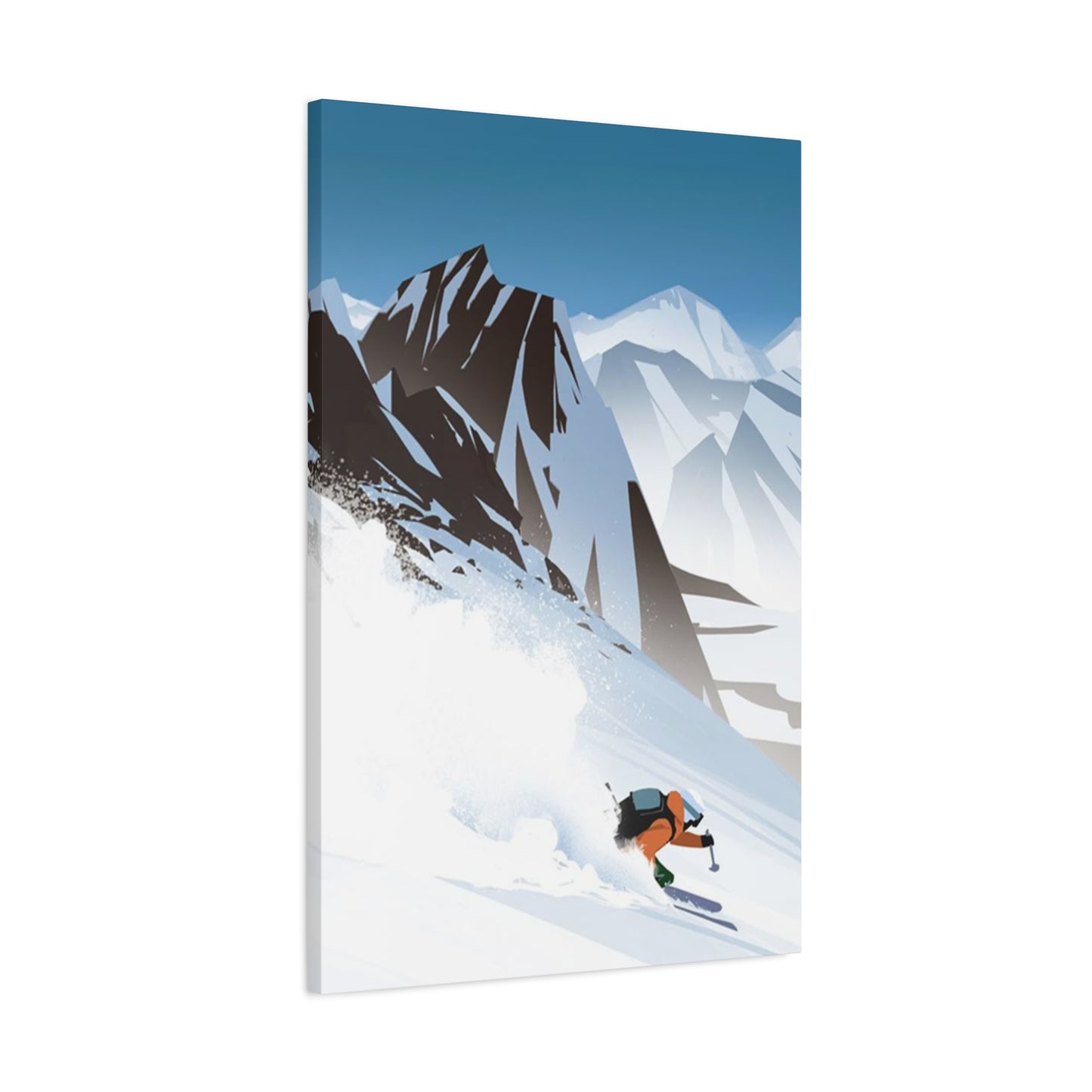
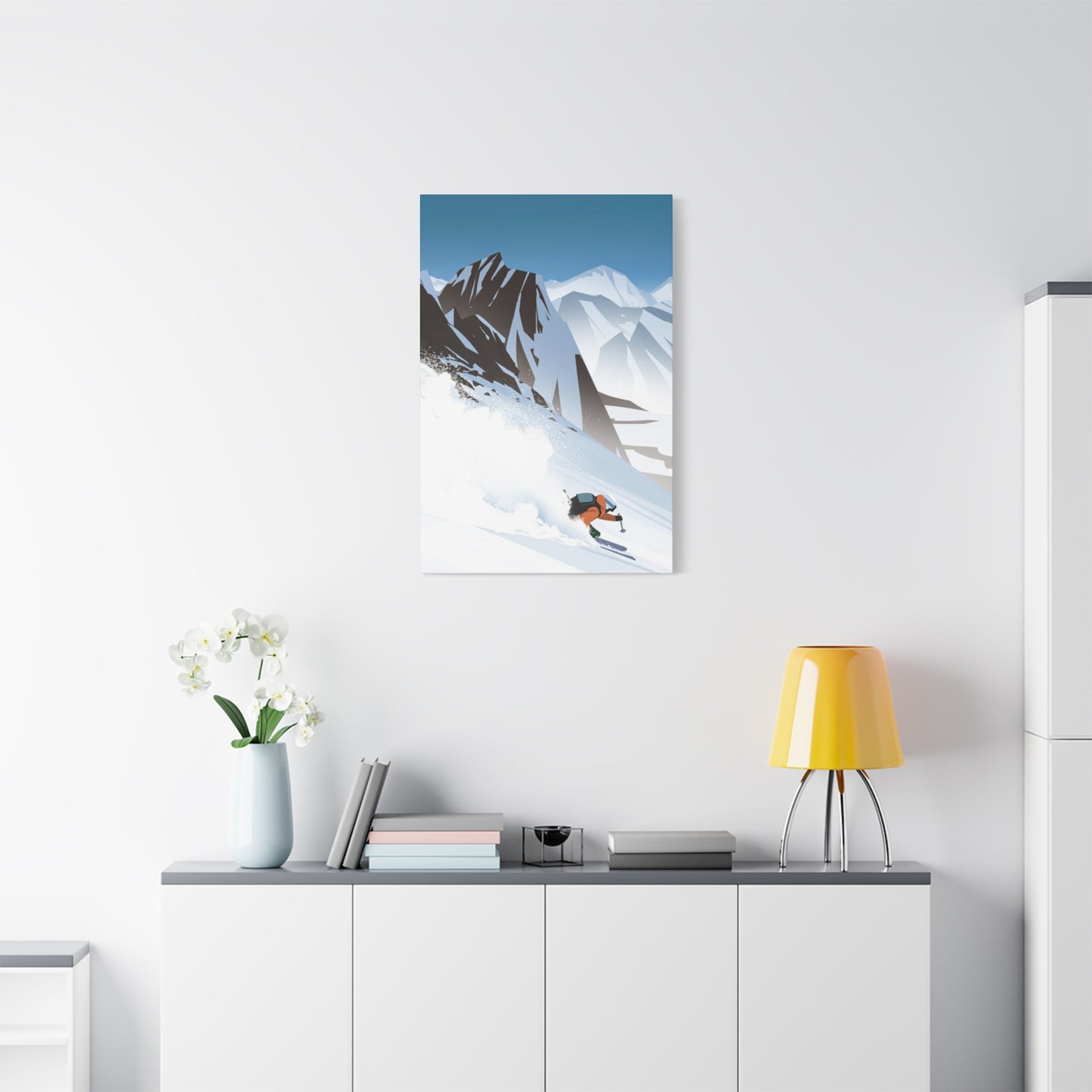
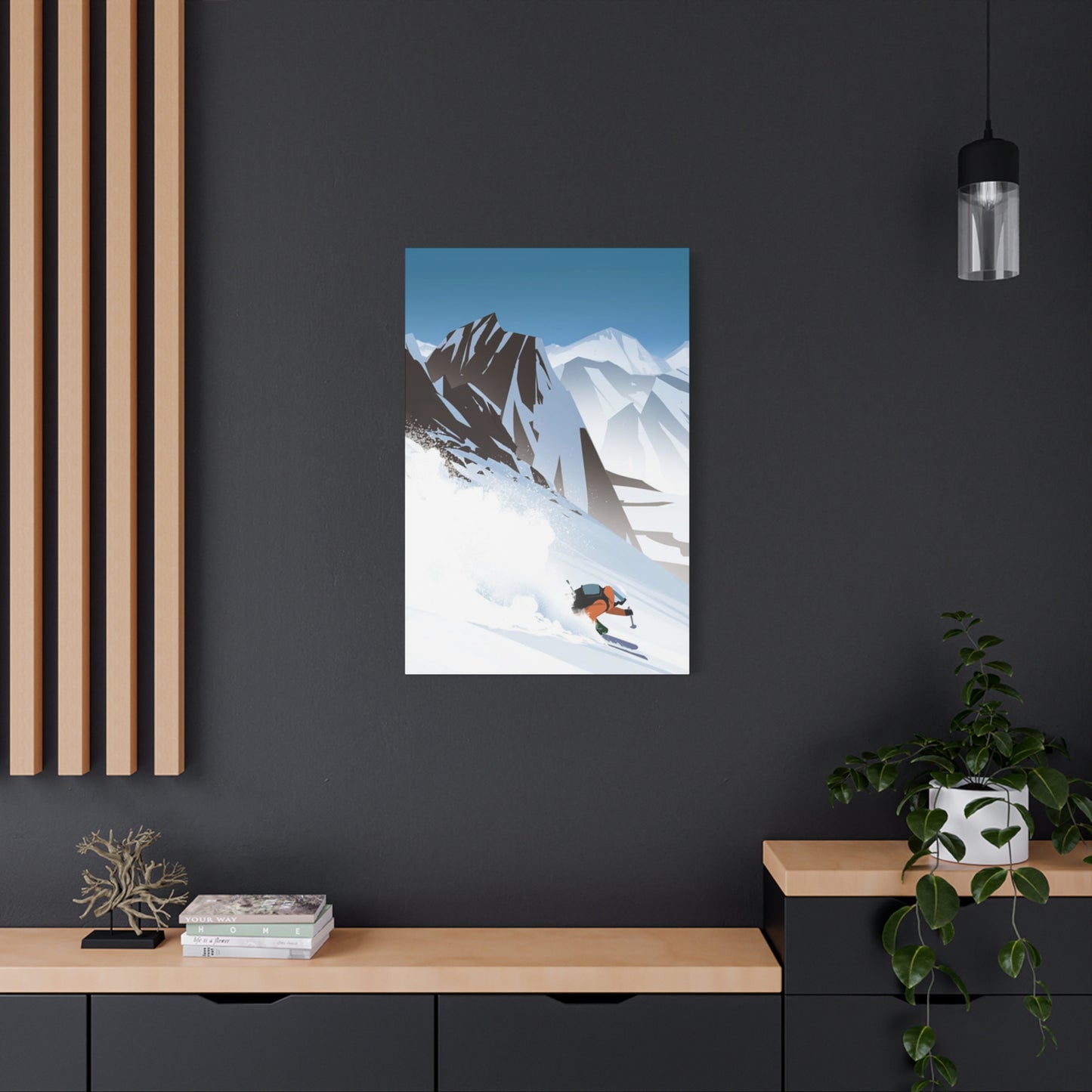
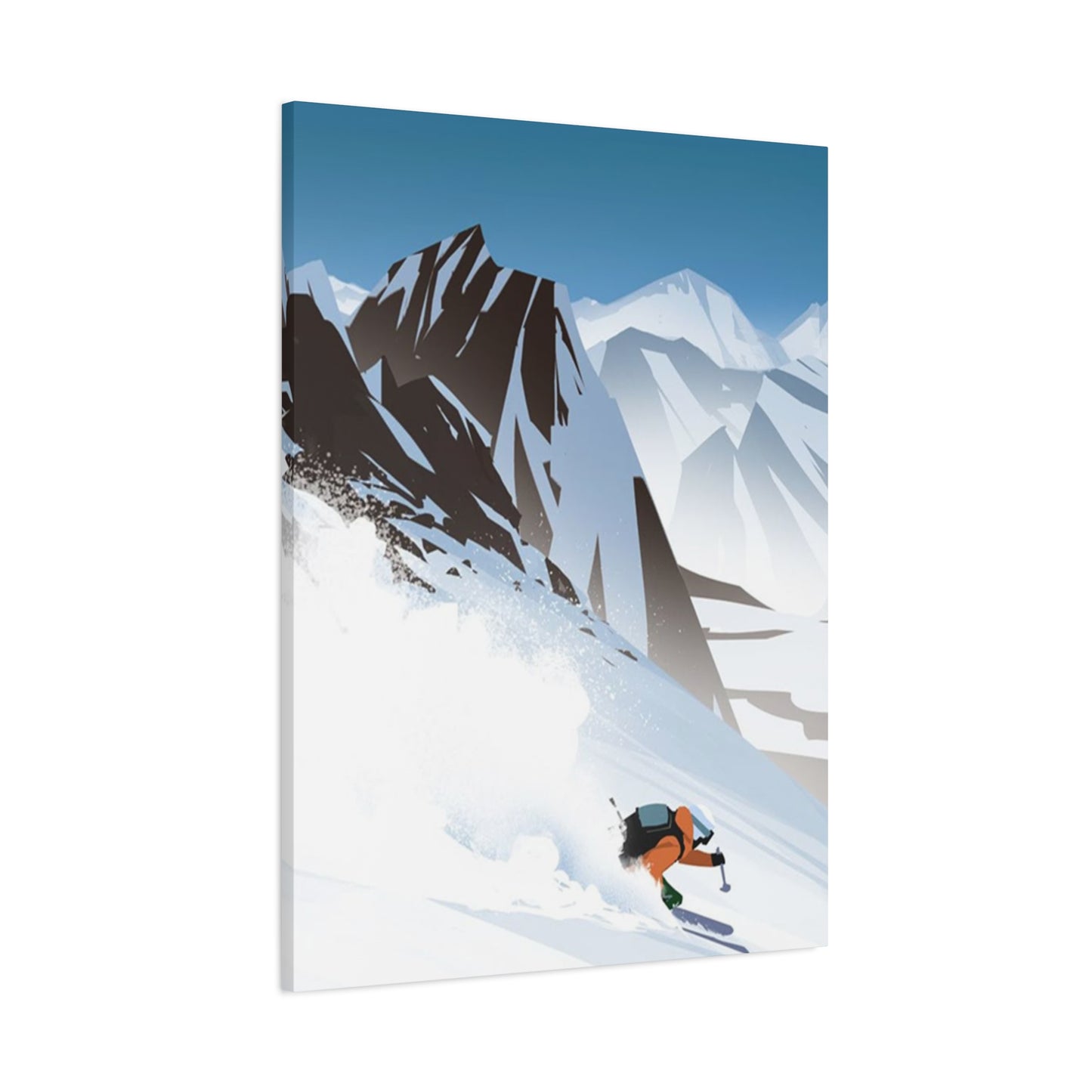
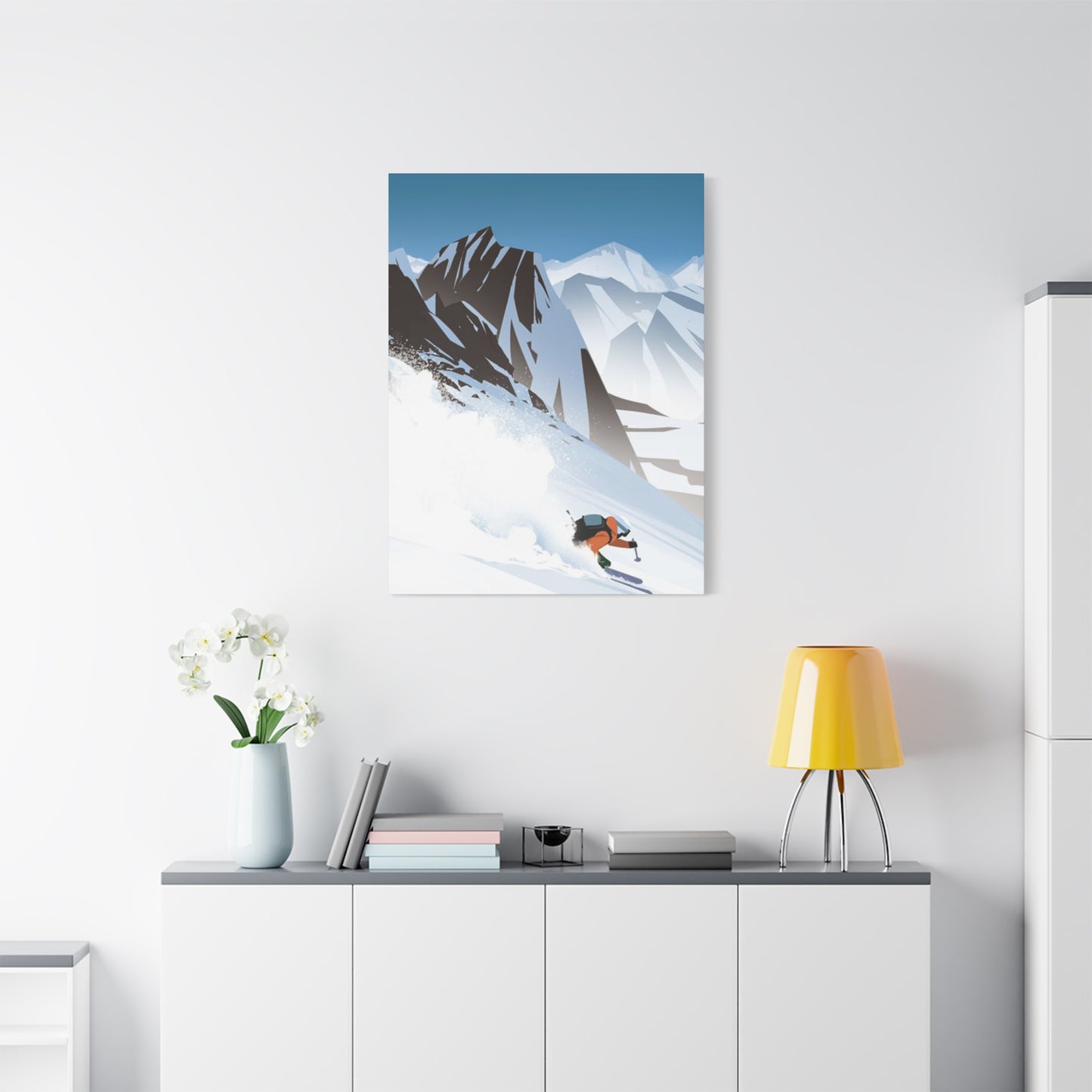
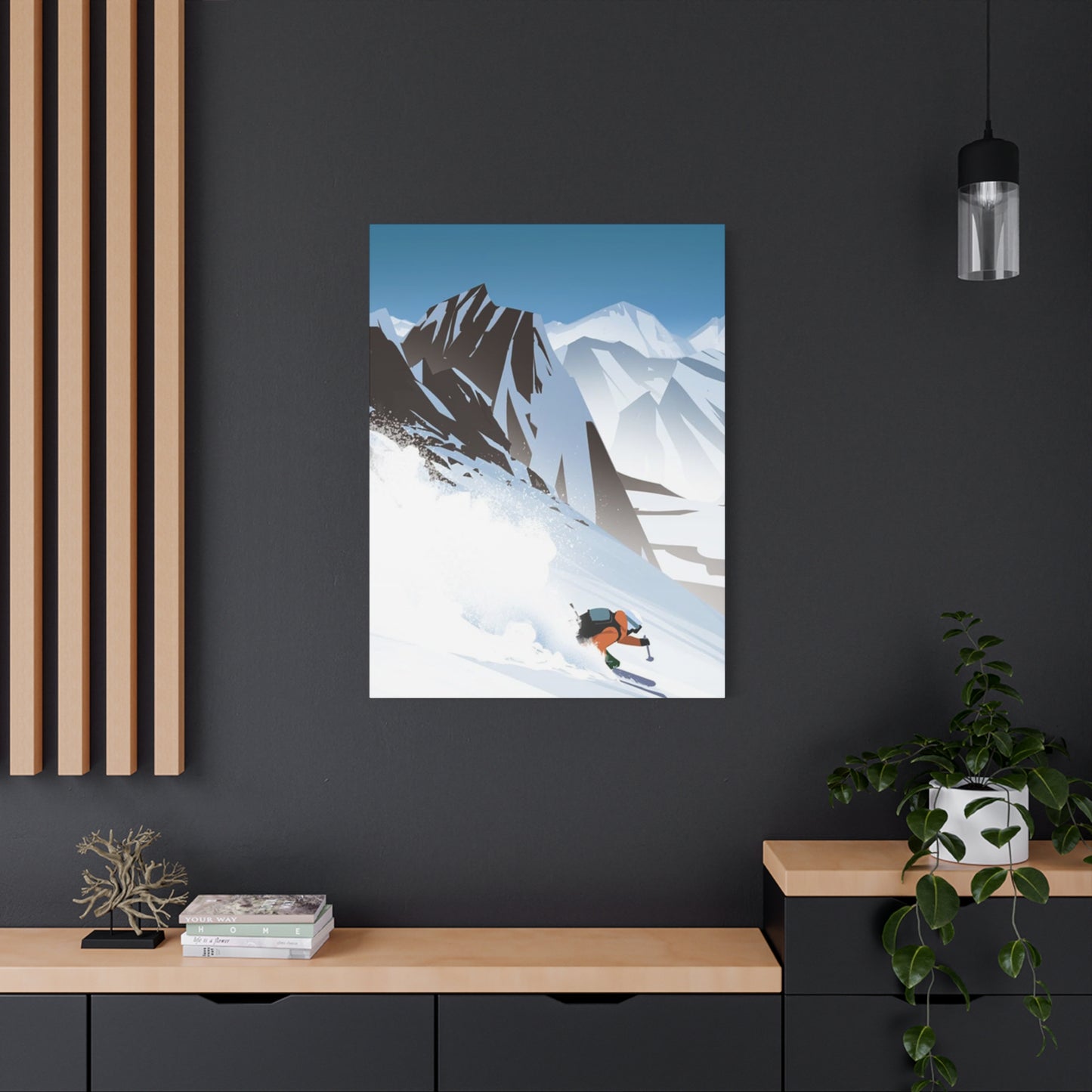
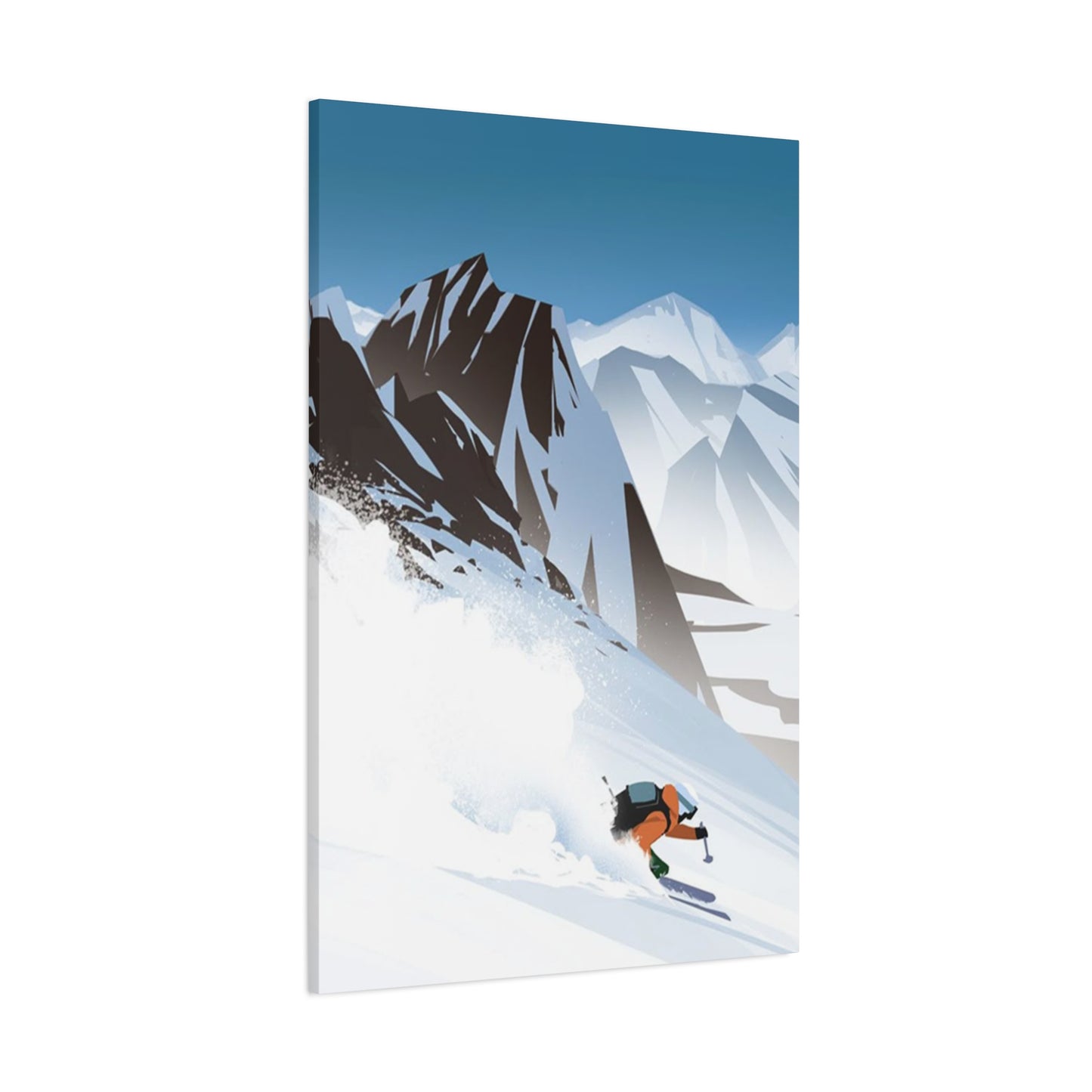
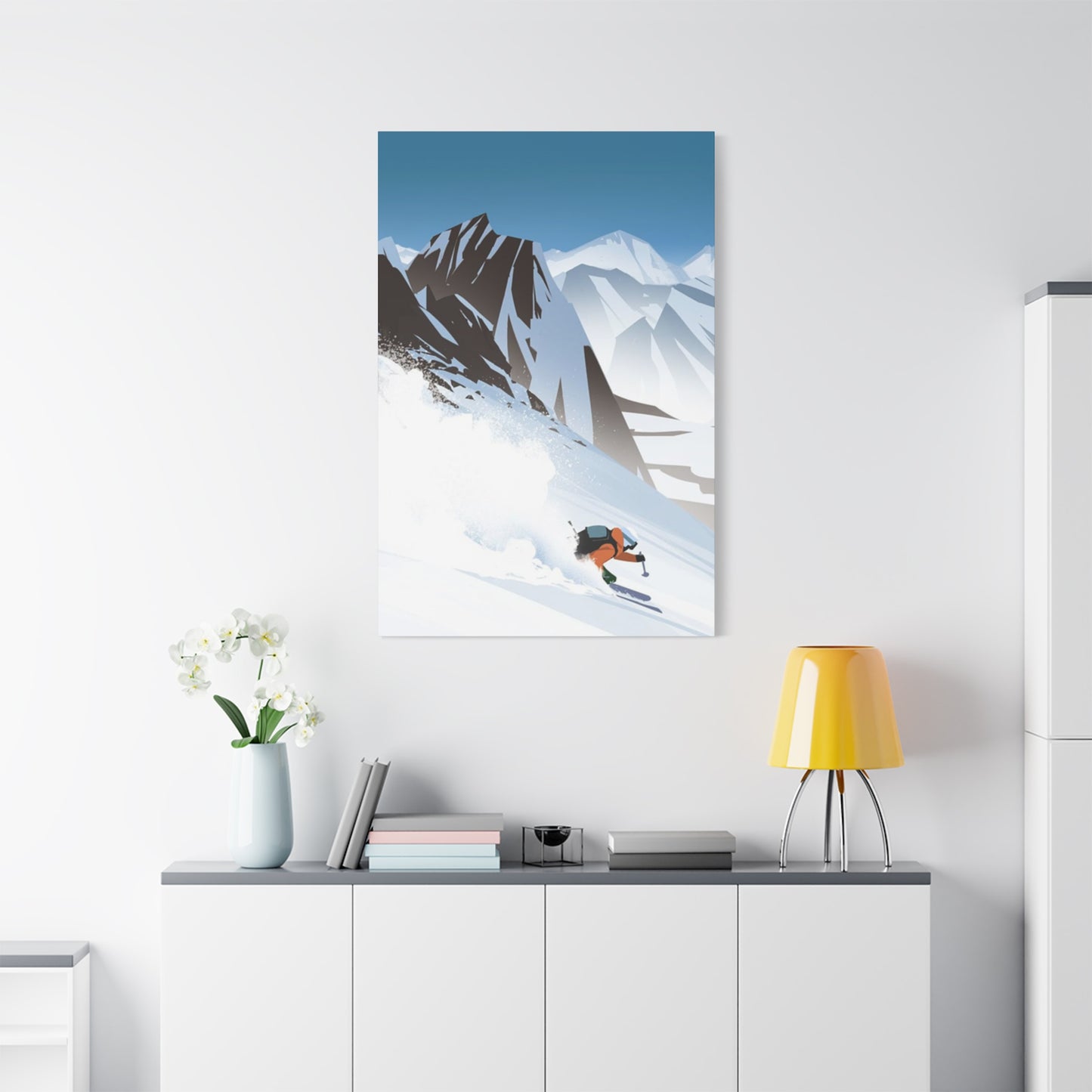
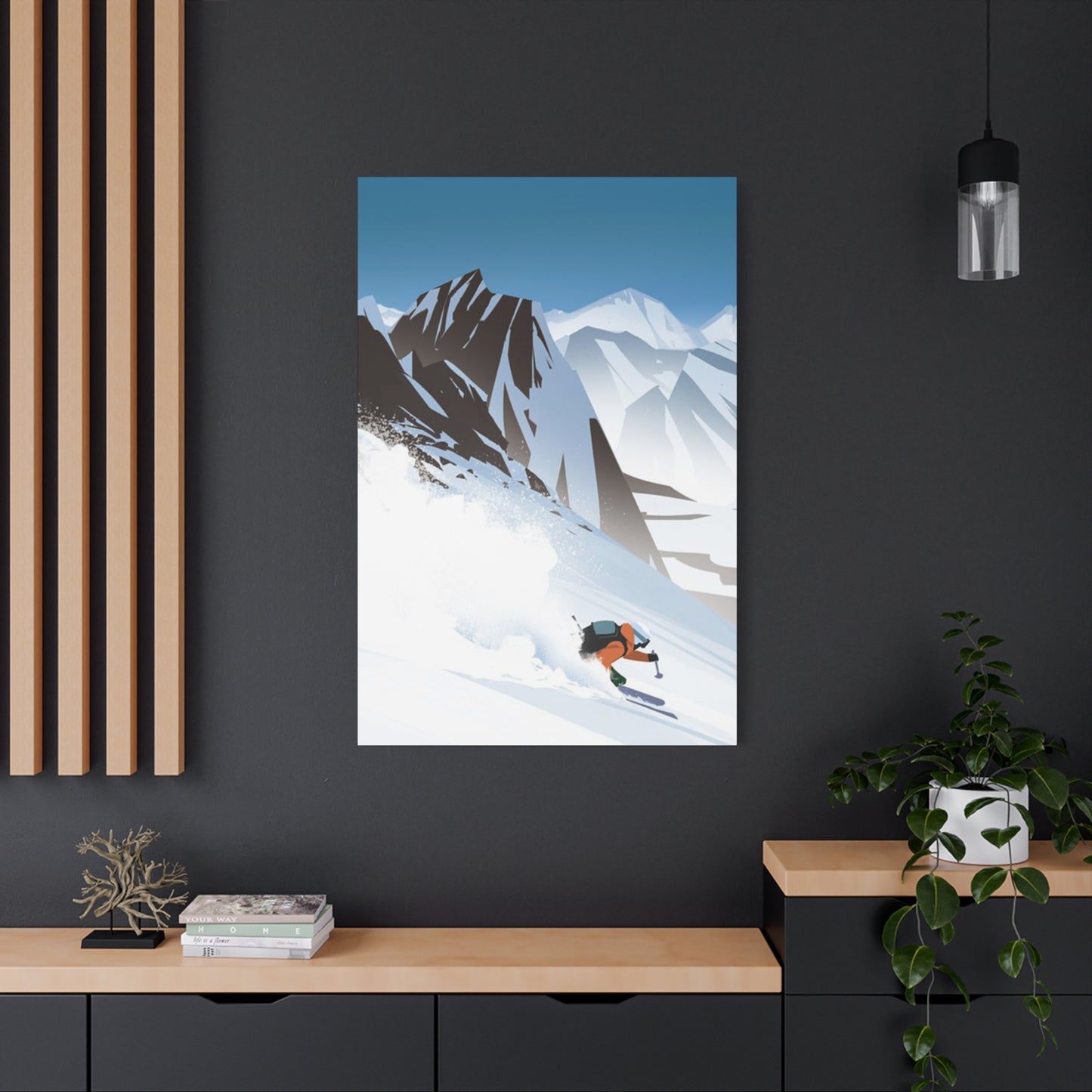
Ultimate Guide to Snow Mountain Skiing Wall Art: Transform Your Space with Alpine Elegance
Snow mountain skiing wall art represents a captivating intersection of athletic passion, natural beauty, and interior design sophistication. These decorative pieces bring the exhilarating spirit of alpine adventures directly into living spaces, creating atmospheres that resonate with energy, freedom, and the pristine magnificence of winter landscapes. Whether you are an avid skier seeking to commemorate your favorite mountain experiences or someone who appreciates the aesthetic appeal of winter sports imagery, incorporating these artistic elements into your home or office environment can dramatically enhance the visual character and emotional resonance of any room.
The growing popularity of this specialized art form reflects broader cultural trends that celebrate outdoor recreation, adventure tourism, and the psychological benefits associated with connecting to nature through visual media. As urban living becomes increasingly prevalent, many individuals seek ways to maintain connections with natural environments and outdoor activities that provide respation from daily routines. Decorative elements featuring mountain skiing scenes serve this purpose effectively by creating visual portals to wilderness settings and athletic pursuits that many people value deeply but cannot experience constantly due to geographical or practical limitations.
Contemporary interior design increasingly recognizes the importance of personalized spaces that reflect individual interests, experiences, and aspirations. Art selections play crucial roles in achieving this personalization, transforming generic rooms into distinctive environments that tell stories about their occupants. For skiing enthusiasts, artwork depicting their favorite sport creates immediate connections between their living spaces and their recreational passions, reinforcing positive associations and creating conversation pieces that facilitate social interactions with visitors who share similar interests.
The aesthetic versatility of snow mountain skiing imagery makes it suitable for various design contexts, from rustic mountain lodge aesthetics to contemporary minimalist interiors. The natural color palettes typically featured in these artworks, including whites, blues, grays, and earth tones, complement numerous decorating schemes while introducing dynamic compositional elements through the depiction of human figures in motion against dramatic landscape backdrops. This combination of movement and stillness, human achievement and natural grandeur, creates visual tension that engages viewers and prevents spaces from feeling static or monotonous.
Exploring Different Artistic Styles for Mountain Skiing Imagery
The representation of snow mountain skiing through various artistic approaches offers remarkable diversity in how these subjects can be interpreted and displayed. Traditional realistic photography captures actual moments on mountain slopes with technical precision, documenting the sport's authentic details including equipment specifications, technique demonstrations, and the genuine textures of snow, rock, and sky. These photographic pieces appeal to viewers who appreciate documentary accuracy and wish to display images that faithfully represent actual skiing experiences they may have encountered themselves or aspire to experience in future adventures.
Impressionistic interpretations of skiing scenes emphasize mood, atmosphere, and emotional resonance over technical accuracy. Artists working in this style use loose brushwork, subjective color choices, and simplified forms to convey the sensory experience of skiing rather than its literal appearance. These artworks often feature blurred motion effects that suggest speed and movement, color palettes that emphasize the emotional qualities of winter environments, and compositional approaches that prioritize overall impact over detailed rendering. Such pieces work particularly well in spaces where the goal is creating ambiance rather than making specific documentary statements about the sport.
Abstract representations take skiing imagery even further from literal documentation, using the sport and its settings as inspiration for compositions that may not immediately read as representational. These works might reduce skiing figures to geometric shapes, deconstruct mountain landscapes into color fields and textural studies, or fragment scenes into multiple perspectives presented simultaneously. Abstract skiing art appeals to collectors interested in contemporary art movements and those who prefer artwork that stimulates intellectual engagement through interpretation rather than immediate recognition. These pieces can serve as sophisticated focal points in modern interiors where conventional sports imagery might feel too literal or thematic.
Vintage poster styles have experienced renewed popularity in recent years, with many contemporary artists creating new works that emulate the graphic design aesthetics of mid-twentieth-century ski resort advertisements. These pieces typically feature bold typography, simplified illustrations with limited color palettes, and compositional approaches influenced by the commercial art traditions of the period. The nostalgic appeal of vintage-style skiing posters makes them particularly suitable for spaces with retro design themes or for collectors who appreciate the historical evolution of skiing as both sport and leisure industry. The graphic clarity of these designs also makes them effective in spaces where artwork needs to make immediate visual impact without requiring extended viewing time.
Minimalist approaches to skiing imagery strip away extraneous details to focus on essential elements that define the activity and its environment. A minimalist skiing artwork might show only a single figure silhouetted against a vast snow field, or abstract the scene to simple lines suggesting mountain profiles and skiing trajectories. These spare compositions align with contemporary design philosophies that emphasize clarity, restraint, and intentionality in decorative choices. Minimalist skiing art works particularly well in modern residential and commercial spaces where busy patterns or detailed imagery might compete with architectural features or other design elements.
Selecting Appropriate Sizes and Formats for Various Spaces
Determining the optimal dimensions for snow mountain skiing wall art requires careful consideration of the spaces where these pieces will be displayed. Large-scale artworks measuring several feet across create dramatic focal points that can anchor entire rooms and establish dominant visual themes. These substantial pieces work best in spaces with generous wall areas, such as great rooms, open-concept living areas, or commercial reception spaces where making strong first impressions matters significantly. When displaying large skiing artwork, ensure adequate surrounding space to prevent the composition from feeling cramped or overwhelming in relation to nearby furniture and architectural features.
Medium-sized pieces offer versatility for various residential applications, fitting comfortably above sofas, beds, console tables, and similar furniture pieces without dominating entire walls. These moderately scaled artworks typically measure between two and four feet in their longest dimension, providing sufficient visual presence to serve as meaningful decorative elements while maintaining proportional relationships with surrounding furnishings. Medium skiing artworks can be displayed individually or combined with other pieces in gallery wall arrangements that build more complex visual narratives through multiple images.
Small format skiing art serves important functions in creating layered, collected-over-time aesthetics that many contemporary design approaches favor. These compact pieces work well in groupings that combine multiple images, allowing for storytelling through series or creating visual variety through contrasting compositions and perspectives. Small skiing artworks also fit comfortably in spaces where wall area is limited, such as hallways, bathrooms, home offices, and transitional spaces that connect primary rooms. The accessibility of smaller pieces also makes them practical choices for renters or individuals who move frequently, as they require minimal wall commitment and pack easily for relocation.
Panoramic formats particularly suit skiing imagery because horizontal compositions effectively convey the expansive character of mountain landscapes while accommodating the lateral movement patterns inherent to the sport. Wide, shallow artworks complement modern interior architecture with its emphasis on horizontal lines and open sight lines. Panoramic skiing pieces work especially well above long furniture pieces such as sectional sofas or in spaces where wall height is limited but horizontal space is available. The cinematic quality of panoramic formats also enhances the sense of immersion that makes skiing imagery appealing, creating windows into alpine environments that viewers can mentally enter.
Vertical orientations create different effects, drawing eyes upward and emphasizing the height of mountain peaks or the descent trajectories of skiers moving down slopes. Tall, narrow skiing artworks suit spaces with vertical emphasis in their architecture, such as areas between windows, beside doorways, or in rooms with high ceilings where emphasizing vertical dimensions creates better proportional relationships. Vertical skiing compositions also work well in series, with multiple tall, narrow pieces displayed in rows that create rhythmic visual patterns across wall surfaces.
Understanding Material and Production Techniques for Quality Results
Canvas prints remain among the most popular formats for snow mountain skiing wall art, offering textural depth that enhances the tactile quality of displayed images. The woven fabric surface of canvas introduces subtle texture that can complement the natural textures depicted in skiing scenes, including snow crystals, mountain rock faces, and evergreen forests. Quality canvas productions use archival inks and protective coatings that resist fading from ultraviolet light exposure, ensuring that investment pieces maintain their visual appeal over extended display periods. Gallery-wrapped canvas presentations, where the printed image continues around the frame edges, create contemporary finished looks that eliminate the need for traditional framing, simplifying installation and creating clean, modern presentations.
Metal prints represent more recent innovations in art reproduction technology, transferring images directly onto aluminum panels through sublimation processes that infuse inks into coated metal surfaces. This production method creates exceptionally durable artworks with luminous color saturation and striking visual depth. The reflective qualities of metal surfaces enhance the bright whites of snow scenes and create dynamic viewing experiences that change subtly as lighting conditions and viewing angles shift. Metal skiing prints suit contemporary and industrial interior styles particularly well, their sleek surfaces and modern production methods aligning with design aesthetics that celebrate technological innovation and material experimentation.
Acrylic prints place photographic or illustrated images behind clear acrylic panels, creating glossy, jewel-like presentations with remarkable color vibrancy and three-dimensional depth effects. The substantial physical presence of acrylic panels adds luxury qualities to displayed artworks, making them particularly suitable for spaces where conveying quality and sophistication matters significantly. The glass-like clarity of acrylic creates viewing experiences similar to looking through windows into depicted scenes, enhancing the immersive qualities that make skiing imagery appealing. However, acrylic surfaces show reflections more prominently than some other formats, requiring thoughtful placement relative to light sources to minimize distracting glare.
Traditional framed prints under glass offer classic presentation methods that suit various interior styles while providing excellent physical protection for artwork. This approach allows for matting choices that add visual breathing room around images and create opportunities for customization through mat color selections that harmonize with room color schemes. Frame options ranging from simple metal profiles to elaborate carved wood moldings provide additional customization possibilities, allowing skiing artwork to be presented in ways that align with specific decorating contexts from contemporary minimalist to traditional elegant. The protective glass covering shields prints from environmental factors including dust, humidity, and direct contact, extending the lifespan of displayed pieces significantly.
Wood-mounted prints create rustic, organic presentations particularly appropriate for mountain and lodge-inspired interior themes. These productions transfer images directly onto natural wood panels, allowing wood grain to show through in subtle ways that enhance the natural character of skiing imagery. The substantial physical presence of wood-mounted art creates impactful displays without requiring additional framing, simplifying installation and creating finished looks that complement cabin and chalet aesthetics. Natural variations in wood grain ensure that each wood-mounted print becomes truly unique, even when multiple copies of the same image are produced.
Creating Gallery Wall Arrangements with Skiing Themes
Gallery walls featuring multiple snow mountain skiing artworks create dynamic visual displays that build complex narratives about the sport, its environments, and its cultural meanings. Successful gallery arrangements require planning that considers piece sizes, frame styles, compositional relationships, and spacing between individual artworks. Beginning with a largest or most visually commanding piece as an anchor provides a focal point around which additional elements can be arranged in balanced configurations that feel intentional rather than random. The anchor piece typically occupies a central or slightly off-center position, with surrounding artworks radiating outward in arrangements that maintain visual weight distribution.
Symmetrical gallery arrangements create formal, organized appearances suitable for traditional interior styles and spaces where conveying order and sophistication matters. These layouts might feature matched pairs of identically sized pieces flanking a central image, or grid patterns where all artworks maintain consistent sizes and uniform spacing. Symmetrical skiing gallery walls work particularly well in formal dining rooms, traditional home offices, or commercial spaces where professional atmospheres require restrained decorative approaches. The predictability of symmetrical arrangements also makes them psychologically comfortable, creating visual rest in environments where other elements may introduce complexity or stimulation.
Asymmetrical gallery configurations offer more dynamic, contemporary aesthetics that reflect current design trends favoring collected, organic arrangements over rigid formal patterns. These layouts combine pieces of varying sizes in compositions that balance visual weight through careful placement rather than matching. An asymmetrical skiing gallery wall might include one large piece balanced by several smaller ones, or create movement through diagonal sight lines that guide eyes across the display in deliberate patterns. Asymmetrical arrangements suit eclectic, modern, and transitional design styles where perfect matching feels too controlled or conventional.
Thematic coherence helps gallery walls feel unified even when including diverse pieces. A skiing gallery might focus exclusively on alpine landscapes, feature various action shots showing different skiing techniques, or combine historical and contemporary skiing imagery to trace the sport's evolution. Maintaining thematic focus prevents galleries from feeling scattered or confusing while still allowing variety in specific image selections. Color palette consistency also contributes to unified appearances, with collections that share similar dominant colors or tonal ranges reading as more cohesive than assemblages with widely varying color schemes.
Template planning simplifies the practical execution of gallery wall installations. Creating full-size paper templates for each piece and arranging them on floors allows for experimentation with layouts before committing to wall mounting. Photographing promising arrangements provides references during installation and allows for comparison between different configuration options. Some decorators prefer creating actual-size templates on large paper sheets that can be temporarily attached to walls, allowing for final visualization in the actual display location before making permanent mounting holes. These preparatory steps prevent installation mistakes that require additional wall repairs and ensure satisfying final results.
Incorporating Skiing Art into Different Room Contexts
Living rooms provide ideal settings for substantial snow mountain skiing artworks that create dramatic focal points and set tones for entire homes. These primary gathering spaces benefit from art selections that reflect household personalities and interests while creating visually engaging environments that facilitate conversation and relaxation. Large skiing artworks positioned above sofas or fireplaces command attention and anchor furniture arrangements, while gallery wall collections on perpendicular walls add visual interest without competing for primary focus. The communal nature of living rooms makes them appropriate venues for skiing art that celebrates shared family experiences or expresses aspirational connections to outdoor recreation that household members value collectively.
Bedroom applications of skiing imagery create personal sanctuaries that reflect individual interests and establish calming atmospheres conducive to rest. The color palettes typical of winter mountain scenes, featuring cool blues, soft grays, and pristine whites, promote tranquility and psychological relaxation, making skiing art particularly suitable for sleeping spaces. Positioning skiing artwork opposite beds ensures that these images are among the last things seen before sleep and first upon waking, reinforcing positive associations with outdoor recreation and natural environments. Bedroom skiing displays can be more personally expressive than those in public areas of homes, featuring specific mountain locations with personal significance or action shots that document actual experiences rather than generic skiing imagery.
Home office environments benefit from motivational skiing imagery that inspires productivity and provides mental respite during work sessions. The achievement-oriented nature of skiing, with its physical challenges and technical skill requirements, creates visual metaphors for professional accomplishment and goal pursuit that can subtly reinforce productive mindsets. Positioning skiing art within sight lines from work stations provides opportunities for brief visual breaks that research suggests improve sustained attention and cognitive performance. The connection to outdoor recreation that skiing art represents also serves as reminder of work-life balance importance, encouraging appropriate boundaries between professional responsibilities and personal renewal activities.
Dining spaces accommodate skiing artwork that enhances meal experiences and facilitates social interaction. The dramatic character of mountain landscapes creates engaging backdrops for dining that encourage conversation while avoiding topics too personal or potentially controversial. For families with skiing traditions, displaying related artwork in dining areas connects daily routines to valued recreational experiences and provides visual prompts for sharing stories and planning future adventures. The appetizing color palettes of skiing scenes, particularly those including blue skies and bright sunlight, create positive psychological associations that can enhance dining experiences and overall room enjoyment.
Bathroom installations of skiing art transform utilitarian spaces into more interesting environments that extend home decorating themes into every area. Moisture-resistant formats such as metal prints or properly sealed canvas work well in these humid environments. Small to medium pieces suit typical bathroom dimensions, providing visual interest without overwhelming compact spaces. Skiing art in bathrooms creates unexpected delights that guests appreciate and adds personality to rooms that builders often finish generically. The refreshing, clean associations of snow imagery align naturally with bathroom functions and aesthetics.
Choosing Color Schemes That Complement Skiing Imagery
Natural winter color palettes featuring whites, ice blues, and soft grays create harmonious environments where snow mountain skiing art feels integrated rather than imposed. These cool-toned schemes reflect the colors within skiing imagery itself, creating monochromatic or analogous color relationships that produce calm, cohesive aesthetics. White or light gray walls provide neutral backgrounds that allow skiing artwork to stand as focal points without color competition, while blue accent elements in furnishings, textiles, or additional decor reinforce the winter themes without becoming heavy-handed. Natural wood tones in furniture and flooring warm these cool palettes and prevent spaces from feeling cold or institutional, creating balanced environments that feel both fresh and inviting.
Earth-toned interiors incorporating browns, tans, and forest greens provide warm contrasts to the cool colors dominant in skiing art, creating dynamic color relationships that energize spaces. This approach mirrors natural mountain environments where snow-covered slopes meet forests and exposed rock, bringing ecological authenticity to interior color schemes. Warm wood furniture, leather upholstery, and natural fiber textiles complement skiing artwork while creating cozy atmospheres appropriate for mountain-inspired design themes. Earth-toned schemes prevent skiing imagery from feeling too cold or austere, balancing the crispness of winter scenes with organic warmth.
Dramatic dark wall colors including charcoal, navy, or deep forest green create striking backgrounds that make bright skiing imagery stand dramatically forward in spaces. This high-contrast approach works particularly well with artwork featuring bright snow fields, blue skies, and colorful ski apparel, maximizing visual impact through value contrast between dark surroundings and bright image areas. Dark wall schemes create sophisticated, contemporary aesthetics that feel deliberately designed rather than defaulting to safe neutral choices. However, these approaches require adequate lighting to prevent rooms from feeling cave-like and work best in spaces with generous natural light or well-planned artificial illumination.
Accent color strategies introduce small quantities of vibrant hues that echo minor colors within skiing artwork, creating visual connections that unify rooms. If skiing art includes skiers wearing red jackets, introducing red accent pillows, throws, or decorative objects creates color echoes that tie compositions together. This approach allows predominantly neutral color schemes while incorporating energizing color pops that prevent spaces from feeling bland. Accent colors drawn from artwork ensure that these introductions feel intentional and coordinated rather than arbitrary, demonstrating design thoughtfulness that elevates overall aesthetic quality.
Monochromatic black and white photography of skiing scenes pairs beautifully with any color scheme, providing flexibility for rooms where color commitments may change over time. The timeless quality of black and white imagery transcends temporary design trends, making it suitable for long-term installations. Monochromatic skiing photographs emphasize form, composition, and tonal contrast, often creating more artistic, less documentary presentations than full-color alternatives. These pieces work particularly well in modern and minimalist interiors where color restraint is valued, and in spaces where other elements provide sufficient color interest that artwork need not fulfill that function.
Lighting Considerations for Optimal Art Display
Natural lighting patterns significantly impact how snow mountain skiing art appears and should influence both artwork placement and window treatment selections. Direct sunlight creates dramatic illumination but poses risks to artwork longevity, as ultraviolet radiation causes fading and deterioration over time. Positioning skiing art on walls perpendicular to windows rather than directly opposite them provides ambient natural light without direct exposure that could damage pieces. For highly valued artworks, UV-filtering window films or specialized framing glass add protective layers that allow natural light enjoyment while minimizing preservation risks. Understanding how natural light changes throughout days and seasons helps predict how skiing artwork will appear under different conditions, ensuring consistent viewing experiences.
Artificial lighting systems designed specifically for art display provide controlled illumination that enhances viewing while protecting pieces from damage. Track lighting systems with adjustable fixtures allow for precise positioning of light relative to artwork, creating optimal illumination angles that minimize glare on glass or reflective surfaces. LED technology provides energy-efficient lighting with minimal heat generation and spectrum characteristics that render colors accurately without introducing distorting color casts. Dedicated art lights mounted directly above or below artwork create focused illumination that draws attention to displayed pieces while creating dramatic nighttime displays that transform room atmospheres after dark.
Ambient room lighting establishes general illumination levels that affect art visibility and overall space functionality. Skiing artwork requires sufficient ambient light to be clearly visible but benefits from supplementary focused lighting that enhances viewing and creates visual hierarchy within rooms. Dimmer controls allow for lighting adjustment based on activities and times of day, enabling bright illumination for social gatherings and task performance while offering reduced levels for relaxed evening ambiance. Layered lighting approaches combining ambient, task, and accent lighting create flexible environments that accommodate various needs while ensuring skiing artwork remains properly visible across different usage scenarios.
Wall washing techniques distribute even illumination across entire wall surfaces, creating uniform lighting without focused hotspots. This approach works well for gallery wall arrangements where multiple skiing artworks occupy shared wall areas and require equal illumination levels. Wall washing fixtures typically mount at ceiling level and direct light downward at angles that minimize shadows and glare. This technique creates professional gallery-like presentations suitable for formal spaces and significant art collections where even, flattering illumination matters considerably.
Avoiding common lighting mistakes prevents display problems and artwork damage. Positioning lights too close to artwork creates hot spots with uneven illumination and accelerates deterioration through heat and light exposure. Improper angles create glare that obscures images and frustrates viewers. Overly warm or cool light color temperatures distort artwork colors and create unnatural appearances. Insufficient lighting renders artwork barely visible and wastes their decorative potential. Consulting lighting specialists for valuable art collections ensures optimal results that enhance viewing experiences while preserving long-term piece condition.
Maintaining and Preserving Your Skiing Wall Art
Regular gentle cleaning prevents dust accumulation that dulls artwork appearance and potentially causes long-term damage. Canvas prints require minimal maintenance, with occasional light dusting using soft, dry cloths or feather dusters removing surface particles without introducing moisture or chemicals that could affect inks or coatings. For more persistent dirt, slightly damp cloths can be used sparingly, always testing in inconspicuous areas first and avoiding excessive pressure that might damage canvas weave or printed surfaces. Never spray cleaning products directly onto artwork; instead, apply minimal amounts to cleaning cloths if needed.
Framed pieces under glass require different cleaning approaches that focus on glass surfaces without disturbing underlying prints. Standard glass cleaners can be used cautiously, spraying onto soft lint-free cloths rather than directly on glass to prevent liquid from seeping behind glass and contacting artwork. Microfiber cloths effectively remove dust and fingerprints without scratching glass surfaces. For particularly valuable framed skiing prints, professional cleaning services ensure that proper techniques are used without risk of moisture damage or frame deterioration.
Metal and acrylic prints feature durable surfaces that tolerate more robust cleaning than porous materials. Soft cloths with mild soap solutions remove fingerprints and surface dirt from these formats without causing damage. The non-porous nature of metal and acrylic prevents moisture absorption that could degrade piece integrity. However, avoiding abrasive materials or harsh chemicals preserves surface finishes and prevents scratching that would detract from appearance. Regular cleaning maintains the luminous quality these formats provide.
Environmental control protects skiing artwork from conditions that accelerate deterioration. Maintaining moderate humidity levels prevents problems associated with both excessive moisture and overly dry air, either of which can affect canvas tension, paper stability, and adhesive integrity. Avoiding placement near heating vents, air conditioning outlets, or moisture sources like humidifiers protects artwork from environmental extremes. Temperature stability matters as well, with fluctuating conditions causing expansion and contraction cycles that stress materials over time.
Professional conservation assessment benefits valuable skiing art collections, with experts evaluating piece conditions and recommending specific preservation measures. Conservators identify potential problems before they become severe and implement treatments that stabilize pieces and extend their display life. For inherited pieces, historically significant works, or emotionally valuable artwork documenting personal experiences, professional conservation represents worthwhile investment that preserves these items for future generations. Documentation through professional photography creates records of artwork condition that assist insurance claims if damage or loss occurs.
Sourcing High-Quality Snow Mountain Skiing Wall Art
Online marketplaces offer vast selections of skiing artwork in every style, format, and price range imaginable. These platforms provide convenient browsing with filtering tools that narrow options based on specific criteria including size, color, style, and price. Customer reviews provide insights into quality and seller reliability, helping purchasers make informed decisions. The competitive nature of online markets often yields favorable pricing compared to traditional retail channels. However, the inability to view artwork physically before purchase introduces some risk regarding color accuracy, material quality, and overall appearance. Careful attention to product descriptions, seller reputations, and return policies mitigates these concerns.
Independent artist websites allow direct purchases from creators, eliminating intermediary markup and often providing customization options unavailable through retailers. Many skiing photographers and illustrators sell prints directly to collectors, offering limited edition releases, custom sizing, and personal communication about specific pieces. Supporting artists directly ensures that more revenue reaches creators rather than distribution channels, encouraging continued artistic production. Artist websites often include background information about specific pieces, including location details, creation circumstances, and artistic intentions that enhance collector understanding and appreciation.
Gallery and art fair participation provides opportunities to view skiing artwork physically before purchase while interacting with artists or knowledgeable sales staff who explain pieces and answer questions. Physical galleries allow accurate assessment of colors, textures, and sizes in ways that online images cannot replicate. The curated nature of gallery exhibitions generally ensures quality standards, as galleries stake reputations on representing worthwhile artwork. Art fair attendance exposes potential purchasers to numerous artists and styles in concentrated timeframes, facilitating comparison and discovery of new creators working in skiing-related subjects.
Custom commission opportunities allow collectors to obtain truly unique skiing artwork tailored to specific preferences, dimensions, or content requirements. Commissioning pieces based on personal photographs creates deeply meaningful artwork documenting actual skiing experiences rather than generic scenes. Professional skiing photographers undertake location-specific shoots to capture desired mountains or conditions. Illustrators and painters interpret skiing subjects according to collector specifications regarding style, color, and composition. While custom work typically costs more than purchasing existing pieces, the resulting artworks carry special significance that generic options cannot match.
Print-on-demand services provide affordable access to skiing imagery through business models that produce artwork only after orders are placed, eliminating inventory costs that traditional retailers pass to consumers. These services often offer identical images in multiple formats and sizes, allowing purchasers to select options matching their specific needs and budgets. Quality varies among print-on-demand providers, making research into production methods and material quality important before committing to purchases. Some services allow artists to upload designs and handle all production and fulfillment, providing efficient distribution while ensuring creator compensation.
Understanding the Psychology Behind Mountain Skiing Artwork
The psychological appeal of snow mountain skiing art extends beyond simple aesthetic appreciation, tapping into deep human responses to natural environments and achievement narratives. Biophilia theory suggests humans possess innate tendencies to seek connections with nature and living systems, explaining why natural imagery including mountain landscapes creates positive emotional responses. Displaying skiing art satisfies these biophilic needs by creating visual connections to wilderness environments that many people experience too infrequently in daily lives dominated by urban settings and indoor spaces. Even representational connections through artwork provide psychological benefits including stress reduction and improved mood.
Achievement and mastery themes inherent in skiing imagery resonate with human needs for competence and self-efficacy. Skiing requires skill development, physical conditioning, and courage to face challenges, making it powerful metaphor for personal growth and goal pursuit. Artwork depicting skiing excellence or mountain conquest subtly reinforces growth mindsets and achievement orientations that transfer to other life domains. For skiers themselves, viewing skiing art reinforces positive self-concepts connected to athletic identities and reminds them of capability and past accomplishments during periods when actually skiing may not be possible.
Freedom and escape associations linked to skiing and mountain environments provide psychological respite from daily constraints and responsibilities. Mountains represent spaces removed from typical social structures and obligations, offering freedom to move through landscapes without predetermined paths or schedules. Skiing specifically embodies liberation through physical movement, speed, and immersion in natural settings. Artwork capturing these qualities creates mental escape opportunities even when physical escape is impossible, offering brief psychological vacations during routine activities. This escapist function of skiing art contributes significantly to its appeal and effectiveness in creating desired home atmospheres.
Social identity expression through displayed artwork communicates personal values and group affiliations to others and reinforces these identities to oneself. Skiing enthusiasts displaying related artwork signal membership in skiing subcultures and communities, creating common ground with visitors who share these interests. The choice to display skiing art rather than other subjects demonstrates priority placed on outdoor recreation, physical activity, and adventure, values that define how individuals understand themselves and wish others to perceive them. This identity-expressive function makes skiing art particularly meaningful beyond pure aesthetic considerations.
Memory and nostalgia connections transform skiing artwork into more than decoration when pieces depict specific locations or represent particular periods in skiing history. For individuals with skiing backgrounds, viewing related imagery triggers autobiographical memories and associated positive emotions, effectively creating visual anchors to valued past experiences. Even those without personal skiing histories may respond to nostalgic elements in vintage skiing posters or historical imagery, connecting to cultural narratives about leisure, recreation, and human relationships with mountain environments across time. These memory functions deepen engagement with skiing art and increase its emotional significance.
Integrating Technology with Traditional Skiing Art Displays
Digital photo frames offer dynamic alternatives to static skiing artwork, displaying rotating collections of images that provide variety and prevent visual habituation. These devices accept multiple digital files and cycle through them at predetermined intervals, allowing extensive skiing photo collections to be shared without requiring wall space for each image. Modern digital frames feature high-resolution displays with color accuracy approaching quality prints, making them viable options for serious art display rather than merely tech novelties. The ability to update displayed images remotely or automatically through cloud connections means digital frame content can reflect current seasons, recent trips, or evolving aesthetic preferences without physical artwork changes.
Augmented reality applications create interactive experiences where traditional skiing artwork serves as portal to enhanced digital content. Pointing smartphones or tablets at specially marked prints triggers videos, three-dimensional models, or information overlays that provide context and extend engagement beyond what static images alone offer. Artists and publishers increasingly experiment with these hybrid formats that bridge physical and digital media, creating layered experiences that appeal to technology-oriented collectors. Augmented skiing art might show animated skiers moving down printed mountain slopes, provide location information about depicted areas, or link to related content including weather conditions, trail maps, or artist statements.
Smart home integration allows skiing artwork display to coordinate with broader environmental control systems. Digital displays or internet-connected lighting can adjust based on time of day, detected room occupancy, or even external conditions like weather, creating dynamic relationships between artwork and living environments. Lighting systems might intensify illumination on skiing art during winter months while dimming them in summer, subtly reinforcing seasonal awareness. Integration with music systems could trigger alpine-themed audio when motion sensors detect viewers approaching skiing displays, creating multisensory experiences that enhance engagement.
Projection technology offers flexible large-scale display options for skiing imagery without permanent installations. High-quality projectors cast images onto wall surfaces, creating temporary exhibitions that can change frequently or adapting spaces for different occasions. Projection skiing displays work particularly well in media rooms, entertainment spaces, or commercial environments where flexibility and impact matter more than permanent decoration. The immersive potential of projection, particularly with large formats, creates compelling viewing experiences that conventional framed art cannot match. However, projection requires darkened environments for optimal visibility and involves equipment considerations including projector mounting, power requirements, and potential heat and noise issues.
Non-fungible tokens and blockchain authentication introduce new considerations for digital skiing art collectors concerned with authenticity and value preservation. These technologies provide verifiable ownership records and limit edition controls for digital artworks, addressing concerns that infinitely reproducible digital files cannot hold value comparable to unique or limited physical pieces. Some skiing photographers and artists now release work as authenticated digital files that collectors display on digital frames or screens, creating market structures parallel to traditional print markets but adapted to digital native formats. These emerging technologies particularly appeal to younger collectors comfortable with digital ownership concepts and interested in supporting artists while building collections that transcend physical storage limitations.
Seasonal Rotation Strategies for Year-Round Enjoyment
Seasonal artwork rotation maintains fresh visual environments and prevents habituation that reduces engagement with familiar pieces. Many skiing enthusiasts display winter sports art prominently during cold months when skiing activities occur, then rotate to different subjects during warmer seasons when contrasting imagery feels more appropriate. This approach treats art display as dynamic aspect of home decorating rather than permanent installation, allowing pieces to remain special through limited annual exposure rather than becoming invisible through constant presence. Storage solutions for artwork not currently displayed should protect pieces from damage while keeping them accessible for rotation.
Opposite season display creates deliberate contrasts that make skiing artwork more impactful through context. Displaying winter mountain scenes during summer heat provides psychological cooling and nostalgic references to recent skiing seasons while building anticipation for upcoming winters. This countercyclical approach works particularly well in climates with pronounced seasons where environmental contrasts make opposite-season imagery notably different from current conditions. However, some viewers find off-season skiing art discordant with present circumstances, preferring seasonal alignment between displayed imagery and current environmental conditions.
Themed rotation beyond simple seasonal changes allows skiing art to participate in broader decorating narratives. Mountain skiing pieces might rotate with other outdoor recreation imagery including hiking, climbing, or mountain biking, maintaining adventure themes while providing variety across different sports and seasons. Alternatively, skiing art could alternate with different geographic regions, creating rotating explorations of global mountain ranges and skiing cultures. Thematic rotation maintains coherence while preventing any single piece from dominating spaces indefinitely, balancing continuity and change in ways that keep environments engaging.
Storage considerations for rotated artwork protect pieces while making transitions practical. Artwork should be stored in climate-controlled areas away from moisture, temperature extremes, and potential physical damage. Original packaging materials provide ideal protection, with corners and surfaces cushioned against impact. For valuable pieces, archival storage materials prevent deterioration during storage periods. Organization systems that clearly identify stored pieces simplify rotation planning and ensure that desired artworks can be located easily when needed. Digital inventories with photographs help track collections and plan rotation schedules.
Multiple display location rotation moves skiing artwork to different rooms or walls rather than into storage, maintaining visibility while providing fresh contexts that renew interest. A skiing piece might spend winter months in a primary living area where it receives maximum viewing, then rotate to bedrooms, offices, or secondary spaces for other seasons. This approach maximizes artwork utility since pieces remain displayed rather than stored, while still providing the novelty that makes rotation valuable. Multiple location strategies work best in larger homes with numerous suitable display spaces and for collectors with modest collections where storage rotation would leave walls bare.
Final Thoughts:
Snow Mountain Skiing Wall Art captures the thrill, majesty, and serene beauty of alpine landscapes, offering a compelling way to infuse interior spaces with elegance, adventure, and inspiration. These artworks not only celebrate the exhilarating sport of skiing but also evoke the crisp air, pristine snow, and dramatic vistas of mountain terrain. Incorporating such pieces into your home or office transforms ordinary walls into immersive experiences that blend visual sophistication with the dynamic energy of alpine life, creating a space that is both inspiring and refined.
One of the most striking aspects of snow mountain skiing wall art is its ability to convey movement and atmosphere. Sweeping slopes, skiers mid-descent, and the subtle interplay of light on snow capture the excitement and tranquility of mountain environments simultaneously. This duality brings balance to a room, providing both dynamic energy and serene calmness. Whether displayed above a living room mantel, in a study, or within a recreational area, these canvases evoke emotion, transporting viewers to alpine landscapes even while indoors. The artwork becomes more than decoration—it becomes a window into adventure and natural beauty.
Equally important is the versatility of skiing and snow mountain motifs in interior design. The predominantly cool color palettes, ranging from crisp whites to deep blues and muted grays, complement modern, minimalist, and Scandinavian-style interiors exceptionally well. When paired with natural textures such as wood, stone, or leather, these canvases create a cohesive aesthetic that evokes the feeling of a mountain lodge or alpine retreat. Properly chosen frames and lighting enhance details, depth, and texture, allowing the artwork to command attention while integrating seamlessly with the surrounding décor.
Personal connection adds another layer of value to alpine-themed wall art. For skiing enthusiasts or nature lovers, such pieces resonate with passion, hobbies, and memorable experiences. They can serve as reminders of cherished ski trips, mountain adventures, or a love for winter landscapes, turning personal memories into visual statements that enhance the home’s ambiance. Even for those who may not ski, the art conveys the universal appeal of mountain serenity, crisp air, and majestic vistas, making it broadly inspiring and emotionally engaging.
The presentation of snow mountain skiing art also plays a crucial role in its impact. Strategic placement at eye level, accent lighting to highlight texture and detail, and grouping with complementary pieces—such as abstract snow landscapes or winter sports photography—can create a gallery-style effect that elevates the sophistication of any room. This careful curation ensures that the art serves as a focal point, enhancing both visual appeal and thematic coherence.
In conclusion, Snow Mountain Skiing Wall Art exemplifies how thematic, nature-inspired artwork can transform a space into one that is both elegant and emotionally evocative. By combining alpine grandeur, the thrill of skiing, and meticulous artistic execution, these canvases bring movement, serenity, and refined style to interior design. Thoughtful selection, placement, and integration of such pieces allow homeowners to celebrate adventure, natural beauty, and personal passion within their living spaces. Ultimately, this art form offers more than decoration; it provides a sense of alpine escape, a touch of sophistication, and a lasting connection to the exhilarating and majestic world of snow-covered mountains.


