


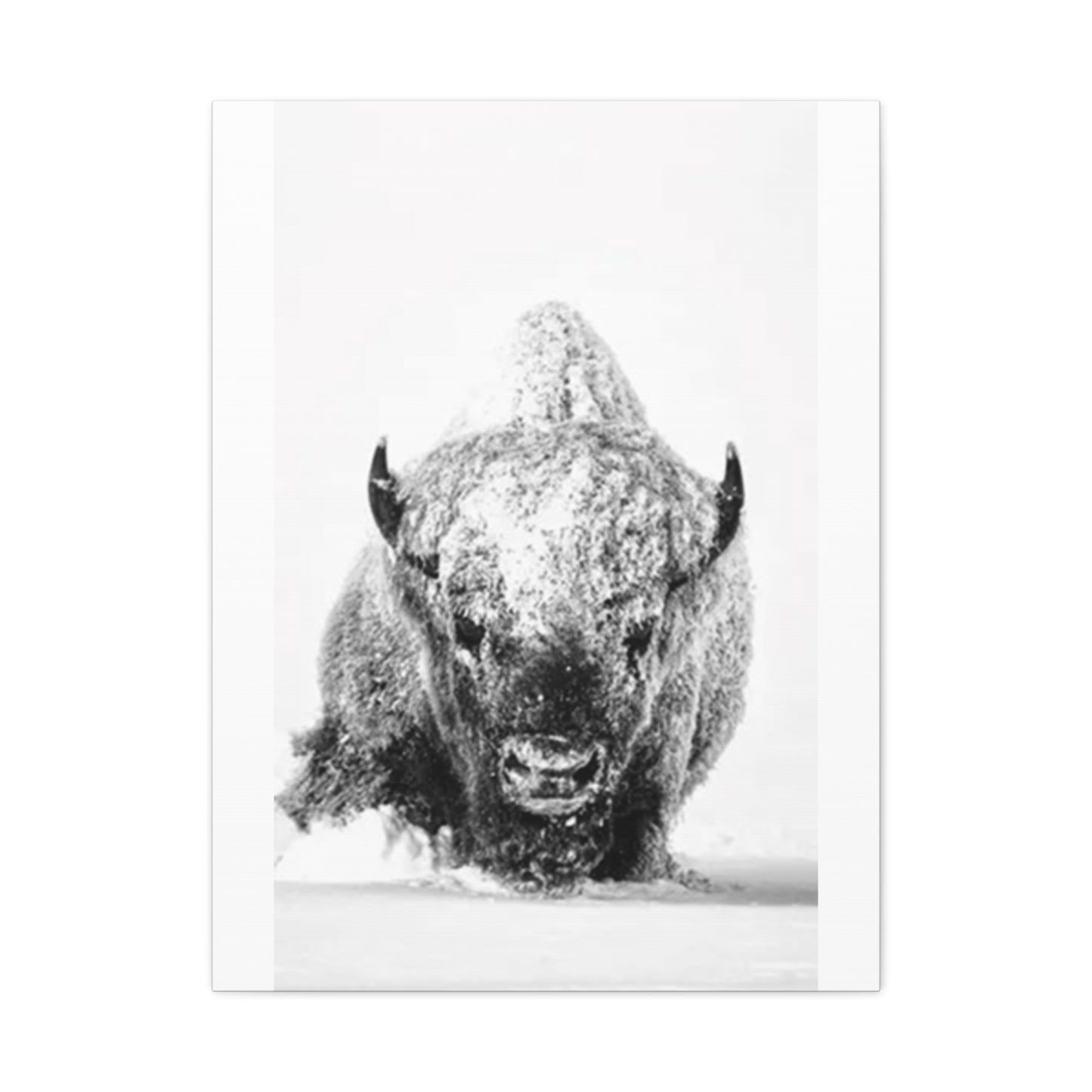
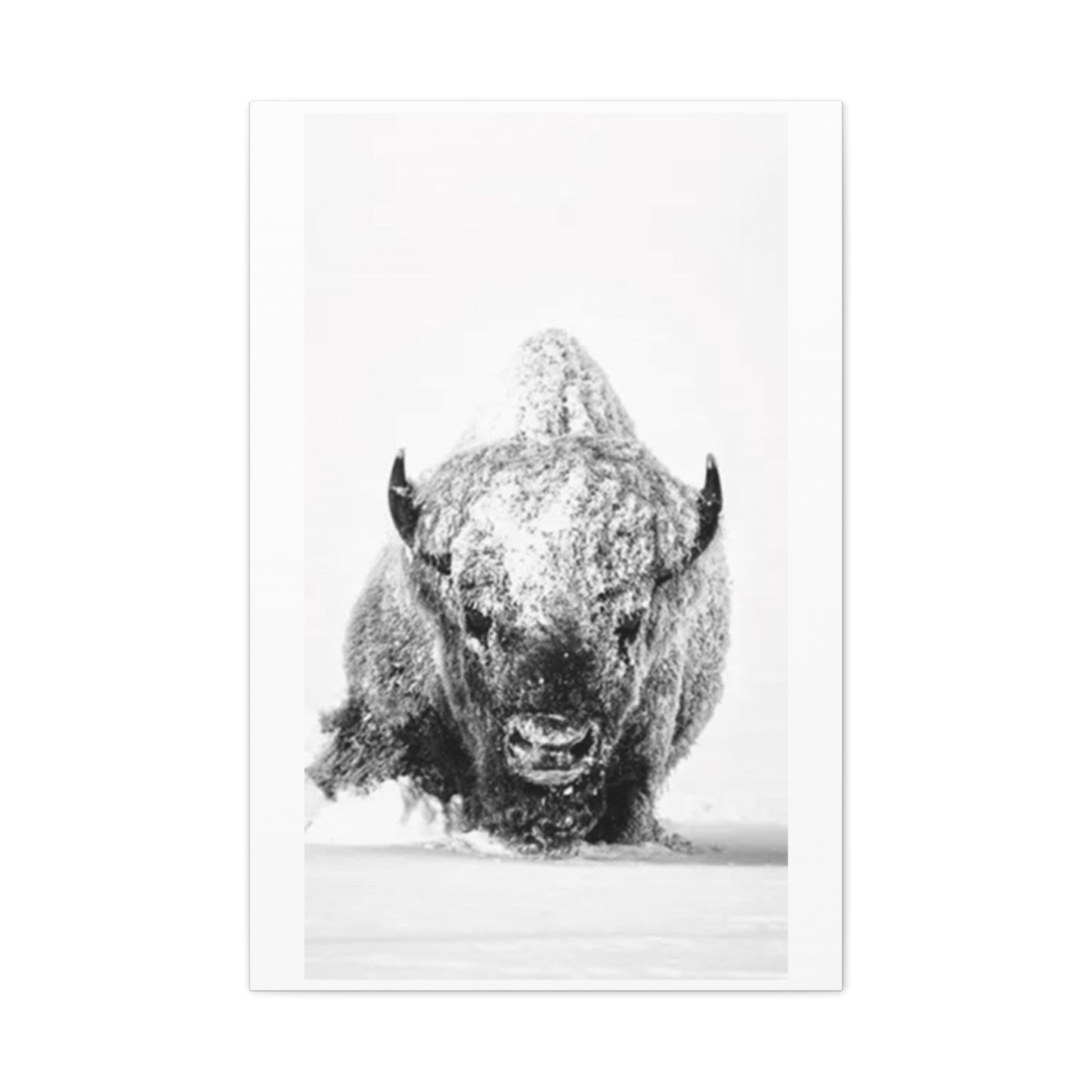
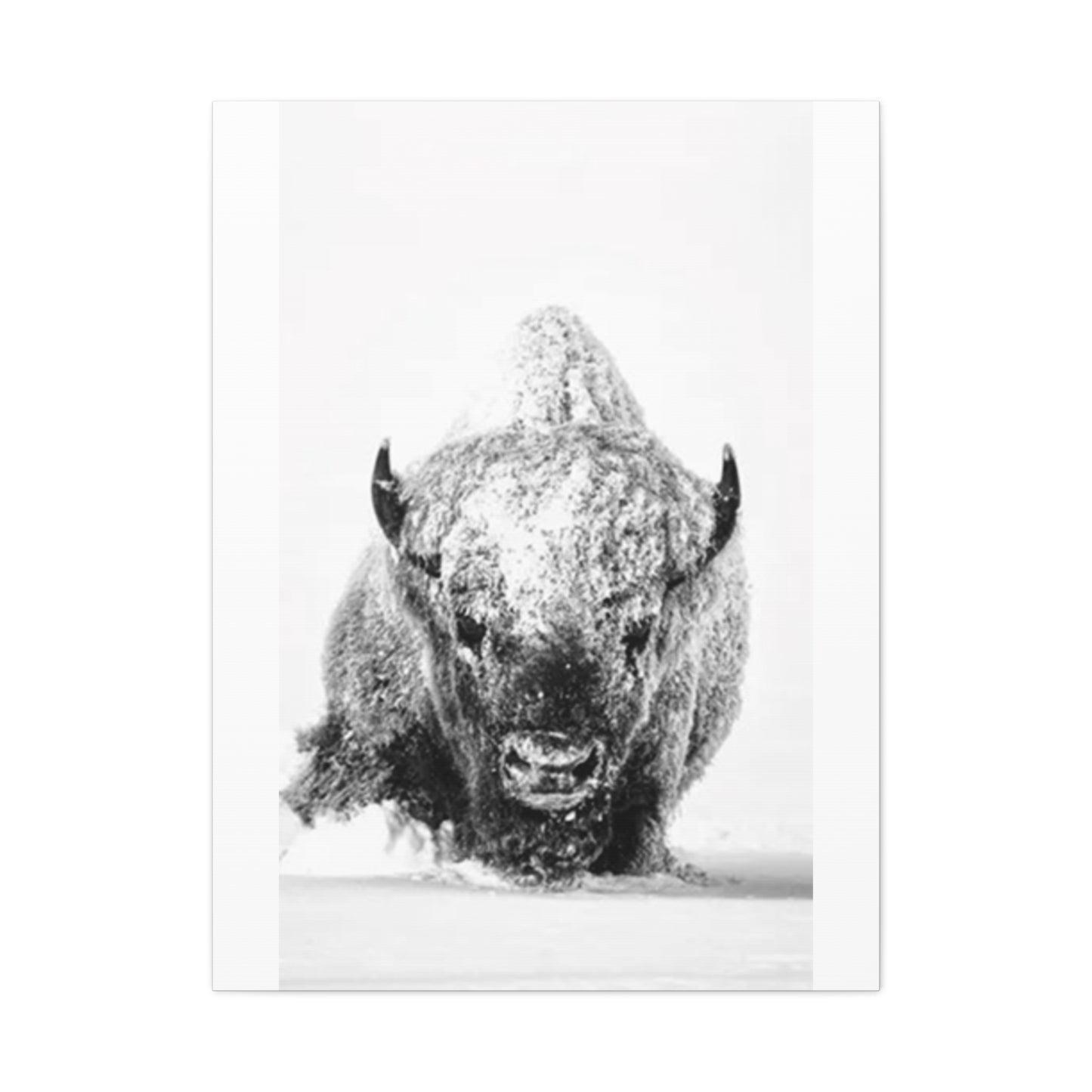
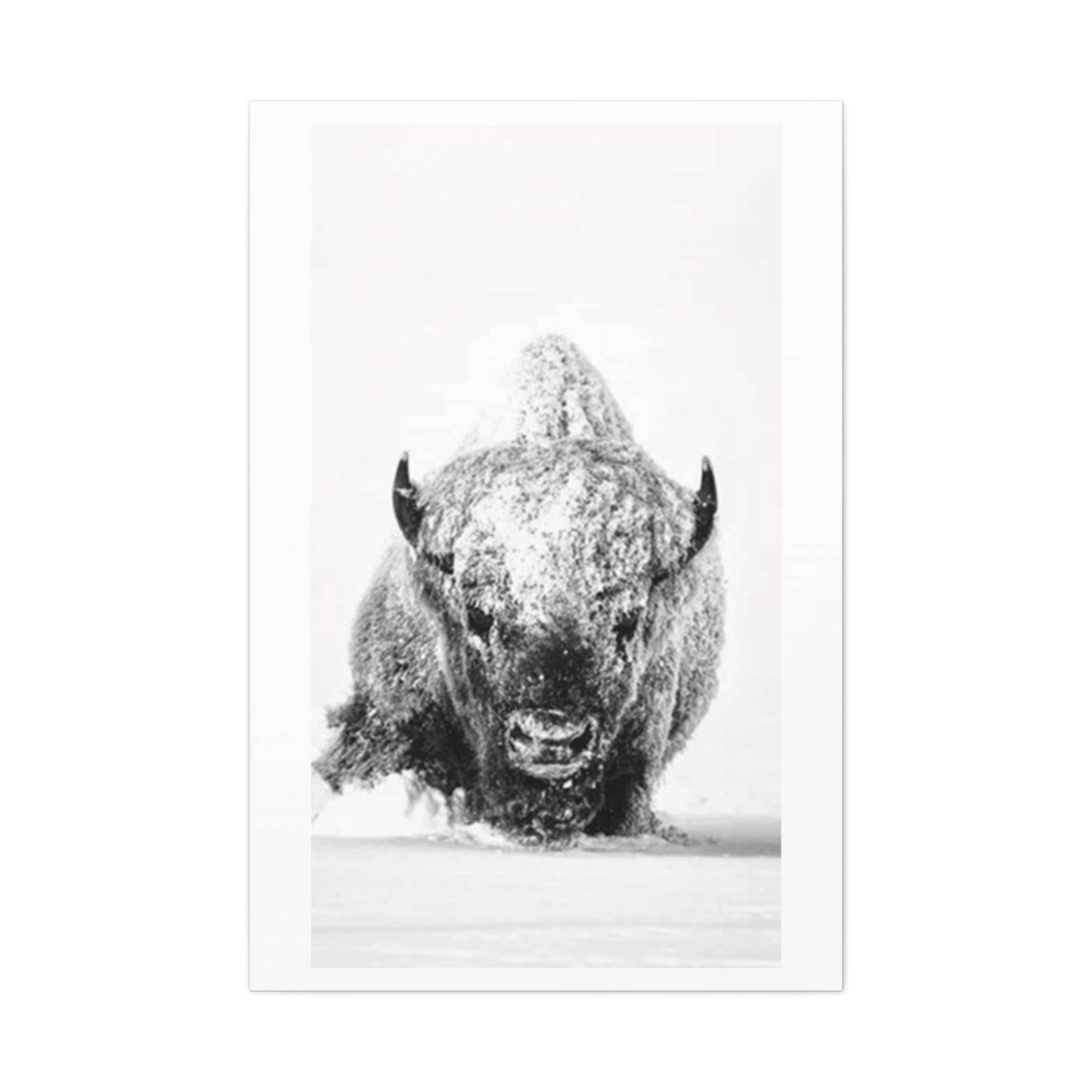
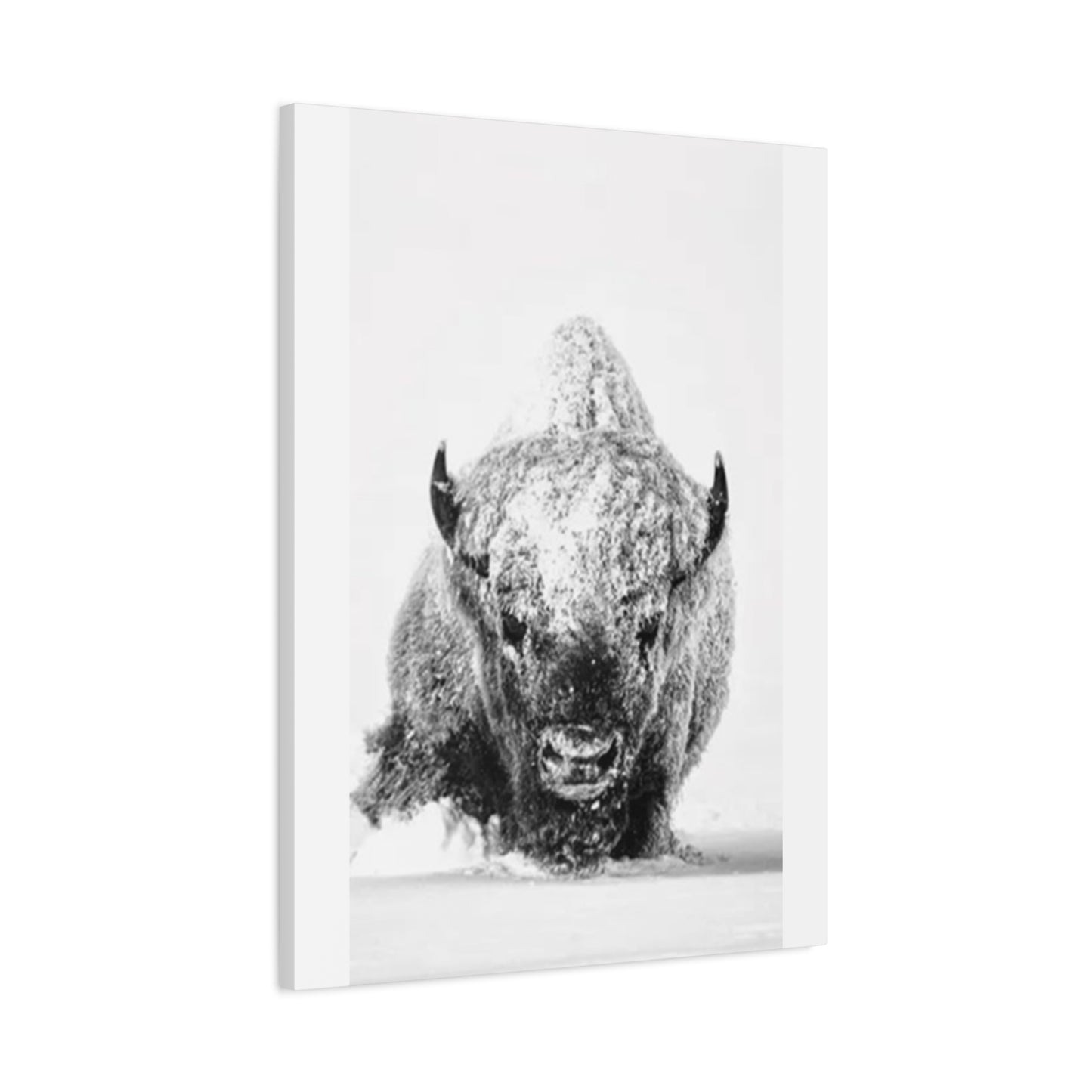
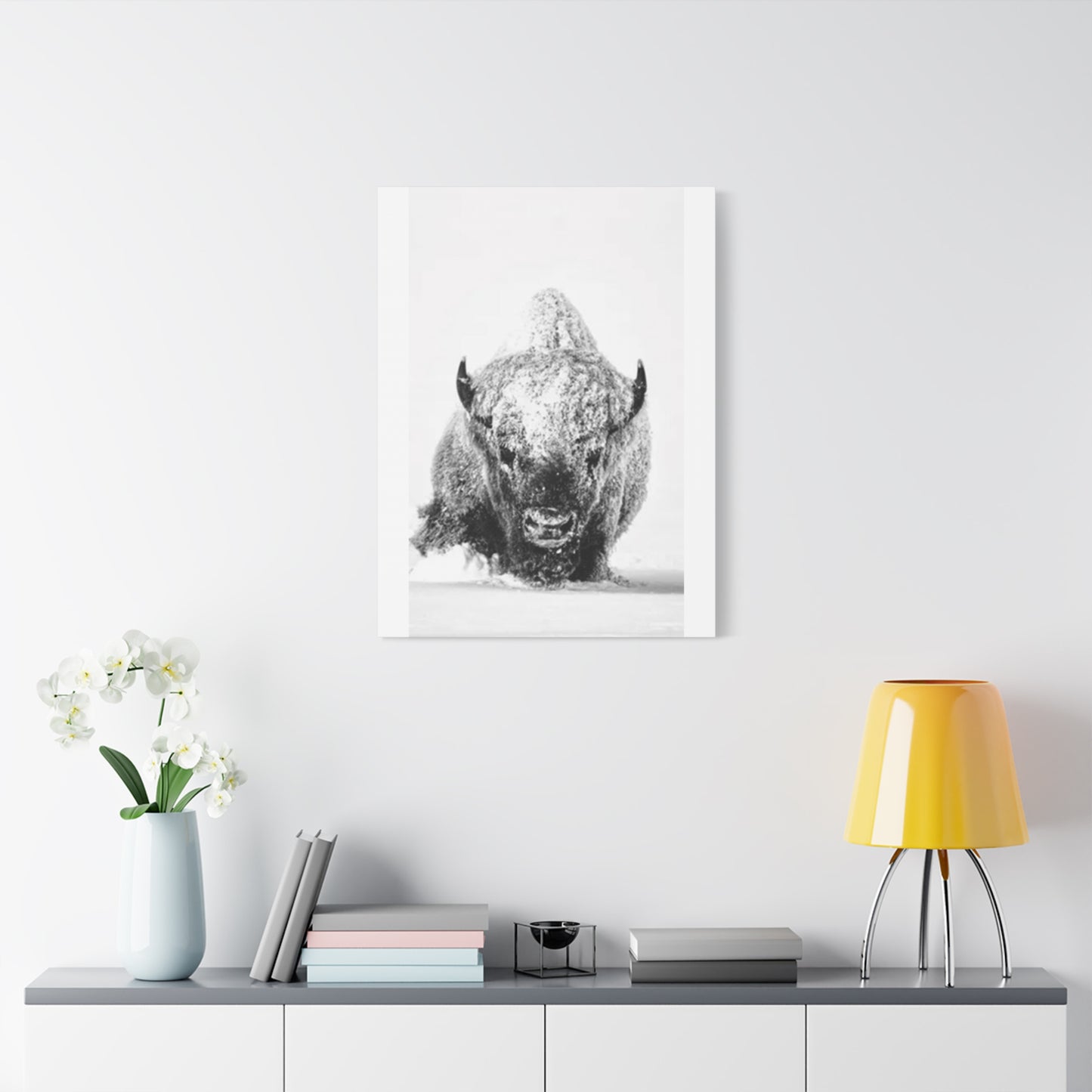
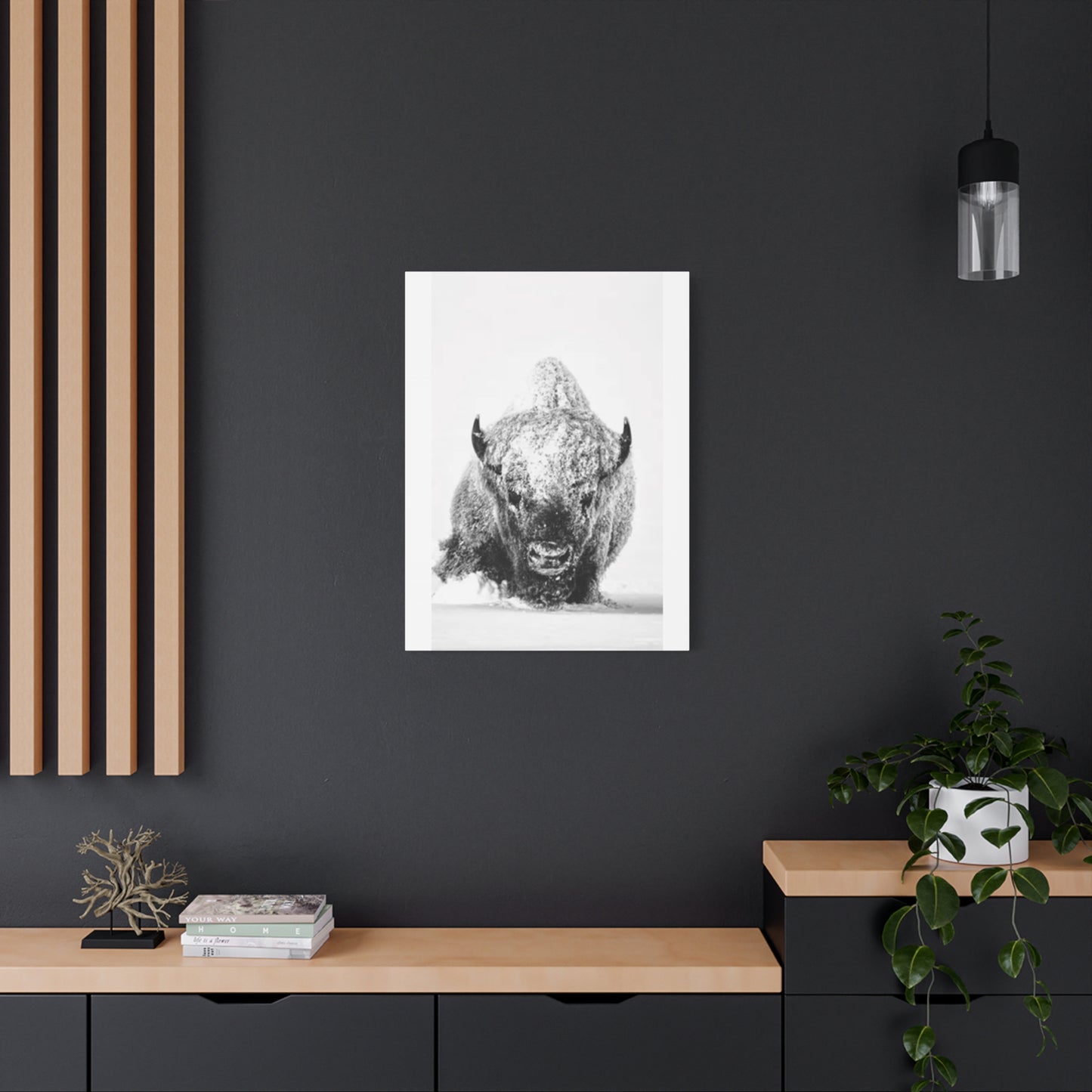
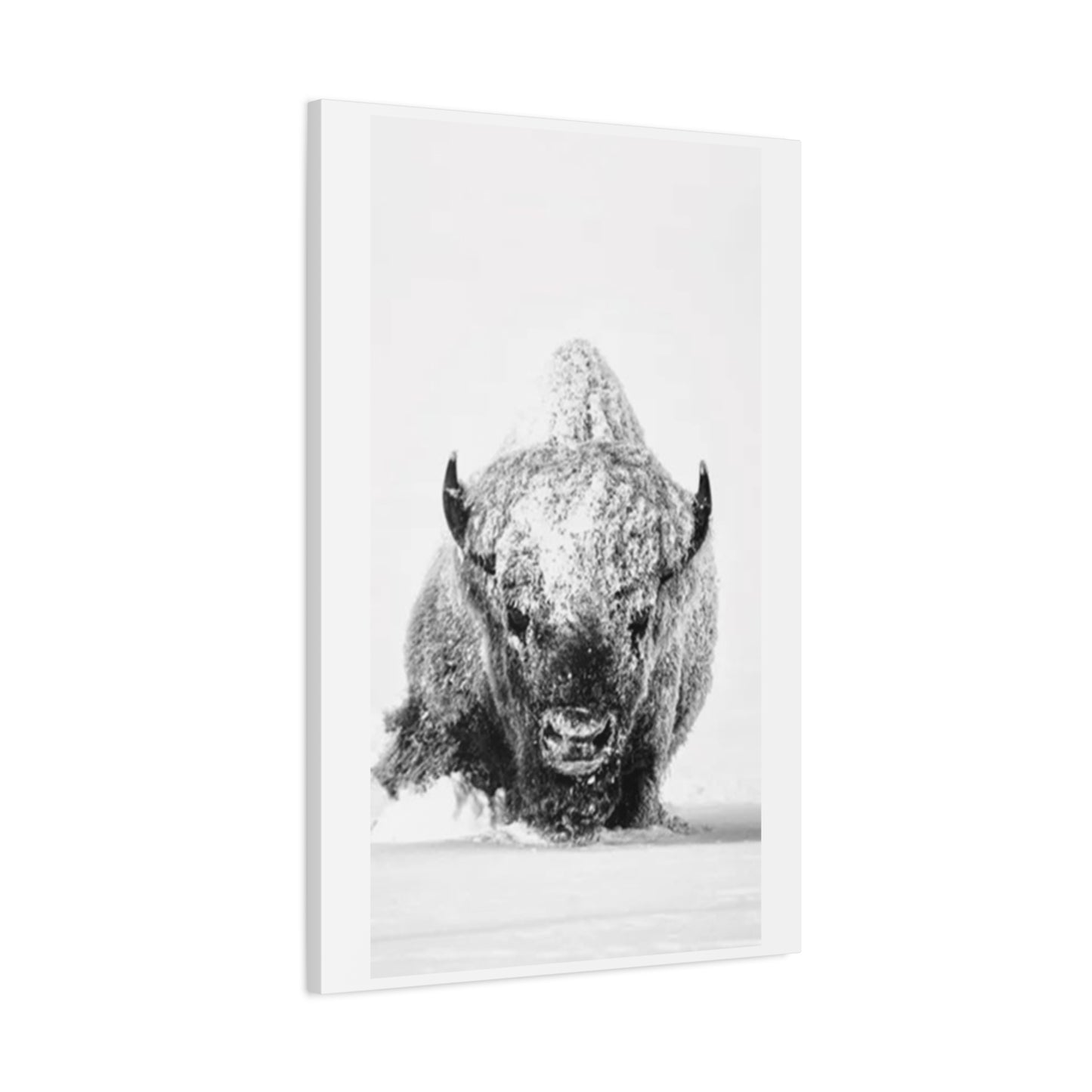
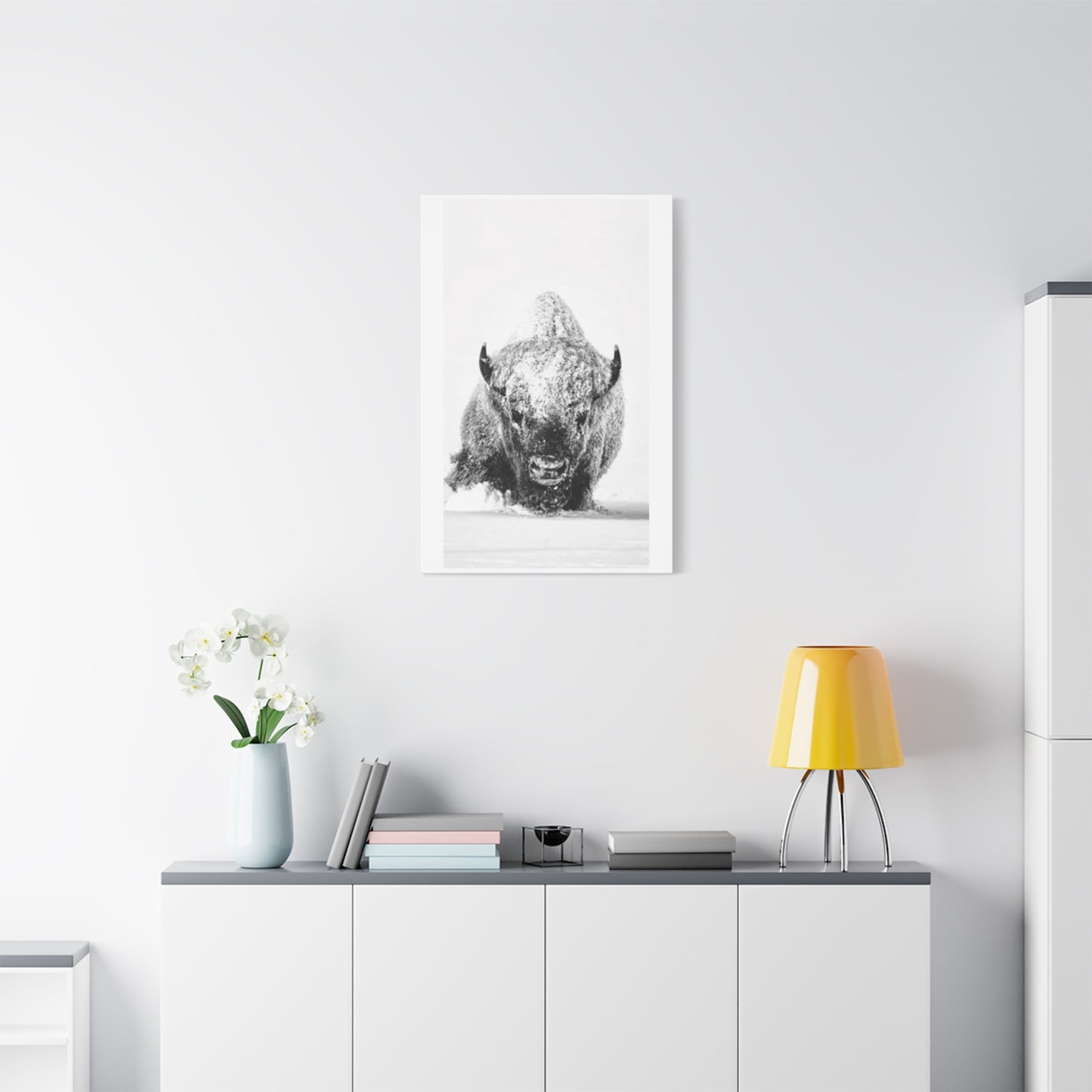
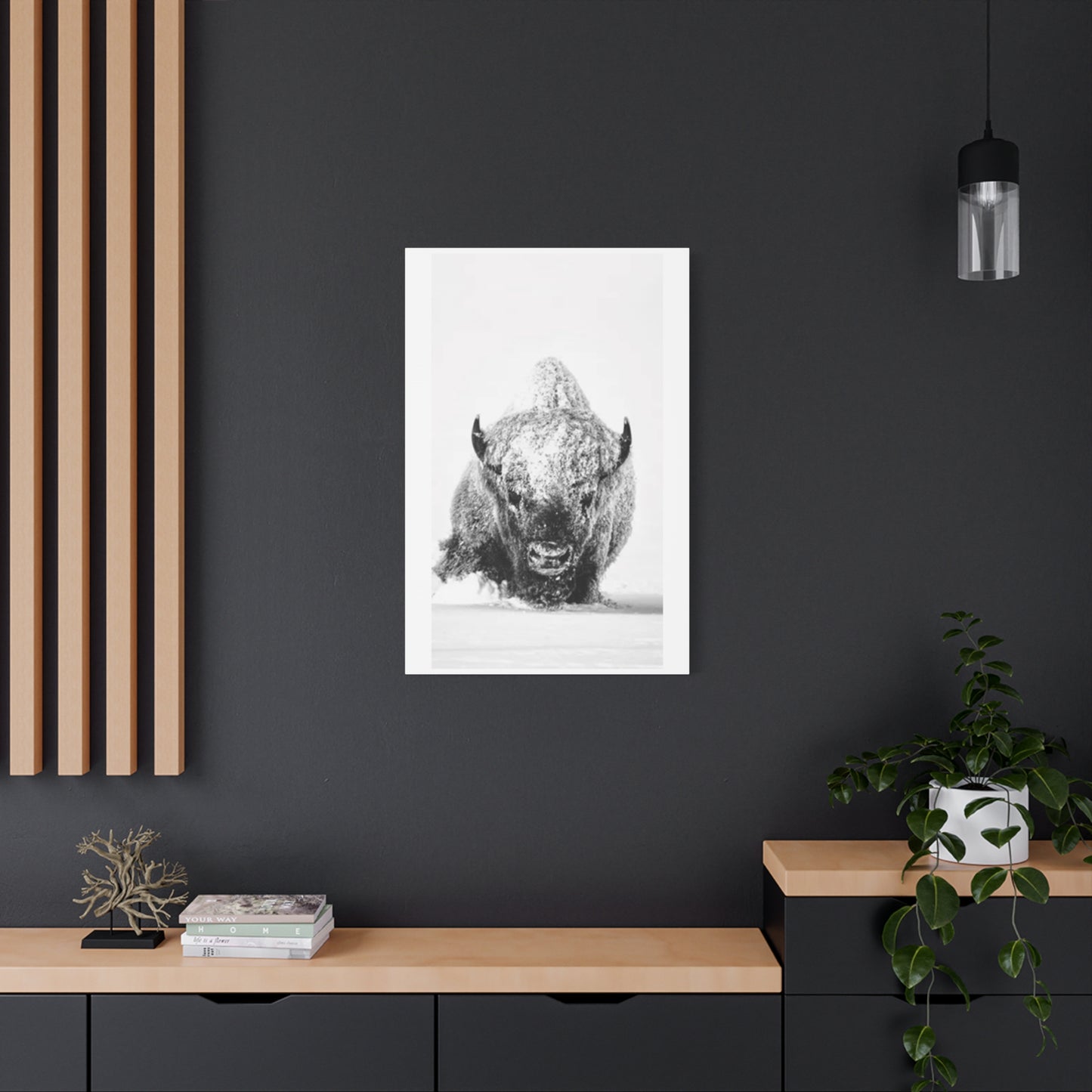
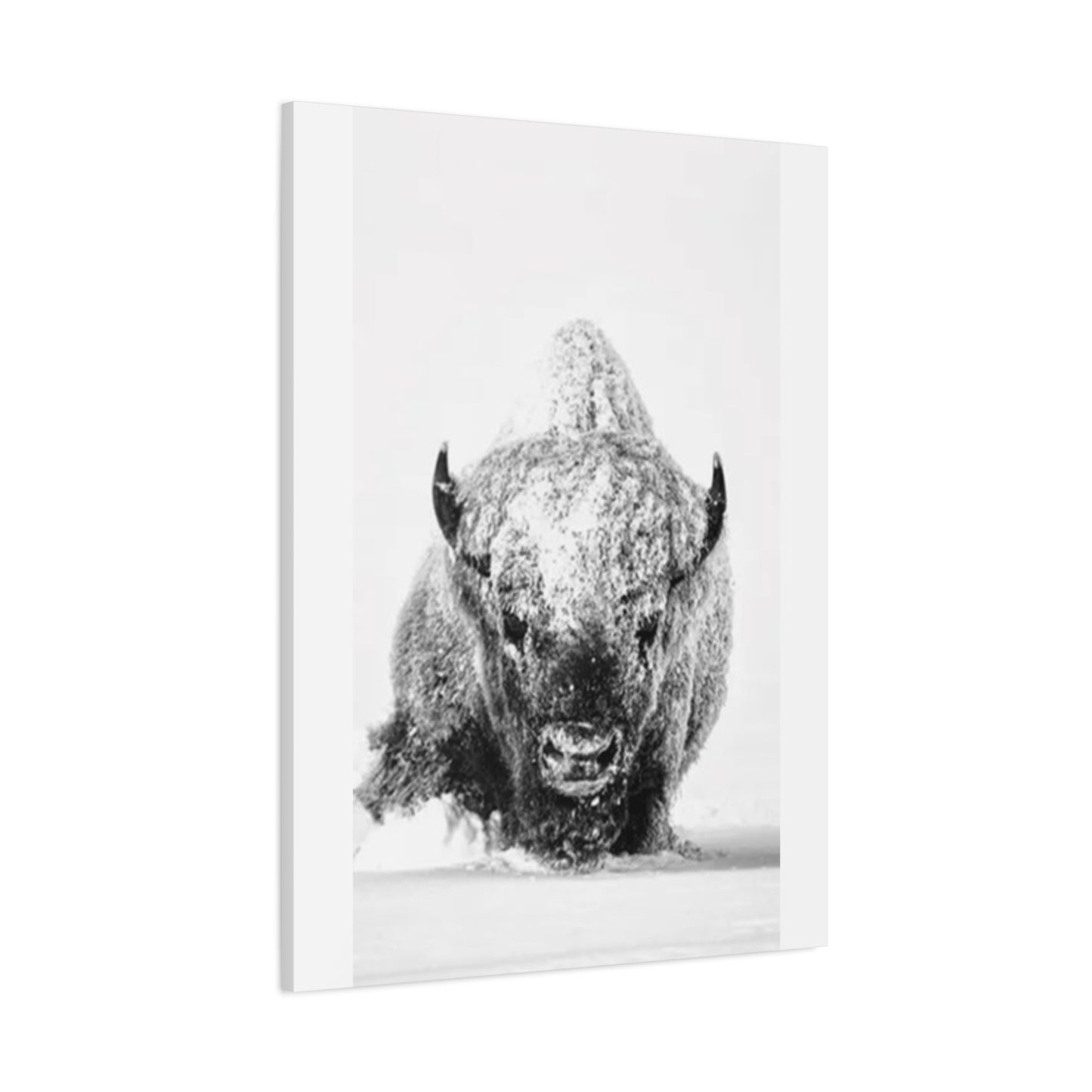
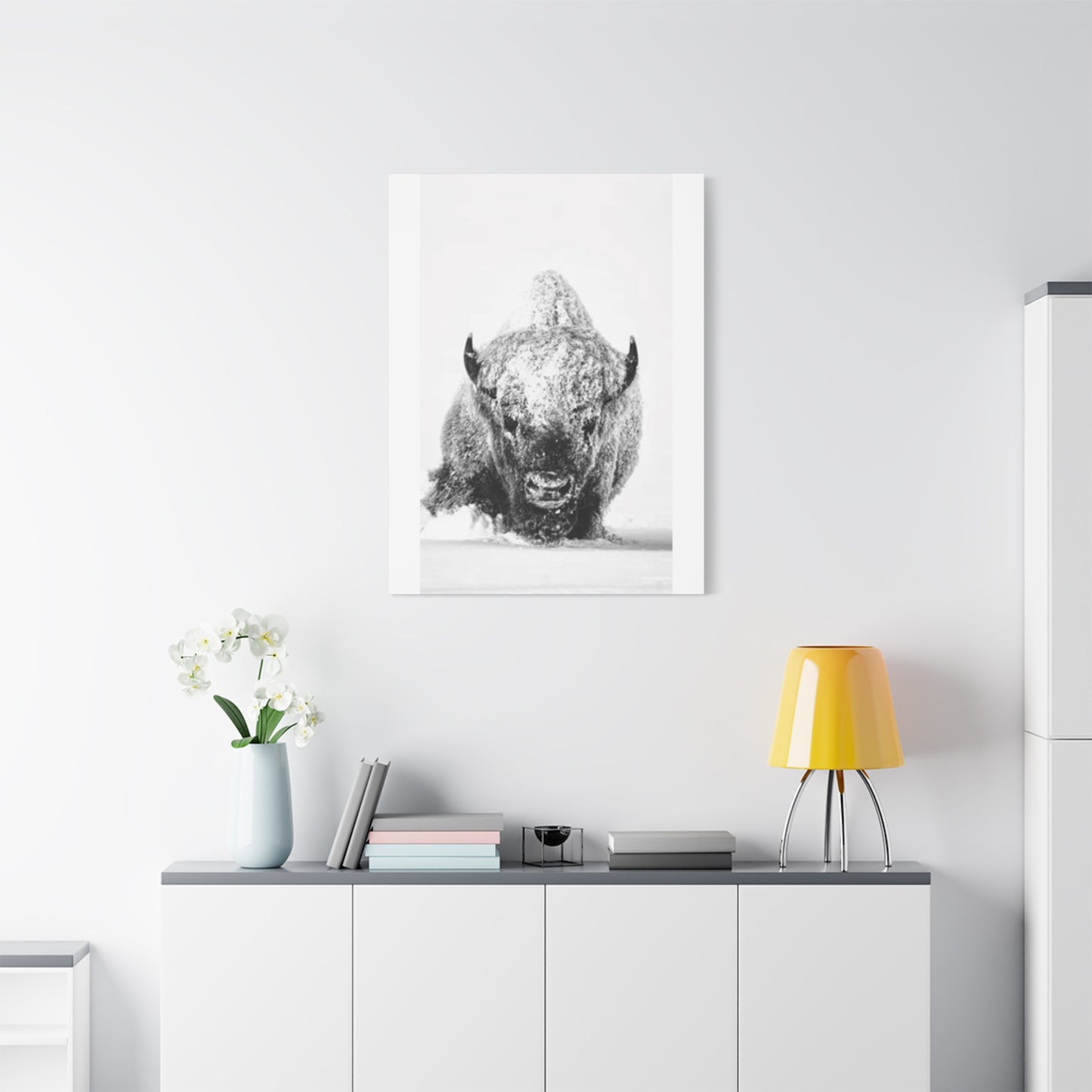
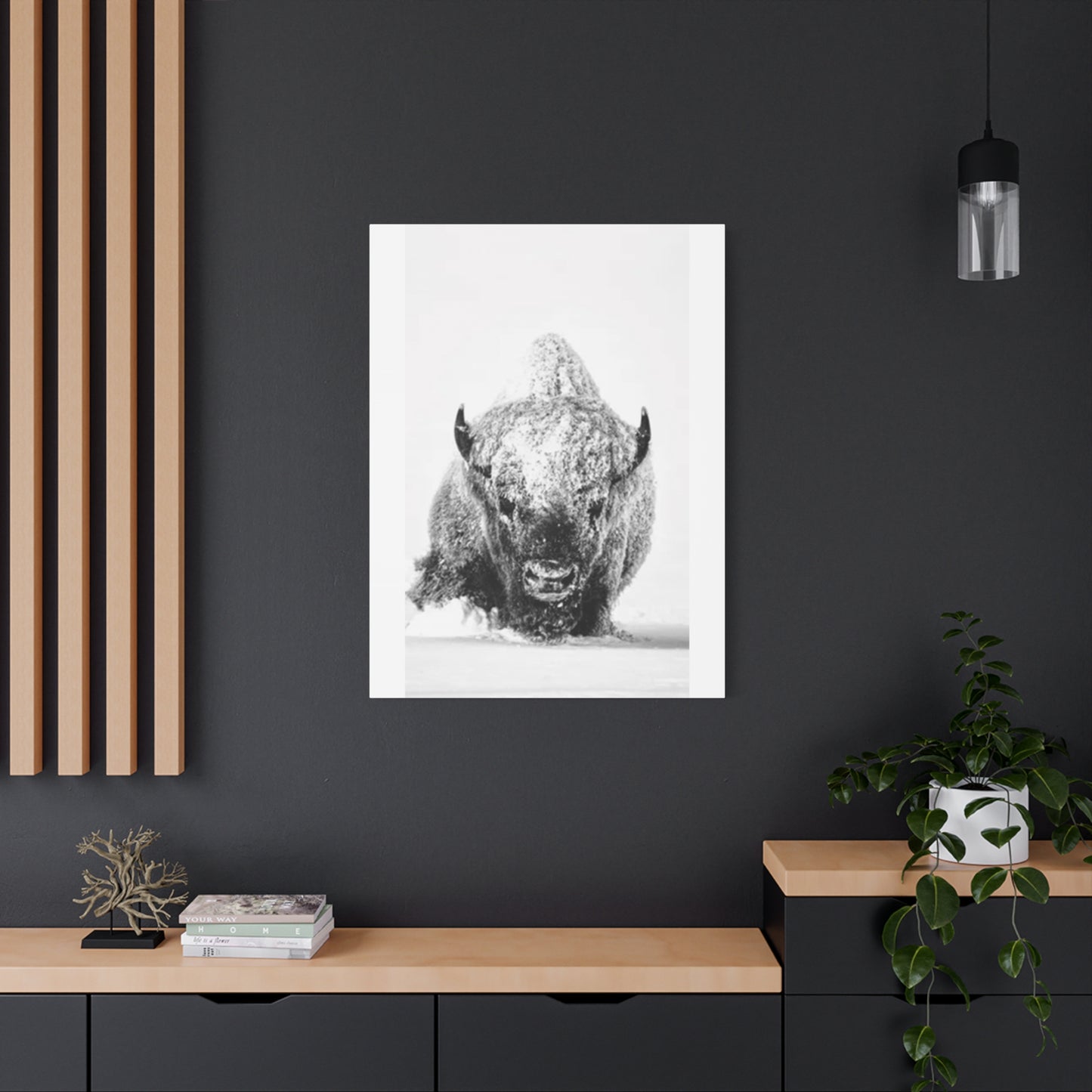
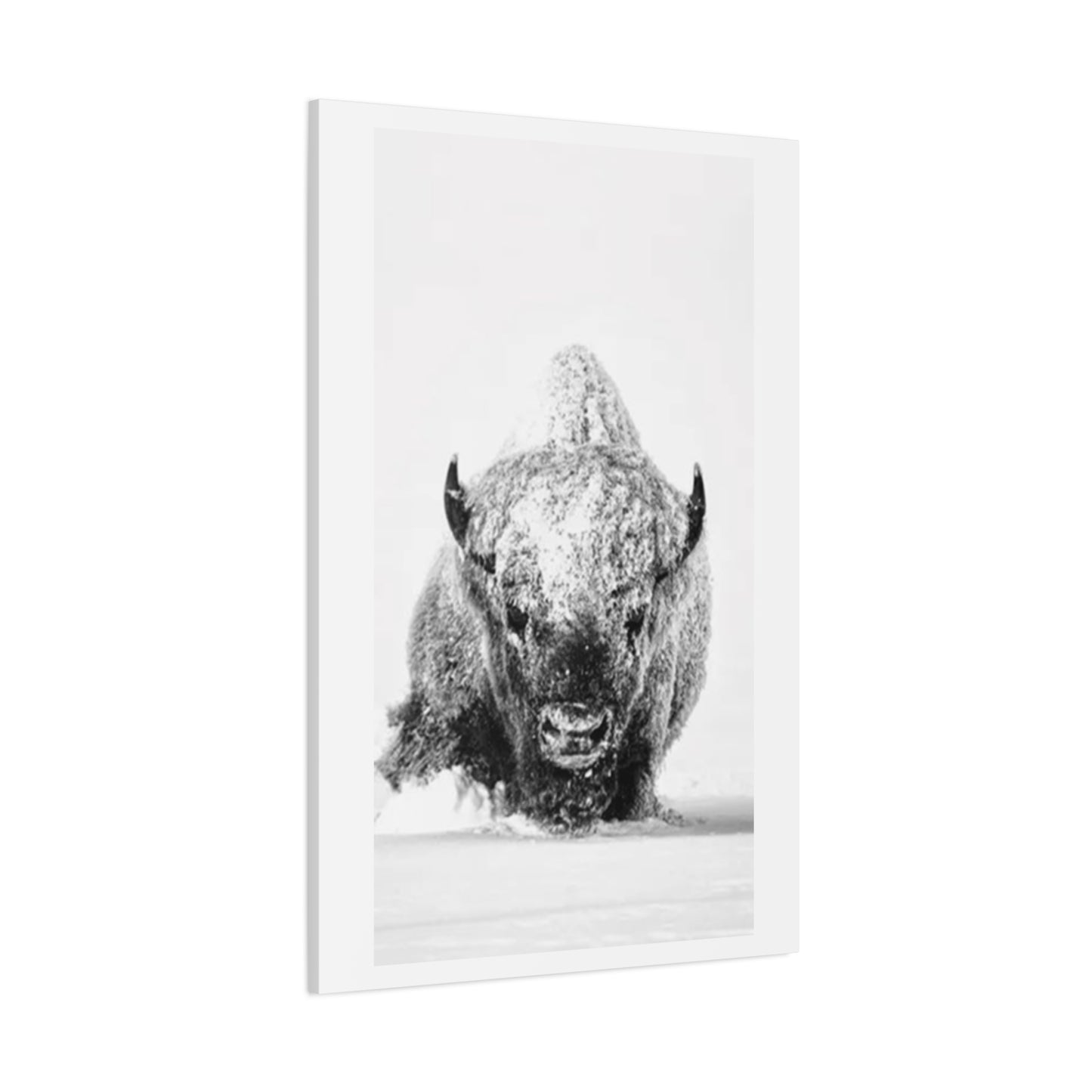
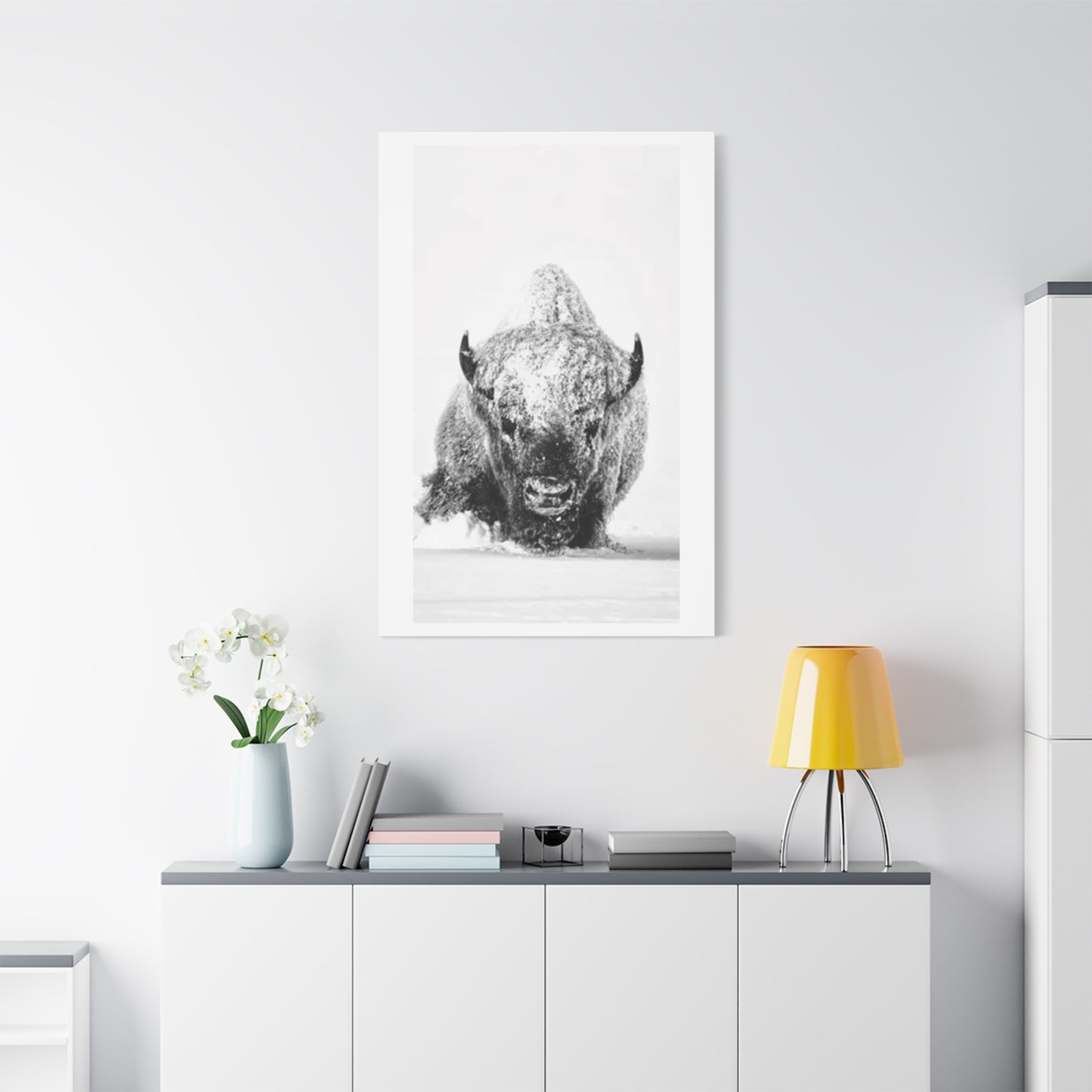
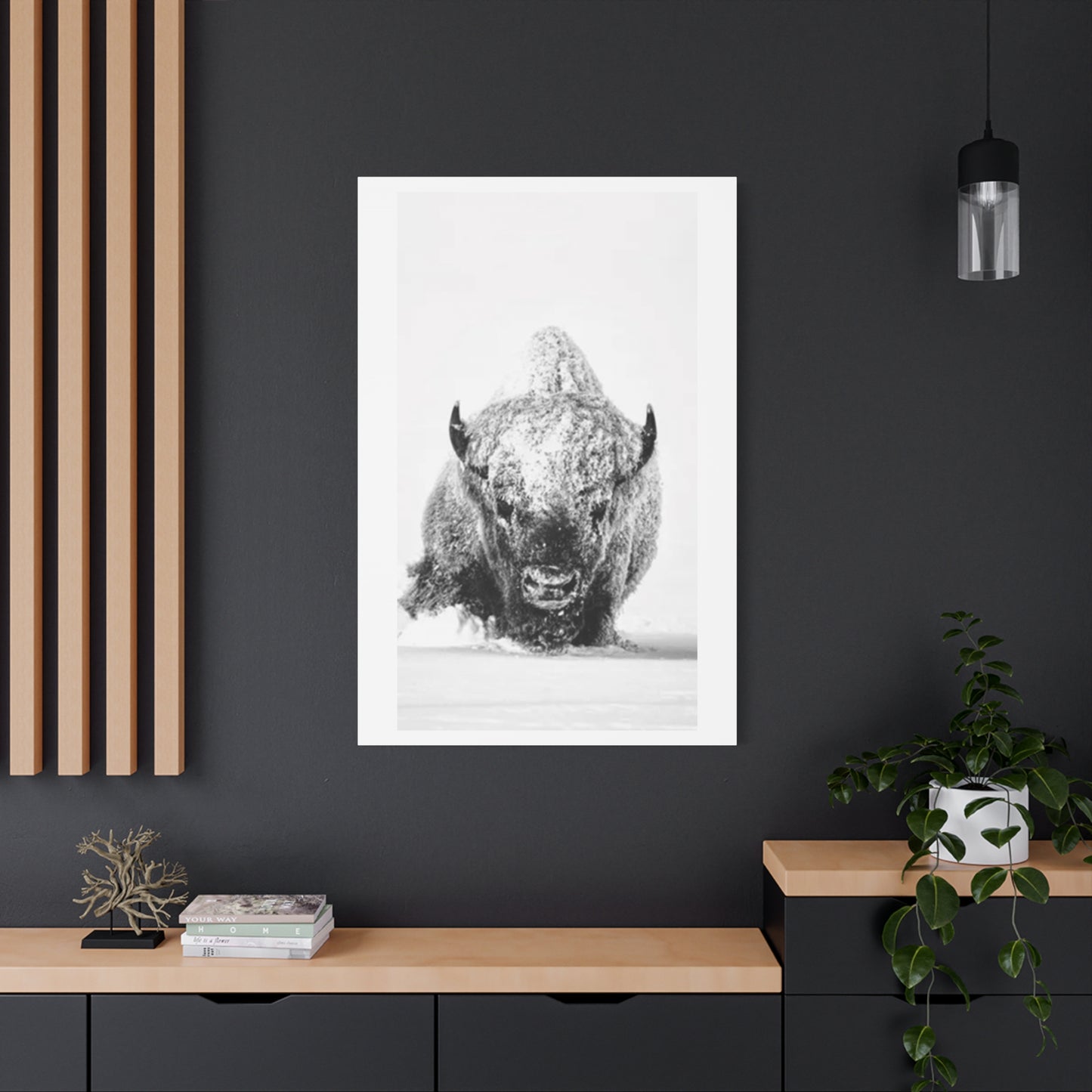
Snowy Bull Wall Art Is a Must-Have for Wildlife and Nature Art Enthusiasts
The world of interior decoration has witnessed a remarkable transformation in recent years, with art enthusiasts and homeowners increasingly gravitating toward unique and captivating visual elements that tell a story. Among the most compelling and visually striking options available today are canvas prints featuring majestic bulls set against snowy landscapes. These powerful artworks combine the raw strength and natural beauty of these magnificent animals with the serene, pristine quality of winter scenes, creating a perfect balance between power and tranquility that resonates with viewers on multiple levels.
The appeal of these artistic creations extends far beyond simple decoration. They represent a fusion of nature's most impressive creatures with one of the most beautiful seasons, resulting in imagery that captivates attention while adding depth and character to any room. Whether displayed in residential spaces, offices, or commercial establishments, these canvas prints serve as conversation starters and focal points that transform ordinary walls into extraordinary showcases of artistic expression.
The growing popularity of this particular artistic genre reflects a broader trend in home decoration where people seek meaningful, impactful artwork that connects with their personal values and aesthetic preferences. The combination of bovine majesty and winter wonderland creates an atmosphere that is simultaneously calming and invigorating, making these pieces versatile enough to complement various design schemes while maintaining their distinctive character.
Understanding the Artistic Appeal of Winter Wildlife Photography
The intersection of wildlife photography and winter landscapes represents one of the most challenging yet rewarding genres in visual arts. When photographers venture into snowy environments to capture images of bulls and other bovine creatures, they must contend with numerous technical difficulties while also seeking to preserve the authentic beauty and character of their subjects. The resulting images, when successfully executed, possess a raw authenticity that studio photographs simply cannot replicate.
Winter photography presents unique opportunities for capturing dramatic contrasts between the dark, textured coats of bulls and the brilliant white expanses of snow-covered terrain. This natural juxtaposition creates visual tension that draws the eye and holds attention, making these images particularly effective as large-scale canvas prints. The interplay of light and shadow becomes even more pronounced in winter settings, where the reflective quality of snow amplifies ambient light and creates opportunities for capturing stunning detail in both highlights and shadows.
Professional wildlife photographers who specialize in winter scenes understand the importance of patience and timing. Bulls in their natural winter habitats display behaviors and characteristics that differ from those observed during warmer months. Their breath becomes visible in cold air, creating ethereal clouds that add another dimension to photographs. The animals often develop thicker coats that catch snow and frost, creating textural elements that translate beautifully to canvas prints. These details combine to produce images that feel alive and dynamic, despite being frozen moments in time.
The emotional resonance of these photographs stems partly from the inherent symbolism associated with bulls throughout human history. These animals have represented strength, determination, and resilience across countless cultures and time periods. When portrayed against challenging winter conditions, these symbolic associations become even more powerful, suggesting triumph over adversity and the ability to thrive in difficult circumstances. This deeper layer of meaning elevates these artworks beyond mere decoration, transforming them into sources of inspiration and motivation.
Selecting the Perfect Canvas Material for Your Artwork
The foundation of any exceptional canvas print lies in the quality of the material used for reproduction. Not all canvas materials are created equal, and understanding the distinctions between various options can significantly impact the longevity, appearance, and overall satisfaction with your artwork. The most common canvas materials used for high-quality prints include cotton, polyester, and cotton-polyester blends, each offering distinct advantages and characteristics.
Pure cotton canvas has long been considered the gold standard for fine art reproduction. This natural fiber provides excellent texture and depth, allowing prints to closely mimic the appearance of original paintings. Cotton canvas accepts ink beautifully, resulting in rich colors and sharp details that bring winter bull imagery to life. The natural weave of cotton creates a subtle texture that adds dimensionality to prints, making them more visually interesting than flat paper prints. Additionally, cotton canvas is archival quality, meaning it resists yellowing and degradation over time when properly cared for.
Polyester canvas offers different advantages, particularly in terms of durability and moisture resistance. This synthetic material holds up exceptionally well in environments with varying humidity levels, making it an excellent choice for spaces like bathrooms, kitchens, or coastal homes where moisture might be a concern. Polyester canvas typically costs less than pure cotton while still providing excellent print quality and longevity. The smooth surface of polyester allows for extremely sharp detail reproduction, which can be particularly beneficial for wildlife photography where capturing fine details like individual hairs or the texture of falling snow contributes significantly to the overall impact.
Blended canvas materials attempt to capture the best qualities of both cotton and polyester. These hybrid options typically offer good texture, excellent durability, and reasonable pricing. For many consumers, blended canvas represents the optimal balance between quality and value, providing professional-grade results without the premium price tag associated with pure cotton canvas. When selecting artwork featuring bulls in snowy environments, consider where the piece will be displayed and what conditions it will face to determine which canvas material best suits your specific needs.
The weight and thickness of canvas material also deserve consideration. Heavier canvas, typically measured in ounces per square yard, generally provides better durability and a more substantial feel. Thicker canvas resists warping and maintains its shape better over time, particularly important for larger prints where the weight of the material itself can cause sagging if not properly supported. Most high-quality canvas prints use material weighing between eight and twelve ounces per square yard, with heavier weights reserved for particularly large installations or situations where maximum longevity is desired.
Exploring Different Artistic Styles and Interpretations
Canvas prints featuring bulls in winter settings come in remarkably diverse artistic styles, each offering a unique visual experience and emotional impact. Understanding these different approaches can help you select artwork that perfectly aligns with your aesthetic preferences and complements your existing decor. The style of artwork you choose fundamentally shapes how viewers perceive and interact with the piece, making this an essential consideration in the selection process.
Photorealistic representations capture bulls and their snowy environments with meticulous attention to detail and accuracy. These images showcase the true beauty of nature without artistic embellishment, allowing viewers to appreciate the genuine magnificence of these animals in their winter habitats. Photorealistic prints excel at bringing the outdoors inside, creating windows into natural scenes that might otherwise remain inaccessible. The level of detail in these works can be breathtaking, allowing observers to see individual snowflakes clinging to fur, the crystalline structure of frost, and the subtle variations in color and texture that make each animal unique.
Impressionistic interpretations take a softer approach, using looser brushwork and blended colors to create atmospheric renderings that capture the essence and mood of winter bull scenes rather than precise details. These works often feature visible brushstrokes and color transitions that give them a painterly quality, making them feel more like traditional art than photographs. Impressionistic pieces can be particularly effective at evoking emotions and creating ambiance, as they invite viewers to engage with the artwork on an imaginative level, filling in details with their own perceptions and experiences.
Abstract representations push creative boundaries even further, using bulls in snowy settings as inspiration rather than subjects for literal reproduction. These works might emphasize color relationships, geometric forms, or emotional expressions over realistic depiction. Abstract interpretations can range from slightly stylized to completely non-representational, offering endless possibilities for unique and conversation-starting artwork. For modern or contemporary interiors, abstract treatments of winter bull imagery can provide striking focal points that challenge conventional expectations while maintaining thematic coherence.
Minimalist approaches strip away unnecessary elements to focus on essential forms and relationships. These pieces might feature silhouettes of bulls against snowy backgrounds, using stark contrasts and clean lines to create powerful visual statements with maximum impact and minimum complexity. Minimalist winter bull artwork particularly suits modern, Scandinavian, or industrial design schemes where simplicity and restraint are valued aesthetic principles. The apparent simplicity of these pieces often belies considerable artistic sophistication, as creating compelling minimalist work requires exceptional skill in composition and understanding of visual hierarchy.
Size Considerations for Maximum Visual Impact
Determining the appropriate size for canvas artwork represents one of the most crucial decisions in the selection process. The dimensions of your print directly affect its visual impact, its relationship with surrounding architectural elements, and its ability to command attention within a space. Understanding fundamental principles of scale and proportion can help ensure your winter bull artwork achieves its full potential as a design element.
Small format prints, typically ranging from twelve to twenty-four inches in their largest dimension, work well in intimate spaces or as components of gallery wall arrangements. These compact pieces allow for affordable entry into canvas art collecting while providing flexibility in placement and arrangement. Small prints featuring bulls in snowy landscapes can be particularly effective in personal spaces like bedrooms, home offices, or reading nooks where viewers engage with artwork at close range. The reduced scale encourages detailed examination, allowing appreciation of fine textural elements and subtle compositional choices that might be overlooked in larger formats.
Medium format prints, generally measuring between twenty-four and forty-eight inches in their longest dimension, represent the most popular size category for residential applications. These pieces are large enough to serve as focal points without overwhelming rooms of typical dimensions. A medium-sized canvas featuring a majestic bull against a winter backdrop can anchor a living room wall, complete a dining room design, or provide visual interest above a console table or credenza. This size range offers sufficient presence to impact the overall atmosphere of a space while remaining manageable in terms of handling, hanging, and future relocation if needed.
Large format prints exceeding forty-eight inches in one or both dimensions make bold statements that immediately capture attention upon entering a space. These substantial artworks are particularly effective in rooms with high ceilings, expansive wall space, or open floor plans where smaller pieces might appear lost or insignificant. A large canvas depicting a powerful bull in a vast snowy landscape can create a sense of grandeur and drama that transforms an ordinary room into a memorable environment. However, large prints require careful consideration of viewing distance, as images need adequate space for proper appreciation. As a general guideline, viewers should be able to stand at a distance approximately equal to one and one-half times the diagonal measurement of the print for optimal viewing.
Multi-panel installations, also known as diptychs, triptychs, or polyptychs depending on the number of panels, offer creative alternatives to single large canvases. These configurations divide a single image across multiple separate canvases that hang together as a unified composition. Multi-panel presentations can create dynamic visual interest through the gaps between panels, adding depth and dimension to the overall display. For winter bull imagery, a triptych arrangement might show a sweeping panorama of a snowy field with a bull as the central focal point, or it might present multiple views of the same animal from different angles or in different lighting conditions. The flexibility of multi-panel arrangements allows for customization of overall dimensions to fit specific wall spaces while maintaining impactful scale.
Color Palette Selection and Mood Creation
The color composition of artwork featuring bulls in winter environments plays a fundamental role in establishing mood, creating visual harmony with existing decor, and evoking emotional responses. While the snowy winter theme naturally suggests a cooler color palette dominated by whites, blues, and grays, the possibilities extend far beyond these obvious choices. Understanding color theory and its psychological effects can guide you toward artwork that not only looks beautiful but also creates the atmosphere you desire.
Cool-toned compositions emphasizing blues, silvers, and purples create atmospheres of tranquility and contemplation. These palettes align naturally with winter imagery, enhancing the sense of cold crisp air and peaceful snowfall. Cool colors recede visually, making them excellent choices for smaller spaces where you want to avoid the claustrophobic feeling that warm, advancing colors might create. A canvas featuring a dark bull against pale blue-tinted snow captures the serene quality of winter mornings, when everything seems hushed and still. These cooler interpretations work particularly well in bedrooms, bathrooms, or meditation spaces where calming effects are desired.
Warm-toned variations introduce ambers, golds, and russet hues that suggest the golden light of winter sunrise or sunset. These warmer palettes create more energetic, inviting atmospheres while maintaining the winter theme. The contrast between a bull's dark form and warm-toned snow illuminated by low-angle sunlight produces dramatic, eye-catching imagery that draws viewers in and holds attention. Warm color schemes work beautifully in social spaces like living rooms and dining areas where you want to encourage conversation and create welcoming environments. The psychological warmth of these colors can counterbalance the visual coldness of snow, creating compositions that feel balanced rather than stark.
Monochromatic approaches use various tones of a single color family to create sophisticated, cohesive compositions. Black and white treatments represent the most common monochromatic option, stripping away color information to emphasize form, texture, contrast, and composition. Black and white images of bulls in snowy landscapes possess timeless elegance that transcends trends and coordinates effortlessly with diverse decorating schemes. The absence of color focuses attention on fundamental visual elements like the powerful silhouette of the bull, the delicate patterns of falling snow, and the interplay of light and shadow across the winter landscape. Monochromatic color schemes in other hues, such as sepia tones or blue monochromes, offer similar benefits while introducing subtle color interest.
High-contrast compositions featuring stark differences between the darkest and lightest elements create dramatic, attention-commanding artwork. Winter scenes naturally lend themselves to high contrast, with dark animals standing out boldly against brilliant white snow. These high-energy compositions work particularly well in modern or contemporary settings where bold design choices are appreciated. The visual tension created by extreme tonal differences generates excitement and impact that can energize a space and create a strong focal point. However, high-contrast artwork requires thoughtful placement, as it can overwhelm smaller rooms or conflict with spaces designed around subtle, nuanced color relationships.
Frame Styles and Presentation Options
The manner in which canvas artwork is finished and presented significantly influences its aesthetic impact and integration with surrounding decor. While many people think of canvas prints as requiring traditional frames like those used with photographs or paintings under glass, the reality offers far more diverse options. Each presentation method creates different visual effects and suits different decorating styles, making the choice of finishing technique an important consideration in the overall artwork selection process.
Gallery wrap, also called stretched canvas, represents the most popular contemporary presentation method for canvas prints. In this approach, the printed canvas extends around the edges of the stretcher bars that support it, eliminating the need for a traditional frame. The image either wraps continuously around the sides, creating a three-dimensional object that can be viewed from multiple angles, or the edges feature a solid color, typically matching the dominant tone of the image. Gallery-wrapped canvases create clean, modern appearances that work particularly well with contemporary decor styles. For winter bull imagery, this presentation method allows the artwork to feel more like a window into the natural world rather than a framed picture.
Museum wrap represents a variation of gallery wrap where the image extends around the edges as described above, but the stretcher bars are positioned farther back from the front surface of the canvas. This creates greater depth and a more substantial three-dimensional presence. The additional depth also helps prevent the stretcher bars from creating visible lines or impressions on the front surface of the canvas, a phenomenon that can occasionally occur with standard gallery wraps, particularly with thinner canvas materials. Museum wraps work beautifully for larger prints where the additional depth contributes to the overall impact without making the piece unwieldy or difficult to hang.
Traditional framing with visible molding surrounding the canvas creates a more formal, classic presentation. Frames can range from simple, narrow profiles to ornate, decorative designs, each creating different effects. A rustic wood frame with visible grain and texture might enhance the natural qualities of wildlife photography, while a sleek metal frame could emphasize modern, minimalist aspects of the composition. When selecting frames for winter bull artwork, consider how the frame material, color, and style interact with both the image and your broader decorating scheme. A well-chosen frame should complement the artwork without competing for attention, guiding the eye toward the image rather than drawing focus to itself.
Float mounting creates the illusion that the canvas hovers in front of the wall by positioning it slightly forward of a backing board or frame. This presentation technique adds depth and dimension while creating sophisticated, gallery-quality appearances. Float-mounted canvases cast subtle shadows on the wall behind them, enhancing their three-dimensional presence and making them appear more substantial. This mounting style works particularly well for high-end installations where presentation quality is paramount. The additional complexity of float mounting typically increases cost compared to simpler presentation methods, but the refined results often justify the investment for discerning collectors.
Placement Strategies for Different Room Types
The location where you display artwork featuring bulls in winter scenes significantly impacts both how the piece is perceived and how it influences the overall atmosphere of the space. Different rooms in a home or office serve distinct functions and possess unique characteristics that should inform artwork placement decisions. Strategic positioning ensures your canvas print achieves maximum visual impact while complementing the room's purpose and traffic patterns.
Living rooms represent ideal locations for impactful winter bull artwork due to their social function and typically generous wall space. In these gathering areas, canvas prints can serve as focal points that anchor seating arrangements and provide conversation topics for guests. Consider positioning a large statement piece above a sofa or fireplace mantel where it will be easily visible from multiple seating positions. The colors and mood of your selected artwork should harmonize with the living room's overall palette and design aesthetic. For living spaces with neutral color schemes, a dramatically colored canvas featuring a bull against sunset-lit snow might provide the perfect accent element. Conversely, rooms with bold, colorful decor might benefit from more subdued monochromatic treatments that offer visual rest amid surrounding stimulation.
Bedrooms benefit from artwork that promotes restful, calming atmospheres conducive to relaxation and sleep. Winter scenes featuring bulls naturally possess qualities that support these goals, as the animals project strength and stability while snowy landscapes suggest tranquility. Position canvas prints where they will be visible from the bed but won't dominate the space with excessive visual stimulation. Consider the emotional resonance of different compositions, selecting imagery that you find personally peaceful and inspiring. A serene scene of a solitary bull standing quietly in falling snow might be perfect above the headboard, creating a meditative focal point that helps transition your mind from daily activities to restful sleep.
Home offices and study areas provide excellent venues for motivational artwork that inspires productivity and determination. The symbolic associations of bulls with strength, persistence, and power make them particularly appropriate for workspace decoration. A dynamic composition showing a bull charging through snow or standing defiantly against winter winds can serve as a visual reminder of your own capacity to overcome challenges and push through difficulties. Position artwork at eye level when seated at your desk, allowing brief glances to provide encouraging breaks from focused work. The presence of natural imagery in work environments has been shown to reduce stress and improve cognitive function, making these pieces not just decorative but genuinely beneficial to productivity.
Dining areas present opportunities for artwork that stimulates appetite and conversation while complementing the social aspects of shared meals. Canvas prints featuring bulls can add rustic elegance or contemporary sophistication depending on style choices. Consider the sight lines from seating positions around the dining table, ensuring artwork is positioned where all diners can appreciate it comfortably. Lighting deserves special attention in dining areas, as meals often occur during evening hours when natural light is unavailable. Ensure your chosen placement allows for adequate artificial illumination that properly showcases the artwork without creating glare or reflections that impair viewing.
Understanding Print Technology and Quality Factors
The technical methods used to reproduce artwork on canvas significantly affect the final quality, longevity, and appearance of prints featuring bulls in winter scenes. Familiarizing yourself with different printing technologies and quality indicators empowers you to make informed purchasing decisions and set appropriate expectations for your investment. Not all canvas prints are created equal, and understanding these technical factors helps distinguish superior products from inferior alternatives.
Giclée printing represents the gold standard for fine art reproduction on canvas. This process uses specialized inkjet printers equipped with multiple ink cartridges containing archival-quality pigment-based inks. Giclée printers can reproduce millions of distinct colors, capturing subtle gradations and nuances that lesser printing methods miss. For winter wildlife photography, this exceptional color fidelity means that the delicate blues of shadowed snow, the warm tones of sunset light, and the rich dark shades of a bull's coat all reproduce with remarkable accuracy. The term giclée derives from French and means to spray or squirt, referencing how these printers apply ink in microscopic droplets to build up images with extraordinary detail and smoothness.
The archival quality of inks used in printing directly impacts how long your canvas will maintain its appearance before fading or color shifting occurs. Pigment-based archival inks resist degradation from ultraviolet light exposure far better than dye-based alternatives. When properly displayed away from direct sunlight and protected from environmental contaminants, high-quality giclée prints on canvas using archival inks can maintain their appearance for seventy-five to one hundred years or more. This longevity makes canvas prints legitimate collectible art rather than temporary decoration, capable of providing enjoyment across multiple decades and even generations.
Print resolution, measured in dots per inch, determines how much detail the printing process can capture and reproduce. Higher resolution means finer detail and smoother color transitions without visible pixelation or banding artifacts. Professional canvas prints typically use resolutions of three hundred dots per inch or higher, ensuring that even when viewed at close range, the image appears smooth and detailed. For wildlife photography featuring bulls in winter environments, adequate resolution is crucial for capturing fine details like individual hairs, the texture of snow, and subtle variations in lighting that give images depth and realism.
Color management throughout the printing process ensures that the colors you see in the finished product accurately match the artist's or photographer's original intention. Professional print providers use calibrated monitors and carefully managed workflows that maintain color consistency from initial file through final output. Without proper color management, winter scenes might shift toward unwanted color casts, blues might appear too cyan or purple, and the overall balance of the image could suffer. When evaluating potential canvas print purchases, look for providers who discuss their color management practices, as this attention to technical detail typically indicates overall quality consciousness.
Lighting Techniques to Enhance Your Display
Proper illumination dramatically affects how canvas artwork appears and how effectively it creates impact within a space. Winter scenes featuring bulls present specific lighting challenges and opportunities due to their typical color palettes and subject matter. Strategic lighting can enhance details, intensify colors, and create atmospheric effects that transform good artwork into spectacular displays. Conversely, poor lighting can diminish even exceptional artwork, causing colors to appear muddy, details to disappear, and the overall piece to lose its intended impact.
Natural lighting offers the most flattering illumination for most canvas prints, revealing colors and details with accuracy while creating dynamic displays that change throughout the day as light angles and intensities shift. Position artwork to receive indirect natural light rather than direct sunlight, which can cause fading over time and create glare that impairs viewing. A canvas featuring a bull in a snowy landscape positioned near a window will appear different in morning versus afternoon light, with the changing illumination revealing different aspects of the image. This natural variability adds interest and prevents the artwork from becoming static or stale. However, avoid hanging valuable prints in locations where they will receive hours of direct sun exposure daily, as even archival inks will eventually fade under sustained ultraviolet bombardment.
Picture lights mounted directly on or above the frame provide focused illumination that highlights artwork while creating sophisticated gallery-like presentations. These dedicated fixtures come in various styles from traditional brass designs to sleek modern LED options. LED picture lights offer particular advantages including cool operation that won't damage artwork with heat, excellent energy efficiency, and long lifespans that minimize maintenance. When lighting winter bull imagery with picture lights, consider fixtures with adjustable color temperatures, allowing you to enhance cool tones for maximum winter atmosphere or warm tones to emphasize golden hour lighting captured in the photograph.
Track lighting and adjustable spotlights provide flexible solutions that allow you to direct illumination precisely where needed. These systems work particularly well in spaces with multiple artworks, as individual fixtures can be aimed at different pieces. Adjustable lighting accommodates changes in artwork placement and allows you to experiment with different lighting angles to find the most flattering illumination. For canvas prints featuring dramatic subjects like bulls against snowy backdrops, side lighting at an angle can create depth by emphasizing the texture of the canvas itself while illuminating the image. However, avoid extreme angles that might cause glare or create unwanted shadows.
Ambient room lighting affects how artwork appears even when not directly illuminated. Consider the overall lighting scheme of a room when planning artwork placement, ensuring that general illumination complements rather than contradicts your canvas prints. Warm ambient lighting can make cool winter scenes appear more balanced and inviting, while cool ambient light might enhance the crisp freshness of snowy landscapes. Dimmer switches provide valuable control, allowing you to adjust lighting levels to suit different occasions and moods. During evening gatherings, brighter lighting might help showcase artwork to guests, while lower levels might create intimate atmospheres where artwork provides subtle visual interest without demanding attention.
Care and Maintenance for Long-Term Preservation
Investing in quality canvas artwork featuring bulls in winter environments represents a commitment that deserves proper care to ensure your prints maintain their beauty for years or decades to come. Unlike paintings under glass, canvas prints are exposed directly to environmental conditions, making them somewhat more vulnerable to damage from various sources. However, with reasonable precautions and periodic maintenance, these pieces can provide lasting enjoyment without significant deterioration. Understanding proper care techniques protects your investment and preserves the visual impact of your artwork.
Dust accumulation represents the most common maintenance concern for canvas prints. Over time, airborne particles settle on the textured surface of canvas, gradually dulling colors and obscuring details. Regular gentle cleaning prevents this buildup from becoming problematic. Use a soft, clean brush specifically designated for artwork maintenance, or a lint-free microfiber cloth to lightly remove dust from the surface. Work with gentle motions following the direction of the canvas weave rather than against it, and avoid applying pressure that might damage the ink layer or stretch the canvas. For prints hanging in locations with minimal air movement, monthly or quarterly dusting may suffice, while pieces in higher-traffic areas or environments with more airborne particles might benefit from more frequent attention.
Humidity control helps prevent various problems that can affect canvas artwork. Excessive humidity can cause canvas to sag or warp, promote mold or mildew growth, and accelerate the degradation of inks and materials. Conversely, extremely dry conditions can make canvas brittle and prone to cracking. Maintain relative humidity between forty and sixty percent in spaces where you display valuable artwork. In climates or seasons with humidity extremes, consider using humidifiers or dehumidifiers to maintain stable conditions. Avoid hanging canvas prints in locations prone to moisture exposure such as directly adjacent to bathrooms without proper ventilation, in damp basements, or in kitchens where cooking steam might affect them.
Temperature stability contributes to long-term preservation by preventing the expansion and contraction cycles that can damage canvas and affect the adhesion of inks to substrate materials. Avoid positioning artwork near heat sources like fireplaces, heating vents, or radiators that create localized temperature extremes. Similarly, avoid cold exterior walls in winter where condensation might occur. Consistent moderate temperatures typical of comfortable living spaces generally provide suitable conditions for canvas prints. If moving artwork from storage or between locations with significantly different temperatures, allow pieces to acclimate gradually rather than hanging them immediately, giving materials time to adjust without shock that might cause damage.
Protection from direct sunlight and UV exposure ranks among the most important preservation considerations for canvas prints. Even archival inks will gradually fade when subjected to sustained ultraviolet radiation. Position artwork away from windows where direct sun strikes, or use UV-filtering window films if sunlight exposure cannot be avoided. Many picture lights and gallery lighting systems now incorporate LED technology that produces minimal ultraviolet radiation, making them safer alternatives to older lighting technologies. In spaces with significant natural light, consider rotating artwork periodically, giving pieces displayed in brighter locations occasional rest in darker spots while preventing any single piece from receiving excessive light exposure.
Incorporating Personal Meaning and Symbolism
The most powerful artwork in any collection typically carries personal significance beyond mere aesthetic appeal. Canvas prints featuring bulls in winter settings offer rich opportunities for meaningful connections based on symbolism, personal experiences, or emotional resonance. Understanding the various layers of meaning these images can hold helps you select pieces that truly speak to you rather than simply filling empty wall space. This deeper engagement transforms artwork from decoration into an expression of identity and values.
Bull symbolism carries profound meaning across numerous cultures and historical periods. In many traditions, bulls represent masculine energy, strength, determination, and fertility. Agricultural societies particularly revered bulls for their crucial roles in farming and transportation. The zodiac sign Taurus associates those born under its influence with bull characteristics including reliability, practicality, and patient persistence. If you or a family member identifies with Taurus, artwork featuring bulls creates a personal connection beyond general aesthetic appeal. The animal's symbolic associations with power and tenacity might resonate with anyone who values these qualities or seeks to cultivate them in their own life.
Winter as a season carries its own symbolic weight, often representing periods of rest, reflection, and preparation before renewal. The dormant quality of winter landscapes suggests patience and the understanding that growth and activity cycle through seasons of both action and contemplation. A bull standing firmly in a winter scene might symbolize endurance through difficult periods, the strength to persist when conditions become challenging, or the wisdom to remain grounded during times of uncertainty. These symbolic layers add depth to your relationship with the artwork, providing inspiration and meaning that extends far beyond the surface appearance.
Personal experiences with these animals or with winter environments can create powerful emotional connections to artwork depicting them. Perhaps you grew up on a ranch or farm where bulls were part of daily life, making images of these animals nostalgic reminders of formative experiences. Maybe you have treasured memories of winter adventures, and snowy landscapes evoke feelings of joy and freedom associated with those experiences. Veterans might connect with the stoic strength of a bull facing harsh conditions, seeing reflections of their own experiences enduring difficult circumstances. These personal associations transform artwork into memory triggers and emotional anchors that enrich your environment with meaningful resonance.
The juxtaposition of power and vulnerability inherent in images of animals facing winter conditions can serve as metaphors for human experience. We all encounter challenges that test our strength and resilience, and seeing powerful animals persisting through harsh seasons can remind us of our own capacity to endure and overcome. This metaphorical reading of winter bull imagery provides psychological benefits beyond decoration, offering daily reinforcement of positive mindsets and determination. The artwork becomes a visual affirmation, a reminder during difficult moments that strength, patience, and persistence lead through challenging times toward eventual renewal.
Creating Gallery Wall Arrangements
While a single large canvas print featuring a bull in a winter scene makes a powerful statement, arranging multiple pieces into cohesive gallery wall displays offers creative flexibility and visual interest that single artworks cannot achieve. Gallery walls allow you to tell more complex stories, incorporate varied sizes and orientations, and create customized arrangements that perfectly fit available wall space. The process requires planning and consideration, but the results can transform entire walls into captivating displays that showcase your aesthetic sensibilities.
Theme consistency provides the foundation for successful gallery wall arrangements. When combining multiple canvas prints, ensure they share common elements that create visual cohesion. For winter bull artwork, this might mean selecting multiple pieces featuring the same animal in different poses or settings, various bulls all photographed in winter conditions, or a broader winter wildlife theme that includes bulls among other cold-weather animals. Color palette consistency helps unify disparate images, so pieces sharing similar tonal ranges or complementary color schemes generally work better together than those with wildly different color relationships.
Layout planning prevents common mistakes and helps visualize the final arrangement before committing to wall placement. Create paper templates matching the dimensions of your canvas prints and experiment with different arrangements using painter's tape to temporarily position templates on the wall. Common layout strategies include symmetrical grids where all pieces align along consistent horizontal and vertical lines, creating orderly, balanced compositions. Asymmetrical arrangements feel more dynamic and organic, with pieces of varying sizes creating interesting negative spaces and visual rhythms. Salon-style galleries feature denser arrangements with smaller gaps between pieces, creating unified fields of artwork that read as single large compositions despite comprising numerous individual elements.
Spacing between pieces affects the overall impression of gallery walls significantly. Wider gaps, typically three to six inches, create breathing room that allows each piece to maintain individual identity while contributing to the collective display. Tighter spacing of one to three inches creates more integrated appearances where the overall arrangement takes precedence over individual components. For winter bull artwork, consider how spacing affects the visual flow between pieces. Wider gaps might suit diverse images that benefit from separation, while tighter arrangements might work better for closely related pieces forming a sequential narrative or comprehensive view of a single subject.
Visual weight balance prevents gallery walls from appearing lopsided or unstable. Distribute heavier visual elements like larger pieces, darker images, or more complex compositions throughout the arrangement rather than clustering them in one area. A large dark canvas featuring a prominent bull should typically balance against either another substantial piece or a cluster of smaller works on the opposite side of the arrangement. Step back frequently during the planning process to evaluate balance from viewing distance, as arrangements that seem balanced during close installation work sometimes appear unbalanced from farther away where viewers typically observe them.
Budget Considerations and Value Assessment
Canvas prints featuring bulls in winter environments are available at vastly different price points, from affordable options suitable for temporary decoration to investment-grade pieces worthy of serious collections. Understanding what factors influence pricing and how to assess value helps you make informed decisions that balance quality, budget, and personal requirements. The least expensive option is not always the best value, nor does highest price necessarily guarantee satisfaction, making informed evaluation essential.
Print quality represents the primary factor influencing appropriate pricing for canvas artwork. Giclée prints using archival inks on premium canvas materials, produced by professional labs with calibrated equipment and proper color management, legitimately command higher prices than lower-quality alternatives. These superior products provide longevity, color accuracy, and detail reproduction that justify their costs. When comparing options, investigate the printing methods and materials used rather than focusing solely on final prices. A modestly priced print using quality materials and proper techniques often represents better value than a cheaper alternative that will fade or degrade within a few years.
Size naturally affects pricing, as larger prints require more materials and printing time. However, the relationship between size and price is not always linear, particularly at very large dimensions where specialized equipment and expertise become necessary. Small prints typically offer the most accessible entry points for canvas art collecting, allowing budget-conscious buyers to acquire quality pieces. When planning a gallery wall arrangement, mixing sizes strategically lets you include some larger statement pieces while using smaller works to fill out the composition without excessive cost. This approach provides visual variety while managing overall expenditure.
Artist reputation and image licensing can significantly impact print pricing. Original photography by recognized wildlife photographers or artwork by established artists commands premium prices reflecting their creative contributions and market demand. Prints of generic winter bull images from stock photography libraries typically cost less but may lack the artistic distinction and uniqueness that make artwork truly special. Consider what matters most in your situation. For spaces where artwork serves primarily decorative functions, stock imagery might suit your needs perfectly. For collections where originality and artistic merit are priorities, investing in prints from recognized artists justifies higher costs.
Frame and mounting options contribute to overall costs in varying degrees. Gallery-wrapped prints without frames generally cost less than fully framed pieces, though premium stretcher bars and museum-quality mounting techniques can add to the basic gallery wrap price. Traditional frames range from inexpensive basic designs to costly custom options crafted from premium materials. When budgeting for canvas artwork, consider these finishing costs separately from the print itself, as they can substantially affect total investment. Many buyers choose to purchase unframed gallery-wrapped prints initially, adding custom frames later if desired, spreading costs over time while enjoying artwork immediately.
Conclusion:
Snowy Bull Wall Art represents a striking convergence of wildlife majesty, natural beauty, and artistic expression, making it an essential addition for enthusiasts of nature-inspired décor. Capturing the formidable presence of the bull against a pristine snowy landscape, these artworks convey strength, resilience, and a serene yet commanding energy. Beyond serving as a decorative element, the collection immerses viewers in the raw elegance of wildlife, transforming ordinary walls into evocative canvases that inspire both admiration and emotional connection. By showcasing the bull’s imposing form in a winter setting, the art celebrates the harmony between animal vitality and the quiet beauty of nature, creating an experience that is as visually captivating as it is intellectually and emotionally engaging.
At the core of the Snowy Bull Wall Art collection is the symbolism of the bull itself. Universally recognized as a figure of power, endurance, and courage, the bull becomes a central narrative within the snow-covered scene, embodying resilience amid harsh conditions. The contrast between the bull’s textured coat and the soft, muted tones of snow amplifies the sense of depth, drama, and realism. Artists meticulously capture details such as muscle definition, horn curvature, and fur patterns, creating a tactile, lifelike presence that commands attention while also conveying the tranquility of the winter environment. Through these compositional choices, the artwork bridges strength and serenity, making each piece a compelling focal point within any interior.
From an interior design standpoint, Snowy Bull Wall Art is remarkably versatile. The neutral and muted tones of the snowy landscape allow it to harmonize with a wide array of décor styles, including modern, rustic, minimalist, and traditional interiors. A large canvas can serve as a dramatic statement piece in living rooms, studies, or offices, commanding attention while anchoring the room’s visual narrative. Smaller pieces or complementary sets can be used to create layered displays, enhancing gallery walls or accent areas with dynamic visual interest. By integrating this wildlife-inspired artwork, homeowners and designers infuse spaces with both energy and elegance, creating an environment that balances aesthetic appeal with thematic cohesion.
Lighting plays a crucial role in bringing out the depth, texture, and mood of snowy bull compositions. Ambient lighting can enhance the subtle tonal transitions of the snow, while directional or accent lighting highlights the contours and textures of the bull itself. This interplay of light and shadow adds dimensionality and realism, allowing the artwork to appear alive and responsive to its surroundings. Properly illuminated, the artwork captures both the stark beauty of winter and the vitality of the animal, creating an immersive and compelling visual experience.
Emotionally, Snowy Bull Wall Art resonates because it encapsulates resilience, endurance, and the quiet majesty of nature. The snow-covered setting evokes serenity, reflection, and a sense of calm, while the imposing bull conveys strength, confidence, and vitality. This combination invites viewers to reflect on personal qualities such as perseverance, courage, and groundedness, while simultaneously fostering a deep appreciation for the natural world. By merging aesthetic sophistication with symbolic resonance, the artwork enriches interiors with both visual and emotional depth.
Artistically, the collection demonstrates mastery of composition, contrast, and storytelling. The juxtaposition of textured wildlife forms against expansive, understated snowy backgrounds creates balance and focus, guiding the viewer’s eye naturally through the scene. Nuanced use of color, shadow, and texture enhances realism while maintaining an evocative, painterly quality. The careful arrangement of visual elements ensures that each piece captures attention, sustains interest, and provides a lasting impact within the interior.
Ultimately, Snowy Bull Wall Art exemplifies the transformative potential of wildlife-inspired décor. By combining strength, elegance, and natural beauty, it elevates living spaces, creating interiors that are visually compelling, emotionally engaging, and symbolically rich. Incorporating this artwork allows homeowners and art enthusiasts to celebrate the majesty of nature, infuse rooms with dramatic elegance, and cultivate environments that resonate with both aesthetic and emotional depth.
In essence, Snowy Bull Wall Art is more than decoration—it is an immersive experience that celebrates wildlife, strength, and the serene beauty of winter landscapes. Each piece transforms walls into powerful visual statements, leaving a lasting impression of majesty, sophistication, and connection with the natural world. By integrating these artworks into any living space, viewers create environments that are at once inspiring, grounding, and visually unforgettable.


