


Steel City Poster Wall Art & Canvas Prints
Steel City Poster Wall Art & Canvas Prints
Couldn't load pickup availability
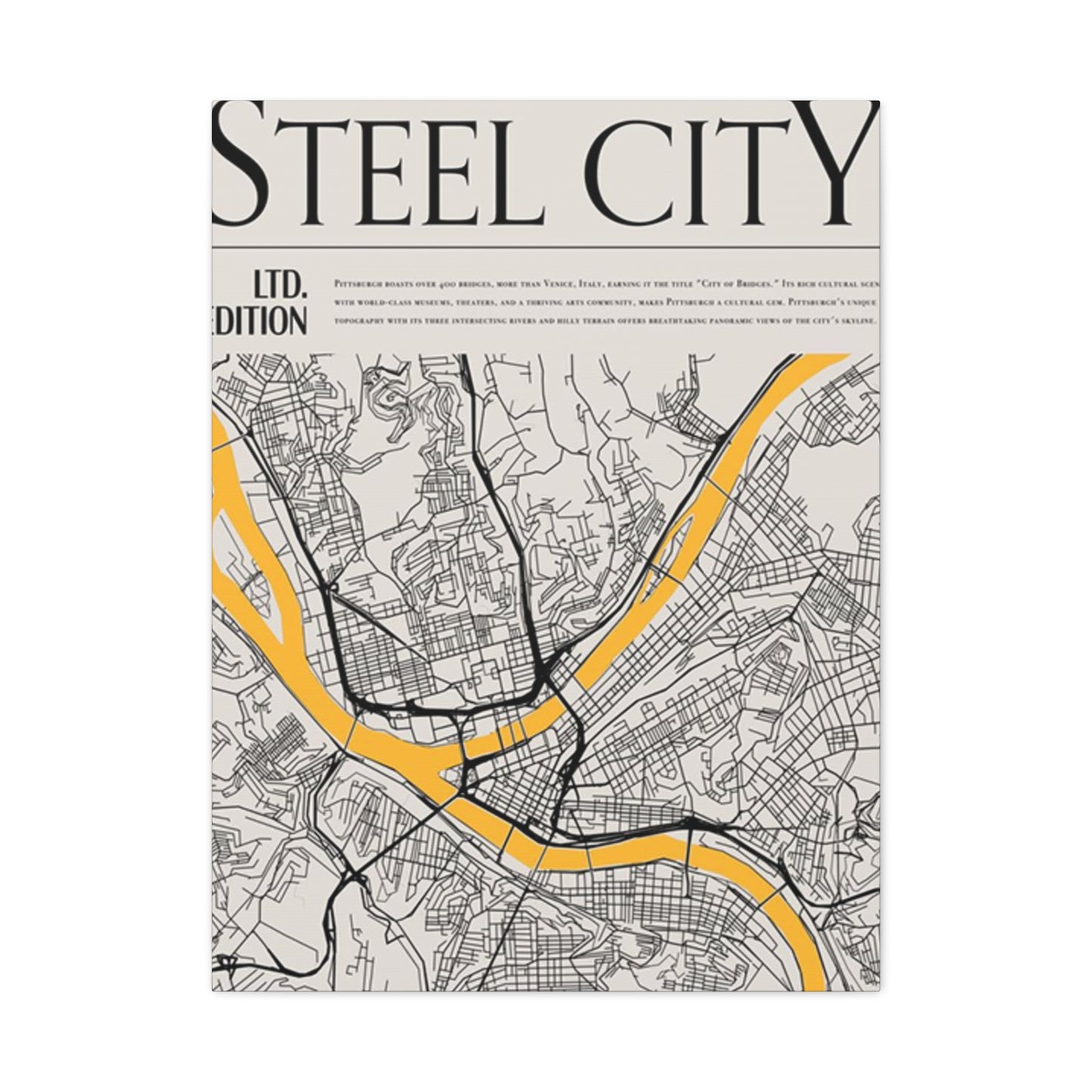
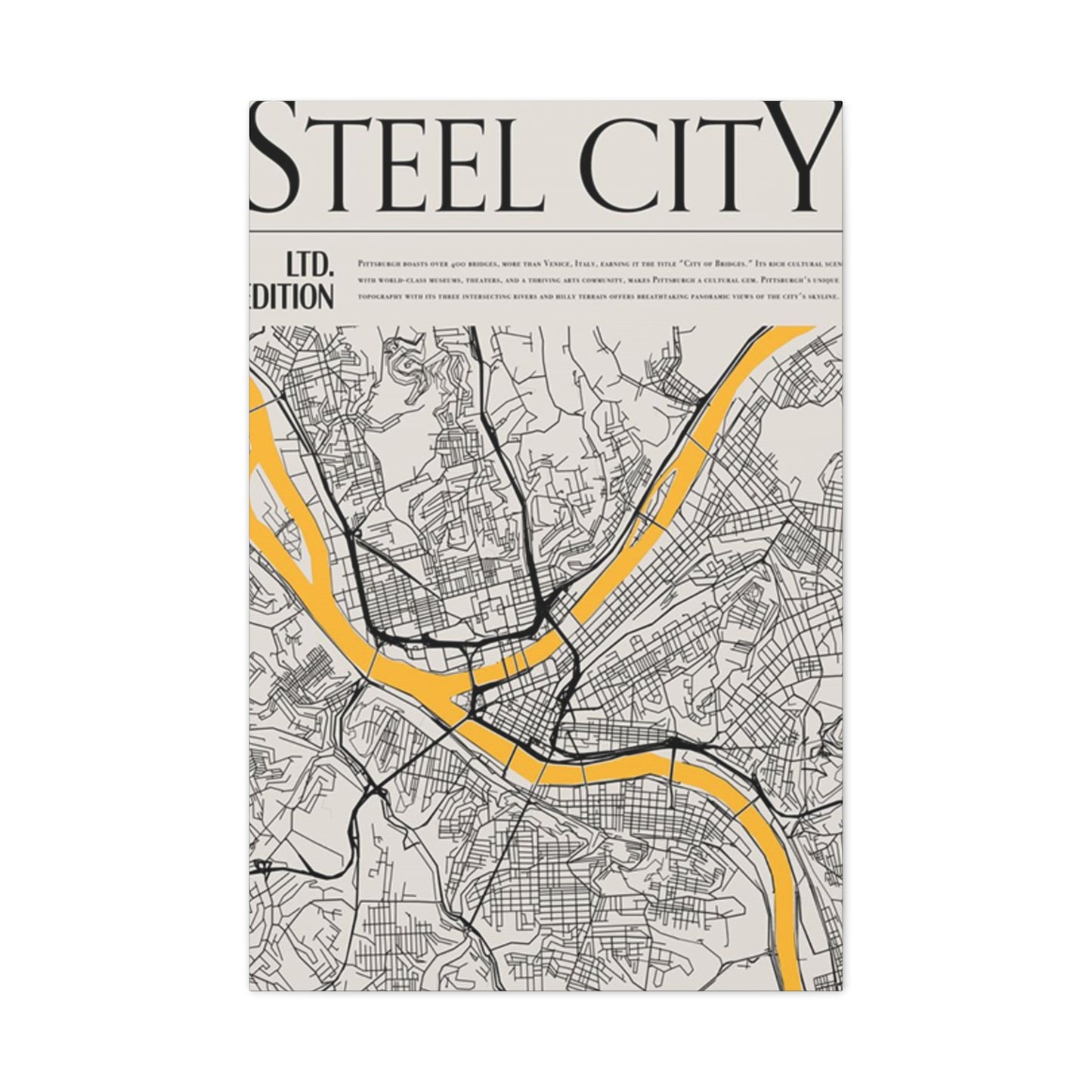
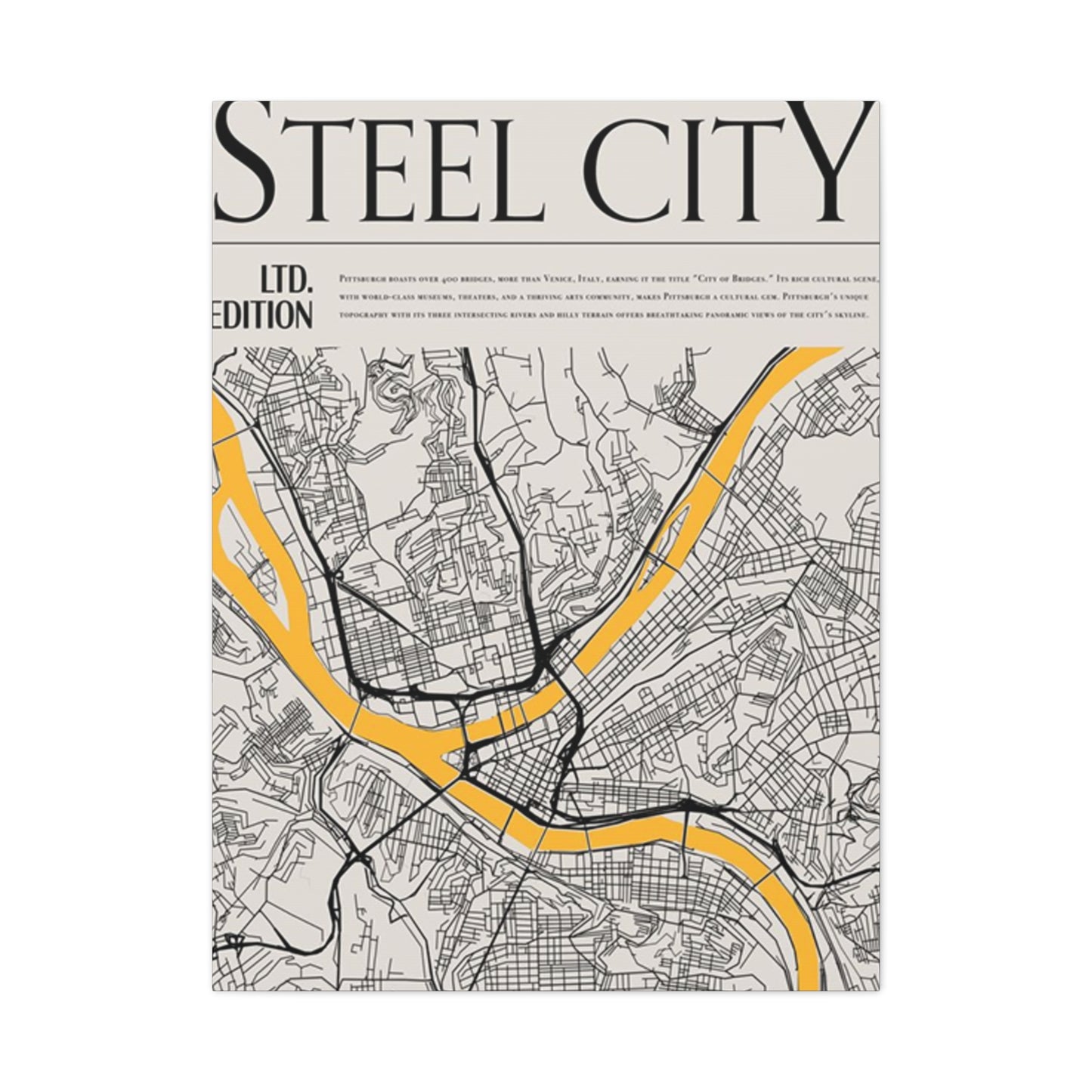
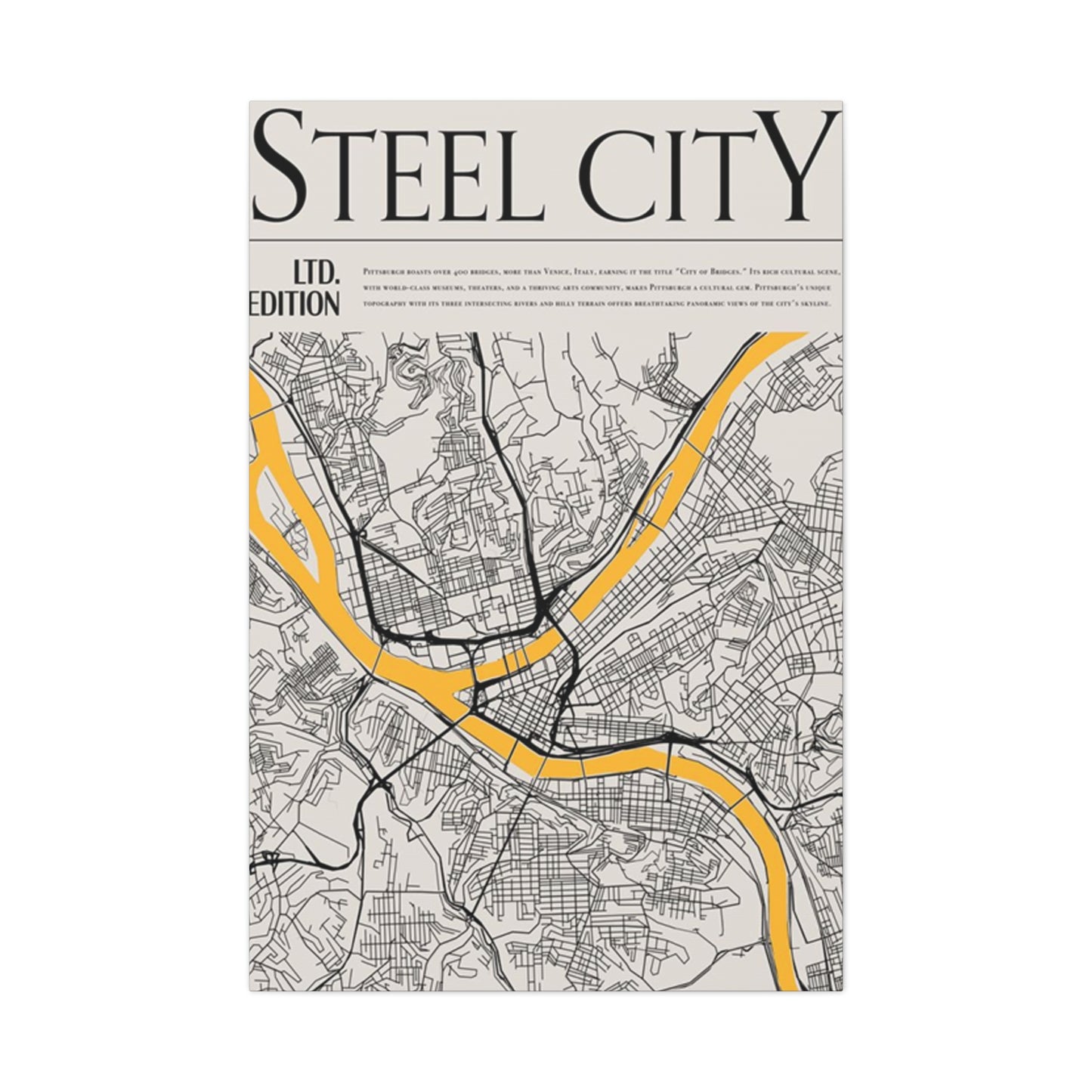
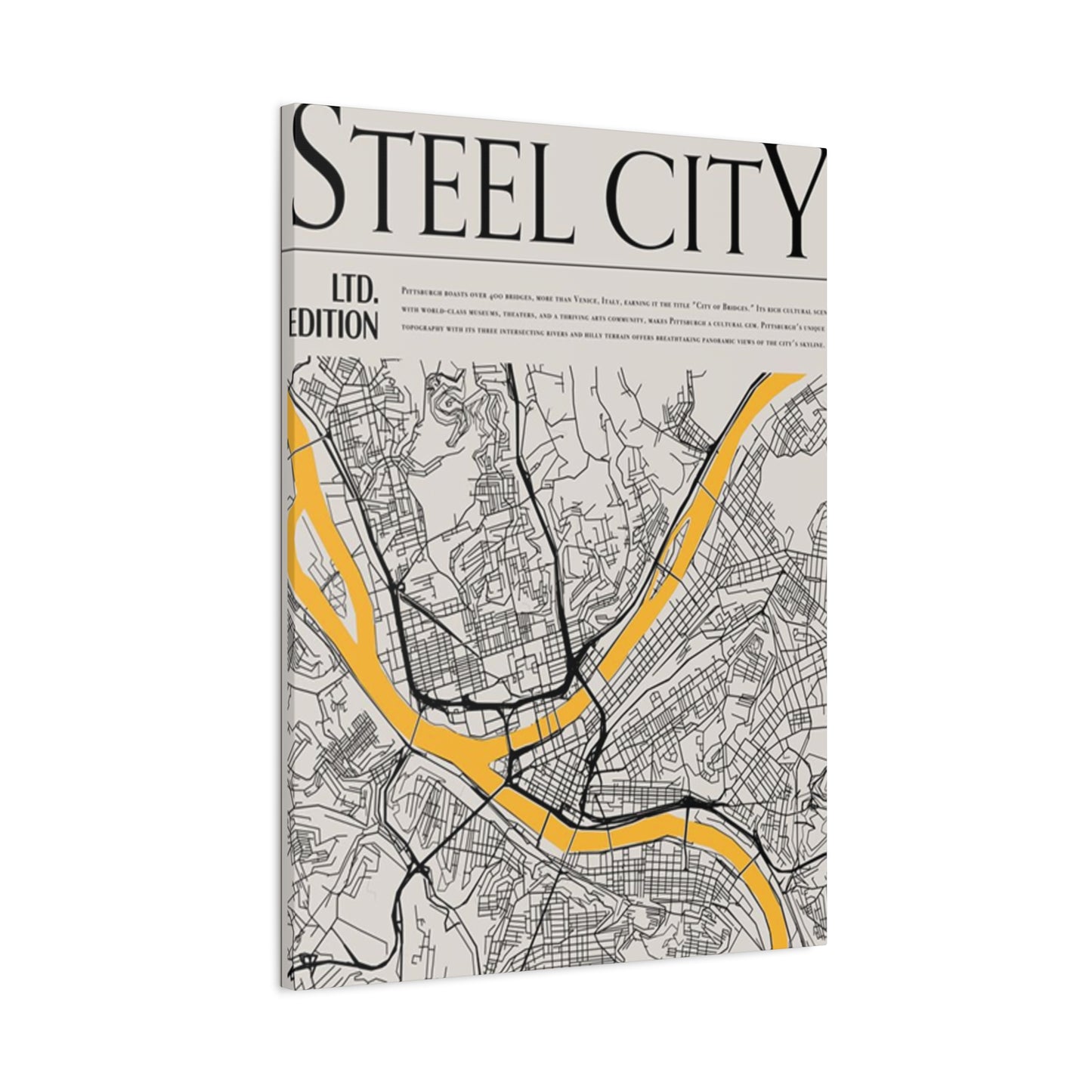
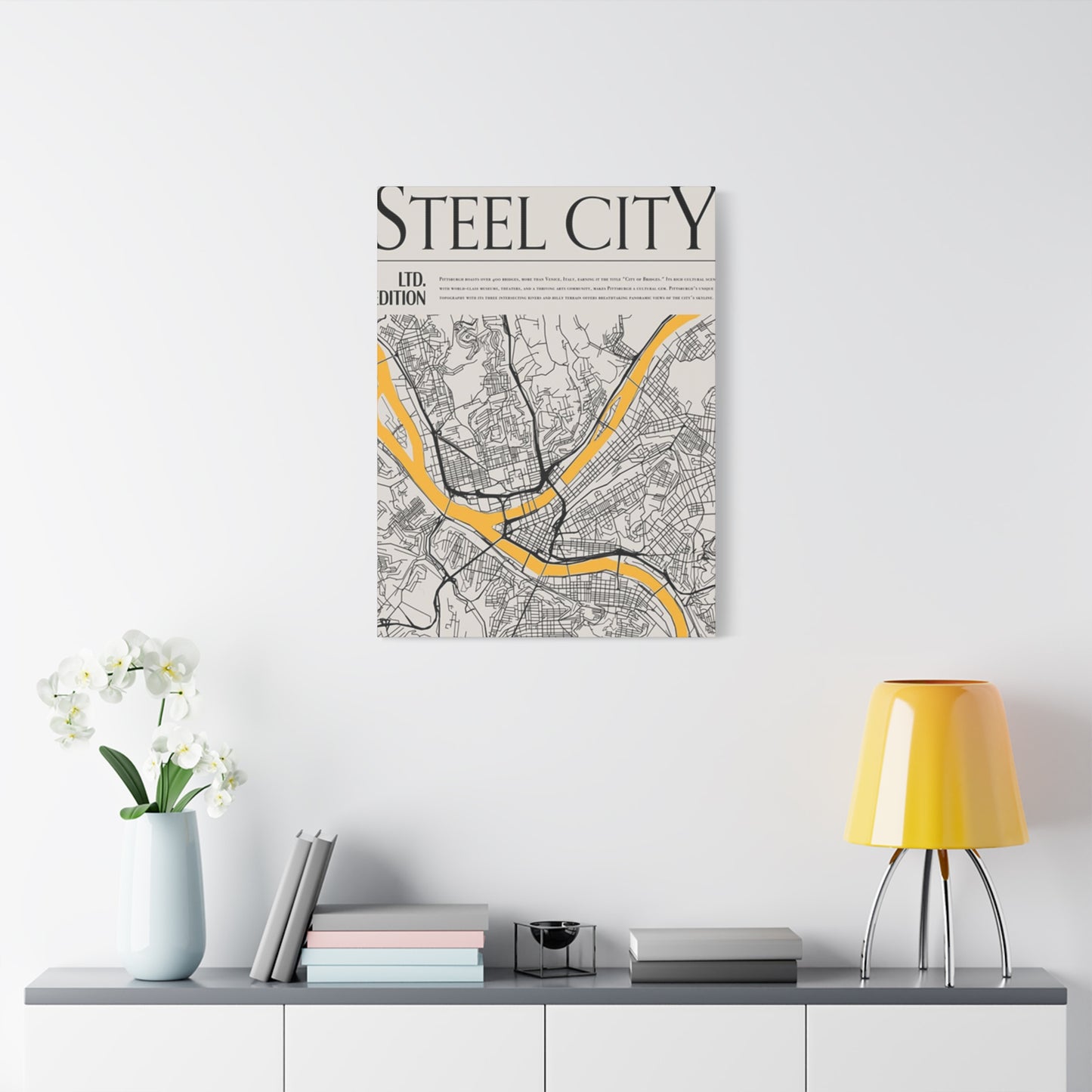
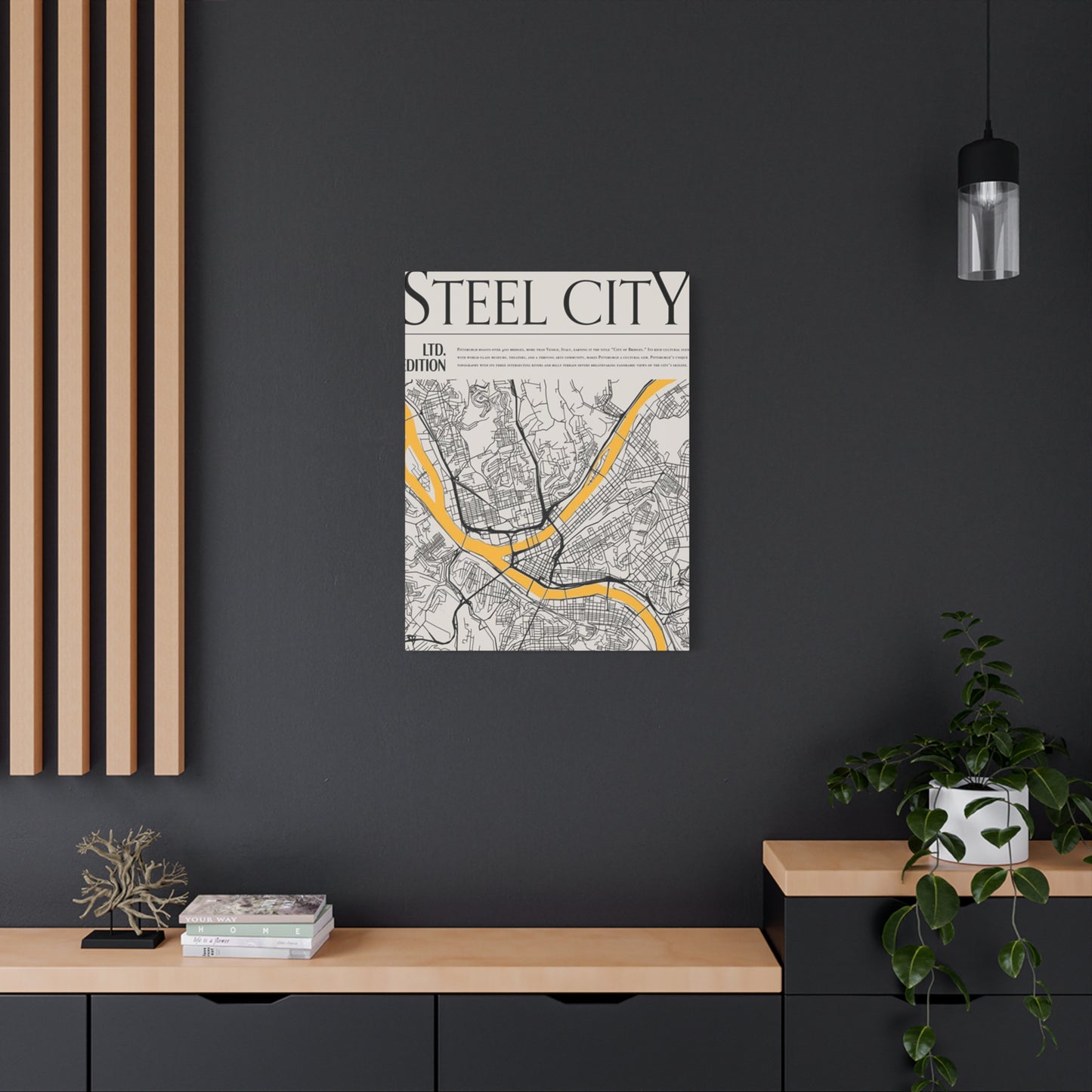
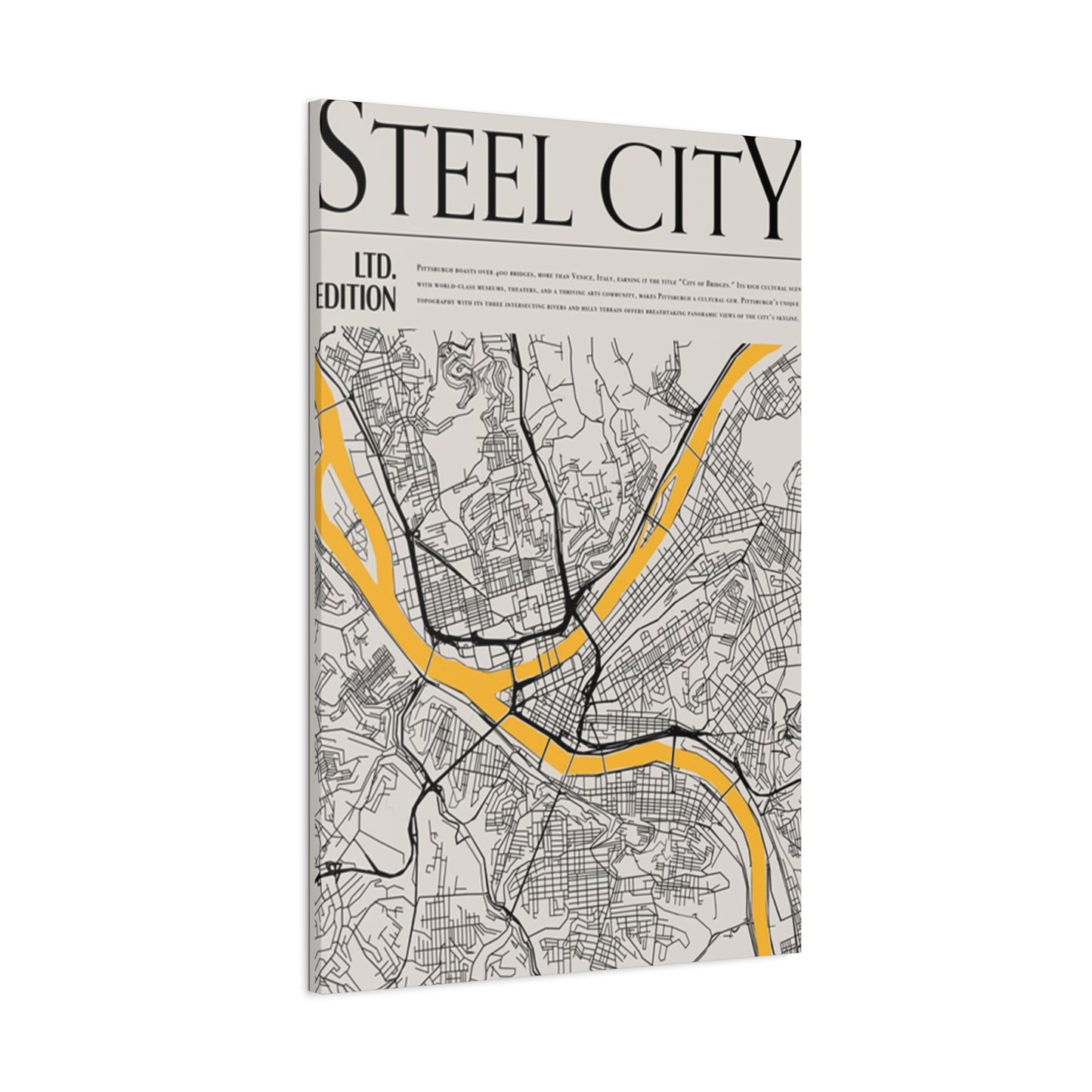
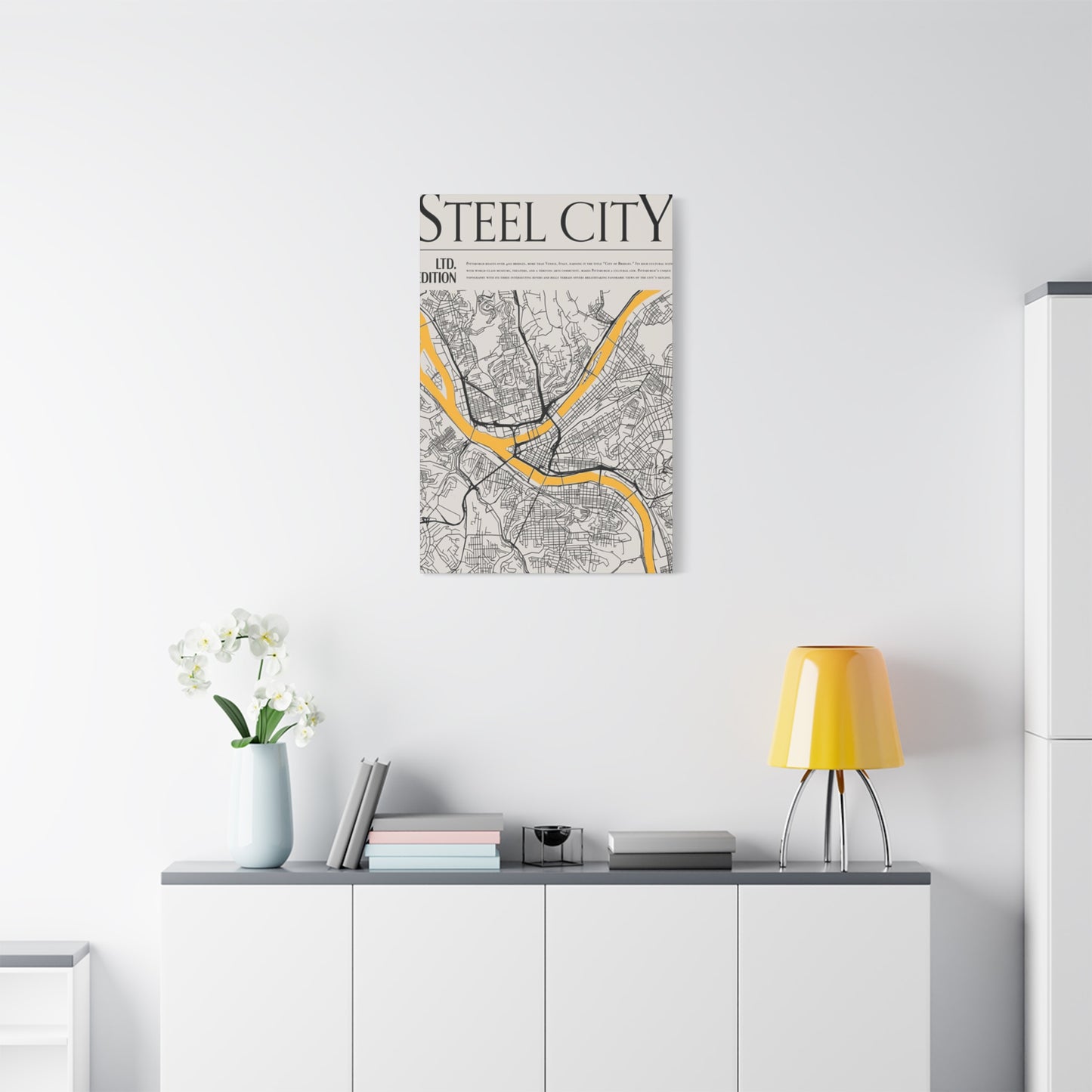
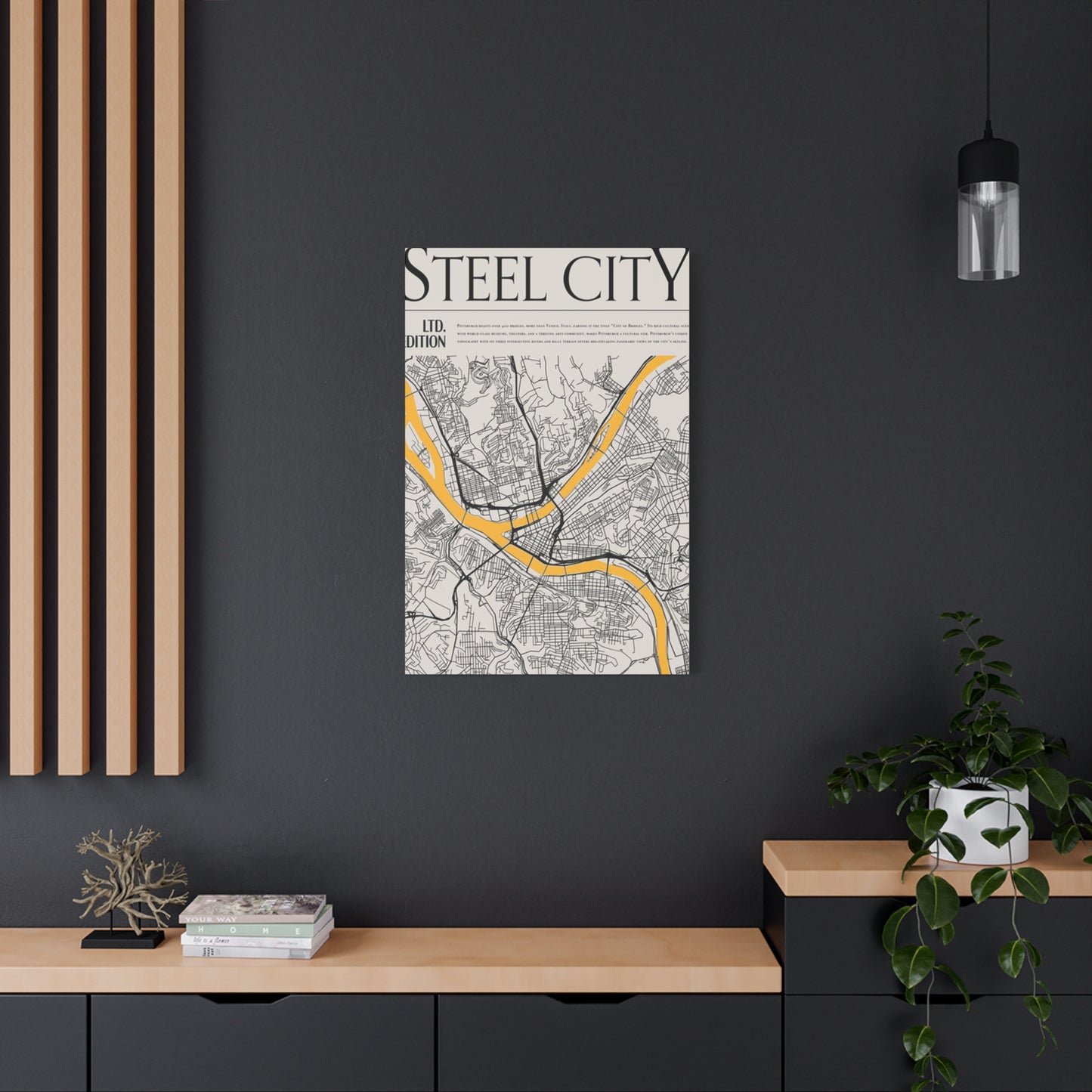
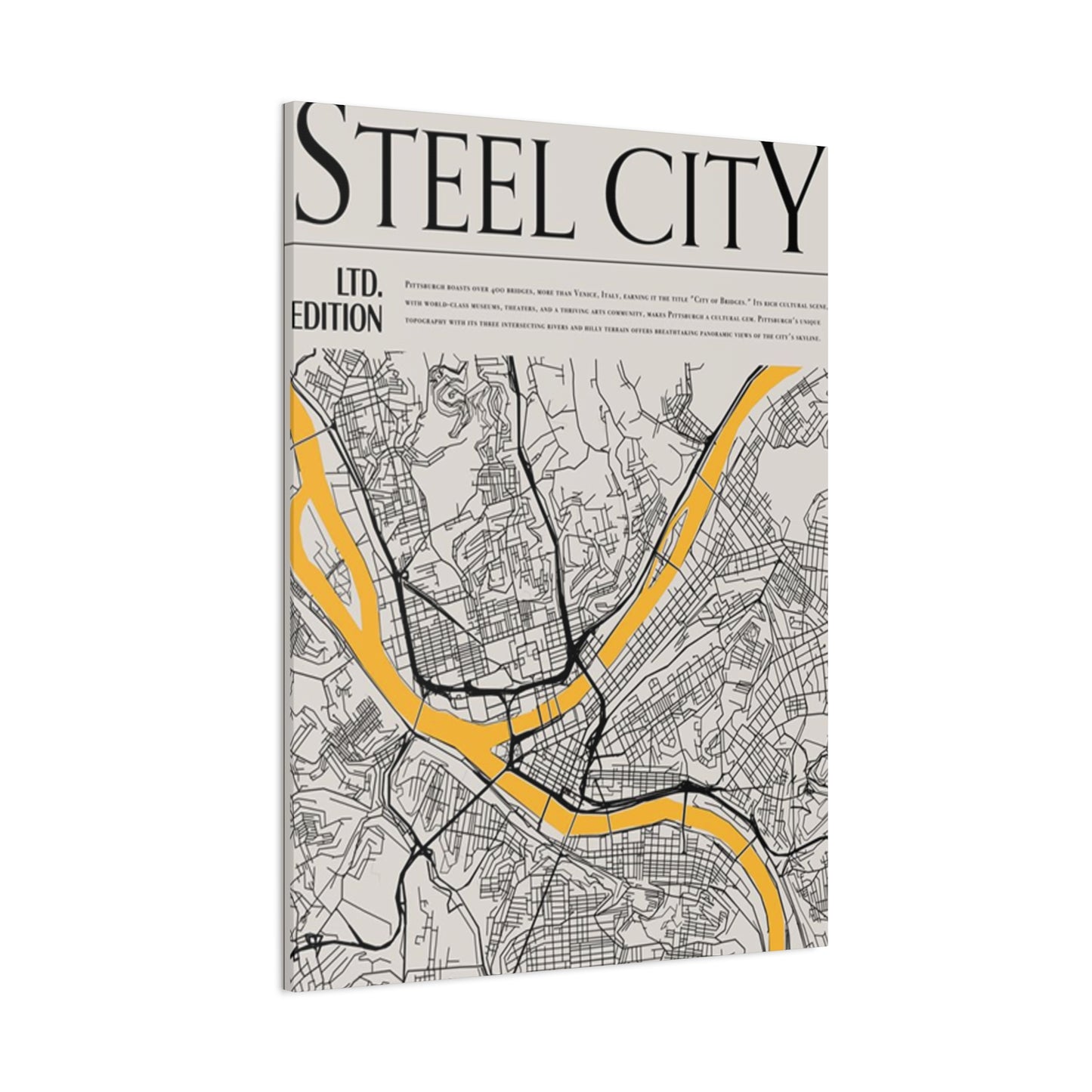
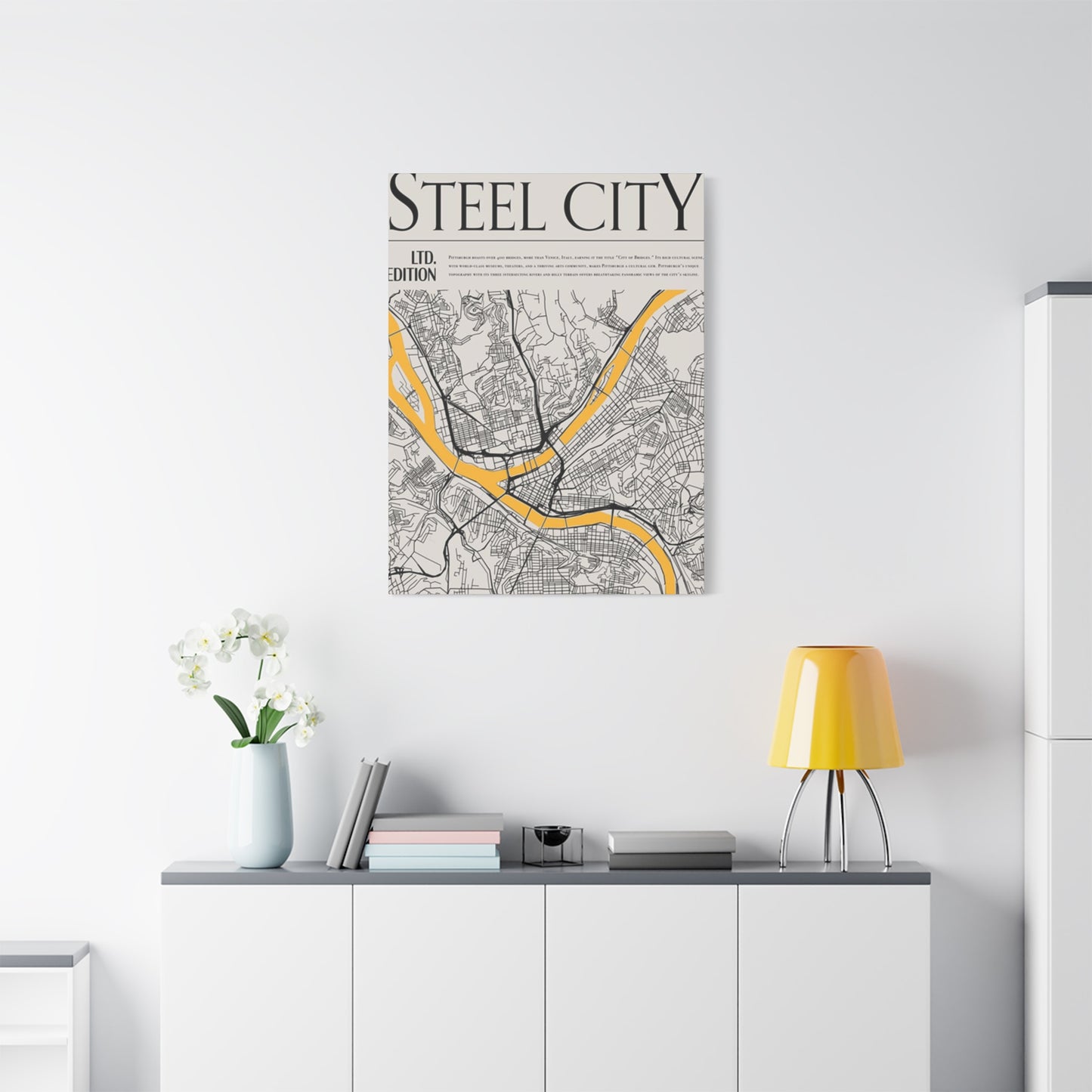
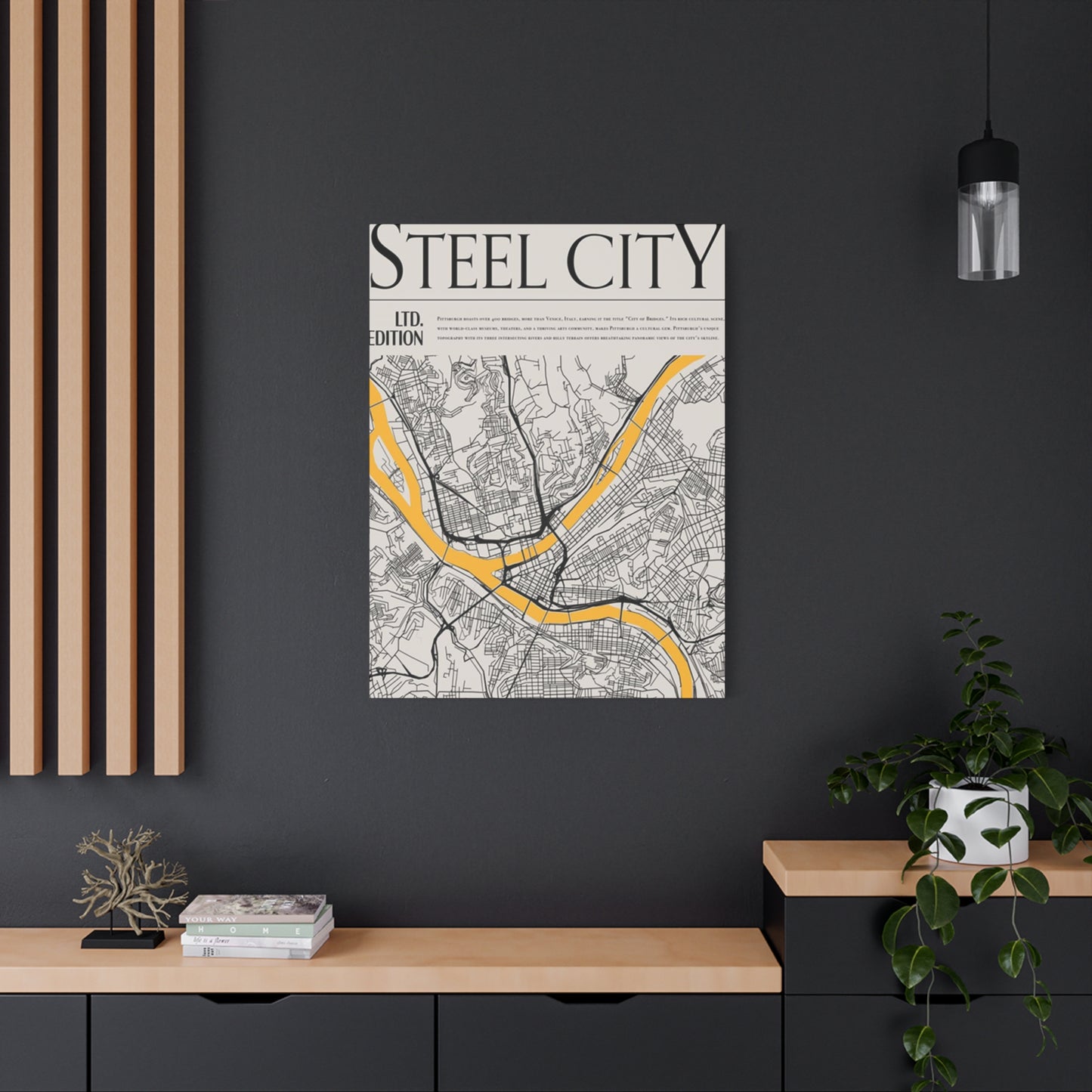
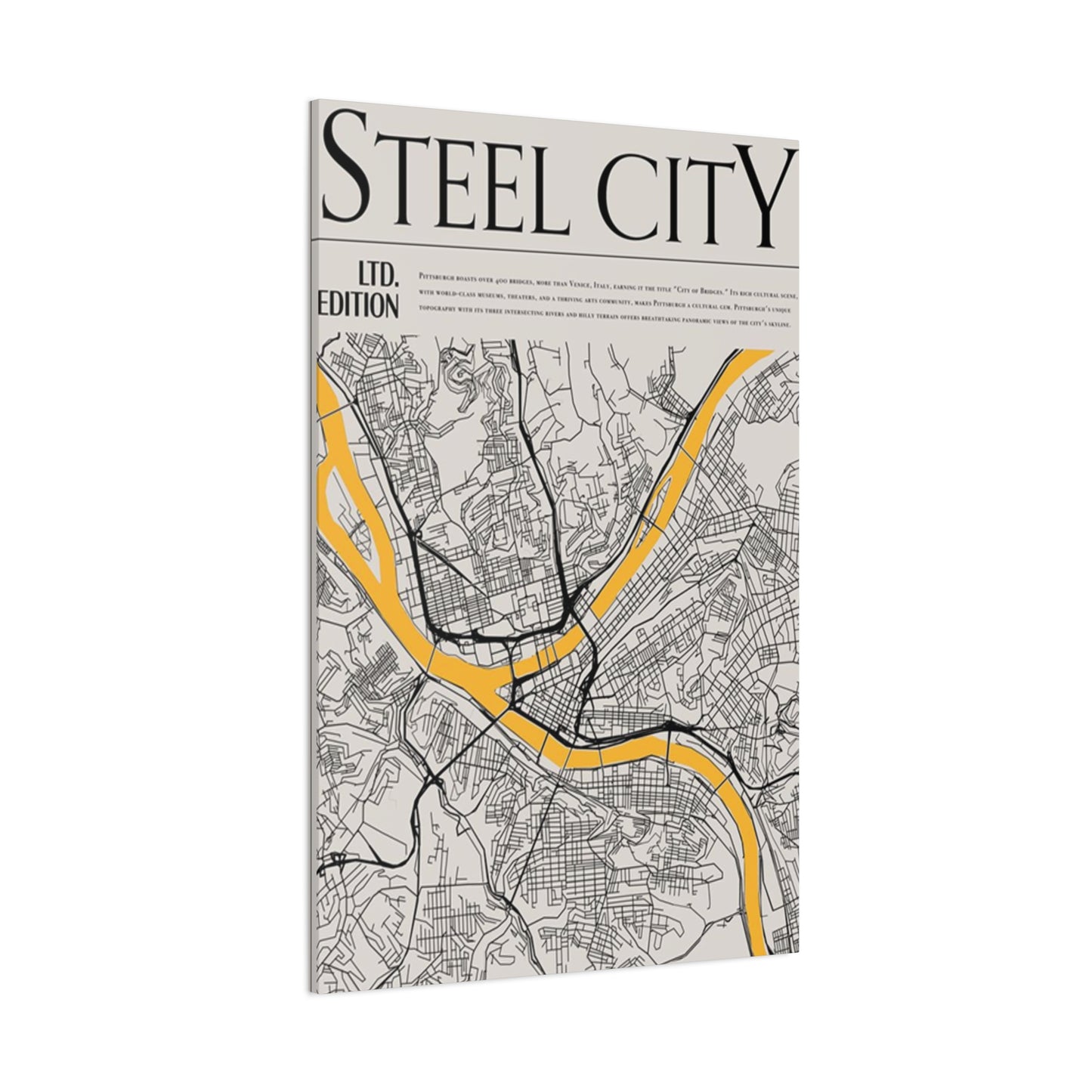
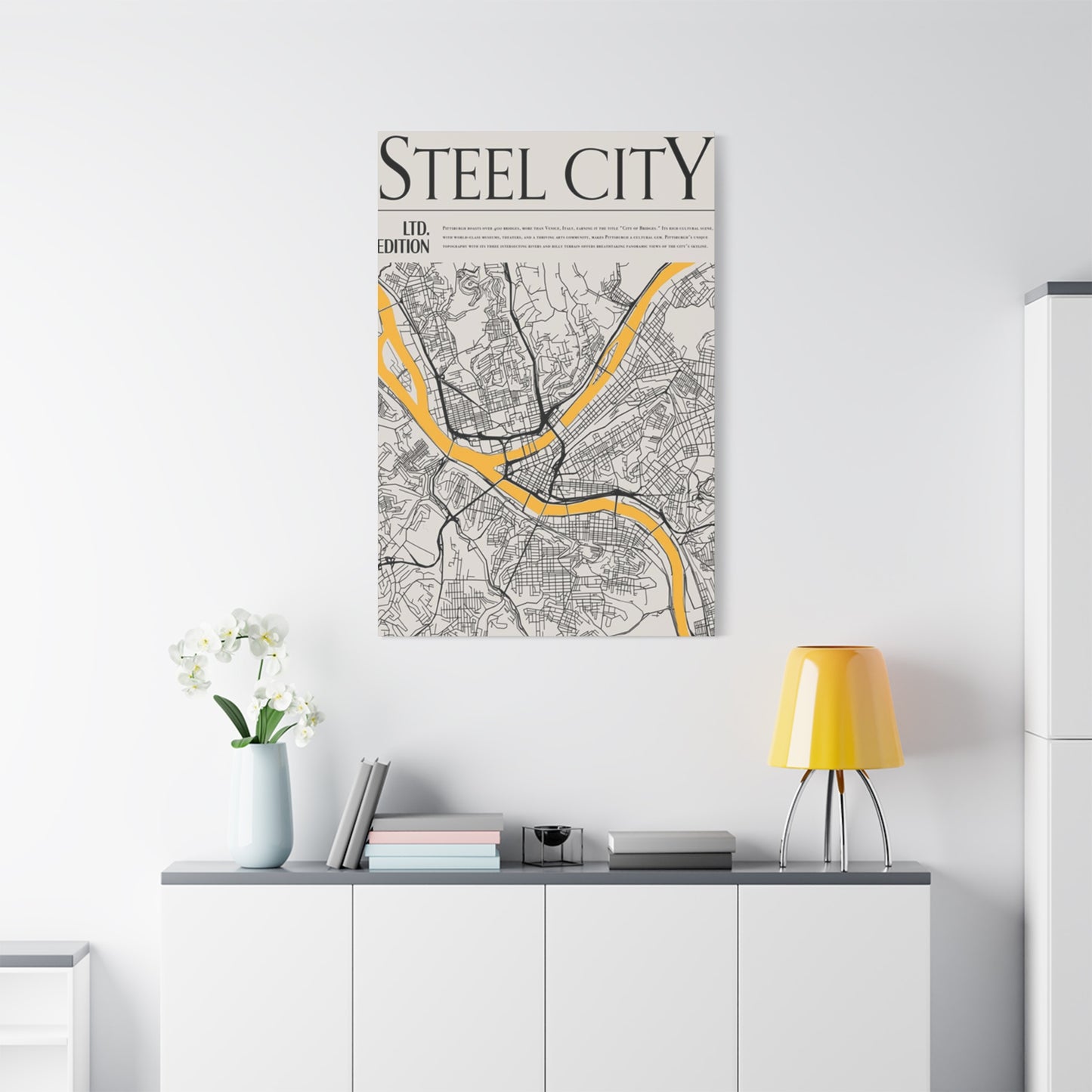
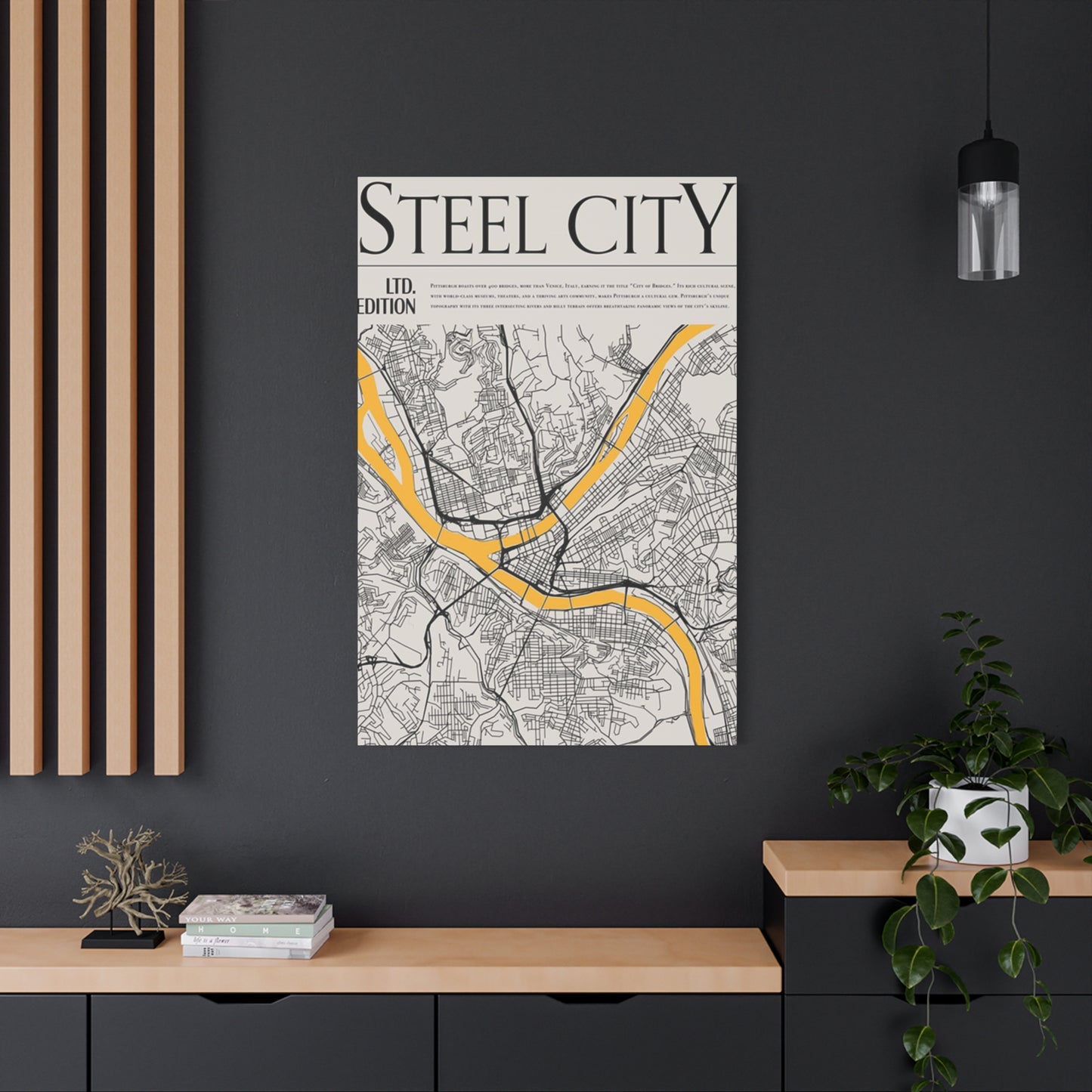
Pittsburgh's Industrial Heritage: Steel City Poster Wall Art That Defines Urban Living
The rich industrial heritage of Pittsburgh has left an indelible mark on American culture, creating a visual language that speaks to strength, resilience, and innovation. This heritage has evolved into a distinctive artistic movement that celebrates the city's legendary manufacturing past while embracing contemporary design sensibilities. The artistic representations emerging from this steel-forged legacy offer more than decorative elements; they serve as powerful connections to a transformative era that shaped not just a city, but an entire nation's industrial identity.
Artistic Representations of Pittsburgh's Manufacturing Heritage
The visual storytelling embedded within steel-themed artwork captures decades of American industrial might in ways that resonate with modern audiences. These artistic pieces draw inspiration from the towering blast furnaces, massive rolling mills, and intricate bridge structures that defined Pittsburgh's skyline for generations. Artists working within this genre translate the raw power of molten metal, the geometric precision of steel frameworks, and the human stories of workers into compelling visual narratives.
The aesthetic vocabulary of these artworks incorporates distinctive elements such as angular compositions reflecting steel beam construction, warm orange and red color palettes reminiscent of glowing furnaces, deep shadows representing factory interiors, and bold typography echoing vintage industrial signage. These design choices create immediate visual impact while honoring authentic historical details that made Pittsburgh synonymous with American industrial prowess.
Contemporary artists researching this subject matter often explore archival photographs from the golden age of steel production, studying the interplay of light through factory windows, the dramatic silhouettes of workers against fiery backgrounds, and the imposing scale of industrial machinery. This research translates into artwork that balances historical accuracy with artistic interpretation, creating pieces that educate viewers about industrial heritage while functioning as sophisticated design elements.
The emotional resonance of steel industry imagery extends beyond mere nostalgia. These artworks celebrate human achievement, technological innovation, and the collective effort required to build modern infrastructure. Each piece serves as a reminder of the determination and skill that transformed raw ore into the structural foundation of cities, bridges, and buildings across America. This deeper meaning elevates steel-themed artwork beyond simple decoration into meaningful cultural artifacts.
Regional artists specializing in industrial heritage have developed signature styles that distinguish Pittsburgh-inspired work from generic industrial art. Some focus on hyperrealistic renderings of specific factories and landmarks, while others embrace abstract interpretations that capture the essence of steel production through color, texture, and form. This diversity within the genre ensures that collectors can find pieces matching their personal aesthetic preferences while maintaining authentic connections to Pittsburgh's manufacturing legacy.
The historical context surrounding these artistic works adds layers of significance appreciated by both residents and outsiders. Pittsburgh's transformation from industrial powerhouse to modern metropolitan center represents one of American history's most dramatic urban evolution stories. Artwork commemorating the steel era serves as visual documentation of this transformation, preserving memories of an era that fundamentally shaped American economic development and working-class culture.
Urban Living Spaces Enhanced by Industrial Artwork
Metropolitan interior design has increasingly embraced industrial aesthetics, creating perfect environments for steel-themed artwork. The raw textures, exposed materials, and utilitarian elements characteristic of urban lofts and converted factory spaces naturally complement artwork celebrating industrial heritage. This aesthetic alignment creates cohesive design schemes where artwork functions as both focal point and harmonious element within broader decorative themes.
The neutral color palettes common in contemporary urban interiors provide ideal backdrops for the dramatic imagery found in steel industry artwork. Whether featuring vibrant oranges and reds of molten metal or the darker tones of factory machinery, these pieces introduce controlled bursts of color that energize spaces without overwhelming minimalist design sensibilities. The strategic placement of such artwork can define zones within open floor plans, drawing attention to specific areas while maintaining overall spatial flow.
Scale considerations prove particularly important when integrating industrial artwork into residential spaces. The monumental nature of steel production translates well into large-format pieces that command attention and anchor living areas, dining spaces, or home offices. Oversized artwork depicting bridge structures, factory exteriors, or panoramic industrial landscapes creates dramatic visual impact that matches the architectural boldness of exposed brick walls, concrete floors, and metal fixtures commonly found in urban dwellings.
The textural qualities of industrial artwork add another dimension to interior design schemes. Many contemporary pieces incorporate mixed media elements, metallic finishes, or dimensional effects that create visual interest through surface variation. These textural components catch light differently throughout the day, ensuring that artwork remains dynamic and engaging rather than static. The interplay between matte and reflective surfaces, smooth and rough textures, creates sophisticated visual complexity that rewards closer examination.
Lighting design plays a crucial role in showcasing industrial artwork effectively. Track lighting systems popular in urban spaces allow for precise directional illumination that highlights artwork while creating dramatic shadows. This lighting approach mirrors the high-contrast environments of working factories, where bright work lights punctured dark interiors, adding authenticity to the overall aesthetic. Strategic lighting transforms artwork from daytime focal points into evening ambiance creators, altering room mood through controlled illumination.
Gallery wall arrangements incorporating multiple steel-themed pieces offer another approach to urban interior design. Curating collections that progress chronologically through Pittsburgh's industrial history, showcase different aspects of steel production, or explore various artistic interpretations creates visual narratives that engage viewers and encourage contemplation. These arrangements work particularly well in hallways, stairwells, or large wall expanses that benefit from distributed visual interest rather than single focal points.
The psychological impact of industrial artwork in residential spaces deserves consideration. These pieces introduce elements of strength, permanence, and authenticity into living environments, qualities increasingly valued in contemporary culture. The historical gravitas of steel industry imagery provides counterbalance to the ephemeral nature of digital life, offering tangible connections to physical making and human labor. This grounding effect creates spaces that feel substantial and meaningful rather than merely trendy.
Historical Significance in Contemporary Design
Pittsburgh's manufacturing heritage represents more than regional history; it embodies a crucial chapter in American industrial development that powered national growth and innovation. The steel produced in Pittsburgh's mills constructed skyscrapers in New York, bridges across the Mississippi River, and railroads connecting distant territories. This far-reaching impact means that artwork celebrating this heritage resonates with audiences across geographic boundaries, not just local residents with personal connections to the industry.
The human stories embedded within steel production history add depth to artistic representations. Immigrant communities from dozens of nations converged on Pittsburgh seeking opportunity, creating rich cultural diversity that shaped the city's character. Artwork referencing this era acknowledges these diverse contributions, celebrating the multicultural workforce that powered industrial growth. This inclusive historical perspective makes steel-themed artwork relevant to broader conversations about immigration, labor history, and American identity formation.
The technological innovations pioneered in Pittsburgh's steel industry revolutionized manufacturing processes worldwide. The Bessemer process, open-hearth furnaces, and other metallurgical advances developed or refined in Pittsburgh mills increased production efficiency and steel quality dramatically. Artwork depicting these technologies serves educational functions, introducing viewers to innovations that fundamentally altered human capability to build tall structures, create durable machinery, and develop modern transportation systems.
Environmental transformation represents another dimension of Pittsburgh's industrial legacy captured in contemporary artwork. The city's evolution from smoke-filled industrial center to modern metropolitan area with improved air quality and green spaces demonstrates dramatic environmental recovery. Artists addressing this aspect create pieces that acknowledge past environmental costs while celebrating successful remediation efforts, adding complexity to historical narratives and avoiding simplistic nostalgia.
The architectural legacy of the steel era provides endless inspiration for contemporary artists. The distinctive bridge designs, factory buildings with massive windows, and worker housing developments built during industrial peak periods created a unique urban landscape. Many of these structures remain standing, repurposed for modern uses while retaining original architectural features. Artwork depicting these buildings documents important architectural history while celebrating adaptive reuse and historic preservation principles.
Labor movement history intertwined with Pittsburgh's steel industry adds social significance to artistic representations. The struggles for workplace safety, fair wages, and reasonable working hours that played out in Pittsburgh mills influenced national labor policy and working conditions across industries. Artwork acknowledging this history honors the courage of workers who organized for better conditions, adding social justice dimensions to aesthetic appreciation.
The decline of steel production in Pittsburgh during the late twentieth century represents a challenging period that artists also address. Rather than avoiding this difficult history, thoughtful artwork acknowledges economic disruption, job losses, and community transformations that accompanied deindustrialization. This honest approach creates more nuanced historical narratives that respect the complexity of economic transitions while avoiding either romantic idealization or depressing negativity.
Interior Transformation Through Strategic Artwork Placement
The introduction of industrial-themed artwork into residential spaces creates immediate visual impact that can redefine room character and atmosphere. A single well-chosen piece above a sofa or dining table establishes a strong design statement that influences all subsequent decorating decisions. The bold imagery and distinctive color palettes characteristic of steel industry artwork naturally become conversation starters, encouraging guests to engage with both aesthetic qualities and historical content.
Room functionality considerations influence optimal artwork placement strategies. In living spaces designed for relaxation and entertainment, artwork featuring expansive industrial landscapes or atmospheric factory interiors contributes to ambient mood creation without demanding constant attention. Conversely, home offices and creative workspaces benefit from more dynamic imagery that energizes and inspires, such as close-up views of molten steel, dramatic machinery details, or workers in action.
The relationship between furniture arrangement and artwork placement requires careful consideration to maximize visual impact. Large-scale industrial artwork works best with adequate viewing distance, allowing observers to appreciate overall composition before examining intricate details. Positioning seating to face artwork directly creates formal gallery-style presentation, while angled placement encourages more casual engagement that suits relaxed residential environments.
Color coordination between artwork and existing interior elements creates cohesive design schemes without requiring exact matching. The warm metallic tones common in steel industry artwork complement natural wood furnishings, leather upholstery, and earth-toned textiles. Meanwhile, the cooler grays and blacks depicting machinery and structural elements coordinate beautifully with contemporary metal furnishings, concrete surfaces, and minimalist color schemes. This versatility makes industrial artwork adaptable to various decorating styles.
Seasonal decorating strategies can incorporate industrial artwork as year-round anchor pieces supplemented by changing accent elements. The substantial, permanent quality of steel-themed imagery provides visual stability while allowing surrounding decor to rotate with seasons or occasions. This approach maximizes artwork investment by ensuring pieces remain relevant and engaging throughout the year rather than being seasonally appropriate for limited periods.
The vertical or horizontal orientation of artwork influences how it interacts with architectural features. Tall vertical pieces emphasizing the height of blast furnaces or bridge towers draw eyes upward, making spaces feel more expansive. Horizontal panoramic compositions featuring factory complexes or riverside industrial scenes broaden perceived space, particularly effective in narrower rooms. Matching artwork orientation to room proportions creates balanced compositions that enhance rather than fight against existing architecture.
Grouping strategies for multiple related pieces allow for creative storytelling through sequential arrangement. A series depicting different stages of steel production, various Pittsburgh landmarks, or the evolution of industrial technology over decades creates visual narratives that unfold as viewers move through spaces. This sequential approach adds intellectual engagement to aesthetic appreciation, encouraging closer examination and deeper understanding of depicted subjects.
Commemorating Pittsburgh's Industrial Evolution
The transition from industrial manufacturing center to diversified modern economy represents one of the most successful urban transformations in American history. Artwork celebrating this evolution captures both past achievement and present reinvention, appealing to those who honor heritage while embracing progress. This dual focus creates artwork that feels simultaneously nostalgic and forward-looking, grounded in history yet relevant to contemporary life.
The preservation of industrial heritage sites throughout Pittsburgh provides ongoing inspiration for artists and maintains physical connections to the past. Locations like the Carrie Blast Furnaces, now preserved as National Historic Landmarks, allow contemporary artists to study authentic industrial architecture and machinery. These preserved sites appear frequently in contemporary artwork, serving as tangible links between past and present that enrich artistic authenticity and historical accuracy.
Community pride deeply embedded in Pittsburgh's cultural identity finds expression through industrial-themed artwork. Residents who remember working in mills or whose family members contributed to steel production view such artwork as validating personal and familial histories. This emotional connection transforms decorative pieces into meaningful personal artifacts that honor individual and collective experiences. The artwork becomes family heritage, passed between generations along with stories and memories.
The international recognition of Pittsburgh's industrial legacy ensures that related artwork appeals to global audiences interested in industrial history and design. Collectors worldwide seek authentic representations of significant historical sites and eras, making Pittsburgh-themed artwork desirable beyond regional markets. This broad appeal supports artists specializing in industrial subject matter and ensures continued production of high-quality pieces celebrating this heritage.
Educational value inherent in historically accurate industrial artwork makes it appropriate for various institutional settings beyond residential use. Libraries, historical societies, corporate offices, and educational institutions incorporate such pieces to create inspiring environments while educating occupants about regional history. This expanded market for industrial artwork encourages artistic production and ensures diverse stylistic approaches as artists address different audience needs.
The intersection of industrial heritage with contemporary sustainability conversations adds relevant dimensions to historical artwork. Pittsburgh's evolution toward green technology, environmental remediation, and sustainable development practices creates interesting contrasts with industrial past. Artists addressing these themes produce works that spark dialogue about balancing economic development with environmental stewardship, adding contemporary relevance to historical subject matter.
Commemorative artwork also serves tourism promotion functions, introducing visitors to Pittsburgh's distinctive character and historical significance. Hotels, restaurants, and visitor centers display industrial-themed artwork to create memorable atmospheres that communicate local identity. These commercial applications support regional artists while spreading awareness of Pittsburgh's heritage to audiences who might not otherwise engage with this history.
Manufacturing Imagery in Modern Design Context
The transformation of industrial imagery from documentary photography to fine art represents a fascinating evolution in how society values and interprets working-class history. Early industrial photography served primarily utilitarian documentation purposes, recording facilities, processes, and products for business or historical archive. Contemporary artists recontextualize these same subjects as worthy aesthetic subjects deserving artistic interpretation and emotional engagement.
This elevation of industrial subject matter challenges traditional fine art hierarchies that historically privileged certain subjects while dismissing others as unsuitable for serious artistic treatment. By creating sophisticated artworks featuring factories, machinery, and workers, contemporary artists assert that working-class environments and experiences deserve the same artistic attention as traditionally favored subjects. This democratization of artistic subject matter reflects broader cultural shifts toward inclusive historical narratives.
The technical challenges of accurately depicting industrial subjects require significant artistic skill and historical research. Steel production involves complex processes, specialized equipment, and specific spatial configurations that demand technical accuracy for authenticity. Artists specializing in this subject matter develop extensive knowledge of metallurgy, engineering, and industrial architecture, incorporating this expertise into visually compelling compositions that educate while entertaining.
Digital art technologies enable contemporary artists to create industrial-themed works impossible using traditional media alone. Digital manipulation allows for dramatic lighting effects mimicking molten metal glow, precise architectural detail rendering, and seamless combination of historical photographic elements with original illustration. These technological capabilities expand creative possibilities while maintaining authentic connections to historical subjects and environments.
The market for industrial-themed artwork has expanded significantly as interior design trends embrace industrial aesthetics and vintage Americana. This increased demand encourages more artists to explore industrial subject matter, resulting in diverse stylistic approaches ranging from photorealistic to highly abstract. Market growth also supports specialized printers, framers, and galleries focusing on industrial art, creating infrastructure that benefits both artists and collectors.
Limited edition prints make high-quality industrial artwork accessible to broader audiences than original paintings or drawings. The print market allows artists to reach collectors at various price points while maintaining quality standards through careful production oversight. Numbering and signing practices establish collectibility and value appreciation potential, making prints worthwhile investments rather than mere decorative purchases.
Cross-disciplinary collaborations between artists and historians, engineers, or former industry workers produce artwork with exceptional authenticity and depth. These partnerships ensure accurate technical details while incorporating personal narratives and emotional truths that pure research might miss. The resulting artworks benefit from both artistic vision and lived experience, creating pieces that resonate on multiple levels with diverse audiences.
Integration Strategies for Residential Spaces
Successfully incorporating industrial artwork into existing interior design schemes requires consideration of multiple factors including scale, color, style, and emotional tone. Beginning with room inventory assessment identifies existing design elements that either complement or contrast with industrial aesthetics. Exposed brick, metal fixtures, concrete surfaces, and wood beams naturally harmonize with industrial artwork, while more traditional or ornate design elements may require bridging strategies.
Creating visual transitions between contrasting design styles prevents jarring aesthetic disconnection. Incorporating intermediate elements that share characteristics with both industrial artwork and existing decor creates smooth stylistic progressions. For example, introducing metal-framed mirrors, industrial-style lighting fixtures, or furniture with exposed hardware creates aesthetic bridges that make bold artwork feel like natural room components rather than awkward additions.
The concept of accent versus dominant design themes influences how prominently industrial artwork should feature. In spaces where industrial aesthetics dominate overall design, artwork reinforces and amplifies existing themes, creating immersive environments. Alternatively, when industrial elements serve as accents within other dominant styles, carefully chosen artwork introduces controlled doses of industrial character without overwhelming primary design directions.
Budget considerations affect both artwork acquisition and installation approaches. High-quality original artwork or limited edition prints represent significant investments that warrant professional framing and installation. However, numerous affordable options including standard prints, canvas reproductions, and digital art files for personal printing make industrial artwork accessible across budget ranges. Prioritizing quality over quantity typically produces more satisfying results than purchasing multiple lower-quality pieces.
DIY framing and installation approaches allow for personalized presentation while controlling costs. Industrial-style frames made from metal or reclaimed wood complement artwork subject matter while providing professional presentation quality. Simple floating frames, gallery wraps, or metal prints eliminate traditional framing entirely, creating contemporary presentations suited to industrial aesthetics. These alternatives reduce costs while offering distinctive presentation styles.
Rotating artwork displays prevent visual fatigue and allow collectors to enjoy multiple pieces within limited display space. Establishing seasonal rotations, creating thematic arrangements that change periodically, or simply swapping pieces between rooms maintains fresh visual interest. This approach also allows for gradual collection building without requiring immediate display space for every acquisition.
Personal connection between residents and artwork subject matter should ultimately guide selection decisions. Choosing pieces that resonate emotionally, commemorate personal history, or reflect genuine interest in depicted subjects creates meaningful environments rather than merely fashionable spaces. Artwork selections that hold personal significance remain satisfying long after design trends shift, representing sound investments in both financial and emotional terms.
Distinctive Visual Characteristics of Industrial Design
The aesthetic language of industrial-inspired artwork employs specific visual elements that immediately communicate subject matter and evoke particular emotional responses. Strong geometric compositions featuring repetitive patterns, angular lines, and symmetrical arrangements reflect the engineered precision of industrial architecture and machinery. These geometric foundations create visual order and stability that appeals to viewers seeking structured, balanced design elements.
Dramatic lighting effects constitute another defining characteristic, drawing inspiration from the extreme illumination contrasts found in working factories. Brilliant highlights representing molten metal, welding sparks, or work lights contrast sharply with deep shadows cast by massive machinery and structural elements. This high-contrast approach creates visual drama and emotional intensity that distinguishes industrial artwork from more evenly lit subjects.
The color palettes employed in industrial artwork typically center on warm metallics, industrial grays, and dramatic accent colors. Copper, bronze, and rust tones reference oxidized metal surfaces and fiery production processes. Deep charcoals and blacks depict cast iron machinery, coal, and shadowy factory interiors. Occasional vivid oranges, yellows, and reds represent flames, molten steel, and warning markings. These carefully chosen color schemes immediately signal industrial subject matter while offering sophisticated options for interior coordination.
Texture representation adds tactile dimensions to visual experience, suggesting rough cast iron, smooth rolled steel, weathered wood, and worn concrete. Even in smooth photographic prints or digital displays, effective texture rendering creates implied tactile sensations that engage viewers more fully. These textural qualities add depth and realism that flat, texture-free imagery cannot achieve.
Scale representation presents unique challenges and opportunities in industrial artwork. The massive proportions of blast furnaces, factory buildings, and bridge structures create opportunities for dramatic size comparisons when human figures appear in compositions. Effective scale representation helps viewers appreciate the monumental nature of industrial construction and the relationship between human workers and the enormous systems they operated.
Weathering and aging effects communicate historical authenticity and passage of time. Rust patterns, peeling paint, crumbling brick, and accumulated grime tell visual stories about structures surviving decades of heavy use and exposure. These aging details add character and narrative depth that pristine depictions lack, communicating histories of continuous operation and gradual decline.
Compositional choices regarding perspective and viewpoint significantly impact viewer experience. Low angles looking upward at towering structures create feelings of awe and emphasize monumentality. High vantage points providing overview perspectives showcase spatial relationships and complex facility layouts. Close-up detail views reveal intricate machinery components and surface textures. Each perspective choice creates different emotional effects and narrative focuses.
Enduring Appeal of Industrial Heritage Imagery
The timeless quality of well-executed industrial artwork ensures long-term relevance despite changing design trends. While specific decorating fashions come and go, the fundamental appeal of strength, authenticity, and historical significance remains constant. Investing in quality industrial-themed artwork provides lasting value that transcends temporary style preferences, making pieces suitable for decades of display.
The storytelling capacity of industrial imagery creates intellectual engagement beyond simple visual pleasure. Each piece potentially represents specific historical events, technological innovations, or human experiences worthy of contemplation and conversation. This narrative depth transforms artwork from mere decoration into educational resources that spark curiosity and encourage learning about industrial history, engineering principles, and social movements.
Generational connections facilitated by industrial artwork help families maintain historical awareness and cultural identity. Grandparents who worked in mills can share personal stories prompted by artwork depictions, creating intergenerational dialogue about work experiences, community life, and historical change. These conversations preserve family histories while educating younger generations about heritage and regional identity.
The artistic merit of high-quality industrial-themed work ensures appreciation beyond subject matter interest alone. Skilled composition, masterful technique, and thoughtful interpretation elevate industrial subject matter into art worthy of serious aesthetic consideration. Collectors can appreciate both historical significance and artistic quality, finding value in works that succeed on multiple levels simultaneously.
The masculine aesthetic often associated with industrial imagery also appeals to demographics seeking decor options that avoid overtly feminine or neutral design directions. While industrial artwork certainly appeals across gender lines, it provides particularly strong options for those preferring bold, assertive visual statements associated with traditionally masculine design preferences. This appeal makes industrial artwork popular for bachelor residences, man caves, and other specifically masculine spaces.
Regional pride functions as powerful motivation for collecting industrial-themed artwork, particularly among current and former Pittsburgh residents. Displaying artwork celebrating local heritage demonstrates community connection and civic pride while decorating spaces. This dual function makes industrial artwork especially meaningful for those maintaining connections to Pittsburgh despite living elsewhere, serving as daily reminders of hometown identity.
Investment potential exists for original works and limited editions by recognized artists specializing in industrial subject matter. As interest in industrial heritage and Americana continues growing, quality artwork appreciates in value while providing enjoyment during ownership. This combination of aesthetic pleasure and potential financial return makes industrial artwork attractive to collectors considering both immediate satisfaction and long-term value.
Revitalizing Interiors with Industrial Atmosphere
The transformative power of carefully selected industrial artwork can redefine entire room atmospheres, shifting perceptions from generic spaces to environments with distinct character and purposeful design direction. A single commanding piece can serve as the conceptual foundation for complete room redesigns, inspiring furniture selections, color scheme decisions, and accessory choices that create cohesive industrial-inspired environments.
Layering industrial elements through artwork, furnishings, and architectural details creates depth and authenticity that single-element approaches cannot achieve. When industrial artwork coordinates with exposed ductwork, metal shelving, factory-style lighting, and raw material furnishings, the cumulative effect produces immersive environments that feel intentionally designed rather than accidentally assembled. This layering approach rewards attention to detail and careful curation.
The cooling effect of industrial aesthetics benefits spaces that might otherwise feel overly soft or feminine. The introduction of hard edges, dark colors, and masculine imagery balances excessive delicacy, creating more neutral or versatile environments. This balancing act proves particularly valuable in shared spaces where occupants have different aesthetic preferences, allowing industrial artwork to satisfy multiple taste profiles simultaneously.
Energy and dynamism inherent in industrial action imagery activates spaces and prevents static, lifeless atmospheres. Depictions of molten steel being poured, workers engaged in physical labor, or machinery in operation introduce movement and vitality that static subjects lack. This visual energy proves especially effective in social spaces, home gyms, or creative work areas where active, engaged moods support intended activities.
The authenticity communicated by industrial artwork counters the artificiality increasingly characterizing modern life. In an era of digital reproduction, virtual experiences, and manufactured authenticity, artwork celebrating real industrial achievement and physical labor provides grounding connections to tangible reality. This authenticity resonates deeply with audiences seeking genuine experiences and meaningful connections in increasingly synthetic environments.
Conversation facilitation represents an underappreciated benefit of distinctive industrial artwork. Unique or striking pieces naturally prompt guest questions and comments, providing conversation starters that ease social interactions. The historical and technical aspects of industrial imagery offer rich discussion material for various knowledge levels and interest areas, making artwork functional social tools beyond decorative purposes.
Personal expression through artwork choices allows residents to communicate values, interests, and identity aspects to visitors. Selecting industrial artwork signals appreciation for working-class history, engineering achievement, regional heritage, or design innovation. These silent communications create immediate impressions about occupant character and priorities, helping guests understand hosts more quickly and completely.
Essential Artwork for Heritage Enthusiasts
The community of individuals passionate about industrial heritage, regional history, and working-class narratives represents a dedicated audience for steel-themed artwork. These enthusiasts approach collecting with scholarly interest, seeking pieces that accurately represent historical details while offering aesthetic satisfaction. Their collections often expand beyond artwork to include books, artifacts, and memorabilia creating comprehensive heritage celebrations.
Historical society involvement common among heritage enthusiasts creates networking opportunities and information resources valuable for serious collectors. These organizations provide access to archival materials, expert knowledge, and community events that deepen appreciation for industrial history. Many historical societies also sponsor art exhibitions, lecture series, and preservation efforts that connect collectors with artists and fellow enthusiasts.
Genealogical connections to industrial workers motivate many collectors to seek artwork depicting specific facilities where ancestors labored. These personal historical connections transform artwork from general historical interest to family heritage documentation. Collectors in these circumstances often commission custom pieces featuring specific mills, time periods, or worker activities particularly meaningful to family histories.
Educational mission drives some heritage enthusiasts to collect industrial artwork for eventual donation to institutions, public spaces, or family members. These collectors view artwork acquisition as cultural preservation efforts ensuring that industrial heritage remains visible and valued by future generations. This altruistic motivation adds deeper purpose to collecting activities beyond personal enjoyment alone.
The intersection of industrial heritage interest with broader Americana collecting creates multifaceted collections spanning various historical periods and subjects. Industrial artwork often shares display space with vintage advertising, agricultural implements, transportation memorabilia, and other artifacts celebrating American innovation and achievement. These comprehensive collections tell broader national stories while highlighting industrial contributions to overall American development.
Academic research interests drive some collectors to assemble comprehensive visual documentation of specific industrial facilities, processes, or time periods. These research-oriented collections serve scholarly purposes while providing aesthetic enjoyment, demonstrating how artwork can function simultaneously as historical document and artistic creation. The dual nature of industrial artwork makes it uniquely valuable for research-minded collectors.
Community organizing around industrial heritage preservation and celebration creates social dimensions to collecting activities. Local clubs, online forums, and social media groups connect enthusiasts for information sharing, event planning, and collaborative projects. These communities enhance individual collecting experiences while advancing collective goals of heritage preservation and public education.
Industrial Achievement Reflected in Home Design
The physical presence of steel infrastructure throughout modern environments creates constant visual reminders of industrial achievement that artwork captures and celebrates. Every bridge crossed, skyscraper admired, or railroad traveled depends on steel production technologies pioneered and perfected in Pittsburgh mills. Artwork depicting these origins helps viewers appreciate ubiquitous infrastructure by connecting finished products to manufacturing processes and human labor.
The engineering marvels represented by complex industrial facilities deserve artistic celebration for technical achievement alone. The intricate systems coordinating numerous processes, the precise calculations ensuring structural integrity, and the innovative solutions to manufacturing challenges represent human ingenuity worthy of documentation and honor. Artwork highlighting these engineering dimensions educates viewers while celebrating intellectual and practical accomplishments.
The economic impact of steel production extended far beyond Pittsburgh boundaries, powering national economic growth and enabling development across industries. Construction, transportation, manufacturing, and defense sectors all depended on reliable steel supplies that Pittsburgh mills provided. Artwork acknowledging this central economic role places regional history in national context, helping viewers understand broader significance beyond local interest.
The international influence of American steel production during Pittsburgh's peak established global standards and competitive benchmarks. Technologies developed in Pittsburgh mills spread worldwide, influencing international manufacturing practices and quality expectations. This global impact makes Pittsburgh industrial heritage relevant to international audiences interested in industrial development history regardless of personal connections to the region.
The pride of workmanship evident in historical industrial production contrasts with contemporary disposable consumer culture, offering philosophical alternatives to modern wastefulness. Steel products built to last decades or centuries reflect values of durability, quality, and long-term thinking that resonate with audiences questioning throwaway culture. Artwork celebrating this craftsmanship tradition implicitly advocates for sustainable, quality-focused approaches to production and consumption.
The democratic nature of industrial production achievements involving collective effort rather than individual genius appeals to those valuing cooperation over competition. Steel production required coordinated efforts of thousands of workers performing specialized roles within larger systems. This collaborative achievement model contrasts with modern tendencies toward individual glorification, offering alternative narratives about how significant accomplishments happen.
The physical courage required for industrial work deserves recognition and respect that artwork can provide. Workers faced genuine dangers including extreme heat, heavy machinery, molten metal, and challenging working conditions. Acknowledging this courage honors sacrifices made by working-class individuals whose labor built modern infrastructure, adding human dimensions to technological stories.
Ideal Settings for Industrial-Themed Displays
Contemporary loft spaces with exposed brick, concrete floors, and open floor plans provide natural homes for industrial artwork. These architectural features create authentic industrial atmospheres that artwork reinforces and completes. The generous wall spaces and high ceilings typical of loft conversions accommodate large-scale pieces that smaller residential spaces cannot effectively display.
Warehouse conversions maintain industrial architectural elements including massive windows, steel support columns, and utility pipe systems that coordinate beautifully with period-appropriate artwork. These spaces benefit particularly from historical photographs or realistic renderings that document original industrial functions, creating dialogue between present residential use and past commercial purposes. This layering of historical functions adds conceptual depth to already distinctive spaces.
Urban penthouses and high-rise apartments overlooking industrial cityscapes create opportunities for artwork mirroring external views. Pittsburgh residents with river views of remaining industrial facilities can create visual conversations between window views and wall art, connecting indoor and outdoor environments through industrial themes. These settings allow for sophisticated interplay between reality and artistic representation.
Suburban homes can successfully incorporate industrial artwork despite lacking architectural industrial features. Strategic artwork placement creates focal points that introduce industrial aesthetics into otherwise traditional environments. Pairing artwork with carefully selected industrial-style furniture and accessories bridges aesthetic gaps between architectural styles and artwork themes, creating cohesive design schemes in unlikely settings.
Commercial office environments benefit from industrial artwork that communicates strength, reliability, and established presence. Legal firms, financial institutions, construction companies, and manufacturing businesses often select industrial imagery to reinforce corporate brand values. These commercial applications provide steady markets for industrial artists while spreading awareness of industrial heritage beyond residential decorating contexts.
Hospitality venues including hotels, restaurants, and bars frequently employ industrial artwork to create distinctive atmospheres that differentiate them from competitors. Pittsburgh-area establishments particularly favor local industrial imagery that reinforces regional identity and attracts heritage-minded clientele. These commercial displays introduce artwork to audiences who might not otherwise encounter industrial subject matter, serving informal educational functions.
Retail environments targeting specific demographics use industrial artwork to establish brand identities and attract target customers. Menswear retailers, sporting goods stores, craft breweries, and artisanal food shops often incorporate industrial aesthetics including artwork to communicate authenticity, quality, and heritage values. These commercial applications demonstrate industrial artwork's versatility across various business contexts.
Visual Chronicle of Pittsburgh's Industrial Past
The documentary function of historically accurate industrial artwork preserves visual records of facilities, processes, and environments that often no longer exist. As original industrial structures face demolition or conversion, artwork maintains memories of these significant sites for future generations. This preservation function makes industrial artwork valuable to historians, educators, and community members interested in maintaining connections to past.
The evolution of industrial technology visible across different time period artwork creates educational narratives about innovation and progress. Comparing artwork depicting nineteenth-century Bessemer converters with mid-twentieth-century basic oxygen furnaces illustrates technological advancement and efficiency improvements. These visual progressions help viewers understand how incremental innovations accumulated into revolutionary changes over decades.
The architectural diversity of industrial structures across different companies and time periods provides endless artistic subject matter. Each mill, forge, and rolling operation possessed unique architectural features reflecting construction periods, expansion histories, and operational requirements. Artists documenting these variations create comprehensive visual records of industrial architectural diversity that written descriptions cannot fully capture.
The landscape transformation caused by industrial development appears dramatically in artwork comparing different time periods. Early pastoral scenes give way to densely developed industrial riverfront, then transition again to contemporary mixed-use developments. These progressions document human impact on environments while illustrating changing economic priorities and land use philosophies across generations.
The social history embedded within industrial imagery adds human dimensions to technological narratives. Depictions of diverse workforces, company housing, union activities, and community life around mills tell stories about immigration, labor organizing, class relations, and daily life during the industrial peak. These social dimensions transform industrial artwork from technical documentation into rich historical narratives about lived experiences.
Conclusion
In conclusion, Pittsburgh's Industrial Heritage: Steel City Poster Wall Art is a powerful tribute to the city’s transformation from an industrial powerhouse to a thriving modern metropolis. Featuring iconic imagery of steel mills, smokestacks, and the city's renowned bridges, this wall art encapsulates Pittsburgh’s rich history, symbolizing its resilience, innovation, and blue-collar roots. Displaying this piece in your home not only honors Pittsburgh’s past but also celebrates its ongoing evolution, making it a perfect addition for those who appreciate the blend of history, industry, and urban living.
The Steel City poster's gritty, industrial aesthetic adds an authentic, bold touch to any space. Whether you choose to feature it in an industrial-style loft, a modern apartment, or a more eclectic setting, this wall art brings a unique character and sense of place to your décor. The artwork’s striking visuals, often captured in black-and-white or vintage tones, evoke nostalgia for the city's industrial heyday while offering a contemporary edge that resonates with the modern urban experience.
Incorporating Pittsburgh's Industrial Heritage wall art into your home décor is an excellent way to infuse your space with a sense of pride, strength, and cultural significance. It serves as a reminder of the city’s pivotal role in shaping the American industrial landscape and its ongoing reinvention into a vibrant cultural and technological hub. Whether displayed in a living room, home office, or gallery wall, it sparks conversation and invites reflection on Pittsburgh’s unique character.
Ultimately, this Steel City poster wall art goes beyond just decoration—it’s a celebration of Pittsburgh’s identity. It’s a tribute to the hardworking people who built the city’s legacy and to the enduring spirit of reinvention that has defined Pittsburgh for generations. By incorporating this artwork into your space, you connect your home to the story of a city that continues to shape the fabric of American urban life. Whether you're a Pittsburgh native or someone drawn to the city’s industrial charm, this piece adds depth, history, and pride to any room.


