


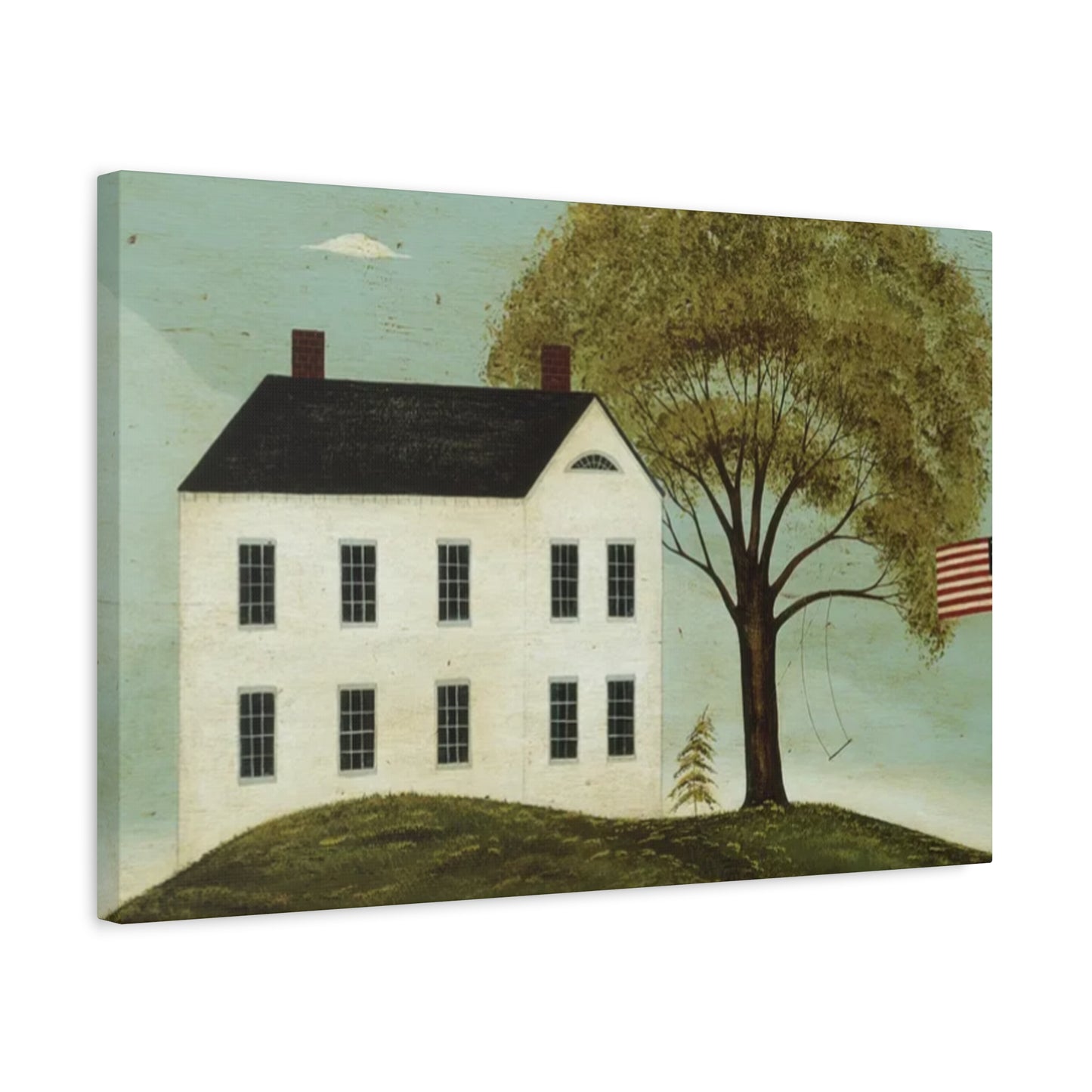
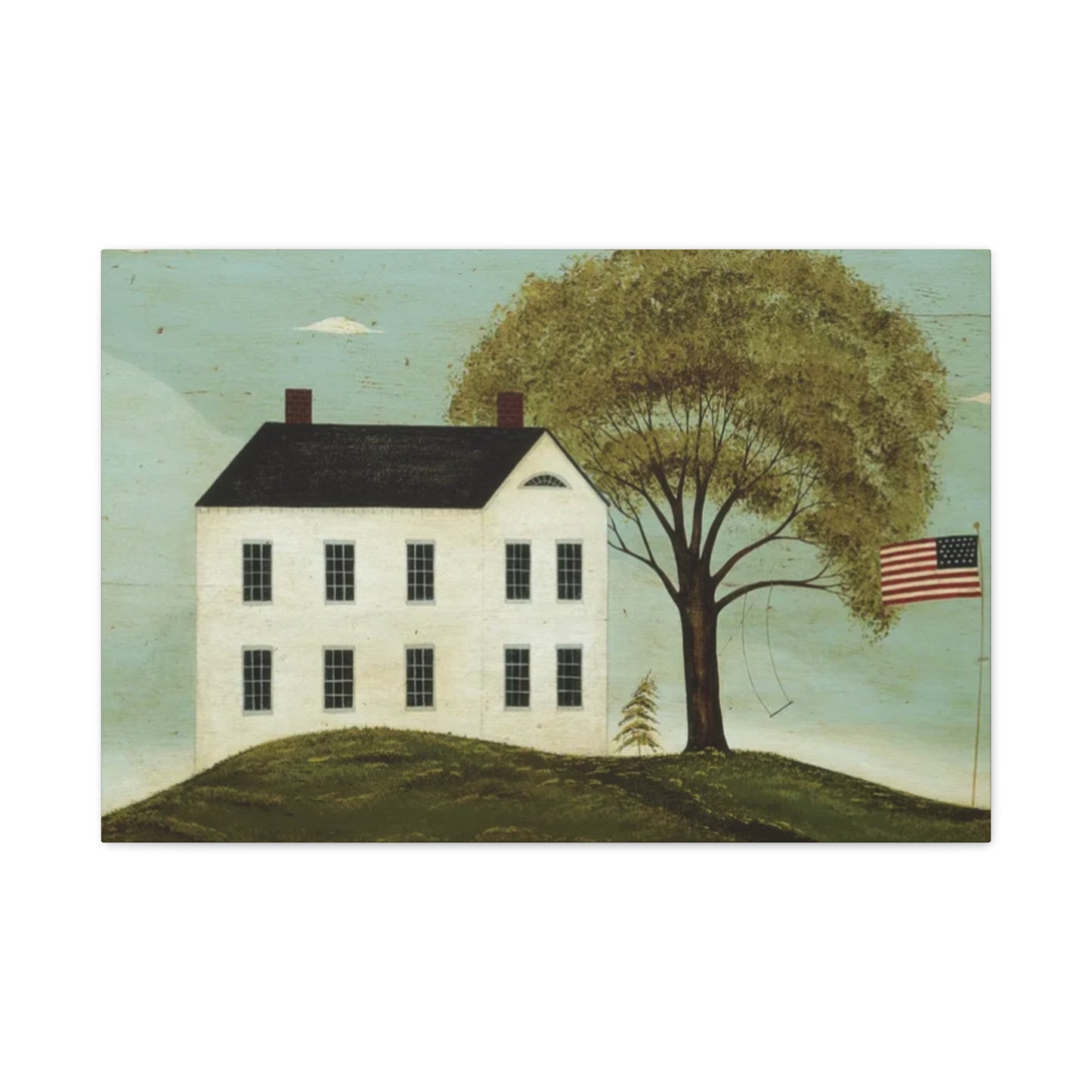
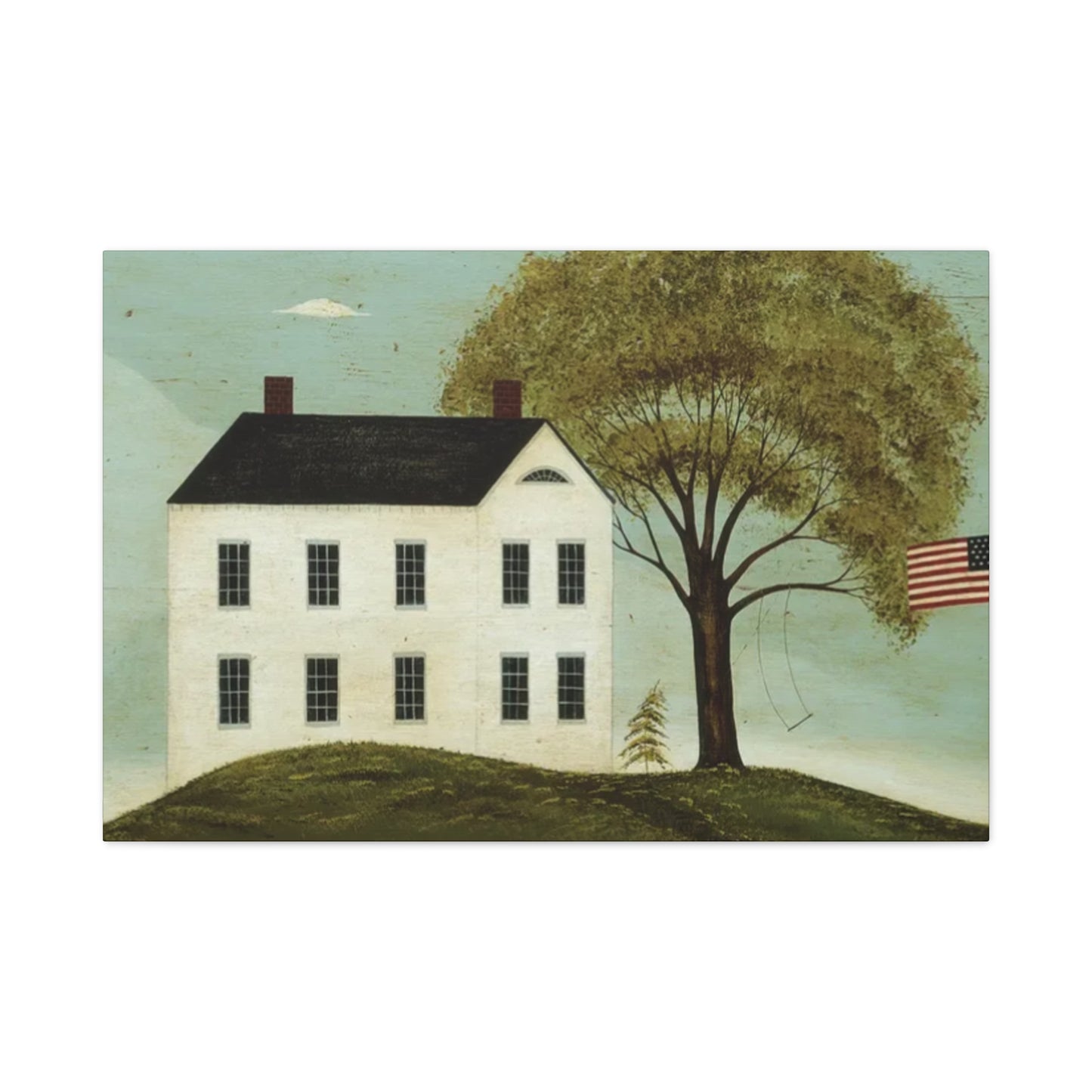
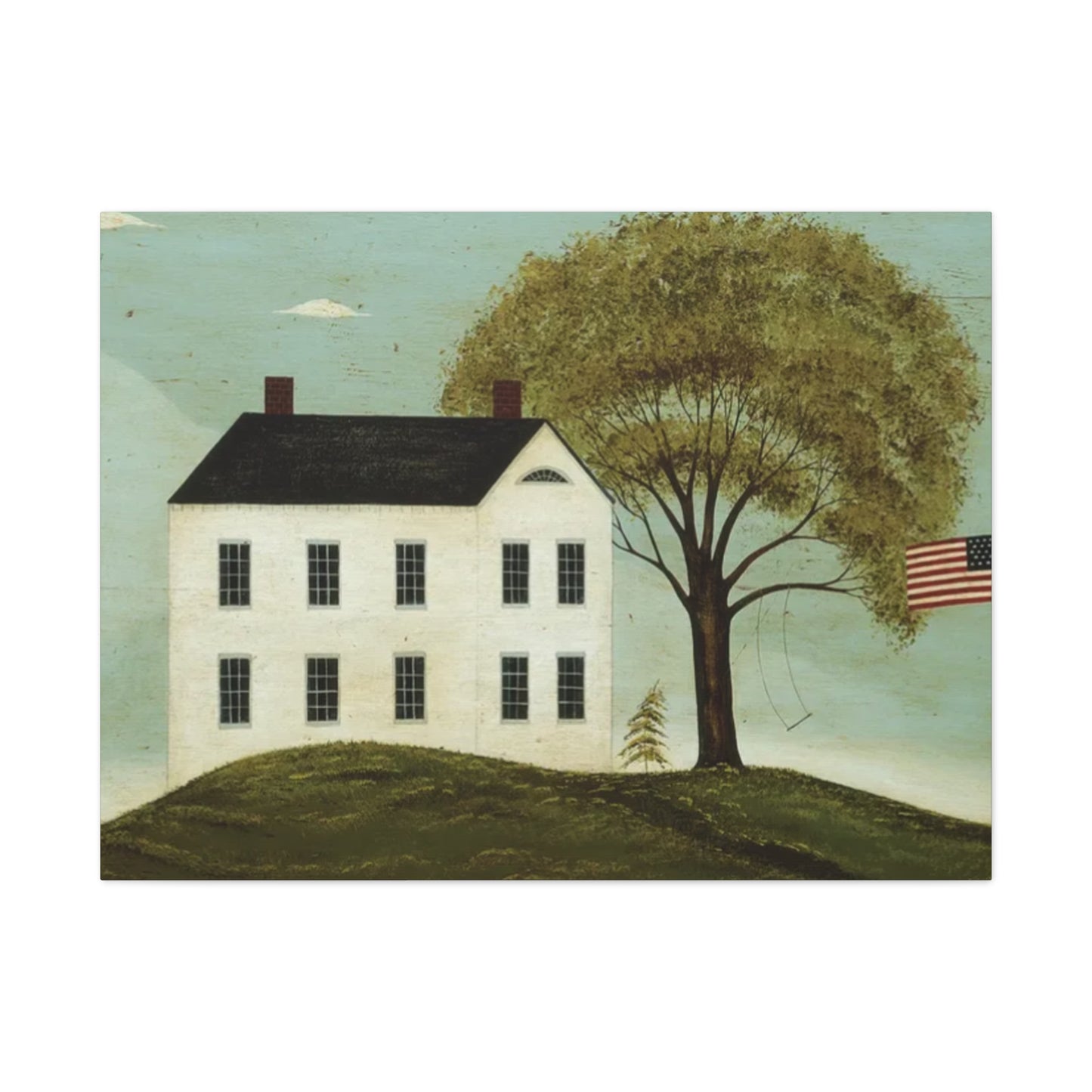
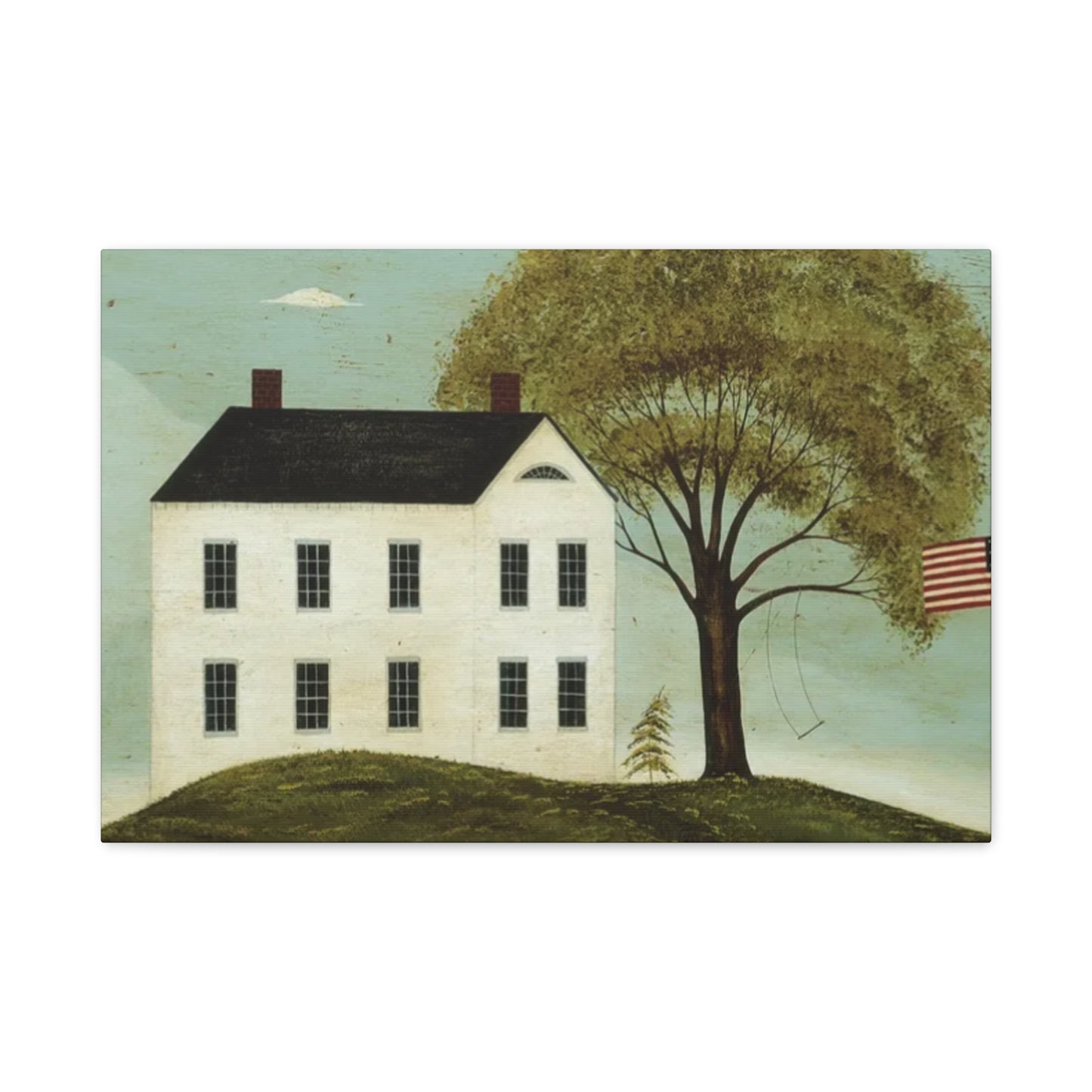
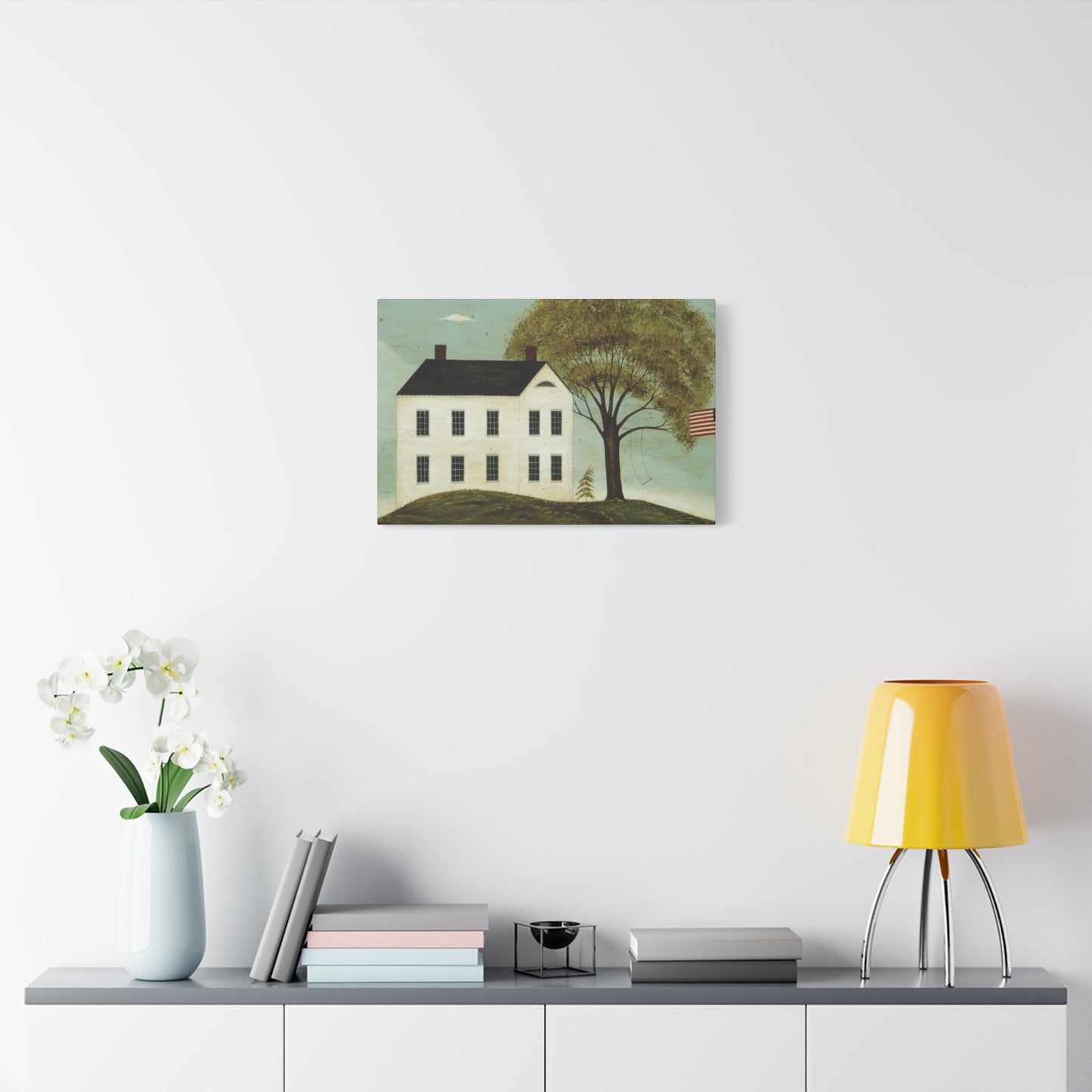
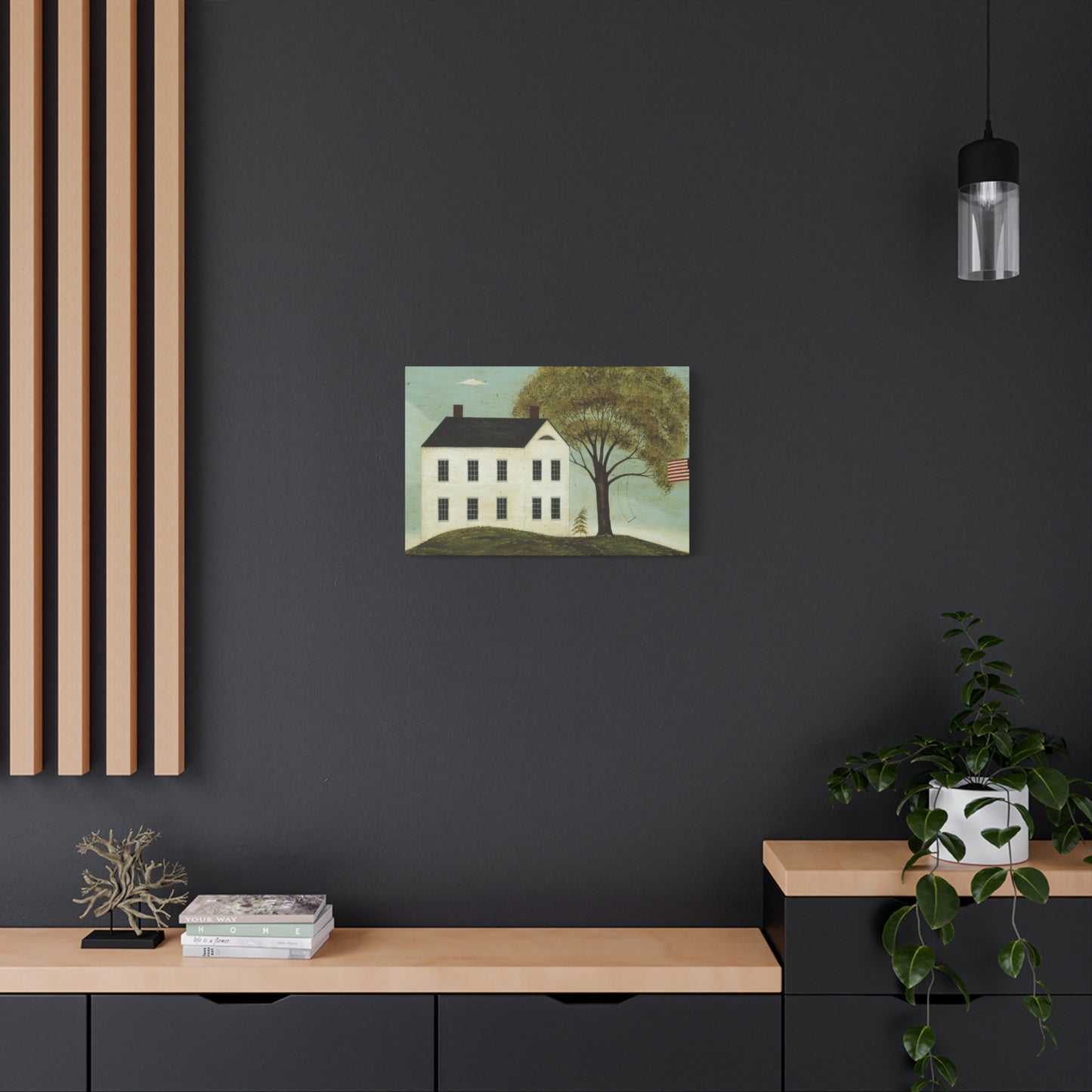
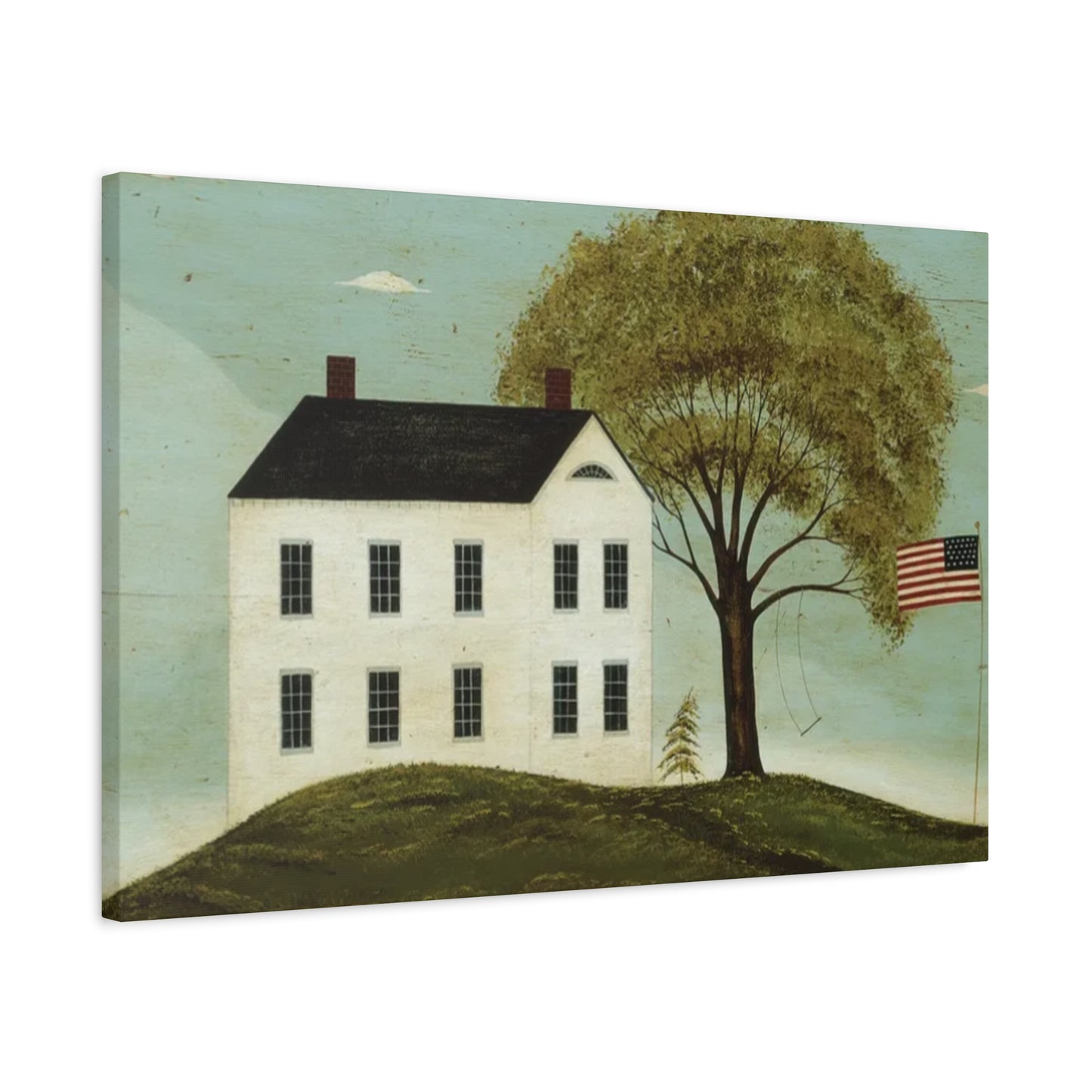
Art as a Presidential Statement: How Kimble Warren’s Wall Art Reflects the American Experience
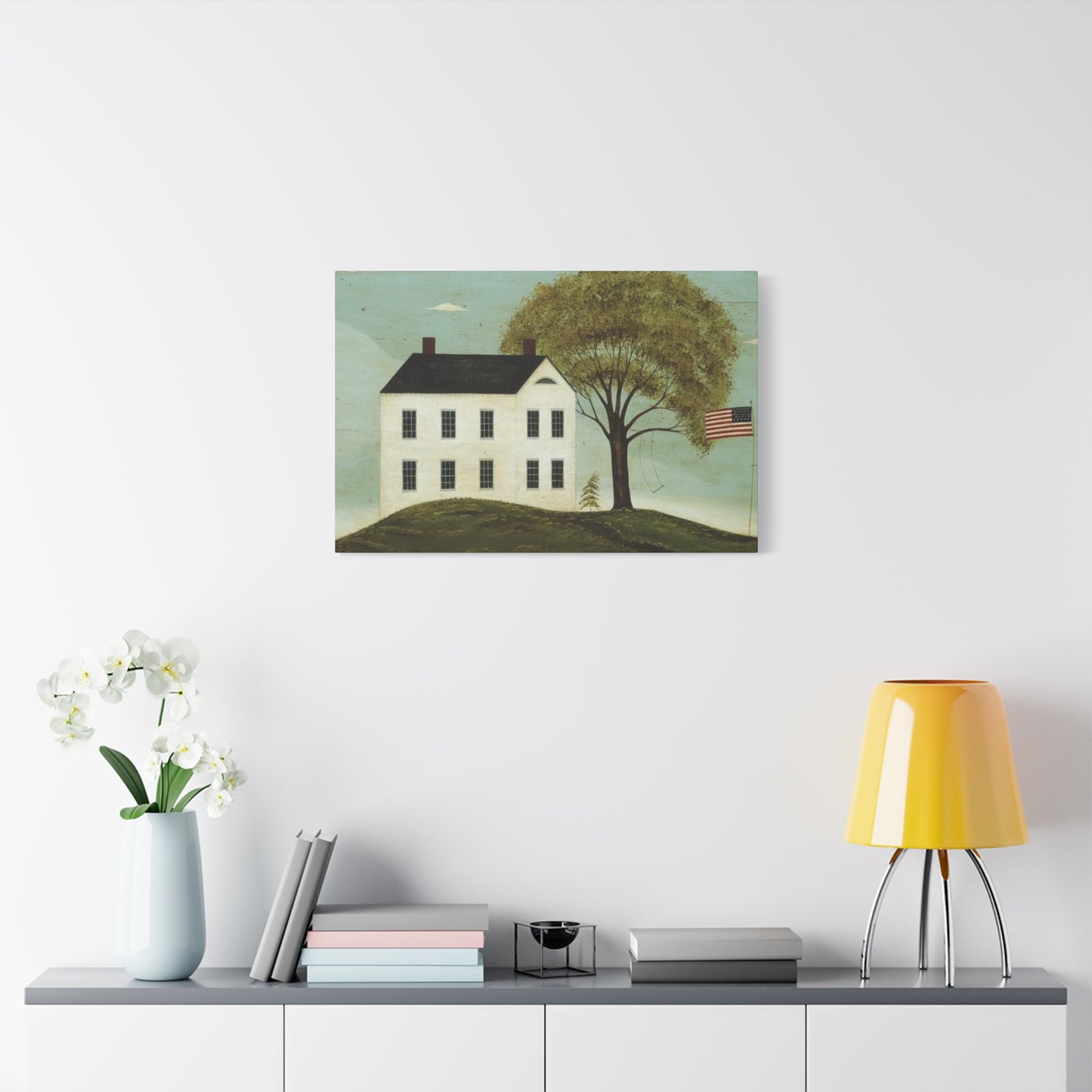
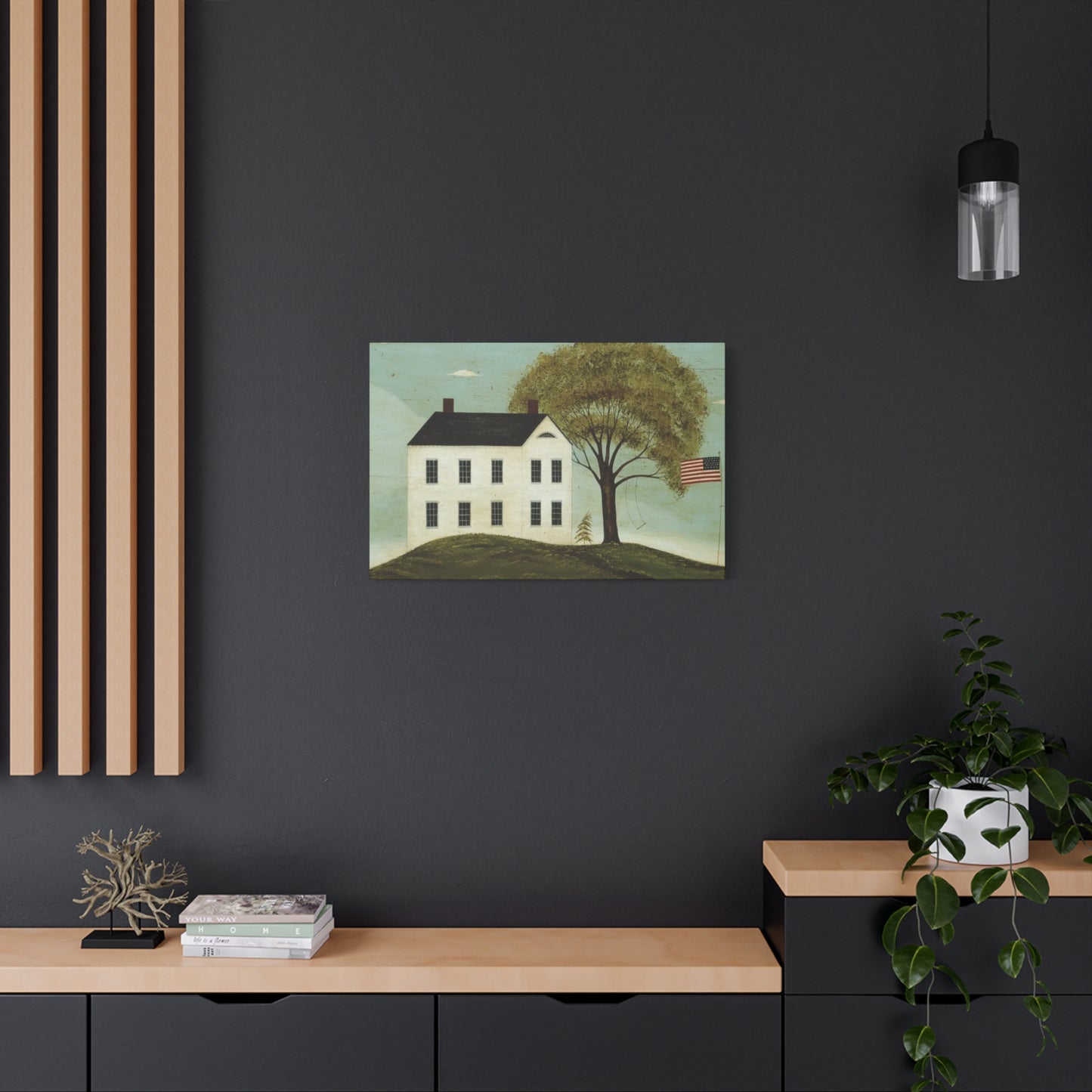
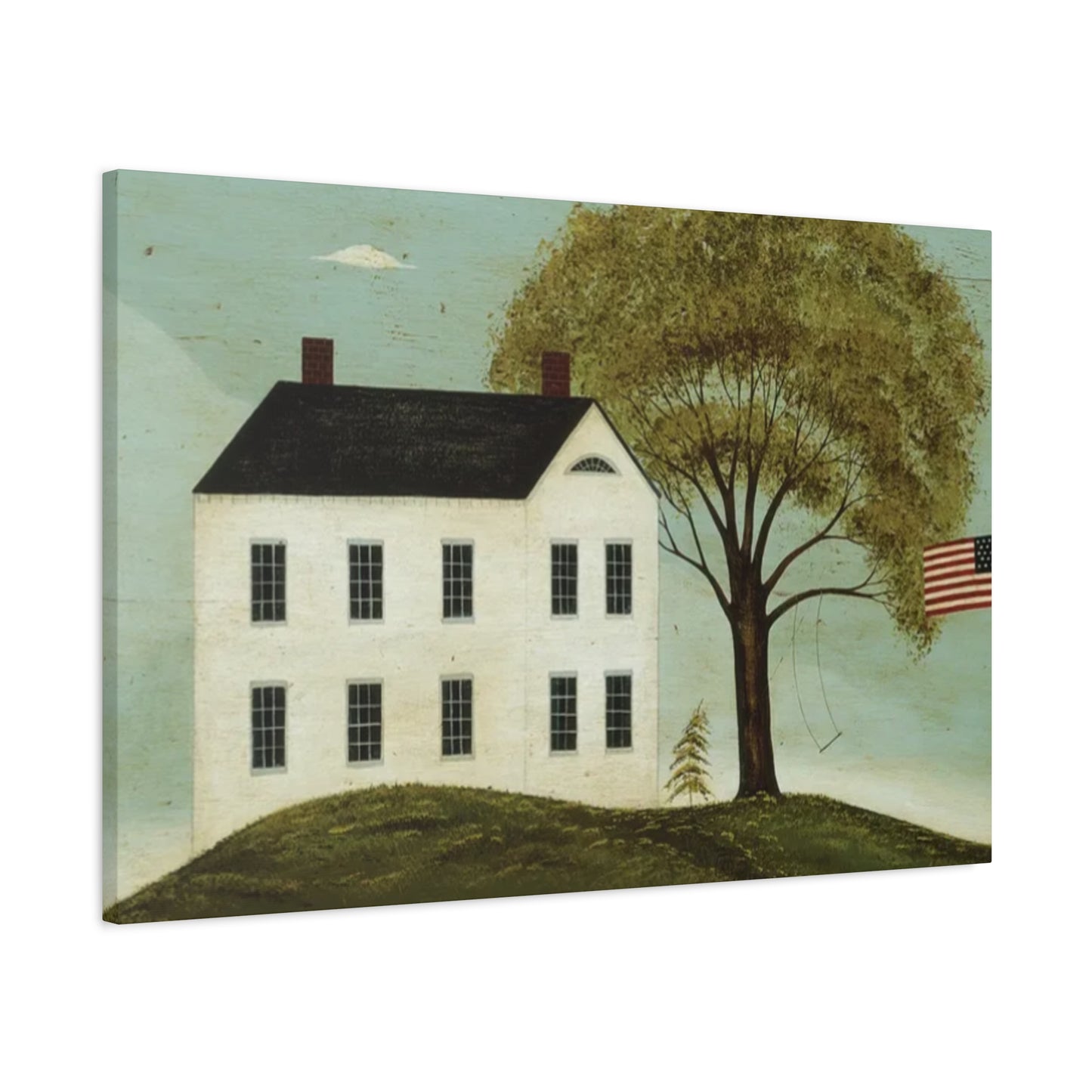
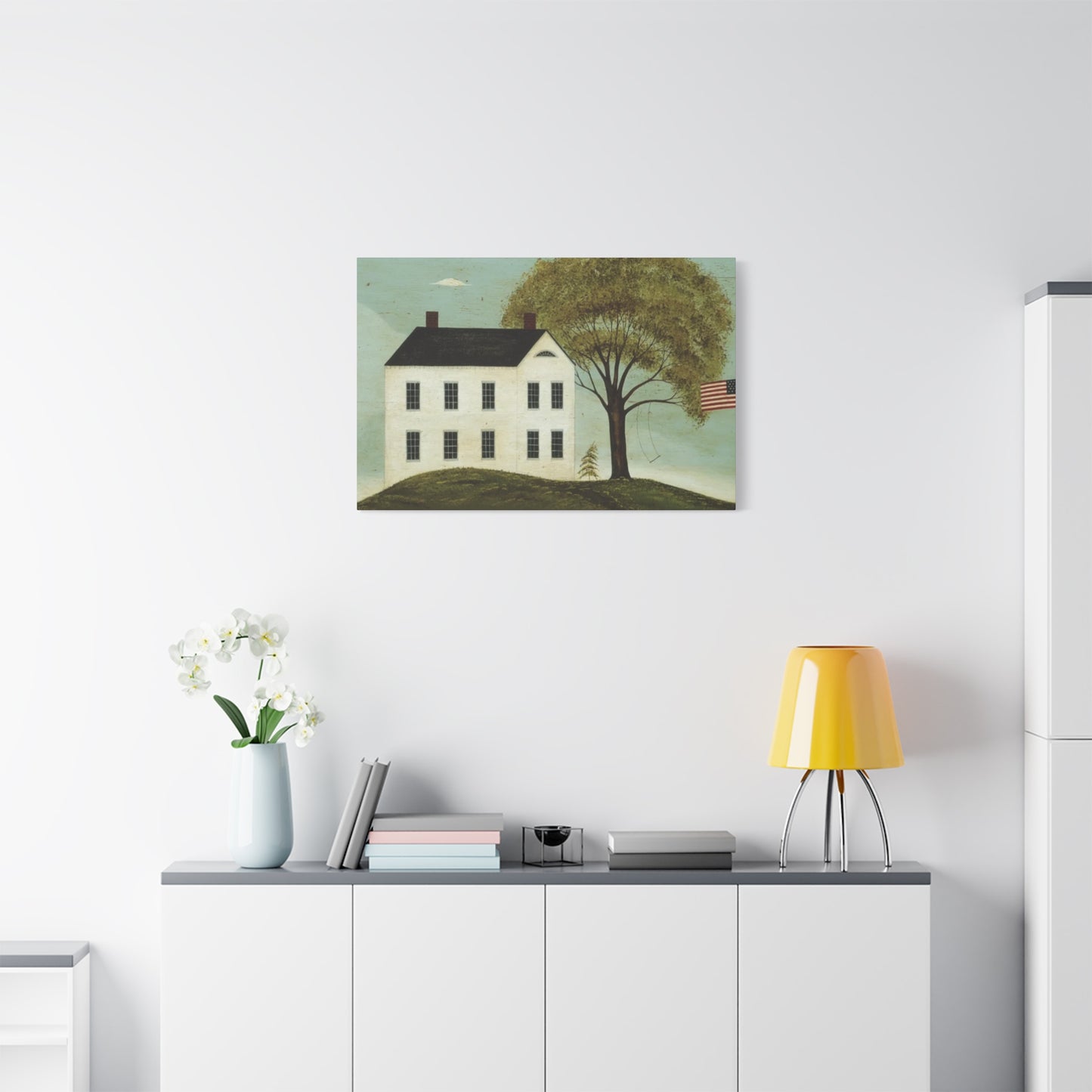
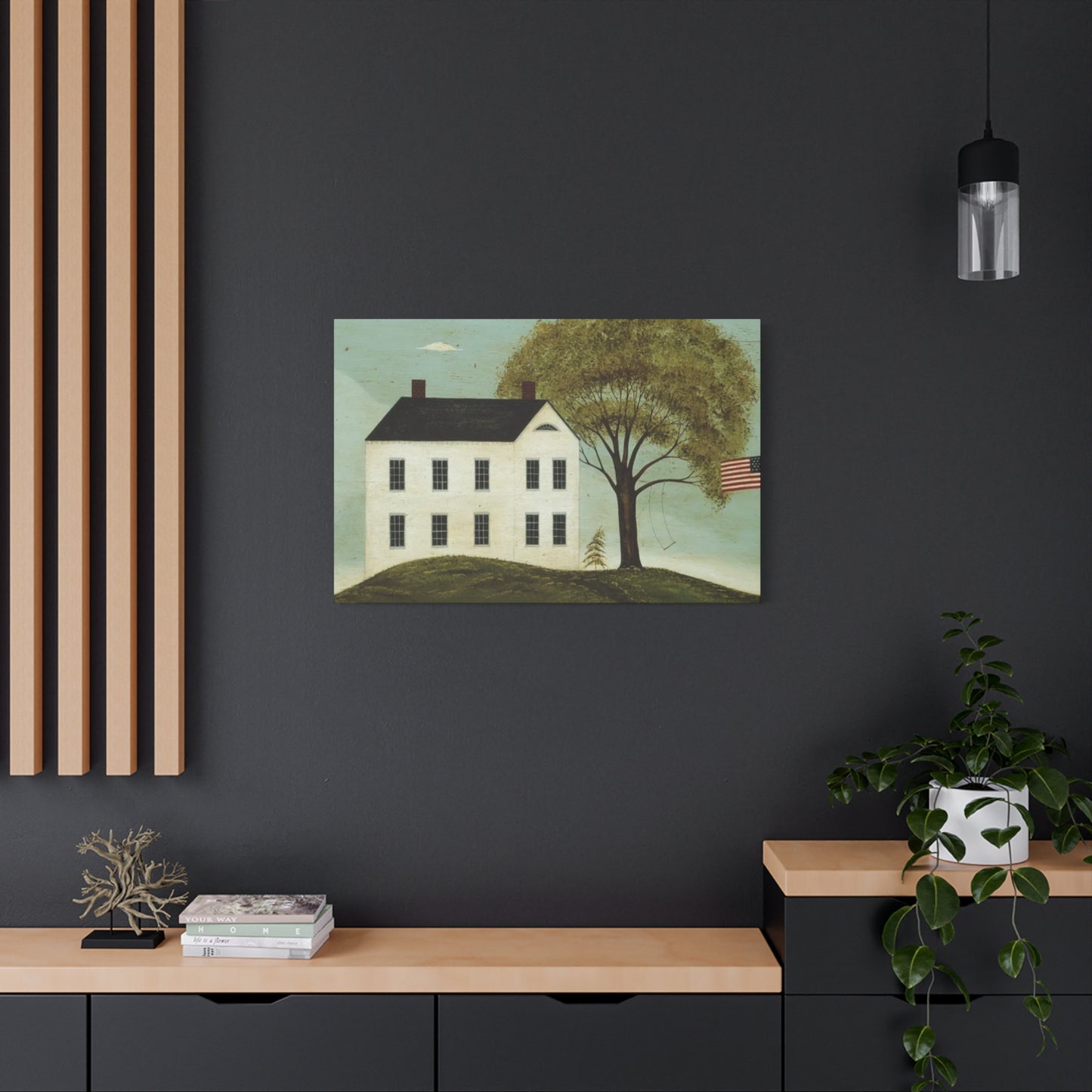
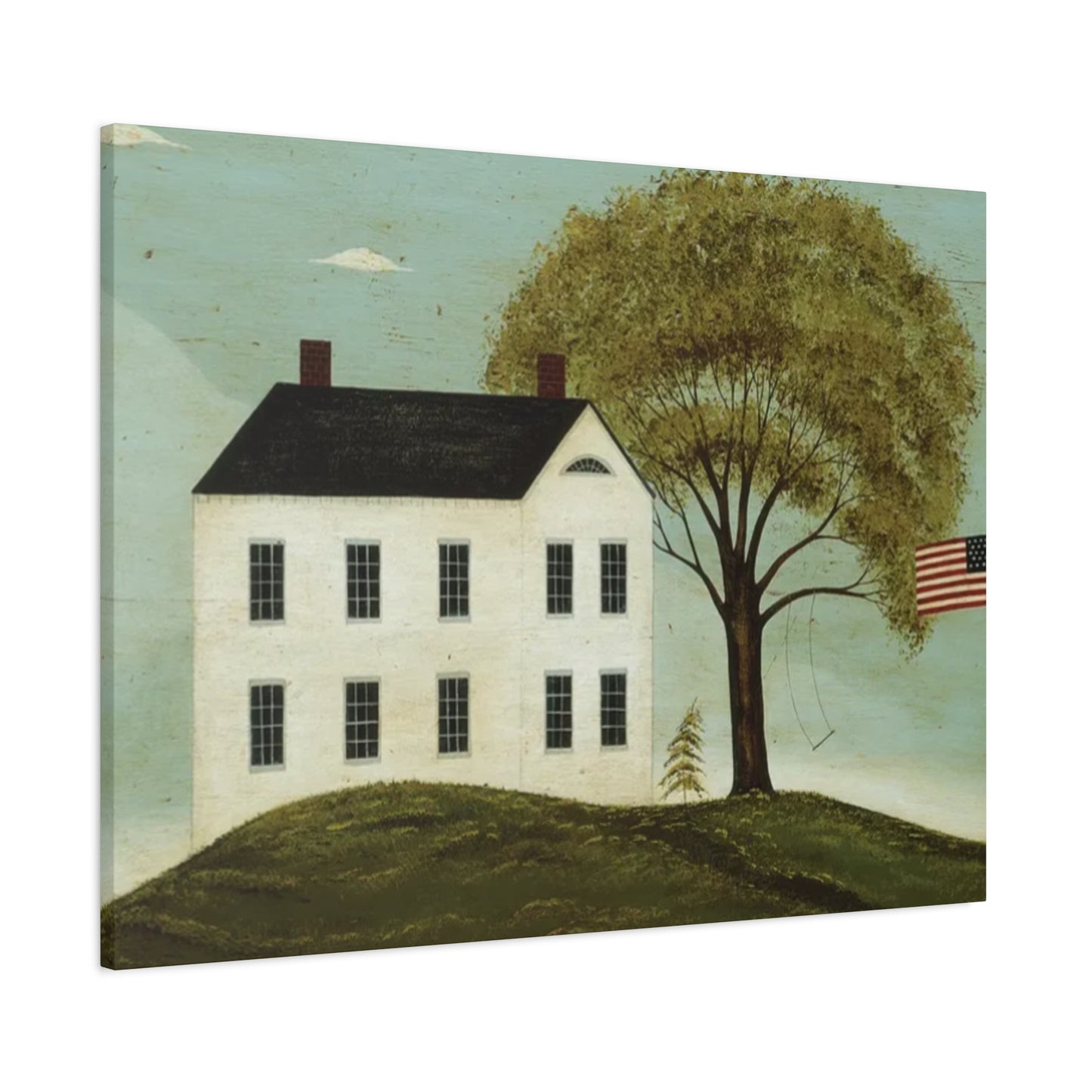
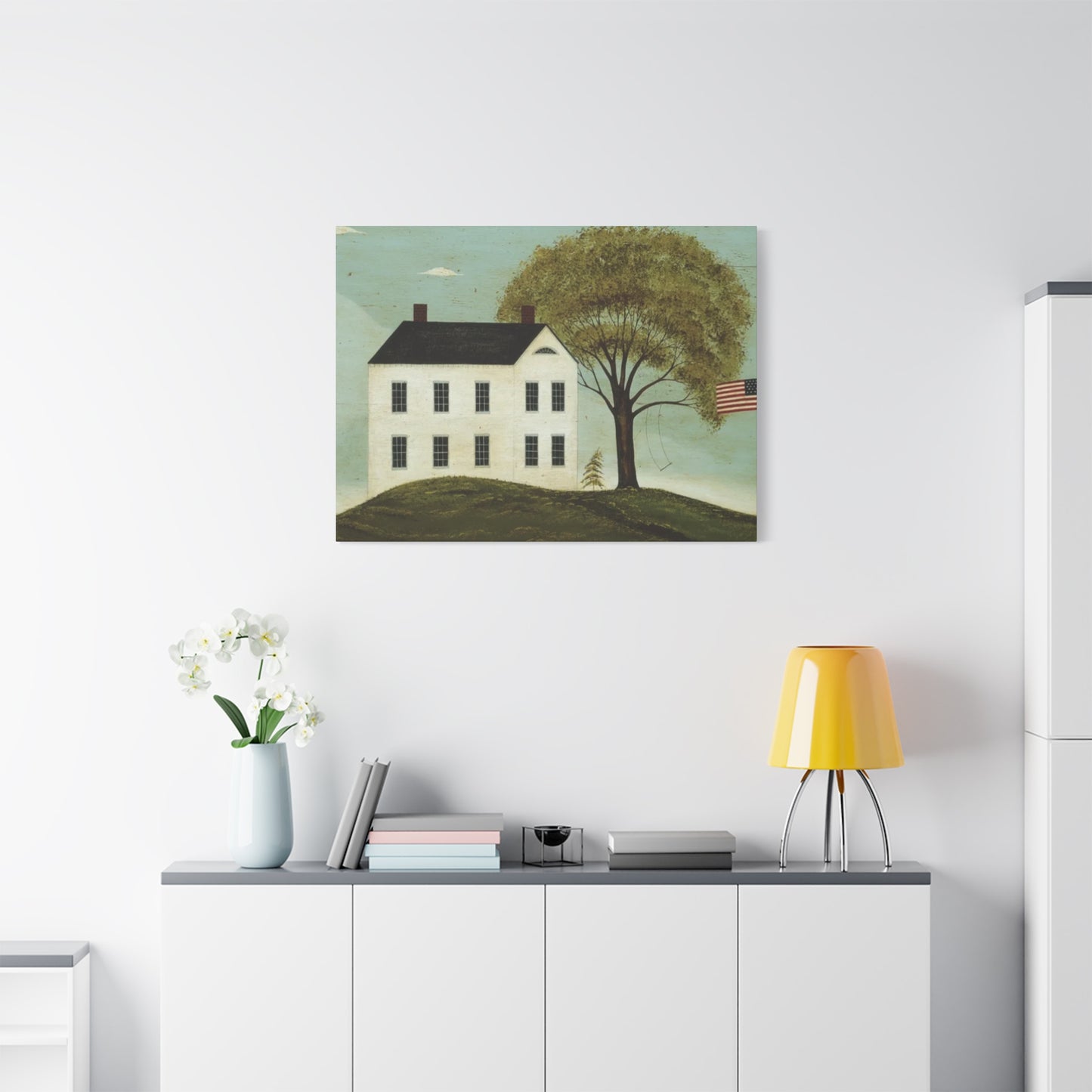
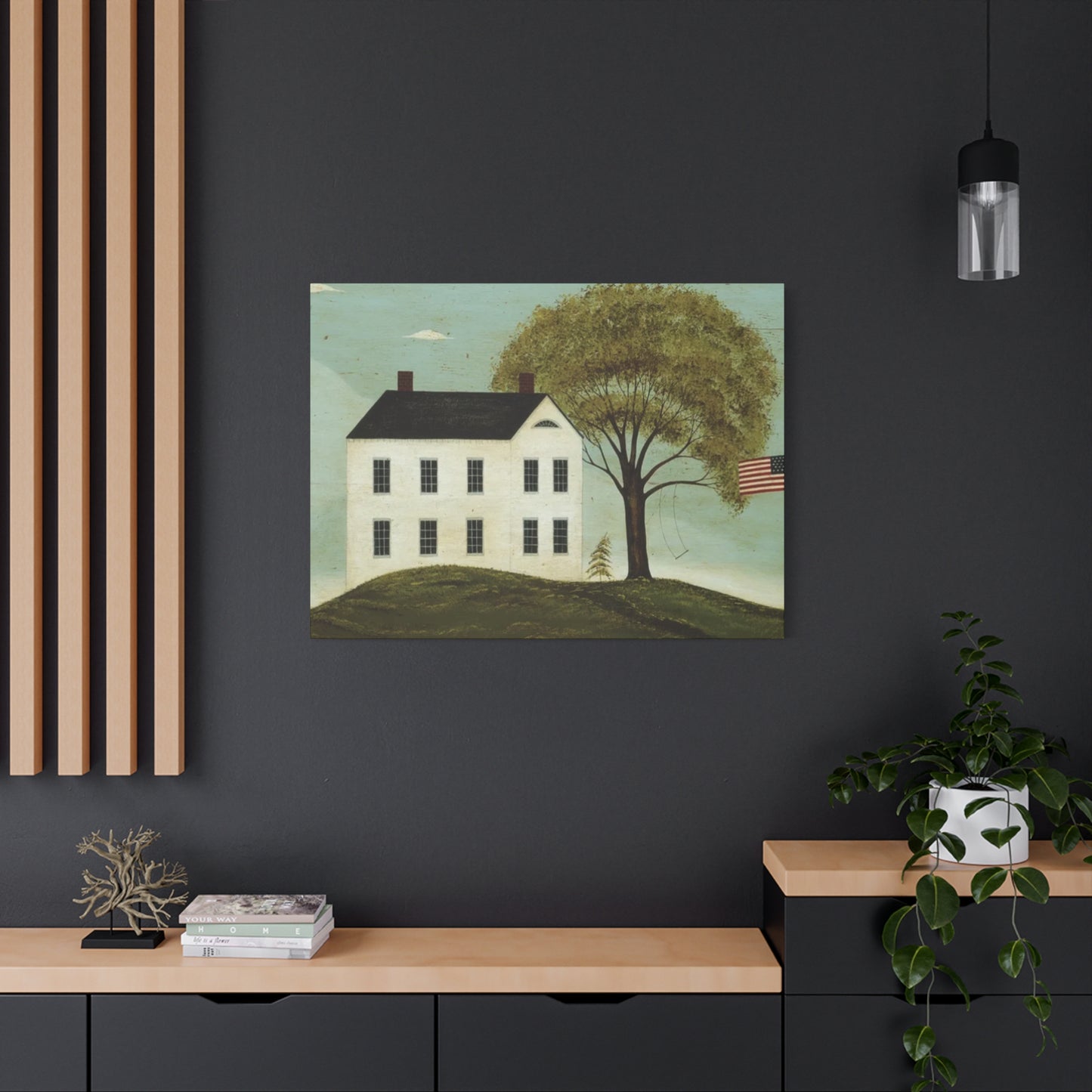
The allure of presidential imagery has captivated art enthusiasts and history lovers for generations. White House Kimble Warren wall art canvas prints represent a sophisticated intersection of historical significance and contemporary home decoration. These remarkable pieces bring the grandeur of American political heritage directly into living spaces, offering homeowners an opportunity to celebrate national pride while enhancing their interior design aesthetic.
Canvas prints featuring presidential themes have emerged as powerful decorative elements that transcend mere wall coverings. They serve as conversation starters, educational tools, and symbols of patriotic appreciation. The Kimble Warren collection specifically focuses on capturing the essence of presidential elegance through carefully curated imagery that resonates with diverse audiences seeking meaningful art for their homes, offices, or commercial spaces.
The Legacy Behind Presidential Artwork
Presidential artwork carries profound cultural significance that extends far beyond simple decoration. Throughout American history, artists have sought to immortalize the leaders who shaped the nation's destiny. The tradition of presidential portraiture dates back to the founding fathers, when painters like Gilbert Stuart created iconic representations that defined how generations would remember these influential figures.
The artistic representation of presidents serves multiple purposes within American society. These images function as historical documentation, preserving the physical appearance and demeanor of leaders for future generations. They also act as symbols of national identity, embodying the values and aspirations of different eras. When families choose to display presidential imagery in their homes, they connect themselves to this broader narrative of American history and democratic tradition.
Canvas prints featuring White House scenes and presidential portraits tap into this rich heritage. They allow everyday citizens to bring a piece of presidential history into their personal spaces without the prohibitive costs associated with original artwork or museum-quality reproductions. The accessibility of these prints democratizes art appreciation and historical engagement in meaningful ways.
The Kimble Warren collection distinguishes itself through attention to historical accuracy and artistic quality. Each piece in the collection undergoes careful research to ensure authentic representation of presidential subjects and White House settings. This commitment to accuracy makes these prints valuable not just as decorative items but as educational resources that can spark curiosity and learning about American history.
Artistic Techniques in Canvas Print Production
Modern canvas printing technology has revolutionized how we reproduce and display artwork. The process combines traditional artistic sensibilities with cutting-edge digital printing methods to create pieces that rival hand-painted originals in visual impact. Understanding these techniques helps appreciate the quality and value inherent in premium canvas prints.
The foundation of any exceptional canvas print lies in the source imagery. High-resolution photography or digital artwork provides the starting point for reproduction. For presidential themed prints, this often involves accessing archival photographs, scanning historical paintings, or commissioning original digital artwork that captures the desired aesthetic. The quality of this source material directly impacts the final product's clarity and detail.
Digital printing technology employs sophisticated inkjet systems that apply pigment-based inks to canvas material. These inks differ significantly from standard paper printing inks. They contain higher concentrations of pigment particles, resulting in richer colors and improved longevity. The pigments resist fading when exposed to light, ensuring that prints maintain their vibrancy for decades when properly cared for and displayed.
Canvas material selection plays a crucial role in print quality. Premium canvas prints utilize artist-grade cotton or polyester canvas with specific weave patterns that optimize ink absorption and color reproduction. The texture of the canvas adds dimensionality to the printed image, creating subtle variations in how light interacts with the surface. This texture contributes to the painting-like quality that distinguishes canvas prints from flat paper reproductions.
The printing process itself involves multiple passes of print heads across the canvas surface, building up layers of color gradually. This layering technique allows for smooth color transitions and prevents banding or visible printing artifacts. Professional printers calibrate their equipment regularly to maintain color accuracy and consistency across multiple prints.
After printing, canvas pieces undergo stretching and mounting onto wooden frames. This gallery-wrap technique pulls the printed canvas around the edges of the frame, creating a three-dimensional appearance that eliminates the need for additional framing. The sides of the print continue the image or feature complementary colors, ensuring the piece looks finished from every angle.
Protective coatings applied after mounting provide additional durability. These clear sprays or liquid laminates shield the printed surface from moisture, dust, and minor abrasions. They also enhance color saturation, making images appear more vivid and dynamic. Quality coatings maintain the canvas texture while adding this protective layer, preserving the authentic artistic feel of the piece.
Decorating with Presidential Themed Canvas Art
Incorporating presidential themed canvas art into home decoration requires thoughtful consideration of space, style, and personal aesthetic preferences. These pieces carry inherent formality and gravitas that influences how they interact with surrounding decor elements. Successfully integrating them creates spaces that feel both sophisticated and welcoming.
Living rooms provide ideal settings for prominent presidential artwork. These communal spaces naturally accommodate conversation pieces that reflect the homeowner's interests and values. A large canvas featuring the White House facade or a distinguished presidential portrait can serve as the focal point of the room, anchoring the overall design scheme. When positioned above a fireplace mantel or centered on a primary wall, such artwork commands attention while establishing an atmosphere of refinement.
The color palette of presidential artwork typically features rich, traditional tones like deep blues, burgundies, golds, and forest greens. These colors complement classic decorating styles but can also create striking contrast in more contemporary settings. Pairing presidential canvas prints with modern furniture creates an eclectic mix that feels curated and intentional rather than dated or stuffy.
Home offices and studies particularly benefit from presidential themed decoration. These private working spaces naturally align with the serious, accomplished tone that presidential imagery conveys. Hanging such artwork in an office environment can inspire productivity and remind individuals of historical figures who demonstrated leadership, perseverance, and vision. The psychological impact of surrounding oneself with symbols of achievement should not be underestimated.
Arrangement strategies vary depending on whether working with single statement pieces or multiple smaller prints. A gallery wall featuring various presidential portraits or White House scenes creates visual interest through repetition and variation. When creating such arrangements, maintaining consistent spacing between pieces and aligning frames precisely ensures professional-looking results. Many decorators recommend laying out arrangements on the floor before committing to wall placement.
Lighting considerations significantly affect how presidential canvas art appears in different settings. Natural light can beautifully illuminate these pieces during daytime hours, but direct sunlight should be avoided to prevent premature fading. Artificial lighting options include picture lights mounted above frames, track lighting directed at wall art, or ambient room lighting that illuminates artwork indirectly. The warm glow of incandescent or LED bulbs set to warm color temperatures enhances the traditional feel of presidential imagery.
Scale relationships between artwork and furniture require careful attention. Artwork should relate proportionally to the furniture pieces beneath it. A general guideline suggests artwork should span approximately two-thirds to three-quarters the width of furniture below it. For freestanding wall art not positioned above furniture, consider the piece in relation to the entire wall space, ensuring it neither overwhelms nor gets lost within the available area.
Kimble Warren Collection Characteristics
The Kimble Warren collection of presidential wall art distinguishes itself through several defining characteristics that appeal to discerning art collectors and casual decorators alike. Understanding what makes this collection unique helps consumers make informed purchasing decisions and appreciate the value these pieces bring to interior spaces.
Attention to historical accuracy forms the foundation of the Kimble Warren approach. Each piece undergoes thorough research to ensure authentic representation of presidential subjects, White House architecture, and period-appropriate details. This commitment extends to color accuracy in presidential portraits, correct architectural proportions in building imagery, and faithful reproduction of historical photographs when used as source material.
Artistic quality remains paramount throughout the collection. Rather than simply reproducing basic photographs or public domain images, the collection features enhanced, artistically rendered versions that optimize visual impact. Digital artists work to balance historical authenticity with aesthetic appeal, adjusting composition, color saturation, and contrast to create pieces that function as fine art while maintaining documentary accuracy.
Variety within the collection ensures options for diverse tastes and decorating needs. The range includes formal presidential portraits suitable for traditional settings, artistic interpretations of White House architecture that work in contemporary spaces, and historical scene recreations that appeal to history enthusiasts. Size options accommodate different wall spaces, from intimate home offices to expansive living room walls.
The collection's approach to color palette management creates cohesion across diverse pieces. While individual artworks feature their own color schemes appropriate to their subjects, an underlying consistency in tone and saturation levels allows pieces from the collection to work together harmoniously. This makes creating gallery walls or coordinating artwork across multiple rooms more intuitive.
Material quality reflects the collection's premium positioning. Canvas substrates consist of heavyweight, artist-grade material that provides appropriate texture and durability. Printing utilizes archival-quality inks that resist fading and maintain color accuracy for years. Frames and stretcher bars meet gallery standards, ensuring pieces arrive properly tensioned and ready for immediate display.
Canvas Print Advantages Over Other Art Forms
Affordability represents perhaps the most significant advantage of canvas prints. Original presidential portraits by renowned artists command prices far beyond most consumers' budgets. Even limited edition prints of such work often cost thousands of dollars. Canvas reproduction technology makes comparable visual impact accessible at fraction of these costs, democratizing access to presidential imagery for average homeowners.
Durability exceeds that of paper-based prints significantly. Canvas material resists tearing and handles minor impacts without damage. The gallery-wrap mounting system eliminates glass, removing both a fragile component and the glare that glass introduces. This makes canvas prints ideal for high-traffic areas where framed prints might suffer damage or for homes with active children or pets.
Versatility in display options gives canvas prints advantages over traditional framed artwork. The finished edge treatment means pieces look complete without additional framing, simplifying installation and eliminating framing costs. However, canvas prints can also be placed in frames if desired, providing flexibility for those who prefer that aesthetic. The three-dimensional quality of stretched canvas adds visual interest that flat prints cannot match.
Lightweight construction facilitates easier hanging and repositioning compared to framed artwork. Large canvas prints weigh significantly less than equivalent sized framed pieces with glass, reducing stress on walls and making installation safer and simpler. This encourages homeowners to refresh their decor more frequently, knowing they can easily relocate pieces without significant effort or wall damage.
Maintenance requirements remain minimal with quality canvas prints. Unlike oil paintings requiring periodic professional cleaning and varnishing, or works on paper needing protection from humidity and handling, canvas prints simply need occasional dusting with a soft cloth. The protective coatings applied during production make them resistant to common household conditions.
Reproduction accuracy has improved dramatically with modern printing technology. High-resolution scanning and printing capture details imperceptible to the naked eye, reproducing textures, brush strokes, and subtle color variations from original artwork. For presidential portraits based on historical paintings, this means canvas prints can provide remarkable fidelity to originals housed in museums and private collections.
Proper Installation Methods for Canvas Prints
Wall selection begins the installation process. Load-bearing walls constructed of studs and drywall provide secure mounting surfaces for artwork of any size. Hollow walls or those made of plaster require different hanging approaches but can still safely support canvas prints with appropriate hardware. Understanding wall construction in your space informs hardware selection.
Locating wall studs creates the most secure mounting points for larger canvas pieces. Stud finders detect wooden framing members behind drywall, marking locations where screws can anchor directly into solid wood. For substantial pieces weighing multiple pounds, securing hanging hardware into studs provides peace of mind and long-term stability.
When stud placement doesn't align with desired artwork positioning, various wall anchor systems provide reliable alternatives. Threaded drywall anchors screw directly into drywall and expand behind the surface, distributing weight across larger areas. Toggle bolts deploy wings behind drywall that prevent pullout under load. Each anchor type has weight ratings that should be matched or exceeded relative to artwork weight.
Proper hardware selection depends on canvas size, weight, and backing configuration. Most gallery-wrapped canvases include pre-attached hanging mechanisms, commonly D-rings or sawtooth hangers on the back frame. These determine what corresponding wall hardware is needed. Picture hooks designed for specific weight ranges work with wire hangers, while screws or nails mounted directly into anchors suit D-ring attachment.
Measuring and marking ensure level, properly positioned artwork. Beginning by determining the desired hanging height, a common guideline places artwork centers approximately 57 to 60 inches from the floor, matching average eye level. For pieces hanging above furniture, allow 6 to 8 inches between furniture tops and artwork bottoms. Mark the wall at the determined center point using a pencil.
Calculating where to place wall hardware requires measuring from the canvas top to the hanging mechanism when pulled taut. Subtract this measurement from the desired center point, then add half the canvas height. This determines where to install wall hardware so the canvas hangs at the correct height. Double-checking measurements prevents installation mistakes requiring wall repairs.
Using a level during installation prevents crooked artwork that creates visual tension. Place the level on top of the canvas after hanging, adjusting position until the bubble centers precisely. Some installers prefer laser levels that project horizontal lines across walls, allowing precise alignment of multiple pieces in gallery arrangements.
Multiple hanging points distribute weight more effectively for larger canvases. Rather than using a single central hook, installing two hooks or screws that attach to separate D-rings reduces stress on any single point. This approach also prevents artwork from shifting or tilting over time as single-point hangers sometimes allow.
Design Styles Compatible with Presidential Art
Traditional design provides the most natural setting for presidential artwork. This classic style emphasizes symmetry, formal arrangements, and rich materials that complement the inherent formality of White House imagery and presidential portraits. Traditional rooms featuring dark wood furniture, plush upholstery, and detailed moldings create perfect backdrops for distinguished presidential art. The color palettes typical in traditional design, featuring burgundies, navy blues, and forest greens, harmonize beautifully with presidential artwork's common tones.
Transitional style bridges traditional and contemporary aesthetics, making it highly compatible with presidential canvas prints. This approach combines classic forms with cleaner lines and more neutral palettes than pure traditional design. Presidential artwork in transitional spaces provides the traditional element that grounds the design while contemporary furniture and minimal accessories prevent stuffiness. The balance inherent in transitional design mirrors the balance between historical significance and modern relevance in presidential themed art.
Contemporary design initially seems incompatible with traditional presidential imagery, but strategic placement creates striking contrast that enhances both elements. In sleek, minimalist contemporary spaces, a single large presidential canvas provides visual weight and historical depth that prevents the room from feeling cold or impersonal. The juxtaposition of modern furniture with traditional imagery creates visual interest through unexpected combination. Choosing presidential artwork with cleaner compositions and stronger graphic qualities works best in contemporary settings.
American country style naturally accommodates patriotic presidential themes. This casual, comfortable aesthetic celebrates American heritage through folk art, primitive furniture, and early American color palettes. Presidential artwork in such spaces reinforces the patriotic theme while adding sophistication. Country rooms can handle multiple presidential pieces without overwhelming the space since the overall style embraces collections and displays.
Library or study design specifically benefits from presidential themed artwork regardless of broader home aesthetic. These intellectual spaces naturally suit the scholarly, accomplished tone that presidential imagery conveys. Traditional wood paneling, built-in bookshelves, and leather furniture create ideal environments for formal presidential portraits. Even in homes with contemporary overall design, dedicating one room to a more traditional library aesthetic provides appropriate context for presidential artwork.
Eclectic design offers maximum flexibility for incorporating presidential canvas prints. This approach intentionally mixes styles, periods, and aesthetics to create personalized spaces reflecting individual interests. Presidential artwork becomes one layer in rooms that might also feature modern art, vintage furniture, and global textiles. The key to successful eclectic design lies in maintaining some unifying elements like color palette or scale that tie diverse pieces together.
Institutional or commercial spaces including law offices, government buildings, and corporate headquarters particularly suit presidential artwork. These professional environments benefit from the authority and tradition that presidential imagery communicates. Waiting rooms, conference rooms, and private offices all provide appropriate venues. In such settings, presidential art reinforces professionalism while demonstrating connection to American democratic traditions and leadership principles.
Creating Gallery Walls with Presidential Themes
Layout planning prevents the trial-and-error wall damage from experimental hanging. Creating actual-size paper templates for each canvas allows arranging and rearranging compositions on the floor or taping templates to walls. Common layout approaches include grid arrangements with uniform spacing, salon-style asymmetric layouts, and symmetrical compositions anchored by a central focal piece.
Grid layouts offer clean, modern appearances well-suited to contemporary spaces. This approach uses uniform frame sizes and consistent spacing between pieces, typically 2 to 3 inches. The resulting appearance feels organized and intentional. Grid layouts work particularly well with presidential portrait series where multiple subjects receive equal visual weight.
Salon-style arrangements embrace controlled chaos through varying frame sizes, orientations, and spacing. This traditional approach originated in 19th century art salon exhibitions where paintings covered walls from floor to ceiling. Modern interpretations maintain variety while ensuring adequate negative space preventing visual clutter. Salon arrangements suit eclectic interiors and homeowners comfortable with more adventurous design.
Symmetrical layouts provide formality appropriate to presidential subject matter. These compositions might feature a large central piece flanked by matching smaller pieces, or pairs of canvases arranged in mirror positions. Symmetry conveys order, balance, and tradition that reinforces presidential imagery's inherent formality.
Color coordination across multiple pieces creates visual harmony in gallery walls. When selecting presidential canvas prints for grouped display, consider how color palettes interact. Pieces need not match exactly, but maintaining consistent color temperatures (all warm or all cool) or shared accent colors creates cohesion. Alternatively, intentional contrast between adjacent pieces can create dynamic visual rhythm.
Spacing consistency proves crucial regardless of layout style chosen. Measure and maintain equal distances between pieces, typically 2 to 3 inches for cohesive appearances. Larger gaps of 4 to 6 inches work when deliberately creating distinct groupings within larger arrangements. Using spacer templates or measuring tools ensures precision.
Vertical and horizontal alignment creates professional results. Even in asymmetric salon-style walls, maintaining some alignment between piece edges prevents chaotic appearances. Establishing baseline alignments where bottoms or tops of different pieces line up horizontally, or vertical alignments where sides align, introduces subtle order.
Scale variety adds visual interest in gallery walls. Mixing larger statement pieces with smaller complementary images creates rhythm and prevents monotony. Typically, one or two larger pieces serve as focal points while smaller pieces fill supporting roles. This hierarchy guides viewer attention while maintaining overall balance.
Starting installation from the center and working outward ensures proper overall positioning. Begin by hanging the central or most important piece at the determined height. Use this anchor point to establish spacing and alignment for surrounding pieces. This approach prevents the common problem of running out of wall space before completing the arrangement.
Materials and Print Quality Factors
Canvas weight and thickness affect perceived quality and durability. Professional-grade canvas typically weighs 350 to 400 grams per square meter, providing substantial feel and resistance to sagging. Lighter weight canvases below 300 gsm may work for smaller prints but lack the presence and longevity expected in quality artwork. Heavier canvas better tolerates stretching tension without showing stress marks or developing looseness over time.
Weave pattern influences both appearance and functionality. Tight weaves create smoother surfaces that showcase fine details in presidential portraits, minimizing visible texture. Looser weaves produce more pronounced texture that adds dimensionality but may not suit highly detailed imagery. Quality canvas prints use consistent weave without irregularities that might appear as artifacts in printed images.
Ink type determines color quality, longevity, and environmental considerations. Pigment-based inks offer superior fade resistance compared to dye-based alternatives, maintaining color accuracy for decades when properly displayed. These inks use solid pigment particles suspended in liquid carrier, resulting in colors that remain stable when exposed to light and atmospheric conditions. Dye-based inks, while potentially offering wider color gamuts, fade more quickly and suit only short-term applications.
Color gamut capabilities affect how accurately prints reproduce intended colors. Professional canvas printing equipment uses extended color gamuts beyond standard CMYK printing, incorporating additional ink colors that expand reproducible color range. This proves particularly important for presidential imagery requiring accurate flesh tones and rich, saturated colors in clothing and backgrounds.
Resolution specifications determine detail clarity and sharpness. Professional canvas prints utilize source files with minimum 300 dots per inch resolution at final print size. Lower resolutions produce visible pixelation or softness that diminishes professional appearance. For large-format presidential portraits intended to be viewed closely, even higher resolutions may be necessary to maintain crisp details.
Color calibration and management throughout production ensures consistency between digital files and physical prints. Professional printers maintain calibrated equipment that accurately reproduces colors as intended by designers. Color management systems account for how different materials and inks interact, adjusting output to compensate for these variables. Without proper color management, prints may display unexpected color shifts or inaccuracies.
Room-Specific Placement Recommendations
Living room placement naturally emphasizes presidential artwork's role as conversational focal point. These central gathering spaces accommodate larger pieces that command attention and establish the room's tone. Positioning a substantial White House facade or distinguished presidential portrait above the fireplace mantle creates traditional symmetry that grounds the entire space. Alternatively, dedicating a primary wall opposite seating areas ensures guests naturally view the artwork during conversations.
Dining room presidential art contributes to formal atmosphere appropriate for entertaining. These spaces traditionally embrace more ceremonial decoration that celebrates occasions and honors guests. Presidential imagery reinforces this formality while providing discussion topics during meals. Positioning artwork where it's visible from the dining table but doesn't directly face any single seat ensures all guests can appreciate it without one person sitting directly beneath it uncomfortably.
Home office or study environments particularly benefit from inspirational presidential imagery. These working spaces align naturally with the accomplished, leadership-oriented tone that presidential artwork conveys. Positioning a motivational presidential portrait within natural sight lines from desk positions provides subtle encouragement during challenging work. Presidential quotes or historical imagery can inspire perseverance and excellence in professional endeavors.
Bedroom placement requires sensitivity to presidential artwork's formal nature. While bedrooms need not exclude such pieces, the private, restful character of sleeping spaces may not naturally suit imposing presidential portraits. If incorporating presidential art in bedrooms, consider smaller pieces, more subtle imagery focusing on White House architecture rather than faces, or positioning artwork on walls not directly facing the bed to prevent feeling watched during private moments.
Entry hall and foyer locations make strong first impressions on guests while appropriately housing presidential artwork. These transitional spaces naturally accommodate more formal decoration that might feel stiff in relaxed family spaces. A commanding presidential piece immediately visible upon entering establishes the home's character and signals homeowner interests. Adequate lighting in often-dim entryways ensures the artwork receives proper illumination.
Library or reading room environments create ideal contexts for presidential themed decoration regardless of broader home style. Even homes with contemporary overall aesthetics often incorporate one traditionally designed space for book collections and quiet contemplation. Such rooms naturally suit the scholarly, historical character of presidential imagery. Floor-to-ceiling bookshelves, comfortable reading chairs, and rich materials provide perfect backdrops.
Hallway galleries transform otherwise utilitarian circulation spaces into meaningful experiences. Long corridors particularly suit series of presidential portraits or historical White House images creating visual narrative as viewers progress through the space. Gallery-style hanging with multiple pieces maintains interest across extended wall lengths. Adequate hallway width ensures comfortable viewing distance without people feeling crowded against opposite walls.
Basement recreation rooms or media rooms offer casual contexts that might seem inappropriate for formal presidential art. However, incorporating such pieces in unexpected locations can work wonderfully. A game room featuring presidential portraits creates playful juxtaposition between serious imagery and recreational activities. Similarly, home theaters might feature White House imagery as part of patriotic or historical themes. The key lies in treating such placements intentionally rather than simply relegating pieces to leftover spaces.
Bathroom and kitchen locations generally prove inappropriate for canvas prints due to humidity and temperature fluctuations in these spaces. While some homeowners successfully incorporate artwork in powder rooms with adequate ventilation, full bathrooms with showers generate too much moisture. Kitchens expose artwork to cooking fumes, grease particles, and heat that accelerate deterioration. Canvas prints belong in climate-controlled living spaces rather than utility areas.
Patriotic Themes in Home Decoration
Historical commemoration drives much patriotic home decoration. Americans interested in history use their living spaces to celebrate and preserve awareness of significant events, figures, and principles that shaped the nation. Presidential artwork provides accessible entry points to historical engagement, sparking curiosity and conversation about American political development. Homes featuring such decoration become informal educational environments where family members and guests encounter historical imagery regularly.
Political expression through home decoration allows citizens to signal their values and affiliations. Presidential portraits of particularly admired leaders communicate political perspectives without explicit statements. This visual vocabulary enables homeowners to create environments reflecting their worldviews. The specific presidents chosen for display often indicate whether homeowners lean conservative or progressive, value traditional or transformative leadership, and prioritize different aspects of political legacy.
Civic pride finds expression through patriotic home decoration independent of partisan politics. Many Americans display presidential imagery out of general national pride rather than support for specific political positions. White House architectural prints particularly serve this purpose, celebrating American democracy and governmental traditions without endorsing particular leaders or parties. Such neutral patriotic decoration appeals across ideological divides.
Military connections often inspire patriotic decoration choices. Veterans, active duty service members, and military families frequently incorporate presidential imagery into home decoration as extension of their service commitments. Presidents serving as commander-in-chief represent civilian authority over military forces, a constitutional principle fundamental to American governance. Presidential portraits in military households honor this relationship while celebrating specific presidents who led during significant military periods.
Immigrant and naturalized citizen experiences shape unique relationships with presidential imagery. For those who chose American citizenship, presidential portraits and White House imagery symbolize democratic opportunities and freedoms that motivated immigration. These pieces carry deeper personal meaning representing realized aspirations and embraced national identity. First-generation American homes often feature patriotic decoration celebrating their families' chosen homeland.
Educational motivation inspires parents to incorporate presidential imagery hoping to foster children's historical awareness and civic engagement. Growing up surrounded by presidential portraits and White House scenes normalizes historical awareness, potentially sparking curiosity about American political development. Such environments create opportunities for parent-child conversations about leadership, democracy, and citizenship. Artwork becomes teaching tool supporting broader educational goals.
Holiday and seasonal decoration frequently incorporates presidential themes. Fourth of July celebrations naturally suit presidential imagery, but Presidents Day, Memorial Day, and other patriotic holidays also inspire temporary or permanent displays. Some families rotate presidential artwork seasonally, displaying particular pieces during relevant commemoration periods. This approach keeps decoration fresh while maintaining patriotic themes year-round.
Regional variations in patriotic decoration reflect different areas' distinct historical experiences and cultural values. Southern homes might emphasize presidents associated with states' rights and regional autonomy. New England decoration often highlights founding fathers and early republican presidents reflecting the region's colonial prominence. Western states might celebrate presidents associated with expansion and frontier development. These regional preferences create diverse approaches to presidential decoration.
Investment Value and Collectability
Limited edition prints carry greater collectability than unlimited reproduction runs. When producers create limited quantities of specific designs, numbering and certifying each print, they create artificial scarcity that can drive collector interest. Presidential canvas prints from limited editions may appreciate over time, particularly if they feature particularly popular presidents or commemorate significant anniversaries. However, most canvas prints remain mass-produced decorative items without significant investment potential.
Artist signatures and authentication add value to canvas reproductions. When recognized artists create original presidential artwork subsequently reproduced as limited canvas editions, their signatures increase both authenticity and collectability. Certificates of authenticity documenting print numbers, production dates, and artist involvement provide verification supporting potential future value. Such documentation should be preserved carefully alongside the artwork itself.
Historical significance of depicted subjects influences long-term collectability. Presidential artwork gains importance as historical distance increases and the depicted leaders achieve clearer historical standing. Prints featuring particularly consequential presidents whose legacies grow more significant over time may become more desirable to future collectors. However, predicting which contemporary pieces will achieve such status remains speculative.
Condition preservation proves crucial for maintaining any investment value. Canvas prints developing fading, staining, tears, or frame damage lose both aesthetic appeal and potential collector interest. Following proper care guidelines protects against deterioration. Displaying pieces away from direct sunlight, controlling humidity, and storing properly when not displayed prevents damage that permanently reduces value.
Market demand fluctuations affect collectability unpredictably. Presidential artwork may experience increased interest during election cycles, significant anniversaries, or renewed historical focus on particular eras. However, these spikes often prove temporary rather than establishing sustained value growth. Purchasing presidential canvas prints primarily for decorative enjoyment rather than investment returns represents realistic expectations for most buyers.
Provenance documentation becomes important for potentially valuable pieces. Maintaining purchase records, certificates of authenticity, and information about artists or production circumstances creates provenance supporting future resale. Even mass-produced prints benefit from documentation should questions arise about age, authenticity, or production quality. Store such paperwork safely but accessibly.
Original artwork versus reproductions carries enormous value differences. Hand-painted presidential portraits by recognized artists command vastly different prices than canvas print reproductions. Collectors seeking investment-grade presidential art should focus on original works with established artist reputations. Canvas prints, while beautiful and accessible, rarely appreciate significantly regardless of quality or subject matter.
Comparison with other collectible categories helps establish realistic value expectations. Unlike rare coins, stamps, or antique furniture, modern canvas prints lack scarcity driving collector markets. Production technologies allow essentially unlimited reproduction of any image, preventing the supply constraints that create investment value in traditional collectibles. Canvas prints should be appreciated primarily as affordable art bringing beauty and meaning to living spaces.
Custom Canvas Print Options
Personalized presidential portraits incorporating family members or individuals create unique commemorative pieces. Through digital manipulation, everyday citizens can appear in presidential settings, pose with historical presidents, or occupy White House environments. Such custom pieces make memorable gifts for political enthusiasts, create conversation pieces, or celebrate personal accomplishments by placing individuals in presidential contexts. However, such manipulations should be approached tastefully, avoiding disrespectful treatment of historical figures.
Anniversary and commemoration custom prints mark specific historical events or personal milestones. A presidential inauguration anniversary, the centennial of significant legislation, or personal achievements like graduations or military retirements can inspire custom presidential themed artwork. Incorporating specific dates, quotes, or symbolic elements creates pieces with layered personal and historical meaning. Custom design services help realize such specialized visions.
Size customization accommodates unusual wall spaces or specific installation requirements. While standard sizes suit most applications, homes with unique architectural features may require non-standard dimensions. Custom sizing ensures perfect fit for challenging locations like narrow walls between windows, tall vertical spaces on stairway walls, or oversized feature walls in commercial settings. This flexibility comes at premium pricing but solves difficult space planning challenges.
Color palette adjustments modify existing designs to match specific decor requirements. Through digital manipulation, designers can shift overall color temperatures, emphasize particular hues, or create monochromatic versions of color images. A White House facade print could be adjusted to emphasize golden sunset tones for warm interiors or cooler blue tones for contemporary spaces. Such modifications maintain recognizable imagery while improving coordination with existing decoration.
Text incorporation adds quotes, names, dates, or other textual elements to presidential imagery. Famous presidential quotes paired with appropriate portraits create inspirational pieces. Family names with significant dates commemorate personal presidential museum visits or historical anniversaries. Text placement, font selection, and sizing all influence the final appearance, requiring careful design consideration to achieve professional results rather than amateurish additions.
Artistic filter applications transform photographs into various illustrated styles. A photographic White House image might be converted to appear like an oil painting, watercolor, pencil sketch, or abstract interpretation. These artistic treatments create unique pieces despite starting from commonly available source imagery. Different styles suit different decor approaches, with traditional painting effects complementing classic interiors while abstract treatments work in contemporary spaces.
Collage and multi-image compositions combine multiple presidential photographs or portraits into single unified pieces. A collage featuring presidents from specific historical periods creates visual timelines. Multiple images of single presidents throughout their careers document aging and changing circumstances. Such compositions require skillful arrangement ensuring individual elements remain visible while creating cohesive overall appearances.
Material upgrades beyond standard canvas provide additional customization options. Some custom printers offer metallic canvas incorporating metallic threads creating subtle sheen. Others provide extra-thick gallery wraps for more substantial three-dimensional profiles. Specialized finishing including hand-applied brush strokes mimicking oil paintings add texture and uniqueness. These premium options increase costs but deliver distinctly different final products.
Digital file provision allows customers supplying their own imagery for printing. Those possessing rare historical photographs, personal presidential meeting photos, or unique artistic renderings can have these printed professionally. However, image quality requirements remain strict, with resolution, focus, and composition all affecting final results. Professional guidance helps determine whether specific images suit canvas reproduction before committing to production.
Framing Options for Canvas Prints
Floater frames create the illusion of canvas floating within frame boundaries. These specialized frames attach to canvas sides rather than fronts, leaving small gaps between canvas edges and frame interiors. The resulting appearance adds dimensionality and importance while protecting canvas edges. Floater frames suit both traditional and contemporary settings, with finish options ranging from ornate gold to minimalist black.
Traditional frames with liners provide classic presentation matching historical artwork conventions. These frames attach directly to canvas fronts like conventional framed prints, with fabric or paper liners separating canvas from frame molding. This approach works particularly well for presidential portraits where formal presentation enhances subject dignity. Rich wood tones, gold finishes, and detailed molding patterns complement traditional presidential imagery.
Shadow box framing creates substantial depth between canvas and glazing. This approach completely encloses artwork behind glass or acrylic, providing maximum protection while creating three-dimensional presentation. Shadow boxes suit valuable or delicate pieces requiring environmental protection. The added depth prevents glass from contacting canvas surfaces, avoiding compression and damage. However, shadow boxes prove considerably more expensive than other options.
Museum-style framing employs minimal materials and neutral colors focusing attention on artwork rather than frames. Simple wood or metal frames in black, white, or natural finishes surround canvases without visual competition. This approach suits contemporary settings and allows presidential artwork's inherent formality to speak without ornate framing adding additional weight. Museum framing proves versatile across diverse interior styles.
Ornate decorative framing adds significant visual presence through elaborate molding, gilding, and decorative elements. These statement frames suit traditional interiors and formal presidential portraits where maximalist presentation reinforces subject importance. Gold leafing, carved details, and substantial width create commanding presence. However, such framing risks overwhelming smaller pieces or appearing dated in contemporary spaces.
Rustic wood framing using reclaimed or distressed materials creates casual presentations. This approach particularly suits American country or farmhouse decorating styles. Rough-hewn wood frames in natural finishes or painted whites create relaxed contexts for presidential imagery that might otherwise feel too formal. This style works better with White House architectural prints than distinguished presidential portraits.
Metal framing provides sleek, contemporary alternatives to traditional wood frames. Aluminum or steel frames in brushed, polished, or powder-coated finishes create modern presentations. These frames suit contemporary interiors and updated presidential imagery using clean compositions. Metal framing proves durable and maintains crisp edges without the warping potential of wood.
Frameless edge protection options preserve gallery-wrap appearances while adding subtle protective elements. Corner guards prevent frame edge damage during handling or relocation. Edge bands wrap canvas sides without obscuring faces, protecting against wear while maintaining frameless aesthetics. These minimal interventions preserve original presentation intentions while improving durability.
Canvas stretching services provide alternatives to purchasing pre-stretched prints. Buying rolled canvas prints and separately commissioning local frame shops for stretching allows supporting small businesses and potentially accessing premium stretching techniques. This approach also simplifies shipping for large pieces, though it adds steps between purchase and display.
Digital Sources and Print Rights
Public domain images provide legal source material for much presidential artwork. Older presidential portraits, historical photographs, and government-created imagery often lack copyright protection, entering public domain where anyone can reproduce them. Particularly for presidents serving before mid-20th century, extensive public domain resources exist enabling legitimate reproduction without licensing concerns.
Government works created by federal employees during official duties automatically enter public domain. Official White House photographs taken by government photographers, presidential portraits commissioned by federal agencies, and similar works lack copyright protection. This legal framework allows canvas print producers freely reproducing such imagery. Consumers can confidently purchase prints based on government sources without supporting copyright infringement.
Copyright protected contemporary imagery requires proper licensing for legal reproduction. Recent presidential photographs by professional photojournalists, modern artistic portraits, and contemporary White House imagery may carry copyright protection. Legitimate canvas print producers secure licenses from copyright holders before reproducing protected works. Consumers should verify sellers obtained proper permissions rather than simply copying images found online.
Personal use exceptions in copyright law allow individuals reproducing copyrighted works for non-commercial purposes under certain circumstances. However, these exceptions don't necessarily apply to canvas print services reproducing and selling copyrighted imagery. Even when purchasing for personal display, consumers may inadvertently support copyright infringement if sellers lack proper licensing. Due diligence regarding seller legitimacy protects against such situations.
Artist attribution and credit acknowledges creative contributors even for public domain works. While legally unnecessary for public domain imagery, ethical producers credit original artists, photographers, or sources. Such attribution respects creative contributions and helps consumers trace image origins. Prints including attribution demonstrate producer professionalism and ethical standards.
Exclusive licensing arrangements differentiate premium collections from generic offerings. When canvas print producers secure exclusive reproduction rights for particular presidential imagery, they create unique products unavailable elsewhere. Kimble Warren's collection may incorporate exclusively licensed content distinguishing it from competitors offering only public domain reproductions. Exclusive content justifies premium pricing while ensuring consumers receive distinctive products.
Conclusion
In conclusion, Kimble Warren's wall art serves as a powerful and evocative representation of the American experience, capturing both the complexities and the grandeur of the nation through a unique, presidential lens. His works, which draw inspiration from American history, politics, and identity, do more than just decorate a space—they spark conversation, provoke thought, and invite deeper reflection on the cultural and political forces that have shaped the United States. By incorporating themes of power, legacy, and the broader American narrative, Warren's art becomes a bold statement on the country's past, present, and future.
One of the most striking aspects of Warren's work is its ability to engage with history in a way that feels both contemporary and timeless. His use of symbolism and imagery, often linked to the iconic figures and moments of American leadership, challenges viewers to think critically about what it means to lead, to govern, and to be part of the American experiment. Whether depicting political figures, national landmarks, or abstract representations of American ideals, Warren’s art encourages a deeper understanding of the country’s complex identity, making it more than just a piece of decor—it becomes a reflection of the nation's ongoing story.
Moreover, Warren’s artwork has an unmistakable presidential quality, one that resonates with the grandeur of American governance and the weight of the office itself. The use of bold lines, rich colors, and dynamic compositions in his pieces echoes the dignity and authority associated with American leadership, while also highlighting the human elements—flaws, struggles, triumphs—that define the nation. Through his art, viewers are invited to reconsider the nature of power, leadership, and national identity, bringing these ideas into a personal and intimate space.
Kimble Warren’s wall art also serves as a reflection of the American experience's diversity and contradictions. The themes explored in his works often tap into the nation’s ongoing debates about freedom, justice, and equality—issues that are just as relevant today as they have been throughout American history. By engaging with these themes, Warren's art provides a platform for dialogue, reminding us of the need to confront both the triumphs and the flaws of the American experiment. It speaks not only to the heroic moments of the past but also to the struggles and aspirations of the present and future.
Incorporating Warren’s pieces into a space is more than a design choice; it’s an active engagement with the broader cultural and political currents that shape American life. His art invites viewers to participate in the ongoing narrative of the nation, encouraging them to reflect on their role within this story. The art does not merely hang on a wall—it commands attention and stirs reflection, making it a potent visual statement in any setting, from the White House to private collections, from corporate offices to personal spaces.
The presence of Warren’s artwork in a room can also serve as a reminder of the power of art to influence public discourse and to elevate national conversation. Art, like the presidency itself, has the ability to shape perceptions and challenge norms, acting as both a mirror to society and a beacon for progress. Warren’s pieces, with their presidential and deeply American themes, become part of that larger conversation, offering a space for contemplation and, perhaps, for reimagining the future.
In summary, Kimble Warren's wall art is not just a decorative element—it is a visual commentary on the American experience. His work encapsulates the nation's complexities, from its triumphs to its shortcomings, through the lens of leadership, history, and identity. As a statement on the American ethos, Warren’s art does more than adorn a room; it engages the viewer in a deeper conversation about what it means to be part of the American story. Whether displayed in a home, office, or public institution, his pieces challenge us to think critically about our past, to reflect on our present, and to consider the future of the country as it continues to evolve.


