


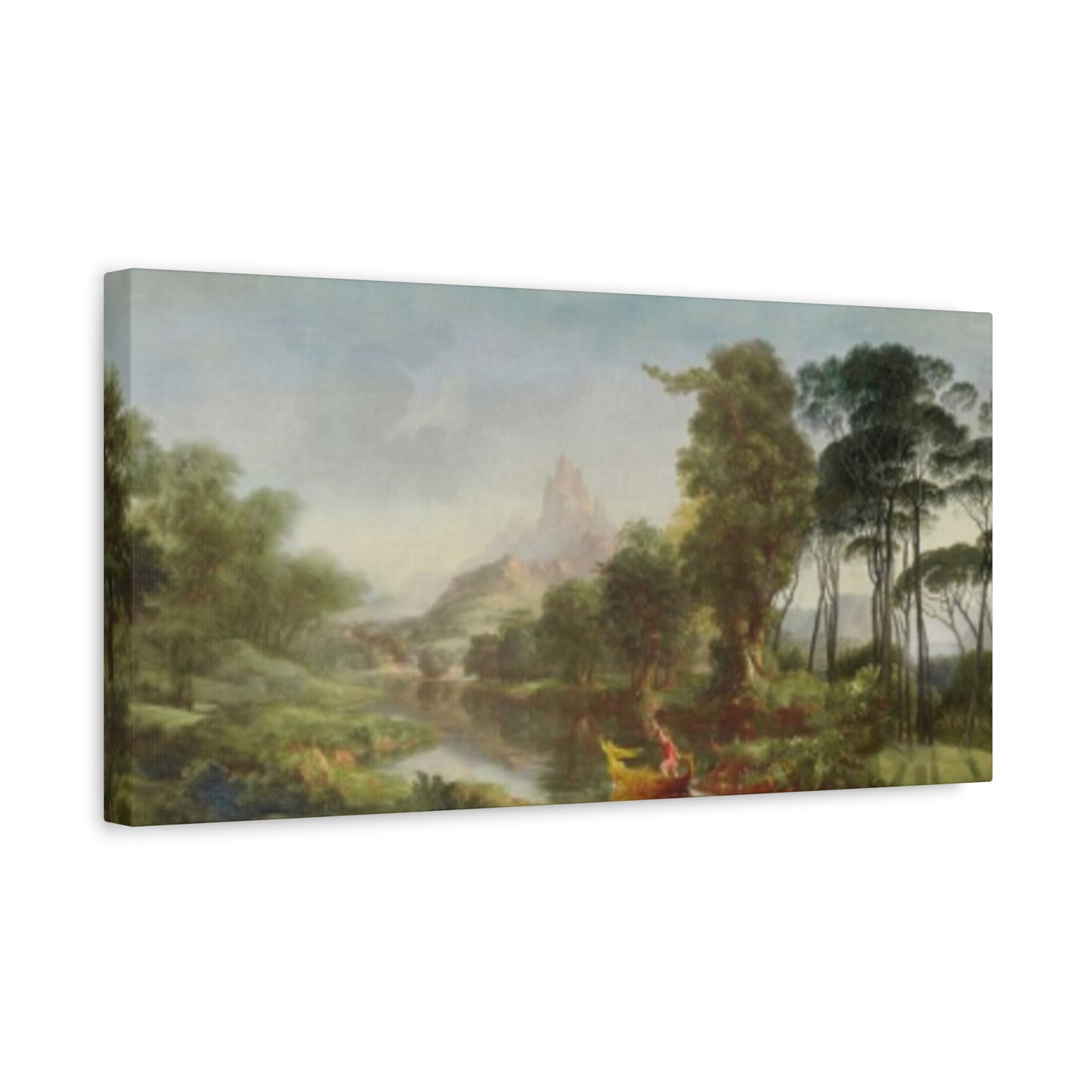
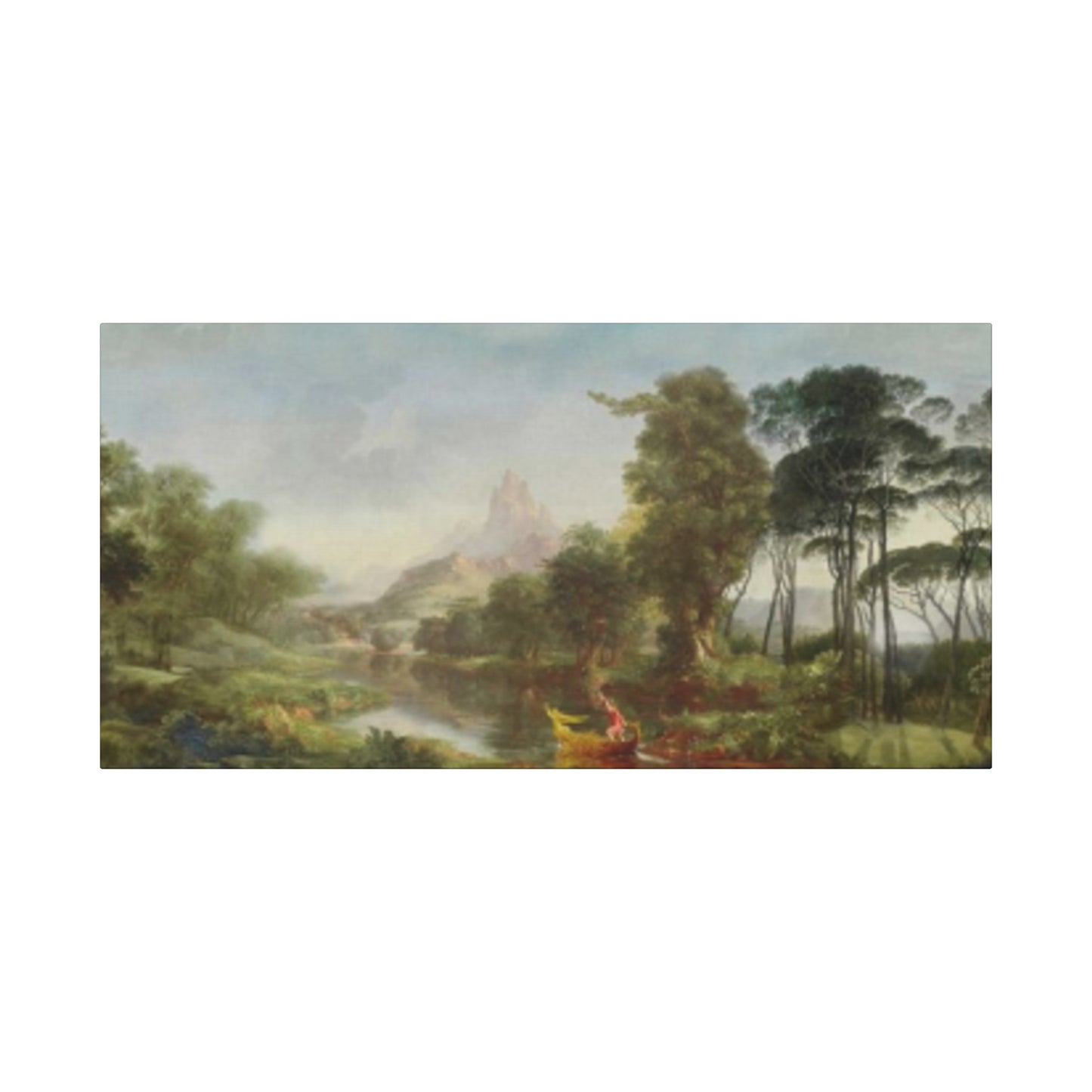
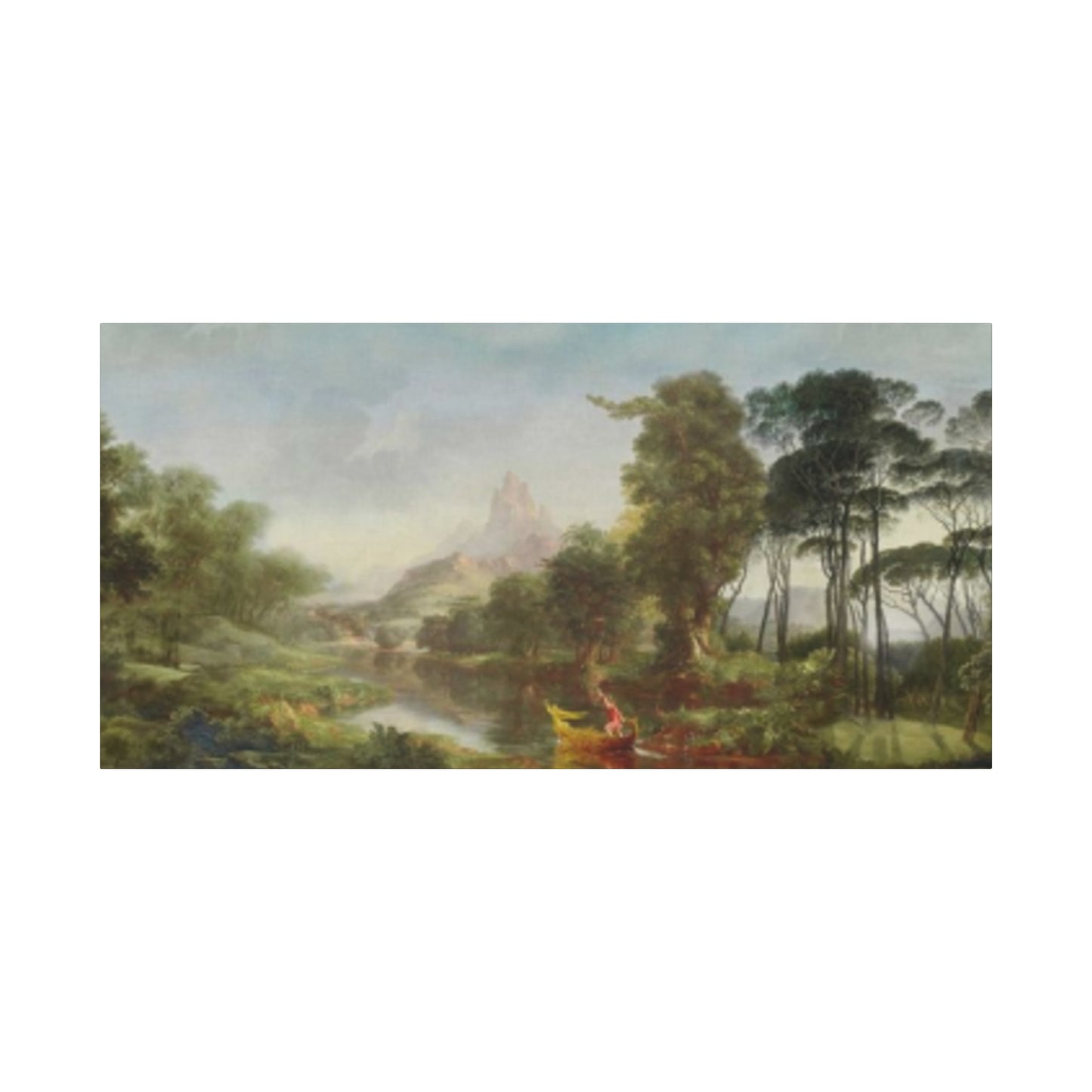
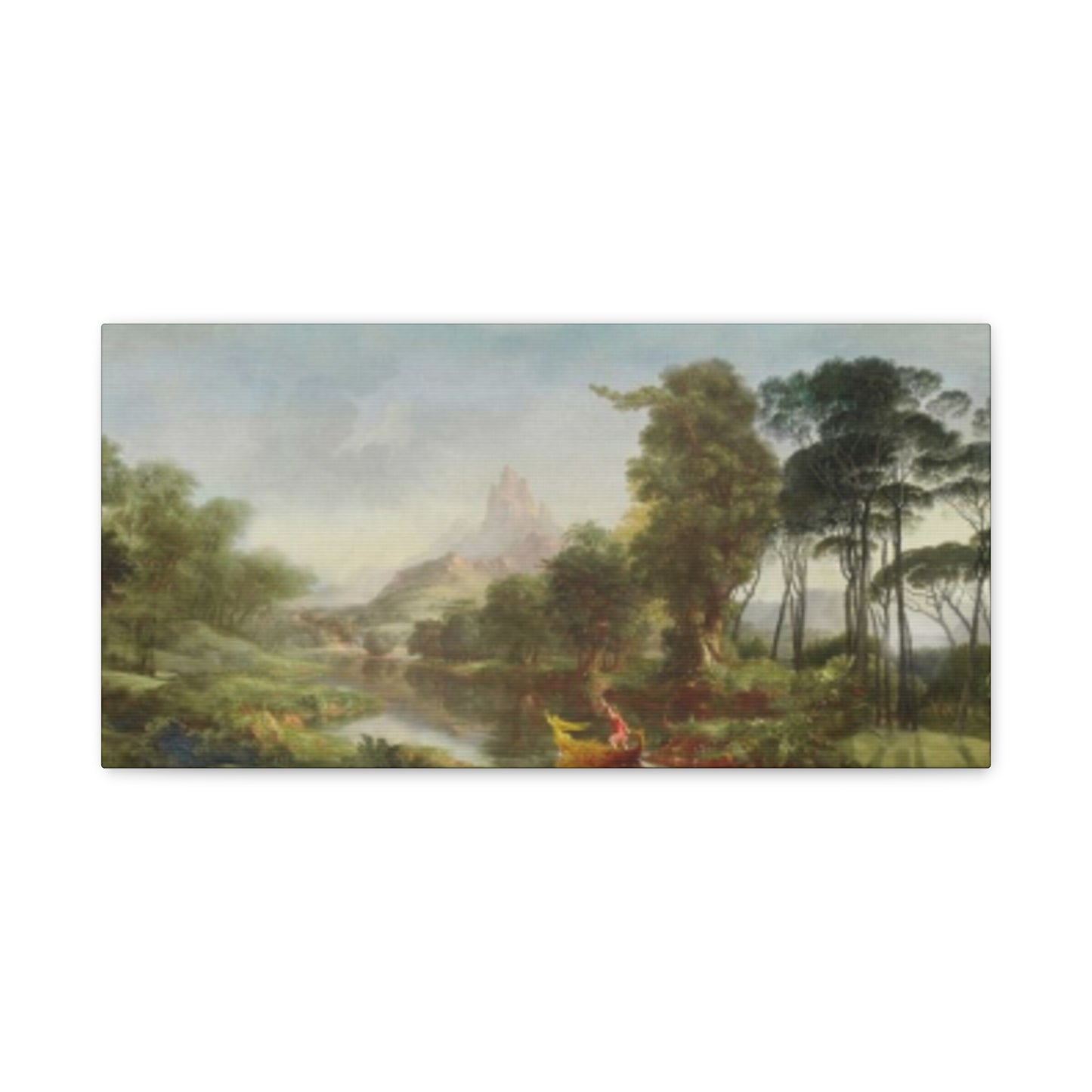
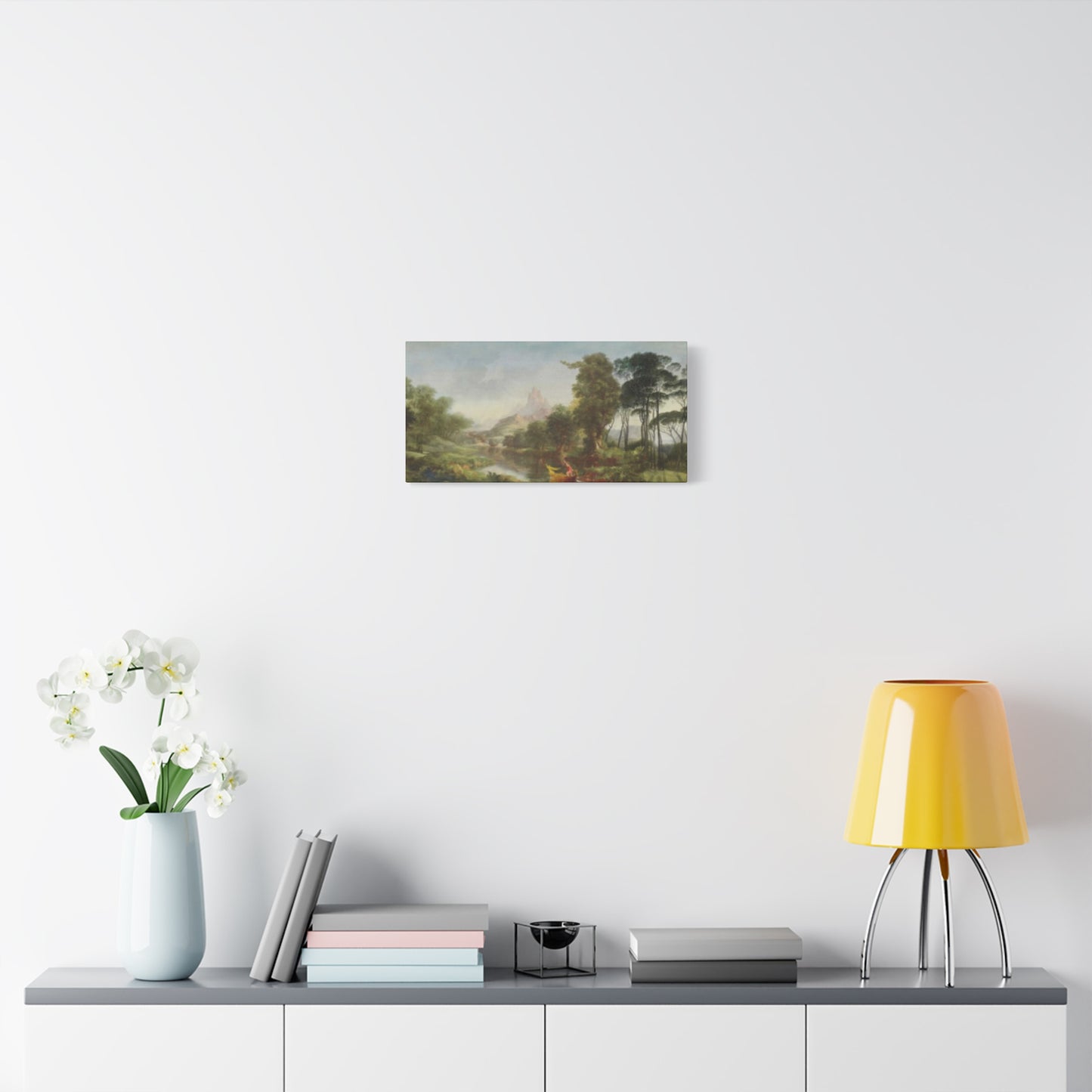
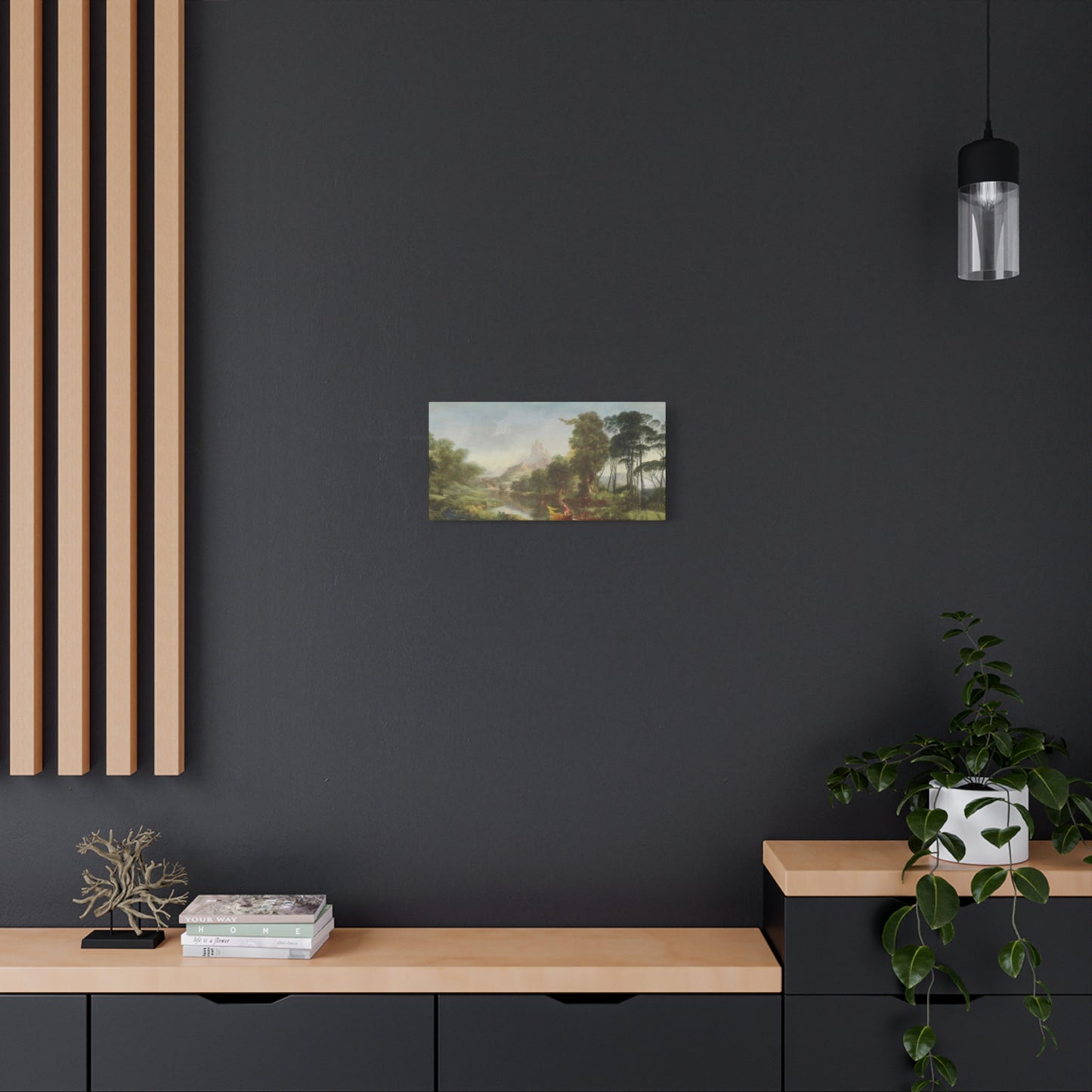
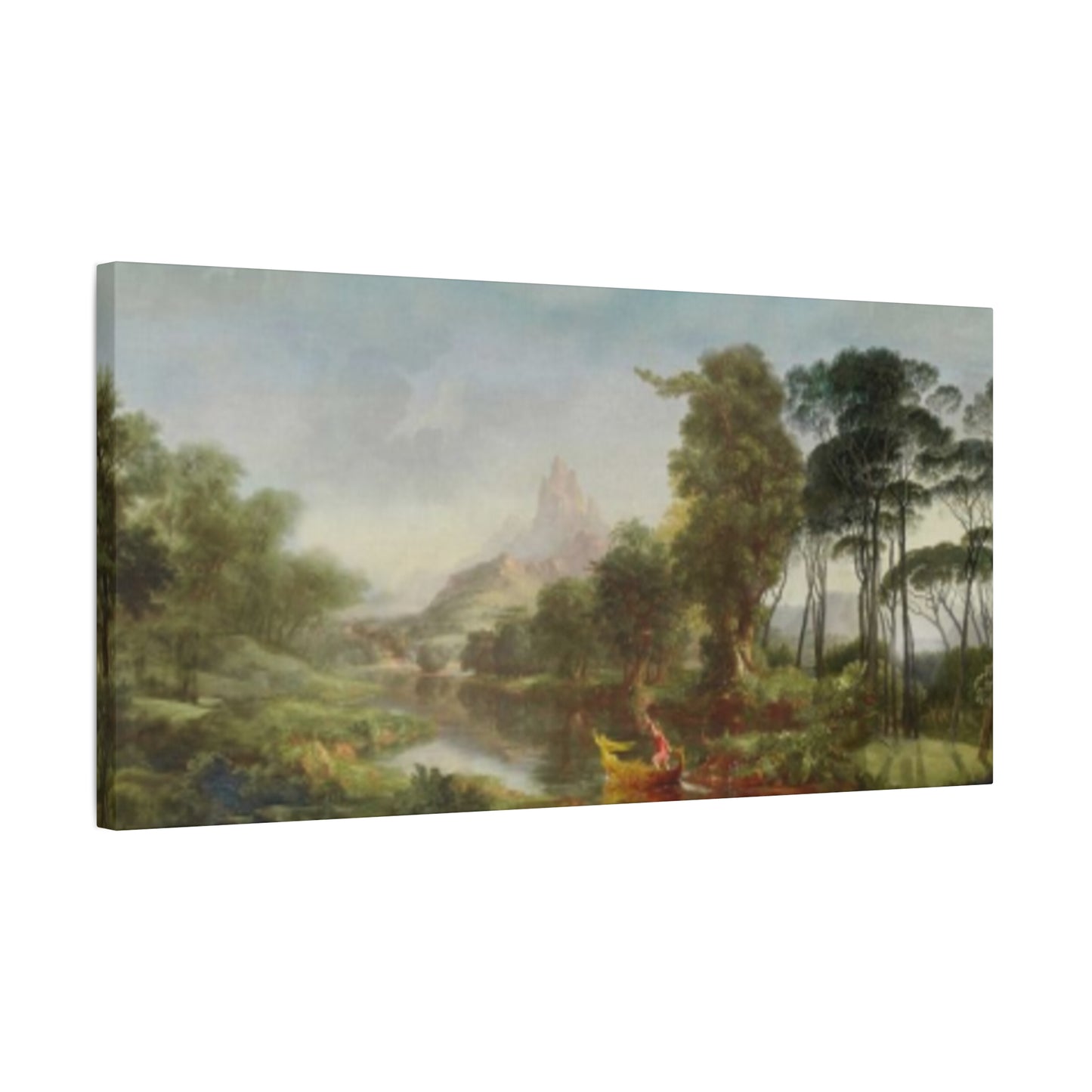
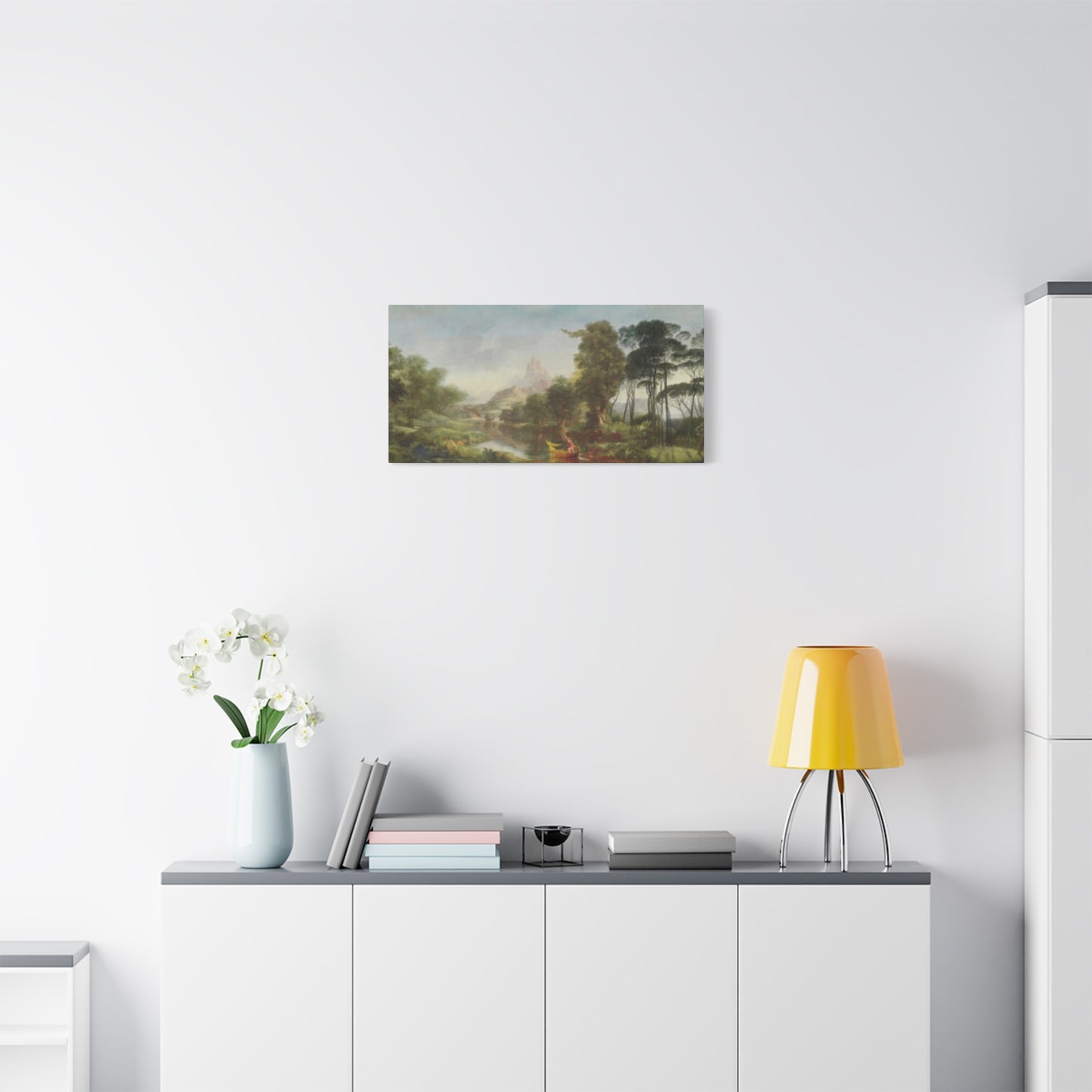
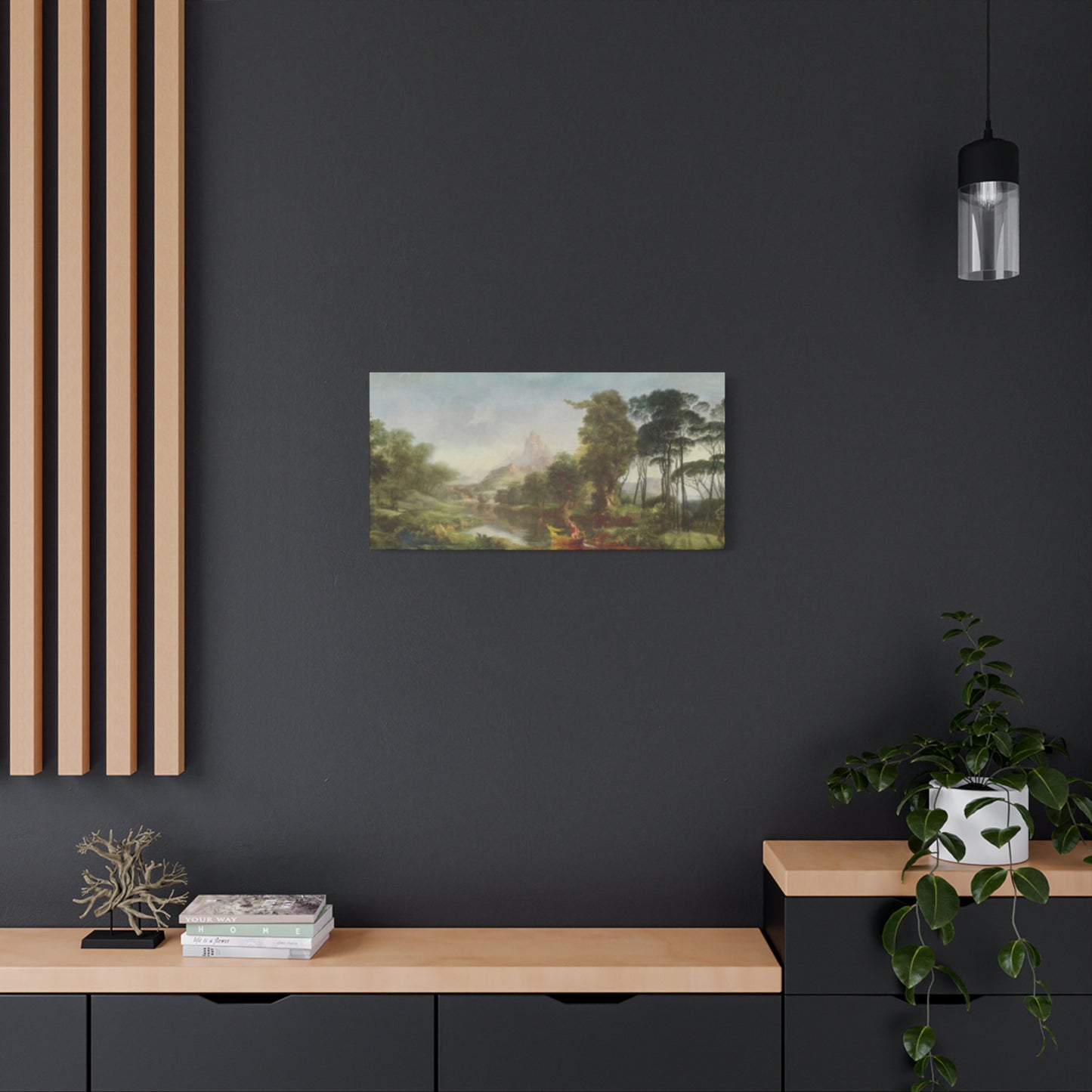
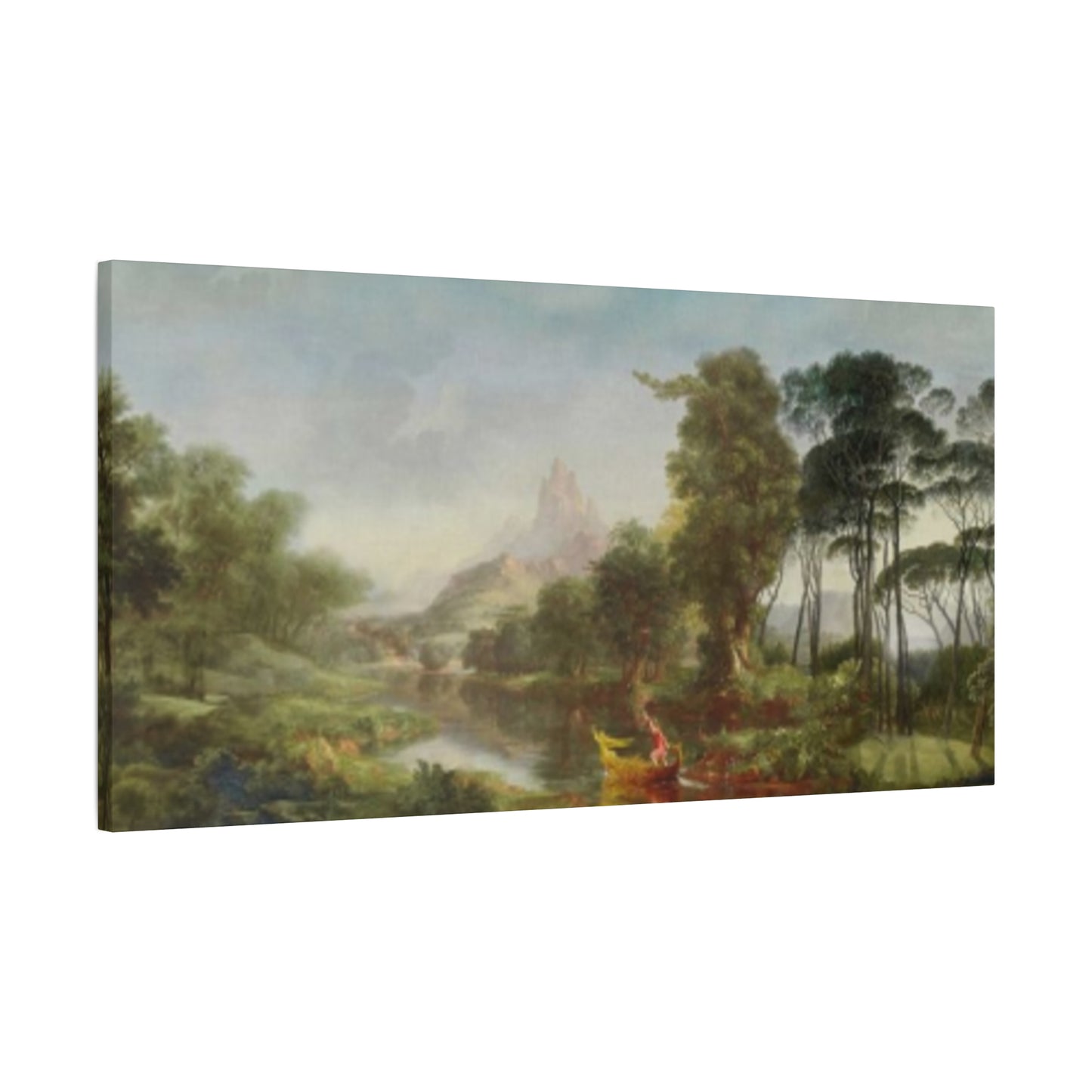
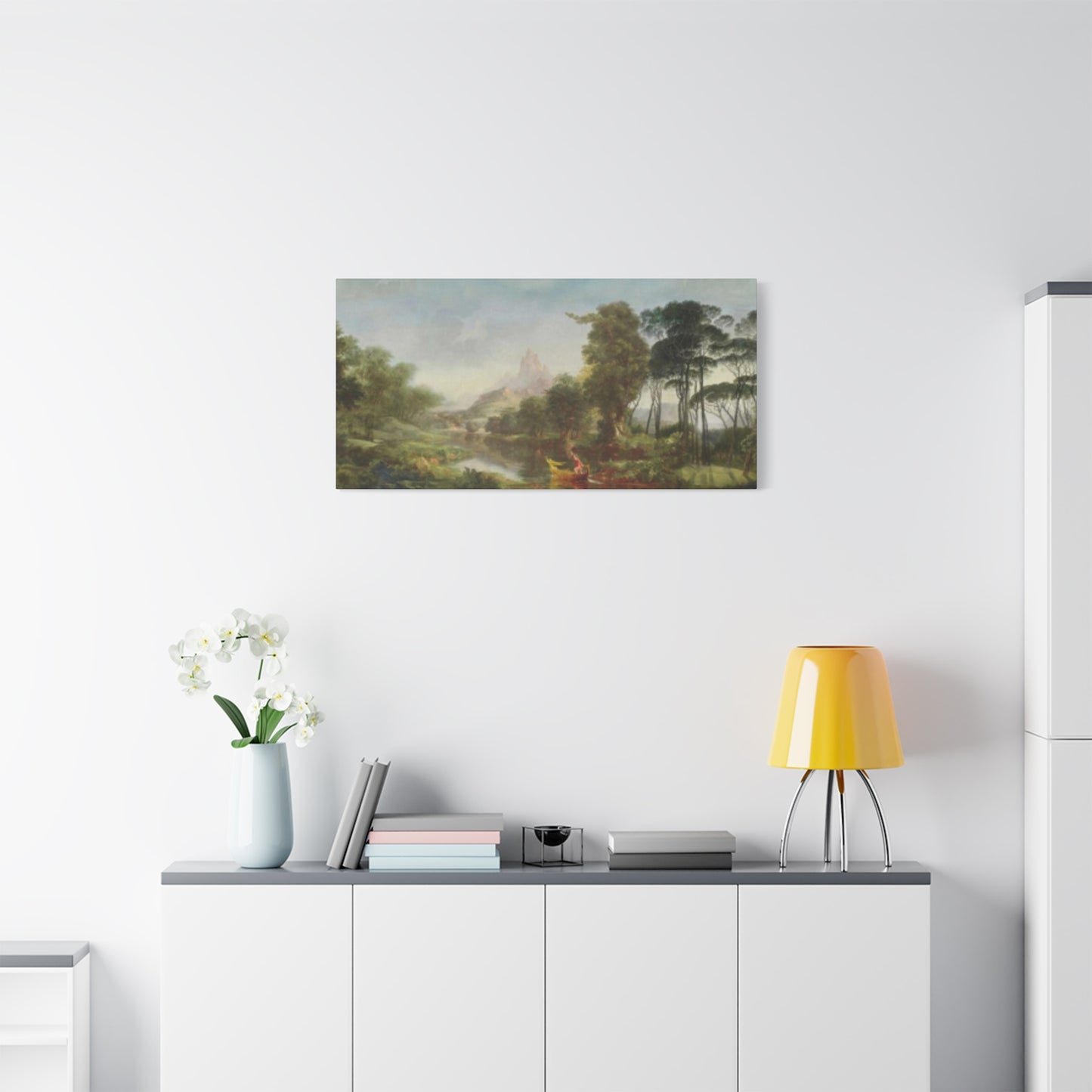
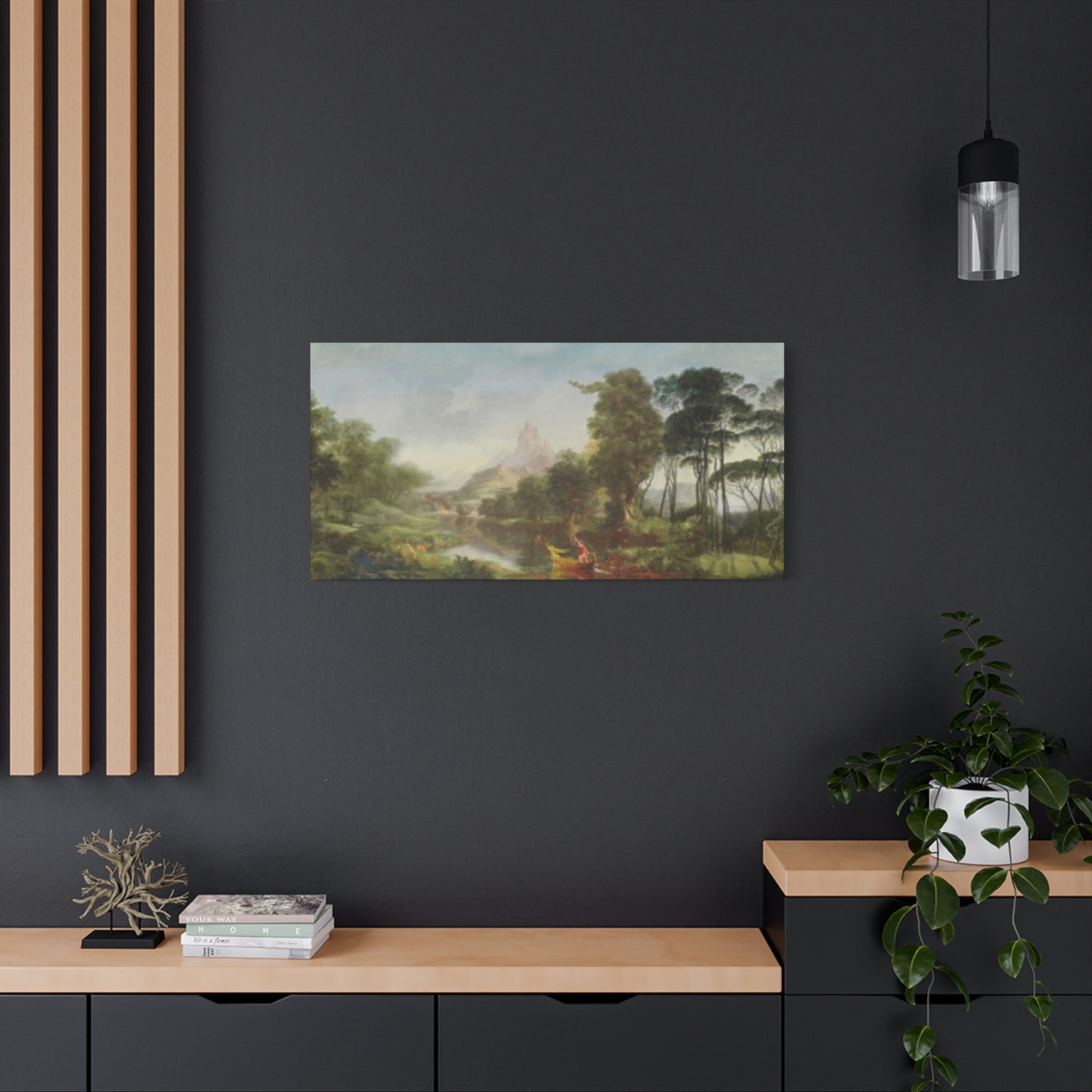
Immersive Nature's Embrace: Wide Forest River Panorama Wall Art for Every Interior
The captivating allure of expansive forest river scenes has become increasingly popular in contemporary interior design, offering homeowners and design enthusiasts a remarkable way to infuse natural serenity into their living environments. These breathtaking artistic representations showcase the harmonious relationship between flowing waterways and lush woodland landscapes, creating visual masterpieces that resonate deeply with our innate connection to the natural world. The growing appreciation for these panoramic depictions stems from their ability to evoke peaceful emotions while simultaneously serving as stunning decorative elements that can dramatically enhance any interior space.
When considering wall decoration options that combine aesthetic appeal with emotional resonance, few choices rival the impact of these sweeping natural vistas. The horizontal expanse of these artworks mirrors the way our eyes naturally scan the horizon, creating a comfortable and familiar viewing experience that feels instinctive rather than forced. This alignment with human visual perception makes these pieces particularly effective at capturing attention while maintaining a sense of ease and tranquility within the space they occupy.
The Peaceful Resonance of Expansive Woodland Waterway Imagery
The profound sense of calm that emanates from wide forest river scenes in artistic form cannot be overstated. These compositions capture fleeting moments of natural perfection where water, trees, rocks, and sky converge in harmonious balance. The gentle movement suggested by flowing water combined with the steadfast presence of surrounding forests creates a dynamic tension that simultaneously energizes and soothes the viewer. This duality makes such artwork particularly effective in spaces where both relaxation and mental clarity are desired outcomes.
Research in environmental psychology has consistently demonstrated that exposure to natural imagery provides measurable benefits to human wellbeing. Visual representations of forests and waterways trigger the same psychological responses as actual nature exposure, though to a lesser degree. The brain processes these images by activating areas associated with reward, pleasure, and stress reduction. When individuals spend time viewing such artwork, their cortisol levels may decrease, heart rate variability can improve, and overall mood typically elevates. These physiological responses explain why so many people report feeling immediately calmer upon entering rooms adorned with natural panoramic artwork.
The horizontal format of these panoramic compositions plays a crucial role in their calming effect. Unlike vertical artworks that draw the eye upward, creating a sense of aspiration or tension, horizontal pieces encourage lateral eye movement that mimics the scanning behavior we employ when surveying natural landscapes. This horizontal scanning is associated with relaxation and contemplation rather than alertness or anxiety. The width of these pieces allows viewers to lose themselves in the scene, mentally walking along the riverbank or following the water's path through the forest depths.
Color psychology further enhances the tranquil qualities of forest river panoramas. The predominant greens found in woodland scenes are universally associated with growth, harmony, and renewal. Green occupies the center of the visible light spectrum, requiring minimal adjustment from our eyes and thus creating less visual fatigue than colors at either extreme. The blues typically present in water and sky elements contribute additional calming properties, as blue tones have been scientifically linked to reduced blood pressure and decreased anxiety levels. Earth tones present in rocks, tree trunks, and sandy riverbanks ground these compositions, providing stability and connection to the terrestrial world.
Ideal Placement Opportunities for Expansive Woodland
The relationship between artwork dimensions and wall space requires careful consideration to achieve optimal visual impact. Expansive forest river panoramas excel in environments where generous wall space allows their full breadth to be appreciated without visual crowding or competition from surrounding elements. The horizontal emphasis of these pieces makes them particularly well-suited for specific architectural contexts where their proportions can be fully leveraged to enhance rather than merely decorate the space.
Living rooms with substantial wall spans represent ideal candidates for wide panoramic artwork. The typical dimensions of contemporary living spaces have grown considerably over recent decades, with open-concept designs creating expansive walls that challenge homeowners to find appropriately scaled decorative solutions. A panoramic forest river scene spanning six to twelve feet in width can anchor an entire wall, providing a cohesive focal point that unifies the space. When positioned above a sofa or along a primary sight line, these pieces immediately establish the room's aesthetic direction while providing a conversation-worthy element that guests naturally gravitate toward.
The viewing distance available in larger rooms allows for greater artwork detail to be appreciated. Panoramic pieces intended for close inspection lose their impact when crammed into spaces too small to provide adequate viewing distance. Conversely, when given proper breathing room, these artworks reveal layers of detail that reward both distant appreciation and closer examination. The ideal viewing distance for large panoramic art is generally considered to be one and a half to two times the artwork's diagonal measurement, meaning a six-foot-wide piece benefits from viewing distances of nine to twelve feet, dimensions readily available in spacious living areas.
Dining rooms present another excellent opportunity for wide forest river panoramas. The social nature of dining spaces benefits from artwork that provides visual interest without demanding active attention during meals and conversations. A serene natural scene creates an ambiance conducive to relaxation and enjoyment while remaining unobtrusive enough not to distract from interpersonal interaction. The horizontal format complements typical dining room furniture arrangements, where tables and sideboards create strong horizontal lines that panoramic artwork echoes and reinforces.
Cultivating Peaceful Ambiance Through Riverside Forest Imagery
The intentional creation of serene atmospheric qualities within interior spaces represents one of the primary goals of thoughtful design. The strategic incorporation of river and forest wall art serves as a powerful tool in this endeavor, offering both immediate visual impact and sustained psychological benefits that accumulate through daily exposure. The process of cultivating genuine tranquility goes beyond simply hanging attractive pictures; it involves understanding how specific visual elements interact with human perception and emotional processing to generate authentic feelings of peace and contentment.
Color harmony plays a foundational role in establishing serene environments. Forest river artwork naturally provides a sophisticated palette dominated by greens, blues, and earth tones that work synergistically to create calm. These colors exist harmoniously in nature without requiring artistic intervention to achieve balance, and our visual systems have evolved to find these combinations inherently pleasing. When selecting river and forest art for serenity cultivation, consideration of the specific color temperature and saturation levels becomes important. Cooler greens and blues create maximum relaxation effects, while warmer forest tones add comfort and approachability without sacrificing peaceful qualities.
Lighting interaction with forest river artwork significantly affects its atmospheric contribution. Natural daylight brings these pieces to life, revealing subtle color gradations and textural details while creating a dynamic viewing experience that changes throughout the day. Morning light emphasizes freshness and renewal, afternoon sun can create dramatic highlights and shadows, and evening light softens the image into a gentle companion for winding down. Artificial lighting requires more deliberate planning, with options ranging from picture lights that highlight the artwork as a distinct feature to ambient room lighting that allows the piece to integrate more subtly into the overall environment.
The psychological principle of biophilic design underlies the effectiveness of natural imagery in creating serene spaces. Humans possess an innate tendency to seek connections with nature and other life forms, a characteristic that biophilic design leverages to improve wellbeing within built environments. Forest river artwork satisfies this biophilic need by providing nature connection in spaces where actual natural elements may be impractical or impossible. The visual access to natural scenes, even in representational form, triggers many of the same beneficial responses as actual nature exposure, including reduced stress hormones, lowered blood pressure, and improved cognitive function.
Compositional elements within river and forest artwork contribute specific qualities to serene atmospheres. Images featuring clear foreground, middle ground, and background elements create depth perception that invites visual exploration and mental wandering. This layered composition encourages the viewer's gaze to move through the scene rather than fixating on a single point, creating a meditative quality similar to walking through actual landscapes. The inclusion of a clear focal point, such as a distinctive tree, waterfall, or bend in the river, provides an anchor for contemplation without creating visual tension.
The representation of natural movement in these artworks adds subtle energy to serene spaces without disrupting tranquility. Rivers inherently suggest motion, and quality photography or painting captures this dynamism in ways that imply flow without actual movement. This frozen-motion quality creates visual interest that prevents serene spaces from becoming static or boring while maintaining the calm that defines them. The suggested movement provides just enough visual stimulation to keep the space feeling alive and dynamic without introducing agitation or restlessness.
Scale considerations extend beyond simply matching artwork size to available wall space. The scale of elements within the composition itself affects atmospheric qualities. Panoramic views showing expansive landscapes create feelings of openness and freedom, ideal for combating claustrophobia or stress-induced constriction. Alternatively, more intimate forest river scenes that draw viewers into enclosed natural spaces can create cozy, sheltered feelings appropriate for personal retreats and contemplative spaces. Matching the internal scale of the artwork to the desired emotional tone enhances its effectiveness in creating specific atmospheric qualities.
Integrating Expansive Riverside Forest Scenes Throughout Your Living Environment
The successful incorporation of wide forest river panoramas into residential spaces requires thoughtful consideration of both aesthetic and practical factors. These substantial artworks represent significant visual commitments that influence the entire character of the spaces they inhabit. The integration process extends beyond simple wall mounting to encompass color coordination, furniture arrangement, lighting design, and the orchestration of other decorative elements into a cohesive whole that honors both the artwork and the space's functional requirements.
Starting with the room's existing color scheme provides a logical foundation for integration planning. Wide forest river panoramas contain multiple colors that can be echoed throughout the space to create harmonious connections between art and environment. The greens dominating most forest scenes might be repeated in throw pillows, area rugs, or accent furniture pieces. Blues from water and sky can inform choices in window treatments, decorative accessories, or even wall paint in adjacent rooms. Earth tones present in rocks and tree trunks offer neutral connecting points that bridge the artwork with existing furniture finishes and flooring materials.
Furniture arrangement relative to panoramic artwork requires strategic thinking about sight lines and focal points. In living rooms, positioning seating to face or angle toward the artwork creates opportunities for natural contemplation and ensures the piece functions as an active part of the living experience rather than merely decorative background. Conversely, in spaces where the artwork serves as a backdrop for other activities, furniture might be arranged with the art behind the primary seating area, creating a pleasant view for guests while providing a sophisticated visual anchor for the room.
Achieving appropriate visual weight balance becomes crucial when incorporating large panoramic pieces. The substantial presence of a wide forest river scene must be counterbalanced by other room elements to prevent the space from feeling lopsided or dominated by a single feature. This balance can be achieved through furniture placement, area rug size, or strategic positioning of plants and decorative objects on the opposite side of the room. The goal is creating equilibrium where the artwork stands as a prominent feature without overwhelming other design elements or making the space feel awkward or unbalanced.
Layering strategies can enhance the integration of panoramic forest river art while adding dimensional interest to walls. While the panorama serves as the primary feature, smaller complementary pieces on adjacent walls can create a curated gallery feel without competing for attention. These secondary pieces might include botanical prints, smaller nature photographs, or abstract works that echo the colors of the panorama. The key is maintaining clear hierarchy where the wide forest river scene remains the dominant visual element while supporting pieces add interest and prevent the potentially sterile feeling of overly minimal spaces.
Texture mixing around forest river panoramas creates tactile interest that complements the visual experience. Smooth contemporary furniture can be balanced with woven textiles, rough-hewn wood accessories, or stone elements that echo the textures suggested within the artwork itself. This material diversity engages multiple senses and creates a richer, more immersive environment than visual elements alone could provide. Natural fiber baskets, live plants, and wood furnishings all serve as bridges between the natural world depicted in the artwork and the physical reality of the interior space.
Lighting design specifically addressing the panoramic artwork ensures it can be properly appreciated under various conditions. Adjustable track lighting or picture lights allow for highlighting the artwork during evening hours without creating glare or hotspots that distort colors or create uncomfortable viewing conditions. Dimmer switches provide control over lighting intensity, allowing the artwork to gently recede during activities where it shouldn't be the focus, then step forward when contemplation or conversation naturally turns to artistic appreciation. Natural light sources should be assessed for potential fading effects, with UV-filtering window treatments protecting valuable pieces from sun damage while still allowing daylight to illuminate the artwork.
Natural Splendor Preserved in Riverside Woodland Panoramic Art
The remarkable beauty inherent in forest river scenes translates exceptionally well to panoramic artistic representation, offering viewers sustained access to natural moments that might otherwise exist only as fleeting experiences. The process of capturing these scenes, whether through photographic technology or artistic interpretation, involves much more than simply pointing a camera or brush toward an attractive vista. It requires understanding light quality, seasonal timing, compositional principles, and the technical capabilities necessary to preserve the full sensory impact of encountering these landscapes in person.
Photography of forest river panoramas demands both technical expertise and aesthetic sensitivity. Wide-angle lenses capture the breadth necessary for true panoramic representation, but their use requires skill to avoid distortion that can make natural scenes appear artificial. Lens selection affects not only the field of view but also the rendering of depth, the sharpness of foreground versus background elements, and the character of out-of-focus areas that contribute to overall image quality. Professional nature photographers typically shoot in RAW format to preserve maximum information for post-processing, allowing subtle adjustments to exposure, color balance, and dynamic range that bring the image closer to the scene's actual appearance or the photographer's artistic vision.
Lighting conditions profoundly affect the mood and quality of forest river photography. The golden hours shortly after sunrise and before sunset provide warm, directional light that creates depth through shadows while avoiding the harsh contrasts of midday sun. Overcast conditions offer advantages for forest scenes, providing soft, even illumination that reveals detail in both highlights and shadows without the extreme brightness ranges that challenge camera sensors. Mist and fog, while complicating technical execution, can transform ordinary scenes into ethereal visions that captivate viewers with their dreamlike quality.
Seasonal variations in forest river environments offer vastly different aesthetic possibilities for panoramic representation. Spring brings delicate new growth and abundant water from snowmelt, creating scenes of renewal and vitality. Summer presents lush fullness with dense canopies filtering sunlight into dappled patterns on water surfaces. Autumn transforms forests into spectacular color displays that reflect brilliantly in calm river waters. Winter strips away leaves to reveal underlying structure while adding the graphic punch of snow against dark water and bark. Each season provides unique opportunities for capturing beauty that resonates with viewers who connect with particular times of year.
Artistic interpretation through painting, drawing, or digital illustration offers alternatives to photographic representation with their own advantages. Artists can emphasize specific elements, adjust compositions beyond what reality provides, and infuse scenes with personal vision that transcends literal documentation. Impressionistic approaches capture the feeling of forest rivers without obsessing over detail, allowing viewers to project their own experiences onto more suggestive imagery. Realistic painting approaches require observational skills and technical mastery that rival photography in their ability to preserve natural beauty while adding the warmth and character of hand-created art.
Panoramic Riverside Woodland Imagery as Peaceful Visual Anchors
The concept of focal points in interior design refers to elements that naturally draw attention and organize visual perception within a space. Wide forest river wall art excels in this role, offering serene imagery that commands attention without aggression while providing lasting interest that rewards repeated viewing. The effectiveness of these panoramic pieces as focal points stems from their combination of substantial physical presence, inherently appealing natural content, and the psychological comfort that nature imagery provides to most viewers.
Attention capture through size and placement represents the most obvious mechanism by which panoramic art establishes focal point status. A substantial horizontal piece spanning a significant portion of wall space becomes impossible to ignore upon entering a room. The eye naturally gravitates toward the largest, most visually complex element in any environment, a tendency that wide panoramic pieces leverage through their physical presence. Strategic placement at eye level and on walls facing primary entry points ensures that the artwork immediately establishes itself as the room's visual anchor.
The horizontal orientation of panoramic forest river art creates unique focal point characteristics compared to traditional vertical or square formats. Horizontal pieces emphasize width and expansiveness, creating visual rest through their alignment with natural horizon lines and their echoing of typical furniture profiles. This orientation feels stable and grounding rather than aspirational or challenging, making horizontal panoramas particularly effective as calming focal points in spaces dedicated to relaxation and restoration.
Color dominance within panoramic river and forest artwork contributes to focal point establishment through chromatic attention capture. Even in rooms with varied color schemes, the concentrated natural colors within a large panoramic piece create a visual weight that draws eyes toward the artwork. The predominantly green and blue palettes typical of these scenes stand out particularly well against neutral wall colors, creating clear figure-ground relationships that make the artwork pop from its background rather than blending into the wall surface.
Visual complexity within forest river panoramas provides the sustained interest necessary for effective focal points. Unlike simple geometric art or solid color fields that can be absorbed in a single glance, detailed natural scenes offer layers of information that encourage extended viewing. The eye can travel along the river's path, explore intricate forest details, or rest on reflections and light patterns. This exploratory quality means the artwork continues to function as an engaging focal point long after initial installation, preventing the visual boredom that can develop with simpler decorative elements.
Emotional resonance amplifies the focal point strength of natural panoramic art. Pieces that evoke personal memories of favorite outdoor places, vacations, or meaningful experiences become more than purely visual elements; they transform into repositories of positive associations and emotional anchors within the home. Even without specific personal connections, the universal human affinity for natural environments ensures that most viewers respond positively to well-executed forest river imagery, creating emotional engagement that strengthens the artwork's focal point position.
Enriching Rustic Interior Aesthetics with Riverside
Furniture styles typical of rustic interiors, including pieces with visible wood grain, natural edge features, or handcrafted character, reinforce the organic qualities of forest river panoramas. A live-edge wood console table positioned beneath a wide river scene creates a particularly effective pairing, as the furniture's natural form echoes the untamed quality of the depicted landscape. Mission-style, Craftsman, or lodge furniture with their emphasis on visible joinery and honest material expression share the straightforward, unpretentious character of documentary nature photography.
Lighting in rustic spaces often favors warm color temperatures that simulate firelight or late afternoon sun, creating atmospheric conditions that enhance the cozy, welcoming qualities rustic design strives to achieve. Forest river panoramas respond beautifully to warm lighting, as the golden tones bring out amber highlights in autumn foliage, warm the browns of tree bark, and create inviting glow in what might otherwise be cooler compositions. This lighting approach increases the emotional warmth of both the artwork and the overall space.
Architectural features common in rustic design, such as vaulted ceilings with exposed trusses, stone accent walls, or large picture windows, create dramatic contexts that wide panoramic artwork can either complement or provide counterpoint to. A sweeping forest river scene can soften the angular geometry of timber framing while reinforcing the connection to natural landscapes that inspired the architectural style. Alternatively, positioning the panorama to be viewed through or near actual windows creates interesting comparisons between represented and real nature views.
Accessory choices in rustic interiors benefit from the thematic direction provided by forest river artwork. Antler decor, driftwood sculptures, botanical specimens under glass, and other nature-derived objects feel purposeful rather than random when a large panoramic natural scene establishes the room's design narrative. These smaller elements become supporting characters in a larger story rather than disconnected decorative choices, creating thematic cohesion that elevates the entire design.
The handcrafted quality valued in rustic design finds its parallel in artisan-created forest river panoramas, whether photographic prints signed by the photographer, painted canvases showing brush strokes and texture, or digitally created works by identifiable artists. This connection to maker and process resonates with rustic philosophy that values craftsmanship and the human touch. Even in mass-produced examples, selecting pieces with visible artistic interpretation rather than generic, overly-processed imagery maintains alignment with rustic values.
Scale relationships in rustic interiors often favor substantial, confident pieces rather than delicate, refined ones. Wide forest river panoramas match this preference for bold presence through their physical size and the grandeur of the landscapes they depict. A six-foot-wide river scene feels proportionally appropriate in a rustic great room with massive timber beams, whereas a small delicate watercolor might be visually overwhelmed by the architecture. The panorama holds its own, creating visual dialogue rather than being dominated by surrounding elements.
Nature-Focused Design Language Through Expansive Riverside Forest Compositions
The broader movement toward nature-inspired interior design reflects growing awareness of how built environments affect human wellbeing and the recognized benefits of maintaining connections to natural world. Wide forest river wall art serves as a cornerstone element in this design approach, providing both aesthetic value and the psychological benefits associated with nature exposure. Understanding how these panoramic pieces function within the larger context of nature-inspired design helps homeowners and designers create more effective, cohesive environments that genuinely improve daily living experiences.
Biophilic design principles provide theoretical framework for understanding why nature-inspired decor, including forest river art, produces measurable improvements in occupant wellbeing. These principles recognize that humans evolved in natural environments and retain physiological and psychological adaptations that respond positively to natural elements, patterns, and imagery. Incorporating nature references into built spaces satisfies these deep-seated needs, reducing stress, improving cognitive function, and enhancing overall satisfaction with living environments. Wide panoramic nature art represents one of the most accessible and impactful ways to achieve these benefits in urban or suburban settings where direct nature access may be limited.
Visual connection to nature, one of the core biophilic design patterns, manifests perfectly through panoramic forest river artwork. This pattern involves providing views or representations of natural elements, allowing occupants to maintain awareness of and connection to the natural world even when physically separated from it. Research demonstrates that even indirect nature connection through imagery produces measurable stress reduction and mood improvement, though not to the same degree as direct exposure. The size and immersive quality of panoramic pieces maximizes this indirect connection, creating more substantial benefits than smaller, less immersive nature images.
Peaceful Influence of Riverside Forest Scenes in Primary Living Areas
Living rooms function as the heart of most homes, serving as spaces for family gathering, entertainment, relaxation, and often representing the public face presented to visitors. The inclusion of wide forest river panoramas in these central spaces produces multiple beneficial effects that enhance both the functional utility and emotional character of the room. Understanding the specific ways panoramic nature art influences living room environments helps homeowners maximize these benefits while avoiding potential pitfalls that could diminish the artwork's positive contributions.
Stress reduction represents perhaps the most significant benefit panoramic forest river art provides in living rooms. These spaces often serve as decompression zones where family members retreat after demanding workdays, seeking respite from external pressures and obligations. The calming presence of natural imagery creates an environmental cue that signals transition from active engagement to rest and restoration. The visual availability of peaceful natural scenes provides a focus for brief meditative moments, whether formally practiced or simply occurring as natural pauses in activity. Over time, repeated exposure to these calming images can create conditioned relaxation responses where entering the space itself triggers stress reduction.
Conversation facilitation emerges as an unexpected benefit of striking panoramic artwork in living spaces. Interesting visual elements provide natural conversation topics for guests, offering comfortable icebreakers that ease social interactions. A dramatic forest river scene might prompt visitors to share their own nature experiences, favorite outdoor locations, or vacation memories. These conversations often carry emotional warmth lacking in small talk about weather or current events, helping establish genuine connections between people. The artwork becomes a social catalyst, enriching interpersonal experiences in the space.
Attention anchoring in living rooms requires delicate balance between providing visual interest and avoiding distraction from desired activities. During conversation, the panoramic artwork should enhance rather than dominate the environment, remaining pleasantly present in peripheral vision without pulling focus from social interaction. During solo relaxation, the artwork should be available for contemplative viewing without demanding attention that might be directed toward reading, thinking, or other quiet activities. Quality forest river panoramas achieve this balance through their inherent calm, providing richness without aggression.
Scale appropriateness in living room contexts depends on the room's dimensions and architectural character. Generous living spaces with high ceilings and substantial square footage can accommodate and indeed require large-scale panoramic works to achieve appropriate visual impact. More modest living rooms risk feeling overwhelmed by overly large artworks that dominate proportionally inappropriate ways. The general guideline suggests artwork width should span roughly two-thirds to three-quarters of the furniture piece it hangs above, though this rule allows flexibility based on specific circumstances and aesthetic preferences.
Versatile Integration of Expansive Riverside Forest Imagery Across Interior Spaces
The remarkable adaptability of wide forest river panoramas to diverse room types and design styles constitutes one of their most valuable characteristics. Unlike highly specific artwork that functions effectively only in particular contexts, these panoramic natural scenes possess fundamental aesthetic and psychological qualities that translate successfully across residential spaces. This versatility stems from the universal human affinity for natural environments and the inherently neutral, non-aggressive character of river and forest imagery that avoids stylistic limitations or thematic constraints.
Bedroom applications of forest river panoramas leverage their calming properties to support the room's primary functions of rest and restoration. Positioning a wide natural scene on the wall opposite the bed creates a peaceful view for morning wakening and evening wind-down periods. The absence of stimulating colors, disturbing imagery, or complex narratives makes these panoramas ideal for spaces where psychological quieting supports sleep quality. The horizontal orientation echoes the horizontal repose of sleep itself, creating subliminal alignment between form and function. Cooler-toned forest river scenes with blues and greens prove particularly effective in bedroom contexts, as these colors promote the calm necessary for quality rest.
Home office environments benefit from forest river panoramas in ways that might not be immediately obvious. Knowledge workers facing cognitively demanding tasks experience mental fatigue that impairs performance and decision quality over extended work sessions. Brief mental breaks involving nature imagery viewing have been shown to restore attentional capacity, allowing workers to return to tasks with renewed focus. A panoramic forest river scene positioned to be easily visible during these breaks provides accessible restoration opportunities without requiring the worker to leave the office space. The natural imagery essentially functions as a mental reset button, maintaining productivity over long work days.
Dining room installations of wide forest river panoramas create pleasant atmospheric conditions for meals and social gatherings. The artwork provides visual interest without demanding active engagement, remaining present but unobtrusive during conversations and dining activities. Natural imagery has been associated with mindful eating practices, potentially encouraging diners to slow down and savor meals rather than rushing through them. The colors typically present in forest river scenes complement food presentation across most cuisines, avoiding the color combinations that might make food appear less appealing. The horizontal format aligns naturally with typical dining tables and sideboards, creating compositional harmony between furniture and art.
Bathroom spaces, often overlooked in serious decorating consideration, transform dramatically through the addition of nature imagery. While panoramic pieces at full scale may be impractical in modestly sized bathrooms, smaller-format forest river scenes or focused details from panoramic compositions suit these intimate spaces. The connection between water in the artwork and water's functional role in bathrooms creates thematic appropriateness. The calming qualities of natural imagery enhance the restorative aspects of bathing and personal care rituals. Moisture-resistant printing methods and protective glazing allow nature artwork in bathroom environments without damage concerns.
Hallways and transitional spaces gain purpose and interest through panoramic artwork that transforms them from purely functional passages into experiential destinations. A long corridor with a wide forest river panorama spanning much of one wall becomes a mini-gallery that rewards movement through the home. The implied journey along the depicted river parallels the physical journey through the hallway, creating conceptual harmony between form and function. These spaces typically lack natural light and often feel tunnel-like; expansive natural imagery visually opens them while introducing the suggestion of natural illumination and outdoor expanse.
Kitchen areas, particularly in open-concept designs where kitchen spaces flow into living or dining areas, benefit from the visual cohesion that panoramic natural artwork provides. While the kitchen itself may be dominated by functional considerations, the presence of calming natural imagery in the connected space creates atmospheric continuity. The artwork helps define the kitchen as part of a larger, thoughtfully designed environment rather than a purely utilitarian zone. For kitchen walls themselves, smaller format nature prints or details from panoramic compositions work better than full-scale panoramas, given the interrupted wall space typical of kitchen architecture.
Exercise spaces and home gyms represent surprisingly appropriate locations for forest river panoramas. Research indicates that exercising with views of nature, whether actual or represented, reduces perceived exertion and increases workout duration and enjoyment compared to exercising with no view or views of built environments. A wide forest river scene in a home gym provides this benefit while creating a more sophisticated aesthetic than the typical gym poster. The presence of water in the imagery subliminally reminds exercisers of hydration needs. The trees and forest elements suggest organic strength and endurance worth emulating.
Effective Wall Composition Strategies Featuring Expansive Riverside Forest Artwork
Creating successful wall arrangements incorporating wide forest river panoramas requires understanding compositional principles that govern visual harmony and impact. While these substantial pieces often succeed as solo elements, the surrounding wall treatment significantly affects their integration into the broader interior design. Developing skills in wall styling ensures that panoramic artwork achieves its full potential while contributing to cohesive, sophisticated environments that feel intentionally designed rather than haphazardly decorated.
The solo statement approach positions the panoramic artwork as the wall's sole occupant, surrounding it with substantial negative space that emphasizes its importance and allows its impact to register without competition. This minimalist strategy works particularly well in contemporary or modern interiors where clean lines and uncluttered surfaces define the aesthetic. The surrounding empty space functions as a visual buffer, giving eyes room to rest while drawing attention to the artwork through isolation. This approach requires confidence and restraint, resisting the temptation to fill every available surface with decorative elements. The reward for this discipline is powerful focal point creation and the sophisticated simplicity valued in high-end design.
Gallery wall integration represents an alternative approach where the panoramic piece anchors a larger arrangement of varied artworks. In this strategy, the wide forest river panorama occupies the primary position, typically at eye level and centrally located within the overall composition. Smaller complementary pieces surround it, creating a curated collection feel that adds visual interest and personality. These supporting pieces might include smaller nature photographs, botanical prints, abstract works echoing the panorama's colors, or even dimensional objects like small sculptures or shadow boxes. The key to successful gallery walls involves maintaining clear visual hierarchy where the panorama remains dominant while supporting pieces add interest without confusion.
Symmetrical flanking employs matching or complementary elements on either side of the central panoramic artwork, creating formal balance that suits traditional and transitional design styles. These flanking elements might include wall sconces providing accent lighting, tall narrow artworks or mirrors, or mounted sculptural objects. The symmetry creates a sense of order and intentionality that feels classic and grounded. This approach works particularly well above furniture pieces like console tables or sideboards where the furniture's width provides a base for the symmetrical arrangement. The formality of symmetrical arrangements complements the organic informality of natural scenes, creating interesting tension between controlled design and wild nature.
Asymmetrical balance takes a more contemporary approach, positioning complementary elements at varying heights and distances from the central panorama in ways that achieve visual equilibrium without mirror-image symmetry. This strategy requires more refined aesthetic judgment to execute successfully, as the balance must be felt rather than measured. The result, when successful, feels dynamic and modern while avoiding the static quality that symmetrical arrangements can sometimes produce. Asymmetrical arrangements allow more personality and creativity in wall styling, as unconventional pairings and unexpected spatial relationships create visual interest through surprise and variation.
Vertical stacking positions smaller artworks or decorative objects above or below the panoramic piece, creating a vertical gallery that works particularly well on tall walls or in spaces with high ceilings. This approach draws the eye upward, emphasizing the room's vertical dimensions while creating layered visual interest. The panoramic piece typically occupies the primary position at standard viewing height, with additional elements above or below in supporting roles. This arrangement suits narrow wall spaces where horizontal expansion isn't possible, making efficient use of vertical dimensions that might otherwise go unaddressed.
Shelf staging incorporates physical shelving above, below, or alongside the panoramic artwork, creating opportunities for three-dimensional object display that adds depth and textural variety to the wall composition. Floating shelves supporting plants, books, small sculptures, or collected objects create conversation between two-dimensional artwork and three-dimensional reality. This approach particularly suits casual, eclectic interiors where lived-in character takes priority over formal perfection. The objects on shelves can be rotated seasonally or whenever mood strikes, providing evolution and freshness without requiring artwork changes.
Corner placement strategies position panoramic artworks in room corners where two walls meet, creating interesting relationships between the artwork and perpendicular wall surfaces. This unconventional approach can make efficient use of corner spaces that often go underutilized while creating unexpected visual interest. The corner location automatically provides negative space on at least one side as the perpendicular wall creates a natural buffer. This placement works particularly well in open-concept spaces where traditional centered wall arrangements might be impractical due to room flow and furniture placement requirements.
Horizon line alignment considers the compositional horizon within the panoramic artwork, matching it to architectural horizontal lines in the room like chair rails, window headers, or ceiling lines. This subtle alignment creates subconscious harmony between the artwork and architecture, making the piece feel integrated into the space's structure rather than applied after the fact. When the depicted river flows along a particular horizontal plane within the image, aligning that plane with room horizontals creates visual continuity that sophisticated viewers register even if they can't articulate why the arrangement feels particularly successful.
Furniture relationship strategies deliberately coordinate artwork positioning with significant furniture pieces below or near it. The classic arrangement positions artwork centered above a sofa with the bottom edge approximately 6 to 8 inches above the sofa back. This spatial relationship creates visual unity between furniture and art while ensuring comfortable viewing from seated positions. Similar principles apply to artwork above console tables, credenzas, or fireplace mantels. The furniture essentially becomes a base or platform for the artwork, creating compositional unity between functional objects and decorative elements.
Multi-wall installations in open-concept spaces create visual connections across different walls, using related forest river panoramas or complementary natural imagery to unify the large space while respecting functional zones. This approach might position one panoramic scene in the living area and another in the adjacent dining space, creating thematic continuity that acknowledges the open floor plan while providing each area with its own focal point. The scenes might depict different views of the same river system, different seasons of similar forests, or simply share aesthetic qualities that create family resemblance without exact matching.
Height adjustment considerations account for viewing conditions specific to each space. In formal dining rooms where viewing occurs primarily while seated, lower artwork positioning accommodates the reduced eye height of seated viewers. In hallways where viewing happens while standing and moving, standard eye-level positioning proves most effective. In bedrooms where much viewing occurs while reclining, positioning slightly lower than standard ensures comfortable viewing from bed without neck strain. These functional adjustments honor the reality of how spaces are actually used rather than rigidly applying rules divorced from practical considerations.
Negative space manipulation uses the empty wall surface surrounding artwork as a deliberate design element rather than merely leftover space. Large expanses of wall in single colors create breathing room that allows both eyes and minds to rest. This emptiness serves functional purposes beyond aesthetics, providing visual silence that amplifies the impact of what is present. Modern design increasingly values this restraint, recognizing that constant visual stimulation creates fatigue rather than interest. Wide panoramic artwork benefits particularly from generous negative space, as its horizontal expanse needs room to read as expansive rather than crowded.
Panoramic Riverside Forest Compositions as Portals to Natural Environments
The metaphorical function of wide forest river panoramas as windows or portals represents one of their most psychologically significant characteristics. These artworks transcend their status as mere decoration to become visual gateways offering glimpses into natural worlds beyond the confines of interior architecture. This portal quality explains much of the powerful appeal these pieces hold, as they address fundamental human needs for environmental variety, freedom, and connection to the broader natural world beyond built walls.
The window illusion operates on multiple perceptual levels simultaneously. Physically, the rectangular format of most panoramic artwork echoes actual window proportions, creating formal similarity that primes viewers to approach the piece with window-like expectations. Compositionally, quality forest river panoramas employ depth cues including atmospheric perspective, size gradation, and overlapping forms that create convincing three-dimensional space within the two-dimensional picture plane. This dimensional illusion allows viewers to visually enter the scene, mentally walking along the riverbank or following the water's path into the distance. The psychological engagement mirrors how we interact with actual windows, where views into external spaces provide both information about the environment and opportunities for mental excursion beyond immediate physical confines.
Environmental enrichment through portal artwork addresses spatial limitations common in modern living situations. Urban apartments, basement rooms, interior offices, and other spaces lacking windows or desirable views create psychological stress through their enclosed character and absence of natural light or scenes. A panoramic forest river scene partially compensates for these deficits by providing visual access to natural environments even when physical access remains impossible. While this substitution cannot fully replace actual nature exposure, research demonstrates measurable benefits from nature imagery, including stress reduction, improved mood, and faster recovery from mental fatigue.
The specific content of portal artwork significantly affects its psychological impact. Forest river scenes combine two of the most universally appealing natural elements: vegetation and water. These elements address different aspects of human environmental preferences. Water satisfies deep evolutionary drives that associate water presence with survival, creating automatic positive responses. Forest vegetation provides prospect-refuge characteristics, where the open view along the river offers prospect while surrounding trees provide protective refuge. This combination triggers multiple satisfaction pathways simultaneously, creating powerful appeal that simpler scenes featuring only water or only forests might not achieve.
Compositional approaches that maximize portal qualities include specific technical choices in photography or painting. Shallow depth of field with blurred foreground or background elements creates dimensional ambiguity that enhances the sense of looking into actual space rather than at a flat surface. Wide-angle perspectives that include foreground elements and stretch into distant backgrounds emphasize depth and create stronger invitation into the scene. Leading lines formed by rivers, paths, or tree lines guide viewer attention into the composition, creating visual journeys that simulate movement through the depicted environment.
Conclusion
The essence of wide forest river panorama wall art lies in its unique ability to bring the tranquility, mystery, and grandeur of nature into the modern home. These breathtaking panoramic artworks capture the unbroken flow of rivers meandering through lush forests, allowing viewers to experience an almost meditative connection to the natural world. Unlike standard-sized art, the panoramic format amplifies the immersive effect — drawing the eye from one end of the horizon to the other, mimicking the boundless scope of the wilderness itself. Whether one’s interior design leans toward rustic charm, minimal modernism, or luxurious sophistication, forest river panoramas harmonize beautifully with any aesthetic, transforming walls into windows of serenity and natural wonder.
Incorporating forest and river imagery into interior design offers a timeless sense of grounding. The interplay of water and trees represents the perfect balance between movement and stillness, life and reflection. These landscapes encourage a slower pace, inspiring calmness and mindfulness — qualities often lost in the rush of urban life. The deep greens, earthy browns, and shimmering blues found in such artwork act as visual therapy, subtly influencing mood and emotion. When displayed in living rooms, bedrooms, or offices, wide forest river panoramas cultivate a refreshing environment that enhances both relaxation and focus, proving that art can be a form of emotional and psychological restoration.
From an aesthetic perspective, panoramic forest river art achieves something truly remarkable — it redefines space. The sweeping format creates the illusion of expanded depth and openness, especially in compact rooms or enclosed environments. A long, horizontal canvas above a sofa or console table naturally draws the gaze outward, visually enlarging the room while anchoring its atmosphere. The panoramic layout also allows the artwork to serve as a natural focal point, offering a sense of balance and cohesion that harmonizes other décor elements. Whether rendered in realistic photographic detail or through expressive brushwork, forest river panoramas infuse interiors with a quiet dynamism — a living reminder of the pulse of nature.
Another defining strength of forest river panorama wall art lies in its versatility. A mist-covered river winding through a pine forest may evoke calm and introspection, while a sunlit stream cascading between emerald canopies radiates vitality and optimism. Cool color tones can complement modern minimalist interiors, while warm, golden hues blend seamlessly into rustic or bohemian spaces. This adaptability ensures that the same panoramic theme — nature’s embrace — can speak in different voices, depending on the mood and palette of the surrounding design. Framed or unframed, matte or glossy, these pieces possess a universal appeal that transcends seasonal or stylistic boundaries.


