


A Sunday On La Grande Impression Wall Art & Canvas Prints
A Sunday On La Grande Impression Wall Art & Canvas Prints
Couldn't load pickup availability
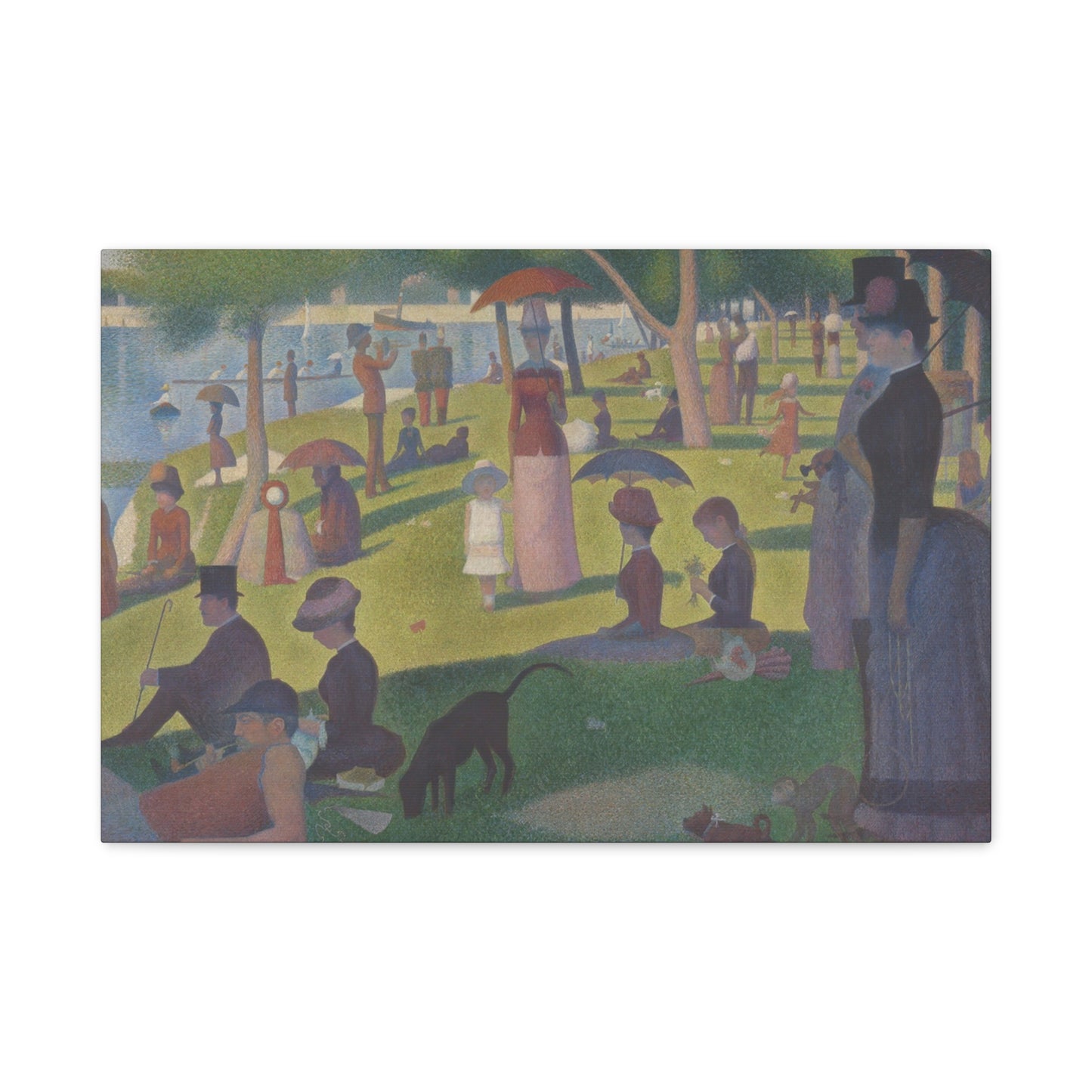
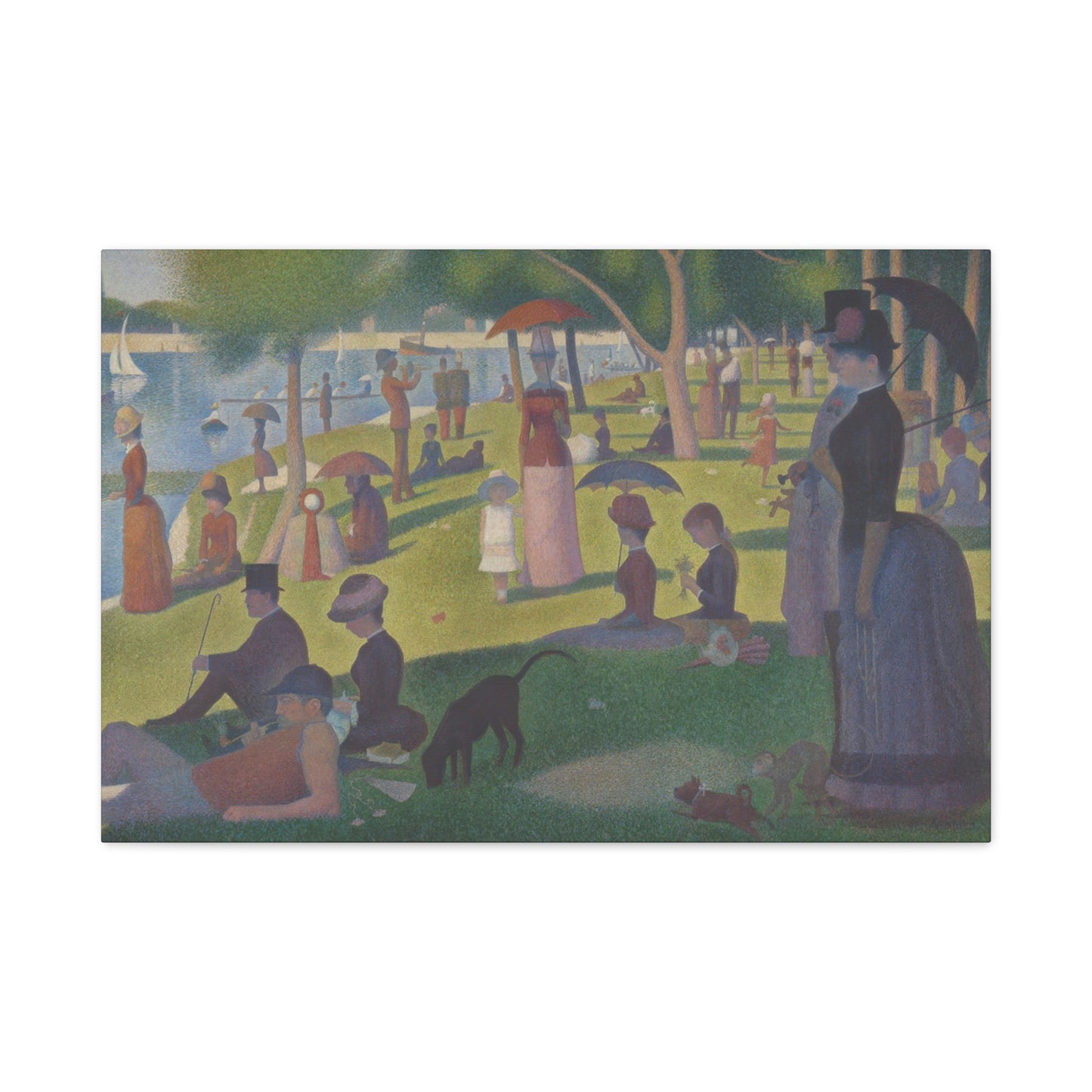
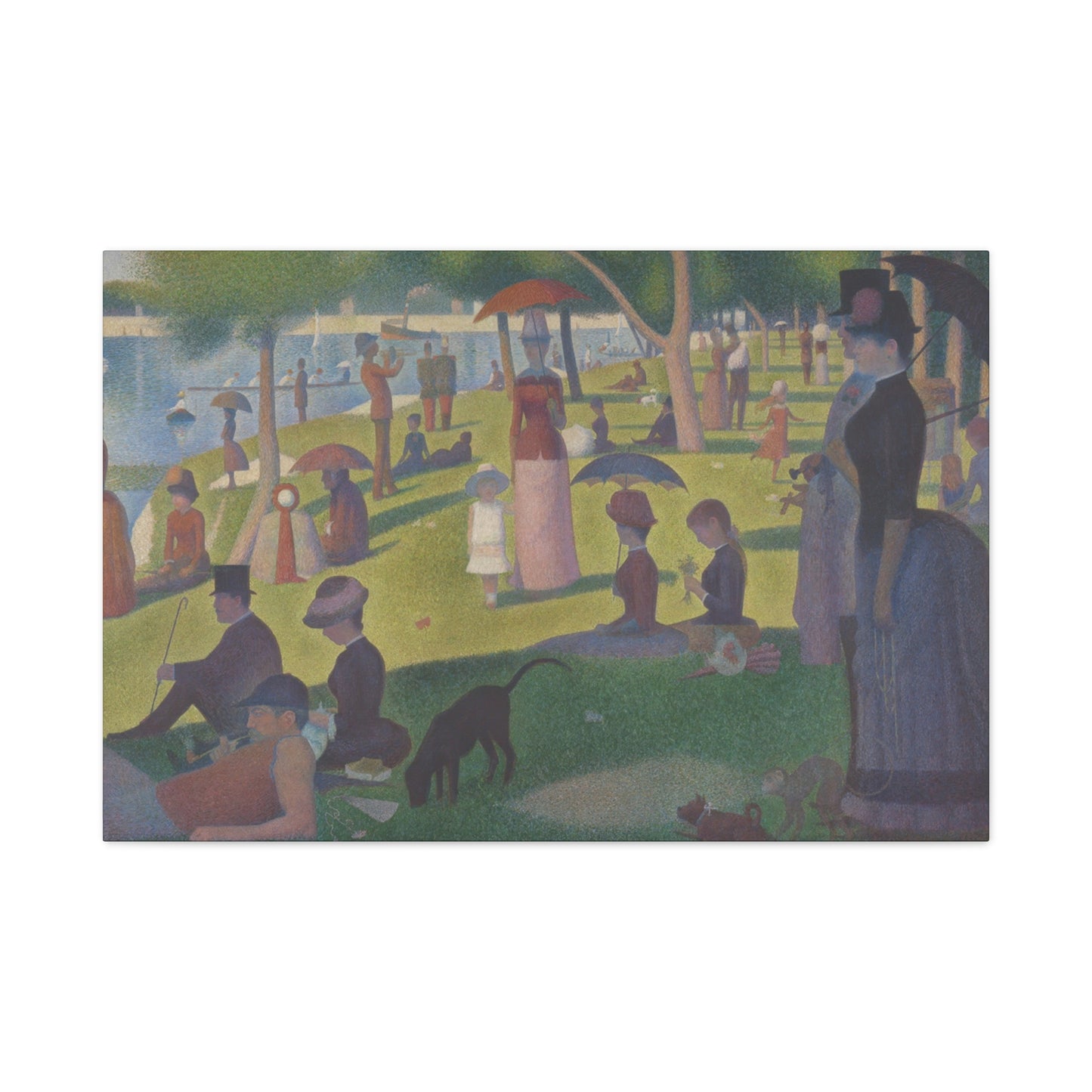
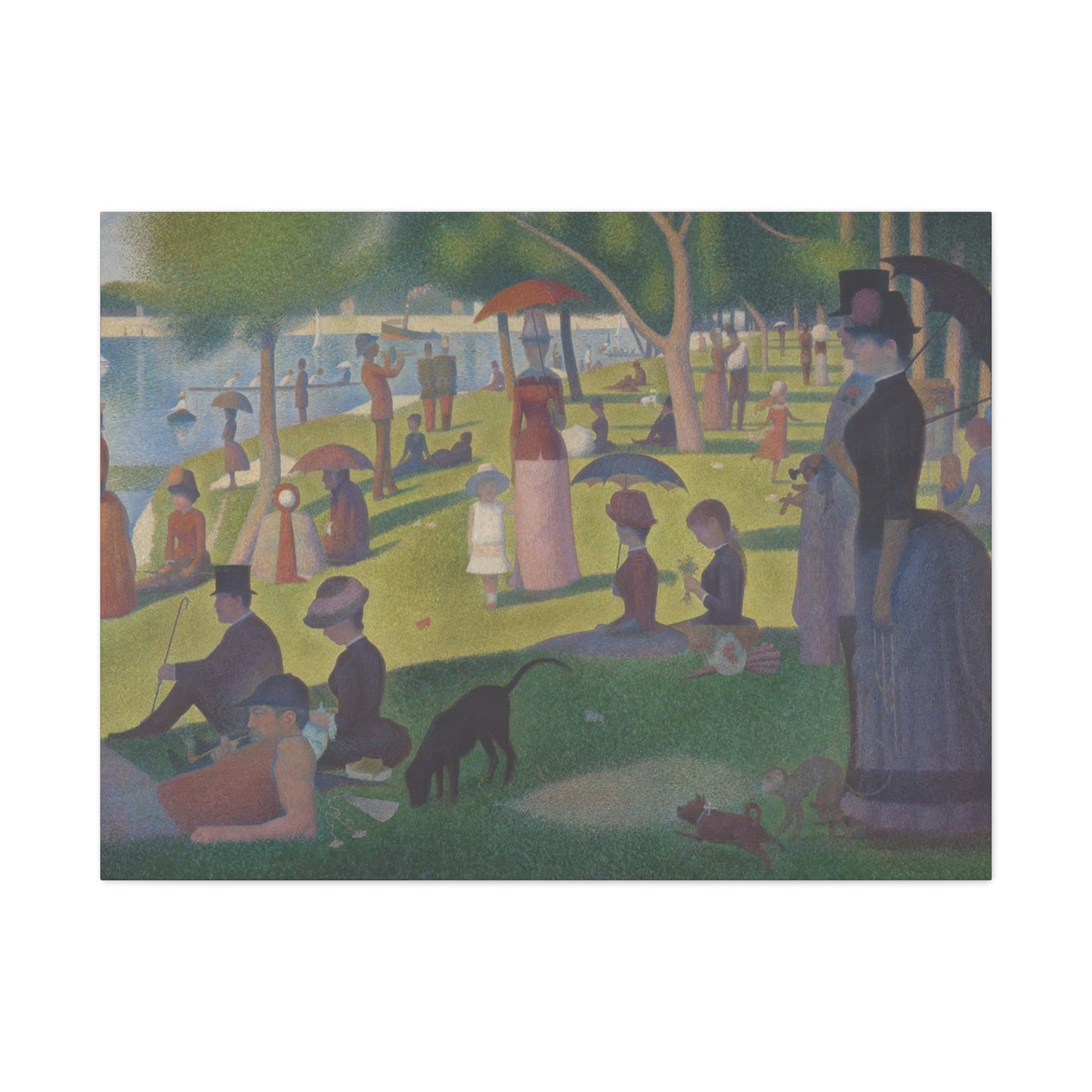
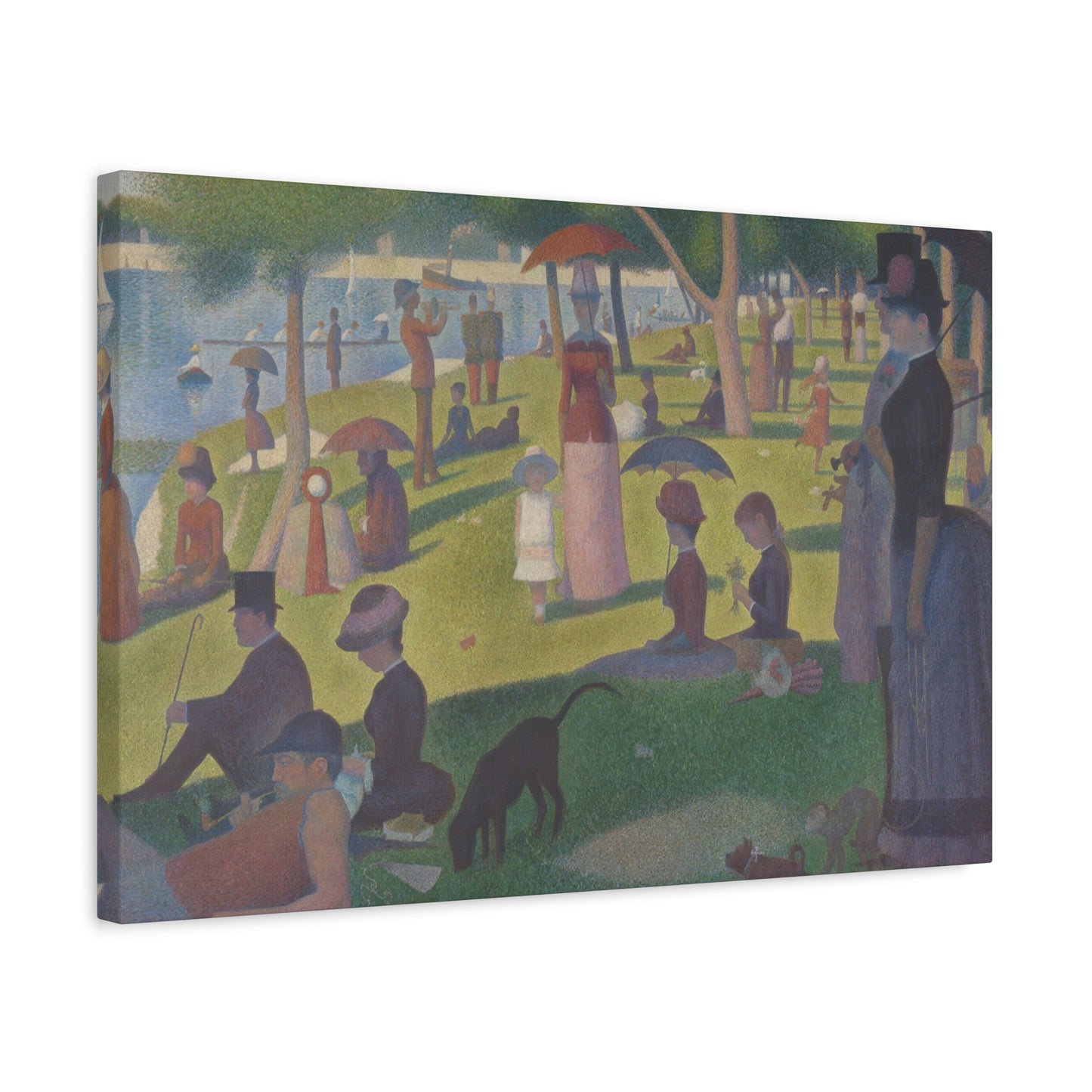
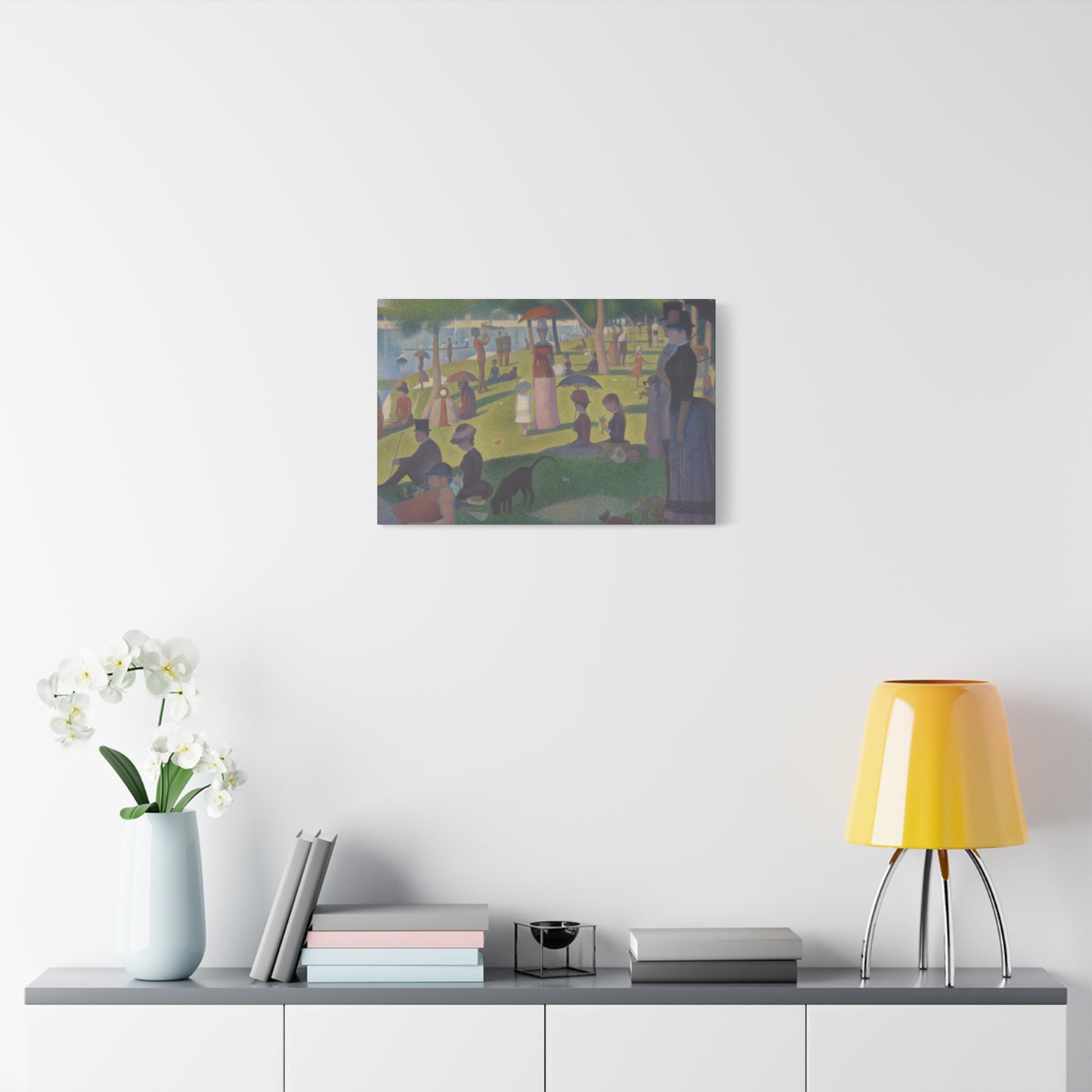
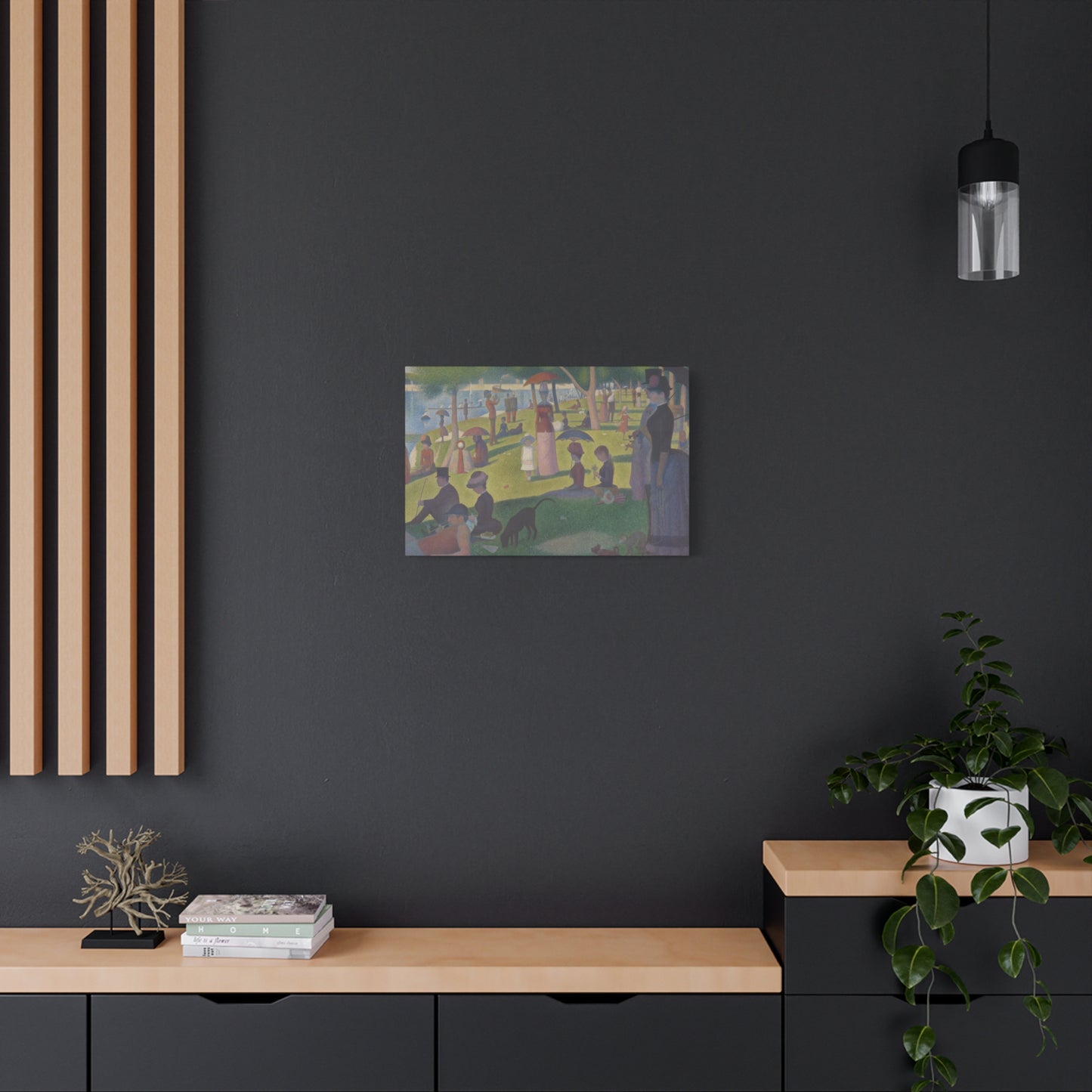
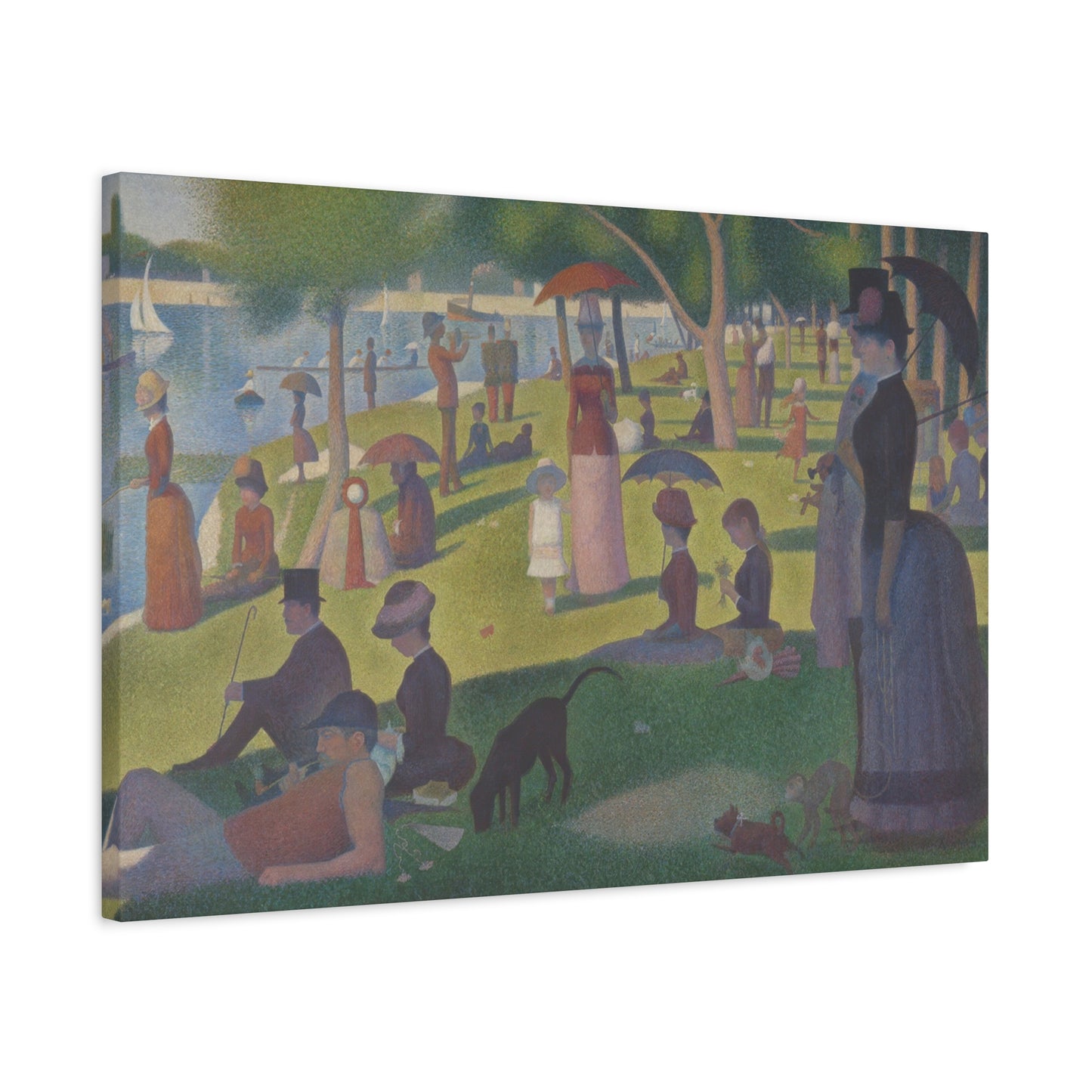
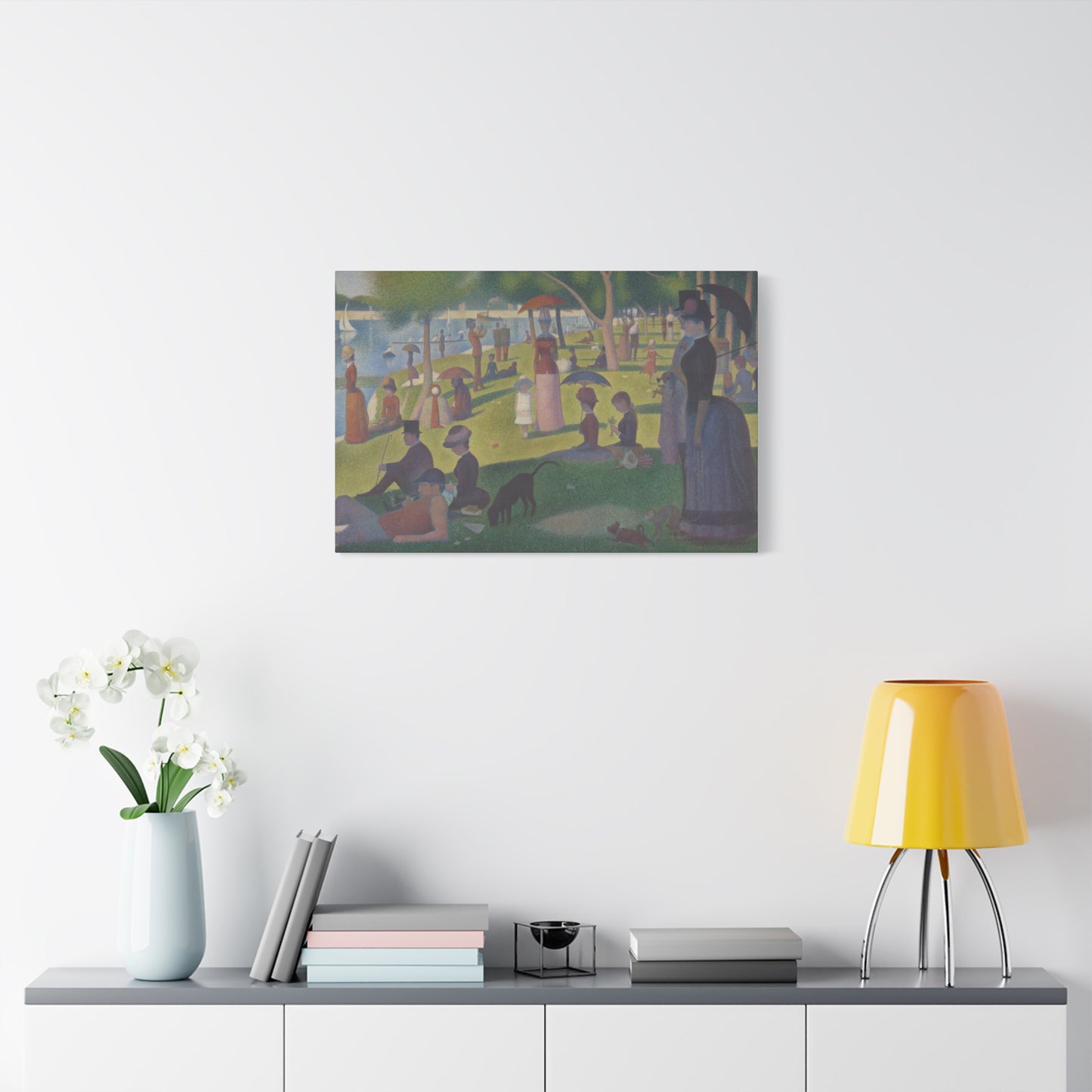
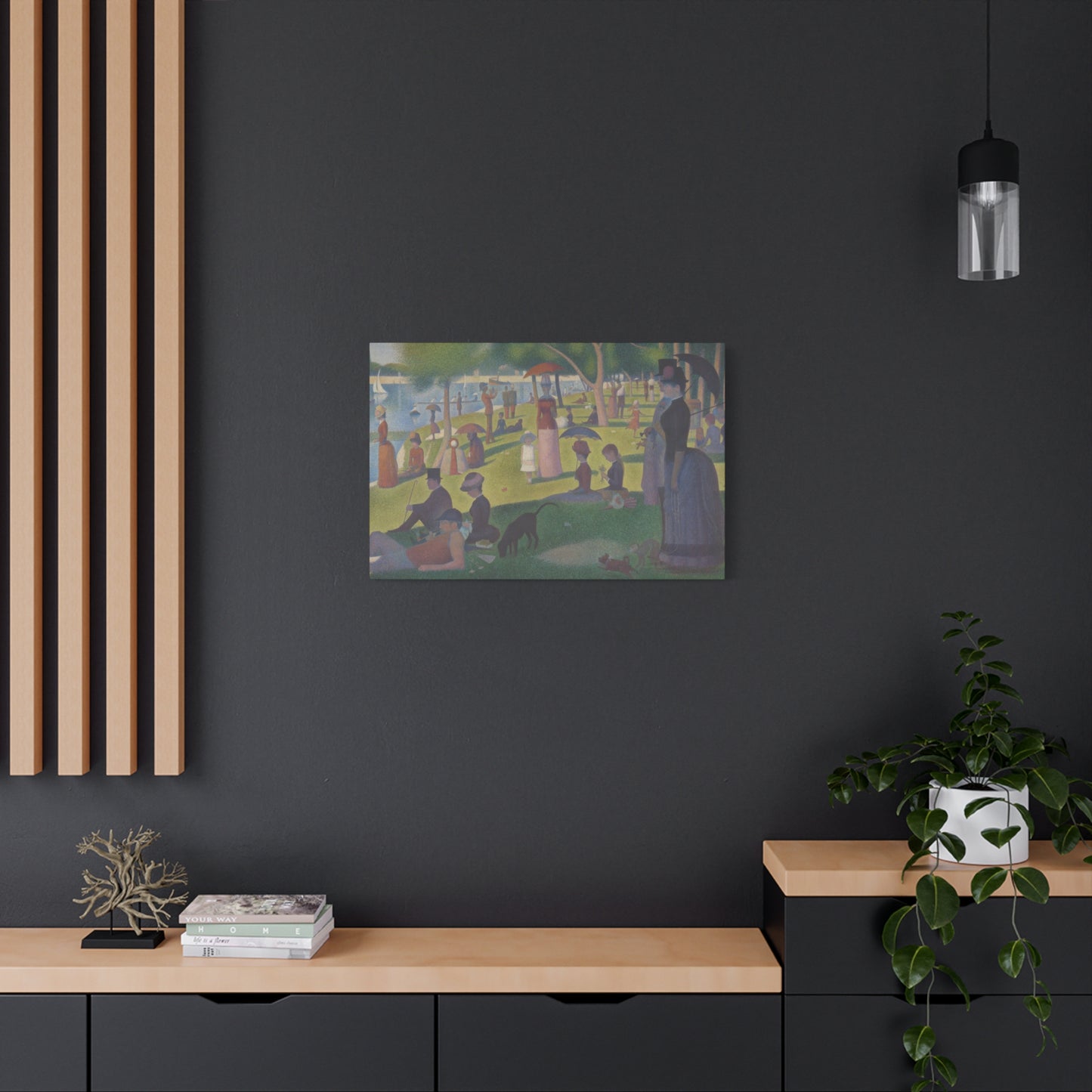
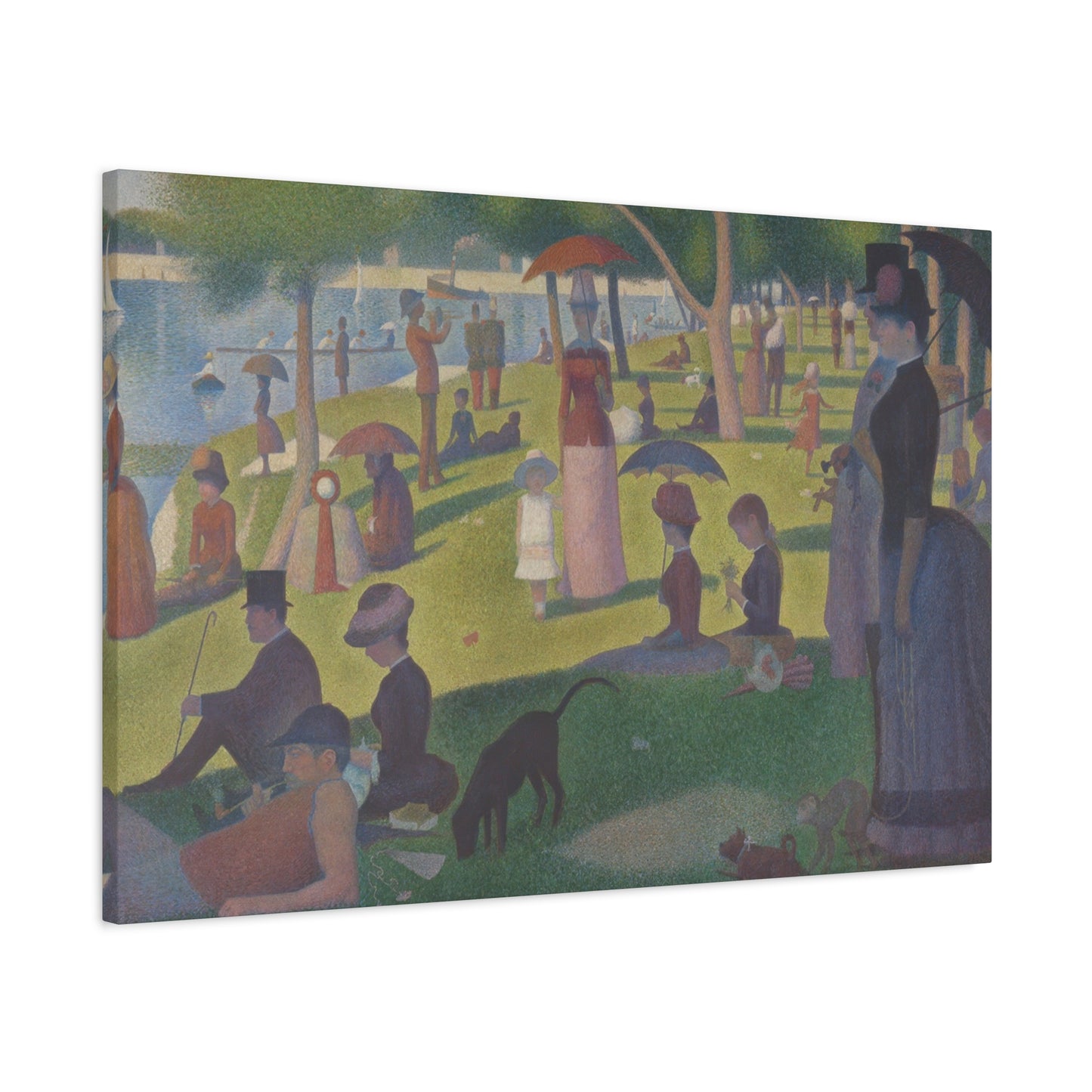
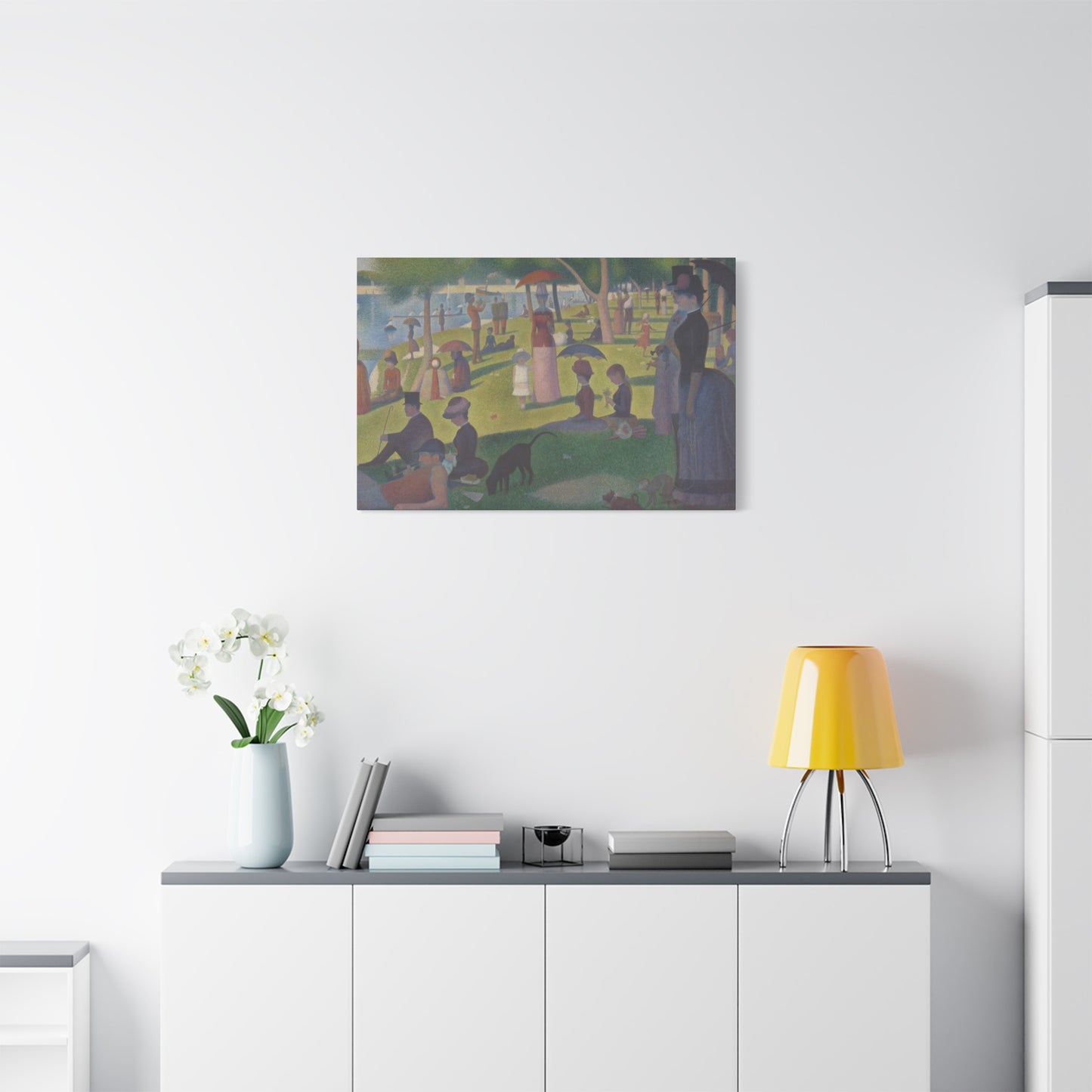
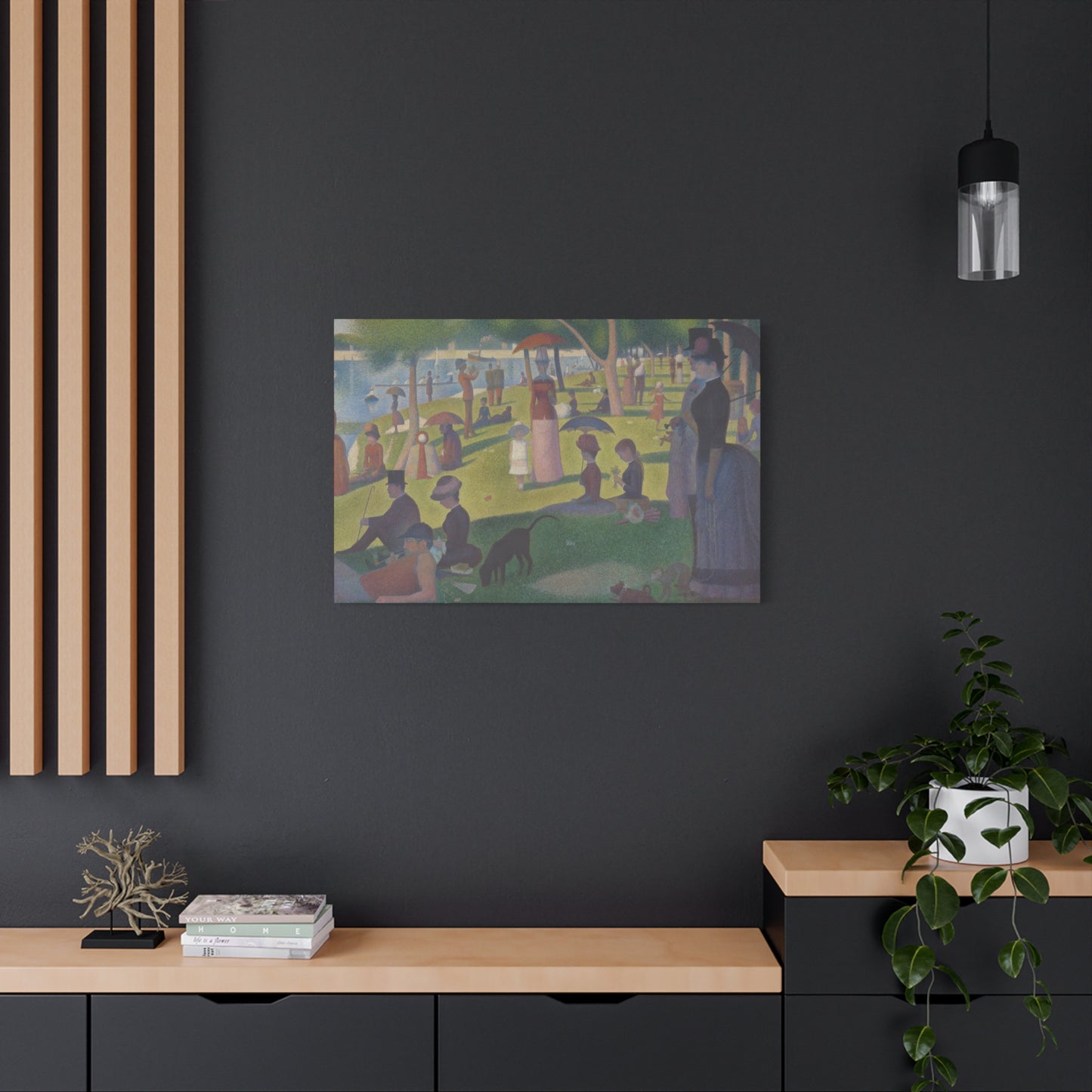
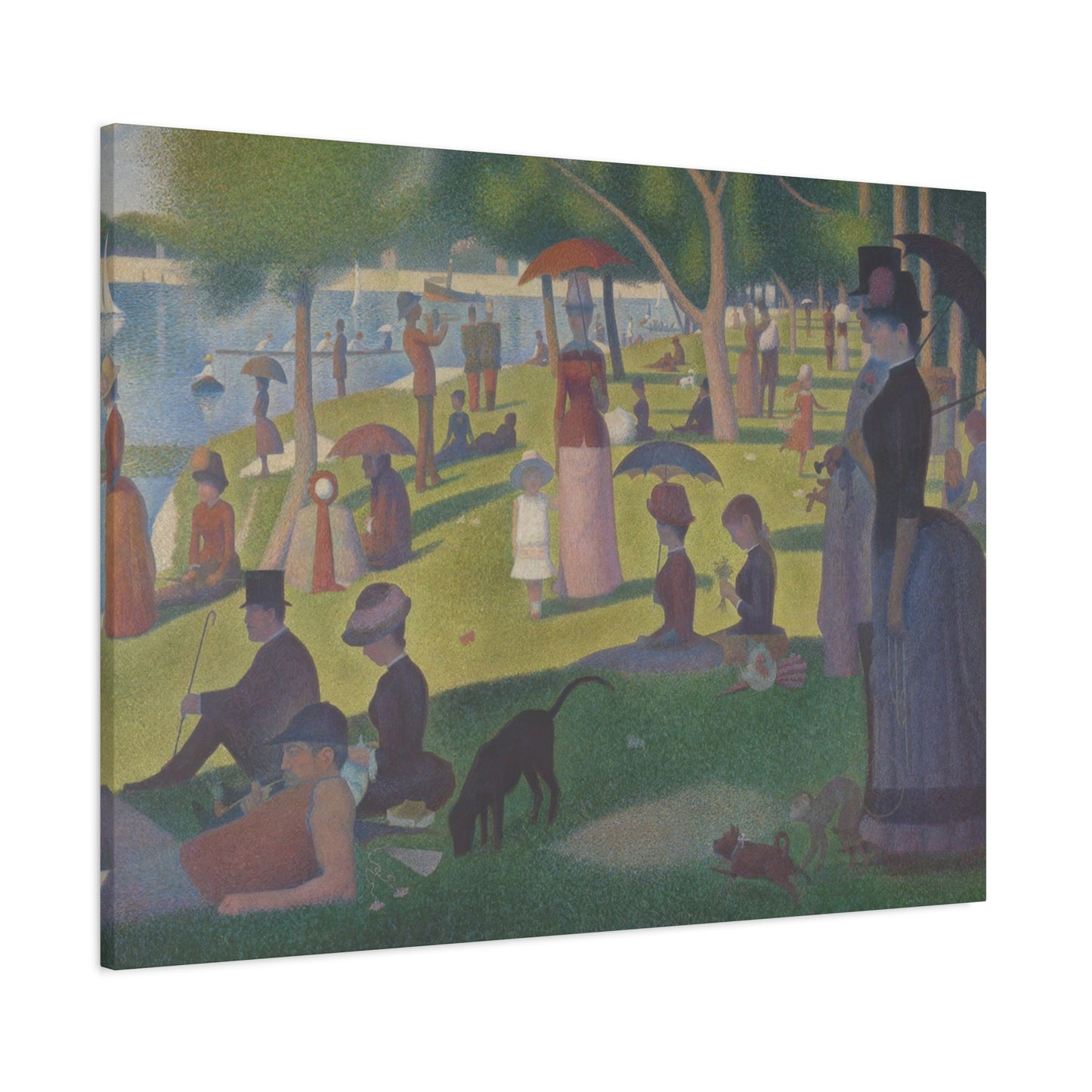
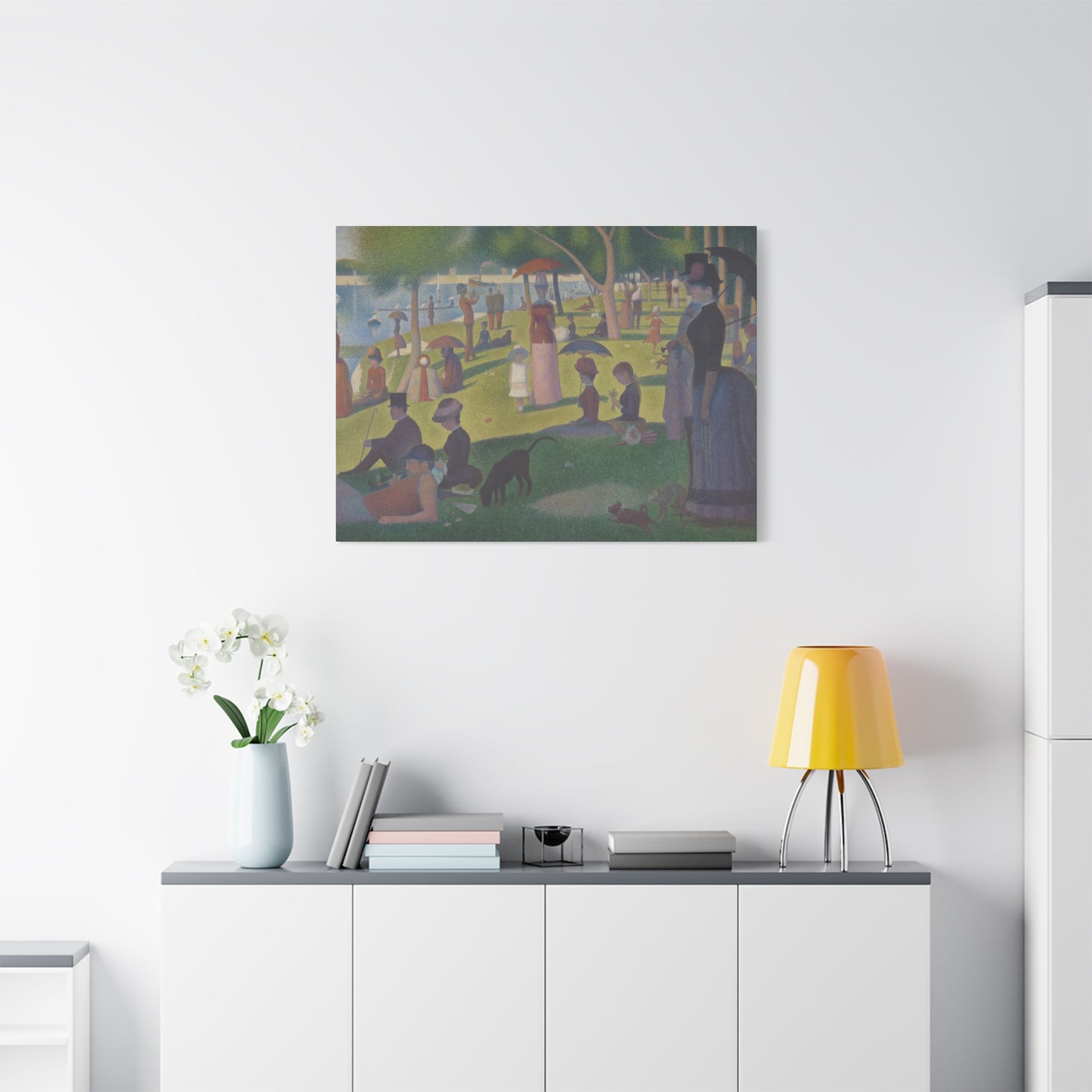
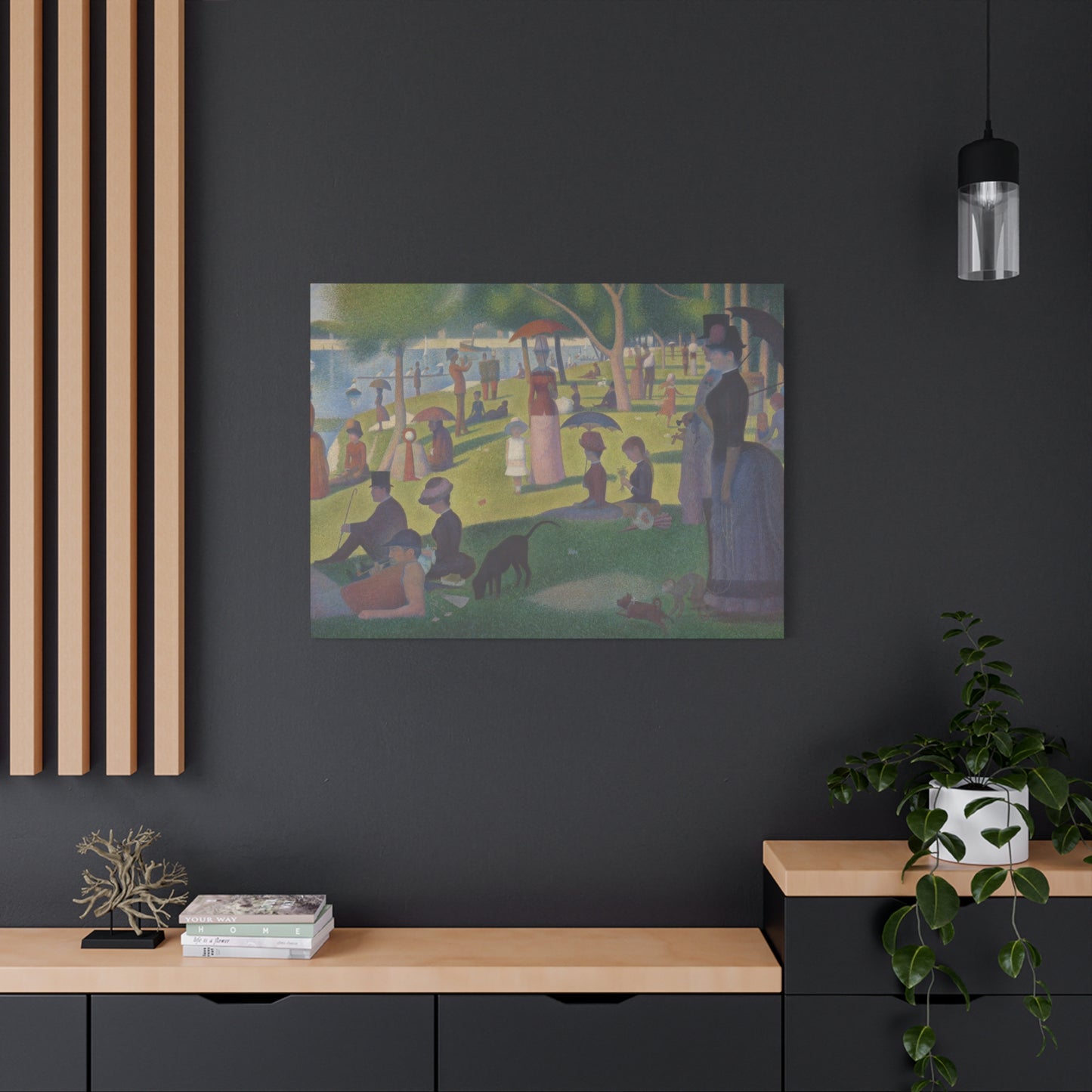
A Sunday on La Grande Jatte Impression Wall Art: The Ultimate Guide to This Masterpiece
The world of artistic expression has given us countless treasures, but few paintings capture the essence of leisurely life quite like the iconic work depicting a serene Sunday afternoon along the Seine River. This remarkable creation has transcended time to become one of the most sought-after pieces for home decoration and artistic appreciation. When we explore the realm of impression wall art featuring this magnificent scene, we discover a universe where color, technique, and social commentary merge to create something truly extraordinary.
The painting that captures a peaceful Sunday gathering at a popular Parisian retreat has become synonymous with the pointillist movement and represents a pivotal moment in art history. Today, reproductions and interpretations of this masterpiece adorn walls in homes, offices, museums, and galleries worldwide. The appeal of this particular impression wall art extends far beyond its aesthetic beauty, touching on themes of social structure, leisure time, and the human experience in late 19th century France.
Understanding the significance of this artwork requires delving into its creation, technique, symbolism, and lasting impact on both art history and contemporary interior design. This comprehensive exploration will guide you through every aspect of why this Sunday afternoon scene continues to captivate audiences more than a century after its completion.
The Historical Context Behind This Iconic Sunday Afternoon Scene
The creation of this remarkable painting occurred during a transformative period in French history and artistic development. The late 19th century witnessed profound changes in Parisian society, with industrialization reshaping urban life and creating new social dynamics. The island location depicted in this artwork had become a popular recreational destination for Parisians seeking escape from the bustling city center.
During this era, Sunday afternoons represented precious free time for working-class families and opportunities for the bourgeoisie to see and be seen. The park setting captured in this impression wall art served as a democratic space where different social classes mingled, though often maintaining invisible boundaries that the artist cleverly highlighted through composition and placement of figures.
The artist began working on this ambitious project in the mid-1880s, dedicating an extraordinary amount of time to its completion. Unlike the spontaneous approach favored by many contemporaries, this particular creator spent countless hours planning, sketching, and methodically applying paint to achieve the desired effect. The commitment to this single work demonstrated a revolutionary approach to artistic creation that prioritized scientific color theory over emotional spontaneity.
The historical moment captured represents more than just a pleasant afternoon. It documents fashion trends, social behaviors, recreational activities, and class distinctions that defined the period. Women in bustles and parasols, men in top hats, children at play, and even pets all contribute to a comprehensive snapshot of life during this specific moment in French cultural history.
The location itself held particular significance as one of the newly developed leisure spaces that emerged as Paris modernized. These green spaces provided city dwellers with accessible nature and became laboratories for observing modern life, which fascinated artists interested in capturing contemporary existence rather than historical or mythological subjects.
Understanding the Revolutionary Pointillist Technique
The technique employed in creating this Sunday afternoon masterpiece represents one of the most significant innovations in painting history. Pointillism, also known as divisionism, involved applying small, distinct dots of pure color to the canvas rather than mixing pigments on a palette. This scientific approach to color relied on optical blending, where the viewer's eye would mix the colors at a distance.
This methodical process required extraordinary patience and precision. Each tiny dot of paint contributed to the overall image, with colors carefully selected based on theories about how light and color interact. The artist studied scientific texts on color theory and optics, applying these principles to create luminous effects impossible to achieve through traditional painting methods.
The impression wall art created through this technique possesses a unique quality that sets it apart from other artistic styles. When viewed from a distance, the countless individual dots coalesce into recognizable forms with remarkable clarity and vibrancy. The colors appear to shimmer and vibrate, creating an almost magical luminosity that replicates the quality of natural light.
Creating artwork using this technique demanded meticulous planning. The artist prepared detailed preliminary sketches and color studies before beginning work on the final canvas. Each area of the composition required careful consideration of which color dots to place adjacent to one another, as their optical mixing would determine the perceived color and tone.
The physical act of painting in this manner proved exhausting and time-consuming. Progress occurred slowly, with the artist sometimes spending days on relatively small sections of the canvas. This dedication to process over spontaneity marked a deliberate departure from the impressionist approach that emphasized capturing fleeting moments through quick, gestural brushwork.
The scientific foundation of this technique aligned with broader 19th-century interests in rationalism and systematic approaches to understanding the world. The artist essentially transformed painting from an intuitive practice into something approaching scientific experimentation, testing theories about color and perception through the physical act of creating art.
Analyzing the Composition and Spatial Arrangement
The compositional structure of this Sunday afternoon scene demonstrates sophisticated understanding of spatial organization and visual hierarchy. The arrangement of figures across the canvas creates a carefully orchestrated balance between unity and diversity, with each element contributing to the overall harmony while maintaining individual character.
The foreground of this impression wall art features prominently placed figures that anchor the composition and draw viewers into the scene. These larger forms establish the picture plane and create a sense of immediacy, as if we're standing among the park visitors ourselves. The scale and positioning of these foreground elements provide crucial reference points for understanding spatial relationships throughout the composition.
Moving into the middle ground, the artist arranged multiple groups of figures engaged in various activities. This layering creates depth while maintaining the flat, decorative quality characteristic of the style. The distribution of these groups follows an apparently casual pattern that actually reflects careful calculation, ensuring that no area of the canvas feels empty or overcrowded.
The background recedes through a series of subtle shifts in scale and detail, with the tree-lined shore and water beyond creating atmospheric depth. The artist manipulated the size and spacing of figures to reinforce this recession, using principles of linear perspective without relying on traditional modeling or chiaroscuro.
The overall composition employs a modified golden ratio in its organization, with key vertical and horizontal divisions occurring at aesthetically pleasing intervals. This mathematical precision contributes to the sense of order and tranquility that pervades the scene, suggesting the structured nature of society even during leisure time.
Negative space plays an important role in the composition, with areas of grass, water, and sky providing visual rest between the more detailed figure groups. These calmer zones prevent visual chaos and allow the eye to move comfortably across the canvas, discovering new details with each viewing.
The artist also created subtle rhythms through the repetition of forms and colors. The vertical accents of figures and trees establish a staccato beat across the horizontal format, while the curves of parasols and bustles introduce softer, flowing movements that counterbalance the rigidity of the overall structure.
The Social Commentary Embedded in the Scene
Beyond its technical innovations, this impression wall art functions as sophisticated social commentary on class divisions and behavior in late 19th-century Paris. The artist positioned figures strategically to highlight the invisible boundaries that separated different social groups even within shared public spaces.
The bourgeois families occupying prominent positions in the composition demonstrate the confident possession of leisure time and fashionable clothing. Their rigid postures and formal arrangements suggest the performative nature of their park visits, where being seen became as important as relaxation or enjoyment of nature.
Working-class figures appear in less prominent positions, engaged in more active recreational pursuits. A soldier and a nursemaid occupy spaces that subtly indicate their service roles, while a working man lounges in a manner that contrasts sharply with the upright postures of the wealthier park visitors.
The artist captured these distinctions without overt judgment, presenting a documentary-style observation of social reality. However, the very act of making these divisions visible constituted commentary, encouraging viewers to recognize and perhaps question the stratified nature of society.
Fashion serves as a primary indicator of social status throughout the composition. The elaborate costumes of bourgeois women, with their bustles, corsets, and parasols, contrast markedly with the simpler attire of working-class figures. These clothing differences would have been immediately recognizable to contemporary viewers as markers of social position.
The activities depicted also reflect class associations. Fishing, prominently featured in the composition, represented a popular working-class leisure pursuit, while promenading in fashionable attire constituted a bourgeois activity. The artist juxtaposed these different forms of recreation without privileging one over the other.
Gender relationships and conventions receive attention through the pairing and positioning of figures. Couples appear throughout the scene, their body language and spatial relationships revealing the formal courtship rituals and gender segregation that characterized the period. The famous couple in the foreground epitomizes Victorian propriety with their stiff, disconnected postures despite their physical proximity.
Exploring Color Theory and Light Effects
The color palette employed in this Sunday afternoon masterpiece demonstrates sophisticated understanding of how colors interact and influence perception. The artist utilized principles from scientific color theory to create optical effects that give the impression wall art its distinctive appearance and luminous quality.
Primary colors appear throughout the composition in their pure form as individual dots, allowing optical mixing to create the perceived secondary and tertiary colors. This approach produces colors with greater vibrancy and luminosity than traditional mixing could achieve, as the pure pigments retain their intensity rather than becoming muddy through physical combination.
The treatment of light represents one of the most remarkable aspects of the work. The artist captured the specific quality of afternoon sunshine filtering through leaves and illuminating grass, water, and fabric. This convincing depiction of natural light emerged from careful observation combined with systematic application of color theory.
Complementary colors placed adjacent to one another create visual vibration and enhance the sense of light and atmosphere. Orange dots next to blue create shimmering effects, while green and red combinations produce similar optical phenomena. These strategic juxtapositions occur throughout the canvas, contributing to the overall luminosity.
The color of shadows receives special attention, with the artist avoiding the traditional use of black or brown. Instead, shadows contain blues, purples, and greens that more accurately reflect the color of reflected light and atmospheric effects. This approach creates shadows that appear to glow with subtle color rather than simply darkening forms.
The artist also manipulated value relationships to create depth and focus attention. Lighter values generally appear in the foreground and background, with darker middle tones creating a band across the central area of the composition. This value structure helps guide the viewer's eye while maintaining overall harmony.
Temperature variations contribute to spatial effects and mood. Warmer colors dominate the foreground, creating a sense of immediacy and warmth, while cooler tones increasingly appear as forms recede into space. This temperature modulation enhances the atmospheric perspective achieved through other means.
The overall tonality tends toward a golden warmth that evokes the specific quality of afternoon light. This consistent color temperature unifies diverse elements and creates the peaceful, sunlit atmosphere that characterizes the scene.
The Symbolism of Figures and Their Arrangements
Each figure group within this impression wall art carries symbolic weight and contributes to the overall narrative about modern life and social relationships. The artist positioned characters to create connections and contrasts that reward careful observation and interpretation.
The prominently placed couple in the right foreground has generated extensive scholarly discussion. Their formal dress and rigid postures suggest upper-middle-class status and Victorian propriety. The woman holds a leash attached to a small monkey, an exotic pet that signals wealth and fashion consciousness while potentially serving as a satirical comment on the animalistic nature underlying civilized behavior.
The woman fishing along the shore represents a working-class presence in this middle-class dominated space. Her solitary activity and position at the compositional edge suggest marginalization while acknowledging the democratic nature of public parks. The fishing rod creates a strong diagonal that draws the eye across the composition.
Children scattered throughout the scene symbolize innocence and unselfconscious play, contrasting with the studied poses of adults. Their spontaneous movements and casual arrangements provide relief from the general stiffness that characterizes the adult figures, suggesting the freedom from social performance that childhood allows.
The soldier visible in the background references the military presence in French society and perhaps alludes to national concerns following the Franco-Prussian War. His isolated position among family groups might comment on the separation between military and civilian life or the loneliness of military service.
The nursemaid accompanying children indicates the service relationships that structured bourgeois life. Her presence allows wealthy mothers to enjoy leisure while maintaining respectability, embodying the class interdependencies that the painting subtly documents.
Dogs appear in multiple locations, serving both as realistic details and symbolic elements. Pets indicated status and domesticity while connecting human figures to the natural world that the park represented within the urban environment.
The reclining man in the left foreground introduces a note of genuine relaxation into an otherwise formal scene. His casual posture and working-class clothing contrast sharply with the upright figures surrounding him, suggesting different attitudes toward leisure based on class position.
Aspects of Creating Impression Wall Art Reproductions
Reproducing this masterpiece for contemporary impression wall art requires sophisticated understanding of both the original technique and modern printing or painting methods. High-quality reproductions must capture the unique visual qualities that make this Sunday afternoon scene so distinctive and appealing.
Digital reproduction technology has advanced to the point where giclée printing can closely approximate the texture and color vibrancy of the original pointillist technique. High-resolution scanning of the original work captures the individual paint dots, which can then be reproduced through specialized inkjet printing on canvas or fine art paper.
Color matching presents particular challenges because the optical mixing of pointillist technique creates colors that exist in the viewer's perception rather than on the physical surface. Reproduction must account for how the printed colors will interact visually at various viewing distances, requiring careful calibration and testing.
Canvas texture selection impacts how reproductions display the work. A medium-weight canvas with moderate tooth provides sufficient texture to evoke the original without overwhelming the delicate color work. Too smooth a surface appears flat and photographic, while excessive texture interferes with the perception of individual color dots.
Sizing and scaling decisions affect how the pointillist technique reads visually. Very small reproductions may lose the characteristic shimmering effect as individual dots become too tiny to perceive, while oversized versions might expose the technique too baldly, reducing the magical quality of optical blending.
Hand-painted reproductions offer another approach to creating impression wall art from this masterpiece. Skilled artists trained in pointillist technique can recreate the work using methods similar to the original, though the time investment makes such reproductions expensive and rare.
Framing choices significantly impact presentation of reproductions. Period-appropriate ornate gold frames complement the classical composition and formal subject matter, while simpler modern frames allow the artwork itself to dominate. The frame should enhance rather than compete with the intricate color work.
Conservation considerations apply even to reproductions. Ultraviolet-filtering glass protects prints from fading, while proper mounting prevents warping and damage. These measures ensure that impression wall art maintains its visual integrity over time.
Interior Design Applications for This Timeless Masterpiece
Incorporating this Sunday afternoon scene into interior spaces offers numerous possibilities for enhancing aesthetic appeal and creating sophisticated atmospheres. The impression wall art adapts successfully to various design styles while maintaining its distinctive character and historical significance.
Traditional interiors benefit from the painting's classical composition and historical subject matter. The work complements period furniture, oriental rugs, and architectural details typical of Victorian or Edwardian spaces. The formal arrangement of figures echoes the structured elegance of traditional design principles.
Contemporary spaces can incorporate this artwork to introduce historical depth and visual interest. The geometric quality of the composition and scientific approach to color align surprisingly well with modern design sensibilities that value innovation and systematic thinking. The artwork provides cultural weight in minimalist spaces that might otherwise feel cold or impersonal.
Color schemes throughout a room can draw inspiration from the painting's palette. The golden greens, warm blues, and touches of orange found throughout the composition create a harmonious foundation for decorating choices. Furniture, textiles, and accessories in complementary colors enhance visual unity.
Placement considerations depend on available wall space and viewing distance. The impression wall art requires sufficient distance for proper optical blending of colors, making it ideal for rooms where viewers will typically stand or sit at least several feet from the wall. Dining rooms, living rooms, and large offices provide appropriate contexts.
Lighting dramatically affects how the work appears. Natural light reveals the full color vibrancy and creates changing effects throughout the day as light quality shifts. Artificial lighting should approximate natural daylight using LED fixtures with appropriate color temperature to avoid distorting the carefully balanced color relationships.
Scale decisions depend on room proportions and desired impact. Large-scale reproductions create dramatic focal points and allow viewers to appreciate fine details, while smaller versions work well in intimate spaces or as part of gallery wall arrangements featuring multiple artworks.
The painting's horizontal format suits installation above furniture pieces like sofas, consoles, or sideboards. The width provides visual balance over substantial furniture while the moderate height prevents overwhelming vertical space. This orientation also aligns with natural eye movement across the composition.
Creating context through complementary décor enhances appreciation of the artwork. Books about art history, vintage objects, or botanical elements reference themes within the painting and create conceptual connections that enrich the viewing experience.
The Artist's Process and Years of Dedication
Understanding the creation process behind this masterpiece deepens appreciation for the impression wall art and the extraordinary commitment required to realize such an ambitious vision. The artist approached this project with unprecedented dedication, spending approximately two years completing the large canvas.
Preliminary work began with extensive studies in the actual park location. The artist made numerous sketches, capturing compositional ideas, specific figures, and atmospheric effects. These on-site observations provided raw material that would later be refined and organized in the studio.
Oil sketches served as intermediate steps between initial drawings and the final canvas. These studies allowed experimentation with color relationships and compositional arrangements. Several small-scale versions exist, showing how the artist gradually developed the final organization of elements.
The systematic application of paint dots required extraordinary patience and physical stamina. Working methodically across the canvas, the artist built up the image through accumulation of thousands of individual marks. This process allowed little spontaneity or correction, demanding careful planning to ensure successful execution.
Studio conditions necessarily differed from outdoor impressionist painting. The artist worked in controlled light using artificial illumination to maintain consistent conditions. This departure from plein air practice aligned with the systematic, scientific approach that characterized the entire project.
The artist suffered physical exhaustion and eye strain from the demanding technique. The intense focus required for precise dot application and the visual stress of constantly perceiving color relationships took a toll. These sacrifices demonstrated total commitment to realizing the artistic vision.
Perfectionist tendencies led to extensive revision and refinement even after the painting achieved recognizable form. The artist continued adjusting colors, adding dots, and fine-tuning relationships until achieving the desired effect. This meticulous approach extended the project beyond typical timeframes for paintings of similar size.
The artist's dedication to completing this single work rather than producing multiple smaller paintings represented a calculated risk. The hope was that a major achievement would establish artistic reputation more effectively than numerous minor works, a gamble that ultimately proved successful.
Exhibition History and Critical Reception
The initial presentation of this Sunday afternoon masterpiece generated mixed reactions that reflected tensions within the art world about innovation, tradition, and appropriate artistic practice. The impression wall art challenged viewers to reconsider fundamental assumptions about painting and perception.
The first public exhibition occurred at an independent venue outside the official salon system. This alternative exhibition space provided opportunities for experimental artists whose work didn't conform to academic standards. The painting's prominent display indicated confidence in its significance despite anticipating controversy.
Critics divided sharply in their assessments. Conservative reviewers dismissed the work as mechanical, lifeless, and excessively systematic. They objected to the scientific approach, preferring emotional expression and visible brushwork that demonstrated individual artistic sensibility. The perceived coldness of the technique troubled those who valued romantic spontaneity.
Progressive critics recognized revolutionary potential in the systematic method and color theory application. They praised the luminous quality achieved through optical mixing and appreciated the modern subject matter presented with scientific rigor. These supporters saw the work as pointing toward future artistic developments.
Public reaction included both fascination and bewilderment. Viewers accustomed to traditional painting found the dotted surface strange and initially difficult to read. However, the magical effect of forms emerging through optical blending created memorable experiences that sparked discussion and return visits.
The painting gradually gained recognition as understanding of the innovative technique spread. Art publications discussed the scientific foundations, helping audiences appreciate the theoretical sophistication underlying what initially appeared as mere technical oddity.
Later exhibitions confirmed the work's status as a masterpiece. Museum acquisitions and prominent display positions acknowledged historical significance. The painting became a touchstone for discussions about modernist innovations and the relationship between art and science.
Contemporary exhibitions continue drawing large audiences eager to experience this famous work directly. The impression wall art has achieved iconic status, recognized even by those with limited art historical knowledge. Visitor statistics confirm its position among the most popular museum attractions worldwide.
Influence on Subsequent Artistic Movements
The impact of this Sunday afternoon scene extended far beyond the pointillist movement, influencing diverse artistic developments throughout the 20th century and continuing to resonate in contemporary practice. The impression wall art established precedents that later artists would acknowledge, challenge, or transform.
Fauvism drew on the color liberation demonstrated through pointillist technique, though Fauves rejected the systematic application in favor of expressive brushwork. The understanding that colors need not mimic nature directly owed much to experiments with optical mixing and pure pigment application.
Cubism's analytical approach to breaking down forms and challenging representational conventions had roots in the systematic deconstruction of image-making visible in pointillist practice. The intellectual rigor and deliberate rejection of intuitive spontaneity anticipated cubist methodologies.
Abstract art found precedent in the emphasis on surface pattern and color relationships over narrative or naturalistic representation. The decorative quality of the dotted surface and the importance of overall design established foundations for non-representational approaches.
Pop art's incorporation of mechanical reproduction techniques and systematic processes echoed the methodical approach pioneered in this masterpiece. Artists using Ben-Day dots explicitly referenced the heritage of pointillism while adapting it to contemporary cultural commentary.
Photorealism employed systematic techniques for building images through accumulated marks, demonstrating a conceptual kinship with pointillist practice. The patient accumulation of details to achieve convincing representation linked these seemingly different movements.
Color field painting explored optical effects and color relationships with debts to earlier investigations of how colors interact. The luminous quality achievable through strategic color placement traced back to discoveries made through pointillist experimentation.
Contemporary artists working with digital media recognize parallels between pointillist dots and pixels. The optical blending that creates digital images mirrors the perceptual mixing central to this historic technique, making the work particularly relevant in our screen-saturated culture.
Challenges for the Original Masterpiece
Preserving this important artwork for future generations presents ongoing challenges that require sophisticated conservation techniques and careful environmental management. The unique materials and methods used in its creation create specific vulnerabilities that demand specialized knowledge to address.
The original canvas support has aged over more than a century, becoming increasingly fragile and vulnerable to mechanical stress. Canvas fibers gradually weaken through repeated expansion and contraction caused by humidity fluctuations. This natural deterioration process threatens structural integrity.
The paint layer itself faces multiple degradation risks. Some pigments change color over time through chemical reactions with light, atmospheric pollutants, or interactions with adjacent pigments. These gradual alterations affect the carefully calibrated color relationships essential to the work's appearance.
Surface dirt and grime accumulate despite museum protection, gradually dulling colors and obscuring the delicate optical effects. However, cleaning presents risks because the pointillist technique offers numerous crevices where dirt lodges and the pure pigments may be vulnerable to solvent damage.
Previous restoration interventions sometimes caused problems requiring later correction. Earlier conservation methods employed materials and techniques that modern science recognizes as potentially harmful. Reversing past treatments without causing additional damage requires exceptional skill.
Environmental controls in museum settings aim to maintain stable temperature and humidity levels that minimize expansion and contraction cycles. These controls also limit exposure to harmful ultraviolet light that accelerates deterioration of both paint and canvas.
The large size and age of the painting make it increasingly risky to transport for traveling exhibitions. Each movement creates opportunities for damage through vibration, sudden environmental changes, or handling accidents. Museums must balance desires to share the work with preservation priorities.
Advanced documentation technologies allow creating detailed records of the painting's current condition. High-resolution imaging, infrared reflectography, and x-ray examination provide information about structure and previous alterations while establishing baselines for monitoring future changes.
Ongoing research into period materials and techniques informs conservation decisions. Understanding original materials and methods helps conservators make choices that respect the artist's intentions while employing modern science to preserve the physical object.
Modern Interpretations and Contemporary Relevance
Despite being created over a century ago, this Sunday afternoon scene continues to resonate with contemporary audiences and inspire new interpretations that demonstrate ongoing cultural relevance. The impression wall art speaks to current concerns while maintaining its historical specificity.
Modern viewers recognize parallels between the social dynamics depicted and current issues around public space, class division, and leisure culture. The carefully maintained social boundaries visible in the painting prompt reflection on how contemporary society similarly navigates inclusion and exclusion in shared environments.
The relationship between humans and technology finds curious reflection in the painting's systematic technique. The methodical application of dots according to scientific principles anticipates digital culture's pixel-based images and algorithmic creation processes, creating unexpected connections across temporal distance.
Environmental awareness adds new dimensions to interpreting the painting's depiction of cultivated nature within an urban context. The park represents human intervention in natural systems, raising questions about authentic nature and the meanings people attach to green spaces that contemporary environmental discussions address.
The work's documentation of leisure time becomes particularly poignant in cultures struggling with work-life balance. The painting presents leisurely Sunday afternoons as universal entitlement, contrasting sharply with contemporary realities where many workers lack predictable time off or access to recreational spaces.
Fashion elements captured in the painting inspire contemporary designers who reference Victorian silhouettes and accessories. The painting serves as a visual resource for understanding historical clothing construction and styling, influencing costume design and high fashion collections.
Artists continue creating new works that respond to or reference this masterpiece. These contemporary interpretations might update the scene with modern figures and settings, deconstruct the pointillist technique, or engage conceptually with themes of observation and social documentation.
Popular culture references keep the painting in public consciousness. Appearances in films, television shows, advertisements, and digital media introduce the work to audiences who might never visit museums, extending its cultural impact beyond traditional art world boundaries.
The painting's status as cultural icon makes it useful for teaching critical thinking about fame and value in art. Examining why this particular work achieved such recognition while others didn't encourages analysis of factors beyond aesthetic quality that influence cultural importance.
The Science of Color Theory Applied to Art
The revolutionary color theory application visible in this impression wall art represents a landmark moment when scientific understanding of light and perception directly shaped artistic practice. Understanding the scientific foundations enhances appreciation for the technical achievement and conceptual innovation.
Simultaneous contrast principles govern how adjacent colors affect perception of one another. Placing complementary colors side by side intensifies both, while analogous colors create harmonious blending effects. The artist manipulated these relationships systematically throughout the composition.
Optical mixing allows separate colors to combine in the viewer's visual processing rather than on the physical surface. This perceptual blending creates colors with greater luminosity than premixed pigments because the pure hues maintain their reflective properties rather than becoming muddied through physical combination.
The RGB color model, which describes how light combines additively, provided theoretical foundations for understanding how eye and brain process separate color stimuli. While the artist worked with subtractive pigments rather than light, the principles of how discrete color information combines informed the technical approach.
Retinal fatigue and afterimage effects contribute to the shimmering, vibrating quality viewers perceive. The visual system's response to intense color stimulation creates phantom movements and color shifts that animate the surface despite the static paint application.
Luminance relationships create the illusion of three-dimensional form without traditional modeling. By controlling the relative brightness of colors independent of hue, the artist suggested volume and space while maintaining the flat, decorative surface that characterizes the style.
Color temperature manipulation guides spatial perception and emotional response. Warmer colors advance toward the viewer while cooler colors recede, creating depth effects. Temperature also affects mood, with warm tones generating energy and cool tones promoting calm.
The physics of light absorption and reflection determined pigment selection. Understanding which wavelengths different pigments absorb and reflect allowed strategic choices about which colors to place adjacent for desired optical effects. This scientific approach elevated color selection from intuition to calculation.
Contemporary color science continues exploring perceptual phenomena that the artist intuitively understood. Research into vision and cognition validates many of the empirical discoveries made through artistic experimentation, demonstrating how creative practice can anticipate scientific understanding.
Collecting and Investing in Quality Reproductions
For those who appreciate this masterpiece but cannot access or afford the original, quality reproductions offer opportunities to enjoy this impression wall art in personal spaces. Understanding factors that determine reproduction quality helps collectors make informed purchasing decisions.
Print quality depends primarily on resolution and color accuracy. Giclée prints using archival inks on fine art substrates provide the highest quality for photographic reproduction. These prints can capture subtle color variations and maintain vibrancy over decades when properly cared for.
Canvas reproductions offer texture and presence similar to traditional paintings. Wrapped around stretcher bars, these prints create three-dimensional objects rather than flat wall hangings. Quality varies significantly based on canvas weight, ink type, and printing precision.
Hand-painted copies created by skilled artists represent the pinnacle of reproduction quality. These works replicate not just the image but the actual painting technique, resulting in authentic surface texture and paint application. Such reproductions command higher prices commensurate with the artistic labor involved.
Limited edition prints signed and numbered by publishers provide collectible value beyond purely decorative appeal. Edition size, documentation, and publisher reputation affect desirability and potential appreciation. Certificates of authenticity establish provenance and verify edition information.
Size selection impacts both aesthetic effect and price. Larger reproductions typically cost more due to material and production expenses but deliver greater visual impact. However, room dimensions and viewing distance should guide size choices rather than simply selecting the largest option.
Framing adds significant cost but dramatically affects presentation. Museum-quality framing using acid-free materials, UV-protective glazing, and appropriate matting protects the reproduction and enhances visual appeal. Professional framing represents worthwhile investment for valuable reproductions.
Purchasing from reputable sources ensures quality and authenticity. Established art print publishers, museum shops, and licensed vendors provide reliable products with accurate color reproduction and proper materials. Unknown sellers offering unusually low prices may deliver inferior products.
Investment potential for reproductions remains limited compared to original artworks. However, high-quality prints from respected publishers can maintain value, particularly limited editions that sell out. Collecting should prioritize aesthetic enjoyment over financial speculation for reproductions.
Display Techniques for Maximum Visual Impact
Properly displaying this impression wall art maximizes its visual effects and ensures viewers experience the optical phenomena central to its appeal. Installation choices significantly influence how the artwork functions within a space and affects viewer engagement.
Height placement follows general art hanging principles, positioning the center approximately 57 to 60 inches from the floor. This standard height accommodates average viewer eye level and creates comfortable viewing angles. Adjustments might be necessary based on furniture placement and ceiling height.
Distance from the viewing position critically affects perception of the pointillist technique. Viewers need sufficient distance for color dots to blend optically while remaining close enough to appreciate detail and craftsmanship. Rooms should allow standing at least eight to ten feet from the wall for optimal viewing.
Lighting angle and intensity dramatically influence color perception and surface effects. Lighting positioned at approximately 30-degree angles from above prevents glare while illuminating the surface evenly. Intensity should approximate natural daylight without creating hot spots or washing out colors.
Multiple light sources provide flexibility for different times and viewing conditions. Combining natural light with adjustable artificial lighting accommodates changing conditions throughout the day and evening. Dimmer switches allow fine-tuning intensity to suit preferences and activities.
Background wall color affects how the painting's colors appear. Neutral tones like soft white, pale gray, or beige provide clean backgrounds that don't compete with or distort the artwork's colors. Strong wall colors should coordinate with the painting's palette to avoid clashing.
Surrounding décor should complement rather than compete with the artwork. The painting's visual complexity and historic significance make it a natural focal point that benefits from relatively simple surrounding elements. Minimizing visual clutter allows the artwork to dominate appropriately.
Conclusion
As we bring our exploration of A Sunday on La Grande Jatte Impression Wall Art to a close, it’s clear that this masterpiece by Georges Seurat continues to captivate, inspire, and transform the way we view both art and space. With its innovative use of pointillism, its portrayal of tranquil leisure, and its celebration of everyday life, Seurat’s work holds a timeless appeal that goes far beyond its historical significance. In the context of modern interior design, A Sunday on La Grande Jatte offers not just a visual delight but a powerful statement about the harmony between art, nature, and human experience.
This iconic painting, completed in 1886, remains one of the most influential works of the Impressionist and Post-Impressionist movements. Seurat’s meticulous technique of pointillism, where small dots of color combine to create a complete image, is at once a technical marvel and a reflection of the artist’s unique approach to light, color, and perception. When translated into wall art, A Sunday on La Grande Jatte brings this revolutionary technique into the home, allowing viewers to appreciate both the painting's detail and its grandeur in a whole new way.
What makes A Sunday on La Grande Jatte so compelling is its depiction of a leisurely Sunday afternoon by the Seine River in Paris, capturing a moment of peaceful enjoyment amidst the hustle and bustle of city life. The figures, frozen in time, appear to be lost in their own world, yet they also become part of a larger communal experience. This delicate balance between solitude and shared space resonates deeply in today’s fast-paced world, where the need for quiet moments of reflection and connection with nature has never been more relevant. Displaying this wall art in your space invites the viewer to pause, reflect, and find tranquility amidst the chaos of modern life.
Incorporating A Sunday on La Grande Jatte Impression Wall Art into your home decor offers more than just a beautiful piece of art—it enhances the atmosphere of the entire room. The gentle brushstrokes, the serene colors of the park, and the leisurely pace of the scene create an environment of calm and relaxation. Whether in a living room, study, or even a hallway, this painting infuses a space with a sense of timelessness and quiet sophistication. It’s a perfect example of how art can not only tell a story but also influence the mood and energy of a space.
One of the most striking elements of A Sunday on La Grande Jatte is its ability to connect with viewers on a personal level. The painting depicts everyday people engaged in ordinary activities, yet Seurat elevates these moments through his use of color, composition, and technique. This universal appeal—capturing the essence of human life, nature, and leisure—makes it a piece that speaks to people from all walks of life. As you bring this piece into your home, it invites a connection with the past while still feeling fresh and relevant in the present.
Moreover, A Sunday on La Grande Jatte Impression Wall Art is incredibly versatile in terms of design. Its vibrant yet muted palette allows it to complement a wide variety of interior styles. Whether your home leans toward traditional, minimalist, or modern aesthetics, the piece’s timeless quality ensures it will blend seamlessly into any space. Its serene composition also pairs beautifully with other nature-themed or Impressionist-inspired artworks, allowing you to curate a gallery wall that celebrates art, light, and life.
Looking ahead, A Sunday on La Grande Jatte will continue to stand as a quintessential example of both artistic innovation and human connection. As we embrace the need for mindfulness, nature, and quiet reflection in our lives, this masterpiece offers a perfect visual reminder of the importance of slowing down, appreciating life’s simple pleasures, and connecting with the world around us.
In conclusion, A Sunday on La Grande Jatte Impression Wall Art is more than just a piece of decor—it is an invitation to experience the serene beauty of life through the eyes of one of the most innovative artists in history. Whether displayed as a focal point or integrated into a broader collection, it brings an undeniable sense of peace, depth, and timeless beauty to any space. By introducing this masterpiece into your home, you are not only adding a stunning visual element but also inviting the viewer to pause, reflect, and appreciate the quiet moments that define the human experience.


