


Amalfi Coast Italy Wall Art & Canvas Prints
Amalfi Coast Italy Wall Art & Canvas Prints
Couldn't load pickup availability


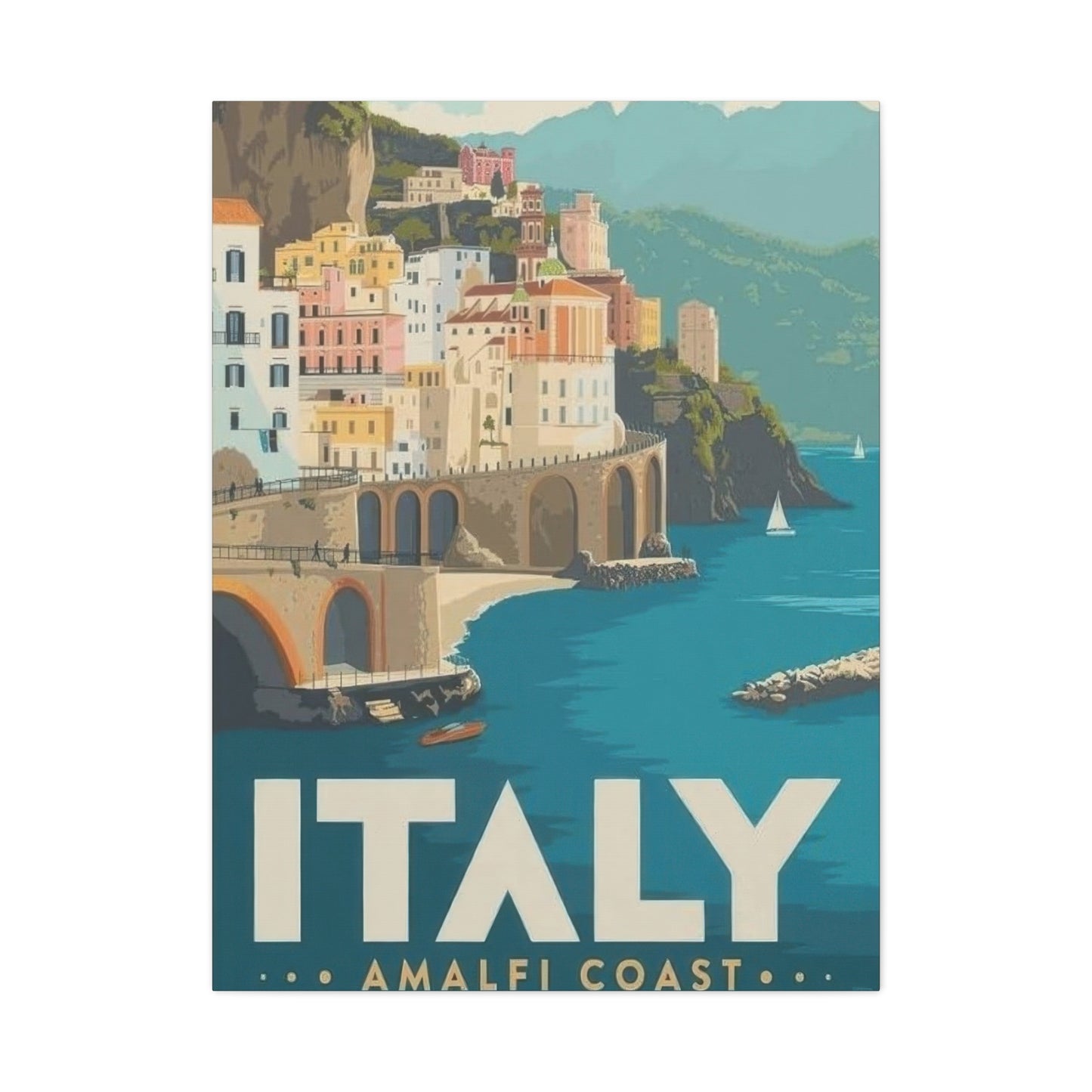


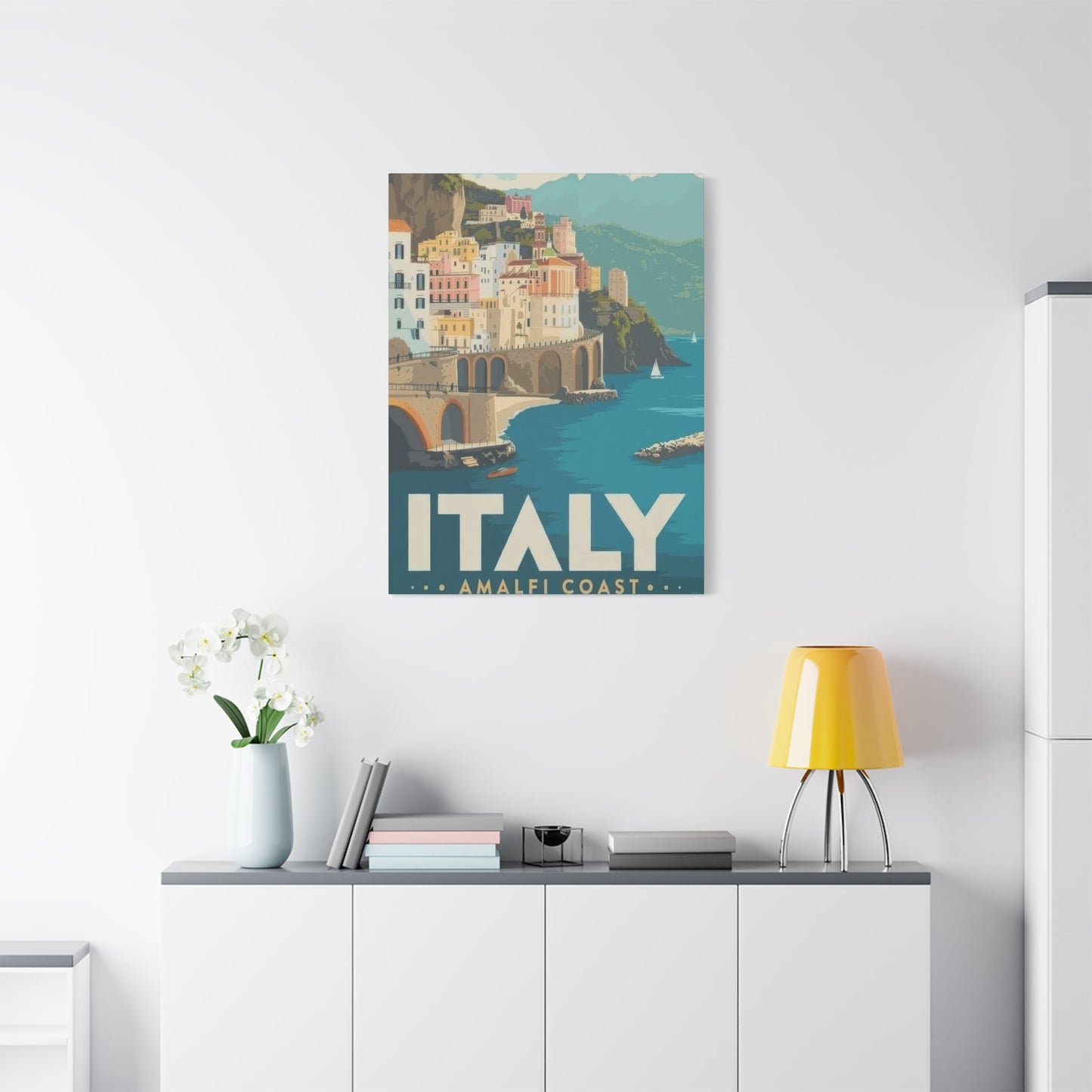


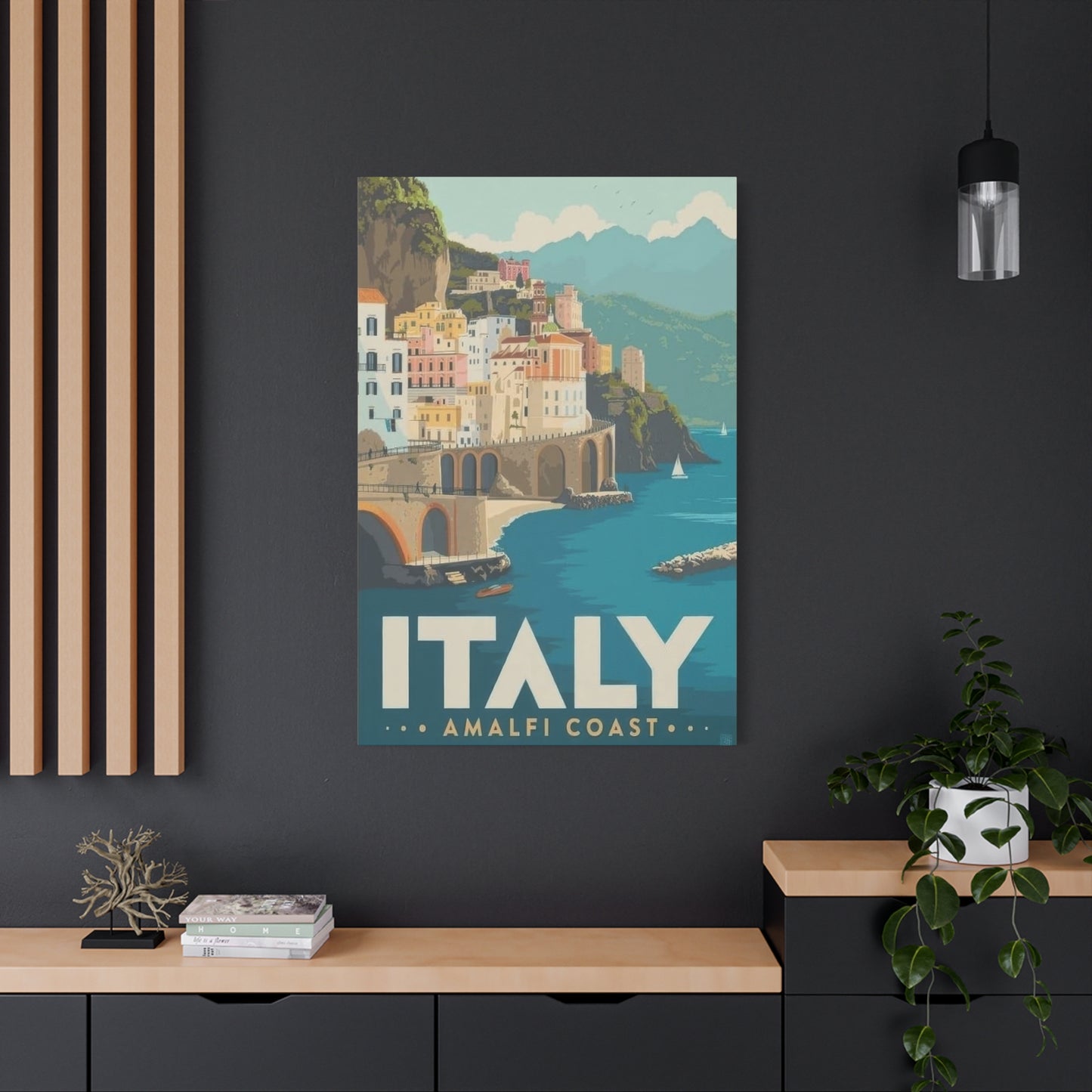
Amalfi Coast Italy Wall Art: Complete Guide to Mediterranean Decor
The breathtaking beauty of the southern Italian coastline has captivated artists, photographers, and travelers for centuries. This stunning region combines dramatic cliffs, azure waters, pastel-colored villages, and lush Mediterranean vegetation to create scenes that seem almost too perfect to be real. When translated into decorative pieces for the home, these images bring an instant sense of tranquility, sophistication, and wanderlust to any living space.
The allure of coastal Italian imagery goes far beyond simple aesthetic appeal. These artistic representations capture a lifestyle, a culture, and a sense of timeless elegance that resonates with people worldwide. Whether you have personally visited this magical destination or simply dream of doing so one day, incorporating these visual elements into your home decor creates an immediate connection to the Mediterranean way of life.
What makes this particular style of decor so universally appealing is its ability to evoke multiple emotions simultaneously. The vibrant colors suggest joy and vitality, while the serene water scenes promote relaxation and calm. The architectural elements speak to history and tradition, while the natural beauty reminds us of the importance of connecting with the environment. This multifaceted emotional impact explains why so many homeowners and interior designers continue to gravitate toward this decorative theme year after year.
The popularity of Mediterranean coastal artwork has only grown in recent years as more people seek to create personal sanctuaries within their homes. In our increasingly fast-paced world, having a space that visually transports you to a peaceful seaside village offers tremendous psychological benefits. The colors, compositions, and subjects found in these pieces have been shown to reduce stress, promote positive thinking, and create a welcoming atmosphere that both residents and guests appreciate.
Understanding the Distinctive Visual Elements
The characteristic features that define authentic Mediterranean coastal artwork are instantly recognizable yet endlessly varied. The color palette typically centers around specific hues that reflect the natural environment of the region. Deep azure blues represent the Tyrrhenian Sea, while lighter cerulean and turquoise tones capture the shallow waters near the shore. These blues are consistently paired with warm earth tones including terracotta, ochre, burnt sienna, and sandy beige, which represent the buildings, cliffs, and beaches that define the landscape.
Architectural elements play a crucial role in establishing the authentic character of these artistic pieces. The distinctive buildings feature whitewashed or pastel-colored facades, often adorned with climbing bougainvillea in vibrant pinks and purples. Domed churches with colorful majolica tile work, narrow cobblestone streets winding between buildings, and terraced gardens carved into hillsides all contribute to the recognizable aesthetic. Window boxes overflowing with geraniums, wrought iron balconies, and vine-covered pergolas add layers of detail that make each piece unique.
The natural landscape provides equally important visual components. Dramatic limestone cliffs plunging into the sea create striking vertical compositions, while the terraced lemon groves that cascade down the hillsides add texture and geometric interest. Ancient olive trees with gnarled trunks and silvery leaves, fragrant herb gardens, and wildflowers dotting the countryside bring organic elements that soften the architectural features. The interplay between human-made structures and natural beauty is perhaps the most compelling aspect of this artistic genre.
Lighting conditions in the Mediterranean region are legendary among photographers and painters alike. The quality of sunlight in this part of the world has a particular clarity and warmth that enhances colors and creates dramatic shadows. Sunset scenes feature spectacular orange, pink, and purple skies reflected in the calm evening waters. Morning light casts a golden glow on east-facing buildings, while midday sun creates stark contrasts between brilliant whites and deep shadows. These lighting variations provide artists with endless possibilities for creating mood and atmosphere in their work.
The Rich Historical Context and Artistic Heritage
The artistic tradition of depicting this famous coastline stretches back centuries, with each era contributing its own interpretation and style. Renaissance and Baroque painters traveling through southern Italy documented the landscape in detailed canvases, often incorporating classical ruins and mythological themes. These early works established visual conventions that continue to influence contemporary artists today. The Grand Tour tradition of the 18th and 19th centuries brought waves of Northern European artists to the region, where they were struck by the intense light, vivid colors, and exotic atmosphere so different from their homelands.
The Romantic movement of the 19th century particularly embraced Mediterranean coastal subjects, emphasizing the dramatic natural beauty and the sublime quality of the landscape. Artists during this period created sweeping panoramas that captured the grandeur of the cliffs and the power of the sea, often including small human figures to emphasize the scale and majesty of nature. These works were characterized by emotional intensity and dramatic compositions that sought to evoke wonder and awe in viewers.
Impressionist and Post-Impressionist painters of the late 19th and early 20th centuries brought new approaches to depicting the southern Italian coast. Rather than focusing on precise architectural detail or dramatic narratives, these artists emphasized the effects of light and atmosphere. Their loose brushwork and vibrant color palettes captured the shimmering quality of light on water and the way colors seem to vibrate in the intense Mediterranean sun. This approach influenced generations of artists and continues to shape how we visualize this landscape today.
Contemporary artists working in both traditional and digital media draw upon this rich artistic heritage while adding modern sensibilities. Some focus on hyper-realistic photography that captures every detail with crystal clarity, allowing viewers to examine the texture of weathered building facades or the individual blossoms on a lemon tree. Others embrace minimalist or abstract approaches, reducing the landscape to essential shapes and colors that evoke the feeling of the place without literal representation. Still others blend vintage aesthetics with modern printing techniques to create pieces that feel both timeless and contemporary.
Selecting the Perfect Piece for Your Space
Choosing artwork that will truly enhance your home requires consideration of multiple factors beyond simple personal preference. The size and scale of the piece in relation to your wall space is perhaps the most critical practical consideration. A common mistake is selecting artwork that is too small for the wall, which can make a room feel disconnected and incomplete. As a general rule, artwork should occupy roughly two-thirds to three-quarters of the available wall space above furniture pieces like sofas or console tables. For large empty walls, considering a gallery arrangement of multiple coordinated pieces can create more visual interest than a single small work.
The orientation of the artwork should complement the proportions of your space. Horizontal pieces emphasize width and work well above long furniture items or in rooms with low ceilings, as they draw the eye sideways and can make spaces feel more expansive. Vertical pieces add height and drama, making them ideal for narrow wall spaces, beside tall furniture, or in rooms with high ceilings where you want to draw attention upward. Square formats offer versatility and work particularly well in balanced, symmetrical arrangements or as part of grid-style gallery walls.
Color coordination requires thoughtful analysis of your existing decor. While Mediterranean coastal artwork typically features blues and warm earth tones, the specific shades and their intensity vary widely between pieces. Examine your room's color scheme including wall paint, furniture upholstery, window treatments, and accessories. The artwork should complement these colors without exactly matching them. Introducing colors from the artwork into other room elements through throw pillows, vases, or other accessories creates a cohesive, intentionally designed appearance. Consider whether you want the artwork to harmonize with existing colors or serve as a contrasting focal point that energizes the space.
The style and level of detail in the artwork should align with your overall design aesthetic. If your home features clean lines, minimal ornamentation, and contemporary furniture, look for artwork with simplified compositions, bold color blocks, or abstract interpretations of coastal scenes. Traditional or transitional spaces accommodate more detailed realistic pieces featuring architectural elements, or vintage-inspired prints with ornate frames. Mixed eclectic styles allow for greater experimentation, but maintaining some common thread between different pieces whether through color palette, subject matter, or frame style creates cohesion rather than chaos.
Various Artistic Mediums and Their Unique Characteristics
Photography offers unparalleled realism and detail, capturing the exact beauty of specific locations at particular moments in time. High-quality photographic prints showcase the incredible textures found in the coastal environment including the weathered patina of old buildings, the sparkle of sunlight on water, and the delicate petals of flowering vines. Modern printing technologies on various substrates including fine art paper, canvas, metal, and acrylic allow the same photograph to take on dramatically different appearances. Matte fine art paper creates a soft, sophisticated look ideal for traditional spaces, while printing on brushed aluminum or acrylic produces a contemporary, vibrant effect with enhanced color saturation.
Traditional painting reproductions bring the beauty of hand-created artwork into homes at accessible price points. High-resolution giclee printing on canvas captures the brushstrokes and texture of original paintings, creating pieces that closely approximate the appearance of hand-painted works. Many modern reproductions are embellished with additional hand-applied paint or texture medium, further enhancing their authenticity. Oil painting styles range from tight, realistic representations to loose, impressionistic interpretations, each offering a different emotional quality. Watercolor reproductions typically have a lighter, more delicate appearance that works beautifully in bedrooms, bathrooms, or spaces where a soft, gentle aesthetic is desired.
Digital art and illustration have expanded the possibilities for creative interpretation of coastal themes. Digital artists can manipulate photographs, combine multiple images, add painted or drawn elements, and experiment with color palettes in ways that would be difficult or impossible with traditional media. This flexibility allows for highly stylized pieces that range from vintage travel poster aesthetics to modern minimalist compositions. Vector illustrations offer clean lines and flat colors that work particularly well in contemporary or Scandinavian-inspired interiors. Digital collage techniques can incorporate typography, maps, and decorative elements alongside photographic or illustrated imagery for eclectic, personalized pieces.
Mixed media artworks combine different materials and techniques to create rich, textured pieces with significant visual interest and depth. These might incorporate photography or painting as a base layer, with added elements like hand-applied gold leaf, embedded natural materials such as sand or shells, layered resin for a glossy dimensional effect, or collaged papers including vintage maps or Italian text. The three-dimensional quality of mixed media pieces creates changing appearances as lighting conditions shift throughout the day, making them particularly engaging. These works often have a more artisanal, one-of-a-kind quality that appeals to collectors seeking unique statement pieces.
Strategic Placement Throughout Your Home
The living room serves as the primary gathering space and often benefits most dramatically from impactful coastal artwork. Above the sofa is the traditional placement that immediately draws the eye upon entering the room. This location requires appropriately scaled pieces or arrangements, with the bottom of the frame typically hanging eight to ten inches above the sofa back. Creating a gallery wall in this location allows you to combine multiple related pieces in varying sizes, building a collected-over-time appearance. Alternatively, a single large statement piece creates a focal point that anchors the room's design.
Flanking the television or fireplace with matching or complementary coastal pieces creates symmetry and balance while incorporating the screen or hearth into the overall design scheme rather than treating it as a disconnected element. When positioning artwork near a fireplace, ensure adequate distance from the heat source and consider how firelight will affect the piece's appearance during evening hours. The mantel itself offers opportunities for layering smaller framed pieces with three-dimensional objects like coral specimens, seashells, or ceramic pieces that reinforce the coastal theme.
Bedroom spaces benefit from soothing coastal imagery that promotes relaxation and peaceful sleep. The wall above the bed is the natural focal point, where a single horizontal piece or a symmetrical arrangement of two or three pieces creates a finished, hotel-like appearance. The artwork's mood in this intimate space is particularly important. Serene water views, soft sunset scenes, or gentle architectural studies in muted tones contribute to a restful atmosphere. More vibrant or dramatic pieces might be energizing rather than calming, making them better suited for other locations.
Bedroom side walls offer additional opportunities for smaller pieces, particularly in asymmetrical arrangements that add interest without overwhelming the space. A narrow vertical piece beside a window can emphasize ceiling height, while a small square piece above a dresser or nightstand anchors furniture groupings. Guest bedrooms particularly benefit from vacation-inspired artwork that helps visitors feel like they are enjoying a getaway even while sleeping in your home.
Creating Cohesive Gallery Wall Arrangements
Planning a successful gallery wall requires careful consideration of composition, spacing, and visual balance before hammering a single nail. Begin by selecting pieces that share some unifying element, whether a consistent color palette, similar subject matter, coordinated frame styles, or a common artistic medium. Too much similarity creates monotony, while too much variety results in chaos. Aim for the sweet spot where pieces clearly belong together but each maintains its individual interest and character.
Lay out your arrangement on the floor before installing it on the wall, allowing you to experiment with different configurations without creating unnecessary holes. Photograph successful arrangements from above for reference during installation. Template the arrangement on kraft paper taped to the wall, marking frame positions and nail locations before removing the paper and installing the actual pieces. This extra step prevents costly mistakes and ensures proper spacing.
Spacing between frames significantly impacts the overall appearance of the gallery. Consistent spacing of two to three inches between frames creates a unified, intentional look, while varied spacing can appear haphazard. Use a level and measuring tape to ensure frames align properly, particularly in grid arrangements where even slight misalignment is obvious and distracting. For salon-style arrangements with varied frame sizes, establish a consistent line along either the top or bottom edges of the arrangement, allowing the opposite edges to vary naturally.
Consider the negative space both within and around your gallery arrangement. Leaving adequate wall space around the perimeter prevents the arrangement from feeling cramped and allows each piece to breathe. Within the arrangement, the spaces between frames become design elements themselves, creating patterns and rhythm that guide the viewer's eye through the collection. Step back frequently during installation to assess the overall effect from a distance, making adjustments as needed to achieve proper balance and flow.
Complementary Decor Elements and Accessories
Extending the coastal theme beyond artwork creates a fully realized design scheme that feels cohesive and intentional. Textiles offer excellent opportunities for reinforcement. Throw pillows in coordinating blues, whites, and sandy neutrals echo the artwork's palette while adding comfort and texture. Linen fabrics with their natural, slightly rumpled appearance perfectly capture the relaxed Mediterranean aesthetic. Striped patterns in classic blue and white combinations reference nautical themes without being overly literal.
Window treatments should complement rather than compete with your artwork. Sheer white curtains diffuse natural light in a way that enhances coastal pieces and creates an airy, breezy atmosphere reminiscent of seaside living. Natural fiber Roman shades in bamboo, jute, or linen add texture while maintaining the organic, unpretentious quality central to Mediterranean style. Avoid heavy, formal draperies that conflict with the casual elegance you are trying to achieve.
Decorative objects selected carefully can reinforce your theme without sliding into cliche. Vintage glass fishing floats in blue and green tones add color and authenticity. Artisanal ceramic pieces including handmade bowls, vases, or tiles showcase the region's rich tradition of decorative pottery. Fresh or preserved lemons in a bowl reference the famous lemon groves that cascade down coastal hillsides. Coral specimens, interesting driftwood pieces, or collections of sea-worn stones in glass vessels bring organic elements that ground the space.
Furniture choices support the overall aesthetic through both form and finish. Weathered wood pieces suggest the passage of time and exposure to sun and salt air. Whitewashed or painted furniture in soft blues, greens, or creamy whites maintains the light, fresh feeling essential to the style. Wrought iron elements in furniture bases, lighting fixtures, or decorative brackets reference the metalwork visible throughout southern Italian towns. Woven or rattan furniture adds textural interest while emphasizing the natural materials fundamental to Mediterranean design.
Lighting Considerations for Maximum Impact
Natural light is the most important factor in how your artwork appears throughout the day. Position pieces where they will receive adequate illumination without direct sunlight that could cause fading over time. South-facing walls receive the most consistent light in the Northern Hemisphere but also the most intense sun exposure. East and west-facing walls experience dramatic lighting changes as the sun moves across the sky, with morning or afternoon sun creating strong highlights and shadows. North-facing walls receive the most consistent, indirect light, ideal for viewing artwork without harsh glare or shadows.
Artificial lighting allows you to control exactly how artwork appears during evening hours and in spaces without abundant natural light. Picture lights mounted directly on the frame or wall above create focused illumination that highlights the artwork while the surrounding space remains more dimly lit. These fixtures work particularly well for traditional spaces and help establish artwork as a focal point deserving special attention. Choose LED options to avoid heat damage and reduce energy consumption.
Track lighting and recessed spotlights offer flexibility in directing light exactly where needed. Adjustable fixtures allow you to change the focus as you rearrange or replace artwork. Position lights at approximately a thirty-degree angle to the artwork to minimize glare on glazing while providing even illumination across the entire surface. Multiple light sources eliminate harsh shadows and ensure all parts of the composition receive appropriate emphasis.
Ambient room lighting affects how artwork colors appear. Warm-toned bulbs enhance yellows, oranges, and reds while dulling blues and greens. Cool-toned bulbs do the opposite, making blues and greens more vibrant while reducing the intensity of warm colors. The best choice depends on your artwork's specific color palette and the mood you want to create. High color rendering index bulbs display colors most accurately, showing artwork as it appears in natural daylight.
Framing Options That Enhance and Protect
Frame selection dramatically impacts how artwork integrates with your decor and how seriously the piece is perceived. Traditional wood frames in natural finishes or painted colors provide versatility and work across various design styles. Light natural woods including maple, ash, or light oak maintain the bright, airy quality essential to Mediterranean aesthetics. Darker woods like walnut can ground lighter artwork and work beautifully in spaces with existing dark wood furniture or trim.
Painted frames offer opportunities for color coordination with your room. White or cream frames create a fresh, gallery-like appearance that places full emphasis on the artwork itself. These work particularly well for arrangements of multiple pieces where you want a unified, cohesive appearance. Colored frames in blues, greens, or sandy tones can pick up accent colors from the artwork, creating deliberate connections between the piece and its surroundings. Distressed or weathered painted finishes add character and suggest age, appropriate for vintage-inspired pieces or shabby chic interiors.
Metal frames in silver, gold, brass, or black provide contemporary sophistication and work particularly well with photographic pieces. Thin metal frames create minimal visual boundaries, allowing the artwork to flow almost seamlessly into the surrounding space. This modern, understated approach suits minimalist and contemporary interiors perfectly. Ornate metal frames with decorative details provide traditional elegance appropriate for more formal spaces or traditional artwork styles.
Float mounting creates the impression that artwork hovers within the frame, with visible space between the image edge and the frame itself. This technique adds a three-dimensional quality and contemporary flair particularly effective with canvas or paper works. The shadow created between the artwork and frame adds depth and makes pieces appear more significant. Float mounting works with any frame style but is especially popular with simple, minimal frames that avoid distracting from the art itself.
Matting adds protection while creating visual breathing room between artwork and frame. White or cream mats provide classic, clean presentation that works universally well. Colored mats can reinforce specific hues within the artwork but should be used judiciously as they can date quickly and limit flexibility for future placement in different rooms. Multiple mats in coordinating colors create sophisticated layered effects that add perceived value and importance to pieces.
Caring for and Preserving Your Investment
Protecting artwork from environmental damage ensures it remains beautiful for decades. Direct sunlight is the primary enemy of nearly all artwork, causing colors to fade, papers to yellow, and materials to deteriorate. Even pieces marketed as fade-resistant will show degradation over time with constant sun exposure. Use UV-filtering glazing on framed pieces, install window treatments that diffuse or block direct sun, and avoid placing artwork directly in sunny windows or on walls opposite large unshielded windows.
Temperature and humidity fluctuations cause expansion and contraction of materials that lead to warping, cracking, or separation of layers. Maintain relatively stable conditions, avoiding placement near heating vents, radiators, air conditioning units, fireplaces, or exterior doors where conditions fluctuate dramatically. Humidity control is particularly important for paper-based artwork and pieces with multiple material layers. Ideal conditions are roughly sixty-eight to seventy-two degrees Fahrenheit with relative humidity between forty and fifty percent.
Regular dusting prevents buildup that dulls appearance and can attract moisture or pests. Use a soft, clean, dry microfiber cloth or a soft brush specifically designed for artwork. Never spray cleaning products directly on artwork or frames, as moisture can seep behind glazing or damage frames. For framed pieces under glass or acrylic, occasionally wipe the glazing with a slightly dampened cloth using water or glass cleaner applied to the cloth rather than the surface, being careful not to let moisture seep behind the frame.
Canvas pieces without protective glazing require particularly gentle care. Dust with a soft brush, moving in the direction of any visible brushstrokes or texture. Never touch the canvas surface with bare hands, as skin oils transfer and can attract dirt or cause discoloration over time. If canvas becomes stretched or warped, this usually indicates environmental conditions that are too humid or temperature fluctuations. Adjusting conditions should resolve minor issues, while significant problems may require professional conservation.
Professional cleaning and conservation should be considered for valuable pieces showing signs of damage or deterioration. Paper artwork developing brown spots, artwork with lifting or flaking paint or ink, frames showing active mold growth, or pieces with water damage all require expert intervention. Attempting to clean or repair these issues yourself often causes additional damage. Qualified conservators can assess problems, recommend treatment options, and perform work using archival methods that preserve rather than compromise artwork integrity and value.
Budget-Friendly Alternatives and DIY Options
Creating a Mediterranean coastal aesthetic does not require spending thousands on original artwork or limited edition prints. High-quality digital prints of public domain vintage travel posters, paintings, and photographs are available through numerous outlets at very reasonable prices. These can be downloaded, printed at local or online print services on your choice of paper or canvas, and framed in budget-friendly frames from craft or home goods stores. The resulting pieces look remarkably similar to much more expensive options.
Creating your own artwork is surprisingly accessible even without formal artistic training. If you have visited coastal regions, your own photographs can be printed at large sizes for dramatic personal wall art. Composition techniques including the rule of thirds, leading lines, and balancing elements can be learned through free online resources and applied during editing using free or inexpensive software. Printing on canvas rather than paper adds texture and substance that elevates amateur photography into legitimate decorative art.
Abstract painting techniques inspired by coastal colors and compositions are forgiving and fun to create. Acrylic paints in blues, whites, and earth tones can be applied to canvas using broad strokes, palette knives, or even unconventional tools like sponges or squeegees. The goal is capturing the feeling and color palette rather than realistic representation. Layering colors, allowing them to blend naturally, and incorporating texture through thick paint application or added mediums creates visually interesting pieces. Several coordinating canvases in different sizes can be created in a single session and displayed as a gallery arrangement.
Repurposing and upcycling found materials creates eclectic pieces with unique character. Vintage maps of southern Italy framed simply become interesting travel-inspired art. Antique architectural fragments or salvaged shutters in weathered blue paint mounted on the wall create three-dimensional focal points. Framed textile pieces including vintage Mediterranean-themed tea towels, embroidered linens, or fragments of decorative tilework bring pattern and texture. These approaches create collected-over-time character that feels more authentic than obviously matching purchased sets.
Current Trends and Emerging Styles
Minimalist interpretations of coastal scenes have gained tremendous popularity as more homeowners embrace pared-down, uncluttered aesthetics. These pieces reduce complex landscapes to essential elements, often using limited color palettes and simplified shapes. A single building rendered in flat color blocks against a solid background, an abstracted cliff face in graduated blue tones, or a geometric representation of terraced hillsides all capture the essence of place without literal detail. These pieces work beautifully in modern spaces and appeal to those who want subtle rather than obvious themeing.
Vintage-inspired travel poster designs tap into nostalgia for mid-century aesthetics and the golden age of travel. These pieces feature stylized, graphic representations of famous coastal views with bold typography announcing destination names. The illustration style, color palettes, and compositional approaches reference 1930s through 1960s advertising design. Authentic vintage posters command high prices, but contemporary artists create new works in authentic period styles that capture the aesthetic at accessible price points. These pieces add personality and a sense of history while maintaining the fresh, colorful quality essential to the coastal theme.
Large-scale panoramic pieces that span multiple feet create immersive experiences that transform entire walls into view windows. These work particularly well in living rooms, dining rooms, or home offices where wall space allows. Some homeowners are incorporating floor-to-ceiling photographic murals or wallpaper featuring coastal scenes for maximum impact. While more commitment is required compared to framed pieces that can be easily changed, the dramatic transformation of space can be worth it for those passionate about the theme.
Black and white photography offers sophisticated alternatives to the typical colorful coastal palette. Dramatic contrast emphasizes the interplay between architectural forms, creates striking skyscapes, and highlights textures in weathered surfaces. These pieces work beautifully in modern or transitional spaces and provide flexibility for future decor changes since they work with any color scheme. Sepia or warm-toned black and white images add vintage character while maintaining the sophisticated, artistic quality of monochromatic photography.
Incorporating textured and dimensional elements adds tactile interest that flat photography or paintings cannot provide. Pieces printed on wood planks rather than canvas or paper gain rustic character from the visible grain and natural variations. Three-dimensional shadow boxes incorporating dried flowers, shells, or other natural materials collected from coastal regions create personal keepsakes with genuine meaning. Textile art including macrame, weaving, or embroidery in coastal colors and patterns adds handmade warmth and supports the artisanal aesthetic associated with Mediterranean culture.
Sourcing Quality Pieces from Reputable Sellers
Finding high-quality Mediterranean coastal artwork requires knowing where to look and how to evaluate offerings. Online marketplaces have democratized art purchasing, providing access to thousands of artists and sellers worldwide. When shopping online, carefully examine seller ratings, read customer reviews, and look for detailed product descriptions including exact dimensions, materials, and printing methods. Request additional photos showing details, texture, or the piece displayed in a room setting if these are not already provided.
Print-on-demand services allow artists to offer their work without maintaining inventory, keeping costs lower while still providing quality products. These platforms handle printing, framing, and shipping, ensuring professional results. However, quality varies between providers, so research which services artists use and read reviews specifically about print quality, color accuracy, and packaging. Some services offer sample prints at reduced prices, allowing you to evaluate quality before committing to larger, more expensive pieces.
Local art galleries, frame shops, and home decor boutiques provide opportunities to see artwork in person before purchasing, eliminating concerns about how colors will appear or whether print quality meets expectations. Building relationships with local sellers often provides access to new arrivals before they reach showroom floors, invitations to special sales events, and personalized service including custom framing recommendations and installation assistance. The slightly higher prices often charged by brick-and-mortar retailers can be worthwhile for the expertise and service they provide.
Directly purchasing from artists through their websites or studio sales eliminates middlemen and ensures artists receive fair compensation for their work. Many artists offer limited edition prints at various price points alongside original pieces, making their work accessible to different budgets. Subscribing to artists' newsletters or following them on social media provides advance notice of new releases, special sales, and exclusive offerings. Building direct relationships with artists you admire supports their continued creative work while providing you with unique pieces and potentially investment-grade artwork.
Art fairs, craft markets, and outdoor festivals provide opportunities to discover emerging artists and purchase directly while seeing work in person. These venues often feature more affordable pieces than established gallery settings while still offering quality, original work. Seasonal art walks in cultural districts allow gallery hopping and comparison shopping in concentrated time periods. These events often include artist receptions where you can meet creators, learn about their processes, and gain insights that deepen your appreciation for their work.
Investment Value and Collecting Strategies
While most people purchase coastal artwork primarily for decorative purposes, understanding factors that influence investment value helps make informed decisions. Limited edition prints numbered and signed by artists have greater value than unlimited open editions. Lower numbers within editions command premium prices, particularly numbers one through ten. The total edition size impacts scarcity and value, with editions of fewer than one hundred pieces generally more collectible than editions of five hundred or more.
Artist reputation and career trajectory significantly influence artwork value. Established artists with gallery representation, museum exhibitions, and consistent sales histories command higher prices but also offer better investment potential. Emerging artists offer more affordable entry points with potential for significant appreciation if their careers develop successfully. Researching artists' educational backgrounds, exhibition histories, awards, and critical reception helps assess their standing within the art world.
Original artwork including paintings, drawings, and unique photographic prints holds greater investment potential than reproduction prints, assuming the artist has established reputation and skill. The one-of-a-kind nature of originals creates inherent scarcity that reproductions lack. However, originals require substantially higher initial investment, making them impractical for many budgets. For those able to invest, purchasing original work from promising emerging artists offers the greatest potential for appreciation.
Condition dramatically impacts resale value, making proper care and preservation essential for maintaining investment potential. Professionally framed pieces using archival materials, UV-protective glazing, and acid-free mats retain condition better than poorly framed work. Maintaining original documentation including certificates of authenticity, artist statements, provenance records, and exhibition histories adds significant value. Storing these documents safely and transferring them with the artwork if you eventually sell ensures future owners can verify authenticity and history.
Building a cohesive collection around specific themes, artists, time periods, or stylistic approaches creates added value beyond individual pieces. Collections tell stories and demonstrate connoisseurship, making them more interesting to future buyers than random accumulations. Focusing your collecting creates expertise in your chosen area, helping you recognize quality, identify good values, and make strategic acquisition decisions. Whether you focus on vintage travel posters, contemporary photography of specific locations, or works by artists from coastal regions, a focused collection strategy yields more satisfying and potentially valuable results.
Digital Display Options and Modern Technologies
Digital picture frames have evolved dramatically, now offering high-resolution displays that rival printed artwork in clarity and color accuracy. These devices allow rotation through extensive libraries of Mediterranean coastal images, providing endless variety without cluttering walls with physical frames. Premium digital frames feature anti-glare screens, automatic brightness adjustment based on ambient light, and frame designs that mimic traditional picture frames, making them indistinguishable from conventional artwork at casual glance.
Smart displays and tablets mounted on walls provide similar benefits with additional functionality including connectivity to photo libraries, subscription art services, and social media. These devices can display your personal travel photography, artwork purchased through digital platforms, or selections from vast online collections of public domain artwork. Some services curate themed collections allowing you to display different artworks seasonally or rotate between various coastal locations. Motion-activated displays conserve energy by only illuminating when someone is present to view them.
Projection technology offers possibilities for truly dramatic installations. Large-scale projections can transform entire walls into immersive coastal scenes, creating experiences beyond what traditional framed artwork can achieve. While permanent projection systems require installation and dedicated equipment, the ability to change scenes easily and create moving imagery offers unique possibilities. Slow-motion waves lapping shores, gently swaying vegetation, or slowly changing light across building facades add dynamic elements that captivate attention in ways static images cannot.
Virtual reality and augmented reality technologies are beginning to influence how we experience artwork in our homes. AR applications allow you to virtually place artwork on your walls before purchasing, seeing exactly how size, color, and composition work in your specific space with your particular lighting and surrounding decor. This technology eliminates much of the guesswork and anxiety around online artwork purchases, dramatically reducing return rates and increasing customer satisfaction. As these technologies become more accessible and user-friendly, they will likely transform the artwork purchasing process.
Environmental Considerations and Sustainable Choices
Environmentally conscious consumers can make sustainable choices when selecting coastal artwork without sacrificing quality or aesthetic appeal. Print-on-demand production models reduce waste by eliminating unsold inventory, with pieces created only after purchase. This approach uses resources more efficiently than traditional retail models where substantial percentages of merchandise eventually end up in landfills. Supporting artists and sellers who use print-on-demand services aligns purchasing with environmental values.
Printing substrates and inks vary dramatically in environmental impact. Paper made from recycled content or sustainably managed forests carries certifications from organizations like the Forest Stewardship Council. Bamboo and hemp papers offer alternatives to traditional wood pulp with lower environmental impacts. Water-based and soy-based inks provide safer alternatives to petroleum-based inks, reducing air pollution and making recycling easier. Vendors increasingly provide information about their materials and production methods, allowing environmentally conscious purchasing decisions.
Framing materials also carry environmental implications. Frames made from reclaimed or FSC-certified wood, recycled metals, or rapidly renewable bamboo offer sustainable options. Avoiding frames made from endangered wood species or virgin tropical hardwoods protects valuable ecosystems. Glass made from recycled content and acrylic alternatives derived from renewable resources are increasingly available. Asking framers about sustainable options demonstrates demand that encourages wider availability of environmentally preferable materials.
Digital artwork displayed on screens eliminates production and shipping impacts but consumes electricity throughout their operational life. Energy-efficient displays with automatic brightness adjustment and sleep modes minimize consumption. Powering devices with renewable energy through home solar systems or utility green energy programs further reduces environmental impact. Balancing the benefits of digital displays against their energy consumption requires considering your specific situation and values.
Purchasing original vintage artwork or prints gives new life to existing pieces rather than consuming resources to create new ones. Estate sales, antique shops, and resale platforms offer opportunities to find Mediterranean coastal pieces with history and character. These pre-owned pieces often cost less than new equivalents while providing unique charm that mass-produced contemporary work lacks. This approach combines sustainability with the treasure-hunt excitement of finding special unique pieces.
Teaching and Inspiring Children Through Coastal Art
Mediterranean coastal artwork in family homes provides educational opportunities that extend beyond simple decoration. Geographic learning happens naturally when children ask about the locations depicted in artwork, leading to conversations about European geography, Mediterranean climate zones, and cultural differences between regions. Looking at maps together to find the actual locations of villages or landmarks in your artwork builds spatial reasoning and geographic literacy while making abstract map concepts concrete and personally relevant.
Architecture and engineering concepts become accessible through examining buildings depicted in coastal artwork. Discussing why buildings look the way they do, how they are adapted to the climate and terrain, and how they differ from local architecture introduces children to the relationships between environment and human settlements. Older children can explore concepts like load-bearing walls, the structural properties of different materials, and how ancient building techniques influence contemporary design.
Artistic techniques and media become more understandable when examining actual examples. Comparing photographic pieces with painted or illustrated versions of similar subjects demonstrates how different media communicate information and emotion differently. Observing brushstrokes in painted pieces, discussing color choices and their emotional impacts, and encouraging children to create their own coastal-inspired artwork develops visual literacy and creative expression. Having examples to study and reference makes abstract artistic concepts tangible and comprehensible.
Cultural appreciation develops when artwork sparks curiosity about the people who live in the beautiful places depicted. Discussing Italian language, cuisine, traditions, and daily life creates context beyond picturesque scenery. Reading age-appropriate books set in coastal Italian towns, learning a few Italian words, or cooking simple Italian dishes together extends the educational value of your artwork into rich multisensory learning experiences that build lasting knowledge and positive associations with cultural diversity.
Travel inspiration begins early when children grow up surrounded by images of beautiful places. Artwork plants seeds of wanderlust and curiosity about the world beyond immediate surroundings. Involving children in planning hypothetical or actual trips to the locations in your artwork teaches research skills, budgeting concepts, and the value of setting goals and working toward them. Whether trips materialize or remain dreams, the planning process itself provides valuable skills and broadens perspectives.
Creating Themed Rooms with Comprehensive Design
Fully realized Mediterranean coastal rooms go beyond artwork to create immersive environments that transport occupants to the Italian coast. Coastal bathrooms benefit tremendously from the theme, where blues and whites feel naturally appropriate. Artwork depicting seaside scenes reinforces the connection between the room's function and decorative theme. Waterproof canvas or acrylic-mounted prints withstand bathroom humidity better than paper-based pieces. White beadboard wainscoting, pebble tile floors, and sea glass accessories complete the look.
Home offices themed around coastal destinations create pleasant work environments that reduce stress and boost productivity. Positioning your desk to face artwork rather than blank walls gives your eyes somewhere restful to focus during breaks from screen time. The calming qualities of water views and blue colors reduce anxiety around deadlines and difficult projects. Organizing supplies in ceramic containers, using natural fiber desk accessories, and incorporating plants with gray-green foliage reinforce the Mediterranean aesthetic while maintaining professional appearance.
Dining rooms with Mediterranean themes create vacation atmosphere for everyday meals, elevating routine dinners into special occasions. Large-scale coastal artwork serves as the focal point, while coordinating elements like linen table runners, hand-painted ceramic dinnerware, olive wood serving pieces, and bottles of Italian wine displayed on open shelving complete the immersive experience. Ambient lighting using Edison bulb pendants or wrought iron chandeliers adds warm illumination that enhances both the artwork and the dining experience.
Guest bedrooms with cohesive Mediterranean themes provide visitors with memorable experiences that make them feel like they are staying at a boutique coastal hotel rather than a spare bedroom. Coordinating artwork, bedding, window treatments, and accessories creates pulled-together appearance. Welcome baskets with Italian treats, travel guides to coastal regions, and postcards featuring locations from your artwork add thoughtful touches that guests remember and appreciate.
Reading nooks and relaxation spaces particularly benefit from serene coastal imagery that promotes calm and mental escape. Positioning comfortable seating near windows with natural light and hanging coastal artwork within easy viewing distance creates peaceful retreats perfect for reading, meditation, or simply unwinding. Soft throws, supportive cushions, and small side tables for beverages complete these personal sanctuaries where the artwork contributes to overall atmosphere of restorative relaxation.
Conclusion
Mediterranean coastal artwork represents far more than simple decorative enhancement for living spaces. These carefully selected pieces transform houses into homes that reflect personal values, aspirations, and aesthetic sensibilities. The enduring popularity of this design theme spanning decades and crossing cultural boundaries demonstrates its fundamental appeal to human psychology and our innate connection to natural beauty. The combination of dramatic landscape, charming architecture, and vibrant culture captured in these artworks creates visual interest that remains engaging through daily exposure over years.
The versatility of Mediterranean coastal themes allows them to enhance virtually any architectural style or design aesthetic when thoughtfully selected and properly integrated. From contemporary minimalist spaces to traditional formal rooms, from cozy bedrooms to professional offices, these images bring warmth, color, and visual interest that elevate the ordinary into the memorable. The practical accessibility of coastal artwork at every price point makes this sophisticated design approach available to all, regardless of budget constraints. Whether investing in museum-quality original paintings or downloading and printing digital files, the ability to bring Mediterranean beauty into your home depends more on thoughtful selection and placement than financial resources.
Beyond aesthetic contributions, coastal artwork provides psychological benefits that improve daily quality of life. The stress-reducing properties of water views, the mood-enhancing effects of blue color palettes, and the aspirational nature of travel imagery combine to create environments that actively support mental health and emotional wellbeing. In our increasingly stressful modern world, creating home environments that promote relaxation and positive outlook becomes not just desirable but essential to maintaining balance and health.
The educational and cultural value of Mediterranean coastal artwork extends its impact beyond the individual homeowner to family members and guests who experience your space. These pieces spark conversations about travel, geography, art, and culture that broaden perspectives and create connections between people. For children growing up in homes featuring international artwork, early exposure to global beauty and cultural diversity plants seeds of curiosity and open-mindedness that influence their development and worldview.
Creating a home environment that reflects personal interests and brings genuine joy should be a priority rather than an afterthought. The spaces where we spend our private time significantly impact our mood, relationships, and overall life satisfaction. Investing time and resources into selecting artwork that truly resonates rather than settling for whatever is readily available or inexpensive demonstrates respect for yourself and your home. The pieces you choose become part of your daily experience, influencing countless moments and memories created within your space.
The process of selecting, arranging, and living with Mediterranean coastal artwork can itself be rewarding and enriching. Researching artists, learning about depicted locations, and developing your personal aesthetic preferences develops connoisseurship and visual literacy. Visiting galleries, attending art fairs, and engaging with artists builds appreciation for creative work and supports the vital cultural ecosystem that produces the artwork you love. These experiences extend the value of your artwork beyond the physical pieces themselves.
As you develop your collection and refine your space, remember that creating a home you love is an ongoing process rather than a project with a definite completion date. Your needs, preferences, and circumstances will evolve over time, and your decor should evolve accordingly. Pieces that once seemed perfect may eventually feel dated or no longer suit your aesthetic direction. Allowing yourself to change, rearrange, or replace elements demonstrates healthy growth rather than failure to commit. The flexibility to modify your space as you change keeps your home feeling fresh and relevant throughout different life stages.


