


Amalfi Coast Travel Caroline Italy Wall Art & Canvas Prints
Amalfi Coast Travel Caroline Italy Wall Art & Canvas Prints
Couldn't load pickup availability


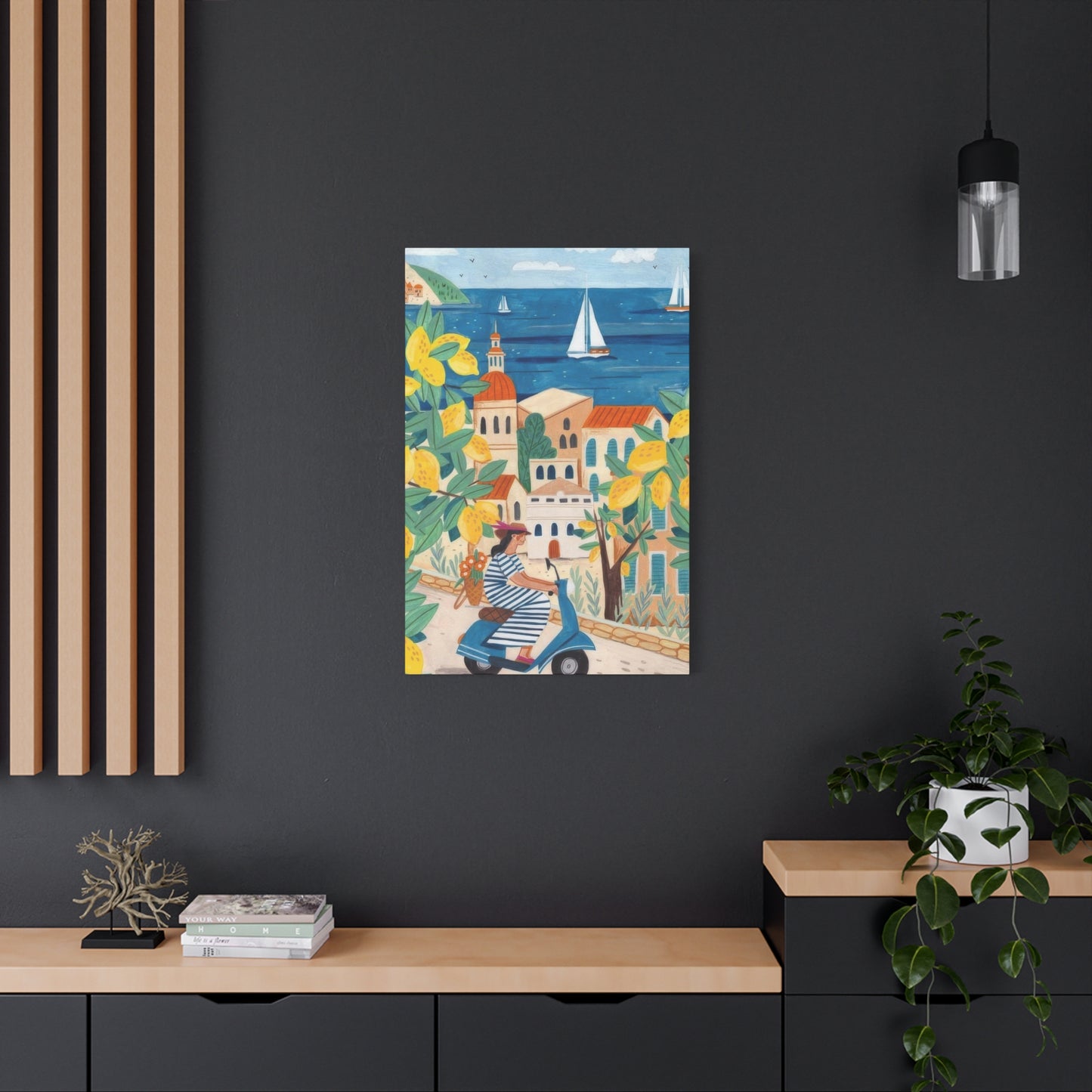


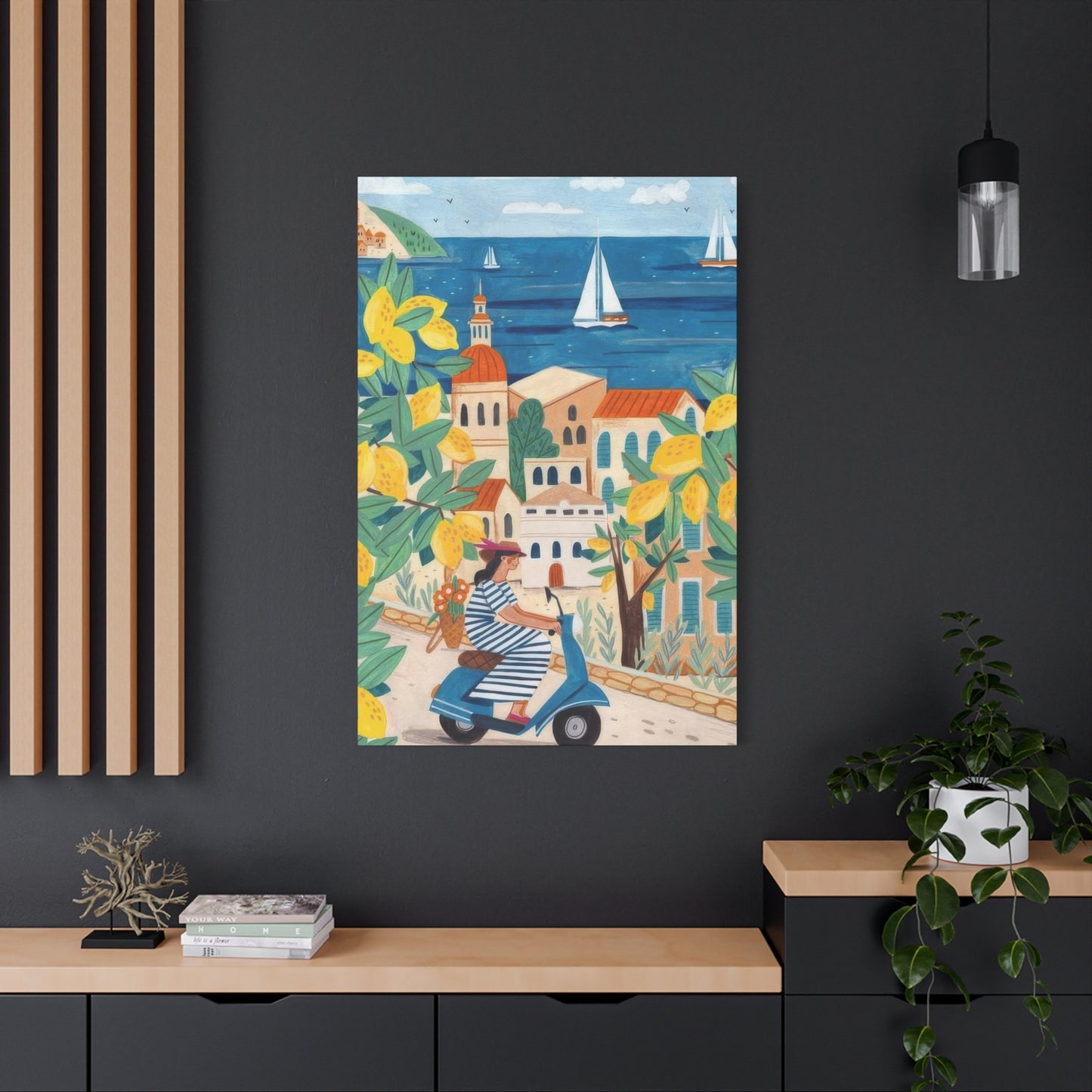
Amalfi Coast Travel Caroline Italy Wall Art: A Complete Guide to Capturing and Celebrating Mediterranean Beauty
The Amalfi Coast stands as one of the most breathtaking destinations in the world, where dramatic cliffs meet azure waters and charming villages cling to steep hillsides. This stunning stretch of Italian coastline has inspired countless artists, photographers, and travelers to capture its essence through various forms of visual art. The concept of transforming travel memories into wall art has become increasingly popular, allowing visitors to bring home a piece of this Mediterranean paradise. This comprehensive guide explores everything you need to know about Amalfi Coast travel and how to immortalize your experiences through beautiful wall art that celebrates the region's unique character and timeless beauty.
Allure of the Amalfi Coast for Travel Photography and Art
The Amalfi Coast represents a photographer's dream destination, offering an endless array of visual delights that captivate both amateur enthusiasts and professional artists. This remarkable coastline stretches approximately fifty kilometers along the southern edge of Italy's Sorrentine Peninsula, encompassing thirteen municipalities that each possess their own distinct character and charm. The region's geography creates a dramatic landscape where mountains plunge directly into the sea, forming a series of terraced hillsides that have been cultivated for centuries. These terraces, planted with lemon groves, vineyards, and olive trees, add layers of color and texture to the already stunning natural scenery. The architecture throughout the coast reflects centuries of history, with buildings painted in warm pastels that seem to glow in the Mediterranean sunlight.
Ancient churches with majolica-tiled domes punctuate skylines, while narrow staircases and winding pathways connect different levels of the coastal towns. The interplay of natural and human-made beauty creates countless opportunities for capturing memorable images that translate beautifully into wall art. The light quality along this coastline changes throughout the day, offering photographers and artists varying conditions to work with from the soft golden hour glow at sunrise to the dramatic shadows of late afternoon. The sea itself provides a constantly changing backdrop, shifting from deep sapphire to brilliant turquoise depending on weather conditions and time of day. This dynamic environment ensures that no two visits yield identical photographic results, making each piece of Amalfi Coast wall art truly unique and personal to the creator's experience.
Exploring the Most Photogenic Towns Along the Amalfi Coast
Each municipality along the Amalfi Coast offers distinctive visual characteristics that make them worthy subjects for travel photography and wall art. Positano stands as perhaps the most iconic and frequently photographed location, with its vertical layout creating a cascading effect of colorful buildings that seem to tumble down the cliffside toward the beach below. The town's architecture features a palette of warm peaches, soft pinks, and sunny yellows that photograph beautifully against the deep blue Mediterranean backdrop. The view from the water looking back toward Positano reveals the full majesty of this vertical village, with the dome of Santa Maria Assunta church serving as a focal point among the clustered buildings. Narrow lanes filled with boutiques and cafes offer intimate street photography opportunities, while the beaches provide foreground interest for wider landscape compositions.
Amalfi town itself, the namesake of the coast, presents a different aesthetic with its impressive cathedral dominating the main piazza. The cathedral's Arab-Norman architecture, striped facade, and grand staircase create dramatic compositions that work exceptionally well in both color and black-and-white photography. The town's maritime history is evident in its architecture and layout, with the harbor area providing excellent opportunities to capture traditional fishing boats and modern yachts against the backdrop of historic buildings. Ravello occupies a lofty perch high above the coastline, offering panoramic vistas that are among the most spectacular in the entire region. The gardens of Villa Cimbrone and Villa Rufolo provide curated viewpoints where carefully designed landscapes frame distant coastal views, creating natural compositions that translate beautifully into wall art. These elevated perspectives allow photographers to capture the full sweep of the coastline, with multiple towns visible in a single frame and the sea stretching to the horizon.
Capturing the Essence of Amalfi Coast Villages Through Photography
The smaller villages scattered along the Amalfi Coast offer intimate glimpses into traditional Italian coastal life that make for compelling photographic subjects. Atrani, one of the smallest municipalities in Italy by area, nestles in a small valley between cliffs, creating a compact village that feels worlds away from the busier tourist centers. Its narrow streets, tiny piazza, and local character provide authentic moments for documentary-style travel photography that captures everyday Mediterranean life. The village's beach area and the way buildings frame the small stretch of coastline create unique compositions not found in the larger towns. Praiano occupies a quieter stretch of coast between Positano and Amalfi, offering photographers a more relaxed atmosphere and equally stunning views without the crowds. The town spreads along the hillside rather than clustering in one dramatic formation, creating opportunities to capture the relationship between architecture and landscape in different ways.
Sunset photography from Praiano can be particularly rewarding, as the town faces west and captures the full glory of the sun sinking into the Mediterranean. Furore, known for its dramatic fjord where a small beach nestles at the base of towering cliffs, provides one of the most unique coastal scenes along the entire stretch. The village itself is dispersed along the clifftops, but the fjord area offers a concentration of visual interest where a historic bridge spans the gorge and colorful fishing shacks cling to the rocky shores. Conca dei Marini, though small, houses the famous Emerald Grotto and offers peaceful coastal views that contrast with the busier neighboring towns. The mix of natural attractions and traditional architecture in these smaller villages creates diverse subject matter for anyone looking to build a comprehensive collection of Amalfi Coast wall art that goes beyond the most famous locations.
Seasonal Considerations for Amalfi Coast Travel Photography
The time of year you visit the Amalfi Coast significantly impacts both your travel experience and the type of imagery you can capture for wall art. Spring arrives early along this Mediterranean coastline, with March and April bringing blooming flowers that add vibrant colors to garden scenes and roadside vistas. The famous lemon groves begin their growing season, with trees heavy with fruit creating quintessentially Italian compositions. Weather during spring can be variable, which actually benefits photographers by providing interesting cloud formations and dramatic lighting conditions rather than the flat light of consistently clear skies. The shoulder season of late spring offers the advantage of fewer tourists, making it easier to capture iconic locations without crowds of people in your frame. Summer brings the busiest tourist season along with reliably sunny weather and the warmest temperatures both in air and water. The intense Mediterranean sun creates strong contrasts and deeply saturated colors, particularly in the blues of the sea and sky.
However, the harsh midday light can be challenging for photography, making early morning and evening sessions more productive for capturing flattering images. The presence of more people during summer means you need to be strategic about timing and composition if you prefer images without crowds, though some photographers embrace the bustling energy as part of the coastal atmosphere. Autumn extends the pleasant season well into October and sometimes November, with harvest time adding agricultural elements to potential compositions as grapes are picked and lemons reach peak production. The light during autumn takes on a warmer quality that enhances the already warm-toned architecture, and the angle of the sun creates more interesting shadows than the high overhead summer sun. Winter represents the quiet season when the coast returns to local life, with many tourist facilities closed but a different kind of beauty emerging. The landscape becomes greener with winter rains, and storm systems can create dramatic seascapes with powerful waves and moody skies that offer completely different artistic interpretations than the typical sunny Mediterranean scenes.
Equipment and Technical Considerations for Amalfi Coast Photography
Creating high-quality images suitable for wall art requires thoughtful equipment choices and technical understanding appropriate to the unique challenges and opportunities the Amalfi Coast presents. Camera selection matters less than it once did, as modern mirrorless and DSLR cameras at various price points can all produce images with sufficient resolution and quality for large prints. However, certain features prove particularly useful in this environment, including good dynamic range to handle the high contrast between bright skies and shadowed building details, and reliable autofocus for capturing fleeting moments in busy street scenes. Lens selection plays a crucial role in determining the style and scope of your Amalfi Coast imagery. Wide-angle lenses in the range between sixteen and thirty-five millimeters work beautifully for capturing sweeping coastal panoramas and the vertical architecture of towns like Positano, allowing you to show the relationship between buildings, landscape, and sea in a single frame. A standard zoom covering roughly twenty-four to seventy millimeters provides versatility for both wider scenes and tighter compositions of architectural details or street life.
Telephoto lenses ranging from seventy to two hundred millimeters enable you to compress perspective, making distant towns appear closer together and emphasizing layers in the landscape. These longer focal lengths also allow you to isolate specific elements like church domes or terrace details from surrounding context, creating more abstract compositional approaches. A polarizing filter proves invaluable along the Amalfi Coast, helping to deepen blue skies, reduce glare from the sea surface, and increase color saturation throughout the scene. Neutral density filters enable longer exposures even in bright daylight, allowing you to smooth water movement or create motion blur in clouds while keeping the landscape sharp. A sturdy tripod becomes essential if you plan to shoot during low light conditions or want to capture long exposures, though the often-crowded nature of popular viewpoints may limit where and when you can use one. Backup batteries and memory cards are absolute necessities, as the excitement of photographing this beautiful location often leads to taking far more images than initially planned, and the terrain makes returning to accommodation to retrieve forgotten items inconvenient.
Creating Compelling Amalfi Coast Wall Art
Strong compositional skills separate adequate travel snapshots from images worthy of display as wall art in your home or gallery. The dramatic topography of the Amalfi Coast naturally lends itself to certain compositional approaches that emphasize the relationship between land and sea. Leading lines appear everywhere in this landscape, from the curves of the coastal road to staircases climbing hillsides and terraced agricultural plots creating parallel horizontal elements. Using these natural and human-made lines to guide viewers' eyes through your image toward a focal point creates dynamic compositions with visual movement. The vertical architecture of towns like Positano suggests portrait-oriented compositions that emphasize height and the cascading nature of buildings down the slopes. However, don't overlook opportunities for horizontal landscape orientations that capture the sweep of coastline and the expanse of the Mediterranean. Framing within the frame represents another powerful technique readily available throughout the coast, with archways, doorways, windows, and overhanging vegetation providing natural borders that focus attention on views beyond.
These framing elements add depth to two-dimensional images by establishing clear foreground, middle ground, and background zones. The abundance of colorful elements throughout the coast creates opportunities to use color as a compositional tool, whether through complementary color relationships like the blue sea against orange buildings or through analogous color harmonies in the various warm tones of architecture. Selective color, where a single bright element stands out against more muted surroundings, often occurs naturally when a colorful boat or storefront contrasts with weathered stone walls. Including human elements in your compositions, whether through silhouettes of people enjoying views or locals going about daily activities, adds scale and narrative interest to your images. The human presence helps viewers imagine themselves in the scene and connects the viewer emotionally to the place beyond its physical beauty. Paying attention to foreground interest prevents your images from feeling flat, especially in wide scenic shots where including elements like flowering plants, architectural details, or textured rocks in the immediate foreground creates layers of visual information at different distances from the viewer.
Understanding Light Quality and Timing for Optimal Photography
Light makes the difference between ordinary images and exceptional wall art, and the Amalfi Coast offers distinctive lighting conditions throughout the day that create different moods and opportunities. The golden hour immediately following sunrise provides soft, warm light that illuminates the cliff faces and building facades with a gentle glow while casting long shadows that reveal texture and dimension. During these early morning hours, the coast typically experiences its calmest conditions, with mirror-like sea surfaces and minimal wind, creating opportunities for reflections and clear atmospheric conditions. Early rising also means fewer people in popular locations, allowing for cleaner compositions without the challenge of working around crowds. The angle of morning light varies by season and the orientation of specific locations, with east-facing areas receiving direct illumination while west-facing locations remain in shade, creating high contrast situations that require careful exposure management. Midday light, particularly during summer, creates harsh conditions with overhead sun that flattens the appearance of subjects and creates unflattering shadows.
However, this light quality can work well for certain subjects, particularly when photographing from elevated positions looking down at the intensely colored sea, where the overhead sun penetrates the water and reveals the full range of blues and greens in the Mediterranean. Midday also works for shooting in shaded narrow streets and alleyways where the bright ambient light prevents deep shadows while the building walls block direct sun. Late afternoon brings another golden hour opportunity as the sun approaches the horizon, with warm light raking across building facades, creating rich colors and dramatic shadows. West-facing locations become particularly beautiful during this time, with direct illumination bringing out the warm tones in painted buildings and natural stone. The hour before sunset offers some of the most spectacular lighting conditions along the coast, and the warm glow combined with the still-active atmosphere of towns winding down their day creates both beautiful light and engaging human activity to photograph. Blue hour, the period just after sunset before full darkness, bathes the coast in soft, diffused light with a cool color temperature that contrasts beautifully with the warm artificial lights beginning to illuminate buildings, creating a magical atmosphere that translates wonderfully into wall art with a different mood than sunny daytime images.
Post-Processing Techniques to Enhance Amalfi Coast Images
The journey from camera capture to finished wall art involves thoughtful post-processing that enhances your images while maintaining a natural appearance that reflects the authentic beauty of the Amalfi Coast. Starting with proper file formats during capture ensures you have maximum flexibility during editing, with RAW files containing substantially more color and tonal information than JPEGs and allowing for greater adjustments without image degradation. The first step in processing typically involves basic adjustments to exposure, contrast, highlights, shadows, whites, and blacks to establish proper tonal distribution throughout the image. The high contrast between bright sky and shadowed building details common in coastal scenes often requires careful balancing, lifting shadow detail to reveal architectural features while controlling highlights to prevent blown-out skies. Color correction ensures accurate representation of the scene as you experienced it, adjusting white balance to match the actual lighting conditions and removing any unwanted color casts that cameras sometimes introduce.
However, color enhancement beyond simple accuracy can strengthen the impact of your images when done with restraint, slightly increasing vibrance to make colors more saturated without pushing them into unnatural territory. The warm tones of Amalfi Coast architecture respond well to subtle increases in orange and yellow saturation, while the blues of sea and sky can be deepened to create more dramatic impact. Sharpening brings out fine details in architecture, landscape features, and textures, making your images appear crisp and clear, particularly important for large format prints where viewers may examine the image up close. Selective sharpening that targets specific areas while leaving others softer creates visual hierarchy and guides viewer attention to intended focal points. Noise reduction becomes important when working with images captured at higher ISO settings during low light conditions, smoothing out grain while trying to preserve important texture and detail. Local adjustments using gradient filters, radial filters, or brush tools allow you to enhance specific areas of an image independently, perhaps darkening a bright sky with a graduated filter or brightening a focal point with a radial adjustment. Perspective correction tools help straighten buildings that appear to lean due to shooting angles, particularly important when photographing the vertical architecture of coastal towns, ensuring walls appear properly vertical and horizontal elements like rooflines remain level.
Choosing the Right Printing Methods for Amalfi Coast Wall Art
Transforming your digital images into physical wall art requires understanding the various printing methods and materials available, each offering different aesthetic qualities and practical characteristics. Traditional photographic prints on professional photo paper remain a popular choice, offering excellent color accuracy, smooth tonal gradations, and a familiar photographic appearance that works well for most Amalfi Coast imagery. These prints can be produced on glossy paper that maximizes color saturation and creates a vibrant, contemporary look, or on matte papers that reduce reflections and create a more subdued, artistic presentation. Metallic photo papers have gained popularity for landscape and travel photography, featuring a pearl-like finish that creates depth and luminosity particularly effective for images featuring water and sky. The metallic surface enhances blues and creates an almost three-dimensional quality that suits the Mediterranean seascapes and coastal vistas of the Amalfi Coast beautifully. Canvas printing offers a textured, artistic appearance that many people prefer for wall art, with the fabric weave adding a painterly quality that can make photographs feel more like artwork than documentation.
Canvas prints work particularly well for images with bold compositions and strong colors, and they can be stretched over wooden frames for a gallery-wrapped presentation that requires no additional framing. Acrylic face mounting, where prints are sandwiched behind thick acrylic panels, creates a high-end contemporary presentation with incredible depth and color saturation. The acrylic protects the image while creating a glass-like surface that makes colors appear to glow, particularly effective for the bright blues and warm tones characteristic of Amalfi Coast photography. Metal prints represent another modern option where images are infused into specially coated aluminum panels, creating waterproof, extremely durable pieces with vibrant colors and high contrast. The reflective quality of metal prints can add an almost luminous quality to images featuring water and sky, though this reflectivity may not suit all viewing environments. Fine art paper printing appeals to photographers seeking a more traditional, gallery-quality presentation, with various paper types offering different textures, weights, and tonal characteristics. Choosing between matte, semi-gloss, or glossy finishes depends on personal preference, viewing environment, and the specific qualities of individual images, with no single option universally superior to others.
Framing and Display Options for Amalfi Coast Photography
How you frame and display your Amalfi Coast wall art significantly impacts its visual effect and how well it integrates with your interior design. Traditional framing with matting creates a classic presentation that draws focus to the image while the mat provides breathing room between the photograph and frame. White or off-white mats work well for most Amalfi Coast images, creating a clean, neutral border that doesn't compete with the colorful subject matter, though cream or warm-toned mats can complement the warm architecture in your images. Frame selection should consider both the style of the image and the decor of the space where it will hang, with sleek modern frames in black, white, or metallic finishes suiting contemporary interiors, while ornate or wooden frames might work better in traditional settings. The thickness and profile of the frame affects the overall presentation, with thin frames maintaining focus on the image itself while substantial frames create a more prominent decorative element. Floating frames, where the print appears suspended within the frame with a gap between image and frame, create a contemporary presentation that works particularly well with canvas or mounted prints.
Gallery-wrapped canvases that wrap around thick wooden stretcher bars can be displayed without additional framing, creating a modern, minimalist presentation where the image extends around the sides of the canvas. This frameless approach works well when displaying multiple images as a collection, creating a cohesive gallery wall without the visual interruption of frames. Matboard mounting, where prints are adhered to thick foam board or similar backing, creates a rigid, stable presentation that can be framed or displayed as is with standoffs that create space between the wall and the image. For larger scale presentations, consider professional mounting that ensures perfectly flat, stable pieces without warping or buckling over time. Grouping multiple images creates visual impact greater than single pieces, whether arranging a collection of similarly sized prints in a grid pattern, creating an asymmetric gallery wall with various sizes, or designing a triptych where three related images span a larger area. When creating collections, maintaining visual consistency through similar framing, color palettes, or compositional styles helps the grouping feel intentional and cohesive rather than random. Lighting your wall art with dedicated picture lights or strategically placed spotlights can dramatically enhance its impact, particularly in spaces where natural light is limited, though be mindful that certain lighting types and positions can create unwanted glare on glossy surfaces.
Capturing Authentic Cultural Moments Beyond Scenic Beauty
While the spectacular landscapes and architecture of the Amalfi Coast provide obvious subjects for wall art, capturing authentic cultural moments and details creates equally compelling imagery with different emotional resonance. The daily life of coastal communities offers rich opportunities for documentary-style photography that tells stories beyond beautiful scenery. Morning markets where locals shop for fresh produce, fish, and regional specialties provide colorful, dynamic environments filled with interesting characters and interactions. The weathered hands of a fisherman mending nets, the concentrated expression of a shopkeeper arranging displays, or the animated conversation between neighbors meeting on the street capture the human dimension of the coast that connects viewers emotionally to the place. Traditional crafts still practiced in the region offer fascinating subject matter, from the production of handmade paper in Amalfi to the creation of ceramics featuring distinctive local patterns and colors.
Photographing artisans at work documents traditional skills while creating images with strong human interest and cultural significance. The famous lemons of the coast appear everywhere, from the groves climbing the hillsides to the finished products like limoncello and lemon-infused sweets, providing subject matter that symbolizes the region through a single iconic element. Architectural details beyond the grand panoramic views reward closer examination and creative framing, with ornate doorways, decorative tilework, weathered shutters, and carved stone details each telling part of the coast's long history. Religious processions and festivals that occur throughout the year offer spectacular displays of community tradition, with elaborate decorations, period costumes, and passionate participation creating vibrant, culturally significant imagery. The maritime heritage of the coast remains evident in working fishing boats, yacht clubs, and the ongoing relationship between local communities and the sea that has sustained them for centuries. Capturing these aspects requires sensitivity to local customs and often a willingness to engage with people, asking permission before photographing individuals closely and showing respect for private moments and sacred spaces.
Creating a Cohesive Collection of Amalfi Coast Wall Art
Building a thoughtful collection of Amalfi Coast imagery rather than accumulating random individual pieces creates a more impactful and personally meaningful body of wall art. Developing a consistent visual style across your collection helps create coherence, whether through consistent post-processing approaches, recurring compositional elements, or a particular color palette emphasized across images. Some photographers focus exclusively on the blue and white color scheme so prevalent along the coast, creating a collection unified by this limited palette, while others might emphasize the warm tones of architecture and landscape, allowing blues to serve as accent colors. Thematic consistency represents another approach to building cohesive collections, perhaps focusing on a specific element like doorways, staircases, or coastal views from similar perspectives. A collection entirely of vertical compositions showcasing the cascading architecture creates strong visual rhythm when displayed together, while a series of images all captured at the same time of day unified by similar lighting conditions naturally feels connected.
Varying your focal lengths and perspectives within a location creates depth in your collection, with wide establishing shots showing overall context, medium range images revealing relationships between elements, and detailed close-ups highlighting textures and specific features. This variety within unity allows you to tell a more complete visual story of the place while maintaining an overall cohesive feel. Consider including both iconic highly recognizable locations and lesser-known scenes that reveal hidden aspects of the coast, creating a collection that acknowledges the famous beauty that draws visitors while also sharing personal discoveries and quieter moments. Mixing populated scenes showing the coast's vibrant social life with unpeopled landscapes creates narrative variety and allows viewers to experience both the communal and contemplative aspects of the region. Season and weather variations add another dimension to collections, showing how the same locations transform under different conditions, from brilliant summer sunshine to moody winter storms, from spring blooms to autumn harvests. Documentary elements that capture cultural practices, traditional crafts, or daily life balance the emphasis on scenic beauty with human stories, creating a more complete portrait of the coast as a living place rather than just a beautiful backdrop.
Exploring Beyond the Main Tourist Areas for Unique Perspectives
While the famous towns of the Amalfi Coast deserve their popularity as photographic subjects, exploring beyond these well-documented locations reveals hidden perspectives and lesser-known beauty that can set your wall art apart. The Sentiero degli Dei, or Path of the Gods, represents one of the most spectacular hiking routes along the coast, traversing high above the sea between Agerola and Nocelle with panoramic views that encompass multiple coastal towns, dramatic cliff faces, and endless Mediterranean vistas. The elevated perspective from this ancient pathway provides completely different compositional opportunities than street-level photography in the towns, allowing you to show the relationship between human settlements and the dramatic landscape in which they exist. The trail passes through natural areas with wild vegetation, exposed rock formations, and occasional ruins, creating foreground interest for images that balance natural and built environments. Exploring the Valle delle Ferriere, an inland valley above Amalfi town, leads to a completely different microclimate and landscape featuring lush vegetation, waterfalls, and the remains of historic paper mills. The cooler, damper conditions in this valley create a verdant environment that contrasts dramatically with the sun-baked coastal areas, offering diversity in your collection and showing the varied geography of the region.
Small harbor areas and fishing villages away from the main tourist centers maintain more authentic working atmospheres, where daily routines continue largely unchanged by tourism and the visual environment reflects practical function rather than curated beauty. These working areas, while perhaps less immediately picturesque, offer opportunities to capture genuine local life and the coast's continuing maritime traditions. The coastal road itself, particularly the less-traveled sections, provides ever-changing perspectives as it winds through tunnels, clings to cliff faces, and occasionally drops to sea level. Pulling into one of the many small parking areas or viewpoints along the route allows you to capture angles and combinations of landscape elements impossible to see from town centers. Early morning drives when traffic is light offer opportunities to safely photograph the famous curves and dramatic engineering of this scenic route without the congestion of peak hours. Inland villages like Scala, Tramonti, or the various frazioni high above the coast maintain agricultural traditions and quieter atmospheres, with terraced landscapes, mountain backdrops, and different architectural styles than the coastal towns. The relationship between these mountain communities and the coastal areas below creates interesting visual storytelling opportunities, showing the depth of the region beyond its famous waterfront.
Understanding Color Theory to Enhance Amalfi Coast Imagery
The natural color palette of the Amalfi Coast provides an inherently beautiful foundation for wall art, and understanding color theory helps you make intentional choices that maximize the impact of these colors. The dominant blue of the Mediterranean provides the foundation for much of the region's color story, ranging from deep navy in shadowed areas to brilliant turquoise in shallow water illuminated by sunlight. This blue serves as either the primary color in seascapes or as a complementary accent to the warm-toned architecture in images that include both land and sea. The warm colors present throughout the coast's architecture create harmonious compositions when similar tones appear together, with peachy pinks, sunny yellows, terracotta oranges, and warm creams forming analogous relationships that feel naturally pleasing. These warm hues contrast beautifully with the cool blue water and sky through complementary color relationships, with orange and blue sitting opposite on the color wheel and creating dynamic visual tension that draws the eye.
Understanding this complementary relationship allows you to intentionally compose images that maximize color impact, perhaps positioning warm-toned buildings against blue sea or capturing the way late afternoon sun intensifies orange tones while shadows deepen toward blue. The white and cream buildings common throughout the coast serve as neutral elements that allow other colors to appear more intense by contrast, while also creating brightness and visual breathing room in compositions. The green of agriculture, whether in lemon groves, grape vines, or other vegetation, provides a third primary element in the coast's color story, with the cooler yellow-green of citrus leaves contrasting both warm architecture and cool water. The intensity or saturation of colors varies throughout the day and seasons, with bright midday sun creating the most saturated versions while overcast conditions or the soft light of golden hour desaturate colors toward more muted, subtle versions. Understanding these shifts allows you to plan shooting times based on whether you want bold, saturated colors or softer, more muted palettes. The concept of color temperature refers to the warmth or coolness of light, with morning and evening light skewing warm and enhancing oranges, reds, and yellows, while midday light and shade skew cooler, enhancing blues and greens. Using this knowledge intentionally, you can emphasize either warmth or coolness in your images to create specific moods.
Working with Different Weather Conditions for Varied Imagery
While sunshine dominates fantasies of Mediterranean travel, embracing varied weather conditions creates more diverse and sometimes more dramatic wall art. Overcast days provide soft, even lighting that eliminates harsh shadows and allows you to photograph throughout the day without the constraints of golden hour timing. The diffused light on cloudy days can beautifully reveal subtle colors and textures in architecture that get washed out in bright sun, while the muted color palette creates a more contemplative mood than bright sunny images. Clouds themselves add visual interest to sky areas that might otherwise appear as flat expanses of blue, with formations creating leading lines, patterns, or dramatic backdrops for coastal landscapes. Partially cloudy conditions often create the most dynamic images, with gaps in cloud cover allowing shafts of sunlight to illuminate specific areas while others remain in shade, creating dramatic contrast and areas of visual emphasis that draw viewer attention. Storm conditions, while limiting opportunities to be outdoors with camera equipment, create spectacular seascapes when waves crash against rocky shores and dramatic skies fill with dark clouds.
The contrast between stormy conditions and the typically placid Mediterranean creates unusual images that show a different aspect of the coast's character. Rain brings out deep, saturated colors in stone and creates reflective surfaces that add visual complexity through mirror images of buildings and details. The wet conditions transform the appearance of streets and pathways, with cobblestones becoming glossy and colors appearing richer than when dry. Mist and fog, while less common along the coast, create atmospheric conditions that simplify scenes by obscuring distant elements and emphasizing foreground subjects. The soft, diffused quality of light in foggy conditions creates a dreamlike aesthetic quite different from typical sunny Mediterranean imagery. Morning mist rising from the sea or filling valley areas adds mystery and depth to landscape images, with layers of land and water appearing and disappearing through the atmospheric haze. Rainbow conditions occasionally occur when rain and sun coincide, with the colorful arc creating a dramatic accent to coastal landscapes when positioned fortuitously. Wind affects the appearance of the sea, creating texture through wave patterns and whitecaps, and also influences vegetation, with trees, vines, and flowering plants showing movement that can add dynamic energy to images when captured with appropriate shutter speeds.
Creating Panoramic Images of the Amalfi Coast
The expansive vistas along the Amalfi Coast naturally lend themselves to panoramic formats that capture the sweep of coastline in a single image. Creating successful panoramas requires both proper capture technique and thoughtful stitching during post-processing. When shooting panorama source images, use manual exposure mode to ensure consistent brightness across all frames, as automatic exposure will adjust for different brightness levels in each segment and create uneven tone in the final image. Manual focus likewise ensures consistent sharpness throughout the panorama rather than having the camera refocus differently for each frame. Shooting in portrait orientation rather than landscape allows you to capture more vertical height with the same number of horizontal frames, resulting in higher resolution final images with more usable area above and below the main horizontal sweep. Overlap each frame by approximately thirty to forty percent to give stitching software enough information to align images accurately, with more overlap needed when scenes include close foreground elements with significant depth.
Using a tripod makes panorama capture more consistent and easier to align, though handheld panoramas are possible with practice and modern stitching software that can correct for minor misalignments. A panoramic head that rotates around the lens's nodal point eliminates parallax issues that can make stitching difficult, particularly important when scenes include close foreground elements. Level your tripod carefully to ensure the camera pans horizontally without tilting up or down, which creates bowed horizons and distortion in the final image. The wide vista from elevated locations like Ravello or along the Path of the Gods works beautifully in panoramic format, capturing the full sweep from Positano through multiple towns to distant points along the coast. These expansive panoramas work particularly well as large-scale prints, with the wide format emphasizing the horizontal reach of the coastline and the panoramic shape itself suggesting vast space. Vertical panoramas, created by stitching images captured while tilting the camera upward, work wonderfully for the cascading architecture of towns like Positano, capturing the full vertical extent from beach to hilltop in a single elongated composition. The tall, narrow format of vertical panoramas makes them distinctive wall art pieces that work well in spaces with vertical emphasis.
Incorporating Motion and Long Exposure Techniques
While static sharpness characterizes most travel photography, incorporating motion through long exposure techniques creates artistic interpretations of the Amalfi Coast that offer different aesthetic appeal for wall art. Slowing your shutter speed to blur water movement transforms the Mediterranean from showing individual wave detail to appearing as smooth, misty surfaces with a dreamy, ethereal quality. The degree of blur depends on exposure length, with shutter speeds around one-half second beginning to show motion while exposures of thirty seconds or more create completely smooth, glass-like water surfaces. This smooth water contrast beautifully against the static solidity of rocks, piers, and architecture, emphasizing the difference between permanent structures and constantly moving water. Using neutral density filters allows long exposures even in bright daylight when the ambient light would otherwise overexpose images before enough time passes to blur motion effectively. Strong neutral density filters that reduce light by six, ten, or even more stops enable exposures lasting minutes even in full sun. Long exposure techniques work beautifully for photographing the coast from beach level, with incoming waves rendered as soft mist around rocks and shoreline features, creating a minimalist aesthetic that emphasizes shape and form while simplifying detail.
Boat traffic captured with long exposures creates interesting trails showing movement paths across the frame, with the boats themselves becoming ghostly blurs while the wake traces their journey. Clouds moving during long exposures create streaks across the sky, adding dynamic energy to seascapes and coastal landscapes while still maintaining enough definition to remain recognizable as clouds rather than formless blur. Moving vegetation, whether palm fronds swaying in wind or grasses bending, creates contrasting areas of sharpness and blur that add visual interest and suggest environmental conditions even in still photographs. The boundary between moving elements and static elements becomes a key compositional consideration in long exposure images, with careful positioning ensuring that desired static elements remain fully sharp while moving elements blur effectively. Twilight and night photography naturally involve longer exposures that capture light trails from vehicles on the coastal road, with the curves of headlights and taillights creating ribbons of red and white against the darkened landscape. Artificial lights from buildings, streetlights, and boats create points of brightness against evening and nighttime scenes, with longer exposures allowing these lights to become more prominent elements in compositions.
Black and White Interpretations of Amalfi Coast Scenes
While the vivid colors of the Amalfi Coast are part of its essential character, converting images to black and white creates artistic interpretations that emphasize form, texture, contrast, and composition while removing the element of color. Successful black and white conversion requires thinking differently about which scenes and subjects will work well without color, focusing on elements that have strong graphic qualities independent of their hue. High contrast scenes with bright highlights and deep shadows translate particularly well to monochrome, with the interplay of light and dark becoming the primary visual element. The brilliant white buildings common along the coast create strong contrast against darker elements like shadowed areas, the sea, or sky, resulting in dramatic black and white images with clear separation between elements. Architectural details like carved stone, weathered wood, decorative ironwork, and textured plaster reveal their three-dimensional form more clearly in black and white, where color no longer distracts from the play of light across surfaces.
Conclusion:
The Amalfi Coast, with its rugged cliffs, turquoise waters, and charming coastal villages, is one of the most picturesque destinations in the world. Its beauty is both tranquil and breathtaking, offering a visual feast for those lucky enough to visit. For those who wish to bring a piece of this enchanting region into their homes, Amalfi Coast Travel Caroline Italy Wall Art offers an ideal way to celebrate and preserve the Mediterranean’s timeless allure. This form of wall art doesn’t just capture the scenery; it encapsulates the essence of a place where land, sea, and sky meet in perfect harmony, inviting the viewer to escape into a world of natural beauty and serene elegance.
The Amalfi Coast is renowned for its dramatic landscapes—crystal-clear waters crashing against the rocky shore, vibrant bougainvillea spilling over ancient stone walls, and quaint villages perched above the Mediterranean, their whitewashed buildings gleaming under the sun. Amalfi Coast Travel Caroline Italy Wall Art reflects this captivating beauty in all its glory. Each piece transports the viewer to this idyllic stretch of coastline, whether through sweeping panoramic vistas or intimate depictions of the villages and landscapes that define the region. The use of light in these artworks is particularly striking, capturing the gentle glow of the Italian sun as it bathes the land, bringing warmth and depth to every detail.
One of the key aspects of Amalfi Coast wall art is its ability to evoke a sense of nostalgia and longing for the beauty of the Mediterranean lifestyle. For those who have visited, the art serves as a cherished reminder of a place where time seems to slow down, where the rhythm of life follows the gentle ebb and flow of the tides. For those who have yet to experience the coast in person, the artwork invites them to imagine themselves walking along cliffside paths, dining in seaside cafés, or lounging under a bright blue sky. The artwork not only serves as a visual representation but as a sensory experience that evokes the sounds of waves, the taste of fresh seafood, and the aroma of lemon groves in full bloom.
In addition to its aesthetic appeal, Amalfi Coast Travel Caroline Italy Wall Art brings a sense of calm and tranquility into your living space. The Mediterranean has long been associated with relaxation and escape, and this style of wall art encapsulates that feeling. The soft color palette—predominantly composed of blues, whites, and earthy tones—creates a serene atmosphere that encourages relaxation and mindfulness. Whether you place it in a living room, bedroom, or even a bathroom, the art fosters a peaceful, laid-back ambiance, perfect for unwinding after a busy day or for simply creating a calm, inviting environment.
Moreover, the Amalfi Coast is not just a beautiful destination—it’s a cultural treasure. The villages that dot the coastline, such as Positano, Ravello, and Amalfi, have a rich history steeped in art, architecture, and tradition. Many Amalfi Coast Travel Caroline Italy Wall Art pieces capture these iconic villages in all their glory, showcasing the colorful facades of buildings, the terraced vineyards, and the iconic coastline. This not only provides a visual connection to the place but also celebrates its deep cultural and historical roots. Displaying such artwork in your home is a way to connect with a culture that is as rich and vibrant as the landscapes it inhabits.
The versatility of Amalfi Coast wall art is another reason it makes such a timeless addition to any space. It complements a variety of interior design styles, from coastal and Mediterranean-inspired rooms to more contemporary and minimalist spaces. Whether you're looking for a striking centerpiece or a more subtle accent piece, this art effortlessly fits into any décor, bringing a touch of Italian elegance and coastal charm. It can evoke feelings of wanderlust and adventure or simply serve as a beautiful focal point in your home, reminding you of the serene beauty of the Mediterranean.
In conclusion, Amalfi Coast Travel Caroline Italy Wall Art is more than just a decorative element—it’s a window into the heart of the Mediterranean, offering a way to celebrate and capture the stunning beauty of the Amalfi Coast. Its ability to transport you to sun-drenched cliffs and vibrant coastal villages, along with its calming color palette and timeless appeal, makes it the perfect addition to any home. Whether you’ve visited the Amalfi Coast and want to bring a piece of it into your space, or you’re simply drawn to its serene elegance, this wall art serves as a lasting tribute to one of the world’s most beautiful regions. Through this artwork, you not only enhance your living environment but also invite the tranquility and charm of the Amalfi Coast into your everyday life.


