


Amethyst Elegance Wall Décor
Amethyst Elegance Wall Décor
Couldn't load pickup availability


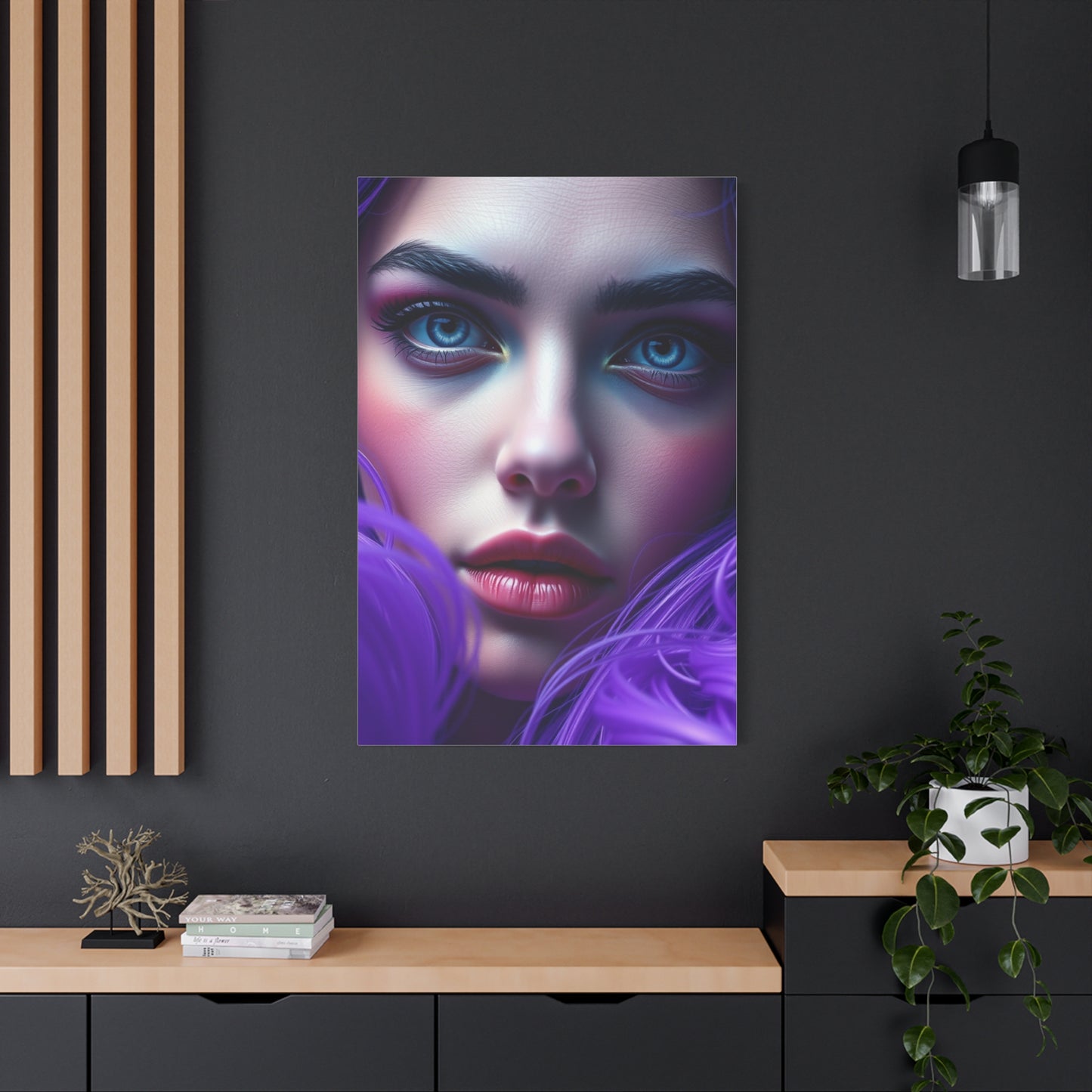
How to Use Amethyst Elegance Wall Decor to Create a Calming Meditation Corner
The world of interior design has witnessed a remarkable resurgence of purple-themed decorative elements, particularly those inspired by the mesmerizing beauty of amethyst crystals. This captivating trend combines the natural elegance of gemstone aesthetics with contemporary design principles, creating spaces that exude sophistication, tranquility, and visual interest. As homeowners and design enthusiasts seek ways to infuse their living environments with personality and style, amethyst-inspired wall decorations have emerged as a powerful tool for transformation. The rich spectrum of purple hues, ranging from delicate lavender to deep violet, offers endless possibilities for creating atmospheric and visually stunning interiors that reflect individual taste while maintaining a sense of timeless elegance.
The popularity of purple-themed decorative pieces stems from the color's unique psychological properties and its association with creativity, spirituality, and luxury throughout history. Unlike more common neutral palettes, purple tones command attention while maintaining a sense of refinement and sophistication. When incorporated into living spaces through carefully selected artwork and decorative elements, these hues create focal points that draw the eye and spark conversation. The crystalline nature of amethyst-inspired designs adds another layer of visual complexity, with geometric patterns and natural formations providing texture and depth that flat color applications simply cannot achieve.
Creating a cohesive interior design scheme centered around amethyst aesthetics requires thoughtful consideration of various elements, from color coordination to placement strategies. The versatility of purple tones allows them to complement a wide range of existing color schemes, whether serving as bold accent pieces against neutral backgrounds or harmonizing with complementary colors to create more complex visual narratives. The key to successfully incorporating these decorative elements lies in understanding how different shades interact with lighting conditions, spatial dimensions, and surrounding furnishings to create balanced and inviting environments.
Elegant Amethyst Wall Art
The concept of elegant amethyst wall art encompasses a sophisticated approach to incorporating purple-themed decorative pieces into residential and commercial spaces. This design philosophy prioritizes refinement and subtlety over boldness, focusing on how amethyst-inspired visuals can enhance a room's atmosphere without overwhelming other design elements. Elegant interpretations typically feature soft gradations of purple hues, often combined with metallic accents such as gold, silver, or copper that echo the natural mineral inclusions found in genuine amethyst crystals. These pieces work exceptionally well in spaces where a sense of calm sophistication is desired, such as master bedrooms, formal living rooms, or executive office environments.
When selecting elegant amethyst wall art, consideration should be given to the piece's composition and how it balances simplicity with visual interest. The most effective designs often incorporate negative space strategically, allowing the purple elements to breathe and preventing the composition from feeling cluttered or chaotic. This approach mirrors the natural formation of amethyst geodes, where crystalline structures emerge from surrounding matrix rock, creating a beautiful contrast between substance and void. In terms of artistic execution, elegant pieces may feature watercolor techniques that create soft, diffused edges, or they might employ precise geometric arrangements that reference the natural facets of cut gemstones.
The framing and presentation of elegant amethyst wall art significantly impacts its overall effect within a space. Traditional wooden frames in darker tones such as espresso or black walnut can ground purple imagery and create a sense of permanence and importance, while lighter frames in white, cream, or natural wood tones can enhance the ethereal quality of softer purple hues. For particularly formal or luxurious settings, ornate frames with carved details or gilded finishes can elevate the perceived value of the artwork and reinforce a sense of opulence. Alternatively, frameless mounting techniques or sleek metal frames can emphasize contemporary elegance and allow the artwork itself to take center stage without distraction.
Lighting plays a crucial role in how elegant amethyst wall art is perceived and appreciated. Natural light sources reveal the subtle color variations within purple-toned artwork, with different times of day creating shifting atmospheric effects. Morning light tends to cool purple tones, emphasizing their blue undertones, while afternoon and evening light can warm them, bringing out red and magenta notes. Artificial lighting should be carefully considered, with warm white LEDs providing a flattering glow that maintains color accuracy without casting harsh shadows. Accent lighting, such as picture lights mounted above the artwork or track lighting positioned to highlight specific pieces, can transform elegant amethyst wall art into dramatic focal points during evening hours.
The psychological impact of elegant amethyst wall art extends beyond mere visual appeal, influencing the mood and energy of spaces in subtle but meaningful ways. Purple tones have long been associated with creativity, introspection, and spiritual awareness, making artwork featuring these hues particularly suitable for spaces dedicated to contemplation, artistic pursuits, or relaxation. In professional environments, elegant purple artwork can project an image of creativity and innovation while maintaining the sophistication expected in business settings. The key is selecting pieces that align with the intended emotional tone of the space, whether that's serene and meditative or dynamic and inspiring.
Placement strategies for elegant amethyst wall art should consider both the physical characteristics of the space and the psychological effects of positioning. In living rooms, a substantial piece positioned above a sofa or fireplace can anchor the seating area and provide a natural focal point for social gatherings. In bedrooms, artwork placed opposite the bed creates a view to wake up to, setting a peaceful tone for the day ahead. Hallways and transitional spaces benefit from series or collections of smaller elegant pieces that create visual rhythm and guide movement through the home. The height at which artwork is hung also matters, with eye level being the standard guideline, though adjustments may be necessary based on ceiling height and furniture placement.
Luxury Purple Home Décor
Luxury purple home décor represents the pinnacle of sophisticated interior styling, where amethyst-inspired elements are carefully curated to create environments that exude refinement, exclusivity, and impeccable taste. This approach to decoration goes beyond simply adding purple accents to a space; it involves a comprehensive design strategy that considers texture, material quality, craftsmanship, and how various decorative elements work together to create a cohesive and impressive whole. Luxury purple décor often incorporates premium materials such as silk fabrics, hand-blown glass, precious metals, and high-quality printing techniques that ensure color vibrancy and longevity.
The foundation of luxury purple home décor lies in understanding how different purple tones convey different levels of formality and luxury. Deep, saturated purples with blue undertones evoke a sense of royal heritage and timeless elegance, reminiscent of imperial robes and aristocratic traditions. These shades work particularly well in formal dining rooms, libraries, and master suites where a sense of gravitas and importance is desired. Conversely, lighter purple tones with pink or lavender undertones can create equally luxurious spaces with a softer, more romantic feel, ideal for powder rooms, sitting areas, or boutique-style dressing rooms. The most sophisticated luxury interiors often layer multiple purple shades, creating depth and visual complexity that rewards closer inspection.
Texture plays an equally important role in achieving truly luxurious purple home décor. Flat, one-dimensional purple elements can appear stark or synthetic, while textured approaches that incorporate dimensional aspects create visual and tactile richness. This might manifest as artwork with raised metallic elements that catch light and create shadow play, or as decorative pieces that combine smooth surfaces with rough, crystal-like textures that reference natural amethyst formations. Fabrics in luxury purple décor should feel as sumptuous as they look, with options like velvet, silk, and high-thread-count linens adding tactile pleasure to visual beauty.
The integration of metallic elements represents a hallmark of luxury purple home décor, with gold being the traditional companion to royal purple, while silver and platinum offer cooler, more contemporary alternatives. These metallic accents can appear in frame materials, as highlights within artwork, or as complementary decorative objects placed near purple focal pieces. The key is achieving balance rather than excess; metallic elements should enhance and elevate purple components without competing for attention. In the most refined luxury interiors, these metallic touches appear in unexpected places, such as delicate leaf details within purple floral artwork or subtle geometric patterns that create movement and visual interest.
Lighting design in luxury purple home décor requires particular attention, as purple tones can appear dramatically different under various lighting conditions. High-end installations often incorporate layered lighting systems that allow for adjustment based on time of day and desired atmosphere. Ambient lighting provides overall illumination, task lighting serves functional needs, and accent lighting highlights key decorative elements including purple artwork and accessories. Dimmable systems offer flexibility, allowing spaces to transition from bright and energetic during daytime hours to intimate and atmospheric in the evening. The color temperature of light sources matters significantly, with warm whites generally flattering purple tones while cool whites can make them appear harsh or overly vivid.
Scale and proportion considerations in luxury purple home décor prevent spaces from feeling overwhelming or disjointed. Large-scale artwork makes bold statements in spacious rooms with high ceilings, while smaller pieces or collections work better in intimate spaces or areas with limited wall space. The most sophisticated approaches often incorporate a variety of scales, creating visual hierarchy and preventing monotony. For instance, a large statement piece might anchor a living room, with medium-sized complementary works in adjacent spaces and small purple accents distributed throughout to create continuity without repetition.
The sourcing and selection of luxury purple home décor items requires discernment and attention to provenance. Limited edition prints from recognized artists carry more cachet than mass-produced alternatives, while original artwork represents the ultimate luxury investment. Many high-end interior designers commission custom pieces tailored to specific spaces and client preferences, ensuring absolute uniqueness. For those working within more modest budgets, selecting fewer, higher-quality pieces creates a more luxurious impression than filling spaces with numerous lower-quality items. The emphasis should always be on craftsmanship, material quality, and design integrity rather than quantity alone.
Amethyst Crystal Wall Prints
Amethyst crystal wall prints celebrate the natural beauty and geometric complexity of crystalline formations, translating three-dimensional mineral structures into two-dimensional artistic representations. These prints typically feature detailed photography or artistic renderings of amethyst geodes, crystal clusters, or individual crystal points, capturing the intricate facets, color variations, and light-reflecting properties that make natural amethyst so visually compelling. The appeal of these prints lies in their ability to bring the organic elegance of natural minerals into living spaces without the weight, fragility, or cost associated with displaying actual crystal specimens.
The production quality of amethyst crystal wall prints significantly impacts their visual effectiveness and longevity. High-resolution digital printing techniques can capture the subtle color gradations within amethyst crystals, from pale lilac edges to deep purple cores, with remarkable accuracy. Museum-quality printing on archival papers or canvas ensures color stability over time, preventing the fading that can occur with lower-quality prints exposed to light. Some premium prints incorporate special techniques such as metallic ink layers that mimic the reflective quality of actual crystal surfaces, or textured printing that adds dimensional interest to otherwise flat images.
The artistic interpretation of amethyst crystals in wall prints ranges from hyper-realistic photography to highly stylized abstract representations. Realistic photographs appeal to nature enthusiasts and those seeking to bring literal elements of the natural world into their homes, while abstract interpretations offer more flexibility in color coordination and stylistic integration with diverse interior design schemes. Some particularly effective prints combine both approaches, using actual crystal photographs as source material but manipulating colors, contrasts, and compositions to create artwork that transcends pure documentation and enters the realm of artistic expression.
Macro photography of amethyst crystals creates particularly striking wall prints, revealing details invisible to the naked eye during casual observation. These close-up views showcase the geometric precision of crystal facets, the subtle color banding within individual crystals, and the transition zones where crystals meet their matrix rock. Such imagery appeals to viewers on multiple levels, satisfying both aesthetic appreciation and intellectual curiosity about natural processes. These prints work especially well in spaces where contemplation and close inspection are encouraged, such as reading nooks, meditation areas, or offices where they can provide visual interest during work breaks.
The framing and mounting of amethyst crystal wall prints should complement the imagery without competing with it. For realistic crystal photography, simple frames that don't distract from the subject matter work best, with white, black, or natural wood options being popular choices. For more artistic interpretations, frames can be more expressive, potentially incorporating colors that appear within the artwork or metallic finishes that reference the mineral nature of the subject. Floating frames that create space between the print and the frame edge can enhance the three-dimensional quality of crystal imagery, while deep shadow box frames can add even more depth and presence.
Size considerations for amethyst crystal wall prints depend on both the space where they'll be displayed and the desired impact. Large-scale prints of crystal formations can serve as dramatic focal points, with their detailed textures and color variations remaining visible even from across a room. Smaller prints work well in collections or gallery walls, where multiple crystal images can be grouped to create cumulative impact. Series of prints showing different crystal specimens or various views of the same formation can create narrative interest and provide visual rhythm across wall spaces.
The scientific accuracy of amethyst crystal wall prints varies depending on their intended purpose and audience. Some prints prioritize absolute fidelity to natural crystal formations, appealing to mineral collectors and geology enthusiasts who appreciate authentic representation. Others take creative liberties with color saturation, contrast adjustments, or compositional arrangements to create more decorative pieces with broader appeal. Neither approach is inherently superior; the choice depends on individual preferences and the overall design context. However, the most successful prints typically maintain some connection to natural crystal characteristics, ensuring they remain recognizable as amethyst-inspired even when artistic interpretation is evident.
Modern Amethyst Canvas Art
Modern amethyst canvas art represents a contemporary approach to incorporating purple-themed decorative elements into living spaces, emphasizing clean lines, bold color applications, and innovative compositional strategies. Unlike traditional interpretations that might reference historical artistic movements or classical techniques, modern canvas art embraces current design sensibilities, often featuring minimalist compositions, abstract representations, or unexpected combinations of amethyst-inspired purple tones with contrasting or complementary colors. This approach appeals to homeowners seeking to create interiors that feel fresh, current, and aligned with contemporary aesthetic values.
The canvas medium itself contributes to the modern feel of these artworks, offering texture and dimensionality that flat paper prints cannot achieve. The visible weave of canvas adds subtle pattern and tactile interest, while the ability to wrap images around frame edges creates a gallery-wrapped appearance that eliminates the need for traditional framing. This frameless presentation emphasizes the contemporary nature of the artwork and creates a cleaner, more streamlined look on walls. Some modern amethyst canvas pieces incorporate mixed media elements, combining painted or printed imagery with three-dimensional components such as resin applications, metallic leaf, or actual crystal fragments.
Color application in modern amethyst canvas art often diverges from realistic representations of natural crystals, instead using purple tones as components in broader abstract compositions. Geometric patterns featuring various purple shades can create dynamic visual movement across the canvas surface, while color-blocking techniques might juxtapose solid purple sections against contrasting hues such as gold, teal, or coral. Gradient effects that transition from deep purple to lighter lavender or from purple into entirely different colors create atmospheric depth and can visually expand perceived space when strategically placed in smaller rooms.
The scale of modern amethyst canvas art tends toward the substantial, with many contemporary interiors featuring oversized pieces that command attention and anchor entire rooms. These large-scale works take advantage of canvas's structural stability, which allows for impressive dimensions without requiring heavy framing support. Multi-panel installations, sometimes called triptychs or polyptychs, offer even greater visual impact while providing flexibility in arrangement and allowing artwork to span wider wall sections or wrap around corners. The spacing between panels in these installations becomes part of the overall composition, creating rhythm and visual interest through both positive and negative space.
Abstract expressionism influences many modern amethyst canvas pieces, with artists using purple tones in sweeping brushstrokes, splatters, or drips that convey energy and emotion rather than depicting recognizable forms. These expressive works add personality and dynamic movement to contemporary interiors, preventing spaces from feeling too controlled or sterile. The spontaneous nature of these techniques means that each piece is truly unique, even when created as part of a series, offering homeowners the satisfaction of owning one-of-a-kind artwork that cannot be precisely replicated.
The integration of modern amethyst canvas art into contemporary interiors requires consideration of existing design elements and overall aesthetic direction. In minimalist spaces dominated by neutral colors and clean lines, a bold purple canvas can serve as the primary source of color and visual interest, preventing the space from feeling too austere. In more eclectic or maximalist interiors, modern amethyst pieces can hold their own among diverse decorative elements, contributing to an overall sense of curated abundance. The key is ensuring that purple tones within the canvas artwork relate somehow to other colors present in the space, whether through exact matching, harmonious complementarity, or deliberate contrast.
Maintenance of modern amethyst canvas art is relatively straightforward compared to other artwork forms, though proper care ensures longevity and sustained visual impact. Canvas pieces should be kept away from direct sunlight to prevent fading, though high-quality pigments and printing techniques significantly reduce this risk. Dusting with a soft, dry cloth periodically prevents accumulation that can dull colors over time, while avoiding moisture and chemical cleaners protects both the canvas surface and any applied media. Professional-quality canvas art typically includes protective coatings that guard against UV damage and environmental factors, extending the life of these decorative investments.
Soothing Purple Wall Décor
Soothing purple wall décor focuses on creating calming, restorative environments through the strategic use of amethyst-inspired colors and imagery. This approach recognizes that certain purple tones, particularly those with blue or gray undertones, possess inherent relaxing properties that can help reduce stress and promote tranquility in living spaces. Unlike bolder applications of purple that energize or stimulate, soothing purple décor creates gentle visual environments conducive to rest, contemplation, and emotional recovery. These qualities make such decorative elements particularly valuable in bedrooms, meditation spaces, bathrooms, and any area designated for relaxation and personal renewal.
The color psychology behind soothing purple wall décor is well-established, with numerous studies demonstrating purple's association with reduced anxiety, improved sleep quality, and enhanced creative thinking in relaxed states. Softer purple shades such as lavender, lilac, and dusty mauve trigger these calming responses more effectively than intense or saturated purples. These gentler tones create visual softness that allows eyes to rest rather than constantly seeking focal points, contributing to overall psychological ease. When incorporated into bedroom décor, soothing purple artwork can become part of effective sleep hygiene practices, helping to establish atmospheric cues that signal the body and mind to prepare for rest.
Imagery selection for soothing purple wall décor typically favors organic forms, soft edges, and harmonious compositions over sharp contrasts or jarring visual elements. Natural subjects such as amethyst crystals photographed with soft focus, watercolor interpretations of crystal formations, or abstract representations of purple landscapes create gentle visual interest without demanding attention. The absence of hard edges and dramatic contrasts allows the eye to move smoothly across these images, preventing the visual tension that can contribute to mental restlessness. Some particularly effective soothing pieces incorporate barely visible gradations of purple tones, creating subtle depth that rewards patient observation without overwhelming immediate perception.
The texture and finish of soothing purple wall décor influence its calming properties significantly. Matte finishes absorb light rather than reflecting it, creating softer visual experiences that don't introduce glare or harsh light spots into relaxation spaces. Canvas pieces with visible texture add subtle tactile dimension without creating busy visual patterns, while paper prints with soft, almost velvety surfaces enhance the gentle quality of the imagery they display. Some specialty printing techniques create almost ethereal effects, with purple tones seeming to float within the paper or canvas rather than sitting distinctly on the surface, further enhancing the soothing quality of these pieces.
Placement strategies for soothing purple wall décor should prioritize visibility from resting positions. In bedrooms, positioning calming purple artwork opposite the bed or on the ceiling allows for viewing while lying down, supporting pre-sleep relaxation practices. In bathrooms, placement where it can be viewed from the bathtub transforms soaking time into more restorative experiences. Living areas benefit from soothing purple pieces in zones designated for relaxation, such as above reading chairs or in conversation areas where the calming influence can facilitate meaningful connections. Avoiding placement in high-traffic areas or spaces associated with active tasks preserves the psychological association between purple tones and restfulness.
Lighting considerations for soothing purple wall décor differ from those for more dramatic or statement-making pieces. Rather than accent lighting that draws strong attention, diffused ambient lighting that gently illuminates without creating harsh shadows or bright spots works best. Warm white light sources enhance the comforting quality of purple tones, while avoiding cool white lighting that can make soothing purples feel cold or institutional. Dimmable lighting allows adjustment based on time of day and activity, with lower light levels in evening hours supporting the transition toward rest and sleep. Natural light should be managed through window treatments that filter and soften rather than block completely, allowing soothing purple wall décor to remain visible throughout the day without exposure to potentially damaging direct sunlight.
The long-term psychological benefits of surrounding oneself with soothing purple wall décor extend beyond immediate relaxation responses. Consistent exposure to calming color environments can help establish general emotional regulation, making individuals more resilient to daily stressors and better equipped to maintain psychological equilibrium. For those dealing with anxiety, sleep disorders, or high-stress lifestyles, creating home environments rich in soothing visual elements represents a practical self-care strategy with measurable benefits. The key is consistency and comprehensiveness; isolated pieces of calming artwork have less impact than cohesive environments where multiple elements work together to support relaxation and restoration.
Glamorous Amethyst Room Art
Glamorous amethyst room art embraces drama, luxury, and visual impact, transforming ordinary spaces into environments that feel special, exciting, and worthy of celebration. This approach to purple-themed decoration emphasizes sparkle, shine, and opulence, often incorporating metallic elements, reflective surfaces, and saturated color applications that command attention and create memorable impressions. Glamorous interpretations of amethyst aesthetics draw inspiration from Hollywood Regency style, Art Deco excess, and contemporary luxury design trends, resulting in spaces that feel indulgent and aspirational.
The color palette of glamorous amethyst room art typically features rich, saturated purples rather than softer pastel variations. Deep violet, royal purple, and magenta tones create the intensity necessary for true glamour, especially when paired with metallic accents in gold, silver, or rose gold. These bold color choices make strong statements and work best in spaces where dramatic impact is desired rather than subtle sophistication. The gleaming quality of metallic components catches and reflects light, creating movement and sparkle that enhance the overall sense of luxury and special occasion atmosphere.
Composition strategies in glamorous amethyst room art often feature symmetrical arrangements, repeated patterns, or geometric precision that reference Art Deco design principles. These structured approaches create visual order and intentionality that distinguish glamorous spaces from more casual or organic design schemes. Crystal-inspired geometric forms such as hexagons, diamonds, and faceted shapes appear frequently, sometimes arranged in repeating patterns that create rhythm and visual interest across wall surfaces. The precision of these geometric arrangements contributes to the polished, sophisticated quality essential to true glamour.
Scale plays a crucial role in achieving glamorous impact with amethyst room art, with oversized pieces creating the drama necessary for memorable spaces. A single large-scale artwork featuring amethyst-inspired imagery can anchor an entire room, providing a focal point that draws the eye and establishes the space's overall aesthetic direction. Alternatively, collections of medium-sized pieces arranged in gallery walls can create cumulative glamorous effect through abundance and variety. The key is avoiding timid half-measures; glamorous design requires commitment and confidence in color and scale choices.
Reflective and light-enhancing elements distinguish glamorous amethyst room art from more subdued purple decoration. Artwork incorporating metallic paints, reflective surfaces, or actual mirror components creates dynamic visual effects that change based on viewing angle and lighting conditions. Some pieces include glitter, crystal embellishments, or iridescent materials that catch light and create sparkle, further enhancing the glamorous atmosphere. These elements work particularly well in spaces with substantial lighting, whether natural daylight or artificial sources, as they require light to activate their reflective properties and create their signature shimmer.
The relationship between glamorous amethyst room art and surrounding décor elements requires careful orchestration to achieve cohesive rather than chaotic results. Furnishings should complement the drama of the artwork without competing for attention, often featuring luxurious materials such as velvet, silk, or lacquered finishes that echo the piece's opulent character. Metallic furniture elements can repeat the metallic accents within artwork, creating visual connections that unify the space. However, allowing some elements to remain neutral prevents sensory overload and provides visual rest areas that make glamorous focal points more impactful through contrast.
Maintenance of glamorous amethyst room art deserves attention, as the very elements that create sparkle and impact can also collect dust and fingerprints more visibly than matte surfaces. Regular gentle cleaning preserves the reflective qualities of metallic and glittery components, while avoiding harsh chemicals protects special finishes. Artwork featuring actual crystal or glass elements requires particular care during cleaning to prevent scratching or dislodging decorative components. Despite these maintenance considerations, the visual impact of well-maintained glamorous pieces more than justifies the additional care they require, continuing to create impressive effects year after year.
Abstract Amethyst Wall Design
Abstract amethyst wall design moves beyond literal representations of crystals or gemstones, instead using purple as a foundational color in non-representational artistic compositions. This approach offers maximum flexibility in terms of style, composition, and interpretation, allowing purple tones to interact with other colors, shapes, and design elements in ways that create emotional resonance and visual interest without depicting recognizable objects or scenes. Abstract amethyst designs appeal to those seeking sophisticated artwork that complements their interiors without imposing specific thematic content, providing color and visual engagement while remaining open to personal interpretation.
The conceptual foundation of abstract amethyst wall design rests on color theory principles and the emotional associations purple tones carry. Artists working in abstract modes can explore how different purple shades interact with complementary colors such as yellow and gold, analogous colors like blue and pink, or dramatic contrasts with colors like bright green or coral. These color relationships create visual tension, harmony, or movement depending on how they're composed, offering endless creative possibilities. The abstract nature of these works means viewers bring their own experiences and associations to the interpretation, creating personal connections that literal imagery might not facilitate.
Compositional approaches in abstract amethyst wall design vary widely, from gestural expressionism with energetic brushstrokes to minimalist color field paintings featuring subtle tonal variations. Geometric abstraction might employ purple within structured arrangements of shapes and lines, creating visual rhythms and patterns. Fluid or organic abstraction could feature purple tones in flowing, water-like forms or nebulous color masses. Each approach creates different visual and emotional effects while maintaining the central role of amethyst-inspired purple as the primary color element. The choice of approach should align with the overall aesthetic of the space and the emotional atmosphere desired.
Layering techniques in abstract amethyst wall design add depth and complexity that reward closer inspection. Multiple layers of transparent or semi-transparent purple tones create subtle color variations and luminous effects, while layers of contrasting colors showing through or around purple elements add visual intrigue. Some abstract pieces incorporate texture through impasto painting techniques, where paint is applied thickly to create three-dimensional surface variations. These textural elements catch light differently than flat surfaces, adding another dimension of visual interest that changes based on lighting conditions and viewing angles.
The relationship between abstract amethyst wall design and surrounding interior elements offers flexibility that literal artwork cannot match. Because abstract pieces don't depict specific subjects, they can coordinate with diverse furniture styles and decorative approaches. A single abstract amethyst piece can work equally well in a mid-century modern living room, a contemporary minimalist bedroom, or an eclectic maximalist study, provided color relationships are considered. This adaptability makes abstract purple artwork a particularly sound investment for those who anticipate evolving their interior design over time, as abstract pieces can transition between different design schemes more easily than subject-specific artwork.
Scale and proportion considerations in abstract amethyst wall design influence both visual impact and spatial perception. Large-scale abstract pieces can make small rooms feel larger by creating a sense of expanded space, particularly when featuring light purple tones or horizontal compositions that emphasize width. Conversely, tall vertical abstracts can increase perceived ceiling height, a useful strategy in spaces with low ceilings. Multiple smaller abstract pieces arranged in considered groupings can create visual rhythm and guide eye movement across wall surfaces. The key is ensuring that scale choices align with both the physical dimensions of the space and the desired emotional impact.
The subjective interpretation of abstract amethyst wall design represents both its greatest strength and a potential challenge. While some viewers appreciate the open-ended nature of abstraction and enjoy bringing their own meanings to artwork, others prefer more definitive subjects. Successfully incorporating abstract pieces requires confidence in personal taste and willingness to select artwork based on emotional response rather than literal recognition. The most effective abstract amethyst designs create immediate visual interest that doesn't require understanding or explanation, operating primarily on aesthetic and emotional levels that transcend verbal description.
Chic Purple Wall Accents
Chic purple wall accents represent a refined, fashion-forward approach to incorporating amethyst-inspired colors into living spaces, emphasizing current design trends and sophisticated color coordination. The term chic implies a level of style awareness and careful curation that elevates purple decoration beyond simple color application into the realm of intentional aesthetic statement. These accents often serve as finishing touches that complete carefully designed interiors, adding personality and visual punctuation without overwhelming the overall design scheme. Chic purple pieces work particularly well in spaces that already possess strong design identity, where they can enhance and complement existing elements rather than establish entirely new aesthetic directions.
The selection of chic purple wall accents requires attunement to current design trends while maintaining personal style integrity. Contemporary chic might favor dusty purple tones paired with blush pink and brass accents, reflecting current color trend preferences. Alternatively, jewel-toned purples combined with emerald green and navy blue create a richer, more saturated chic palette. The key is avoiding dated color combinations or design approaches that quickly reveal their vintage, instead selecting pieces with enough timeless quality to remain relevant even as specific trends evolve. Truly chic choices balance current appeal with enduring sophistication.
Size and placement strategies for chic purple wall accents typically emphasize strategic distribution rather than concentration. Rather than grouping all purple elements in a single location, chic design might place smaller purple accents throughout a space, creating visual connections that guide the eye and establish cohesive flow. A small purple accent piece in the living room might relate to purple details in adjacent hallway artwork, which in turn connects to purple tones in bedroom décor. This distributed approach creates sophisticated visual narratives that reward attention while maintaining overall design unity.
The relationship between chic purple wall accents and other decorative elements requires careful calibration to avoid either excessive matching or jarring discord. Rather than exact color matching, chic design often employs tonal relationships where purple accents pick up undertones from other colors in the space or create harmonious contrasts. For instance, purple accents might echo the blue undertones in gray walls or create deliberate contrast against complementary yellow-toned elements. The goal is creating visual interest through relationship rather than repetition, demonstrating design sophistication through nuanced color work.
Material quality distinguishes truly chic purple wall accents from more ordinary decorative pieces. Even small accent pieces should demonstrate attention to craftsmanship, material selection, and production quality. A small but beautifully framed print on premium paper makes a more chic statement than a larger but cheaply produced piece. Details matter in chic design, from the weight and texture of the paper or canvas to the precision of printing or painting execution. These quality signals communicate design seriousness and aesthetic discernment, essential components of true chicness.
The evolution of chic purple wall accents over time reflects broader design trend movements while maintaining core sophistication. What reads as chic changes gradually as design culture evolves, requiring awareness and occasional updating to maintain current relevance. However, the most successful chic spaces incorporate elements with varying trend horizons, mixing thoroughly contemporary pieces with more timeless components. This layered approach prevents spaces from feeling frozen in a particular moment while maintaining overall current appeal. Purple accent pieces selected for their fundamental design quality rather than trendy surface treatments demonstrate this balanced approach.
Lighting considerations for chic purple wall accents ensure they remain visible and visually effective without requiring dedicated illumination. Chic design typically favors integrated lighting solutions over obvious picture lights or spotlights, maintaining overall ambiance while ensuring accents receive sufficient light. This might involve strategic placement near windows for natural light or positioning within the spread of existing ambient lighting. The goal is creating spaces where purple accents contribute to cohesive visual environments rather than standing apart as separately lit focal points, maintaining the sophisticated subtlety that defines chic design.
Amethyst-Inspired Home Style
Amethyst-inspired home style represents a comprehensive design approach rather than isolated decorative choices, creating entire living environments informed by the colors, textures, and aesthetic qualities associated with this beloved gemstone. This holistic approach considers how purple tones can be integrated throughout a home in ways that feel intentional and cohesive rather than scattered or arbitrary. Developing a complete amethyst-inspired style requires understanding how different purple shades work in various spaces, how to balance purple elements with neutral and contrasting colors, and how to maintain thematic consistency without creating monotonous repetition.
The foundation of amethyst-inspired home style often begins with identifying which purple tones resonate most strongly with personal preferences and existing home architecture. Some individuals gravitate toward cooler purples with blue undertones, creating calm and serene environments, while others prefer warmer purples with red or pink notes that feel more energetic and welcoming. The architectural features of the home also influence purple selection, with high ceilings and abundant natural light accommodating deeper, more saturated purples, while smaller spaces with limited light benefit from softer, lighter purple applications. Establishing these foundational color directions ensures consistency as the style develops across different rooms.
Wall treatments represent a primary vehicle for establishing amethyst-inspired style, though the approach varies based on commitment level and risk tolerance. Bold homeowners might paint entire walls in purple tones, creating immersive color environments that make strong statements. More cautious approaches might limit purple to accent walls, allowing the color to create impact without overwhelming spaces. Wall art offers the most flexible option, providing purple visual interest without the permanence and commitment of paint. Many successful amethyst-inspired homes employ combinations of these approaches, perhaps using purple paint in private spaces like bedrooms while relying on artwork for purple accents in more public areas.
Textile and fabric selections significantly contribute to amethyst-inspired home style, offering opportunities to introduce purple through pillows, curtains, throws, upholstery, and rugs. These elements provide color without requiring wall space and offer the advantage of relative ease in changing or updating. Purple textiles in various materials and textures add depth to the design scheme, with options ranging from luxurious velvet to casual linen. The key is distributing purple fabric elements throughout spaces in ways that create balance rather than concentration, ensuring the eye encounters purple regularly without any single purple element dominating.
Furniture selection in amethyst-inspired homes typically maintains relative neutrality, allowing purple accents to provide color interest without competing with furniture forms. However, statement purple furniture pieces can serve as dramatic focal points when used judiciously. A purple velvet sofa or upholstered headboard makes an undeniable impact, establishing room identity and requiring other purple elements to play supporting rather than competing roles. For those less committed to permanent purple furniture, slipcovers and reupholstery offer flexibility to experiment with purple furniture without permanent commitment.
Accessory and décor object selections provide finishing touches that complete amethyst-inspired home style. These might include actual amethyst crystal specimens displayed on shelves, purple glass vessels catching light on windowsills, or purple ceramic pieces adding color to bookshelves. The advantage of smaller decorative objects lies in their affordability and flexibility, allowing for experimentation and seasonal variation without significant investment. Collections of purple accessories create visual interest through repetition and variation.
Conclusion
Amethyst Elegance Wall Decor offers a remarkable way to infuse a meditation corner with tranquility, focus, and visual harmony. The soothing purple hues of amethyst-inspired artwork, combined with its natural crystalline aesthetic, evoke feelings of calm, spiritual balance, and inner clarity. By thoughtfully incorporating amethyst wall decor into a dedicated meditation space, homeowners can create an environment that supports mindfulness, reduces stress, and fosters a deep sense of relaxation, transforming a simple corner into a sanctuary of personal reflection and restorative energy.
At the heart of amethyst wall decor is its dual appeal: aesthetic beauty and metaphysical resonance. The intricate patterns and faceted textures of amethyst crystals provide visual interest that draws the eye and encourages contemplation. Soft gradients of lavender, violet, and subtle mauve, paired with reflective or metallic accents, create an atmosphere of elegance and serenity. Artists and designers often emphasize the depth and luminosity of amethyst, capturing its natural radiance and energy, which in turn enhances the ambiance of the meditation corner, encouraging a sense of calm and mental clarity.
From an interior design perspective, amethyst wall decor is incredibly versatile. Its color palette complements neutral tones, wooden textures, and natural elements, making it ideal for meditation corners integrated into a variety of interiors—from modern minimalist apartments to bohemian-inspired or Zen-style homes. Large-format pieces serve as visual anchors, providing a focal point that instantly establishes a calming mood, while smaller or multi-panel artworks can create layered, harmonious displays that enhance the feeling of depth and tranquility. Pairing amethyst wall decor with soft lighting, natural fibers, and cushions or mats ensures the space feels cohesive, inviting, and conducive to meditation practice.
Lighting is a crucial factor in amplifying the effect of amethyst wall art. Natural light brings out the subtle variations in color and enhances the crystalline depth of the artwork, while soft, adjustable accent lighting can highlight textures, create gentle shadows, and reinforce a sense of peace. The interplay between light and the artwork’s facets can mimic the natural glow of crystals, providing a visual rhythm that encourages relaxation and mindfulness. Thoughtful lighting transforms the meditation corner into a dynamic yet serene environment, where visual beauty and spiritual ambiance work in tandem.
Beyond visual and spatial design, amethyst wall decor carries symbolic and emotional significance. Amethyst has long been associated with calm, balance, spiritual awareness, and protection against negative energy. Integrating amethyst-inspired artwork into a meditation corner amplifies these qualities, creating a space where one can center themselves, reflect, and release tension. The presence of amethyst art encourages introspection, mindfulness, and a deeper connection to inner thoughts and intentions, fostering a holistic approach to personal well-being.
Artists employ a range of techniques to bring amethyst decor to life. Photorealistic paintings capture the intricate crystalline structure and luminous quality of natural amethyst, while abstract or impressionistic renditions emphasize color flow, energy, and mood. Mixed-media approaches may combine metallic foils, textured paint, or resin finishes to replicate the tactile quality of real crystals, enhancing both visual appeal and spiritual presence. This diversity ensures that homeowners can select pieces that align with their aesthetic taste and the intended atmosphere of their meditation corner.
Ultimately, Amethyst Elegance Wall Decor demonstrates that wall art can do more than decorate; it can transform environments and influence emotional states. By creating a meditation corner centered around amethyst-inspired artwork, homeowners invite calm, focus, and serenity into their daily routine, elevating a functional space into a sanctuary of introspection, balance, and personal growth.
In essence, using amethyst wall decor to design a calming meditation corner merges beauty, energy, and mindfulness. Thoughtful selection, placement, and lighting allow the space to inspire reflection, promote relaxation, and enhance overall well-being. Each piece of amethyst-inspired art becomes a visual and spiritual anchor, transforming a simple corner into a restorative haven where creativity, peace, and clarity converge, offering both aesthetic elegance and profound emotional resonance.


