


Antique Yuletide Masterpiece Canvas
Antique Yuletide Masterpiece Canvas
Couldn't load pickup availability


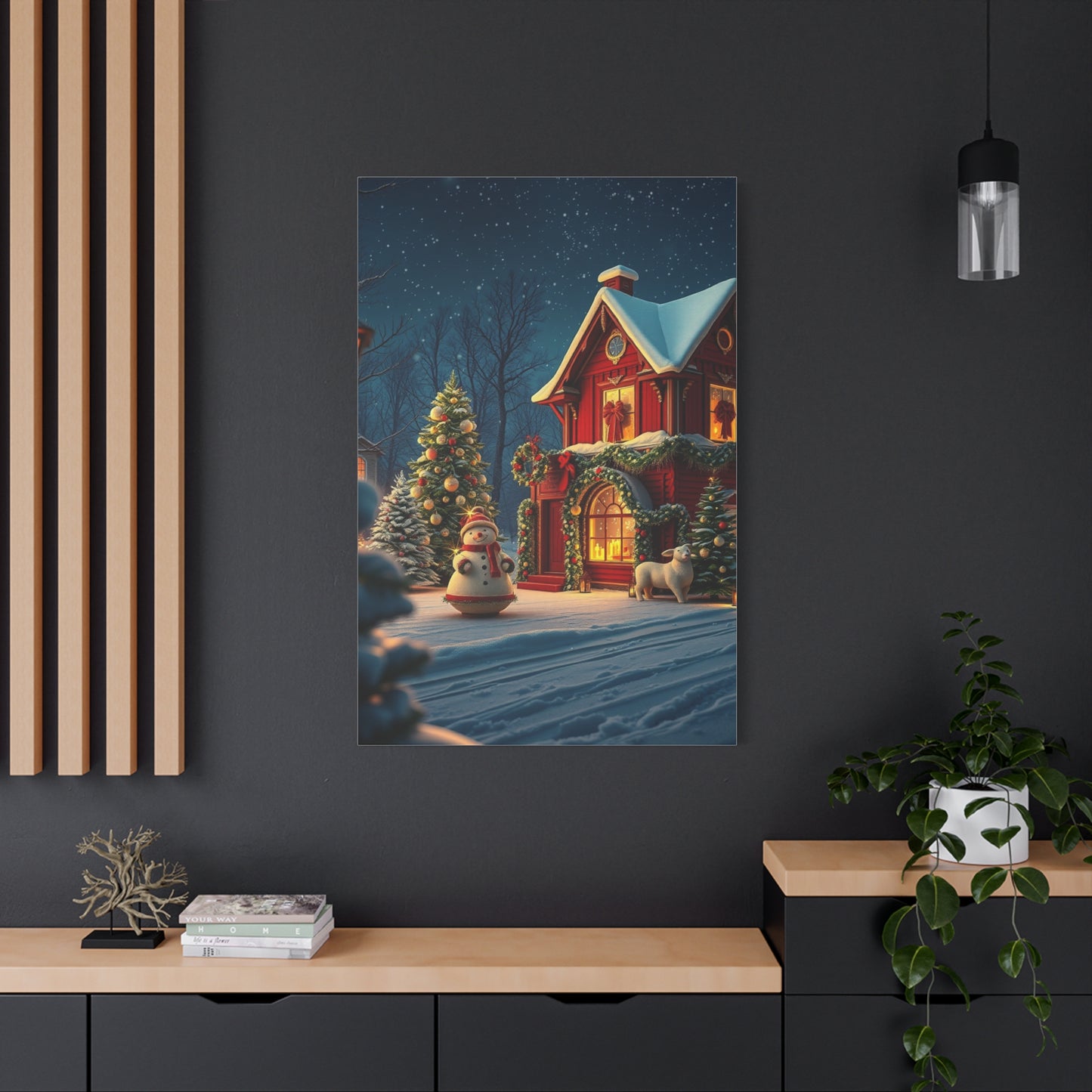
Antique Yuletide Masterpiece Canvas: A Comprehensive Exploration of Holiday Artistry and Timeless Festive Elegance
The tradition of creating festive artwork on canvas has evolved remarkably over the centuries, becoming an integral part of how societies celebrate the winter holidays. From the earliest religious paintings adorning medieval churches to the elaborate decorative pieces gracing Victorian parlors, the antique yuletide masterpiece canvas represents a rich tapestry of cultural expression and artistic innovation. These remarkable works capture not merely seasonal imagery, but the very essence of celebration, hope, and communal joy that has defined winter festivities across generations.
During the Renaissance period, master artists began incorporating holiday themes into their canvas works, creating pieces that would influence festive art for centuries to come. The techniques developed during this era, including the use of rich pigments and detailed brushwork, established standards that contemporary collectors and enthusiasts still admire today. These early works often featured religious scenes, with artists using their considerable talents to depict nativity scenes, angelic visitations, and other sacred moments with unprecedented detail and emotional depth. The canvas medium allowed for larger, more impactful presentations than previous methods, enabling artists to create truly immersive visual experiences.
As artistic movements progressed through the Baroque and Rococo periods, festive canvas art became increasingly ornate and sophisticated. Artists experimented with light, shadow, and composition to create dramatic effects that heightened the emotional impact of their seasonal subjects. The antique yuletide masterpiece canvas from these periods often featured elaborate frames and gold leaf accents, transforming each piece into a complete artistic statement. Wealthy patrons commissioned custom works to display in their homes during the holiday season, establishing a tradition that continues in modified form to this day.
The industrial revolution brought significant changes to how festive canvas art was produced and distributed. New manufacturing techniques made canvas more affordable and accessible, while improved transportation networks allowed artistic styles and influences to spread more rapidly across continents. This democratization of art meant that more households could afford to display seasonal canvas pieces, leading to an explosion of diversity in styles, subjects, and approaches. Artists began creating works specifically designed for middle-class homes, featuring scenes of family gatherings, winter landscapes, and traditional holiday activities that resonated with everyday experiences.
Understanding the Artistic Elements That Define Vintage Holiday Canvas Creations
The creation of an authentic antique yuletide masterpiece canvas involves numerous artistic considerations that separate exceptional works from ordinary seasonal decorations. Master artists understand how to balance color, composition, light, and subject matter to create pieces that capture the magic and wonder of the holiday season while demonstrating technical excellence. These elements work in harmony to produce artwork that speaks to viewers on both aesthetic and emotional levels, creating connections that transcend time and cultural boundaries.
Color selection plays a crucial role in establishing the mood and atmosphere of festive canvas art. Traditional holiday palettes often feature deep reds, forest greens, rich golds, and pure whites, colors that have become synonymous with winter celebrations. However, skilled artists know how to use these familiar hues in unexpected ways, creating visual interest through subtle variations, strategic contrasts, and careful attention to how different shades interact within the composition. The pigments used in antique works often possessed unique qualities that modern reproductions struggle to replicate, giving authentic pieces a depth and richness that collectors particularly value.
Compositional techniques in vintage holiday canvas art reflect the artistic principles of their respective eras while addressing the specific challenges of seasonal subject matter. Artists must balance multiple elements such as figures, architectural features, natural elements, and decorative objects within a coherent visual framework. The most successful pieces guide the viewer's eye through the scene in a deliberate progression, revealing new details and relationships with each viewing. This layered approach to composition ensures that the artwork remains engaging over time, offering fresh discoveries even after years of familiarity.
Light and shadow manipulation represents another critical aspect of creating compelling festive canvas works. Many holiday scenes involve candlelight, firelight, or the soft glow of winter sunlight, each presenting unique artistic challenges and opportunities. Master painters developed sophisticated techniques for rendering these various light sources, understanding how they interact with different surfaces and materials. The interplay between illuminated areas and shadows creates depth, drama, and atmosphere, transforming flat canvas surfaces into windows onto richly realized scenes. Antique yuletide masterpiece canvas works often demonstrate extraordinary skill in this regard, with light effects that continue to captivate viewers centuries after their creation.
The Cultural Significance of Traditional Winter Holiday Artwork
Festive canvas art serves functions that extend far beyond simple decoration, acting as cultural repositories that preserve and transmit important traditions, values, and historical memories. These works document how different societies have celebrated winter holidays throughout history, offering insights into changing customs, fashions, and social structures. By examining antique yuletide masterpiece canvas collections, researchers and enthusiasts can trace the evolution of holiday celebrations and understand how various cultural influences have shaped contemporary practices.
Religious themes dominated early festive canvas art, reflecting the central importance of spiritual observance in traditional winter celebrations. Artists created works depicting sacred narratives, saints, and divine figures, intending their paintings to inspire devotion and reflection. These pieces often hung in churches and chapels, but wealthy families also commissioned smaller versions for private devotional use in their homes. The artistic treatment of religious subjects evolved over time, influenced by theological developments, changing aesthetic preferences, and shifting attitudes toward the relationship between art and faith.
Secular themes gradually gained prominence in festive canvas art as winter holiday celebrations expanded to encompass broader cultural and social dimensions. Artists began depicting family gatherings, gift exchanges, community festivities, and winter landscapes, creating works that celebrated the human and natural aspects of the season. These pieces reflected and reinforced emerging holiday traditions, helping to establish visual conventions that remain recognizable today. The antique yuletide masterpiece canvas from this transitional period often blended religious and secular elements, illustrating how societies negotiated changing attitudes toward holiday observance.
Folk traditions and regional customs have also found expression in festive canvas art, with artists documenting local celebration methods, traditional costumes, and distinctive seasonal practices. These works serve as valuable ethnographic records, preserving knowledge about customs that might otherwise have been lost to modernization and cultural homogenization. Collectors particularly prize pieces that authentically represent specific regional traditions, recognizing their importance for cultural heritage preservation. The diversity of approaches found in antique holiday canvas art reflects the rich variety of human celebration across different geographies, climates, and cultural contexts.
Technical Mastery in Creating Authentic Vintage Festive Canvas Works
The production of high-quality festive canvas art requires mastery of numerous technical skills that artists develop through years of dedicated practice and study. Understanding these techniques helps collectors and enthusiasts appreciate the craftsmanship involved in creating exceptional pieces and distinguish authentic antique works from later reproductions or imitations. The antique yuletide masterpiece canvas represents the pinnacle of artistic achievement in this specialized field, demonstrating technical excellence across multiple dimensions of the creative process.
Canvas preparation begins long before any paint touches the surface, involving careful selection and treatment of materials to ensure optimal results. Traditional artists used linen or cotton canvas, each material offering distinct advantages in terms of texture, durability, and paint absorption. The canvas was stretched over wooden frames constructed to precise specifications, with tension distributed evenly to prevent warping or sagging over time. Multiple layers of sizing and ground preparation created a stable, receptive surface for paint application. These preparatory steps, though invisible in the finished work, fundamentally influenced the painting's appearance and longevity.
Paint formulation in historical periods differed significantly from modern commercial products, with artists often mixing their own pigments from raw materials. Natural sources provided the colors that define antique holiday canvas art, including minerals, plants, and even insects that yielded specific hues. Artists combined these pigments with various binders, such as linseed oil or egg tempera, creating paints with unique working properties and visual characteristics. The chemical composition of these historical paints contributes to the distinctive appearance of authentic antique pieces, with aging processes creating patinas and color shifts that cannot be artificially replicated convincingly.
Brushwork techniques vary considerably depending on the artistic style and intended effect, with master painters developing personal approaches that became recognizable signatures of their work. Some artists favored smooth, blended applications that created seamless transitions between colors and tones, while others employed more visible brushstrokes that added texture and energy to their compositions. The application method also affected how light interacted with the paint surface, influencing the overall visual impact of the finished piece. Examining brushwork closely can reveal much about an artist's training, influences, and technical capabilities, making it an important consideration in authenticating and evaluating antique yuletide masterpiece canvas works.
Collecting and Authenticating Historical Holiday Canvas Artworks
The market for antique festive canvas art has grown substantially in recent decades, driven by increasing appreciation for historical artwork and growing interest in holiday-themed collecting. This expanding market has made authentication and provenance research increasingly important, as collectors seek assurance that they are acquiring genuine period pieces rather than later reproductions or deliberate forgeries. Understanding how to evaluate potential acquisitions requires knowledge spanning art history, technical analysis, and market dynamics.
Visual inspection represents the first step in assessing any potential antique yuletide masterpiece canvas acquisition. Experienced collectors examine the overall condition of the piece, looking for signs of age such as craquelure patterns in the paint, discoloration of varnish layers, and wear consistent with the purported age. They also evaluate the quality of materials and execution, considering whether the craftsmanship matches standards typical of the claimed period and origin. Inconsistencies in any of these areas raise red flags that warrant further investigation before proceeding with a purchase.
Scientific analysis techniques provide more definitive evidence about age and authenticity than visual examination alone. Various methods can determine the composition of paints, identify later overpainting or restoration, and date materials used in construction. X-ray imaging reveals underlying sketches and compositional changes that provide insights into the artist's working process. Infrared reflectography can detect underdrawings invisible to the naked eye. Chemical analysis identifies specific pigments and binders, which can then be compared against known historical formulations. While these technical examinations require specialized equipment and expertise, serious collectors often invest in such testing when considering significant acquisitions.
Provenance documentation adds another crucial layer to authentication efforts, tracing the ownership history of a piece from its creation to the present day. Well-documented works with clear chains of custody command premium prices and offer collectors greater confidence in their authenticity. Historical records may include bills of sale, exhibition catalogs, estate inventories, and correspondence that mention specific artworks. Archival research can sometimes uncover documentary evidence connecting a particular antique yuletide masterpiece canvas to a known artist or original owner. However, gaps in provenance are common for older works, and their absence does not necessarily indicate problems with authenticity.
Preservation Strategies for Maintaining Vintage Canvas Artworks
Proper conservation practices are essential for ensuring that antique festive canvas art survives for future generations to appreciate and study. These delicate works face numerous threats from environmental factors, physical damage, and chemical degradation that can compromise their integrity if not properly addressed. Understanding preservation principles helps collectors and institutions protect their holdings while maintaining the aesthetic and historical value that makes these pieces significant.
Environmental control represents perhaps the most important aspect of long-term preservation for canvas artworks. Temperature and humidity fluctuations cause materials to expand and contract at different rates, creating mechanical stresses that eventually lead to cracking, flaking, and structural failure. Maintaining stable conditions within recommended ranges minimizes these damaging cycles. Light exposure also poses serious risks, with ultraviolet radiation causing chemical changes in pigments and binders that result in fading, darkening, and embrittlement. Display areas for valuable antique yuletide masterpiece canvas pieces should incorporate UV-filtering glazing or lighting and limit exposure intensity and duration.
Physical handling requires careful attention to avoid accidental damage to fragile canvas works. Clean hands or appropriate gloves should always be used when touching artwork, as oils and acids from skin contact can degrade materials over time. Supporting the frame rather than the canvas surface during movement prevents stress on the painted layer. Secure hanging systems designed specifically for fine art ensure proper weight distribution and prevent accidents. Regular inspection allows early detection of developing problems such as loose paint, torn canvas, or frame degradation that might require professional intervention.
Professional conservation represents the appropriate response when antique canvas works show signs of significant deterioration or damage. Trained conservators possess the specialized knowledge and skills needed to stabilize fragile materials, repair structural damage, and reverse certain types of degradation without compromising historical integrity. Conservation treatments are carefully documented and designed to be reversible whenever possible, respecting ethical principles that prioritize preserving original materials and respecting the artist's intent. While conservation services involve significant expense, they prove essential for maintaining valuable pieces that might otherwise be lost to irreversible decay.
The Evolution of Festive Imagery in Canvas Art Across Different Eras
Seasonal themes and subjects in canvas art have undergone remarkable transformations throughout history, reflecting changing cultural attitudes, social structures, and artistic movements. Tracing these developments provides fascinating insights into how different eras understood and celebrated winter holidays. The antique yuletide masterpiece canvas from various periods offers visual evidence of these evolutionary changes, documenting shifts in iconography, symbolism, and aesthetic preferences.
Medieval and early Renaissance festive art focused predominantly on religious narratives, with artists creating altarpieces and devotional works depicting sacred events. These pieces employed symbolic elements and stylized representations that conveyed theological concepts rather than naturalistic appearances. Gold backgrounds, hierarchical scaling of figures, and formal compositions characterized this period's approach. Artists worked within established iconographic traditions that prescribed specific visual formulas for representing holy figures and sacred scenes, leaving limited room for individual interpretation or innovation.
The Baroque period brought dramatic changes to festive canvas art, with artists embracing dynamic compositions, heightened emotional expression, and sophisticated light effects. Religious subjects remained important, but artists approached them with new freedom and creativity. Diagonal compositions, theatrical gestures, and dramatic contrasts between light and shadow created works of intense visual and emotional impact. These stylistic innovations influenced not only religious art but also secular seasonal pieces that began appearing in greater numbers during this era.
The nineteenth century witnessed further diversification of festive imagery as Romantic and Victorian sensibilities shaped artistic production. Sentimental family scenes, idealized winter landscapes, and nostalgic recreations of traditional celebrations became popular subjects. Artists paid careful attention to period details in costumes, architecture, and decorative objects, creating works that documented contemporary life while projecting idealized visions of holiday harmony and domestic contentment. The antique yuletide masterpiece canvas from this period often features elaborate interior settings filled with material abundance, reflecting middle-class aspirations and values.
Regional Variations in Traditional Holiday Canvas Art Styles
Geographic and cultural differences have produced remarkable diversity in how various regions approach festive canvas art, with distinctive styles emerging from different traditions and influences. These regional variations reflect local customs, available materials, artistic training systems, and cultural values. Understanding these differences enhances appreciation for the richness of the global festive art tradition and helps collectors identify and contextualize specific works.
Northern European festive art traditions emphasize winter landscapes, domestic interiors, and scenes of community celebration. Artists from regions with harsh winter climates naturally focused on indoor scenes of warmth and comfort, creating intimate depictions of family gatherings around fires, festive meals, and gift exchanges. The quality of light in northern latitudes also influenced artistic approaches, with many works featuring subtle, diffused illumination or the warm glow of artificial light sources. These characteristics distinguish northern European antique yuletide masterpiece canvas works from those produced in other regions.
Mediterranean approaches to festive canvas art reflect different climatic conditions and cultural emphases. Artists in southern Europe often depicted outdoor celebrations, religious processions, and architectural settings that showcased regional building styles. Brighter natural light and warmer color palettes characterize many works from these areas. The strong influence of Catholic traditions shaped subject matter and iconography, with particular saints and religious observances receiving special attention in different localities.
American festive canvas art developed its own distinctive character while drawing on various European influences brought by immigrant populations. Early works often reflected British traditions, but the artistic landscape diversified as the nation grew and developed its own cultural identity. Artists documented uniquely American holiday customs while also creating idealized visions that helped shape emerging national traditions. The Hudson River School and other American artistic movements influenced how artists approached seasonal landscapes, while genre painters created detailed records of domestic holiday celebrations.
Vintage Holiday Canvas Compositions
Symbolic elements have always played crucial roles in festive canvas art, conveying meanings and associations that enhance the works' emotional and intellectual impact. Understanding these symbolic dimensions adds depth to appreciation of antique pieces and reveals layers of meaning that might not be immediately apparent to modern viewers unfamiliar with historical iconographic traditions. The antique yuletide masterpiece canvas often incorporates multiple symbolic elements working together to create rich, multivalent compositions.
Botanical symbols appear frequently in holiday canvas art, with evergreen branches representing eternal life, holly suggesting triumph over adversity, and mistletoe carrying associations with peace and goodwill. Artists carefully selected which plants to include based on their symbolic resonance and visual appeal. The specific arrangement and prominence of these elements conveyed subtle messages that period viewers would have readily understood. Modern research into historical plant symbolism helps contemporary audiences recover these lost meanings and appreciate the sophistication of seemingly simple decorative choices.
Light symbolism functions on multiple levels in festive canvas art, representing spiritual illumination, hope, warmth, and celebration. Candles, lamps, and fires appear throughout holiday imagery, their presence suggesting both practical necessities in winter darkness and metaphorical meanings related to guidance, enlightenment, and divine presence. Artists developed sophisticated techniques for rendering various light sources and their effects, using these technical challenges as opportunities to demonstrate their skill while reinforcing symbolic themes central to winter holiday celebrations.
Color symbolism operates according to both universal principles and culture-specific associations. White suggests purity, innocence, and fresh beginnings, making it appropriate for winter seasonal imagery. Red carries associations with love, sacrifice, and celebration, appearing in everything from clothing to decorative elements. Gold represents divinity, wealth, and precious value, often used in religious imagery and in depicting festive abundance. Understanding how artists employed these color associations helps viewers appreciate the deliberate choices underlying seemingly straightforward compositional decisions in antique yuletide masterpiece canvas works.
Potential in Antique Holiday Canvas Art
The market for vintage festive canvas art has experienced significant evolution in recent decades, with changing collector preferences, market dynamics, and investment patterns reshaping the field. Understanding current trends and historical precedents helps potential buyers make informed decisions about acquisitions while providing context for the financial aspects of collecting. The antique yuletide masterpiece canvas represents not only cultural and aesthetic value but also potential financial investment that may appreciate over time.
Demand patterns in the festive art market show interesting cyclical variations, with interest typically peaking during late autumn as collectors and decorators prepare for the holiday season. However, serious collectors and investors pursue acquisitions year-round, understanding that the best pieces may not be available when seasonal demand is highest. Auction results indicate strong continuing interest in high-quality period pieces, particularly those with solid provenance and excellent condition. Works by recognized artists command premium prices, but exceptional pieces by lesser-known creators can also achieve significant values when their quality and authenticity are clearly established.
Condition factors heavily into market valuations, with pristine examples earning substantial premiums over comparable works showing damage or extensive restoration. However, some wear consistent with age is expected and accepted for genuinely antique pieces, and minor condition issues do not necessarily disqualify works from serious consideration. Professional conservation can sometimes improve both the appearance and value of damaged pieces, though collectors should carefully evaluate whether restoration costs are justified by likely appreciation in value.
Attribution questions significantly impact valuations, with firmly attributed works by recognized artists worth many times more than comparable pieces by unknown hands. The authentication process has become increasingly sophisticated, incorporating scientific analysis alongside traditional connoisseurship. Works that can be definitively connected to significant artists or studios command premium prices, while pieces of uncertain attribution may offer opportunities for collectors willing to accept greater uncertainty in exchange for lower entry costs. The antique yuletide masterpiece canvas market rewards both careful scholarship and willingness to take calculated risks on promising unattributed works.
Framing and Display Considerations for Historical Canvas Artworks
Proper presentation enhances both the aesthetic impact and preservation of antique festive canvas art, making framing and display decisions important considerations for collectors and institutions. Historical pieces often retain their original frames, which may possess significant value and historical interest in their own right. Understanding framing history and contemporary best practices helps ensure that valuable works are displayed in appropriate and protective ways.
Period frames contribute substantially to the overall aesthetic and historical value of antique artworks. Frame styles evolved alongside artistic movements, with particular design characteristics becoming associated with specific eras and artistic traditions. Original frames that survive intact with their paintings provide important contextual information and should generally be preserved even when showing signs of age. However, frames also suffer damage over time, and conservation may be necessary to stabilize deteriorating elements. Replacing historical frames should be approached cautiously, undertaken only when preservation concerns clearly outweigh the loss of original context.
Contemporary framing solutions offer improved protection while respecting historical aesthetics. Modern materials and techniques can provide superior environmental isolation, physical protection, and structural support compared to historical methods. However, framing choices should complement rather than compete with the artwork itself, supporting rather than overwhelming the piece. Conservation framing incorporates reversible attachments, acid-free materials, and designs that allow for periodic inspection and maintenance. These approaches balance preservation priorities with aesthetic considerations, ensuring that the antique yuletide masterpiece canvas remains the focal point while receiving appropriate protection.
Display locations within homes or institutions require careful consideration of multiple factors affecting preservation and enjoyment. Direct sunlight should always be avoided, as ultraviolet radiation causes irreversible damage to pigments and binders. Climate control systems that maintain stable temperature and humidity levels protect canvas works from mechanical stresses. Placement away from heat sources, moisture, and high-traffic areas reduces risks of accidental damage. Proper lighting enhances viewing while minimizing harmful exposure, with LED systems offering energy efficiency and reduced heat output compared to traditional incandescent fixtures.
The Intersection of Folk Art and Fine Art in Holiday Canvas Traditions
The boundaries between folk art and academic fine art have always been somewhat permeable in festive canvas painting, with influences flowing in both directions and hybrid forms emerging from the interaction. Understanding these relationships enriches appreciation for the full spectrum of holiday artistic production and challenges simplistic hierarchies that may undervalue important works. The antique yuletide masterpiece canvas tradition encompasses both naive and sophisticated approaches, each offering distinct pleasures and insights.
Folk art traditions in festive painting often emphasize directness, sincerity, and connection to community values over technical sophistication. Artists working in folk modes may lack formal training but possess deep understanding of local traditions and strong connections to the communities they serve. Their works document regional customs, preserve traditional iconography, and express authentic cultural values. Collectors increasingly recognize the importance of folk festive art as both aesthetic achievement and ethnographic documentation, driving increased interest and rising valuations for exceptional examples.
Academic fine art brings different strengths to festive subjects, demonstrating technical mastery, sophisticated composition, and engagement with broader artistic traditions. Artists trained in formal academies understood perspective, anatomy, color theory, and other technical foundations that enabled complex spatial constructions and naturalistic rendering. They situated their work within historical artistic lineages, referencing and responding to predecessors while developing personal styles. The finest examples combine technical excellence with genuine emotional engagement with seasonal themes, transcending mere virtuosity to create works of lasting significance.
Cross-pollination between folk and fine art traditions produced some of the most interesting developments in holiday canvas art. Academic artists sometimes drew inspiration from folk sources, incorporating their vitality and directness into more technically sophisticated frameworks. Folk artists absorbed influences from fine art through exposure to prints, exhibitions, and teaching. Regional schools emerged that blended elements from both traditions, creating distinctive local styles that defied easy categorization. These hybrid forms demonstrate the richness and complexity of artistic production outside simplistic binary classifications.
Restoration Ethics and Practices for Antique Canvas Works
The restoration of historical canvas artworks involves complex ethical considerations alongside technical challenges, requiring professionals to balance multiple priorities that sometimes conflict. Conservation philosophy has evolved substantially over the past century, moving from interventionist approaches that freely altered original works toward greater respect for historical integrity. Understanding these ethical frameworks helps collectors make informed decisions about when and how to treat antique pieces in their care.
Minimal intervention represents the cornerstone of contemporary conservation ethics, with professionals avoiding unnecessary treatment and preferring the least invasive approach adequate to achieve preservation goals. This principle recognizes that every intervention, no matter how carefully executed, alters the historical object to some degree. Conservators carefully document existing conditions, develop treatment plans that specify intended outcomes and methods, and implement procedures designed to be reversible whenever possible. These practices ensure that future conservators can modify or remove treatments should new understanding or improved techniques suggest better approaches.
Authenticity preservation requires careful attention to retaining original materials and respecting the artist's intent. Conservators avoid removing original paint or making changes that alter fundamental characteristics of the work. When losses must be filled or retouched, materials and techniques are chosen to be distinguishable from original elements under close examination while remaining unobtrusive in normal viewing conditions. This balanced approach maintains the aesthetic integrity necessary for appreciation while preserving the evidentiary value that makes antique yuletide masterpiece canvas pieces important historical documents.
Documentation standards in modern conservation ensure that all treatments are thoroughly recorded through written reports, photographs, and technical analysis results. This documentation becomes part of the object's permanent record, providing future caretakers with crucial information about its history and condition. Detailed records enable subsequent conservators to understand past interventions and make informed decisions about appropriate treatments. For collectors, comprehensive documentation adds value by establishing clear conservation history and demonstrating proper professional care.
Analyzing and Preserving Canvas Artworks
Scientific and technological developments have revolutionized how professionals study, authenticate, and preserve antique canvas artworks. Modern analytical techniques provide insights impossible to achieve through visual examination alone, revealing hidden details about materials, construction methods, and condition issues. These technological capabilities enhance both scholarship and conservation, though they require specialized equipment and expertise that may not be accessible to all collectors and institutions.
Imaging technologies allow conservators and researchers to see beyond the visible surface of canvas works. X-radiography reveals subsurface structures, showing how artists constructed their compositions and identifying later additions or alterations. Infrared reflectography penetrates surface paint layers to detect underdrawings and compositional changes invisible in normal light. Ultraviolet illumination causes certain materials to fluoresce, helping identify retouching, overpaint, and some pigments. Multispectral imaging systems capture information across multiple wavelengths, providing detailed material characterization. These non-invasive examination methods have become standard tools in authentication and condition assessment for significant works.
Materials analysis techniques identify specific pigments, binders, and other components used in artwork construction. X-ray fluorescence spectroscopy determines elemental composition of paints, which can be compared against known historical formulations. Raman spectroscopy provides detailed molecular information about organic and inorganic materials. Chromatography separates and identifies complex mixtures in binding media. These analytical methods can sometimes definitively demonstrate that works claiming antique origins actually employ modern materials, protecting collectors from fraud while also advancing understanding of historical artistic practices.
Digital documentation creates comprehensive records of condition and treatment that supplement traditional written and photographic approaches. High-resolution photography captures minute details useful for future reference and comparison. Three-dimensional scanning documents surface topography, recording texture information important for condition monitoring and treatment planning. Database systems organize and preserve this information, making it readily accessible to authorized users. These digital resources enhance institutional memory, ensuring that important knowledge is not lost when staff members retire or organizations change.
Academic Study of Vintage Holiday Canvas Art
Antique festive canvas works serve important educational functions beyond their aesthetic appeal, offering rich resources for teaching and research across multiple disciplines. Art historians study these pieces to understand artistic development, cultural influences, and historical contexts. Social historians examine them for evidence about daily life, material culture, and evolving customs. Technical studies reveal manufacturing processes and artistic practices. The antique yuletide masterpiece canvas thus functions as primary source material supporting scholarship across diverse fields.
Museum exhibitions bring holiday canvas art to broad public audiences, providing opportunities for education and cultural enrichment. Curators develop interpretive materials that help viewers understand historical contexts, appreciate artistic techniques, and recognize cultural significance. Well-designed exhibitions balance aesthetic presentation with educational content, creating experiences that engage visitors on multiple levels. Temporary exhibitions often explore specific themes, periods, or regional traditions in depth, while permanent collection displays provide ongoing access to important works.
Academic research on festive canvas art contributes to broader understanding of art history, cultural studies, and conservation science. Scholars publish findings in peer-reviewed journals, present papers at professional conferences, and author books that synthesize research and advance knowledge. Technical studies document historical materials and methods, providing baselines against which potential acquisitions can be evaluated. Iconographic research recovers lost symbolic meanings, enriching interpretation of individual works. Provenance research traces ownership histories, sometimes revealing fascinating stories about how works circulated through different hands and contexts.
Educational programming introduces students and general audiences to holiday canvas art traditions. University courses examine these works within broader art historical narratives, teaching students to analyze artistic techniques, interpret symbolic content, and situate pieces within appropriate cultural contexts. Museums offer lectures, workshops, and guided tours that help diverse audiences engage with collections. Online resources make high-quality images and interpretive information accessible to global audiences, democratizing access to cultural heritage. These educational initiatives ensure that knowledge about festive artistic traditions continues to grow and reach new generations.
Contemporary Artists Working in Traditional Holiday Canvas Styles
While much attention focuses on antique works, contemporary artists continue creating festive canvas art inspired by historical traditions. These modern practitioners bring fresh perspectives to established genres while demonstrating respect for technical standards and aesthetic values developed by predecessors. Their work raises interesting questions about authenticity, tradition, and innovation in an era when historical styles remain accessible and influential.
Traditional techniques practiced by contemporary artists require dedicated study and specialized training that fewer artists pursue in an era dominated by digital media and conceptual approaches. Those who commit to mastering historical methods often spend years learning to prepare canvases, formulate paints, and execute complex compositions according to time-honored principles. Some study directly with older practitioners who maintain living connections to traditional methods, while others learn from written sources and careful examination of historical works. The resulting pieces demonstrate that traditional techniques remain viable and relevant for contemporary artistic expression.
Innovation within tradition represents a delicate balance that successful contemporary artists navigate with varying degrees of conservatism or adventurousness. Some work in modes virtually indistinguishable from historical precedents, creating pieces that could deceive viewers about their actual age were they artificially aged. Others freely blend traditional and contemporary elements, producing hybrid works that acknowledge historical inspiration while asserting individual creativity. Still others use traditional techniques to explore subjects and themes far removed from historical precedents, demonstrating the versatility of established methods. These various approaches all contribute to keeping festive canvas art traditions vital and evolving.
Market reception of contemporary traditional-style works varies considerably depending on execution quality, artist reputation, and buyer preferences. Some collectors focus exclusively on antique pieces, viewing contemporary works as lacking the historical patina and authenticity they value. Others actively seek exceptional contemporary pieces, appreciating technical mastery while avoiding condition issues and authentication uncertainties associated with antique works. Prices for contemporary pieces by respected artists can rival those of historical works by minor figures, though the most significant antique yuletide masterpiece canvas examples command prices beyond what even the finest contemporary works achieve.
Holiday Imagery and Nostalgic Appeal
The enduring popularity of festive canvas art reflects deep psychological needs and responses that make seasonal imagery particularly powerful and appealing. Understanding these emotional and cognitive dimensions helps explain why people invest in acquiring and displaying holiday artworks, why certain images prove more popular than others, and why traditions persist across generations despite dramatic social and technological changes.
Nostalgia plays a central role in attraction to vintage holiday imagery, with artworks evoking memories of childhood celebrations, family traditions, and idealized past eras. Psychological research demonstrates that nostalgic experiences provide multiple benefits including enhanced mood, increased social connectedness, and strengthened sense of meaning and continuity. Antique yuletide masterpiece canvas works function as powerful nostalgic triggers, their period details and artistic styles transporting viewers to different times while activating personal and collective memories. This emotional resonance transcends purely aesthetic appreciation, helping explain the passionate attachment many collectors develop toward their pieces.
Seasonal rhythms and rituals provide structure and meaning in human life, marking time's passage and reinforcing social bonds through shared observance. Holiday artworks participate in these ritual dimensions, their annual display marking seasonal transitions and contributing to the special atmosphere surrounding winter celebrations. The act of decorating with festive pieces becomes itself ritualistic, with families developing traditions around when and how specific artworks are exhibited. These practices invest objects with personal and familial significance that extends beyond their intrinsic artistic merit.
Symbolic functions of holiday imagery address universal human concerns about mortality, renewal, hope, and community that become especially salient during winter's darkness and the year's ending. Festive artworks depicting light, warmth, abundance, and togetherness provide reassuring visions that counter anxiety about scarcity, isolation, and death. Religious imagery offers transcendent perspectives that situate human experience within broader cosmic frameworks. Secular scenes of domestic harmony present ideals of family and community that viewers aspire to realize. These symbolic dimensions give holiday canvas art emotional weight and cultural significance that purely decorative works lack.
Global Trade and Cultural Exchange in Historical Holiday Art Markets
The international circulation of festive canvas artworks and the cross-cultural influences this trade enabled represent fascinating aspects of art historical development. Understanding these exchange patterns illuminates how artistic styles spread, how different traditions influenced each other, and how global commerce shaped cultural production. The antique yuletide masterpiece canvas market has always operated within international networks that connected artists, dealers, collectors, and institutions across considerable distances.
European dominance in historical festive art production meant that works and artistic influences primarily flowed outward from major centers to peripheries and colonies. British, French, German, and Italian artists and workshops exported works to markets throughout Europe, the Americas, and other regions where European cultural influence prevailed. This dissemination established European artistic conventions and holiday traditions as dominant models that local artists often emulated. However, exchange was never entirely one-directional, with artistic ideas and motifs from various cultures eventually influencing European production as well.
Print reproduction technologies dramatically accelerated the spread of festive imagery beginning in the nineteenth century. Engravings, lithographs, and eventually photographic reproductions made popular compositions widely accessible at relatively low cost. These prints served as reference material for artists working far from major art centers, enabling them to study current styles and incorporate fashionable elements into their work. The mass circulation of holiday imagery through prints, postcards, and advertisements helped standardize visual conventions and create truly international iconographic vocabularies that transcended national and regional boundaries.
Colonial relationships shaped festive art production in complex ways that scholars continue investigating and interpreting. European settlers in colonial territories often maintained cultural connections to their homelands, creating demand for artworks reflecting familiar traditions and aesthetic preferences. Local artists might adapt their practices to serve these markets, while imported works competed with indigenous production. Over time, hybrid forms emerged that blended elements from different traditions, producing distinctive regional styles that reflected colonial cultural interactions. These complex dynamics complicate simplistic narratives about artistic influence and cultural dominance.
Insurance and Security Considerations for Valuable Canvas Collections
Protecting valuable festive canvas artworks requires attention to both security measures preventing theft or vandalism and insurance coverage addressing financial risks. These practical considerations become increasingly important as collection values rise and as public awareness of art market prices grows. Proper risk management protects not only financial investments but also irreplaceable cultural heritage that might be permanently lost if inadequately protected.
Security systems for art collections should address multiple threat vectors including burglary, robbery, vandalism, and insider theft. Physical barriers such as secure locks, reinforced doors and windows, and safes or secure storage rooms provide basic protection. Electronic systems including alarms, motion detectors, and surveillance cameras add additional security layers and provide evidence useful for investigations should incidents occur. For particularly valuable collections, professional security assessments can identify vulnerabilities and recommend appropriate countermeasures tailored to specific circumstances and threat levels.
Insurance coverage for art collections involves specialized policies distinct from standard homeowners or commercial property insurance. Fine art insurance addresses the unique valuation challenges, condition issues, and transportation risks associated with artwork. Policies may provide agreed value coverage that eliminates disputes about worth in the event of loss, or may require periodic appraisals.
Final thoughts:
The Antique Yuletide Masterpiece Canvas is more than a decorative statement—it is a celebration of tradition, craftsmanship, and the timeless magic of the holiday season. By capturing the warmth and wonder of Yuletide in exquisite artistic detail, this piece transforms ordinary spaces into elegant holiday sanctuaries. It embodies the spirit of a season defined by joy, nostalgia, and the beauty of shared moments, allowing its viewers to step into a world where time slows and holiday memories come alive.
What sets this artwork apart is its ability to weave historical charm with festive artistry. Drawing inspiration from classical holiday imagery—Victorian carolers, vintage ornaments, snowy landscapes, and glowing hearths—it pays tribute to centuries of cultural celebration. The Antique Yuletide Masterpiece Canvas is not just a reflection of the holidays; it is a visual symphony of timeless elegance, inviting viewers to connect with cherished traditions while adding sophistication to modern interiors.
The artwork’s carefully curated palette plays a powerful role in its impact. Warm reds, deep greens, subtle golds, and soft winter whites evoke feelings of comfort and festivity. Each brushstroke speaks of craftsmanship and emotion, creating a piece that resonates on both aesthetic and sentimental levels. When placed in a home, this canvas doesn’t just decorate a wall—it sets an atmosphere. It fills the room with the feeling of holiday gatherings, laughter, music, and the glow of shared moments that define the season.
From an interior design perspective, this canvas is remarkably versatile. It pairs beautifully with both classic and contemporary holiday décor, making it ideal for living rooms, entryways, dining spaces, and cozy nooks. Whether surrounded by twinkling lights, evergreen garlands, or modern metallic accents, it anchors the space with a sense of heritage and warmth. Its presence elevates seasonal décor from mere ornamentation to a sophisticated artistic statement.
Beyond its visual appeal, the Antique Yuletide Masterpiece Canvas embodies something deeper: the enduring power of tradition. Holidays are built upon rituals—songs sung for generations, family heirlooms, shared meals, and timeless stories. This piece captures that essence, turning walls into storytellers. It connects past and present, offering a touch of the elegance and romance of holidays long ago, while still feeling relevant and refined in contemporary homes.
Ultimately, this artwork stands as a reminder that holiday décor can be more than temporary embellishment—it can be meaningful, elegant, and lasting. It encourages us to embrace the beauty of the season not just through fleeting trends, but through timeless artistry.
In conclusion, the Antique Yuletide Masterpiece Canvas is an exquisite fusion of holiday spirit and classic elegance. It celebrates the season through its rich visual language, transforming spaces into warm, inviting havens of festive beauty. This is more than a piece of décor; it’s a treasured heirloom in the making—a reflection of joy, tradition, and the timeless magic of Yuletide.


