


Artisan Guava Reverie
Artisan Guava Reverie
Couldn't load pickup availability


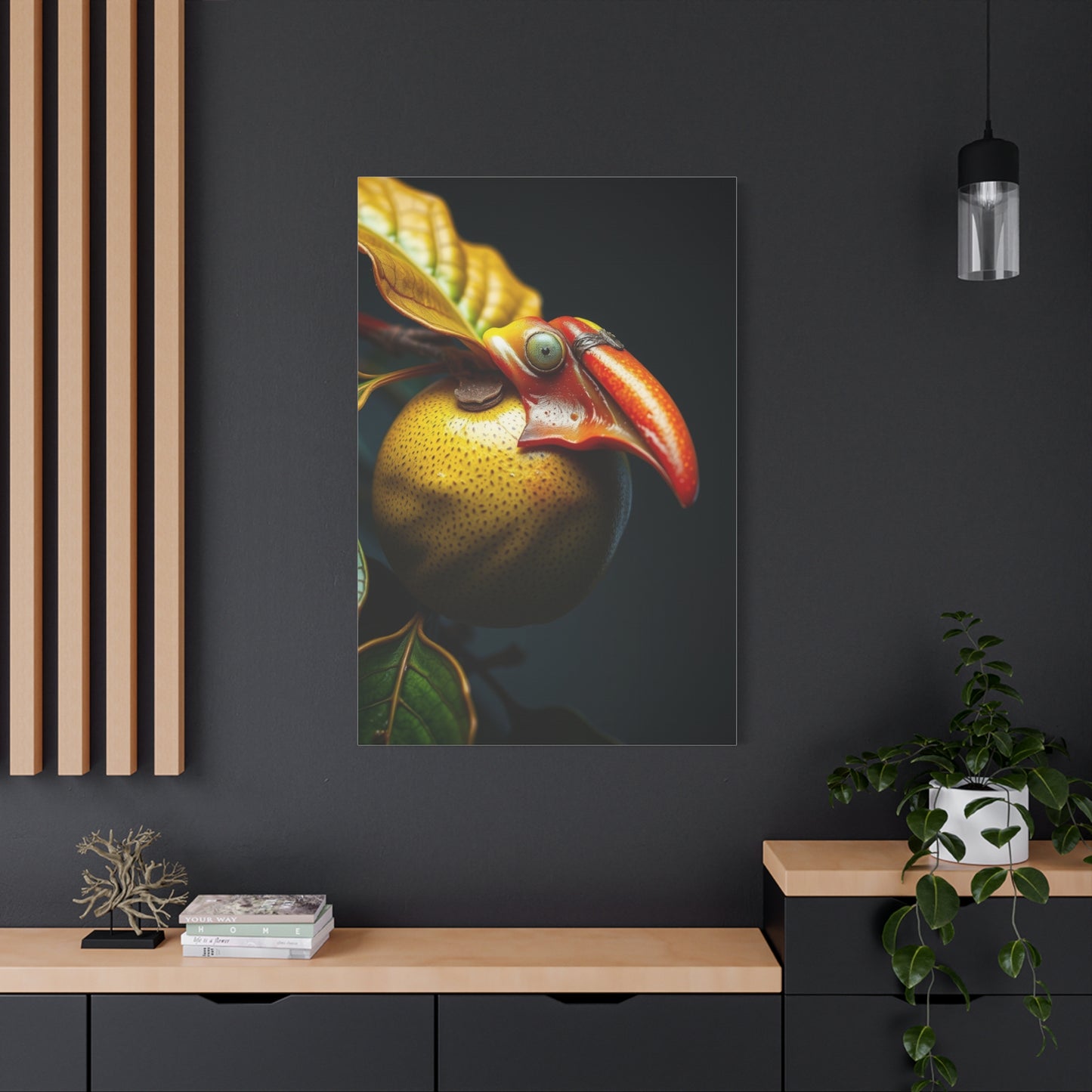
Artisan Guava Reverie Canvas: Elevating Your Interior Spaces with Timeless Elegance
The world of interior design continuously evolves, bringing fresh perspectives and innovative approaches to transforming living spaces into personalized sanctuaries. Among the most captivating trends emerging in contemporary home styling is the incorporation of artisan-crafted canvas pieces that blend natural inspiration with sophisticated artistic expression. The Guava Reverie aesthetic represents a distinctive approach to wall decoration that harmonizes organic elements with refined craftsmanship, creating visual narratives that resonate deeply with those seeking to infuse their environments with character and warmth.
Artisan canvas creations have transcended their traditional role as mere decorative accessories, evolving into powerful design elements that anchor entire room concepts and reflect the personalities of those who inhabit these spaces. The Guava Reverie style specifically draws upon nature's palette, incorporating the soft blush tones, warm coral hues, and creamy undertones reminiscent of the tropical guava fruit, while maintaining an ethereal quality that suggests dreamlike tranquility. This artistic movement celebrates handcrafted quality, attention to detail, and the irreplaceable value of pieces created with intention and skill.
As homeowners and design enthusiasts increasingly seek meaningful connections with their surroundings, the appeal of artisan-quality canvas artwork continues to grow. These pieces offer more than visual interest—they provide focal points for contemplation, conversation starters that reveal personal aesthetics, and investments in craftsmanship that appreciate in both monetary and sentimental value over time. The following exploration delves into the multifaceted world of Guava Reverie artisan canvas art, offering insights into selection, placement, care, and integration strategies that will help you create spaces that truly reflect your vision and values.
Decorating with Artisan Canvas Art
Incorporating artisan canvas artwork into your living spaces requires thoughtful consideration of multiple factors that extend beyond simple aesthetic preference. The process begins with understanding how handcrafted pieces interact with existing architectural elements, furniture arrangements, and lighting conditions within your home. Artisan canvases distinguish themselves from mass-produced alternatives through their inherent uniqueness—each brushstroke, color variation, and textural element carries the signature of its creator, ensuring that no two pieces are identical even when they share similar themes or compositional structures.
When selecting artisan canvas pieces for your spaces, consider the emotional atmosphere you wish to cultivate. The Guava Reverie aesthetic naturally lends itself to environments that prioritize relaxation, creativity, and organic connection. These pieces work exceptionally well in rooms where you seek to encourage peaceful reflection or intimate conversation. The warm, inviting tones characteristic of this style create psychological comfort, making spaces feel more welcoming and less sterile than those dominated by cooler color palettes or industrial materials.
The placement of artisan canvas artwork should account for viewing angles and distances throughout the room. Consider how pieces will be experienced both upon entering a space and during extended occupation. Artwork positioned at eye level when standing creates formal impressions suitable for entryways and hallways, while pieces hung slightly lower accommodate seated viewing in living rooms and dining areas. The Guava Reverie style's softness and approachability make it particularly effective in spaces where people gather for extended periods, as the gentle color schemes and nature-inspired motifs reduce visual fatigue while maintaining visual interest.
Lighting considerations prove crucial when displaying artisan canvas work. Natural light brings out the subtle color variations and textural depths inherent in quality canvas pieces, but direct sunlight can fade pigments over time. Position Guava Reverie artwork where it receives indirect natural illumination during peak daylight hours, supplementing with carefully positioned artificial lighting during evening hours. Track lighting or picture lights with adjustable direction allow you to highlight specific canvas features while creating dramatic shadows that enhance textural elements. The warm tones prevalent in Guava Reverie pieces respond particularly well to lighting temperatures between 2700K and 3000K, which enhance the natural warmth without distorting color accuracy.
Scaling artisan canvas pieces to your available wall space requires balancing visual weight with surrounding elements. A common misconception suggests that artwork should occupy two-thirds to three-quarters of the furniture width beneath it, but artisan pieces often benefit from more breathing room. The Guava Reverie aesthetic emphasizes negative space as an integral design component, allowing the artwork to exist in contemplative silence rather than competing with surrounding elements. Leave adequate margins between canvas edges and adjacent furniture, architectural features, or other decorative objects—typically twelve to eighteen inches minimum—to allow each piece to command attention without overwhelming its context.
The relationship between artisan canvas artwork and room function influences selection and placement decisions. Bedrooms benefit from Guava Reverie pieces that emphasize tranquility and softness, with compositions featuring flowing lines, diffused edges, and muted contrasts that support restful environments. Living spaces accommodate more dynamic compositions that invite closer examination and extended viewing, with layered techniques and varied textures that reveal new details upon repeated observation. Kitchen and dining areas pair well with Guava Reverie pieces that incorporate botanical elements or abstract interpretations of natural forms, creating thematic continuity with the nourishment and gathering functions these spaces serve.
Creating cohesive design narratives through artisan canvas selections involves considering how individual pieces relate to one another across visible sightlines within your home. The Guava Reverie palette's inherent harmony facilitates this process, as the consistent color family allows pieces to complement rather than compete even when compositional styles vary significantly. You might select a bold, expressionistic piece for your main living area while choosing more subdued, minimalist interpretations for adjacent spaces, trusting the unified color story to maintain visual flow throughout your home.
Artisan canvas pieces also function as seasonal anchors within your decorating strategy. While the Guava Reverie aesthetic maintains year-round relevance, its warm, nurturing tones particularly shine during transitional seasons when you seek to maintain interior warmth as outdoor temperatures shift. The style's nature-inspired elements create continuity with changing landscapes visible through windows, bringing outdoor beauty inside while maintaining comfortable sanctuary from harsh weather. Consider rotating complementary decorative elements—textiles, pottery, or botanical arrangements—seasonally while keeping your artisan canvas pieces as constant visual anchors.
The psychological impact of artisan canvas artwork extends beyond mere decoration into realm of wellness and emotional regulation. The Guava Reverie aesthetic's emphasis on organic forms and soothing colors activates parasympathetic nervous system responses, promoting physiological relaxation and mental calm. Spaces featuring these pieces become refuges from the overstimulation of digital environments and urban living, offering visual rest and emotional restoration. This therapeutic dimension of artisan canvas art represents an investment in long-term wellbeing that transcends trends and fashion cycles.
Bold vs. Subtle Guava Reverie Styles
The Guava Reverie aesthetic encompasses a spectrum of expressive approaches ranging from dramatically bold statements to whisper-soft subtleties, each serving distinct design purposes and appealing to different temperamental preferences. Understanding where your own aesthetic inclinations fall along this continuum helps guide selection processes and ensures that chosen pieces genuinely resonate with your personal style rather than simply following prevailing trends.
Bold Guava Reverie interpretations embrace saturated color intensities, dramatic contrasts, and confident compositional gestures that immediately command attention. These pieces feature the deeper coral, vibrant peach, and rich terracotta expressions of the guava palette, often contrasted against dramatic darks or crisp whites that amplify visual impact. Bold approaches might incorporate heavy impasto techniques where paint builds up in tactile ridges and valleys, creating dramatic shadow play that changes throughout the day as lighting shifts. These statement pieces work exceptionally well in rooms with abundant natural light and generous proportions, where their intensity can be properly appreciated without overwhelming the space.
The psychological effect of bold Guava Reverie artwork creates energizing environments that stimulate creativity and conversation. These pieces work particularly well in social spaces where you want to encourage interaction and animate discussion. The confident color saturation and dynamic compositions provide natural conversation starters while establishing the room's energetic baseline. Bold interpretations suit personalities that embrace maximalism, appreciate dramatic flair, and find energy in vibrant visual environments. They pair effectively with contemporary furniture featuring clean lines and neutral upholstery, where the artwork provides the primary color interest and emotional tone.
Subtle Guava Reverie expressions take opposite approaches, emphasizing restraint, nuance, and contemplative quietness. These pieces feature the palest blush tones, barely-there peach washes, and cream-to-ivory gradations that suggest the Guava Reverie palette without asserting it forcefully. Subtle approaches often employ techniques like watercolor washes, delicate glazing, or softly blended acrylics that create atmospheric effects rather than defined forms. The resulting pieces invite extended viewing and reveal their complexities slowly, rewarding patient observation with discoveries of hidden depths and subtle color relationships that aren't immediately apparent.
The appeal of subtle Guava Reverie pieces lies in their versatility and timelessness. These works integrate seamlessly into existing color schemes without requiring extensive surrounding modifications, making them ideal choices when you're refreshing spaces incrementally rather than undertaking complete redesigns. Their understated presence creates calming environments conducive to focused work, deep relaxation, or intimate conversation. Subtle interpretations suit personalities that value minimalism, appreciate refined elegance, and find beauty in restraint. They complement traditional furnishings and antique pieces particularly well, adding contemporary relevance without clashing with historical styles.
Determining whether bold or subtle Guava Reverie styles better suit your spaces involves honest assessment of your existing environment and personal reactions. Consider how you currently use color throughout your home—do you gravitate toward statement pieces and saturated hues, or do you prefer neutral foundations with carefully chosen accent elements? Notice your emotional responses to different color intensities: do vibrant spaces energize you or create anxiety? Does visual quietness feel peaceful or bland? These personal responses provide crucial guidance for selecting artwork that will enhance rather than diminish your daily experience of your home.
Room dimensions and architectural features influence whether bold or subtle approaches prove most effective. Smaller spaces with limited natural light often benefit from subtle Guava Reverie pieces that brighten without overwhelming, creating the illusion of expanded space through their airy, luminous qualities. Conversely, expansive rooms with abundant daylight can accommodate and even benefit from bold interpretations that fill visual space proportionally and prevent large walls from feeling empty or cold. Ceiling heights similarly impact these decisions—dramatic vertical compositions in bold styles draw eyes upward and emphasize generous proportions, while horizontal subtle pieces can make rooms feel wider and more grounded.
Mixing bold and subtle Guava Reverie pieces within a single home creates dynamic visual journeys as you move between spaces. This approach allows different rooms to serve distinct emotional functions while maintaining cohesive aesthetic threads. You might anchor your main living area with a bold statement piece that establishes confident energy, transition through hallways featuring subtle interpretations that provide visual rest between spaces, and create bedroom sanctuaries with the most restrained, peaceful expressions of the palette. This graduated approach to intensity creates sophisticated layering that reveals curatorial intention and design maturity.
The temporal dimension of bold versus subtle choices warrants consideration. Bold pieces make immediate impressions that can be thrilling initially but may become visually exhausting over time if they demand constant attention. Subtle pieces reveal themselves gradually, potentially seeming underwhelming at first but developing deeper resonance through extended cohabitation. Consider your personality in relation to novelty and familiarity—do you thrive on constant stimulation or prefer enduring favorites that become more beloved over time? Your answer helps predict which approach will provide lasting satisfaction rather than requiring replacement as initial excitement fades.
Artistic technique often correlates with bold or subtle aesthetic outcomes. Bold Guava Reverie pieces frequently employ techniques like palette knife application, heavy brushwork, or mixed media incorporation that create dramatic textural interest alongside color intensity. These technical approaches emphasize the artist's physical presence in the work, creating immediacy and energy that viewers experience viscerally. Subtle approaches more commonly utilize techniques like pouring, staining, or delicate brushwork that minimize obvious artistic intervention, creating ethereal effects where color seems to exist independent of application method. Appreciating these technical distinctions enhances your ability to articulate preferences and evaluate quality when selecting pieces.
Large Artisan Canvas for Statement Walls
Statement walls featuring oversized artisan canvas pieces have become defining elements in contemporary interior design, offering opportunities to establish bold focal points that anchor entire room concepts. Large-scale canvas artwork commands attention immediately upon entering a space, setting tonal expectations and emotional atmospheres that influence how occupants experience the environment. The Guava Reverie aesthetic translates beautifully to expansive formats, where its characteristic color harmonies and nature-inspired elements can be fully appreciated and where viewers can immerse themselves in the artistic vision rather than simply observing it from distance.
Selecting appropriately sized canvas pieces for statement walls requires careful measurement and proportion assessment. As a general guideline, statement pieces should occupy between fifty and seventy-five percent of available wall width, leaving adequate breathing room on either side to prevent the cramped appearance that results from edge-to-edge coverage. Height considerations prove equally important—the vertical center of your artwork should align approximately with average eye level when standing, typically between fifty-seven and sixty-three inches from the floor to the piece's center point. These standards create comfortable viewing angles that allow natural engagement with the artwork without requiring awkward neck positions or unusual viewing distances.
Large Guava Reverie canvases excel at transforming architectural challenges into design opportunities. Expansive blank walls that might otherwise feel cold or institutional become curated gallery spaces showcasing meaningful artistic selections. Awkwardly proportioned walls resulting from modern open-concept layouts gain definition and purpose through appropriately scaled artwork that creates visual boundaries between functional zones without requiring physical barriers. High ceilings that can make rooms feel cavernous and impersonal are humanized through vertically oriented pieces that draw attention upward while maintaining connection to occupied floor space.
The physical presence of large artisan canvases extends beyond their visual impact into the realm of spatial perception. Oversized pieces alter room proportions psychologically, making spaces feel more intimate despite unchanged dimensions. This phenomenon occurs because large artworks create defined focal points that anchor viewer attention, reducing the perceived vastness of surrounding space. In the Guava Reverie aesthetic, this intimacy-creating effect harmonizes with the palette's inherent warmth, producing environments that feel both spacious and embracing—a difficult balance to achieve through architectural means alone.
Installation considerations for large canvas pieces differ significantly from those for smaller artworks. The substantial weight of oversized canvases necessitates robust hanging systems that distribute stress across multiple wall points rather than relying on single-point suspension. Professional installation often proves worthwhile for pieces exceeding forty-eight inches in any dimension, ensuring both security and precise positioning. The Guava Reverie style's emphasis on subtle color variations and textural details makes exact positioning crucial—even slight tilts or height discrepancies become glaringly obvious in large-format pieces where viewers naturally scrutinize surface qualities closely.
Lighting large statement canvases requires more sophisticated approaches than simply positioning a single overhead fixture. Consider installing multiple adjustable spotlights that illuminate the canvas evenly from different angles, eliminating the hotspots and shadows that plague single-source lighting. The Guava Reverie palette's nuanced tones reveal themselves fully only under proper illumination that brings out subtle color relationships and textural variations. Aim for lighting intensity that illuminates without overwhelming, typically achieved through dimmable fixtures set at medium levels during daytime hours and adjusted downward for evening ambiance.
The relationship between large statement canvases and surrounding furnishings requires deliberate consideration. Oversized artwork establishes visual hierarchies within rooms, and competing elements can create chaotic rather than harmonious environments. When anchoring a space with a large Guava Reverie piece, allow it to dominate the visual field by keeping surrounding walls relatively quiet and furnishings complementary rather than competitive. This doesn't mandate minimalism but rather intentionality—each additional element should enhance or support the statement piece rather than distracting from it.
Large-scale artisan canvases represent significant financial investments that warrant protection and maintenance planning. The Guava Reverie aesthetic's popularity and the substantial material and labor costs inherent in large-format work mean these pieces often appreciate in value, particularly when created by established or emerging artists with growing reputations. Document your purchase with certificates of authenticity, maintain records of artist information and provenance, and photograph your piece thoroughly for insurance purposes. These administrative tasks may seem tedious but prove invaluable should damage, loss, or future resale occur.
Creating statement walls with large Guava Reverie canvases offers opportunities for dramatic seasonal styling without changing the artwork itself. The pieces' substantial presence and color consistency allow you to rotate complementary decorative elements—textiles, plants, furniture arrangements—around them, refreshing the overall aesthetic while maintaining your core artistic investment. This approach provides decorative variety without the expense and hassle of frequently replacing major art pieces, creating dynamic environments that evolve with your tastes while retaining recognizable signature elements.
The emotional impact of living with large-scale artisan canvas pieces differs qualitatively from experiencing smaller works. Oversized pieces create environmental envelopes rather than discrete objects, surrounding you with color, texture, and artistic intention in ways that influence mood and perspective subconsciously. The Guava Reverie aesthetic's soothing palette and organic inspiration create particularly beneficial psychological environments when deployed at large scale, surrounding occupants with nature-inspired calm that counteracts urban stress and digital overstimulation. This immersive quality makes large statement canvases particularly valuable in primary living spaces where you spend substantial time and seek restorative environments.
Small Guava Reverie Prints for Cozy Spaces
While large statement pieces command attention and anchor expansive spaces, small Guava Reverie prints serve equally important functions in creating intimate, personalized environments where coziness and charm take precedence over dramatic impact. These compact artistic expressions offer flexibility, affordability, and opportunities for creative arrangement that larger works cannot match, making them ideal solutions for apartment dwellers, budget-conscious decorators, and those who prefer gradual aesthetic evolution over comprehensive redesigns.
Small-format Guava Reverie pieces typically range from eight by ten inches to sixteen by twenty inches, dimensions that work beautifully in spaces where wall area is limited or where multiple smaller pieces create more interesting visual narratives than single large works. These intimate scales allow close viewing of artistic details and techniques that might be obscured at distance in larger pieces. The delicate brushwork, subtle color transitions, and refined textures characteristic of quality artisan work reveal themselves fully when viewers can approach within arm's length, creating opportunities for personal connection and detailed appreciation impossible with oversized pieces requiring greater viewing distances.
The affordability of small Guava Reverie prints democratizes access to artisan-quality work, allowing decoration enthusiasts to build meaningful collections incrementally rather than requiring substantial single investments. This accessibility enables experimentation with different artists, styles, and compositional approaches within the Guava Reverie aesthetic without significant financial risk. You can explore bold interpretations alongside subtle ones, try various framing options, and discover personal preferences through lived experience rather than theoretical preference. The resulting collections reflect authentic personal journeys rather than single-moment decisions, creating walls that tell visual stories about evolving tastes and discoveries.
Small prints excel at filling architectural oddities and awkward spaces that larger pieces cannot accommodate. Narrow wall segments between windows or doorways, the compact areas above light switches or beside built-in cabinetry, and the transitional spaces in hallways and staircases all benefit from appropriately scaled artwork that adds visual interest without overwhelming limited areas. The Guava Reverie palette's inherent cohesion allows you to deploy multiple small pieces throughout these scattered locations while maintaining aesthetic unity that ties disparate areas into coherent design narratives.
Creating vignettes with small Guava Reverie prints allows three-dimensional styling that incorporates artwork as one element among carefully curated groupings. Position small canvas pieces on mantels, shelving units, or console tables where they interact with pottery, plants, candles, and other decorative objects to create layered compositions that feel collected rather than decorated. This approach humanizes spaces by suggesting personal history and meaningful accumulation rather than single-shopping-trip assembly. The warm, organic tones of Guava Reverie pieces complement natural materials like wood, stone, ceramic, and fiber particularly well, facilitating these curated arrangements.
Small-format pieces prove ideal for seasonal rotation, allowing you to refresh your spaces affordably as your moods and preferences shift. Store alternate pieces carefully during off-rotation periods, and swap them into your displays as seasons change or as you simply desire variety. This rotating-collection approach prevents visual stagnation while building a personal archive of artwork that retains emotional resonance even during periods when it's not actively displayed. The modest storage requirements of small pieces make this practice practical where rotating large statement works would prove prohibitively cumbersome.
Framing small Guava Reverie prints offers creative opportunities that significantly impact their presentation and effectiveness. Simple wooden frames in natural finishes enhance the aesthetic's organic sensibility while allowing the artwork to remain the focus. Whitewashed or cream-painted frames create cottage-style charm appropriate for casual, relaxed environments. More ornate traditional frames add formality and visual weight, elevating even modest pieces into jewelry-like presentations. Consider matting options carefully—generous mats in complementary neutral tones separate artwork from frames and walls, creating breathing room that allows colors to read truly without adjacent influences distorting perception.
Small prints facilitate low-commitment decorating experiments, allowing you to test whether the Guava Reverie aesthetic genuinely resonates with you before making substantial investments in larger pieces. Purchase one or two modestly priced small works and live with them for several months, noticing how they affect your mood, how often you find yourself pausing to appreciate them, and whether they continue feeling fresh or become visually invisible as familiarity increases. This experiential testing provides invaluable guidance for future purchases while immediately enhancing your space with beautiful artwork.
Gifting small Guava Reverie prints creates meaningful gestures that recipients can actually use and appreciate. Unlike generic gift items that might languish in closets, thoughtfully selected artwork demonstrates understanding of the recipient's aesthetic preferences and respect for their living environment. The pieces' modest scale ensures recipients can find appropriate display locations regardless of their living situations, and the Guava Reverie palette's broad appeal minimizes risk of color incompatibility with existing decor. Consider pairing small prints with complementary items like artisan candles, small potted plants, or quality frames to create complete gift presentations.
The psychological comfort of small-scale artwork differs from the impact of larger pieces but proves no less valuable. Intimate pieces create personal moments of beauty rather than environmental transformation, offering visual refuges within larger spaces. A small Guava Reverie print positioned on your bedside table or desk becomes a companion presence, something you engage with during quiet moments of reflection or when you need brief mental respite from demanding tasks. This relationship with artwork as personal talisman rather than decorative element represents a different but equally valid approach to living with art.
Custom Artisan Guava Reverie Art Options
The ultimate expression of personalized interior design emerges when you commission custom artisan pieces created specifically for your spaces, preferences, and vision. Custom Guava Reverie artwork elevates the relationship between art and environment from selection to collaboration, resulting in pieces that integrate seamlessly with architectural features, color schemes, and emotional intentions in ways that even carefully chosen ready-made works cannot fully achieve. While custom commissions require greater investment in both finances and time, the results offer irreplaceable uniqueness and perfect suitability for their intended contexts.
Commissioning custom artwork begins with selecting an artist whose existing portfolio demonstrates both technical skill and aesthetic alignment with your vision. Research artists working within the Guava Reverie style, examining their techniques, color preferences, compositional approaches, and range of expression. Look beyond surface similarities to the underlying sensibilities that inform their work—does their approach emphasize spontaneity or careful planning? Do they favor bold contrasts or subtle harmonies? Does their work convey energy or tranquility? Understanding these foundational characteristics helps predict whether collaboration will prove satisfying or frustrating as creative decisions arise during the commission process.
Initial consultations with potential commission artists should address practical considerations alongside aesthetic discussions. Clearly communicate your budget parameters, timeline expectations, and intended display location details including wall dimensions, lighting conditions, surrounding colors, and room function. Quality artists appreciate this information because it allows them to propose solutions tailored to your specific situation rather than creating work they find personally satisfying but which proves unsuitable for your context. Share photographs of your space, fabric swatches or paint chips representing your color palette, and examples of artwork that resonates with you, even if it differs stylistically from what you're commissioning.
Discussing customization parameters establishes creative boundaries and freedom zones that guide the artistic process. You might specify exact dimensions and color palette restrictions while leaving compositional decisions and technical approaches entirely to the artist's judgment. Alternatively, you might request particular subjects or symbolic elements while remaining flexible about execution style. The most successful commissions typically establish clear requirements for non-negotiable elements while granting artists substantial freedom in interpretive and technical decisions. This balance ensures your needs are met while allowing creative vision to flourish rather than being strangled by excessive prescription.
Color customization represents one of the most valuable aspects of commissioning Guava Reverie pieces. Rather than accepting the ready-made palette choices another artist made for different contexts, you can specify the exact coral intensity, peach saturation, cream warmth, or blush depth that perfectly complements your existing furnishings and architectural elements. Provide physical color references whenever possible—paint chips, fabric swatches, or even objects in your target colors—because digital images display inconsistently across devices and cannot reliably communicate subtle color relationships. Many artists will prepare small color studies sampling your specified palette before beginning full-scale work, allowing approval or adjustment before substantial time investment occurs.
Size customization solves the common frustration of finding artwork whose style you love but whose dimensions don't suit your space. Custom commissions can be created to precise measurements that fill your statement wall perfectly, fit into that awkward narrow space beside your fireplace, or create the exact proportions needed for your gallery wall arrangement. This dimensional precision eliminates the compromises inherent in selecting from available inventory, ensuring optimal visual impact and spatial integration. Discuss aspect ratios carefully—vertical, horizontal, and square orientations dramatically affect how artwork functions within spaces and which wall locations suit them best.
Subject matter customization allows incorporation of personally meaningful elements into the Guava Reverie aesthetic framework. Perhaps you want botanical elements referencing plants that hold emotional significance, abstract compositions that capture memories of meaningful places, or symbolic imagery representing important life transitions. Quality artists can interpret these personal narratives through the soft colors and organic sensibilities characteristic of the style, creating pieces that function as visual memoirs rather than generic decoration. This narrative dimension transforms artwork from beautiful objects into meaningful representations of your personal history and values.
The commission timeline requires patience and realistic expectations. Quality artisan work cannot be rushed without compromising results, and most established artists maintain waiting lists for commission work. Expect the process from initial consultation to completed delivery to span several months, with specific timelines varying based on piece complexity, artist schedule, and your responsiveness during approval checkpoints. Build appropriate buffers into your planning if commissioning for specific events or seasonal reveals, and maintain regular communication throughout the process to address questions or concerns before they become problems.
Payment structures for commissioned artwork typically involve deposits securing the artist's commitment and time allocation, with remaining balances due upon completion and before delivery. Deposit amounts commonly range from thirty to fifty percent of total commission cost, with specifics outlined in contracts that should clearly detail expectations, timelines, revision policies, and cancellation terms. Review these agreements carefully before signing, ensuring you understand your rights and obligations should unforeseen circumstances arise. Reputable artists approach commissions professionally, providing documentation that protects both parties and establishes clear parameters for the working relationship.
Progress documentation throughout the commission process allows you to observe your piece's evolution while providing opportunities for course corrections if results diverge from expectations. Many artists share photographs at key developmental stages—initial compositional sketches, color studies, underpainting phases, and near-completion previews. Respond to these check-ins promptly with clear feedback, understanding that substantial changes become increasingly difficult as work progresses. This collaborative dialogue requires balancing trust in artistic expertise with advocacy for your vision, finding middle ground where both perspectives inform the final result.
Custom framing and finishing options complete commissioned pieces, ensuring their presentation matches the care invested in their creation. Discuss framing preferences during initial consultations, as canvas depth, edge treatment, and whether pieces will be framed or displayed as wrapped canvases affects how artists prepare their work. Custom framing adds cost but ensures perfect harmony between artwork and presentation, with frame selection complementing both the piece itself and your interior environment. Consider these finishing details integral to the commission rather than afterthoughts, as they significantly impact how completed pieces integrate into your spaces.
Caring for Guava Reverie Canvas Prints
Artisan canvas artwork represents significant investment in both financial and emotional terms, making proper care essential for preserving beauty and value throughout ownership. The Guava Reverie aesthetic's characteristic soft colors and subtle tonal variations prove particularly susceptible to environmental damage from light exposure, humidity fluctuations, and physical contact, requiring attentive maintenance practices that prevent deterioration while allowing normal enjoyment of these pieces. Understanding proper care protocols ensures your artwork remains as captivating decades after acquisition as it appeared on installation day.
Light exposure presents the primary threat to canvas artwork longevity, particularly for pieces utilizing organic pigments or delicate color applications common in the Guava Reverie style. Ultraviolet radiation breaks down pigment molecules at molecular levels, causing fading, color shifts, and overall degradation that proceeds gradually but irreversibly. Position canvas pieces away from direct sunlight streaming through windows, particularly avoiding west-facing walls that receive intense afternoon exposure. If your preferred display location receives direct light, install UV-filtering window films or curtains that block harmful wavelengths while allowing visible light transmission, preserving interior brightness while protecting artwork.
Artificial lighting similarly requires consideration, though its effects accumulate more slowly than solar exposure. LED and fluorescent lights emit less UV radiation than traditional incandescent bulbs but still contribute to gradual fading, particularly when positioned close to artwork or left illuminated for extended periods. Install artwork lighting on timer systems that automatically extinguish after several hours, ensuring pieces aren't needlessly illuminated overnight when nobody is viewing them. Position light fixtures at appropriate distances—generally three to four feet from canvas surfaces—to prevent heat accumulation that can accelerate deterioration and cause canvas dimensional changes as materials expand and contract.
Humidity control proves crucial for canvas preservation, as excessive moisture promotes mold growth, canvas sagging, and paint delamination, while insufficient humidity causes canvas brittleness and paint cracking. Maintain indoor relative humidity between forty and fifty-five percent year-round, using humidifiers during dry winter months and dehumidifiers during humid summer periods. Avoid displaying canvas artwork in bathrooms, kitchens, or other high-moisture environments where steam and temperature fluctuations create hostile conditions. If you live in particularly humid climates, consider installing whole-house humidity control systems that protect artwork while simultaneously improving overall comfort and preventing moisture-related structural damage.
Temperature stability matters as significantly as humidity control. Canvas and paint layers expand and contract at different rates as temperatures fluctuate, creating internal stresses that eventually manifest as cracking, flaking, or delamination. Maintain consistent indoor temperatures between sixty-five and seventy-five degrees Fahrenheit, avoiding dramatic swings that occur near heat registers, air conditioning vents, or poorly insulated exterior walls. Never display canvas artwork directly above heat sources like fireplaces or radiators, where thermal updrafts create both temperature extremes and airborne particle accumulation that damages and dirties artwork surfaces.
Regular cleaning maintains appearance while preventing dirt accumulation that becomes increasingly difficult to address as particles embed in canvas texture and paint surface irregularities. Dust canvas pieces monthly using soft, natural-bristle brushes or microfiber cloths applied with gentle sweeping motions that lift particles rather than grinding them into surfaces. Never use feather dusters, which simply redistribute dust rather than removing it, or household cleaning products containing chemicals that can react with pigments or varnishes. For pieces with heavy texture or impasto work common in bolder Guava Reverie interpretations, use low-suction vacuum cleaners with soft brush attachments to extract dirt from crevices brushing cannot reach.
Handling canvas artwork requires care to prevent oils, dirt, and moisture from your hands transferring to surfaces. Always grasp frames or canvas edges rather than touching painted surfaces directly. When moving pieces, support them from beneath rather than carrying by hanging hardware, which stresses mounting points and can cause structural failure. Never lean canvas pieces face-to-face or against rough surfaces that can abrade delicate surfaces. If temporary storage becomes necessary, wrap pieces in acid-free tissue paper or unbleached cotton fabric rather than plastic materials that trap moisture and promote mold growth.
Professional conservation services become necessary when damage occurs or when pieces require deep cleaning beyond safe home maintenance capabilities. Seek conservators specializing in contemporary artwork rather than general art restorers, as treatment approaches appropriate for centuries-old works often prove unsuitable for modern materials. Reputable conservators examine pieces thoroughly before proposing treatment plans, explaining procedures, expected outcomes, and associated costs. Never attempt repairs yourself using household products or techniques suggested by non-professional sources, as well-intentioned but misguided interventions often worsen damage and complicate subsequent professional treatment.
Documentation practices support both insurance claims and future conservation needs. Photograph your artwork comprehensively upon acquisition, capturing overall views and detailed images of signatures, surface textures, and any existing condition issues. Store these images along with purchase documentation, certificates of authenticity, and artist information in secure locations separate from the artwork itself. Update documentation if condition changes occur, maintaining visual records that demonstrate care history and establish baseline conditions should insurance claims or resale situations arise.
Environmental monitoring tools help maintain optimal conditions without requiring constant manual attention. Inexpensive humidity and temperature monitors provide continuous readouts showing whether your display environment remains within safe parameters. Some advanced models log data over time and alert you to problematic conditions requiring intervention. Position monitors near displayed artwork rather than in central locations, as microclimates can vary substantially within single rooms based on proximity to windows, exterior walls, and climate control outlets.
Insurance considerations provide financial protection against loss, damage, or theft that remain possibilities despite careful prevention efforts. Standard homeowner or renter insurance policies typically provide limited coverage for artwork, with low per-item limits and exclusions for various loss types. Consider scheduling valuable pieces individually on your policy or purchasing specialized art insurance that covers fair market value without depreciation considerations. Provide insurers with thorough documentation including purchase receipts, artist information, provenance records, and professional appraisals for high-value pieces. Update coverage as artwork appreciates to ensure adequate protection against total loss scenarios.
Mixing Guava Reverie Art with Modern Decor
The contemporary interior design landscape celebrates eclectic mixing that transcends rigid style categories, creating personalized environments reflecting individual sensibilities rather than adherence to prescribed aesthetic formulas. The Guava Reverie style's organic warmth and soft color palette integrate beautifully with modern decor principles, softening the sometimes stark minimalism of contemporary design while maintaining the clean lines and uncluttered aesthetics that define modern spaces. Successfully blending these approaches requires understanding underlying design principles and maintaining intentional balance between contrasting elements.
Modern design philosophy emphasizes simplicity, functionality, and absence of unnecessary ornamentation, creating spaces where each element serves clear purposes without decorative excess. This restraint might seem incompatible with artisan canvas work's inherent handcrafted character, but the Guava Reverie aesthetic's emphasis on refined composition and harmonious color creates natural bridges between these sensibilities. The style's nature-inspired organic forms complement modern design's frequent incorporation of natural materials like wood, stone, and leather, while its soft color palette provides warmth that balances modern interiors' tendency toward cool neutrals and industrial materials.
Color coordination between Guava Reverie artwork and modern furnishings requires thoughtful approach that acknowledges both harmony and contrast. Modern spaces typically feature neutral foundations—whites, grays, blacks, or earth tones—that provide backdrop for carefully selected accent elements. The coral, peach, blush, and cream tones characteristic of Guava Reverie pieces function beautifully as these accent elements, introducing color without overwhelming neutral frameworks. Consider pulling one or two tones from your artwork into room through carefully chosen throw pillows, area rugs, or small decorative objects, creating visual connections without matching so precisely that results feel contrived or overly coordinated.
Conclusion
The Artisan Guava Reverie Canvas represents a harmonious fusion of natural beauty and artistic mastery, bringing timeless elegance to interior spaces. As we explore the intersection of art and décor, this canvas stands out as a captivating piece that infuses any room with a sense of sophistication and warmth. Its delicate hues, inspired by the vibrant yet subtle tones of guava, evoke a feeling of tranquility while enhancing the visual depth of the environment. The soft pinks, creams, and hints of green in the Artisan Guava Reverie Canvas create a serene and inviting atmosphere, effortlessly transforming the ambiance of modern homes with its graceful charm.
At its heart, the Artisan Guava Reverie Canvas encapsulates the power of nature’s influence on design. Guava, with its vibrant yet refined color palette, provides the perfect backdrop for the canvas’ intricate patterns and fluid brushstrokes. The artwork doesn’t just mimic nature’s beauty—it becomes a channel for experiencing nature’s tranquility. In every glance, the canvas encourages viewers to pause and reflect, creating a space that is not only visually stimulating but emotionally enriching. The artwork speaks of timelessness, with each brushstroke capturing the essence of serenity and effortless elegance.
One of the key attributes of the Artisan Guava Reverie Canvas is its ability to enhance a variety of interior styles, from minimalist and contemporary to classic and eclectic. The soft, neutral undertones of the guava palette allow it to integrate seamlessly into diverse settings. Whether adorning the walls of a cozy living room, a tranquil bedroom, or a stylish dining area, the canvas brings an air of refinement without overpowering the space. Its subtle elegance makes it versatile enough to complement both modern furnishings and vintage décor, offering a perfect balance between contemporary flair and timeless beauty.
Moreover, the Artisan Guava Reverie Canvas serves as a symbol of the ever-evolving art world, where traditional craftsmanship meets modern design sensibilities. The careful attention to detail in its creation speaks to the skills of artisans who bring both technical expertise and emotional depth to the work. Each canvas is a testament to the artist’s ability to capture fleeting moments of natural beauty and distill them into a lasting piece of art that resonates with the viewer long after they have left the room. It’s more than just a decoration—it’s a story, an experience, and an invitation to immerse oneself in the calming energy it exudes.
In addition to its aesthetic appeal, the Artisan Guava Reverie Canvas provides psychological and emotional benefits to the spaces it inhabits. Research into color psychology has shown that soft, pastel hues like those in the guava-inspired palette can have a positive effect on mood and well-being. These soothing colors are often associated with calmness, balance, and relaxation, making them ideal for spaces designed for unwinding and reflection. Hanging the Artisan Guava Reverie Canvas in areas where family and friends gather, or in personal spaces for relaxation, promotes a sense of serenity that enhances overall emotional health. The canvas’ peaceful presence invites individuals to slow down, reconnect with themselves, and create an environment where stress is minimized, and mindfulness can flourish.
Furthermore, the Artisan Guava Reverie Canvas invites a deeper appreciation for the subtleties of art and design. Its timeless elegance transcends trends, offering a piece that remains relevant and beautiful through the years. Unlike artworks that might be defined by fleeting fads or styles, the Artisan Guava Reverie Canvas speaks to the enduring appeal of nature’s quiet beauty, ensuring its place as a cherished element of any interior. This enduring quality makes it not just a purchase but an investment in one’s living space—an artwork that grows in value, both emotionally and aesthetically, over time.
As more people turn to art to define their living spaces, the Artisan Guava Reverie Canvas serves as a reminder that true elegance lies in simplicity and timeless design. Its ability to complement diverse design elements while simultaneously standing out as a focal point makes it a valuable asset in interior design. Whether displayed as a centerpiece or as part of a curated gallery wall, this canvas brings a unique sense of refinement to any room. It embodies the idea that art is not just about decoration; it’s about creating spaces that nourish the soul, inspire creativity, and promote harmony.
In conclusion, the Artisan Guava Reverie Canvas is more than just a piece of artwork—it is an embodiment of elegance, nature, and timeless design. Its soothing colors, intricate patterns, and serene energy make it the perfect addition to any home, offering both aesthetic pleasure and emotional balance. As it elevates interior spaces, it transforms a simple wall into a gateway to tranquility, turning everyday moments into opportunities for reflection and peace. With its ability to complement a wide range of styles while standing the test of time, the Artisan Guava Reverie Canvas is sure to remain a treasured element in your home for years to come.


