


Ascendant Elegance Wallpiece
Ascendant Elegance Wallpiece
Couldn't load pickup availability
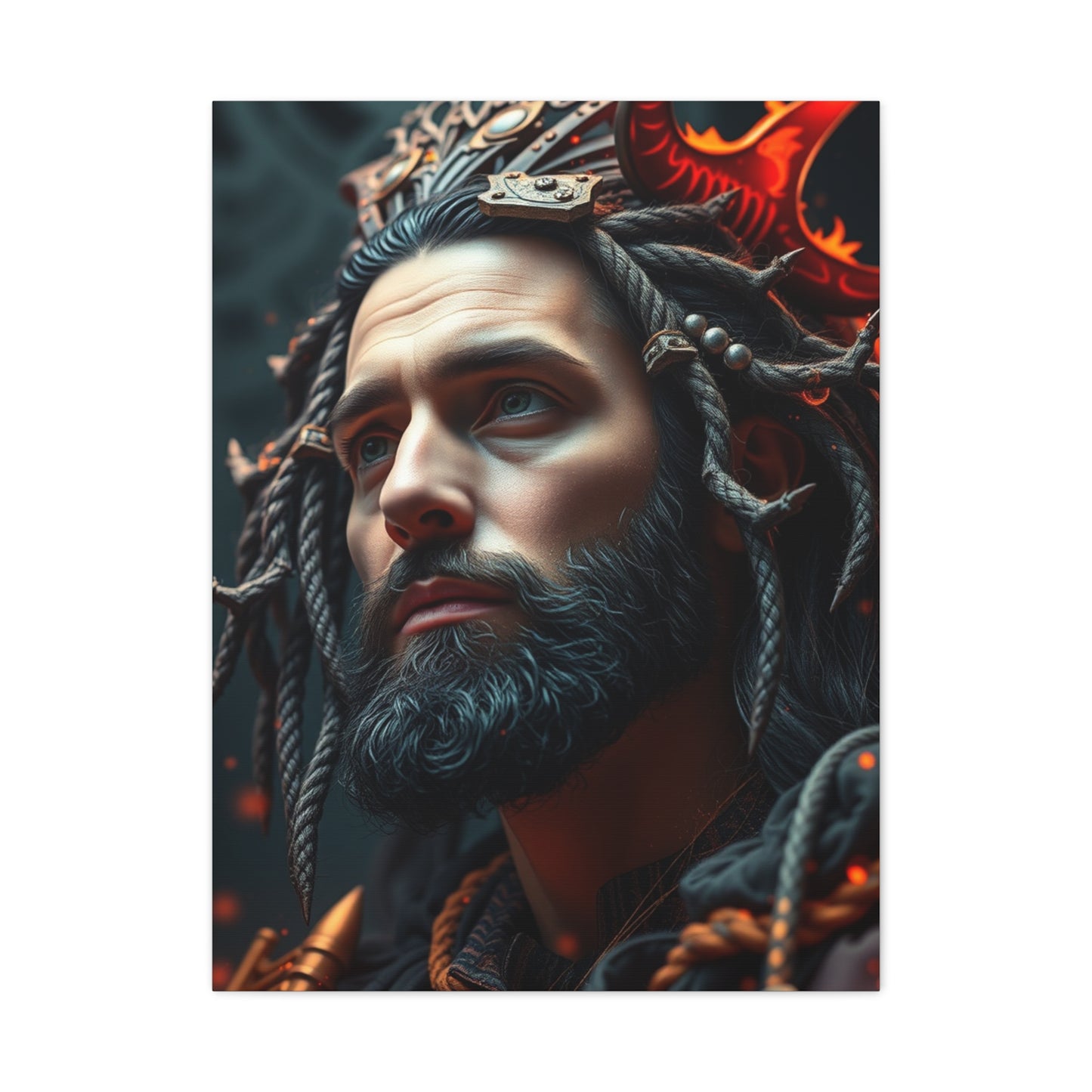


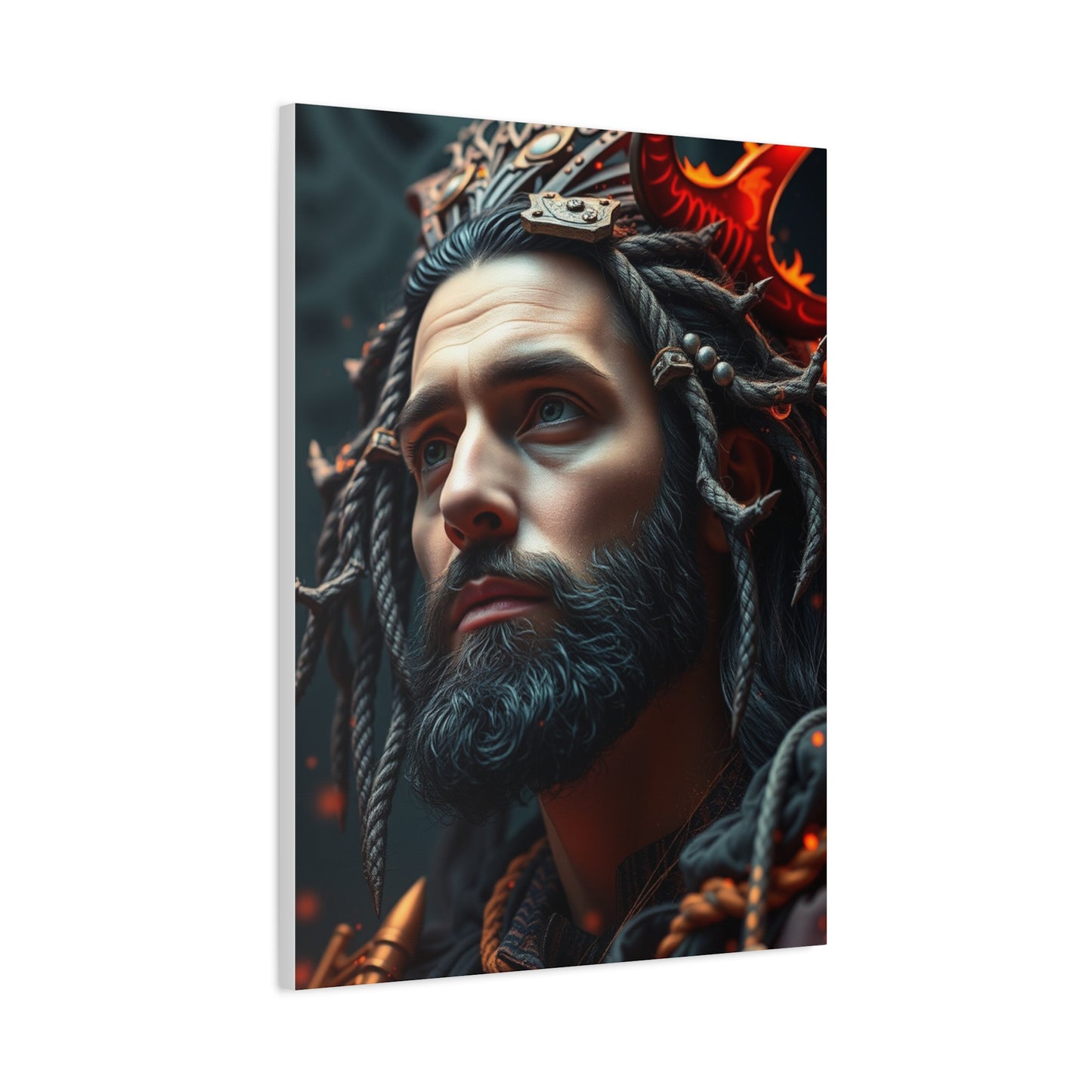
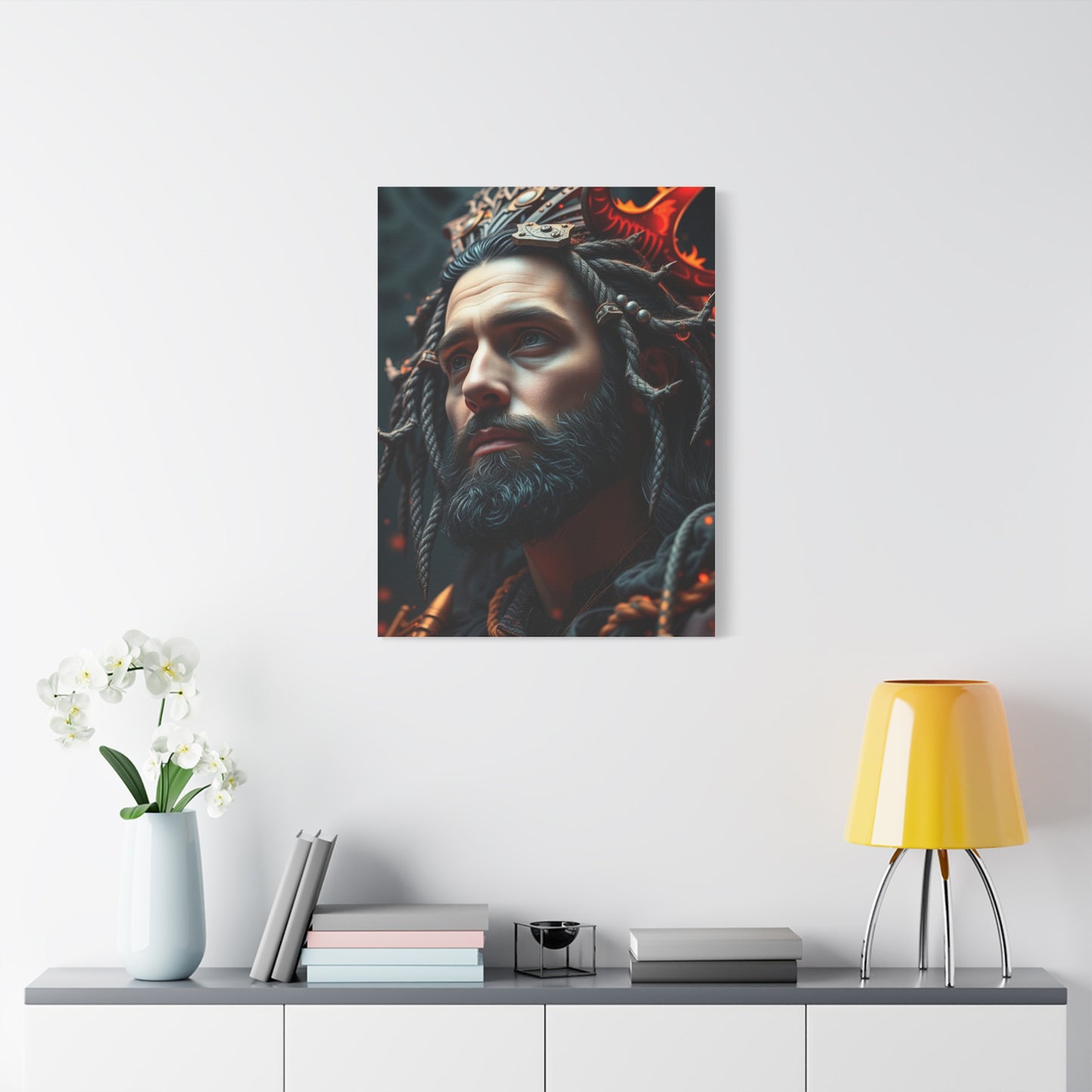
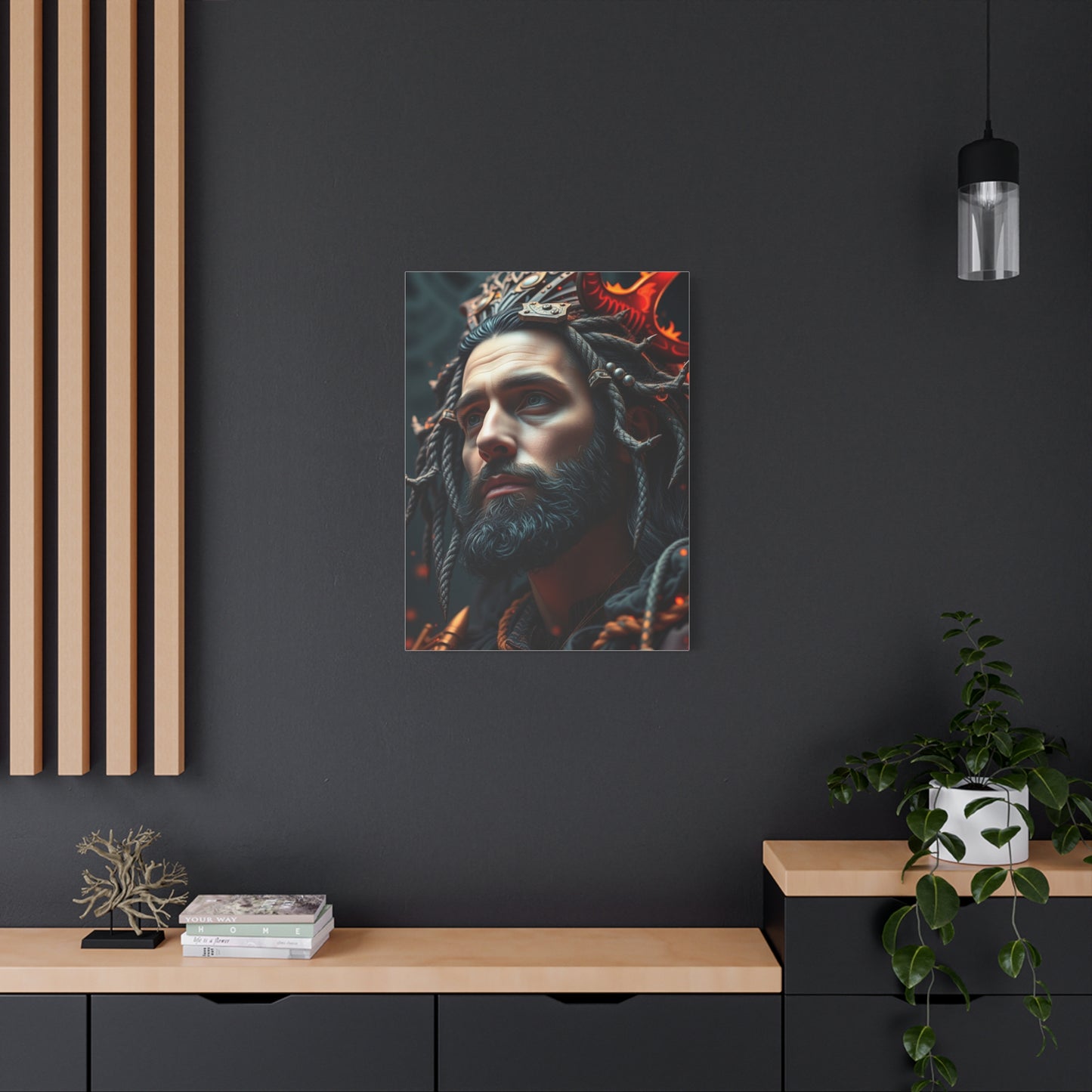
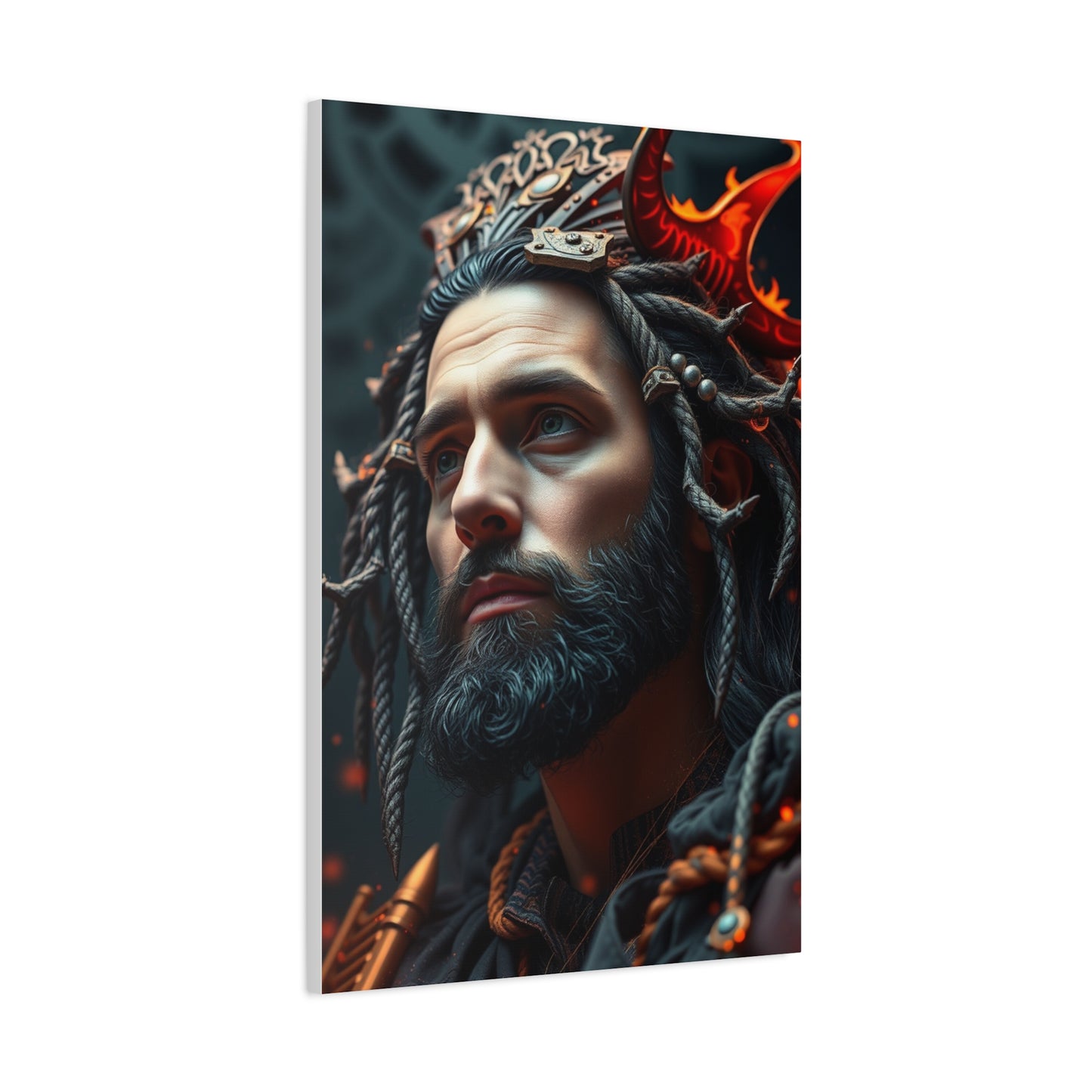
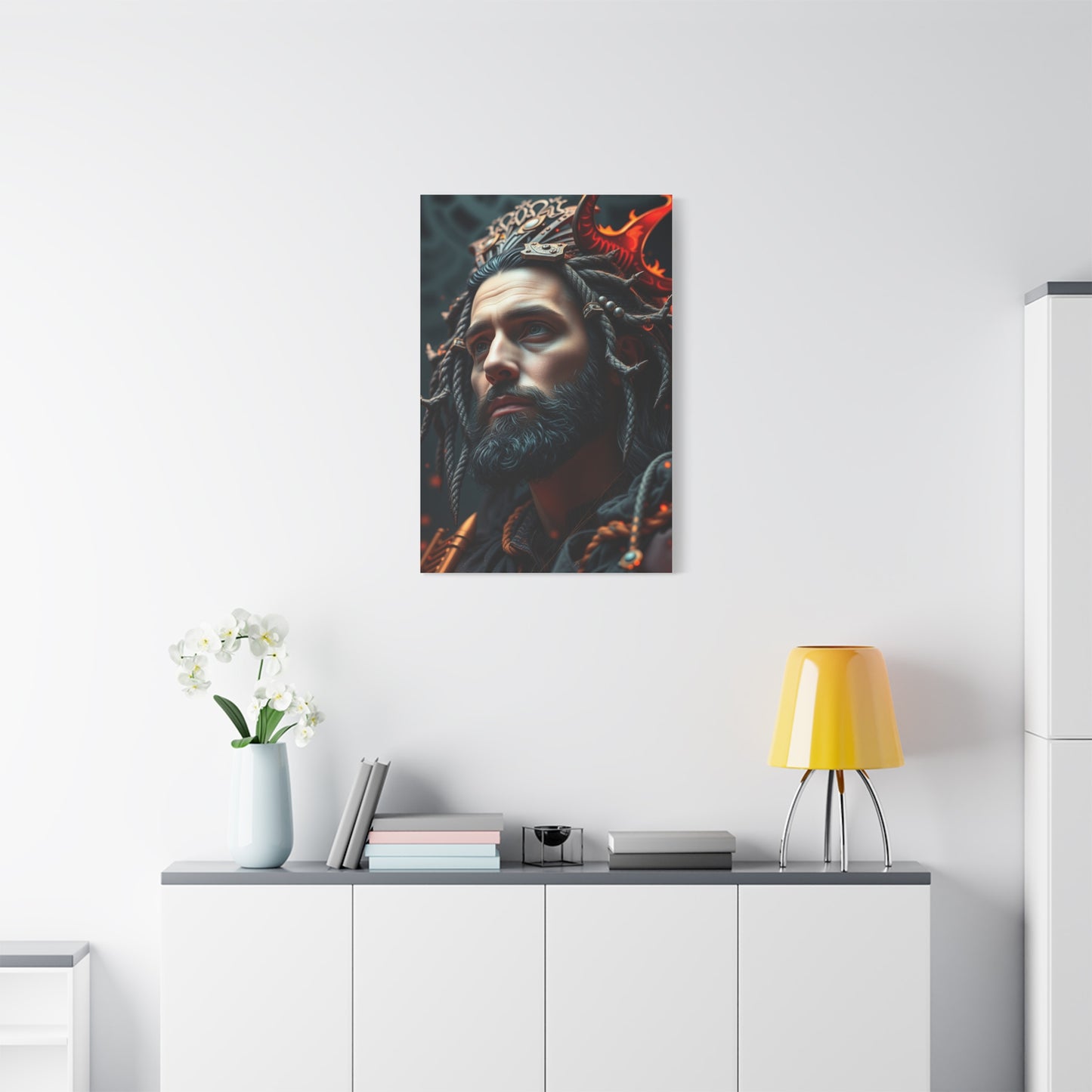
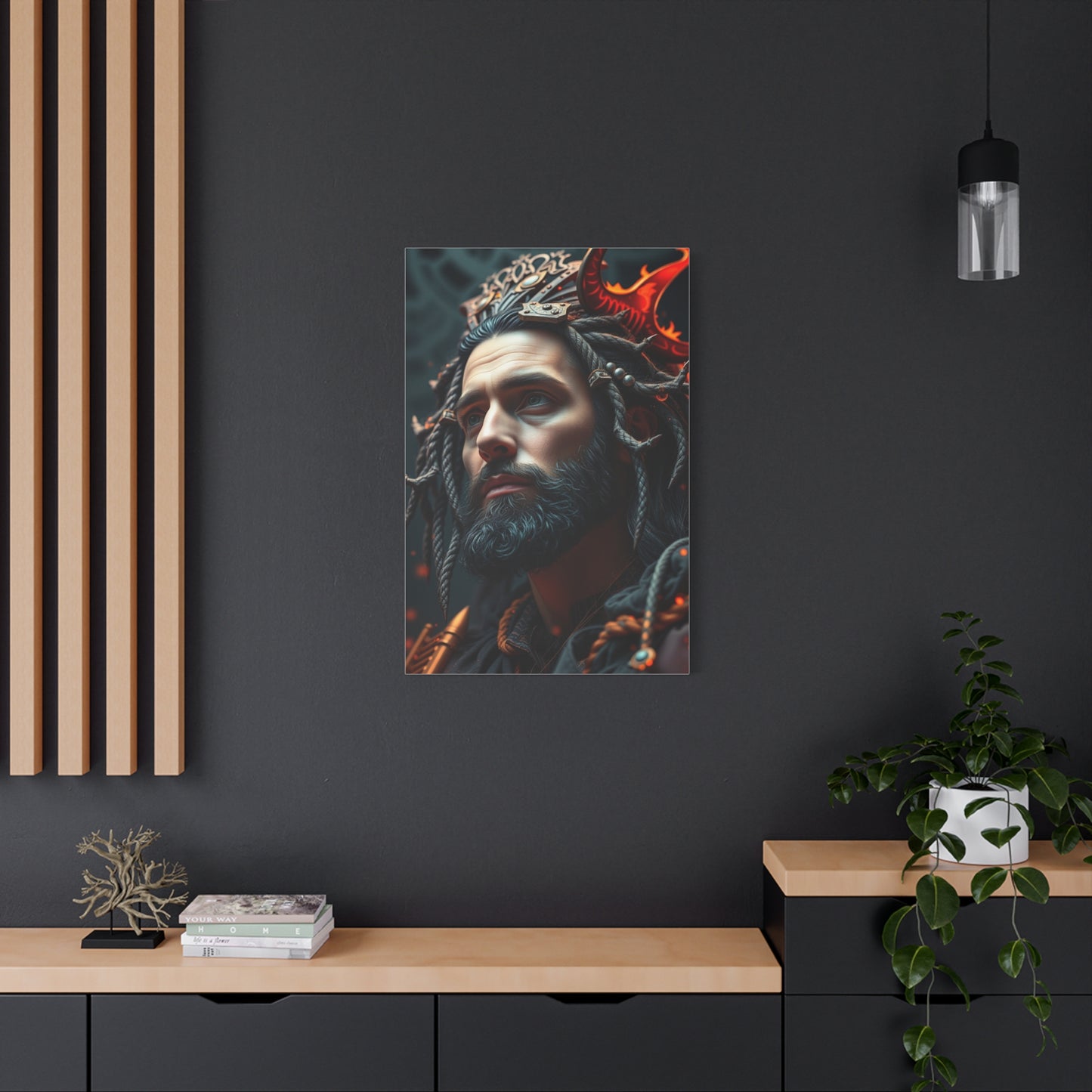
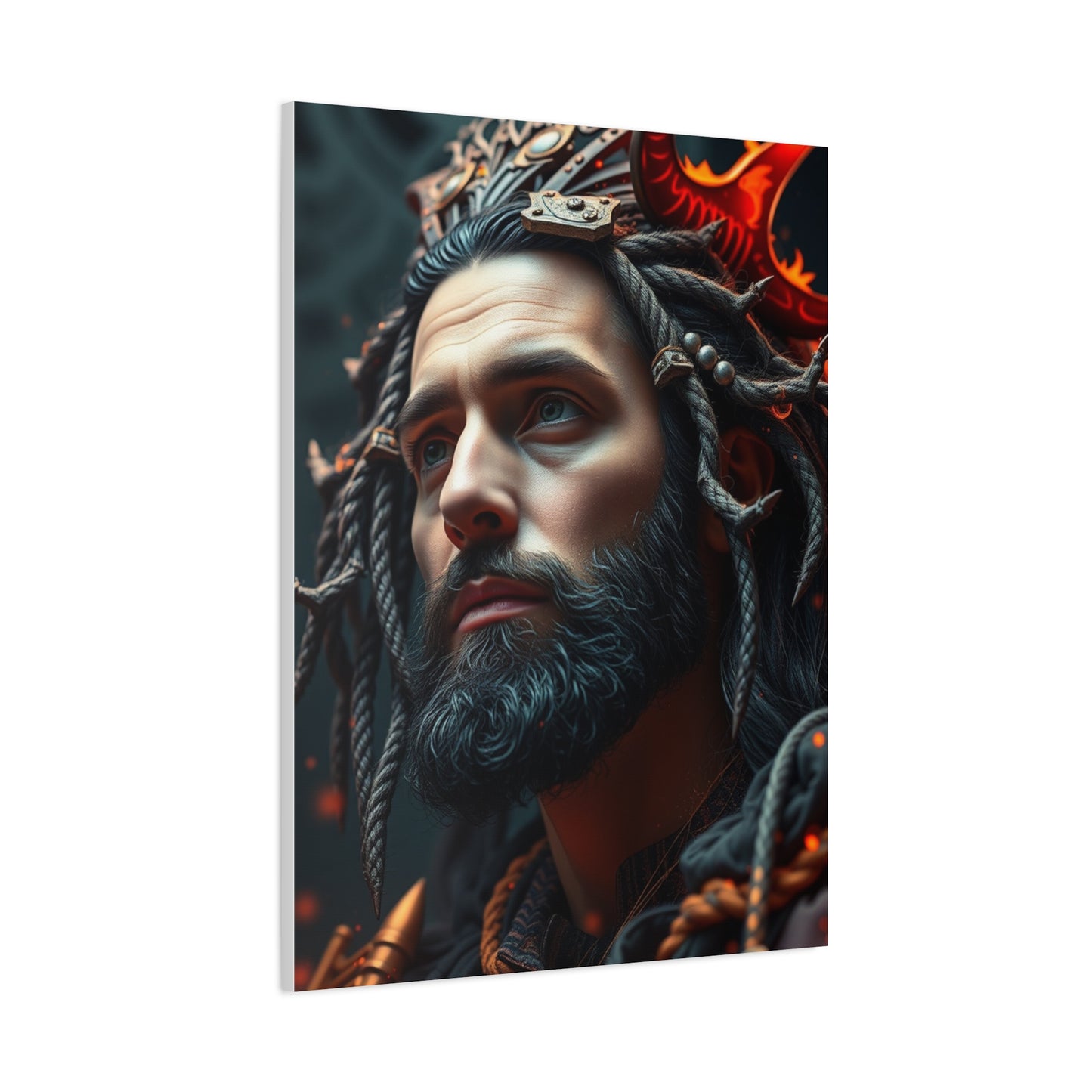
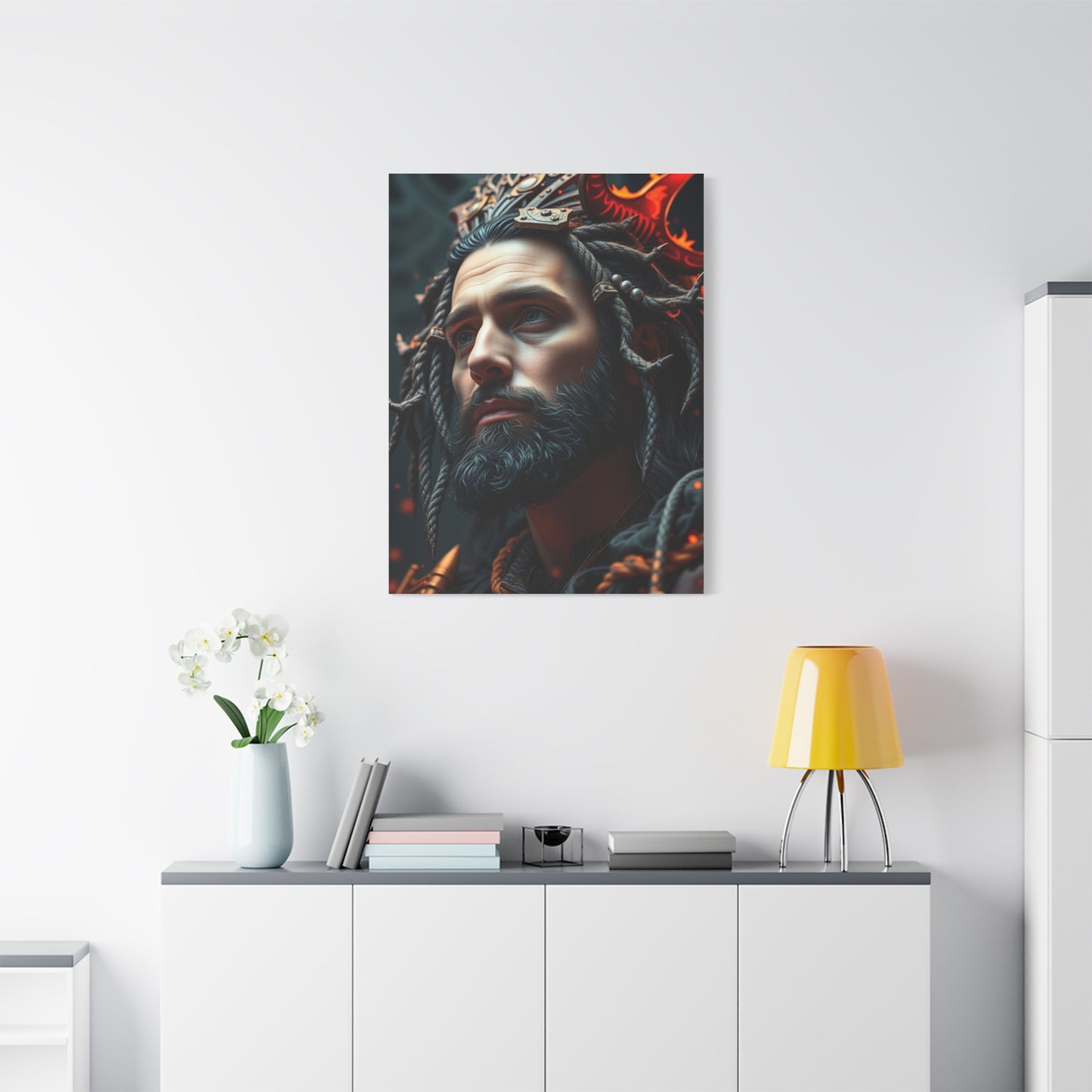
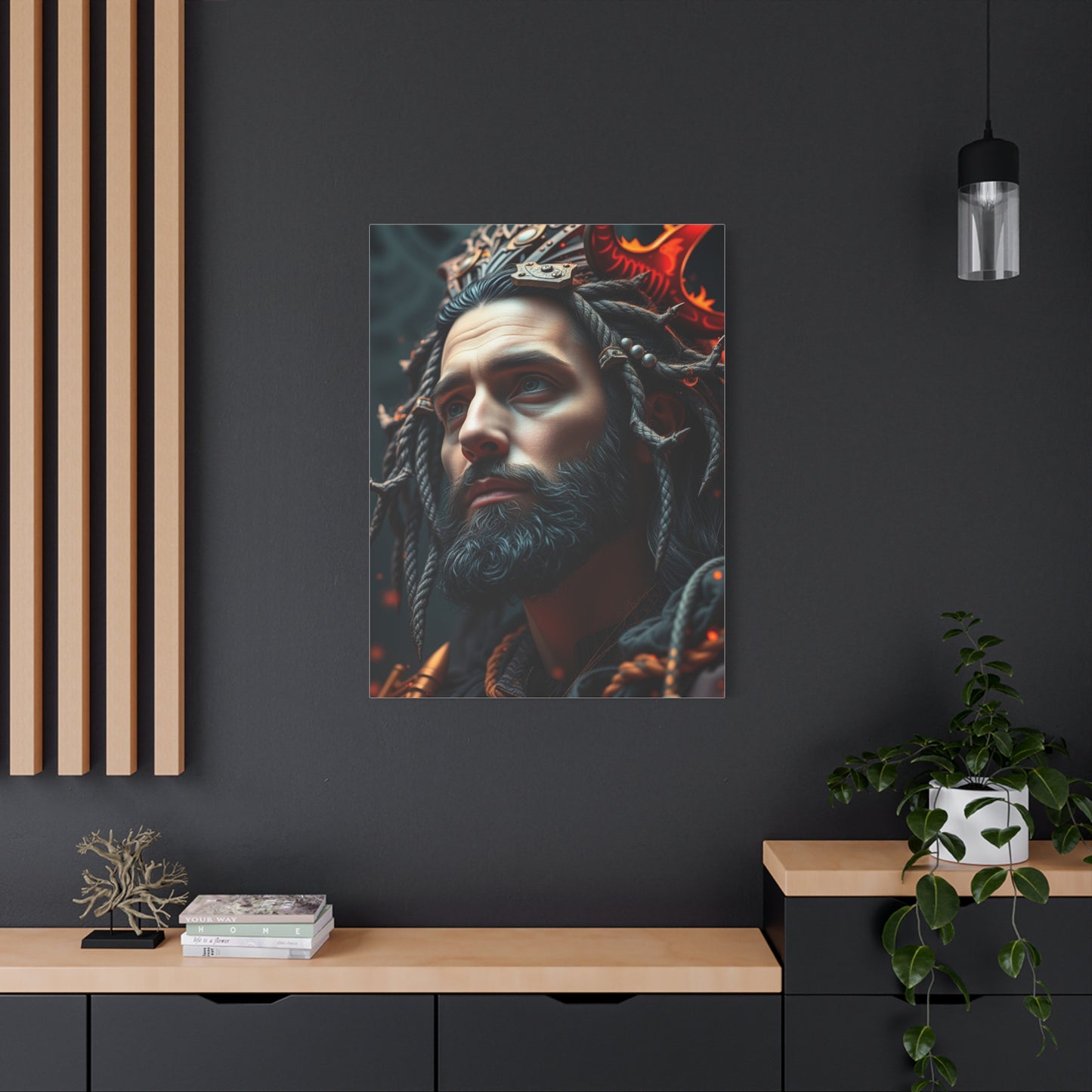
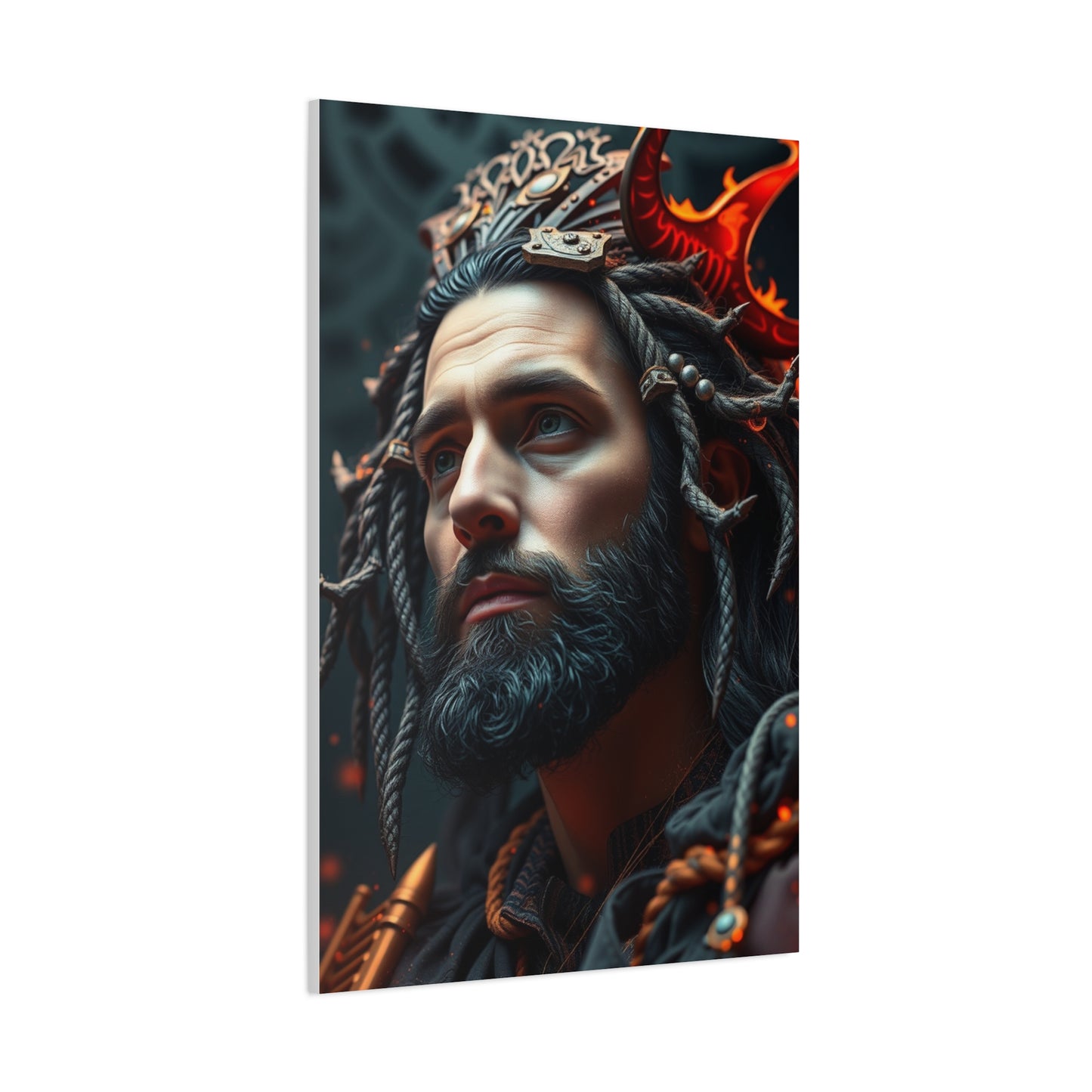
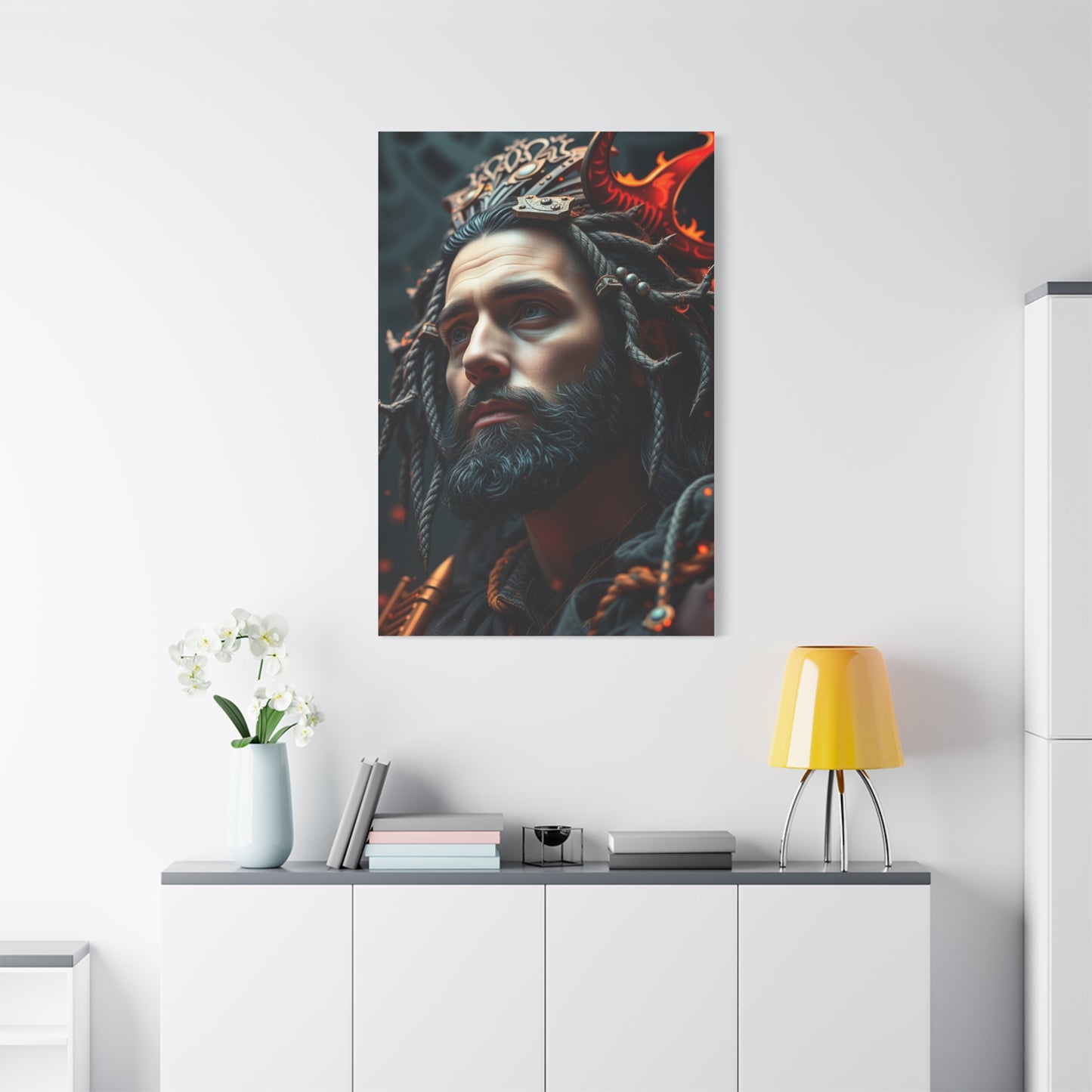
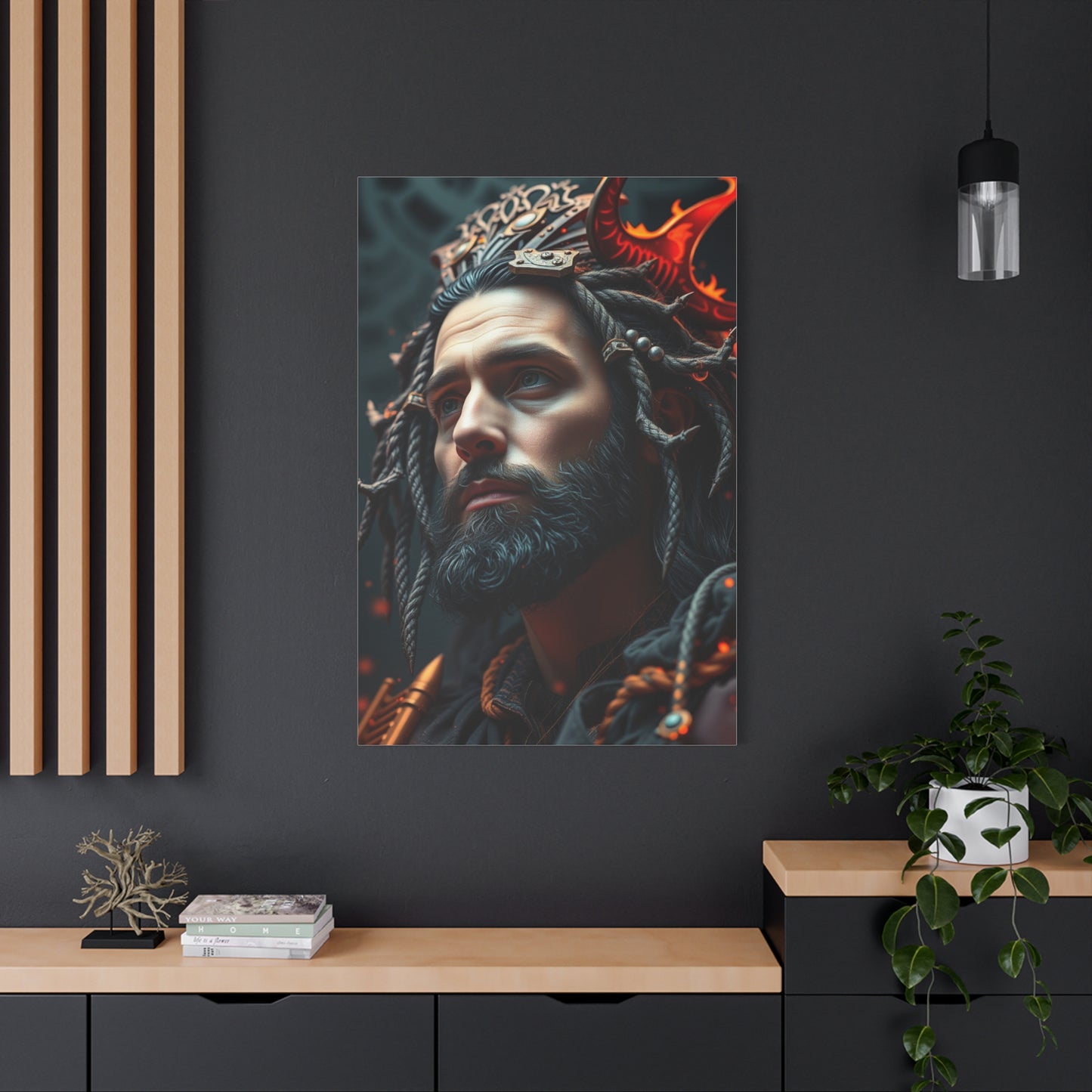
Ascendant Elegance Wall Piece: Creating Sophisticated Vertical Art for Modern Interiors
Wall art has become an essential element in contemporary interior design, serving as both a focal point and a reflection of personal style. The concept of ascendant elegance in wall pieces represents a harmonious blend of upward movement, refined aesthetics, and timeless beauty that elevates any living space. This comprehensive exploration delves into every aspect of creating, selecting, and displaying vertical art that embodies sophistication and grace.
The Philosophy Behind Vertical Art Design
The vertical orientation in art has long been associated with aspiration, growth, and spiritual elevation. When we examine pieces that emphasize height and upward movement, we discover a profound connection between spatial arrangement and emotional response. Vertical compositions naturally draw the eye upward, creating an illusion of expanded space while simultaneously encouraging contemplation and reflection.
The philosophy of ascendant design goes beyond mere dimensional considerations. It encompasses the idea that art should inspire viewers to reach beyond their current circumstances, to aspire toward higher ideals, and to recognize beauty in progression. This approach to wall art acknowledges that our living spaces profoundly influence our mental and emotional states. When we surround ourselves with pieces that embody grace and refinement, we create environments that nurture our better instincts and cultivate a sense of peace.
Throughout history, cultures worldwide have recognized the significance of vertical elements in art and architecture. From Gothic cathedrals with their soaring spires to Japanese scroll paintings that unfold vertically, the upward emphasis has consistently conveyed messages of transcendence and nobility. Modern interpretations of this ancient wisdom translate into wall pieces that maintain these essential qualities while incorporating contemporary materials, techniques, and sensibilities.
Materials That Define Sophisticated Wall Art
The selection of materials plays a crucial role in determining the overall impact and longevity of any wall piece. Metal components offer exceptional versatility, ranging from the warm glow of brushed brass to the cool sophistication of stainless steel. Each metal brings its own character to a composition, with copper developing a rich patina over time, while aluminum maintains its lustrous finish indefinitely. The choice between polished and matte finishes creates dramatically different effects, with polished surfaces reflecting light dynamically throughout the day and matte finishes providing subtle, consistent elegance.
Wood elements introduce organic warmth and natural texture that metal alone cannot achieve. Carefully selected hardwoods like walnut, cherry, or maple contribute rich tonal variations and grain patterns that make each piece unique. The treatment of wooden components requires consideration of the desired aesthetic outcome. Natural oils enhance the inherent beauty of wood grain while maintaining a tactile quality, whereas lacquer finishes create smooth, glass-like surfaces that reflect light beautifully. Reclaimed wood brings historical character and environmental consciousness to contemporary designs, telling stories through weathered surfaces and aged patinas.
Stone and mineral components add weight, both literal and metaphorical, to wall art compositions. Marble slabs introduce classical elegance with their distinctive veining patterns, each piece utterly unique in its geological artistry. Slate offers subtle sophistication in shades ranging from deep charcoal to soft gray, its layered structure creating interesting textural depth. Semiprecious stones like agate, quartz, or jasper can be incorporated as accent elements, their natural formations and colors providing focal points that capture attention without overwhelming the overall composition.
Glass elements contribute transparency, luminosity, and color possibilities that expand creative potential exponentially. Hand-blown glass pieces introduce organic forms and subtle irregularities that machine production cannot replicate. Fused glass techniques allow for complex color layering and pattern creation, resulting in components that seem to glow from within when backlit. Tempered glass provides safety and durability while maintaining optical clarity, making it suitable for pieces that incorporate sharp edges or geometric precision.
Contemporary materials like acrylic, resin, and composite substances offer innovative possibilities for creating distinctive wall art. Acrylic can be laser-cut with remarkable precision, creating intricate patterns and delicate details impossible to achieve with traditional materials. Resin casting allows for encapsulation of objects, creation of translucent color fields, and production of custom forms that would be prohibitively expensive in other media. These modern materials can be combined with traditional elements to create hybrid pieces that honor craftsmanship while embracing technological advancement.
Color Theory in Elevated Wall Compositions
Color selection forms the emotional foundation of any successful wall piece, influencing mood, spatial perception, and visual harmony within a room. Neutral palettes built around whites, grays, blacks, and earth tones provide timeless sophistication that complements virtually any interior style. These restrained color schemes allow form, texture, and composition to take precedence, creating pieces that remain relevant as design trends evolve. The subtle variations within neutral ranges offer surprising depth, from warm taupes that create cozy intimacy to cool grays that establish serene clarity.
Monochromatic approaches, utilizing various shades and tints of a single hue, create cohesive compositions with built-in harmony. This strategy works particularly well when exploring the interplay of light and shadow, as related colors naturally create depth without chromatic distraction. A piece rendered entirely in blues, for instance, can range from deep navy shadows to pale sky highlights, evoking maritime tranquility or celestial vastness depending on the specific shades selected and their arrangement.
Analogous color schemes, drawing from adjacent sections of the color wheel, offer gentle contrast while maintaining overall unity. Combinations like blue-green-violet or yellow-orange-red provide visual interest without jarring conflicts. These harmonious relationships feel natural and comfortable, reminiscent of color progressions observed in nature such as sunset gradations or foliage transitions through seasons. When executed with refinement, analogous palettes create sophisticated complexity that rewards sustained viewing.
Complementary colors, positioned opposite each other on the color wheel, generate dynamic tension and visual excitement. Blue and orange, red and green, yellow and purple create maximum contrast that demands attention. However, deploying these powerful combinations requires restraint and careful balancing to avoid overwhelming viewers. Strategic use of neutrals to separate complementary colors, or utilizing muted versions of these hues, maintains visual impact while preserving elegance. A piece might feature predominantly neutral tones with carefully placed accents in complementary colors, creating punctuation points that guide the eye through the composition.
Metallic colors deserve special consideration in elevated wall art, as they interact uniquely with lighting conditions. Gold tones ranging from rose gold to aged brass introduce warmth and traditional luxury, their reflective qualities creating living compositions that change throughout the day. Silver and platinum finishes offer cool sophistication and contemporary polish, their bright reflectivity expanding perceived space. Copper presents a middle ground, warm yet modern, especially as it develops verdigris patinas that add historical depth to contemporary pieces.
The psychological effects of color cannot be ignored when creating art intended for residential or commercial spaces. Blues promote calmness and concentration, making them excellent choices for bedrooms, offices, or meditation spaces. Greens connect us to nature and encourage balance, suitable for any room where restoration and renewal are priorities. Warm colors like reds, oranges, and yellows stimulate energy and conversation, functioning well in social spaces while requiring careful modulation to avoid overstimulation. Understanding these subtle influences allows artists and designers to create pieces that not only beautify spaces but actively contribute to the wellbeing of inhabitants.
Geometric Forms and Organic Shapes
The interplay between geometric precision and organic fluidity creates dynamic tension that energizes sophisticated wall compositions. Geometric elements bring order, structure, and intellectual appeal to designs. Circles represent completeness and unity, their continuous forms creating focal points that naturally draw the eye. Squares and rectangles provide stability and foundation, their right angles establishing clear boundaries and organizational frameworks. Triangles introduce directionality and dynamic movement, their pointed forms suggesting action and change.
More complex geometric forms offer additional expressive possibilities. Hexagons and octagons bring architectural qualities reminiscent of tiling patterns and structural systems. Spirals combine circular motion with progressive growth, suggesting evolution and natural proportions found throughout nature. Fractal patterns, repeating similar forms at different scales, create mesmerizing complexity that rewards close examination while maintaining coherent larger compositions.
Organic shapes derived from natural forms provide essential counterbalance to geometric rigidity. Flowing curves reminiscent of water, wind, or plant growth introduce grace and vitality. Irregular forms suggesting stones, clouds, or biological structures connect viewers to the natural world, creating pieces that feel alive rather than manufactured. The contrast between sharp geometric edges and soft organic curves generates visual interest that prevents monotony while maintaining cohesion.
Combining these opposing approaches requires thoughtful consideration of balance and proportion. A predominantly geometric composition might incorporate selective organic elements to soften its character and add unexpected warmth. Conversely, a flowing organic design might employ geometric components to provide structure and prevent the composition from feeling unfocused or chaotic. The most successful pieces often achieve synthesis, where geometric and organic elements integrate so seamlessly that their distinction becomes irrelevant, creating unified wholes that transcend their individual parts.
Negative space functions as an essential compositional element equal in importance to positive forms. The areas where material is absent define and emphasize the areas where it is present. Thoughtful use of negative space prevents visual congestion, allowing individual elements to breathe and maintaining clarity of communication. In vertical compositions, negative space often accumulates toward upper regions, reinforcing the sense of ascension and lightness that characterizes elevated designs.
Dimensional Depth and Layering Techniques
Creating depth within wall-mounted art transforms flat surfaces into complex spatial experiences. Layering multiple planes at varied distances from the wall generates literal three-dimensional relief that casts shadows and catches light dynamically. The simplest approach involves mounting elements at different depths using spacers, standoffs, or mounting systems that position components at specific distances from the backing surface or wall itself.
Shadow boxes and recessed frames create depth by setting certain elements back from the primary viewing plane. This technique works particularly well for incorporating delicate or precious components that benefit from protection while remaining visible. The frame edges cast shadows that define boundaries and create strong figure-ground relationships, focusing attention on the recessed contents.
Graduated layering, where elements progressively extend farther from the wall as composition moves upward, reinforces vertical emphasis while creating dramatic depth. This approach might start with a base layer flush against the wall, progress to elements mounted inches away, and culminate in components extending several inches into space. The resulting cascade effect emphasizes ascension while the varying depths create rich shadow patterns that change throughout the day as natural light shifts.
Transparent and translucent layers add complexity by allowing partial viewing of elements behind them. Glass, acrylic, or resin layers create ghosted images where multiple visual planes exist simultaneously in the viewer's perception. This technique generates ambiguity and mystery, encouraging viewers to shift perspective and explore different viewing angles to fully comprehend the composition.
Perforated or lattice-work layers introduce pattern and texture while maintaining visual connection to elements behind them. Metal screens, carved wood panels, or laser-cut materials create foreground interest while revealing glimpses of additional components beyond. The interplay between what is immediately visible and what is partially concealed creates engagement, inviting closer inspection and rewarding sustained attention.
Lighting Considerations for Maximum Impact
Lighting dramatically influences how wall art is perceived, transforming static objects into dynamic experiences. Natural light provides constantly changing illumination that reveals different qualities throughout the day. Morning light, low and warm, emphasizes horizontal elements and creates long shadows. Midday light, bright and direct, reveals true colors and fine details with maximum clarity. Afternoon and evening light, again low and warm but from opposite directions, creates entirely different shadow patterns and color temperatures than morning illumination.
Positioning wall pieces relative to windows requires careful consideration of these changing conditions. East-facing walls receive dramatic morning light that gradually diminishes through afternoon. West-facing walls remain relatively subdued until late day when they burst into warm golden illumination. North-facing walls in northern hemisphere locations receive consistent, cool, indirect light throughout the day, ideal for pieces where color accuracy and consistent viewing conditions are priorities. South-facing walls receive strong, warm light for extended periods, excellent for pieces with reflective elements or those that benefit from bright illumination.
Artificial lighting offers control and consistency impossible with natural light. Track lighting systems provide adjustable spotlights that can be precisely aimed to highlight specific elements or create desired shadow effects. The ability to adjust individual fixture positions allows for experimentation and seasonal changes, adapting the presentation as needed. LED strip lighting mounted behind or around wall pieces creates glowing halos or backlighting effects that make compositions appear to float away from the wall surface.
Picture lights, mounted directly to frames or walls above artwork, provide dedicated illumination that remains consistent regardless of room lighting conditions. These fixtures direct light specifically onto the artwork surface, ensuring visibility and impact. Modern LED versions generate minimal heat, protecting delicate materials from damage while providing excellent color rendering that reveals artwork as intended.
Accent lighting from below, while less common, creates dramatic uplighting effects that emphasize height and can create impressive shadow projections on ceilings. This approach works particularly well for pieces with interesting silhouettes or transparent elements that cast intricate shadows. However, uplighting can create unusual and sometimes unflattering effects, so careful testing ensures desired results.
The color temperature of artificial light significantly impacts artwork appearance. Warm light, typically 2700-3000 Kelvin, creates cozy, traditional ambiance that complements warm color palettes and traditional materials. Neutral white light, around 3500-4100 Kelvin, approximates daylight conditions and works well for accurate color rendering. Cool white light, 5000-6500 Kelvin, creates crisp, contemporary atmosphere that emphasizes blues and grays while potentially making warm colors appear dull or greenish.
Dimmers provide valuable control over lighting intensity, allowing adjustments for different times of day, activities, or moods. Bright illumination showcases details and creates energetic atmosphere, while dimmed lighting establishes intimacy and relaxation. The ability to adjust intensity extends the functional range of any lighting system, making it adaptable to various needs.
Proportional Relationships and Scale
Determining appropriate size for wall art relative to its intended space requires understanding proportional relationships that create visual harmony. A common guideline suggests wall art should occupy roughly two-thirds to three-quarters the width of furniture pieces it hangs above, such as sofas, consoles, or beds. This proportion creates sufficient visual weight without overwhelming the furniture or appearing too small to anchor the space effectively.
In rooms without specific furniture anchors, wall art should generally occupy approximately half to two-thirds the wall width to feel appropriately sized. However, this guideline flexes considerably based on ceiling height, room function, and design intent. Gallery spaces or rooms designed around art as the primary feature might display pieces that occupy even larger percentages of available wall space.
Vertical proportion deserves equal consideration to width. In standard eight to nine-foot ceiling heights, wall art typically works best when hung with its center approximately 57 to 60 inches from the floor, placing it at average eye level. However, pieces designed to emphasize height might extend significantly higher, particularly in rooms with elevated ceilings. Spaces with twelve-foot or higher ceilings can accommodate truly dramatic vertical compositions that would overwhelm standard-height rooms.
Multiple pieces arranged together require careful consideration of spacing and overall grouping dimensions. Gallery wall arrangements should be conceived as single compositional units, with adequate space between individual pieces to allow each to retain identity while contributing to the larger whole. Spacing of two to three inches between components typically prevents visual merging while maintaining cohesive grouping. The overall dimension of grouped arrangements should follow the same proportional guidelines as single large pieces.
Scale relationship between elements within individual pieces creates internal hierarchy and visual interest. Dominant elements establish primary focal points and anchor compositions. Secondary elements support and complement primary components without competing for attention. Tertiary elements provide detail, texture, and complexity that reward close viewing without cluttering the overall composition. Establishing clear hierarchical relationships through size variation creates clarity and prevents visual confusion.
The principle of the golden ratio, approximately 1:1.618, appears throughout nature and has been employed in art and architecture for millennia. Applying this proportion to wall art dimensions or internal compositional relationships creates inherent visual harmony that viewers perceive as naturally pleasing even without conscious recognition of the underlying mathematics. A piece 30 inches wide might ideally be approximately 48.5 inches tall to embody golden ratio proportions, though strict adherence to this rule is unnecessary when other design considerations take precedence.
Installation Methods and Mounting Systems
Secure, professional installation ensures wall art displays safely and appears as intended. Traditional hanging methods using picture wire and hooks work well for lightweight framed pieces but prove inadequate for substantial contemporary work. Modern mounting systems offer improved security, adjustability, and aesthetic cleanliness.
French cleat systems provide exceptional strength and stability for heavy pieces. This method employs matching beveled cleats, one attached to the wall and one to the artwork back. The mating bevels interlock securely, distributing weight across a broad area while allowing easy removal when needed. French cleats accommodate considerable weight, support large dimensions, and maintain precise level alignment. Their primary disadvantage lies in the requirement for backing materials substantial enough to support cleat attachment.
Z-bar hanging systems function similarly to French cleats but utilize interlocking channels rather than beveled edges. These commercially available systems offer precise engineering and high weight capacities. Many Z-bar systems include adjustment screws that allow for leveling after installation, compensating for wall irregularities or mounting imperfections.
Keyhole hangers, routed or attached to the back of wooden frames or panels, provide clean mounting for lightweight to medium-weight pieces. The keyhole shape allows hanging on screw or nail heads while preventing accidental displacement. Multiple keyhole hangers distributed across the back of larger pieces distribute weight and ensure level hanging.
Wire hanging systems, while traditional, require careful execution for optimal results. Wire should attach to secure D-rings or eye screws positioned one-third down from the top edge. The wire should remain taut enough to prevent excessive artwork tilt away from the wall but loose enough to distribute weight to both attachment points. Braided steel cable provides the best combination of strength, flexibility, and minimal stretch compared to other wire options.
Security considerations matter particularly for valuable pieces in public or commercial spaces. Museum-quality hanging systems often incorporate locks, anti-theft devices, or tamper-resistant fasteners. Earthquake-resistant hanging methods include flexible mounting systems that allow controlled movement during seismic events, or positive attachment methods that prevent artwork from bouncing off walls.
Wall composition significantly affects mounting strategy. Drywall requires anchors rated for the specific weight being supported, with toggle bolts or molly bolts providing secure attachment when studs are unavailable at desired mounting locations. Plaster walls demand specialized anchors designed for this brittle material. Masonry or concrete walls necessitate proper drill bits and anchors designed for these dense materials. Mounting to brick requires decisions about whether to drill into bricks themselves or into mortar joints, each approach having advantages and disadvantages.
Professional installation services eliminate uncertainty and liability while ensuring correct execution. Installers bring experience, specialized tools, and insurance coverage that protects both artwork and property. For particularly valuable, large, or complex pieces, professional installation represents a wise investment that provides peace of mind and optimal results.
Style Integration with Interior Design
Successfully integrating wall art into existing interior design requires understanding how different styles relate and complement each other. Contemporary interiors, characterized by clean lines, minimal ornamentation, and neutral color palettes, pair naturally with abstract art, geometric compositions, and pieces emphasizing material and form over representational content. The simplicity of contemporary spaces allows bold, dramatic artwork to command attention without competing against busy backgrounds.
Modern interiors, technically referring to mid-century aesthetics but often used interchangeably with contemporary, welcome organic modernist pieces featuring natural materials, simple forms, and warm woods. Artwork referencing the biomorphic shapes popular during the mid-twentieth century, such as kidney shapes, boomerang forms, and amoeba-like curves, harmonizes particularly well with authentic modern furnishings.
Traditional interiors benefit from wall art that respects classical principles while avoiding slavish reproduction of historical styles. Pieces incorporating architectural elements, symmetrical compositions, and refined materials like bronze, marble, or carved wood maintain appropriate formality. However, even traditional spaces gain vitality from judicious incorporation of contemporary pieces, creating collected, layered environments that feel lived-in rather than museum-like.
Transitional design, blending traditional and contemporary elements, offers maximum flexibility for wall art selection. This popular approach allows mixing different periods and styles, united by consistent color palettes, materials, or thematic elements. Transitional spaces might display contemporary abstract pieces alongside traditional landscapes, or combine modern metalwork with classical sculpture, the eclectic mix creating personality and interest.
Industrial interiors, featuring exposed structural elements, raw materials, and utilitarian aesthetics, pair well with art emphasizing material honesty, construction processes, and mechanical forms. Welded metal sculptures, pieces incorporating reclaimed industrial materials, and artwork referencing machinery, architecture, or urban landscapes complement warehouse-inspired spaces. The tendency toward neutral palettes in industrial design allows introduction of colorful artwork as dramatic focal points.
Minimalist interiors require particularly thoughtful art selection, as every element assumes heightened importance in spare environments. Pieces for minimalist spaces should exhibit exceptional quality and refinement, as flaws become glaringly obvious in uncluttered settings. Scale often increases in minimalist contexts, with fewer but larger pieces replacing gallery wall arrangements or multiple smaller works. The art itself should embrace minimalist principles through reduction, simplicity, and focus on essential elements.
Bohemian or eclectic interiors celebrate diversity, pattern, and color, welcoming wide-ranging artwork that might clash in more restrained settings. These relaxed, personal spaces accommodate collections developed over time, incorporating pieces from travels, gifts from artist friends, and treasured finds from galleries or markets. The key to successful eclectic design lies in establishing some unifying elements like color families, materials, or thematic connections that prevent complete chaos while encouraging creative expression.
Scandinavian design principles emphasizing simplicity, functionality, and connection to nature suggest wall art featuring natural materials, light palettes, and organic forms. The Scandinavian aesthetic values craftsmanship and quality, favoring fewer, better pieces over abundant mediocre items. Artwork should contribute to the sense of hygge, the Danish concept encompassing coziness, comfort, and wellbeing, through warm materials, soft forms, and peaceful compositions.
Creating Focal Points and Visual Hierarchy
Every successful interior requires clear focal points that organize space and guide attention. Wall art frequently serves this crucial function, establishing visual hierarchy and preventing rooms from feeling unfocused or chaotic. The primary focal point in any room should be immediately apparent upon entering, drawing attention and establishing the space's character.
Size represents the most straightforward method for creating focal points. Large pieces naturally dominate attention, particularly when surrounded by ample negative space. A substantial wall sculpture positioned on an otherwise empty wall becomes an undeniable focal point through sheer scale. However, size alone proves insufficient if the piece lacks visual interest or contrast with its surroundings.
Contrast generates attention through difference. A brightly colored piece against a neutral wall, a dark sculpture against a light surface, or a highly textured work against a smooth backdrop creates visual contrast that captures attention. Color contrast, value contrast, texture contrast, and material contrast all effectively establish focal points when thoughtfully deployed.
Lighting dramatically influences focal point creation. Spotlighting wall art makes it a beacon in the room, drawing attention even if the piece itself is modest in size or subdued in character. The circle of light creates implied framing and emphasis that elevates the artwork's importance within the overall space.
Positioning affects focal point strength significantly. Centering artwork on prominent walls, particularly those visible from entry points, maximizes impact. Placement above significant furniture pieces like fireplaces, beds, or sofas leverages existing architectural or functional focal points, creating reinforced emphasis. Conversely, hanging art in transitional spaces like hallways or corners reduces its focal point strength while still contributing to overall design.
Multiple focal points within a single room require careful balancing to prevent competition and confusion. Primary focal points should clearly dominate, with secondary focal points supporting rather than challenging the main attraction. This hierarchy might be established through the size difference, positioning relative to entry and circulation patterns, or lighting emphasis.
Repetition and rhythm create visual relationships that guide the eye through spaces. A series of related pieces displayed along a hallway creates rhythm that propels movement through the space. Repeating certain colors, forms, or themes across different artworks distributed throughout a room establishes subtle connections that unify the design.
Alignment and organization influence how multiple pieces relate to each other and their surroundings. Gallery walls might align along a common baseline, creating strong horizontal organization, or align along a central vertical axis, emphasizing height. Symmetrical arrangements create formal, traditional emphasis, while asymmetrical layouts feel more casual and contemporary. Grid arrangements impose order and clarity, while organic, seemingly random placement creates energy and informality.
Maintenance and Preservation
Proper care ensures wall art remains beautiful and intact for generations. Different materials require specific maintenance approaches, making it essential to understand the composition of any piece being cared for. General principles apply across most materials, beginning with environmental control. Stable temperature and humidity prevent many common deterioration processes including warping, cracking, corrosion, and degradation of finishes.
Ideal conditions maintain temperature around 65-75 degrees Fahrenheit with minimal fluctuation. Humidity should remain between 40-50 percent, avoiding both the extremes of desert dryness and tropical dampness. Dehumidifiers address excessive moisture in basements or coastal environments, while humidifiers combat winter heating system dryness. Monitoring devices provide accurate readings, allowing proactive adjustments before damage occurs.
Dust accumulation, while seemingly benign, actually poses multiple threats to artwork. Dust particles are abrasive, potentially scratching surfaces during cleaning attempts. Dust absorbs moisture, creating localized humidity problems. Dust attracts pests that may damage organic materials. Regular gentle dusting prevents accumulation that becomes increasingly difficult to remove safely.
Soft, clean, dry brushes effectively remove dust from most surfaces. Natural bristle brushes work well for delicate items, while slightly stiffer synthetic brushes suit more robust pieces. Microfiber cloths capture and hold dust rather than redistributing it. Compressed air removes dust from crevices and intricate details but requires careful pressure control to avoid damage. Vacuum attachments, used with brush tools at low suction, efficiently collect dust without contact.
Metal components require specific care based on their composition and finish. Unsealed metals like raw steel, iron, or copper will naturally oxidize, developing rust or patina. If this natural aging is desirable, no protective treatment is needed. If pristine finish is preferred, clear protective coatings preserve original appearance. Already-finished metals like powder-coated or painted surfaces need only gentle cleaning with appropriate cleaners. Polished metals benefit from occasional buffing with appropriate metal polishes designed for the specific metal type.
Wood elements demand moisture management as their primary preservation concern. Wood expands when absorbing moisture and contracts when drying, these dimensional changes potentially causing cracks, warping, or joint failure. Finished wood surfaces usually need only dusting and occasional cleaning with wood-specific cleaners that remove grime without damaging finishes. Unfinished wood benefits from occasional treatment with appropriate oils or waxes that nourish the wood while providing subtle protection.
Glass and acrylic require careful cleaning to avoid scratching these vulnerable surfaces. Starting with dry or barely damp microfiber cloths removes most dust and smudges. For stubborn soiling, appropriate glass cleaners can be applied to cloths rather than directly to surfaces, preventing liquid from seeping into joints or cracks. Acrylic scratches more easily than glass, requiring extra gentleness. Specialized acrylic polishes can minimize minor scratches, while deeper damage may require professional restoration.
Stone and mineral components vary dramatically in their durability and care requirements. Hard stones like granite or quartzite withstand considerable handling and cleaning, while softer stones like marble, limestone, or soapstone require gentle treatment. Porous stones absorb liquids that can stain, suggesting caution with cleaning solutions. Many stones benefit from periodic sealing with appropriate stone sealers that protect against staining and moisture damage.
Painted surfaces present particular challenges, as cleaning methods that remove dirt can also remove paint. Dusting represents the safest maintenance approach. If cleaning becomes necessary, testing any cleaner on inconspicuous areas first prevents widespread damage. Conservation-grade cleaning methods use cotton swabs barely dampened with distilled water, gently rolling them across surfaces to lift dirt without excessive moisture or abrasion.
Direct sunlight causes fading, discoloration, and material degradation in many artworks. Ultraviolet radiation, the primary culprit, breaks down organic materials and fades colors. Artwork displayed in bright sunlight should either be relocated to lower-light positions or protected with UV-filtering glazing or window treatments. Even indirect natural light contains UV radiation, though at lower levels. Rotation schedules, periodically moving pieces between high-light and low-light positions, distributes exposure evenly across a collection.
Professional conservation assessment provides expert evaluation of condition and appropriate care strategies. Conservators identify hidden damage, deteriorating materials, and potential problems before they become severe. For valuable or historically significant pieces, establishing relationships with qualified conservators ensures access to expert care when needed.
Customization and Personalization Options
Custom wall art allows precise alignment between artistic expression and individual taste, spatial requirements, and design visions. Working with artists or fabricators to create bespoke pieces ensures perfect integration with specific interiors. The customization process typically begins with communication about preferences, spaces, and objectives.
Dimensional customization ensures pieces fit precisely within intended spaces, avoiding the compromise inherent in selecting from fixed standard sizes. Measurements should account for the relationship between artwork and surrounding elements, including furniture, architectural features, and adjacent walls. Providing detailed dimension parameters, including any restrictions imposed by obstacles like switches, outlets, or thermostats, allows artists to design around constraints.
Color customization creates harmony with existing palettes or introduces desired accents. Providing paint samples, fabric swatches, or photographs of spaces helps artists understand the color environment their work will inhabit. Some prefer exact color matching, ensuring seamless integration, while others prefer complementary or contrasting colors that make artwork stand out. Clear communication about color preferences prevents disappointment and ensures satisfaction.
Material preferences influence both aesthetic and practical characteristics. Some favor natural materials for their organic beauty and environmental benefits. Others prefer contemporary materials for their design possibilities and maintenance characteristics. Budget considerations often influence material selection, as precious metals, exotic woods, and semiprecious stones significantly increase costs compared to more common alternatives.
Stylistic direction provides artistic parameters while allowing creative freedom. Reference images illustrating desired aesthetic qualities help communicate vision without requiring technical art terminology. Describing feelings or atmospheres the artwork should evoke provides guidance about emotional tone. Specifying what to avoid proves equally valuable, preventing investment in directions that ultimately disappoint.
Symbolic or thematic content personalizes artwork meaningfully. Incorporating elements representing family, heritage, values, or experiences creates pieces with deep personal significance beyond aesthetic appeal. Sacred geometry, cultural motifs, natural forms, or abstract representations of meaningful concepts transform wall art from decoration into personal storytelling.
Inscription or integration of text adds another personalization layer. Meaningful quotes, family names, important dates, or poetic phrases can be incorporated through various techniques including engraving, relief carving, inlay, or applied lettering. The typography style should complement the overall design, with font selection contributing to the piece's character.
Modular systems offer reconfiguration possibilities, allowing the artwork to evolve with changing needs or preferences. Individual components can be rearranged in different configurations, creating varied compositions from the same elements. Additional modules might be acquired over time, expanding the piece gradually. This approach provides longevity through adaptability, preventing boredom and accommodating life changes.
Collaboration levels vary from providing broad parameters and trusting artistic judgment to maintaining detailed creative control throughout the process. Artists typically welcome input but also need sufficient freedom to apply their expertise and creative vision. Finding appropriate balance through clear communication establishes healthy working relationships that produce satisfying results.
Timeline and budget parameters should be established clearly at the project's outset. Custom work requires significantly more time than purchasing ready-made pieces, with complex projects potentially requiring months from conception to installation. Material costs, labor hours, and artist fees combine to determine final prices. Detailed written agreements specifying expectations, timelines, payment schedules, and remedies for problems protect both parties and prevent misunderstandings.
Historical Influences on Contemporary Wall Art
Contemporary wall art exists within a continuum of artistic evolution spanning millennia. Understanding historical influences enriches appreciation while informing current creative directions. Ancient civilizations developed sophisticated approaches to decorating vertical surfaces, from Egyptian tomb paintings to Roman frescoes, establishing fundamental principles that remain relevant.
Medieval European art emphasized religious themes and symbolic representation, with church decorations teaching scripture to largely illiterate populations. The use of gold leaf, rich colors, and hierarchical scaling reflected theological priorities. Gothic architecture's vertical emphasis, expressing spiritual aspiration through soaring spaces, prefigured modern interest in height and elevation.
Renaissance innovations including linear perspective, anatomical accuracy, and classical humanism transformed artistic possibilities. The rediscovery of Greek and Roman aesthetics established ideals of proportion, balance, and harmony that continue influencing design. Renaissance fresco techniques, applying pigment to wet plaster, created unified integration of artwork and architecture that contemporary installation artists echo.
Baroque and Rococo periods embraced drama, movement, and ornamentation, filling spaces with energetic compositions. The theatrical use of light and shadow, dynamic diagonal compositions, and emotional intensity contrast with the restraint that followed. Understanding these exuberant styles provides context for contemporary designers who consciously rebel against or selectively reference historical opulence.
Neoclassicism's return to classical restraint and rationality established aesthetic principles that persist in traditional and transitional design. The emphasis on clarity, order, and refinement over baroque excess created templates for elegant simplicity. Greek key patterns, Roman architectural elements, and classical proportions remain in contemporary design vocabularies.
Romanticism's emphasis on emotion, nature, and individual expression liberated artists from academic formulas. The romantic celebration of the sublime, the recognition of nature's power and beauty, influences contemporary artists working with natural materials and organic forms. Romantic interest in cultural heritage and non-Western traditions opened artistic dialogue that continues expanding.
The industrial revolution profoundly impacted art through new materials, manufacturing techniques, and social conditions. Metal fabrication, glass production, and chemical processes expanded creative possibilities while urbanization and industrialization created new subject matter and audiences. Arts and Crafts movement reactions against industrial production, emphasizing handcraftsmanship and traditional techniques, resonate with contemporary makers rejecting mass production.
Modernism's radical twentieth-century innovations established most current artistic parameters. Abstract art's liberation from representational obligations created entirely new vocabularies of form, color, and composition. Cubism's fragmentation and multiple perspectives, Constructivism's geometric abstraction and industrial materials, Surrealism's dreamlike juxtapositions, and Abstract Expressionism's gestural spontaneity all influence contemporary work.
Minimalism's reduction to essential elements, emphasis on material and form, and creation of contemplative experiences directly anticipates much contemporary wall art. The minimalist assertion that less is more, that quality trumps quantity, and that simplicity achieves sophistication influences designers across disciplines.
Postmodern pluralism, embracing eclecticism and rejecting modernist purity, legitimized mixing historical references, high and low culture, and contrasting styles. This permission to combine freely without seeking unified aesthetic enabled the stylistic diversity characterizing contemporary practice.
Contemporary art's global perspective incorporates influences from worldwide traditions, from Japanese ma, the aesthetic of negative space, to Islamic geometric pattern work, African sculpture's powerful simplification, and indigenous peoples' spiritual connections to materials and places. This cross-cultural fertilization enriches creative possibilities while raising important questions about cultural appropriation versus appreciation.
Environmental and Sustainability Considerations
Growing environmental consciousness influences wall art creation, selection, and display. Sustainable practices address material sourcing, manufacturing processes, longevity, and end-of-life disposal. Making environmentally responsible choices contributes to broader ecological stewardship without necessarily sacrificing aesthetic quality.Material selection represents the first opportunity for environmental consideration. Reclaimed materials, salvaged from demolished structures or previous uses, prevent waste while adding historical character. Reclaimed wood bears marks of previous existence, telling stories through nail holes, worn surfaces, and aged patinas.
Salvaged metal avoids mining impacts while offering weathered finishes impossible to achieve on new materials. Using reclaimed materials requires careful inspection for structural integrity, contaminants, or damage that might compromise function or safety.Sustainably harvested materials from responsibly managed sources balance environmental impact with contemporary needs. Forest Stewardship Council certification identifies wood from forests managed for long-term ecological health rather than maximum.
Conclusion
The Ascendant Elegance Wall Piece represents a unique fusion of style, form, and space that embodies the power of vertical art in modern interior design. In a world where interior spaces are increasingly defined by minimalism, open layouts, and sleek aesthetics, vertical wall pieces stand as bold statements of sophistication and creativity. These pieces transcend conventional design by creating visual height, dimension, and impact, while maintaining a sense of grace and balance. Whether in a chic urban apartment or a luxurious office, the Ascendant Elegance Wall Piece redefines vertical art as an essential element for contemporary interiors, elevating any space into a realm of timeless beauty and refined sophistication.
The allure of vertical art lies in its ability to capture attention and direct the viewer’s gaze upward, creating a sense of grandeur and importance. In modern design, where horizontal lines often dominate, a vertical piece introduces an element of surprise, transforming an ordinary wall into a focal point. These artworks, often tall and commanding, draw the eye toward them, enhancing the verticality of the space itself and complementing the architecture of the room. Whether through long, flowing lines or intricate, upward-moving patterns, vertical art mirrors the natural movement of the eye, guiding it upward and adding height to even the most modest rooms. This dynamic quality makes vertical wall pieces an ideal way to open up a space, creating an illusion of airiness and expansiveness while simultaneously adding a touch of sophistication.
One of the most compelling aspects of Ascendant Elegance Wall Pieces is their versatility. These pieces work seamlessly across a range of interior styles, from ultra-modern lofts and industrial spaces to more traditional homes with a contemporary twist. Whether rendered in minimalist monochromes or vibrant bursts of color, vertical wall art adapts to the tone and atmosphere of the room, enhancing the overall design language without overwhelming it. Their elegant proportions allow them to integrate well with both large and small spaces, while their ability to stand out without dominating the room offers a delicate balance between boldness and subtlety. In this way, they function as both a visual anchor and a sophisticated accent, drawing together diverse elements of a room’s design.
The materials and craftsmanship behind Ascendant Elegance Wall Pieces further underscore their sophistication. From hand-painted canvases to sleek metal sculptures, these artworks often showcase a mastery of technique and a commitment to fine artistry. Many vertical art pieces are crafted to be as much about texture and materiality as they are about visual composition, inviting the viewer to engage with the work not just as a passive observer but as an active participant. The tactile quality of the materials—from smooth, polished surfaces to raw, textured finishes—adds depth and complexity to the piece, encouraging a more intimate, reflective interaction. The precision and attention to detail in the design process give these works an air of exclusivity and craftsmanship, making them a worthy investment for anyone seeking to elevate their space.
What makes Ascendant Elegance Wall Pieces truly transformative is their ability to infuse a space with personality, sophistication, and a sense of story. Every vertical art piece carries with it the potential to evoke emotion, trigger memories, and spark conversation. Whether abstract in nature or depicting a particular scene, the style and execution of these works invite the viewer to contemplate their meaning and significance. The long lines and upward flow of a vertical composition can convey movement, aspiration, and energy—qualities that resonate with modern sensibilities and inspire a sense of optimism and progression. This aspirational aspect is particularly powerful in environments like home offices, where the space itself can serve as a catalyst for creativity, focus, and personal growth.
Incorporating Ascendant Elegance Wall Pieces into an interior is also an investment in timeless beauty. Unlike many design trends that come and go, vertical art pieces with a sophisticated aesthetic remain relevant and appealing for years. Their balance of elegance and innovation allows them to evolve with a space, providing enduring beauty that doesn’t fade with time. As the art of vertical composition continues to grow in popularity, these pieces are poised to become iconic elements in modern design, blending classical elements of proportion and design with contemporary sensibilities. As a result, vertical art does not just serve as a decorative accent—it acts as a lasting element of design, capable of adapting to changes in interior style while maintaining its elegance and impact.
In conclusion, the Ascendant Elegance Wall Piece represents the perfect blend of vertical artistry and modern interior sophistication. These pieces capture the essence of contemporary design by creating a visual anchor that is both refined and bold, subtle yet impactful. Their ability to enhance the spatial qualities of a room, while maintaining a timeless elegance, makes them a powerful tool in modern interior design. Whether you are looking to add a statement piece to your living room, office, or entryway, vertical art offers an unparalleled opportunity to infuse your space with sophistication, creativity, and style. The Ascendant Elegance Wall Piece is not just an artwork; it is a visual manifestation of upward movement, progress, and refined beauty—qualities that elevate any interior and inspire those who encounter it.


