


Avant-Garde Elegance Wall Art
Avant-Garde Elegance Wall Art
Couldn't load pickup availability
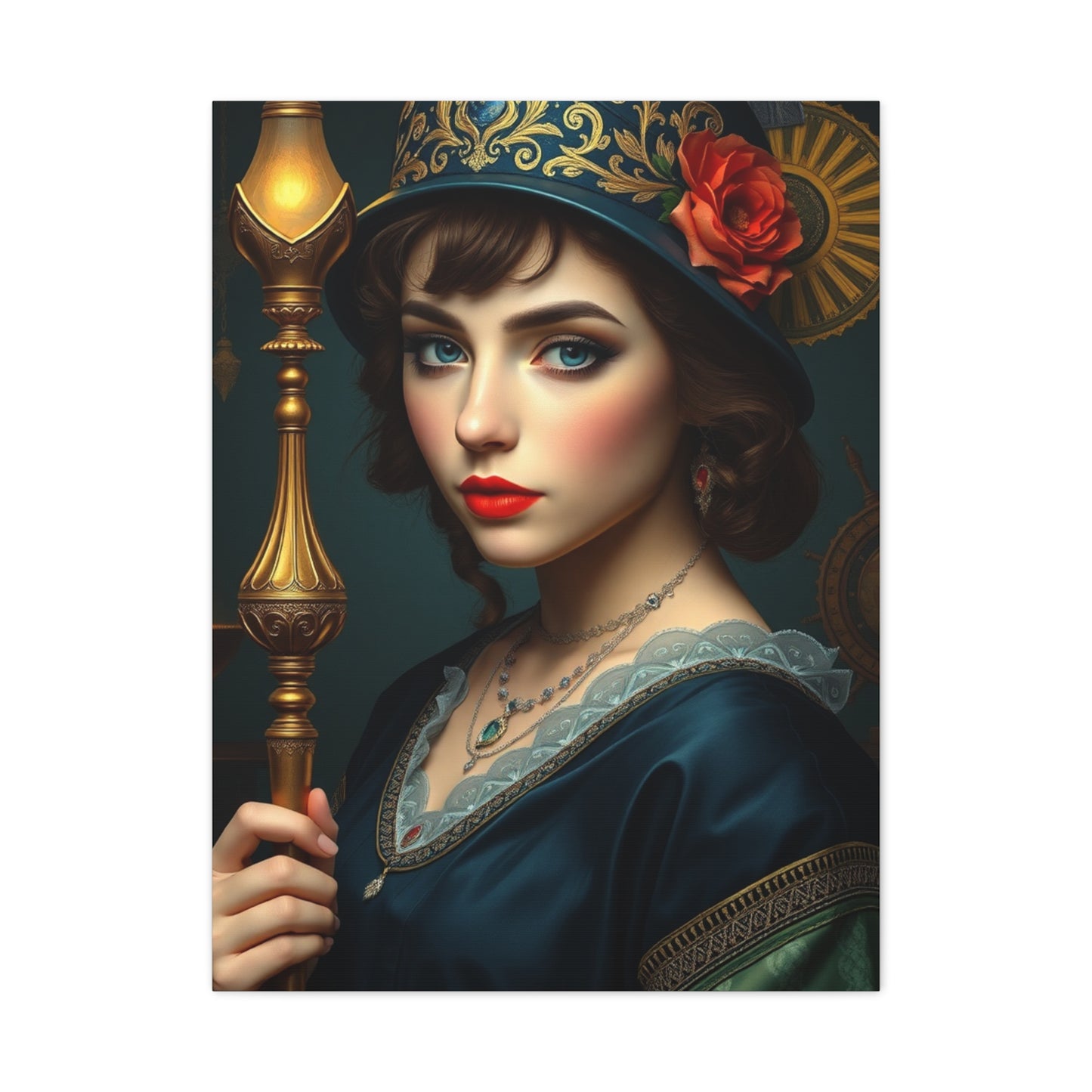
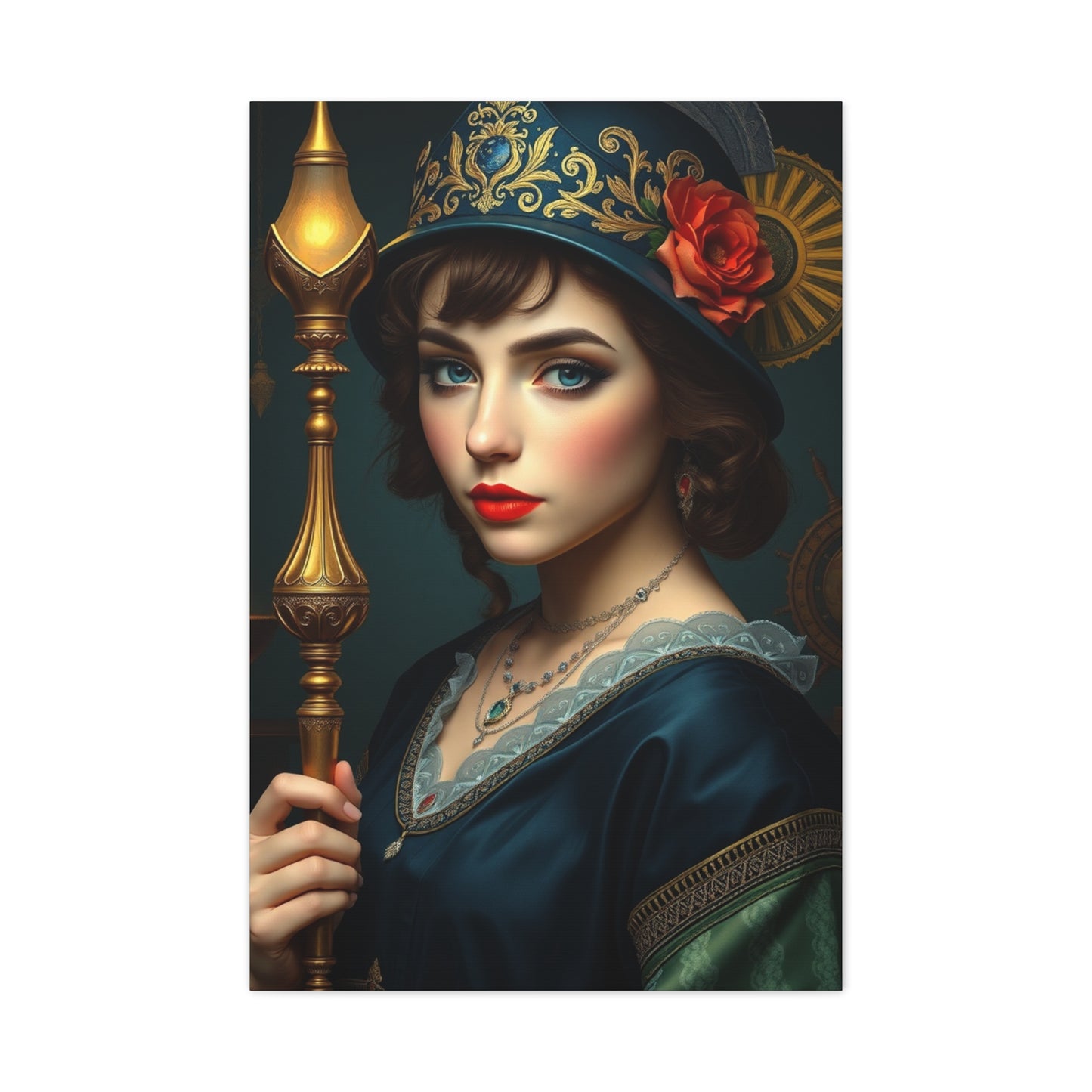
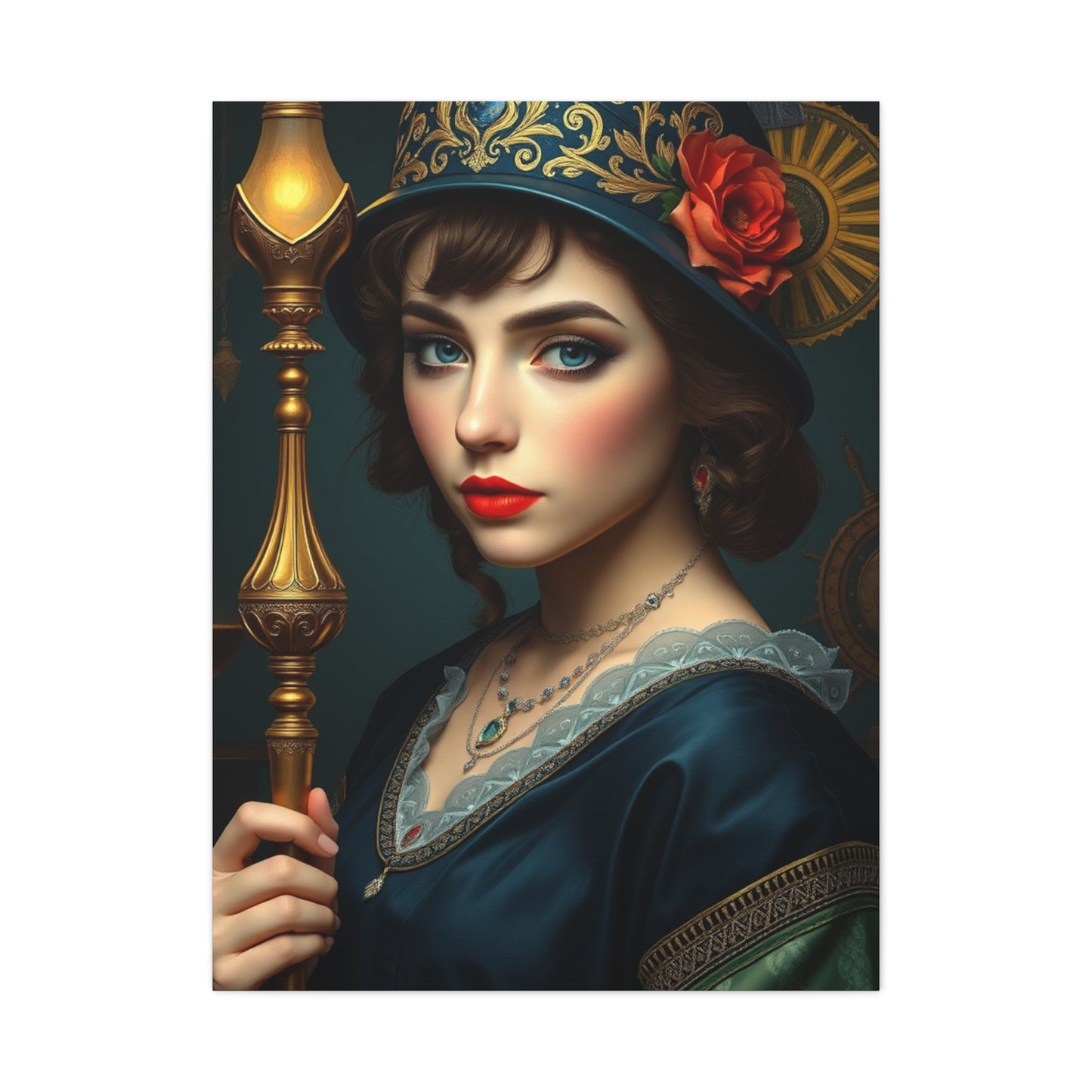
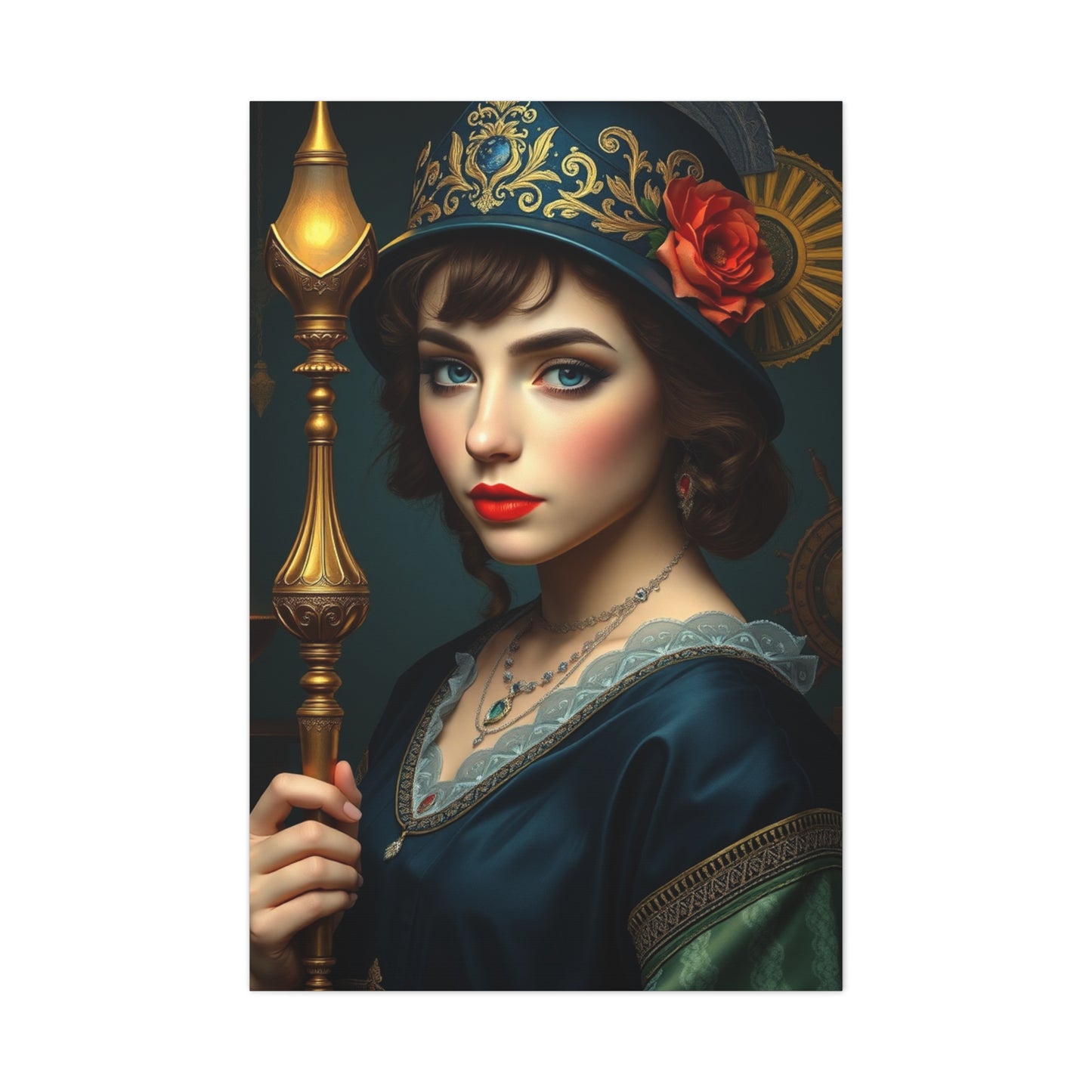
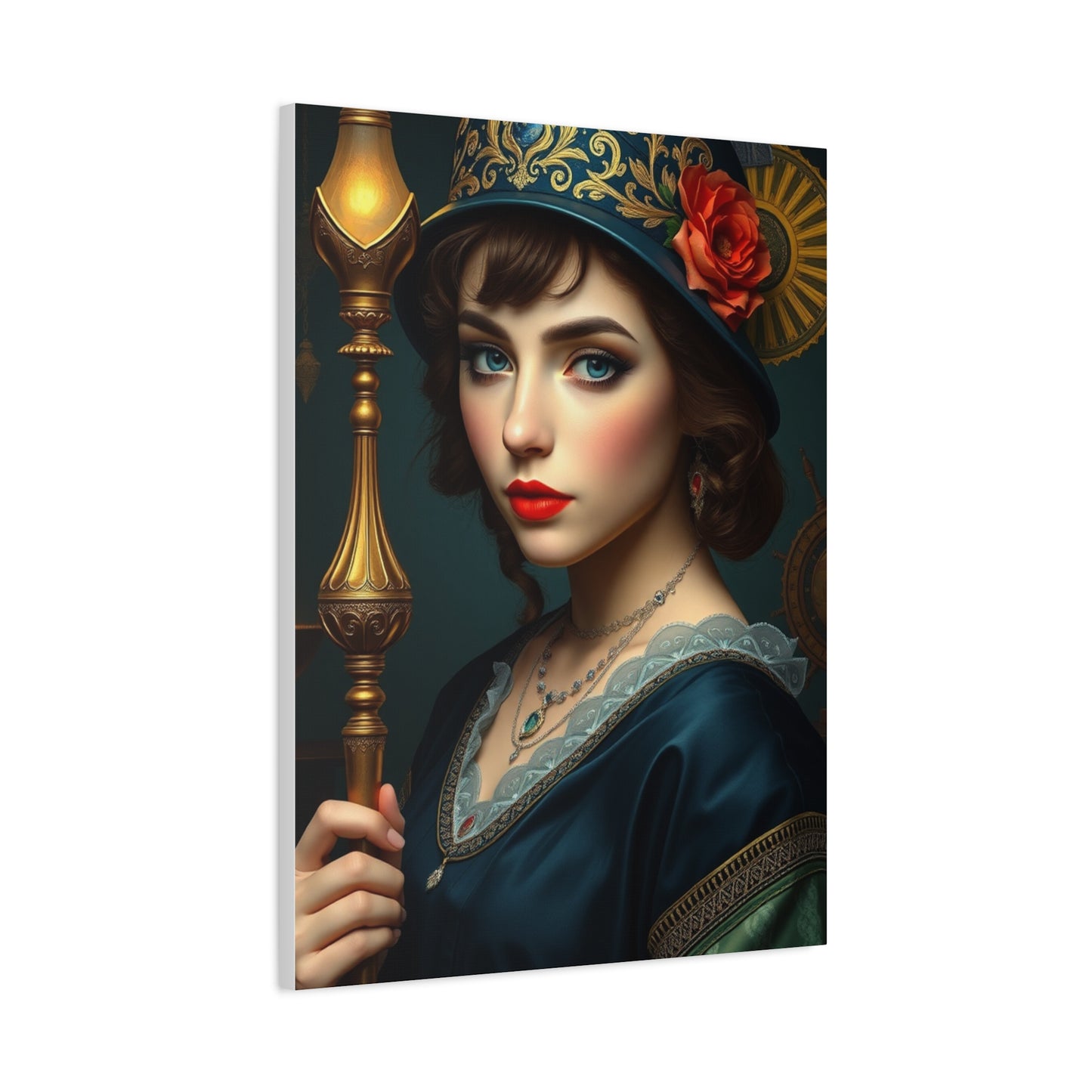
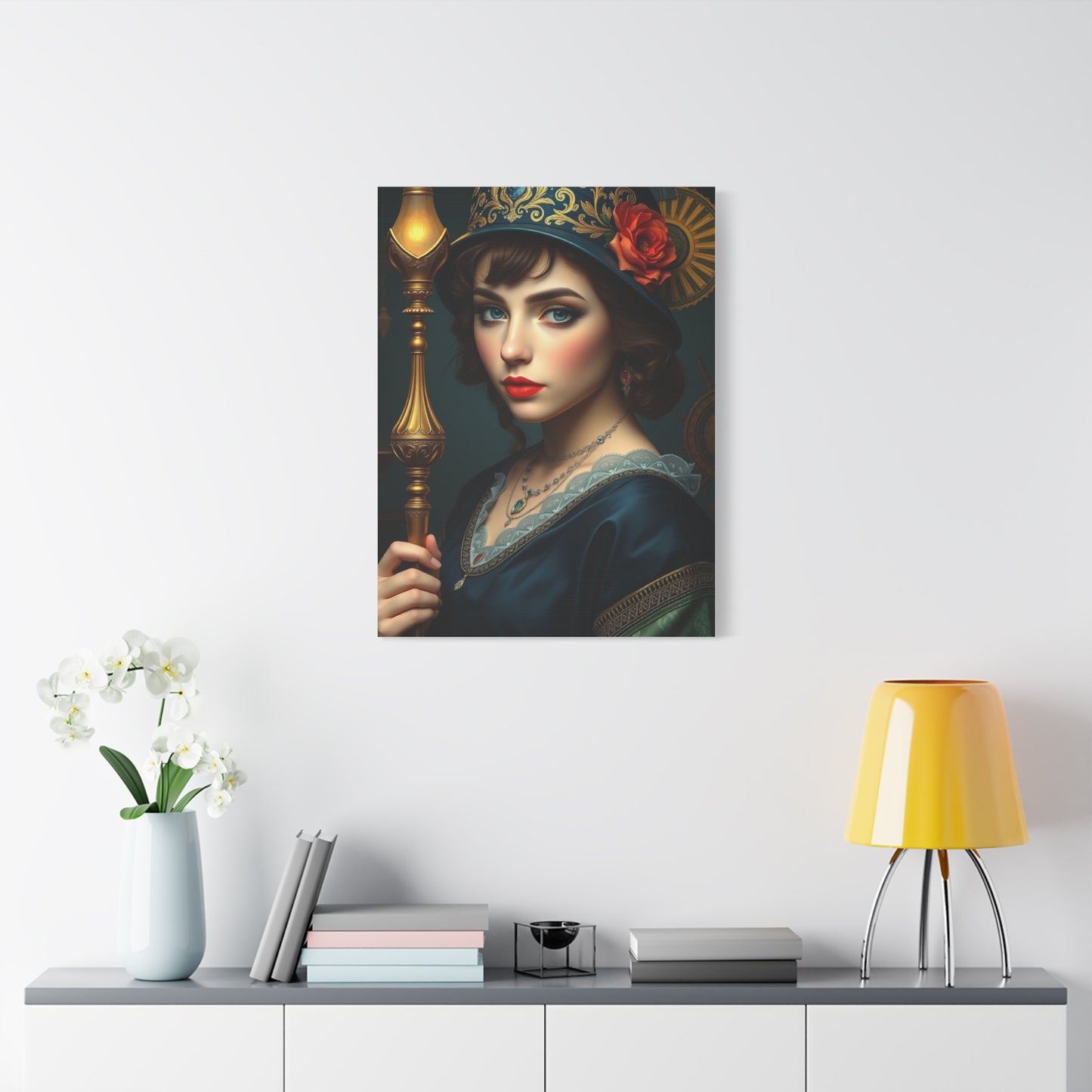
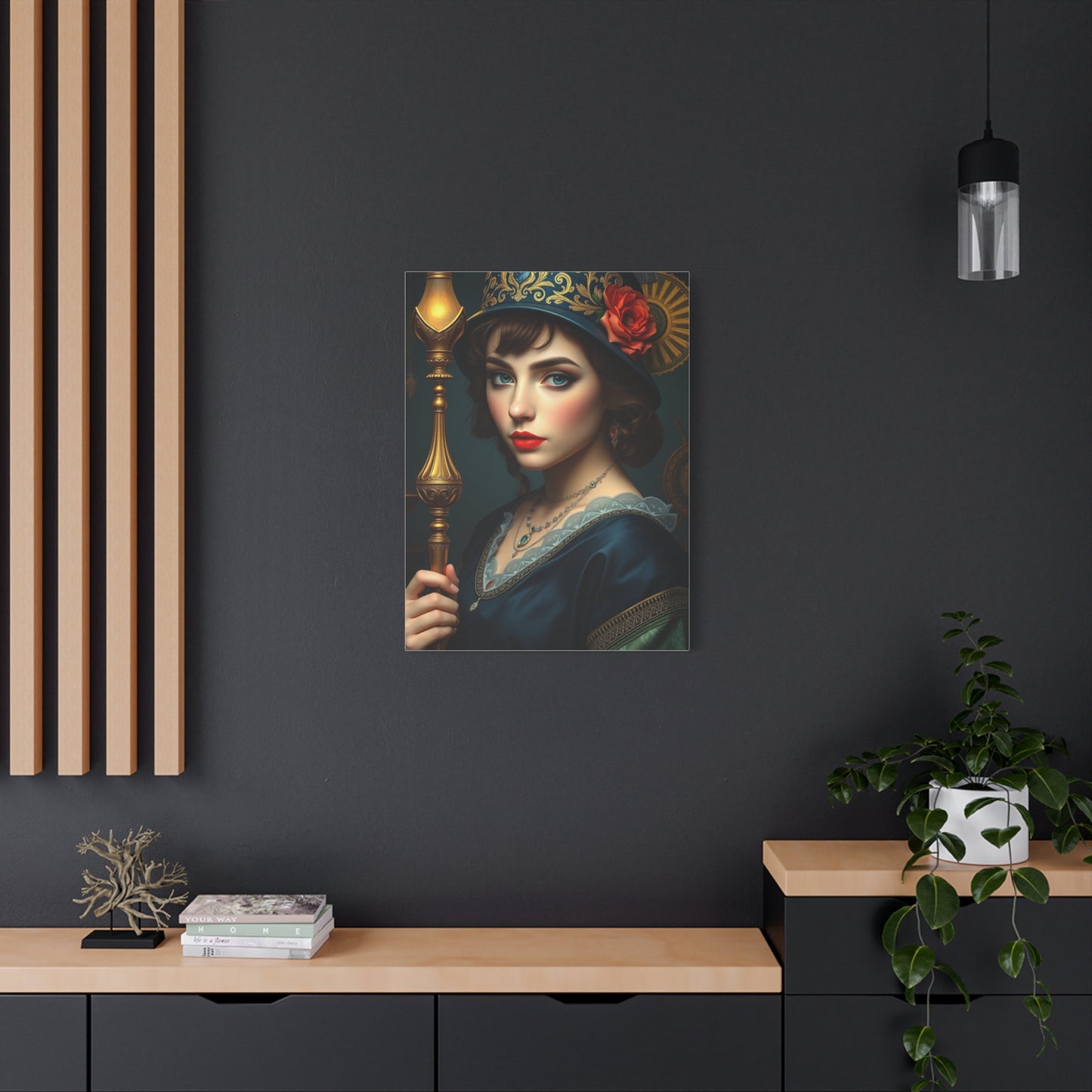
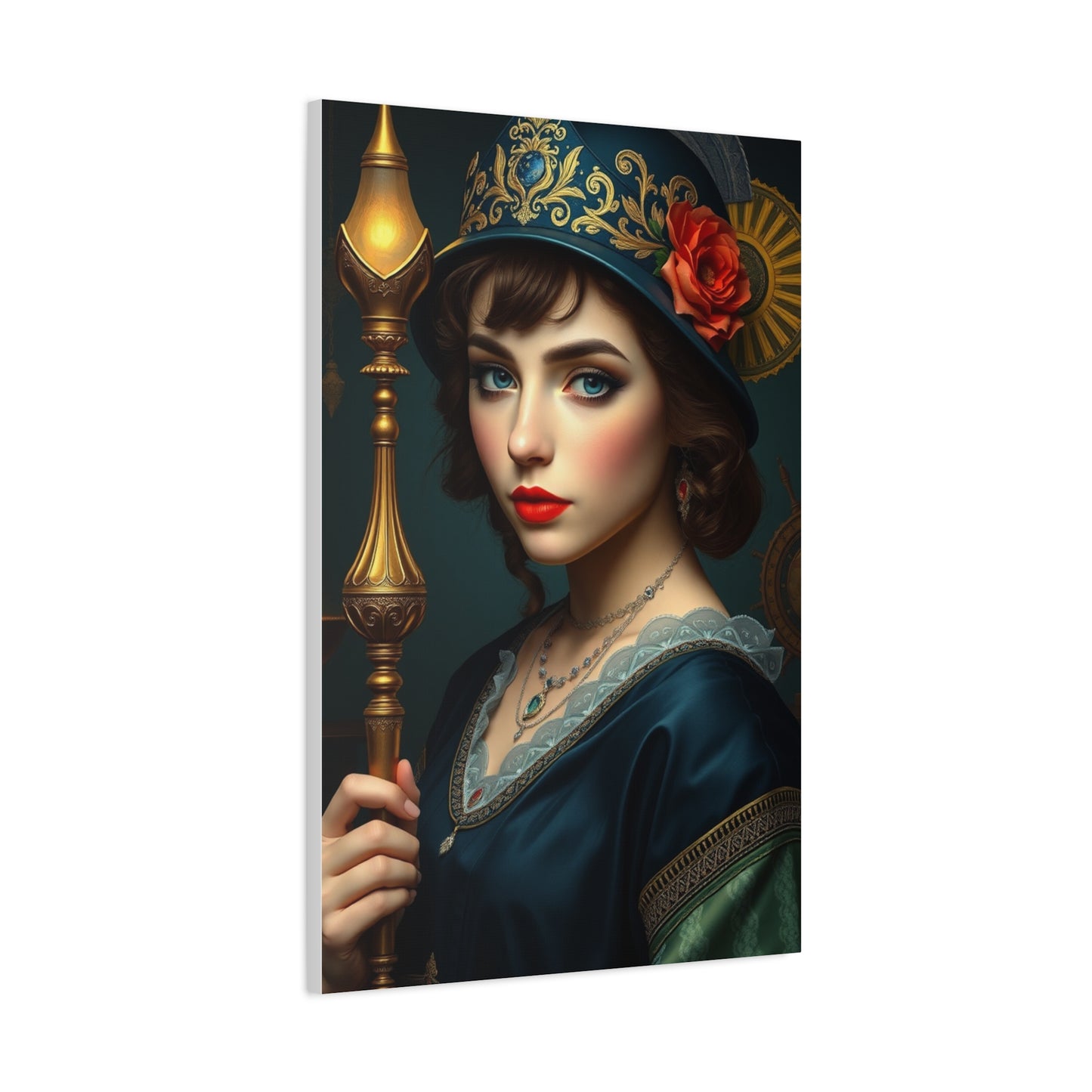
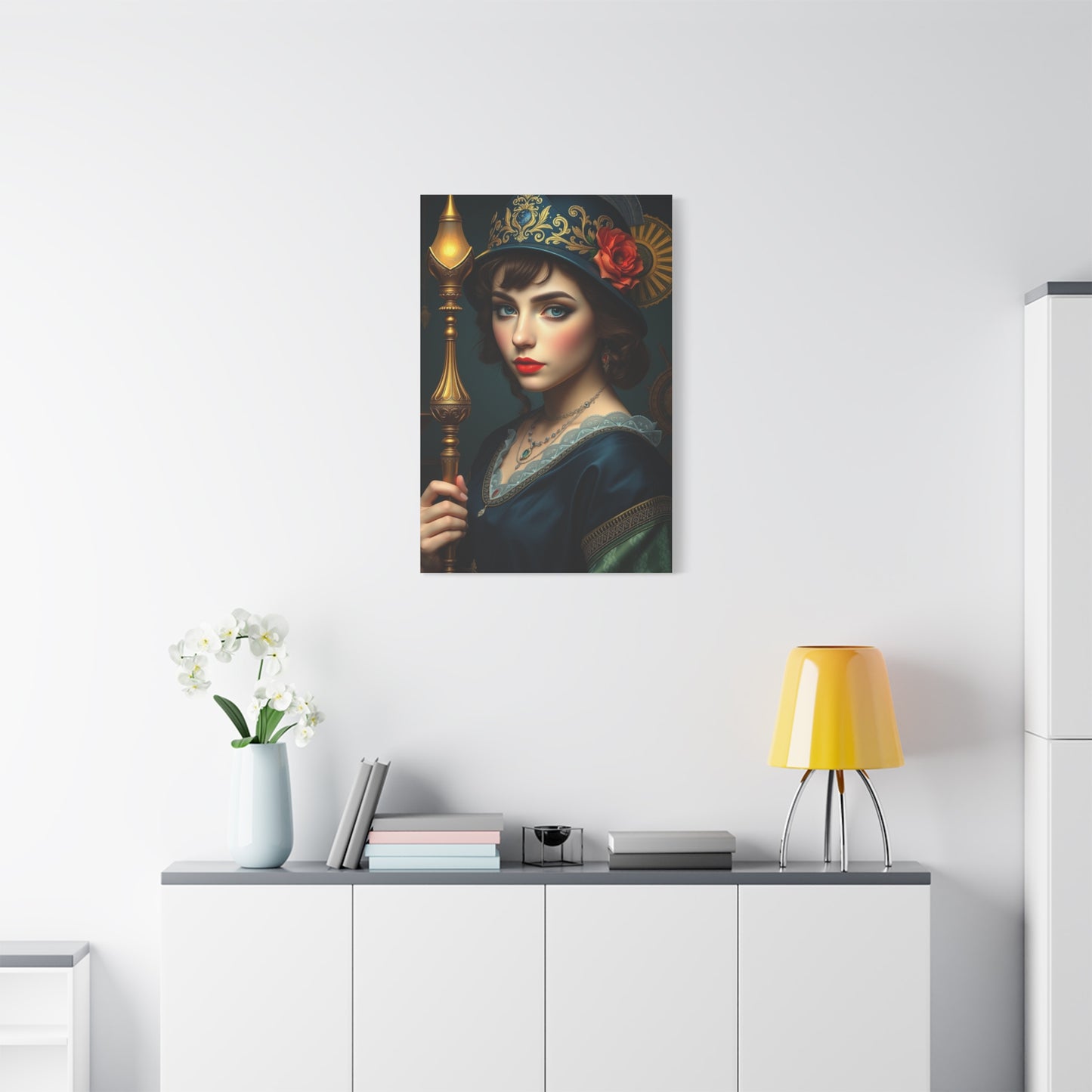
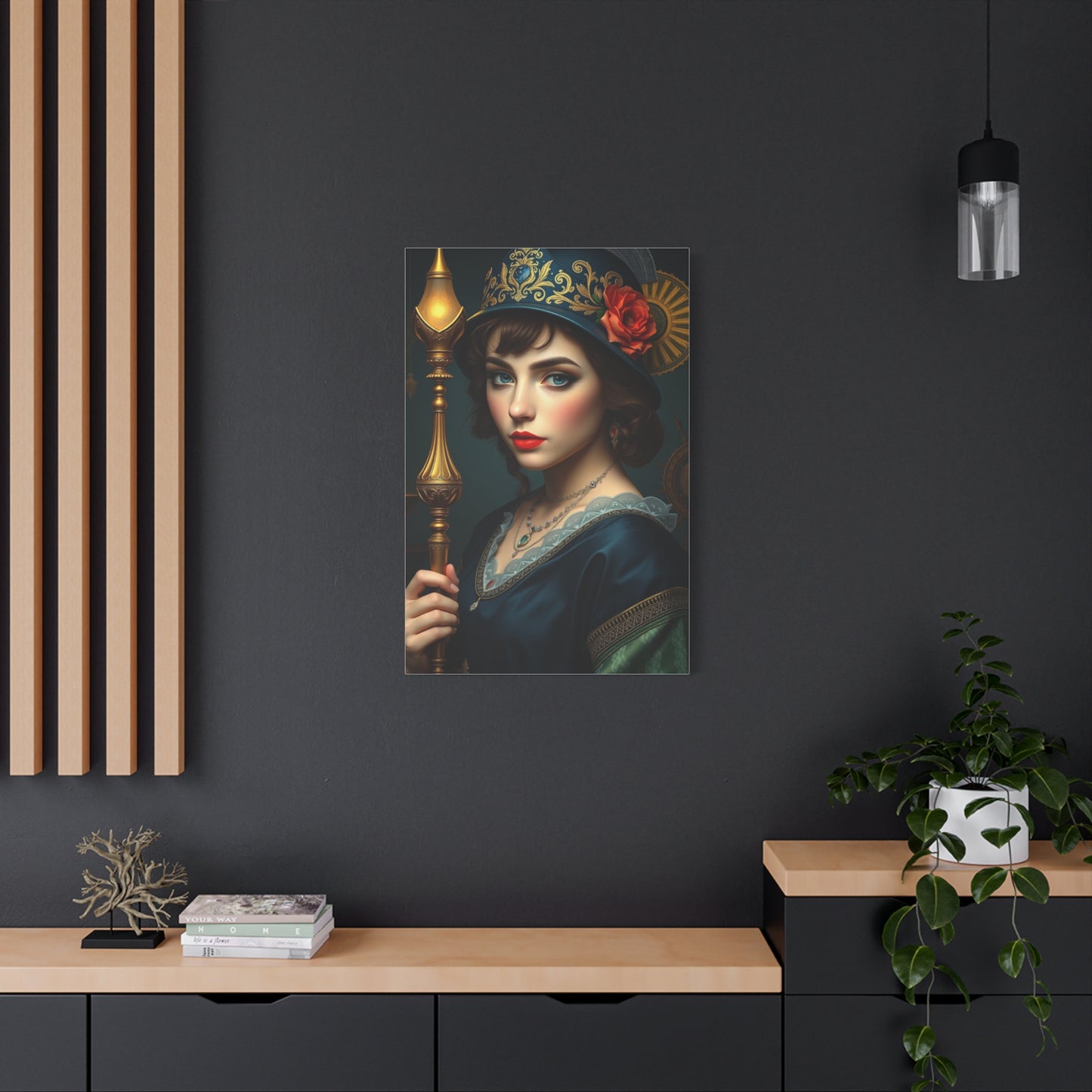
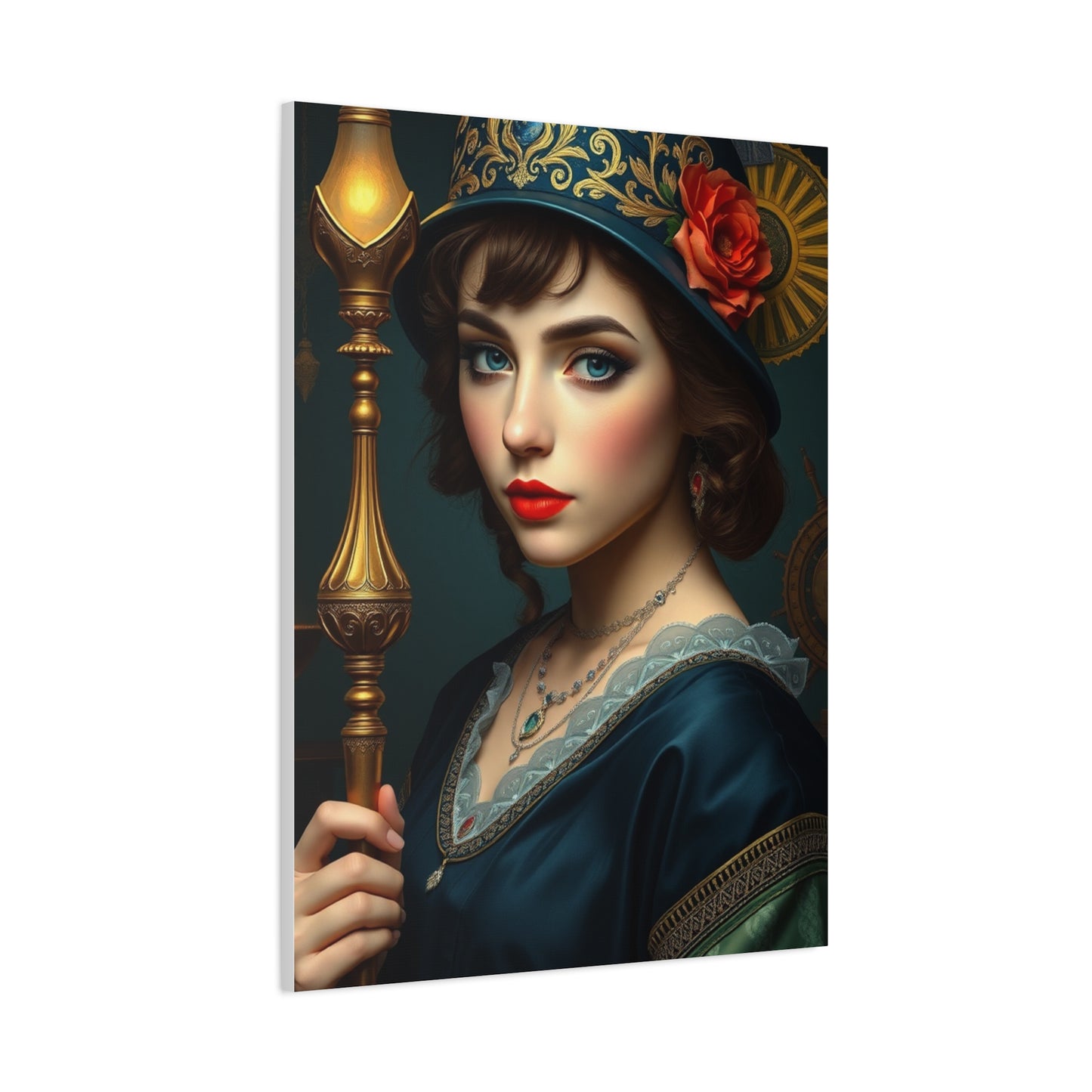
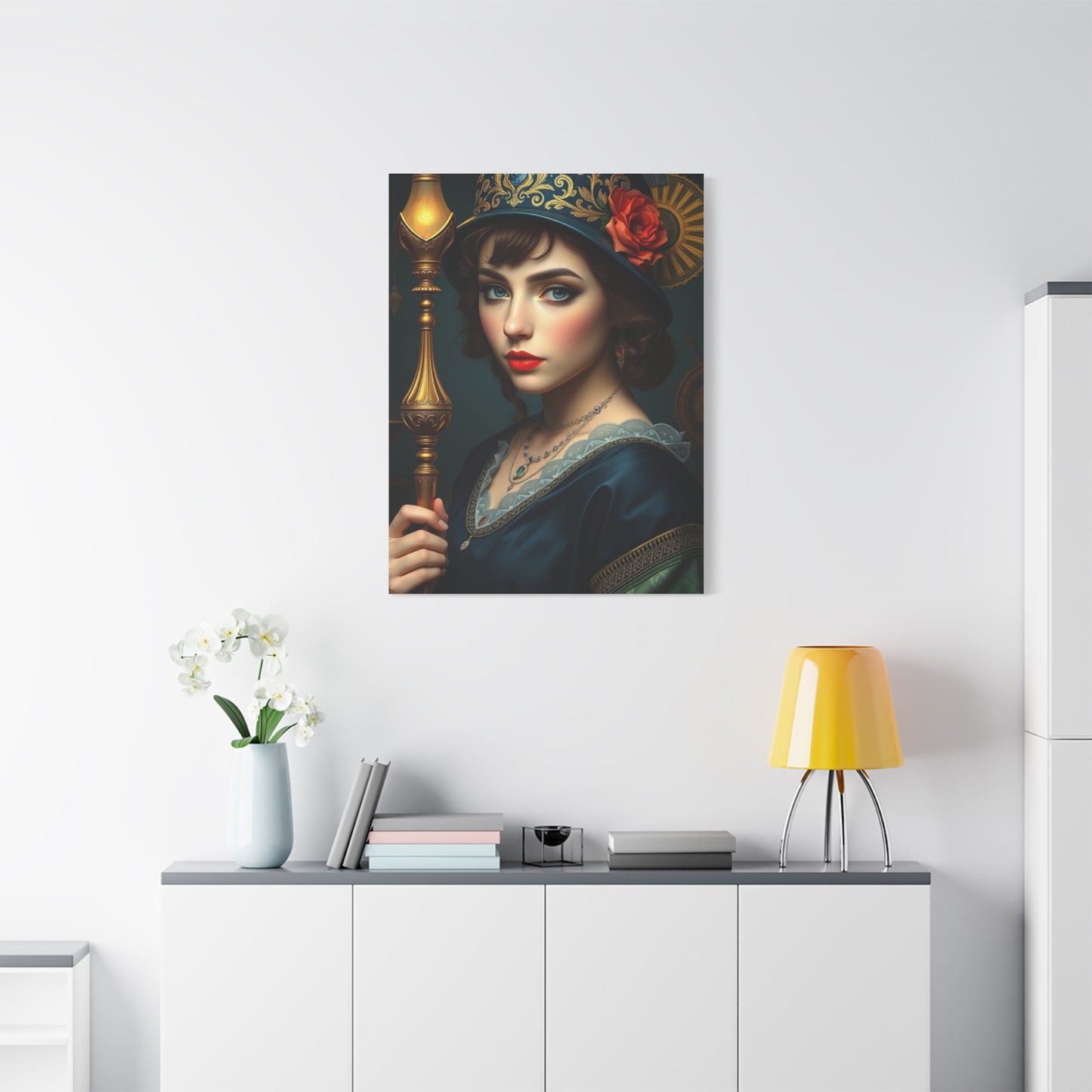
Avant-Garde Elegance: Redefining Contemporary Wall Art Aesthetics
The world of contemporary wall art has witnessed a remarkable evolution over recent decades, with avant-garde elegance emerging as a powerful force that reshapes how we perceive and interact with artistic expressions in our living and working spaces. This movement represents more than just a stylistic choice; it embodies a philosophical shift in how we understand beauty, sophistication, and artistic merit in the modern age. The fusion of experimental techniques with refined aesthetics has created a new visual language that speaks to contemporary sensibilities while challenging conventional notions of what constitutes elegant art.
The Rise of Avant-Garde Elegance in Wall Art
The emergence of avant-garde elegance in wall art marks a significant departure from traditional artistic conventions that dominated interior design for centuries. This movement began gaining momentum in the late twentieth century when artists and designers started questioning the rigid boundaries between experimental art and sophisticated design. The rise of this aesthetic approach reflects broader cultural shifts toward embracing complexity, ambiguity, and innovation in our visual environments.
Contemporary collectors and art enthusiasts increasingly seek pieces that offer more than mere decoration. They desire works that provoke thought, spark conversation, and reflect their progressive worldview. Avant-garde elegance answers this call by presenting artworks that balance intellectual depth with visual refinement. These pieces often feature unconventional materials, unexpected compositions, and innovative techniques that challenge viewers to reconsider their assumptions about artistic beauty.
The proliferation of avant-garde elegance in wall art also reflects changes in how we inhabit and design our spaces. Modern architecture, with its emphasis on open plans and minimalist aesthetics, creates the perfect backdrop for bold artistic statements. The clean lines and neutral palettes common in contemporary interiors provide an ideal canvas for artwork that pushes boundaries while maintaining a sense of sophistication. This symbiotic relationship between architectural design and artistic innovation has accelerated the adoption of avant-garde elegance in both residential and commercial settings.
Social media and digital platforms have played a crucial role in popularizing this aesthetic movement. Images of striking avant-garde pieces in beautifully curated spaces circulate widely online, inspiring homeowners and designers to embrace bolder artistic choices. The visual nature of platforms dedicated to interior design has created a global conversation about what constitutes contemporary elegance, with avant-garde approaches increasingly taking center stage.
Bold and Beautiful: Avant-Garde Elegance in Art
The phrase "bold and beautiful" perfectly encapsulates the essence of avant-garde elegance in contemporary wall art. This aesthetic refuses to choose between impact and refinement, instead insisting that true sophistication can emerge from daring artistic choices. The boldness manifests in various ways: through scale, color, composition, or conceptual approach. Yet this audacity never descends into mere shock value; instead, it serves a deeper purpose of expanding our understanding of what elegant art can be.
Consider the use of scale in avant-garde elegant wall art. Oversized pieces that command entire walls create immediate visual impact, transforming spaces and altering how viewers perceive their environment. These monumental works demonstrate confidence and conviction, qualities that resonate with the bold aspect of this aesthetic. Yet they achieve elegance through careful attention to proportion, balance, and compositional harmony. The result is artwork that makes a powerful statement without overwhelming the space or appearing crass.
Color choices in avant-garde elegant art often defy expectations. Rather than relying on safe, coordinated palettes, artists working in this mode might juxtapose unexpected hues, create tension through contrast, or employ monochromatic schemes in surprising ways. These bold color decisions create visual interest and emotional resonance while maintaining the sophistication that defines elegance. The key lies in the intentionality behind these choices; every color serves a purpose within the overall composition.
The beauty in avant-garde elegance often emerges from unlikely sources. Artists might find inspiration in industrial materials, urban decay, natural chaos, or digital glitches. By elevating these unconventional subjects through skillful execution and thoughtful presentation, they reveal hidden beauty that exists outside traditional aesthetic boundaries. This approach challenges viewers to expand their definition of beauty and recognize elegance in unexpected places.
Defining Elegance in Avant-Garde Wall Art
Defining elegance within the context of avant-garde wall art requires moving beyond conventional associations with refinement, restraint, and traditional beauty. In this progressive artistic realm, elegance becomes a more nuanced concept that encompasses intellectual sophistication, emotional resonance, and visual innovation. It represents a quality of presence and purpose rather than adherence to established aesthetic rules.
Elegance in avant-garde wall art often manifests through economy of expression. Rather than overcrowding compositions with unnecessary elements, artists working in this style demonstrate mastery through what they choose to include and, equally importantly, what they omit. This restraint creates breathing room for viewers to engage with the work on their own terms, discovering layers of meaning through contemplation. The sophisticated simplicity achievable through this approach proves far more challenging than creating elaborate, ornate pieces.
Another dimension of elegance in this context involves the seamless integration of concept and execution. Avant-garde elegant art succeeds when the ideas driving the work find perfect expression through the chosen medium, technique, and composition. This coherence between intention and realization creates a sense of inevitability, as if the artwork could exist in no other form. Such alignment demonstrates the artist's command over their creative process and materials, hallmarks of true elegance.
The temporal quality of avant-garde elegant art also contributes to its definition. These works exist in dialogue with both artistic history and contemporary culture, acknowledging tradition while pointing toward future possibilities. This positioning requires deep knowledge of art history combined with awareness of current creative conversations. The resulting pieces feel simultaneously timeless and immediate, a paradox that defines sophisticated contemporary art.
Elegance in this realm also involves accessibility without simplification. Avant-garde elegant wall art invites viewers into complex ideas and emotions without requiring specialized knowledge or excluding those unfamiliar with art theory. This democratic approach to sophistication makes the work more powerful and relevant, extending its impact beyond elite circles into broader cultural conversations.
Fusing Innovation and Sophistication: Avant-Garde Elegance
The fusion of innovation and sophistication represents the core alchemy of avant-garde elegance in wall art. This synthesis creates something greater than either quality could achieve independently, resulting in artwork that advances creative practice while maintaining the refined sensibility that defines elegance. The challenge lies in balancing these sometimes contradictory impulses, allowing experimentation without sacrificing coherence or purposefulness.
Innovation in avant-garde elegant art takes many forms. Technical innovation might involve new materials, production methods, or presentation formats that expand the possibilities of wall art. Conceptual innovation pushes the boundaries of what subjects, ideas, or experiences art can address. Formal innovation explores new ways of organizing visual elements, creating compositions that surprise and engage viewers. Each type of innovation contributes to the forward momentum of contemporary art while requiring careful handling to maintain sophistication.
Sophistication in this context extends beyond surface-level polish to encompass intellectual depth, emotional nuance, and cultural awareness. Sophisticated avant-garde art demonstrates knowledge of what came before while contributing something genuinely new to ongoing artistic conversations. It engages with complex ideas without becoming didactic or inaccessible, striking a delicate balance between depth and engagement.
The fusion of these qualities requires artists to develop both technical mastery and conceptual rigor. They must command their chosen medium well enough to execute innovative ideas with precision and intention. Simultaneously, they need the intellectual framework to ensure their innovations serve meaningful purposes rather than novelty for its own sake. This dual competency distinguishes truly avant-garde elegant work from pieces that might be innovative but lack sophistication or sophisticated but lack innovation.
Collectors and enthusiasts who gravitate toward this fused aesthetic often possess similarly balanced sensibilities. They appreciate technical excellence and beautiful execution while seeking artwork that challenges their perceptions and expands their thinking. This audience understands that innovation and sophistication need not conflict; rather, each quality enhances and deepens the other when properly integrated.
The Intersection of Elegance and Abstract Avant-Garde Art
Abstract art provides particularly fertile ground for exploring avant-garde elegance, as the absence of representational content shifts focus entirely to formal qualities, emotional resonance, and conceptual depth. At the intersection of elegance and abstract avant-garde expression, we find some of the most compelling contemporary wall art, pieces that communicate complex ideas and emotions through pure visual language.
The elegance inherent in abstract avant-garde art often emerges from compositional harmony. Even when employing chaotic elements or disruptive techniques, successful works in this mode achieve balance and coherence. Lines, shapes, colors, and textures relate to one another in ways that feel considered and purposeful, creating visual experiences that reward sustained attention. This underlying order, even when expressing disorder, represents a form of elegance specific to abstract art.
Color relationships in abstract avant-garde work demonstrate particular importance for achieving elegance. Without representational subject matter to anchor viewer attention, color takes on primary expressive and structural responsibilities. Artists working in this intersection carefully consider not just individual hues but how colors interact, overlap, and influence one another. These relationships create spatial depth, emotional tone, and visual rhythm that define the work's character and impact.
Texture provides another crucial element in elegant abstract avant-garde art. Surface qualities invite physical engagement with the work, creating tactile interest that complements visual appeal. Whether smooth and pristine or rough and layered, textural choices contribute significantly to how viewers experience the piece. The sophistication lies in matching textural approaches to conceptual intentions, ensuring that surface qualities enhance rather than distract from overall artistic aims.
The absence of recognizable imagery in abstract work places increased demands on formal excellence. Every mark, gesture, and decision becomes visible and significant, leaving no room for weakness or arbitrariness. This intensity of focus often produces work of exceptional elegance, as artists refine their approach to achieve maximum impact through minimal means. The resulting pieces demonstrate that abstraction and elegance form natural partners in avant-garde artistic practice.
Avant-Garde Art: A New Definition of Elegance
Avant-garde art fundamentally redefines elegance for contemporary audiences, moving away from associations with aristocratic taste, classical beauty, and conservative aesthetics. This new definition embraces complexity, contradiction, and innovation as essential components of sophisticated artistic expression. Rather than viewing elegance as adherence to established standards, the avant-garde position sees it as the quality that emerges when artists successfully realize challenging visions with skill and intentionality.
This redefinition challenges deeply held assumptions about what constitutes refined taste. Traditional elegance often implies restraint, subtlety, and conformity to established aesthetic codes. Avant-garde elegance might instead celebrate boldness, disruption, and departure from convention. This shift reflects broader cultural changes that value individuality, innovation, and authenticity over conformity to inherited standards. The new elegance speaks to contemporary sensibilities shaped by rapid change, cultural diversity, and technological transformation.
The democratization of taste plays a significant role in this redefinition. Where elegance once functioned as a marker of social status and cultural capital, accessible primarily to those with wealth and education, contemporary avant-garde elegance exists in more democratic spaces. It appears in urban galleries, online platforms, and diverse cultural contexts rather than exclusively in traditional institutions. This accessibility reflects and reinforces the new definition, which values authentic expression and innovative vision over aristocratic refinement.
Avant-garde art's new definition of elegance also incorporates intellectual and emotional complexity. Rather than offering easy beauty or comfortable reassurance, elegant avant-garde work engages viewers in challenging dialogues. It might provoke discomfort, confusion, or contemplation alongside aesthetic pleasure. This expanded emotional palette reflects a more sophisticated understanding of art's potential to affect viewers and contribute to cultural conversations.
The temporal dimension of this new elegance deserves attention. Traditional elegance often implied timelessness achieved through adherence to classical principles. Avant-garde elegance embraces the moment while remaining conscious of artistic lineage and future possibilities. This temporal awareness creates work that feels urgently contemporary without becoming dated or trendy. The balance between immediacy and endurance defines sophisticated avant-garde practice.
Minimalism Meets Avant-Garde Elegance in Modern Art
The convergence of minimalism and avant-garde elegance creates some of the most striking and influential contemporary wall art. This meeting point demonstrates that radical simplicity and experimental sophistication need not contradict; rather, they can amplify each other's strengths. Minimalist approaches provide structural clarity and focused impact, while avant-garde sensibilities prevent minimalism from becoming sterile or formulaic.
Minimalism's emphasis on essential elements aligns naturally with certain aspects of elegance. By stripping away everything unnecessary, minimalist avant-garde art reveals the core of an artistic idea or emotional experience. This reduction to essentials requires tremendous discipline and clear vision, as every remaining element carries significant weight within the composition. The elegance emerges from this purposeful economy, demonstrating that less can indeed be more when handled with skill and intention.
Color usage in minimalist avant-garde elegant art demonstrates particular restraint and impact. Limited palettes create strong visual identities while allowing subtle variations to achieve expressive effects. A monochromatic work might explore infinite gradations within a single hue, revealing complexity within apparent simplicity. Or a piece might juxtapose just two or three carefully chosen colors, creating maximum impact through selective contrast. These approaches show how minimalism and elegance reinforce one another.
The role of negative space becomes crucial in this intersection. Empty areas function not as absence but as active compositional elements that shape how viewers perceive the work. Sophisticated handling of negative space creates rhythm, directs attention, and provides breathing room that enhances rather than diminishes visual impact. This understanding separates truly elegant minimalist avant-garde work from pieces that are merely sparse or underdeveloped.
Material choices in minimalist avant-garde elegant art often emphasize quality over quantity. Rather than employing numerous materials, artists might select one or two exceptional substances that perfectly serve their vision. The inherent properties of these materials become central to the work's character and meaning. Whether industrial metal, natural wood, premium canvas, or innovative synthetic materials, the choice reflects careful consideration and contributes to overall sophistication.
Breaking Boundaries: Avant-Garde Elegance in Wall Art
Boundary-breaking represents a fundamental aspect of avant-garde elegance in wall art, yet this disruption must be balanced with sophistication to achieve true impact. The most successful works in this mode don't merely violate conventions for shock value but thoughtfully challenge limitations that constrain artistic expression and cultural dialogue. This purposeful transgression combined with refined execution creates pieces that advance artistic practice while maintaining relevance and accessibility.
Genre boundaries often dissolve in avant-garde elegant wall art. Pieces might incorporate elements of painting, sculpture, photography, digital media, and installation art, refusing to be confined within traditional categories. This hybrid approach expands possibilities for expression while requiring artists to master multiple disciplines. The elegance emerges when these diverse elements integrate seamlessly, creating coherent works that transcend their constituent parts.
Conceptual boundaries also face challenge in this artistic realm. Avant-garde elegant art might address subjects traditionally considered inappropriate for refined artistic treatment, finding beauty and meaning in overlooked or undervalued aspects of contemporary life. By elevating these subjects through sophisticated artistic treatment, artists expand our understanding of what deserves aesthetic attention and cultural consideration. This boundary expansion democratizes art while demonstrating that elegance can exist anywhere.
The boundary between art and viewer becomes increasingly permeable in contemporary avant-garde practice. Rather than maintaining clear separation between artwork and audience, many pieces invite or require viewer participation to complete their meaning. This interactive dimension challenges traditional notions of elegance, which often implied distance and untouchability. The new elegance might instead embrace engagement, recognizing that sophisticated art can welcome rather than exclude viewers.
Spatial boundaries of wall art itself face disruption in avant-garde elegant practice. While traditionally confined to hanging on vertical surfaces, contemporary work might extend into three-dimensional space, respond to architectural features, or incorporate elements beyond the picture plane. These expansions reimagine what wall art can be while requiring careful consideration to maintain coherence and sophistication rather than becoming merely unconventional.
The Elegance of Chaos: Avant-Garde in Contemporary Design
The seeming contradiction between elegance and chaos dissolves in sophisticated avant-garde contemporary design. Works that embrace disorder, complexity, and unpredictability can achieve remarkable sophistication when executed with intention and skill. This paradoxical quality represents one of the most compelling aspects of contemporary avant-garde elegance, demonstrating that refinement need not require tidiness or simplicity.
Controlled chaos in avant-garde elegant art requires tremendous skill and vision. Artists must understand compositional principles deeply enough to violate them productively, creating apparent disorder that serves coherent artistic aims. Every element of chaos must be considered and purposeful, even if the result appears spontaneous or accidental. This invisible structure supporting visible disorder represents a sophisticated artistic achievement that rewards careful viewing.
The chaos in these works often reflects contemporary life's complexity, fragmentation, and overwhelming information flows. By incorporating these qualities into elegant art, avant-garde practitioners create pieces that resonate with lived experience while offering aesthetic pleasure and intellectual engagement. This relevance to contemporary conditions prevents the work from becoming merely decorative, grounding elegance in meaningful cultural commentary.
Color relationships in chaotic avant-garde elegant art demonstrate particular complexity. Rather than harmonious blending, these works might feature jarring contrasts, unexpected juxtapositions, or overwhelming density of hues. Yet sophisticated color management ensures that even intense chromatic chaos achieves overall balance and impact. The eye finds paths through apparent confusion, discovering order within disorder through careful viewing.
Layering techniques contribute significantly to elegant chaos in avant-garde wall art. Multiple layers of paint, collage elements, or digital imagery create depth and complexity that reveal themselves gradually. This temporal dimension adds sophistication, as the work changes with extended viewing, offering new discoveries and insights. The layering might be physically literal or achieved through optical effects, but in either case, it adds richness that elevates chaos to elegance.
Avant-Garde Elegance: Shaping Modern Art Movements
The influence of avant-garde elegance extends beyond individual artworks to shape broader movements within contemporary art. This aesthetic approach has inspired entire schools of thought, collaborative practices, and institutional programming that collectively advance artistic culture. Understanding this influence provides insight into how individual artistic choices accumulate into significant cultural shifts.
Gallery and museum exhibitions increasingly feature avant-garde elegant work, recognizing its appeal to contemporary audiences and its contribution to ongoing artistic conversations. These institutional validations help establish avant-garde elegance as a legitimate and important aesthetic approach rather than a marginal or merely trendy phenomenon. The presence of this work in prestigious venues shapes what emerging artists consider possible and desirable, influencing the next generation of creative practitioners.
Educational institutions have begun incorporating avant-garde elegance into curricula, teaching students to balance innovation with sophistication in their own practice. This pedagogical shift ensures that the principles underlying this aesthetic approach will inform future artistic production. Students learn to question conventional boundaries while developing the technical skills and conceptual frameworks necessary for sophisticated creative work.
Collaborative movements have emerged around avant-garde elegance, with artists, designers, and curators working together to explore and expand this aesthetic territory. These collectives often organize exhibitions, publish manifestos, and create platforms for dialogue that advance shared artistic goals. The collaborative nature of these movements reflects the democratic, boundary-breaking spirit of avant-garde elegance while demonstrating how individual visions can cohere into collective cultural force.
Commercial galleries specializing in avant-garde elegant art have proliferated in major cultural centers worldwide. These spaces provide crucial support for artists working in this mode, offering exhibition opportunities, sales platforms, and connections to collectors. The commercial success of these galleries demonstrates market demand for avant-garde elegance while enabling artists to sustain practices that might otherwise remain economically unviable.
Sophistication in the Unexpected: Avant-Garde Elegance
Finding sophistication in unexpected places represents a core principle of avant-garde elegance in wall art. This approach challenges viewers to recognize refinement and beauty beyond traditional contexts, expanding our collective aesthetic vocabulary. By elevating overlooked subjects, unconventional materials, or surprising techniques through skilled artistic treatment, avant-garde practitioners demonstrate that elegance exists everywhere for those willing to perceive it.
Subject matter in avant-garde elegant art often draws from sources traditionally excluded from refined artistic consideration. Urban decay, industrial landscapes, digital glitches, or everyday objects become worthy of aesthetic attention when viewed through the lens of avant-garde elegance. This democratic approach to subject selection reflects contemporary values while challenging inherited hierarchies that privileged certain subjects over others.
Material choices frequently emphasize the unexpected in avant-garde elegant practice. Rather than limiting themselves to traditional artist materials, practitioners might incorporate industrial supplies, found objects, digital media, or innovative synthetic substances. The sophistication lies not in the materials themselves but in how artists employ them to realize compelling visions. This approach expands possibilities for creative expression while demonstrating that elegance emerges from execution rather than inherent material qualities.
Technique in avant-garde elegant art might embrace processes traditionally considered crude or inappropriate for refined work. Dripping, splattering, scraping, or digital manipulation techniques that seem chaotic or aggressive can produce surprisingly sophisticated results when employed with intention and skill. These technical choices challenge assumptions about proper artistic methods while demonstrating that diverse approaches can achieve elegance.
The unexpected combinations that characterize avant-garde elegant art create visual and conceptual interest that holds viewer attention. By juxtaposing elements that don't typically appear together, artists create productive tensions that generate meaning and emotional resonance. These combinations might occur at the level of subject matter, materials, techniques, or conceptual frameworks, but in each case, they expand our understanding of what elegant art can encompass.
Exploring the Beauty of Disruption in Avant-Garde Wall Art
Disruption functions as both technique and concept in avant-garde elegant wall art, creating beauty through unexpected interruptions, contradictions, and challenges to viewer expectations. This embrace of disruption distinguishes avant-garde approaches from more conservative aesthetic modes while requiring careful management to maintain sophistication. The most successful works in this realm find beauty in breaking patterns, violating expectations, and creating productive discomfort.
Visual disruption in avant-garde elegant art might manifest through abrupt compositional shifts, jarring color contrasts, or unexpected material juxtapositions. These disruptions prevent viewers from settling into comfortable viewing patterns, instead demanding active engagement and sustained attention. The beauty emerges not despite but through these disruptions, as they create dynamism, tension, and interest that purely harmonious compositions cannot achieve.
Conceptual disruption challenges viewers' assumptions about art's purposes, appropriate subjects, or proper modes of expression. An avant-garde elegant work might address serious subjects through playful means or treat trivial topics with profound gravity. These inversions of expected approaches create cognitive disruption that can lead to new insights and perspectives. The sophistication lies in handling these disruptions thoughtfully rather than merely being contrarian.
Temporal disruption appears in avant-garde elegant art that refuses clear time signatures. A piece might combine references to multiple historical periods, blend past and future aesthetics, or exist in an ambiguous temporal space. This disruption of linear time reflects contemporary experiences of history as simultaneous and overlapping rather than sequential. The resulting work feels both ancient and futuristic, achieving elegance through temporal complexity.
The disruption of viewing conventions represents another avenue for avant-garde elegant expression. Rather than presenting complete, resolved compositions that viewers can passively consume, these works might incorporate elements of chance, change, or incompleteness. This disruption transforms viewing into an active process of meaning-making rather than passive reception, engaging audiences more deeply with the artwork.
From Classic to Avant-Garde: Redefining Elegance in Art
The journey from classic to avant-garde elegance in art represents one of the most significant aesthetic shifts in contemporary culture. This transition doesn't simply replace one standard of refinement with another; instead, it expands our understanding of what elegance can encompass. By tracing this evolution, we gain insight into how aesthetic values develop in response to changing cultural conditions and philosophical perspectives.
Classic elegance in art typically emphasized harmony, proportion, balance, and adherence to established principles of beauty. Works embodying this aesthetic followed time-tested compositional rules, employed traditional techniques, and addressed subjects deemed worthy of artistic treatment. This approach produced undeniably beautiful art that expressed shared cultural values and reinforced social order. However, it could also become rigid, exclusive, and disconnected from contemporary life.
The transition toward avant-garde elegance began as artists questioned whether traditional standards adequately addressed modern experiences and sensibilities. Rapid technological change, social upheaval, and philosophical shifts demanded new artistic languages capable of expressing contemporary complexity. Artists began experimenting with forms, techniques, and concepts that classical elegance could not accommodate, gradually developing alternative aesthetic frameworks.
This evolution involved periods of conflict between traditional and avant-garde approaches, with defenders of classical elegance viewing experimental work as crude or chaotic. However, over time, audiences developed appreciation for sophistication achieved through innovative means. The definition of elegance expanded to include qualities like conceptual rigor, emotional authenticity, and formal innovation alongside traditional values of beauty and refinement.
Contemporary avant-garde elegance often incorporates elements of classical aesthetics while transcending their limitations. An artist might reference traditional compositional principles while violating them in specific ways that serve larger artistic aims. This dialogue with tradition demonstrates respect for artistic history while insisting on the necessity of evolution. The resulting work achieves elegance through knowing engagement with aesthetic lineage rather than mere rejection or blind adherence.
The Role of Elegance in Avant-Garde Art Trends
Elegance plays a crucial role in distinguishing lasting avant-garde art trends from merely fashionable or ephemeral movements. While the avant-garde reputation emphasizes innovation and disruption, the integration of elegance ensures that experimental work achieves lasting cultural significance rather than becoming historical curiosities. This role of elegance as a stabilizing and elevating force within avant-garde practice deserves careful consideration.
Emerging avant-garde trends often emphasize novelty and boundary-pushing experimentation that can initially appear chaotic or undisciplined. The incorporation of elegance provides structure and purpose that transforms raw innovation into meaningful artistic achievement. As a trend matures, works that successfully integrate elegance tend to receive greater recognition and influence, while purely novel pieces fade from view. This process demonstrates elegance's role as a quality marker within experimental art.
Elegance also functions as a bridge between avant-garde art and broader audiences. While purely experimental work might appeal only to specialists or dedicated enthusiasts, the addition of elegance creates access points for viewers less familiar with contemporary art conversations. This accessibility doesn't simplify or diminish the work but rather makes its innovations more apparent and engaging. The result expands avant-garde art's cultural impact and relevance.
Within avant-garde communities, elegance serves as a criterion for evaluating new work and identifying significant contributions. Artists working in experimental modes still face pressure to achieve sophistication, coherence, and purposefulness in their practice. This internal standard prevents avant-garde art from devolving into mere shock tactics or arbitrary rule-breaking. The community's emphasis on elegance ensures continued artistic development rather than endless recycling of transgressive gestures.
The evolution of specific avant-garde trends often involves progressive refinement toward greater elegance. Early works in a new mode might prioritize innovation over sophistication, establishing new possibilities through bold experimentation. Subsequent artists working in that mode then develop more elegant approaches, demonstrating the full potential of initial innovations. This pattern of rough innovation followed by elegant refinement characterizes many significant movements in avant-garde art history.
How Avant-Garde Wall Art Challenges Traditional Elegance
Avant-garde wall art challenges traditional elegance on multiple fronts, questioning the assumptions, exclusions, and limitations inherent in conventional definitions of refinement. This challenge doesn't aim to destroy elegance but rather to expand and democratize it, making sophisticated aesthetic experiences available in more diverse contexts and through more varied means. Understanding these challenges illuminates both avant-garde innovations and traditional elegance's blind spots.
One fundamental challenge involves questioning who gets to define elegance. Traditional elegance often reflected the tastes and values of elite social classes, with refinement serving as a marker of cultural capital and social status. Avant-garde art challenges this exclusivity by proposing that elegance can emerge from working-class experiences, marginalized perspectives, or subcultural aesthetics. This democratization transforms elegance from a class marker into a quality achievable through any number of cultural positions.
The challenge extends to what subjects deserve elegant artistic treatment. Traditional elegance favored elevated subjects like mythology, aristocratic portraiture, or idealized nature scenes. Avant-garde art insists that any subject can receive elegant treatment, from urban grit to digital technology to mundane daily life. This expansion of appropriate subject matter reflects democratic values while demonstrating that refinement exists in artistic approach rather than subject selection.
Material hierarchies face similar challenges in avant-garde practice. Where traditional elegance emphasized precious materials like marble, gold leaf, or oil paint, avant-garde artists embrace industrial supplies, found objects, and unconventional substances. This material democracy challenges assumptions that elegance inheres in materials themselves rather than in how artists employ them. The resulting work proves that sophistication emerges from vision and execution rather than material value.
Formal conventions of traditional elegance also face disruption in avant-garde practice. Classical principles of proportion, symmetry, and compositional balance give way to more experimental approaches that might embrace asymmetry, disproportion, or deliberate awkwardness. These formal challenges demonstrate that elegance can exist in visual experiences that don't conform to inherited rules, expanding our understanding of what constitutes sophisticated composition.
Elegance in Motion: The Avant-Garde Art Movement
Movement, both literal and metaphorical, defines much avant-garde elegant art, creating dynamic visual experiences that evolve over time or across viewing angles. This emphasis on motion challenges static conceptions of wall art while opening new avenues for elegant expression. By incorporating temporal dimensions into traditionally spatial art forms, avant-garde practitioners expand possibilities for viewer engagement and aesthetic impact.
Literal motion in avant-garde elegant wall art might involve kinetic elements powered by motors, air currents, or viewer interaction. These moving components transform the artwork from a fixed object into a performance that unfolds over time. The elegance lies in choreographing motion to enhance rather than distract from overall artistic aims. Successful kinetic works achieve fluid, purposeful movement that feels organic rather than mechanical.
Optical motion effects create apparent movement without physical change. Through careful manipulation of pattern, color, and form, artists can produce visual experiences that seem to shift, pulse, or flow as viewers observe them. These optical effects demonstrate sophisticated understanding of perception and visual processing, achieving elegance through scientific knowledge applied to artistic purposes. The resulting works engage viewers actively in creating the experience of motion through their own perceptual processes.
Metaphorical motion in avant-garde elegant art involves suggesting movement through static visual means. Gestural marks might imply the artist's physical motion during creation. Compositional elements might guide the viewer's eye through the work in specific sequences. Implied motion between depicted elements might suggest narrative progression. These various forms of suggested motion add dynamism and temporal dimension to wall art without requiring actual movement.
The movement aspect of avant-garde elegant art extends to how these works move through culture. Rather than remaining fixed in single collections or locations, important pieces circulate through exhibitions, publications, and digital platforms, influencing broader artistic conversations. This cultural motion contributes to the work's significance and impact, demonstrating elegance's role in facilitating rather than restricting art's movement through society.
The Visual Language of Avant-Garde Elegance
Avant-garde elegance employs a distinctive visual language that communicates complex ideas and emotions through formal means. Understanding this language helps viewers engage more deeply with contemporary wall art while appreciating the sophistication underlying apparently simple or chaotic compositions. The grammar of this visual language includes elements like line, shape, color, texture, and composition, each carrying specific expressive potential when deployed by skilled practitioners.
Line in avant-garde elegant art serves multiple purposes beyond merely defining forms or creating outlines. Lines can express energy, emotion, direction, and rhythm. A single gestural line might convey tremendous force and feeling, while networks of delicate lines create complex visual fields. The elegance emerges from how artists control line quality, varying thickness, darkness, speed, and character to achieve desired effects. Sophisticated line work demonstrates mastery of this fundamental visual element.
Shape language in this aesthetic mode often emphasizes geometric forms, organic curves, or hybrid combinations. Angular shapes might suggest aggression, stability, or dynamism, while curved forms imply flow, softness, or natural processes. Avant-garde elegant artists manipulate shape relationships to create visual tension, harmony, or complex interactions that guide viewer perception and generate meaning. The sophistication lies in balancing shape elements to achieve overall compositional success.
Color constitutes perhaps the most emotionally direct element of avant-garde elegant visual language. Different hues carry psychological associations and cultural meanings that artists exploit for expressive purposes. Beyond individual colors, the relationships between hues create the emotional tone and visual character of a work. Sophisticated color usage demonstrates understanding of these relationships and their effects on viewer experience.
Texture adds tactile dimension to visual language, inviting physical as well as optical engagement with avant-garde elegant art. Surface qualities might be actual, created through material buildup or varied techniques, or implied through visual representation. Textural variation creates interest, guides attention, and adds layers of meaning to artwork. The elegance lies in matching textural choices to conceptual intentions and overall compositional needs.
Transforming Space with Avant-Garde Elegance in Wall Art
Avant-garde elegant wall art possesses remarkable power to transform the spaces it inhabits, altering how occupants perceive and experience their environments. This transformative capacity extends beyond mere decoration to encompass psychological, emotional, and even spiritual dimensions. Understanding how these artworks affect space provides insight into their cultural significance and personal impact.
Scale plays a crucial role in space transformation through avant-garde elegant art. Large-scale works command attention and establish themselves as room focal points, organizing surrounding elements around their presence. The boldness of significant scale combined with elegant execution creates powerful spatial statements that can elevate entire environments. Conversely, smaller works can create intimate moments within larger spaces, offering respite and focused contemplation.
Color relationships between artwork and architecture create or dissolve spatial boundaries. An avant-garde elegant piece might harmonize with room colors to create cohesive environments or contrast dramatically to establish visual tension and energy. These color dynamics affect how spaces feel, their apparent size, and the moods they evoke. Sophisticated color management ensures that artwork enhances rather than conflicts with architectural contexts.
Lighting interactions significantly impact how avant-garde elegant wall art transforms space. Natural light changing throughout the day can reveal different aspects of artwork, creating temporal variation in spatial character. Artificial lighting can be designed to highlight specific pieces, creating dramatic effects that alter room atmosphere. The interplay between light and artwork adds dynamic dimension to spatial transformation.
The psychological effects of avant-garde elegant art on space transformation deserve attention. These works can make spaces feel more sophisticated, intellectual, creative, or emotionally rich. They signal values and aesthetics to visitors while affecting occupants' daily experiences and moods. The transformative power extends beyond visual appearance to encompass how people feel and behave within transformed spaces.
Avant-Garde Elegance: A Play on Forms and Colors
The interplay between forms and colors represents a fundamental aspect of avant-garde elegant wall art, creating visual experiences that engage viewers through sophisticated manipulation of these essential elements. This play involves not merely combining forms and colors but exploring their relationships, tensions, and interactions in ways that generate meaning and aesthetic impact. Understanding this interplay provides deeper appreciation of avant-garde elegant art's complexity and achievement.
Form-color relationships can be harmonious or discordant, with each approach offering distinct aesthetic possibilities. Harmonious combinations create unity and coherence, with forms and colors supporting one another to produce integrated visual experiences. Discordant combinations generate tension and energy, challenging viewers and creating memorable impacts. Avant-garde elegant artists choose relationship types based on their artistic aims, demonstrating sophistication through appropriate selection rather than default harmony.
The spatial effects of form-color combinations deserve careful consideration. Cool colors tend to recede while warm colors advance, affecting how viewers perceive spatial relationships within compositions. Large forms carry different visual weight than small ones, with color choices either emphasizing or counteracting these weight differences. Sophisticated artists manipulate these spatial effects to create depth, focus attention, and guide viewer perception through their work.
Final Thoughts:
In conclusion, Avant-Garde Elegance stands at the intersection of innovation and sophistication, bringing a new dimension to contemporary wall art aesthetics. By challenging the traditional boundaries of art, this approach embraces bold experimentation, unexpected combinations of materials, and groundbreaking techniques, all while maintaining a sense of refinement and elegance. The avant-garde spirit, with its emphasis on pushing artistic boundaries, offers a refreshing and thought-provoking shift away from conventional artistic norms. It invites the viewer to engage with art in a more personal, nuanced way, encouraging deeper contemplation and emotional connection.
What makes avant-garde elegance so compelling is its dual nature—simultaneously disruptive and refined. It combines the raw energy of avant-garde experimentation with a sleek, polished presentation. This juxtaposition allows contemporary wall art to feel both contemporary and timeless, making it suitable for a wide range of spaces, from minimalist urban lofts to more eclectic, maximalist interiors. By embracing this delicate balance, avant-garde elegance reinvents how we think about and interact with art in our everyday environments.
At its core, avant-garde elegance is not merely about breaking rules; it’s about redefining them in ways that speak to the complexities of modern life. Traditional aesthetics—those grounded in realism or classical beauty—often fall short of capturing the multifaceted, ever-changing nature of the world we live in. Avant-garde artists, on the other hand, approach their work with an experimental mindset, using abstract forms, mixed media, and innovative techniques to convey deeper, sometimes unspoken narratives. The result is artwork that doesn’t just decorate a space—it transforms it. It challenges the viewer to question their perceptions, dive deeper into the work, and explore its emotional and intellectual layers.
A key element of avant-garde elegance is the use of unconventional materials and the blurring of boundaries between different mediums. The use of mixed media, such as combining paint with metal, fabric, or even digital elements, creates a tactile experience that draws the viewer’s attention in new ways. These materials can evoke feelings of texture, movement, and depth, adding a sense of physicality to the artwork that can only be appreciated up close. Furthermore, the blending of different artistic traditions—abstract, conceptual, minimal, and industrial—creates a dialogue between forms, breaking down the distinctions between categories of art and embracing a more fluid, integrated approach to creation.
Color plays a significant role in avant-garde wall art, acting as both a tool of expression and an element of sophistication. Artists often use unexpected color palettes to challenge traditional ideas of harmony and contrast. For example, juxtaposing bold primary colors against muted tones or using monochromatic schemes can create a sense of tension, intrigue, and visual dynamism. These deliberate color choices, often accompanied by innovative techniques such as layering, dripping, or even digital manipulation, allow the artwork to convey emotion and movement in ways that go beyond the visual. Each stroke, shade, and transition of color invites the viewer to explore the emotional undercurrents of the piece, creating an experience that resonates on a deeply personal level.
Avant-garde elegance also taps into the relationship between art and space. Unlike traditional art, which may be designed to fit neatly into a given context or architectural style, avant-garde pieces often demand a specific space in order to come to life. They interact with the surrounding environment, playing with light, shadow, and perspective. The placement of a piece of avant-garde wall art can transform a room, making it feel more dynamic, expansive, or intimate. This relationship between the artwork and its environment encourages a level of engagement that goes beyond passive viewing. It invites the audience to reconsider the space they inhabit and experience the art not just as an object, but as an active participant in their environment.
The avant-garde approach to contemporary wall art aesthetics also reflects a broader cultural shift toward embracing complexity and individuality. In a world increasingly defined by digital technology, global connectivity, and social change, art has become a platform for expressing the diverse range of human experiences. Avant-garde elegance, with its focus on personal expression and innovation, reflects this ethos, offering a form of art that is inclusive, adaptive, and constantly evolving. It embraces the idea that art is not a fixed, static object but a living, breathing entity that changes and adapts with time.
Furthermore, the avant-garde movement’s focus on conceptual depth adds a layer of intellectual engagement to contemporary wall art. While some may see avant-garde pieces as abstract or even obscure, they often hold deeper meanings, questioning social, political, or cultural norms. For instance, artists may use symbolic imagery or deconstructed forms to challenge traditional notions of beauty, identity, or reality. This intellectual dimension enriches the viewer’s experience, inviting them to explore not only the visual aspects of the piece but also its underlying themes and messages.
As we look toward the future of art, avant-garde elegance will continue to influence contemporary aesthetics, shaping how we perceive and interact with the world of art. Its ability to blend experimentation with elegance, abstraction with refinement, makes it an enduring force in contemporary wall art. It redefines what art can be—moving beyond decoration to become an interactive, thought-provoking medium that reflects the complexities of our world.
In essence, Avant-Garde Elegance represents the future of contemporary wall art—a future where boundaries are blurred, materials are limitless, and the viewer’s engagement with the work is as dynamic as the art itself. It challenges us to rethink art’s role in our lives, pushing us to go beyond the surface and engage with art in a way that is both intellectual and emotional. The result is a transformative experience that redefines how we understand beauty, creativity, and the spaces we live in.


