


Baby Deer Watercolor Wall Art & Canvas Prints
Baby Deer Watercolor Wall Art & Canvas Prints
Couldn't load pickup availability


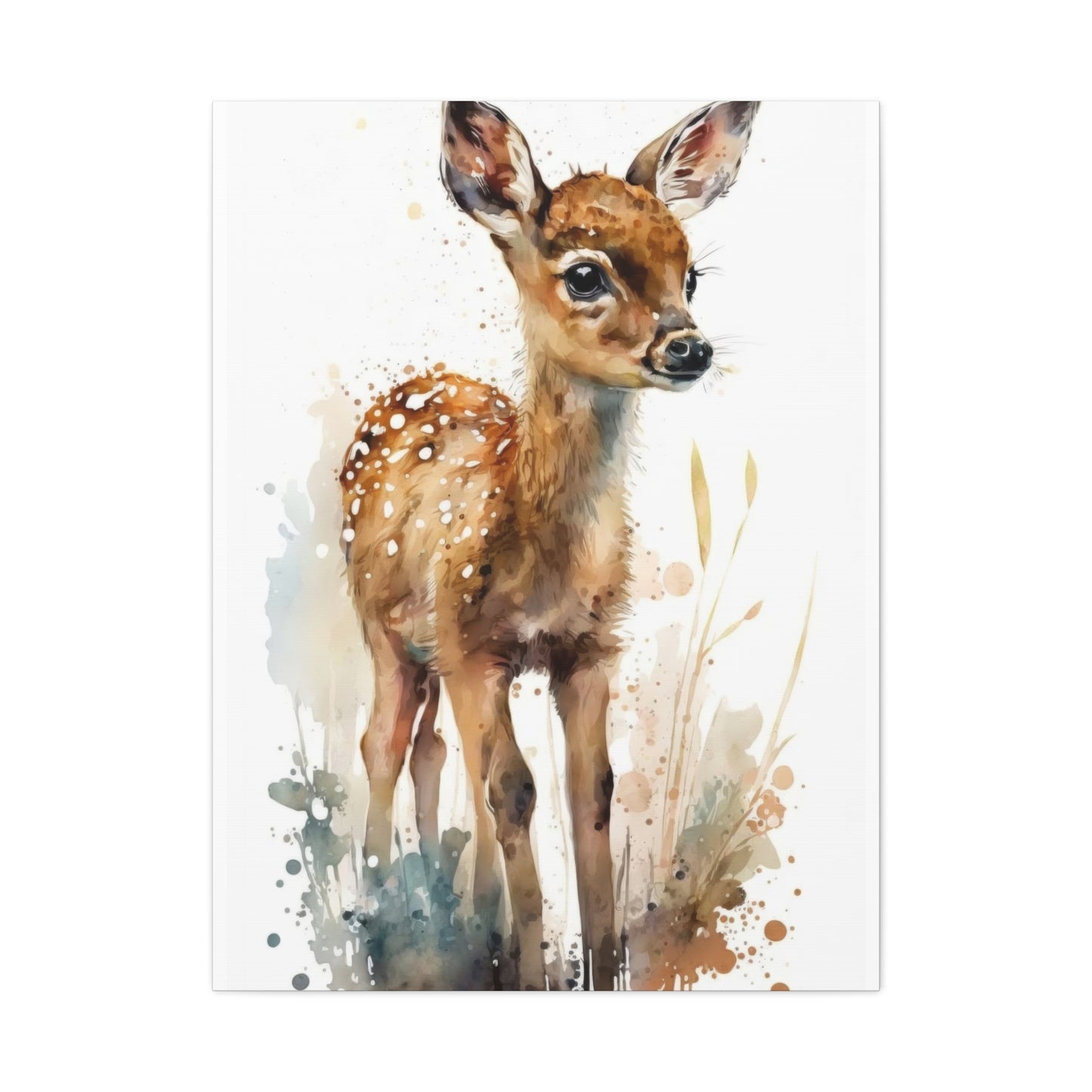


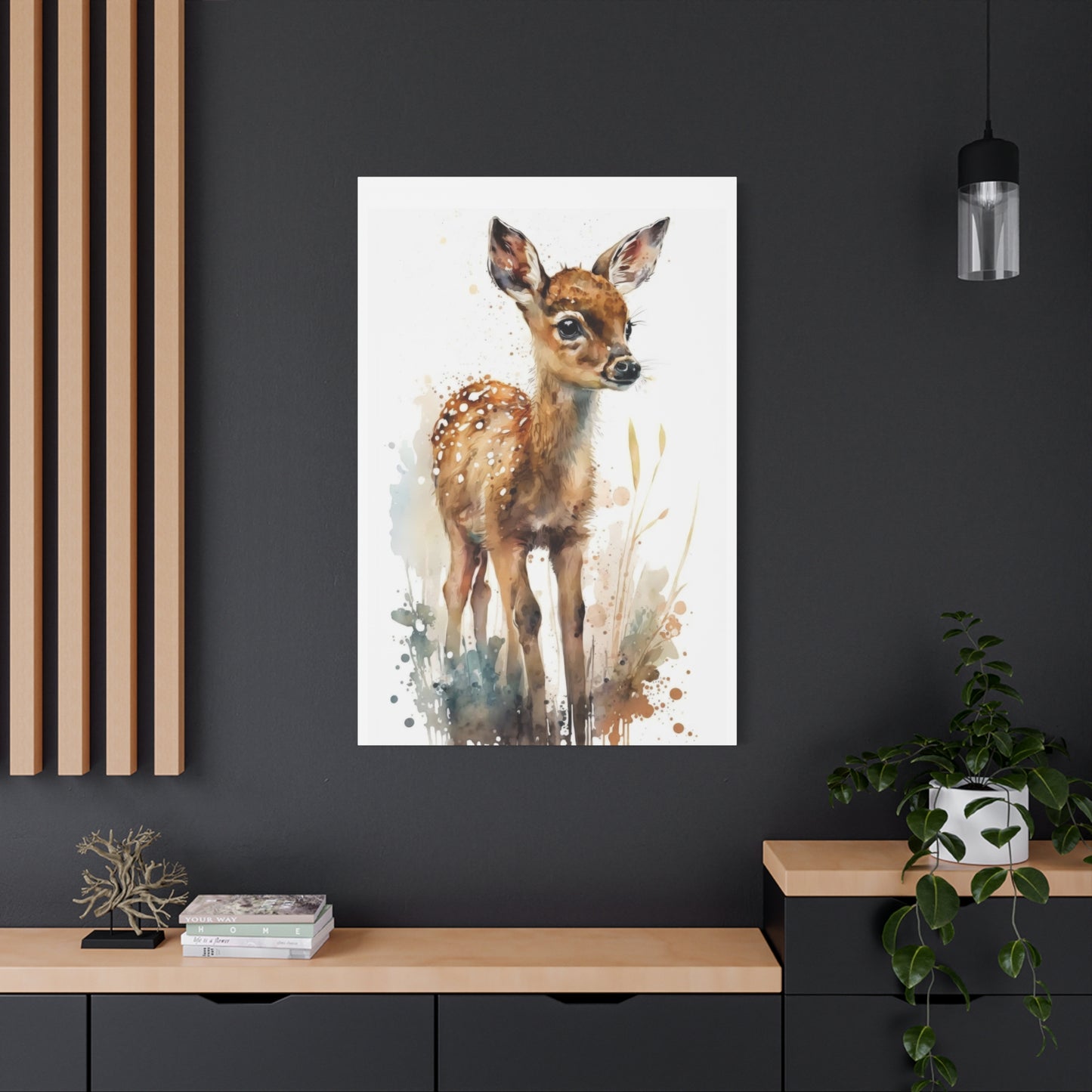
Enchanting World of Baby Deer Watercolor Wall Art: Bringing the Grace and Beauty of Nature Into Your Home
When it comes to creating a space that radiates warmth, innocence, and natural beauty, few artistic choices compare to the ethereal quality of young deer portrayed through watercolor techniques. This particular form of wall decoration has captured the hearts of interior design enthusiasts, parents, and nature lovers alike, offering a gentle visual experience that transforms ordinary rooms into sanctuaries of peace and wonder. The translucent layers of pigment, the soft edges that seem to fade into the paper itself, and the tender representation of these woodland creatures combine to create something truly magical on your walls.
The artistic representation of fawns through the medium of watercolor brings together two elements that individually possess remarkable appeal. Young deer, with their spotted coats, large expressive eyes, and delicate proportions, have long symbolized gentleness, new beginnings, and the purity of nature. When these creatures are rendered through watercolor painting, an art form known for its fluidity, spontaneity, and ethereal quality, the result is visually stunning and emotionally resonant. The transparent washes of color allow light to reflect through the pigments, creating a luminosity that photographs and digital prints struggle to replicate, though high-quality reproductions can still capture much of this enchanting quality.
The process of creating watercolor paintings of young deer involves careful observation and a deep understanding of both the subject and the medium. Artists who specialize in this work often spend considerable time studying the anatomy, behavior, and natural habitat of fawns, ensuring that their representations feel authentic and alive. The watercolor medium itself requires a delicate balance of control and surrender, as the artist must work with the natural flow of water and pigment across the paper, allowing happy accidents to contribute to the overall composition while maintaining the essential form and character of the subject. This dance between intention and spontaneity results in artwork that feels fresh, organic, and imbued with life.
For those seeking to incorporate these beautiful pieces into their living spaces, the options are remarkably diverse. From realistic portrayals that capture every nuance of a fawn's appearance to more stylized interpretations that emphasize emotion and atmosphere over anatomical precision, there exists a wide spectrum of artistic approaches. Some pieces feature young deer as the sole focus, set against minimalist backgrounds that allow the creature to command full attention. Others incorporate surrounding elements such as wildflowers, forest foliage, butterflies, or other woodland companions, creating complete scenic compositions that tell a more elaborate story. The color palettes employed range from naturalistic earth tones and forest greens to softer pastels, whimsical rainbows, or even monochromatic schemes that emphasize form and value over hue.
Designing a Tranquil Space with Fawn Watercolor Artwork
Creating a harmonious environment specifically designed for infants and young children requires careful consideration of numerous factors, from safety and functionality to aesthetic appeal and developmental appropriateness. When it comes to the visual elements that adorn the walls of these important spaces, the selection of artwork plays a crucial role in establishing the overall atmosphere and can even influence a child's emotional development and sense of security. Incorporating watercolor paintings of young deer into these rooms has become an increasingly popular choice among parents and designers who understand the profound impact that thoughtful decoration can have on a child's experience of their personal space.
The first step in successfully integrating fawn-themed watercolor pieces into a child's room involves understanding the existing or planned color scheme. These spaces often feature soft, soothing palettes that promote rest and relaxation, with popular choices including gentle pastels, warm neutrals, or muted tones of blue, pink, green, or yellow. Watercolor artwork depicting young deer naturally complements these color stories, as the medium itself lends itself to soft, blended hues that avoid harsh contrasts. When selecting a specific piece, consider whether you want the artwork to blend seamlessly with the existing colors, creating a cohesive, monochromatic effect, or whether you prefer it to introduce complementary or accent colors that add visual interest without disrupting the overall harmony.
Placement of the artwork is another critical consideration that goes beyond simple aesthetics. In spaces designed for infants, the artwork should be positioned where it can be easily viewed from key locations such as the crib or changing area. However, it should not be placed directly above the crib where it could potentially pose a safety hazard if it were to fall. Many designers recommend placing significant artwork on the wall opposite the crib, where it can be appreciated by both the child and caregivers entering the room, or on the wall adjacent to the changing table, providing a focal point for the baby to observe during diaper changes. As children grow and their visual capabilities develop, artwork positioned at varying heights can support their cognitive development by giving them different perspectives to explore and contemplate.
The size and scale of the watercolor piece should be proportionate to both the wall space available and the overall dimensions of the room. In smaller spaces, a single medium-sized piece or a pair of complementary prints can provide sufficient visual interest without overwhelming the room. Larger spaces might accommodate more substantial artwork or even a gallery wall arrangement featuring multiple fawn-themed pieces in various sizes. When creating a gallery wall, consider mixing your young deer watercolors with complementary subjects such as other woodland creatures, forest scenes, or botanical illustrations, all executed in similar watercolor styles to maintain visual coherence. The arrangement should feel balanced, with pieces spaced appropriately to allow each work to be appreciated individually while contributing to the overall composition.
Fawn Watercolor Artwork as an Ideal Selection for Wildlife Enthusiasts
For individuals who find themselves drawn to the natural world, who experience genuine joy in observing wildlife, and who seek to surround themselves with reminders of the beauty found in forests, meadows, and wild spaces, decorating with artistic representations of animals serves as both personal expression and daily inspiration. Among the vast array of wildlife subjects available, young deer rendered in watercolor hold a special position, offering a perfect intersection of artistic beauty, symbolic meaning, and accessible appeal that resonates with both devoted naturalists and those who simply appreciate the aesthetic qualities of nature-inspired art.
The connection between wildlife enthusiasts and fawn imagery runs deeper than simple appreciation of cute animals. Those who spend time observing nature understand that encounters with young deer in their natural habitat represent privileged moments, opportunities to witness the vulnerability, grace, and essential wildness of these creatures. Fawns, with their spotted camouflage that provides protection during their most vulnerable weeks, their instinct to freeze motionless when threatened, and their eventual emergence into confident members of their herd, embody the resilience and adaptation that characterize successful wildlife. Bringing a representation of this animal into one's home serves as a personal reminder of these meaningful encounters and the feelings they evoke.
Watercolor as a medium possesses qualities that make it particularly well-suited to capturing the essence of wildlife subjects. Unlike photography, which freezes a single moment in precise detail, or oils, which build up layers of opaque color, watercolor allows for interpretation, suggestion, and atmospheric quality that can convey not just the physical appearance of a subject but also its spirit and the emotional response it generates. The transparency of watercolor, the way light seems to pass through the pigments, mirrors the ephemeral quality of wildlife encounters themselves, here one moment, vanished the next, leaving only memory and impression. This quality makes watercolor paintings of young deer feel particularly authentic to those who have experienced real encounters with these animals.
For collectors and enthusiasts who already possess artwork or photography featuring other wildlife subjects, incorporating fawn watercolors creates beautiful harmony and thematic coherence. Young deer pair naturally with other woodland creatures such as rabbits, foxes, owls, songbirds, and squirrels, creating collections that celebrate entire ecosystems rather than isolated subjects. When building such a collection, paying attention to artistic style ensures that pieces work together visually, even if created by different artists. Watercolor works that share similar approaches to color, level of detail, and compositional choices will feel unified when displayed together, creating gallery walls or arrangements throughout a home that feel intentional and cohesive.
The educational dimension of wildlife artwork should not be overlooked, particularly in homes with children or in spaces used for teaching and learning. Quality representations of animals, even stylized ones, can spark curiosity and serve as springboards for learning about species, habitats, ecosystems, and conservation. A watercolor painting of a young deer on the wall might prompt questions about what fawns eat, where they live, how they survive predators, and why they have spots. These conversations, inspired by artwork, can develop into deeper environmental awareness and appreciation that lasts a lifetime. In educational settings such as nature centers, environmental education facilities, or outdoor classrooms, such artwork reinforces the mission and message of these institutions while creating welcoming, visually appealing spaces.
Natural Elements Through Fawn Imagery
The concept of biophilic design, the deliberate incorporation of nature and natural elements into built environments, has gained tremendous momentum as research continues to demonstrate the profound positive impacts that connection with nature has on human health, productivity, and wellbeing. While biophilic design can involve living plants, natural materials, water features, and architectural elements that maximize natural light and outdoor views, it also encompasses the use of nature-inspired artwork and imagery to bring the essence of the outdoors into interior spaces. Watercolor paintings depicting young deer serve as particularly effective tools in this endeavor, offering a sophisticated method of introducing wildlife and woodland elements into homes, offices, and other indoor environments.
The psychological benefits of nature connection have been extensively documented through decades of research across multiple disciplines. Studies have shown that exposure to natural environments, even through representational means like photography and artwork, can reduce stress hormones, lower blood pressure, improve concentration and cognitive function, accelerate healing, enhance mood, and increase overall life satisfaction. These benefits appear to be rooted in human evolutionary history, our species having developed in close relationship with natural environments for the vast majority of our existence. Modern urban and suburban life, with its emphasis on artificial materials, geometric forms, and sealed indoor environments, represents a dramatic departure from the settings in which human physiology and psychology evolved, creating what some researchers call nature deficit disorder.
Watercolor artwork featuring young deer directly addresses this deficit by serving as a visual proxy for nature experience. Even people who cannot spend significant time outdoors due to urban living conditions, mobility limitations, demanding work schedules, or other constraints can benefit from having quality nature imagery present in their daily visual environment. The key word here is quality; not all nature representations provide equal benefit. Research suggests that realistic, detailed depictions that allow the mind to engage with specific elements, textures, and creatures provide greater restorative effect than abstract or highly stylized representations. Watercolor paintings of fawns, particularly those that include environmental context like forest settings or meadow wildflowers, offer rich visual complexity that invites extended observation and engagement.
The specific choice of young deer as subject matter carries additional layers of meaning beyond generic nature connection. Deer populations exist in surprisingly diverse habitats, from deep wilderness to suburban neighborhoods, making them one of the wildlife species that urban and suburban dwellers are most likely to encounter directly. This familiarity means that artwork depicting fawns can evoke personal memories of actual wildlife encounters, strengthening the emotional connection and amplifying the psychological benefit. For someone who remembers the wonder of spotting a fawn in their backyard or during a hike, a watercolor painting of a similar scene serves not just as generic nature imagery but as a personal touchstone connecting them to meaningful experiences.
Introducing wildlife imagery through watercolor paintings offers significant advantages over other methods of bringing nature indoors. Living plants, while beneficial, require maintenance, can trigger allergies, and may not thrive in all lighting conditions. Large-scale green walls or extensive plant installations may not be practical in smaller spaces or rental situations. Natural materials like wood and stone, while beautiful, involve significant expense and permanent installation. Watercolor artwork, by contrast, requires no maintenance beyond occasional dusting, takes up minimal physical space while providing significant visual impact, can be easily relocated or changed as tastes evolve, and works within any budget through the availability of high-quality reproductions at various price points.
The integration of fawn watercolor artwork into biophilic design schemes works most effectively when the artwork is considered as one element within a holistic approach rather than as a standalone decoration. Pairing wildlife imagery with actual natural elements creates layering and reinforcement that amplifies the effect of each component. A watercolor painting of a young deer displayed on a wall with natural wood framing, positioned above a console table made from reclaimed wood, flanked by potted plants, and illuminated by natural light from a nearby window creates a rich, multi-sensory experience of nature that engages more fully than any single element could alone. Each component supports and enhances the others, building a compelling indoor ecosystem.
The Tender Essence Captured in Fawn Watercolor Wall Decor
There exists within certain artistic subjects an intangible quality that transcends mere visual representation, touching something deeper in the human spirit and evoking emotions that words struggle to fully capture. Watercolor paintings of young deer possess this quality in abundance, embodying a gentle spirit that resonates with viewers on both conscious and unconscious levels. This spirit, expressed through the combination of subject matter, artistic technique, and the intentions that artists bring to their work, transforms these pieces from simple decoration into something more meaningful, objects that carry and transmit a sense of peace, innocence, and connection to the natural world.
The very nature of young deer contributes fundamentally to this gentle spirit. Fawns enter the world in a state of profound vulnerability, unable to run or defend themselves for the first days of their lives. Their survival strategy during this period relies on remaining absolutely still, their spotted coats providing camouflage against the dappled light of the forest floor while their lack of scent keeps them hidden from predators. This stillness, this patient waiting for strength to develop, embodies a kind of trust in the natural processes of growth and development that humans find deeply moving. When artists capture this quality in their watercolor paintings, they are representing not just the physical form of a fawn but this essential spirit of vulnerable patience and trust.
The large, expressive eyes characteristic of young deer serve as windows into this gentle spirit, and artists working in watercolor have the technical tools to render these features with remarkable emotional depth. Eyes are often called the windows to the soul, and in wildlife art, they represent the crucial element that transforms a technically competent rendering into an emotionally engaging portrait. The transparency of watercolor allows for subtle gradations of tone and color in depicting eyes, building up layers that suggest depth, moisture, and the spark of life. A slight highlight, a subtle darkening around the iris, careful attention to the shape and expression, these details work together to create eyes that seem to look back at the viewer, establishing connection and empathy.
The postures and compositions chosen by artists significantly impact the gentle spirit conveyed by fawn watercolor paintings. A young deer shown lying in tall grass, head alert but body relaxed, communicates both watchfulness and peace. A fawn touching noses with a butterfly or small bird suggests harmony and gentle curiosity rather than predator-prey dynamics. Multiple fawns shown together, perhaps siblings resting in dappled shade, speak to family bonds and the comfort of connection. These compositional choices are never accidental but reflect conscious decisions by artists to emphasize particular aspects of their subject's nature, selecting moments and poses that best embody the qualities they wish to communicate.
Color choices in watercolor paintings of young deer play a crucial role in establishing and maintaining gentle spirit. Harsh, saturated colors or stark contrasts create visual tension and energy that works against gentleness. Artists seeking to capture the tender essence of fawns typically employ softer, more muted palettes where colors whisper rather than shout. Delicate blush pinks, soft grays, warm beiges, mossy greens, and sky blues create harmonious compositions that feel peaceful and inviting. Even when incorporating brighter accent colors, perhaps in wildflowers or foliage, these elements are carefully balanced to enhance rather than overwhelm the overall sense of tranquility.
The artistic technique of soft edges, where forms gradually fade into their backgrounds rather than being sharply delineated, particularly enhances the gentle spirit of these works. This approach, natural to watercolor due to the way pigments blend when wet, creates a dreamlike quality that softens the entire image. A fawn whose outline gently dissolves into the surrounding forest or meadow becomes part of the landscape rather than an isolated subject, suggesting harmony and belonging. This technique also invites the viewer's eye to move fluidly around the composition rather than being stopped by hard edges, creating a more meditative viewing experience.
Watercolor Artwork with Youth-Oriented Environments
Creating spaces specifically designed for children involves unique considerations that differ significantly from adult-focused interior design. These environments must balance multiple, sometimes competing needs, fostering imagination and play while also supporting rest and calm, stimulating development while avoiding overstimulation, reflecting childhood whimsy while possessing enough sophistication to grow with the child. The artwork selected for these spaces carries particular importance, as it contributes to the visual environment children experience daily during crucial developmental years. Watercolor paintings of young deer have proven remarkably successful in children's rooms, meeting the specific requirements of these spaces in ways that many other artistic subjects and styles cannot.
The fundamental appeal of young animals to children is well documented in developmental psychology. From early infancy, children show heightened interest in and positive responses to baby animals, responding to the large eyes, rounded forms, and helpless vulnerability that trigger nurturing instincts even in the very young. This response appears to be deeply rooted in human psychology, possibly related to the same mechanisms that promote caregiving toward human infants. Fawns, with their large eyes, spotted coats, long legs, and gentle demeanor, possess these baby-like characteristics in abundance, making them naturally appealing to children across a wide age range.
The non-threatening nature of deer as subjects makes them particularly appropriate for children's spaces. Unlike predators, which some children find frightening, deer are herbivores with no association with danger or aggression. Parents creating environments where children feel safe and secure benefit from selecting imagery that supports these feelings rather than introducing elements that might trigger anxiety. A watercolor painting of a gentle fawn conveys peace and safety, contributing to the emotional security that allows children to relax, play, and develop confidently. This quality makes such artwork especially valuable in spaces designed for sleep, where calming imagery supports bedtime routines and helps children transition to rest.
The educational value of wildlife artwork in children's spaces should not be underestimated. Quality representations of animals serve as tools for learning about the natural world, encouraging curiosity about different species, their habitats, behaviors, and ecological roles. A watercolor painting of a fawn on the wall can prompt questions and discussions that develop into broader environmental awareness and appreciation. Parents can use the artwork as a springboard for reading books about deer, watching nature documentaries, planning outdoor excursions to observe wildlife, or exploring related topics like forest ecosystems, seasonal changes, or animal adaptations. This educational dimension makes the artwork serve purposes beyond decoration, becoming an active participant in the child's learning and development.
Successfully Incorporating Fawn Watercolor Artwork into Home Design
The process of integrating artwork into existing interior spaces requires more than simply finding an empty wall and hanging a frame. Successful incorporation involves careful consideration of multiple factors including placement, scale, color relationships, lighting, surrounding elements, and overall design cohesion. When working specifically with watercolor paintings of young deer, understanding how to maximize their impact while ensuring they harmonize with the broader decorative scheme transforms them from afterthought accessories into integral design elements that elevate the entire space.
The initial consideration in incorporating any artwork involves selecting the right piece for the specific space and purpose you have in mind. For watercolor paintings of young deer, this means thinking carefully about the style, composition, color palette, and mood of available options. A room with bold, saturated colors and contemporary furniture might call for a more stylized, graphic interpretation of a fawn, while a space with vintage charm and antique furnishings might better suit a traditional, detailed botanical-style watercolor. The existing mood of the space, whether energetic and playful or calm and contemplative, should be echoed and supported by the artwork rather than contradicted. Taking time to truly assess your space before selecting artwork prevents costly mistakes and ensures satisfaction with the final result.
Wall space assessment involves more than simply measuring empty areas. The architecture of the room affects where artwork can be effectively placed, with factors like windows, doors, built-in features, electrical outlets, and heating vents all influencing options. The viewing angles and sight lines within the space matter significantly, artwork positioned on a wall opposite the primary entrance creates immediate impact as people enter the room, while pieces placed on walls perpendicular to the entrance offer discoveries as people move through the space. Consider where people typically sit or stand in the room and ensure artwork is positioned where it can be comfortably viewed from these vantage points, avoiding placement that requires awkward neck craning or is constantly blocked by furniture.
Scale relationships between the artwork, the wall space, and surrounding furniture require careful calculation. A common mistake involves selecting pieces that are too small for the space, leaving them looking lost and insignificant on large wall expanses. General design guidelines suggest that artwork or groupings of artwork should occupy roughly two-thirds to three-quarters the width of furniture pieces placed below them, though this is a starting point for consideration rather than an absolute rule. Watercolor paintings of young deer work effectively as single statement pieces, pairs of complementary works, or as central elements within larger gallery wall arrangements, and the choice among these options should reflect both available space and the desired impact.
Height placement of artwork dramatically affects its presence and impact in a space. The standard guideline suggests positioning artwork so its center falls at eye level, typically between fifty-seven and sixty inches from the floor, approximating the height used in gallery exhibitions. However, this guideline requires adjustment based on room-specific factors. In rooms where people are typically seated, such as dining rooms or dens, positioning artwork slightly lower ensures comfortable viewing from seated positions. In rooms with unusually high or low ceilings, adjustments help maintain proper visual proportion. When hanging artwork above furniture, maintaining a gap of four to eight inches between the furniture top and the artwork's bottom edge creates proper visual connection between the two elements.
Color coordination between watercolor paintings of young deer and the surrounding environment can be approached from multiple angles depending on desired effects. A harmonious approach pulls colors directly from the artwork to inform paint colors, fabric selections, and accessory choices, creating a cohesive environment where the artwork feels integral to the overall scheme. A complementary approach pairs colors opposite each other on the color wheel, creating dynamic tension and energy. A monochromatic approach uses varying shades and tints of a single color family, allowing the artwork to introduce subtle variation within a restrained palette. Understanding basic color theory helps make intentional choices that achieve specific atmospheric goals rather than accidental combinations that feel unresolved.
The Graceful Whimsy of Fawn Watercolor Artwork
The intersection of playfulness and elegance represents a challenging balance to achieve in interior design and decorative art. Too much emphasis on playfulness risks descending into chaos or childishness, while excessive elegance can feel stuffy, unapproachable, or overly formal. Watercolor paintings of young deer occupy a remarkable sweet spot between these poles, embodying a quality that might best be described as playful elegance, combining lighthearted charm with sophisticated beauty in ways that few other artistic subjects and mediums manage. Understanding and appreciating this unique quality helps explain the broad appeal and versatility of these works across diverse design contexts and personal tastes.
The inherent playfulness of young deer comes from their natural behaviors and characteristics. Real fawns, once they gain strength and coordination, are remarkably energetic and curious creatures, exploring their environment with enthusiastic bouncing gaits, investigating new objects and scents with innocent curiosity, and engaging in playful interactions with siblings and other young animals. Artists capturing these qualities bring vitality and joy to their work, creating images that make viewers smile and feel uplifted. This playfulness translates to decorative appeal that enlivens spaces without overwhelming them, adding personality and warmth without sacrificing sophistication.
The elegance dimension of these works emerges from multiple sources. Deer themselves are graceful animals, their proportions, movements, and natural poise conveying refined beauty. The long, slender legs of a fawn, the delicate shape of their ears, the arch of their neck, these physical characteristics possess aesthetic appeal that transcends cultural boundaries. When artists render these forms with skill and sensitivity, they capture this inherent grace, creating representations that satisfy our appreciation for beautiful forms and harmonious proportions. The watercolor medium contributes its own elegance through the refined quality of transparent washes, the subtle gradations of color and tone, and the restrained, understated nature of the technique.
Fawn Watercolor Wall Artwork as an Enduring Design Element
In the constantly shifting landscape of interior design trends, where colors, styles, and decorative motifs surge and recede in popularity with sometimes dizzying speed, identifying truly timeless elements that will remain appealing and relevant regardless of current fashion provides significant value. Watercolor paintings of young deer represent one such timeless choice, possessing qualities that transcend temporary trends while remaining fresh and appealing across changing aesthetic movements. Understanding what makes these pieces enduringly relevant helps those building art collections or decorating homes make choices they will not regret even as tastes and trends evolve.
The timelessness of fawn watercolor artwork begins with its subject matter. Deer have been depicted in human art for tens of thousands of years, from Paleolithic cave paintings through countless cultural and artistic traditions worldwide. This long artistic history suggests that something fundamental in human psychology responds to deer imagery, a response that transcends cultural boundaries and historical periods. Young deer, specifically, embody universal qualities, innocence, vulnerability, new life, natural beauty, that resonate across different contexts and do not become dated or irrelevant as fashions change. Unlike trendy decorative motifs tied to particular movements or moments, fawns carry timeless symbolic and aesthetic appeal.
The artistic medium of watercolor similarly possesses historical depth and enduring appeal that protect against becoming dated. Watercolor painting has been practiced for centuries, valued for its particular qualities and challenges, and remains vibrant and relevant in contemporary art practice. While specific watercolor styles may come in and out of fashion, looser interpretations giving way to detailed realism and back again, the fundamental appeal of the medium remains constant. Its transparency, luminosity, and organic quality possess beauty that does not wear out or become tiresome with familiarity, making watercolor pieces capable of providing satisfaction and pleasure for decades rather than merely until the next design trend arrives.
The color palettes typically employed in watercolor paintings of young deer contribute to their timeless quality. Earth tones, soft greens, gentle grays, and warm neutrals have been valued across virtually all historical periods and design movements. Unlike highly saturated jewel tones or trendy color combinations tied to particular decades, the natural colors found in quality fawn watercolor artwork work across different design contexts and remain appealing regardless of what paint colors currently dominate design magazines. This chromatic flexibility means these pieces can transition through multiple rounds of room redesigns, working equally well with different wall colors, furniture styles, and decorative accents.
The compositional simplicity and clarity found in well-executed fawn watercolor paintings support their enduring appeal. Timeless artwork tends to avoid overly complicated compositions, busy backgrounds, or excessive decorative elements that can date pieces to particular stylistic moments. Clean compositions that emphasize the essential subject, perhaps a single fawn in a minimally suggested environment or a simple arrangement of a young deer with a few complementary natural elements, possess the clarity and focus that remains compelling regardless of changing fashions. This does not mean simplistic or boring, but rather thoughtfully edited, including what serves the composition while excluding unnecessary elaboration.
Introducing Tenderness to Interior Walls Through Fawn Artwork
The walls that surround us shape our daily experience more profoundly than we often consciously recognize. These vertical surfaces constitute the largest visible areas in most rooms, providing the backdrop against which we live our lives. While walls can be painted, papered, or otherwise treated, the addition of thoughtfully selected artwork transforms them from mere architectural necessity into opportunities for beauty, meaning, and emotional support. Watercolor paintings of young deer represent a particularly effective way to introduce softness, warmth, and tender feeling to wall surfaces, creating environments that nurture and comfort those who inhabit them.
The concept of softness in interior design encompasses both literal tactile qualities and visual or emotional impressions. While walls themselves are hard surfaces, the visual qualities presented on them can create perceptions of softness that affect how we experience the space. Watercolor paintings, through their characteristic soft edges, blended colors, and translucent layers, project visual softness that influences the overall feeling of a room. This effect is not merely aesthetic but psychological, soft-appearing environments trigger different emotional and physiological responses than hard-edged, high-contrast environments, generally promoting relaxation and reducing stress.
Young deer as subjects amplify this softness through their physical characteristics and symbolic associations. The downy quality of a fawn's coat, even when represented in paint, suggests tactile softness that viewers almost feel they could touch. The vulnerability and gentleness associated with young animals creates emotional softness, a sense of tenderness and care that permeates the atmosphere. The rounded forms, large eyes, and delicate proportions all contribute to an overall impression that reads as soft rather than hard, gentle rather than aggressive, comforting rather than confrontational. These qualities make fawn watercolor artwork particularly effective in spaces where softness is desired.
Enduring Appeal of Fawn Watercolor Wall Decor Through Generations
In an era characterized by rapid change, disposable consumer culture, and constant pursuit of the new and trendy, objects that maintain relevance and value across extended periods possess special worth. Watercolor paintings of young deer represent such enduring pieces, capable of providing satisfaction and beauty not just for months or a few years but potentially for decades or even lifelong appreciation. Understanding what makes these works maintain their appeal over time helps those building art collections make wise investments that will reward continued enjoyment rather than quickly losing interest or becoming dated embarrassments.
The historical perspective on deer in art reveals a subject that has captivated human imagination for millennia. From prehistoric cave paintings depicting hunts to medieval tapestries featuring stags in allegorical scenes, from Asian brush paintings celebrating the grace of deer to contemporary wildlife photography, these animals have maintained consistent presence in human artistic expression across vastly different cultures and time periods. This historical depth suggests that human interest in deer imagery is not a passing trend but rather reflects something fundamental in our psychological makeup, perhaps related to our long coexistence with these animals, their importance as food sources throughout much of human history, and their embodiment of natural grace and beauty.
The universal themes embodied by young deer contribute significantly to their timeless appeal. New life, innocence, vulnerability, growth, and the cycles of nature resonate with humans regardless of their specific cultural context or historical moment. These are not themes that become irrelevant as societies change but rather represent ongoing aspects of existence that each generation rediscovers and finds meaningful. Artwork that touches on universal human experiences and emotions transcends the limitations of trend-driven pieces that speak only to particular moments or movements, ensuring continued relevance even as specific aesthetic preferences evolve.
The technical excellence that characterizes the best watercolor paintings of young deer protects against obsolescence in ways that lesser quality work cannot match. Skillful execution, demonstrating mastery of the medium, strong compositional sense, sophisticated color understanding, and genuine artistic vision, creates work that can be appreciated and admired even by viewers whose personal preferences might not naturally gravitate toward the subject matter. This quality dimension means the piece succeeds as art, not merely as decoration, and art of genuine quality maintains value and interest far longer than trendy decorative items. When building collections intended to provide lasting satisfaction, prioritizing quality over bargain pricing or mere subject appeal proves wise strategy.
The adaptability of fawn watercolor artwork to different spaces and contexts as life circumstances change contributes to its long-term value. A piece that works beautifully in one's first apartment can successfully transition to a larger home, from one room to another as needs change, and even into different stylistic contexts as personal taste evolves. This flexibility means the artwork continues earning its place through multiple life stages rather than becoming obsolete when circumstances shift. The relatively moderate size of most watercolor paintings enhances this portability, as pieces can be moved without requiring professional assistance or special vehicles, making them practical companions through life's various changes.
The personal history that develops between owners and artwork over time creates attachment that transcends pure aesthetics. A watercolor painting of a young deer that has hung in your home for years becomes woven into your life story, present in memories of important moments, familiar from daily viewing, associated with particular periods of your life. This biographical dimension transforms artwork from mere objects into cherished possessions with genuine sentimental value. These pieces often become the artworks that people refuse to part with regardless of changing tastes, moving with them through multiple homes and eventually being passed to family members who understand their personal significance.
Creating Peaceful Environments Using Fawn Watercolor Imagery
The pursuit of calm in our personal environments has become increasingly important as modern life presents escalating levels of stimulation, stress, and demand on our attention and energy. Our homes ideally serve as sanctuaries where we can retreat from these pressures, decompress, and restore ourselves for the challenges ahead. Creating genuinely calming environments requires attention to multiple factors including color, light, texture, spatial organization, and the objects and imagery we choose to surround ourselves with. Watercolor paintings of young deer prove particularly effective in supporting calm atmospheres, their inherent qualities aligning naturally with the visual and psychological elements that promote relaxation and peace.
The visual characteristics that promote calm are well-documented through both research and practical design experience. Soft colors rather than harsh or highly saturated hues, gentle transitions rather than sharp contrasts, curved forms rather than aggressive angles, natural imagery rather than artificial subjects, and simplified compositions rather than busy, complex arrangements all contribute to calming visual environments. Watercolor paintings of young deer naturally embody these calming characteristics through both their subject matter and the inherent qualities of the medium itself, making them almost ideally suited to spaces where tranquility is prioritized.
The connection between nature imagery and stress reduction has been extensively studied, with consistent findings that viewing natural scenes activates restorative psychological processes and measurable physiological changes. Heart rate and blood pressure decrease, stress hormone levels drop, and self-reported mood and anxiety improve when people spend time viewing nature scenes, whether through windows, in person, or even through high-quality imagery. Watercolor paintings of young deer provide this nature connection in portable, convenient form, bringing the calming influence of woodland scenes into spaces where windows might look onto urban landscapes or where actual nature access is limited.
The specific symbolism and associations carried by young deer enhance their calming effect beyond generic nature imagery. Deer are not predators or threatening animals but rather gentle herbivores that represent peace, innocence, and harmonious existence within natural environments. Young deer especially embody vulnerability and tenderness that trigger protective, nurturing responses rather than anxiety or aggression. These associations operate largely on subconscious levels, shaping emotional responses to the imagery without requiring conscious analysis or thought. Simply having a watercolor painting of a young deer present in a space subtly influences the emotional atmosphere toward gentleness and calm.
The composition and treatment of fawn watercolor paintings significantly affect their calming potential. Works featuring single subjects in uncluttered compositions allow eyes and minds to rest on clear, simple forms without requiring extensive visual processing or decision-making about where to focus attention. Backgrounds that suggest rather than detail environments provide gentle context without demanding scrutiny of numerous elements. Negative space, areas where the paper remains largely unpainted, offers visual breathing room that prevents the composition from feeling crowded or overwhelming. These compositional choices create viewing experiences that feel effortless and relaxing rather than demanding or exhausting.
The color psychology at play in fawn watercolor artwork deserves specific attention in the context of creating calm. Blues and greens, colors frequently present in these works through skies, foliage, or water elements, have been shown to promote calm and reduce stress more effectively than warmer colors like reds and oranges. The earth tones, soft browns, warm grays, and gentle beiges that characterize the deer themselves provide grounding and stability without stimulation. When artists incorporate brighter accent colors, such as in wildflowers or foliage, these are typically balanced within overall calm palettes rather than dominating the composition. Understanding these color dynamics helps in selecting specific pieces that will most effectively support calming environments.
The lighting of artwork significantly affects its contribution to calm atmospheres. Harsh, dramatic lighting creates contrast and tension that work against relaxation, while soft, even illumination supports tranquility. Natural diffused light, such as from north-facing windows, provides ideal illumination that allows watercolor paintings to be viewed clearly without glare or harshness. In spaces without adequate natural light, warm-toned LED bulbs in lamps or picture lights create gentle artificial illumination appropriate for evening viewing. Adjustable lighting through dimmer switches allows modification of intensity to suit different times and moods, maintaining appropriate visibility while preserving calm ambiance.
The integration of fawn watercolor artwork into broader calming design strategies amplifies its effectiveness. When the artwork is one element within an overall approach that includes soft textiles, comfortable furniture, organized spaces, appropriate scents, and gentle sounds, each element reinforces the others to create comprehensive calm environments. The artwork might be positioned above a reading nook with comfortable seating and good reading light, creating a calm corner for quiet activities. It might anchor a meditation or yoga space, providing a visual focal point for centering and relaxation. It could be placed in a bedroom where it contributes to sleep-supportive environments that promote rest and restoration.
Conclusion:
In a world where the fast pace of life often disconnects us from the natural wonders that surround us, incorporating artwork that showcases the beauty of wildlife can serve as a gentle reminder of the serenity and grace that nature provides. Baby deer watercolor wall art is a perfect way to capture this essence and bring a piece of the enchanting wilderness into the heart of your home. The soft, delicate strokes of watercolor, paired with the innocence and elegance of a baby deer, evoke feelings of calm and tranquility that can transform any space.
This unique form of wall art not only enhances the aesthetic appeal of your home but also tells a story. The depiction of baby deer, often seen as symbols of gentleness, new beginnings, and the beauty of life, can create a warm and inviting atmosphere in your living room, bedroom, or nursery. The soft hues and fluid textures of watercolor paintings naturally lend themselves to a peaceful ambiance, offering a visual escape from the hustle and bustle of everyday life.
One of the greatest aspects of baby deer watercolor wall art is its versatility. Whether your home features modern minimalism, rustic charm, or bohemian chic, this type of artwork can seamlessly blend into any design style. The light and ethereal qualities of watercolor lend themselves well to both neutral tones and vibrant color palettes. A baby deer painting can complement a muted room by adding a touch of softness, or it can stand out as the focal point of a more eclectic space. The gentle nature of the piece also makes it an ideal choice for spaces where relaxation and rejuvenation are key, such as bedrooms or reading nooks.
Beyond its aesthetic qualities, a baby deer watercolor piece can have a deeper, symbolic meaning for many. Deer, particularly fawns, are often associated with purity, gentleness, and innocence. In various cultures, the deer symbolizes grace, peace, and spiritual connection to nature. By incorporating such imagery into your home, you invite these qualities into your environment. For parents, placing a baby deer painting in a child's room can inspire a sense of wonder, curiosity, and connection to the natural world, fostering a love for animals and nature at an early age.
Moreover, watercolor art itself carries a unique charm. The unpredictability of watercolor, where pigments flow and mix in unexpected ways, adds an organic feel to the artwork. Each stroke and wash of color brings life to the piece, making it a dynamic and living portrayal of nature. Watercolor paintings, especially those of animals like baby deer, also evoke a sense of fragility and tenderness, reminding us of the delicate balance of life in the wild and the importance of preserving these creatures and their habitats.


