


Blue and Gold Bouquet Wall Art & Canvas Prints
Blue and Gold Bouquet Wall Art & Canvas Prints
Couldn't load pickup availability
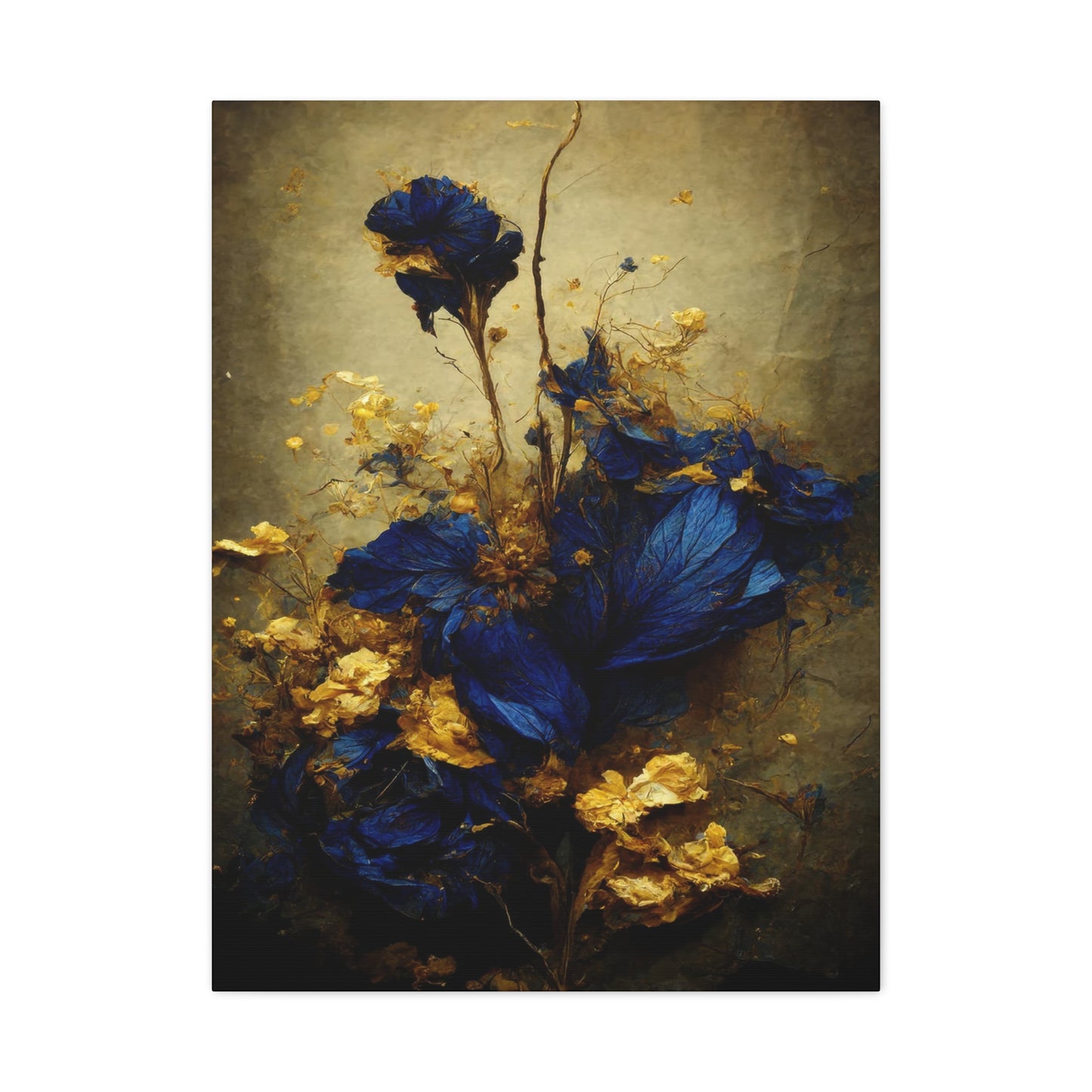
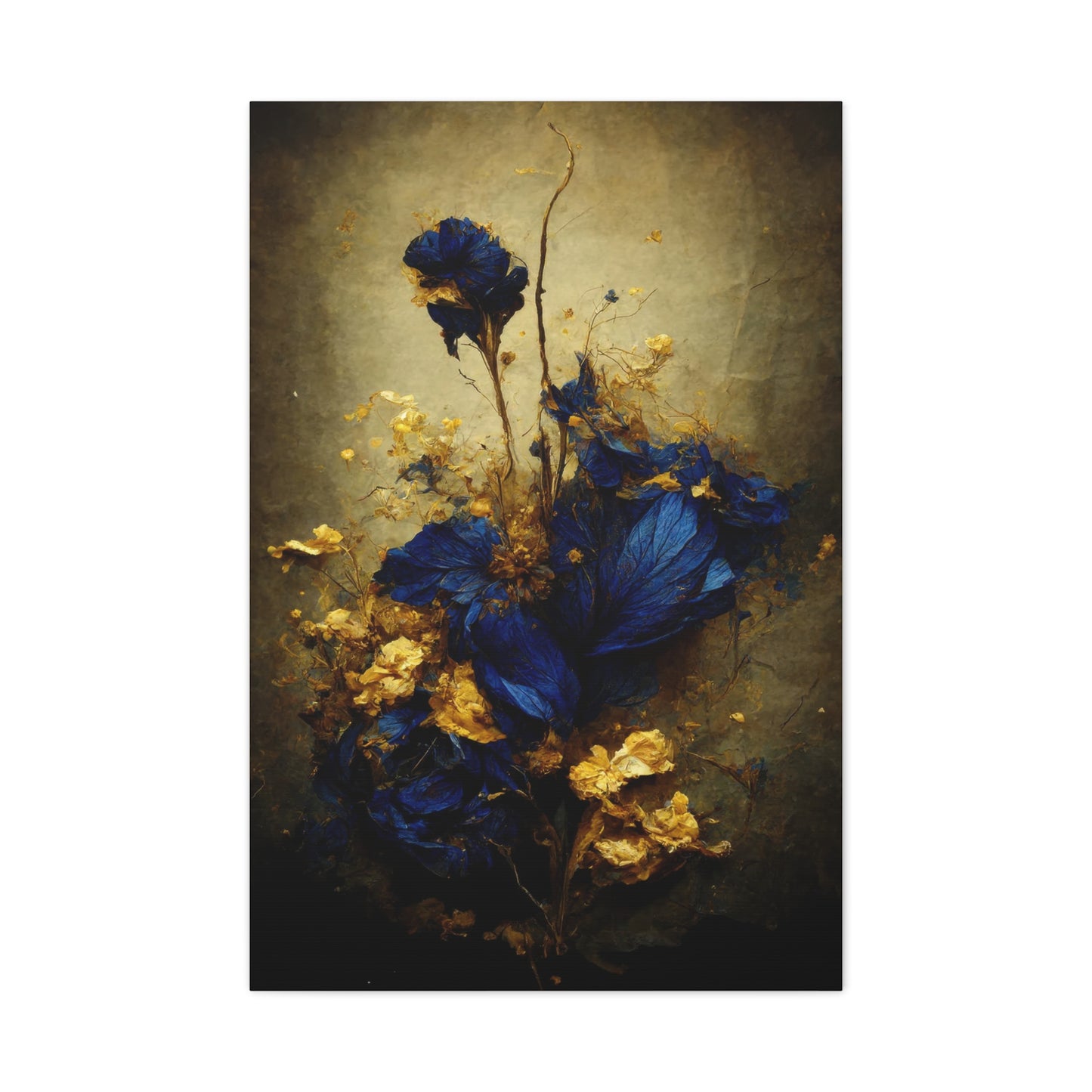
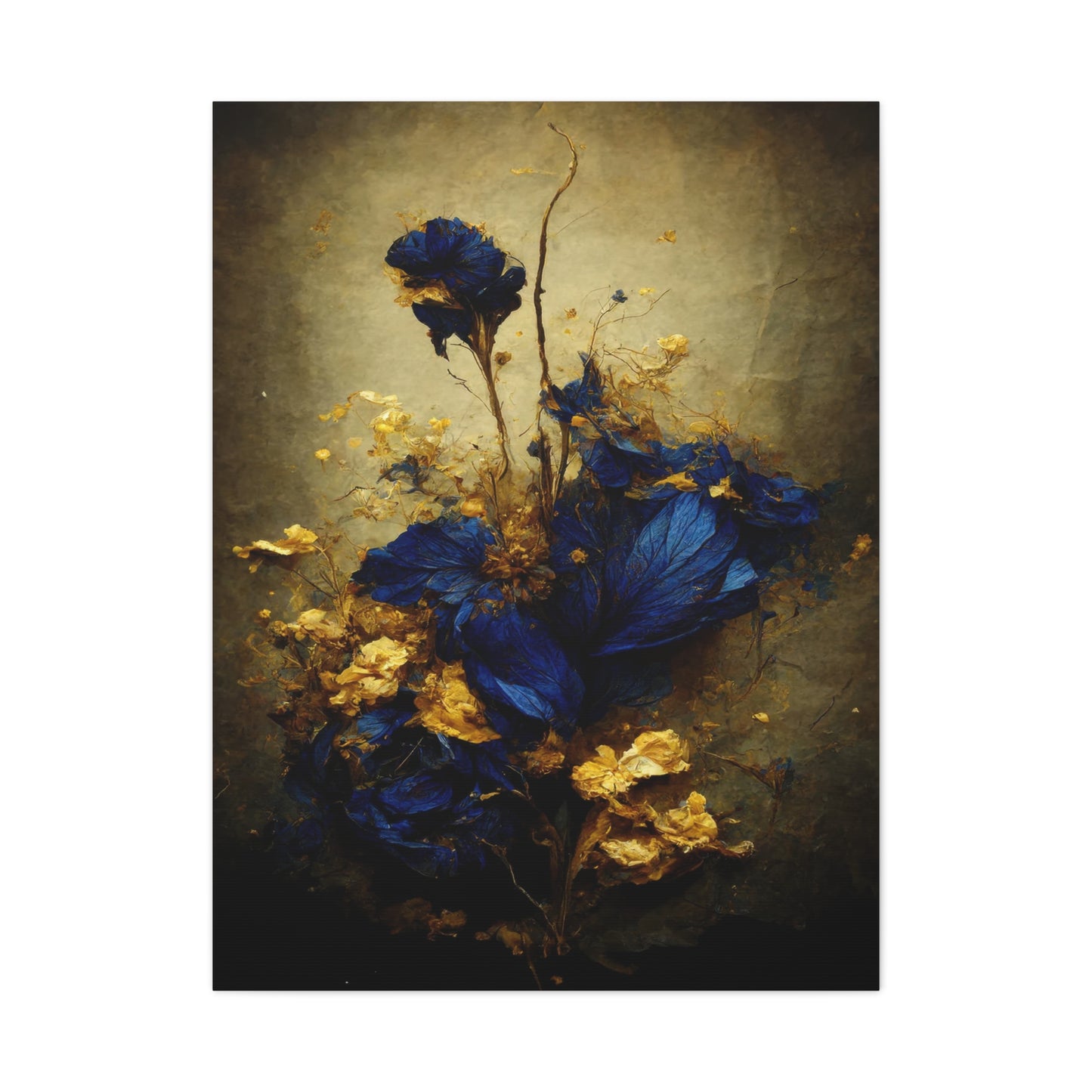
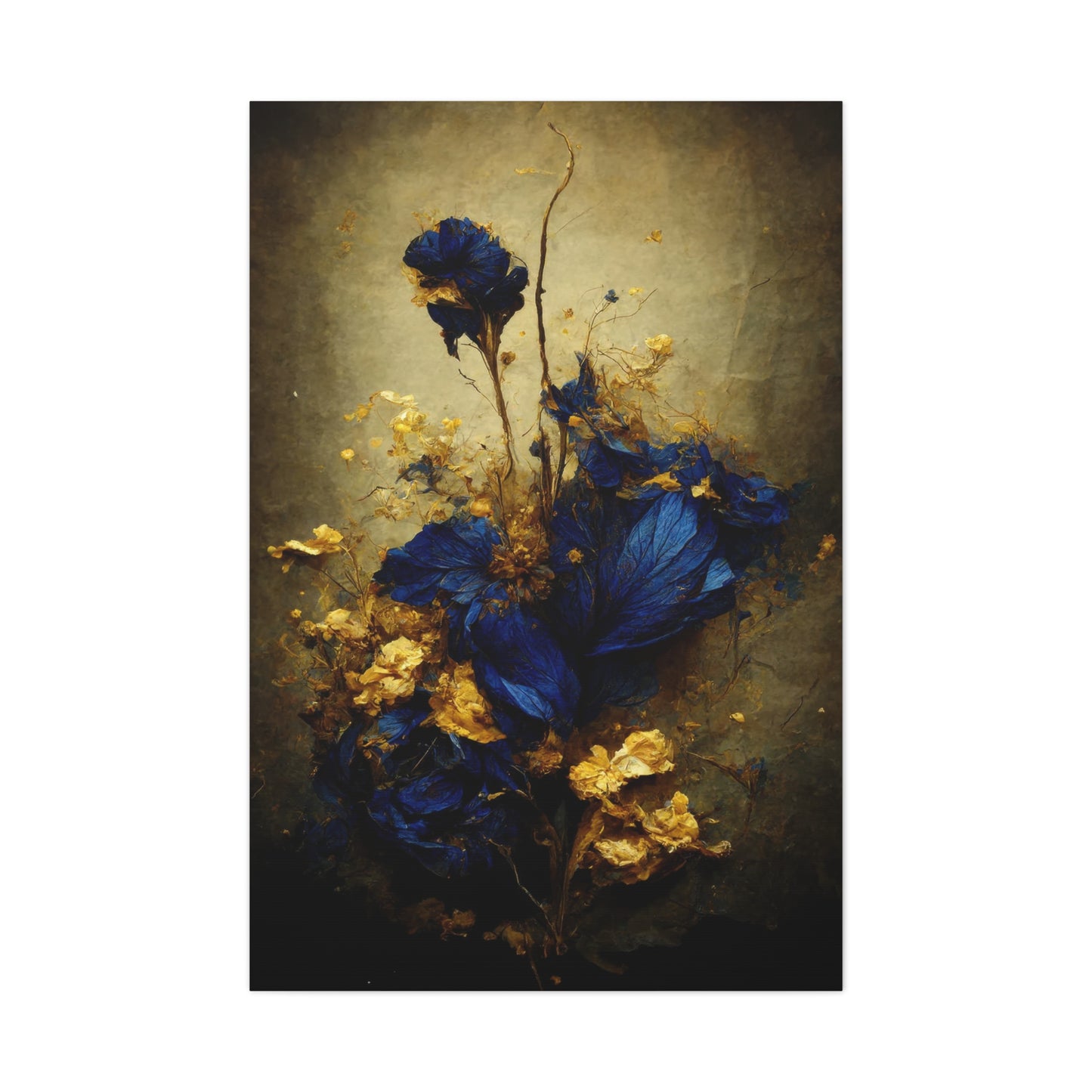
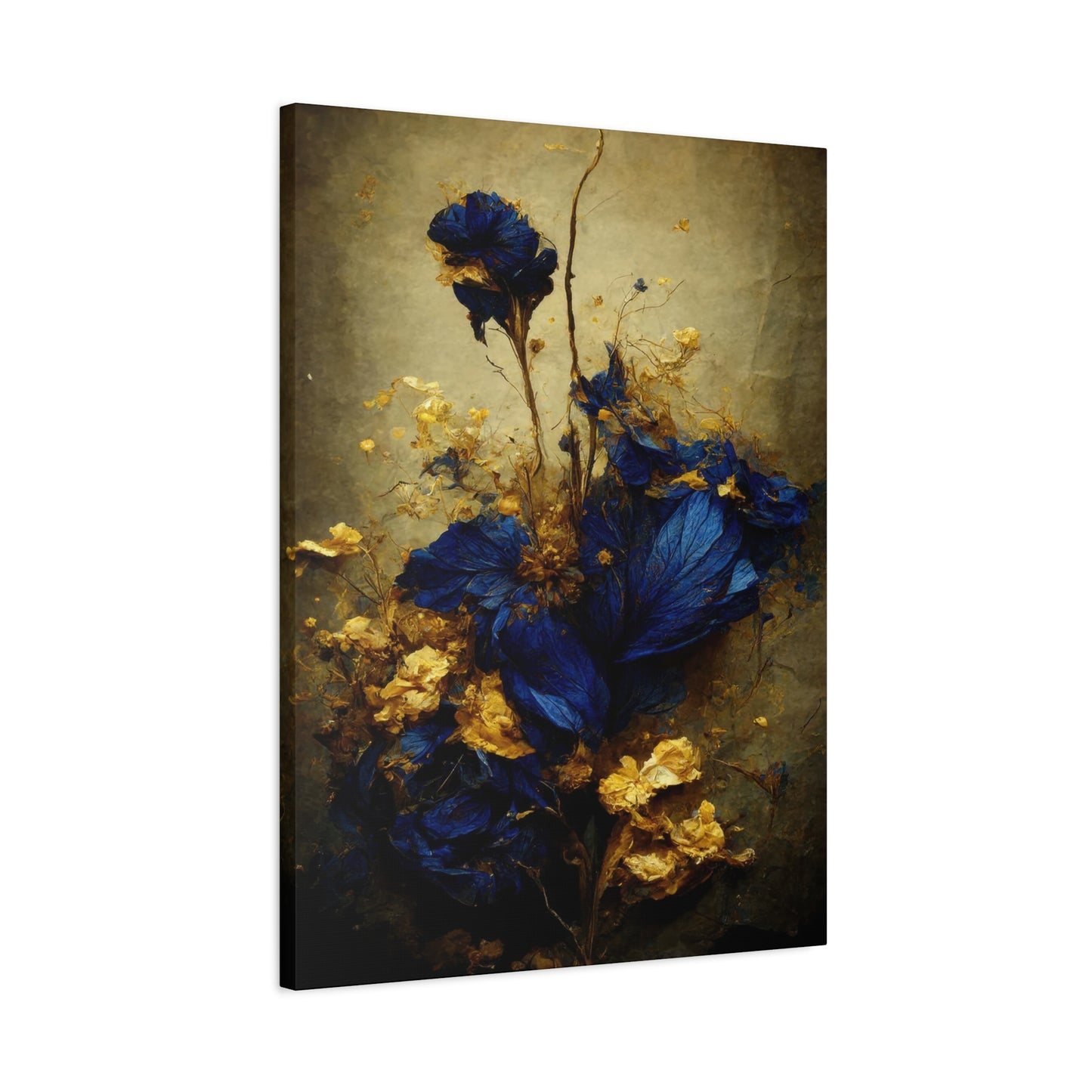
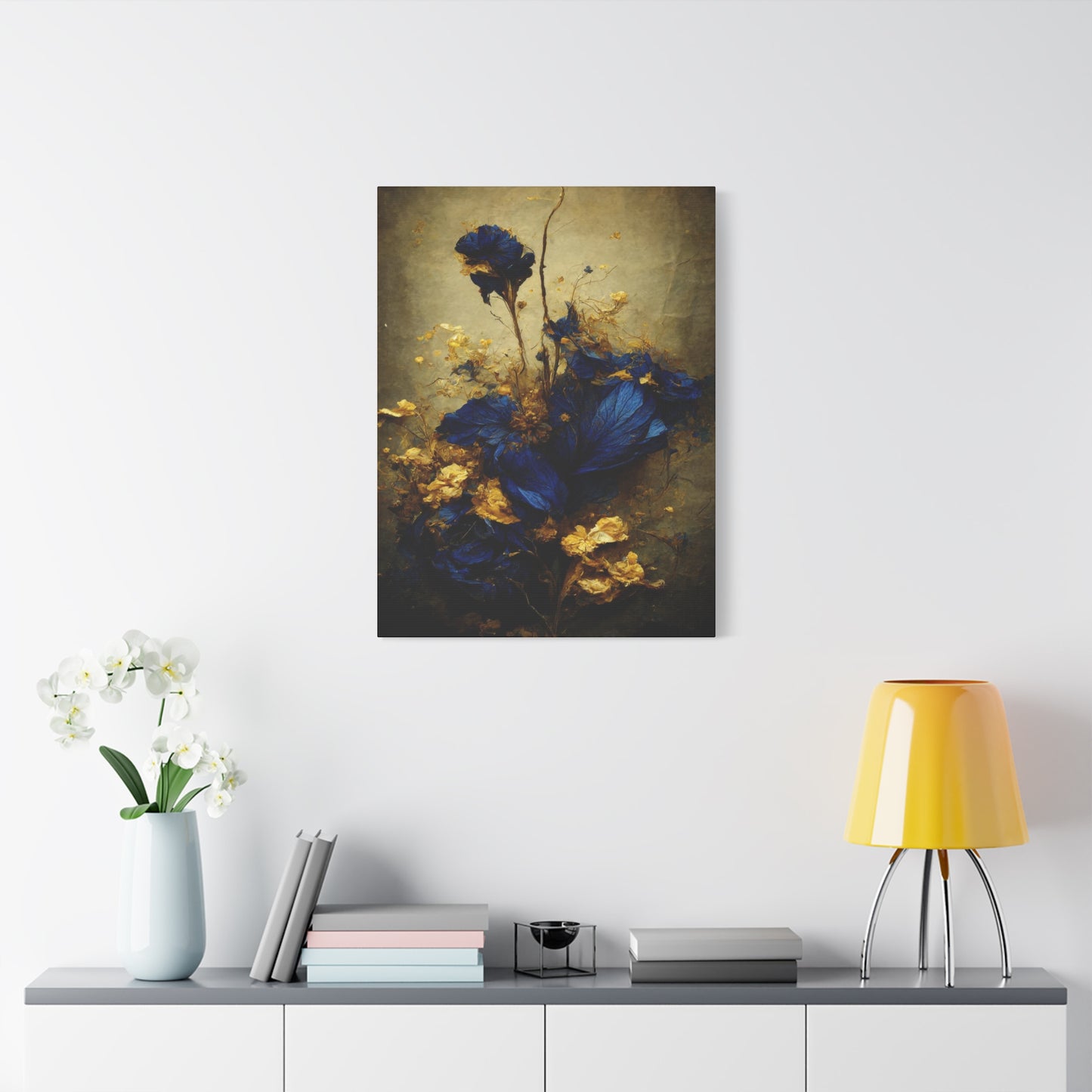
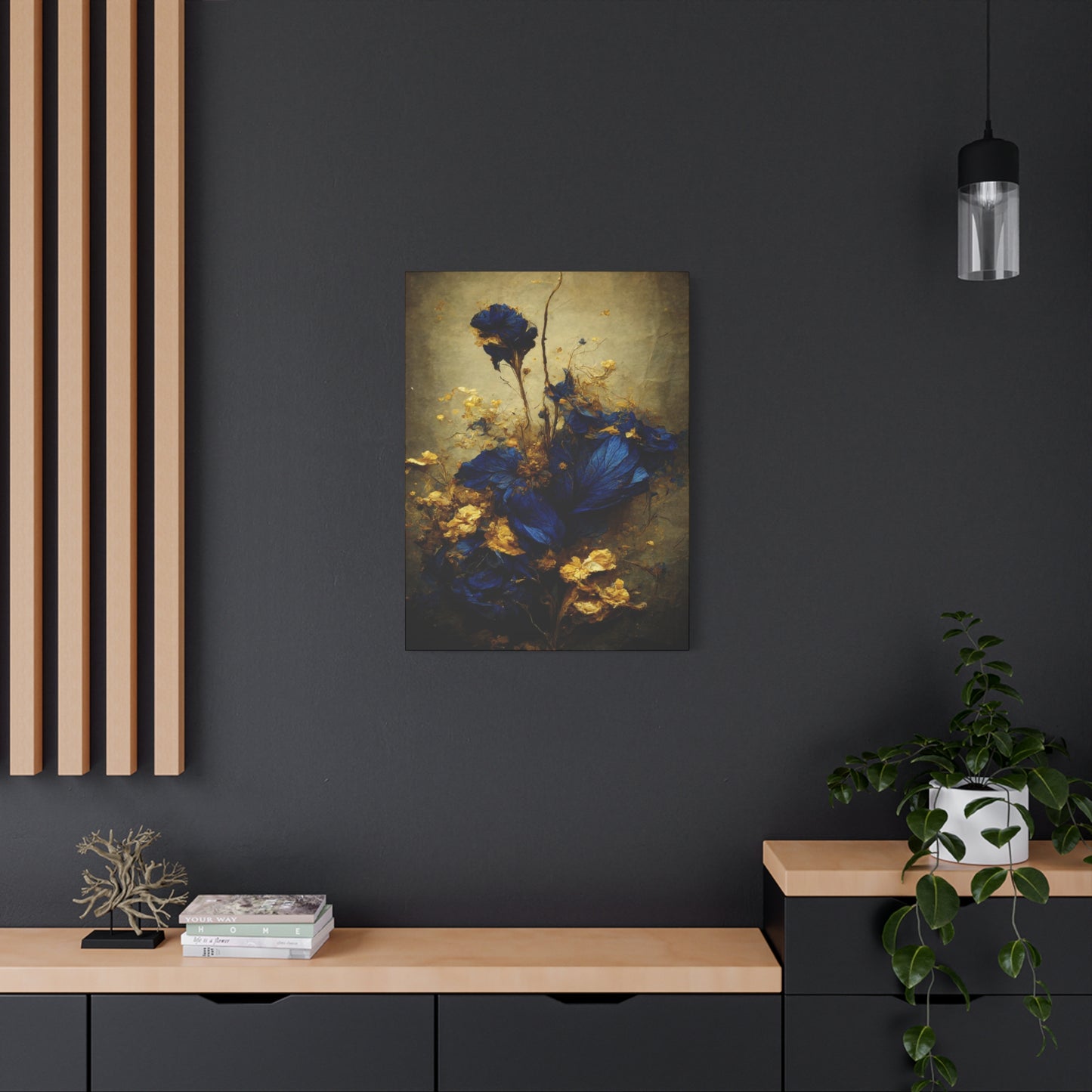
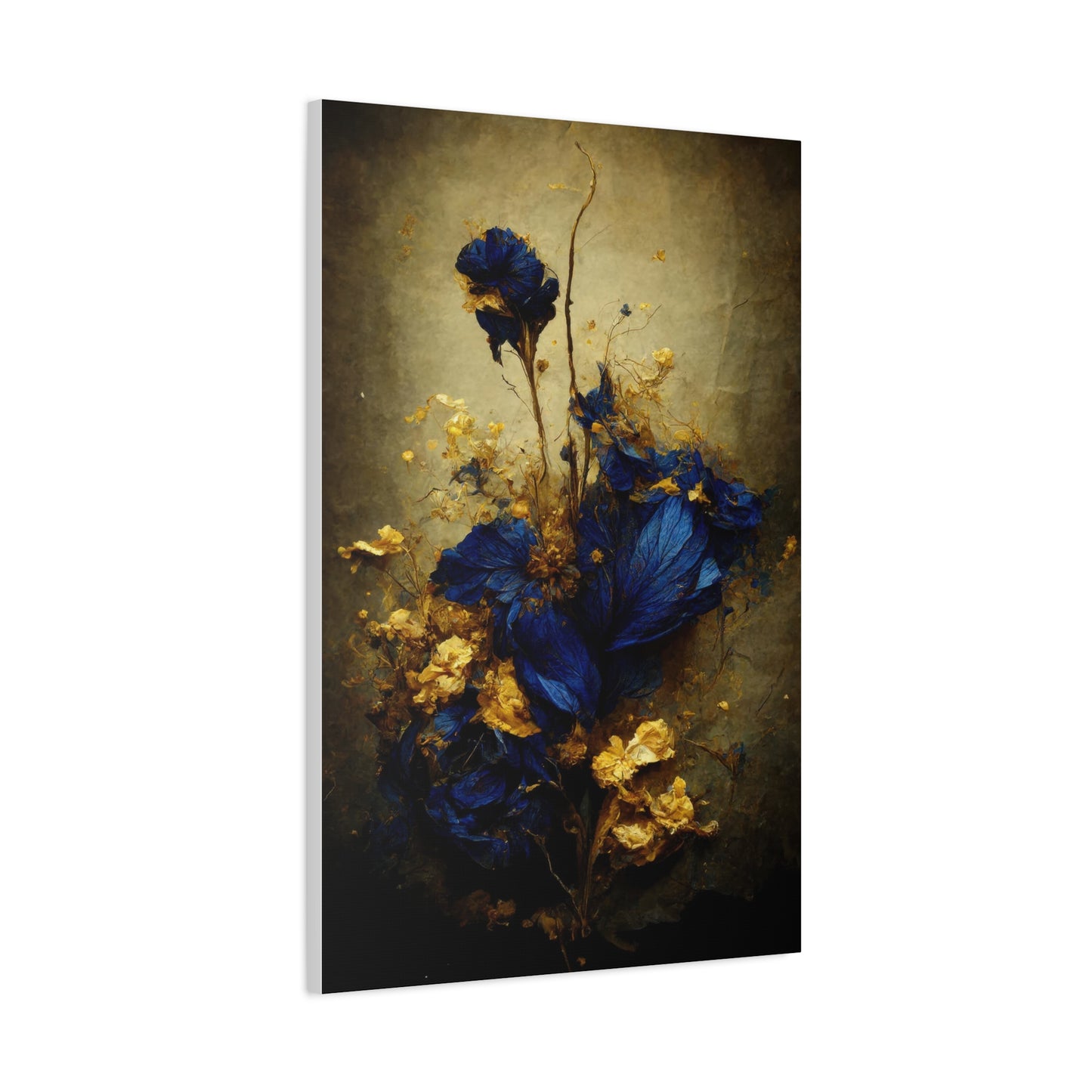
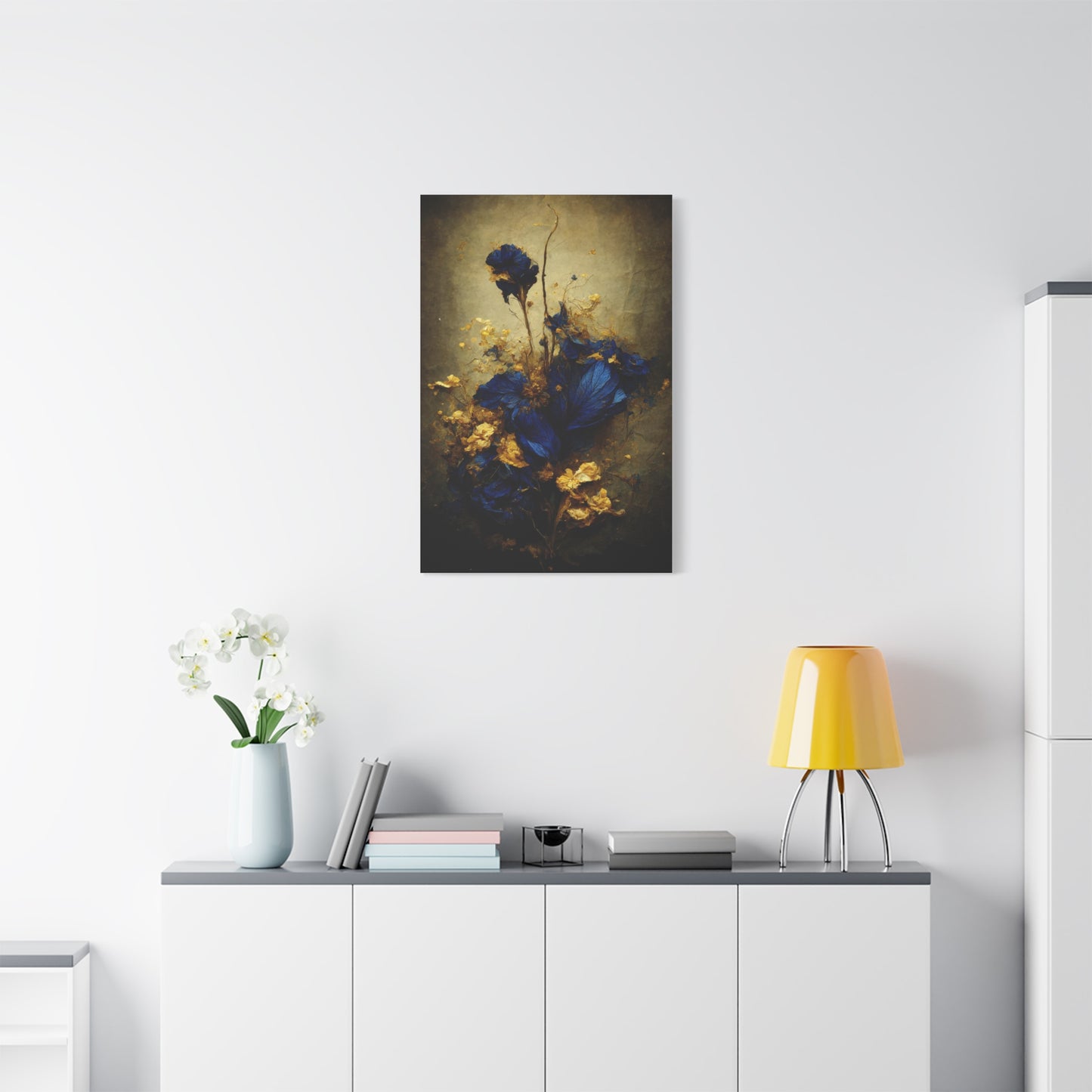
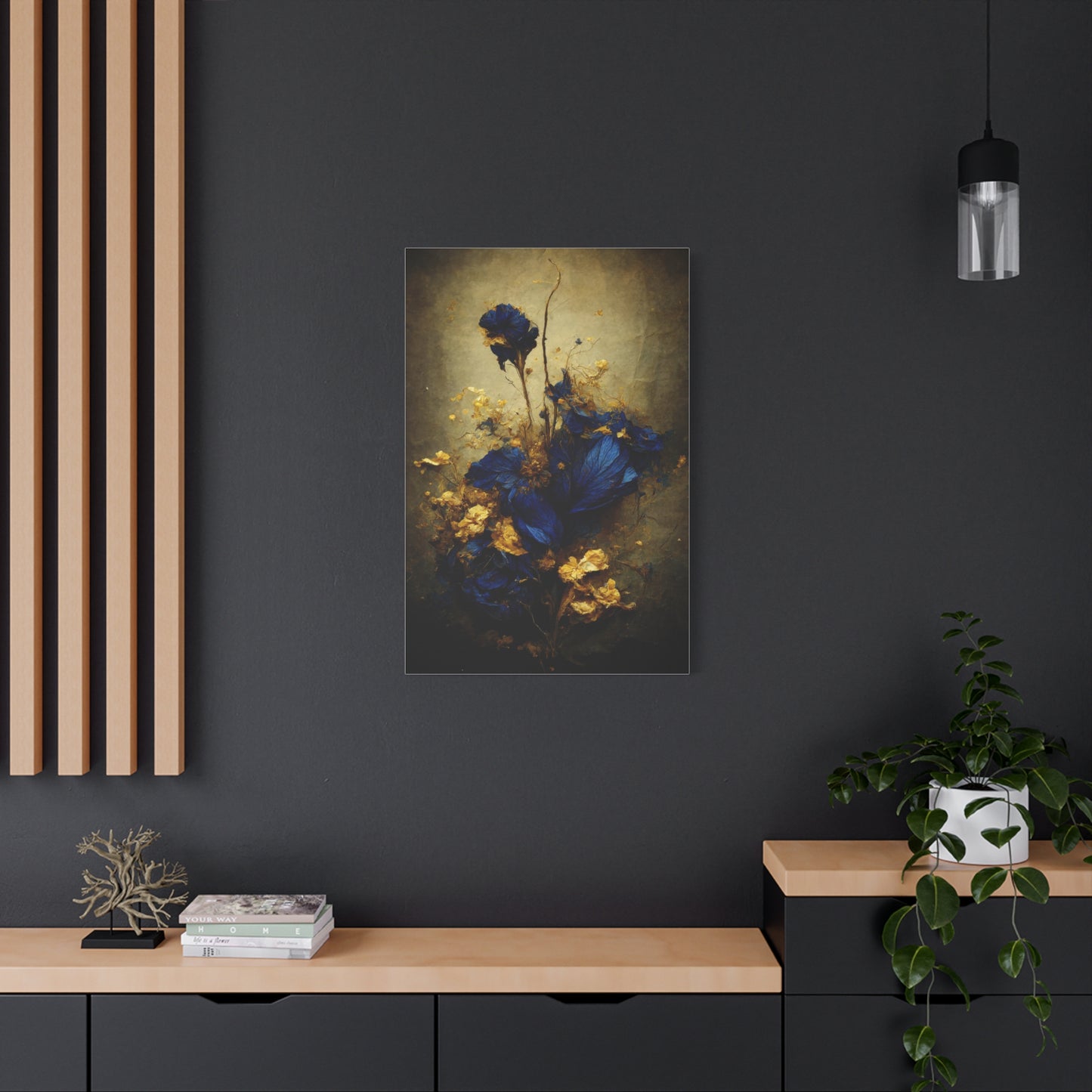
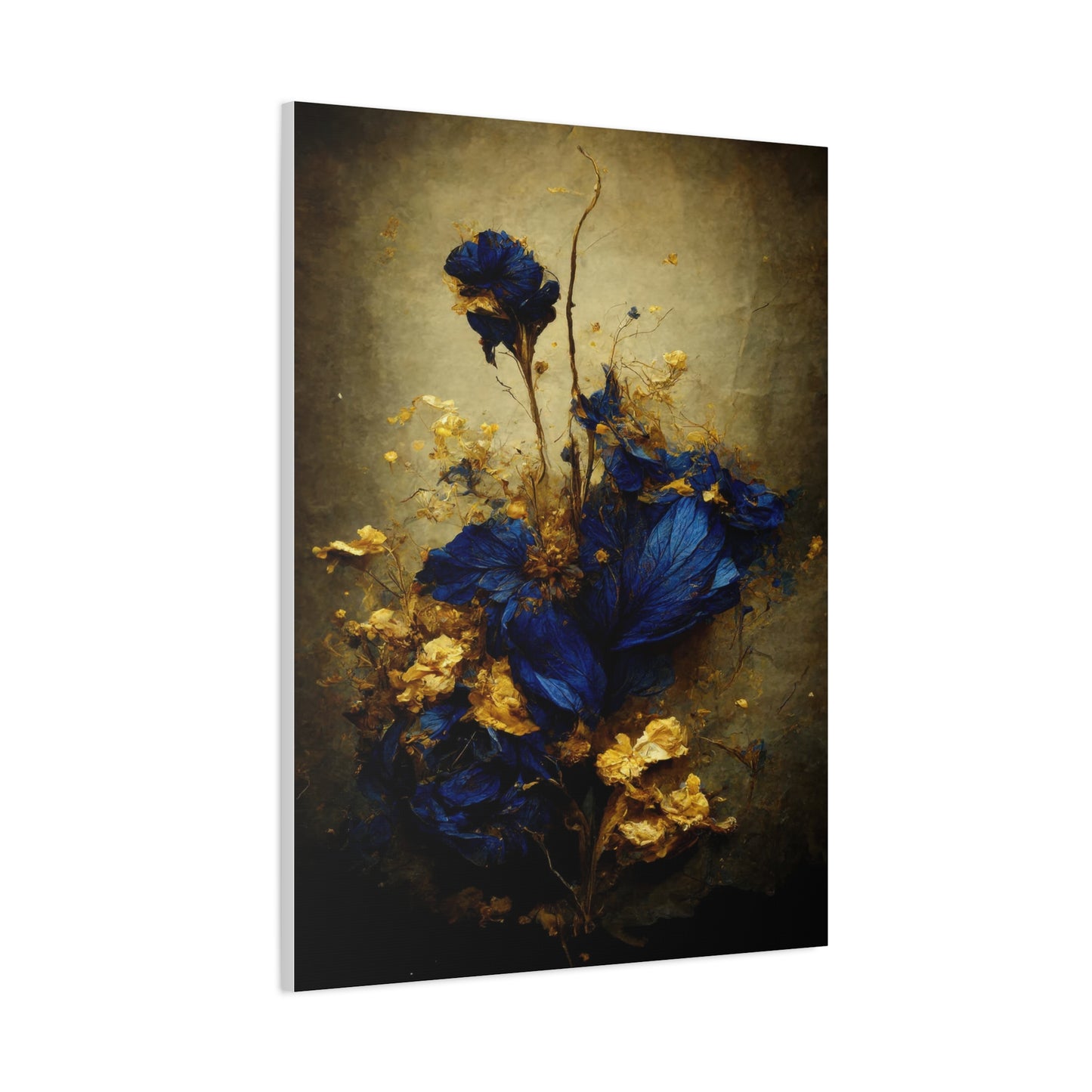
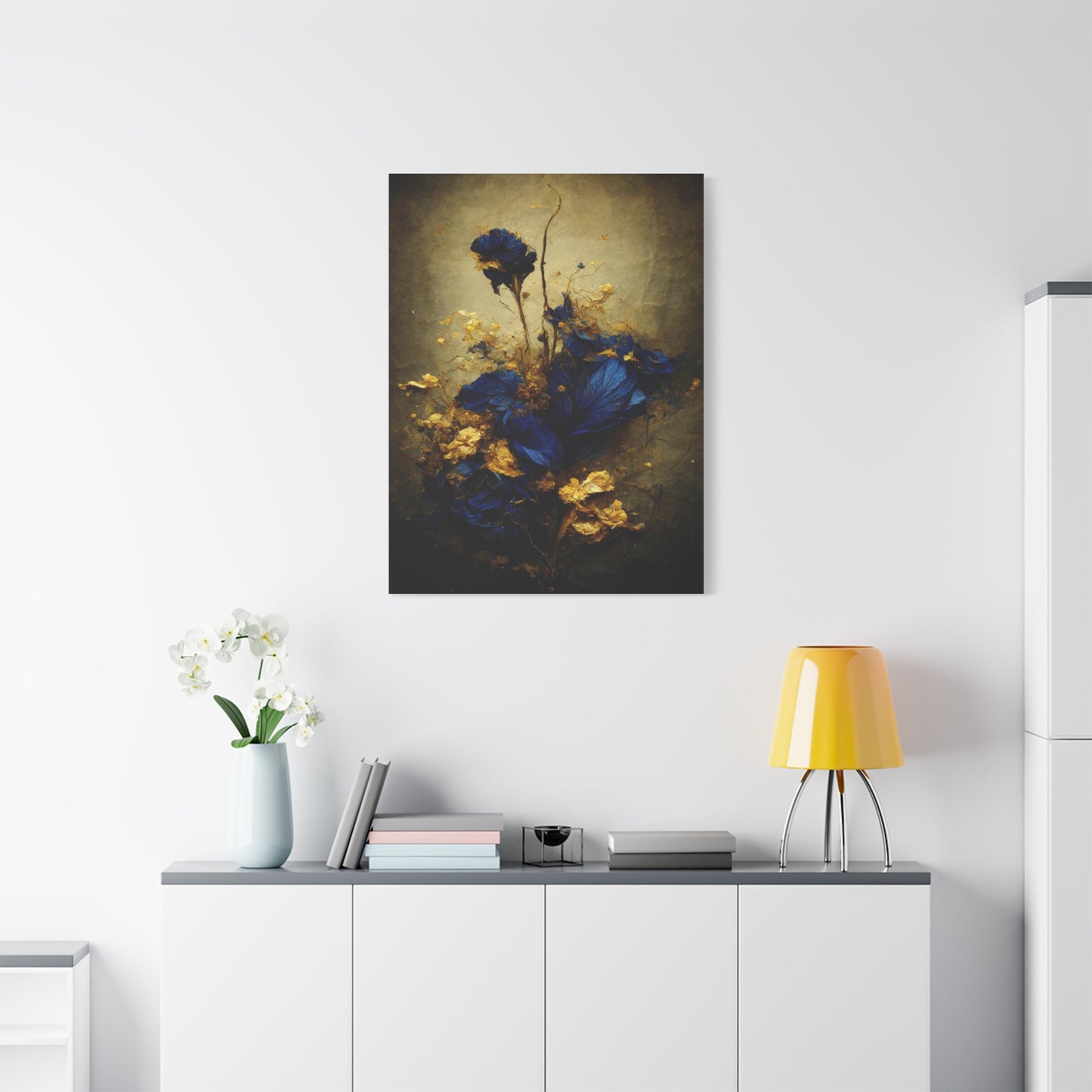
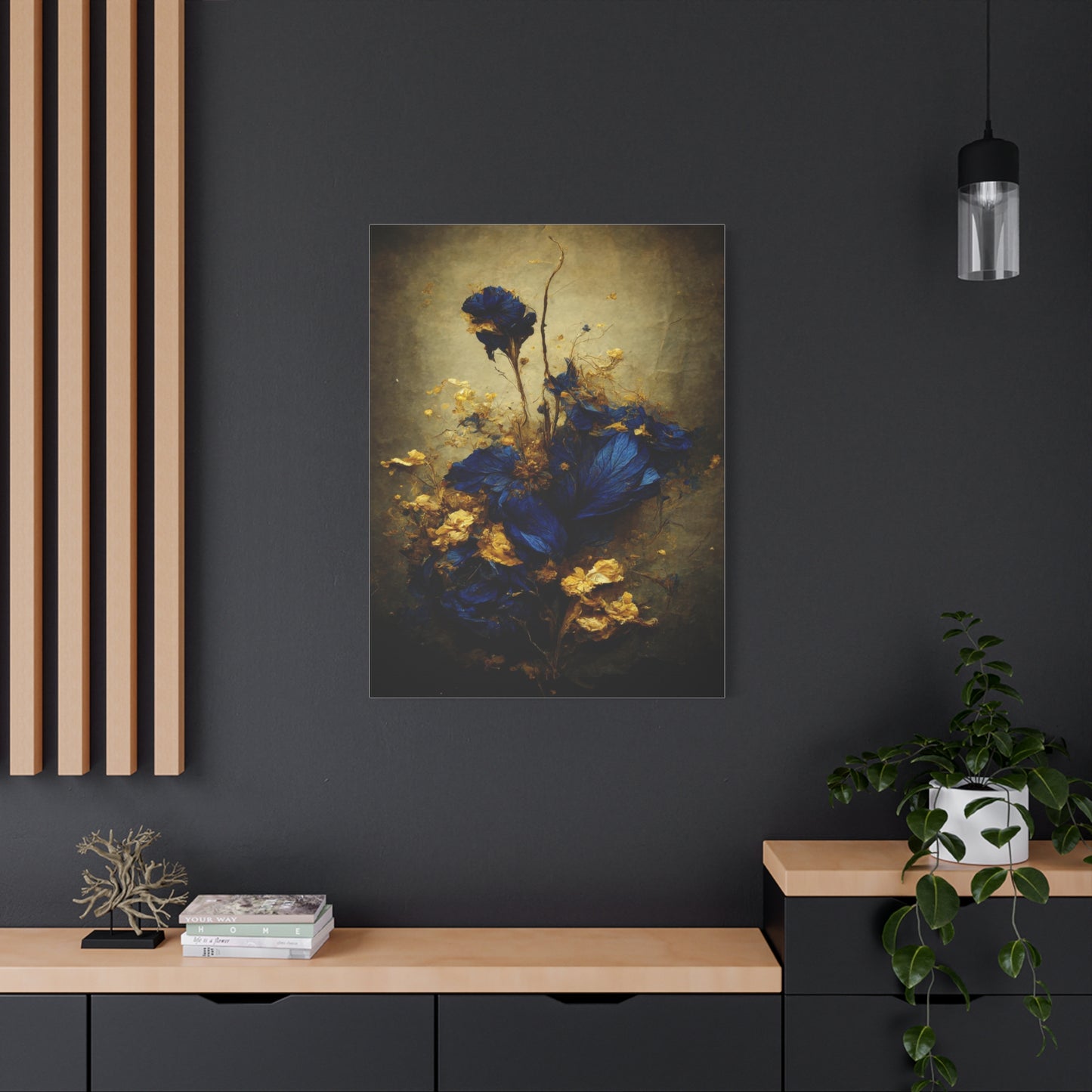
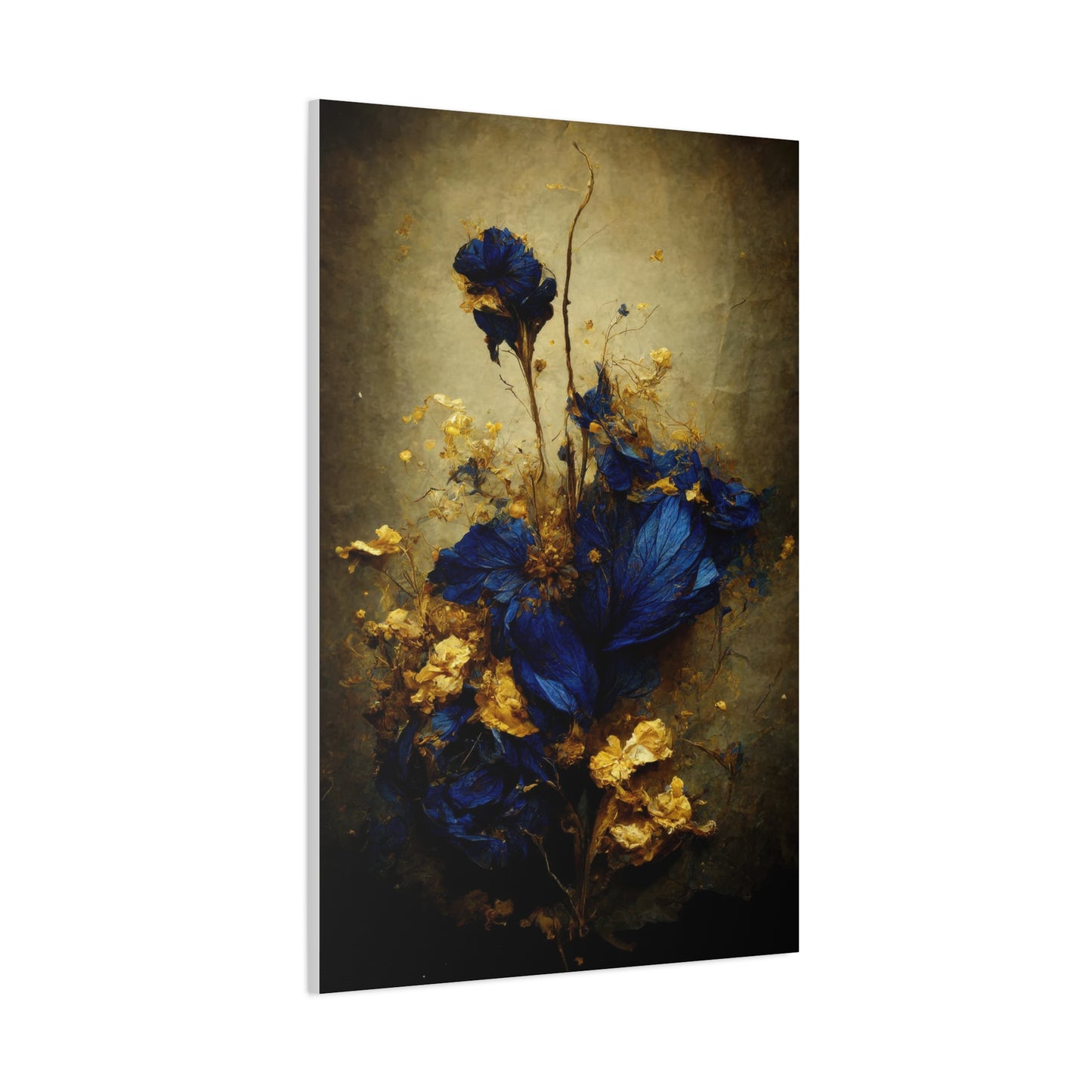
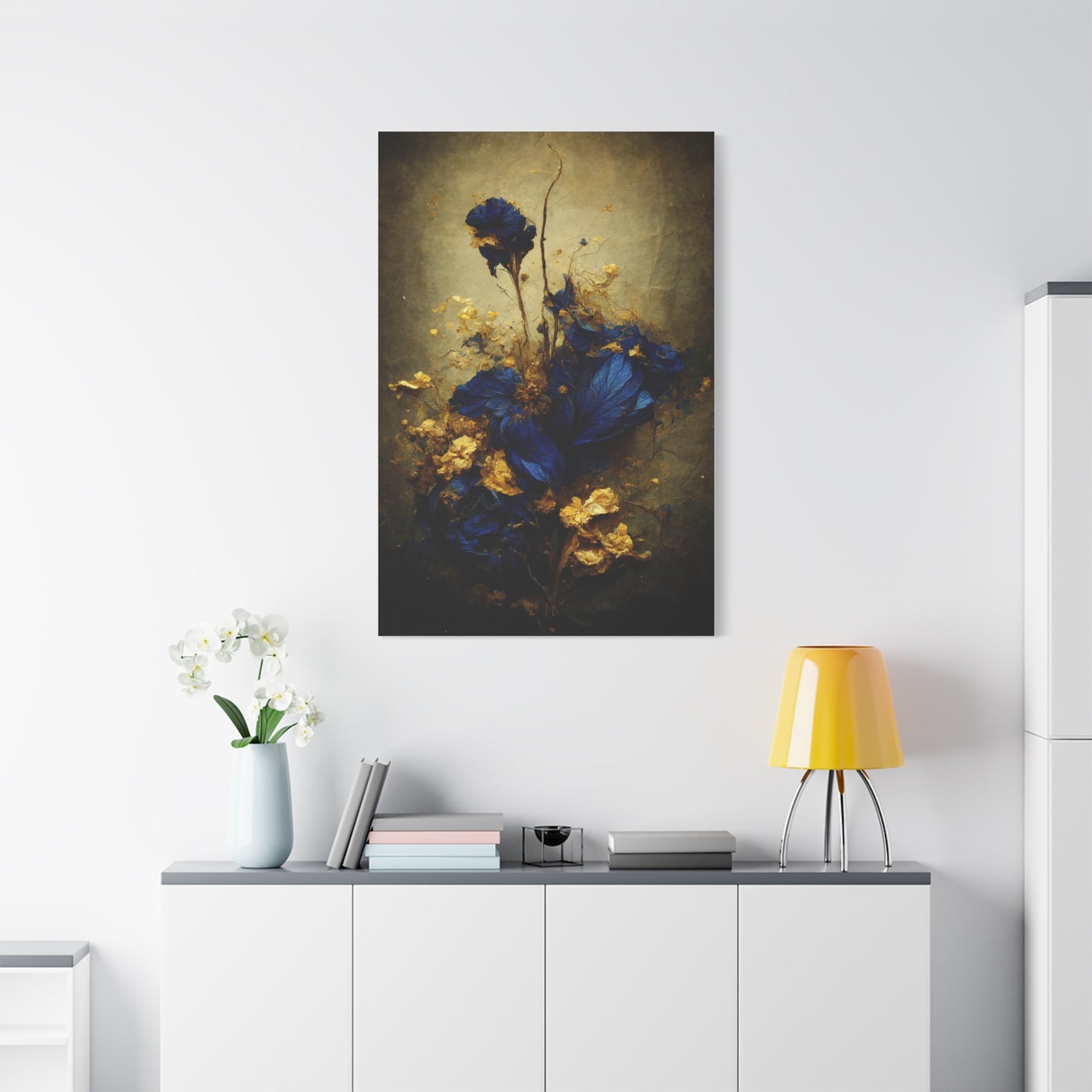
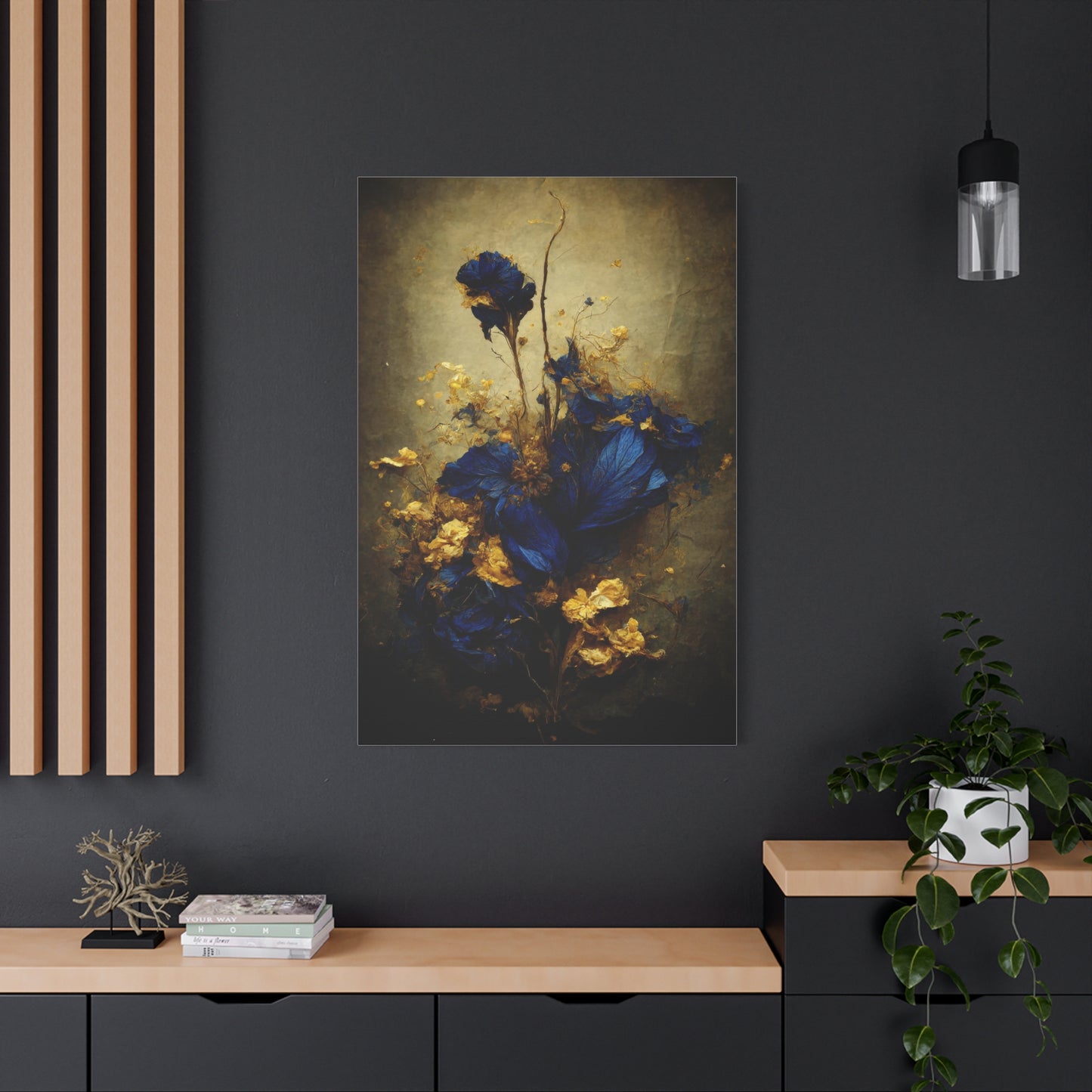
Blue and Gold Bouquet Wall Art: Comprehensive Design and Decorating Resource
The intersection of blue and gold in floral wall art represents one of the most sophisticated and versatile color combinations available to modern interior designers and homeowners. This particular pairing brings together the calming, reflective qualities of blue tones with the warm, luxurious essence of gold accents, creating visual compositions that work across numerous decorating styles and room functions. When these two colors meet in bouquet-themed wall art, they create pieces that serve as both focal points and harmonizing elements within living spaces.
Blue and gold bouquet wall art has experienced tremendous growth in popularity over recent years, moving from niche decorating circles into mainstream home design consciousness. The appeal lies partly in the inherent balance these colors provide when properly combined. Blue brings depth, tranquility, and a sense of expansiveness to any space, while gold introduces warmth, elegance, and visual interest that prevents the cool tones from feeling too austere or clinical. Together, they form a partnership that feels both timeless and contemporary, traditional yet fresh.
The floral element adds another dimension to this color story. Flowers have long been symbols of beauty, growth, and natural harmony in art and decoration. When rendered in blue and gold tones, botanical subjects take on new characteristics that distinguish them from traditional floral artwork. The blue petals might evoke rare specimens, twilight gardens, or artistic interpretation, while gold details suggest precious metalwork, divine light, or autumnal richness. This combination allows the artwork to transcend simple botanical illustration and become something more evocative and emotionally resonant.
Understanding how blue and gold bouquet wall art functions within interior spaces requires examining both the psychological impact of these colors and their practical applications in home environments. Blue has been consistently associated with feelings of calm, trust, and stability in color psychology research. Different shades carry different emotional weights, with navy and deep blues suggesting confidence and formality, while lighter azure and sky blues promote openness and serenity. Gold, meanwhile, has universal associations with luxury, success, and warmth. It catches and reflects light, adding dimension and movement to static artwork.
When considering blue and gold bouquet wall art for your space, you enter into a rich tradition of decorative arts that spans centuries. Historical precedents exist in everything from Chinese porcelain painting to European tapestries, from Art Nouveau posters to contemporary abstract expressionism. This historical depth means that pieces in this color palette can reference multiple aesthetic traditions simultaneously, allowing them to bridge different design periods and styles within a single home.
The versatility of blue and gold floral wall art extends to its compatibility with various room types and functions. Living rooms benefit from the sophisticated presence these pieces provide, establishing a refined atmosphere for entertaining and relaxation. Bedrooms find in these colors a perfect balance between restful blues and energizing golds, creating spaces that feel both calming for sleep and invigorating for morning routines. Dining areas gain elegance and visual interest without overwhelming the social functions these spaces serve. Even bathrooms and entryways can be elevated through carefully selected blue and gold botanical artwork.
Scale considerations play an important role in selecting blue and gold bouquet wall art. Large-scale pieces create dramatic focal points that anchor entire room designs, drawing the eye immediately upon entering a space and establishing the color story that other elements will follow. Medium-sized artworks offer flexibility, working equally well as standalone features or as components of gallery wall arrangements. Smaller pieces provide accent opportunities, filling specific visual gaps or creating rhythmic patterns when displayed in series. Understanding which scale serves your particular needs requires assessing both the physical dimensions of your wall space and the visual weight of your existing furnishings.
Why Blue and Gold Create Perfect Visual Harmony
The power of blue and gold bouquet wall art to captivate the eye and anchor a room's design scheme is not an accident of taste; it is a masterful execution of core color theory principles. This combination creates a perfect visual harmony by balancing several fundamental artistic elements, resulting in a composition that is both dynamic and stable. The most significant factor at play is the balance of color temperature. Blue, in all its variations from light sky to deep navy, is the quintessential cool color. It is associated with water, air, and shadow, and it has a visually receding quality, meaning it can create a sense of depth and space. Gold, on the other hand, is the epitome of warmth. As a metallic, it is associated with light, fire, and the sun. It is an advancing color, one that catches the eye and appears to come forward.
When you place these two opposing forces together in a single piece of art, they create a visual "push and pull" that is incredibly engaging. The coolness of the blue provides a stable, deep background for the radiant warmth of the gold to shine without becoming overpowering. The gold, in turn, breathes life and energy into the blue, preventing it from feeling cold or somber. This intrinsic balance of warm and cool is the foundation of their enduring partnership in art and design.Beyond temperature, the harmony is reinforced by their relationship on the color wheel. While not direct opposites, gold is a metallic variant of the yellow-orange family. On a traditional color wheel, the direct complement to blue is orange. This makes gold a sophisticated, analogous relative of blue's true complement, giving it the same satisfying "pop" and visual vibrancy of a complementary pairing, but with a more refined and less jarring effect. This is why a gold-framed mirror on a navy blue wall looks so intentional and complete.
The colors inherently satisfy the eye's desire for balance. Furthermore, this duo creates harmony through a high contrast in value. Value refers to the lightness or darkness of a color. Deep blues, like indigo or Prussian blue, provide a low, dark value, which acts as a grounding element. Gold, particularly when it is metallic or depicted as a highlight, provides a high, light value. This strong value contrast is what gives the art piece its clarity, definition, and dramatic flair. The dark blues carve out the forms of the bouquet, while the gold accents create the highlights, mimicking the way natural light would strike the petals. This interplay of light and shadow, cool and warm, and advancing and receding elements makes blue and gold bouquet wall art a visually complete and harmonious world unto itself.
Exploring Artistic Styles for Bouquet Art
When selecting a piece of blue and gold bouquet wall art, the specific artistic style is arguably the most critical decision, as it will dictate the entire mood and aesthetic of the piece. The same subject matter—a floral arrangement—and the same color palette can be rendered in a vast numberof ways, each conveying a completely different feeling. Understanding this spectrum of styles is the key to finding the perfect artwork that not only resonates with you but also integrates seamlessly into your home's existing decor. This is not a single, monolithic category of art; rather, it is a broad theme that artists from virtually every school of design have interpreted. Before purchasing, it is essential to ask what kind of atmosphere you want to create.
Are you seeking the formal, dramatic elegance of a bygone era? Or perhaps the calm, clean simplicity of a modern space? Maybe you desire the personal, expressive energy of an abstract piece. The journey to the right art begins with exploring these stylistic pathways.The spectrum of styles for blue and gold bouquet art can be broadly categorized. At one end, you have traditionalism and realism, which includes the meticulous, detail-rich renderings inspired by the Dutch Masters, where every petal and dewdrop is captured with photographic precision. This style often uses deep blue backgrounds to create a senseof drama and shadow, with gold appearing in the form of an ornate vase or the shimmer of light on a leaf. Moving along the spectrum, we find impressionism, which is less concerned with perfect detail and more focused on capturing the feeling and the fleeting effect of light on the bouquet.
Here, the blue and gold might be blended in visible, energetic brushstrokes to convey movement and life. Venturing further, we enter the realm of modern and minimalist art. A modern bouquet might be stylized, using clean lines and bold, flat areas of color, perhaps depicting a single blue flower in a simple gold-lined vase. A minimalist piece might reduce the bouquet to its most essential forms and colors. Finally, at the other end of the spectrum, is abstract art. In an abstract blue and gold bouquet, the flowers may not be recognizable at all. The art is not of a bouquet, but about the idea of one, using splashes of blue and streaks of gold to evoke the energy, form, and emotion of a floral arrangement. Each of these styles, from classic to abstract, uses the same two colors, but they speak a completely different visual language, offering a world of possibilities for the discerning decorator.
Classic and Traditional Floral Bouquet Renderings
The classic and traditional style of floral bouquet art is steeped in history, evoking a sense of timeless elegance, formality, and sophisticated drama. When this style is applied to the blue and gold bouquet wall art theme, the result is often a powerful statement piece that feels both opulent and grounded. This artistic approach traces its lineage directly back to the European Old Masters, particularly the painters of the Dutch Golden Age in the 17th century. During this period, floral still-life paintings, or vanitas, became an incredibly popular and technically advanced genre. These were not just pretty pictures of flowers; they were complex compositions brimming with symbolism, often depicting flowers from different seasons blooming at once to create an "impossible bouquet." They were celebrations of beauty and wealth, but also somber reminders of the fleeting nature of life.
This rich, historical DNA is embedded in every modern, traditionally rendered bouquet. The key characteristics are a commitment to realism, a masterful use of light and shadow, and an abundant, often overflowing composition.In a traditional blue and gold rendering, the artist employs these techniques to stunning effect. The use of chiaroscuro—the strong contrast between light and dark—is paramount. Typically, the bouquet is set against a very dark, deep blue or even black background. This moody backdrop makes the illuminated elements of the bouquet "pop" with dramatic intensity. The blue elements within the arrangement itself, such as hydrangeas, delphiniums, or irises, provide the cool, stable foundation of the composition.
The gold is then introduced not as a flat color, but as a depiction of light and luxury. You will see it in the intricate gilt detailing of a porcelain vase, as a shimmering gold thread tied in a ribbon, or as the brilliant yellow-gold stamens at the heart of a lily. In more ornate pieces, the artist may apply actual gold leaf to the canvas to catch the light in a way that paint simply cannot. The frame is also a critical component of the traditional style; these pieces are almost always intended to be housed in a substantial, ornate gold frame, which acts as an extension of the artwork itself, reinforcing its luxurious and historical feel. In terms of interior design, this style is a perfect choice for formal spaces like a dining room, a traditional study, or a grand entryway, where it adds a sense of history, grandeur, and gravitas.
Significance of the Color Palette
The reverence for the blue and gold palette is not merely a modern trend; it is deeply rooted in art history and global decorative traditions. From the ancient Egyptians, who paired vibrant blue faience with gold jewelry, to the Byzantine mosaics that shimmered with deep blues and real gold tesserae, the combination has long been the hallmark of affluence and spiritual significance. The color blue was so rare and costly in the European Middle Ages that it was reserved almost exclusively for depictions of the Virgin Mary, signifying purity and importance, often accented with gold halos or garments.The Persian and Islamic traditions, particularly in illuminated manuscripts and architectural tiling, employed magnificent cobalt and lapis blue with intricate gold calligraphy and geometric patterns, creating an effect of ethereal splendor.
In the Baroque and Rococo eras, deep, rich blues served as the perfect backdrop for elaborate gold-leaf ornamentation, symbolizing aristocratic taste. By choosing a blue and gold floral artwork, an individual taps into this expansive historical narrative, bringing a sense of inherited luxury and cultural weight into a contemporary setting. This rich provenance ensures the artwork is perceived as a classic rather than a fleeting fashion, guaranteeing its enduring appeal as a centerpiece in any well-curated collection of home décor. The selection of a specific style—be it Art Deco's clean lines, Chinoiserie's delicate patterns, or Abstract Expressionism's emotive washes—further connects the wall art to a specific epoch, enriching the room's overall aesthetic story.
Impact on Interior Mood and Atmosphere
The deliberate integration of color psychology is paramount when selecting wall art for a living or working space. The particular blend found in blue and gold floral wall art is exceptionally potent for creating a desirable interior mood. Blue is a chromatically cool color that is recognized for its ability to lower heart rate and blood pressure, promoting a sense of calm, rest, and focused productivity. This makes it an ideal choice for bedrooms, home offices, and primary living areas designed for relaxation. Deeper shades, like navy or midnight blue, contribute to a sense of formality, sophistication, and deep comfort, acting as a visually anchoring element on the wall.
Conversely, the gold elements introduce warmth, stimulation, and an immediate visual highlight. Psychologically, gold is energizing and optimistic, associated with success, self-worth, and a joyous outlook. The interaction between the expansive, calming blue backdrop of the bouquet and the sparkling, focused gold accents creates a perfectly balanced psychological environment. The art piece provides an anchor of stability (blue) while offering a spark of life and luxury (gold). This balance is critical: the coolness of the blue mitigates the potential for gold to feel ostentatious, and the warmth of the gold prevents the blue from feeling too cold or aloof. The resulting ambiance is one of balanced opulence and serene confidence, a state that enhances the well-being of the room’s occupants.
Design Styles Compatible with Blue and Gold Floral Art
Blue and gold bouquet wall art demonstrates remarkable versatility across numerous interior design styles, adapting to different aesthetic contexts while maintaining its essential character. This adaptability stems from the combination's historical presence in multiple decorating traditions and its inherent balance between cool and warm tones, formal and casual expressions, traditional and contemporary aesthetics. Understanding how blue and gold floral artwork functions within specific design styles helps in selecting pieces that either harmonize with existing decor or provide intentional contrast that energizes a space.
Traditional interior design provides perhaps the most natural home for blue and gold bouquet wall art, given the historical associations both colors carry. Traditional spaces emphasizing symmetry, formal furniture arrangements, and classic architectural details find in blue and gold artwork a perfect complement to their refined atmosphere. In these settings, pieces featuring realistic botanical illustrations or impressionistic floral renderings work particularly well. Ornate gold frames enhance the traditional feeling, while the blue and gold palette connects to the broader color story typically found in traditional interiors, which often incorporate these colors in upholstery, drapery, and accessories.
Transitional design, which bridges traditional and contemporary aesthetics, benefits enormously from blue and gold floral wall art. The color combination itself represents a kind of transition, being neither too warm nor too cool, neither too bold nor too subtle. In transitional spaces, blue and gold artwork can lean slightly more contemporary in style perhaps through simplified forms or modern framing while maintaining enough classical reference through subject matter and color choice to harmonize with traditional elements. This design style's emphasis on balance and livability aligns perfectly with blue and gold's inherent equilibrium.
Selecting the Right Blue and Gold Bouquet Wall Art
Choosing appropriate blue and gold bouquet wall art for your space involves balancing numerous factors, from practical considerations like size and placement to subjective responses like personal taste and emotional resonance. The selection process benefits from systematic evaluation of both the artwork itself and the environment where it will live, ensuring that the final choice serves both functional and aesthetic purposes while reflecting your unique sensibility and design goals.
Scale represents the first critical decision in selecting blue and gold bouquet wall art. The relationship between artwork size and wall space determines whether a piece will feel properly proportioned or awkward. General design principles suggest that artwork should occupy roughly two-thirds to three-quarters of the furniture width beneath it, creating visual connection between furniture and wall elements. However, these guidelines serve as starting points rather than rigid rules. In spaces without furniture against walls, artwork size should relate to overall wall dimensions, typically occupying forty to sixty percent of the available width to avoid appearing either lost or overwhelming.
Vertical versus horizontal orientation affects how artwork functions in a space. Horizontal pieces create visual width, making walls appear broader and spaces feel more expansive horizontally. These work particularly well above sofas, beds, and long furniture pieces where they reinforce and mirror the furniture's horizontal lines. Vertical pieces draw the eye upward, emphasizing ceiling height and creating impressions of vertical spaciousness. These function beautifully in narrow wall spaces, flanking windows or doors, or in rooms where vertical emphasis serves architectural goals like making low ceilings feel higher.
Subject matter specificity within the broad category of blue and gold bouquet wall art influences how pieces work in different settings. Botanical illustrations depicting identifiable flower species create connections to nature, gardens, and seasonal beauty. These work well in sunrooms, breakfast nooks, and spaces with natural light where their realistic detail can be appreciated. Abstract or impressionistic interpretations of floral themes feel more artistic and interpretive, functioning better in formal living spaces, offices, and areas where you want art to provoke thought rather than simply depict nature. Mixed or fantastical floral compositions that couldn't exist in reality create whimsical, imaginative atmospheres appropriate for creative spaces, children's areas, or rooms where playfulness serves the overall design goals.
Color intensity within the blue and gold palette dramatically affects how artwork integrates into existing color schemes. Pieces featuring saturated, vivid blues and bright, reflective golds create bold statements that dominate attention and establish room color stories. These work best in neutral or complementary color environments where they can shine without color conflicts. Artworks with more subtle, muted blues and antiqued or brushed golds integrate more easily into complex color schemes, complementing rather than competing with existing hues. Consider whether you want your blue and gold bouquet wall art to serve as the starting point for room colors or as an accent that harmonizes with an established palette.
Modern and Abstract Interpretations of Flowers
Moving decidedly away from the detailed realism of traditional art, modern and abstract interpretations of blue and gold bouquet wall art prioritize emotion, form, and color over literal representation. This style is not concerned with depicting a flower as it appears in nature; instead, it seeks to capture the essence of the bouquet, its energy, its shape, or the feeling it evokes. Modern art, which emerged in the late 19th and early 20th centuries, broke from classical traditions by embracing new ways of seeing. In this context, a bouquet might be deconstructed, its forms simplified into geometric shapes, or its colors used in a non-naturalistic way. For instance, a modern piece might feature bold, flat planes of navy blue to represent the shadow and depth of the arrangement, while sharp, angular lines of gold might suggest the stems or the burst of petals. The focus is on the composition, the balance of shapes, and the visual impact of the color pairing itself.
Abstract art takes this concept even further, often detaching from a recognizable subject entirely. An abstract blue and gold bouquet piece might not even show distinct flowers. Instead, the artist uses the canvas as an arena for expression. You might see energetic splashes of royal blue paint, gestural strokes of gold, and perhaps drips or textural elements that suggest the wild, organic energy of a floral arrangement. The artwork becomes a pure exploration of color and movement. The "bouquet" is the title or the inspiration, but the visual experience is one of pure form. This style is incredibly powerful for setting a mood. A piece with soft, blended blues and delicate gold marbling can create a feeling of calm and tranquility, while a piece with sharp, clashing blocks of blue and vibrant, almost aggressive gold strokes can inject a room with dynamism and energy. When selecting a modern or abstract piece, the viewer's personal connection to the art is paramount.
Minimalist Approaches to Blue and Gold Botanicals
Minimalism, as a design philosophy, is built on the principle of "less is more." It champions simplicity, intentionality, and the removal of the superfluous to reveal the essential beauty of an object or concept. When this ethos is applied to blue and gold bouquet wall art, the result is a piece that is often quiet, contemplative, and incredibly sophisticated. Unlike the abundant, overflowing compositions of traditional art or the emotional energy of abstract art, a minimalist bouquet is a study in restraint. The artwork breathes, utilizing negative space—the empty, unpainted areas of the canvas or paper—as a critical component of the design. This negative space is just as important as the painted elements, as it gives the eye a place to rest and allows the subject to stand out with pristine clarity. The bouquet itself is often radically simplified. It may be reduced to a single, elegant blue flower, like an iris or a thistle, with a simple, delicate gold line to indicate the stem. It could also be a "deconstructed" bouquet, where a few choice petals or leaves are artistically scattered across the canvas.
The blue and gold color palette is particularly well-suited to this style. The blue is often a single, confident hue, such as a deep indigo or a soft, airy powder blue, rather than a complex blend of shades. The gold is used with surgical precision. It is not an opulent, heavy gilding; rather, it is a single, perfect brushstroke, a delicate vein on a leaf, or a thin, crisp geometric line that contains or intersects the floral form. This sparing use of gold gives it immense visual power, drawing the eye and adding a touch of warmth and elegance without creating clutter. Minimalist botanical art is perfect for spaces that aim for a sense of calm and order, such as Scandinavian-inspired interiors, modern zen-like bedrooms, or a clean, organized home office. It does not shout for attention; it confidently invites it. By stripping the bouquet down to its most essential lines and colors, this style of art encourages a moment of quiet appreciation and brings a sense of serene, intentional beauty to the wall it adorns, proving that simplicity can often be the most powerful statement of all.
Blue & Gold Bouquets: A Bold Statement
In the world of floral design, subtlety often reigns. We are accustomed to soft pastel palettes, gentle gradients of pink, and the rustic charm of wildflowers. These arrangements are designed to soothe, to blend, and to complement. A blue and gold bouquet, however, does not blend. It does not whisper. It makes a bold, unequivocal statement.This combination is inherently dramatic, drawing its power from the fundamental contrast of the color wheel and the deep-seated symbolism each hue carries. Blue is the color of the impossible and the infinite—the deep sea, the twilight sky, and rare, coveted blooms like delphiniums, hydrangeas, or irises. It is cool, stable, and brings a sense of profound depth and royal gravity. Gold, conversely, is not merely a color; it is the emblem of light, wealth, and divinity. It is warm, radiant, and opulent.
When these two forces meet in a bouquet, the result is electrifying. It’s a departure from the purely natural. While a yellow flower is a product of nature, a gold element—be it a gilded leaf, a spray-painted thistle, or a metallic-wrapped stem—is a product of human artistry and intention. This deliberate touch of metallic luxury elevates the arrangement from a simple gathering of flowers to a piece of curated art.Choosing a blue and gold bouquet is a declaration of confidence. It's a perfect fit for an event or space that embraces a maximalist, Art Deco, or high-fashion aesthetic. Imagine it as a centerpiece at a grand gala, the stark white and gold of the room punctuated by the sudden, dramatic depth of royal blue. Consider it in a bridal context, where a bride carrying such a bouquet is signaling a departure from tradition, embracing a style that is regal, modern, and utterly self-assured.
The Timeless Charm of Blue and Gold Floral Art
Interior design trends come and go like seasons. One moment, avocado green is everywhere; the next, it’s millennial pink. But some combinations transcend trends, embedding themselves into our cultural lexicon as "classic." Blue and gold is one such pairing, and when applied to floral art, it creates a piece with a sense of enduring, timeless charm.This combination's longevity is not an accident; it is rooted in millennia of art history. Long before it was a decor choice, it was a symbol of the sacred and the royal. In the ancient world, the pigment for deep blue—ultramarine—was derived from lapis lazuli, a semi-precious stone mined in remote mountains and worth more than its weight in gold. Gold itself was, and remains, the symbol of divinity, eternity, and royalty. Medieval monks used gold leaf and crushed lapis to illuminate manuscripts, believing these materials were the only ones fitting to depict heaven and holy figures.
This historical weight carries forward into the decorative arts. Think of the delicate, cobalt-blue illustrations on fine Chinese porcelain, often accented with gold rims. Consider the opulent halls of Versailles or the royal palaces of St. Petersburg, where royal blue silks and velvets are set against intricate gold-leaf boiserie. This palette was never casual; it was always intentional, valuable, and meant to last.When a modern artist creates floral art in blue and gold, they are tapping into this deep cultural vein. A painting of a blue hydrangea with gilded edges is not just a picture of a flower; it is a subconscious link to that rich history. It feels timeless because its component parts have been revered by humanity for ages. Unlike a fleeting trend, this art doesn't seek to be "of the moment." Instead, it aims for permanence. It’s an investment in a piece that will feel just as elegant and sophisticated in thirty years as it does today, bringing a quiet, confident, and classic charm to any wall it graces.
Why Blue and Gold Wall Art Feels Luxe
What exactly makes a piece of art feel "luxe"? It isn't always the price tag or the artist's name. Often, it is an immediate, visceral feeling—a perception of value, quality, and sophistication. Blue and gold wall art possesses a unique ability to project this feeling of luxury, turning a simple print or canvas into something that feels opulent and expensive.The primary reason lies in the powerful psychological association of the colors. Gold is the most universal symbol of wealth, success, and high status. It is the color of trophies, crowns, and treasure. Our attraction to it is primal. When used in art, it’s not just "yellow"; it is a metallic. Its most critical property is its ability to reflect light. A canvas with gold leaf, metallic ink, or even a heavy gold frame interacts with the light in a room, shimmering and changing throughout the day. This dynamic quality makes the art feel alive, precious, and inherently more valuable than a flat, matte color.
Blue, on the other hand, provides the perfect counterpart. While gold projects warmth and opulence, blue projects depth, stability, and royalty. Deep hues like navy, cobalt, and royal blue are associated with authority, wisdom, and tranquility. Historically, as mentioned with lapis lazuli, blue pigments were incredibly rare and expensive, reserving them for the most important commissions, often royal portraits or religious scenes. This association of rarity and importance lingers in our collective subconscious.When you combine the two, a powerful synergy occurs. The cool, stable depth of the blue provides a sophisticated anchor, preventing the brilliant gold from looking gaudy or cheap. The blue "grounds" the gold. In return, the gold "activates" the blue, giving it a focal point and a burst of radiant light. This combination—the stability of royalty and the shimmer of wealth—is the visual definition of luxury. It suggests that the owner has a taste that is both confident and refined, classic yet glamorous. It's a palette that doesn't just decorate a wall; it elevates it.
Add Drama with Blue and Gold Bouquets
In the language of design, "drama" is a synonym for high contrast, emotional impact, and deliberate theatricality. It’s a design choice that refuses to be ignored, capturing attention and creating a memorable focal point. While many floral arrangements aim for gentle beauty, a blue and gold bouquet is a masterclass in creating instant drama.The effect begins with its foundation in high-contrast color theory. Blue and gold (or orange/yellow) are near-opposites on the color wheel. This pairing of a primary warm color (yellow/gold) with a primary cool color (blue) creates the strongest possible visual tension. The human eye is naturally drawn to this push-and-pull, finding it energetic and exciting. A blue and gold bouquet doesn't soothe; it awakens the space it occupies.
But the drama isn't just about color; it's about texture and finish. A true blue flower, like an iris or a delphinium, has a soft, velvety, and light-absorbing texture. A "gold" element, by contrast, is almost always a metallic, light-reflecting surface. This could be gold-painted eucalyptus leaves, gilded wire, metallic ribbon, or even a burnished brass or gold vase. The contrast is not just warm-versus-cool, but matte-versus-shine. This textural conflict is pure theater, as the light catches the gold and the blue provides deep, rich shadows.To truly leverage this combination for dramatic effect, scale and setting are key. This is not a palette for a shy, small posy. For true drama, imagine a large, cascading bridal bouquet, where streams of gold amaranthus drip from a dense cloud of navy and periwinkle hydrangeas. Picture a towering centerpiece at a gala, with dramatic blue-dyed orchids and sharp, golden palm spears bursting from the top.
Blue and Gold Floral Art for Every Mood
When we hear "blue and gold," the mind often leaps to the bold, the dramatic, and the opulent—Art Deco, royal palaces, or glamorous events. While this palette is certainly capable of high drama, its true strength lies in its surprising versatility. By simply adjusting the shade, saturation, and style, blue and gold floral art can be tuned to evoke nearly any mood, from deep tranquility to vibrant energy.For a Calm and Serene Mood: This combination is not just about royal blue and bright gold. Imagine a piece of art featuring soft, powdery light blue flowers—like forget-me-nots or gentle hydrangeas—paired with a muted, antique gold or a soft champagne metallic. The style could be impressionistic or watercolor, with soft-focus edges and a gentle blend of colors. This version of the palette is perfect for a bedroom, bathroom, or meditation space. It evokes the feeling of a clear morning sky just as the sun begins to rise, creating an atmosphere of peace, clarity, and quiet optimism.
For an Energetic and Modern Mood: To infuse a room with energy, ramp up the saturation. Think of a bright, electric turquoise or a vibrant teal, paired with a sharp, brilliant, polished gold. The art style here would be graphic, abstract, or even pop art. Imagine a canvas with bold, geometric floral shapes, or a stylized bouquet with clean lines and high-contrast composition. This pairing is youthful, confident, and invigorating. It’s ideal for a home office, a creative studio, or a living room that serves as a hub for social activity, sparking conversation and stimulating the mind.For a Moody and Sophisticated Mood: For a more introspective, academic, or romantic atmosphere, delve into the darkest shades. A canvas depicting deep indigo or midnight blue anemones with dark, almost-black centers, set against a shadowy background. The "gold" here might be a deep, burnished bronze or the subtle glint of a gold thread in the canvas.
Revamping Your Walls with Blue and Gold Bouquets
We often fall into the trap of thinking a room needs a complete overhaul to feel new—new paint, new furniture, new layout. In reality, a single, powerful piece of wall art can completely revamp a space, changing its personality and energy in an instant. When that art depicts blue and gold bouquets, the transformation is particularly profound, injecting a "before and after" effect with one simple addition.Let’s imagine a typical "before" room: a pleasant but forgettable living room, painted in a safe neutral like beige, grey, or off-white. The furniture is functional, but the space lacks a focal point. It has no "wow" factor. The room is fine, but it isn't you.
Now, enter the "after": a large-scale canvas of a blue and gold floral arrangement is hung above the sofa or fireplace. The entire room clicks into focus. The artwork becomes the "hero" piece, the anchor around which the rest of the room is styled. The deep blues in the painting add a necessary depth and richness that the neutral walls lacked, making the space feel more substantial and dimensional. The gold accents, whether subtle gold-leaf veins or brilliant gilded petals, catch the light from lamps and windows, adding a touch of glamour and warmth that instantly dispels the "boring" beige.
This revamp doesn't have to come from a single, massive piece. A gallery wall centered around the blue and gold floral theme can be just as transformative. Imagine a collection of smaller prints—some abstract, some realist, some line drawings—all tied together by the common thread of blue and gold. This approach revamps a wall by turning it into a curated story, adding texture, personality, and a sophisticated, cohesive color palette.Even the frame can be part of the transformation. A simple floral print in blue tones can be completely elevated by placing it in a thick, ornate, antique-style gold frame. This simple act leverages the power of the blue-gold combination to turn a basic print into a piece that looks like a high-end, intentional design choice. Revamping a wall isn't about demolition; it's about definition. And blue and gold floral art is the ultimate tool for defining a space with confidence and style.
Brightening Rooms with Blue and Gold Floral Art
It seems counter-intuitive. How can a palette that relies on deep, dark colors like navy or cobalt possibly brighten a room? We are taught to use whites, creams, and light pastels to make a space feel less dim. But blue and gold floral art employs a different, more sophisticated design principle. It doesn't just add color; it actively manages and amplifies the light you already have.The brightening power comes not from the blue, but from the gold. Gold, or any metallic finish, is fundamentally reflective. Unlike a matte color, which absorbs light, a metallic surface bounces it back into the room. A piece of wall art that incorporates gold leaf, metallic ink, or a gilded frame acts as a small, decorative mirror. When sunlight from a window or light from a lamp hits the piece, the gold elements catch that light and scatter it, creating a warm, vibrant glow.
So, what is the blue's role? The blue is the secret ingredient that makes the gold look so bright. It is a brilliant use of contrast. The deep, cool, and often matte finish of the blue pigment provides the perfect dark background, making the warm, reflective gold pop with incredible intensity. It’s the same visual trick a jeweler uses: a diamond or gold necklace is displayed on a dark blue or black velvet cloth to make it sparkle with maximum brilliance. The darkness serves to accentuate the light.This makes blue and gold art a perfect and unexpected solution for rooms that lack natural light. Consider a north-facing room that feels perpetually gray, a long hallway, or a small powder room without windows. Hanging a piece of blue and gold art in such a space and strategically placing a picture light above it, or a lamp nearby, will activate the metallic elements. The art will not only add color and sophistication but will also create a new, warm light source, making the entire room feel more inviting, dynamic, and, paradoxically, brighter than it was before.
Floral Wall Art: The Power of Blue and Gold
Floral wall art is often relegated to the category of "pretty." It's seen as a safe, decorative choice—gentle, traditional, and feminine. It's what you hang in a guest room or a cottage-style kitchen. But when the floral motif is rendered in a palette of blue and gold, the art is transformed. It ceases to be merely "pretty" and becomes "powerful."This power stems from several sources. The first and most obvious is the power of contrast. The combination of blue and gold is a visual collision of elemental forces. It's the high-noon sun (gold) against the infinite sky (blue). It’s the warmth of fire against the cool of the ocean. This inherent dynamism creates a visual tension that commands the eye. A blue and gold painting is not a passive piece of decor; it is an active, energetic presence in a room. It doesn't ask for attention; it seizes it.
The second source is the power of symbolism. These two colors are saturated with deep, cross-cultural meaning. Blue represents tranquility, spirit, infinity, and wisdom. Gold represents divinity, wealth, perfection, and life. When an artist paints a flower—itself a symbol of life, growth, and transient beauty—using this palette, the piece becomes more than a simple still life. It becomes a meditation on a "perfect" or "divine" life, a blend of a flower's natural beauty with the eternal qualities of the cosmos. This symbolic weight gives the art a depth and resonance that a simple pink rose could never achieve.Finally, there is the power of artifice. With few exceptions, a true, deep blue flower is a rarity in nature. A gold leaf is explicitly unnatural. Therefore, a blue and gold floral piece is a celebration of the artist's hand—the "power" of human creativity to alter, interpret, and elevate the natural world.
Simple Ways to Use Blue and Gold Bouquets
The idea of "blue and gold bouquets" can sound grand, conjuring images of massive event centerpieces or opulent, large-scale oil paintings. While the combination is certainly at home in such dramatic settings, its luxurious charm is surprisingly scalable. You don't need a gala-sized budget or a maximalist's home to enjoy this trend. In fact, the power of blue and gold can be even more striking when used in small, simple, and thoughtful ways.One of the easiest entry points is through small accents. Start with a single bud vase. A small, simple brass or gold-colored vase is a timeless accessory. Instead of a traditional flower, fill it with a single, dramatic bloom. One deep blue hydrangea, a few stems of blue thistle, or even a sprig of dried, blue-tinted lavender can create a stunning, minimalist vignette on a bookshelf, nightstand, or bathroom counter. The gold of the vase and the blue of the bloom do all the work, providing a small, concentrated pop of luxury.
Textiles are another simple way to introduce the motif of blue and gold bouquets without overwhelming a space. Look for a throw pillow for your neutral sofa that features a navy background with a delicate gold floral print. Consider a set of guest towels for your powder room, or a set of cloth napkins or a table runner for your dining room. In these applications, the pattern is part of a functional object, softening the palette's intensity and weaving it into the fabric of your home in a subtle, sophisticated way.Finally, don't underestimate the power of DIY and small-scale art. You can easily create the look yourself. Find a set of inexpensive, simple navy-blue picture frames and use a gold-leaf pen to trace the inner or outer edges. Group them together for an instant, custom gallery wall. Or, purchase a simple set of botanical prints with blue flowers and have them matted with a thin, gold-colored matboard. These small, intentional touches are what make a house feel like a curated home.
Conclusion
Blue and gold bouquet wall art is a stunning choice for anyone looking to add sophistication, depth, and a touch of nature to their home décor. The rich tones of blue and gold, combined with the delicate beauty of floral imagery, create a harmonious and luxurious atmosphere that can elevate any room. Whether you’re designing a space with an emphasis on elegance, warmth, or visual interest, blue and gold bouquet wall art offers a versatile and timeless solution. Its ability to seamlessly blend with various interior styles—from contemporary and modern to traditional and eclectic—makes it a truly versatile decorative piece.
One of the most compelling aspects of blue and gold bouquet wall art is its ability to instantly infuse a room with color and texture. The deep blues evoke calm, tranquility, and introspection, while the gold accents add warmth, opulence, and a sense of refinement. Together, these colors create a dynamic and balanced composition that enhances both the visual appeal and the emotional tone of the space. The combination of cool and warm tones encourages a sense of harmony, making it ideal for creating a peaceful yet sophisticated atmosphere in your home.
Floral art, particularly in the form of a bouquet, carries with it layers of symbolism. Flowers have long been associated with beauty, renewal, and growth, making blue and gold bouquet wall art not only a decorative piece but also an embodiment of life’s cycles, positivity, and transformation. The elegant blue and gold color palette enhances this symbolism by introducing a sense of luxury and vitality, reminding us of life’s enduring beauty and the subtle power of nature. Whether you’re looking to bring a sense of serenity to your bedroom or add a touch of refinement to your living room, a blue and gold bouquet painting serves as a reminder of the natural world’s beauty and timeless elegance.
Incorporating blue and gold bouquet wall art into your home décor offers endless design possibilities. This artwork works well in a wide range of rooms and settings, from modern minimalist spaces to more classical or vintage-inspired interiors. In contemporary spaces, the contrast between the bold blue tones and shimmering gold accents can serve as a striking focal point, drawing the eye and adding depth to the room. In more traditional or vintage-style homes, the gentle elegance of floral imagery, combined with the rich, luxurious color palette, can create a sense of refined beauty and timeless charm.
The versatility of blue and gold bouquet wall art also extends to its ability to complement a wide variety of color schemes and décor elements. In a neutral-toned room, the vibrant blues and rich golds can serve as the perfect pop of color, adding depth and interest without overwhelming the space. Similarly, in a room already filled with color, the muted elegance of the blue and gold palette can help to anchor the design, creating a balanced and cohesive look. The fine details of the bouquet’s petals and the metallic gold accents can also bring texture and dimension to the room, adding a layer of visual intrigue that enhances the overall aesthetic.
Beyond its visual impact, blue and gold bouquet wall art also contributes to the mood and atmosphere of your home. The serene blue tones foster relaxation and calm, while the gold accents evoke warmth and luxury, creating a space that feels both welcoming and elevated. Whether you’re hosting guests or simply unwinding after a long day, the presence of this artwork provides an ambiance that is both soothing and sophisticated, making it the perfect addition to any room where you want to foster comfort, beauty, and elegance.
In conclusion, blue and gold bouquet wall art is more than just a decorative piece—it’s a versatile, timeless addition that enhances the aesthetic and emotional atmosphere of your home. With its rich color palette, symbolic beauty, and ability to work with a variety of design styles, this art form offers a perfect blend of luxury and nature. Whether you’re aiming to create a serene sanctuary or an elegant living space, blue and gold bouquet wall art can transform any room, bringing both beauty and a sense of timeless sophistication into your home.


