


Bovine Majesty Canvas Collection Wall Art & Canvas Print
Bovine Majesty Canvas Collection Wall Art & Canvas Print
Couldn't load pickup availability
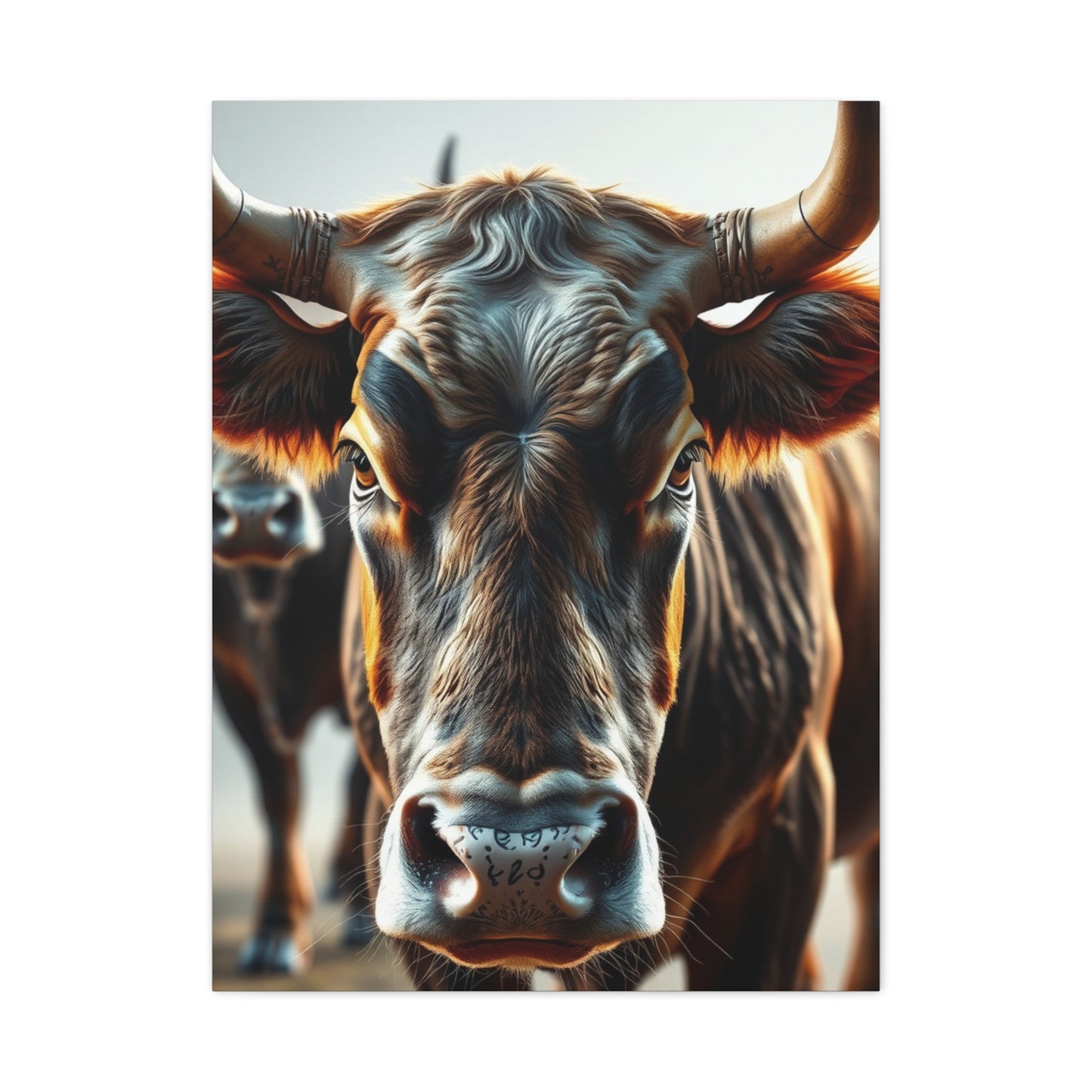
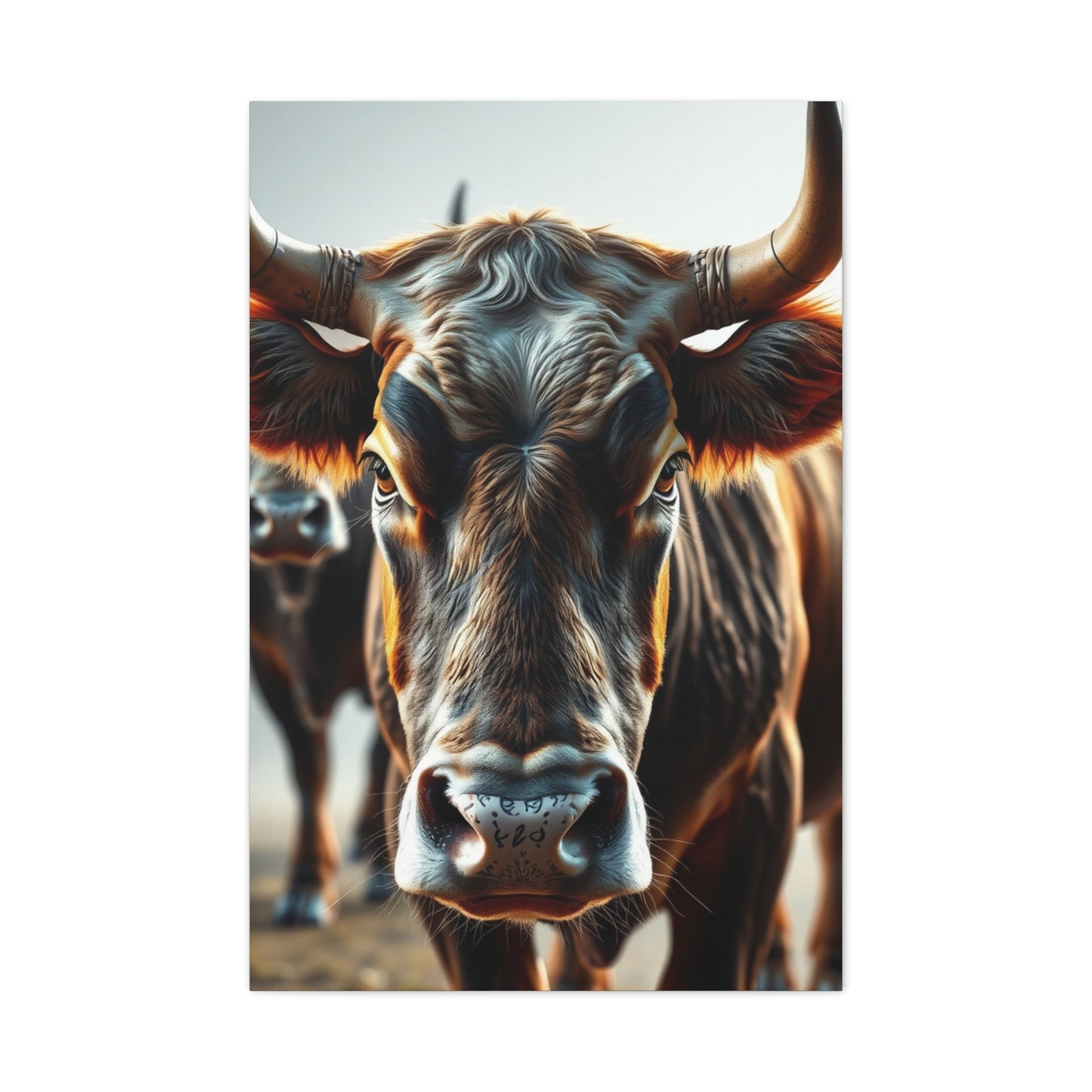
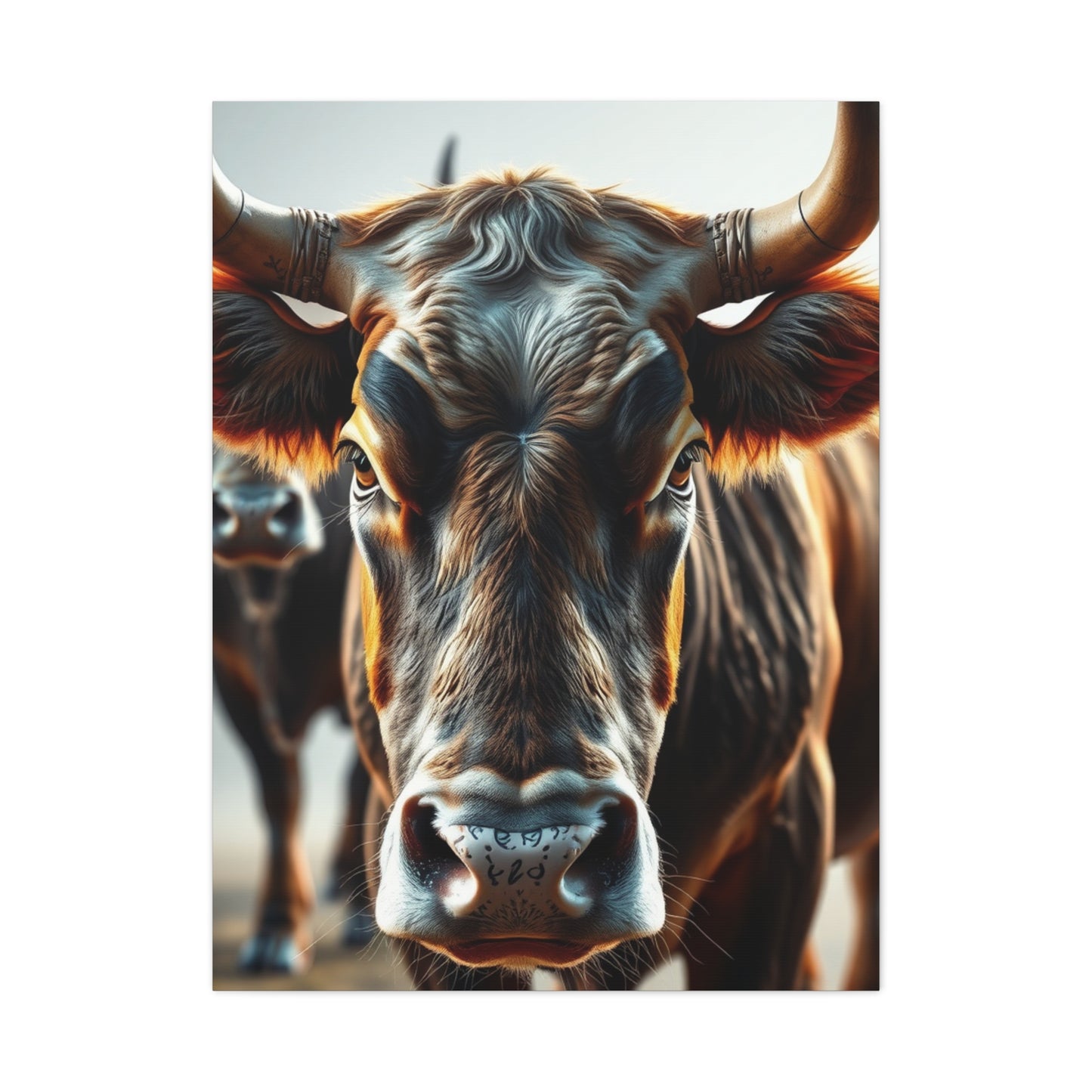
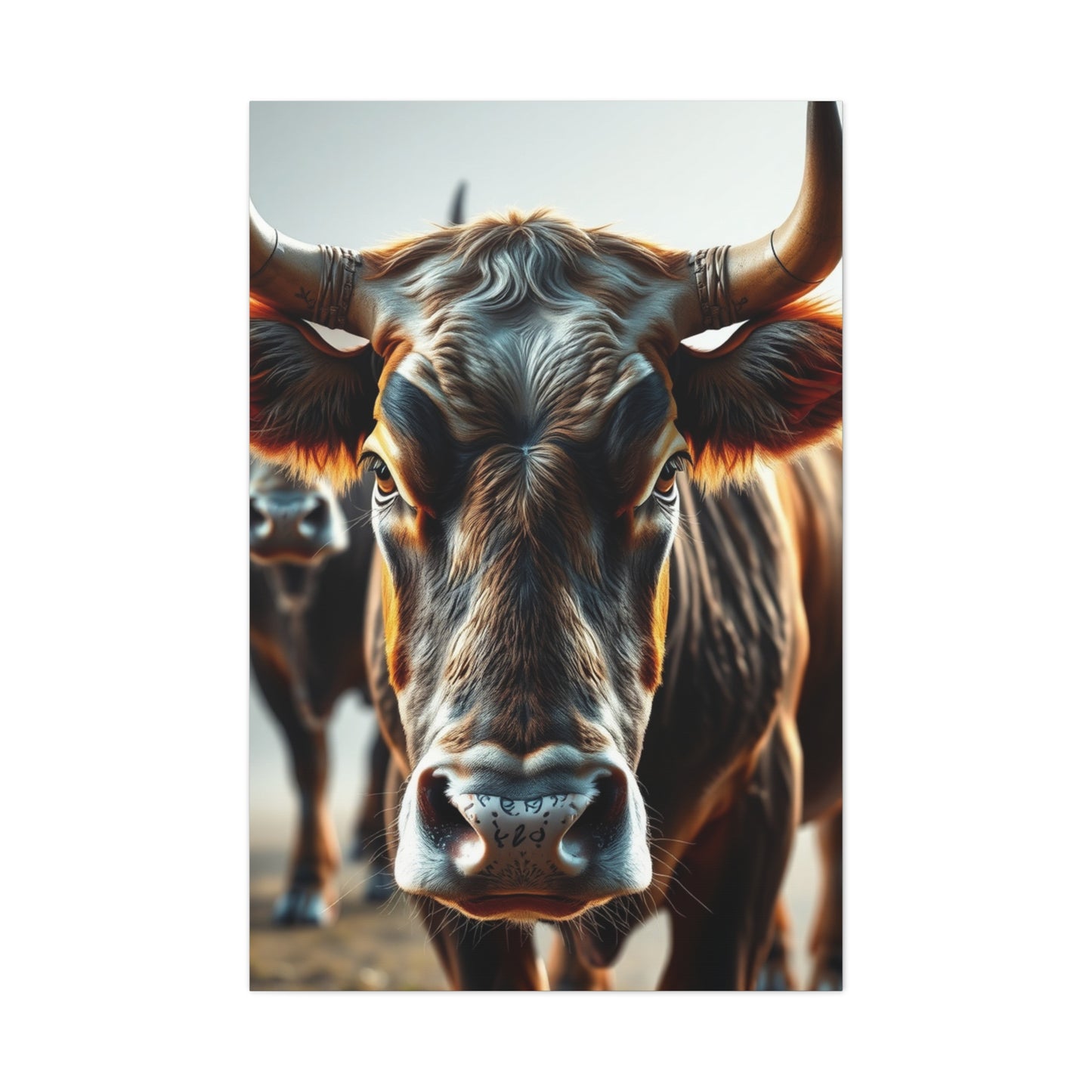
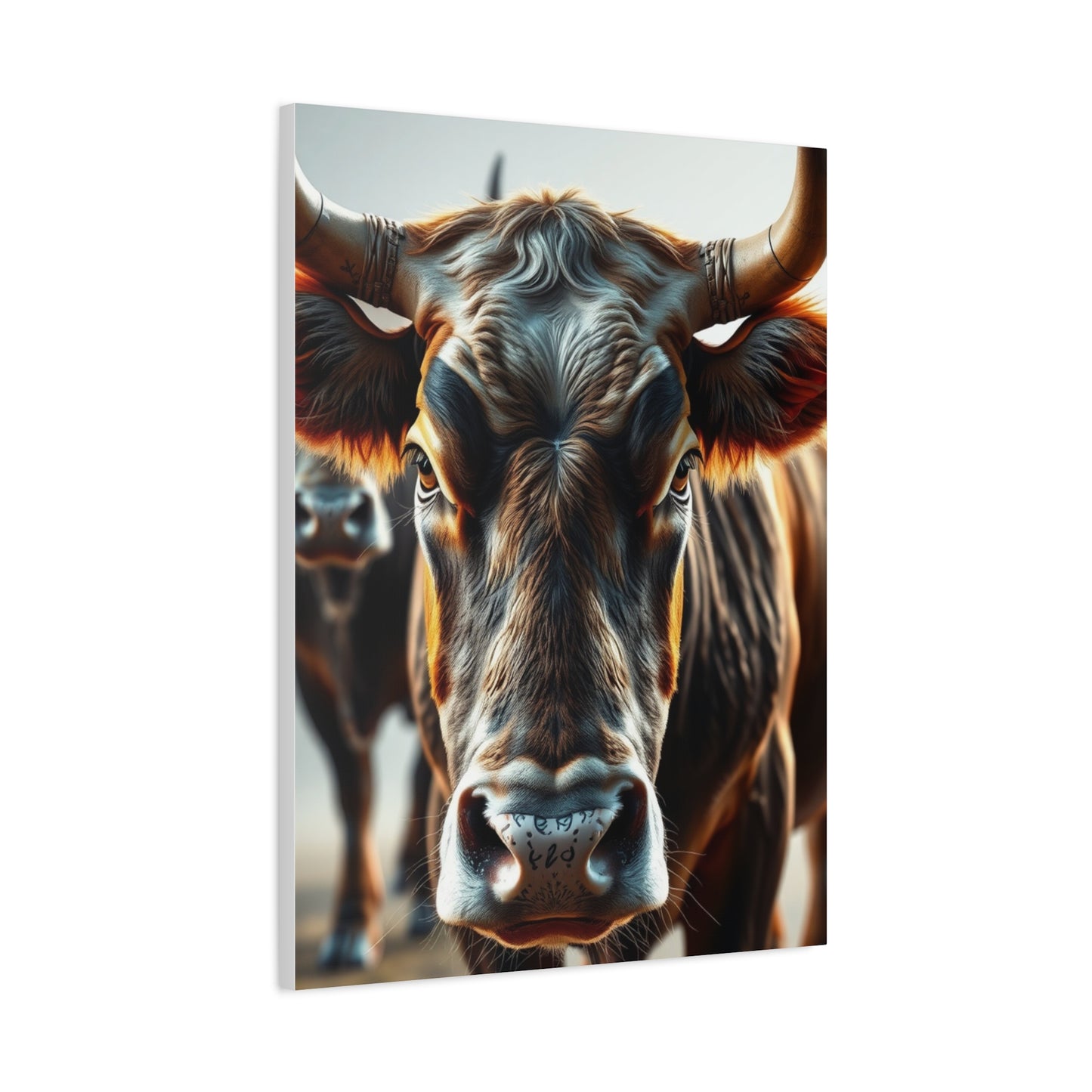
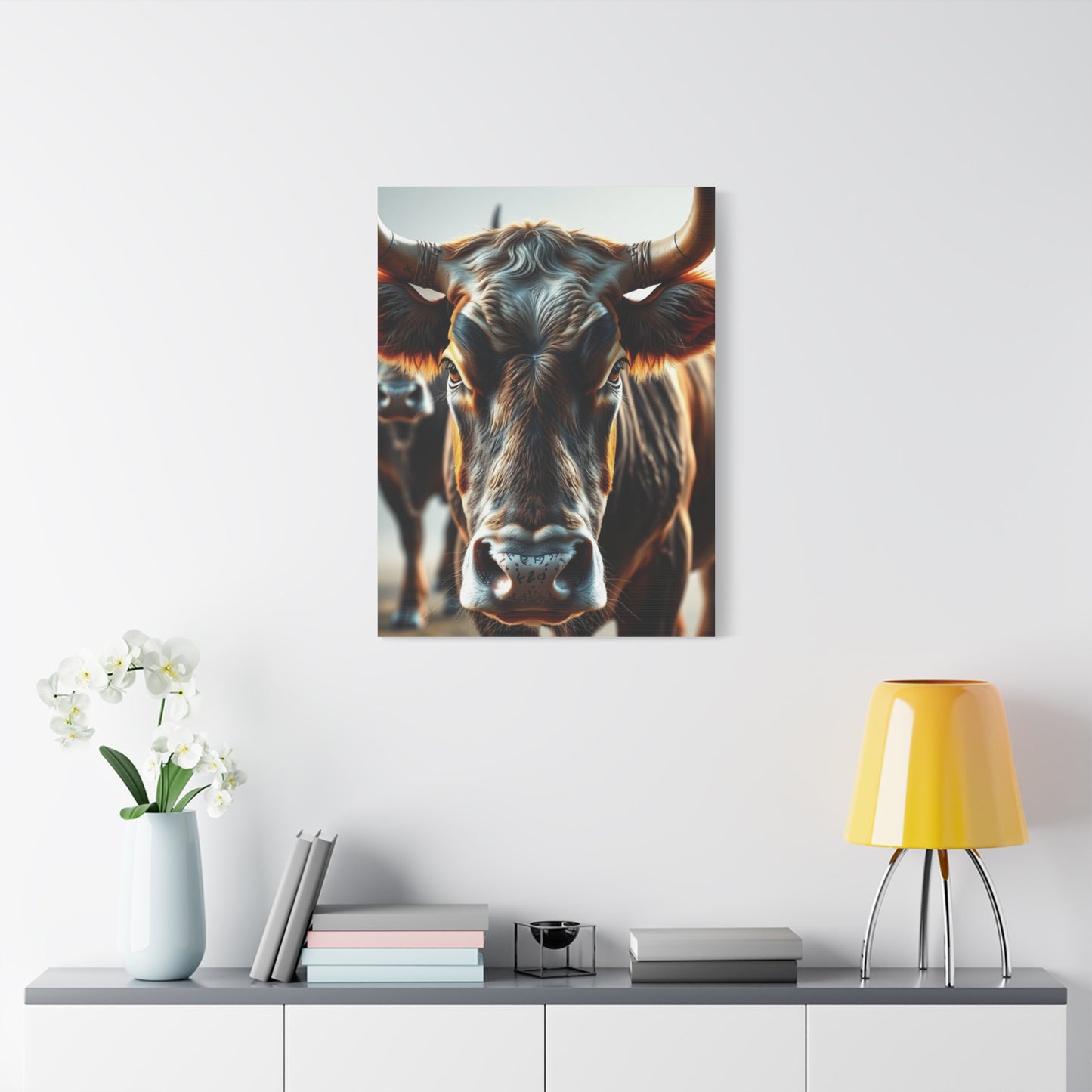
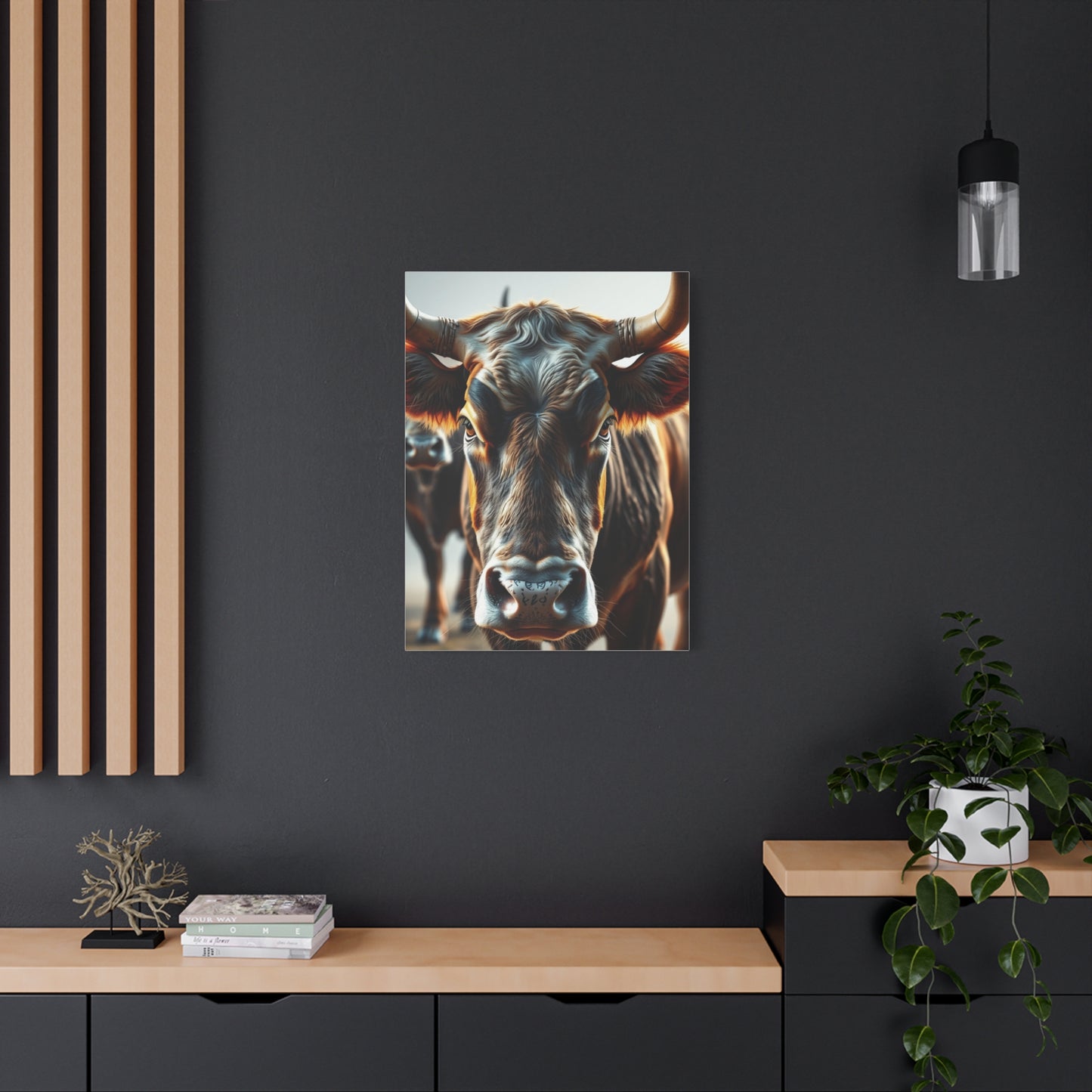
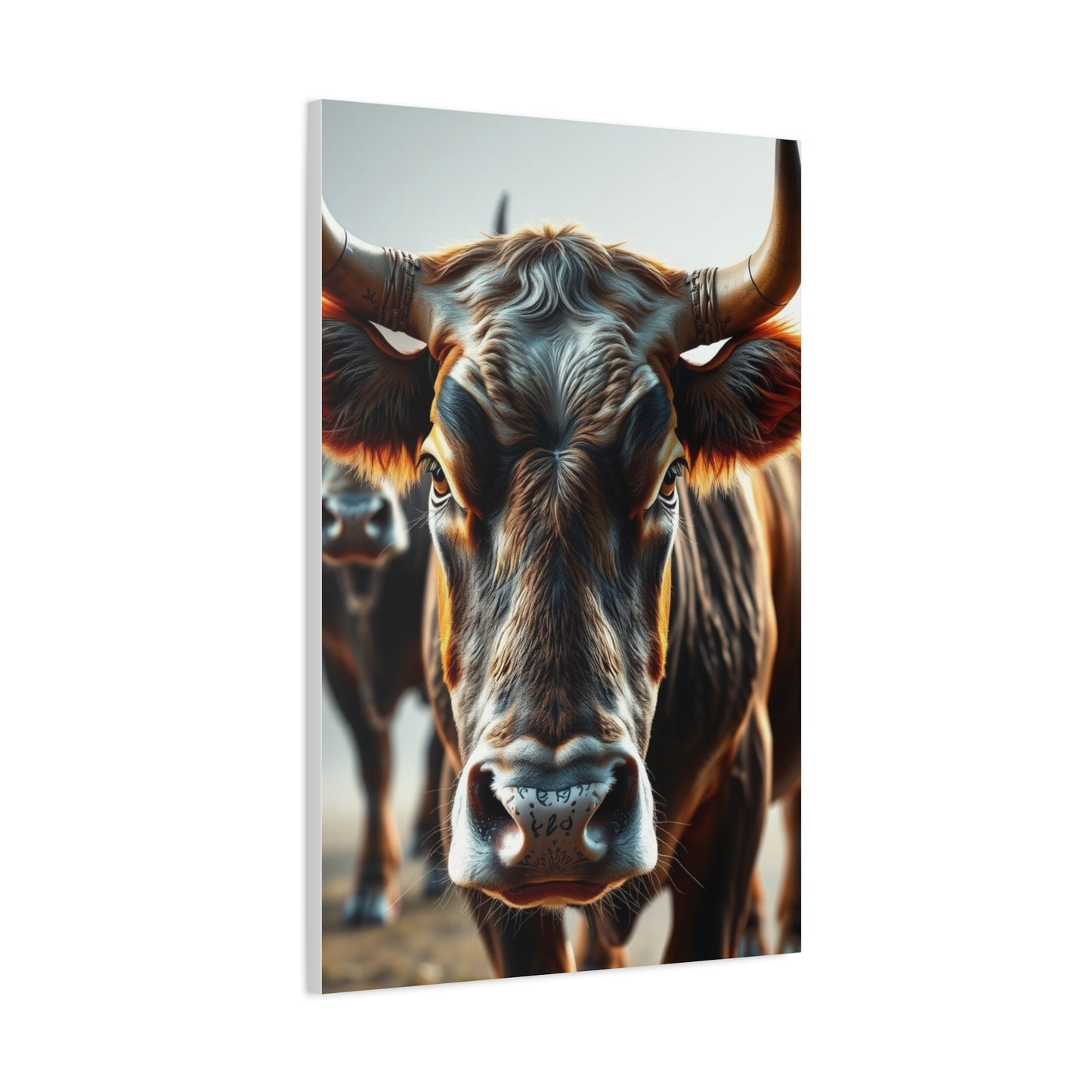
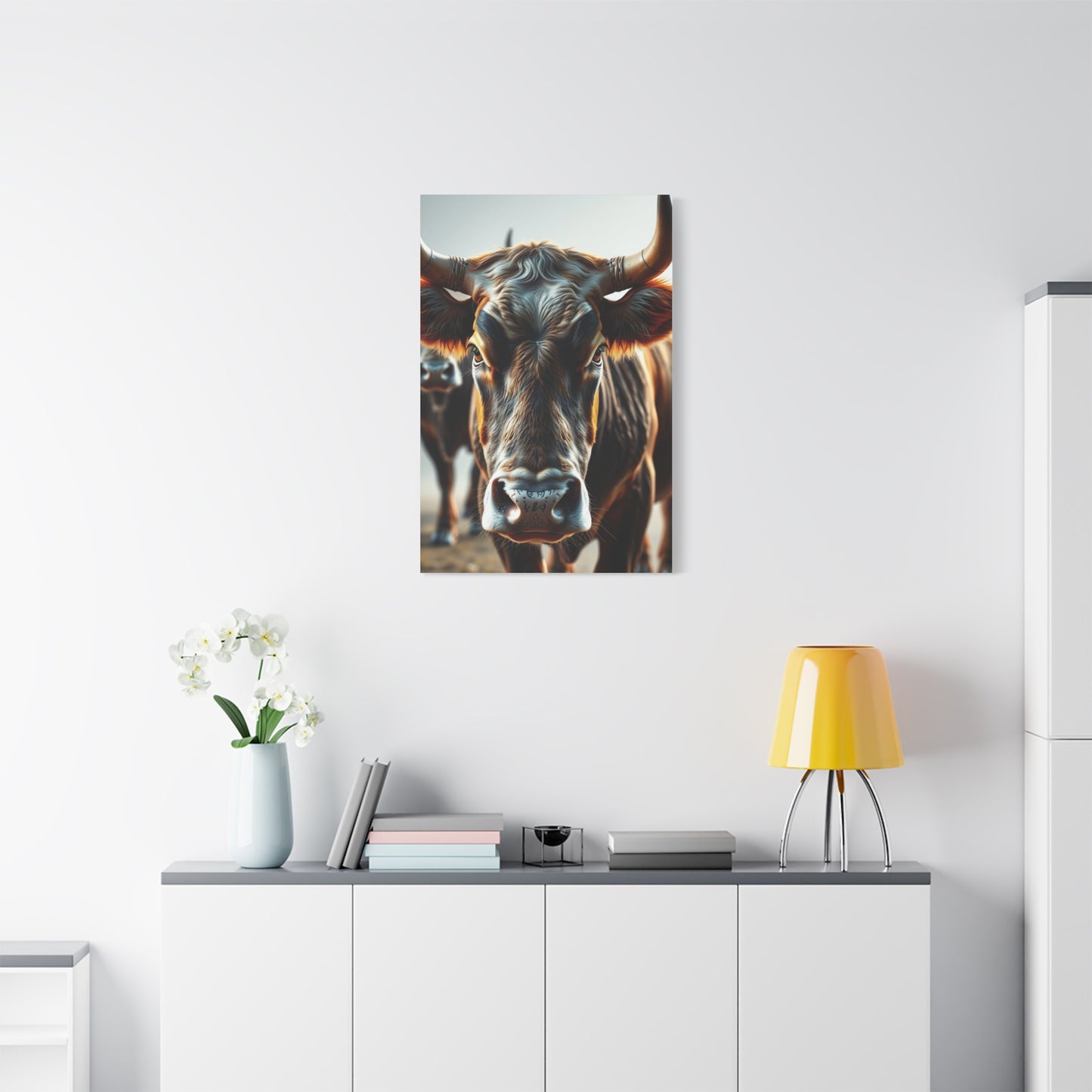
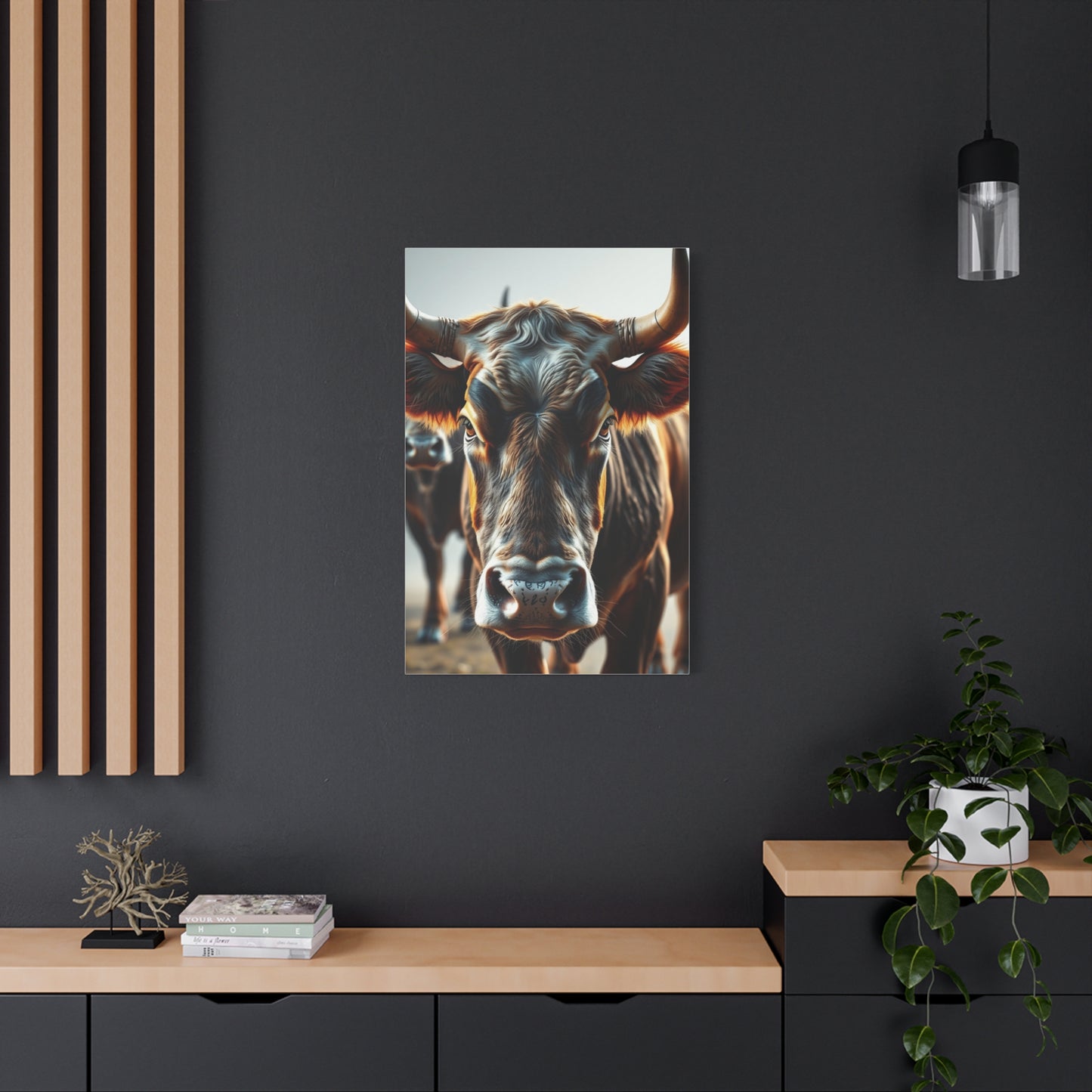
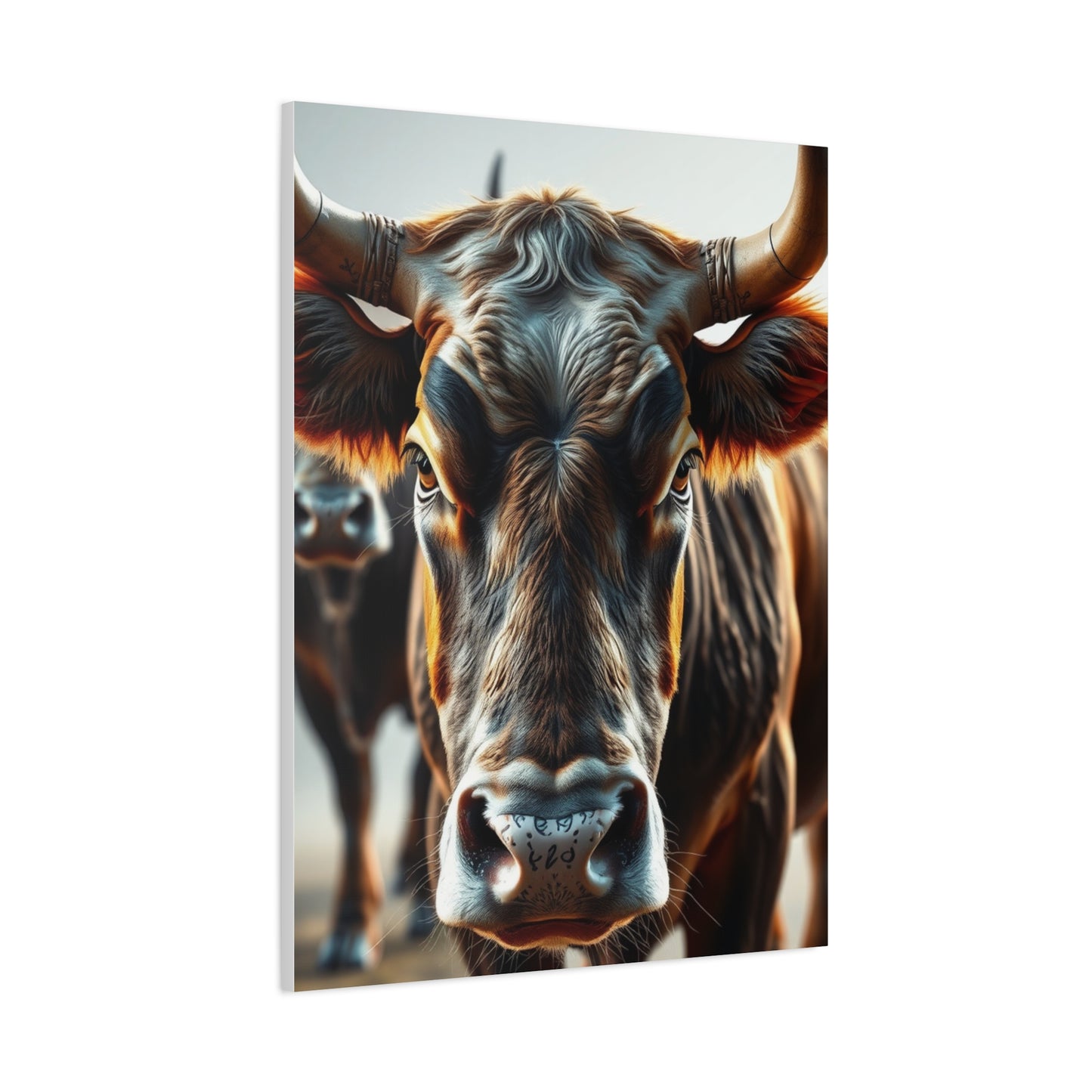
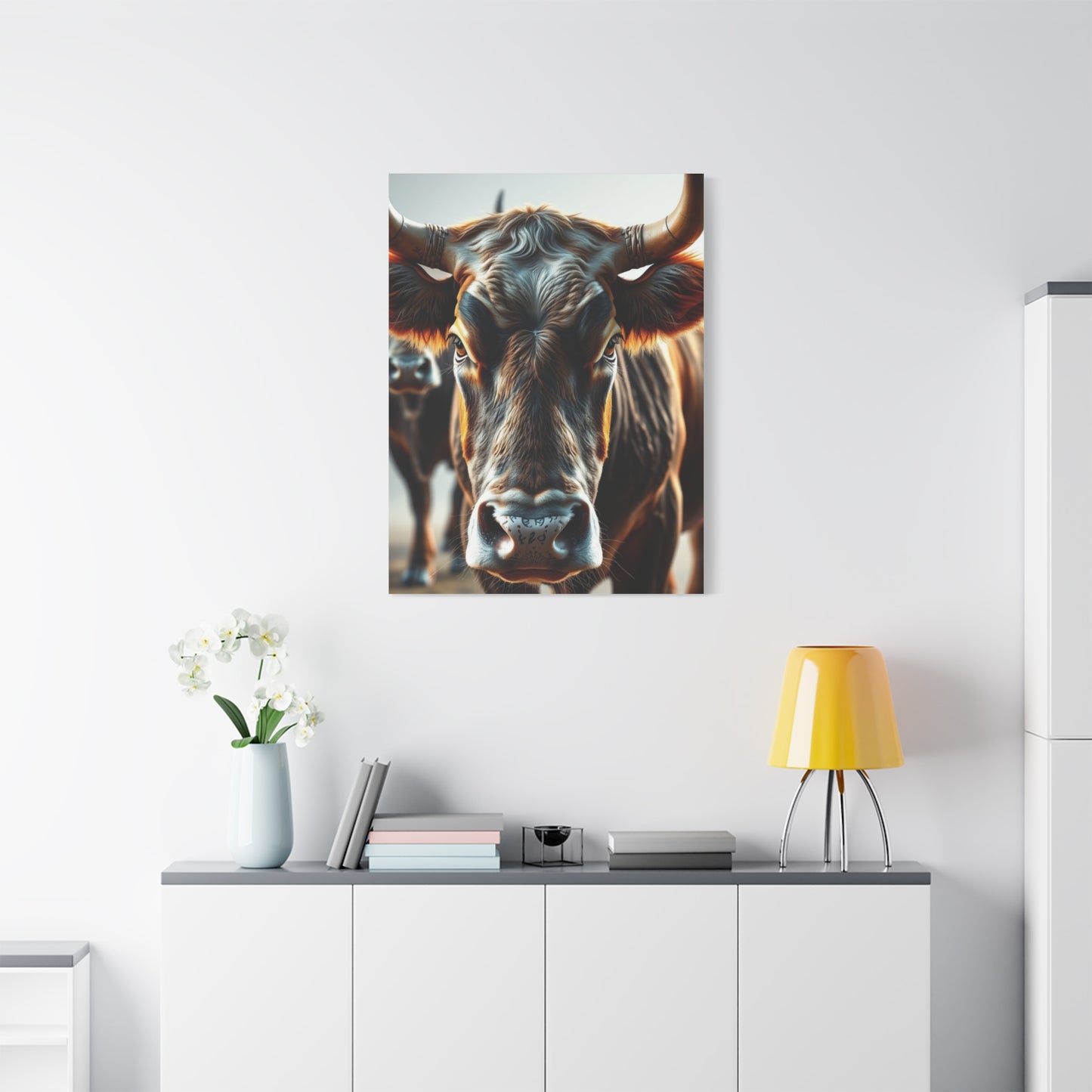
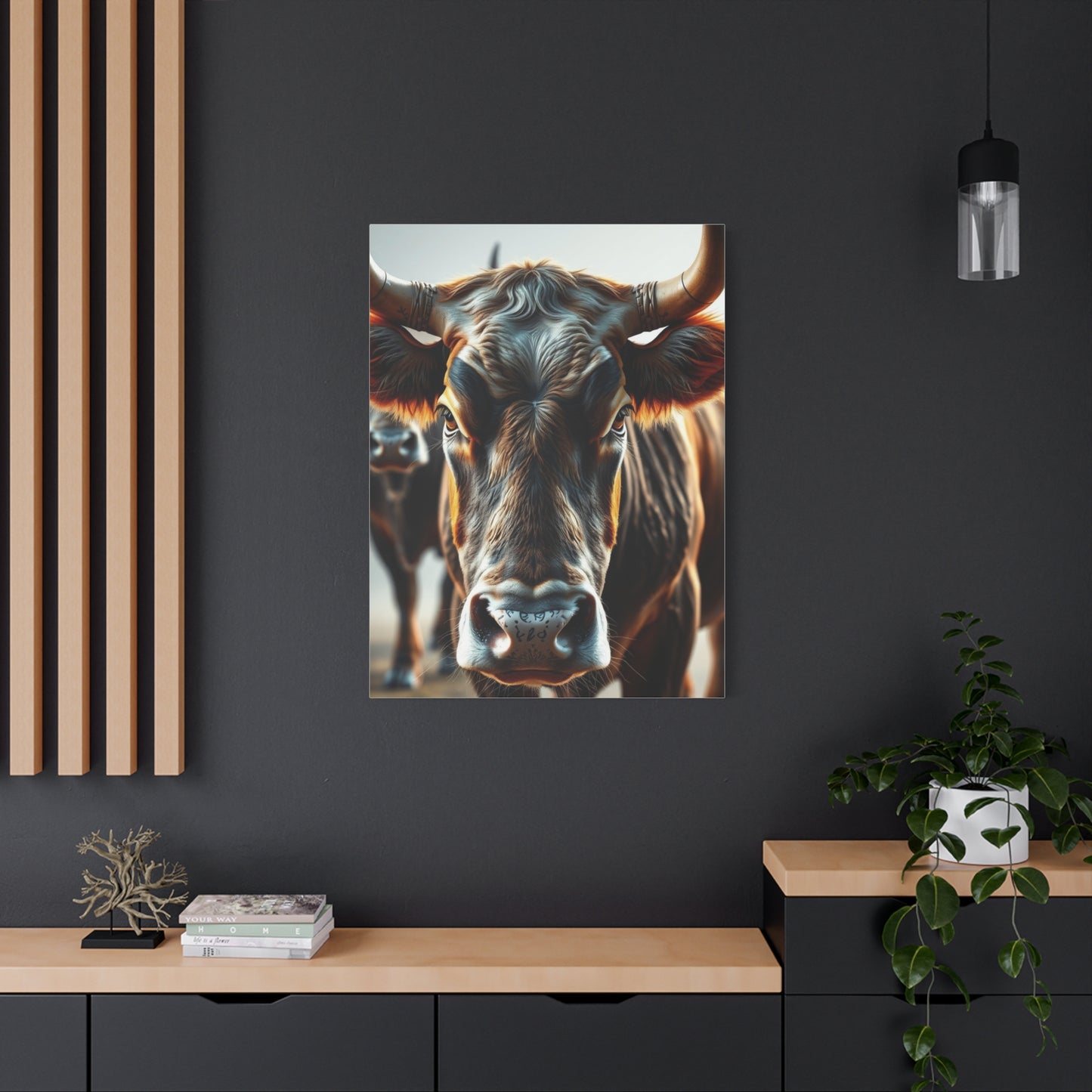
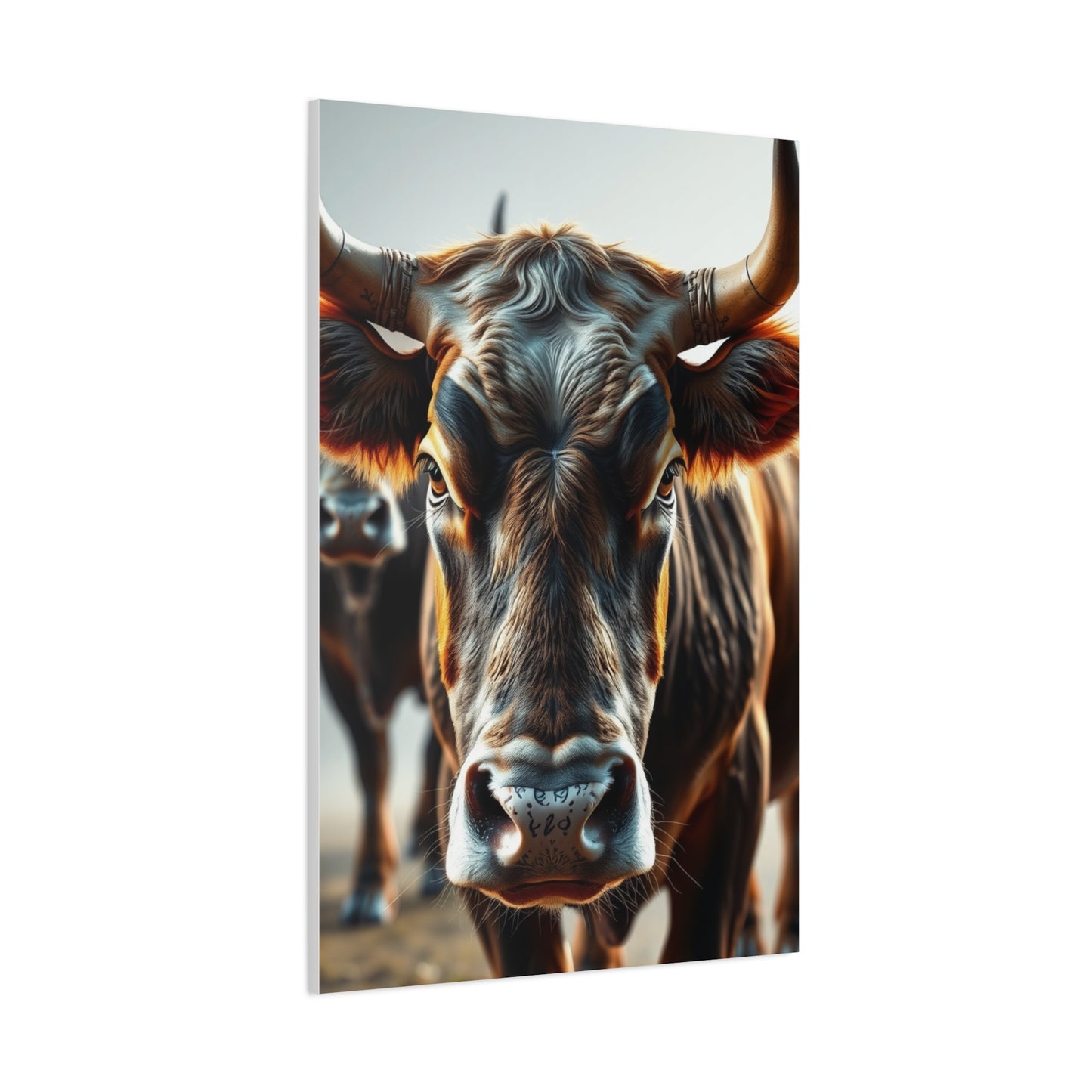
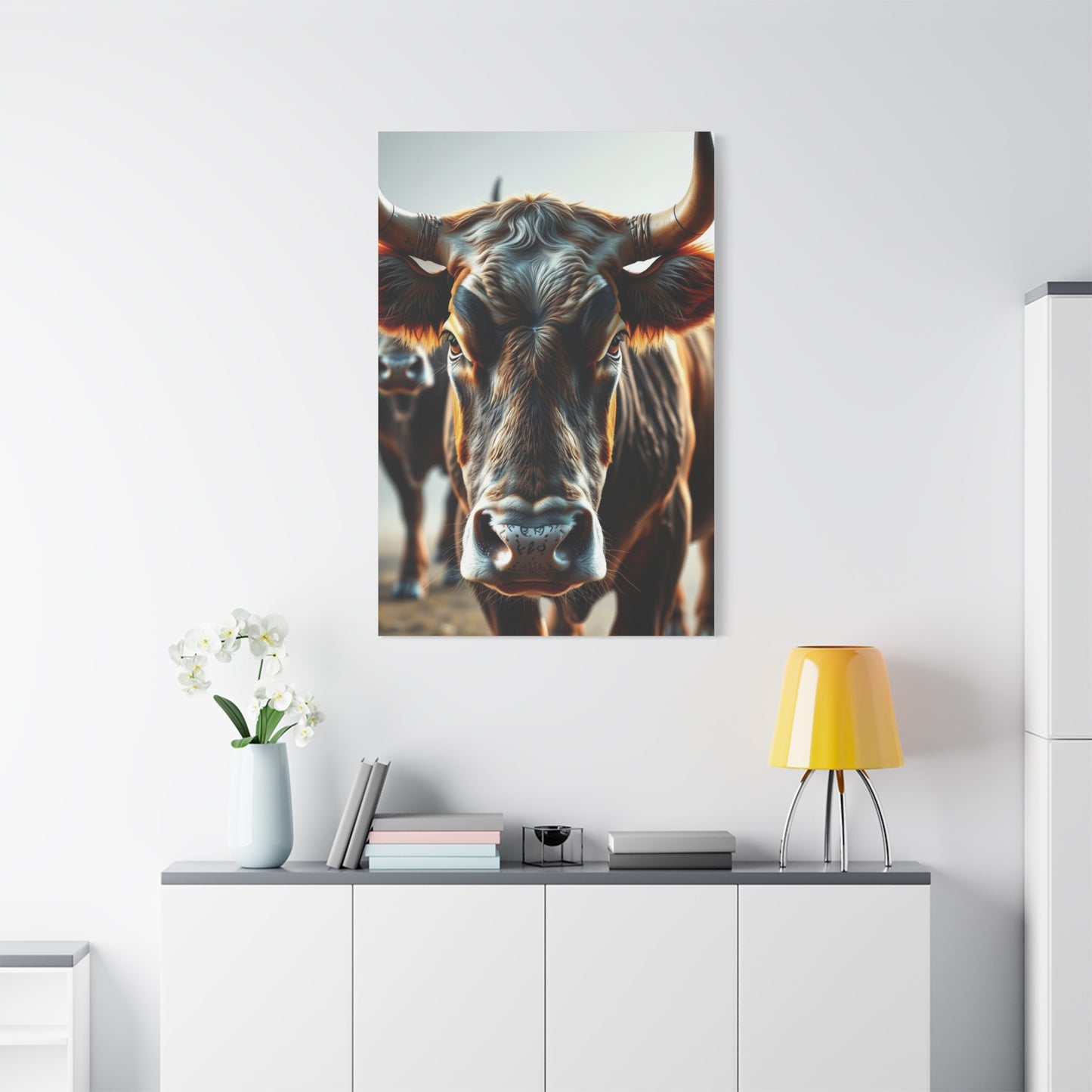
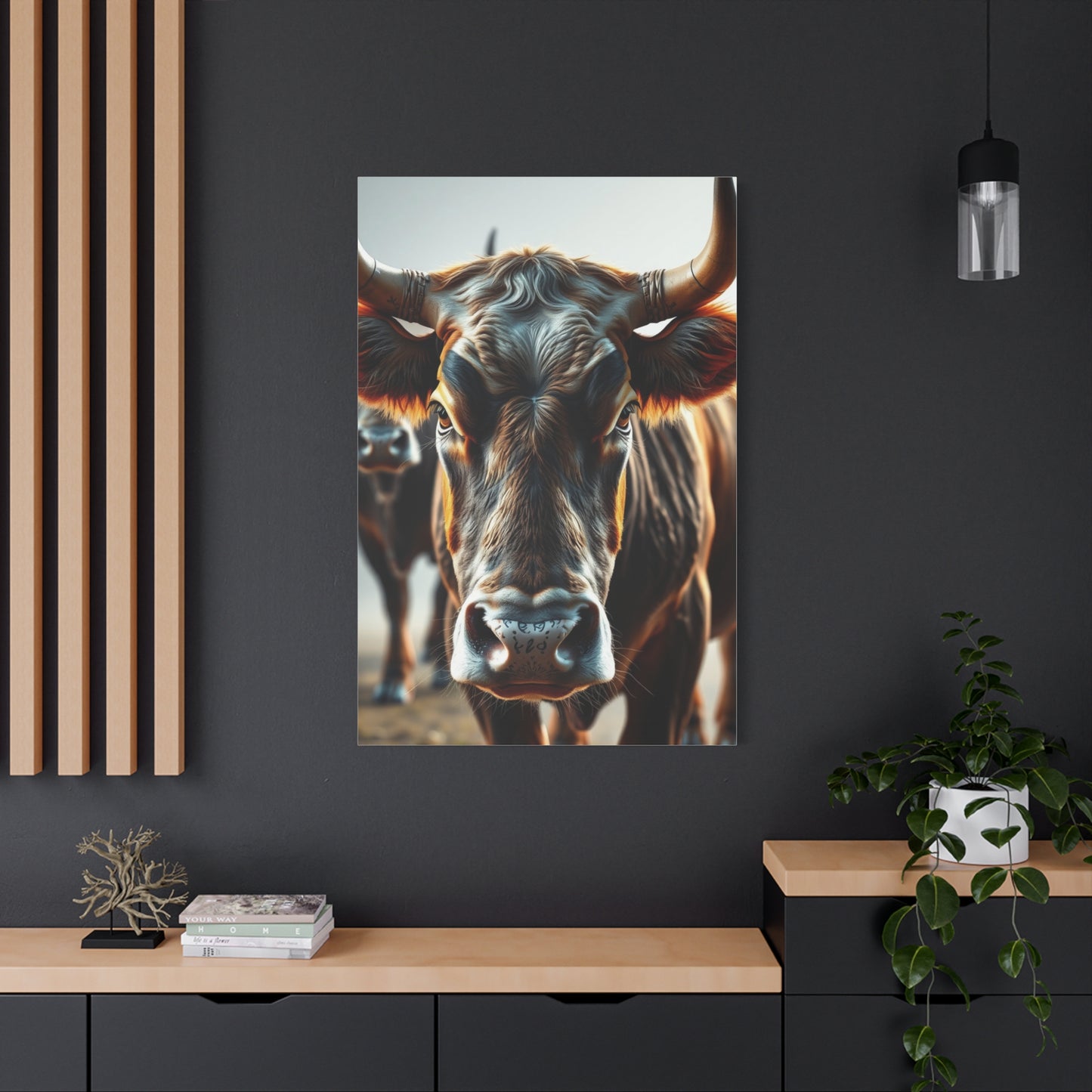
Country Charm Meets Contemporary Style: Decorating with Bovine Majesty Wall Art
The world of interior design constantly evolves, yet certain themes remain eternally captivating. Among these enduring subjects, the noble presence of cattle has emerged as a powerful artistic motif that resonates with homeowners seeking to infuse their spaces with authenticity, natural beauty, and a connection to pastoral traditions. These magnificent creatures, symbols of strength, serenity, and the agricultural heritage that sustains humanity, have become celebrated subjects in contemporary wall décor, offering a unique blend of rustic charm and sophisticated elegance.
Artistic representations of these gentle giants transcend mere decoration, serving as visual narratives that speak to our collective memory of simpler times, rural landscapes, and the enduring bond between humans and the natural world. Whether rendered in photographic realism, painterly impressionism, or modern minimalist styles, images of these animals carry an inherent dignity that elevates any interior space. The growing popularity of such artwork reflects a broader cultural movement toward celebrating authenticity, honoring agricultural traditions, and bringing elements of the natural world into our increasingly urbanized living environments.
This comprehensive exploration delves into the multifaceted appeal of cattle-themed artwork, examining how these pieces function within various design contexts, the emotional responses they evoke, and the practical considerations for incorporating them into residential and commercial spaces. From the technical aspects of canvas printing to the psychological impact of nature-inspired décor, we will journey through every dimension of this compelling design trend.
The Majestic Elegance of Cattle in Art
Throughout human history, artists have been drawn to the bovine form, captivated by the gentle strength and serene presence these animals embody. From prehistoric cave paintings to Renaissance masterpieces, cattle have occupied a significant place in artistic expression across cultures and epochs. The contemporary revival of interest in these subjects reflects both nostalgia for agrarian lifestyles and a deeper appreciation for the aesthetic qualities inherent in these magnificent creatures.
The visual appeal of cattle in artistic representation stems from multiple factors. Their substantial physical presence provides artists with compelling compositional opportunities, while their calm demeanor and soulful eyes create emotional connections with viewers. The textural variety found in their coats, from smooth hides to shaggy Highland cattle, offers rich visual interest that translates beautifully across various artistic mediums. The interplay of light and shadow across their muscular forms creates natural drama that skilled artists and photographers exploit to create visually striking compositions.
Contemporary cattle artwork often emphasizes the nobility and quiet strength of these animals, presenting them as subjects worthy of contemplation rather than merely utilitarian livestock. This shift in perspective reflects changing attitudes toward agriculture and animal husbandry, recognizing the intrinsic value and dignity of these creatures beyond their economic function. Modern depictions frequently focus on individual animals, capturing personality and character in ways that invite viewers to consider the unique life force present in each creature.
The color palette associated with cattle imagery naturally complements interior design schemes favored in contemporary homes. The earth tones of brown, black, white, and cream that dominate these compositions harmonize effortlessly with neutral décor schemes while providing sufficient visual interest to serve as focal points. The natural settings typically featured in cattle artwork, including pastoral fields, weathered barn interiors, and expansive rural landscapes, introduce additional layers of color and texture that enhance their decorative versatility.
Photography has emerged as a particularly powerful medium for capturing the essence of these animals, with modern techniques allowing unprecedented detail and emotional depth. Close-up portraits revealing the texture of fur, the moisture in an eye, or the subtle gradations of color in a coat create intimate viewing experiences that draw observers into the frame. Wide-angle compositions placing cattle within their environmental context tell broader stories about rural life, seasonal changes, and the relationship between domesticated animals and the landscapes they inhabit.
How Bovine Wall Art Adds Character to Rustic Interiors
Rustic interior design celebrates natural materials, honest craftsmanship, and connections to traditional ways of living. Within this aesthetic framework, cattle-themed artwork functions as more than mere decoration, serving as an authentic expression of values and lifestyle preferences. The incorporation of such imagery into rustic spaces creates coherent visual narratives that reinforce the overall design concept while adding layers of personality and meaning.
The textural richness characteristic of rustic interiors finds perfect complement in cattle artwork. Rough-hewn wood beams, stone fireplaces, leather furniture, and woven textiles create tactile environments where the organic forms and earth tones of bovine imagery feel naturally at home. The visual weight of a substantial cattle portrait balances the architectural heft of rustic elements, creating harmonious compositions that feel grounded and complete. Unlike more delicate or ethereal artwork that might feel out of place in robust rustic settings, cattle imagery possesses sufficient visual strength to hold its own against dominant architectural features.
Color coordination between cattle artwork and rustic interiors occurs almost effortlessly, as both draw from similar natural palettes. The browns, blacks, creams, and grays found in cattle coats echo the colors of aged wood, natural stone, and undyed textiles commonly featured in rustic design. Background elements in cattle artwork, including weathered barns, split-rail fences, and pastoral landscapes, reinforce color schemes while introducing subtle variations that prevent monotony. This natural color harmony allows cattle artwork to integrate seamlessly into rustic spaces without requiring significant adjustments to existing color schemes.
The subject matter of cattle imagery aligns perfectly with the philosophical underpinnings of rustic design. Both celebrate agricultural heritage, respect for nature, and appreciation for honest, functional beauty. Displaying cattle artwork in rustic interiors makes a statement about values, expressing admiration for rural traditions, sustainable living, and the dignified labor that connects humans to the land. These visual choices communicate lifestyle aspirations, whether representing actual rural residence or urban dwellers' desire to maintain connections to agrarian roots.
Scale considerations play a crucial role in successfully incorporating cattle artwork into rustic spaces. Large-scale pieces work exceptionally well in rooms with substantial architectural features, where oversized images can balance high ceilings, exposed beams, and expansive walls without appearing overwhelmed. The generous dimensions common in rustic interiors provide ideal canvases for dramatic cattle portraits that make bold statements. Conversely, smaller spaces benefit from appropriately scaled pieces that add character without dominating, with careful placement ensuring visibility and impact despite reduced dimensions.
Grouping multiple cattle images creates gallery wall arrangements that add visual interest while reinforcing thematic consistency. Collections might feature various breeds, different seasons, or complementary perspectives on rural life. These arrangements allow for creative expression through composition while maintaining thematic unity that supports overall design goals. The irregular arrangements often favored in rustic design accommodate varied frame sizes and orientations, creating dynamic visual fields that draw the eye across the wall surface.
Why Cattle Canvas Prints Are Essential for Animal Enthusiasts
Animal lovers share a fundamental appreciation for the natural world and the diverse creatures that inhabit it. For those drawn to bovine subjects, canvas prints offer accessible, high-quality methods for celebrating these magnificent animals in residential spaces. The emotional connections that animal enthusiasts form with their subjects extend beyond casual interest, representing deeper values and lifestyle choices that canvas prints help express visually.
The psychological benefits of surrounding oneself with images of beloved animals have been documented by researchers studying biophilic design principles. Representations of animals trigger positive emotional responses, reduce stress, and create feelings of connection to nature even in urban environments. For those with particular affinity for cattle, whether stemming from childhood farm experiences, agricultural work, or simple admiration for these gentle giants, canvas prints provide daily reminders of these positive associations. The presence of such imagery creates micro-moments of joy and contemplation throughout daily routines, contributing to overall well-being.
Canvas printing technology has advanced significantly, enabling reproduction quality that satisfies even discerning animal lovers. Modern giclée printing processes capture subtle color gradations, fine details, and tonal ranges that preserve the artistic intent of original works. The texture of canvas material adds dimensional quality that enhances rather than detracts from the image, creating viewing experiences more engaging than flat photographic prints. UV-resistant inks ensure longevity, allowing canvas prints to maintain their visual impact for years without fading or color shift.
The variety of cattle breeds and individual animals available in canvas print form appeals to enthusiasts with specific preferences. Highland cattle with their shaggy coats and impressive horns attract those drawn to dramatic, distinctive appearances. Jersey cattle with their gentle expressions and fawn-colored coats appeal to admirers of classic dairy breeds. Black Angus cattle offer striking visual contrast and represent beef cattle traditions. Longhorn cattle with their impressive horn spans create dramatic compositions. This diversity ensures that animal lovers can find representations that resonate with their particular interests and aesthetic preferences.
Educational aspects of cattle canvas prints add value for animal enthusiasts interested in breed characteristics, agricultural history, or animal behavior. Detailed images allow close observation of physical features, coat patterns, and anatomical structures that might escape notice during casual encounters with live animals. Artistic interpretations that emphasize particular characteristics can highlight breed-specific traits, serving as visual references that deepen understanding and appreciation. For those involved in agriculture, breeding, or veterinary fields, such imagery provides both professional relevance and personal enjoyment.
Creating Bold Statements with Cattle Canvas Art
Interior design relies on strategic focal points that anchor spaces and guide visual attention. Cattle canvas art possesses inherent qualities that enable it to function as powerful statement pieces, commanding attention while adding character and meaning to residential and commercial environments. The process of selecting and displaying such artwork to maximum effect requires understanding of compositional principles, spatial relationships, and the psychological impact of scale and subject matter.
The physical presence of cattle as subjects provides natural advantages when creating visual impact. These substantial animals, even when depicted at scales smaller than life-size, retain impressive visual weight that draws the eye and holds attention. Close-up portraits that fill the frame with a bovine face create immediate, almost confrontational engagement that viewers cannot ignore. The directness of such images, particularly when featuring forward-facing poses with eyes meeting the viewer's gaze, establishes visual dialogue that transforms passive observation into active experience.
Color choices within cattle artwork significantly influence its ability to make bold statements. High-contrast images featuring black cattle against light backgrounds or white cattle against dark environments create graphic impact that reads clearly across distances. Monochromatic treatments in black and white or sepia tones emphasize form, texture, and composition while eliminating chromatic distractions. Alternatively, cattle images featuring vibrant backgrounds of sunset skies, flower-filled meadows, or autumn foliage command attention through chromatic intensity that energizes spaces.
Size matters considerably when deploying cattle canvas art as statement pieces. Oversized prints that approach or exceed human scale create immersive experiences that transform walls into windows onto pastoral worlds. Multi-panel installations spreading single images across multiple canvases generate even greater impact, with the visual interruption of spaces between panels adding dynamic tension. These large-scale treatments work particularly well in commercial settings, hospitality environments, and residential great rooms where substantial wall space demands equally substantial artwork.
Art That Brings the Beauty of the Farm to Your Walls
Modern life increasingly separates people from agricultural realities, creating cultural distance between food production and consumption, between rural and urban experiences, between traditional and contemporary ways of living. Cattle-themed artwork serves as a visual bridge across these divides, bringing agricultural beauty into homes regardless of their geographic or cultural distance from actual farming. This translation of rural aesthetics into residential décor satisfies deep-seated yearnings for connection to land, tradition, and simpler ways of being.
The farm aesthetic encompasses more than just visual elements; it represents values including hard work, connection to seasons, respect for animals, and integration into natural cycles. Artwork featuring cattle channels these values into interior spaces, creating environments that reflect priorities beyond urban convenience and material accumulation. The presence of such imagery makes subtle but persistent statements about occupants' relationship to food sources, environmental stewardship, and cultural heritage, transforming private spaces into expressions of personal philosophy.
Authentic farm beauty differs significantly from romanticized pastoral idealism, and the most effective cattle artwork navigates this distinction thoughtfully. While some pieces embrace nostalgic interpretations featuring pristine animals in perfect lighting, others capture the genuine character of working farms, including mud, weather, and the honest wear of daily agricultural life. This authenticity resonates with viewers who appreciate beauty that acknowledges reality rather than escaping into fantasy, creating more meaningful connections between artwork and observers.
The sensory richness of farm environments translates surprisingly well into visual artwork. Although canvas prints cannot convey the sounds of lowing cattle, the smell of hay, or the feeling of warm sun on skin, skilled artists and photographers capture visual cues that trigger these sensory memories in viewers with farm experience. Golden light slanting through barn boards, dust motes floating in air, the visual suggestion of temperature through frost or heat shimmer—these elements activate multisensory responses that enrich viewing experiences beyond pure visual appreciation.
Seasonal variations central to agricultural life find expression in cattle artwork that chronicles annual cycles. Spring imagery featuring newborn calves in greening pastures celebrates renewal and growth. Summer compositions showing cattle in lush grasslands or seeking shade convey abundance and warmth. Fall scenes with cattle against harvested fields or changing foliage mark transition and preparation. Winter representations of cattle in snow or huddled against cold emphasize endurance and the stark beauty of dormant seasons. These seasonal variations allow occupants to rotate displayed artwork throughout the year, maintaining fresh perspectives while celebrating natural cycles.
How to Use Cattle Art to Celebrate Nature's Strength
Cattle embody physical strength, genetic resilience, and the productive power of well-managed ecosystems. Artwork featuring these animals offers opportunities to celebrate these qualities, creating environments that honor robust vitality rather than delicate refinement. The strategic deployment of cattle imagery emphasizing strength transforms interiors into spaces that energize rather than merely comfort, that inspire action rather than passive consumption.
The muscular physiology of cattle provides artists with subjects radiating power and capability. Bulls in particular, with their massive shoulders, thick necks, and commanding presences, exemplify strength in forms that translate dramatically into artwork. Images capturing cattle in motion, whether walking, running, or simply shifting weight, emphasize the controlled power contained in their substantial frames. Close-ups highlighting specific anatomical features—the curve of horn, the bunching of muscle, the solid placement of hooves—celebrate the engineering excellence of forms shaped by millennia of evolution and selective breeding.
Environmental challenges depicted in cattle artwork add layers of meaning related to resilience and adaptation. Images showing cattle enduring harsh weather conditions, navigating difficult terrain, or thriving in marginal landscapes demonstrate their remarkable hardiness. These representations celebrate not just physical strength but the genetic and behavioral adaptations that enable cattle to flourish across diverse ecosystems worldwide. Such imagery resonates particularly with viewers facing their own challenges, offering visual affirmation of endurance and capability.
The relationship between cattle and their environments illustrates the strength of ecological integration. Artwork depicting cattle as participants in healthy grassland ecosystems rather than mere inhabitants celebrates their role in nutrient cycling, vegetation management, and landscape maintenance. Images showing diverse landscapes thriving with cattle presence make subtle arguments about sustainable agriculture and beneficial animal-environment relationships. This ecological perspective reframes strength from isolated individual power to successful integration within complex systems.
Historical associations between cattle and human civilization underscore themes of collective strength and mutual dependence. These animals enabled agricultural development, supported population growth, facilitated transportation and trade, and powered mechanization before fossil fuels. Artwork that references this historical partnership through visual cues—yoked oxen, cattle in traditional agricultural settings, vintage breed portraits—celebrates the strength of interspecies cooperation and agricultural heritage that supported human flourishing. These historical dimensions add gravitas to contemporary cattle artwork, connecting modern viewers to deep cultural continuities.
Prints: A Timeless Tribute to Rural Life
Rural life encompasses distinctive rhythms, values, and experiences increasingly absent from contemporary urban and suburban existence. Cattle-themed prints serve as tributes to these fading lifeways, preserving and celebrating agricultural traditions that shaped human culture for millennia. These visual tributes perform multiple functions simultaneously: honoring those who continue rural livelihoods, preserving cultural memory for future generations, and offering urban dwellers windows into worlds they inhabit geographically but not experientially.
The timeless quality of rural life stems from its integration with natural cycles that transcend human temporal constructions. Agricultural work follows seasons rather than clock-driven schedules, with tasks dictated by weather, plant growth, and animal needs rather than arbitrary human deadlines. Cattle prints capturing this integration—calving in spring, grazing in summer, preparation for winter—celebrate temporal relationships that connect contemporary life to ancient patterns. This continuity offers stability and meaning in an era of accelerating change and cultural fragmentation.
Traditional farming practices depicted in historical cattle prints document agricultural techniques and lifestyles rapidly disappearing. Images of cattle plowing fields, oxen hauling loads, mixed-crop-and-livestock operations, and family dairy farms preserve visual records of work methods that sustained civilization before industrialization. These historical documents gain increasing value as living memory of traditional practices fades, transforming from simple artwork into anthropological records that future generations will consult to understand how ancestors lived and worked.
The values embedded in rural life—hard work, self-reliance, community cooperation, respect for nature, and long-term thinking—find expression in cattle prints through both explicit content and implicit associations. Images of well-maintained cattle suggest responsible animal husbandry. Landscapes showing healthy pastures indicate land stewardship. Compositions including multiple generations working together celebrate family continuity and knowledge transmission. These value-laden images resonate with viewers seeking visual affirmation of priorities increasingly marginalized in contemporary culture.
Regional variations in rural life find representation in cattle prints celebrating specific geographic agricultural traditions. Western ranching with its distinctive cattle breeds, landscape characteristics, and cultural elements receives abundant artistic attention. Midwestern dairy farming with its particular architectural styles and breeds appears in works emphasizing productivity and community. Southern cattle operations with their climate-adapted practices and historic contexts offer different perspectives. These regional specificities allow occupants to celebrate particular geographic or cultural connections through carefully selected cattle prints.
Why Cattle Canvas Art Works in Both Traditional and Modern Spaces
The versatility of cattle-themed canvas art enables it to function successfully across diverse design contexts, from historically traditional interiors to cutting-edge contemporary spaces. This adaptability stems from the universal appeal of the subject matter, the variety of available artistic interpretations, and the fundamental design principles that remain constant across stylistic categories. Understanding how cattle canvas art bridges aesthetic divides enables designers and homeowners to deploy it confidently regardless of overall design direction.
Traditional interiors emphasizing historical precedent, classical proportions, and time-tested design solutions find natural accommodation for cattle artwork. The long history of animal painting in Western art provides legitimate precedent for featuring cattle in formal settings. Classical composition techniques—balanced arrangements, careful attention to light and shadow, realistic rendering—appear in many cattle works, creating stylistic consistency with traditional architectural elements and furnishings. The earth-toned palettes common in cattle imagery harmonize effortlessly with wood furniture, oriental rugs, and classical color schemes favored in traditional design.
The subject matter of cattle carries aristocratic associations that suit formal traditional settings. English country house style, with its celebration of rural estate life and agricultural pursuits as gentlemanly occupations, provides historical context for featuring cattle artwork in refined interiors. This tradition positions cattle not as lowly barnyard creatures but as noble animals worthy of artistic attention and aesthetic appreciation. Modern traditional interiors can draw on this heritage, using cattle canvas art to reference historical precedent while maintaining contemporary technical quality and presentation methods.
Contemporary and modern interiors prioritizing clean lines, minimal ornamentation, and innovative materials equally accommodate cattle canvas art, though typically through different stylistic interpretations. Abstract or semi-abstract cattle renderings emphasizing form, color, and composition over realistic detail align with modern aesthetic priorities. Monochromatic treatments in black and white or limited color palettes match minimalist sensibilities. Oversized prints creating bold graphic impact suit the dramatic scales and open wall expanses typical of modern architecture.
The neutral bridge provided by cattle subjects enables style fusion in transitional spaces that combine traditional and modern elements. A contemporary cattle portrait in sleek black frame can anchor a room containing both mid-century furniture and classical architectural details, serving as a unifying element that relates to both stylistic vocabularies. The organic, natural subject matter provides common ground between traditional nature appreciation and modern biophilic design principles, creating visual harmony across potentially conflicting aesthetic approaches.
Technical presentation methods influence how cattle canvas art functions within different stylistic contexts. Traditional spaces often favor ornate wooden frames that reference historical framing conventions and architectural moldings. Modern interiors typically prefer minimal framing or frameless gallery wraps that emphasize the artwork itself without decorative distraction. The same cattle image can thus be adapted to different contexts through appropriate framing choices, demonstrating the flexibility of the medium and subject matter.
Color relationships between cattle artwork and surrounding interiors determine successful integration across styles. Traditional spaces with their layered color schemes, patterned textiles, and decorative complexity require cattle artwork with sufficient visual strength to maintain presence amid competition. Subdued, tonal cattle images may recede ineffectively, while pieces with clear focal points and strong compositional structures assert themselves appropriately. Modern spaces with their restrained palettes and limited color fields allow even subtle cattle imagery to register strongly, with minimal competition enabling appreciation of nuanced details.
How to Pair Cattle Art with Warm, Earthy Tones
Color coordination forms a fundamental component of successful interior design, with harmonious relationships between artwork and surrounding elements creating cohesive, visually satisfying environments. Cattle artwork naturally aligns with warm, earthy color palettes, creating organic relationships that feel effortless and authentic. Understanding the specific mechanisms of these color harmonies enables designers to maximize the aesthetic impact of cattle canvas art within carefully curated color schemes.
The inherent color palette of cattle imagery draws predominantly from earth tones including various browns, tans, creams, grays, and blacks found in animal coats. These natural colors automatically harmonize with interior schemes built around similar hues, creating color relationships that feel organic rather than forced. The browns ranging from deep chocolate to pale fawn that appear in cattle coats resonate with wood furniture finishes, leather upholstery, and natural fiber textiles. The blacks and grays of certain breeds coordinate with metal accents, stone surfaces, and neutral foundational elements.
Background environments featured in cattle artwork contribute additional earthy tones that expand color coordination possibilities. Pastoral landscapes introduce greens from grasses and foliage, blues from skies, and the golden yellows of autumn fields or sunset lighting. Barn interiors add the weathered grays of aged wood, the deep browns of shadows, and occasional pops of color from equipment or architectural details. These environmental elements allow cattle artwork to introduce subtle color variations that enliven monochromatic schemes while maintaining overall earth-toned harmony.
The psychological associations of warm, earthy tones align perfectly with the themes cattle artwork communicates. Browns suggest stability, reliability, and connection to earth. Tans and creams evoke natural fibers, organic materials, and unpretentious comfort. These color associations reinforce the agricultural, pastoral, and nature-connected meanings that cattle subjects inherently carry, creating multi-layered coherence between visual appearance and symbolic content. Interiors built around these color relationships feel authentically unified rather than merely color-coordinated.
Layering techniques enable sophisticated color relationships between cattle artwork and surrounding interiors. Rather than matching cattle image colors exactly to wall colors, furniture, or textiles, designers can employ the artwork as a source palette that gets echoed in varying degrees throughout the space. A cattle print featuring predominantly brown animals in golden-lit pasture might inspire a room with cream walls, caramel leather furniture, wheat-colored curtains, and accent pillows in deeper browns. This layered approach creates visual richness while maintaining coherent color stories.
Accent colors can be strategically introduced through cattle artwork to enliven predominantly neutral, earth-toned interiors. A cattle image featuring a vibrant sunset sky introduces warm oranges and pinks that can be echoed in small doses through accessories, flowers, or decorative objects. Green pastures in cattle artwork justify live plants and green accents throughout spaces. These accent colors, legitimized by their presence in featured cattle artwork, prevent earth-toned schemes from becoming monotonous while maintaining overall color discipline.
Seasonal color variations in cattle imagery offer opportunities for rotating displays that keep interiors feeling fresh while maintaining earth-toned foundations. Spring cattle scenes with new grass and flowering landscapes introduce fresh greens and soft floral colors. Summer compositions emphasize lush, saturated greens and bright blues. Autumn cattle imagery celebrates the full range of warm earth tones from golden yellows to deep russets. Winter scenes shift toward cooler earth tones with grays, whites, and muted browns. These seasonal rotations maintain color scheme consistency while providing periodic visual refreshment.
The Perfect Focal Point for Your Living Room
Living rooms serve as central gathering spaces where families relax, entertain guests, and spend significant portions of their home time. Selecting appropriate focal points for these important rooms requires careful consideration of scale, subject matter, emotional impact, and design coordination. Cattle canvas art possesses multiple qualities that enable it to function exceptionally well as living room focal points, anchoring spaces while contributing character, meaning, and visual interest.
The substantial presence of cattle subjects provides natural focal point authority. Unlike delicate or ephemeral subjects that might get visually overwhelmed in active living spaces, cattle imagery possesses visual weight and gravitas that command attention even amid furniture, activity, and decorative complexity. Large-scale cattle portraits create unmissable focal points that immediately establish room character and set atmospheric tones. Even moderately sized cattle prints, when properly positioned and lit, assert themselves effectively as compositional anchors.
Placement strategies maximize cattle artwork's focal point function in living rooms. The wall above the primary seating area, typically a sofa, provides the most common and effective location. This position ensures visibility from multiple vantage points while creating balanced composition with furniture below. Alternative placements above fireplaces create traditional focal point configurations where artwork and architectural features reinforce each other. In modern open-plan living spaces, cattle artwork on walls perpendicular to seating areas can anchor conversation zones while remaining visible from kitchen and dining areas.
The conversation-starting potential of cattle artwork enhances its suitability for living room display. Unlike generic abstract art or purely decorative pieces, cattle subjects invite questions, comments, and discussions about farming, animals, rural life, and personal connections to agricultural heritage. These conversations enrich social interactions, providing natural discussion topics that engage guests and reveal shared interests. For hosts, displayed cattle artwork becomes an expression of identity and values that communicates to visitors without verbal explanation.
Scale relationships between cattle artwork and living room architecture determine effectiveness as focal points. Rooms with high ceilings and expansive walls require proportionally substantial artwork to avoid looking diminutive and lost. A general guideline suggests artwork spanning two-thirds to three-quarters of the furniture width below it, though this can be adjusted based on room proportions and personal preferences. Multi-panel installations can fill larger spaces while maintaining visual interest through segmentation. Proper scaling ensures cattle artwork feels integrated into architectural contexts rather than applied as afterthoughts.
The emotional atmosphere cattle artwork creates influences living room ambiance significantly. Serene cattle portraits promote calm, contemplative moods suitable for relaxation and quiet conversation. Dynamic images of cattle in motion or dramatic environmental conditions energize spaces, creating stimulating atmospheres for active social interaction. The selection of specific emotional tones through cattle artwork choice allows homeowners to intentionally shape room atmospheres aligned with desired living room functions and family temperaments.
Color coordination between cattle artwork and living room palettes follows principles discussed previously but demands particular attention given the room's importance and high visibility. Cattle images introducing new accent colors can inspire comprehensive room refreshes where furniture, textiles, and accessories get updated to harmonize with featured artwork. Conversely, existing living room color schemes can guide cattle artwork selection, with homeowners seeking images whose palettes complement established décor. This reciprocal relationship between artwork and environment creates opportunities for both artwork-driven design and design-driven artwork selection.
Lighting deserves special attention when cattle artwork serves as living room focal point. Dedicated picture lights ensure optimal visibility and create gallery-quality presentations that signal the artwork's importance. Track lighting or recessed spotlights can illuminate cattle prints while contributing to overall living room lighting schemes. Natural light from windows creates time-varying displays but requires UV-filtering glass or UV-resistant inks to prevent fading. Layered lighting schemes incorporating ambient, task, and accent lighting allow flexibility for different living room activities while consistently highlighting focal point artwork.
How Cattle Wall Art Evokes a Sense of Power and Tranquility
The simultaneous communication of seemingly contradictory qualities represents one of the most compelling aspects of cattle-themed wall art. These substantial animals embody both immense physical power and remarkable calm, creating visual experiences that resonate with viewers seeking both strength and serenity. Understanding how cattle artwork achieves this dual communication enables homeowners to leverage these qualities for creating balanced, emotionally rich living environments.
The physical presence of cattle inherently communicates power through sheer mass and musculature. Bulls weighing over a ton, with muscular shoulders and thick necks, represent formidable strength that artwork can capture and convey. Even cows and steers, though less massive than bulls, possess substantial physical presence that reads as strength in visual representation. Close-up compositions emphasizing this physicality create immediate impressions of power that viewers respond to viscerally, feeling the weight and capability these animals embody even through two-dimensional representation.
Simultaneously, the behavioral characteristics of cattle communicate tranquility and peaceful coexistence. Cattle at rest in pastoral settings, calmly grazing, or simply standing in contemplative poses embody serenity that contrasts markedly with their physical capability for force. This behavioral calm stems partly from bovine temperament and partly from millennia of domestication selecting for docility. Artwork capturing these peaceful moments creates viewing experiences that soothe rather than stimulate, offering visual respite from the intensity and demands of contemporary life.
The duality of power and tranquility in cattle imagery creates psychological complexity that prevents these works from becoming one-dimensional or simplistic. Viewers recognize the latent strength in even peacefully posed cattle, appreciating the self-control and calm disposition that keeps such power restrained and directed. This recognition resonates with human aspirations toward self-mastery, balanced temperament, and strength under control. Cattle artwork thus becomes metaphorical, suggesting ideal character qualities worth cultivating.
Compositional techniques employed by skilled photographers and artists emphasize either power or tranquility depending on creative intent. Low angle shots looking up at cattle emphasize size and dominance, creating power-focused compositions. Eye-level or slightly elevated perspectives create more egalitarian relationships that emphasize the peaceful nature of bovine subjects. Soft, diffused lighting contributes to tranquil atmospheres, while dramatic side lighting emphasizing musculature enhances power communication. These technical choices demonstrate how the same subjects yield vastly different emotional impacts through varied presentation approaches.
Why Cattle Prints Are Ideal for Country-Inspired Décor
Country-inspired interior design celebrates rural aesthetics, traditional craftsmanship, and connections to agricultural heritage. Within this design framework, cattle prints function as essential rather than optional elements, providing authentic visual content that legitimizes and enriches country style claims. Understanding the specific mechanisms through which cattle imagery supports country décor enables designers to deploy these pieces with maximum effectiveness and authenticity.
The definitional relationship between country style and agricultural imagery establishes cattle prints as natural, almost necessary components. Country design draws direct inspiration from actual rural environments where cattle remain common sights in fields, barns, and farmyards. Including cattle imagery in country-styled interiors creates representational accuracy that grounds design choices in reality rather than fantasy. This authenticity distinguishes genuinely country-inspired spaces from superficial applications of rustic elements without understanding their cultural and historical contexts.
The color palettes fundamental to country style align perfectly with cattle print characteristics. Country interiors favor earth tones, natural fiber colors, and hues drawn from agricultural landscapes including the greens of fields, blues of rural skies, and browns of earth and wood. Cattle prints inherently incorporate these exact colors through depictions of animals and their environments, creating automatic color coordination that requires minimal design manipulation. This natural harmony enables cattle prints to integrate seamlessly into country schemes without forced matching or awkward color compromises.
Pattern relationships in country interiors benefit from the organic, irregular patterns found in cattle imagery. Country style frequently incorporates florals, checks, and traditional patterns that can become visually overwhelming without balancing elements. Cattle prints provide sophisticated visual relief from busy patterns while maintaining thematic consistency with rural and agricultural themes. The natural patterns found in cattle coats, landscape textures, and compositional arrangements offer visual interest without the geometric rigidity or floral sweetness that can make country interiors feel overly precious or feminine.
Architectural elements typical of country interiors create ideal contexts for displaying cattle prints. Exposed wood beams, board-and-batten walls, plank flooring, and other rustic architectural features provide textural backdrops that enhance rather than compete with cattle imagery. The substantial visual weight of rustic architecture requires equally substantial artwork, making cattle subjects with their inherent gravitas more effective than delicate watercolors or minimalist abstractions that might appear lost against robust architectural elements.
Furniture styles associated with country interiors harmonize with cattle print aesthetics. Substantial wood furniture in traditional forms provides appropriate visual weight to balance cattle artwork. Windsor chairs, farmhouse tables, pine cabinets, and mission-style pieces all align stylistically with agricultural cattle themes. Upholstered pieces in leather or natural fiber fabrics coordinate with both color and textural qualities of cattle prints. These furniture relationships create cohesive environments where artwork and furnishings mutually support rather than undermine each other.
The storytelling capacity of cattle prints enriches country interiors by adding narrative layers that generic decoration cannot provide. A cattle print references actual animals, specific farming practices, particular regional agricultural traditions, and broader relationships between humans and domesticated animals. These narrative elements create conversation opportunities and provide visual interest that remains engaging through repeated viewing. For country-styled interiors aiming to communicate values and lifestyle affiliations, cattle prints serve as effective visual vocabulary.
Enhancing Your Space with the Rustic Charm of Cattle Art
Rustic charm represents a specific aesthetic quality combining natural materials, honest construction, comfortable imperfection, and connections to traditional ways of living. Cattle artwork possesses inherent characteristics that embody and communicate rustic charm, making it particularly effective for creating or enhancing rustic-styled interiors. Understanding the specific elements that constitute rustic charm enables strategic deployment of cattle art to maximum effect.
The material authenticity central to rustic charm finds perfect expression in cattle artwork. Cattle as subjects represent tangible, physical reality rather than abstract concepts or fantasy subjects. This connection to actual animals, real places, and genuine experiences grounds rustic interiors in material truth that resonates with design philosophy prioritizing substance over superficiality. Even reproductions of original cattle photography or painting maintain connections to authentic source material, distinguishing them from purely invented decorative motifs.
The imperfection tolerated and even celebrated in rustic design aligns with honest cattle imagery that captures real animals in real conditions. Cattle prints showing mud, weather effects, or the honest wear of agricultural life embrace imperfection as evidence of authentic experience rather than flaws requiring removal. This acceptance of reality creates relaxed, comfortable environments where occupants feel freed from exhausting perfectionism. The rustic charm in such imagery stems from its honesty and lack of pretense rather than from any crude execution or poor quality.
Textural richness fundamental to rustic charm appears abundantly in cattle artwork. The varied textures of cattle coats, from sleek hides to shaggy highland fur, provide visual and implied tactile interest. Background elements including weathered wood, rough stone, and varied vegetation add additional textural layers. This textural complexity complements the tactile variety of rustic interiors featuring rough-hewn wood, natural stone, woven fibers, and leather, creating multisensory environments rich in physical presence and character.
The warm, inviting quality essential to rustic charm manifests naturally in cattle artwork through subject matter and typical presentational approaches. Cattle at rest, grazing peacefully, or interacting within herds communicate contentment and peaceful coexistence. Golden lighting popular in cattle photography creates visual warmth that translates into emotional warmth for viewers. These welcoming qualities ensure that cattle artwork contributes to the comfortable, embracing atmospheres rustic interiors strive to create.
The connection to land and place that rustic charm emphasizes receives strong support from cattle imagery depicting specific landscapes, agricultural regions, and environmental characteristics. Cattle prints become visual records of particular places, whether specific farms, regional agricultural areas, or general rural landscapes. This geographic grounding adds layers of meaning while creating opportunities for personal connection when selected images reference places occupants have experienced or aspire to visit.
The historical continuity valued in rustic design finds expression in cattle artwork that references enduring agricultural traditions. Images showing traditional farming practices, heritage breed cattle, or historical agricultural equipment connect present-day spaces to long human history of cattle husbandry. This temporal depth adds gravitas and meaning beyond contemporary decoration, suggesting that current design choices participate in ongoing traditions rather than following fleeting fashions.
The storytelling capacity of cattle artwork enriches rustic interiors with narrative content that generic decoration lacks. Each cattle image potentially references an entire agricultural system including breeding, feeding, seasonal patterns, market systems, and cultural practices surrounding livestock management. These implied narratives create intellectual engagement alongside visual appreciation, rewarding attentive viewers with layers of meaning that unfold over time.
The scale and proportion of cattle subjects suit rustic interior requirements effectively. Cattle possess substantial physical presence that reads well even in large rustic spaces with robust architectural elements. Unlike delicate subjects that might appear diminished against rough stone or heavy beams, cattle imagery maintains visual weight and presence sufficient to anchor compositions and command attention. This ability to hold their own against competing elements makes cattle prints practical choices for rustic environments.
A Beautiful Way to Honor the Beauty of the Herd
Cattle exist as individuals but also as members of herds, communities of animals with complex social structures and relationships. Artwork depicting multiple cattle in herd contexts celebrates dimensions of bovine existence beyond individual animals, exploring themes of community, relationship, and collective existence. Understanding the specific beauty of herd imagery enables appreciation of cattle artwork beyond simple aesthetic surface.
The social structures within cattle herds provide fascinating subject matter for observant photographers and artists. Maternal bonds between cows and calves, hierarchical relationships within groups, cooperative behaviors, and peaceful coexistence despite size and strength differences all offer narrative content that enriches cattle imagery. Artwork capturing these social moments tells stories about relationship and community that resonate with human viewers navigating their own social worlds.
The visual variety created by multiple animals in single compositions provides aesthetic richness beyond individual portraits. Different coat colors create natural color variety and visual rhythm across images. Varied poses and orientations generate compositional complexity and visual interest. Size differences between adults and calves or between individuals add scale variation within frames. These compositional advantages make herd imagery particularly effective for larger format presentations where single animals might not fill space adequately.
Conclusion:
Country Charm Meets Contemporary Style: Decorating with Bovine Majesty Wall Art celebrates the intersection of rustic authenticity and modern design sophistication, highlighting the timeless appeal of pastoral imagery in contemporary interiors. Bovine-themed art, whether depicting serene cows grazing in golden meadows or stylized abstract interpretations of their majestic forms, brings warmth, nostalgia, and character into living spaces. Far from being merely decorative, this genre of wall art bridges tradition and modernity, offering a visual narrative that resonates with both the love of rural life and the desire for elegant, thoughtfully curated interiors.
The central charm of bovine wall art lies in its embodiment of calm, grounded energy. Cattle are symbols of stability, patience, and nurturing — qualities that resonate deeply in the home environment. Their tranquil presence on canvas encourages a slower, more mindful appreciation of daily life. Viewers are invited to connect with the simplicity and beauty of rural landscapes, fostering a sense of balance that contrasts the fast-paced rhythm of modern urban living. Through Bovine Majesty artwork, the pastoral world is brought indoors, creating spaces that feel welcoming, serene, and emotionally grounded.
From an aesthetic standpoint, bovine wall art blends versatility with personality. Realistic renderings emphasize texture, light, and form, capturing the gentle curves, expressive eyes, and subtle nuances of the animals’ fur. Alternatively, contemporary abstractions and minimalist line art interpret the bovine form with clean shapes and bold colors, offering sophistication and conceptual depth. These artistic variations allow homeowners and designers to integrate Bovine Majesty pieces seamlessly across diverse décor styles — from farmhouse chic to urban minimalism, from eclectic bohemian interiors to sleek modern lofts.
One of the most compelling aspects of decorating with bovine-themed art is its ability to create a narrative focal point. A single, well-placed canvas can draw the eye, setting the tone for an entire room, while multiple pieces can form a gallery wall that tells a story of pastoral life, natural rhythms, and rustic charm. The organic forms and earthy tones characteristic of such artwork naturally complement materials like reclaimed wood, linen textiles, leather furnishings, and stone accents. This harmony fosters cohesion between the visual art and its surrounding environment, creating interiors that feel intentional, layered, and authentic.
The emotional impact of Bovine Majesty wall art extends beyond visual appeal. Images of cows and pastoral landscapes evoke feelings of nostalgia, comfort, and connection to the natural world. This is particularly powerful in urban or contemporary spaces, where exposure to nature may be limited. By incorporating bovine artwork, homeowners can cultivate an indoor environment that nourishes mental clarity, promotes relaxation, and subtly encourages mindfulness. The animals’ calm and steady demeanor acts as a gentle reminder to slow down, observe, and appreciate life’s quiet rhythms.
In addition, bovine wall art provides opportunities for creative interplay with other design elements. Pairing a rustic cow portrait with contemporary furniture, sleek lighting fixtures, or metallic accents creates dynamic contrast that is both visually stimulating and aesthetically sophisticated. Conversely, grouping several pastoral-themed pieces within a country-inspired interior can reinforce a cohesive theme, enhancing the overall narrative of charm, warmth, and authenticity. This versatility ensures that Bovine Majesty canvases are not limited to a single style but can adapt to evolving décor trends while retaining their emotional resonance.


