


Brewed Aesthetics Canvas Wall Art & Canvas Print
Brewed Aesthetics Canvas Wall Art & Canvas Print
Couldn't load pickup availability


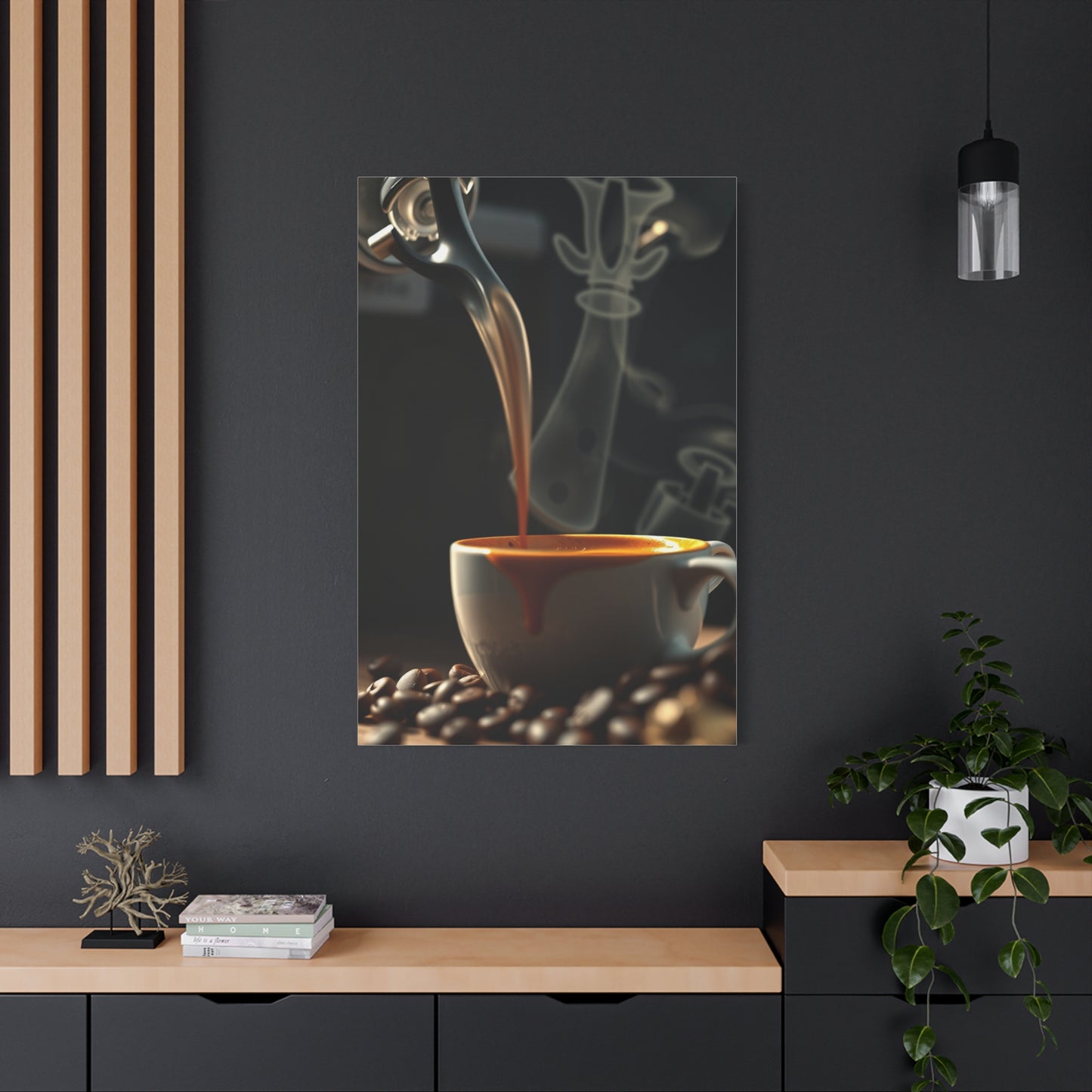
Brewed Aesthetics Canvas Wall Art: Curating Comfort, Warmth, and Style in Your Home
The concept of "brewed aesthetics" taps into a deep, intrinsic human desire for comfort, ritual, and warmth. It is a design language that speaks of slow mornings, mindful pauses, and the sensory pleasures of a perfectly prepared beverage. This aesthetic is not merely about depicting a coffee bean or a teacup; it is about capturing the entire atmosphere that surrounds these rituals. It is the visual representation of "hygge," the cozy contentment found in simple, soothing moments. When this feeling is translated onto a canvas, it transforms from a fleeting moment into a permanent fixture in your home. Brewed aesthetics canvas wall art serves as an emotional anchor, a visual reminder to slow down, breathe deeply, and savor the present. It encapsulates the rich, earthy tones of a dark roast, the delicate transparency of a green tea, and the frothy, inviting texture of a perfectly pulled latte. This style of art bridges the gap between the kitchen, often seen as a purely functional space, and the living room, seen as a space for comfort. It allows the heart of the home—the place where we nourish ourselves—to extend its warmth and welcoming spirit throughout our living environment. By choosing brewed aesthetics canvas wall art, you are not just decorating a wall; you are curating an ambiance. You are making a statement that your home is a sanctuary, a place where the simple acts of making and enjoying a warm drink are elevated to the level of art.
Defining Brewed Aesthetics: Beyond the Coffee Cup
When we delve deeper into defining this style, it becomes clear that "brewed aesthetics" is a wonderfully broad and inclusive category. It expands far beyond the literal depiction of a coffee cup. This aesthetic can be captured in myriad ways, appealing to a wide range of personal tastes. For some, it might be a minimalist, abstract piece that uses a color palette of espresso, cream, and caramel to evoke the feeling of a coffee shop without showing a single bean. For others, it might be a detailed, photorealistic canvas print of steam rising from a vintage teapot, capturing a senseof tranquility and tradition. The theme also encompasses the rustic and natural elements associated with brewing. Think of canvas art depicting the gnarled wood of a coffee tree, the macro-botanical detail of a tea leaf, or the rich, textured surface of a burlap coffee sack. Typography plays a significant role as well, with many pieces of brewed aesthetics canvas wall art featuring elegant script, vintage-style fonts, or modern, bold lettering that spells out comforting words like "Coffee," "Tea," "Sip," or "Relax." This aesthetic also includes the tools of the trade: the sleek, scientific lines of a pour-over dripper, the classic silhouette of a French press, or the intricate design of a traditional Japanese tea whisk. By embracing this broader definition, you open up a world of decorative possibilities, allowing youto find the specific pieces that resonate with your personal story and style.
The Rise of Canvas Wall Art as a Decor Staple
The medium of canvas has seen a meteoric rise in popularity, evolving from a traditional surface for painters to a versatile and accessible staple in modern home decor. There are several key reasons for this surge. Firstly, canvas possesses a unique tactile quality and depth that flat paper prints or metal signs simply cannot replicate. The subtle weave of the fabric adds a textural dimension to the artwork, enhancing its visual interest and giving it a more substantial, high-end feel. This texture works in perfect harmony with the subject matter of brewed aesthetics, as it complements the rustic, organic, and cozy themes inherent in coffee and tea culture. Secondly, the development of giclée printing technology has made it possible to reproduce images on canvas with stunning clarity, color accuracy, and longevity. These archival-quality prints are resistant to fading, ensuring that your art remains vibrant for decades. Another significant factor is the versatility of presentation. Canvas prints are often "gallery wrapped," meaning the image extends around the edges of a sturdy wooden frame. This technique provides a clean, contemporary, and frameless look that integrates seamlessly into any decor style, from minimalist to industrial. This removes the often costly and difficult step of finding a suitable frame. This combination of texture, quality, and versatility makes canvas the ideal medium for brewed aesthetics canvas wall art, allowing the warm, inviting imagery to be presented in a way that feels both timeless and modern.
Understanding the Medium's Unique Appeal
Drilling down into the specific appeal of canvas reveals why it has become the go-to choice for homeowners and interior designers alike. Unlike glossy photographs, which can create glare under direct lighting, the matte finish of a canvas print diffuses light. This makes the art easier to view from any angle and in any lighting condition, a crucial factor for spaces like kitchens and dining nooks where lighting can be variable. This diffusion of light also contributes to a softer, more subtle visual experience, which aligns perfectly with the calming, gentle nature of the brewed aesthetic. Furthermore, canvas is exceptionally durable. It is less prone to damage from humidity or temperature changes compared to paper, making it an excellent choice for display in or near a kitchen, where steam and heat are common. The material itself, typically a cotton or polyester blend, is robust and forgiving. This durability extends to its maintenance; canvas art can be easily dusted or gently wiped, ensuring it remains a pristine focal point in your home. The tangible presence of a stretched canvas print also gives it a senseof permanence and "real art" that a simple poster lacks. It occupies space with intention. When you hang a piece of brewed aesthetics canvas wall art, you are adding a feature that has weight, dimension, and a tactile presence, making your wall feel curated and thoughtfully designed rather than just temporarily decorated. This perceived value and physical substance are what truly set canvas apart as the superior medium for this art style.
Integrating Brewed Aesthetics Canvas Wall Art into Your Home
Integrating the unique visual language of brewed aesthetics canvas wall art into a personal living space requires a nuanced understanding of harmony and intention. It's not enough to simply hang a piece on the wall; the art must interact with its environment to fulfill its purpose of creating warmth and comfort. The most intuitive placement is often near areas of consumption or preparation, such as above a coffee bar, in a cozy breakfast nook, or adjacent to a dedicated tea station. However, the true power of this aesthetic lies in its versatility. Consider how a large, abstract canvas featuring rich, espresso-toned swirls can ground a light-filled living room, adding a layer of sophisticated depth. The texture of the canvas itself plays a crucial role; its woven surface complements natural materials like wood and stone, common in furniture and countertops, thereby enhancing the overall sense of organic comfort. When placing the art, scale is paramount. A single, oversized piece of brewed aesthetics canvas wall art can serve as a powerful focal point in a dining area, encouraging conversation and lingering enjoyment. Conversely, a curated collection of smaller, coordinating prints can create an engaging gallery wall in a hallway or a secluded reading corner, telling a visual story of ritual and relaxation. The key is to treat the art not just as a decoration, but as an integral element that defines the room's function and emotional temperature, turning everyday spaces into curated havens that celebrate the simple, yet profound, act of brewing.
The Psychology of Warmth: How This Art Affects Mood
The visual cues present in brewed aesthetics canvas wall art are powerful psychological triggers designed to elicit feelings of calm, safety, and pleasure. The palette is inherently warm, dominated by the spectrum of browns, creams, deep reds, and soft yellows—colors scientifically linked to comfort and relaxation. These hues mimic natural elements like earth, wood, and firelight, providing an unconscious sense of groundedness and security. The imagery itself contributes significantly to this emotional response. The sight of steam rising from a cup, for instance, is universally associated with heat and immediate physical comfort, acting as a non-verbal invitation to pause. Furthermore, the theme is intrinsically tied to routine and mindfulness. The act of making coffee or tea is often a slow, deliberate ritual that provides a moment of peace in a busy day. When this ritual is translated onto a canvas, the art becomes a visual shorthand for that mental state. Studies in environmental psychology suggest that images promoting stillness and focus can reduce perceived stress. Therefore, surrounding oneself with images related to the quiet, satisfying process of brewing acts as a form of visual therapy, subtly encouraging the viewer to adopt a similar, unhurried mindset. The use of natural textures in the canvas medium further enhances the organic, comforting appeal, making the entire piece feel less like a sharp interruption and more like a soft, welcoming presence in the room, constantly reinforcing a mood of tranquil well-being.
The Intersection of Ritual and Art: More Than Just a Picture
The unique power of brewed aesthetics canvas wall art lies in its ability to elevate a daily ritual from a mundane task to an art form worthy of contemplation. A simple depiction of a pour-over coffee device, for example, transforms into a celebration of precise methodology, patience, and the satisfying culmination of a process. This art acknowledges that the enjoyment of coffee or tea begins long before the first sip; it starts with the careful grinding of beans, the heating of the water, and the deliberate assembly of tools. By showcasing these moments on canvas, the art encourages a deeper appreciation for the journey rather than just the destination. It is a visual philosophy that values the process. For those who practice mindfulness or seek to integrate intentionality into their lives, this artwork serves as a physical reminder of those commitments. The canvas captures the "in-between" moments—the steam rising, the droplets falling, the swirling milk—moments often overlooked in the rush of life. In this sense, the art becomes a sacred object, representing a personal ceremony. It suggests that even the smallest, most repetitive acts can be infused with meaning and beauty. By placing such a piece in a prominent area, the homeowner declares that they value slow living, attention to detail, and the quiet satisfaction derived from personal rituals, making the canvas much more than just a decorative element; it is a profound statement about lifestyle and values.
History of Brewed Beverages in Art: A Brief Overview
The representation of brewed beverages in art is not a modern phenomenon; it has deep roots extending across centuries and cultures, proving the enduring significance of these drinks. In Dutch Golden Age painting, for example, coffee, tea, and chocolate often appeared in still life and genre scenes. These items were not just compositional elements; they symbolized wealth, trade, and the burgeoning social rituals of the era, marking the drinker as a person of certain status. Moving into the 18th and 19th centuries, tea parties and cafe scenes became prominent subjects for Impressionists and other artists seeking to capture modern life. Edgar Degas and Pierre-Auguste Renoir frequently depicted figures engaged in intimate conversations over coffee and spirits, using the scenes to explore social class, gender roles, and the new urban experience. The humble cup was a stage prop for human interaction. Later, the sleek geometry of early 20th-century movements found inspiration in the clean lines of coffee pots and teacups, transforming them into subjects for Cubist and Futurist experimentation. In contemporary art, the resurgence of interest in rustic, handcrafted, and slow living movements has brought the focus back to the tactile and sensory qualities of brewing.
Capturing the Perfect Pour: The Allure of Coffee-Centric Art
The depiction of the "perfect pour" is perhaps the most dynamic and immediately engaging subgenre within brewed aesthetics canvas wall art. This focus on the action—the liquid moment of transformation—is visually arresting and emotionally resonant. Whether it's the high-speed photography of milk swirling into dark coffee, the slow, precise stream from a kettle onto grounds in a filter, or the cascading foam over the lip of an espresso cup, the pour signifies genesis and climax simultaneously. The allure lies in capturing a fluid, often messy, process and rendering it in a fixed, beautiful form. The movement itself creates complex patterns, abstract shapes, and dramatic contrast, turning a functional action into a piece of fine art. For the viewer, these images evoke anticipation—the sensory promise of the drink that is about to be enjoyed. The visual contrast between the dark, rich brown of the coffee and the bright white of the milk or ceramic cup is inherently dramatic, lending itself well to high-impact canvas prints. Furthermore, these action shots are inherently aspirational; they reflect the desire for perfection and craft in one's daily routine, aligning with the movements that celebrate artisan quality and skill. A canvas that captures this kinetic energy injects a sense of lively movement into an otherwise static wall space, making it a compelling focal point in any kitchen, study, or dedicated beverage preparation zone.
Latte Art and Its Place on Your Wall
Latte art represents the pinnacle of craftsmanship in the coffee world, and as such, it holds a uniquely aesthetic and intricate place within the brewed aesthetics canvas wall art category. A canvas that features a close-up, macro shot of a meticulously formed rosetta, a heart, or a tulip immortalizes a moment of fleeting beauty. The very nature of latte art is ephemeral; it is designed to exist for only a few minutes before being disturbed by the first sip. By capturing and printing this design onto a durable canvas, the artist grants it permanence, allowing the delicate skill to be appreciated indefinitely. This type of artwork speaks to the viewer's appreciation for detail, precision, and the elevation of a simple drink into a sophisticated, visual treat. The monochromatic contrast between the dark espresso base and the milky white foam creates striking visual depth and texture. Latte art prints often feature a soft focus on the background, drawing the eye directly to the central, foamy design, which reinforces the feeling of preciousness and focused attention. These canvases work exceptionally well in contemporary and modern spaces where their clean lines and monochromatic palettes complement sleek, uncluttered design. Furthermore, they are a fantastic way to honor the barista profession, acknowledging the artistry and talent involved in crafting the perfect cup, turning a beverage into a visually stunning decorative piece for the home or a commercial cafe setting.
The Rustic Charm of Coffee Beans, Grinders, and Burlap
A significant branch of brewed aesthetics canvas wall art delves into the raw, earthy origins of coffee and tea, emphasizing a rustic charm achieved through the depiction of the raw materials and traditional tools. Canvas prints featuring close-up, high-resolution textures of coffee beans, whether raw green or dark roasted brown, highlight their organic beauty and complex structure. The rich, varied surfaces of the beans, often scattered across a rough, woven burlap sack, create an appealing contrast that draws the viewer in. Burlap, with its coarse, natural fibers, is a particularly potent symbol in this aesthetic, representing the journey from farm to table, tradition, and global trade. The use of traditional manual grinders or vintage scales in these canvas compositions further enhances the nostalgic, handcrafted feel. These elements introduce a sense of history and honest labor, grounding the art in reality while still maintaining its artistic appeal. The color palette in these rustic pieces is typically deep, earthy, and muted, revolving around browns, ochres, and natural creams, which contribute to a comforting, organic atmosphere. This type of artwork is perfectly suited for farmhouse, industrial, or rustic-chic interior designs, where texture and authenticity are highly valued. It serves as a visual celebration of the entire lifecycle of the beverage, making the ultimate brewed cup feel more meaningful and connected to its roots.
Modern Minimalism: Sleek Coffee Press and Moka Pot Designs
In stark contrast to the rustic subgenre, a powerful segment of brewed aesthetics canvas wall art embraces modern minimalism, focusing on the clean lines and industrial beauty of contemporary brewing equipment. Tools like the French press, with its elegant cylindrical form and plunger mechanism, or the iconic, geometric Moka pot, are celebrated as functional sculptures. These canvases strip away unnecessary detail, often employing a limited color palette—monochromatic black, white, and chrome—to emphasize the object's essential shape and shadow. The resulting art is graphic, precise, and highly sophisticated. The aesthetic appeal here is derived from the perfection of industrial design: the symmetry, the reflection of light on polished steel, and the simple efficiency of the form. This style appeals to those who favor a contemporary, uncluttered interior design, where every object must justify its existence with both function and visual appeal. The canvas prints in this category often utilize negative space strategically, allowing the simple silhouette of the brewing device to command attention. This focus on line and form allows the equipment to transcend its function and be appreciated as an object of pure design, making it ideal for minimalist living rooms, modern kitchens, or streamlined home office spaces where a clean, focused, and deliberate aesthetic is paramount.
Abstract Interpretations of Coffee Culture
The abstract interpretation of coffee culture offers a sophisticated, conceptual take on brewed aesthetics canvas wall art, moving away from literal representation toward the capture of pure sensation and color. In this approach, the artist translates the experience of coffee—its aroma, heat, flavor profile, and emotional effect—into non-representational forms. A piece might feature deep, turbulent swirls of contrasting dark browns and creamy whites to evoke the mixing of milk and espresso, or use impasto textures and chaotic lines to represent the energetic jolt of caffeine. Color plays the dominant role; rich ochre might signify the roast, while an unexpected splash of burnt sienna or crimson could represent the intensity of the flavor. This type of canvas art provides visual interest without being overly thematic, making it highly versatile for various rooms beyond the kitchen. It allows the homeowner to subtly nod to the "brewed aesthetic" while maintaining a refined, artistic sensibility. Abstract pieces encourage personal interpretation; one viewer might see the heat and steam, while another perceives the bitterness and depth of the brew. This ambiguity makes the art highly engaging and allows it to blend seamlessly into contemporary, mid-century, and even traditional decor settings, serving as a powerful, yet understated, expression of the theme.
The Cozy Cafe Vibe: Recreating a Nook with Art
One of the most popular aspirations for home decor is to replicate the inviting, relaxed atmosphere of a favorite cafe, and brewed aesthetics canvas wall art is the cornerstone of achieving this cozy cafe vibe. This style of art focuses less on the process and more on the environment: images of worn leather armchairs, stacks of vintage books next to a mug, rain-streaked windows, or dimly lit counters. These canvases feature compositions that include soft focus, gentle lighting, and deep shadows, creating a sense of intimate enclosure and comfort. The art encourages the viewer to imagine settling in for a long, quiet moment of reflection. Often, these pieces incorporate elements of a wider lifestyle, pairing the beverage with an activity, like writing, reading, or simply watching the world pass by. To create a dedicated nook, the canvas art should be placed over a comfortable seating area, perhaps a small armchair or bench, accompanied by soft lighting, such as a floor lamp or wall sconces. By choosing art that depicts this specific atmosphere, you transform a simple corner of your home into an intentional sanctuary, a space devoted entirely to slowing down. This provides a constant, visual reminder to take a break, offering an accessible escape that is essential for mental well-being and productivity.
The Rustic Charm of Coffee Beans, Grinders, and Burlap
The romance of coffee is perhaps best captured in its most unrefined, tactile elements. Long before the sleek stainless steel of a modern espresso machine, the coffee ritual was defined by rustic charm: the coarse texture of a burlap sack, the deep mahogany of an antique hand grinder, and the variegated hues of the raw, green, and roasted beans themselves. Art inspired by this theme evokes a profound sense of origin and history. This visual palette relies heavily on earth tones—ochres, deep browns, creams, and the dusty grey of aged metal. A painting might center on a spilled handful of glossy, oily beans, their shape and shadow providing rich, organic geometry.The grinder, often a forgotten tool, serves as a powerful symbol of transformation, its weathered wood and iron suggesting enduring tradition. Its presence in art speaks to the quiet, mechanical effort required to unlock flavor, a contrast to the push-button ease of modern brewing. Meanwhile, burlap is more than just a material; it’s the global traveler of the coffee world. Its rough weave and visible fibers provide incredible texture for canvas work, suggesting long journeys from distant equatorial farms. When used as a literal or visual backdrop, burlap grounds the art, preventing the subject matter from becoming too polished or distant. This genre of art celebrates the unpretentious beauty of the process, reminding the viewer that great coffee begins not in a stylish cafe, but in the sun-baked soil and the simple, enduring tools of the trade. It’s an homage to history, texture, and the grounding simplicity of nature's bounty.
Modern Minimalism: Sleek Coffee Press and Moka Pot Designs
In sharp contrast to rustic aesthetics lies the world of modern minimalism, where coffee apparatus becomes sculptural art. This aesthetic strip away all superfluous ornamentation, celebrating the purity of form and function. The two icons of this movement are the sleek coffee press (French press) and the eternally stylish Moka Pot. Minimalist art inspired by these pieces emphasizes clean lines, geometric precision, and a restrained color palette, typically dominated by chrome, matte black, white, or brushed stainless steel. The focus is on negative space and the interplay of light on reflective, smooth surfaces.The Moka Pot, a mid-century Italian design classic, is especially potent as a minimalist subject. Its iconic, faceted silhouette—a perfect eight-sided hourglass—is immediately recognizable and requires no elaboration. Artists often render it in stark black and white, highlighting its architectural grace and industrial elegance. The French press, conversely, offers a study in transparency and simple mechanics. Art depicting it might focus on the contrast between the clear cylindrical glass and the vertical linearity of the plunger mechanism. This style of art isn’t about the chaotic energy of a coffee shop, but the quiet, controlled ceremony of brewing at home. It appeals to the connoisseur who values precision, quality, and timeless design, transforming everyday objects into symbols of efficiency and sophisticated taste.
Abstract Interpretations of Coffee Culture
Abstract art provides a unique lens through which to explore the sensory and experiential dimensions of coffee culture, moving beyond literal representation. This approach focuses on capturing the mood, energy, aroma, and psychological effects of coffee through color, line, and texture. An abstract piece might use swirling, warm browns, deep espresso blacks, and frothy whites to represent the complex layers of a latte or the energetic rush of caffeine. The edges might be blurred or defined by sharp, unexpected lines, mimicking the sudden clarity or nervous jitteriness a strong cup can induce.Artists exploring this theme use tools like palette knives to build up thick textures, resembling the ground coffee or the craggy surface of a dark roast bean. Lines might suggest the steam rising from a hot mug, the continuous flow of an espresso shot, or the quick, fleeting conversations in a busy cafe. The power of abstract interpretation lies in its ability to evoke personal memory. A viewer may look at a canvas dominated by burnt sienna and deep crimson and instantly recall the comforting smell of their grandmother’s kitchen or the intensity of a first date over coffee. It is an art form that translates the invisible atmosphere—the sensory chaos and comfort of coffee—into a universally felt visual language.
The Cozy Cafe Vibe: Recreating a Nook with Art
The cozy cafe vibe is a potent artistic theme, focusing on the atmosphere, intimacy, and human connection found within a beloved coffee shop. Art that captures this feeling aims to be an invitation—a visual refuge recreating the warmth of a favorite nook. The color palette is typically warm and muted: soft yellows, rich wood tones, the deep green of scattered plants, and the inviting glow of Edison bulbs. The composition often features soft focus, blurring the background to draw attention to specific, intimate details.Successful "cafe vibe" art emphasizes texture and light. One might see the worn leather of an armchair, the patina on a wooden table, or the condensation running down a cold glass of iced coffee. The subject matter often includes human elements—a pair of hands warming around a ceramic mug, a half-written journal, or a pair of glasses abandoned next to a book—suggesting narrative and contemplation. This art is less about the coffee itself and more about the sanctuary it creates. It speaks to the slow passage of time, the opportunity for quiet reflection, or the spark of conversation. When integrated into a home, such art serves as a functional piece, instantly transforming a kitchen corner or living room wall into a domestic retreat, a place where one can metaphorically step out of the daily rush and savor the moment.
Visualizing Coffee Varieties: From Espresso to Affogato
Visualizing the diverse range of coffee beverages is a complex and rewarding artistic challenge, transforming ephemeral tastes and aromas into static, powerful images. This theme moves beyond the simple cup to explore the layering, texture, and inherent drama of specific drinks. The subject matter ranges from the foundational espresso shot to the decadent affogato. For an espresso, the focus is often on the beautiful dichotomy of color: the deep, dark liquid contrasting with the creamy, reddish-brown crema that sits atop it, captured in a small, heavy ceramic demitasse.Lattes and cappuccinos offer a chance to explore latte art, where the contrast between the white microfoam and the dark brown espresso creates delicate, fleeting designs—rosettas, hearts, and tulips. Art depicting these drinks is a testament to the skill and momentary perfection of the barista. The affogato, a scoop of vanilla ice cream drowned in hot espresso, presents a dynamic, melting study in temperature contrast. Its visualization often uses high-contrast photography or hyper-real painting to capture the precise moment the espresso meets the cold cream, the resulting swirl being a microcosm of edible art. By focusing on these specific varieties, the artwork elevates the drink from a simple beverage to a highly crafted, nuanced culinary experience, appealing directly to the palate and the eye simultaneously.
The Role of Typography in Coffee-Inspired Art
Typography plays a surprisingly significant and pervasive role in coffee-inspired art, acting as both visual element and cultural marker. Beyond simple menu boards, the fonts, lettering styles, and hand-drawn script associated with cafes and coffee brands tell a story about tradition, modernity, and mood. Artistic works centered on typography often feature bold, confident lettering that mimics the hand-painted windows of old diners, or the elegant script found on vintage Italian espresso packaging. The choice of font is crucial: a heavy, stamped sans-serif suggests the industrial, no-nonsense power of a dark roast, while a delicate, curly script might evoke the gentle ritual of a pour-over.This form of art often uses text to capture short, punchy phrases associated with the coffee ritual: "But First, Coffee," "Espresso Yourself," or simply the names of famous origins like "Colombia" or "Ethiopia." The letters themselves become structural elements—they might be textured to look like rough concrete or filled with patterns of coffee beans or latte art swirls. In its most successful execution, typographic art creates a dynamic, urban energy, channeling the hurried, yet essential, rhythm of the morning coffee rush. It’s an intellectual and aesthetic shorthand, allowing the artist to communicate complex ideas about culture and routine through the simple power of the written word.
Vintage Coffee Advertisements as Canvas Prints
Vintage coffee advertisements offer a rich, nostalgic source for canvas prints and wall art, providing a window into the marketing, sociology, and design sensibilities of previous eras. Dating back to the mid-20th century or earlier, these ads employed distinct color palettes—often bold, primary colors or the faded pastels of the post-war era—and highly illustrative styles that contrast sharply with today’s photography-driven advertising. Converting these ads into canvas prints preserves their historical charm while transforming them into contemporary home decor.The artwork frequently features idealized, often smiling, figures—the perfect housewife, the rugged outdoorsman, or the sophisticated European couple—all enjoying a moment of perfect coffee bliss. This imagery speaks to the aspirational quality of coffee consumption at the time. Typographically, these pieces often utilize strong serif fonts and playful script lettering, capturing a sense of reliable permanence and jovial marketing. The canvas print format enhances the texture and slightly degraded quality of the original paper, lending an authentic, aged feel. By featuring these vintage pieces, an artist celebrates the evolution of brand identity and consumer culture, offering a sense of comforting familiarity and retro style that appeals to both coffee history buffs and lovers of mid-century design.
Global Coffee Cultures: Art Inspired by Turkish Ibriks
The Turkish Ibrik (or Cezve) is the essential vessel for traditional Turkish coffee, and as an artistic subject, it is loaded with cultural and historical symbolism. Art inspired by the Turkish coffee ceremony celebrates ritual, patience, and deep, convivial tradition. The Ibrik itself is a beautiful object—a small, long-handled copper or brass pot—often intricately hammered or engraved, making it inherently sculptural. Artwork focusing on this culture often features the rich, warm sheen of the metal set against dark, moody backdrops.The visual narrative must include the key components of the ritual: the fine, powdery grind of the coffee, the delicate bubble of the foam that forms during the slow heating process, and the tiny, often ornate, fincan (cup) used for serving. The composition typically emphasizes the slow, almost meditative preparation process, perhaps showing the Ibrik buried partially in hot sand or resting over a low flame. The color palette incorporates earth tones, metallic golds, coppers, and the deep, smoky black of the resulting brew. This art speaks to the heritage and hospitality of the Levant, where the reading of coffee grounds often follows the drink. It’s a powerful visualization of how coffee transcends mere consumption to become a deeply ingrained social and cultural anchor.
Global Coffee Cultures: The Italian Espresso Bar Scene
The Italian Espresso Bar is not merely a place for coffee; it is a rapid-fire, social institution—a theatrical blend of machine, man, and caffeine. Art inspired by this scene must capture its unique, fleeting energy. The focus is on speed, efficiency, and intense social interaction, often featuring a crowded counter, a chrome-heavy espresso machine, and a blur of standing patrons. The dominant visual elements are the gleaming, industrial shine of the barista's tools, the geometric precision of the counter, and the rapid movement of hands.Artistic styles suited to this theme are dynamic, perhaps utilizing strong diagonals or slightly blurred motion to convey the vibrancy of the bar. The color palette is modern and sharp, including polished chrome, intense red accents (often from the espresso machine housing), and the stark white of ceramic cups. The human element is crucial—the focused expression of the barista pulling a perfect shot, the quick exchange of money, the immediate consumption of the espresso (al banco) before moving on. This art celebrates the Italian emphasis on quality, ritualistic precision, and the collective moment of daily life, transforming the mundane act of drinking coffee into a public performance of quick, stylish competence.
Global Coffee Cultures: Vietnamese Phin and Drip Art
The unique apparatus and slow, deliberate process of Vietnamese Phin coffee offer a compelling subject for art that contrasts sharply with the quickness of the Italian bar. The Phin is a small, gravity-fed metal filter that rests directly on top of a glass or mug, slowly dripping a concentrate of dark-roasted coffee into a base of sweetened condensed milk. Art inspired by this process focuses on the meditative slowness, the striking color contrast, and the sheer visual simplicity of the brewing equipment.The Phin itself is highly geometric—a small, perforated cylinder—often rendered in cool, brushed aluminum tones. The artistic narrative centers on the slow, visible drop-by-drop process, which can be visualized through vertical lines and implied patience. The color story is dominated by the beautiful separation and eventual blending of dark, almost tar-like coffee and the thick, creamy white condensed milk at the bottom of the glass. The resulting beverage, Ca Phe Sua Da (iced coffee), adds the visual element of condensation and melting ice, transforming the glass into a study of textures and temperature. This art emphasizes the patience of the process, the powerful sweetness of the result, and the quiet ritual that defines Vietnamese street-side coffee culture.
Designing for the Coffee Connoisseur's Home
Designing art for the coffee connoisseur's home requires an understanding that the piece must reflect a highly specialized passion—a love for nuance, precision, and quality. The artwork itself should feel intentional and sophisticated, often leaning toward minimalist or technical aesthetics. Instead of generic coffee cups, the art might feature highly detailed schematics of an espresso machine's boiler system, a cross-section diagram of a coffee cherry, or a geological map showing the world's prime coffee-growing regions.The style is often informed by scientific illustration, using clean, precise lines, muted but rich color palettes (like deep blues, charcoal greys, and metallic accents), and a focus on informational density. A connoisseur appreciates the complexity of the bean's origin and the physics of the brew. Therefore, art depicting the cupping process, the chemex pour-over method, or the color gradient of various roast levels (from blonde to Italian dark) resonates strongly. The goal is to create art that is both aesthetically pleasing and intellectually engaging, transforming the coffee preparation area—the "coffee station"—into a functional, curated gallery space that celebrates the fusion of chemistry, craft, and passion.
Photographic Canvas Art: The Realism of the Roast
Photographic canvas art focused on coffee offers a celebration of hyper-realism and texture, using the camera's ability to capture minute detail to elevate the mundane into the magnificent. This genre is about translating the visceral, tactile reality of coffee into a large-scale, impactful image. The primary subjects are the texture of the roast, the precision of the grind, and the movement of the liquid. A photograph might capture the highly porous, fractured surface of a freshly roasted bean, with macro-level detail that highlights its oily sheen and color variation.The art often employs shallow depth of field, focusing sharply on one element—the tiny crema bubbles on an espresso shot, or the perfect conical shape of a freshly ground mound—while blurring the background. This technique isolates the subject, forcing the viewer to appreciate its material quality. Lighting is critical, often dramatic and directional, used to create deep shadows and highlight the contrast between the dark coffee and reflective surfaces. These prints transform the canvas into a tactile experience, making the viewer feel as though they could reach out and touch the grainy texture of the grounds or smell the rich aroma of the dark roast. It’s an honest, direct, and powerful approach that honors the beauty found in the raw, tangible elements of coffee preparation.
Illustrated and Painted Styles for Coffee Themes
The diverse world of illustrated and painted styles offers boundless creative freedom for coffee themes, ranging from charming watercolor sketches to bold, graphic digital illustrations. Each style brings a different emotional quality to the subject matter. Watercolors are excellent for capturing the gentle flow of coffee, the transparency of liquid, and the soft, diffused light of a lazy morning. They often use a looser, more impressionistic hand, focusing on mood rather than hyper-real detail, making them ideal for cozy cafe scenes or simple mug portraits.Conversely, digital illustration and graphic painting allow for sharp edges, vivid color blocking, and a highly stylized, contemporary feel. This medium is perfect for creating bold poster art, focusing on iconic shapes like the Moka Pot or the perfect V-shaped pour-over device, rendered in flat, vibrant colors. Oil painting offers texture and depth, allowing the artist to build up thick layers of paint that mimic the density of a dark roast or the foam of a latte. The choice of style dictates the story: a whimsical, childlike pen-and-ink drawing might capture the playful energy of caffeine, while a deeply rendered acrylic painting might explore the contemplative solitude of the ritual. This artistic flexibility ensures that coffee themes can be adapted to almost any aesthetic preference, from the academic and traditional to the cutting-edge and graphic.
Final Thoughts:
Brewed Aesthetics Canvas Wall Art embodies the perfect blend of comfort, warmth, and style, transforming living spaces into personal sanctuaries where aesthetic appeal meets emotional resonance. Rooted in the inviting atmosphere of cafés, cozy kitchens, and the comforting ritual of a well-crafted cup, this style of wall art captures the subtle interplay between everyday experience and artistic expression. Incorporating these pieces into your home is not merely about decoration—it is about curating an environment that nurtures both relaxation and inspiration.One of the most compelling aspects of Brewed Aesthetics Canvas Wall Art is its ability to evoke mood. Through carefully selected imagery, color palettes, and artistic interpretation, these canvases communicate warmth, calm, and a sense of belonging. Whether it’s the steam curling from a coffee cup, the rich textures of roasted beans, or the soft glow of ambient café light, each element is designed to draw the viewer in, creating a sensory experience that extends beyond the visual. This emotional connection transforms a simple wall into a focal point that sets the tone for the entire room.
Equally important is the versatility of this style in complementing a variety of interior designs. Brewed Aesthetics can seamlessly enhance rustic kitchens, modern dining areas, minimalist coffee corners, or eclectic living spaces. By integrating thoughtful color schemes, balanced composition, and thematic cohesion, canvas wall art in this style enriches the environment without overpowering it. The art becomes a subtle yet impactful bridge between functionality and aesthetic beauty, inviting both comfort and admiration.The personal dimension of these canvases also contributes significantly to their appeal. Choosing pieces that resonate with your own experiences, favorite aromas, or moments of quiet reflection ensures that the art is more than decorative—it becomes an extension of your identity and lifestyle. These carefully curated selections create an intimate dialogue between inhabitant and space, encouraging mindful appreciation and fostering a sense of home that is uniquely yours.
Additionally, the strategic placement and presentation of Brewed Aesthetics Canvas Wall Art enhance its impact. Proper framing, lighting, and alignment amplify visual appeal, highlighting textures, colors, and focal points within the artwork. Layered with complementary décor—such as wooden accents, soft textiles, or metallic details—these pieces become part of a cohesive environment that balances warmth, sophistication, and style. The interplay of these elements transforms ordinary walls into immersive experiences that invite lingering and reflection.In conclusion, Brewed Aesthetics Canvas Wall Art demonstrates how thoughtful design, emotional resonance, and personal expression converge to create spaces that are both inviting and visually compelling. By focusing on mood, versatility, and individualized selection, this art style transforms interiors into cozy, stylish, and meaningful environments. The marriage of comfort and aesthetics ensures that these canvases are not only admired for their beauty but also valued for the atmosphere they cultivate. Ultimately, curating your space with Brewed Aesthetics is an exercise in mindfulness, creativity, and elegance, offering a lasting tribute to the warmth and artistry of everyday life.


