


Calavera Kaleidoscope Wall Art & Canvas Prints
Calavera Kaleidoscope Wall Art & Canvas Prints
Couldn't load pickup availability
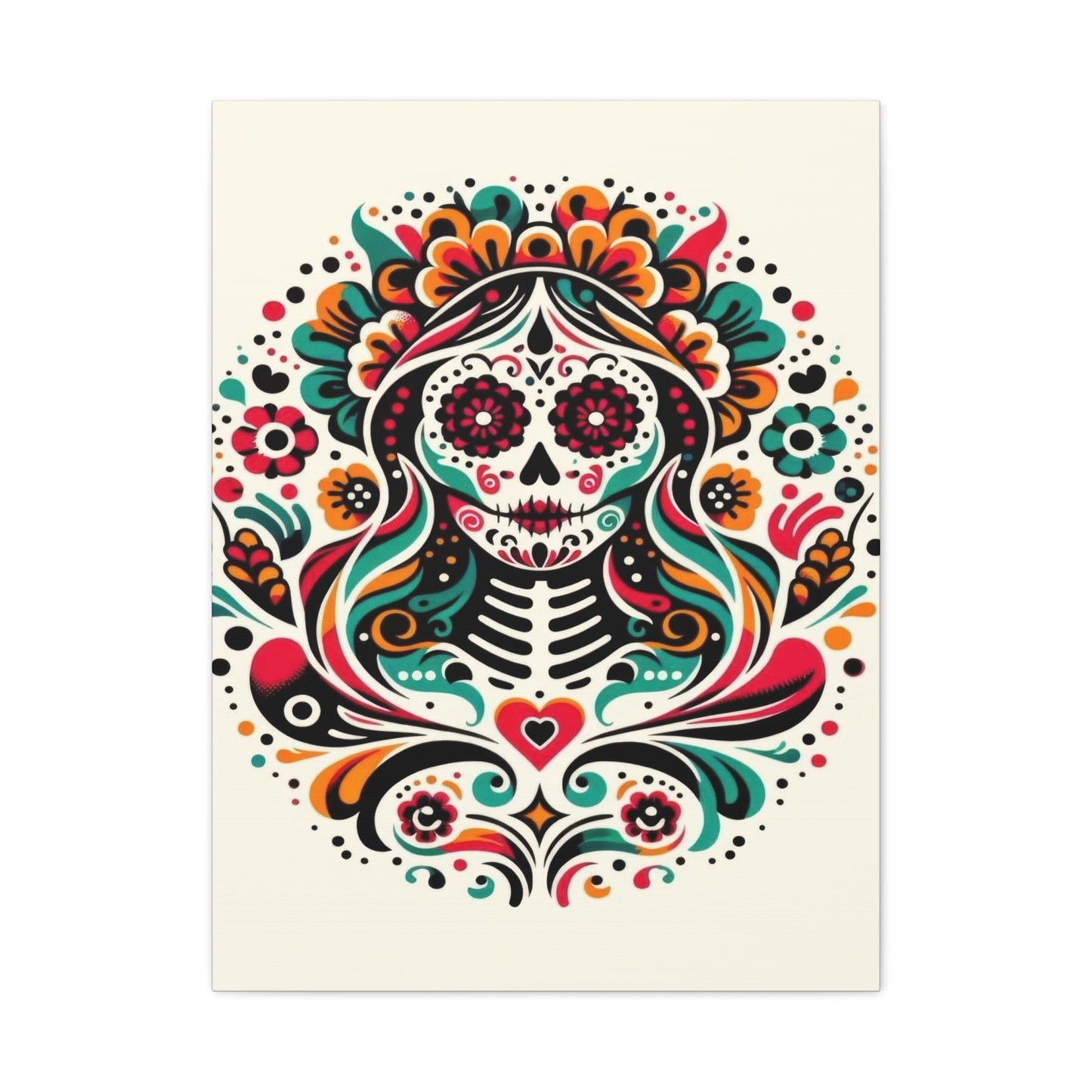
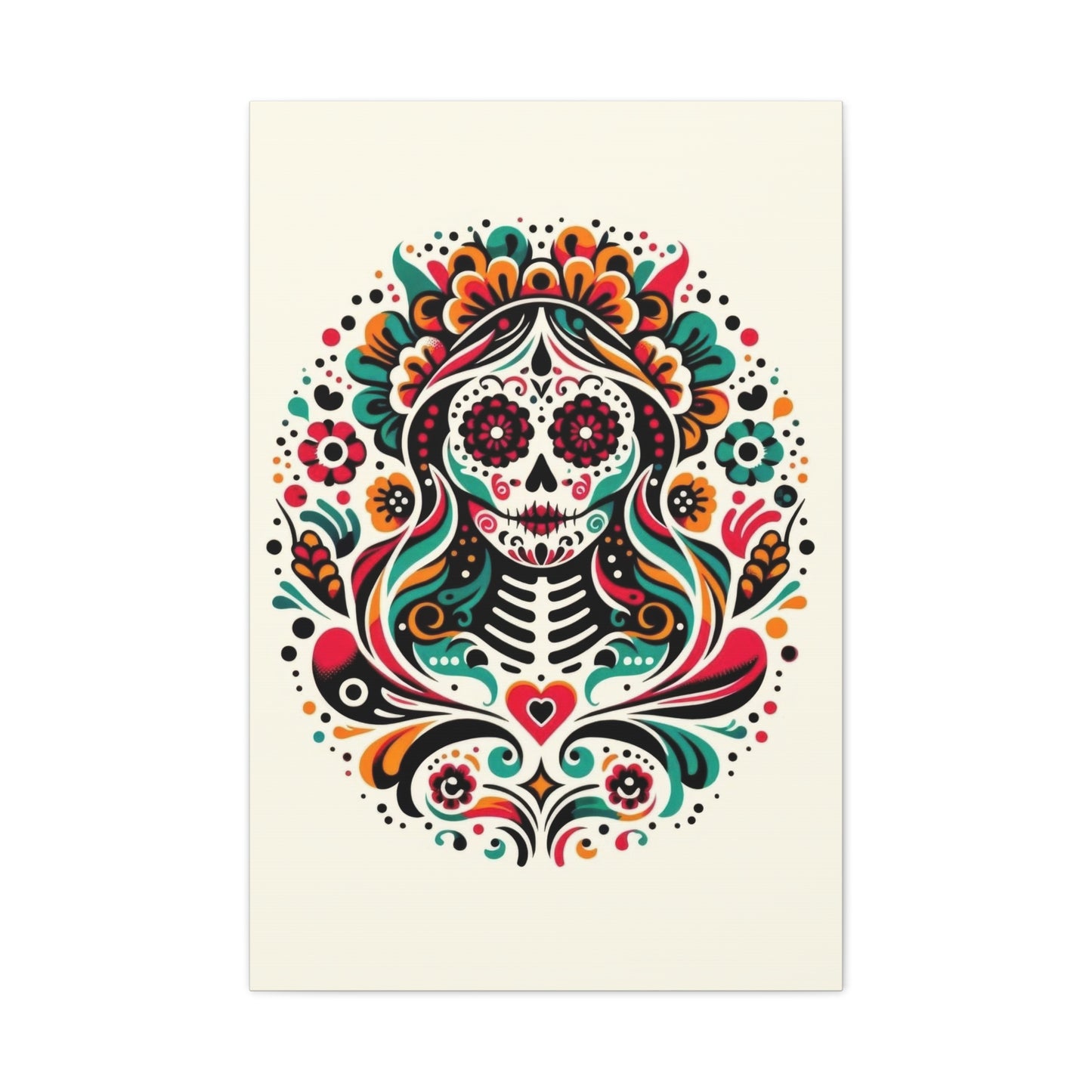
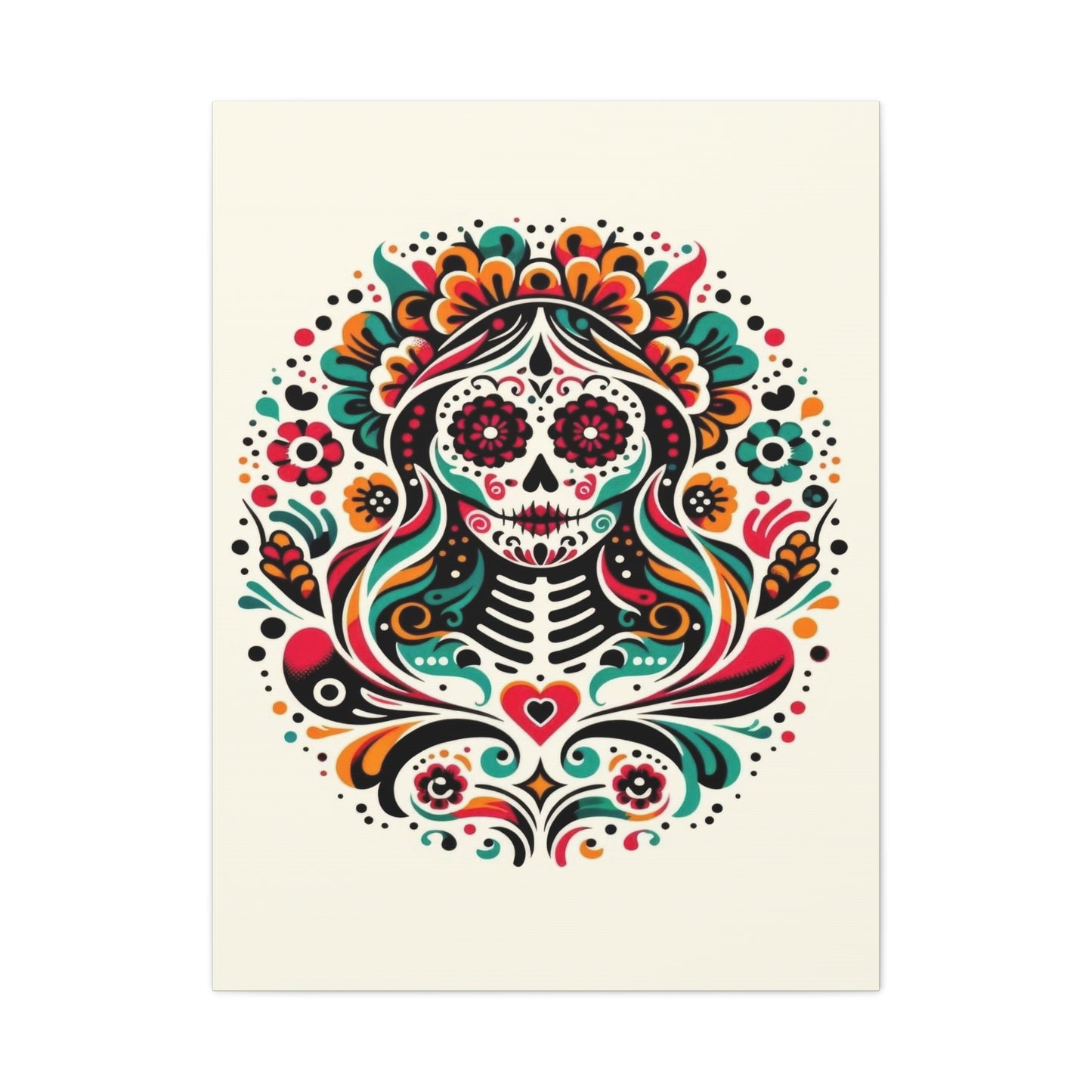
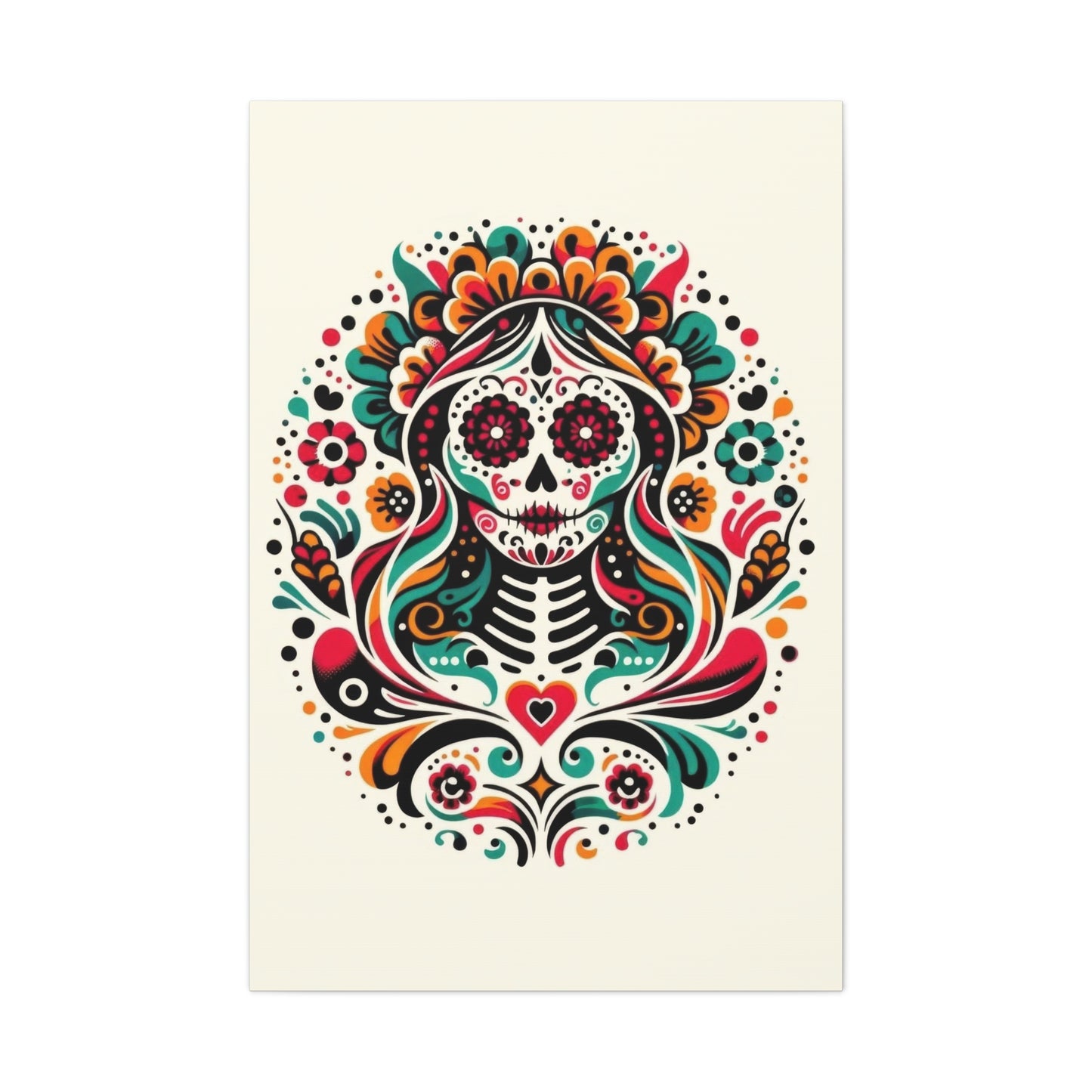
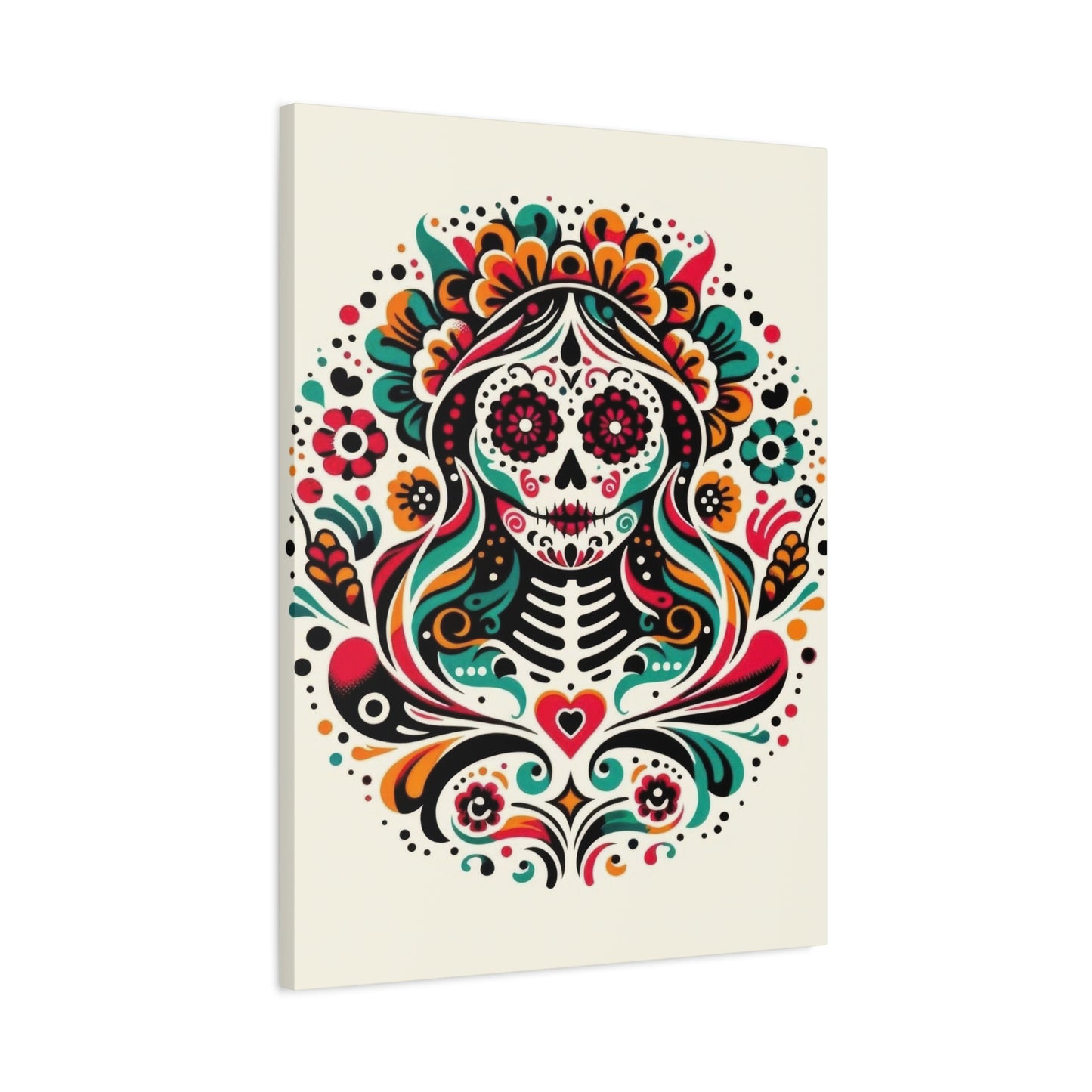
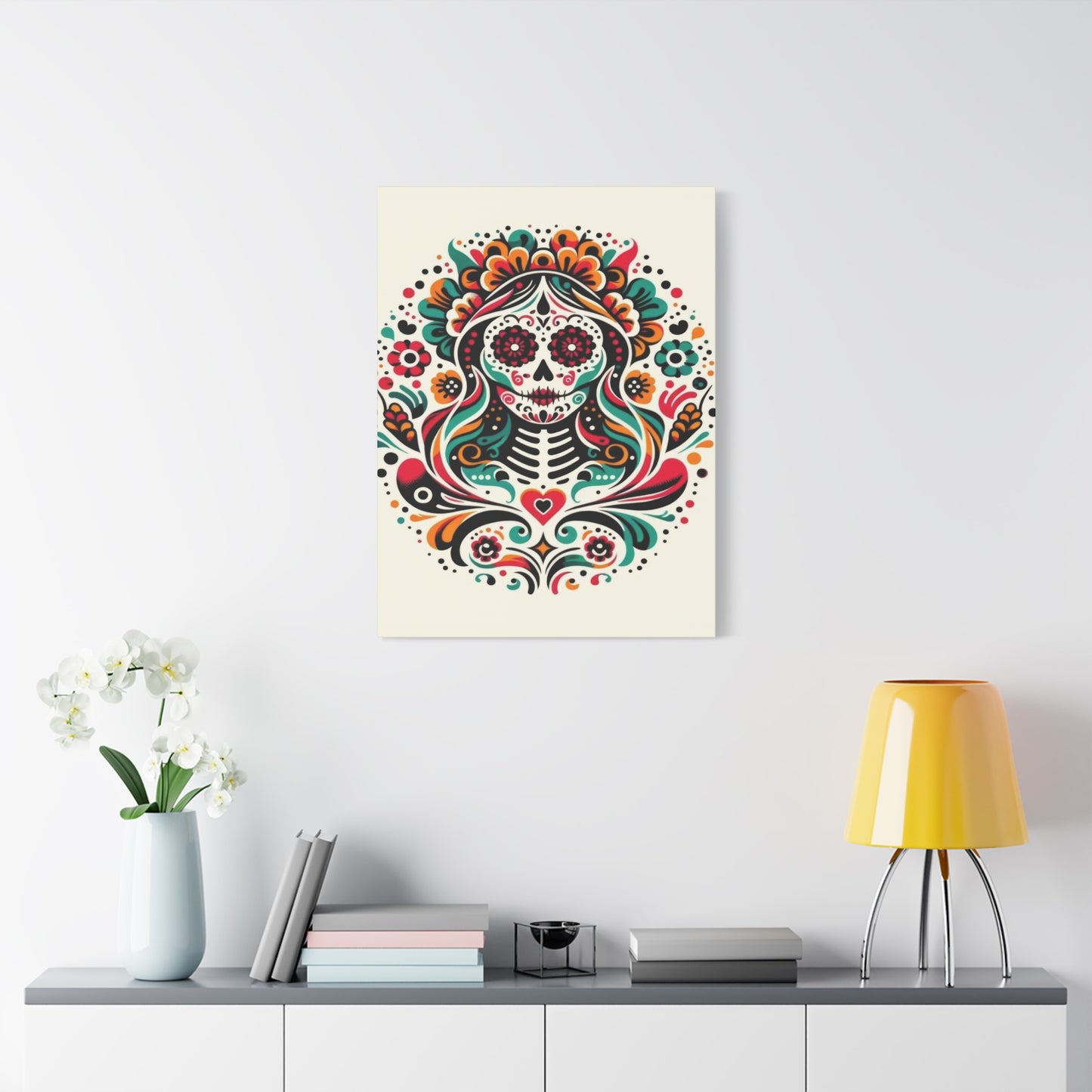
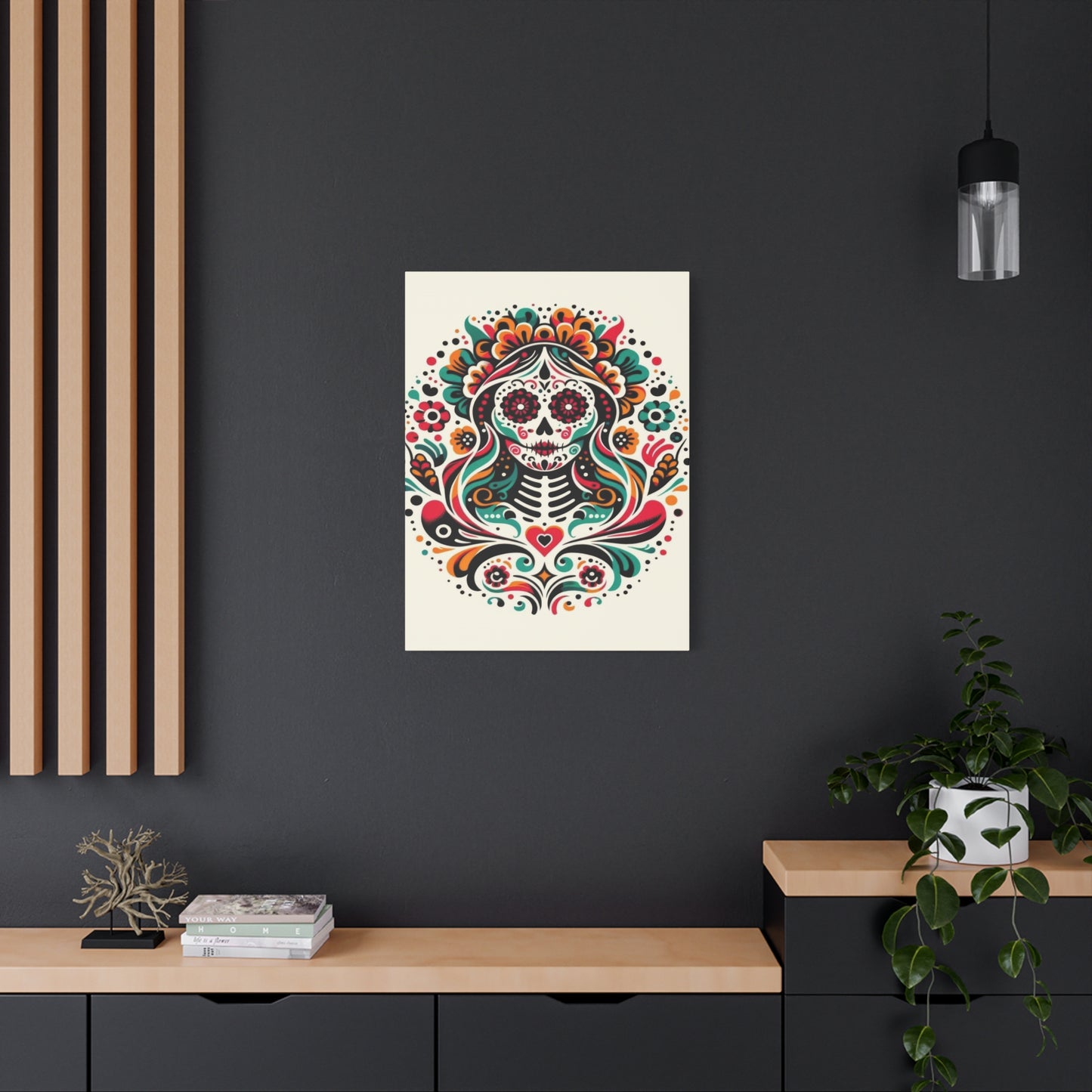
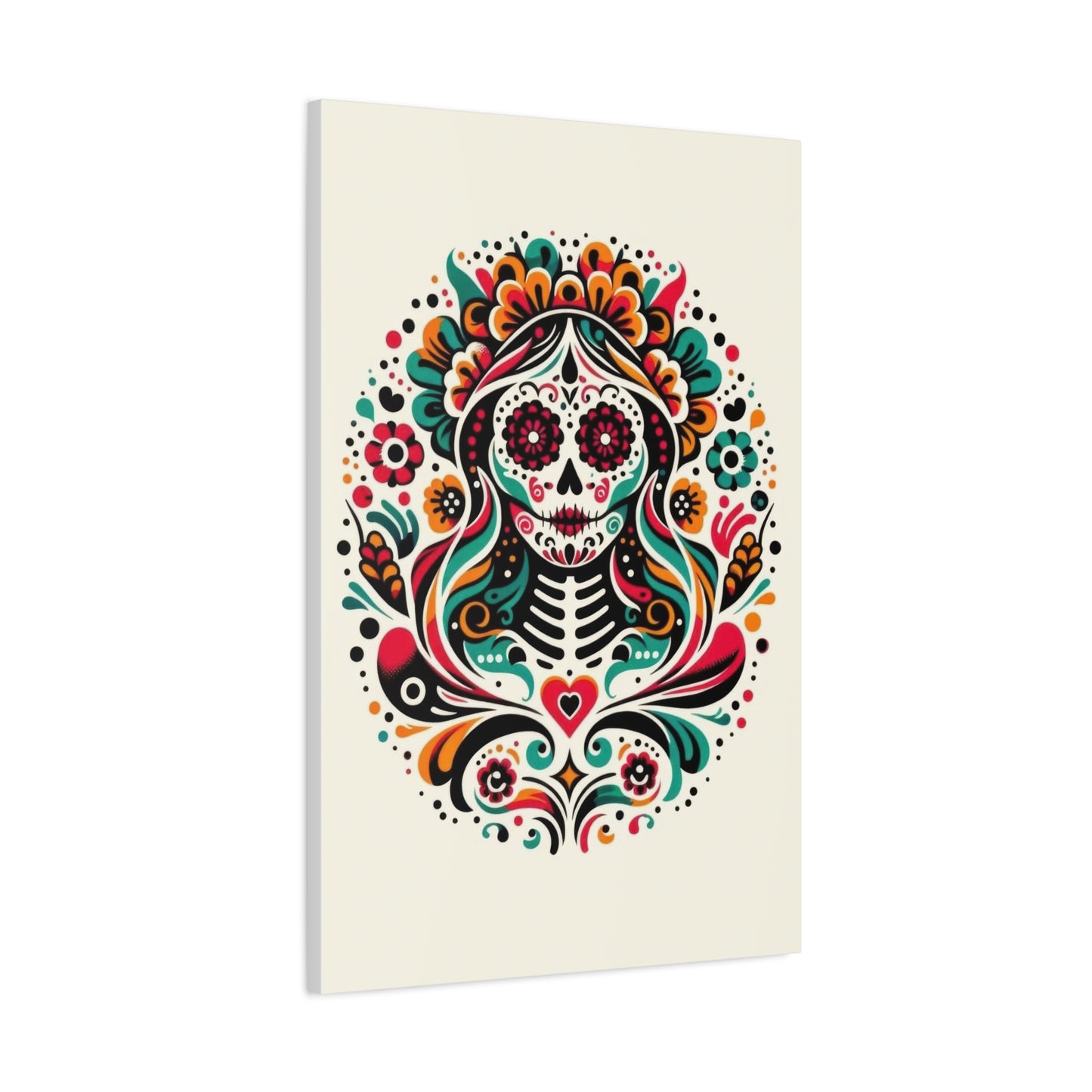
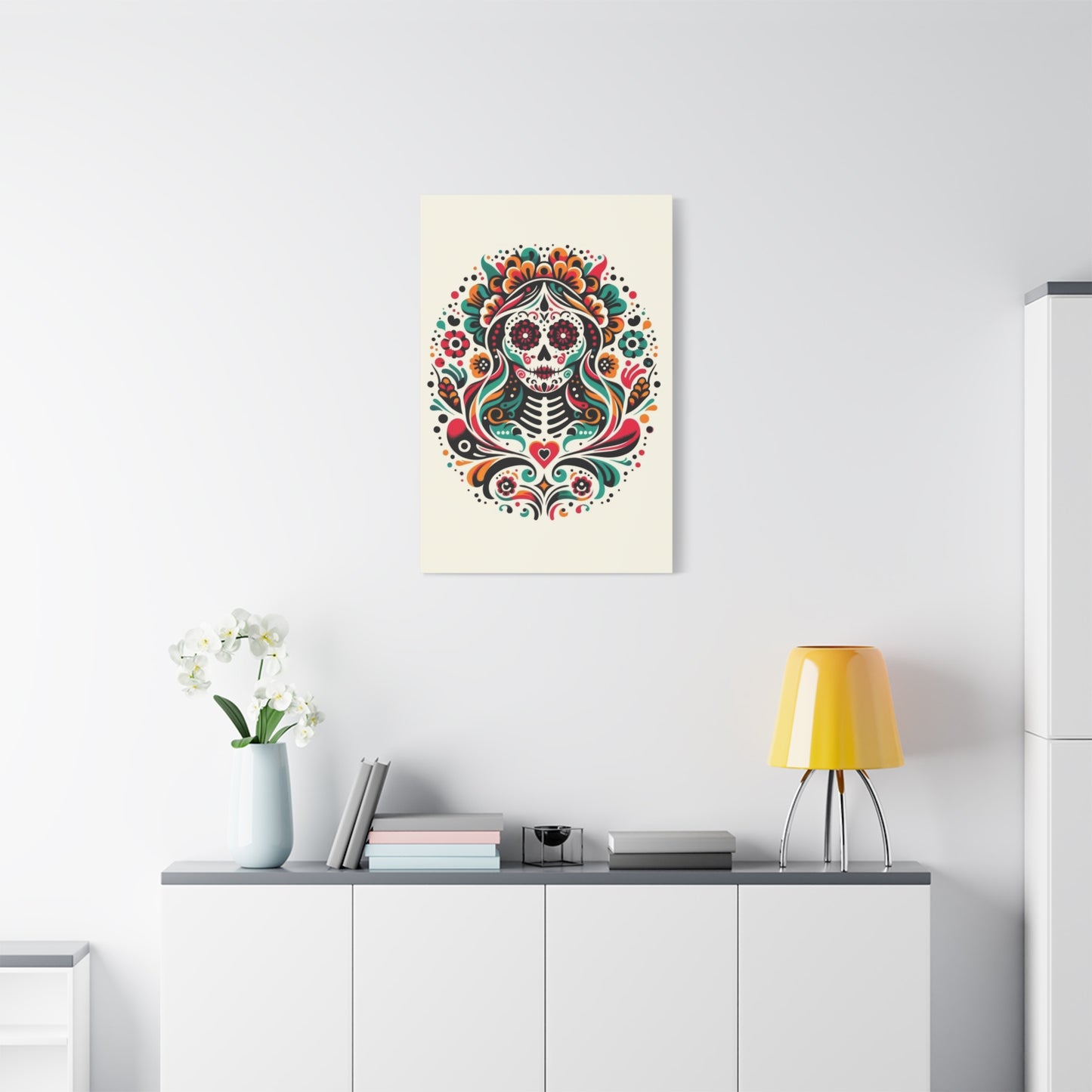
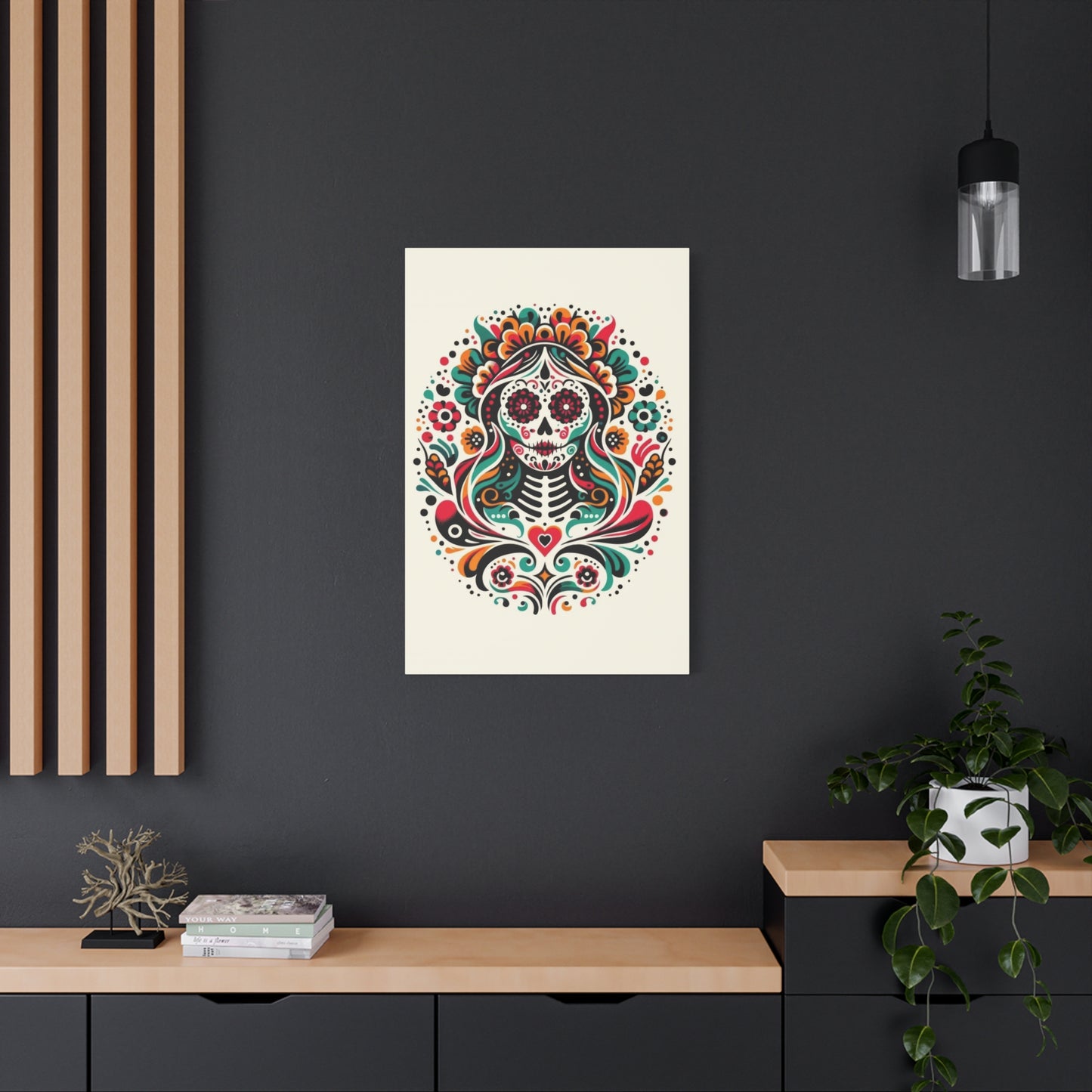
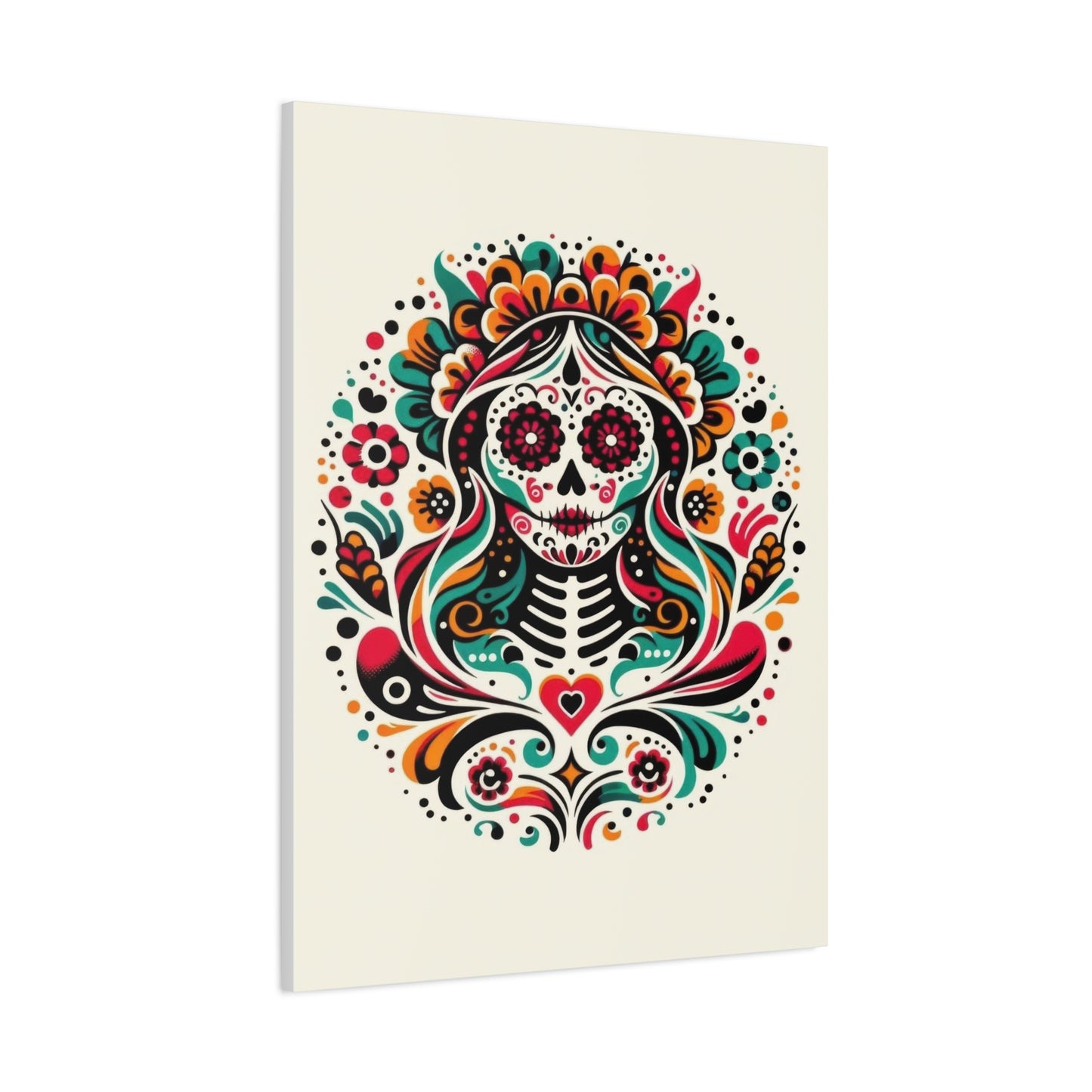
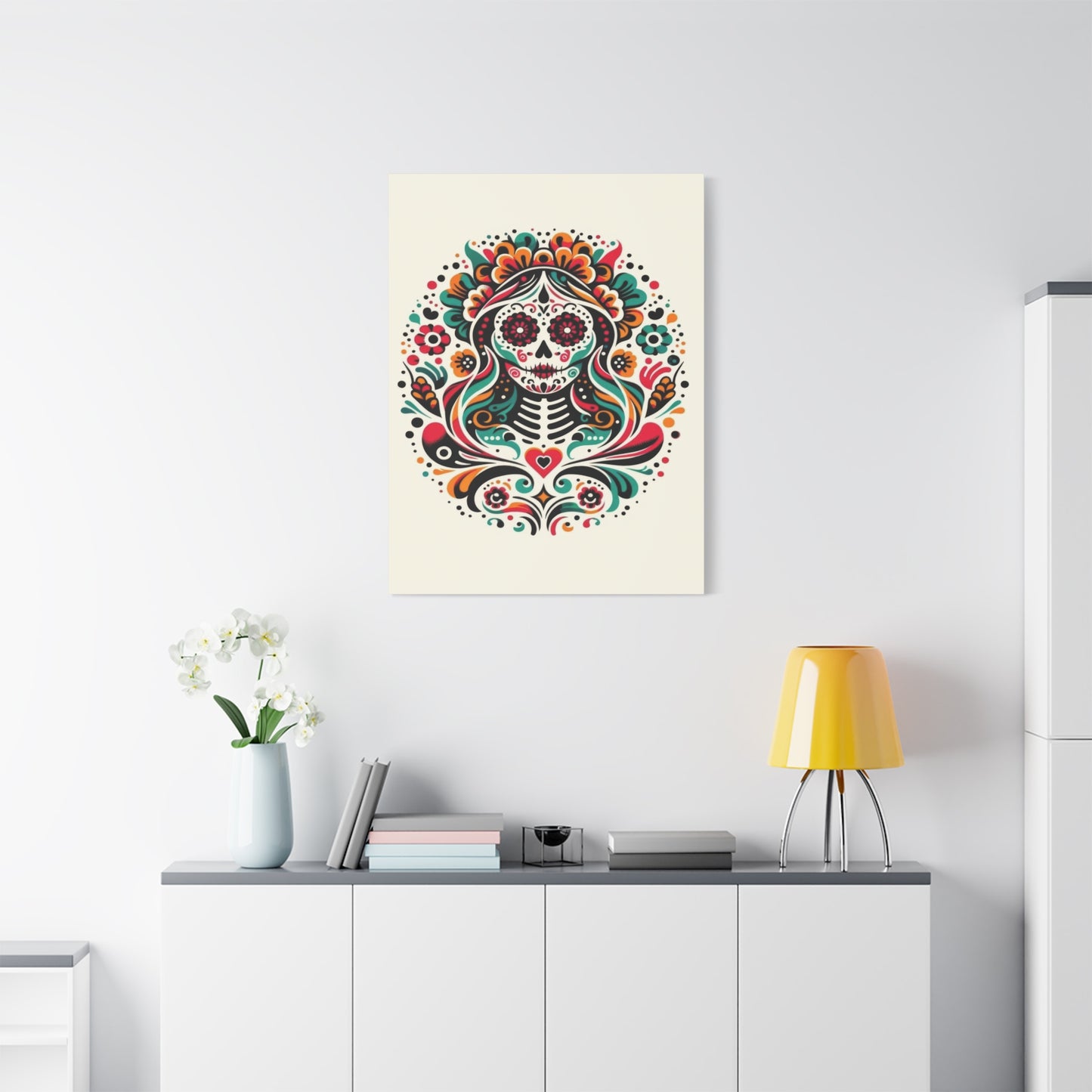
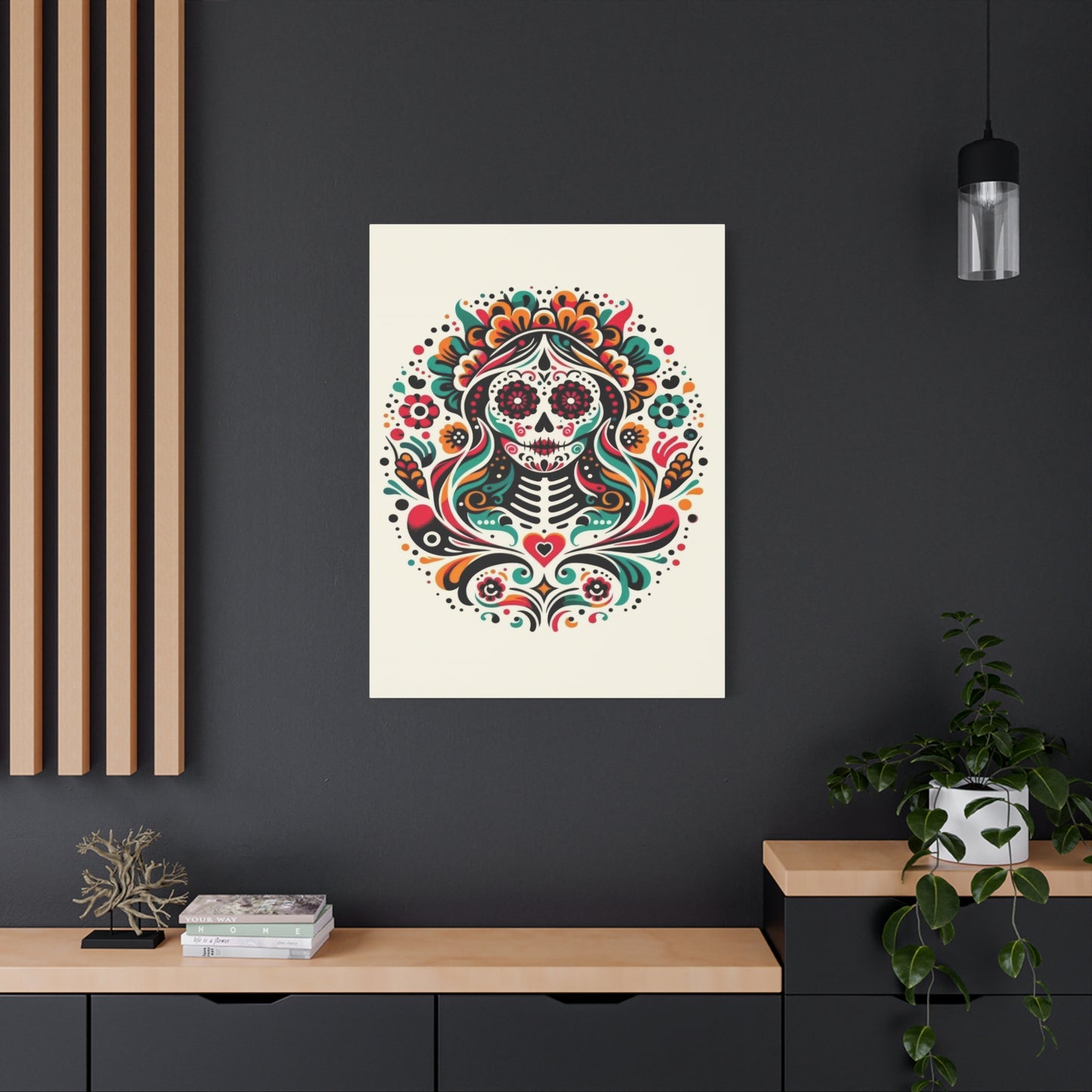
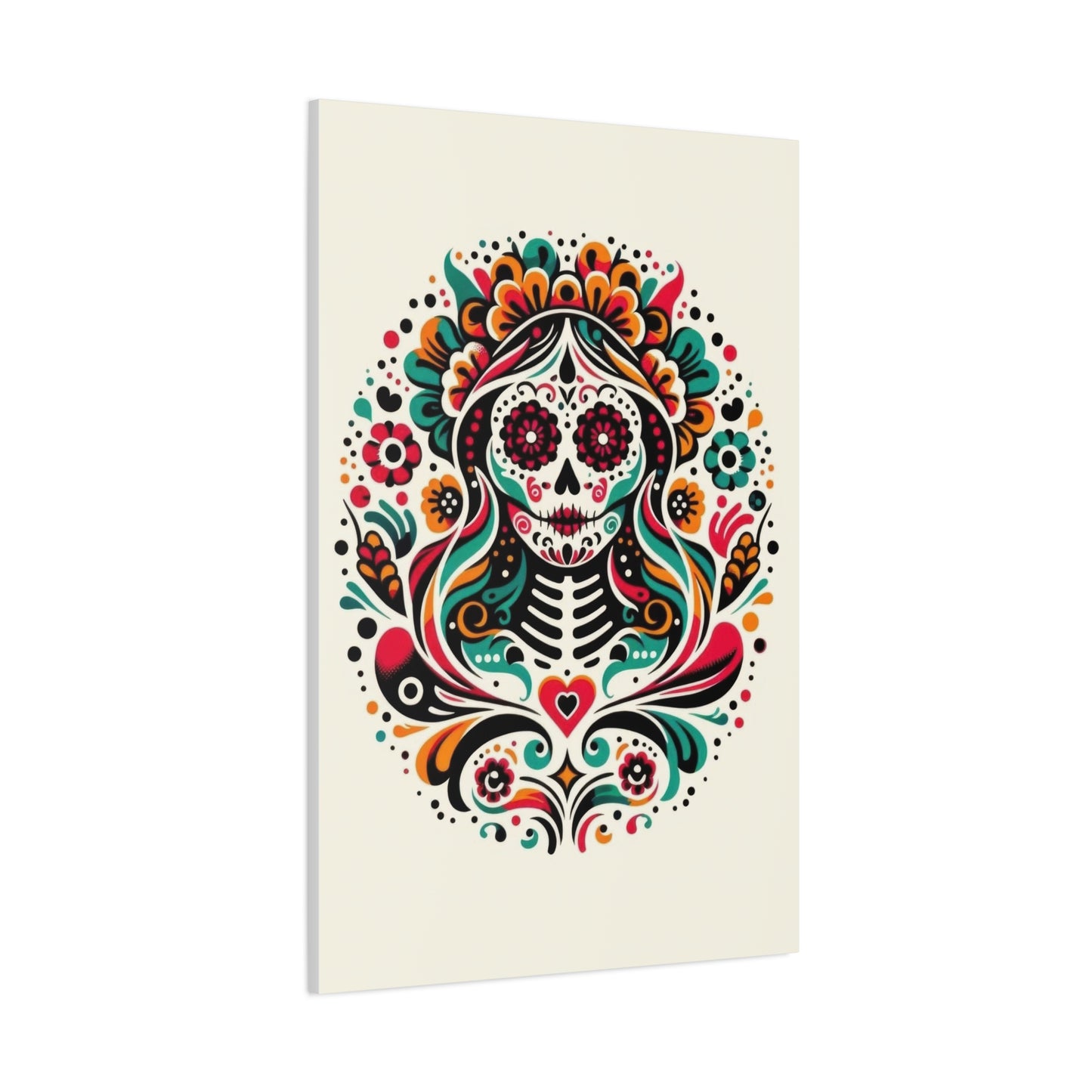
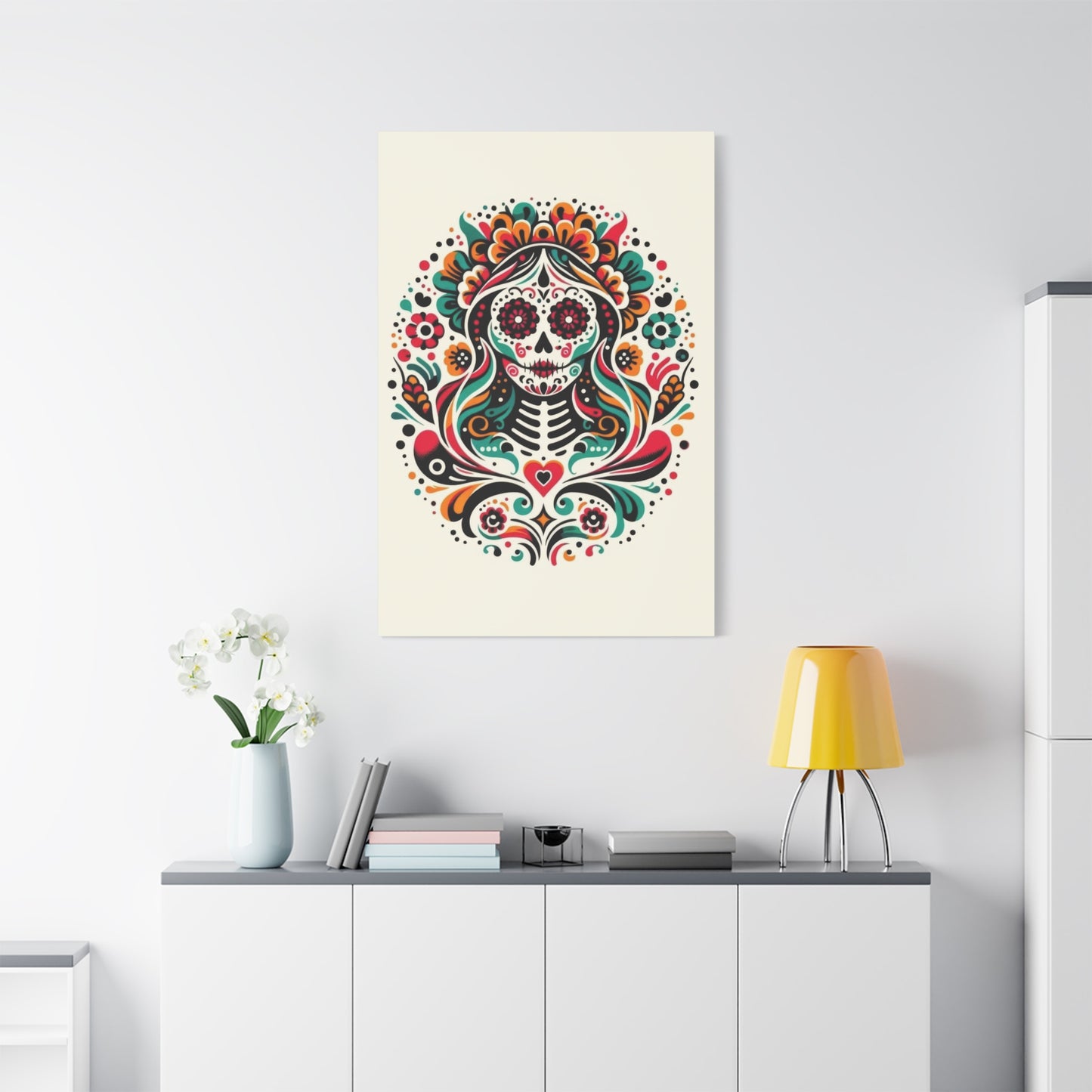
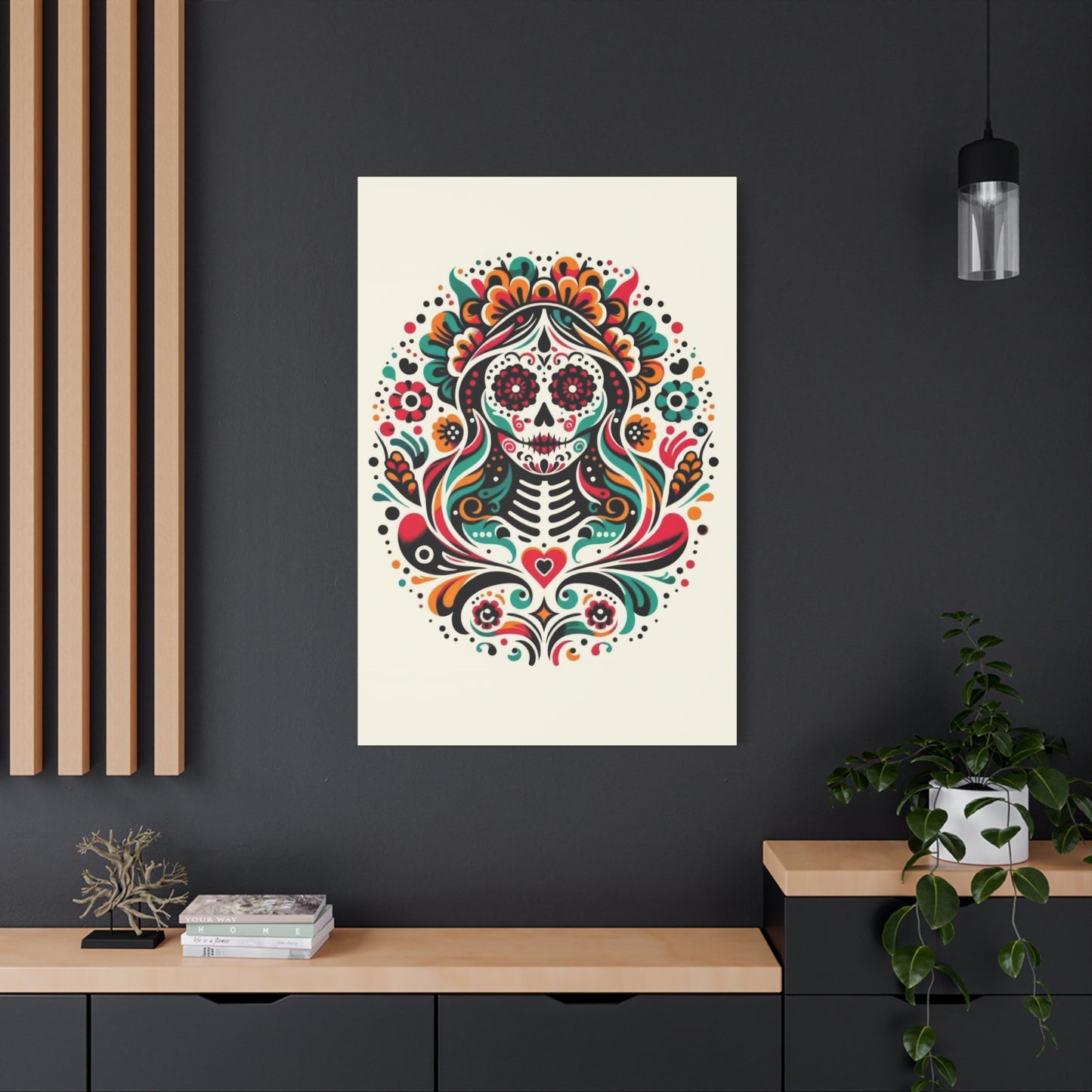
Making a Powerful Visual Statement with Calavera Kaleidoscope Wall Art Decorations
When you walk into a room adorned with striking visual elements, your attention immediately gravitates toward pieces that command presence and personality. Among the most captivating decorative choices available today, calavera kaleidoscope wall decorations stand out as exceptional artistic statements that merge cultural richness with contemporary aesthetic appeal. These remarkable pieces transform ordinary walls into extraordinary galleries that spark conversation and admiration.
The power of these decorative elements lies in their ability to create immediate impact. Unlike subdued or minimalist artwork that whispers from the walls, calavera kaleidoscope designs shout with confidence and joy. They feature intricate patterns that swirl and dance across the canvas, combining traditional skull imagery with explosive color palettes that capture the eye and hold attention. The bold nature of these pieces makes them ideal for anyone seeking to inject personality and character into their living spaces.
What makes these artistic creations particularly compelling is their multidimensional appeal. On one level, they serve as stunning visual focal points that anchor a room's design scheme. The vibrant hues ranging from electric blues and passionate purples to fiery oranges and sunny yellows create energy that radiates throughout the space. On another level, they carry deep cultural significance, connecting modern interiors to ancient traditions that honor life, death, and the cyclical nature of existence.
The kaleidoscope effect inherent in these designs adds another layer of visual interest. Just as looking through a kaleidoscope reveals constantly shifting patterns of beauty, these wall decorations present viewers with complex arrangements that reveal new details with each viewing. The symmetrical patterns and repeating motifs create a sense of harmony despite the bold color choices, making these pieces surprisingly versatile for various interior design approaches.
For homeowners and decorators seeking to break away from conventional wall art, calavera kaleidoscope pieces offer the perfect solution. They challenge the notion that elegance requires restraint, proving instead that boldness and sophistication can coexist beautifully. Whether displayed in living rooms, bedrooms, creative studios, or commercial spaces, these decorations make unmistakable statements about the occupant's appreciation for art, culture, and fearless design choices.
The dimensional quality of many calavera kaleidoscope pieces further enhances their impact. Some designs incorporate metallic accents that catch light and create shimmer, while others feature textured surfaces that add tactile interest. This physical depth complements the visual depth created by the layered patterns and colors, resulting in artwork that engages multiple senses and creates truly immersive experiences.
Illuminating Interior Spaces with Calavera Kaleidoscope Artistic Expression
Transforming dull walls into vibrant showcases requires artwork that genuinely brightens spaces rather than simply filling them. Calavera kaleidoscope artistic expressions excel at this task, functioning almost as light sources themselves through their luminous color palettes and energetic designs. The brightening effect these pieces create extends beyond physical illumination to encompass emotional and psychological uplift.
The strategic use of color in these artworks creates perceived brightness that affects how entire rooms feel. Yellows, oranges, and warm pinks reflect light efficiently, creating the impression of sun-filled spaces even in areas with limited natural lighting. Blues and purples, while cooler, often include enough saturation to read as vibrant rather than dim. This careful color orchestration ensures that the pieces energize rather than darken their surroundings.
Placement considerations maximize the brightening potential of calavera kaleidoscope art. Positioning pieces where they catch natural or artificial light creates dynamic visual effects as illumination shifts throughout the day. Morning sunlight might make certain colors glow while afternoon light emphasizes different hues. Evening lighting from lamps or fixtures creates entirely different moods, allowing single pieces to provide multiple aesthetic experiences depending on time and lighting conditions.
The psychological brightening effect proves equally important. Humans respond powerfully to color on emotional and mental levels. Vibrant, warm colors associated with calavera kaleidoscope designs trigger positive emotional responses, elevating moods and creating feelings of welcome and comfort. Spaces adorned with these pieces feel more inviting and energetic, encouraging social interaction and creative thinking. This psychological dimension makes the art functional beyond its decorative role.
The contrast between calavera kaleidoscope art and neutral walls amplifies the brightening effect. When positioned against white, cream, gray, or other subdued backgrounds, the vivid colors appear even more luminous through contrast. This relationship between artwork and surroundings creates visual pop that draws attention and distributes color interest throughout rooms. The neutral backgrounds provide rest for eyes while the artwork provides excitement, achieving balance that prevents visual fatigue.
Brightening effects extend to the overall atmosphere of spaces. Rooms featuring calavera kaleidoscope art feel more alive and welcoming than those with generic or muted decoration. Guests notice and comment on the pieces, creating natural conversation starters that break ice and facilitate social connection. The energy these artworks radiate influences how people feel and behave in spaces, making environments more conducive to positive experiences and memorable gatherings.
The Complex Artistry Within Calavera Kaleidoscope Wall Decorations
Beyond initial visual impact lies remarkable artistic complexity that rewards sustained attention and careful observation. Calavera kaleidoscope wall decorations feature layered intricacy that reveals itself gradually, offering ongoing visual interest that prevents the pieces from becoming background elements that fade from conscious notice over time. Understanding this complexity deepens appreciation for the skill and creativity these works represent.
The foundational skull forms typically incorporate numerous decorative elements that reference traditional ornamental approaches. Floral patterns might represent specific flower types with cultural significance. Geometric shapes often follow mathematical principles creating pleasing proportions and relationships. Organic curves balance angular elements, creating visual rhythms that guide eyes through compositions. Each element serves both decorative and symbolic functions, contributing to overall meaning while enhancing visual appeal.
The kaleidoscope multiplication effect adds exponential complexity to these foundational designs. Each mirrored repetition creates opportunities for new pattern recognition and visual relationships. Elements that appear simple in single skulls become intricate mandalas when repeated and rotated through kaleidoscope arrangements. The symmetry creates satisfying balance while the variations within that symmetry maintain interest and prevent monotony.
Color application within these complex designs requires sophisticated understanding of color theory and visual hierarchy. Artists must ensure that colors advance and recede appropriately, creating depth perception within two-dimensional surfaces. Complementary colors create vibration and energy where juxtaposed, while analogous colors provide harmonious transitions between sections. Value contrasts ensure that important elements remain visible despite overall visual complexity.
Many pieces incorporate multiple levels of detail operating at different scales. Large-scale forms create overall structure visible from across rooms. Medium-scale patterns become apparent at typical viewing distances. Fine details reward close examination, revealing miniature flourishes and delicate linework that might include tiny flowers, dots, scrollwork, or other ornamental elements. This multi-scale approach ensures the artwork remains engaging from various distances and viewing angles.
The technical execution of calavera kaleidoscope art often involves multiple processes and materials. Digital designs might combine vector graphics with photographic textures. Traditional paintings could layer different media to achieve desired effects. Prints might use specialized techniques to ensure color accuracy and longevity. Understanding the craft behind these pieces enhances appreciation for the skill and labor they represent beyond their aesthetic impact.
Compositional principles governing these designs demonstrate sophisticated artistic understanding. Despite apparent visual exuberance, successful pieces maintain careful balance between unity and variety, repetition and variation, chaos and order. Too much uniformity creates boring predictability, while excessive variation produces incoherent visual noise. Skilled artists and designers navigate these tensions expertly, creating works that feel simultaneously energetic and harmonious.
Practical Guidance for Displaying Calavera Kaleidoscope Art Throughout Your Residence
Acquiring beautiful artwork represents only the first step toward creating impactful interior environments. Thoughtful integration and display practices maximize the effectiveness of calavera kaleidoscope art within residential spaces. Understanding placement principles, companion piece selection, and environmental considerations helps homeowners achieve professional-quality results that honor both the artwork and the living spaces it enhances.
Room selection significantly impacts how calavera kaleidoscope pieces function within homes. Living rooms and common areas benefit from these conversation-starting works that welcome guests and reflect household personality. Bedrooms can accommodate slightly more personal or introspective pieces that still provide color and interest without excessive stimulation before sleep. Creative spaces like home offices or studios particularly benefit from the energizing presence these vibrant works provide.
Wall selection within chosen rooms requires consideration of visibility, lighting, and surrounding elements. Focal walls where eyes naturally gravitate upon room entry make ideal locations for statement pieces. Areas above major furniture like sofas or beds provide natural hanging locations with built-in visual anchoring. Blank walls that interrupt otherwise finished spaces become opportunities rather than problems when addressed with appropriate artwork.
Height considerations ensure optimal viewing and visual relationship with surrounding elements. General guidelines suggest hanging artwork so that center points align with average human eye level, typically around sixty inches from floor level. However, contextual factors might modify this guideline. Pieces viewed primarily while seated might hang slightly lower, while works intended to draw eyes upward in rooms with high ceilings might hang higher than standard recommendations suggest.
Surrounding decor should complement without competing with calavera kaleidoscope art. Neutral furniture and wall colors provide ideal backgrounds that allow artwork to command attention. Incorporating accent colors that echo hues from the artwork throughout rooms through throw pillows, rugs, or small decorative objects creates cohesive color stories without overwhelming senses. Too many competing bold elements create visual confusion rather than pleasing environments.
Lighting deserves careful attention when displaying these colorful works. Natural light brings out color vibrancy beautifully but must be monitored for potential fading concerns with certain print types. Artificial lighting should provide adequate illumination without glare or hot spots. Adjustable lighting options allow for atmospheric variation, creating different moods with the same artwork depending on occasion and preference.
Grouping strategies work well when working with multiple calavera kaleidoscope pieces or combining them with other artwork. Gallery walls incorporating varied sizes and complementary works create dynamic visual narratives. Symmetrical arrangements of matching pieces suit more formal spaces. Asymmetrical groupings feel more casual and collected. Consistent framing or matting choices help unify diverse pieces into coherent collections rather than random assemblages.
Special Enhancement for Cultural Celebration Occasions and Seasonal Displays
While calavera kaleidoscope art enhances everyday living spaces year-round, these pieces possess particular resonance during cultural celebration periods and can be incorporated into seasonal decorating schemes that honor traditions while maintaining contemporary aesthetic standards. Understanding these special applications adds versatility and depth to these artistic investments.
The autumn season and early November period hold special significance for this artwork due to cultural connections with remembrance traditions. During these times, calavera kaleidoscope pieces can become centerpieces of broader decorative schemes that honor deceased loved ones while celebrating life and memory. The artwork provides year-round beauty while gaining additional layers of meaning during specific seasons, demonstrating the value of decoration that serves multiple temporal functions.
Creating seasonal displays around these permanent artworks allows for decorative variation without requiring major changes. Adding seasonal flowers, candles, photographs, or small commemorative objects near the artwork transforms spaces for special occasions without necessitating artwork rotation or storage. This approach honors both the desire for seasonal change and the practicality of maintaining consistent core decoration that doesn't require constant modification.
The cultural education opportunities presented during celebration seasons make calavera kaleidoscope art particularly valuable in diverse households or those seeking to expose family members to varied traditions. The artwork serves as visual starting point for conversations about cultural practices, beliefs, and artistic traditions. These discussions enrich celebration observances beyond surface-level decoration, creating meaningful family experiences that connect visual environments to deeper cultural understanding.
Party and gathering contexts during cultural celebration periods benefit from the festive energy calavera kaleidoscope art naturally provides. The bold colors and celebratory imagery create appropriate atmospheres for social events that honor tradition while embracing joy and community. Guests respond positively to environments where decoration reflects genuine cultural engagement rather than superficial or appropriative approaches to cultural imagery.
Beyond specific cultural celebrations, the general seasonal versatility of these pieces deserves recognition. The warm colors typical of many calavera kaleidoscope designs align beautifully with autumn decorating palettes. The jewel tones common in these works complement winter holiday schemes. The floral elements and vibrant hues work perfectly with spring and summer aesthetics. This year-round appropriateness maximizes the value and utility of these artistic investments.
Collectors and enthusiasts might develop rotating display strategies that feature different calavera kaleidoscope pieces during different seasons or for different occasions. This approach allows for decorative variation while maintaining thematic consistency and protecting investments by limiting constant light exposure to individual pieces. Rotating displays also prevent visual fatigue, ensuring that pieces remain fresh and engaging rather than becoming invisible through excessive familiarity.
The Chromatic Richness Inherent in Calavera Kaleidoscope Wall Decorations
Color serves as one of the most powerful tools available to artists and designers, directly influencing human emotion, perception, and behavior. Calavera kaleidoscope wall decorations harness color's psychological and aesthetic power through carefully orchestrated palettes that energize spaces while maintaining visual harmony. Understanding the chromatic strategies employed in these works illuminates their effectiveness and appeal.
The primary color selections in these pieces typically draw from warm-dominant palettes featuring abundant yellows, oranges, reds, and pinks. These warm colors carry psychological associations with energy, enthusiasm, creativity, and joy. They create welcoming atmospheres and stimulate positive emotional responses in viewers. The prevalence of warm colors in calavera kaleidoscope art contributes significantly to the uplifting, celebratory feeling these pieces generate.
Cool color accents provide crucial balance within predominantly warm palettes. Blues, purples, and greens offer visual rest areas where eyes can recover from warm color intensity. These cooler tones add depth and dimension, preventing compositions from appearing flat or monotonous. The interplay between warm and cool colors creates visual interest through temperature contrast while maintaining overall harmony through careful proportion and distribution.
Saturation levels in calavera kaleidoscope art typically trend toward high, embracing vivid, intense color expressions rather than muted or pastel approaches. This saturation choice creates the characteristic vibrancy these pieces are known for, ensuring they command attention and create impact. High saturation also enhances the perceived brightness and energy of spaces, contributing to the uplifting environmental effects these works produce.
Value contrast between lighter and darker color areas creates depth and dimension within designs. Without sufficient value variation, even colorful work can appear flat and unengaging. Skilled artists ensure that compositions include both lighter tints and deeper shades, creating visual hierarchy that guides viewer attention through pieces in intentional ways. This value structure ensures that important elements remain visible despite overall visual complexity.
Color symbolism adds layers of meaning to aesthetic color choices. Marigold shades reference traditional flowers used in cultural ceremonies. Purples suggest spirituality and transformation. Greens represent life and renewal. Reds embody passion and vitality. While viewers need not consciously recognize these symbolic associations to appreciate the artwork, the cultural meaning embedded in color choices adds depth that distinguishes these pieces from arbitrary color selections.
The technical achievement of color reproduction varies across different production methods. Quality prints must accurately capture the color vibrancy and subtle gradations of original designs. Paint applications require skill to achieve consistent coverage and appropriate mixing. Digital displays must calibrate correctly to show colors as intended. Appreciating the technical challenges involved in color reproduction enhances understanding of quality differences between various calavera kaleidoscope offerings in the marketplace.
Synthesizing Heritage Imagery with Contemporary Visual Approaches
The ongoing evolution of artistic expression requires continual negotiation between preservation and innovation. Calavera kaleidoscope art represents particularly successful synthesis of heritage imagery and contemporary visual approaches, demonstrating how traditional symbols can be reinterpreted for modern contexts without losing essential cultural meaning. Understanding this synthesis process illuminates broader conversations about cultural evolution and artistic development.
The traditional sugar skull form provides immediately recognizable cultural anchor points within these contemporary pieces. Even viewers unfamiliar with specific traditions generally recognize the skull imagery as carrying particular cultural significance distinct from generic skeleton imagery. This recognizability ensures that contemporary reinterpretations remain connected to their cultural origins rather than becoming disconnected aesthetic borrowings stripped of meaning.
Modern design principles shape how traditional imagery is presented and arranged within calavera kaleidoscope pieces. Symmetry, repetition, geometric precision, and color theory applications reflect contemporary aesthetic values and training. These modern approaches make the traditional imagery feel current and relevant to audiences accustomed to particular visual standards. The meeting of traditional symbol and modern method creates something neither purely traditional nor entirely contemporary but rather a vital hybrid form.
Digital design tools enable complexity and precision that would have been extremely difficult or impossible to achieve through traditional hand-production methods alone. Computer software allows for perfect mirroring, mathematical precision in pattern creation, and unlimited color experimentation. This technological capability expands artistic possibilities while raising questions about authenticity and handcraft values that some traditional practitioners prioritize.
The accessibility of contemporary forms through various reproduction methods democratizes cultural art in ways that have both positive and complex dimensions. Quality prints make sophisticated designs available at various price points, allowing more people to access and display cultural art. However, this accessibility also requires consideration of appropriate respect for cultural origins and concerns about cultural appropriation when imagery is divorced from understanding and presented purely as decorative trend.
The global circulation of cultural imagery through modern media and commerce creates both opportunities and challenges. Wider exposure can build appreciation and understanding of cultural traditions beyond their origin communities. However, this exposure also risks superficial engagement where imagery is consumed without comprehension or respect for its cultural significance. Quality calavera kaleidoscope art that provides cultural context helps mitigate these concerns while celebrating cultural sharing.
The commercial market for cultural art creates economic opportunities for artists and communities while also raising questions about commodification and profit distribution. When cultural community members control artistic production and benefit economically from their cultural heritage, commerce supports cultural preservation and artist livelihoods. When outside entities profit from cultural imagery without community involvement or benefit, problematic appropriation occurs. Conscious consumers increasingly consider these factors when making purchasing decisions.
Creating Inviting Living Spaces with Calavera Kaleidoscope Wall Decorations
The heart of any home resides in its living spaces where families gather, guests are entertained, and daily life unfolds. Styling these crucial rooms requires careful consideration of multiple factors including comfort, functionality, and aesthetic appeal. Calavera kaleidoscope wall decorations offer unique solutions for living room styling that address all these concerns while creating memorable spaces that reflect inhabitant personality and cultural awareness.
The living room focal wall typically represents the prime location for statement artwork like calavera kaleidoscope pieces. This wall, usually behind the main seating area or opposite the room entry, naturally draws attention and sets the aesthetic tone for entire spaces. Placing bold, culturally significant artwork in this position immediately communicates that the space values art, culture, and confident design choices, establishing atmosphere before any conversation occurs.
Furniture arrangement should support and complement rather than compete with wall art. Neutral upholstery in living room seating allows calavera kaleidoscope art to provide color interest without creating visual chaos through excessive pattern mixing. However, subtle pattern incorporation through throw pillows or blankets that echo colors from the artwork can create pleasing visual connections without overwhelming senses. The goal involves achieving balance between unity and variety throughout the space.
Coffee tables and side tables present opportunities for three-dimensional objects that echo themes from wall art without directly matching it. Decorative skulls, colorful pottery, or floral arrangements can reference the imagery and color palettes in calavera kaleidoscope pieces while adding dimensional interest. Books about art, culture, or related topics provide both visual interest and conversation material that extends engagement with the artwork beyond purely visual appreciation.
Lighting design significantly impacts how calavera kaleidoscope art appears and functions within living spaces. Overhead lighting should provide general illumination without creating glare on artwork. Accent lighting like picture lights or track lights can highlight artwork specifically, creating focal points that draw attention during evening hours when natural light fades. Dimmer switches allow for atmospheric adjustments that change how colors appear and how the space feels during different activities or occasions.
Window treatments balance natural light admission with glare control and privacy concerns. Sheer curtains allow light to filter in softly without direct harsh sunlight that might fade artwork over time. Heavier drapes can be drawn when privacy or darkness is desired. The color and pattern of window treatments should coordinate with the overall room scheme including consideration of how they relate visually to wall artwork.
Rug selection provides opportunities to ground the space while contributing to color schemes. Large area rugs that incorporate colors found in calavera kaleidoscope artwork help tie rooms together visually while defining seating areas. Patterns on rugs should either coordinate in scale with wall art or provide contrast; similar-scale patterns can create visual competition while varied scales create pleasing hierarchy and visual interest.
Sparking Discussion and Curiosity with Calavera Kaleidoscope Art
Social interaction forms a fundamental human need, and our physical environments significantly influence how comfortably and naturally these interactions occur. Calavera kaleidoscope art excels as conversation catalyst, providing natural discussion starting points that help guests feel at ease while allowing hosts to share interests and values through accessible visual media. Understanding these social functions reveals dimensions of value beyond pure aesthetics.
The distinctive appearance of calavera kaleidoscope pieces naturally draws attention and comment. Unlike neutral or conventional artwork that might barely register consciously, these bold designs command notice and invite response. Guests almost inevitably comment on the pieces, providing natural opening for conversation that requires no awkward small talk or forced interaction. The artwork essentially breaks ice automatically, easing social situations for both hosts and visitors.
The cultural dimensions of these pieces provide rich conversation territory for those interested in exploring deeper topics. Hosts can share knowledge about the cultural traditions inspiring the artwork, potentially introducing guests to perspectives and practices they hadn't previously encountered. These educational conversations enrich social gatherings beyond surface-level pleasantries, creating opportunities for genuine exchange and mutual learning that strengthen connections between people.
The artistic elements offer conversation pathways for those more interested in aesthetic than cultural topics. Discussions can explore color theory, design principles, pattern recognition, or personal aesthetic preferences. Art provides safe territory for expressing opinions and preferences, allowing people to reveal aspects of their personalities and tastes through discussion of external objects rather than direct personal revelation that might feel uncomfortable in certain social contexts.
The emotional responses these vibrant pieces evoke provide another conversation dimension. People can share how the artwork makes them feel, what it reminds them of, or what associations it triggers. These emotional sharing moments create intimacy and connection even among people who haven't known each other long, as discussing feeling responses builds empathy and understanding more effectively than exchanging purely factual information.
The memory and storytelling opportunities these distinctive pieces create add ongoing social value. Hosts can share stories about how they acquired pieces, why they selected them, or what they mean within household contexts. Guests who return multiple times might share their own evolving responses to the artwork, noting details they hadn't previously observed or expressing how their understanding has deepened through repeated viewing and thought.
The inclusive nature of visual art as conversation subject makes calavera kaleidoscope pieces particularly valuable in diverse social settings. Unlike topics that require specialized knowledge or exclude certain participants, art appreciation remains accessible to everyone regardless of education, background, or expertise. Anyone can observe, respond, and contribute their perspective, making artwork-centered conversation more democratically inclusive than many other subjects.
Achieving Harmony in Both Modern and Classic Home Environments
One might assume that boldly colorful, culturally specific artwork would limit itself to contemporary or ethnic-specific design schemes. However, calavera kaleidoscope art demonstrates remarkable versatility, achieving harmonious integration within both cutting-edge modern environments and more traditional classic home settings. Understanding this adaptability helps designers and homeowners recognize opportunities for incorporating these pieces into diverse aesthetic contexts.
In contemporary minimalist spaces characterized by clean lines, neutral palettes, and sparse decoration, calavera kaleidoscope art provides exactly the kind of controlled exuberance that prevents stark environments from feeling cold or unwelcoming. The precision and symmetry of kaleidoscope patterns align with modernist aesthetic values while the vibrant colors inject necessary warmth and humanity. Single statement pieces in otherwise minimal rooms create focal points without cluttering spaces or contradicting design philosophies emphasizing simplicity.
Mid-century modern interiors that blend vintage and contemporary elements find natural affinity with calavera kaleidoscope pieces. The period's characteristic optimism, love of bold color, and appreciation for craft-based design all resonate with these artworks. The organic shapes common in mid-century furniture complement the flowing patterns in the artwork, while period-appropriate color schemes often include similar vibrant hues that create visual cohesion across furniture, accessories, and wall art.
Traditional interiors might seem unlikely homes for calavera kaleidoscope art, yet thoughtful integration proves surprisingly successful. The ornamental complexity in these designs shares aesthetic DNA with the decorative richness characteristic of traditional styles. Formal living rooms or dining rooms with classic furniture can accommodate calavera kaleidoscope pieces that incorporate more refined color palettes or present cultural imagery through particularly artful execution that emphasizes beauty and craftsmanship valued in traditional design approaches.
Transitional spaces that blend traditional and contemporary elements particularly welcome calavera kaleidoscope art as bridging elements. These pieces themselves represent synthesis of traditional cultural imagery and modern design approaches, making them perfect fits for interiors similarly balancing multiple aesthetic influences. The artwork can serve as common ground that relates to both traditional and contemporary elements within rooms, helping unify seemingly disparate design choices.
Colonial and Spanish-influenced architecture with historical connections to the cultural origins of calavera imagery provides natural contextual homes for these pieces. Homes featuring terra cotta tiles, arched doorways, carved wood details, and other architectural elements referencing Spanish colonial heritage create appropriate settings where calavera kaleidoscope art feels historically and culturally coherent rather than randomly selected based purely on visual appeal.
The key to successful integration across diverse home styles lies in thoughtful consideration of scale, color intensity, and specific design choices within the calavera kaleidoscope category. More restrained color palettes suit traditional spaces better than the most exuberant options. Appropriate sizing prevents pieces from overwhelming spaces not designed to accommodate outsized gestures. Careful attention to these factors allows for successful integration that respects both the artwork and its surrounding context.
The Captivating Design Elements Within Calavera Kaleidoscope Wall Decorations
Artistic analysis reveals layers of intentional design choices that combine to create the overall impact of calavera kaleidoscope wall decorations. Understanding these individual elements and how they interact provides deeper appreciation for the sophistication these pieces represent. Each component serves specific aesthetic and functional purposes within larger compositional frameworks that demonstrate considerable artistic skill and vision.
Line work forms the foundation of most calavera kaleidoscope designs, creating structure upon which color and pattern build. Some pieces feature delicate, flowing lines that emphasize organic beauty and grace. Others employ bolder, more graphic line work that creates stronger visual presence and clearer definition. The quality of line work significantly affects overall piece quality, with skilled execution creating clarity and visual integrity that lesser work lacks.
The relationship between positive and negative space within designs creates visual breathing room that prevents compositions from overwhelming viewers. Well-designed pieces balance filled and empty spaces, ensuring that eyes can rest occasionally while moving through complex patterns. Too much density creates visual exhaustion, while excessive emptiness feels incomplete. Skilled artists achieve optimal balance that maintains interest without causing fatigue.
Motif selection within skull decorations draws from rich vocabularies of cultural and botanical imagery. Roses represent love and beauty while also carrying thorny reminders of life's challenges. Marigolds reference specific cultural practices and seasonal timing. Geometric patterns might invoke traditional textile designs or architectural ornaments. Each motif carries potential symbolic weight while contributing to overall visual richness.
The layering techniques employed in quality pieces create depth within two-dimensional surfaces. Foreground elements appear to float above background components through careful value control and color choices. This illusion of depth engages viewers more fully than flat designs, creating visual experiences more akin to looking into rather than at artwork. The dimensional quality makes pieces more dynamic and interesting through extended viewing.
Texture application, whether actual or illusory, adds another sensory dimension to visual experiences. Some pieces incorporate actual textural elements through mixed media approaches or specialized printing techniques. Others create convincing texture illusions through artistic technique alone. Either approach adds richness and interest that smooth, uniform surfaces cannot match, creating more engaging and sophisticated viewing experiences.
The border treatment or lack thereof represents significant design decision affecting how pieces interact with their surroundings. Some works feature defined edges that create frames within frames, establishing clear boundaries between artwork and environment. Others employ borderless approaches where patterns extend to edges, creating impressions that designs could continue infinitely beyond their physical limits. Each approach creates different relationships between artwork and surrounding spaces.
Seamless Integration of Calavera Kaleidoscope Art into Residential Interiors
Successful interior design requires more than accumulating beautiful individual pieces; it demands thoughtful integration where all elements work together toward cohesive aesthetic visions. Calavera kaleidoscope art integrates seamlessly into residential interiors when approached with attention to relationships between artwork, architecture, furnishings, and overall design intentions. Strategic incorporation ensures these pieces enhance rather than disrupt existing schemes or establishing foundations for new ones.
Color bridging techniques help connect calavera kaleidoscope art to surrounding decor. Identifying secondary or accent colors within the artwork and repeating those hues through throw pillows, vases, blankets, or other accessories creates visual links that make the bold artwork feel integrated rather than randomly placed. These color echoes need not match perfectly; close approximations that suggest intentional coordination suffice to create cohesive appearance.
Scale relationships between artwork and surrounding elements require careful consideration. Oversized furniture can dwarf even large artwork, reducing its impact and creating unbalanced compositions. Conversely, substantial artwork can overwhelm delicate furniture or small-scale decor. Achieving appropriate scale relationships ensures that all elements within spaces feel mutually supportive rather than competitive or mismatched.
Style blending allows calavera kaleidoscope art to coexist with furnishings and decor that might initially seem incompatible. The trick involves identifying common elements or compatible characteristics that create bridges between seemingly disparate pieces. Both modern furniture and calavera art might emphasize clean lines or geometric forms. Traditional pieces and cultural artwork might share ornamental richness. Finding these connection points enables successful integration across style boundaries.
Architectural feature enhancement through strategic artwork placement highlights rather than fights existing structural elements. Placing calavera kaleidoscope art above fireplaces emphasizes these focal points while the artwork benefits from the natural attention fireplaces command. Positioning pieces to align with windows or doorways creates intentional relationships with architecture. Working with rather than against buildings ensures harmony between permanent and movable elements.
Layering strategies build visual depth and interest through thoughtful arrangement of multiple elements at varying distances from walls. Artwork forms the background layer, with furniture positioned appropriately in front. Decorative objects on tables or shelves create additional layers. Strategic plant placement adds living elements that soften and complete compositions. This dimensional layering creates professionally finished appearances that flat arrangements against walls cannot achieve.
The curation approach to overall decor ensures that calavera kaleidoscope art exists within carefully considered contexts rather than random accumulations of unrelated objects. Each piece within rooms should earn its place through contributing to overall aesthetic visions. This discipline prevents clutter and visual confusion while ensuring that significant pieces like calavera kaleidoscope art receive the attention and impact they deserve rather than getting lost among competing elements.
Distinctive Enhancement for Cultural Remembrance and Seasonal Celebrations
Cultural traditions surrounding remembrance and celebration provide specific contexts where calavera kaleidoscope art assumes particular resonance and relevance. While beautiful year-round, these pieces take on enhanced significance during specific seasons and observances when their cultural connections move from background to foreground. Understanding these special applications enriches appreciation for the multiple functions this art serves beyond everyday decoration.
The autumn season carries special weight for traditions from which calavera imagery emerges. As leaves change color and shorter days emphasize seasonal transition, cultural observances focused on honoring deceased loved ones align with natural cycles of change and reflection. Calavera kaleidoscope art becomes more than decoration during these times, serving as visual reminder and facilitator of meaningful reflection on memory, mortality, and continuing connection to those who have passed.
Creating home altars or remembrance displays around calavera kaleidoscope art during cultural observation periods transforms everyday decor into active spiritual or memorial practices. Adding photographs of deceased loved ones, favorite foods or objects, candles, flowers, and other traditional elements near the artwork creates dedicated spaces for remembrance and honor. The permanent art provides stable anchor point for these temporary but meaningful seasonal installations.
Family tradition building around seasonal display creation provides opportunities for intergenerational connection and cultural education. Children participating in creating remembrance displays gain concrete understanding of cultural practices and family history that abstract explanation cannot provide. Working together to honor deceased relatives creates shared experiences and memories while passing forward cultural knowledge and values that might otherwise fade across generations.
The educational opportunities extend beyond family units to broader communities when homes featuring calavera kaleidoscope art open to visitors during cultural observation periods. Guests gain exposure to traditions through visual beauty that makes learning feel enjoyable rather than homework-like. The artwork serves as conversation starter enabling hosts to share cultural knowledge in welcoming, organic contexts rather than formal educational settings.
The emotional support that visual reminders provide during periods focused on loss and remembrance deserves recognition. While grief is personal and ongoing, having beautiful artistic expressions that honor both memory and life's continuation can provide comfort. Calavera traditions' emphasis on joyful remembrance rather than solely mourning offers psychological frameworks that many find helpful in processing loss while maintaining connection to deceased loved ones.
The community building potential of shared cultural expression creates solidarity among those who observe similar traditions. Knowing that others in one's community also display calavera art and participate in related practices creates bonds and shared identity. These connections combat isolation and alienation that can occur when cultural practices differ from mainstream approaches, providing valuable affirmation and belonging.
Optimal Selection for Environments Prioritizing Visual Drama
Certain spaces demand decoration that rises to the occasion, matching dramatic architecture, bold design schemes, or specific functional requirements for high-impact visual experiences. Calavera kaleidoscope art represents optimal choice for such environments, providing the visual drama and confident presence that these contexts require. Understanding why these pieces excel in bold spaces helps guide appropriate selection and placement for maximum effect.
High-ceiling spaces present particular challenges for artwork selection and placement. Standard-sized pieces can appear lost and insignificant when walls extend twelve, fifteen, or more feet upward. Calavera kaleidoscope art available in larger formats solves this problem, providing sufficient visual weight to command attention even in architecturally imposing rooms. The bold colors and patterns ensure visibility from various distances and angles throughout tall spaces.
Open-plan living areas that combine multiple functions within single large spaces benefit from artwork that creates focal points and helps define zones without requiring physical dividers. Substantial calavera kaleidoscope pieces positioned at key locations visually anchor seating areas, dining spaces, or conversation zones. The artwork helps organize and structure rooms that might otherwise feel undefined or warehouse-like due to their size and openness.
Commercial environments including office lobbies, restaurant dining areas, hotel common spaces, and retail showrooms often require bold artistic statements that create memorable impressions on visitors and customers. Calavera kaleidoscope art serves these professional purposes admirably, demonstrating cultural sophistication and aesthetic confidence while creating distinctive brand impressions. The pieces communicate that businesses value art, culture, and creating interesting environments for employees and customers.
Entertainment spaces designed for hosting parties and social gatherings need decoration that enhances rather than fades into festive atmospheres. The vibrant colors and celebratory nature of calavera kaleidoscope art align perfectly with entertainment functions, creating exciting backgrounds for social occasions. The pieces contribute to party energy while providing visual interest that guests notice and discuss, supporting host goals of creating memorable gatherings.
Photography backgrounds and social media contexts increasingly influence decoration choices, particularly among younger demographics conscious of how spaces appear in images. Calavera kaleidoscope art creates visually striking backgrounds for photographs, videos, and social media content. The bold colors and patterns photograph exceptionally well, adding visual interest to images without requiring complicated styling or prop arrangement. This photogenic quality adds practical value for those who regularly create content featuring their living spaces.
The confidence projection that bold artistic choices represent communicates important messages about occupants and organizations. Selecting and displaying dramatic calavera kaleidoscope art demonstrates aesthetic assurance and cultural awareness that reflects well on those making such choices. These pieces essentially function as visual representations of confidence, good taste, and willingness to embrace distinctive personal or brand expression rather than defaulting to safe, conventional selections.
The Chromatic Spectrum and Psychological Impact of Calavera Kaleidoscope Art
Color psychology reveals how different hues influence human emotion, cognition, and behavior through both biological responses and cultural associations. Calavera kaleidoscope art leverages these color effects strategically, employing palettes that create specific psychological impacts while maintaining aesthetic beauty. Understanding the psychological dimensions of color choices in these works illuminates their effectiveness beyond surface-level visual appeal.
Warm color dominance creates immediate psychological effects associated with energy, enthusiasm, and social warmth. Reds stimulate and energize while potentially increasing heart rate and blood pressure slightly. Oranges combine red's energy with yellow's cheerfulness, creating optimistic, outgoing feelings. Yellows illuminate and uplift, associated with happiness and mental clarity. These warm colors dominating calavera kaleidoscope art contribute significantly to the uplifting, energizing atmosphere these pieces create.
Cool color accents provide psychological balance and prevent warm color overwhelm. Blues calm and soothe, reducing stress and promoting peaceful feelings. Purples blend red's energy and blue's calm, creating colors associated with creativity, spirituality, and imagination. Greens connect to nature, promoting balance and renewal. These cooler tones interspersed throughout predominantly warm compositions create psychological breathing room that makes pieces engaging rather than exhausting to view.
The saturation levels influence energy and intensity of psychological responses. Highly saturated colors create strong reactions and memorable impressions, while desaturated or muted colors feel calmer and more subtle. The high saturation typical in calavera kaleidoscope art maximizes psychological impact, ensuring pieces create strong emotional responses and memorable visual experiences. This intensity suits contexts where energy and impact are desired over subtlety and restraint.
Color contrast creates visual excitement and psychological stimulation through opposition and tension. Complementary colors placed adjacent create maximum contrast and vibration that energizes viewers. Analogous colors provide harmonious relationships that feel comfortable and cohesive. The strategic use of both contrast and harmony within single pieces creates psychological experiences that balance excitement and comfort, stimulation and rest.
Cultural color associations add layers of meaning that influence psychological responses for those familiar with specific symbolic systems. In cultural contexts informing calavera art, specific colors carry meanings beyond universal psychological effects. These cultural meanings add depth for informed viewers while universal psychological effects remain accessible to all regardless of cultural background or knowledge.
The personal color preferences and associations that individuals develop through life experiences create subjective responses that supplement universal tendencies. Some people might have negative associations with particular colors due to personal history, while others might especially love certain hues for idiosyncratic reasons. These individual differences mean that while general psychological principles apply broadly, specific responses to any colored artwork vary somewhat across viewers based on personal history and preference.
Designing Comfortable and Meaningful Gathering Spaces with Cultural Wall Art
Living rooms function as stages for human connection, hosting the conversations, shared experiences, and relationship building that make houses into homes. Styling these crucial spaces requires attention to both aesthetic beauty and functional hospitality, creating environments where people feel welcome and comfortable while surroundings reflect host personality and values. Calavera kaleidoscope wall art serves these multiple purposes admirably when incorporated thoughtfully into living space design.
The immediately welcoming impression created by vibrant, culturally meaningful art sets positive tones for social interactions. Guests entering living rooms adorned with calavera kaleidoscope pieces receive visual messages that hosts value art, culture, beauty, and creative expression. These implicit communications create favorable first impressions and suggest that interesting conversations and authentic personal connection are valued and likely in these spaces.
The conversation catalyst function previously discussed becomes particularly valuable in primary social spaces like living rooms. Natural discussion prompts eliminate the awkward silences and forced small talk that sometimes plague social gatherings, especially among people who don't know each other well. Calavera kaleidoscope art essentially works as invisible host assistant, providing topic fodder that keeps conversations flowing and helps people discover shared interests and perspectives.
The memory creation aspect of distinctive decor adds lasting value to social gatherings. Guests remember events that occur in distinctive, interesting settings more vividly than those in generic environments. Living rooms featuring memorable artwork like calavera kaleidoscope pieces become associated with the positive experiences that unfold within them, creating location-based memories that strengthen over time and enhance overall event impressions.
The cultural hospitality communicated through displaying meaningful cultural art demonstrates respect for heritage and openness to diverse cultural expressions. This demonstration creates inclusive atmospheres where guests from various backgrounds feel welcomed and respected. The implicit message that cultural difference deserves celebration rather than hiding creates psychologically safe spaces where authentic self-expression and cross-cultural exchange can flourish.
The flexibility that permanent yet versatile artwork provides supports various social functions and occasions. Living rooms host everything from casual family television watching to formal dinner parties to intimate conversations between close friends. Calavera kaleidoscope art adapts to all these contexts, providing appropriate visual interest without requiring constant redecorating for different occasions. This versatility makes these pieces practical investments for multi-functional social spaces.
The personal expression that distinctive artwork enables allows hosts to share aspects of themselves without direct self-disclosure that might feel uncomfortable or narcissistic. The art speaks on behalf of inhabitants, communicating values, interests, and aesthetic sensibilities without requiring direct statement. This indirect communication creates more comfortable social dynamics than explicit self-promotion while still allowing authentic personality expression that helps guests understand and connect with hosts.
Conclusion:
The Calavera Kaleidoscope Wall Art collection embodies a dynamic fusion of cultural significance, vibrant color, and visual storytelling, transforming walls into powerful focal points that celebrate both artistry and heritage. Drawing inspiration from the iconic Calavera imagery associated with the Day of the Dead, these kaleidoscopic compositions reinterpret traditional motifs with contemporary flair, merging intricate patterns, bold hues, and symmetrical designs. The result is artwork that is at once visually captivating and emotionally resonant, creating interiors that reflect personality, creativity, and a deep appreciation for cultural symbolism. Each piece serves not only as decoration but as a statement—infusing spaces with energy, meaning, and artistic sophistication.
At the heart of Calavera Kaleidoscope Wall Art is its ability to evoke emotion through rhythm, color, and symbolism. The kaleidoscopic patterns emphasize repetition and symmetry, drawing the eye across intricate designs while creating a sense of movement and dynamism. Vivid colors—ranging from fiery reds and bright oranges to cool blues and greens—enhance the visual impact, reflecting the celebratory and transformative spirit of Calavera imagery. These elements combine to create artwork that commands attention and encourages engagement, transforming interior walls into immersive visual experiences that are both stimulating and meaningful.
From an interior design perspective, this collection offers remarkable versatility. The bold, intricate patterns serve as statement pieces, anchoring living rooms, dining areas, or creative spaces with confidence and energy. Smaller canvases or coordinated series can be grouped to create curated gallery walls, emphasizing cohesion, rhythm, and thematic depth. The kaleidoscopic nature of the artwork allows it to complement eclectic, modern, and bohemian décor styles, while the cultural significance adds layers of narrative and identity to the space. These pieces not only enhance aesthetic appeal but also serve as conversation starters, inviting viewers to explore the artistry, heritage, and meaning embedded in each design.
Lighting plays a pivotal role in amplifying the impact of Calavera Kaleidoscope Wall Art. Ambient light highlights color gradients and subtle details, while focused accent lighting can intensify the vibrancy of key elements, enhancing depth and dimensionality. The interaction of light with the symmetrical patterns creates a dynamic effect, giving the artwork a sense of movement and life. As illumination changes throughout the day, the designs reveal new facets, reinforcing the kaleidoscopic theme and ensuring that the art remains visually engaging in every environment.
Emotionally, the collection resonates because it celebrates life, transformation, and cultural heritage. Calavera imagery symbolizes remembrance, continuity, and reverence for ancestral traditions, while the kaleidoscope design evokes creativity, joy, and visual harmony. Displaying these artworks in homes or professional spaces fosters a connection to both cultural history and personal expression, transforming interiors into environments that encourage reflection, inspiration, and emotional engagement. The combination of aesthetic beauty and symbolic depth ensures that each piece is not only visually striking but also meaningfully impactful.


