


Celestial Grace Portrait
Celestial Grace Portrait
Couldn't load pickup availability
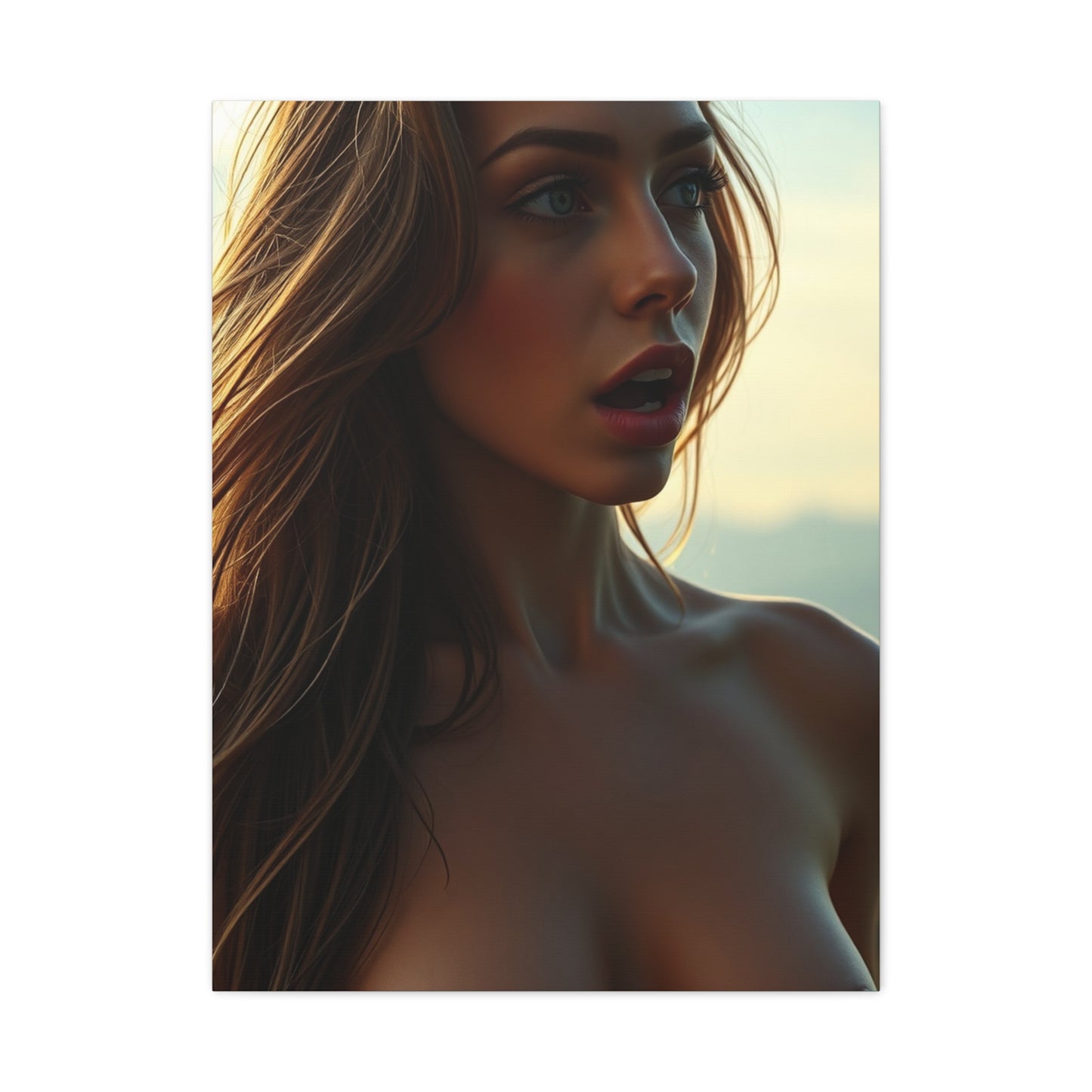
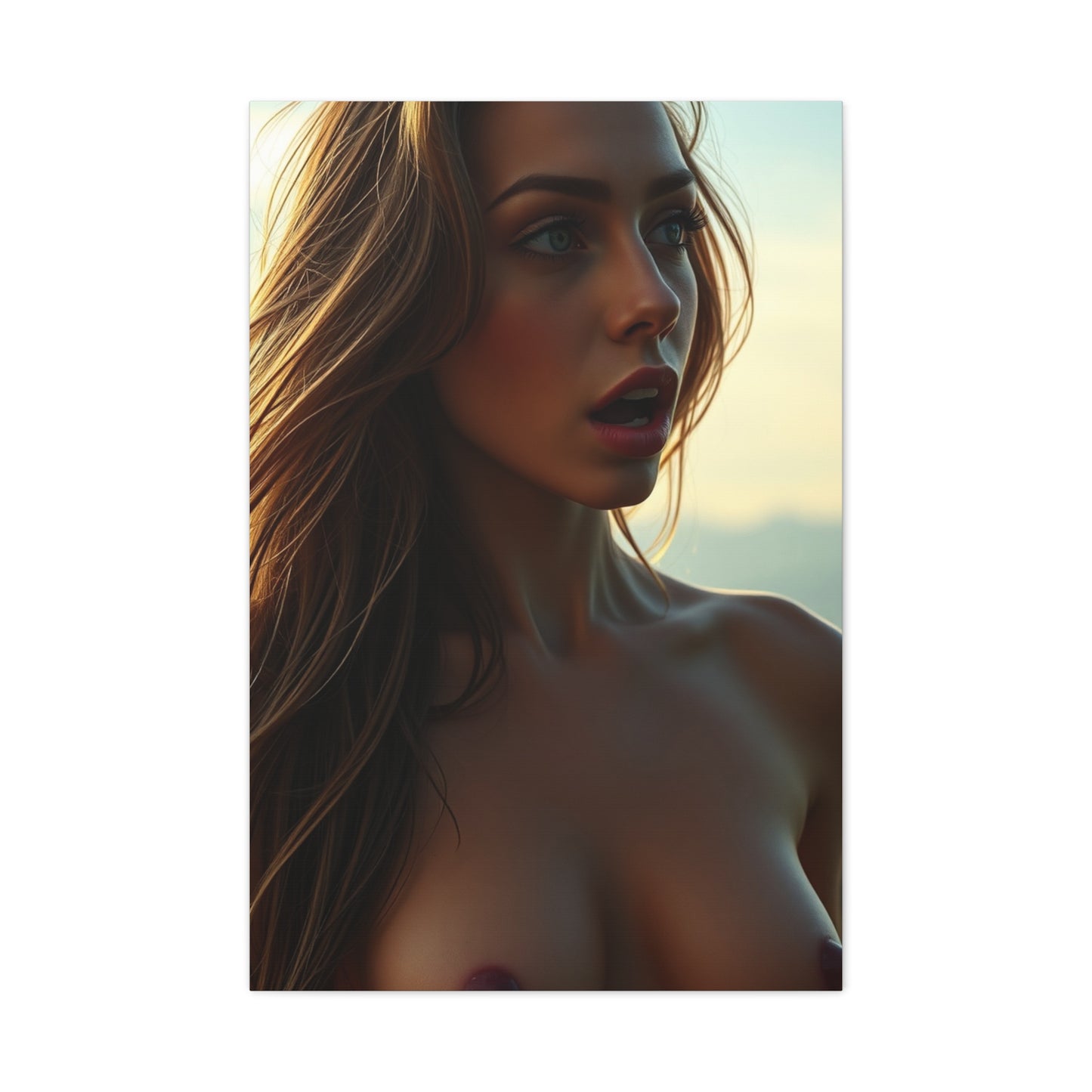
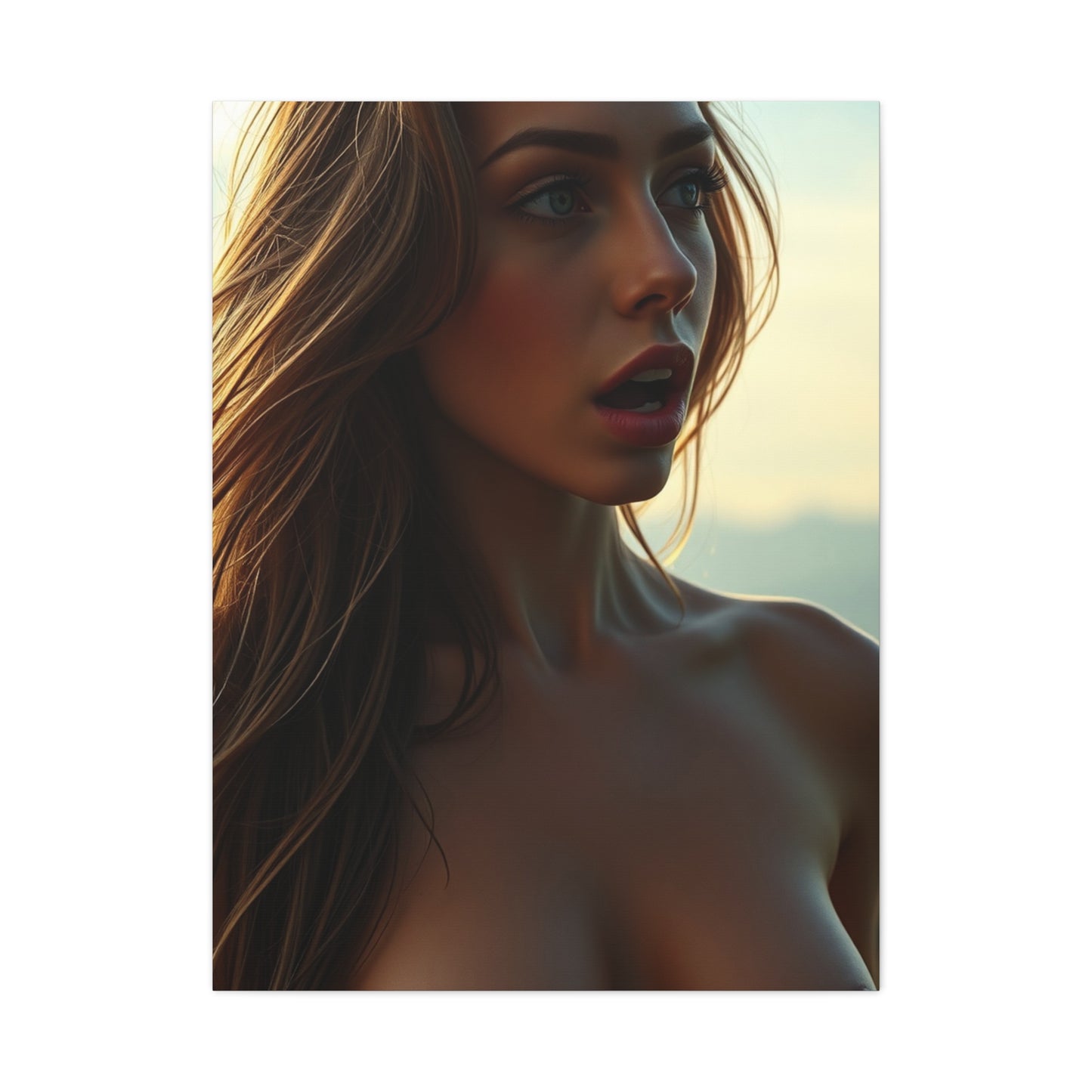
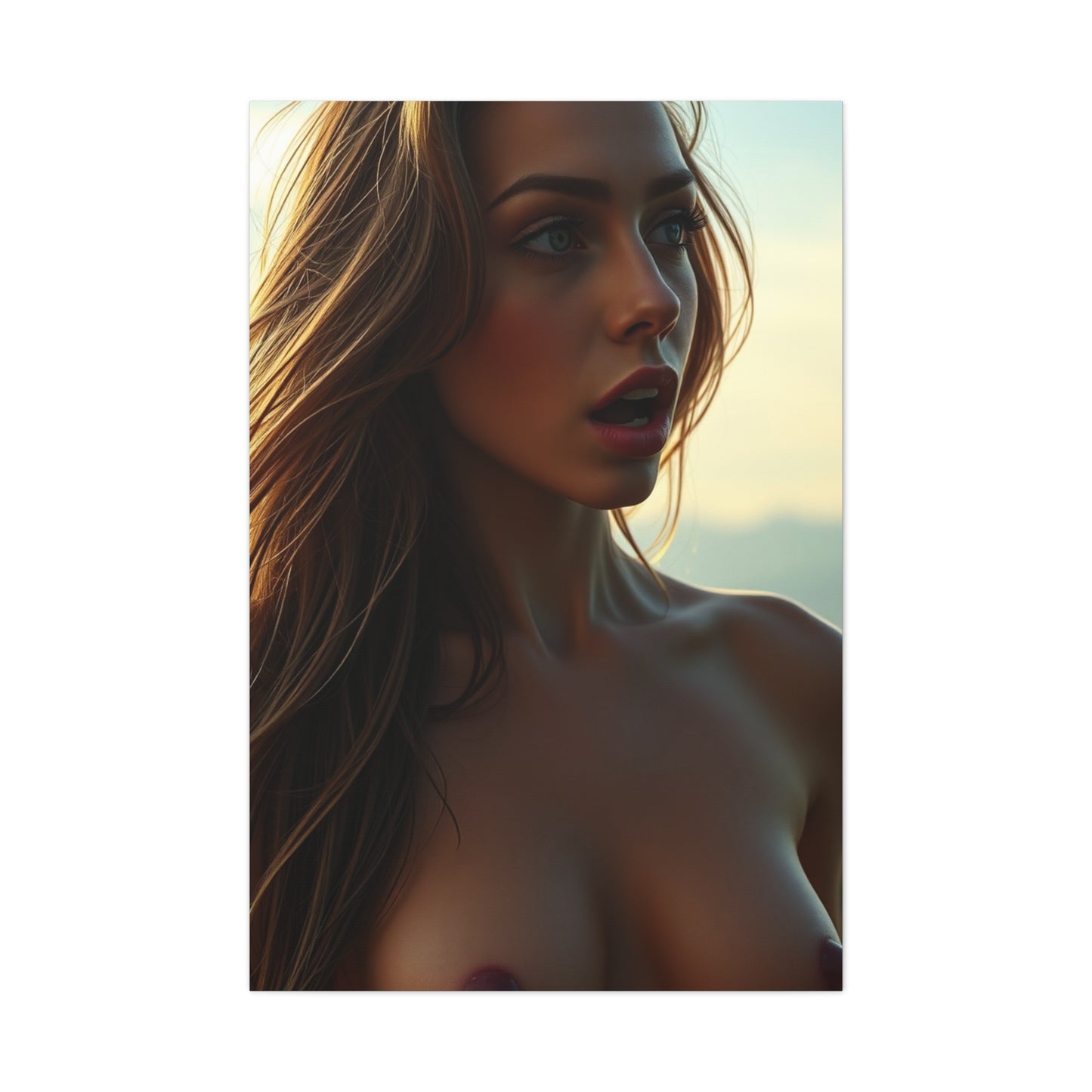
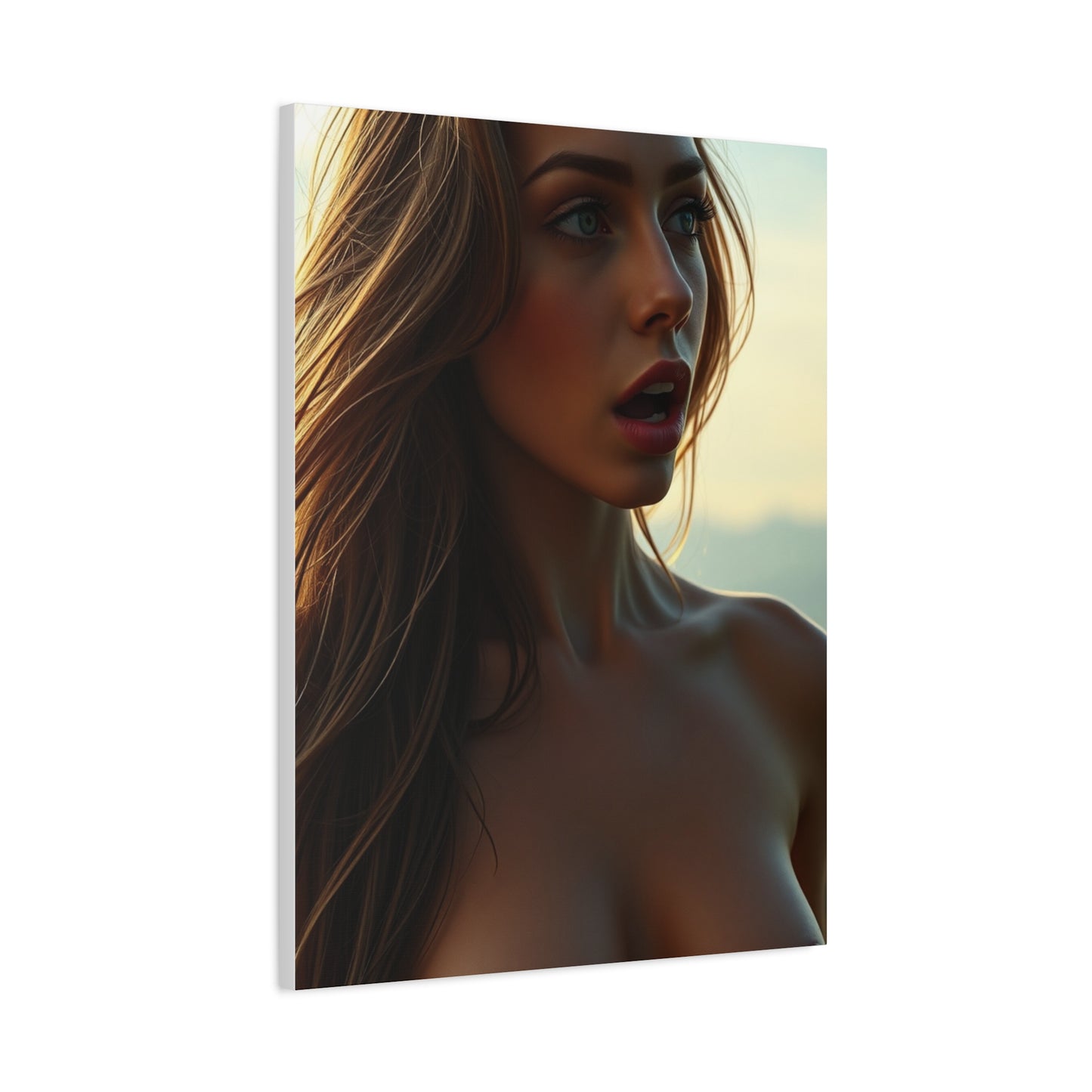
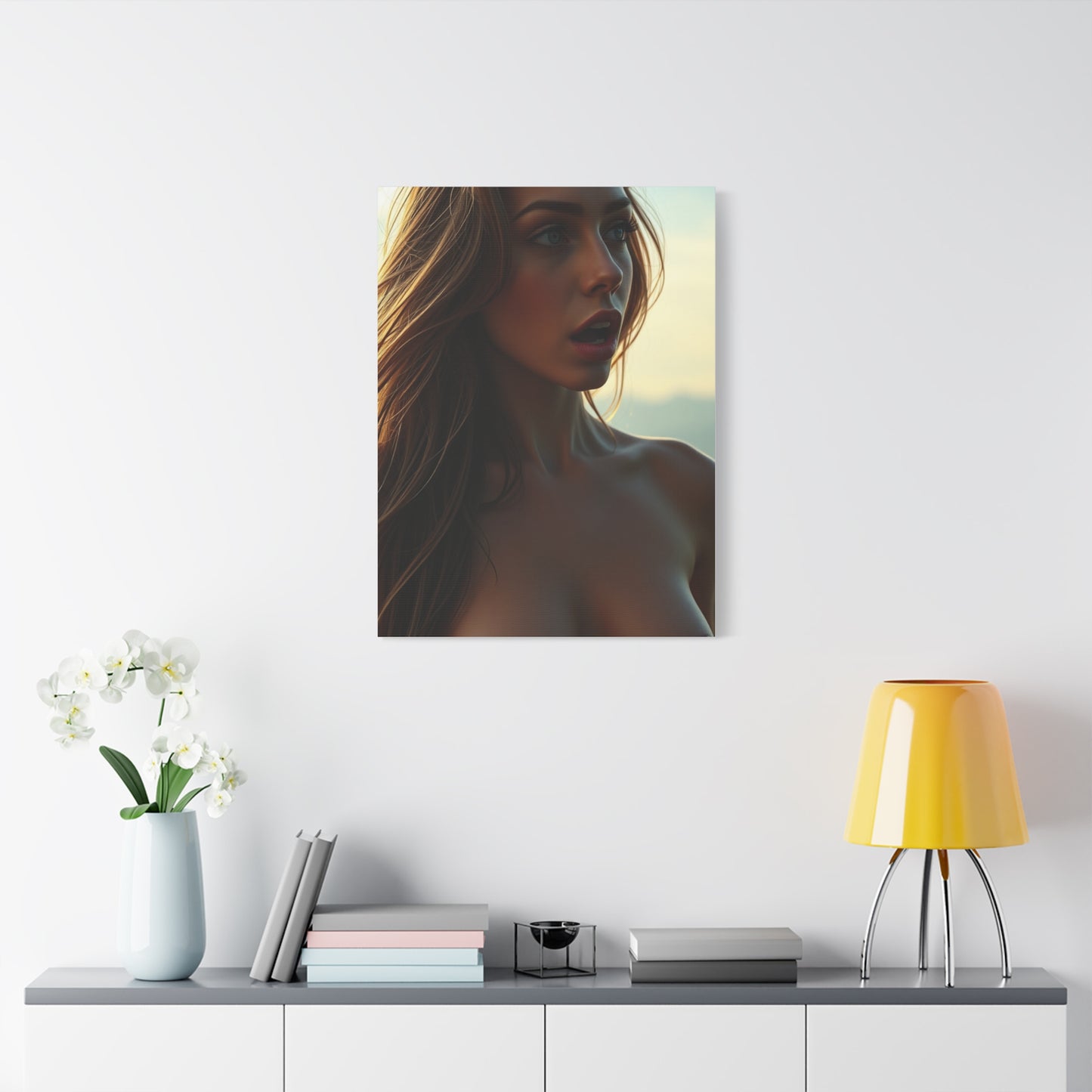
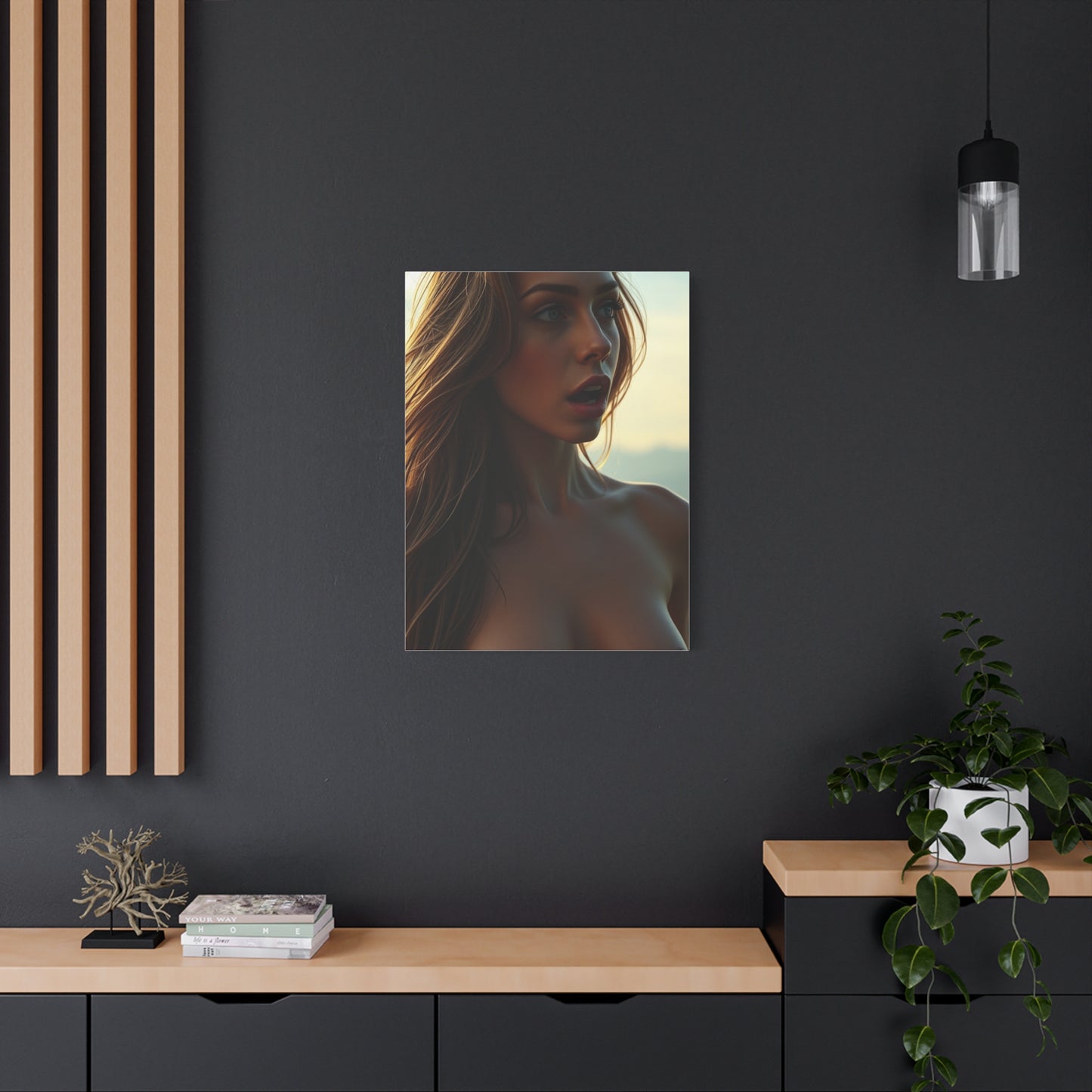
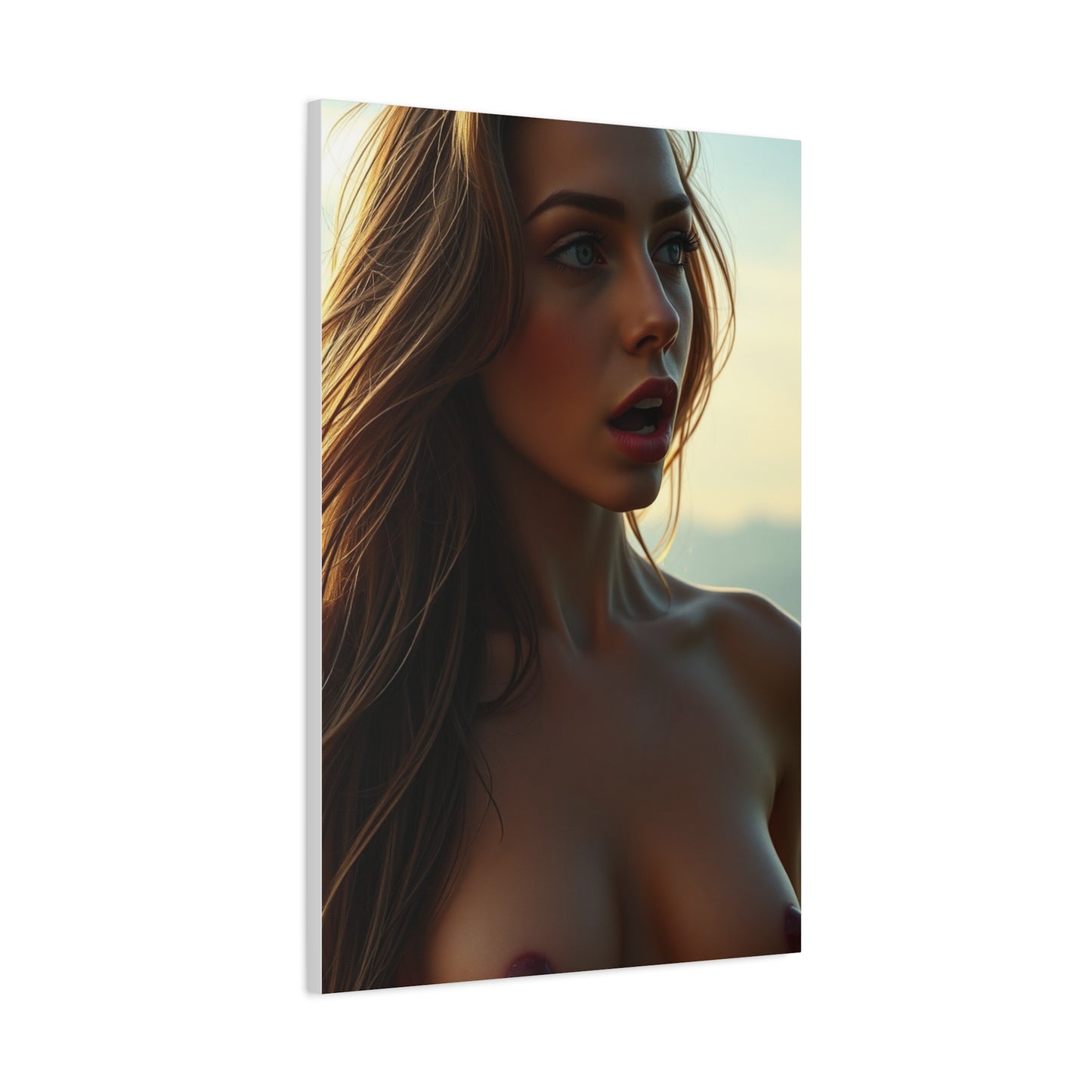
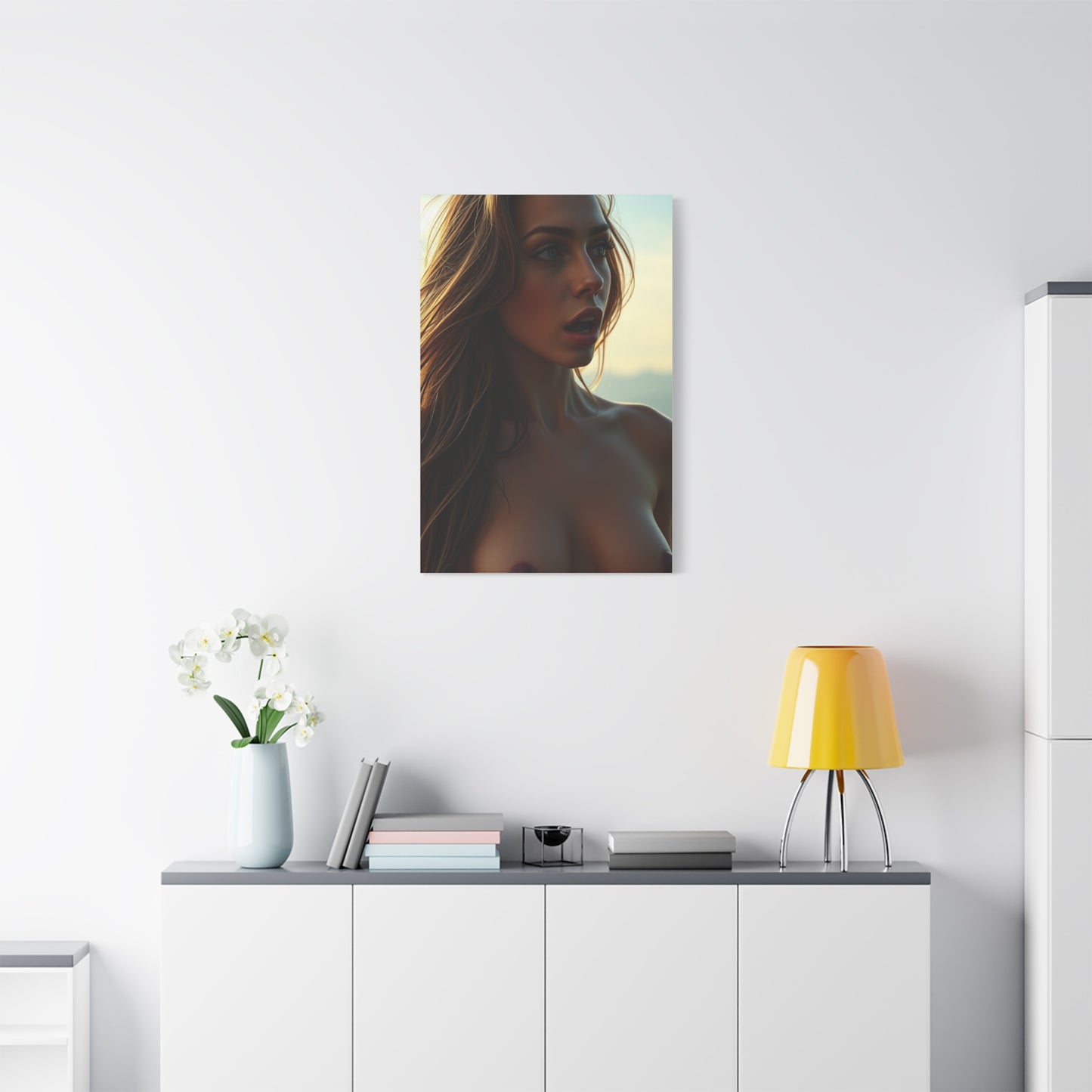
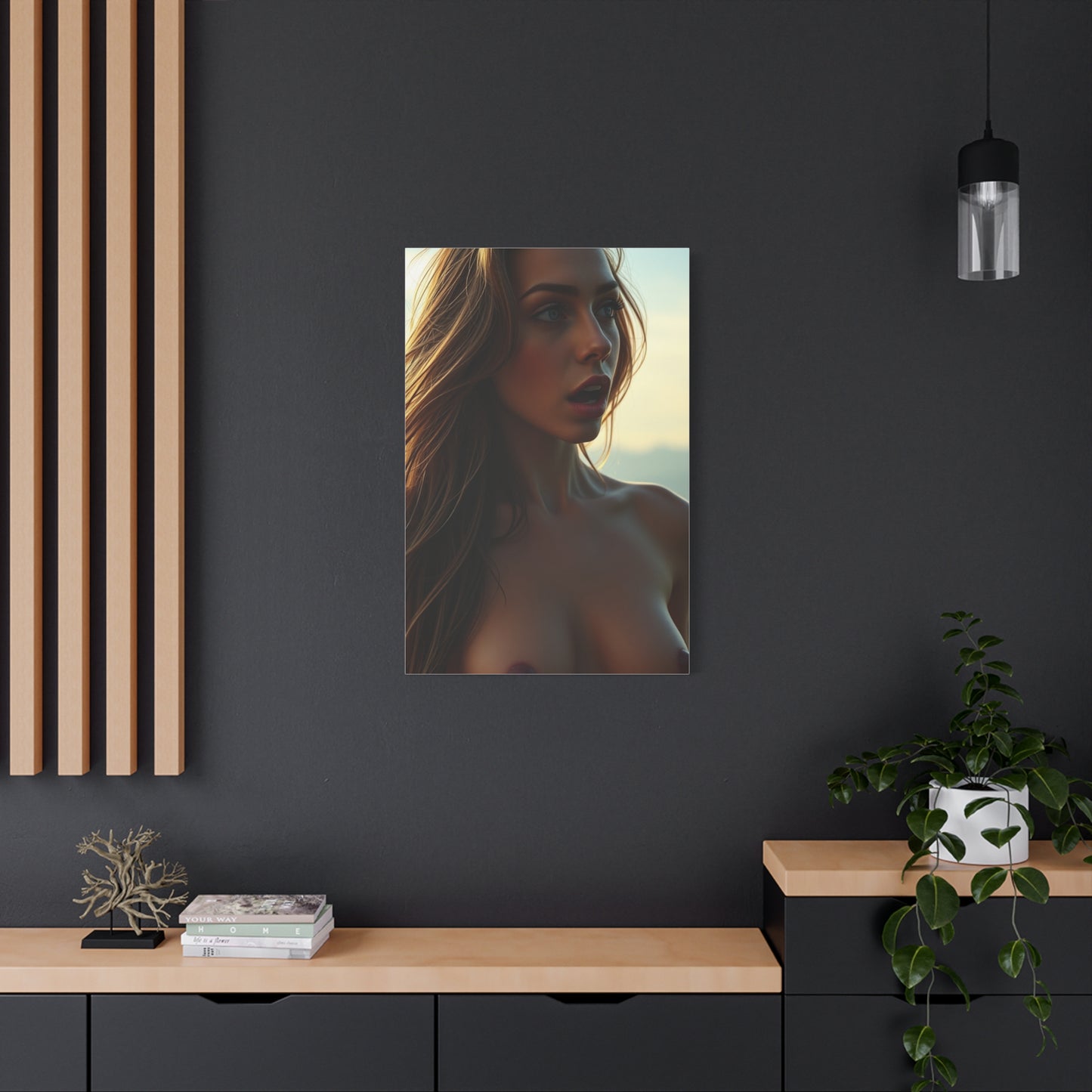
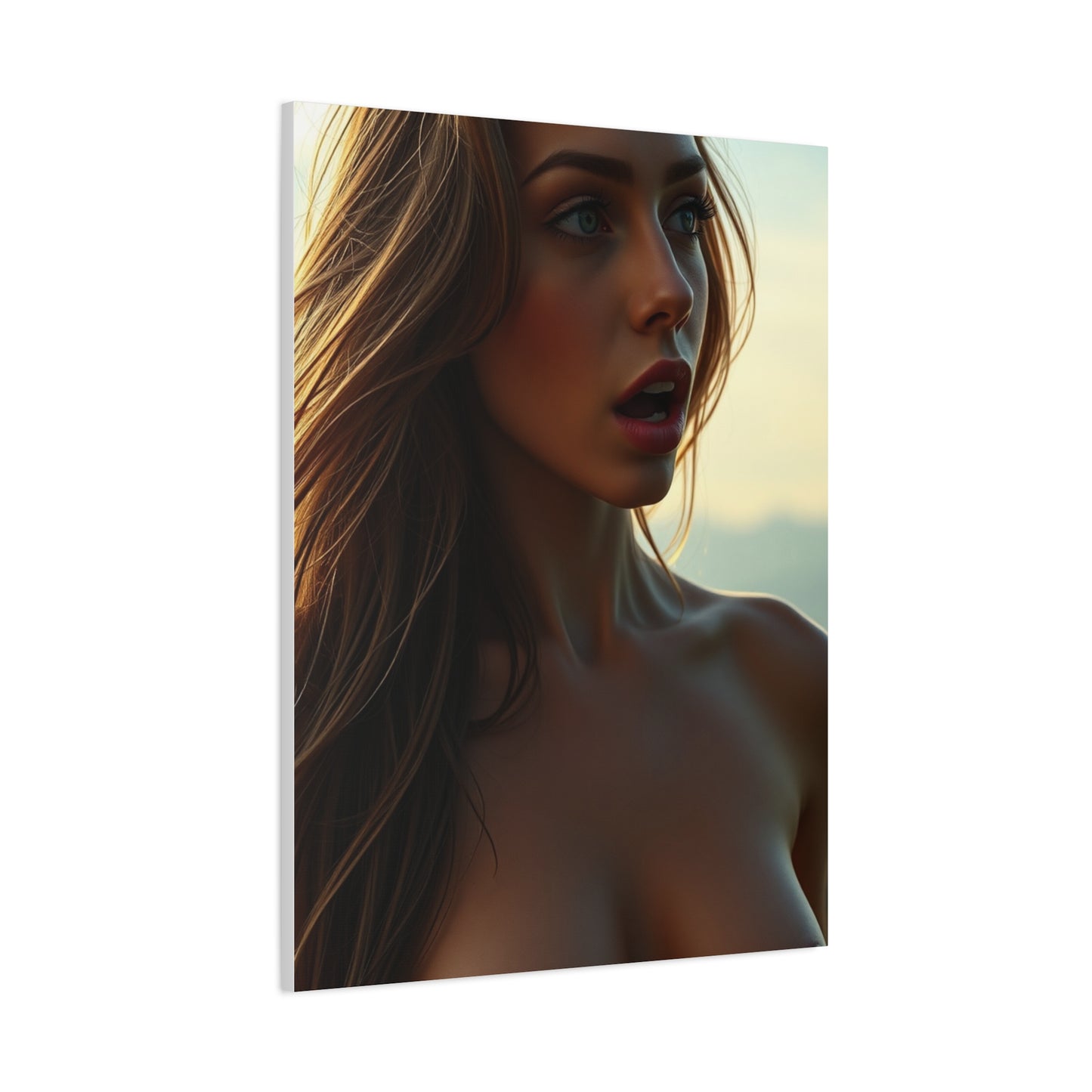
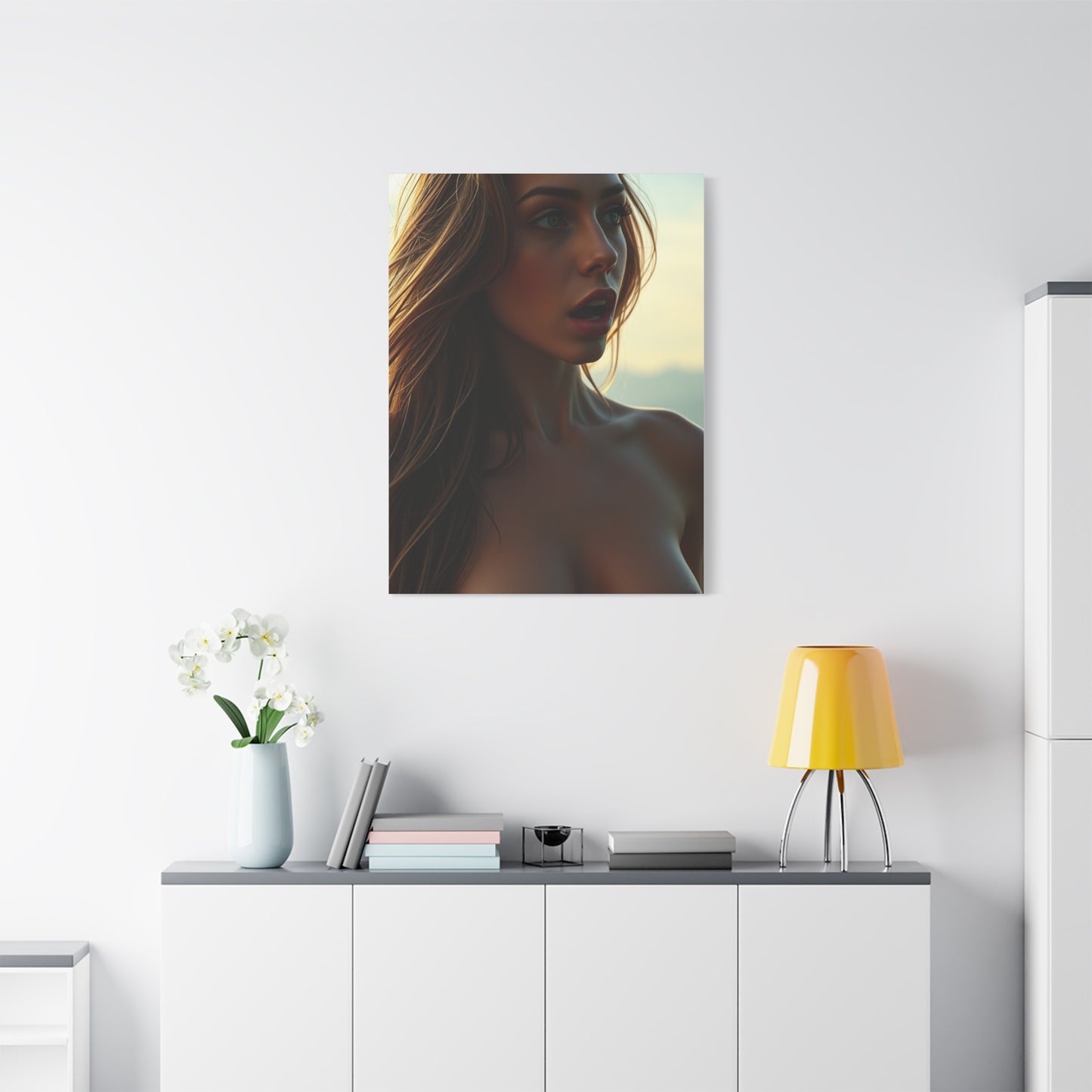
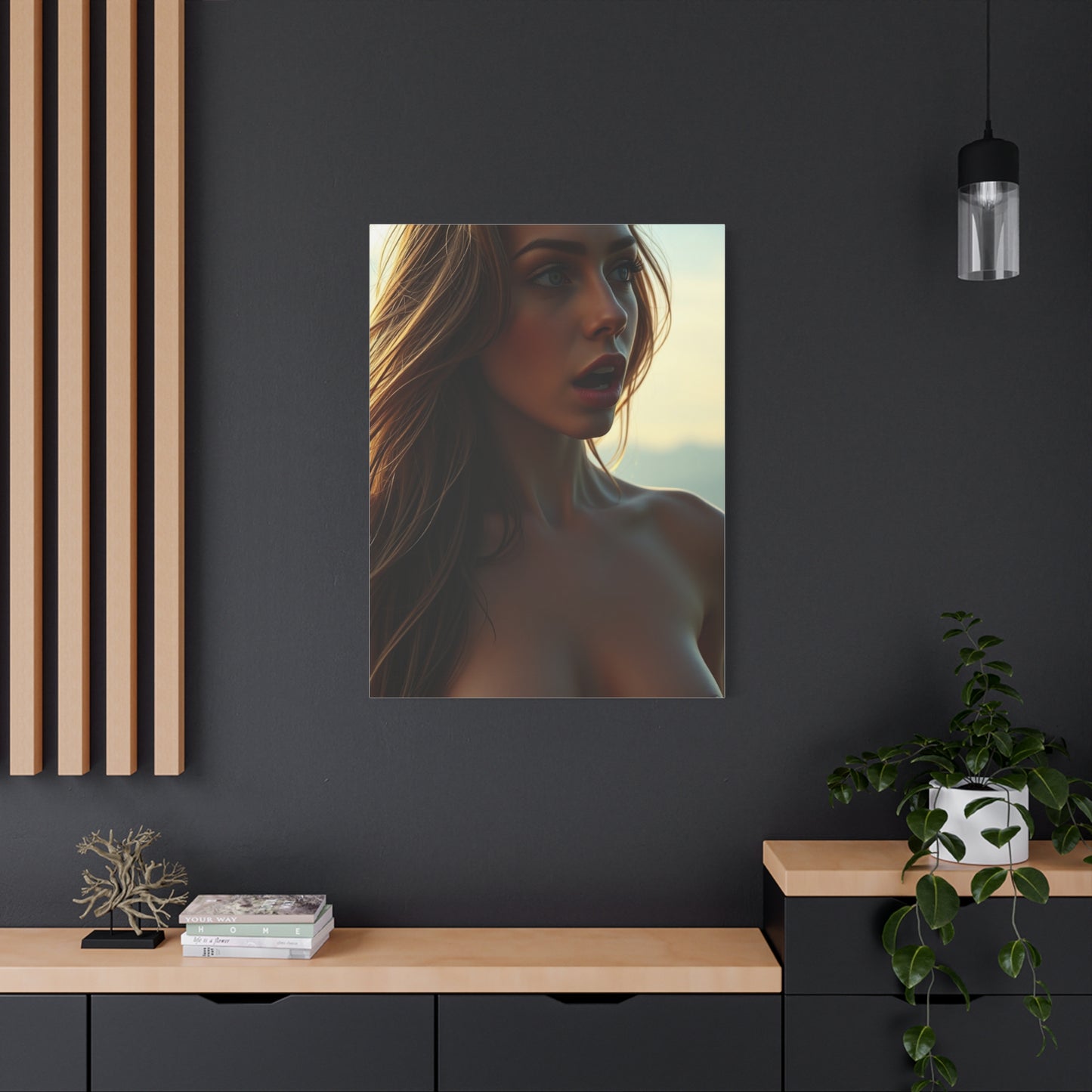
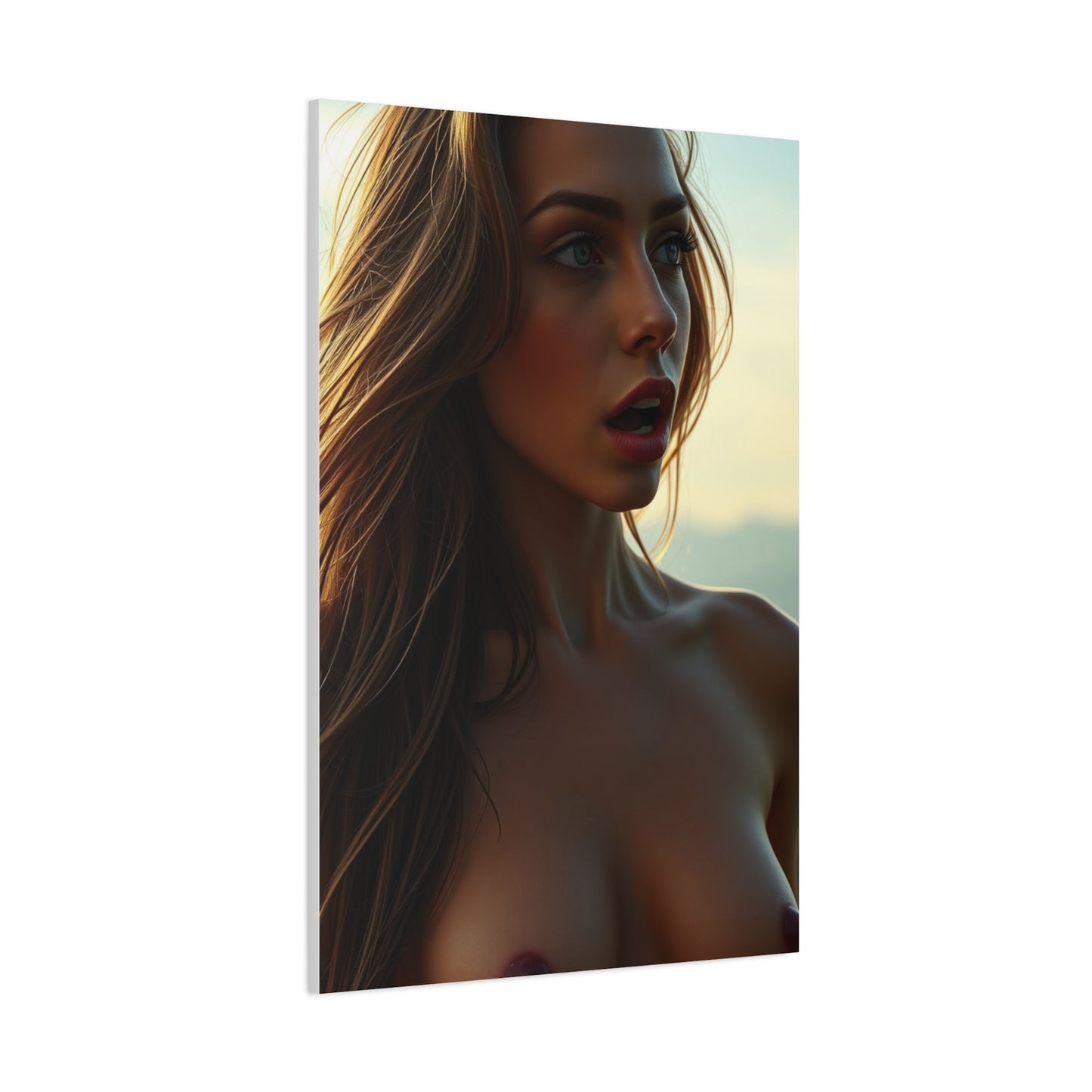
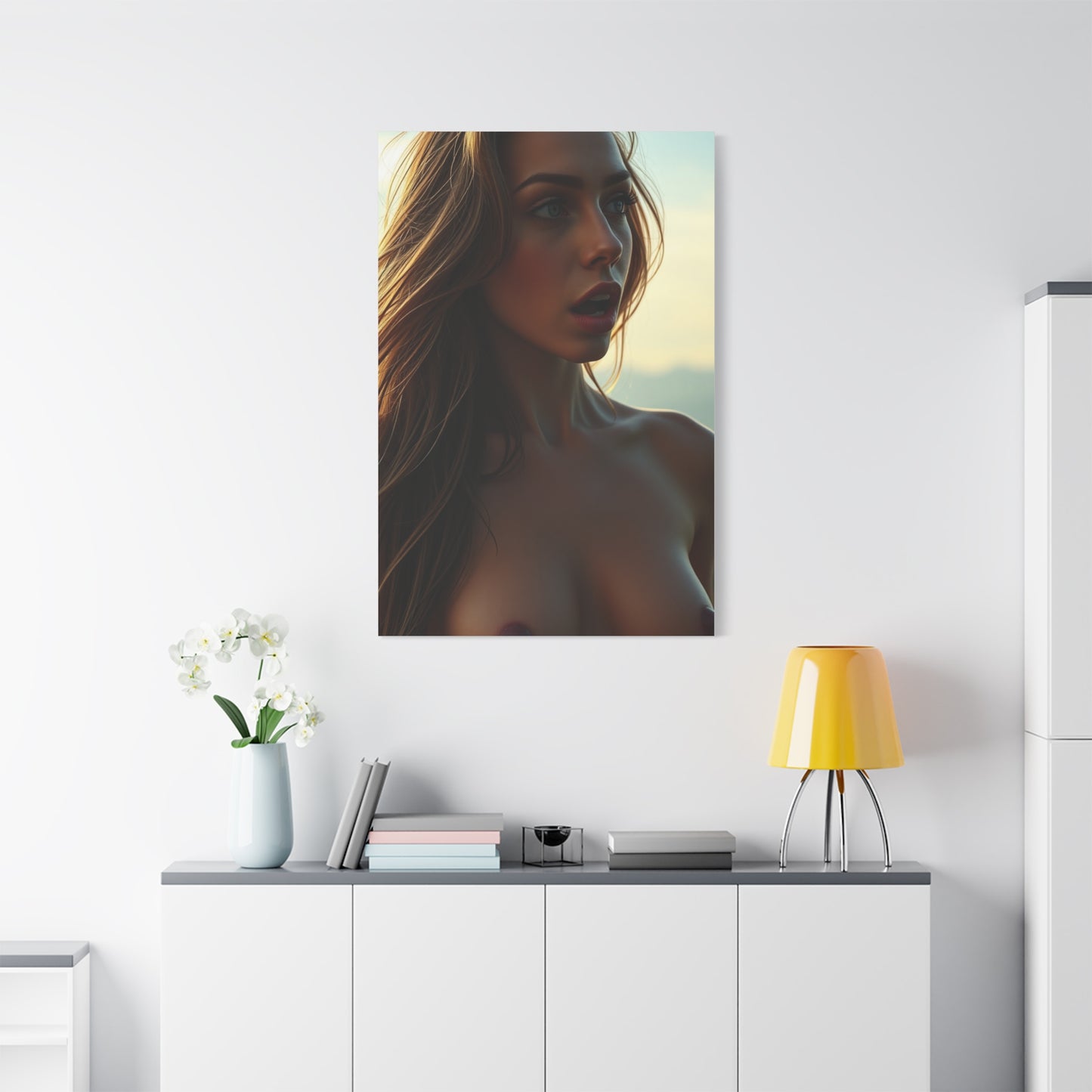
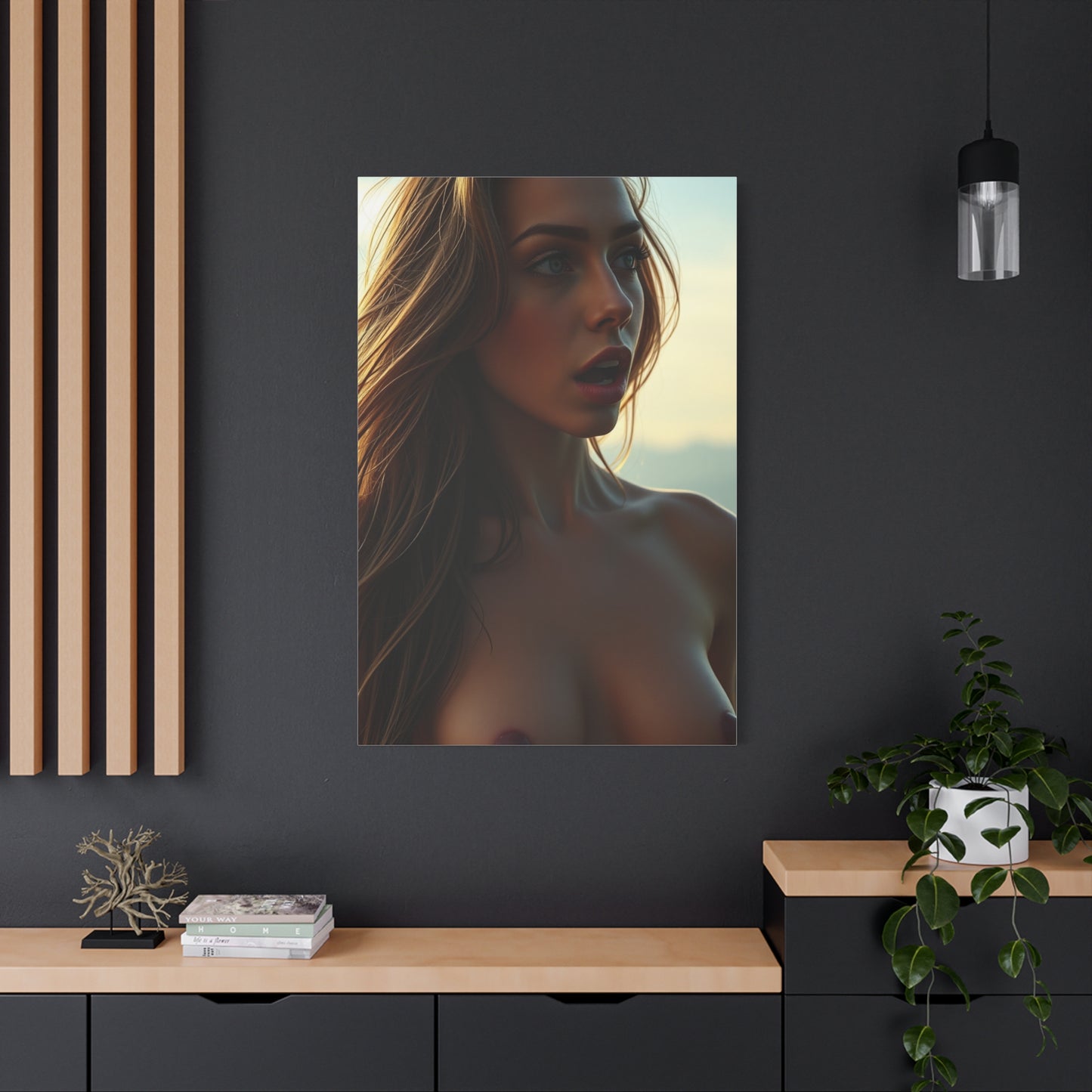
Celestial Grace Portrait: The Ultimate Guide to Divine Beauty in Artistic Expression
The concept of celestial grace portrait represents a unique intersection between divine inspiration, artistic mastery, and the human desire to capture transcendent beauty through visual representation. This extraordinary form of portraiture goes beyond mere physical likeness to convey an ethereal quality that suggests connection with higher realms of existence. Throughout art history, painters and creators have sought to infuse their portrait work with this intangible quality that elevates subjects beyond earthly limitations, imbuing them with luminosity, serenity, and spiritual presence that speaks to something eternal within the human soul.
When artists approach the creation of portraits infused with celestial grace, they engage with aesthetic principles that have evolved across centuries of religious art, romantic idealism, and contemporary spiritual movements. The challenge lies in representing physical features accurately while simultaneously suggesting inner light, divine connection, or transcendent qualities that exist beyond material form. This delicate balance requires technical skill combined with intuitive sensitivity to subtle energies and the capacity to perceive beauty in its most refined expressions.
The term celestial grace itself carries profound implications for artistic practice. Celestial references heavenly realms, cosmic consciousness, and qualities associated with divine perfection. Grace suggests elegance, effortless beauty, spiritual favor, and a quality of movement or presence that appears divinely inspired rather than laboriously constructed. When combined in portraiture, these concepts create a framework for representing human subjects as bridges between earth and heaven, capturing moments where the divine shines through mortal features.
Historical examination reveals that celestial grace portrait traditions emerged most prominently in religious contexts where artists sought to depict saints, angels, and holy figures with appropriate reverence and supernatural beauty. Byzantine icon painters developed sophisticated techniques for representing sacred persons with golden halos, elongated proportions, and expressions of serene detachment from worldly concerns. Renaissance masters refined these approaches while reintroducing naturalistic elements, creating portraits of Madonna and Child that combined human tenderness with divine radiance.
The psychology behind viewer responses to celestial grace portraits reveals fascinating insights into human perception and spiritual longing. When encountering portraits imbued with this quality, viewers often report feelings of peace, inspiration, and connection to something greater than themselves. The artwork serves as a window or doorway through which divine energy seems to flow, affecting the observer's emotional and energetic state. This response occurs regardless of the viewer's religious beliefs, suggesting that celestial grace in portraiture taps into universal human recognition of transcendent beauty and spiritual dimension.
Modern interpretations of celestial grace portrait expand beyond traditional religious subjects to embrace diverse expressions of human divinity. Contemporary artists create portraits capturing ordinary individuals in moments of deep meditation, creative flow, unconditional love, or spiritual awakening. The celestial quality emerges not from religious symbolism but from the artist's ability to perceive and render the light that shines through every human being when their essential nature becomes visible. This democratization of divine portraiture suggests that celestial grace exists as potential within all people rather than being reserved for designated holy figures.
A Journey Through Time: The Historical Roots of Divine Beauty
The quest to capture divine beauty in artistic expression is as old as civilization itself. The concept of the Celestial Grace Portrait did not appear in a vacuum; it is the culmination of millennia of spiritual and artistic evolution. In ancient Egypt, art depicted gods and pharaohs with a rigid, idealized formality. This was not a lack of skill, but a deliberate choice to portray them as eternal, unchanging, and divine, separate from the chaos of mortal life. The ancient Greeks, in contrast, pursued the ideal of divine beauty through mathematical perfection, balance, and harmonious proportions. Their statues of gods and goddesses, like the Venus de Milo, represent a perfect, idealized humanity—a physical manifestation of divine order. Early Christian and Byzantine art marks a significant shift. In their icons, realism was actively suppressed. Artists used flat perspectives, elongated figures, and vast amounts of gold leaf. This was a conscious effort to remove the subject from the earthly realm.
The gold background was not a sky, but a window into the divine, unchanging light of heaven. The figures were symbols of holiness, their serene and frontal gazes meant to create a direct spiritual connection with the worshiper. The Renaissance brought a revolutionary synthesis. Artists like Leonardo da Vinci, Raphael, and Botticelli merged classical ideals of human beauty with Christian spirituality. Raphael's Madonnas, for example, are the quintessential examples of celestial grace. They are mathematically perfect and idealized, yet they are also tender, human, and relatable. Leonardo's "sfumato" technique, a subtle blurring of edges to create a smoky, atmospheric effect, was perfectly suited to capturing an otherworldly glow, as seen in the enigmatic and serene expression of the Mona Lisa or his depictions of angels. This historical journey shows a continuous dialogue between the human and the divine, the real and the ideal, laying the essential groundwork for what we now recognize as the modern Celestial Grace Portrait.
The Ethereal Palette: Mastering Light and Color in Artistic Expression
The single most important element in a Celestial Grace Portrait is the treatment of light. Light is the artist's primary tool for conveying divinity, purity, and an otherworldly presence. It is not the harsh, direct light of a midday sun, but a soft, diffused, and luminous glow that seems to emanate from the subject itself. This technique, often called "inner luminosity," makes the subject appear transcendent, separate from the normal rules of light and shadow. Artists achieve this through meticulous layering and glazing. Thin, translucent layers of paint are built up, allowing light to pass through them and reflect off the lighter base layers, creating a senseof depth and radiance that simple opaque paint cannot replicate. The Renaissance masters' "sfumato" and "chiaroscuro" techniques are foundational. Chiaroscuro creates dramatic contrast, but in a celestial portrait, it is softened.
Shadows are present, but they are gentle, transparent, and never fully black, serving only to give form without introducing menace or harshness. The color palette is equally critical to this artistic expression. It is intentionally limited and symbolic. Soft, celestial blues evoke the heavens, peace, and fidelity. Radiant golds and warm yellows signify divine light, wisdom, and eternity. Pure, luminous whites represent innocence, purity, and faith. Soft pinks and rose tones can suggest divine love and compassion. These colors are not chosen for their realism but for their emotional and spiritual resonance. The harmony between these colors is paramount; there are no clashing, vibrant, or "earthy" tones. The entire composition is bathed in a unified, harmonious light, creating a cohesive atmosphere of peace. This mastery of a specific palette and the subtle manipulation of light are what transform a simple painting into a true Celestial Grace Portrait.
Evolution of Divine Beauty in Portrait Art
The historical trajectory of divine beauty representation in portrait art reveals humanity's evolving relationship with spirituality, aesthetic ideals, and the eternal quest to visualize transcendence through artistic means. From prehistoric fertility figures to contemporary digital art, the impulse to create images infused with celestial grace has remained constant even as techniques, styles, and underlying philosophies transformed dramatically. Understanding this evolution provides essential context for contemporary artists seeking to work within or innovate beyond established traditions of sacred portraiture.
Ancient Egyptian art established foundational principles for portraying divine and semi-divine figures that influenced subsequent Western traditions profoundly. Egyptian artists developed highly stylized conventions for representing pharaohs, gods, and worthy deceased persons, combining profile and frontal views in composite images that prioritized symbolic clarity over naturalistic accuracy. The use of hierarchical proportion, where spiritual importance determined size rather than spatial relationships, emphasized the subject's elevated status. Eyes outlined in kohl, idealized proportions, and symbolic attributes created instantly recognizable divine imagery that communicated across linguistic barriers.
Classical Greek sculpture revolutionized portrait art through introduction of idealized naturalism that sought to represent perfection within human form rather than through abstract symbolism. The Parthenon sculptures and subsequent Hellenistic work demonstrated that divine beauty could be conveyed through harmonious proportions, balanced composition, and subtle suggestions of character while maintaining recognizable human features. The concept of kalokagathia, the unity of physical beauty and moral goodness, informed Greek approaches to representing gods, heroes, and worthy humans. This philosophy suggested that inner virtue naturally manifested as outer beauty, making physical appearance a legitimate representation of spiritual state.
Roman portrait art introduced greater individualism and psychological depth while adapting Greek aesthetic principles. The Roman practice of creating ancestor masks and realistic portrait busts for commemorative purposes developed sophisticated techniques for capturing individual character and personality. When Christianity became the Roman Empire's official religion, these realistic portrait traditions merged with emerging Christian iconography, creating hybrid forms where recognizable individuals were represented with spiritual attributes and divine associations. Early Christian catacomb paintings show this transition, with ordinary believers depicted in prayerful poses accompanied by symbolic elements suggesting their heavenly destination.
The Byzantine Empire perfected sacred portrait traditions that would define Christian art for centuries. Icon painting developed as a spiritual discipline where artists followed strict theological and aesthetic guidelines to create images serving as windows to divine reality rather than mere representations. Byzantine icons featured frontally oriented figures with elongated proportions, large expressive eyes, golden backgrounds suggesting heavenly light, and elimination of naturalistic space in favor of spiritual dimension. The reversed perspective technique, where objects further from the viewer appeared larger, symbolized divine reality operating under different laws than physical world. These icons were not considered artist's creations but rather divine revelations channeled through properly prepared human hands.
Celestial Dreamscape Canvas:
The Celestial Dreamscape Canvas is a stunning way to bring the cosmos into your living space, blending artistic imagination with tranquil beauty. These canvases often feature ethereal skies, star-studded galaxies, and serene celestial motifs, creating a meditative visual experience. Such artwork provides more than décor; it transforms your room into a space of reflection, inspiration, and calm.Artists typically use gradients of blues, purples, and soft pastels, integrating glowing stars, moons, or subtle light bursts to evoke a sense of infinite depth. The juxtaposition of dark night skies with luminous celestial bodies creates a striking contrast, drawing the viewer’s eye and guiding visual exploration across the canvas.
Placement is essential. Over a sofa or bed, a Celestial Dreamscape Canvas can act as the room’s focal point, anchoring color schemes and furniture arrangements. In meditation or reading corners, these canvases enhance serenity, encouraging mindfulness and relaxation. Lighting plays a significant role: natural sunlight highlights subtle gradients, while soft ambient lighting accentuates stars or metallic accents, adding a gentle glow.Symbolism is also embedded within celestial dreamscape designs. Stars and moons often represent hope, guidance, and continuity, while expansive skies evoke freedom and possibility. The artwork’s ethereal quality fosters a sense of escape, allowing viewers to momentarily leave the chaos of daily life and immerse themselves in beauty and tranquility.
Materials vary from traditional canvas prints to high-quality Giclée reproductions. Matte or satin finishes prevent glare, ensuring clarity and preserving delicate details. Some designs include metallic or glitter accents to enhance luminosity and capture light, making the scene appear almost alive.In conclusion, a Celestial Dreamscape Canvas is an artful blend of visual beauty, emotional resonance, and spiritual symbolism. By introducing cosmic serenity and ethereal elegance into your home, it elevates the ambiance, transforming any space into a sanctuary of wonder and inspiration.
Flock of Birds Wall Art: Infusing Movement and Freedom into Interiors
A Flock of Birds Wall Art instantly energizes any space by introducing motion, freedom, and natural symbolism. Birds are timeless emblems of transcendence, inspiration, and connection with nature, making their depiction in interior design both meaningful and visually dynamic.These artworks often depict birds in flight, arranged in arcs, diagonals, or scattered formations, creating rhythm and visual flow. The eye naturally follows the direction of the birds, transforming a flat wall into a narrative landscape. When combined with gradient skies, moons, or clouds, the sense of depth and expansiveness is amplified.Materials range from canvas prints to metallic sculptures and 3D resin installations. Canvas offers softness and painterly effects, while metal or layered acrylic designs provide texture and cast shadows, giving the impression of real movement. Vinyl decals are ideal for temporary installations or rental spaces, allowing flexibility without commitment.
Color palettes should complement the room’s overall décor. Black silhouettes against pastel skies are versatile and modern, while metallic birds add elegance and reflective beauty. Multi-colored or gradient birds evoke whimsy and energy, suitable for creative or playful spaces.Placement is critical to achieving maximum impact. Horizontal arrangements elongate walls and corridors, while upward diagonals suggest growth and aspiration. Large clusters work well as focal points in living rooms or over beds, whereas smaller arrangements suit hallways, reading nooks, or staircases. Lighting can enhance shadows, metallic sheen, or subtle highlights, adding depth and dynamism.Symbolically, flocks emphasize unity, journey, and freedom, making them ideal for spaces where inspiration or reflection is desired. They can guide visual flow, encourage mindfulness, and serve as subtle reminders of liberation and possibility.In conclusion, a Flock of Birds Wall Art combines beauty, symbolism, and spatial transformation. By carefully selecting style, color, and placement, homeowners can convert ordinary walls into dynamic, inspiring landscapes that celebrate motion, freedom, and the majesty of nature.
Celestial Alchemy Canvas: Transforming Rooms with Cosmic Energy
The Celestial Alchemy Canvas embodies the magical intersection of cosmic symbolism and artistic expression. These works combine celestial motifs—stars, moons, and constellations—with abstract or symbolic elements, creating a transformative energy within any space. The artwork is designed to evoke awe, contemplation, and inspiration, enhancing both aesthetic appeal and emotional resonance.Artists use gradients, metallic accents, and ethereal light effects to suggest cosmic forces and energy flows. The compositions often feature dynamic movement, such as swirling stars or orbiting shapes, giving the canvas a sense of life and fluidity. The resulting visual experience is immersive, drawing viewers into a meditative and reflective state.
Color schemes play a vital role in conveying energy and mood. Deep blues, violets, and indigos evoke mystery and introspection, while soft pastels or golden highlights introduce warmth and hope. Metallic paints, foils, or layered textures add luminosity, reflecting ambient light and enhancing the celestial effect.Placement in a home setting is strategic. In living rooms or lounges, the canvas can act as a dramatic centerpiece, anchoring furnishings and influencing spatial harmony. In meditation rooms or studies, it encourages mindfulness, reflection, and a sense of connection to the cosmos. Lighting enhances the perception of depth and radiance, highlighting metallic accents or subtle gradients.
Symbolism is central to Celestial Alchemy. Stars represent guidance, moons suggest cycles and transformation, and abstract cosmic motifs convey the invisible forces that shape our existence. The combination encourages contemplation of the larger universe and one’s place within it.Materials and techniques vary widely. Premium canvas prints, Giclée reproductions, and hand-painted works ensure longevity, vibrant color, and texture. Some designs integrate metallic leaf or textured mediums to heighten the three-dimensional quality and interactive visual appeal.In conclusion, the Celestial Alchemy Canvas is more than décor; it is a tool for emotional and spatial transformation. By blending cosmic inspiration with artistic mastery, it turns walls into portals of energy, contemplation, and aesthetic sophistication. The result is a room infused with cosmic elegance, inviting both wonder and introspection.
Symbolism and Iconography: The Language of Grace
Art, in its highest form, strives to communicate the intangible. When artists endeavor to capture "celestial grace," they are not merely painting a person; they are attempting to visualize abstract concepts like divinity, purity, peace, and transcendence. To achieve this, they rely on a shared visual vocabulary known as symbolism and iconography. This symbolic language, developed over centuries and spanning across cultures, provides the tools to imbue a simple portrait with a profound spiritual resonance.
The most recognizable symbol of the celestial is, perhaps, light. Artists from Caravaggio to Rembrandt have used chiaroscuro not just for dramatic effect, but to suggest a divine source. A beam of light striking a subject, particularly from above, implies divine selection, enlightenment, or a holy presence. This is often refined into a halo or nimbus, a radiant circle or aura of light surrounding the head, which explicitly denotes sanctity. Gold leaf, used extensively in Byzantine and medieval art, served a similar purpose. Its incorruptible, reflective quality removed the figure from the mundane world and placed them in an eternal, divine space.
Color itself is a powerful vehicle for meaning. White and gold are overwhelmingly associated with purity, innocence, and heavenly glory. Virgin Mary figures, for example, are traditionally draped in blue, a color that symbolizes the heavens, truth, and faithfulness. These color choices are not arbitrary; they are deliberate iconographic decisions intended to evoke a specific set of spiritual associations in the viewer.Beyond light and color, specific attributes, or iconography, identify a figure's nature. Wings are the most direct symbol of a celestial being, an angel or messenger, signifying freedom from earthly bounds and a connection to the heavens.
The upward gaze of a subject, common in Renaissance and Baroque art, directs the viewer's own thoughts toward the divine, suggesting prayer, supplication, or spiritual ecstasy. Even the choice of flora can be symbolic: a lily, for instance, is a near-universal symbol of purity and is often depicted with the Angel Gabriel in Annunciation scenes. A dove represents the Holy Spirit, peace, and divine inspiration. Flowing, untroubled garments, seemingly undisturbed by wind, further suggest a figure that exists in a state of serene perfection, separate from the chaotic natural world. Through this rich tapestry of symbols, an artist transforms a human figure into an icon of grace, speaking a silent language of the divine.
Color Theory and Symbolic Meaning in Sacred Portraits
Color serves as one of the most emotionally resonant and symbolically loaded elements in celestial grace portrait creation, carrying meanings that operate simultaneously on aesthetic, psychological, cultural, and spiritual levels. The careful selection and combination of hues dramatically affects viewer response while communicating complex ideas about the subject's spiritual state, divine attributes, and relationship with transcendent realities. Understanding color theory from both scientific and symbolic perspectives enables artists to make informed choices that enhance portraits' capacity to convey celestial grace through visual harmony, emotional resonance, and encoded spiritual content.
The color wheel's basic structure provides foundation for understanding color relationships and creating pleasing harmonies. Primary colors including red, yellow, and blue cannot be created by mixing other hues but combine to produce all other colors. Secondary colors including orange, green, and violet result from mixing two primaries. Tertiary colors emerge from combining primary and adjacent secondary colors, creating nuanced hues like red-orange, yellow-green, or blue-violet. Complementary colors sit opposite each other on the color wheel, creating maximum contrast and visual vibration when placed in proximity. Analogous colors occupy adjacent positions, producing harmonious relationships with subtle variation.
Value, referring to the relative lightness or darkness of a color, affects perception as much as hue itself. High-value colors appear luminous and approach white, while low-value colors appear dark and approach black. Celestial grace portraits typically emphasize lighter values to suggest spiritual illumination, though strategic use of darker values creates necessary contrast and depth. The value pattern, meaning the overall arrangement of lights and darks throughout composition, establishes underlying structure that remains effective even when viewed in grayscale. Strong value patterns ensure portraits read clearly while specific color choices add emotional and symbolic layers.
Saturation describes color intensity or purity, ranging from pure hue at maximum saturation to neutral gray when completely desaturated. Highly saturated colors appear vibrant and jewel-like, often employed in Byzantine icons and Gothic stained glass to suggest heavenly perfection. Desaturated colors appear subtle and atmospheric, creating moods of serenity and contemplation. Many effective celestial grace portraits combine highly saturated accent colors drawing attention to symbolically significant elements with predominantly desaturated palettes creating overall atmospheric unity. This approach balances visual interest with contemplative mood appropriate to spiritual subjects.
Color temperature describes colors' associations with physical warmth or coolness. Reds, oranges, and yellows register as warm colors, evoking fire, sunlight, passion, and active energy. Blues, greens, and violets function as cool colors, suggesting water, moonlight, peace, and reflective consciousness. Warm colors appear to advance toward viewer while cool colors recede, creating spatial effects exploitable for compositional purposes. In celestial grace portraits, warm light sources often illuminate subjects while cool backgrounds recede, visually separating sacred figure from mundane surroundings while suggesting they radiate divine warmth into cooler material world.
Celestial Contour Masterpiece: Bringing Cosmic Elegance to Your Walls
The Celestial Contour Masterpiece is a striking form of wall art that merges abstract lines, subtle gradients, and celestial motifs to create a harmonious and elegant visual experience. By incorporating flowing contours with cosmic elements such as stars, moons, and soft light, these artworks offer a perfect blend of sophistication and serenity for modern interiors.These masterpieces often feature minimalistic curves and arcs that suggest movement, continuity, and balance. The contours guide the viewer’s gaze naturally across the composition, while celestial accents provide focal points and depth. This combination transforms ordinary walls into immersive experiences, allowing spaces to feel expansive and dynamic simultaneously.
Color palettes are central to creating impact. Neutral tones like ivory, gray, and soft pastels provide a calming backdrop, while metallic accents—gold, silver, or rose gold—highlight the celestial elements, creating a sense of luminosity and refinement. Darker shades, such as navy or deep indigo, emphasize contrast and depth, enhancing the overall dramatic effect.Placement is crucial to achieve the desired aesthetic. Large-scale pieces work well as centerpieces in living rooms, above sofas, or behind beds. Smaller versions can enhance hallways, reading nooks, or meditation corners, subtly drawing attention without overpowering the space. Lighting enhances the contours, casting delicate shadows that heighten the three-dimensional effect and make the piece feel alive.
Materials vary from hand-painted canvases to high-quality Giclée prints, ensuring rich color saturation and longevity. Some designs also incorporate metallic foils or textured finishes, adding depth and interaction with natural or artificial light.Symbolically, Celestial Contour Masterpieces convey harmony, infinity, and cosmic balance. The flowing lines represent continuity and natural rhythm, while celestial elements remind viewers of the vastness of the universe and the interconnectedness of all things.Celestial Contour Masterpieces are more than just decorative art. They transform interiors by combining elegance, motion, and cosmic inspiration. Whether used as a central focal point or a complementary accent, these artworks elevate the ambiance of any space, offering both aesthetic delight and a sense of spiritual connection.
Birch Tree Trunk Wall Art: Nature’s Elegance in Modern Interiors
Birch Tree Trunk Wall Art brings the beauty of nature indoors, creating a serene and organic atmosphere in modern living spaces. The white bark, distinctive patterns, and vertical lines of birch trees lend themselves perfectly to minimalist, contemporary, and Scandinavian-inspired interiors, adding both texture and sophistication.These artworks often depict a forest of birch trees or close-up studies of single trunks, highlighting natural imperfections and intricate details. The verticality of birch trees naturally draws the eye upward, creating a sense of height and openness. This visual movement adds elegance and airiness, particularly in rooms with high ceilings or narrow layouts.
Color palettes typically revolve around soft whites, creams, grays, and subtle browns, allowing the birch trees’ natural patterns to take center stage. Black-and-white renditions emphasize contrast and minimalism, while muted green or blue backgrounds evoke calmness and connection to nature. Metallic or golden highlights can add a modern twist and reflective depth.Placement is critical for impact. Large-scale canvases behind sofas or dining tables create a dramatic focal point, while smaller prints work well in hallways, bedrooms, or study areas. Pairing birch trunk art with natural materials such as wood, linen, or stone enhances cohesion and reinforces the organic theme.
Materials vary from printed canvases and metal sculptures to textured wall panels. High-quality canvas prints maintain crisp details, while metal or resin versions add depth and a three-dimensional quality. Some birch wall art includes embossed textures or layered finishes, making the piece interactive and tactile.Symbolically, birch trees are associated with renewal, resilience, and protection. Incorporating this imagery in home décor can evoke a sense of peace and groundedness, connecting interiors with the calming effects of the natural world.In conclusion, Birch Tree Trunk Wall Art blends elegance, nature, and modern design seamlessly. By carefully choosing scale, color, and material, homeowners can create serene, stylish spaces that evoke the beauty and resilience of the forest, bringing the outdoors inside in a visually captivating way.
Celestial Elegance Canvas: Infusing Homes with Starry Sophistication
The Celestial Elegance Canvas represents the fusion of cosmic inspiration and refined artistic expression. Designed to capture the beauty of the night sky, celestial motifs, and ethereal light, this style of wall art introduces sophistication, serenity, and a touch of wonder into interiors.Artists often employ soft gradients of blues, purples, and silvers, paired with luminous stars, moons, or subtle auroras. These elements create depth and a sense of infinite space, allowing viewers to feel immersed in a cosmic landscape. The artwork becomes both a focal point and a source of contemplation, encouraging mindfulness and reflection.
The combination of abstract and realistic techniques enhances visual interest. Some canvases feature realistic depictions of celestial phenomena, while others integrate abstract shapes, flowing light trails, or geometric overlays. This approach ensures versatility, fitting well with contemporary, modern, or eclectic interior styles.Color and finish play a pivotal role in mood creation. Soft, muted tones promote calm and relaxation, making them ideal for bedrooms or meditation spaces. Metallic accents or glossy finishes catch light and emphasize celestial elements, giving the canvas a dynamic presence throughout the day. Darker backgrounds provide contrast and depth, highlighting stars, moons, and other glowing features.
Placement is key to maximizing impact. Large canvases work best over sofas, headboards, or as central gallery walls, while smaller pieces can accent side tables, desks, or hallways. Proper lighting enhances luminosity, creating subtle glows or reflective effects that mimic the twinkle of stars.Materials vary, from traditional canvas prints to high-quality Giclée reproductions, ensuring longevity and vibrancy. Textured finishes or metallic applications add dimension and tactile interest, making the celestial scene more immersive.In conclusion, a Celestial Elegance Canvas transforms ordinary walls into cosmic realms of beauty and sophistication. By combining thoughtful color palettes, luminous details, and ethereal imagery, these artworks elevate home décor, providing spaces with serenity, inspiration, and a timeless sense of celestial grace.
Composition Principles for Transcendent Portrait Design
Compositional choices fundamentally shape how viewers perceive and emotionally respond to celestial grace portraits, guiding attention, creating visual flow, and establishing relationships between subject and surrounding space that either enhance or undermine spiritual content. The arrangement of elements within the picture plane, proportional relationships, balance considerations, and use of geometric structures all contribute to portraits' capacity to convey transcendent beauty and divine presence. Mastering compositional principles enables artists to create portraits that feel naturally harmonious while supporting thematic intentions through underlying visual architecture.
The rule of thirds provides accessible starting point for creating balanced, visually interesting compositions. Dividing the picture plane into nine equal sections using two equally-spaced horizontal and two equally-spaced vertical lines creates four intersection points where viewer attention naturally gravitates. Placing significant elements like eyes, face, or other focal points at these intersections typically produces more dynamic compositions than center placement. However, celestial grace portraits often intentionally violate this guideline by centering subjects frontally, creating formal symmetry that suggests stability, eternal presence, and sacred authority associated with Byzantine icons and formal religious portraiture.
The golden ratio, approximately 1.618 to 1, appears throughout nature and has been employed in art and architecture for millennia to create proportions that register as inherently pleasing to human perception. When applied to portrait composition, the golden ratio might determine canvas dimensions, placement of horizon lines or significant elements, or relationships between different compositional zones. The golden spiral, derived from golden ratio proportions, creates organic curved pathway for guiding viewer's eye through composition. Some artists deliberately structure celestial grace portraits using golden ratio relationships, believing these proportions resonate with universal harmonies and sacred geometry principles.
Symmetry and asymmetry each offer distinct advantages for celestial grace portraiture. Perfect symmetry creates sense of formal stability, eternal unchangingness, and divine order, making it appropriate for representing transcendent spiritual states and figures who have achieved enlightenment or beatification. The bilateral symmetry of human face becomes compositional organizing principle, often emphasized through frontal orientation and centered placement. However, perfect symmetry can feel static or rigid, so subtle asymmetries introducing gentle movement or personality while maintaining overall balanced structure often prove most effective.
The visual weight of elements affects compositional balance independent of their physical size. Dark areas carry more weight than light areas, saturated colors outweigh neutral tones, complex detailed regions attract more attention than simple empty spaces, and irregular shapes register more strongly than regular geometric forms. Celestial grace portraits must carefully balance these factors to create compositions that feel stable without becoming static, interesting without becoming chaotic. The subject's face typically serves as primary focal point, requiring strategic placement and support from surrounding elements that enhance rather than compete with central focus.
Directional lines guide viewer attention throughout composition while creating sense of movement and connecting distinct elements into unified whole. Leading lines might emerge from lighting patterns, fabric folds, architectural elements, or implied sight lines between figures. In celestial grace portraits, ascending diagonal lines suggest spiritual elevation and heavenward focus, while descending lines might represent divine grace flowing downward into material world. Circular or spiral compositions create continuous flow without definite beginning or end, suggesting eternal nature and cyclical cosmic processes. Cruciform compositions reference Christian symbolism while creating stable vertical-horizontal axis structure.
The positive and negative space relationship significantly impacts compositional effectiveness and spiritual atmosphere. Positive space contains subject and concrete elements, while negative space surrounds subject and consists of backgrounds, empty areas, or atmosphere. Many amateur artists crowd compositions with excessive detail, while sophisticated celestial grace portraits often employ generous negative space that allows subjects to breathe and creates contemplative emptiness evoking silence, peace, and infinite cosmic space from which all forms emerge. The quality and treatment of negative space matters as much as positive elements in creating overall effect.
Framing devices within composition direct attention toward subject while creating layered depth and separation between sacred figure and viewer's mundane reality. Internal frames might include archways, windows, halos, curtains, or arrangements of secondary elements that surround and emphasize central figure. These devices establish clear hierarchical relationships while suggesting that viewers glimpse celestial being through portal or window opening into spiritual dimension. Renaissance painters masterfully employed architectural elements as framing devices that simultaneously demonstrated perspective mastery and enhanced devotional impact.
The horizon line placement dramatically affects composition's emotional tone and symbolic content. High horizon lines place viewer in low position looking upward at subject, creating sense of awe, reverence, and subject's elevated status. Low horizon lines position viewer above subject, creating intimate connection or suggesting human accessibility of represented spiritual qualities. Eliminating discernible horizon entirely by using abstract backgrounds removes spatial orientation, suggesting timeless eternal dimension outside normal physical space. Each approach serves different intentions regarding the relationship between viewer and celestial subject.
Portrait Photography Techniques for Heavenly Aesthetics
Contemporary portrait photography offers powerful methods for capturing celestial grace through careful control of technical variables combined with artistic vision and sensitivity to subjects' spiritual essence. The camera's capacity to record light with technical precision enables effects impossible or extremely difficult through traditional painting, while digital post-processing provides unprecedented freedom to enhance, refine, and transform captured images toward aesthetic ideals. Understanding both in-camera techniques and subsequent editing approaches empowers photographers to create portraits imbued with ethereal beauty and transcendent qualities that resonate with celestial grace traditions.
Camera settings fundamentally determine captured image characteristics and available latitude for subsequent manipulation. Aperture controls depth of field through lens opening size, with wider apertures creating shallow focus isolating subject against softly blurred backgrounds while smaller apertures increase overall sharpness throughout depth range. Celestial grace portraits typically benefit from moderate to wide apertures that render subject sharply while allowing backgrounds to dissolve into luminous blur, visually separating sacred figure from mundane world. The aesthetic quality of out-of-focus areas, called bokeh, varies between lenses, with premium optics producing smoother, more pleasing blur that enhances ethereal effects.
Shutter speed determines exposure duration and controls motion blur. For static portraits, relatively fast shutter speeds freeze any movement, maintaining sharpness. However, creative use of slower speeds during intentional camera or subject movement produces ethereal motion blur that can suggest spiritual transcendence of fixed material form. This technique requires careful control to maintain recognizable features while introducing desired dream-like qualities. Some photographers create composite images combining sharp and motion-blurred exposures, selectively blending them to achieve specific effects impossible through single exposure.
ISO sensitivity affects image brightness and noise characteristics. Lower ISO values produce cleaner images with finer detail and smoother tones, while higher values enable shooting in darker conditions but introduce digital noise that can degrade quality. However, moderate noise sometimes contributes to ethereal effects by softening digital precision and creating texture resembling film grain. Photographers seeking celestial grace aesthetics typically prefer lower ISO values combined with adequate lighting, though they might embrace noise as an aesthetic element when it serves artistic vision rather than representing technical limitations.
Lens selection profoundly impacts portrait character and aesthetic possibilities. Short telephoto lenses between 85mm and 135mm provide flattering perspective for head-and-shoulders portraits, slightly compressing features and enabling comfortable working distance between photographer and subject. These focal lengths have become standard for portrait photography due to their naturally flattering characteristics. Wide-angle lenses introduce spatial distortion that typically proves unflattering for close portraits but might serve creative purposes in environmental portraits. Vintage lenses with optical imperfections sometimes produce ethereal qualities through subtle flare, glow, or softness that digital-age optics eliminate through technical perfection.
Lighting represents the most critical factor in creating celestial grace through photography, with countless approaches offering distinct aesthetic possibilities. Natural window light provides beautiful soft illumination when diffused through thin curtains or reflected from light walls, creating gentle shadows and luminous skin tones without requiring complex equipment. The directional quality of window light enables control over shadow placement while maintaining soft, flattering character. Positioning subjects near large windows during morning or afternoon hours when light quality appears warmest produces a natural approximation of divine illumination falling from heaven.
Studio lighting with controlled artificial sources enables precise replication of specific lighting patterns regardless of available natural light. Rembrandt lighting, named after the Dutch master's characteristic light treatment, places the main light source at approximately 45-degree angle from the subject and slightly above eye level, creating a small triangular highlight on the shadowed cheek. This dramatic but flattering pattern suits portraits requiring gravitas and spiritual depth. Butterfly lighting positions the main light directly in front of the subject and above eye level, creating a symmetrical pattern with a small shadow beneath the nose. This glamorous lighting style flatters feminine features and suggests illumination descending from heavenly source above.
Conclusion:
The captivating essence of the Celestial Grace portrait lies in its extraordinary ability to merge divine beauty with artistic sophistication, offering a visual experience that is both ethereal and emotionally resonant. These artworks celebrate elegance, spirituality, and celestial inspiration, translating abstract notions of grace, divinity, and cosmic harmony into tangible forms that can transform interior spaces. By incorporating celestial grace portraits into homes or studios, collectors and art enthusiasts can elevate their environments, creating atmospheres that inspire contemplation, awe, and a profound appreciation for the interplay between art and the universe.
At the heart of Celestial Grace artwork is its balance of visual and symbolic depth. Portraits often depict figures, abstract forms, or celestial motifs that convey serenity, light, and refinement, capturing a sense of otherworldly beauty. The ethereal quality of the artwork evokes emotions of tranquility, wonder, and introspection, while its refined execution ensures it complements sophisticated interior designs. By portraying elements of the divine—whether through soft lighting, cosmic backdrops, or harmonious compositions—these pieces offer more than aesthetic appeal; they provide a narrative of balance, spirituality, and elevated artistry that resonates with viewers on both intellectual and emotional levels.
From an interior design perspective, celestial grace portraits offer remarkable versatility. Large-scale canvases or framed prints can act as captivating focal points, anchoring living rooms, bedrooms, meditation areas, or creative studios with their presence. Smaller pieces or multi-panel arrangements can be incorporated into gallery walls, hallways, or private corners, enhancing rhythm, cohesion, and thematic continuity throughout a space. The color palettes, typically featuring soft luminous tones, muted metallics, and cosmic blues or purples, harmonize with a wide range of interior styles—from modern minimalist and contemporary to eclectic and bohemian designs. This adaptability ensures that celestial grace portraits enhance rather than overwhelm a space, creating a sense of visual serenity and refined elegance.
Beyond visual appeal, Celestial Grace art embodies emotional and symbolic significance. The divine and cosmic motifs incorporated into these works evoke feelings of inspiration, hope, and mindfulness. Feathers, light halos, celestial backdrops, and flowing forms symbolize purity, guidance, and transcendence, inviting viewers to reflect on their own journey, creativity, and spiritual aspirations. Displaying such artwork transforms living spaces into sanctuaries where beauty, reflection, and serenity converge, cultivating a harmonious atmosphere that nurtures both the mind and spirit. In this way, celestial grace portraits function not only as decorative elements but also as vessels for introspection and emotional enrichment.
The artistry behind Celestial Grace portraits reflects meticulous attention to detail, creative interpretation, and mastery of composition. Artists employ techniques ranging from traditional painting and mixed media to digital illustration, blending realism with abstraction to achieve ethereal effects. Soft gradients, subtle luminescence, and fluid lines emphasize harmony, elegance, and celestial movement, while careful attention to light and shadow creates depth and dimensionality. Whether the focus is a figurative subject or abstract celestial elements, the resulting artwork captures both visual beauty and spiritual resonance, ensuring that each piece is a compelling addition to any collection.
Moreover, pairing celestial grace portraits with complementary décor elements enhances the immersive quality of a room. Reflective surfaces, soft textiles, metallic accents, and minimalistic furnishings allow the artwork to shine while reinforcing its ethereal character. Multi-piece arrangements or layered visual narratives can further deepen the sense of sophistication and thematic cohesion, creating interiors that are both captivating and contemplative. The artwork becomes a centerpiece around which the room’s mood, rhythm, and aesthetic identity revolve, transforming ordinary walls into extraordinary visual experiences.


