


Celestial Transition Masterpiece
Celestial Transition Masterpiece
Couldn't load pickup availability
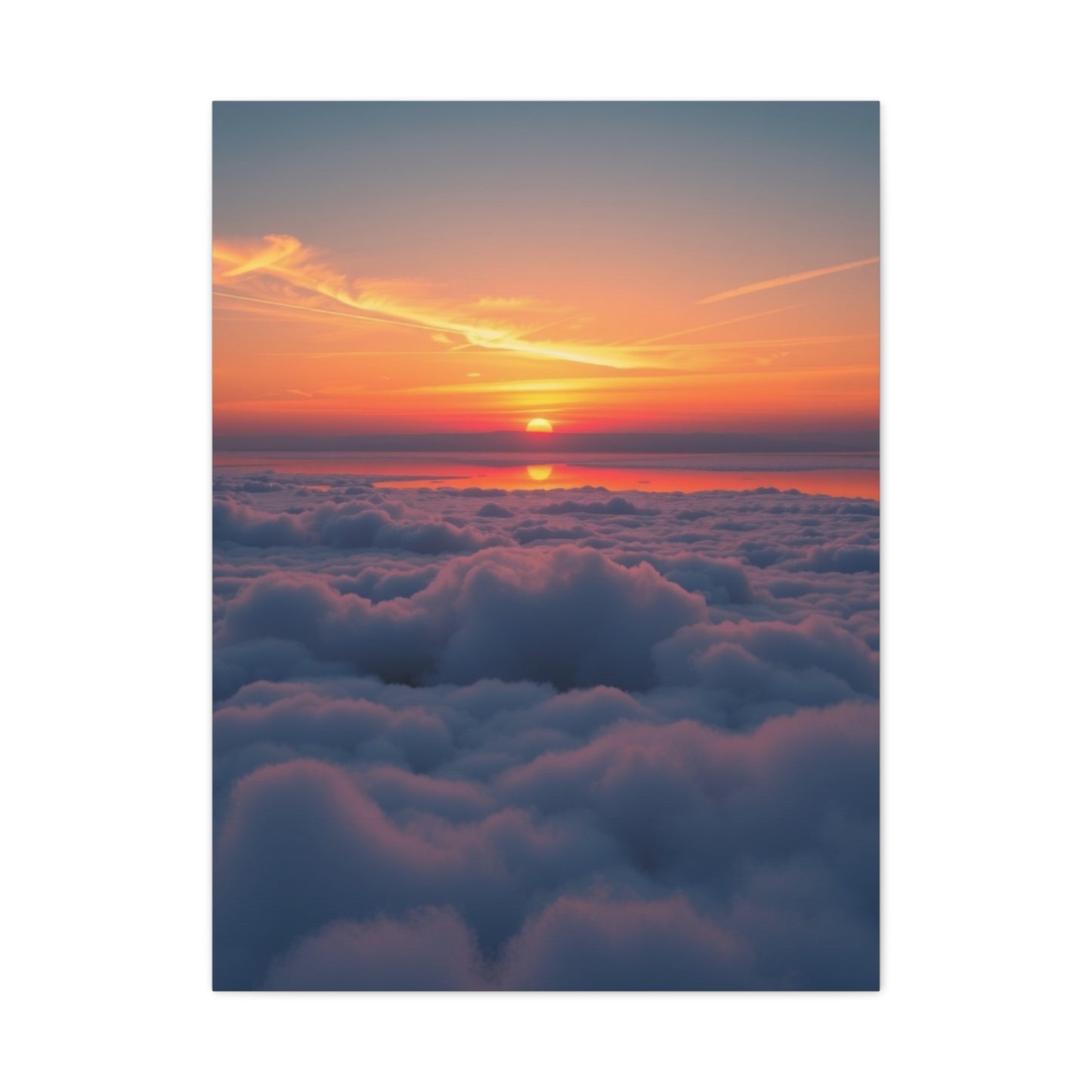
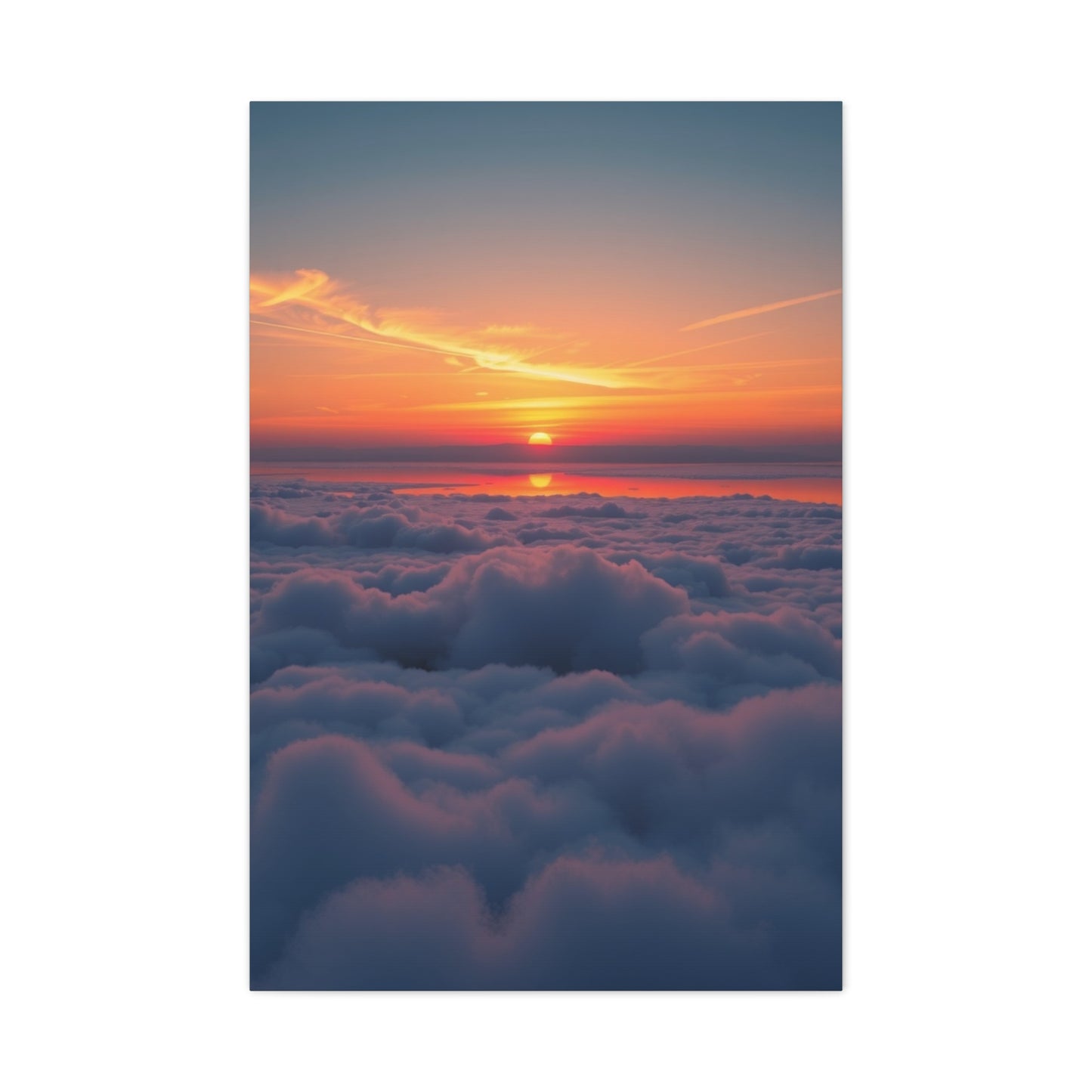
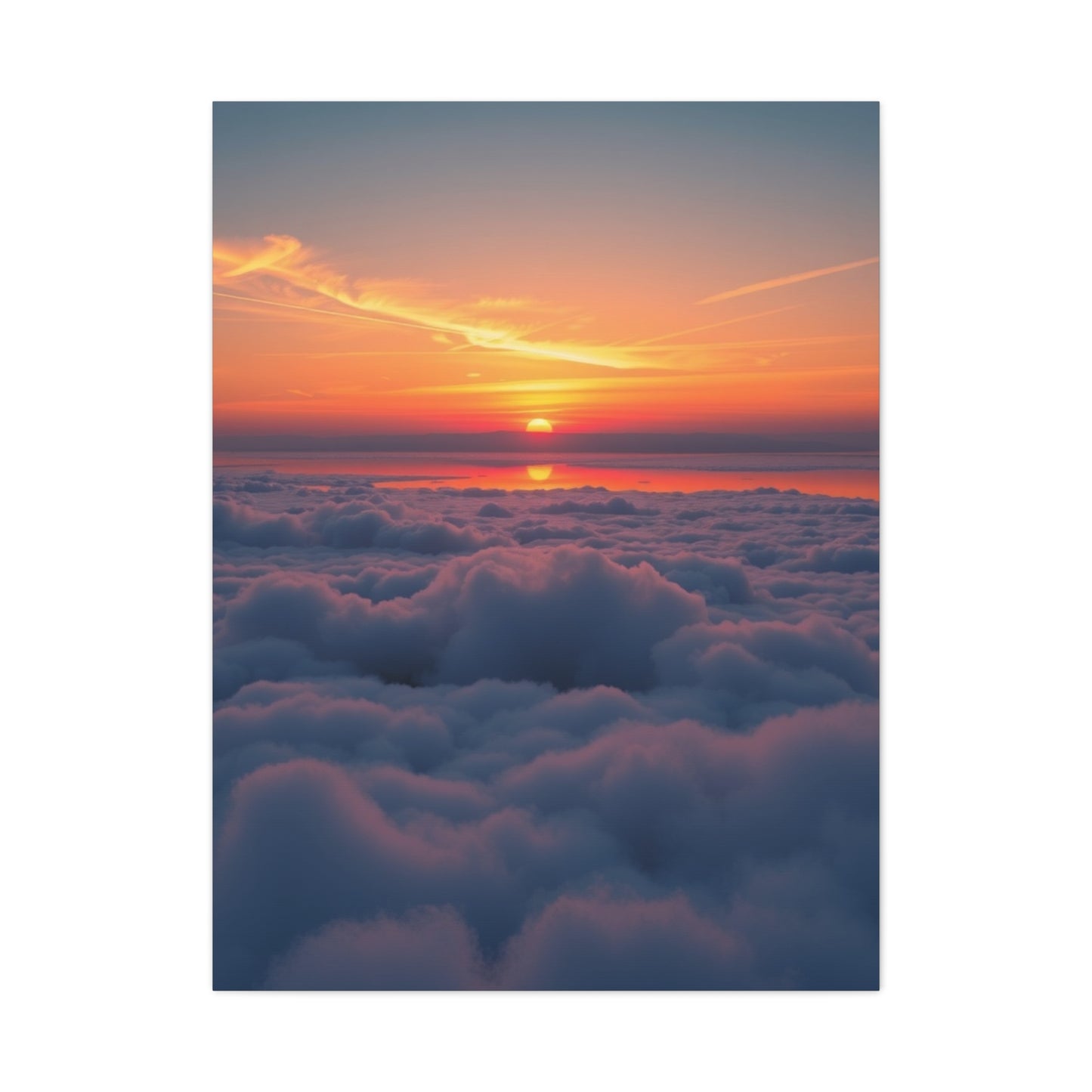
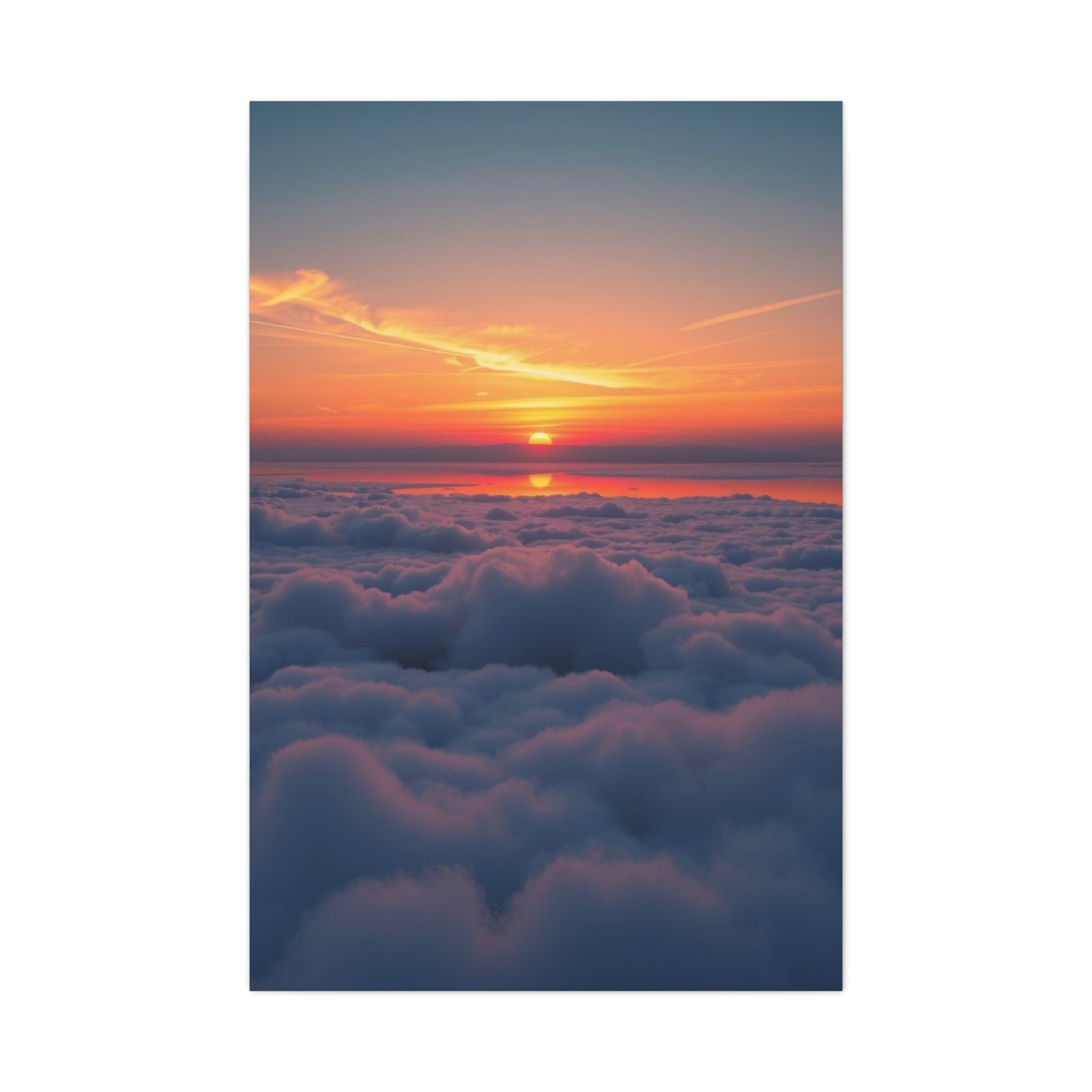
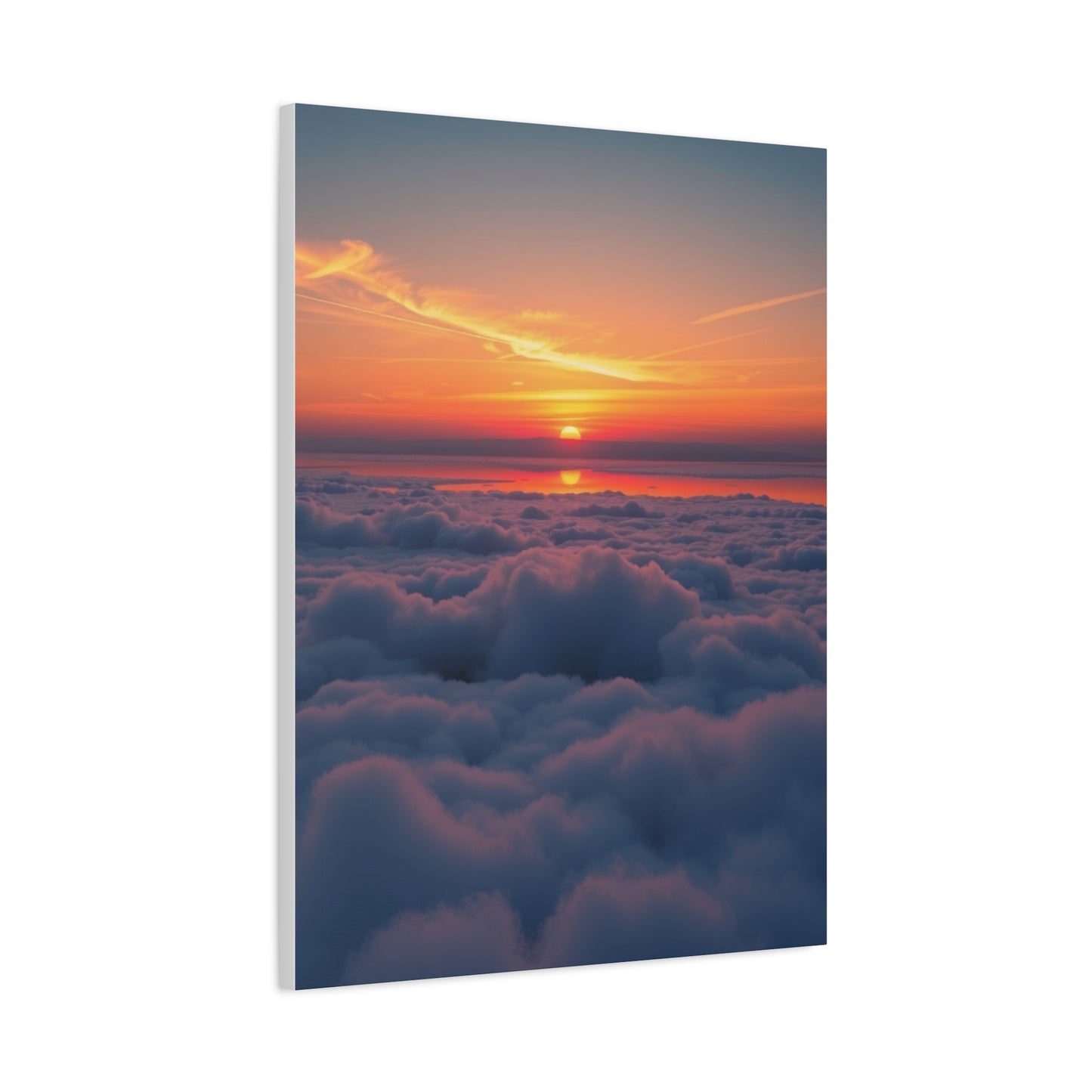
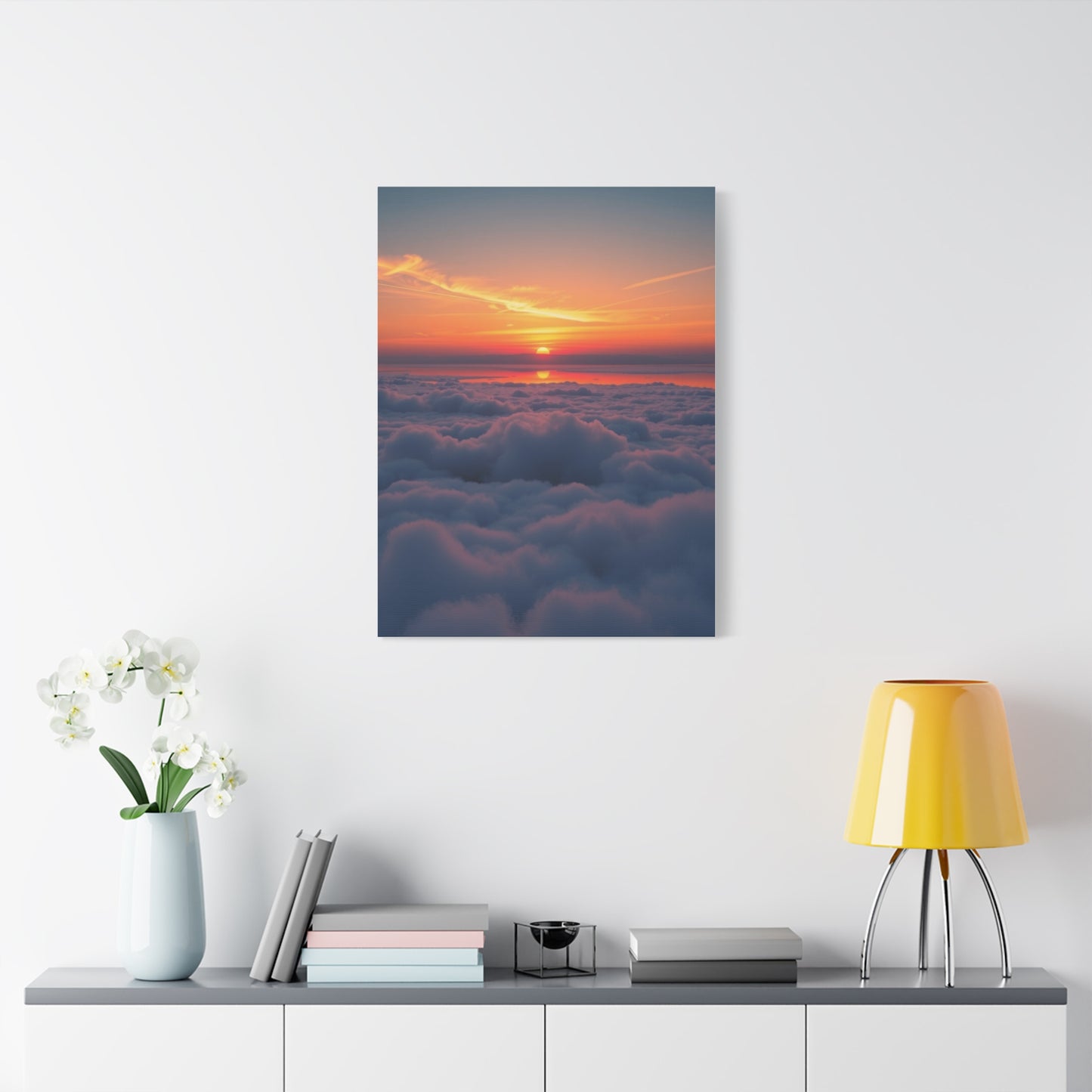
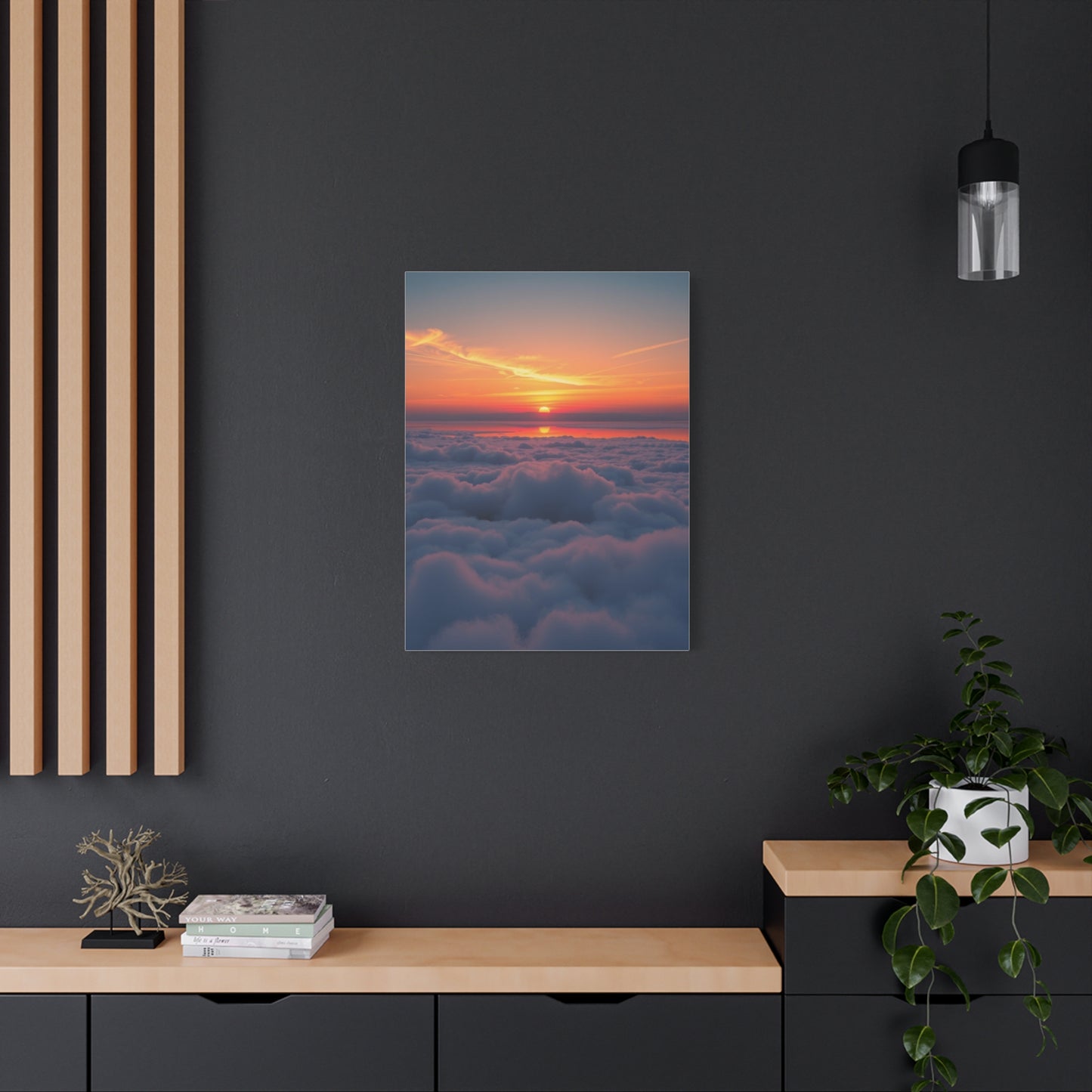
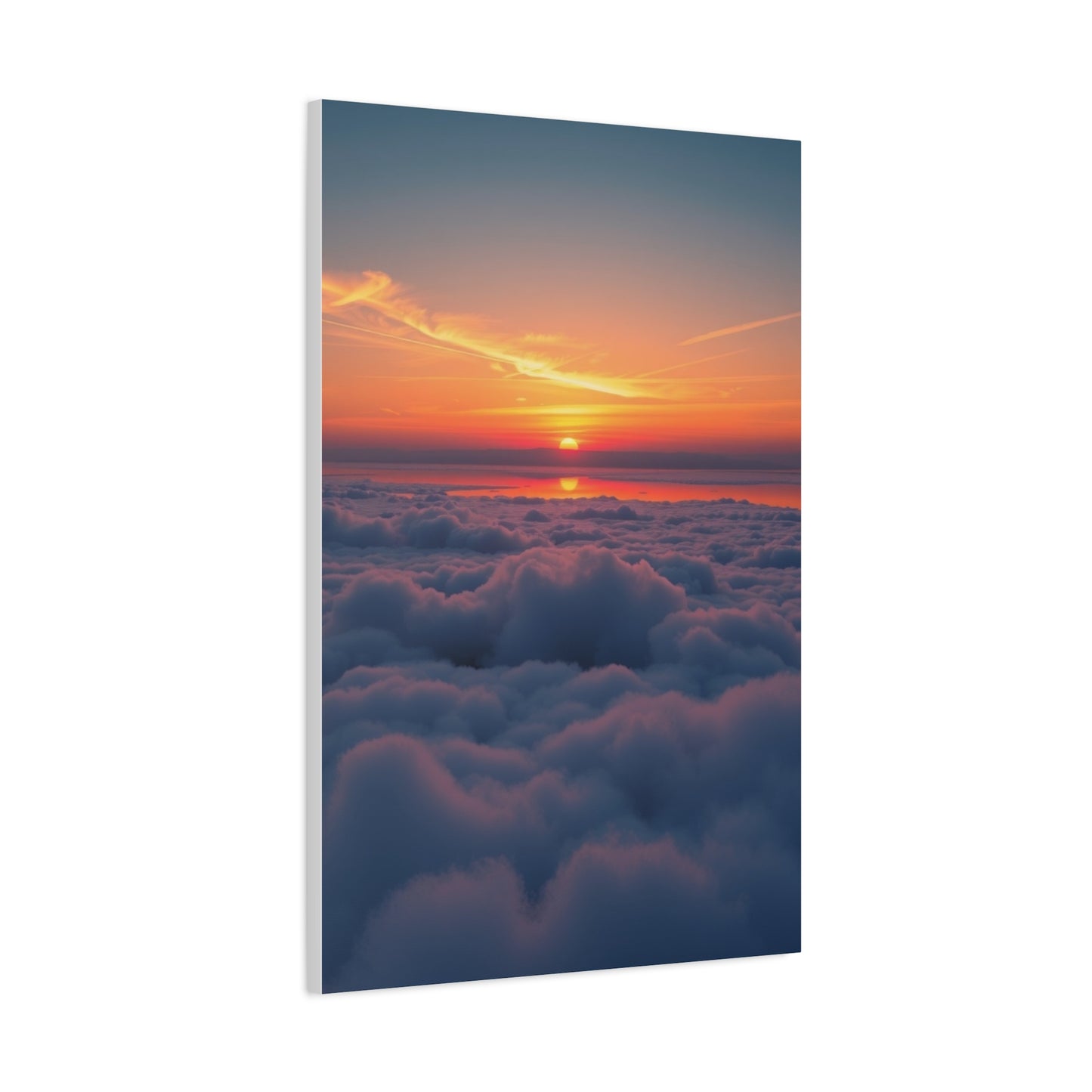
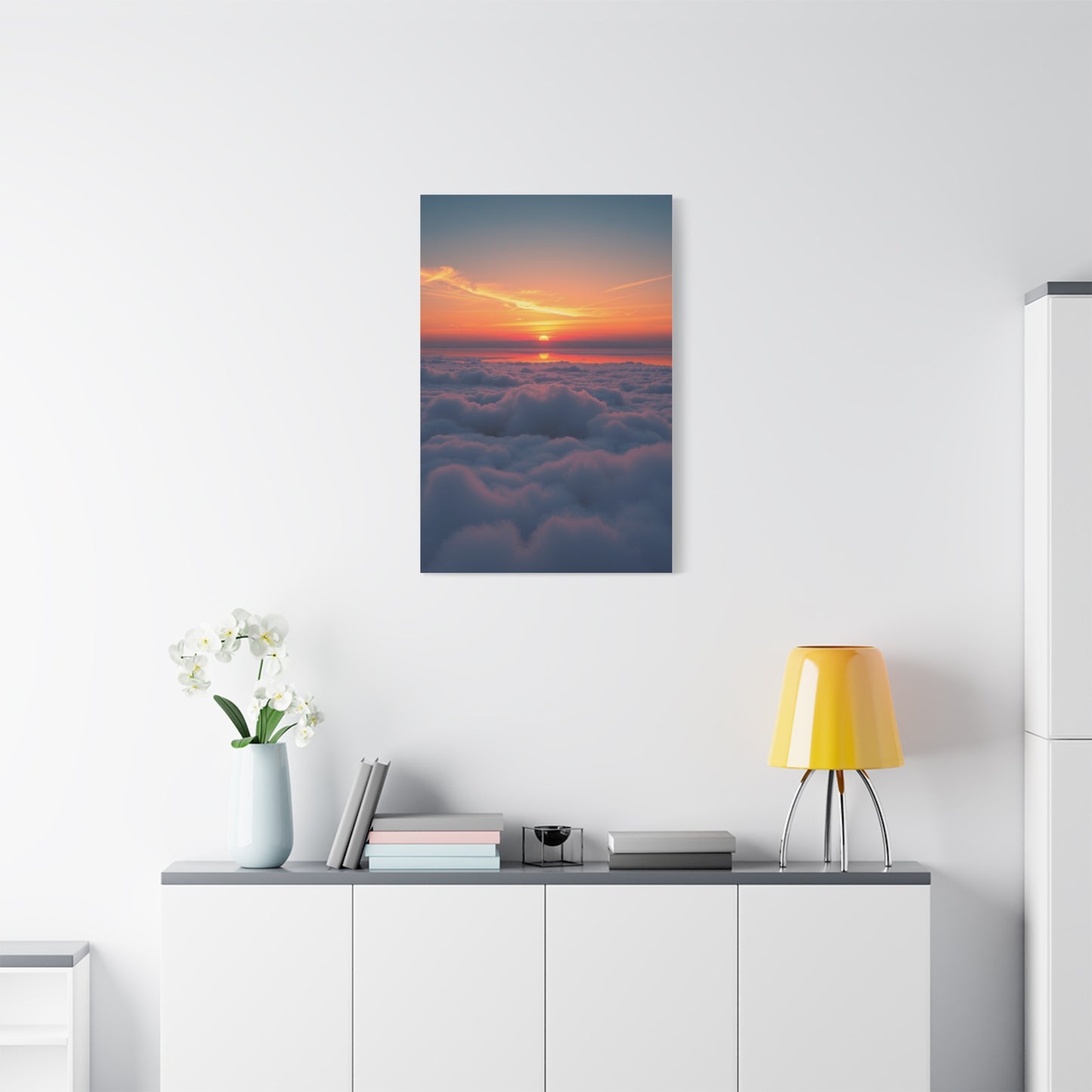
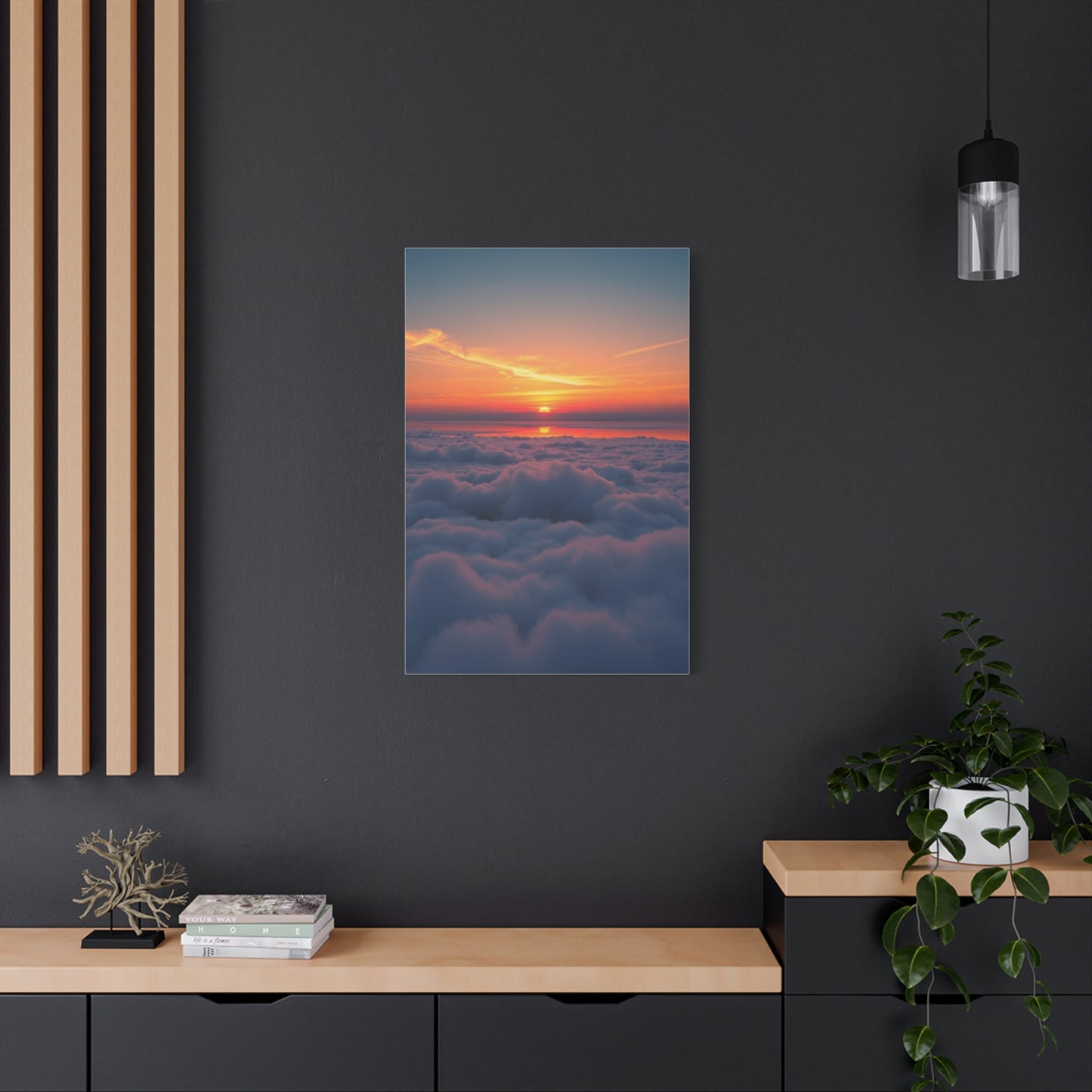
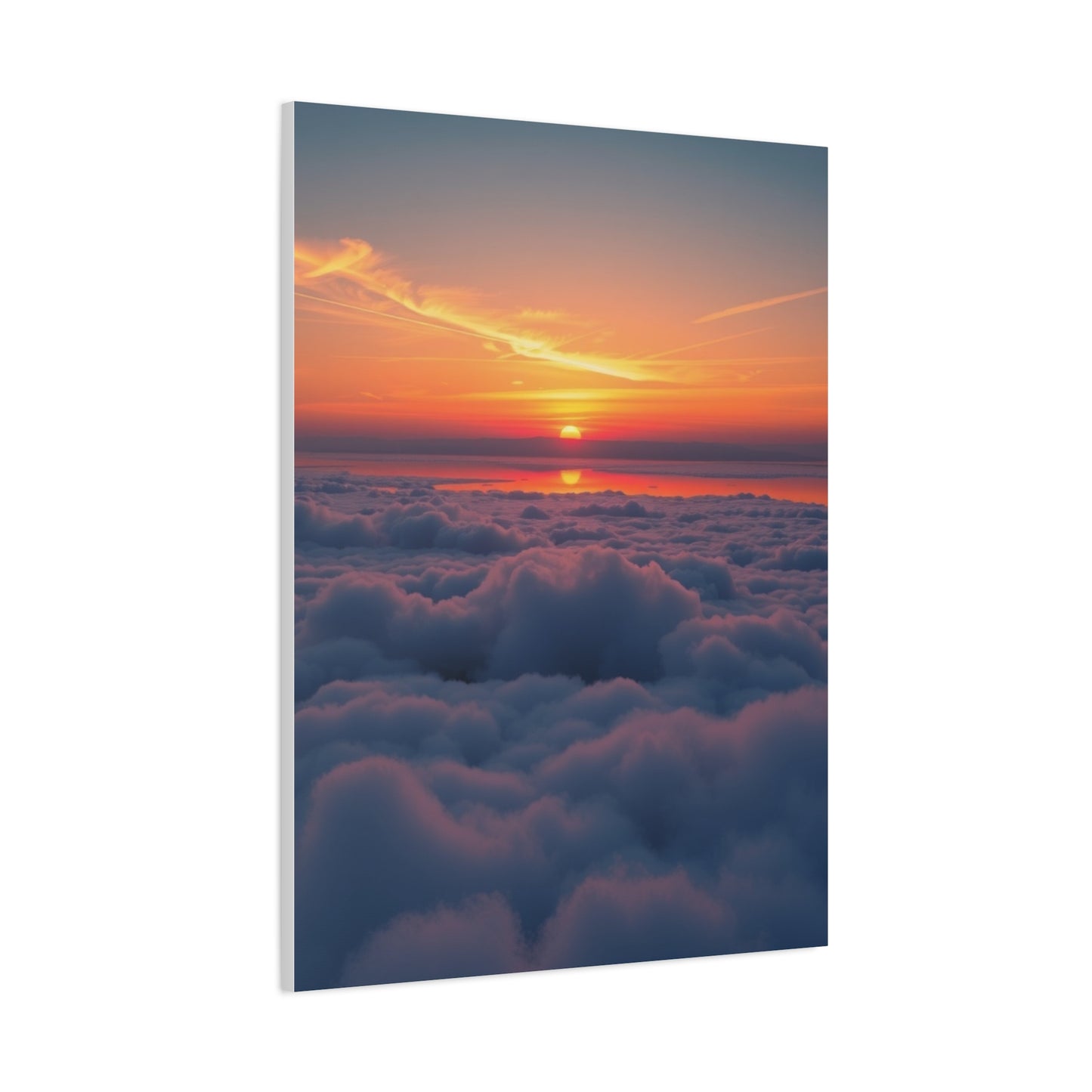
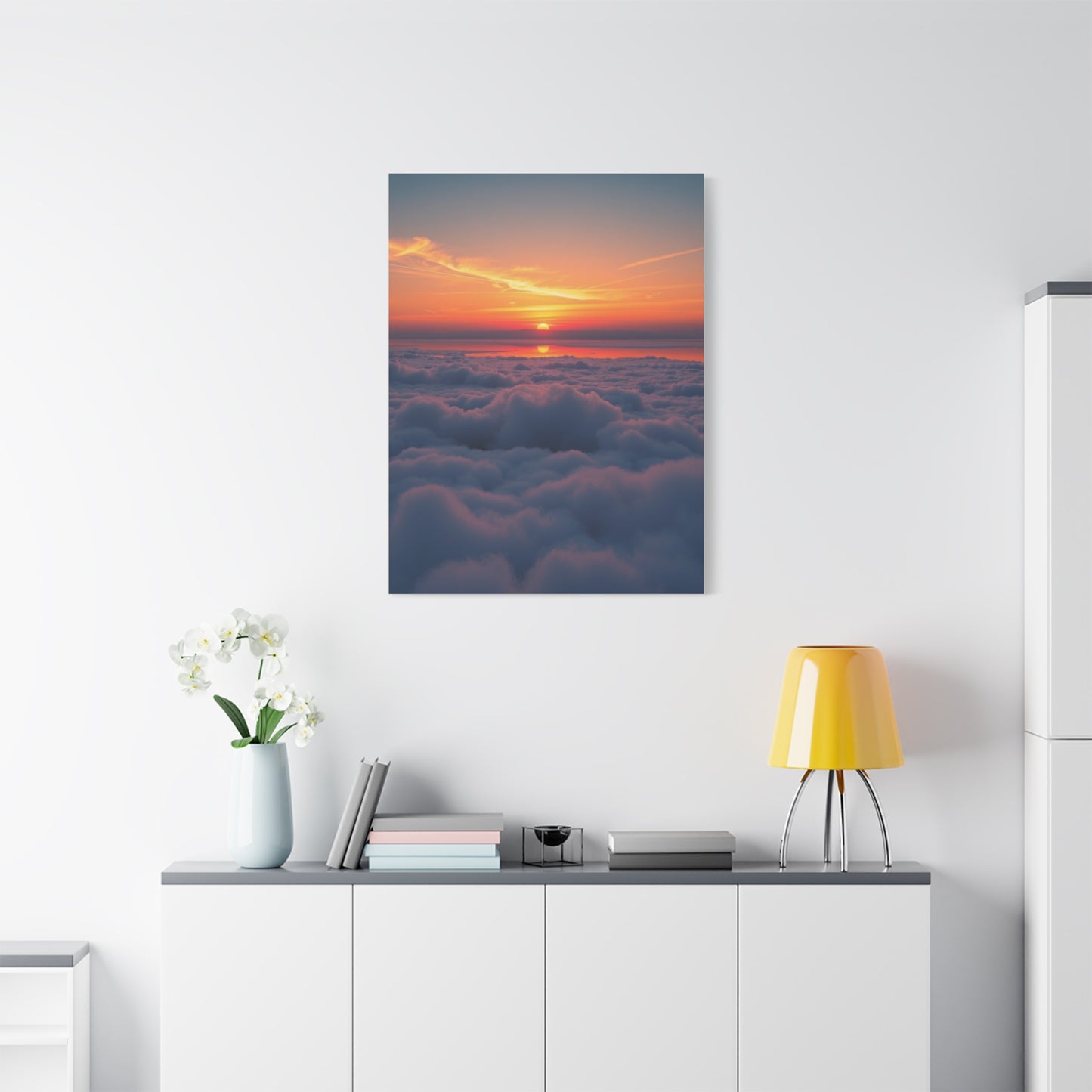
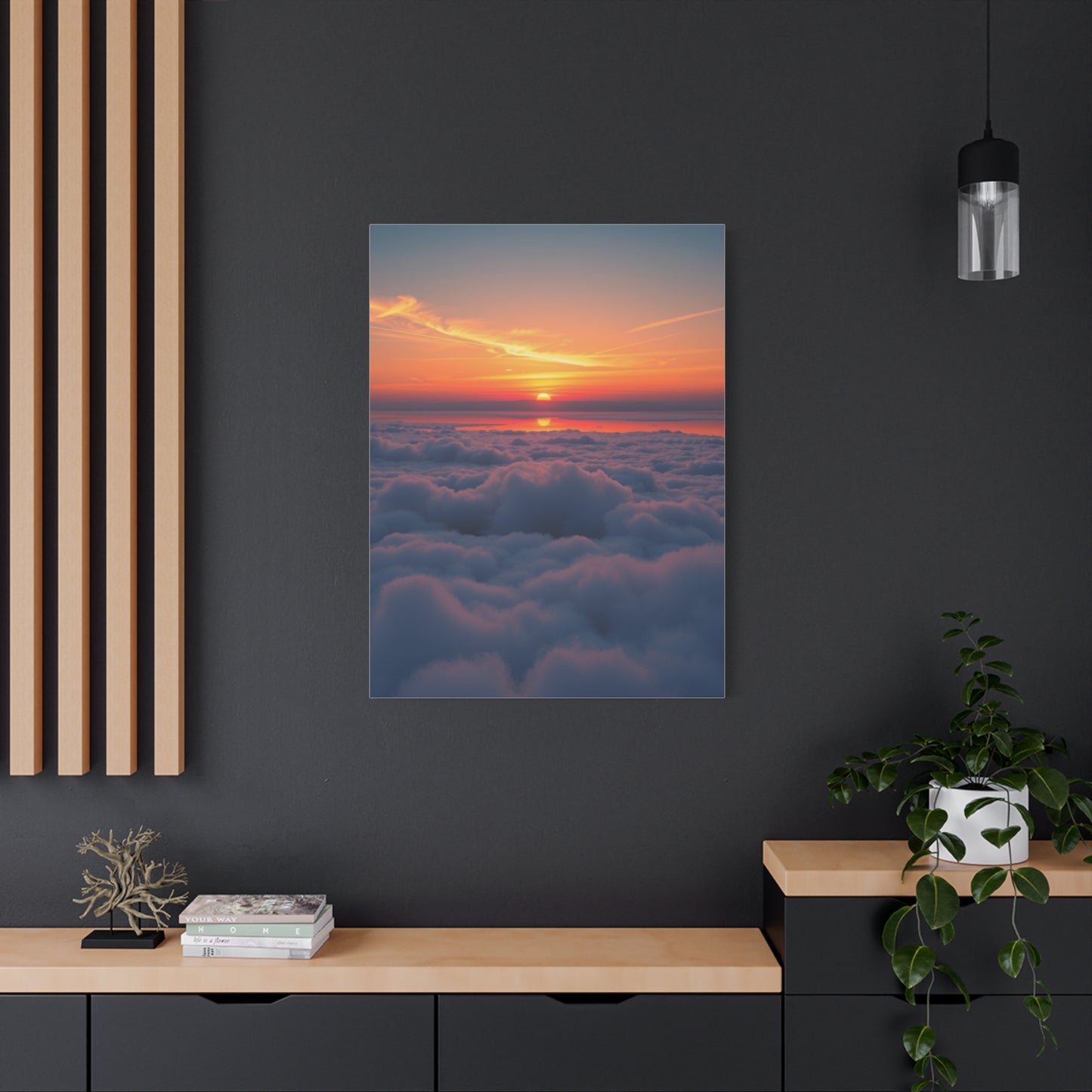
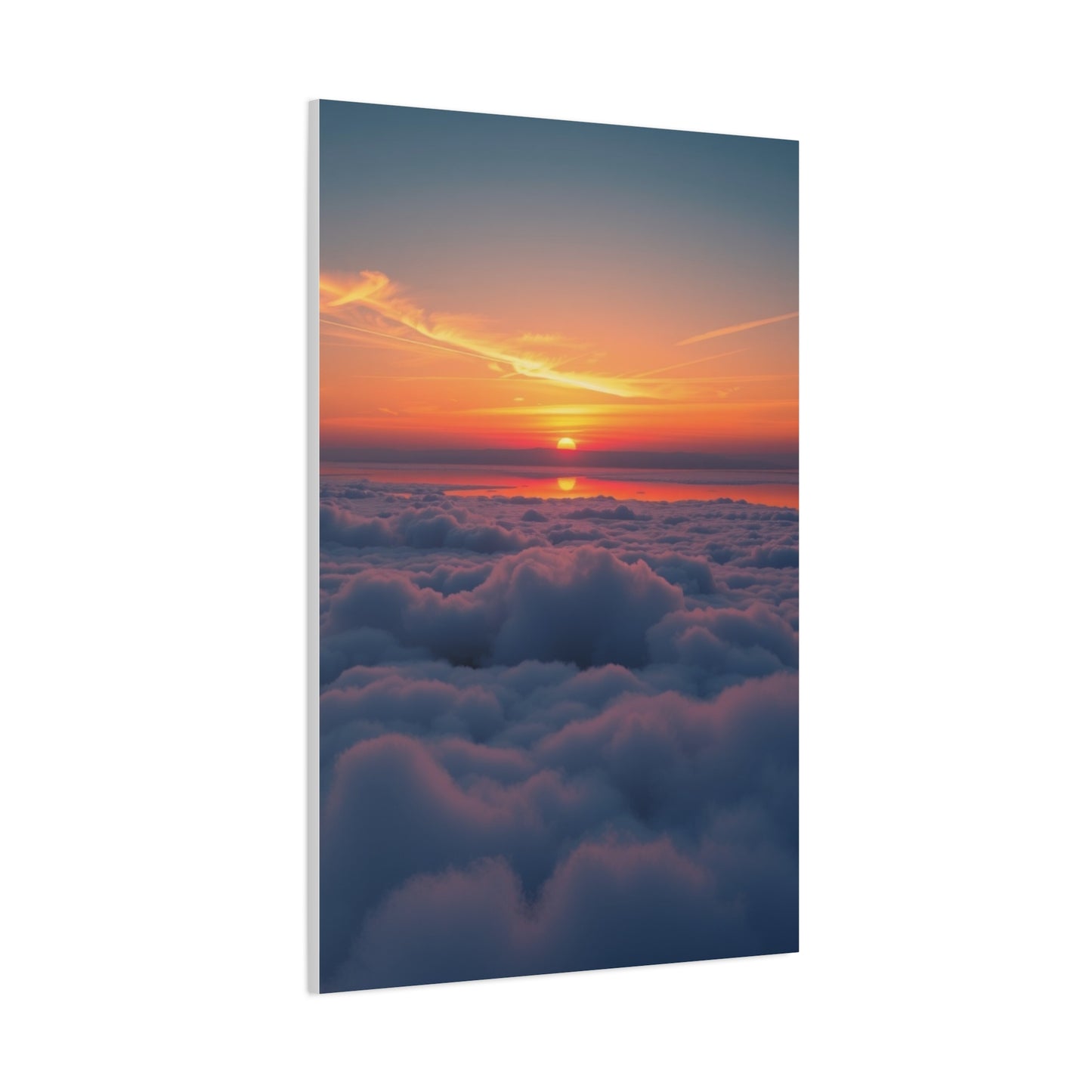
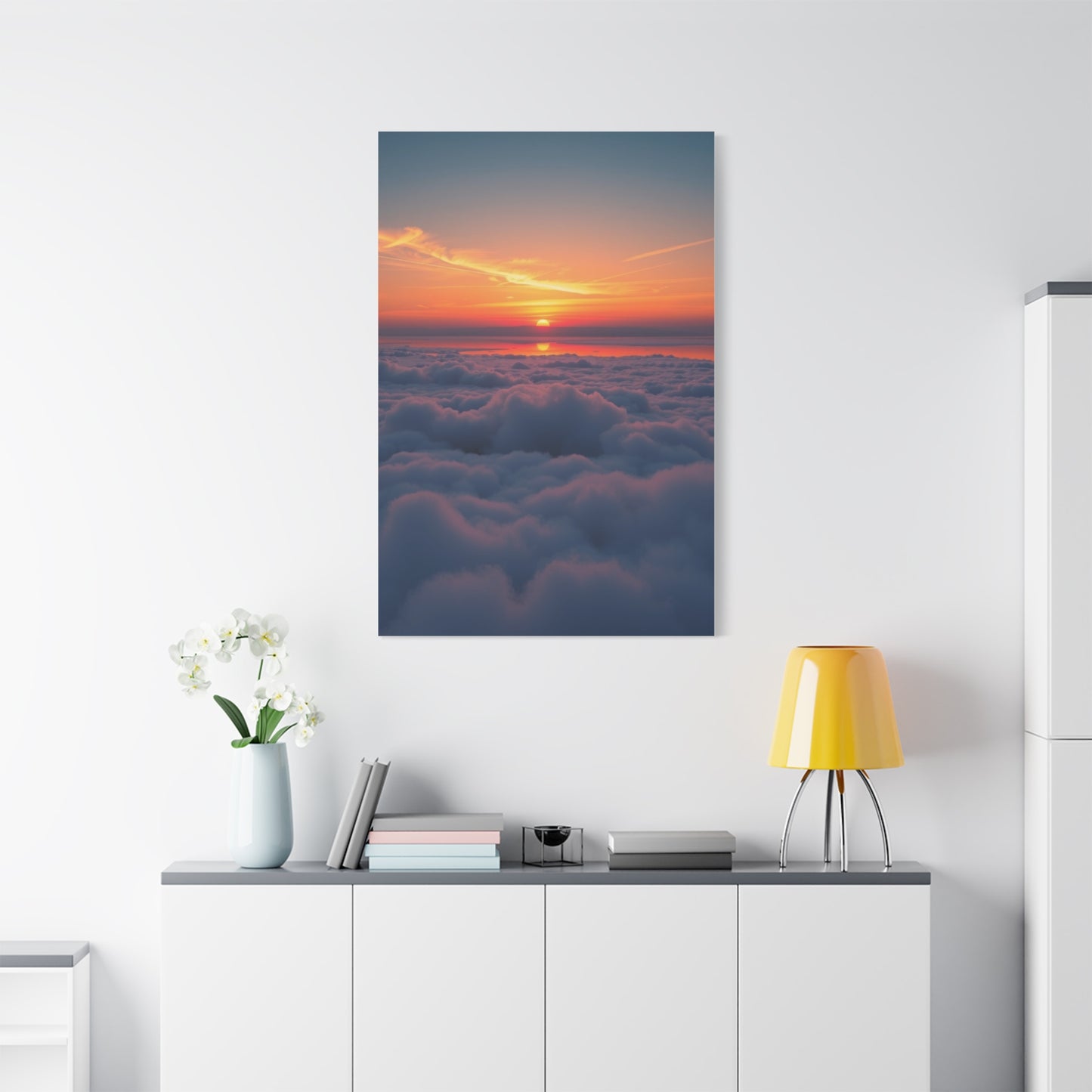
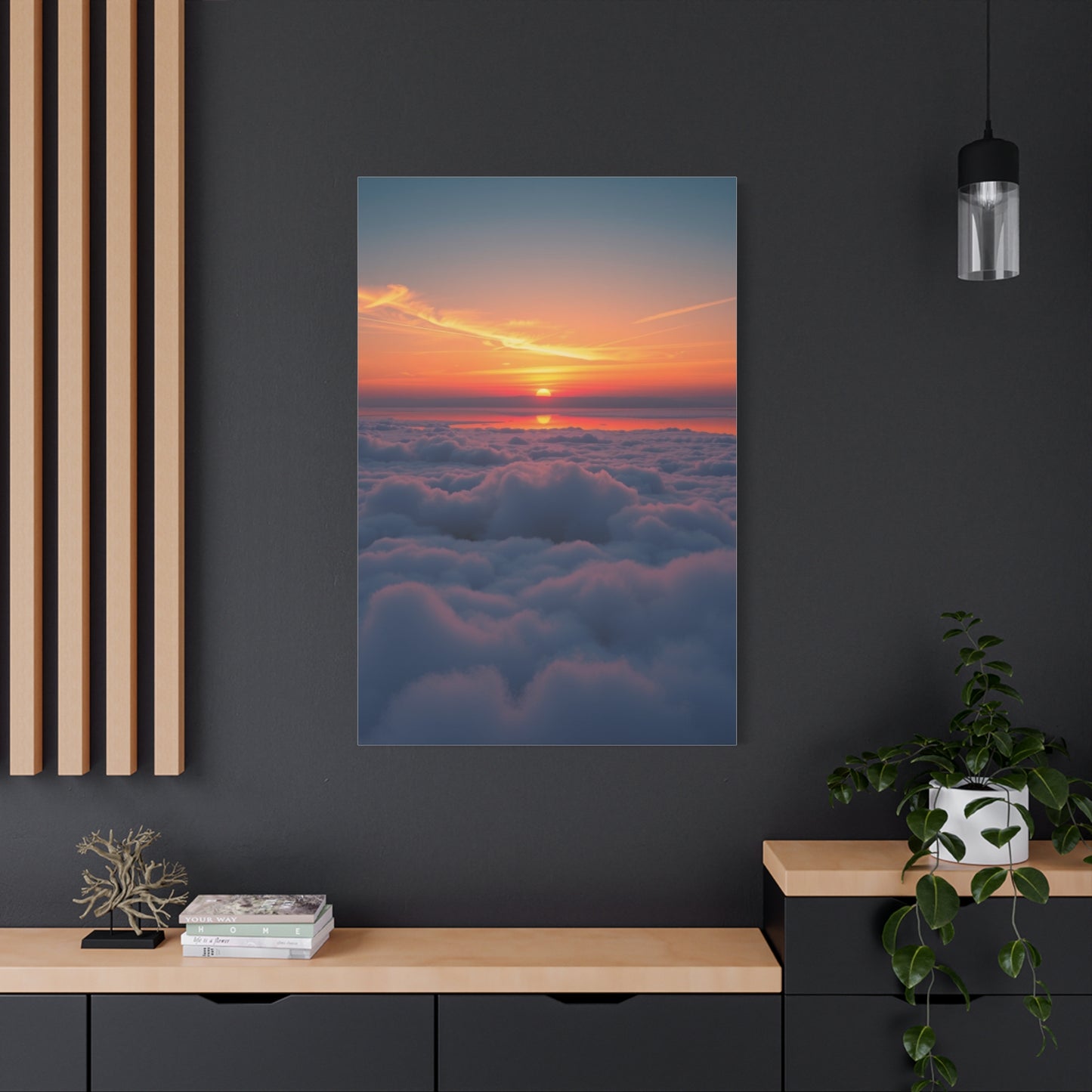
Celestial Transition masterpiece: From Dawn to Dusk on Canvas
The concept of celestial transition represents one of the most captivating phenomena in both nature and artistic expression. When we observe the sky transforming from the soft pastels of dawn to the deep indigos of dusk, we witness a daily miracle that has inspired countless artists, poets, and dreamers throughout human history. This natural spectacle of changing light, shifting colors, and atmospheric transformation provides endless inspiration for those seeking to capture the essence of cosmic movement on canvas. The beauty of celestial transition lies not merely in its visual splendor but in its symbolic representation of change, continuity, and the eternal dance between light and darkness that governs our perception of time itself.
Artists who attempt to capture celestial transition face the unique challenge of freezing a moment that is inherently fluid and ever-changing. The sky never remains static, constantly shifting through subtle gradations of color and luminosity that challenge even the most skilled painter's ability to recreate on canvas. From the first blush of pre-dawn light that hints at the sun's imminent arrival to the final lingering glow of sunset that reluctantly surrenders to night, each moment presents its own distinct character and emotional resonance. The successful translation of this ephemeral beauty onto a permanent medium requires not only technical proficiency but also a deep understanding of atmospheric conditions, color theory, and the emotional impact that different phases of celestial transition evoke in viewers.
The artistic representation of celestial transition has evolved significantly throughout art history, from the idealized skies of Renaissance masters to the bold, expressive interpretations of modern abstract artists. Contemporary approaches to depicting sky transitions often incorporate mixed media, layered techniques, and innovative color applications that push beyond traditional representational boundaries. These modern interpretations seek to capture not just the visual appearance of changing skies but the feeling, the energy, and the spiritual dimension of witnessing the cosmos in motion. Whether rendered in hyperrealistic detail or abstracted into pure emotional expression through color and form, celestial transition artwork connects viewers to something larger than themselves, reminding us of our place within the grand cosmic order.
The psychological impact of celestial transition imagery in interior spaces cannot be overstated. When properly executed and thoughtfully placed, artwork depicting the transformation from day to night or night to day creates a focal point that draws the eye while simultaneously calming the mind. The horizontal movement of light across the canvas mimics the natural progression of time, creating a sense of continuity and flow that can make rooms feel more spacious and connected to the natural world outside. In our increasingly urbanized environments where many people spend the majority of their time indoors under artificial lighting, celestial transition art serves as a vital connection to the rhythms and cycles that have governed human existence since the dawn of our species. This connection to natural cycles has been shown to reduce stress, improve mood, and create spaces that feel more harmonious and balanced.
Celestial Transition: The Beauty of Changing Skies
The beauty of changing skies represents one of nature's most accessible yet profoundly moving displays of cosmic artistry. Every single day, without fail, the atmosphere above us transforms through a spectacular sequence of color, light, and shadow that rivals any human-created masterpiece. This daily performance occurs whether we pause to notice it or not, unfolding with mathematical precision yet infinite variation. No two sunrises are identical, no two sunsets exactly the same, making each celestial transition a unique event in the history of the universe. The ephemeral nature of these displays adds to their poignancy, as each moment of perfect lighting or extraordinary color combination exists for mere seconds before giving way to the next configuration in the endless procession of atmospheric change.
Understanding the science behind changing skies only deepens appreciation for their beauty rather than diminishing it. The spectacular colors we observe during dawn and dusk result from the scattering of sunlight through Earth's atmosphere, a phenomenon explained by Rayleigh scattering. As sunlight travels through more atmosphere at oblique angles during sunrise and sunset, shorter blue wavelengths scatter more completely, allowing the longer red, orange, and pink wavelengths to dominate the visible spectrum. Additional factors such as cloud formations, humidity levels, air pollution particles, and atmospheric pressure systems contribute to the infinite variations we observe. Volcanic eruptions on the other side of the planet can create unusually vivid sunsets for months afterward, while approaching weather systems paint the sky in foreboding grays and unsettling greens. Each element combines in complex ways to create the specific quality of light and color at any given moment.
The emotional response humans experience when viewing spectacular sky transitions appears to be deeply hardwired into our psychology. Research in environmental psychology has demonstrated that exposure to beautiful natural phenomena, particularly dramatic skies, triggers measurable changes in brain chemistry associated with reduced stress, increased feelings of awe, and enhanced emotional wellbeing. The vast scale of the sky, combined with the beauty of its coloration during transition periods, activates what researchers call the "overview effect," a cognitive shift in awareness that occurs when viewing something so large and magnificent that it temporarily dissolves the boundaries of individual self-concern. This response likely evolved as an adaptive mechanism, as our ancestors who paid attention to sky conditions gained valuable information about weather patterns, navigation, and optimal times for various survival activities.
Capturing the beauty of changing skies in artwork requires artists to make critical decisions about which moment in the transition to freeze and how to convey the sense of movement and change within a static image. Some artists choose to depict the most dramatic peak moments, when colors reach their maximum saturation and the contrast between light and dark achieves its greatest intensity. Others prefer the subtle transitional periods, the quiet moments before the drama unfolds or after the spectacle has passed, finding beauty in restraint and suggestion rather than bold declaration. The choice of perspective also profoundly affects the emotional tone of the work. A low horizon line emphasizing the vast expanse of sky creates feelings of openness and possibility, while a higher horizon incorporating more landscape grounds the celestial drama in earthly context, creating a bridge between terrestrial and cosmic realms.
Modern technology has transformed both our ability to observe changing skies and the techniques available to artists depicting them. Time-lapse photography reveals patterns and progressions invisible to real-time observation, showing how colors flow across the sky like liquid, how clouds morph and dissolve, and how the entire atmosphere breathes with rhythmic pulsations of light and shadow. Digital painting tools allow artists to layer translucent colors in ways that mimic the actual physical properties of atmospheric light, building up complex color relationships that would be extremely difficult to achieve with traditional media. Yet despite these technological advances, many artists still prefer traditional approaches, finding that the physical act of mixing pigments and applying paint to canvas creates a meditative connection to the subject matter that digital tools cannot replicate. The choice between traditional and modern techniques ultimately depends on the artist's personal vision and the specific qualities they wish to emphasize in their representation of celestial transition.
The cultural significance of changing skies varies across different societies and historical periods, but nearly every human culture has developed rich symbolic associations with dawn, dusk, and the transitions between them. Dawn has universally represented hope, renewal, and new beginnings, the daily resurrection of light conquering darkness. Many religious and spiritual traditions schedule their most important rituals and prayers for dawn, recognizing the power of beginning the day in harmony with this natural transition. Dusk carries more ambiguous symbolism, representing both peaceful closure and the onset of uncertainty, the known world retreating into shadow and the unknown realm of night approaching. The specific cultural meaning assigned to these transitions influences how artists from different traditions depict them, with some emphasizing the spiritual dimension, others focusing on aesthetic beauty, and still others exploring the psychological and emotional resonances of these liminal times.
Celestial Transition Masterpiece: Cosmic Harmony in Motion
The creation of a true celestial transition masterpiece requires more than technical skill or aesthetic sensitivity alone. It demands a synthesis of artistic vision, scientific understanding, emotional intelligence, and technical mastery that few artists fully achieve. A masterpiece in this genre must capture not merely the appearance of the changing sky but the essence of cosmic motion itself, the sense that viewers are witnessing a moment in the endless dance of celestial bodies and atmospheric phenomena that has continued for billions of years before human observation and will continue for billions more after. This quality of timelessness combined with specificity, of capturing the universal through the particular, distinguishes truly exceptional work from merely competent or pleasant sky paintings.
Cosmic harmony refers to the underlying order and balance that governs celestial phenomena despite their apparent chaos and complexity. The colors of sunset do not appear randomly but follow predictable patterns based on atmospheric physics. The movement of clouds, while seemingly chaotic, follows atmospheric currents governed by pressure systems and thermal dynamics. Stars emerge in fixed patterns, their positions predictable centuries in advance. The phases of the moon cycle through their sequence with perfect regularity. A masterpiece that captures cosmic harmony helps viewers perceive this underlying order, revealing the mathematical beauty hidden within apparently spontaneous natural displays. This revelation of hidden order satisfies something fundamental in human consciousness, our deep need to find pattern and meaning in our observations of the world around us.
The element of motion presents perhaps the greatest challenge in creating celestial transition masterpieces. How does one convey movement, change, and progression within a medium that is inherently static? The most successful approaches employ various visual strategies to suggest motion. Directional brushstrokes that sweep across the canvas mimic the movement of clouds or the progression of light across the sky. Gradual color transitions guide the eye through a journey across the composition, creating the temporal dimension through spatial arrangement. The strategic placement of contrasting elements, such as still landscape features against dynamic sky formations, emphasizes the motion of the celestial elements through juxtaposition with stationary earth. Some artists incorporate multiple moments of transition within a single composition, creating a visual timeline that unfolds as the viewer's eye travels across the canvas.
Compositional balance in celestial transition masterpieces requires careful consideration of both visual weight and symbolic meaning. The relationship between sky and earth, light and dark, warm and cool colors must be orchestrated to create a sense of harmony rather than discord. Too much emphasis on dramatic contrast can create visual tension that overwhelms rather than engages the viewer, while insufficient contrast results in bland, forgettable work that fails to capture the drama inherent in celestial transitions. The most successful compositions find the precise balance point where tension and harmony coexist, where the eye finds both challenge and rest, where the emotional impact feels powerful but not exhausting. This balance varies depending on the intended setting for the artwork and the psychological effect the artist wishes to achieve.
The role of color in celestial transition masterpieces extends far beyond simple representation of observed hues. Color carries psychological and emotional weight, with different colors and color combinations producing measurable effects on viewer mood and perception. Warm colors like orange, red, and yellow evoke energy, excitement, and emotional warmth, appropriate for sunset scenes that celebrate the day's conclusion with vibrant fanfare. Cool colors like blue, purple, and violet create feelings of calm, contemplation, and mystery, suitable for depicting the quiet moments of dawn or the deepening twilight. The interplay between warm and cool creates visual interest and emotional complexity, much as the actual sky during transition periods displays both warm sunlight and cool shadow in constantly shifting relationships. Masters of this genre understand color not just as a descriptive tool but as a language capable of communicating directly with viewers' emotions and subconscious associations.
Creating cosmic harmony in a celestial transition masterpiece also involves technical considerations regarding paint application, surface preparation, and material choices. The luminosity of sky colors during transition periods can be challenging to capture with opaque pigments that naturally absorb rather than emit light. Some artists address this challenge by working on reflective metallic surfaces that bounce light back through transparent color layers, creating an inner glow reminiscent of actual atmospheric luminosity. Others employ glazing techniques, building up multiple thin layers of transparent color that create optical mixing effects similar to the way atmospheric light actually behaves. The texture of brushwork also contributes to the overall effect, with smooth gradations suggesting calm atmospheric conditions while rough, energetic brushwork conveys turbulence and dramatic change. Every technical choice either supports or undermines the overall goal of capturing cosmic harmony in motion.
Celestial Transition: Daylight Fading into Starlight
The specific transition from daylight to starlight represents one of the most poignant and symbolically rich phases of celestial change. This period, known to astronomers as twilight, actually consists of three distinct phases: civil twilight when the sun sits just below the horizon and sufficient natural light remains for most outdoor activities, nautical twilight when only the brightest stars become visible and the horizon remains discernible, and astronomical twilight when the sky finally becomes dark enough for astronomical observations of faint celestial objects. Each phase possesses its own unique character and beauty, and the entire progression from bright daylight to full darkness typically spans between one and two hours depending on latitude and season.
During the early stages of daylight fading, the sky retains much of its daytime blue in the zenith while the horizon begins displaying the warm colors of approaching sunset. This contrast between the cool blue overhead and warm colors at the horizon creates a vertical color gradient that artists find endlessly fascinating. As the sun drops lower, this gradient becomes more pronounced and complex, with multiple distinct bands of color stacking above the horizon like layers in a cosmic landscape. The highest layer might remain pale blue, transitioning through turquoise to green, then yellow, orange, pink, and finally deep red or purple closest to the horizon. Each color band represents light passing through different densities and compositions of atmosphere, creating a natural demonstration of optical physics made visible.
The emergence of stars during this transition adds another layer of visual and symbolic interest. The first stars to appear, often actually planets like Venus or Jupiter, are sometimes called "evening stars" despite being planets rather than true stars. These bright points of light appear while the sky still holds considerable brightness, creating a magical period when both day and night exist simultaneously in the same sky. As darkness deepens, progressively fainter stars emerge until the full glory of the night sky reveals itself, weather and light pollution permitting. This gradual revelation from a handful of bright points to thousands of visible stars creates a sense of depth and dimensionality, transforming the sky from a flat blue backdrop to a three-dimensional cosmic vista extending billions of light-years into space.
The emotional resonance of daylight fading into starlight carries profound meaning across human cultures. This transition marks the boundary between the active, social, illuminated world of day and the quiet, introspective, mysterious realm of night. For much of human history, this transition signaled the end of productive work and the gathering of communities for evening meals, storytelling, and rest. The appearance of stars connected earthbound humans to the greater cosmos, serving as navigation aids, calendrical markers, and sources of wonder and religious awe. Even in our modern era of artificial lighting and reduced dependence on natural cycles, this transition retains psychological significance, triggering biological responses tied to circadian rhythms and ancestral patterns of activity and rest.
Artistic representations of daylight fading into starlight must address the technical challenge of depicting luminosity within a medium that does not emit light. Stars represented as white or light-colored dots on a dark background often appear flat and unconvincing, lacking the radiant quality of actual starlight. Skilled artists employ various techniques to overcome this limitation. Some leave tiny areas of bare canvas or underlayer showing through, creating points of maximum contrast that read as luminous. Others use thick white or light paint applied as small raised dots that catch actual gallery lighting, creating a three-dimensional quality that enhances the illusion of radiance. The careful gradation of sky tones surrounding star points is crucial, as stars appear most luminous against the darkest areas of sky but must remain visible throughout the composition.
The atmospheric conditions during the daylight to starlight transition significantly affect the quality and character of the display. Clear, dry conditions produce the most vibrant color displays and allow stars to emerge early and shine brightly. High altitude locations offer superior views due to thinner atmosphere and typically clearer conditions. Coastal areas often experience dramatic twilights due to moisture and atmospheric particles that enhance color saturation while potentially obscuring faint stars. Urban environments with significant light pollution may display beautiful twilight colors but prevent all but the brightest stars from becoming visible, creating a truncated version of the transition that ends before full night arrives. Artists depicting this transition often idealize conditions, combining the most vibrant twilight colors with fully revealed starfields that might not actually coexist under real atmospheric conditions, creating a heightened reality that serves artistic rather than documentary purposes.
Celestial Transition: Abstract Universe Wall Décor
The abstract approach to depicting celestial transition liberates artists from the constraints of realistic representation, allowing them to explore the emotional, spiritual, and symbolic dimensions of cosmic change through pure color, form, and composition. Rather than attempting to recreate the specific appearance of a particular sunrise or sunset, abstract celestial transition art distills the essence of these phenomena into their fundamental elements. Sweeping curves might represent the arc of the sun's path or the dome of the sky itself. Color fields bleeding into one another echo the gradual atmospheric gradations observed during transition periods. Dynamic, energetic brushwork conveys the constant motion and change inherent in all celestial phenomena. This abstraction allows viewers to project their own experiences and associations onto the work, creating a more personal and potentially more profound connection than straightforward representation might achieve.
The principles of abstract expressionism align particularly well with celestial transition themes. The emphasis on spontaneity, emotional directness, and the physical act of painting parallels the dynamic, ephemeral nature of changing skies. Artists working in this mode often employ techniques like pouring, dripping, or throwing paint to create effects that mimic atmospheric turbulence and unpredictability. Large-scale canvases become immersive fields of color that surround viewers much as the actual sky envelops us, creating an experiential dimension that invites contemplation and emotional response rather than intellectual analysis. The lack of representational detail paradoxically often creates a stronger visceral response than realistic depictions, as viewers respond to pure color and form without the mediation of recognizable imagery.
Color field painting offers another powerful approach to abstract celestial transition décor. This style emphasizes large areas of flat, solid color or subtle gradations that create contemplative, meditative viewing experiences. The interaction between adjacent color fields can evoke the relationships between different zones of the sky during transition periods without explicitly depicting them. A canvas divided between a large area of deep blue and a smaller area of warm orange immediately suggests the contrast between night sky and sunset glow without requiring any representational elements. The boundaries between color fields, whether sharp or softly blended, control the emotional temperature of the work, with hard edges creating tension and drama while soft transitions produce calm and harmony.
Abstract celestial transition wall décor offers practical advantages for interior design beyond its aesthetic appeal. The lack of specific representational content makes abstract work more versatile, capable of harmonizing with various décor styles from minimalist modern to richly traditional. The ambiguity of abstract imagery allows the same piece to read differently depending on viewing distance, lighting conditions, and viewer mood, creating a dynamic relationship between artwork and observer that keeps the work perpetually fresh and interesting. Large-scale abstract pieces can serve as stunning focal points that anchor entire room designs, their bold colors and forms establishing the color palette and emotional tone for the surrounding space. Smaller abstract works arranged in series or groups can create rhythm and movement along walls, guiding sight lines and controlling the flow of visual attention through interior spaces.
The spiritual and meditative qualities of abstract celestial transition art appeal to contemporary viewers seeking connection to something transcendent in an increasingly materialistic world. The cosmic themes inherent in celestial transition imagery connect to universal human concerns about our place in the universe, the nature of time, and the relationship between temporary and eternal. Abstract treatment of these themes strips away specific cultural or religious associations, creating a more universally accessible spiritual art that viewers from any background can approach without feeling excluded or alienated. The contemplative viewing experience encouraged by successful abstract work aligns with meditation practices and mindfulness techniques, making these pieces valuable tools for creating calm, centered interior environments that support wellbeing and mental clarity.
Contemporary abstract artists working with celestial transition themes often incorporate mixed media elements that add texture, dimension, and visual interest beyond what paint alone can achieve. Metallic leaf applied to certain areas creates reflective surfaces that catch and bounce light, mimicking the way actual celestial phenomena interact with light. Textured mediums built up on the canvas surface create three-dimensional relief that generates actual shadows and highlights, adding atmospheric depth. Unconventional materials like sand, glass beads, or mineral pigments introduce unique visual and tactile qualities that expand the expressive range of the work. These material explorations push the boundaries of what celestial transition art can be, moving beyond traditional painting into the realm of mixed media assemblage while retaining thematic connection to cosmic phenomena.
Celestial Transition: A Symphony of Light and Shadow
The interplay between light and shadow during celestial transitions creates visual symphonies as complex and emotionally resonant as any musical composition. Just as a symphony develops themes, introduces variations, builds to crescendos, and resolves into quieter passages, the progression of light and shadow during dawn and dusk follows dramatic arcs that engage viewers on multiple sensory levels. The crescendo of a spectacular sunset, with its maximum color intensity and dramatic cloud illumination, parallels the climactic moments in orchestral music when all instruments unite in powerful harmony. The quiet denouement of deepening twilight, as colors fade and shadows merge into uniform darkness, echoes the peaceful resolution passages that conclude musical works.
Understanding the physics of light and shadow during celestial transitions enhances appreciation for their visual complexity. Light traveling through Earth's atmosphere undergoes multiple interactions: reflection from clouds and particulates, refraction as it passes through layers of different densities, and scattering that separates white sunlight into its component wavelengths. These interactions create the spectacular light shows we observe, with each atmospheric condition producing unique effects. High, wispy cirrus clouds catch sunlight long after lower clouds have fallen into shadow, creating brilliant highlights against darkening backgrounds. Thick cumulus clouds create dramatic shadow patterns, their undersides glowing with reflected light while their tops blaze in direct sunlight. Mountains and tall buildings cast long shadows across landscapes, creating distinct boundaries between illuminated and shadowed regions that shift and dissolve as the sun's angle changes.
Shadow plays a role equally important to light in creating compelling celestial transition imagery. Shadows provide contrast that makes illuminated areas appear more brilliant, context that gives light meaning and impact. Without shadow, there can be no appreciation of light's qualities. During transition periods, shadows lengthen dramatically, transforming familiar landscapes into mysterious terrains where ordinary objects cast exaggerated silhouettes. These long shadows create strong linear elements that artists can employ to lead the eye through compositions, establish directional movement, and create dramatic focal points. The gradual encroachment of shadow during sunset or its retreat during sunrise provides narrative structure to celestial transition scenes, giving them implicit beginning, middle, and end points that engage viewers' sense of temporal progression.
The color of shadows during celestial transitions offers surprising complexity that novice artists often overlook. Shadows are not merely darker versions of the objects casting them nor simple applications of black or gray. During sunrise and sunset, when the sun provides warm direct light while the sky provides cool ambient light, shadows become blue or violet, receiving illumination only from the cool, blue sky rather than from the warm sun. This warm-cool contrast creates visual excitement and naturalism that flat, monochromatic shadows cannot achieve. Reflected light also fills shadows with subtle colors, as light bounces from one surface to another, carrying with it color information from each reflecting surface. Skilled artists observe and incorporate these subtle shadow colors, creating rich, nuanced works that capture the full complexity of natural light phenomena.
The psychological impact of light and shadow contrast during celestial transitions taps into deep-seated human responses to environmental conditions. Strong directional light with accompanying shadows has historically signaled safe, navigable conditions when vision extends far and potential dangers remain visible. The reduction of contrast as twilight deepens triggers ancient survival responses, increasing alertness and sensitivity to environmental cues as visual information becomes less reliable. These hardwired responses affect how viewers experience art depicting light and shadow during transition periods, with high-contrast images feeling energizing and engaging while low-contrast twilight scenes create mood shifts toward introspection and calm. Artists deliberately manipulate these response patterns through their treatment of light and shadow, controlling viewer emotional experience through purely visual means.
Creating a successful symphony of light and shadow in celestial transition art requires orchestration as careful as any musical composition. The brightest highlights must be reserved for true focal points, areas of maximum narrative or emotional importance. Shadow areas need sufficient internal variation to remain visually interesting while supporting rather than competing with illuminated passages. The rhythm of light and dark areas across the composition creates visual tempo, with rapid alternations generating energy and excitement while slower progressions produce contemplative, peaceful effects. The overall value structure, the balance between light and dark masses, controls the emotional weight of the piece, with light-dominated works feeling optimistic and joyful while dark-dominated compositions convey drama, mystery, or melancholy. Every choice about light and shadow placement, intensity, and color contributes to the overall symphonic effect.
Celestial Transition: The Art of Cosmic Transformation
Cosmic transformation represents change at the grandest scale, the slow evolution of stars, galaxies, and the universe itself. Yet we experience this vast cosmic transformation most directly through the daily cycle of celestial transition, the reliable rhythm of day becoming night and night becoming day. This connection between the intimate and the infinite makes celestial transition art particularly powerful as a meditation on change, transformation, and the relationship between temporary and eternal. Each sunrise represents not just the rotation of our planet but the continuation of processes that have sustained life on Earth for billions of years. Each sunset reminds us that all things, even seemingly eternal cosmic phenomena, eventually transform into something new.
The art of depicting cosmic transformation challenges artists to represent not just appearance but meaning, to convey through visual means the profound significance of change itself. Transformation implies more than mere motion or progression. It suggests fundamental alteration, the emergence of something genuinely new from something old. During celestial transitions, we witness such transformations: day transforms into night rather than simply moving aside for it, and night transforms into day rather than being merely replaced. This subtle but important distinction between replacement and transformation affects how we understand and respond to these daily events. Artists who successfully capture transformation create works that resonate with viewers on deep psychological levels, connecting to universal human experiences of growth, change, loss, and renewal.
Symbolic representation plays a crucial role in art addressing cosmic transformation. While realistic depictions can certainly capture beautiful moments of celestial transition, symbolic and metaphorical approaches often communicate the deeper significance of transformation more effectively. Ancient symbol systems from various cultures offer rich vocabularies for expressing transformation concepts: the phoenix rising from ashes, the butterfly emerging from its chrysalis, the seed sprouting into new life. Celestial transition naturally incorporates transformational symbolism through the cycle of light emerging from darkness and darkness from light, the visible manifestation of cosmic cycles that govern existence at all scales. Artists incorporating these symbolic dimensions create works that operate simultaneously on aesthetic and philosophical levels, rewarding both immediate sensory appreciation and deeper contemplative engagement.
The technique of morphological transformation, where one form gradually shifts into another within a single composition, provides powerful visual expression of cosmic change. In celestial transition art, this might manifest as landscape features that gradually dissolve into sky elements, or cloud formations that morph into star patterns, or the boundary between day and night portrayed as a fluid, interpenetrating zone rather than a sharp division. These visual strategies mirror the actual nature of celestial transitions, which occur gradually through infinite intermediate states rather than through sudden switches. The soft edges and ambiguous forms in morphological transition areas invite viewers to linger, to explore the in-between spaces where definition becomes uncertain and transformation actively occurs before our eyes.
Color transformation provides another essential tool for expressing cosmic change in visual art. The progression of colors during actual celestial transitions follows predictable patterns based on physics, but artists can amplify, extend, or reimagine these progressions to heighten emotional and symbolic impact. Exaggerating the intensity of color transitions creates drama and emphasizes the dynamic nature of change. Introducing unexpected color progressions that deviate from natural patterns can express the surreal, dreamlike quality that liminal periods between day and night sometimes evoke. Using color transformation to create visual rhythms and patterns throughout a composition helps unify diverse elements while reinforcing the theme of change as a fundamental organizing principle of both cosmic processes and artistic expression.
The philosophical dimension of cosmic transformation in art connects to perennial questions about permanence and change, being and becoming, that have concerned thinkers throughout human history. Is there anything truly permanent, or does everything exist in constant flux? The ancient Greek philosopher Heraclitus famously stated that one cannot step in the same river twice, emphasizing the reality of constant change. Celestial transitions embody this philosophical insight: each sunrise and sunset is unique, never exactly repeated, yet the pattern itself continues with absolute reliability. This paradox of changeable constancy or constant changeability provides rich territory for artistic exploration, creating works that simultaneously celebrate the beauty of change while acknowledging the comfort of pattern and predictability.
Celestial Transition: Moonrise Over Twilight Skies
The specific phenomenon of moonrise during twilight presents unique visual and symbolic opportunities for artists exploring celestial transition themes. Unlike the sun, which dominates the sky with overwhelming brightness, the moon during its rise often appears as a gentle presence, its cool luminosity contrasting beautifully with the warm colors of twilight. The timing of moonrise varies according to the lunar cycle, sometimes occurring during bright daylight when the moon appears as a pale ghost in the blue sky, other times during full darkness when it rises as a brilliant beacon illuminating the night landscape. The most visually spectacular moonrises occur during twilight, when the sky retains enough brightness to display color while being dark enough for the moon's light to appear significant and dramatic.
Full moons rising during twilight, especially those occurring near the equinoxes when the ecliptic sits at favorable angles, create what photographers call the "golden hour" moon, where the rising moon appears enormously large and tinged with orange or red colors from atmospheric scattering effects identical to those that color sunsets. This lunar coloration occurs for the same reasons that sunset colors appear: the moon's light must pass through maximum atmosphere when positioned at the horizon, scattering shorter blue wavelengths and allowing longer red wavelengths to predominate. The apparent size increase of the rising moon results from the "moon illusion," a still not fully understood perceptual phenomenon where the moon appears much larger when viewed near the horizon than when high in the sky, despite being actually slightly smaller due to its greater distance from the observer when rising.
The symbolic resonance of moonrise during twilight deepens the meaning of celestial transition art that incorporates this element. The moon has accumulated rich symbolic associations across cultures: femininity, cyclical time, emotions, the unconscious mind, and the mysterious aspects of existence. Its appearance during the liminal period of twilight reinforces themes of transition, boundary-crossing, and the coexistence of opposites. Just as twilight represents the meeting point between day and night, the rising moon embodies the handoff from solar to lunar dominance, from the rational, illuminated world of day to the intuitive, shadowed realm of night. Artists exploring these symbolic dimensions create works that resonate with psychological and spiritual themes beyond their immediate visual beauty.
Technical challenges in depicting moonrise over twilight skies center on accurately representing the relative brightness and color relationships between different light sources. The moon during twilight appears bright against the darkening sky but is actually much dimmer than the still-present twilight glow. Capturing this relationship requires careful value control, ensuring the moon reads as luminous without being so bright that it appears disconnected from the atmospheric context surrounding it. The glow around the rising moon, caused by scattered light in the atmosphere, requires subtle gradation from the moon's bright disc through progressively darker sky tones. The colors of this glow often shift from warm near the horizon to cool higher in the sky, creating additional complexity in the color relationships artists must orchestrate.
The landscape elements in moonrise compositions require careful consideration to create proper context without overwhelming the celestial drama. Silhouetted foreground elements, whether trees, buildings, or mountains, provide valuable scale references that emphasize the moon's apparent size and position. These dark shapes also create strong compositional elements that balance the moon's brightness and give the eye resting places within the overall design. The level of detail revealed in landscape features depends on the stage of twilight depicted: earlier twilight allows more landscape detail while later twilight reduces everything to dark silhouettes. This progression affects the emotional tone, with detailed landscapes creating groundedness and connection while pure silhouettes emphasize mystery and focus attention more completely on the sky itself.
Moonrise over twilight skies has inspired countless cultural traditions, folklore, and celebrations throughout human history. Many traditional festivals time their observances to coincide with specific moonrises, particularly the full moons nearest to solstices and equinoxes. The "harvest moon," the full moon closest to the autumnal equinox, earned its name from its agricultural utility, rising shortly after sunset for several nights in succession and providing useful light for extending the working day during critical harvest periods. These cultural associations add layers of meaning to artistic representations, connecting individual works to vast webs of human experience and tradition. Contemporary artists drawing on these associations create works that bridge ancient and modern, universal and personal, inviting viewers to connect their own experiences to timeless patterns of celestial observation.
Celestial Transition: Shifting Hues of the Universe
The constantly shifting hues visible during celestial transitions reveal the universe's dynamic nature at scales we can directly observe and appreciate. The atmosphere acts as a vast optical instrument, separating white sunlight into its component wavelengths and presenting them to our eyes in ever-changing combinations and intensities. This natural spectroscopy, occurring without any mechanical devices or artificial processes, demonstrates fundamental physical principles while creating beauty that has moved humans since the beginning of conscious awareness. The specific hues that dominate at any moment during a transition depend on countless variables: the sun's angle, atmospheric density and composition, cloud types and distributions, elevation, humidity, pollution levels, and even volcanic activity halfway around the planet affecting upper atmosphere particle concentrations.
The visible spectrum from violet through blue, green, yellow, orange, and red appears in various combinations and purities during different phases of celestial transition. Pre-dawn skies often display subtle violets and lavenders rarely seen at other times, colors so delicate they seem more imagined than observed. As dawn progresses, these cool colors give way to warmer tones, with yellows and pinks predominating as the sun nears the horizon. Full daylight returns the sky to its familiar blue, caused by preferential scattering of shorter blue wavelengths throughout the atmosphere. Late afternoon sees the blue gradually enriched with warmer tones as the sun descends, leading to the spectacular orange and red displays of sunset. Post-sunset twilight reverses the morning sequence, moving from warm to cool as indirect sunlight gives way to pure sky glow and eventually starlight.
Beyond the visible spectrum, invisible wavelengths profoundly affect the appearance and quality of light during celestial transitions even though we cannot directly perceive them. Ultraviolet radiation peaks during midday but remains significant during transition periods, affecting how colors appear and influencing atmospheric chemistry. Infrared radiation, felt as heat, creates the atmospheric convection currents that shape cloud patterns and influence humidity distributions. These invisible wavelengths, while not directly seen, create the conditions that determine which visible wavelengths reach our eyes and in what combinations. Artists seeking to capture the truth of celestial transitions must understand these invisible influences, even if their work addresses only the visible portion of the electromagnetic spectrum.
The emotional and psychological effects of different hues during celestial transitions have been studied extensively in color psychology research. Warm colors like red, orange, and yellow stimulate physiological arousal, increasing heart rate, blood pressure, and metabolic activity. These colors attract attention and create feelings of energy, excitement, and warmth. Cool colors like blue, violet, and green have opposite effects, reducing arousal, encouraging calm, and promoting introspection and thought. During celestial transitions, we naturally experience both warm and cool colors in close proximity and rapid succession, creating complex emotional responses that combine stimulation and relaxation, excitement and peace. Artists manipulating color relationships can amplify or moderate these responses, using color as a direct emotional communication channel to viewers.
Cultural color associations add another layer of meaning to the shifting hues of celestial transitions. While some color responses appear universal or nearly so, reflecting biological mechanisms shared across humanity, other color meanings are culturally specific and learned. Red might symbolize danger or passion in some cultures, good fortune and celebration in others. White represents purity and innocence in some traditions, death and mourning in others. Artists working within specific cultural contexts or for particular audiences must navigate these associations, either working with them to reinforce meaning or deliberately subverting them to create surprise or challenge assumptions. Universal celestial transition art that transcends cultural specifics often relies primarily on emotional color responses rooted in biology rather than learned cultural associations.
Conclusion
Celestial Transition Masterpiece: From Dawn to Dusk on Canvas captures one of the most profound and poetic themes in art—the eternal cycle of light and time. The shifting interplay between dawn’s awakening glow and dusk’s tranquil embrace offers an endless well of inspiration for artists and art lovers alike. These celestial-themed artworks celebrate the beauty of natural rhythms, the quiet passage of moments, and the reflective emotions tied to light’s gentle evolution throughout the day. As wall art, such pieces do more than adorn interiors; they serve as daily reminders of harmony, transformation, and the sublime balance found in nature’s design.
At the heart of celestial transition art lies the fusion of atmospheric realism and emotional symbolism. The rising sun introduces palettes of soft golds, peach tones, and pale blues that represent renewal and vitality. As the day matures into dusk, hues shift to deep ambers, lilacs, and silvers, evoking calm, reflection, and the allure of mystery. Artists harness this evolving chromatic spectrum to create compositions that resonate with human emotion—depicting the optimism of morning, the clarity of noon, and the introspection of twilight. The result is wall art that mirrors the emotional spectrum of life itself, infusing interiors with both light and meaning.
From an interior design perspective, dawn-to-dusk wall art provides extraordinary versatility. Its sweeping gradients and ethereal textures suit diverse spaces—from serene bedrooms and tranquil living areas to meditative workspaces and cozy reading nooks. Light-toned pieces reflecting early morning skies add freshness and expansiveness, ideal for rooms seeking brightness and openness. In contrast, dusk-inspired canvases, with their deeper tones and reflective undertones, foster intimacy and calm, making them perfect for evening-oriented environments. These artworks also complement various décor styles—modern, coastal, minimalist, or bohemian—serving as both statement features and subtle harmonizing elements within a balanced aesthetic narrative.
Lighting plays an integral role in enhancing the mood of celestial transition pieces. Natural daylight draws out the artwork’s luminosity and gentle color gradients, while soft artificial lighting at night emphasizes shadows and contrast, creating a visual echo of the artwork’s thematic essence—light evolving into darkness. This dynamic interaction between real and represented illumination allows the viewer to experience the painting differently throughout the day, reinforcing its concept of constant transformation. Thoughtful placement near windows or light sources ensures that each canvas feels alive, responsive, and in perpetual motion, much like the skies it represents.
Beyond their visual splendor, these celestial artworks convey deep symbolic meaning. They remind us of life’s cyclical nature—the renewal of beginnings, the beauty of transitions, and the peace that comes with closure. Dawn speaks of hope, growth, and potential, while dusk embodies gratitude, reflection, and repose. Together, they form a meditation on time, existence, and the human connection to the cosmos. Displaying such art in one’s home fosters mindfulness and emotional balance, transforming the atmosphere into one that nurtures serenity and awareness.


