


Chic Resurgence Canvas Creations
Chic Resurgence Canvas Creations
Couldn't load pickup availability
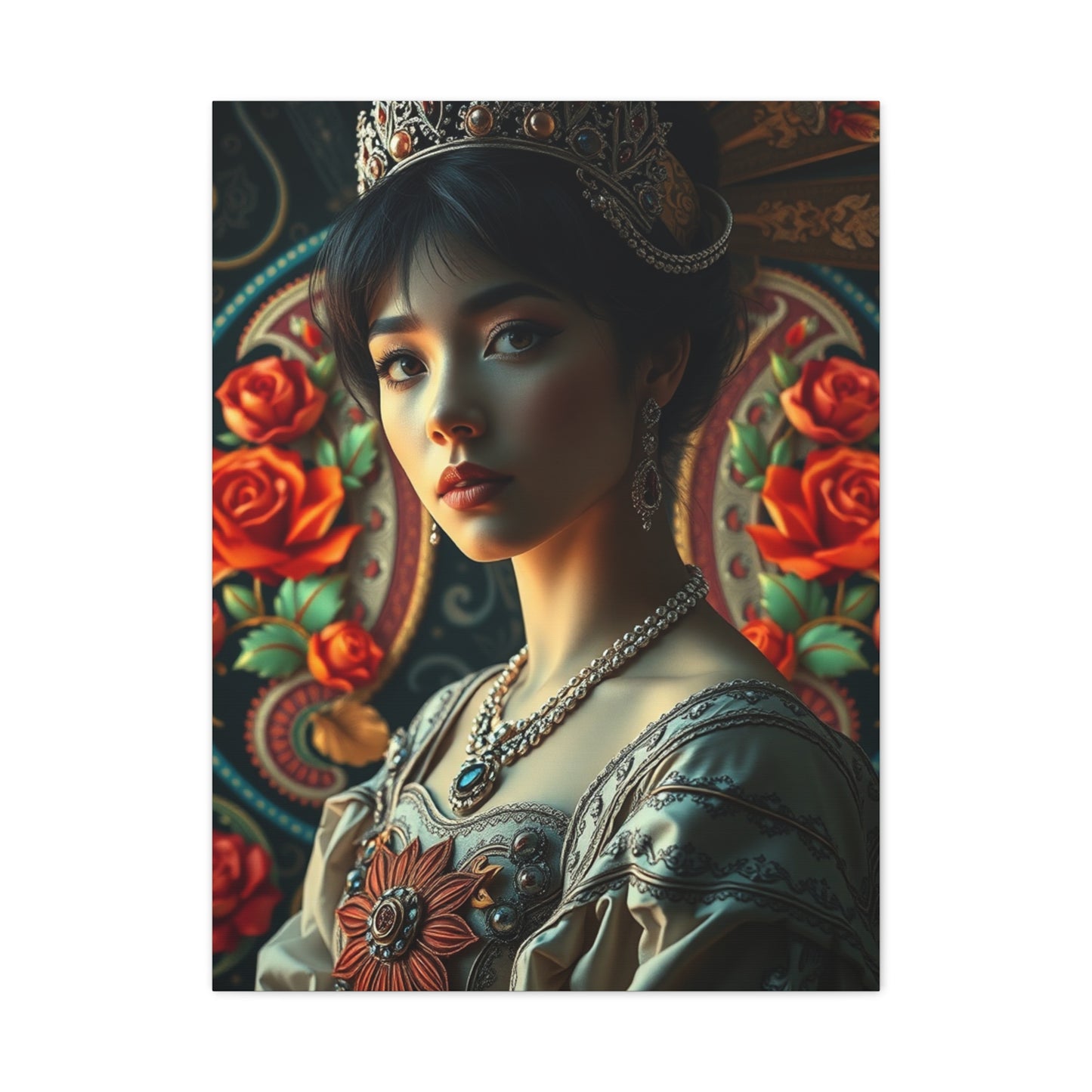
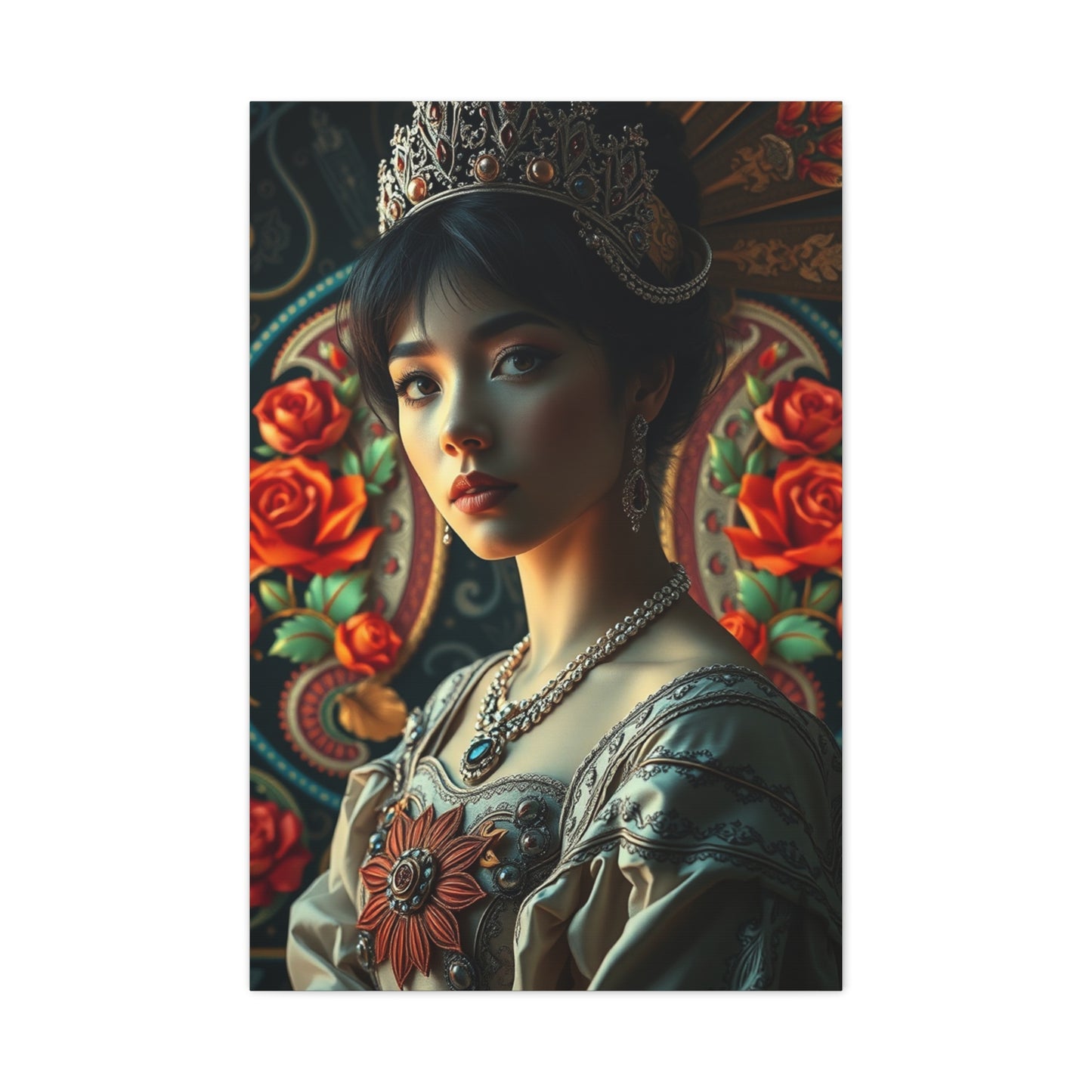
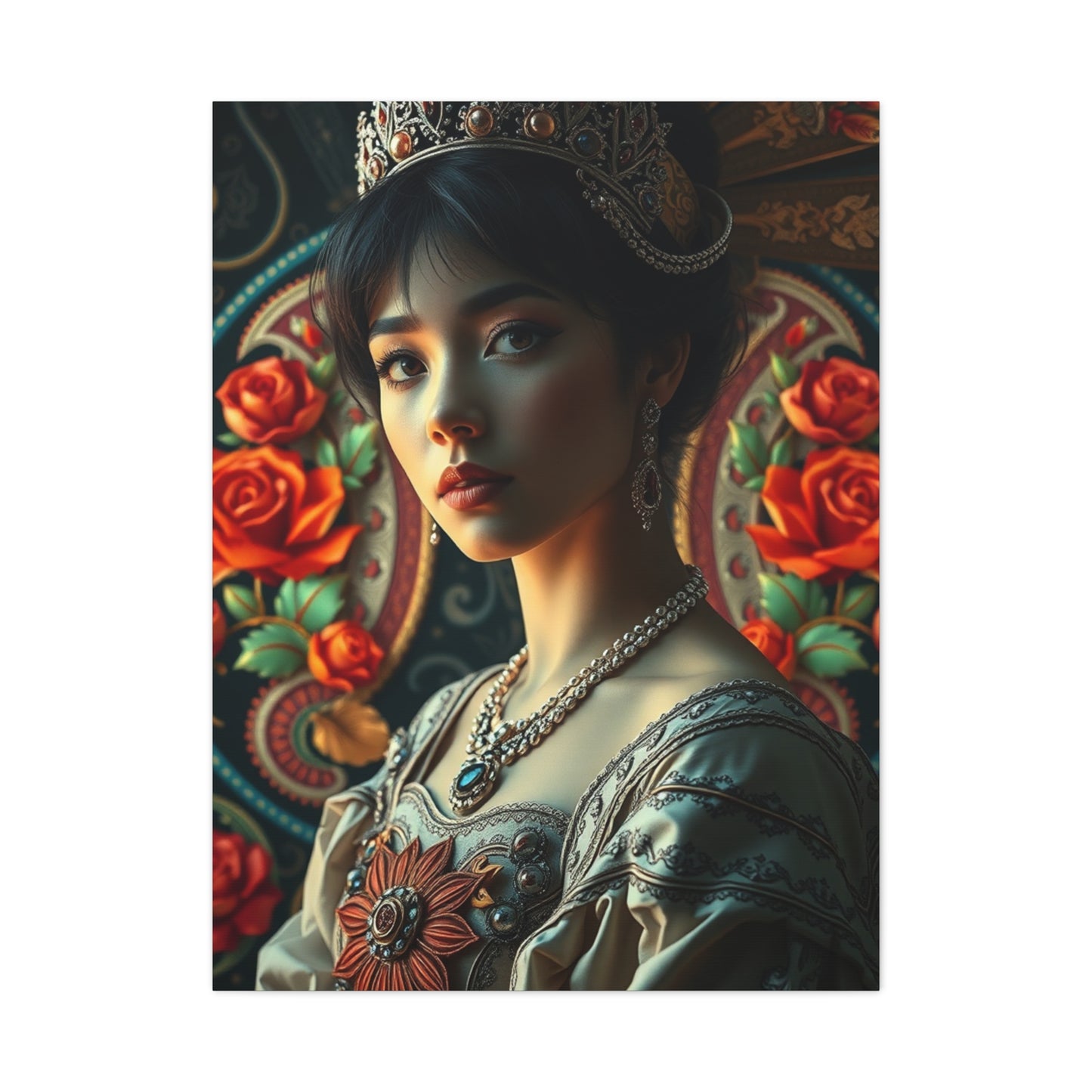
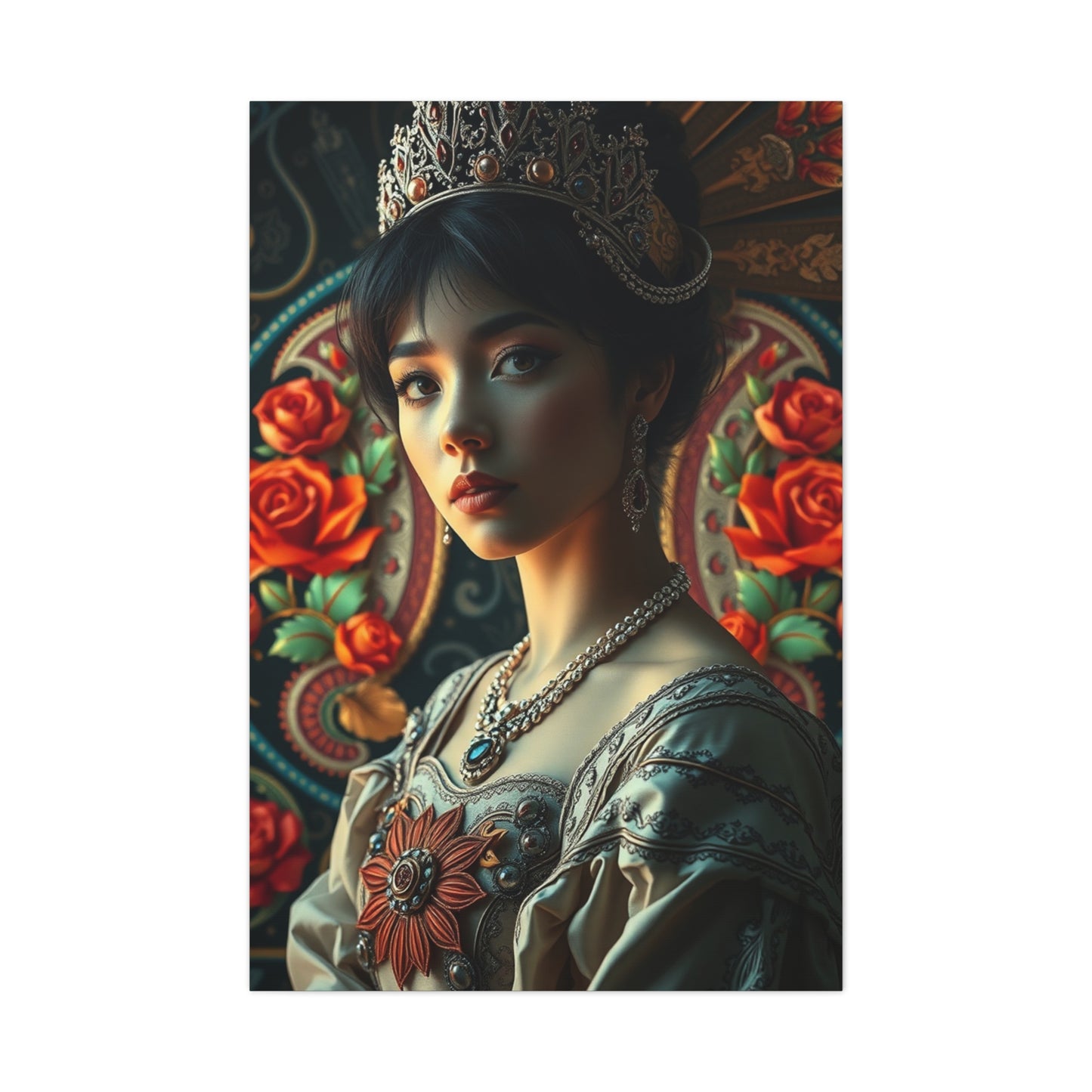
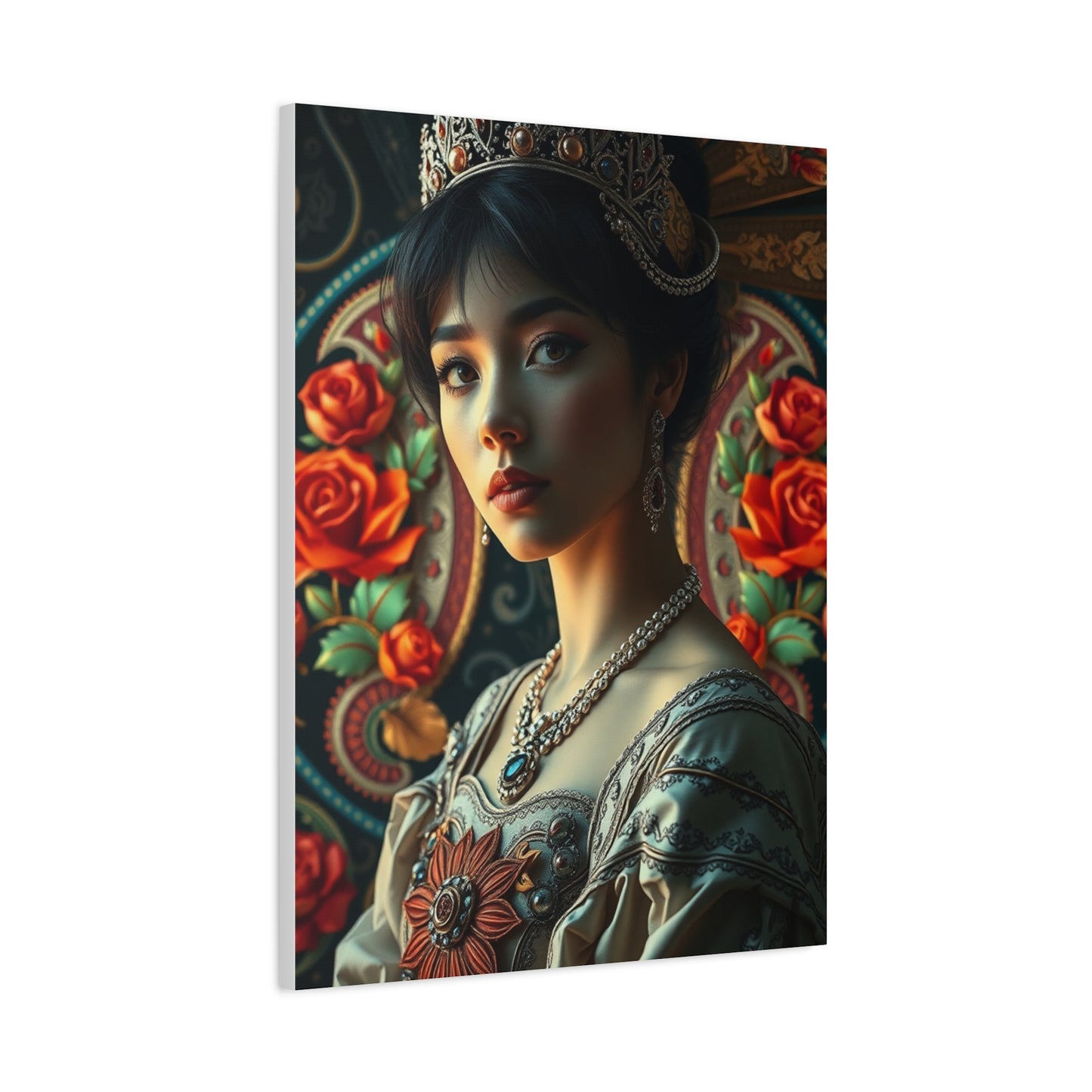
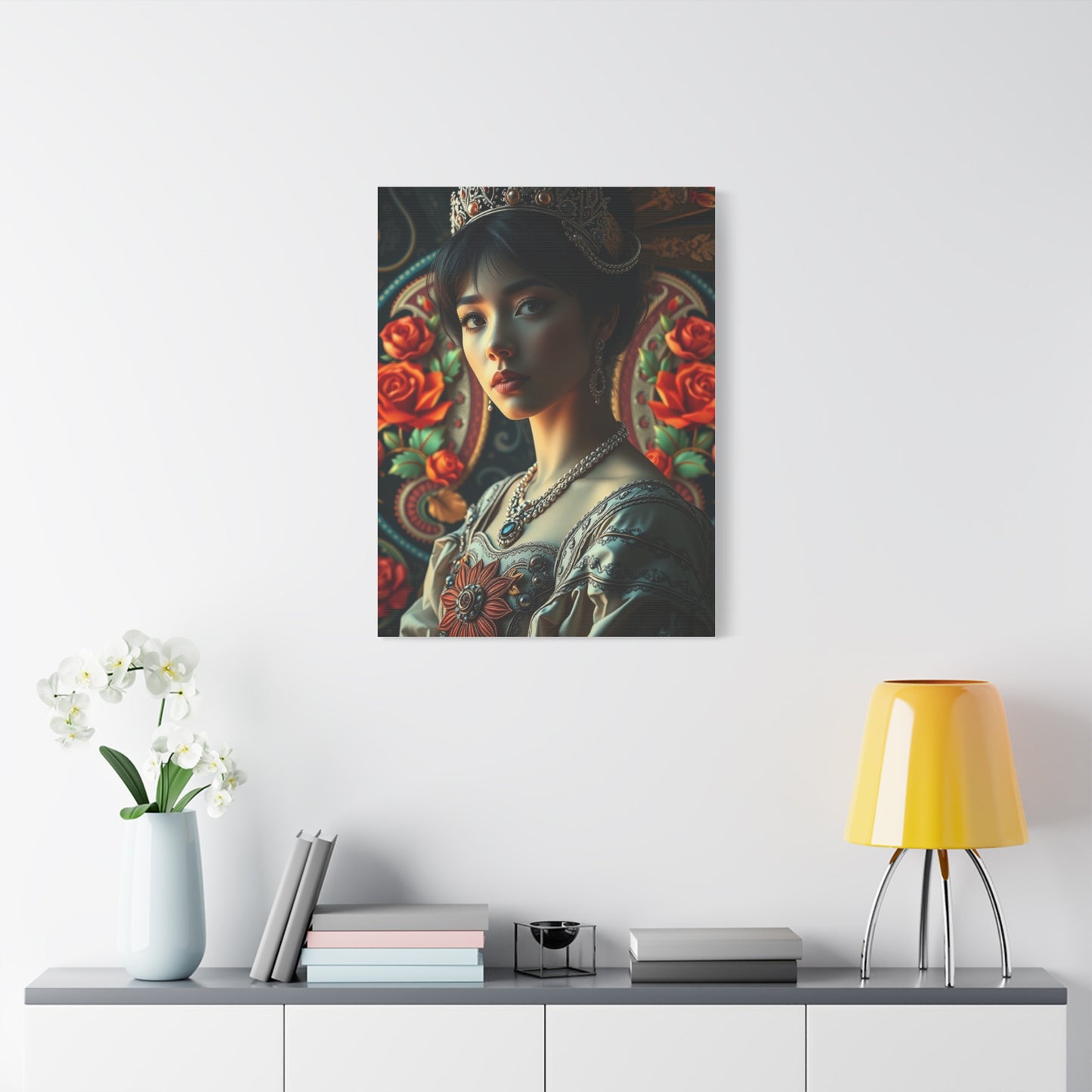
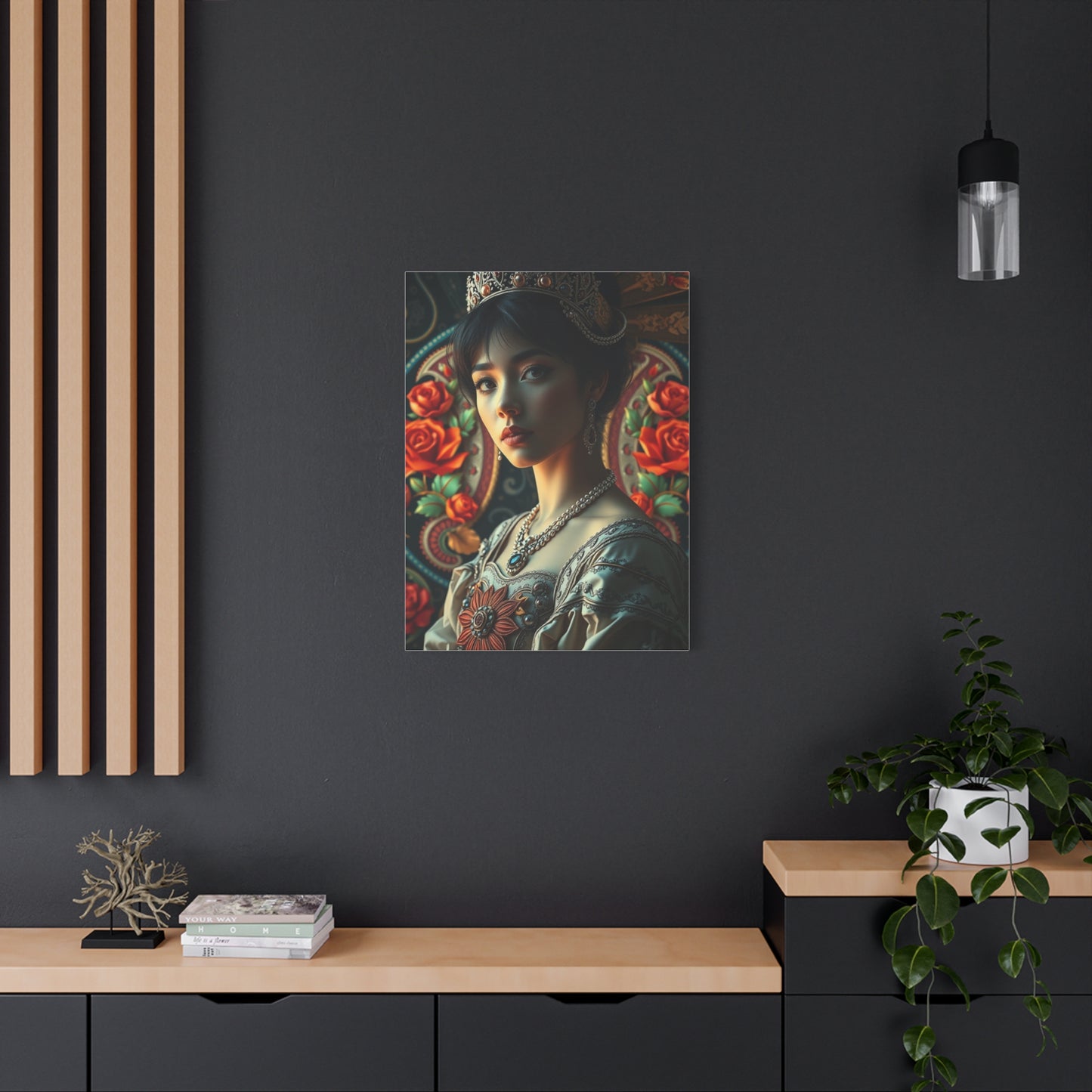
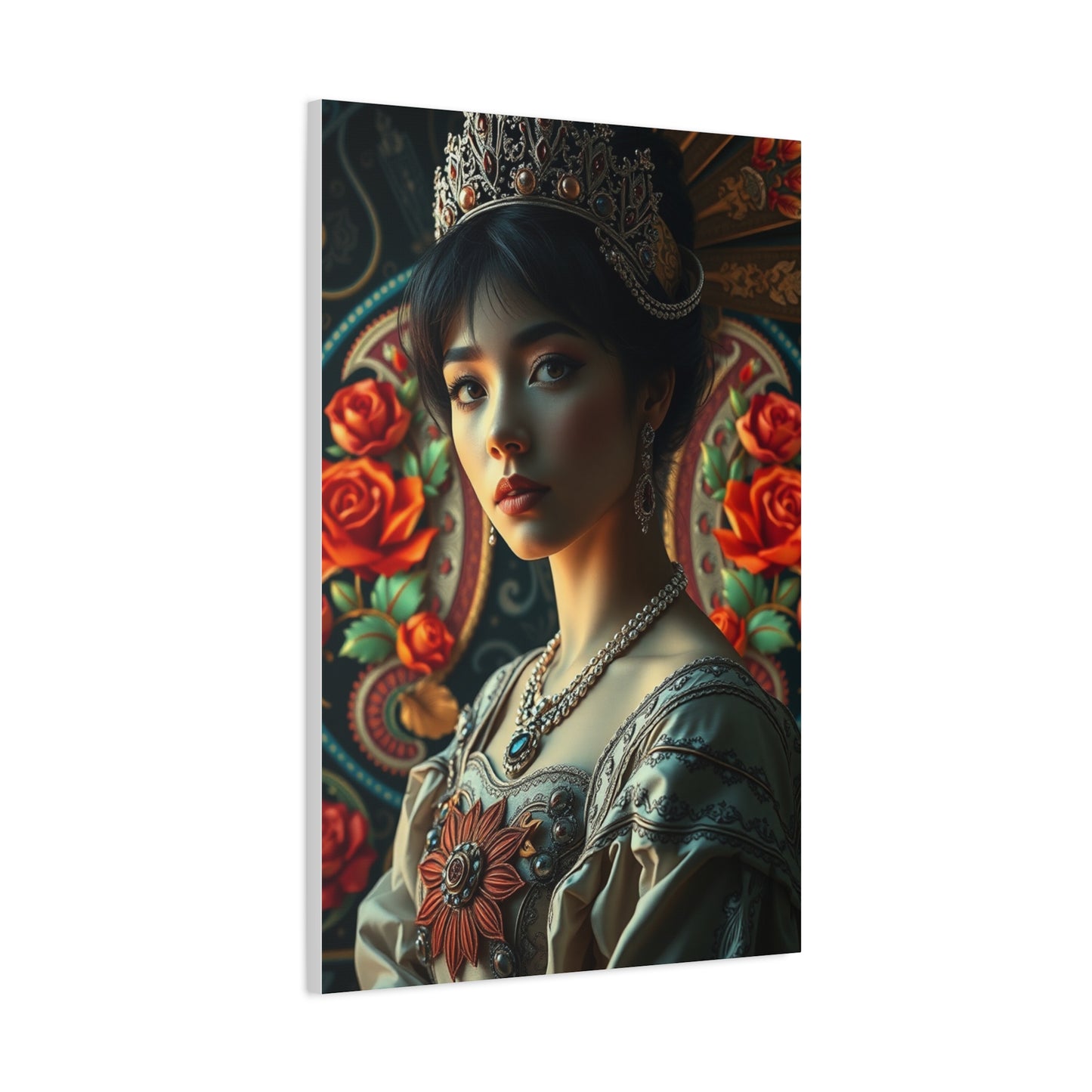
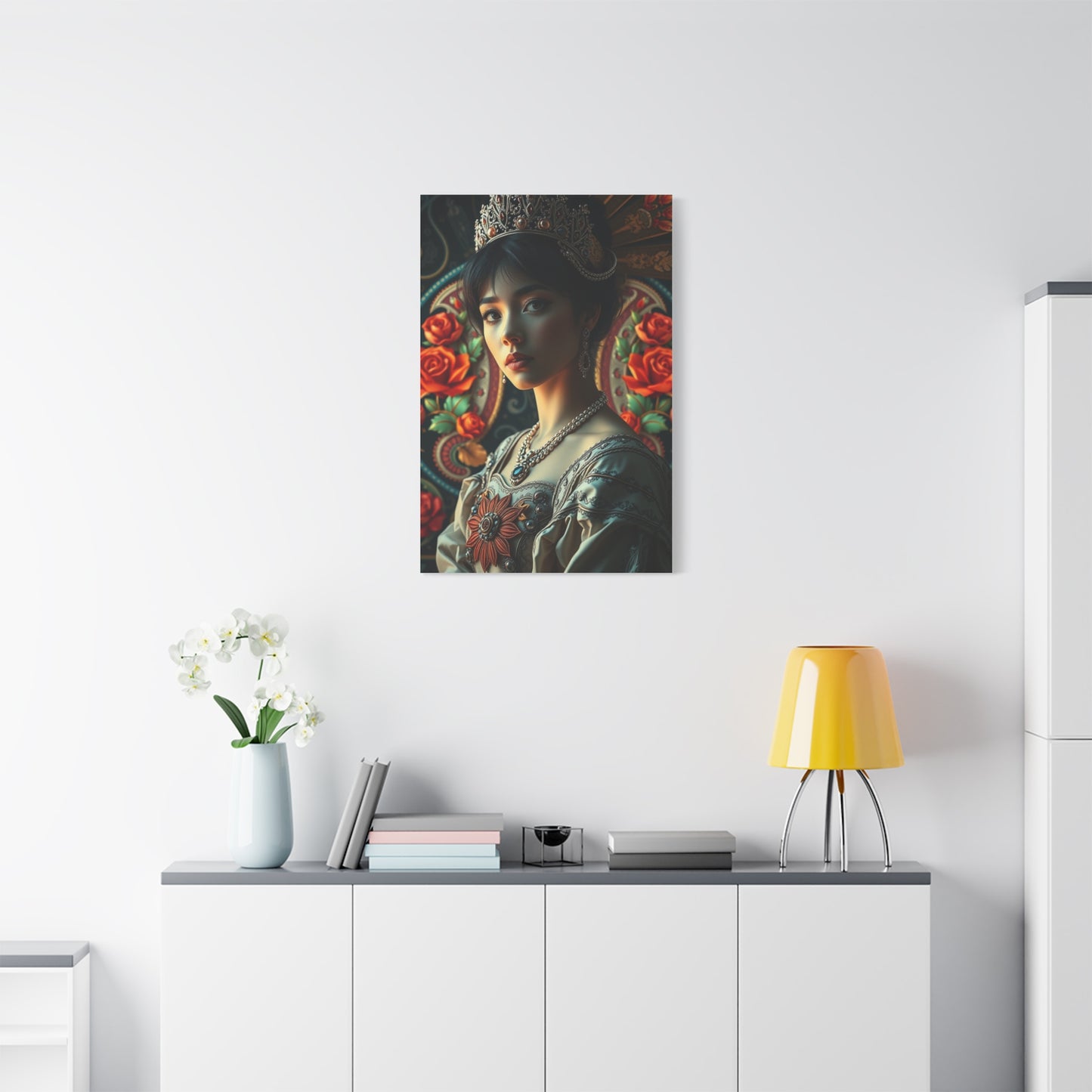
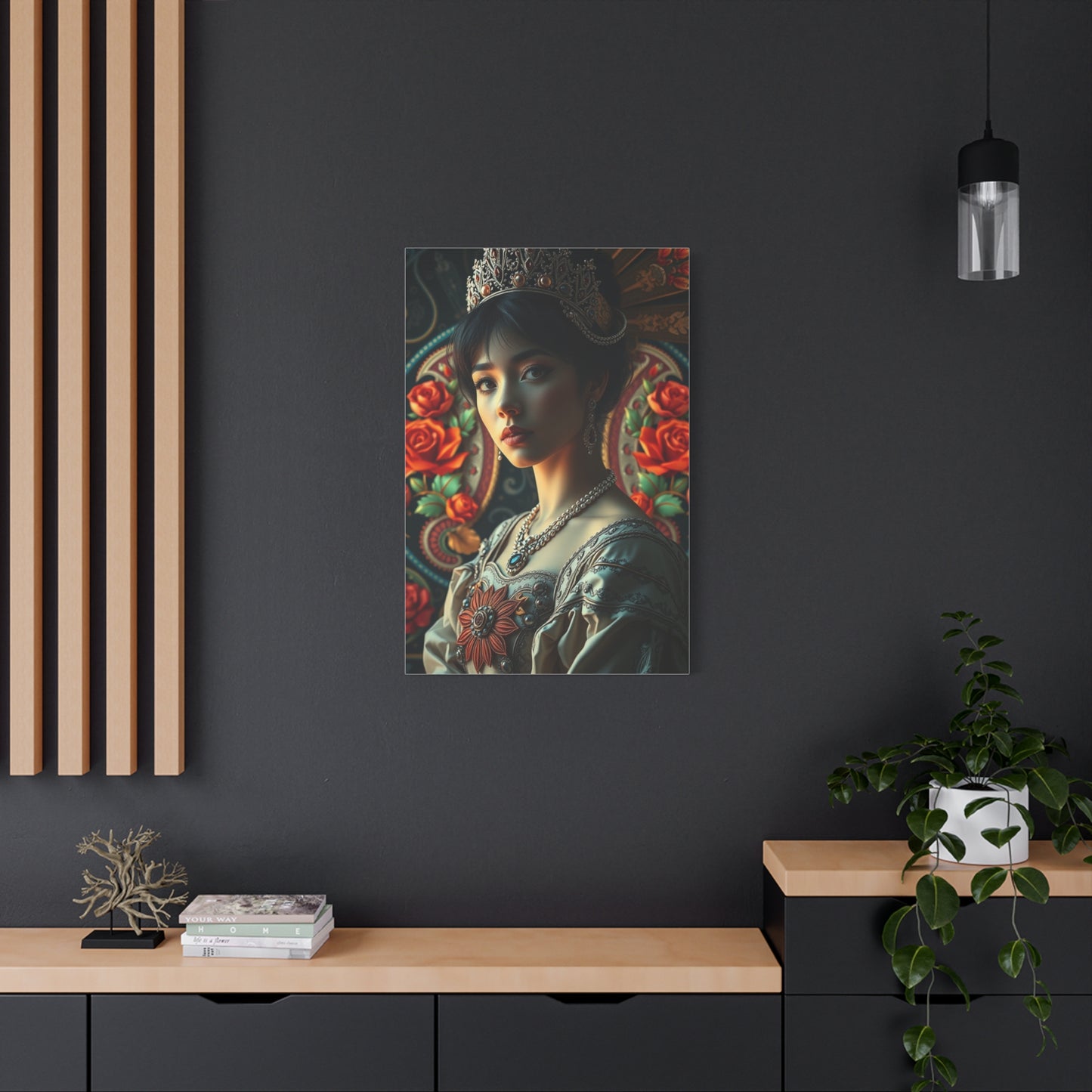
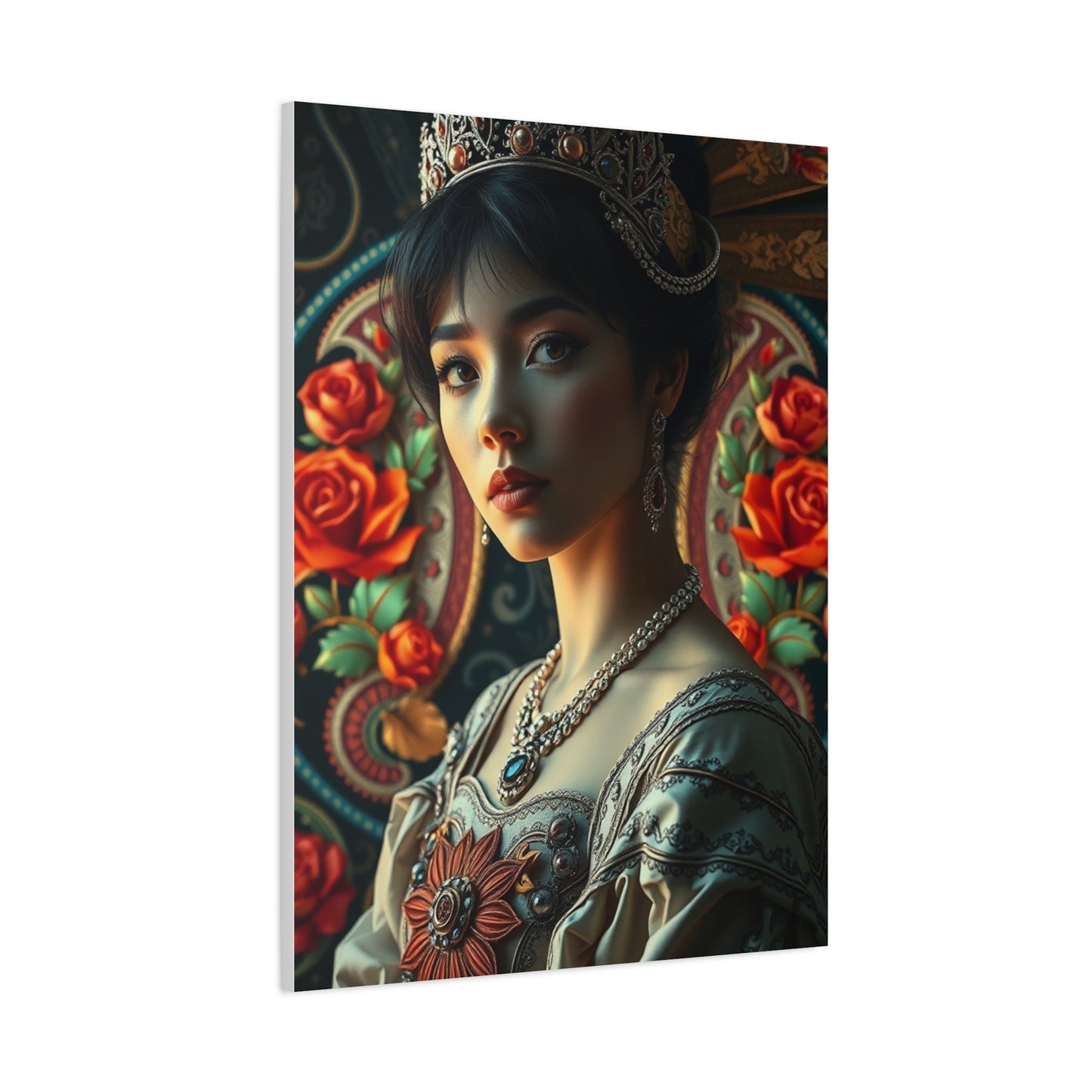
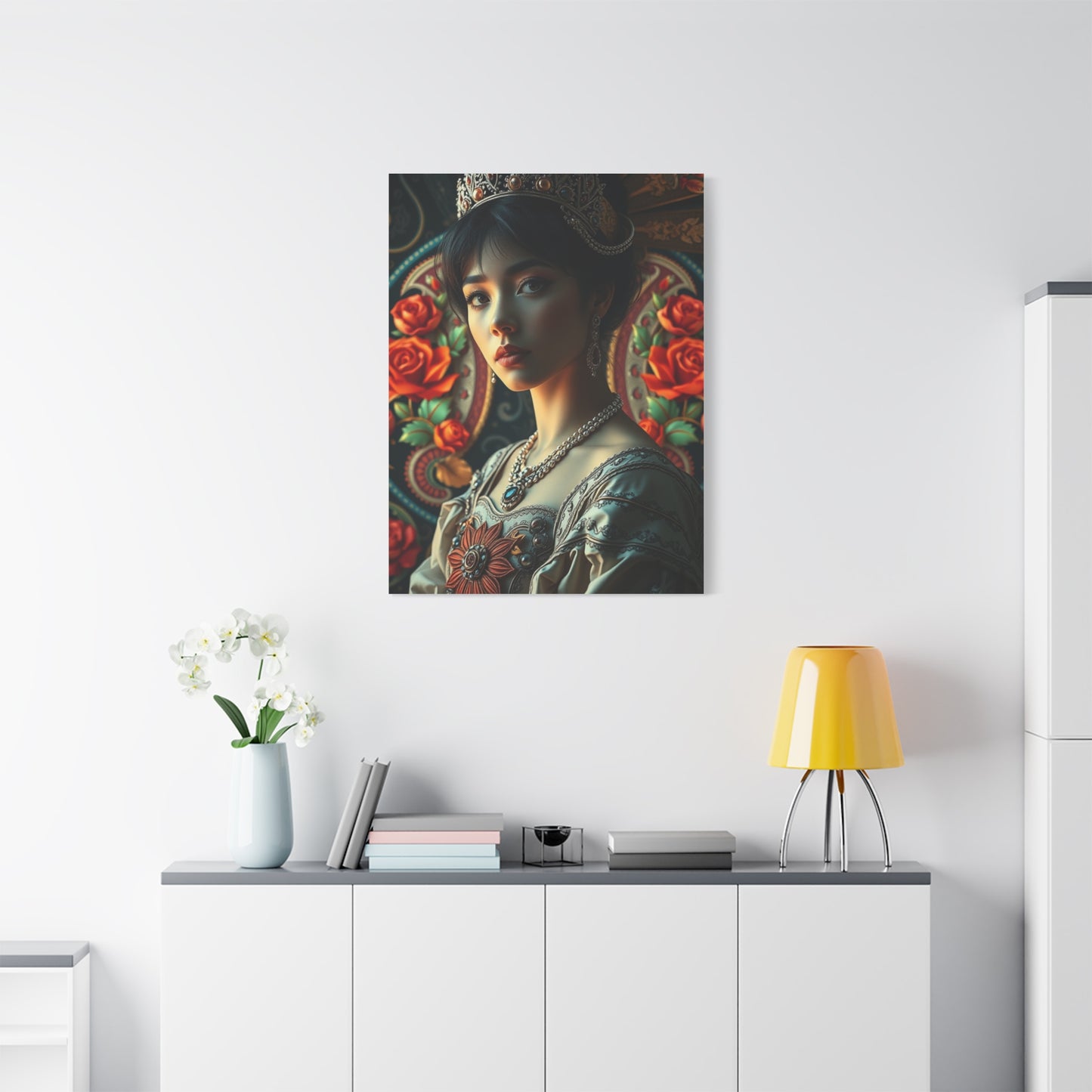
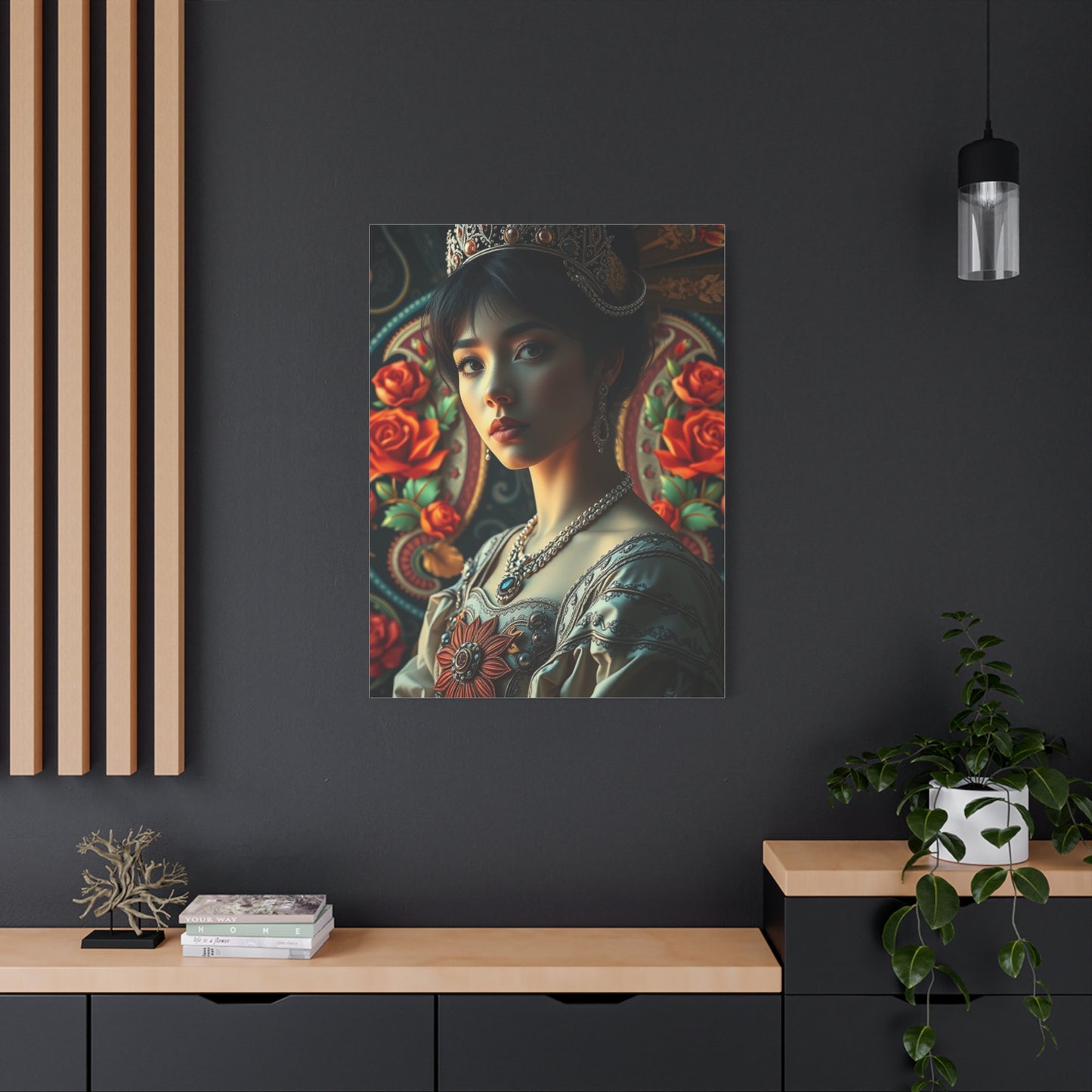
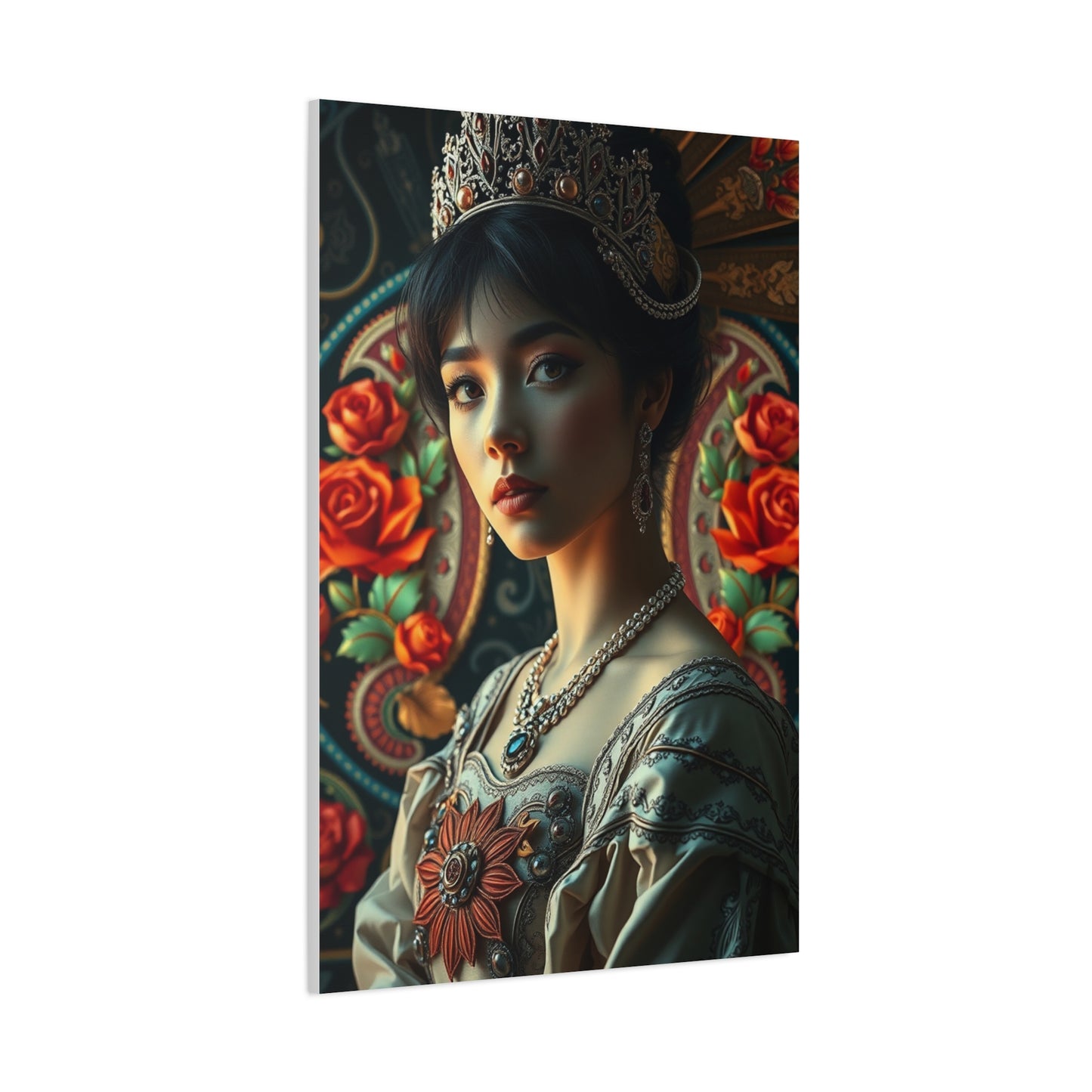
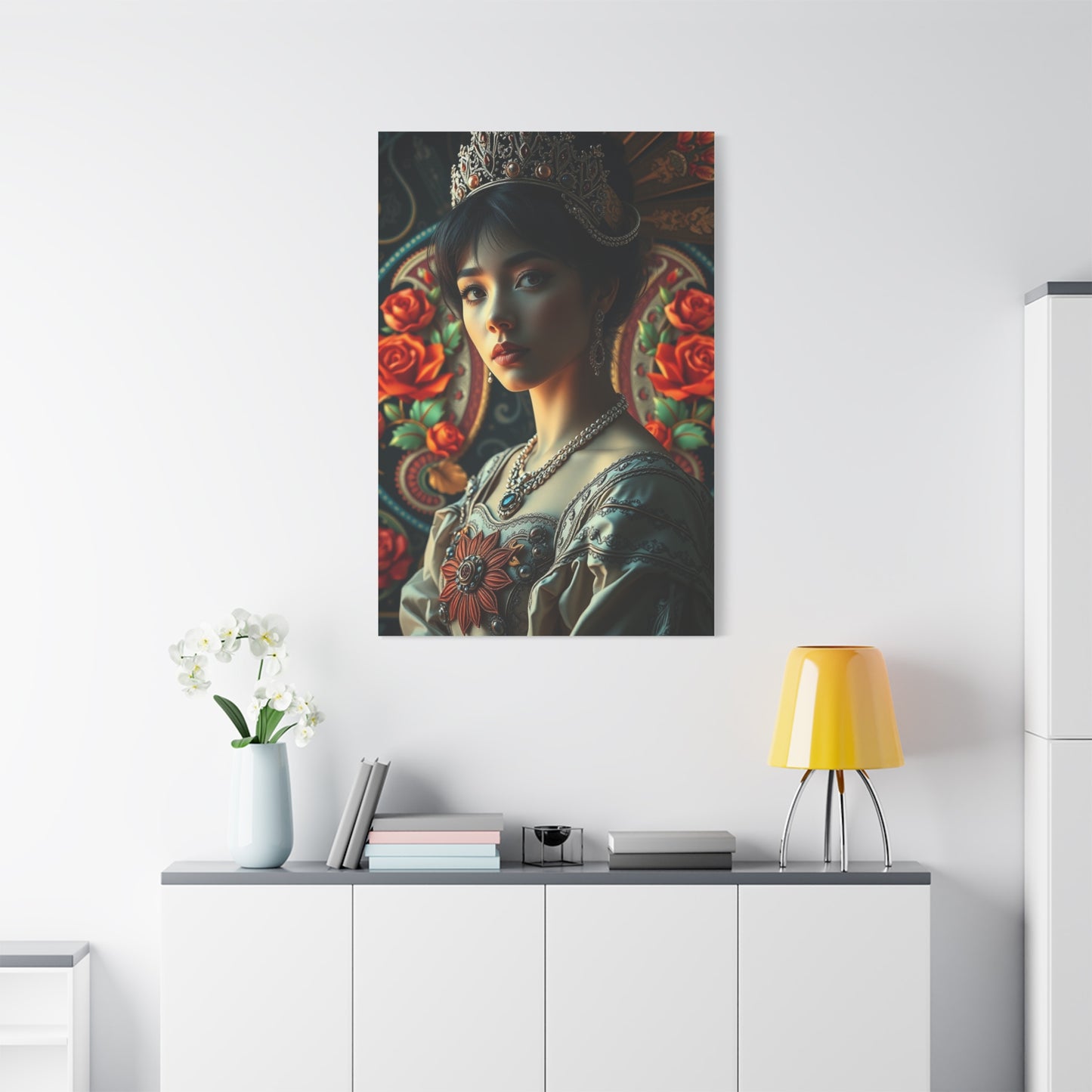
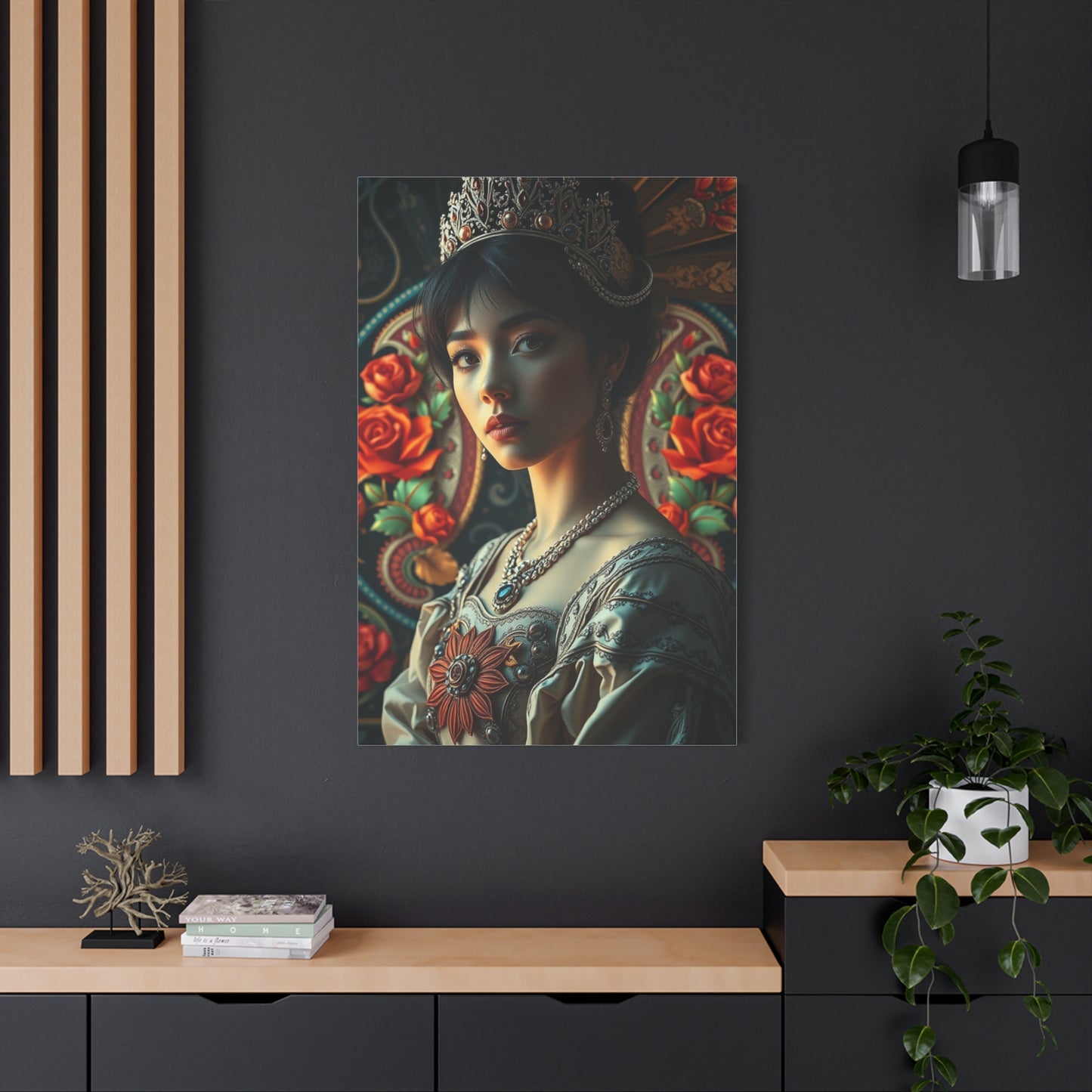
The Art of Revival: How Chic Resurgence Canvas Creations Are Redefining Contemporary Decor
The contemporary approach to home decoration has fundamentally shifted toward embracing simplicity without sacrificing elegance. In recent years, homeowners and interior designers have increasingly recognized that less truly can be more when executed with intention and thoughtful curation. The marriage of minimalist principles with chic design elements represents one of the most significant movements in modern interior styling, fundamentally transforming how people approach their living spaces.
Minimalism as a design philosophy emphasizes clean lines, purposeful spacing, and the elimination of unnecessary ornamentation. When combined with chic design sensibilities, this approach creates environments that feel both sophisticated and inviting. Rather than cluttering walls with numerous pieces, contemporary decorators select carefully curated canvas artworks that serve as focal points within carefully considered room compositions. This strategic approach to wall decoration has become increasingly popular among design-conscious individuals who appreciate the psychological benefits of uncluttered spaces alongside the visual impact of statement pieces.
The integration of minimalist principles with chic aesthetics involves understanding color theory, spatial relationships, and the emotional resonance of artwork. Neutral palettes serve as the foundation for this design approach, allowing individual canvas pieces to command attention without overwhelming the visual landscape. Soft whites, warm grays, and subtle beiges create backdrops that enhance rather than compete with artistic elements. When canvas artwork featuring restrained color schemes and geometric compositions is introduced into these spaces, the overall effect achieves a harmony that appeals to contemporary sensibilities.
Chic minimalism extends beyond mere decoration into a lifestyle philosophy that values quality over quantity. Individuals adopting this aesthetic carefully select canvas pieces that resonate personally while maintaining cohesion with overall interior schemes. Rather than following fleeting trends, this approach emphasizes timeless designs that transcend seasonal shifts in decorative preferences. The canvas artwork selected under this philosophy often features subjects that encourage contemplation or feature abstract interpretations that leave room for personal interpretation.
Creating truly chic minimal spaces requires deliberate decision-making at every stage. Homeowners must consider room proportions, existing architectural features, and the primary function of each space before selecting canvas artwork. A bedroom decorated in minimalist chic style might feature a single large canvas above the bed, carefully selected to create visual interest without disrupting the serene atmosphere essential for restful sleep. Living rooms might incorporate coordinated smaller pieces or a gallery-style arrangement featuring unified framing and matting to maintain visual order while celebrating multiple artistic expressions.
The psychological benefits of combining minimalism with chic design cannot be overstated. Research in environmental psychology suggests that simplified, organized spaces reduce cognitive load and promote mental clarity. When combined with beautiful, thoughtfully selected canvas artwork, these environments become sources of both comfort and inspiration. The act of viewing meaningful artwork in a clean, organized setting amplifies the artwork's impact and allows viewers to engage more deeply with artistic elements rather than being distracted by visual clutter.
Professional interior designers increasingly recommend canvas artwork as the cornerstone of minimalist chic design strategies. Unlike permanent architectural changes, canvas pieces can be adjusted, rotated, or replaced as personal preferences evolve or as spaces require refreshing. This flexibility makes canvas art an economical choice for individuals committed to minimalist principles while maintaining the ability to update their environments seasonally or when creative inspiration strikes.
The versatility of canvas as a medium particularly suits minimalist chic aesthetics. Canvas provides texture and depth while remaining relatively understated compared to ornate frames or elaborate sculptural pieces. Neutral canvas with subtle surface texture can add visual interest to blank walls without introducing bold color or pattern that might clash with minimalist principles. Meanwhile, chic styled homes often showcase canvas pieces with limited color palettes featuring perhaps two or three coordinated hues, creating sophisticated visual compositions that feel contemporary and refined.
Achieving the perfect balance between minimalist purity and chic sophistication requires understanding that chic design inherently celebrates quality and intentionality. Rather than viewing minimalism as austere or cold, contemporary designers have reimagined the aesthetic to incorporate warmth through texture, natural materials, and carefully selected artistic pieces. Canvas artwork serves as the ideal bridge between these seemingly opposing philosophies, providing visual interest and emotional resonance within frameworks defined by simplicity and restraint.
Canvas Creations with a Twist
The world of canvas art has experienced remarkable transformation in recent decades, moving far beyond traditional landscape paintings or classical portraits. Modern canvas creations now incorporate innovative techniques, unconventional materials, and bold conceptual approaches that challenge viewer expectations and expand artistic possibilities. These new interpretations of canvas art demonstrate how traditional mediums can evolve to reflect contemporary sensibilities and address modern aesthetic preferences.
Artists working with canvas today employ techniques ranging from mixed media applications to digital-inspired imagery, creating pieces that feel simultaneously familiar and revolutionary. Many incorporate three-dimensional elements directly onto canvas surfaces, adding layers of paint, fabric, and other materials to create tactile, engaging artworks. These textural additions catch light differently throughout the day, creating dynamic visual experiences as viewing angles and natural lighting conditions shift. This innovative approach transforms canvas from a static display surface into something more engaging and immersive.
Digital technology has profoundly influenced canvas art creation processes. Some contemporary artists begin their work digitally, experimenting with color combinations, compositional arrangements, and scale before translating their digital creations onto actual canvas surfaces. This hybrid approach combines the precision and flexibility of digital design with the authenticity and physicality of hand-applied paint and materials. The result often features clean lines characteristic of digital design alongside the organic variations and imperfections that emerge through manual application.
Conceptual art movements have introduced provocative interpretations of what canvas art can represent and communicate. Rather than focusing exclusively on visual beauty, many contemporary canvas works explore social commentary, environmental concerns, or personal narratives. Some pieces deliberately employ imperfection, incompleteness, or abstraction to encourage viewer participation in meaning-making processes. This shift reflects broader cultural changes regarding how art functions within society and what responsibilities artists have when creating public or semi-public work.
The democratization of art materials and techniques has enabled wider participation in canvas creation. Whereas historical periods often relegated fine art to elite practitioners trained through formal institutions, contemporary culture celebrates diverse artistic voices emerging from varied backgrounds and training experiences. Self-taught artists now regularly achieve significant recognition alongside formally trained professionals, bringing fresh perspectives and unconventional techniques that continually expand possibilities for canvas-based work.
Mixed media approaches represent perhaps the most significant evolution in contemporary canvas artistry. Artists combine traditional paint applications with collage elements, found objects, metallic accents, and various textural components. These combinations create rich, layered compositions that demand extended viewing time as observers discover new elements and details upon repeated examination. The physical depth created through mixed media applications ensures that canvas works appear more substantial and engaging than purely painted alternatives.
Modern Homes, Chic Canvases
The contemporary residential environment represents a unique intersection between functional family living spaces and carefully curated design statements. As people spend increasing amounts of time at home, the need to create spaces that feel both comfortable and visually inspiring has become paramount. Modern homes increasingly feature canvas artwork as fundamental elements in interior design strategies, with thoughtful curation driving overall aesthetic cohesion and environmental satisfaction.
Contemporary homes typically feature architectural elements emphasizing open floor plans, abundant natural light, and minimalist design sensibilities. Within these frameworks, canvas artwork serves as essential visual anchors that define spaces without compromising the clean architectural lines that define modern residential aesthetics. A large canvas above a living room fireplace or console table immediately establishes the room's visual hierarchy, drawing eyes toward significant focal points and creating psychological centers around which additional furnishings and design elements organize themselves.
The relationship between canvas artwork and modern furniture represents an important consideration in residential design strategy. Sleek, minimalist furniture featuring clean lines and neutral upholstery pairs naturally with canvas pieces exhibiting similar aesthetic principles. Rather than competing for visual attention, well-coordinated canvas art and contemporary furnishings work synergistically to create cohesive, intentional interior environments. The texture of canvas surfaces provides subtle visual richness that complements smooth furniture finishes while maintaining the refined simplicity that defines modern aesthetic sensibilities.
Bedroom environments in modern homes benefit particularly from thoughtfully selected canvas artwork. As primary personal spaces where individuals begin and end their days, bedrooms should promote relaxation while reflecting personal style and preferences. Canvas pieces featuring soothing color palettes, abstract compositions, or nature-inspired imagery contribute to bedroom atmospheres conducive to rest and restoration. The scale of bedroom canvas work should relate proportionally to wall space and bed dimensions, ensuring that artwork feels appropriately integrated rather than either overwhelming or insignificant within room proportions.
Kitchen and dining areas within modern homes increasingly feature canvas artwork despite historical associations between kitchens and purely functional design. Contemporary kitchen design celebrates form alongside function, with canvas pieces featuring food-related imagery, abstract compositions, or landscapes now considered entirely appropriate for culinary spaces. Properly selected and positioned kitchen canvas artwork can invigorate these spaces while remaining easy to maintain in environments subject to cooking-related atmospheric challenges including steam, heat, and occasional splashing.
Home offices have emerged as increasingly significant residential spaces, particularly following widespread adoption of remote work arrangements. Canvas artwork in home offices serves functional purposes beyond pure aesthetics, contributing to professional atmospheres while maintaining the personal, residential quality that distinguishes home workspaces from traditional corporate environments. Canvas pieces featuring productivity-related themes, calming natural scenes, or abstract designs offering visual respite during work-related stress all contribute to creating functional, psychologically supportive work environments within residential settings.
The Return of Textured Art
Artistic movements throughout history have celebrated surface texture as essential to artwork's meaning and impact, yet periods of flattened, smooth aesthetic dominance occasionally emerge when prevailing design sensibilities favor pristine finishes and simplified forms. Contemporary culture is experiencing a significant resurgence of interest in textured art approaches that emphasize surface complexity, material authenticity, and tactile engagement. This return to texture-focused approaches represents recognition that visual complexity and material richness contribute meaningfully to artwork's capacity to engage viewers on multiple sensory and emotional levels.
Texture in artistic contexts refers to both literal surface qualities that viewers can perceive through sight and touch, and visual texture created through artistic techniques that suggest tactile qualities. Contemporary textured art embraces both interpretations, combining actual material variations with visual approaches that evoke tactile sensations. A canvas surface might feature built-up paint creating genuine dimensional variation alongside areas of flat color or glazing that visually recedes, creating the illusion of depth and surface variation.
Mixed media approaches driving the textured art return often incorporate unconventional materials alongside traditional paint. Artists apply materials including sand, fabric scraps, thread, plaster, resin, and found objects directly to canvas surfaces, creating works that demand engagement with multiple sensory dimensions. The interplay of matte and glossy surfaces, rough and smooth textures, and varied material qualities creates visual complexity that continuously reveals new details as viewers examine pieces more closely or view them from different angles and under varying lighting conditions.
The philosophical underpinnings of the textured art return reflect broader cultural shifts rejecting perfection culture and celebrating authenticity and imperfection. Contemporary society increasingly appreciates evidence of human hand and creative process, recognizing that visible brushstrokes, paint variations, and material imperfections communicate authenticity and intentionality more powerfully than polished, impersonal perfection. Textured artwork displays these elements openly, celebrating rather than concealing the evidence of artistic creation processes.
Canvas Walls That Wow
The concept of canvas walls that command attention and generate genuine excitement represents a significant departure from traditional approaches to residential artwork display. Rather than viewing canvas pieces as supplementary decorative elements supporting existing design schemes, contemporary practice increasingly celebrates artwork as primary visual and conceptual focal points around which entire room compositions organize themselves. Creating walls that genuinely wow requires understanding the interplay between scale, color, composition, and spatial relationships.
Statement canvas pieces functioning as wow-factor focal points typically feature either bold visual elements capturing immediate attention or sophisticated subtlety that rewards extended examination and engagement. Large-scale canvases featuring dramatic color contrasts, striking geometric compositions, or compelling imagery command attention through visual impact alone. Viewers entering rooms featuring these pieces immediately recognize their presence and aesthetic significance. Alternatively, quieter masterpieces demonstrating technical excellence, nuanced color relationships, or conceptual depth reward viewers who invest time in careful observation and interpretation.
The physical scale of canvas artwork significantly influences its capacity to generate dramatic impact within interior environments. A modest six-by-eight-inch canvas hangs nearly invisibly in rooms with standard nine-foot ceilings and expansive wall space, while an eight-by-ten-foot installation commands the space absolutely. Contemporary residential design increasingly embraces generous canvas scale, recognizing that oversized artwork creates bold design statements reflecting confidence and intentionality. These large installations establish visual hierarchy immediately, ensuring that viewers recognize artwork's significance before registering other room elements.
Positioning canvas artwork strategically optimizes its capacity to generate wow responses. Artwork positioned at comfortable eye level engages viewers most effectively, requiring minimal adjustment to viewing angles and allowing extended engagement without physical discomfort. Above standard furniture heights, canvas installations dominate walls and create powerful visual anchors. In more dramatic applications, artworks might be positioned higher on walls, perhaps above doorways or in upper portions of high-ceilinged rooms, creating unexpected visual encounters that delight through their positioning as much as through their inherent artistic quality.
Color strategy profoundly influences canvas artwork's wow factor potential. Bold, unexpected color combinations immediately capture attention and stimulate visual excitement. Artwork introducing accent colors coordinating subtly with but slightly unexpected within existing room palettes creates sophisticated wow moments that reward observation and engagement. Conversely, artwork featuring unusual color choices entirely contrary to room palettes might create tension that feels either exciting and dynamic or discordant, depending on execution and personal preference sensitivity. Successful wow-factor installations typically demonstrate intentional color relationships reflecting careful curation rather than random visual assaults.
Framing choices significantly impact canvas artwork's wow potential. Minimalist approaches featuring simple or frameless presentations allow artwork to dominate attention, particularly crucial for pieces whose internal compositions deserve sole focus. Alternatively, statement frames introducing contrasting colors or unexpected textures can elevate artwork's impact, particularly for smaller-scale pieces that might otherwise appear insignificant within larger spaces. Contemporary framing practices increasingly celebrate the frame as integral to the overall artistic composition rather than as neutral surround selected purely for protective or practical considerations.
Soft Tones, Bold Impact
The apparent contradiction between soft, muted color palettes and bold visual impact represents one of the most compelling contemporary design challenges and opportunities. Rather than assuming that bold impact requires saturated colors and high visual intensity, sophisticated design practitioners have discovered that subtle palettes can generate equally powerful responses when composed with intentionality and conceptual sophistication. Soft tones, when carefully orchestrated, create spaces that feel both inviting and visually compelling, combining the psychological benefits of gentle color associations with the intellectual satisfaction of meaningful artistic engagement.
Soft tone palettes typically feature colors positioned in the lighter, more muted regions of color wheels, including pale pastels, warm grauges, soft neutrals, and desaturated variations of pure hues. These colors evoke psychological associations with calmness, serenity, and comfort, contributing to residential environments that feel welcoming and psychologically restorative. Yet within these gentle frameworks, bold visual statements can emerge through compositional choices, scale decisions, and conceptual depth.
Abstract compositions executed in soft tones often achieve remarkable visual impact through sophisticated interplay between figure and ground, positive and negative space, and subtle color relationships that reward close examination. A canvas featuring predominantly cream, beige, and soft gray hues might incorporate barely perceptible variations and tonal shifts that become increasingly apparent as viewers study pieces, rewarding engagement and continuous discovery. This approach transforms soft-toned artwork into dynamic visual experiences that transcend associations with blandness or visual passivity.
Nature-inspired imagery executed in soft palettes frequently generates powerful emotional and aesthetic responses despite employing gentle color schemes. Landscapes rendered in pale, muted tones evoke contemplative responses and create windows into imagined natural worlds. The softness of these palettes paradoxically enhances the sense of refuge and peace such imagery suggests, creating powerful emotional resonance despite employing colors that might seem to reduce visual intensity.
The compositional complexity of soft-toned artwork often exceeds that of more saturated alternatives, as artists must generate visual interest and engagement through means beyond obvious color intensity. Textural sophistication, careful line work, varied geometric forms, and nuanced tonal gradations create visual complexity that maintains viewer engagement despite soft color restrictions. These technically demanding approaches reward viewers who invest attention, creating meaningful connections between artwork and observer.
Typography and text-based artworks executed in soft tones demonstrate how subtle color choices need not diminish conceptual impact. Words and phrases rendered in pale text over soft-colored backgrounds create intimate visual experiences inviting close reading and quiet contemplation. These installations often feature personally meaningful quotes, philosophical statements, or poetic language that deepens artwork's emotional resonance while contributing minimalist aesthetic sensibilities to interior environments.
Canvas Art for Small Spaces
Small residential spaces present particular challenges and opportunities regarding artwork selection, placement, and scale. Rooms measuring less than two hundred square feet, modest apartments, and studio configurations require strategic approaches ensuring that canvas artwork enhances rather than overwhelms these compact environments. Contemporary design celebrates small space living, and canvas art selection has evolved to meet the specific needs of individuals making homes within spatial constraints.
The fundamental principle governing canvas selection for small spaces emphasizes proportion and proportion awareness. Artwork scaled appropriately to wall dimensions and room size creates visual coherence, while artwork that appears either too small or too large for available space generates visual discomfort and spatial awkwardness. A single medium-sized canvas measuring approximately two feet by three feet often functions appropriately in modest bedrooms, while small powder rooms might accommodate twelve-by-sixteen-inch pieces without overwhelming available wall space.
Vertical canvas configurations work particularly well in small spaces by drawing eyes upward and emphasizing ceiling height, which psychologically expands perceived room dimensions. Tall, narrow canvas pieces or vertically stacked arrangements of multiple modest-sized canvases create visual lines leading viewers' eyes toward ceiling areas, producing illusory spatial expansion. This strategic use of vertical orientation combats the horizontal compression that often characterizes small room experiences.
Neutral color palettes become even more critical in small space applications, where bold, saturated colors might feel overwhelming or claustrophobic. Soft, muted tones and neutral hues create spatial openness and allow canvas artwork to provide visual interest without competing aggressively for attention within already-compact environments. Light-colored canvas pieces reflect available light more effectively than darker alternatives, contributing to brighter, more spacious-feeling rooms.
Minimalist canvas artwork particularly suits small space applications where visual simplicity becomes paramount. Single-subject compositions, abstract pieces featuring limited design elements, and monochromatic or nearly monochromatic works avoid overwhelming small spaces with excessive visual complexity. The restraint demonstrated by minimalist artwork creates psychological space even in physically constrained environments, allowing occupants to feel calm despite spatial limitations.
Multiple small canvas pieces arranged as gallery walls or coordinated collections can create visual richness in small spaces when carefully executed. Unified framing, consistent matting, or coordinated color palettes ensure that gallery arrangements feel intentionally curated rather than randomly assembled. These arrangements distribute visual interest across walls rather than concentrating attention on single focal points, creating dynamic visual experiences while respecting spatial constraints.
Sustainable Chic Creations
Contemporary consciousness regarding environmental impact has extended into artistic and design domains, creating significant demand for sustainably produced canvas artwork reflecting ecological responsibility alongside aesthetic sophistication. Sustainable chic creations represent synthesis of environmental consciousness with refined design sensibilities, demonstrating that conscientious production practices need not compromise artistic quality or aesthetic achievement. This movement reflects broader cultural recognition that environmental responsibility and visual sophistication represent complementary rather than competing values.
Sustainable canvas artwork begins with material selection, as the substrate and pigments comprising artwork profoundly influence environmental footprints. Eco-conscious artists increasingly specify organic cotton canvas, forest-stewardship certified materials, or recycled content substrates that minimize environmental extraction and resource depletion. These materials often provide superior longevity compared to conventional alternatives, ensuring that artwork remains viable across decades, ultimately reducing per-year environmental impact through extended useful life.
Paint and pigment choices significantly influence artwork sustainability. Water-based acrylic paints eliminate volatile organic compound emissions, reducing air pollution during creation and installation. Natural or low-toxicity pigments derived from mineral sources or sustainable botanical materials replace chemically intensive traditional pigments. These conscientious material choices typically result in artwork featuring visual qualities equivalent to conventional pieces while substantially reducing environmental harm associated with creation and application.
Sustainable artistic practices extend beyond material selection into production methodologies and ethical labor considerations. Artists committed to sustainability often work independently or within cooperative structures ensuring fair compensation, safe working conditions, and reasonable working hours. This ethical production framework creates artwork imbued with conscientiousness that extends beyond visual and conceptual dimensions into the human and environmental circumstances surrounding creation.
The secondhand and vintage canvas art market represents an underappreciated sustainability avenue within chic artistic consumption. Acquiring existing artwork extends the lifespan of already-created pieces, eliminating demand for new production while often resulting in discovery of unique, character-rich alternatives to contemporary mass production. Vintage and antique canvas artwork frequently demonstrates superior craftsmanship and material quality compared to modern production, making secondhand acquisition simultaneously environmentally and aesthetically advantageous.
Digital and print-on-demand technologies have revolutionized sustainable canvas art creation by enabling production without inventory accumulation or waste. Artists design work digitally, with physical canvas pieces created only upon purchase, eliminating speculative production and associated waste. This model substantially reduces environmental footprints while enabling broader artist participation and reduced startup costs, democratizing artistic production and distribution.
Canvas Layers in Decor
The concept of layering represents an advanced approach to canvas integration within interior design schemes, extending beyond simple artwork hanging toward sophisticated compositional strategies incorporating multiple pieces, varied scales, and intentional overlapping arrangements. Canvas layering creates visual richness and dimensional complexity that single-piece installations cannot achieve, allowing interior designers and homeowners to develop multi-dimensional compositions reflecting personal style while maximizing visual interest within available wall space.
Literal layering involves positioning canvas pieces at varying distances from walls through strategic spacing, creating the appearance that artworks exist within three-dimensional space rather than flatly against wall surfaces. Smaller canvases positioned several inches in front of larger background pieces create shadow and depth effects, engaging viewers through multiple visual planes. This technique becomes particularly effective when utilizing lighting to emphasize dimensional relationships, with directional light creating shadows that emphasize spatial separation.
Conceptual layering organizes multiple canvas pieces around thematic unity or visual relationships creating unified compositions despite employing separate works. A series of four canvas pieces executed in related color palettes, exploring variations of similar subject matter, or sharing geometric design languages function collectively as cohesive installations even without physical contact or overlapping. Viewers encountering these arrangements recognize conceptual relationships and appreciate curated collections more profoundly than random assemblages.
Monochromatic and limited-palette layering utilizes color coherence to unify disparate canvas pieces into visually cohesive arrangements. Multiple pieces rendered in variations of single color or narrow color ranges create sophisticated visual rhythm as subtle tonal and value variations become prominent design elements. These monochromatic arrangements often feature remarkable visual complexity despite employing limited color specifications, rewarding close observation and sustained viewing as subtle distinctions reveal themselves.
Textural layering combines canvases featuring varied surface qualities and dimensional treatments, creating dynamic visual experiences as viewers examine collections from different angles and under varying light conditions. Smooth, flat pieces contrast with heavily textured alternatives, matte surfaces play against glossy accents, and translucent glazing creates optical interplay with underlying paint layers. These varied textures create visual movement and encourage extended engagement as observers discover new details and relationships across examination sessions.
Scale variation within layered arrangements creates visual interest through size contrast and compositional dynamism. Combining very large pieces with modest-sized canvases creates hierarchical interest and focal point emphasis. The interplay between scale extremes generates visual tension and sophisticated composition that unified sizing cannot achieve. Viewers naturally gravitate toward understanding relationships between varied-sized works, engaging intellectually and emotionally with compositions in ways that promote extended appreciation and collection valuation.
Gallery wall arrangements represent formalized layering approaches organizing multiple canvases according to geometric patterns, creating grid structures or organic flowing arrangements. Black and white gallery walls featuring canvases in uniform frames create strong graphic visual statements. Alternatively, more organic gallery arrangements featuring varied frame styles and spacing patterns create eclectic sophistication celebrating personal curation over rigid systematization. Both approaches demonstrate effective layering strategies yielding visually compelling compositions.
Retro Meets Modern Chic
The intersection between vintage aesthetics and contemporary design principles represents fertile territory for artistic exploration and innovative interior design strategies. Rather than viewing retro and modern approaches as historically distinct or aesthetically incompatible, sophisticated design practitioners have recognized that thoughtful synthesis creates compelling visual environments celebrating diverse temporal influences. Canvas artwork embracing this retro-meets-modern fusion demonstrates how historical design elements can be reinterpreted through contemporary sensibilities, creating artworks that feel simultaneously nostalgic and cutting-edge.
Retro design elements including mid-century modern forms, vintage color palettes, and historical design motifs appear with increasing frequency in contemporary canvas artwork. Artists abstract these historical references, recontextualizing them within modern artistic frameworks rather than attempting literal reproduction. A canvas might feature simplified geometric forms characteristic of nineteen-fifties design rendered in surprising color combinations reflecting contemporary artistic sensibilities. This reinterpretation honors historical design traditions while actively engaging modern aesthetic conversations and viewer expectations.
Color palette synthesis represents a primary mechanism through which retro-modern canvas artwork achieves its distinctive visual character. Vintage design traditions typically embraced specific color relationships including avocado and harvest gold combinations, pastel kitchen tones, or the earthy palettes characteristic of nineteen-seventies design. Contemporary artists revive these historical color associations while pairing them with modern design elements, creating nostalgic-yet-fresh visual experiences. A canvas featuring retro color schemes combined with abstract or geometric contemporary composition generates cognitive interest through historical reference coupled with modern artistic treatment.
Typography and lettering approaches frequently bridge retro and modern sensibilities in canvas artwork. Vintage typeface styles including groovy script lettering or bold geometric fonts appear in contemporary artwork alongside modern design principles including negative space emphasis and minimalist composition. Text-based canvases exploring this temporal intersection often feature personal significance, philosophical statements, or poetic language rendered in historically inspired typefaces but arranged according to contemporary design sensibilities. The resulting pieces feel simultaneously timeless and urgently contemporary.
Nostalgic imagery including vintage advertising styles, historical photography references, or retro subject matter appears regularly in contemporary canvas art addressing the retro-modern intersection. Artists incorporate imagery from bygone eras while employing modern artistic techniques including pop art influences, collage approaches, or abstraction. The interplay between recognizable historical subject matter and contemporary artistic interpretation creates visual tension and intellectual interest rewarding viewer engagement.
The New Canvas Revival
Contemporary culture is experiencing significant canvas art market expansion and renewed artistic and consumer interest in canvas-based work. After periods when digital art, photography, and alternative media dominated artistic conversations, canvas painting has re-emerged as a primary and increasingly celebrated medium. This revival reflects multiple converging factors including recognition of canvas's enduring aesthetic and symbolic significance, demographic shifts bringing new audiences into art appreciation, and artistic innovation expanding canvas's expressive possibilities beyond historical limitations.
The revival reflects partly cultural reactions against digital saturation and screen-based visual consumption. As individuals spend increasing portions of their waking hours engaging with digital displays and virtual imagery, canvas artwork's physical presence and tangible materiality generate renewed appreciation and psychological resonance. The act of viewing original artwork created through physical application of paint and materials offers qualitatively different experiences compared to viewing digital reproductions or screen-based imagery. This distinction has become increasingly recognized and valued by contemporary audiences seeking authentic artistic engagement.
Economic democratization of art markets has significantly contributed to canvas art revival by enabling broader participation in art creation, distribution, and consumption. Digital printing technologies, online marketplaces, and print-on-demand services have reduced artistic startup costs and eliminated traditional gatekeeping restricting art access to established institutional players. Emerging artists can now create canvas work and distribute directly to consumers, bypassing galleries and commercial representatives. This democratization has expanded artistic diversity and enabled underrepresented voices to achieve visibility and market participation.
Generational shifts have influenced canvas art revival significantly. Younger demographics including millennials and Generation Z consumers exhibit surprising enthusiasm for handcrafted, artisanal, and physically authentic objects as counterbalance to digital ubiquity. Canvas artwork, particularly pieces demonstrating visible artistic process and evidence of human creative effort, resonates strongly with audiences seeking meaningful, authentic alternatives to mass production and industrial homogenization. This demographic preference has substantially expanded canvas art consumer bases and created market expansion driving increased artistic participation.
Social media platforms including Instagram have inadvertently fueled canvas art revival by making artwork visually accessible and shareable across global audiences. Artists can now document creative processes, showcase completed work, and build engaged audiences independent of traditional institutional validation. This democratization of visibility has enabled numerous artists to achieve recognition and commercial success, while simultaneously exposing consumers to diverse artistic approaches and encouraging art appreciation among audiences who might never encounter canvas work in traditional gallery or institutional contexts.
The therapeutic and wellness benefits associated with both creating and appreciating canvas artwork have achieved mainstream recognition, contributing to market revival. Mental health professionals increasingly recommend art engagement as stress reduction and therapeutic practice. Creative individuals discover that canvas painting provides meaningful creative expression outlets, while art appreciation offers meditative, contemplative experiences supporting mental wellbeing. These recognized benefits have expanded canvas art audiences beyond traditional art enthusiasts to include individuals prioritizing wellness and mental health support.
Interior design trends have substantially contributed to canvas art revival through renewed emphasis on artwork as fundamental rather than supplementary design elements. As home environments assume increased significance in peoples' lives, investments in meaningful artwork reflecting personal values and aesthetic preferences have become normalized. Canvas artwork particularly suits contemporary interior design sensibilities celebrating authenticity, handcraft, and personal curation, making canvas pieces attractive choices for individuals seeking to express individuality and establish meaningful home environments.
Institutional recognition and gallery representation have adapted to accommodate canvas revival, with museums and prestigious galleries increasingly featuring contemporary canvas work alongside digitally created art and alternative media. This institutional validation reassures collectors and encourages continued market participation while legitimizing canvas as viable contemporary medium deserving serious artistic consideration. The integration of canvas work within fine art institutional contexts continues elevating its cultural status and market positioning.
Chic Art, Timeless Style
The pursuit of timelessness in artistic endeavor and design practice represents a fundamental human aspiration, reflecting desires to create work transcending temporal limitations and maintaining relevance across extended periods. Chic art specifically emphasizes refined aesthetic sophistication and elegant restraint, creating works and interior environments that transcend fleeting fashion while maintaining contemporary relevance and visual sophistication. The synthesis of chic principles with timeless design philosophy produces canvas artwork and interior approaches possessing remarkable durability and enduring appeal across decades.
Timeless aesthetic principles emphasize restraint, proportion, and refined material quality over trendy ornamentation or novelty features. Canvas artwork created according to these principles typically features simplified forms, refined color relationships, and technical excellence rather than relying on current stylistic trends or temporal reference points that date artwork as fashions evolve. A beautifully executed abstract painting featuring masterful color harmonies, balanced composition, and technically accomplished brushwork maintains aesthetic appeal across temporal shifts in popular taste because its excellence transcends specific historical moments.
Material quality fundamentally influences whether artwork achieves timelessness or rapidly appears dated and inferior. Canvas works created using archival-quality materials, professional-grade pigments, and superior substrates resist deterioration and maintain visual vitality across decades. Conversely, artwork created with inexpensive or non-archival materials degrades noticeably over time, yellowing, fading, or deteriorating in ways that undermine aesthetic appeal. Professional artists and serious collectors recognize that material investment establishes foundations for artwork's longevity and enduring value.
Chic design specifically celebrates quality materials and superior craftsmanship as essential rather than optional elements. Chic artwork demonstrates evident technical skill, refined material selection, and thoughtful conceptual development rather than novelty-dependent appeal. These qualities ensure that work created with genuine craftsmanship maintains appeal as fashions evolve and initial stylistic contexts fade from contemporary relevance. A well-executed canvas work from mid-twentieth century remains visually powerful and aesthetically satisfying in contemporary settings precisely because its excellence transcends its historical moment.
Color selection profoundly influences artwork's capacity to achieve timelessness. While trendy colors emerge and fade with fashion cycles, certain color relationships possess timeless quality transcending specific historical moments. Neutral palettes, sophisticated earth tones, and refined color harmonies maintain appeal across decades because they interact harmoniously with varied interior environments and personal preferences. Conversely, artwork employing trendy color combinations specific to particular historical moments often appears dated once those fashions fade, limiting its aesthetic viability across time.
Conceptual and thematic content significantly influences whether artwork maintains contemporary relevance as time passes. Artwork addressing universal human experiences, exploring timeless philosophical questions, or engaging with enduring artistic traditions maintains intellectual and emotional resonance across temporal shifts. Conversely, artwork relying heavily on specific contemporary references, current events, or temporary social phenomena becomes increasingly difficult to appreciate as those historical contexts fade from immediate relevance.
Canvas Trends to Watch
The canvas art landscape continues evolving through numerous emerging trends and experimental approaches as artists innovate and audiences develop new expectations regarding artistic possibilities. Contemporary culture presents multiple interesting developments indicating future directions for canvas-based work, from technological integration to sustainable practices, from conceptual expansion to material experimentation. Observers of artistic trends can identify numerous emerging directions suggesting how canvas art will continue developing and transforming across coming years.
Digital-physical integration represents an increasingly prominent emerging trend where artists combine digital technologies with traditional canvas work. Augmented reality applications enabling viewers to access additional content through smartphone scanning represent one application of this integration. Artists create canvas work that functions simultaneously as traditional visual art and as portal to digital content including video, audio, or interactive elements. This hybrid approach bridges the divide between digital and physical artworks while creating novel viewer experiences transcending purely visual appreciation.
Large-scale installation approaches increasingly dominate artistic discourse as artists explore canvas work beyond conventional sizing parameters. Multi-wall installations, room-filling compositions, and architectural-scale work challenge traditional notions of what constitutes canvas art and demand viewer engagement from within rather than from position exterior to artwork. These immersive approaches generate profound psychological and emotional responses while requiring sophisticated exhibition spaces and specialized installation considerations.
Collaborative canvas approaches involving multiple artists creating unified compositions represent emerging trend celebrating collective creativity and cross-cultural artistic exchange. Digital platforms enable geographically dispersed artists to contribute to shared compositions, creating work reflecting diverse artistic voices and cultural perspectives within unified frameworks. These collaborations often generate artworks of remarkable complexity and richness while demonstrating how contemporary technology enables artistic cooperation across historical barriers.
Conceptual art approaches emphasizing process, documentation, and idea over finished object continue expanding, with canvas work increasingly serving as documentation of artistic processes rather than finished products. Artists create canvases recording experimental iterations, failed attempts, and creative development sequences, celebrating the artistic journey over destination-focused completion. This process-oriented approach challenges traditional notions of aesthetic judgment and finished work standards, expanding what audiences perceive as valid artistic expression.
Materiality exploration and unconventional substrate experimentation represent significant emerging trends as artists continually expand beyond traditional canvas toward varied materials including paper, cardboard, fabric remnants, and plastic surfaces. These material explorations often incorporate environmental consciousness and recycling principles while generating distinctive aesthetic qualities unavailable through conventional approaches. Artists discover that different substrates possess unique visual and tactile characteristics encouraging adaptation of artistic techniques and compositional approaches.
Ephemeral and temporary canvas work challenges persistence assumptions underlying traditional artistic practice. Some artists deliberately create work intended for limited duration or specific contexts before modification, destruction, or recontextualization. These impermanent approaches reflect contemporary uncertainty and environmental consciousness while generating profound questions regarding artwork's nature and artistic intent. Photographic documentation preserves ephemeral work's memory while enabling its circulation and appreciation beyond its original temporal and spatial contexts.
Bio-art and natural material integration increasingly appear in contemporary canvas work as artists incorporate living elements, biological materials, or natural processes into compositions. Canvases incorporating plant elements, bioluminescent organisms, or processes dependent on organic growth create artwork existing in dynamic relationship with natural systems and temporal progression. These bio-integrated approaches generate artwork that evolves, transforms, and responds to environmental conditions rather than remaining static across extended periods.
Artistry in Neutral Tones
Neutral tone palettes have historically functioned primarily as supporting background elements, selected to complement more dominant visual features rather than serving as primary expressive vehicles. Contemporary artistic practice has fundamentally reconceptualized neutral tones as powerful artistic tools capable of profound aesthetic and conceptual expression when employed with sophistication and intentionality. Canvas artwork created entirely or predominantly in neutral palettes demonstrates remarkable capacity to generate visual interest, emotional resonance, and intellectual engagement despite employing restricted color vocabularies.
Neutral palette definition extends beyond simple grays and blacks to encompass warm neutrals including beiges, taupes, and warm grays, cool neutrals including whites and cool grays, and earth tones including browns, ochres, and muted terracotta. Each neutral subcategory possesses distinctive emotional associations and visual characteristics enabling subtle communication and sophisticated expression within ostensibly limited frameworks. Artists employing neutral palettes must develop heightened awareness of tonal relationships, compositional balance, and textural sophistication to generate visual interest without relying on color contrast.
Abstract artistry in neutral tones often emphasizes compositional sophistication and spatial relationships as primary expressive vehicles. Artists create visual interest through varied mark-making techniques, compositional complexity, and spatial depth suggesting movement and energy despite employing monochromatic or near-monochromatic color schemes. The resulting work often achieves remarkable visual sophistication and viewer engagement despite the absence of color variation that untrained observers might expect as essential for visual interest.
Realistic and representational work in neutral palettes frequently achieves intensified visual power through color restriction focusing viewer attention on form, value relationships, and compositional elements. Landscapes, still life, and portraiture rendered entirely in grayscale demonstrate how form and light can generate powerful visual impact without color assistance. This artistic discipline teaches viewers to appreciate tonal subtlety and compositional sophistication while creating work possessing universal timeless quality transcending color associations and cultural color symbolism variations.
Minimalist aesthetic particularly celebrates neutral palette expression through radical restraint and formal elegance. Single-color canvases or compositions employing minimal tonal variation represent ultimate neutral palette expression, generating visual and conceptual complexity through subtle variations in finish, brushwork, and dimensional qualities rather than through color differentiation. Contemporary minimalist artists create remarkably engaging compositions from nearly invisible variations, inviting viewers to engage actively in discovering artworks' content and appreciating subtle distinctions.
Textural sophistication becomes paramount in neutral palette artwork where color cannot generate visual interest independently. Artists employing neutral tones must develop exceptional sensitivity to surface qualities, material variations, and dimensional treatments compensating for color restriction's limitations. The resulting work often possesses remarkable tactile quality despite being viewed from distance, generating desire for close examination and multi-sensory appreciation.
Canvas Creations Reborn
The concept of artistic rebirth or reinterpretation reflects fundamental creative impulse to respectfully engage historical traditions while introducing innovation ensuring their continued relevance within contemporary contexts. Canvas as an artistic medium possesses centuries of historical tradition and established conventions. Contemporary artists increasingly explore how these traditions can be reborn through modern techniques, innovative conceptual approaches, and contextual reframing, creating work that honors artistic heritage while asserting contemporary relevance and originality.
Historical canvas techniques including specific painting methods, glazing approaches, and layering strategies developed across centuries continue offering valuable knowledge for contemporary artists. Rather than entirely abandoning established practices, many modern artists study historical techniques while adapting them toward contemporary sensibilities and modern material possibilities. This respectful engagement with tradition ensures that accumulated artistic knowledge continues informing practice while innovation prevents stagnation and ensures continued development.
Subject matter reinterpretation represents significant avenue through which canvas traditions experience rebirth. Classical artistic subjects including historical narratives, religious themes, or mythological content reappear in contemporary canvas work addressing these traditional subjects through modern perspectives and artistic languages. A contemporary artist might reimagine classical mythological scenes through feminist or queer perspectives, employing modern visual languages and conceptual frameworks. This respectful reinterpretation ensures that enduring themes continue resonating while asserting contemporary relevance and artistic innovation.
Material innovation enables canvas traditions to evolve while maintaining connection to historical practice. Contemporary artists employ modern pigments, sustainable materials, and experimental substrates, expanding technical possibilities beyond historical parameters while respecting foundational canvas traditions. A traditional oil painting technique might employ contemporary synthetic or bio-based pigments rather than historical alternatives, accessing established artistic methods while supporting environmental responsibility and modern material science.
Genre blending and cross-cultural artistic exchange represent contemporary approaches through which canvas traditions experience rebirth and revitalization. Artists combine techniques and subject matters from distinct artistic traditions, creating hybrid work celebrating cultural diversity while generating novel artistic possibilities. An artist might combine Japanese compositional principles with Western academic painting techniques, creating work drawing from multiple traditions while achieving genuine innovation through synthesis.
Conceptual evolution transforms traditional artistic subject matter through intellectual reframing and contemporary perspectives. Rather than depicting classical subjects literally, contemporary artists employ historical reference as conceptual departure points for exploration of contemporary concerns. A canvas drawing inspiration from classical portraiture might explore identity, representation, and authenticity through frameworks addressing contemporary identity politics and social concerns. This conceptual rebirth ensures that historical traditions continue informing artistic discourse while addressing urgent contemporary issues.
Final Thoughts:
Chic Resurgence Canvas Creations is not just about art; it’s about bringing a sense of revival and reinvention to contemporary spaces. These pieces represent the art of transformation—combining modern aesthetics with timeless elements to breathe new life into your decor. With their bold statements, rich textures, and evocative imagery, Chic Resurgence goes beyond decoration, becoming a catalyst for a fresh, vibrant perspective on interior design.
In the fast-paced world of contemporary decor, it’s easy for trends to feel fleeting, but Chic Resurgence stands as a testament to the enduring power of artistic reinvention. The collection blends contemporary design with classic influences, offering a fusion of old and new that breathes vitality into any space. Whether it's through striking contrasts, innovative compositions, or unexpected color palettes, these canvas creations challenge the status quo and invite you to reimagine your environment.
The beauty of Chic Resurgence lies in its ability to balance innovation with sophistication. These pieces don’t just follow trends—they redefine them, offering a fresh take on what it means to create a stylish, personalized living space. From minimalist rooms that demand a focal point to bold spaces in need of a statement, Chic Resurgence seamlessly complements and enhances every corner of your home.
Ultimately, Chic Resurgence Canvas Creations invite you to embrace the power of transformation in your own surroundings. They remind us that art, like design, is ever-evolving. By incorporating these dynamic works into your space, you’re not simply adding a piece of decor; you’re infusing your home with the spirit of revival, rejuvenation, and boundless creativity.


