


City Grey Wall Art & Canvas Prints
City Grey Wall Art & Canvas Prints
Couldn't load pickup availability
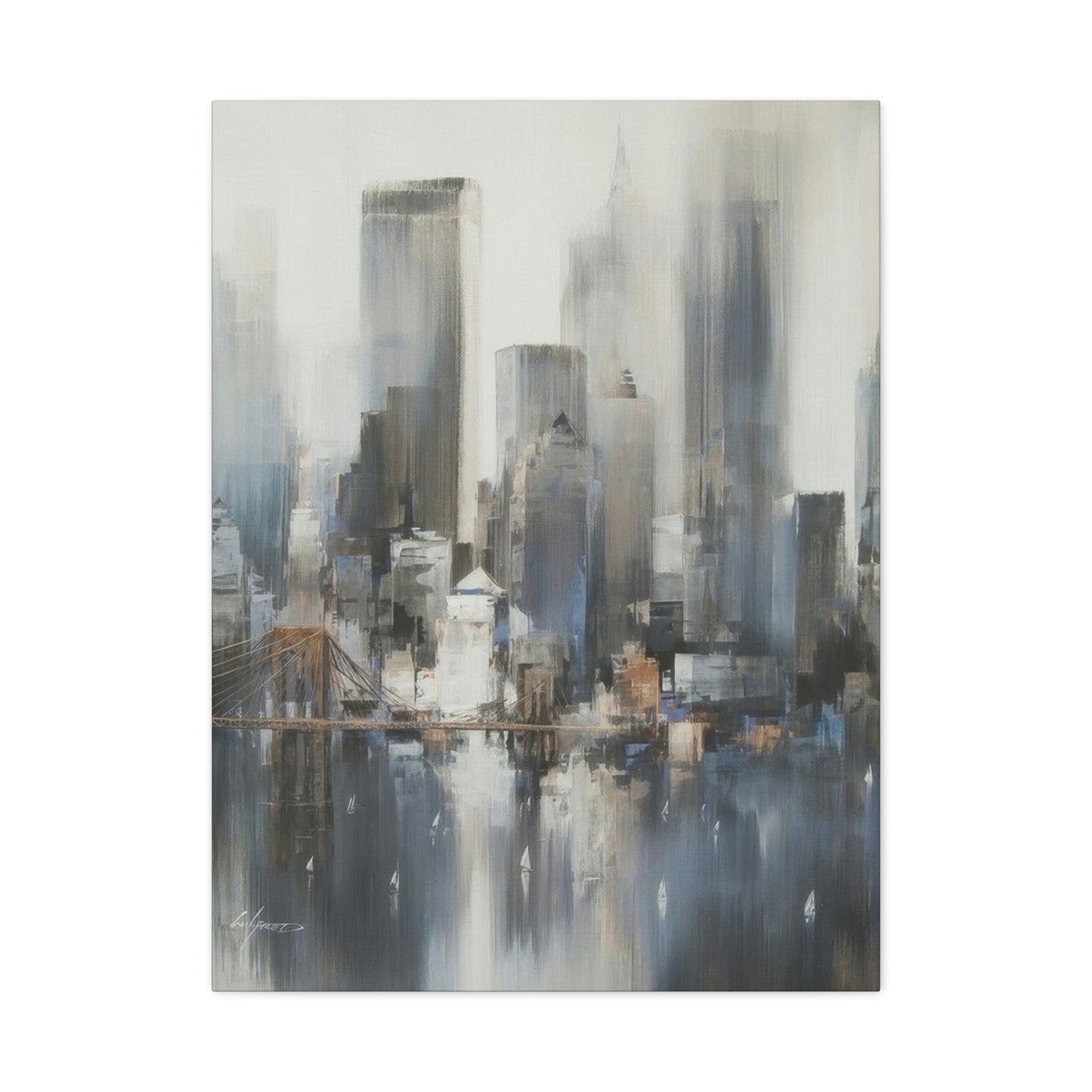
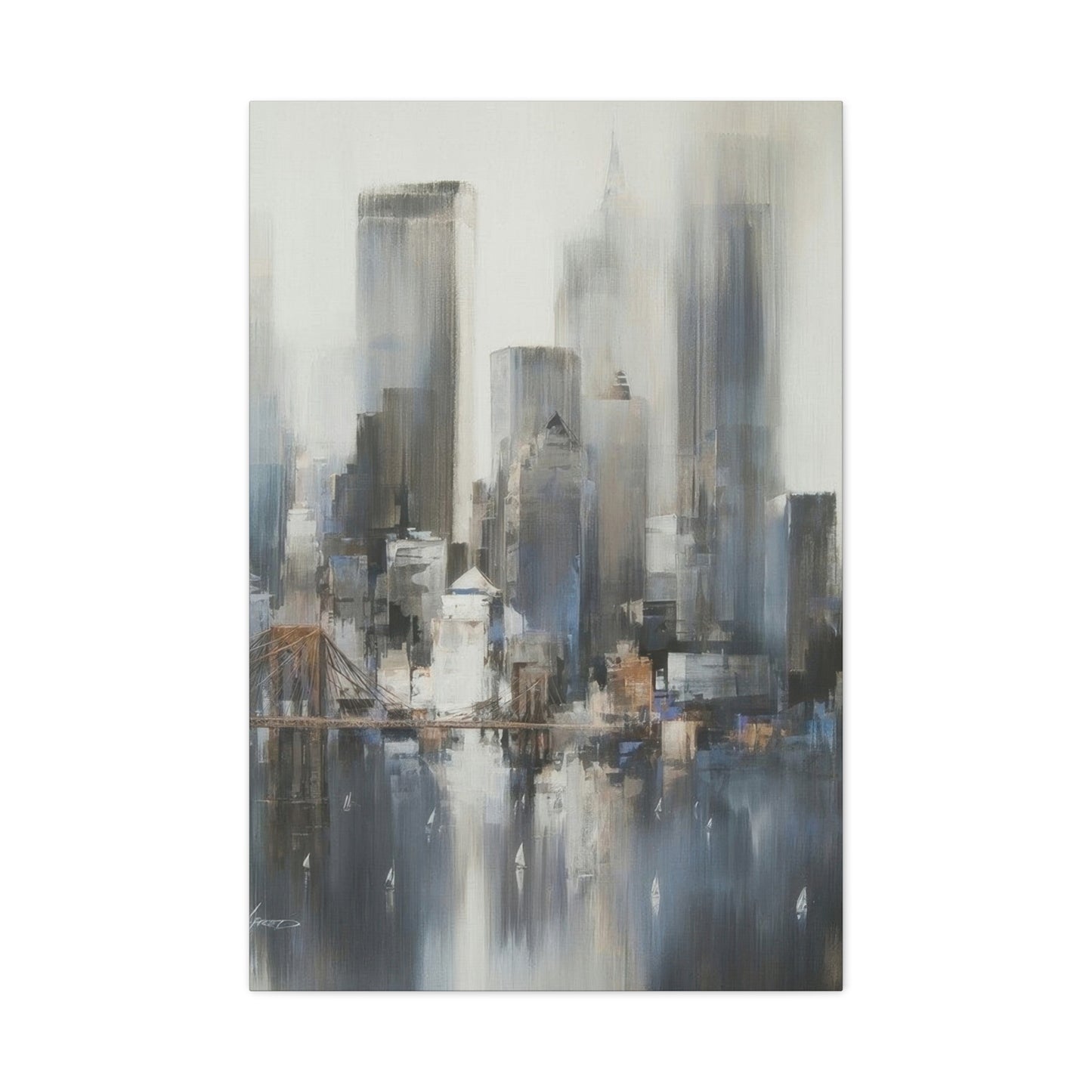
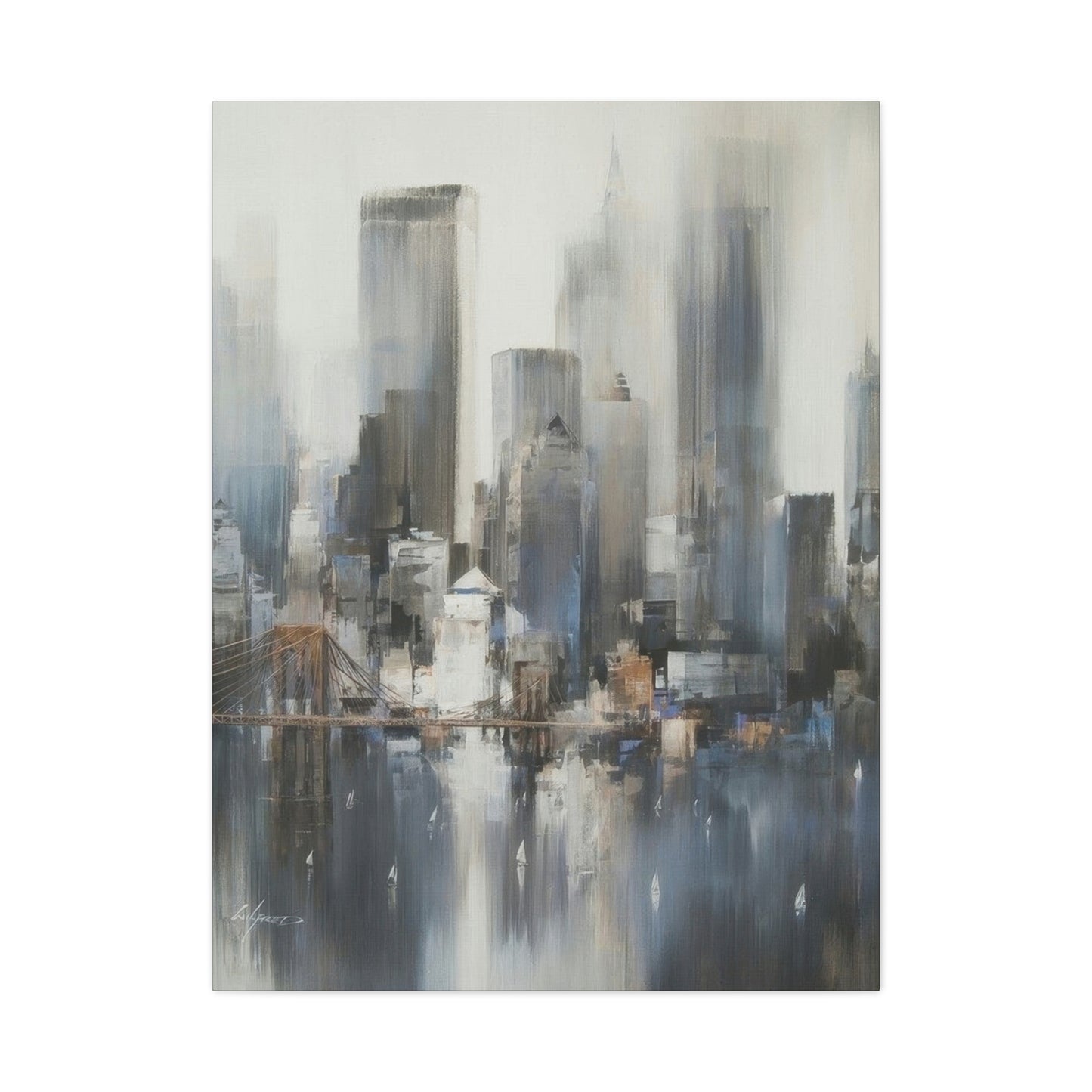
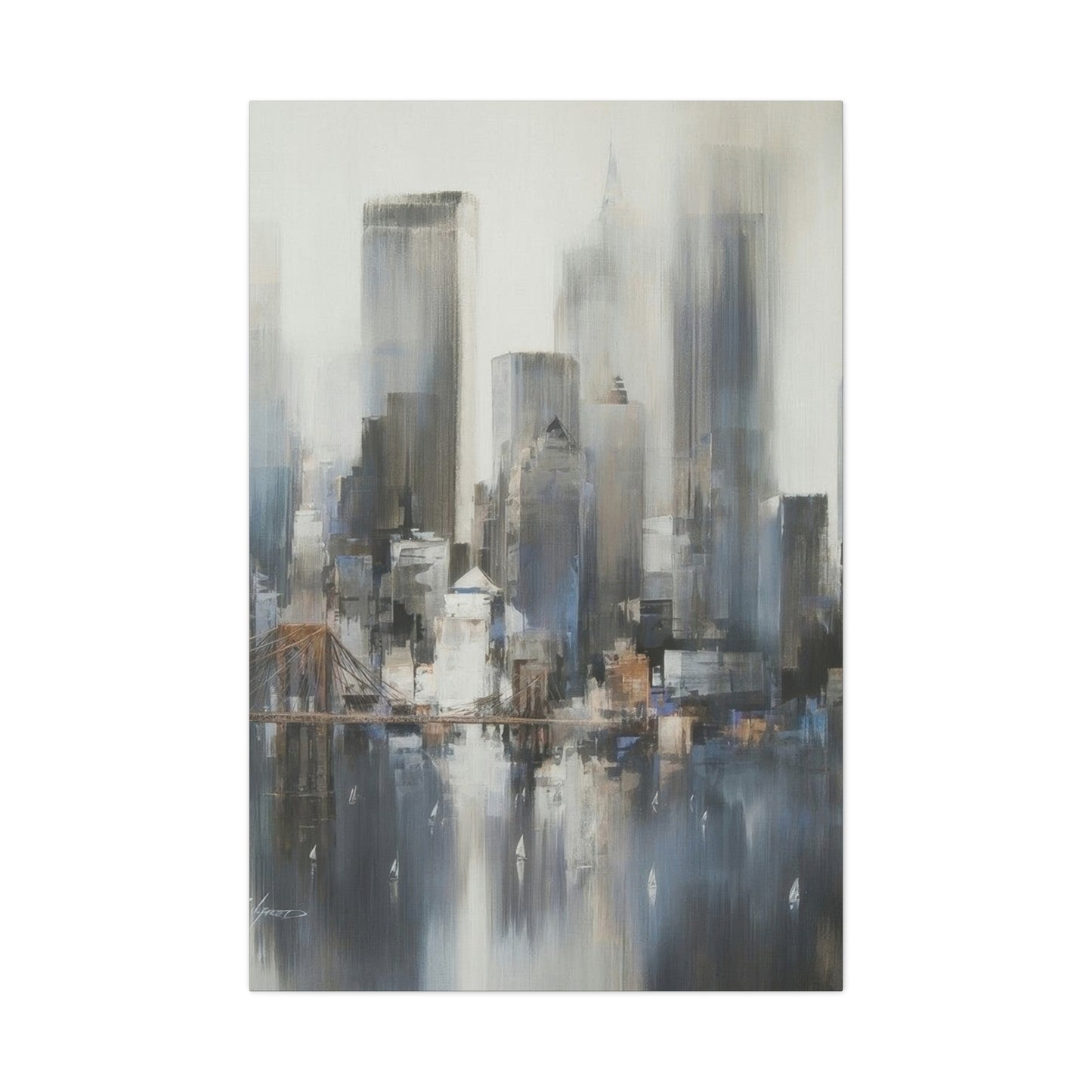
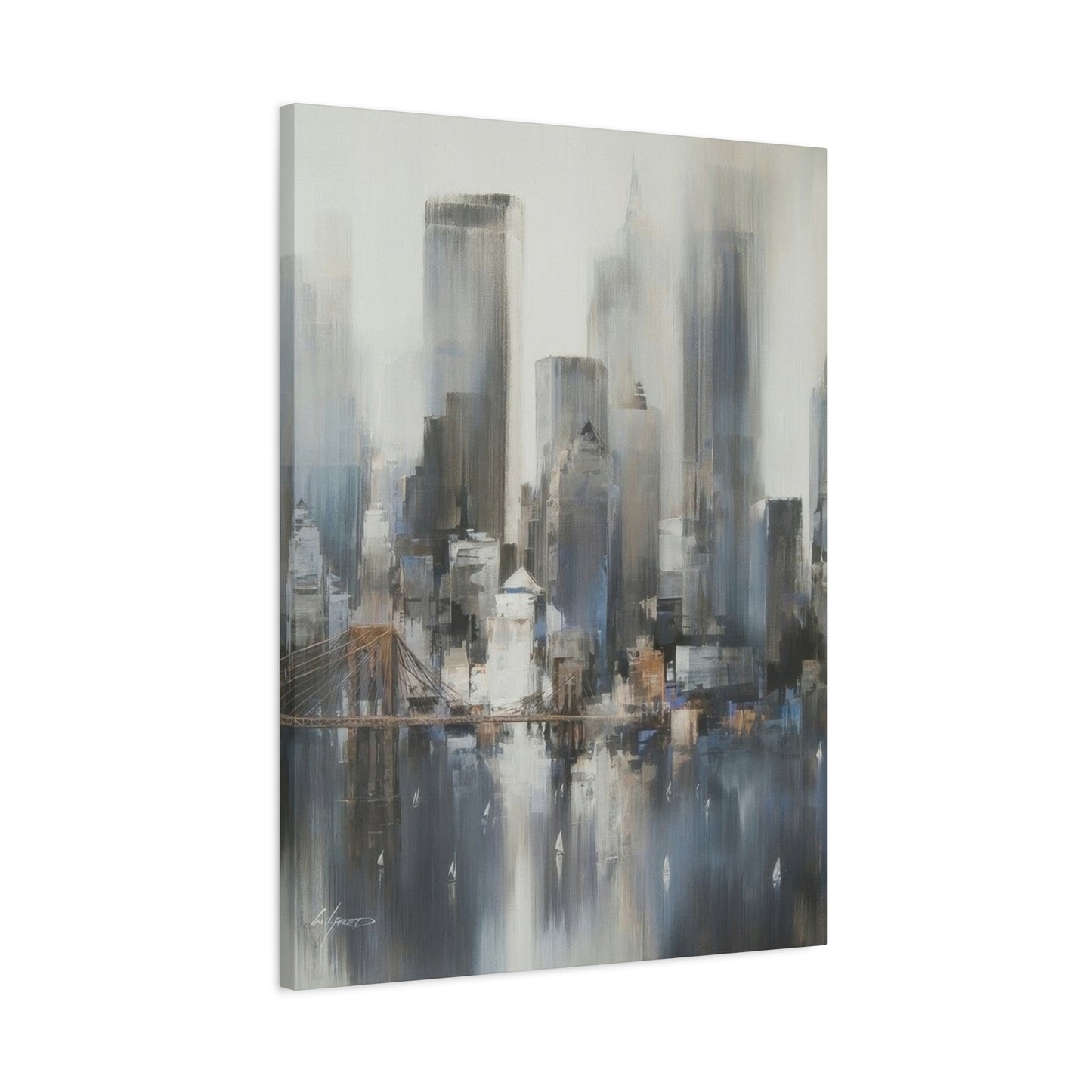
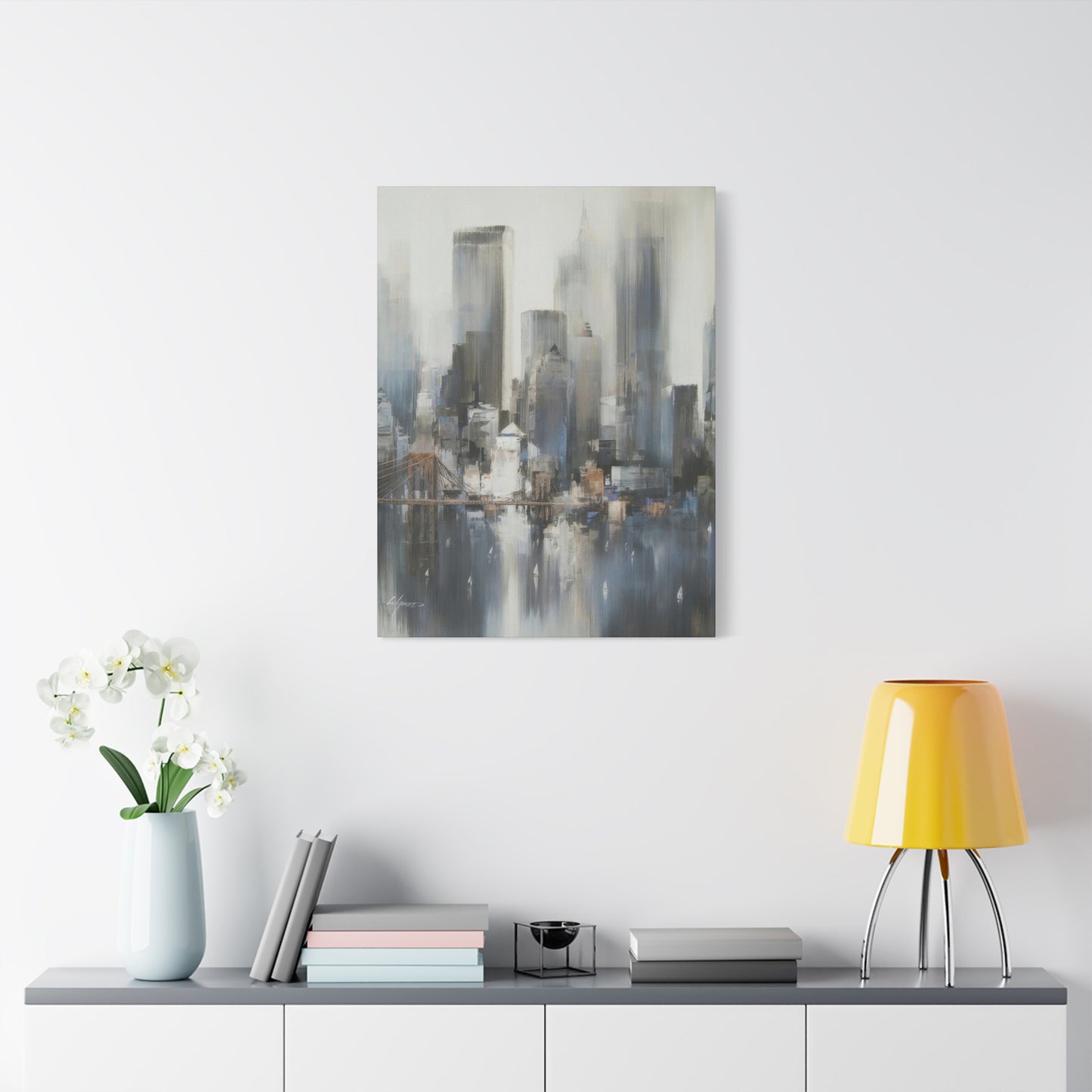
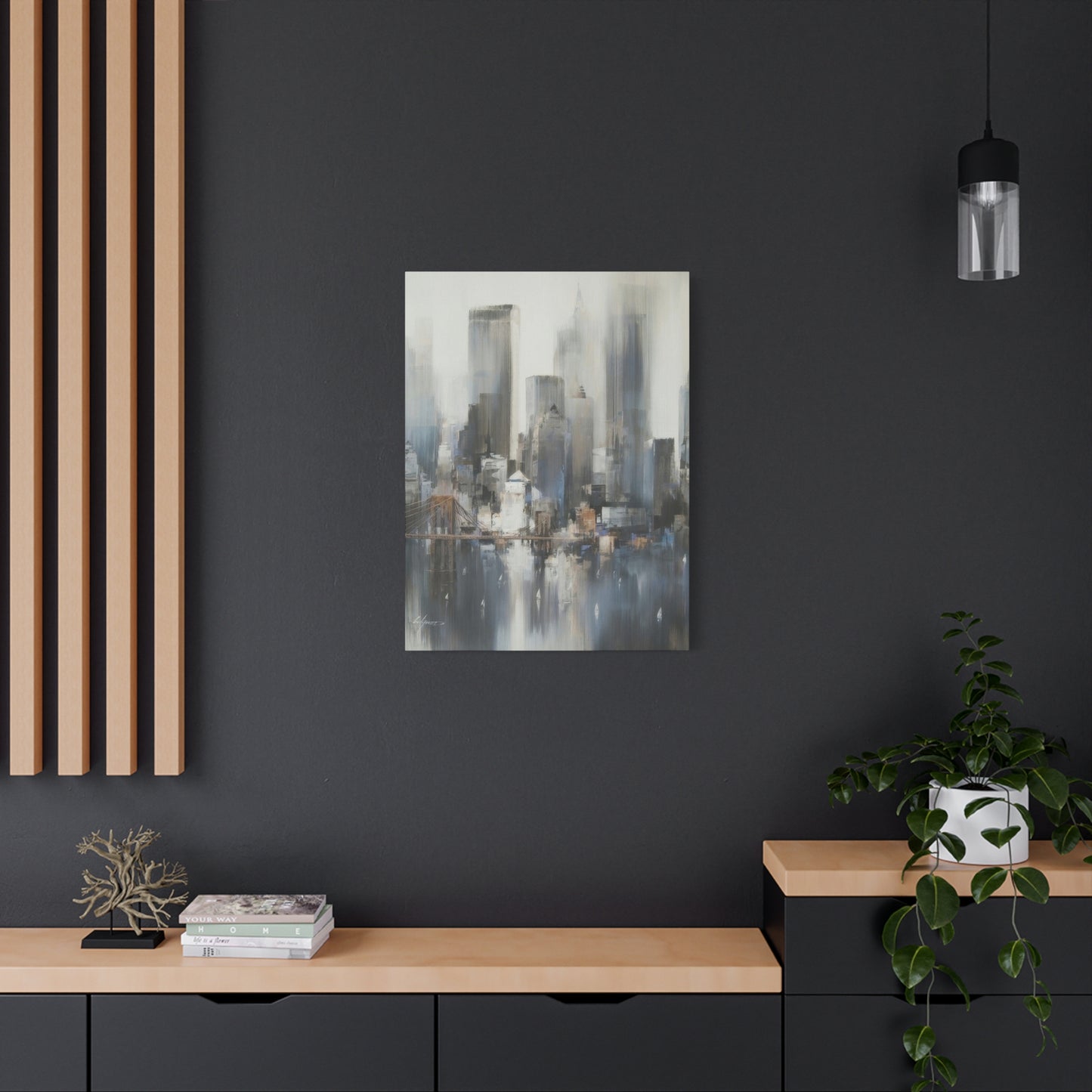
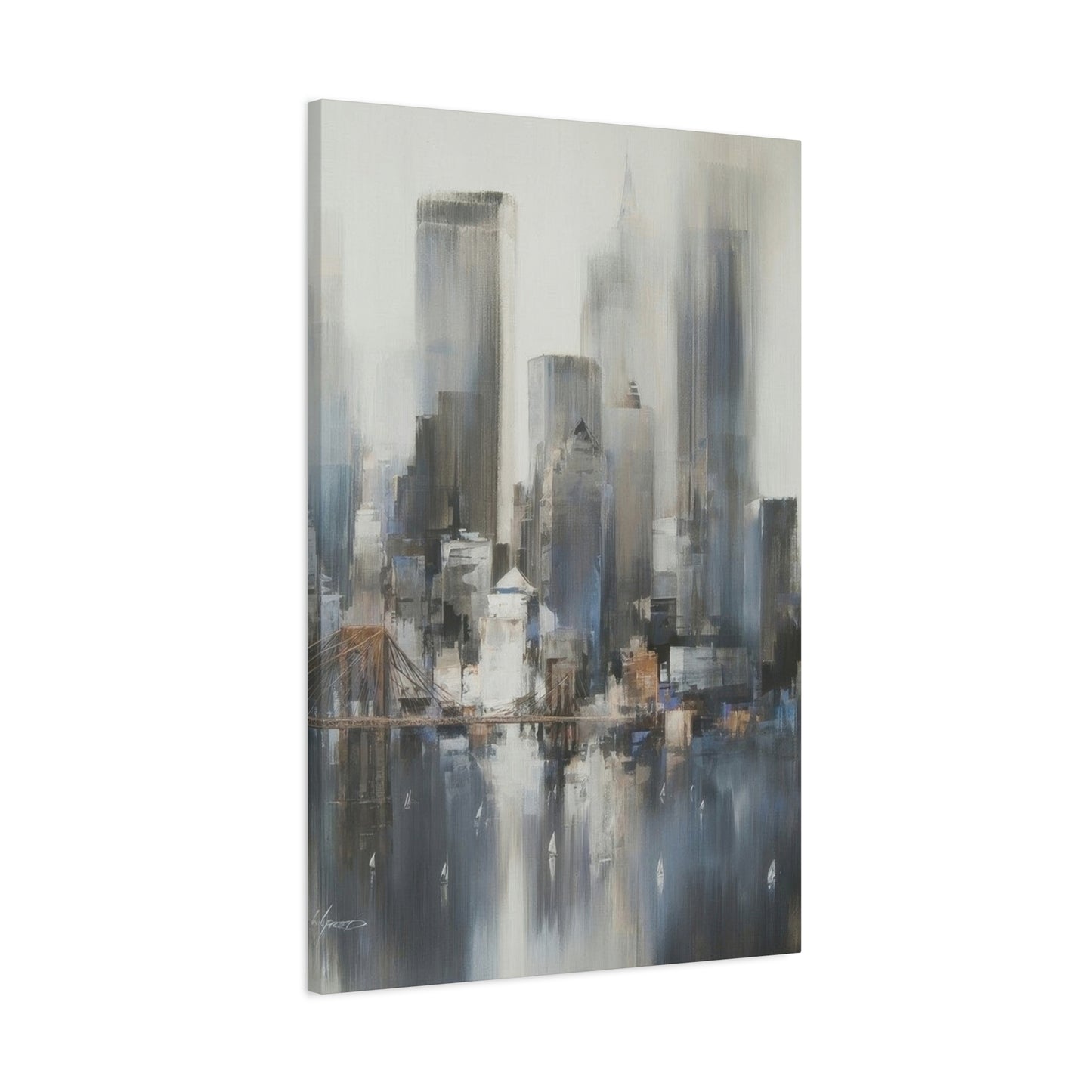
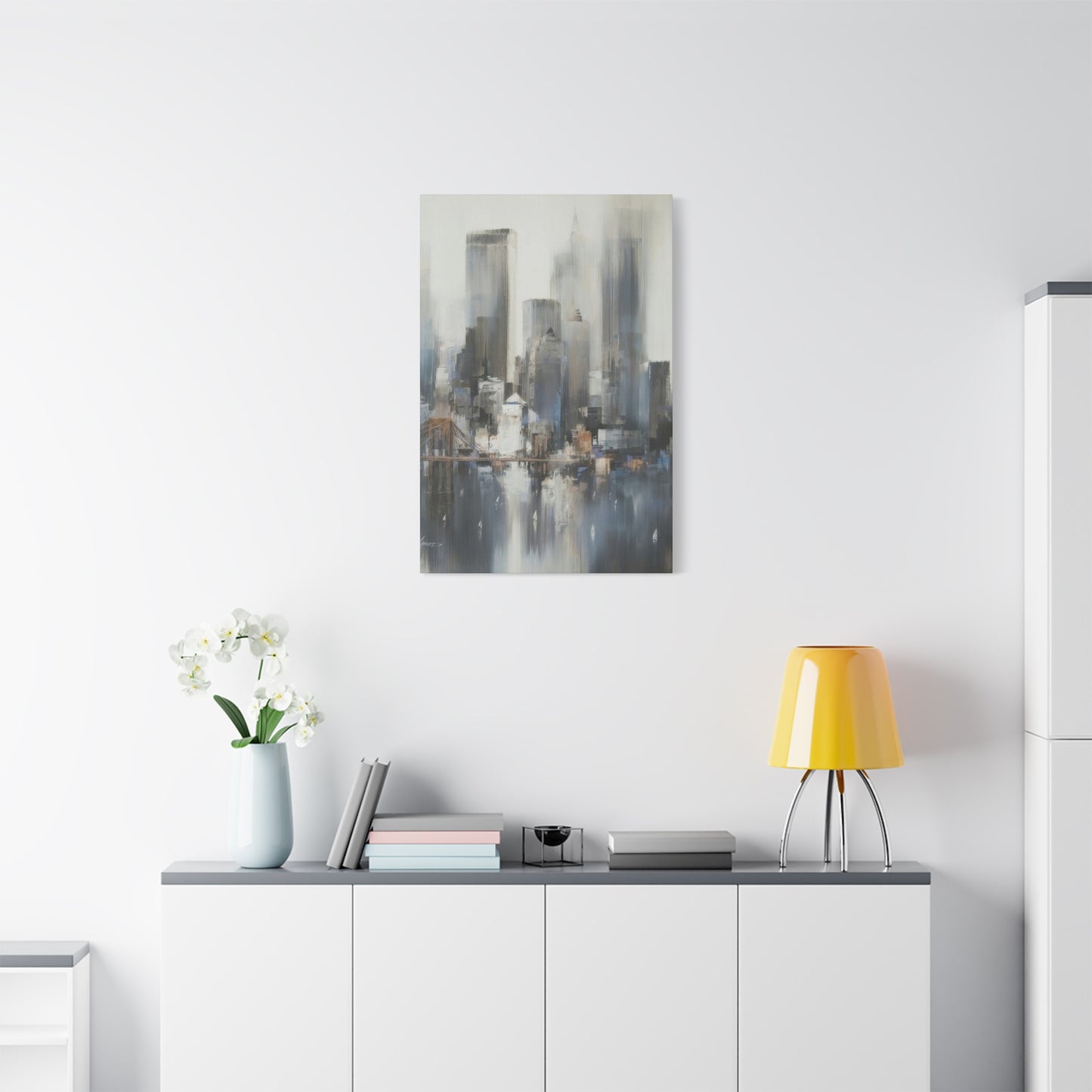
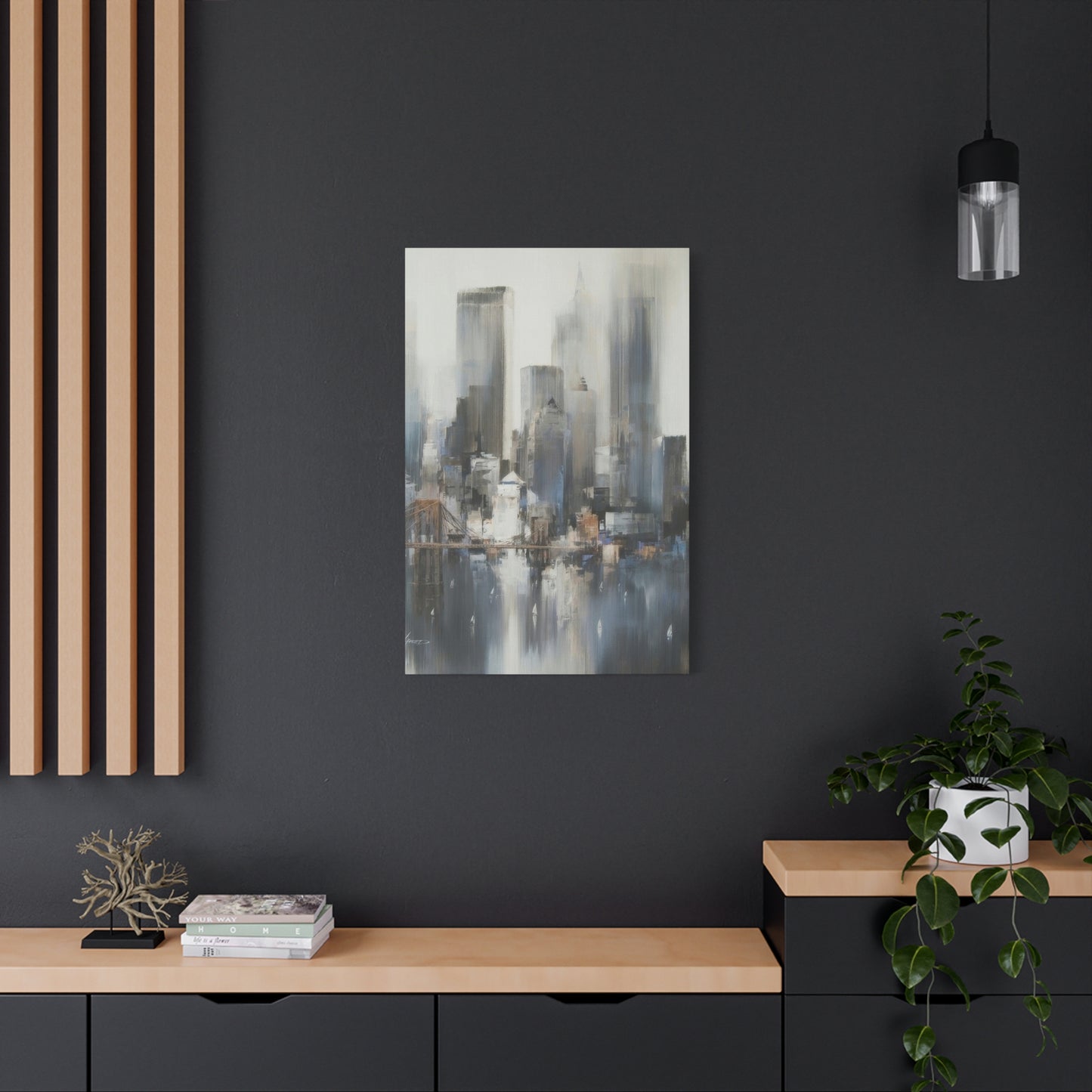
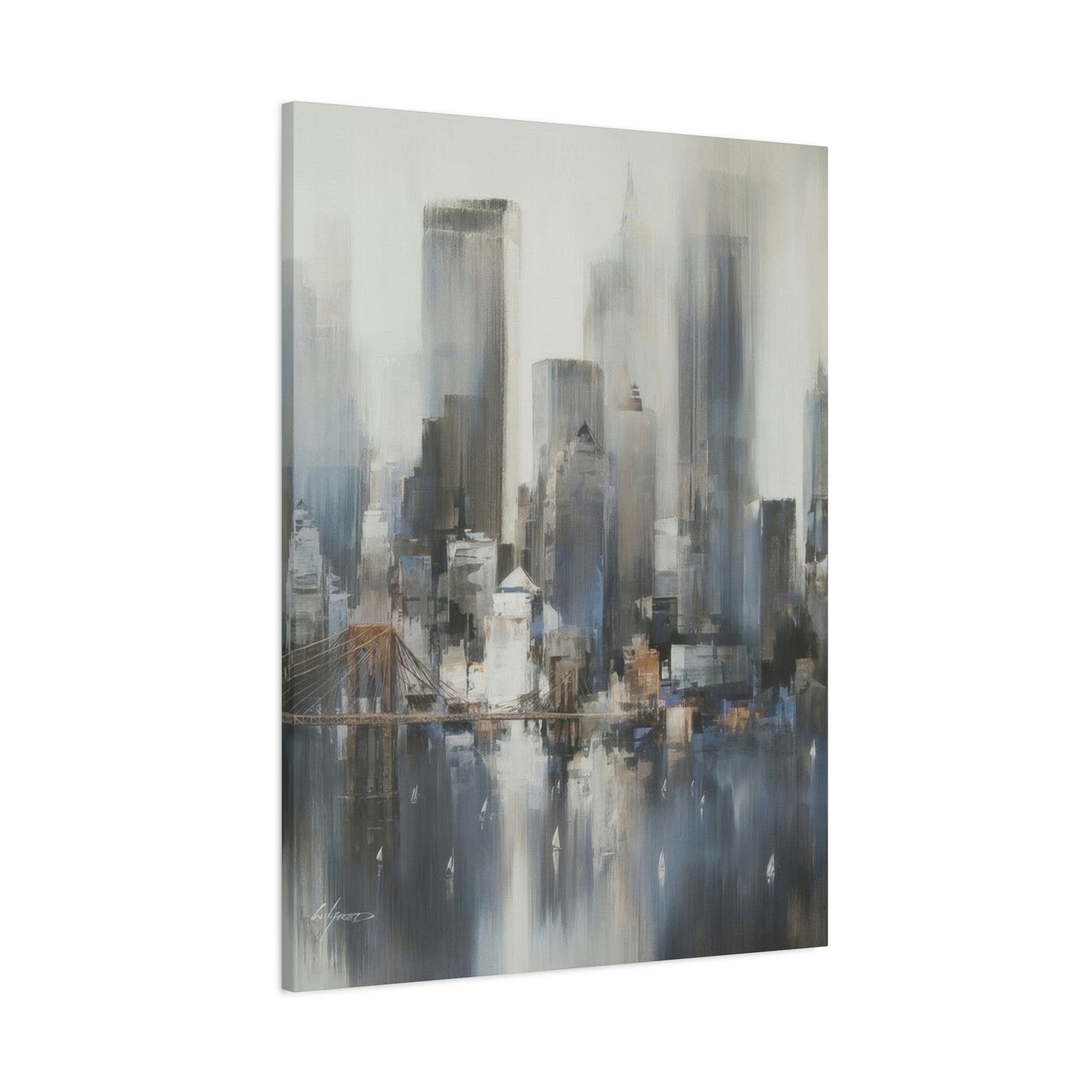
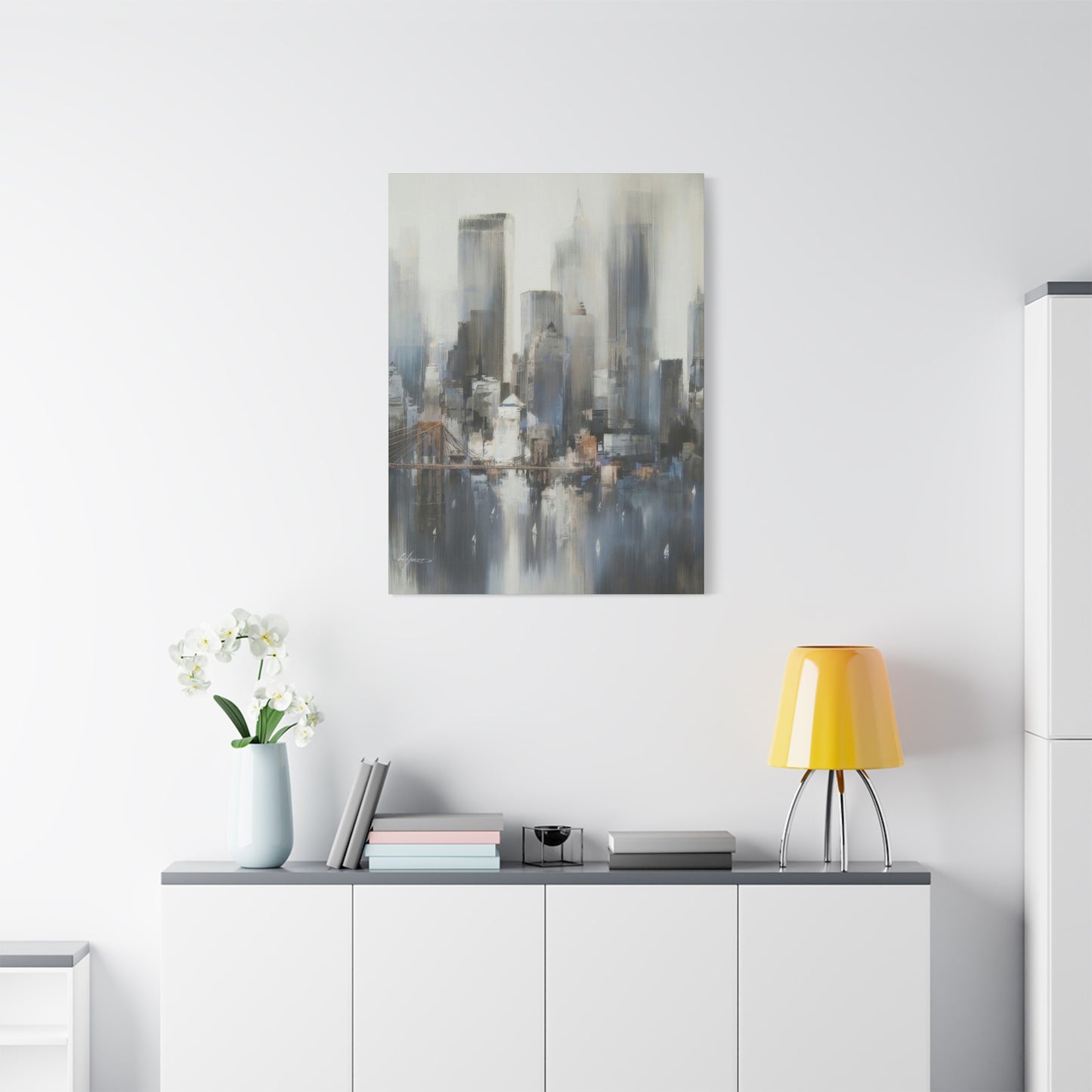
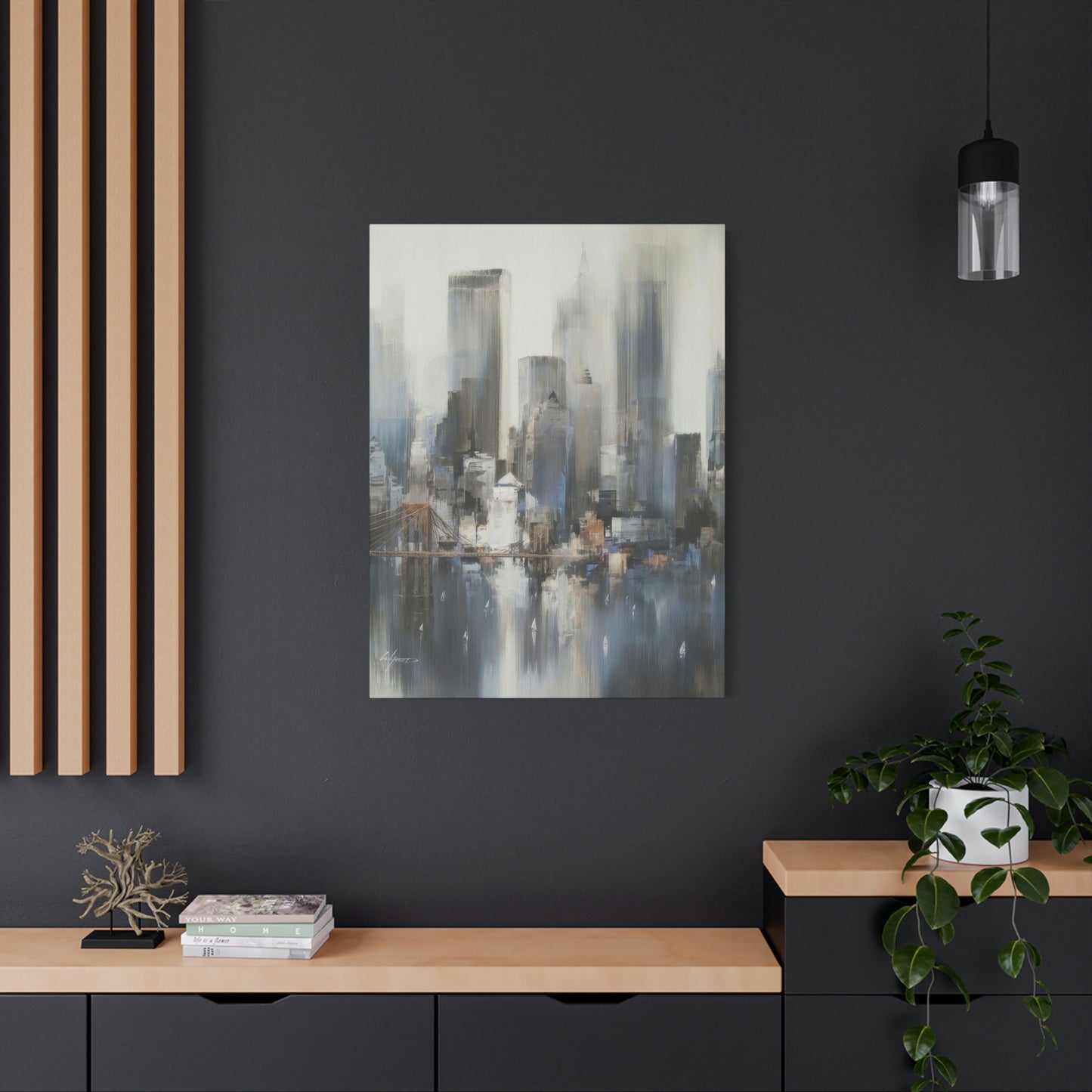
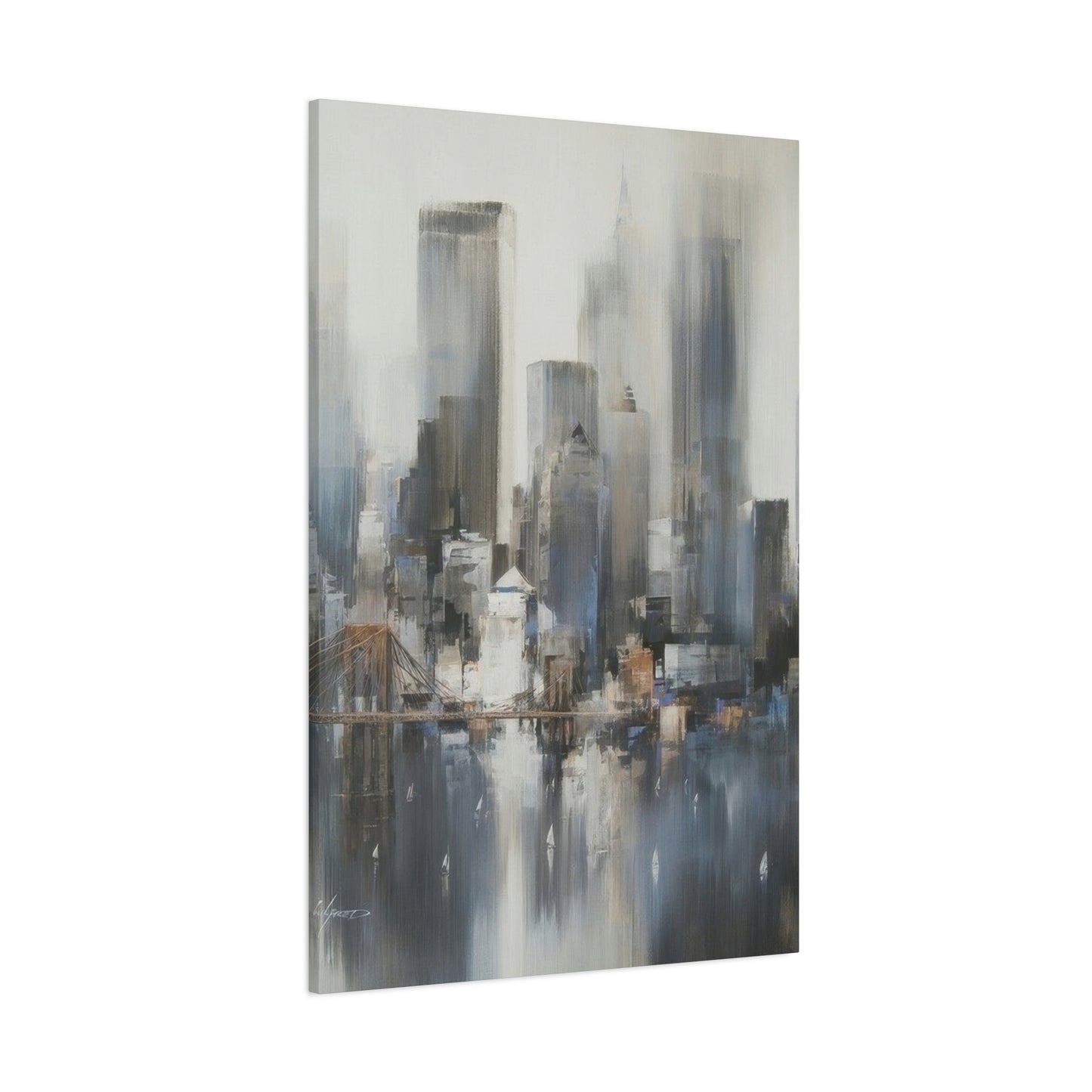
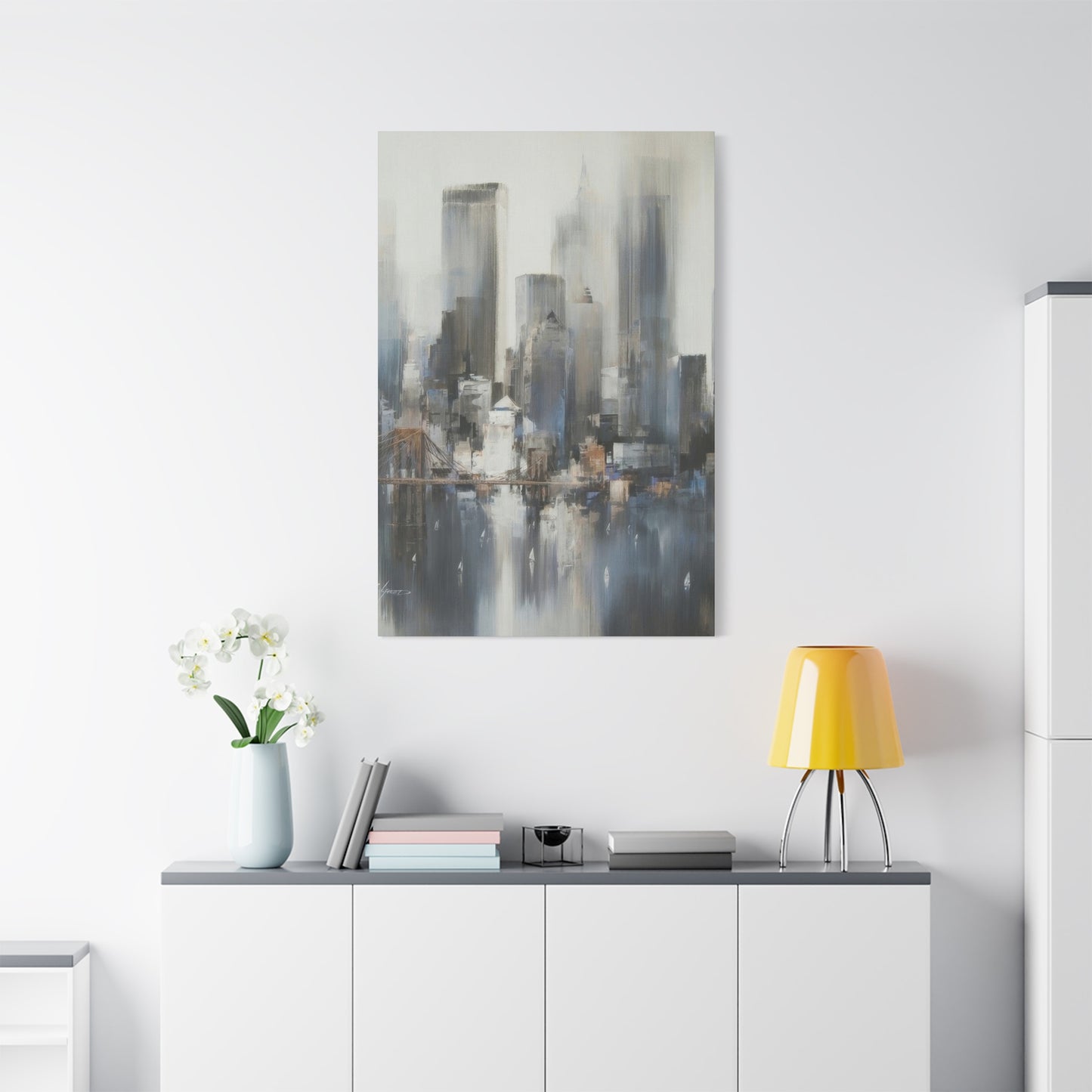
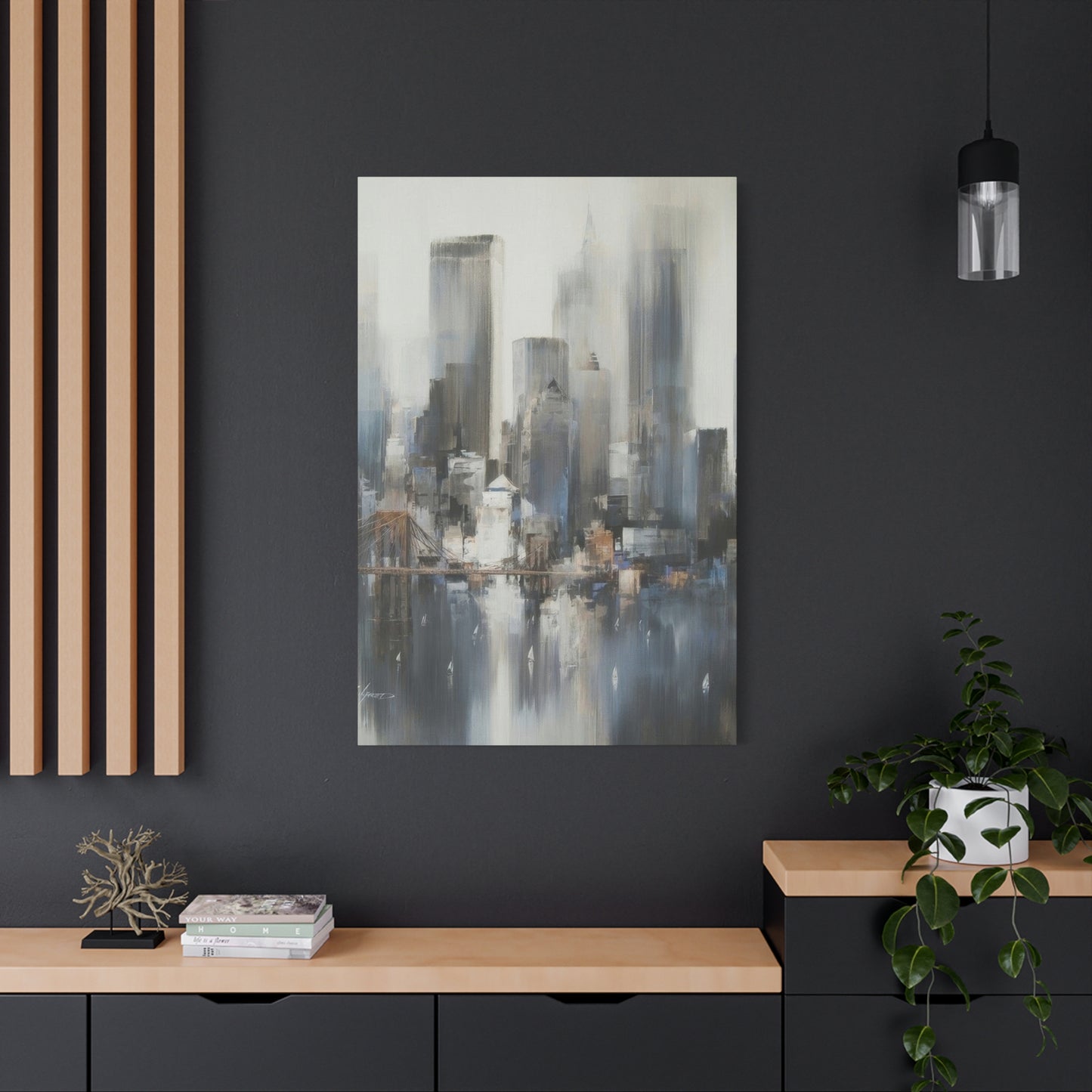
The Ultimate Guide to Grey City Wall Art: Transform Your Space with Urban Canvas Décor
Transforming interior spaces with artistic elements has become an essential aspect of contemporary home design. Among the various decorative options available, grey city wall art stands out as a sophisticated choice that combines urban aesthetics with timeless elegance. This comprehensive guide explores the captivating world of metropolitan canvas prints, offering insights into styles, placement strategies, and design considerations that will help you create stunning visual experiences in your living or working environment.
The appeal of urban landscape artwork rendered in neutral tones extends beyond mere decoration. These pieces capture the essence of city life while maintaining a calming presence that complements diverse interior design schemes. Whether you are drawn to the misty silhouettes of skyscrapers at dawn or the geometric patterns of modern architecture, grey tone metropolitan wall prints offer endless possibilities for personal expression and spatial enhancement.
Urban Skyline in Grey Wall Décor
Metropolitan skylines captured in shades of grey create powerful visual statements that resonate with urban dwellers and design enthusiasts alike. These artistic representations transform ordinary walls into windows overlooking imagined cityscapes, bringing the energy and sophistication of metropolitan environments into residential and commercial spaces. The neutral palette allows these pieces to integrate seamlessly with existing color schemes while maintaining their distinctive presence.
The beauty of skyline artwork lies in its ability to evoke feelings of ambition, progress, and modern sophistication. When rendered in grey tones, these cityscapes take on an additional layer of elegance and restraint. The absence of vibrant colors allows viewers to focus on the architectural forms, the interplay of light and shadow, and the rhythmic patterns created by buildings of varying heights. This approach creates artwork that feels both contemporary and timeless, avoiding the visual fatigue that can sometimes accompany more colorful alternatives.
Selecting skyline art for your space involves considering several factors including the scale of the artwork relative to your wall dimensions, the specific cityscape depicted, and the overall mood you wish to establish. Large format skyline prints can serve as dramatic focal points in living rooms, offices, or hotel lobbies, commanding attention and establishing the aesthetic direction for the entire space. Smaller pieces work beautifully in clusters, creating gallery wall arrangements that tell a visual story about urban life and architectural diversity.
The versatility of grey skyline décor extends to various interior design styles. In minimalist spaces, these pieces reinforce the clean lines and uncluttered aesthetic that define the style. For industrial interiors, they complement exposed brick, metal fixtures, and concrete surfaces with thematic consistency. Even in more traditional settings, grey skyline art can introduce a contemporary element that bridges classic and modern sensibilities, creating spaces that feel collected and thoughtfully curated rather than rigidly adherent to a single design period.
When positioning skyline artwork, consider the viewing experience from different angles and distances within the room. These pieces often contain intricate details that reward closer inspection, yet they should also maintain visual impact when viewed from across the space. Proper lighting becomes crucial for maximizing the effect of grey tone skylines. Consider installing picture lights or positioning the artwork where natural light can graze across the surface during certain times of day, creating dynamic shadows that enhance the dimensional quality of the cityscape.
The emotional resonance of skyline imagery should not be underestimated. For many people, cityscapes represent opportunity, achievement, and the vibrant pulse of human civilization. Displaying these images in personal or professional spaces can serve as daily inspiration, a reminder of urban adventures, or an aspiration for future experiences. The grey palette softens these associations, making them feel more contemplative and less overwhelming than full color renditions might be.
Minimalist City Grey Canvas Art
Minimalism in art emphasizes simplicity, clean lines, and the reduction of elements to their essential forms. When applied to city canvas art, this philosophy creates powerful visual statements that capture urban environments with remarkable economy of detail. Minimalist city grey canvas art strips away unnecessary complexity, focusing on the fundamental shapes and structures that define metropolitan landscapes.
The minimalist approach to urban artwork aligns perfectly with contemporary interior design trends that favor uncluttered spaces and intentional décor choices. These canvas pieces serve as sophisticated accents that enhance rather than overwhelm their surroundings. By utilizing a limited grey color palette and simplified forms, minimalist city art creates a sense of visual calm while still conveying the essence of urban energy and architectural beauty.
Creating effective minimalist city art requires careful consideration of composition and negative space. The artist must decide which elements of the cityscape are essential to conveying the urban character and which can be eliminated without losing the piece's identity. This editing process results in artwork that feels refined and purposeful, where every line and shape serves a specific function within the overall composition. The grey tones further support this aesthetic by providing subtle variations in value without introducing distracting color elements.
Incorporating minimalist city grey canvas art into your décor strategy offers numerous practical benefits. These pieces coordinate effortlessly with a wide range of furniture styles and color palettes, making them ideal for spaces that undergo periodic redesigns or for those who prefer to change accessories seasonally. The understated nature of minimalist art also makes it appropriate for professional environments where a sophisticated yet non-distracting ambiance is desired.
The size and format of minimalist city canvas art should be chosen based on the architectural features of your space and the desired visual impact. Horizontal panoramic formats work exceptionally well for representing city skylines, naturally complementing the linear nature of architectural horizons. Square formats offer balanced compositions that work equally well as standalone pieces or as part of multi-panel arrangements. Vertical orientations can emphasize the soaring quality of tall buildings, drawing the eye upward and creating a sense of height within the room.
One of the most appealing aspects of minimalist city art is its ability to suggest rather than explicitly depict urban environments. Through simplified forms and strategic use of negative space, these pieces allow viewers to project their own experiences and memories onto the artwork. This interpretive quality makes minimalist city grey canvas art deeply personal despite its restrained aesthetic, as each viewer brings their unique perspective to the piece.
The technical execution of minimalist city art varies from precise geometric abstractions to looser, more gestural representations. Some artists employ crisp lines and flat planes of grey tones to create ordered, architectural compositions. Others use more organic mark-making techniques that capture the essence of urban landscapes through suggestion and implication rather than detailed rendering. Both approaches have merit and appeal to different aesthetic sensibilities, so selecting pieces that resonate with your personal taste becomes the primary consideration.
Grey Tone Metropolitan Wall Prints
Metropolitan wall prints rendered in grey tones offer an accessible entry point into urban art collecting while providing significant decorative impact. These prints capture the diversity and dynamism of city life through various artistic interpretations, from photographic realism to stylized illustrations. The grey tone palette unifies these different approaches, creating a cohesive aesthetic category that appeals to design-conscious individuals seeking sophisticated wall décor.
The production quality of grey tone metropolitan wall prints has advanced significantly with modern printing technologies. High resolution digital printing on premium canvas or fine art paper substrates produces images with remarkable detail and tonal range. The various shades of grey can be rendered with subtle gradations that create depth and dimension, making printed artwork virtually indistinguishable from original paintings in many cases. This technological advancement democratizes access to museum-quality artwork, allowing more people to enjoy sophisticated urban imagery in their homes and workplaces.
Metropolitan subjects depicted in grey tones encompass a vast range of urban scenes beyond traditional skylines. Street level perspectives capture the human scale of city life, showing pedestrians, storefronts, and the architectural details that give neighborhoods their distinctive character. Aerial views present cities as geometric patterns and organic shapes, revealing the planning and growth patterns that shape metropolitan areas. Bridge structures, transit systems, and public spaces all provide compelling subject matter that celebrates urban infrastructure and communal spaces.
The versatility of grey tone prints makes them suitable for virtually any room in residential or commercial settings. In living rooms and dens, they create conversation starting focal points that reflect the owner's connection to urban environments. Bedroom installations benefit from the calming quality of grey tones, with metropolitan imagery adding visual interest without the stimulating effect of brighter colors. Office spaces gain professional polish and contemporary credibility through strategic placement of urban prints that complement business environments.
When selecting metropolitan wall prints, consider the relationship between the artwork and the architectural features of your space. Prints depicting tall buildings work well in rooms with high ceilings, creating visual harmony between the artwork and the physical environment. Horizontal street scenes complement wider walls, filling the space proportionally and creating balanced compositions. Understanding these spatial relationships helps ensure that your chosen artwork enhances rather than conflicts with the existing architecture.
The framing and presentation of grey tone metropolitan prints significantly impacts their overall effect. Simple, clean frames in black, white, or natural wood allow the artwork to remain the focus while providing necessary protection and structure. For a more contemporary look, frameless mounting or floating frames create a modern gallery aesthetic. Canvas prints stretched over wooden frames can be displayed without additional framing, offering a more casual yet still polished appearance that works well in contemporary interiors.
Lighting considerations become particularly important when displaying grey tone prints. While these pieces contain no bright colors that might fade under direct sunlight, proper illumination enhances the tonal variations and details within the artwork. Consider using adjustable spotlights or picture lights that can be directed specifically at the artwork, creating controlled illumination that highlights the print while minimizing glare. Natural light can also beautifully illuminate these pieces, though positioning them away from direct sun exposure helps preserve the print quality over time.
Foggy City Skyline Wall Décor
Foggy city skyline wall décor captures the mysterious and atmospheric quality of urban landscapes shrouded in mist or low clouds. These pieces present cities in a softened, dreamlike state where sharp architectural lines dissolve into gradations of grey, creating ethereal compositions that feel both grounded in reality and transported to a more imagined realm. The interplay between visible and obscured elements generates visual intrigue that draws viewers into the scene.
The aesthetic appeal of foggy cityscapes lies in their ability to transform familiar urban environments into something mysterious and evocative. Fog acts as a natural filter, simplifying complex skylines by obscuring background elements while emphasizing foreground structures. This selective visibility creates natural depth in the composition, with buildings emerging from or receding into the mist at various distances. The resulting artwork feels layered and dimensional despite being rendered on a flat surface.
Fog in urban imagery also carries symbolic weight that resonates with many viewers. It can represent the unknown aspects of city life, the hidden stories and experiences that occur beyond our immediate perception. Alternatively, fog might symbolize transition and transformation, suggesting cities in a state of becoming or revealing. These metaphorical readings add depth to foggy cityscape artwork, making it more than simply decorative but also contemplative and thought-provoking.
The technical rendering of fog in city skyline décor varies considerably based on the artistic medium and style. Photographic representations capture actual meteorological conditions with realistic detail, preserving the subtle color variations and light diffusion that occur in authentic foggy environments. Painted or illustrated versions may take more artistic liberties, emphasizing mood and atmosphere over literal accuracy. Both approaches create compelling artwork, with the choice between them depending on whether you prefer naturalistic or more interpretive representations.
Incorporating foggy city skyline décor into interior spaces works particularly well in environments where you wish to establish a contemplative or serene atmosphere. Bedrooms benefit from the calming quality of these misty scenes, which create visual interest without overwhelming energy. Reading nooks, meditation spaces, or quiet home offices also provide ideal settings for foggy cityscape art, where the subdued imagery complements the intended use of the space.
The color palette of foggy city skyline art, while predominantly grey, often includes subtle variations that add richness to the overall composition. Cool grey tones suggesting morning fog create fresh, invigorating environments that work well in spaces used primarily during daytime hours. Warmer grey tones that hint at evening mist or urban twilight generate cozier, more intimate atmospheres suitable for spaces intended for relaxation and unwinding. Recognizing these subtle temperature variations in grey tones helps in selecting artwork that supports your desired ambiance.
The scale of foggy cityscape artwork influences its impact within a room. Large format pieces create immersive experiences, allowing viewers to feel transported into the misty urban environment depicted. The softened edges and gentle transitions characteristic of foggy scenes make large scale presentations feel less visually heavy than equally sized pieces with sharper details and higher contrast. Medium and smaller formats work effectively in groupings, where multiple foggy cityscapes can represent different urban locations or varying atmospheric conditions.
Contemporary Grey City Painting
Contemporary grey city painting represents current artistic interpretations of urban environments, incorporating modern techniques, perspectives, and aesthetic sensibilities. These works move beyond traditional landscape painting conventions to explore cities through fresh lenses that reflect contemporary experiences of metropolitan life. The grey palette provides cohesion while allowing artists considerable freedom in style, from loose abstractions to precise architectural renderings.
The contemporary approach to city painting often emphasizes personal perspective and emotional response over documentary accuracy. Artists working in this genre may distort proportions for dramatic effect, simplify forms to highlight essential characteristics, or incorporate abstract elements that represent the sensory experience of urban life rather than its literal appearance. This subjective quality makes contemporary grey city paintings particularly engaging, as they offer insights into how different artists perceive and interpret metropolitan environments.
Technical diversity characterizes contemporary grey city painting, with artists employing various methods to create their works. Traditional oil and acrylic paintings bring texture and depth through layered brushwork and palette knife techniques. Mixed media approaches combine painting with collage elements, incorporating paper, fabric, or found materials that add dimensional interest. Digital painting and printing technologies allow for precise control and reproduction, making contemporary urban art more accessible to wider audiences.
The subject matter in contemporary grey city painting extends beyond recognizable landmarks to explore the everyday poetry of urban existence. Artists depict ordinary street corners transformed by particular lighting conditions, the patterns created by crowds moving through public spaces, or the geometric abstractions found in architectural details. This democratic approach to subject selection reflects contemporary values that find beauty and meaning in commonplace experiences rather than exclusively in traditionally significant locations.
Display considerations for contemporary grey city paintings should account for the specific characteristics of each piece. Original paintings with significant texture benefit from lighting that emphasizes their three-dimensional qualities, with angled spotlights creating shadows that enhance the surface variation. Smoother, more graphic paintings work well with even illumination that allows the composition and color relationships to take precedence. Understanding the specific qualities of your chosen artwork helps you present it to maximum advantage.
The investment value of contemporary grey city paintings varies considerably based on the artist's reputation, the uniqueness of the piece, and market demand. Original works by established artists represent significant financial commitments but also potential appreciation over time. Limited edition prints and reproductions offer more accessible price points while still providing the visual impact of contemporary urban art. When making purchasing decisions, consider both your immediate decorative needs and your long term collecting goals.
Contemporary grey city paintings often reflect current urban concerns and experiences, including themes of density, sustainability, technology's impact on city life, and the relationship between natural and built environments. Works that engage with these contemporary issues add conceptual depth to their visual appeal, making them conversation pieces that spark discussions beyond mere aesthetics. This engagement with current urban discourse makes contemporary city paintings particularly relevant for spaces where thoughtful dialogue and intellectual exchange are valued.
City in Mist Grey Canvas Prints
City in mist grey canvas prints capture the enchanting moments when urban landscapes are softened and transformed by atmospheric moisture. These prints present cities in states of partial revelation, where buildings emerge from or dissolve into grey vapors, creating compositions that balance clarity with mystery. The mist acts as a natural filter that emphasizes certain elements while obscuring others, resulting in imagery that feels both familiar and otherworldly.
The visual appeal of mist-shrouded cityscapes stems from their ability to transform ordinary urban environments into scenes of unexpected beauty. Mist softens harsh architectural lines, diffuses light sources into glowing halos, and creates atmospheric depth through natural layering effects. These conditions occur spontaneously in real cities during particular weather patterns, but capturing them photographically or rendering them artistically requires skill and timing. Canvas prints that successfully preserve these ephemeral moments offer lasting access to fleeting atmospheric beauty.
The grey tones present in city mist imagery vary from bright, almost white greys suggesting morning fog illuminated by rising sun to darker, steelier greys indicating evening mist or overcast conditions. These tonal variations significantly affect the mood and energy of the artwork. Lighter mist scenes feel optimistic and gentle, suitable for spaces where you wish to maintain an uplifting atmosphere. Darker mist imagery conveys more drama and mystery, working well in spaces designed for evening use or where a moodier aesthetic is desired.
Canvas as a printing medium particularly suits city in mist imagery. The slight texture of canvas surfaces complements the soft, diffused quality of misty scenes, creating visual and tactile harmony between subject and substrate. The material's durability and resistance to warping make canvas prints practical for long term display, while the option to stretch prints over wooden frames allows for frameless presentation that maintains the artwork's contemporary aesthetic.
Placement strategies for city in mist canvas prints should consider how the artwork interacts with the room's natural and artificial lighting. These prints often feature subtle tonal gradations that become more apparent under proper illumination. Positioning them where they receive indirect natural light during certain times of day can create beautiful effects as the changing light emphasizes different aspects of the misty cityscape. For evening viewing, adjustable artificial lighting allows you to control the artwork's appearance to suit different moods and occasions.
The emotional resonance of city in mist prints extends to themes of solitude, contemplation, and the hidden layers of urban life. Mist creates natural separation and isolation, even in densely populated cities, suggesting moments of unexpected quietness within bustling environments. These associations make such artwork particularly meaningful for individuals who appreciate the contemplative aspects of city living or who seek visual reminders to slow down and observe the subtle beauty surrounding them.
City in mist canvas prints work exceptionally well in series or as part of larger gallery wall arrangements. Multiple prints showing the same city under different mist conditions create narrative sequences that demonstrate the transformative power of atmospheric conditions. Alternatively, prints depicting various cities in mist highlight the universal quality of this phenomenon while celebrating the unique architectural character of different metropolitan areas. These curated collections add depth and sophistication to interior spaces while maintaining visual cohesion through their shared misty aesthetic.
Monochrome Urban Landscape Wall Art
Monochrome urban landscape wall art strips city scenes to their essential visual elements by eliminating color and focusing exclusively on form, composition, and tonal relationships. This reductive approach creates powerful imagery that emphasizes the structural and graphic qualities of urban environments. The monochrome treatment allows viewers to perceive cities in new ways, noticing patterns, textures, and relationships that might be overlooked in full color representations.
The artistic tradition of monochrome imagery has deep roots in photography, printmaking, and drawing, where the absence of color focuses attention on fundamental visual elements. When applied to urban landscapes, this approach highlights the geometric qualities of architecture, the interplay of light and shadow on building facades, and the rhythmic patterns created by streets, windows, and other repetitive urban features. Monochrome treatment transforms cities into abstract compositions even while maintaining recognizable forms.
Various shades of grey within monochrome urban art create depth and dimension that prevent the work from feeling flat or lifeless. Light greys represent illuminated areas or distant elements, while darker greys and blacks indicate shadows or foreground features. The skillful manipulation of these tonal values creates the illusion of three dimensional space on a two dimensional surface. Artists working in monochrome must develop sophisticated understanding of value relationships to create compelling compositions.
The versatility of monochrome urban landscape wall art makes it suitable for remarkably diverse interior design contexts. In modern minimalist spaces, it reinforces the restrained color palette and clean aesthetic lines that define the style. Traditional interiors benefit from monochrome urban art that bridges historical and contemporary sensibilities, introducing urban themes without the jarring effect that more colorful contemporary art might create. Even in eclectic spaces with varied colors and patterns, monochrome urban art provides visual anchors that ground the overall design scheme.
Different artistic media create distinct effects in monochrome urban landscape art. Photographic monochrome captures urban reality with documentary precision, preserving authentic details and atmospheric conditions. Ink drawings and etchings produce graphic, linear representations with distinctive mark-making characteristics. Charcoal and graphite drawings offer rich tonal ranges and textural variety through varied application techniques. Each medium brings unique qualities that affect the artwork's character and visual impact.
The compositional approaches in monochrome urban landscape art range from sweeping panoramic views to intimate detail studies. Wide cityscapes capture the scope and scale of metropolitan environments, often emphasizing horizontal elements that create calm, expansive feelings. Tightly focused compositions isolating particular architectural features or street scenes create intimate encounters with urban details that might escape notice in broader views. Both approaches offer valuable perspectives on city life and work effectively in different spatial contexts.
Display considerations for monochrome urban landscape wall art include attention to framing choices that complement rather than compete with the artwork. Simple black or white frames create classic presentations that work with virtually any interior style. Natural wood frames add warmth while maintaining sophisticated restraint. Metal frames in silver, gunmetal, or black finishes reinforce industrial or contemporary aesthetics. The framing should enhance the artwork's monochrome quality rather than introducing visual elements that distract from the carefully controlled tonal palette.
Grey City Lights Canvas Décor
Grey city lights canvas décor captures the magical quality of urban illumination softened and diffused through grey tones. These pieces depict cities during twilight or evening hours when artificial lighting becomes prominent, creating glowing elements against darker surroundings. The grey treatment transforms what might be garish or overly colorful nighttime scenes into sophisticated, atmospheric compositions that maintain visual interest while supporting restful environments.
The interplay between light and shadow becomes paramount in grey city lights artwork. Street lamps create pools of illumination along urban corridors, building windows glow with interior lighting that hints at countless individual stories, and vehicle lights trace linear paths through city streets. When rendered in grey tones rather than realistic colors, these light sources take on a dreamlike quality that feels both familiar and fantastical. The softened palette allows the patterns and compositions created by lighting to take precedence over specific color relationships.
Technical considerations in creating effective grey city lights canvas décor include managing contrast levels to maintain both drama and subtlety. Too much contrast creates harsh, jarring compositions that lose the atmospheric quality essential to successful night urban imagery. Insufficient contrast results in muddy, indistinct images that lack visual impact. Skilled artists and photographers working in this genre develop refined sensitivity to tonal relationships that preserve the glow of light sources while maintaining overall compositional harmony.
The emotional associations of city lights imagery include themes of vitality, possibility, and the nocturnal energy of metropolitan life. Cities at night represent transformation from daytime business mode to evening entertainment and social interaction. The lights suggest human presence and activity even when people themselves may not be visible in the artwork. These associations make grey city lights canvas décor particularly appealing for spaces designed for evening use or for individuals drawn to the nighttime dimensions of urban experience.
Grey city lights artwork works beautifully in dining rooms where it can be appreciated during evening meals, creating atmospheric backdrops that enhance the dining experience. Living rooms designated for evening relaxation benefit from the sophisticated nocturnal imagery that complements comfortable seating and ambient lighting. Even bedrooms can successfully incorporate grey city lights art when the tonal treatment keeps the overall effect calming rather than stimulating, reminding urban dwellers of the vibrant world just outside while supporting restful sleep.
The format and scale of grey city lights canvas décor should be chosen based on the desired visual impact and available wall space. Horizontal panoramic formats effectively capture illuminated skylines stretching across the visual field, creating expansive compositions that draw the eye along the length of the piece. Square formats provide balanced presentations suitable for symmetrical wall arrangements or standalone display. Vertical formats can emphasize the height of illuminated buildings or the upward projection of light in urban environments.
Lighting the artwork itself requires careful consideration to avoid washing out the carefully controlled tonal relationships. Indirect or adjustable lighting allows you to control how much illumination reaches the canvas, preserving the darker values that provide context for the lighter elements representing city lights. Some homeowners enjoy using dimmer switches or smart lighting systems that can adjust the artwork illumination to complement the room's changing light levels throughout the evening.
Industrial City Grey Wall Prints
Industrial city grey wall prints celebrate the utilitarian beauty of urban infrastructure, manufacturing districts, and the architectural forms associated with production and commerce. These prints depict the less glamorous but equally important aspects of metropolitan areas, including warehouses, factories, bridges, and the honest materials like concrete, steel, and brick that comprise much urban construction. The grey palette perfectly suits this subject matter, emphasizing texture, form, and structural honesty over decorative appeal.
The aesthetic appreciation of industrial urban elements represents a significant shift in how societies view cities. Rather than dismissing industrial areas as purely functional or even ugly, contemporary perspective recognizes the architectural integrity and historical significance of these spaces. Industrial structures often display remarkable engineering solutions, bold forms unencumbered by decorative concerns, and authentic material use that expresses each substance's inherent qualities. These characteristics appeal to design-conscious individuals who value authenticity and substance.
Grey tones particularly suit industrial urban imagery because they reflect the actual colors of common industrial materials. Concrete reads as light to medium grey, steel presents various grey tones depending on finish and weathering, and aged brick often takes on greyish hues. By working within a grey palette, artists can create accurate representations of industrial areas while maintaining the cohesive aesthetic that makes these prints suitable for residential and commercial interiors.
The compositional approaches to industrial city prints vary from documentary photography capturing actual locations to more abstracted or stylized representations emphasizing geometric patterns and textural contrasts. Documentary approaches provide authentic records of specific places, often including recognizable landmarks or architectural details that identify particular cities or neighborhoods. Abstract approaches distill industrial forms to their essential shapes and relationships, creating compositions that feel universal rather than location specific.
Industrial city grey wall prints integrate particularly well with certain interior design styles. Industrial style interiors featuring exposed structural elements, metal fixtures, and raw materials find natural thematic consonance with artwork depicting similar urban elements. Urban loft spaces with their often industrial origins create authentic contexts for such artwork. Even in more refined contemporary or transitional spaces, industrial city prints introduce elements of edge and authenticity that prevent the overall design from feeling too precious or sanitized.
The size and presentation format of industrial city prints affects their impact and suitability for different spaces. Large format prints make bold statements that command attention and establish strong visual presence within rooms. These work well in spaces with adequate wall area and where the industrial aesthetic aligns with the overall design direction. Smaller prints can be grouped in grid arrangements that emphasize the geometric and repetitive qualities often found in industrial architecture. This arrangement strategy works well in hallways, offices, or smaller rooms where multiple smaller pieces create more visual interest than a single large artwork would.
The historical dimension of industrial city imagery adds depth and meaning beyond purely visual considerations. Many industrial structures represent important chapters in urban development, technological advancement, and social history. Defunct factories speak to economic changes and the transformation from manufacturing to service economies. Preserved industrial buildings converted to residential or cultural uses demonstrate adaptive reuse and sustainable development principles. Artwork depicting these structures can spark conversations about urban evolution, architectural preservation, and the layers of history visible in contemporary cities.
Elegant Grey Skyline Canvas Art
Elegant grey skyline canvas art emphasizes the refined and sophisticated qualities of urban landscapes, presenting cityscapes with attention to balanced composition, harmonious proportions, and tasteful restraint. These pieces avoid garish or overwhelming elements in favor of measured presentations that convey urban grandeur without visual aggression. The grey palette contributes significantly to the elegant quality by eliminating color elements that might compete for attention or disrupt the refined aesthetic.
The concept of elegance in visual art involves multiple considerations including compositional balance, technical execution quality, and the overall impression created by the finished piece. Elegant skyline art typically features carefully considered proportions that create visual harmony, avoiding awkward or jarring spatial relationships. The grey tones used in elegant pieces often show subtle gradations and sophisticated modulation rather than harsh contrasts or muddy indistinct values. The overall effect feels polished and intentional, suggesting careful artistic consideration at every stage of creation.
Subject selection contributes to the elegant quality of grey skyline canvas art. Some cities and skylines possess inherent elegance through their architectural heritage, balanced development patterns, or iconic structures that create distinctive silhouettes. Artists creating elegant skyline art often select views that emphasize these qualities while minimizing elements that might detract from the refined impression. The vantage point chosen for depicting the skyline also matters, with some perspectives creating more graceful compositions than others.
Elegant grey skyline canvas art serves particularly well in formal spaces where sophistication and refinement are desired. Dining rooms benefit from elegant artwork that enhances the ceremonial aspects of shared meals without overwhelming the social interactions that occur there. Formal living rooms or parlors designated for entertaining find in elegant skyline art suitable subject matter that demonstrates cultural awareness and design consciousness. Professional spaces including executive offices, conference rooms, and reception areas appropriately employ elegant urban artwork that projects competence and contemporary relevance.
The technical execution of elegant grey skyline art must meet high standards to successfully achieve the desired refined quality. Poor printing quality, inferior materials, or inadequate attention to detail undermine elegance regardless of the underlying composition. When selecting elegant skyline canvas art, examine the piece carefully for consistent print quality, smooth tonal gradations, sharp focus where intended, and overall production values that match the artistic ambition. Quality presentation materials including substantial stretcher frames and appropriate protective finishes contribute to the elegant impression.
The framing and display of elegant grey skyline canvas art should match the refined character of the artwork itself. Traditional framing with carefully chosen moldings creates formal presentations suitable for classic or transitional interiors. Contemporary floating frames that create small gaps between the artwork and frame elements offer modern elegance through clean lines and visual lightness. Gallery wrapped canvas with finished edges allows frameless display that maintains elegance through simplicity and focus on the artwork itself. The chosen presentation method should feel cohesive with both the artwork and the surrounding interior design.
Elegant grey skyline canvas art often works beautifully in symmetrical display arrangements that reinforce the balanced, harmonious qualities inherent in the artwork. Pairs of similar pieces flanking architectural features like fireplaces or centered above furniture create formal balance. Single large pieces centered on prominent walls command attention through scale while maintaining elegant restraint through composition and palette. Understanding principles of visual balance and proportion helps in positioning elegant skyline art to maximum effect.
Modern Architecture Grey Wall Décor
Modern architecture grey wall décor focuses specifically on the built environment's most contemporary expressions, celebrating architectural innovations, cutting edge design, and the visual language of recent construction. These pieces highlight the geometric forms, innovative materials, and bold spatial concepts that characterize modern architectural practice. The grey palette allows the structural and formal qualities of modern buildings to take precedence, creating artwork that appeals to architecture enthusiasts and design-forward individuals.
The definition of modern architecture encompasses various movements and approaches from early twentieth century modernism through contemporary parametric and sustainable design. Wall décor focused on modern architecture might depict International Style towers with their curtain wall facades and emphatic vertical lines, brutalist structures with their bold concrete forms and sculptural presence, or fluid contemporary buildings that challenge traditional notions of architectural form. This breadth of subject matter provides rich visual variety within the category of modern architecture grey wall décor.
The grey palette proves particularly appropriate for modern architectural subject matter because it emphasizes form over decoration, structural honesty over applied ornament. Modern architecture itself often employs grey materials including concrete, steel, glass, and stone, making grey toned artwork accurate to the actual colors of these buildings. Additionally, the neutral grey palette aligns philosophically with modernist principles that valued rational, universal solutions over individualistic or historically referential approaches.
Photographing modern architecture for wall décor requires technical skill and compositional awareness. Architectural photography traditionally aims to accurately represent buildings with corrected perspective lines and even illumination that reveals structural relationships. More artistic approaches may embrace dramatic angles, selective focus, or atmospheric conditions that transform documentation into interpretation. Both approaches create compelling modern architecture wall décor, with the choice depending on whether you prefer straightforward representation or more artistic interpretation.
Modern architecture grey wall décor naturally suits contemporary interior design schemes that share philosophical alignment with modernist architectural principles. Spaces featuring clean lines, minimal ornamentation, and emphasis on materials and form find thematic coherence with artwork depicting similar qualities in buildings. The integration feels natural and reinforcing rather than forced or arbitrary. Even in less strictly modern interiors, architectural wall décor can introduce contemporary elements that update and refresh the overall aesthetic.
The educational dimension of modern architecture wall décor should not be overlooked. These pieces can introduce viewers to significant buildings and architectural concepts they might not otherwise encounter. Displaying modern architectural imagery creates opportunities for learning about design movements, influential architects, engineering innovations, and the ways buildings reflect and shape cultural values. This intellectual depth adds value beyond pure decoration, making modern architecture wall décor particularly suitable for environments where learning and cultural engagement are valued.
The scale and format of modern architecture grey wall décor should complement both the artwork's subject and its display context. Buildings that emphasize vertical height work well in vertical format prints that mirror and reinforce this quality. Horizontally extended buildings or campus arrangements translate effectively to horizontal formats. Some modern buildings possess such distinctive forms that unconventional formats like circular, triangular, or irregular shapes might best capture their essence. Matching format to architectural subject creates visual harmony between content and presentation.
Abstract Grey City Canvas Prints
Abstract grey city canvas prints interpret urban environments through non-representational or semi-representational means, distilling city experiences into compositions emphasizing color, form, line, and texture over literal depiction. These works move beyond recognizable cityscapes to explore the emotional, sensory, or conceptual dimensions of urban life. The grey palette provides unity while allowing considerable artistic freedom in how urban themes are expressed and explored.
The abstract approach to city imagery offers several advantages for both artists and viewers. Abstraction allows personal interpretation and projection, with viewers bringing their own experiences and associations to the artwork. This participatory quality makes abstract city prints feel personally relevant even when they don't depict specific, recognizable locations. Abstraction also frees artists from the constraints of accurate representation, enabling them to emphasize particular aspects of urban experience including rhythm, density, energy, or movement through purely visual means.
The degree of abstraction in grey city canvas prints exists on a spectrum from minimal abstraction that maintains recognizable urban elements to complete abstraction where any connection to cities remains purely conceptual or thematic. Pieces with minimal abstraction might simplify architectural forms to basic shapes while maintaining clear references to buildings, streets, or other urban features. More abstracted works might reduce cities to patterns of vertical and horizontal lines suggesting the grid structure underlying many urban plans. Completely abstract pieces might represent urban concepts like density, complexity, or dynamism through compositional strategies with no literal pictorial references.
Creating effective abstract grey city canvas prints requires strong understanding of visual fundamentals including composition, value relationships, and spatial dynamics. Without the scaffolding of recognizable subject matter, abstract works must generate interest and engagement through purely formal means. The arrangement of grey tones from light to dark creates visual movement and hierarchy. Linear elements suggest structure or direction. Textural variations add surface interest and depth. Successful abstract city prints thoughtfully orchestrate these elements to create compelling compositions.
The interpretation of abstract grey city prints remains open ended and subjective, with different viewers potentially deriving completely different meanings or associations from the same piece. This interpretive flexibility represents both an opportunity and a challenge. The opportunity lies in the artwork's ability to mean different things to different people or even to evolve in meaning for individual viewers over time. The challenge involves selecting abstract work that resonates personally, since the absence of clear subject matter means traditional evaluation criteria like compositional skill or accurate representation may not apply.
Conclusion:
The Grey City Wall Art collection exemplifies the striking synergy between urban sophistication and contemporary interior design, transforming ordinary walls into immersive cityscapes that evoke the energy, rhythm, and mood of metropolitan life. By capturing the nuanced textures, architectural geometry, and atmospheric tones of urban environments, this artwork brings the city indoors, offering both aesthetic impact and emotional resonance. Beyond mere decoration, the pieces function as visual narratives, portraying the vibrancy, dynamism, and subtle elegance of city life while complementing modern interiors with sophistication and style. Each canvas invites viewers to engage with the complexity and beauty of urban landscapes, transforming interior spaces into contemplative and visually stimulating environments.
At the heart of Grey City Wall Art is the balance between detail and abstraction, realism and mood. Artists skillfully render the linearity of city streets, the interplay of light and shadow on towering buildings, and the textures of concrete, glass, and steel. The muted grey palette, often punctuated with hints of color, evokes the atmospheric essence of urban life—overcast skies, glistening streets, and the reflective energy of modern architecture. This balance ensures that the artwork conveys both realism and artistic interpretation, making each piece adaptable for a variety of interior aesthetics while maintaining depth, sophistication, and narrative interest.
From an interior design perspective, grey cityscapes offer remarkable versatility. The neutral palette harmonizes effortlessly with minimalist, industrial, contemporary, and transitional décor styles, allowing the artwork to integrate seamlessly while enhancing the visual narrative of the room. Large-format canvases serve as striking focal points in living rooms, offices, or loft-style apartments, establishing a sense of depth, perspective, and sophistication. Smaller or grouped pieces can create curated galleries, accentuating hallways, workspaces, or entryways. The urban motifs lend themselves to rhythm and repetition, helping to unify multiple elements in a cohesive, visually compelling manner while emphasizing the architectural and cultural richness of metropolitan life.
Lighting is critical in enhancing the immersive qualities of Grey City Wall Art. Ambient lighting accentuates subtle gradients and surface textures, while directed lighting highlights architectural details, reflections, and focal areas within the cityscape. The interplay between light and shadow mirrors the natural ebb and flow of urban light, producing dynamic visual effects that change throughout the day. This creates a living visual experience, where the artwork evolves in response to its environment, reinforcing the immersive qualities and capturing the ever-changing energy of city life.
Emotionally, the collection resonates through its ability to evoke both movement and reflection. Urban scenes carry symbolic and psychological weight, representing progress, innovation, and human creativity while also highlighting quiet moments of solitude within bustling environments. The canvases encourage viewers to engage with the pace and personality of city life, offering inspiration, contemplation, and aesthetic enjoyment simultaneously. Whether inspiring a sense of ambition in a professional setting or providing visual intrigue and sophistication in a home, Grey City Wall Art enhances both mood and environment.
Artistically, the collection demonstrates mastery of composition, perspective, and tonal balance. The interplay of linear architecture, reflective surfaces, and muted hues creates visual depth and complexity, while subtle abstract techniques evoke atmosphere and emotion. Each piece is crafted to guide the viewer’s eye naturally through the urban landscape, ensuring engagement at both micro and macro levels. The result is artwork that celebrates the intricacies of city life while providing a visually cohesive and emotionally resonant experience for diverse interior spaces.


