


Coastal Cubism Wall Art & Canvas Prints
Coastal Cubism Wall Art & Canvas Prints
Couldn't load pickup availability
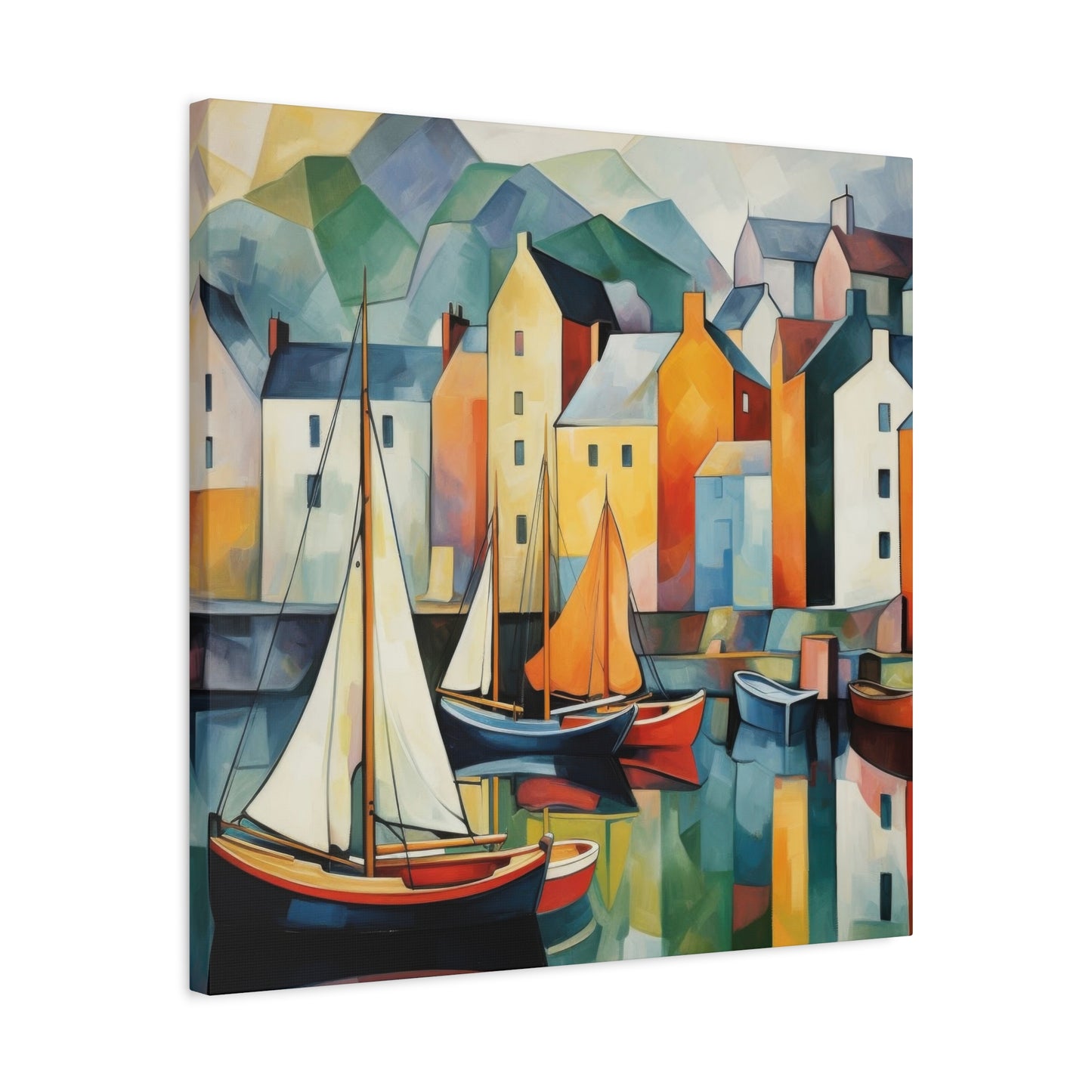
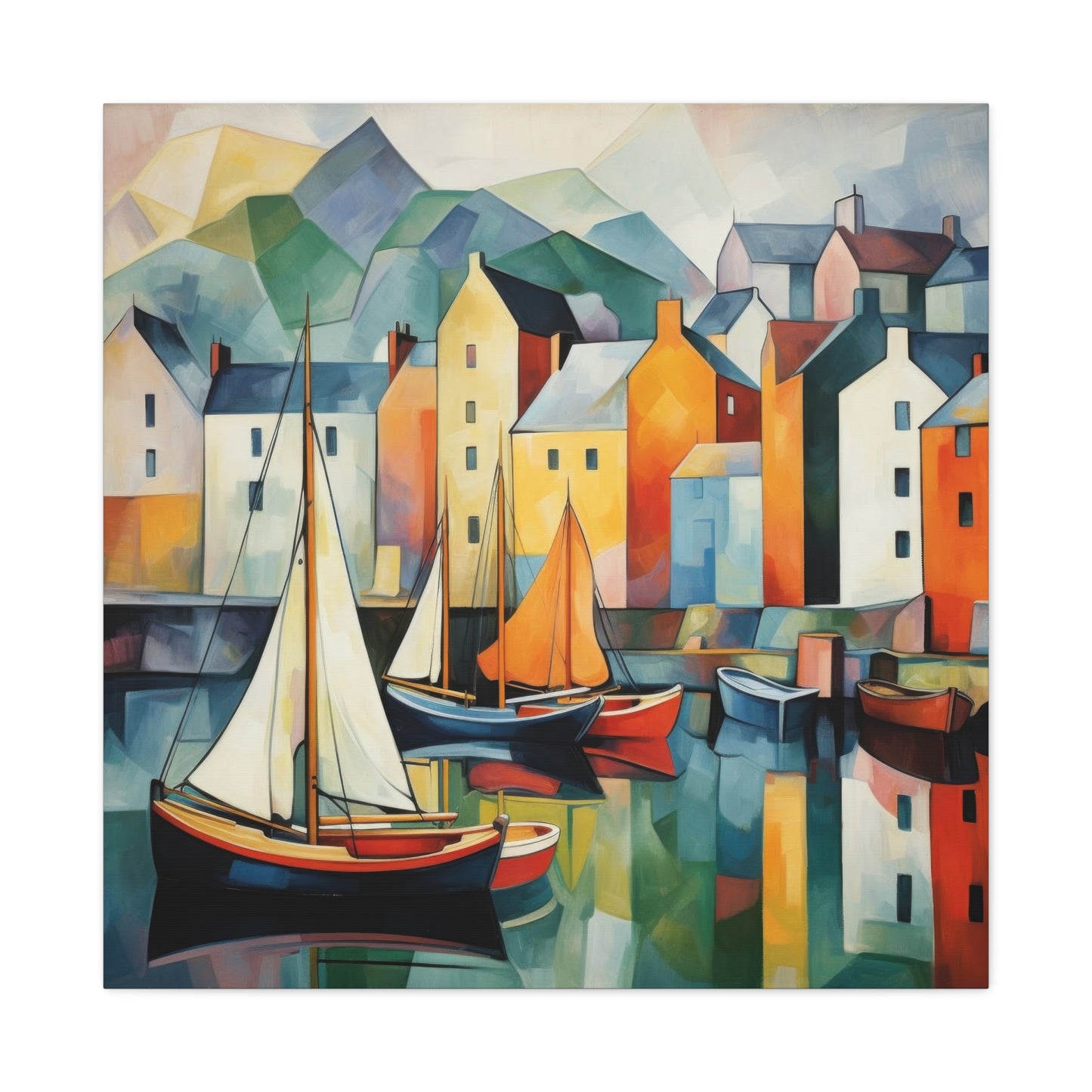
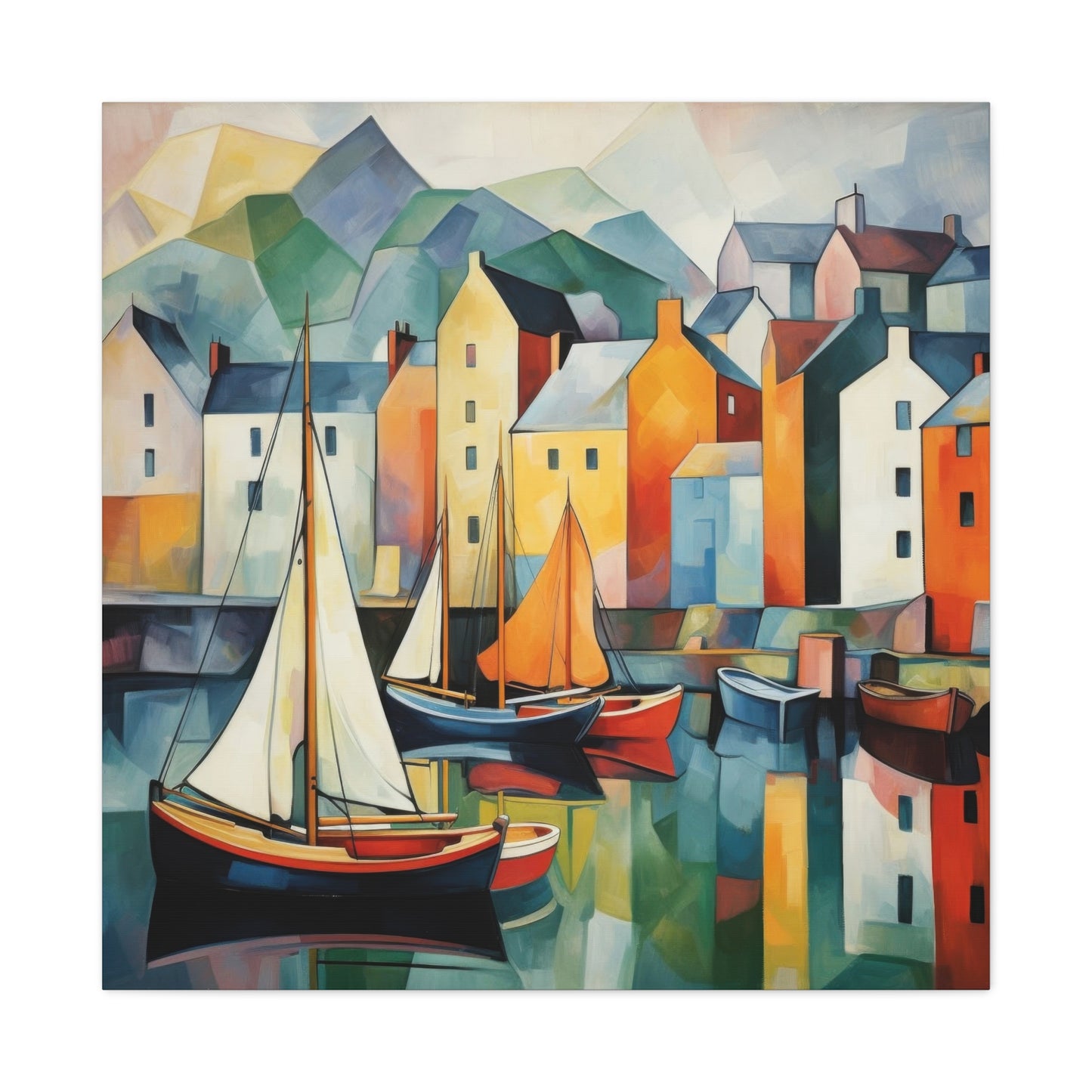
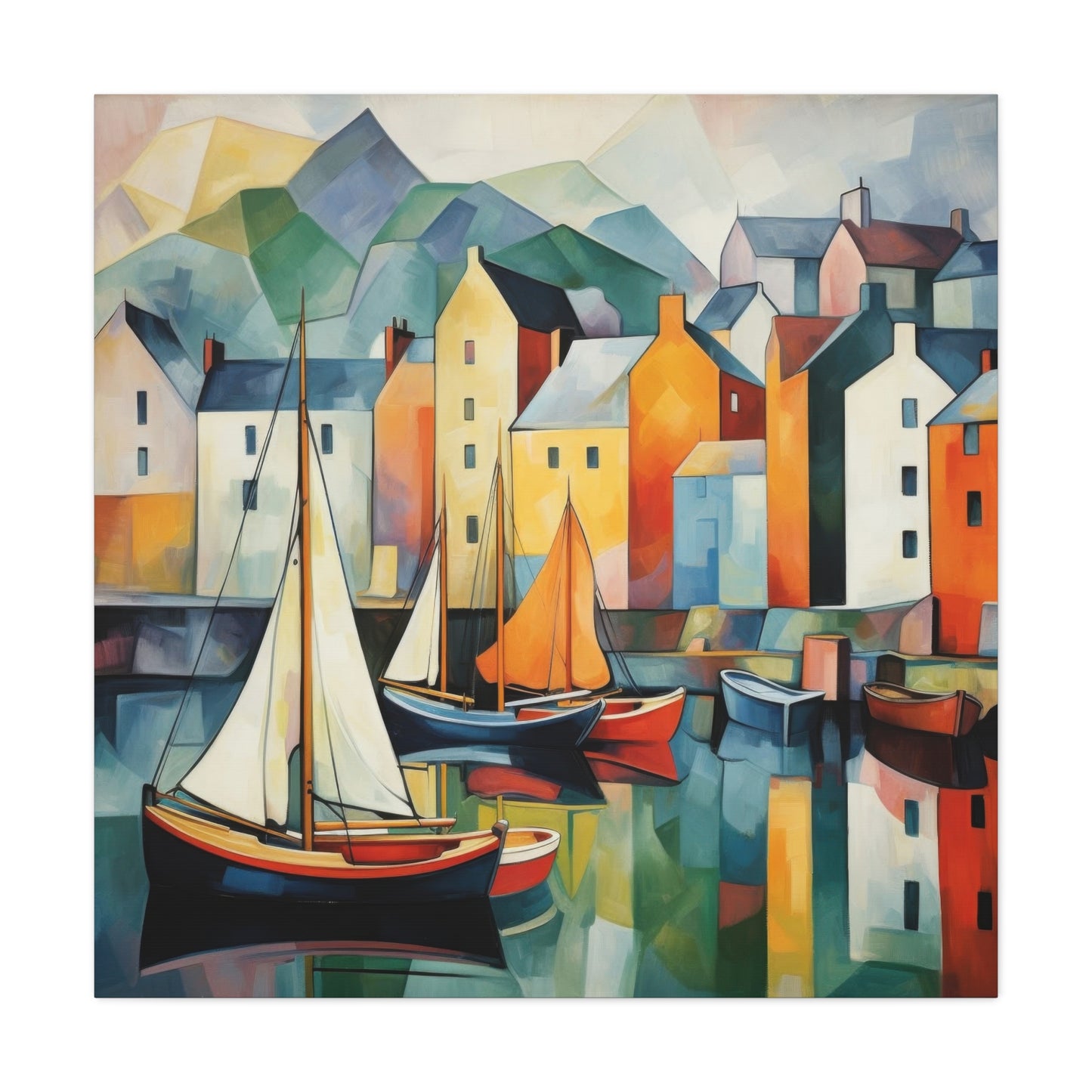
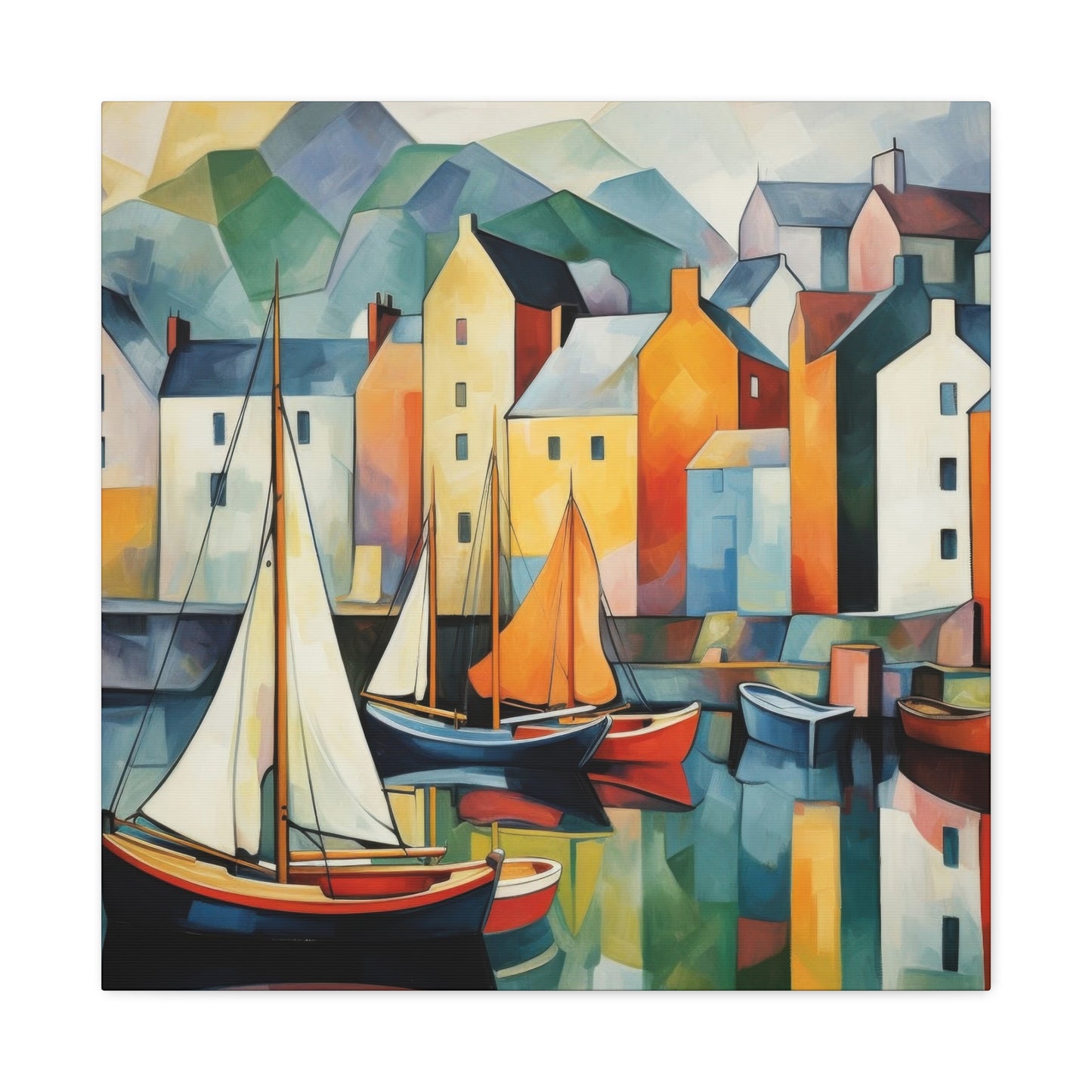
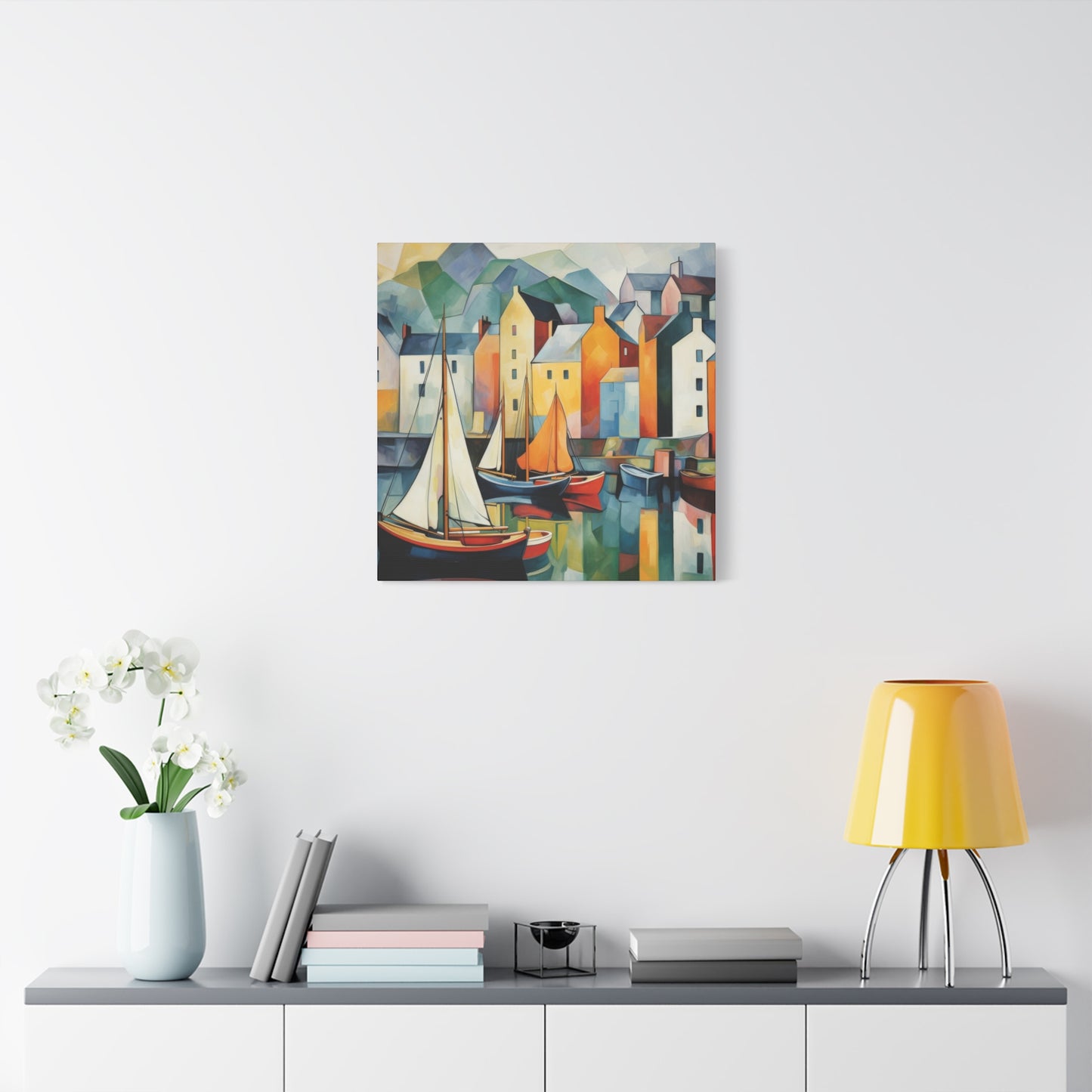
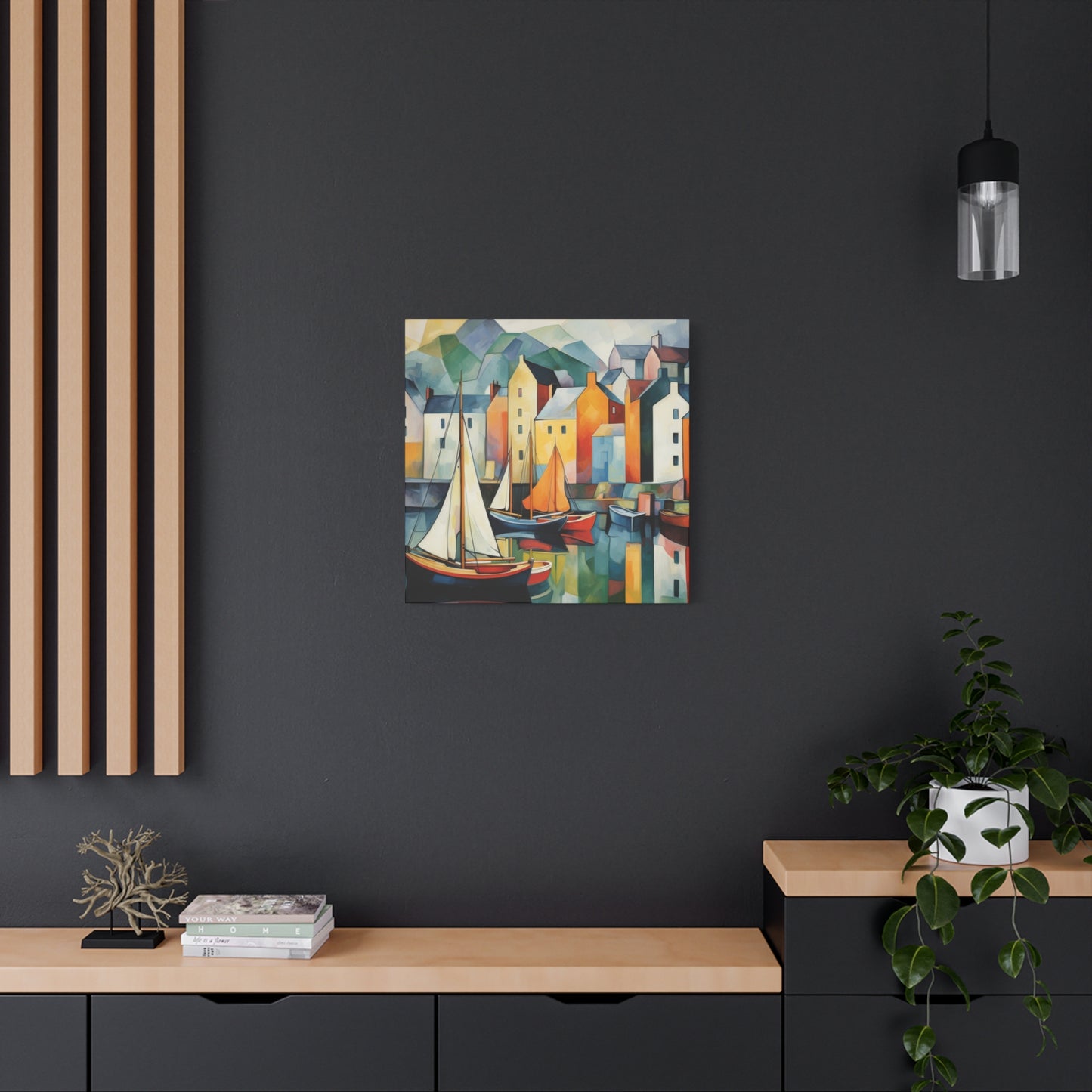
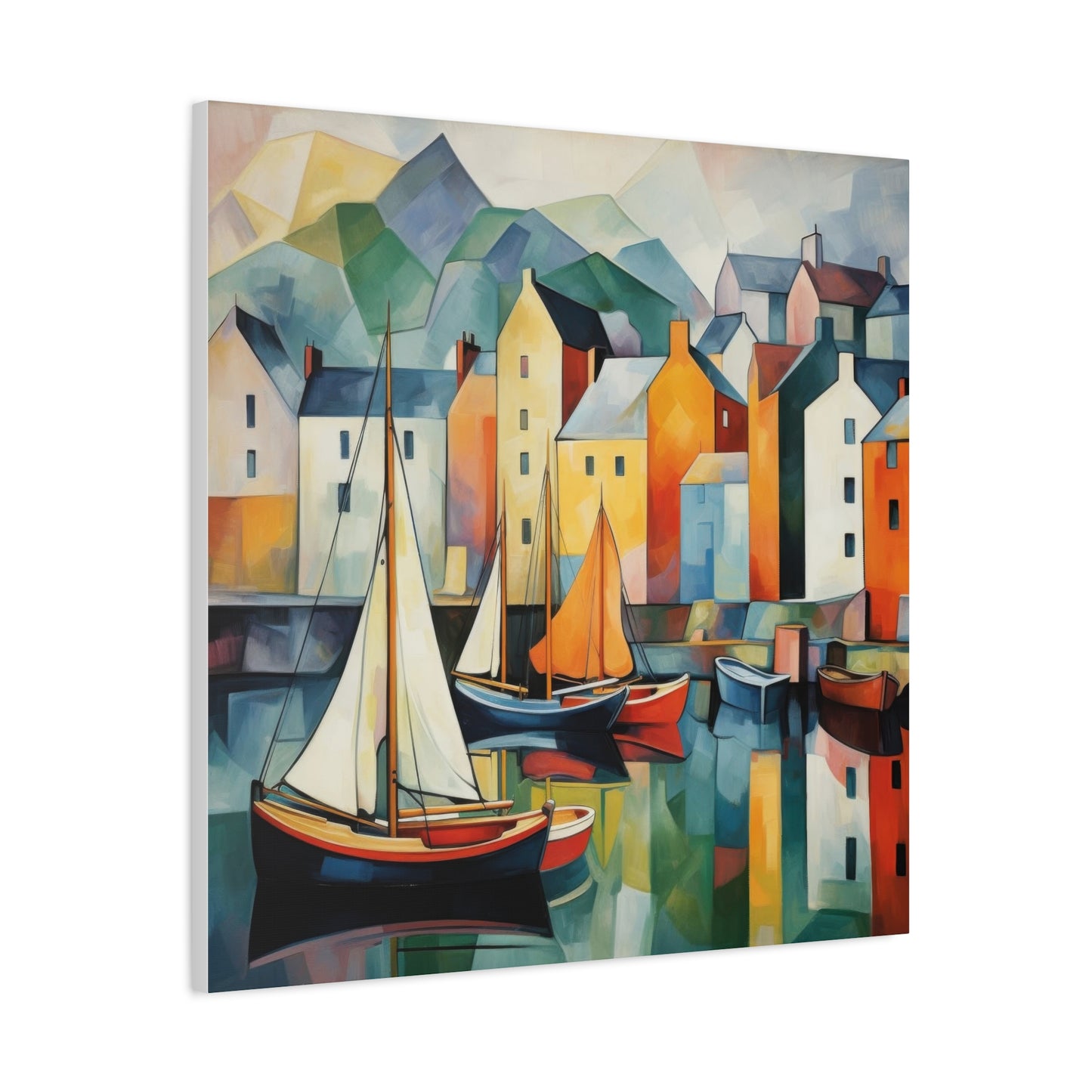
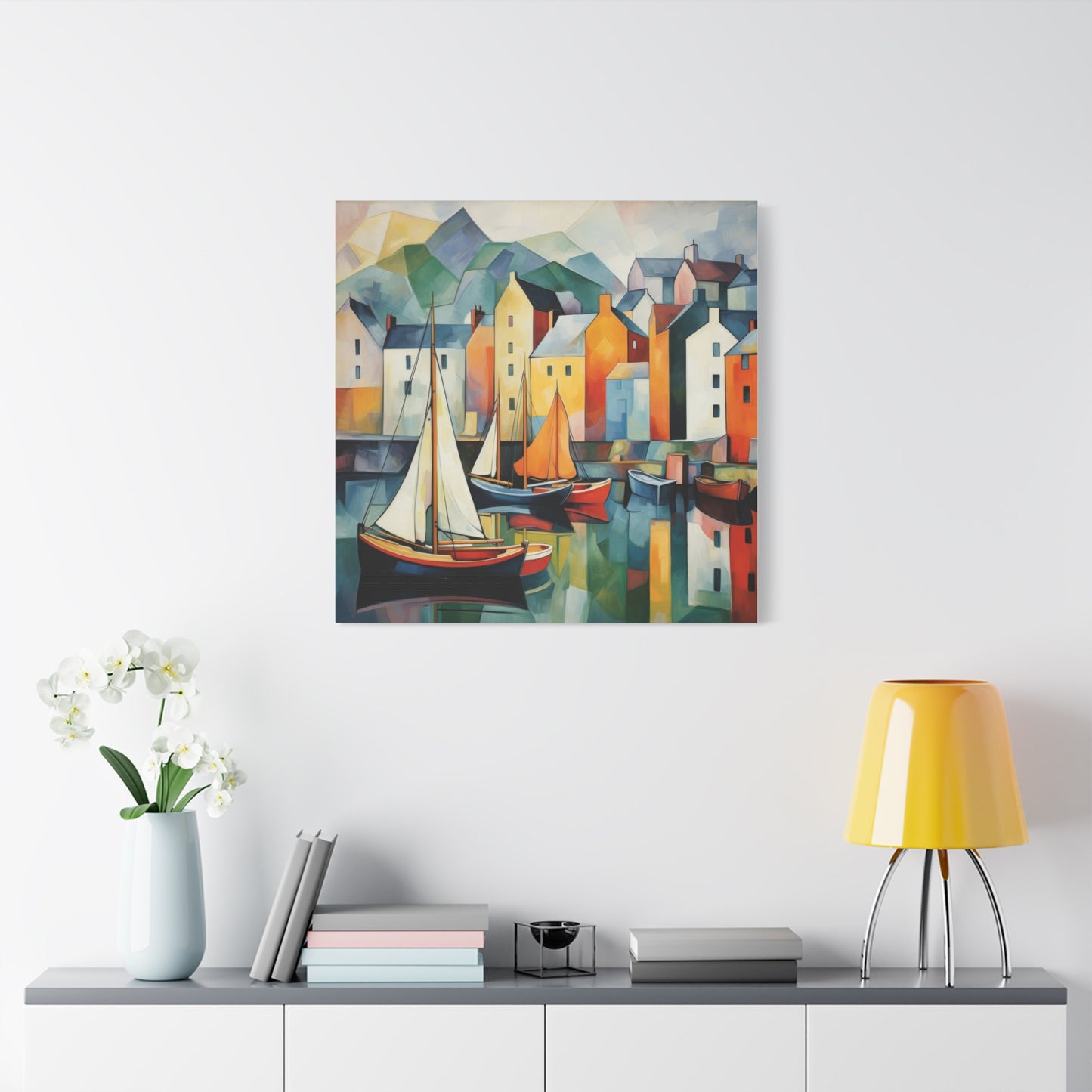
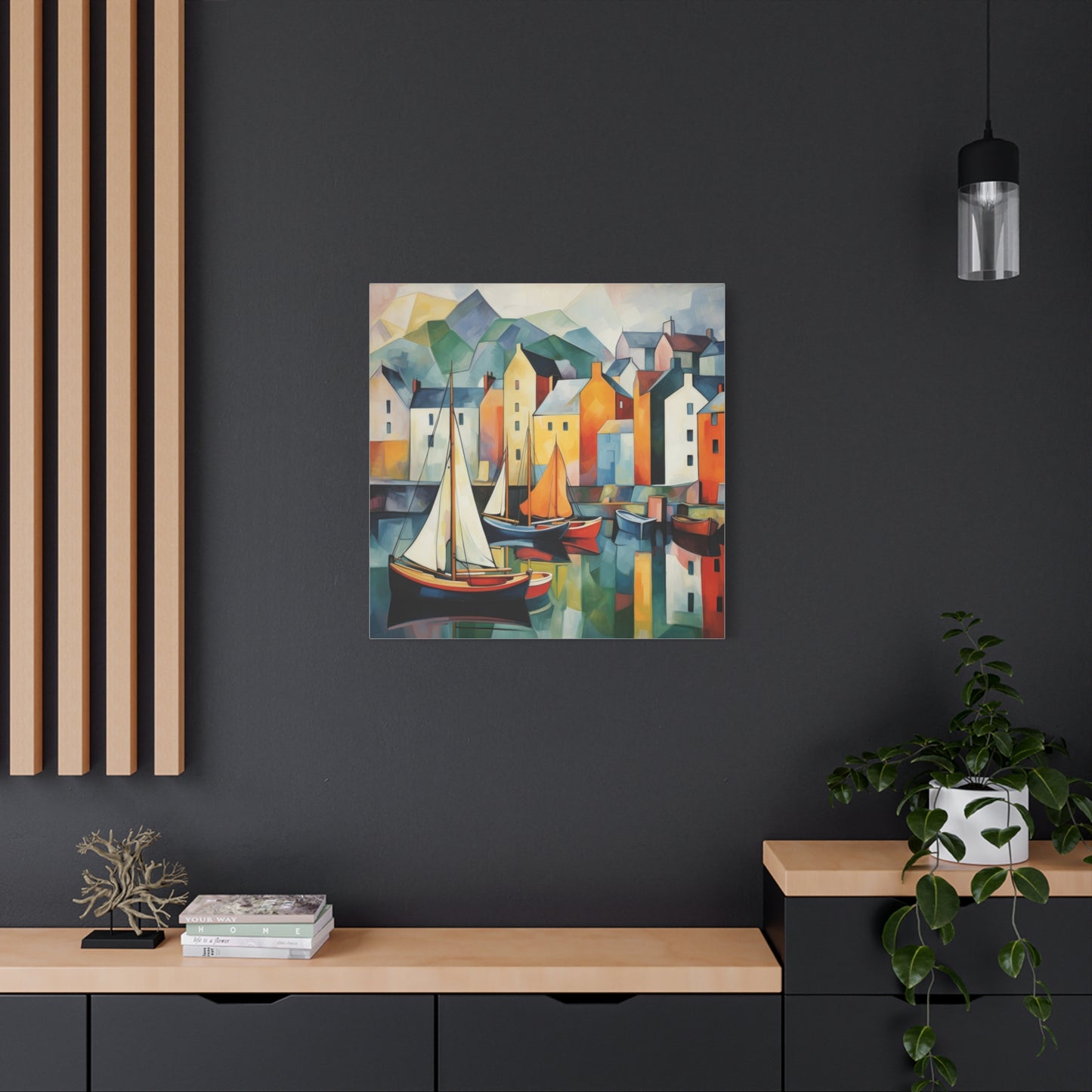
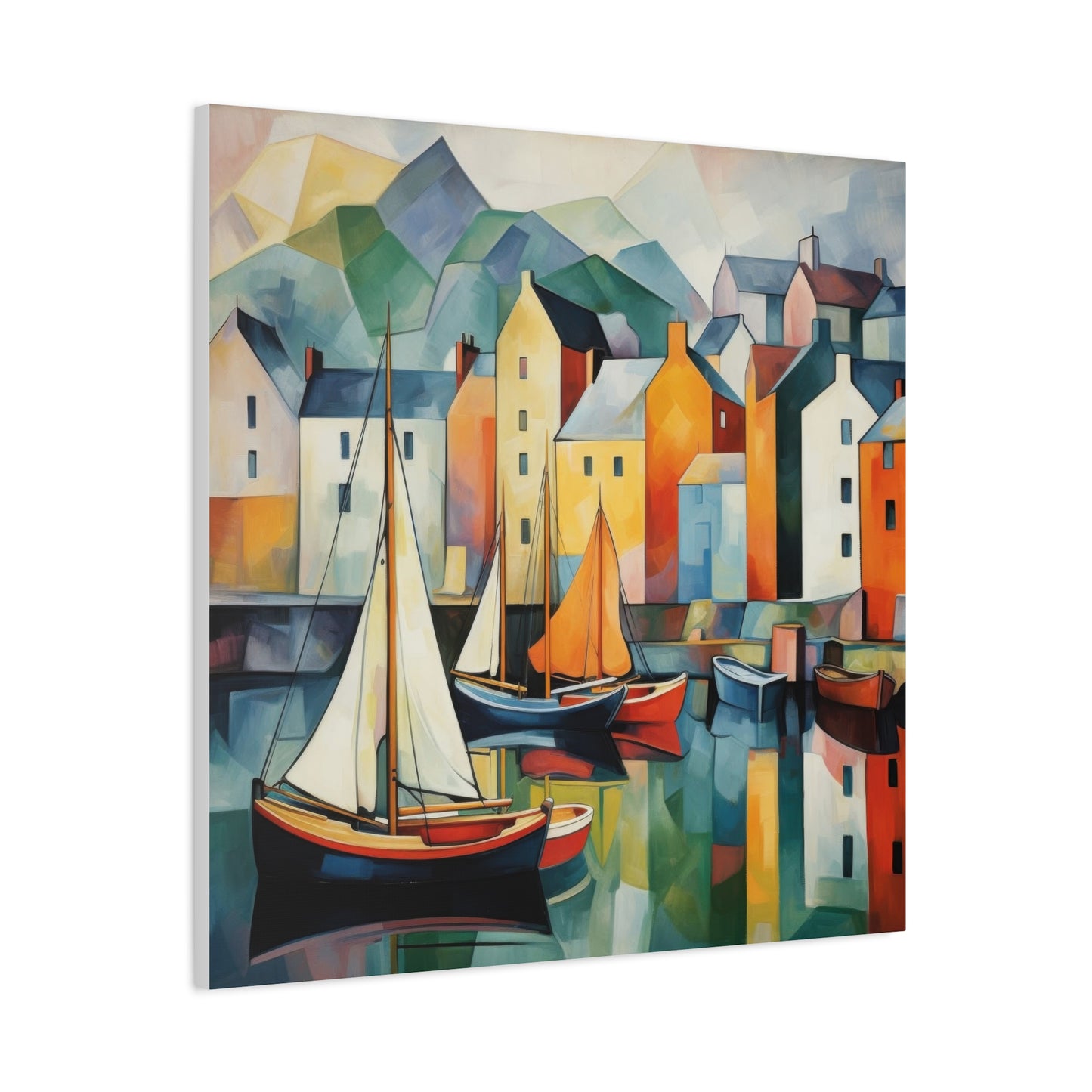
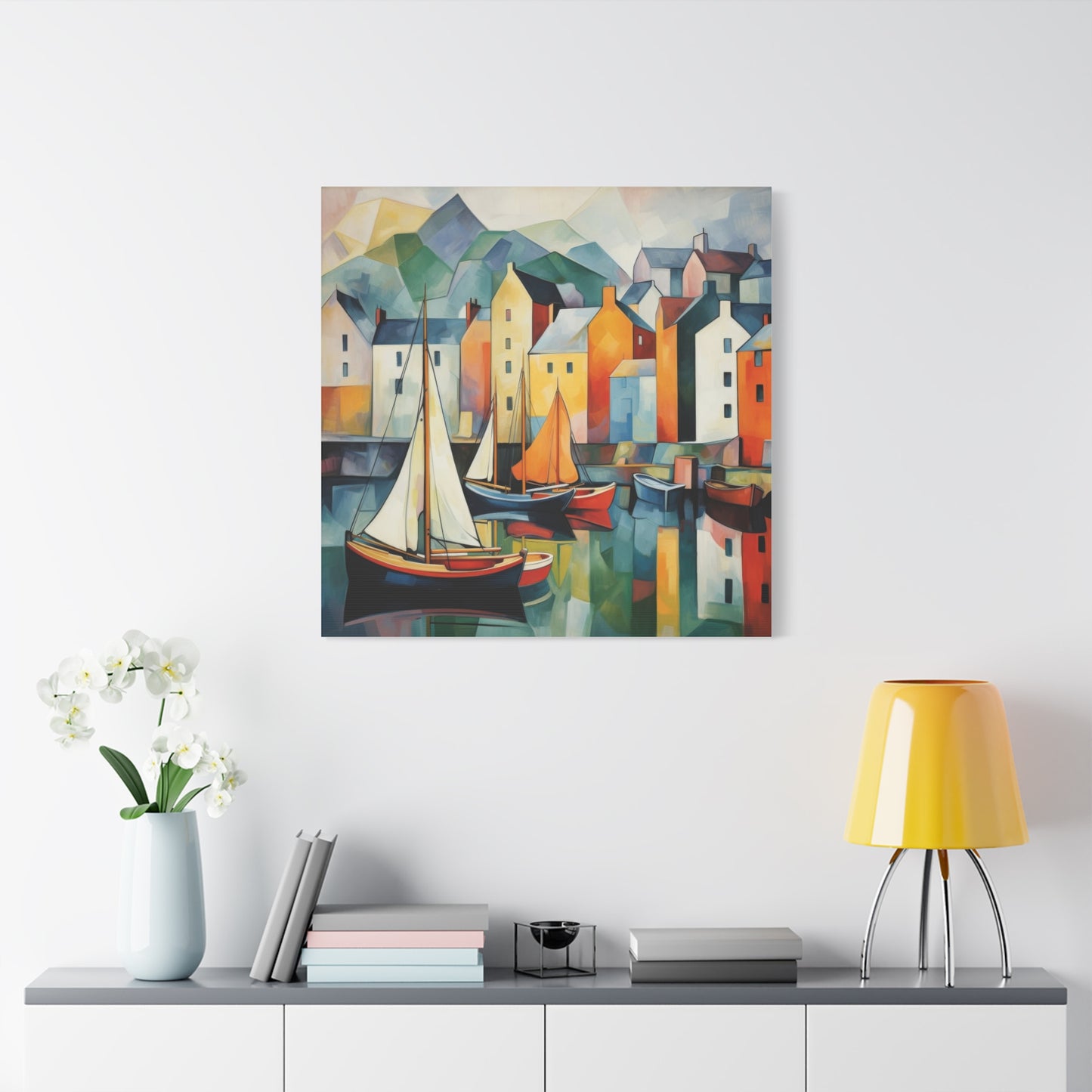
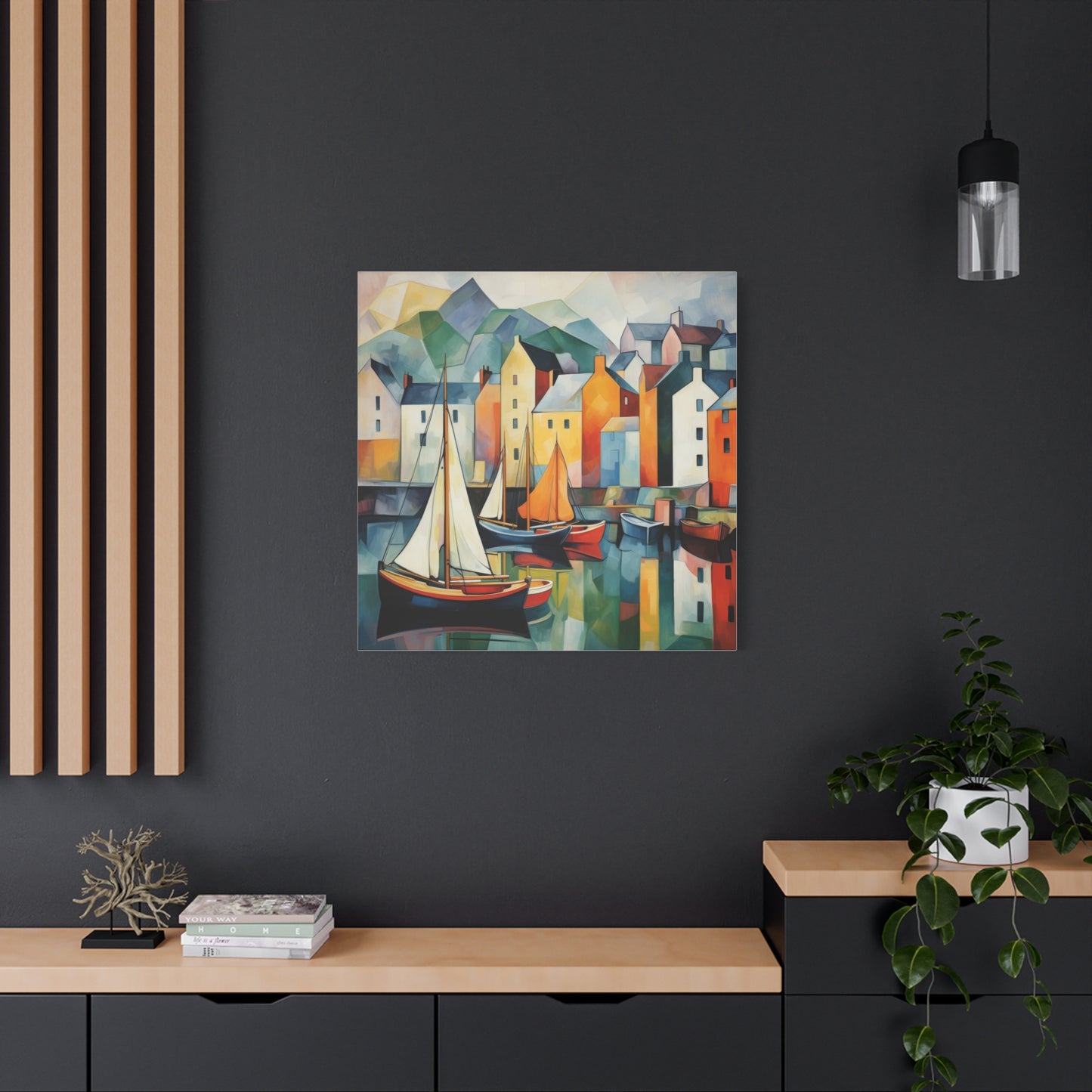
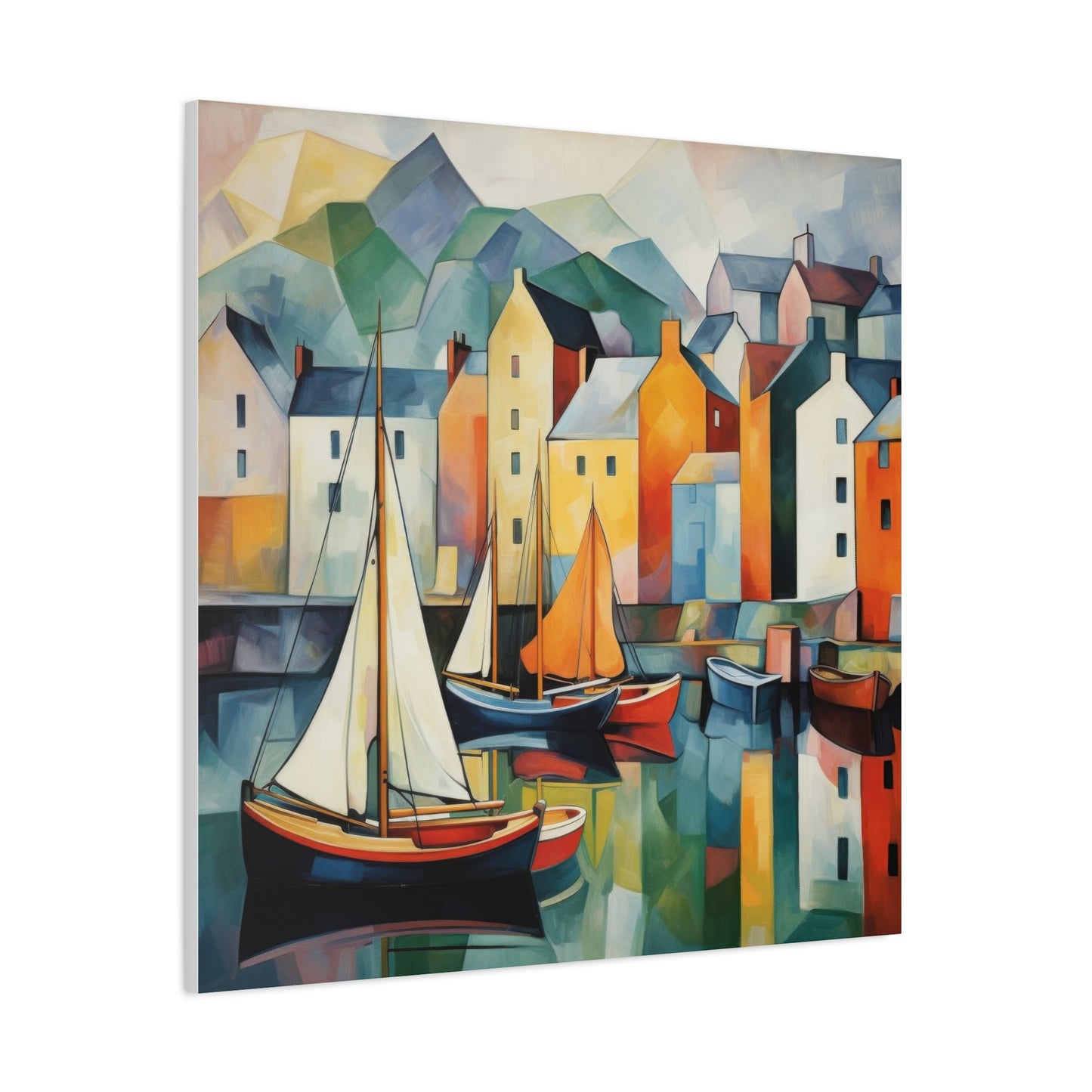
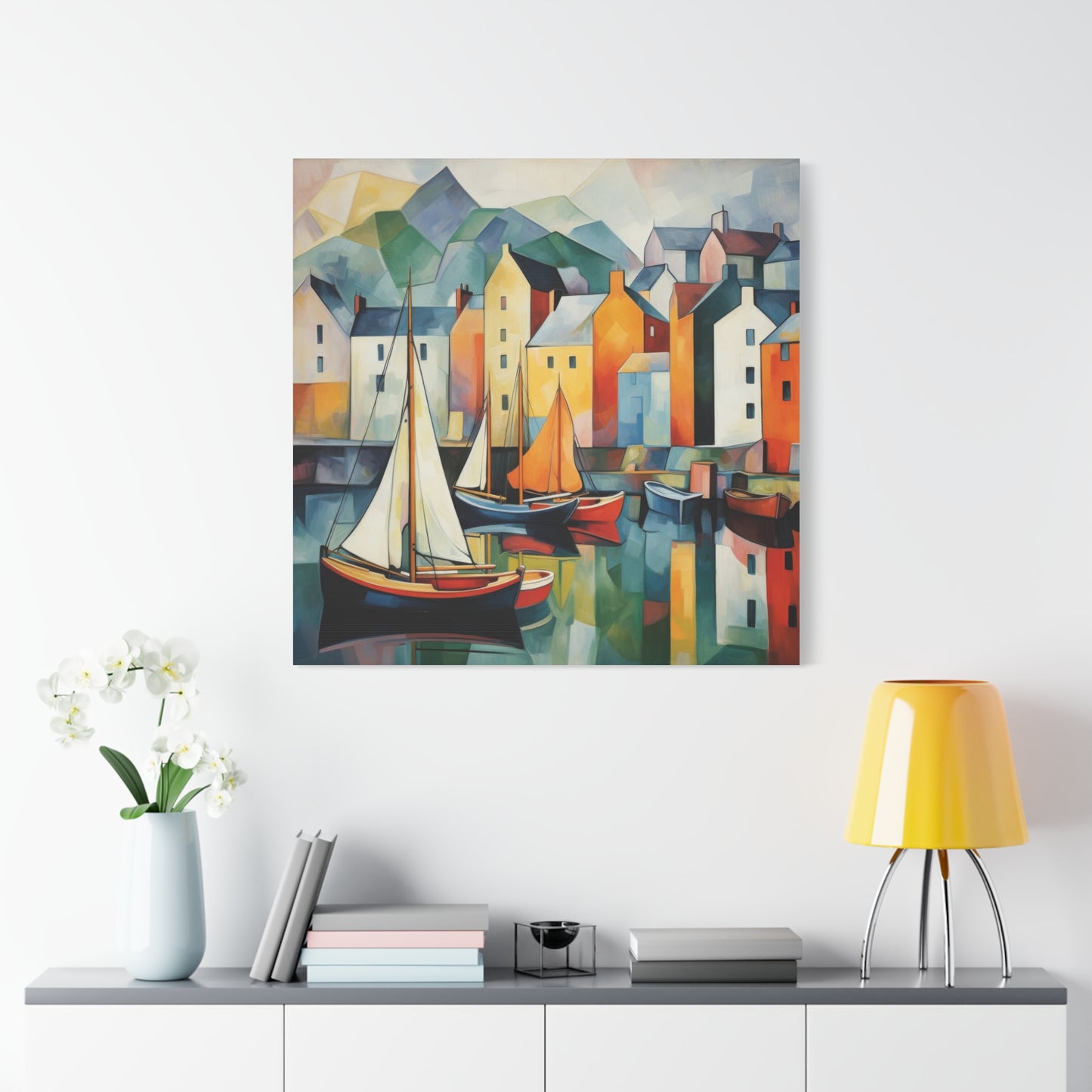
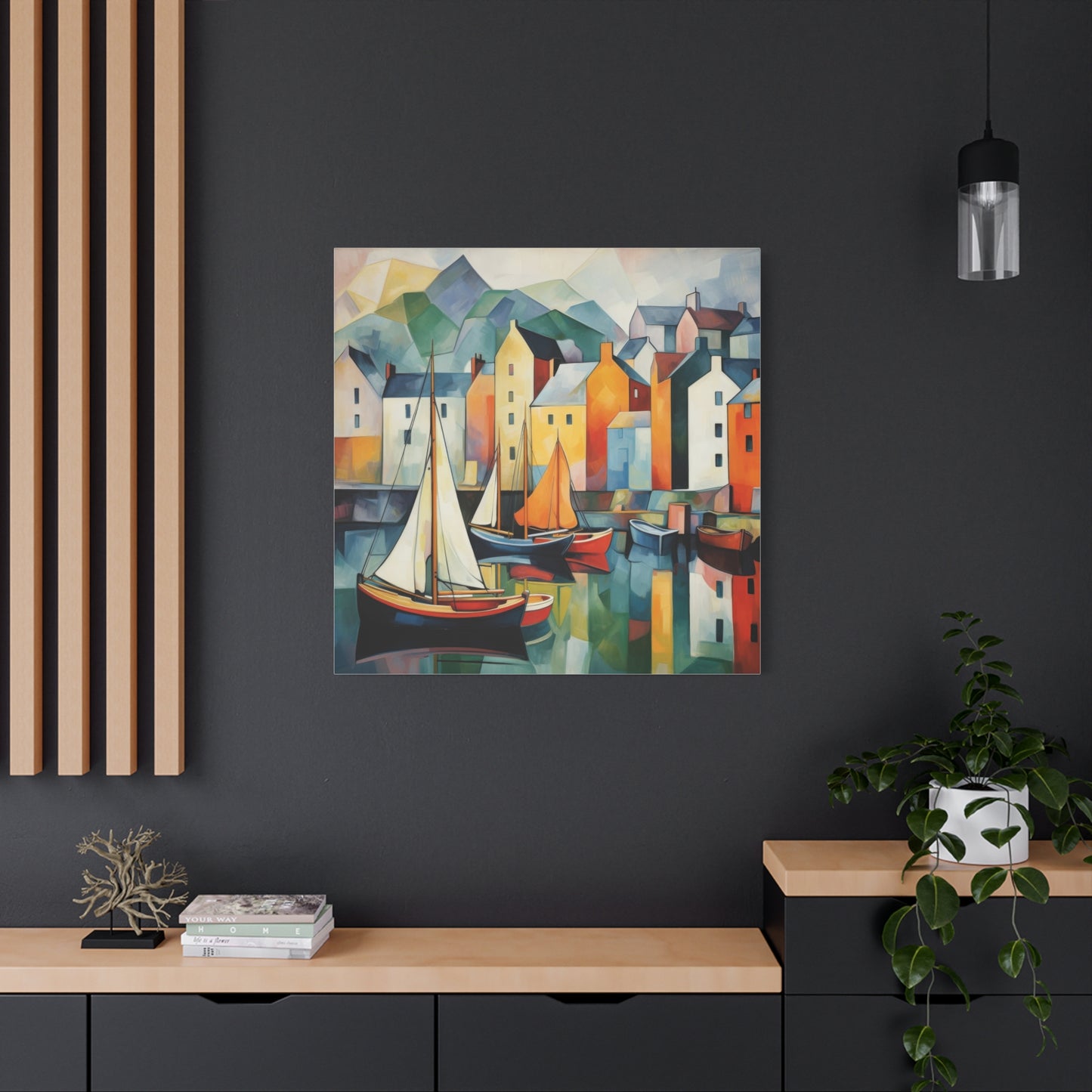
The Art of Ocean Geometry: Exploring Coastal Cubism Wall Art for Modern Spaces
The intersection of maritime beauty and modernist artistic expression has given rise to a captivating movement that transforms traditional seascape representation into something entirely revolutionary. This artistic approach combines the structural complexity of geometric abstraction with the organic fluidity of oceanic environments, creating visual experiences that challenge conventional perceptions while celebrating the eternal connection between humanity and the sea. Through careful manipulation of form, color, and spatial relationships, this artistic style offers viewers an opportunity to experience coastal environments through an entirely fresh lens that emphasizes intellectual engagement alongside aesthetic appreciation.
The development of this artistic movement represents a significant departure from traditional maritime painting, which typically focused on realistic representation and atmospheric effects. Instead, this contemporary approach embraces fragmentation, multiple perspectives, and geometric reduction to capture not just the appearance of coastal scenes but their underlying essence and emotional resonance. By breaking down oceanic forms into fundamental shapes and reassembling them according to principles of spatial harmony and visual rhythm, artists create compositions that speak to both the analytical mind and the emotional heart.
This comprehensive exploration examines every facet of this revolutionary artistic approach, from its theoretical foundations to its practical applications in contemporary interior design. Whether you are an art enthusiast seeking deeper understanding, a collector looking to make informed acquisitions, or a designer hoping to incorporate these powerful visual elements into residential or commercial spaces, this guide provides the knowledge and insights necessary to fully appreciate and effectively utilize this distinctive art form.
Abstract Shores: The Beauty of Coastal Cubism
The concept of abstract shores represents a fundamental reimagining of how coastal environments can be depicted in visual art. Rather than attempting to capture the literal appearance of beaches, cliffs, and ocean vistas, this approach seeks to distill these natural formations into their most essential geometric components. The result is artwork that suggests rather than describes, inviting viewers to complete the visual narrative through their own imagination and experience.
When examining abstract shore compositions, one immediately notices the deliberate reduction of natural complexity into manageable visual elements. A sandy beach might be represented by a series of overlapping triangles and rectangles in warm earth tones, while crashing waves become dynamic arrangements of curves and angles in various shades of blue and white. This reductive process does not diminish the power of the imagery but instead amplifies it by focusing attention on fundamental qualities like movement, texture, and spatial relationships.
The beauty of this approach lies in its ability to communicate the essence of coastal experiences without being constrained by photographic accuracy. An artist working in this style might compress multiple viewpoints into a single composition, showing simultaneously the view from the shore looking out to sea, the perspective from above looking down at the coastline, and the underwater perspective looking up toward the surface. This multi-perspectival approach creates visual complexity and intellectual intrigue while maintaining overall compositional harmony.
Color plays a particularly crucial role in abstract shore compositions. Rather than slavishly reproducing the exact hues found in nature, artists working in this style often employ sophisticated color relationships that suggest natural phenomena while maintaining artistic independence. A sunset might be represented through unexpected combinations of orange, purple, and green, with each color carefully calibrated to create visual tension and resolution. These chromatic choices often prove more emotionally evocative than strictly naturalistic color schemes.
The textural qualities of abstract shore compositions add another layer of visual interest and tactile appeal. Many artists working in this style employ impasto techniques, building up paint in thick layers that create actual three-dimensional relief on the canvas surface. These raised areas catch and reflect light in constantly changing ways, ensuring that the artwork appears different depending on viewing angle and ambient lighting conditions. Some compositions incorporate mixed media elements like sand, shell fragments, or metallic leaf, further enhancing the textural richness and connecting the artwork more directly to its coastal inspiration.
Abstract shore compositions also excel at capturing the temporal dimension of coastal environments. The ocean is never static; it constantly shifts between calm and turbulent states, changes color with the time of day and weather conditions, and cycles through tidal variations. By incorporating multiple temporal states into single compositions, artists can suggest this dynamic quality, creating works that feel alive and kinetic rather than frozen in a single moment. The viewer's eye moves restlessly across the canvas, never settling into a fixed reading but continuously discovering new relationships and possibilities.
The psychological impact of abstract shore imagery should not be underestimated. Research in environmental psychology has consistently demonstrated that exposure to coastal environments reduces stress, promotes mental clarity, and enhances overall wellbeing. Abstract shore compositions can deliver many of these same benefits within interior spaces, particularly when the abstraction is skillfully executed. The combination of calming color palettes, rhythmic compositional structures, and associations with natural environments creates artwork that serves not merely as decoration but as a tool for emotional and psychological support.
For collectors and enthusiasts, understanding the nuances of abstract shore composition enables more informed appreciation and evaluation. Not all geometric coastal abstractions are created equal; the most successful examples demonstrate sophisticated understanding of color theory, compositional balance, spatial dynamics, and the careful calibration of abstraction level. Too literal, and the work loses the intellectual engagement that makes this approach compelling; too abstract, and the coastal connection becomes tenuous or lost entirely. The finest examples walk this line with apparent effortlessness, creating images that are simultaneously intellectually stimulating and emotionally resonant.
Where Ocean Meets Geometry in Wall Art
The convergence of oceanic imagery and geometric abstraction in wall art represents one of the most exciting developments in contemporary decorative arts. This fusion creates visual experiences that are simultaneously grounded in natural observation and liberated by artistic interpretation. The ocean, with its infinite variations of form, color, and movement, provides ideal subject matter for geometric abstraction, offering artists a rich vocabulary of shapes, rhythms, and spatial relationships to explore and reinterpret.
Geometric wall art inspired by ocean themes typically begins with careful observation of natural phenomena. Artists study wave patterns, noting how water moves in predictable yet infinitely variable ways. They analyze the angular relationships created when waves break against rocky shores, observe how light refracts through water at different depths, and document the layered horizontal bands created by sea, sky, and shore. These observations are then translated into geometric language, with curves becoming arcs, wave crests transforming into triangular forms, and tidal zones represented by stacked rectangular bands.
The organizational principles underlying geometric ocean wall art often derive from mathematical concepts found in nature. The Fibonacci sequence and golden ratio, which govern the spiral of nautilus shells and the formation of wave sets, frequently inform compositional structures. Artists might use these proportional systems to determine the relative sizes of geometric elements or to establish rhythmic patterns that echo natural oceanic rhythms. This mathematical foundation creates an underlying sense of rightness that viewers respond to intuitively, even if they cannot consciously identify the specific organizational principles at work.
Color selection in geometric ocean wall art requires particularly thoughtful consideration. While the ocean is commonly associated with blues and greens, careful observation reveals far more chromatic complexity. Shallow tropical waters display turquoise and aquamarine hues, deep ocean environments tend toward navy and indigo, stormy seas show pewter and slate tones, and sunset-illuminated waters might feature unexpected pinks, oranges, and purples. Successful geometric ocean compositions often employ sophisticated color relationships that capture this natural diversity while maintaining overall chromatic harmony.
The scale and proportion of geometric elements significantly impact the emotional tone of ocean-inspired wall art. Large, bold geometric shapes create dramatic, assertive compositions that command attention and make strong design statements. These works suit expansive wall spaces in contemporary interiors where they can function as focal points. Smaller, more intricate geometric arrangements create contemplative, meditative pieces that reward close examination. These compositions work well in intimate spaces like reading nooks, home offices, or bedrooms where sustained viewing and reflection are encouraged.
Layering represents another crucial technique in geometric ocean wall art. Just as the ocean environment consists of multiple transparent and semi-transparent layers of water, with varying degrees of light penetration and visibility, effective geometric compositions often employ visual layering. Translucent geometric shapes overlap opaque forms, creating areas of color mixing and suggesting depth. Some artists achieve this effect through glazing techniques, applying thin, transparent layers of paint over previously dried layers. Others create literal three-dimensional layering by mounting geometric forms at varying distances from the backing surface.
The directional flow within geometric ocean compositions deserves careful attention. Water moves in specific patterns depending on tides, currents, wind, and shoreline configuration. Effective geometric translations of these movements create visual pathways that guide the viewer's eye through the composition in deliberate ways. Diagonal elements suggest active movement and energy, horizontal bands create stability and calm, vertical elements provide structure and lift, and circular or spiral forms draw the eye inward toward focal points. The most sophisticated compositions orchestrate these directional forces to create dynamic visual journeys while maintaining overall balance.
Material choices in geometric ocean wall art extend beyond traditional paint on canvas. Many contemporary artists working in this style incorporate materials that enhance the connection to maritime environments. Metallic elements suggest the reflective quality of water surfaces, textured media like modeling paste or crushed glass create tactile interest reminiscent of sand or seafoam, and glossy finishes replicate the wet sheen of ocean surfaces. Some artists even incorporate actual coastal materials like driftwood frames, shell inlays, or sand mixed into paint, creating mixed-media works that engage multiple senses.
The versatility of geometric ocean wall art makes it suitable for diverse interior design contexts. In residential settings, these works complement both traditional and contemporary design schemes. The geometric structure provides enough visual interest to satisfy modernist sensibilities, while the ocean theme maintains broad appeal that transcends specific design trends. In commercial environments like hospitality spaces, healthcare facilities, and corporate offices, geometric ocean art provides sophisticated decoration that conveys professionalism while creating calming, welcoming atmospheres.
Cubist Waves: Redefining Coastal Aesthetics
The application of geometric fragmentation principles to wave imagery has produced some of the most visually arresting examples of ocean-inspired contemporary art. Waves, with their combination of predictable pattern and infinite variation, provide ideal subject matter for this analytical yet expressive approach. By deconstructing wave forms into geometric components and reassembling them according to artistic rather than naturalistic logic, artists create compositions that capture both the physical dynamics and emotional impact of ocean waves.
Traditional wave painting typically attempts to freeze a single moment in the wave cycle, capturing the curl of a breaking wave or the smooth swell of deep water. Geometric wave compositions take a fundamentally different approach, often incorporating multiple stages of wave development within a single image. The formation of a wave far from shore, its growth as it approaches shallower water, the critical moment of breaking, and the dissipation into foam and backwash might all be simultaneously visible, creating a visual compression of time that mirrors the cyclical nature of wave action.
The geometric analysis of waves begins with identifying their fundamental shapes. The smooth, rolling form of an unbroken wave translates readily into curved geometric elements like arcs and parabolas. The chaotic, energetic form of a breaking wave becomes an arrangement of angular fragments suggesting explosive energy and directional force. The layered, textured appearance of foam translates into clusters of small geometric shapes in white and pale blue. By carefully arranging these different geometric vocabularies within a single composition, artists create unified works that nonetheless suggest the diverse aspects of wave phenomena.
Color manipulation in geometric wave compositions often departs significantly from naturalistic representation while still maintaining clear referential connections to ocean environments. A single wave might incorporate multiple shades of blue ranging from pale aqua to deep ultramarine, with each shade occupying a distinct geometric zone. Some artists introduce unexpected chromatic elements like coral pinks, sunset oranges, or storm grays, creating color relationships that enhance emotional impact while loosening ties to literal representation. These adventurous color choices often prove more memorable and distinctive than safer, more conventional approaches.
The representation of movement poses particular challenges and opportunities in geometric wave art. Waves are fundamentally about motion and energy, qualities that can be difficult to convey in static visual media. Geometric approaches offer several solutions to this challenge. Directional lines and angles create vectors that imply movement, overlapping shapes suggest sequential states of transformation, graduated color transitions indicate spatial recession and advancement, and asymmetrical compositions generate visual tension that keeps the viewer's eye in motion. The most successful geometric wave compositions feel dynamic and kinetic despite their actual stillness.
Light interaction with water surfaces represents another crucial aspect of wave phenomena that geometric compositions must address. Water reflects, refracts, and transmits light in complex ways that change constantly with viewing angle, water depth, wave state, and atmospheric conditions. Geometric artists often indicate these optical effects through careful placement of light and dark geometric elements. Bright, sharp-edged shapes suggest sun glints on wave crests, while darker, softer forms indicate shadowed troughs. Some artists employ metallic or iridescent paints to create actual light-reactive surfaces that change appearance as viewing conditions shift.
The scale relationships within geometric wave compositions contribute significantly to their impact. In nature, waves display fractal-like properties, with similar patterns visible at multiple scales from tiny ripples to massive storm swells. Effective geometric wave art often echoes this multi-scalar quality by incorporating geometric elements at various sizes. Large, dominant shapes establish the overall compositional structure and suggest major wave forms, medium-sized elements add complexity and visual interest, and small details provide textural richness and reward close examination.
The emotional range of geometric wave art extends far beyond simple celebration of natural beauty. Depending on compositional choices, color selections, and geometric arrangements, wave-themed artwork can evoke tranquility, excitement, power, meditation, joy, or even anxiety. Gentle, rhythmic arrangements in soft blues and greens create peaceful, meditative effects suitable for relaxation spaces. Bold, angular compositions in contrasting colors generate energy and excitement appropriate for social areas. Dark, dramatic arrangements with sharp geometric forms might suggest storm conditions and natural power, creating thought-provoking pieces for contemplative spaces.
Collectors and designers selecting geometric wave art should consider both aesthetic preferences and intended functional effects. The specific characteristics of geometric wave compositions make them particularly effective in certain applications. Their combination of natural reference and geometric structure allows them to bridge traditional and contemporary design vocabularies. Their inherent dynamism makes them effective focal points that energize spaces. Their association with ocean environments provides psychological benefits related to stress reduction and mental restoration. Understanding these qualities enables more strategic selection and placement decisions.
Modern Coastal Vibes Through Cubist Design
The adaptation of geometric fragmentation principles to coastal themes has revolutionized how contemporary interiors can evoke seaside atmospheres. This approach moves beyond literal representation of coastal scenes toward more conceptual and emotionally resonant interpretations. By employing geometric reduction, fractured perspectives, and sophisticated color relationships, modern coastal design achieves a level of sophistication and visual interest impossible with traditional representational approaches.
The foundation of modern coastal design through geometric interpretation lies in identifying the essential qualities that make coastal environments distinctive and appealing. These include the expansive horizontal emphasis of sea meeting sky, the interplay of solid and transparent elements as water reveals underlying sand and rocks, the textural contrast between smooth water surfaces and rough organic materials, the luminous quality of coastal light reflecting off water surfaces, and the psychological associations of openness, freedom, and natural rhythm. Geometric design strategies can capture and emphasize each of these qualities.
Color palettes in modern geometric coastal design often begin with traditional seaside associations like blues, greens, sandy beiges, and whites, but then expand beyond these obvious choices. Sophisticated coastal color schemes might incorporate unexpected elements like coral pinks that reference underwater life, sunset oranges that capture the dramatic light of maritime evenings, storm grays that acknowledge the ocean's power, or even deep purples that suggest twilight waters. The key is maintaining enough recognizable coastal elements to establish the theme while introducing enough unexpected colors to keep the palette interesting and contemporary.
Geometric pattern plays a crucial role in establishing modern coastal vibes. Rather than depicting literal waves or beaches, designers employ geometric patterns that suggest coastal phenomena through abstraction. Horizontal stripe patterns echo the layered bands of sea, sand, and sky. Tessellating triangle patterns might suggest fish scales or fragmented wave reflections. Circular or curved geometric patterns can reference ripples, shells, or the organic forms of marine life. Grid patterns with irregular interruptions might represent pier pilings, fishing net structures, or the organized chaos of harbors and marinas.
The balance between structure and fluidity represents a central challenge in modern geometric coastal design. Coastal environments are characterized by the juxtaposition of fixed elements like rocky cliffs and shorelines against the constantly moving element of water. Effective geometric coastal compositions capture this dynamic by combining rigid geometric structures with elements that suggest flow and movement. Angular, hard-edged geometric forms provide stability and structure, while curved elements, gradiated color transitions, and diagonal arrangements introduce movement and visual flow.
Textural variation adds essential depth and interest to geometric coastal design. In natural coastal environments, textures range from the smooth wetness of water surfaces to the rough irregularity of weathered wood and stone. Geometric art can suggest this textural diversity through several techniques. Impasto paint application creates actual three-dimensional texture. Matte and glossy finishes within single compositions suggest different material qualities. Mixed media incorporation of materials like sand, crushed shells, or metallic elements adds tactile interest. Digital printing on textured substrates like canvas or specialty papers introduces subtle surface variation.
Compositional strategies in modern geometric coastal design often employ asymmetry and dynamic balance rather than classical symmetry. Coastal environments rarely exhibit perfect symmetry; shorelines curve irregularly, waves break unpredictably, and coastal light creates constantly shifting patterns. Geometric compositions that embrace controlled asymmetry feel more alive and authentic than rigidly symmetrical arrangements. This might involve off-center focal points, unequal distribution of visual weight, or intentional tension between competing compositional forces that create visual interest without sacrificing overall harmony.
The psychological impact of modern geometric coastal design deserves recognition and intentional cultivation. Research consistently demonstrates that coastal imagery and associations provide measurable psychological benefits including stress reduction, improved mood, enhanced creativity, and increased mental clarity. Geometric coastal art delivers these benefits while also engaging the analytical mind through its structural complexity. This dual appeal to emotional and intellectual faculties makes geometric coastal design particularly effective in spaces where both relaxation and focused activity occur.
Implementation of geometric coastal design in actual interior spaces requires thoughtful consideration of scale, placement, and contextual relationships. Large-scale geometric coastal artworks function effectively as focal points in expansive rooms, commanding attention and establishing overall design direction. Medium-sized pieces work well in groupings that create gallery wall arrangements, allowing for thematic variation within overall coastal continuity. Small-scale geometric coastal works suit intimate spaces and can be rotated seasonally to refresh spaces without major redesign. The relationship between artwork scale and room dimensions significantly impacts overall effectiveness.
Lighting considerations profoundly affect how geometric coastal art functions within spaces. Natural daylight, particularly when abundant, enhances the luminous qualities that make coastal imagery appealing. Artificial lighting should be carefully planned to avoid glare on glossy surfaces while providing sufficient illumination to appreciate color relationships and geometric complexity. Track lighting, picture lights, or strategically positioned accent lights can dramatically enhance geometric coastal art, particularly pieces with textured surfaces that benefit from directional lighting. Some geometric coastal pieces incorporate reflective or iridescent elements that only fully activate under specific lighting conditions.
Fragmented Horizons: Cubism Meets the Coast
The horizon line, that fundamental division between sea and sky, has fascinated artists for centuries. Geometric fragmentation approaches to horizon imagery create particularly compelling compositions by disrupting this familiar division while maintaining its essential character. Rather than depicting the horizon as a simple, unbroken line, geometric artists fragment, multiply, and recontextualize it, creating complex visual experiences that prompt viewers to reconsider this ubiquitous natural phenomenon.
Traditional seascape painting treats the horizon as a stabilizing element, a clear division that organizes the composition into distinct zones of sea and sky. Geometric approaches deliberately destabilize this conventional treatment, recognizing that human perception of horizons is more complex than simple linear division. Atmospheric conditions blur the distinction between water and air, curved earth surfaces mean horizons exist at varying distances and angles, and psychological factors influence how we perceive and remember coastal vistas. Fragmented geometric horizon compositions acknowledge and express these perceptual complexities.
The technique of fragmenting horizons typically begins with establishing multiple horizon lines at various positions within the composition. These might represent different viewpoints on the same scene, different moments in time as tide or light conditions change, or different aspects of the same horizon viewed from a single position. By showing multiple simultaneous horizons, artists create compositions that feel more complete and truthful than single-moment representations. The space between and around these multiple horizon lines becomes active and meaningful rather than merely serving as background for a single dominant line.
Color relationships in fragmented horizon compositions often emphasize the transitional, ambiguous quality of the horizon zone. Rather than employing distinct, contrasting colors for sea and sky, artists might use closely related values and hues that blend and interchange. Blues might gradually shift from sky color to water color without clear boundaries. Reflected sky colors might appear in water zones while water colors contaminate sky areas. This chromatic ambiguity enhances the sense of dissolution and connection between sea and sky that characterizes actual coastal experience.
Geometric elements in fragmented horizon works serve multiple functions simultaneously. They create visual structure that prevents complete dissolution into formlessness, they suggest architectural or natural forms like buildings, boats, or geological features that populate coastal environments, they provide scale references that enhance spatial reading, and they create rhythmic patterns that organize the composition and guide viewer attention. The relationship between geometric elements and fragmented horizons determines much of the composition's character and impact.
Temporal layering represents another sophisticated aspect of fragmented horizon compositions. A single work might suggest dawn, midday, sunset, and night simultaneously by incorporating color qualities and lighting conditions from different times. This temporal compression creates rich, complex images that reward extended viewing and contemplation. Viewers might initially read the composition one way, then discover alternative readings as they notice different temporal cues. This ambiguity and multiplicity of meaning distinguishes fragmented geometric horizon art from more straightforward representational approaches.
The treatment of atmospheric perspective in fragmented horizon compositions requires particular attention. In traditional landscape painting, atmospheric perspective creates depth by showing distant objects lighter, cooler, and less distinct than foreground elements. Fragmented geometric approaches might employ atmospheric perspective conventionally within individual horizon zones while completely disrupting it across the composition as a whole. This creates interesting visual tensions between zones that read as spatially coherent and the overall composition that refuses conventional spatial logic.
Reflective symmetry, where sky and water mirror each other across the horizon line, represents a common coastal phenomenon that geometric artists often exploit and extend. While traditional paintings might show direct, realistic reflections, geometric approaches create more interpretive, abstract reflections where shapes relate to each other through principles of visual rhyming rather than literal mirroring. A geometric form in the sky zone might find an echo in the water zone that shares some characteristics like color or angle while differing in other aspects like size or precise shape.
The emotional and psychological dimensions of fragmented horizon imagery connect to fundamental human responses to coastal environments. Horizons represent possibility, unknown distance, the meeting of familiar and unknowable elements. By fragmenting and multiplying horizons, artists amplify these associations, creating works that feel expansive and contemplative. The complexity of fragmented geometric horizon compositions prevents quick, complete reading, encouraging sustained engagement and meditation. This makes such works particularly appropriate for spaces designed for reflection, conversation, or creative work.
Collectors evaluating fragmented horizon compositions should consider both immediate visual impact and sustained interest potential. The most successful examples create strong first impressions through bold compositional choices, striking color relationships, or dramatic scale. However, they also reveal additional layers of complexity and meaning through extended viewing. Details emerge that were not immediately apparent, color relationships become more nuanced, geometric structures reveal careful organizational logic, and the overall conception appears increasingly sophisticated. This combination of immediate appeal and long-term interest represents the hallmark of superior geometric coastal art.
The Allure of Abstract Coastal Landscapes
Abstract coastal landscapes represent a sophisticated artistic territory that balances recognizable reference to natural environments with significant formal abstraction. These works maintain clear connections to specific coastal phenomena like waves, beaches, cliffs, and maritime light while employing geometric reduction, color interpretation, and compositional innovation that elevate them beyond simple description. The result is artwork that engages both the recognition of familiar natural forms and the appreciation of abstract artistic qualities.
The process of abstracting coastal landscapes typically begins with direct observation and documentation. Artists immerse themselves in coastal environments, studying not just visual appearances but experiential qualities. They note how wind feels and sounds, how light behaves at different times, how the smell of salt air affects mood, how the rhythm of waves creates a meditative state. These multi-sensory observations inform the abstraction process, ensuring that finished works communicate essence rather than just appearance.
Compositional reduction represents a key strategy in abstract coastal landscape development. From the overwhelming visual complexity of actual coastal environments, artists extract essential elements. A composition might reduce a complex beach scene to three fundamental horizontal zones representing beach, water, and sky. Within each zone, geometric simplification continues, with irregular natural forms transforming into more manageable geometric approximations. This reductive process requires careful judgment; too much reduction creates work that loses coastal specificity, while insufficient reduction fails to achieve the clarity and impact that makes abstraction compelling.
Color in abstract coastal landscapes often takes two distinct approaches: interpretive naturalism and expressive departure. Interpretive naturalism maintains general fidelity to observed coastal colors while allowing for artistic enhancement and emphasis. Blues might be intensified beyond natural saturation, contrasts heightened for dramatic effect, or subtle natural colors amplified to prominence. Expressive departure moves further from observed reality, using color primarily for emotional impact and compositional purposes. A sunset might be rendered in purples and greens rather than oranges and reds, or stormy seas might appear in warm rather than cool tones. Both approaches can succeed when skillfully executed.
Spatial organization in abstract coastal landscapes frequently employs flattening strategies that compress three-dimensional space onto the two-dimensional picture plane. Rather than creating convincing illusions of depth through linear perspective and atmospheric effects, abstract approaches might use size variation, overlapping shapes, and color relationships to suggest rather than depict space. This flattening creates a more decorative, pattern-like quality that works particularly well in contemporary interior design contexts where artwork functions as design element alongside its role as aesthetic object.
Mark-making quality significantly impacts the character and appeal of abstract coastal landscapes. Some artists employ smooth, controlled application that creates clean edges and even surfaces. This approach emphasizes geometric structure and color relationships while minimizing textural distraction. Other artists favor expressive, visible mark-making that records the physical process of creation. Brushstrokes, palette knife marks, or other application evidence adds energy and authenticity, connecting the finished work to the physical act of its making. The choice between refined and expressive execution significantly affects how viewers respond to and interpret the work.
The representation of light poses particular challenges in abstract coastal landscapes. Coastal environments feature distinctive light qualities including the sun's reflection on water surfaces, the luminous quality of translucent wave forms, the atmospheric effects of mist and spray, and the dramatic lighting of sunrise and sunset. Abstract approaches to depicting light often rely on value contrast, color temperature relationships, and strategic placement of bright or dark accents. Some artists incorporate actual reflective materials like metal leaf or iridescent mediums that physically interact with light, creating effects that change with viewing conditions.
Scale relationships within abstract coastal landscape compositions contribute substantially to their effectiveness. The ocean is vast, creating powerful effects through sheer scale, yet coastal environments also feature intimate details like tide pools, shell collections, and sand patterns. Effective abstract compositions often incorporate both macro and micro scales, establishing overall structure through large geometric zones while enriching the composition with smaller details that reward close viewing. This scalar variety prevents monotony and creates visual rhythms that keep viewers engaged.
The emotional range of abstract coastal landscapes extends from serene to dramatic, contemplative to energizing. Artists control emotional tone through multiple factors including color temperature, compositional balance or tension, geometric character of forms, and textural qualities. Soft edges, horizontal emphasis, cool colors, and symmetrical arrangements create calm, meditative effects. Sharp angles, diagonal thrust, warm or highly saturated colors, and asymmetrical compositions generate energy and excitement. Understanding these emotional controls enables both artists and collectors to ensure appropriate matches between artworks and intended settings.
Abstract coastal landscapes function effectively across diverse interior design contexts because they combine specific thematic content with formal flexibility. The coastal theme creates immediate associations and narrative content that prevent the work from becoming merely decorative pattern. The abstract execution ensures compatibility with contemporary design vocabularies and allows the work to function as sophisticated art rather than obvious decoration. This dual character makes abstract coastal landscapes particularly valuable in both residential and commercial settings where visual interest and broad appeal are equally important.
Ocean Forms Reimagined in Cubist Art
The ocean presents artists with an extraordinary range of forms, from the massive simplicity of calm water surfaces to the intricate complexity of breaking waves, from the organic curves of shells and marine life to the angular geometry of coastal geology. Geometric reimagining of ocean forms requires careful analysis to identify underlying structural principles, followed by creative transformation that maintains essential character while introducing artistic interpretation and innovation.
The form of waves provides particularly rich material for geometric reimagining. Unbroken waves display elegant curves that translate naturally into geometric arcs and parabolas. The curling tube of a breaking wave suggests cylindrical or spiral forms. The chaotic splash and spray of wave impact can be interpreted through collections of angular fragments suggesting explosive energy. The layered, textured foam left after wave dissipation might become arrangements of small geometric cells or organic-geometric hybrid forms. By identifying these distinct formal characteristics and developing appropriate geometric translations for each, artists create wave compositions with both structural clarity and natural authenticity.
Marine organisms offer another category of ocean forms ripe for geometric interpretation. The spiral of nautilus shells, based on mathematical golden ratios, already exhibits geometric perfection that artists can emphasize and elaborate. The radial symmetry of starfish and sea urchins translates readily into geometric pattern. The streamlined, hydrodynamic forms of fish and marine mammals suggest aerodynamic geometric shapes. The branching structures of coral formations echo geometric tree diagrams and network patterns. Even seemingly irregular forms like sponges or sea anemones reveal underlying organizational principles when carefully analyzed.
Coastal geological formations provide substantial material for geometric reimagining. The vertical cliffs of rocky coastlines become arrangements of rectangular forms, their stratified layers suggested through horizontal divisions. The rounded, weathered forms of beach stones translate into spherical and ellipsoid geometries. The angular fracture patterns of broken rock suggest crystalline geometric structures. The smooth curves of wind and water-sculpted formations inspire organic-geometric hybrid forms that bridge natural and constructed aesthetics. The varied textures of different rock types, from rough granite to smooth limestone, can be suggested through geometric pattern density and character.
The optical phenomena of ocean environments offer fascinating opportunities for geometric interpretation. The reflection of sky and clouds on calm water surfaces creates doubled landscapes that can be geometrically analyzed and abstracted. The refraction of light passing through water creates distorted views of underwater features that suggest prismatic geometric fragmentations. The sparkle of sun glinting off wave surfaces becomes arrangements of small, bright geometric accents. The gradual transparency transition from shallow to deep water can be represented through graduated geometric pattern density or color saturation.
Geometric reimagining of ocean forms must balance recognition and innovation. Forms must remain sufficiently recognizable that viewers can identify oceanic origins and references, yet sufficiently transformed that the work offers fresh perspectives rather than mere geometric transcription. This balance point varies depending on artistic intent. Some artists prefer relatively conservative abstraction that maintains close connection to observed forms, while others push toward more radical interpretation where oceanic references become subtle suggestions within primarily abstract compositions.
The process of geometric form development often involves iterative refinement. Artists might begin with relatively literal geometric translations of observed forms, then progressively abstract and simplify until reaching optimal balance between recognition and transformation. This process requires judgment and sensitivity; there is no mechanical formula that ensures success. Different forms require different degrees of abstraction, and what works for one compositional context may not work for another. The most effective geometric ocean form art reflects extensive experimentation and refinement.
Color application to geometrically reimagined ocean forms requires thoughtful strategy. Purely naturalistic color might undermine the geometric abstraction, making forms read as merely simplified representations rather than true creative interpretations. Completely unnatural color might sever connection to oceanic sources. Successful approaches often employ color relationships that suggest natural phenomena while maintaining independence. Blues might reference water without literally matching ocean colors, greens might suggest marine life while pushed toward unusual saturation or temperature, and neutral tones might reference beaches and stones while exploring subtle chromatic variations.
The spatial arrangement of geometrically reimagined ocean forms creates compositional structure and narrative. Forms might be arrayed across the picture plane in organized patterns that suggest systematic classification, scattered in seemingly random but carefully balanced distributions that mirror natural arrangements, layered in depth to create complex spatial relationships, or concentrated in specific zones with contrasting areas of openness. These organizational choices significantly affect how viewers read and respond to the composition, influencing whether the work feels orderly or chaotic, balanced or dynamic, resolved or provisional.
Contemporary artists working with geometrically reimagined ocean forms often incorporate digital tools and processes alongside traditional techniques. Computer modeling allows exploration of geometric transformations with speed and precision impossible through manual means. Digital rendering enables visualization of color and compositional options before committing to final execution. However, many artists ultimately execute finished works through traditional media to preserve the tactile, handmade qualities that distinguish fine art from purely digital imagery. This hybrid approach combines technological efficiency with traditional craftsmanship.
Coastal Serenity with a Geometric Twist
The pursuit of serenity through visual art represents one of art's most ancient and enduring purposes. Coastal environments have long served as sites and subjects for contemplative experience, offering the psychological benefits of natural beauty, rhythmic sound, expansive views, and associations with vacation and leisure. Geometric approaches to coastal serenity create particularly effective contemplative artworks by combining the intrinsic calming qualities of coastal subject matter with the intellectual engagement and visual interest of geometric abstraction.
Compositional strategies for serene geometric coastal art typically emphasize balance, repetition, and horizontal organization. The horizon line, that fundamental coastal element, naturally creates strong horizontal emphasis that promotes feelings of stability and calm. Geometric compositions might amplify this through additional horizontal divisions, creating stratified arrangements that echo geological layering or atmospheric banding. Symmetrical or near-symmetrical compositions, while less dynamic than asymmetrical arrangements, create restful, resolved feelings appropriate for serene work. Repetition of geometric elements establishes visual rhythm analogous to the repetitive rhythm of waves, creating meditative pattern that encourages sustained viewing.
Color selection proves crucial in establishing serene atmosphere. Cool colors, particularly blues and blue-greens, naturally promote calm and relaxation. Desaturated colors feel gentler and less demanding than highly saturated hues. Closely related colors create harmonious relationships with minimal tension. Light values generally feel more expansive and peaceful than dark values, though very dark values in limited areas can provide necessary compositional anchoring. Successful serene coastal color palettes often employ sophisticated gradations within limited color ranges, creating visual interest through subtle variation rather than dramatic contrast.
Tonal relationships in serene geometric coastal work generally favor low contrast with gentle transitions. High contrast creates visual excitement and energy, qualities antithetical to serenity. By keeping value differences modest and transitions gradual, artists create compositions that feel unified and restful. However, some contrast proves necessary to prevent compositions from becoming monotonous and visually bland. The challenge lies in providing sufficient tonal variety to maintain interest while keeping overall contrast restrained enough to preserve peaceful atmosphere.
Edge quality significantly impacts serene effects in geometric coastal art. Hard, sharp edges create definition and clarity but can feel aggressive and demanding. Soft, blurred edges create gentleness and ambiguity conducive to relaxed viewing. Many successful serene geometric coastal works employ varied edge treatment, using sharp edges for critical structural elements while softening less important divisions. Some artists employ sfumato effects, the barely perceptible transitions between adjacent areas that create atmospheric softness. Layering translucent geometric shapes creates natural edge softening through transparency overlap.
Scale and proportion choices affect how serene geometric coastal work functions in spaces. Extremely large scale can overwhelm and dominate rather than soothe. Very small scale might require intense focus that works against relaxation. Moderate scales that fit comfortably within typical viewing distances without demanding or receding create optimal conditions for serene contemplation. Within compositions, geometric elements sized in harmonious proportional relationships feel more resolved and peaceful than randomly sized elements.
Conclusion:
The distinctive appeal of Coastal Cubism wall art lies in its innovative fusion of natural seascapes with the structured abstraction of cubist design, creating visual experiences that are both dynamic and contemplative. By breaking down waves, shorelines, and coastal vistas into geometric forms, these artworks capture the essence of the ocean while emphasizing structure, rhythm, and perspective. This blend of fluid natural elements with angular, abstract shapes transforms ordinary walls into captivating focal points, bringing both serenity and intellectual engagement into modern interiors. Coastal Cubism offers a unique way to celebrate the beauty of the sea while embracing contemporary artistic sensibilities.
At its core, Coastal Cubism art thrives on the interplay between movement and structure. The ocean, with its natural fluidity and constantly shifting energy, is rendered through geometric patterns that offer a sense of order and design cohesion. The resulting compositions allow viewers to experience the duality of nature—its unpredictability and its inherent patterns—while engaging with a sophisticated visual language. This approach encourages both contemplation and emotional connection, as the eye traces the flow of waves, the rise and fall of abstract forms, and the interplay of light and color. Each piece becomes a conversation between nature’s organic essence and human interpretation.
From an interior design standpoint, Coastal Cubism wall art offers remarkable versatility and impact. Large-scale canvases create dramatic focal points in living rooms, dining areas, or bedrooms, transforming spaces into immersive coastal retreats. Smaller or multi-panel artworks can complement existing décor, forming gallery-style arrangements that add depth and visual interest to hallways, studies, or offices. The color palettes, often inspired by the ocean itself—soft blues, deep teals, sandy neutrals, and hints of white or metallic—blend seamlessly with modern, minimalist, contemporary, or eclectic interiors. This adaptability allows homeowners and designers to integrate Coastal Cubism into virtually any aesthetic while enhancing spatial harmony and artistic sophistication.
Beyond its visual appeal, Coastal Cubism art evokes symbolic and emotional resonance. The ocean has long represented freedom, exploration, and renewal, while its abstraction through geometric forms conveys clarity, order, and intellectual engagement. Together, these elements invite viewers to reflect on the balance between chaos and structure, spontaneity and intention, nature and human interpretation. Displaying Coastal Cubism in the home fosters environments that are both stimulating and calming, encouraging mindfulness, creativity, and connection with the natural world.
The craftsmanship behind Coastal Cubism wall art reflects both technical skill and imaginative vision. Artists employ a variety of techniques, including traditional painting, digital illustration, and mixed media, to capture the essence of coastal landscapes while translating them into geometric abstraction. Some works focus on the interplay of light and shadow to highlight depth and dimension, while others emphasize color contrasts and pattern repetition to create movement and rhythm. This diversity ensures that collectors and homeowners can select pieces that resonate with their personal tastes, complement their interior design, and enhance the overall ambiance of their space.
Moreover, pairing Coastal Cubism art with complementary interior elements enhances its transformative effect. Materials such as wood, linen, and stone echo the natural inspiration of the artwork, while metallic accents, soft textiles, and curated lighting can amplify color, depth, and texture. Thoughtful placement allows the artwork to interact with the room’s architectural features, creating immersive spaces where art, design, and nature converge. Lighting can accentuate geometric lines and reflective surfaces, bringing the abstract ocean forms to life throughout the day and evening.


