


Colorful Flower Sunset Wall Art & Canvas Prints
Colorful Flower Sunset Wall Art & Canvas Prints
Couldn't load pickup availability
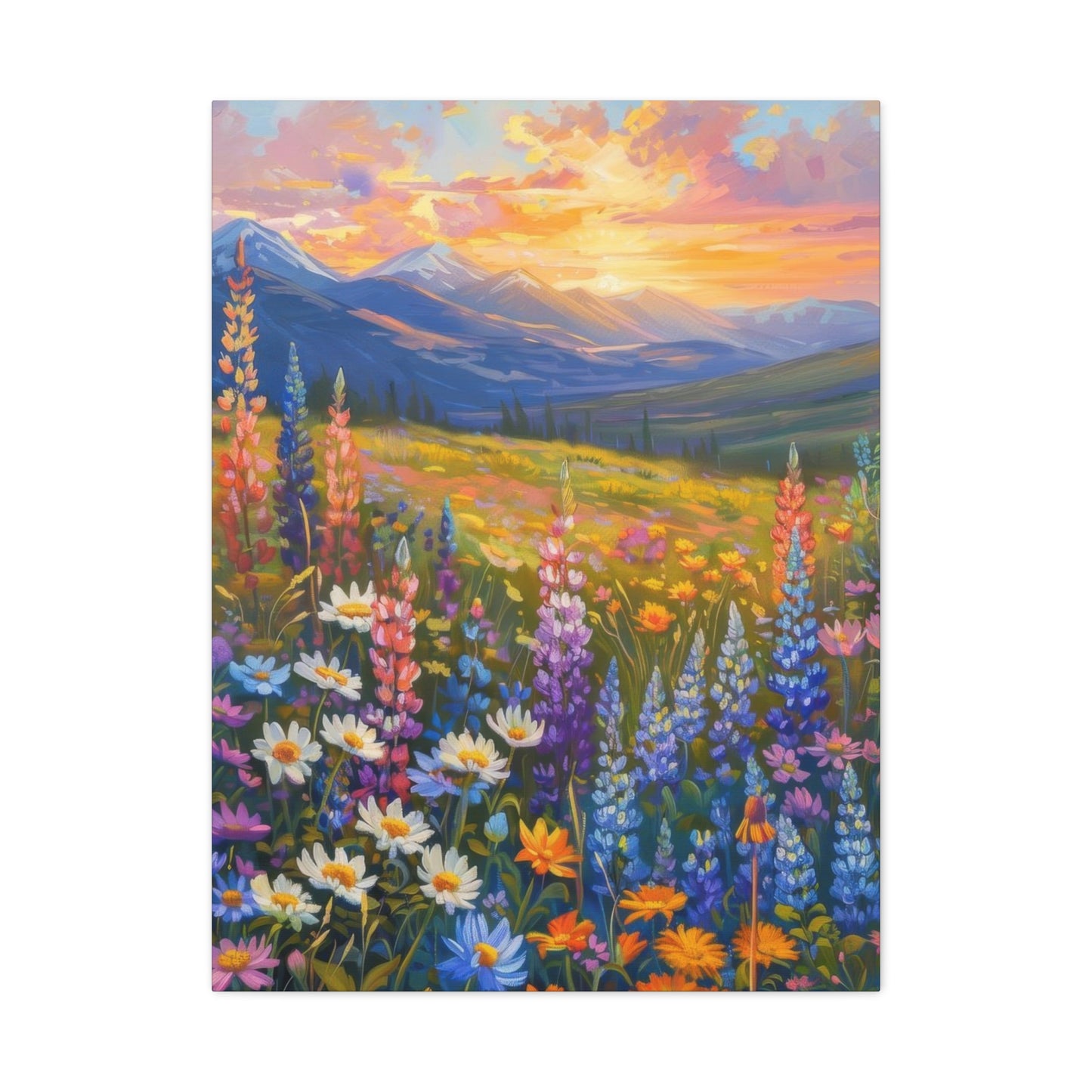
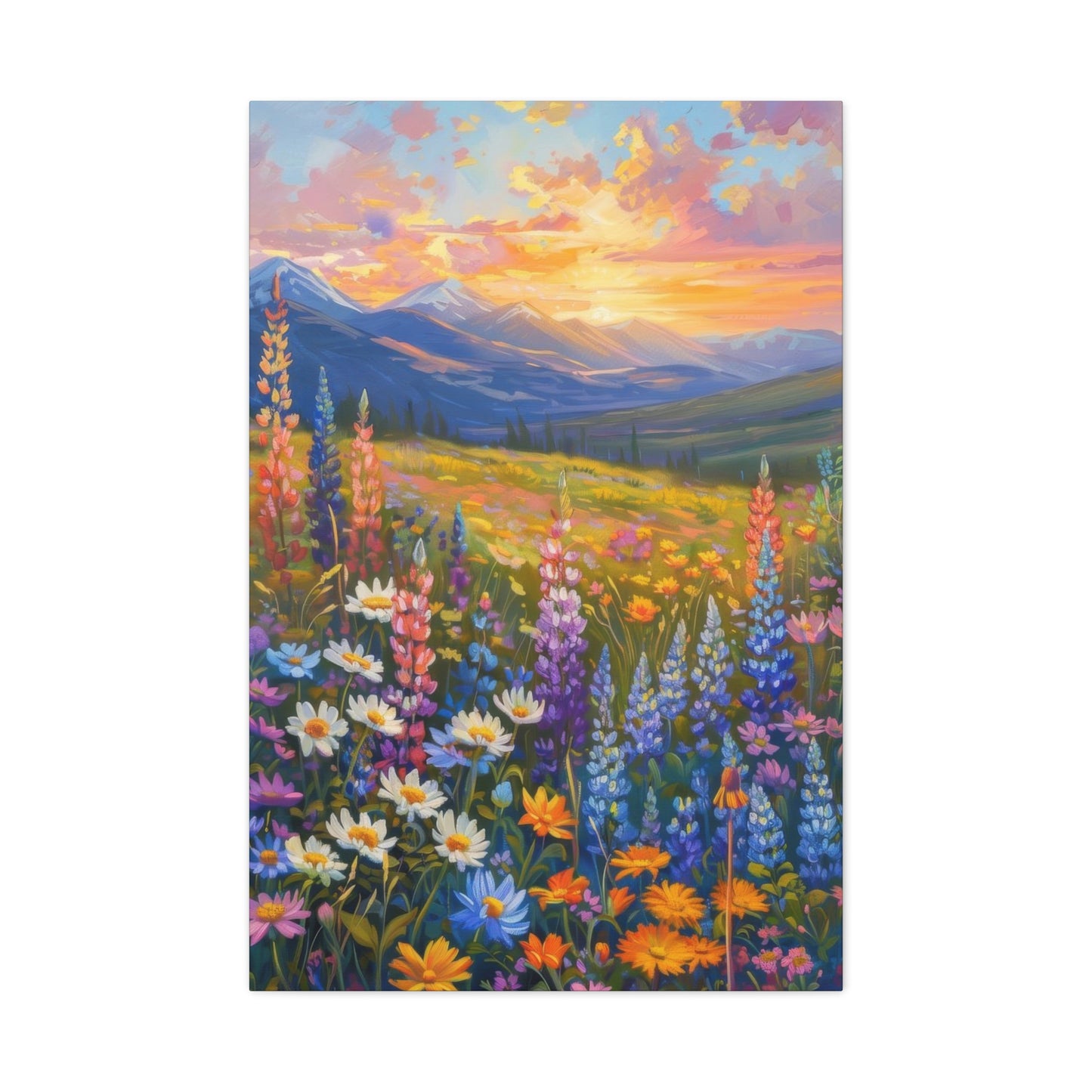
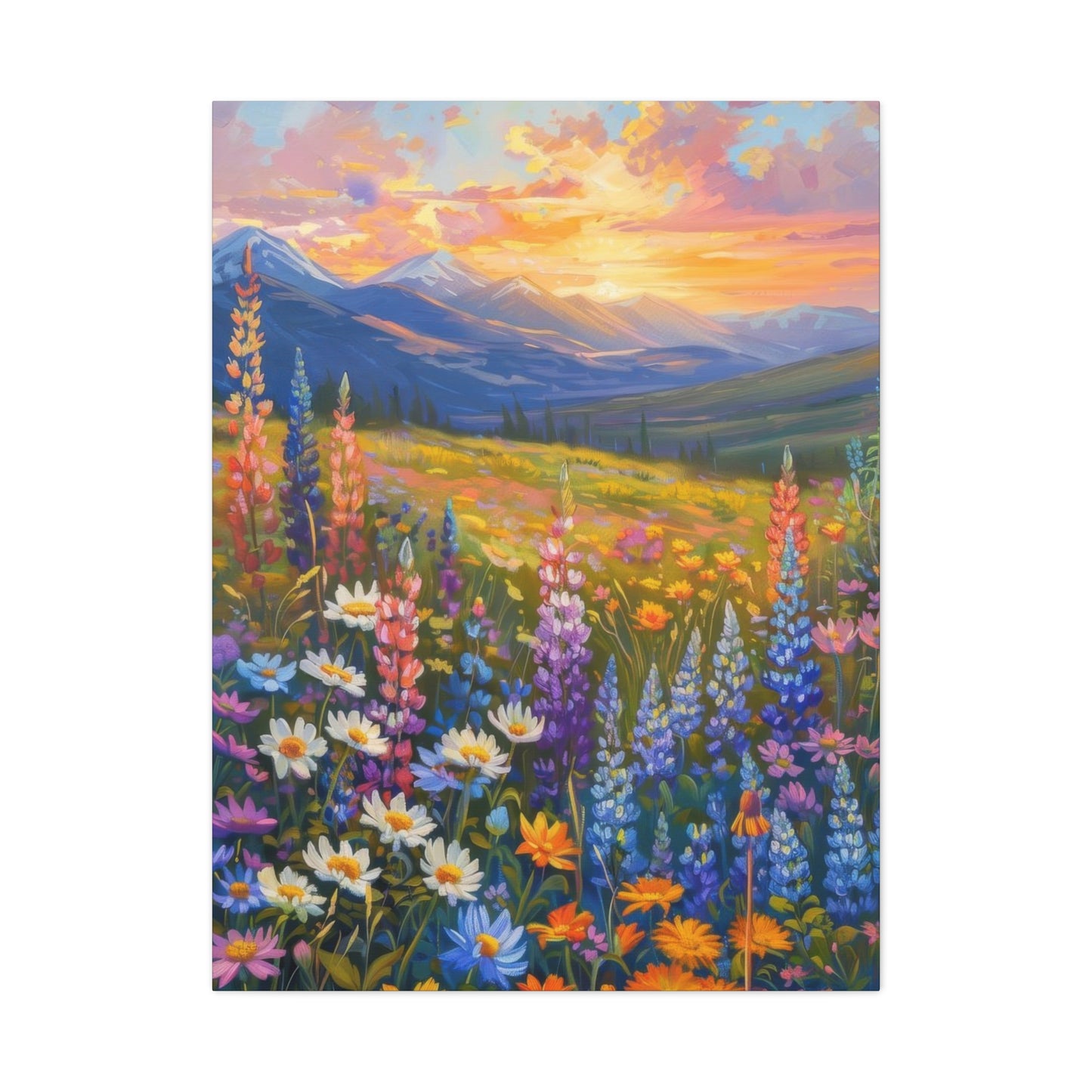
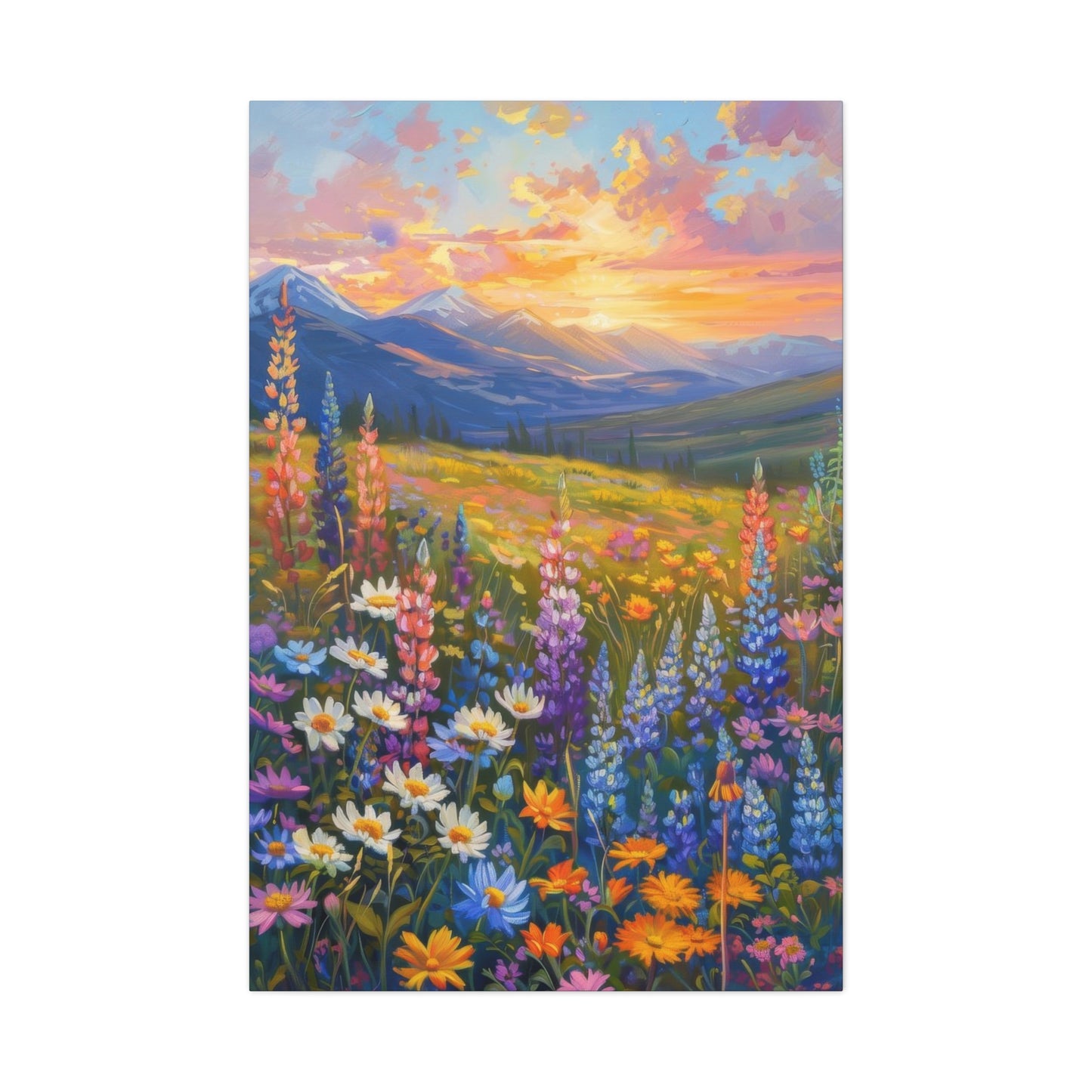
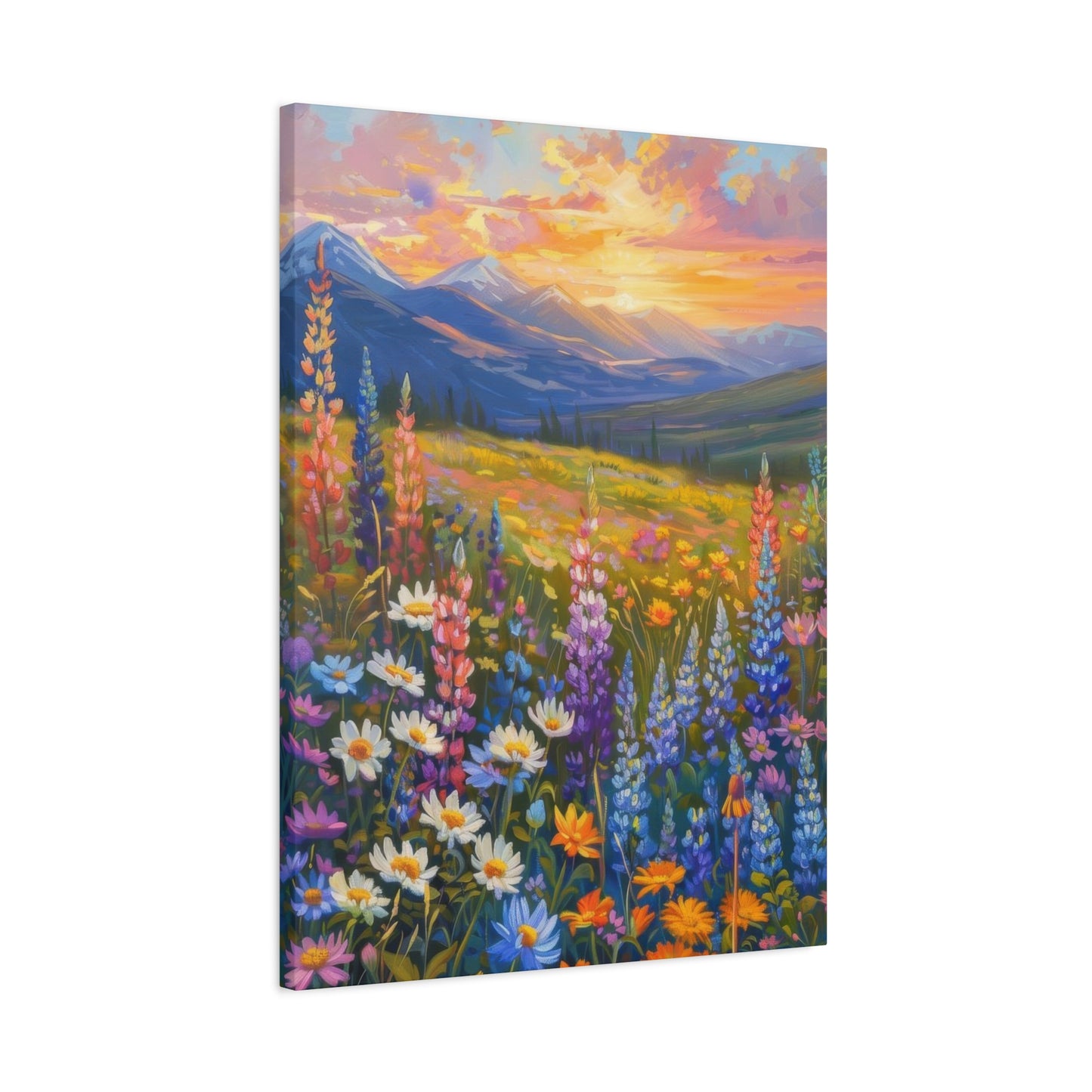
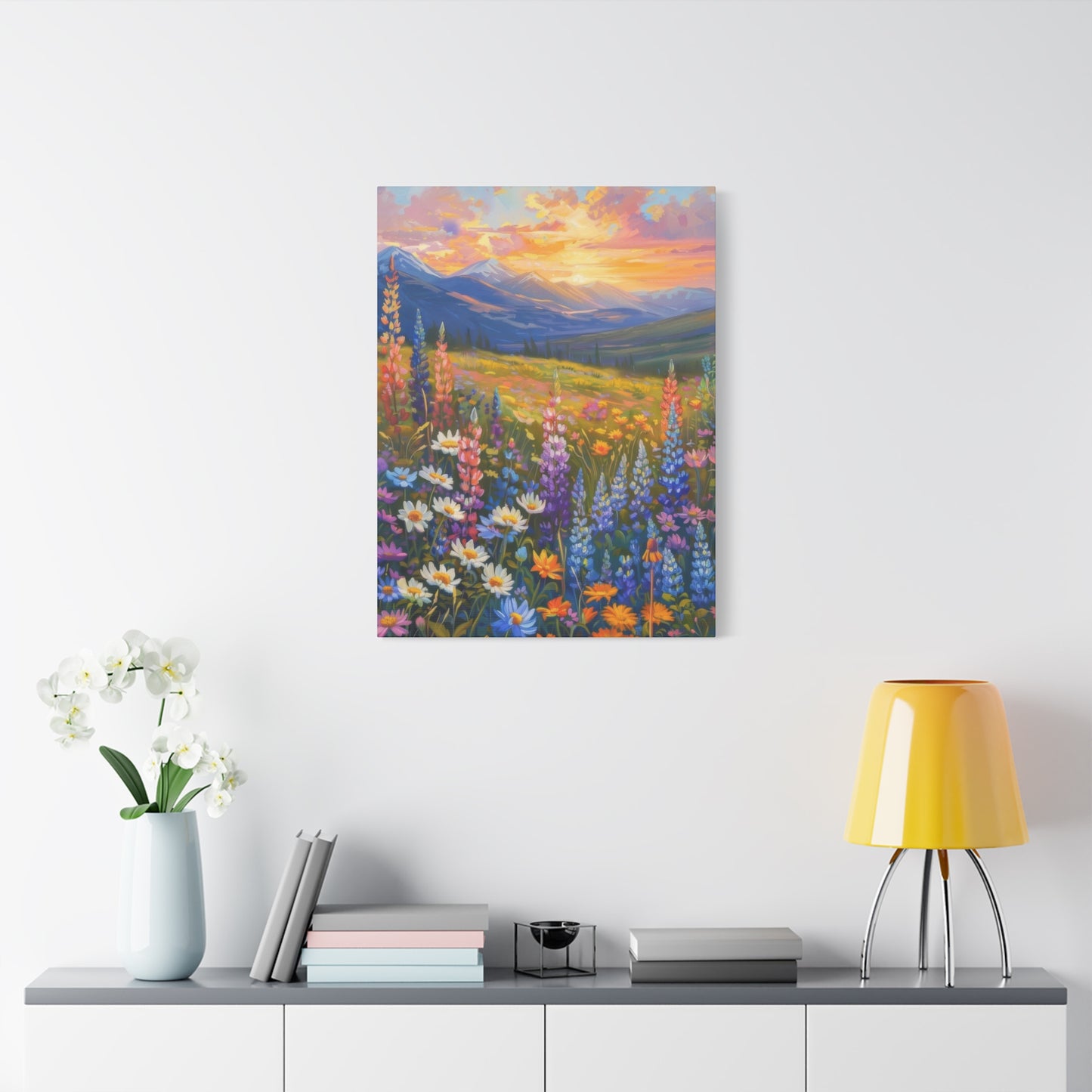
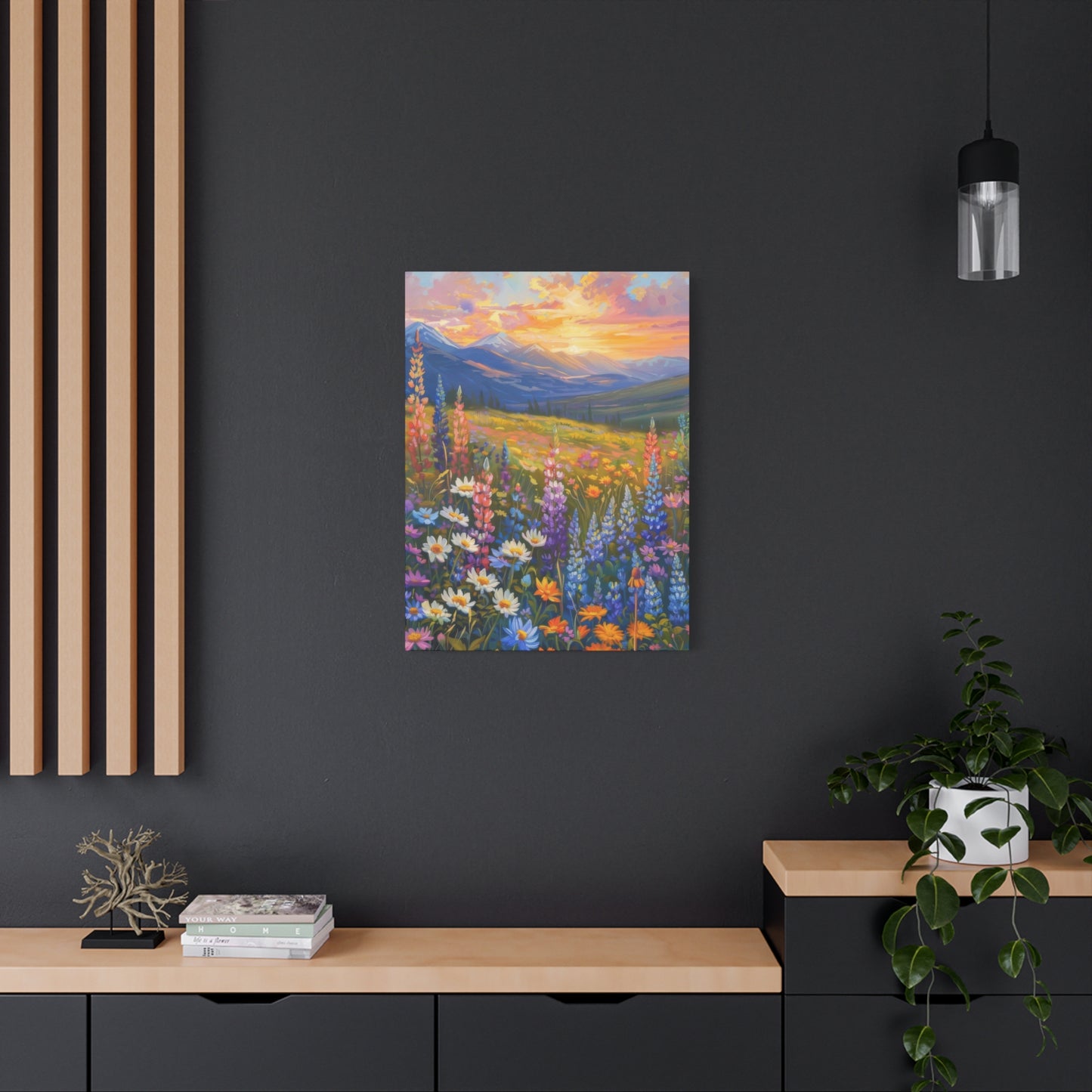
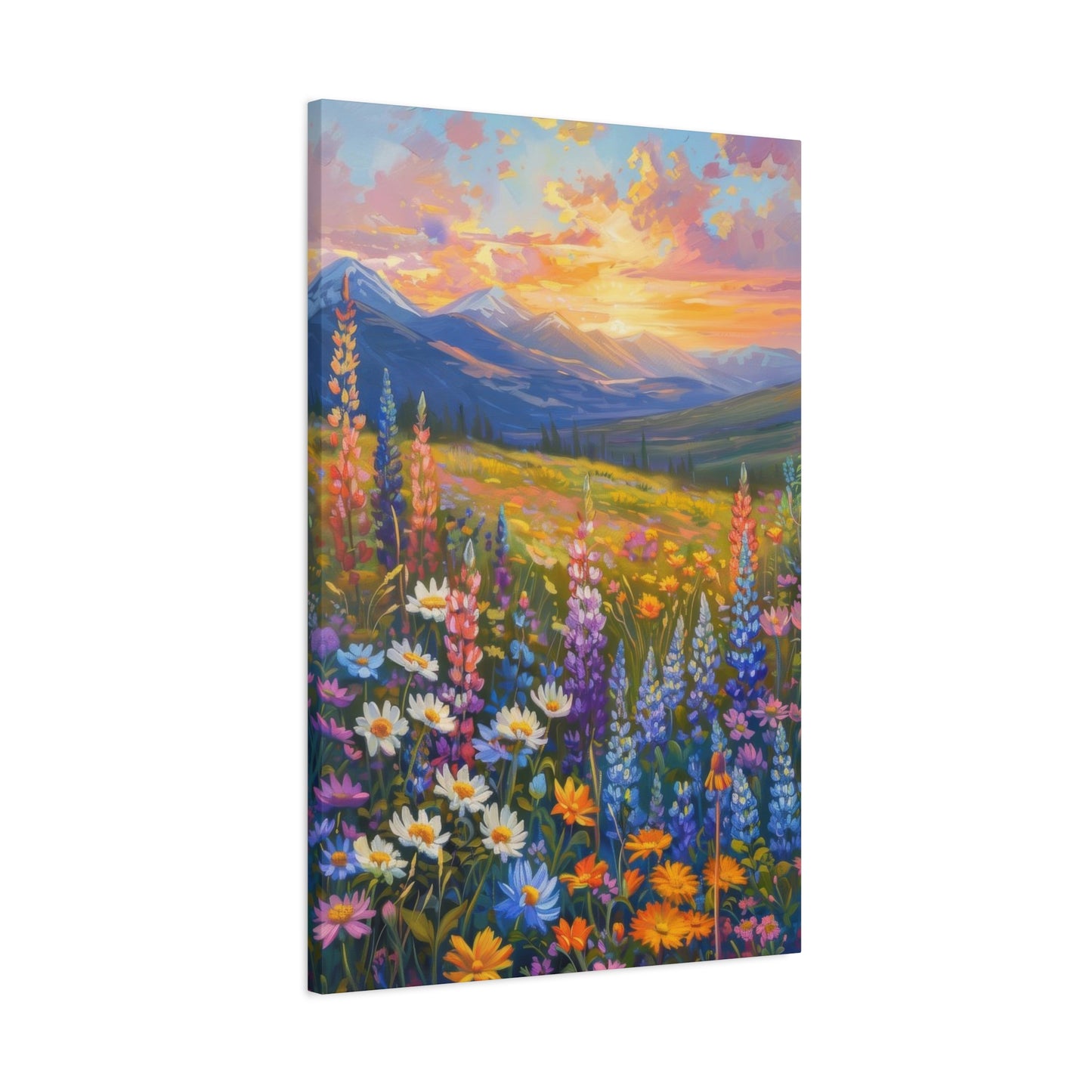
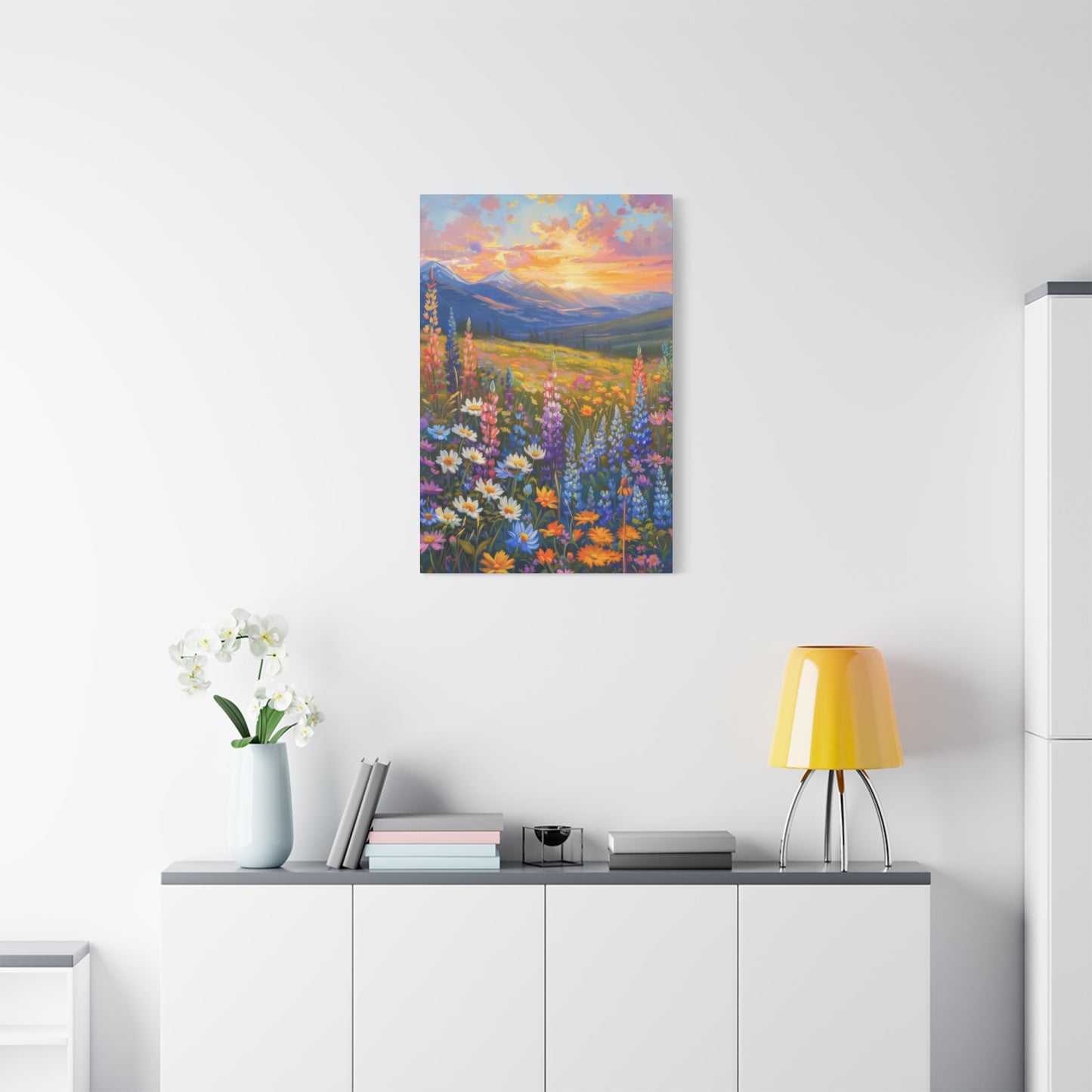
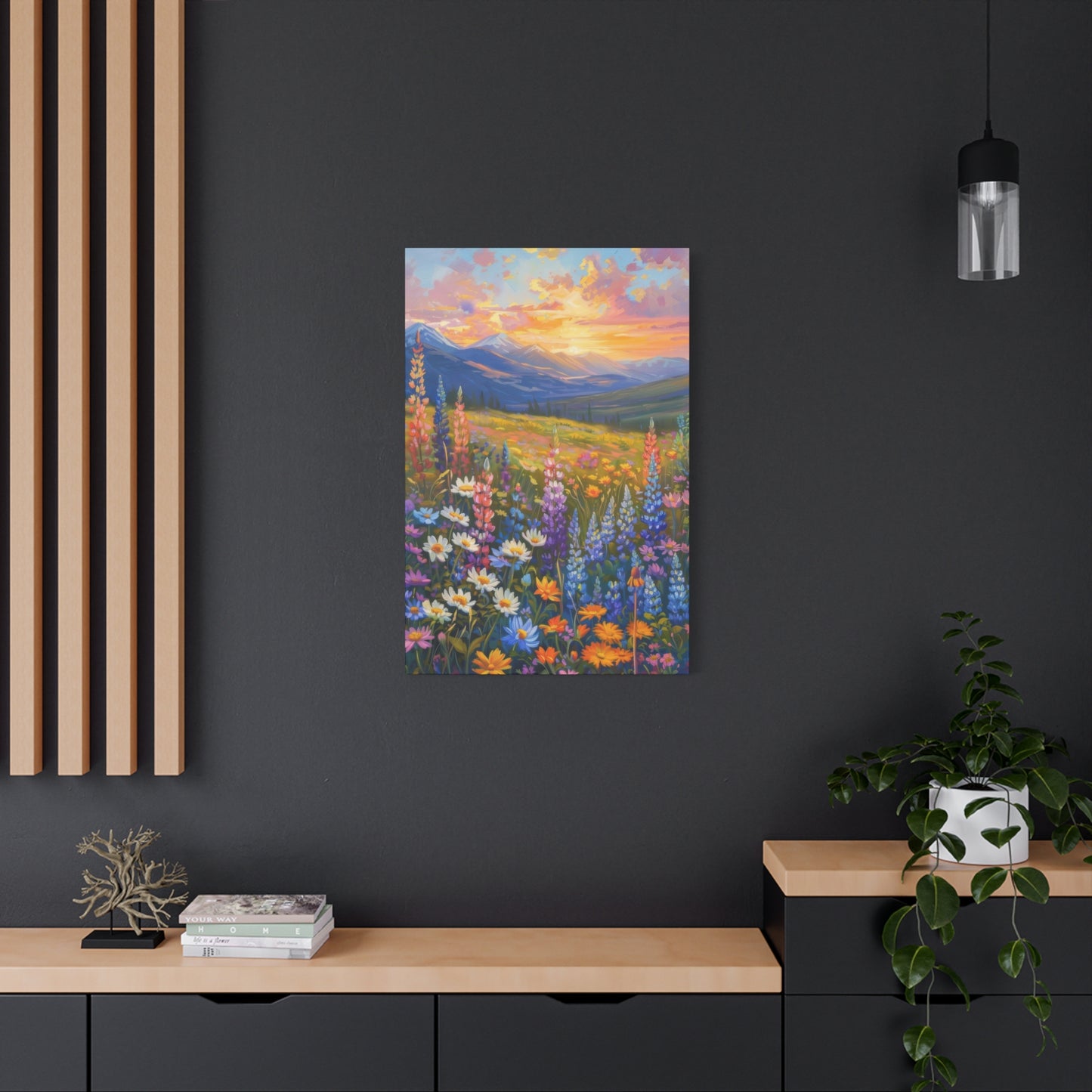
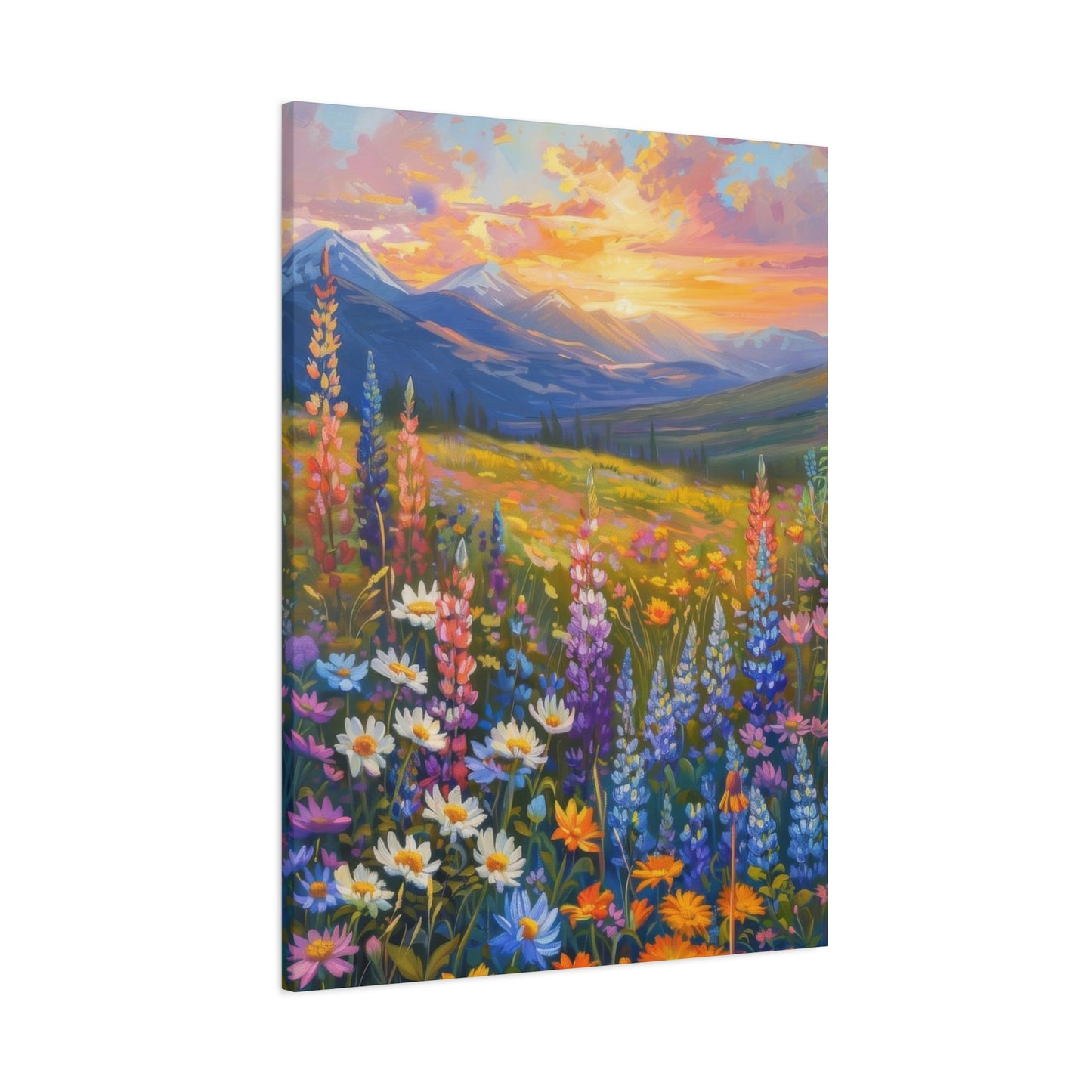
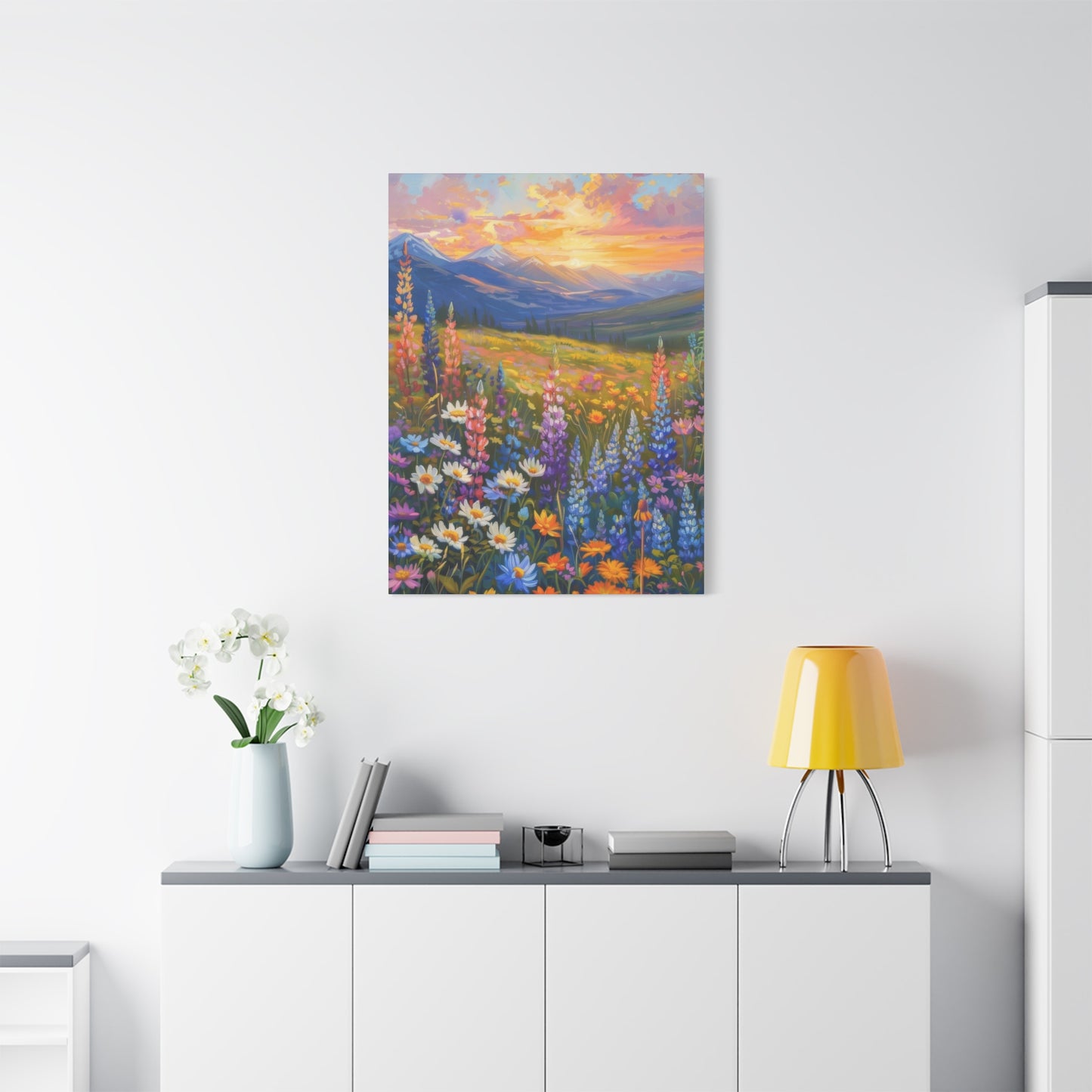
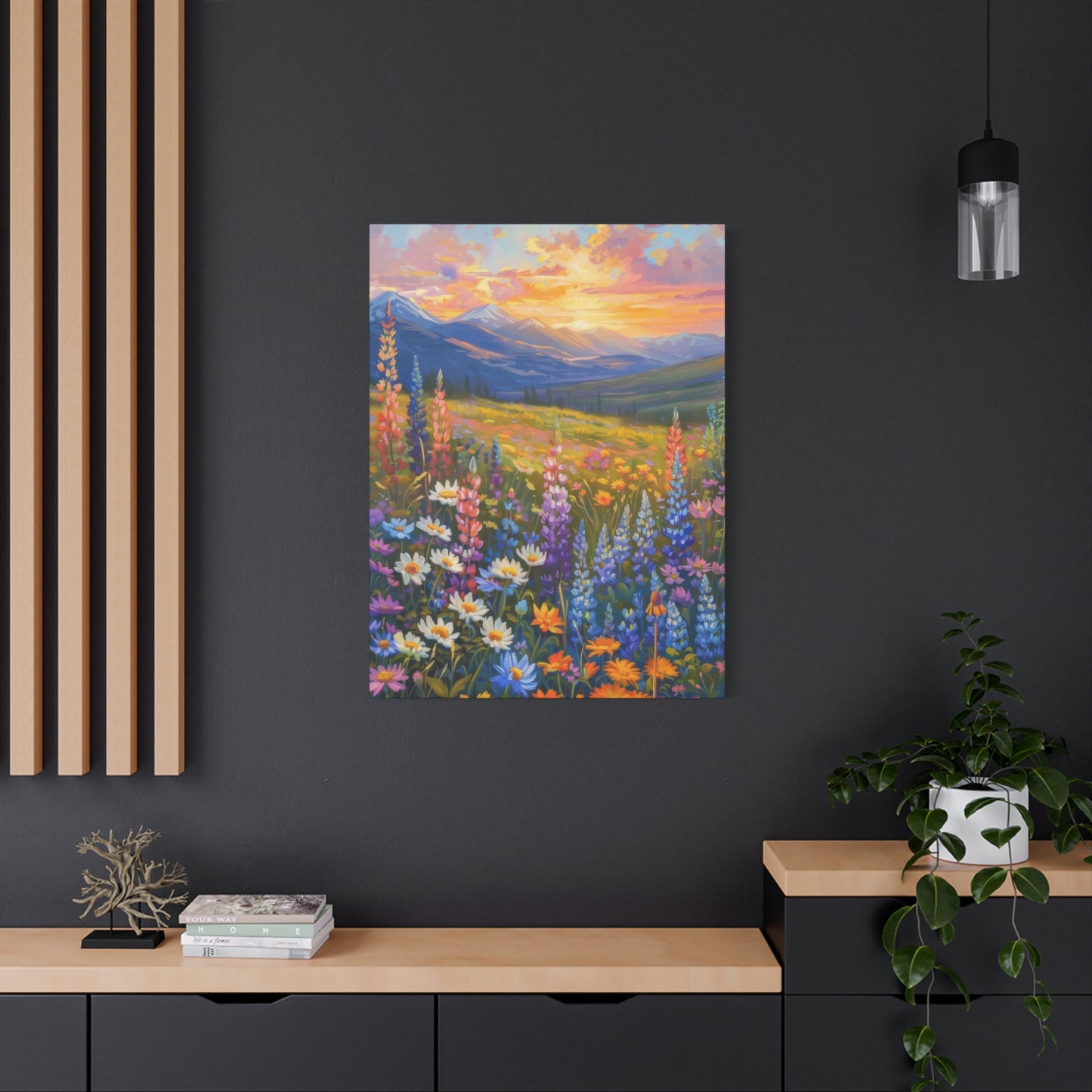
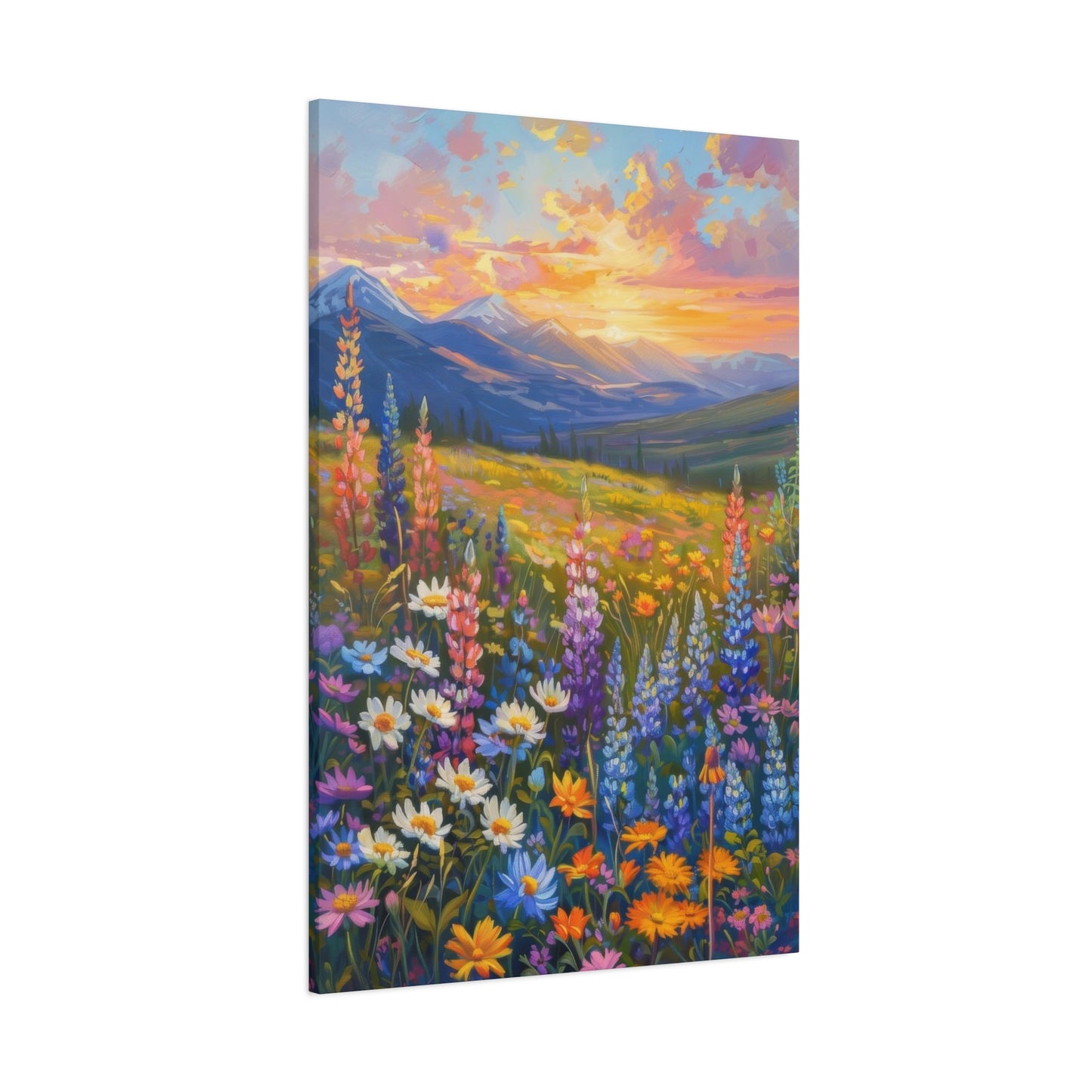
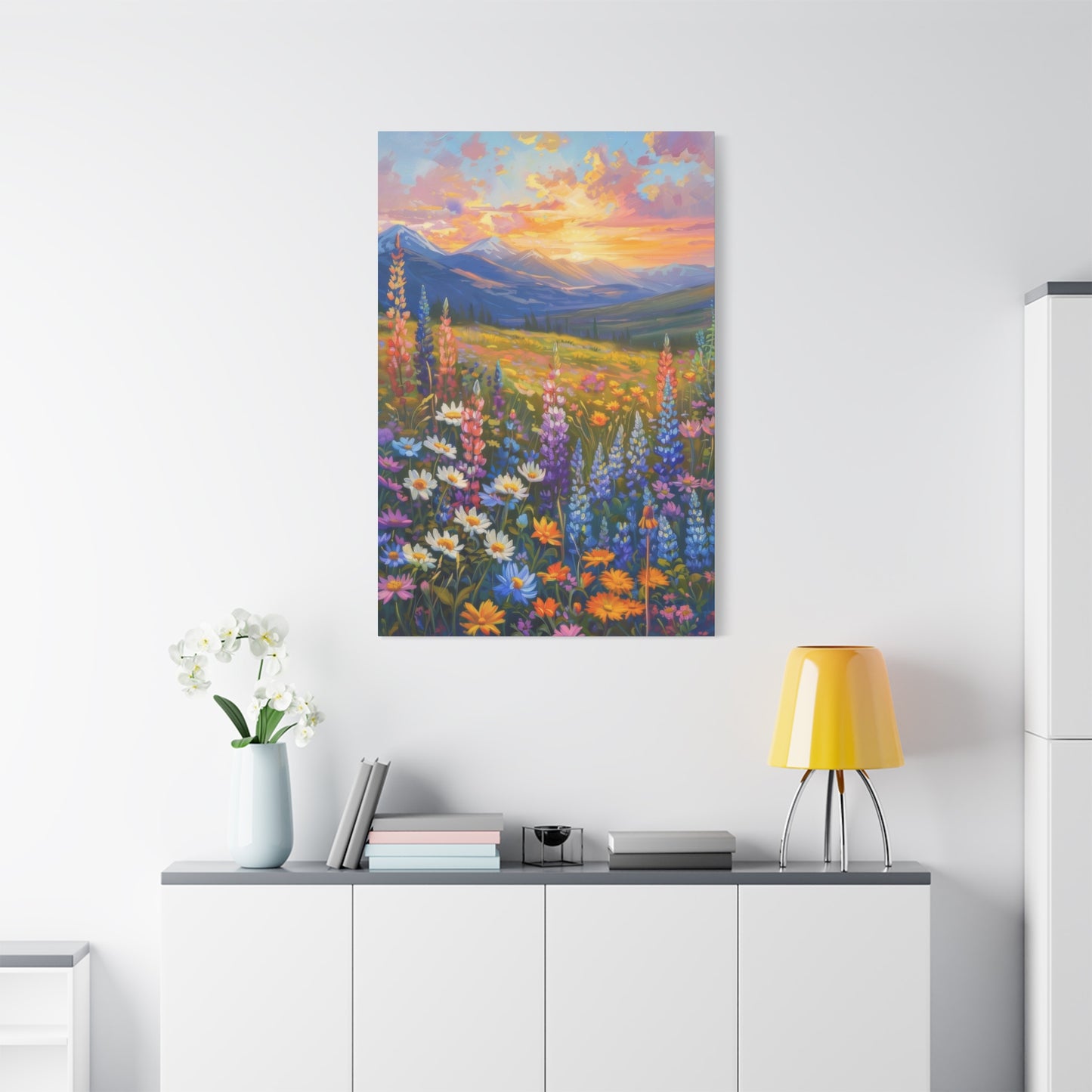
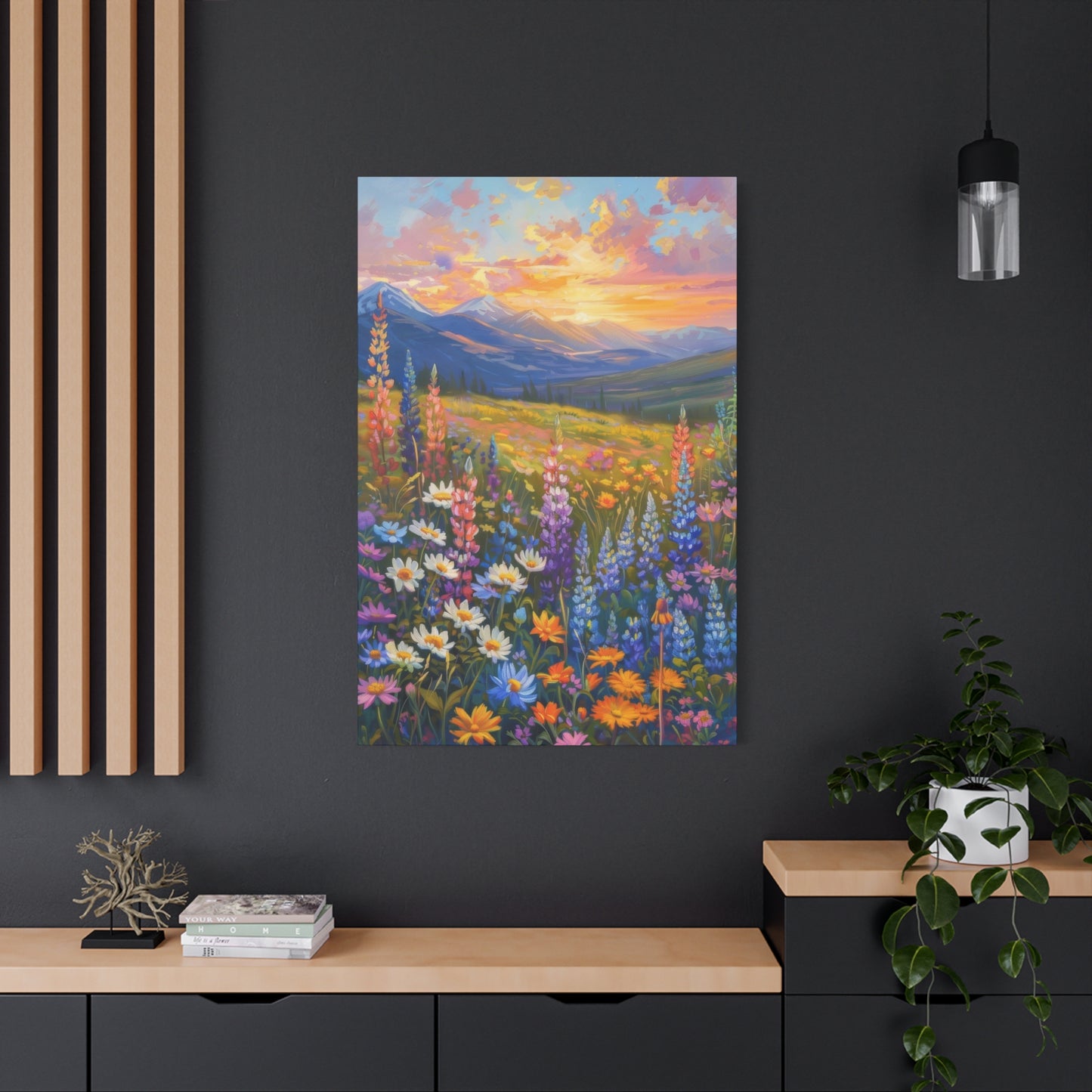
Colorful Flower Sunset Wall Art: Transform Your Living Space with Nature's Beautiful Harmony
The combination of vibrant blossoms and magnificent twilight scenery creates an extraordinary visual experience that captivates viewers and transforms ordinary rooms into extraordinary spaces. When flowers meet the golden hour, something magical happens in artistic representation. This fusion represents nature at its most stunning moment, capturing the delicate petals bathed in warm amber and crimson light. These artistic pieces bring together two of nature's most beloved elements, creating harmony that resonates with our innate appreciation for natural beauty.
The appeal of such artwork extends beyond mere decoration. It taps into our emotional connection with nature, reminding us of peaceful evenings spent outdoors, romantic walks through gardens, and the tranquil moments when day transitions into night. Each piece tells a story of nature's daily transformation, where the sun's descent paints the sky in breathtaking hues while flowers stand as elegant witnesses to this celestial performance. This artistic genre has gained tremendous popularity because it offers viewers an escape into serene landscapes without leaving their homes.
Artists who specialize in this medium understand the delicate balance required to capture both elements authentically. The flowers must appear alive and vibrant, while the background sky needs to convey the depth and complexity of an actual evening sky. This requires careful attention to color gradients, light sources, and atmospheric perspective. The best pieces in this category make viewers feel as though they could reach out and touch the soft petals while simultaneously feeling the warmth of the fading sunlight on their skin.
The Emotional Impact of Floral Twilight Imagery
Human psychology responds profoundly to imagery that combines botanical elements with dramatic skies. Research in environmental psychology suggests that exposure to nature scenes reduces stress hormones and promotes mental wellbeing. When we add the emotional resonance of a setting sun to floral imagery, the effect becomes even more powerful. The warm colors associated with twilight evoke feelings of comfort, nostalgia, and peace, while flowers symbolize growth, beauty, and life's fleeting moments.
This emotional connection makes such artwork particularly effective in spaces designed for relaxation and reflection. Bedrooms become sanctuaries when adorned with gentle sunset florals, living rooms feel more inviting, and even office spaces benefit from the calming influence of these natural combinations. The psychological impact should not be underestimated when considering decorative choices for any environment.
Many homeowners report feeling more positive and relaxed after incorporating nature-inspired artwork into their living spaces. The specific combination of flowers against evening skies seems to trigger memories of happy outdoor experiences, vacation moments, or cherished times in gardens. This nostalgic quality adds layers of personal meaning to the artwork, making it more than just decoration but a catalyst for positive emotions and memories.
Exploring Different Artistic Styles and Techniques
The world of floral sunset artwork encompasses numerous artistic approaches, each offering unique visual characteristics and emotional tones. Photorealistic paintings capture every detail with precision, making viewers question whether they're looking at a photograph or a painting. These works showcase the artist's technical mastery and ability to replicate nature's complexity. Every petal crease, every color variation in the sky, and every subtle shadow receives meticulous attention.
Impressionistic interpretations take a different approach, focusing on capturing the essence and feeling of the scene rather than precise details. These pieces use bold brushstrokes, vibrant color combinations, and sometimes abstract elements to convey the emotional experience of witnessing flowers at dusk. The impressionistic style often feels more energetic and emotionally expressive, appealing to those who prefer art that emphasizes feeling over form.
Abstract representations push boundaries further, using flowers and sunset colors as inspiration rather than subjects to be copied. These pieces might feature geometric shapes in sunset hues, stylized floral forms, or completely reimagined compositions that evoke the feeling of the subject without literal representation. Abstract approaches work exceptionally well in modern and contemporary interior designs, offering sophistication and visual interest without overwhelming spaces.
Watercolor techniques bring a delicate, dreamy quality to this subject matter. The medium's natural fluidity and transparency perfectly capture the ephemeral nature of both flowers and sunset light. Watercolor pieces often feel lighter and more ethereal, making them excellent choices for spaces where you want to maintain an airy, open feeling while still adding color and interest.
Digital art has opened new frontiers in this genre, allowing artists to combine photographic elements with painted components, add surreal elements, or create entirely unique interpretations impossible with traditional media. Digital pieces can be reproduced with perfect consistency, making them accessible to broader audiences while maintaining high visual quality.
Color Psychology in Sunset Floral Artwork
Color selection plays a crucial role in how artwork affects a space and its occupants. Sunset imagery naturally incorporates warm colors like orange, red, pink, and gold, all of which have specific psychological associations. Orange stimulates enthusiasm and creativity, making it excellent for spaces where you want to encourage energy and social interaction. Red, when used in sunset contexts, tends to feel passionate rather than aggressive, adding warmth without overwhelming.
Pink tones in sunset florals create romantic, gentle atmospheres perfect for bedrooms or intimate spaces. These softer hues promote feelings of love, compassion, and tranquility. Purple twilight shades introduce mystery and sophistication, particularly effective in spaces designed for contemplation or creative work. The combination of these warm sunset colors with the greens, blues, and varied hues of flowers creates balanced compositions that feel neither too warm nor too cool.
Understanding color temperature helps in selecting pieces that complement existing room color schemes. Artwork featuring cooler sunset tones with blues and purples works well in spaces with warm wall colors, providing visual balance. Conversely, pieces emphasizing warm oranges and reds can enliven rooms with cool color palettes. The flowers themselves offer opportunities for color coordination, with options ranging from vibrant reds and yellows to soft whites and pastels.
The size and placement of color blocks within the artwork also matter significantly. Large areas of intense sunset color create dramatic focal points, while more subtle color distributions maintain tranquility. Artists skilled in this genre understand how to balance bold statement colors with softer transitional tones, creating pieces that catch the eye without overwhelming the senses.
Selecting the Perfect Size for Your Space
Choosing appropriately sized artwork dramatically impacts how effectively it enhances your room. Oversized pieces make bold statements and can serve as room focal points, drawing the eye immediately upon entering. These large-scale works suit spacious rooms with high ceilings and open floor plans. A substantial floral sunset piece above a sofa or bed creates instant visual impact and establishes the room's aesthetic direction.
Medium-sized pieces offer versatility, working well in various locations and room sizes. They provide substantial visual interest without dominating spaces, making them ideal for dining rooms, home offices, or bedrooms where you want notable artwork without overwhelming intimacy. Medium pieces also work beautifully in gallery wall arrangements, either as central elements surrounded by smaller pieces or as part of cohesive collections.
Smaller artwork serves specific purposes effectively. They work wonderfully in compact spaces like bathrooms, hallways, or small bedrooms where larger pieces would feel cramped. Small pieces also excel when displayed in groups, creating visual narratives or themed collections. Three small floral sunset pieces in complementary styles can create as much impact as one large work while offering more flexibility in arrangement.
The relationship between artwork size and viewing distance deserves consideration. Large pieces need adequate viewing distance to be appreciated fully, while small detailed works benefit from closer viewing. Consider where people typically stand or sit in relation to where you'll hang the artwork. Pieces meant to be enjoyed from across the room should be larger with bolder compositions, while artwork viewed from nearby can feature more intricate details.
The scale of surrounding furniture also influences appropriate artwork size. The classic design principle suggests artwork should be roughly two-thirds to three-quarters the width of the furniture piece it hangs above. However, this guideline can be adjusted based on personal preference and overall room design. In minimalist spaces, artwork might intentionally exceed these proportions to create drama, while maximalist rooms might use smaller pieces to avoid visual chaos.
Frame Selection and Presentation Considerations
Framing choices significantly impact how artwork integrates into your space. Traditional wooden frames bring warmth and classic elegance, particularly effective with realistic or impressionistic floral sunset pieces. The wood tone should complement both the artwork and room furnishings. Lighter woods like oak or maple create casual, approachable feelings, while darker woods like walnut or espresso add sophistication and formality.
Metal frames offer contemporary aesthetics perfect for modern spaces. Thin black metal frames provide clean lines without distracting from the artwork, while gold or brass frames add luxury and work particularly well with sunset pieces, echoing the golden tones in the imagery. Silver or chrome frames bring cool sophistication, creating interesting contrast with warm sunset colors.
Floating frames, where the artwork appears suspended within the frame with space around edges, create modern, gallery-quality presentations. This style works exceptionally well with canvas prints and adds dimensional interest to wall displays. The visible canvas edges become part of the overall aesthetic, so selecting pieces with finished edges or continuing imagery around canvas sides becomes important.
For those preferring minimalist presentations, frameless mounting options exist. Gallery wraps, where the image continues around canvas edges, allow hanging without frames while maintaining professional appearance. Acrylic or plexiglass mounting creates contemporary, almost floating effects that work beautifully in modern spaces. These approaches let the artwork speak for itself without frame interference.
Matting adds another design element worth considering. White or cream mats create classic, gallery-like presentations and provide visual breathing room around the artwork. Colored mats can either complement colors within the piece or provide contrasting elements. However, mats work best with certain art styles and should be chosen carefully to enhance rather than distract from the artwork itself.
Creating Gallery Walls with Floral Sunset Themes
Gallery walls offer opportunities to display multiple pieces in cohesive arrangements that tell visual stories. When creating floral sunset themed gallery walls, consistency in certain elements while varying others creates interest without chaos. You might choose pieces with similar color palettes but different artistic styles, or maintain style consistency while varying subjects between different flower types and sunset settings.
Planning gallery wall layouts before hanging anything saves time and frustration. Create paper templates matching your frame sizes and use painter's tape to position them on walls. This allows you to experiment with arrangements without putting holes in walls. Common layouts include symmetrical grids, asymmetrical organic arrangements, and linear horizontal or vertical groupings. Each creates different visual effects and suits different spaces.
The spacing between frames affects the overall feel of gallery walls. Closer spacing creates unified, cohesive appearances where individual pieces merge into larger installations. Wider spacing emphasizes each piece individually while maintaining relationships between them. Most designers recommend consistent spacing of two to three inches between frames for balanced results.
Mixing frame styles and sizes adds visual interest to gallery walls. Combining large statement pieces with smaller complementary works creates hierarchy and guides viewer attention. Varying frame colors and styles can work beautifully if there's an underlying organizing principle, such as all pieces sharing similar subject matter or color schemes. However, too much variation can appear chaotic, so balance remains key.
Gallery walls need not fill entire walls. Sometimes smaller, more intimate groupings create stronger impact than wall-to-wall coverage. Consider the wall architecture, furniture placement, and traffic patterns when determining gallery wall size and placement. The goal is enhancing the space, not overwhelming it with artwork.
Incorporating These Pieces into Various Design Styles
Contemporary interiors benefit tremendously from bold floral sunset artwork. The clean lines and minimalist tendencies of contemporary design create perfect backdrops for statement pieces. Large-scale abstract or semi-abstract interpretations work particularly well, providing color and visual interest without conflicting with the style's characteristic simplicity. In contemporary spaces, let the artwork breathe by surrounding it with negative space rather than crowding it with other decorative elements.
Traditional interiors accommodate floral sunset imagery beautifully, particularly realistic or impressionistic interpretations in classic frames. These pieces complement traditional furniture styles, architectural details, and established color schemes. In traditional settings, artwork often works best when it respects the room's historical character while adding fresh visual interest. Ornate frames can mirror the detail in traditional furnishings, creating cohesive aesthetics.
Farmhouse and rustic styles embrace nature-inspired artwork naturally. Floral sunset pieces in this context often feature more casual compositions, possibly including wildflowers or country gardens at dusk. Distressed wooden frames or reclaimed wood mounting options enhance the rustic character. These spaces often benefit from larger pieces that make bold statements while maintaining the style's approachable, comfortable feeling.
Bohemian interiors thrive on eclectic combinations and rich colors, making them ideal settings for vibrant floral sunset artwork. Multiple pieces in various sizes and styles can coexist happily in boho spaces. Look for artwork with bold color combinations, maybe incorporating metallic elements or unusual perspectives. The more personal and unique the pieces, the better they fit bohemian aesthetics.
Scandinavian design principles emphasize simplicity, functionality, and connection to nature. Floral sunset artwork in these spaces should maintain clean compositions, possibly with more muted color palettes emphasizing soft pinks, gentle oranges, and pale blues. Simple frames and uncluttered presentations honor the Scandinavian aesthetic while bringing warmth and nature into typically neutral spaces.
Industrial spaces characterized by exposed brick, metal elements, and open plans can be softened and humanized with floral sunset artwork. The contrast between hard industrial materials and soft natural imagery creates appealing tension. Large-scale pieces work well in these often expansive spaces, and metal frames or frameless presentations maintain style consistency.
The Role of Lighting in Showcasing Your Artwork
Proper lighting transforms good artwork into spectacular focal points. Natural lighting changes throughout the day, affecting how colors and details appear. Position artwork where it receives indirect natural light rather than direct sun exposure, which can cause fading over time. Morning light tends cooler, while afternoon light becomes warmer, both affecting color perception differently.
Artificial lighting offers control over how artwork appears. Picture lights mounted directly above or below pieces provide focused illumination that highlights details and colors. These work particularly well for traditional presentations and in spaces lacking abundant natural light. LED picture lights have become popular due to their energy efficiency and minimal heat output, which protects artwork from damage.
Track lighting allows flexible positioning and direction control, making it excellent for gallery walls or spaces where you might rearrange artwork periodically. Adjustable heads let you direct light precisely where needed, creating professional gallery-like presentations. Consider warm white bulbs for floral sunset pieces to enhance the warm tones naturally present in the imagery.
Accent lighting from floor or table lamps can also illuminate artwork effectively, particularly in living rooms or bedrooms where overhead lighting might be minimal. Position lamps where their light washes across the artwork without creating glare or hotspots. This indirect lighting approach often creates the most natural, appealing presentation.
The color temperature of bulbs significantly affects how artwork colors appear. Warm white bulbs enhance oranges, reds, and yellows, making them ideal for sunset imagery. Cool white or daylight bulbs bring out blues and greens more prominently. When possible, test different bulb temperatures with your specific artwork to determine which creates the most appealing presentation.
Avoid placing artwork directly opposite windows or light sources that create glare on glass-protected pieces. This reflective glare obscures the artwork and frustrates viewers. If glare proves unavoidable, consider non-reflective glass or acrylic for framing, though these options typically cost more than standard glazing.
Maintenance and Care for Long-Lasting Beauty
Protecting your investment requires appropriate care and maintenance. Regular dusting prevents buildup that can dull colors and obscure details. Use soft, dry microfiber cloths for frames and glass surfaces, wiping gently to avoid scratching. For unframed canvas pieces, feather dusters or soft brushes work well, using minimal pressure to avoid damaging the canvas surface.
Glass or acrylic covered pieces need occasional deeper cleaning. Use glass cleaner specifically formulated for picture frames, or simply use distilled water with microfiber cloths. Spray cleaners onto the cloth rather than directly on glass to prevent liquid seeping behind glazing and potentially damaging artwork. Clean with gentle circular motions, then buff dry with a clean cloth.
Environmental conditions affect artwork longevity. Maintain stable temperatures and humidity levels when possible. Extreme fluctuations cause materials to expand and contract, potentially leading to warping, cracking, or other damage. Avoid hanging artwork near heating vents, air conditioning units, or fireplaces where temperature and humidity fluctuate significantly.
Ultraviolet light causes fading and deterioration over time. If artwork hangs where it receives substantial natural light, consider UV-protective glass or acrylic glazing. Many framing shops offer UV-filtering options that block harmful wavelengths while maintaining clarity. Window films on nearby windows provide additional protection while reducing light exposure throughout rooms.
For valuable or particularly cherished pieces, professional conservation framing offers maximum protection. Archival materials, proper backing, and acid-free matting prevent chemical reactions that degrade artwork over time. While conservation framing costs more initially, it significantly extends artwork lifespan and maintains value.
Inspect artwork periodically for signs of damage or deterioration. Look for discoloration, loose frames, sagging canvas, or moisture damage. Addressing issues early prevents minor problems from becoming major damage. If you notice serious concerns, consult professional conservators or framers rather than attempting repairs yourself, which might cause additional damage.
Budget-Friendly Options for Every Home
Quality artwork doesn't require enormous budgets. Digital printing technology has made high-quality reproductions accessible and affordable. Many talented artists sell print versions of original works at fraction-of-original prices. These prints often feature archival inks on quality papers or canvases, providing longevity comparable to more expensive options.
Online marketplaces connect buyers directly with artists worldwide, eliminating gallery markup. Independent artists often price their work more affordably than gallery-represented artists, and you're supporting creators directly. Browse portfolios to find styles matching your preferences, and many artists accept custom commission requests for personalized pieces.
Print-on-demand services allow you to select images and have them professionally printed in your chosen size and medium. While quality varies between services, reputable companies provide excellent results. This approach gives you control over sizing, framing, and final presentation while keeping costs manageable.
Large retailers and home goods stores carry affordable artwork options. While these mass-produced pieces lack the uniqueness of original art, they provide accessible ways to decorate on tight budgets. Quality has improved significantly in this market segment, with many pieces featuring decent printing and materials.
DIY approaches offer maximum budget flexibility. If you're artistically inclined, create your own floral sunset pieces using acrylic paints, watercolors, or mixed media techniques. Even beginners can achieve pleasing results with tutorial guidance available online. Original artwork, even by amateurs, adds personal character no purchased piece can match.
Thrift stores, estate sales, and online resale platforms sometimes yield surprising finds. While finding specific subjects requires patience and luck, the hunt itself can be enjoyable. Vintage pieces often feature quality materials and craftsmanship, and the stories behind secondhand art add character to your home.
Frame cost often exceeds artwork cost, particularly for larger pieces. Save money by purchasing unframed artwork and sourcing frames separately. Discount stores and online retailers sell basic frames inexpensively, or consider frameless mounting options that eliminate framing costs entirely while maintaining professional appearances.
Seasonal Rotation and Refreshing Your Decor
Rotating artwork seasonally keeps interiors feeling fresh and responsive to changing seasons. Store off-season pieces carefully to maintain their condition. Wrap artwork in acid-free paper or bubble wrap and store in climate-controlled spaces away from moisture and temperature extremes. Never stack framed pieces directly on top of each other without protective material between them.
Floral sunset themes work beautifully year-round but can be emphasized or de-emphasized seasonally. During spring and summer, highlight these pieces as focal points celebrating nature's abundance. In fall and winter, you might rotate in additional artwork with different themes while keeping favorite floral sunset pieces in secondary locations.
Seasonal rotation doesn't require purchasing entirely new collections. Simply moving pieces between rooms creates fresh perspectives. The artwork that felt perfect in your bedroom might breathe new life into your living room, while pieces you've barely noticed in hallways might become appreciated focal points in more prominent locations.
Consider creating small seasonal vignettes incorporating artwork with complementary decorative objects. Spring might feature floral sunset pieces alongside fresh flowers and pastel accessories. Summer presentations could include beach elements or tropical touches. Fall might bring in rich textured fabrics and harvest elements, while winter could feature metallic accents and cozy textiles.
This rotation approach also allows you to live with more artwork than you have wall space to display simultaneously. Building a larger collection over time means you always have fresh options for seasonal changes without purchasing new pieces each year. This economical strategy prevents boredom while respecting budget constraints.
The Environmental Considerations of Art Purchase
Increasingly, consumers consider environmental impacts when making purchasing decisions, including artwork. Supporting artists who use sustainable materials and practices aligns art appreciation with environmental values. Many contemporary artists prioritize eco-friendly materials, from recycled canvases to non-toxic paints and natural pigments.
Digital art reduces environmental impact by eliminating physical materials during creation. While printing still requires resources, advancements in eco-friendly inks and papers make digital prints increasingly sustainable options. Some print services use recycled papers, water-based inks, and renewable energy in their operations.
Purchasing original or limited edition pieces rather than mass-produced options often proves more sustainable. Fewer resources go into producing smaller quantities with higher quality, and these pieces typically last longer, reducing waste from frequent replacement. Quality over quantity benefits both environment and aesthetics.
Locally sourced artwork reduces transportation emissions and supports local creative economies. Buying from artists in your area means work travels minimal distances to reach you. Local art fairs, studio tours, and regional galleries provide opportunities to acquire beautiful pieces while minimizing environmental footprints.
Vintage and secondhand artwork represents ultimate sustainability by giving existing pieces new life. These works require no new production resources, and rescuing them from potential disposal prevents waste. The environmental benefits combine with often lower prices and the character of pieces with history.
Framing choices also carry environmental implications. Reclaimed wood frames, recycled metal frames, and FSC-certified wood options provide eco-friendly alternatives to conventional frames. Some framers specialize in sustainable practices, using water-based adhesives, recyclable backing materials, and energy-efficient operations.
Gifting Artwork for Special Occasions
Thoughtfully chosen artwork makes memorable gifts for housewarmings, weddings, anniversaries, and other celebrations. The permanence of art means your gift remains present in recipients' lives for years, serving as lasting reminders of your thoughtfulness and relationship. Unlike consumable gifts or temporary items, quality artwork becomes part of home environments and daily experiences.
When selecting artwork as gifts, consider recipients' tastes, home styles, and color preferences. If you're uncertain about specific preferences, choose pieces with broad appeal and versatile color palettes that work with various design schemes. Floral sunset imagery generally appeals to wide audiences and fits multiple interior styles, making it relatively safe gift territory.
Commissioned custom artwork elevates gift-giving to extraordinary levels. Working with artists to create pieces specifically for recipients demonstrates exceptional thoughtfulness. Include meaningful elements like specific flower types with personal significance, settings from important locations, or colors from their homes. Custom pieces become family treasures passed down through generations.
For wedding gifts, consider artwork symbolizing new beginnings, growth, and beauty, all themes naturally present in floral imagery. Sunset elements add romantic overtones appropriate for celebrating marriages. Including the couple's wedding date or a meaningful quote in custom pieces adds personalization that mass-produced gifts cannot match.
Housewarming gifts of artwork help new homeowners transform houses into homes. Select pieces appropriate for common spaces where guests gather, as artwork in these areas gets maximum appreciation. Living room or dining room pieces work well, as do kitchen art for food-loving friends.
Anniversary gifts following traditional materials can incorporate artwork creatively. Paper anniversary might feature watercolor or print artwork, while later anniversaries could inspire more substantial pieces in bronze, gold, or other materials. Floral sunset themes work beautifully across all anniversary years, with specific flower selections potentially matching traditional anniversary flowers.
Present artwork thoughtfully. If giving framed pieces, ensure wrapping protects corners and surfaces. Include cards explaining your choice, perhaps mentioning why you selected this particular piece for them. For expensive or large pieces, gift certificates allowing recipients to make final selections ensure they get exactly what they want while you demonstrate generosity.
Understanding Art Authentication and Value
When investing in original artwork, understanding authentication and value assessment protects your investment. Original pieces should include certificates of authenticity from artists or galleries, documenting the work's provenance and confirming its legitimacy. These certificates become increasingly important for valuable pieces and if you ever sell or insure artwork.
Limited edition prints include numbering indicating print's position in the edition and total edition size. Lower numbers and smaller editions generally carry higher values. Artist signatures add authenticity and value, whether on originals or prints. Understand the difference between hand-signed pieces and reproduced signatures, as hand signatures carry significantly more value.
Artist reputation dramatically affects value. Established artists with exhibition histories, critical recognition, and strong markets command higher prices than emerging or unknown artists. However, collecting emerging artists offers opportunities to acquire quality work affordably while potentially benefiting from value appreciation as artists' careers develop.
Condition critically impacts value. Damage, fading, staining, or poor restoration work substantially reduces worth. Examine potential purchases carefully for condition issues, and factor restoration costs into purchase decisions. For valuable pieces, professional appraisals ensure you understand true condition and value.
Documentation preserves value. Keep purchase receipts, certificates of authenticity, exhibition catalogs featuring the piece, and correspondence with artists or galleries. This documentation proves ownership, authenticity, and provenance, all factors affecting resale value and insurance claims.
Insurance considerations become important for valuable collections. Standard homeowners or renters insurance might not adequately cover fine art. Discuss your collection with insurance agents to ensure appropriate coverage. Some insurers offer specific fine art policies providing broader protection than standard policies.
The Connection Between Art and Personal Well-being
Beyond aesthetic pleasure, artwork contributes significantly to psychological well-being and quality of life. Studies consistently show that engaging with art reduces stress, anxiety, and depression while improving mood and overall life satisfaction. The specific combination of nature imagery with warm sunset colors provides particularly strong positive effects.
Creating personal connections with artwork enhances these benefits. Pieces reminding you of happy memories, meaningful places, or important people become more than decoration. They serve as daily touchstones connecting you to positive emotions and significant experiences. This emotional resonance explains why art sometimes affects us so profoundly despite being "just pictures on walls."
The act of selecting and displaying artwork provides opportunities for creative expression and control over personal environments. These activities contribute to feelings of autonomy and self-determination, important factors in psychological well-being. Your choices reflect your identity and values, making your space uniquely yours.
Artwork provides conversation starters and connection points with visitors. Sharing stories about pieces, discussing artistic techniques or subjects, and discovering shared appreciation create social bonding opportunities. These connections contribute to feeling understood and building relationships, fundamental human needs.
Some people find contemplating artwork meditative, using it as focal points for mindfulness practices. The non-demanding nature of visual art makes it excellent for meditation support. Complex pieces reveal new details upon repeated viewing, maintaining interest over time and supporting regular mindfulness practice.
For those unable to spend time in nature regularly, nature-inspired artwork provides surrogate contact with natural environments. While not replacing actual nature exposure, these visual connections provide measurable psychological benefits, reducing stress and promoting restoration even through representational experiences.
Cultural Significance of Floral and Sunset Imagery
Flowers carry rich symbolic meanings across cultures and throughout history. Roses symbolize love and passion, sunflowers represent adoration and loyalty, lilies suggest purity and renewal, while cherry blossoms embody life's transient beauty. Understanding these symbolic associations adds depth to artwork appreciation and helps select pieces with personal significance.
Sunset imagery similarly carries cultural weight across societies. Many cultures view sunsets as symbolic transitions, representing endings that enable new beginnings. The daily sunset cycle reminds us of life's rhythms and impermanence while celebrating recurring beauty. Various spiritual traditions incorporate sunset contemplation into practices, viewing it as sacred time for reflection.
Different artistic traditions interpret floral and sunset subjects in culturally specific ways. Japanese art often features cherry blossoms at dusk in delicate, minimalist compositions emphasizing transience. Dutch still life traditions present flowers with symbolic objects in carefully composed arrangements exploring mortality and beauty. Impressionist approaches capture light's effects on flowers and landscapes, prioritizing atmospheric qualities over precise details.
Contemporary artists continue exploring these timeless subjects through modern lenses, incorporating new techniques, perspectives, and conceptual frameworks. Some examine environmental themes through floral sunset imagery, using beauty to highlight what we risk losing to climate change. Others explore identity and cultural heritage through traditional subjects executed with contemporary techniques.
Understanding cultural contexts enriches appreciation while promoting respectful engagement with artistic traditions. When artwork draws from specific cultural traditions, learning about those traditions shows respect and deepens understanding. This awareness prevents inappropriate appropriation while celebrating the beautiful diversity of human creative expression.
Digital Displays and Modern Presentation Technologies
Technology has revolutionized how we display and experience artwork at home. Digital frames and screens allow rotating through entire art collections without physical wall space limits. High-resolution displays reproduce colors and details remarkably well, though they cannot fully replace physical artwork's texture and presence.
Smart home integration enables coordinating artwork displays with lighting, music, and other environmental elements. Imagine sunset floral artwork displayed on digital screens while smart bulbs bathe rooms in complementary warm tones as actual sunset occurs outside. These integrated experiences create immersive environments responsive to time of day and activities.
Augmented reality applications let you preview how artwork will look in your space before purchasing. Using smartphones or tablets, you can virtually place pieces on walls, adjusting size and placement until achieving perfect arrangements. This technology reduces purchase uncertainty and returns while helping buyers make confident decisions.
Digital art subscription services provide access to vast libraries of artwork for monthly fees. Subscribers can change displayed pieces as often as they like, perfect for those who enjoy regularly refreshing their decor. While lacking the permanence of physical ownership, these services offer variety and flexibility impossible with traditional collecting.
NFT technology has introduced new paradigms in digital art ownership and collecting. While controversial and still evolving, NFTs allow verifiable ownership of digital artworks, creating scarcity in inherently reproducible media. Whether NFTs represent legitimate art market evolution or speculative bubbles remains debated, but they've undeniably impacted how we think about digital art ownership.
Despite technological advances, traditional physical artwork maintains unique qualities that screens cannot replicate. The texture of brushstrokes, the subtle variations in hand-printed work, the physical presence of substantial pieces, all these qualities contribute to artwork's impact in ways digital displays cannot fully match. Technology complements rather than replaces traditional art experiences.
Working with Interior Designers and Art Consultants
Professional guidance can elevate your art selection and placement. Interior designers consider artwork as integral design elements, selecting pieces that complete overall visions. They understand scale, proportion, color relationships, and how artwork interacts with architecture and furnishings. Their expertise ensures cohesive results that might be difficult to achieve independently.
Art consultants specialize specifically in artwork selection and collection building. They understand art markets, artist reputations, investment potential, and aesthetic considerations. Consultants access resources beyond typical consumer reach, including private galleries, artist studios, and exclusive collections. They also negotiate purchases and manage logistics, simplifying acquisition processes.
These professionals' fees vary widely based on services provided and project scope. Some charge hourly rates, others take commissions on purchases, and some combine approaches. Discuss fee structures clearly before engaging services. For significant investments in art, professional guidance often pays for itself through better selections, avoided mistakes, and sometimes better purchase prices.
Building relationships with local galleries provides similar benefits without hiring dedicated consultants. Gallery staff often possess extensive knowledge and can guide selections based on your preferences and budget. They typically work on commission but provide services at no direct cost to buyers. Good gallery relationships lead to previews of new inventory, invitations to special events, and sometimes preferential pricing.
Even without professional help, educating yourself improves selection outcomes. Visit museums and galleries regularly, read about art and design, follow artists whose work interests you, and gradually develop your eye and knowledge. Over time, you'll gain confidence in your judgments and make selections you'll love for years.
The Investment Potential of Art Collections
While most people acquire artwork primarily for enjoyment, art can serve as alternative investment vehicle. Certain artwork appreciates significantly over time, particularly pieces by artists whose reputations and markets grow. However, art investment carries risks and requires knowledge, patience, and often significant capital.
Successful art investment typically focuses on established artists with proven markets and critical recognition. Emerging artists offer higher potential returns but also higher risks, as most never achieve significant market success. Diversifying art investments across multiple artists and periods reduces risk, similar to diversifying financial portfolios.
Market trends influence art values significantly. Understanding these trends helps identify potentially appreciating work. Currently, contemporary art, particularly by underrepresented artists, shows strong growth. Works addressing social issues or reflecting diverse perspectives attract increasing attention and investment.
Condition preservation proves crucial for maintaining and growing value. Investment-quality pieces require professional conservation framing, climate-controlled storage or display, and careful handling. Restoration costs can be substantial, and poor restoration can permanently damage value.
Insurance, storage, and authentication costs factor into investment calculations. These ongoing expenses reduce effective returns. Some investors use art storage facilities offering climate control and security, though these services add significant annual costs.
Liquidity challenges distinguish art investment from stocks or bonds. Selling artwork takes time, and markets can be thin for certain artists or periods. Auction houses and galleries take substantial commissions, reducing net proceeds. Real returns often disappoint when accounting for all costs and holding periods.
Most experts advise buying art you genuinely love rather than purely for investment. If pieces appreciate, consider it fortunate bonus rather than primary goal. This approach ensures satisfaction regardless of market performance and removes pressure that can diminish enjoyment.
Regional Artistic Traditions and Global Perspectives
Floral and sunset themes appear across global artistic traditions, each culture bringing unique perspectives and techniques. Asian artistic traditions, particularly Chinese and Japanese, have celebrated botanical subjects for centuries. These works often emphasize harmony between humans and nature, using minimal compositions that highlight essential forms and suggest rather than describe.
European traditions from Dutch Golden Age still lifes to Impressionist gardens show the enduring appeal of floral subjects. European approaches often emphasize technical virtuosity, realistic representation, and complex compositions. The treatment of light, particularly sunset light, became central to Impressionist and Post-Impressionist movements.
Latin American art brings vibrant color sensibilities to floral subjects, reflecting regional flowers' natural brilliance. Artists from Mexico, Brazil, and other regions create works celebrating their botanical diversity and cultural relationships with flowers. These pieces often feature bold compositions and intense color combinations reflecting cultural aesthetics.
African artistic traditions incorporate botanical motifs in various forms, from textile patterns to sculpture and painting. Contemporary African artists explore floral themes through lenses of colonialism, environmental change, and cultural identity, creating work that is both beautiful and conceptually sophisticated.
Middle Eastern artistic traditions feature florals prominently in decorative arts, carpets, and architectural ornamentation. Islamic art's emphasis on natural forms rather than figurative representation has produced extraordinary botanical artwork. Contemporary Middle Eastern artists continue these traditions while incorporating modern perspectives.
Indigenous traditions worldwide maintain deep relationships with botanical subjects, viewing plants as relatives and teachers rather than merely aesthetic subjects. Contemporary Indigenous artists explore these relationships through various media, creating work that educates viewers about traditional knowledge while asserting Indigenous perspectives in contemporary art dialogue.Appreciating global perspectives enriches understanding and prevents narrow, culturally limited views of what art is or should be. Exposure to diverse traditions expands aesthetic horizons and demonstrates humanity's shared appreciation for natural beauty despite cultural differences.
Conclusion
The Colorful Flower Sunset Wall Art embodies the perfect marriage of natural beauty, vibrant color, and emotional resonance, transforming ordinary interiors into spaces brimming with warmth, energy, and harmony. By capturing the ethereal glow of a sunset alongside the vivid hues of blooming flowers, this type of artwork creates a visual narrative that is both calming and invigorating. It bridges the dynamic vibrancy of nature with the tranquility of evening skies, offering viewers a multifaceted experience that appeals to both the senses and the soul. Through its vivid palette and thoughtful composition, flower sunset wall art not only decorates but also elevates the ambiance of any living space.
At the heart of sunset-inspired floral art is the interplay of light, color, and form. Sunsets themselves are dynamic, ever-changing, and ephemeral, with skies that shift through gradients of pinks, oranges, purples, and golds. When combined with the intricate textures and colors of flowers, this natural phenomenon becomes a celebration of harmony and contrast. The blossoms bring life, movement, and softness to the canvas, while the sunset provides depth, atmosphere, and warmth. This combination engages viewers both visually and emotionally, offering a sense of serenity while simultaneously energizing the space with vibrant tones and natural dynamism.
From an interior design standpoint, Colorful Flower Sunset Wall Art is incredibly versatile. Large-scale canvases can serve as striking focal points in living rooms, dining areas, or bedrooms, anchoring the room with an explosion of color and life. Smaller prints or multi-panel designs work beautifully in galleries, corridors, or accent walls, adding cohesion and rhythm to a space without overwhelming it. The varied color palette—ranging from soft pastels to rich jewel tones—allows the artwork to complement diverse interior styles, from modern minimalist and contemporary spaces to rustic, bohemian, or eclectic designs. Its natural inspiration ensures that the art remains timeless while infusing spaces with vibrancy and energy.
Beyond its visual appeal, flower sunset art carries symbolic and emotional significance. Sunsets often evoke feelings of closure, reflection, and calm, while flowers symbolize growth, renewal, and beauty. By combining these elements, the artwork fosters a sense of balance and optimism, making the home environment more nurturing and uplifting. Displaying such a canvas encourages mindfulness, allowing individuals to pause and appreciate the fleeting beauty of both nature and everyday life. It reminds viewers that harmony is achieved not just through aesthetics but also through the thoughtful integration of nature’s rhythms and colors into living spaces.
The craftsmanship behind Colorful Flower Sunset Wall Art is equally important. Artists employ diverse techniques, including oil painting, watercolor, digital illustration, and mixed media, to capture the luminosity of sunsets and the intricate details of petals, leaves, and stems. Light, shadow, and texture are carefully manipulated to create depth and movement, making the flowers seem alive and the sky almost tangible. This attention to detail ensures that each piece resonates with viewers, drawing them into the scene and allowing them to experience a moment of natural beauty in their daily lives.
Moreover, integrating sunset floral art into home décor enhances both the visual and emotional atmosphere. Pairing the canvas with neutral furnishings, natural materials, and soft lighting can highlight the artwork’s vibrancy without creating visual clutter. Accents like wooden frames, metallic trims, or complementary decorative pieces can further amplify the sense of warmth, balance, and cohesion. These thoughtful design choices ensure that the artwork not only stands out but also harmonizes with its surroundings, transforming interiors into spaces that are inviting, uplifting, and visually rich.
In conclusion, Colorful Flower Sunset Wall Art exemplifies the transformative power of nature-inspired décor, combining the luminous beauty of sunsets with the intricate vitality of flowers to create artworks that are both aesthetically captivating and emotionally restorative. It transforms living spaces into environments of balance, energy, and serenity, enriching homes with the natural rhythms and colors of the world outside.
Ultimately, embracing sunset and floral wall art allows homeowners and collectors to cultivate interiors that are visually stunning, emotionally engaging, and timelessly harmonious. By incorporating this type of artwork into your living space, walls become more than decoration—they become a canvas of natural beauty, color, and life, reminding us daily of the harmony and inspiration that the natural world can bring into our homes.


