


Colorful Flowers Wall Art & Canvas Prints
Colorful Flowers Wall Art & Canvas Prints
Couldn't load pickup availability
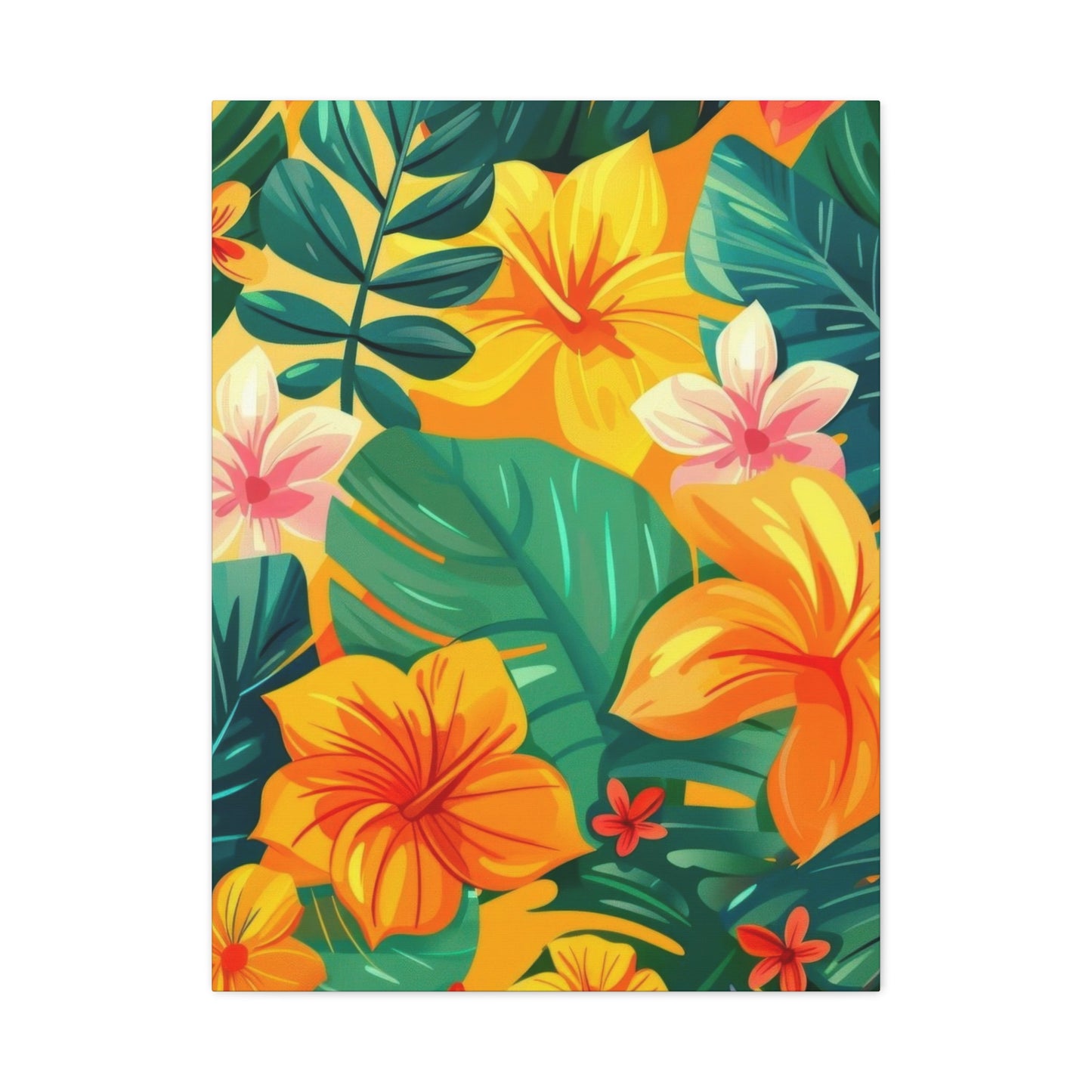
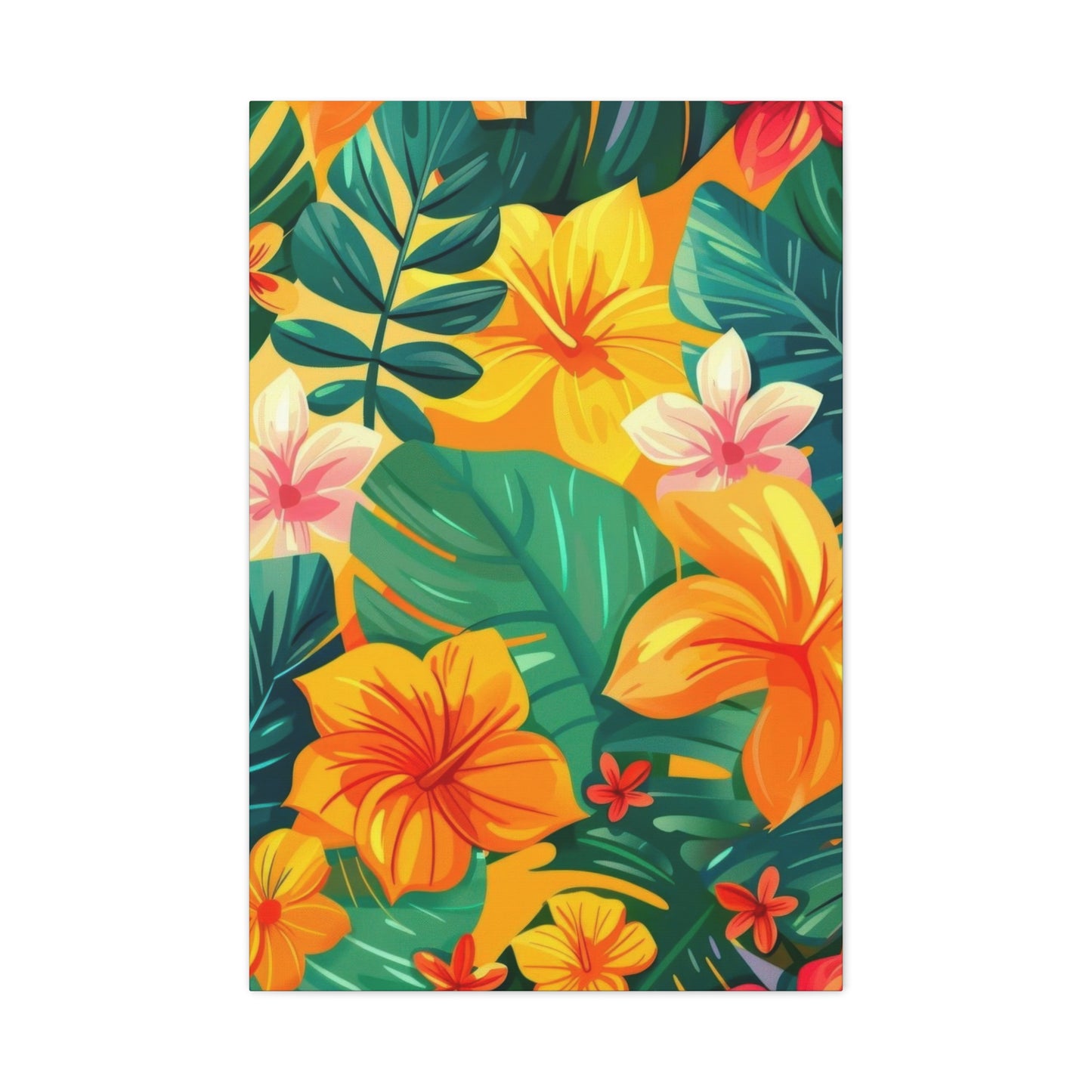
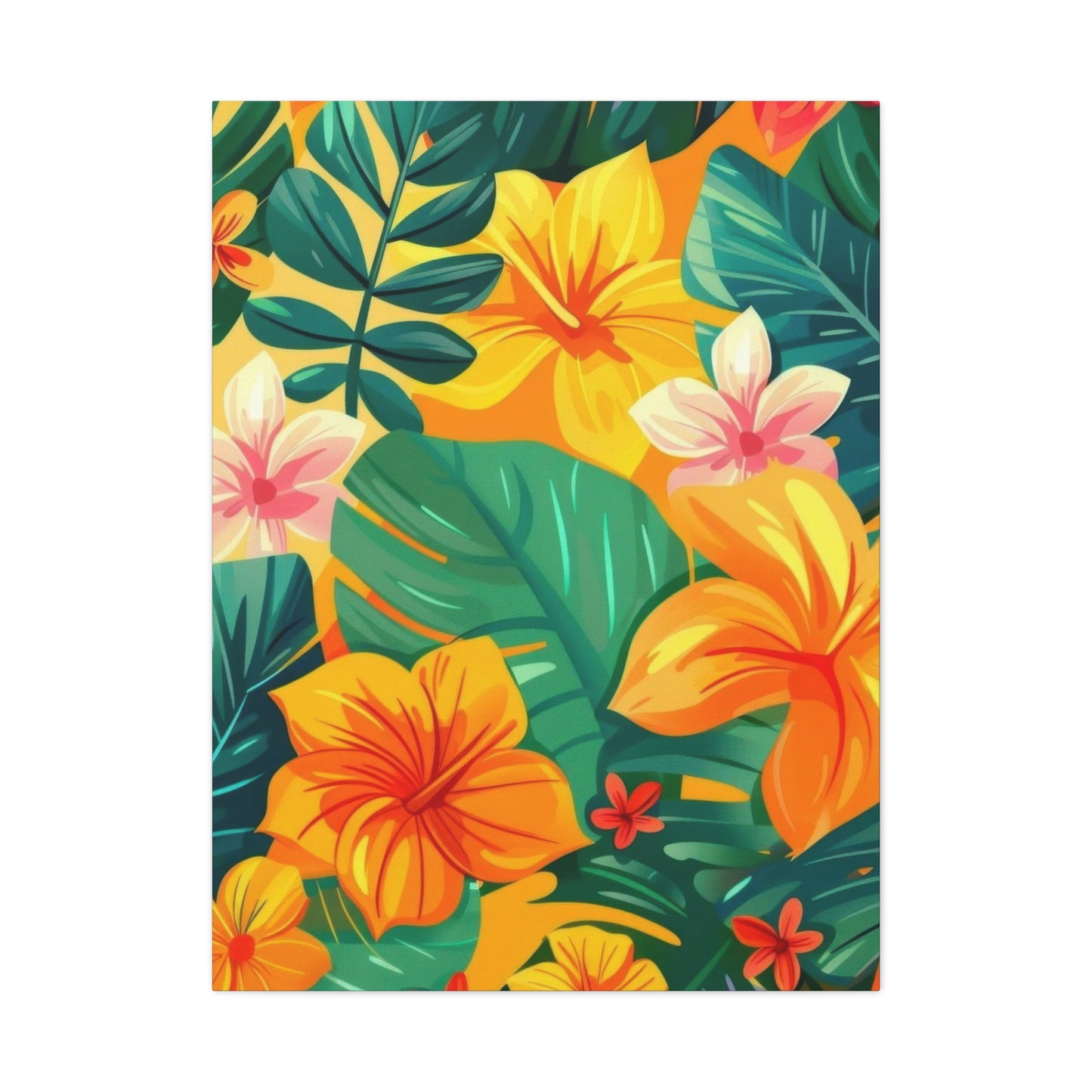
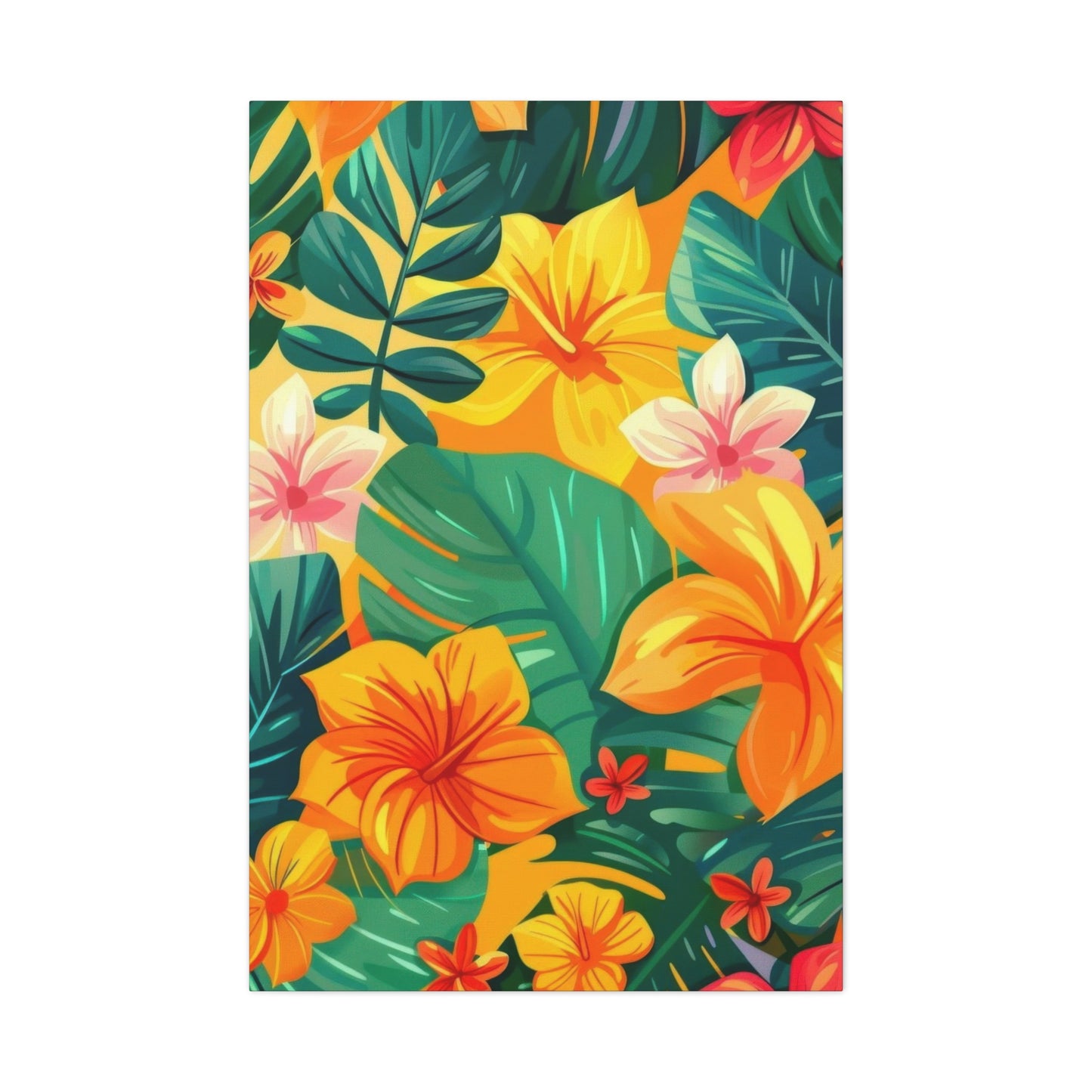
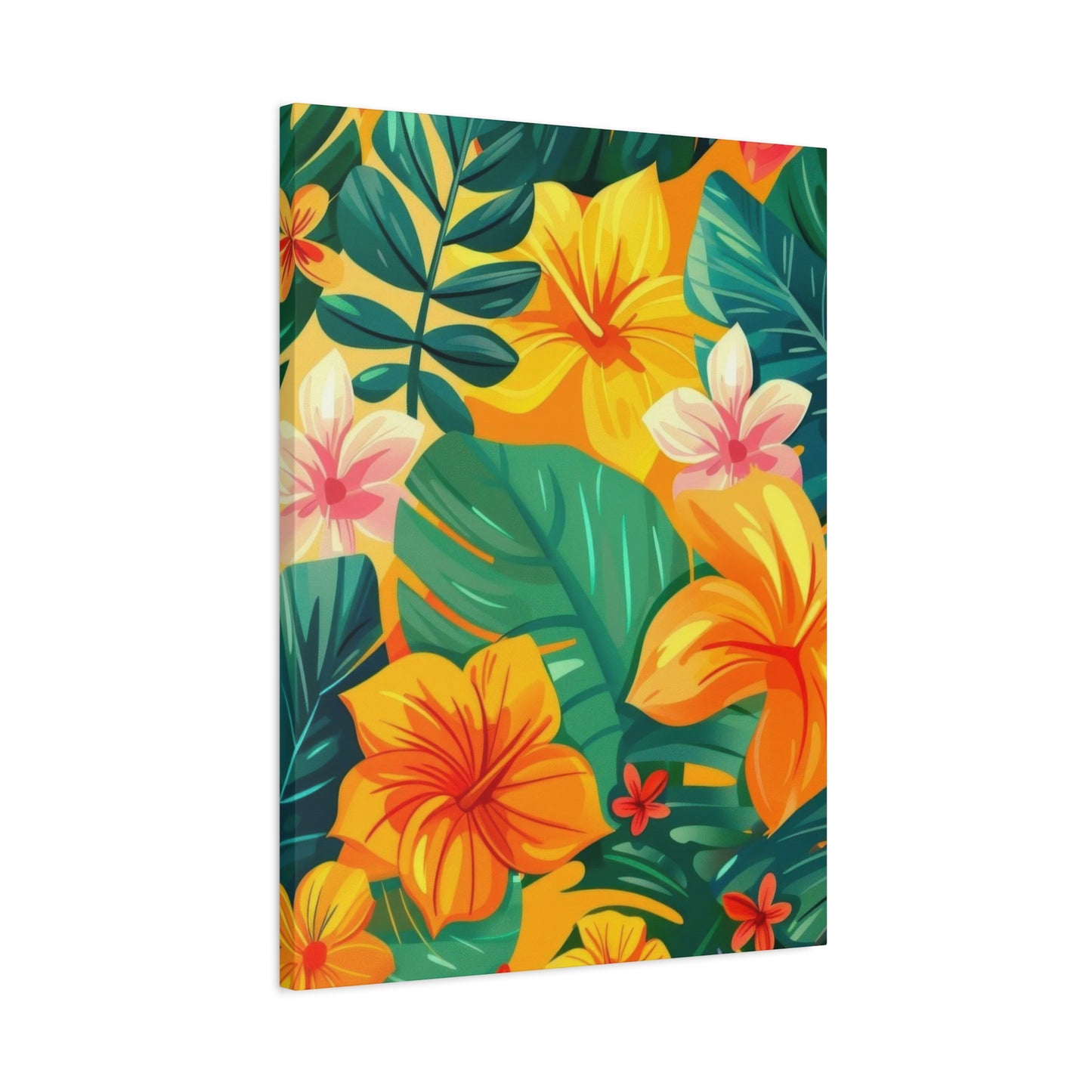
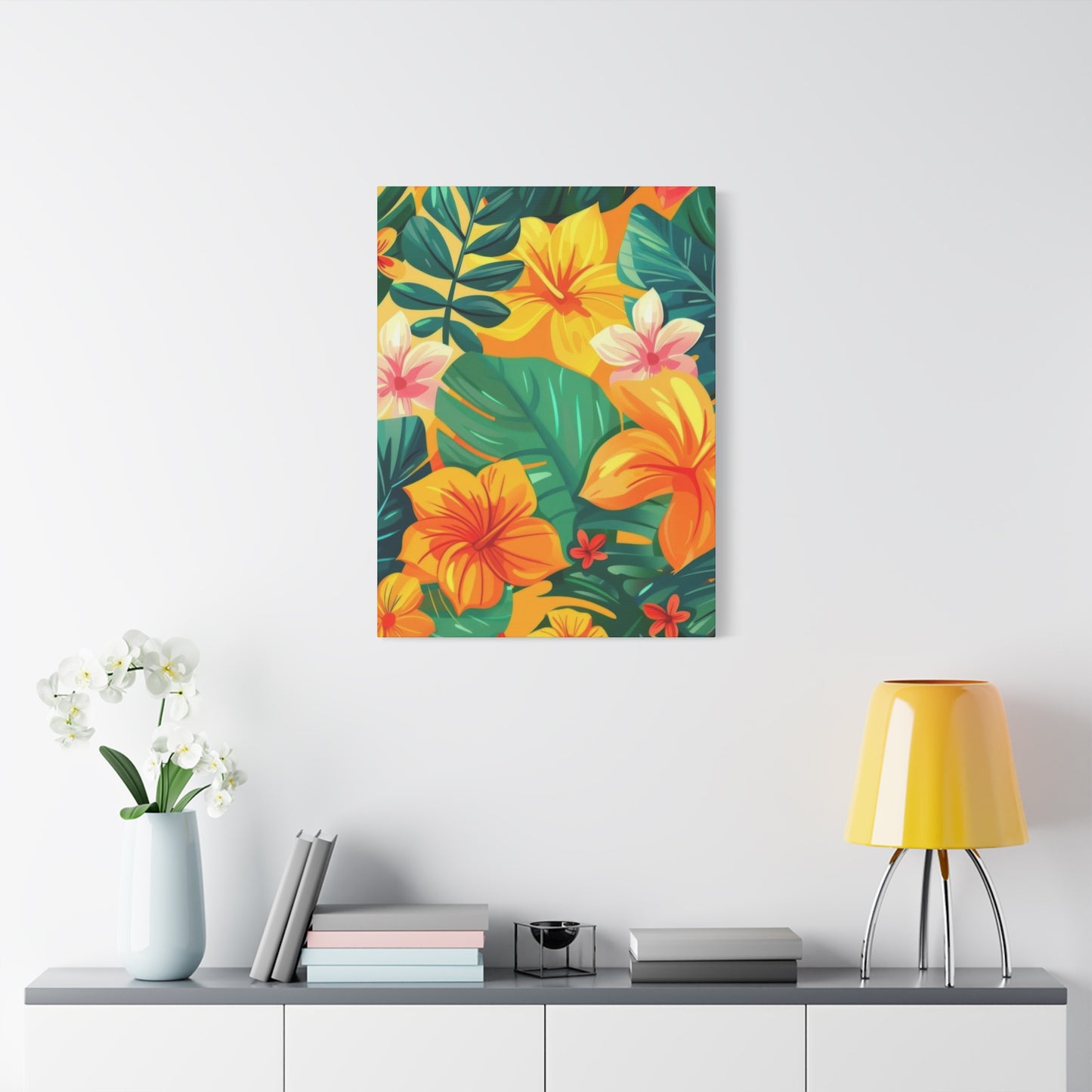
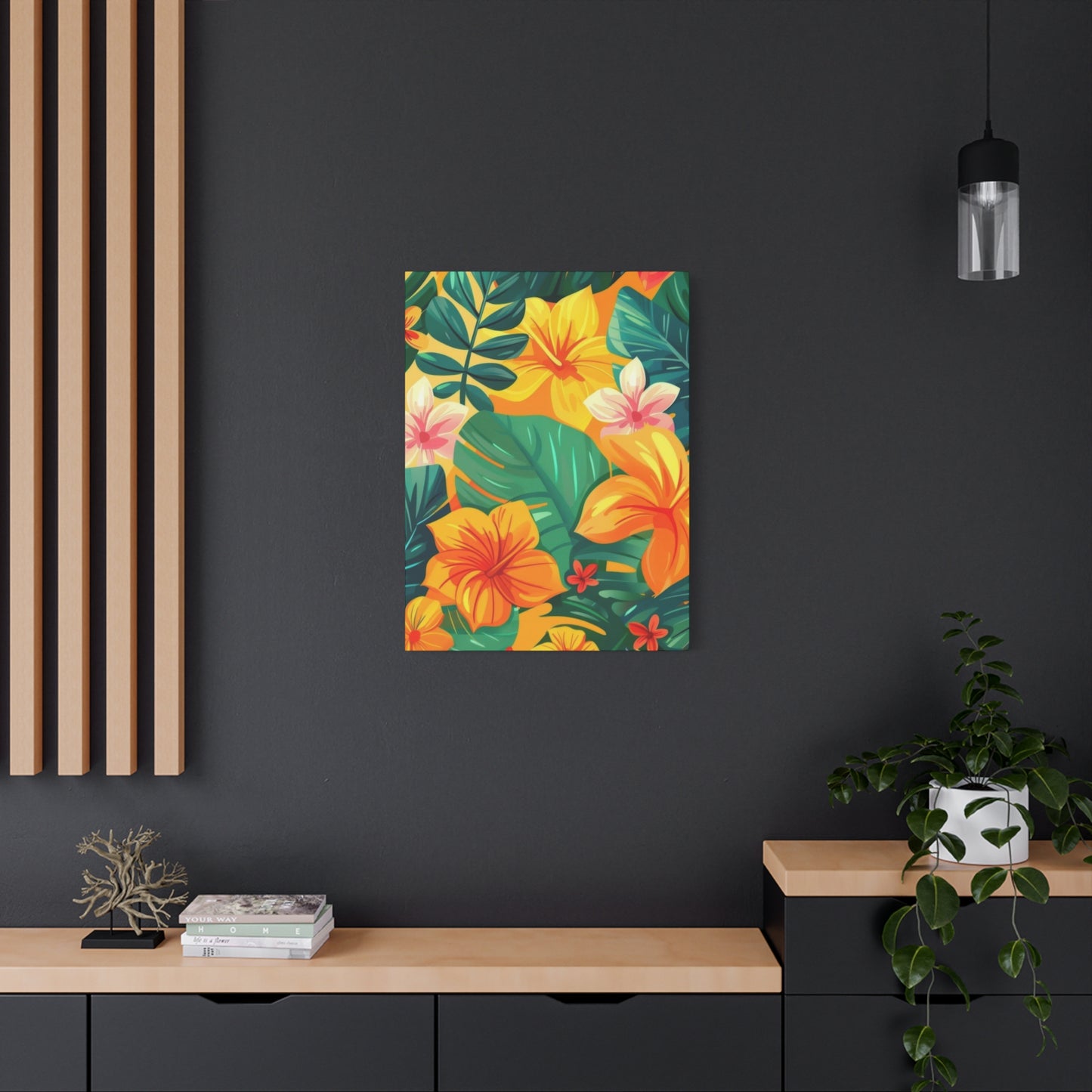
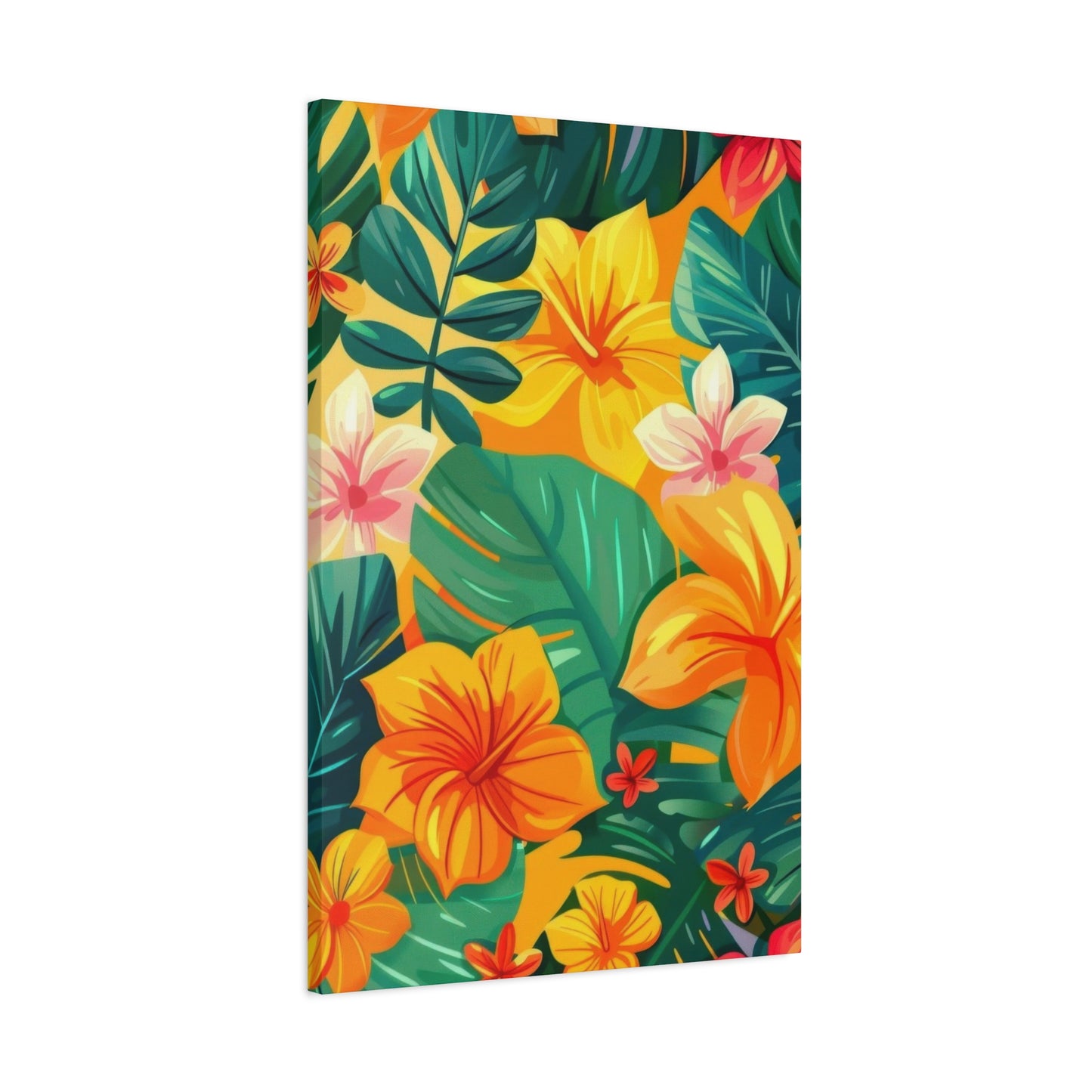
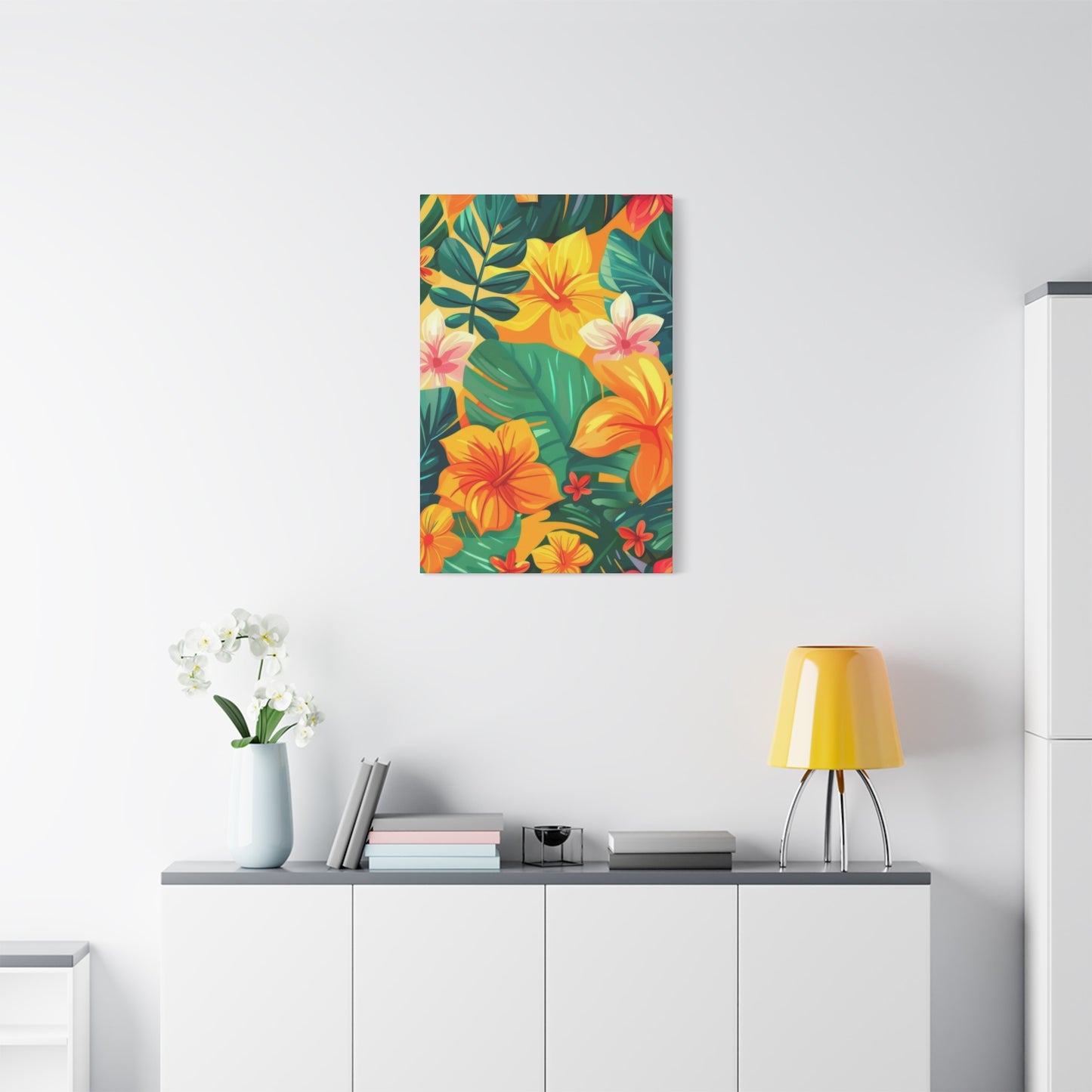
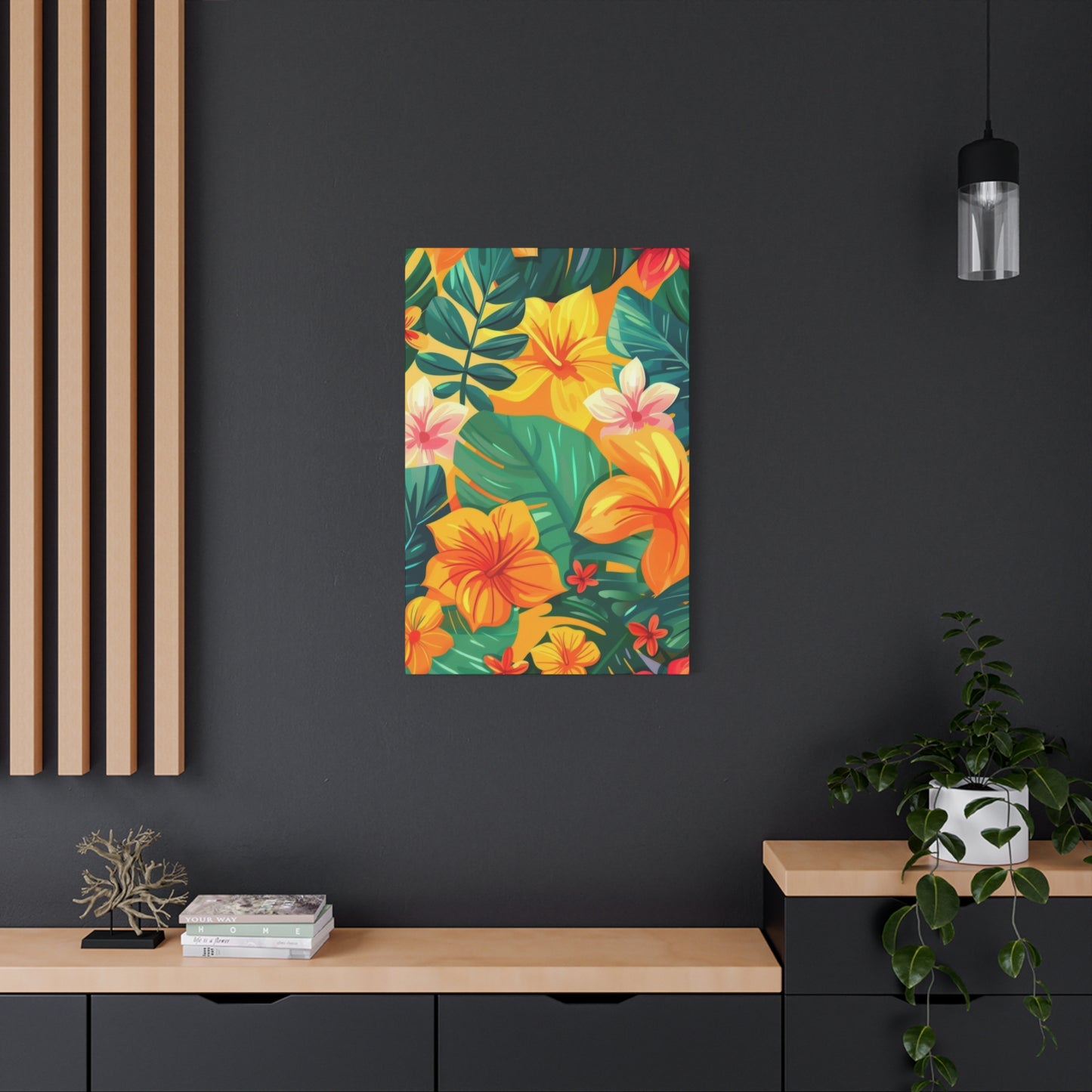
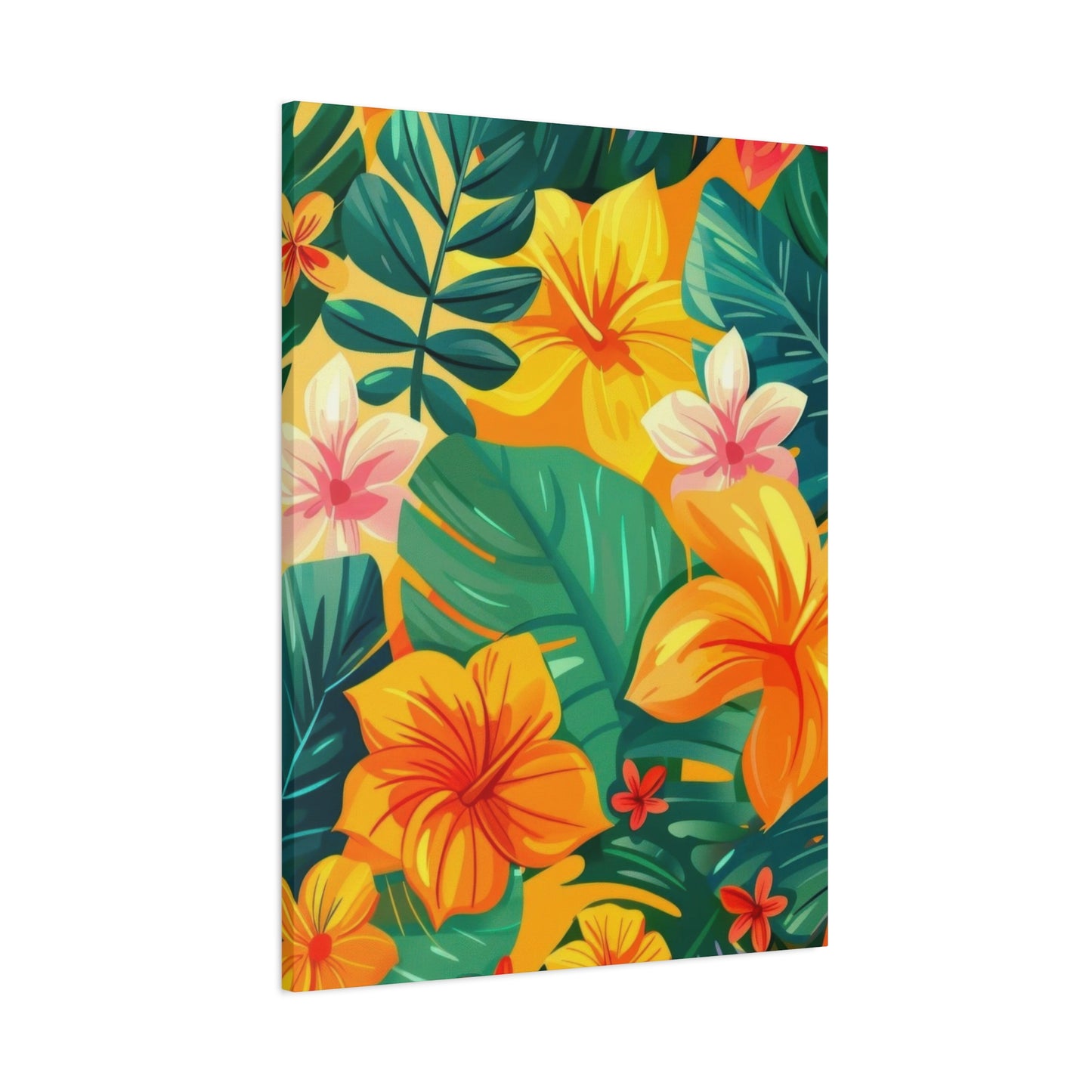
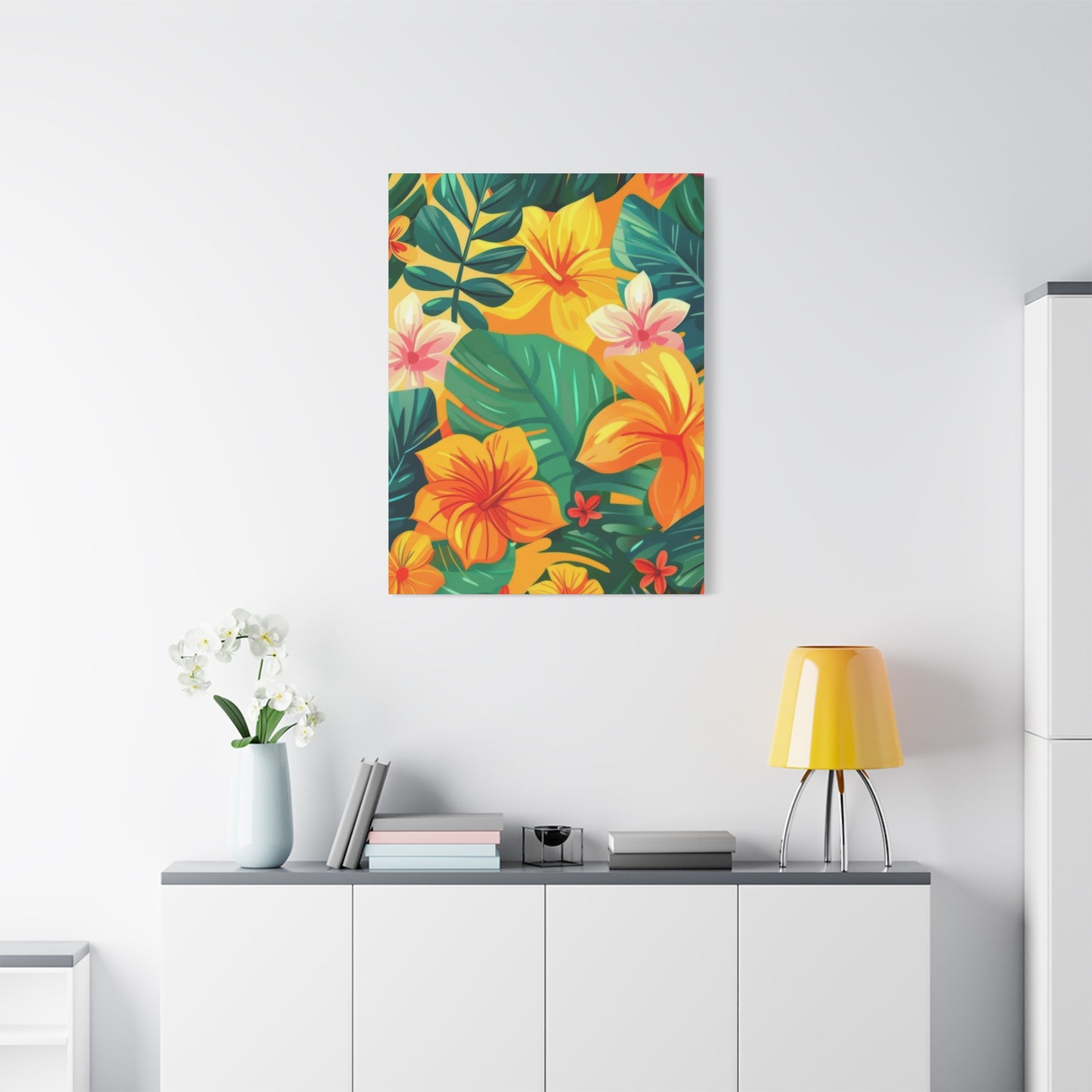
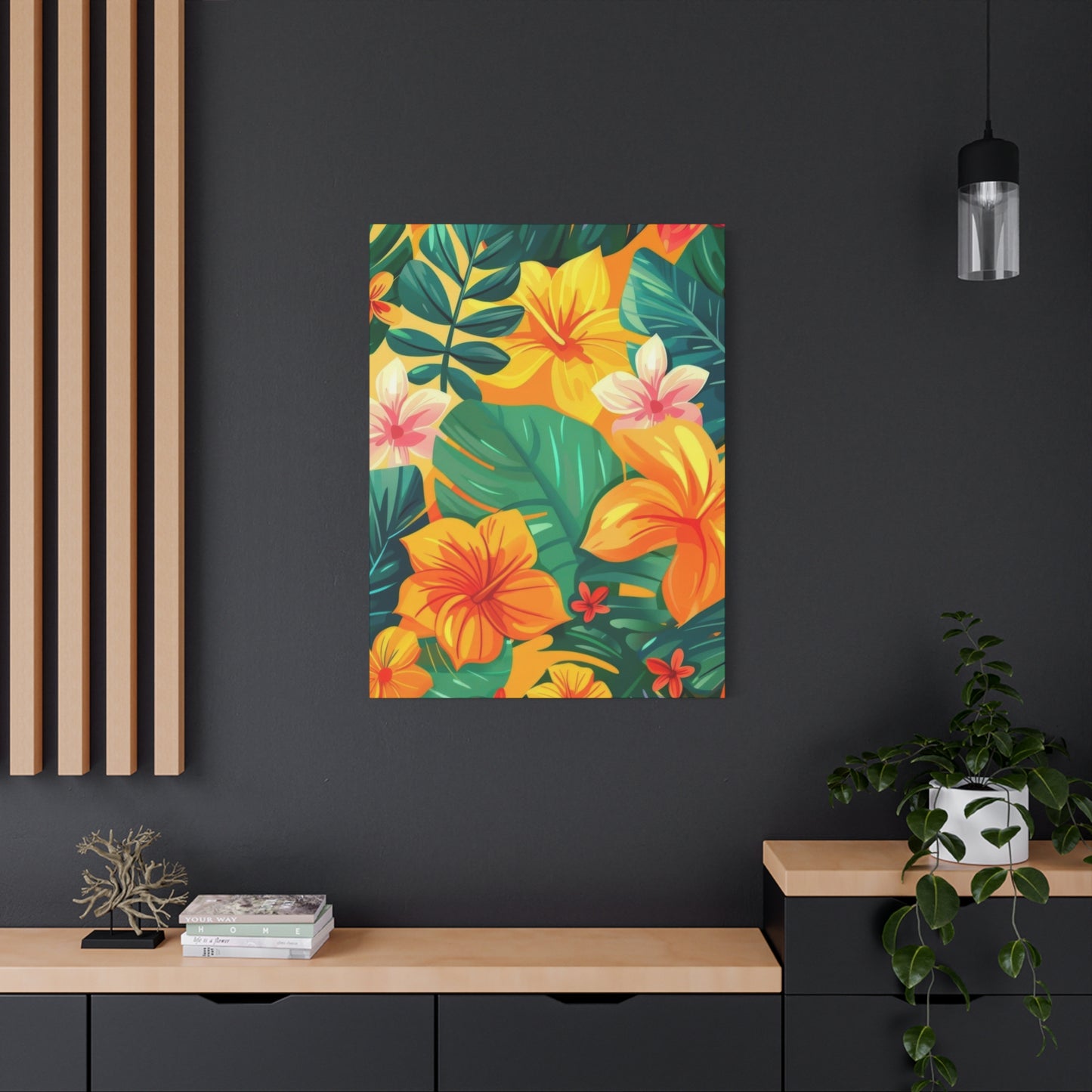
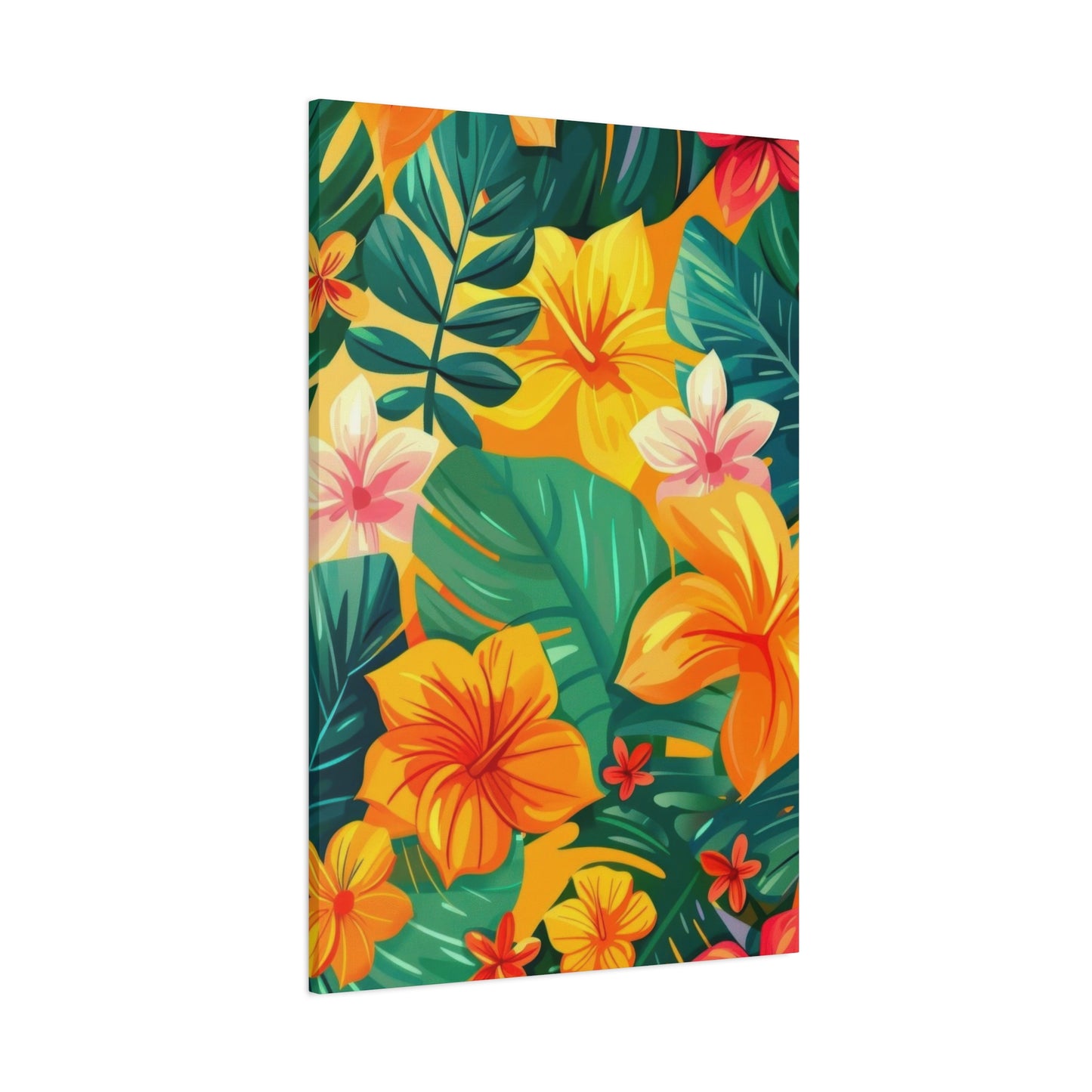
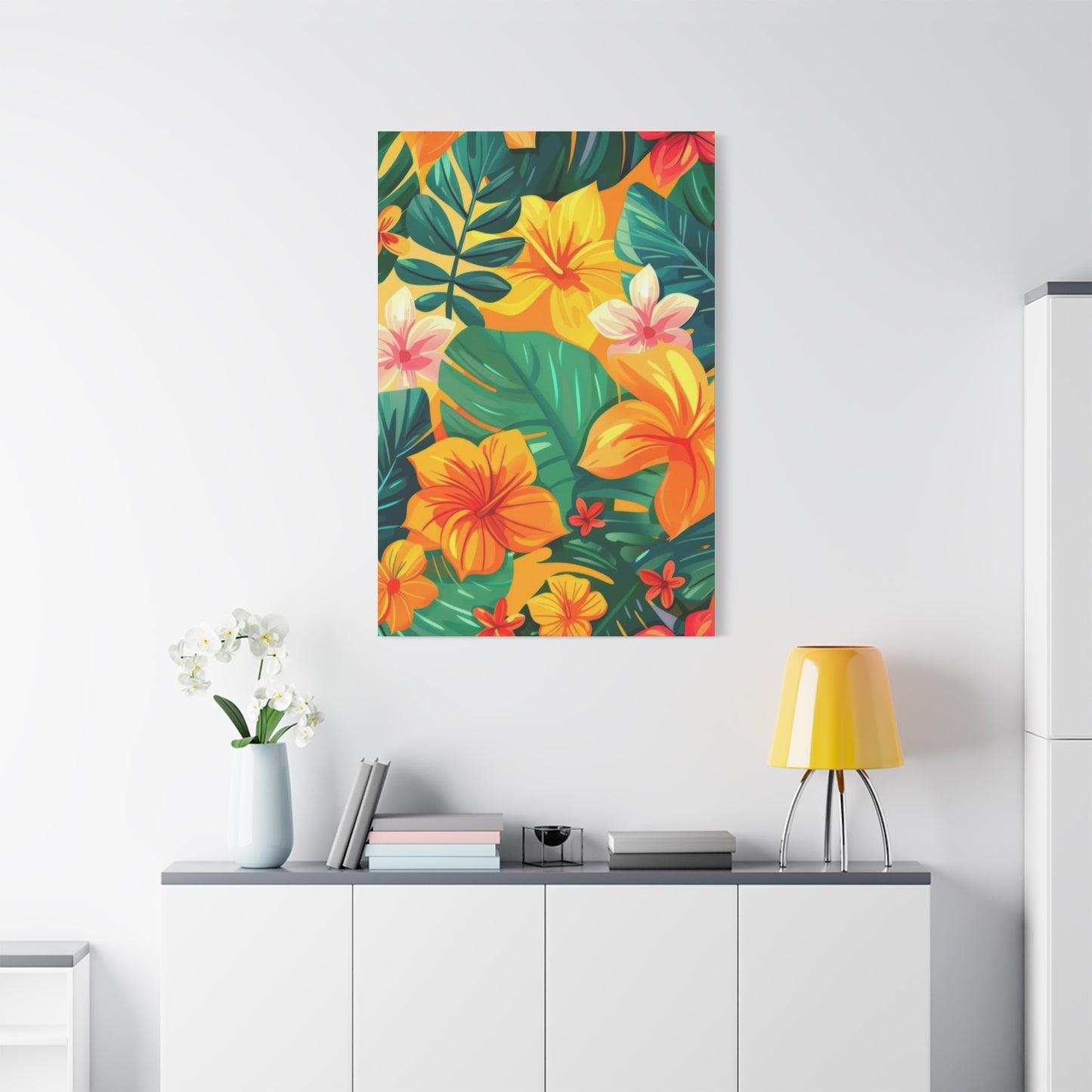
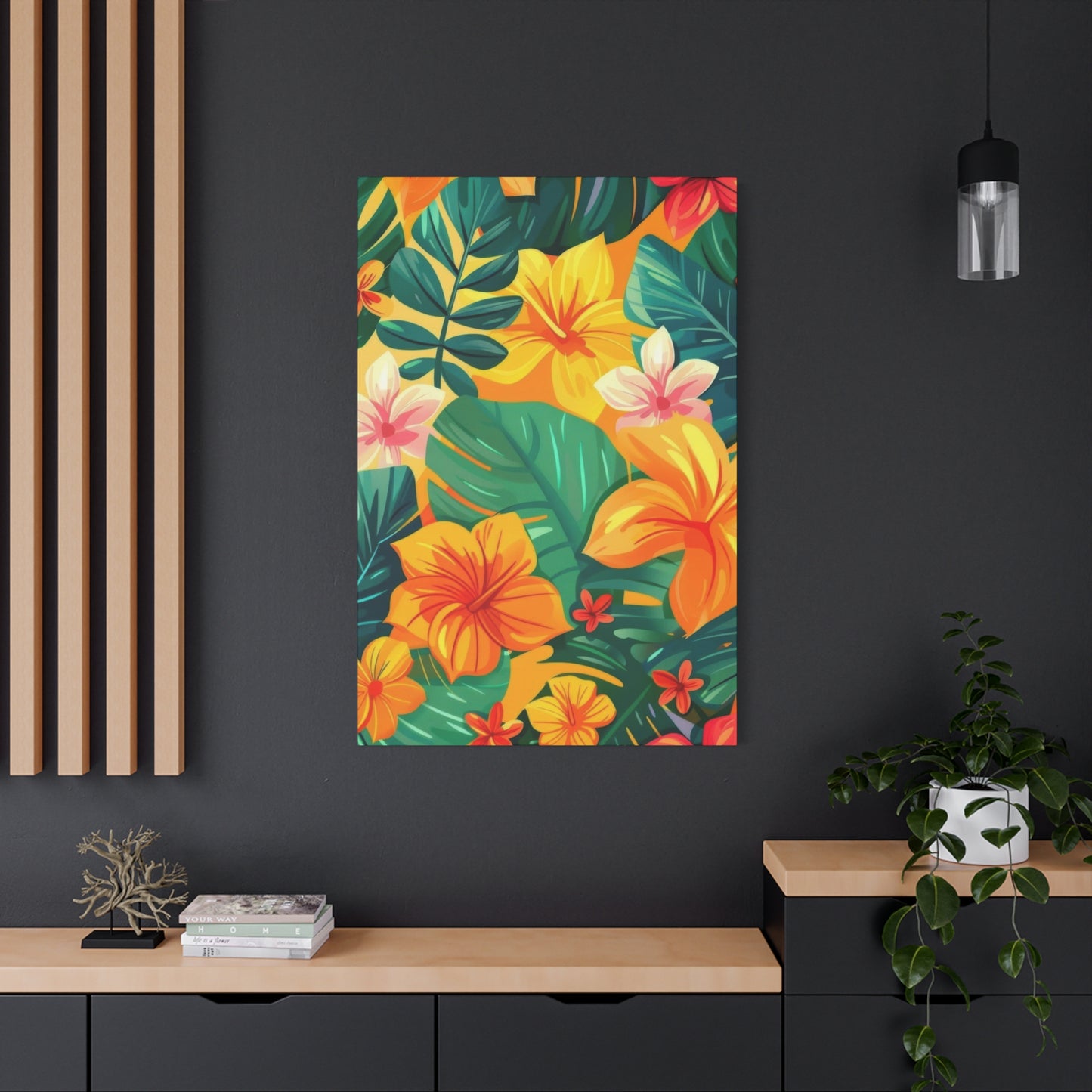
The Emotional Impact of Colorful Flowers Wall Art: Joy, Serenity, and Warmth
The world of interior design has witnessed a remarkable transformation in recent years, with homeowners and decorators increasingly turning toward nature-inspired elements to create warm, inviting, and visually stunning living spaces. Among the most captivating trends that have emerged is the incorporation of colorful flower canvas prints into home decor. These artistic representations of nature's most beautiful creations offer an unparalleled opportunity to infuse life, energy, and sophistication into any room while maintaining a connection to the natural world.
Floral artwork has transcended traditional boundaries, evolving from classic botanical illustrations to contemporary interpretations that celebrate color, movement, and emotion. The modern approach to flower canvas prints embraces bold hues, innovative compositions, and diverse artistic styles that cater to every aesthetic preference. Whether you prefer the delicate beauty of watercolor petals, the dramatic impact of abstract blooms, or the photographic precision of realistic flower portraits, there exists a perfect canvas print waiting to transform your living space.
The appeal of colorful flower canvas prints extends far beyond mere decoration. These pieces serve as powerful mood enhancers, conversation starters, and focal points that can completely redefine the atmosphere of a room. Scientific research has demonstrated that exposure to floral imagery and vibrant colors can positively influence our emotional well-being, reduce stress levels, and promote feelings of happiness and tranquility. By strategically placing these botanical masterpieces throughout your home, you create an environment that nurtures both visual pleasure and psychological comfort.
In this comprehensive exploration, we will delve deep into the multifaceted world of colorful flower canvas prints, examining their various styles, applications, and the transformative power they hold. From understanding the psychological impact of different color combinations to learning how to select the perfect piece for your specific space, this guide will equip you with the knowledge and inspiration needed to make informed decisions about incorporating floral art into your interior design scheme.
The Joy of Colorful Floral Wall Art
Discovering the profound joy that colorful floral wall art brings to our living spaces requires an appreciation for both aesthetic beauty and emotional resonance. When you welcome vibrant flower canvases into your home, you are not simply hanging a decorative piece on the wall; you are inviting the essence of nature's most exquisite creations to become part of your daily experience. The joy derived from these artistic expressions stems from multiple layers of sensory and emotional engagement.
The visual delight offered by colorful floral wall art begins with the immediate impact of color itself. Human beings possess an innate response to color that operates on both conscious and subconscious levels. Warm tones like reds, oranges, and yellows evoke feelings of energy, passion, and optimism, while cooler shades such as blues, purples, and greens promote calmness, serenity, and balance. A carefully selected floral canvas that incorporates a harmonious blend of these hues can create a dynamic emotional landscape within your home, offering both stimulation and relaxation depending on the time of day and your current mood.
Beyond the basic psychological effects of color, floral wall art engages our deeper connection to nature. Even for those who live in urban environments with limited access to gardens and natural landscapes, flower canvas prints serve as a bridge to the natural world. They remind us of spring meadows, summer gardens, and the eternal cycle of growth and renewal that defines the botanical realm. This connection satisfies a fundamental human need for biophilic design, the concept that our well-being is enhanced when we maintain visual and symbolic links to nature.
The joy of colorful floral wall art also manifests in its versatility and adaptability. Unlike many other decorative elements that may feel static or limiting, flower canvases offer remarkable flexibility in how they can be displayed and combined. You might create a gallery wall featuring multiple floral pieces in complementary color schemes, or opt for a single statement piece that commands attention and sets the tone for an entire room. The ability to rotate, rearrange, or update your floral art collection ensures that your space can evolve with your changing tastes and circumstances while maintaining a cohesive aesthetic foundation.
Another dimension of joy comes from the personal meaning and memories that floral art can evoke. Perhaps a particular flower reminds you of your grandmother's garden, a memorable vacation destination, or a significant life event. By selecting canvas prints that feature flowers with personal significance, you transform your walls into a repository of cherished memories and emotional landmarks. This personalization elevates the artwork from mere decoration to meaningful expression, creating a home that truly reflects your unique story and identity.
The sensory experience of living with colorful floral wall art extends beyond the purely visual. These pieces can influence the perceived atmosphere of a room, making spaces feel larger, brighter, more welcoming, or more intimate depending on the scale, colors, and composition of the artwork. A room adorned with vibrant flower canvases naturally becomes a more inviting gathering place, encouraging conversation, creativity, and connection among family members and guests alike.
Bring Nature Indoors with Vibrant Flower Canvases
The concept of bringing nature indoors has evolved from a simple decorating trend to a fundamental principle of contemporary interior design philosophy. Vibrant flower canvases represent one of the most effective and aesthetically pleasing methods of achieving this connection between interior spaces and the natural world. By carefully selecting and positioning these botanical artworks, you can transform even the most urban apartment into a sanctuary that celebrates the beauty, diversity, and vitality of nature.
When you choose to bring nature indoors through flower canvases, you are participating in a design approach that acknowledges the profound impact our surroundings have on our physical and mental health. Studies in environmental psychology have consistently demonstrated that exposure to natural elements, even in representational form, can lower blood pressure, reduce cortisol levels, and improve overall mood. Vibrant flower canvases serve as accessible, maintenance-free alternatives to living plants while delivering many of the same psychological benefits.
The process of selecting flower canvases to bring nature indoors should begin with an understanding of your space and your personal aesthetic preferences. Consider the natural light patterns in your room, as this will influence how colors appear at different times of day. A canvas featuring bright yellow sunflowers or orange poppies might look radiant in morning light but could feel overwhelming in harsh afternoon sun. Conversely, deeper jewel-toned florals with purples, burgundies, and navy blues can add richness to spaces with limited natural light, creating depth and sophistication.
Scale plays a crucial role in successfully bringing nature indoors through canvas art. Large-format flower prints can serve as dramatic focal points, creating the impression of a window into a botanical garden or wildflower meadow. These oversized pieces work particularly well in spacious living rooms, dining areas, or master bedrooms where they can be appreciated from various distances. Smaller canvases, grouped together in thoughtful arrangements, can create a curated gallery effect that brings natural elements to more intimate spaces like hallways, reading nooks, or home offices.
The diversity of flower species available in canvas print form allows you to create seasonal variations within your home. Spring might be represented by delicate cherry blossoms, tulips, and daffodils in soft pastels and fresh whites. Summer could bring bold sunflowers, vibrant dahlias, and cheerful daisies in saturated yellows, reds, and oranges. Autumn might feature rich chrysanthemums, marigolds, and late-season roses in warm amber, rust, and gold tones. Winter could be represented by elegant paperwhites, amaryllis, or abstract florals in cool blues and silvers. By rotating your flower canvases seasonally, you maintain a dynamic connection to nature's changing cycles.
Bringing nature indoors through vibrant flower canvases also offers an opportunity to explore botanical species from around the world. Your walls can showcase exotic orchids from tropical rainforests, delicate cherry blossoms from Japanese gardens, vibrant proteas from South African landscapes, or classic English roses from cottage gardens. This global approach to floral art transforms your home into a personal botanical exhibition, celebrating the incredible diversity of flowering plants across different climates and cultures.
The technical quality of modern canvas printing technology has made it possible to reproduce flowers with stunning detail and color accuracy. High-resolution images capture every nuance of petal texture, the subtle gradations of color within a single bloom, and the interplay of light and shadow that gives flowers their three-dimensional presence. This level of detail ensures that your flower canvases serve as genuine windows to nature, offering visual complexity that reveals new details with each viewing.
Expressive Florals: A Celebration of Color and Life
Expressive floral art represents a dynamic intersection where botanical beauty meets artistic interpretation, creating works that celebrate not just the physical appearance of flowers but their emotional and symbolic significance. These pieces go beyond mere representation to capture the essence, energy, and spirit of blooming nature through bold color choices, innovative compositions, and distinctive artistic voices. When you incorporate expressive florals into your home, you invite a celebration of both color and life itself.
The expressive approach to floral art often involves artistic liberties that prioritize emotional impact over botanical accuracy. Colors may be heightened to intensities not found in nature, with petals rendered in electric blues, neon pinks, or vibrant purples that pulse with energy. Brushstrokes might be bold and gestural, conveying movement and spontaneity rather than precise detail. Compositions can be abstract, focusing on the interplay of shapes, colors, and textures rather than creating literal representations of specific flowers. This freedom allows the artwork to communicate feeling and atmosphere in ways that realistic depictions might not achieve.
Color becomes the primary language through which expressive florals communicate their celebration of life. An explosion of warm tones including reds, oranges, and yellows can evoke the passionate vitality of summer gardens in full bloom, creating an atmosphere of joy, energy, and optimism. Cool palettes featuring blues, purples, and greens might capture the serene beauty of twilight gardens or the mysterious allure of moonlit flowers, offering spaces for contemplation and peaceful reflection. Multi-colored compositions that blend warm and cool tones celebrate the full spectrum of life's experiences, acknowledging both vibrancy and tranquility.
The celebration of life through expressive florals extends to the symbolic meanings traditionally associated with different flowers and colors. Red roses have long represented passionate love and desire, making them powerful choices for romantic spaces. Yellow blooms symbolize friendship, joy, and new beginnings, perfect for social areas or creative studios. White flowers convey purity, peace, and new possibilities, suitable for bedrooms or meditation spaces. Purple florals suggest royalty, luxury, and spiritual awareness, adding sophistication to formal areas. By understanding these symbolic associations, you can select expressive florals that align with the emotional tone you wish to establish in each room.
The artistic techniques used in creating expressive florals contribute significantly to their celebratory quality. Impressionistic approaches that blur the boundaries between individual flowers can create dreamy, romantic atmospheres that celebrate beauty in soft, accessible ways. Abstract expressionist interpretations might use dramatic contrasts, bold gestures, and unexpected color combinations to convey the raw power and untamed energy of nature. Contemporary digital art can layer, manipulate, and reimagine floral forms in ways that challenge traditional perceptions while maintaining an essential connection to botanical origins.
Living with expressive florals means embracing art that changes your emotional experience of a space. Unlike more neutral or subtle decorative elements, these pieces actively engage with viewers, demanding attention and eliciting responses. They can energize a tired morning routine when encountered in a bathroom or hallway, provide inspiration during creative work in a home office, or create a sense of festivity in dining and entertaining spaces. The celebration of color and life that these pieces embody becomes part of the daily experience of your home.
The personal expression enabled by this artistic approach allows homeowners to showcase their individuality and aesthetic preferences boldly. Choosing expressive florals demonstrates confidence in your design choices and a willingness to embrace art that makes a statement. These pieces often serve as conversation starters, inviting guests to engage with the artwork and share their interpretations and emotional responses. This interactive quality transforms your walls into dynamic elements of social spaces rather than static backgrounds.
Modern Homes Adorned with Colorful Flower Art
The integration of colorful flower art into modern homes represents a fascinating synthesis of contemporary design principles and timeless natural beauty. Today's modern interiors, characterized by clean lines, minimalist furniture, and neutral color palettes, provide the perfect canvas for vibrant floral artwork to make powerful visual statements. The juxtaposition of sleek, geometric modern spaces with organic, colorful flower art creates dynamic interiors that feel both sophisticated and warmly inviting.
Modern homes benefit particularly from the strategic use of colorful flower art as a means of introducing organic elements into spaces that might otherwise feel cold or sterile. The angular forms and hard surfaces typical of contemporary architecture find balance when paired with the soft, flowing curves of petals and leaves. This contrast between the man-made and the natural creates visual interest and depth that enriches the overall design scheme. A single large-scale floral canvas against a plain white wall can serve as a stunning focal point that anchors an entire room's aesthetic.
The color theory principles that guide modern interior design align beautifully with the possibilities offered by flower art. Contemporary spaces often employ a foundation of neutrals including whites, grays, and beiges, which serve as ideal backgrounds for colorful floral accents. A monochromatic room scheme can be dramatically transformed by the introduction of a vibrant flower canvas that injects personality and warmth without overwhelming the space. The artwork becomes the controlled burst of color that modern design often relies upon to create visual hierarchy and interest.
Modern homes increasingly embrace open floor plans where living, dining, and kitchen areas flow together without traditional barriers. In these expansive spaces, colorful flower art serves multiple important functions. Large floral canvases can help define separate zones within the open layout, creating visual anchors that distinguish the dining area from the living space, for example. A series of coordinated floral pieces can guide the eye through the space, creating a sense of rhythm and continuity that unifies the various functional areas.
The materials and finishes common in modern homes complement flower canvas art exceptionally well. Polished concrete floors, stainless steel appliances, glass surfaces, and glossy cabinetry all provide smooth, reflective surfaces that contrast beautifully with the textured, matte finish of canvas prints. This interplay of surfaces adds another layer of visual complexity to the space. The organic subject matter of flowers also offers a necessary counterpoint to the industrial materials frequently featured in contemporary design, humanizing spaces that might otherwise feel too austere.
Technology integration, a hallmark of modern homes, can extend to the presentation and enjoyment of flower art. Some homeowners incorporate LED strip lighting behind or around canvas pieces to create dramatic backlighting effects that change the artwork's appearance throughout the day. Smart lighting systems can be programmed to adjust color temperatures and intensities to complement the flowers' hues at different times. Digital displays that cycle through various floral images offer flexibility for those who want to change their art regularly without the physical effort of swapping canvases.
The sustainable and eco-conscious values increasingly associated with modern living align well with the choice of flower art. Canvas prints can be produced using environmentally responsible methods including water-based inks, sustainable wood frames, and recyclable materials. Choosing botanical art demonstrates an appreciation for nature that extends beyond aesthetics to encompass environmental awareness. This alignment of values and design choices creates homes that reflect the occupants' principles while maintaining visual appeal.
Radiant Blooms: Canvas Prints That Brighten Any Room
The transformative power of radiant bloom canvas prints lies in their ability to literally and figuratively brighten any room they inhabit. These luminous botanical artworks function as sources of visual light and energy, capable of elevating the atmosphere of spaces regardless of their size, function, or existing decor. Understanding how to harness this brightening effect allows homeowners to create environments that feel more spacious, cheerful, and welcoming.
The science of color and light explains much of the brightening effect that radiant bloom canvases provide. Warm colors including yellows, oranges, and certain shades of pink reflect more light than they absorb, creating the perception of increased brightness in a room. When these warm tones dominate a floral canvas print, they act as secondary light sources, bouncing ambient light throughout the space and reducing the appearance of shadows and dark corners. This effect proves particularly valuable in rooms with limited natural light or northern exposures that receive cooler, less intense illumination.
Rooms that traditionally present decorating challenges benefit enormously from strategically placed radiant bloom canvases. Basement spaces, interior hallways without windows, small bathrooms, and compact home offices often struggle with darkness despite adequate artificial lighting. A well-chosen floral canvas featuring bright blooms can psychologically counteract this darkness, creating focal points that draw the eye and distract from the room's limitations. The presence of vibrant flowers suggests outdoor gardens and sunshine, mentally connecting the space to brighter environments.
The composition and style of radiant bloom canvases influence their brightening capacity. Pieces with light or white backgrounds allow the colorful flowers to pop forward while the negative space reflects maximum light. This approach works exceptionally well in modern and minimalist interiors where the clean background complements existing design elements. Conversely, darker backgrounds can make bright flowers appear even more luminous through contrast, though this approach is better suited to rooms with adequate ambient light where the goal is creating drama rather than combating darkness.
Seasonal considerations play an important role in using radiant bloom canvases to brighten rooms. During darker winter months when natural daylight is scarce, rotating in canvases featuring particularly bright flowers including sunflowers, daffodils, tulips, and gerbera daisies can compensate for the lack of sunshine. These spring and summer bloomers remind occupants of warmer, brighter days ahead while providing immediate visual warmth. Summer months might accommodate slightly cooler or more complex color schemes since abundant natural light reduces the need for artificial brightening effects.
The size and placement of radiant bloom canvases significantly impact their room-brightening effectiveness. In general, larger canvases create greater impact and distribute their brightening effect more broadly throughout a space. A substantial floral piece placed opposite a window can catch and reflect natural light during daylight hours, effectively doubling the window's brightening contribution. Multiple medium-sized canvases arranged in a gallery wall configuration can create a distributed brightening effect that illuminates an entire wall rather than concentrating light in a single area.
Different rooms benefit from tailored approaches to brightening through floral art. Kitchens, often the heart of the home, become even more inviting with cheerful sunflower or citrus blossom prints that complement the room's functional purpose. Bedrooms achieve restful brightness through canvases featuring delicate cherry blossoms, soft roses, or gentle morning glories in peachy and lavender tones that energize without overstimulating. Living rooms can accommodate more dramatic radiant blooms including bold tropical flowers, vibrant dahlias, or abundant garden scenes that create focal points for social gathering.
Artistic Petals: The Power of Color in Wall Art
The artistic representation of petals in wall art showcases the extraordinary power of color to influence mood, perception, and the overall energy of interior spaces. When artists focus on petals as their primary subject, they highlight the intricate beauty and symbolic resonance of these delicate structures while leveraging color as the dominant communicative element. Understanding the power dynamics at play when color and petals combine allows for more intentional and effective use of floral wall art.
Color psychology provides the foundation for understanding how artistic petal representations affect viewers. Each hue carries specific psychological associations that have been documented across cultures and contexts. Red petals stimulate and energize, increasing heart rate and creating feelings of passion, urgency, and excitement. This makes red floral art ideal for spaces where energy and conversation are desired, such as dining rooms and social areas. Blue petals calm and soothe, reducing stress and promoting concentration, making them excellent choices for bedrooms, bathrooms, and meditation spaces.
Yellow petals introduce optimism, creativity, and mental clarity into environments. Art featuring golden, amber, or lemon-hued blooms can invigorate morning routines in bathrooms and breakfast areas while supporting creative work in home offices and studios. Green, though typically associated with leaves rather than petals, appears in certain flowers and brings feelings of balance, renewal, and connection to nature. Purple petals add sophistication, luxury, and spiritual depth, working well in formal living areas, reading rooms, and adult bedrooms.
The intensity and saturation of colors in petal art dramatically affect their psychological impact. Highly saturated, vivid colors create excitement and demand attention, making them suitable for spaces where bold statements are appropriate. Muted, desaturated colors promote calmness and sophistication, fitting seamlessly into minimalist or traditional interiors where subtlety is valued. Pastel petals in soft pinks, blues, and yellows create gentle, romantic atmospheres perfect for nurseries, feminine spaces, or anywhere a tender touch is desired.
Artistic interpretations of petals range from photorealistic to completely abstract, with each approach harnessing color's power differently. Realistic petal art showcases nature's own color mastery, replicating the subtle gradations, veining, and translucency that make real flowers so captivating. Abstract petal art liberates color from representational constraints, allowing artists to explore emotional and symbolic dimensions through unexpected color combinations and artistic techniques. Impressionistic approaches blur the line between these extremes, suggesting petals through color and brushwork while leaving details to the viewer's imagination.
The cultural dimensions of color in petal art add layers of meaning that transcend purely aesthetic considerations. In Western traditions, white petals symbolize purity and innocence, often associated with weddings and new beginnings. Red petals convey romantic love and passion, making them perennial favorites for Valentine's Day and anniversaries. In Eastern cultures, different associations may apply; for instance, red petals might symbolize good fortune and celebration rather than romance specifically. Understanding these cultural contexts allows for more nuanced selection of petal art that aligns with personal values and heritage.
The technical execution of color in petal art affects both its visual impact and longevity. High-quality canvas prints utilize archival inks that resist fading, ensuring that the carefully calibrated colors remain true over years or decades. The canvas texture itself influences color appearance, with tighter weaves producing smoother color fields and more pronounced textures creating subtle variations as light plays across the surface. The protective coatings applied to finished canvases can enhance color vibrancy while protecting against environmental factors including humidity, dust, and UV exposure.
Fresh Florals: Transforming Spaces with Color and Energy
Fresh floral canvas prints possess an unique vitality that can fundamentally transform spaces by infusing them with color and energy. These representations of flowers at their peak bloom capture a moment of perfection that invites viewers to experience nature's exuberance secondhand. The transformative potential of fresh florals extends beyond mere decoration to encompass genuine improvements in how spaces feel, function, and support the activities and moods of their occupants.
The concept of freshness in floral art relates not only to the depicted flowers themselves but to the overall impression the artwork creates. Fresh florals typically feature vibrant, unsaturated colors that suggest recently opened blooms full of life and vitality. The compositions often emphasize abundance and fullness, with multiple flowers arranged in bouquets, garden scenes, or clustered groupings that convey generosity and plenty. This aesthetic contrasts with wilted or sparse floral representations, creating an immediate positive emotional response in viewers.
Transforming spaces with fresh floral canvases begins with strategic placement decisions. Entry halls and foyers benefit enormously from welcoming floral displays that set a positive tone from the moment someone enters the home. These spaces traditionally serve as transitional zones between the outside world and private domestic life, making them ideal locations for art that celebrates nature while demonstrating the homeowner's aesthetic sensibilities. A substantial fresh floral canvas in an entryway creates an memorable first impression that influences how visitors perceive the entire home.
Living rooms and family rooms undergo notable transformations when fresh florals introduce concentrated bursts of color and energy. These communal spaces serve multiple functions including relaxation, entertainment, and family interaction, requiring design elements that support diverse activities and moods. Fresh floral art provides visual interest without demanding constant attention, creating a pleasant background that enhances conversation and togetherness. The energy conveyed by vibrant blooms can elevate social gatherings, making spaces feel more festive and welcoming.
Kitchens and dining areas particularly benefit from fresh floral transformations due to the natural associations between flowers, abundance, and celebration. Throughout history, fresh flowers have adorned dining tables during feasts and special occasions, creating subconscious connections between floral imagery and pleasant dining experiences. Canvas prints featuring fresh florals can evoke these positive associations year-round without the maintenance requirements or expense of actual cut flowers. The colors and energy of the artwork can stimulate appetite and conversation, contributing to memorable meals and gatherings.
Bedrooms transform into personal sanctuaries when fresh florals are thoughtfully incorporated. The key lies in selecting pieces with color schemes and energy levels appropriate for rest and intimacy. Soft pastels, including peach, lavender, and blush roses, bring freshness without overstimulation, supporting relaxation and sleep. More vibrant fresh florals might be reserved for dressing areas or reading nooks within the bedroom where their energy supports active tasks rather than rest. The personal nature of bedroom spaces also allows for highly individualized floral choices reflecting favorite flowers, meaningful colors, or cherished memories.
Home offices and creative spaces undergo productivity-enhancing transformations when fresh florals introduce natural elements and color psychology. The presence of nature imagery, even in representational form, has been shown to reduce mental fatigue and support sustained concentration. Fresh florals in energizing colors can combat the afternoon slump that often affects desk workers, while cooler-toned arrangements might support analytical tasks requiring calm focus. The aesthetically pleasing environment created by fresh floral art can also make work spaces more enjoyable, potentially increasing motivation and job satisfaction for those working from home.
Garden-Inspired Wall Art for Joyful Interiors
Garden-inspired wall art brings the romance, abundance, and structured beauty of cultivated outdoor spaces into interior environments, creating joyful atmospheres that celebrate nature's partnership with human creativity. Unlike wild floral art that emphasizes untamed natural beauty, garden-inspired pieces reflect the careful planning, nurturing, and aesthetic vision that define traditional and contemporary gardens. This distinction makes garden-inspired art particularly appealing for those who appreciate both nature and intentional design.
The tradition of garden art in interior decoration stretches back centuries, with wealthy households commissioning paintings of their estate gardens as symbols of prosperity and refined taste. Contemporary garden-inspired canvas prints democratize this tradition, allowing anyone to enjoy reproductions of famous gardens, idealized garden scenes, or artistic interpretations that capture the essence of garden beauty. This accessibility means that urban apartment dwellers can surround themselves with garden imagery that compensates for lack of private outdoor space while maintaining connections to horticultural traditions.
Garden-inspired wall art often features recognizable garden elements beyond flowers themselves. Manicured hedges, stone pathways, decorative urns, trellises, and garden furniture might appear alongside blooms, creating complete scenes that tell stories about outdoor living and leisure. These contextual elements add narrative depth to the artwork, inviting viewers to imagine themselves strolling through the depicted gardens, sitting among the flowers, or tending to the plants. This imaginative engagement contributes to the joyful response these pieces inspire.
Different garden styles represented in wall art offer varied aesthetic experiences and cultural associations. English cottage gardens with their profusion of roses, delphiniums, and foxgloves in mixed borders create romantic, slightly chaotic abundance that brings warmth and charm to traditional interiors. French formal gardens with their geometric precision, controlled color schemes, and structured plantings suit contemporary spaces where order and sophistication are valued. Japanese gardens with carefully placed cherry blossoms, irises, and maples convey tranquility and spiritual depth through minimalist compositions. Tropical gardens bursting with exotic blooms introduce drama and luxury through vivid colors and unfamiliar botanical forms.
The seasonal character of gardens provides opportunities for rotating wall art to reflect changing times of year. Spring garden art featuring tulips, daffodils, and flowering fruit trees celebrates renewal and new beginnings, perfect for refreshing interiors after winter. Summer garden pieces showcasing roses at peak bloom, lavender fields, or sunflower patches capture the zenith of the growing season with maximum color and abundance. Autumn garden art with chrysanthemums, late-season roses, and changing foliage colors brings warmth and richness as days shorten. Even winter gardens with structural elements, evergreens, and perhaps a few hardy blooms can create joyful interiors by celebrating subtler beauties.
Garden-inspired wall art particularly excels in creating cohesive design schemes throughout homes. By selecting multiple pieces that share a common garden theme or color palette, homeowners can establish visual connections between different rooms while allowing each space to maintain its unique function and character. A gallery wall of various garden scenes creates a botanical journey through a hallway, while coordinated single pieces in adjacent rooms maintain thematic continuity. This approach to decorating creates homes that feel intentionally designed rather than randomly furnished.
The joyful quality of garden-inspired interiors stems partly from the symbolic meanings attached to gardens themselves. Gardens represent cultivation, growth, beauty emerging from effort, and the human desire to create order within nature. Living with garden-inspired art serves as a daily reminder of these positive concepts, potentially influencing how occupants approach challenges and opportunities. The joy found in these artworks is not merely aesthetic but philosophical, connecting interior design choices to broader values about growth, beauty, and intentional living.
The Perfect Pop of Color: Floral Canvas Designs
Floral canvas designs serve as the perfect pop of color in interior spaces that might otherwise feel safe, neutral, or somewhat predictable. This strategic use of botanical art leverages the inherent vibrancy of flowers to create focal points, establish visual hierarchies, and inject personality into rooms without requiring complete decorative overhauls. Understanding how to deploy floral canvases as color accents allows for maximum impact with minimal investment and commitment.
The concept of a color pop relies on contrast and surprise. In spaces dominated by neutral tones including whites, grays, beiges, and taupes, a single floral canvas in vivid hues creates an immediate focal point that draws the eye and anchors the room's design. This technique proves particularly effective in contemporary and minimalist interiors where color is used sparingly and strategically. The floral subject matter softens what might otherwise be a jarring color introduction, making bold hues feel organic and intentional rather than random or garish.
Selecting the right floral canvas for creating a color pop requires consideration of both the desired mood and existing design elements. Complementary color schemes where the canvas features colors opposite existing accent colors on the color wheel create vibrant, energetic effects. For example, if a room contains blue throw pillows or accessories, a floral canvas dominated by oranges and yellows will create dynamic visual tension. Analogous color schemes using colors adjacent on the color wheel produce more harmonious effects; purple florals would gently enhance a room with existing blue and pink accents.
The scale and composition of floral canvases affect their effectiveness as color pops. A single large-scale canvas makes a bold, confident statement that declares itself as the room's primary visual focus. This approach works well in spaces with minimal competing elements where the goal is creating a clear center of attention. Multiple smaller floral canvases can distribute the color pop across a larger area, creating rhythm and movement while maintaining the overall accent effect. Three to five coordinated pieces in a gallery arrangement often achieve optimal impact without overwhelming the space.
Placement strategies for color pop florals depend on room architecture and furniture arrangement. Above a sofa or bed, floral canvases naturally become focal points that anchor seating or sleeping areas. In dining rooms, placement above sideboards or buffets creates visual interest without interfering with table-level sightlines during meals. In hallways and transitional spaces, floral color pops guide movement through the home while transforming potentially forgotten areas into designed moments. Vertical placement of floral canvases can emphasize ceiling height, while horizontal arrangements emphasize width, allowing for architectural manipulation through art placement.
The temporality of color pops through floral canvases offers advantages over more permanent color commitments like painted walls or large furniture pieces. As tastes evolve or seasonal changes inspire decorative refreshes, swapping one floral canvas for another allows complete color scheme transformations without significant expense or effort. This flexibility particularly appeals to renters who cannot alter permanent architectural elements or to those who enjoy regularly updating their environments. A collection of floral canvases in different color schemes can be rotated seasonally, creating an ever-evolving interior that remains fresh and engaging.
Lighting considerations significantly impact how floral canvases function as color pops. Natural light changes throughout the day, affecting color perception and intensity. A canvas with yellow and orange blooms might appear brilliant and energizing in morning light but could shift to warmer, more subdued tones in afternoon sun. Artificial lighting choices also matter; warm LED bulbs enhance red, orange, and yellow florals while cool-toned lighting benefits blue, purple, and pink blooms. Accent lighting directed at the canvas can intensify the color pop effect, making it visible and impactful even in evening hours when natural light fades.
Contemporary Flower Prints for Modern Aesthetics
Contemporary flower prints represent an evolution in botanical art that aligns perfectly with modern aesthetic sensibilities while maintaining the timeless appeal of floral subjects. These pieces distinguish themselves through innovative artistic approaches, unexpected compositions, and a willingness to challenge traditional flower portraiture conventions. For homeowners seeking to incorporate natural elements into modern spaces without sacrificing contemporary edge, these prints offer ideal solutions that bridge classic subject matter with cutting-edge presentation.
The defining characteristics of contemporary flower prints often include minimalist compositions that isolate individual blooms or small clusters against neutral backgrounds. This reductive approach emphasizes form, color, and subtle detail rather than creating complex arrangements or garden scenes. The negative space surrounding the flowers becomes as important as the blooms themselves, creating breathing room and allowing the viewer's eye to focus intently on the botanical subject. This aesthetic aligns perfectly with modern design principles that value simplicity, clarity, and intentional use of space.
Color treatment in contemporary flower prints frequently departs from naturalistic representation. Artists may employ monochromatic schemes rendering flowers in shades of a single color, creating sophisticated pieces that coordinate easily with minimalist interiors. Alternatively, unexpected color combinations including neon accents, metallic overlays, or deliberately muted palettes create unique visual experiences that challenge viewers' expectations about how flowers should appear. This artistic license produces pieces that function as contemporary art first and floral representations second, appealing to collectors who prioritize artistic innovation.
Photographic contemporary flower prints leverage advanced camera technology and post-processing techniques to achieve effects impossible with traditional artistic media. Extreme close-ups reveal petal textures, stamen details, and color gradations invisible to casual observation, transforming familiar flowers into abstract landscapes of organic form. High-contrast black and white flower photography strips away color to emphasize shape, light, and shadow, creating dramatic pieces that complement modern interiors without introducing chromatic complexity. Multiple exposure techniques, selective focus, and intentional motion blur produce dreamlike interpretations that exist between representation and abstraction.
Digital art techniques have opened new frontiers for contemporary flower prints. Artists can combine photographic elements with painted or illustrated components, creating hybrid pieces that reference traditional botanical illustration while clearly announcing their contemporary origins. Geometric overlays, pixel-sorting effects, glitch aesthetics, and digital manipulation techniques transform flowers into vehicles for exploring themes beyond botanical beauty. These experimental approaches attract collectors who appreciate the intersection of technology, art, and nature while furnishing modern homes that reflect contemporary cultural moments.
The materials and presentation methods used for contemporary flower prints contribute to their modern aesthetic impact. Metal prints where images are infused onto aluminum sheets create luminous, almost backlit effects with contemporary industrial appeal. Acrylic face-mounted prints produce depth and dimension that enhance colors while introducing reflective surfaces consistent with modern design's glass and metal preferences. Frameless gallery wraps with images extending around canvas edges.
Conclusion:
Colorful Flowers Wall Art transcends mere decoration; it is a powerful conduit for emotion, atmosphere, and personal expression. Through the careful interplay of vibrant hues, intricate floral patterns, and thoughtful composition, this art form evokes feelings of joy, serenity, and warmth, transforming interiors into spaces that resonate both visually and emotionally. Flowers, long celebrated as symbols of beauty, renewal, and vitality, take on new depth when rendered on canvas, infusing homes with energy, tranquility, and a sense of connection to nature. Each bloom, color choice, and brushstroke contributes to a holistic experience that elevates the ambiance of any space, creating a balance between aesthetic delight and emotional engagement.
At the heart of floral art’s emotional impact is color psychology. Bright, warm hues such as reds, oranges, and yellows naturally stimulate feelings of happiness, enthusiasm, and energy. These colors can enliven living rooms, kitchens, and social spaces, fostering optimism and dynamic interaction. Conversely, cooler shades—soft blues, purples, and gentle greens—promote relaxation, calmness, and introspection, making them ideal for bedrooms, studies, or meditation areas. By integrating a diverse palette within floral compositions, artists create multifaceted experiences, allowing viewers to feel uplifted, soothed, and inspired simultaneously. This duality makes colorful flower wall art uniquely capable of transforming not just the physical space, but also the emotional landscape of those who inhabit it.
From a design perspective, Colorful Flowers Wall Art offers unparalleled versatility. Large-scale canvases serve as striking focal points, anchoring a room with vibrancy and visual interest, while smaller prints can complement gallery walls or accent areas, adding rhythm, depth, and cohesion. The natural forms of flowers harmonize with a wide range of interior styles—from contemporary and minimalist to rustic, bohemian, and eclectic spaces. The organic lines, flowing petals, and delicate textures bring softness to angular interiors, while the dynamic color schemes can enliven neutral or monochromatic rooms. In every context, floral art provides a bridge between human creativity and the calming beauty of the natural world.
Beyond aesthetics, floral wall art carries symbolic and psychological resonance. Flowers represent growth, renewal, love, and the cyclical nature of life. Incorporating these symbols into interior spaces encourages mindfulness, emotional reflection, and a sense of gratitude. The presence of floral imagery can reduce stress, promote relaxation, and enhance overall well-being. Viewers are subtly reminded of life’s beauty, its vibrancy, and the harmony that exists in nature’s patterns. This symbolic dimension, coupled with the emotive qualities of color and composition, makes floral art a transformative addition to any home, offering both visual pleasure and emotional enrichment.
The craftsmanship behind Colorful Flowers Wall Art further amplifies its impact. Artists employ a variety of techniques, including oil painting, watercolor, digital illustration, and mixed media, to capture the texture, depth, and radiance of individual blooms. Light, shadow, and layering are used to evoke realism, while abstraction and stylization can enhance emotional expression, movement, and mood. Whether through bold, saturated strokes or delicate, nuanced details, the artistry brings each flower to life, inviting viewers to explore texture, shape, and color in a way that feels immersive and personal.
Integrating floral wall art into home décor also enhances spatial dynamics. Strategic placement—such as above a sofa, in a dining area, or along hallways—can guide visual flow, create focal points, and harmonize color schemes. Pairing flower artwork with natural materials like wood, linen, or stone enhances its organic appeal, while accent lighting can illuminate textures and deepen the interplay of shadow and color. The result is an environment that is not only visually compelling but also emotionally nurturing, where the beauty of nature and human creativity converge seamlessly.
In conclusion, Colorful Flowers Wall Art embodies the profound emotional power of visual art, combining joy, serenity, and warmth to create interiors that inspire, uplift, and comfort. It transforms spaces into living canvases of vitality, harmony, and beauty, connecting inhabitants to nature, color, and emotional resonance.
Ultimately, incorporating colorful floral art into your home is an investment in both aesthetic appeal and emotional well-being. It celebrates life, fosters positivity, and transforms walls into sources of inspiration and comfort, ensuring that every glance at the artwork evokes joy, tranquility, and warmth—making your living spaces truly bloom with beauty and meaning.


