


Cool Calm Sea Wall Art & Canvas Prints
Cool Calm Sea Wall Art & Canvas Prints
Couldn't load pickup availability
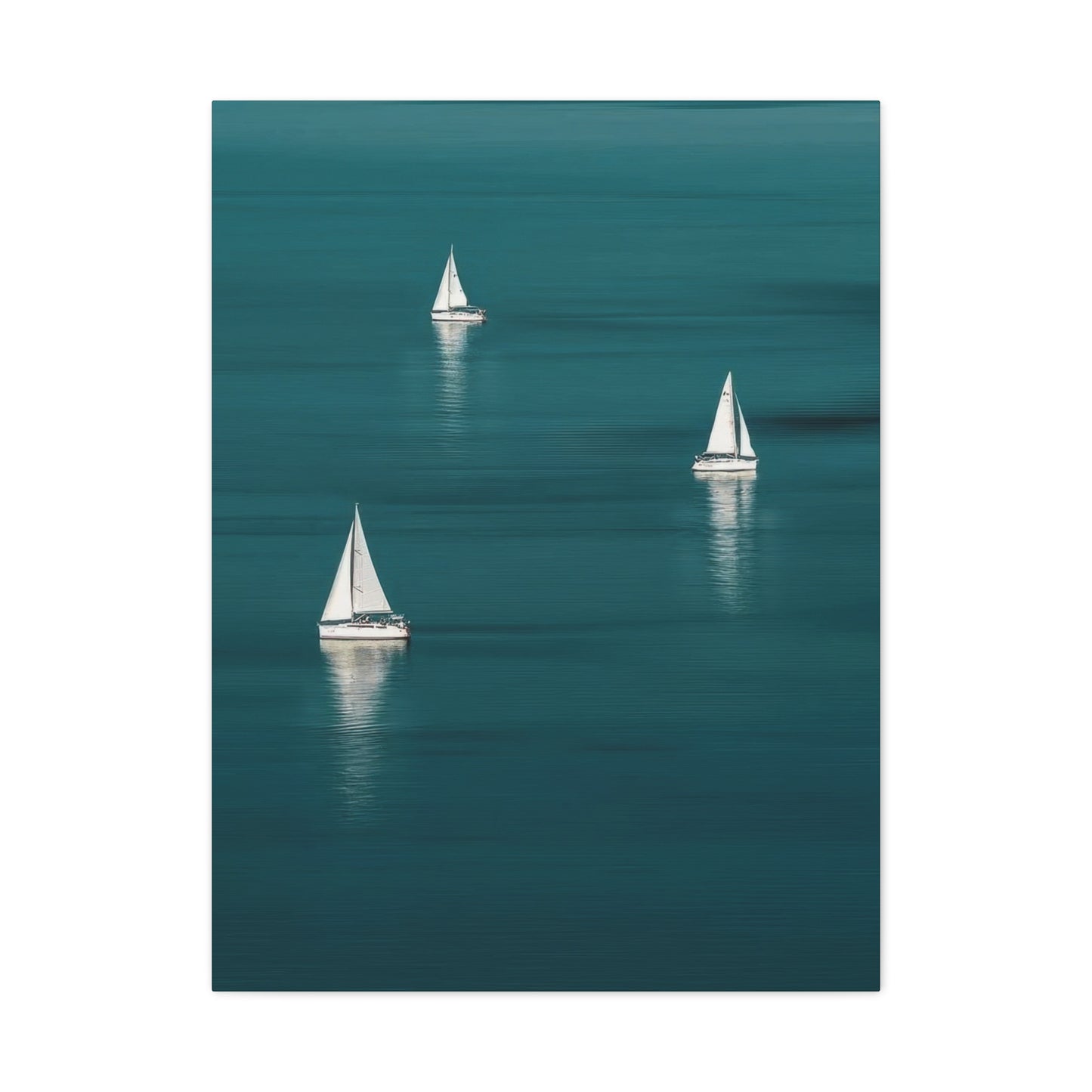
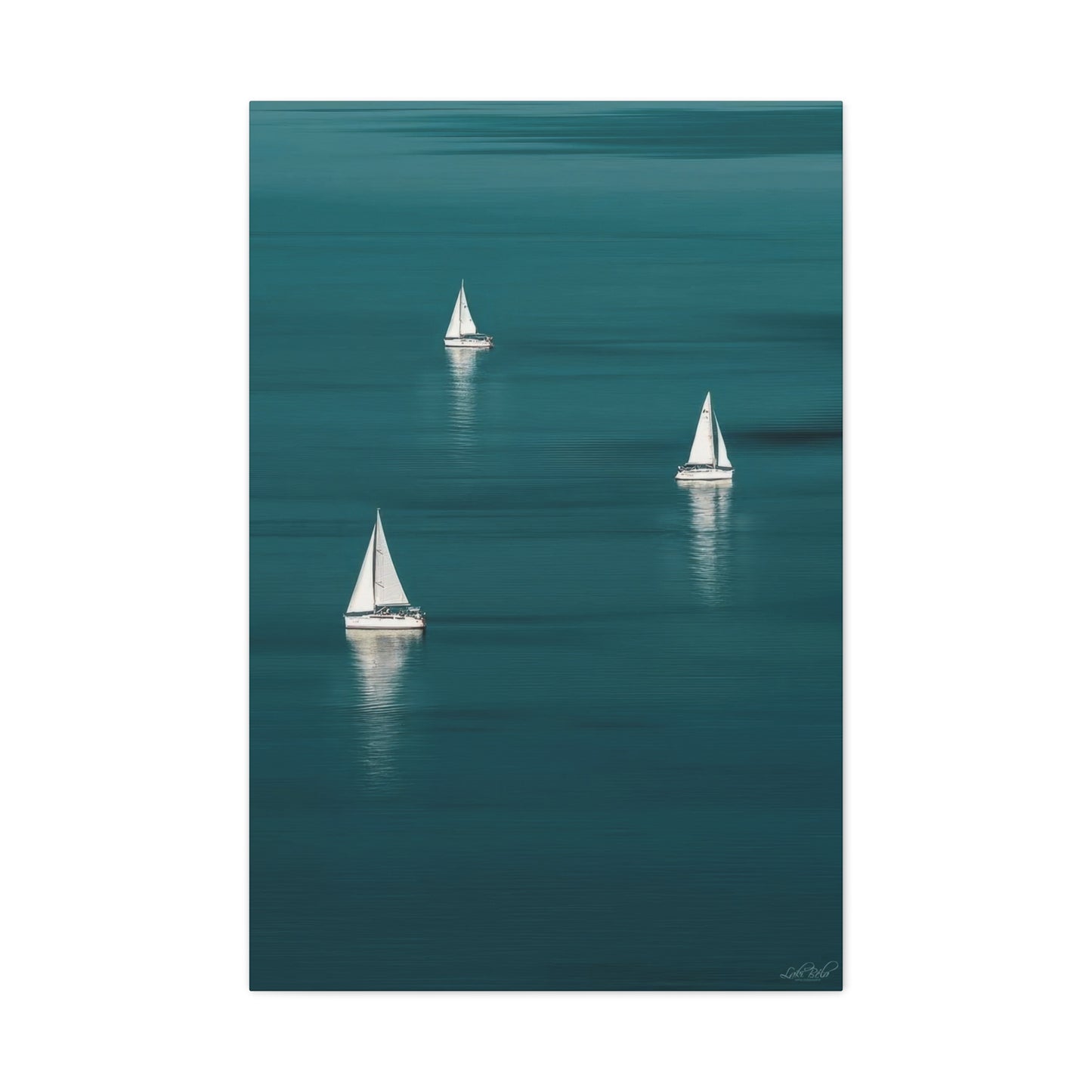
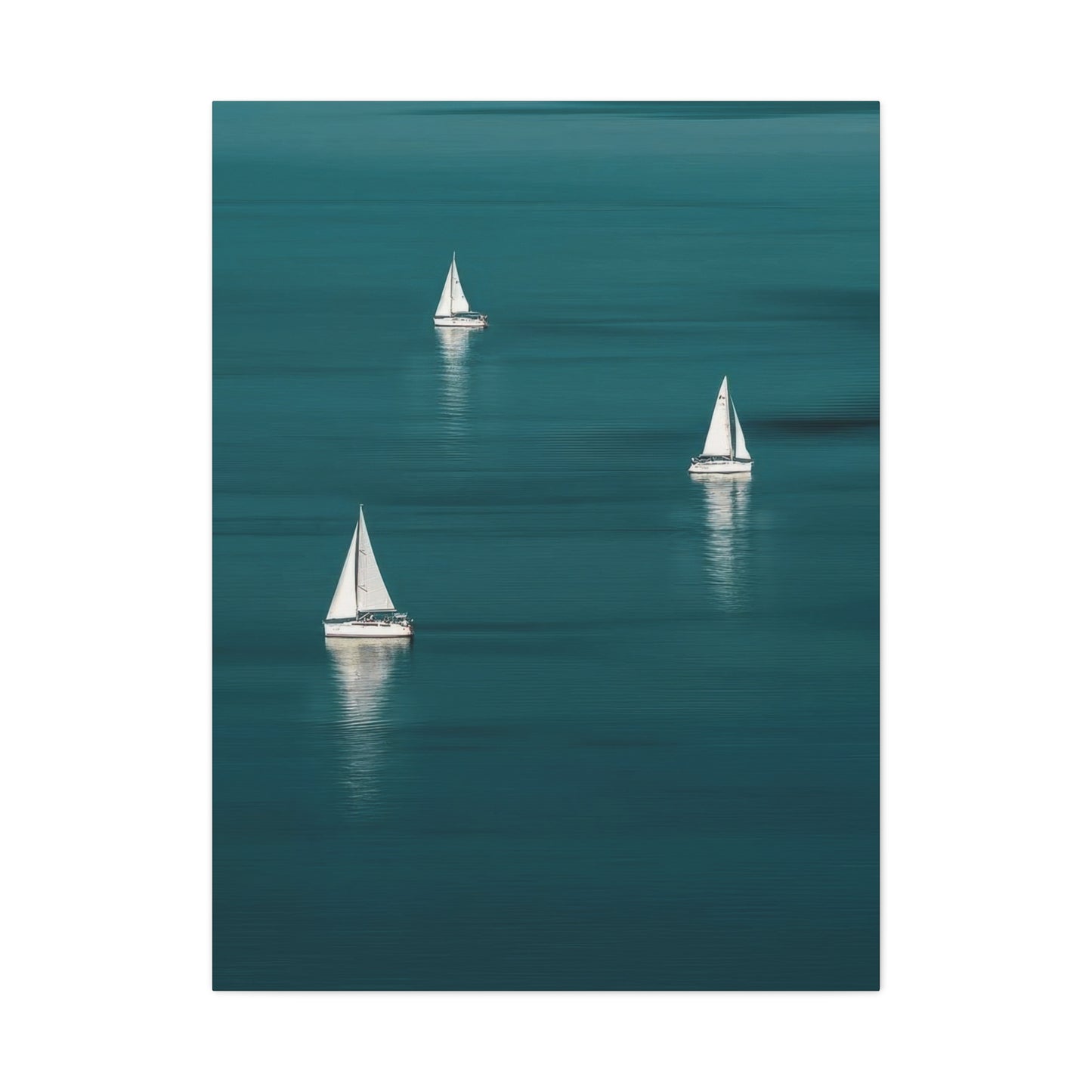
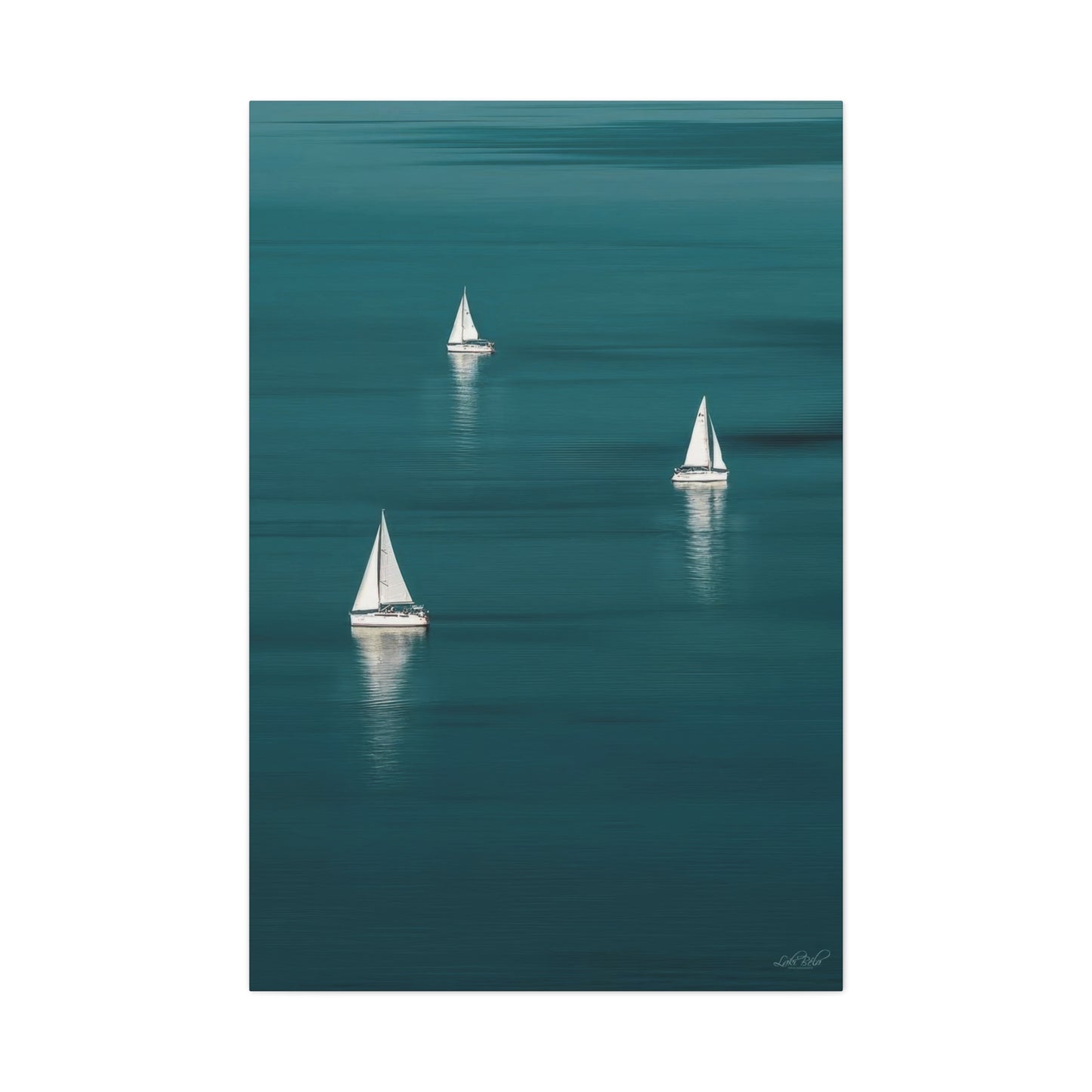
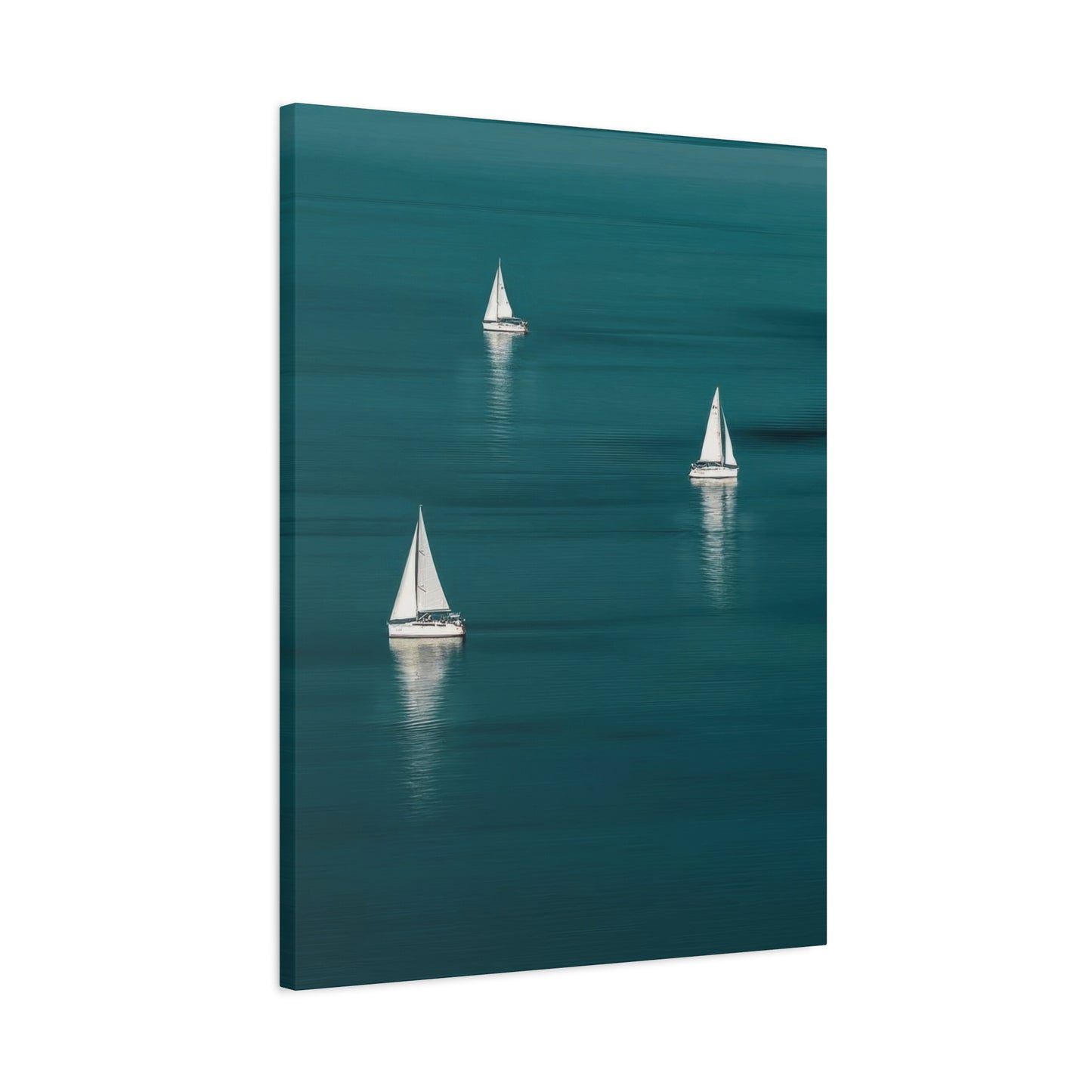
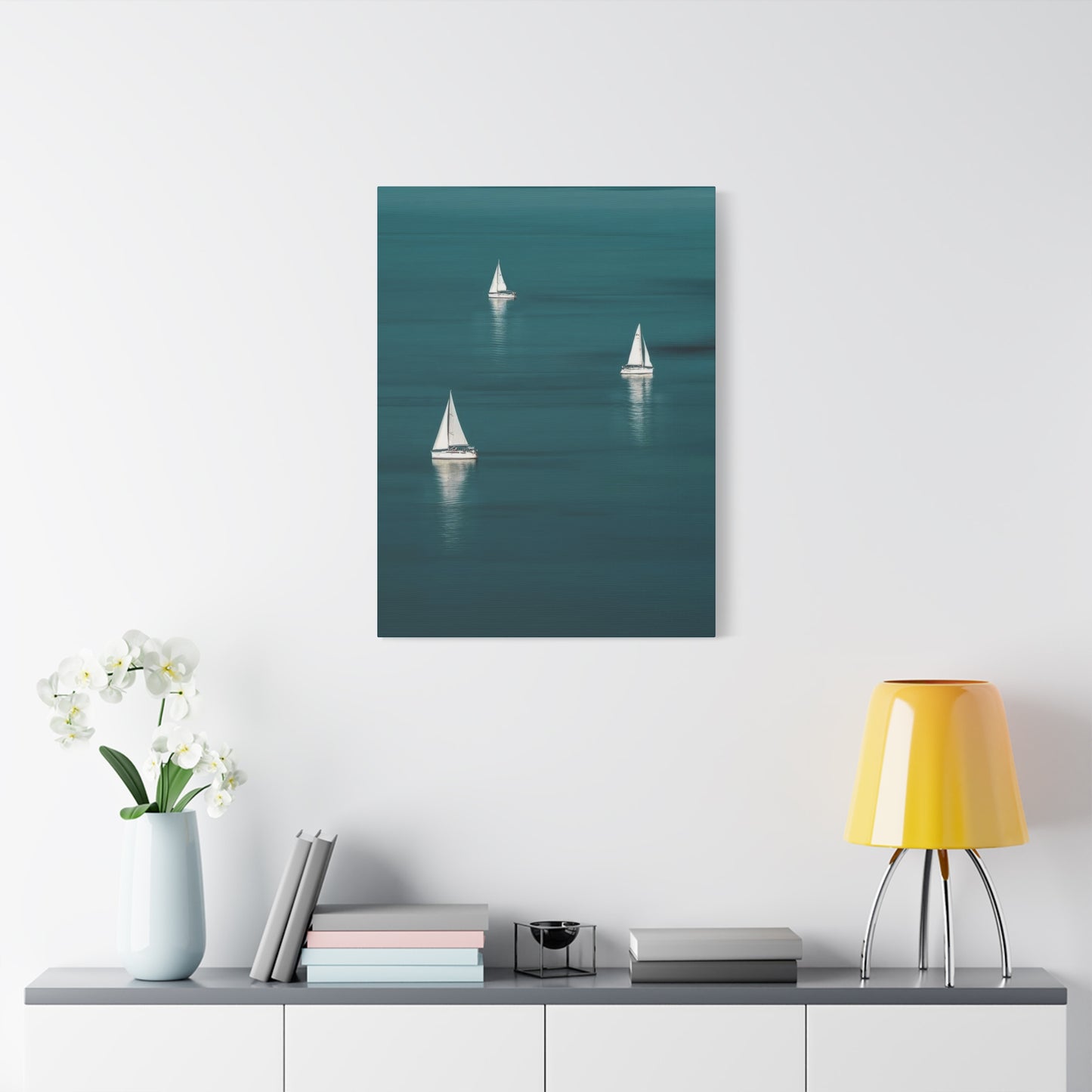
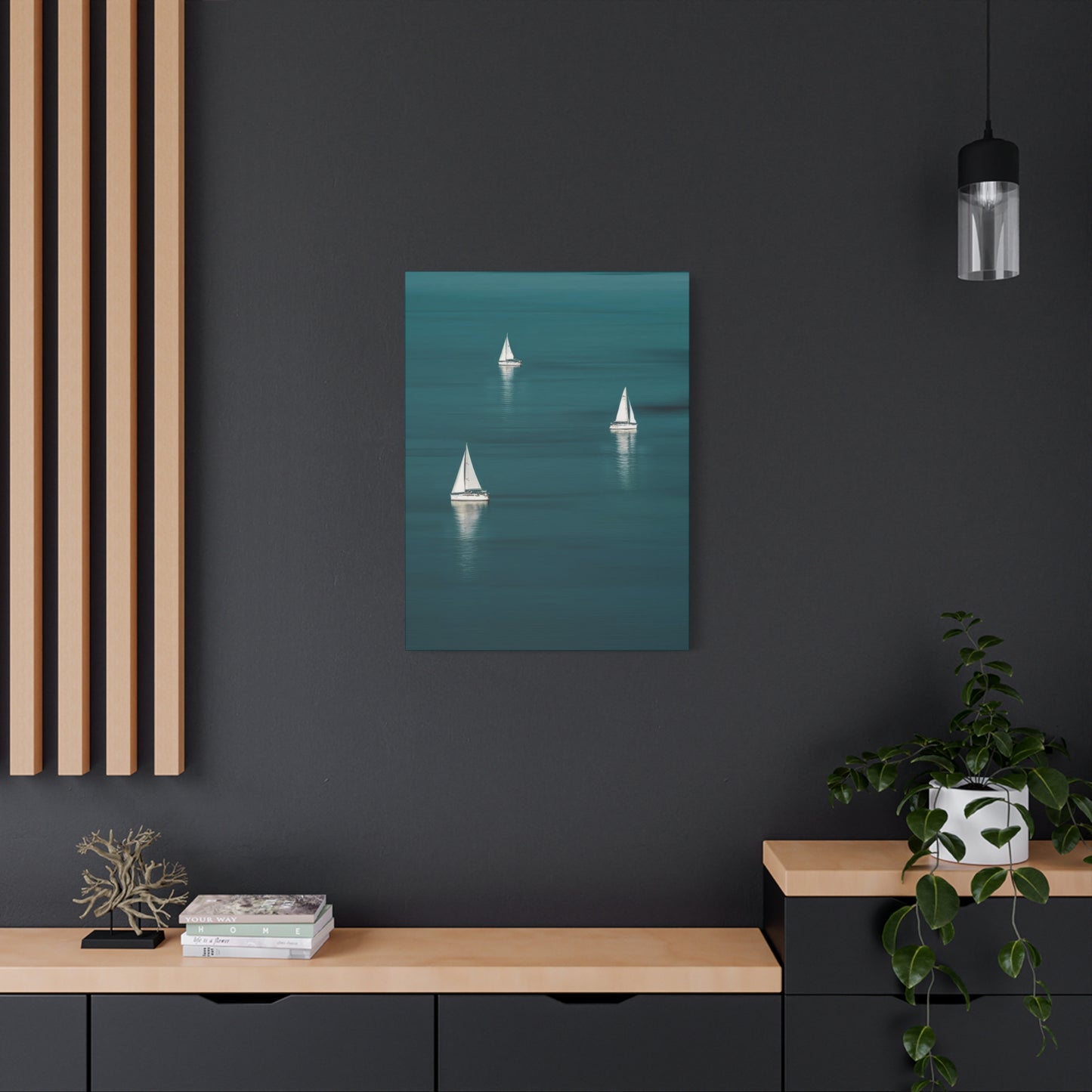
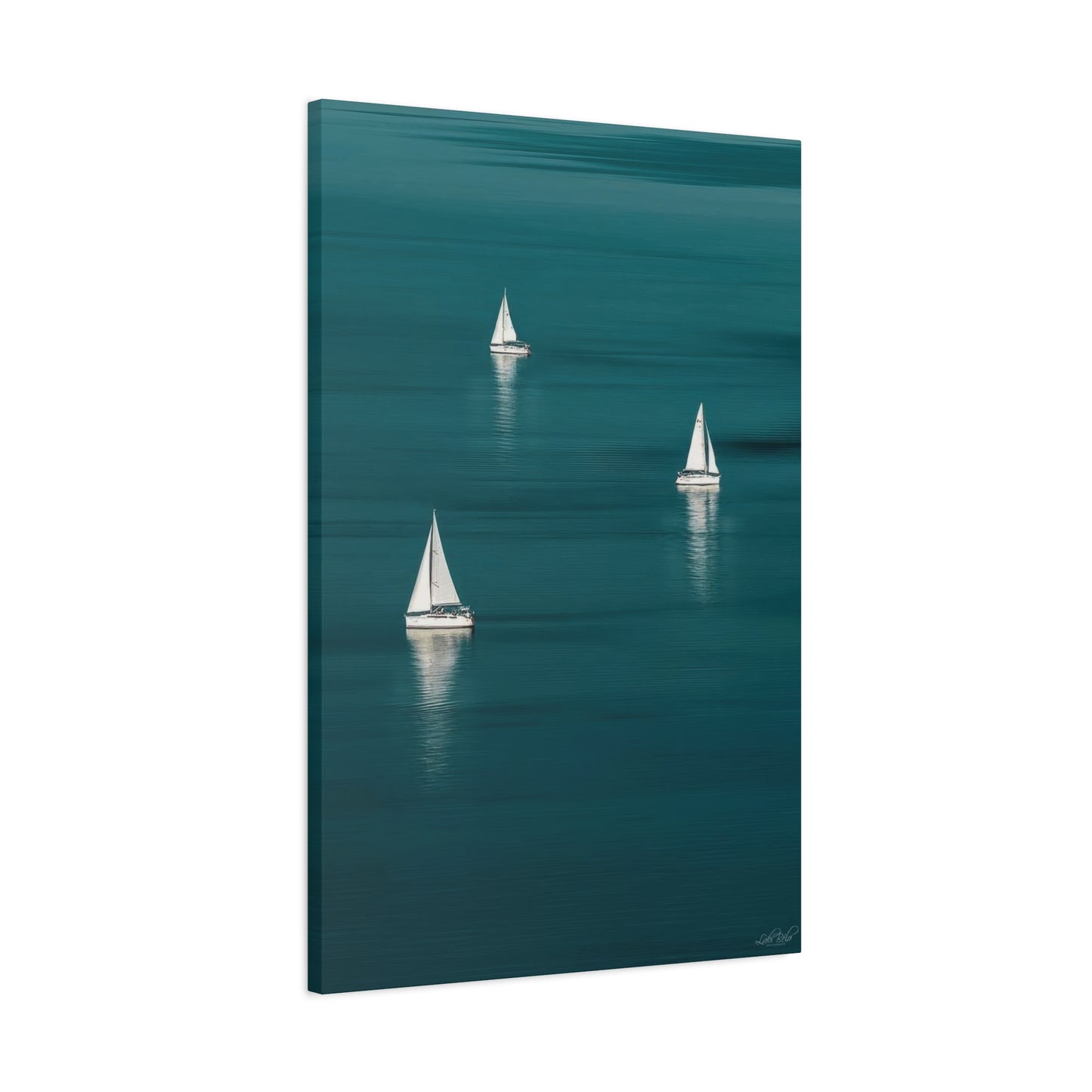
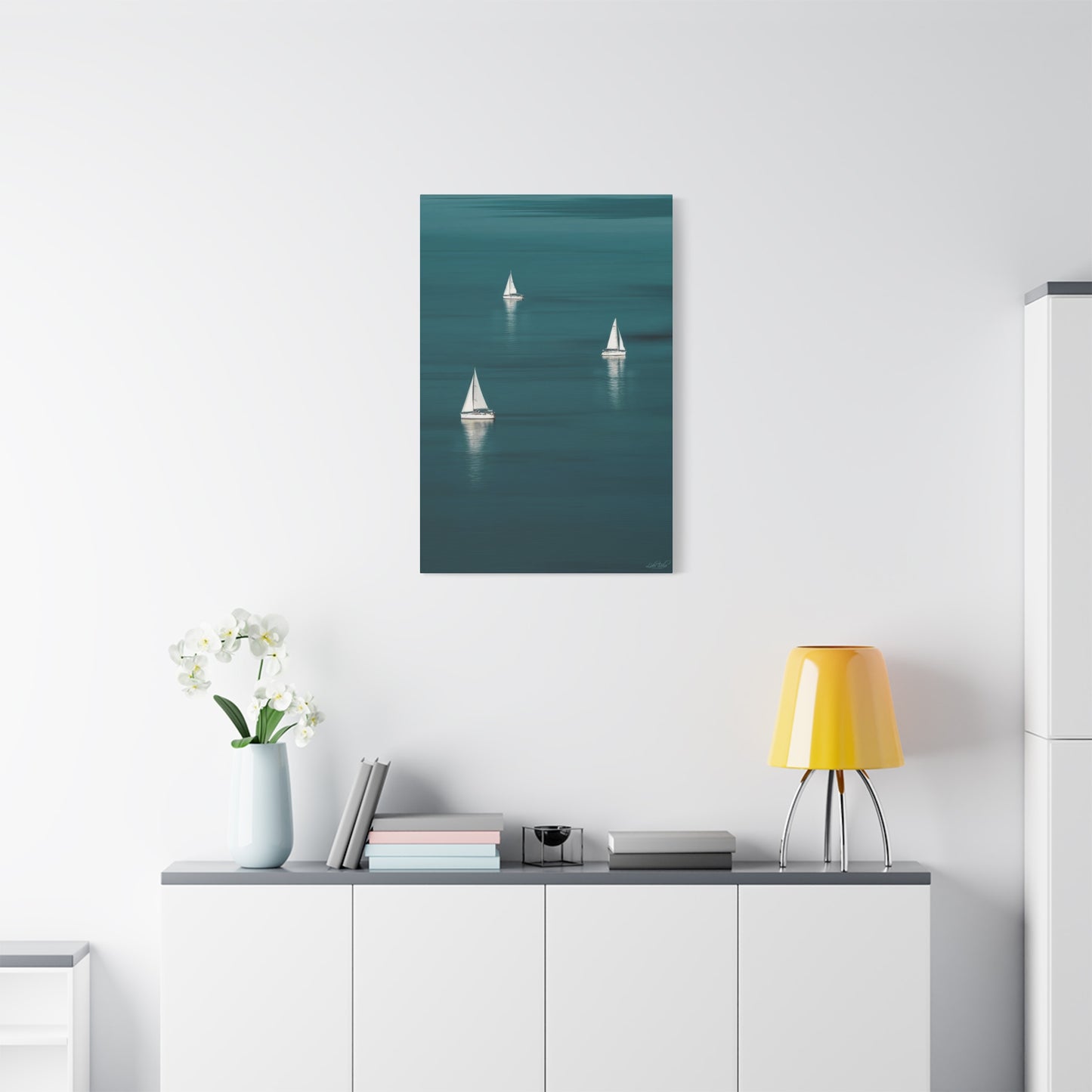
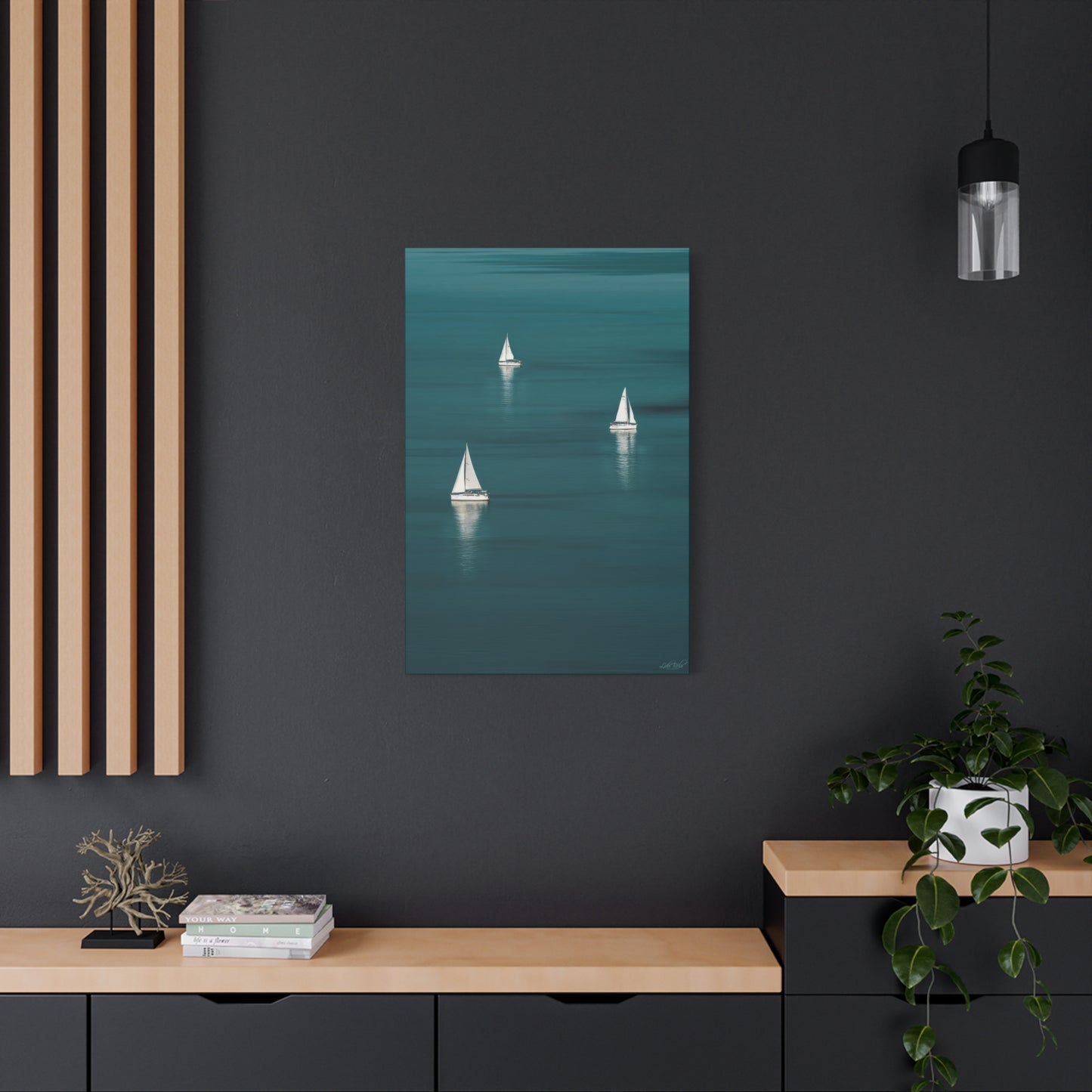
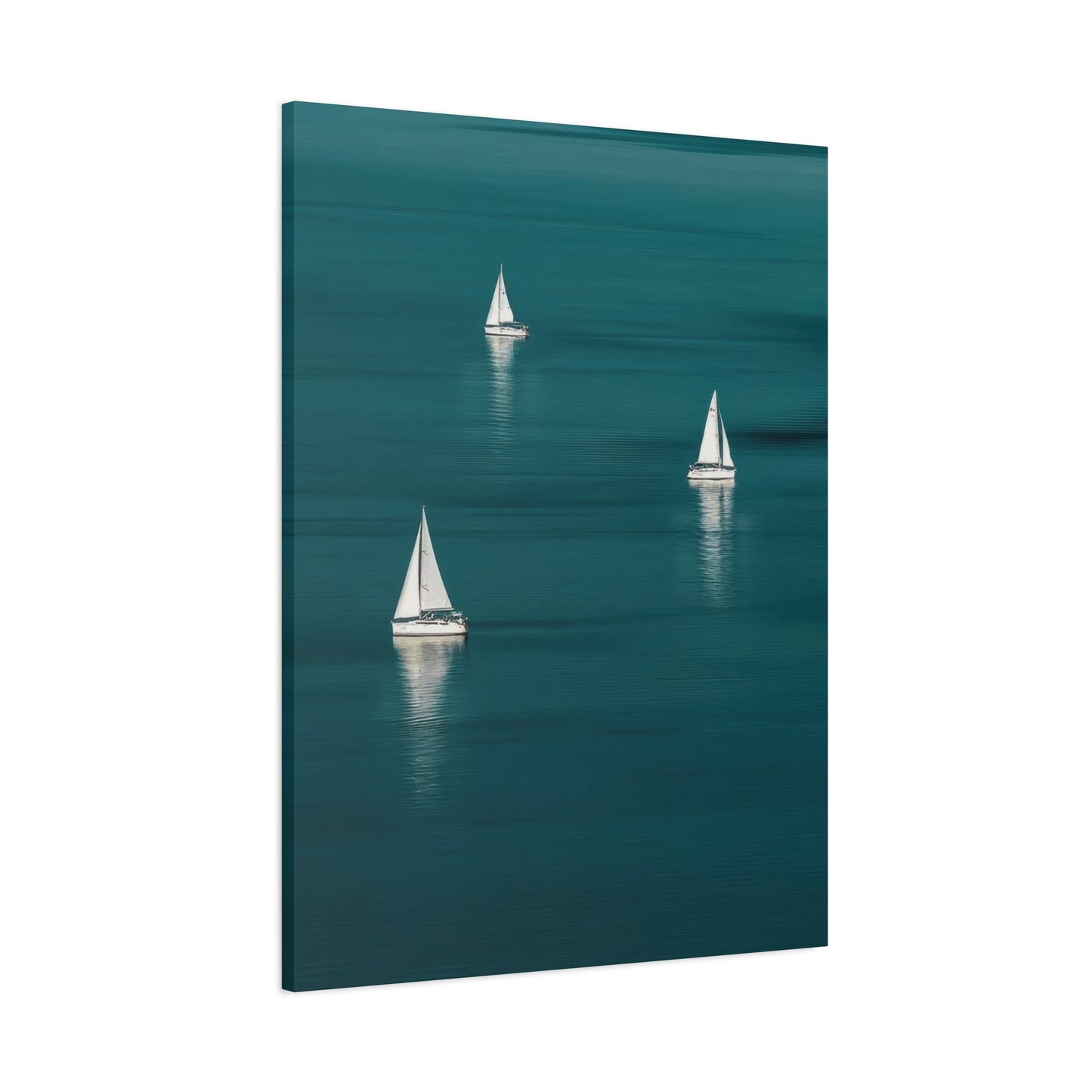
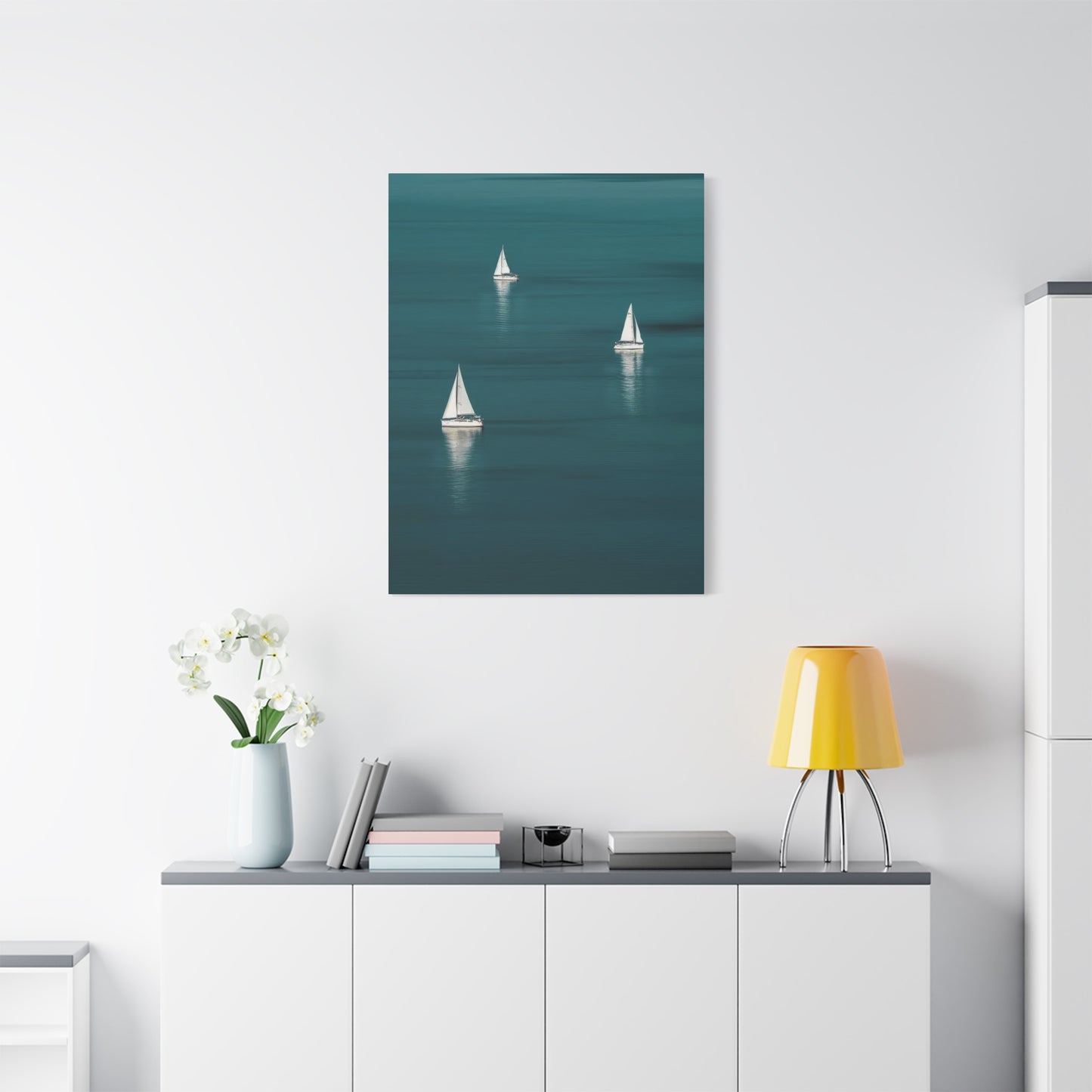
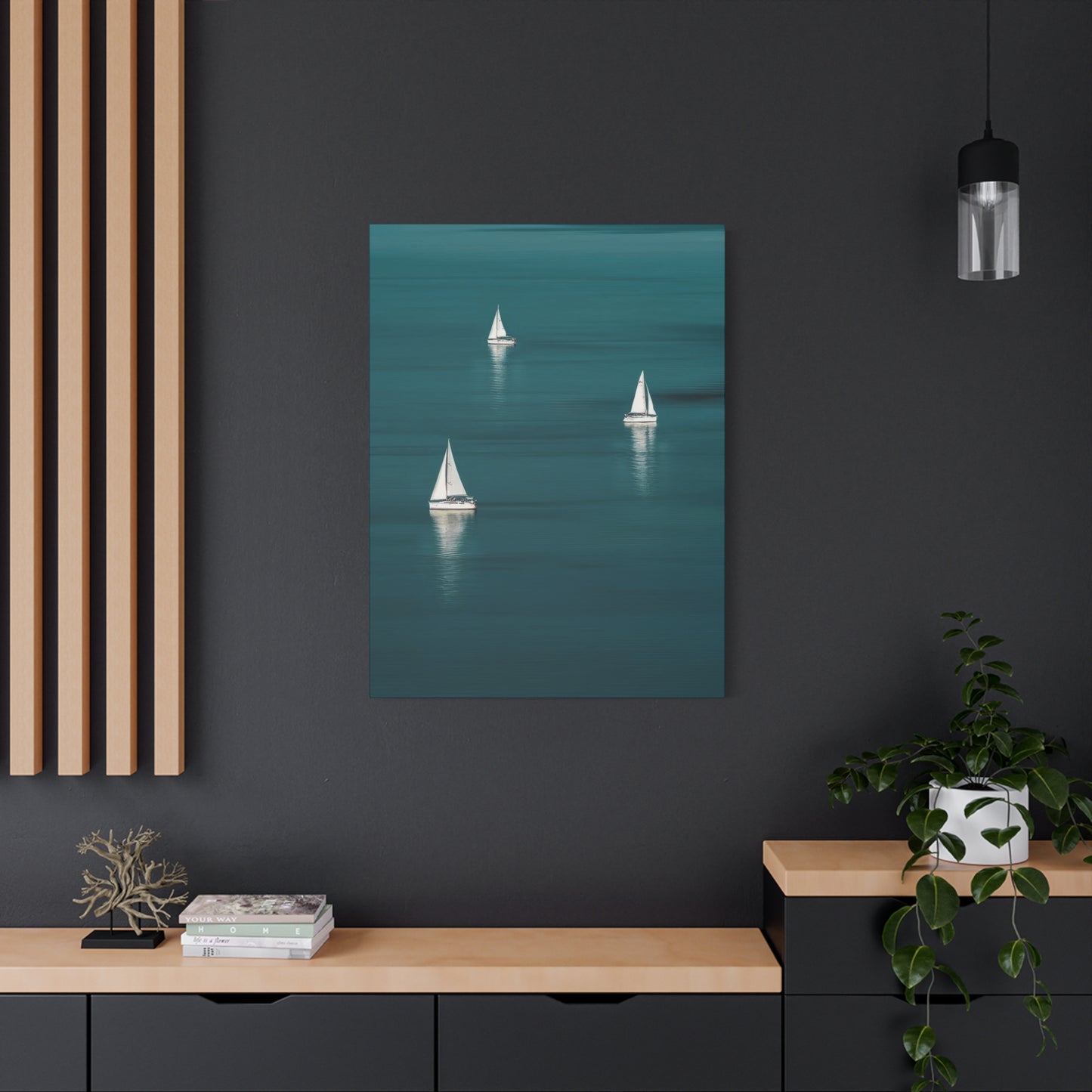
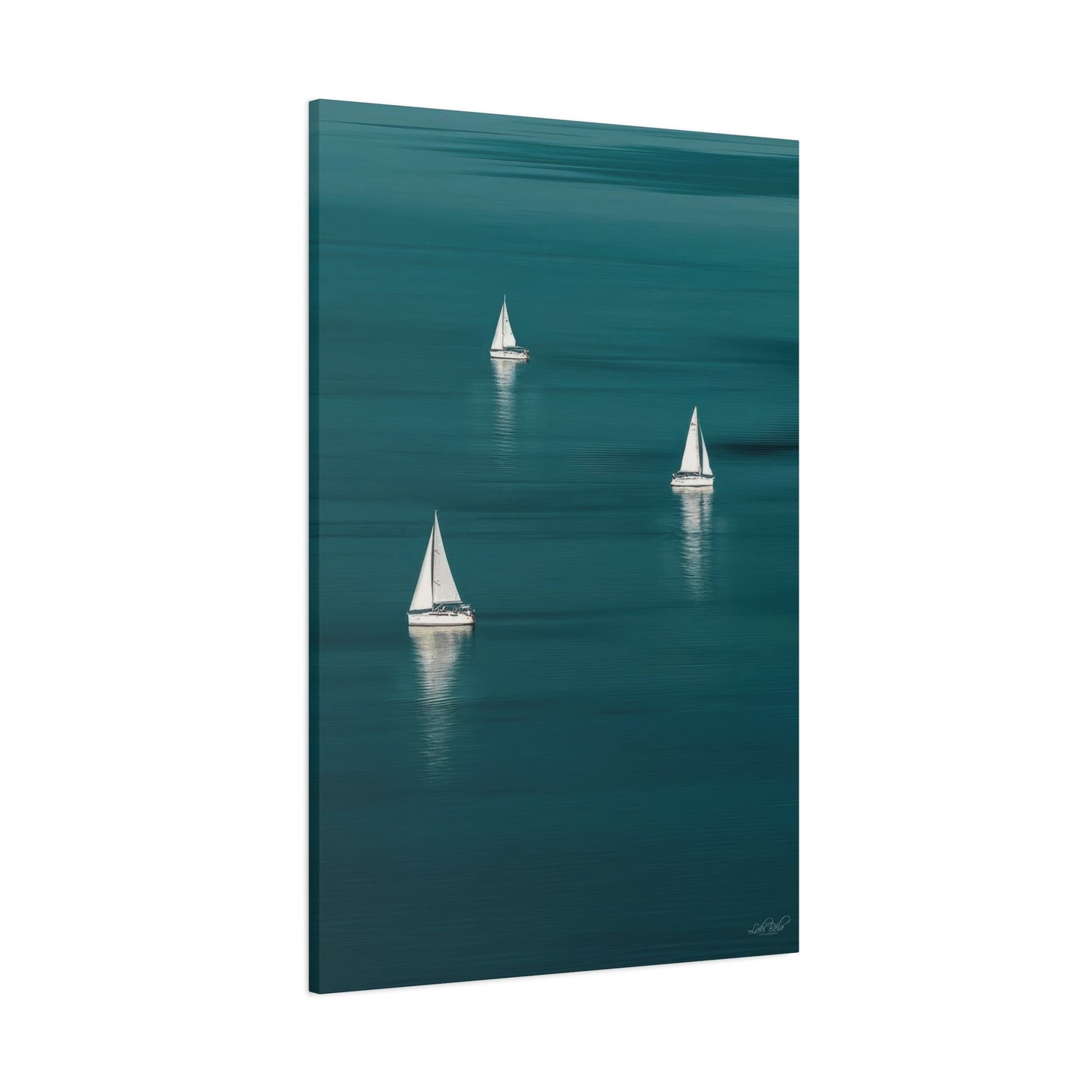
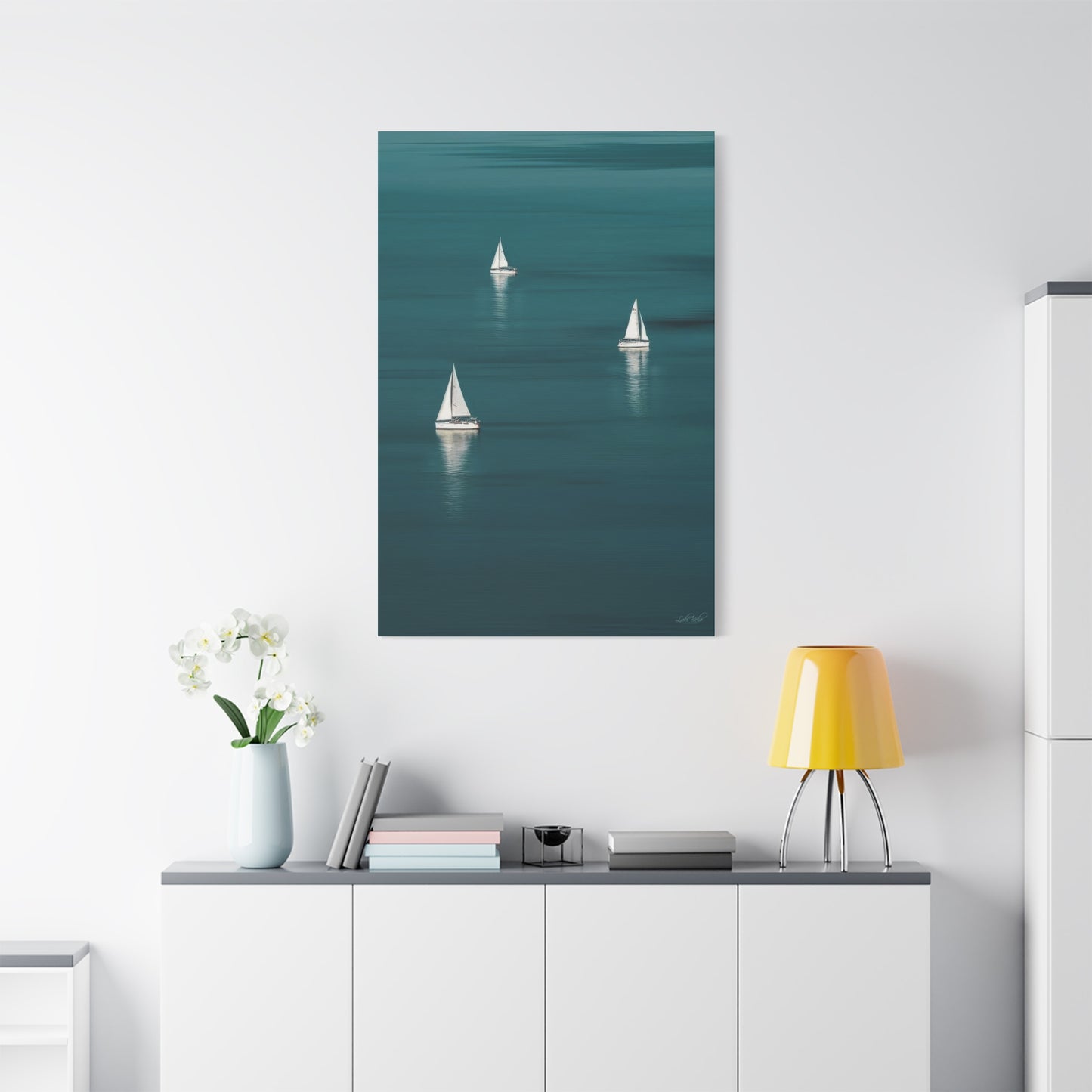
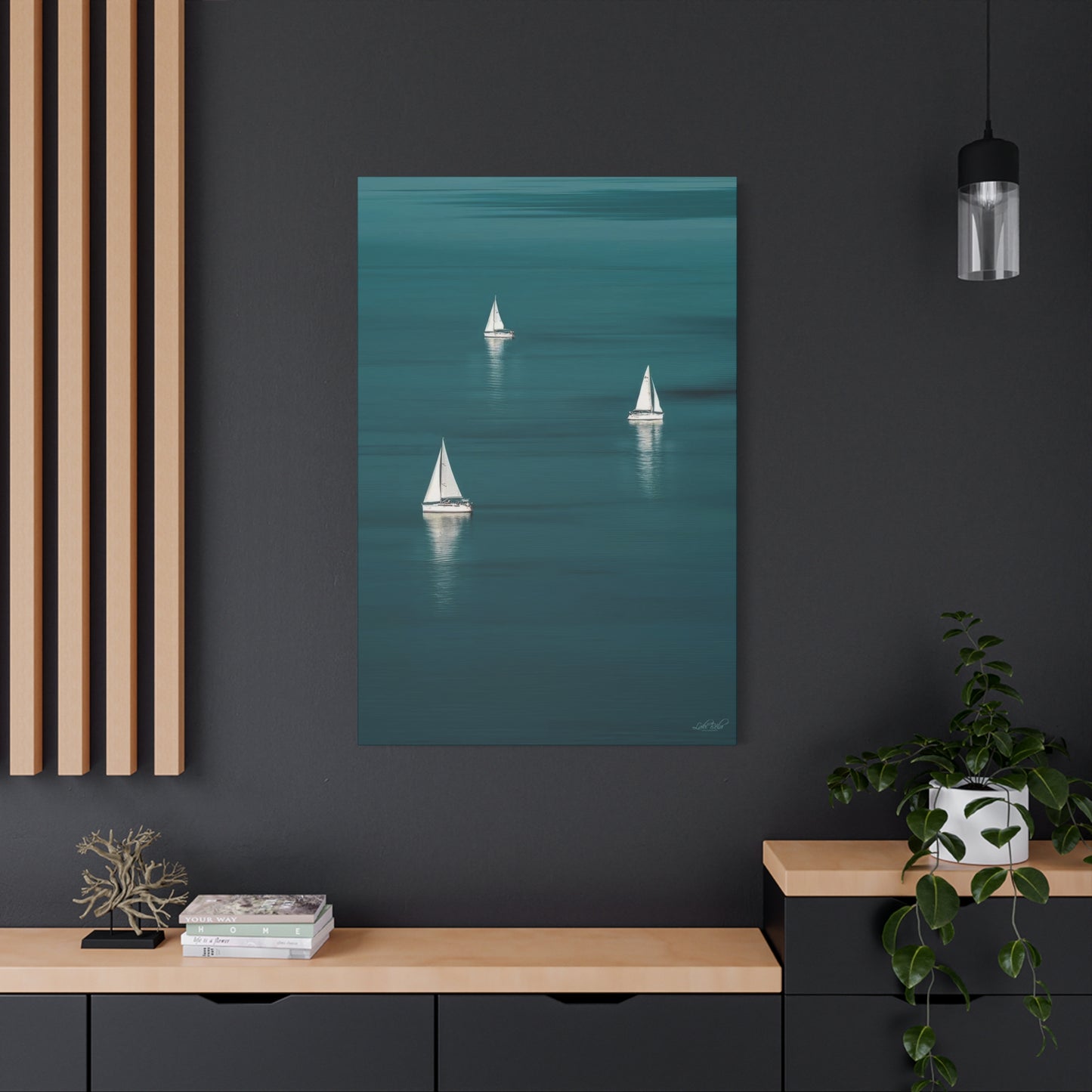
Mixing Minimalist, Coastal, and Contemporary Styles with Cool Calm Sea Wall Art
The allure of ocean-inspired artwork has captivated homeowners and interior designers for generations. When it comes to creating a tranquil atmosphere within your living spaces, few decorative elements rival the peaceful ambiance offered by coastal-themed canvas prints. These artistic representations of serene waters bring the soothing essence of the seaside directly into your home, offering daily moments of calm reflection and natural beauty. This comprehensive exploration delves into every aspect of selecting, displaying, and appreciating maritime wall decorations that embody tranquility and sophisticated style.
Understanding the Appeal of Tranquil Ocean Artwork
The profound connection between humans and water has been documented throughout history, with countless cultures finding solace and inspiration near coastal environments. This innate attraction to aquatic scenery translates beautifully into interior design through carefully curated canvas prints depicting peaceful maritime scenes. The psychological benefits of surrounding yourself with images of calm waters extend far beyond simple aesthetic pleasure, touching upon fundamental aspects of human wellbeing and emotional balance.
Research in environmental psychology consistently demonstrates that viewing natural water scenes can lower cortisol levels, reduce blood pressure, and promote mental clarity. When you incorporate serene ocean artwork into your daily environment, you create constant opportunities for these beneficial effects to manifest. The gentle blues and greens typical of coastal imagery work harmoniously with your body's natural relaxation responses, making these pieces functional elements of wellness design rather than mere decorations.
The visual language of tranquil sea scenes speaks universally, transcending cultural boundaries and personal preferences. Whether depicting a glassy morning ocean, a misty coastal horizon, or gentle waves lapping against sandy shores, these images communicate peace through their composition, color palette, and subject matter. The horizontal lines prevalent in seascapes naturally guide the eye in relaxing movements, while the repetitive patterns of waves create visual rhythms that mirror meditative breathing patterns.
Contemporary homes benefit immensely from the timeless quality of maritime artwork. Unlike trendy decorative elements that may feel dated within a few years, ocean-inspired canvas prints maintain their relevance across changing design movements. This enduring appeal makes them wise investments for those seeking to create lasting interior environments that remain visually satisfying for decades. The classic nature of coastal imagery ensures compatibility with evolving furniture styles and color schemes throughout your home's lifetime.
Exploring Different Styles of Coastal Canvas Artwork
The world of ocean-themed wall decorations encompasses an impressive range of artistic styles, each offering distinct visual characteristics and emotional resonances. Understanding these various approaches helps you select pieces that align perfectly with your personal aesthetic preferences and existing interior design schemes. From photographic realism to abstract interpretations, the diversity within this category ensures suitable options for every taste and space.
Photographic ocean prints capture the sea's majesty with striking clarity and detail. These works often showcase specific moments in time, freezing the play of light on water surfaces or the dramatic formation of coastal geology. The realistic nature of these pieces appeals to viewers who appreciate documentary-style authenticity and the technical skill required to capture perfect maritime moments. High-resolution printing technology now allows these photographs to be reproduced with exceptional fidelity, preserving every nuance of the original image.
Impressionistic seascapes offer a softer, more interpretive approach to coastal subject matter. Artists working in this tradition use loose brushwork and emphasis on light effects to convey the essence of maritime scenes rather than precise details. These paintings often feature visible brushstrokes that add textural interest and artistic personality to the work. The slightly abstracted quality of impressionistic pieces can make them easier to integrate into various design schemes, as they suggest rather than dictate specific colors and forms.
Minimalist ocean artwork strips away extraneous details to focus on essential elements of the coastal experience. These pieces might feature simple horizon lines, monochromatic color schemes, or sparse compositions that emphasize negative space. The restrained nature of minimalist seascapes makes them particularly suitable for modern and contemporary interiors where visual simplicity is valued. Despite their understated appearance, these works can carry profound emotional weight through their careful use of composition and subtle color variations.
Abstract interpretations of maritime themes take creative liberties with traditional seascape conventions. These pieces might fragment wave forms into geometric shapes, explore unconventional color palettes, or focus on the emotional essence of ocean experiences rather than literal representation. Abstract coastal artwork appeals to collectors who appreciate conceptual approaches and enjoy pieces that invite personal interpretation. The open-ended nature of these works allows viewers to project their own meanings and associations onto the imagery.
Selecting the Perfect Color Palette for Your Coastal Display
The chromatic choices within ocean-themed canvas prints profoundly influence their visual impact and compatibility with existing interior color schemes. Understanding color psychology and coordination principles enables you to select pieces that enhance your space's overall aesthetic harmony while delivering the desired emotional effects. The natural color range of maritime scenes offers remarkable versatility, from subtle neutrals to vibrant tropical hues.
Classic coastal palettes center around various shades of blue, ranging from deep navy tones to pale sky blues. These hues naturally evoke water and sky, creating immediate associations with oceanic environments. Blue tones possess inherent calming properties, making them ideal for spaces dedicated to relaxation and rest. When selecting blue-dominated artwork, consider how these tones interact with your wall colors, furniture fabrics, and flooring materials to ensure cohesive visual flow throughout the room.
Aqua and turquoise tones bring tropical energy to coastal artwork while maintaining soothing qualities. These vibrant yet refreshing colors work particularly well in spaces that can accommodate bolder statements, such as focal walls or rooms with neutral surrounding palettes. The slightly green-tinged quality of these hues adds warmth that pure blues sometimes lack, making them excellent choices for spaces that might otherwise feel too cool or sterile.
Neutral coastal palettes featuring grays, beiges, and soft whites offer sophisticated alternatives to traditional blue-dominated schemes. These understated color approaches emphasize texture, form, and subtle tonal variations rather than bold chromatic statements. Neutral seascapes integrate seamlessly into virtually any existing color scheme, making them particularly versatile for homeowners who frequently update their interior designs. The quiet elegance of these pieces allows other decorative elements to take center stage while still providing the calming benefits of maritime imagery.
Sunset and golden hour coastal scenes introduce warm oranges, pinks, and golds into oceanic artwork. These pieces capture the magical quality of transitional lighting moments when the sea reflects brilliant sky colors. Warm-toned coastal prints can balance cool-colored rooms, add cozy ambiance to spaces, or create focal points that draw the eye with their luminous quality. The dynamic energy of sunset scenes brings vitality to spaces while maintaining the peaceful associations of water imagery.
Determining Ideal Sizes for Maximum Visual Impact
The dimensional aspects of canvas artwork significantly influence its presence within a room and its effectiveness in achieving desired design goals. Properly scaled pieces create balanced compositions that feel intentional and professionally curated, while poorly sized artwork can appear lost on expansive walls or overwhelming in intimate spaces. Developing an understanding of proportional relationships helps you select dimensions that optimize visual impact.
Large-scale statement pieces measuring 40 inches or more in width command attention and establish strong focal points within rooms. These substantial works suit spacious areas such as living rooms, master bedrooms, or open-concept spaces where they can be viewed from various distances. The immersive quality of oversized ocean prints allows viewers to feel transported into the scene, enhancing the escapist qualities inherent in maritime imagery. When selecting large pieces, ensure adequate viewing distance exists so the entire composition can be appreciated without requiring head movement.
Medium-sized prints ranging from 24 to 40 inches offer versatile dimensions suitable for most residential applications. These proportions work well above furniture pieces, in hallway galleries, or as components of larger groupings. Medium dimensions provide sufficient visual presence to anchor a space without overwhelming it, making them ideal for rooms with moderate ceiling heights or mixed-scale furniture arrangements. The balanced nature of medium-sized works allows them to integrate smoothly into both prominent and supporting decorative roles.
Small coastal prints measuring under 24 inches excel in intimate settings, gallery walls, or as supplementary elements in larger decorative schemes. These compact dimensions suit powder rooms, reading nooks, narrow hallways, or clustered arrangements where multiple pieces create collective impact. Small-scale artwork allows for affordable experimentation with coastal themes and can be easily relocated as your design preferences evolve. The modest investment required for smaller pieces makes them excellent starting points for those beginning to explore maritime decor.
Panoramic formats with extreme horizontal proportions particularly suit coastal subject matter, as they naturally accommodate the expansive quality of ocean horizons. These elongated canvases work beautifully above long furniture pieces like sofas or console tables, where their proportions echo the horizontal lines below. Panoramic seascapes can visually expand narrow spaces by emphasizing width and drawing the eye along extended sightlines. The cinematic quality of these formats enhances the immersive nature of maritime scenes.
Choosing Quality Canvas Materials and Printing Techniques
The technical aspects of canvas production significantly affect both the immediate appearance and long-term durability of ocean-themed wall art. Understanding material qualities and printing processes enables informed purchasing decisions that ensure your investment maintains its beauty for years. Quality differences in base materials, inks, and finishing processes directly impact color accuracy, fade resistance, and overall presentation.
Premium cotton canvas provides the traditional foundation for high-quality artistic prints. This natural fiber offers excellent texture, accepts ink beautifully, and ages gracefully when properly cared for. Cotton canvases typically feature tight, even weaves that support fine detail reproduction and smooth color gradations. The slight tooth of quality cotton material adds tactile interest and diffuses light subtly, creating depth that flat surfaces cannot achieve. Museum-grade cotton canvases represent the highest standard for archival-quality artistic reproductions.
Polyester canvas materials offer synthetic alternatives with specific performance advantages. These manufactured fabrics resist moisture more effectively than cotton, making them suitable for humid environments like bathrooms or coastal homes with salt air exposure. Polyester canvases maintain dimensional stability across temperature fluctuations and typically cost less than premium cotton options. However, some collectors prefer the traditional character and feel of natural fiber materials despite the practical benefits of synthetic alternatives.
Cotton-polyester blends attempt to combine the best qualities of both material types. These hybrid fabrics seek to balance the natural appearance and texture of cotton with the durability and stability of synthetic fibers. Blend ratios vary among manufacturers, with some favoring cotton dominance for traditional appeal while others emphasize polyester content for enhanced performance. When evaluating blended canvases, consider your specific environmental conditions and aesthetic priorities to determine optimal material composition.
Giclée printing represents the premium standard for canvas reproduction, utilizing specialized inkjet technology with expanded color gamuts and microscopic dot sizes. This process produces extraordinarily accurate color matching and smooth tonal transitions that rival original artwork. True giclée printing employs archival pigment inks rather than dye-based alternatives, ensuring superior fade resistance over decades of display. The term giclée has become somewhat generalized, so verify actual specifications rather than relying solely on marketing terminology.
Creating Harmonious Arrangements with Multiple Pieces
The strategic grouping of multiple canvas prints allows for greater visual complexity and personalized expression than single pieces alone can achieve. Thoughtful arrangement principles guide the creation of cohesive displays that enhance rather than clutter your spaces. Whether assembling symmetrical galleries or organic clusters, understanding compositional fundamentals ensures professional-looking results that showcase your coastal collection effectively.
Symmetrical gallery walls employ balanced arrangements where pieces mirror each other around central axes. This formal approach suits traditional interiors and creates orderly, predictable visual patterns that convey stability and intentionality. Symmetrical displays typically feature matching frame sizes, consistent spacing, and centered alignments that emphasize regularity. When working with coastal themes, symmetrical arrangements might pair complementary scenes such as sunrise and sunset images or matching views from different coastal locations.
Asymmetrical groupings embrace irregular arrangements that create dynamic visual interest through varied sizes, spacing, and alignments. This contemporary approach feels more relaxed and organic than formal symmetry, allowing greater creative freedom in combining diverse pieces. Successful asymmetrical displays maintain balance through careful attention to visual weight distribution, ensuring no single area dominates disproportionately. The informal nature of asymmetrical arrangements particularly suits casual coastal aesthetics and eclectic design sensibilities.
Grid layouts organize multiple pieces into regular rows and columns with consistent spacing throughout. This structured approach works well for collections of similarly sized prints and creates clean, modern presentations. Grid arrangements simplify the design process by establishing clear positioning rules while accommodating various quantities of artwork. When displaying coastal prints in grids, consider thematic relationships between adjacent pieces to create visual narratives or color progressions across the arrangement.
Salon-style hanging densely covers wall surfaces with artworks of various sizes in close proximity. This traditional European approach creates rich, collected-over-time appearances that suggest personal curation and deep engagement with art. Salon walls accommodate diverse coastal imagery styles, periods, and formats within single displays, allowing you to showcase extensive collections in contained areas. The complexity of salon arrangements requires careful planning, often involving floor layouts before final installation to ensure satisfactory compositions.
Identifying Ideal Locations Throughout Your Home
Strategic placement of ocean-themed canvas prints maximizes their decorative impact and functional benefits within your living environment. Different rooms serve distinct purposes and present unique opportunities for coastal artwork integration. Understanding how maritime imagery interacts with various spaces helps you distribute your collection thoughtfully throughout your home, creating cohesive design narratives that enhance daily experiences.
Living room installations benefit tremendously from calming seascape imagery, as these gathering spaces often require versatile ambiance suitable for both energetic socializing and quiet relaxation. Large statement pieces work beautifully as focal points above sofas or fireplaces, anchoring seating arrangements and establishing room themes. The horizontal orientation of many coastal prints naturally complements the typical furniture layouts in living areas. Consider sight lines from multiple seating positions to ensure artwork remains visible and impactful from various vantage points throughout the room.
Bedroom applications of tranquil ocean prints support restful sleep and peaceful morning awakenings. The scientifically documented calming effects of blue tones and water imagery make coastal artwork particularly appropriate for sleep spaces. Position prints where they will be visible from the bed, creating soothing focal points for pre-sleep contemplation or first-thing-in-morning viewing. Avoid overly dramatic or energetic maritime scenes in bedrooms, favoring instead gentle compositions that reinforce the room's primary restful function.
Bathroom environments naturally complement coastal themes, as the practical water associations in these spaces align perfectly with decorative oceanic imagery. The humidity present in bathrooms requires careful material selection, with moisture-resistant polyester canvases or properly sealed cotton options preventing damage from steam exposure. Coastal prints in bathrooms can transform purely functional spaces into spa-like retreats that extend the relaxation benefits of bathing beyond the tub itself. Scale artwork appropriately for typically smaller bathroom dimensions while ensuring visibility from relevant positions.
Home office installations benefit from the stress-reducing properties of ocean imagery, counterbalancing the work-related tension that often accumulates in these spaces. Positioning calming seascapes within your visual field during work sessions provides natural break points for mental reset and relaxation. The cognitive benefits of nature exposure apply even to images of natural scenes, making coastal artwork functional tools for maintaining productivity and mental clarity during long work periods. Select pieces that inspire rather than distract, maintaining sufficient visual interest without demanding constant attention.
Dining areas gain sophisticated atmosphere from carefully selected maritime prints that complement the social nature of shared meals. Coastal artwork in dining spaces should enhance conversation and conviviality without overwhelming the sensory experience of eating. Consider how artificial lighting interacts with your chosen pieces, as dining areas often rely heavily on pendant or chandelier fixtures that create specific lighting conditions. The colors in coastal prints can influence perceived room temperature, with cooler blues potentially making dining spaces feel less warm and inviting than warmer tones.
Incorporating Coastal Prints into Various Design Styles
The remarkable versatility of ocean-themed canvas artwork allows integration into diverse interior design approaches. Understanding how maritime imagery functions within different aesthetic frameworks helps you select and display pieces that enhance rather than conflict with your established style preferences. From minimalist modernism to traditional elegance, coastal artwork adapts to complement varied design philosophies.
Modern minimalist interiors benefit from restrained coastal prints that emphasize clean lines and limited color palettes. Select seascapes with simple compositions, generous negative space, and monochromatic or closely related color schemes. Avoid busy scenes or pieces with excessive detail that would conflict with minimalist principles. The calm simplicity of ocean horizons naturally aligns with minimalist values, making serene maritime imagery surprisingly compatible with this pared-down aesthetic approach.
Contemporary spaces accommodate bolder coastal artwork with abstract interpretations or unconventional compositions. Modern interiors often feature strong architectural elements and confident design gestures that can support similarly assertive artwork. Large-scale abstract ocean prints or pieces with unexpected color treatments work beautifully in contemporary settings where innovation and current trends matter more than traditional conventions. The clean lines and uncluttered surfaces typical of contemporary design provide ideal backgrounds for statement coastal pieces to shine.
Traditional interiors embrace classical maritime artwork featuring realistic representations and conventional compositions. Oil-painting-style prints, vintage nautical charts, and historically inspired seascapes complement traditional furniture and architectural details. Frame selections for traditional spaces often include ornate profiles and classic finishes that match the formal character of surrounding elements. The timeless quality of traditional coastal imagery ensures lasting compatibility with classic design principles.
Understanding Psychological Benefits of Ocean Imagery
The profound effects of maritime artwork on psychological wellbeing extend far beyond superficial decoration, touching fundamental aspects of human cognitive and emotional functioning. Scientific research increasingly validates what humans have intuitively understood for millennia: proximity to water, even representational water, promotes mental health and emotional balance. Exploring these evidence-based benefits helps justify the investment in quality coastal canvas prints as wellness tools rather than mere aesthetic indulgences.
Stress reduction represents the most widely recognized benefit of ocean imagery exposure. Multiple studies demonstrate measurable decreases in cortisol levels and self-reported anxiety when subjects view calm water scenes. The psychological mechanism underlying this effect likely involves evolutionary associations between water presence and survival security. Our ancestors required reliable water sources for survival, creating deep-seated positive responses to water imagery that persist in modern humans despite changed circumstances. Displaying tranquil seascapes in your home creates constant opportunities for these stress-reducing responses to activate throughout daily life.
Attention restoration theory explains how natural imagery, including ocean scenes, helps recover from mental fatigue and attention depletion. Modern life demands sustained directed attention for work, navigation, communication, and countless other cognitive tasks. This constant demand exhausts finite attentional resources, leading to decreased performance and increased irritability. Natural scenes engage involuntary attention through inherently fascinating qualities, allowing directed attention systems to rest and recover. The gentle movement suggested in ocean waves and the soft fascination of distant horizons provide ideal conditions for this restorative process.
Blue mind theory specifically addresses the neurological and psychological effects of water proximity and water-related imagery. Neuroscientist Wallace J. Nichols popularized this concept, describing the mildly meditative state characterized by calm, peacefulness, and unity experienced around water. Blue mind contrasts with the stressed, anxious red mind state and the unfocused gray mind of boredom. Ocean canvas prints can help induce blue mind states even when actual water bodies remain inaccessible, making them valuable tools for urban dwellers or landlocked individuals seeking aquatic psychological benefits.
Creativity enhancement occurs when individuals spend time viewing or contemplating ocean imagery. The slightly unfocused attention encouraged by serene water scenes allows subconscious processing and novel connection-making that rigid focus inhibits. Artists, writers, and creative professionals throughout history have sought coastal environments for inspiration and creative breakthrough. Bringing ocean imagery into work spaces and creative studios harnesses these benefits without requiring actual relocation to seaside settings.
Exploring Different Ocean Subjects and Their Meanings
The specific subject matter within coastal canvas prints carries symbolic weight and creates distinct emotional atmospheres within your spaces. Understanding the varied meanings and associations connected to different maritime subjects helps you select imagery that reinforces your intended mood and resonates with your personal values. From dramatic crashing waves to still tidal pools, each ocean subject offers unique aesthetic and psychological qualities.
Horizon lines feature prominently in minimalist seascapes, representing possibility, infinity, and perspective. The clean division between sea and sky creates meditative focal points and emphasizes the vastness of natural systems. Horizon-focused prints work beautifully in modern interiors where their simple geometry complements architectural minimalism. The symbolic association between horizons and future possibilities makes these pieces particularly meaningful in forward-looking spaces like home offices or creative studios.
Breaking waves capture ocean energy and movement, representing power, transformation, and natural forces. These dynamic subjects add vitality to spaces while maintaining aquatic calm through their connection to rhythmic natural cycles. Photographic prints of wave formations showcase water's sculptural qualities and the interplay of light through translucent crests. The momentary nature of captured waves reminds viewers of impermanence and the importance of appreciating present moments.
Sandy beaches bridge the transition between land and sea, representing accessibility, vacation leisure, and the pleasures of coastal recreation. Beach scenes evoke relaxed, informal atmospheres and memories of holiday experiences. These subjects work particularly well in casual living spaces and vacation homes where their associations with leisure time align with room functions. Empty beach scenes suggest solitude and contemplation, while populated beaches convey community and social connection.
Rocky coastlines showcase the meeting of solid earth and fluid ocean, representing endurance, strength, and the beauty of contrasts. The dramatic geology of rocky shores provides rich textural variation and often features more complex compositions than simple beach scenes. These subjects suit spaces where you wish to convey stability and groundedness alongside aquatic flow. The timeless quality of ancient stone formations weathered by endless waves speaks to persistence and natural cycles.
Underwater scenes reveal the hidden realms beneath ocean surfaces, representing mystery, discovery, and the unknown. These less common subjects appeal to those seeking unique coastal artwork beyond typical surface views. Underwater imagery in lighter, brighter tones creates ethereal, dreamlike qualities, while darker deep-water scenes suggest depth and hidden knowledge. The alien beauty of marine environments provides conversation-starting focal points unlike conventional seascapes.
Maintaining and Caring for Canvas Prints
Proper maintenance extends the lifespan and preserves the visual quality of your ocean-themed canvas artwork investment. Understanding appropriate care techniques prevents common damage causes while keeping prints looking fresh and vibrant for decades. Most canvas care requirements involve simple practices that easily integrate into regular home maintenance routines without demanding specialized knowledge or equipment.
Dust accumulation represents the most common maintenance concern for canvas prints. Regular gentle dusting prevents particle buildup that can embed in canvas texture and dull colors over time. Use soft, clean microfiber cloths or specialized art dusting brushes to remove surface dust without abrading canvas or disturbing printed surfaces. Avoid feather dusters that can catch on canvas texture or leave residue. Dust canvas prints every few weeks as part of general home cleaning, more frequently in high-dust environments.
Direct sunlight exposure causes the most significant long-term damage to canvas prints through UV radiation that breaks down inks and fades colors. Position artwork away from windows receiving direct sun, or use UV-filtering window films and protective glass glazing to minimize exposure. Even prints featuring UV-resistant inks benefit from sunlight protection, as no protective treatment offers complete immunity from degradation. Rotate artwork periodically if some positions in your home receive more light exposure than others, distributing accumulated exposure across your collection.
Humidity control prevents canvas warping and mildew growth that can permanently damage prints. Maintain consistent indoor humidity levels between 40-60% for optimal canvas preservation. Avoid hanging coastal prints in areas with high moisture exposure like steamy bathrooms without proper ventilation. Dehumidifiers help in naturally humid climates, while humidifiers prevent excessive dryness in arid regions or winter-heated homes. Canvas responds to humidity changes by expanding and contracting, so consistent conditions minimize this movement.
Seasonal Decorating with Coastal Canvas Prints
The versatility of ocean-themed artwork allows creative seasonal rotations that keep your interior design feeling fresh and responsive to changing times of year. Strategic seasonal displays honor natural cycles while maximizing your coastal art collection's flexibility. Understanding how maritime imagery interacts with seasonal decorating traditions helps you create year-round displays that feel perpetually appropriate and engaging.
Spring coastal displays emphasize renewal, fresh beginnings, and the awakening energy of warming seasons. Select prints featuring morning light, gentle waves, and pastel color palettes that echo spring's characteristic softness. Beach scenes with visible vegetation or prints showing coastal wildflowers connect oceanic themes with terrestrial spring growth. The lighter, airier quality of spring-appropriate coastal prints provides welcome contrast to winter's heavier visual weight. Pair spring seascapes with fresh flowers, light fabrics, and bright accent colors throughout your rooms.
Summer coastal artwork celebrates the season's association with beach vacations, warm weather leisure, and abundant sunshine. Tropical ocean hues, bright sunlit scenes, and energetic wave action suit summer's exuberant character. This season allows bolder color choices and more dramatic compositions than you might display during quieter months. Summer represents the natural peak season for coastal themes, when maritime artwork feels most culturally appropriate and resonant with collective experiences. Enhance summer coastal displays with nautical accessories, natural fiber textures, and beach-gathered decorative elements.
Autumn ocean prints transition toward moodier atmospheres reflecting the season's contemplative character. Sunset and golden hour coastal scenes align beautifully with fall's warm color palettes of oranges, golds, and deep reds. Stormy seascapes or prints featuring dramatic skies suit autumn's more temperamental weather patterns. The introspective quality of fall makes it an excellent time for displaying thought-provoking or artistically complex coastal pieces that reward sustained attention. Coordinate autumn seascapes with seasonal elements like dried grasses, warm textiles, and amber lighting.
Winter coastal imagery embraces the quiet, stripped-down beauty of cold-season shores. Gray-toned seascapes, misty horizons, and minimalist compositions reflect winter's stark aesthetic. Snowy beach scenes or prints featuring winter coastal light create seasonal specificity while maintaining year-round coastal themes. The meditative stillness of winter-appropriate ocean prints provides soothing counterbalance to holiday season busyness. Winter coastal displays pair beautifully with white and silver accents, cozy textiles, and the warm glow of ambient lighting.
Selecting Artwork for Specific Age Groups and Life Stages
Different life phases bring distinct needs and preferences that influence appropriate coastal canvas selections. Understanding how maritime imagery serves various age groups helps you choose pieces that resonate with intended viewers and suit their developmental stages. From nursery installations to retirement home displays, ocean artwork adapts to support wellbeing across the human lifespan.
Nursery and young children's spaces benefit from coastal prints featuring soft colors, simple compositions, and gentle imagery. Avoid dramatic storm scenes or intense color contrasts that might overstimulate young children or create bedtime resistance. Ocean prints in nurseries introduce nature appreciation early while providing soothing visual environments supporting infant development. Select durable canvas construction that can withstand years of use as children grow. The timeless nature of quality coastal artwork means nursery pieces can transition to older children's rooms without seeming babyish.
Teenage spaces accommodate bolder coastal artwork reflecting emerging personal identities and aesthetic preferences. Teen-appropriate maritime prints might feature dramatic surfing scenes, abstract ocean interpretations, or edgy photographic compositions appealing to youthful sensibilities. Involve teenagers in artwork selection to ensure pieces reflect their preferences rather than imposed adult choices. The emotional volatility of adolescence makes the calming influence of ocean imagery particularly valuable during these challenging years. Coastal prints provide stable visual anchors as other room elements change frequently with evolving teenage tastes.
Young adult living spaces often feature first independent art purchases, making affordable coastal prints excellent starter collection pieces. Quality canvas prints offer sophisticated appearance without the investment required for original artwork. Young adults establishing first apartments or homes appreciate the rental-friendly nature of canvas installations requiring only simple hanging hardware. Versatile coastal pieces transition smoothly through the frequent relocations common during this mobile life stage. The wellness benefits of ocean imagery support young adults managing career establishment stress and life transition challenges.
Family home selections consider diverse age ranges and shared space functions. Multi-generational households benefit from coastal artwork's universal appeal across age groups. Select pieces appropriate for the youngest family members while remaining sophisticated enough to satisfy adult aesthetic standards. Family spaces often endure heavy use, making durable canvas construction and forgiving neutral palettes practical choices. Ocean imagery provides conversation starting points and teaches children nature appreciation through daily exposure to beautiful natural scenes.
Understanding the Investment Value of Quality Canvas Prints
Approaching coastal artwork as investment rather than mere expense shifts purchasing decisions toward quality and longevity. While canvas prints lack the appreciation potential of original art, they offer significant value through durability, lasting aesthetic satisfaction, and psychological benefits justifying initial costs. Understanding factors that determine long-term value helps you make informed purchasing decisions maximizing return on your decorative investment.
Initial cost considerations balance budget constraints against quality indicators predicting lifespan and satisfaction. The least expensive options often prove most costly over time through rapid fading, poor construction, and dated appearance requiring premature replacement. Mid-range quality prints from reputable manufacturers typically offer the best value proposition for most consumers, providing good longevity without premium pricing. High-end archival pieces justify increased costs through superior materials, exceptional printing quality, and decades-long display life. Evaluate your specific display conditions, aesthetic standards, and planned ownership duration when determining appropriate investment levels.
Cost per year calculations provide useful frameworks for evaluating artwork value. A premium canvas costing three times as much as a budget alternative but lasting five times longer delivers superior value despite higher initial expense. This analysis becomes particularly relevant for prominently displayed pieces receiving constant viewing and contributing significantly to daily living quality. Factor replacement costs, disposal hassles, and re-installation efforts when comparing options at different price points. The environmental impact of frequently replacing inferior products adds another dimension to value considerations beyond mere financial calculations.
Versatility and timelessness contribute to long-term value by ensuring continued relevance despite evolving tastes and design trends. Classic coastal subjects and neutral color palettes adapt to various decorating schemes throughout ownership, while trendy interpretations may quickly feel dated. Consider whether pieces will suit multiple rooms as your needs change over time. The ability to relocate artwork to different spaces extends useful life and maximizes initial investment. Timeless pieces become increasingly valuable as they age gracefully rather than showing their years.
Customizing and Personalizing Coastal Canvas Prints
Beyond ready-made options, custom canvas printing services allow creation of truly unique coastal artwork reflecting your personal experiences and aesthetic vision. Understanding customization possibilities opens creative opportunities unavailable through standard retail channels. Personalized maritime prints transform generic decoration into meaningful expressions of individual identity and treasured memories.
Personal photograph printing converts your own coastal images into professional-quality canvas artwork. This customization approach creates one-of-a-kind pieces impossible to find in retail settings. Your vacation photographs, travel memories, or local beach documentation become museum-quality wall art through custom printing services. Ensure source photographs meet minimum resolution requirements for your desired print size to avoid pixelation or blur in final products. Many printing services offer design consultations helping you select and optimize images for canvas reproduction.
Size customization accommodates specific wall dimensions and design requirements standard products cannot address. Custom sizing eliminates compromise between available options and ideal dimensions for your particular spaces. Unusual proportions, extremely large installations, or precisely measured pieces become possible through custom ordering. This flexibility proves particularly valuable for architectural features like narrow wall sections, uniquely shaped spaces, or specific furniture-related dimensions. Custom sizing often incurs modest additional costs justified by perfect fit and elimination of awkward gaps or oversized appearance.
Color adjustment services modify existing artwork or photographs to better coordinate with your specific interior color schemes. Professional color correction can shift overall tones toward warmer or cooler temperatures, increase or decrease saturation, or adjust brightness for optimal appearance in your specific lighting conditions. These modifications allow standard coastal images to integrate seamlessly with established color palettes throughout your home. Discuss desired effects with printing services to ensure technical feasibility and preview results before final production.
Pairing Coastal Artwork with Complementary Decor Elements
The visual impact and thematic coherence of ocean canvas prints amplify through thoughtful coordination with surrounding decorative elements. Strategic pairing creates unified interior narratives where individual components reinforce collective aesthetic goals. Understanding complementary design relationships helps you build cohesive coastal spaces that feel intentionally curated rather than accidentally assembled.
Color echo techniques repeat prominent artwork hues throughout surrounding spaces through accessories, textiles, and accent pieces. This classical design approach creates harmonious visual connections between artwork and environment. Identify two or three dominant colors in your coastal prints and incorporate those tones in throw pillows, area rugs, decorative objects, or furniture accent pieces. The repetition need not be exact color matching; similar tones within the same color family achieve cohesive effects without appearing overly coordinated. Balanced color echo creates subtle visual rhythms guiding the eye naturally around rooms.
Texture variation prevents monotony when working within limited coastal color palettes dominated by blues and neutrals. Introduce diverse tactile surfaces through natural fiber baskets, woven textiles, weathered wood furniture, smooth ceramics, and organic materials. The visual texture within canvas prints themselves can inform surrounding texture selections, with highly detailed prints benefiting from simpler surrounding surfaces while minimalist prints accommodate textural abundance. Layering multiple texture types creates depth and interest compensating for restrained color schemes.
Natural material integration reinforces coastal artwork themes through tangible connections to natural world. Wood furniture pieces, stone accents, shell collections, driftwood objects, and living plants strengthen environmental associations begun by ocean imagery. These organic materials add authentic coastal character beyond visual representation alone. The irregular forms and unique characteristics of natural elements provide interesting contrast to the geometric regularity of canvas frames. Source natural decorative elements sustainably, avoiding products harvesting living coral or protected shell species.
Metallic accent incorporation adds sophisticated polish to casual coastal themes. Brushed nickel, oil-rubbed bronze, or antique brass fixtures and accessories prevent coastal spaces from feeling too informal or theme-heavy. Strategic metallic placement in lighting fixtures, drawer pulls, decorative objects, and furniture legs elevates coastal design from beach house casual to sophisticated maritime elegance. Chrome and polished silver suit contemporary coastal interpretations, while warmer metal finishes complement traditional approaches. Metallic elements also reflect light, enhancing overall brightness in rooms anchored by calming blue artwork.
Addressing Common Challenges in Coastal Art Display
Even well-planned coastal canvas installations encounter occasional difficulties requiring creative problem-solving. Understanding common challenges and practical solutions helps you overcome obstacles potentially limiting your artwork's effectiveness. Proactive awareness of these issues allows planning that prevents problems before they manifest.
Dark room adaptation addresses challenges of displaying ocean artwork in spaces with limited natural light. Coastal prints' typical color palettes featuring blues and grays can feel cold or gloomy in poorly lit environments. Combat this tendency through generous artificial lighting specifically highlighting artwork. Consider coastal prints with warm sunrise or sunset elements adding luminosity to dark spaces. Metallic accents in frames or surrounding decor reflect available light, amplifying brightness. White or light-colored walls maximize light reflection better than dark surfaces. Balance oceanic coolness with warm-toned furniture and accessories preventing spaces from feeling unwelcoming.
Small space considerations require careful scaling to avoid overwhelming compact rooms with oversized artwork. Contrary to common assumptions, small spaces can accommodate substantial artwork when properly selected and positioned. A single medium-to-large piece often reads better than multiple small prints competing for limited visual space. Choose coastal artwork with open compositions and significant negative space preventing cramped feelings. Light-colored prints expand spatial perception better than dark scenes that visually contract rooms. Vertical orientation utilizes wall height in narrow spaces where horizontal pieces might overwhelm limited width.
Architectural challenge navigation addresses awkward wall features interrupting ideal artwork placement. Thermostats, light switches, outlets, and vents frequently occupy prime display real estate. Strategic furniture placement can conceal lower-wall obstacles while establishing proper viewing height for artwork above. Custom-sized prints can be specified to fit above, below, or beside permanent fixtures. Gallery walls or multi-panel arrangements create flexibility working around multiple small interruptions. In rental situations where relocating fixtures isn't possible, embrace asymmetrical placements that acknowledge rather than fight architectural realities.
Color coordination difficulties arise when existing room colors conflict with desired coastal artwork. Complete room repainting proves impractical for many homeowners, requiring alternative strategies. Seek ocean prints incorporating accent colors bridging existing schemes with typical coastal palettes. Neutral-toned seascapes integrate more easily with established colors than saturated blue prints. Gradually introduce coastal colors through easily changed elements like throw pillows, blankets, and accessories before committing to artwork. Build transition zones through intermediate colors linking disparate palettes. If conflicts prove irreconcilable, consider whether alternative rooms might better accommodate specific prints.
Exploring Cultural and Historical Maritime Art Traditions
The rich heritage of marine artwork spans centuries and cultures, informing contemporary coastal canvas prints through enduring aesthetic traditions and symbolic meanings. Understanding this historical context deepens appreciation for modern ocean imagery while revealing the timeless human fascination with seas and shores. Contemporary coastal prints participate in ongoing artistic conversations dating back millennia.
Ancient maritime imagery adorned Greek pottery, Roman frescoes, and Egyptian tomb paintings, demonstrating that human artistic engagement with ocean themes extends throughout recorded history. These early works often depicted mythological sea creatures, trading vessels, or naval battles reflecting their cultures' relationships with maritime environments. The symbolic associations between water and life, danger, mystery, and abundance established in ancient art persist in modern interpretations. Contemporary coastal prints inherit this deep cultural legacy whether explicitly referencing it or not.
Dutch Golden Age marine paintings established many conventions still influencing seascape composition today. Seventeenth-century Dutch masters like Willem van de Velde developed sophisticated techniques for capturing water's movement, light effects, and atmospheric conditions. Their works balanced technical precision with emotional resonance, documenting maritime commerce while creating beautiful artistic compositions. The Dutch tradition emphasized realistic observation and masterful technique, values still prized in photographic coastal prints. The dramatic skies and careful attention to changing weather conditions in Dutch marine art established templates for contemporary storm scene photography.
British Romantic seascapes by artists like J.M.W. Turner emphasized ocean drama and sublime natural power. These nineteenth-century works depicted seas as forces simultaneously beautiful and terrifying, capable of overwhelming human endeavors. Turner's revolutionary approach to capturing light, atmosphere, and movement through loose brushwork influenced generations of subsequent artists. The emotional intensity of Romantic seascapes informs contemporary dramatic ocean photography and stormy water scenes. This tradition reminds viewers that oceans represent nature's power beyond human control.
American maritime painting traditions, particularly those of Winslow Homer and Frederic Edwin Church, captured the specific character of New World coastlines. These artists documented working waterfronts, coastal recreation, and the distinct light quality of American shores. Homer's beach scenes depicting children playing and fishermen working established democratic subjects beyond aristocratic sailing yachts. The American tradition's relative informality compared to European conventions influences contemporary casual coastal photography. Regional American styles reflected local geography, with Maine rocky coasts looking distinctly different from California beaches or Gulf shores.
Japanese artistic traditions contributed alternative approaches to water representation through woodblock prints and scroll paintings. Artists like Hokusai and Hiroshige captured stylized wave forms and sophisticated compositions influencing Western artists discovering Asian art in the nineteenth century. The decorative quality and bold graphic design of Japanese marine imagery expanded Western artistic possibilities beyond realistic representation. Contemporary minimalist and abstract coastal prints often reflect Japanese aesthetic values of simplification and essential form. The famous Great Wave off Kanagawa remains among history's most recognizable and influential maritime images.
Modern and contemporary marine art movements embraced abstraction, conceptual approaches, and new technologies while maintaining dialogue with historical traditions. Twentieth-century artists explored ocean themes through radically different lenses than traditional representation allowed. Some contemporary marine artists address environmental concerns, climate change, and human ocean impact through their work. Digital technology and advanced photography techniques enable capturing and presenting maritime imagery impossible in earlier eras. Contemporary coastal canvas prints reflect this ongoing evolution while remaining connected to centuries of precedent.
Conclusion
The transformative power of tranquil ocean canvas prints extends far beyond superficial decoration, touching fundamental aspects of wellbeing, aesthetic satisfaction, and personal expression within your living spaces. This comprehensive exploration has examined the multifaceted dimensions of selecting, displaying, and appreciating maritime wall art, from psychological benefits and design principles to practical maintenance and historical context. The journey through coastal artwork's many aspects reveals that these pieces function as wellness tools, design anchors, and meaningful personal statements simultaneously.
The decision to incorporate serene seascapes into your home environment represents an investment in daily quality of life rather than simple aesthetic indulgence. The scientifically documented stress-reduction benefits, attention restoration capabilities, and mood-enhancement effects of ocean imagery deliver tangible returns on your decorative expenditure. These psychological advantages accumulate through repeated viewing over months and years, making quality coastal prints valuable components of holistic wellness approaches. The calming influence radiating from properly selected maritime artwork touches everyone sharing your space, creating peaceful sanctuaries from modern life's relentless demands.
The remarkable versatility of ocean-themed canvas prints allows integration into virtually any design aesthetic, from minimalist modernism to traditional elegance. This adaptability ensures that coastal artwork remains relevant through evolving personal tastes and design trend cycles. The timeless nature of quality maritime imagery means pieces selected today will continue delivering satisfaction decades into the future. Unlike trendy decorative elements requiring frequent replacement, well-chosen coastal prints grow more beloved with time as they accumulate personal associations and memory connections. This enduring appeal justifies careful selection processes emphasizing quality and personal resonance over passing fashions.
Practical considerations surrounding canvas selection, sizing, placement, and maintenance ensure your ocean artwork realizes its full potential within your unique spaces. Understanding material qualities, printing technologies, and display principles prevents common pitfalls while maximizing visual impact. The care invested in proper artwork selection and installation pays continuous dividends through years of reliable beauty and performance. Attention to environmental factors like lighting, humidity, and temperature protects your investment while preserving color accuracy and structural integrity. These practical elements, while less glamorous than artistic appreciation, prove essential to long-term satisfaction.


