


Cool Waters Wall Art & Canvas Prints
Cool Waters Wall Art & Canvas Prints
Couldn't load pickup availability
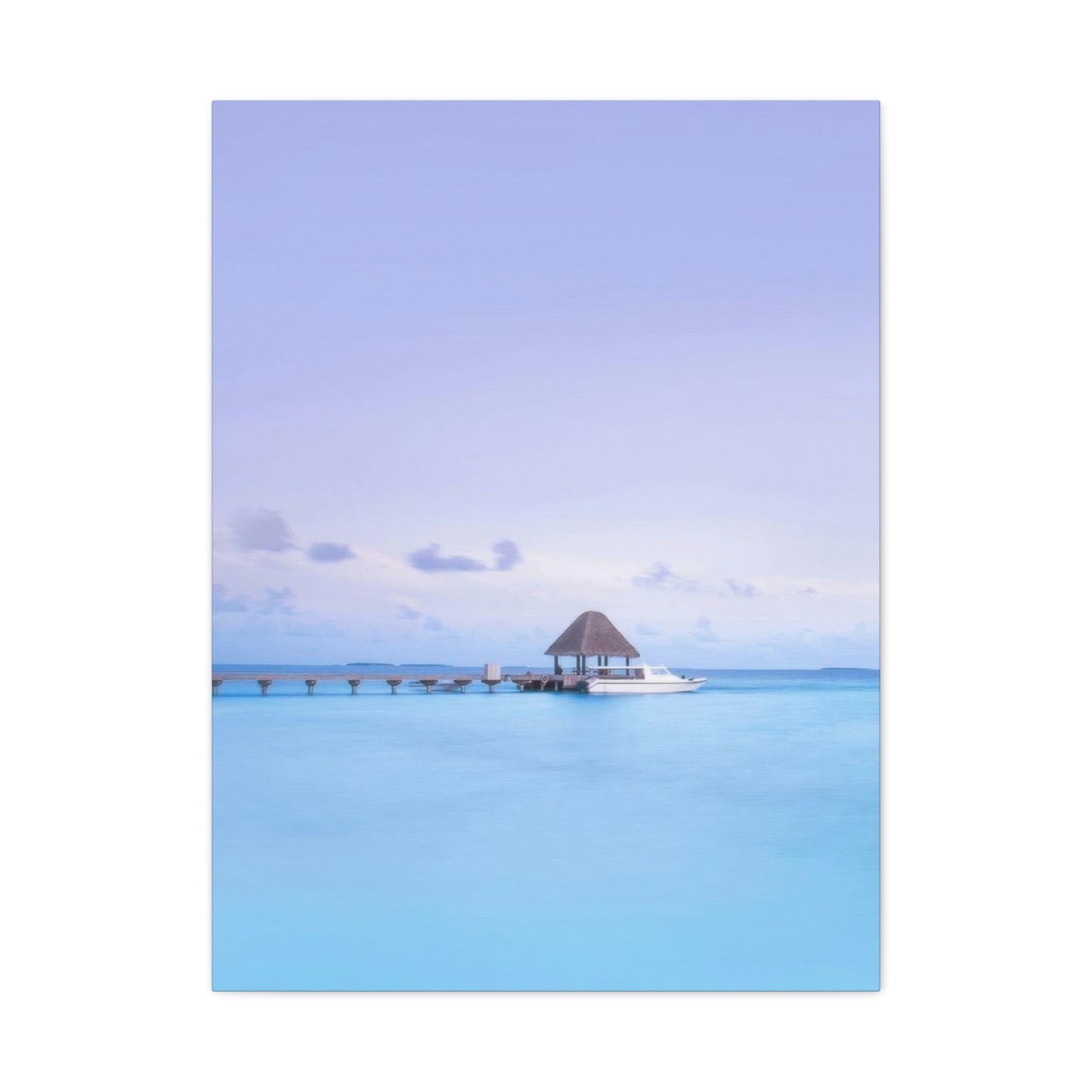
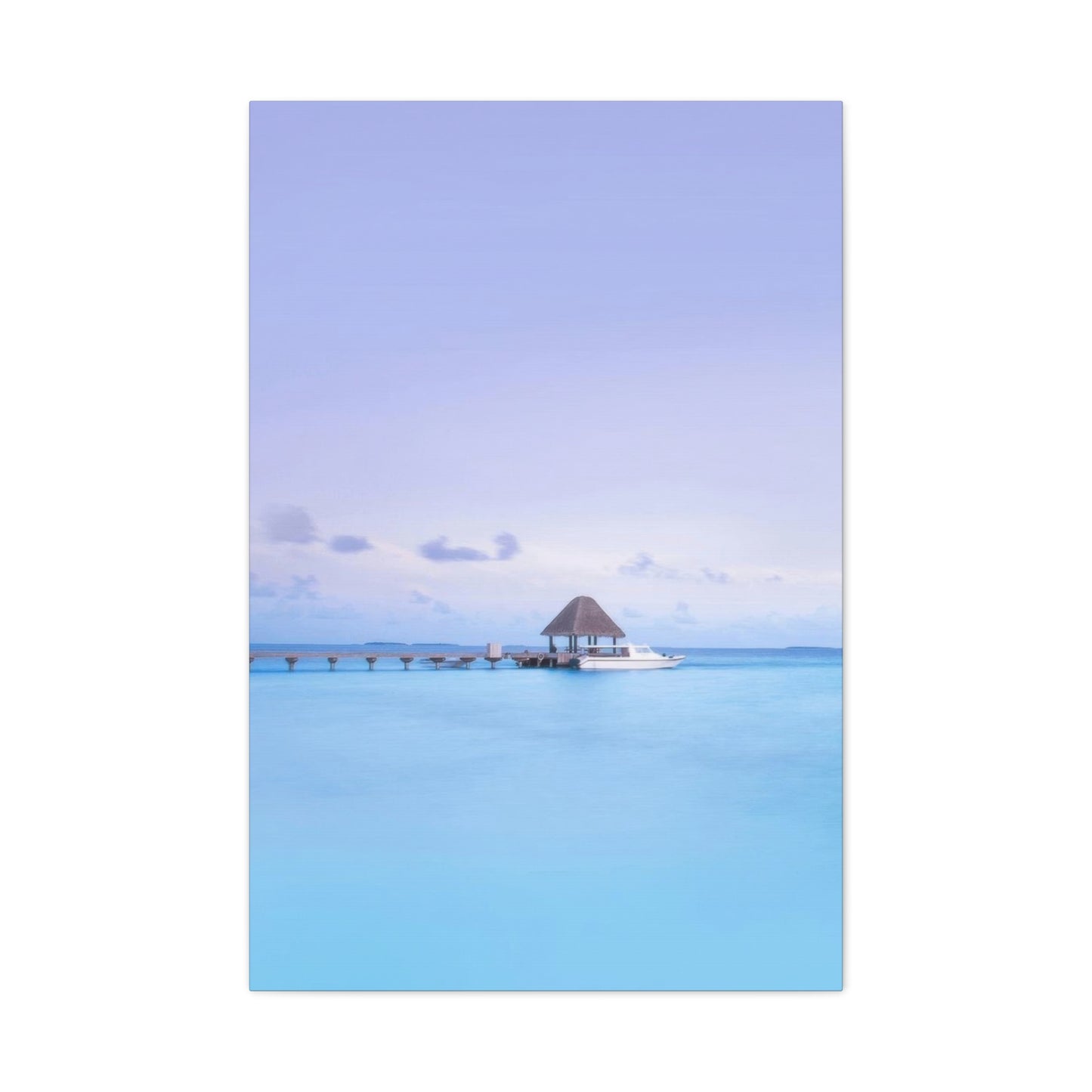
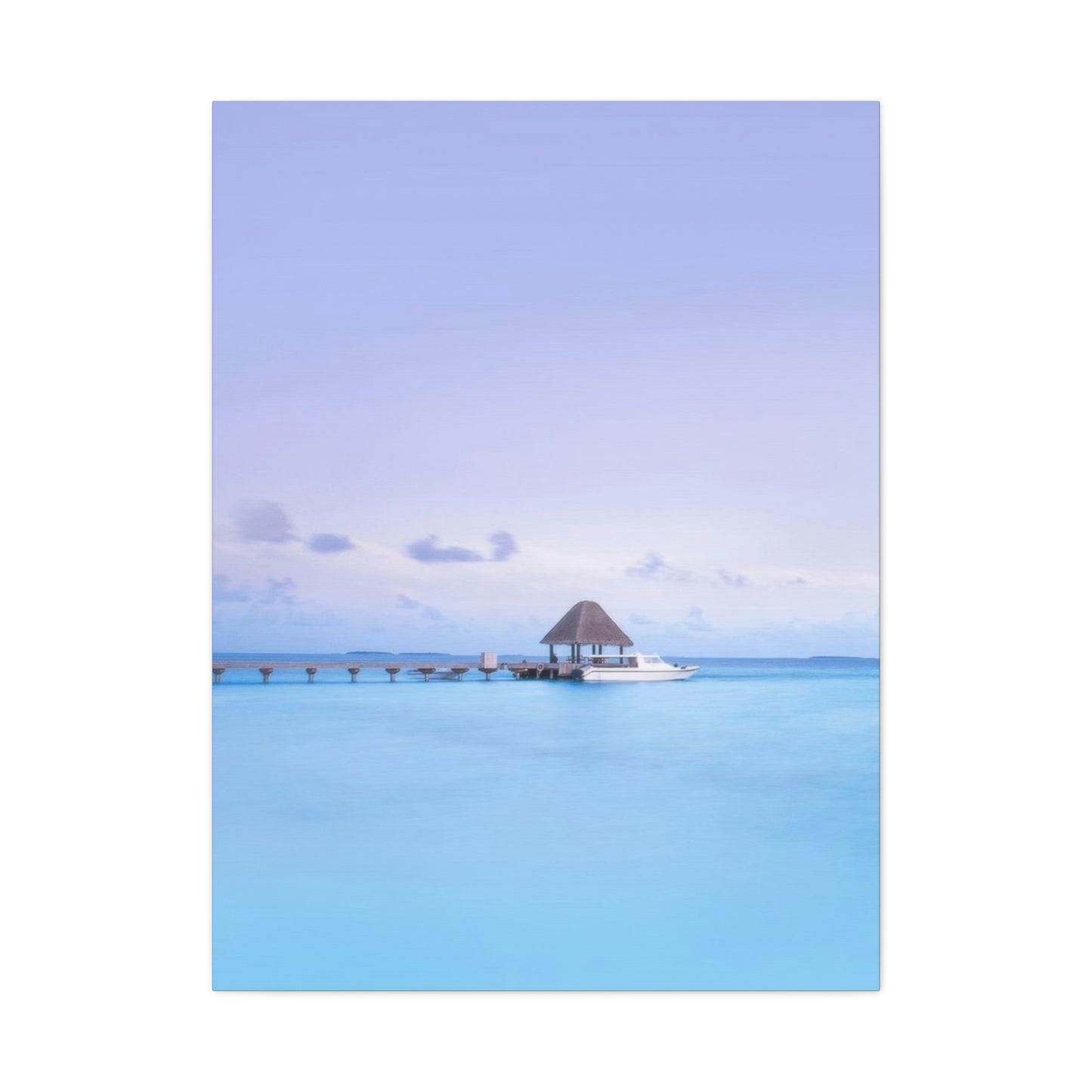
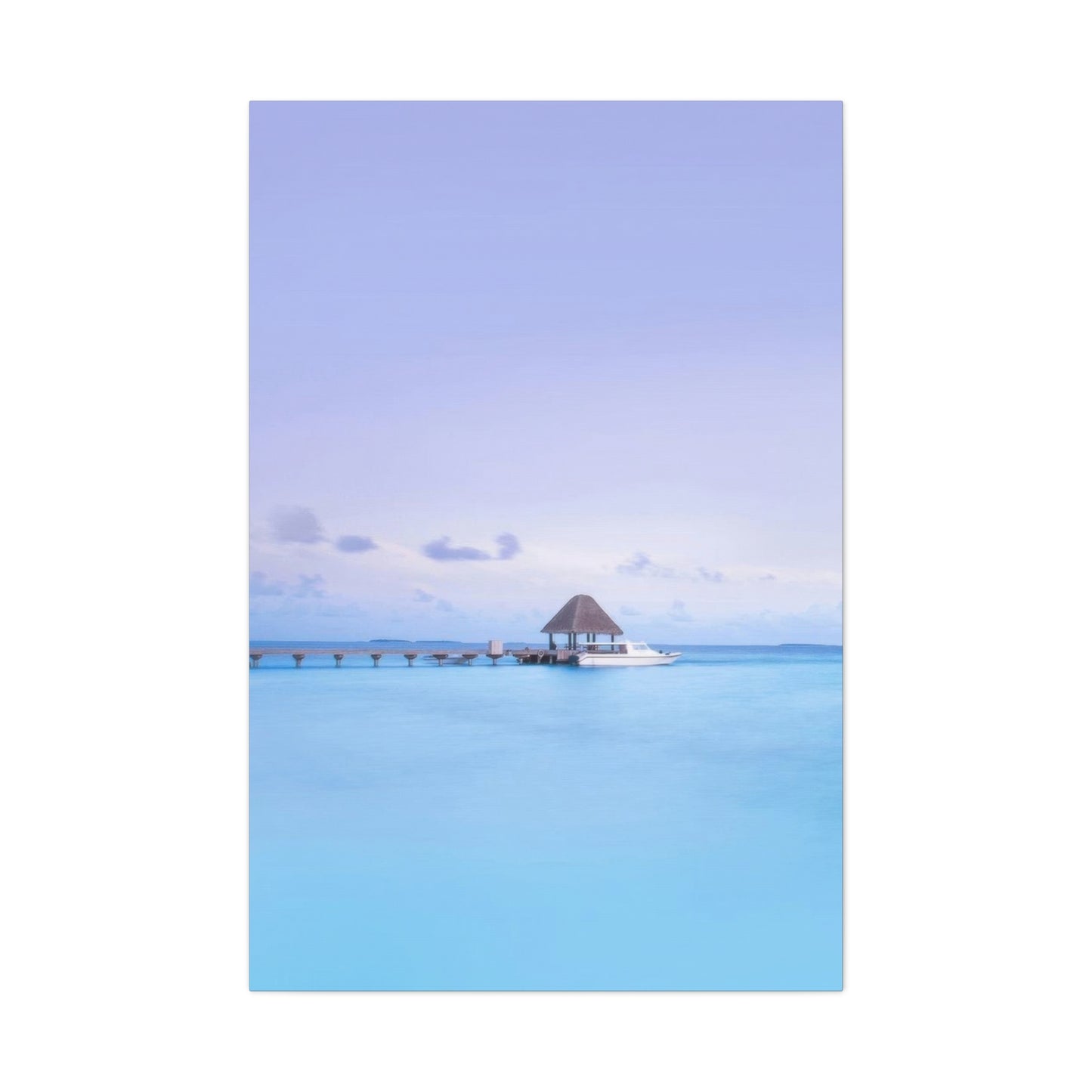
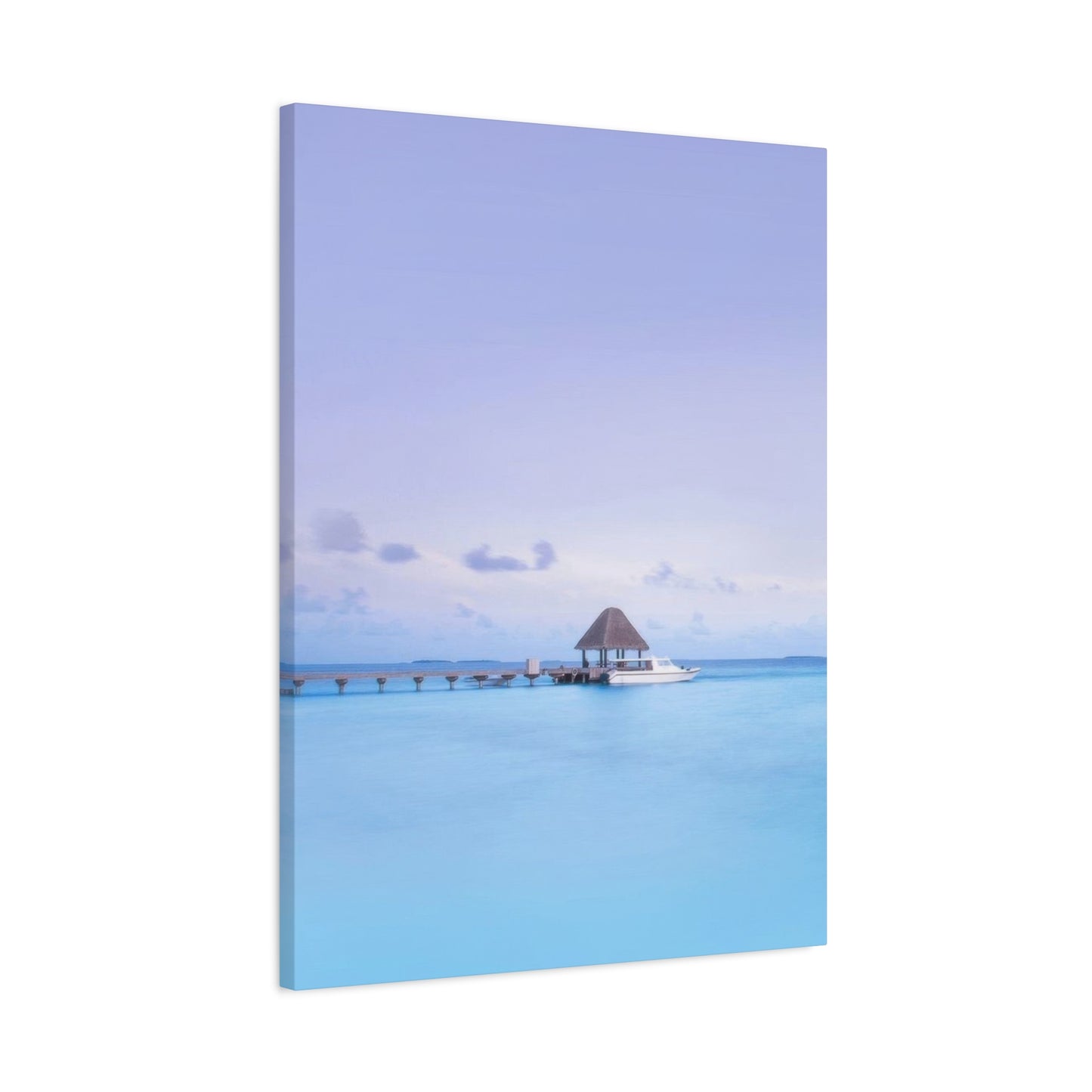
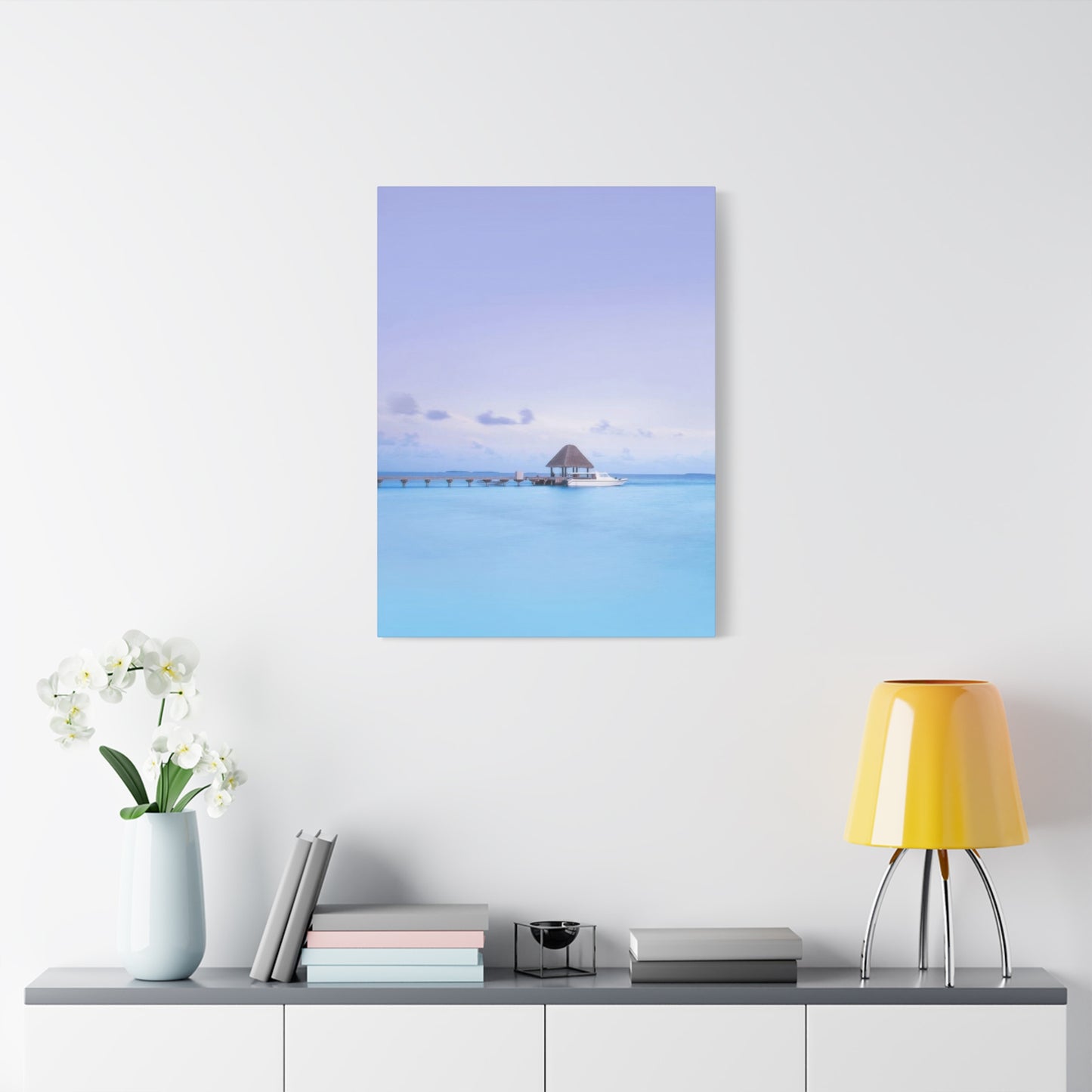
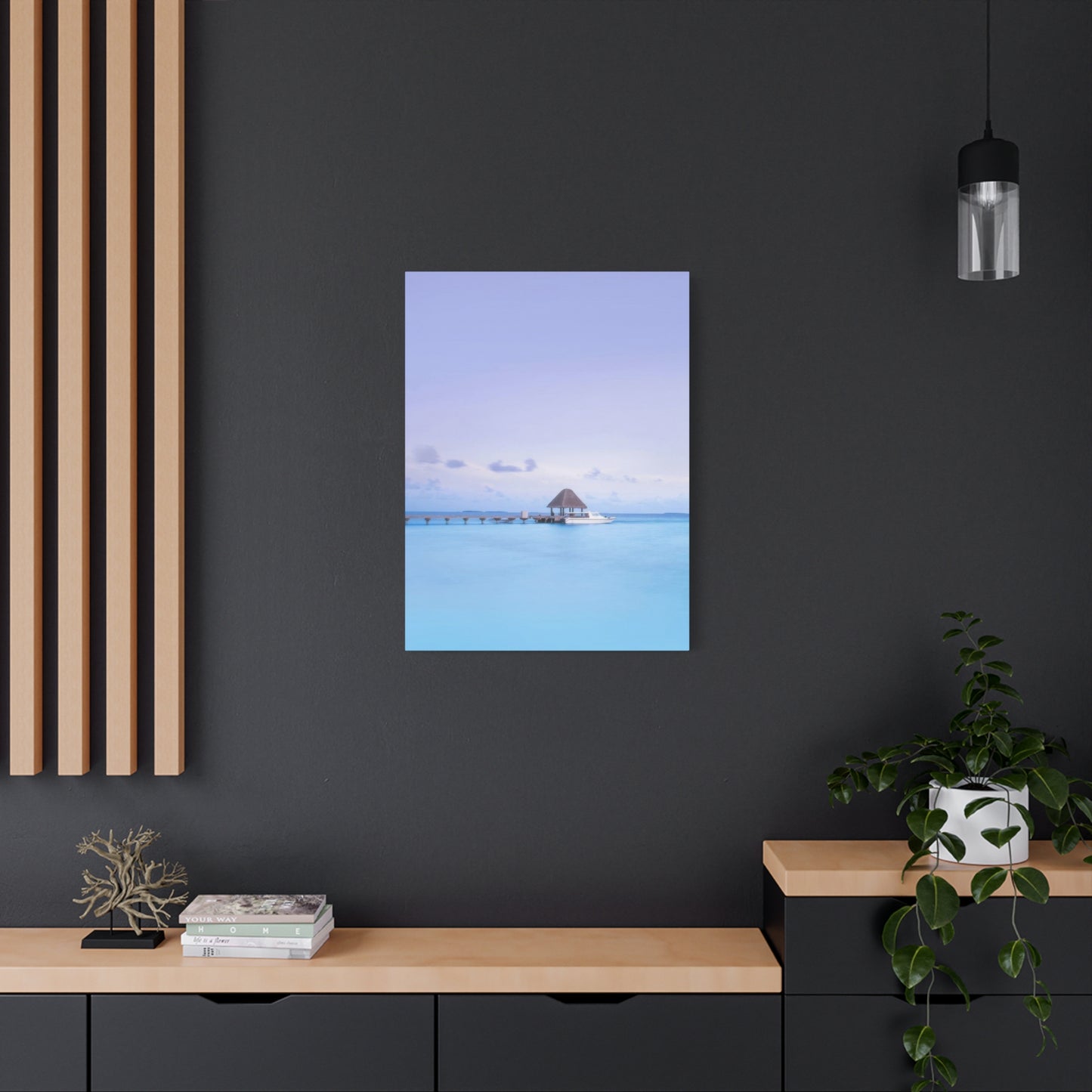
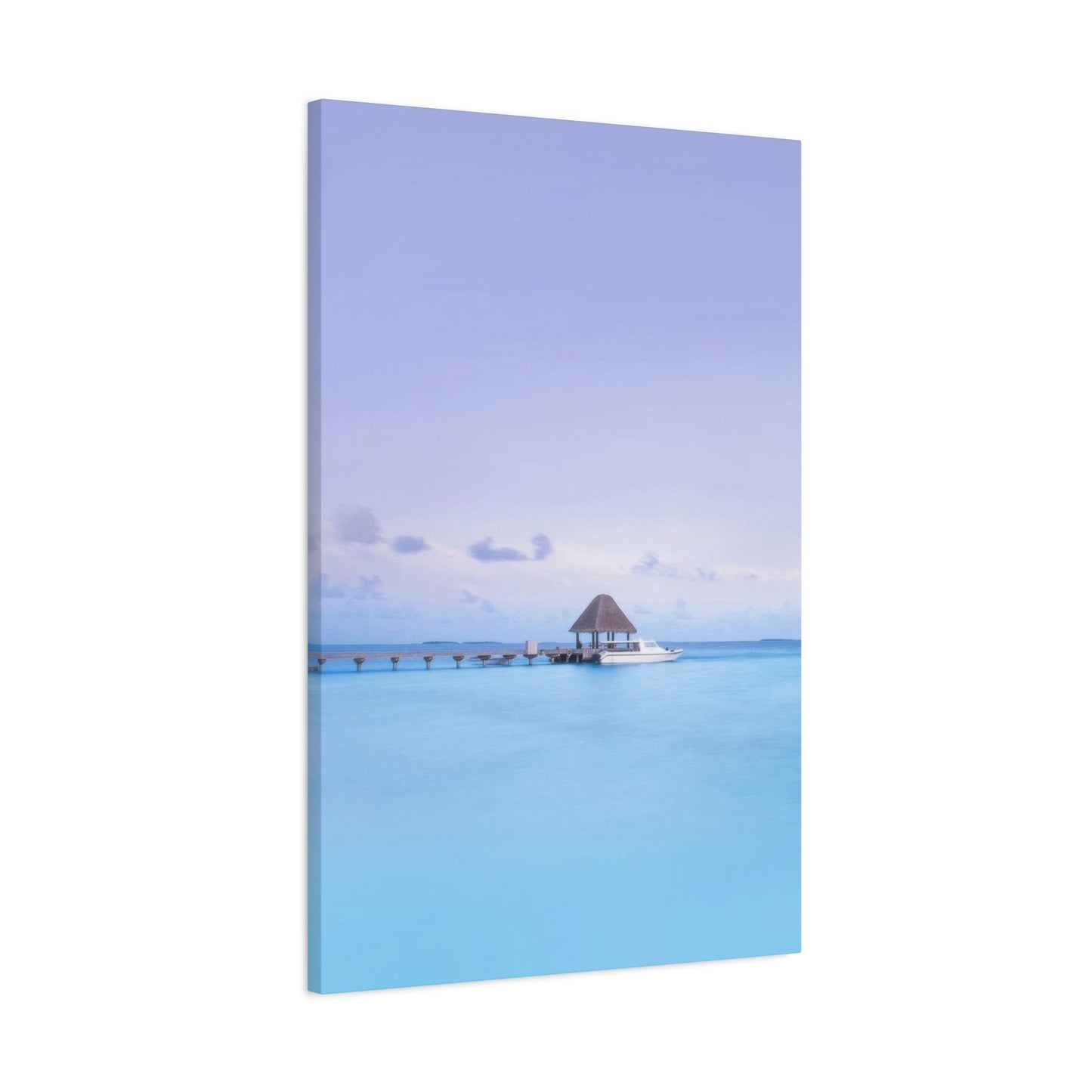
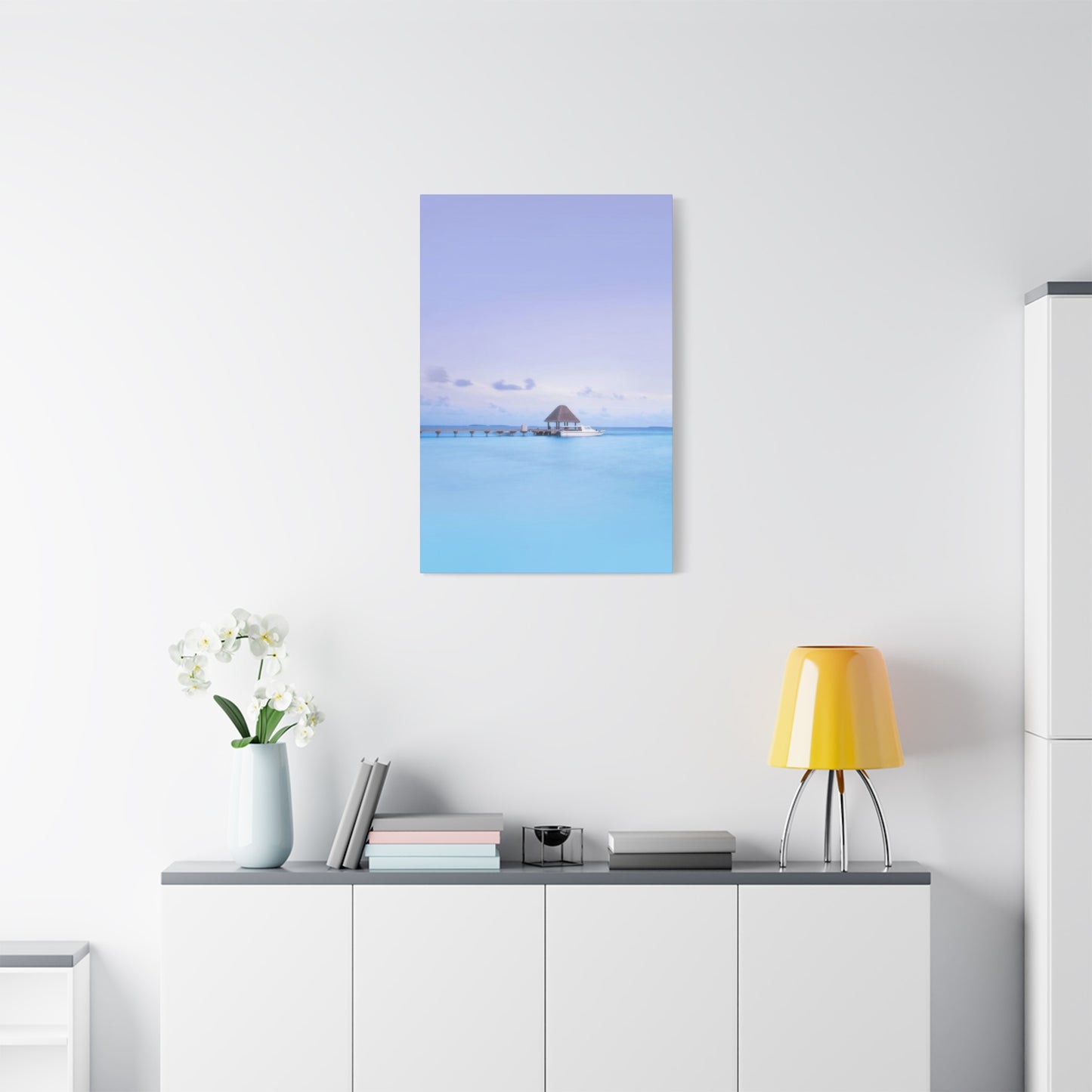
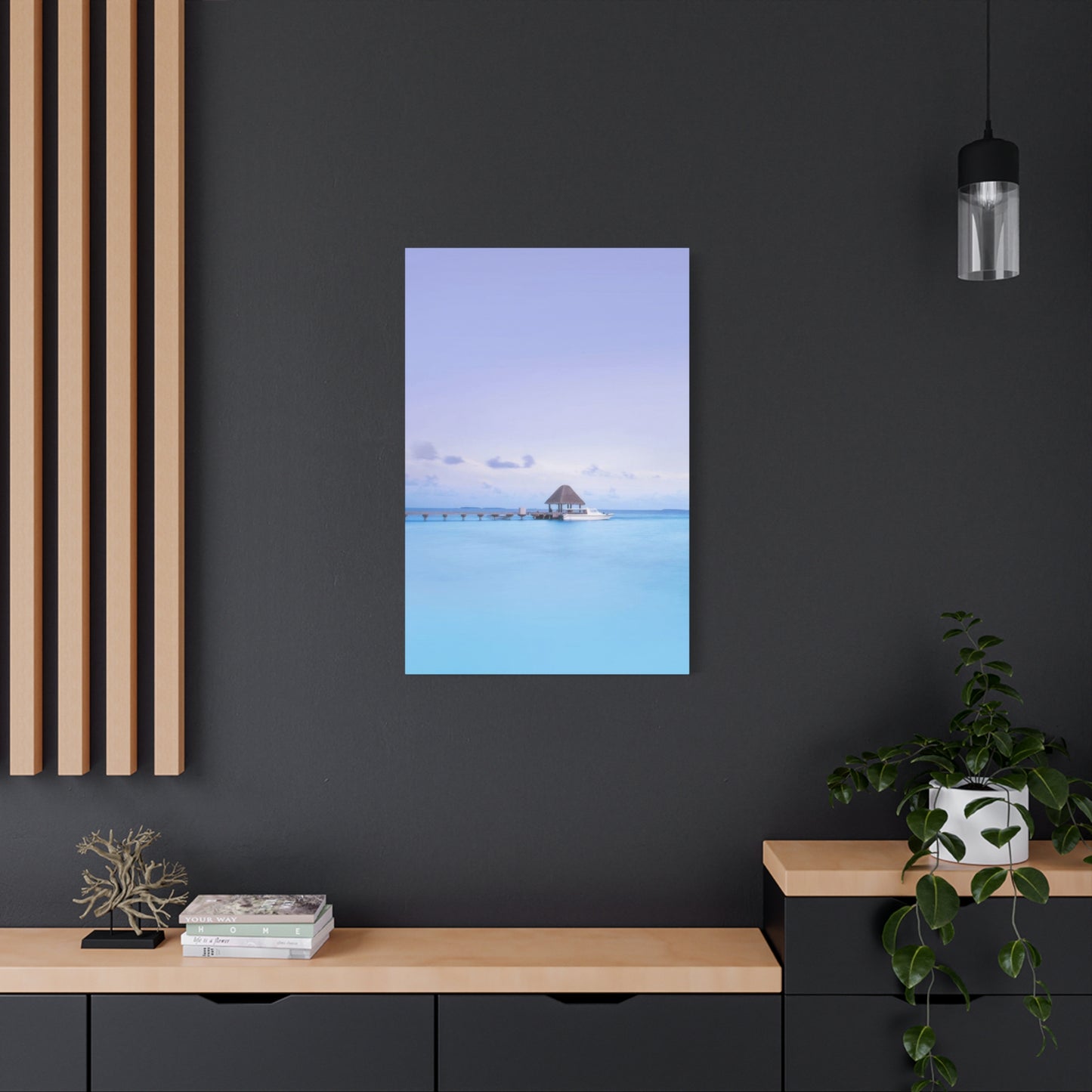
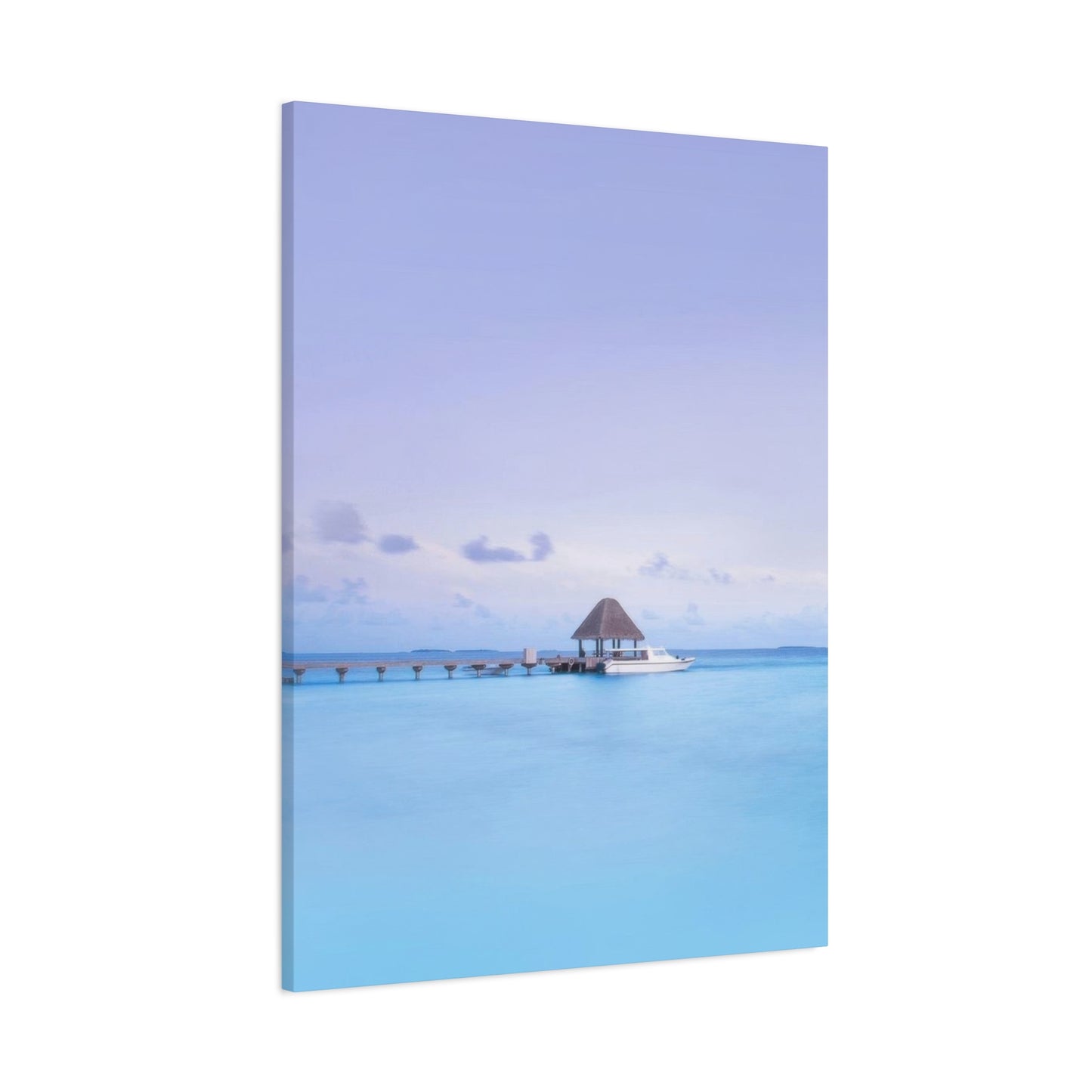
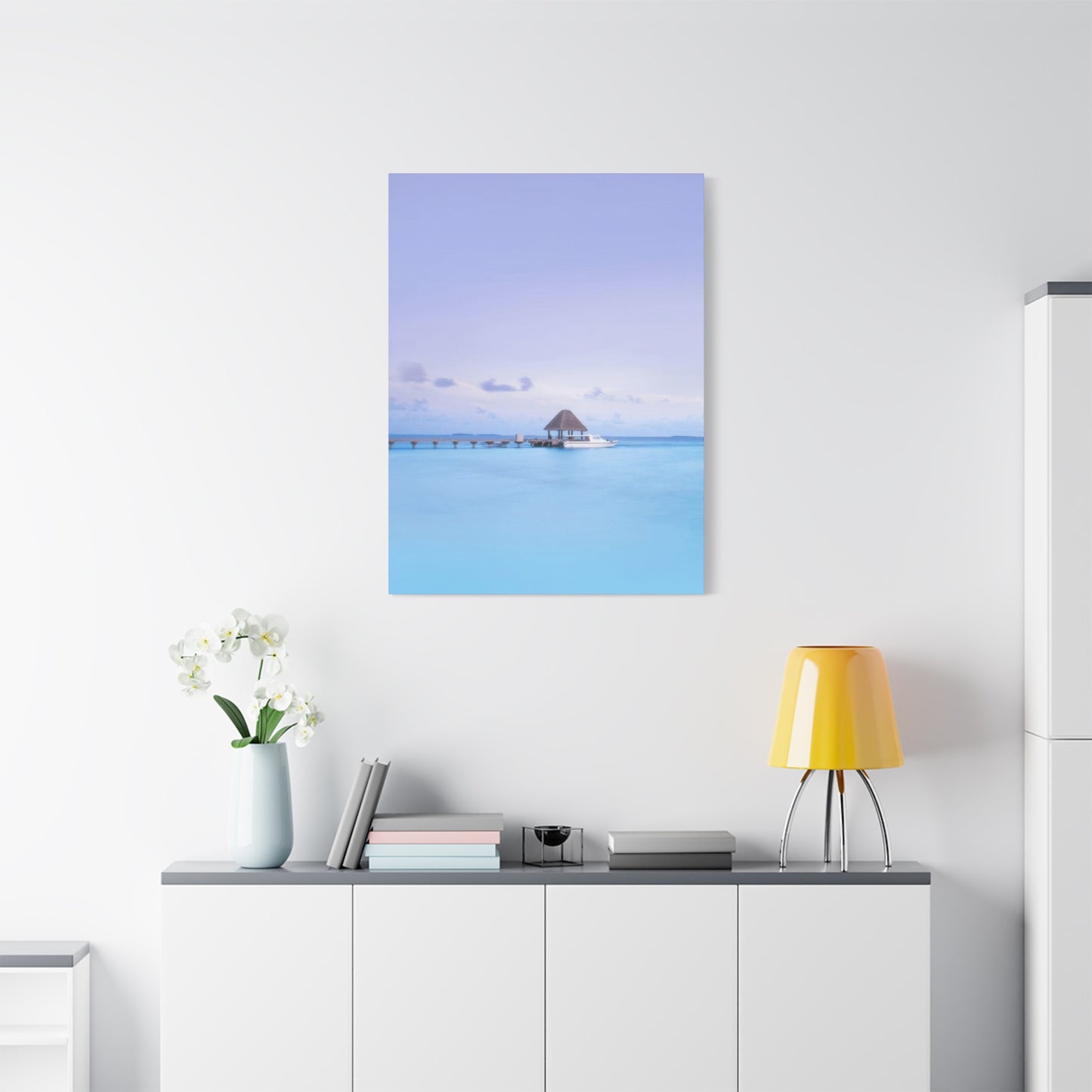
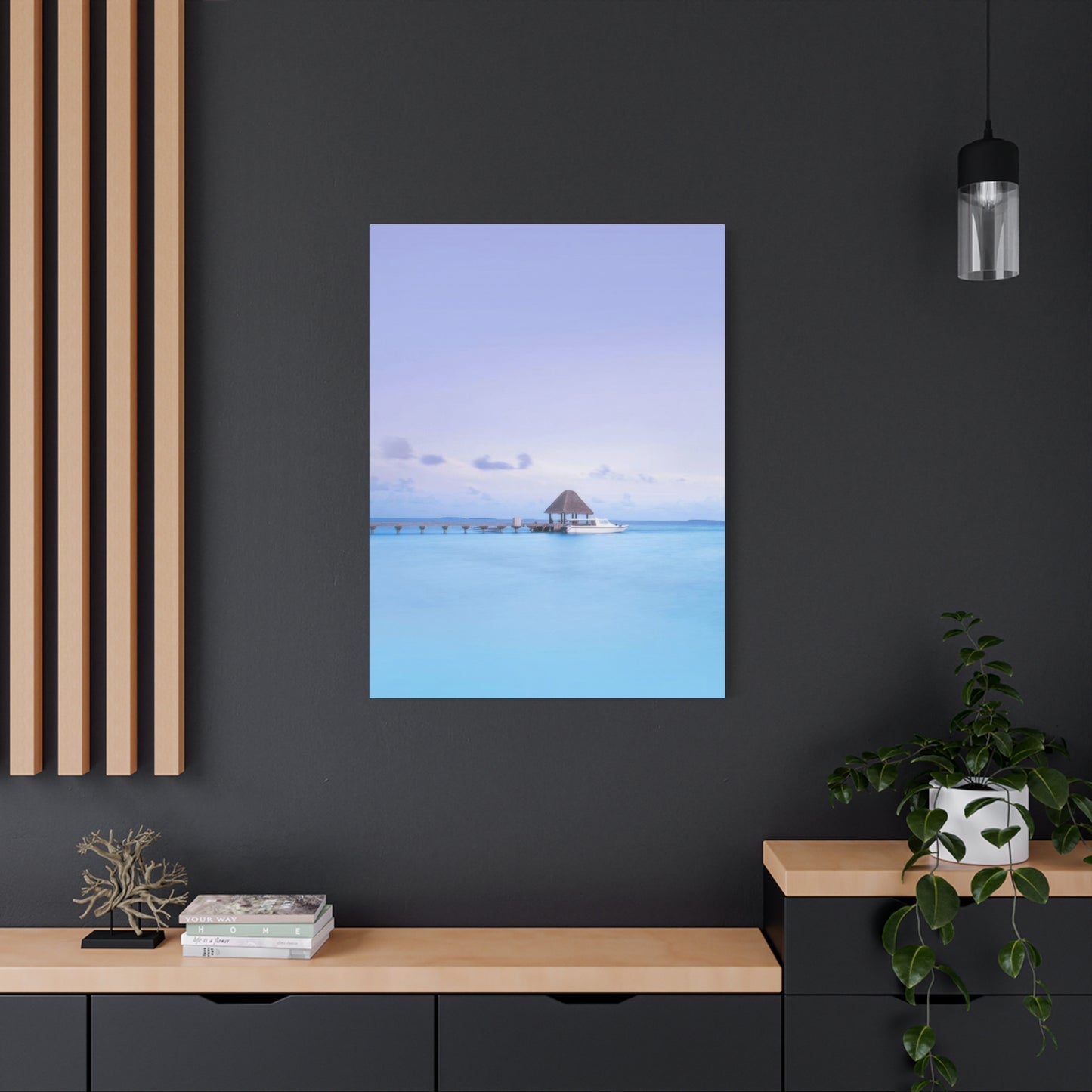
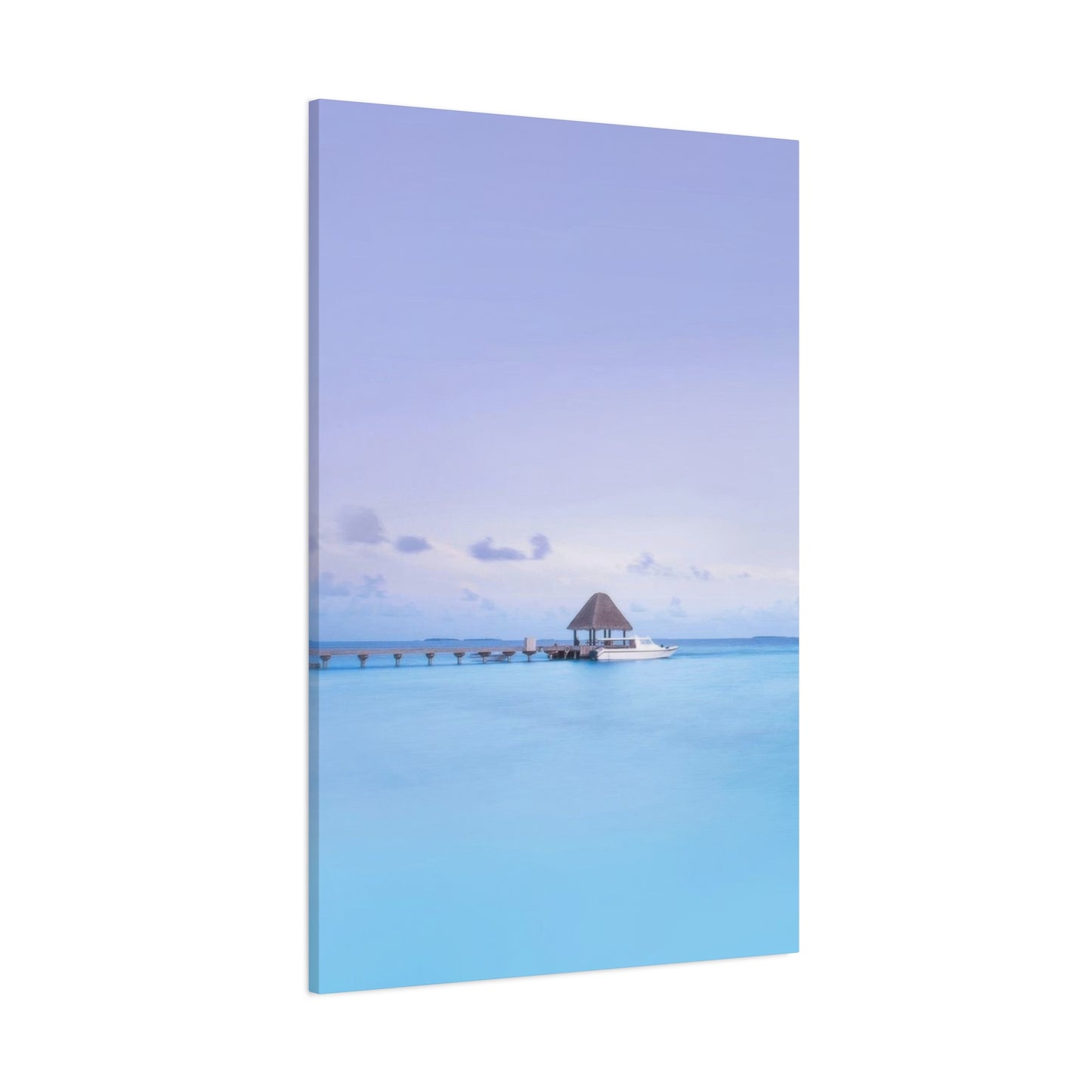
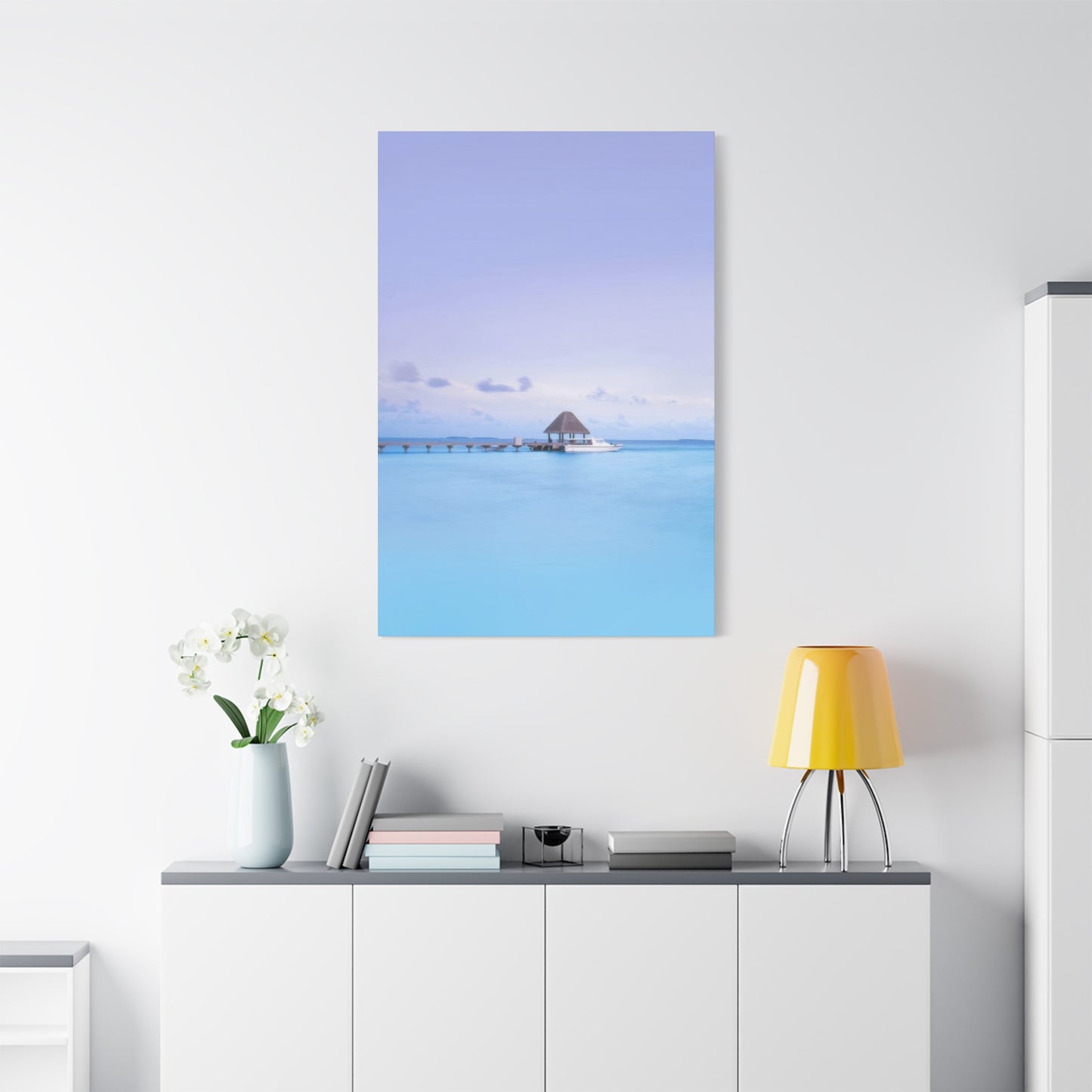
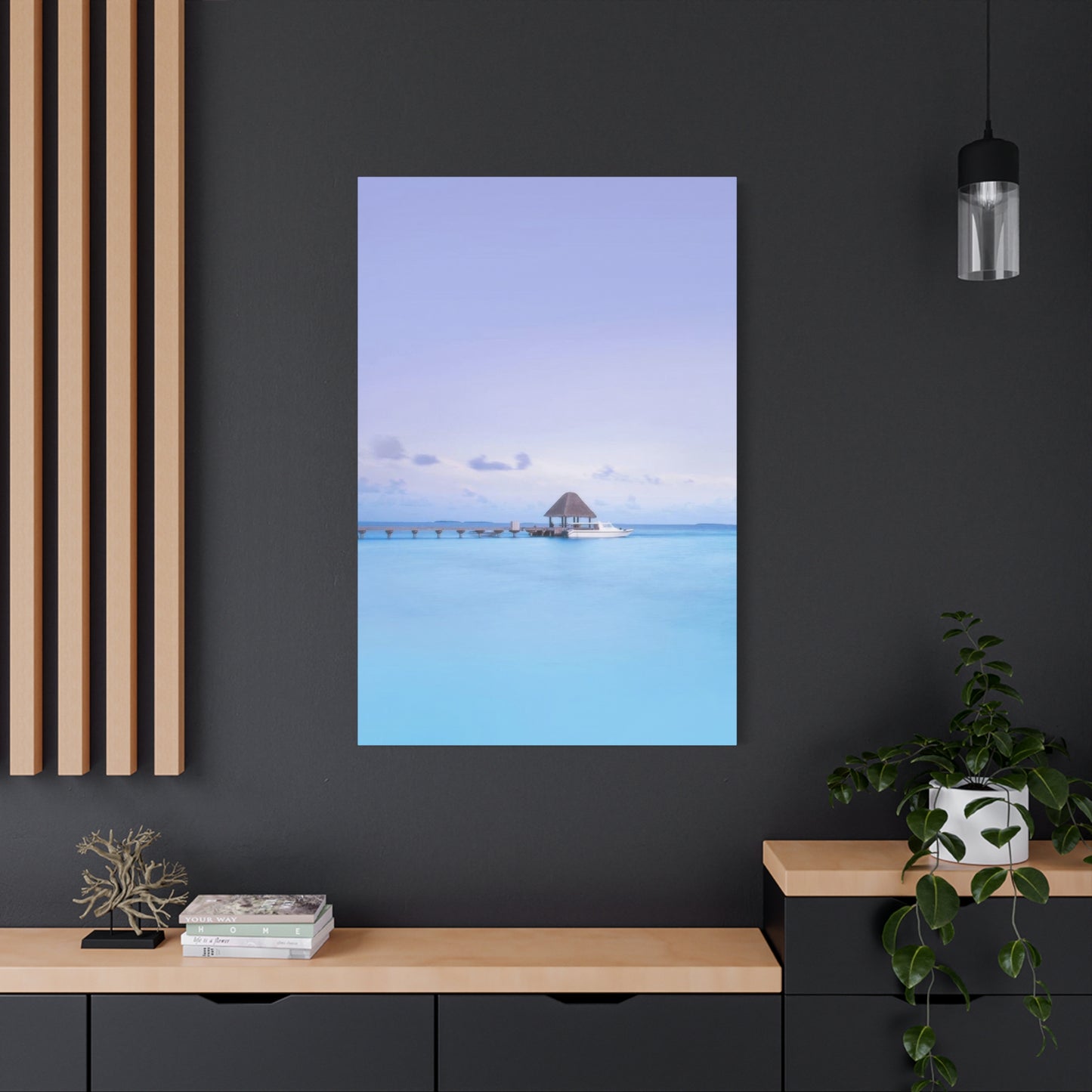
Ocean-Inspired Calm: Mastering Cool Waters Wall Art Canvas Prints to Create Peaceful, Contemporary Living Spaces
Water has always captivated the human imagination with its fluidity, tranquility, and life-giving properties. The representation of water in visual art form creates an immediate connection to nature's most essential element. When you bring images of serene lakes, rushing rivers, peaceful oceans, or gentle streams into your living space through canvas prints, you invite a sense of calm and natural beauty that transforms any room into a sanctuary. The popularity of aquatic-themed artwork has grown exponentially as people seek to create peaceful retreats within their homes, and canvas prints featuring water elements have emerged as one of the most sought-after decorative choices for modern interiors.
Canvas prints depicting water scenes offer a unique combination of visual appeal and emotional resonance. These artworks capture the essence of tranquility that water embodies, whether showing the gentle ripples of a quiet pond, the powerful surge of ocean waves, or the crystalline clarity of a mountain stream. The medium of canvas itself enhances these images, providing texture and depth that paper prints simply cannot match. The fabric surface absorbs and reflects light in ways that bring the water to life, creating a dynamic viewing experience that changes throughout the day as natural light shifts across the room.
The versatility of water-themed canvas art makes it suitable for virtually any interior design style. From contemporary minimalist spaces to traditional country homes, from coastal cottages to urban apartments, aquatic imagery adapts seamlessly to complement existing decor while adding a refreshing natural element. The color palette associated with water scenes typically includes various shades of blue, turquoise, teal, green, and white, all of which are known for their calming psychological effects. These hues can serve as accent colors to tie together a room's design scheme or function as the focal point around which other decorative elements revolve.
Understanding the different types of water imagery available in canvas prints helps homeowners and decorators make informed decisions about which pieces will work best in their spaces. Still water scenes, such as those depicting calm lakes or tranquil ponds, create a meditative atmosphere perfect for bedrooms, meditation spaces, or quiet reading nooks. Moving water imagery, featuring waterfalls, rivers, or ocean waves, brings energy and vitality to a space, making these pieces ideal for living rooms, home offices, or exercise areas. Abstract water representations, which use color and form to evoke the feeling of water without literal depiction, offer sophisticated options for modern and contemporary interiors.
The technical quality of canvas prints significantly impacts their visual appeal and longevity. High-resolution photography or digital art reproductions ensure that every detail of the water scene appears crisp and clear, from the smallest droplet to the vast expanse of an ocean horizon. Professional printing techniques using fade-resistant inks guarantee that the colors remain vibrant for years, even when displayed in rooms with significant natural light exposure. The canvas material itself, typically made from cotton or polyester blends, provides durability while maintaining the flexibility needed for proper stretching over wooden frames.
Choosing the Perfect Water-Themed Canvas Print for Your Space
Selecting the ideal aquatic canvas art for your home requires consideration of multiple factors, including room size, existing color schemes, lighting conditions, and the emotional atmosphere you wish to create. The decision process becomes easier when you understand how different aspects of the artwork interact with your space's characteristics. Beginning with an assessment of your room's dimensions helps narrow down appropriate sizes and orientations for canvas prints that will achieve visual balance without overwhelming or underwhelming the space.
Large wall areas, such as those above sofas, beds, or console tables, call for substantial canvas prints or multi-panel arrangements that command attention and fill the space proportionally. A single large canvas featuring an expansive ocean vista or a dramatic waterfall scene creates a focal point that draws the eye and anchors the room's design. The size should be substantial enough that the artwork feels intentional rather than incidental, typically occupying about two-thirds to three-quarters of the available wall width for optimal visual impact.
For smaller walls or spaces where you want to create a gallery-style arrangement, multiple smaller canvas prints can work together to create a cohesive water theme. A collection of different water scenes, such as various bodies of water from around the world or different perspectives of the same type of water feature, creates visual interest through repetition and variation. The arrangement of these multiple pieces should follow basic principles of visual balance, with spacing between canvases that allows each piece to breathe while maintaining a sense of connection to the others.
The color palette of your chosen canvas print should harmonize with your existing decor while potentially serving to introduce new accent colors or reinforce existing ones. If your room features neutral tones of white, beige, or gray, a water-themed canvas with vibrant blues and greens can inject energy and life into the space. Conversely, if your decor already includes bold colors, a more subdued water scene with muted tones might provide visual relief and balance. Consider taking fabric swatches or paint chips from your room when shopping for canvas prints to ensure color compatibility.
The style of water imagery should align with your overall interior design aesthetic. Photographic prints of actual water scenes suit rooms with contemporary, transitional, or traditional styling, offering realism that connects directly to nature. Painterly interpretations of water, whether in impressionist, expressionist, or abstract styles, add artistic sophistication suitable for eclectic or art-focused interiors. Digital art featuring stylized or enhanced water imagery works particularly well in modern and minimalist spaces where conventional photography might feel too literal.
Different Types of Water Scenes and Their Applications
The variety of water scenes available in canvas print form spans from serene to dramatic, from tropical to arctic, from realistic to abstract. Understanding the different categories helps you select imagery that will achieve your specific decorative goals while creating the desired emotional atmosphere. Each type of water scene carries distinct visual characteristics and emotional associations that make it more suitable for certain spaces and purposes.
Ocean scenes represent one of the most popular categories of water-themed canvas art. These images can range from calm seas with gentle waves lapping at sandy shores to powerful storm-driven waves crashing against rocky cliffs. Peaceful ocean scenes with clear blue water and sunny skies evoke feelings of vacation, relaxation, and escape, making them perfect for bedrooms, bathrooms, or any space intended for unwinding. More dramatic ocean imagery showing turbulent seas and impressive waves brings energy and majesty to living rooms, offices, or other areas where you want to inspire strength and resilience.
Lake and pond scenes offer tranquility and stillness that create meditative environments. These images often feature mirror-like water surfaces that reflect surrounding landscapes, clouds, or mountains, doubling the visual interest and creating symmetrical compositions that many find aesthetically pleasing. The calmness inherent in these scenes makes them ideal for spaces dedicated to rest, contemplation, or concentration. A canvas print showing a misty morning lake can transform a bedroom into a peaceful sanctuary, while an image of a crystalline mountain lake might enhance focus in a home office.
Waterfall imagery provides dynamic visual interest through the depiction of water in motion. These scenes can range from gentle cascades trickling over mossy rocks to powerful falls plunging from great heights into pools below. The vertical nature of most waterfall compositions makes these canvas prints particularly effective for walls with vertical emphasis, such as narrow wall spaces between windows or in hallways. The energy and movement in waterfall scenes bring vitality to living spaces, home gyms, or entryways where you want to create an impression of life and vigor.
River and stream scenes capture water in its journey from source to sea, often incorporating surrounding landscape elements such as forests, meadows, or rocky terrain. These images convey movement and direction while maintaining a gentler energy than ocean or waterfall scenes. The linear quality of rivers makes these canvas prints work well in rectangular spaces or along walls that could benefit from implied directional flow. The seasonal variations possible in river scenes offer opportunities to select imagery that reflects your regional climate or preferred season.
Canvas Print Quality Considerations and Technical Specifications
The technical quality of canvas prints directly impacts their visual appeal, durability, and value as long-term investments in your home decor. Understanding the specifications that indicate quality helps consumers make informed purchasing decisions and avoid disappointment with products that may look impressive in online thumbnails but fail to meet expectations when displayed at full size. Several key factors determine the overall quality of water-themed canvas prints, each contributing to the final product's appearance and longevity.
Print resolution stands as perhaps the most critical quality factor, particularly for detailed water scenes where you want to capture the texture of ripples, the sparkle of sunlight on water, or the fine mist of a waterfall. High-resolution images, typically 300 dots per inch or higher, ensure that the print remains sharp and detailed even when viewed up close. Lower resolution images may appear acceptable from a distance but reveal pixelation, blurriness, or lack of detail upon closer inspection. For water scenes, where much of the beauty lies in subtle gradations of color and fine textural details, high resolution becomes essential.
The type of ink used in the printing process significantly affects color vibrancy, accuracy, and fade resistance. Pigment-based inks offer superior longevity compared to dye-based inks, maintaining their colors for decades rather than years when properly displayed. For water-themed canvas prints, where the blues and greens are central to the image's impact, fade-resistant inks ensure that your investment continues to look fresh and vibrant over time. UV-resistant inks provide additional protection against sun damage, particularly important for canvases displayed in rooms with significant natural light exposure.
Canvas material quality varies considerably across price points and manufacturers. Premium canvas typically consists of cotton or cotton-poly blends with tight weaves that provide smooth surfaces for detailed printing while maintaining the textured appearance that distinguishes canvas from paper prints. The weight of the canvas fabric, measured in ounces per square yard, indicates durability and resistance to warping or sagging over time. Heavier canvases generally provide better long-term structural integrity, particularly important for larger prints that must maintain their taut appearance across substantial frames.
The stretching and mounting process determines how the printed canvas transitions from flat fabric to three-dimensional wall art. Gallery wrap mounting, where the image continues around the sides of the frame, creates a finished appearance that eliminates the need for additional framing. The depth of the stretcher bars affects the canvas's visual impact, with deeper frames creating more pronounced three-dimensional effects that make the artwork appear to float off the wall. Quality mounting involves properly tensioned canvas that eliminates wrinkles or waviness while allowing for minor adjustments if settling occurs over time.
Color Psychology and Coordination in Water-Themed Decor
The colors present in water-themed canvas prints exert powerful influences on the psychological atmosphere of spaces and must be coordinated thoughtfully with surrounding decor elements. Understanding color psychology and applying coordination principles transforms random decorating choices into intentional design decisions that create cohesive, emotionally resonant environments. Water scenes naturally feature color palettes centered on blues, greens, and related hues, each carrying specific psychological associations and design implications.
Blue, the primary color in most aquatic imagery, represents trust, tranquility, stability, and depth. Light blues evoke openness, freshness, and clarity, making them ideal for creating airy, spacious feelings in smaller rooms or areas where you want to enhance feelings of freedom and possibility. Medium blues suggest reliability and calm, appropriate for spaces where you want to encourage focus and steady productivity. Deep navy blues convey sophistication, mystery, and security, working well in formal spaces or rooms where you want to create intimate, cocooning atmospheres. The variety of blue tones typically present in water scenes provides rich opportunities for color coordination throughout the room.
Green tones frequently appear in water imagery, particularly in scenes featuring algae, shallow tropical waters, or forested waterways. Green represents nature, growth, balance, and renewal, bringing these associations into spaces that display water canvas prints with prominent green elements. The psychological effects of green include stress reduction and promotion of feelings of harmony and stability. Rooms used for relaxation, healing, or creative work benefit particularly from the presence of green tones, making water scenes with green elements excellent choices for home offices, craft rooms, or therapeutic spaces.
Turquoise and aqua, colors that blend blue and green qualities, carry associations with tropical paradises, clear waters, and exotic destinations. These vibrant colors energize spaces while maintaining the calming qualities of their component hues. Canvas prints featuring prominent turquoise waters work beautifully in spaces where you want to create vacation-inspired atmospheres or inject energy without the intensity of warm colors like red or orange. These colors coordinate particularly well with white, sand, coral, and other beach-associated tones.
The neutrals present in water-themed canvas prints, including whites, grays, and beiges, provide visual rest areas that prevent color overwhelm and create sophisticated atmospheres. White water foam, gray clouds, beige sand, and silver reflections all contribute neutral elements that allow the blues and greens to shine without competition. When coordinating room decor with water-themed canvas art, incorporating these neutral tones in furniture, carpets, or window treatments creates harmonious color relationships that feel intentional rather than accidental.
Room-Specific Applications and Design Recommendations
Different rooms in your home present unique opportunities and challenges for displaying water-themed canvas prints, with functional requirements and emotional purposes influencing optimal selection and placement strategies. Understanding how to adapt water imagery to specific room contexts ensures that your canvas art contributes meaningfully to each space's particular purpose while maintaining design coherence throughout your home. Room-by-room considerations help maximize the impact and appropriateness of aquatic canvas art.
Living rooms serve as primary gathering spaces where water-themed canvas prints can make bold statements or create conversation pieces that reflect your personality and design sensibilities. Large-scale canvas prints featuring dramatic water scenes work effectively above sofas or on primary focal walls, commanding attention and setting the room's overall tone. For living rooms with neutral color schemes, vibrant water imagery introduces color and life without requiring complete redecorating. The versatility of living rooms allows for various water scene types, from energizing ocean waves that support active entertaining to calm lake scenes that encourage relaxed conversation.
Bedrooms benefit enormously from the calming properties of water imagery, with canvas prints serving functional roles beyond mere decoration. The relaxation response triggered by viewing water scenes supports the bedroom's primary purpose as a space for rest and rejuvenation. Peaceful water scenes featuring calm seas, tranquil lakes, or gentle streams positioned where they're visible from the bed provide visual anchors for pre-sleep wind-down routines. The color palettes typical of water scenes, particularly soft blues and greens, support the production of melatonin, the hormone that regulates sleep cycles, making these choices scientifically sound as well as aesthetically pleasing.
Bathrooms present natural opportunities for water-themed canvas prints, with the obvious thematic connection between the room's function and aquatic imagery. However, the humid environment requires particular attention to canvas protection, including protective coatings and adequate ventilation. Water scenes in bathrooms can range from subtle close-ups of water ripples to dramatic ocean vistas, depending on the room's size and style. Smaller bathrooms benefit from lighter, brighter water scenes that enhance feelings of spaciousness, while larger master bathrooms can accommodate more dramatic imagery. The presence of water themes in bathrooms creates cohesive design narratives that feel intentional and sophisticated.
Styling Approaches and Design Themes for Water Canvas Art
Water-themed canvas prints adapt to numerous decorating styles and design themes, offering versatility that makes them valuable additions to virtually any aesthetic direction. Understanding how to integrate aquatic imagery into specific design approaches ensures that your canvas art feels cohesive with your overall vision rather than disconnected or incompatible. Various styling approaches highlight different aspects of water imagery while supporting broader decorative themes that characterize different interior design philosophies.
Coastal style decorating naturally incorporates water-themed canvas prints as essential elements rather than optional accessories. This approach typically features light, airy color palettes with white, sand, and various blue tones creating relaxed, beach-inspired atmospheres. Ocean scene canvas prints showing waves, beaches, or coastal landscapes reinforce the theme while providing focal points that anchor the design. Natural materials like weathered wood, rope, and linen complement the organic feel of water imagery, creating cohesive coastal environments. The key to avoiding clichéd beach decor lies in selecting high-quality photographic or artistic water imagery rather than overtly decorative or themed pieces.
Contemporary modern design incorporates water-themed canvas prints through clean presentations and often features abstract or minimalist water imagery. This approach favors simple framing or gallery-wrapped canvases without ornate borders, allowing the image itself to make statements without distraction. Abstract water representations showing color fields, flowing patterns, or geometric interpretations of water work particularly well in modern contexts where literal landscape photography might feel too traditional. The emphasis on clean lines and uncluttered spaces in modern design makes the calming simplicity of water imagery especially appropriate and effective.
Traditional decorating styles can incorporate water-themed canvas prints through selections that emphasize classic composition and timeless subject matter. Maritime paintings showing sailing vessels on water, formal landscape compositions featuring lakes or rivers, or historical photographic reproductions of famous water locations suit traditional interiors. While traditional rooms might more commonly feature framed prints rather than gallery-wrapped canvases, the canvas medium can still work when presented in substantial frames that match the weight and formality of other furnishings. The key lies in selecting water imagery with classical composition and avoiding overly casual or contemporary photographic styles.
Scandinavian design principles emphasizing simplicity, functionality, and connection to nature make water-themed canvas prints natural fits for this aesthetic. Light-filled rooms with white or pale gray walls provide perfect backgrounds for water imagery that maintains similar tonal ranges. Canvas prints featuring northern water scenes, such as fjords, arctic waters, or misty Nordic lakes, create geographical and stylistic connections to Scandinavian heritage. The understated elegance characteristic of this design approach calls for similarly understated water imagery without dramatic colors or highly saturated tones.
Tropical and resort-inspired designs embrace water-themed canvas prints featuring vibrant turquoise lagoons, palm-fringed beaches, and coral reef imagery. This approach typically incorporates bold colors, natural materials, and abundant plant life, creating environments that evoke vacation destinations. Canvas prints in tropical settings work alongside elements like rattan furniture, tropical plants, and bright textile patterns to build cohesive paradise-inspired spaces. The escapist nature of tropical design makes dramatic, idealized water scenes appropriate, even if they veer toward fantasy rather than documentary photography.
The Emotional and Therapeutic Benefits of Water Imagery
Beyond aesthetic considerations, water-themed canvas prints provide genuine emotional and therapeutic benefits that enhance quality of life and support mental wellbeing. The connection between viewing nature imagery and psychological health has been extensively documented in research, with water scenes demonstrating particularly powerful effects. Understanding these benefits elevates canvas art selection from purely decorative decision-making to intentional choices that support emotional health and create nurturing environments that contribute positively to daily life.
Stress reduction represents one of the most immediate and measurable benefits of viewing water imagery. Studies using physiological markers such as heart rate, blood pressure, and cortisol levels have demonstrated that exposure to water scenes triggers the relaxation response, counteracting the body's stress reactions. The mechanisms behind this effect include both evolutionary factors, as humans evolved near water sources and associate them with safety and resources, and learned associations connecting water with vacation, relaxation, and positive experiences. Displaying water-themed canvas prints in high-stress environments like home offices or spaces where you decompress after work creates opportunities for regular stress-reduction throughout daily routines.
Anxiety management benefits from the calming influence of water imagery, which provides visual anchors during anxious moments and supports grounding techniques. When experiencing anxiety, focusing attention on detailed elements within a water scene canvas, such as counting waves, following the path of a stream, or examining reflections, can interrupt anxiety spirals and redirect mental energy toward neutral observations. The repetitive, rhythmic qualities often present in water imagery, such as regular waves or flowing currents, can have almost hypnotic effects that quiet racing thoughts. For individuals managing chronic anxiety, strategically placing water-themed canvas prints in locations where anxiety typically intensifies creates readily available tools for self-regulation.
Mood enhancement occurs through both the color psychology associated with water scenes and the positive associations most people carry regarding water environments. Blues and greens dominant in aquatic imagery promote feelings of peace, security, and emotional balance. The association of water with life, renewal, and cleansing carries metaphorical power that can shift perspective during difficult periods. Starting each day with views of inspiring water scenes or ending evenings with contemplation of calming aquatic imagery creates positive emotional bookends that influence overall mood patterns. The cumulative effect of regular exposure to uplifting imagery should not be underestimated as a factor in maintaining positive mental states.
Meditation and mindfulness practices benefit significantly from water imagery, which provides focal points that support various contemplative techniques. Using a water-themed canvas print as a meditation object allows practitioners to contemplate water's qualities, such as flow, adaptability, depth, and cleansing power, as metaphors for personal development. The reflective qualities often present in water imagery can support practices focused on self-reflection and honest self-examination. For movement-based mindfulness practices like walking meditation, positioning water canvas prints along the path creates visual checkpoints that support sustained awareness. The naturally meditative quality of water imagery makes it particularly suitable for dedicated meditation spaces or quiet corners designed for contemplative practices.
Trends in Water-Themed Canvas Art and Future Directions
The market for water-themed canvas prints continues evolving as artistic techniques, printing technologies, and design trends shift to reflect changing aesthetic preferences and technological capabilities. Understanding current trends and emerging directions helps consumers make selections that feel contemporary while avoiding choices that may quickly appear dated. The intersection of timeless appeal inherent in water imagery and evolving presentation styles creates dynamic markets where tradition and innovation coexist productively.
Drone photography has revolutionized water imagery by providing previously impossible perspectives that show water from directly above. These aerial views reveal patterns, colors, and relationships invisible from ground level, creating abstract compositions even when depicting actual water bodies. Ocean waves photographed from above show intricate patterns and color gradations that traditional horizontal perspectives cannot capture. Rivers and streams from aerial perspectives reveal meandering paths and surrounding landscape relationships that create compelling compositions. The novelty and visual interest of drone perspectives have made these canvas prints increasingly popular, particularly in modern and contemporary interiors where innovative perspectives feel appropriate and exciting.
Minimalist compositions featuring vast expanses of single-color water with minimal additional elements appeal to contemporary preferences for simplicity and negative space. These images might show endless ocean horizons with tiny sailboats, expansive lake surfaces with solitary birds, or underwater scenes dominated by uniform blue tones with subtle texture variations. The restraint and simplicity of these compositions create sophisticated, calm visual experiences that complement minimalist and Scandinavian-inspired interiors. The emphasis on what is not shown, the space and silence inherent in these images, reflects broader cultural movements toward simplification and intentional living.
Split-perspective imagery showing both above and below the waterline in single compositions creates fascinating visual narratives that satisfy curiosity about underwater worlds. These technically challenging photographs or digital compositions reveal surface conditions while simultaneously showing what lies beneath, whether fish, coral, rocks, or simply the play of light through water. The duality present in these images creates metaphorical richness about hidden depths, surface versus reality, and the complexity beneath apparent simplicity. These innovative compositions appeal to viewers seeking conversation pieces and artwork that rewards repeated viewing with new details and interpretations.
Selecting Canvas Prints for Specific Design Challenges
Certain design challenges recur frequently in residential spaces, and understanding how water-themed canvas prints can address these specific situations provides practical solutions that improve both aesthetics and functionality. These common challenges range from spatial limitations to color coordination difficulties, from lighting problems to style transitions. Strategic selection and placement of aquatic canvas art offers creative solutions that transform problematic spaces into design successes.
Small rooms present challenges of scale and proportion where artwork must enhance rather than overwhelm limited space. Water-themed canvas prints for small rooms should feature lighter colors, simpler compositions, and often horizontal orientations that emphasize breadth rather than height. Images showing expansive water views with minimal foreground elements create illusions of depth that make small rooms feel larger by drawing the eye into distant horizons. Light-colored water scenes with bright highlights reflect available light and contribute to airy atmospheres that counteract the potentially claustrophobic feeling of tight spaces. Avoiding dark, heavily detailed, or vertically oriented water imagery prevents visual weight that would make small rooms feel even more confined.
Dark rooms lacking natural light require water-themed canvas prints that compensate for illumination deficits through inherent brightness. Images featuring sunlit water surfaces, white foam, pale sand, or bright sky reflections bring luminosity into dark spaces, functionally adding light through visual means. The reflective qualities often present in water imagery serve particularly well in dark rooms, as these elements catch and amplify whatever light is available. Selecting canvas prints with high-key color palettes, dominated by whites and light tones rather than deep shadows and dark tones, maximizes the brightening effect. Supplementing with directed picture lighting or strategically placed lamps highlights the canvas prints and creates focal points of light within otherwise dim spaces.
Awkward wall spaces, such as narrow vertical areas between windows or above doorways, challenge decorators to find appropriately sized and oriented artwork. Water-themed canvas prints in non-standard sizes or custom dimensions can precisely fit problematic spaces that standard artwork cannot accommodate. Vertical water imagery, particularly waterfall scenes or oceanscapes emphasizing sky and water columns, suits narrow wall spaces where horizontal compositions would appear cramped. For very small awkward spaces, considering multi-panel arrangements of smaller canvases that collectively fill the area creates visual interest while solving the sizing challenge. The flexibility of canvas printing allows for custom sizing that addresses specific spatial requirements more effectively than limited standard frame sizes.
Creating Cohesive Collections and Gallery Walls
Building collections of water-themed canvas prints or creating gallery walls featuring aquatic imagery requires planning and aesthetic judgment to achieve cohesive results that enhance rather than clutter spaces. The abundance of available water imagery creates both opportunities and challenges, as the selection possibilities can overwhelm decision-making processes. Understanding collection-building principles helps curators, whether professional or amateur, create meaningful, visually pleasing assemblages that tell stories and create impact greater than individual pieces achieve alone.
Thematic collections organize multiple water-themed canvas prints around specific concepts, locations, or water types that create narrative threads connecting the pieces. A collection might focus on a specific body of water photographed across seasons, showing how a beloved lake appears in spring, summer, fall, and winter. Alternatively, a collection might document various oceans or seas experienced during world travels, creating a visual travel journal. Thematic approaches might explore water in different states, from ice to liquid to vapor, or examine various water activities, from surfing to sailing to swimming. The unifying theme provides clarity and purpose to the collection while allowing sufficient variety to maintain visual interest across multiple pieces.
Color-coordinated collections use shared or complementary color palettes to create visual harmony across water-themed canvas prints that might otherwise seem unrelated. This approach allows for mixing different water types, locations, and styles while maintaining cohesion through color relationships. A collection emphasizing turquoise and aqua tones might include tropical lagoons, shallow reef waters, and abstract water interpretations that share the distinctive color. Alternatively, a monochromatic collection in various shades of blue might include deep ocean scenes, pale sky reflections, and medium-toned river imagery. The color coordination approach works particularly well for creating collections that need to integrate with specific room color schemes, allowing selection of water imagery that supports overall design directions.
Scale variation within collections creates visual rhythm and prevents the monotony that can result from uniform sizing. A gallery wall of water-themed canvas prints might feature one large anchor piece surrounded by several smaller supporting pieces, creating hierarchy and focal emphasis. Alternatively, a grid arrangement of same-sized pieces creates structured, orderly presentations suitable for formal spaces or modern interiors valuing symmetry. Mixing sizes requires careful planning to achieve balance, typically through layout planning before hanging. Creating paper templates in the sizes of your canvas prints and arranging them on the wall with removable tape allows experimentation with different configurations before committing to nail holes.
Investment Considerations and Value Assessment
Water-themed canvas prints range dramatically in price from budget-friendly mass-produced pieces to investment-quality limited editions and original artworks. Understanding factors that determine value helps consumers make appropriate purchasing decisions aligned with their budgets, quality expectations, and investment timelines. While many canvas prints serve purely decorative purposes without expectation of financial appreciation, others represent genuine art investments that may increase in value over time, particularly when featuring work by recognized photographers or artists.
Artist reputation significantly influences canvas print value, with works by well-known photographers or visual artists commanding premium prices based on market recognition and established collecting histories. Emerging artists might offer more affordable entry points while providing opportunities for appreciation if their careers advance and market recognition grows. When considering canvas prints as investments rather than pure decoration, researching the artist's exhibition history, critical reception, awards, and gallery representation provides insight into potential value trajectory. Original signatures, certificates of authenticity, and proper documentation establish provenance that protects value for resale or insurance purposes.
Edition size determines scarcity, which directly impacts value in art markets. Limited edition canvas prints, numbered and signed by the artist, typically hold or appreciate in value better than open-edition pieces produced without quantity restrictions. The smaller the edition, generally the higher the per-piece value, with editions under 100 pieces considered most desirable by serious collectors. Edition information should be clearly documented, including the total edition size and the specific number of the piece you're purchasing. Some artists create multiple edition types at different price points, such as small signed editions, larger unsigned editions, and open editions, allowing collectors at various budget levels to acquire their work.
Print quality and production methods justify price differences between apparently similar canvas prints depicting comparable subjects. Professional giclée printing using archival inks, premium canvas materials, and expert color management produces superior results that warrant higher prices than budget printing methods. Hand-embellishment, where artists add painted details to printed canvases, creates unique variations that command premium prices above unenhanced prints. When evaluating water-themed canvas prints, examining the print quality in person when possible reveals differences that photographs cannot adequately convey, including color accuracy, detail resolution, and surface quality. The long-term satisfaction and longevity of higher-quality prints often justify initial price premiums through years of reliable beauty.
Size affects pricing substantially, with larger canvas prints commanding higher prices due to increased material and production costs and greater visual impact. However, the price-per-square-inch often decreases as size increases, making large statement pieces potentially better values than collections of smaller prints covering equivalent areas. When budget constraints exist, prioritizing one high-quality large piece over multiple smaller ones often produces more dramatic design impact and better long-term value. The relationship between size and viewing distance should inform size selection, with larger pieces appropriate for viewing from greater distances in spacious rooms and smaller pieces suitable for intimate spaces with close viewing.
Provenance documentation, including purchase receipts, certificates of authenticity, artist information, and edition details, protects investment value and facilitates insurance coverage or eventual resale. Maintaining comprehensive records from purchase allows accurate valuation and proves ownership and authenticity. For valuable pieces, professional appraisal establishes current market value for insurance purposes, ensuring adequate coverage in case of damage or loss. Appraisals should be updated periodically, particularly if the artist's market standing has changed or if comparable works have sold at different price levels. The documentation and appraisal costs represent small percentages of valuable artwork prices but provide significant protection and peace of mind.
Condition directly impacts value, with pristine pieces commanding full market prices while damaged or deteriorated examples suffer value discounts proportional to the problems. This reality emphasizes the importance of proper care, maintenance, and environmental protection throughout the ownership period. Insurance coverage specific to artwork protects against financial loss from damage, theft, or disaster, with premiums based on appraised values. Some homeowner's insurance policies provide limited coverage for artwork, but serious collectors typically require specialized art insurance for adequate protection. Documenting condition through periodic photography creates records useful for insurance claims and demonstrates your stewardship to future buyers if you eventually sell.
Market research before purchasing investment-quality water-themed canvas prints reveals typical price ranges for comparable works, helping identify fair prices and avoid overpaying. Online auction results, gallery price surveys, and art market databases provide reference points for evaluating specific pieces. The water-themed canvas print market includes established collecting categories, such as surfing photography, seascape art, and nautical imagery, each with distinct market characteristics and collector bases. Understanding which categories attract strongest collector interest and appreciation potential informs strategic purchasing decisions when building collections with investment components.
Timing purchases strategically can yield better values through end-of-season sales, gallery closing sales, or direct artist purchases that avoid gallery markup. However, for established artists with strong market demand, discounts rarely appear, and waiting for sales might mean missing desired pieces. The trade-off between price optimization and acquisition certainty varies based on the specific artwork, artist market position, and your priorities. For purely decorative purchases where specific pieces aren't critical, patient bargain hunting makes sense. For investment pieces or works that deeply resonate personally, immediate purchase at fair market prices prevents regret if the pieces become unavailable.
Technical Innovations in Canvas Printing Technology
Advances in printing technology, materials science, and digital imaging continue improving the quality, durability, and creative possibilities of water-themed canvas prints. Understanding these innovations helps consumers appreciate quality differences and make informed decisions about which technical features justify price premiums for their specific needs. The canvas printing industry has evolved dramatically over recent decades, with current capabilities far exceeding what was possible even a few years ago, and ongoing developments promise continued improvements.
Giclée printing represents the current gold standard for fine art reproduction on canvas, using specialized inkjet printers with expanded color gamuts and microscopic droplet sizes that produce exceptional detail and smooth color transitions. The term giclée, derived from French meaning "to spray," distinguishes this professional printing method from consumer-grade inkjet printing. Giclée printers typically employ 8 to 12 individual ink cartridges compared to the 4 used in consumer printers, allowing reproduction of wider color ranges and more subtle tonal variations. For water-themed canvas prints, where accurate reproduction of sky blues, water greens, and foam whites matters significantly, giclée printing captures nuances that lesser printing methods cannot match.
Pigment-based inks have largely replaced dye-based inks in quality canvas printing due to superior longevity and fade resistance. Pigment inks consist of microscopic solid particles suspended in liquid carriers, while dye inks contain dissolved colorants. The particle structure of pigment inks makes them less vulnerable to breakdown from UV light exposure, atmospheric pollutants, and humidity. Quality pigment inks carry ratings indicating expected lifespans under various display conditions, with premium options offering 100-year-plus longevity under typical indoor display conditions. For water-themed canvas prints intended as long-term décor investments, pigment-based printing justifies price premiums through extended beauty and reduced need for replacement.
Color management systems ensure accurate reproduction of original images by calibrating all devices in the production workflow, from cameras or scanners through monitors to printers. Professional canvas print producers employ color-managed workflows using industry-standard profiles that account for how different devices interpret and reproduce colors. Without proper color management, the water scene you see on screen might print with shifted hues, wrong saturation, or incorrect brightness. The blues so critical to water imagery are particularly vulnerable to color shifts, potentially appearing purple, green, or gray if color management fails. Reputable canvas print providers demonstrate their color management capabilities through consistent, predictable results that match customer expectations established through previews.
Canvas substrate improvements have introduced synthetic materials that offer advantages over traditional cotton canvas in specific applications. Polyester canvas resists moisture and mildew better than cotton, making it preferable for bathrooms or humid environments where water-themed prints naturally gravitate. Poly-cotton blends attempt to combine cotton's natural texture and printing characteristics with polyester's durability and moisture resistance. Each substrate type interacts differently with inks and coatings, affecting final appearance, texture, and longevity. The choice of canvas substrate should consider display location, expected lifespan, budget, and personal preferences regarding texture and appearance. Premium options provide detailed substrate specifications allowing informed decisions based on technical characteristics rather than vague quality claims.
Protective coating technologies have evolved beyond simple varnishes to include sophisticated treatments that protect against UV damage, moisture, dust, scratches, and other environmental hazards without altering color appearance or adding unwanted gloss. Modern coatings can be applied in various sheens from high gloss through satin to matte, allowing customization to personal preferences and design requirements. Some advanced coatings incorporate anti-reflective properties that reduce glare from windows or lighting, improving visibility particularly important for water scenes where reflections might obscure details. The coating application process itself has become more sophisticated, with even application techniques preventing the streaking, pooling, or uneven sheen that characterized earlier coating methods.
Stretching and mounting innovations include gallery-wrap techniques with mitered corners that create seamless wrapped edges, float-mounting systems that create gaps between canvas and wall for dramatic shadow effects, and standoff mounting using spacers that enhance three-dimensional presence. These mounting methods affect both aesthetic appearance and physical stability. Quality stretcher bars use kiln-dried wood that resists warping and include corner bracing that maintains square geometry under canvas tension. Some systems include adjustable corners allowing tension adjustment if the canvas slackens over time due to humidity changes. For large water-themed canvas prints, where size magnifies any mounting problems, premium mounting systems provide stability and longevity that budget alternatives cannot match.
Digital enhancement capabilities allow skilled technicians to optimize images before printing, correcting exposure issues, enhancing details, adjusting colors, removing distractions, and generally perfecting the final result. For water-themed photography, enhancements might include boosting the brilliance of water colors, deepening sky blues, sharpening wave textures, or adjusting contrast to reveal details in both bright highlights and deep shadows. When executed with skill and restraint, digital enhancement elevates good images to excellence without crossing into unrealistic manipulation. The ethics and aesthetics of digital enhancement remain debated, with some purists preferring unmanipulated reality and others embracing technological capabilities to create ideal representations. Understanding the extent of enhancement in canvas prints helps set appropriate expectations and aligns purchases with personal philosophies about photographic authenticity.
Three-dimensional and textured printing techniques add physical depth to canvas prints, creating relief effects that enhance visual impact and provide tactile interest. Advanced UV-curable inks can be built up in layers to create raised textures mimicking brushstrokes or emphasizing specific image elements. For water-themed canvas prints, texture enhancement might raise the foam on wave crests, give dimensionality to ripples, or create perceptible depth in waterfall mist. While these techniques add cost and production complexity, they create unique viewing experiences that distinguish treated canvases from conventional flat prints. The combination of visual and tactile dimensions engages multiple senses, creating richer, more memorable experiences with the artwork.
Conclusion
The appeal of cool waters wall art lies in its profound ability to bring the serenity and expansiveness of the ocean into contemporary living spaces. By harnessing soft blues, aqua tones, and gentle gradients reminiscent of calm seas, these artworks evoke a sense of tranquility, balance, and introspection. The visual language of water—its fluidity, depth, and reflective qualities—translates seamlessly onto canvas, offering both a literal and symbolic connection to nature. Cool waters canvas prints are more than decorative accents; they are transformative tools that enhance the emotional and aesthetic ambiance of any room.
At the core of ocean-inspired art is the interplay between motion and stillness. Even in abstract or stylized interpretations, the flowing patterns and layered textures of water suggest continuous movement, while the overall composition conveys stability and calm. This balance mirrors the natural rhythms of life, subtly influencing mood and atmosphere. In contemporary interiors, cool waters prints offer a visual retreat, fostering mental clarity and emotional calm. Their fluid aesthetics complement minimalist, coastal, modern, or eclectic décor, seamlessly integrating with neutral palettes, metallic accents, and natural textures.
From an interior design perspective, cool waters wall art provides exceptional versatility. Large-scale canvases serve as stunning focal points in living rooms, bedrooms, or offices, creating immersive environments that draw the eye and invite contemplation. Smaller prints or series can be used to layer color and texture along hallways, above furniture, or within gallery walls, introducing cohesion and visual interest. The color spectrum—ranging from pale turquoise and soft teal to deeper navy and indigo—offers designers a dynamic toolkit for harmonizing spaces. Whether juxtaposed against warm neutrals or paired with complementary blues and greens, these prints enhance depth, dimension, and spatial flow.
Beyond aesthetics, ocean-inspired art carries powerful symbolic and emotional resonance. Water has long been associated with renewal, adaptability, and emotional healing. Displaying artwork that evokes calm waters fosters a reflective and soothing atmosphere, encouraging mindfulness and relaxation. The presence of these natural tones can reduce visual clutter, center attention, and promote a sense of peace, making them ideal for spaces dedicated to rest, creative work, or meditation. The abstract qualities of many cool waters canvases further encourage individual interpretation, inviting viewers to immerse themselves in the scene and derive personal meaning.
The creation of cool waters canvas prints combines technical precision with artistic vision. Artists often employ layering techniques, glazing, and subtle tonal blending to capture the depth, luminosity, and movement of water. Some works emphasize realism, meticulously depicting waves, reflections, and light play, while others adopt abstract approaches, focusing on mood, flow, and color transitions. This variety allows homeowners and collectors to select pieces tailored to their taste, interior style, and desired emotional impact. Each canvas embodies a harmonious marriage of skill, creativity, and the calming essence of the ocean.
Integrating cool waters art into home décor amplifies its impact. Complementary materials such as light woods, linen, glass, or brushed metals reinforce the natural inspiration, while soft, layered lighting highlights texture, depth, and color transitions. Strategically positioning canvases near natural light sources can enhance the reflective qualities of water tones, creating an ever-changing visual experience throughout the day. By combining these artworks with thoughtfully chosen furniture, textiles, and accent pieces, homeowners can craft interiors that are simultaneously modern, calming, and immersive.


