


Cork Ireland Wall Art & Canvas Prints
Cork Ireland Wall Art & Canvas Prints
Couldn't load pickup availability
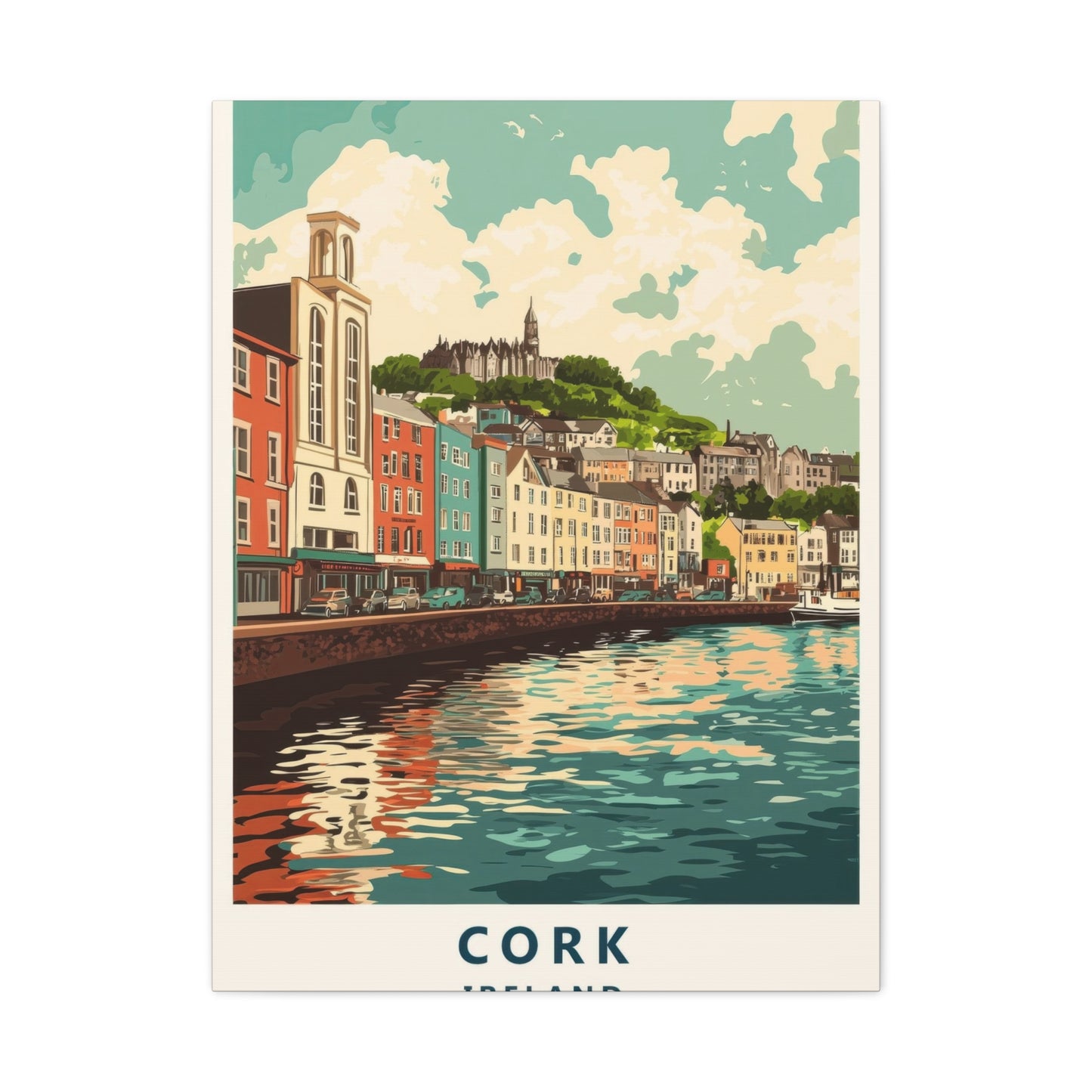
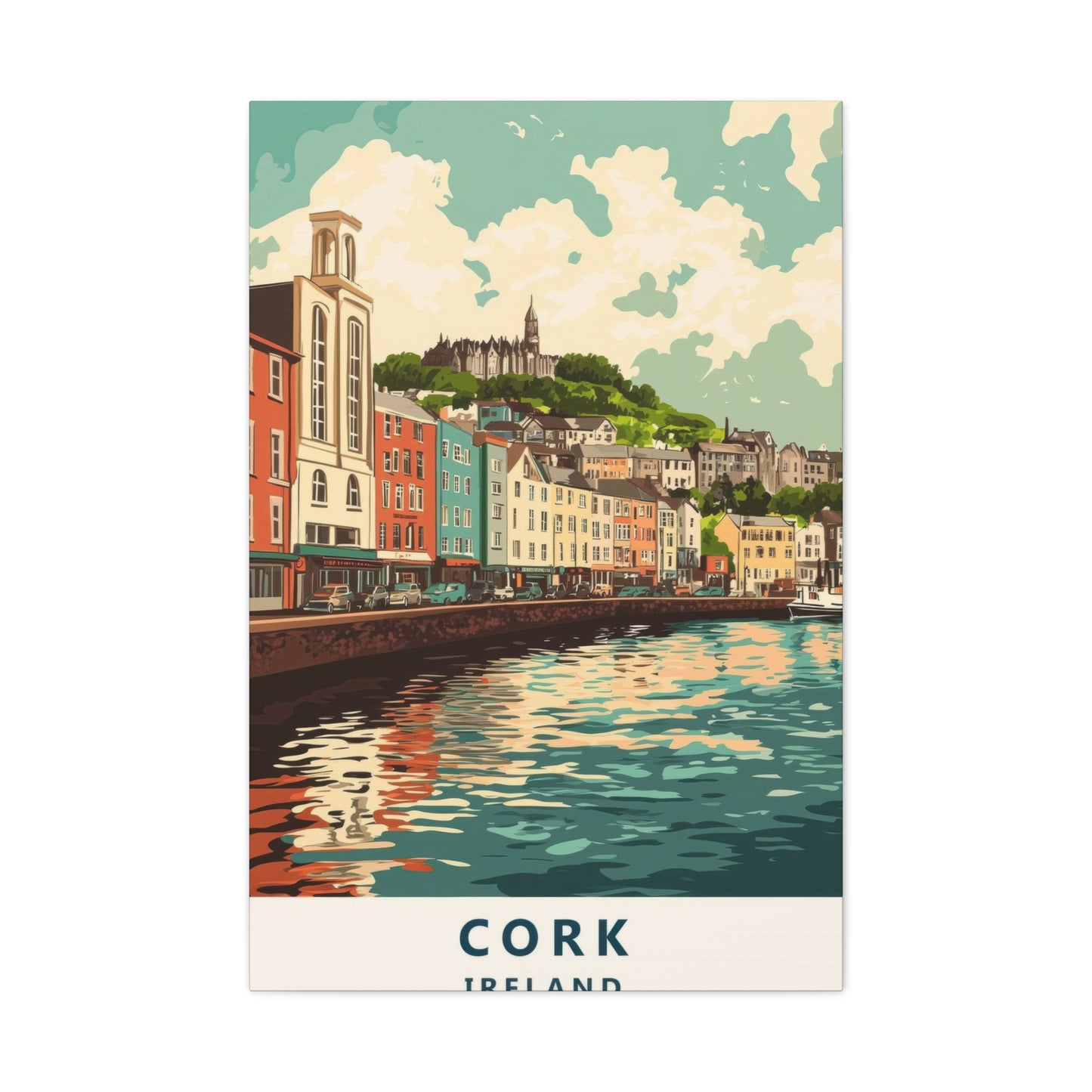
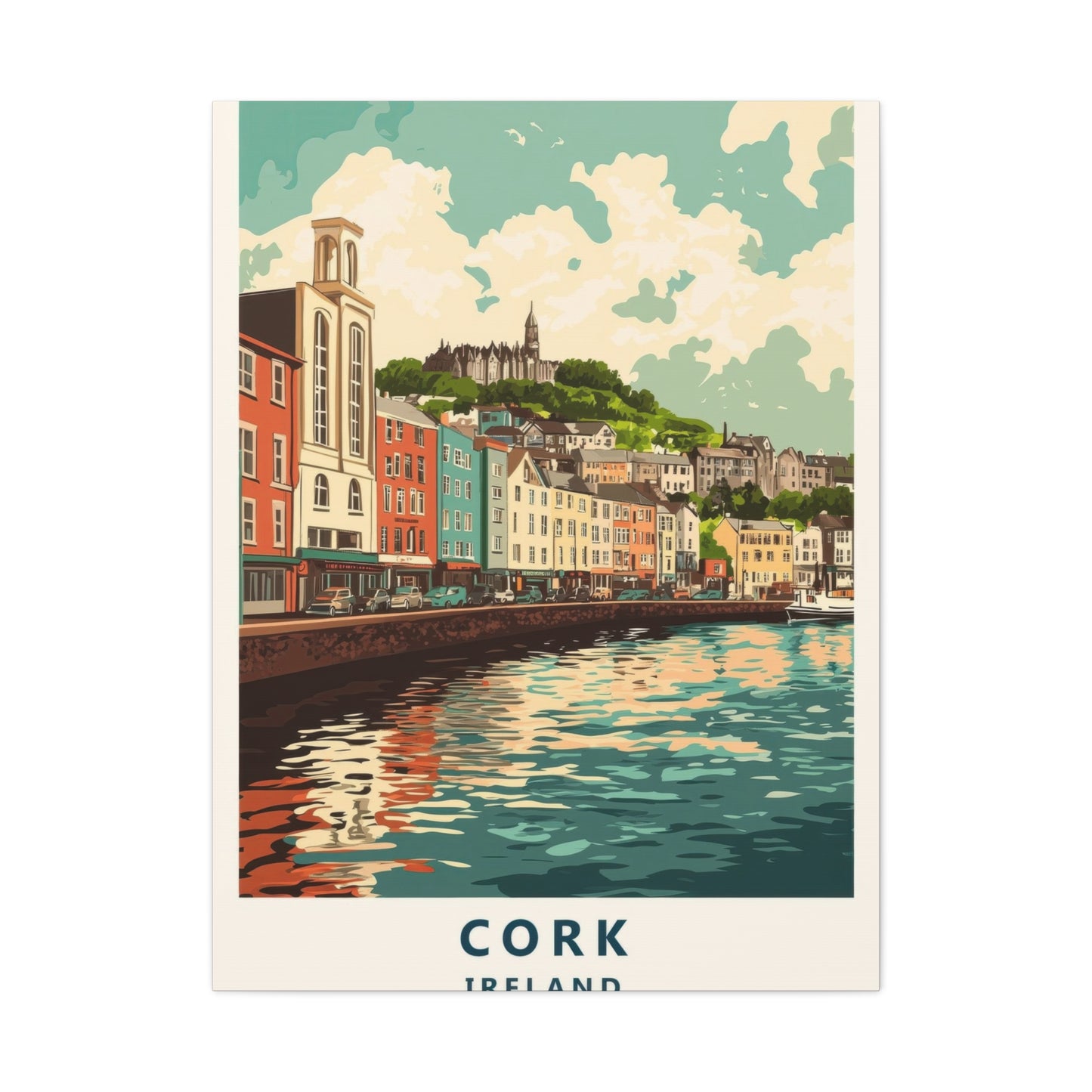
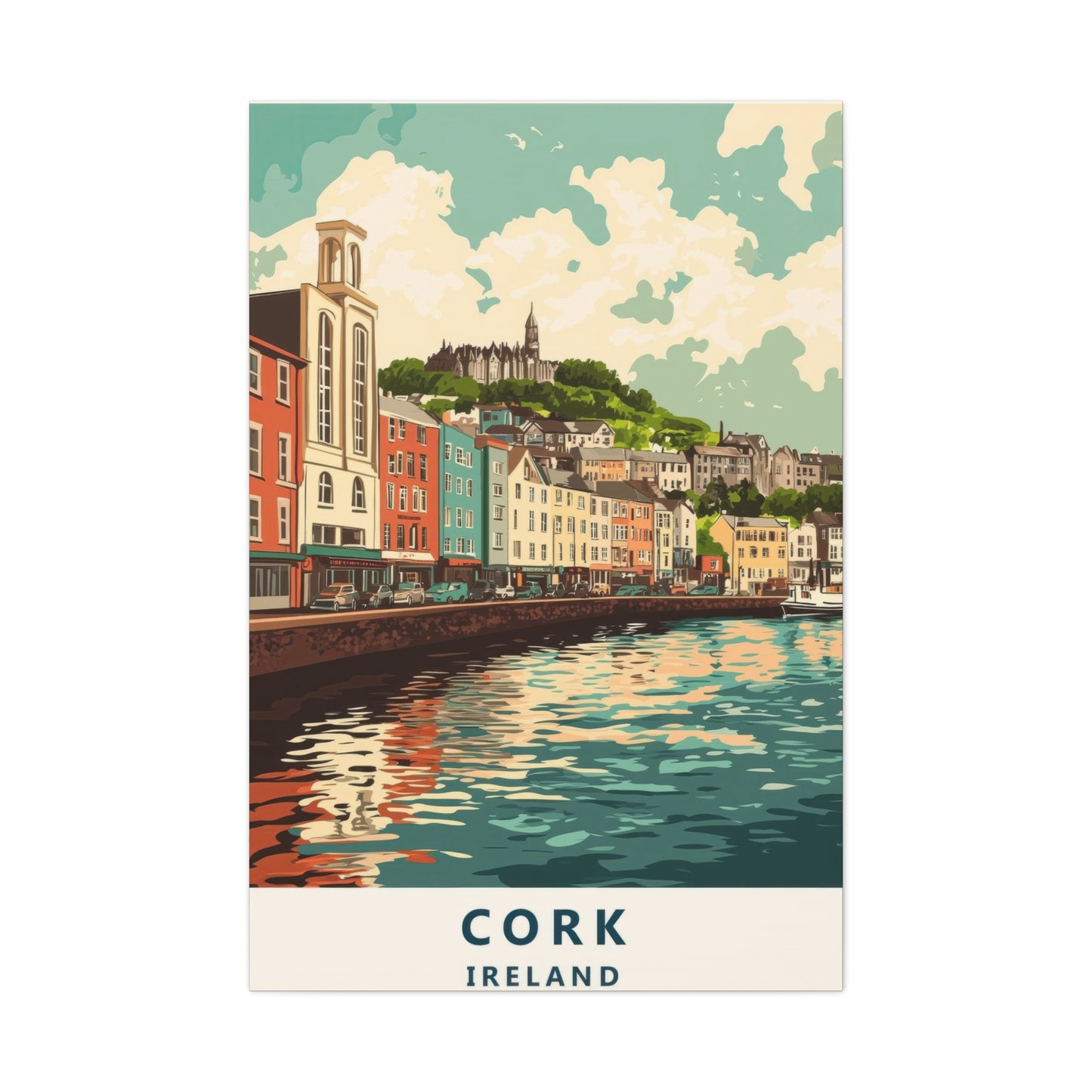
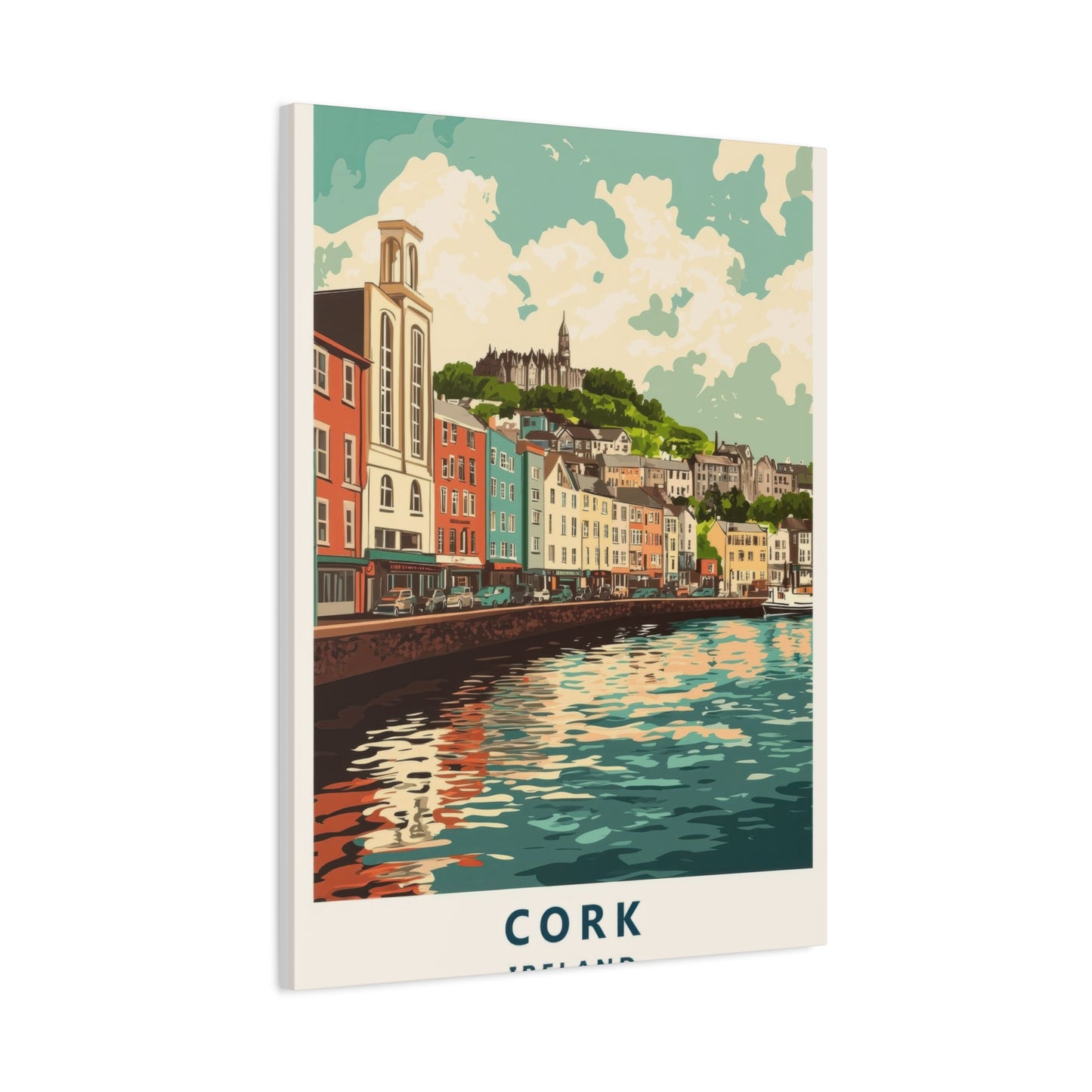
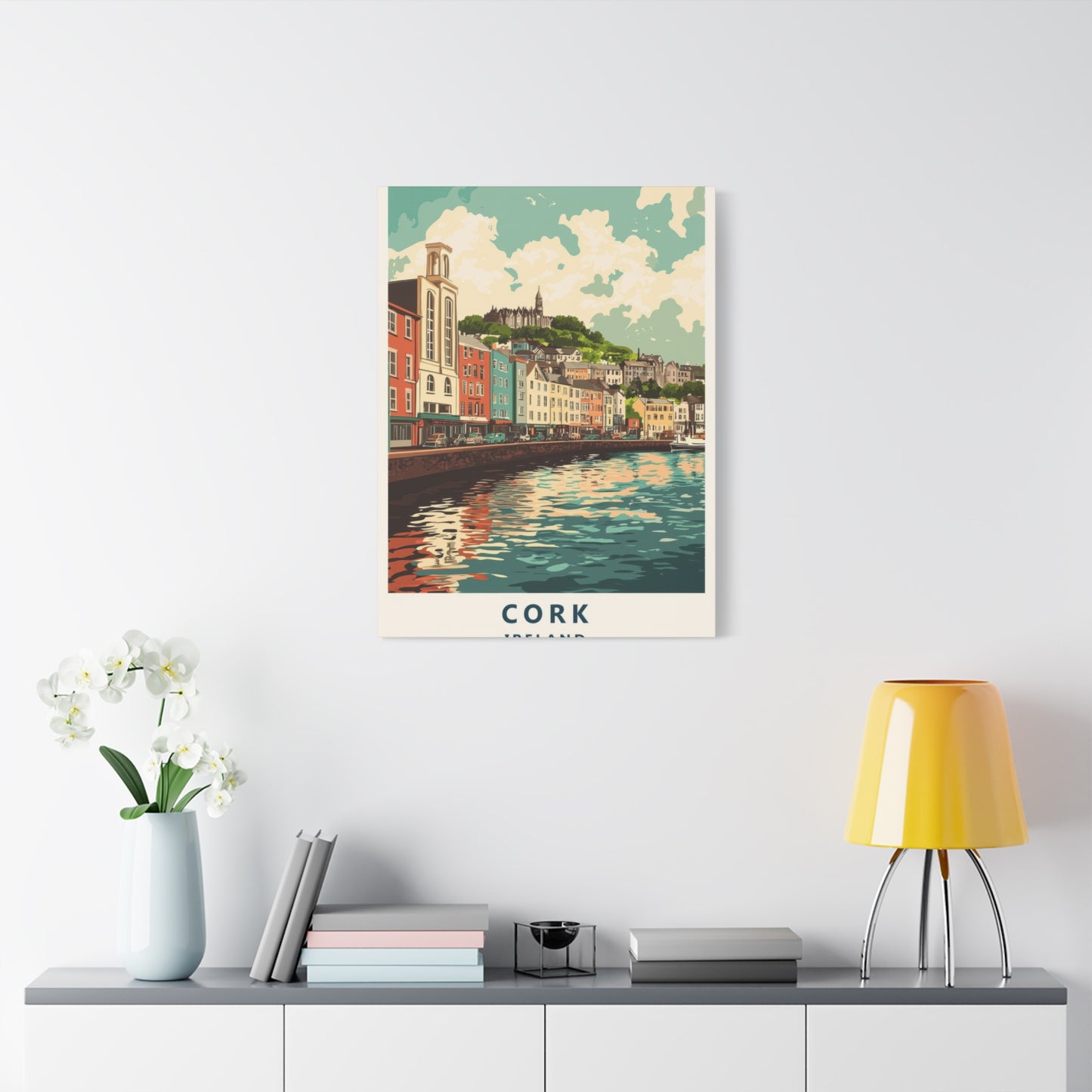
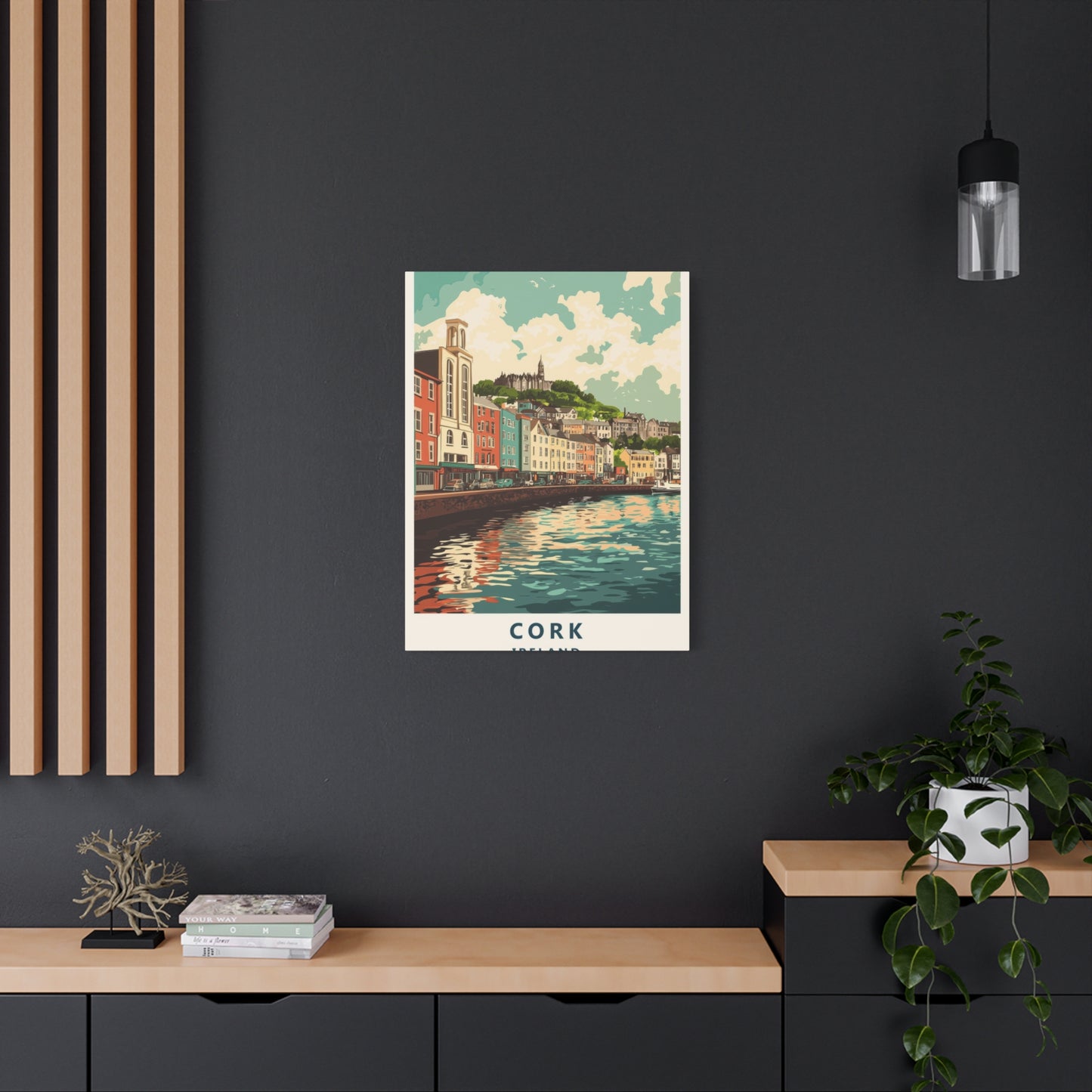
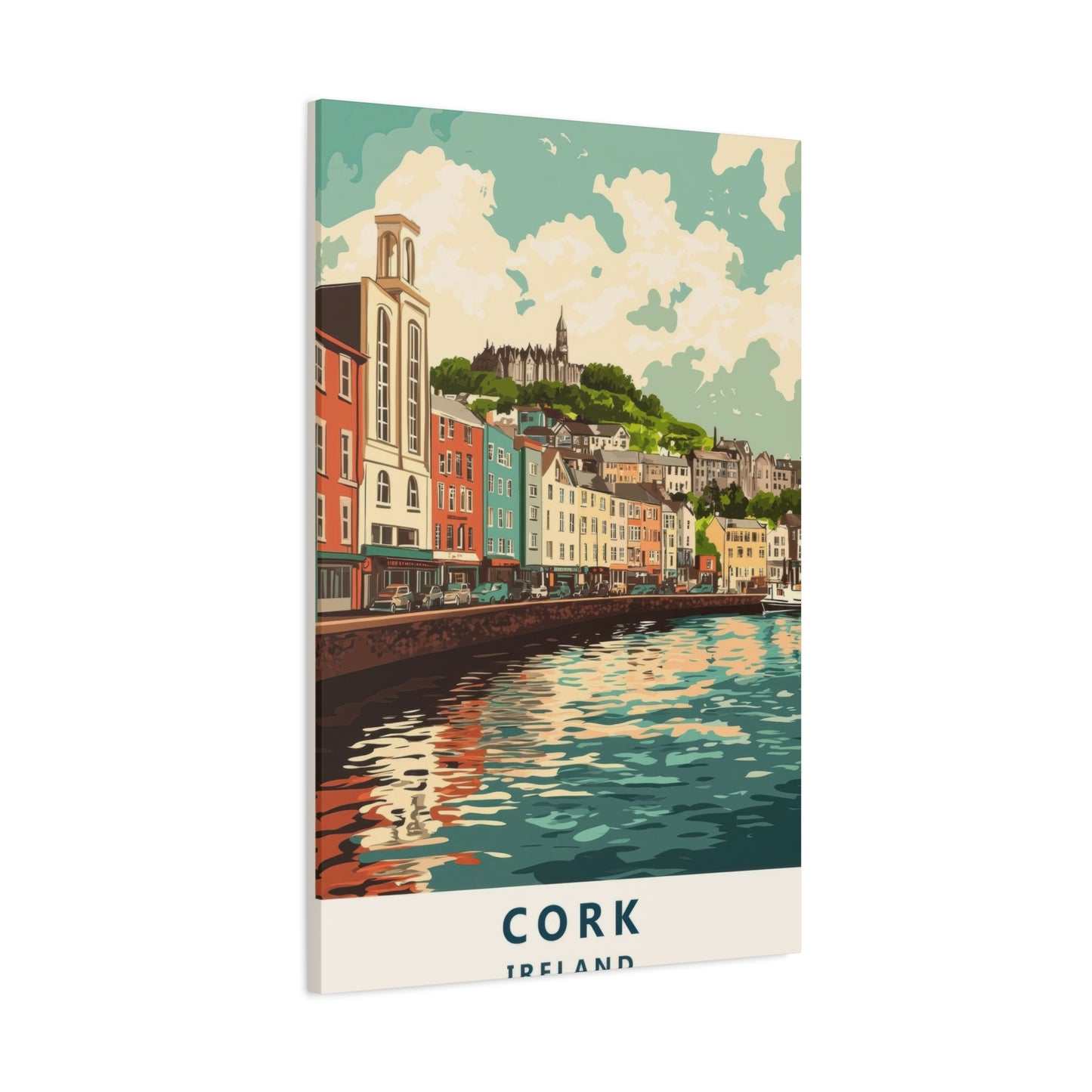
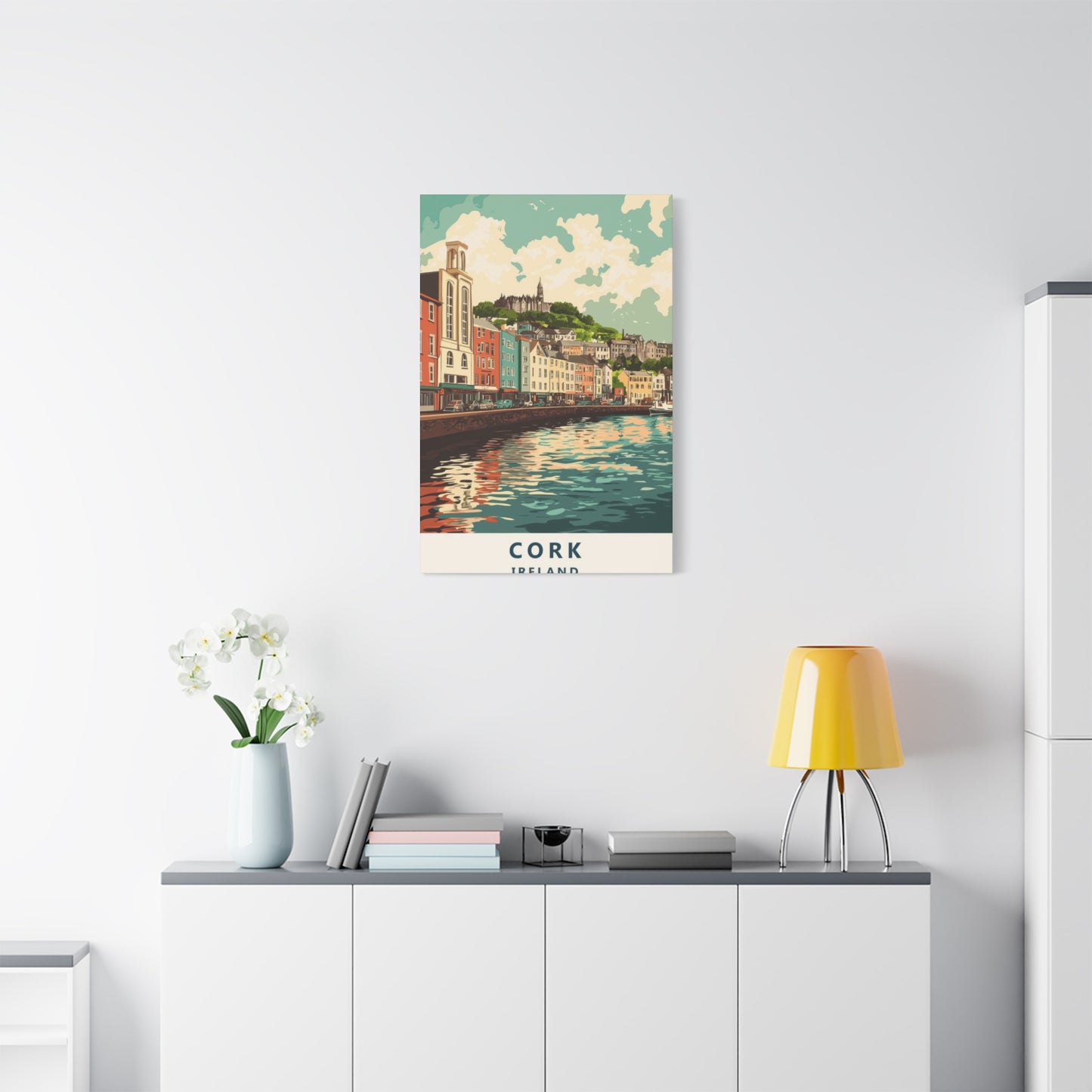
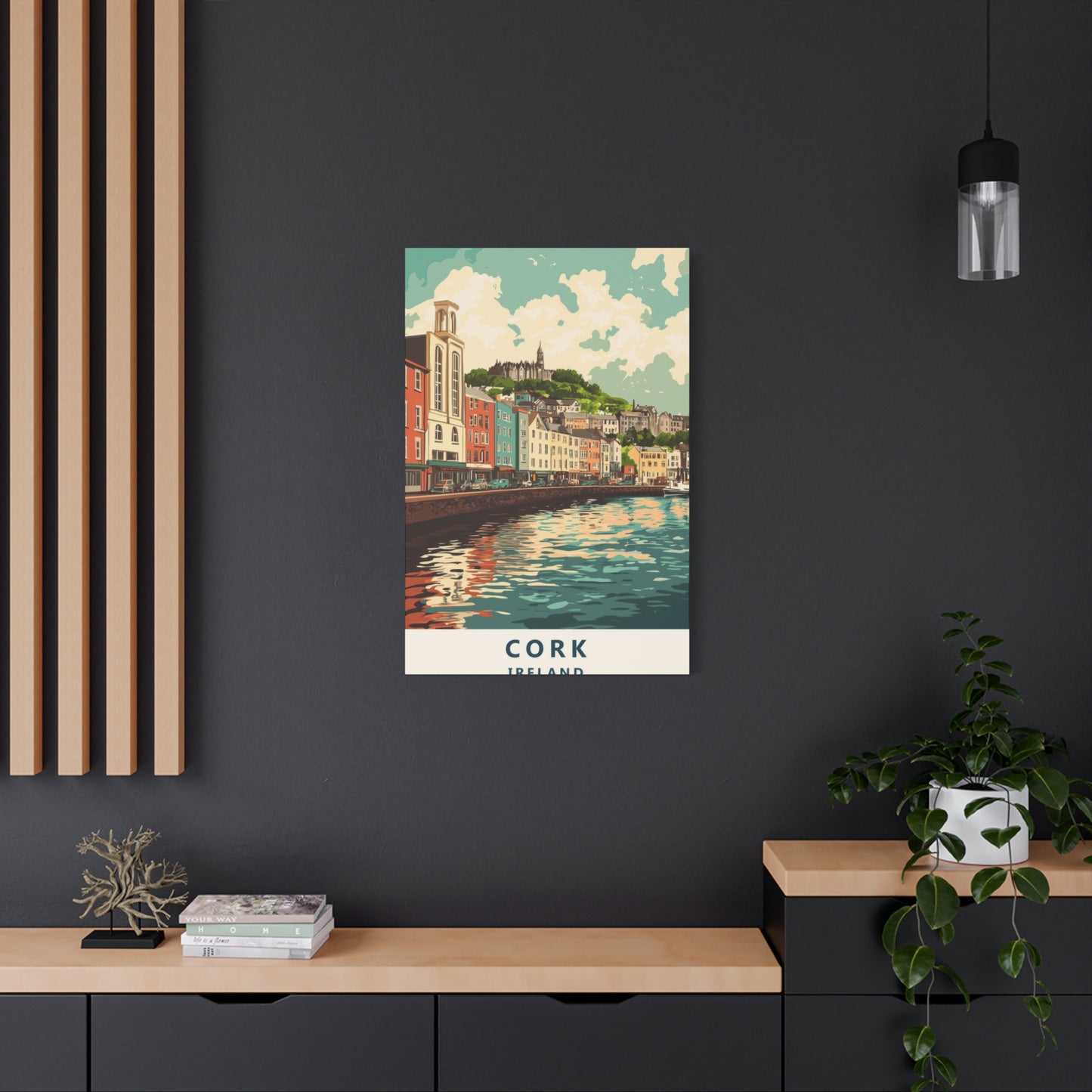
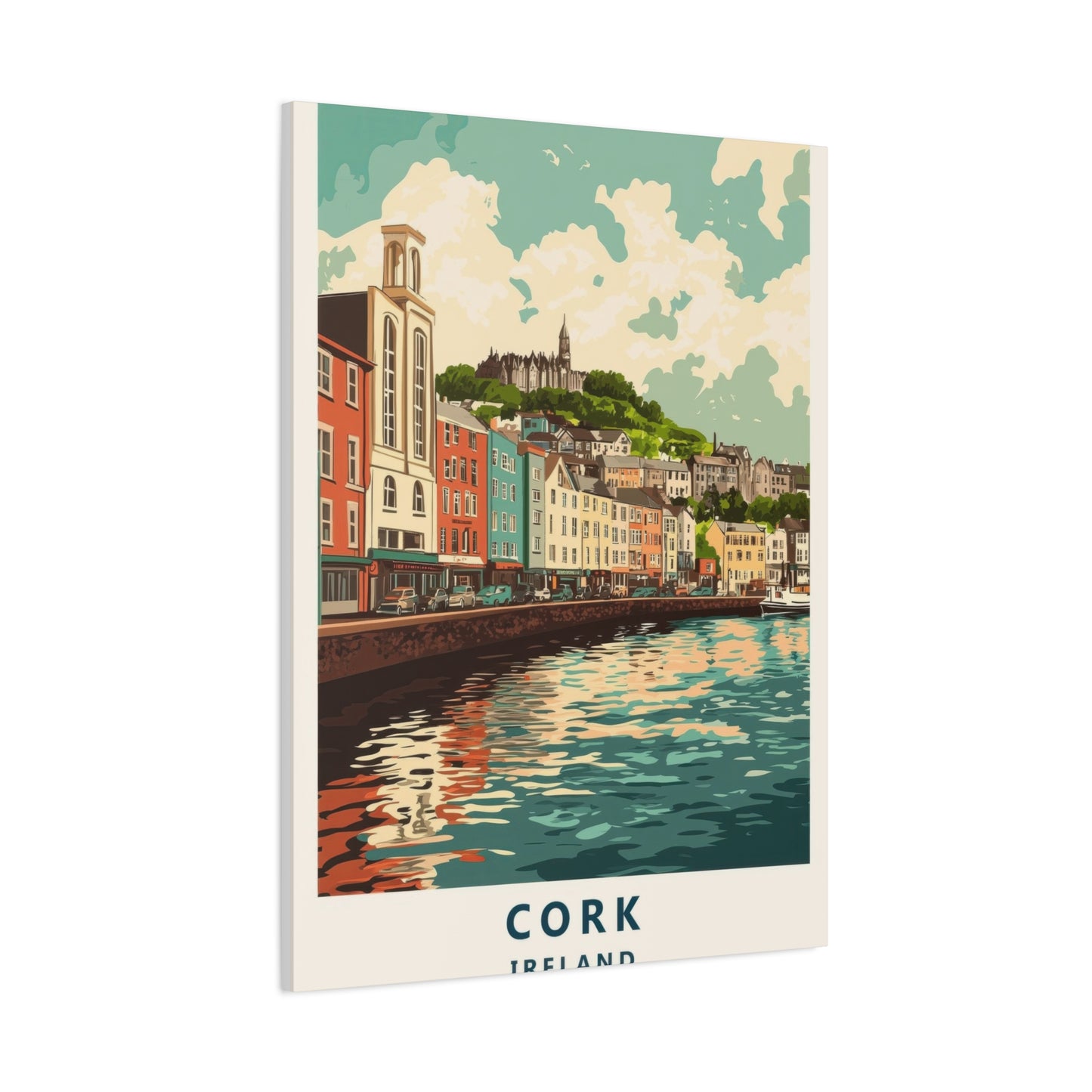
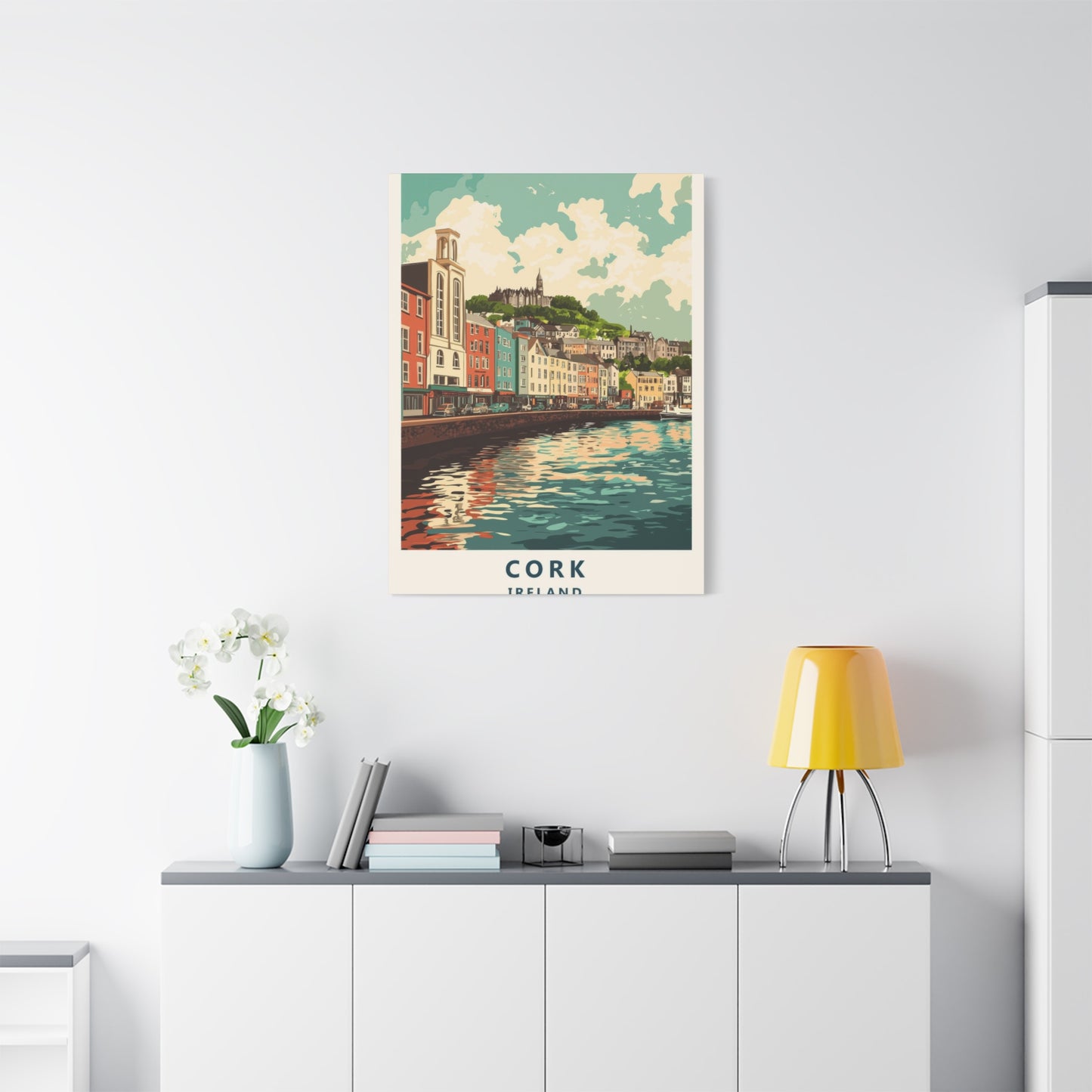
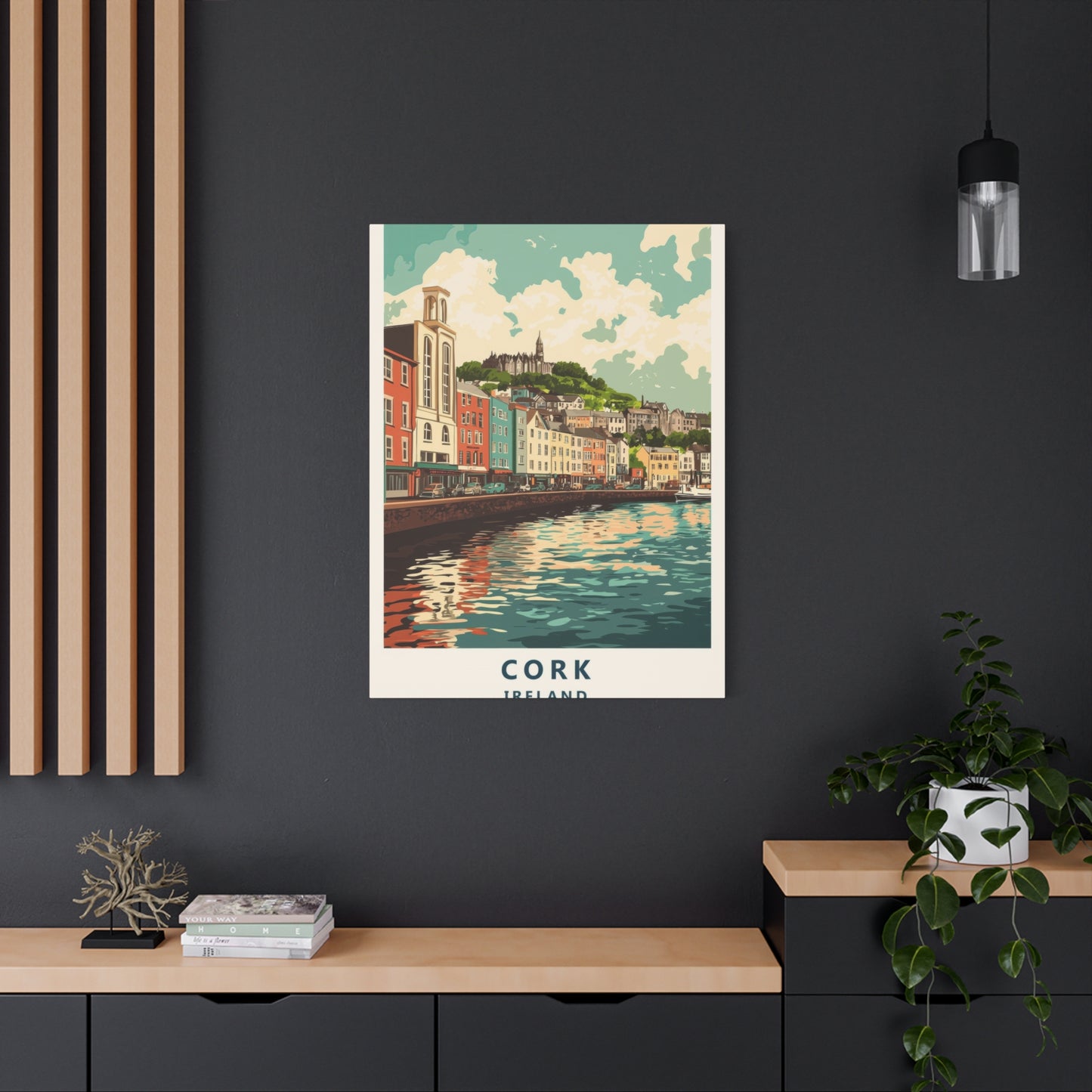
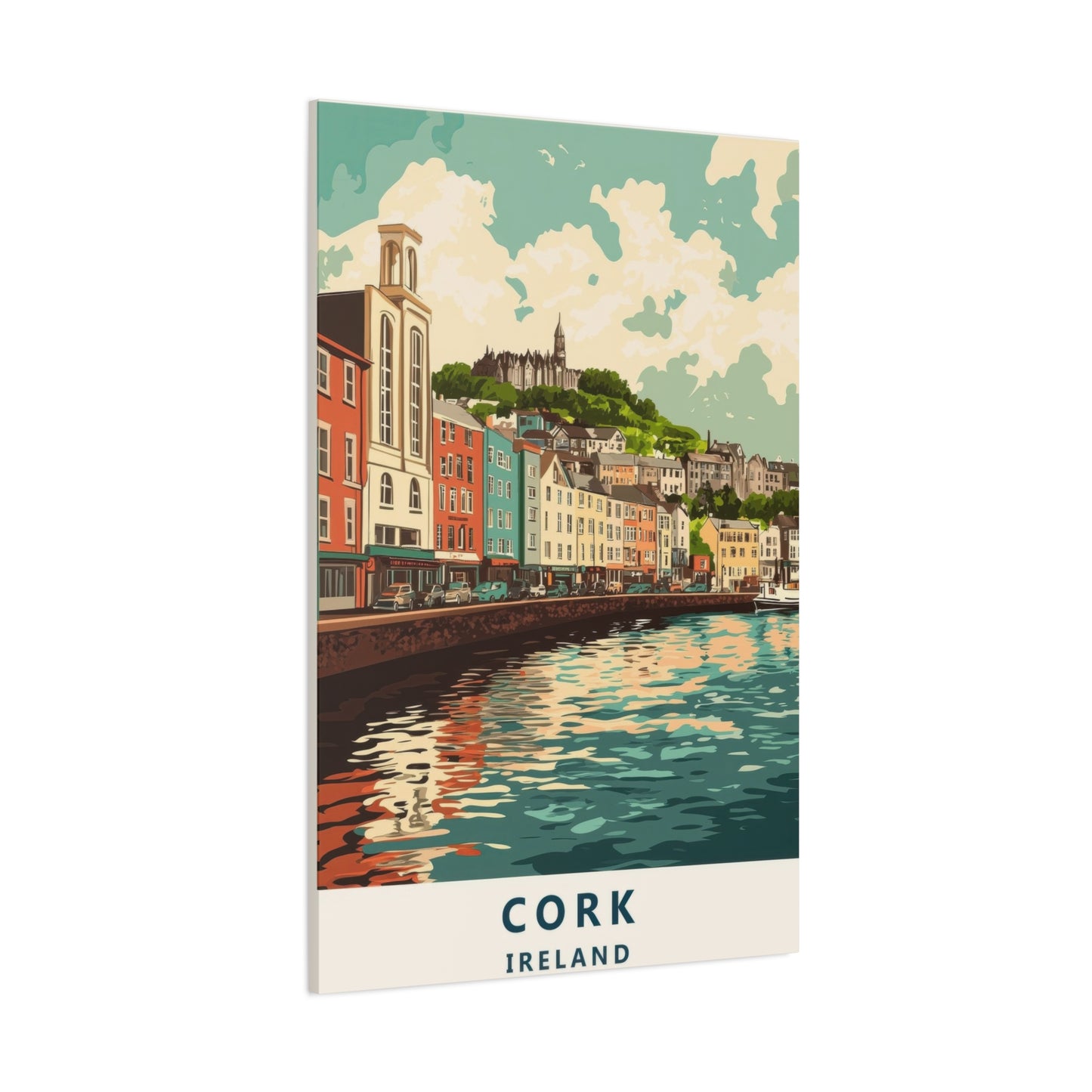
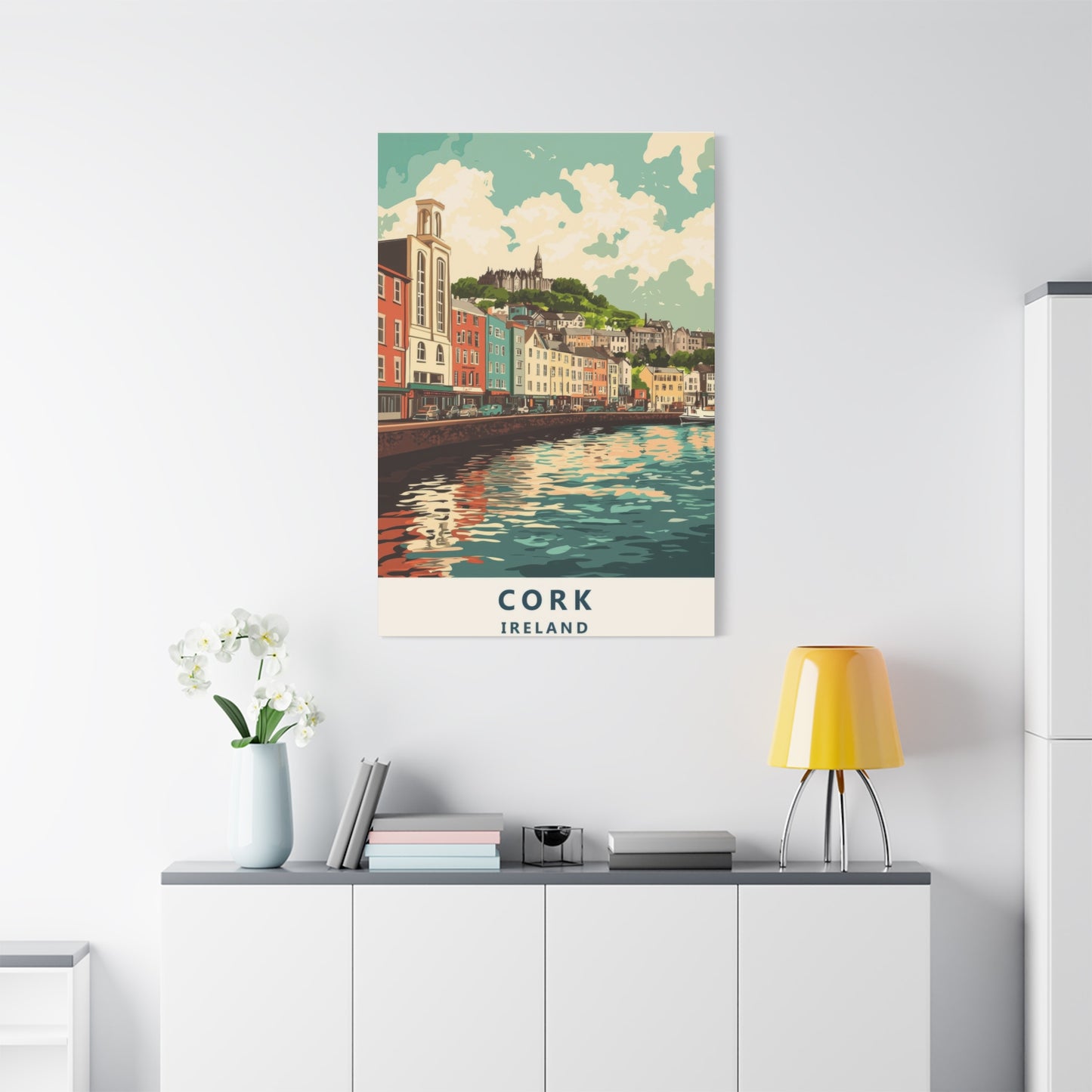
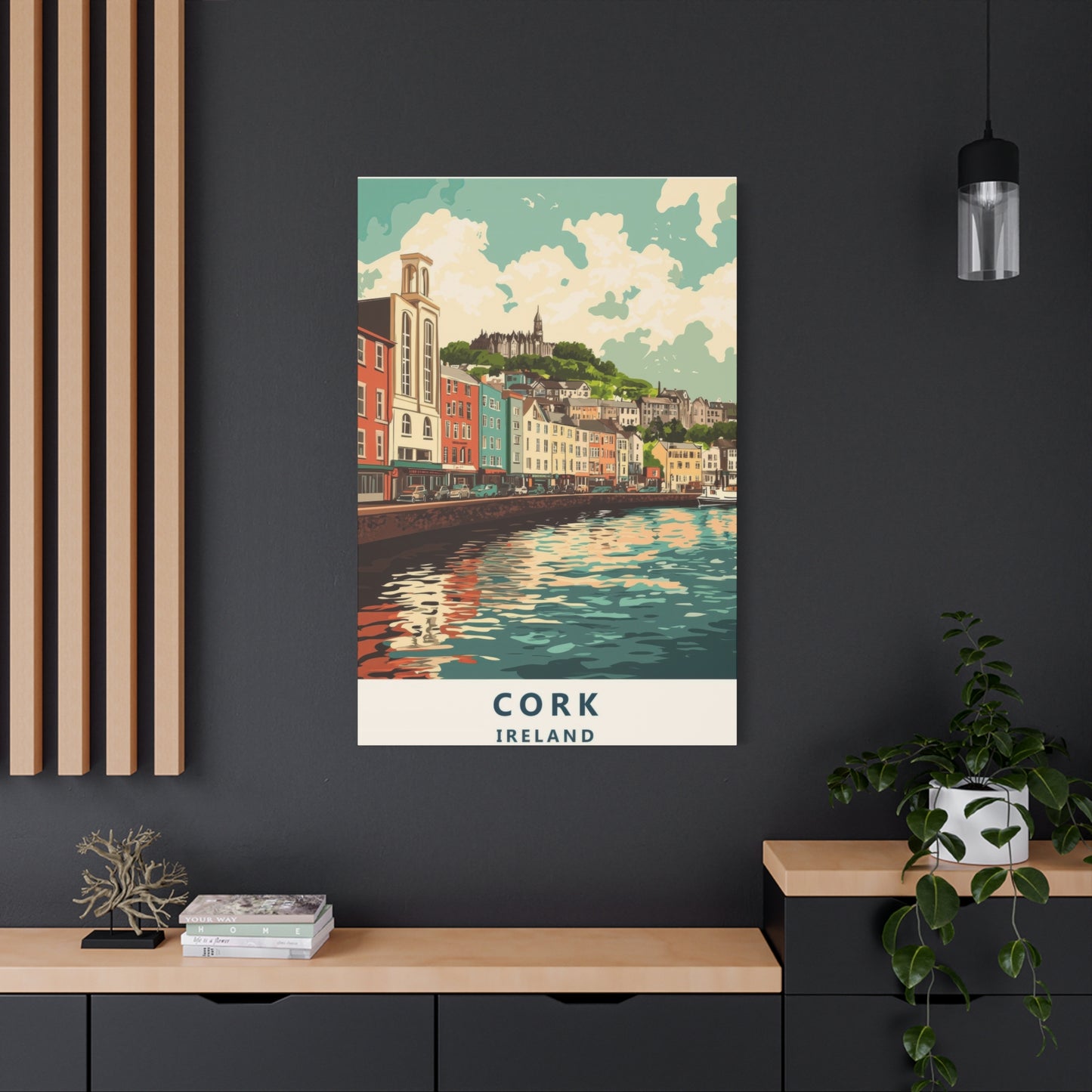
Urban Charm and Heritage: A Guide to Decorating with Cork Ireland City of Culture Wall Art
Cork stands as one of Ireland's most visually captivating cities, where centuries of history merge seamlessly with contemporary urban energy. This remarkable destination on the southern coast has become an endless source of artistic inspiration, offering photographers, painters, and designers countless opportunities to capture its essence. The city's unique character stems from its position straddling the River Lee, creating a landscape where water, architecture, and natural beauty converge in harmonious balance. Artists and homeowners alike have discovered that representations of this Irish gem bring warmth, character, and cultural richness into living spaces.
The appeal of Cork-themed decorative pieces extends far beyond simple nostalgia for those who have visited. These artistic representations carry the spirit of Irish culture, the warmth of its people, and the architectural beauty that has evolved over centuries. From the colorful row houses that line its hilly streets to the elegant bridges spanning the Lee, every corner of this city tells a story worth preserving. Modern interior design has embraced these cultural elements, recognizing that authentic geographical artwork adds depth and personality to contemporary spaces in ways that generic decoration simply cannot achieve.
Creating wall displays inspired by Cork allows homeowners to establish connections with Irish heritage while maintaining sophisticated aesthetic standards. The city offers such diverse visual elements that artistic interpretations can suit virtually any design preference, from minimalist modern to richly traditional. Whether through photographic prints, painted canvases, or illustrated compositions, Cork's essence translates beautifully into home decoration that sparks conversation and creates emotional resonance. This guide explores the many dimensions of Cork-inspired artwork and how these pieces can transform ordinary walls into windows onto Ireland's cultural soul.
The Beauty of Cork Captured on Canvas
The transformation of Cork's physical beauty into canvas artwork represents a meeting point between traditional Irish character and contemporary artistic expression. Artists who work in this medium face the delightful challenge of distilling the city's essence into compositions that communicate both its historic significance and its vibrant present-day energy. Canvas prints featuring Cork scenes have gained tremendous popularity among collectors and decorators who appreciate how this format brings gallery-quality artistry into residential and commercial environments.
The textured surface of canvas lends itself particularly well to representations of Cork's varied landscapes. When artists capture the weathered stone of medieval churches or the reflective qualities of the River Lee, canvas provides depth and dimensionality that paper prints cannot match. The material itself carries associations with fine art traditions, elevating Cork imagery beyond mere documentation into the realm of serious artistic statement. Homeowners who select canvas pieces find that these works command attention and respect in ways that demonstrate thoughtful curation rather than casual decoration.
Painters approaching Cork as subject matter discover endless variations in light, color, and atmosphere throughout different seasons and times of day. Morning fog rolling through the city center creates ethereal scenes where historic buildings emerge gradually from mist, their outlines softened and mysterious. Afternoon sunlight illuminating the painted facades along the quays produces brilliant color saturations that celebrate the city's cheerful character. Evening scenes capture the warm glow of streetlights reflecting on wet cobblestones after rain, creating romantic compositions that evoke the sensory experience of walking through Cork at dusk.
The technical approaches artists employ when rendering Cork on canvas vary considerably, offering collectors diverse stylistic options. Realistic representations meticulously document architectural details, providing historically valuable records of specific buildings and streetscapes. Impressionistic interpretations prioritize emotional response over precise documentation, using loose brushwork and expressive color to convey the feeling of being in Cork rather than exact visual replication. Abstract approaches deconstruct the city into essential elements of color, shape, and movement, creating sophisticated pieces that reference Cork while functioning primarily as pure visual design.
Colorful Streets: Artistic Views of Cork, Ireland
Cork's streets present a visual feast that has captivated artists and visitors for generations. The city's commitment to maintaining colorful building facades creates an urban environment distinctly different from the grey uniformity found in many European cities. This chromatic exuberance reflects the Irish spirit, warmth, and approach to everyday life, making Cork's streets ideal subjects for artwork that brings joy and vitality into interior spaces.
The painted row houses climbing Cork's hills create rhythmic patterns that translate beautifully into artistic compositions. Artists responding to these scenes must balance documentary accuracy with compositional design, deciding how to arrange these colorful elements for maximum visual impact. Some choose to emphasize the geometric repetition of windows and doors, creating almost abstract arrangements of color blocks. Others focus on the idiosyncratic details that individualize each building, celebrating the human touches that prevent monotony despite architectural uniformity. Both approaches yield artwork that captures essential Cork character while offering distinct aesthetic experiences.
Observing how light interacts with Cork's colored facades reveals constantly changing visual possibilities. Morning sun striking eastern-facing streets creates intense color saturation and sharp shadows that emphasize architectural depth. Overcast conditions, common in Irish weather, produce softer, more muted palettes that some artists find equally compelling for their atmospheric subtlety. Late afternoon light bathes western-facing streets in warm golden tones that enhance oranges and reds while cooling blues and greens, creating harmonious color relationships that feel naturally balanced. Artists working in Cork must develop sensitivity to these lighting variables to capture the city at its most visually appealing moments.
The narrow streets of Cork's older neighborhoods create intimate urban spaces that foster close connections between artists and their subjects. Unlike cities where grand boulevards maintain distance between observer and architecture, Cork's tight passages place viewers directly within the urban fabric. This proximity allows artists to capture telling details such as window boxes overflowing with flowers, handwritten shop signs, or weathered doorways that speak of centuries of use. Artwork emphasizing these human-scale elements resonates with viewers because it communicates the lived experience of Cork rather than presenting the city as distant spectacle.
Seasonal transformations affect Cork's street appearance in ways that provide artists with continuously renewed subject matter. Spring brings flowering trees and gardens that soften architectural edges with natural elements, creating compositions where built and natural environments interweave. Summer's extended daylight allows artists to work outdoors during longer periods, capturing the city during hours when residents gather in public spaces, adding human activity to street scenes. Autumn's changing foliage introduces warm earth tones that complement Cork's traditional building colors, while winter's bare branches reveal architectural forms obscured during leafier seasons.
Irish Heritage: Cork Wall Prints for Modern Homes
Integrating Irish cultural elements into contemporary living spaces requires balancing heritage appreciation with modern design sensibilities. Cork-themed prints serve this purpose exceptionally well, offering connections to Irish tradition while maintaining aesthetic compatibility with current interior trends. The key lies in selecting representations that honor Cork's historic character without appearing dated or overly nostalgic, allowing these pieces to function as bridges between past and present.
Modern interpretations of Cork subjects often employ simplified color palettes and clean compositions that align with minimalist design principles. Rather than reproducing every architectural detail, these approaches distill Cork's essence into essential elements that communicate place without visual clutter. Such pieces demonstrate that honoring heritage need not mean rejecting contemporary aesthetic values. They appeal particularly to younger homeowners and design-conscious individuals who want cultural connections without sacrificing modern sophistication.
Black and white photography of Cork offers timeless appeal that integrates seamlessly into virtually any interior color scheme. Removing color information shifts emphasis to form, texture, light, and shadow, revealing Cork's architectural bones in ways color images sometimes obscure. Monochromatic Cork prints carry classical elegance that suits both traditional and contemporary spaces. They demonstrate restraint and compositional confidence, suggesting that Cork's inherent beauty requires no chromatic enhancement to make visual impact. These pieces work particularly well in professional settings or homes favoring neutral, sophisticated palettes.
Large-format Cork prints create dramatic focal points in modern interiors, particularly in spaces featuring open floor plans and substantial wall expanses. Oversized imagery commands attention and establishes spatial hierarchy, anchoring rooms that might otherwise feel undefined. When Cork scenes receive this monumental treatment, they communicate that Irish heritage deserves serious consideration rather than relegation to small, decorative afterthoughts. Scale demonstrates commitment and conviction, transforming cultural appreciation from casual interest into defining design element.
Gallery walls combining multiple Cork prints allow for narrative development and visual complexity that single images cannot achieve. Curating collections that show different Cork neighborhoods, times of day, or seasonal conditions creates comprehensive portraits of the city's multifaceted character. This approach mirrors museum presentation strategies, bringing curatorial sophistication into residential contexts. Thoughtfully arranged groupings demonstrate connoisseurship and intentionality, distinguishing carefully considered design from arbitrary decoration. The cumulative effect creates immersive Cork experiences that transport viewers more completely than isolated images.
Exploring Cork's Charm Through Wall Art
Cork possesses an intangible charm that transcends its physical attributes, encompassing atmosphere, cultural character, and the particular quality of life its residents maintain. Capturing this elusive essence through visual artwork presents challenges and opportunities that attract artists seeking to communicate more than mere appearance. Successful Cork-themed pieces convey feeling and spirit, helping viewers understand why this city inspires such affection among those who know it well.
The concept of charm involves accessibility and approachability, qualities Cork exemplifies through its human scale and welcoming character. Unlike intimidating metropolises that overwhelm with size and formality, Cork maintains proportions that feel manageable and inclusive. Artwork reflecting this quality tends toward intimate rather than grandiose perspectives, showing Cork at eye level and comfortable distance. These compositions suggest that Cork invites exploration rather than demanding reverence, communicating the city's democratic spirit where everyone belongs and can find their place within the urban fabric.
Cork's relationship with water fundamentally shapes its character and provides endless artistic inspiration. The River Lee defines the city's geography, creating distinctive neighborhoods on islands and banks while offering constantly changing reflective surfaces that multiply visual interest. Artists capturing Cork's waterways document how the city turns toward rather than away from its aquatic environment, integrating canals, quays, and bridges into daily life. These water-focused compositions communicate Cork's practical relationship with natural features, showing how thoughtful urban planning can enhance rather than dominate landscape.
The musical and literary traditions associated with Cork infuse the city with cultural richness that visual artists attempt to reference within their work. While paintings and photographs cannot directly reproduce poetry or music, they can evoke the creative spirit that permeates Cork's streets and gathering places. Artists might emphasize venues known for live music, literary landmarks, or simply capture the bohemian atmosphere of neighborhoods where artists congregate. These culturally informed pieces appeal to viewers who understand Cork as creativity hub rather than merely picturesque city.
Cork's charm includes a certain weathered authenticity that rejects excessive polish in favor of honest character. Artwork emphasizing this quality shows buildings with peeling paint, cobblestones worn smooth by centuries of foot traffic, and patina-covered monuments bearing witness to time's passage. Rather than presenting Cork as pristine tourist attraction, these honest portrayals celebrate real places shaped by real lives over extended periods. Such artwork resonates with viewers fatigued by overly curated spaces and artificial perfection, offering connection to places that feel genuine and unpretentious.
River Lee Reflections: Cork City in Canvas Form
The River Lee functions as Cork's defining geographical feature, shaping the city's development, character, and visual identity. Artists drawn to water subjects find endless inspiration in how the Lee weaves through Cork, creating reflections, movement, and atmospheric effects that change hourly. Canvas representations of the river and its relationship to the city capture this essential element while offering technically challenging subjects that test artistic skill.
Morning conditions along the River Lee often produce mirror-like surfaces that perfectly duplicate buildings, bridges, and sky in liquid form. Artists capturing these moments create compositions of remarkable symmetry where reflected architecture appears as substantial as actual structures. The stillness required for such reflections suggests peace and calm, qualities viewers associate with contemplative moments and tranquil environments. Canvas paintings emphasizing these conditions offer respite from visual chaos, providing soothing imagery that promotes relaxation and mental quiet.
Moving water creates entirely different artistic challenges and opportunities. When breezes disturb the Lee's surface or tidal action creates current, reflections fragment into abstract patterns of color and light. Artists approaching these more dynamic conditions must decide how to represent motion within static medium, using directional brushwork, blurred edges, or broken color to suggest movement. These animated river scenes convey Cork's vitality and energy, showing the city as active, living place rather than frozen monument.
The River Lee's tidal nature creates constantly changing water levels that alter Cork's appearance throughout each day. High tide brings water nearly level with quay walls, minimizing vertical distance between city and river. Low tide reveals stone foundations, mud banks, and infrastructure usually hidden, exposing Cork's underpinnings and relationship with fluctuating waters. Artists working over extended periods observe these transformations and must choose which tidal state best serves their artistic intentions. Each option communicates different aspects of Cork's aquatic character.
Historic Ireland: Cork's Landmarks as Wall Art
Cork's historic landmarks provide tangible connections to centuries of Irish history, making them compelling subjects for artwork that combines aesthetic appeal with educational value. These structures tell stories of religious devotion, commercial enterprise, political power, and community gathering, functioning as three-dimensional history books that artists translate into two-dimensional representations. Displaying landmark-focused artwork communicates respect for heritage and interest in places where significant human events unfolded.
Saint Fin Barre's Cathedral represents Cork's religious heritage through spectacular Gothic Revival architecture. This landmark's elaborate stonework, spires, and commanding hilltop position create dramatic artistic subjects. Artists approaching this cathedral face decisions about emphasizing architectural detail versus capturing overall form and presence. Close studies highlighting sculptural elements appeal to viewers interested in craftsmanship and decorative arts. Broader views showing the cathedral within its urban context communicate its prominence within Cork's architectural hierarchy. Both approaches yield artwork connecting viewers to Cork's spiritual and architectural history.
The English Market stands as one of Ireland's great covered markets, operating since the late eighteenth century. This commercial landmark represents Cork's trading traditions and food culture while providing visually rich interior spaces. Artists capturing market scenes document economic and social history while creating compositions filled with color, texture, and human activity. Market-themed artwork appeals to viewers interested in authentic local life, traditional commerce, and gathering places that resist modernization pressures. These pieces celebrate Cork's commitment to maintaining institutions that foster community connection.
Cork City Gaol presents darker aspects of Irish history through its former prison function. This nineteenth-century structure now operates as museum but carries associations with incarceration, political prisoners, and social control. Artists approaching this landmark must decide how to acknowledge its serious history while creating artwork suitable for residential display. Some emphasize architectural interest and current educational purpose, while others incorporate historical context through titles or compositional choices. The resulting artwork appeals to viewers interested in complete history including difficult chapters.
Elizabeth Fort occupies a star-shaped seventeenth-century defensive structure that played roles in various conflicts throughout Cork's history. This military landmark provides unusual geometric forms that translate interestingly into artistic compositions. The fort's elevated position offers panoramic views across Cork, making it valuable location for artists seeking comprehensive city perspectives. Artwork featuring Elizabeth Fort connects viewers to Cork's military and political history while providing striking visual subjects that demonstrate how defensive architecture can become peacetime landmarks serving civilian populations.
Coastal Ireland: The Scenic Spirit of Cork in Art
Cork's proximity to Ireland's dramatic southern coastline infuses the city with maritime character and provides artists with spectacular scenic subjects beyond urban environments. While Cork itself sits inland along the River Lee, its identity remains inseparably connected to coastal landscapes accessible within short distances. Artwork acknowledging this relationship presents Cork as gateway to coastal beauty rather than isolated urban entity, communicating how city and shore inform each other's identities.
The harbor areas east of Cork city center transition between urban and coastal environments, offering hybrid landscapes where commercial shipping, recreational boating, and natural shorelines coexist. Artists capturing harbor scenes document Cork's working relationship with the sea, showing how maritime industries contribute to economic and cultural life. These compositions combine industrial elements like cranes and warehouses with natural features such as water, sky, and seabirds, creating complex images reflecting authentic coastal working environments rather than idealized beach scenes.
Kinsale, located south of Cork, exemplifies the colorful harbor town aesthetic that characterizes this coastal region. Artists drawn to Kinsale find subjects similar to Cork city but with added maritime atmosphere and different architectural scale. Artwork featuring Kinsale functions as extension of Cork-focused collections, showing regional character while highlighting coastal specifics. The town's sailing traditions, historic fort, and restaurant culture all provide subject matter that appeals to viewers interested in Irish coastal life beyond purely natural landscapes.
The Old Head of Kinsale presents dramatic coastal geology where cliffs meet the Atlantic Ocean in spectacular fashion. Artists capturing this location work with monumentally scaled natural subjects that contrast sharply with human-scaled urban environments. The lighthouse perched on the headland provides focal point and human element within overwhelming natural scenery. Artwork featuring this location communicates the raw power of Ireland's coastline, offering viewers connections to elemental forces and sublime natural beauty.
Vibrant Facades: Cork's Architecture in Canvas Prints
Cork's architectural diversity provides artists with subjects spanning centuries of building styles, from medieval remnants through Georgian elegance to Victorian grandeur and contemporary interventions. The city's commitment to maintaining colorful facades adds distinctive character that prevents architectural monotony despite considerable stylistic repetition. Canvas prints highlighting Cork's buildings serve both aesthetic and documentary functions, preserving architectural heritage while creating decoration that educates viewers about design history.
Georgian architecture represents one of Cork's most visually cohesive architectural periods. The symmetry, proportion, and classical detailing characteristic of this style create inherently photogenic subjects that translate beautifully to canvas. Artists emphasizing Georgian Cork often work with terraces where repeated architectural units create rhythmic compositions. The restrained elegance of Georgian design appeals to viewers appreciating order, balance, and mathematical harmony in built environments. These pieces suit interiors favoring traditional or classical aesthetics.
Victorian-era Cork buildings introduced more elaborate ornamentation and varied materials compared to Georgian restraint. Artists capturing Victorian facades document decorative cast iron, ornate stonework, colored brick patterns, and asymmetrical compositions that reflected changing aesthetic preferences. These buildings often housed commercial functions on ground floors with residential space above, creating mixed-use buildings that animated streets throughout day and evening. Victorian architecture artwork appeals to viewers appreciating decorative richness and historical eclecticism.
The tradition of painting building facades in bright colors distinguishes Cork from many European cities that favor natural stone or muted tones. Artists emphasizing this chromatic exuberance create celebratory pieces showcasing Cork's visual optimism. These colorful compositions function as instant mood elevators, bringing cheerfulness into interior spaces. The tradition itself reflects cultural attitudes valuing individuality, creativity, and refusal to accept drabness as architectural necessity. Artwork celebrating Cork's colors implicitly endorses these values.
Cork's church architecture spans centuries and denominations, providing artists with subjects ranging from modest parish churches to elaborate cathedrals. Religious architecture typically employed finest materials and craftsmanship, making these buildings repositories of construction techniques and decorative arts. Artists documenting church architecture preserve records of religious heritage while creating compositions emphasizing verticality, intricate detail, and spiritual aspirations made manifest in stone and glass. Such artwork appeals to viewers interested in religious history, architectural ambition, and communities' willingness to invest in permanent structures expressing collective values.
Contemporary architecture in Cork creates interesting contrasts when adjacent to historic structures. Artists addressing these juxtapositions create compositions exploring how cities evolve, showing old and new coexisting within compressed spaces. Some artists celebrate this layering as evidence of vitality and ongoing development. Others create tensions that question whether contemporary interventions respect or diminish historic character. These architecturally focused pieces engage viewers intellectually, prompting consideration of preservation philosophy and development priorities.
Capturing Irish Life: Cork Wall Art Décor
Authentic representation of Irish daily life distinguishes meaningful Cork artwork from generic tourist imagery. Artists seeking to capture genuine Cork experiences focus on ordinary activities, familiar gathering places, and routine patterns that define how residents actually live rather than how visitors might imagine them living. This documentary approach creates artwork that educates viewers about real Irish life while maintaining aesthetic appeal suitable for residential display.
The pub culture central to Irish social life provides rich artistic subject matter. Cork's traditional pubs function as community gathering places where multiple generations meet, conversations flow, and music happens spontaneously. Artists capturing pub scenes document interiors filled with character, from vintage advertising to well-worn wooden fixtures. The warm, convivial atmosphere of these establishments translates into artwork that makes viewers feel welcomed and included. Pub-themed pieces appeal to those who understand these establishments as cultural institutions rather than merely drinking venues.
Cork's outdoor markets represent another dimension of daily Irish life worth artistic documentation. The English Market's covered pavilion creates a distinctive interior environment where vendors and shoppers interact within architecturally impressive space. Artists working in markets capture commercial transactions, social exchanges, and the abundance of local products that sustain Cork's population. Market scenes communicate values around local food systems, face-to-face commerce, and community relationships that mass retail cannot replicate. Such artwork appeals to viewers interested in sustainable consumption and authentic local economies.
Street musicians performing in Cork's pedestrianized areas add spontaneous entertainment to urban experience. Artists capturing these performers document Cork's musical traditions and the casual way artistic expression integrates into daily routines. Musicians playing traditional Irish instruments connect contemporary Cork to centuries of musical heritage. These scenes communicate that Irish culture remains living tradition actively practiced rather than museum artifact. Artwork featuring street musicians appeals to viewers valuing spontaneity, artistic accessibility, and cultures that honor creative expression.
The act of gathering for conversation represents a quintessentially Irish activity that artists attempt to capture visually. Whether showing people meeting at outdoor cafes, chatting on street corners, or clustered outside pubs, these compositions emphasize social connection. The gestures, body language, and spatial arrangements visible in such scenes communicate Cork's particular social culture. Artwork highlighting conversation and community appeals to viewers fatigued by isolated, screen-mediated modern existence, offering visions of more connected social possibilities.
Urban Charm Meets Coastal Calm in Cork Art
Cork's unique position as substantial urban center located near dramatic coastline creates interesting artistic opportunities to explore how these seemingly contradictory environments complement each other. Artists working across both contexts create collections showing Cork's multifaceted character, demonstrating that city sophistication and coastal tranquility need not be mutually exclusive. Artwork acknowledging this duality appeals to viewers who resist false choices between urban and natural environments, preferring places offering both options.
Compositional approaches that literally combine urban and coastal elements within single frames create unified visions of Cork's geography. Artists might include city skylines viewed from coastal locations, harbor scenes where urban waterfront meets open water, or elevated perspectives showing how quickly Cork transitions from dense development to open landscape. These integrative compositions communicate Cork's compact scale and efficient land use, showing that residents need not choose between city amenities and nature access.
The psychological relief of knowing coastal escape remains easily accessible affects Cork residents' daily experience in ways artists attempt to convey. Even when depicting purely urban scenes, artists conscious of this geographic context create work acknowledging that Cork exists within larger landscape rather than constituting isolated entity. This awareness prevents claustrophobic urban imagery, maintaining openness and connection to beyond-city elements. The resulting artwork appeals to viewers who need psychological escape routes and value places offering multiple environmental options.
Thematic collections presenting Cork's urban and coastal faces as complementary diptych or series format tell comprehensive location stories. By intentionally pairing city and shore imagery, artists structure narratives about Cork's complete identity. These paired presentations work particularly effectively in homes or offices where multiple walls allow for related groupings. The curatorial approach demonstrates sophisticated thinking about place identity and how visual storytelling can communicate complex geographic relationships.
The contrast between human-created urban order and natural coastal irregularity creates interesting visual and conceptual tensions. Urban Cork features straight streets, rectangular buildings, and designed spaces reflecting human organizational impulses. Coastal Cork shows organic forms, irregular erosion patterns, and natural processes indifferent to human aesthetics. Artists playing with these contrasts create work exploring humanity's relationship with nature, control versus wildness, and how both modes contribute to complete human environments.
Color palette shifts between urban and coastal Cork artwork signal environmental transitions while maintaining visual connections. Urban pieces might emphasize Cork's colorful architecture and human-selected hues. Coastal work features nature's more muted greys, greens, and blues with occasional brilliant sunset interventions. When presented together, these color families create dynamic relationships that prevent monotony while establishing coherent visual language. Thoughtful color coordination allows urban and coastal pieces to coexist harmoniously despite depicting different environments.
The Soul of Southern Ireland in Wall Art
Cork's position as Southern Ireland's primary urban center gives it representative status for the broader region. Artists working with Cork subjects often consciously or unconsciously capture qualities characteristic of southern Irish culture beyond Cork specifically. This regional dimension adds depth to Cork-focused artwork, connecting individual city to larger cultural geography while maintaining specific place identity.
The pace of life in Southern Ireland, generally more relaxed than eastern urban centers, manifests in Cork's atmosphere and appears subtly in artistic representations. Artists capturing Cork street life might show less frantic movement, more lingering in public spaces, and greater emphasis on conversation than transaction. These pacing differences communicate cultural priorities valuing quality time over efficiency maximization. Artwork reflecting southern Irish temporality appeals to viewers seeking alternatives to high-pressure urban existence.
The musical traditions particularly strong in Southern Ireland infuse Cork with sounds that artists attempt to reference visually. While paintings cannot reproduce music, they can depict instruments, performance venues, and cultural contexts where traditional music thrives. Artists creating music-conscious Cork work tap into Ireland's most internationally recognized cultural export. Such pieces appeal to viewers who associate Ireland primarily with musical heritage and want decoration acknowledging this defining cultural characteristic.
Agricultural heritage remains visible in Southern Ireland despite urbanization, and Cork maintains connections to surrounding rural communities. Artists occasionally incorporating rural references or showing city-country transitions acknowledge that Cork exists within predominantly agricultural region. This context distinguishes Cork from cities completely divorced from food production and rural life. Artwork acknowledging agricultural connections appeals to viewers valuing sustainable food systems and maintained rural-urban relationships.
The particular quality of light in Southern Ireland, influenced by Atlantic weather systems and latitude, creates distinctive atmospheric conditions. Artists sensitive to regional light capture its particular clarity, the dramatic cloud formations characteristic of maritime climates, and the extended twilight periods at northern latitudes. Light-conscious artwork communicates sensory specifics that help viewers understand Southern Ireland's visual character. These technical considerations elevate Cork representation beyond generic cityscape toward place-specific documentation.
Artistic Journeys: Discovering Cork Through Prints
The concept of artistic journey suggests progressive discovery and deepening understanding rather than instant comprehensive knowledge. Cork-themed prints can function as waypoints in such journeys, with each piece revealing different facets of the city and collectively building complete portrait. This approach to collecting Cork artwork creates more meaningful accumulation than random acquisition, as each addition contributes to developing relationship with place.
Beginning Cork journeys typically involves attraction to immediately appealing visual elements such as colorful facades or picturesque river views. These accessible entry points require no specialized knowledge to appreciate and work effectively as first Cork prints. Artists creating these welcoming pieces perform important functions introducing Cork to unfamiliar audiences. Early-journey artwork establishes foundations upon which deeper understanding builds, making these pieces valuable despite apparent simplicity.
Intermediate Cork journeys might involve discovering specific neighborhoods, learning architectural history, or understanding Cork's position within Irish history. Prints reflecting this deepening knowledge show more specific locations, reference historical events, or highlight architectural details requiring some education to fully appreciate. Artists creating work for this audience assume baseline Cork knowledge and can employ more sophisticated compositional or conceptual approaches. Mid-journey artwork rewards developing expertise while encouraging continued exploration.
Advanced Cork journeys involve nuanced understanding of cultural subtleties, seasonal variations, neighborhood characters, and how contemporary Cork relates to its history. Prints serving advanced journeys might show lesser-known locations, capture specific atmospheric conditions, or explore conceptual territory requiring substantial Cork knowledge to fully appreciate. Artists creating work for Cork experts can take creative risks that might alienate casual viewers but deeply satisfy those with comprehensive understanding. Advanced artwork honors serious Cork study while pushing artistic boundaries.
Thematic focusing allows Cork journeys to develop depth in particular directions rather than attempting encyclopedic breadth. Someone might concentrate on Cork's bridges, assembling print collection showing every significant span across the Lee. Another collector might focus on doorways, gathering diverse examples documenting Cork's architectural details. These focused approaches create expertise in particular aspects while collectively documenting specific elements across the city. Thematic collections demonstrate curatorial sophistication and focused passion.
Chronological approaches to Cork journeys involve collecting prints showing the city across different historical periods. Vintage photographs document vanished Cork architecture and streetscapes. Mid-century images capture post-war recovery and modernization. Contemporary work shows present conditions. Assembled chronologically, these prints create visual timelines documenting urban evolution. Such collections serve educational functions while satisfying collectors interested in historical change and urban development patterns.
Seasonal Cork journeys involve assembling prints showing the city across the calendar year. Spring pieces capture renewal and fresh color. Summer prints show extended daylight and outdoor activity. Autumn images highlight changing foliage and harvest themes. Winter work depicts bare trees and holiday atmospheres. Complete seasonal collections comprehensively portray Cork's temporal character, showing how place transforms while remaining essentially itself. These collections appeal to viewers appreciating natural cycles and temporal awareness.
Irish Color Stories: The Streets of Cork in Art
Color functions as Cork's most immediately distinctive characteristic, setting it apart from grayer European cities and creating instant visual recognition. Artists working with Cork subjects must decide how to approach this chromatic abundance, whether emphasizing, moderating, or abstractly exploring the city's color relationships. These decisions fundamentally affect finished artwork's character and emotional impact, making color consciousness essential to successful Cork representation.
The historical reasons for Cork's colorful tradition include practical considerations like making buildings visible during foggy conditions and cultural factors reflecting Irish cheerfulness despite challenging climates. Artists aware of these backgrounds create color-conscious work acknowledging that Cork's palette represents more than arbitrary aesthetic choice. Understanding color as culturally meaningful rather than merely decorative adds depth to artwork and helps viewers appreciate Cork's appearance as culturally specific rather than universal urban standard.
Primary colors dominate Cork's painted facades, with reds, blues, and yellows appearing frequently in saturated forms. Artists must balance these intense hues against each other while preventing color chaos. Successful Cork artwork creates pleasing relationships where strong colors coexist without visual conflict. This requires understanding color theory, particularly complementary and analogous relationships that create harmony despite intensity. Color-sophisticated Cork artwork demonstrates technical mastery while appearing effortlessly balanced.
The weathering effects on painted Cork facades create color variations that thoughtful artists incorporate. Fresh paint appears saturated and uniform, while aged surfaces develop subtle variations, fading, and textural interest. Artists choosing whether to show pristine or weathered color make statements about authenticity, time's passage, and whether Cork should be idealized or realistically represented. Both approaches yield valid results serving different artistic purposes and appealing to different viewer preferences.
Seasonal light affects color perception dramatically, and artists capturing Cork across seasons document these chromatic shifts. Summer sunlight intensifies colors and creates strong contrasts between illuminated and shadowed areas. Winter's weaker light mutes everything while creating subtler tonal relationships. Overcast conditions, common in Ireland, function as nature's diffuser, eliminating harsh shadows while preventing maximum color saturation. Artists working across these conditions create diverse Cork representations showing how environmental factors transform identical architecture's appearance.
Cityscapes and Heritage: Cork as a Modern Art Muse
Contemporary artists approaching Cork as subject matter must reconcile the city's deep history with present-day reality and future possibilities. This temporal complexity makes Cork particularly interesting muse for artists exploring how places simultaneously embody past, present, and potential futures. Modern Cork artwork moves beyond nostalgic preservation to investigate living city continuing to evolve while maintaining essential character.
Urban landscape as artistic genre has gained substantial critical recognition in recent decades, with cities recognized as legitimate subjects worthy of serious artistic attention. Cork benefits from this shifted perspective, as contemporary artists bring sophisticated conceptual frameworks to urban representation. Cork cityscape artwork now ranges from purely aesthetic responses to conceptually complex investigations of urban identity, development pressures, and how communities maintain character amid inevitable change.
The documentation aspect of contemporary Cork artwork carries urgency as development pressures threaten historic fabric. Artists creating careful records of existing conditions perform valuable preservation services even when not explicitly intending documentary purposes. These artistic records may become primary evidence of vanished streetscapes, demolished buildings, or altered neighborhoods, making contemporary Cork artwork potentially valuable historical sources for future generations. This archival dimension adds seriousness and purpose beyond pure aesthetics.
Digital technologies have transformed possibilities for creating and distributing Cork artwork. Digital painting, photography, and illustration tools allow technical precision and experimental approaches impossible with traditional media. Online distribution enables Cork artists to reach global audiences rather than depending on local gallery systems. These technological shifts democratize both creation and consumption of Cork artwork, expanding the community of Cork-focused artists and collectors beyond geographic and economic limitations that once restricted access.
Contemporary art movements including urbanist art, new topographics, and documentary photography influence how current artists approach Cork. These movements encourage critical engagement with urban environments rather than merely celebrating them. Artists informed by these frameworks create Cork work questioning development priorities, examining social inequalities, or investigating how tourism affects authentic community life. Such conceptually ambitious work appeals to viewers seeking intellectual engagement beyond decorative pleasure.
Romantic Ireland: Cork's Timeless Beauty in Canvas Prints
The concept of romantic Ireland conjures images of misty landscapes, ancient ruins, and timeless rural beauty. While Cork represents urban rather than pastoral Ireland, the city possesses romantic qualities that artists emphasize through careful subject selection and atmospheric techniques. Canvas prints capturing Cork's romantic dimensions offer viewers emotional connections transcending mere documentary representation, creating artwork that stirs feelings and imagination.
The term romantic in artistic contexts references Romanticism's emphasis on emotion, nature, individual experience, and past times rather than exclusively meaning love-related content. Romantic Cork artwork privileges feeling over fact, atmosphere over clarity, and emotional truth over documentary accuracy. This approach yields artwork that captures Cork's spirit and emotional essence even when taking liberties with strict representational accuracy. Such pieces appeal to viewers seeking emotional engagement with Cork rather than geographical lessons.
Historic architecture provides romantic Cork artwork's primary subject matter, as aged buildings carry associations with past times and vanished ways of life. Artists emphasizing Cork's oldest structures create work linking viewers to centuries of Irish history. Stone bridges, church ruins, medieval fragments, and Georgian terraces all speak of continuity and endurance across generations. Such imagery appeals to viewers drawn to history, nostalgia, and connections with humanity's longer story beyond contemporary moment.
Atmospheric weather conditions including fog, mist, rain, and dramatic skies enable romantic Cork artwork by obscuring precise details while creating moody environments. These conditions prevent documentary clarity while enhancing emotional impact. Fog-shrouded Cork scenes carry mystery and suggestion, inviting viewer imagination to complete partially obscured views. Dramatic stormlight breaking through clouds creates sublime moments emphasizing nature's power and beauty. Weather-focused romantic artwork prioritizes feeling over information, mood over documentation.
The River Lee contributes substantially to romantic Cork imagery through water's inherent associations with flow, time, reflection, and natural beauty. Artists emphasizing the river create compositions where Cork architecture reflects in still waters, creating dreamy, doubled compositions. Moving water introduces dynamism and life force. The river's meandering course through Cork provides natural romantic metaphor for life's journey through time and experience. Water-centered romantic Cork artwork taps into deep symbolic associations enhancing emotional resonance.
Evening and twilight conditions particularly suit romantic Cork representation by transforming ordinary scenes through special lighting. The warm glow of streetlights against deepening blue skies creates magical atmospheres impossible during harsh midday conditions. Lit windows suggest cozy interiors and human warmth. Evening conditions soften harsh contrasts while creating mysterious shadowed areas that invite imagination. Twilight Cork artwork captures liminal moments between day and night, public and private, visibility and mystery.
Cork's Historic Bridges and Streets in Wall Décor
Cork's bridges constitute distinctive architectural features that serve both practical transportation functions and symbolic roles connecting different parts of the city and community. These structures provide artists with subjects combining engineering interest, historical significance, and compositional strength. Bridge-focused Cork artwork appeals to viewers appreciating how infrastructure shapes urban character while serving daily necessity.
The variety of bridge types spanning the River Lee offers diverse aesthetic experiences within single bridge-focused collections. Historic stone bridges display classical masonry craftsmanship and elegant arches that have served Cork for centuries. Victorian iron bridges demonstrate nineteenth-century engineering and decorative metalwork characteristic of that innovative period. Modern concrete bridges represent contemporary design priorities emphasizing efficiency and structural honesty. This chronological diversity within bridge subjects creates opportunities for collections documenting engineering evolution.
Compositionally, bridges provide strong linear elements that artists use to structure images and direct viewer attention. The horizontal thrust of bridge spans contrasts with vertical building facades, creating dynamic tensions. Diagonal approaches and supporting arches introduce additional directional forces. Artists conscious of compositional power use bridges to create visual pathways guiding eyes through images while establishing spatial depth. Bridge-centered Cork artwork often possesses strong graphic impact resulting from these assertive structural elements.
The symbolic significance of bridges as connectors makes them metaphorically rich subjects. Artists can employ bridges to suggest connections between past and present, different communities, or opposing riverbanks. Bridge imagery carries associations with journeys, transitions, and overcoming obstacles. Cork artwork emphasizing bridges taps these metaphorical dimensions, creating pieces that communicate beyond literal bridge documentation. Such symbolically enriched artwork appeals to viewers seeking deeper meaning and contemplative subjects.
Seasonal and temporal variations affect bridge appearance dramatically, providing artists with constantly renewed subject matter. Summer's full foliage partially obscures some bridges while framing others picturesquely. Autumn leaves carpet bridge approaches and float in waters below. Winter's bare trees expose bridge structures completely while ice and snow create monochromatic scenes. These seasonal changes ensure bridge-focused artists never exhaust their subjects despite returning repeatedly to same locations.
Capturing Everyday Ireland: Artistic Views of Cork
Authentic representation of everyday Irish experience distinguishes meaningful Cork artwork from superficial tourist imagery. Artists committed to honest Cork documentation focus on ordinary activities, routine patterns, and unremarkable moments that collectively define actual Irish life. This documentary approach creates artwork educating viewers about genuine Cork while maintaining aesthetic appeal sufficient for residential display.
Morning routines in Cork create artistic opportunities to capture the city awakening. Early light illuminates empty streets before crowds gather. Shop owners prepare for business days, arranging displays and sweeping sidewalks. Commuters hurry toward workplaces, some clutching coffee cups. Artists documenting these morning moments create work showing Cork's temporal rhythms and daily patterns rarely visible to tourists who typically encounter city during midday hours. Morning-focused artwork appeals to viewers appreciating cities' full daily cycles beyond peak activity periods.
The school run, where parents accompany children to educational institutions, represents universal daily ritual with specifically Irish characteristics. Cork's compact scale means many families walk these routes, creating pedestrian activity and social interaction. Artists capturing school-focused scenes document intergenerational connections and how communities prioritize children's education and safety. Such imagery appeals to parents and those valuing child-friendly urban environments.
Lunch hours transform Cork's center as workers emerge from offices seeking meals and brief respites. Outdoor seating fills with conversing groups. Food vendors experience peak activity. Public spaces temporarily overflow with humanity. Artists capturing lunch hour energy document Cork's vibrant daytime culture and how commercial activity supports social interaction. These scenes communicate Cork as living working city rather than residential suburb or pure tourist attraction.
Shopping activities, particularly at traditional markets and independent retailers, represent daily Cork life worth artistic attention. Observing residents selecting produce, consulting shop owners, and carrying purchases home communicates economic relationships and consumption patterns. Artists documenting shopping create work showing Cork's commercial fabric and how face-to-face transactions persist despite online shopping's growth. Market-focused artwork celebrates local commerce and community relationships supporting it.
Irish Warmth: Cork-Inspired Wall Art for Cozy Spaces
The concept of Irish warmth encompasses cultural hospitality, emotional generosity, and creating welcoming environments despite often challenging weather. Cork-themed artwork can contribute to cozy interior spaces by bringing these warmth qualities into residential environments. Selecting and displaying Cork pieces to maximize cozy effects requires attention to subject matter, color, and how artwork integrates with broader interior design supporting comfortable, inviting spaces.
Cozy spaces prioritize comfort, safety, and emotional warmth over formal elegance or impressive scale. Cork artwork serving cozy purposes should feel approachable rather than intimidating, familiar rather than exotic, and warming rather than cool. Subject choices might emphasize intimate Cork neighborhoods, friendly street scenes, or inviting pub exteriors suggesting warm interiors. These selections create artwork that makes viewers feel welcomed rather than merely impressed or educated.
Color warmth strongly affects artwork's cozy qualities, with certain palettes naturally creating comfortable, enveloping feelings. Cork scenes emphasizing reds, oranges, yellows, and warm browns generate cozy responses. Evening lighting situations naturally produce these warm color casts. Artists and selectors seeking cozy Cork artwork should prioritize pieces featuring these warming hues while avoiding cooler blues and grays that read as more formal or distant despite their own aesthetic appeal.
Scale considerations affect cozy impact, with appropriately sized artwork preventing overwhelming smaller intimate spaces. Cozy rooms typically benefit from modest-sized Cork pieces or groupings of smaller works rather than oversized statement pieces. Multiple smaller Cork prints create collected feeling suggesting accumulated memories rather than single acquisition. This scale consciousness ensures Cork artwork enhances rather than dominates cozy environments.
The Essence of Cork: A Cultural Art Collection
Building comprehensive Cork art collections requires strategic thinking about what defines the city's essence and how multiple pieces can collectively communicate Cork's multifaceted character. Serious Cork collectors move beyond random acquisition toward curated assemblages that demonstrate depth of engagement and understanding. Such collections become greater than their component parts, creating Cork portraits impossible within single artworks.
Defining Cork's essence involves identifying qualities distinguishing this city from others. Cork's particular combination of river geography, colorful architecture, cultural confidence, musical traditions, and friendly character creates unique identity. Collections capturing this essence include works addressing multiple dimensions rather than focusing exclusively on single aspects. Comprehensive collections balance architectural studies, landscape works, cultural documentation, and atmospheric pieces to prevent one-note presentations that oversimplify Cork's complexity.
Thematic organization provides frameworks for building coherent Cork collections. One collector might focus on bridges, assembling diverse representations documenting every significant crossing. Another might concentrate on seasonal variations, gathering four-season Cork sets. Thematic approaches create intellectual structures guiding acquisition decisions while preventing aimless accumulation. However, themes should remain flexible enough to accommodate exceptional pieces that don't fit perfectly but deserve inclusion based on quality or unique perspectives.
Artist diversity within Cork collections ensures multiple viewpoints and stylistic approaches represent the city. Including work by Irish and international artists, photographers and painters, contemporary and historical creators builds richer collections than single-artist focus allows. Each artist brings unique vision and technical approach, revealing Cork aspects others might overlook. Collector willingness to embrace stylistic diversity demonstrates sophisticated appreciation valuing multiple artistic truths over single authoritative representation.
Conclusion:
The allure of Cork Ireland City of Culture wall art lies in its exceptional ability to merge urban sophistication with rich cultural heritage, offering interiors a unique blend of historical depth and contemporary style. Through detailed depictions of Cork’s architectural landmarks, vibrant streets, and scenic riverscapes, this artwork captures the city’s identity as a hub of creativity, tradition, and modern living. For homeowners, designers, and collectors, these pieces serve not only as decorative elements but as cultural narratives that celebrate the essence of Cork, imbuing spaces with personality, history, and artistic sophistication.
At its core, Cork-inspired wall art reflects the balance between urban charm and natural beauty. The city’s architecture, cobbled streets, and iconic bridges provide a sense of structure and rhythm, while the surrounding landscapes, river reflections, and seasonal lighting convey warmth, serenity, and life. By translating these elements onto canvas, artists create compositions that feel both dynamic and inviting, engaging viewers with visual storytelling that evokes nostalgia, pride, and inspiration. This combination ensures that each piece resonates emotionally, intellectually, and aesthetically within a space.
From an interior design perspective, Cork Ireland City of Culture canvases are incredibly versatile. Large-scale pieces can serve as striking focal points in living rooms, dining areas, offices, or reception spaces, establishing a cultural and architectural theme that captures attention. Smaller prints or multi-panel arrangements can complement gallery walls, hallways, or niche spaces, offering layers of interest and continuity. The color palettes, ranging from muted earth tones and deep stone grays to vivid urban blues and greens, harmonize with modern, contemporary, rustic, or eclectic interiors. Cork-inspired art adds both visual depth and cultural resonance, making it suitable for a variety of décor styles and personal tastes.
Beyond their visual impact, Cork City wall artworks offer symbolic and emotional significance. They celebrate heritage, creativity, and the enduring spirit of the city while evoking a sense of place and belonging. Displaying these artworks creates a bridge between history and contemporary life, encouraging viewers to reflect on the layers of culture, innovation, and artistic achievement that define Cork. The urban landscapes serve as metaphors for resilience, community, and exploration, transforming walls into spaces of intellectual engagement, aesthetic appreciation, and emotional connection.


