


Crimson Foliage Serenade
Crimson Foliage Serenade
Couldn't load pickup availability


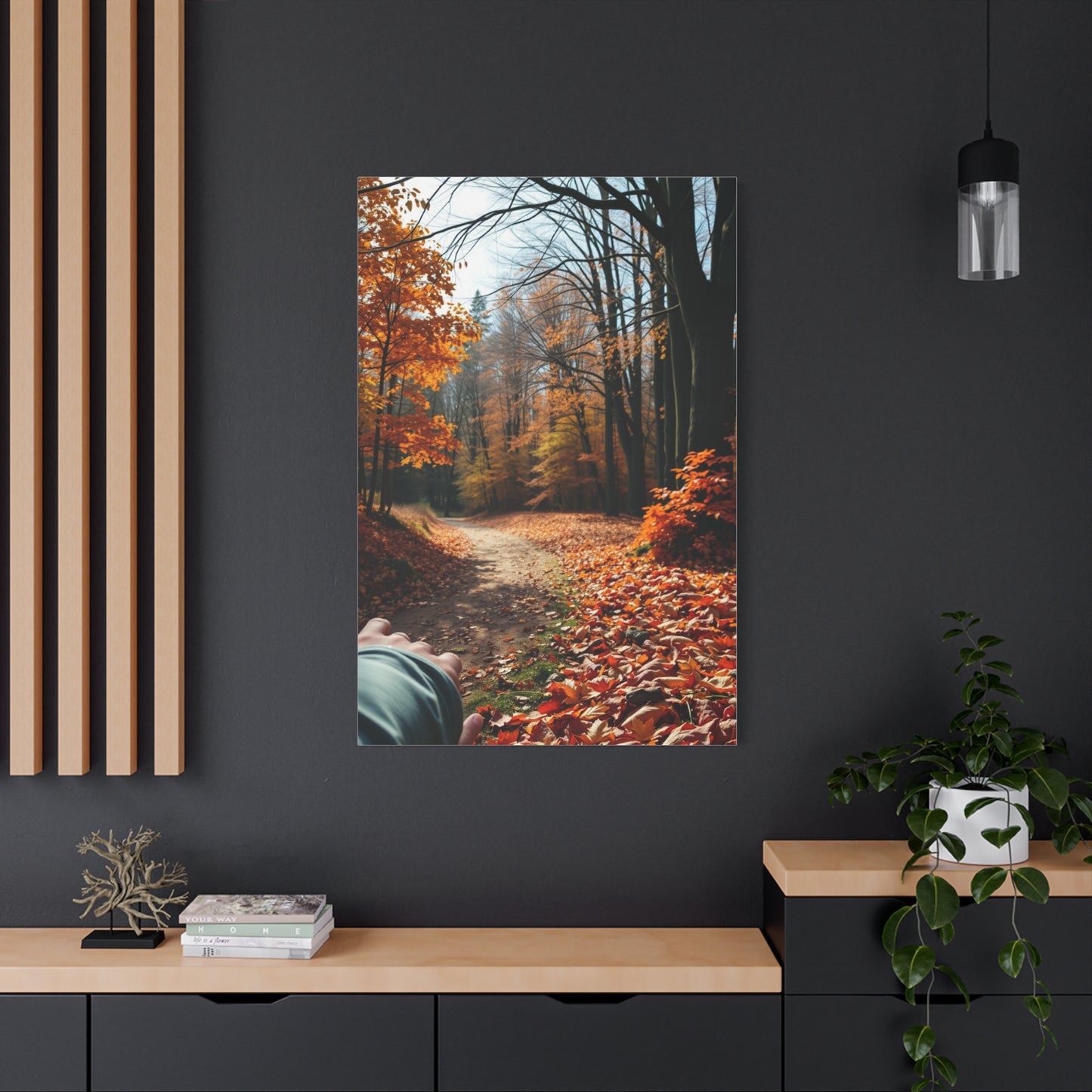
Crimson Foliage Serenade: The Ultimate Comprehensive Guide to Autumn's Most Spectacular Natural Symphony
The crimson foliage serenade represents one of nature's most magnificent displays, a breathtaking transformation that occurs when deciduous trees undergo their annual metamorphosis. This spectacular phenomenon captivates observers worldwide as leaves transition from vibrant greens to stunning shades of red, orange, and burgundy. The crimson foliage serenade is more than just a visual spectacle; it embodies the intricate biological processes, environmental factors, and ecological relationships that govern seasonal changes in temperate forests. Throughout history, this natural occurrence has inspired poets, artists, photographers, and nature enthusiasts to document and celebrate the ephemeral beauty of autumn's palette. Understanding the mechanisms behind this transformation requires exploring the complex interplay between pigments, climate conditions, tree physiology, and geographic variations that contribute to creating these mesmerizing landscapes.
The Scientific Foundation Behind Autumn Color Transformation
The biological mechanisms responsible for the crimson foliage serenade involve sophisticated chemical processes within leaf cells. During the growing season, chlorophyll dominates leaf pigmentation, giving foliage its characteristic green appearance while facilitating photosynthesis. As daylight hours decrease and temperatures drop, trees begin preparing for winter dormancy by breaking down chlorophyll molecules. This degradation reveals previously masked pigments, including carotenoids that produce yellow and orange hues, and anthocyanins responsible for red and purple coloration. The intensity of crimson coloration depends on anthocyanin production, which increases in response to sunny days and cool nights. These pigments serve protective functions, shielding leaves from photo-oxidative damage while trees reabsorb valuable nutrients before leaf abscission. The sugar concentration in leaves, influenced by photosynthetic activity and temperature fluctuations, directly affects anthocyanin synthesis and determines the brilliance of red coloration characteristic of the crimson foliage serenade.
Geographic Distribution and Regional Variations in Autumn Colors
The crimson foliage serenade manifests differently across various geographic regions, creating distinct patterns of autumn beauty worldwide. North American deciduous forests, particularly in New England, the Appalachian Mountains, and the Upper Midwest, showcase some of the most spectacular displays of red foliage. These regions benefit from ideal combinations of tree species diversity, climate conditions, and topographic features that enhance color intensity. European forests in Scandinavia, the Alps, and Eastern European mountain ranges also exhibit remarkable autumn transformations, though species composition creates somewhat different color palettes. Asian temperate forests, especially in Japan, Korea, and northeastern China, feature their own distinctive crimson foliage serenade with native species producing unique color combinations. Southern hemisphere regions like Tasmania, New Zealand's South Island, and Patagonia experience autumn color changes during opposite seasons, offering alternative opportunities to witness this natural phenomenon. Understanding regional variations helps enthusiasts plan optimal viewing experiences while appreciating how local ecosystems influence the character and timing of seasonal color displays.
Climate and Environmental Factors Influencing Foliage Coloration
Environmental conditions play crucial roles in determining the quality, intensity, and timing of the crimson foliage serenade each year. Temperature patterns significantly influence color development, with warm, sunny autumn days promoting sugar accumulation in leaves while cool nights trigger anthocyanin production. Adequate moisture throughout the growing season ensures healthy foliage capable of producing vibrant colors, while drought stress may result in premature leaf drop and subdued coloration. Soil chemistry affects nutrient availability and tree health, indirectly influencing pigment production and color intensity. Atmospheric conditions, including air pollution levels and ozone concentrations, can diminish color quality by damaging leaf tissues before pigments fully develop. Frost timing presents a delicate balance, as light frosts can enhance red coloration by concentrating sugars in leaves, while hard freezes may damage cells and cause rapid leaf drop before peak color arrives. Understanding these environmental variables helps explain year-to-year variations in autumn display quality and enables better prediction of optimal viewing periods for experiencing the crimson foliage serenade at its finest.
Tree Species That Create the Most Spectacular Red Displays
Certain tree species contribute disproportionately to the crimson foliage serenade through their capacity to produce intense red pigmentation. Sugar maples stand among the most celebrated autumn trees, displaying brilliant scarlet and orange hues that define New England fall landscapes. Red maples live up to their name by transforming entire forest canopies into crimson tapestries, with individual trees sometimes displaying multiple color variations. Scarlet oaks produce deep red to burgundy foliage that persists well into late autumn, providing extended viewing opportunities. Sumac species, though often overlooked, create striking displays of intense red coloration along roadsides and forest edges. Sweetgum trees exhibit remarkable color variation, with leaves turning deep burgundy, purple, and crimson on the same tree. Black tupelo, also known as black gum, develops early autumn color ranging from bright orange to deep scarlet, often serving as harbingers of the coming seasonal transformation. Dogwood trees contribute vibrant red to purple foliage complemented by brilliant red berries that attract wildlife. Understanding species-specific characteristics allows enthusiasts to identify prime viewing locations and appreciate the diverse contributions different trees make to the overall crimson foliage serenade composition.
The Role of Pigments in Creating Autumn's Color Palette
Leaf pigments orchestrate the visual symphony of the crimson foliage serenade through complex chemical interactions. Chlorophyll, the primary pigment during growing seasons, masks other compounds while facilitating photosynthesis essential for tree growth and energy production. As autumn approaches, trees systematically dismantle chlorophyll molecules, breaking them down into component parts that can be transported to permanent tissues for winter storage. Carotenoids, including beta-carotene and xanthophylls, remain present in leaves throughout the growing season but become visible only after chlorophyll degradation exposes their yellow and orange hues. These pigments contribute warm undertones that blend with red anthocyanins to create the characteristic autumn palette. Anthocyanins represent the most dynamic autumn pigments, synthesized specifically in response to seasonal conditions rather than being present year-round. These water-soluble compounds accumulate in cell vacuoles, producing red, purple, and magenta coloration depending on cellular pH levels and anthocyanin chemical structure. The relative concentrations of these various pigments, influenced by species genetics and environmental conditions, determine whether individual trees display predominantly red, orange, yellow, or mixed coloration during the crimson foliage serenade.
Optimal Timing for Experiencing Peak Autumn Colors
Predicting and experiencing peak crimson foliage serenade requires understanding temporal patterns and regional variations in autumn color progression. Latitude significantly influences timing, with northern regions typically experiencing color changes earlier than southern areas due to reduced daylight hours and cooler temperatures. Elevation creates altitudinal gradients where mountain peaks transition first, followed by mid-elevation slopes, and finally valley bottoms, extending the viewing season across landscapes. Species composition affects timing within regions, as different trees respond to photoperiod and temperature triggers on varying schedules. Early-coloring species like sumac and black tupelo begin transforming in late summer, while oaks often retain color well into late autumn. Year-to-year variations in temperature and precipitation patterns shift peak timing by several weeks, making flexible planning essential for optimal viewing experiences. Tracking regional foliage reports, understanding historical patterns, and monitoring weather forecasts helps enthusiasts time visits to coincide with maximum color intensity. The crimson foliage serenade typically progresses from north to south over approximately eight weeks in North America, offering extended opportunities for dedicated observers willing to follow the color wave across regions.
Photography Techniques for Capturing Autumn Brilliance
Documenting the crimson foliage serenade through photography presents unique opportunities and challenges requiring specialized techniques and approaches. Lighting conditions dramatically affect how cameras capture leaf colors, with overcast skies providing even, saturated illumination that prevents harsh shadows and highlights. Golden hour lighting, occurring shortly after sunrise and before sunset, adds warm tones that complement red foliage while creating dimensional depth through directional illumination. Polarizing filters reduce glare from leaf surfaces while intensifying color saturation, particularly effective when photographing foliage against blue skies. Composition strategies might incorporate foreground elements like streams, rocks, or forest floors to create depth and context for colorful canopies. Varying perspectives from wide-angle landscape views to intimate macro shots of individual leaves provides diverse visual interpretations of autumn beauty. Exposure techniques require careful attention to prevent color clipping in bright red highlights while maintaining detail in shadowed areas. Long exposure photography captures motion in wind-blown leaves or flowing water beneath autumn trees, adding dynamic elements to static color displays. Understanding these photographic principles enables artists to create compelling visual records that convey the emotional impact and aesthetic beauty characteristic of the crimson foliage serenade experience.
Climate Change Impacts on Autumn Color Displays
Contemporary environmental changes increasingly influence the timing, intensity, and character of the crimson foliage serenade across affected regions. Rising average temperatures extend growing seasons, delaying autumn color onset and potentially reducing color intensity by altering the temperature differentials that trigger anthocyanin production. Warmer autumn nights specifically diminish the cool evening temperatures essential for optimal red pigment synthesis. Changing precipitation patterns create moisture stress that may cause premature leaf drop before colors fully develop or alternatively produce prolonged displays when conditions remain favorable. Extreme weather events, including hurricanes, early hard freezes, and unseasonable heat waves, disrupt normal senescence progression and can destroy foliage before peak color arrives. Atmospheric changes affect forest health more broadly, with elevated carbon dioxide levels, nitrogen deposition, and ozone pollution altering tree physiology and pigment production. Phenological shifts impact ecological relationships when autumn color timing becomes desynchronized with wildlife migration patterns, insect life cycles, and other seasonal phenomena. Monitoring these changes provides valuable insights into broader environmental transformations while raising questions about how future generations will experience the crimson foliage serenade as climate conditions continue evolving.
Planning the Perfect Autumn Foliage Viewing Experience
Maximizing enjoyment of the crimson foliage serenade requires thoughtful planning that considers multiple factors influencing viewing quality. Researching regional peak color forecasts helps narrow optimal travel windows, though maintaining schedule flexibility accommodates unpredictable variations in timing. Selecting diverse locations representing different elevations, tree species compositions, and landscape types ensures memorable viewing regardless of specific timing. Scenic byways, national parks, state forests, and designated autumn color routes offer curated experiences with accessible viewpoints and interpretive information. Less-traveled rural roads, hiking trails, and backcountry areas provide more intimate encounters with autumn forests away from tourist crowds. Weather monitoring becomes crucial as conditions approaching visit dates become clearer, allowing last-minute adjustments to maximize clear skies and optimal lighting. Booking accommodations well in advance proves essential in popular destinations where lodging fills quickly during peak season. Combining foliage viewing with complementary activities like hiking, photography workshops, harvest festivals, and local food experiences enriches overall autumn travel. Understanding these planning principles helps enthusiasts create rewarding experiences that fully capture the majesty and emotional resonance of the crimson foliage serenade.
Wildlife Interactions During Autumn Transformation
The crimson foliage serenade coincides with critical wildlife activities that add biological richness to autumn forest experiences. Migratory birds time movements to coincide with autumn conditions, feeding on abundant insects, seeds, and berries before continuing journeys to wintering grounds. Raptors concentrate along mountain ridges where thermal updrafts facilitate energy-efficient migration, creating spectacular viewing opportunities against backdrops of colorful foliage. White-tailed deer enter breeding season as leaves change, with increased activity and vocalizations enhancing wildlife observation possibilities. Black bears intensify feeding behaviors during hyperphagia, consuming massive quantities of acorns, nuts, and berries to build fat reserves for winter hibernation. Small mammals like chipmunks and squirrels busily cache seeds and nuts throughout autumn forests, inadvertently planting future trees while securing winter food supplies. Amphibians and reptiles prepare for winter dormancy, often basking in sunny spots where autumn light penetrates thinning canopies. Invertebrate populations remain active, with butterflies, beetles, and spiders continuing life cycle activities among colorful leaves. Observing these wildlife interactions during the crimson foliage serenade reveals autumn forests as dynamic ecosystems where multiple species respond simultaneously to seasonal transitions.
Regional Autumn Foliage Destinations Worth Exploring
Certain locations worldwide have gained recognition for exceptional crimson foliage serenade displays that attract visitors from around the globe. Vermont's Green Mountains showcase quintessential New England autumn beauty with diverse hardwood forests creating patchwork landscapes of red, orange, and yellow. The Blue Ridge Parkway winds through Appalachian highlands where elevation gradients produce extended color seasons across multiple ecological zones. Michigan's Upper Peninsula combines Great Lakes shorelines with dense hardwood forests for distinctive autumn scenery often overlooked by mainstream tourism. Colorado's aspen groves transform mountainsides into shimmering gold accented by red understory shrubs and rugged alpine terrain. Japan's temple gardens and mountain valleys provide culturally enriched autumn viewing experiences combining natural beauty with architectural elements. Scotland's Highland glens feature moorland vegetation turning russet and gold against dramatic mountainous backdrops. Ontario's Algonquin Provincial Park protects vast wilderness areas where autumn colors reflect in countless lakes and streams. New Zealand's South Island beech forests display autumn transformations during the southern hemisphere's autumn months. These destinations represent diverse geographic settings where the crimson foliage serenade manifests in regionally distinctive ways worthy of appreciation.
The Chemistry of Anthocyanin Production in Autumn Leaves
Delving deeper into anthocyanin biochemistry reveals the sophisticated mechanisms producing the red pigments central to the crimson foliage serenade. Anthocyanin synthesis follows the flavonoid biosynthetic pathway, beginning with amino acid phenylalanine as a precursor molecule. Enzyme complexes systematically modify this starting compound through multiple steps, adding sugar molecules and chemical functional groups that determine final pigment characteristics. Light exposure, particularly bright sunshine, activates genes encoding anthocyanin synthesis enzymes, explaining why sun-exposed portions of trees often display more intense red coloration. Low temperatures enhance anthocyanin accumulation by slowing pigment degradation while simultaneously promoting synthesis, creating optimal conditions for vibrant color development. Sugar concentration in leaves provides both raw materials for anthocyanin construction and signals triggering synthesis pathways, linking photosynthetic activity directly to pigment production. Different anthocyanin molecules produce color variations ranging from orange-red cyanidin to purple-blue delphinidin depending on chemical structure and cellular environment.
Sustainable Tourism Practices for Autumn Foliage Viewing
As interest in experiencing the crimson foliage serenade grows, implementing sustainable tourism practices becomes increasingly important for protecting the very resources attracting visitors. Concentrating tourist infrastructure along designated scenic routes reduces habitat fragmentation and limits impacts to sensitive areas while still providing access to spectacular views. Promoting off-peak visitation through extended season marketing distributes visitor pressure across longer timeframes, reducing crowding and environmental stress during traditional peak periods. Encouraging use of public transportation, shuttle services, and bicycle facilities decreases traffic congestion and air pollution that can diminish both visitor experiences and forest health. Educating visitors about Leave No Trace principles prevents littering, protects understory vegetation from trampling, and maintains wilderness character in backcountry areas. Supporting local economies through purchases of regional food, crafts, and accommodations creates economic incentives for communities to maintain healthy forests and sustainable land management practices. Implementing carrying capacity limits in popular viewing areas prevents overcrowding that degrades both visitor experiences and ecosystem integrity.
Forest Management Considerations for Autumn Color
Forestry practices significantly influence the quality and character of crimson foliage serenade displays within managed landscapes. Species composition decisions determine potential color diversity, with planting or promoting red-leafed varieties enhancing autumn aesthetics while maintaining ecological functions. Age class distribution affects color displays, as young, middle-aged, and mature trees of the same species may exhibit different color intensities and timing. Stand density management through selective thinning can improve color quality by reducing competition, increasing sun exposure to remaining trees, and promoting crown development. Preserving forest edge habitats creates visible color displays from roadways and viewpoints while maintaining ecological transition zones important for wildlife. Managing for species diversity rather than monocultures produces more varied and resilient color displays less vulnerable to pest outbreaks or disease that might eliminate single-species plantations. Controlling invasive plant species prevents displacement of native trees and shrubs that contribute traditional autumn colors while maintaining ecosystem integrity. Coordinating timber harvest schedules to avoid peak color periods protects tourism values and maintains aesthetic resources important to local economies and quality of life. Implementing these management considerations allows forests to serve multiple functions, providing timber products, wildlife habitat, watershed protection, and opportunities to experience the crimson foliage serenade.
The Relationship Between Soil Health and Leaf Coloration
Soil conditions exert fundamental influences on tree health and autumn color intensity throughout the crimson foliage serenade. Nutrient availability, particularly nitrogen, phosphorus, and potassium, affects photosynthetic capacity during growing seasons, determining the resources trees can allocate to pigment production during senescence. Soil pH influences nutrient solubility and uptake, with some tree species requiring acidic conditions while others thrive in neutral or alkaline soils, affecting where different autumn color contributors naturally occur. Organic matter content improves soil structure, water retention, and nutrient cycling, creating favorable conditions for tree growth and vibrant foliage development. Mycorrhizal fungal associations enhance nutrient and water uptake, supporting tree vigor that translates to healthier leaves capable of producing intense autumn colors. Soil compaction from development or heavy use degrades root environments, reducing tree health and potentially diminishing color quality in affected areas. Contamination from road salt, heavy metals, or other pollutants damages trees at multiple levels, often resulting in premature leaf drop or diminished color before peak displays develop. Understanding these soil-tree relationships reveals how substrate conditions fundamentally determine forest health and the capacity of landscapes to produce the spectacular crimson foliage serenade displays that define autumn in many regions.
Microclimates and Their Effects on Localized Color Variations
Microclimatic variations create fascinating local differences in autumn color timing and intensity within the broader crimson foliage serenade. Slope aspect affects sun exposure and temperature, with south-facing slopes receiving more solar radiation, warming earlier in spring, and often displaying color changes before adjacent north-facing slopes. Valley bottoms accumulate cold air drainage from surrounding hillsides, experiencing frost earlier and potentially triggering or enhancing red pigment production compared to nearby uplands. Urban heat island effects delay autumn color in cities while warming surrounding suburbs, creating progressive color waves as distance from urban cores increases. Water body proximity moderates temperature extremes, buffering lakeshores and riverbanks from early frosts while maintaining more stable conditions that may extend color duration. Forest canopy gaps created by storm damage or management activities allow increased light penetration, potentially enhancing color in surrounding trees while creating mosaic patterns across landscapes. Topographic sheltering protects some areas from prevailing winds while exposing others, affecting moisture levels and physical leaf retention that influence display persistence.
Companion Plants and Understory Contributions to Autumn Beauty
While canopy trees dominate visual perceptions of the crimson foliage serenade, understory vegetation contributes important complementary colors and textures. Shrub species including viburnums, blueberries, and huckleberries transform into brilliant reds and oranges, creating colorful layers beneath tree canopies. Woodland ferns turn golden brown and copper, adding warm tones to forest floors while their architectural forms provide textural interest. Sedges and woodland grasses contribute tawny hues that contrast with colorful leaves, creating rich palettes across multiple vegetation strata. Herbaceous perennials like asters and goldenrods bloom during autumn months, adding purple and yellow flowers that complement foliage colors. Virginia creeper and other woody vines drape tree trunks and branches with intense crimson foliage, creating dramatic accent colors within mixed forests. Evergreen species including pines, hemlocks, and rhododendrons maintain green tones that provide color contrast highlighting deciduous autumn transformations. Mosses and lichens covering rocks and lower tree trunks add subtle greens and grays that ground overall color schemes.
Meteorological Patterns That Enhance or Diminish Color Quality
Weather patterns before and during autumn critically determine crimson foliage serenade quality in any given year. Adequate summer rainfall supports healthy foliage development and ensures trees enter autumn in vigorous condition capable of producing vibrant colors. Late summer or early autumn drought stress can trigger premature senescence, causing leaves to drop before colors fully develop or producing dull, brownish hues rather than brilliant reds. Temperature sequences prove especially important, with warm days promoting sugar accumulation while cool nights trigger anthocyanin synthesis essential for red coloration. Stable autumn weather patterns allow gradual color development and extended display periods, while volatile conditions with rapid temperature swings may compress color progression or cause sudden leaf drop. Wind events strip foliage from trees, ending displays prematurely and reducing peak color intensity if occurring during critical development periods. Cloud cover affects light availability for photosynthesis and sugar production, with sunny autumn weather generally correlating with more vibrant colors. Frost timing presents critical thresholds, as light frosts enhance color while hard freezes damage leaf cells and end displays abruptly.
Phenology and Tracking Seasonal Progression
Phenological studies of autumn color progression provide scientific frameworks for understanding the crimson foliage serenade across temporal and spatial scales. Citizen science initiatives engage volunteers in tracking color change timing, reporting observations that build databases revealing regional and long-term patterns. Remote sensing technologies including satellite imagery enable monitoring of autumn color progression across vast areas, detecting subtle changes invisible from ground level. Ground-based observation networks establish standardized protocols for assessing color intensity, spatial extent, and species-specific variations at study sites. Phenological models incorporate climate data, tree physiology, and historical observations to forecast color timing and quality weeks in advance. Research reveals species-specific responses to environmental triggers, with some trees responding primarily to photoperiod while others prove more sensitive to temperature cues. Documentation of phenological shifts over decades provides evidence of climate change impacts and helps project how autumn color displays might change in future climate scenarios. Comparing historical records including written accounts, photographs, and paintings with contemporary observations reveals long-term trends in timing and character of seasonal transitions.
Native American Traditional Knowledge and Uses
Indigenous peoples developed sophisticated understandings of the crimson foliage serenade and its ecological context over millennia of close observation. Traditional ecological knowledge recognized autumn color changes as signals for transitioning between seasonal activities, indicating optimal times for harvesting specific plant foods. Leaf color served as indicators of winter severity predictions, with folklore connecting autumn color intensity and duration to coming winter conditions. Medicinal uses incorporated autumn-harvested bark, roots, and other plant materials, with gathering times often coordinated with foliage changes. Dye plants harvested during autumn provided colorants for textiles and craftwork, with some producing pigments matching the reds and golds dominating forest canopies. Ceremonial practices acknowledged seasonal transitions, offering thanks for completed growing seasons while preparing spiritually and practically for winter months. Stories and oral traditions incorporated autumn imagery, teaching ecological lessons and cultural values through narratives featuring seasonal transformations. Contemporary native communities continue practicing traditional activities during autumn, maintaining cultural connections to lands and seasonal rhythms that predate colonial contact.
Companion Activities to Enhance Autumn Forest Experiences
Engaging in complementary activities deepens connections with the crimson foliage serenade beyond passive observation. Hiking provides intimate encounters with autumn forests, revealing details impossible to appreciate from roadside pullouts including understory colors, wildlife activity, and sensory experiences of smell and sound. Canoeing or kayaking offers unique perspectives from waterways, with reflections doubling visual impact while providing access to remote areas unreachable by land. Camping extends forest immersion across multiple days, allowing observation of how changing light conditions affect color perception from dawn through dusk. Sketching or painting engages creative responses while slowing observation, encouraging detailed attention to specific trees, leaves, and landscape compositions. Foraging for edible plants including mushrooms, nuts, and late-season berries combines autumn color appreciation with harvesting activities connecting observers to forests as food sources. Journaling facilitates reflection on emotional responses, ecological observations, and personal meanings discovered through autumn forest experiences. Participating in interpretive programs led by naturalists or rangers provides scientific context and ecological understanding enriching aesthetic appreciation.
The Future of Autumn Foliage in a Changing World
Projecting how the crimson foliage serenade will manifest in coming decades requires considering multiple intersecting environmental changes. Climate warming will likely shift color timing later into calendar years while potentially reducing intensity if temperature differentials between day and night diminish. Geographic ranges of tree species will migrate northward and to higher elevations, potentially altering regional autumn color characteristics as species compositions change. Extreme weather events may increase in frequency and intensity, creating greater year-to-year variability in color quality and introducing more unpredictability into forecasting. Invasive species and pests could transform forest compositions, eliminating some autumn color contributors while possibly introducing new species with different seasonal characteristics. Urban expansion will continue fragmenting forest landscapes, creating smaller isolated patches while potentially increasing urban forestry plantings selected specifically for autumn color. Atmospheric composition changes including elevated carbon dioxide and nitrogen deposition may affect tree physiology in ways influencing pigment production and overall color development.
Leaf Preservation Techniques for Extending Autumn Beauty
Capturing and preserving autumn leaves allows extending appreciation of the crimson foliage serenade beyond brief outdoor display periods. Pressing leaves between absorbent paper under weight represents the traditional preservation method, flattening leaves while retaining colors, though reds may fade over time. Wax paper ironing creates flexible preserved leaves suitable for crafts by sandwiching leaves between wax paper sheets and applying heat to seal. Glycerin preservation replaces leaf moisture with glycerin solution, maintaining flexibility and often enhancing colors while creating preserved specimens lasting years. Silica gel desiccation quickly removes moisture while maintaining three-dimensional leaf shape and often preserving colors better than air-drying methods. Lamination provides durable protection for flat pressed leaves, creating bookmarks, placemats, and decorative items from preserved autumn foliage. Resin embedding encases leaves in clear polymer, creating paperweights, jewelry, and artistic pieces showcasing autumn colors in permanent three-dimensional displays. Photographing and digitally printing leaves offers reproduction possibilities, allowing autumn colors to decorate spaces year-round without removing foliage from forests.
The Science of Leaf Abscission and Autumn Leaf Drop
Understanding how trees shed leaves illuminates final chapters of the crimson foliage serenade as colored leaves separate from branches. Abscission zones form at leaf stem bases where specialized cells create separation layers breaking bonds between leaves and twigs. Hormone regulation orchestrates this process, with declining auxin levels triggering abscission zone development while ethylene promotes cell wall degradation necessary for leaf release. Nutrient resorption precedes abscission as trees break down proteins, chlorophyll, and other valuable compounds, transporting recovered resources to permanent tissues for winter storage and spring reuse. Protective cork layers seal branch wounds after leaves detach, preventing pathogen entry and moisture loss from exposed tissues. Wind, rain, and frost accelerate leaf drop once abscission zones weaken attachment, with weather events sometimes stripping foliage rapidly when conditions trigger simultaneous release. Species variations affect retention, with some oaks maintaining dried brown leaves throughout winter while most deciduous trees complete leaf drop during autumn months. Timing coordination ensures trees complete nutrient recovery before dropping leaves, maximizing resource conservation while responding to environmental cues signaling winter's approach. Understanding abscission science reveals how the crimson foliage serenade concludes through systematic physiological processes culminating in the carpet of fallen leaves transforming forest floors each autumn.
Garden Design Incorporating Autumn Color Principles
Landscape architects and home gardeners apply understanding of the crimson foliage serenade when designing outdoor spaces emphasizing seasonal interest. Species selection prioritizes trees and shrubs with reliable autumn coloration, creating backbones of designed landscapes that transform dramatically during fall months. Color theory principles guide compositions, with complementary plantings combining reds and greens or oranges and blues for maximum visual impact. Layering vegetation at varying heights creates depth, with canopy trees, understory shrubs, and groundcovers all contributing autumn colors at different scales. Strategic placement positions autumn focal points visible from windows, outdoor living spaces, and entrance approaches where seasonal beauty receives maximum appreciation. Succession planning incorporates species with staggered peak times, extending overall display duration across several weeks rather than concentrating all color into brief periods. Background consideration ensures colorful autumn plants contrast against evergreens, architecture, or other elements enhancing rather than competing with seasonal displays. Microclimatic awareness positions plants in locations where sun exposure, drainage, and protection optimize conditions for intense color development. Applying these design principles allows intentional creation of spaces where the crimson foliage serenade becomes annual highlight, transforming designed landscapes through the same seasonal magic characterizing natural forests.
Autumn Color in Literature and Poetry
Writers throughout history have drawn inspiration from the crimson foliage serenade, creating literary works exploring seasonal themes and autumn imagery. Classical Chinese poetry extensively featured autumn leaf motifs, using seasonal changes to explore impermanence, separation, and the passage of time through refined natural observation. Japanese haiku tradition perfected compressed autumn imagery, capturing momentary perceptions of falling leaves, color contrasts, and seasonal transitions in precise seventeen-syllable forms. Romantic poets including Keats, Shelley, and Wordsworth celebrated autumn abundance while acknowledging underlying melancholy, creating works balancing sensory richness against awareness of approaching winter. American transcendentalists found spiritual meaning in autumn forests, with Thoreau and Emerson writing extensively about seasonal changes observed during woodland rambles. Contemporary nature writers continue exploring autumn themes, producing essays and books documenting personal encounters with fall foliage while investigating ecological and cultural dimensions. Fiction writers employ autumn settings to establish mood, mark time passage, or symbolize character transformations aligned with seasonal metaphors. Children's literature introduces young readers to autumn through stories featuring falling leaves, color changes, and animal preparations for winter. These diverse literary expressions demonstrate how the crimson foliage serenade transcends visual experience, inspiring verbal artistry that captures emotional, philosophical, and spiritual dimensions of autumn's transformative power.
Commercial Applications of Autumn Color Knowledge
Industries beyond tourism apply understanding of the crimson foliage serenade in practical commercial contexts. Nursery businesses specialize in cultivars selected for superior autumn color, marketing trees and shrubs to homeowners and landscapers prioritizing seasonal interest. Landscape maintenance companies time services around autumn color, scheduling leaf removal after displays conclude while promoting fertilization and planting during fall months. Photography businesses offer autumn workshops, tours, and print sales capitalizing on demand for capturing seasonal beauty through professional instruction and location knowledge. Paint manufacturers develop autumn-inspired color palettes, translating natural hues into interior and exterior coating options marketed for seasonal decorating projects. Textile industries incorporate autumn colors into seasonal clothing lines, home furnishings, and craft materials reflecting and celebrating natural color trends. Food and beverage sectors leverage autumn associations through pumpkin-spiced products, harvest-themed marketing, and seasonal menu items timed to coincide with foliage periods. Event planners organize autumn weddings, corporate retreats, and celebrations specifically positioned during peak color, incorporating natural beauty into curated experiences. Real estate professionals highlight autumn color potential when marketing properties, recognizing seasonal aesthetics as value-adding features attractive to potential buyers.
International Autumn Color Traditions and Celebrations
Cultures worldwide have developed distinctive traditions celebrating the crimson foliage serenade through festivals, customs, and seasonal activities. Japanese momijigari tradition involves deliberate outings to view autumn maples, often combined with picnics, poetry composition, and contemplative appreciation of natural beauty. Korean autumn festivals celebrate harvest abundance while acknowledging seasonal transitions, with temple visits and mountain hikes during peak color periods. Chinese literature and art historically emphasized autumn as season of reflection, with moon viewing and chrysanthemum appreciation complementing foliage observation. German autumn festivals combine harvest celebrations with forest walks, folk music, and traditional foods acknowledging agricultural cycles and natural seasons. Canadian Thanksgiving timing coincides with autumn color peaks in many regions, connecting gratitude traditions with seasonal abundance and natural beauty. American fall foliage tourism has evolved into significant cultural phenomenon, with New England states particularly associated with autumn color appreciation traditions. Indigenous harvest ceremonies across cultures mark autumn transitions through gatherings acknowledging seasonal gifts while preparing communities for winter months ahead.
Climate Zones and Their Distinct Autumn Characteristics
Different climate classifications produce distinctive expressions of the crimson foliage serenade reflecting regional environmental conditions. Continental climates with pronounced seasonal contrasts generate the most dramatic autumn colors, as temperature differentials between summer and winter create optimal conditions for pigment development. Maritime climates produce more subdued displays, with oceanic moderation reducing temperature extremes that trigger intense anthocyanin production. Mountain climates create elevation gradients where autumn progresses downward over weeks, with alpine areas coloring first followed by montane and eventually foothill vegetation. Mediterranean climates with dry summers and wet winters produce different autumn timing, as seasonal rains rather than cooling temperatures trigger color changes in adapted vegetation. Subtropical regions demonstrate limited autumn color, though some deciduous species and high-elevation areas produce modest displays during brief cool periods. Boreal forests show distinctive autumn patterns dominated by larch and birch species turning gold against evergreen conifer backgrounds. Temperate rainforests display autumn changes in understory while maintaining evergreen canopies, creating layered seasonal effects different from deciduous forest transformations.
Health Benefits of Autumn Forest Experiences
Engaging with the crimson foliage serenade provides documented health benefits extending beyond aesthetic enjoyment. Physical activity during autumn hikes, walks, and outdoor recreation improves cardiovascular fitness, strength, and flexibility while burning calories and supporting healthy weight management. Stress reduction occurs through nature exposure, with research documenting decreased cortisol levels, lower blood pressure, and reduced anxiety among individuals spending time in forested environments. Immune system enhancement follows forest exposure through inhalation of phytoncides, antimicrobial compounds released by trees that boost natural killer cell activity and immune function. Vitamin D synthesis increases during outdoor autumn activities, with sun exposure supporting bone health, immune function, and mood regulation before winter's reduced daylight. Mental health improvements including reduced depression symptoms and enhanced emotional wellbeing result from nature contact, with autumn forests providing particularly stimulating sensory environments. Attention restoration occurs in natural settings, with autumn forests reducing mental fatigue and improving focus following periods of directed attention demands. Social connection opportunities arise when autumn foliage viewing becomes shared activity, strengthening relationships and building community bonds through common experiences.
Mycorrhizal Networks and Forest Health During Autumn
Underground fungal networks critically support trees during the crimson foliage serenade through nutrient exchange and communication systems. Mycorrhizal fungi colonize tree roots, forming symbiotic relationships where fungi provide enhanced nutrient and water uptake while receiving carbohydrates from tree photosynthesis. Network connections link multiple trees through shared fungal mycelia, creating forest-wide communication and resource distribution systems operating beneath autumn forest floors. Nutrient transfer through mycorrhizal networks becomes especially important during autumn senescence as trees mobilize and reallocate resources in preparation for winter dormancy. Stress signaling between connected trees may coordinate responses to environmental conditions, potentially influencing timing and intensity of autumn color changes across forest communities. Autumn represents active growth periods for many mycorrhizal fungi, with mushroom fruiting bodies emerging on forest floors as fungi reproduce during favorable fall conditions. Carbon allocation patterns shift during autumn as trees reduce photosynthetic production while mycorrhizal partners continue requiring sugar supplies, creating changing dynamics in these mutualistic relationships.
Urban Forestry and City Autumn Colors
Metropolitan areas showcase distinctive crimson foliage serenade expressions through planned and spontaneous urban forest components. Street tree plantings create linear displays along boulevards and residential streets, with species selection specifically emphasizing autumn color in many urban forestry programs. City parks preserve larger forested areas providing urban residents accessible opportunities to experience autumn transformations without traveling to rural locations. Campus landscapes at universities and corporate facilities often feature curated tree collections displaying spectacular autumn colors within designed grounds. Green infrastructure including bioswales, rain gardens, and vegetated stormwater management systems incorporate native plants contributing seasonal interest alongside ecological functions. Abandoned lot succession and spontaneous vegetation demonstrate nature's resilience, with volunteer trees colonizing vacant urban spaces and providing unexpected autumn beauty. Residential properties collectively contribute substantial urban canopy coverage, with individual homeowner plantings creating neighborhood-scale autumn color displays. Heritage trees preserved during development serve as living landmarks, their autumn transformations marking seasonal transitions for surrounding communities across decades or centuries. Urban heat island effects, air pollution, and altered hydrology create unique growing conditions affecting urban autumn colors differently than rural forests, producing distinctive metropolitan expressions of the crimson foliage serenade worthy of appreciation and conservation efforts ensuring future generations enjoy autumn beauty within city environments.
Autumn Color Impact on Real Estate Values
Property values reflect proximity to quality crimson foliage serenade viewing opportunities through multiple market mechanisms. Scenic view premiums increase prices for properties overlooking autumn landscapes, with homes facing colorful forests commanding higher values than comparable properties lacking seasonal views. Neighborhood character influenced by mature street trees and residential plantings contributes to desirability, with autumn color potential factoring into homebuyer decisions and willingness to pay. Location near parks, forests, or scenic byways provides accessibility to autumn experiences, adding value through recreational amenities and aesthetic qualities. Seasonal rental markets in prime foliage regions demonstrate direct economic value, with vacation properties commanding premium rates during peak autumn color weeks. Commercial properties benefit from autumn aesthetics through enhanced customer attraction, improved employee satisfaction, and positive brand associations linked to attractive seasonal surroundings. Rural property values in areas known for spectacular autumn colors reflect tourism potential, with investment properties positioned to capture foliage season revenues. Conservation easements protecting forest viewsheds maintain property values by preventing development that would compromise autumn color views from neighboring properties. Real estate marketing explicitly promotes autumn color potential, with property listings, photographs, and descriptions highlighting seasonal beauty as selling points. Understanding these economic relationships demonstrates how the crimson foliage serenade creates tangible financial value captured through real estate markets rewarding properties positioned to offer autumn color experiences.
Chemical Ecology of Autumn Leaf Litter
Decomposing autumn leaves following the crimson foliage serenade release complex chemical compounds influencing forest soil chemistry and plant community composition. Tannins and phenolic compounds leaching from fallen leaves affect soil acidity and nutrient availability while inhibiting decomposition and influencing which plant species successfully establish. Allelopathic chemicals suppress competing vegetation, with some tree species producing leaf compounds that prevent germination or growth of other plants beneath their canopies. Carbon compounds released during decomposition fuel soil microbial communities, supporting bacteria and fungi that mediate nutrient cycling throughout forest ecosystems. Nitrogen immobilization occurs as decomposer organisms consume carbon-rich leaf litter, temporarily tying up nitrogen in microbial biomass before eventual release through continued decomposition. Secondary metabolite diversity varies among tree species, with different autumn leaf chemistries creating distinctive soil conditions influencing long-term forest composition patterns. Decomposition rates depend on leaf chemistry, with high-lignin oak leaves persisting much longer than rapidly decomposing maple or birch foliage. Understanding chemical ecology reveals how the crimson foliage serenade influences forests extending far beyond brief color displays, as fallen leaves initiate chemical processes shaping soil environments and plant communities for months and years following autumn color peaks.
Autumn Migration Timing and Wildlife Observation
The crimson foliage serenade coincides with spectacular wildlife migrations offering enhanced observation opportunities throughout autumn months. Songbird migration peaks during autumn color periods, with millions of warblers, thrushes, and other species moving through forests refueling on abundant insects and fruits. Waterfowl migrations create dramatic sky spectacles as ducks and geese travel in large flocks between breeding and wintering grounds, often staging in wetlands surrounded by colorful forests. Monarch butterfly migrations converge eastern North American populations into narrow corridors, creating massed movements of orange insects against autumn foliage backgrounds. Raptor migrations concentrate along mountain ridges and shorelines, with hawks, eagles, and falcons riding thermal currents southward during peak color seasons. Dragonfly migrations occur during autumn months, with green darner swarms moving south in phenomenon paralleling better-known bird migrations. Bat migrations move some species between summer and winter territories, with autumn representing critical movement periods for these nocturnal mammals. Fish migrations including salmon runs occur during autumn, with spawning movements creating wildlife spectacles in rivers flowing through colorful forests. Understanding these migration patterns allows observers to combine autumn color appreciation with wildlife viewing, experiencing the crimson foliage serenade as context for broader ecosystem processes involving multiple species responding to seasonal changes through movement across landscapes.
Conclusion:
The crimson foliage serenade represents far more than a temporary visual spectacle, embodying profound natural processes that connect observers to fundamental rhythms governing life on Earth. This annual transformation demonstrates nature's capacity for creating breathtaking beauty through ordinary biological functions, as trees prepare for winter dormancy by producing pigments that inadvertently delight human observers. The scientific complexity underlying autumn colors reveals sophisticated chemical processes, environmental responses, and ecological relationships that make these displays possible, inviting deeper appreciation beyond surface aesthetics. Cultural significance across civilizations throughout history demonstrates universal human fascination with seasonal changes, as societies worldwide have developed traditions, artistic expressions, and philosophical frameworks engaging with autumn's transformative power. Economic dimensions including tourism, real estate values, and commercial applications acknowledge tangible benefits flowing from autumn color displays while supporting conservation efforts protecting forests generating these spectacular shows.
Environmental challenges facing contemporary forests, particularly climate change impacts, invasive species, and habitat fragmentation, threaten future generations' abilities to experience the crimson foliage serenade as we know it today. Conservation becomes imperative not merely for preserving economic benefits or recreational opportunities, but for maintaining ecological systems supporting countless species dependent on healthy deciduous forests. Individual actions including sustainable tourism practices, native plant landscaping, forest conservation support, and environmental advocacy contribute to protecting autumn color displays while advancing broader ecosystem health. Educational initiatives fostering ecological literacy ensure coming generations understand the scientific, cultural, and aesthetic dimensions of autumn transformations, building appreciation that motivates continued stewardship.
The ephemeral nature of autumn colors reminds us that life's most precious experiences often prove fleeting, encouraging mindful presence during the brief weeks when forests blaze with color. Each autumn offers unique displays influenced by that year's particular weather patterns, reminding observers that no two seasons exactly replicate each other's character. This temporal variability invites annual return visits to favorite locations, creating traditions that mark passage of personal time against nature's cyclical patterns. Photography, art, writing, and other creative responses extend autumn experiences beyond immediate moments, transforming memories into lasting expressions shareable across time and distance.
As we look toward future autumns in an era of environmental uncertainty, the crimson foliage serenade serves as both inspiration and call to action. These displays remind us what hangs in the balance when forests face threats from multiple directions, making visible the stakes involved in conservation decisions. They demonstrate nature's resilience and capacity for renewal, as forests that survive disturbances regenerate and eventually resume producing autumn colors for new generations. They offer hope that through informed stewardship, scientific understanding, and collective commitment to environmental protection, future observers will continue experiencing the wonder of forests transformed by autumn's crimson embrace. The legacy we leave regarding forest health and autumn color preservation reflects our values, priorities, and willingness to act as responsible stewards of natural heritage benefiting all who follow.
Ultimately, the crimson foliage serenade transcends categories of science, art, or economics, existing as holistic phenomenon engaging human experience across multiple dimensions simultaneously. Standing within an autumn forest surrounded by colored leaves involves sensory immersion, intellectual engagement, emotional response, and spiritual connection occurring together in unified experience. These moments of connection with seasonal rhythms fulfill deep human needs for beauty, meaning, and belonging within natural world often obscured by modern life's demands. The annual return of autumn colors provides reliable touchstone in uncertain times, confirming that despite all changes affecting our lives and world, some fundamental patterns persist. This reliability offers comfort while the spectacular beauty offers inspiration, combining stability and wonder in ways unique to the crimson foliage serenade.


