


Daisy Elegance Wall Art & Canvas Prints
Daisy Elegance Wall Art & Canvas Prints
Couldn't load pickup availability
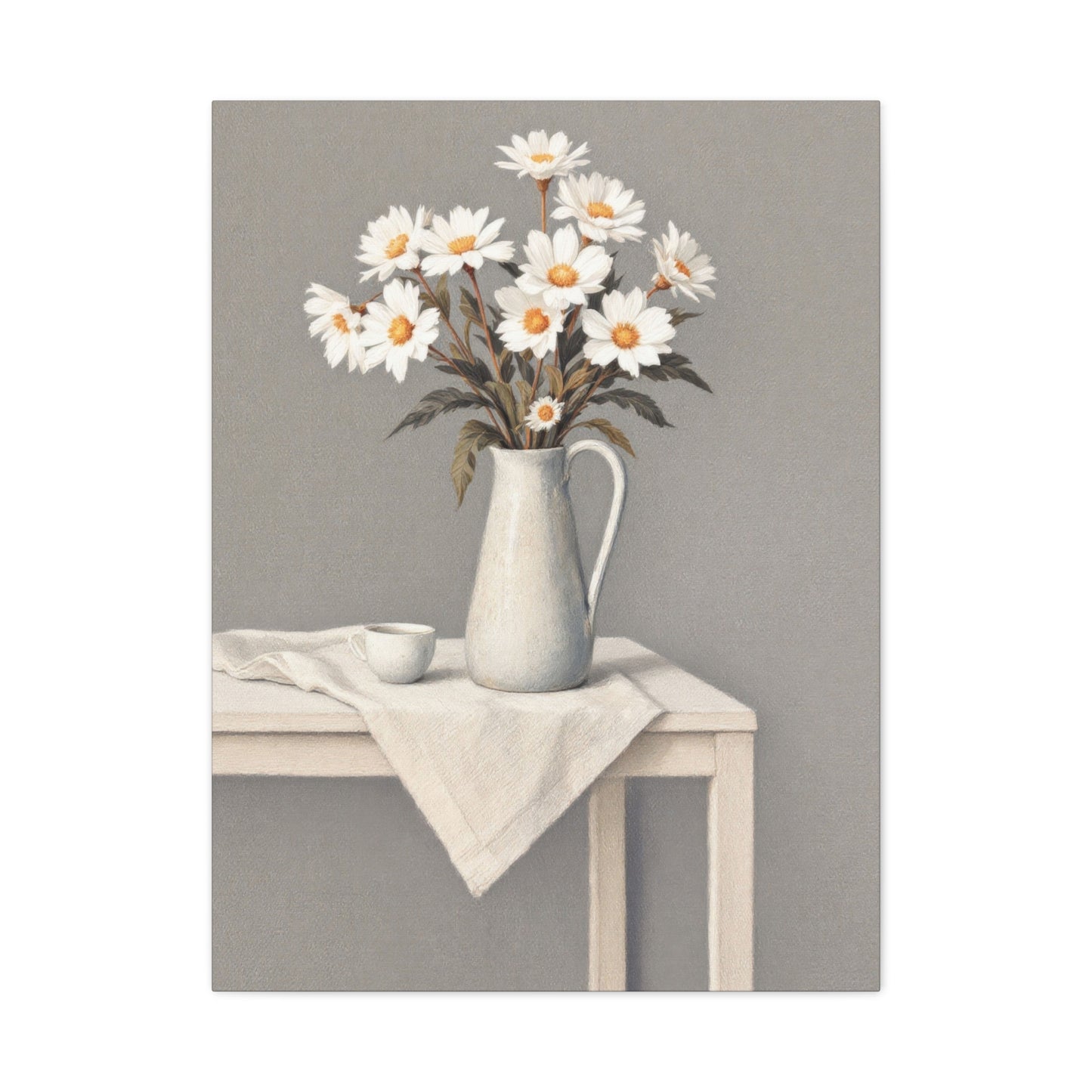
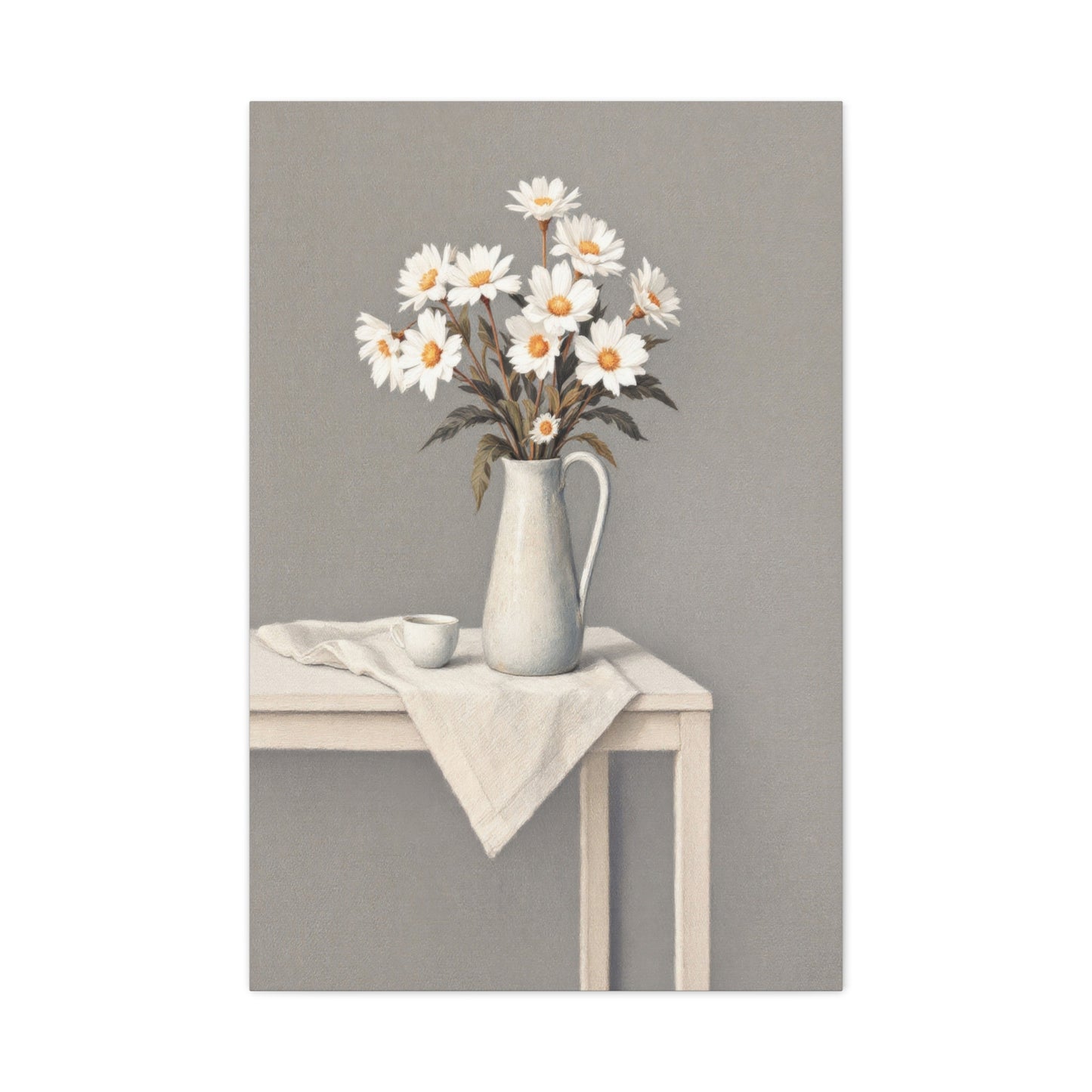
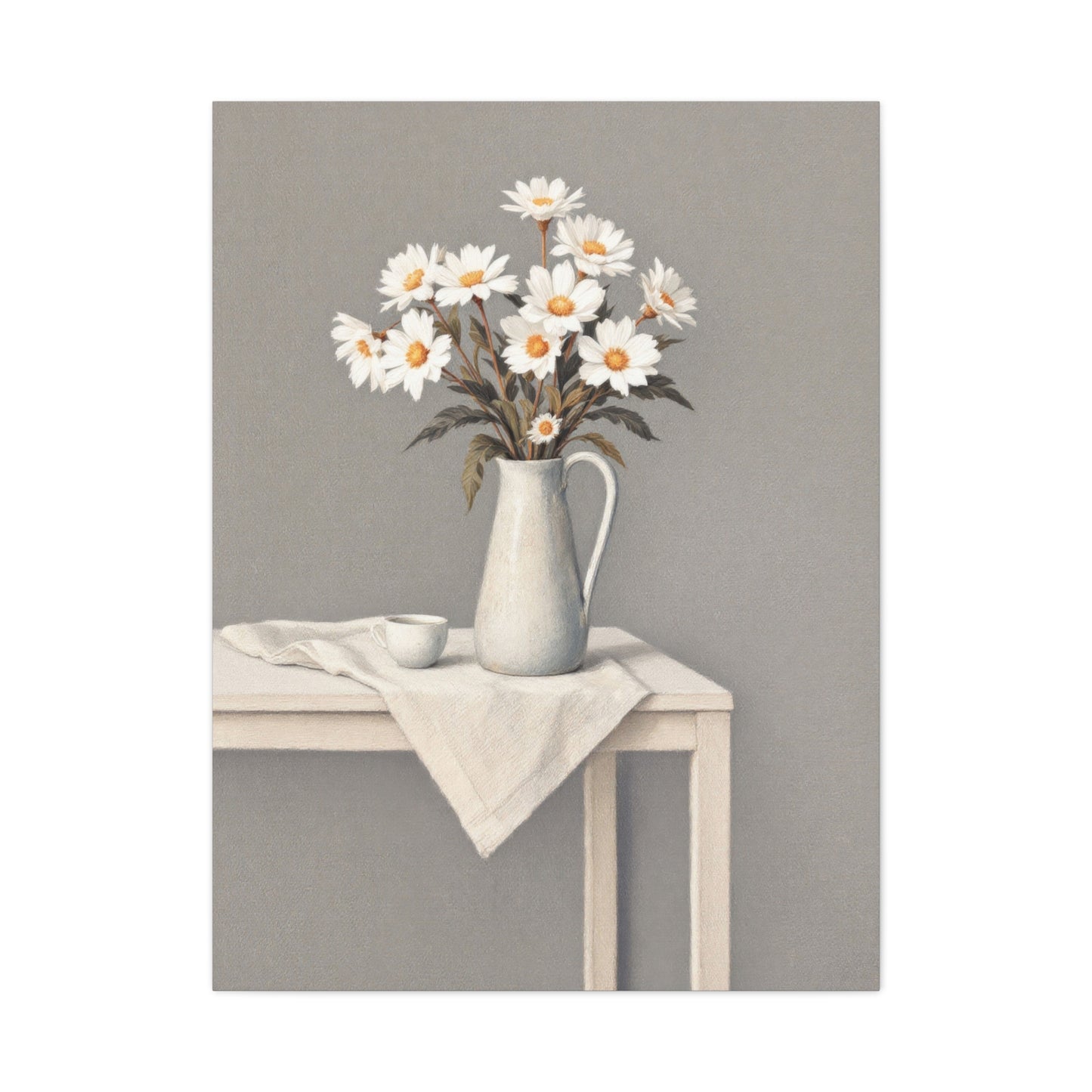
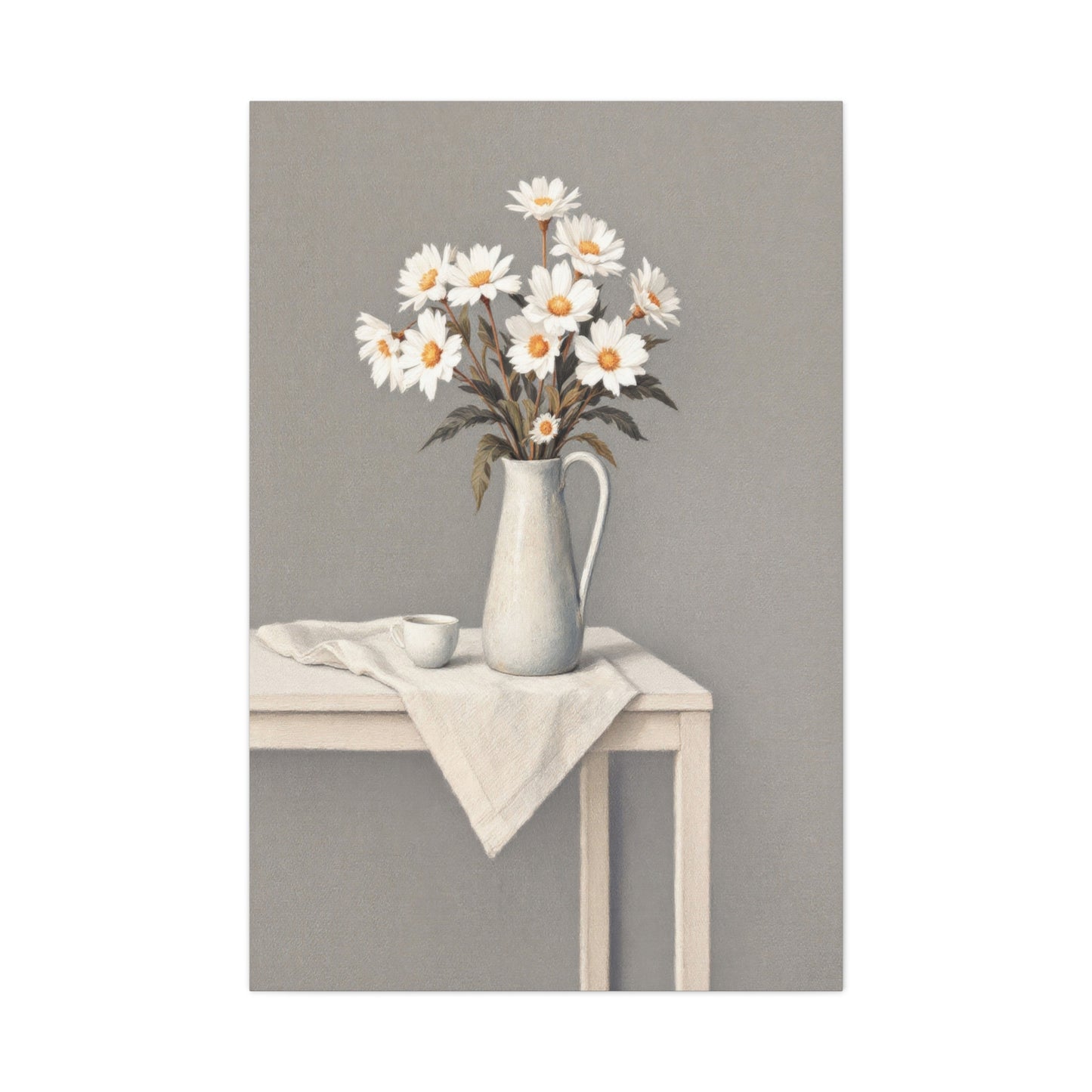
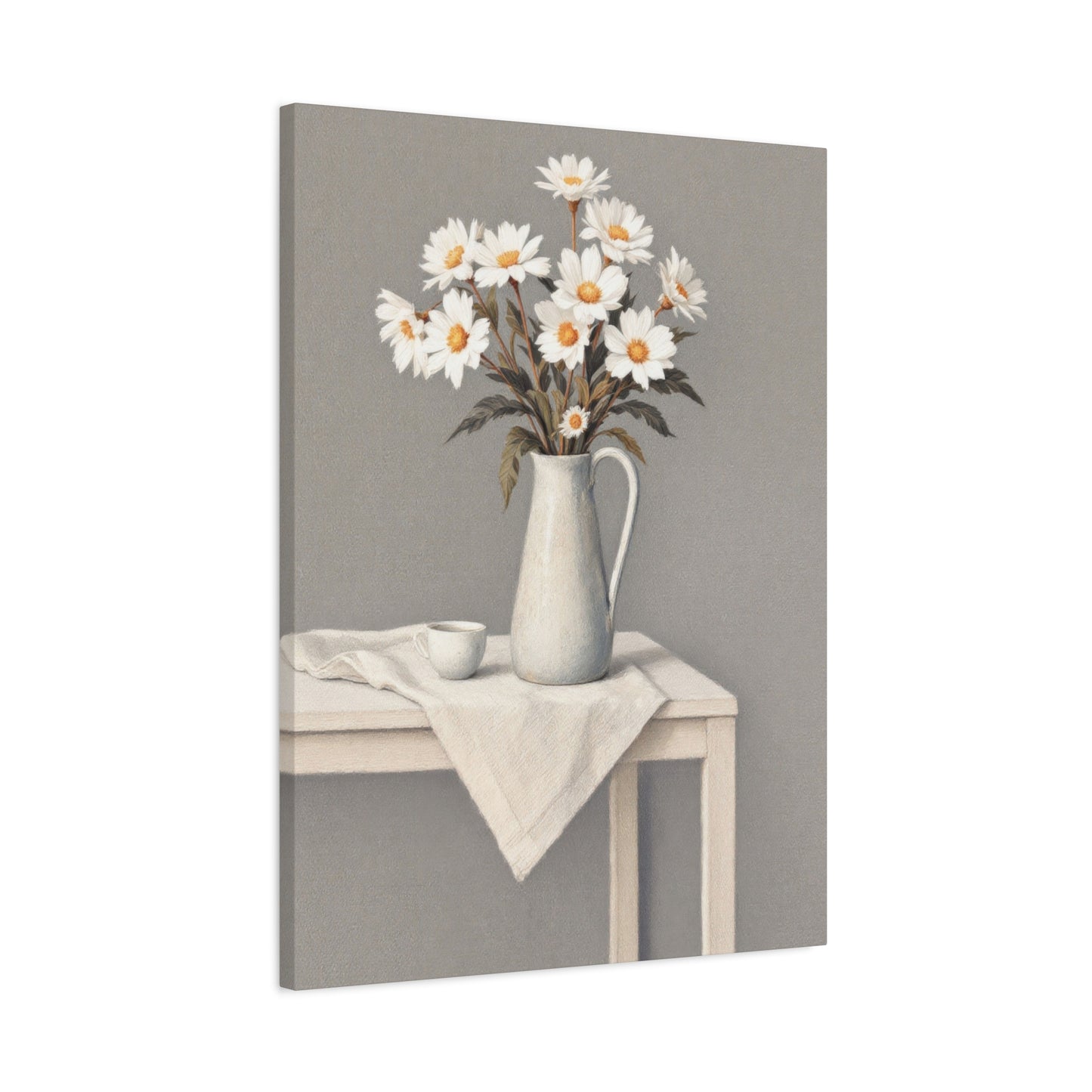
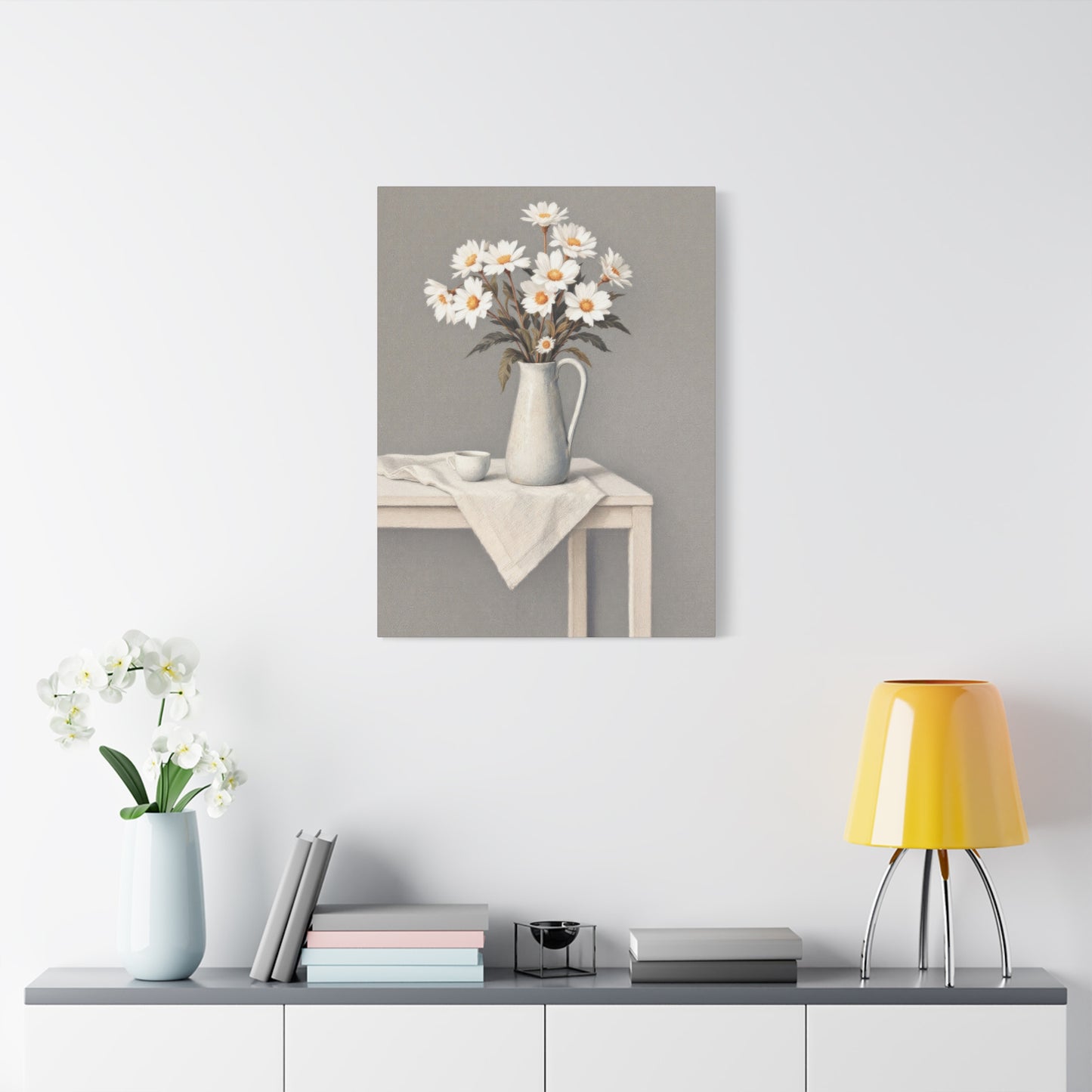
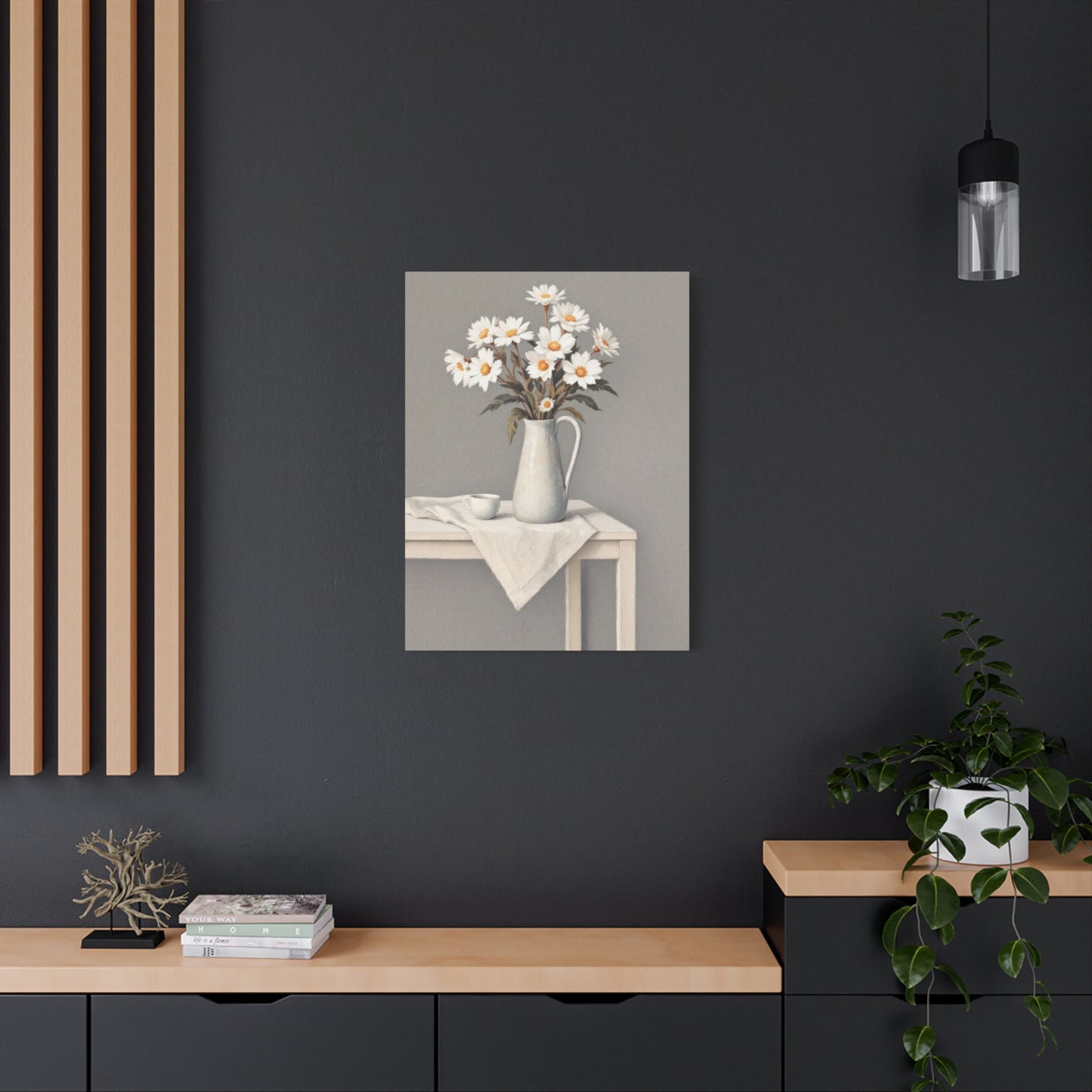
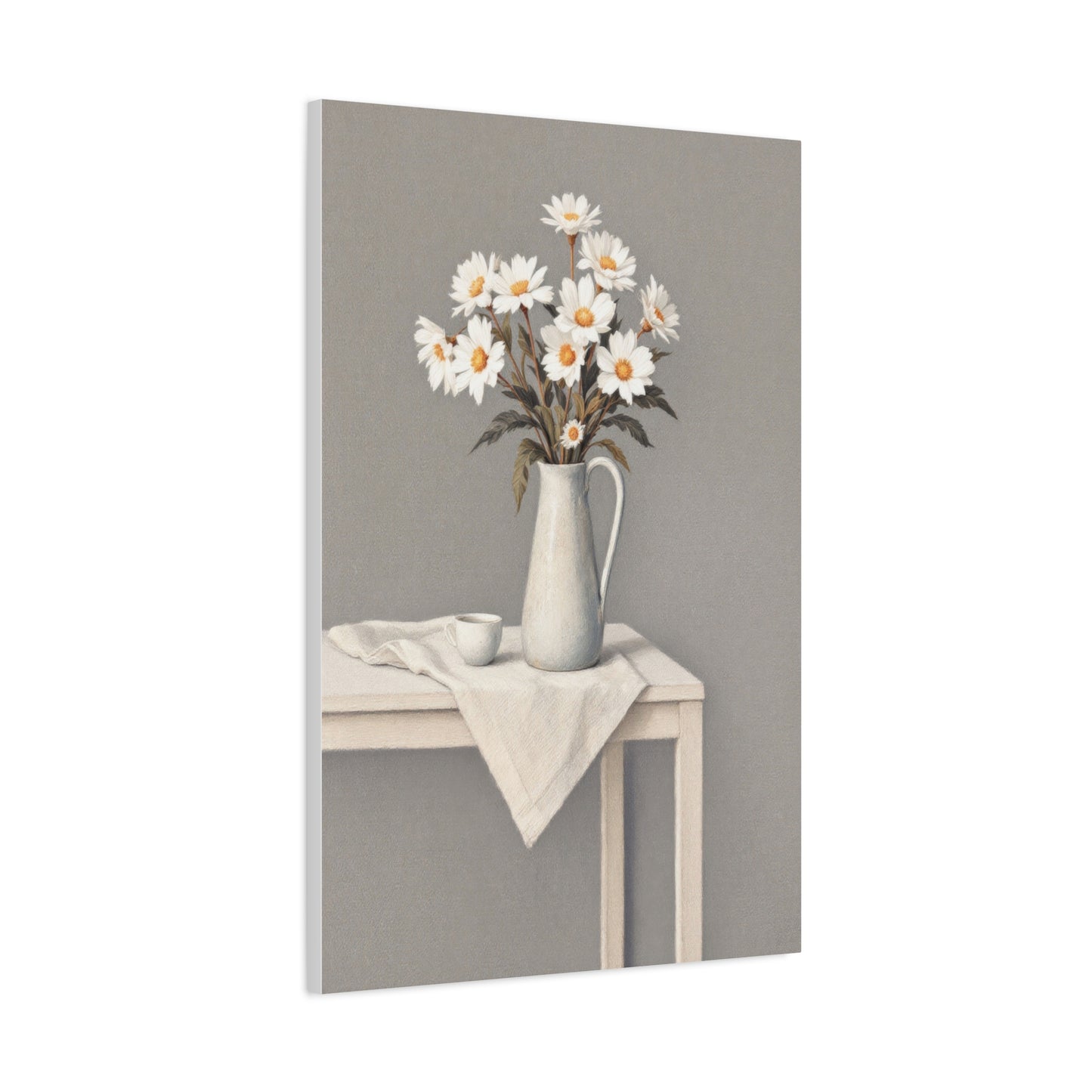
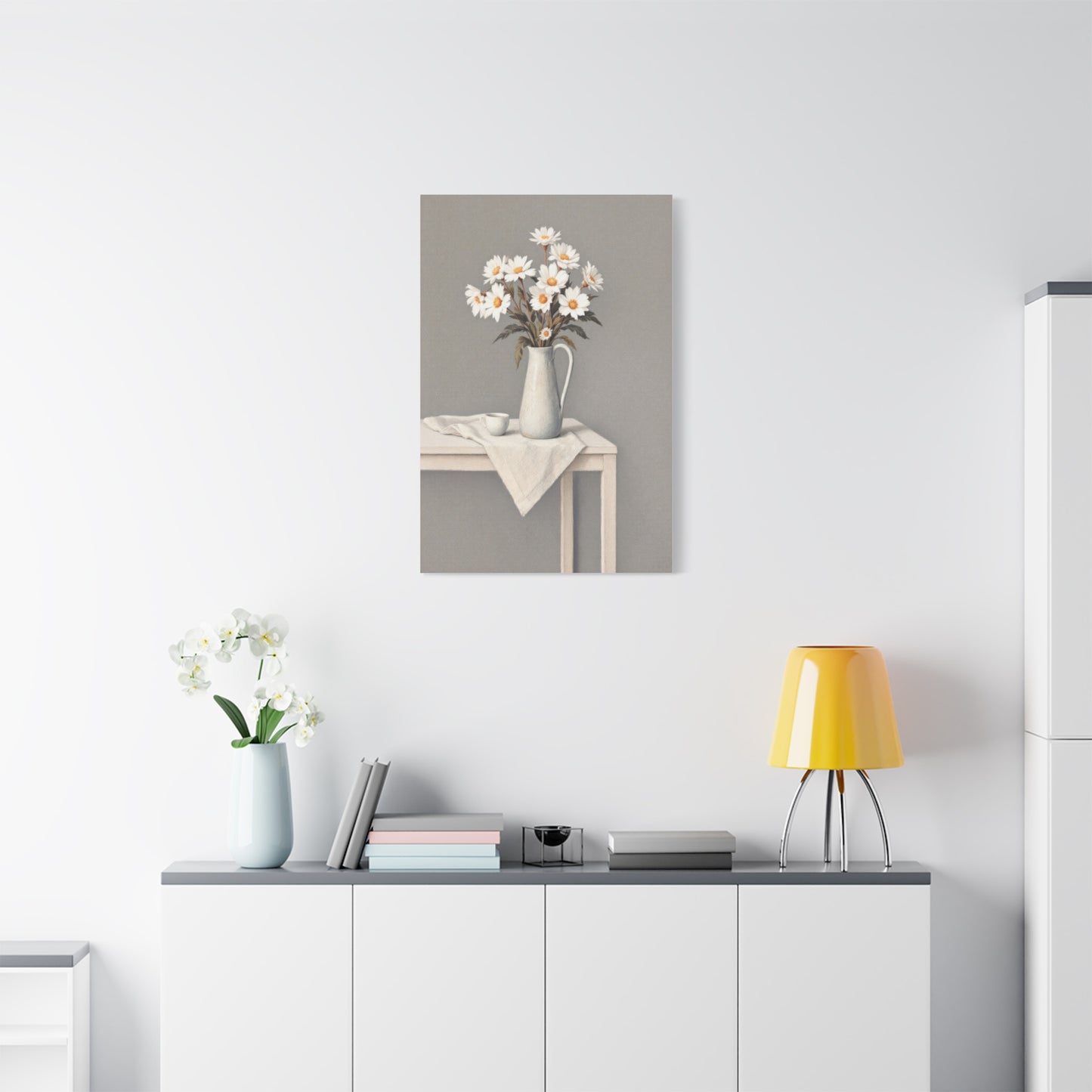
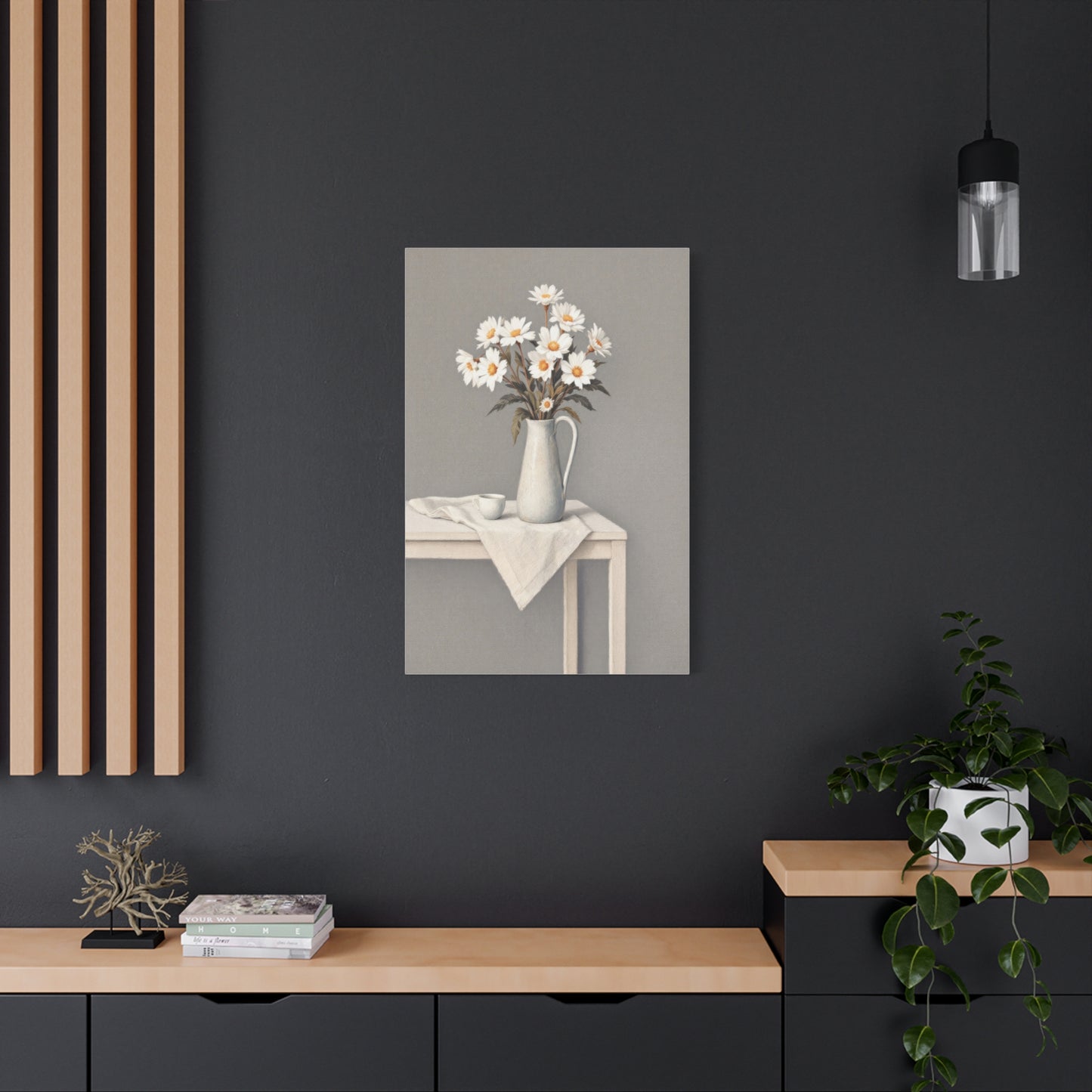
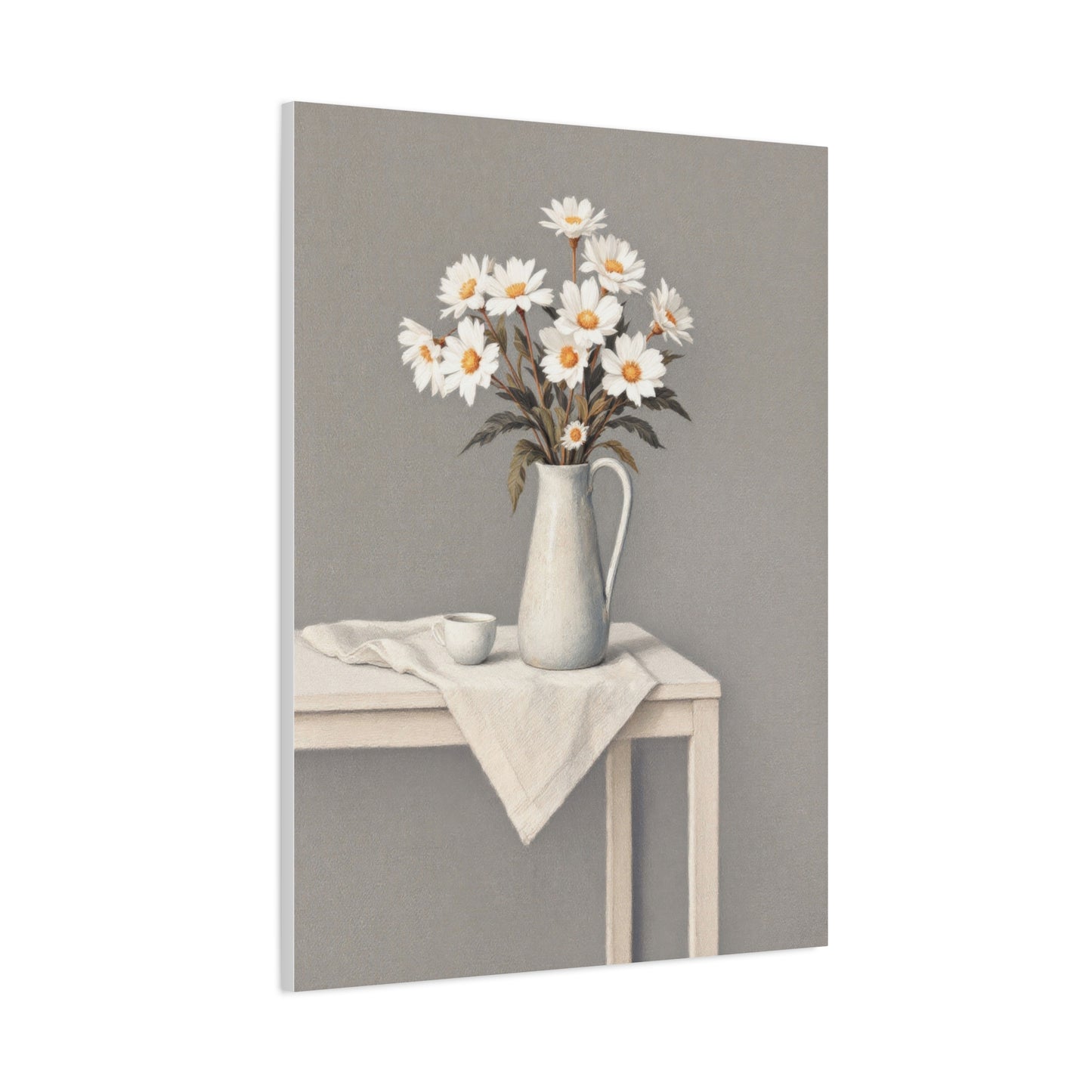
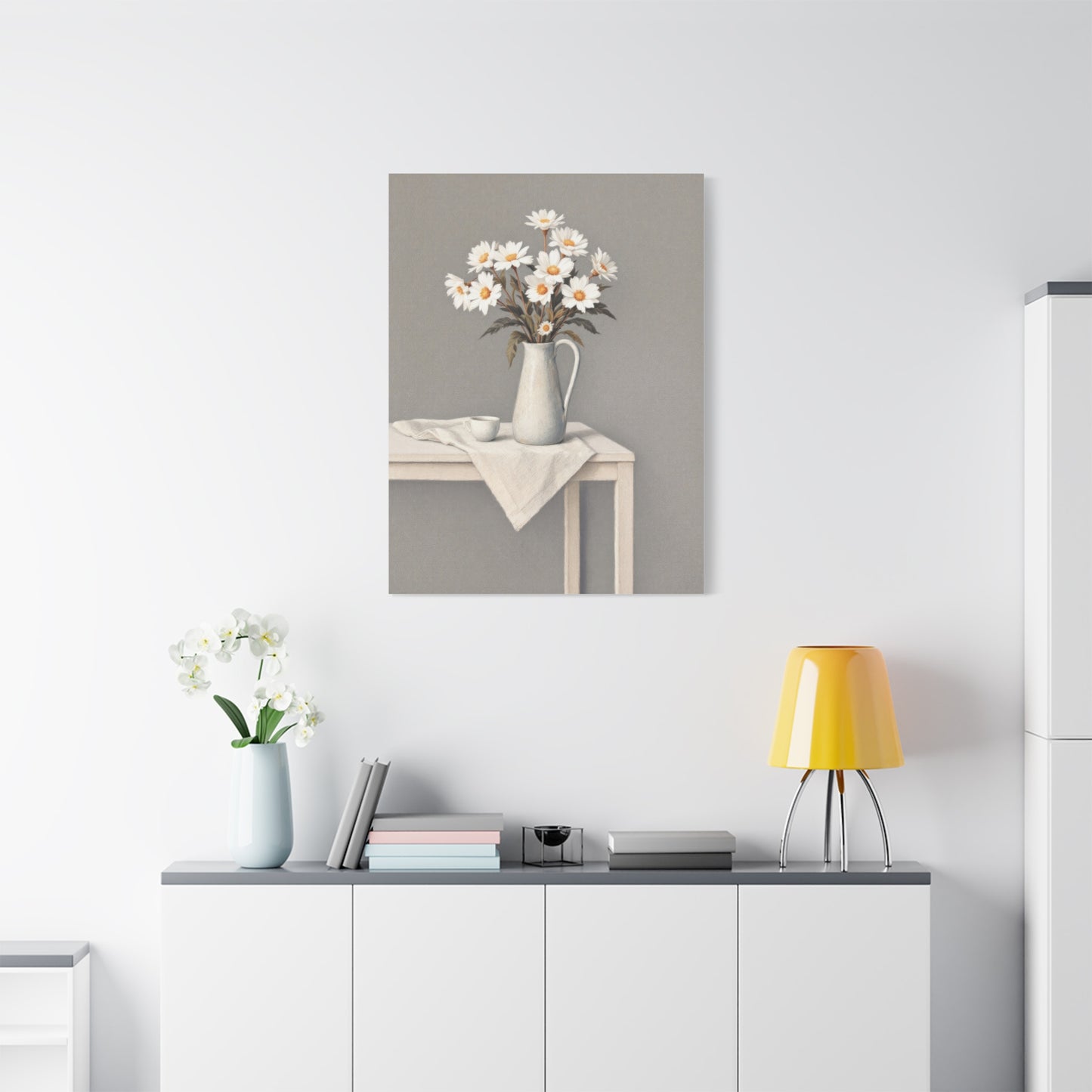
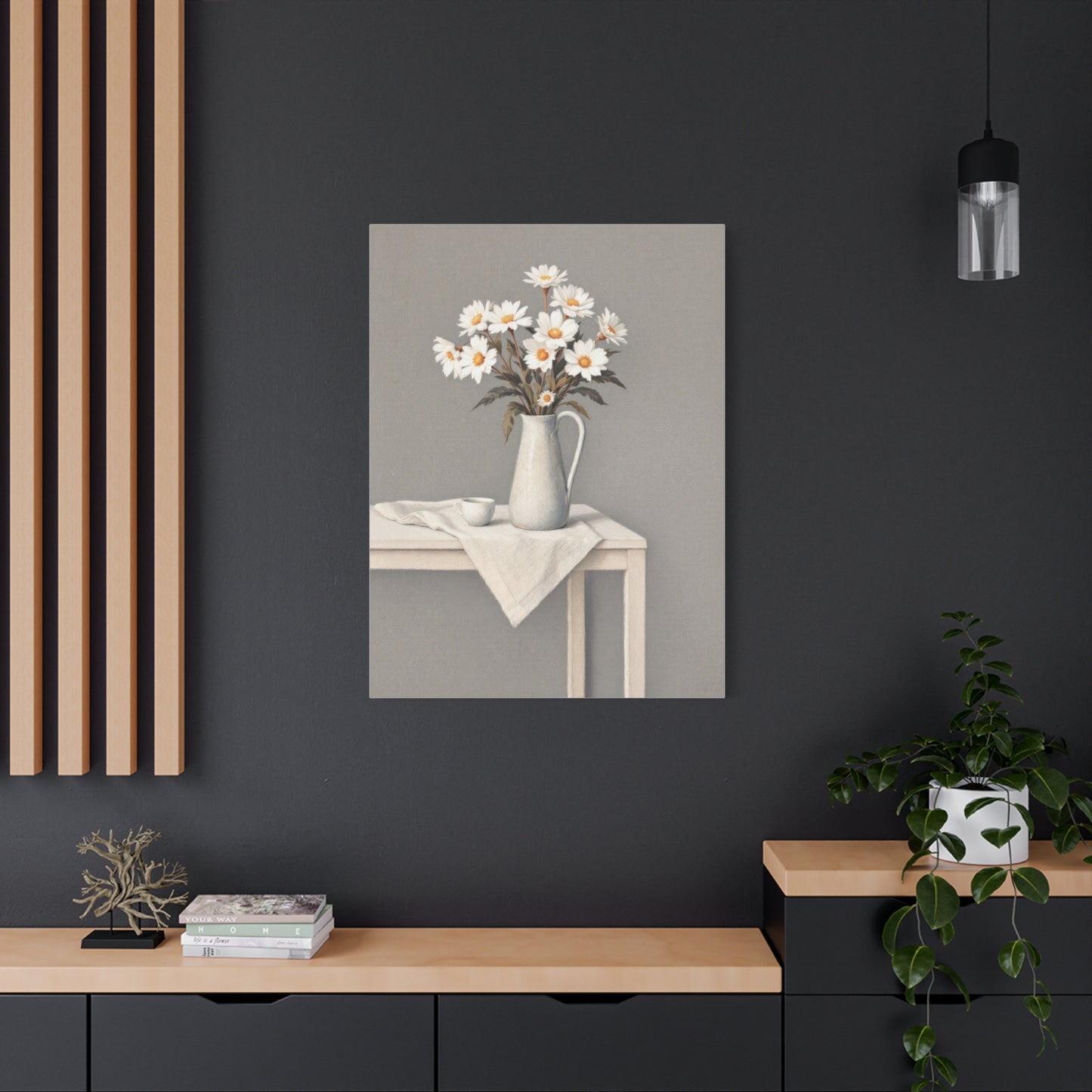
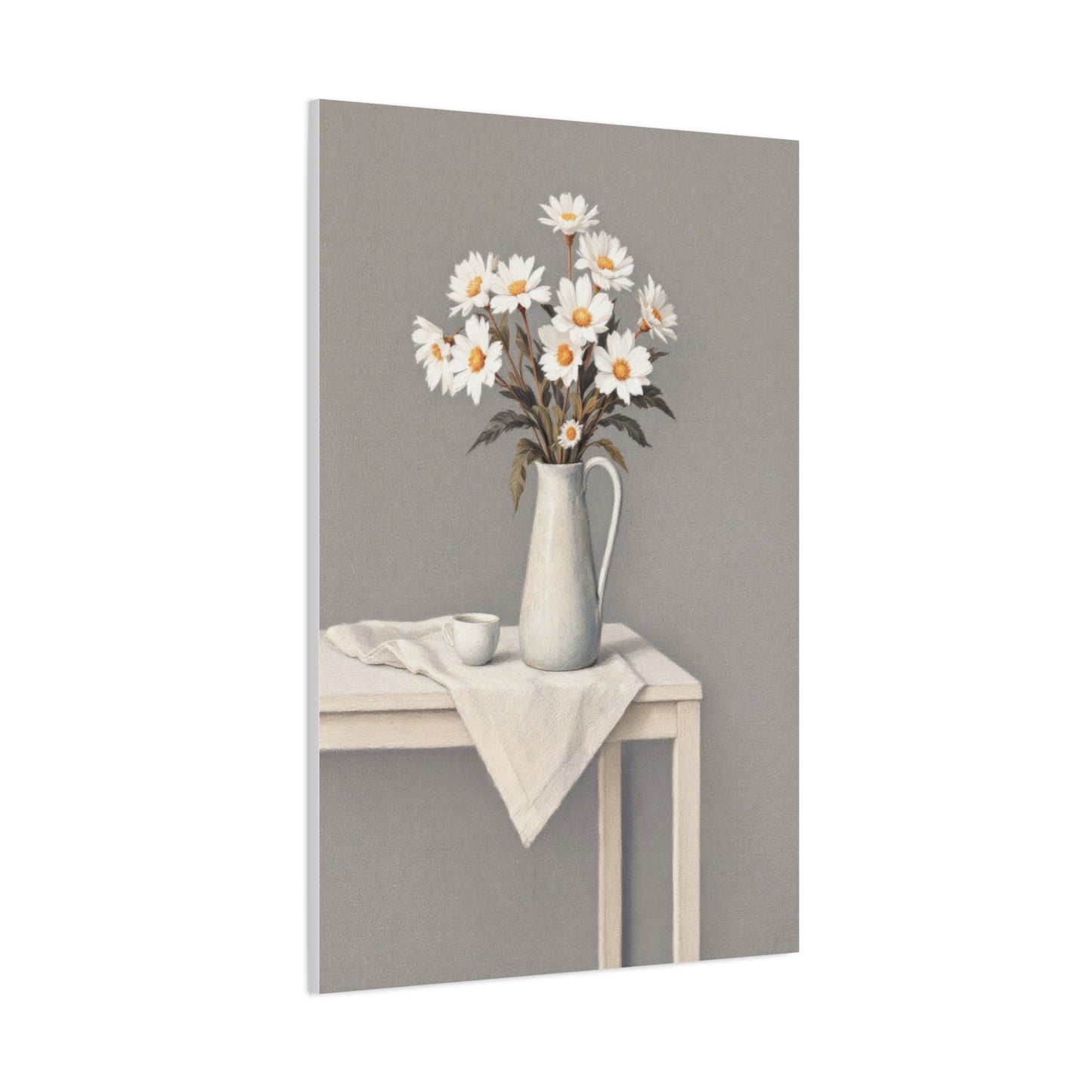
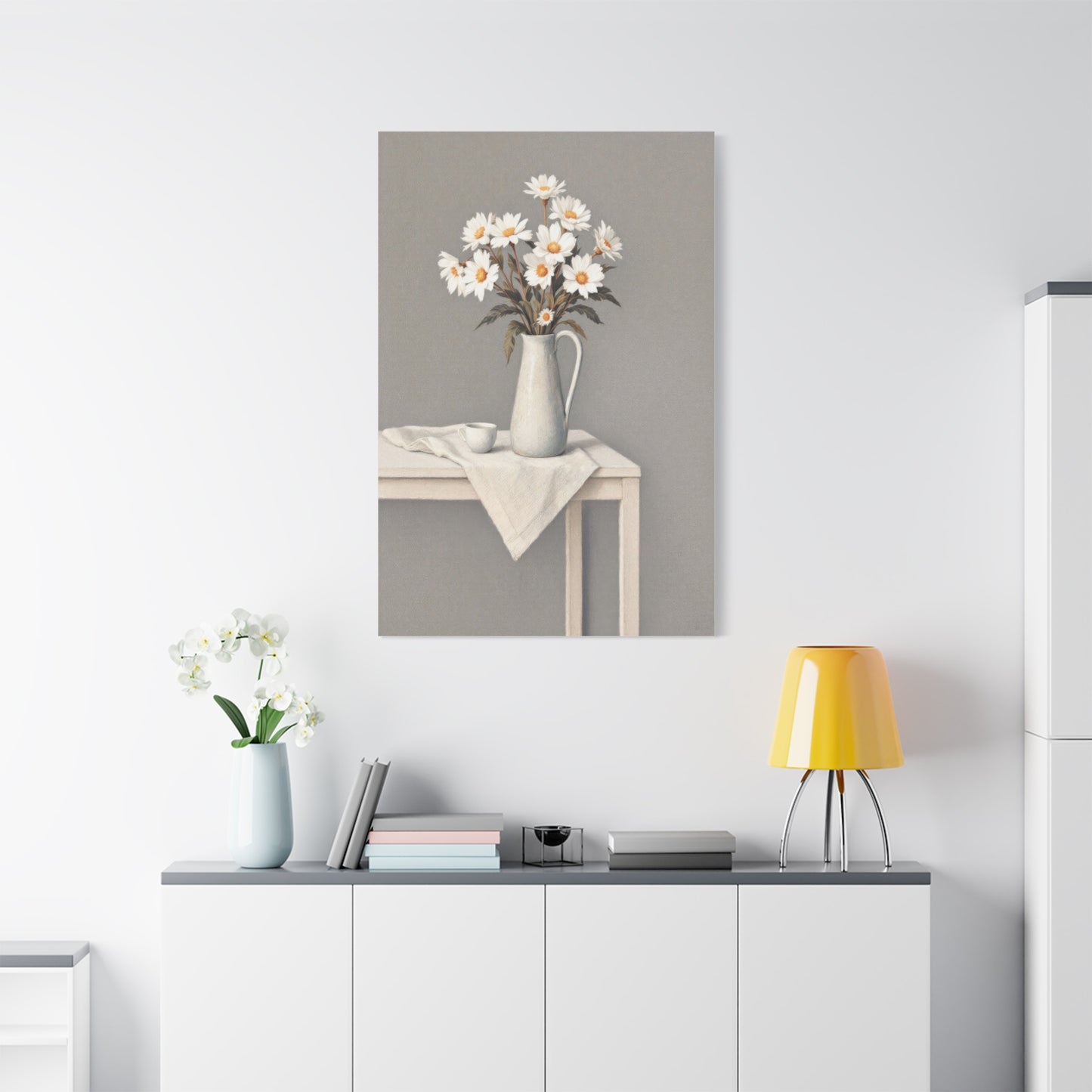

The Timeless Beauty of Daisy Elegance Wall Art: Capturing Nature’s Grace on Canvas
Transforming living spaces with botanical artwork has become an essential element of contemporary interior design. The delicate beauty of daisy-themed canvas prints offers homeowners an opportunity to infuse natural elegance into their environments while maintaining sophisticated aesthetic standards. This comprehensive exploration delves into every aspect of incorporating floral canvas artwork into residential and professional spaces, providing detailed insights for creating visually stunning interiors that reflect personal style and appreciation for nature's simplicity.
The timeless appeal of daisy motifs stems from their universal symbolism of purity, innocence, and fresh beginnings. These characteristics translate beautifully into wall decorations that complement various design philosophies, from ultra-modern minimalism to classic traditional arrangements. Understanding how to select, position, and maintain these artistic pieces ensures long-lasting beauty and maximum visual impact throughout any interior environment.
Selecting the Perfect Daisy Canvas Artwork for Your Interior
The process of choosing appropriate floral canvas artwork requires careful consideration of multiple factors that influence both aesthetic appeal and practical functionality. Understanding your space's existing color palette serves as the foundational step in this selection journey. Rooms decorated in neutral tones benefit significantly from canvas prints featuring vibrant daisy imagery, creating focal points that energize otherwise subdued environments. Conversely, spaces already rich with bold colors often achieve better balance through softer, pastel-toned floral artwork that provides visual relief without competing for attention.
Scale represents another critical consideration when selecting canvas prints. Measuring your available wall space accurately before making purchasing decisions prevents the common mistake of acquiring pieces that appear either overwhelmingly large or disappointingly small once installed. A general guideline suggests that artwork should occupy approximately two-thirds to three-quarters of the furniture width beneath it, creating harmonious proportions that feel intentionally designed rather than arbitrarily placed.
The artistic style of daisy canvas prints varies considerably across the market, ranging from photorealistic representations to abstract interpretations. Photographic prints showcase daisies in their natural glory, capturing intricate petal details, dewdrops, and authentic color variations that appeal to nature enthusiasts and those seeking botanical accuracy. Abstract renditions reimagine daisy forms through artistic interpretation, employing brushstrokes, color blocking, and compositional creativity that suits contemporary spaces favoring artistic expression over literal representation.
Material quality significantly impacts both the appearance and longevity of canvas artwork. Premium canvas materials feature tight weaving that prevents sagging over time and provides superior surface texture for ink absorption. The printing technology employed also matters considerably, with giclée printing methods delivering museum-quality color accuracy and fade resistance that maintains vibrancy for decades when properly cared for. Gallery-wrapped canvases, where the printed image extends around the frame edges, eliminate the need for additional framing while creating a polished, professional appearance suitable for modern interiors.
Innovative Floral Artwork Concepts for Contemporary Living Spaces
Modern residential design embraces botanical elements as essential components of holistic interior environments. Floral canvas prints serve multiple functions beyond mere decoration, contributing to air quality perception, stress reduction, and biophilic design principles that reconnect inhabitants with natural elements. Contemporary approaches to incorporating these pieces reject outdated notions of matching artwork to sofa colors, instead favoring thoughtful placement that enhances architectural features and supports intended room functions.
Open-concept living spaces present unique opportunities for using floral canvas prints as visual anchors that define distinct functional zones without physical barriers. A large-scale daisy composition positioned above a seating arrangement establishes that area as the primary gathering space, while smaller coordinating pieces in dining or workspace zones create cohesive flow throughout the environment. This strategic placement guides movement patterns and sight lines while maintaining the open, airy qualities that make these floor plans desirable.
Entryways and foyers establish first impressions that set expectations for the entire home. Welcoming guests with elegant daisy canvas artwork immediately communicates appreciation for natural beauty and attention to aesthetic detail. These transitional spaces often feature limited natural light, making artwork selection particularly important. Choosing pieces with lighter backgrounds and luminous color palettes helps reflect available light throughout the entry, creating the illusion of brightness even in compact, windowless areas.
Bathroom spaces increasingly incorporate artistic elements that transform purely functional rooms into spa-like retreats. Moisture-resistant canvas treatments make floral prints viable options for these humid environments. Selecting daisy artwork in whites, soft greens, and spa blues reinforces the cleansing, rejuvenating associations people seek in these personal care spaces. Positioning artwork at eye level from the bathtub creates focal points that enhance relaxation during bathing rituals.
Home office environments benefit tremendously from thoughtfully selected botanical artwork. Research consistently demonstrates that views of nature, even represented through imagery, reduce mental fatigue and enhance cognitive performance. Placing daisy canvas prints within the visual field of primary work areas provides opportunities for mental micro-breaks that refresh concentration without requiring physical relocation. Choosing compositions with balanced, symmetrical arrangements supports the focus and organization that productive work environments require.
Professional Techniques for Styling Spaces with Daisy Canvas Artwork
Successful integration of daisy canvas prints into existing decor schemes requires understanding fundamental design principles that govern visual harmony and spatial perception. Color theory provides the foundational framework for these decisions. Complementary color schemes, which pair colors opposite each other on the color wheel, create vibrant, energetic environments. A daisy print featuring golden yellow centers against purple backgrounds exemplifies this approach, generating visual excitement appropriate for social spaces.
Analogous color schemes employ hues adjacent on the color wheel, producing harmonious, cohesive environments. Daisy artwork showcasing whites, soft yellows, and pale greens demonstrates this principle, creating serene atmospheres ideal for bedrooms and meditation spaces. Monochromatic approaches use variations of a single color, with sepia-toned or black-and-white daisy prints offering sophisticated options that integrate seamlessly into minimalist and contemporary interiors.
The rule of thirds, borrowed from photography and painting, guides optimal artwork placement. Dividing walls into nine equal sections using imaginary horizontal and vertical lines creates four intersection points where the eye naturally gravitates. Positioning the focal elements of daisy canvas prints at these power points maximizes visual impact and creates professionally composed displays that feel intentionally designed.
Layering techniques add depth and personality to rooms featuring daisy artwork. Positioning smaller decorative objects on surfaces beneath canvas prints creates vertical visual connections that unify wall and furnishing displays. Incorporating actual botanical elements like potted succulents, vases with fresh flowers, or dried floral arrangements reinforces the natural themes expressed in the artwork while adding dimensional interest that purely two-dimensional pieces cannot achieve alone.
Lighting dramatically influences how daisy canvas prints appear throughout different times of day. Installing adjustable picture lights above artwork provides consistent illumination that maintains color accuracy regardless of natural light conditions. LED picture lights offer energy-efficient solutions with minimal heat output that won't damage canvas materials over time. Positioning track lighting or recessed ceiling fixtures to graze artwork surfaces at thirty-degree angles creates subtle shadowing that emphasizes canvas texture and adds dimensional drama to flat wall surfaces.
Seasonal rotation strategies keep interiors feeling fresh and responsive to changing environments outside. Maintaining a collection of daisy canvas prints in varying color palettes allows for simple swaps that align with seasonal aesthetics. Bright, warm-toned prints suit spring and summer months, while pieces featuring deeper, more saturated colors complement autumn and winter decor schemes. This approach provides variety without requiring complete room redesigns, offering cost-effective refreshment of interior aesthetics.
Balancing artwork with surrounding furnishings prevents visual competition that creates chaotic, uncomfortable environments. When positioning large daisy canvas prints above sofas or beds, ensuring the artwork width measures at least half the furniture width establishes appropriate scale relationships. Leaving eight to twelve inches of space between the furniture top and artwork bottom creates breathing room that allows each element to register distinctly rather than merging into undifferentiated masses.
Understanding Gentle Versus Bold Daisy Artwork Aesthetics
The spectrum between subtle and vibrant daisy canvas prints offers extensive options for matching artwork to personal preferences and existing decor characteristics. Soft-toned prints feature muted color palettes dominated by pastels, whites, and gentle earth tones that create calming, understated environments. These pieces excel in spaces prioritizing relaxation and tranquility, making them natural choices for bedrooms, reading nooks, and meditation areas where visual stimulation should remain minimal.
Gentle daisy artwork typically employs diffused lighting effects within compositions, mimicking the quality of overcast daylight or golden hour illumination. This soft light rendering creates dreamy, romantic atmospheres that feel timeless and ethereal. Watercolor-style prints exemplify this aesthetic, with their characteristic color bleeding and translucent layering producing delicate visual effects that never overwhelm surrounding elements.
Vibrant daisy prints embrace bold color saturation, high contrast, and energetic compositions that command attention and energize spaces. These pieces feature deep blues, vivid purples, striking blacks, and brilliant whites that create dramatic focal points impossible to overlook. Modern spaces with neutral furnishing schemes benefit particularly from vibrant artwork that injects personality and prevents sterile appearances that can plague minimalist environments.
High-contrast black and white daisy prints occupy a unique middle ground, offering visual drama without color complications. These pieces integrate effortlessly into any color scheme while providing graphic punch that elevates simple rooms into sophisticated spaces. The absence of color prevents potential clashing with future decor changes, offering flexibility for evolving interior design preferences without requiring artwork replacement.
Metallic accent prints represent another category within the vibrant spectrum. Canvas prints incorporating gold, silver, or copper foil elements add luxurious shimmer that changes appearance based on viewing angles and lighting conditions. These pieces suit glamorous, contemporary spaces where a touch of opulence enhances rather than overwhelms the overall aesthetic. Positioning these prints where they catch both natural and artificial light maximizes their distinctive visual effects.
Creating Dramatic Focal Points with Oversized Daisy Canvas Artwork
Large-format canvas prints transform ordinary walls into architectural features that anchor entire room designs. Pieces measuring forty-eight inches or wider create such substantial visual presence that they effectively compete with furniture as primary design elements. These statement installations work best on walls largely free from competing architectural features like windows, fireplaces, or built-in shelving that might fragment visual attention.
Selecting appropriate walls for oversized daisy artwork requires considering sightlines from primary seating positions and entry points. The wall first visible when entering a room presents the ideal location for statement pieces, immediately establishing aesthetic tone and drawing visitors deeper into the space. Secondary statement walls might include those visible from dining areas or positioned behind seating arrangements where they create impressive backdrops for social gatherings.
Multi-panel canvas sets, also called triptychs or polyptychs, offer alternative approaches to large-scale displays. These configurations divide single compositions across multiple canvas panels installed with small gaps between them. The resulting segmented appearance adds modern sophistication while making installation easier than single massive pieces. The gaps between panels create rhythm and visual interest that solid single canvases cannot achieve.
Vertical orientation oversized prints suit walls with height but limited width, such as spaces beside doorways or between windows. Tall daisy compositions draw the eye upward, emphasizing ceiling height and creating impressions of expanded vertical space particularly beneficial in rooms with standard eight-foot ceilings. This orientation particularly suits botanical subjects like daisies on stems, where natural growth patterns align with vertical presentation.
Horizontal orientation better suits spaces above low-profile furniture like platform beds or modern sectional sofas. Wide panoramic daisy prints create cinematic impressions that expand perceived room width, particularly effective in narrow spaces where physical expansion proves impossible. These formats work beautifully for field-of-daisies compositions showing expansive natural scenes that invite visual exploration across the canvas width.
Installation height critically impacts how oversized artwork functions within rooms. General guidelines suggest positioning center points at fifty-seven to sixty inches from the floor, approximating average eye height in gallery settings. However, furniture arrangements may necessitate adjustments. When hanging artwork above sofas or beds, the bottom edge should sit eight to twelve inches above the furniture, preventing physical contact while maintaining visual connection between the pieces.
Enhancing Intimate Areas with Compact Daisy Canvas Prints
Small-scale canvas prints offer versatility and charm particularly suited to creating layered, collected aesthetics in compact spaces. Pieces measuring twelve by sixteen inches or smaller excel in applications where subtlety and quantity create impact rather than individual scale. These petite artworks allow for creative clustering arrangements that would prove impossible with larger pieces.
Shelf styling represents an ideal application for small daisy prints. Leaning compact canvases against walls on floating shelves, mantels, or bookcases creates casual, approachable displays easily adjusted for variety. Mixing these prints with small decorative objects, books, and botanical specimens produces curated vignettes that reflect personal interests and collecting habits. This layered approach suits eclectic and transitional design styles prioritizing lived-in comfort over formal perfection.
Gallery ledge systems specifically designed for rotating artwork displays provide perfect platforms for small canvas collections. These narrow shelves with front lips prevent pieces from sliding while allowing easy swapping without wall damage. Installing multiple ledges at varying heights creates dynamic displays accommodating numerous small prints simultaneously, transforming blank walls into evolving personal galleries.
Compact daisy prints serve beautifully as gifts and personal tokens. Their manageable size makes them accessible price points for meaningful presents while their artistic nature conveys thoughtfulness beyond generic gift selections. Creating small canvas sets depicting different daisy varieties provides gift-giving opportunities for multiple occasions while building recipient collections over time.
Powder rooms and small bathrooms benefit tremendously from appropriately scaled artwork. These often-overlooked spaces rarely accommodate large pieces but desperately need personalization to avoid feeling purely utilitarian. Small daisy prints in moisture-resistant finishes add charm and refinement to these compact areas without overwhelming their limited square footage.
Office cubicles and workspace areas present challenges for personalization within corporate environments. Small canvas prints offer approved decoration methods that don't violate professional standards while making impersonal spaces more pleasant. Positioning these prints at eye level when seated provides visual relief during computer work, offering natural focal points during brief breaks that refresh mental focus.
Children's spaces accommodate small daisy prints at child height, creating personal connections between young occupants and their environments. Arranging multiple small prints in grid patterns teaches organizational concepts while allowing children to participate in placement decisions, fostering early appreciation for aesthetic choices. Using removable hanging strips instead of nails enables damage-free arrangement changes as preferences evolve.
Personalized Daisy Canvas Art Creation Services
Custom artwork services transform personal visions into tangible canvas pieces perfectly suited to specific spaces and preferences. Many providers offer complete customization allowing clients to specify exact dimensions, color palettes, composition details, and even incorporate personal photographs into daisy-themed designs. This bespoke approach ensures absolute uniqueness while addressing practical requirements like precise size fits for unusual wall spaces.
Color matching services prove particularly valuable when coordinating artwork with existing decor elements. Providing fabric swatches, paint samples, or photographs of rooms enables artists and printing services to adjust daisy artwork colors for seamless integration. This precision prevents the disappointment of ordering pieces that appear perfect online but clash with actual room colors due to screen display variations.
Photograph-to-canvas services transform personal daisy photographs into lasting artwork. These services enhance amateur photographs through professional editing, color correction, and composition refinement before printing on gallery-quality canvas. The result elevates meaningful personal images to display-worthy status, creating artwork with sentimental value no commercial print can match.
Text incorporation customization allows adding meaningful quotes, poetry, or personal messages to daisy artwork. Subtle text integration might feature favorite literary passages in delicate typefaces that complement rather than dominate the floral imagery. This personalization transforms decorative pieces into meaningful statements reflecting personal philosophies and values.
Size customization solves the common problem of finding artwork that fits specific dimensions. Unusual wall spaces above built-in furniture, within architectural alcoves, or spanning specific measurements between windows often require custom sizing that standard production runs cannot accommodate. Custom printing services create exact-fit solutions that appear intentionally designed for their locations.
Multi-panel custom splitting services transform favorite daisy images into coordinated multi-piece installations. Specifying the number of panels, their relative sizes, and spacing preferences creates unique configurations impossible to find among mass-produced options. This approach particularly suits homeowners wanting one-of-a-kind statement pieces that reflect individual rather than generic tastes.
Local artist collaborations represent another customization avenue. Commissioning original daisy paintings from regional artists supports local creative economies while ensuring absolute uniqueness. These investments create heirloom-quality pieces that may appreciate in value while providing daily aesthetic enjoyment. The commissioning process often includes consultations ensuring the finished work aligns with both artistic vision and practical display requirements.
Preservation and Maintenance of Botanical Canvas Artwork
Proper care significantly extends the lifespan and appearance quality of daisy canvas prints, protecting both aesthetic value and financial investment. Understanding the primary threats to canvas artwork guides effective preservation strategies. Direct sunlight represents the most significant danger, causing color fading through ultraviolet radiation exposure. Positioning prints away from windows or installing UV-filtering window films and artwork glazing provides essential protection.
Humidity fluctuations pose another substantial threat, causing canvas materials to expand and contract repeatedly. These movements eventually lead to paint cracking, canvas warping, and separation from stretcher frames. Maintaining stable indoor humidity levels between forty and fifty-five percent protects artwork while also benefiting other household materials and occupant comfort. Dehumidifiers in damp climates and humidifiers in arid regions help achieve these optimal conditions.
Temperature extremes and rapid fluctuations similarly damage canvas artwork. Avoiding placement near heating vents, air conditioning returns, fireplaces, and exterior walls that experience significant temperature shifts protects against these hazards. Canvas should never be stored in uninsulated attics, basements, or garages where extreme temperatures and humidity occur.
Dust accumulation, while seeming minor, actually causes gradual abrasion damage and provides nutrition for microorganisms that degrade canvas and inks. Regular gentle cleaning prevents buildup. Using soft, clean microfiber cloths or specialized artwork dusters, gently wipe canvas surfaces following the weave direction. Never apply pressure or use circular motions that might abrade the surface or push particles into the weave.
Liquid cleaners should generally be avoided on canvas prints unless specifically formulated for artwork. Water can cause ink bleeding or canvas warping, while household cleaners may contain chemicals that degrade inks or canvas coatings. If stains occur, consult professional art conservators rather than attempting home remedies that might cause irreversible damage.
Protective coatings applied during manufacturing provide valuable defense against environmental hazards. Archival-quality varnishes or specialized canvas protectants shield against UV radiation, moisture, and dust while allowing the canvas to breathe. When purchasing prints, inquiring about protective coatings and requesting their application when not standard ensures maximum longevity.
Proper storage for rotated artwork or between moves requires careful attention. Canvas should never be rolled tightly or folded, as both cause permanent creasing and paint cracking. If rolling becomes necessary for transport, roll with the print facing outward around tubes at least four inches in diameter, minimizing stress on the painted surface. Wrapping prints in acid-free paper before rolling provides additional protection.
Harmonizing Daisy Artwork with Contemporary Interior Design
Modern design aesthetics emphasize clean lines, uncluttered spaces, and intentional object placement, creating environments where daisy canvas prints can shine as deliberate focal points rather than afterthought decorations. The key to successful integration lies in treating artwork as architectural elements considered during the design process rather than decorative additions applied afterward.
Scandinavian-inspired interiors, characterized by pale wood tones, white walls, and minimalist furnishings, provide ideal backdrops for daisy artwork. The style's emphasis on bringing natural elements indoors aligns perfectly with botanical prints. Choosing pieces with substantial negative space and simple compositions maintains the uncluttered aesthetic while adding necessary warmth and visual interest.
Industrial modern spaces featuring exposed brick, metal elements, and concrete surfaces might seem incompatible with delicate daisy imagery. However, this contrast actually creates compelling visual tension that humanizes potentially cold environments. Selecting daisy prints with darker backgrounds or black and white treatments helps bridge the aesthetic gap between soft natural subjects and hard industrial materials.
Mid-century modern design, experiencing renewed popularity, pairs beautifully with vintage-style daisy prints featuring period-appropriate color palettes and compositions. Warm oranges, olive greens, and golden yellows prominent in mid-century schemes appear naturally in certain daisy varieties and artistic interpretations. Wooden frames in walnut or teak finishes connect canvas prints to the era's signature furniture woods.
Contemporary maximalist trends embracing abundant pattern, rich color, and layered decoration accommodate daisy prints as components of larger eclectic displays. Rather than serving as sole focal points, prints join diverse collections of mirrors, sculptural objects, and varied artwork styles. Ensuring daisy pieces share color connections with surrounding elements maintains cohesion despite apparent chaos.
Transitional design, blending traditional and contemporary elements, offers perhaps the most natural home for daisy canvas prints. This style's balanced approach to ornamentation allows botanical artwork to shine without competing with excessive decoration or getting lost in stark minimalism. Mixing classic daisy portrait prints with modern furniture creates the style-spanning combinations that define transitional aesthetics.
Transforming Professional Environments with Daisy Canvas Artwork
Workplace aesthetics significantly impact employee satisfaction, productivity, and organizational culture, making thoughtful artwork selection important beyond residential applications. Daisy canvas prints bring natural elements into often sterile office environments, supporting biophilic design principles that improve occupant wellbeing through nature connections.
Reception areas establish first impressions for clients and visitors, making them prime locations for quality artwork that communicates organizational values. Large-scale daisy prints suggest approachability, growth, and fresh thinking, conveying positive messages before any verbal interaction occurs. Choosing pieces reflecting brand colors strengthens identity recognition while maintaining professional polish.
Conference rooms benefit from artwork that stimulates creativity without causing distraction. Daisy prints positioned outside primary sightlines from seating provide visual relief during meetings without competing for attention during presentations. Selecting calming color palettes prevents overstimulation while maintaining visual interest that sterile white walls cannot provide.
Private offices allow for more personalized artwork selection reflecting individual tastes while maintaining professional standards. Smaller daisy prints create homey touches that make extended time in these spaces more pleasant without overwhelming the professional context. Positioning prints where visible during brief breaks from computer work provides restorative micro-views that refresh focus.
Collaborative workspaces and open-plan offices face acoustic and visual overstimulation challenges. Strategic artwork placement creates visual anchors helping define zones within larger undivided spaces. Daisy prints positioned at workstation cluster edges subtly delineate team areas while maintaining the openness that makes these layouts appealing.
Healthcare environments increasingly recognize artwork's therapeutic value for patient stress reduction and recovery support. Daisy imagery, with its associations with innocence and new beginnings, suits medical contexts particularly well. Positioning prints in waiting areas, patient rooms, and treatment spaces provides positive focal points during often anxious experiences.
Educational settings from preschools through universities employ botanical artwork for both aesthetic and pedagogical purposes. Daisy prints in classrooms support nature studies and provide visual interest in spaces where students spend substantial time. Choosing scientifically accurate representations adds educational value beyond decoration.
Budget-Conscious Strategies for Daisy Canvas Art Collection
Building impressive art collections need not require substantial financial investment when approached strategically. Understanding where value lies and which compromises prove acceptable enables assembling beautiful displays within modest budgets. Print-on-demand services offering periodic sales provide opportunities to acquire quality pieces at significant discounts when timing purchases around promotional periods.
Smaller canvas sizes offer disproportionate value compared to large statement pieces. Purchasing multiple small prints costs considerably less than single large pieces while enabling creative arrangements that make substantial visual impact. This approach particularly suits renters and those anticipating future moves, as small pieces prove easier to transport and adapt to different spaces.
Unframed canvas prints reduce costs significantly while maintaining contemporary aesthetics. Gallery-wrapped canvases with printed edge extensions require no additional framing, eliminating both material and framing service costs. This approach creates clean, modern presentations entirely appropriate for current design trends.
Digital art files purchased from independent artists enable printing at local services, potentially reducing costs compared to ordering finished pieces. This approach requires research to ensure local printers can deliver quality matching the artist's intent, but the effort often pays dividends through reduced shipping costs and local service relationship building.
Reproduction prints of public domain artwork provide legal access to classic botanical illustrations at minimal cost. Historical daisy illustrations from vintage seed catalogs and botanical references offer charming alternatives to contemporary photography. Many museums and libraries digitize collections with freely downloadable high-resolution files specifically for personal printing.
Constructing Compelling Gallery Wall Arrangements with Floral Prints
Gallery walls transform collections of individual artworks into cohesive installations greater than their component parts. Successfully executing these displays requires planning that balances spontaneity with structure. Beginning with the largest or most visually dominant piece establishes an anchor around which smaller pieces arrange themselves.
Symmetrical gallery wall layouts create formal, traditional impressions through balanced, mirrored arrangements. Positioning identical or similar-sized daisy prints at equal distances creates orderly displays suited to conventional interiors. This approach works particularly well flanking architectural features like windows or mantels where balance feels appropriate.
Asymmetrical arrangements offer contemporary, dynamic alternatives to rigid symmetry. Mixing various canvas sizes while maintaining consistent spacing creates cohesive yet organic displays. The key lies in balancing visual weight rather than achieving mirror-image layouts. A large print on one side might balance several smaller pieces grouped on the opposite side.
Grid layouts provide structured frameworks accommodating multiple uniform-sized prints. Arranging square or identically proportioned daisy canvases in precise rows and columns creates orderly, impactful displays. Maintaining narrow, consistent gaps between pieces emphasizes the collective whole rather than individual components. This approach suits modern and contemporary spaces favoring clean organization.
Salon-style arrangements emulate traditional gallery displays where frames touch or overlap slightly, filling walls densely with varied artwork. This approach requires the largest collections but creates dramatic, curated impressions. Mixing daisy prints with other botanical subjects, abstract pieces, or mirrors adds eclecticism while maintaining natural themes.
Linear horizontal arrangements work beautifully in narrow spaces like hallways or above low-profile furniture. Aligning three to five daisy prints horizontally at consistent heights creates streamlined displays that emphasize width. Maintaining equal spacing between pieces generates rhythm while allowing each work to register individually.
Vertical tower arrangements suit narrow wall spaces beside doorways or between windows. Stacking prints vertically draws eyes upward, emphasizing ceiling height. This orientation particularly flatters tall, narrow daisy compositions featuring blooms on stems.
Establishing Visual Dominance Through Statement Daisy Art Pieces
Statement artwork commands attention through size, subject, color, or compositional drama, anchoring entire rooms around their presence. Successfully deploying these bold pieces requires confidence and commitment, as they fundamentally define spaces rather than simply decorating them. Selecting subjects with personal meaning ensures long-term satisfaction despite their visual dominance.
Single oversized botanical close-ups create immediate drama through unexpected scale. A daisy bloom enlarged to four feet across transforms the delicate flower into powerful abstract form, revealing petal details typically invisible to casual observation. This approach bridges representational and abstract art, satisfying multiple aesthetic preferences simultaneously.
Triptych panels spanning eight to twelve feet collectively create statement installations while maintaining manageable individual piece sizes. Continuous compositions split across three panels create singular images when hung properly, with the segmentation adding contemporary sophistication. Alternatively, three related but distinct daisy images in coordinating styles generate connected yet independent interest.
High-contrast black and white statement pieces provide drama without color complications. A massive black and white daisy print creates focal points that work regardless of surrounding color schemes while projecting sophisticated urban aesthetics. The absence of color prevents the piece from ever appearing dated as color trends evolve.
Metallic accent statement pieces incorporate gold, silver, or bronze foiling that catches and reflects light dramatically. These luxurious treatments transform canvas prints into light-responsive installations that change appearance throughout the day as natural light shifts. Positioning these pieces where both natural and artificial light reaches them maximizes their dynamic qualities.
Mixed media statement pieces combining canvas printing with dimensional elements create sculpture-like qualities. Adding genuine dried flower elements, fabric petals, or textured painting over printed bases transforms flat artwork into tangible installations. These pieces bridge two-dimensional wall art and three-dimensional sculpture.
Commissioning original large-scale paintings represents the ultimate statement art investment. Working with artists to create custom daisy pieces sized specifically for particular walls ensures perfect proportional relationships. Original artwork carries prestige and investment potential that reproductions cannot match while guaranteeing absolute uniqueness.
Architectural integration elevates statement pieces from wall art to space-defining installations. Building floating walls specifically to display major artwork or creating illuminated alcoves that spotlight pieces demonstrates the highest level of commitment to art-centered design. These installations make artwork integral to architecture rather than applied decoration.
Seasonal rotation strategies allow experiencing different statement pieces without requiring simultaneous storage space for multiple large works. Swapping dramatic summer daisy prints for autumn botanical statements keeps spaces feeling fresh and responsive to changing environments outside.
Exploring Dimensional and Textured Daisy Canvas Art Innovations
Modern canvas printing technology extends far beyond flat image reproduction, incorporating physical textures and dimensional elements that engage tactile as well as visual senses. Textured canvas artwork appeals to contemporary design sensibilities favoring authentic materials and handcrafted qualities over mass-produced uniformity. Understanding available texture options helps select pieces that align with personal preferences and existing decor characteristics.
Gel medium applications create raised surfaces mimicking traditional impasto painting techniques. These thick applications build actual depth on canvas surfaces, with brushstroke patterns catching light and casting micro-shadows that change appearance throughout the day. Running fingers across these surfaces reveals tangible texture that connects viewers physically with artwork, creating multisensory experiences beyond purely visual appreciation.
Embossed printing techniques press patterns into canvas surfaces during production, creating subtle relief effects. Daisy petal outlines might feature slight elevation distinguishing them from background areas, adding dimensional interest without dramatic texture that might conflict with surrounding smooth surfaces. This moderate approach suits transitional spaces bridging traditional and contemporary styles.
Mixed media applications combine printed images with hand-applied elements. Artists might print photographic daisy bases then add painted enhancements, metallic leaf details, or genuine dried botanical elements. These hybrid pieces occupy the fascinating space between pure reproduction and original artwork, offering uniqueness and handcrafted qualities at intermediate price points.
Canvas weave visibility contributes textural character even in flatly printed works. Finer weaves create smooth surfaces suited to photorealistic reproduction, while coarser weaves add rustic texture appropriate for impressionistic or abstract interpretations. Matching weave texture to artistic style enhances overall coherence and impact.
Sculptural canvas installations extend beyond flat wall mounting into three-dimensional space. Curved canvas stretched over shaped frames creates flowing, organic forms particularly suited to botanical subjects. Multiple panels positioned at varying depths create layered dimensional displays that challenge traditional flat artwork concepts.
Fabric appliqué techniques incorporate additional textile materials onto canvas surfaces. Silk petals or burlap leaves might augment printed daisy compositions, creating rich textural variety. These techniques particularly suit bohemian and eclectic spaces celebrating handcrafted artistry and material diversity.
Resin coating applications create glossy, glasslike surfaces that intensify colors while adding substantial visual depth. Light penetrates resin layers before reflecting off underlying prints, creating luminous effects impossible with standard canvas surfaces. These treatments suit contemporary and modern spaces where polished, sophisticated finishes predominate.
Metallic foil stamping adds shimmer to specific compositional elements. Gold foil daisy centers or silver leaf backgrounds catch light dramatically, creating living artworks that shift in appearance as viewers move around them. Strategic restraint in foil application prevents overwhelming pieces while maximizing impact where applied.
Minimalist Approaches to Daisy Canvas Art Selection
Minimalist design philosophy emphasizes intentionality, restraint, and perfect execution of limited elements rather than abundant decoration. Within this aesthetic framework, every object must justify its presence through either essential function or profound aesthetic contribution. Daisy canvas prints succeeding in minimalist environments share specific characteristics distinguishing them from pieces suited to more decorated styles.
Composition simplicity forms the foundation of minimalist botanical artwork. Single daisy blooms isolated against expansive negative space exemplify this principle. The surrounding emptiness becomes as important as the subject itself, creating breathing room that prevents visual clutter. These compositions invite contemplation rather than demanding attention through complexity or bright colors.
Monochromatic or extremely limited color palettes align with minimalist color restraint principles. Black and white daisy prints eliminate color complications entirely while maintaining strong graphic presence. Alternatively, prints featuring single colors in varying tones create subtle sophistication through restraint rather than variety.
Clean geometric compositions organize organic daisy forms within structured frameworks. Perfectly centered single blooms or precise symmetrical arrangements of multiple flowers create orderly presentations that respect minimalist values of clarity and organization. Avoiding complex, sprawling compositions maintains the intentional simplicity essential to the aesthetic.
Frame elimination through gallery-wrapped canvases reduces visual elements to absolute essentials. Even the minimal presence of picture frames introduces additional lines and materials that complicate compositions. Frameless canvases present pure image without surrounding distractions, perfectly embodying minimalist reduction philosophy.
Scale appropriateness ensures artwork neither overwhelms nor gets lost in minimalist spaces. Pieces should command attention through refined beauty rather than dominating through size. Medium-scale prints sized proportionally to surrounding negative space create balanced presentations that feel carefully considered rather than arbitrary.
Quality emphasis over quantity guides minimalist art collection building. A single museum-quality piece holds more value than multiple mediocre prints. Investment in superior materials, archival printing, and expert craftsmanship ensures the few selected pieces meet exacting standards worthy of prominent display in uncluttered environments.
Positioning precision becomes critical when individual pieces carry significant visual responsibility. Exact centering on walls, precise height calculation, and careful relationship to surrounding architectural features demonstrate the attention to detail that minimalism demands. Casual, approximate placement appears careless rather than relaxed within this aesthetic context.
Meaningful connection requirements mean minimalist artwork must resonate personally beyond surface aesthetics. Each piece should justify wall space through emotional significance, philosophical alignment, or aesthetic perfection. Arbitrary selection purely for decoration contradicts minimalist principles of intentional living.
Symbolic Significance of Daisies in Decorative Wall Art
Understanding botanical symbolism adds meaningful depth to artwork selection, transforming decoration into personal statement. Daisies carry rich symbolic associations across cultures and historical periods, offering various interpretive layers that enhance their aesthetic appeal. Awareness of these meanings helps select pieces that resonate beyond visual beauty.
Innocence and purity represent daisies' most universal symbolic associations. These connections make daisy artwork particularly appropriate for nurseries and children's spaces, where the symbolism reinforces nurturing, protective intentions. White daisies especially embody these qualities, their pristine petals suggesting untainted simplicity.
New beginnings and fresh starts constitute another prominent symbolic thread. Daisies emerging as spring's earliest bloomers associate with renewal, rebirth, and optimistic forward momentum. Artwork featuring these flowers suits spaces dedicated to new chapters like home offices for career changes, nurseries welcoming newborns, or bedrooms following relationship beginnings.
True love and loyal affection appear in daisy symbolism through various cultural traditions. These associations make daisy canvas prints thoughtful anniversary or wedding gifts, with the flowers' enduring nature suggesting relationship longevity. Master bedrooms particularly benefit from romantic symbolism that reinforces the space's intimate function.
Motherhood and fertility connections emerge from daisies' association with various mother goddesses across mythological traditions. These symbolic links make daisy artwork meaningful choices for mothers' spaces or as gifts celebrating motherhood milestones. The flowers' generous blooming patterns mirror nurturing abundance.
Simplicity and authentic beauty represent philosophical associations distinguishing daisies from more elaborate flowers. Choosing daisy artwork over roses or orchids suggests valuing genuine unpretentious beauty over showy ostentation. This symbolic statement aligns with values of authenticity and finding extraordinary qualities in ordinary subjects.
Cheerfulness and optimism flow naturally from daisies' bright, open-faced appearance. Their sunny dispositions captured in artwork inject positive emotional energy into spaces, making them particularly valuable in areas prone to feeling dark or unwelcoming. Positioning daisy prints where occupants experience morning routines creates uplifting start-of-day associations.
Transformation and hidden depths emerge from the daisy's composite flower structure, where what appears as a single bloom actually comprises dozens of tiny flowers working collectively. This biological reality metaphorically represents communities, collaboration, and the power of many small contributions combining into impressive wholes.
Different colored daisies carry specific additional meanings. Yellow daisies suggest happiness and friendship, making them ideal for social spaces. Pink varieties represent gentleness and admiration, suiting romantic or appreciative contexts. Red daisies symbolize passion and strength, bringing energy to active, dynamic environments.
Gentle Color Palettes Featuring Pastel Daisy Canvas Prints
Soft, muted color schemes create serene environments promoting relaxation and peaceful mental states. Pastel daisy canvas prints serve as perfect focal points in these gentle spaces, their subdued hues reinforcing calm without introducing jarring visual stimulation. Understanding how to effectively deploy these quiet pieces ensures they enhance rather than disappear within subtle interiors.
Pale pink daisy prints evoke romantic, feminine atmospheres without overwhelming sweetness. These pieces suit bedrooms, dressing areas, and spaces dedicated to self-care and relaxation. The gentle warmth of soft pink creates welcoming environments that feel embracing rather than clinical despite their lightness.
Lavender and soft purple daisy artwork introduces cool tones that psychologically register as calming and spiritually connected. These colors suit meditation spaces, reading nooks, and bedrooms where sleep quality matters most. The color's associations with twilight and dusk naturally support wind-down activities and restful moods.
Mint and sage green daisy prints bring nature's most restful colors indoors. These hues promote mental balance and physical relaxation, making them valuable in any space requiring stress reduction. Green's unique position as the color perceived most effortlessly by human eyes means these prints literally require less visual effort to appreciate.
Pale yellow daisy artwork provides the warmth of bright yellow without its stimulating intensity. These pieces suggest gentle sunshine filtering through clouds, bringing light and optimism without harsh glare. Soft yellows suit morning spaces like breakfast nooks and east-facing bedrooms that catch actual dawn light.
Blush peach tones combine pink's warmth with orange's vitality in gentle proportions. Daisy prints in these sophisticated hues work beautifully in spaces seeking balance between energy and calm. These colors particularly flatter human skin tones, making them excellent choices for spaces with mirrors or where people spend extended time.
Powder blue daisy prints introduce sky and water associations that instinctively calm nervous systems. These pieces suit bathrooms particularly well, their aquatic connections reinforcing cleansing and renewal themes. The color's cool temperature prevents spaces from feeling stuffy while maintaining softness.
Cream and ivory backgrounds allow daisy subjects to float in gentle, warm neutrality. These nearly white but not quite white tones add subtle warmth that pure white cannot achieve. The resulting prints integrate seamlessly into neutral decor schemes while providing just enough color variation to register as intentional artwork rather than wall-colored blankness.
Layering multiple pastel daisy prints in complementary soft hues creates harmonious collections that reinforce gentle aesthetics through repetition. Combining pale pink, mint, and lavender pieces establishes cohesive color stories that feel intentionally curated. Maintaining consistent canvas sizes and spacing creates serene gallery walls that soothe rather than stimulate.
Nature-Focused Themes in Daisy Canvas Wall Displays
Botanical artwork connects interior spaces with natural world outside, supporting biophilic design principles that recognize human need for nature connection. Daisy canvas prints anchor these nature-inspired schemes, whether serving as primary thematic elements or supporting larger environmental concepts. Understanding various approaches to nature-themed design helps maximize these connections.
Meadow and wildflower compositions present daisies within natural habitat contexts. These pieces show flowers growing among grasses and companion plants, creating small ecosystem portraits rather than isolated specimen displays. Field-of-flowers compositions particularly suit those drawn to expansive natural landscapes and pastoral aesthetics.
Macro botanical perspectives reveal daisy details invisible to casual observation. Extreme close-ups showing individual petal cells, pollen grain structures, or insect visitors transform familiar flowers into abstract wonderlands. These pieces suit those fascinated by nature's intricate engineering and hidden beauties.
Seasonal progression series document daisies throughout growth cycles from early buds through full bloom to seed formation. These educational pieces appeal to gardeners and nature enthusiasts while providing decorative value. Arranging multiple prints showing progression creates narrative displays that reward extended observation.
Garden scene compositions position daisies within cultivated landscape contexts. These pieces might show flowers in structured garden beds, decorative planters, or alongside paths and structures. They appeal to gardeners and those who appreciate human-nature collaboration rather than purely wild presentations.
Watercolor botanical illustrations bring loose, artistic interpretation to daisy subjects. The medium's characteristic transparency and flowing colors create ethereal, dreamlike qualities. These pieces suit romantic and cottage-style interiors where artistic interpretation feels more appropriate than photographic documentation.
Pressed flower artwork incorporates actual preserved daisy specimens beneath protective glazing. These pieces combine botanical documentation with artistic arrangement, creating unique hybrid artworks. They particularly appeal to those valuing tangible natural materials and handcrafted uniqueness.
Ecosystem context presentations show daisies alongside the insects, birds, and other wildlife depending on them. These ecological perspective pieces educate while decorating, illustrating natural interconnections. They suit environmentally conscious households wanting artwork reflecting ecological values.
Four seasons collections present different seasonal flowers including daisies for spring and summer panels. Rotating displays with changing seasons creates dynamic, responsive interiors celebrating nature's cycles. This approach particularly suits those living in areas with dramatic seasonal changes who enjoy acknowledging these transitions indoors.
Conclusion
The Timeless Beauty of Daisy Elegance Wall Art: Capturing Nature’s Grace on Canvas highlights the transformative impact that floral artwork can have on modern interiors. Daisies, with their simple yet radiant forms, embody purity, joy, and understated elegance. When translated into canvas art, these blossoms bring a quiet sophistication to any living space, seamlessly blending aesthetic charm with emotional resonance. This genre of wall décor transforms walls from passive surfaces into evocative focal points, inviting viewers to experience the serenity, vitality, and subtle beauty of nature on a daily basis.
At the heart of daisy-inspired wall art lies its timelessness. Daisies are universally recognizable symbols of innocence, renewal, and optimism. Their soft petals and gentle color gradients—whether rendered in delicate pastels, vibrant yellows, or minimalist monochrome—create a sense of lightness that complements diverse interior design schemes. These canvases do more than decorate; they cultivate mood, infusing rooms with tranquility, warmth, and emotional balance. The presence of daisies on a wall encourages mindfulness, subtly reminding inhabitants of the beauty inherent in life’s simple moments.
From a design perspective, Daisy Elegance wall art offers remarkable versatility. Its color palette and natural motifs harmonize with minimalist, Scandinavian, rustic, or contemporary interiors, enhancing both neutral and bold décor schemes. Large-scale canvases serve as statement pieces, dominating spaces with effortless grace, while smaller, grouped artworks add depth and layering for a more intimate, gallery-inspired effect. The interplay of light, shadow, and petal detail within these compositions enriches visual texture, giving rooms a sense of dimensionality and organic flow that complements architectural and decorative elements alike.
Beyond visual appeal, this artwork carries profound symbolic and emotional weight. Daisies convey resilience and continuity, growing and flourishing in diverse environments while maintaining their delicate charm. By incorporating this motif into wall décor, homeowners create spaces that reflect these qualities—spaces that inspire optimism, calm, and emotional clarity. The artwork encourages contemplation, offering viewers an opportunity to pause, breathe, and reconnect with the rhythms of nature, even in urban or highly structured environments.
The thematic resonance of Daisy Elegance wall art also fosters a connection between interior design and the natural world. In an era where homes often feel separated from outdoor environments, floral canvases serve as bridges to nature, bringing its restorative qualities indoors. Studies in biophilic design demonstrate that incorporating natural elements into living spaces reduces stress, enhances mood, and improves cognitive function. By integrating daisies into walls, designers and homeowners alike can leverage these psychological benefits, transforming interiors into sanctuaries of calm and inspiration.
Moreover, the aesthetic structure of these pieces enhances spatial perception. The radial symmetry of daisies, coupled with the soft curves of petals and stems, creates a visual rhythm that draws the eye naturally across the canvas. This sense of movement and flow enlivens rooms, guiding attention while maintaining harmony with furniture, textiles, and other design elements. Whether positioned above a sofa, bed, or console, Daisy Elegance wall art transforms walls into dynamic yet balanced surfaces that elevate the overall atmosphere of a room.


