


Dark and Bright Butterfly Wall Art & Canvas Prints
Dark and Bright Butterfly Wall Art & Canvas Prints
Couldn't load pickup availability
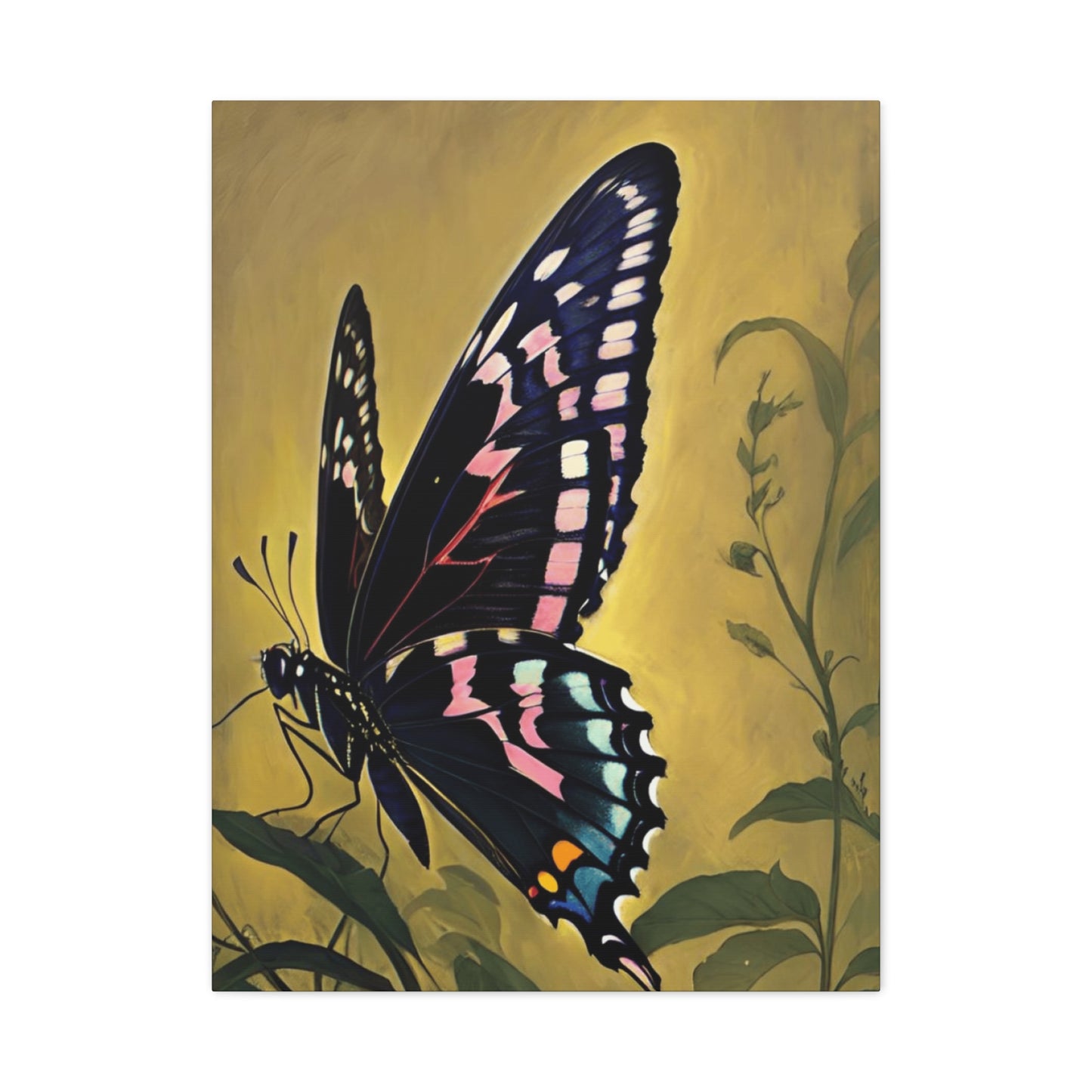
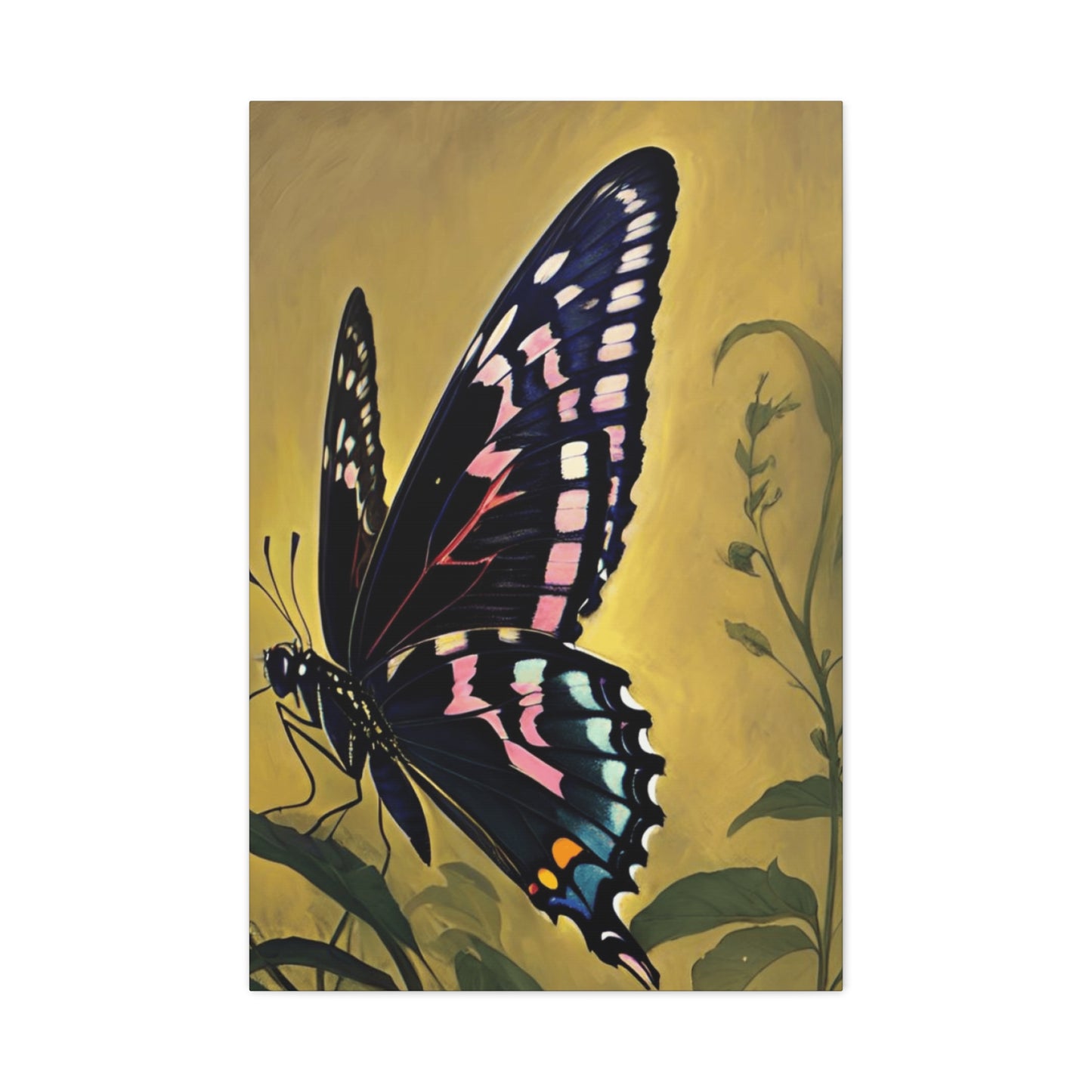
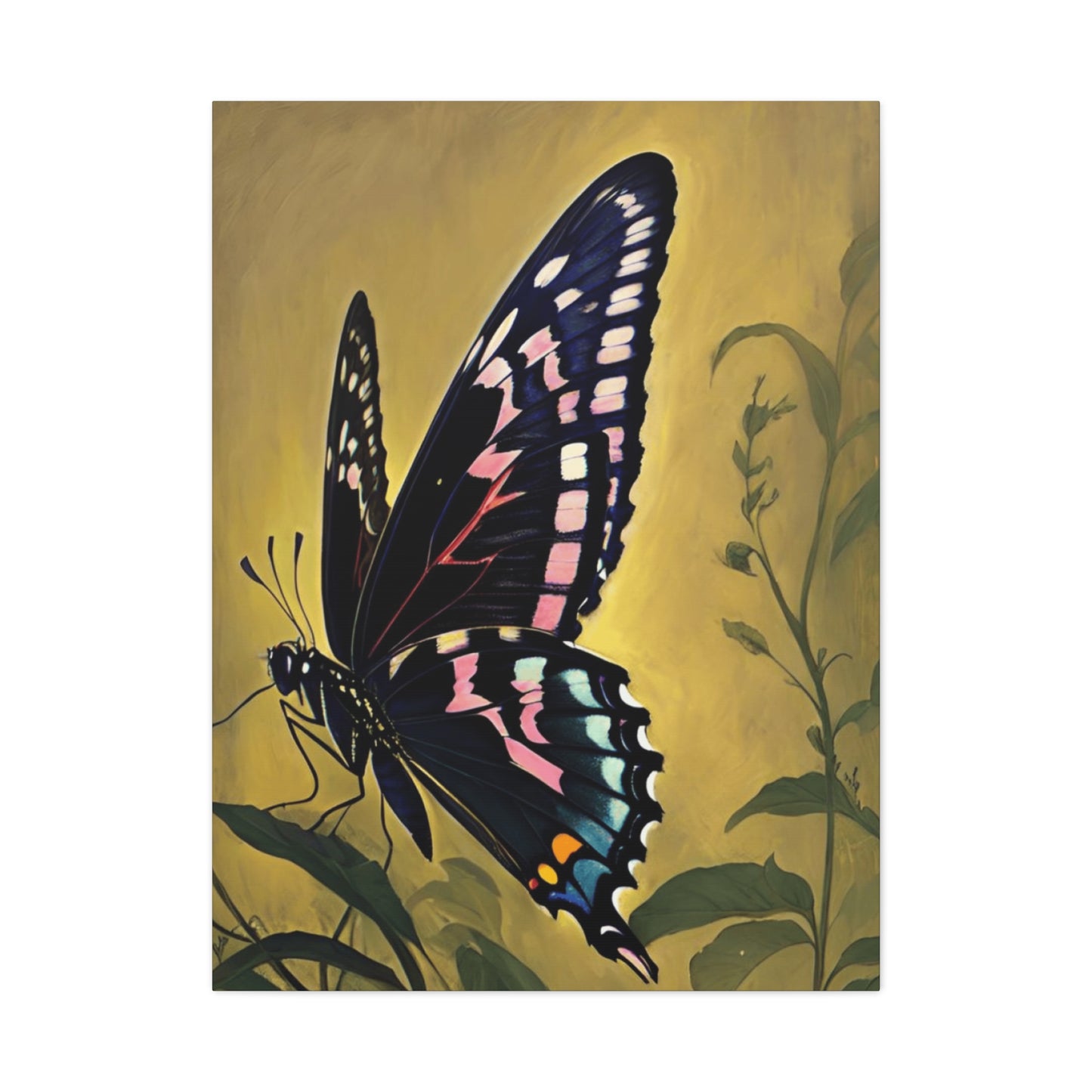
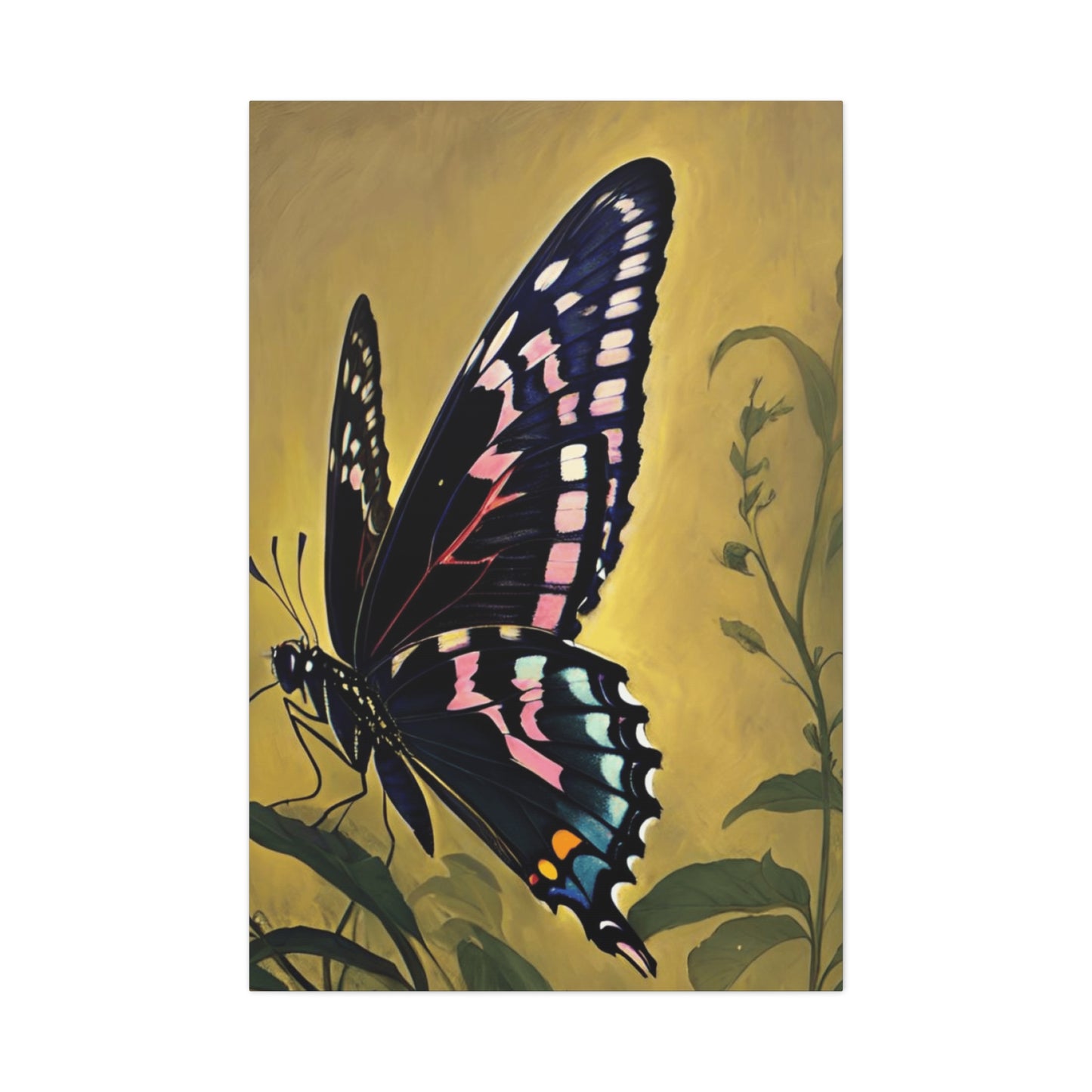
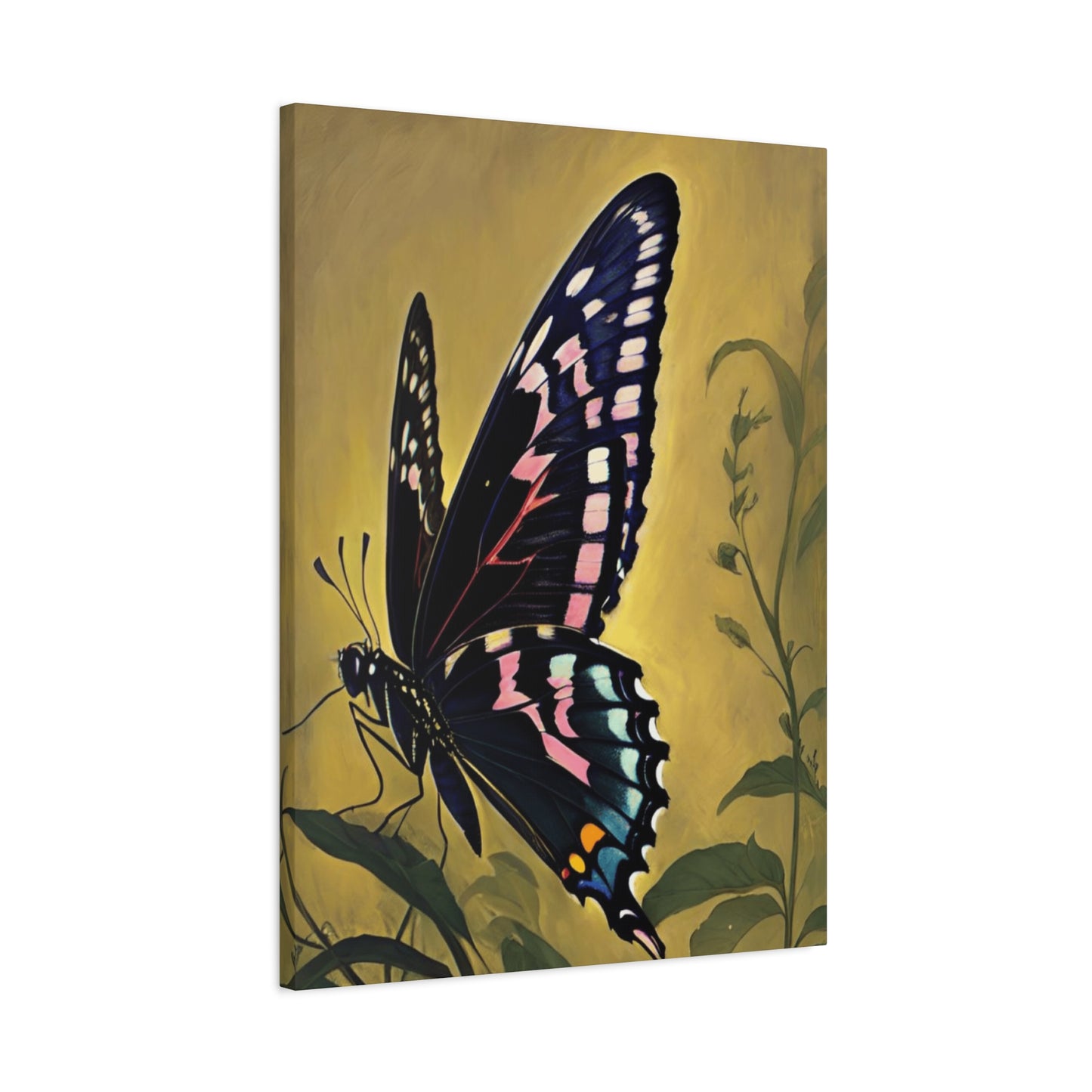
The Ultimate Guide to Transforming Your Space with Dark and Bright Butterfly Wall Art
Decorating interior spaces with nature-inspired artwork has become increasingly popular among homeowners and interior designers seeking to create visually stunning environments. Among the most captivating options available today, dark and bright butterfly wall art stands out as a remarkable choice that combines elegance, symbolism, and artistic versatility. This comprehensive guide explores everything you need to know about incorporating these stunning decorative pieces into your living spaces, from understanding their artistic value to selecting the perfect designs that complement your existing decor.
Understanding the Symbolism Behind Butterfly Wall Decorations
Butterflies have held profound symbolic meanings across cultures throughout human history. These delicate creatures represent transformation, renewal, hope, and the beauty of life's journey. When you choose to display butterfly-themed artwork in your home, you're not merely adding decorative elements to your walls. You're inviting powerful symbolism that resonates with personal growth and positive change into your daily environment.
The metamorphosis process that butterflies undergo from caterpillar to chrysalis to their final winged form mirrors the transformative experiences we all face in life. This natural evolution serves as a constant reminder that change, while sometimes challenging, ultimately leads to beautiful outcomes. Many people find comfort and inspiration in this symbolism, especially during periods of transition or personal development.
Different butterfly species carry unique meanings across various cultural traditions. In some Eastern philosophies, butterflies symbolize immortality and the soul's journey. Western cultures often associate them with joy, freedom, and the ephemeral nature of beauty. Indigenous peoples worldwide have incorporated butterfly imagery into their artistic traditions, recognizing these creatures as messengers between the physical and spiritual realms.
The contrast between dark and bright elements in butterfly wall art adds another layer of symbolic depth. The interplay between light and shadow, vibrant colors and muted tones, represents life's dualities and the balance we seek in our existence. This artistic approach creates visual interest while reinforcing the deeper meanings these decorative pieces convey.
Exploring Color Psychology in Dark and Bright Butterfly Artwork
Color plays a crucial role in how butterfly wall art affects the atmosphere of a room. Understanding color psychology helps you make informed decisions about which pieces will best serve your decorative goals and emotional needs. The combination of dark and bright tones creates dynamic visual experiences that can dramatically alter a space's energy and mood.
Darker colors in butterfly artwork, such as deep blues, rich purples, and sophisticated blacks, tend to create feelings of mystery, elegance, and depth. These hues work beautifully in spaces where you want to establish a more intimate, contemplative atmosphere. Dark backgrounds make the butterfly subjects appear more dramatic and can add a sense of luxury to any room. They're particularly effective in bedrooms, studies, or entertainment areas where you want to create a more subdued, sophisticated ambiance.
Bright colors, conversely, inject energy, optimism, and vitality into your spaces. Vibrant yellows, electric blues, brilliant oranges, and vivid pinks create focal points that draw the eye and lift spirits. When butterflies are rendered in these luminous shades, they seem to flutter with life, bringing motion and joy to static walls. These pieces work exceptionally well in living rooms, children's spaces, or any area where you want to encourage creativity and positive energy.
The combination of dark and bright elements in a single piece or collection creates visual balance and prevents spaces from feeling too heavy or overly stimulating. This contrast mimics nature's own color palette, where butterflies with brilliant wings often rest against darker foliage or bark. The interplay between these opposing forces creates tension and harmony simultaneously, resulting in artwork that remains visually interesting over time.
Color temperature also influences how butterfly wall art affects your space. Cool colors like blues and purples tend to make rooms feel more spacious and calm, while warm colors like reds, oranges, and yellows create coziness and energy. By selecting butterfly artwork that incorporates both warm and cool tones, you can achieve a balanced environment that feels both inviting and refreshing.
Different Styles of Butterfly Wall Art for Modern Homes
The market offers an incredible diversity of butterfly wall art styles, ensuring that every homeowner can find pieces that align with their personal aesthetic preferences and existing decor themes. Understanding these various styles helps you make choices that enhance rather than clash with your interior design vision.
Contemporary abstract butterfly art takes creative liberties with traditional representations, using geometric shapes, unconventional color combinations, and experimental techniques to reimagine these natural subjects. These pieces appeal to collectors who appreciate modern art movements and want their wall decor to make bold statements. Abstract butterfly artwork often features fragmented forms, unexpected textures, or stylized interpretations that challenge viewers' perceptions while maintaining the essence of their butterfly subjects.
Realistic butterfly illustrations capture these creatures with scientific accuracy and attention to detail. Artists who specialize in this style spend considerable time studying butterfly anatomy, wing patterns, and natural behaviors to create faithful representations. These pieces appeal to nature enthusiasts, educators, and anyone who appreciates the intricate beauty of the natural world. Realistic butterfly art often showcases specific species, allowing viewers to admire the remarkable diversity found in nature.
Vintage and botanical-inspired butterfly prints draw from historical scientific illustrations and naturalist traditions. These pieces often feature aged paper backgrounds, handwritten labels, and classic composition styles that evoke curiosity cabinets and Victorian-era natural history collections. This aesthetic works beautifully in spaces with traditional, farmhouse, or eclectic decor schemes, adding a sense of timeless elegance and scholarly sophistication.
Minimalist butterfly designs emphasize simplicity and negative space, often featuring single butterflies or small groupings rendered in monochromatic or limited color palettes. These pieces suit contemporary and Scandinavian-inspired interiors where clean lines and uncluttered aesthetics prevail. The restraint shown in minimalist butterfly art creates powerful visual statements through what is suggested rather than explicitly shown.
Mixed media butterfly artwork combines various artistic techniques and materials, such as watercolors, ink, digital elements, photography, and collage. These innovative pieces demonstrate creative versatility and often result in unique, one-of-a-kind decorative options. Mixed media approaches allow artists to create depth, texture, and visual complexity that wouldn't be possible with single-medium techniques.
Choosing the Right Size for Your Butterfly Wall Art
Selecting appropriately sized butterfly wall art significantly impacts how these pieces function within your spaces. Size considerations go beyond simple measurements, encompassing visual weight, proportional relationships, and the artwork's ability to command attention without overwhelming its surroundings.
For large, open walls in living rooms, dining areas, or entryways, oversized butterfly art creates dramatic focal points that anchor the space and provide visual interest. These substantial pieces, typically measuring forty-eight inches or larger in at least one dimension, work best when they have adequate surrounding space to breathe. Oversized artwork shouldn't compete with furniture for attention but rather complement the room's largest elements.
Medium-sized butterfly pieces, ranging from twenty-four to forty-eight inches, offer versatility for most residential applications. These dimensions work well above sofas, beds, consoles, and in hallways where you want significant visual impact without dominating the entire wall. Medium pieces also lend themselves well to gallery wall arrangements, where multiple works of similar sizes create cohesive collections.
Smaller butterfly art, under twenty-four inches, functions beautifully in intimate spaces, as accent pieces in larger arrangements, or in areas where wall space is limited. These compact works shine in powder rooms, small offices, reading nooks, or as part of eclectic gallery walls mixing various sizes and subjects. Don't underestimate the impact of smaller pieces strategically placed at eye level in high-traffic areas.
When determining size, consider the viewing distance in each room. Artwork that will be viewed from across large rooms can handle bolder, larger-scale designs with less intricate detail. Pieces in smaller spaces or areas where viewers will be close should feature more detailed work that rewards intimate examination.
The rule of thirds provides helpful guidance for sizing wall art. Generally, artwork should occupy roughly two-thirds to three-quarters of the furniture width beneath it. This proportion creates visual balance without leaving the piece looking lost or overpowering. However, creative rule-breaking sometimes produces the most interesting results, so use guidelines as starting points rather than rigid requirements.
Materials and Mediums Used in Butterfly Wall Decorations
The materials and mediums used to create butterfly wall art significantly affect both the pieces' aesthetic qualities and their practical characteristics. Understanding these options helps you select artwork that meets your functional needs while achieving your desired visual effects.
Canvas prints remain among the most popular choices for butterfly wall art. These pieces feature images printed on canvas fabric stretched over wooden frames, creating gallery-ready presentations that require no additional framing. Canvas provides texture and depth that enhance the organic nature of butterfly subjects. The material's durability makes it suitable for most residential environments, though direct sunlight exposure should be limited to prevent fading over time.
Metal prints offer contemporary, high-gloss presentations that make colors appear particularly vibrant and saturated. The process involves infusing dyes directly into specially coated aluminum panels, creating incredibly durable, water-resistant, and fade-resistant artwork. Metal prints work exceptionally well for modern and industrial design schemes, and their sleek appearance complements minimalist butterfly designs beautifully.
Acrylic or plexiglass prints create stunning dimensional effects by mounting images behind clear acrylic panels. This technique produces depth, enhances color vibrancy, and creates a floating appearance that draws viewers in. Acrylic prints require careful cleaning with appropriate materials to avoid scratching but offer unmatched visual impact for contemporary spaces.
Traditional framed prints on paper or photographic materials provide classic presentations that work across various decor styles. The framing options available allow extensive customization, from simple black frames to ornate gilded borders, enabling you to tailor the presentation to your specific aesthetic preferences. Paper prints offer the widest range of artistic techniques, including watercolors, etchings, lithographs, and mixed media applications.
Wood-mounted butterfly art creates rustic, organic presentations that emphasize the natural connection between the subject matter and display medium. Images printed or transferred onto wooden panels or reclaimed lumber add warmth and texture to spaces. This approach works beautifully in farmhouse, cabin, or nature-inspired interiors.
Three-dimensional butterfly wall sculptures move beyond flat images to create actual depth and shadow play. These pieces might feature laser-cut metal butterflies, layered paper constructions, or mixed media assemblages that extend from the wall surface. Dimensional works add architectural interest and create dynamic viewing experiences that change with lighting conditions and viewing angles.
Creating Gallery Walls with Butterfly Themed Artwork
Gallery walls offer creative opportunities to display multiple butterfly art pieces in cohesive, visually interesting arrangements. These curated collections allow you to tell stories, create impact through repetition, and develop personalized displays that reflect your unique style and interests.
When planning butterfly gallery walls, start by selecting a unifying theme that ties the individual pieces together. This might be a consistent color palette, similar framing styles, a specific artistic medium, or a focus on particular butterfly species or geographic regions. The unifying element prevents the collection from appearing random while still allowing variety within the arrangement.
Layout planning is crucial for successful gallery walls. Before making any holes in your walls, arrange your butterfly art pieces on the floor or create paper templates to experiment with different configurations. Popular layouts include grid arrangements with uniform spacing, salon-style asymmetrical collections, linear horizontal or vertical arrangements, and organic groupings that follow architectural features.
Consider the negative space between pieces as carefully as the artwork itself. Generally, spacing pieces two to three inches apart creates cohesion without crowding. Tighter spacing creates more dramatic, collection-like presentations, while wider gaps produce airier, more relaxed arrangements. Maintain consistent spacing throughout the gallery wall for the most professional appearance.
Mixing butterfly art sizes within gallery walls adds visual interest and prevents monotony. Combine larger anchor pieces with smaller supporting works, ensuring the overall arrangement feels balanced even if asymmetrical. Odd numbers of pieces typically create more dynamic, visually interesting groupings than even numbers.
Incorporating other elements alongside butterfly artwork can enhance gallery walls without diluting their focus. Consider adding mirrors to reflect light and create depth, small shelves displaying butterfly-themed objects, or complementary nature photography featuring flowers and gardens where butterflies naturally appear. These additions create layered, dimensional displays that engage viewers more fully.
Incorporating Butterfly Art into Different Room Styles
Successfully integrating dark and bright butterfly wall art into various interior design styles requires understanding each aesthetic's core principles and finding pieces that honor those guidelines while adding personality and visual interest.
In modern minimalist spaces characterized by clean lines, neutral colors, and uncluttered surfaces, select butterfly art with simple compositions, limited color palettes, and plenty of negative space. Black and white butterfly photography or single-subject illustrations work particularly well. Frame pieces in simple black, white, or natural wood frames without ornate details. Position artwork with generous surrounding space to maintain the aesthetic's emphasis on emptiness as a design element.
Bohemian interiors embrace eclecticism, rich colors, and layered textures, providing ideal environments for vibrant, colorful butterfly collections. Mix different sizes, styles, and framing options for authentic boho appeal. Incorporate butterfly art alongside other nature-inspired pieces, textiles, plants, and collected objects. Don't shy away from bold color combinations or unconventional arrangements that reflect personal expression over design rules.
Traditional and classic interiors benefit from butterfly art that nods to historical natural history illustrations. Select pieces with vintage aesthetics, botanical accuracy, and elegant presentations. Frame artwork in traditional materials like wood or ornate metals with classic profiles. Symmetrical arrangements and formal placements respect traditional design principles while introducing organic natural elements.
Industrial spaces featuring exposed brick, metal accents, and raw materials pair beautifully with butterfly art on metal or reclaimed wood. Look for pieces with edgier presentations, darker color palettes, or contemporary artistic interpretations. The contrast between delicate butterfly subjects and industrial surroundings creates compelling tension that defines this aesthetic.
Coastal and beach-inspired rooms work well with butterfly art featuring lighter, airier color palettes with blues, aquas, and sandy neutrals. Select pieces that convey movement and lightness, perhaps with watercolor techniques or transparent overlays. Natural wood or white frames maintain the breezy, relaxed coastal atmosphere.
Farmhouse and rustic interiors welcome butterfly art that emphasizes natural materials and vintage charm. Wood-mounted pieces, distressed frames, and artwork with aged or weathered appearances complement the style's emphasis on authenticity and connection to rural traditions. Muted color palettes with occasional bright accent colors work best.
Lighting Considerations for Butterfly Wall Art Display
Proper lighting dramatically affects how butterfly wall art appears and functions within your spaces. Strategic illumination enhances colors, creates depth, and ensures your carefully selected pieces receive the attention they deserve.
Natural daylight offers the most accurate color rendering but requires management to prevent damage. Direct sunlight can fade pigments, especially in prints and canvas works. Position butterfly art away from windows receiving intense direct sun, or use UV-filtering window treatments to protect your investment. North-facing rooms provide consistent, indirect natural light that flatters artwork without harsh exposure.
Ambient room lighting from ceiling fixtures provides general illumination but often fails to highlight wall art effectively. Overhead lights frequently create shadows and uneven illumination on vertical surfaces. While necessary for overall room function, ambient lighting shouldn't be your only consideration when displaying butterfly art.
Picture lights mounted above or below artwork provide dedicated illumination that showcases pieces regardless of surrounding light conditions. LED picture lights offer energy efficiency and generate minimal heat that could damage artwork. Adjustable picture lights allow you to direct illumination precisely where needed, compensating for unusual wall angles or challenging placements.
Track lighting systems offer flexibility for illuminating multiple butterfly art pieces with independently adjustable fixtures. This approach works particularly well for gallery walls or spaces where you regularly rotate displayed artwork. Position track lights to create even illumination without creating glare on glass or acrylic surfaces.
Recessed spotlights provide architectural solutions for highlighting important butterfly art pieces without visible fixtures. These permanent installations require planning during construction or renovation but create clean, streamlined presentations. Ensure spotlights use appropriate beam spreads to illuminate entire pieces without harsh bright spots or surrounding darkness.
Wall washing techniques use directed light to create even illumination across entire walls, making them effective for displaying multiple butterfly art pieces. This approach works well in galleries or formal rooms but requires proper planning and installation to avoid hot spots and shadows.
Consider color temperature when selecting bulbs for illuminating butterfly art. Warmer light temperatures around two thousand seven hundred to three thousand Kelvin create cozy, inviting atmospheres and enhance warm colors in artwork. Cooler temperatures around four thousand to five thousand Kelvin provide brighter, more neutral illumination that renders colors more accurately but may feel less welcoming in residential spaces.
Color Coordination Strategies for Butterfly Wall Art
Selecting butterfly wall art that coordinates effectively with your existing color schemes ensures these pieces enhance rather than clash with your carefully designed spaces. Strategic color coordination creates cohesive interiors while allowing butterfly art to function as intended focal points.
The monochromatic approach uses butterfly art featuring colors from the same family as your room's dominant hue but in varying shades and intensities. For example, in a blue room, select butterfly pieces featuring navy, cobalt, teal, and sky blue tones. This creates sophisticated, harmonious environments where artwork feels integrated rather than added as an afterthought.
Analogous color schemes incorporate butterfly art with colors adjacent to your room's primary color on the color wheel. If your space features predominant greens, look for butterfly artwork with blue-greens and yellow-greens. This approach creates gentle contrast while maintaining overall harmony.
Complementary color strategies use butterfly art featuring colors opposite your room's dominant hue on the color wheel. In orange-toned spaces, blue butterfly art creates striking contrast. In purple rooms, yellow butterfly pieces pop dramatically. This approach works best when you want wall art to serve as bold focal points commanding immediate attention.
Triadic color schemes incorporate butterfly art using three colors equally spaced on the color wheel. This sophisticated approach creates vibrant, balanced environments without overwhelming viewers. Ensure one color dominates while the others serve as accents for the most successful results.
Neutral base strategies work in rooms with predominantly neutral walls and furnishings, using colorful butterfly art to inject personality and energy. This approach offers maximum flexibility, allowing you to change accent colors through artwork and accessories without major renovations. Vibrant butterfly pieces become the stars of neutral stages.
Consider your room's undertones when selecting butterfly art. Warm undertones in walls and furnishings pair best with butterfly art featuring warm colors or warm-toned neutrals. Cool undertones coordinate most successfully with cool-colored or cool-neutral butterfly pieces. Ignoring undertones often results in color clashes despite seemingly compatible main colors.
The sixty-thirty-ten rule provides helpful guidance for color distribution. Use sixty percent dominant color, thirty percent secondary color, and ten percent accent color throughout your space, including butterfly art selections. This proportion creates balanced, professionally designed appearances.
Seasonal Butterfly Wall Art Rotation Strategies
Rotating butterfly wall art seasonally refreshes your spaces without significant expense or effort while allowing you to enjoy greater variety in your decor. This practice keeps interiors feeling current and aligned with seasonal moods and color preferences.
Spring rotations benefit from butterfly art featuring fresh, vibrant colors that echo renewal and growth. Select pieces with bright greens, yellows, pinks, and light blues that capture spring's optimistic energy. Butterfly artwork depicting butterflies among blossoms reinforces seasonal themes beautifully.
Summer displays call for bold, energetic butterfly art with saturated colors and dynamic compositions. Bright oranges, hot pinks, electric blues, and sunshine yellows create appropriate seasonal vibrancy. Consider larger, more dramatic pieces during summer months when longer days and more intense light can support bolder artistic statements.
Autumn transitions welcome butterfly art in warm, rich tones that complement fall's color palette. Deep oranges, burgundies, golden yellows, and warm browns create cozy atmospheres as daylight decreases. Butterfly pieces with darker backgrounds work particularly well during autumn months.
Winter showcases benefit from sophisticated butterfly art in cooler tones or dramatic dark and bright contrasts. Deep blues, purples, silvers, and whites feel seasonally appropriate while maintaining visual interest during darker months. Elegant, simplified compositions suit winter's contemplative mood.
Store off-season butterfly art properly to protect your investment. Wrap pieces in acid-free paper or cloth, store in climate-controlled environments away from extreme temperatures and humidity, and keep pieces vertical or flat to prevent warping. Proper storage ensures your butterfly art remains in excellent condition for years of seasonal rotation.
Document your seasonal arrangements with photographs to simplify future installations and inspire new configurations. Keep notes about which combinations worked particularly well in different seasons and rooms.
Budget-Friendly Options for Butterfly Wall Art
Creating beautiful butterfly-themed spaces doesn't require substantial financial investment. Numerous budget-friendly approaches allow you to enjoy these decorative elements regardless of spending constraints.
Digital printables offer the most economical option for butterfly wall art. Many artists sell downloadable files that you can print at home or through affordable printing services. This approach allows you to control sizing, paper selection, and framing according to your specific needs and budget. Update your displays frequently without guilt since replacement costs remain minimal.
Printable butterfly art enables experimentation with various styles, colors, and arrangements before committing to more expensive permanent pieces. Test different butterfly designs in your spaces to determine what works best before investing in higher-end options.
Discount retailers and home goods stores frequently offer affordable butterfly wall art in current styles. While these mass-produced pieces lack uniqueness, they provide attractive options for temporary solutions or spaces where artwork risks damage. Update these pieces as your budget allows without feeling you've wasted significant resources.
Thrift stores, estate sales, and online marketplaces yield surprising butterfly art discoveries at fraction-of-retail prices. Vintage butterfly prints and older decorative pieces often possess character and quality exceeding contemporary mass-market options. Refinishing or reframing thrifted finds creates custom appearances for minimal investment.
Create your own butterfly wall art through various DIY techniques. Purchase butterfly die-cuts or stencils to create custom arrangements on canvas or wood panels. Use decoupage techniques to transfer images onto various surfaces. Paint your own butterfly designs even if artistic skills are limited, embracing imperfections as part of the artwork's charm.
Frame fabric featuring butterfly patterns as quick, affordable wall art. Textile stores offer beautiful butterfly-printed fabrics by the yard, allowing you to create custom-sized artwork at low cost. Simply stretch fabric over canvas frames or foam board for instant, cohesive butterfly displays.
Repurpose materials to create three-dimensional butterfly art. Cut butterfly shapes from decorative papers, old books, or sheet music, then arrange them on canvas or directly on walls. This approach produces unique, personalized pieces reflecting your creativity and resourcefulness.
Watch for sales at art retailers, frame shops, and online stores. Time purchases around major holidays and seasonal transitions when discounts are deepest. Sign up for email lists to receive notification of special promotions and exclusive offers.
Maintenance and Care for Butterfly Wall Art
Proper maintenance preserves your butterfly wall art's appearance and extends its functional life. Different materials require specific care approaches to prevent damage while maintaining beauty.
Canvas butterfly prints benefit from regular dusting using soft, dry microfiber cloths or feather dusters. Gently wipe the surface without applying pressure that might damage the canvas or printed image. For more thorough cleaning, slightly dampen a soft cloth with water only, carefully wipe the canvas, and allow it to air dry completely. Avoid chemical cleaners that might interact negatively with inks or canvas treatments.
Metal prints require gentle cleaning with soft, lint-free cloths slightly dampened with water or glass cleaner. Wipe in consistent directions rather than circular motions to prevent streaking. Dry immediately with clean, dry cloths to prevent water spots. Never use abrasive materials or harsh chemicals that might scratch or dull metal surfaces.
Acrylic or plexiglass-covered butterfly art demands special care since these materials scratch easily. Use only cleaners specifically formulated for acrylic, applying them with extremely soft, clean cloths. Static electricity can attract dust to acrylic surfaces, so regular gentle cleaning prevents buildup. Consider anti-static treatments designed for acrylic to reduce dust attraction.
Framed butterfly prints under glass clean easily with standard glass cleaners applied to cloths rather than sprayed directly on frames. This prevents liquid from seeping behind glass and potentially damaging artwork. Wipe frame materials according to their specific composition, using appropriate wood, metal, or plastic cleaners as needed.
Environmental control protects butterfly wall art from premature deterioration. Maintain consistent temperature and humidity levels, avoiding extreme fluctuations that can warp, crack, or fade materials. Use dehumidifiers in damp climates and humidifiers in arid environments to maintain optimal conditions.
Protect butterfly art from direct sunlight exposure, which fades colors over time regardless of material quality. Use UV-filtering window treatments, reposition pieces away from intense light sources, or rotate displays so no single piece receives prolonged sun exposure. Even artificial light can cause fading over extended periods, so consider this when positioning important pieces.
Inspect butterfly wall art periodically for signs of damage, fading, or deterioration. Address issues promptly before they worsen. Check hanging hardware regularly to ensure pieces remain securely mounted. Tighten loose screws, replace worn wire or cord, and verify that wall anchors remain solid.
Professional cleaning and restoration services can address serious damage or deterioration beyond home care capabilities. For valuable or sentimental butterfly art pieces, invest in expert treatment rather than risk further damage through amateur restoration attempts.
Combining Butterfly Art with Other Nature Themes
Butterfly wall art integrates beautifully with other nature-inspired decorative elements, creating cohesive themes that celebrate natural beauty and bring outdoor elements into interior spaces.
Floral artwork provides natural companions for butterfly displays since these creatures naturally interact with flowers. Combine butterfly and botanical prints in gallery walls or place them nearby to create visual conversations between related subjects. Match color palettes between butterfly and floral pieces for maximum cohesion.
Bird-themed artwork complements butterfly displays while adding diversity to nature-themed spaces. Both subjects represent freedom, flight, and natural beauty, making them compatible partners. Vary sizes and placements to create hierarchy and prevent competition between themes.
Landscape and garden photography or paintings provide contextual backgrounds that enhance butterfly art. Meadows, forests, and garden scenes remind viewers of butterflies' natural habitats while creating immersive nature-inspired environments. Position landscape art as larger anchor pieces with butterfly art as supporting elements.
Insect and natural history collections pair excellently with butterfly art, especially in scientific or educational contexts. Beetles, dragonflies, and other arthropods share aesthetic qualities with butterflies while offering visual variety. This approach works particularly well with vintage natural history illustration styles.
Leaf and fern artwork echoes the organic shapes found in butterfly wings while providing contrasting forms. The combination creates balanced nature themes without redundancy. Consider using actual pressed botanical specimens alongside butterfly art for added authenticity and dimension.
Water and ocean themes might seem disconnected from butterflies initially, but many butterfly species inhabit coastal environments. The flowing, organic qualities of both subjects create surprisingly harmonious pairings. Use color as the connecting element, selecting blues and aquas common to both themes.
Natural texture elements like driftwood, stone, or woven materials enhance butterfly art displays without competing visually. These three-dimensional elements add depth to wall arrangements while reinforcing nature themes through materiality rather than imagery.
Teaching Moments with Butterfly Wall Art
Butterfly wall art provides excellent opportunities for education and meaningful conversations, especially in homes with children or spaces designed for learning.
Use butterfly artwork to introduce basic biology concepts including life cycles, metamorphosis, adaptation, and evolution. Different butterfly species visible in your artwork can prompt discussions about diversity, ecosystems, and environmental interdependence. Even young children can grasp the transformation from caterpillar to butterfly with visual reinforcement from wall art.
Geography lessons emerge naturally from butterfly art featuring species from specific regions. Research where different butterfly species live, what climates they prefer, and how migration patterns demonstrate remarkable navigation abilities. Create maps marking butterfly locations that correspond to species in your artwork.
Art education opportunities abound with butterfly wall displays. Discuss different artistic styles, techniques, and mediums represented in your collection. Encourage children to observe how different artists interpret the same subject in unique ways. These conversations build visual literacy and appreciation for creative expression.
Environmental awareness grows when butterfly art prompts discussions about conservation, habitat protection, and human impact on natural systems. Many butterfly species face population threats from habitat loss, climate change, and pesticide use. Age-appropriate conversations about these challenges inspire environmental stewardship.
Cultural studies connect to butterfly symbolism across different societies and time periods. Research how various cultures incorporate butterflies into art, mythology, and spiritual practices. These explorations build cultural awareness and appreciation for diverse worldviews.
Color theory lessons use butterfly art as visual textbooks demonstrating hue, value, saturation, and color relationships. The natural iridescence and complex patterns in butterfly wings illustrate sophisticated color concepts in accessible, beautiful ways.
Mindfulness practices benefit from butterfly art as focal points for meditation and contemplation. The symmetry, patterns, and natural beauty provide calming visual anchors for breathing exercises and present-moment awareness practices.
Sourcing Authentic Butterfly Wall Art
Finding high-quality, authentic butterfly wall art requires knowing where to look and how to evaluate potential purchases. Various sources offer different advantages regarding price, uniqueness, quality, and artist support.
Independent artists and illustrators create unique butterfly artwork unavailable through mass retailers. Purchase directly from artists through their websites, social media shops, or at local art fairs and markets. This approach ensures artists receive fair compensation while you acquire original or limited-edition pieces.
Online art marketplaces aggregate works from numerous artists, providing convenient browsing across multiple styles, price points, and mediums. These platforms typically handle transactions securely and may offer buyer protections. Read reviews of both platforms and individual sellers before purchasing.
Gallery representation indicates professional-quality artwork that has passed curatorial review. Local galleries supporting emerging and established artists often feature nature-themed work including butterfly subjects. Gallery purchases typically cost more but ensure authenticity and quality.
Interior design showrooms and specialty retailers curate butterfly art selections targeting specific aesthetic sensibilities. These sources provide edited choices that simplify decision-making while ensuring coordination with current design trends.
Museum shops offer exceptional butterfly art reproductions of specimens from their collections. These scientifically accurate representations appeal to natural history enthusiasts and provide educational value alongside aesthetic beauty.
Custom commissions allow you to work directly with artists to create butterfly pieces perfectly suited to your specifications. This approach requires larger budgets and longer timelines but results in truly personalized artwork reflecting your vision.
Verify authenticity when purchasing potentially valuable butterfly art by requesting certificates of authenticity, artist signatures, edition numbers for prints, and provenance documentation. Research artists' backgrounds and exhibition histories. Be cautious of prices seeming too good to be true, which often indicate reproductions or lesser quality than represented.
Butterfly Wall Art for Commercial Spaces
Butterfly wall art serves important functions in commercial environments beyond residential applications, creating welcoming atmospheres while reinforcing brand identities and design concepts.
Medical and dental offices benefit from calming butterfly art that reduces patient anxiety. Nature imagery demonstrably lowers stress levels, making butterflies excellent choices for waiting rooms and treatment areas. Select softer colors and gentle compositions that promote relaxation rather than stimulation.
Spa and wellness centers naturally align with butterfly symbolism of transformation and renewal. These businesses can embrace more abundant butterfly displays as core elements of their brand identities. Incorporate butterfly art throughout facilities to reinforce themes of beauty, change, and natural wellness.
Restaurants and cafes use butterfly art to create memorable atmospheres that enhance dining experiences. The specific butterfly art style should align with the establishment's cuisine and overall concept. Elegant restaurants might feature sophisticated vintage butterfly prints, while casual cafes could showcase colorful, whimsical butterfly artwork.
Retail boutiques incorporate butterfly wall art to establish brand personalities and create Instagram-worthy backgrounds that encourage social media sharing. Bold, statement butterfly pieces transform ordinary retail spaces into destinations worth visiting for the experience itself beyond merchandise.
Corporate offices soften professional environments with butterfly art that humanizes spaces without compromising professionalism. Select refined, sophisticated butterfly pieces that add visual interest and natural elements to potentially sterile corporate interiors.
Hospitality venues including hotels and bed-and-breakfasts use butterfly art to create distinctive character and welcoming ambiances. Local butterfly species artwork can reinforce sense of place, connecting guests to their destination. Rotate butterfly art seasonally to keep returning guests engaged.
Educational facilities from preschools through universities benefit from butterfly art that beautifies spaces while supporting curricula. Science departments might feature accurate butterfly species representations, while art departments could showcase various artistic interpretations.
Consider durability, maintenance requirements, and safety when selecting butterfly art for commercial applications. High-traffic areas require more robust materials and secure mounting. Ensure pieces comply with fire codes and safety regulations specific to commercial installations.
Digital Butterfly Art for Modern Displays
Technology enables new approaches to displaying butterfly wall art through digital frames, projection, and integrated smart home systems.
Digital picture frames display rotating collections of butterfly images, providing variety without physical storage requirements. High-resolution frames with accurate color reproduction can showcase thousands of butterfly photographs and artworks. Program frames to change images throughout the day or coordinate with seasonal themes.
Smart home integration allows butterfly art displays to respond to environmental conditions, time of day, or user preferences. Imagine butterfly art automatically adjusting brightness based on ambient light or changing to more calming images in the evening. Voice-controlled systems can rotate butterfly art on demand or display specific pieces for different occasions.
Projection mapping transforms entire walls or rooms into immersive butterfly environments. Advanced systems project moving butterfly images that respond to motion or sound, creating interactive art experiences impossible with traditional static artwork. While currently expensive for residential applications, costs continue decreasing as technology advances.
Augmented reality applications add digital layers to physical butterfly art, revealing additional information, animations, or interactive elements when viewed through smartphones or tablets. These technologies enhance educational opportunities while maintaining traditional artwork aesthetics.
Digital art subscriptions provide access to vast libraries of butterfly artwork for minimal monthly fees. Services specifically curating digital art for home display offer professional selections without overwhelming choices. Update displayed butterfly art as frequently as desired without storage concerns or additional costs beyond subscription fees.
Create custom digital butterfly displays using personal photographs or artwork. Scan children's butterfly drawings or family vacation photos featuring butterflies, then display them through digital frames. This personalization creates emotional connections impossible with commercial artwork.
Consider energy consumption when incorporating digital butterfly displays. LED technology makes modern digital frames increasingly efficient, but they still consume more energy than static artwork. Balance technological benefits against environmental impacts and operating costs.
Displaying Nature Art at Home
Understanding why butterfly wall art and other nature imagery affect human psychology helps explain these decorative choices' enduring popularity and demonstrates their value beyond mere aesthetics.Biophilia, humanity's innate connection to nature and living things, drives our attraction to butterfly art. Evolutionary psychology suggests humans evolved to prefer environments with natural elements because they historically indicated resources necessary for survival. Displaying nature imagery like butterfly art satisfies these deep-seated preferences even in urban environments disconnected from natural landscapes.
Stress reduction occurs when viewing nature imagery including butterfly art. Research consistently demonstrates that exposure to nature images lowers cortisol levels, reduces blood pressure, and decreases heart rate. These physiological changes translate to emotional states of calm and relaxation. Butterfly wall art literally creates healthier environments through psychological pathways.
Attention restoration theory explains how nature imagery helps recover from mental fatigue. Modern life bombards us with directed attention demands requiring conscious effort and concentration. Nature imagery engages involuntary attention through soft fascination, allowing directed attention capacities to rest and recover. Butterfly art provides these restorative benefits within our homes.
Positive emotional responses to butterfly art arise from multiple sources. The subjects' inherent beauty pleases aesthetic sensibilities. Their symbolic associations with transformation and hope inspire optimistic feelings. Their connection to outdoor experiences triggers pleasant memories and associations. These layered emotional responses make butterfly art particularly effective for enhancing wellbeing.
Personal identity expression through butterfly art allows homeowners to communicate values, interests, and personalities through decor choices. Selecting specific butterfly styles, colors, and arrangements broadcasts messages about who we are and what matters to us. This identity expression serves important psychological functions in establishing and maintaining sense of self.
Conclusion
Dark and Bright Butterfly Wall Art represents a captivating fusion of contrast, color, and symbolism, allowing homeowners to transform interiors into dynamic, visually compelling spaces. By combining the delicate beauty of butterflies with the dramatic interplay of dark and bright tones, this style of artwork creates a sense of movement, energy, and emotional resonance. It captures the fleeting elegance of butterflies while juxtaposing light and shadow, symbolizing transformation, resilience, and the interplay between fragility and strength. Through this duality, such wall art becomes more than decoration—it serves as an expression of personality, mood, and artistic vision, breathing life into walls and shaping the atmosphere of any room.
At the core of dark and bright butterfly art is the power of contrast and color. Vibrant wings set against deep, moody backgrounds create visual tension that draws the eye, highlighting the intricate patterns, textures, and natural beauty of each butterfly. The bright elements inject energy, warmth, and vitality, while the darker tones provide depth, grounding, and sophistication. This balance between light and dark not only adds aesthetic intrigue but also mirrors the symbolic journey of transformation and growth that butterflies represent. By leveraging this interplay, artists capture the essence of motion, grace, and metamorphosis in a way that resonates both visually and emotionally.
From an interior design perspective, dark and bright butterfly art is exceptionally versatile. Large-scale canvases or framed prints can serve as focal points in living rooms, bedrooms, or creative workspaces, commanding attention and establishing the room’s mood. Smaller prints, displayed individually or in curated gallery arrangements, can accent hallways, reading nooks, or entryways, adding layers of charm and sophistication. The artwork complements a variety of décor styles—from modern minimalism to eclectic, bohemian, or traditional interiors—infusing energy without overwhelming the space. Its dual-toned aesthetic ensures that it harmonizes with neutral palettes and bold accent colors alike, enhancing both color schemes and design cohesion.
Material and presentation choices further elevate the impact of butterfly wall art. Canvas prints provide texture and depth, enhancing the natural details of wings and foliage while lending a painterly quality to abstract or stylized interpretations. Glossy or metallic finishes amplify luminosity, making the bright elements shimmer against darker backgrounds, while matte options create a softer, more intimate atmosphere. Framing options, from sleek modern metals to traditional wood, add context and sophistication, allowing homeowners to tailor the presentation according to room function and style preferences. Mixed-media or layered compositions can enhance the sense of movement, making butterflies appear to flutter across the wall, reinforcing the immersive and transformative nature of the art.
Lighting plays a pivotal role in maximizing the visual and emotional impact of butterfly artwork. Ambient lighting highlights subtle gradients and textures, while accent or directional lighting emphasizes focal areas, creating depth and dimension. The contrast between illuminated bright elements and shadowed backgrounds becomes more pronounced, amplifying drama and enhancing the artwork’s dynamic presence. Thoughtful placement and lighting transform each piece from a static decoration into a living, interactive experience that changes with the light and perspective of the viewer.
Beyond aesthetics, butterfly wall art fosters emotional engagement and symbolic reflection. Butterflies are universally associated with transformation, growth, and renewal, and the juxtaposition of dark and bright tones mirrors life’s balance between challenge and vitality. This duality encourages mindfulness, reflection, and optimism, reminding homeowners that beauty can emerge even from contrast and complexity. By incorporating these artworks, interiors are elevated beyond decoration, becoming spaces that inspire creativity, contemplation, and a sense of connection to both nature and personal growth.
Ultimately, Dark and Bright Butterfly Wall Art transforms walls into canvases of life, movement, and artistic expression. By balancing contrasting tones, celebrating natural beauty, and emphasizing symbolic meaning, this art style enables homeowners to create interiors that are visually stunning, emotionally resonant, and intellectually engaging. Each piece becomes both a focal point and a narrative, capturing the elegance, transformation, and vitality of butterflies while enhancing the mood and character of the space. In this way, dark and bright butterfly wall art transcends decorative function, offering an enduring expression of color, contrast, and life that enriches both the aesthetic and emotional essence of the home.


