


Dark Foggy Moonlit Wall Art & Canvas Prints
Dark Foggy Moonlit Wall Art & Canvas Prints
Couldn't load pickup availability
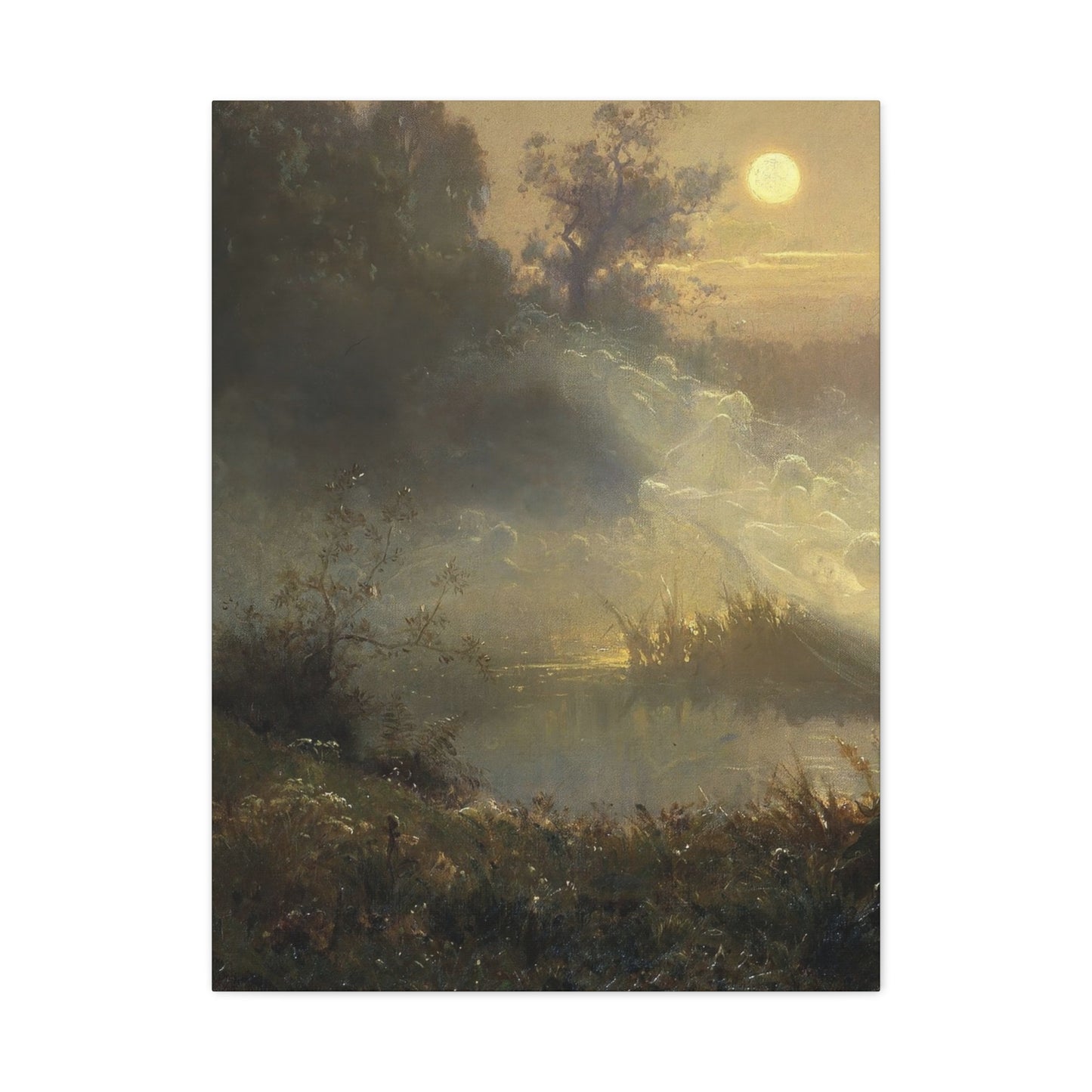
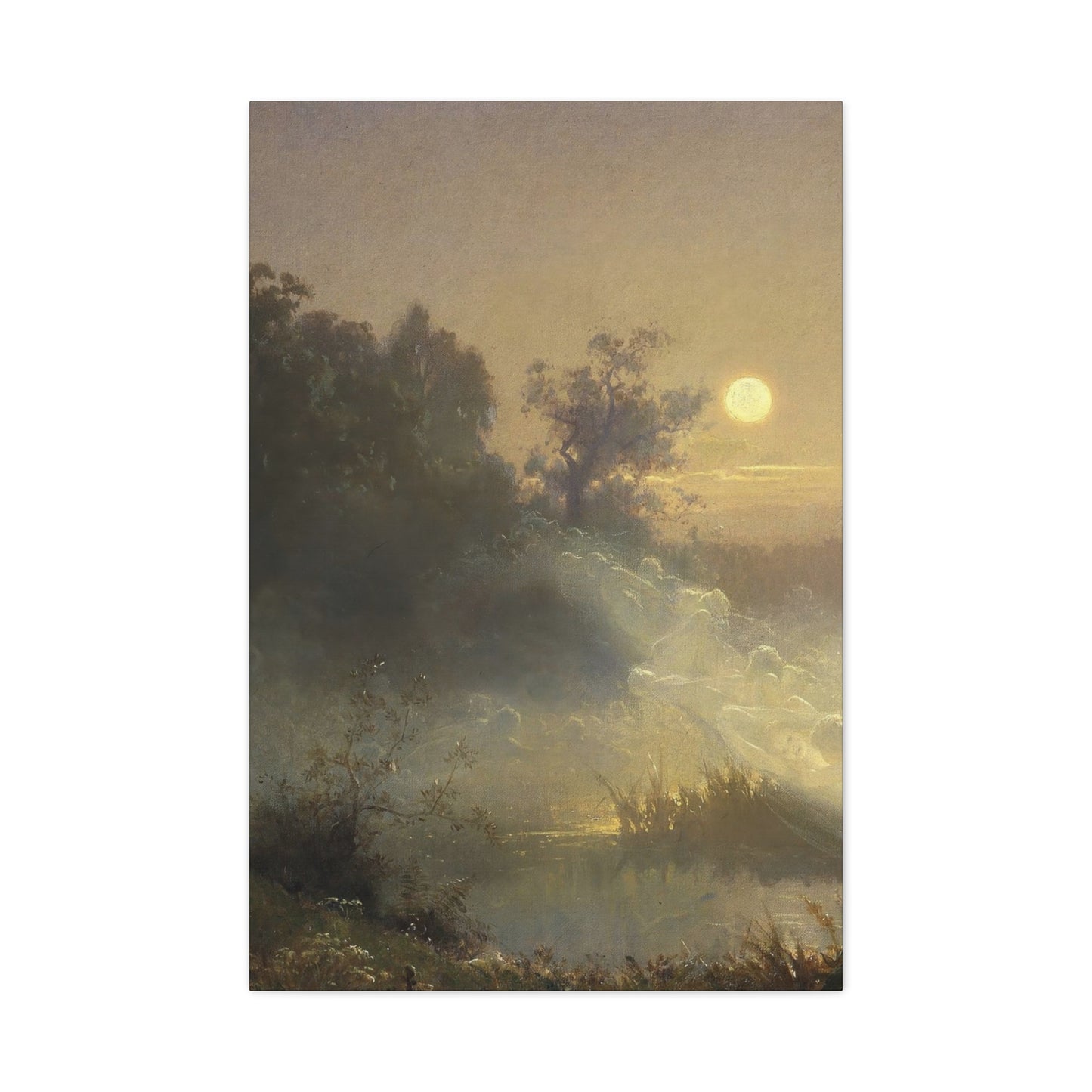
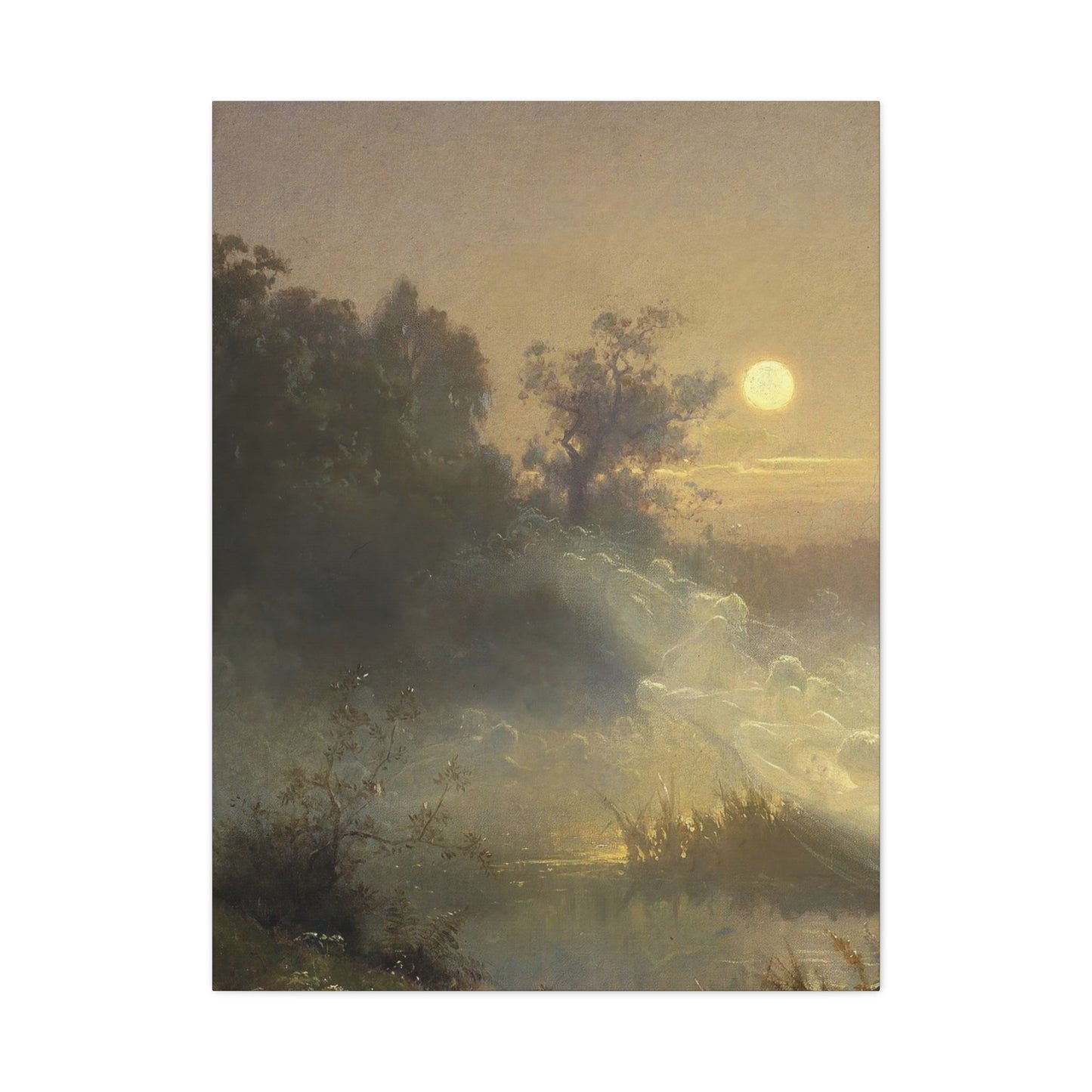
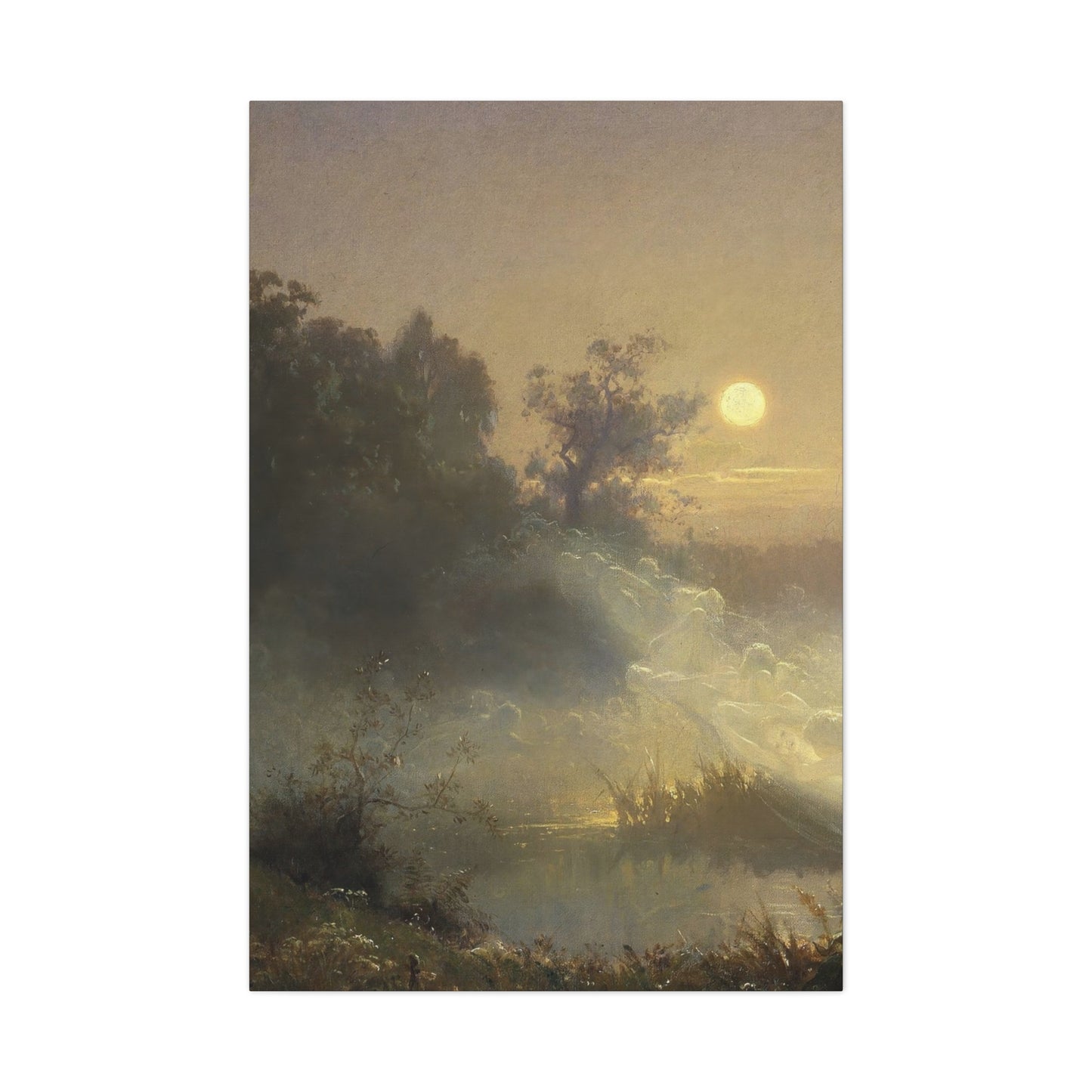
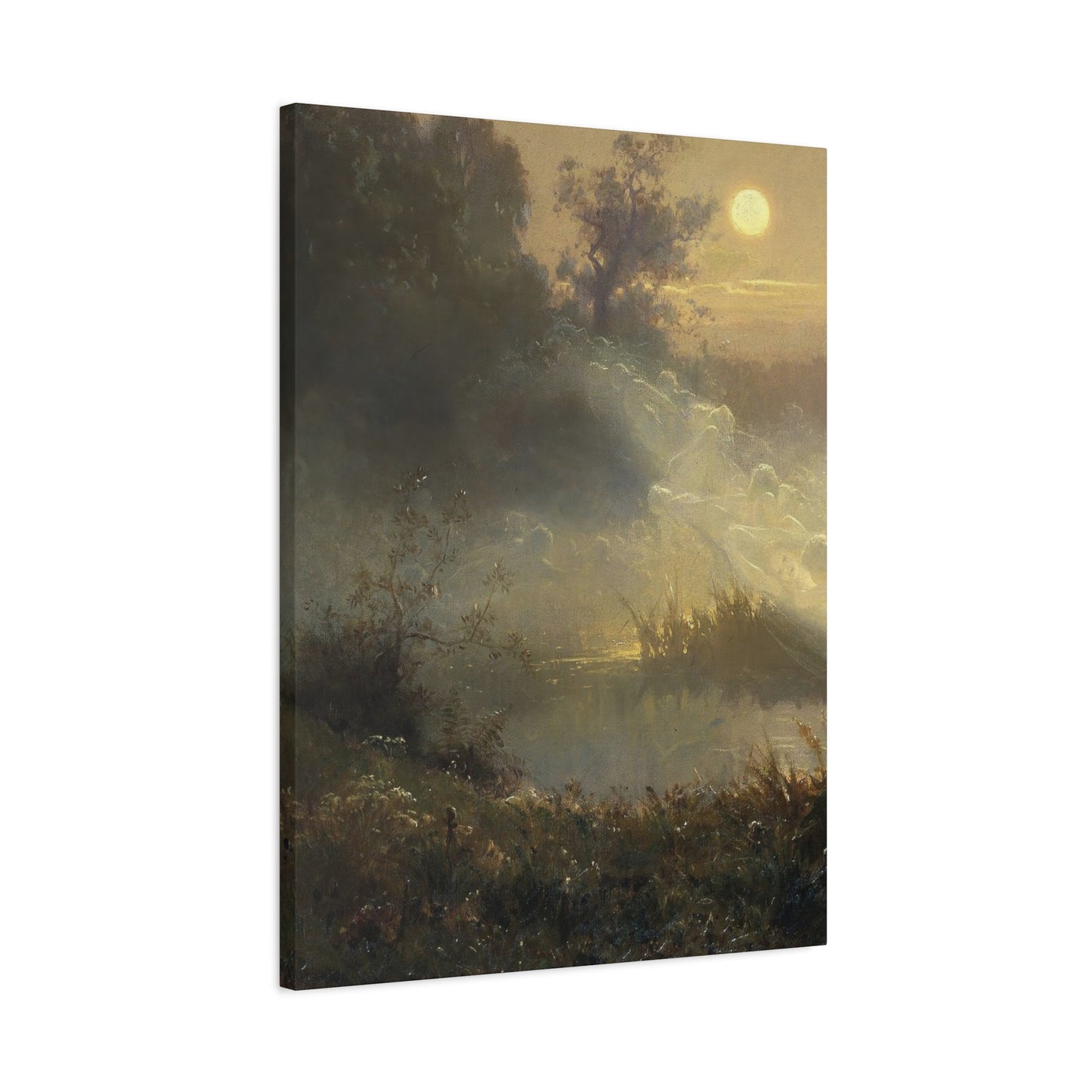
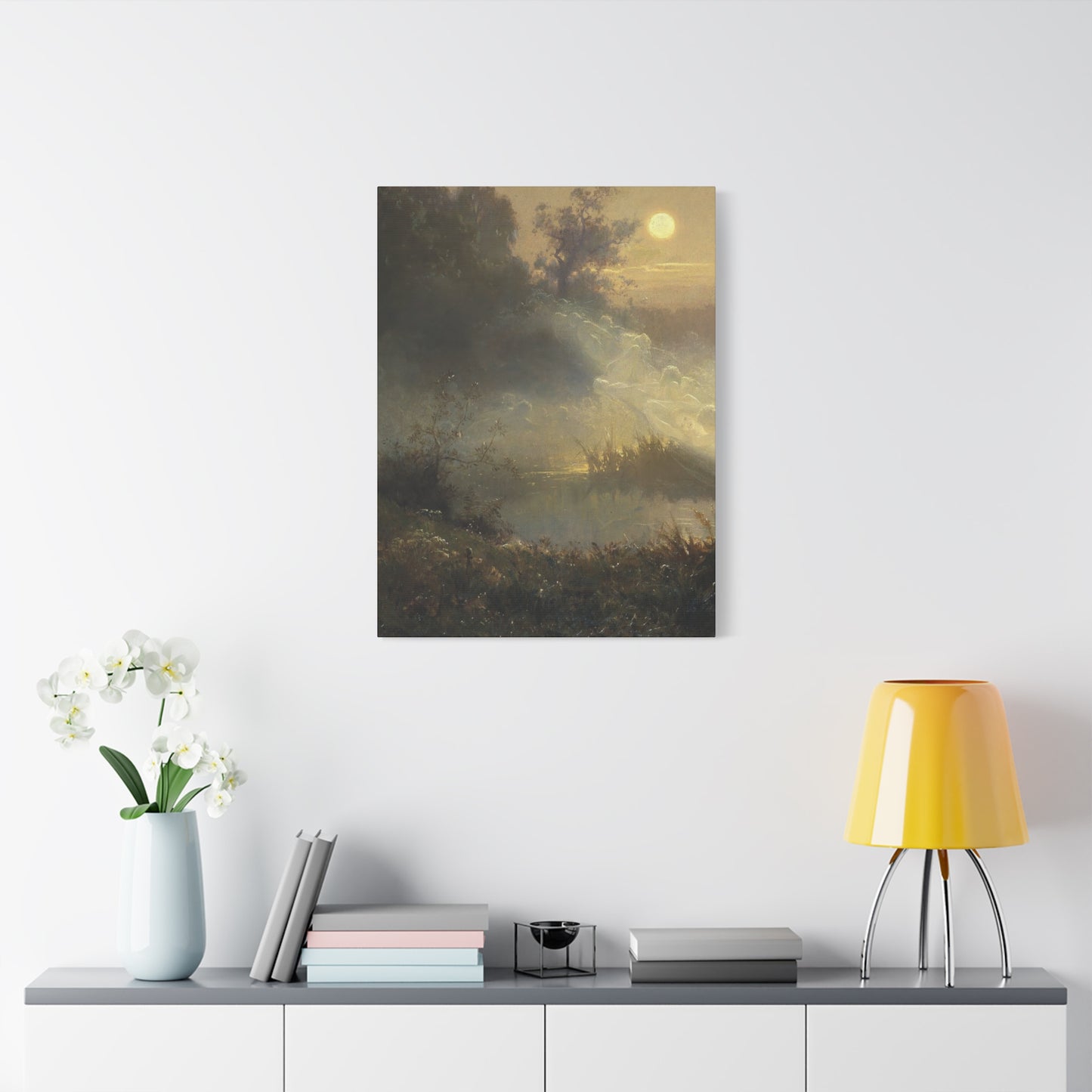
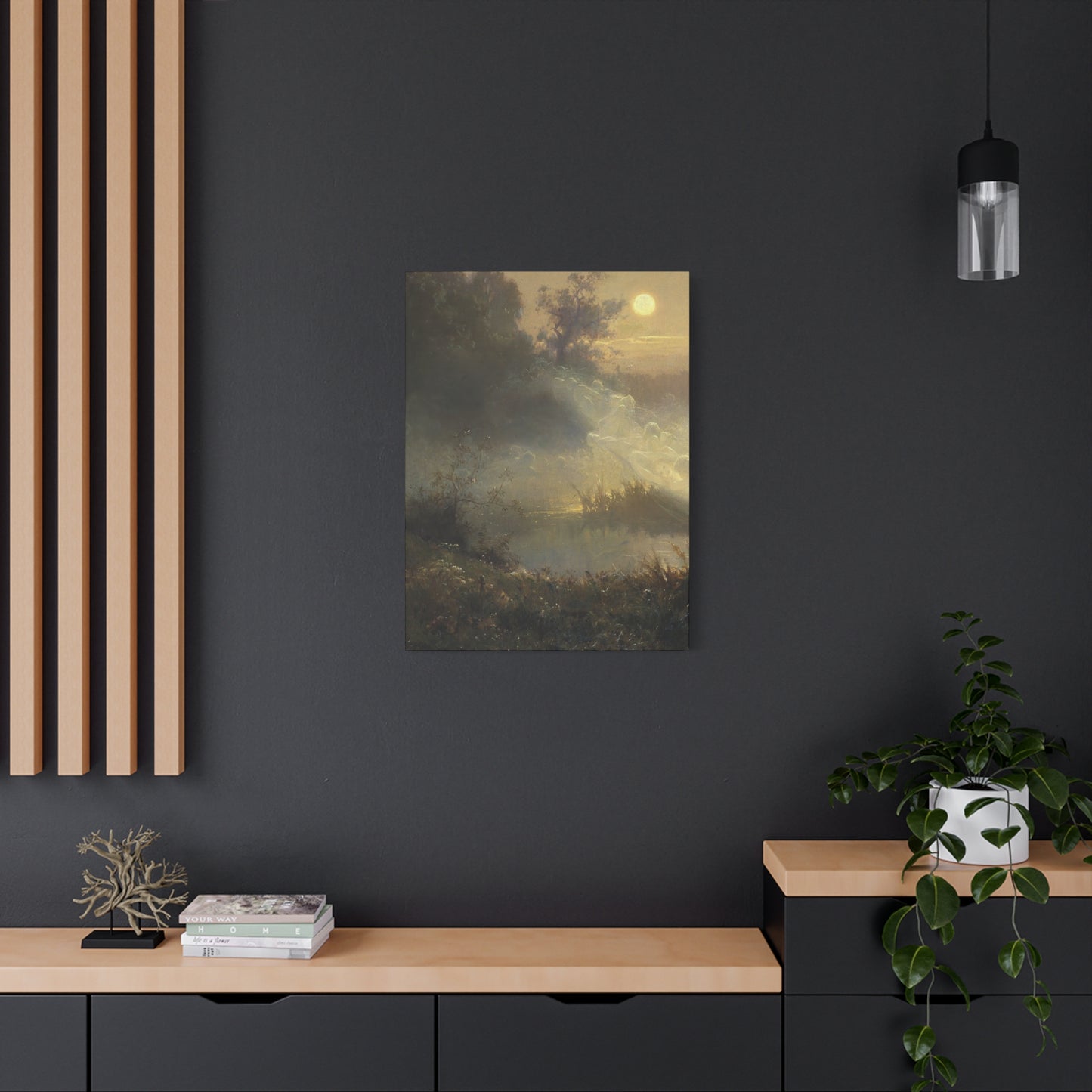
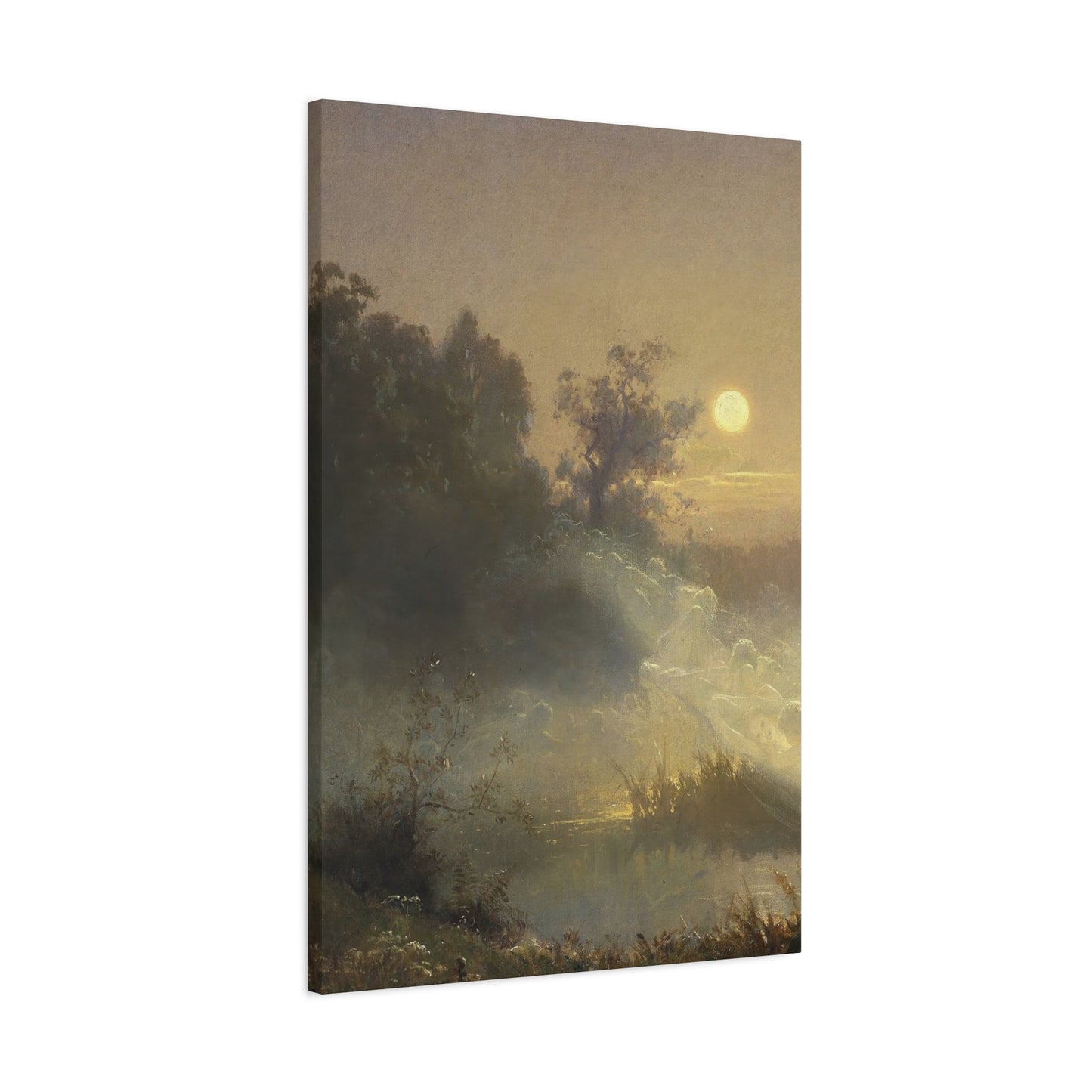
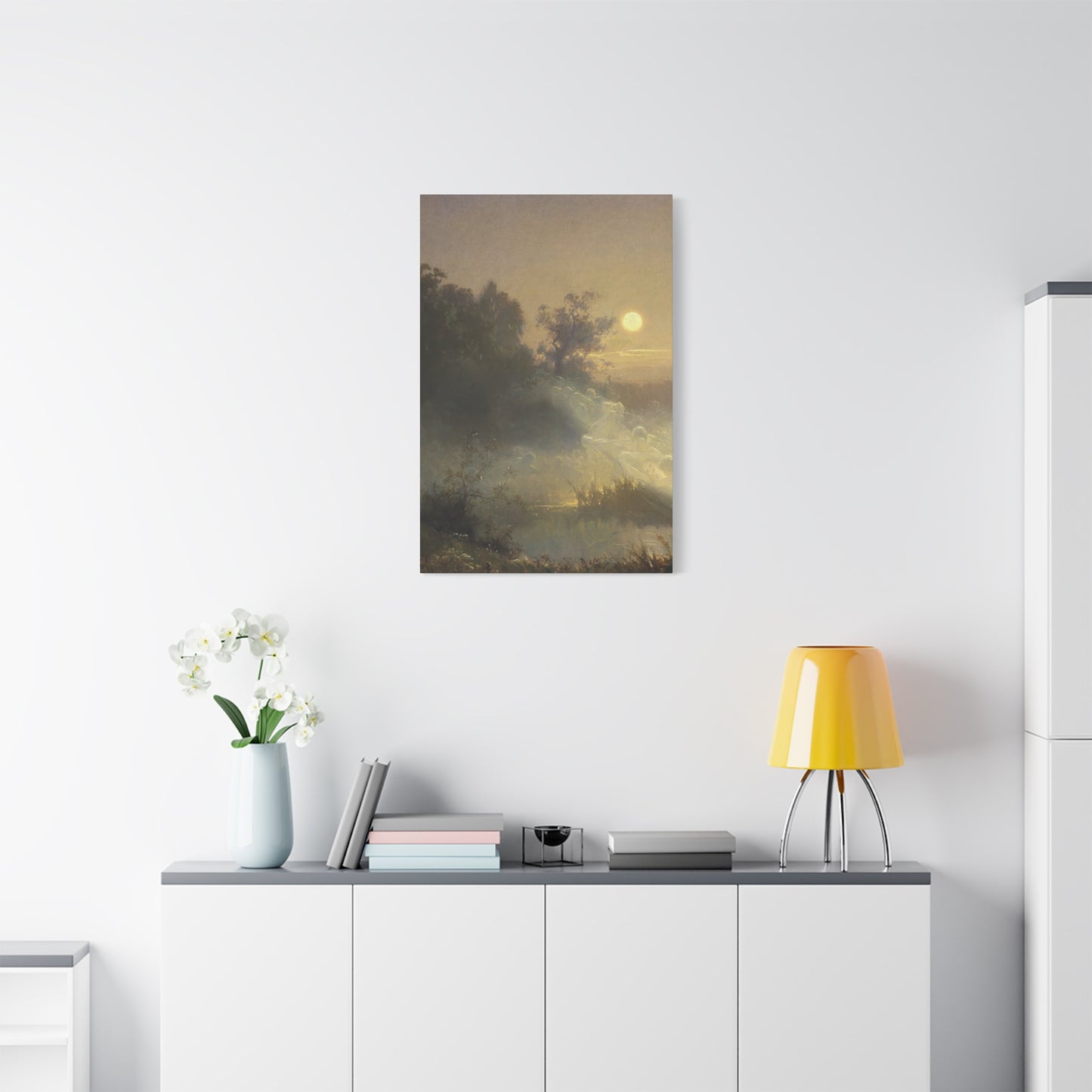
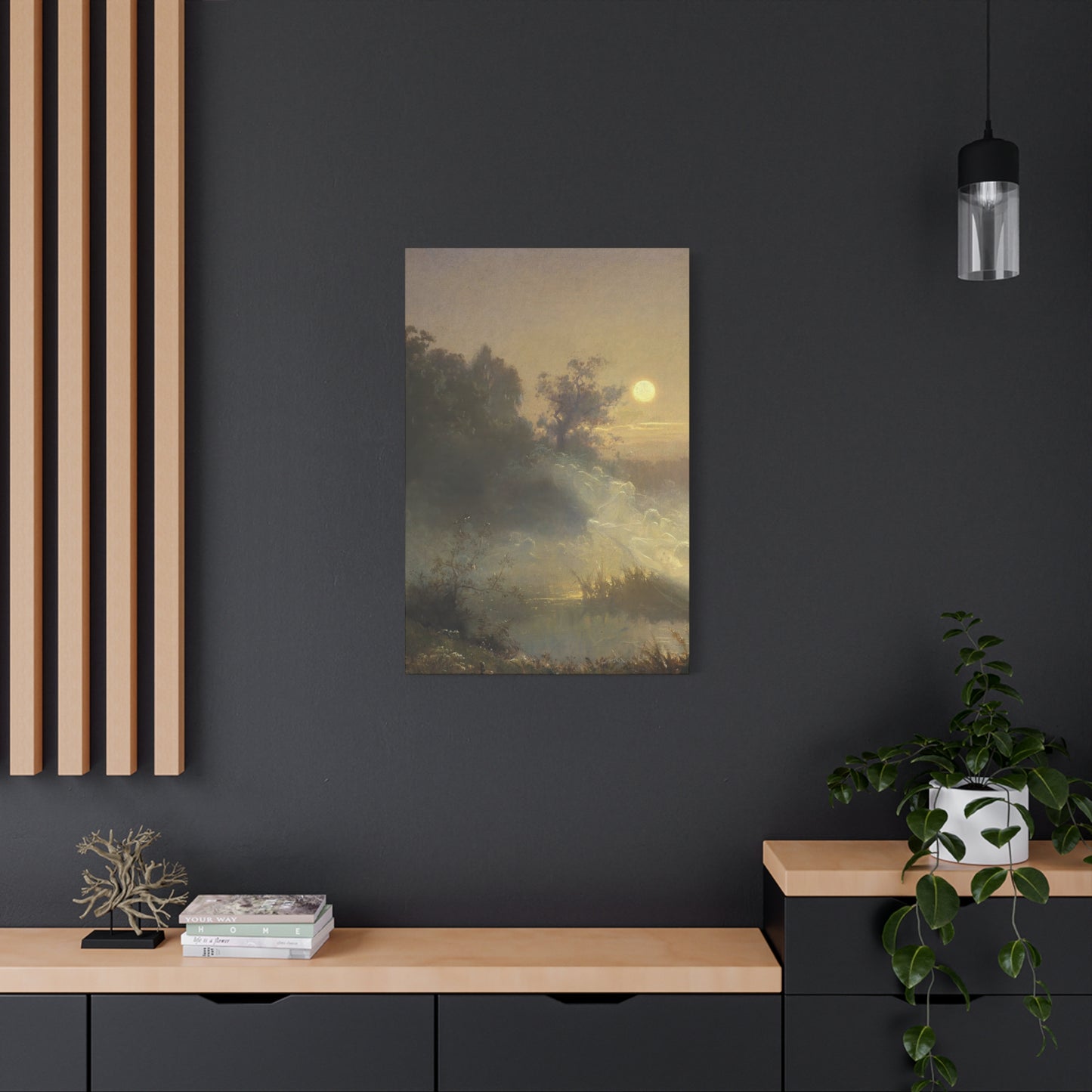
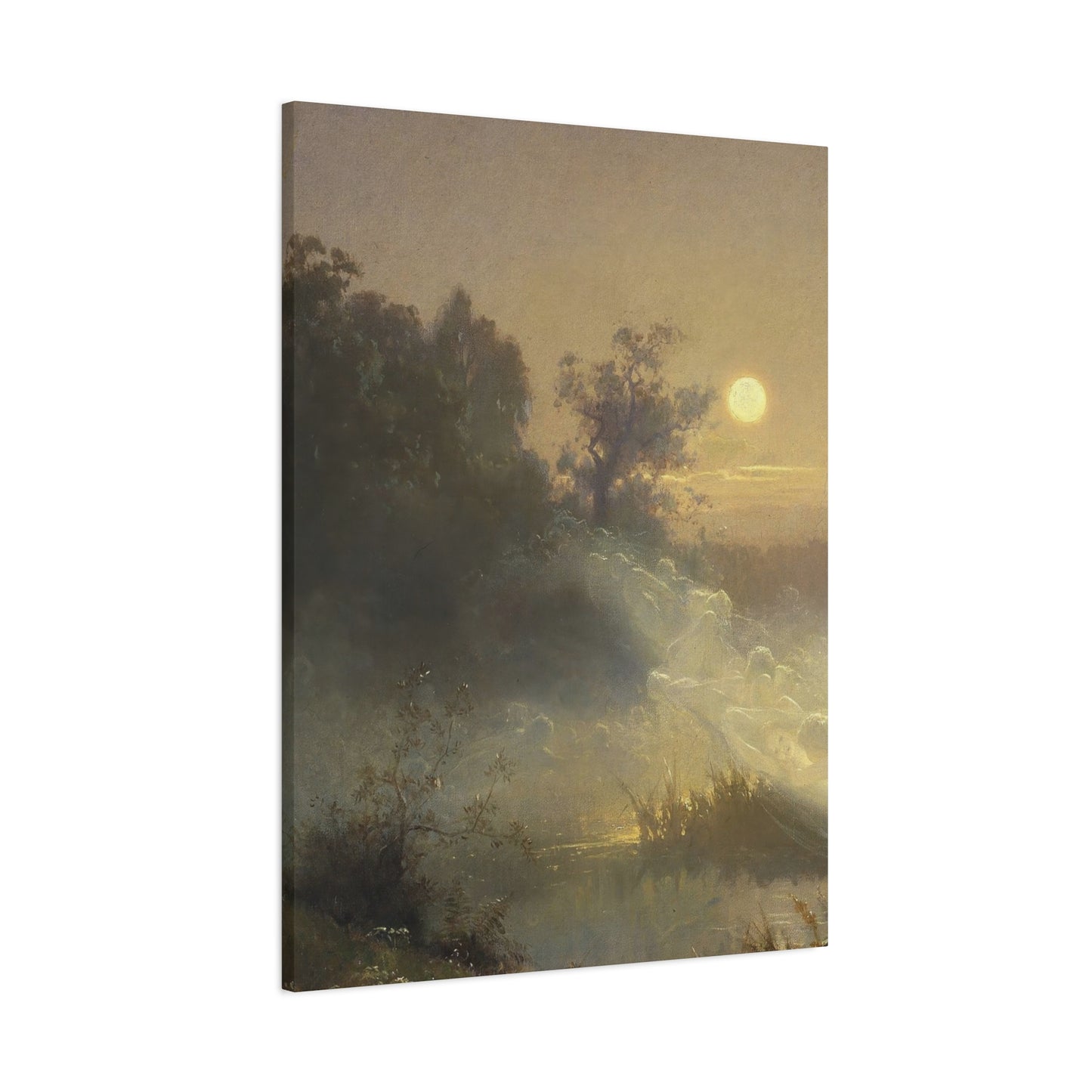
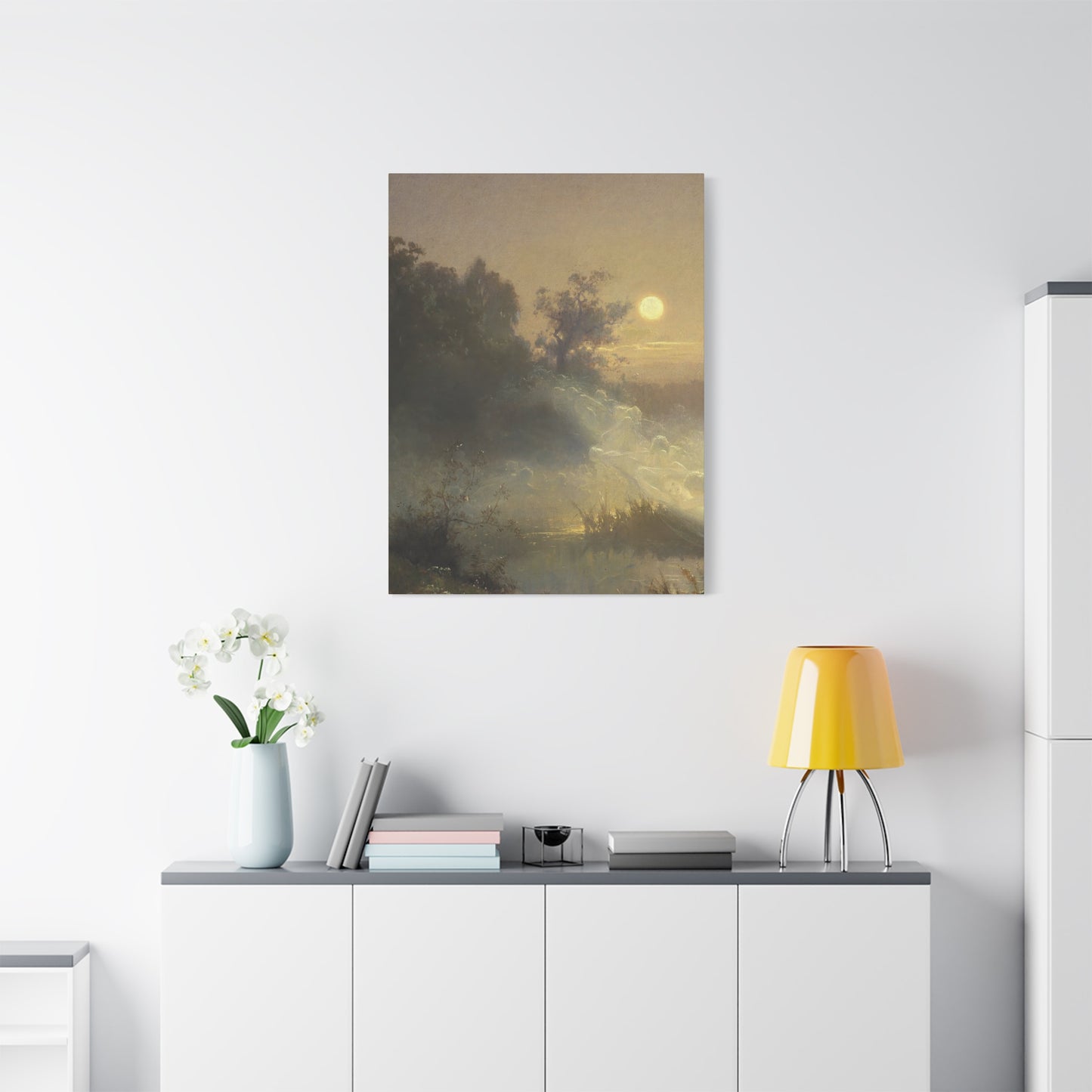
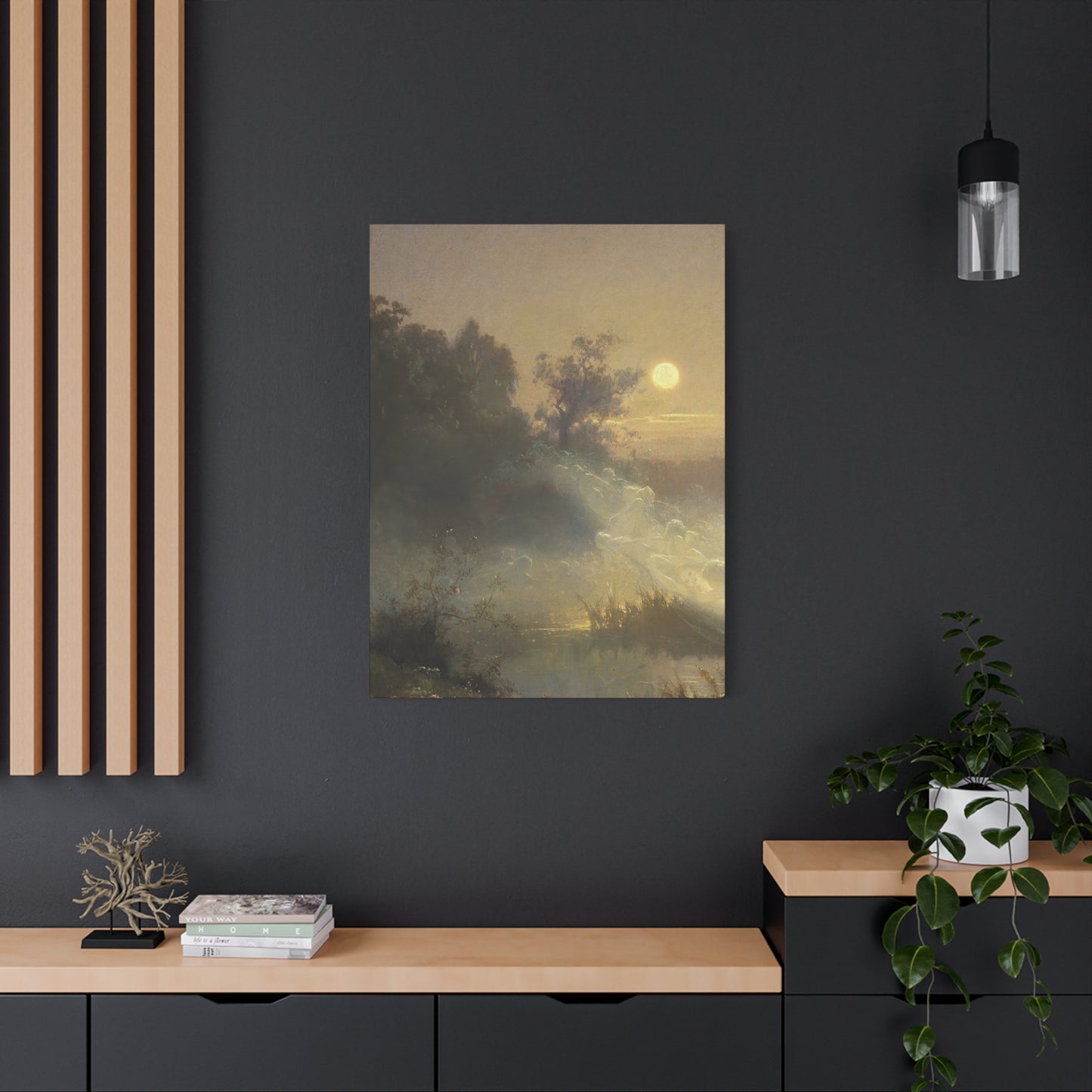
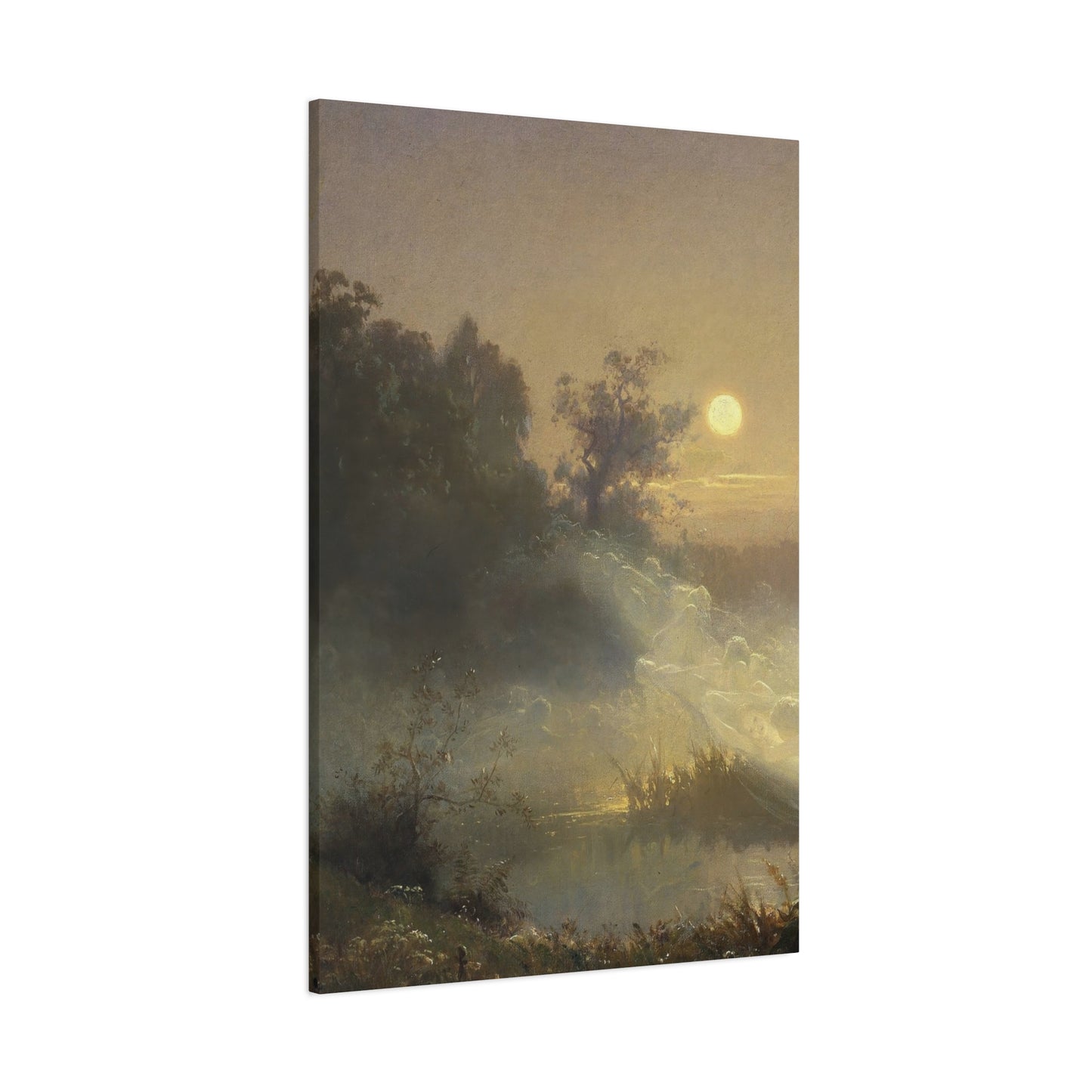
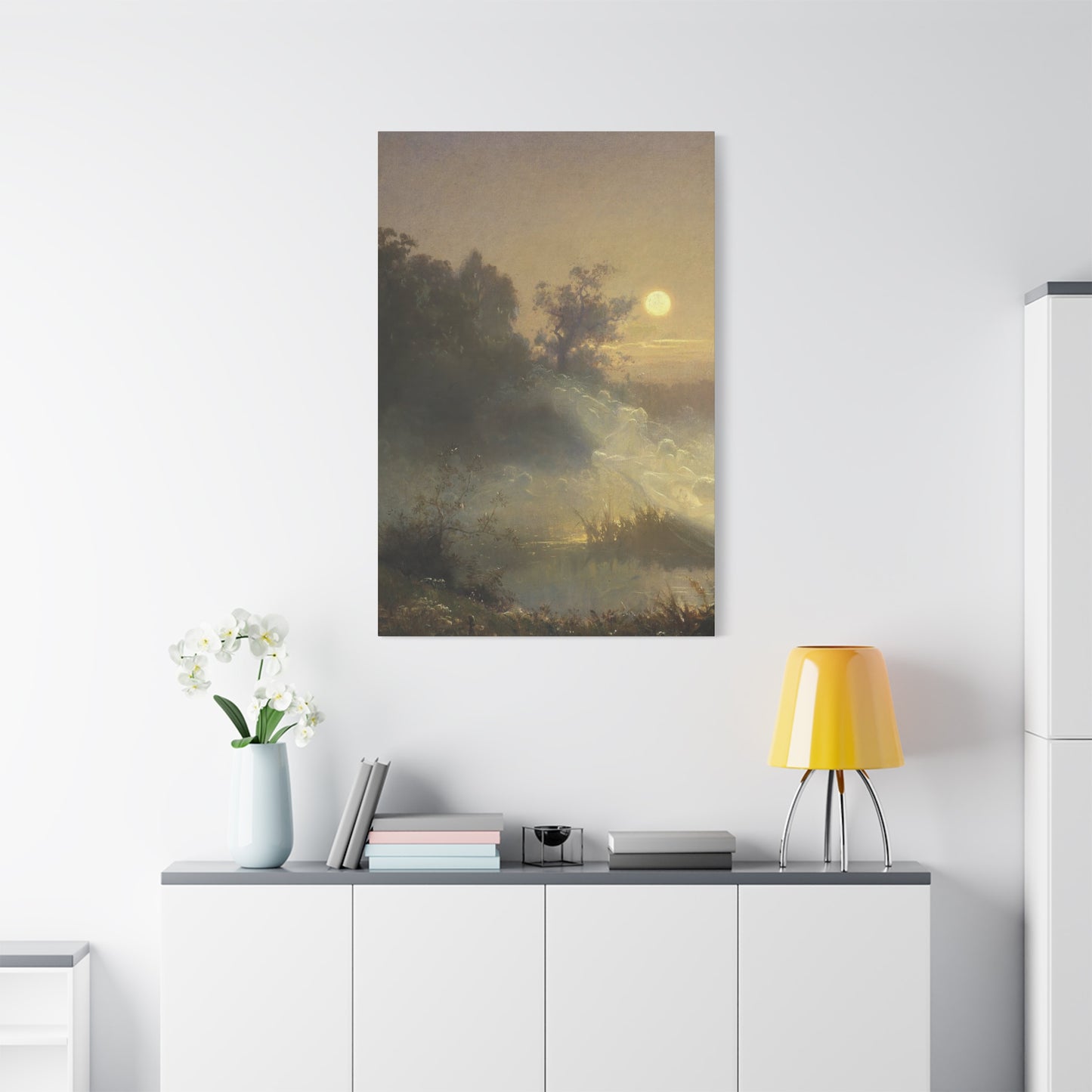
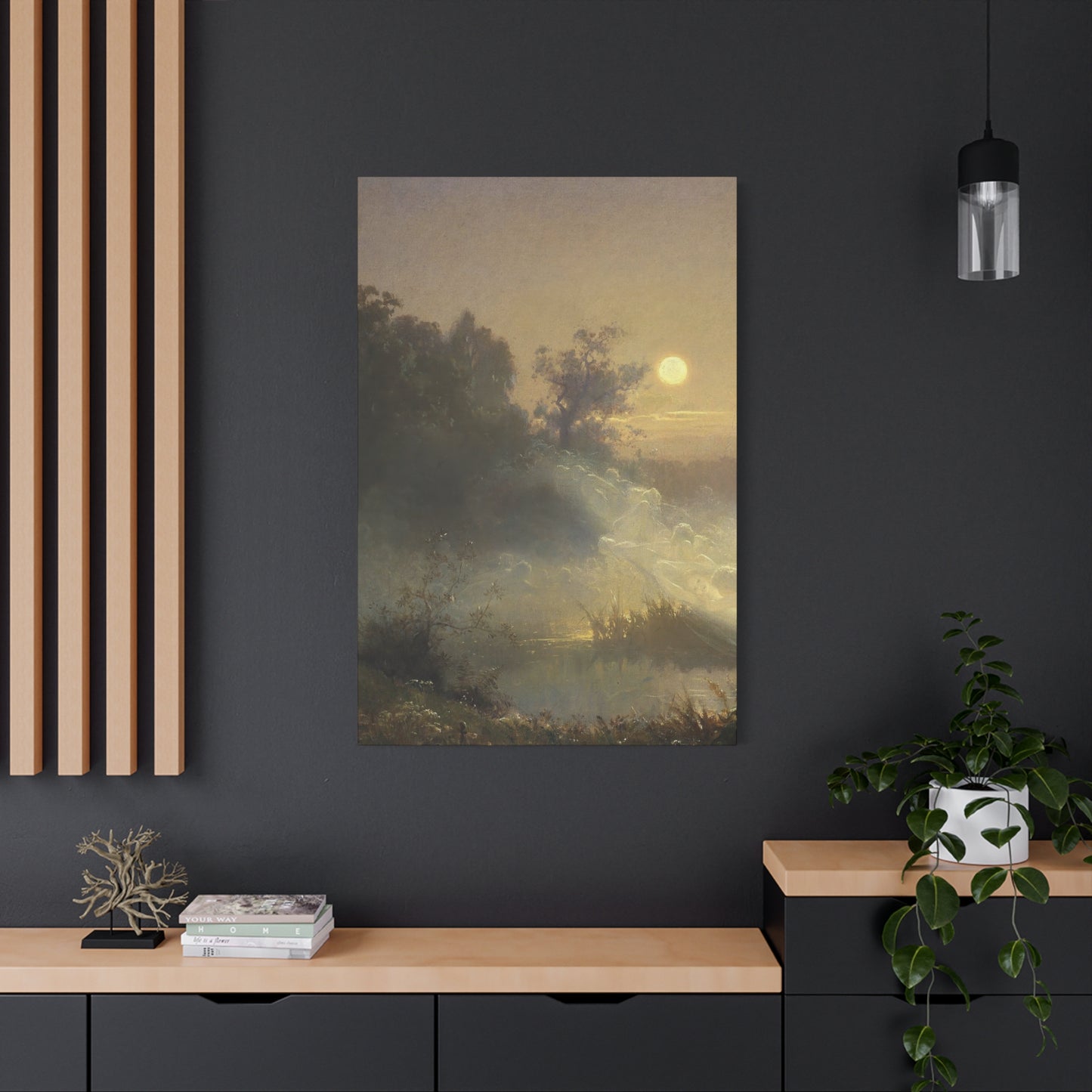
Dark Foggy Moonlit Wall Art: A Complete Guide to Mystical and Atmospheric Home Décor
The allure of dark foggy moonlit wall art has captivated homeowners, interior designers, and art enthusiasts worldwide. This distinctive artistic style combines the mysterious ambiance of nighttime landscapes with the ethereal quality of fog, creating spaces that feel both contemplative and dramatically beautiful. When moonlight pierces through layers of mist in these artistic compositions, it produces an atmosphere that transforms ordinary rooms into extraordinary sanctuaries of mood and emotion.
Understanding what makes this particular aesthetic so compelling requires exploring its various elements, from the psychological impact of darker color palettes to the technical aspects of creating depth through atmospheric perspective. This comprehensive guide examines every facet of incorporating these captivating pieces into your living spaces, ensuring you make informed decisions that enhance your environment while reflecting your personal style.
Understanding the Appeal of Nocturnal Atmospheric Artwork
The fascination with nighttime scenes shrouded in mist connects to fundamental human experiences and emotions. Throughout history, moonlit nights have inspired countless artists, poets, and storytellers, representing mystery, introspection, and the boundary between the known and unknown. When fog enters this equation, it amplifies these qualities, creating visual narratives that invite viewers to project their own interpretations and feelings onto the artwork.
Psychological research indicates that darker, moodier artwork can create spaces that feel more intimate and conducive to relaxation. Unlike bright, energetic pieces that stimulate activity, foggy nocturnal scenes encourage contemplation and calm. The soft gradations between light and shadow that characterize these works mirror the transitional states of consciousness we experience during rest and meditation, making them particularly suitable for bedrooms, reading nooks, and personal retreat spaces.
The interplay between darkness and illumination in moonlit fog scenes also speaks to a universal human experience: finding guidance and hope even in obscurity. The moon serves as a natural light source that, when filtered through atmospheric conditions, creates graduated tones and subtle color shifts that trained artists capture beautifully. This natural phenomenon translates into artwork that feels organic and timeless rather than trendy or dated.
From a design perspective, these pieces offer remarkable versatility. Despite their darker tones, they can complement various interior styles, from modern minimalist spaces to traditional settings. The neutral color palette typically associated with foggy moonlit scenes, dominated by grays, blues, and muted earth tones, provides a foundation that works harmoniously with diverse furniture styles and color schemes.
Exploring Different Artistic Styles and Mediums
The world of atmospheric nocturnal artwork encompasses numerous artistic approaches and techniques. Traditional oil paintings remain popular for their ability to capture subtle tonal variations and create luminous effects through layered glazing. Oil paint's slow drying time allows artists to blend colors seamlessly, producing the soft, indistinct edges characteristic of fog while maintaining areas of crisp detail where moonlight breaks through.
Watercolor interpretations offer a different quality, with the medium's inherent transparency perfectly suited to depicting mist and atmospheric effects. Skilled watercolorists can create ethereal washes that suggest rather than define forms, allowing the white of the paper to shine through and represent moonlight naturally. This technique produces lighter, more delicate works that bring atmospheric drama without overwhelming smaller spaces.
Contemporary digital art has expanded possibilities dramatically, enabling artists to manipulate light, shadow, and atmospheric effects with unprecedented precision. Digital techniques allow for the creation of hyperrealistic scenes or stylized interpretations that would be difficult to achieve through traditional methods. Many modern pieces blend photographic elements with painted details, creating hybrid works that combine the authenticity of captured moments with artistic interpretation.
Photography itself has become a significant medium for this aesthetic. Skilled landscape photographers venture into remote locations during specific weather conditions and lunar phases to capture genuine moments when moonlight illuminates fog-shrouded environments. These photographs possess an authenticity that resonates with viewers who appreciate the dedication required to document these fleeting natural phenomena.
Mixed media approaches combine various techniques and materials, incorporating elements like metallic leaf to represent moonlight, textured papers to suggest trees and landscape features, or even three-dimensional components that create actual depth. These innovative pieces push boundaries while maintaining the contemplative mood central to the aesthetic.
Color Psychology and Palette Considerations
The color schemes employed in foggy moonlit artwork significantly influence their psychological impact and compatibility with interior spaces. Understanding these relationships helps in selecting pieces that will achieve your desired atmospheric effect. The dominant presence of cool tones, particularly various shades of blue and gray, promotes feelings of tranquility and spaciousness, even when the subject matter includes darker elements.
Blue tones range from deep navy suggesting night sky depths to pale silvery blues representing moonlight reflected off mist. These cooler hues have been scientifically shown to lower blood pressure and heart rate, contributing to relaxation. In contrast, when artists introduce warmer tones like subtle ambers, burnt siennas, or muted golds to represent distant lights or the moon itself, they create focal points that provide visual warmth without disrupting the overall cool atmosphere.
Gray serves as the backbone of most atmospheric nocturnal scenes, existing in countless variations from nearly black charcoal to pale, luminous silver. This color's neutrality allows it to function as a bridge between other hues while representing the light-absorbing and light-diffusing qualities of fog. Artists who understand value relationships can use gray tones to create convincing depth, with lighter values advancing toward the viewer and darker tones receding into distance.
The limited color palette typical of these works offers practical advantages for interior design. Rooms with neutral wall colors provide perfect backdrops, allowing the artwork to become a focal point without clashing. Conversely, spaces with bolder wall colors can be balanced by the calming influence of muted atmospheric artwork. The monochromatic or near-monochromatic nature of many pieces means they coordinate easily with various accent colors in furniture, textiles, and accessories.
Some artists introduce unexpected color notes into their nocturnal fog scenes, such as deep purples suggesting twilight transitions or greenish tints representing aurora effects or reflected light from vegetation. These subtle color variations add complexity and interest while maintaining the overall atmospheric quality. When selecting artwork, consider how these secondary colors might echo or complement other elements in your space.
Composition and Visual Elements
The compositional strategies employed in atmospheric moonlit artwork guide viewer attention and create emotional resonance. Understanding these elements helps in appreciating why certain pieces feel more compelling than others. The positioning of the moon within the composition dramatically affects the work's balance and mood. A centrally placed moon creates symmetry and stability, while an off-center placement generates dynamic tension and suggests narrative possibilities beyond the frame.
Foreground elements serve crucial roles in establishing depth and providing scale reference. Silhouetted trees, fence posts, rocks, or architectural features anchored in the picture plane's front create layers that lead the eye progressively deeper into the scene. These darker forms contrast sharply with the illuminated middle ground where fog catches and diffuses moonlight, creating the atmospheric glow central to this aesthetic.
The horizon line's placement influences emotional impact significantly. A low horizon emphasizes sky, suggesting openness and possibility despite the darkness. This composition creates expansive feelings and works particularly well in rooms with lower ceilings, as it draws the eye upward. Conversely, a high horizon line emphasizes landscape and creates a more enclosed, intimate feeling suitable for cozy spaces.
Leading lines, whether formed by paths, waterways, fence lines, or even atmospheric effects like light rays, direct viewer attention and create movement through the composition. These elements prevent static arrangements and encourage visual exploration. In foggy scenes, these lines often fade progressively into the mist, reinforcing depth while maintaining mystery about destinations and what lies beyond visibility.
The balance between detailed areas and softer, more ambiguous regions creates visual interest while maintaining the characteristic atmospheric quality. Artists typically render some elements with clarity, providing anchors for viewer understanding, while allowing other areas to dissolve into suggestion. This selective focus mirrors how human vision actually processes foggy conditions and creates a naturalistic quality that viewers find engaging.
Selecting Appropriate Sizes and Formats
Choosing the correct dimensions for atmospheric nocturnal artwork requires considering both the physical space and the desired emotional impact. Large-scale pieces create immersive experiences, potentially transporting viewers mentally into the scene. A substantial canvas depicting a fog-shrouded forest with moonlight filtering through creates a window effect, making the wall seem to dissolve and expanding the perceived room size despite the darker subject matter.
For spacious living areas, dining rooms, or bedrooms with ample wall space, pieces measuring sixty inches or larger in one dimension make bold statements without overwhelming. These substantial works anchor furniture groupings and establish room focal points. When properly proportioned to the wall and surrounding elements, large atmospheric pieces create dramatic impact while maintaining the contemplative quality inherent to the subject matter.
Medium-sized works ranging from thirty to fifty inches suit most residential spaces perfectly. These dimensions provide sufficient visual presence to impact room atmosphere without dominating. They work excellently above sofas, beds, console tables, or mantels, where they can be appreciated from conversational distances. At these sizes, viewers can perceive both overall atmospheric effects and finer details that reward closer inspection.
Smaller pieces offer opportunities for creating gallery walls or collections that tell broader stories. Multiple coordinating atmospheric works can represent different times of night, various weather conditions, or seasonal changes while maintaining thematic consistency. This approach allows for more complex narratives and provides flexibility in arrangement, enabling you to adjust the display as your space or preferences evolve.
Vertical, horizontal, and square formats each offer distinct advantages. Vertical compositions emphasize height and work beautifully in narrow wall spaces, hallways, or flanking doorways and windows. They can depict tall trees disappearing into mist or moonlit clouds stacked vertically. Horizontal formats suit wider walls and create calm, stable feelings through their landscape orientation. Square formats offer balanced versatility that works in various locations.
Panoramic formats have gained popularity for atmospheric scenes, their extreme horizontal proportions perfectly suited to depicting expansive foggy landscapes or misty seascapes. These dramatic pieces work exceptionally well in modern spaces with clean lines and can span considerable wall lengths, creating gallery-quality focal points in contemporary homes.
Material and Printing Quality Considerations
The substrate and printing methods used for atmospheric nocturnal artwork significantly affect its visual impact and longevity. Understanding these technical aspects ensures you invest in pieces that will maintain their beauty for years. Traditional canvas remains the most popular choice, offering texture that adds dimension and visual interest. The woven surface catches light subtly, creating micro-variations that enhance the atmospheric quality of foggy scenes.
Canvas prints should utilize archival-quality inks that resist fading from ultraviolet exposure and environmental factors. Giclée printing represents the gold standard for reproductions, using specialized inkjet technology with multiple color cartridges to achieve color accuracy and tonal subtlety impossible with standard printing methods. The resulting prints can be virtually indistinguishable from original paintings when viewed at normal distances.
Gallery wrapping, where the printed image continues around the stretcher bars, eliminates the need for framing and creates contemporary, finished presentations. This approach works particularly well for atmospheric pieces, as the seamless appearance enhances immersion. Alternatively, some prefer traditional framing with visible edges, which can add formal elegance and protect canvas edges.
Metal prints have emerged as sophisticated alternatives, particularly for contemporary spaces. The printing process infuses dyes directly into specially coated aluminum, creating images with extraordinary depth, vibrant midtones, and striking contrasts. For atmospheric nocturnal scenes, metal's luminous quality can make moonlight appear genuinely radiant while maintaining deep, rich shadows. The rigid, frameless presentation suits modern aesthetics perfectly.
Acrylic prints involve mounting photographs or digital prints behind clear acrylic panels, creating glossy surfaces with remarkable depth and color saturation. The material's transparency and reflective qualities can enhance the luminous aspects of moonlit fog scenes, though some viewers find the glossy finish distracting. Acrylic offers excellent durability and easy maintenance, requiring only occasional cleaning with appropriate solutions.
Paper prints provide accessibility and traditional fine art appeal. When produced on museum-quality archival papers with acid-free composition and neutral pH, they can last generations without deterioration. Matte papers suit atmospheric subjects beautifully, eliminating glare and creating sophisticated, gallery-quality presentations. Paper prints require proper framing with UV-protective glass or acrylic to prevent damage from light, moisture, and pollutants.
Framing and Presentation Options
The framing choices you make profoundly influence how atmospheric nocturnal artwork integrates with your interior spaces. The frame serves as a transitional element between the artwork and its surroundings, and thoughtful selection enhances both the piece and the room. For dark foggy moonlit scenes, frame selection requires balancing the desire to complement the artwork's moody qualities with the need to prevent overwhelming darkness.
Simple black frames offer classic elegance that honors the artwork without competing for attention. Matte black finishes create sophisticated, gallery-style presentations that work beautifully in contemporary spaces. The darkness echoes the piece's nocturnal subject matter while providing clean definition against lighter walls. For spaces with darker wall colors, black frames help the artwork recede slightly, creating depth rather than appearing to float disconnected from the architecture.
Dark wood frames in espresso, walnut, or ebony tones bring organic warmth while maintaining harmony with moody atmospheric subjects. The wood grain adds textural interest and connects to natural landscape elements often featured in these scenes. These frames suit traditional, transitional, and rustic interiors particularly well, bridging classic and contemporary sensibilities.
Lighter frame colors like silver, pewter, or gray echo the metallic qualities of moonlight and fog while providing subtle contrast against darker artwork. These choices prevent excessive visual heaviness and work exceptionally well in rooms with lighter color schemes. The cooler tones complement the blue-gray palettes typical of nocturnal atmospheric pieces without jarring contrasts.
White and off-white frames create dramatic contrast that can make darker artwork pop spectacularly. This high-contrast approach suits modern and Scandinavian-influenced interiors where bold graphic sensibilities prevail. The light frames prevent spaces from feeling too dark while allowing the artwork's atmospheric qualities to shine. This option requires confidence but delivers striking results when executed well.
Floating frames, which create gaps between the artwork and frame, add contemporary sophistication and literal dimension. The shadow gap draws attention to the artwork while maintaining visual separation from the frame, allowing each element to be appreciated individually. This presentation style works particularly well with canvas and panel-mounted prints.
For those preferring unframed presentations, edge treatments become crucial. Gallery-wrapped canvases with painted or continued images on sides need no frames, offering clean, modern appeal. Metal and acrylic prints similarly work beautifully without frames, their rigid substrates requiring only appropriate mounting hardware.
Placement Strategies for Maximum Impact
Strategic positioning of atmospheric nocturnal artwork maximizes its impact on your space's ambiance and functionality. The relationship between artwork, lighting, furniture, and architectural features determines how effectively pieces transform environments. In living rooms, positioning foggy moonlit scenes above main seating areas creates focal points that anchor the space psychologically and visually.
Height matters significantly. The center of artwork should typically sit at eye level when standing, approximately fifty-seven to sixty inches from the floor. This positioning ensures comfortable viewing angles and professional presentation. However, in rooms where people primarily sit, slightly lower placement accommodates the adjusted viewing position. Above furniture like sofas or console tables, leave six to twelve inches between the furniture top and artwork bottom to create visual connection without crowding.
Bedroom placement of atmospheric nocturnal artwork deserves special consideration, as these spaces prioritize relaxation and sleep. Positioning moody moonlit scenes above the bed creates natural thematic harmony, the dark tranquil subject matter supporting the room's restful purpose. Many find gazing at atmospheric landscapes conducive to unwinding before sleep, making bedrooms ideal locations for particularly contemplative pieces.
Dining rooms benefit from sophisticated atmospheric artwork that provides conversation starters without demanding constant attention. The subdued, mysterious qualities of foggy moonlit scenes create elegant ambiance for gatherings while maintaining enough visual interest to engage guests between courses. In these spaces, consider how lighting, both natural and artificial, will interact with the artwork during different times of day and evening events.
Home offices and studies find atmospheric nocturnal artwork particularly suitable, as these spaces benefit from environments promoting focus and contemplation. Unlike energetic, colorful pieces that might prove distracting, moody atmospheric scenes provide visual interest during mental breaks without pulling attention from work. Position pieces where you can see them when looking up from your desk, providing natural rest points for your eyes and mind.
Hallways and transitional spaces offer excellent opportunities for creating atmospheric experiences. A series of coordinating foggy moonlit pieces lining a corridor creates a journey-like quality, transforming functional passages into experiential spaces. These areas typically receive less extended viewing than primary living spaces, making them suitable for more experimental or dramatic selections.
Bathrooms, especially primary suites with ample wall space, can become spa-like retreats through careful artwork selection. Atmospheric nocturnal scenes enhance the contemplative, cleansing qualities associated with bathing rituals. Choose moisture-resistant materials like metal or acrylic prints, or ensure proper ventilation to protect canvas and paper pieces from humidity damage.
Lighting Techniques to Enhance Atmospheric Artwork
Proper illumination dramatically affects how atmospheric nocturnal artwork presents in your space. Unlike brightly colored pieces that can withstand various lighting conditions, moody foggy moonlit scenes require thoughtful approaches that enhance their subtleties without washing out details or creating problematic glare. The goal involves revealing the artwork's depth and tonal variations while maintaining its mysterious, contemplative qualities.
Picture lights mounted directly above or below artwork provide focused illumination that highlights pieces without affecting overall room brightness. Modern LED picture lights offer energy efficiency, minimal heat generation, and adjustable color temperatures. For atmospheric pieces, warmer color temperatures around three thousand Kelvin create inviting glows without introducing blue tones that might clash with the artwork's cool palette.
Track lighting systems provide flexibility for illuminating multiple pieces or adjusting focus as artwork changes. Adjustable fixtures allow precise directing of light beams to highlight specific areas or create even illumination across entire pieces. Dimmers enable customizing intensity based on time of day, activity, and desired ambiance.
Recessed lighting installed in ceilings can be angled to wash walls with light, illuminating artwork as part of broader architectural lighting schemes. This approach integrates artwork lighting with overall room illumination seamlessly. For atmospheric pieces, ensure fixtures include proper shielding to prevent direct glare on reflective surfaces while providing sufficient light to reveal subtle tonal variations.
Natural lighting presents both opportunities and challenges. Daylight brings out nuances in atmospheric artwork beautifully, but direct sunlight causes fading and damage over time. Position pieces on walls perpendicular to windows rather than directly opposite, allowing natural light to graze across surfaces without direct exposure. Use UV-protective glazing on framed pieces to filter harmful wavelengths while maintaining color accuracy.
Ambient room lighting affects how artwork appears throughout the day and evening. Spaces with multiple lighting sources, including overhead fixtures, table lamps, and floor lamps, allow for layered lighting schemes that can be adjusted for different activities and moods. Evening lighting tends to enhance atmospheric nocturnal artwork, as reduced overall brightness and warmer lamp tones complement the pieces' dark, moody qualities.
Consider how artwork will appear under different lighting scenarios. Test viewing pieces with various combinations of natural and artificial light to ensure they read well throughout daily cycles. Some atmospheric works appear dramatically different under bright afternoon light versus soft evening illumination, and understanding these variations helps in placement decisions.
Integrating with Various Interior Design Styles
The versatility of atmospheric nocturnal artwork allows integration with diverse design aesthetics, each approach highlighting different aspects of these compelling pieces. In modern minimalist spaces characterized by clean lines, neutral palettes, and uncluttered surfaces, foggy moonlit scenes provide sophisticated focal points without disrupting the aesthetic. The limited color palettes and often sparse compositions of atmospheric pieces align perfectly with minimalist principles.
Contemporary interiors embrace artistic expression while maintaining current design sensibilities. Here, atmospheric nocturnal artwork serves as bridge elements connecting sleek furniture and architectural features with emotional depth and natural references. Larger-scale pieces make bold statements that contemporary design celebrates, while the mysterious qualities add layers of meaning to spaces that might otherwise feel purely functional.
Traditional settings benefit from atmospheric artwork's timeless subject matter and often classical compositional approaches. Foggy moonlit landscapes connect to centuries of artistic tradition, resonating with the historical consciousness that informs traditional design. Ornately framed atmospheric pieces complement traditional furniture's formality while introducing subtle drama that prevents spaces from feeling staid.
Transitional design, which bridges traditional and contemporary sensibilities, finds particular synergy with atmospheric nocturnal artwork. These pieces embody similar balance, featuring subjects with historical artistic precedent rendered through contemporary techniques and sensibilities. The neutral palettes typical of transitional spaces provide perfect backdrops for moody atmospheric pieces.
Industrial aesthetics, with exposed brick, metal elements, and raw materials, gain softening influences from atmospheric artwork. The organic subjects and ethereal qualities of foggy moonlit scenes balance industrial spaces' harder edges, creating environments that feel both edgy and livable. Unframed metal prints suit this aesthetic particularly well, their materiality echoing industrial elements while their imagery provides necessary contrast.
Rustic and farmhouse styles, celebrating natural materials and simpler living, naturally embrace landscape-focused atmospheric artwork. Pieces featuring rural scenes, barns emerging from fog, or forested landscapes complement rustic interiors' connection to nature and outdoor living. The subdued, aged qualities that characterize authentic rustic design harmonize with atmospheric artwork's muted palettes.
Scandinavian design principles emphasizing natural light, neutral colors, and hygge (cozy contentment) find compatible partners in atmospheric nocturnal artwork. While Scandinavian spaces typically feature lighter palettes overall, strategic placement of darker, moodier pieces creates depth and interest. The contemplative qualities of foggy moonlit scenes support hygge's emphasis on creating comfortable, emotionally nourishing environments.
Bohemian interiors, characterized by eclecticism, rich textures, and global influences, can incorporate atmospheric artwork as grounding elements. While bohemian spaces often feature vibrant colors and patterns, atmospheric pieces provide visual respite and balance. Their mysterious, somewhat romantic qualities align with bohemian sensibilities' embrace of emotion and personal expression.
Creating Gallery Walls and Collections
Curating multiple atmospheric nocturnal pieces into cohesive displays allows for complex visual narratives and enhanced dramatic impact. Gallery walls featuring foggy moonlit artwork can transform entire rooms, creating immersive experiences that single pieces might not achieve. Successful collections balance consistency and variety, maintaining thematic coherence while providing enough visual differentiation to sustain interest.
Thematic organization provides one approach to building collections. You might assemble pieces depicting various natural environments—forests, mountains, seascapes, and plains—all sharing atmospheric nocturnal treatments. This approach celebrates the versatility of the aesthetic while creating subtle narratives about landscape diversity. Alternatively, focus on seasonal variations, showing how the same basic atmospheric conditions manifest differently through the year.
Tonal variation within a consistent color palette adds sophistication to collections. Pieces ranging from deep, nearly black compositions to lighter, more ethereal interpretations create visual rhythm and prevent monotony. Arranging these from darkest to lightest (or vice versa) produces graduated progressions that guide the eye smoothly across the display.
Size variation prevents collections from appearing too uniform or predictable. Mix larger anchor pieces with medium and smaller works, creating dynamic arrangements that feel curated rather than formulaic. The largest piece typically serves as the visual center, with smaller works surrounding and supporting it. However, unconventional arrangements can create compelling tension and surprise.
Format mixing adds another layer of interest. Combine horizontal, vertical, and square compositions to create puzzle-like arrangements that engage viewers geometrically. This approach works particularly well with modern and contemporary interiors that appreciate architectural and spatial play.
Frame consistency versus variety presents interesting considerations. Matching frames create cohesive, gallery-quality presentations that emphasize the artwork itself. This approach suits more formal spaces and traditional sensibilities. Conversely, varied frames can create eclectic energy suitable for casual spaces, though maintaining some unifying element like similar colors or materials prevents chaos.
Symmetrical arrangements convey formality, stability, and traditional sensibilities. Perfect mirror arrangements flanking central pieces or architectural features like fireplaces create balanced, harmonious presentations. Asymmetrical arrangements offer contemporary dynamism, requiring careful attention to visual weight distribution to prevent lopsided appearances.
The salon-style hanging places pieces edge to edge or with minimal spacing, creating dense, museum-like displays. This approach works beautifully with atmospheric nocturnal artwork, the pieces' similar moods allowing close proximity without visual conflict. Salon hanging transforms walls into single unified artworks composed of multiple elements.
Complementary Décor and Styling Elements
The furnishings, textiles, and accessories surrounding atmospheric nocturnal artwork significantly influence the overall aesthetic impact. Thoughtful coordination creates cohesive environments where all elements support the desired mood and message. Color echoing establishes connections between artwork and room elements. Pull accent colors from the pieces—perhaps the silvery blues of moonlight or deep charcoals of night sky—and repeat them in throw pillows, blankets, or decorative objects.
Textile choices affect how atmospheric artwork integrates into living spaces. Smooth, lustrous fabrics like velvet, silk, or satin echo the ethereal qualities of moonlit fog, their surfaces catching light similarly. These luxurious materials suit formal spaces and enhance the sophisticated mystique of atmospheric pieces. Conversely, rougher textures like linen, burlap, or raw silk provide contrast that prevents spaces from feeling too precious, grounding the artwork's otherworldly qualities in tactile reality.
Furniture selection and arrangement should complement rather than compete with atmospheric focal point artwork. Low-profile furniture allows unobstructed views of pieces, particularly important for larger works. Furniture in neutral tones, including various woods, grays, whites, and blacks, harmonizes naturally with most atmospheric nocturnal artwork's limited palettes.
Metallic accents can echo moonlight's reflective qualities. Silver, pewter, and brushed nickel accessories, light fixtures, and hardware create subtle connections to the lunar illumination depicted in artwork. Bronze and copper elements offer warmer alternatives that maintain metallic reflectivity while introducing subtle color variation.
Organic elements bring atmospheric artwork's natural subjects into three-dimensional reality. Driftwood, branches, stones, and crystals connect to landscape imagery while adding textural interest. These elements work particularly well with rustic, farmhouse, and organic modern interiors. Plants introduce living connections to the natural world, though they require careful selection to avoid visual conflict. Deep green foliage and sculptural plants work beautifully, while flowering varieties might introduce competing color notes.
Lighting fixtures themselves become styling elements that can reinforce atmospheric themes. Fixtures with organic forms reminiscent of branches, antlers, or natural shapes create thematic connections. Those with celestial references like globe lights or starburst designs echo lunar and night sky elements. Keep fixture finishes consistent with artwork frames and other metallic elements for cohesive presentation.
Books and decorative objects provide opportunities for subtle thematic reinforcement. Arrange books with covers featuring compatible colors or night-related subjects near atmospheric artwork. Decorative objects like moon phase displays, constellation maps, or vintage compasses add narrative layers that enhance the contemplative, nocturnal themes.
Mirrors positioned near atmospheric nocturnal artwork require careful consideration. They expand spaces and reflect light but can create confusing doubled images if placed directly opposite artwork. Position mirrors at angles to artwork, allowing them to reflect ambient light while avoiding direct reflection that might distract from the intended viewing experience.
Seasonal Considerations and Adaptations
The relationship between atmospheric nocturnal artwork and seasonal changes offers opportunities for refreshing spaces without complete redesigns. Understanding how these pieces interact with seasonal light, color, and mood variations helps maximize their year-round impact. Winter months, with earlier darkness and often overcast skies, create natural harmony with foggy moonlit artwork. The pieces echo outdoor conditions, bringing the season's contemplative qualities indoors without the harshness of cold temperatures.
During winter, enhance atmospheric artwork's cozy potential through complementary textiles. Add plush throws, layered pillows, and perhaps area rugs in coordinating cool tones. These additions create hygge-influenced spaces where dark atmospheric pieces feel particularly appropriate. Adjust lighting to warmer color temperatures that counter winter's chill while illuminating artwork's subtle variations.
Spring's arrival brings renewed daylight and energy that might initially seem at odds with atmospheric nocturnal pieces. However, this seasonal contrast actually enhances the artwork's impact, providing visual and emotional balance against spring's brightness and activity. The cooler palettes of foggy moonlit scenes offer respite from emerging warm-season colors, creating spaces that feel refreshingly calm amid seasonal renewal.
Summer presents the longest daylight periods, potentially diminishing nocturnal artwork's atmospheric impact during evening hours. Counter this by ensuring strong artificial lighting schemes that allow proper viewing despite prolonged natural light. Consider this season for introducing lighter, more ethereal atmospheric pieces if you rotate artwork seasonally. Summer also brings opportunities for enjoying actual foggy moonlit conditions outdoors, creating new appreciation for artistic interpretations when you return inside.
Autumn creates perhaps the most natural partnership with atmospheric nocturnal artwork. The season's transition from summer's brightness to winter's darkness mirrors the liminal qualities of twilight and night depicted in these pieces. Falling leaves, earlier evenings, and changing weather patterns echo the themes of transition and mystery central to foggy moonlit aesthetics. This season invites layering warmer accent colors like rust, gold, or amber that complement rather than clash with atmospheric artwork's cooler tones.
Seasonal styling adjustments need not be dramatic. Simply changing throw pillow covers, rotating accessories, or adjusting lighting schedules can refresh how atmospheric pieces interact with their surroundings. These subtle modifications keep spaces feeling current and responsive to natural seasonal rhythms while maintaining the artwork's year-round presence.
Caring for and Maintaining Your Artwork
Proper maintenance ensures atmospheric nocturnal artwork retains its beauty and impact for years or even decades. Understanding appropriate care techniques protects your investment while preserving the subtle tonal variations and details that make these pieces compelling. Canvas prints require regular dusting using soft, lint-free cloths or feather dusters. Avoid applying pressure that might damage the canvas surface or loosen stretcher bar tension. For deeper cleaning, very slightly dampened cloths can remove accumulated grime, but ensure minimal moisture and immediate drying.
Framed pieces behind glass or acrylic need different care approaches. Clean protective glazing using appropriate glass cleaners or, for acrylic, specialized plastic-safe solutions. Standard glass cleaners can damage acrylic surfaces, causing crazing or cloudiness. Apply cleaning solutions to cloths rather than directly on glass to prevent liquid from seeping behind glazing and damaging artwork or matting.
Metal and acrylic prints require minimal maintenance but benefit from occasional cleaning. Use soft microfiber cloths and appropriate cleaning solutions, wiping gently to avoid scratching. These durable substrates resist most environmental damage but can show fingerprints and dust, requiring periodic attention to maintain their pristine appearance.
Environmental factors significantly impact artwork longevity. Ultraviolet light causes fading and deterioration over time. Position pieces away from direct sunlight, or use UV-protective glazing and window films that filter harmful wavelengths. Even artificial lighting produces UV radiation, though typically at lower levels. LED lighting generates minimal UV compared to incandescent or fluorescent options, making it preferable for illuminating valuable artwork.
Temperature and humidity fluctuations stress artwork materials, potentially causing canvas loosening or tightening, frame warping, and other structural issues. Maintain stable conditions when possible, avoiding placement near heating vents, air conditioning outlets, fireplaces, or exterior doors and windows where conditions fluctuate dramatically. Ideal conditions involve temperatures between sixty-five and seventy-five degrees Fahrenheit and relative humidity between forty and fifty-five percent.
Inspect artwork periodically for developing issues. Check canvas tension, frame stability, hanging hardware security, and any signs of damage, deterioration, or pest activity. Early detection allows for corrective action before minor problems become serious damage. Professional conservators can address significant issues, though preventive care typically prevents most problems.
When moving or storing atmospheric nocturnal artwork, protect surfaces carefully. Wrap pieces in acid-free paper or bubble wrap, avoiding materials that might transfer color or chemicals. Transport canvas pieces face-to-face if stacking multiple works, with protective material between surfaces. Store in climate-controlled environments away from floor-level moisture risks, and never lean pieces directly against walls where they might develop pressure marks or damage.
Budget Considerations and Investment Value
Atmospheric nocturnal artwork spans tremendous price ranges, from affordable prints to significant investments in original paintings. Understanding factors affecting value helps in making informed purchasing decisions aligned with your budget and intentions. Original paintings by established artists command premium prices reflecting the unique, unreproducible nature of hand-created works. These pieces offer potential appreciation value alongside aesthetic enjoyment, particularly works by artists with growing recognition and exhibition histories.
Limited edition prints bridge the gap between mass-produced reproductions and unique originals. Artists produce these in controlled quantities, signing and numbering each piece, which creates scarcity that supports value retention. Edition sizes vary dramatically, from fewer than twenty-five for highly limited releases to several hundred for more accessible offerings. Generally, smaller editions command higher per-piece prices but offer greater potential value preservation.
Open edition prints provide accessibility without artificial scarcity. These reproductions allow broader audiences to enjoy atmospheric artwork at affordable price points, though they typically lack investment potential. Quality varies considerably within this category, from museum-quality giclée prints using archival materials to basic poster-quality reproductions. Investing in better-quality open edition pieces ensures longevity even if financial appreciation remains unlikely.
Emerging and regional artists often offer exceptional value, providing original works or limited editions at modest prices compared to established names. Supporting these artists early in their careers can yield both aesthetic satisfaction and potential appreciation as reputations grow. Research artists whose work resonates with you, attending local exhibitions and following their career development.
Commission opportunities allow for personalized atmospheric pieces tailored to your specific preferences and spaces. Artists may create custom works depicting particular locations, incorporating specific elements, or sized precisely for your requirements. Commissions typically cost more than comparable existing works due to the dedicated effort involved, but the resulting uniqueness often justifies the premium.
Framing represents a significant additional cost that buyers sometimes underestimate. Custom framing for large pieces can approach or exceed the artwork's cost, particularly when using premium materials and complex designs. Consider framing costs when budgeting, or explore more affordable alternatives like ready-made frames, gallery wrapping, or frameless mounting options.
Purchasing platforms affect pricing and buyer protections. Galleries provide curated selections, expert guidance, and often authentication guarantees but include markup reflecting their services and overhead. Direct artist purchases eliminate intermediary costs but require more buyer research to verify authenticity and quality. Online marketplaces offer vast selections at various price points but demand careful vendor evaluation and clear understanding of return policies.
Insurance considerations become relevant for more valuable pieces. Standard homeowner's or renter's insurance policies include coverage for artwork but may limit claims to specific amounts. Valuable collections may require additional fine arts insurance riders that provide specialized protection including coverage for full replacement value, damage during transit, and conservation costs.
Trends and Contemporary Interpretations
The atmospheric nocturnal aesthetic continues evolving as contemporary artists explore new approaches, technologies, and conceptual frameworks. Understanding current trends helps in selecting pieces that feel fresh while honoring the timeless qualities that make this aesthetic enduring. Minimalist interpretations strip atmospheric scenes to essential elements, focusing on subtle tonal gradations and simplified compositions. These pieces align with contemporary design's emphasis on restraint and negative space, creating profound impact through what they exclude as much as what they include.
Abstract atmospheric works move beyond representational landscapes toward pure mood and sensation. Artists employ colors, values, and gestural marks suggesting fog, moonlight, and darkness without depicting specific subjects. These pieces offer interpretive openness that some viewers prefer, allowing projection of personal meanings while maintaining atmospheric qualities.
Urban atmospheric scenes bring nocturnal fog aesthetics into contemporary city contexts. Streetlights diffusing through mist, illuminated skyscrapers partially obscured by low clouds, and rain-slicked streets reflecting neon create modern variations on traditional landscape themes. These pieces speak to urban dwellers' experiences while maintaining the mysterious, contemplative mood central to the aesthetic.
Celestial expanded interpretations incorporate not just moons but stars, planets, aurora effects, and astronomical phenomena. These pieces often blend scientific accuracy with artistic interpretation, appealing to viewers fascinated by space and cosmic perspectives. The inclusion of more varied light sources adds compositional complexity while maintaining atmospheric mystique.
Conclusion:
Dark Foggy Moonlit Wall Art offers a compelling and transformative approach to home décor, blending mystery, atmosphere, and artistic sophistication. By capturing the interplay between moonlight, fog, and shadowed landscapes, this style of art evokes moods that are simultaneously haunting, serene, and deeply evocative. It allows homeowners to cultivate interiors that are immersive, introspective, and visually captivating, transforming ordinary walls into gateways to otherworldly realms. The combination of celestial illumination and misty obscurity offers an emotional and aesthetic resonance that goes beyond decoration, engaging the imagination and creating spaces where mystery and tranquility coexist harmoniously.
At the core of this artistic style is its mastery of light and contrast. Artists use subtle gradients, diffused glows, and muted palettes to replicate the ethereal quality of moonlight filtering through fog, highlighting shapes and textures without revealing everything at once. The deliberate obscurity of forms creates tension and intrigue, encouraging viewers to explore the details and imagine the stories hidden within the shadows. This interplay between clarity and ambiguity captures the essence of atmospheric art, inviting contemplation while evoking emotions ranging from calm and serenity to wonder and curiosity. By employing these techniques, dark foggy moonlit art transcends literal representation, creating a visual language that communicates mood, depth, and narrative.
From an interior design perspective, moonlit foggy art introduces a sophisticated and versatile element to a variety of spaces. Large canvases can serve as dramatic focal points in living rooms, bedrooms, or home offices, anchoring the room’s aesthetic with a sense of mystery and elegance. Smaller prints can accentuate hallways, reading corners, or intimate nooks, adding layers of visual intrigue without overwhelming the environment. The artwork complements modern, minimalist, industrial, and even traditional interiors, offering a balance between contemporary style and the timeless allure of nature’s nocturnal landscapes. Its atmospheric qualities allow it to harmonize with both muted and bold color schemes, making it adaptable and enduring.
Material and presentation choices further enhance the impact of foggy moonlit artwork. Canvas prints provide texture and depth, allowing subtle shifts in light and shadow to create immersive visual experiences. Glossy finishes amplify luminescence, enhancing the moonlight’s ethereal glow, while matte options offer a softer, dreamlike effect that reinforces the work’s mystical quality. Framing can provide structure and sophistication, whereas unframed gallery-wrapped pieces offer a contemporary, seamless aesthetic that complements modern interiors. Mixed-media approaches, including layered textures or metallic accents, can further heighten the mood, emphasizing the interplay of fog, light, and shadow. These options allow homeowners to tailor the artwork to both space and desired ambiance, enhancing its emotional and visual resonance.
Lighting plays a pivotal role in elevating the mystical qualities of dark foggy moonlit art. Soft, ambient lighting enhances the subtle gradients and muted contrasts, while directional or accent lighting can highlight key elements, creating dynamic shadows and emphasizing the artwork’s depth. The interaction of natural and artificial light with the piece can transform its mood throughout the day, reinforcing its atmospheric power and making it a living, evolving component of interior design. Thoughtful lighting ensures that the artwork’s enigmatic qualities are fully realized, enhancing both its aesthetic appeal and emotional impact.
Beyond its decorative and visual function, foggy moonlit wall art fosters a sense of reflection, serenity, and emotional engagement. Its mysterious landscapes encourage mindfulness, introspection, and imagination, transforming interiors into personal sanctuaries where individuals can unwind, contemplate, or simply appreciate the interplay of light and shadow. The nocturnal motifs symbolize cycles, mystery, and the quiet beauty of the natural world, providing both comfort and inspiration to those who experience it.
Ultimately, Dark Foggy Moonlit Wall Art transcends conventional décor to become a conduit for atmosphere, emotion, and narrative. By integrating this art into homes, one can create spaces that are visually striking, emotionally resonant, and profoundly immersive. Its combination of subtle illumination, atmospheric depth, and mystical charm elevates interiors into realms of beauty, contemplation, and intrigue. In doing so, it allows homeowners to experience the power of art to transform space, evoke mood, and inspire imagination, ensuring that each room becomes not only a place to inhabit but a space to feel, reflect, and be transported into the enigmatic elegance of moonlit nights.


