


Dawn & Dusk Splendor Canvas
Dawn & Dusk Splendor Canvas
Couldn't load pickup availability
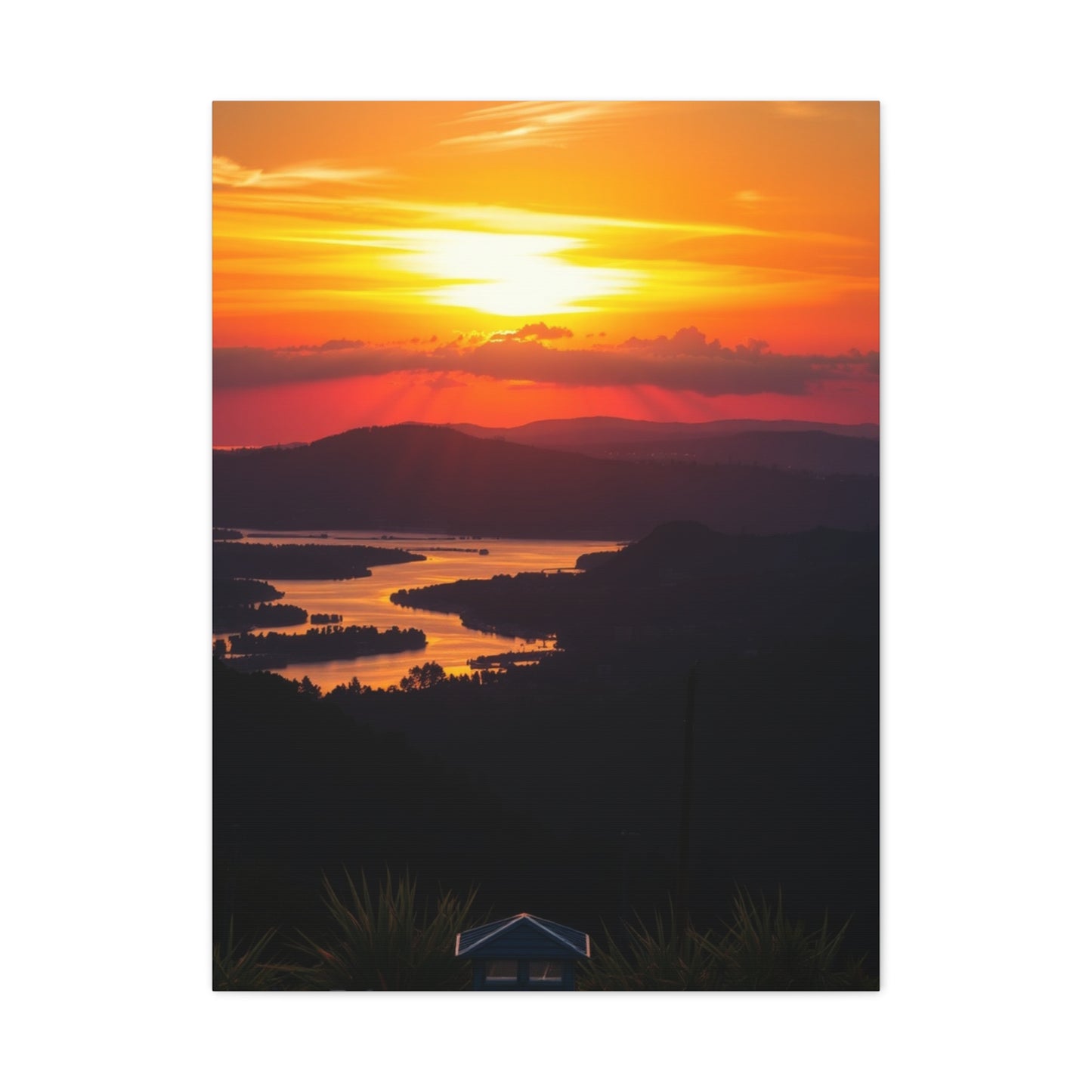
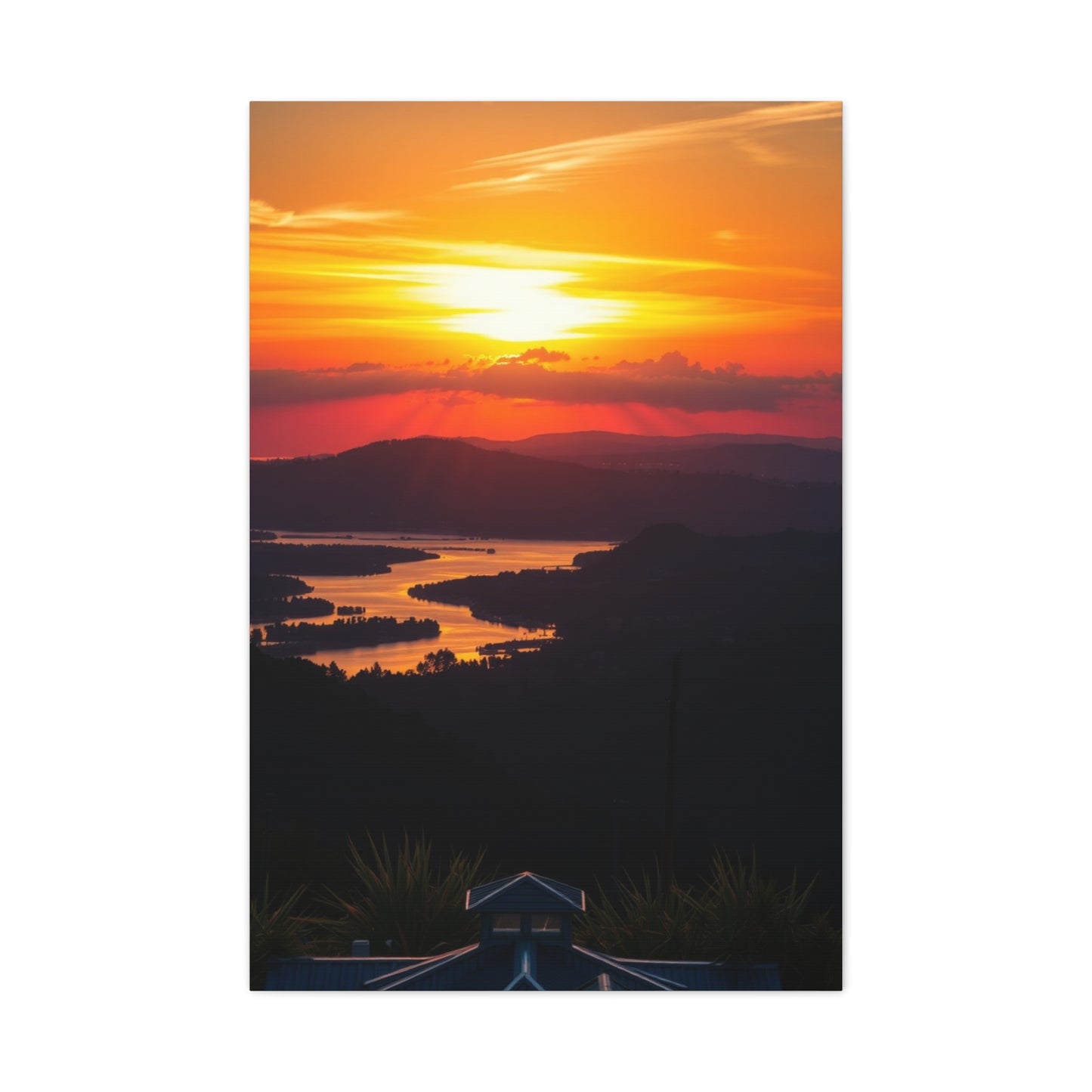
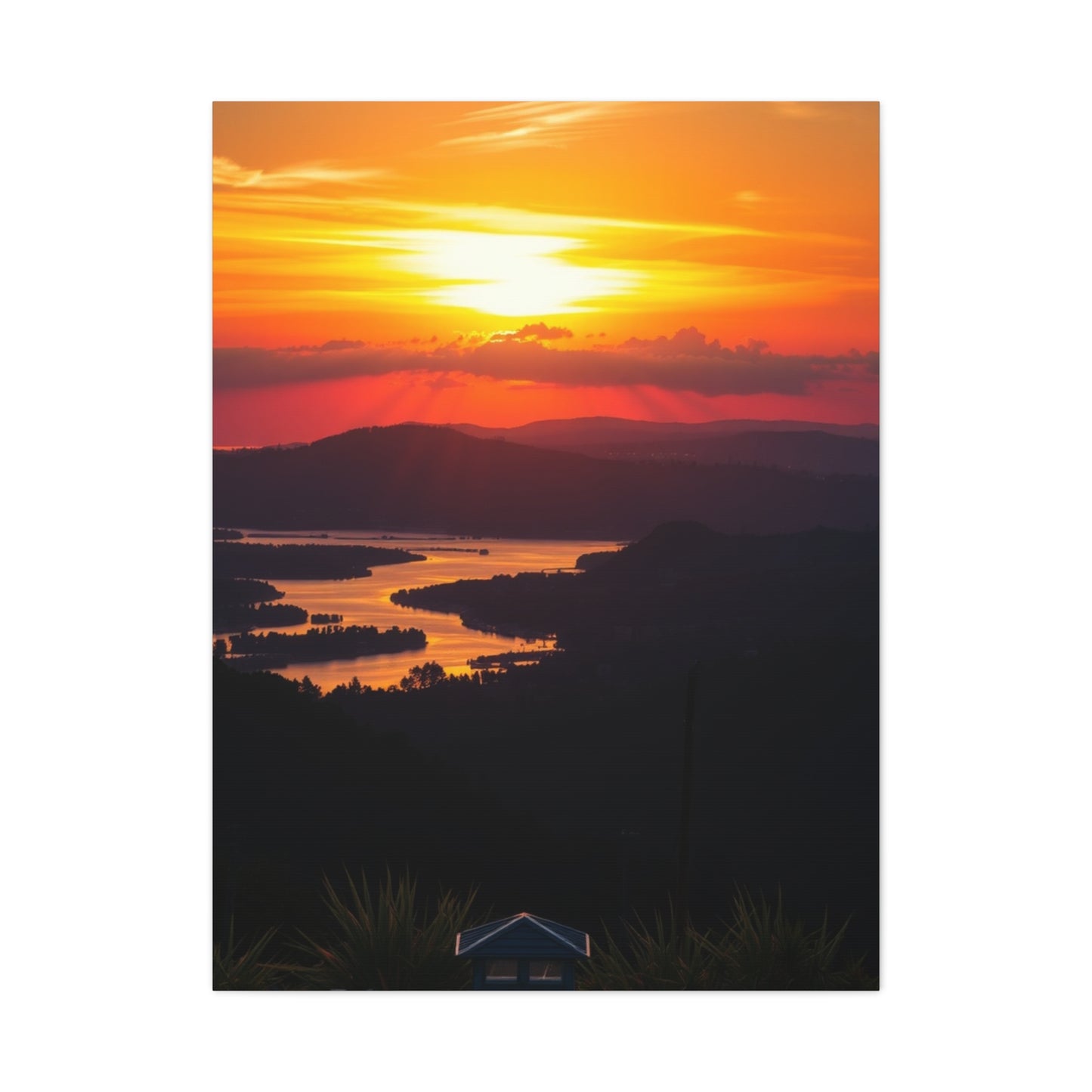
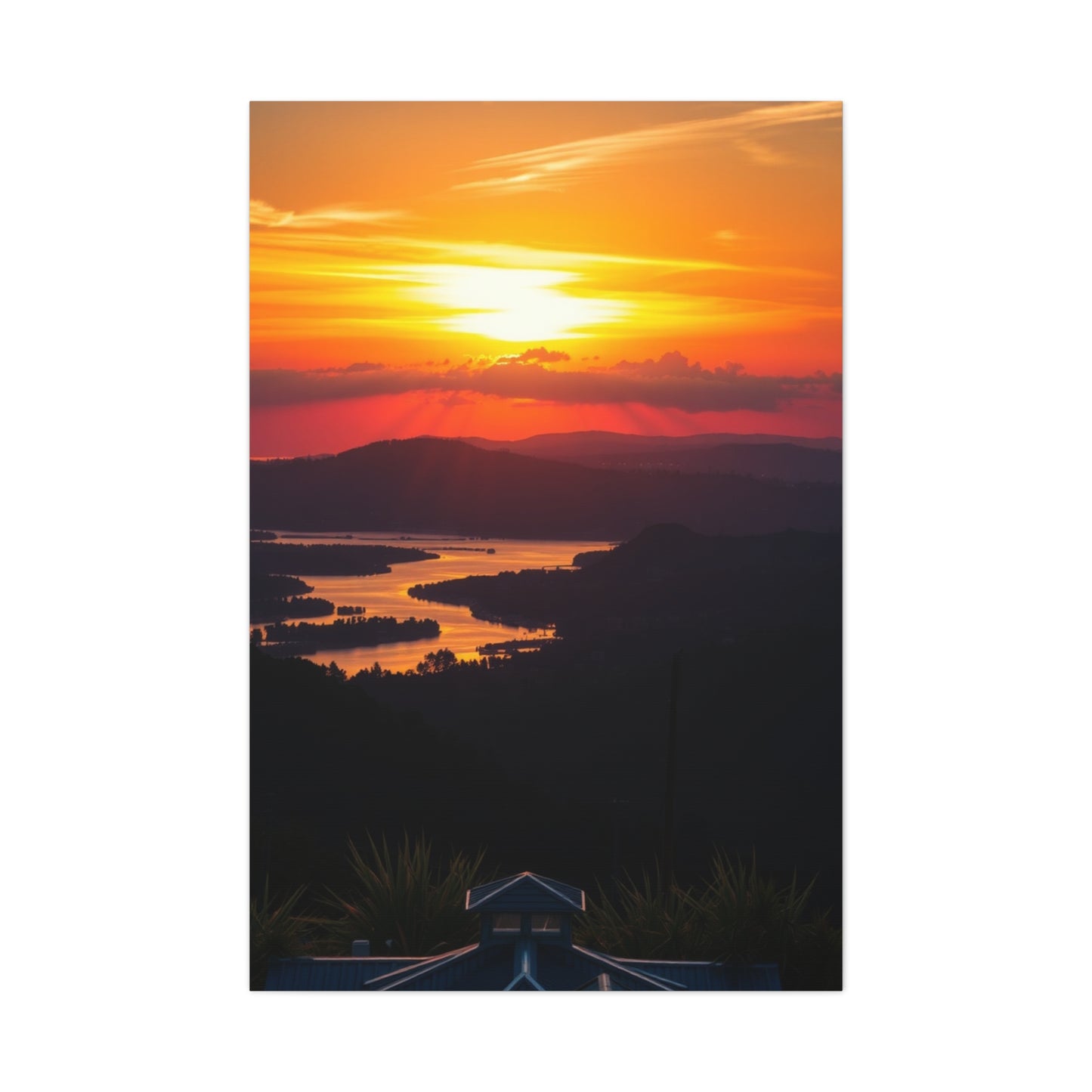
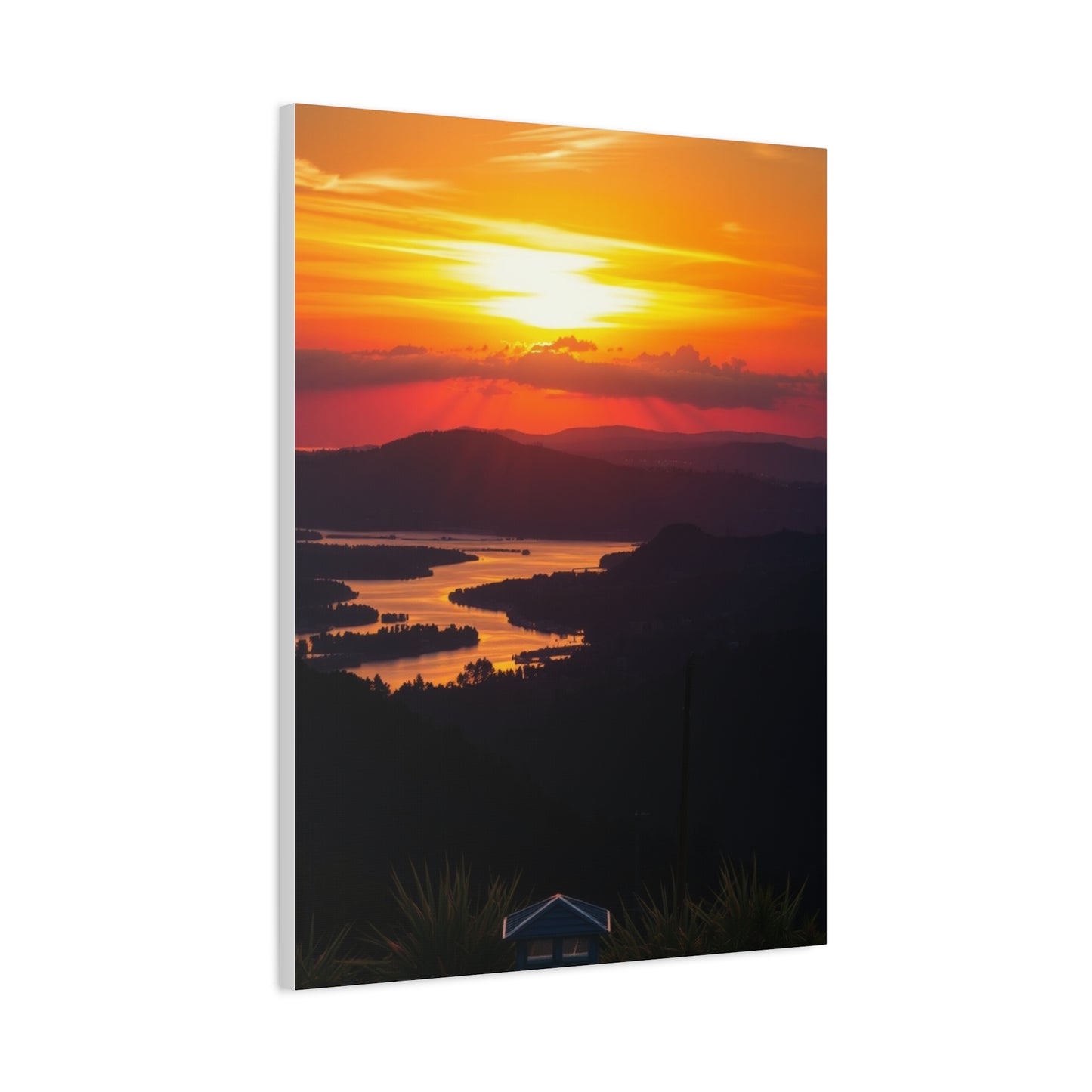
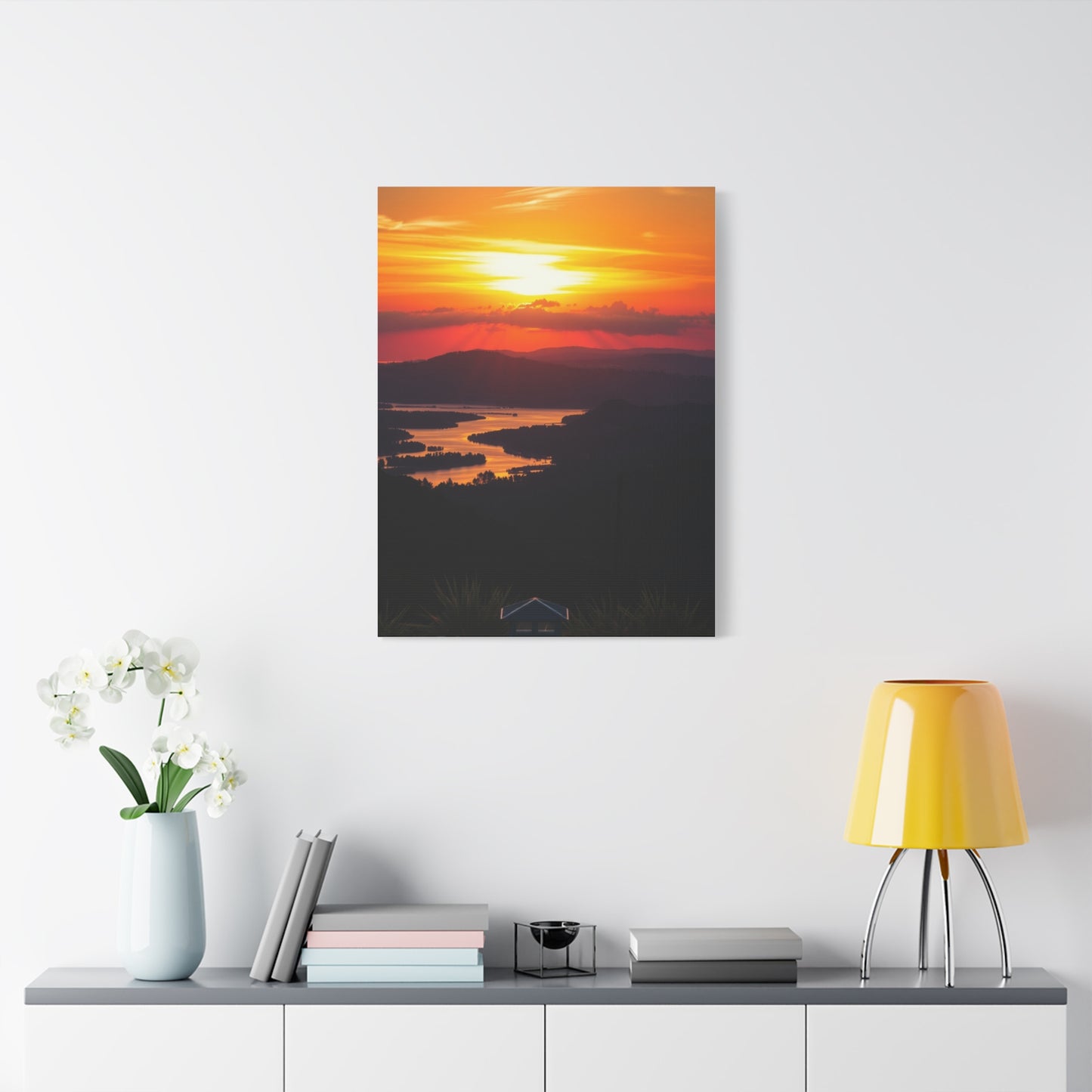
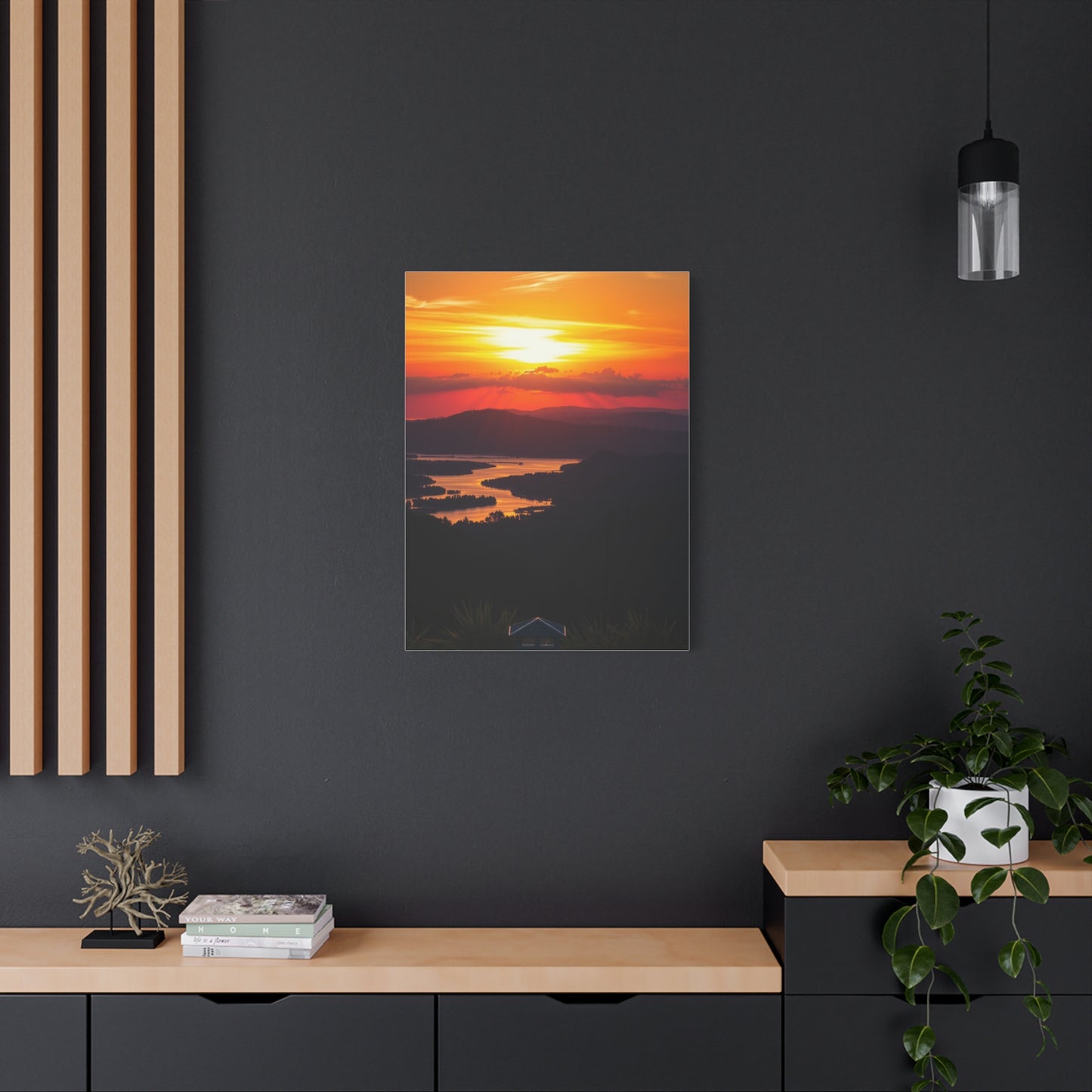
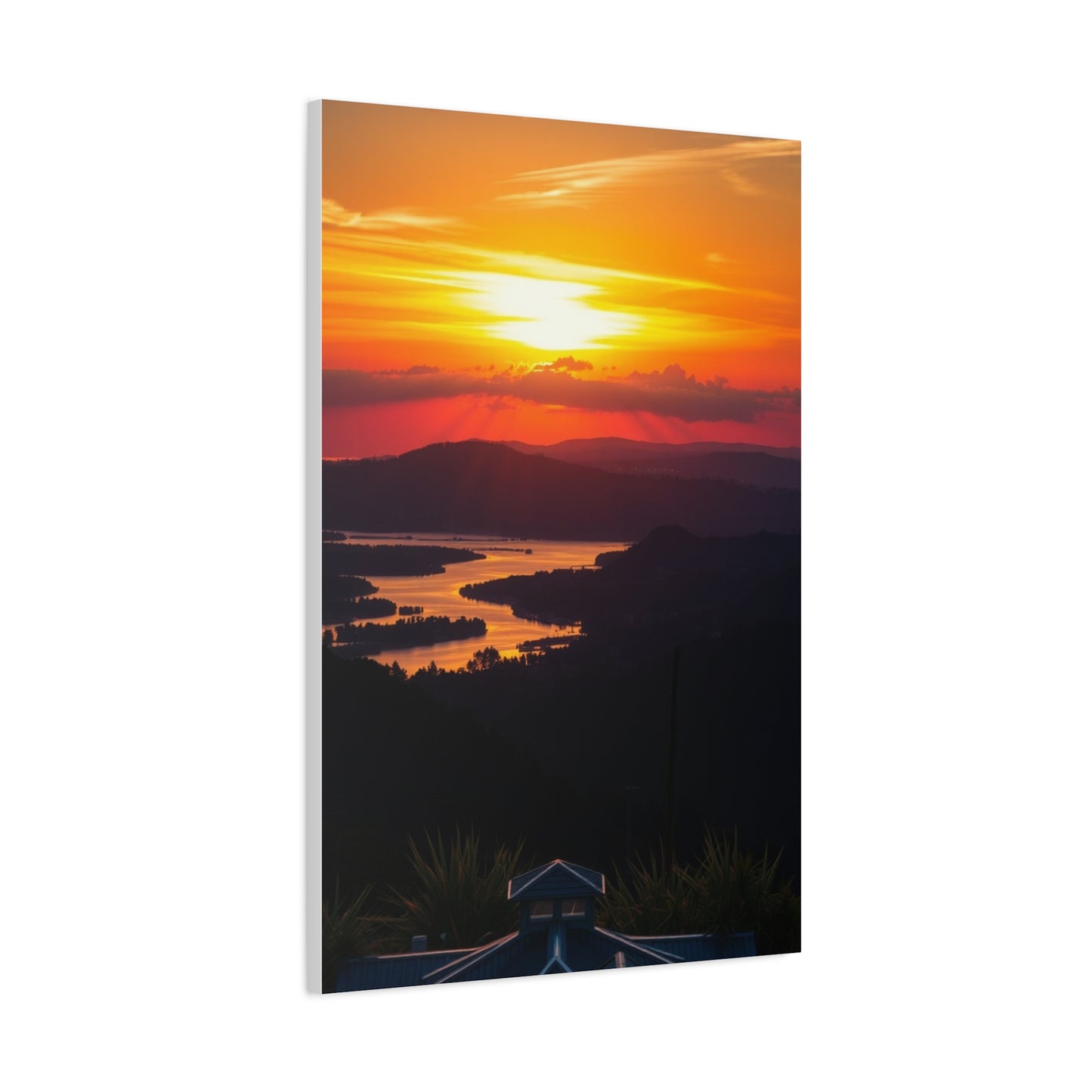
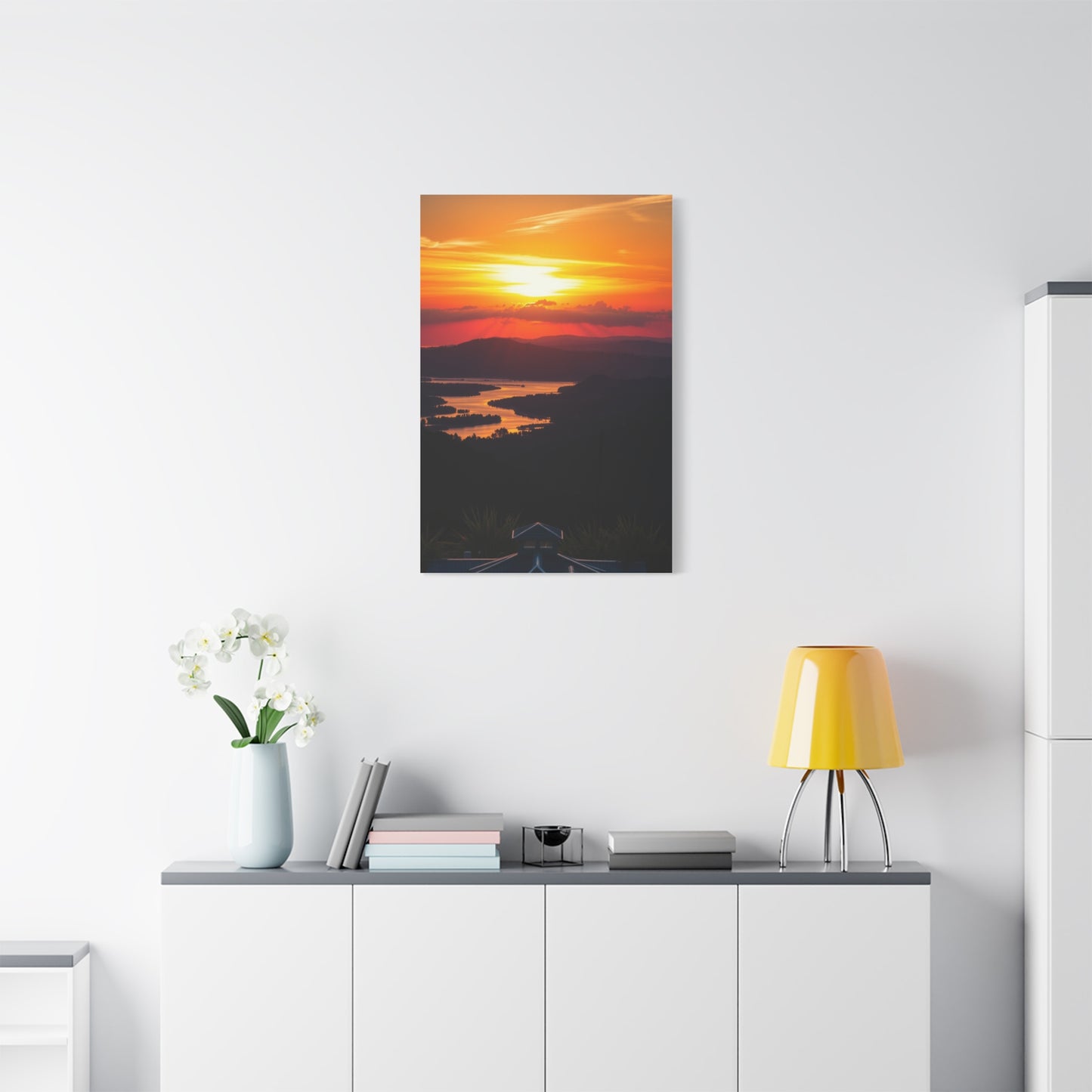
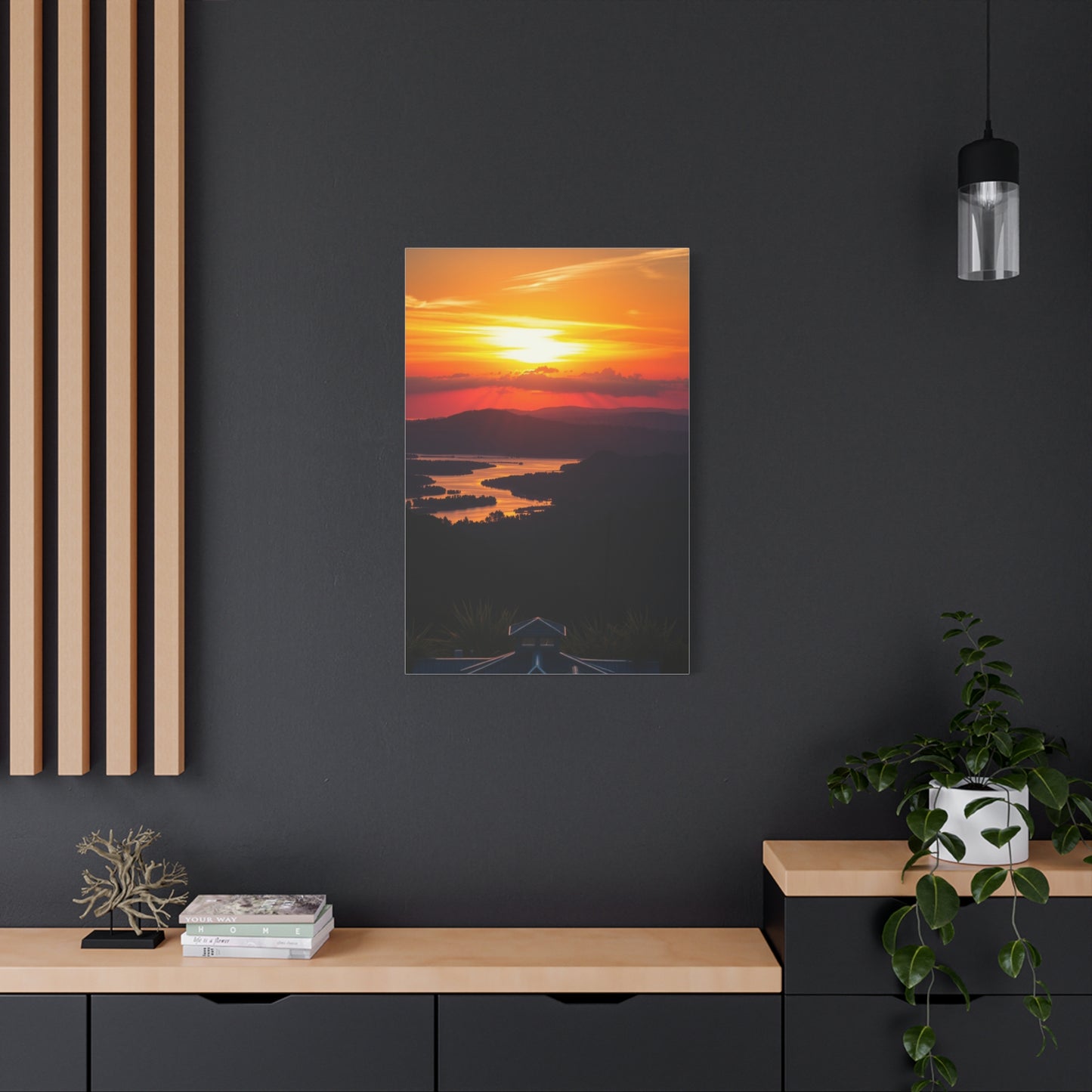
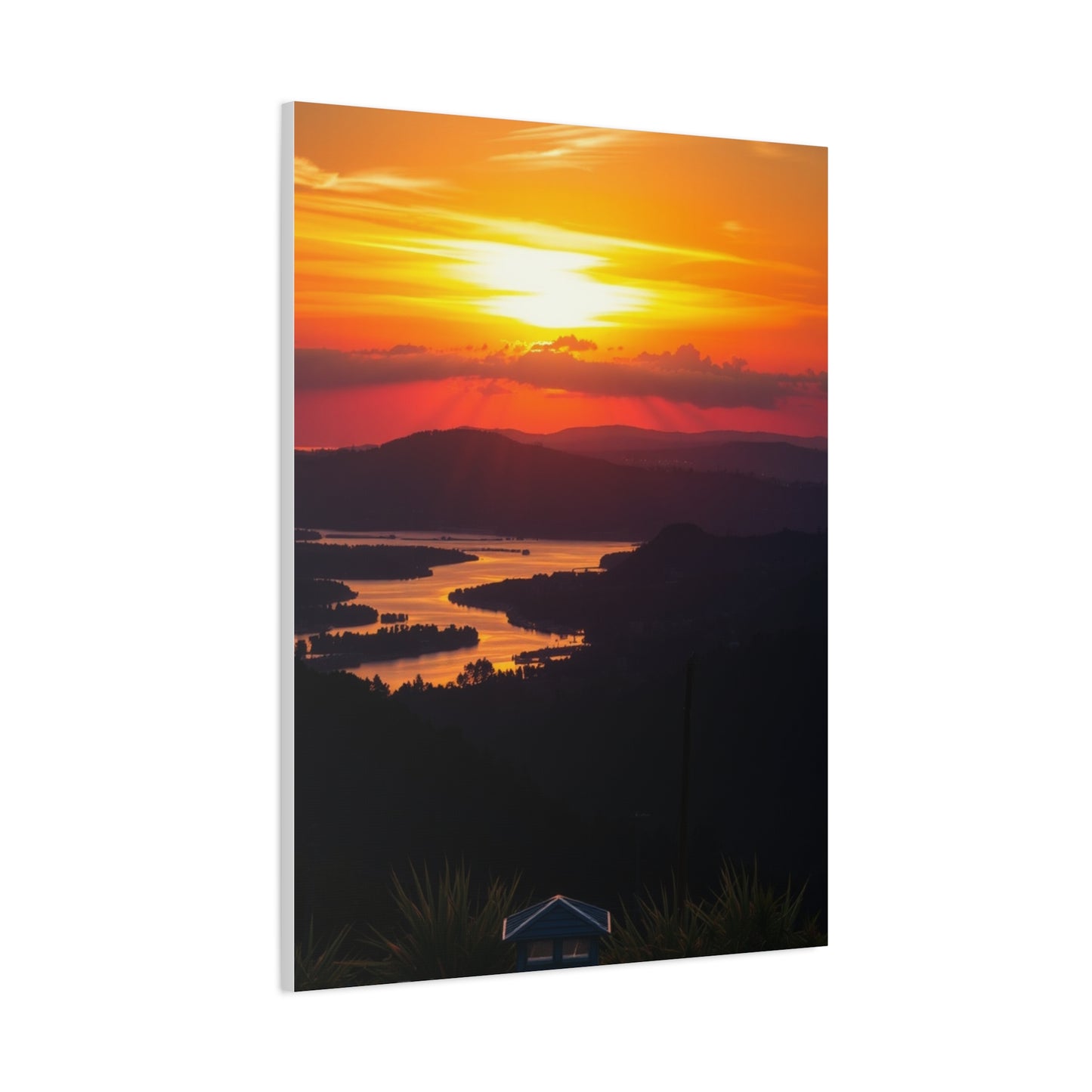
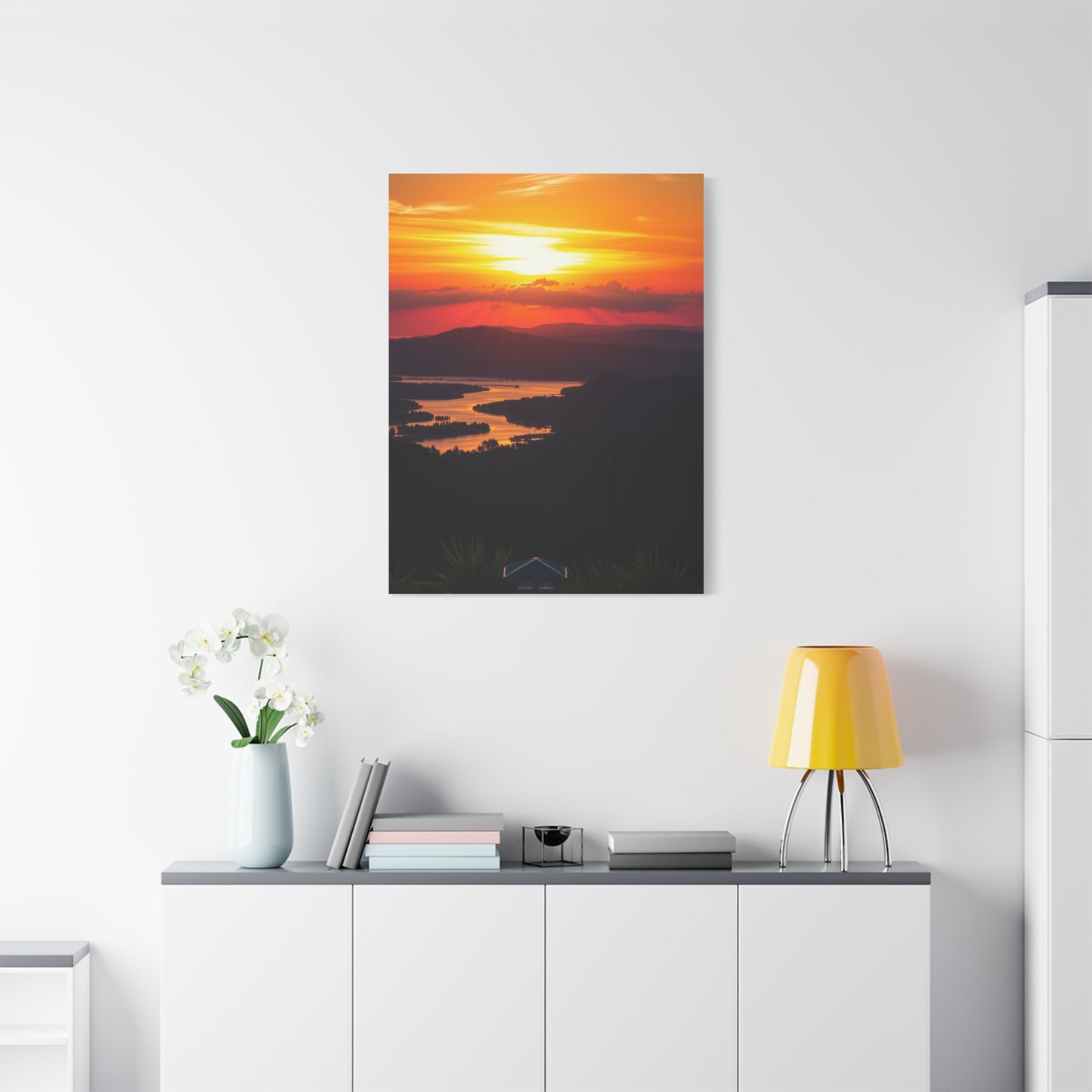
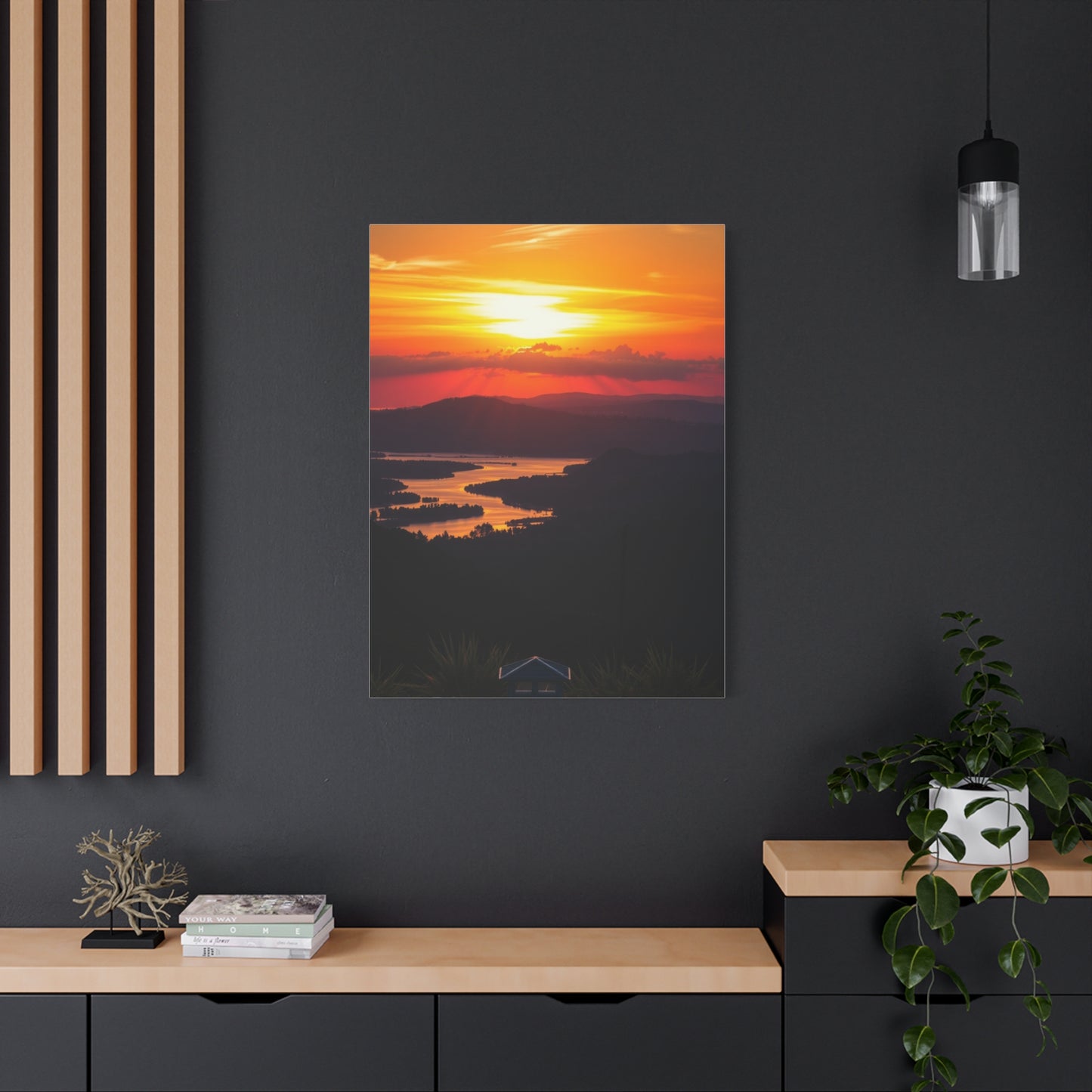
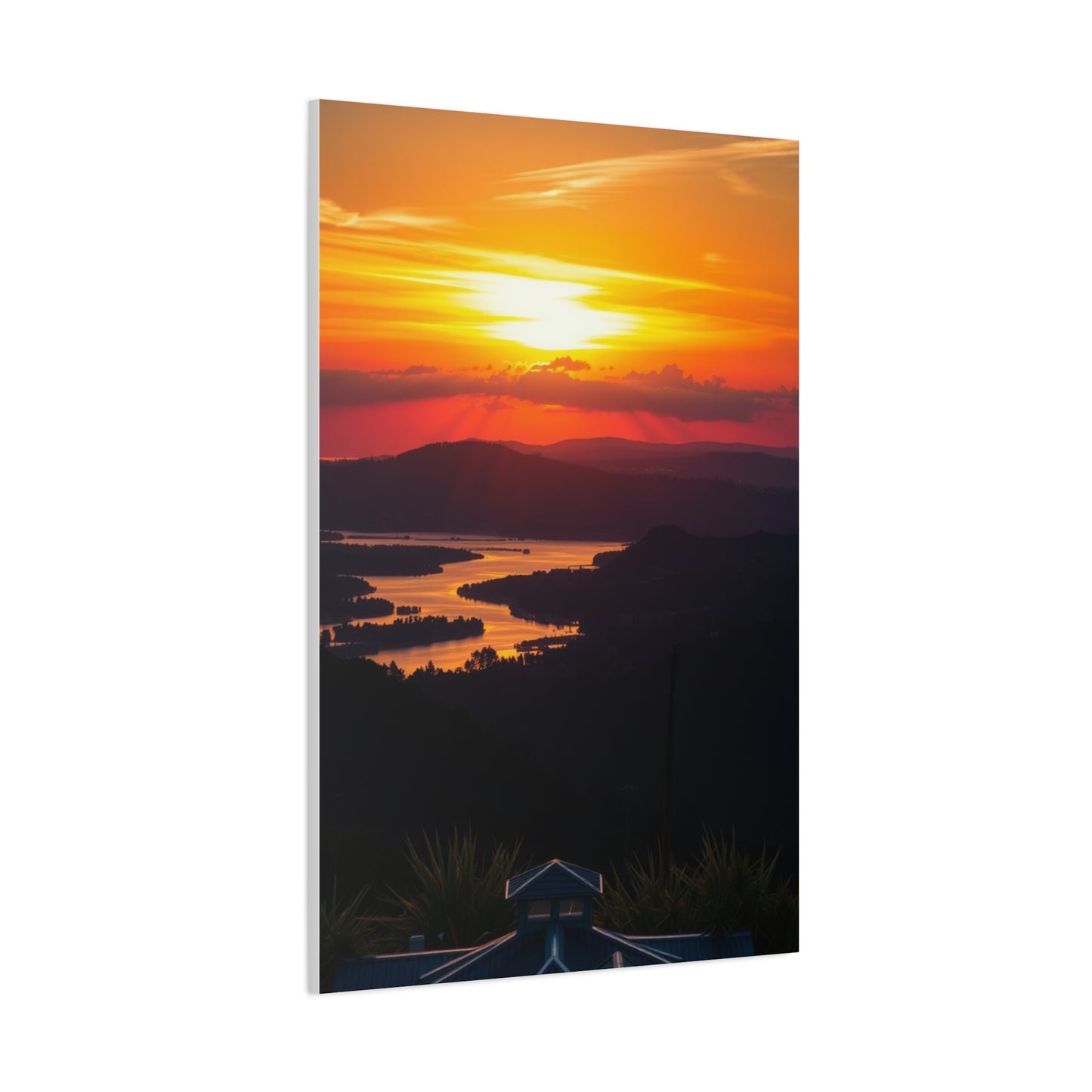
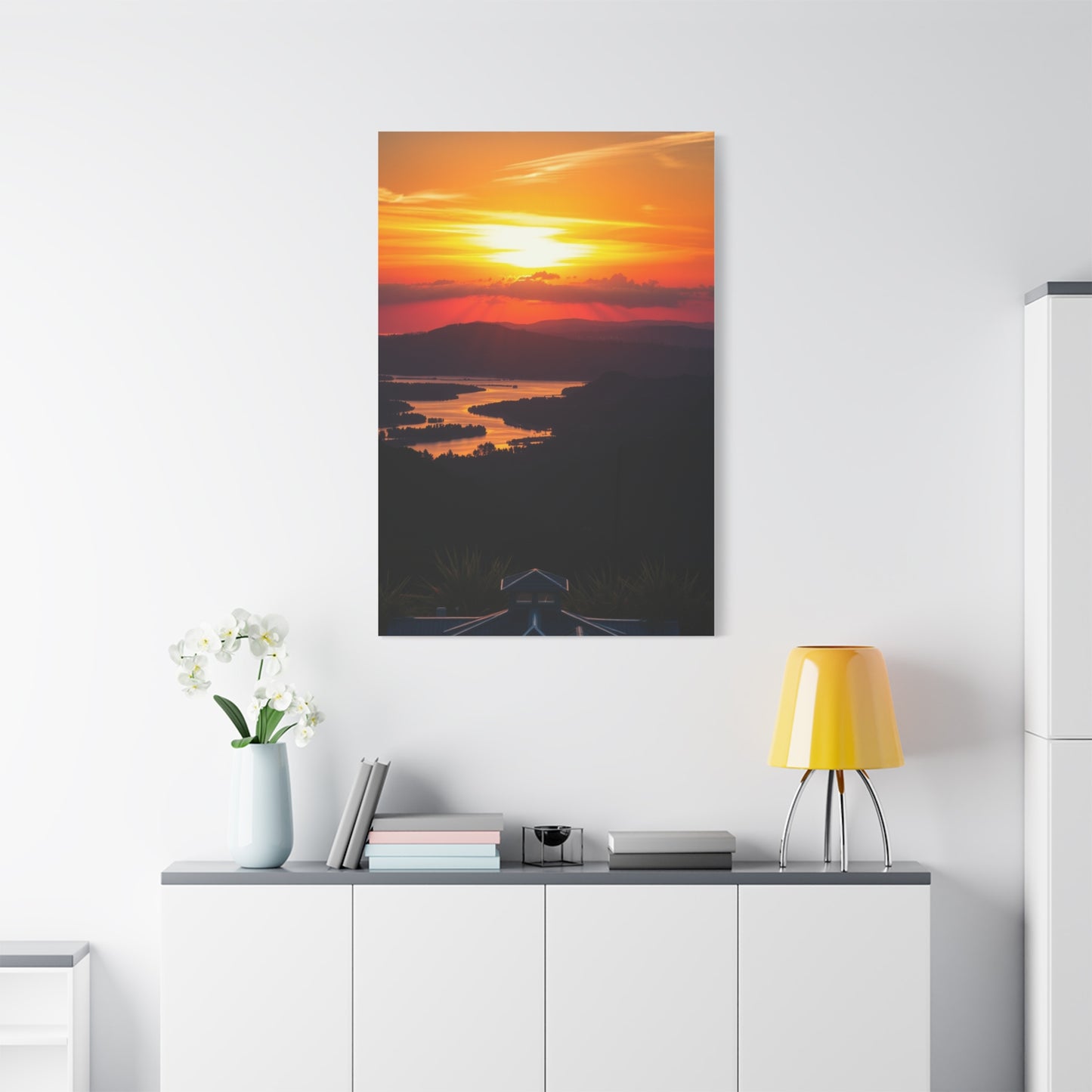
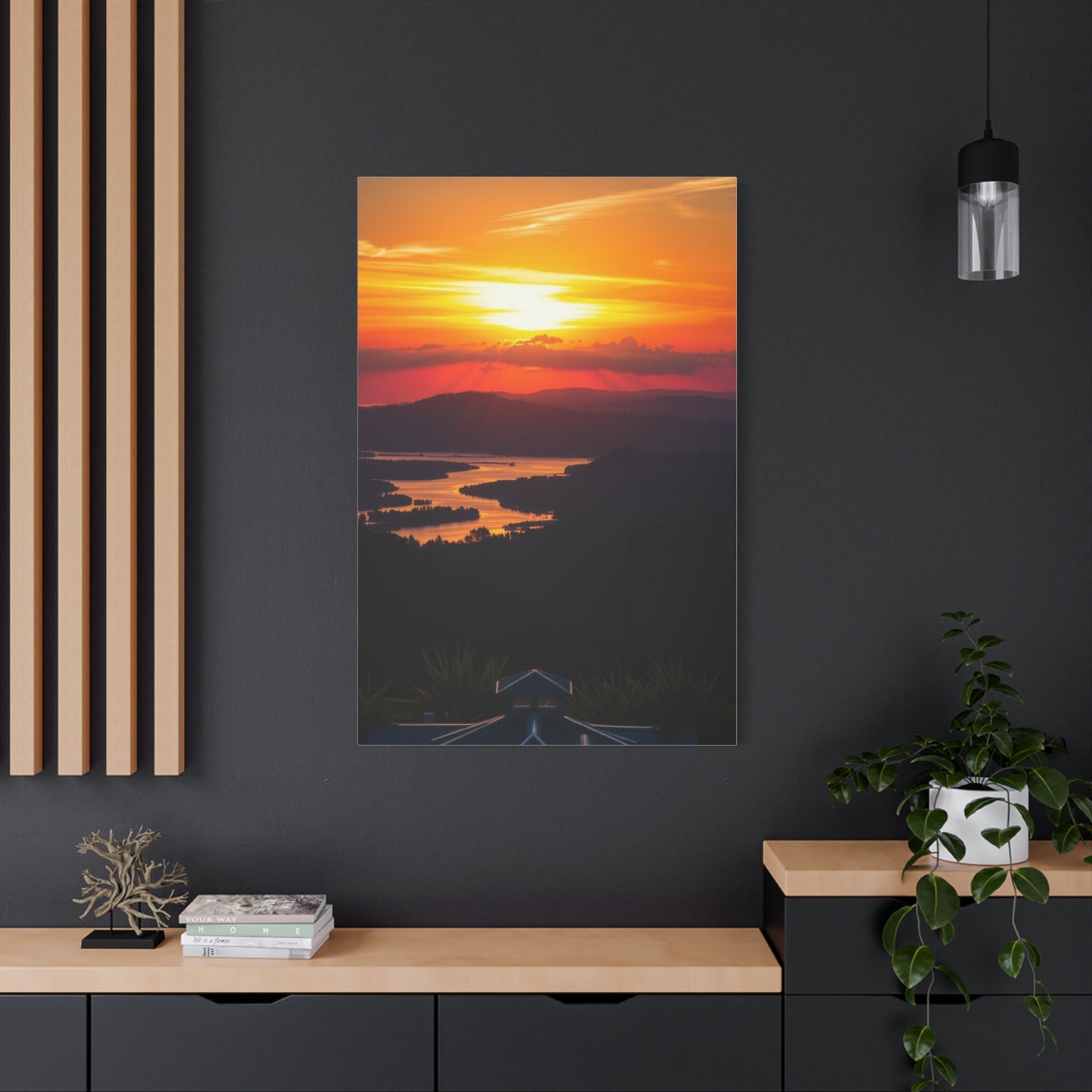
Bringing Nature Indoors: How Dawn-Dusk Splendor Canvas Can Redefine the Mood of Your Living Space
The natural world presents us with countless moments of breathtaking beauty, yet few phenomena can match the sheer magnificence of the transitional periods between day and night. These magical moments, when the sun kisses the horizon and the sky transforms into a living canvas of colors, have captivated humanity since the beginning of time. The soft glow that bathes the landscape during these precious hours creates an atmosphere of wonder and tranquility that touches the deepest parts of our souls.
These daily transformations represent more than just the passage of time; they embody the eternal rhythm of our planet and the delicate balance between light and darkness. Every morning and evening, nature orchestrates a spectacular display that reminds us of the beauty inherent in change and transition. The phenomenon occurs twice daily, offering us regular opportunities to witness one of the most stunning natural spectacles our world has to offer.
The scientific principles behind these displays are as fascinating as the visual experience itself. When sunlight travels through the atmosphere at a low angle during these transitional hours, it must pass through a thicker layer of air compared to midday. This extended journey causes shorter wavelengths of light, such as blues and greens, to scatter away, while longer wavelengths like reds, oranges, and pinks dominate the sky. This scattering effect, combined with atmospheric conditions, creates the warm, glowing palette that defines these magical moments.
Understanding these periods of natural splendor requires appreciating both their scientific foundations and their profound impact on human culture, psychology, and artistic expression. Throughout history, civilizations have recognized these times as sacred, using them for reflection, celebration, and spiritual practices. Modern science has revealed why these moments affect us so deeply, while artists continue to find endless inspiration in their ever-changing beauty.
Understanding the Science Behind Morning and Evening Light
The spectacular displays that grace our skies during the early morning and late evening hours result from complex interactions between sunlight and our atmosphere. When the sun sits low on the horizon, its light must travel through approximately thirty-eight times more atmosphere than when it shines directly overhead at midday. This extended path through the atmospheric layers creates the conditions necessary for the stunning color displays we observe.
Rayleigh scattering, named after the British physicist Lord Rayleigh who first described it mathematically, explains why shorter wavelengths of light scatter more efficiently than longer wavelengths. During these transitional periods, blue and violet light waves scatter so extensively that they never reach our eyes, leaving the warmer tones of red, orange, yellow, and pink to paint the sky. The degree of scattering depends on the wavelength of light, with shorter wavelengths scattering approximately ten times more than longer wavelengths.
The presence of particles in the atmosphere significantly influences the intensity and variety of colors we observe. Water droplets, dust particles, pollution, and even volcanic ash can enhance or modify the display. While pollution generally diminishes air quality, it can paradoxically create more vibrant displays by adding particles that scatter light in different ways. After major volcanic eruptions, people around the world often report particularly vivid displays lasting for months or even years, as fine volcanic particles remain suspended in the upper atmosphere.
Atmospheric conditions play a crucial role in determining the quality of each display. Clear skies allow for crisp, well-defined color gradients, while clouds act as natural canvases that reflect and diffuse the colored light, creating dramatic and varied effects. High-altitude clouds, particularly cirrus formations, can catch the light long after the sun has dropped below the horizon, creating extended displays that seem to glow from within. The moisture content of the air, temperature gradients, and even the seasonal position of the sun all contribute to the unique character of each occurrence.
The angle of sunlight during these periods also affects how we perceive colors in the landscape around us. The warm, directional light creates long shadows and enhances textures, making ordinary scenes appear extraordinary. Photographers prize this quality of illumination because it adds depth, dimension, and emotional warmth to images. The low angle of light grazes across surfaces rather than striking them directly, revealing details and creating a sense of three-dimensionality that flat midday light cannot achieve.
The Golden Hour Phenomenon and Its Magical Properties
Professional photographers and cinematographers speak reverently about the golden hour, that precious period shortly after sunrise and before sunset when the quality of natural light reaches its peak. During this time, which typically lasts between twenty minutes to an hour depending on latitude and season, the sun sits close enough to the horizon to produce warm, diffused light that flatters virtually every subject. The term golden hour perfectly captures the honey-colored quality of the illumination that bathes everything it touches.
The magic of this period stems from the specific angle of the sun, typically between six degrees below the horizon and six degrees above it. At these angles, the light possesses qualities that make it ideal for visual arts. The reduced intensity means subjects are evenly lit without harsh shadows or blown-out highlights. The warm color temperature creates a flattering, inviting atmosphere that evokes feelings of comfort and nostalgia. The directional nature of the light adds depth and dimension to subjects, making them appear more three-dimensional and engaging.
This special illumination transforms ordinary landscapes into extraordinary vistas. Mountains glow with warm tones, water surfaces shimmer with golden reflections, and buildings acquire a timeless quality that makes them appear as if lifted from a painting. The extended shadows created by the low sun angle add drama and visual interest to compositions, while the soft quality of the light reduces contrast, making it easier to capture detail in both highlights and shadows.
Human subjects photographed during this period benefit from the flattering characteristics of the light. The warm tones minimize skin imperfections and create a healthy, attractive glow. The reduced intensity eliminates squinting and harsh shadows under eyes and noses that plague midday photography. The directional quality creates natural-looking catchlights in eyes and adds subtle modeling that enhances facial features. These qualities explain why portrait photographers schedule sessions during these periods whenever possible.
The duration and quality of the golden hour vary significantly based on geographical location. Near the equator, where the sun rises and sets at steeper angles, the golden hour passes quickly, sometimes lasting only fifteen to twenty minutes. At higher latitudes, particularly during summer months, the sun follows a more gradual arc, extending the golden hour to ninety minutes or more. In polar regions during certain seasons, the sun may linger near the horizon for hours, creating extended periods of golden light that seem almost surreal.
Seasonal variations also affect the character and timing of these periods. During summer months, the golden hour occurs later in the evening and earlier in the morning, requiring photographers to plan accordingly. Winter brings earlier evening and later morning occurrences, but the sun's lower trajectory often creates more saturated colors and longer-lasting displays. Spring and autumn offer moderate timings with excellent atmospheric conditions, as changing weather patterns often produce dramatic cloud formations that enhance the spectacle.
Blue Hour Magic and Its Ethereal Qualities
Following the warm glow of the golden hour comes another magical period that photographers and nature enthusiasts treasure: the blue hour. This twilight period occurs twice daily, in the morning before the golden hour and in the evening after it concludes. Despite its name, the blue hour rarely lasts a full hour, typically spanning twenty to thirty minutes depending on location and season. During this time, the sun has dropped below the horizon far enough that direct sunlight no longer illuminates the landscape, yet enough scattered light remains to create visibility.
The distinctive blue quality of light during this period results from ozone in the upper atmosphere scattering shorter wavelengths more efficiently when the sun sits between six and twelve degrees below the horizon. This creates a soft, diffused illumination that casts no shadows and produces an almost otherworldly atmosphere. The absence of harsh contrasts and the cool color temperature create a serene, contemplative mood that differs dramatically from the warm tones of the golden hour.
Urban environments transform during the blue hour as artificial lights become prominent against the dusky sky. The balance between ambient daylight and artificial illumination creates perfect conditions for cityscape photography, as building lights appear warm and inviting against the cool blue sky without overwhelming the scene. Street lights, illuminated windows, and neon signs contribute points of warm color that contrast beautifully with the blue ambient light, creating visually dynamic compositions.
Natural landscapes take on a mysterious quality during this period. The soft, shadowless light minimizes texture and detail, creating simplified forms that emphasize shape and silhouette. Water surfaces appear smooth and reflective, often taking on a metallic sheen. Mountains and hills become layered shapes of progressively lighter blue tones as they recede into the distance, creating a sense of depth and atmosphere. The overall effect evokes feelings of calm, mystery, and introspection.
The blue hour presents unique challenges and opportunities for photographers. The rapidly changing light levels require frequent adjustment of camera settings, and the low light demands higher ISO settings or longer exposure times. However, these technical challenges are rewarded with images that possess a distinctive look impossible to achieve at other times. Long exposures during this period can create smooth, dreamlike renditions of moving elements like water and clouds, while maintaining rich color in the sky.
Best Locations Worldwide for Experiencing These Natural Phenomena
Certain locations around the globe have earned reputations for offering consistently spectacular displays of morning and evening light. These destinations combine ideal atmospheric conditions, compelling landscapes, and geographical features that enhance the natural beauty of these transitions. Photographers and nature enthusiasts travel from around the world to experience these locations at their most magical moments.
Coastal locations offer unique advantages for witnessing these displays. The unobstructed views across water provide clear sight lines to the horizon, while the reflective properties of water surfaces double the visual impact of colorful skies. The presence of moisture in coastal air often enhances the intensity of colors by adding water droplets that scatter light effectively. Beaches, rocky coastlines, and harbor areas all provide excellent vantage points for experiencing these transitions in maritime settings.
Mountain environments create their own special variety of morning and evening beauty. The interaction between sunlight and mountain peaks creates dramatic effects, particularly the phenomenon known as alpenglow, where mountains appear to glow with pink or red light before sunrise or after sunset. The thin, clear air at high elevations reduces atmospheric interference, often resulting in sharper, more defined color transitions. The elevated perspective from mountains also allows viewers to look down upon clouds and haze, creating layered, three-dimensional displays.
Desert regions produce some of the most vivid and dramatic displays due to their clear, dry air and minimal light pollution. The lack of moisture might seem disadvantageous, but it actually allows for crisper, more saturated colors. Desert landscapes themselves provide compelling foregrounds, with distinctive formations, sand dunes, and desert vegetation creating strong compositional elements. The warm tones of desert sands and rocks complement the warm light beautifully, creating harmonious color palettes.
Tropical locations near the equator experience rapid, intense transitions due to the steep angle at which the sun rises and sets. While the shorter duration might seem disadvantageous, the intensity and saturation of colors often compensate. Tropical clouds and regular atmospheric moisture create opportunities for dramatic, ever-changing displays. Palm trees, tropical beaches, and distinctive tropical vegetation provide exotic foreground elements that enhance compositions.
Urban environments offer entirely different but equally compelling opportunities for experiencing these transitions. Cities like New York, Tokyo, Hong Kong, and Dubai feature iconic skylines that create memorable silhouettes against colorful skies. The glass and steel of modern buildings reflect and multiply the colors, creating dazzling displays of reflected light. The transition from natural to artificial light sources during evening provides a unique visual experience as building lights gradually become prominent against the darkening sky.
Painting and Artistic Representation Through the Ages
Artists throughout history have attempted to capture the ephemeral beauty of these transitional moments, driven by the challenge of representing constantly changing light and color on static canvases. The history of art is rich with examples of painters who dedicated themselves to studying and representing these effects, developing techniques and approaches that influenced entire movements in artistic history.
The Impressionist movement of the late nineteenth century revolutionized the painting of light and atmosphere. Artists like Claude Monet obsessively studied how light changed the appearance of subjects throughout the day, creating series of paintings depicting the same scene under different lighting conditions. His famous series of Rouen Cathedral, Haystacks, and Water Lilies demonstrate how the same subject transforms completely under different light qualities. Monet and his contemporaries worked outdoors to capture fleeting light effects directly, rather than recreating scenes in studios from memory.
J.M.W. Turner, the British Romantic painter, became legendary for his luminous, atmospheric paintings that often featured dramatic morning or evening light. His innovative techniques for depicting light and atmosphere, sometimes bordering on abstraction, influenced generations of artists who followed. Turner's willingness to subordinate detail to overall effects of light and color represented a radical departure from the precise, linear approach that dominated earlier landscape painting. His later works, in particular, seem to dissolve solid forms into pure light and color.
The Hudson River School painters in nineteenth-century America created grand landscape paintings that often featured dramatic lighting effects. Artists like Frederic Edwin Church and Albert Bierstadt created enormous canvases depicting American wilderness scenes, frequently choosing to represent these scenes during transitional light periods. Their paintings combined careful observation of natural phenomena with romanticism and sublime aesthetic concepts, creating works that celebrated the spiritual qualities of natural light.
Contemporary landscape painters continue exploring these themes using both traditional and modern approaches. Some maintain classical techniques of building up layers of glazes to create luminous effects, while others employ bold, direct approaches using thick paint application. The challenge remains the same: representing the complex, subtle color relationships and the sense of transient beauty that characterizes these moments. Many contemporary painters work from photographs, which provide reference for the fleeting light effects while still requiring artistic interpretation and synthesis.
Watercolor painting offers particular advantages for depicting these transitional moments. The transparency and fluidity of watercolor naturally suggest atmospheric effects and the ephemeral quality of changing light. The technique of wet-on-wet watercolor, where paint is applied to dampened paper, creates soft edges and color blending that mimics atmospheric effects. Many watercolor artists specialize in capturing these moments, attracted by the natural affinity between the medium and the subject matter.
Weather Patterns and Their Effect on Visual Displays
The appearance and quality of these daily light displays vary dramatically based on prevailing weather conditions and atmospheric phenomena. Understanding these relationships helps both observers and photographers predict when conditions will produce the most spectacular displays and explains the enormous variation in the appearance of each occurrence.
Cloud cover represents the most significant weather factor affecting these displays. Clear skies produce clean, gradient color transitions in the sky but lack the drama that clouds provide. Clouds act as three-dimensional canvases that catch and reflect colored light, creating complex, constantly evolving displays. The type, altitude, and coverage of clouds all influence the final appearance. High, wispy cirrus clouds often produce the most spectacular effects, catching light long after the sun has dropped below the horizon and glowing with intense pink, orange, and red hues.
Lower stratocumulus clouds create different effects, often producing more muted but still beautiful displays. When these clouds cover fifty to seventy percent of the sky, they can create particularly dramatic scenes as colored light filters through gaps and edges, creating shafts of light and illuminated cloud formations against darker surroundings. Complete cloud coverage typically diminishes or eliminates the display, though occasionally the entire cloud layer can take on subtle color tints that create a different but still beautiful effect.
Storm systems create some of the most dramatic light shows, particularly when clearing weather coincides with these transitional periods. The combination of clearing skies, remaining clouds at various altitudes, and clean air washed by rain produces ideal conditions for vivid displays. Rain-washed air contains fewer large particles but abundant water droplets, which scatter light efficiently while maintaining visibility. The contrast between dark storm clouds and illuminated portions of the sky creates powerful visual drama.
Seasonal weather patterns significantly affect both the appearance and timing of these displays. Summer weather in many regions features unstable air masses that produce cumulus cloud formations, creating dramatic three-dimensional cloud structures that catch the light beautifully. Autumn often brings more stable air with high-pressure systems, producing clear skies and crisp, defined color gradients. Winter weather varies by region but often includes interesting atmospheric effects like ice crystals that create additional optical phenomena.
Temperature inversions, where warm air sits above cooler air near the surface, can create particularly vivid displays by trapping particles and moisture at low altitudes, creating a natural filter that enhances color saturation. These conditions often occur in mountainous regions and during particular weather patterns. The trapped particles scatter light efficiently, intensifying the warm colors while the clear air aloft allows for good overall visibility.
Seasonal Variations in Character and Quality
The character of morning and evening light displays changes dramatically throughout the year, influenced by the sun's changing position relative to Earth, seasonal weather patterns, and variations in atmospheric conditions. Understanding these seasonal differences helps observers know what to expect and appreciate the unique qualities each season brings.
Spring arrivals bring rapidly lengthening days and increasing solar elevation angles. The atmosphere during this season often contains a mixture of winter clarity and emerging moisture, creating conditions for diverse and unpredictable displays. Spring weather systems tend to be dynamic and changeable, producing varied cloud formations that interact beautifully with the changing light. The greening landscape provides fresh, vibrant foreground elements that complement the warm evening light. Cherry blossoms, spring flowers, and new foliage add seasonal interest to compositions.
Summer brings the longest days and the latest evening displays, with the golden hour occurring well into the evening in many locations. The high solar elevation means the sun sets at a steeper angle in most locations, creating shorter transitional periods. Summer weather often features cumulus cloud development, creating three-dimensional cloud formations that catch light beautifully. The warm temperatures and longer days encourage people to spend more time outdoors during these periods, making summer a popular season for experiencing these transitions socially.
Summer at high latitudes brings extended twilight periods and, in some locations, the midnight sun phenomenon where the sun never fully sets. These locations experience golden hour conditions that last for hours, creating unique opportunities for experiencing and photographing the warm light. The extended duration allows for more leisurely experiences and multiple compositions without rushing. However, the gentler angle of light and extended duration can sometimes result in less dramatic color intensity compared to the more rapid transitions at lower latitudes.
Autumn arrives with cooling temperatures, changing foliage, and often more stable weather patterns. Many photographers and observers consider autumn the finest season for experiencing these transitions. The crisp, cool air often produces exceptional clarity, while the colorful foliage provides spectacular foreground elements that complement the warm light. Fall weather patterns frequently bring high-pressure systems with clearing skies and moderate cloud cover, ideal conditions for vivid displays.
The seasonal position of the sun during autumn creates particularly rich colors. The lower solar elevation means sunlight passes through more atmosphere even at midday, and during the transitional periods, the path length becomes even greater. This extended path through the atmosphere enhances the scattering effects that create the warm color palette. The combination of clean autumn air, colorful foliage, and favorable solar geometry makes this season special for experiencing these phenomena.
Impact on Wildlife Behavior and Natural Rhythms
The transitional periods between day and night profoundly influence animal behavior, with countless species timing their activities to these natural cues. Understanding these patterns reveals the deep connections between light, life cycles, and ecological relationships that have evolved over millions of years. The changing light serves as a universal signal that coordinates activities across entire ecosystems.
Many bird species are most active during these transitional periods, creating what birders call the dawn chorus in the morning and evening song periods. The reasons for this timing relate to both practical and biological factors. The calmer winds and cooler temperatures of these periods allow sound to travel farther and more clearly, making it easier for birds to communicate. The limited visibility during these dim periods also makes it more difficult for predators to hunt successfully, allowing birds to focus on singing and foraging with relatively reduced risk.
Waterfowl and shorebirds time their movements to these periods, with large flocks often taking flight at these times. The changing light provides optimal conditions for safe travel, with enough visibility to navigate but reduced risk from predatory birds. The spectacular sight of thousands of geese or ducks taking flight against a colorful sky represents one of nature's most impressive displays, combining wildlife behavior with natural beauty.
Deer and other ungulates exhibit crepuscular behavior, meaning they are most active during these twilight periods. This timing allows them to feed during relatively cool portions of the day while taking advantage of the reduced visibility that makes it harder for predators to hunt effectively. Hunters have long recognized these activity patterns, with many regulations restricting hunting to specific periods relative to sunrise and sunset.
Predators including coyotes, foxes, and large cats also increase their activity during these transitional times, hunting the prey species that emerge during these periods. The dim light provides enough visibility for these predators to navigate and locate prey while offering shadows and reduced visibility that aid in stalking. The increased activity of both predators and prey during these periods creates a heightened sense of alertness throughout ecosystems.
Bats emerge from their roosting sites during the evening transition, timing their departure to coincide with the availability of night-flying insects. Watching bats stream from caves or roosts against a colorful evening sky creates memorable wildlife viewing experiences. The timing of bat emergence varies with season and weather but consistently relates to the changing light levels that mark the transition from day to night.
Insects show pronounced activity patterns tied to these transitional periods. Mosquitoes and many other biting insects peak their activity during these times, an adaptation that affects how humans experience outdoor activities during these periods. Fireflies emerge during the evening transition, creating magical displays of bioluminescence that combine with the changing colors of the sky. The combination of glowing insects and atmospheric displays creates an almost magical atmosphere that has inspired countless poems, songs, and artistic works.
Creating Art Inspired by Morning and Evening Beauty
Artists working in various media continue finding endless inspiration in the changing light of these transitional periods. The challenge of capturing ephemeral beauty drives creative exploration across painting, photography, digital art, sculpture, and even performance. Each medium offers unique possibilities and faces distinct challenges in representing these transient phenomena.
Digital artists have embraced the challenge of representing these moments using modern tools and technologies. Digital painting software allows for the creation of highly realistic representations or stylized interpretations of these light effects. The ability to work in layers, adjust colors globally, and experiment without wasting materials makes digital media well-suited to exploring complex color relationships. Many digital artists create time-lapse videos showing the evolution of their work, mirroring the temporal progression of the phenomena they depict.
Performance artists have created works timed to coincide with these daily transitions, using the natural light as an integral component of the performance. Dance performances choreographed to begin before sunrise and evolve with the changing light create powerful connections between human movement and natural cycles. Musical performances timed to these periods gain emotional resonance from the atmospheric changes occurring simultaneously with the music. These time-specific performances emphasize the present moment and the irreproducible nature of each occurrence.
Land art and environmental art often incorporate these light effects as essential components. Artists create earthworks positioned to interact with light at specific times of day or year, creating alignments and effects visible only during particular conditions. These works connect contemporary artistic practice with ancient traditions of creating structures aligned with celestial events. The scale and permanence of land art contrasts with the ephemeral nature of the light effects that activate them.
Mixed media artists combine various techniques and materials to create multilayered representations that capture different aspects of these phenomena. Combining photography with paint, incorporating found materials, or using innovative techniques like resin pours to create depth and luminosity all offer ways to interpret these experiences. The freedom to combine approaches allows artists to emphasize particular qualities or create entirely new ways of experiencing and understanding these natural events.
Conceptual artists explore the ideas and emotions associated with these transitions rather than creating literal representations. Works might address themes of change, impermanence, hope, endings, or renewal using these daily phenomena as metaphors. Video installations showing endless loops of transitions from around the world create meditative experiences that collapse geographic distance. Sound installations using recordings from these periods immerse viewers in the auditory dimension of these times, which often goes unnoticed in our visually-focused culture.
Historical Navigation and Timekeeping Using Natural Light
Before modern timekeeping devices and navigational instruments, humans relied heavily on observing the sun's position and the quality of natural light to orient themselves temporally and spatially. The transitional periods between day and night provided crucial markers that structured daily activities and enabled successful navigation across oceans and continents. Understanding these historical uses reveals how fundamental these phenomena were to human survival and cultural development.
Ancient mariners used the position of the sun relative to the horizon during these transitional periods to determine their latitude and estimate their position at sea. The angle of the rising or setting sun varied predictably with latitude, providing navigational information to experienced sailors. Combined with observations of stars visible during twilight periods, these natural cues allowed for remarkably accurate ocean navigation long before the invention of precise instruments. Polynesian navigators achieved legendary expertise in using these and other natural signs to traverse vast Pacific distances.
The timing of these transitions provided the basis for the earliest systems of dividing the day into periods. Before mechanical clocks, people structured their days around natural markers like sunrise, midday, sunset, and the darkness of night. Many cultures developed more refined divisions, creating systems of temporal hours that varied in length with the seasons, each daytime hour representing one-twelfth of the time between sunrise and sunset. This system, used throughout medieval Europe and many other cultures, meant that hours were longer in summer than winter, reflecting the natural rhythm of available daylight.
Religious communities structured their daily prayer cycles around these natural transitions. Monastic traditions developed elaborate schedules of services timed to specific points in the sun's daily journey. Lauds occurred at dawn, Vespers in the evening, and Compline after sunset. These services connected spiritual practice to natural rhythms, creating a sense of harmony between religious observance and cosmic order. The practice continues in many religious traditions, maintaining an ancient connection between spirituality and natural cycles.
Agricultural societies timed their work according to these natural markers, beginning fieldwork shortly after sunrise and ending as the light faded. The cooler temperatures and better quality of light during these periods made them ideal for physical labor. Planting and harvesting often began at first light to maximize the hours of favorable working conditions. This rhythm of work synchronized with natural cycles persisted for thousands of years before artificial lighting and mechanized agriculture changed the relationship between human activity and natural light.
Modern Scientific Research and Atmospheric Studies
Contemporary scientists continue studying the optical phenomena associated with these transitional periods, using advanced instruments and techniques to understand atmospheric processes in unprecedented detail. This research contributes to fields ranging from climate science to remote sensing, revealing information about atmospheric composition, pollution levels, and climate change indicators visible in these daily displays.
Satellite observations now monitor atmospheric conditions globally, measuring factors that affect the quality and appearance of these transitions. Instruments detect aerosol concentrations, water vapor levels, and other atmospheric constituents from space. Scientists correlate these measurements with observations from ground-based observers and automated sensors, building comprehensive datasets about atmospheric conditions. These observations contribute to weather forecasting, climate modeling, and air quality monitoring.
Lidar technology uses laser pulses to create detailed vertical profiles of the atmosphere, revealing the distribution of particles and atmospheric layers. When deployed during transitional periods, lidar provides information about how light interacts with different atmospheric components at various altitudes. This data helps scientists understand the complex scattering processes that create the colors we observe. Lidar measurements have revealed previously unknown details about atmospheric structure during these periods.
Climate change research examines how changing atmospheric conditions affect these natural displays. Increasing temperatures, changing humidity patterns, and altered circulation patterns all influence atmospheric conditions during transitional periods. Scientists investigate whether these changes are producing observable differences in the frequency, intensity, or character of displays. Long-term photographic records and historical descriptions provide baseline data for comparison with contemporary observations, though interpreting these comparisons requires careful attention to changing observation conditions and recording methods.
Air quality monitoring utilizes observations during these periods to assess pollution levels and atmospheric clarity. The vivid colors that sometimes follow periods of heavy pollution result from optimal particle concentrations for light scattering, creating beautiful displays that paradoxically indicate degraded air quality. Scientists work to educate the public about this counterintuitive relationship, explaining that the most spectacular displays don't always indicate the healthiest atmospheric conditions. This research has practical applications for public health and environmental policy.
Atmospheric optics research investigates the full range of optical phenomena visible during these periods, not just the basic color displays. Phenomena like the Belt of Venus, the purple light, anticrepuscular rays, and various twilight phenomena receive scientific attention. Understanding these effects requires sophisticated knowledge of atmospheric physics, radiative transfer, and optical principles. Research in this field contributes to our fundamental understanding of how light interacts with planetary atmospheres.
Remote sensing applications use the unique lighting conditions during these periods for earth observation purposes. Satellite imagery captured during these times reveals surface features with exceptional clarity due to the low angle of illumination that emphasizes topography and texture. Scientists use these observations for geological mapping, agricultural monitoring, and environmental assessment. The long shadows cast during these periods provide information about surface elevation and structure that would be invisible in overhead midday imagery.
Meditation and Mindfulness Practices During Transitional Hours
The special quality of light and atmosphere during these periods creates ideal conditions for meditation and mindfulness practices. Many meditation traditions recognize these times as particularly conducive to inner work, and contemporary mindfulness practitioners continue finding value in these natural opportunities for contemplation and awareness. The practice of intentionally experiencing these transitions offers psychological and spiritual benefits that extend beyond the immediate experience.
The natural beauty and drama of these transitions provide an object of meditation that effortlessly captures attention. Unlike some meditation objects that require effort to maintain focus upon, the changing sky naturally draws and holds awareness. This quality makes these periods accessible to beginning meditators who struggle with more abstract or subtle meditation objects. The progressive changes occurring in the sky provide a dynamic focus that maintains engagement while still promoting calm, centered awareness.
Mindfulness practice during these periods cultivates present-moment awareness by anchoring attention to direct sensory experience. Practitioners observe the changing colors, the quality of light, the temperature shifts, and the sounds associated with these times. This sensory engagement pulls awareness away from conceptual thinking and into direct perception. The practice develops concentration while simultaneously promoting relaxation, creating an optimal state for meditation.
The symbolic significance of these transitions as liminal periods between day and night, light and darkness, resonates with meditation practices focused on transformation and change. The visible transformation occurring in the external environment mirrors internal processes of consciousness and awareness. Many meditation practitioners find that sitting during these transitions naturally promotes insights about impermanence, change, and the nature of consciousness itself. The external changes provide a tangible metaphor for internal experiences.
Walking meditation during these periods combines gentle physical activity with meditative awareness. The changing light transforms familiar paths into new experiences, promoting fresh perception and appreciation. The moderate temperatures and pleasant light quality make these times comfortable for outdoor practice. Walking meditation during these periods allows practitioners to coordinate breath, movement, and awareness while immersed in natural beauty.
Gratitude practices find natural expression during these times, as the beauty and daily recurrence of these phenomena inspire appreciation and thankfulness. Many mindfulness practitioners incorporate gratitude meditation during these periods, cultivating appreciation for the natural world, the gift of consciousness, and the privilege of witnessing such beauty. This practice connects meditation to positive emotions and promotes psychological wellbeing.
Group meditation during these periods creates shared experiences that build community and provide social support for practice. Meditation groups that meet for sunrise or sunset sessions create rituals that participants look forward to and prioritize. The shared experience of witnessing these transitions together creates bonds between practitioners and reinforces individual commitment to regular practice. These groups often report high attendance and sustained participation, suggesting that the combination of meditation practice and natural beauty creates powerful motivation.
Impact on Architecture and Built Environment Design
Architects and designers throughout history have considered the quality of morning and evening light when creating buildings and spaces. The way structures interact with natural light during these transitional periods significantly affects the experience of spaces and the emotional responses of occupants. Thoughtful design that accounts for these light qualities creates buildings that feel alive, connected to natural rhythms, and emotionally resonant.
Traditional architecture in many cultures oriented buildings to capture morning or evening light for practical and symbolic reasons. East-facing windows welcomed morning light, providing natural illumination and warmth as the day began. West-facing windows captured evening light, extending the period of natural illumination. The sizing and placement of openings reflected careful consideration of how sunlight at different angles would penetrate interior spaces. These design decisions reflected accumulated wisdom about how to create comfortable, well-lit spaces using only natural light sources.
Religious architecture often incorporated dramatic effects created by low-angled light entering through carefully positioned openings. Gothic cathedrals used stained glass windows positioned to catch morning or evening light, creating spectacular displays of colored light that filled sacred spaces with luminous beauty. The emotional and spiritual impact of these effects was intentional, designed to inspire awe and elevate consciousness toward the divine. Many temples, mosques, and churches worldwide incorporate similar considerations in their design.
Modern architecture continues exploring how buildings can interact with these transitional light periods. Architects use computer modeling to predict how sunlight will enter and illuminate spaces throughout the day and year. This analysis informs decisions about window placement, building orientation, and the design of light-controlling elements like overhangs and louvers. Green building certification programs award points for designs that optimize natural daylight, encouraging architects to consider these factors carefully.
Residential architecture benefits particularly from thoughtful consideration of these light qualities. Bedrooms oriented to receive gentle morning light support natural waking processes and circadian rhythm health. Living spaces that capture warm evening light create inviting atmospheres for relaxation and social activity. The psychological and physiological benefits of appropriate natural light exposure make these design considerations important for occupant wellbeing.
Outdoor spaces like terraces, patios, and gardens gain additional value when designed to provide comfortable viewing points for experiencing these transitions. Seating areas oriented toward sunset views become favorite gathering spots for families and social groups. Garden designs that consider how plants and landscape features will appear in morning or evening light create spaces that reveal different beauties at different times. Water features positioned to reflect colored skies multiply the visual impact of natural displays.
Children's Connection to Natural Daily Rhythms
Fostering children's awareness and appreciation of these daily transitions provides numerous developmental and psychological benefits. Direct experience of natural phenomena builds connection to the natural world, promotes wonder and curiosity, and establishes healthy relationships with natural rhythms. In an era of increasing screen time and indoor-focused activities, intentionally creating opportunities for children to experience these transitions serves important developmental purposes.
Young children naturally respond with wonder and excitement to dramatic visual phenomena like colorful skies. Their capacity for presence and direct experience, not yet fully mediated by conceptual thinking and habitual perception, allows them to engage with these moments fully. Adults observing with children often report that the children's enthusiasm rekindled their own sense of wonder, creating valuable intergenerational experiences. These shared moments of beauty create lasting memories and strengthen family bonds.
Educational benefits of regular exposure to these transitions include developing observational skills, understanding cause and effect relationships, and learning basic science concepts in engaging, memorable contexts. Children who regularly observe the sky learn to notice subtle changes in color, cloud formations, and weather patterns. They begin understanding the relationship between time, seasons, and natural phenomena. These foundational observations support later learning in earth science, astronomy, and environmental studies.
Establishing routines around experiencing these transitions helps children develop appreciation for natural rhythms and cycles. Morning routines that include watching sunrise teach children about beginnings, new opportunities, and the daily renewal of energy and possibility. Evening routines that incorporate sunset viewing create natural transitions toward quieter activities and bedtime. These routines provide structure while connecting daily activities to natural cycles larger than individual or family schedules.
Creative activities inspired by these experiences help children process and express their responses to natural beauty. Drawing or painting the colors they observe, writing descriptions or poems, creating nature journals that track changes over time, or photographing these transitions all provide opportunities for creative expression connected to direct experience. These activities develop artistic skills while reinforcing observation and appreciation of natural phenomena.
The calming effect of these experiences benefits children who struggle with anxiety, hyperactivity, or difficulty transitioning between activities. The natural beauty and gradual progression of these transitions provide soothing sensory input that can help regulate arousal levels and emotional states. Many parents report that regular sunset viewing helps their children settle for evening activities and improves bedtime routines. The practice provides a natural transition that works with children's nervous systems rather than against them.
Conclusion:
Bringing Nature Indoors: How Dawn-Dusk Splendor Canvas Can Redefine the Mood of Your Living Space highlights the profound impact that nature-inspired art can have on interior environments, transforming not just walls but the very atmosphere of a room. The Dawn-Dusk Splendor Canvas captures the ephemeral beauty of the natural world—the delicate transition of light, the interplay of color, and the serene balance between day and night—offering homeowners a visual experience that evokes calm, wonder, and inspiration. By channeling the rhythms of nature, this artwork bridges the gap between indoor spaces and the outdoors, fostering a sense of harmony that enhances both aesthetic appeal and emotional well-being.
At the core of this canvas lies the power of natural lighting. The gentle progression from the soft glow of dawn to the warm, contemplative hues of dusk creates a dynamic visual journey, inviting viewers to pause and immerse themselves in its subtle energy. These shifting tones influence the mood of a room, offering a duality of calm and vitality. Morning shades evoke renewal, clarity, and optimism, while dusk tones inspire reflection, comfort, and relaxation. In this way, the Dawn-Dusk Splendor Canvas serves as a daily companion, subtly guiding the emotional rhythm of those who inhabit the space.
From a design perspective, this canvas is versatile and universally harmonious. Its blend of muted pastels, warm highlights, and serene contrasts complements a wide variety of interior styles—from minimalist modern apartments to rustic, nature-inspired homes. The artwork’s fluid gradients and organic forms naturally soften hard architectural lines, creating a sense of cohesion and visual flow. When strategically placed above a sofa, dining table, or bedroom headboard, the canvas becomes both a focal point and a unifying element, balancing the room’s color palette while inviting contemplation.
Moreover, the Dawn-Dusk Splendor Canvas does more than please the eye; it engages the mind and emotions. The depiction of transitions—sunlight breaking through clouds, the fading warmth of day into evening—symbolizes the cycles of life and nature, inspiring mindfulness and reflection. It encourages residents to slow down, observe, and appreciate fleeting moments, fostering an environment where tranquility and mental clarity are cultivated. This is particularly meaningful in contemporary living spaces, where pace and stress often dominate daily life. Nature-inspired artwork offers an antidote, introducing balance and restorative energy into the home.
In addition, the canvas embodies the principle of biophilic design—the incorporation of natural elements into built environments to improve well-being and emotional resilience. By bringing the essence of dawn and dusk indoors, the artwork taps into the human affinity for nature, promoting relaxation, creativity, and mental focus. Its visual narrative connects viewers to the cycles and rhythms of the natural world, reminding them of the beauty that exists beyond walls, technology, and routine. In doing so, the Dawn-Dusk Splendor Canvas transforms interiors into spaces that nurture both aesthetic appreciation and emotional health.


