


Deconstructed Waterfalls Wall Art & Canvas Prints
Deconstructed Waterfalls Wall Art & Canvas Prints
Couldn't load pickup availability
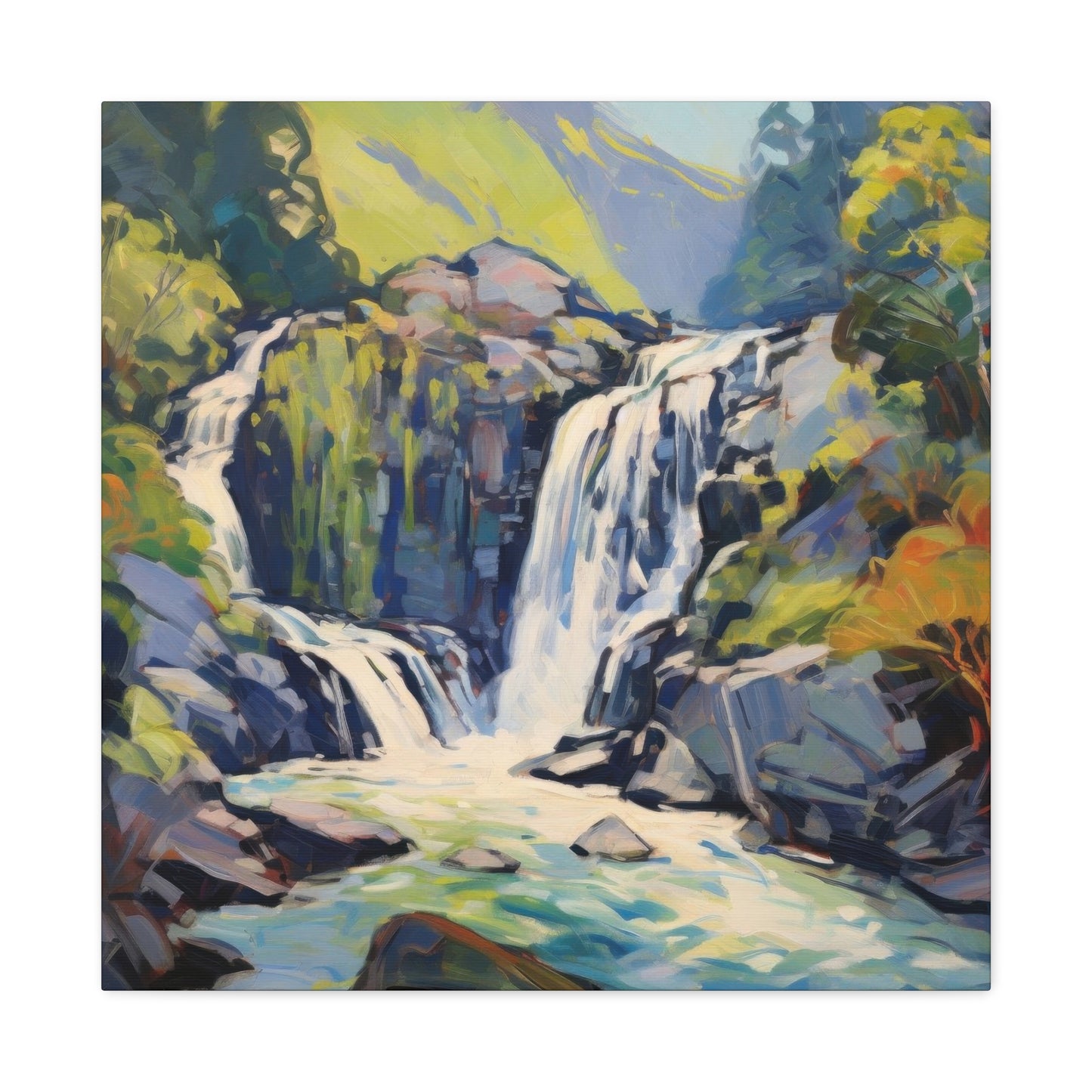
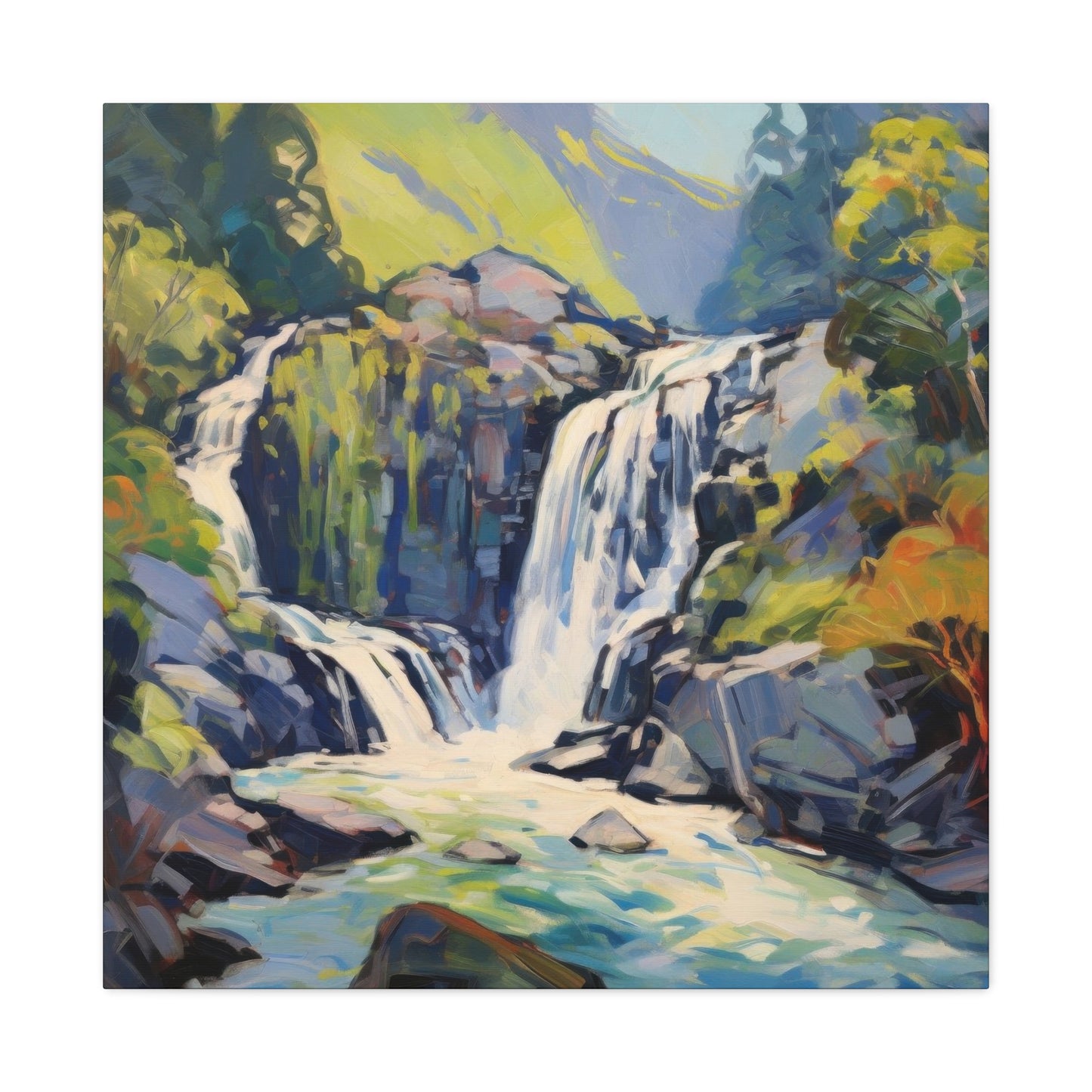
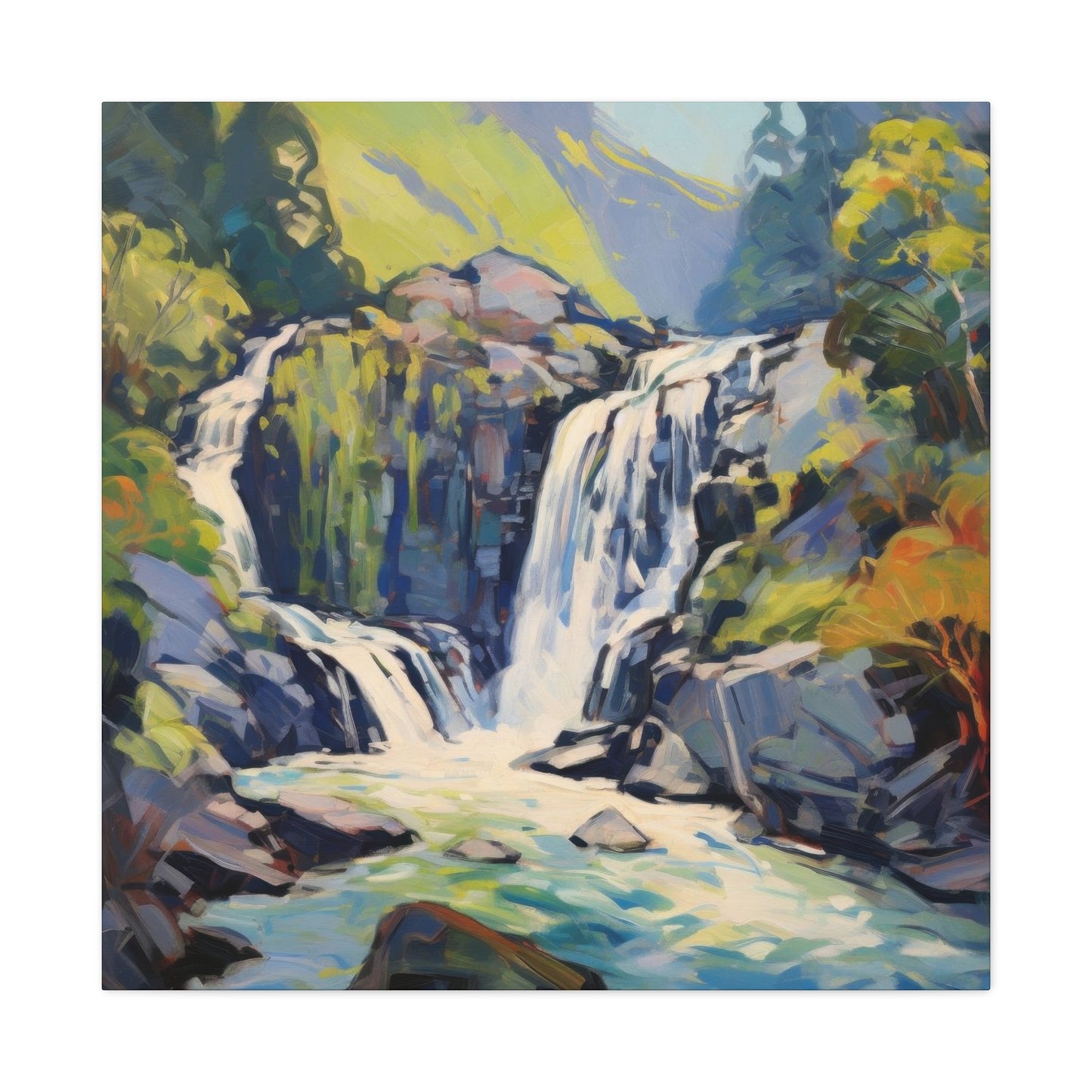
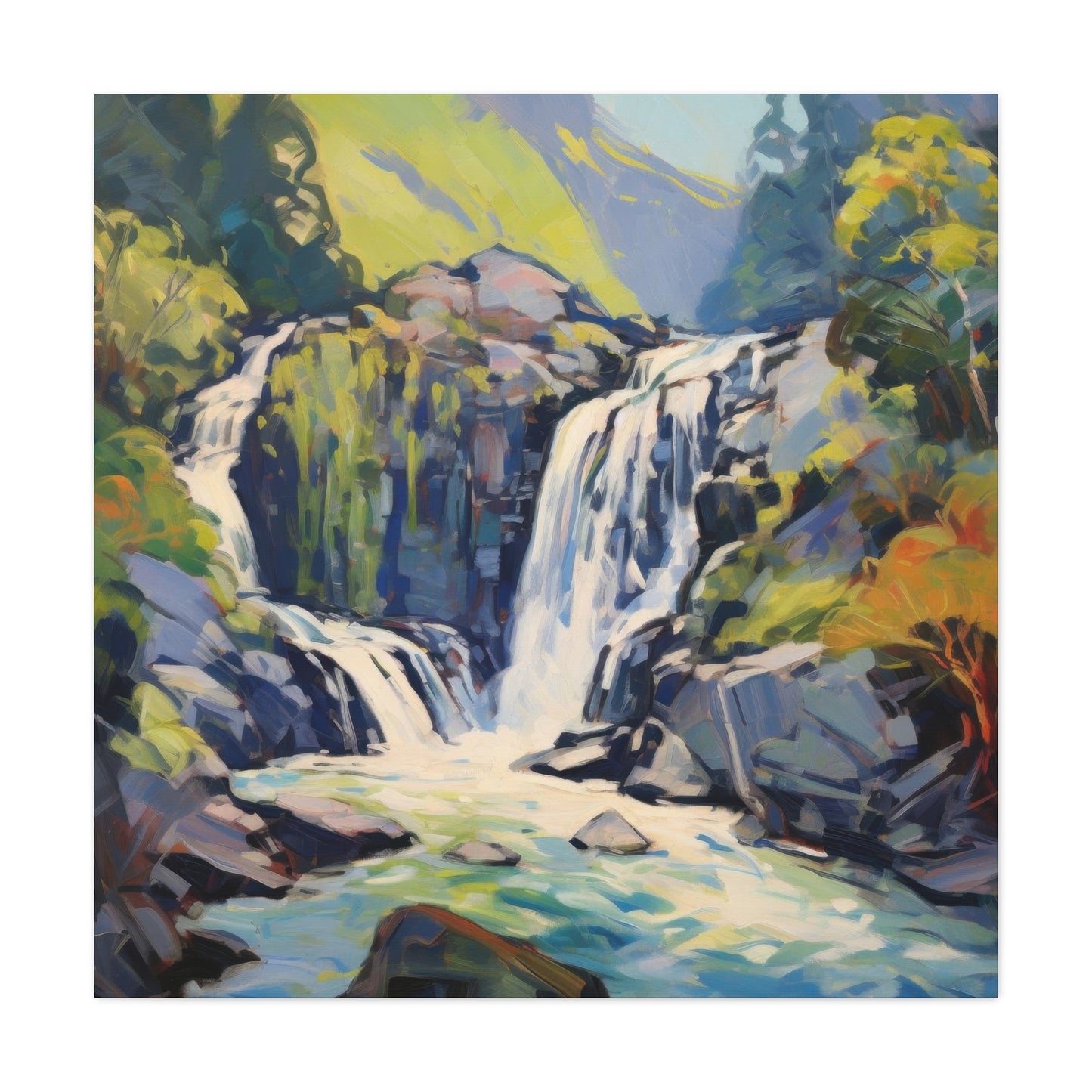
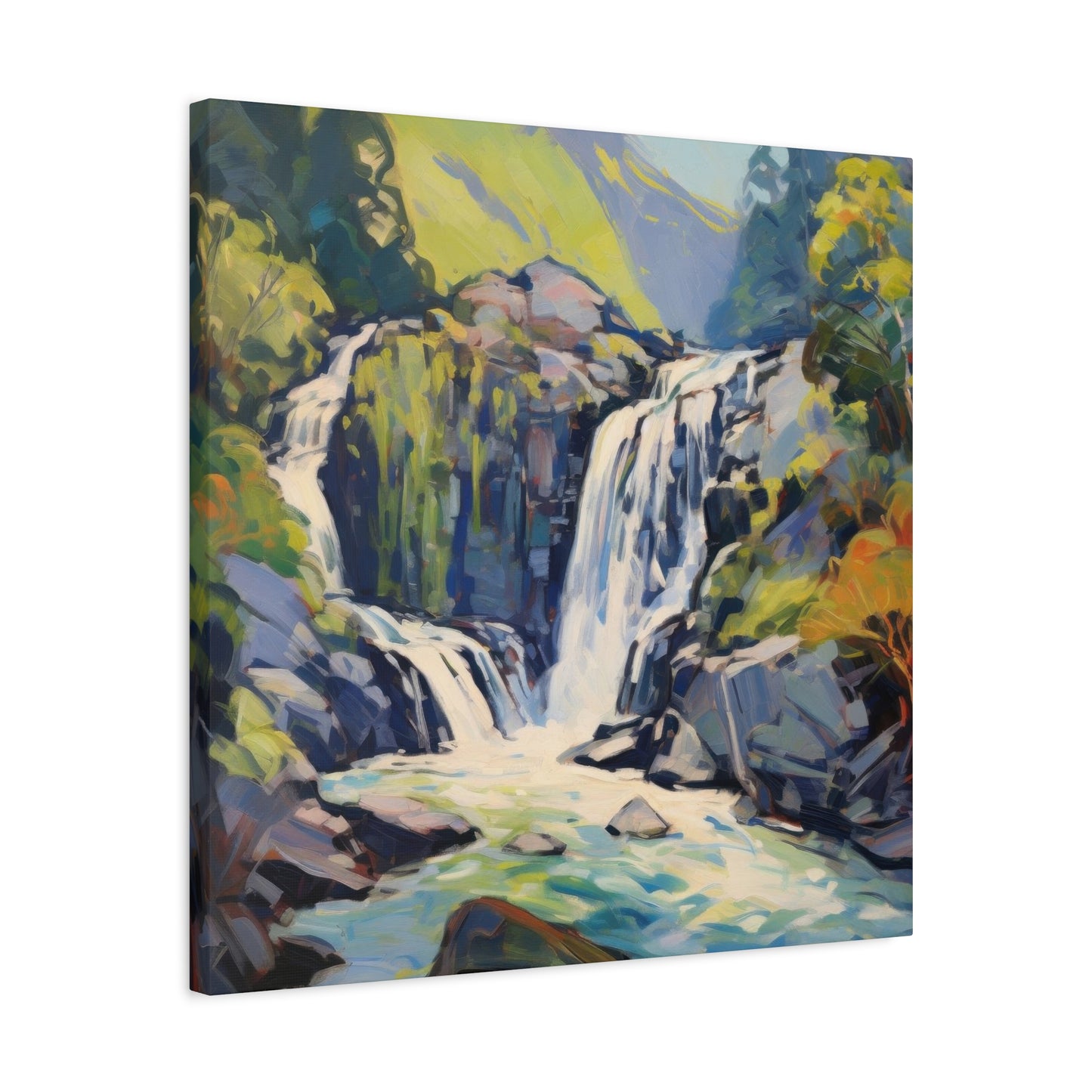
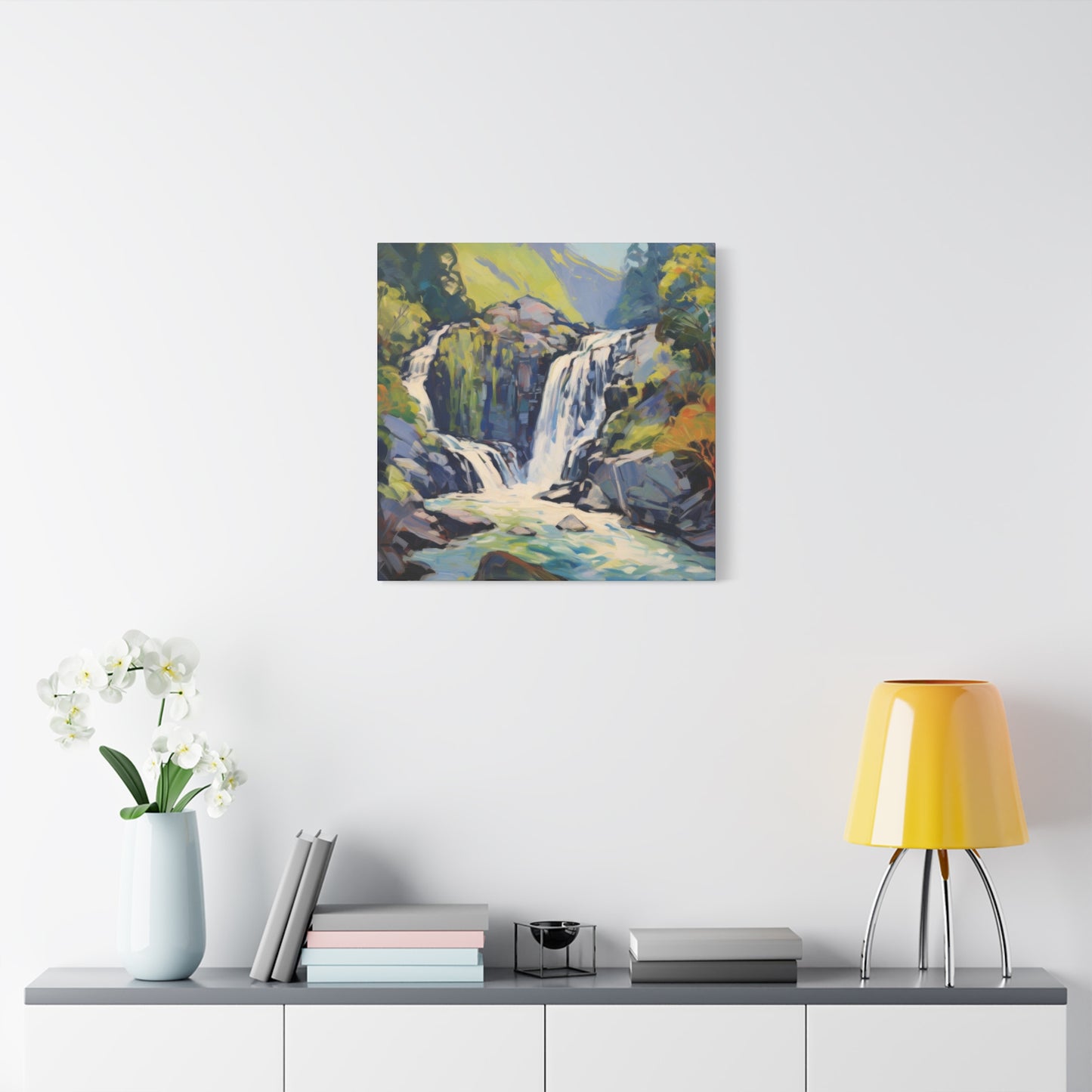
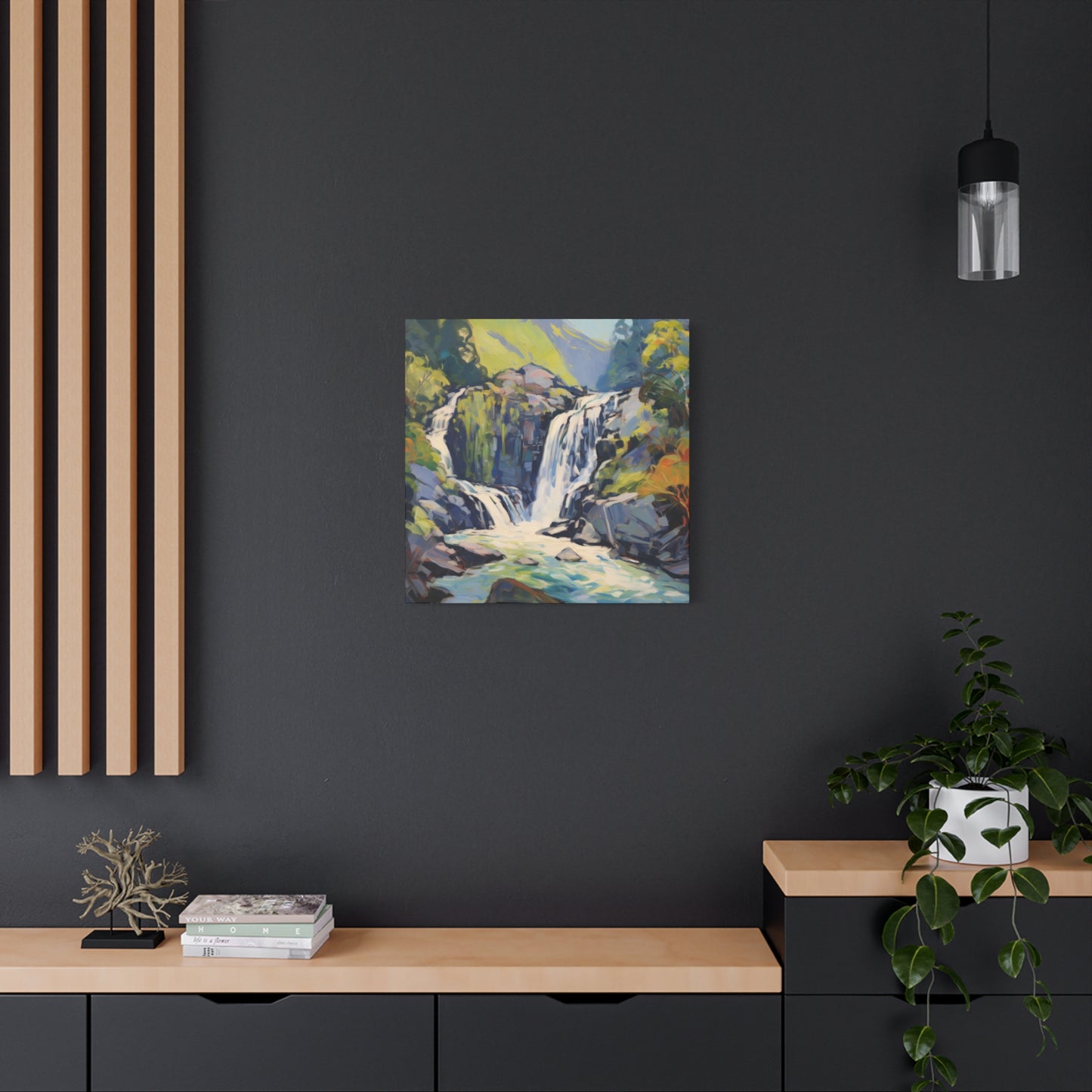
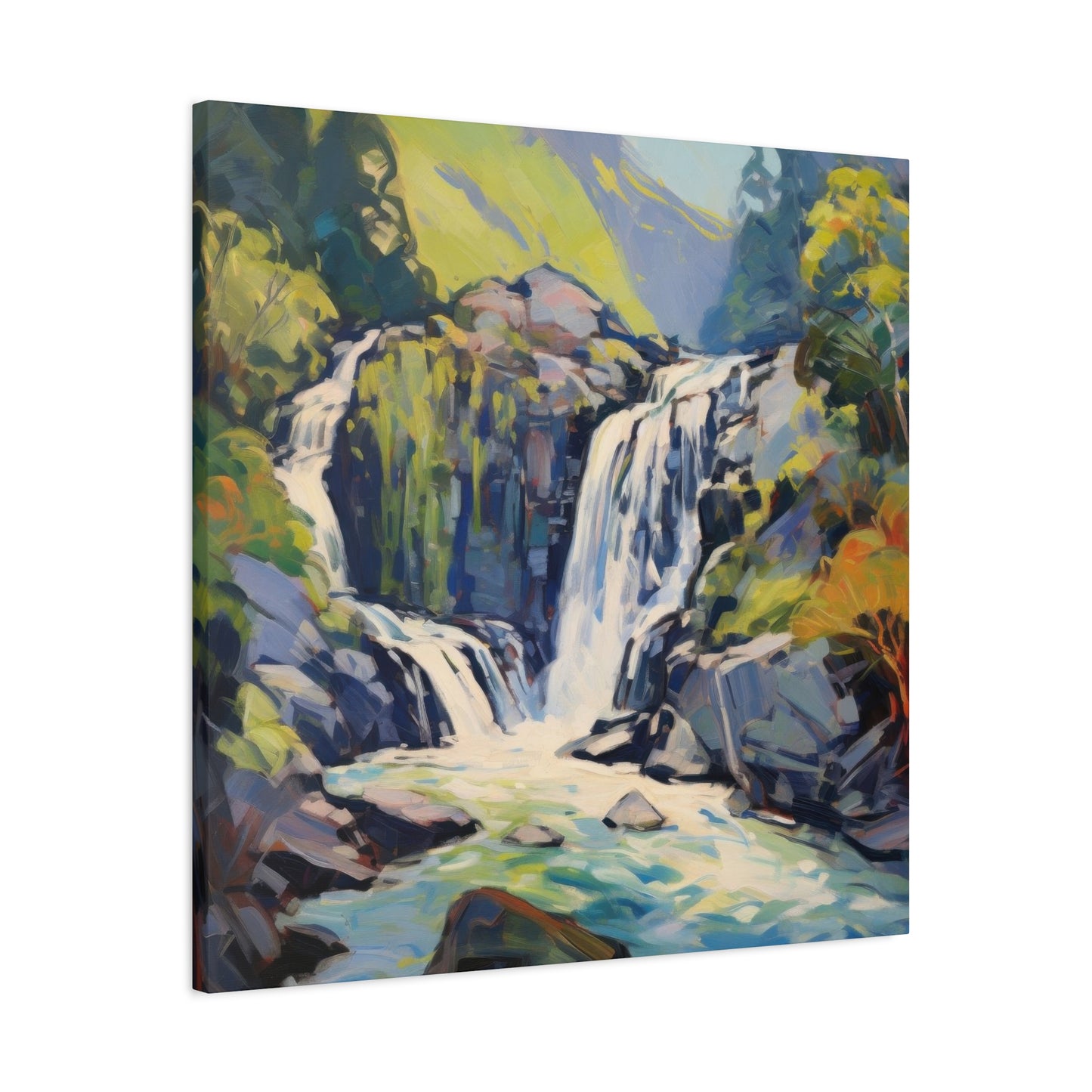
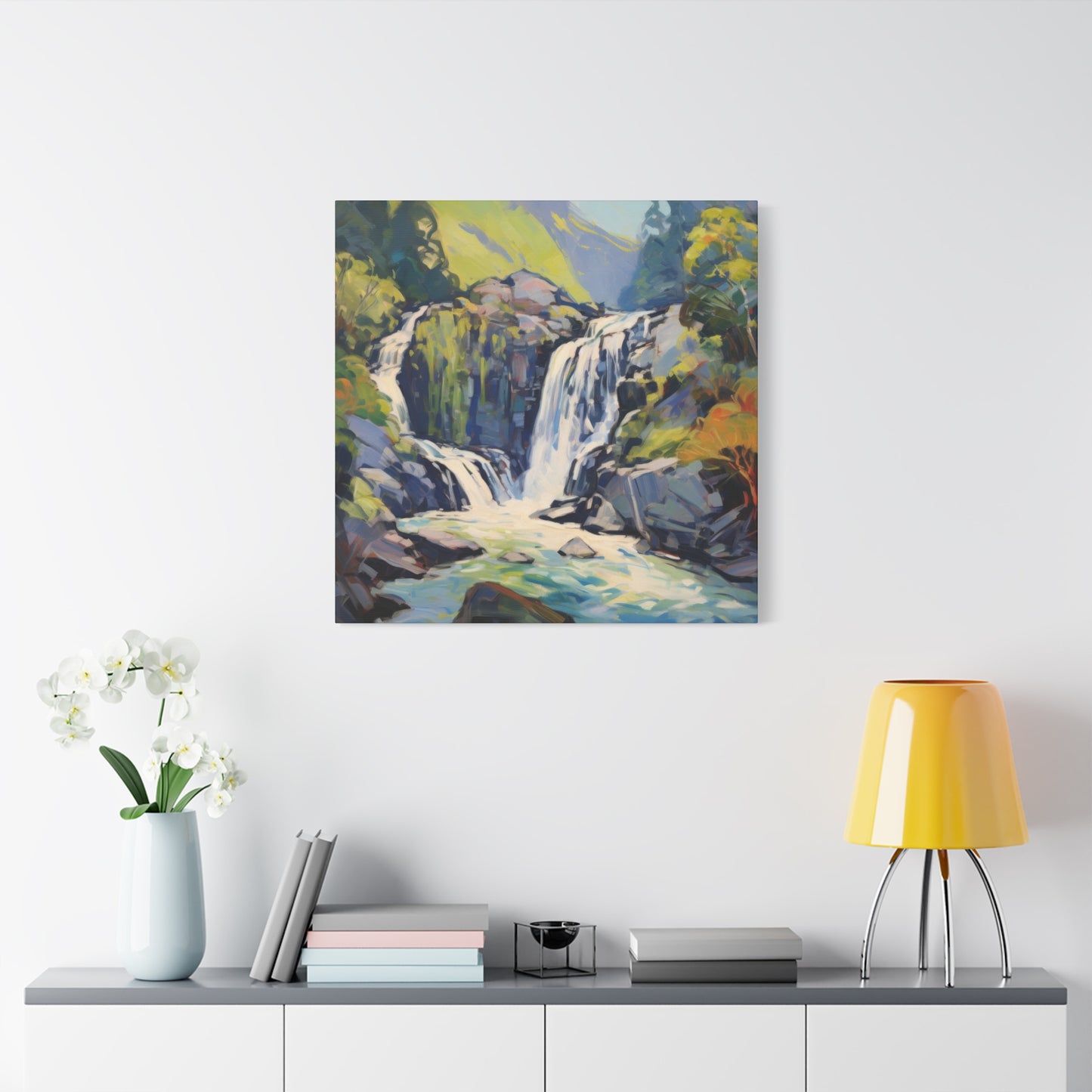
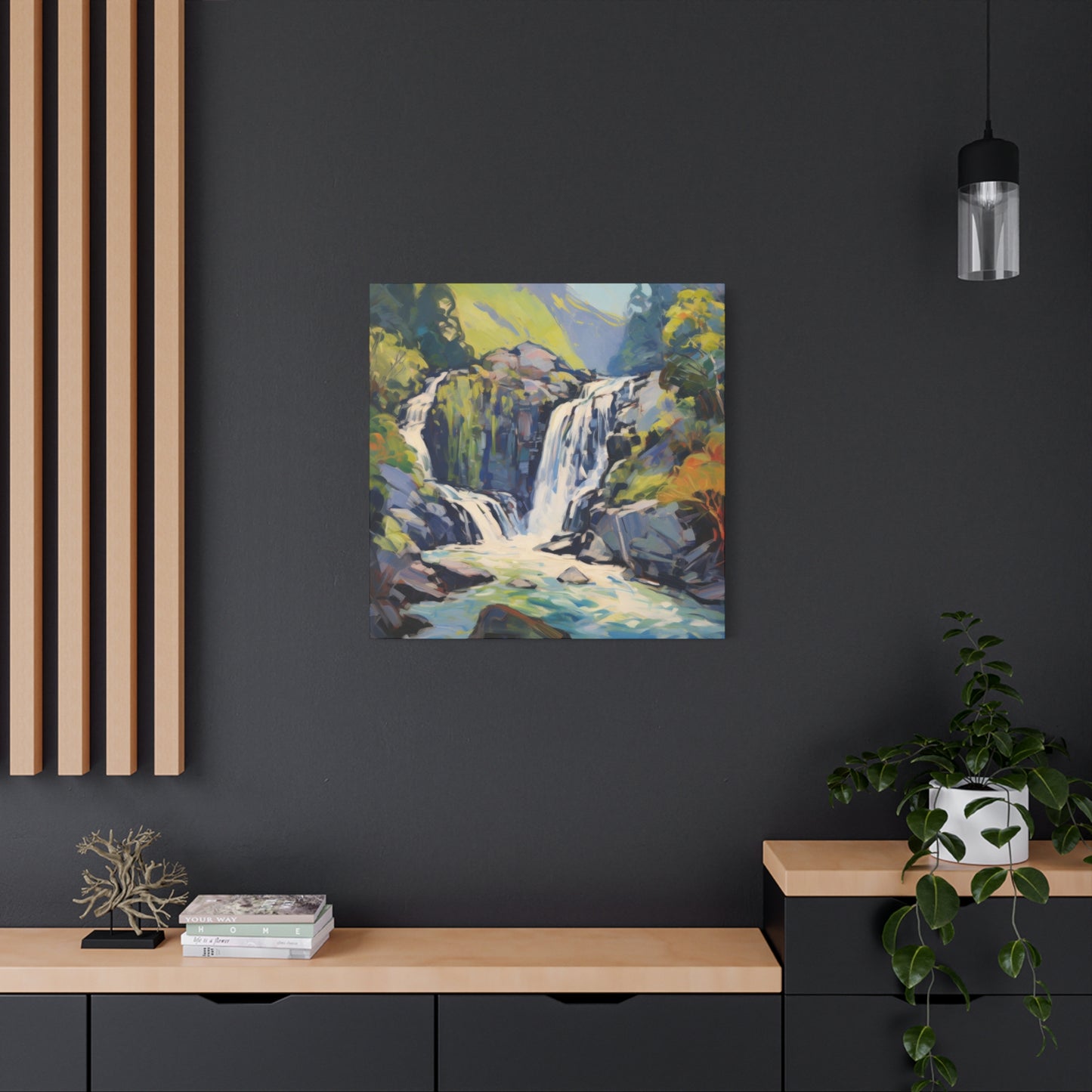
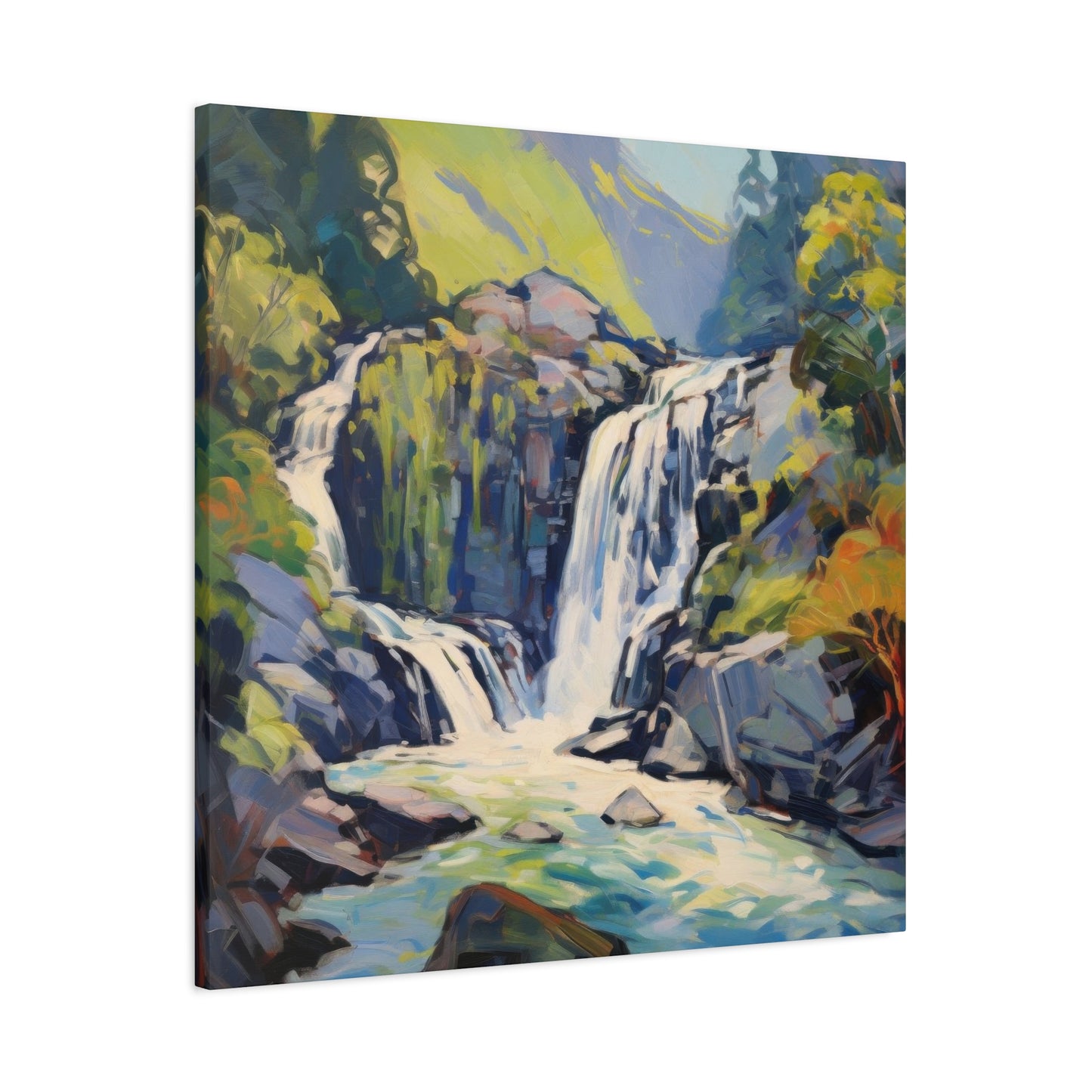
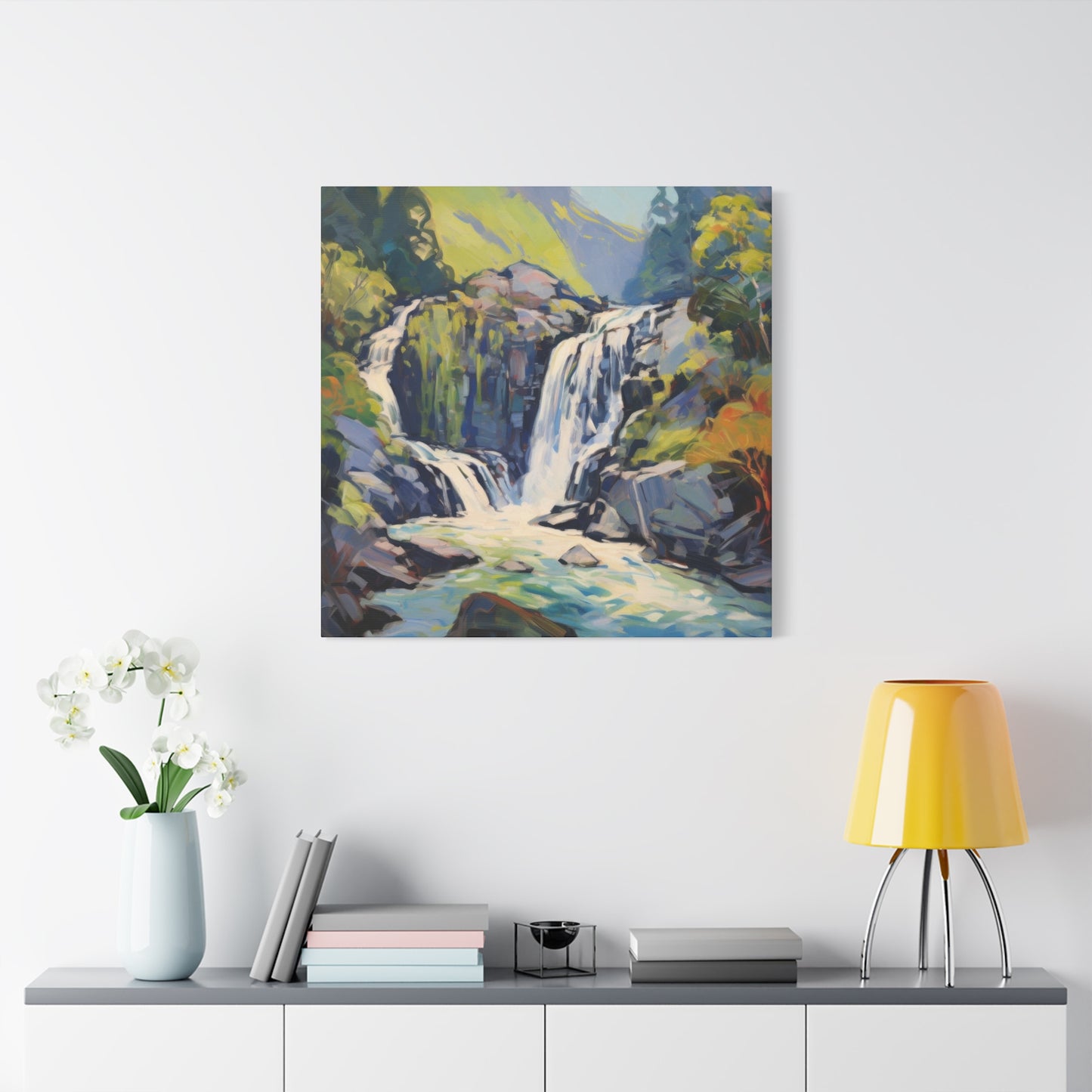
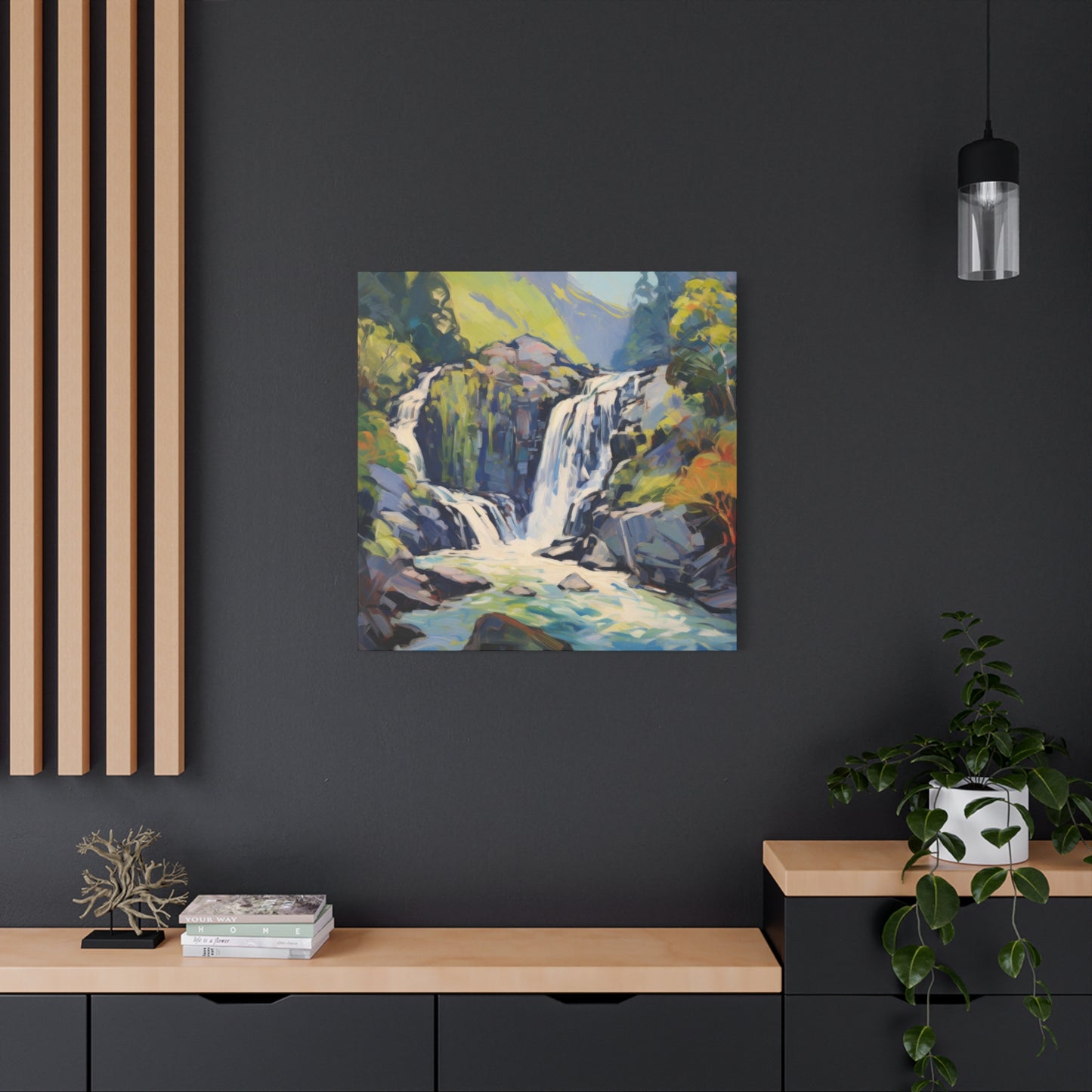
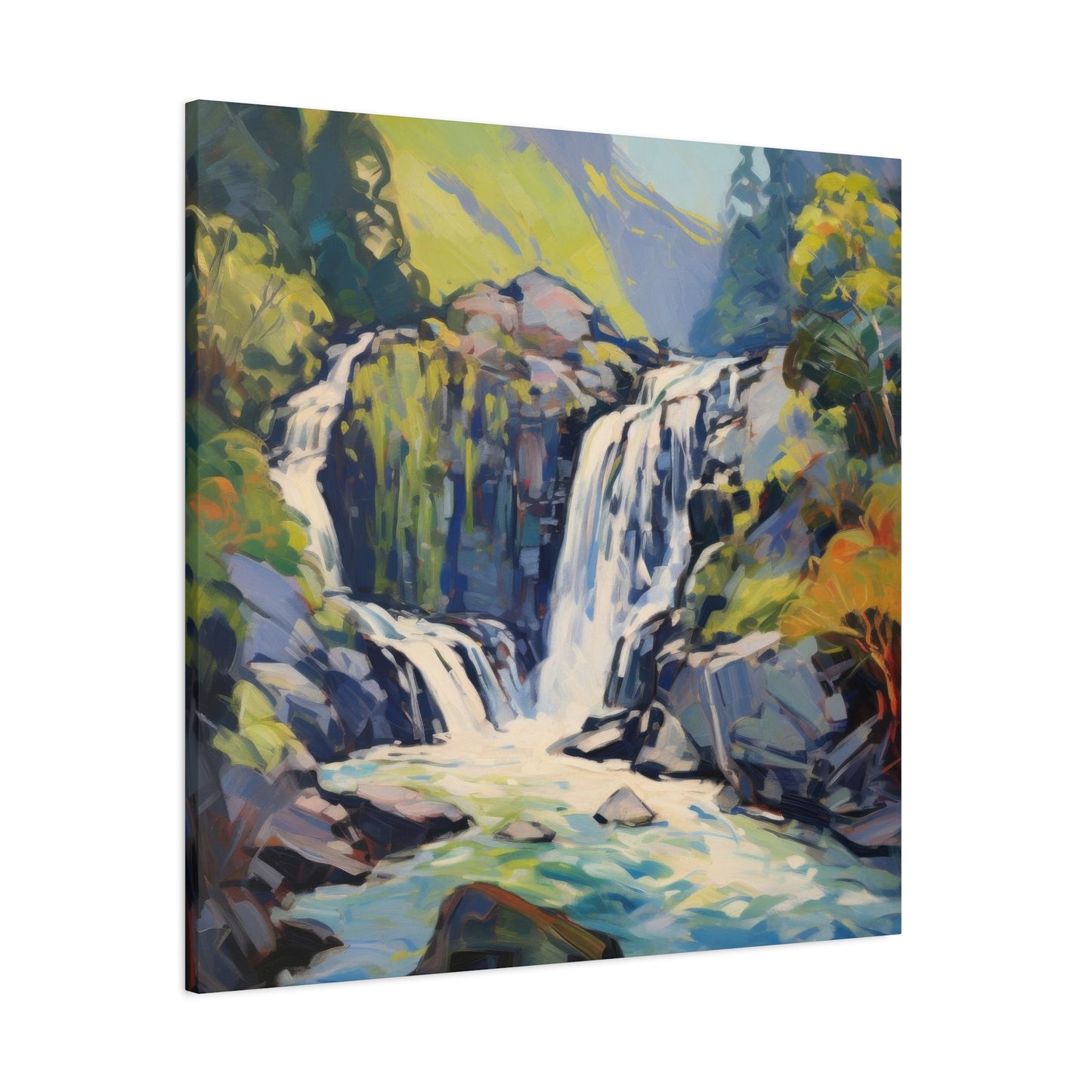
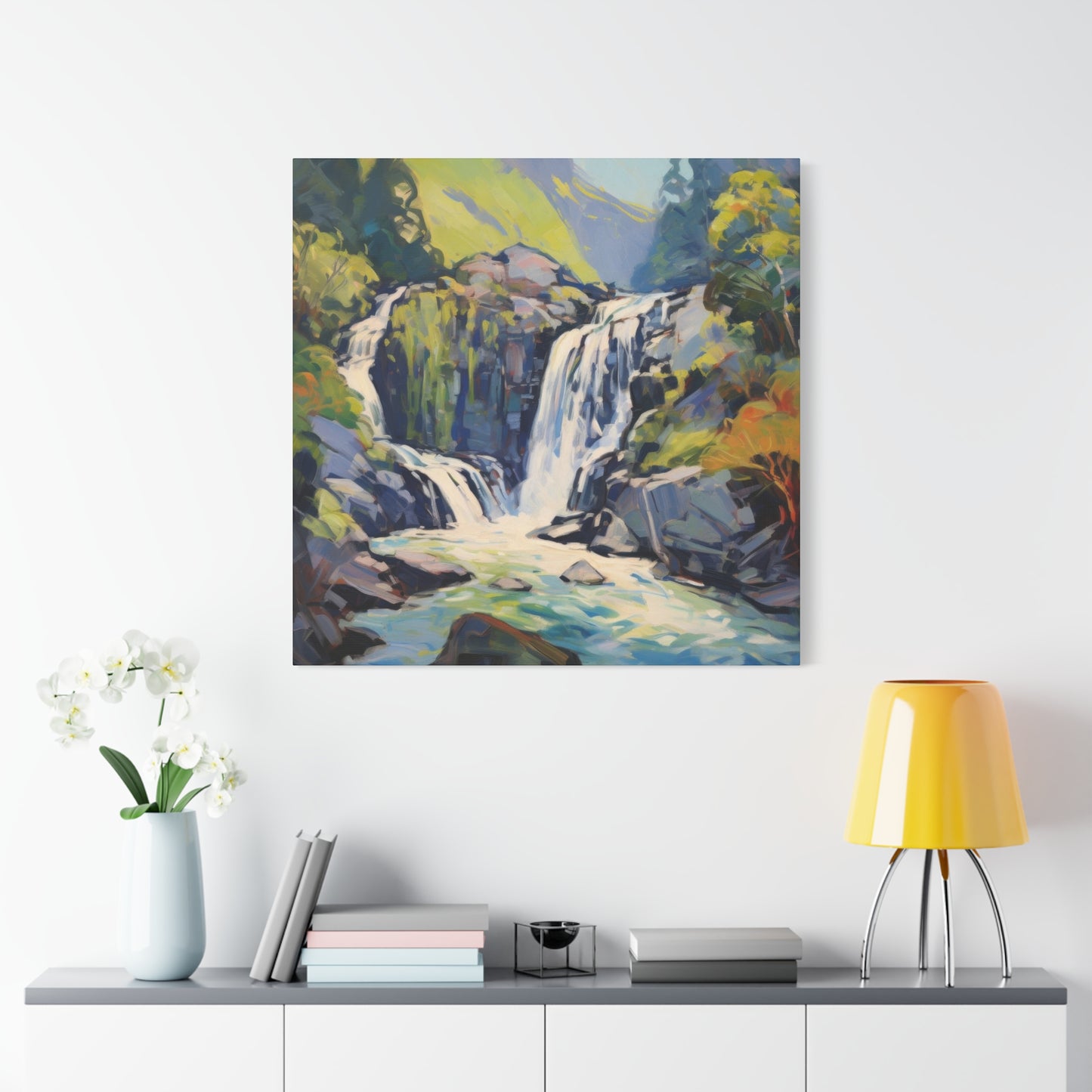
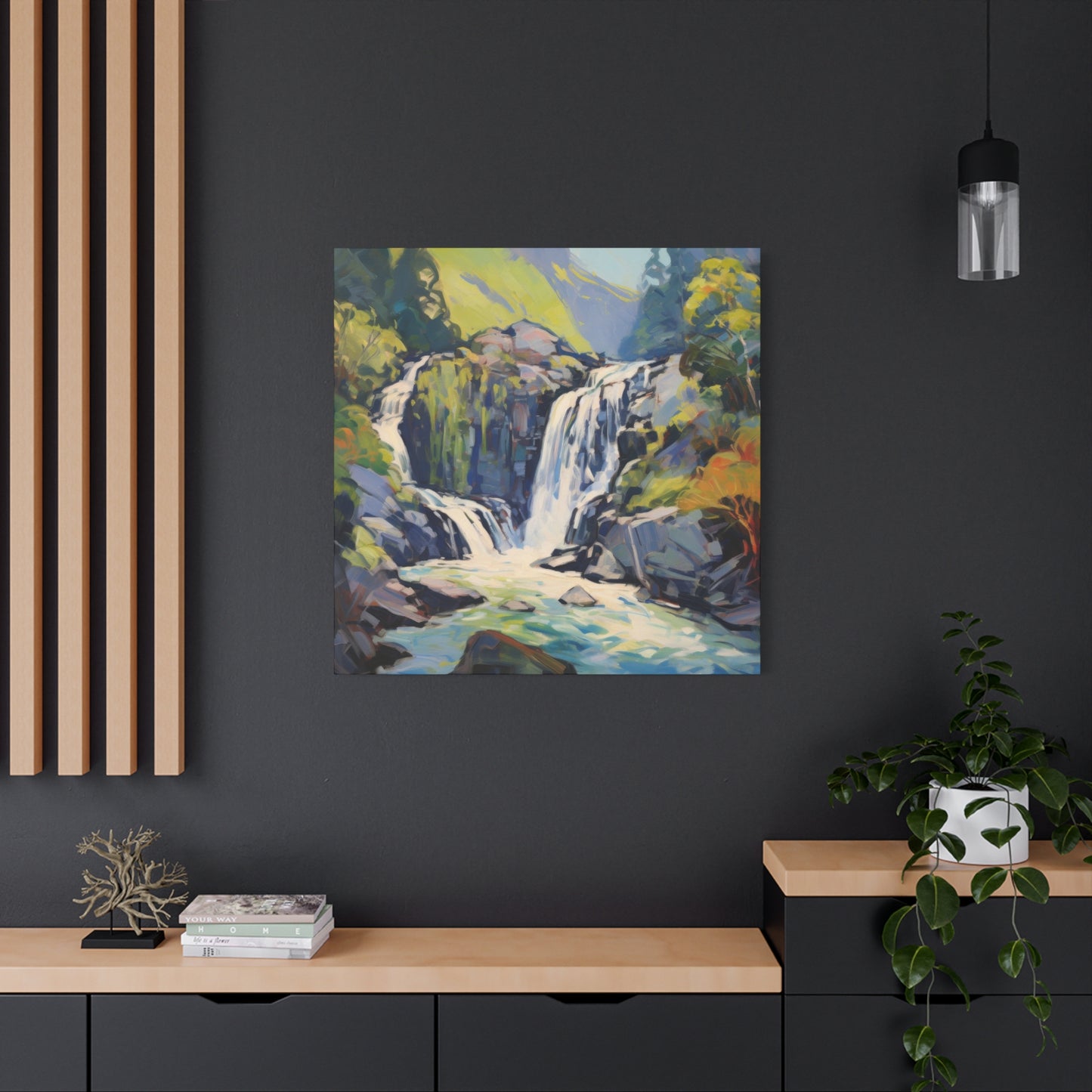
Deconstructed Waterfalls Wall Art: A Complete Guide to Modern Nature-Inspired Interior Design
The world of contemporary interior design has witnessed a remarkable transformation in recent years, with artistic expressions evolving to capture the essence of natural elements in unprecedented ways. Among these innovative artistic movements, deconstructed waterfalls wall art has emerged as a captivating trend that bridges the gap between traditional landscape imagery and modern abstract interpretation. This unique form of artistic expression takes the timeless beauty of cascading water and reimagines it through a contemporary lens, breaking down the conventional representation of waterfalls into geometric patterns, layered compositions, and thought-provoking visual narratives that challenge our perception of natural beauty.
Deconstructed waterfalls wall art represents more than just a decorative choice for modern spaces; it embodies a philosophical approach to how we interact with and interpret the natural world in our increasingly urbanized environments. By fragmenting the fluid motion of falling water into distinct visual elements, artists create pieces that invite viewers to reconstruct the image mentally, engaging with the artwork on a deeper, more interactive level. This artistic approach transforms static wall decorations into dynamic conversation pieces that evolve with each viewing, revealing new details and interpretations as light changes throughout the day and as observers shift their perspective.
The appeal of deconstructed waterfalls wall art extends across diverse design aesthetics, from minimalist contemporary spaces to eclectic bohemian environments. This versatility stems from the fundamental elements that compose these artworks: the interplay of movement and stillness, the contrast between organic forms and geometric precision, and the balance between chaos and order. These dualities resonate with modern sensibilities, offering visual interest without overwhelming spaces while maintaining a connection to the natural world that many urban dwellers crave in their living and working environments.
Understanding the construction and conceptual framework behind deconstructed waterfalls wall art provides valuable insight into why these pieces have become increasingly sought after by interior designers, art collectors, and homeowners alike. The deconstruction process involves analyzing the essential components of a waterfall, from the rushing torrent at its peak to the mist that rises from its base, and then reassembling these elements in ways that highlight specific aspects of the water's journey. This analytical approach to natural beauty creates artwork that is simultaneously familiar and innovative, grounding viewers in recognizable imagery while pushing the boundaries of traditional representation.
Artistic Concept Behind Deconstructed Waterfall Imagery
The fundamental philosophy underpinning deconstructed waterfalls wall art draws inspiration from various artistic movements that have challenged conventional representation throughout art history. Cubism's influence is particularly evident in how these pieces fragment a singular subject into multiple perspectives, allowing viewers to experience the waterfall from various angles simultaneously. This multi-perspective approach acknowledges that our experience of natural phenomena is never truly singular or static; rather, it comprises countless moments, impressions, and sensory inputs that our minds synthesize into a cohesive understanding.
When artists deconstruct waterfall imagery, they engage in a deliberate process of identifying the core visual elements that make waterfalls recognizable and emotionally resonant. The vertical movement of descending water, the horizontal stratification of rock faces, the play of light through water droplets, and the contrast between solid stone and fluid motion all become independent components that can be isolated, emphasized, or reimagined. This dissection of natural phenomena into constituent parts mirrors scientific approaches to understanding the physical world, creating art that appeals to both aesthetic sensibilities and intellectual curiosity.
The color palette employed in deconstructed waterfalls wall art often reflects the natural hues found in actual waterfall environments while allowing for artistic interpretation and enhancement. Cool blues and whites evoke the purity and movement of water, while grays and earth tones represent the rocky surfaces that guide and shape the water's descent. However, contemporary artists frequently introduce unexpected color elements, such as warm coppers, deep purples, or vibrant teals, to create emotional resonance and ensure the artwork complements specific interior design schemes. These color choices transform the realistic subject matter into something more abstract and versatile, capable of adapting to various aesthetic contexts.
Texture plays an equally critical role in successful deconstructed waterfalls wall art, with artists employing diverse techniques to convey the sensory experience of being near cascading water. Smooth, glossy surfaces might represent the polished wetness of water-worn stone, while rough, impasto applications of paint can suggest the turbulent energy of rushing water. Mixed media approaches often incorporate actual materials that enhance the tactile dimension of the artwork, such as resin layers that create depth and translucency reminiscent of looking through clear water, or metallic elements that catch light similarly to water droplets suspended in air.
Nature Deconstruction in Visual Arts
The practice of deconstructing natural subjects for artistic purposes has deep historical roots that extend far beyond contemporary trends in wall art. Ancient Japanese screen paintings often simplified and stylized natural scenes, reducing waterfalls to elegant brushstrokes that captured essence rather than literal appearance. Chinese landscape paintings similarly employed techniques that abstracted natural forms, using suggested rather than detailed representation to evoke the spiritual qualities of natural phenomena. These Eastern artistic traditions recognized early on that art's power lies not in perfect replication but in the selective emphasis of elements that resonate most powerfully with human emotion and consciousness.
Western art history reveals a parallel evolution, though following a different trajectory. The Impressionist movement of the late nineteenth century began breaking down natural scenes into component brushstrokes and color patches, challenging the academic tradition of smooth, realistic representation. Claude Monet's series paintings of water lilies and other natural subjects demonstrated how fragmenting visual information could actually enhance emotional impact and viewer engagement. This revolutionary approach laid groundwork for subsequent movements that would push deconstruction even further, ultimately influencing contemporary approaches to nature-themed wall art.
The early twentieth century witnessed an explosion of experimental approaches to representing reality, with movements like Cubism, Futurism, and Constructivism all contributing methodologies that would later inform deconstructed waterfalls wall art. Pablo Picasso and Georges Braque's analytical Cubism literally dismantled subjects into geometric planes viewed from multiple angles simultaneously, a technique directly applicable to reimagining natural phenomena. The Italian Futurists' obsession with capturing movement and energy in static images influenced how contemporary artists suggest the dynamic flow of waterfalls through fragmented compositions. Russian Constructivism's emphasis on geometric forms and industrial materials provided models for incorporating non-traditional elements into nature-inspired artwork.
Mid-century modernism further refined these experimental techniques while making them more accessible to broader audiences. Abstract Expressionists like Jackson Pollock and Mark Rothko demonstrated that art could evoke natural phenomena without literally depicting them, using color, gesture, and composition to create emotional responses similar to those inspired by direct nature experiences. This liberation from representational constraints opened possibilities for artists to explore essence rather than appearance, a principle central to contemporary deconstructed waterfalls wall art. The movement established that viewers could recognize and connect with natural subjects even when presented in highly abstracted forms.
Design Elements That Define Deconstructed Waterfall Compositions
Successful deconstructed waterfalls wall art relies on careful consideration of fundamental design principles that govern how visual elements interact within a composition. Balance remains paramount, whether achieved through symmetrical arrangements that create formal harmony or asymmetrical compositions that generate dynamic tension. Artists must distribute visual weight thoughtfully across the canvas or installation space, ensuring that fragmented elements of the waterfall work together cohesively despite their separation. This balance prevents the artwork from feeling lopsided or chaotic while maintaining enough variation to sustain visual interest over extended viewing periods.
Contrast serves as another essential element in creating compelling deconstructed waterfall imagery, operating on multiple levels simultaneously. Value contrast between light and dark areas helps define spatial relationships and suggests the three-dimensional quality of cascading water and surrounding rock formations. Color contrast, whether subtle or dramatic, creates focal points and guides viewer attention through the composition. Textural contrast between smooth and rough surfaces or matte and glossy finishes adds tactile interest that engages viewers beyond purely visual appreciation. These various forms of contrast work together to create rich, complex artworks that reward careful observation.
Rhythm and repetition establish visual patterns within deconstructed waterfalls wall art that echo the cyclical nature of water's movement. Repeated shapes, colors, or textural elements create a sense of continuity that unifies disparate fragments into a cohesive whole. This repetition might manifest as similar geometric forms appearing at different scales throughout the composition, or as recurring color notes that create visual pathways connecting separated elements. The rhythm established through these repetitions mirrors the constant yet ever-changing nature of actual waterfalls, where each moment brings new configurations of water and light while maintaining recognizable patterns.
Scale relationships within deconstructed compositions dramatically impact how viewers perceive and interact with the artwork. Large-scale pieces command attention and can transform entire rooms, creating immersive environments that surround viewers with waterfall imagery. Smaller works offer intimate viewing experiences that reward close examination and contemplation. Multi-panel installations allow artists to play with scale relationships between panels, perhaps depicting the waterfall's source in a small upper panel while devoting larger lower panels to the cascade and pool below. These scale decisions influence not only aesthetic impact but also the practical considerations of where and how the artwork can be displayed.
Geometric Interpretation Methods for Natural Water Movement
Translating the organic, flowing nature of waterfalls into geometric forms requires analytical thinking about the underlying structures governing water movement. Rectangular divisions create grid-like compositions that fragment the waterfall image into sections, similar to looking through a window with multiple panes. This approach brings order to the chaotic nature of cascading water, making it more comprehensible and contemplative. The rigid geometry of rectangles contrasts strikingly with the fluid subject matter, creating visual tension that engages viewers' attention. Varying the sizes of rectangular sections can suggest perspective or emphasize particular areas of the composition, guiding viewer focus strategically.
Triangular elements introduce dynamic diagonal lines that effectively convey the downward trajectory of falling water. Upward-pointing triangles can represent rock formations or the mountain peaks from which waterfalls originate, while downward-pointing triangles naturally suggest the direction of water flow. Layering multiple triangles of varying sizes and transparencies creates complex geometric patterns that maintain clear connections to the waterfall subject while achieving abstract sophistication. The sharp angles of triangular geometry create energetic compositions suited to modern, dynamic spaces, contrasting with the softer, more relaxed feel of curved geometric approaches.
Circular and curved geometric elements soften deconstructed compositions while better representing the organic quality of natural phenomena. Concentric circles can suggest the spreading ripples where falling water impacts pools below, while curved lines might represent the arcing trajectory of water as it leaves a rock ledge. Spirals combine curved forms with directional movement, creating dynamic compositions that lead viewers' eyes through the artwork in continuous motion. These softer geometric approaches often feel more harmonious and less jarring than strictly angular compositions, making them suitable for spaces where tranquility is prioritized over visual excitement.
Hexagonal and other polygonal geometries offer middle ground between the strictness of rectangles and the softness of curves. Honeycomb patterns of hexagons create structured yet organic-feeling compositions that fragment waterfall imagery in unexpected ways. The six-sided symmetry of hexagons provides stability while the angled sides introduce more visual interest than simple rectangles. Other polygonal forms, from pentagons to octagons, each bring distinct visual characteristics that can be selected based on the desired aesthetic and the specific qualities of the waterfall being represented. These less common geometric choices help artwork stand out as unique rather than following obvious design conventions.
Minimalist Versus Maximalist Approaches to Deconstruction
Minimalist interpretations of deconstructed waterfalls wall art embrace the principle that less is more, reducing waterfall imagery to its absolute essential elements. A minimalist piece might feature just two or three colors, simple geometric shapes, and abundant negative space, creating serene compositions that feel spacious and uncluttered. This approach requires confident decision-making about what to include and, more importantly, what to exclude, distilling the waterfall experience to its most fundamental visual and emotional components. The resulting artworks offer visual rest in busy contemporary environments, providing contemplative focal points that don't compete for attention with other design elements.
The psychological impact of minimalist deconstructed waterfalls wall art aligns well with contemporary desires for simplicity and clarity in overstimulated modern lives. Clean lines, restrained palettes, and uncluttered compositions create calming effects that complement minimalist interior design philosophies. These pieces work particularly well in smaller spaces where more complex artwork might feel overwhelming, or in rooms with busy architectural features where simpler art prevents visual chaos. The disciplined approach of minimalism also appeals to viewers who appreciate precision and intentionality in artistic choices, seeing beauty in what artists choose to omit as much as what they include.
Maximalist approaches to deconstructed waterfalls wall art embrace abundance, layering, and complexity, creating richly detailed compositions that reward extended viewing. Multiple colors, varied textures, intricate patterns, and densely packed compositional elements characterize maximalist pieces. This approach can incorporate numerous techniques and materials within a single artwork, perhaps combining painting, collage, three-dimensional elements, and digital components into complex assemblages. The resulting pieces make bold statements, commanding attention and serving as primary focal points rather than subtle background elements.
Maximalist deconstructed waterfall artworks suit eclectic, bohemian, or traditionally decorated interiors where richness and layering already characterize the design scheme. These pieces harmonize with spaces featuring patterned textiles, varied collections of objects, and multiple competing visual elements, adding to rather than conflicting with existing visual complexity. Viewers who enjoy discovering new details with each encounter particularly appreciate maximalist approaches, as the density of visual information ensures the artwork never becomes fully exhausted or familiar. This evergreen quality makes maximalist pieces particularly valuable as long-term investments in home décor.
Hybrid approaches combining minimalist and maximalist elements within single compositions or multi-panel installations offer sophisticated alternatives to purely minimalist or maximalist approaches. An artist might create a minimalist central panel flanked by more detailed, complex side panels, creating visual rhythm through contrast. Alternatively, a single piece might feature sparse, empty areas juxtaposed with densely detailed sections, using contrast between complexity and simplicity to heighten the impact of both. These hybrid approaches demonstrate that aesthetic philosophies need not be applied rigidly but can be mixed creatively to achieve specific effects.
Installation Configurations for Multiple Panel Artworks
Horizontal arrangements of multiple panels create panoramic deconstructed waterfall compositions that emphasize the width rather than height of the subject. This configuration works particularly well above furniture pieces like sofas, console tables, or beds, where horizontal orientation complements the furniture's proportions. Three-panel horizontal arrangements, commonly called triptychs, offer classic balance with a central dominant panel flanked by supporting side panels. Five or more panels allow for more complex narratives or gradual transitions across the composition, perhaps showing the waterfall's descent from source to pool in sequential segments.
Vertical stacking of panels emphasizes the downward motion inherent to waterfalls, with upper panels representing the origin and successive lower panels following the water's descent. This arrangement creates strong vertical lines that make ceilings feel higher and can help balance rooms with predominantly horizontal elements. Vertical configurations also work well in narrow wall spaces where horizontal arrangements wouldn't fit, such as beside doorways or between windows. The natural alignment of vertically stacked panels with gravity reinforces the subject matter, creating an intuitive relationship between form and content that viewers grasp immediately.
Grid arrangements organize multiple panels into rows and columns, creating structured compositions that fragment waterfall imagery into systematic sections. A simple two-by-two grid divides the waterfall into four equally sized quarters, while larger grids allow for more complex deconstruction. These arrangements work well for highly geometric approaches to deconstruction, where the regular grid structure reinforces the analytical nature of breaking down organic forms. Grids also provide flexibility for customization, as panels can be rearranged, removed, or replaced to create different configurations over time, essentially creating modular artworks that can evolve with changing preferences.
Asymmetrical arrangements break from regular patterns to create dynamic, contemporary installations that feel spontaneous and energetic. Panels of varying sizes might be arranged at different heights or with irregular spacing, creating visual rhythm through variation rather than repetition. This approach requires careful planning to avoid appearing random or haphazard while maintaining the intentional asymmetry that characterizes successful irregular compositions. Asymmetrical arrangements suit modern, unconventional spaces where breaking design rules creates desirable edge and personality.
Layered installations place some panels in front of others, creating actual rather than illusory three-dimensional depth. Front panels might float several inches from the wall on spacers, with back panels mounted flush to create a shadowbox effect. This approach adds sculptural quality to wall art while emphasizing certain compositional elements by bringing them forward in space. Transparent or translucent front panels can overlay opaque back panels, creating complex visual layering where multiple images coexist in the same space. These sophisticated installations transform walls into dimensional displays that change dramatically with viewing angle and lighting conditions.
Incorporating Movement and Flow Through Static Visual Elements
Diagonal lines create the most effective sense of movement in static images, as our visual systems automatically interpret diagonal orientations as objects in motion. Deconstructed waterfalls wall art can employ diagonal lines to trace the path of falling water, with lines beginning at upper corners and sweeping down toward lower opposite corners. Multiple parallel diagonals of varying widths might represent different streams within a complex waterfall, while intersecting diagonals could suggest turbulent water colliding with obstacles. The energy and dynamism of diagonal compositions make them ideal for active spaces like home gyms, offices, or social areas where energizing rather than calming effects are desired.
Graduated color transitions suggest movement through space, with colors shifting gradually across the composition. A progression from light to dark can imply water moving from sunlit heights into shadowed depths, while shifts in hue might represent changing water conditions as the waterfall descends. These color gradients create visual pathways that guide viewers' eyes through the composition in controlled, flowing movements that echo water's actual motion. Digital printing and airbrushing techniques allow for extremely smooth gradations, while hand-painted transitions often retain visible evidence of the artist's gesture, adding human energy to the suggested natural movement.
Repeated shapes or motifs positioned along curved or diagonal paths create visual rhythm that implies movement through sequential progression. Small circular forms representing water droplets might decrease in size as they move down the composition, using scale change to suggest perspective and trajectory. Repeated geometric fragments might shift slightly in position or orientation from one to the next, creating implied animation similar to still frames from motion pictures. This technique allows artists to suggest specific types of water movement, from the chaotic spray near impact points to the smooth glide of water over polished stone.
Blurred or softened edges contrast with sharp, defined areas to differentiate moving elements from stationary ones. In deconstructed waterfall compositions, sharp geometric edges might represent solid rock formations while softer, blended areas suggest the blur of rapidly moving water. This selective focus technique borrows from photography, where long exposure times blur moving water while keeping stationary subjects sharp. Artists can replicate this effect through careful manipulation of edges, creating dynamic contrast between stillness and motion within single compositions.
Directional textural applications add tactile dimension to visual movement suggestions. Paint applied in downward strokes reinforces the vertical descent of falling water, while horizontal strokes might represent the lateral flow of water across rock ledges. Impasto techniques that build up thick paint in ridges create actual shadows that shift as light angles change throughout the day, adding temporal variation to movement suggestions. The directionality of brush strokes or applied materials creates subliminal cues that viewers process unconsciously, reinforcing compositional messages about water's flow and energy.
Lighting Considerations for Enhanced Visual Impact
Natural lighting dramatically affects how deconstructed waterfalls wall art appears throughout the day, with shifting angles and color temperatures transforming the artwork's character from morning through evening. Positioning artwork to receive indirect natural light prevents glare and fading while allowing the piece to benefit from the superior color rendering and psychological benefits of natural illumination. East-facing walls receive bright morning light that energizes cool-toned water imagery, while west-facing positions create dramatic late-afternoon effects. North-facing positions provide consistent, neutral lighting throughout the day, ideal for artwork with subtle color relationships that might be distorted by warm direct sunlight.
Artificial lighting offers control and consistency, allowing artwork to maintain intended appearance regardless of time or weather conditions. Gallery-style picture lights mounted above artwork direct focused illumination onto the piece while minimizing glare. LED strip lights concealed behind or around artwork create dramatic halo effects that make pieces appear to glow from within, particularly effective for multi-panel installations where lighting can emphasize separation between panels. Track lighting with adjustable fixtures provides flexibility to highlight specific areas of complex compositions or accommodate artwork changes without rewiring.
The color temperature of artificial lighting significantly impacts how colors appear in deconstructed waterfalls wall art. Cool white lights with color temperatures around 5000 Kelvin enhance blues and cooler colors, intensifying the aquatic quality of water imagery. Warm white lights around 2700 Kelvin emphasize warmer accent colors while softening blues, creating cozier, more intimate presentation. Tunable LED systems allow adjustment of color temperature to suit different moods or times of day, maintaining the benefits of natural lighting's variation within controlled artificial systems.
Dramatic accent lighting transforms deconstructed waterfalls wall art into evening focal points that command attention in darkened rooms. Grazing light positioned at acute angles to textured artworks emphasizes surface dimension, creating strong shadows that enhance relief effects. Uplighting from concealed floor fixtures creates mysterious, dramatic effects particularly suited to larger installations. Colored lighting, used judiciously, can completely transform artwork appearance, though this approach requires care to avoid garish effects that detract from rather than enhance the original piece.
Reflective and translucent materials within artworks interact particularly interestingly with strategic lighting. Metallic elements catch and reflect light, creating sparkle and changing appearance with viewing angle. Resin or glass components allow light to pass through, creating glowing effects when backlit. Multi-layer constructions with transparent front panels over opaque backing create dimensional illusions that shift dramatically as lighting changes. Artists can design pieces specifically to exploit these lighting interactions, essentially creating artworks that collaborate with their illumination to create effects impossible in the art object alone.
Size Selection Based on Wall Dimensions and Room Scale
Proper proportion between artwork and wall space ensures visual harmony and prevents pieces from appearing lost on large walls or overwhelming smaller areas. General design guidelines suggest artwork should occupy roughly two-thirds to three-quarters of available wall width for balanced appearance over furniture. For standalone wall installations without furniture below, artwork can range from one-half to two-thirds wall width depending on desired impact. These proportions create visual relationships that feel intentional rather than arbitrary, establishing clear connections between artwork and architectural space.
Ceiling height significantly influences appropriate artwork scale, with higher ceilings accommodating and often requiring larger pieces to maintain presence. Standard eight-foot ceilings suit artworks ranging from 24 to 48 inches in height, while nine or ten-foot ceilings can support pieces up to 60 or 72 inches tall. Cathedral or two-story spaces present opportunities for dramatic large-scale installations that might exceed 96 inches in any dimension, creating architectural presence that transforms the space itself rather than merely decorating it. Vertical artworks can help visually raise apparent ceiling height, while horizontal orientations can make spaces feel wider and more expansive.
Room function influences optimal artwork size, with active social spaces generally benefiting from larger, more dramatic pieces while intimate spaces suit smaller, more approachable scales. Living rooms, where people gather and conversation happens at moderate distance, work well with substantial artworks visible across the room. Bedrooms, where viewing typically occurs from closer distances and during quiet activities, often benefit from smaller to medium pieces that invite contemplation without overwhelming the restful atmosphere. Dining areas present opportunities for dramatic installations that become conversation pieces during meals, while home offices might incorporate smaller works that provide visual interest during work breaks without distracting from tasks.
Furniture scale creates visual relationships that inform appropriate artwork proportions. A standard three-seat sofa measuring 84 inches wide suggests artwork totaling approximately 56 to 63 inches in width, achieved with a single large piece or multiple smaller panels. Taller furniture backs or headboards require taller artworks to maintain visual balance, while low-profile furnishings allow artwork to extend higher without appearing disproportionate. Maintaining these proportional relationships creates cohesive design where furniture and art feel intentionally coordinated rather than arbitrarily assembled.
Color Coordination with Existing Interior Design Schemes
Complementary color matching creates harmonious relationships between deconstructed waterfalls wall art and existing room colors by selecting artwork featuring hues already present in the space. If a room includes blue upholstery, blue-toned waterfall artwork reinforces that color choice while adding visual interest through varied shades and contexts. This approach creates cohesive, unified spaces where all elements work together toward a common aesthetic goal. However, exact color matching should be avoided, as slight variations in hue, saturation, or value add sophistication and prevent the matchy-matchy appearance of overly coordinated spaces.
Contrasting color approaches use artwork to introduce colors absent from or underrepresented in existing design schemes, creating focal points that energize spaces through strategic color opposition. In a neutral-toned room with beiges and grays, vibrant blue-green waterfall artwork provides dramatic visual punctuation that attracts attention and adds personality. This approach works particularly well in minimalist spaces where limited color makes each introduction significant, or in transitional spaces where bolder choices might feel risky for permanent elements like furniture or paint. Artwork serves as an accessible way to test color directions and add variety without major commitment or expense.
Neutral artwork with accent colors offers versatile solutions for spaces with complex or frequently changing color schemes. Deconstructed waterfall pieces dominated by grays, blacks, and whites but featuring smaller amounts of blues, teals, or other water-related hues adapt to various surrounding colors. The neutral majority ensures compatibility while accent colors provide enough character to prevent blandness. This balanced approach suits rental properties, frequently redecorated spaces, or homes where residents haven't committed to specific long-term color directions.
Temperature matching considers whether existing schemes lean warm or cool, selecting artwork that reinforces or intentionally contrasts those thermal qualities. Cool-toned rooms with blues, greens, and purples benefit from waterfall artwork emphasizing similar cool colors, creating serene, cohesive environments. Introducing cool water imagery to warm-toned rooms with reds, oranges, and yellows creates refreshing contrast that balances rather than clashes. Understanding color temperature allows sophisticated manipulation of spatial perception and emotional atmosphere, using artwork as a tool to achieve specific environmental effects.
Seasonal color flexibility becomes possible with interchangeable artwork or multi-panel installations where individual panels can be swapped. A collection of deconstructed waterfall panels in different color schemes allows rotation between cool, icy interpretations for summer and warmer, moodier versions for winter months. This approach keeps spaces feeling fresh and responsive to changing seasons while maintaining consistent subject matter and artistic style. The investment in multiple versions pays dividends in sustained interest and the ability to dramatically transform room character without major redecorating.
Styles That Complement Contemporary Living Spaces
Contemporary interior design emphasizes clean lines, uncluttered spaces, and careful curation of furnishings and decorative elements that serve both functional and aesthetic purposes. Deconstructed waterfalls wall art aligns perfectly with these principles through its analytical approach to natural imagery and its tendency toward geometric organization. The modern aesthetic values art that demonstrates intellectual engagement with its subject matter rather than straightforward representation, making the deconstructive approach particularly appealing to homeowners who appreciate thoughtful, conversation-starting pieces that reflect current artistic sensibilities.
Minimalist contemporary spaces, characterized by restrained color palettes, simple furniture forms, and abundant negative space, benefit enormously from deconstructed waterfalls wall art that maintains similar restraint in its composition. Artwork featuring limited color palettes, clean geometric divisions, and substantial negative space reinforces the minimalist philosophy without introducing visual clutter. These pieces provide necessary visual interest and focal points while respecting the overall design principle of simplicity. The natural subject matter introduces organic elements that soften the sometimes austere quality of minimalist spaces, creating balance between human-made and natural aesthetics.
Industrial contemporary design, with its exposed structural elements, raw materials, and urban aesthetic, creates interesting contrast opportunities for nature-themed deconstructed artwork. The juxtaposition of organic waterfall imagery against concrete walls, metal fixtures, and weathered wood beams highlights the relationship between natural and built environments. Metal substrate artwork or pieces incorporating industrial materials create bridges between artwork and architecture, while water imagery introduces necessary softening elements to spaces that might otherwise feel too hard or cold. This tension between industrial and natural creates dynamic, memorable environments with distinct character.
Selecting Appropriate Subject Complexity for Different Viewers
Introductory viewers new to abstract or deconstructed art benefit from pieces maintaining clear connections to recognizable waterfall imagery despite geometric interpretation. Compositions where individual fragments obviously represent specific waterfall components, like water sections, rock formations, or mist areas, provide entry points that help viewers understand the deconstructive concept. Familiar color palettes using expected blues, whites, and earth tones further ease comprehension, allowing focus on formal geometric elements without additional challenge of interpreting unexpected colors. These accessible pieces introduce deconstructive concepts gently, building visual literacy that enables appreciation of more challenging works.
Intermediate viewers comfortable with abstraction but still valuing representational anchors appreciate deconstructed waterfalls wall art that balances recognizability with artistic interpretation. These pieces might push color palettes beyond realistic representation while maintaining compositional structures that suggest waterfall forms. Geometric fragmentation can be more pronounced, requiring viewers to work slightly harder to reconstruct the subject mentally, but stopping short of complete abstraction where subject matter becomes unclear. This middle ground provides satisfaction for viewers who enjoy decoding visual information without frustration of complete ambiguity.
Advanced viewers well-versed in contemporary art appreciate highly abstracted deconstructed waterfall pieces where subject connections become subtle or even debatable. These works prioritize formal concerns like composition, color relationships, and geometric patterns over representational clarity, trusting viewers to supply interpretative frameworks from their own experience and knowledge. The waterfall subject might serve primarily as starting point for pure formal exploration, with final artwork achieving independence from its natural inspiration. These pieces challenge viewers, reward expertise, and maintain interest through multiple viewings as interpretations evolve and deepen.
Educational contexts including schools, libraries, and community centers benefit from deconstructed waterfalls wall art that invites discussion about artistic process, interpretation, and the relationship between representation and abstraction. Pieces at moderate complexity levels provide enough clarity to prevent complete bewilderment while offering sufficient ambiguity to spark conversation and multiple valid interpretations. Accompanying artist statements or educational placards can enhance understanding and appreciation, transforming artwork into teaching tools that build visual literacy and critical thinking skills.
Commercial and hospitality environments serving diverse audiences require careful calibration of artistic complexity to ensure broad appeal without descending into blandness. Deconstructed waterfall pieces for hotels, restaurants, or office lobbies should offer visual interest and sophistication while remaining accessible to viewers with varying levels of art experience. Multiple entry points into the artwork, through both recognizable elements and pure formal appeal, ensure different viewers find satisfying engagement at their comfort levels. These pieces enhance environments without demanding extended contemplation, functioning successfully as both ambient decoration and focused viewing subject.
Creating Emotional Atmosphere Through Compositional Choices
Calming, meditative atmospheres emerge from deconstructed waterfalls wall art emphasizing horizontal lines, cool colors, and balanced, symmetrical compositions. These formal choices create visual stability and predictability that soothe viewers, reducing anxiety and promoting relaxation. Smooth color transitions without jarring contrasts maintain gentle visual flow, while generous negative space prevents compositions from feeling crowded or chaotic. Such pieces serve therapeutic functions in bedrooms, meditation spaces, healthcare facilities, or any environment where stress reduction and emotional equilibrium are prioritized over stimulation or excitement.
Energizing, invigorating compositions employ dynamic diagonal lines, bold color contrasts, and asymmetrical arrangements that stimulate visual interest and psychological arousal. These choices create sense of movement and change that engages attention and elevates mood, making them appropriate for exercise areas, creative studios, or social gathering spaces where energy and interaction are desired. Bright, saturated colors particularly in warmer ranges increase perceived energy levels, while complex, detailed compositions provide sustained visual interest that prevents boredom during extended exposure.
Contemplative, thought-provoking pieces balance recognizable waterfall elements with abstract geometric interpretation in ways that invite extended viewing and interpretation. These works neither immediately reveal all their content nor completely obscure subject matter, instead maintaining productive tension between clarity and ambiguity that engages viewers' interpretative faculties. Moderate complexity levels and sophisticated but not garish color choices create appropriate atmosphere for private offices, studies, or reading areas where focused attention and creative thinking occur. The artworks support rather than distract from intellectual work while offering visual respite during mental breaks.
Dramatic, impressive installations make bold statements through scale, color intensity, or compositional complexity, commanding attention and establishing strong spatial character. These pieces suit entrance halls, formal living rooms, or any space where artwork serves as primary focal point and conversation catalyst. High contrast, whether through value relationships or complementary colors, increases visual impact, while large dimensions ensure presence that transforms entire rooms. Such dramatic pieces reflect owner's confidence and design commitment, creating memorable spaces that clearly express aesthetic identity.
Maintaining and Preserving Deconstructed Waterfall Artworks
Canvas artworks require protection from direct sunlight exposure that causes fading and deterioration over time, particularly problematic for pieces using fugitive pigments or dyes. UV-protective glazing on windows or UV-filtering acrylic panels installed over artwork block harmful radiation while maintaining visibility. Rotating artwork between displayed and stored positions spreads light exposure across multiple pieces, extending individual lifespan. Climate control preventing extreme temperature fluctuations and humidity changes protects canvases from warping, cracking, or developing mold growth. Regular dusting with soft brushes removes surface dirt before it becomes ground into textured surfaces or canvas weave.
Metal substrate artworks generally prove more durable than canvas but still require protection from scratching and environmental contaminants. Protective clear coatings applied during fabrication shield metal surfaces from oxidation and corrosion, but these coatings can degrade over time and may require periodic renewal. Cleaning should use appropriate metal-safe products that don't damage finishes or remove protective coatings. Metal artworks excel in high-humidity environments like bathrooms where canvas pieces would deteriorate, though condensation should still be minimized. The durability and easy cleaning of metal pieces make them practical choices for households with children or in commercial environments with high traffic.
Resin and epoxy artworks maintain glossy finishes and vibrant appearance with minimal maintenance, though some resin formulations yellow over time with UV exposure. Marine-grade epoxy resins specifically formulated for UV resistance minimize this yellowing but typically cost significantly more than standard formulations. Cleaning resin surfaces requires only gentle soap and water, avoiding abrasive cleaners that could scratch glossy finishes. The waterproof nature of fully cured resin makes these pieces suitable for humid environments, though temperature extremes should still be avoided as they can cause cracking or delamination in multi-layer constructions.
Wood panel artworks sealed with appropriate finishes resist humidity and temperature changes better than raw wood but still require monitoring for warping or cracking. Pieces incorporating exposed wood grain should be periodically treated with wood conditioning products that prevent drying and cracking. Avoiding placement above heat sources like radiators or fireplaces prevents damage from excessive drying. Wood panels generally prove heavier than canvas, requiring appropriate hanging hardware and wall anchors to ensure secure mounting. The natural beauty and texture of wood substrates make maintenance efforts worthwhile for those appreciating organic material qualities.
Professional conservation becomes necessary when damage occurs or preventive treatment is required for valuable artworks. Conservators possess specialized knowledge and materials to repair torn canvases, restore faded colors, remove discoloration, or address structural issues without further damaging pieces. Consulting conservators before attempting repairs prevents well-intentioned but ultimately harmful DIY fixes. Documentation through high-quality photography before conservation work begins provides records of original condition valuable for insurance purposes and future reference. While conservation services require investment, they protect significantly more valuable artwork investments and preserve pieces for future generations.
Commissioning Custom Deconstructed Waterfall Pieces
Working directly with artists to create custom deconstructed waterfalls wall art ensures pieces perfectly suit intended spaces and reflect personal preferences. The commission process typically begins with consultations where clients share spaces through photographs, discuss color preferences, and describe desired emotional atmospheres. Artists may present preliminary sketches or digital mockups showing proposed compositions, colors, and dimensions for client approval before beginning final execution. This collaborative process ensures satisfaction while respecting artists' creative input and expertise, striking balance between client vision and artistic integrity.
Selecting appropriate artists requires researching portfolios, viewing previous work in person when possible, and assessing whether artists' established styles align with desired aesthetics. Some artists work primarily in minimalist modes while others favor maximalist complexity, and these fundamental approaches rarely shift dramatically for commissions. Reading reviews or testimonials from previous clients provides insight into working relationships and whether artists communicate effectively, meet deadlines, and deliver quality matching promised results. Establishing clear expectations around pricing, timelines, revision policies, and payment schedules prevents misunderstandings that could sour commission experiences.
Photography and Digital Manipulation as Starting Points
Waterfall photography provides excellent reference material for artists creating deconstructed wall art, capturing momentary water configurations and lighting effects impossible to observe and remember during direct observation. Long exposure photography blurs moving water into silky smooth flows that suggest motion while creating ethereal qualities often translated effectively into painted or printed artwork. Short exposure photography freezes individual water droplets and splash patterns, revealing structures invisible to unaided observation. These different photographic approaches capture complementary aspects of waterfall phenomena, with artists potentially combining information from multiple exposures into single deconstructed compositions.
Digital photo manipulation software enables geometric fragmentation experiments before committing to final artwork production. Photographs can be divided into grids, sections, or custom shapes, then rearranged to test different compositional possibilities. Color adjustments explore alternative palettes beyond naturalistic photography, pushing blues toward teals or introducing unexpected accent colors. Layer blending modes create transparent overlays and complex color interactions that might inspire similar effects in physical media. This digital experimentation process reduces waste and allows rapid exploration of numerous variations before selecting strongest directions for final execution.
Printed digital compositions offer finished artworks in their own right rather than merely serving as preparatory studies. High-quality giclée printing on canvas, fine art paper, or specialized substrates produces archival pieces with color accuracy and longevity rivaling traditional media. Digital printing allows exact reproduction of successful designs across multiple formats and sizes, creating coordinated installations or offering artwork at various price points. Some artists develop hybrid practices creating original painted elements then scanning and digitally manipulating them before final printing, combining handmade qualities with digital precision and flexibility.
Vector-based digital illustration programs enable creation of perfectly crisp geometric shapes and smooth color gradients ideal for certain deconstructed waterfall aesthetics. These programs work fundamentally differently from photographic manipulation, building images from mathematical descriptions of shapes rather than pixel-based representations. Vector files can be scaled infinitely without quality loss, allowing single compositions to be produced at any size from small prints to building-sized murals. The clean, precise aesthetic of vector illustration suits minimalist and geometric approaches to deconstruction, though may feel too mechanical for artists and viewers preferring more organic, hand-rendered qualities.
Three-Dimensional and Relief Approaches to Wall Installations
Shallow relief constructions project from wall surfaces while remaining fundamentally two-dimensional in orientation, adding tactile dimension without fully entering sculptural territory. These pieces might incorporate raised geometric shapes created from layered materials, with front elements mounted on spacers separating them from background layers. The resulting shadows and actual depth enhance visual interest while maintaining wall-mounted artwork's essential flatness. Relief approaches work particularly well for emphasizing certain compositional elements, bringing forward selected waterfall components while recessing others, creating hierarchies of importance through physical rather than merely illusory depth.
Deep relief or high relief constructions feature more pronounced dimensional variation, with some elements projecting significantly from background planes. These substantial installations begin bridging categories between wall art and freestanding sculpture, requiring stronger mounting systems and careful consideration of profile depth. Viewers can perceive different compositions depending on viewing angle as forward elements partially obscure recessed areas when seen from oblique positions. This changing quality creates temporal dimension as viewers move through spaces, with artworks revealing different information and relationships from various positions, extending engagement beyond single static viewing perspective.
Assemblage techniques incorporating found objects or diverse materials create complex multi-dimensional artworks with strong physical presence. Natural materials like stone, driftwood, or dried plants might be incorporated to emphasize connections to natural waterfall environments, while manufactured objects provide contrast between natural subjects and human-made elements. Each incorporated object brings its own history and associations, adding narrative layers beyond purely visual concerns. Assemblage works require careful balance ensuring individual elements work together cohesively rather than appearing randomly collected, with unifying color schemes, scale relationships, or thematic connections providing necessary coherence.
Kinetic elements introduce actual movement into deconstructed waterfalls wall art, using motors, wind, or viewer interaction to animate portions of installations. Slowly rotating elements or pieces that sway gently create perpetual subtle movement that draws attention and reinforces water motion themes. Viewer-activated kinetic components invite physical interaction, transforming passive observation into active participation that deepens engagement and creates memorable experiences. While technical complexity and maintenance requirements of kinetic art challenge artists and owners, successful pieces achieve unique qualities impossible in static works, fully exploiting their nature as objects in space rather than images on surfaces.
Conclusion:
Deconstructed Waterfalls Wall Art represents a striking convergence of modern artistic innovation and the timeless beauty of nature. By reimagining waterfalls through abstract, fragmented, or minimalist interpretations, this style of art captures the fluidity, movement, and serenity of cascading water while offering a fresh, contemporary perspective. These artworks transform ordinary interior spaces into immersive experiences, allowing viewers to connect with the calming and dynamic energy of nature in a way that is both visually engaging and emotionally evocative. The deconstructed approach encourages observation, interpretation, and reflection, bridging the gap between natural inspiration and modern aesthetic sensibilities.
At the heart of deconstructed waterfall art is the interplay between form, movement, and texture. Artists use fragmentation, layered compositions, and abstract brushwork to evoke the rhythm and flow of water, translating kinetic energy into a static yet lively canvas. The splashes, ripples, and streams are distilled into geometric shapes, subtle gradients, or flowing lines, creating tension between abstraction and realism. This deliberate juxtaposition invites viewers to experience waterfalls not merely as visual subjects, but as living phenomena that stir emotion, memory, and imagination. It also allows homeowners to introduce a dynamic focal point into their interiors, balancing boldness with serenity.
From an interior design perspective, deconstructed waterfall wall art offers remarkable versatility. Large-scale canvases can dominate a living room or bedroom, establishing a dramatic and calming centerpiece, while smaller prints or framed sections can enhance hallways, offices, or intimate reading nooks with understated elegance. The artwork complements a variety of décor styles—from minimalist modern to industrial, contemporary, or even transitional interiors—by providing a natural motif rendered in an abstract and sophisticated form. Its combination of organic inspiration and geometric abstraction allows it to harmonize with both neutral palettes and bolder color schemes, making it a highly adaptable choice for interior styling.
Material and presentation choices play a significant role in maximizing the impact of deconstructed waterfall art. Canvas prints emphasize texture and depth, creating a tactile connection with the cascading forms, while high-gloss or metallic finishes enhance the sense of motion and luminosity, giving the water a reflective, almost ethereal quality. Framed prints lend structure and refinement, while gallery-wrapped designs provide a modern, minimalist aesthetic that accentuates the abstraction. Mixed-media and textured pieces further enrich the visual experience, adding layers of dimensionality that invite closer inspection and engagement. These options ensure that the artwork aligns with both aesthetic preference and the desired emotional ambiance of the space.
Lighting is crucial in accentuating the beauty and complexity of deconstructed waterfall wall art. Soft, diffused light can highlight subtle gradients and textures, while directional or accent lighting can create shadows and reflections that enhance the sense of depth and movement. Proper illumination transforms static compositions into dynamic visual experiences, reinforcing the natural energy and tranquility that waterfalls embody. By thoughtfully integrating lighting, homeowners can maximize the immersive and calming effect of the artwork, making it an integral element of the room’s atmosphere rather than merely a decorative feature.
Beyond aesthetic and design considerations, deconstructed waterfall art offers emotional and psychological benefits. Water, universally associated with renewal, calm, and flow, instills a sense of balance and mindfulness within interiors. The abstracted depiction encourages contemplation, allowing viewers to reflect on both the literal beauty of nature and its symbolic associations with continuity, transformation, and harmony. By incorporating such artwork, homeowners create environments that are not only visually appealing but also emotionally restorative, turning living spaces into sanctuaries of calm and inspiration.


